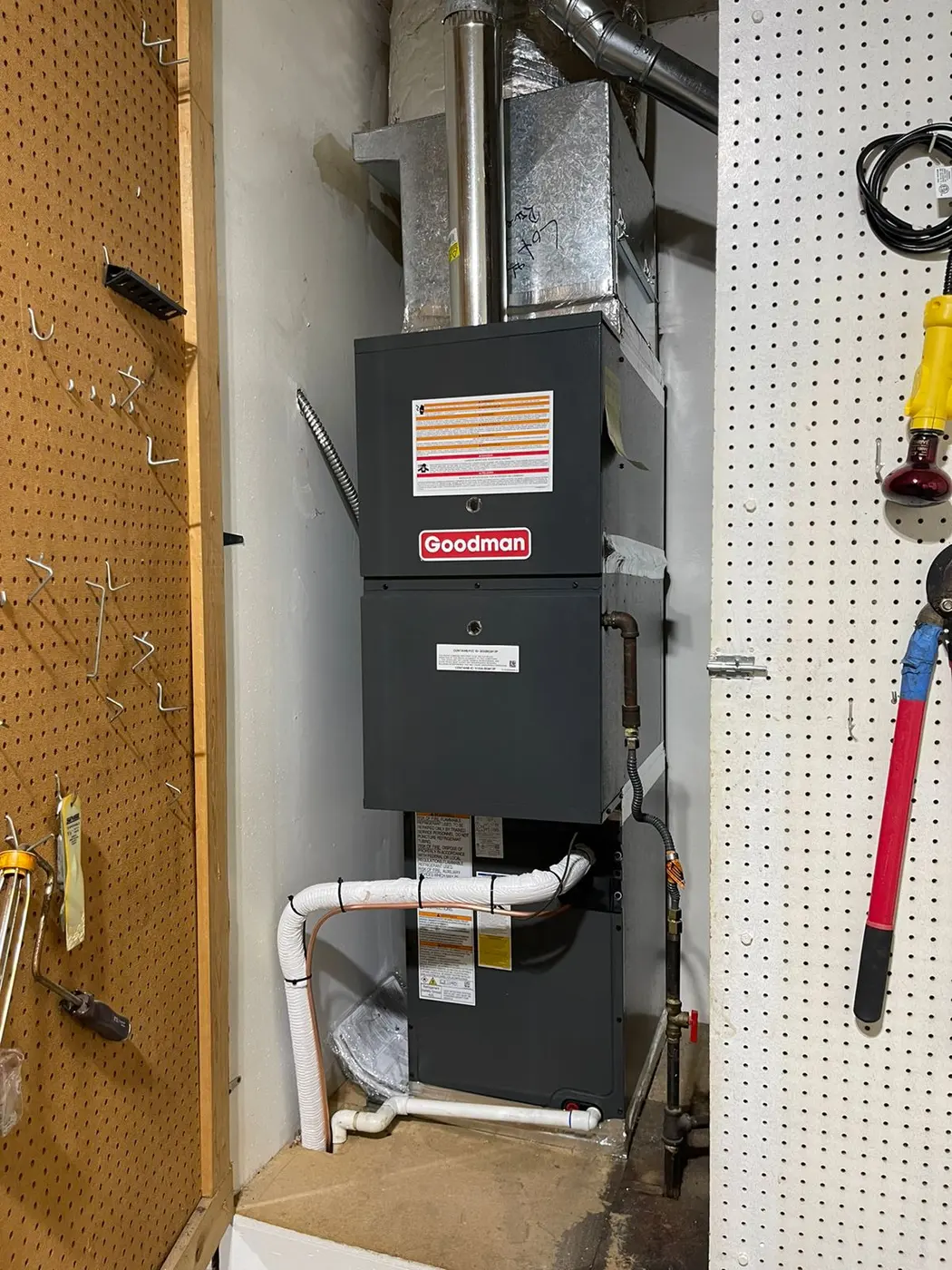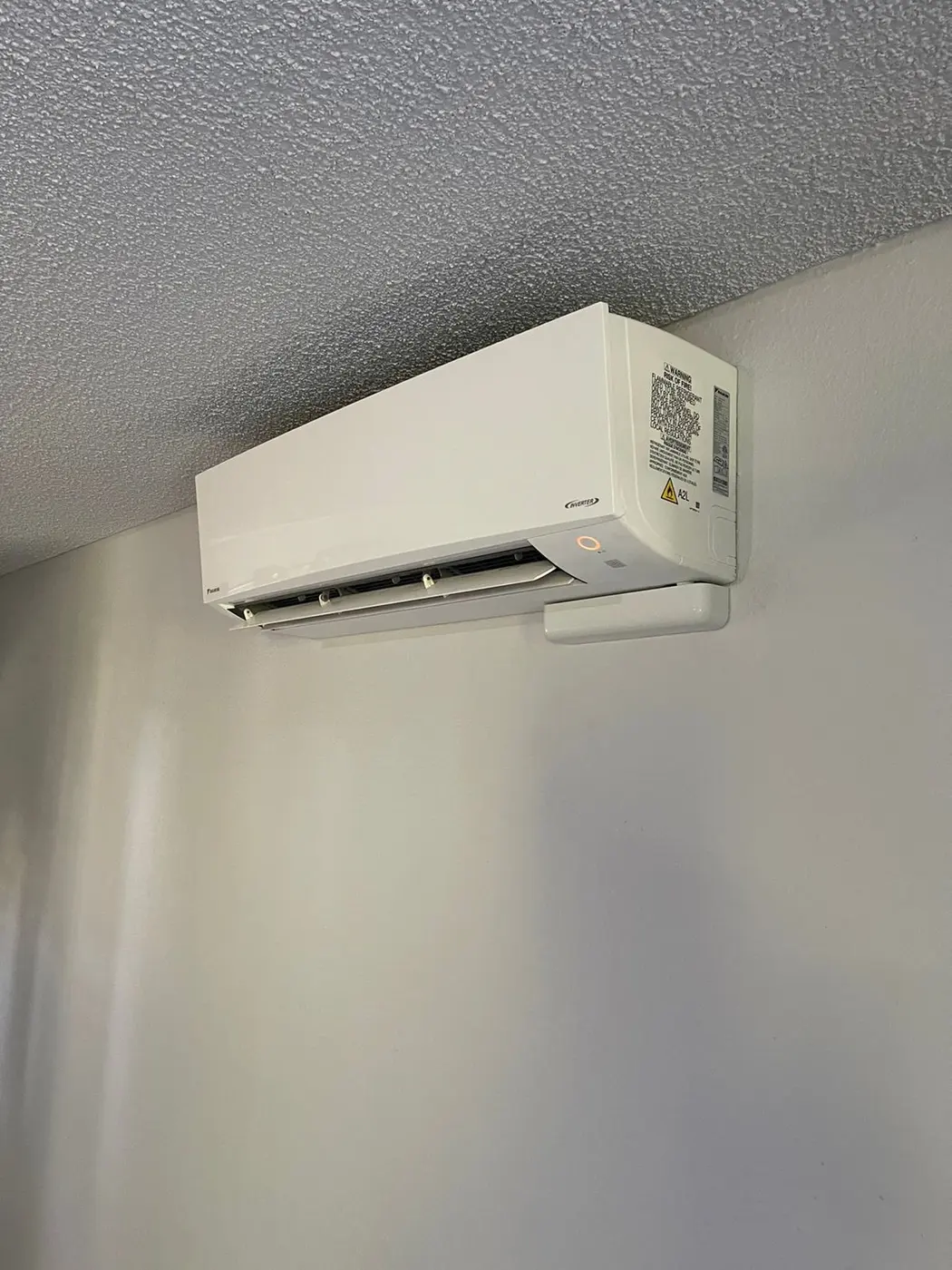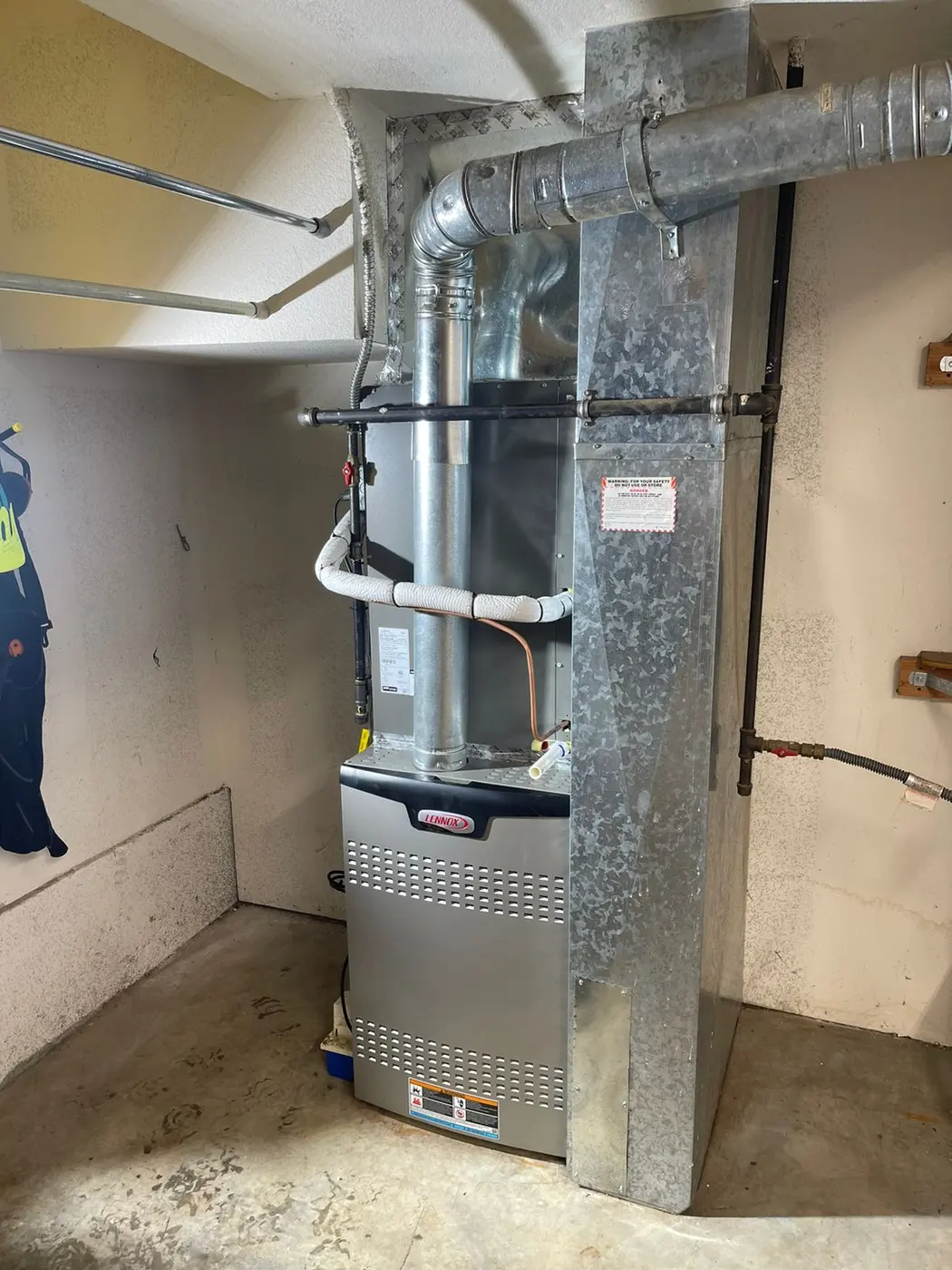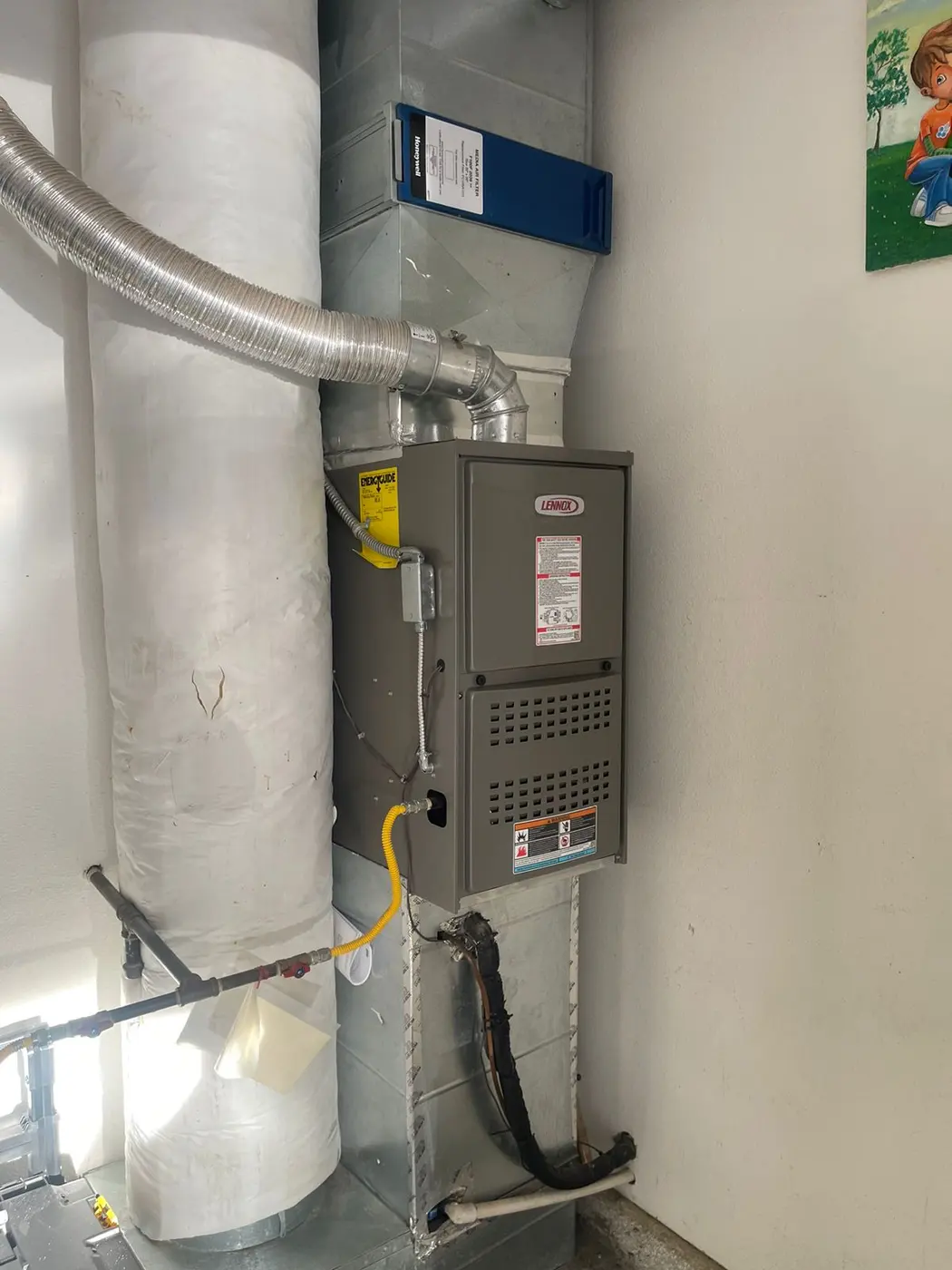
HVAC Installation in Division Clinton, OR with a free estimator visit
A strong HVAC installation page should help the homeowner understand what the estimate is based on before they choose equipment. In Division Clinton, OR, remodels, additions, finished basements and tight side yards can change the installation scope. HVAC & Appliance Repair Guys starts with a free estimator visit so the price reflects the home, the current setup and the installation conditions instead of a generic online number.
During the visit, we review the heating and cooling system, access, comfort goals, equipment options and project scope. The goal is whole-home comfort, equipment compatibility and a clean installation scope, with a clear explanation of labor, warranty, available financing, rebate questions and the next available installation schedule before work moves forward.
Why the first conversation matters for HVAC installation
The first conversation should separate urgent timing, budget expectations, comfort goals and the likely project type. A good Division Clinton, OR estimate should connect equipment choice to comfort goals, access and project timing.
That early context helps HVAC & Appliance Repair Guys arrive prepared to compare options and explain what should be verified before a Division Clinton, OR proposal is approved.
What makes the HVAC installation recommendation practical
Because each address can change the scope, the estimate should move from a broad service request to a property-specific recommendation. A practical recommendation for HVAC installation in Division Clinton, OR should be specific enough to act on, but clear enough for the homeowner to compare without pressure.
- Start with heating, cooling, ductwork, controls and equipment compatibility instead of only equipment brand.
- Use the visit to decide the right scope for whether the project should be a direct replacement, staged upgrade or full system plan.
- Keep the final options focused on comfort complaints, project scope, warranty level and equipment options.
What the free estimator visit checks
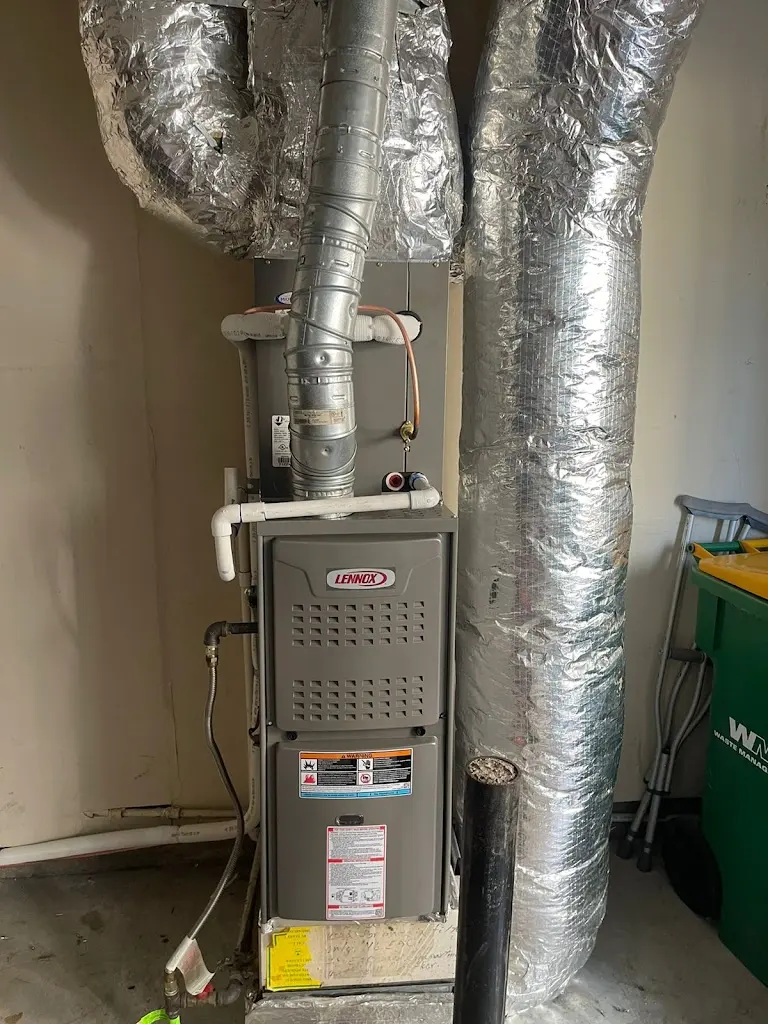
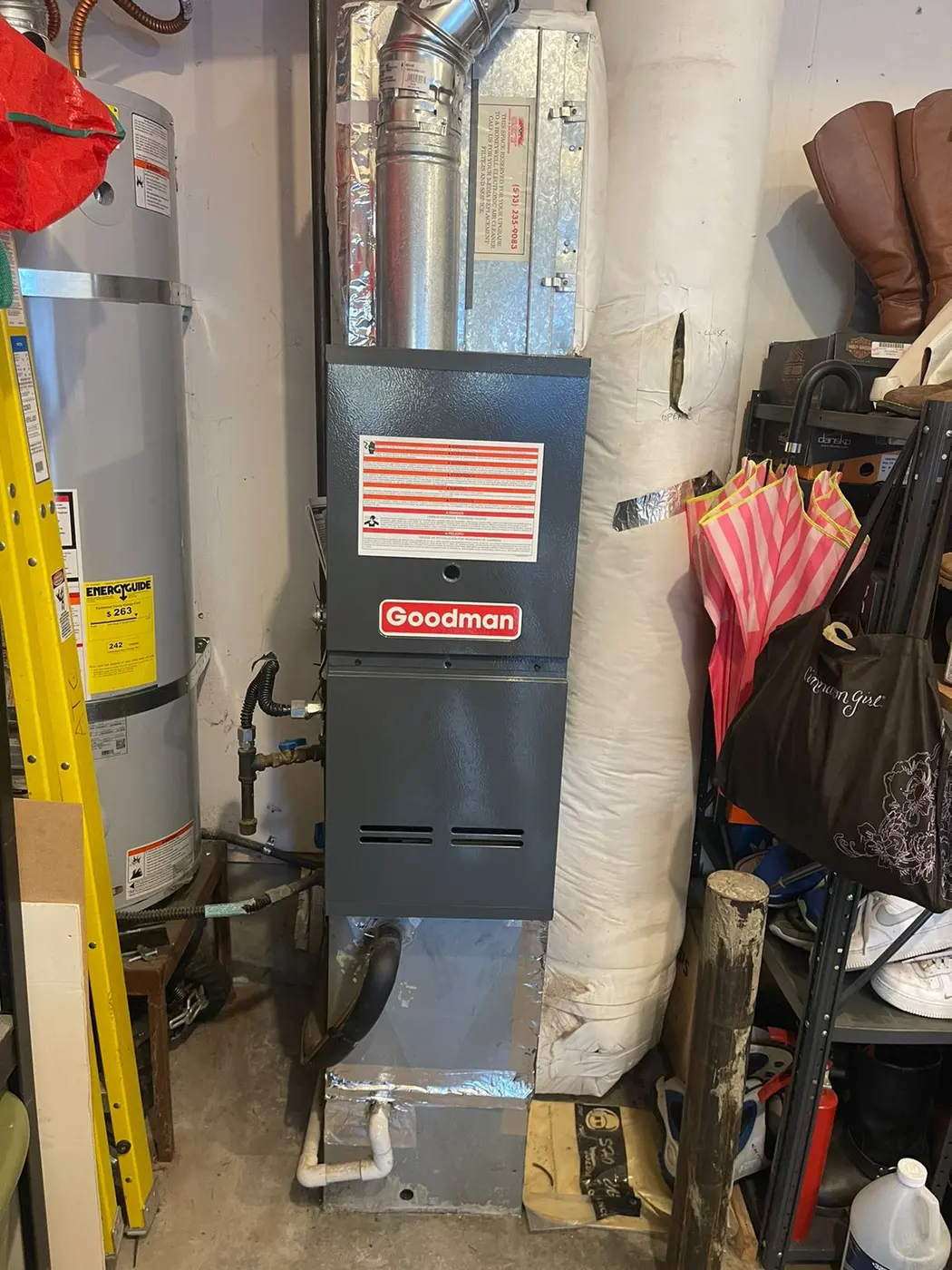
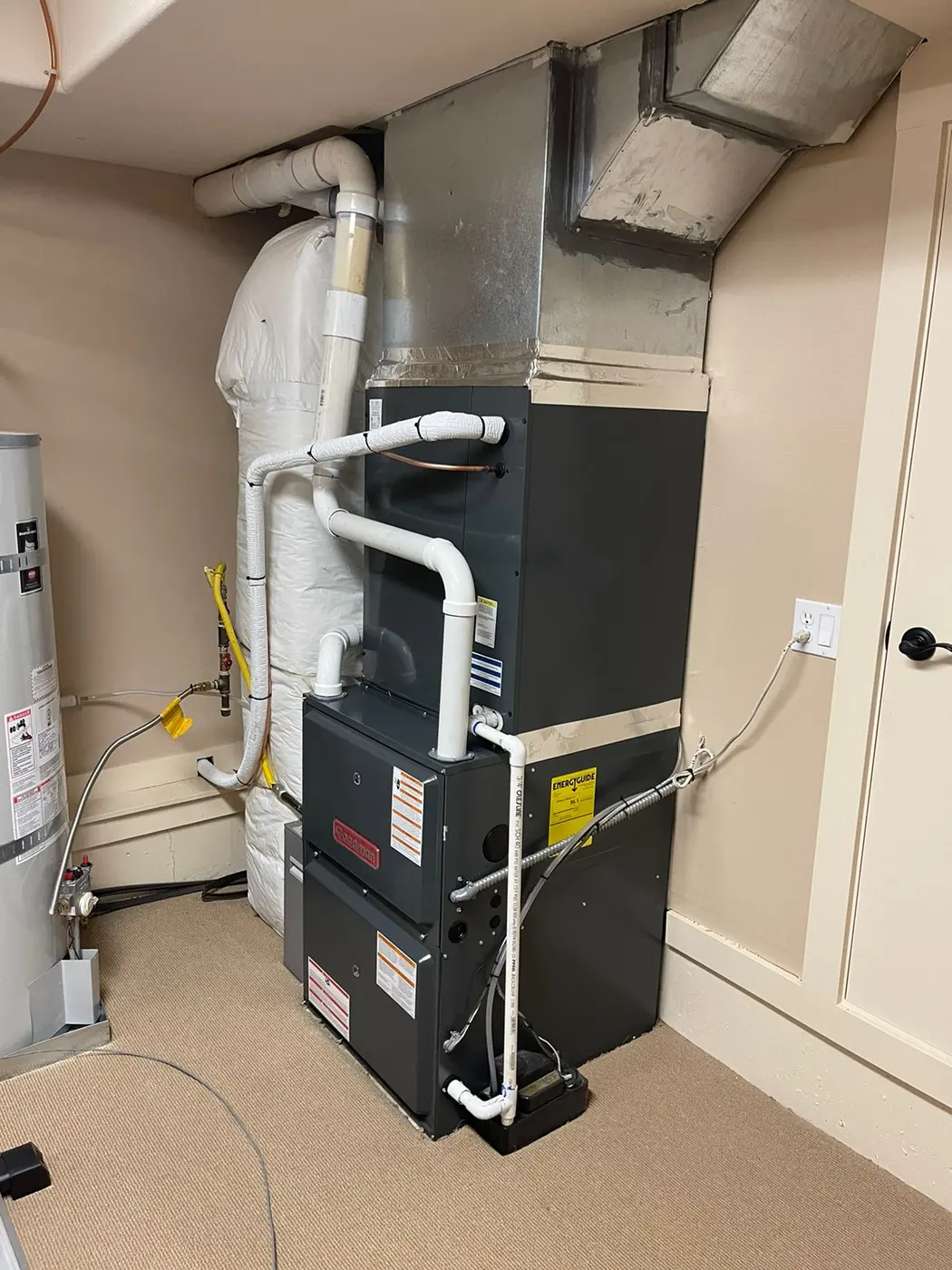
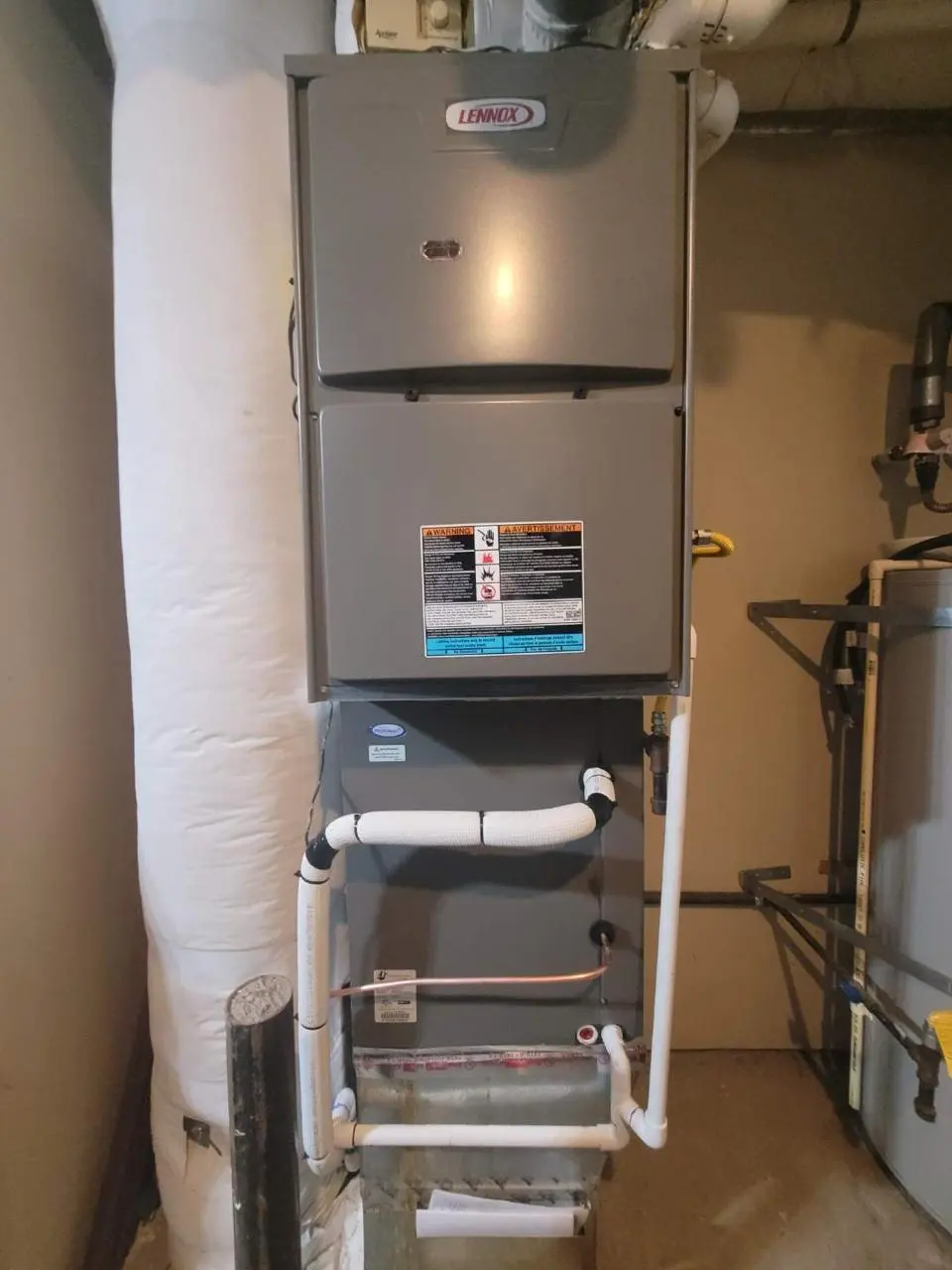
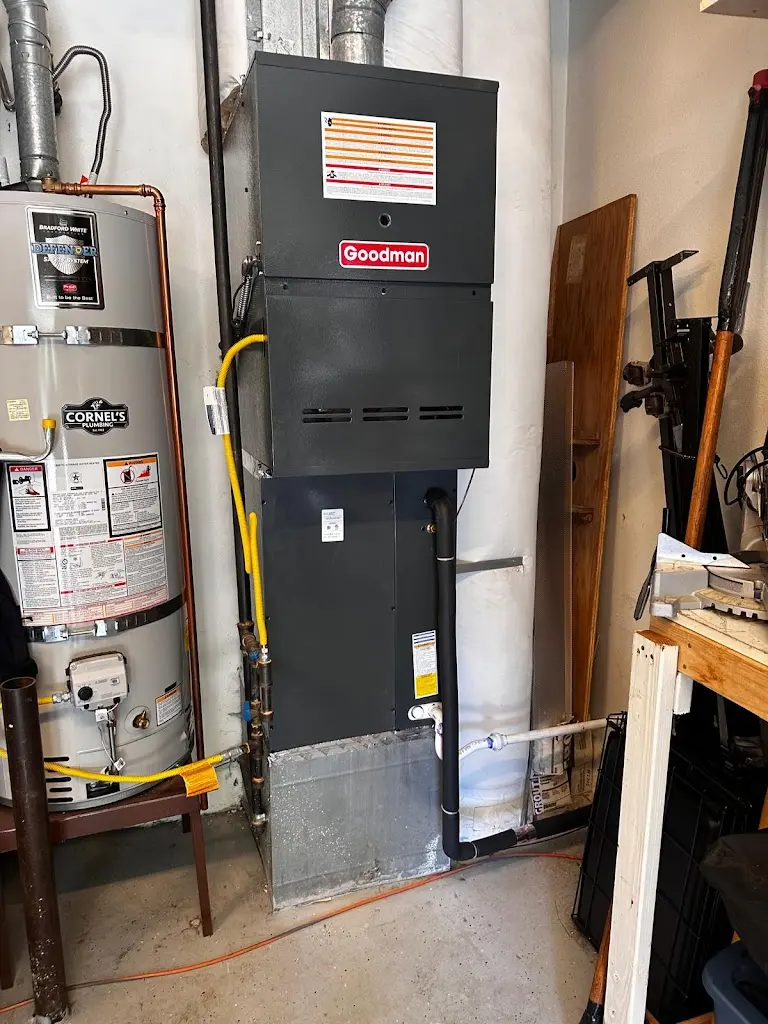
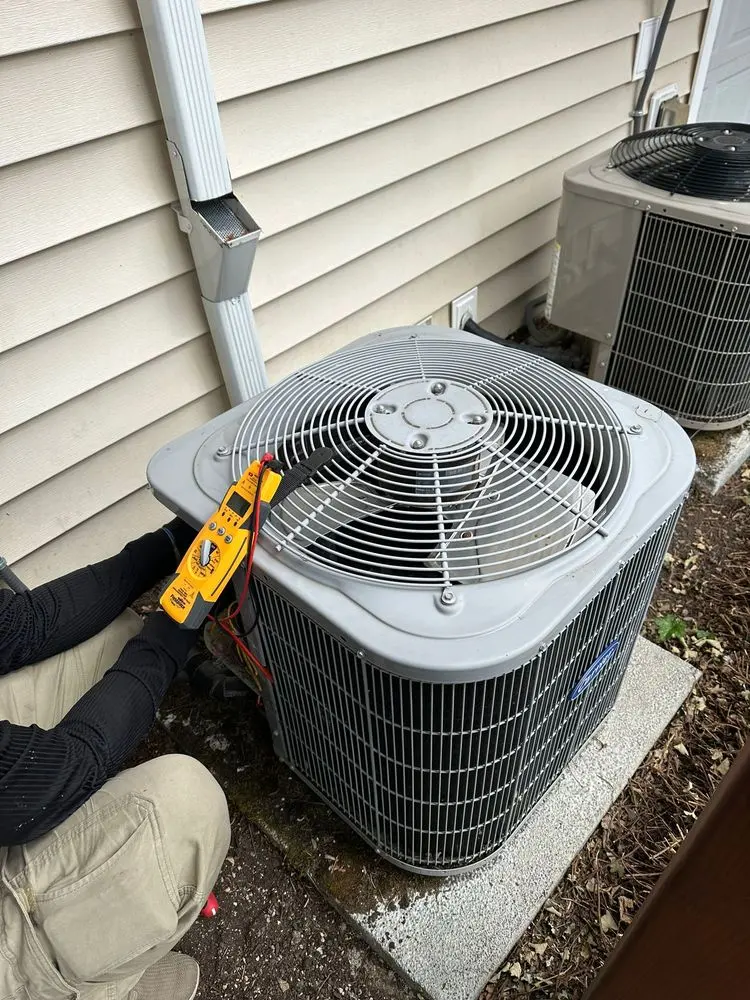
- Current heating and cooling equipment, age, brand, size and visible installation condition.
- Ductwork, airflow, return air, thermostat setup and rooms with uneven comfort.
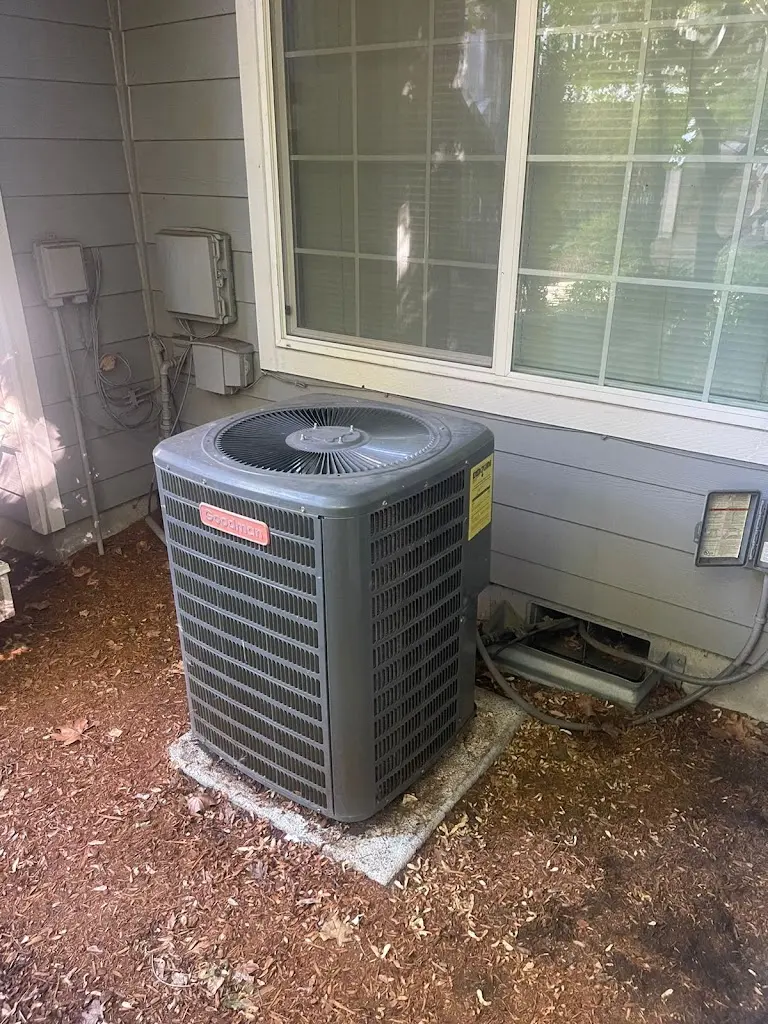
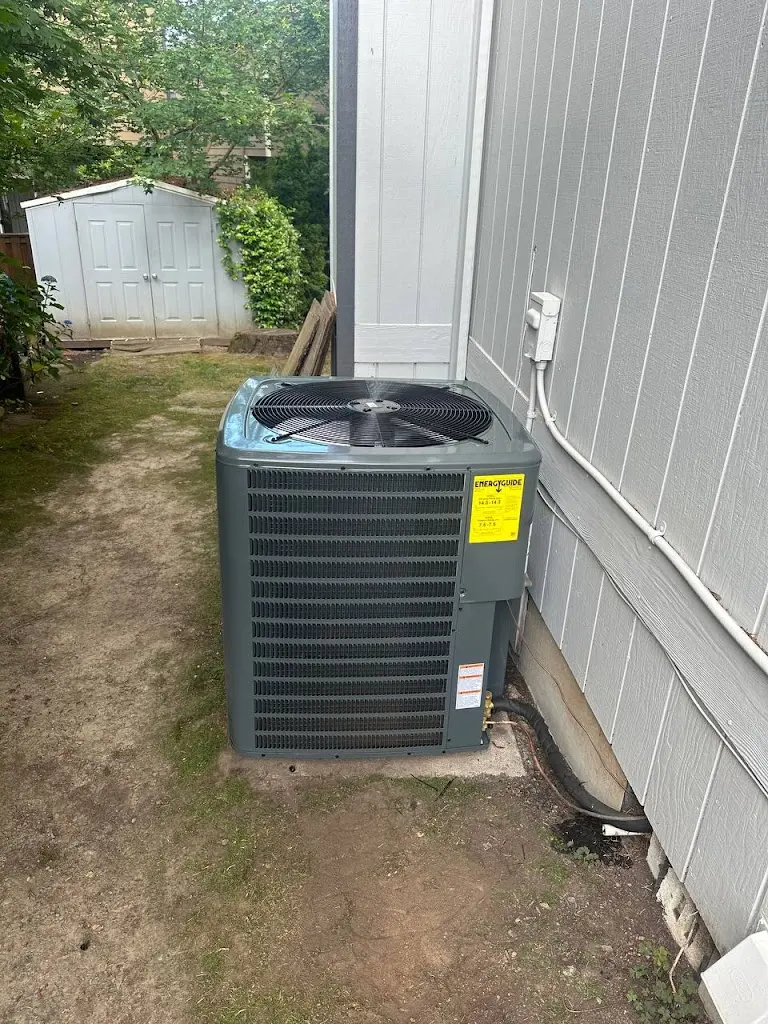
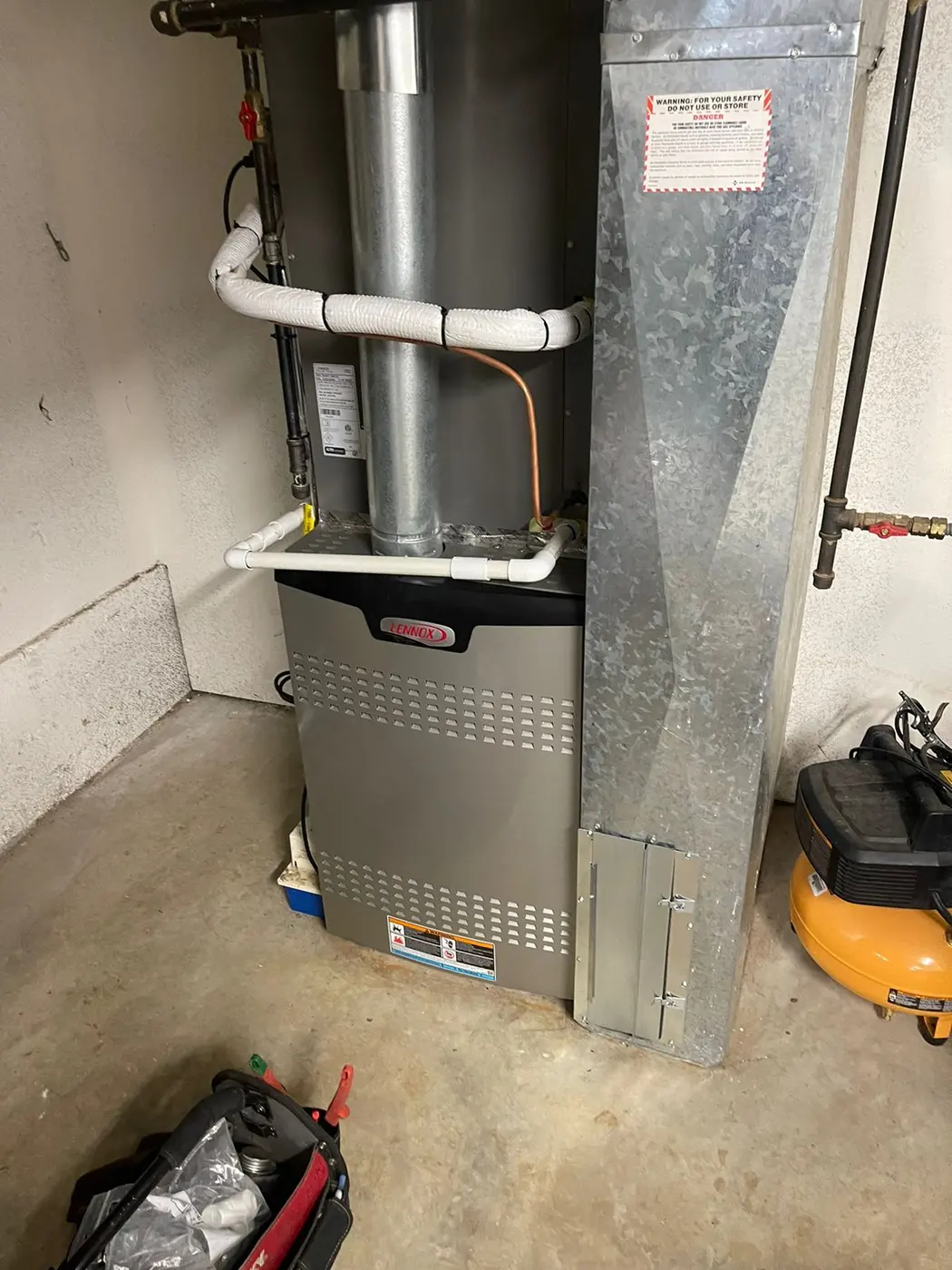
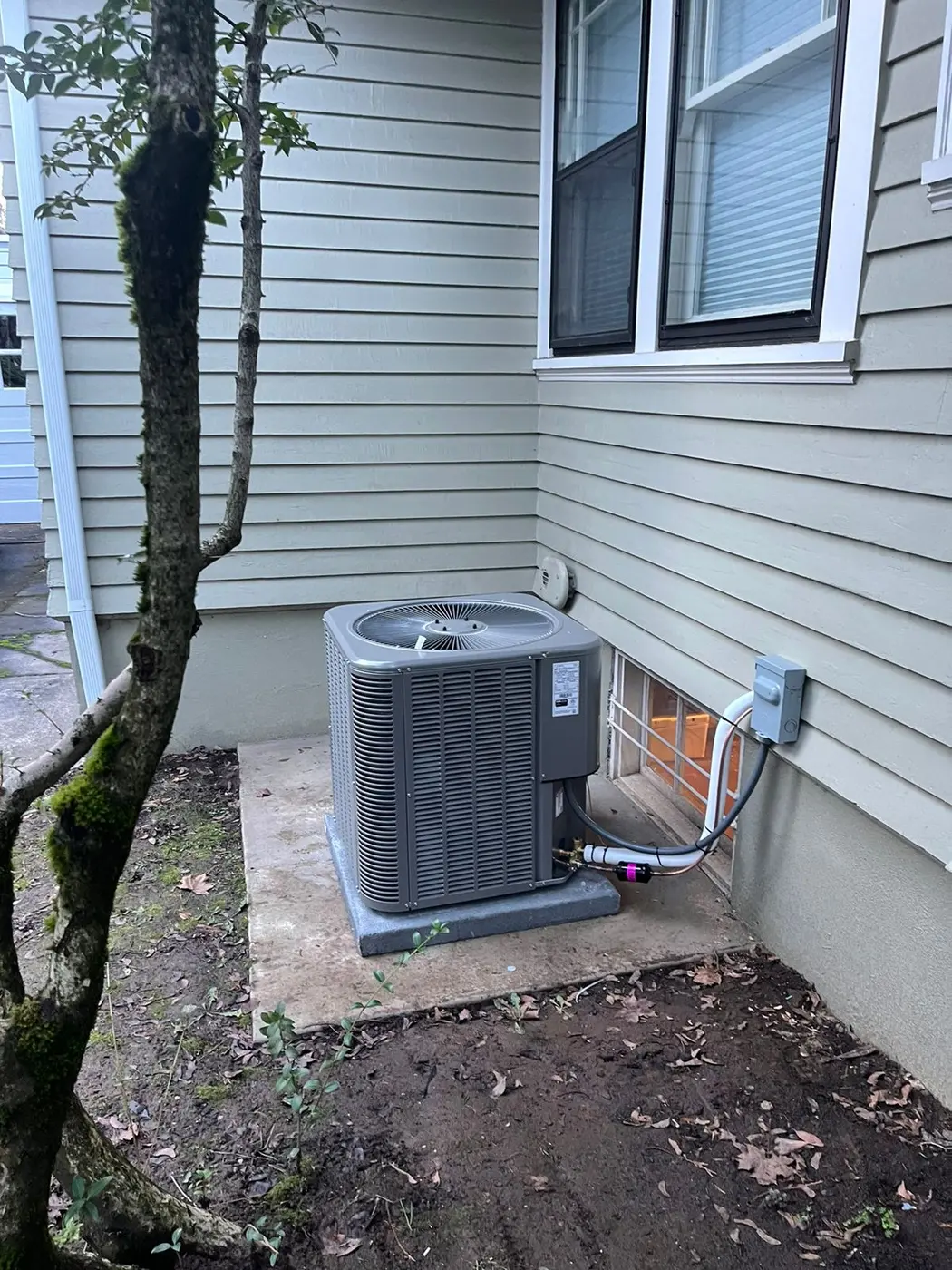
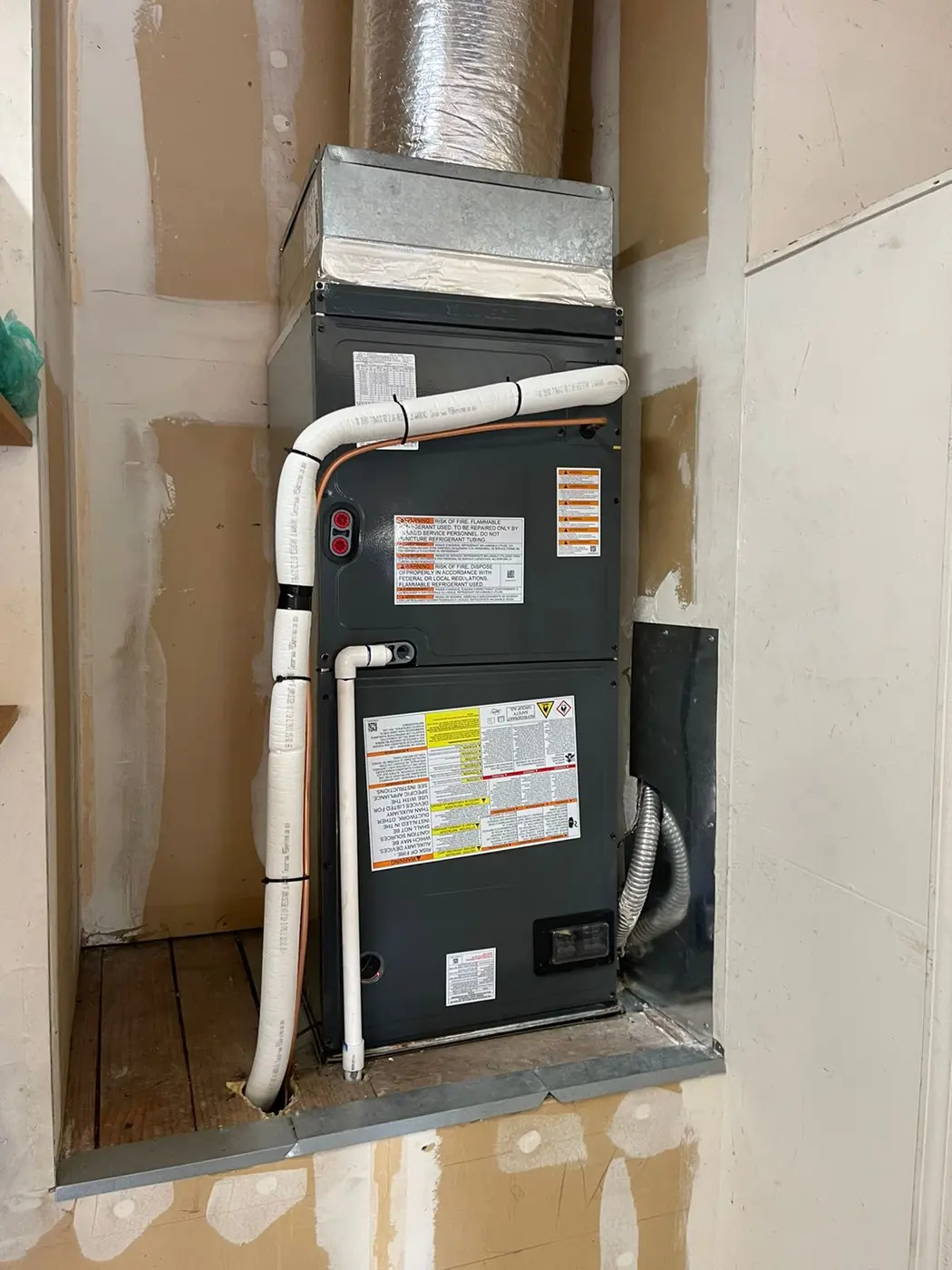
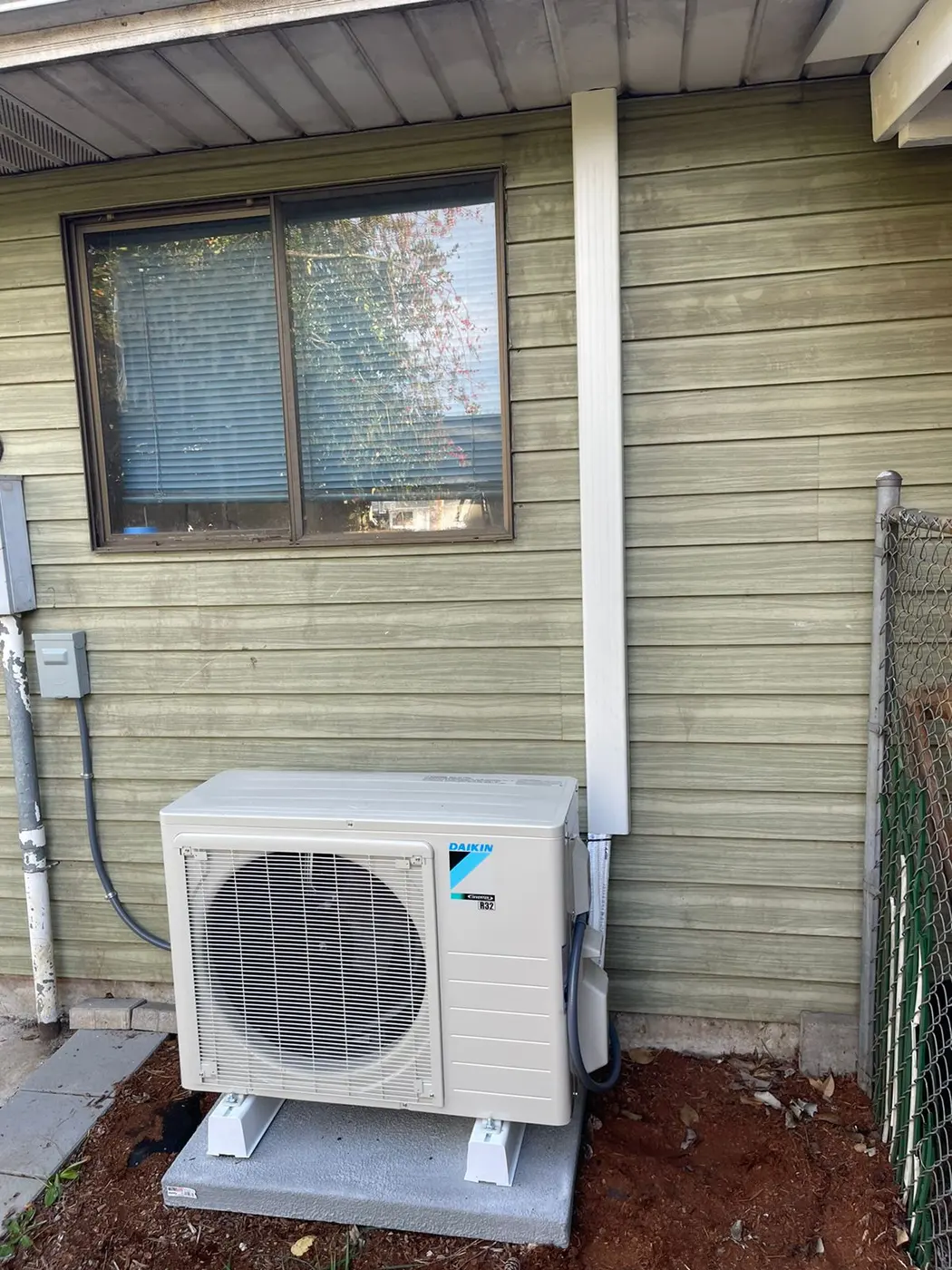
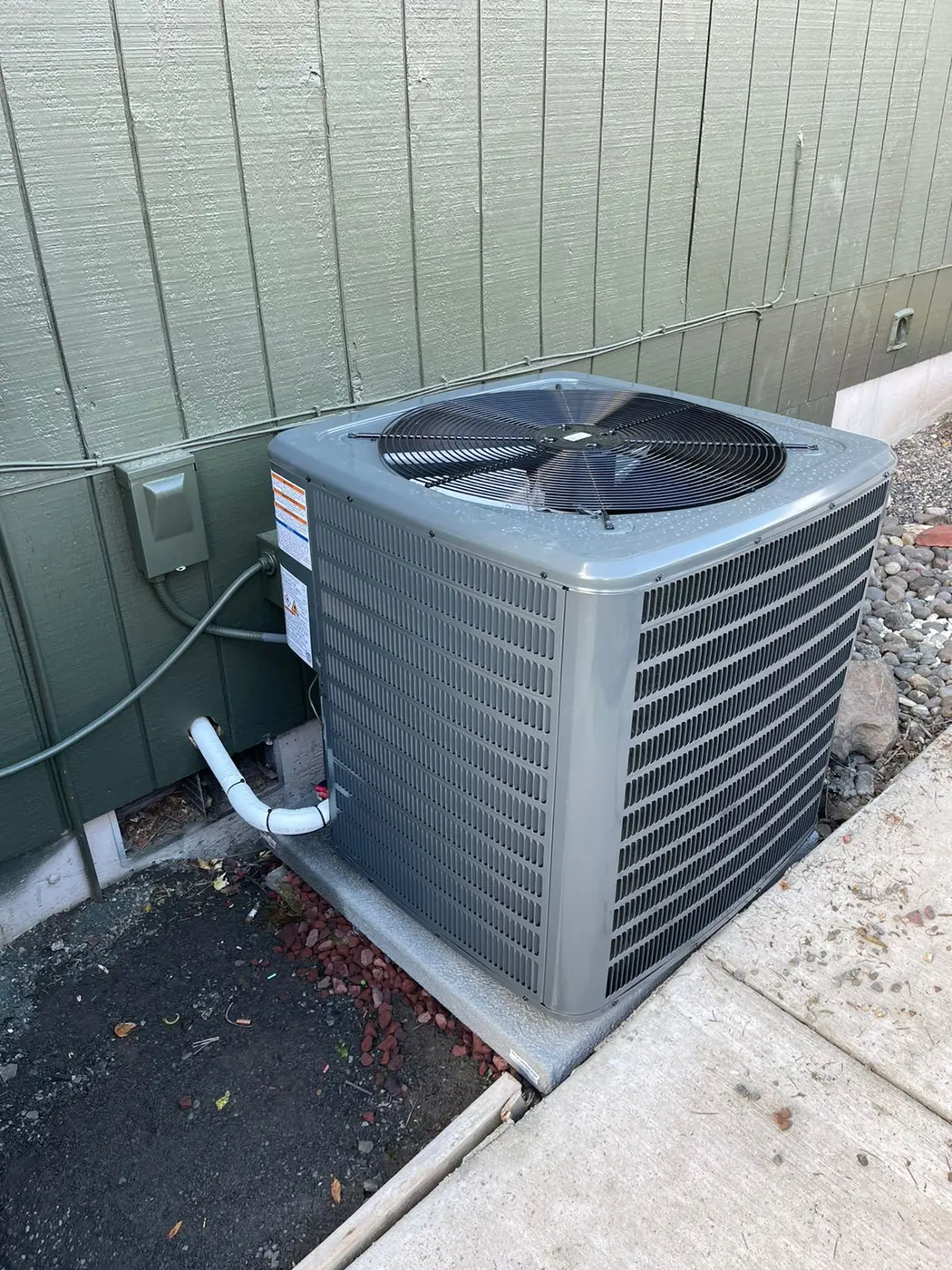
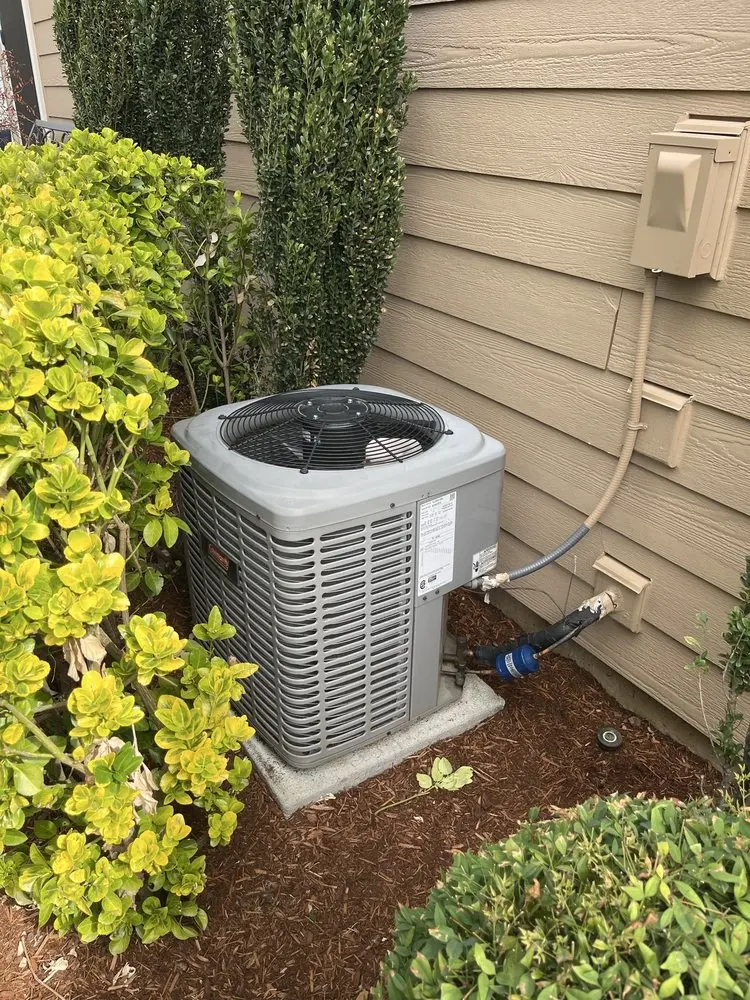
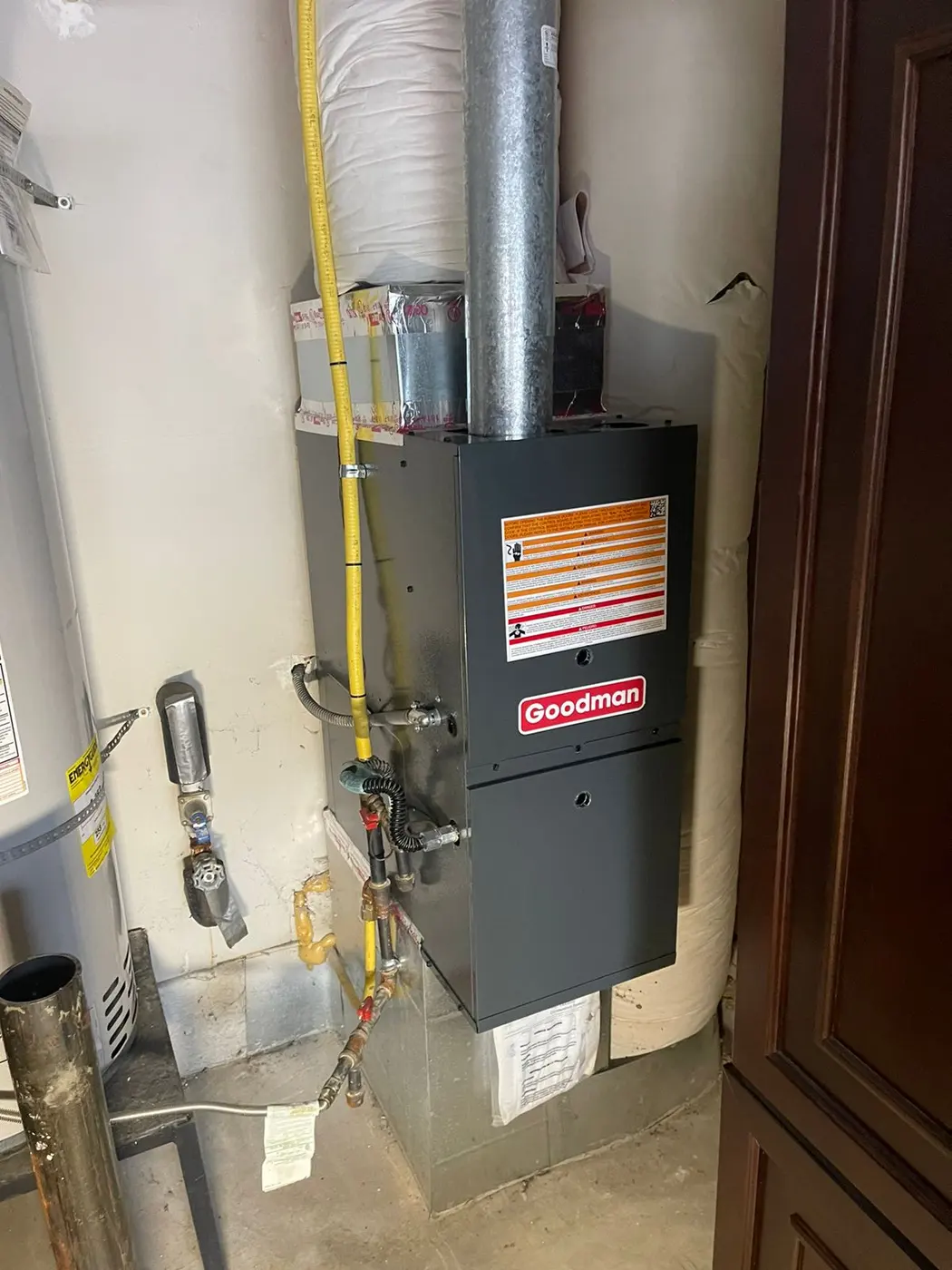
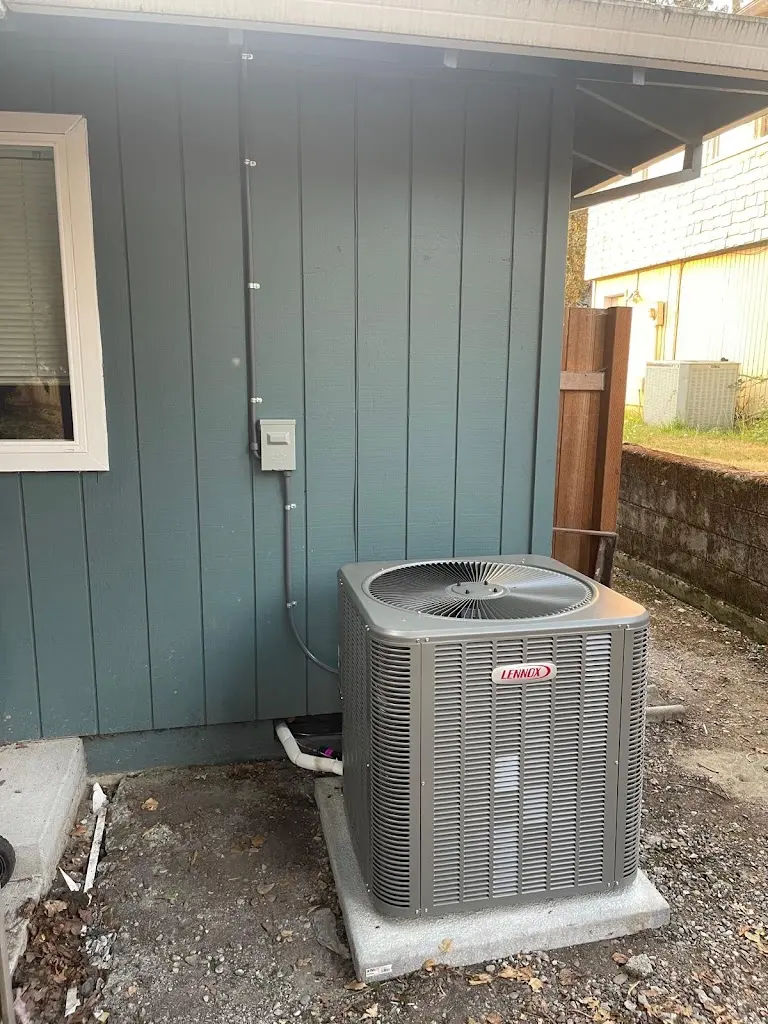
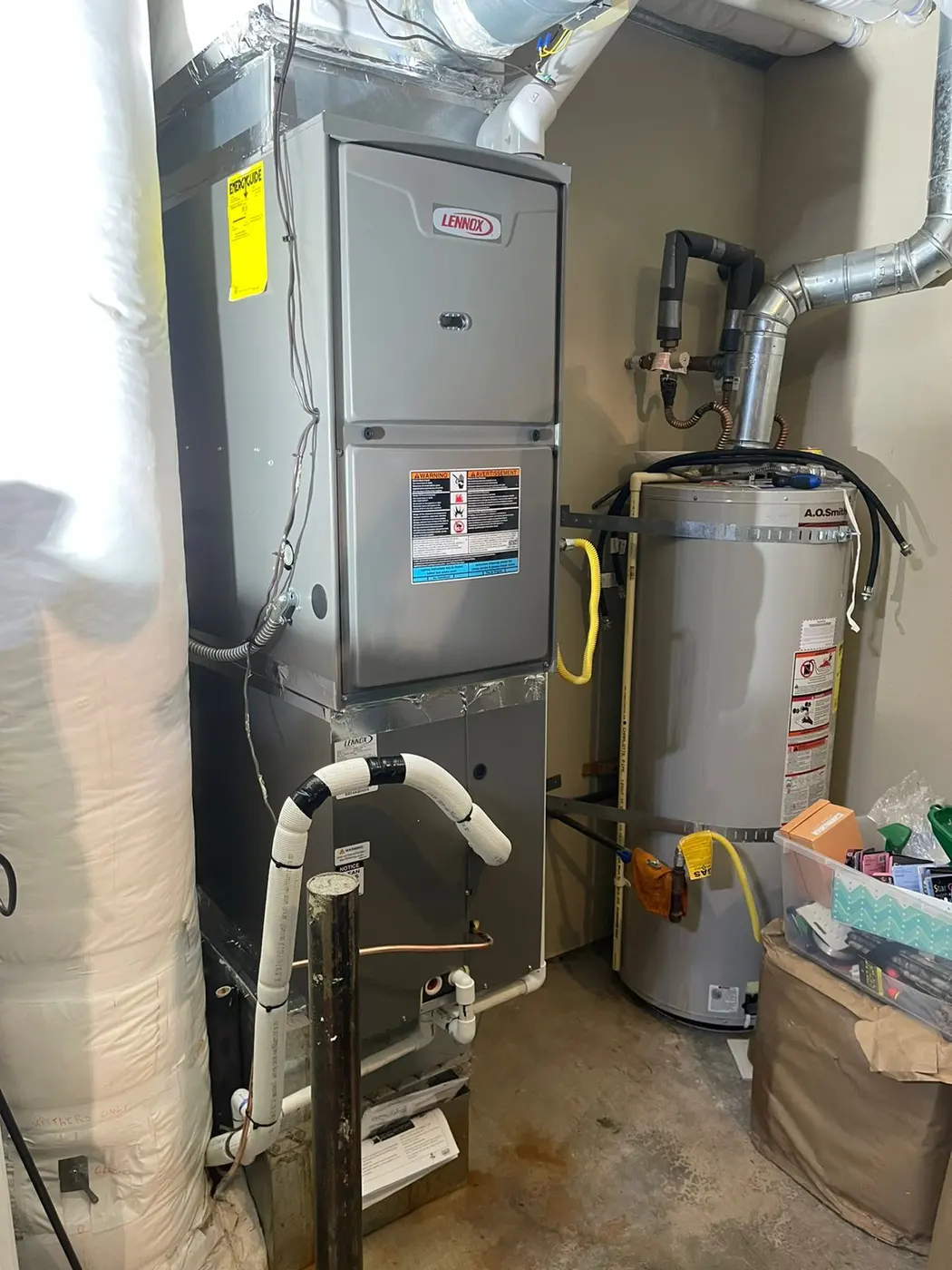
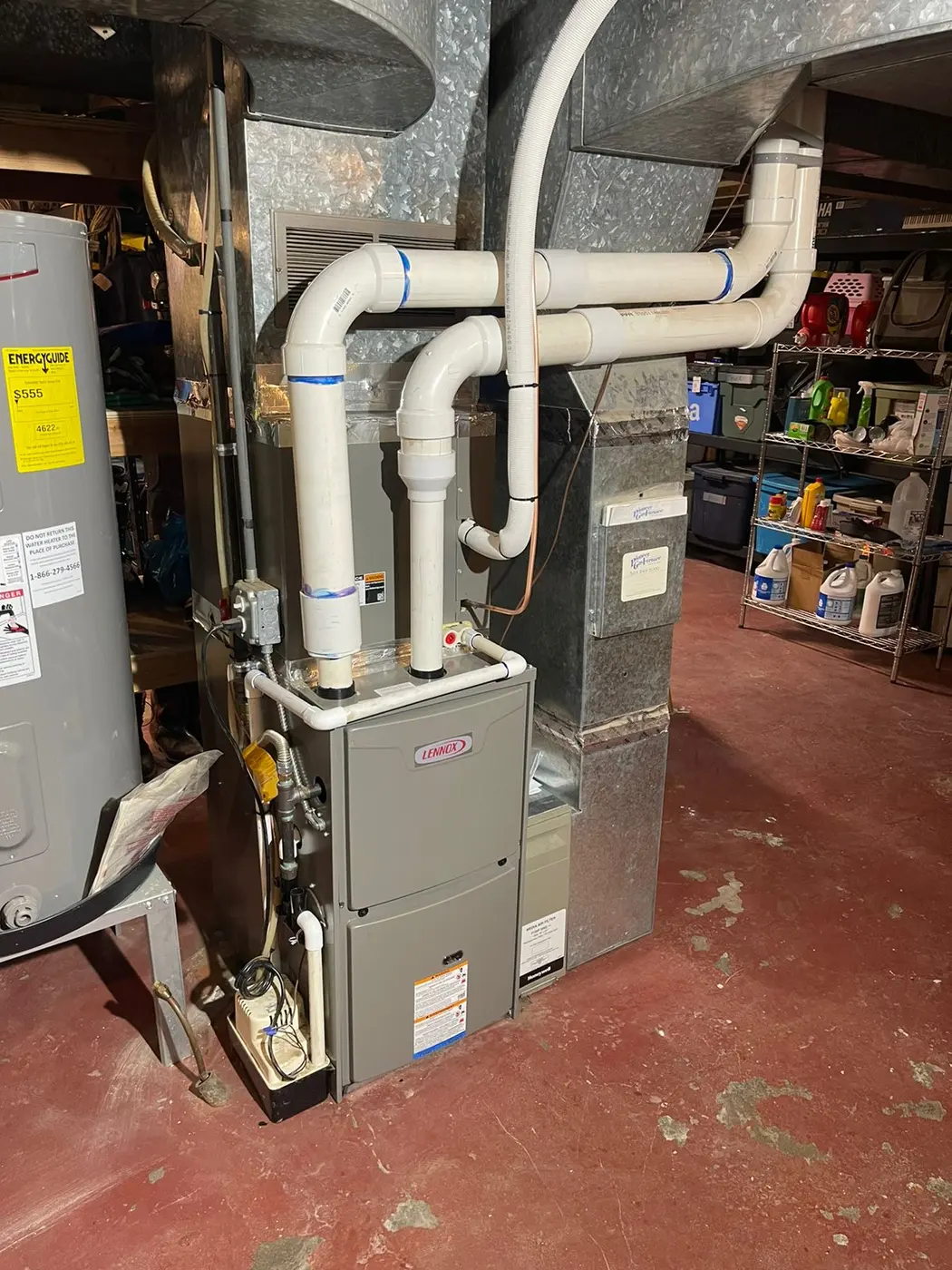
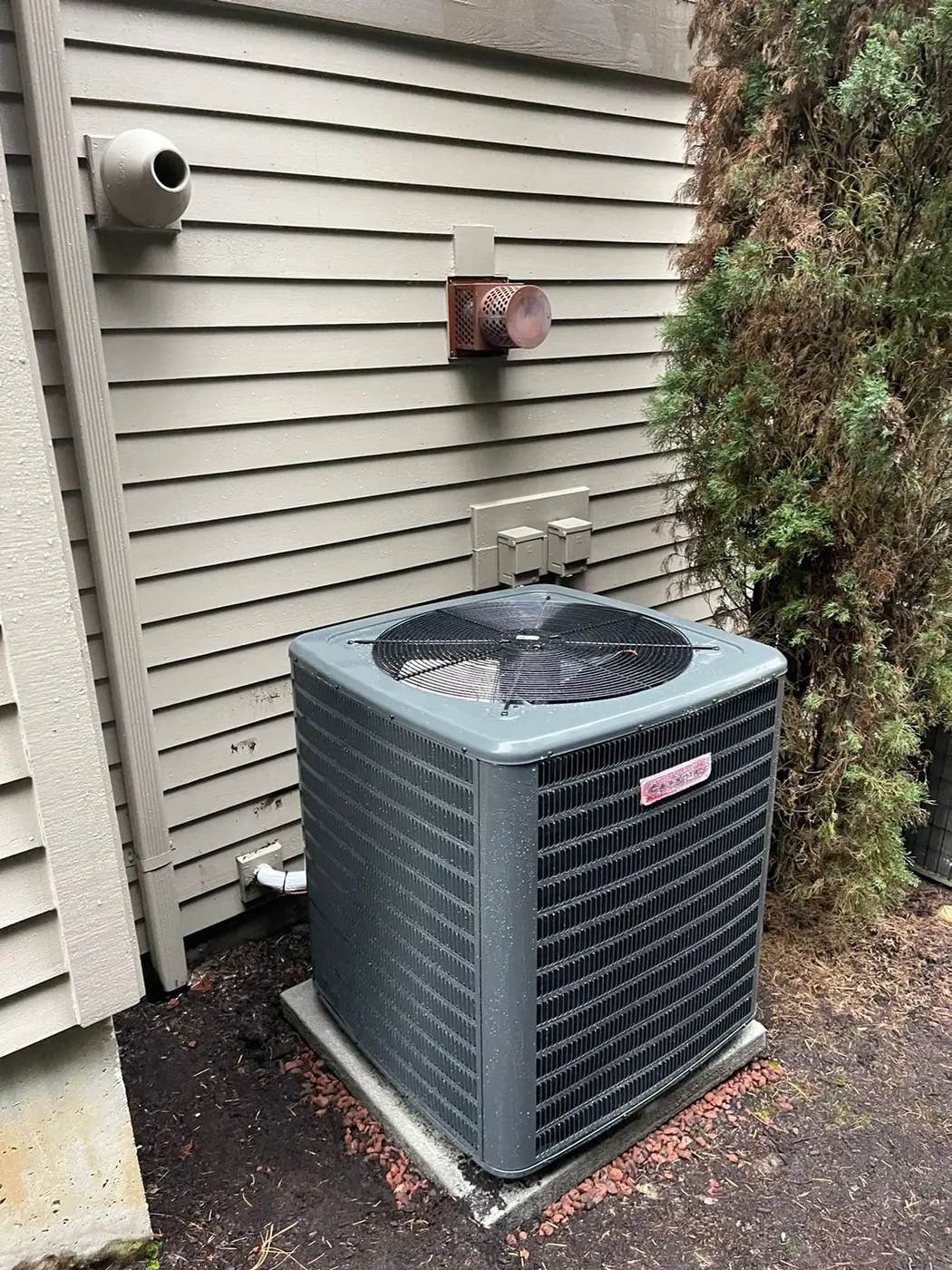
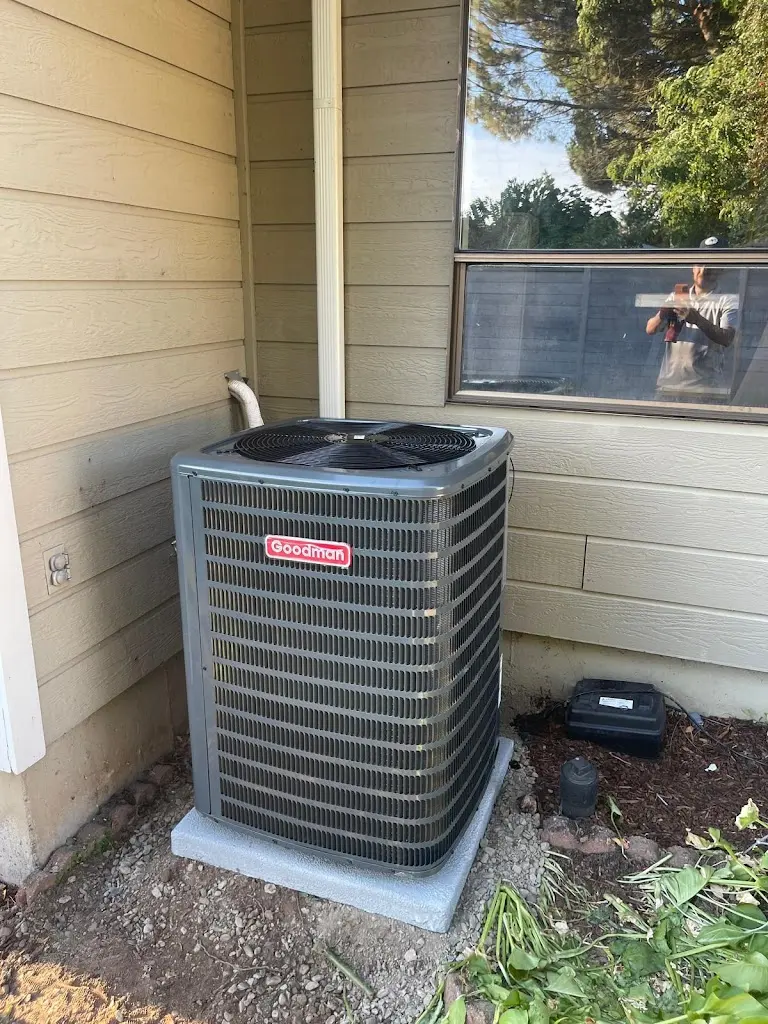
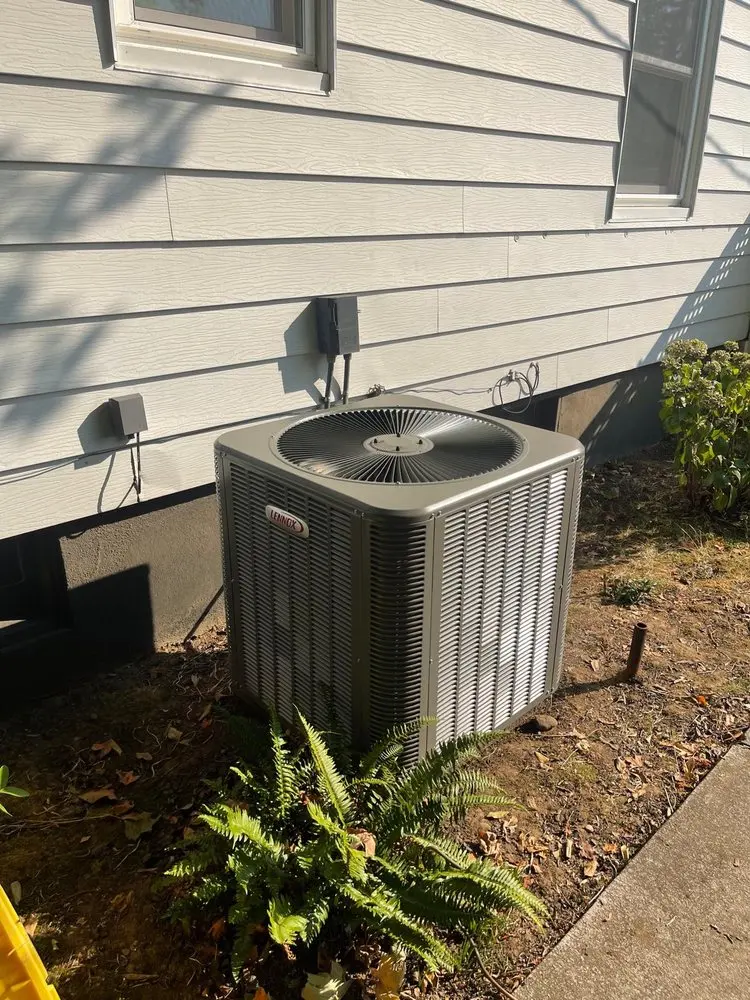
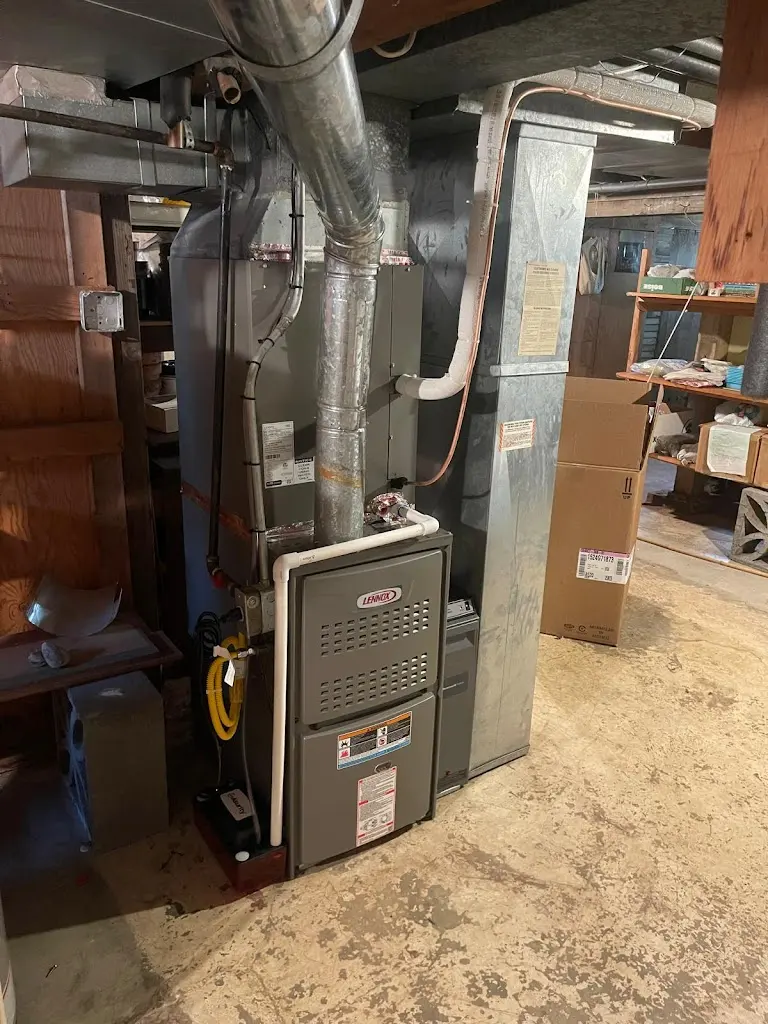
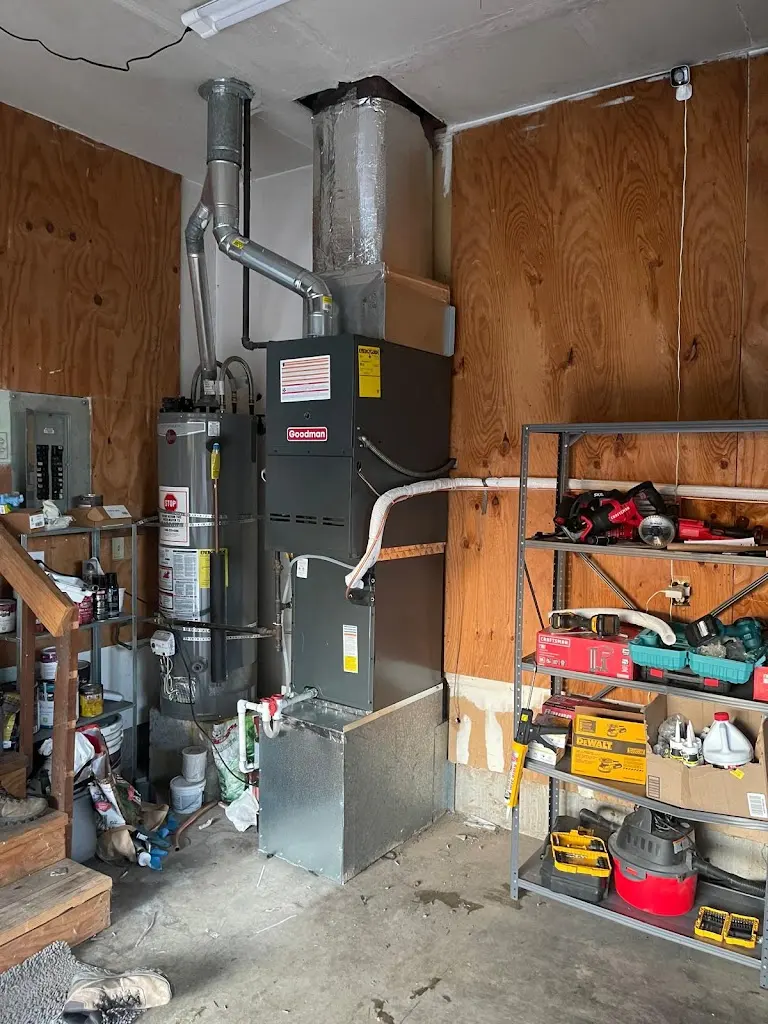
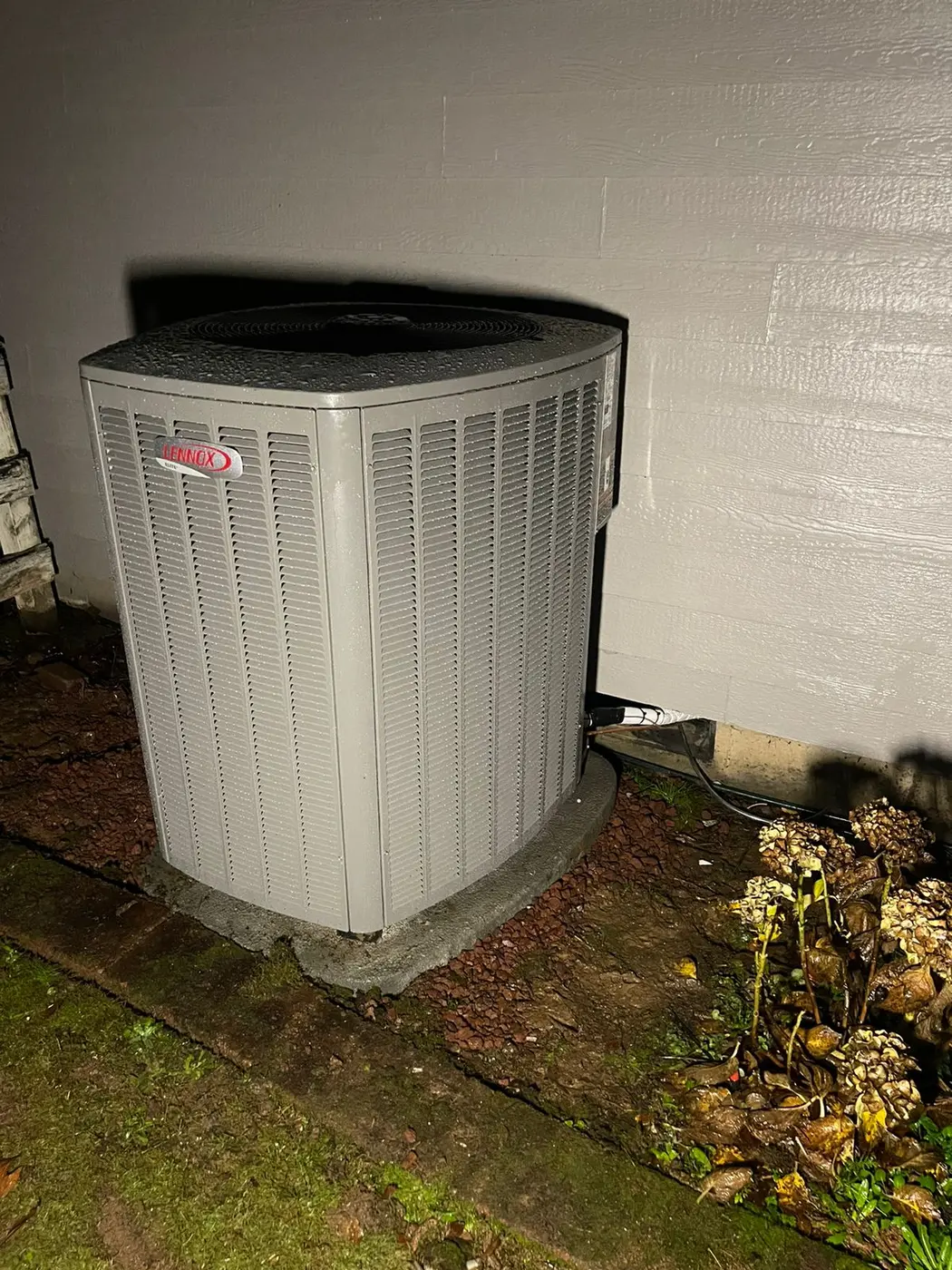
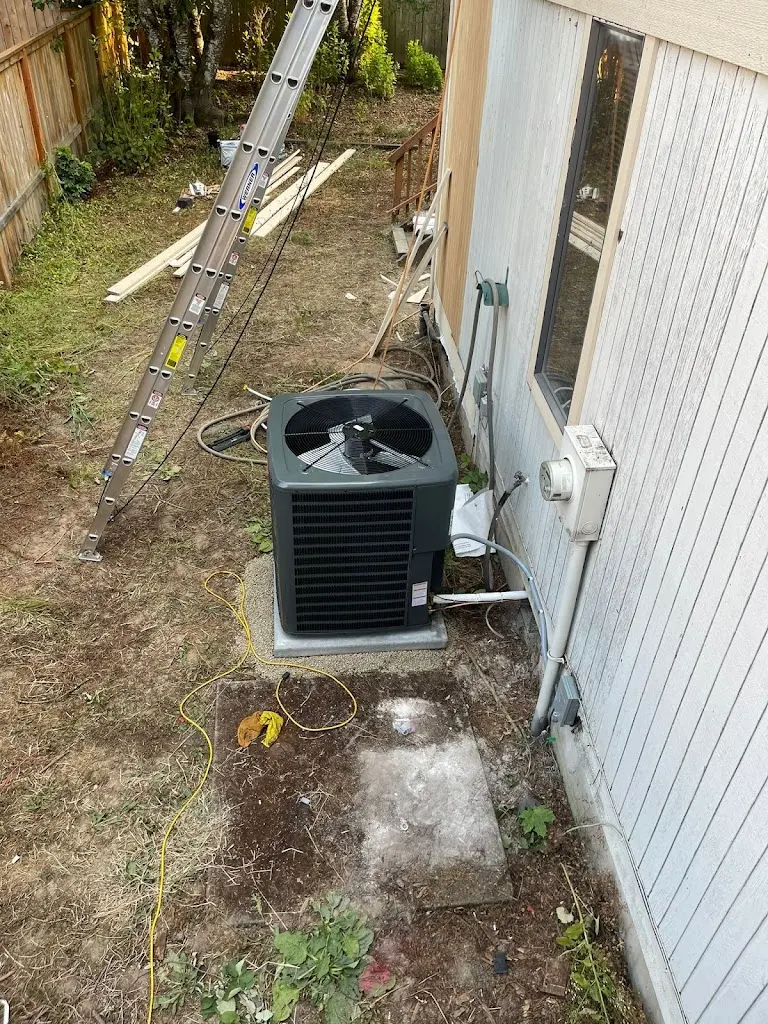
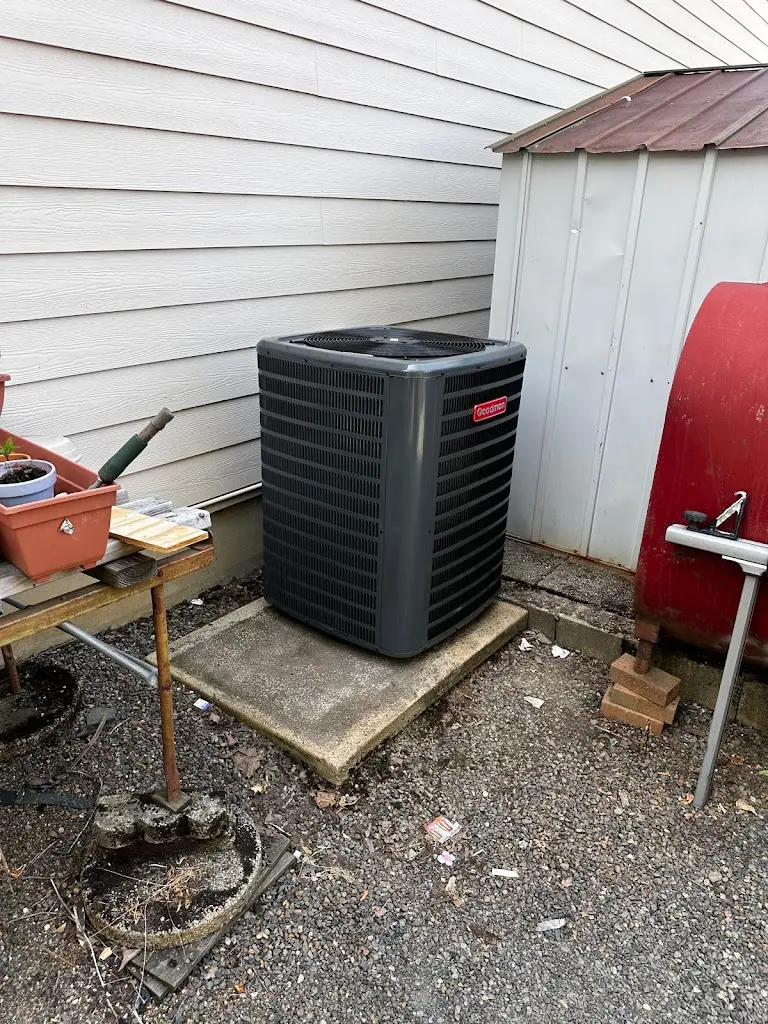
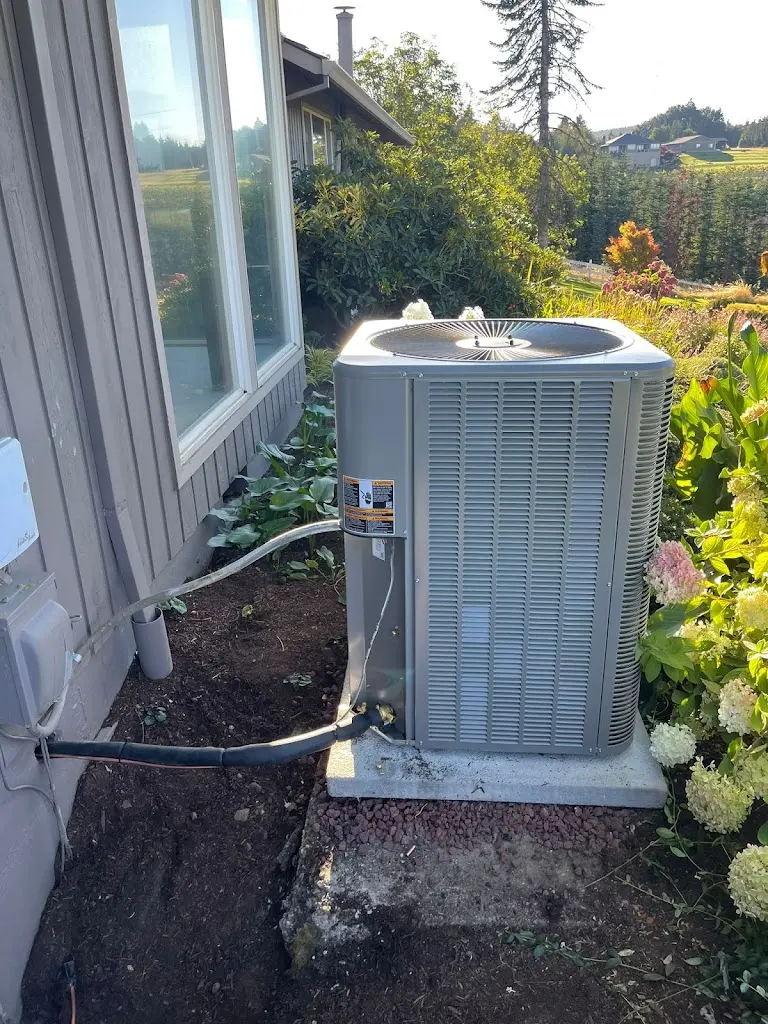
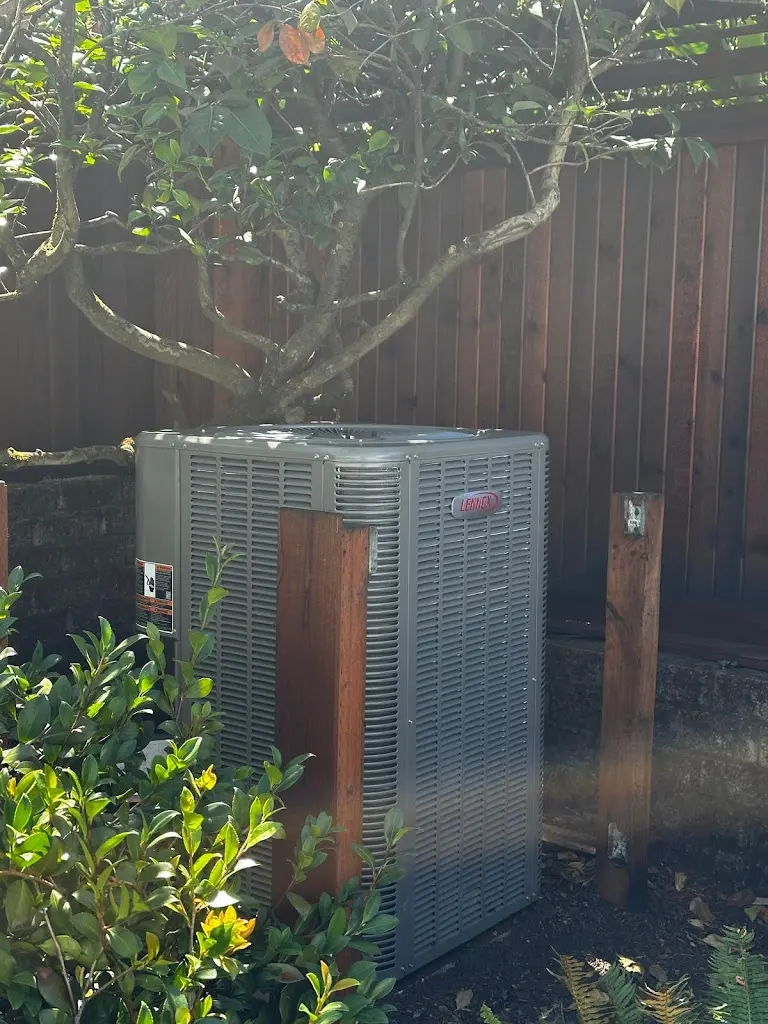
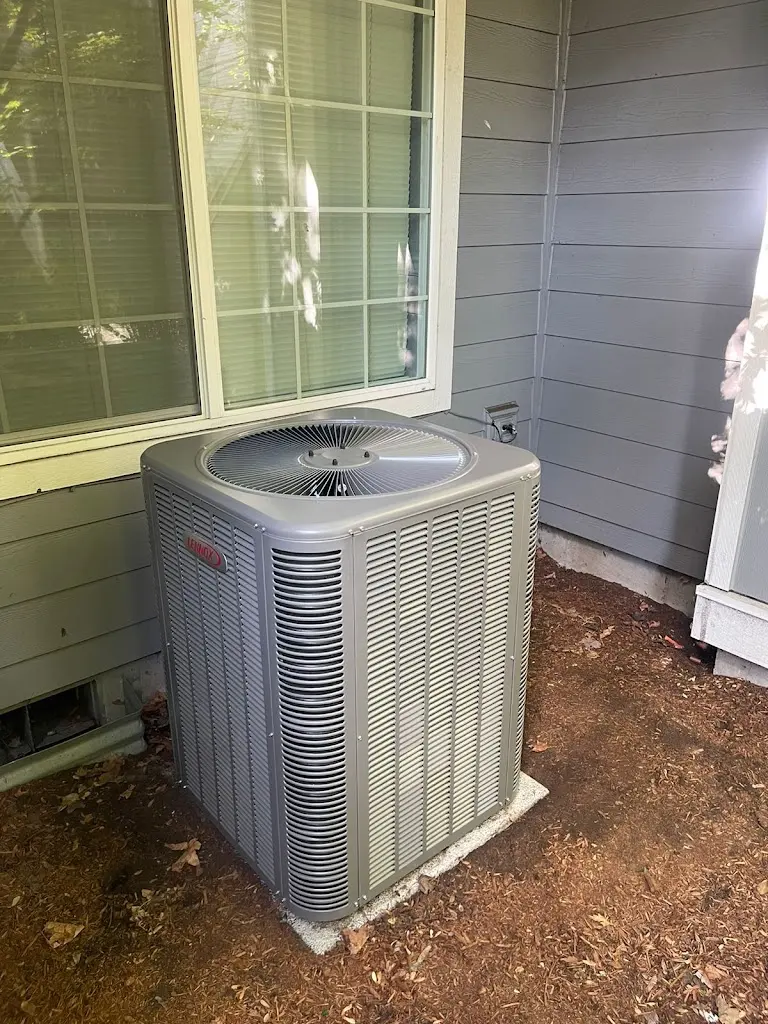
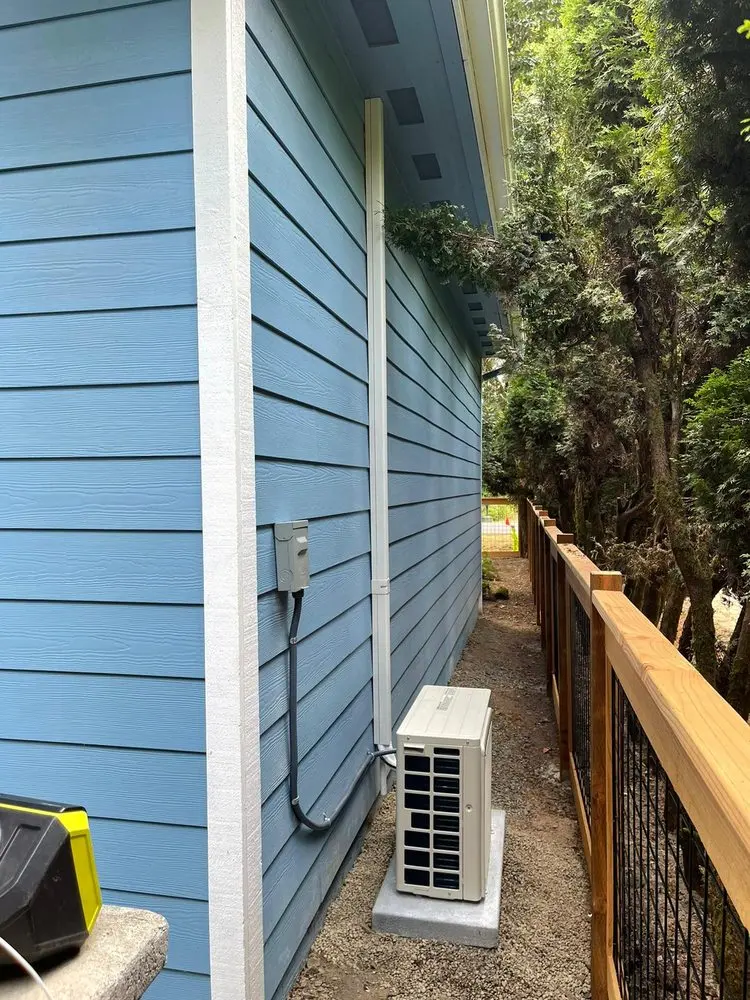
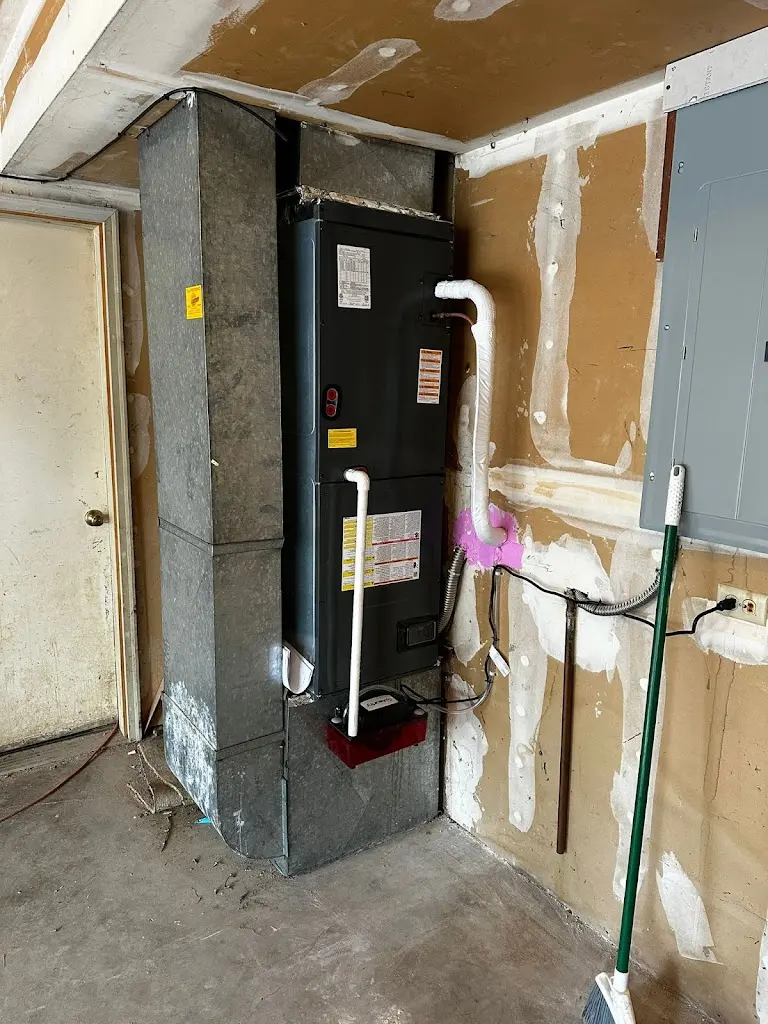
- Outdoor unit placement, indoor equipment access, electrical, venting and line-set conditions.
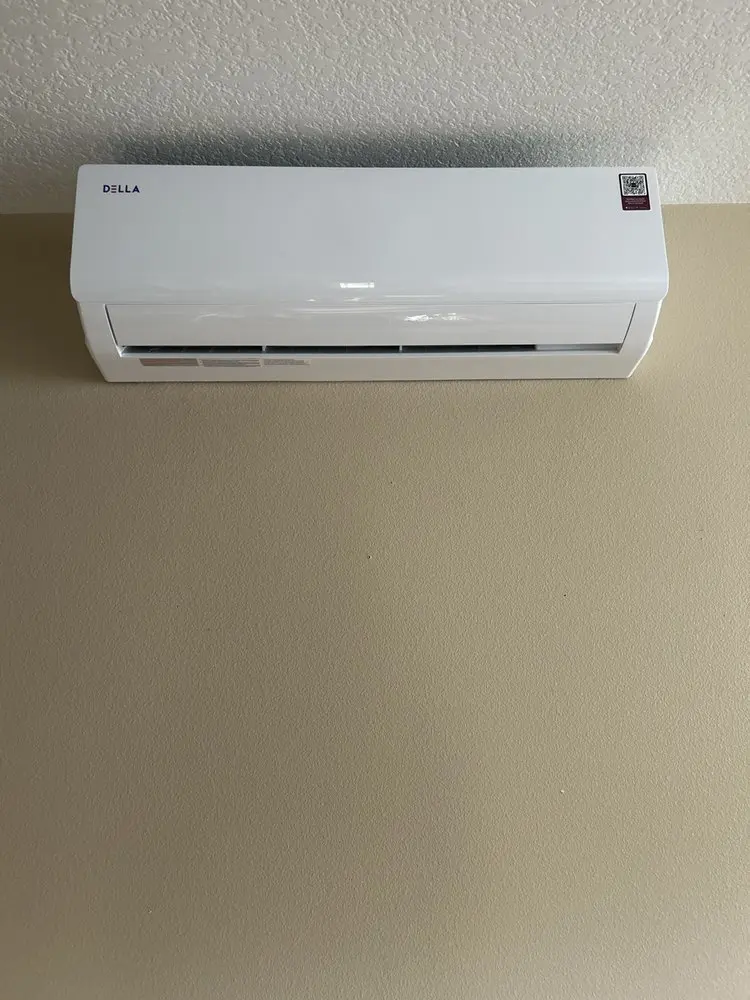
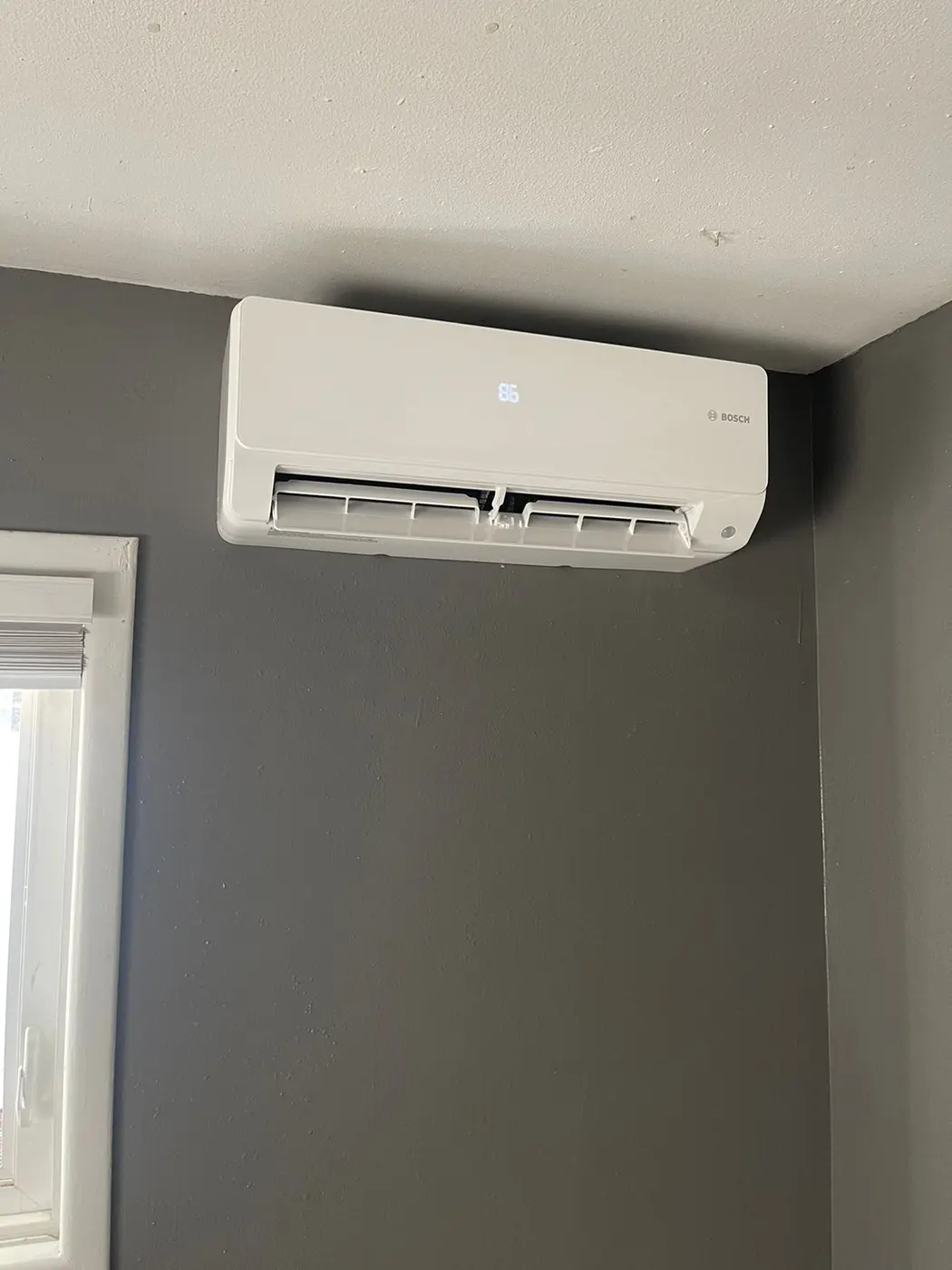
- Whether the project should include AC, furnace, heat pump, mini-split or full system replacement.
- Permit, warranty, financing and rebate details that may change the final proposal.
What the HVAC installation estimate should clarify
A useful estimate for HVAC installation in Division Clinton, OR should answer the questions a homeowner will have before approving work: what is included, why the equipment fits, what can change the scope and when the project can move forward.
- Confirm equipment type, capacity range, efficiency level and compatibility.
- Review access, labor scope, permit notes, controls and project preparation.
- Compare the recommended options in plain language before scheduling installation.
How the estimate avoids surprise scope changes
A clean HVAC installation estimate in Division Clinton, OR should reduce surprises before installation day. That means checking the parts of the home that affect labor, access, equipment compatibility and code-related details before the homeowner chooses an option.
- Verify the equipment location and the path technicians will use to bring materials in.
- Confirm whether electrical, venting, duct, drain or control work changes the project.
- Separate optional comfort upgrades from required installation scope.
What a clear HVAC installation proposal should include
A clear HVAC installation proposal should show equipment, included labor, warranty, estimated timeline, financing or rebate discussion, and any access or compatibility notes that affect the scope.
The homeowner should be able to compare options without guessing what is included. If the proposal recommends an upgrade, it should explain the comfort or reliability reason behind that recommendation.
Why HVAC installation pricing must be confirmed at the home
The final number should be based on equipment, labor and verified scope. The free estimator visit checks the details that online pricing cannot confirm, including access, electrical work, line-set routing, permits or equipment compatibility.
- Equipment size, efficiency level and brand.
- Indoor equipment compatibility and whether a furnace, air handler or coil should be changed at the same time.
- Outdoor placement, line sets, electrical work, venting, permits and access conditions.
- Ductwork, airflow, thermostat setup, zoning and room-by-room comfort concerns.
- Warranty, financing, rebate questions and the installation timeline the homeowner needs.
Local scope planning for HVAC installation
Division Clinton, OR homes can vary by age, layout, sun exposure, duct condition and equipment access. The same equipment can install differently depending on access, duct layout, outdoor placement, electrical capacity, venting, controls and finished-space protection.
A local proposal for HVAC installation in Division Clinton, OR should explain those property details before the homeowner chooses an option. That keeps the decision focused on comfort, scope and value instead of a generic equipment quote.
The decision this hvac installation page should clarify
The strongest proposal explains required work, optional upgrades and the reason each option is worth considering.
Whole-system value comes from matching equipment, airflow, controls and installation scope to the home before approval.
The proposal should not assume standard means generic; it should still be matched to the home and the rooms that need improvement.
- Document the reason each option fits Division Clinton, OR before equipment is selected.
- Make the estimate specific enough that another generic hvac installation quote is easy to compare against.
- Confirm which details are required for HVAC installation and which details are optional upgrades.
Division Clinton installation planning notes
For HVAC installation in Division Clinton, OR, the useful estimate is the one that checks the current setup, equipment access, comfort concerns and project timing before a system is selected. That local review helps prevent a generic recommendation from turning into a surprise scope change later.
- Confirm equipment age, access, duct condition, electrical or venting needs and the comfort goal.
- Compare practical options so the homeowner can choose the right balance of cost and performance.
- Use the proposal to explain what is included, what could change and what happens next.
HVAC Installation estimate focus for Division Clinton
For HVAC installation in Division Clinton, the estimate should turn a broad service search into a specific plan for the home. The useful details are equipment age, access, room comfort, project timing and the type of proposal the homeowner wants to compare.
- Confirm the current equipment setup and what the homeowner wants the new system to solve.
- Review access, compatibility, comfort concerns and any project preparation before quoting.
- Compare options in a way that separates required scope from optional upgrades.
- Heating, cooling, ductwork and controls should be reviewed as one comfort plan.
- The proposal should make equipment compatibility, scope and scheduling clear before approval.
HVAC Installation estimate notes for Division Clinton, OR
Division Clinton, OR installation planning should be based on the actual home, including access, equipment age, comfort complaints and the scope required for a clean installation. The strongest HVAC proposal separates the required installation scope from optional comfort or efficiency upgrades.
- Confirm access, equipment fit and the parts of the home that need better comfort.
- Review ductwork, electrical, venting, line routing or placement details before pricing.
- Compare options clearly before the homeowner approves the project.
- The estimator visit helps make the proposal specific enough to act on without guessing from a broad request.
Related installation pages
- HVAC Installation – review full heating and cooling installation paths.
- AC Installation – compare central AC installation options.
- Furnace Installation – review furnace replacement options.
- Heat Pump Installation – compare heat pump system options.
HVAC Installation questions
Is the estimator visit free?
Yes. The estimator visit is free for HVAC installation projects in the Portland Metro service area. It helps confirm equipment size, access, scope and options before a proposal is prepared.
Can I get more than one option?
Yes. We can compare practical options so you can choose the balance of price, efficiency, warranty, quiet operation and comfort that fits the home.
What can change the HVAC installation price?
The final price can change with equipment size, efficiency, access, electrical or venting work, line sets, duct changes, permits and whether the heating and cooling system is part of a larger heating and cooling upgrade.
When should I call instead of using the form?
(503) 512-5900 is best when timing is urgent. Use the form when you can send details and prefer a follow-up to schedule the free estimator visit.