Plan the Replacement While the Current System Still Runs
HVAC & Appliance Repair Guys provides heat pump installation in Forest Grove, OR. You can discuss a replacement before the existing unit stops working. We offer a free on-site estimator visit for installation and replacement. Explain what you want the project to change, even when the present system still provides heat or cooling.
A working system may still leave a room concern, an awkward control routine or a need the new project should address. Name that goal clearly. The estimate should explain how the proposed work responds to it. A planned change needs a purpose beyond the fact that newer equipment exists.
Keep the current operating history accurate. Say which modes you have used and what the rooms do in each. Do not describe an untested function as normal only because the system runs in another mode. That distinction gives the project a clearer starting point.
Separate the Estimate Date From the Installation Plan
The estimator visit helps define the equipment and work. It does not by itself reserve every item or establish a completion date. Discuss the timing you prefer and any real deadline at the property. Then confirm the schedule against the actual project requirements.
Ask which details need resolution before the work date can be firm. The answer may involve the selected equipment, site preparation or a remaining scope decision. Keep those open items visible. A proposed date should not hide a task that the project still needs someone to complete.
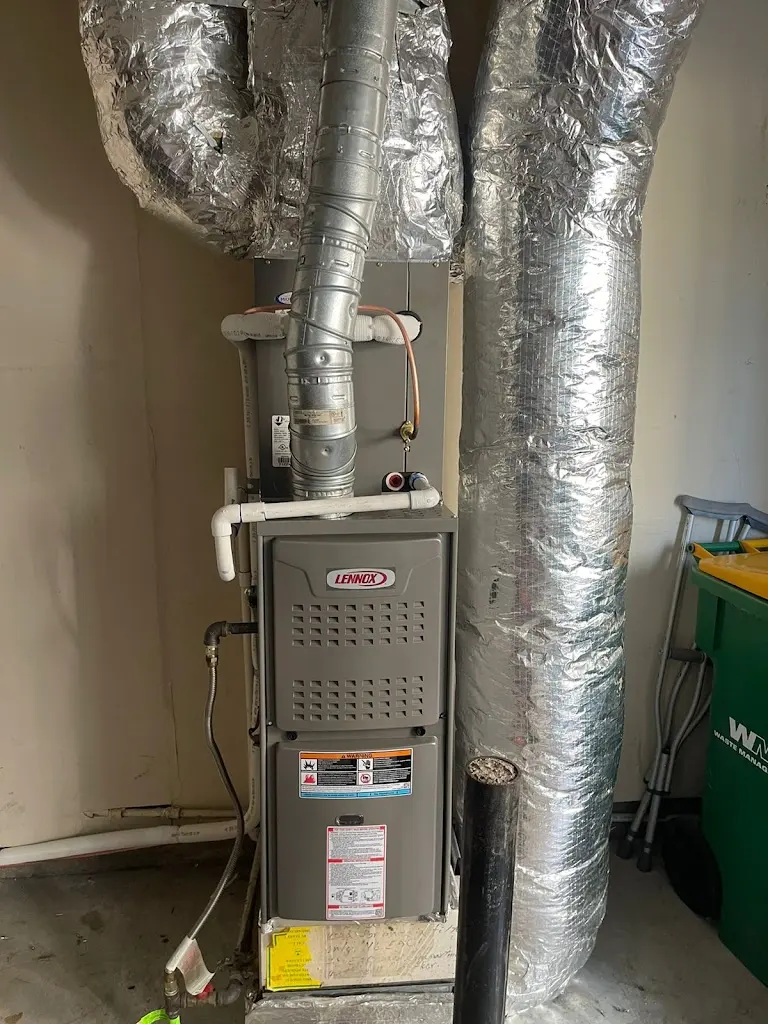
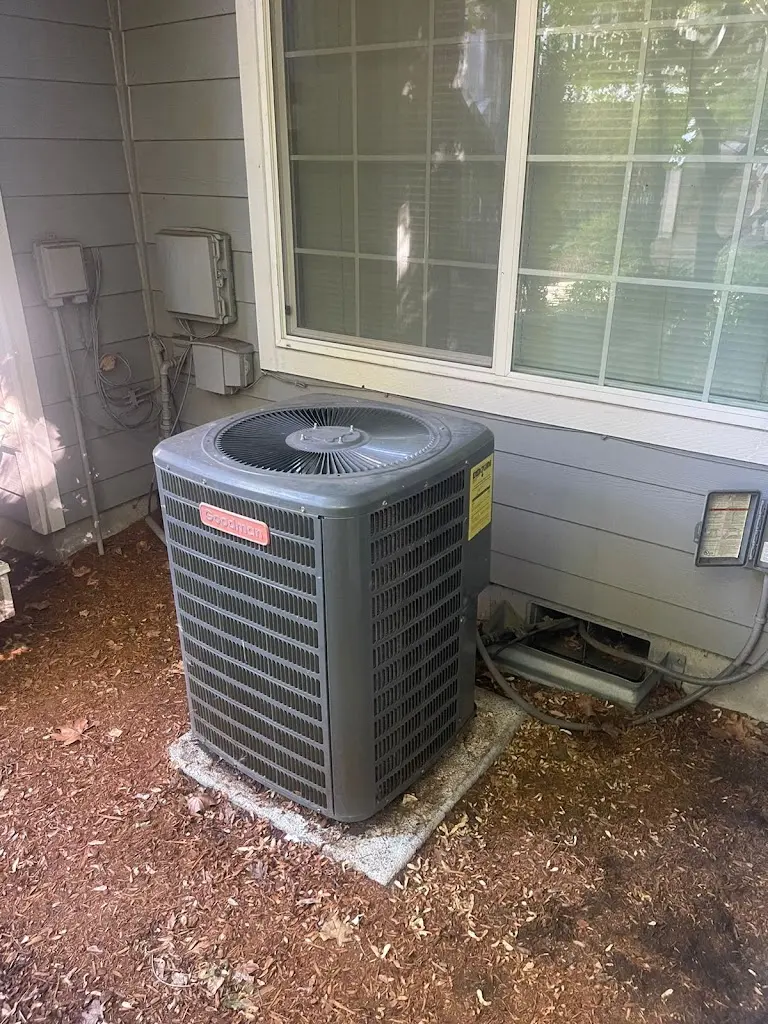
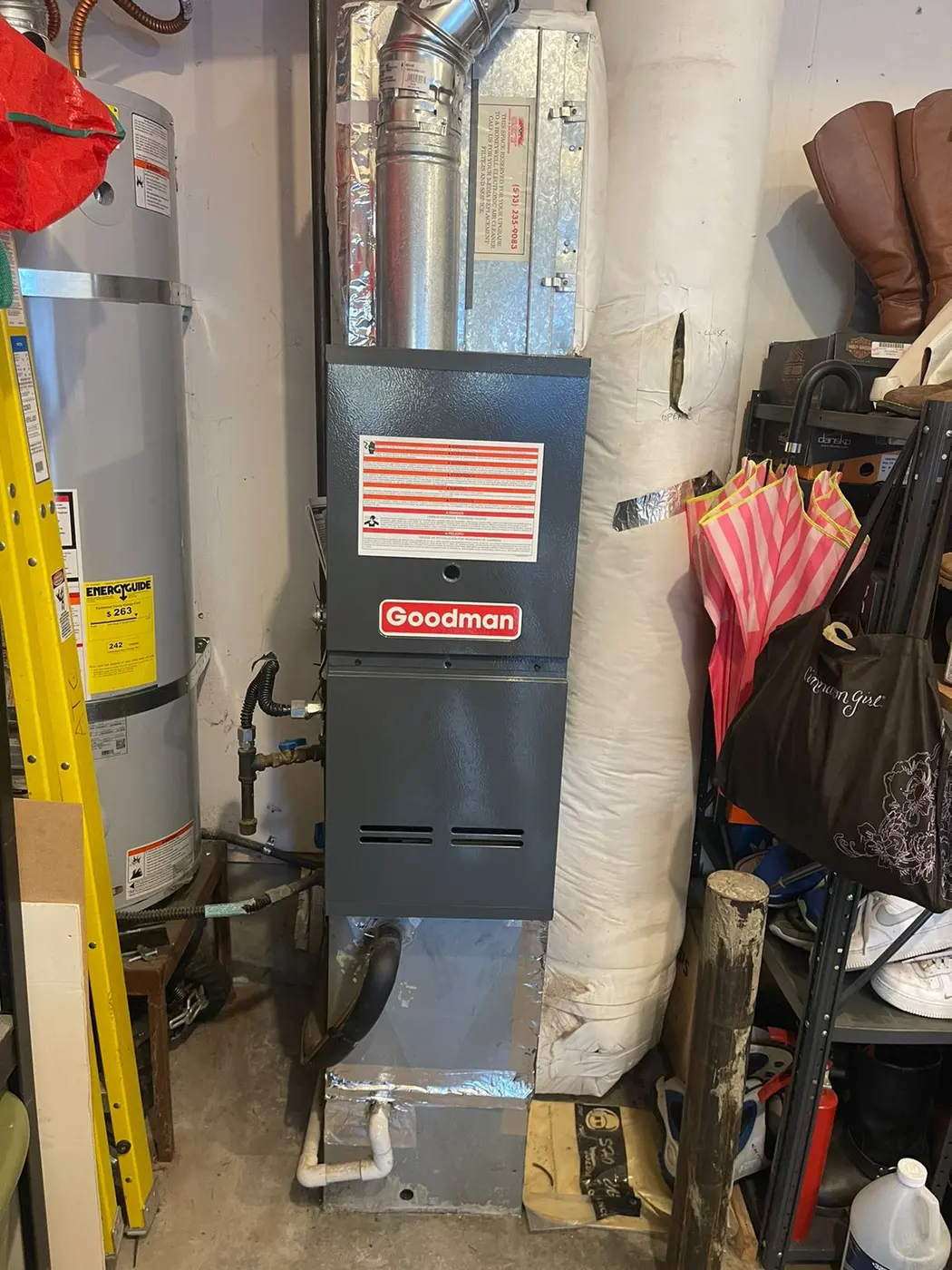
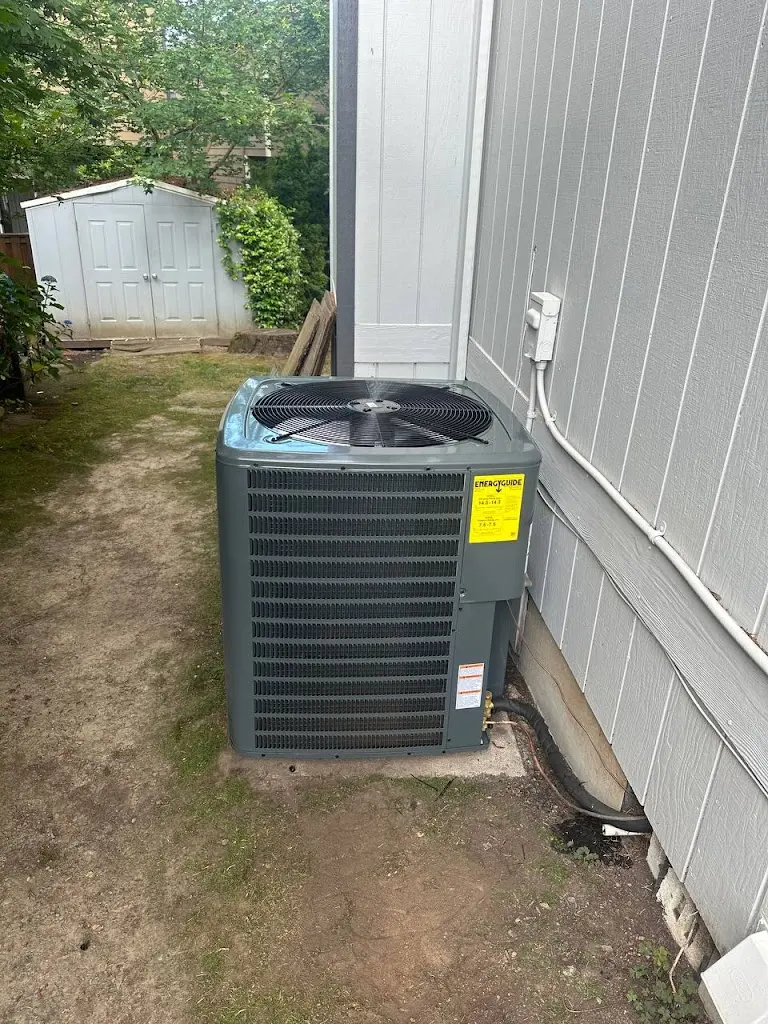
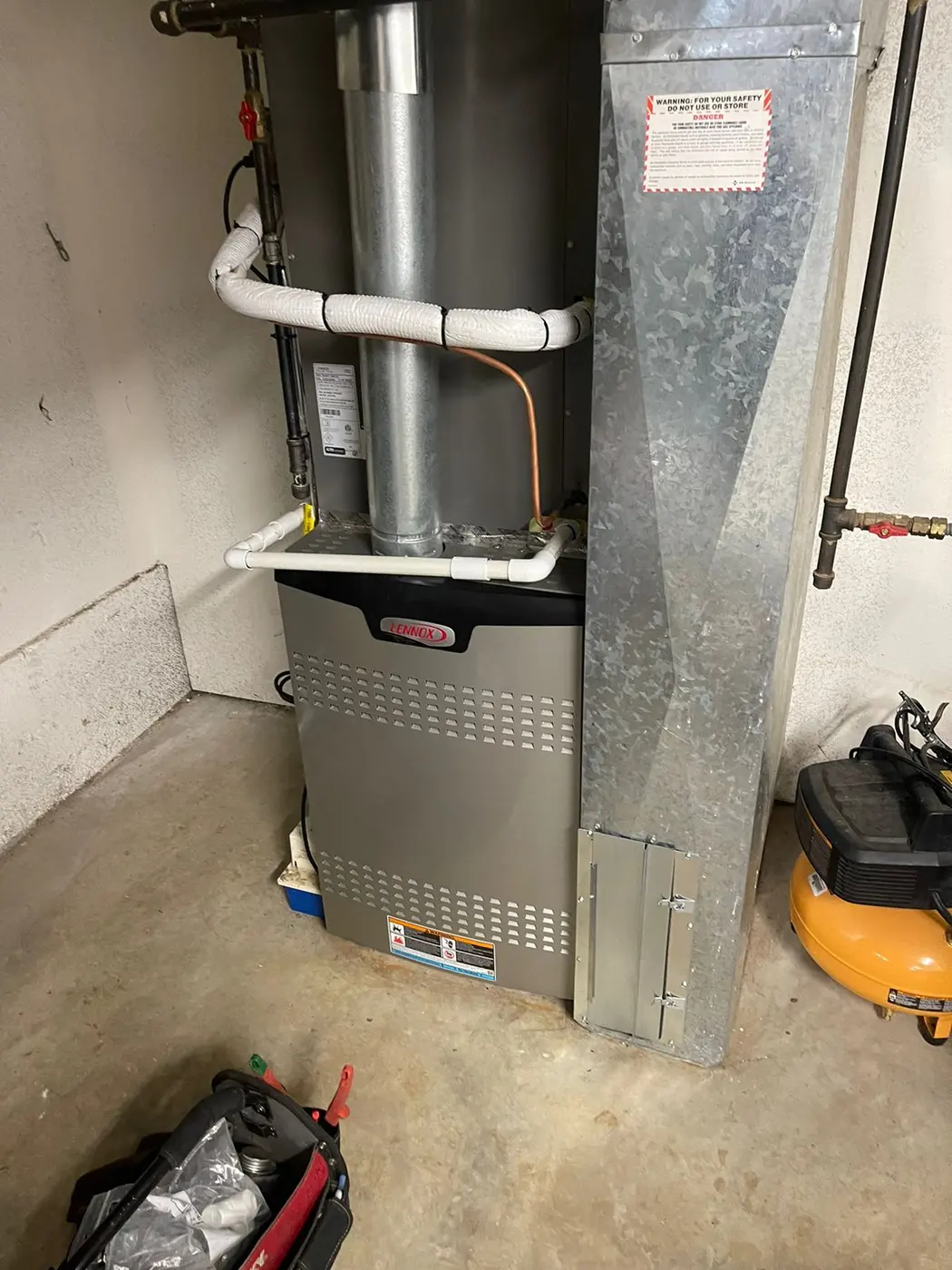
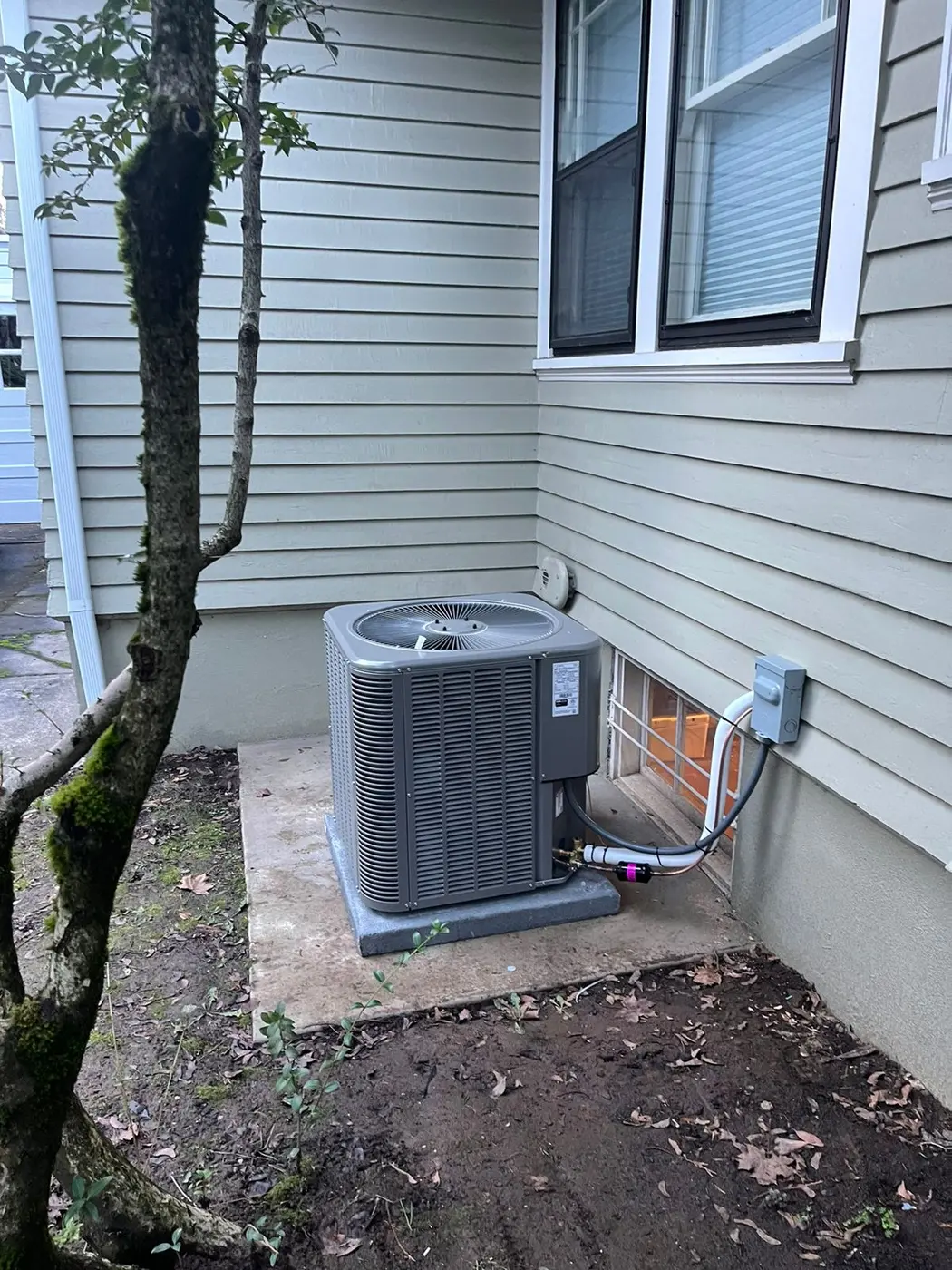
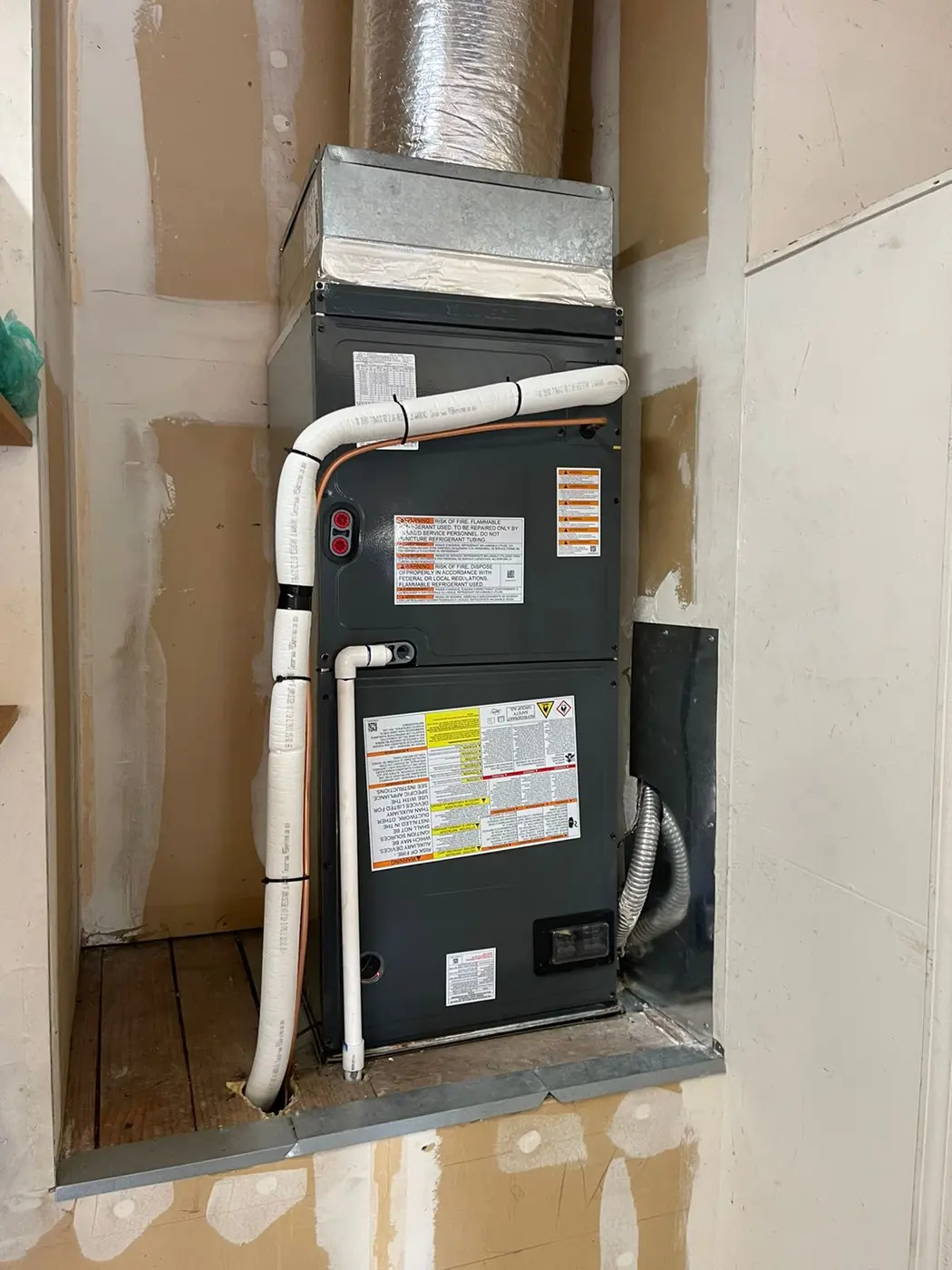
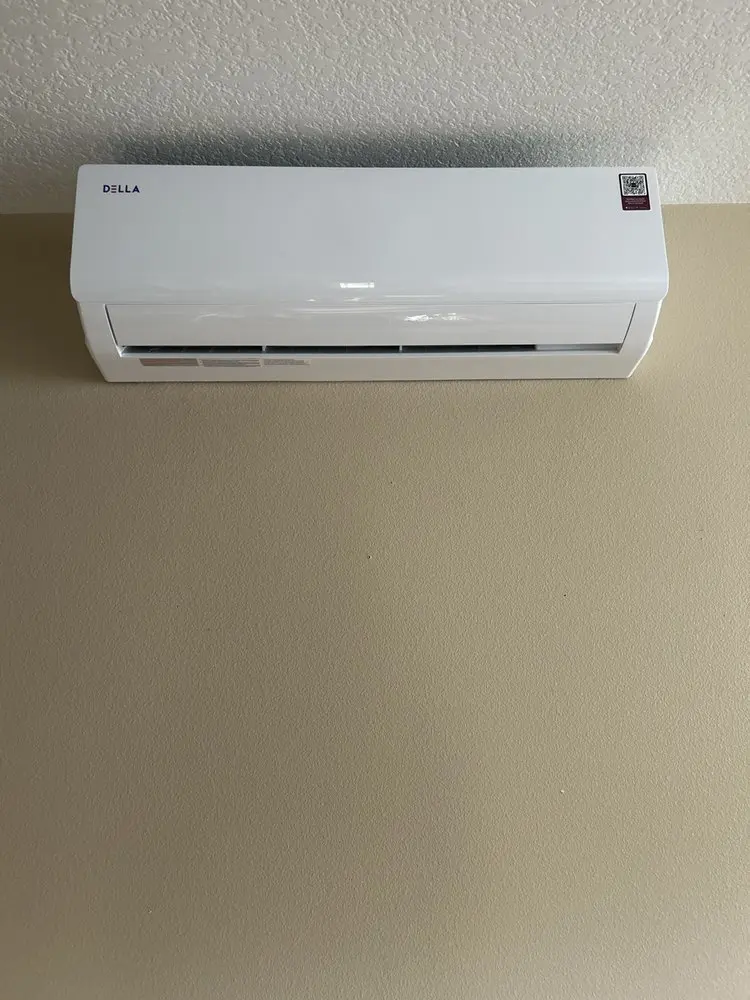
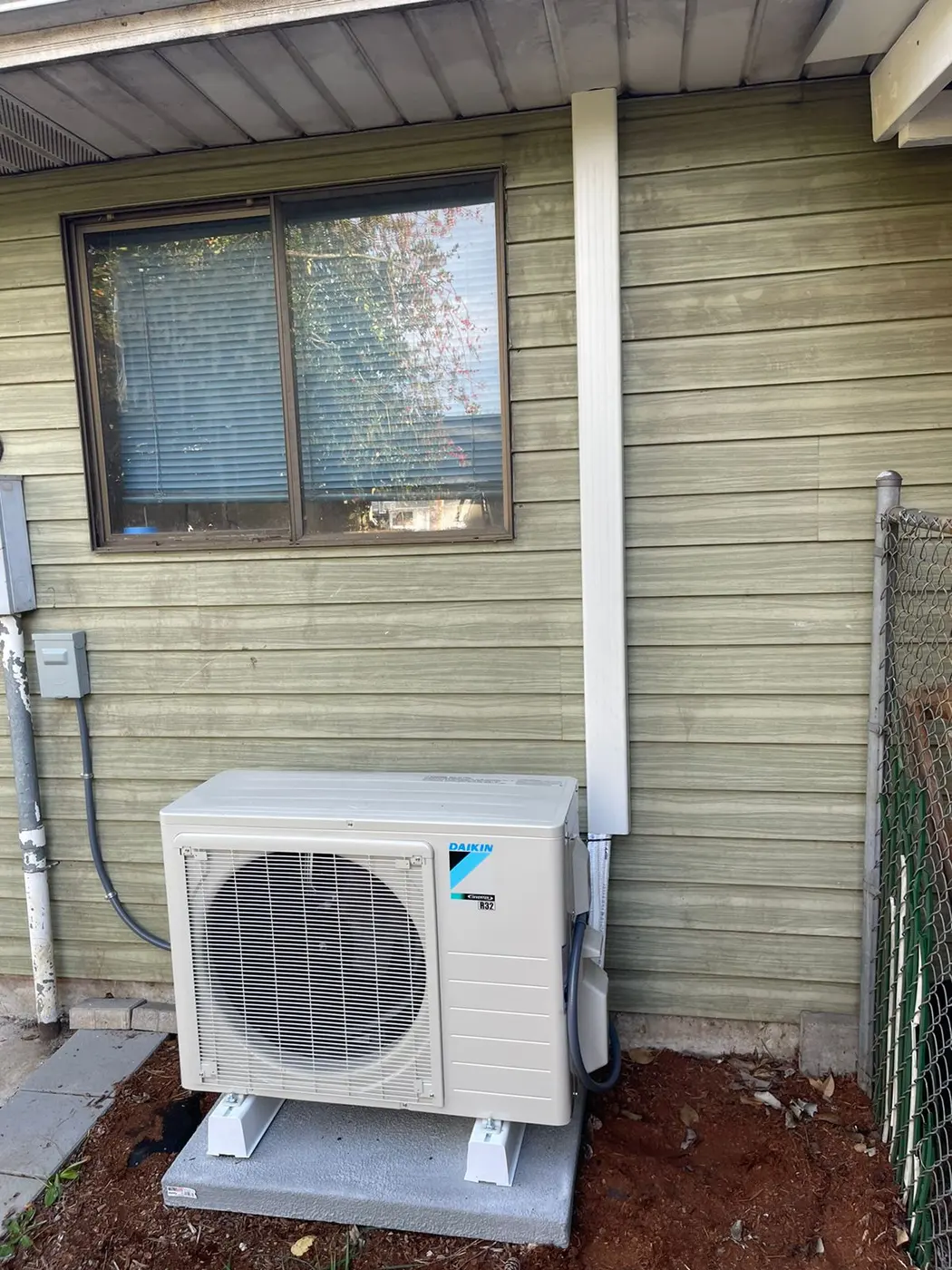
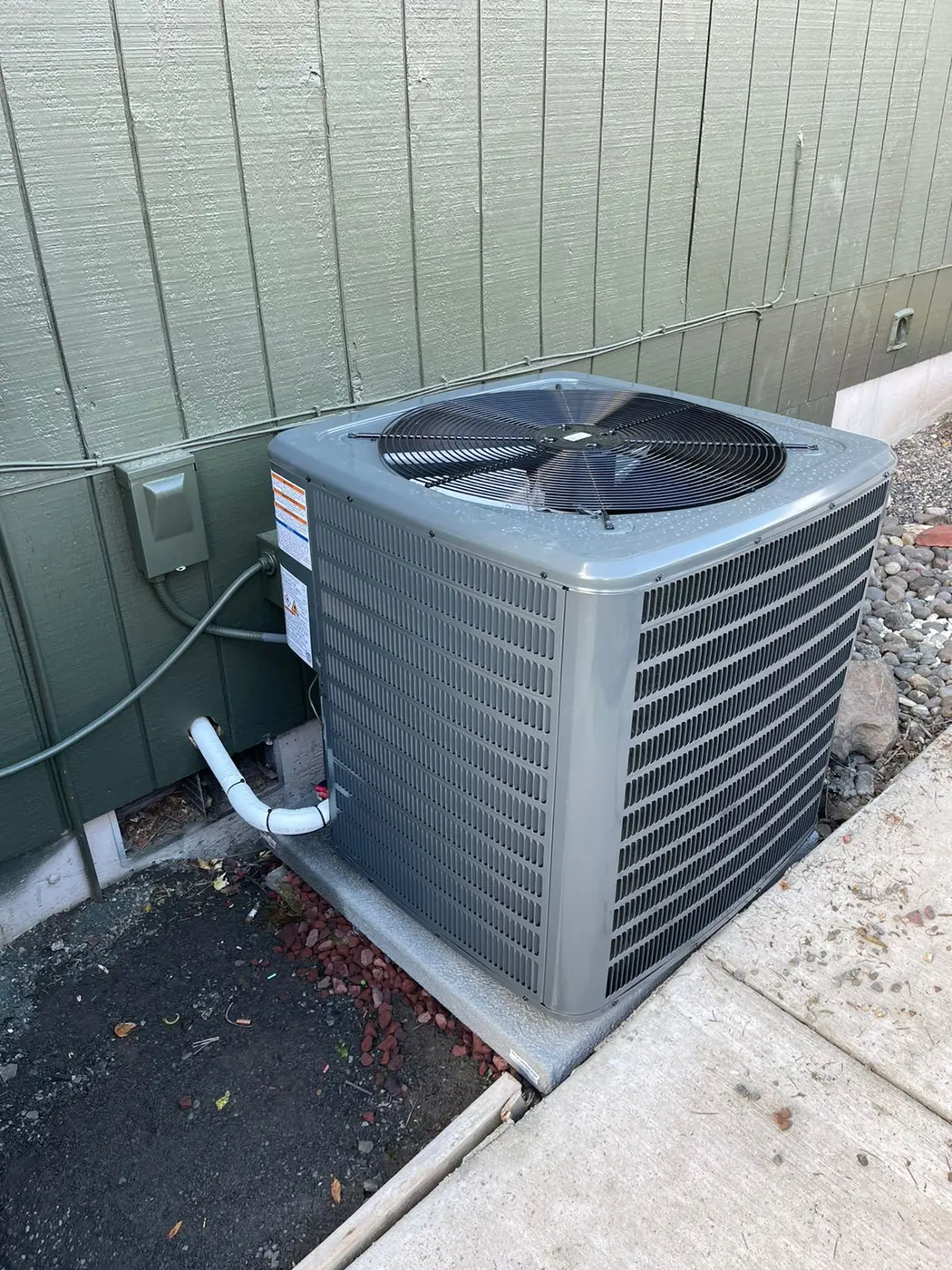
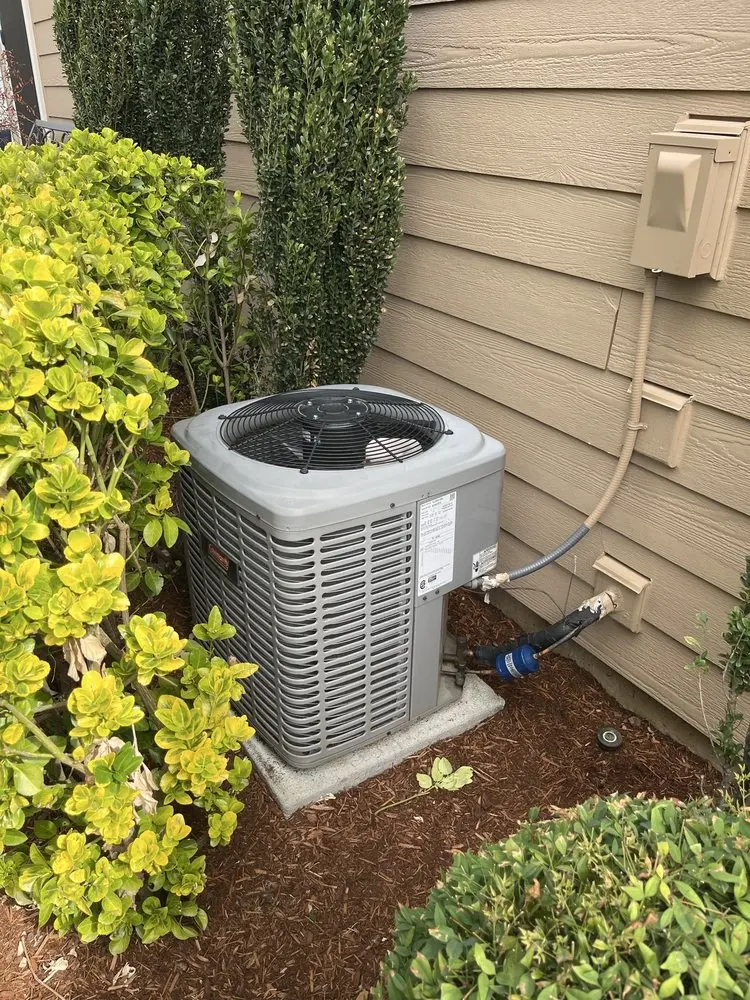
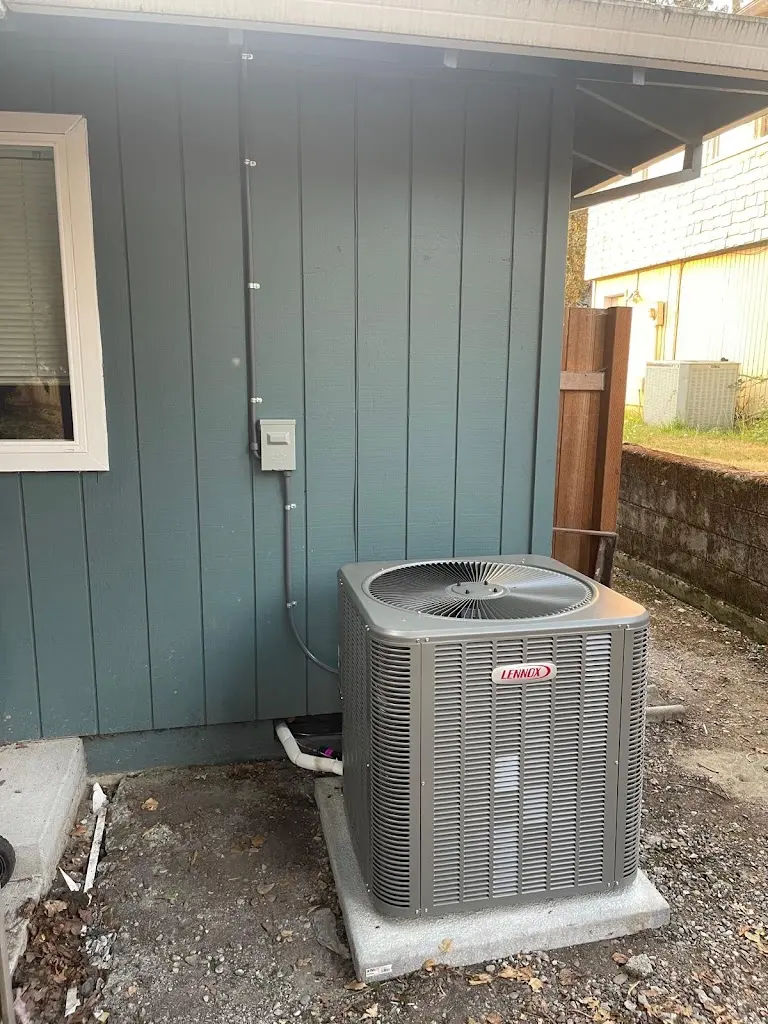
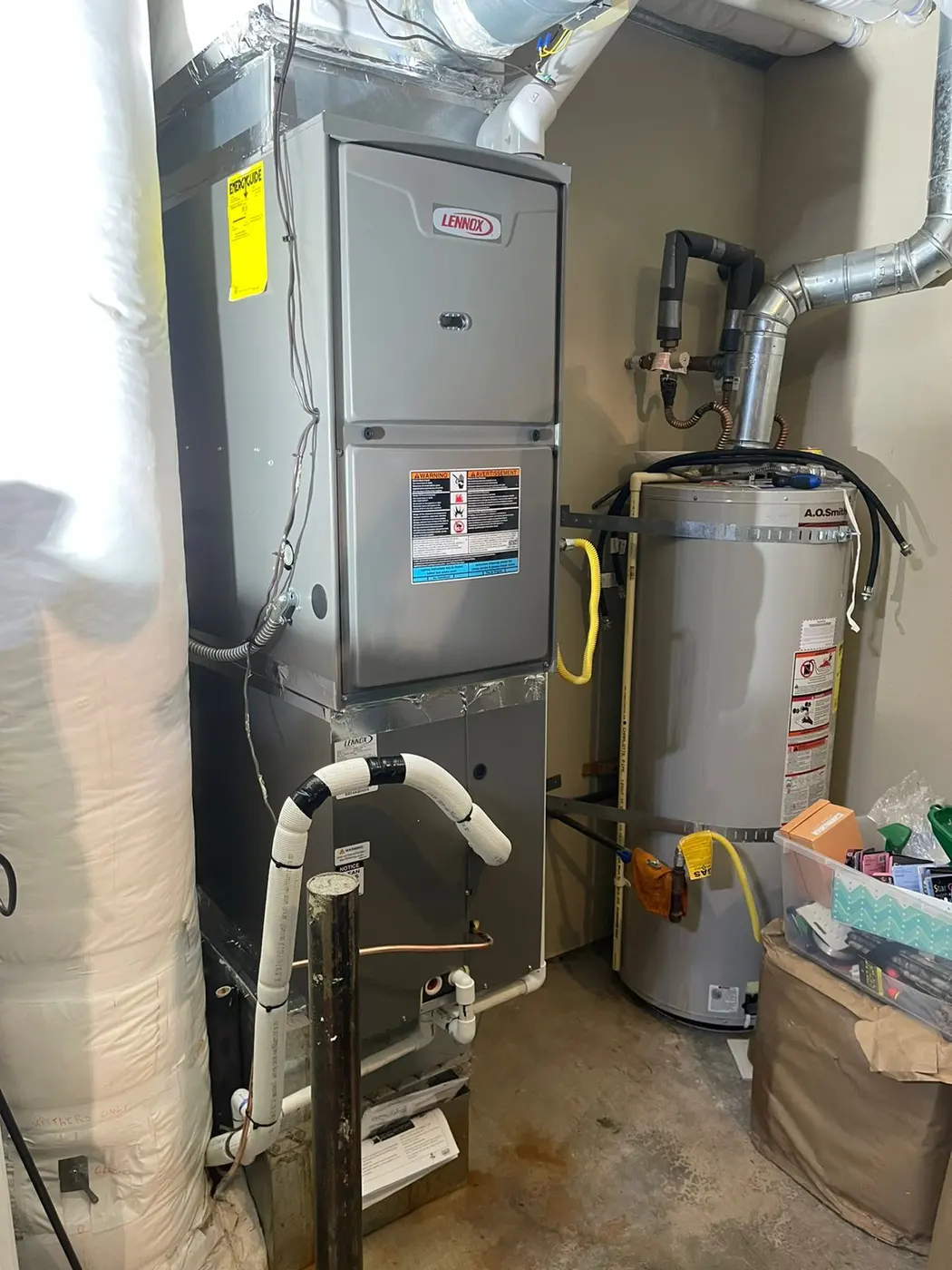
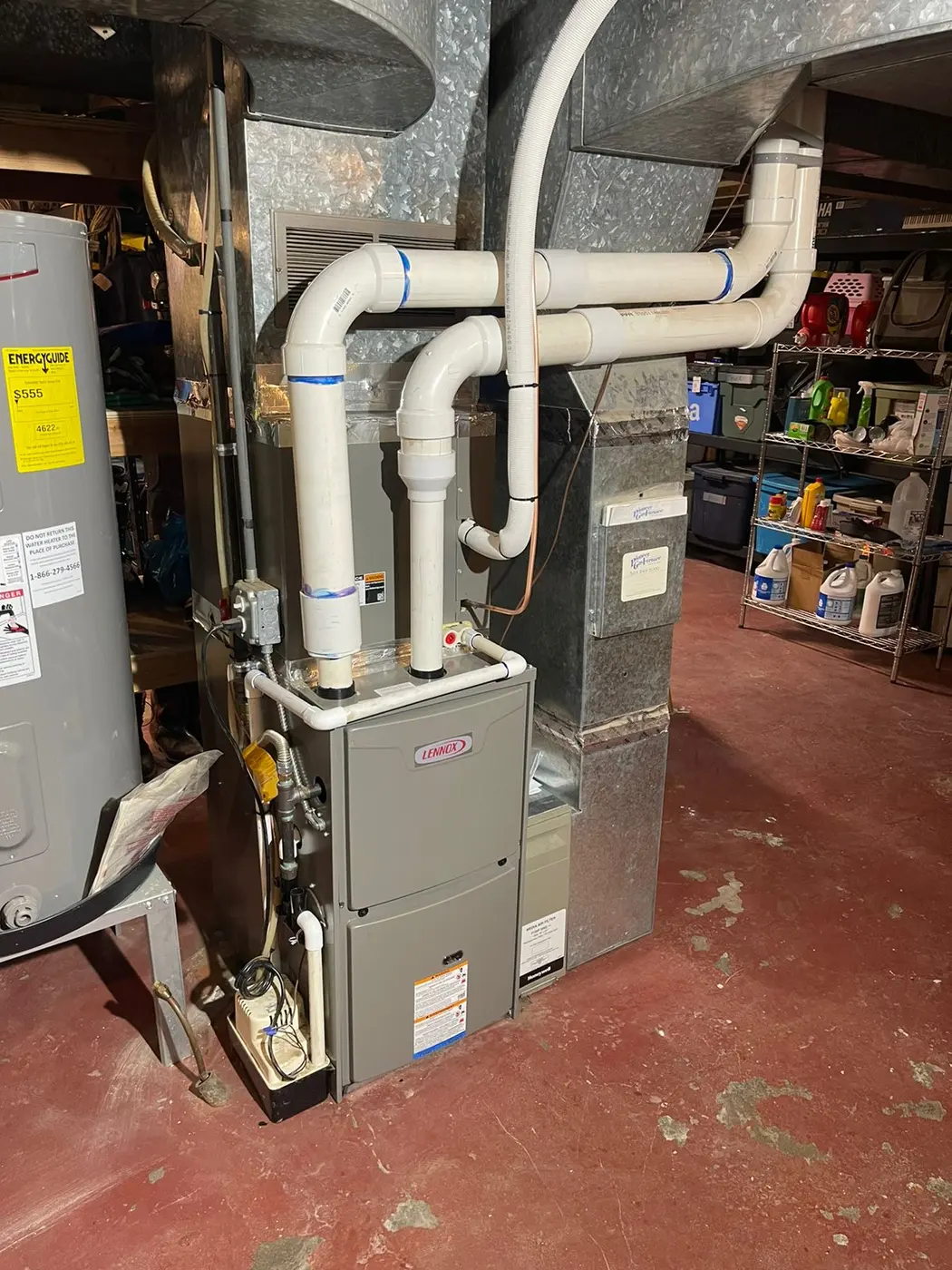
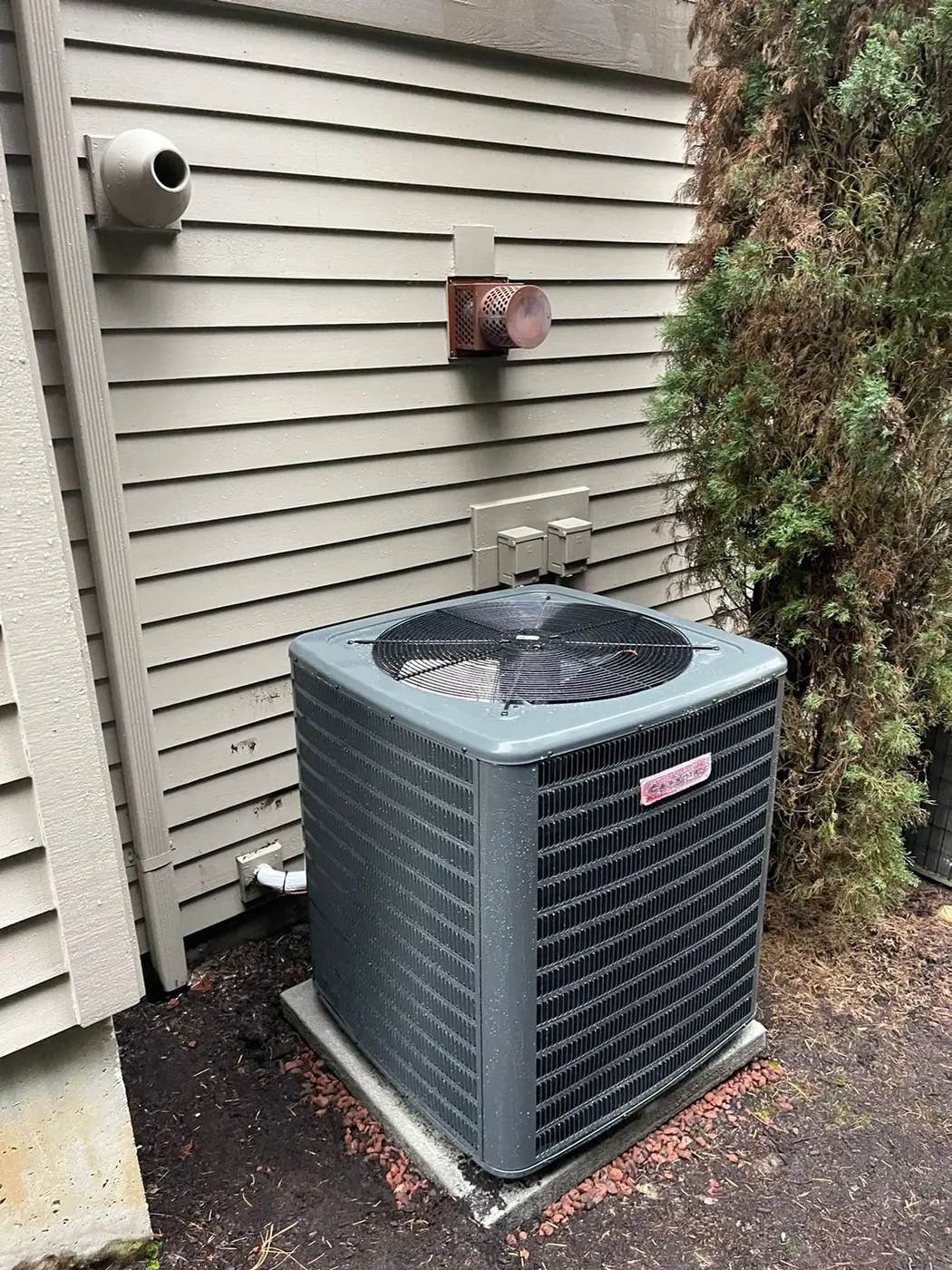
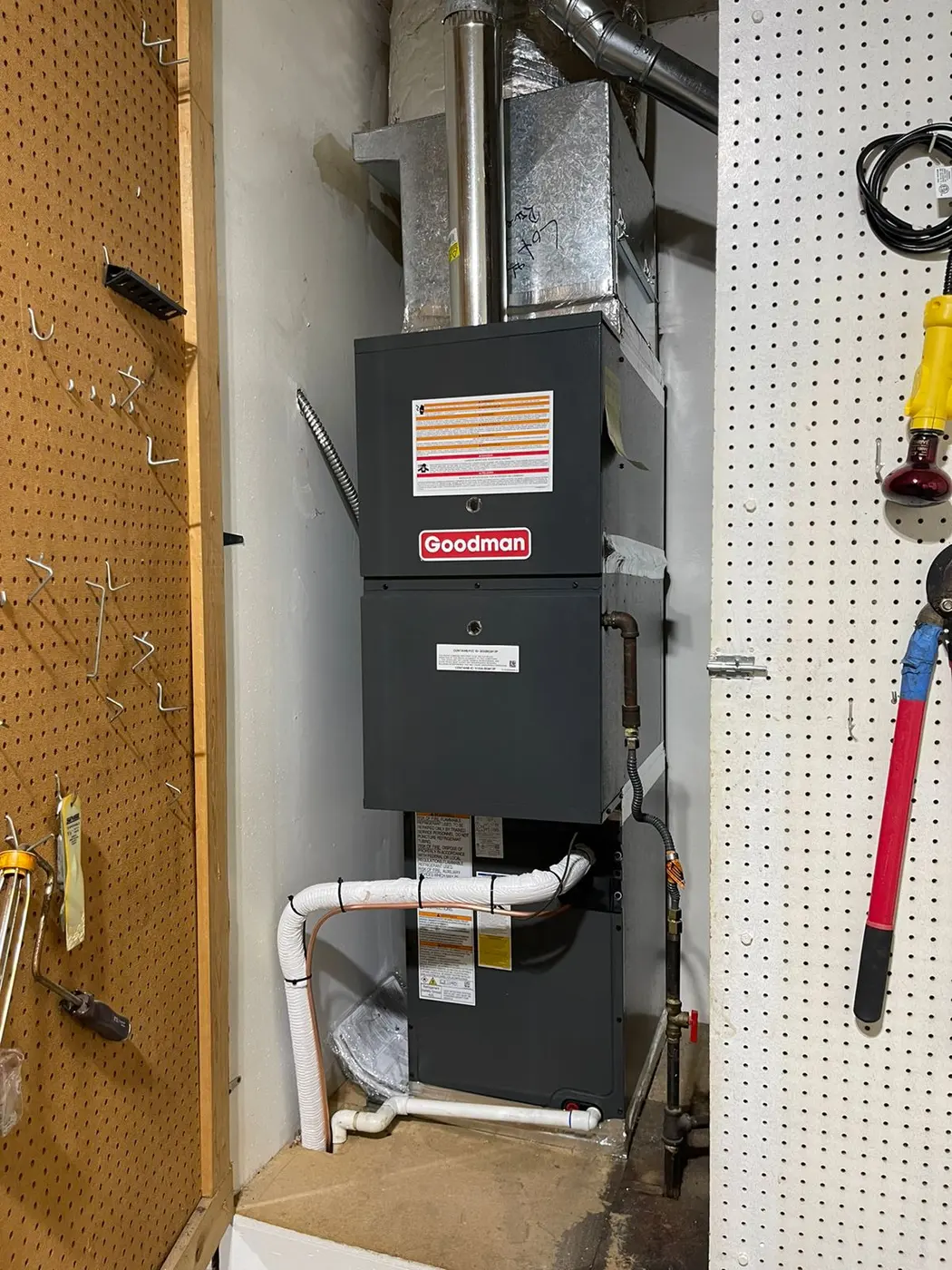
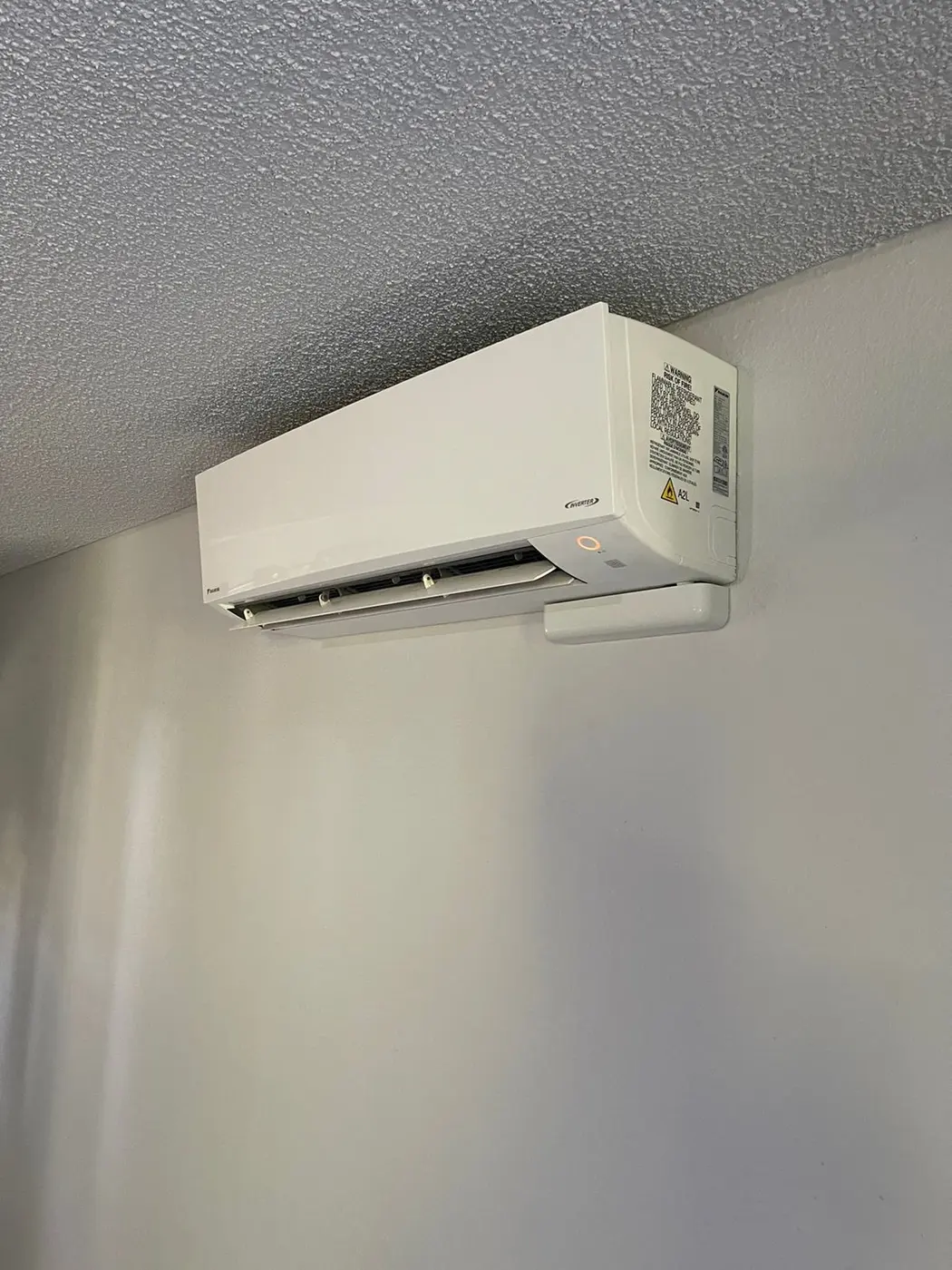
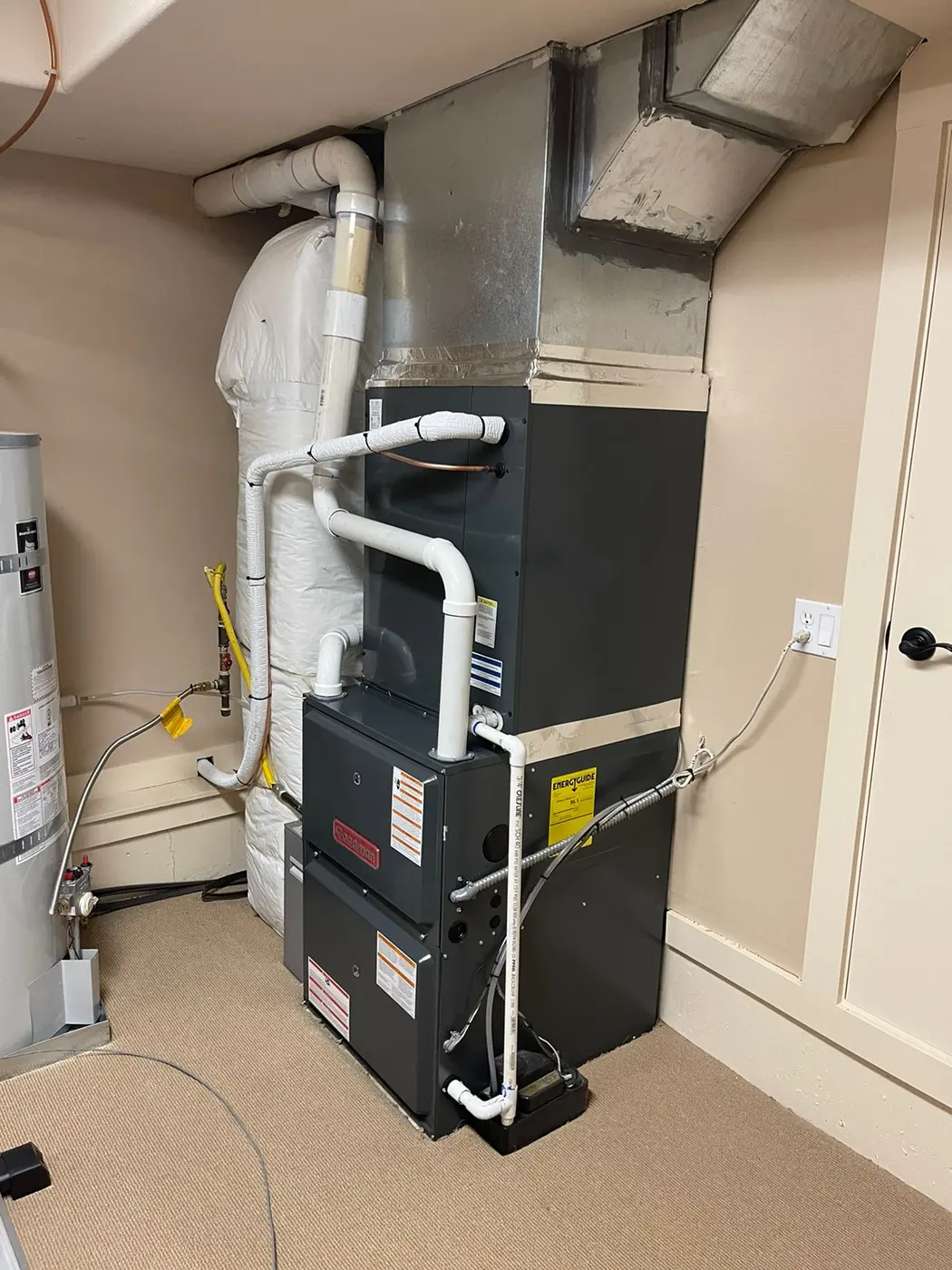
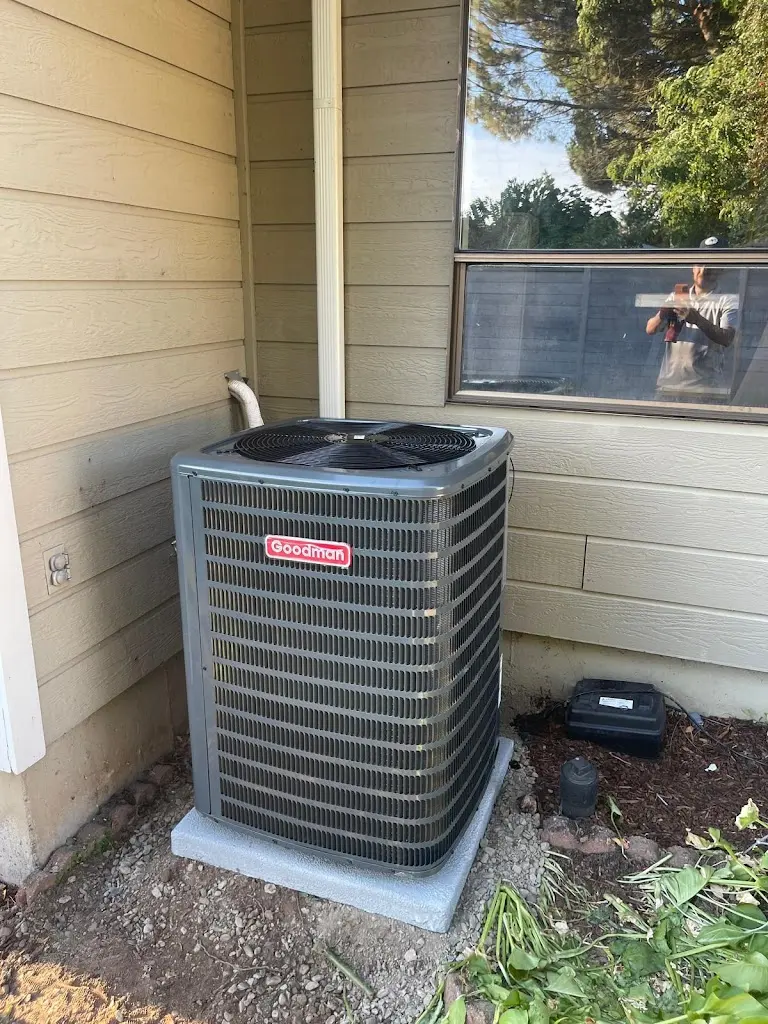
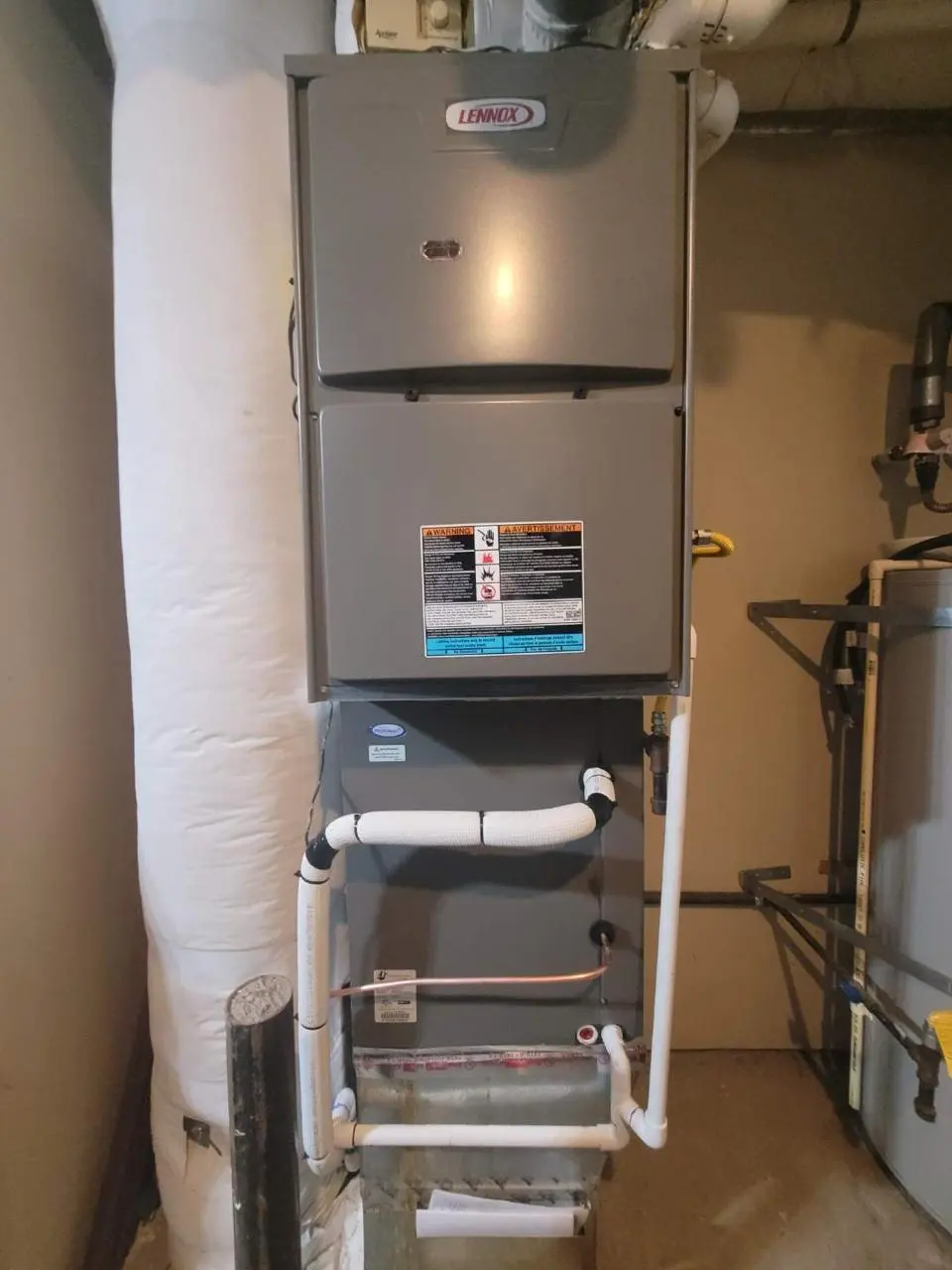
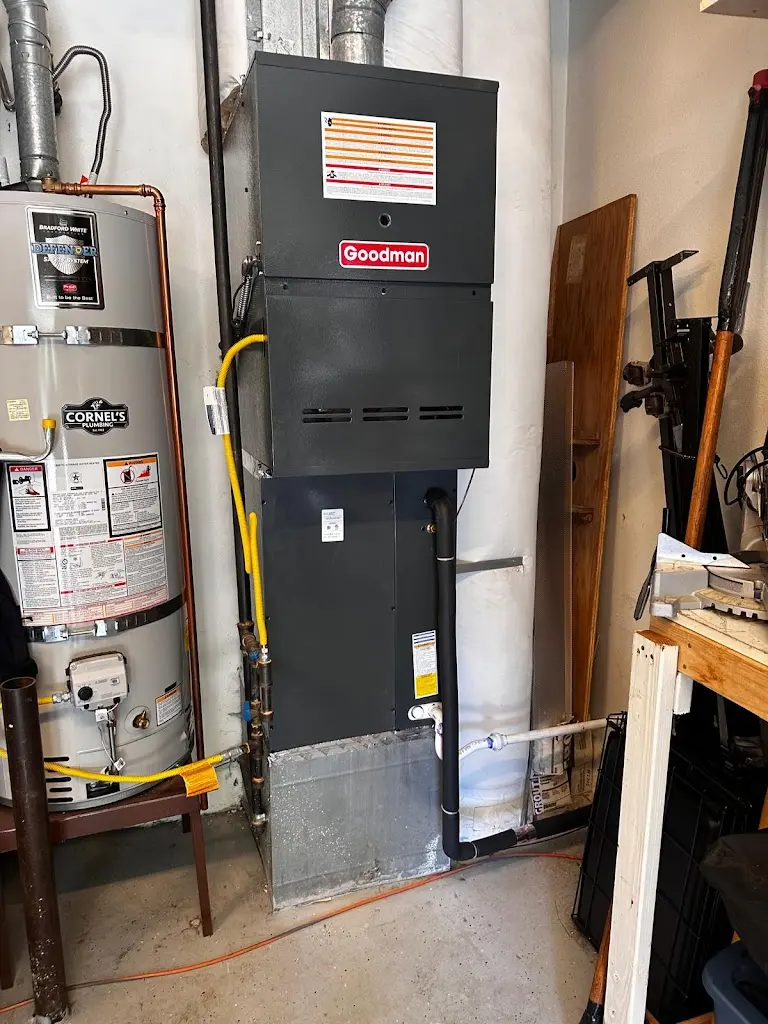
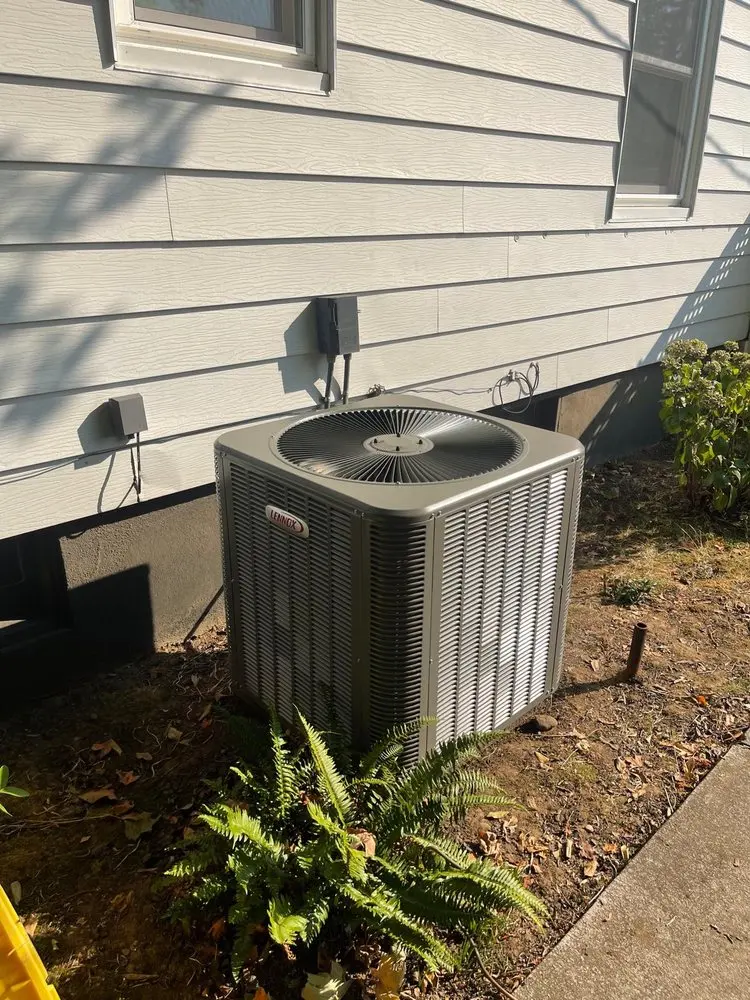
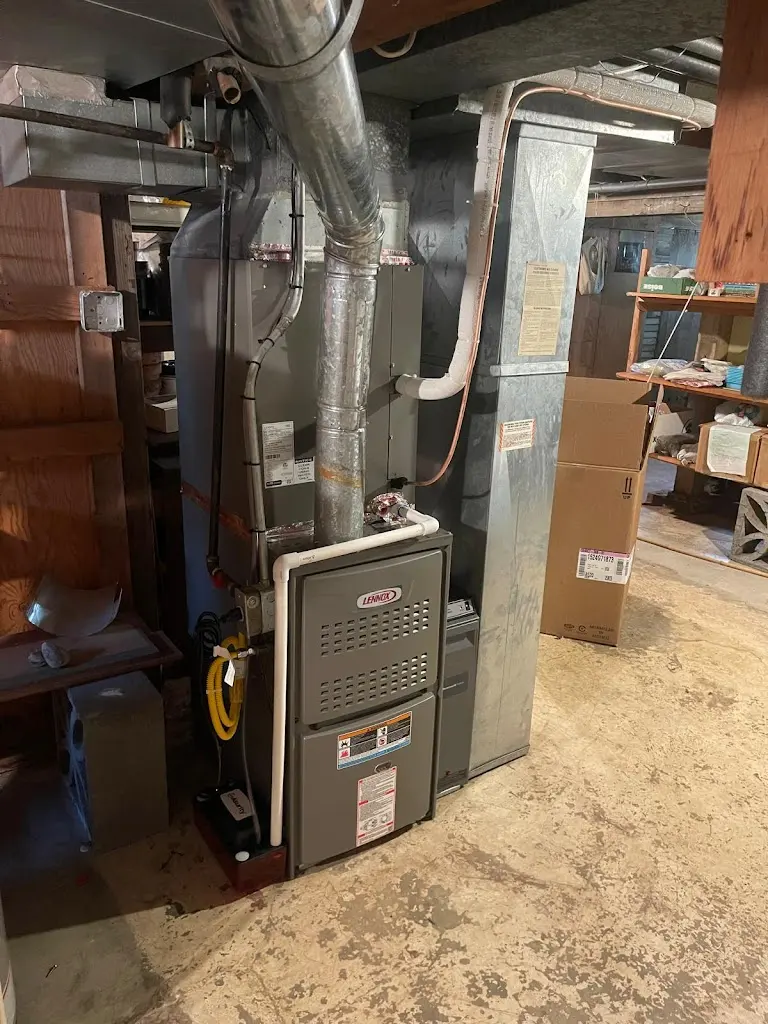
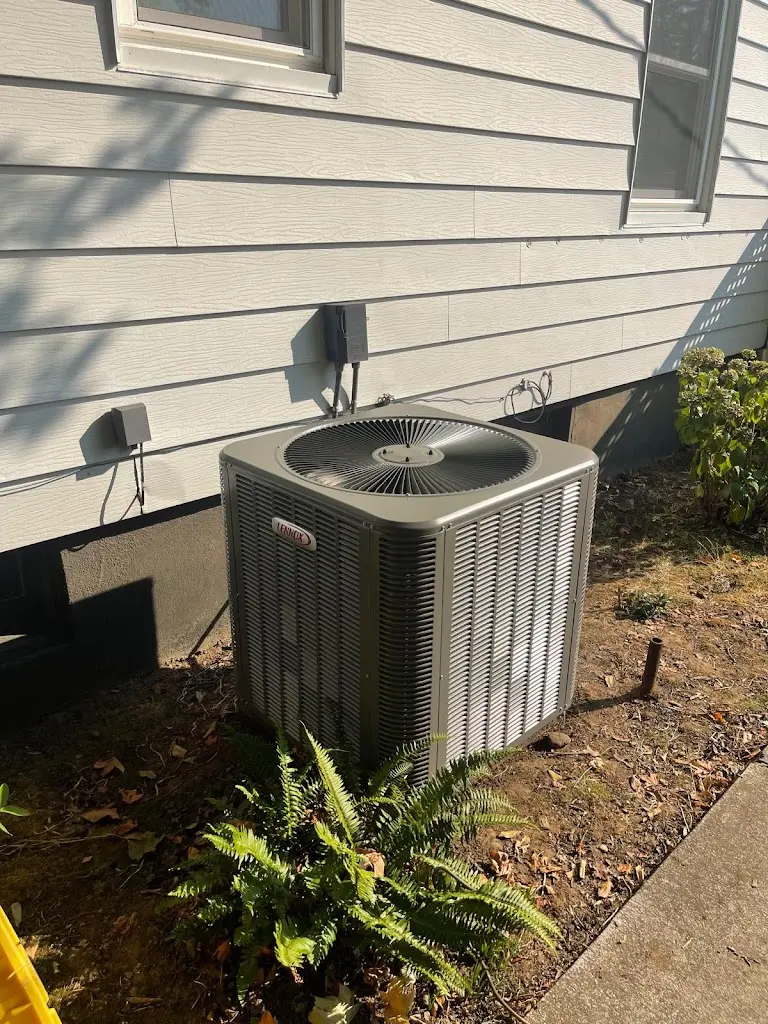
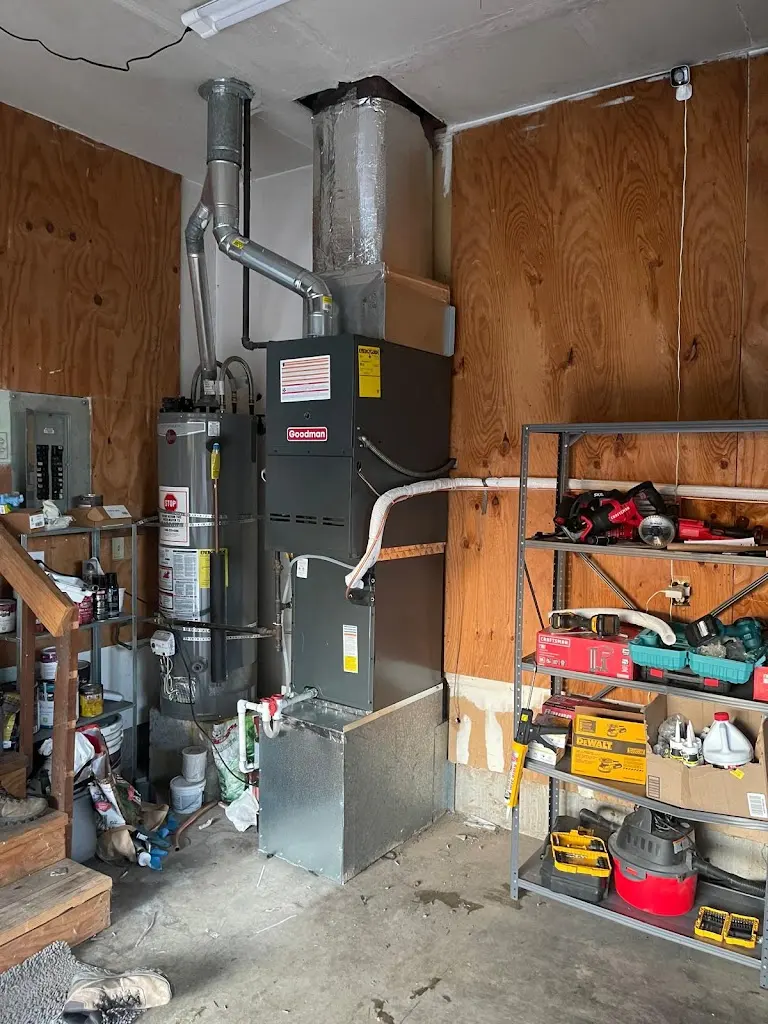
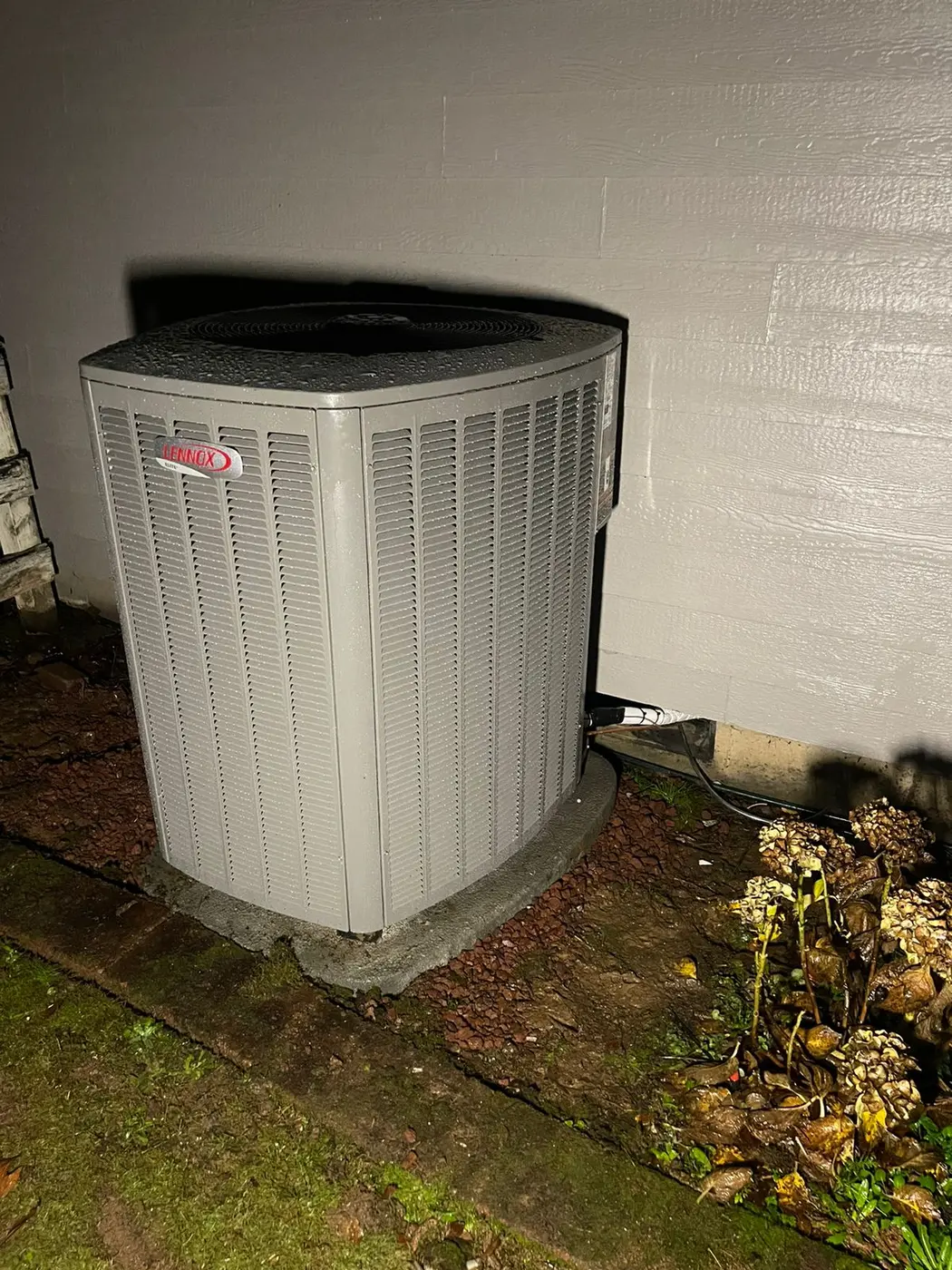
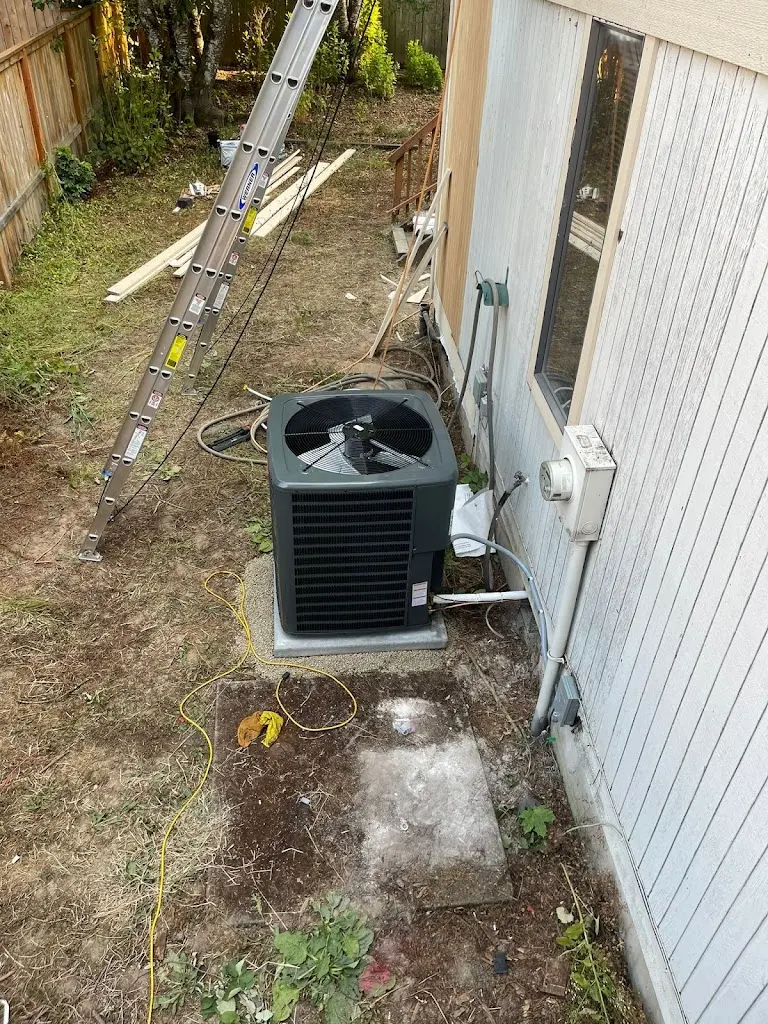
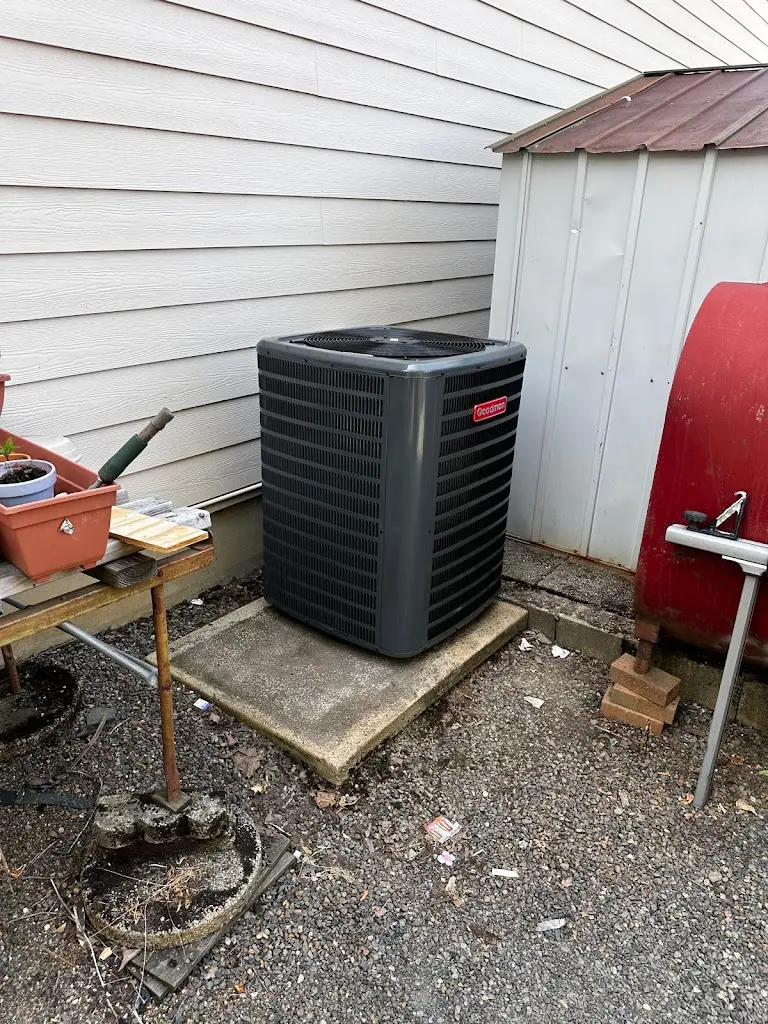
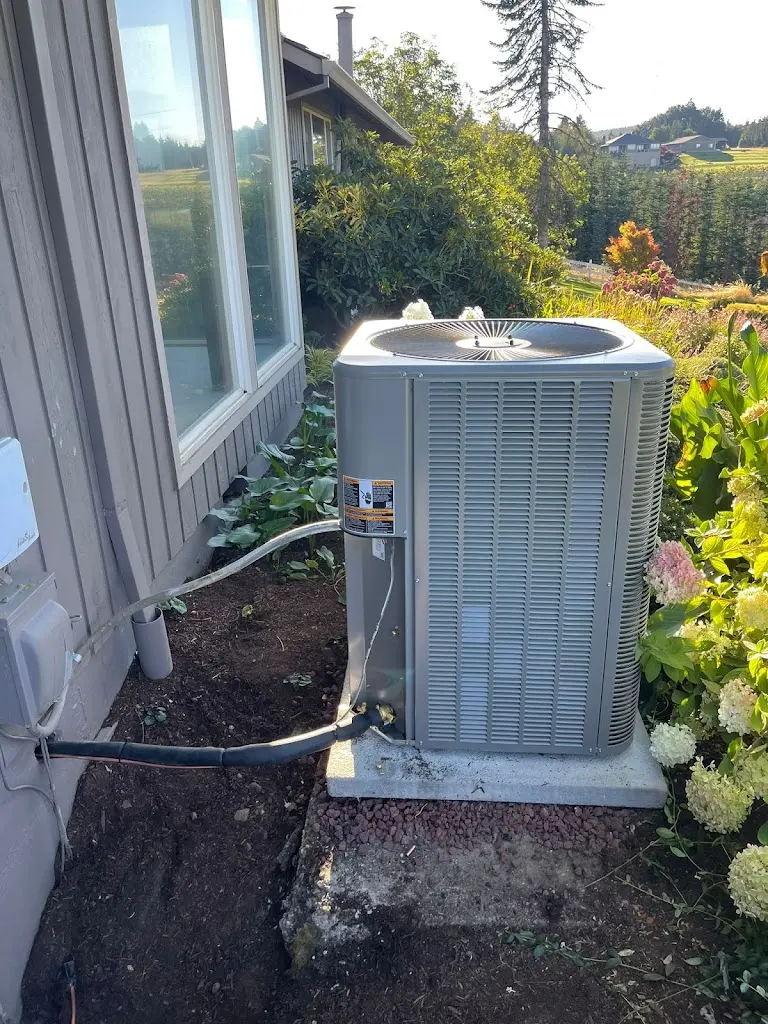
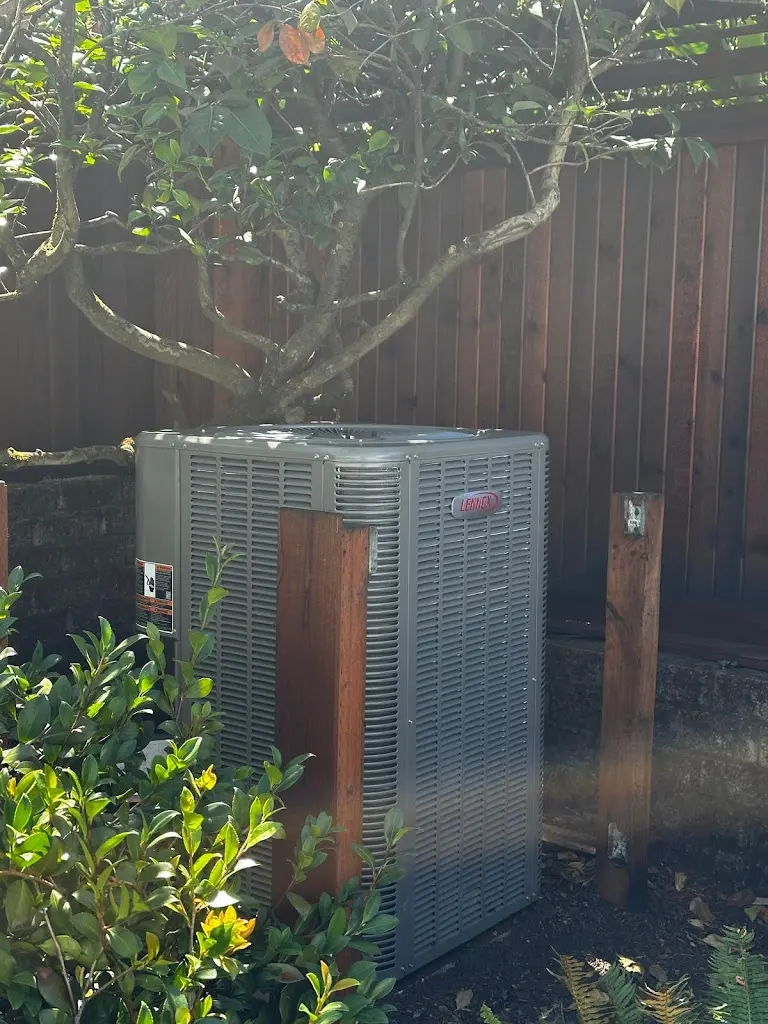
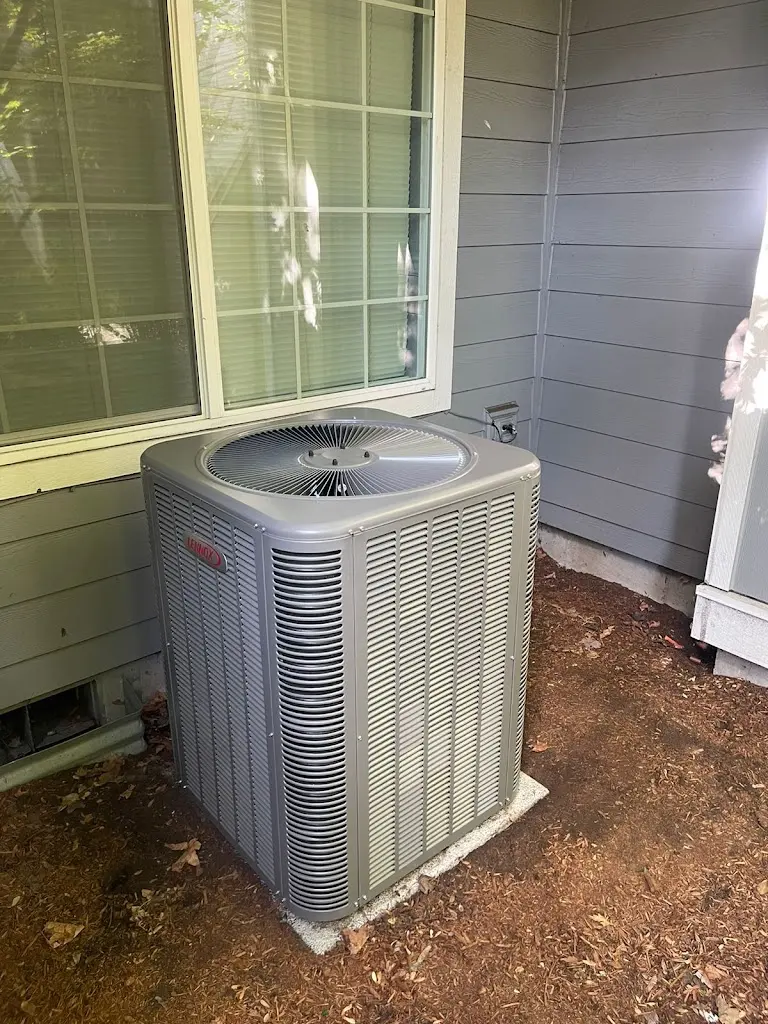
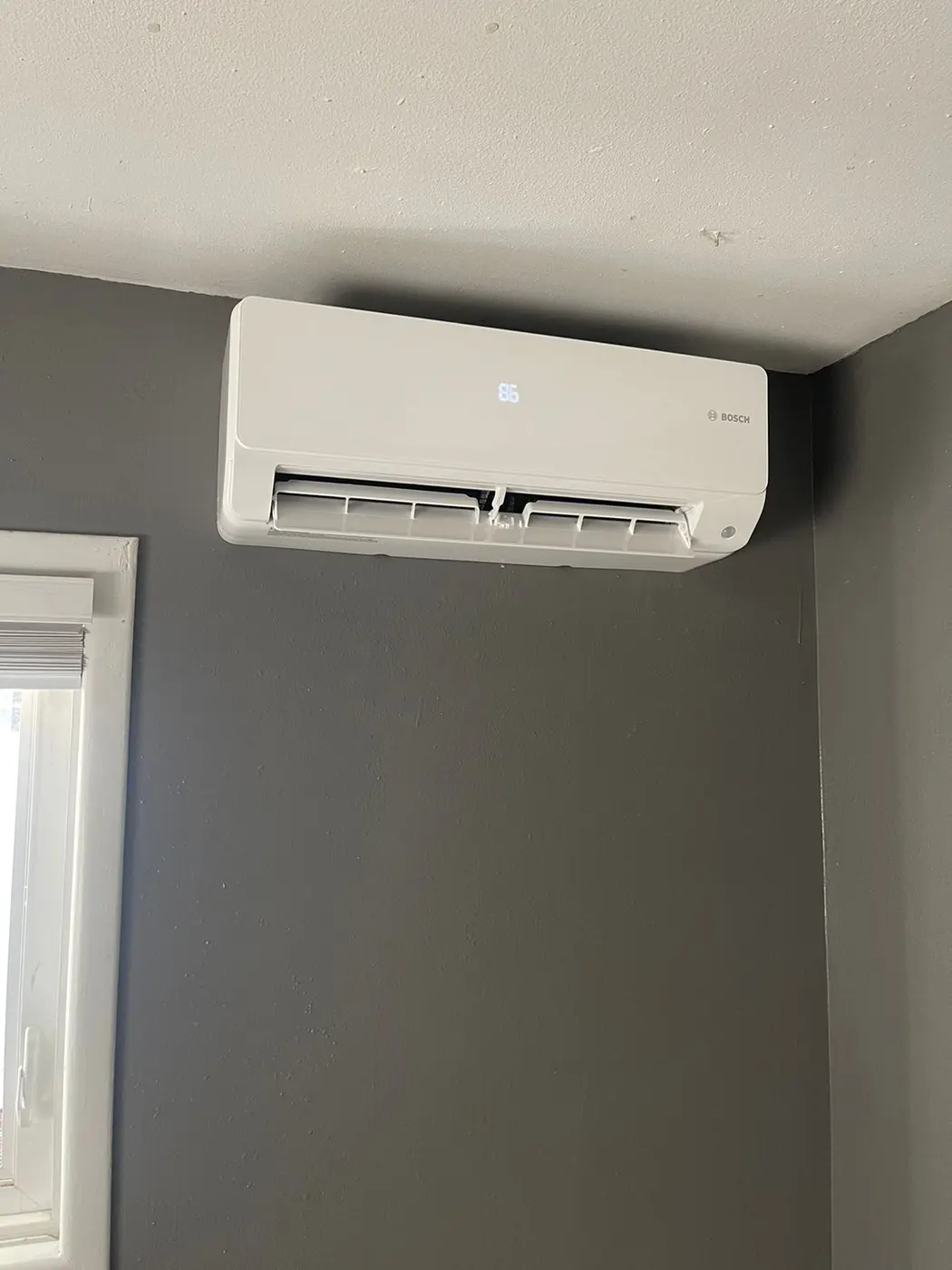
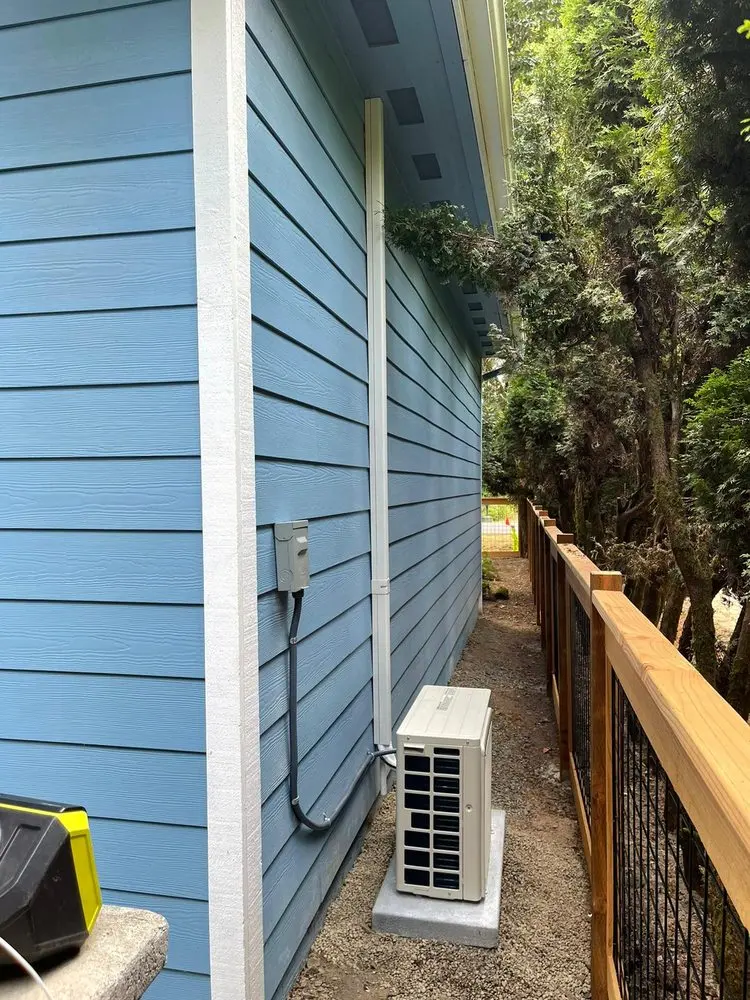
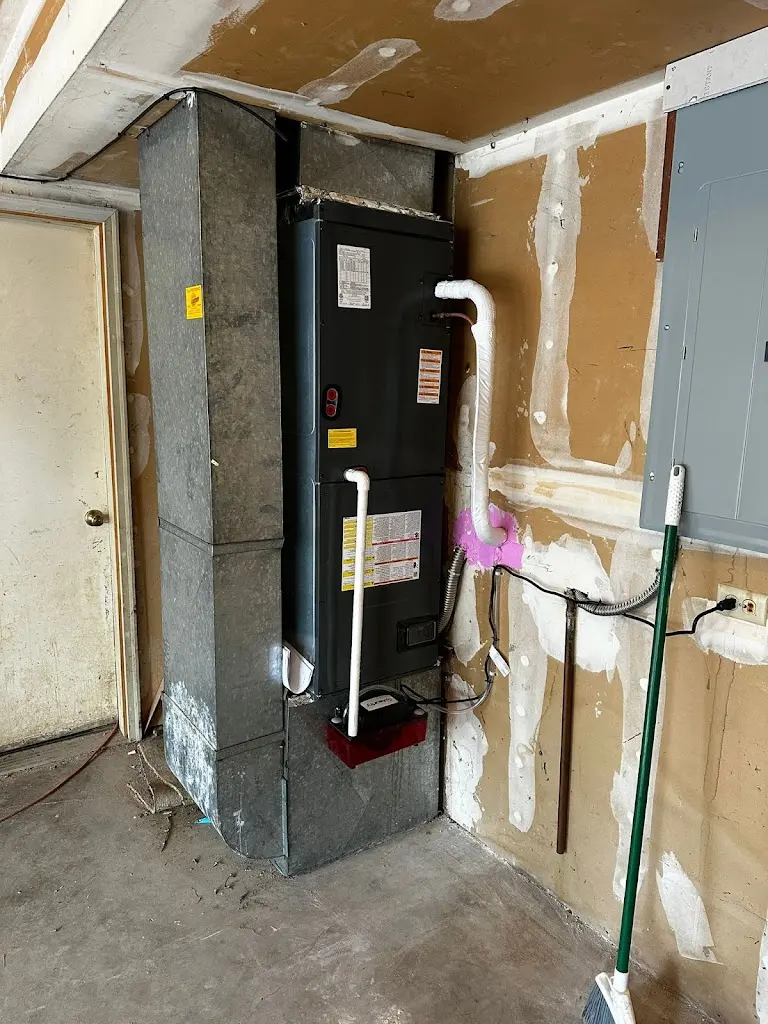
Our heat pump installation service considers the indoor and outdoor equipment as part of the finished plan. Review the rooms served and the items that stay in place. A new outdoor unit may require related work elsewhere. The schedule should follow that full scope rather than the cabinet change alone.
Keep Preparation Separate From Early Removal
Tell us about gates, locked areas and routes to the indoor unit. Explain any other planned work that will use the same space. Two tasks that need the same route may affect the order of the project. Share that conflict before assuming both can proceed at once.
Keep ordinary access clear where you can safely do so. Leave the old equipment, wiring and connected lines intact. Removing a working unit early is not routine preparation for an estimate. The agreed installation sequence should determine when the system comes out of service. After installation, plan heat pump maintenance around the equipment actually fitted and retain the installation details with its care record.
Ask which heating or cooling functions the work will interrupt and at what stage. Do not assume that an unchanged indoor item can continue operating throughout the job. Its role depends on the actual setup and work. Confirm the interruption plan without applying one fixed duration to every installation.
Report a Change in the Old Unit Before the Work Begins
If the existing heat pump develops a fault while you are waiting, tell us what changed and when. Keep the new condition separate from the original reason for replacement. A planned project may need a timing or scope review. The change does not automatically add repair work to the installation price.
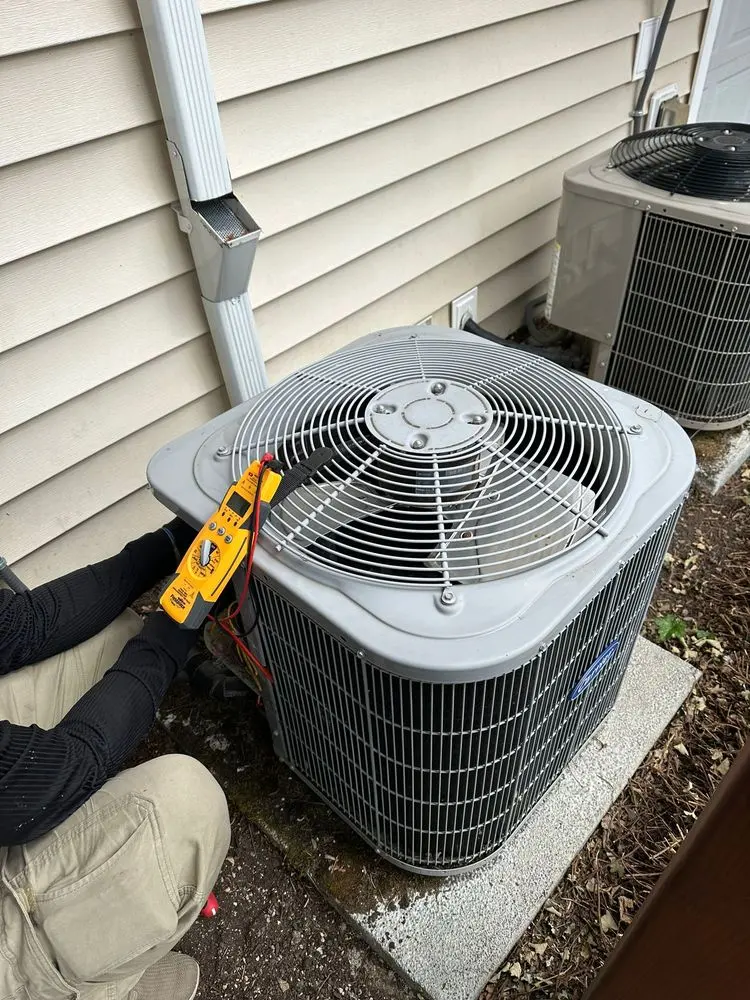
A current breakdown can need a separate diagnosis or decision about temporary use. Explain the active concern when arranging that service. The free estimator visit remains a review of installation or replacement. Do not assume it also includes repairs to keep the old unit running until the chosen date.
Retain any equipment-specific operating guidance from a service assessment. Do not repeatedly restart a failing unit merely because replacement is on the calendar. Describe the observations you already have. A future installation date does not guarantee that the current system will keep working normally until then.
Keep One Current Version of the Approved Scope
Before work, confirm the selected models, retained components and related connection tasks. If the equipment choice changes, review the revised scope and price. A similar model name does not establish that every earlier detail still applies. Keep the latest plan available to the person meeting the team.
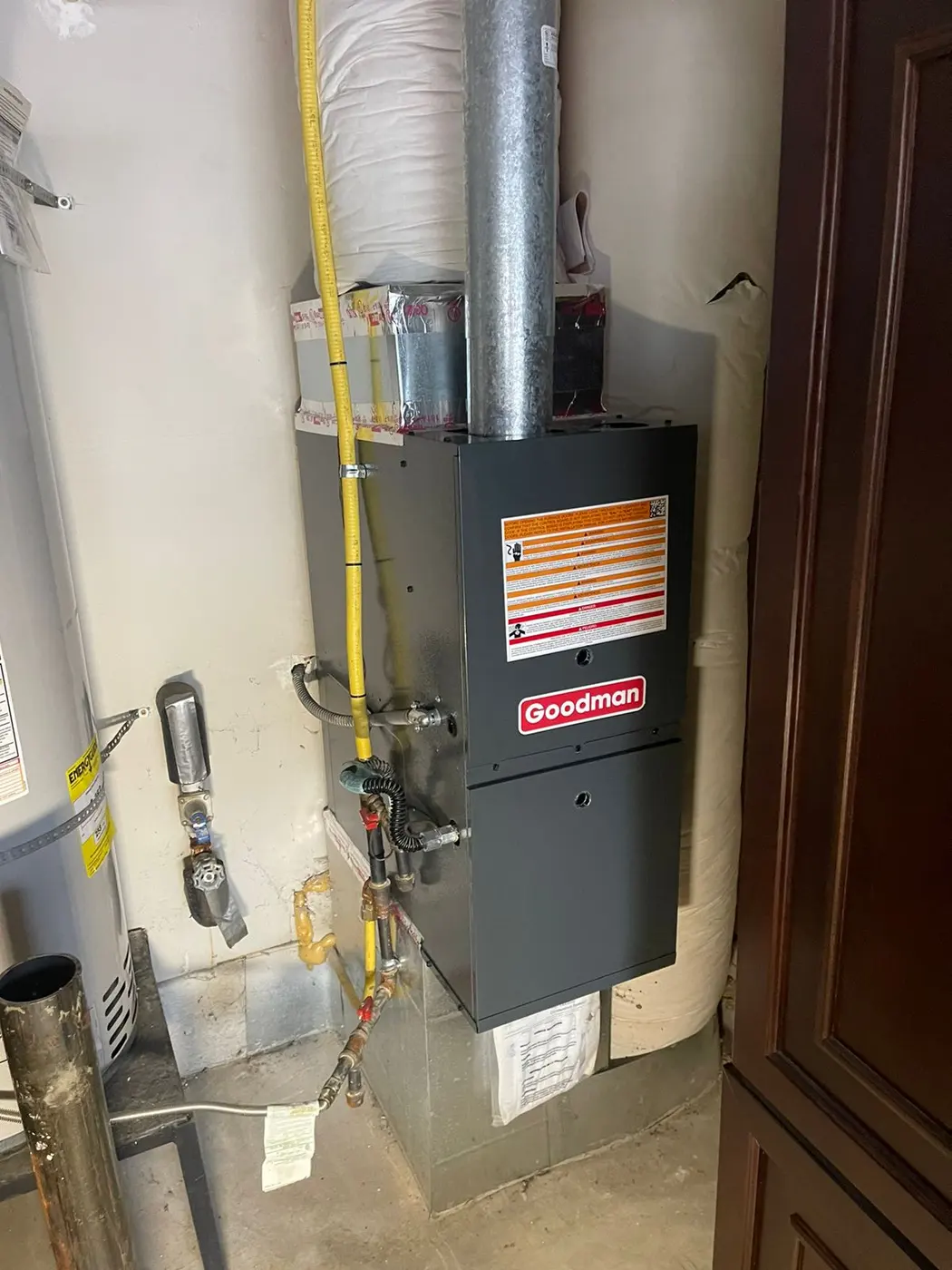
Our HVAC installation in Forest Grove service covers a wider change involving other equipment. State those additional needs before treating them as part of the current job. A heat-pump replacement can be one element of a broader project. Each included task still needs a clear place in the scope.
Arrange both entry and a person who can approve necessary project decisions. Those roles may belong to different people. Share the final equipment and work list with them. The visit should not depend on an older discussion of options that you did not choose.
Judge Completion Against the Planned Result
At handover, review normal controls and the heating and cooling checks for the new setup. Return to the comfort goal that began the project. Ask which completed work addresses it and whether anything remains open. A new unit running is useful, but the agreed scope may cover more than startup.
Keep the final model details, retained items and work record together. Record any limit on the operating checks or task reserved for another visit. This gives later service a clear account of the finished arrangement. It also distinguishes the planned improvement from an old concern that the project did not include.
Frequently Asked Questions
Do I need to wait for a breakdown before requesting an estimate?
No. You can discuss an installation or replacement while the system still runs. Explain the result you want and how the equipment works now. The on-site review should connect the project to those needs.
Does scheduling replacement guarantee the old unit will last until then?
No. A work date does not predict the condition of the existing equipment. Report any new fault and keep operating guidance specific to that system. Discuss any extra service separately from the approved installation.
Should I clear out the old indoor unit before the crew arrives?
Leave removal and disconnection to the installation team. Clear the ordinary approach only where safe. Confirm preparation needs for the actual project instead of removing equipment early.
Can the desired work date change after the estimate?
Discuss the change as soon as it is clear. Equipment, access and related preparation may affect the revised plan. Confirm the current schedule and scope together rather than relying on the earlier date alone.