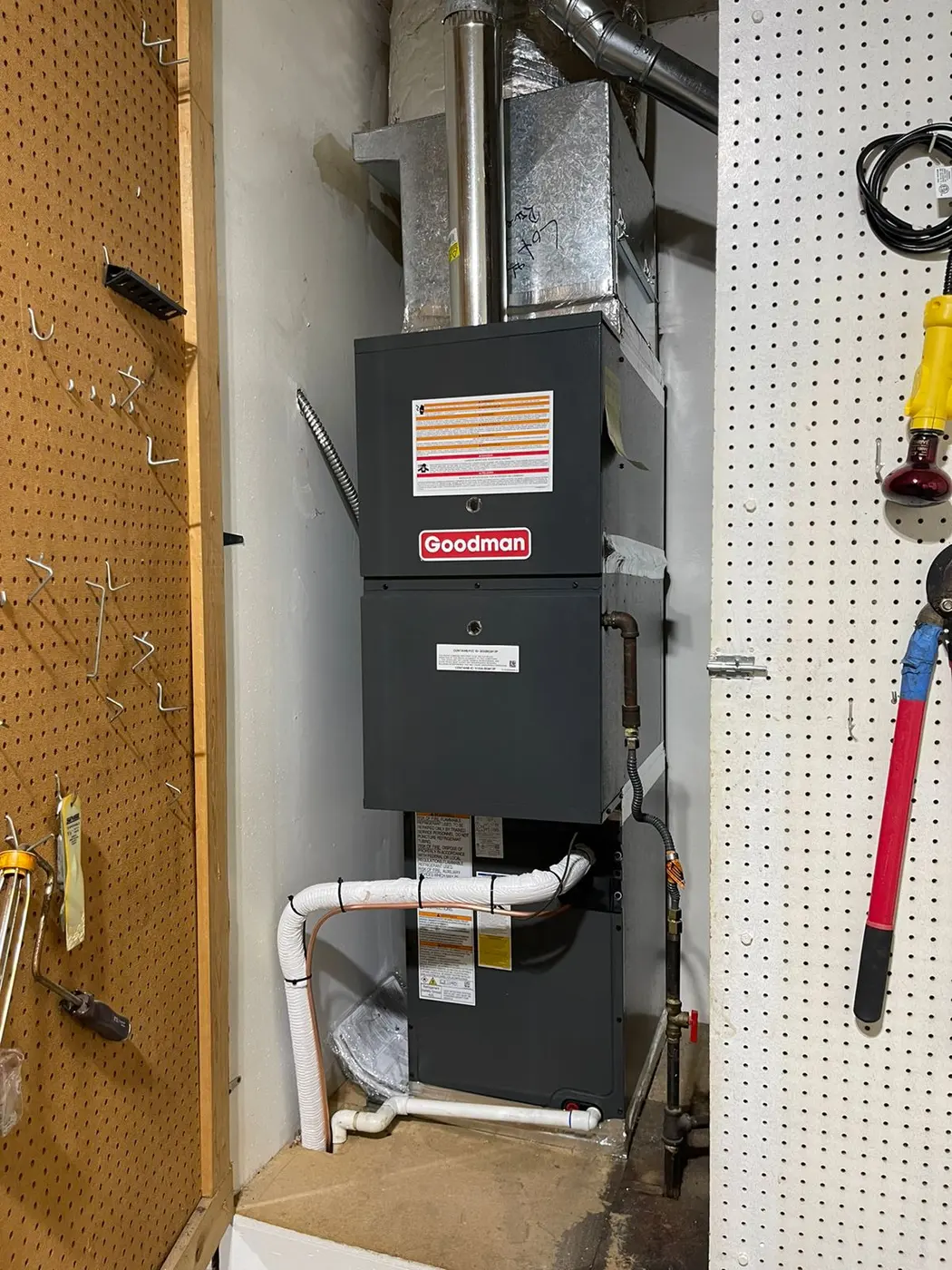
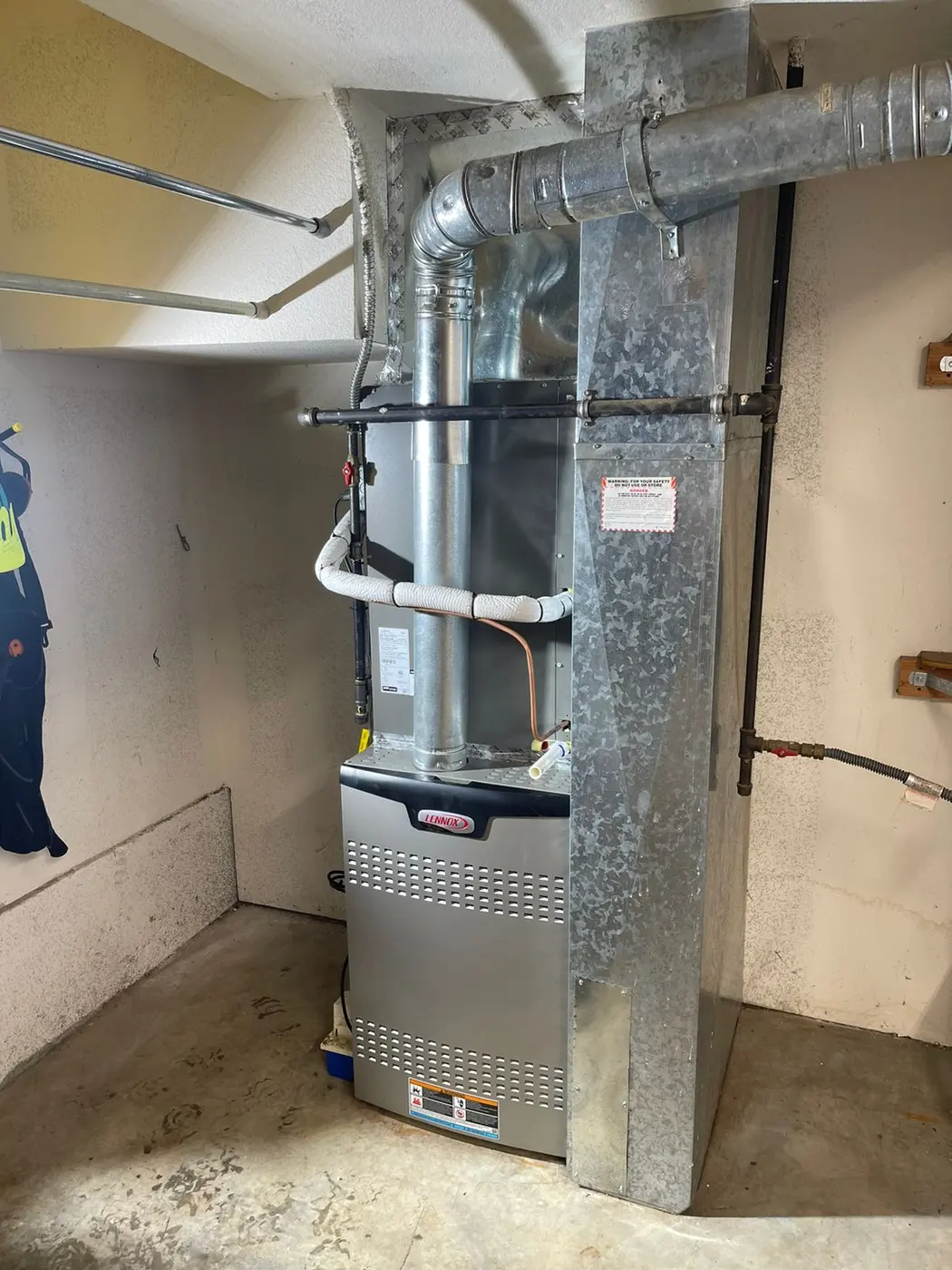
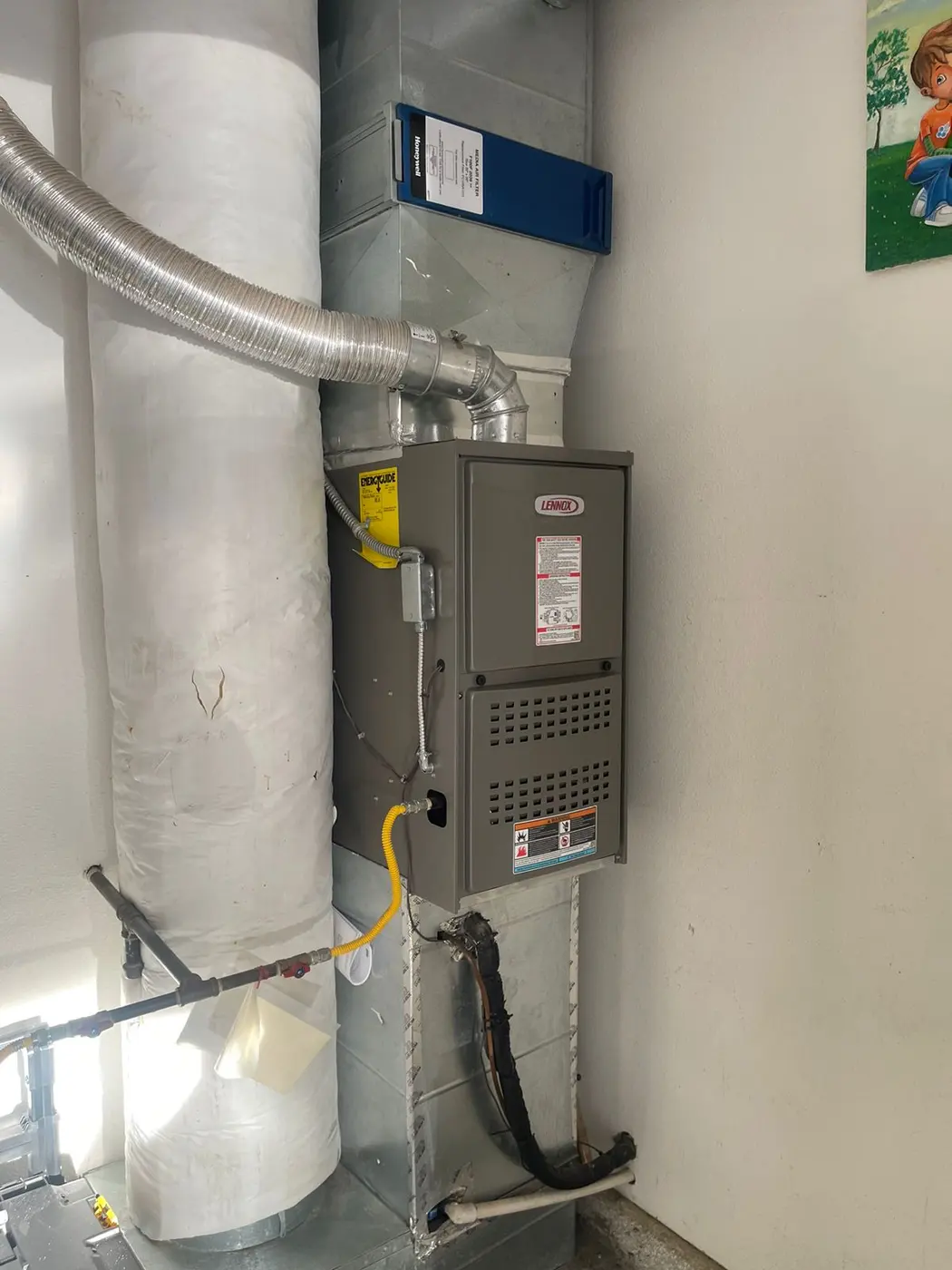
Replace the Furnace With the Whole Heating Setup in View
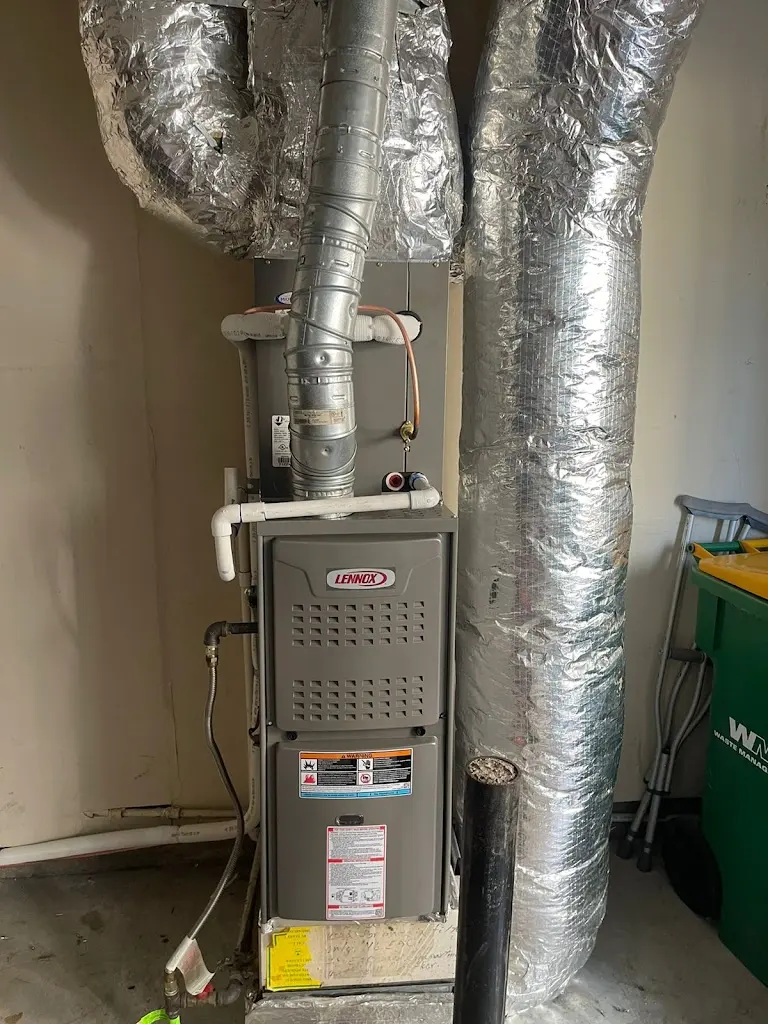
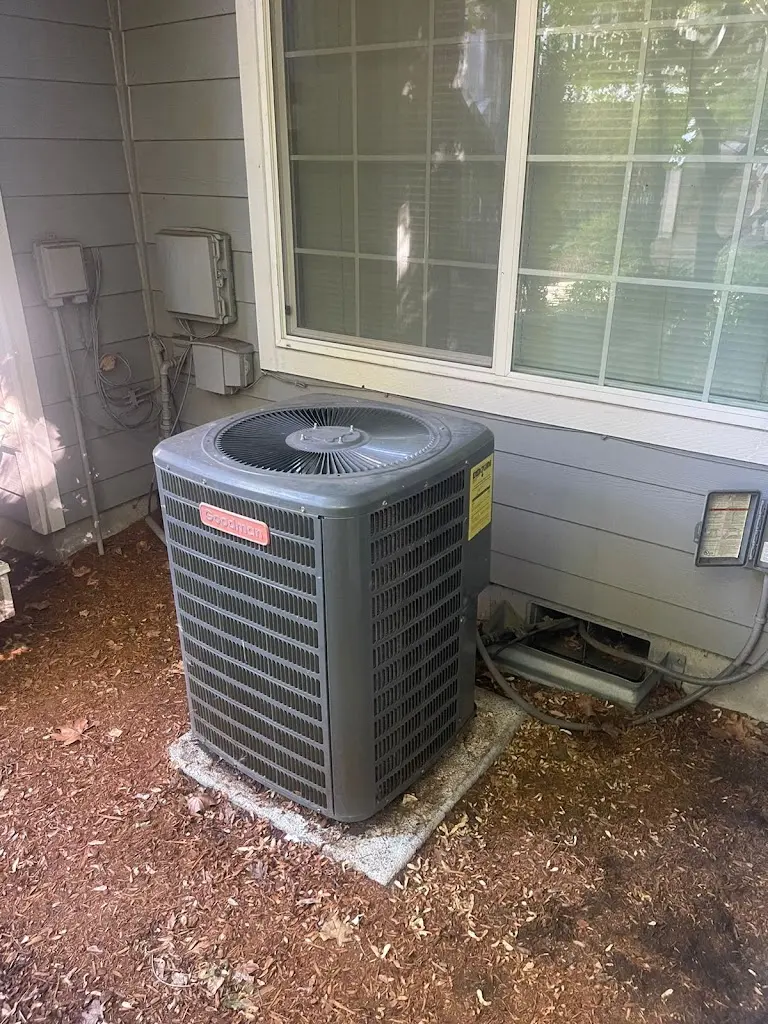
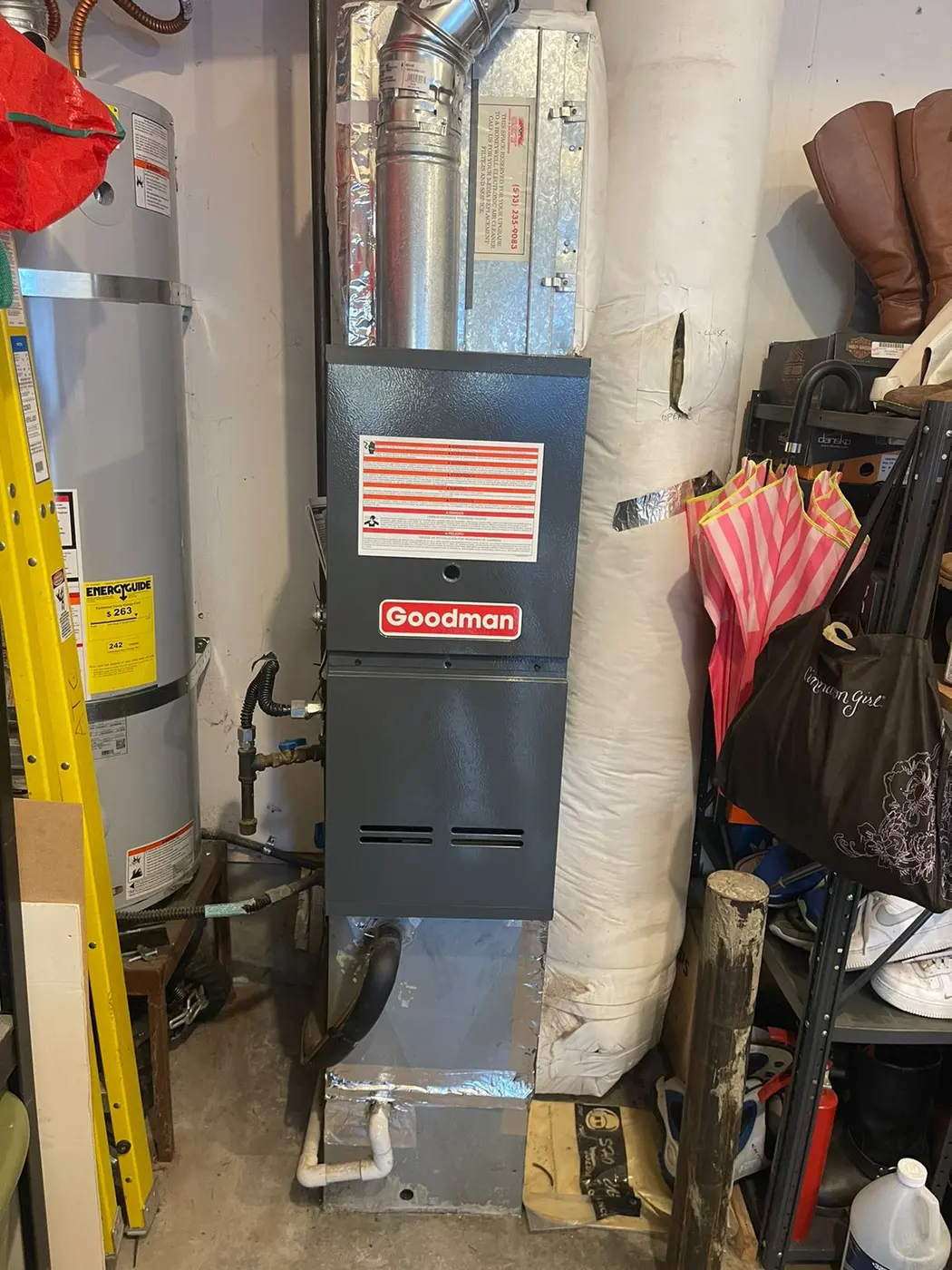
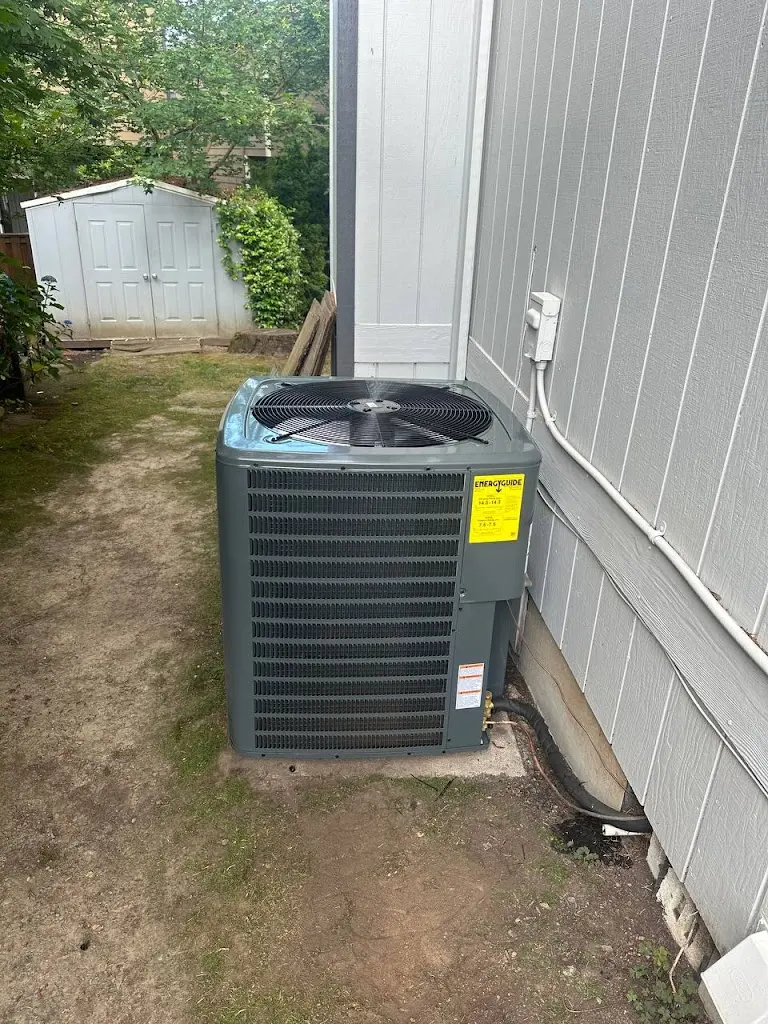
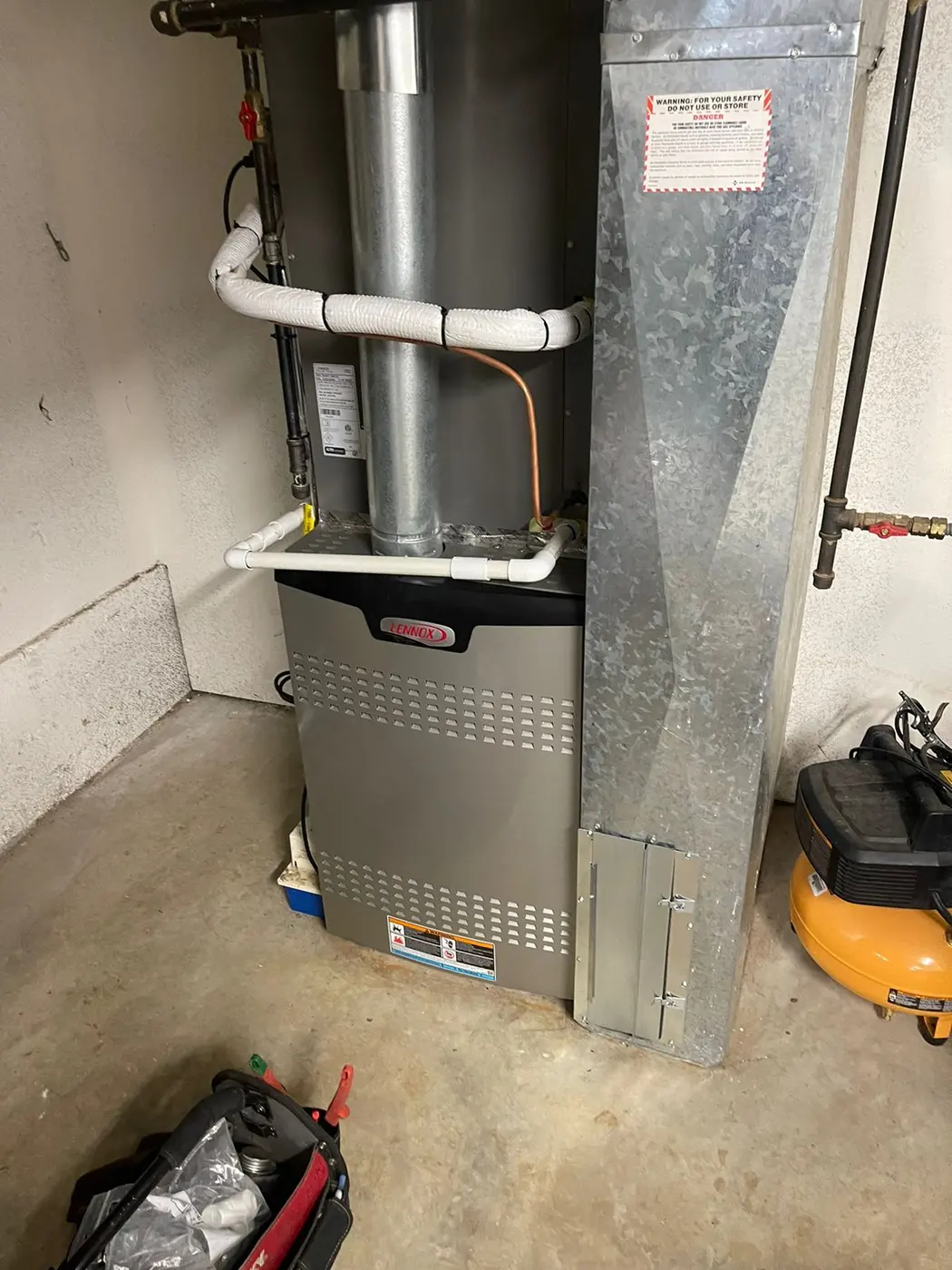
HVAC & Appliance Repair Guys provides furnace installation and replacement in Happy Valley, OR. If your home already uses a furnace with a heat pump, replacing the furnace needs a plan for that combination. State which equipment you want to change and which you want to retain. The project should preserve those boundaries from the estimate through the final checks.
We offer a free on-site estimator visit for installation and replacement. Explain why you are considering a new furnace and how the current setup heats the home. A failed furnace, a planned upgrade and a wish to change the whole system involve different decisions. The estimate should begin with the decision you actually need.
Our furnace installation service covers the broader replacement process. This page focuses on a furnace within an existing heat-pump setup. It does not assume that every Happy Valley home has that equipment. If you do not know the equipment type, say so before the project relies on a particular combination.
Identify Both Heat Sources Before Comparing Equipment
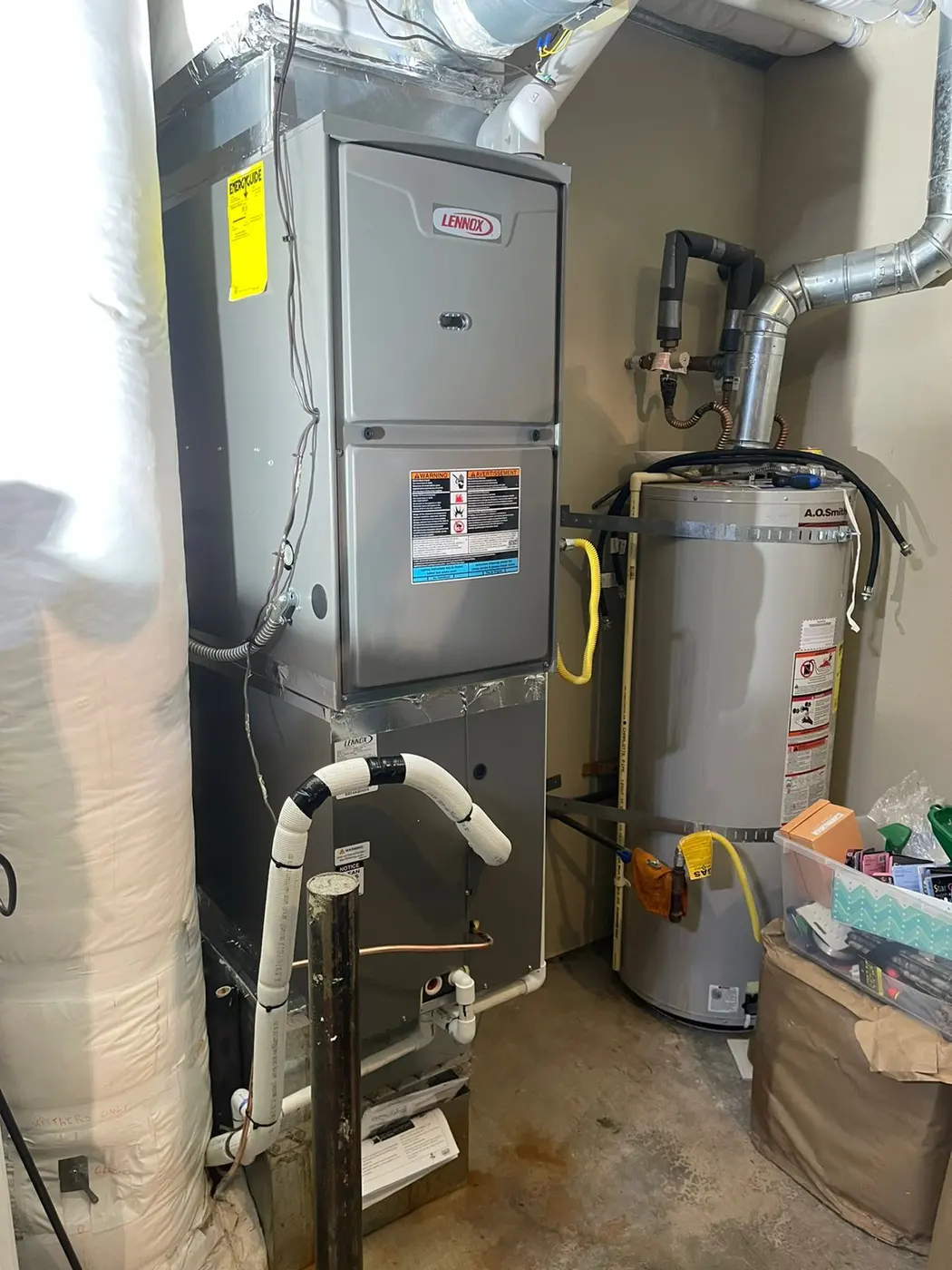
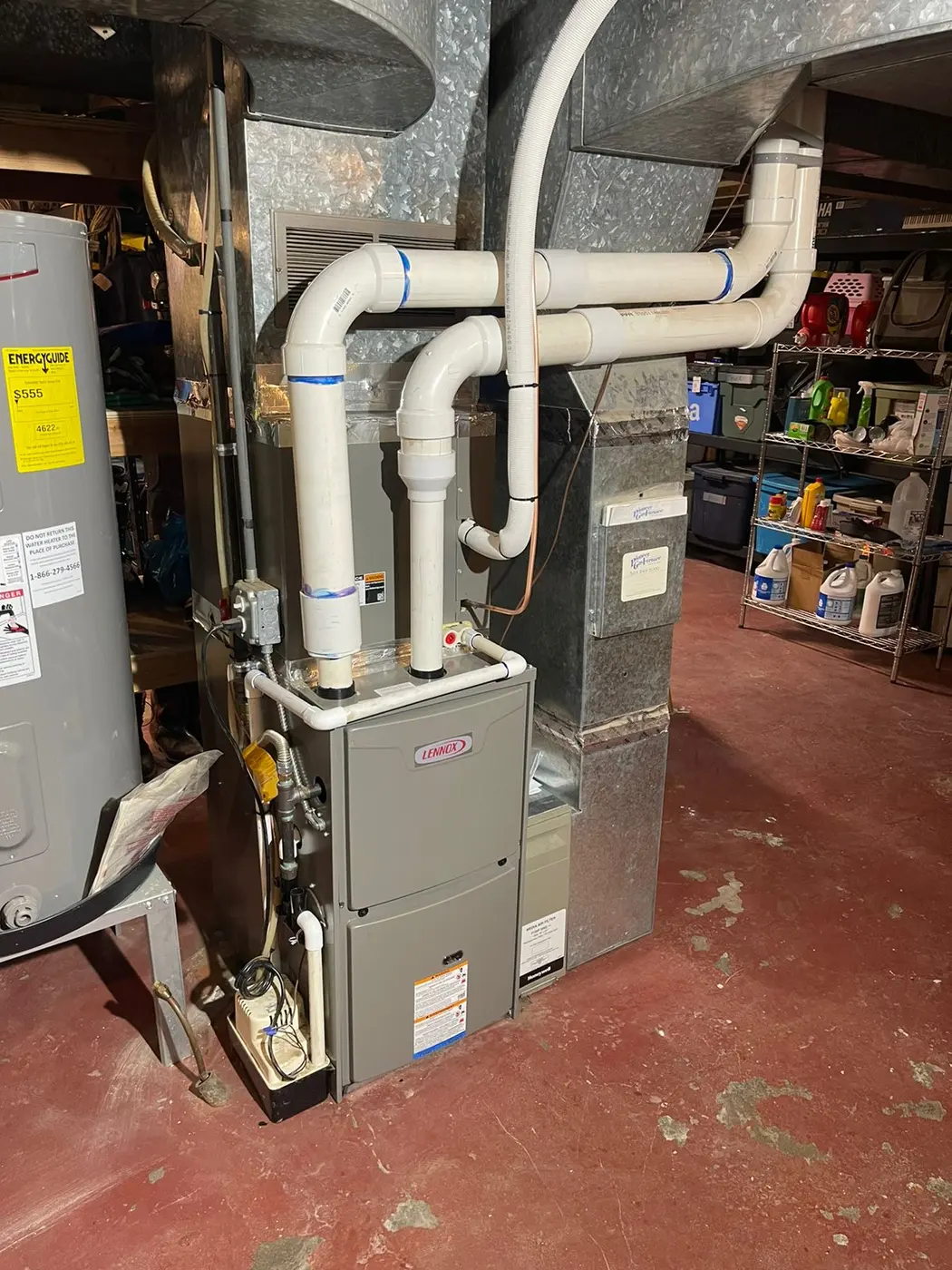
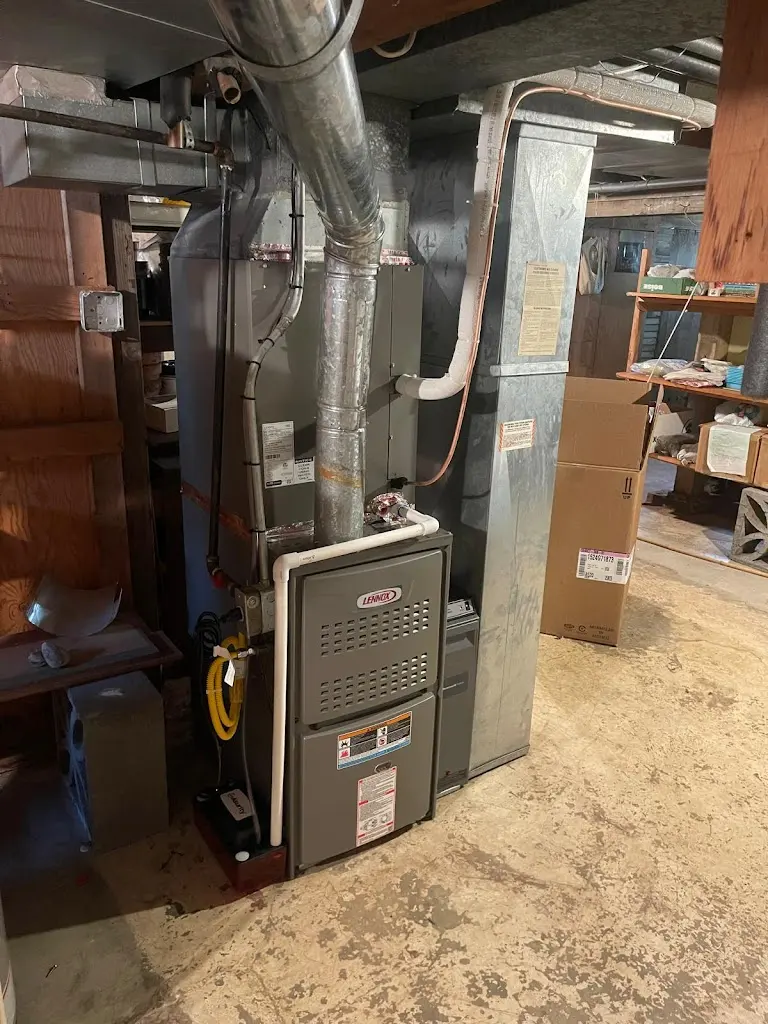
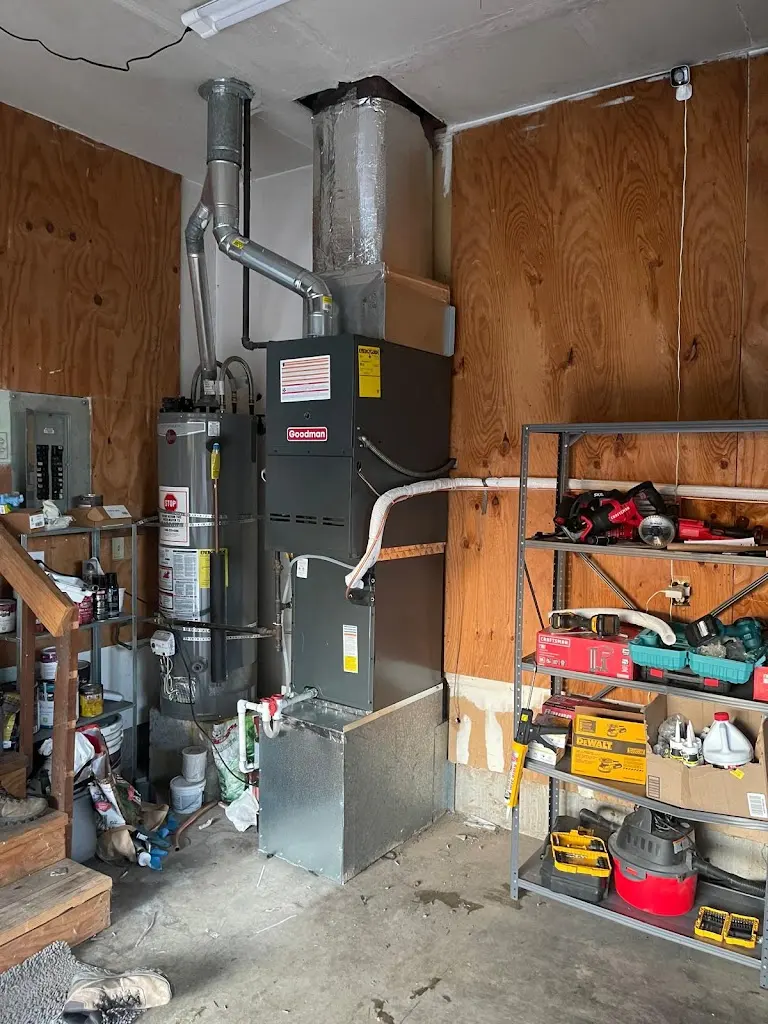
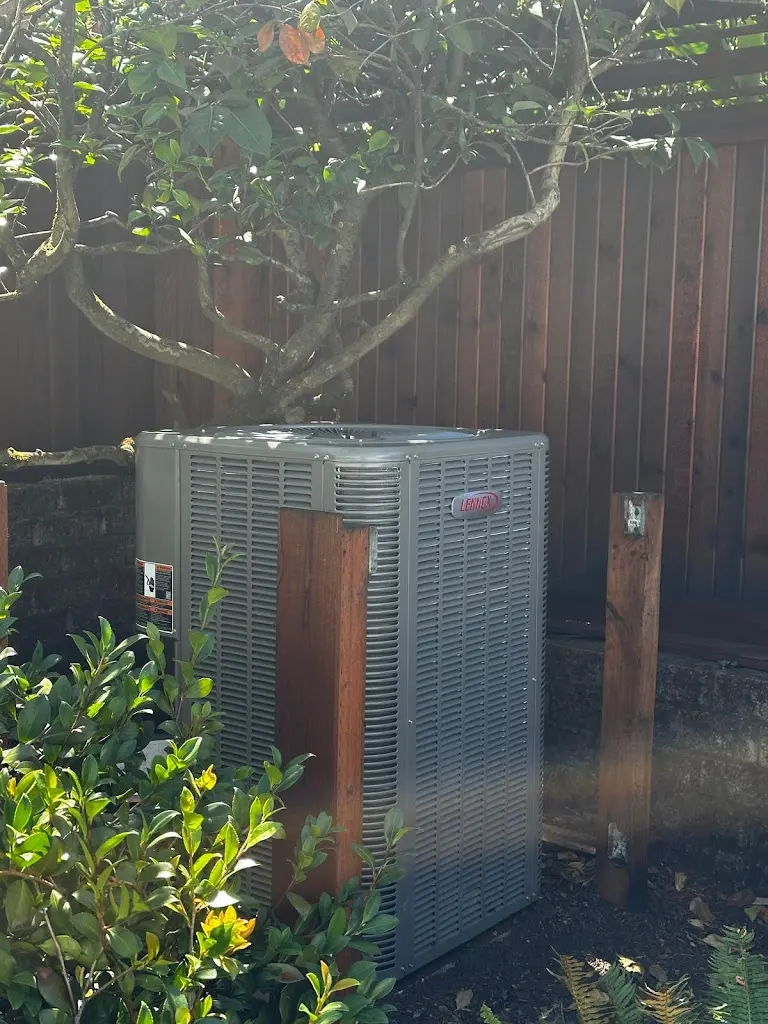
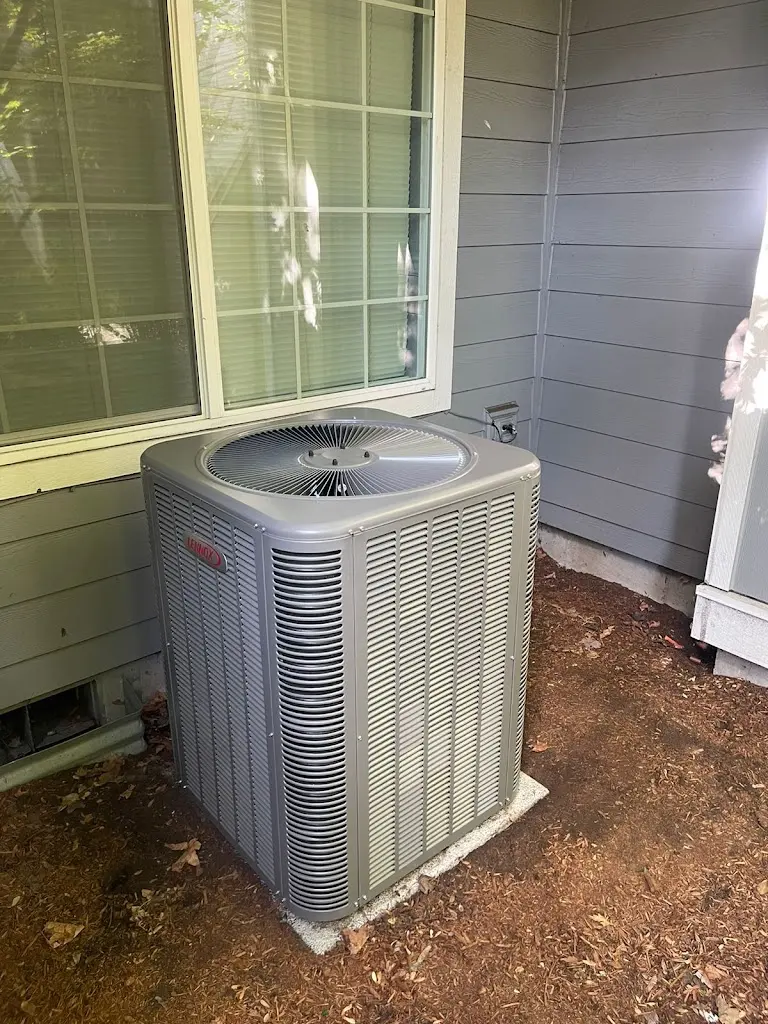
A dual-fuel setup combines a heat pump with a gas furnace. The controls determine how the system uses those sources. Replacing one component needs a review of the intended combination. Do not choose a new furnace solely because its cabinet or capacity label resembles the old one.
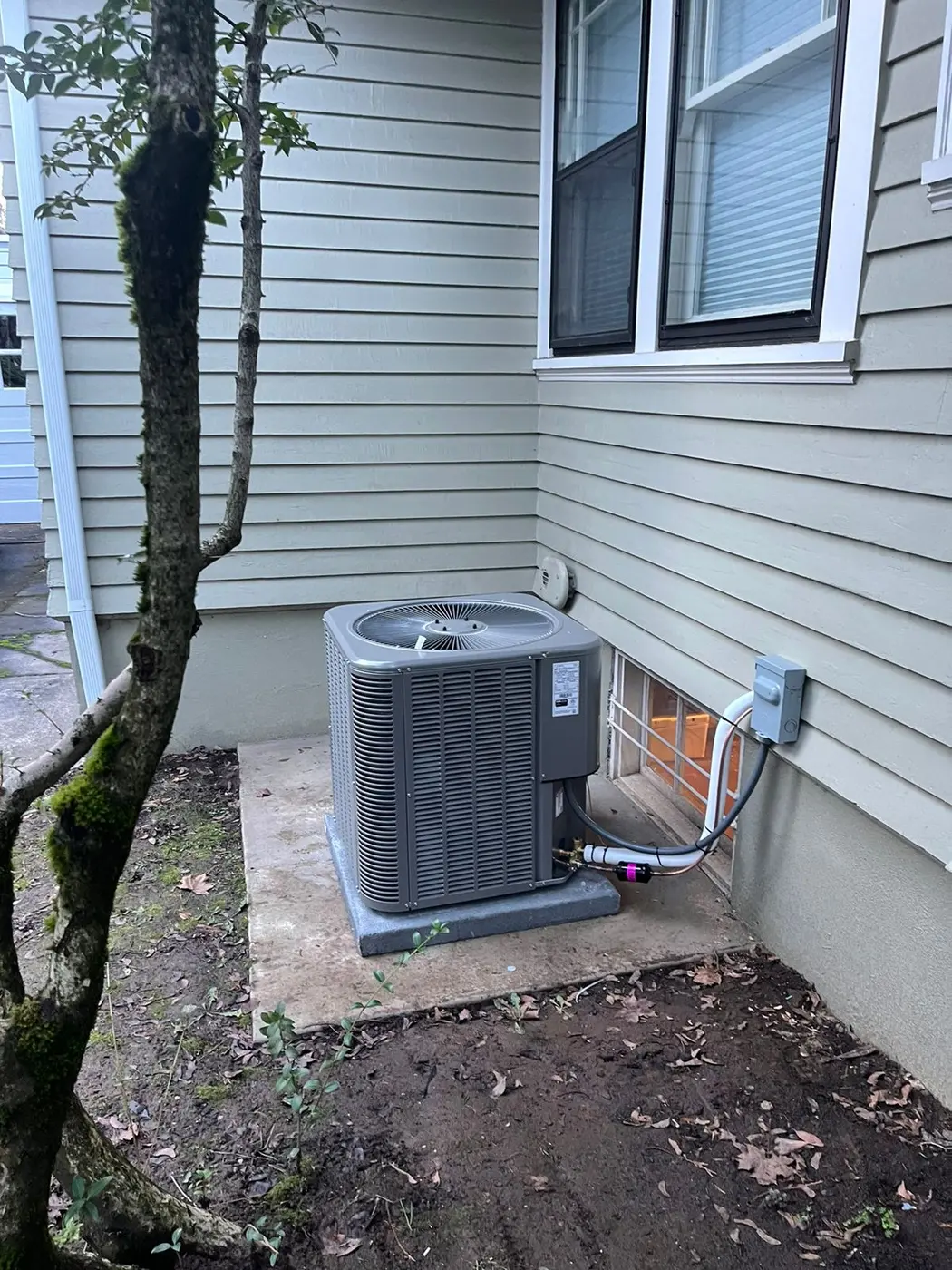
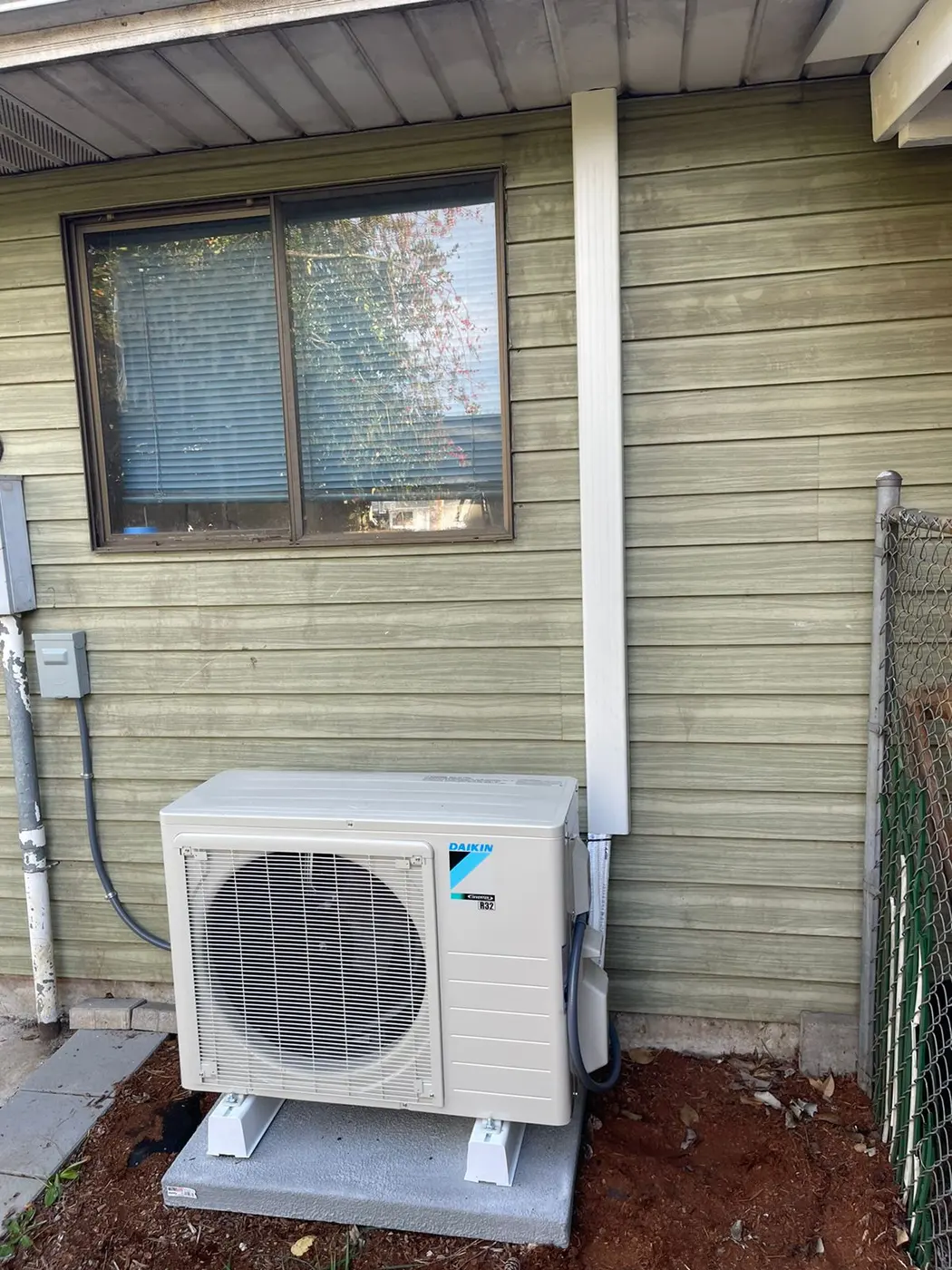
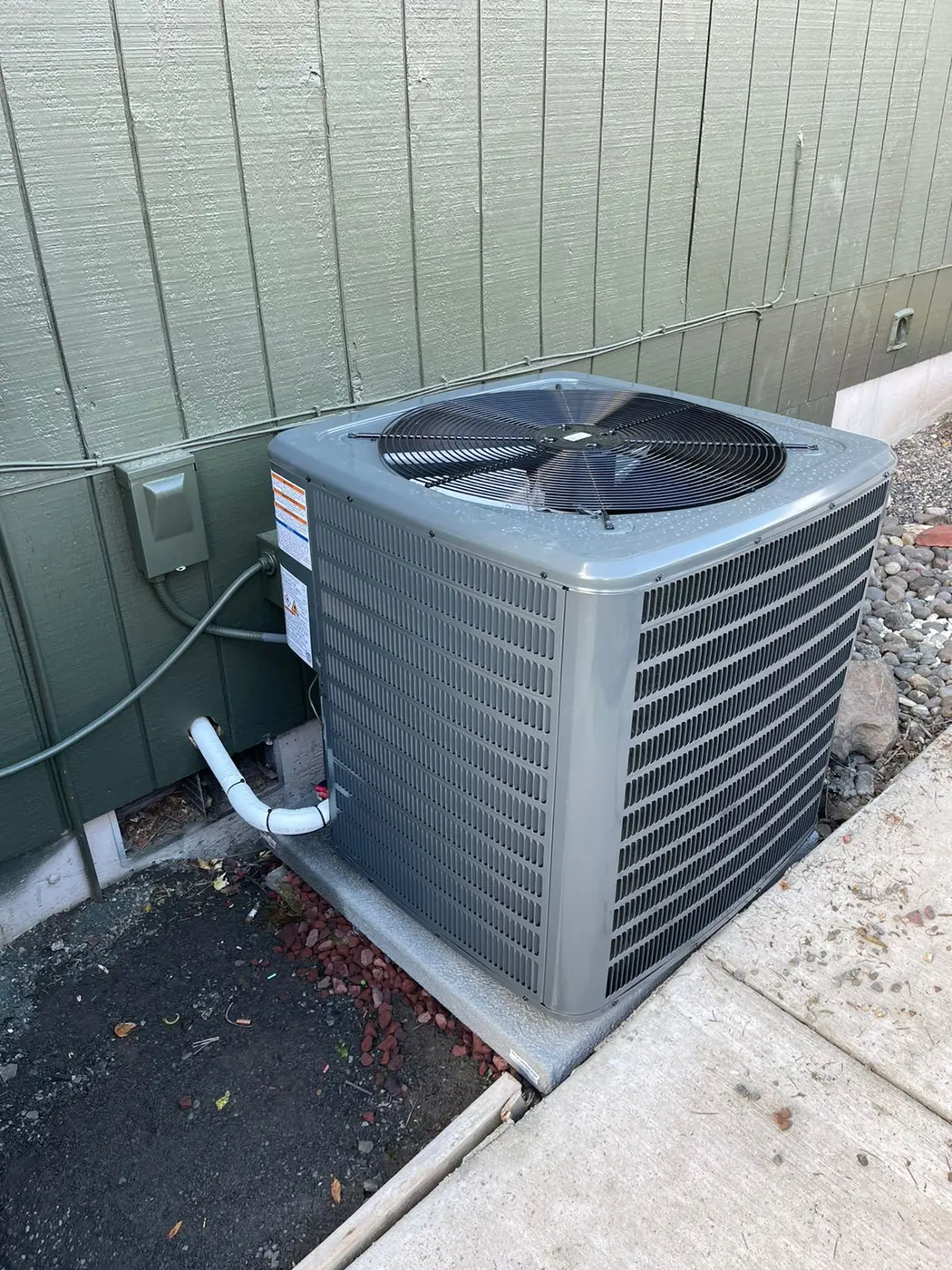
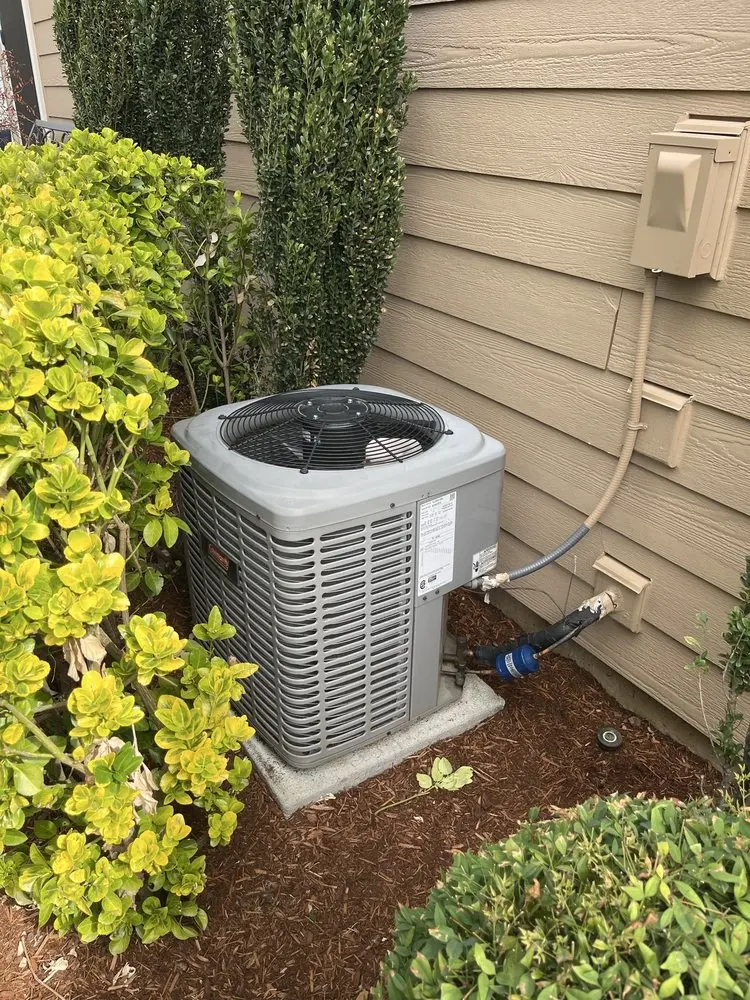
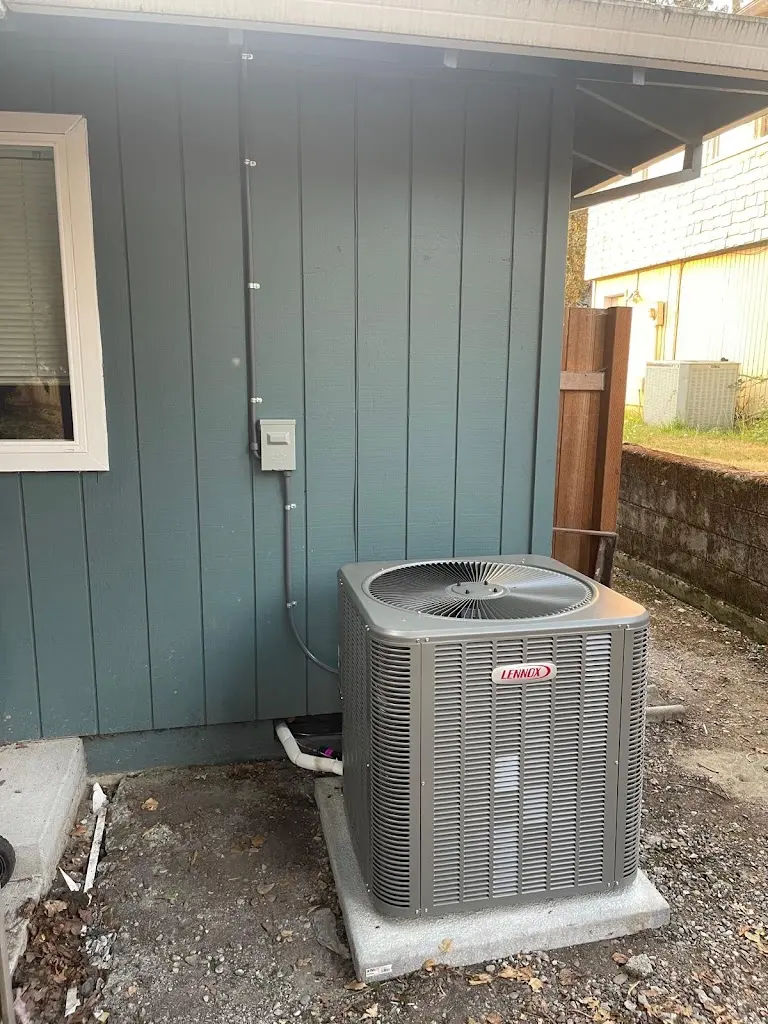
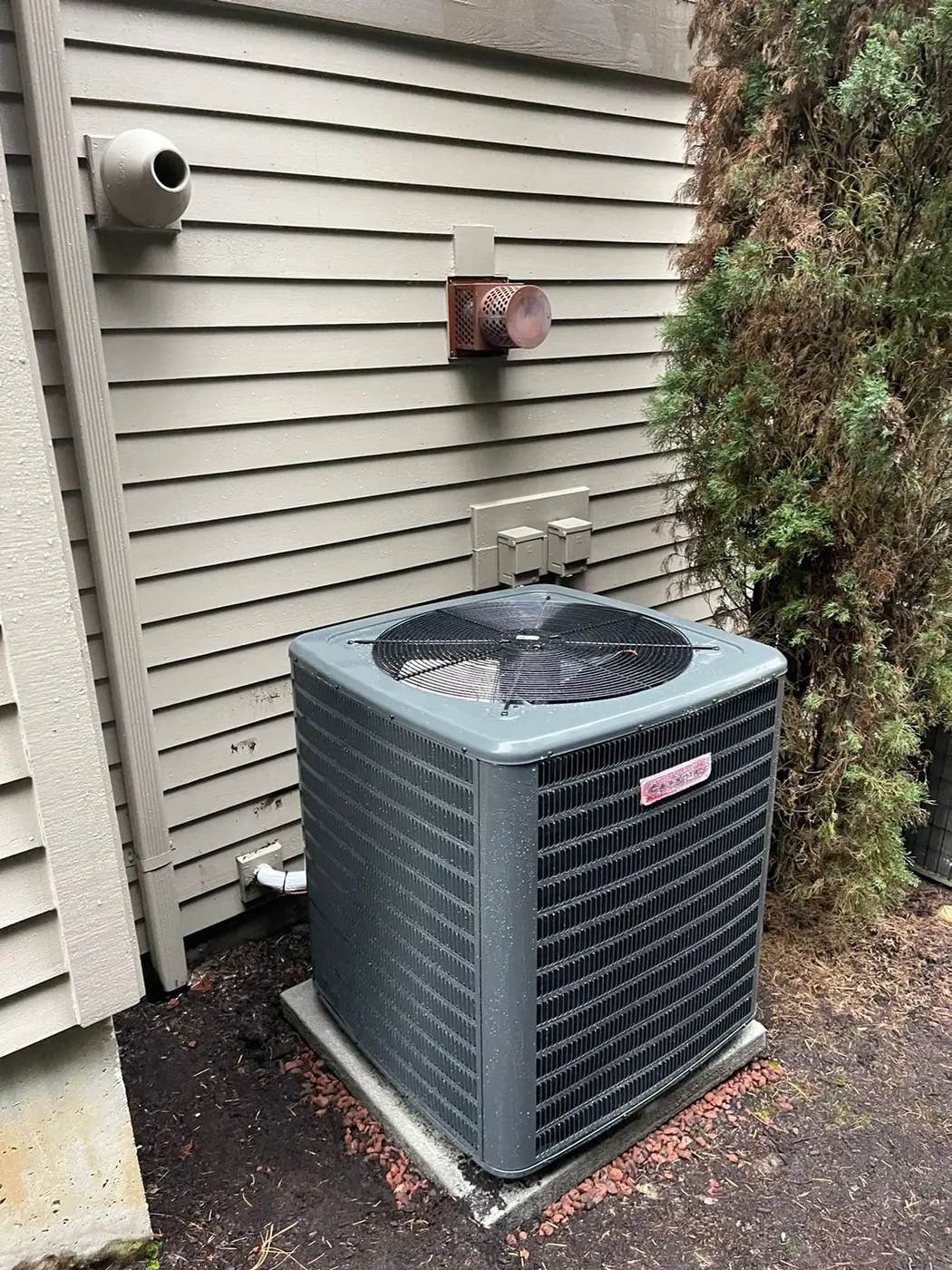
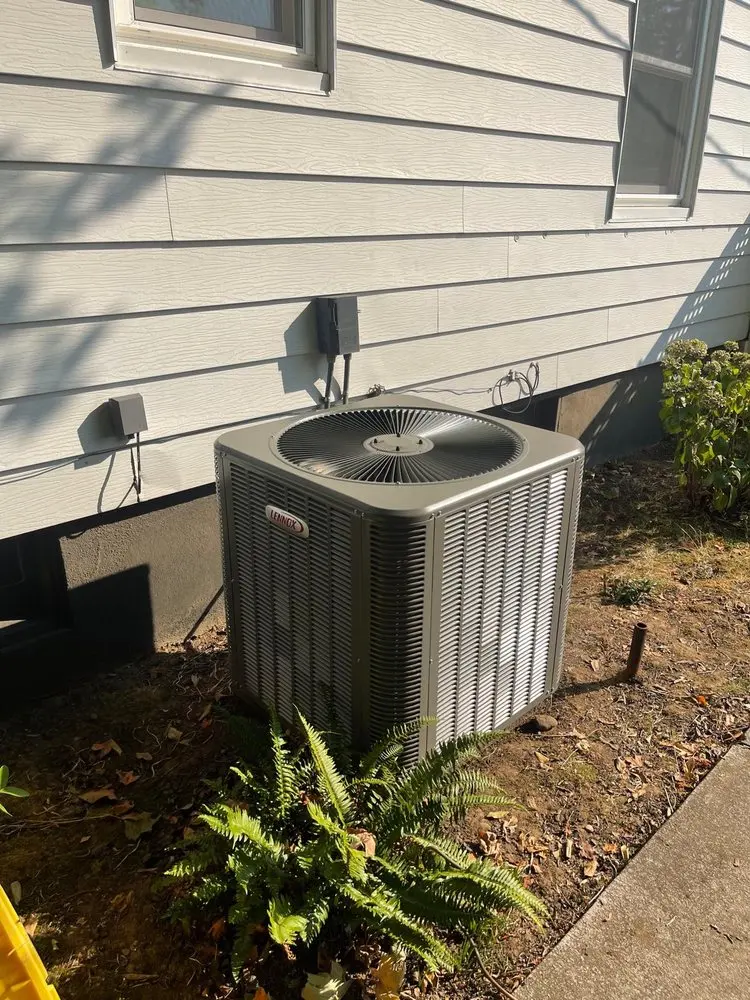
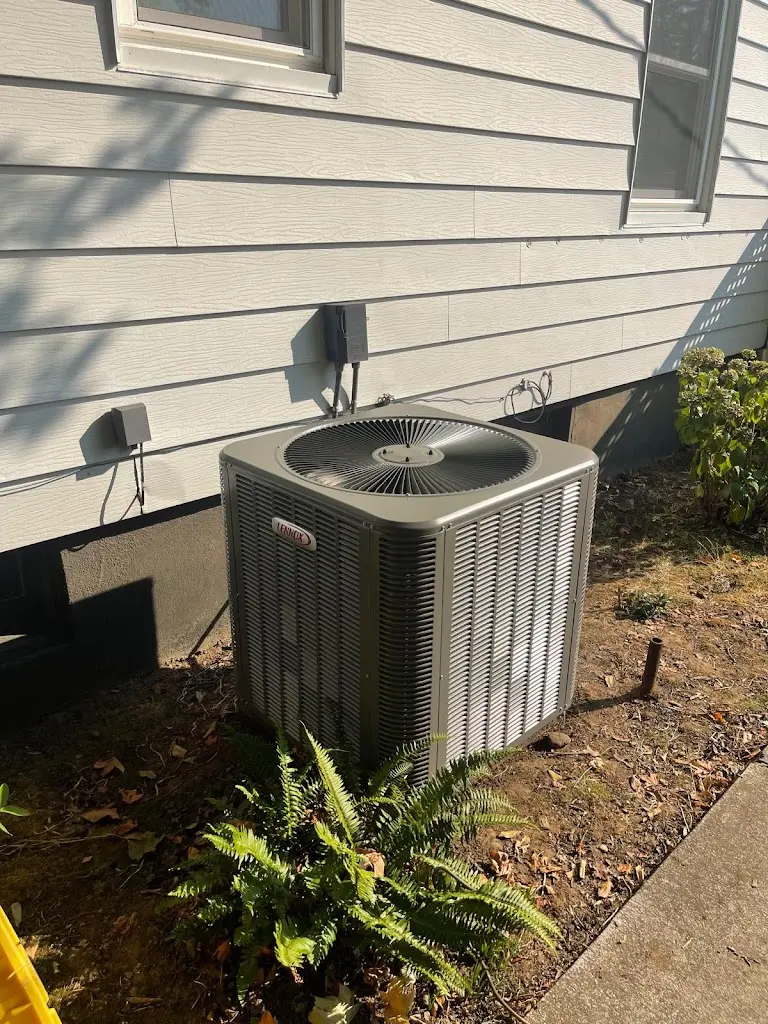
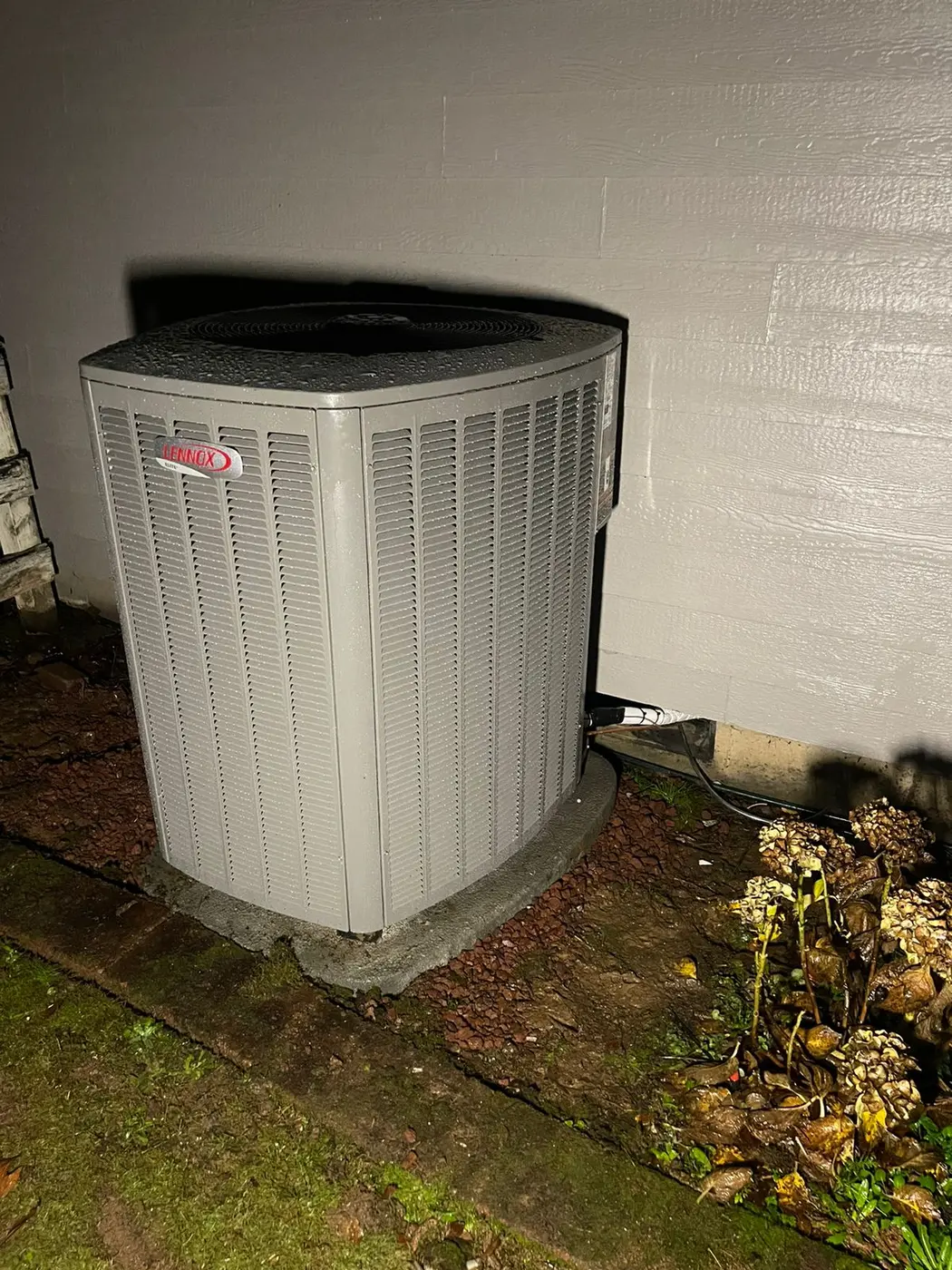
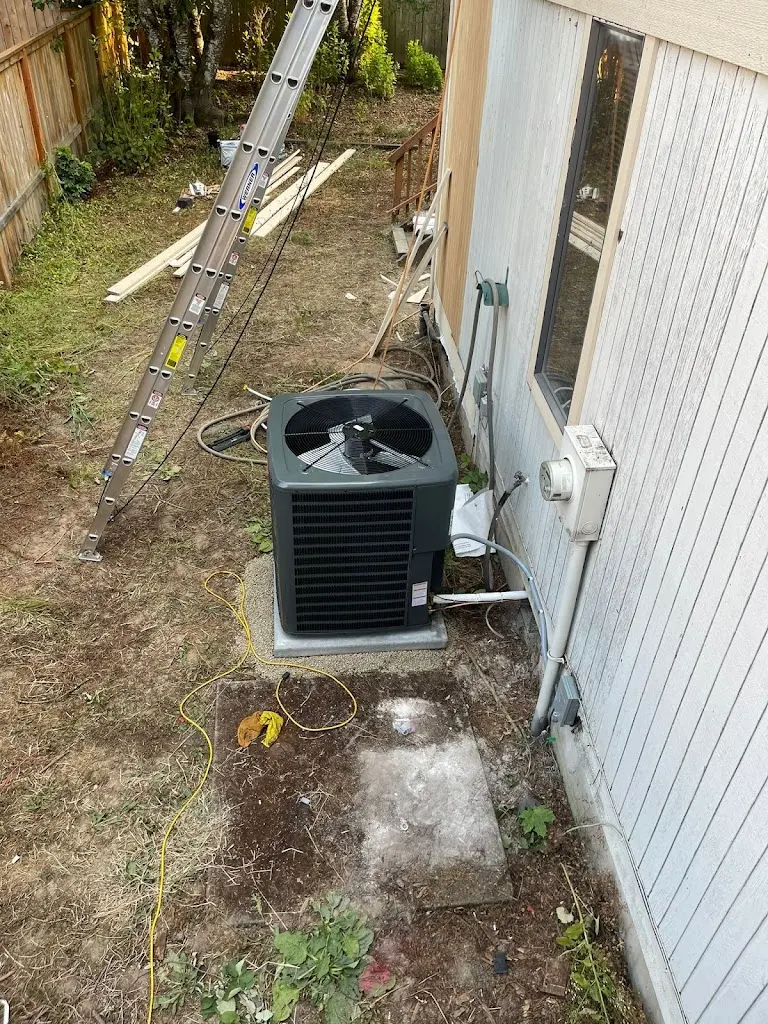
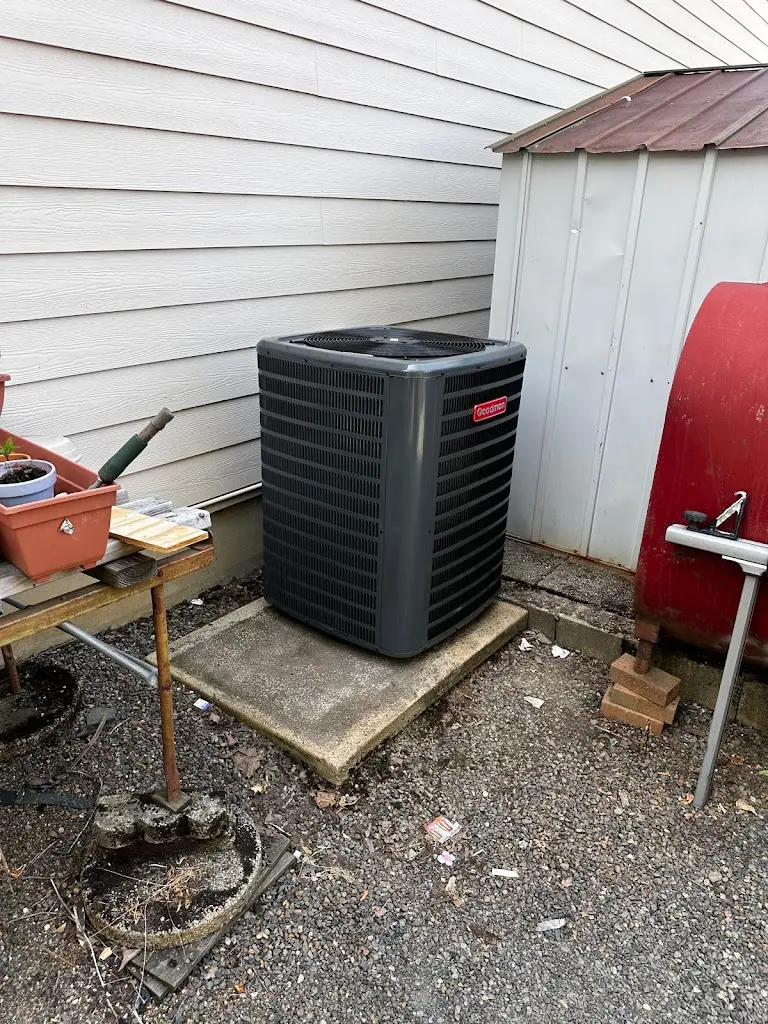
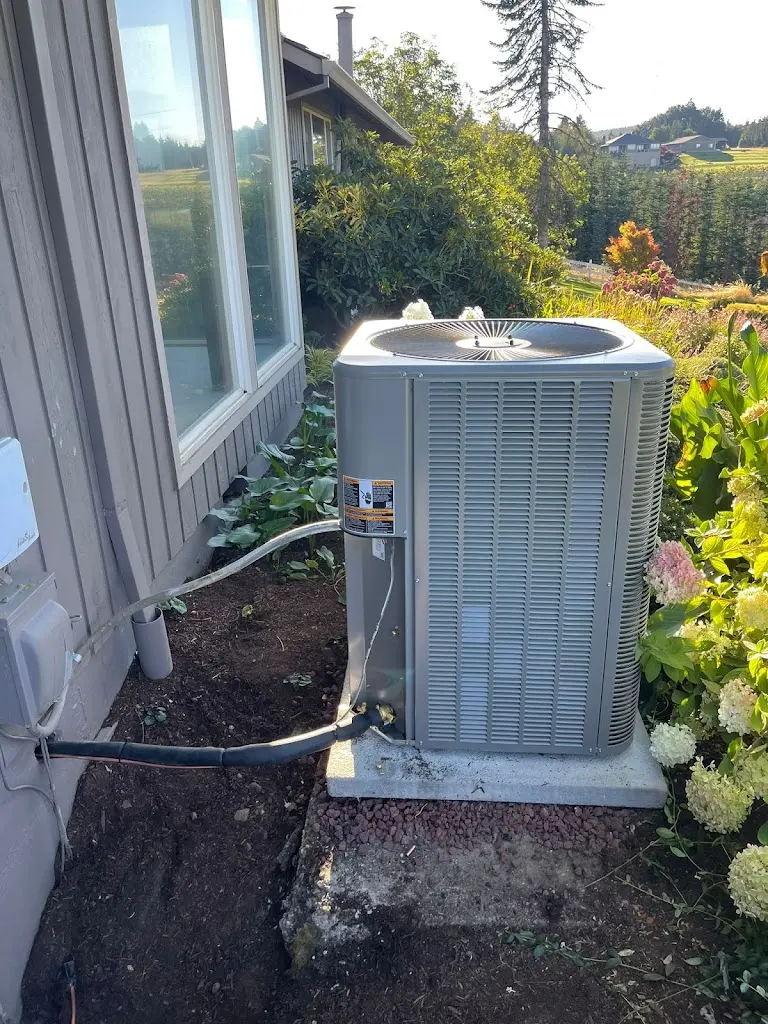
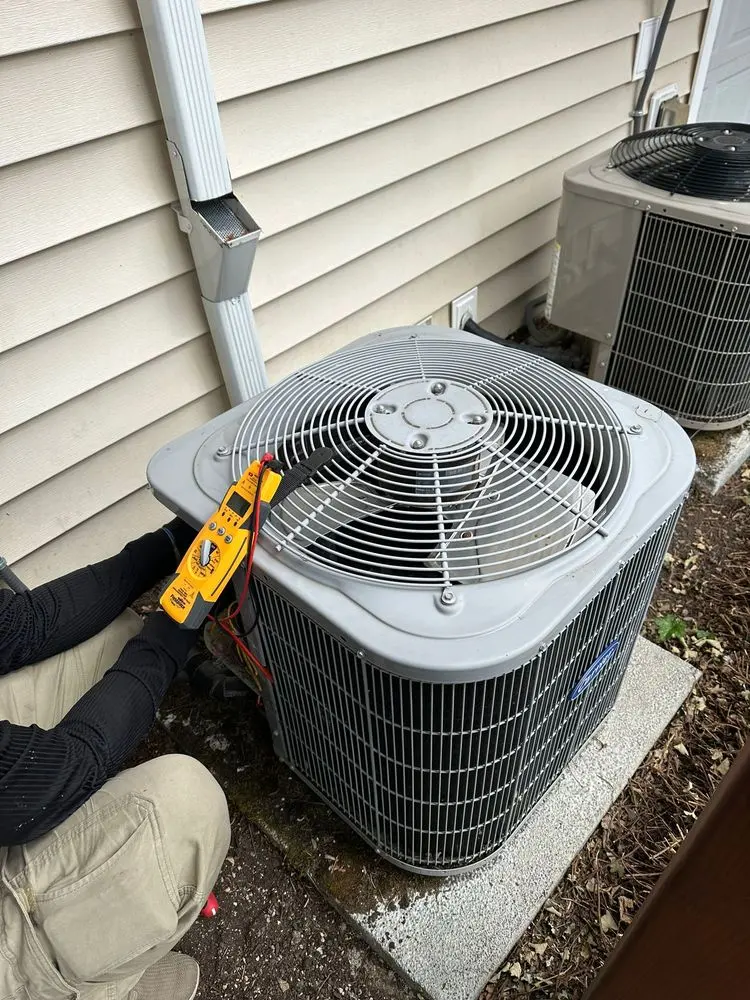
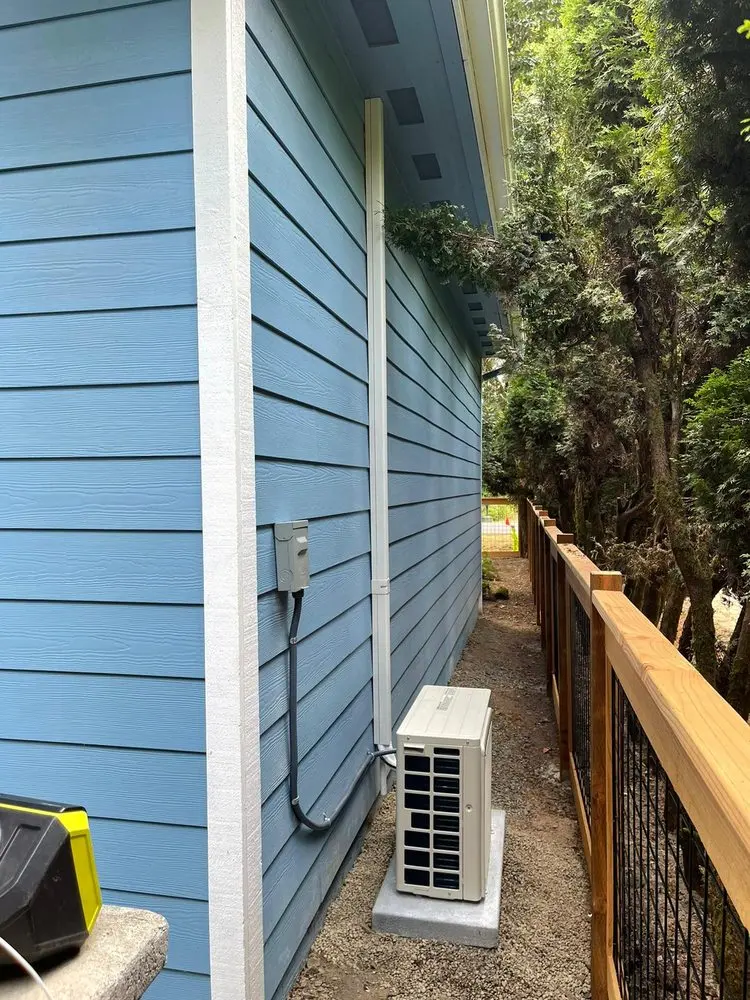
Gather model details already available for the indoor and outdoor equipment. Identify the normal controls and the areas you associate with them. An outdoor unit alone does not tell you whether it provides cooling only or also serves as a heat pump. Leave that question open for the site review if the records do not settle it.
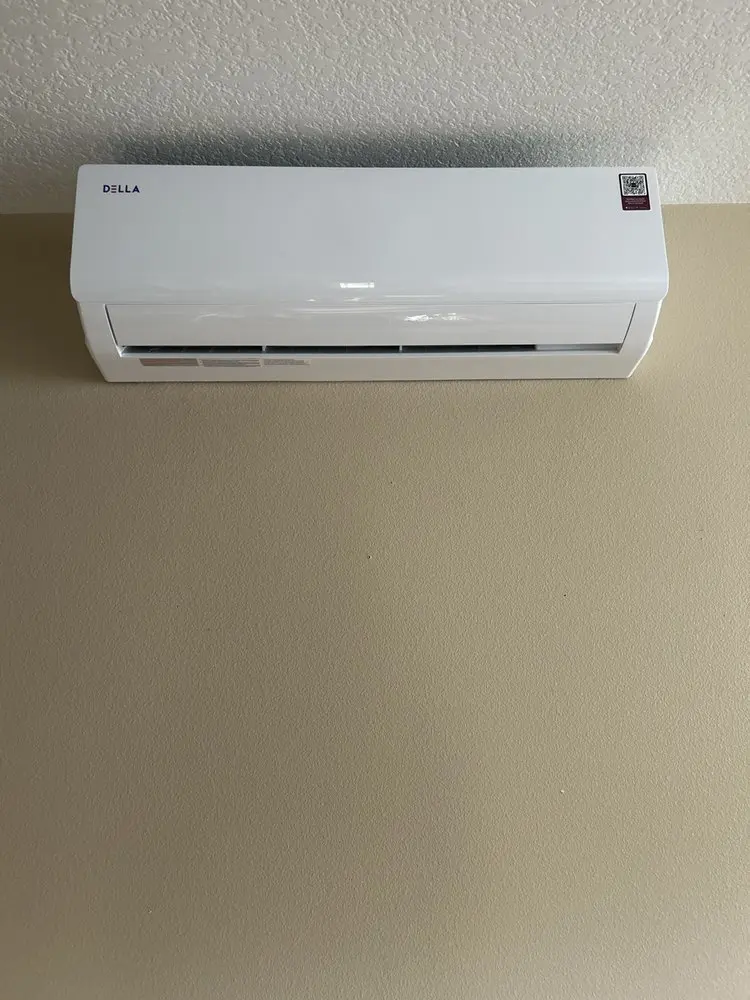
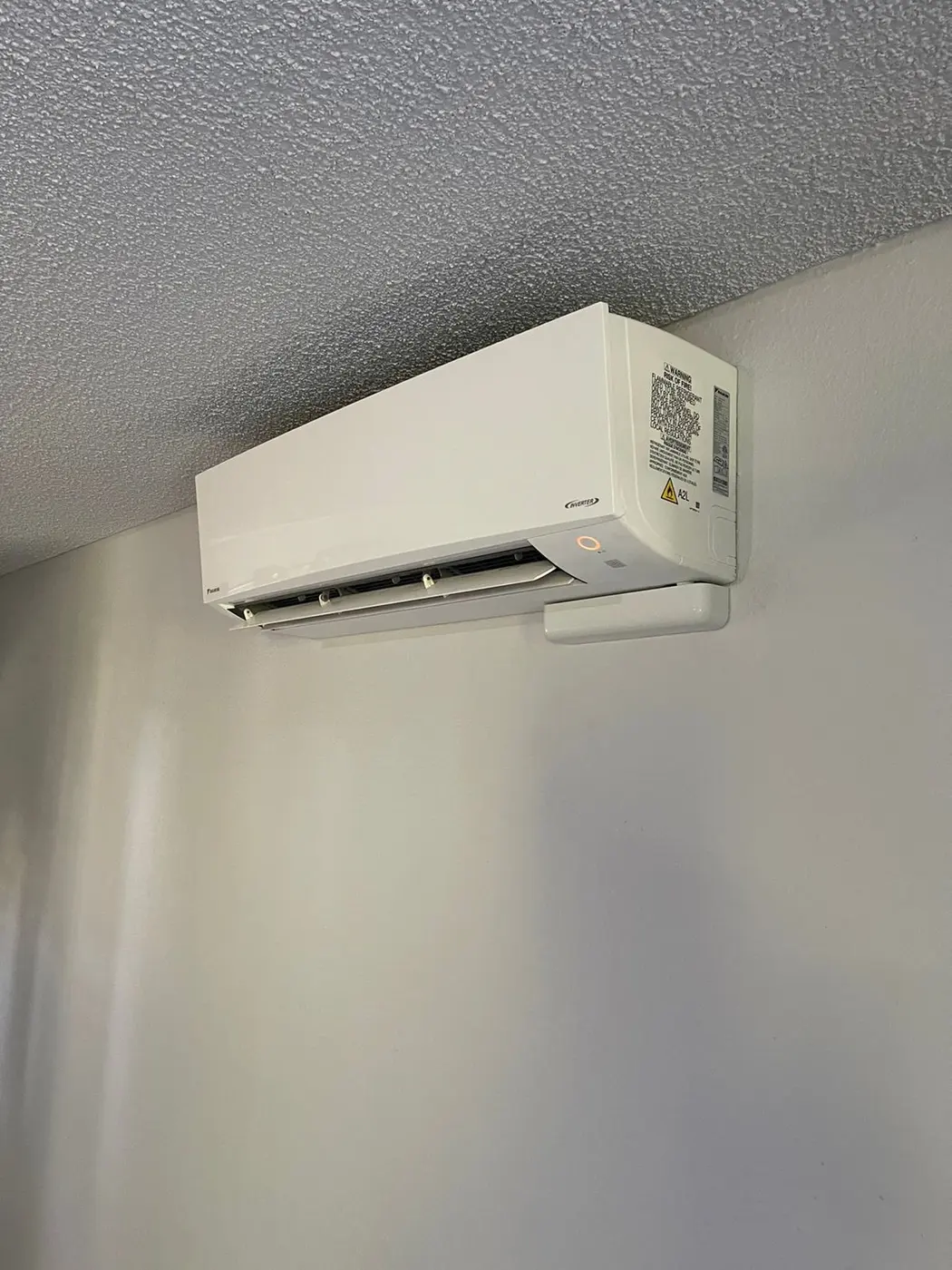
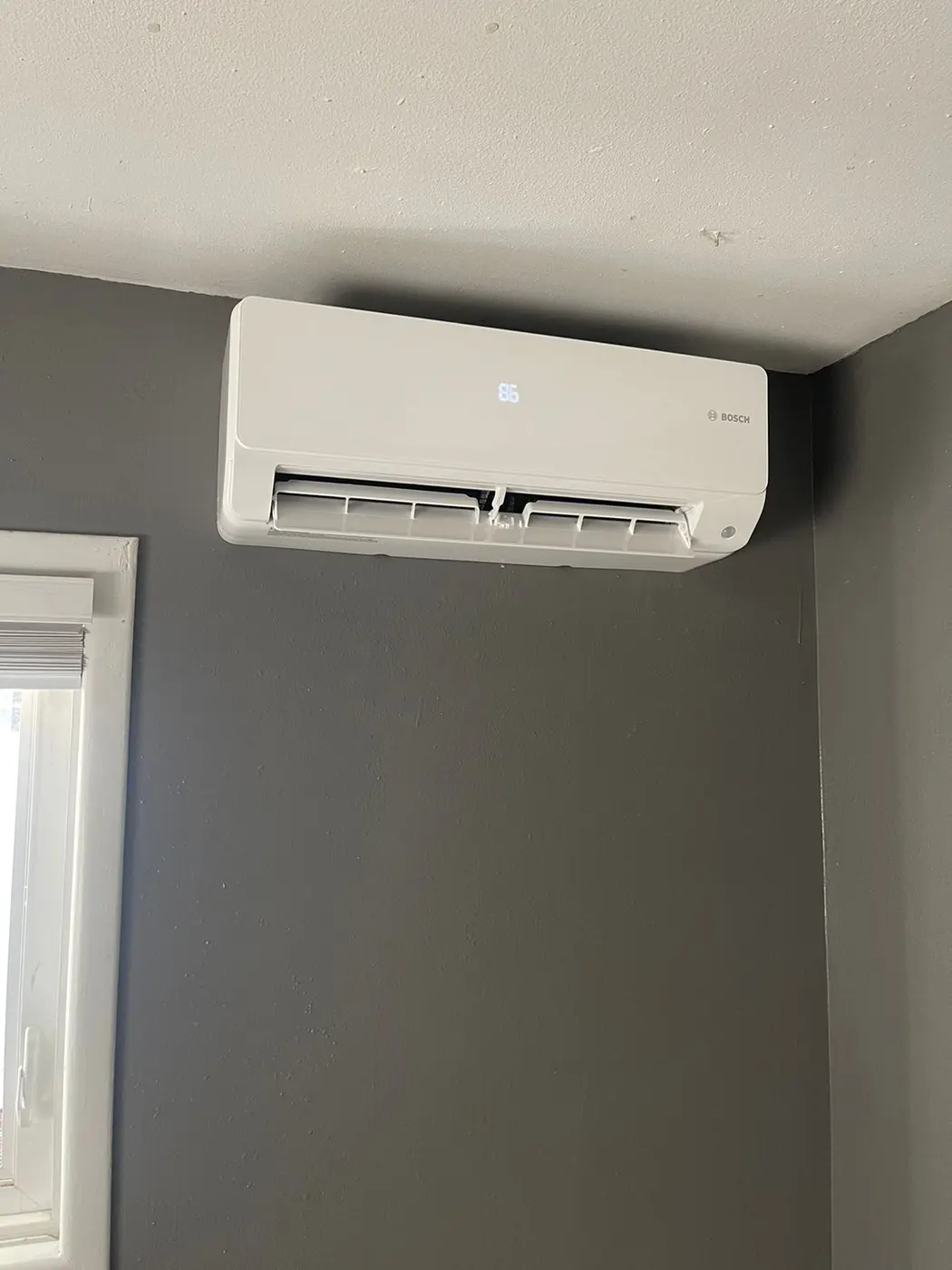
Keep a separate room system distinct from the equipment sharing the furnace. For example, a ductless unit in one area may have its own controls and purpose. Mention it so the estimate describes the right heating and cooling arrangement. Its presence should not automatically expand a furnace-only replacement into work on that unit.
If an earlier proposal described equipment that never went in, keep it separate from the current record. A model under consideration is not an installed component. The estimator needs the actual setup before confirming what can stay. Clear equipment identities make the later proposal easier to review.
Describe the Furnace Concern Without Assuming the Heat Pump Solves It
State any confirmed furnace fault. Keep a planned change separate from a heating response you do not yet understand. Heat in the rooms can come from another source while a furnace issue persists. Keep the room result and known equipment state separate.
Our furnace repair service in Happy Valley can assess a current failure. That diagnosis has a separate scope from the free installation estimate. If you want to compare repair and replacement, make both requests clear. Each option needs its own findings, work description and price.
Provide any earlier repair finding that relates to the furnace. Ask which part of that finding supports the proposed replacement. A problem in one heat source does not prove that every retained component needs replacement too. Keep the reason for each proposed equipment change visible.
Describe ordinary operating observations without forcing a change between heat sources. Note the selected mode, the room response and any message already visible. You do not need to enter installer menus or adjust source-selection settings before the estimate. The site review can address how the present controls relate to the equipment.
Agree on What the Furnace Project Retains
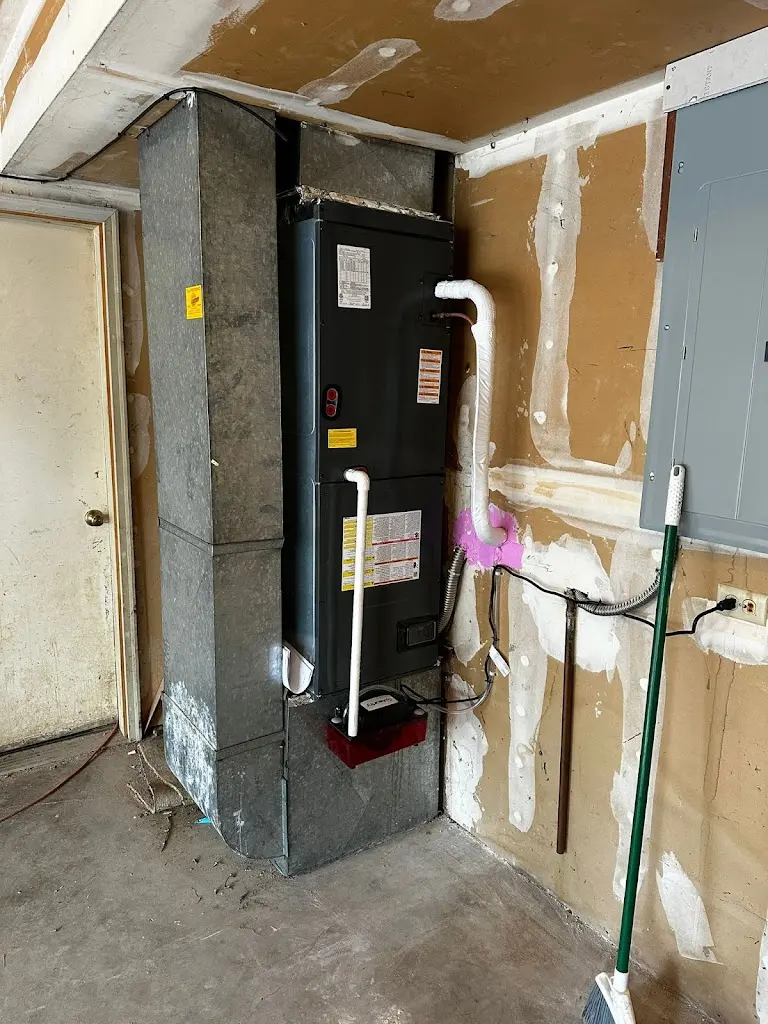
The proposal should identify the heat pump and any indoor components that will remain. Ask how the selected furnace fits that retained equipment. Keeping a working outdoor unit is a project goal to assess, not a promise that all existing parts can stay unchanged. The estimate should explain the intended combination.
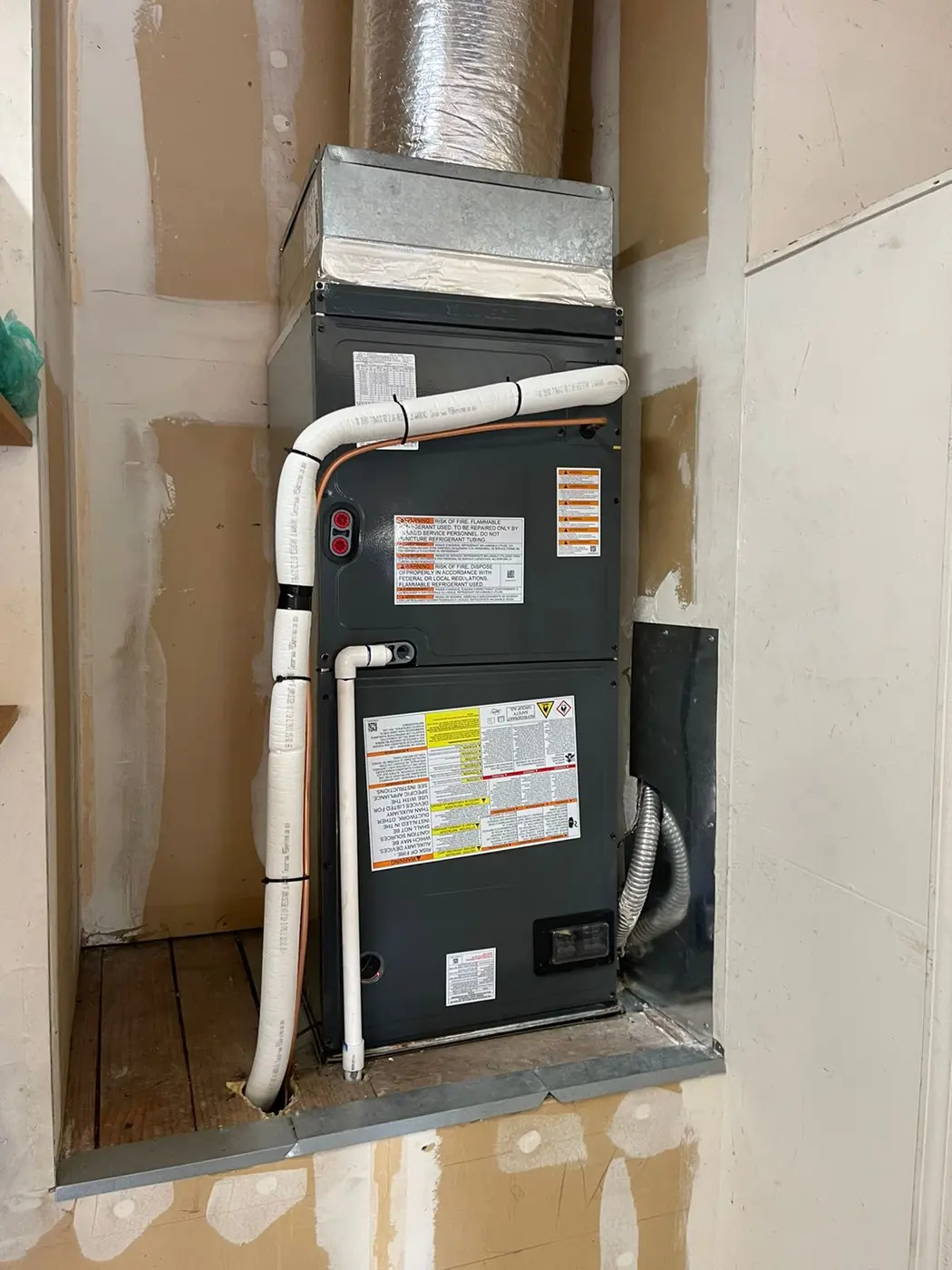
Clarify the work on shared connections, air paths and controls. Some tasks may belong to the furnace change even when another unit remains. Ask what the price includes and how each task supports the new setup. A retained-equipment list and the installation tasks should describe the same final setup.
Keep a known concern with retained equipment visible. Replacing the furnace does not automatically repair a separate heat-pump fault. If that concern needs assessment, identify it as a separate task. The plan should not treat an unresolved operating question as evidence that the retained equipment is ready.
If the estimate depends on a further check, ask what information will resolve it. Keep that condition with the proposed equipment and price. A possible additional task should reach you as a clear decision before work proceeds. It should not appear later as something the original furnace request silently approved.
Review the Control Plan and the Way Heat Will Reach the Rooms
The new furnace and retained heat pump need a control plan for their intended roles. Ask whether the project keeps the existing thermostat or includes a new one. A similar display does not prove that a control supports the selected setup. The proposal should name the intended arrangement before installation.
Ask what the normal heating settings will do after the change. Do not assume one source-change temperature applies to every combination. That behavior depends on the selected equipment and setup. Keep equipment-specific settings with professional installation work rather than attempt to choose them from a general description.
Include any room that already struggles to warm. A new furnace still uses the home’s air paths and may not resolve every room concern. Ask whether the proposal addresses that issue and what work supports the expected result. Keep excluded or unresolved room needs clear.
A high efficiency label and a control feature describe different aspects of the equipment. Neither establishes a fixed saving for the household. Discuss the benefit you want alongside the complete installed scope. The project decision should not rest on a rating detached from the retained system and the home.
Compare a Furnace-Only Change With a Wider Project
Our HVAC installation service in Happy Valley covers changes involving more of the system. If a wider option is useful, compare it with the furnace-only plan on the same stated goals. Identify which equipment and tasks differ. The higher or lower total should have an clear scope behind it.
Keep optional work distinct from tasks required for the chosen combination. You may decide to defer a separate improvement. Ask whether that choice changes the present installation or only a later project. The approved furnace plan must still describe the setup that will operate when this work ends.
If the alternative would remove the furnace and change the heating approach, it is a different equipment plan. Review what it would install, retain and remove before comparing it with a furnace replacement. Do not combine parts of two unfinished proposals. Each option needs a complete scope of its own.
Confirm the final selected equipment before arranging the work. If the model or retained component changes, review the affected connections and controls again. An earlier agreement may rest on a different combination. Keep the updated work and price together so everyone uses the same plan.
Plan the Changeover and Any Time Without Normal Service
Ask which parts of the setup will be out of use during the furnace work. Keeping a heat pump does not mean heat or cooling will stay on while shared parts change. Discuss the actual work sequence. Keep any service interruption clear before relying on an installation date.
Arrange access to the furnace, controls and relevant retained equipment. Mention locked rooms or a separate person who must provide entry. The team needs the areas involved in the agreed project. Do not move equipment or disconnect lines to prepare for the appointment.
Clarify any preparation outside the installation scope and who handles it. If another project changes an access route, report that before the work date. The replacement plan needs current site conditions. A route available at the estimate may need review if the surrounding work changes.
Keep an available person responsible for project decisions distinct from someone who only provides entry. Share the approved equipment plan and the method for discussing a change. Do not assume that access alone authorizes additional work. This arrangement should support the scope you agreed to.
Review the Completed Combination at Handover
Ask which operating checks the team completed on the new furnace and shared controls. Keep the result tied to the actual installed combination. A response from one source should not read as a record of every possible mode. If a check remains open, retain its reason and next step.
Review normal control use for heating and cooling after the change. Ask what behavior differs from the old setup and which functions belong to daily use. Leave internal setup adjustments to professional service. Clear owner guidance should make ordinary operation clear without exposing technical menus as routine tasks.
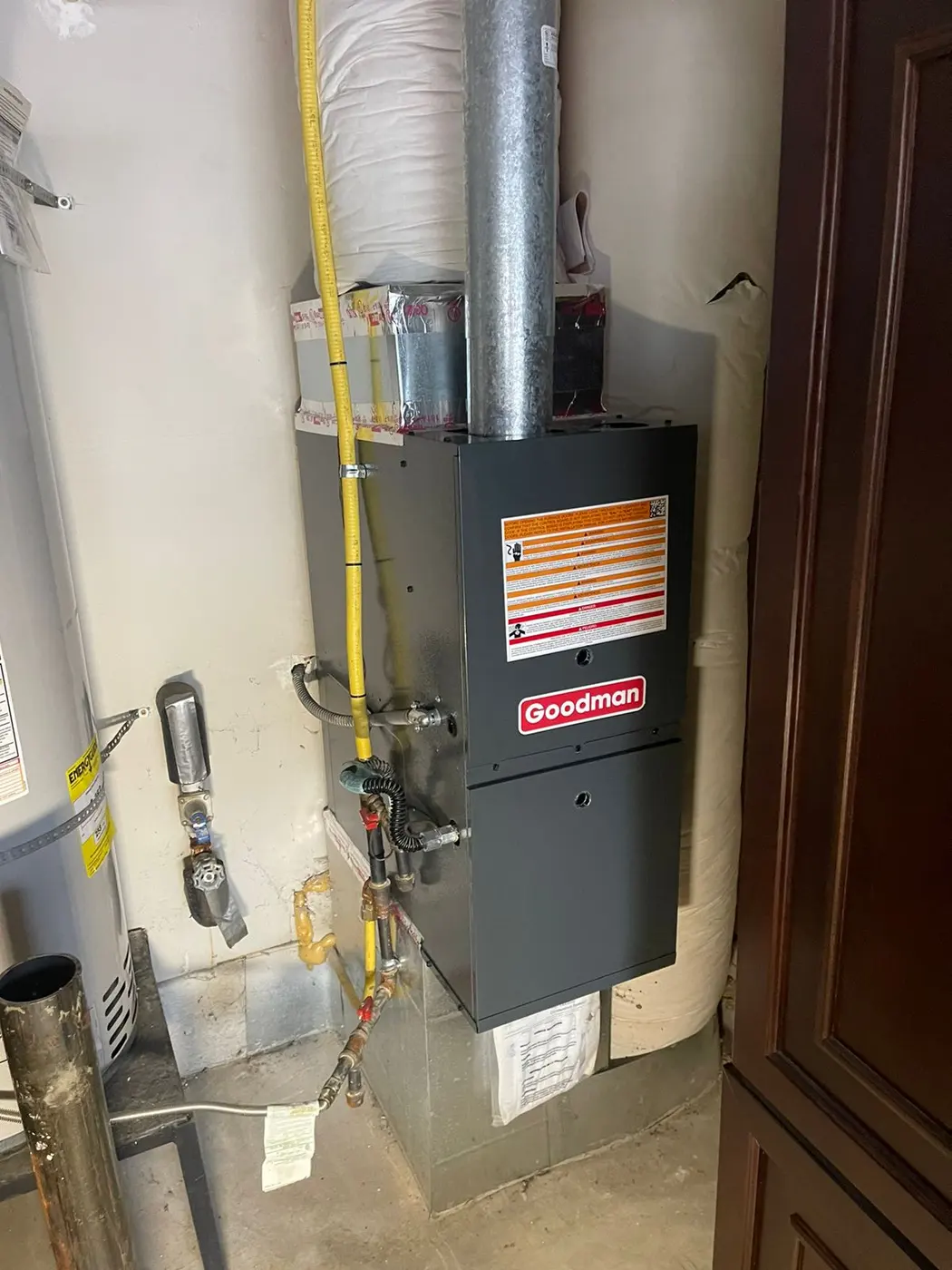
Keep the furnace model, retained heat-pump details and final work record together. Include a control change or related connection task in that record. If the scope evolved, retain the final version. Later service can then start from the system you have rather than the equipment first considered.
Discuss routine maintenance as a separate need for the completed setup. Replacing a furnace does not document care of every retained unit or enroll the home in a service plan. Ask which owner tasks apply to the new equipment. Keep any later professional visit distinct from the installation handover.
Frequently Asked Questions
Can I replace the furnace and keep the heat pump?
That possibility needs a review of the actual equipment and proposed combination. Identify what you want to retain during the estimate. Ask which findings support reuse and what related work the new furnace requires.
Does warmth from the heat pump prove the furnace is working?
No. Room warmth alone does not establish which source supplied it. Keep a known furnace concern visible when arranging service. An equipment assessment should identify the current condition before it becomes a replacement decision.
Will the controls always switch heat sources at the same temperature as before?
Do not assume the old setting defines the new setup. Review normal operation for the selected equipment at handover. The installation team should establish the appropriate control arrangement for that combination.
Does a furnace quote include replacement of the outdoor unit?
Only when that work appears in the approved scope. Ask the proposal to identify the outdoor equipment that stays or changes. A furnace replacement request should not leave that decision implied.