Bring Different Room Preferences Into One Equipment Plan
HVAC & Appliance Repair Guys provides mini-split installation in Happy Valley, OR. Several room controls can help define daily use, but they do not explain every limit of a shared system. Our free on-site estimator visit covers installation and replacement. Describe the household’s different needs before choosing the equipment.
Name who uses each room and when, without assuming that every person needs a separate head. One room may serve work during the day while another needs comfort at night. Some people may prefer a cooler setting. The useful plan connects those actual routines with supported equipment functions.
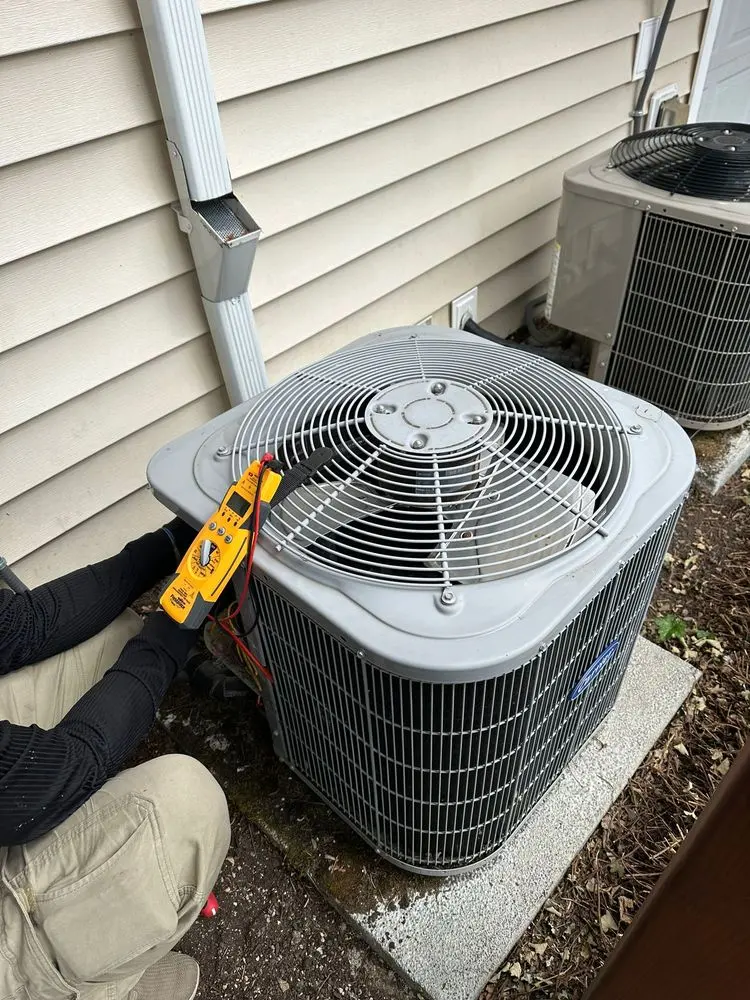
Distinguish a temperature preference from a room that fails to reach any reasonable requested setting. A new control arrangement and an existing equipment fault require different reviews. Keep the current problem clear alongside the future routine you want. The free installation estimate does not include repair diagnosis.
Ask What Separate Controls Can Do on Shared Equipment
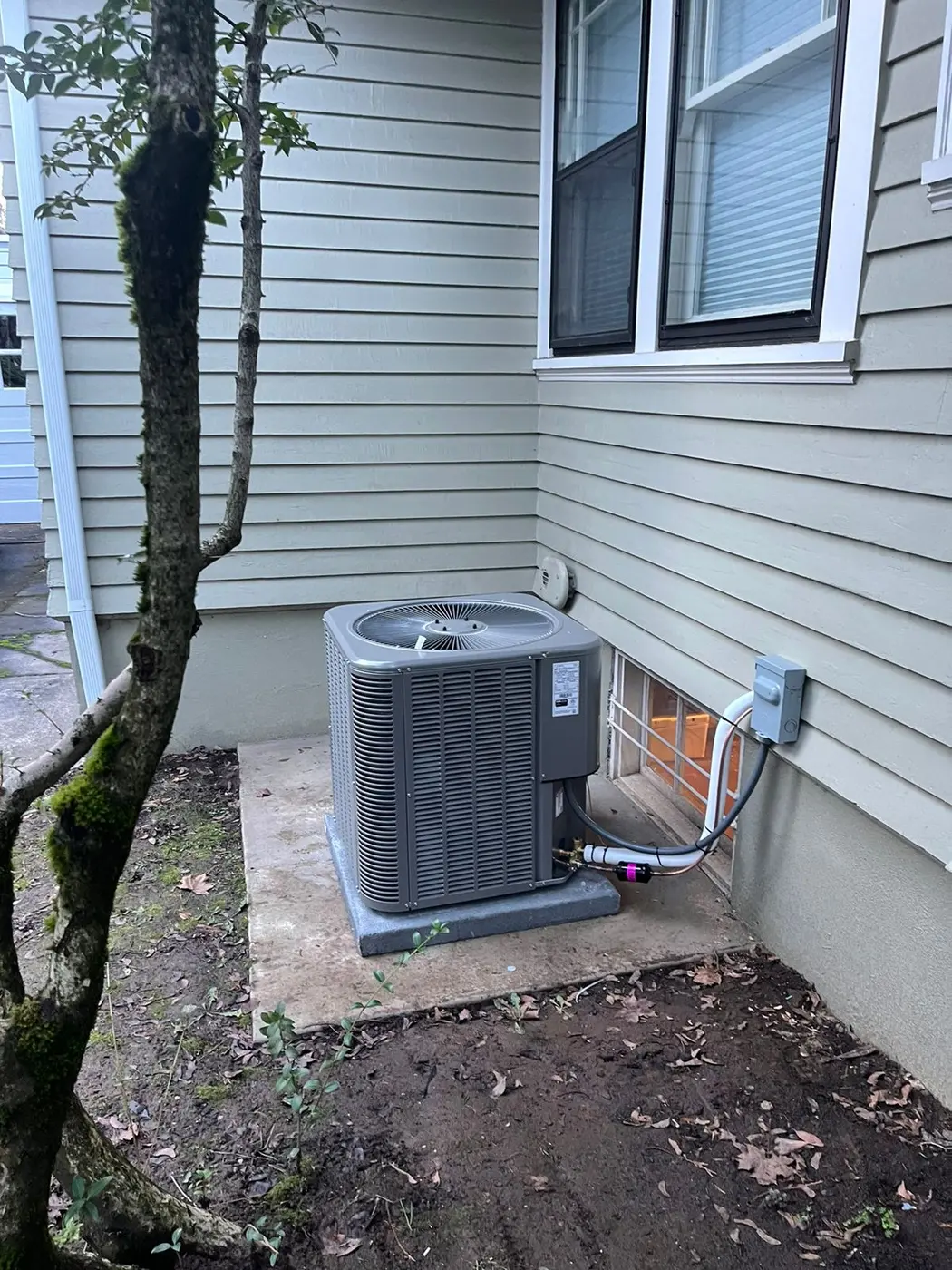
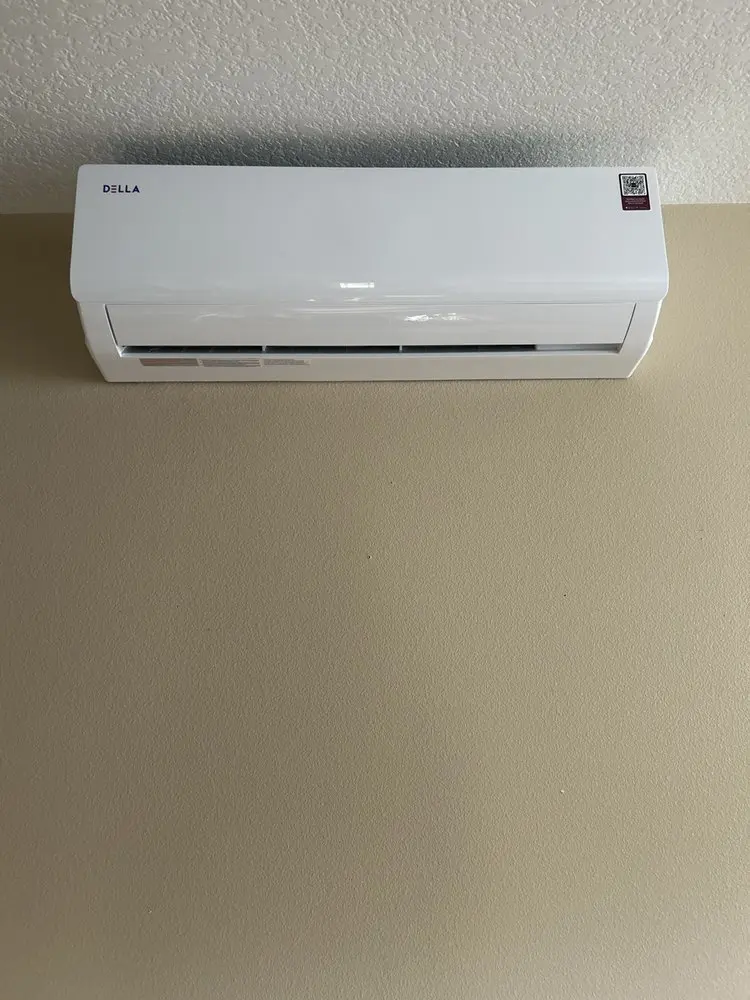
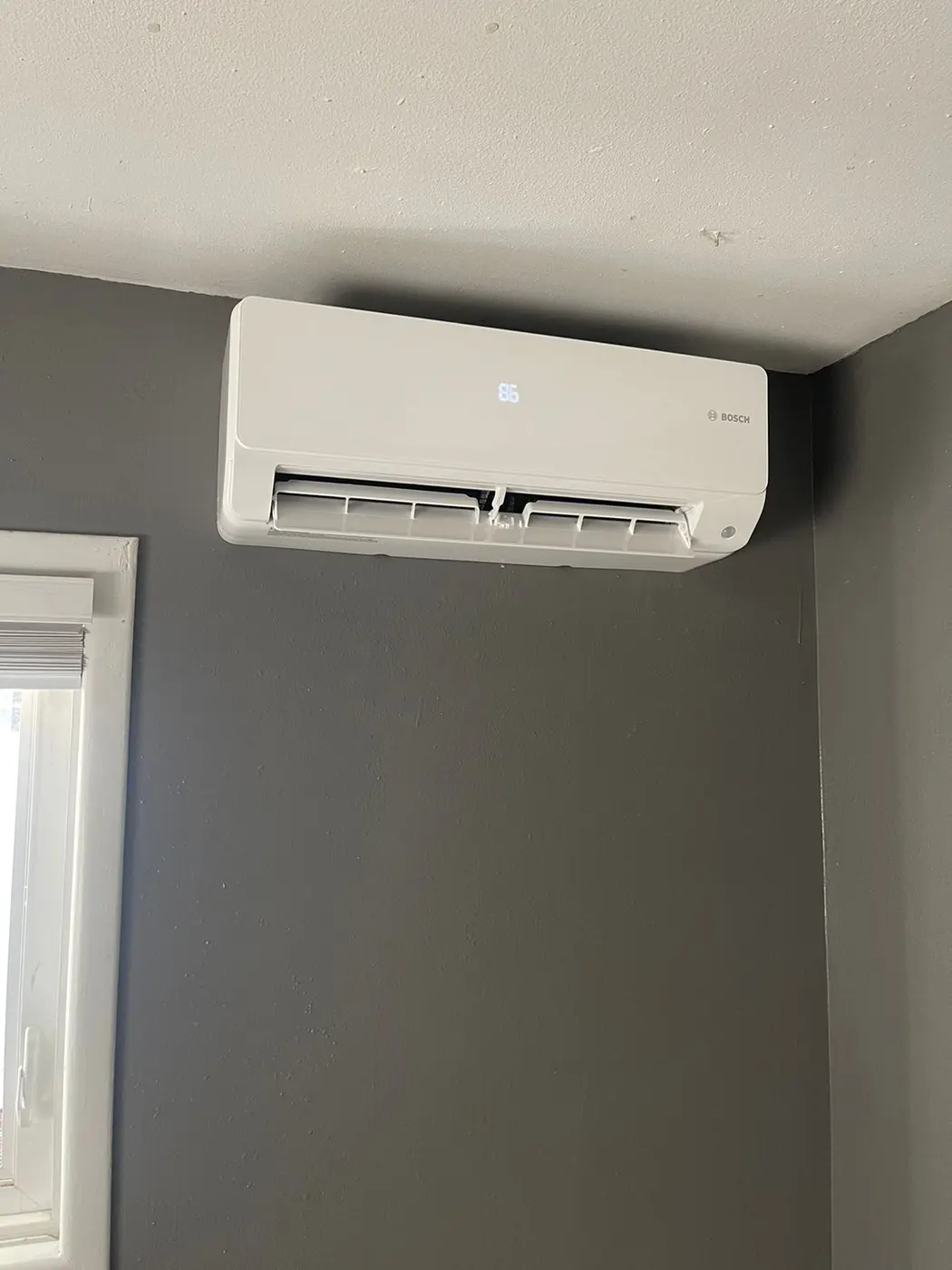
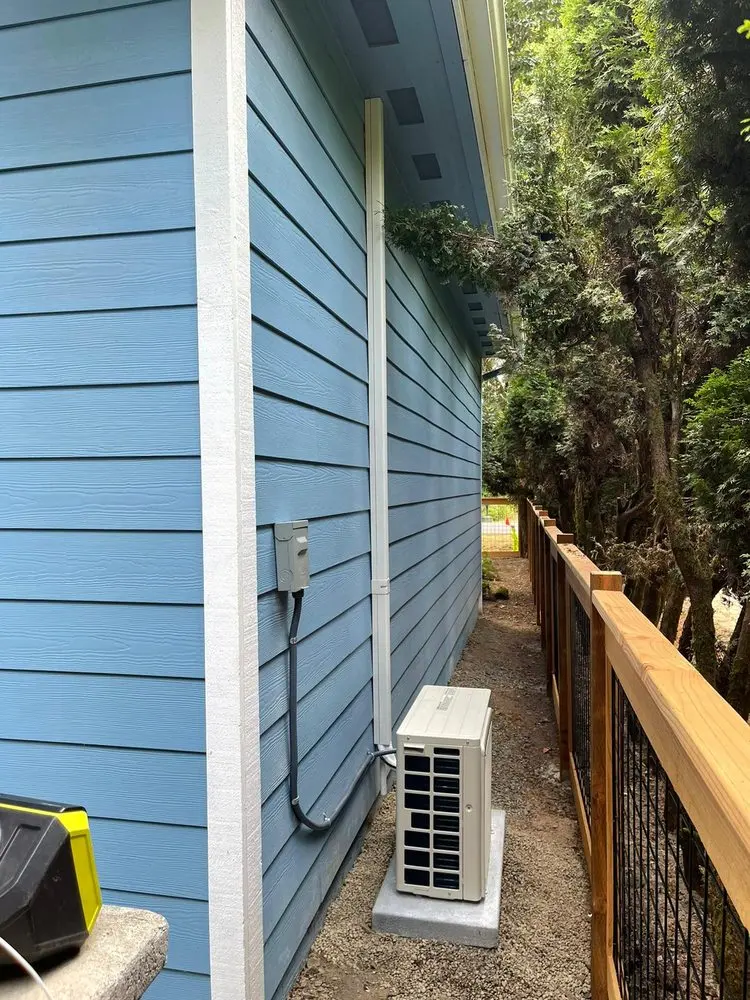
A multi-zone arrangement can connect several heads to one outdoor unit. Each room may have its own normal settings while still sharing system limits. Separate remotes do not prove that every mode can run at the same time. Ask what the specific proposed combination supports.
If one person wants heat while another wants cooling, make that conflict explicit during the estimate. The model choice and arrangement need to address it. Do not wait until handover to assume that independent displays mean fully independent operation. Keep the answer attached to the actual equipment list.
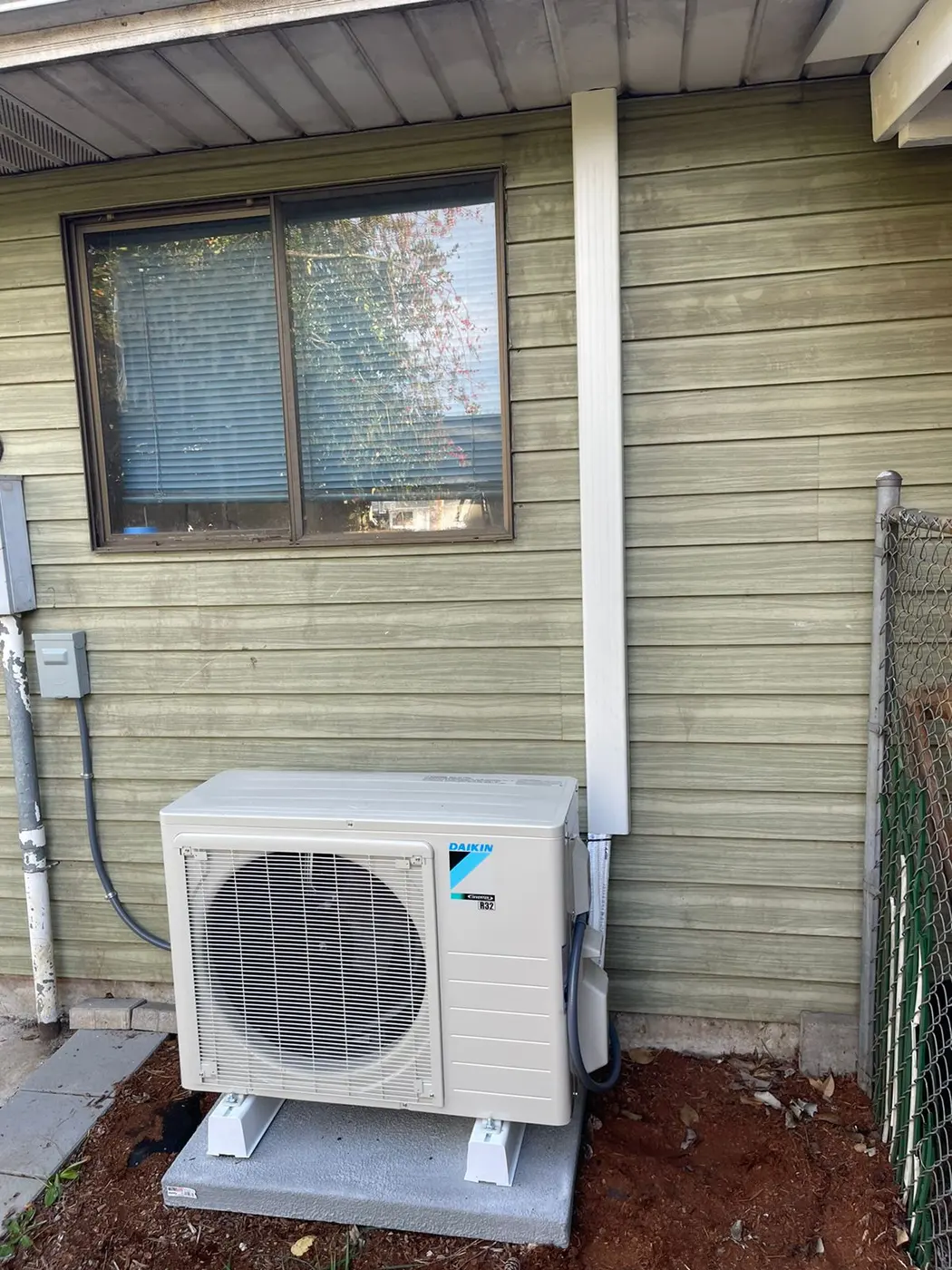
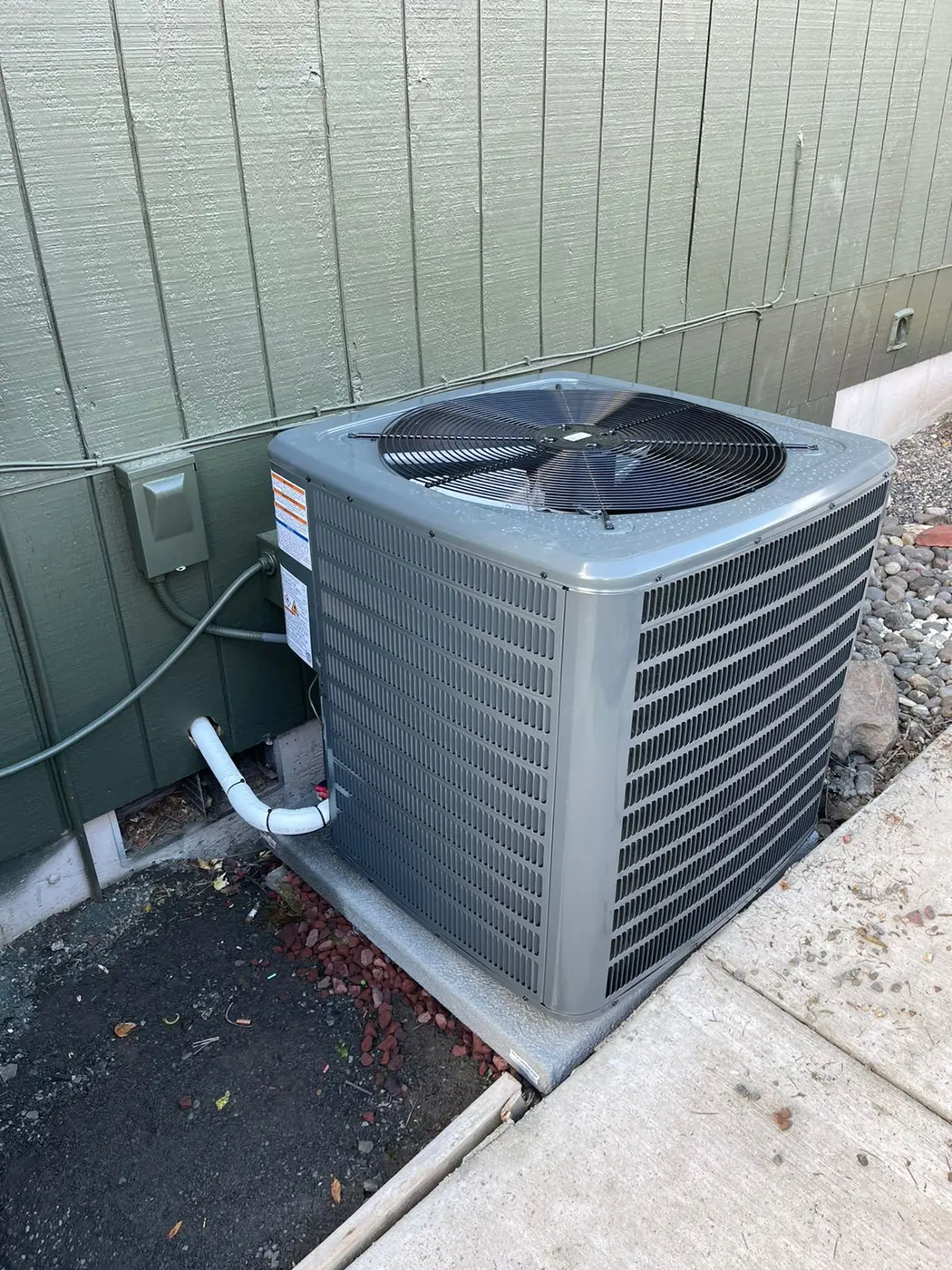
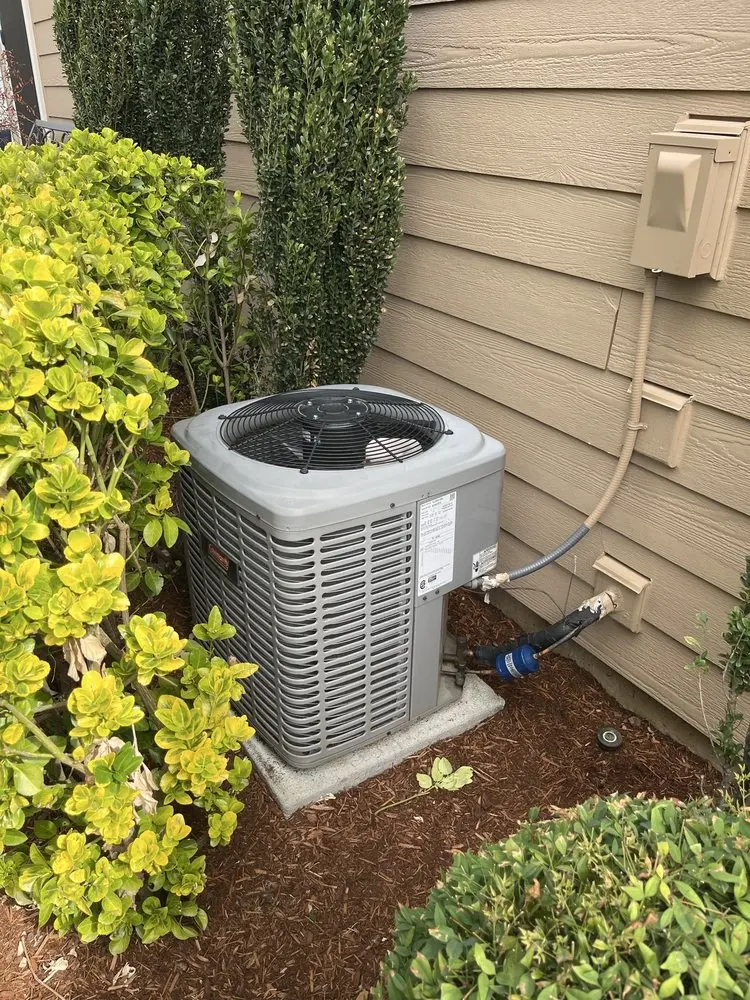
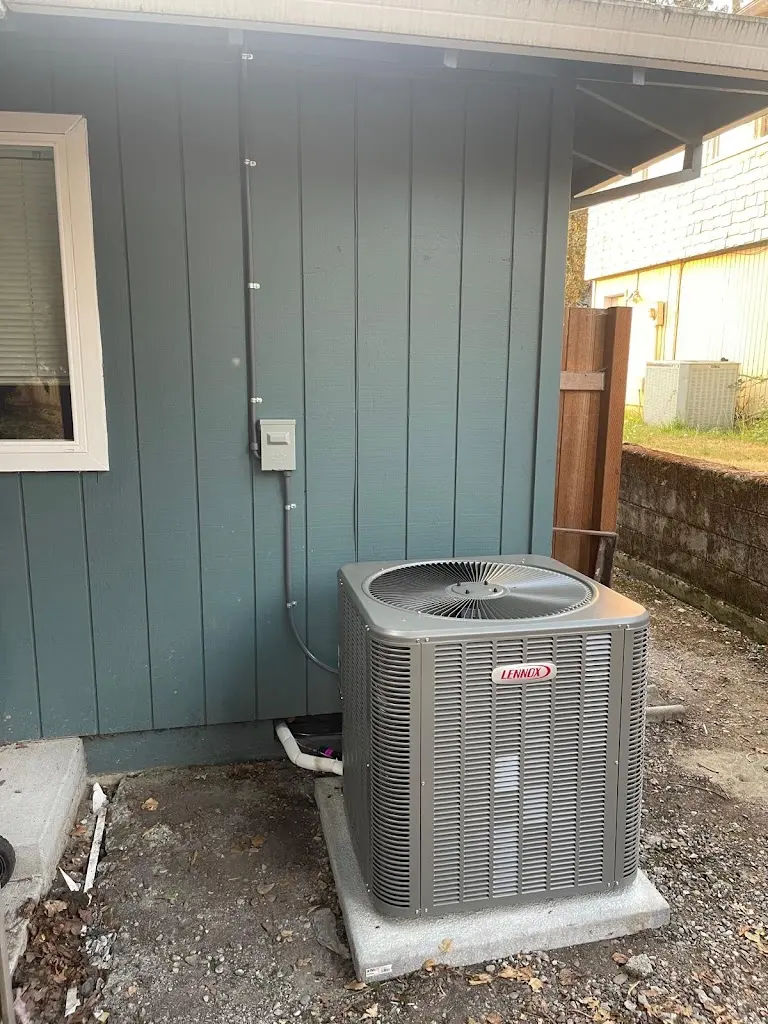
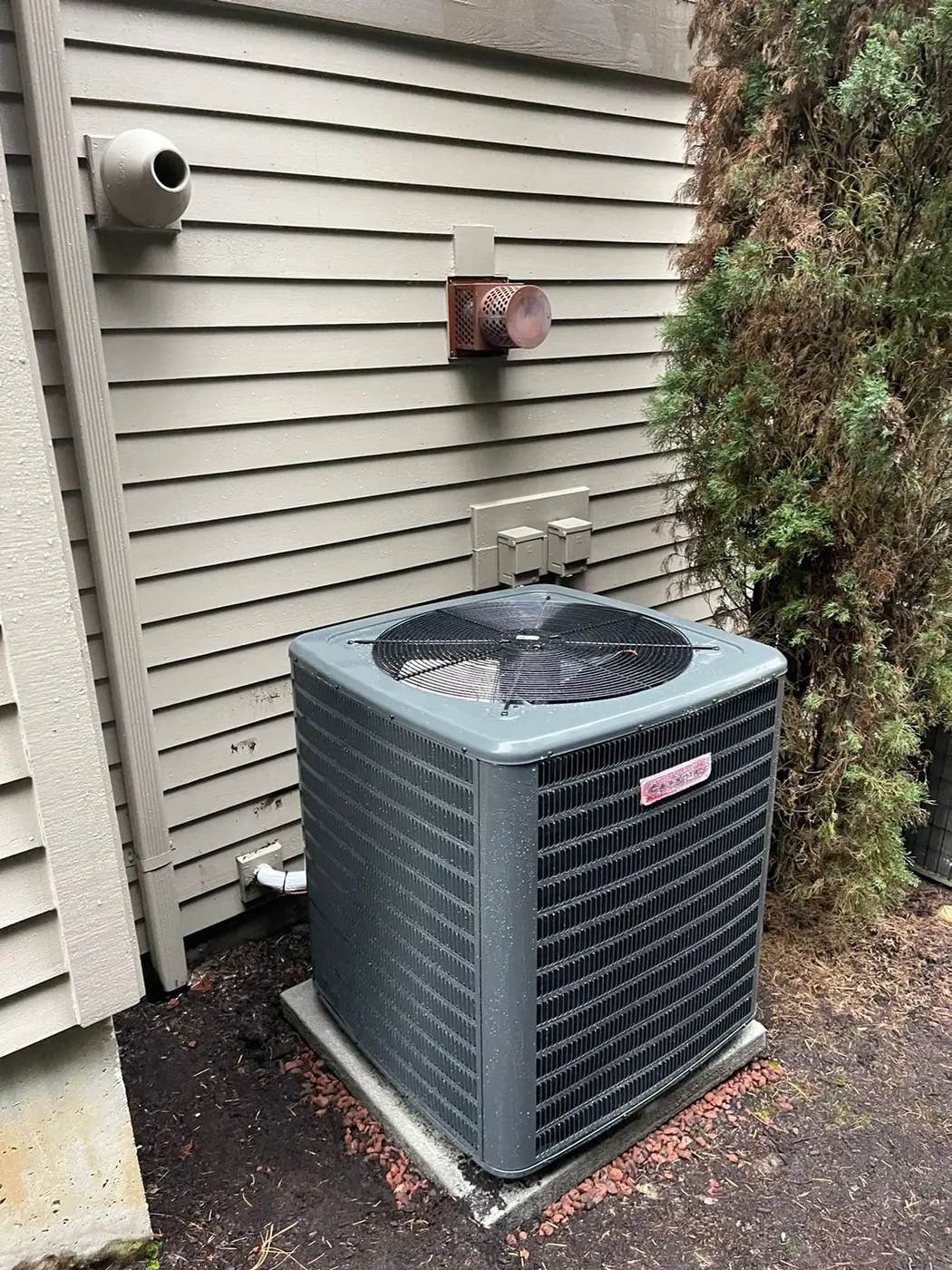
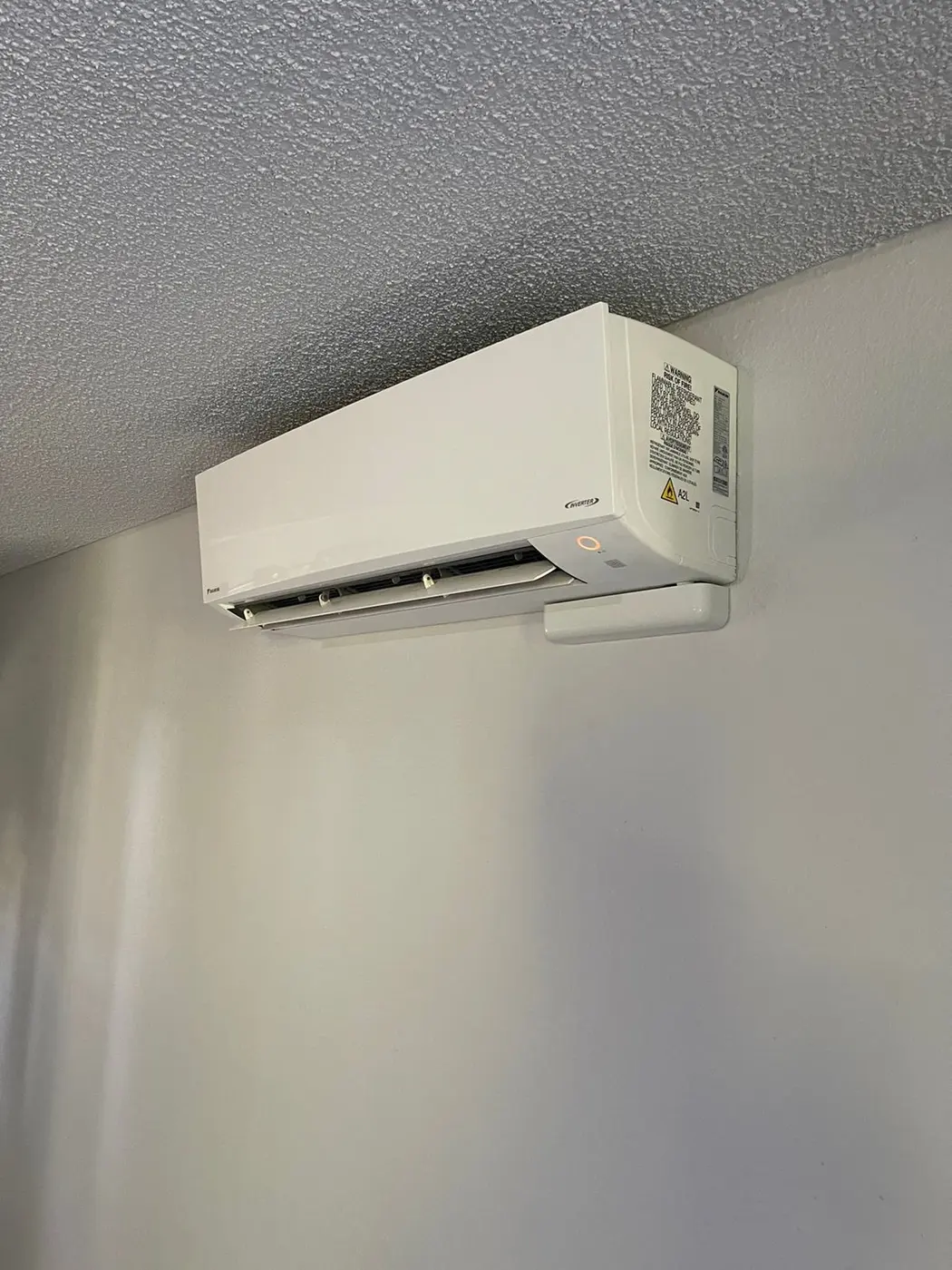
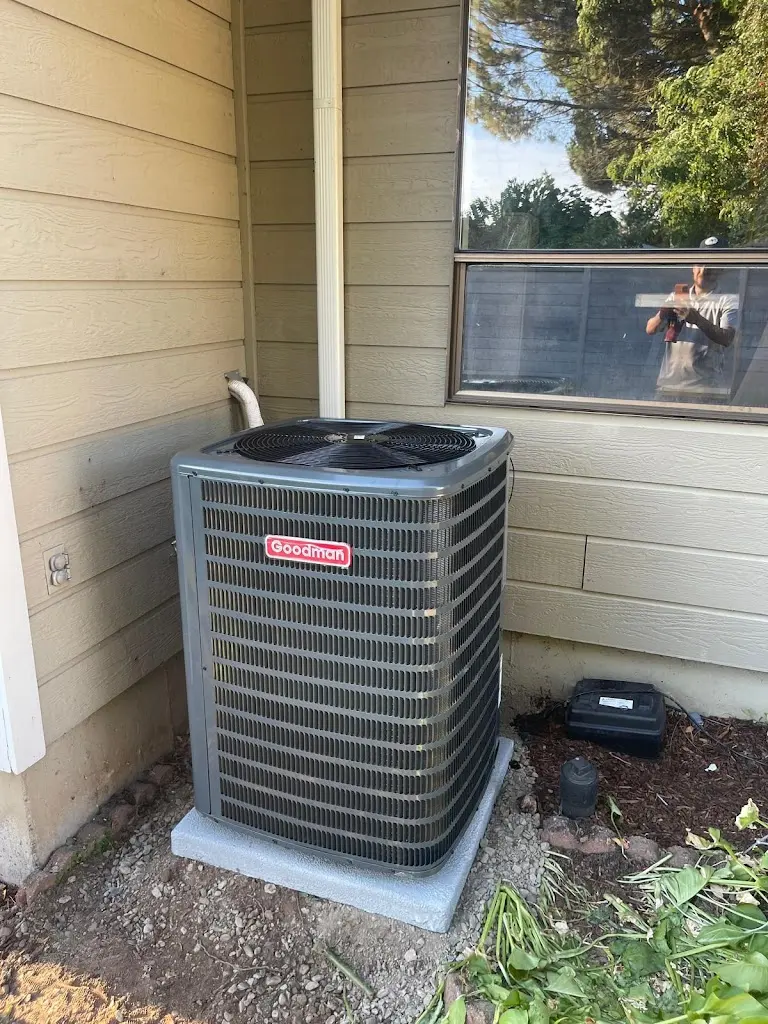
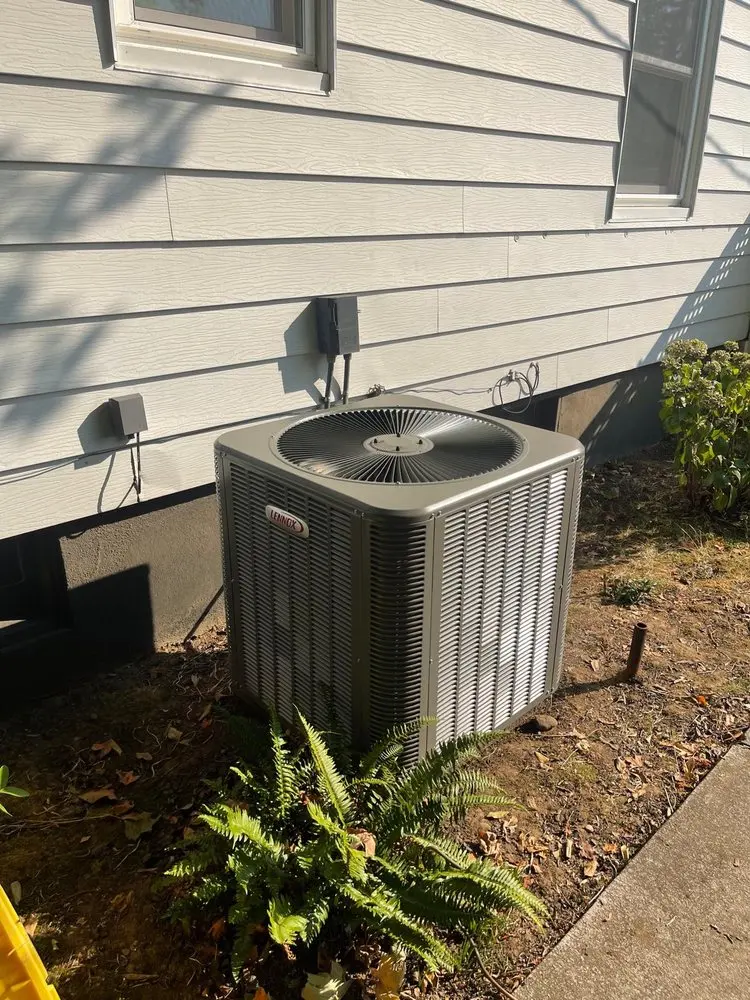
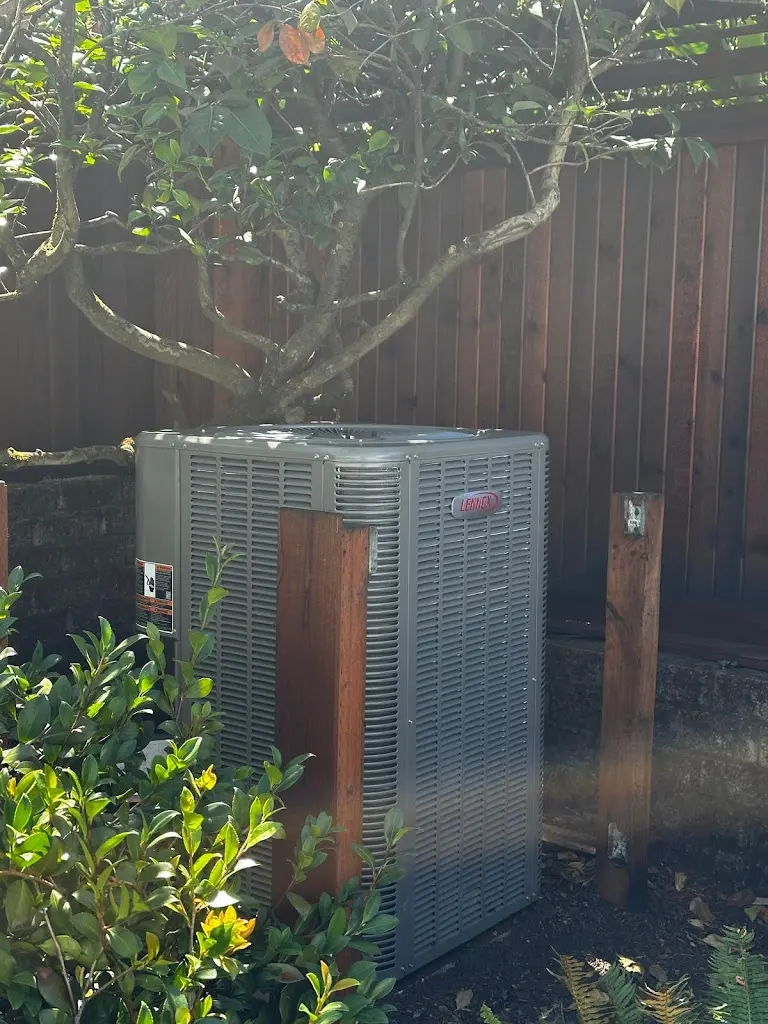
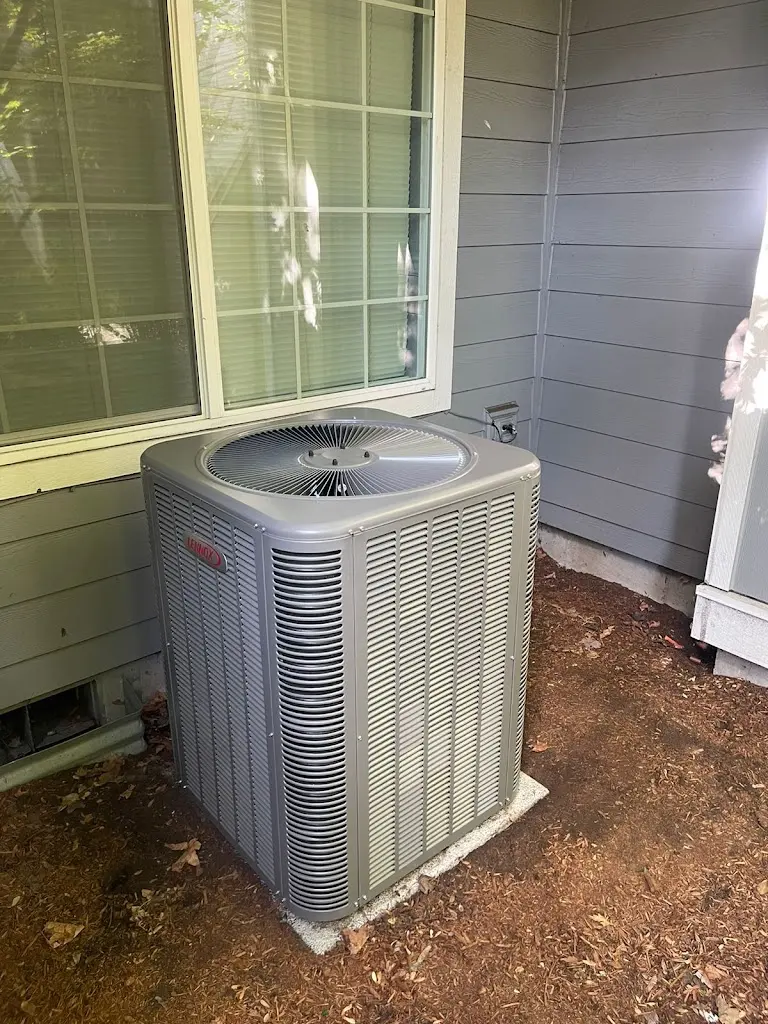
Our mini-split installation service reviews the indoor and outdoor setup together. Ask which heads share equipment and which operate as separate systems. A clear room map makes the control discussion easier. It also helps the household understand which choices can affect other spaces.
Compare Daily Schedules Without Losing the Room Boundaries
Explain which rooms stay closed for privacy or quiet use. A setting on a nearby head does not establish comfort behind every closed door. Include the spaces that need attention even when their preferred temperatures match. The layout matters alongside the controls.
Describe brief absences separately from a room that will sit unused for a long period. Ask what normal-use guidance applies to the selected models. Keep any scheduling feature tied to that equipment. An option available elsewhere is not automatically part of this installation.
If the household shares a room at different times, explain how often settings change. A simple normal control may matter more than a feature no one wants to manage. Review who needs to understand the adjustments. The equipment choice should support a practical routine as well as the required heating and cooling.
Keep Existing Heat and Wider Equipment Changes Clear
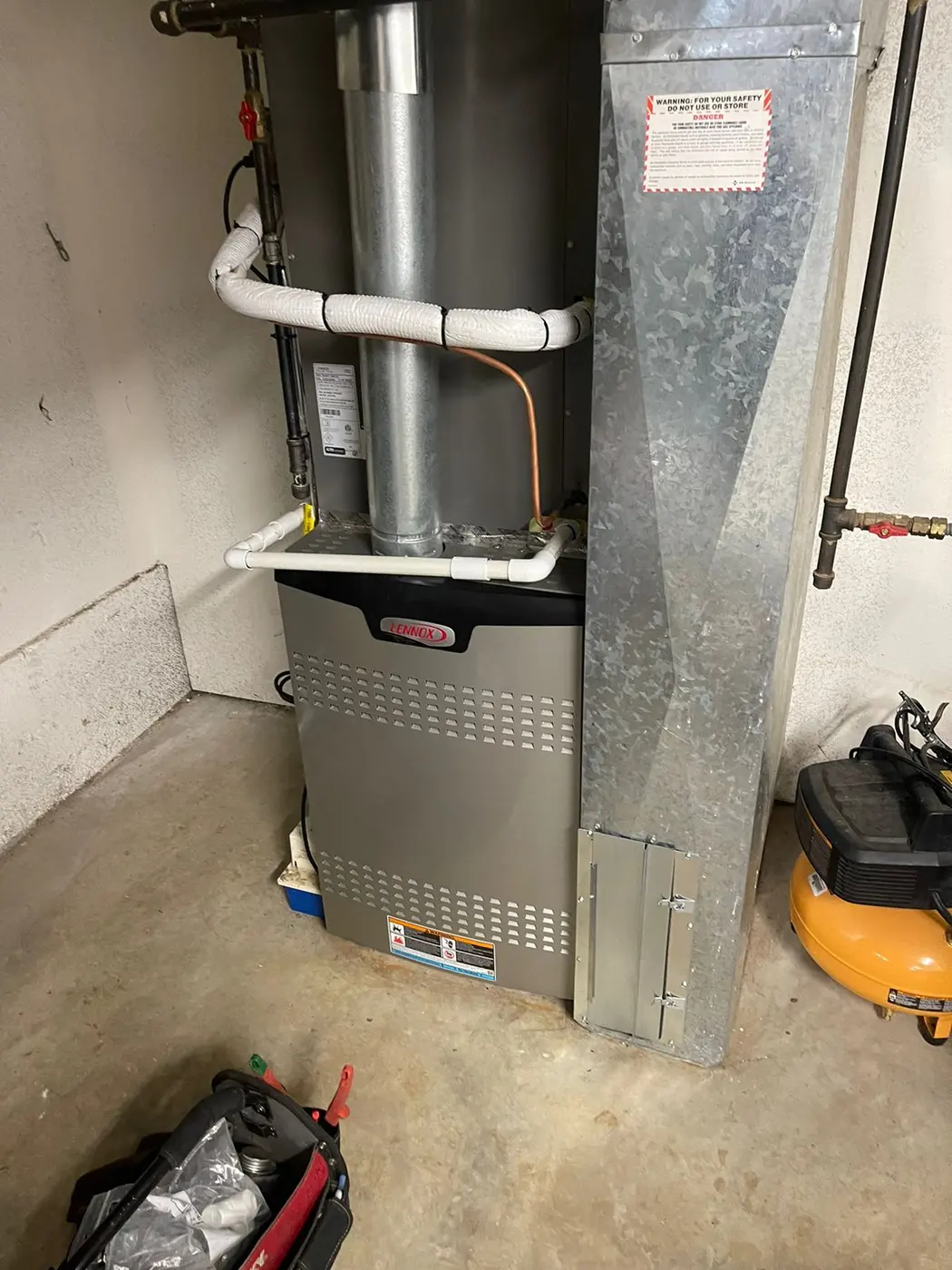
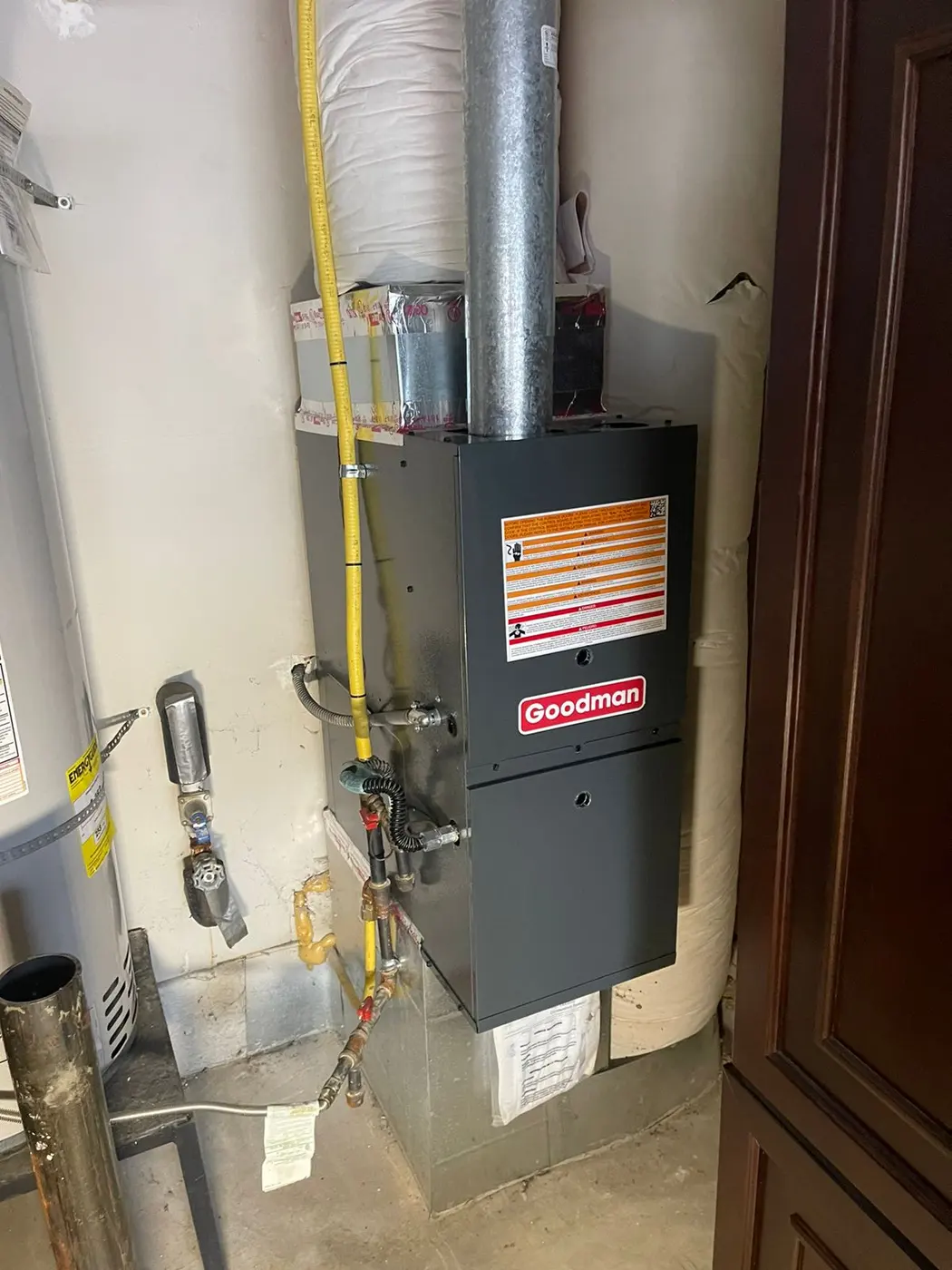
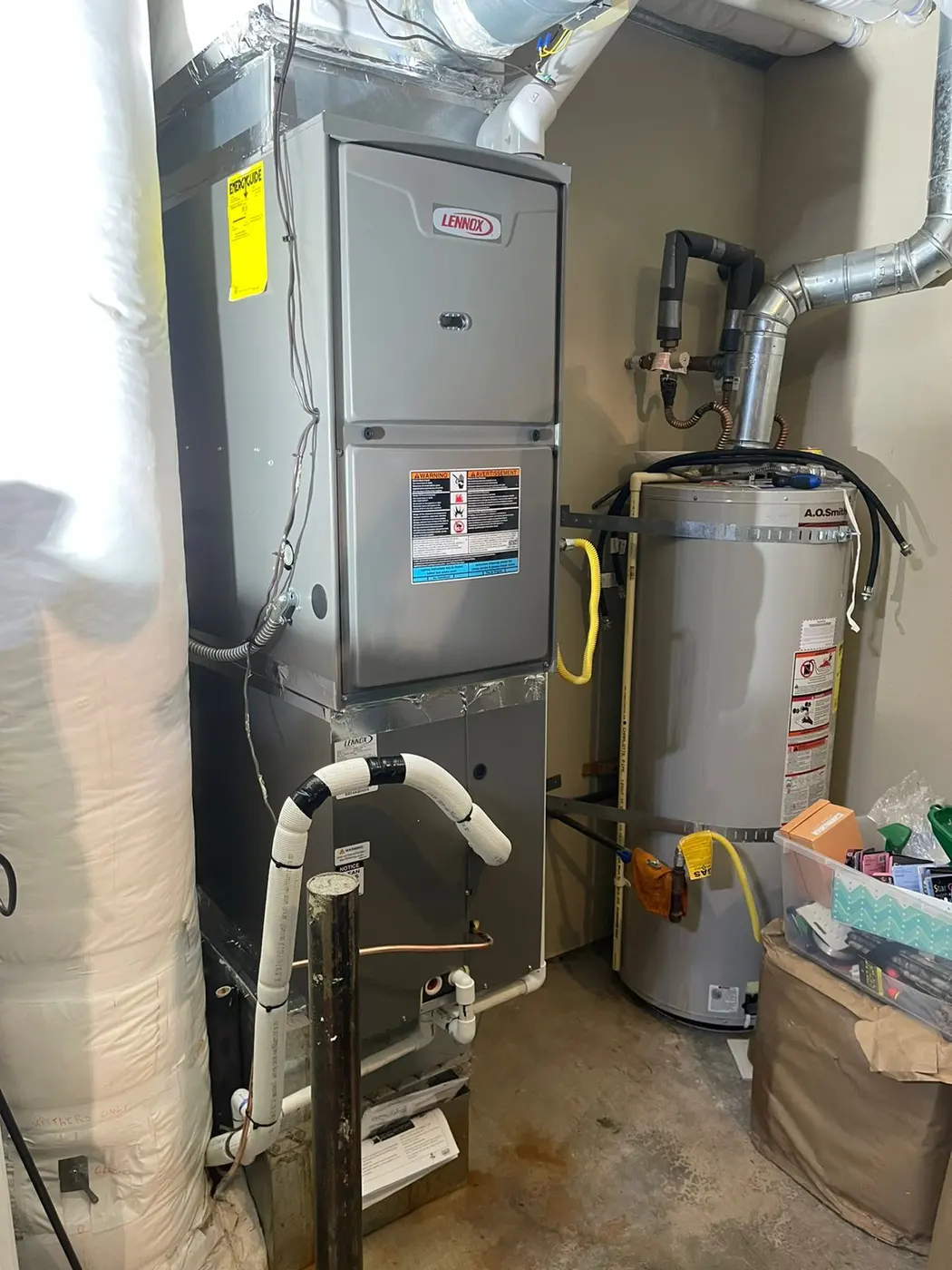
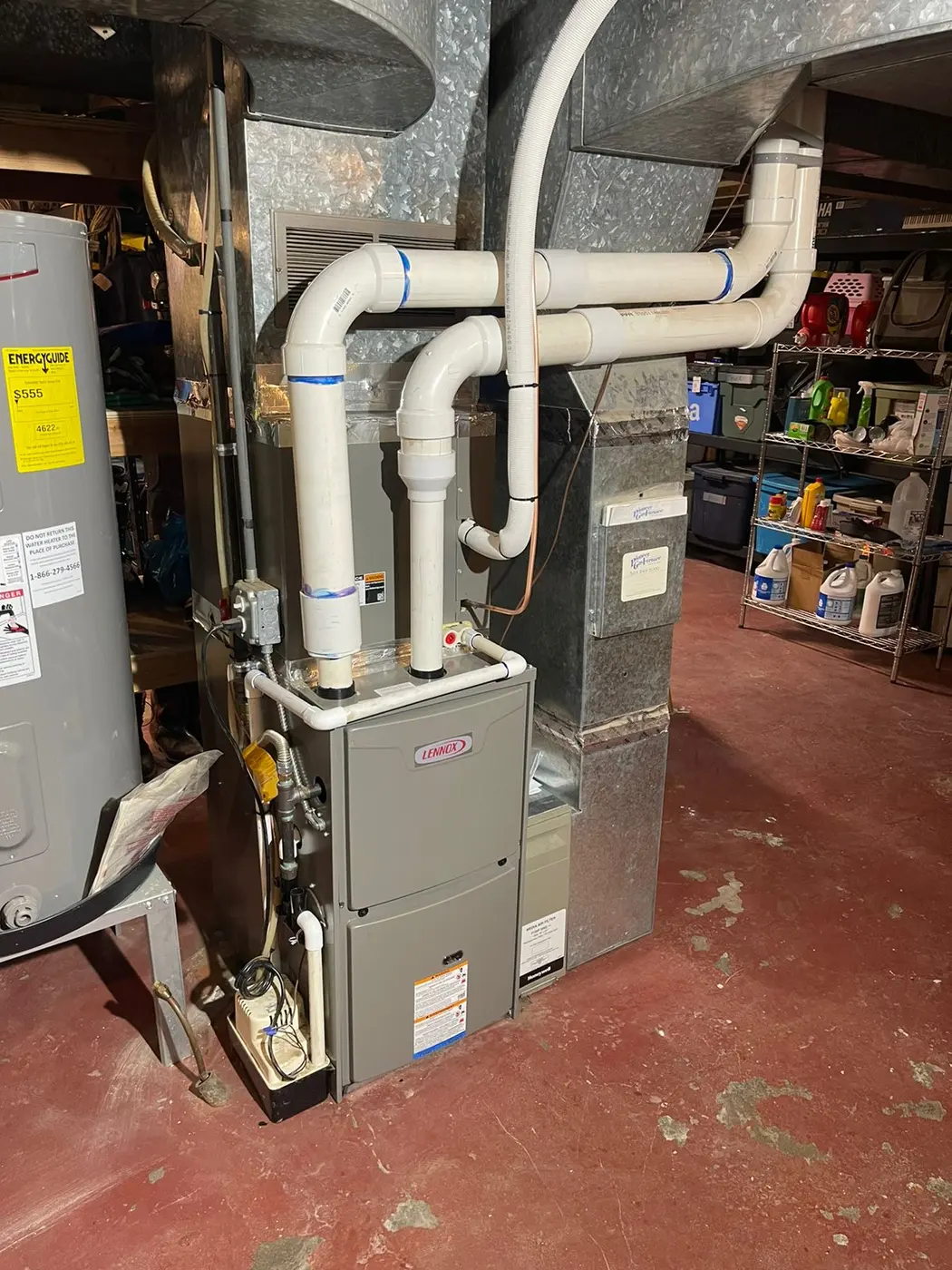
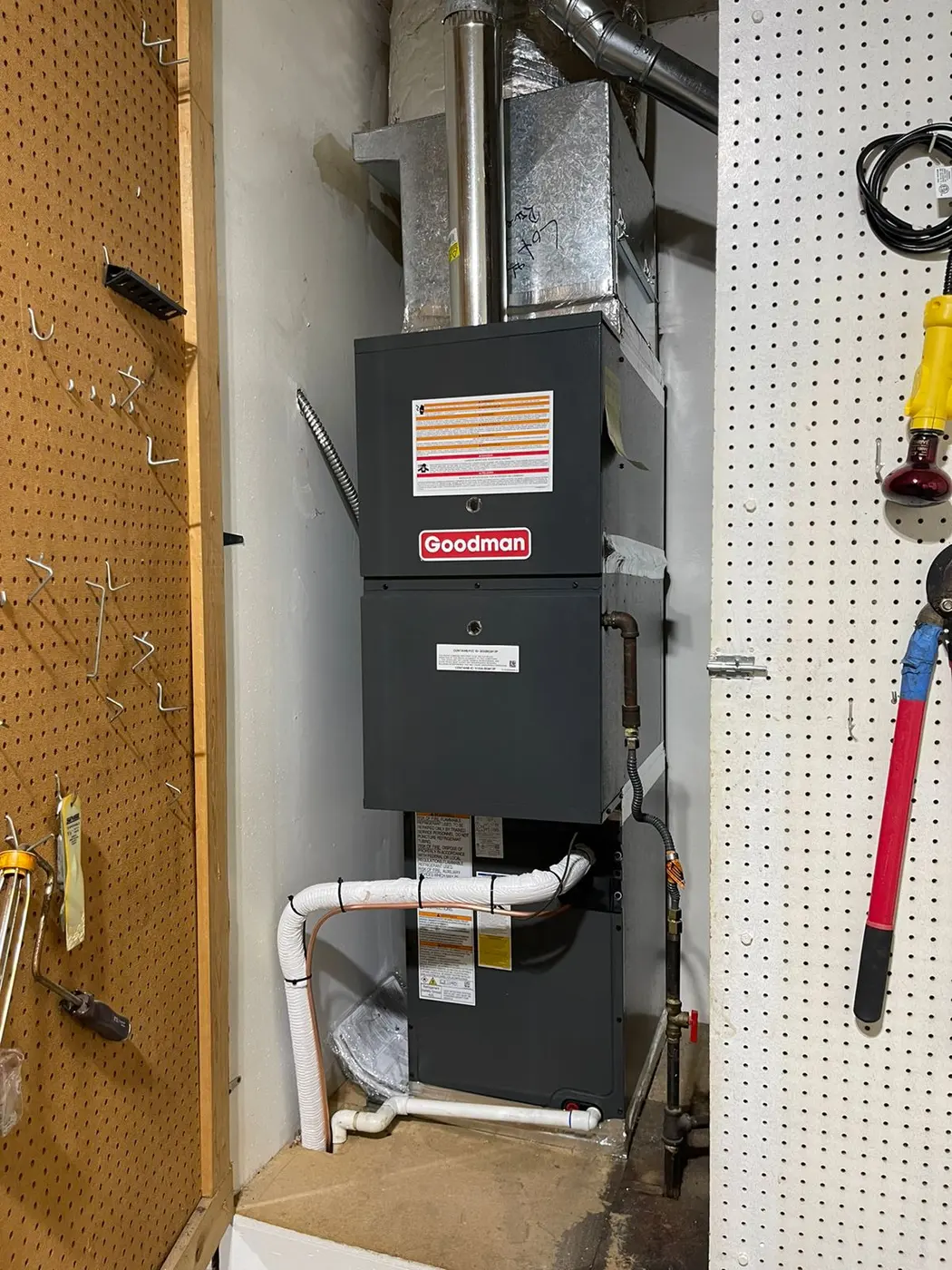
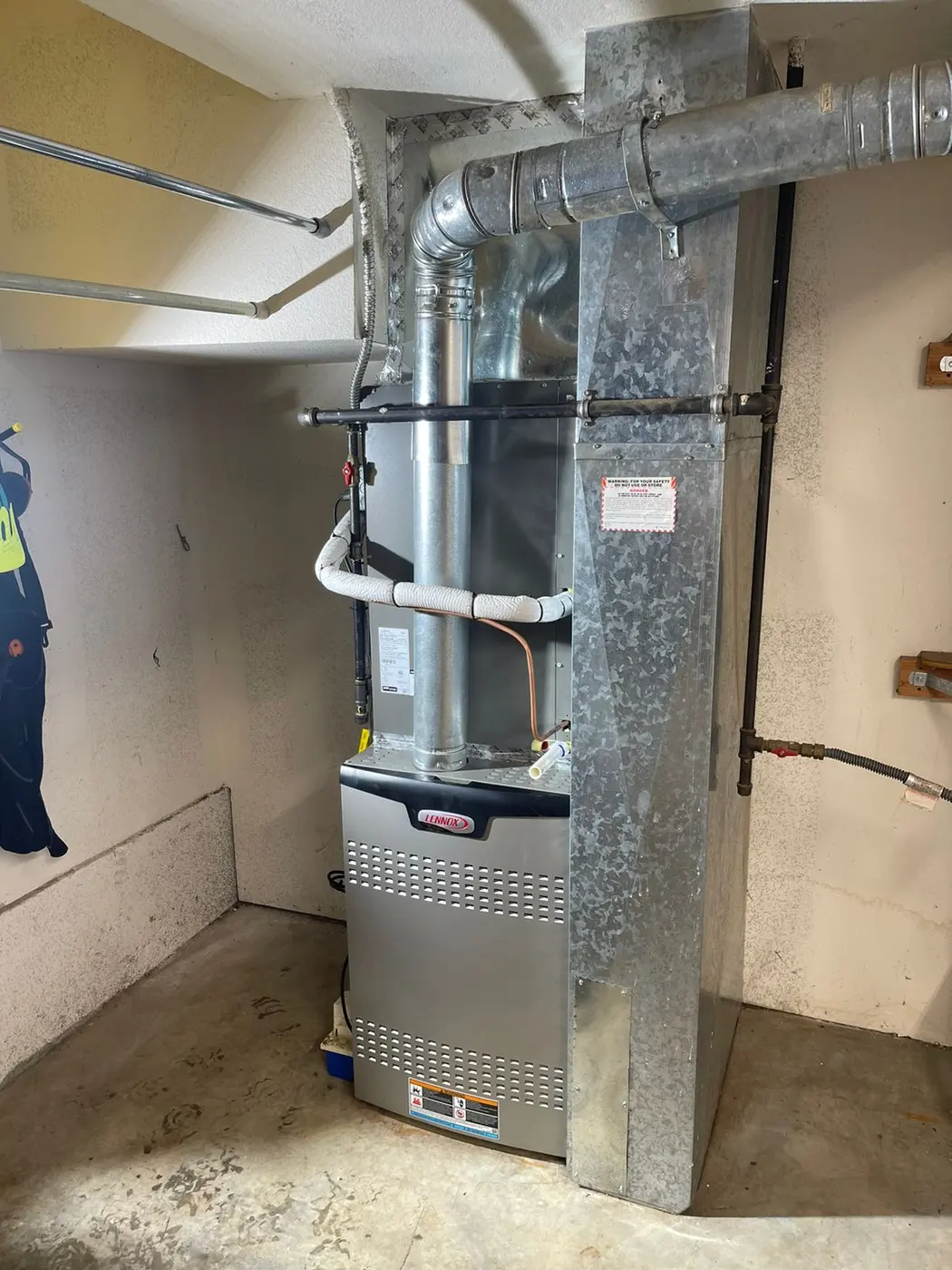
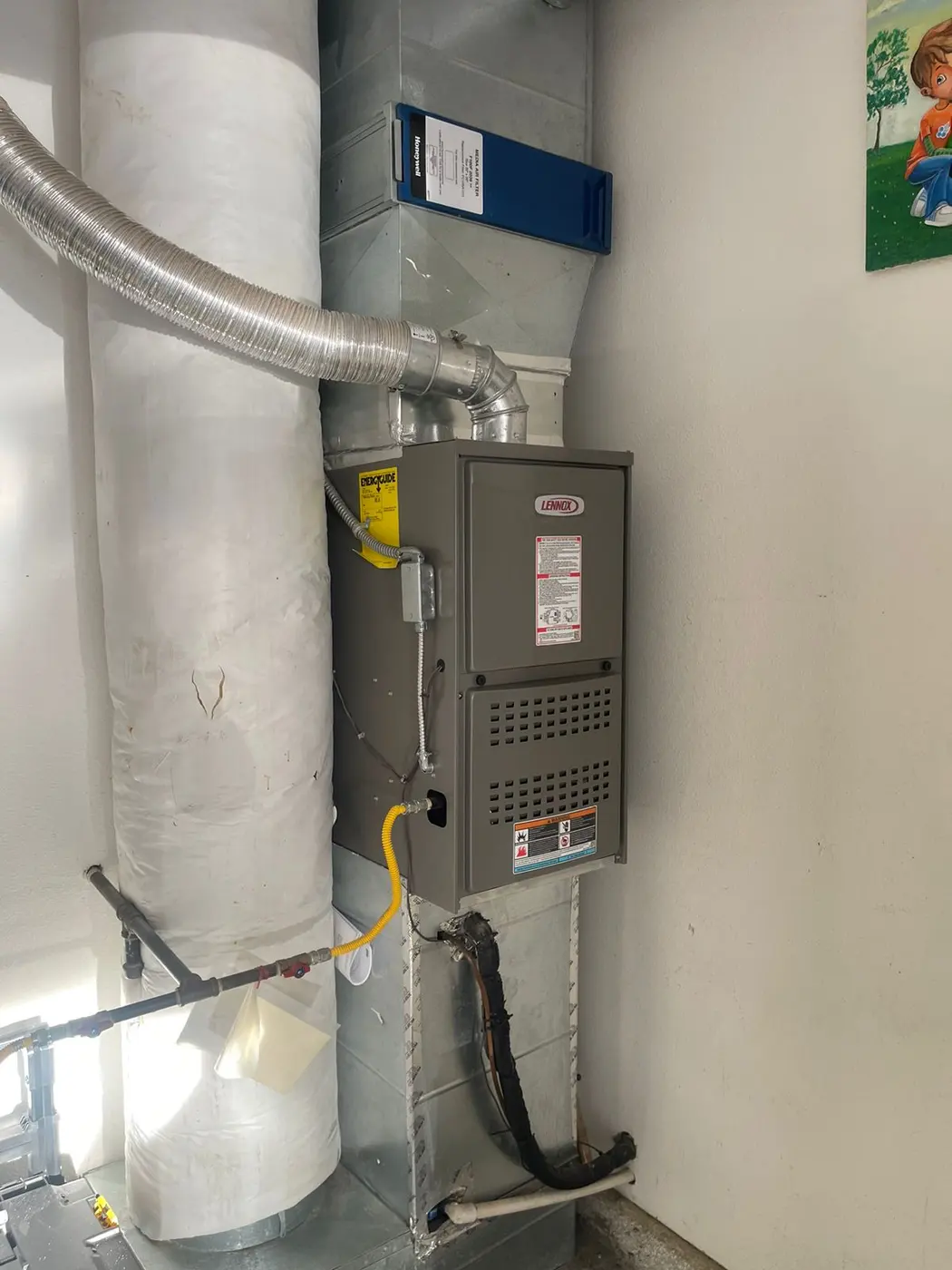
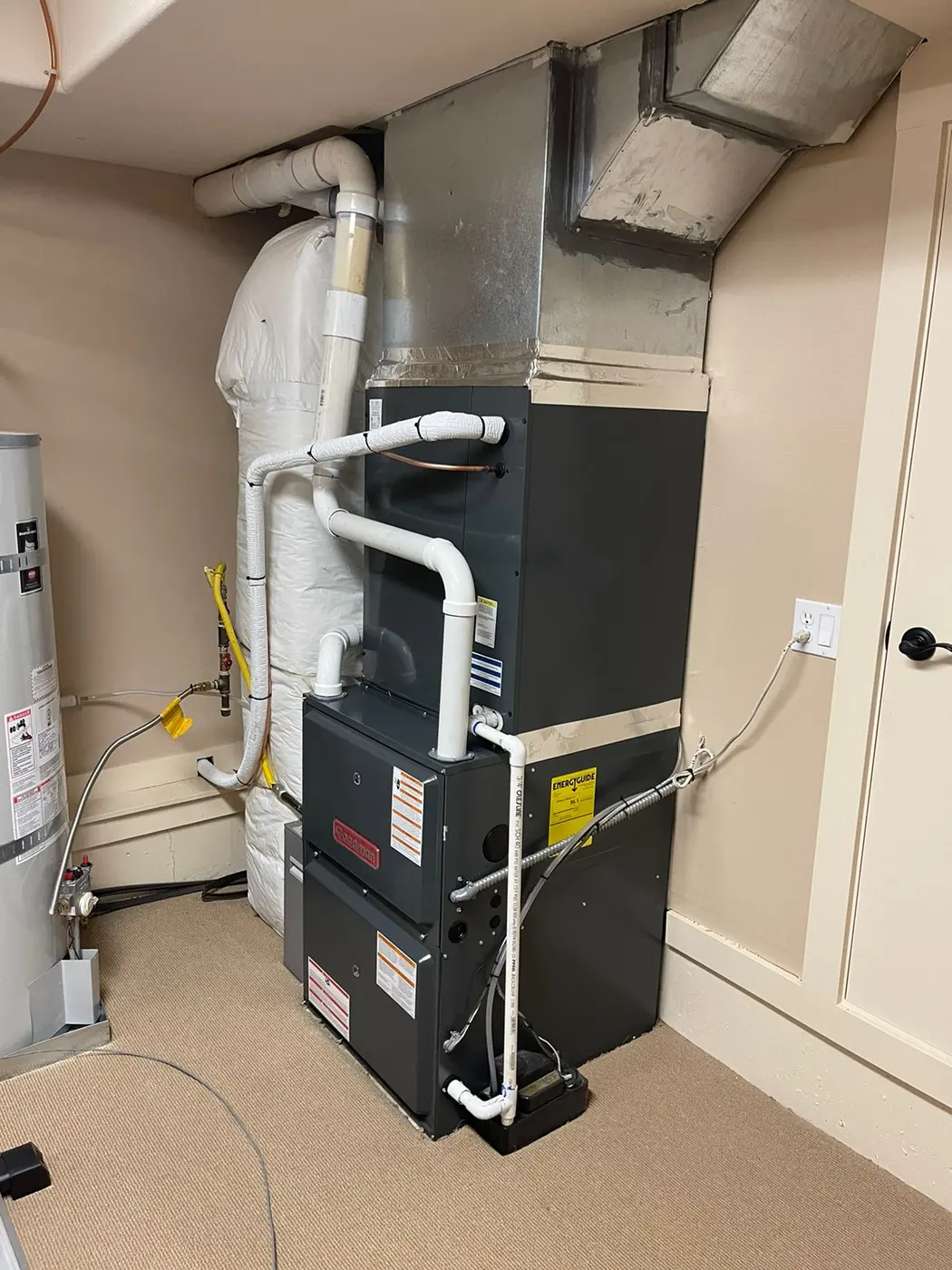
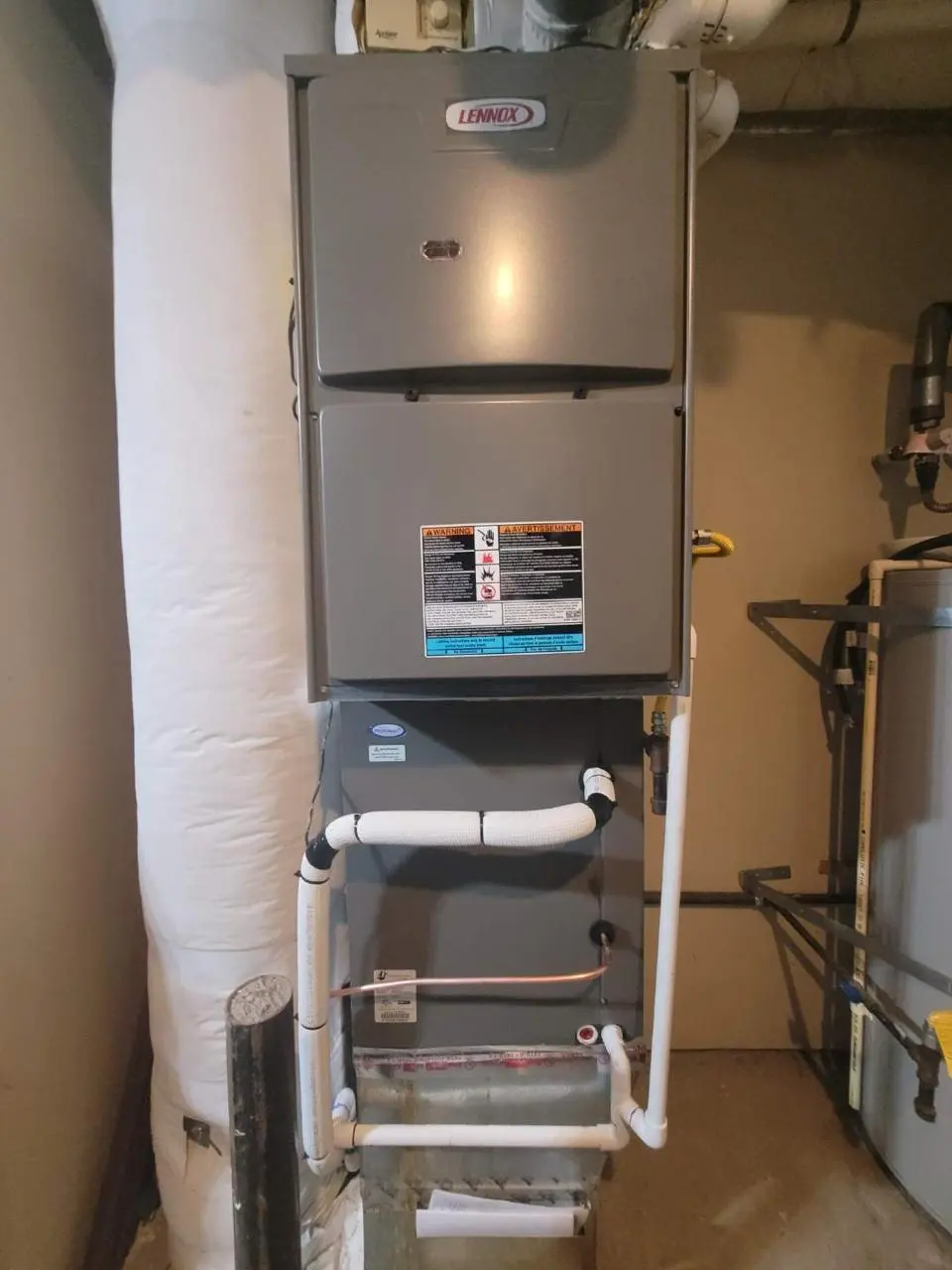
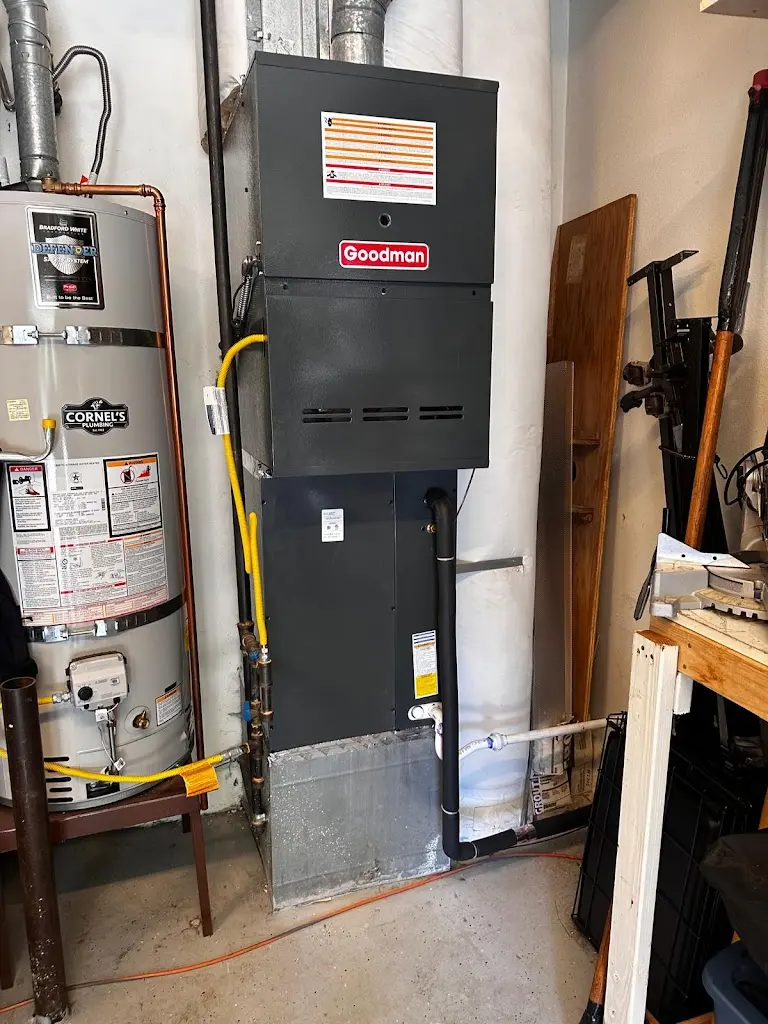
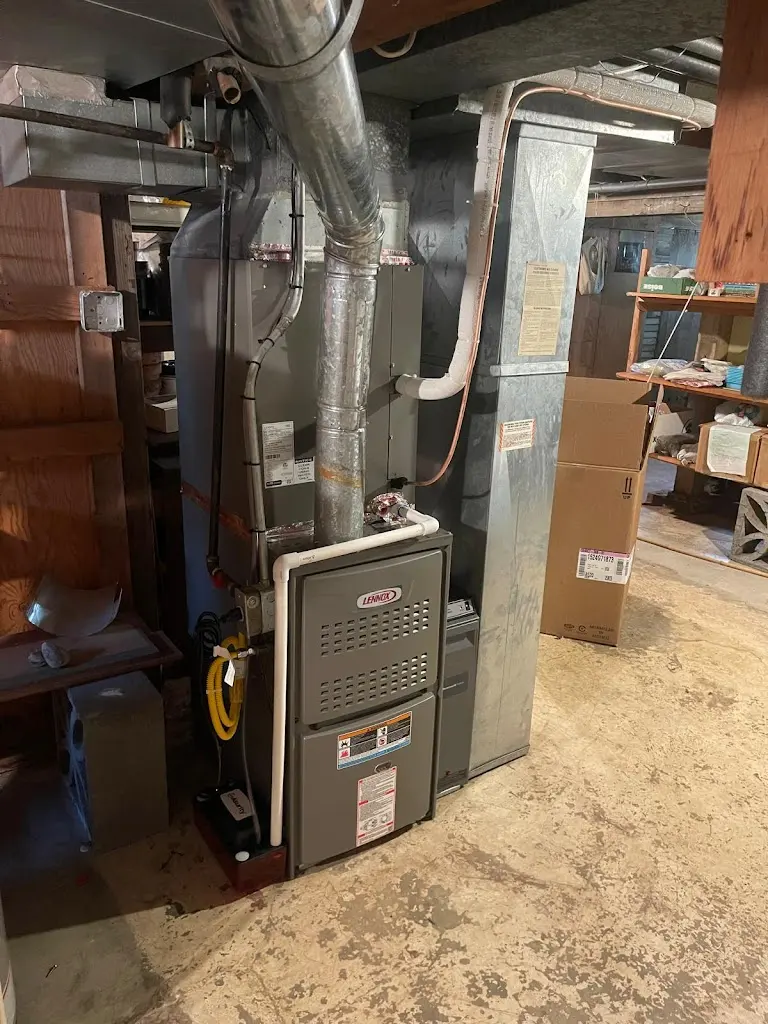
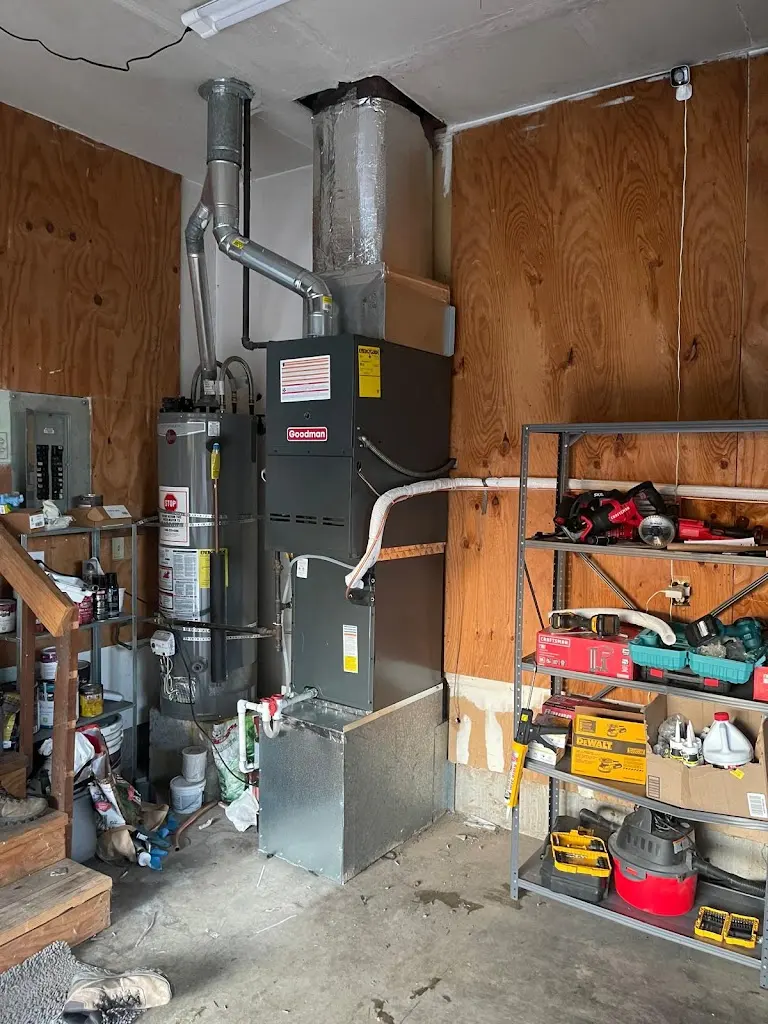
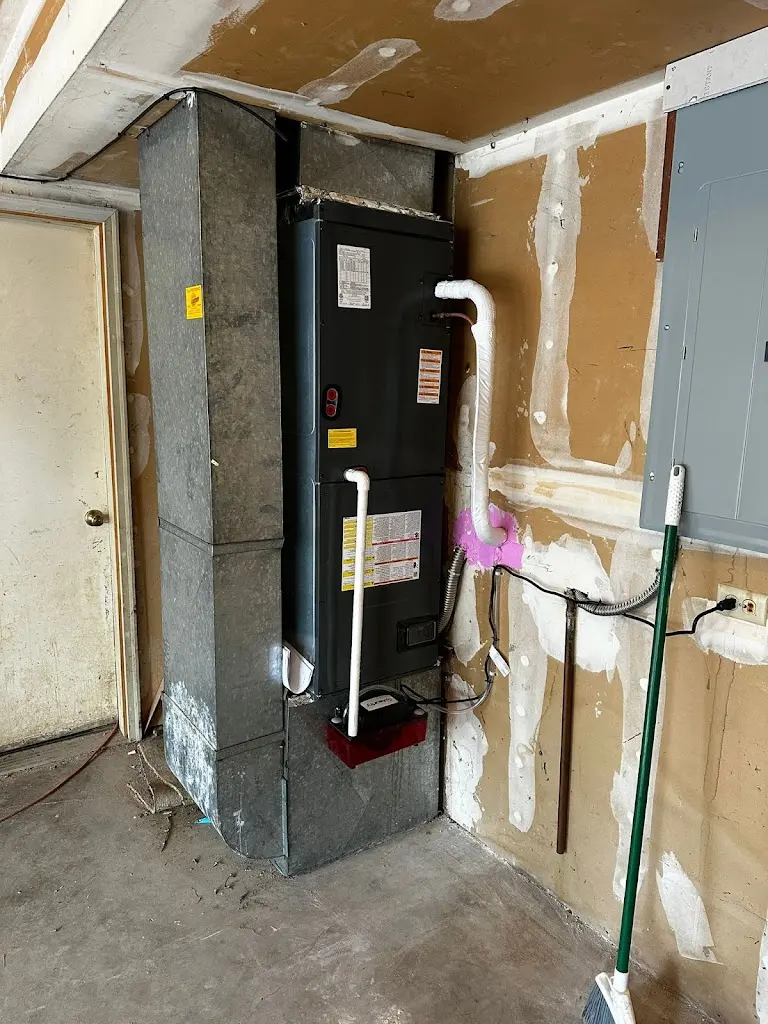
Identify other equipment that will continue serving the home. Ask which control operates it and how its role relates to the new heads. The mini-split plan should not assume that an old thermostat disappears. Likewise, a retained heat source should have a defined role instead of an unclear standby label.
If separate systems belong among the options, compare their full work and control arrangements. More outdoor equipment means a different location and connection plan. It does not establish a universal cost or comfort advantage. Keep the comparison specific to the rooms and functions you need.
Our HVAC installation in Happy Valley service covers a broader equipment change. Include that scope if meeting the household routine requires other work. Keep that work visible in the proposal. Separate preferences should not become an unstated promise to change the whole home setup.
Approve the Functions the Household Will Actually Receive
Review the room map, selected models and normal control choices before approval. Ask which requirements each option meets and which limits remain. The price should include the work needed for the chosen functions. A general phrase such as individual comfort does not replace those details.
Include head placement and service access in the choice. A control cannot correct a position that fails to serve the intended area. Show the normal furniture layout and the places people use. The equipment needs a complete room and route plan behind the display.
If a proposed model changes, revisit any control limit that mattered to the decision. Similar-looking devices may support different functions. Keep the revised answer with the current scope. The household should not discover that an accepted feature changed only after installation.
Make the Handover Useful to Everyone Who Adjusts the System
At completion, identify the control for each indoor unit. Review ordinary modes, temperature changes and any included schedule. Explain the shared operating limits in terms of the installed setup. Leave advanced service settings to the team.
Keep the equipment map and normal-use guidance where the household can find them. Ask which checks the team completed and record any open item. If a room later falls short, note its setting and what other heads were doing. That account gives service useful context without assigning a cause.
Frequently Asked Questions
Do separate remotes guarantee heating and cooling in different rooms at once?
No. The shared equipment and selected models determine the supported modes. Raise that requirement before choosing the system. The proposal should explain what the planned arrangement can actually provide.
Should every person have a dedicated indoor head?
Head count should follow the rooms, air paths and required functions. Different preferences are useful planning details, not an automatic equipment rule. Review the real layout and normal door use during the estimate.
What if the family changes its preferred routine after installation?
Use the normal settings supported by the installed system. Discuss a different room or function before assuming the system can provide it. Keep control guidance separate from changes to the system itself.