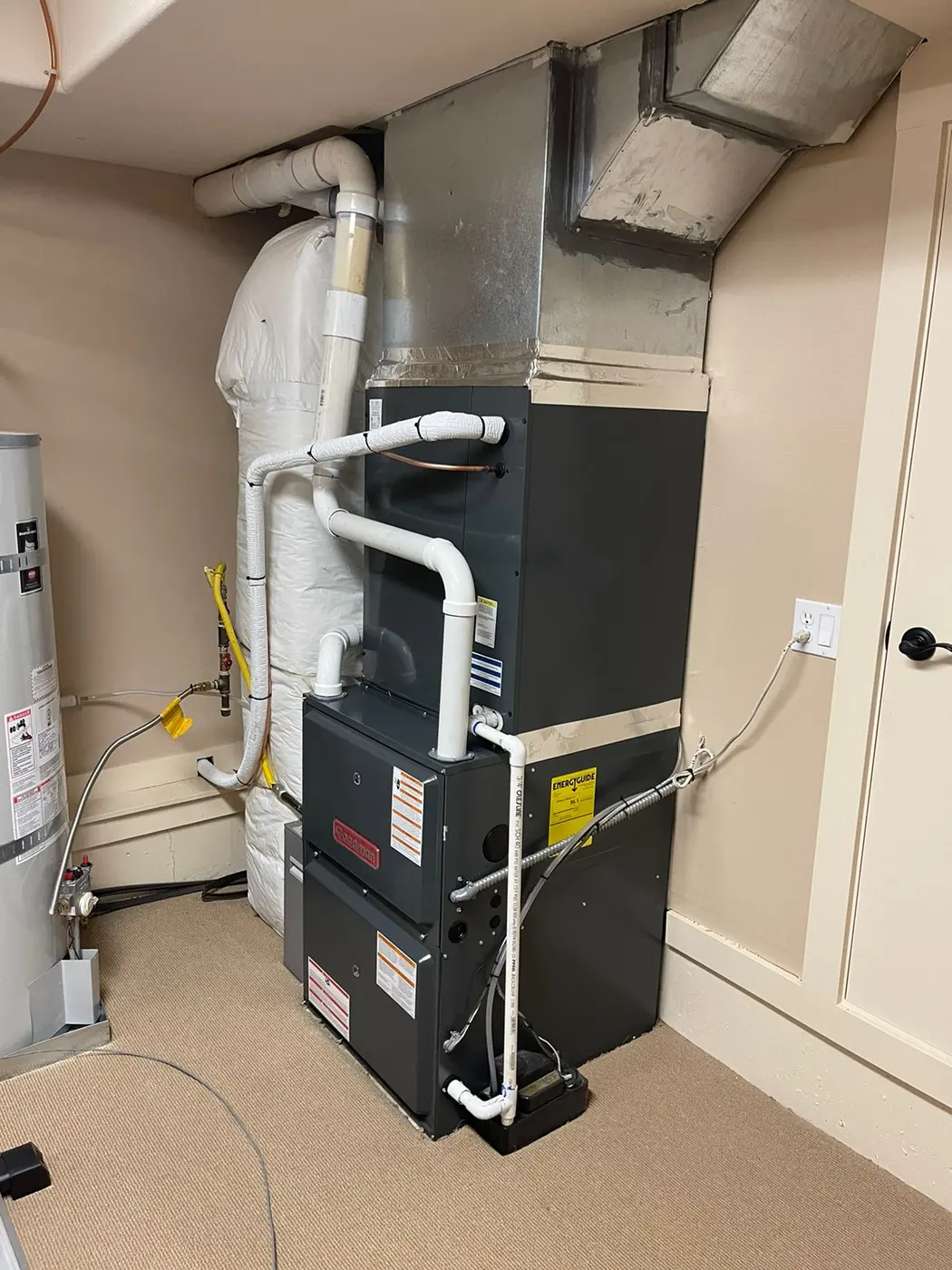
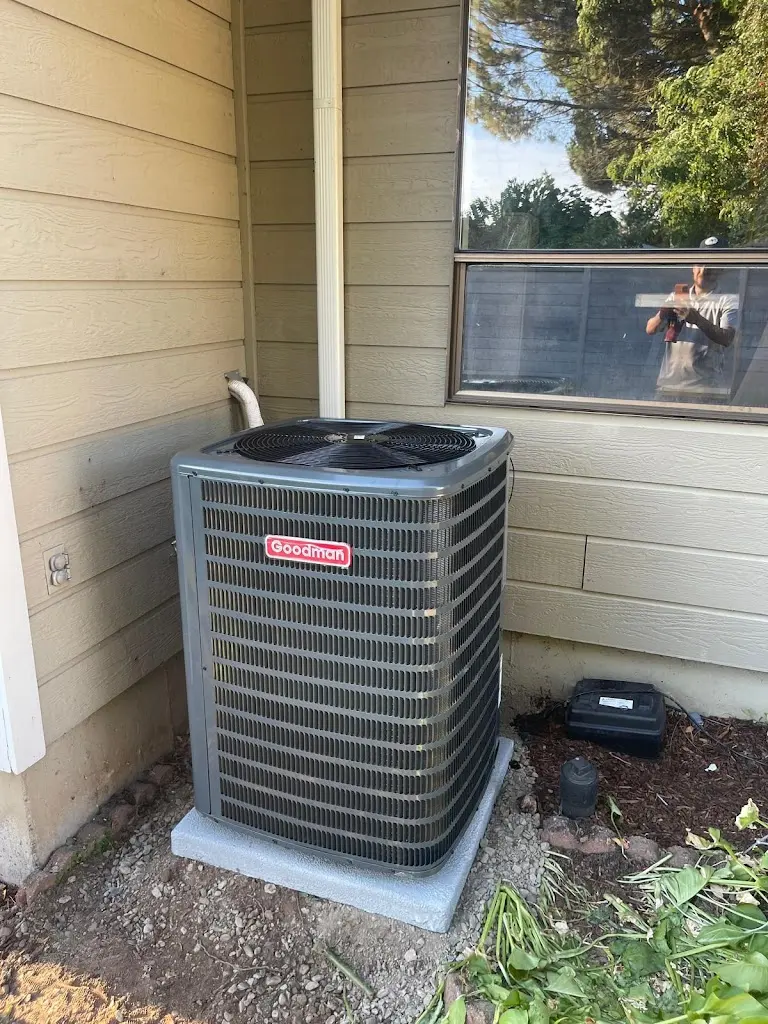
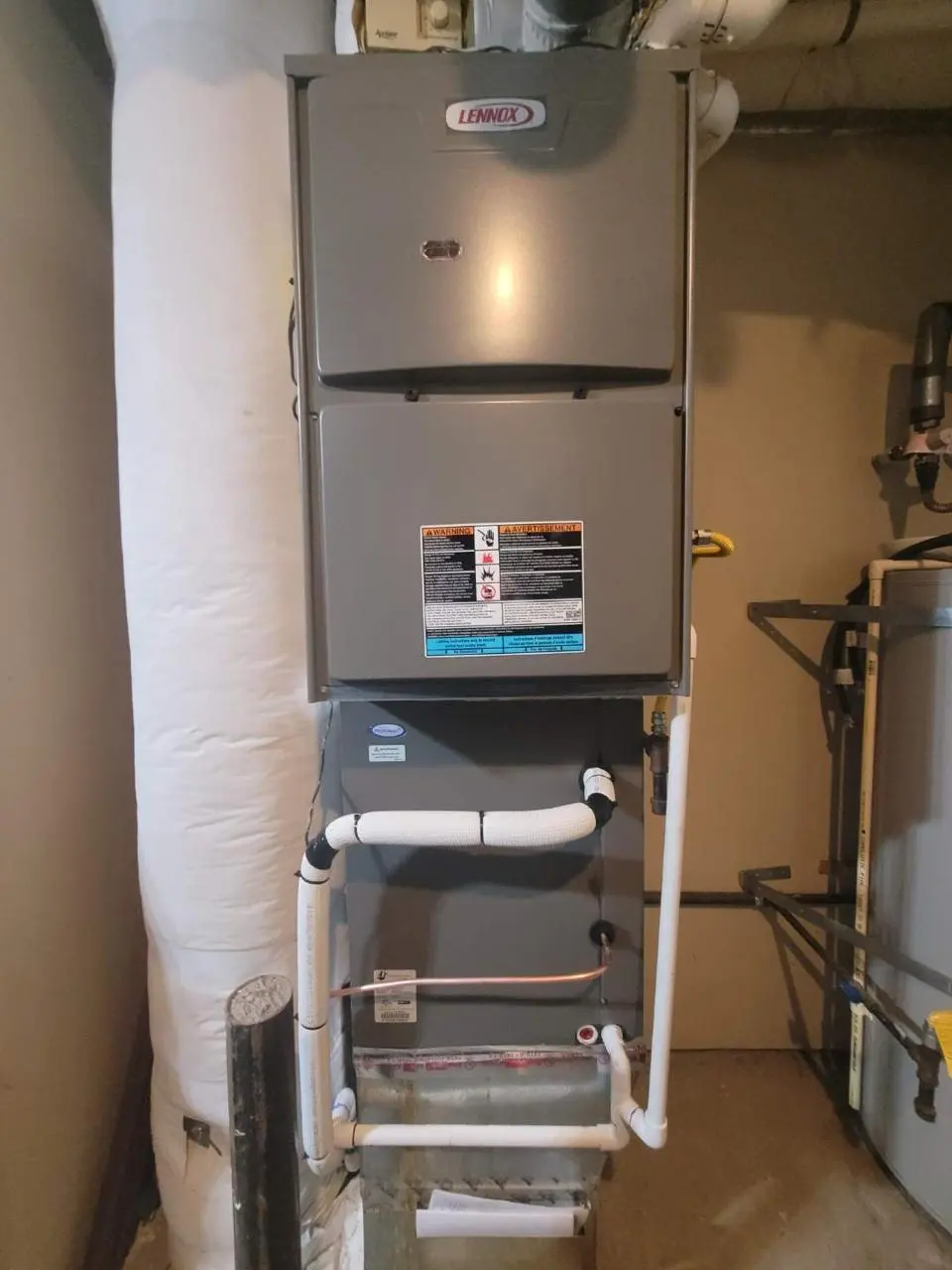
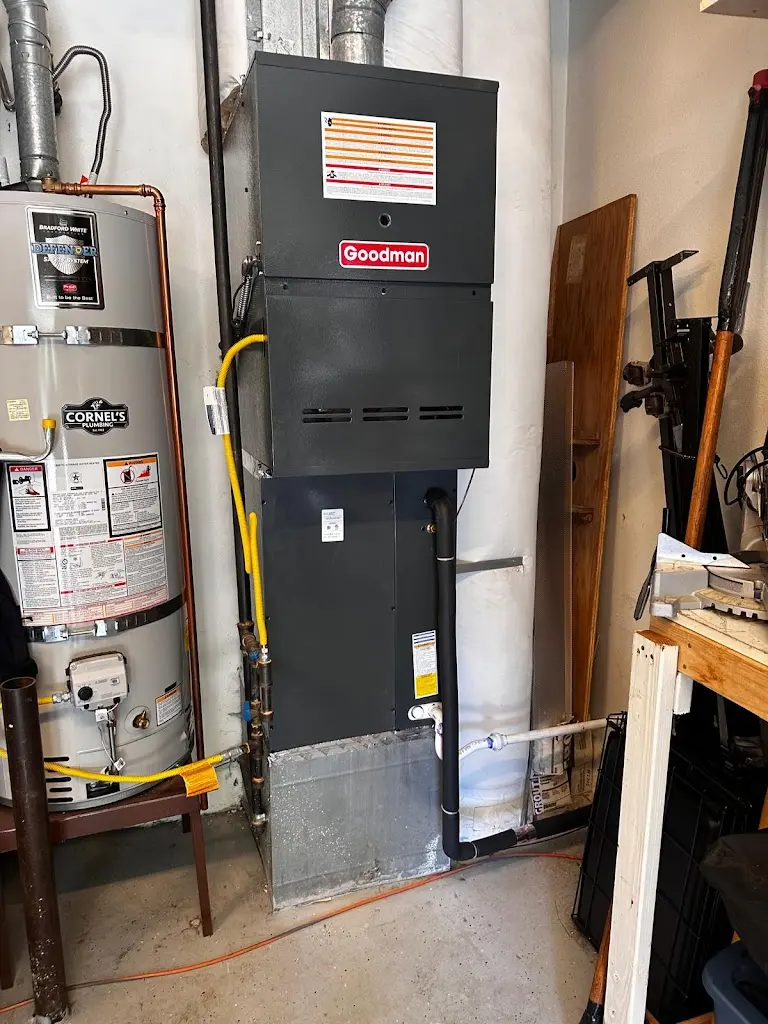
Turn the Comfort Complaint Into a Project Goal
HVAC & Appliance Repair Guys provides HVAC installation in Hillsboro, OR. A new system should address a clear need at the property. Explain whether your priority is adding cooling, replacing failing equipment or improving comfort in particular rooms. That goal helps keep the estimate focused on the work that matters.
We offer a free on-site estimator visit for installation or replacement. Describe when and where the current setup falls short, including any change in how you use the space. A room that gets too warm and a system that has stopped entirely are different starting points. The proposed project needs context from those conditions.
Our HVAC installation overview covers the regional service. For services in Hillsboro, provide the address and equipment access details. Same-day service is available, subject to availability. A full system project has its own schedule based on the units, preparation and agreed work.
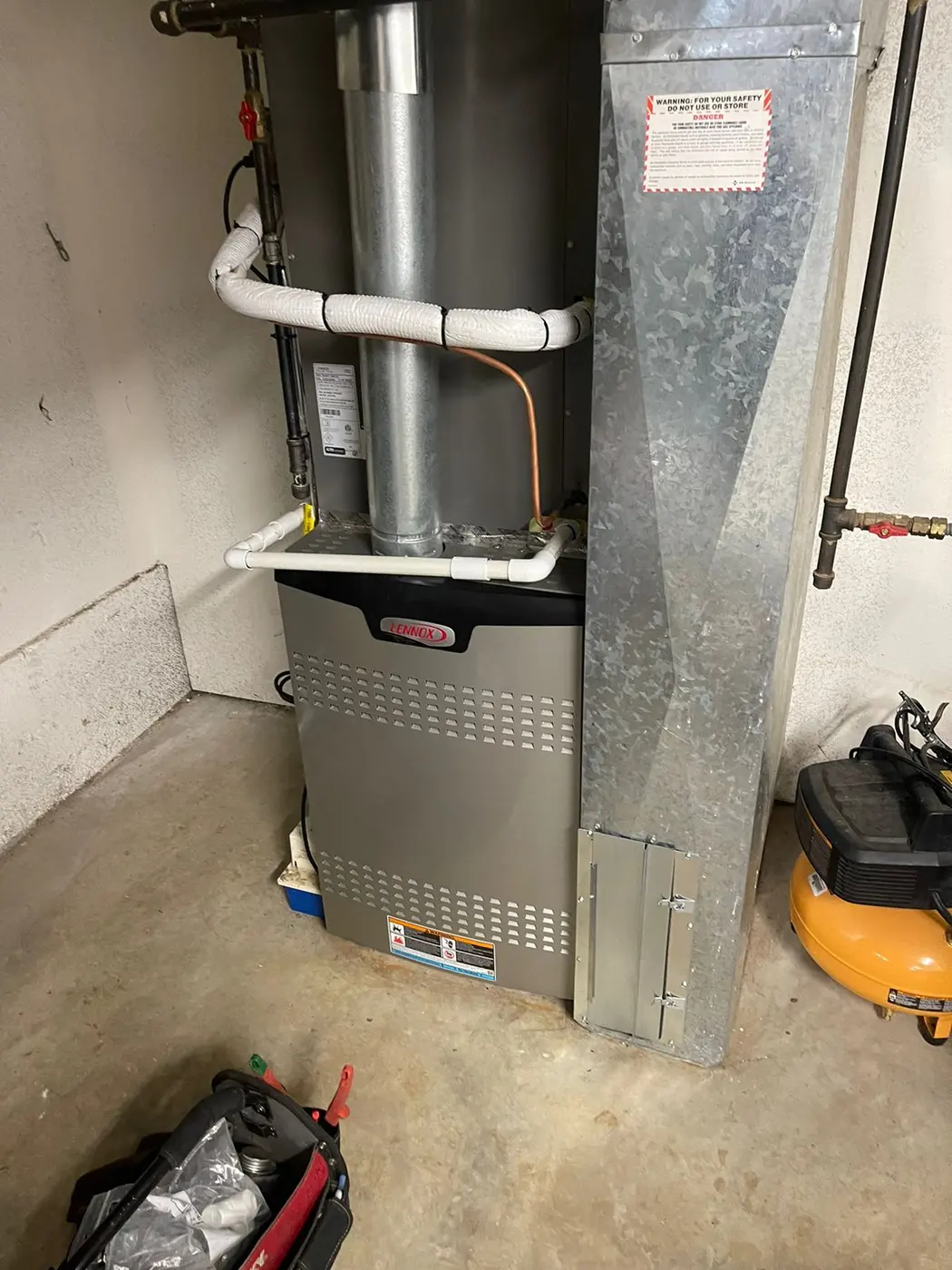
Choose Equipment as Part of an Installed System
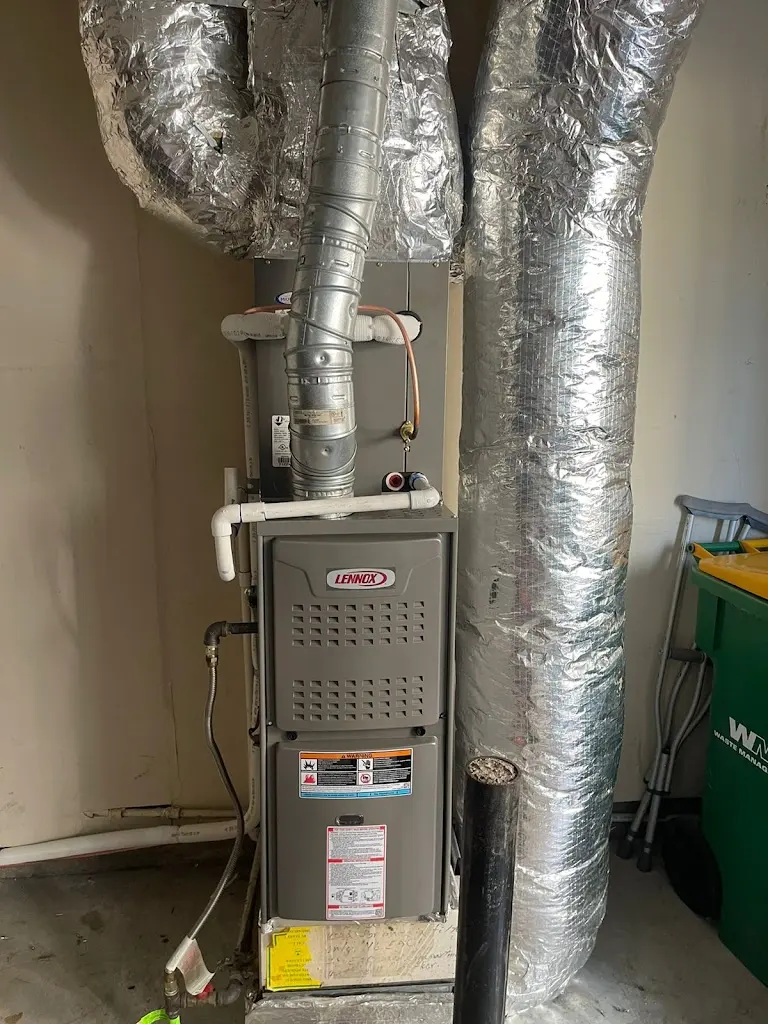
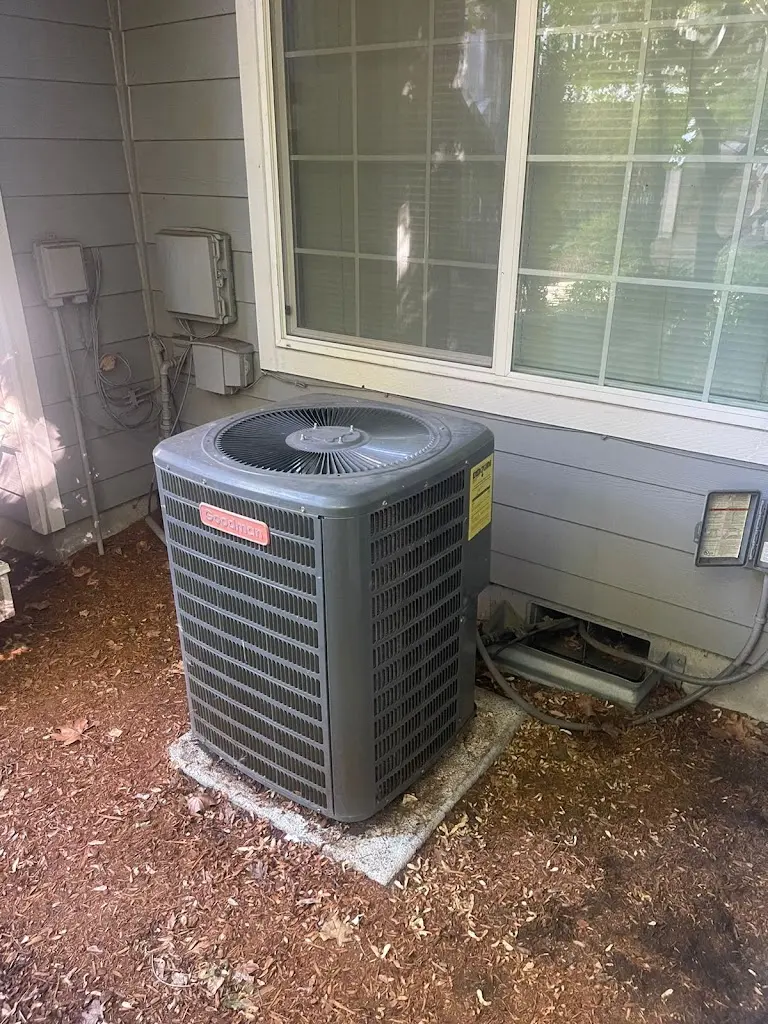
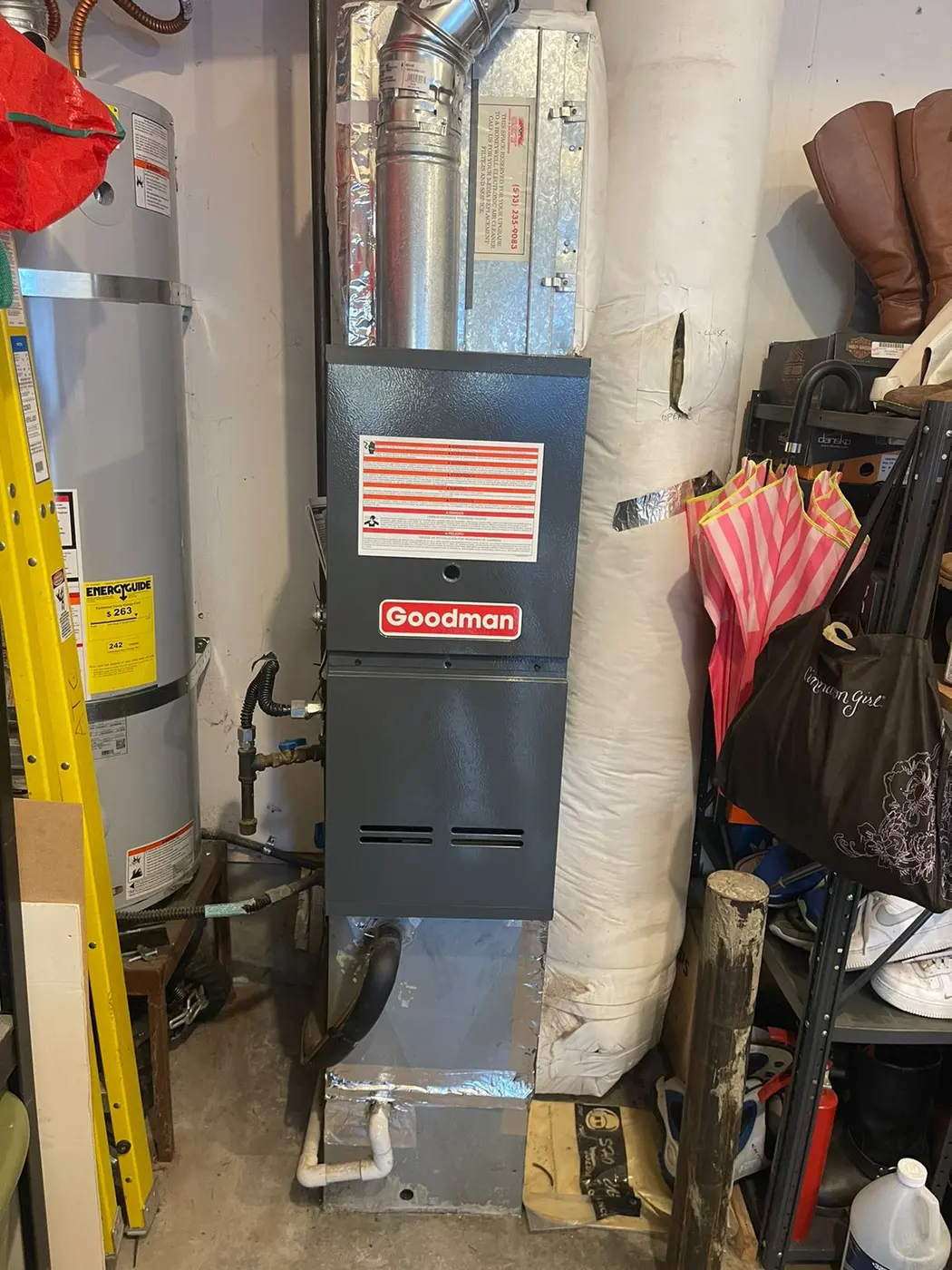
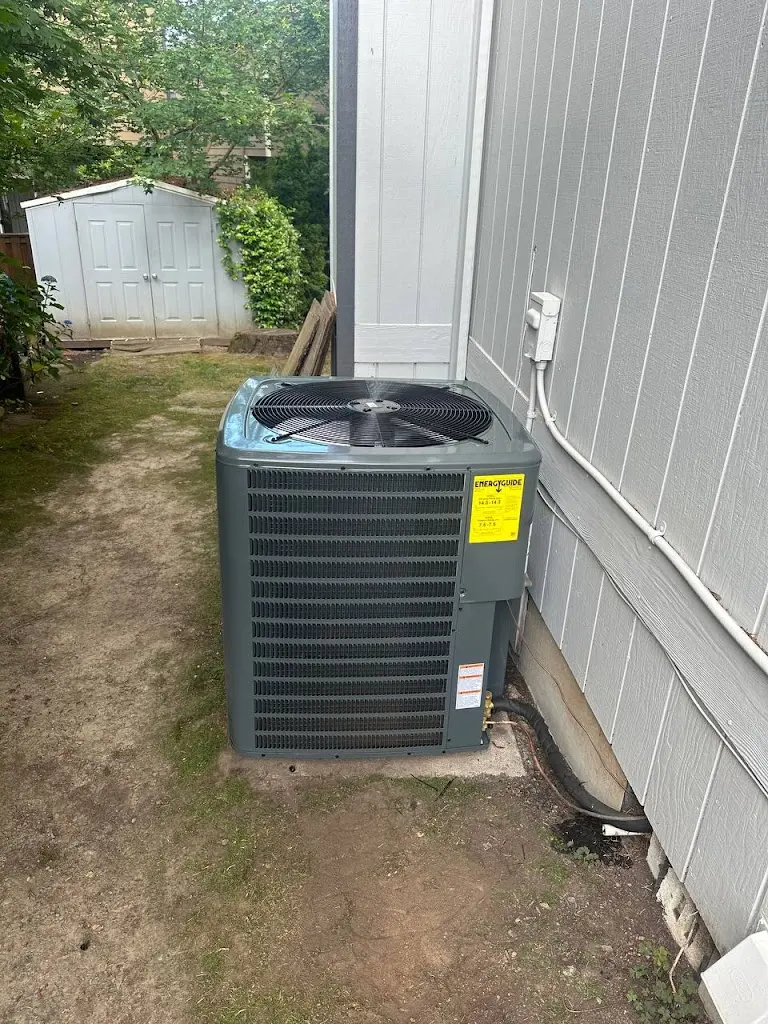
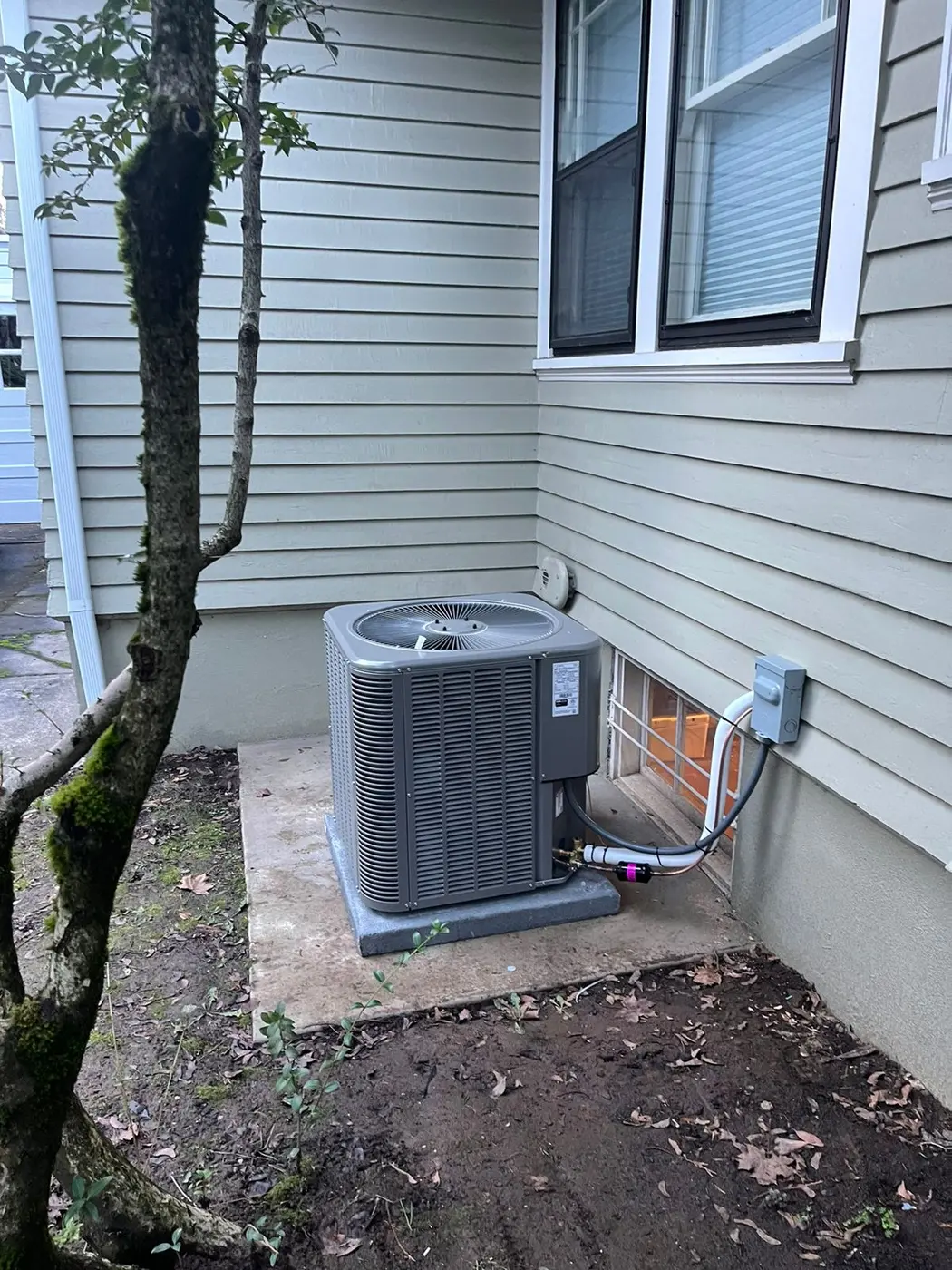
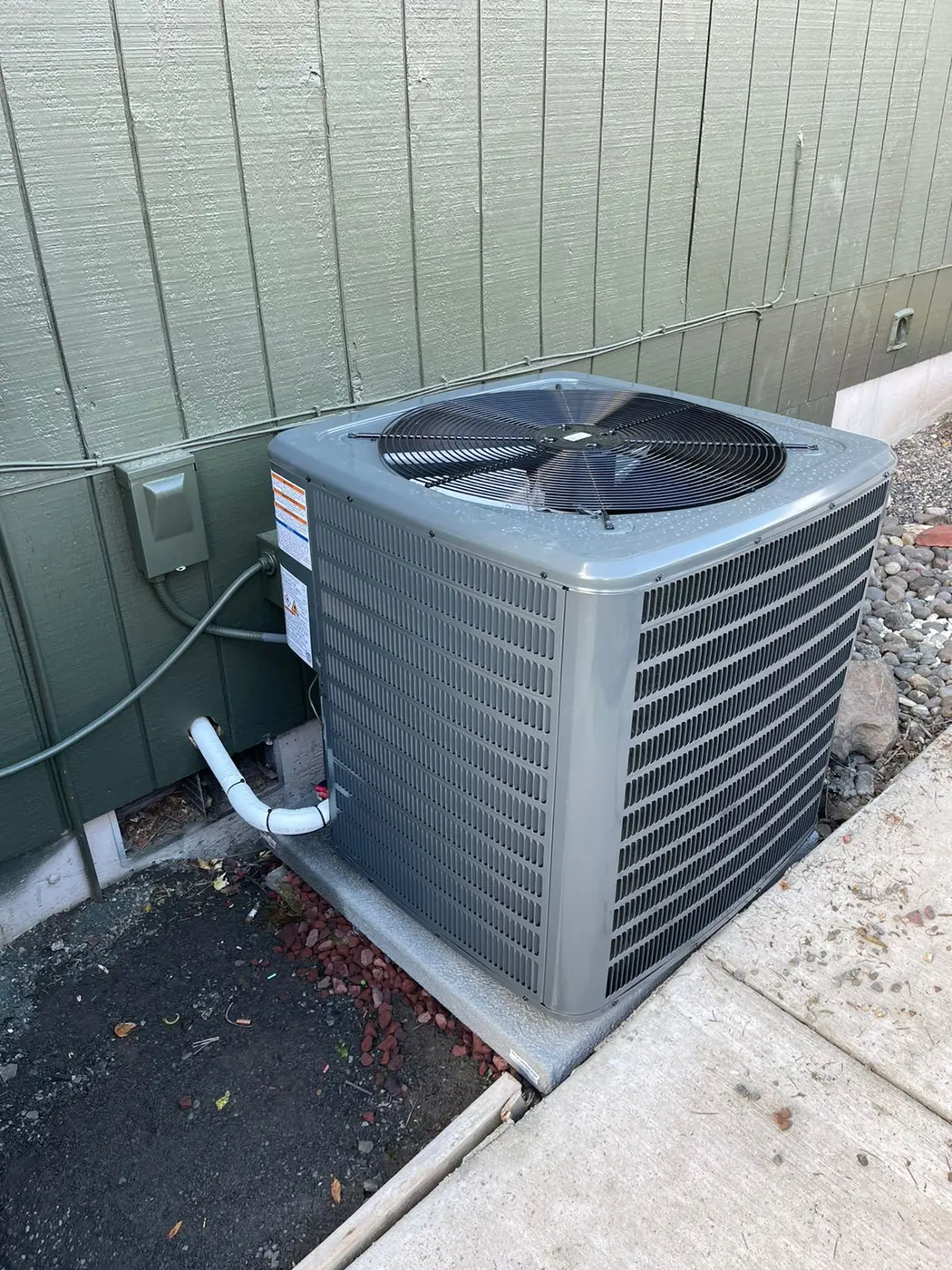
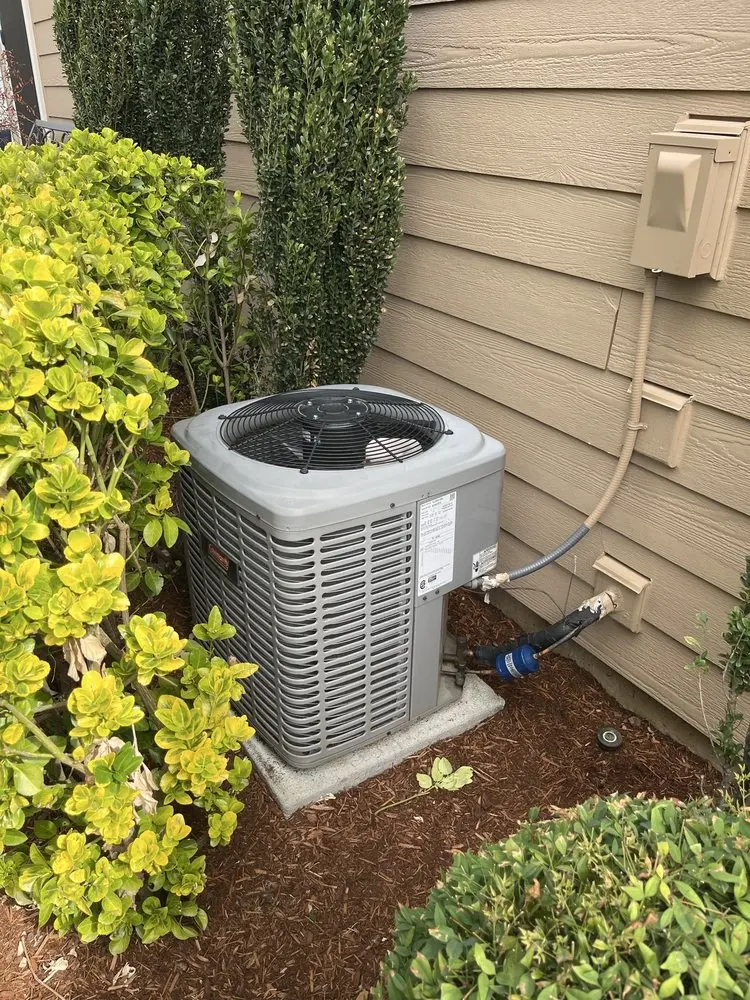
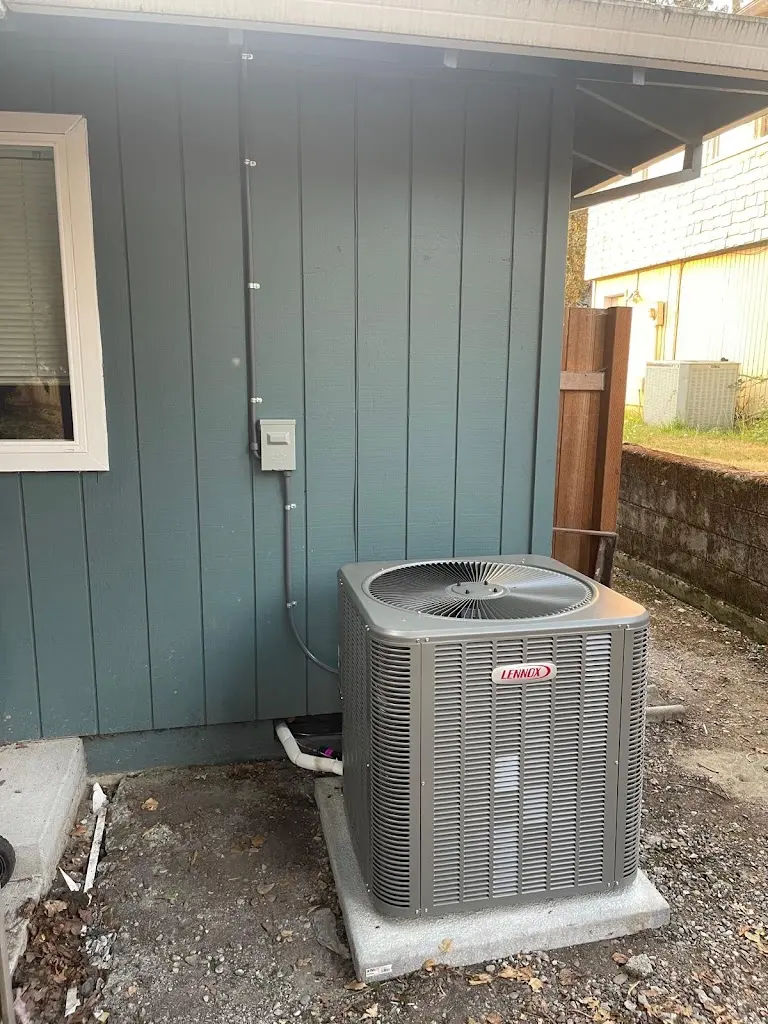
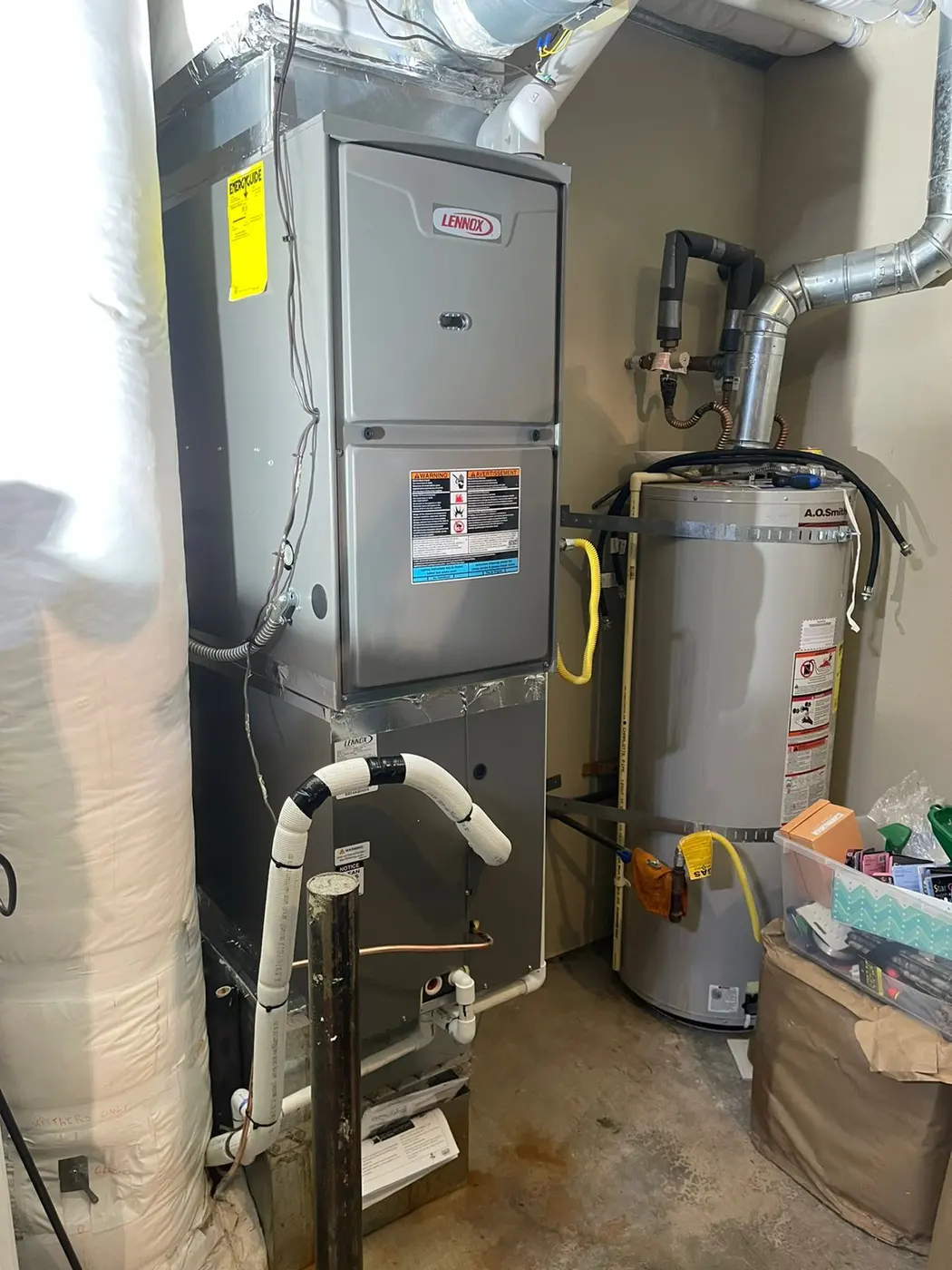
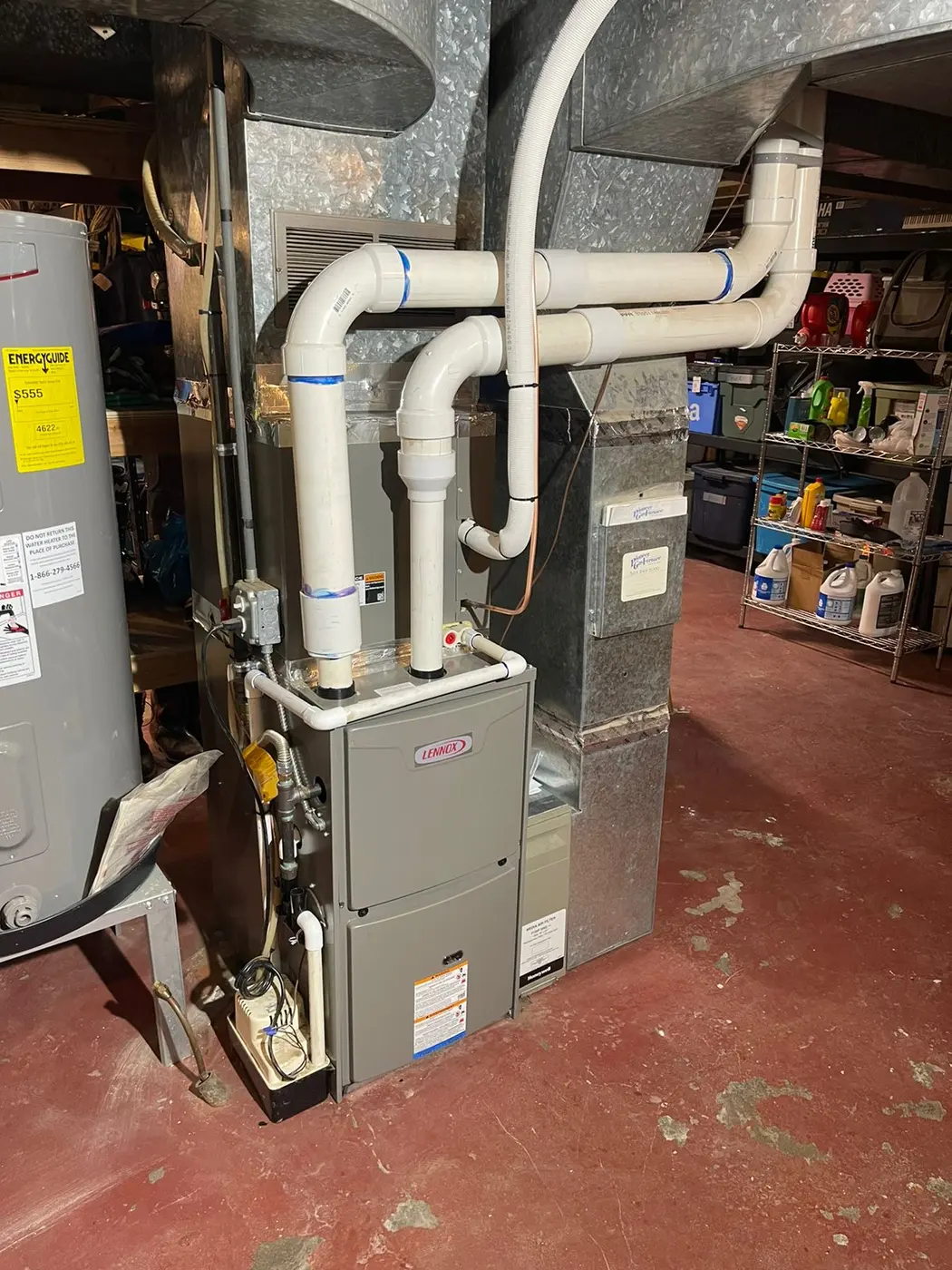
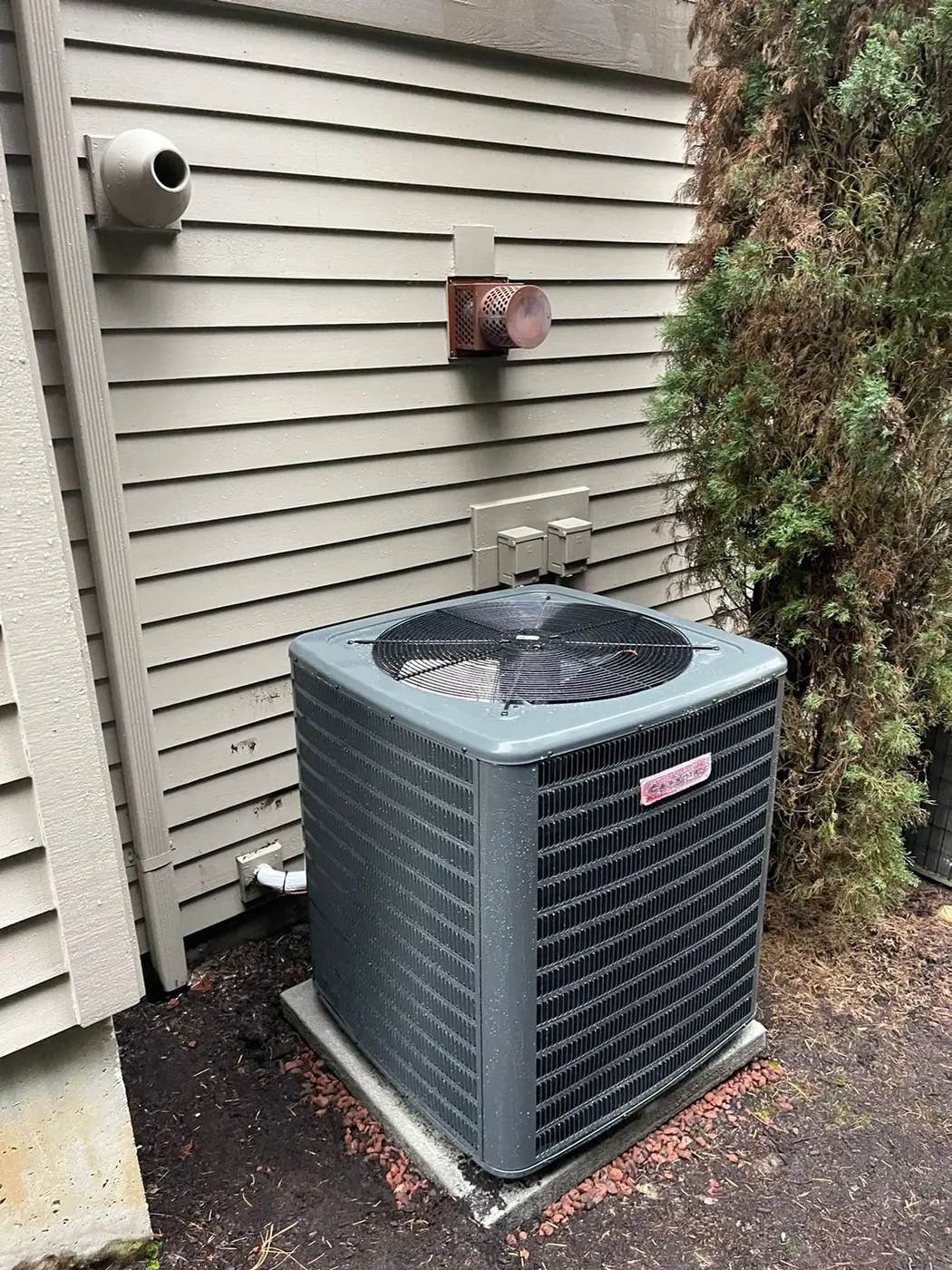
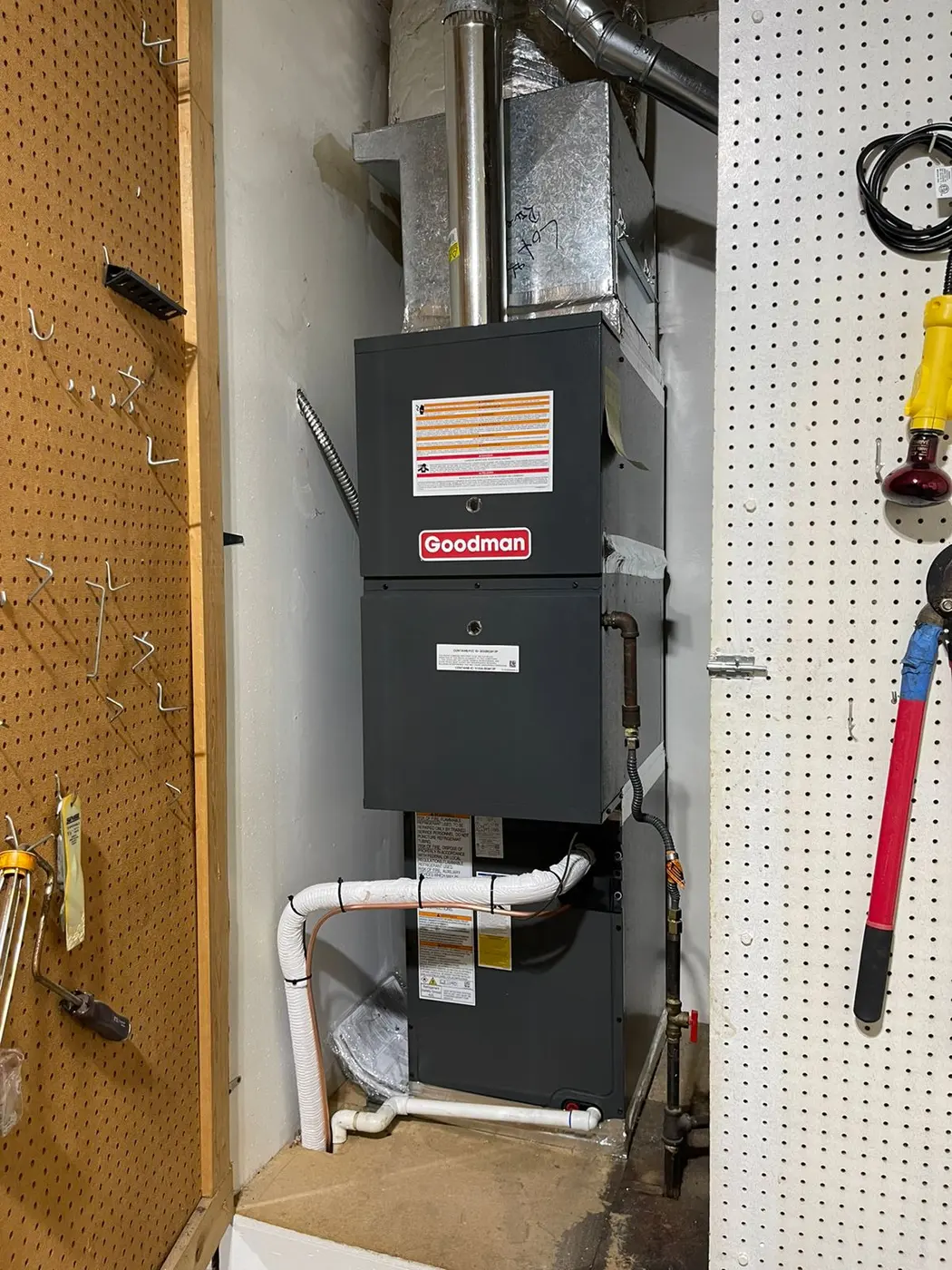
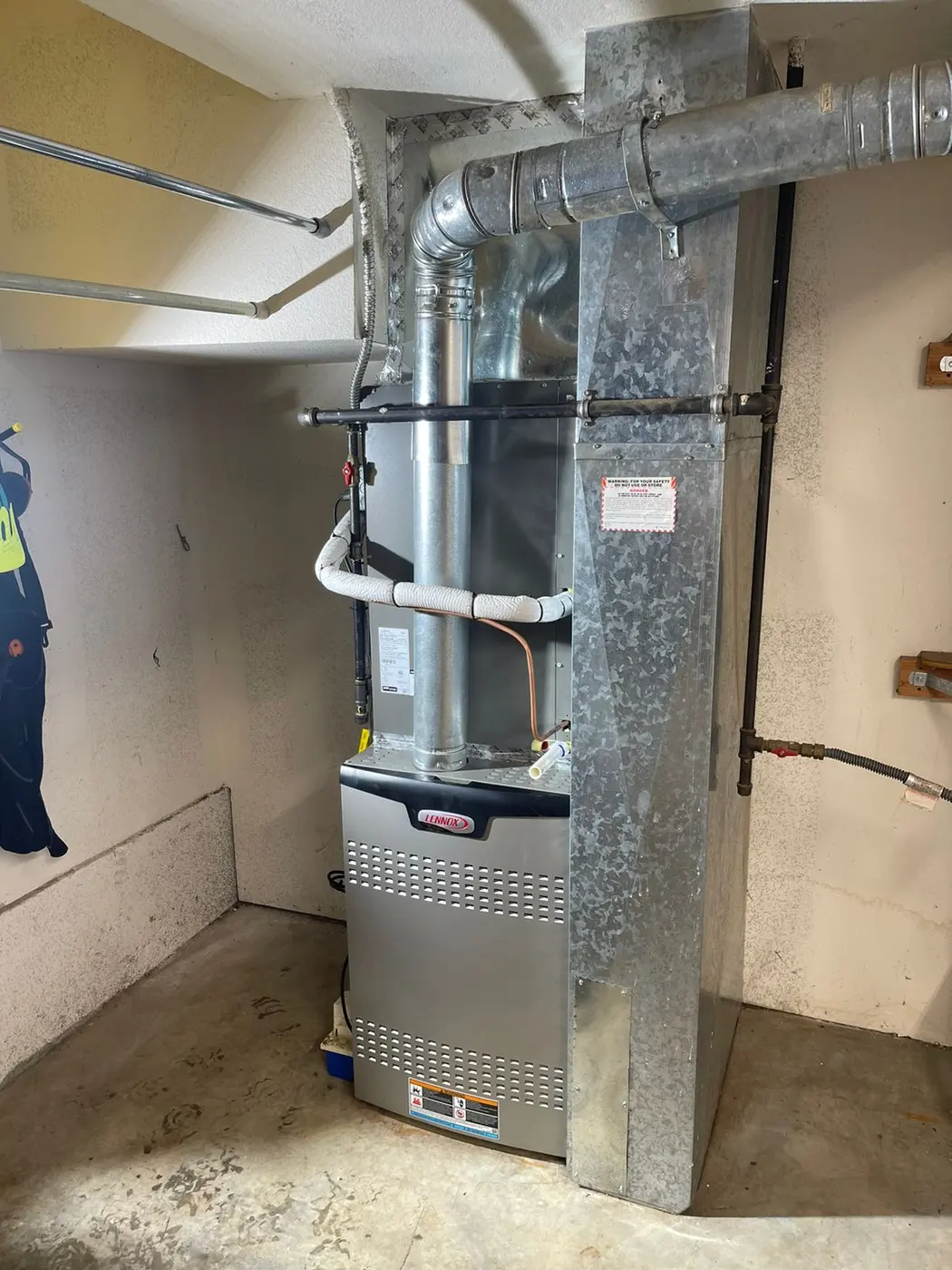
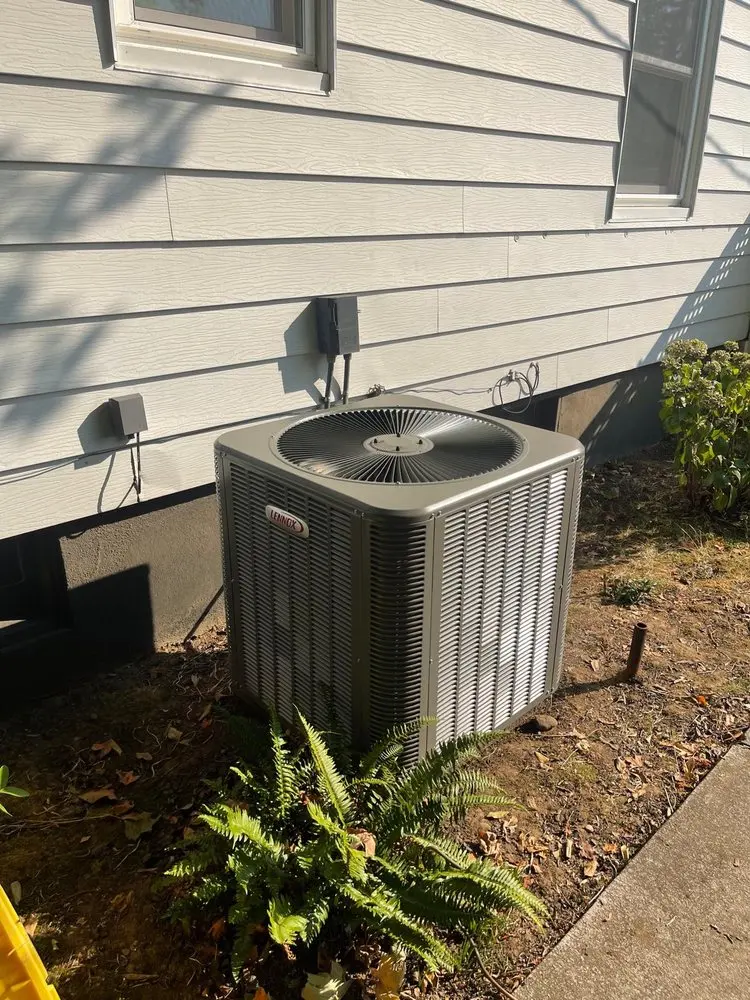
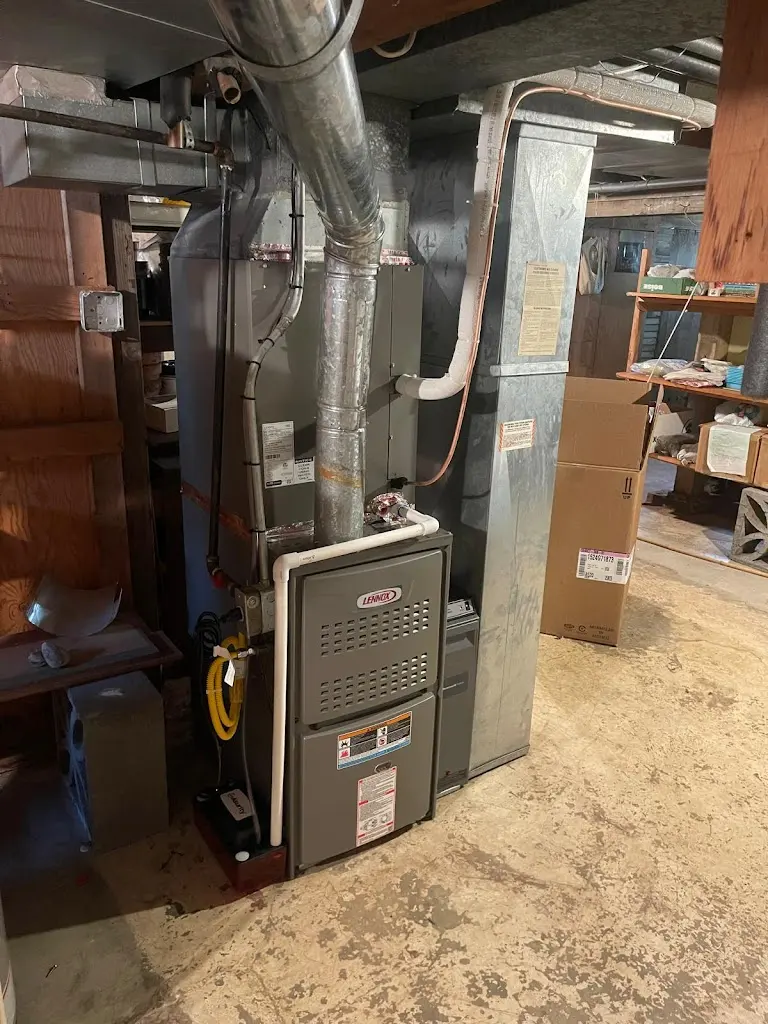
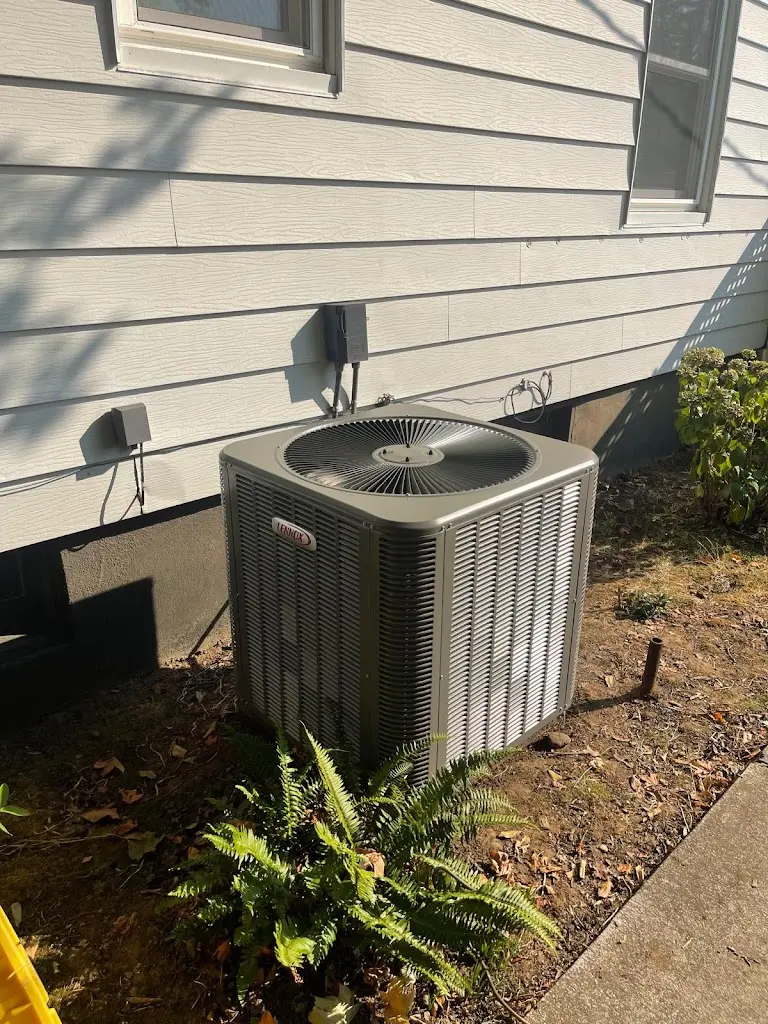
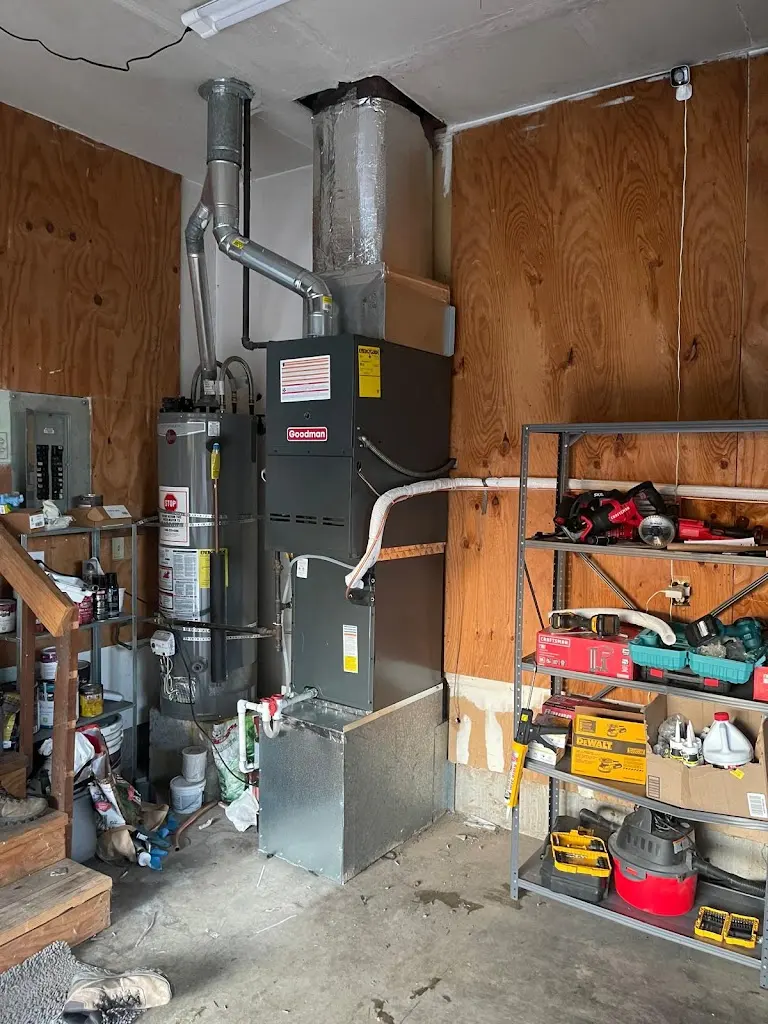
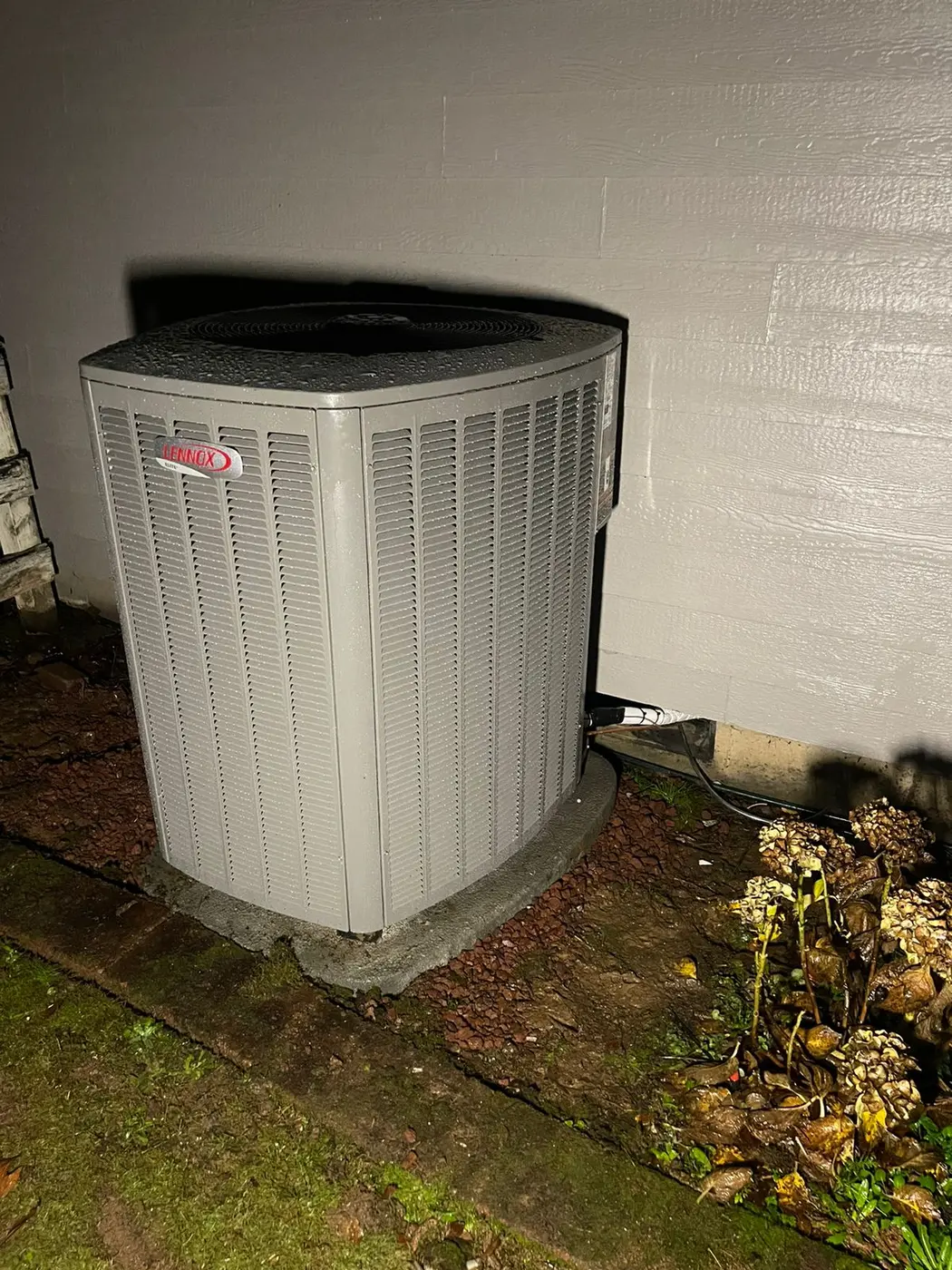
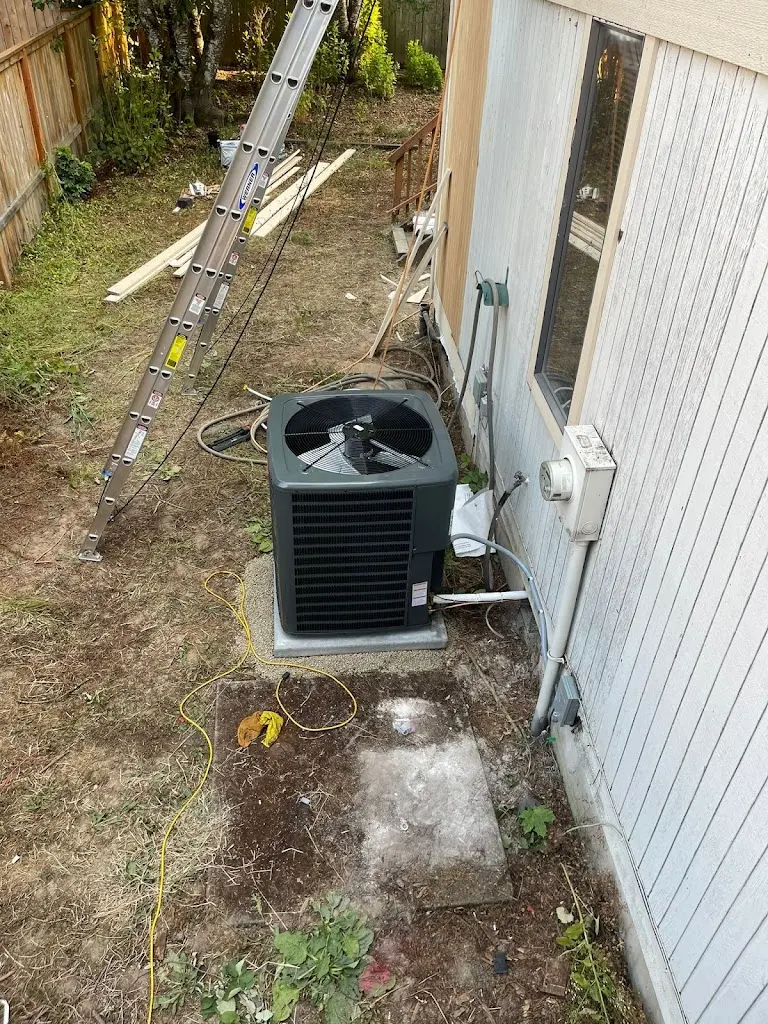
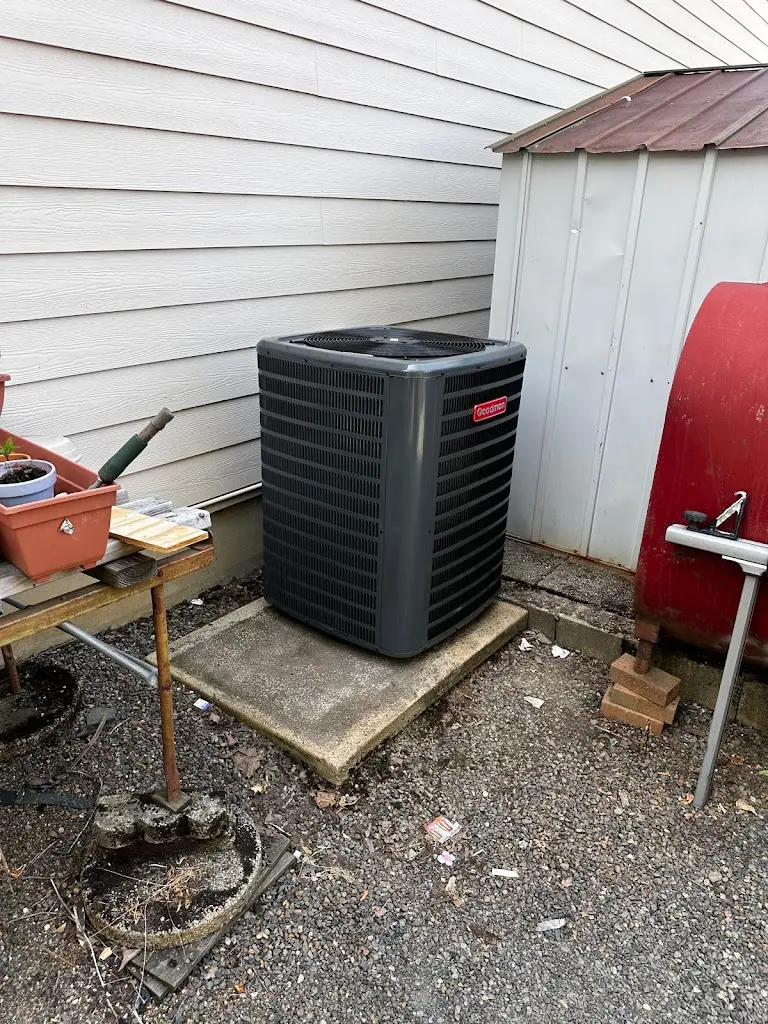
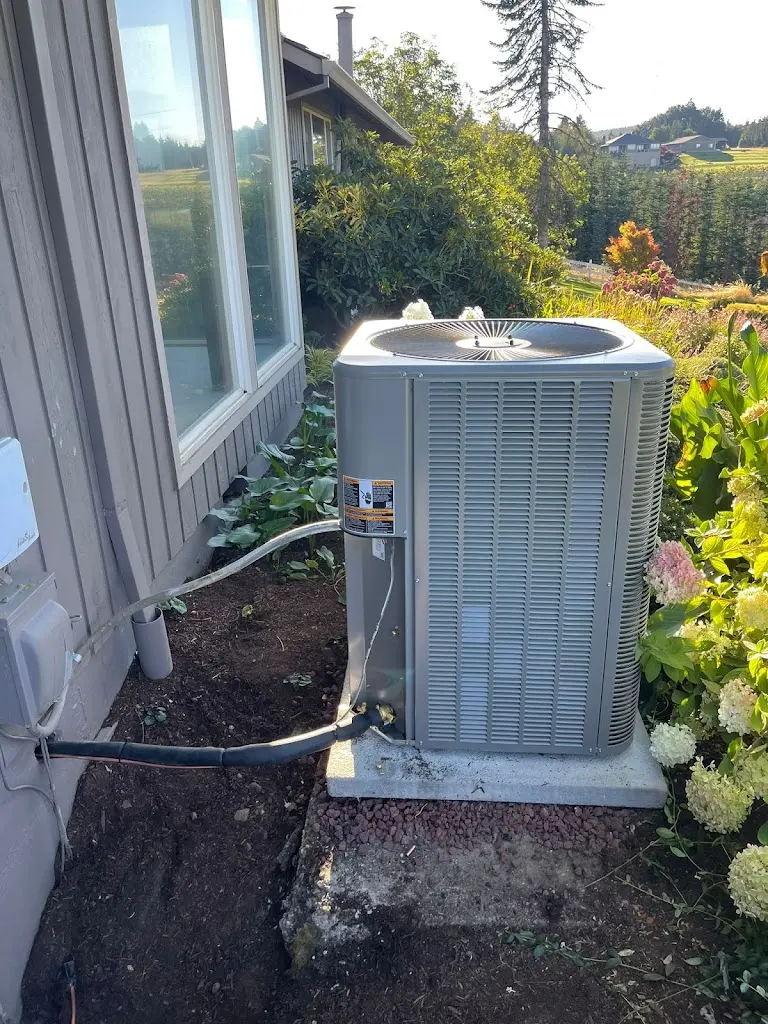
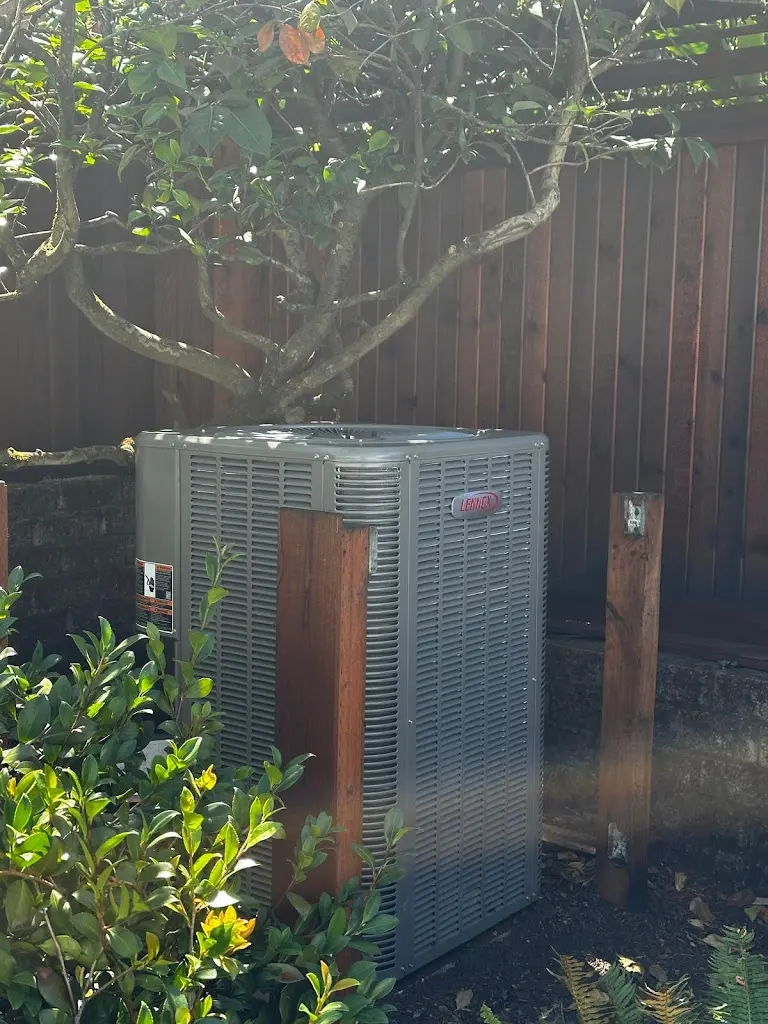
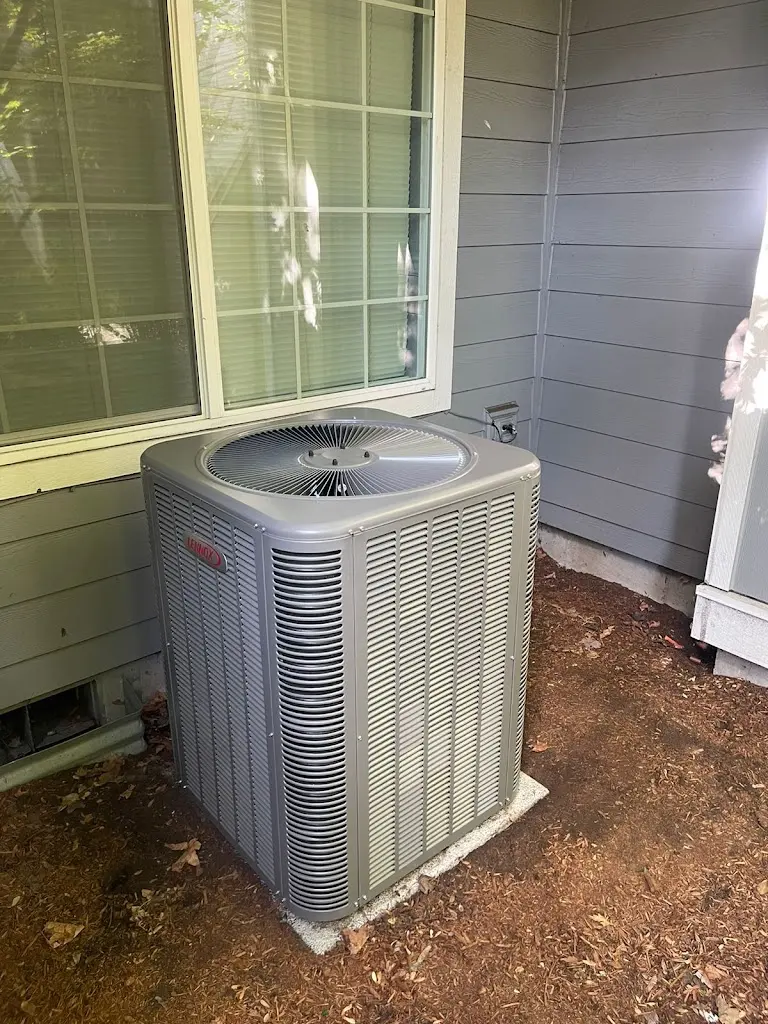
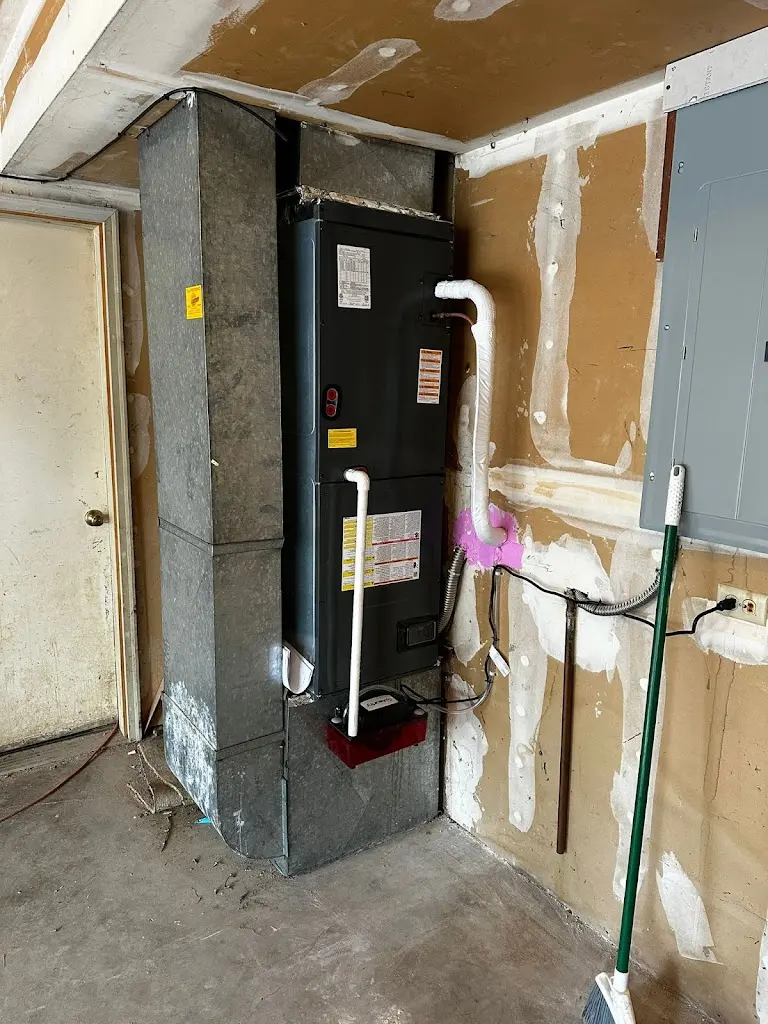
An air conditioner is one component of a working cooling system. Indoor equipment, airflow and controls need to suit the proposed setup. Our AC installation in Hillsboro page covers that project. Ask which existing items the plan retains and what each proposed change accomplishes.
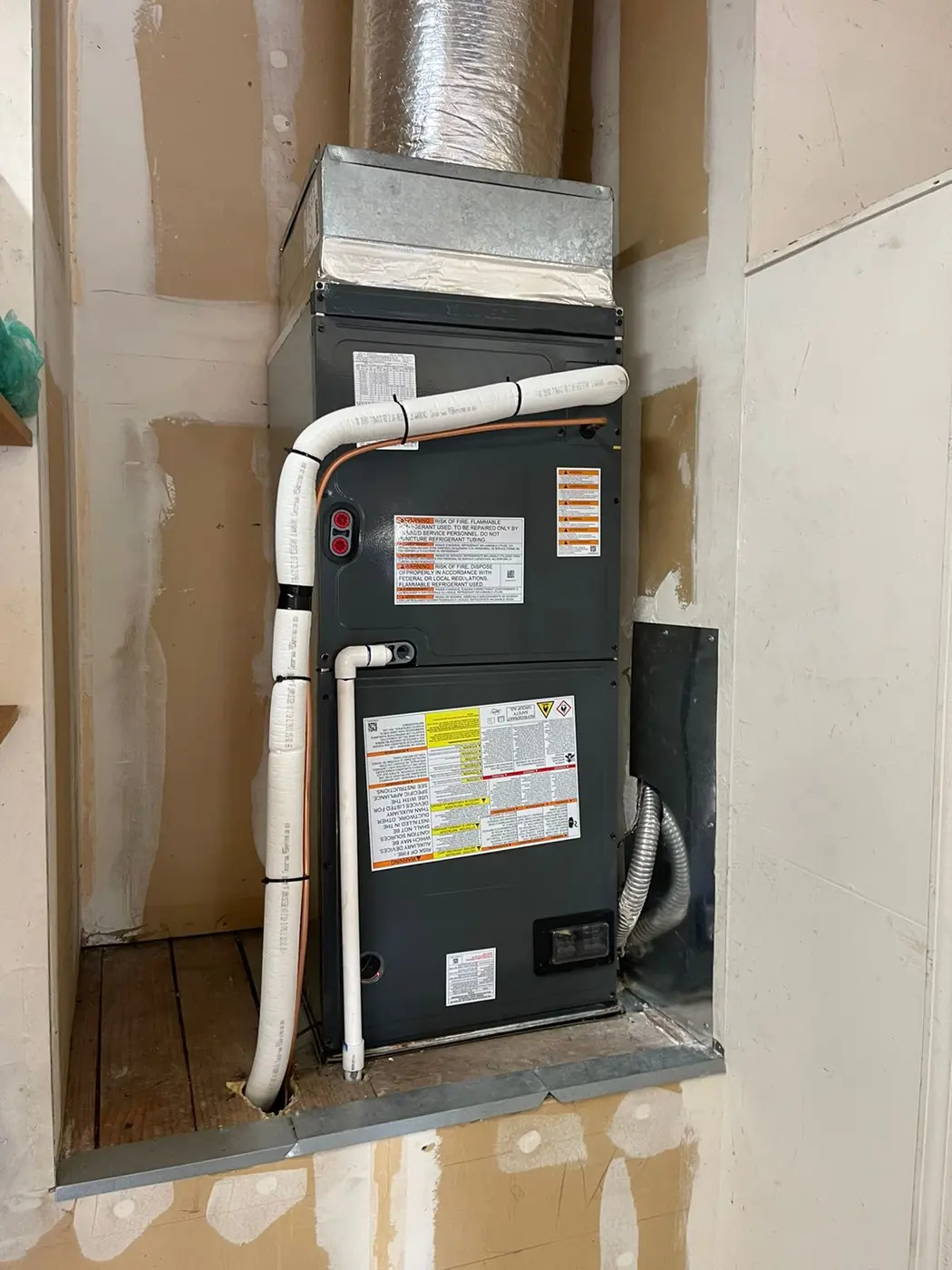
If you are considering a heat pump, discuss heating and cooling together. Our heat pump installation service in Hillsboro addresses that option. The estimate should explain how the system will work with the property and any equipment that stays. A change in system type can affect the connections and controls as well as the outdoor unit.
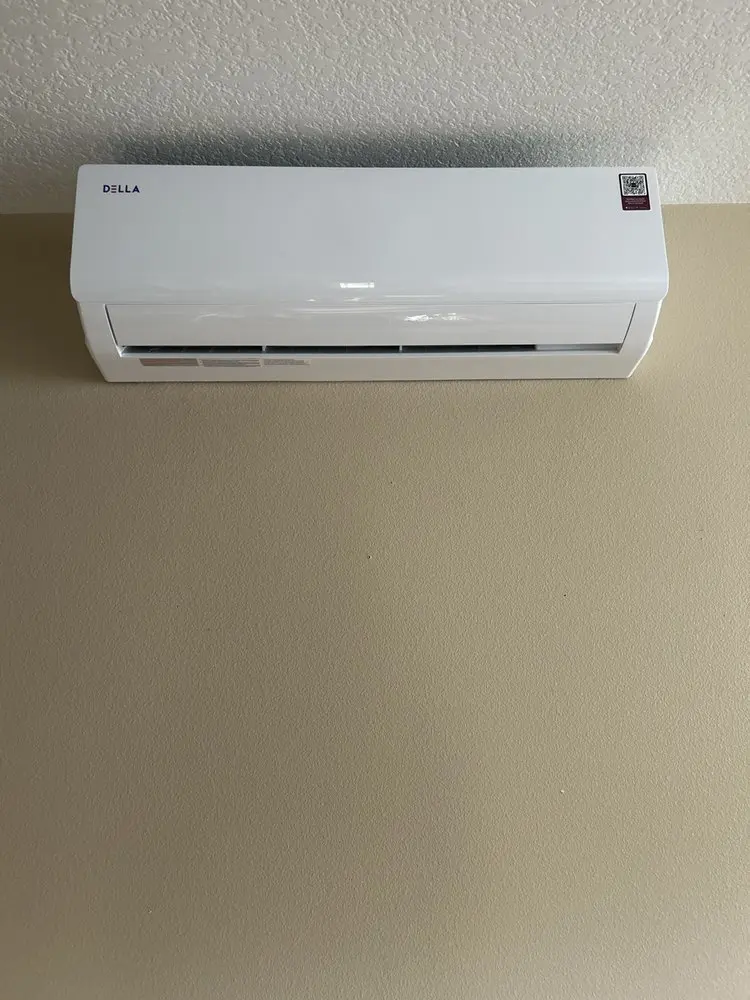
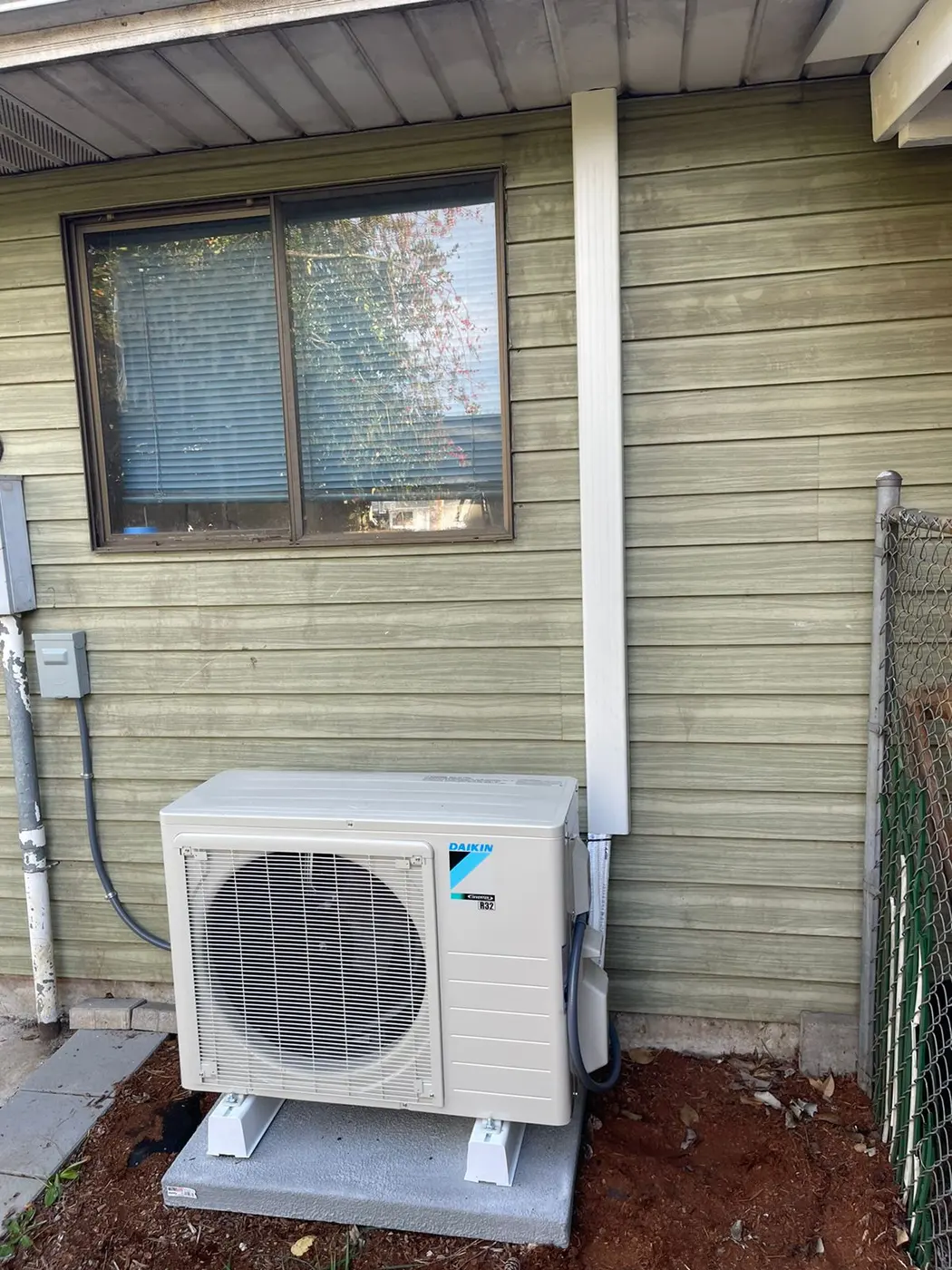
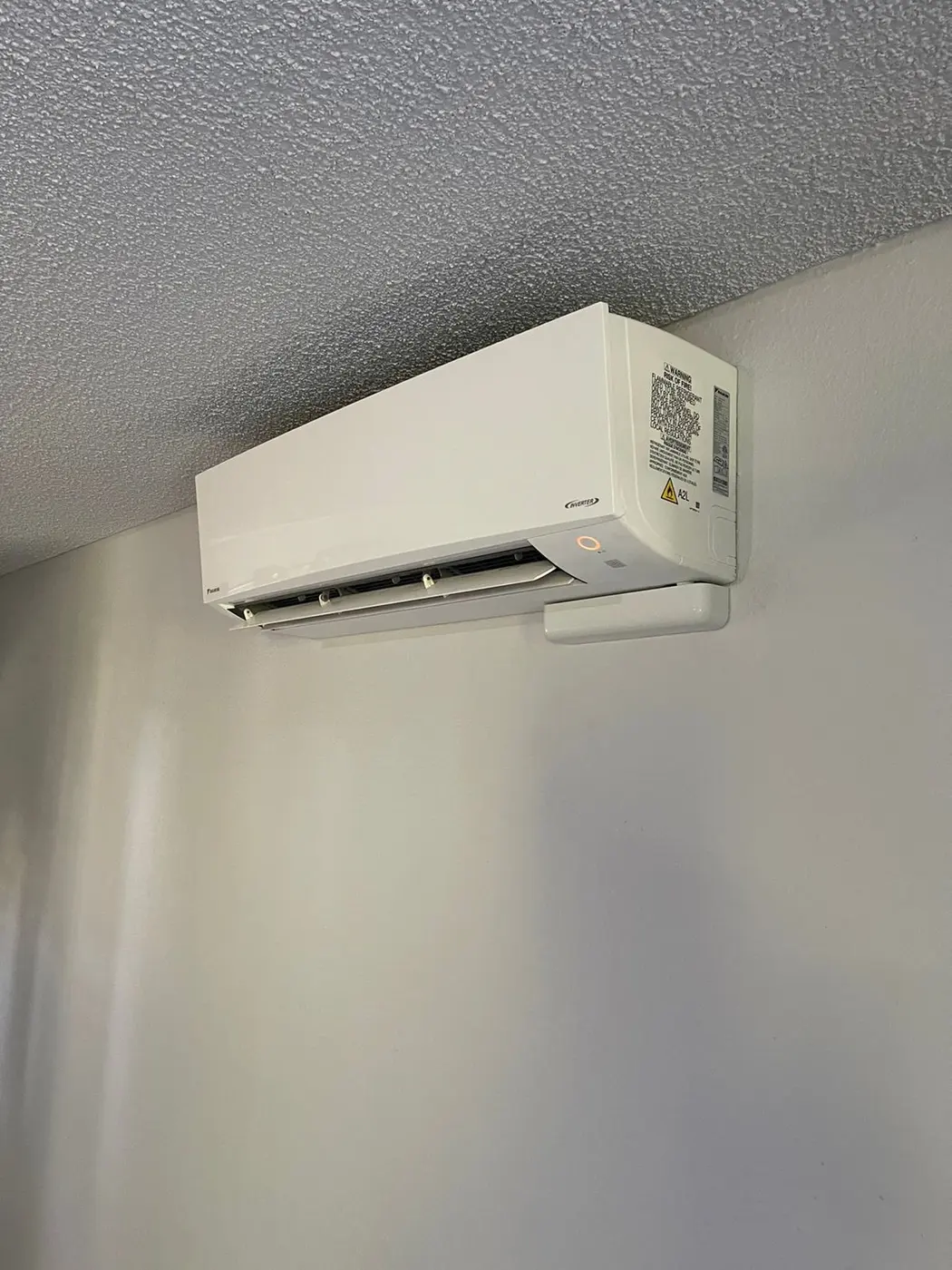
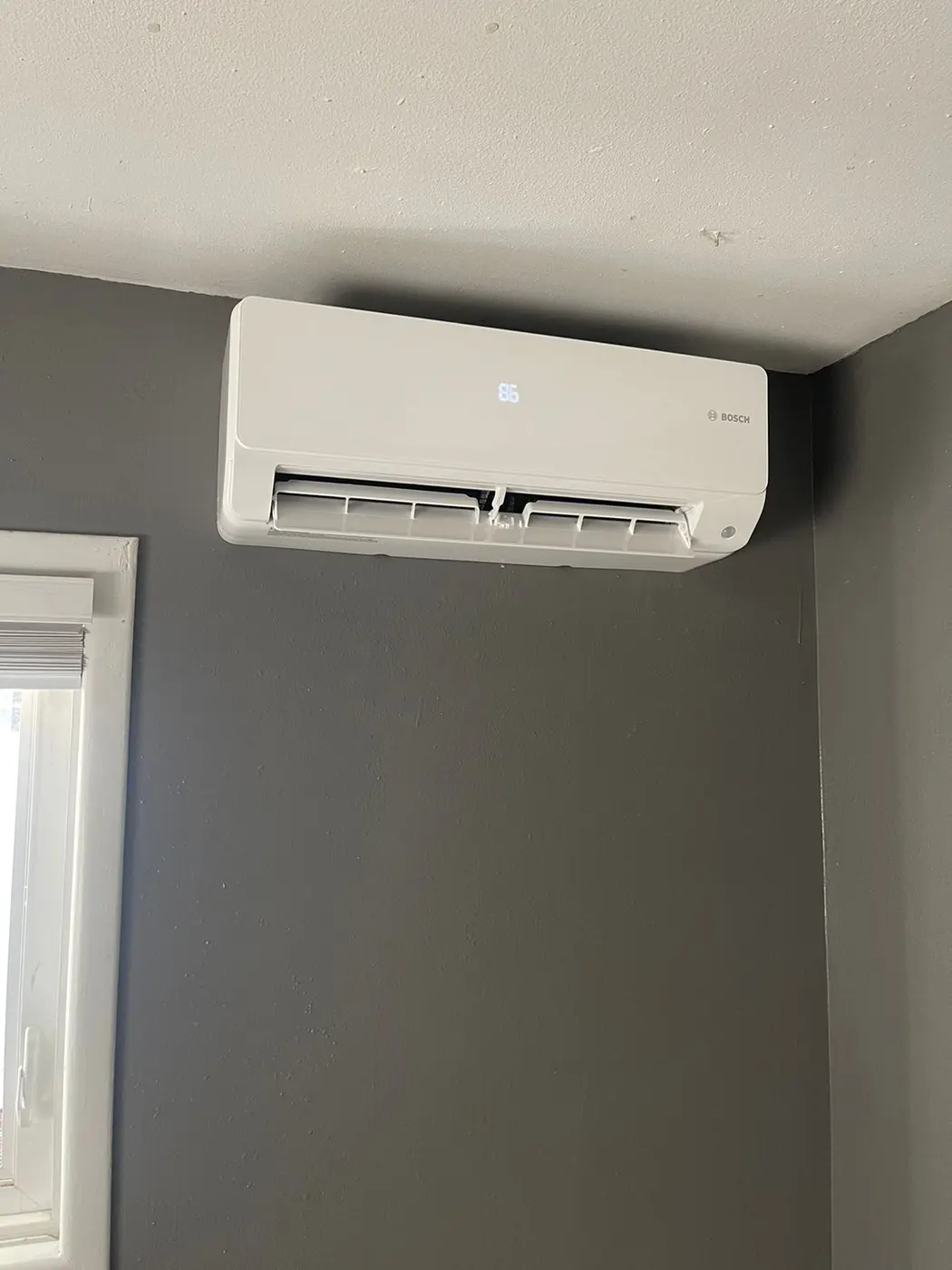
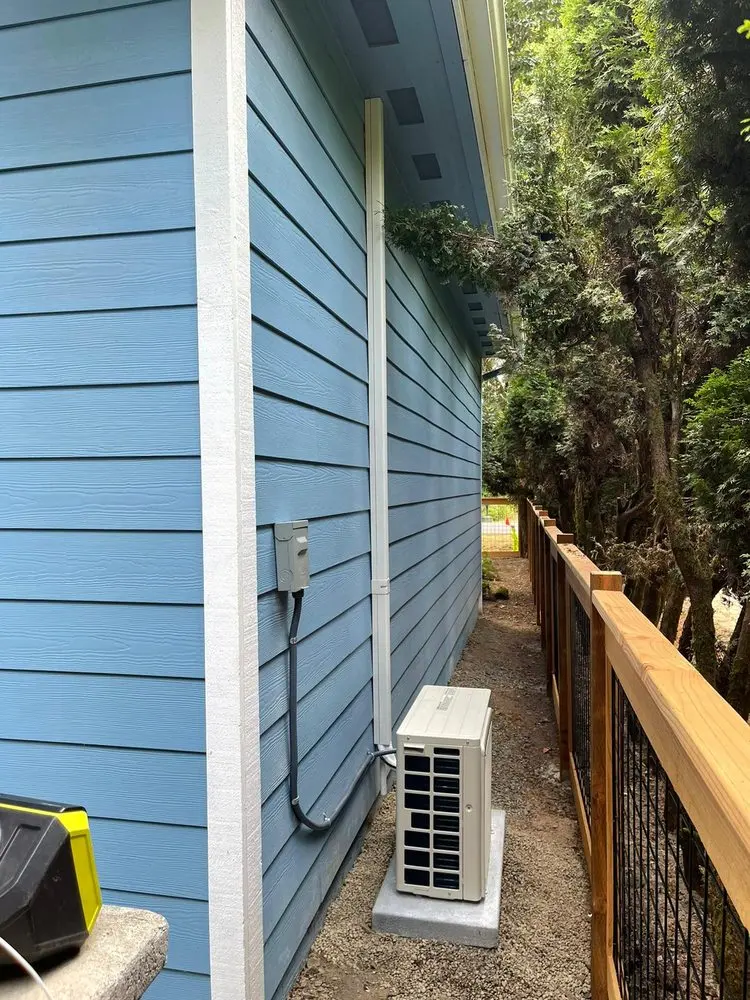
For room-based indoor units, our mini-split installation service covers the relevant plan. Identify the spaces you want to serve and your preferred locations. Each position still needs review for airflow, access and the route of connections. A room count alone does not define the full installation.
Separate Capacity, Airflow and Expectations
Do not assume the new system should simply match the old capacity label. The estimate needs to consider the property and the planned use of the rooms. Mention areas with weak airflow or a history of uneven comfort. A larger unit does not automatically resolve a distribution or control concern.
Describe the indoor comfort result you want in concrete terms. Describe a room that misses its setting or a control that serves the wrong area. The proposal should explain how its scope addresses that concern. It should also make clear if a separate issue falls outside the planned work.
Energy efficiency depends on more than the product name. The equipment combination, setup and use affect the installed result. A model rating should not become a promise of fixed savings on your bills. Ask the estimator to connect the proposed choices to your actual project priorities.
Review the Proposal and the Work Sequence
Compare equipment, labor and connection work as one scope. Check whether the price covers old-equipment removal, control changes and needed site work. If an existing condition still needs review, identify how the team will resolve it. The proposal should keep confirmed work distinct from an assumption.
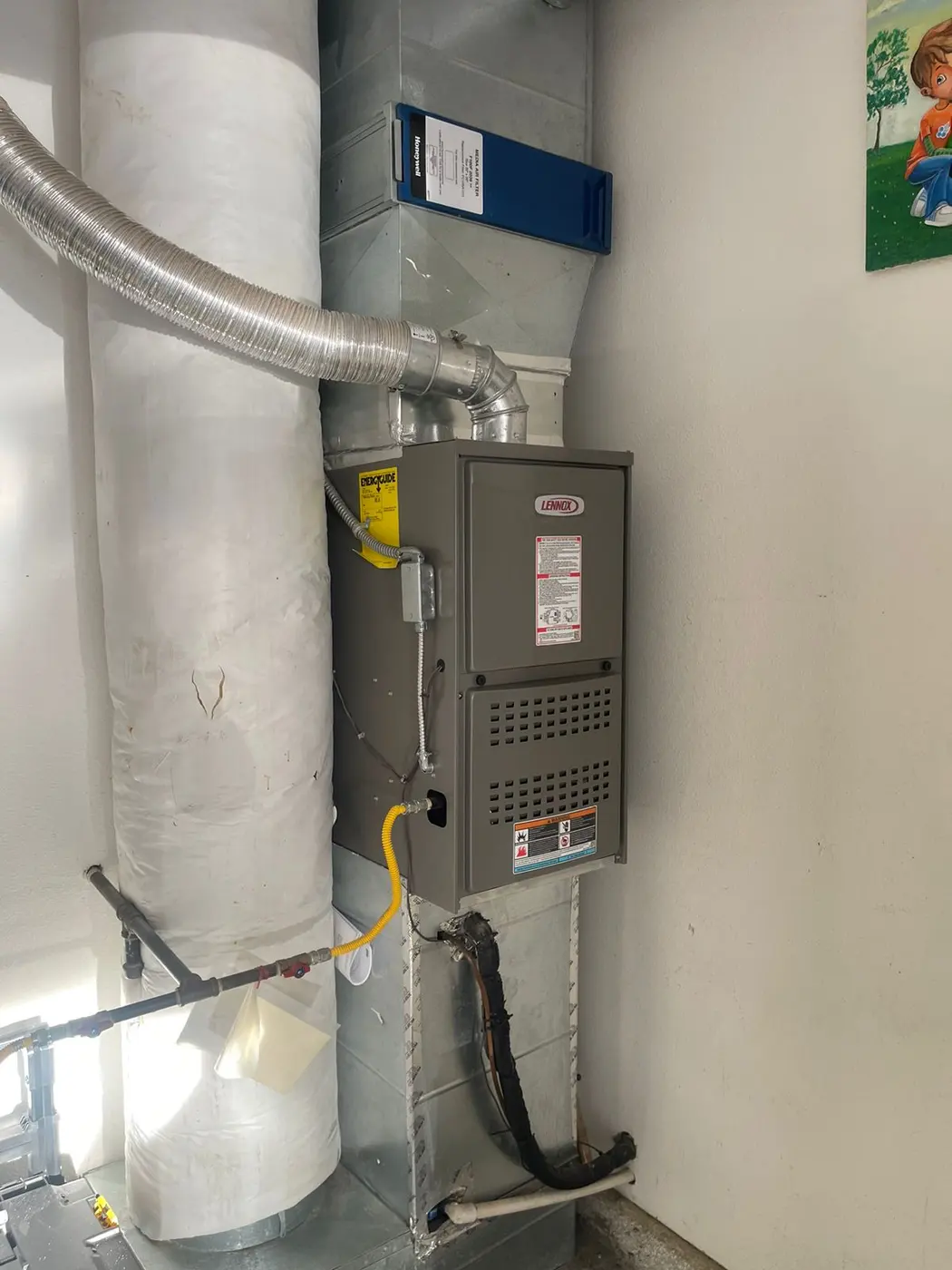
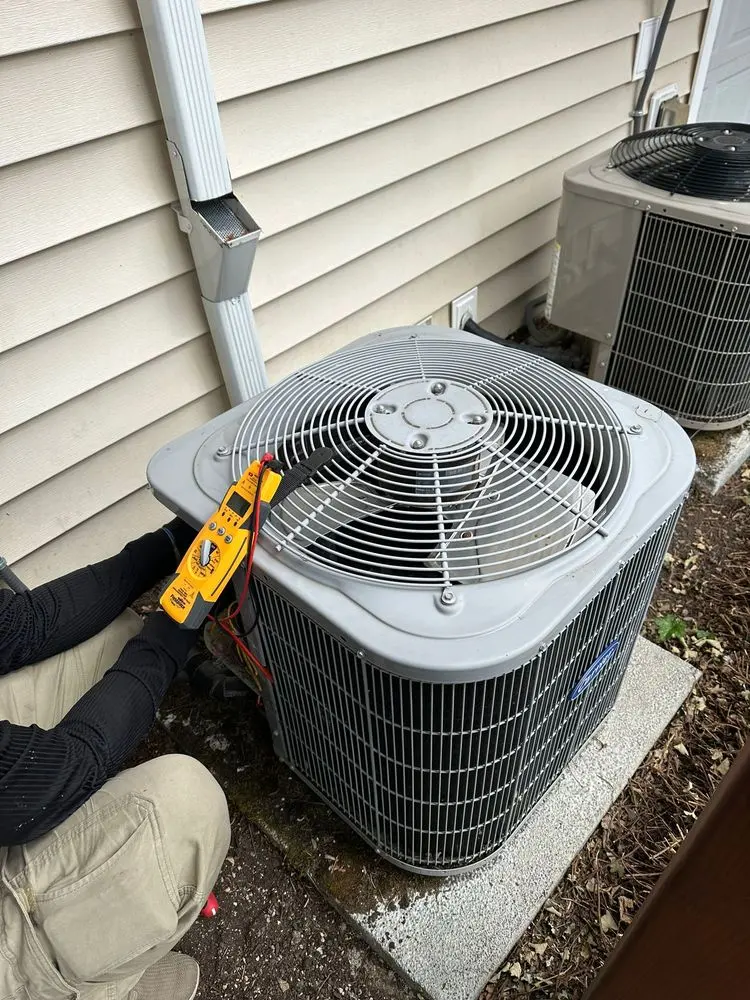
If the current unit may be repairable, HVAC repair in Hillsboro provides a separate fault assessment. The free installation estimator visit does not replace that diagnosis. A defined repair and a defined replacement let you compare the work each option would include.
Before agreeing to the start date, discuss access and the time without heating or cooling. Mention other planned work that affects the same area. Arrange someone who can provide entry and approve project decisions. Keep equipment assembled and clear the route of stored items where safe.
Understand the System After Installation
Review the controls for the installed equipment before treating the project as complete. Ask how to select normal modes and temperatures and what care the setup needs. The handover should reflect the system you now have. Do not assume that a new control behaves exactly like the old one.
Ask which checks confirmed the system response after the work. Keep the model details, project scope and service information together. That record helps explain the installation at a later visit. It also makes clear which existing components remained part of the setup.
Frequently Asked Questions
Can I bring a list of comfort concerns to the estimate?
Yes. Identify the rooms, timing and settings linked to each concern. A short account of specific problems is more useful than asking for a generally better system. It gives the estimator clear needs to consider in the proposal.
Should the lowest equipment price decide the project?
Compare the full work scope as well as the equipment price. Controls, retained components, access and connection work can differ between plans. Ask what each proposal includes before treating the totals as equivalent.
What if I expect to use a room differently later?
Raise that plan during the estimate, even if the change is not immediate. Different use can affect the comfort goal and the proposed setup. Future work still needs its own review rather than an assumption that any system can expand.