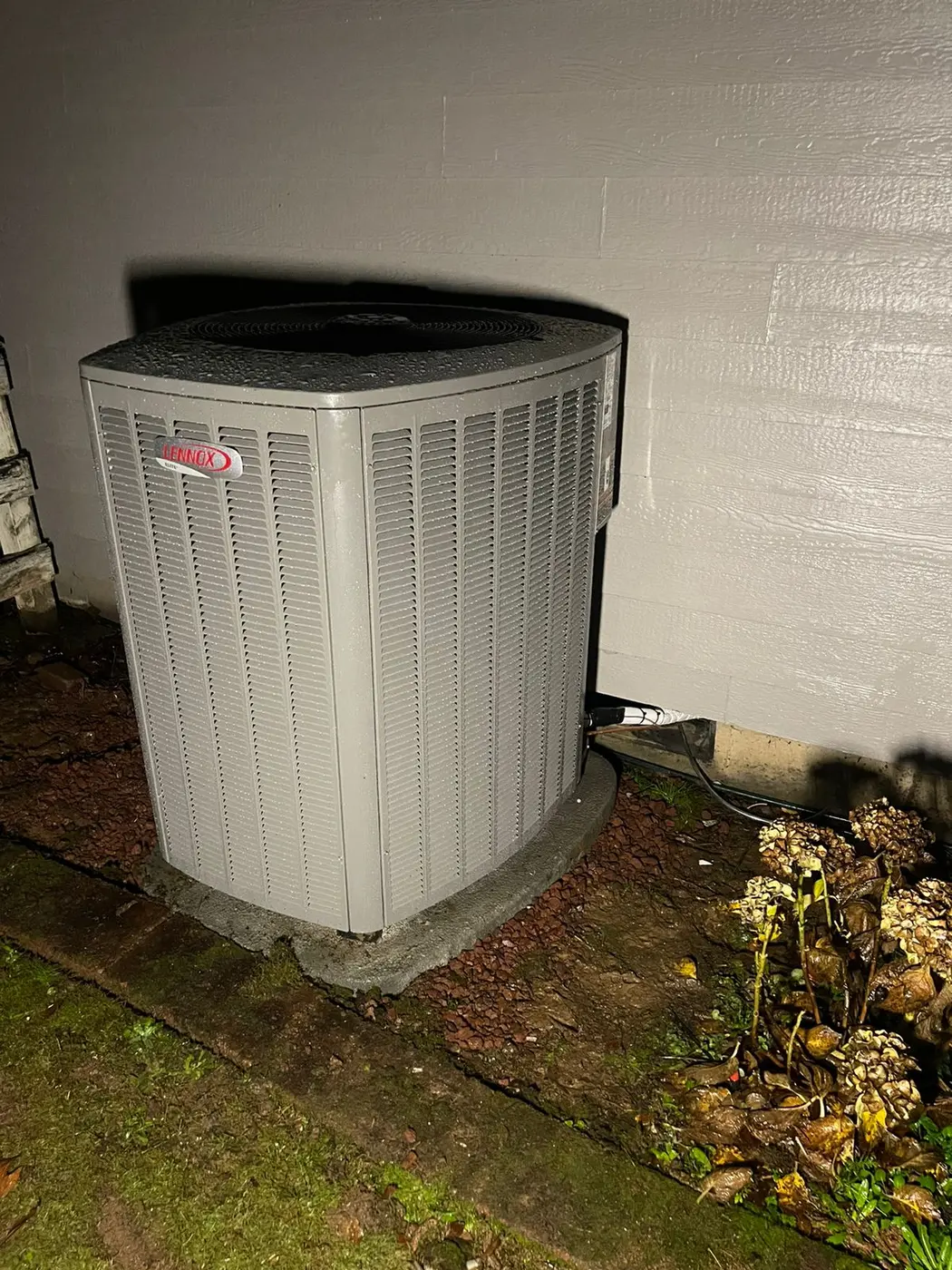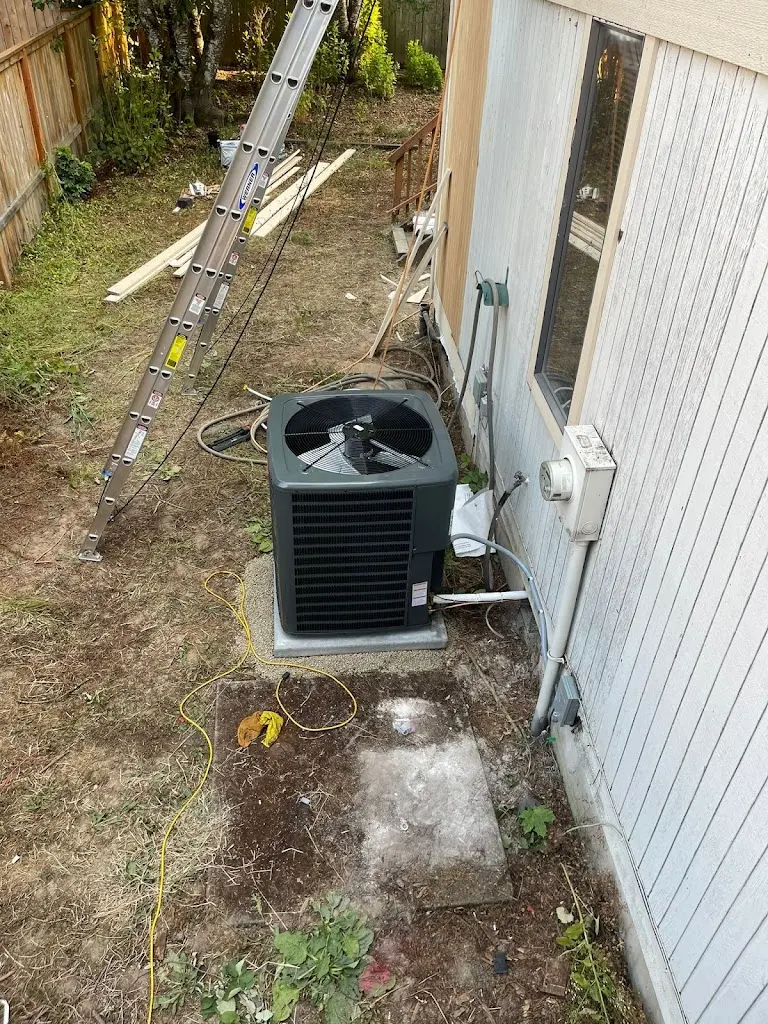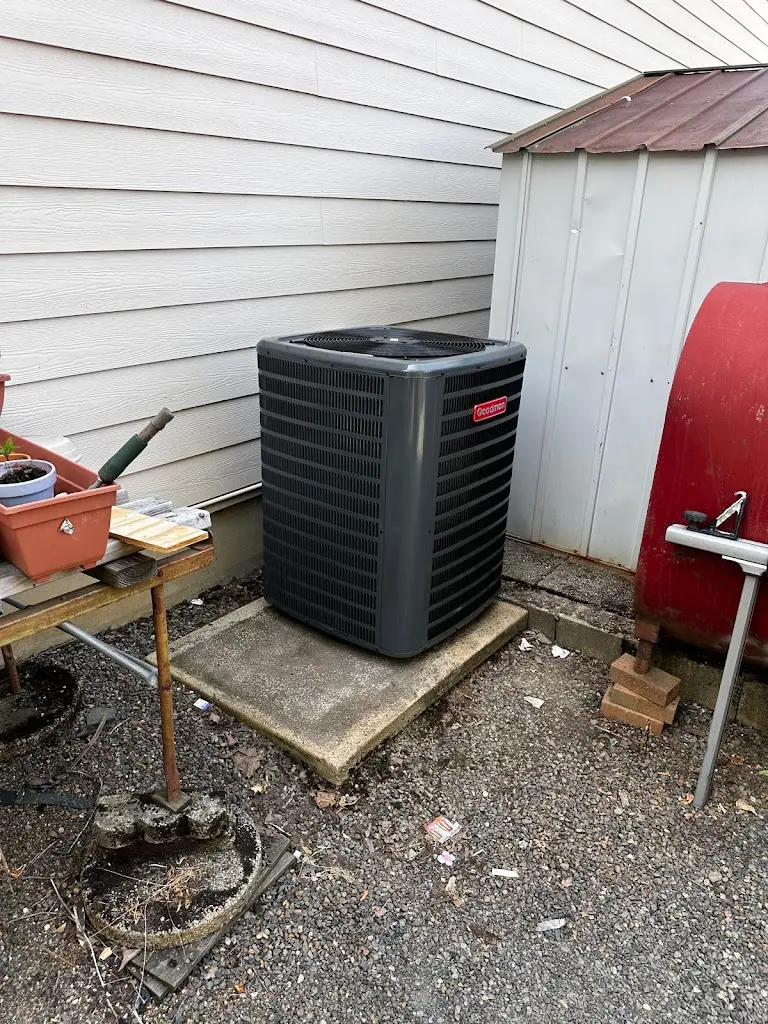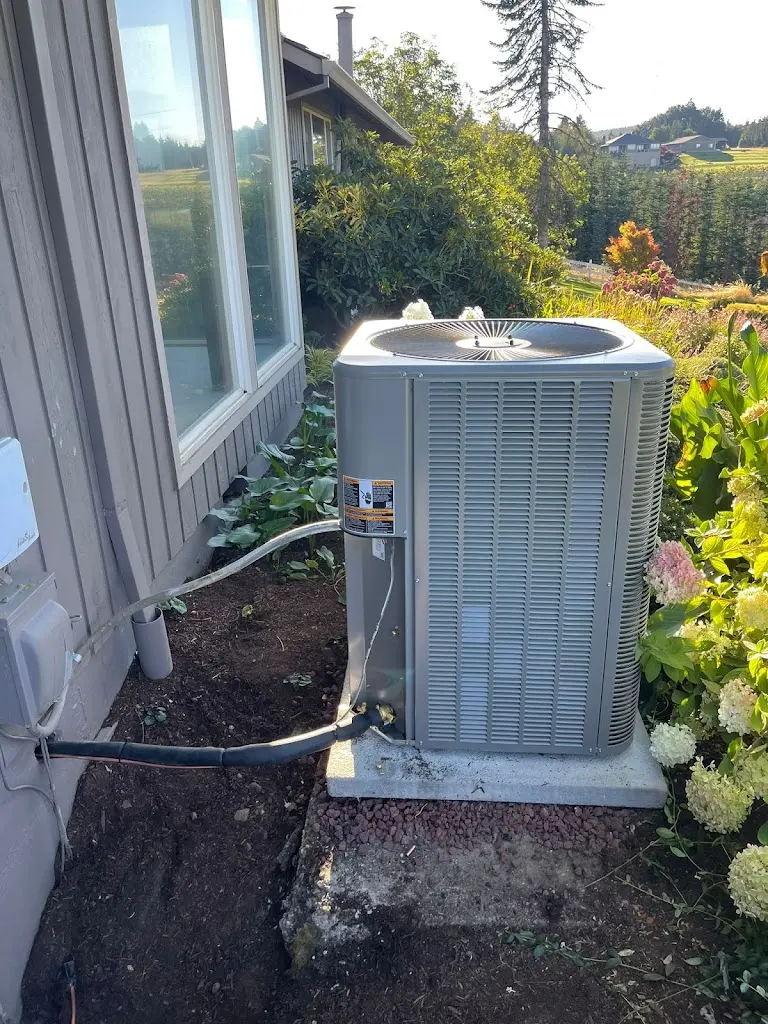
Identify Which System the Project Changes
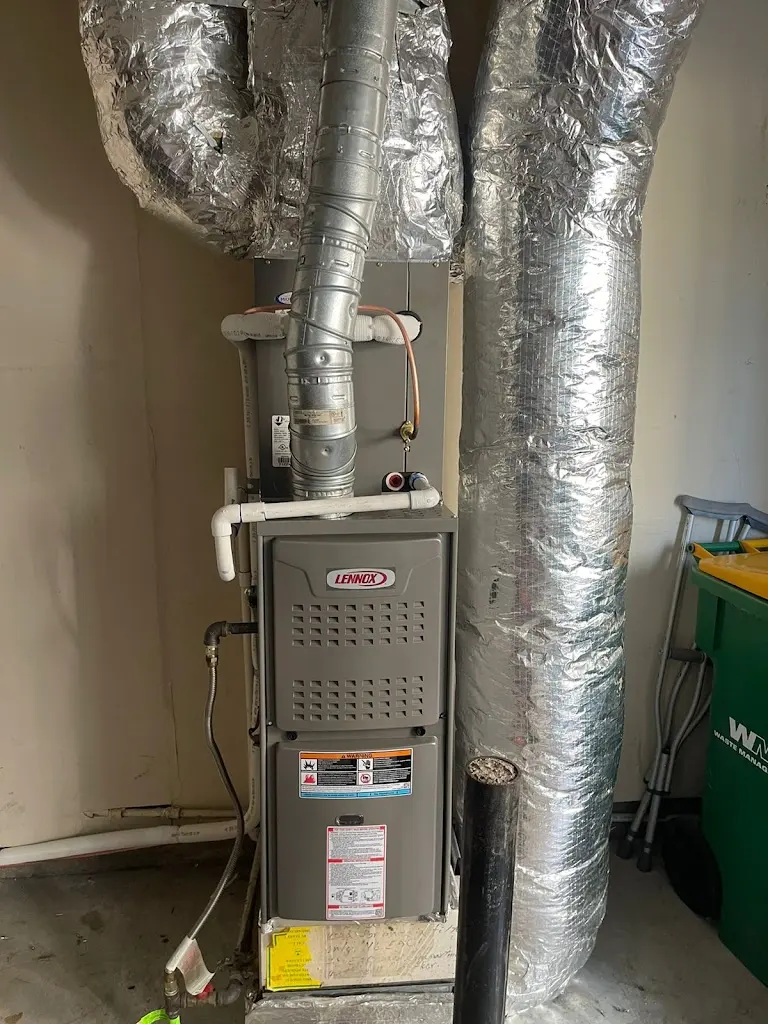
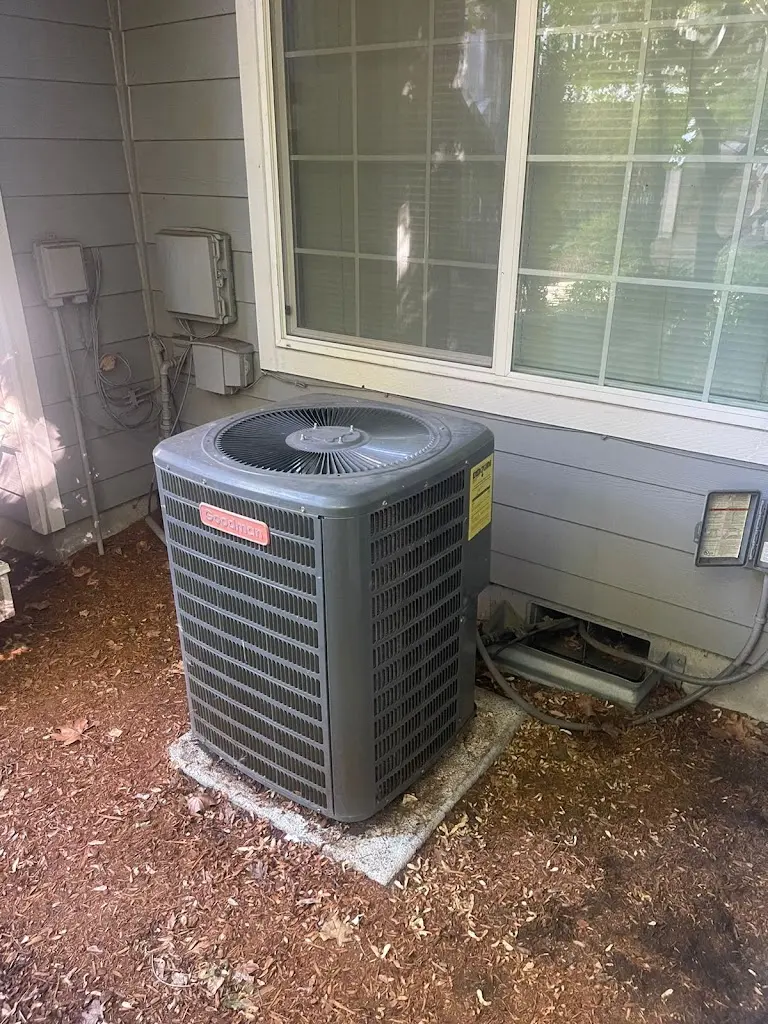
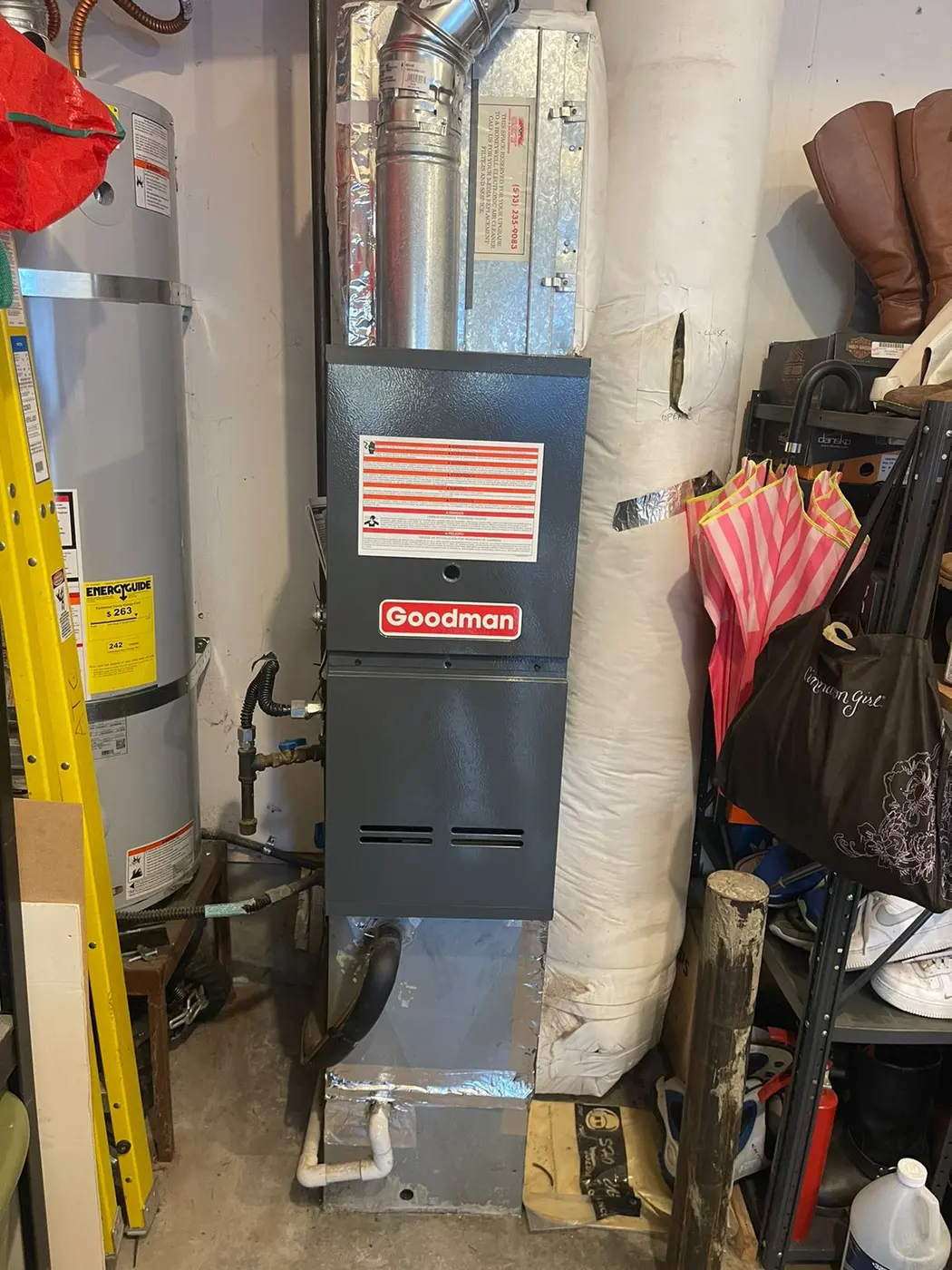
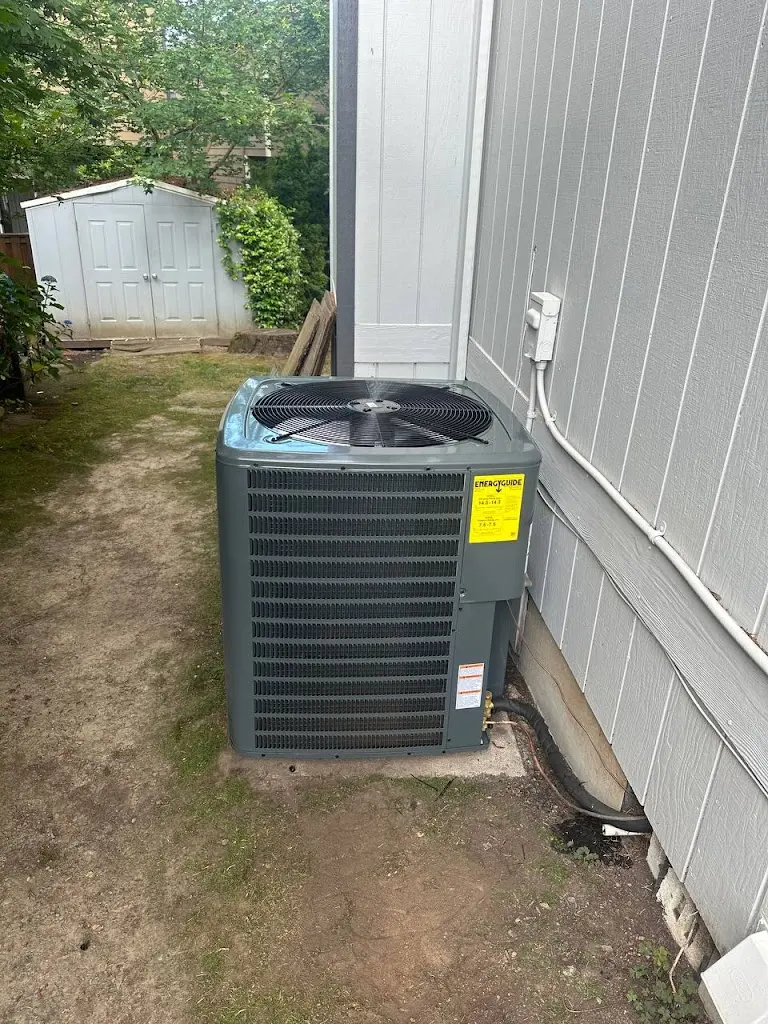
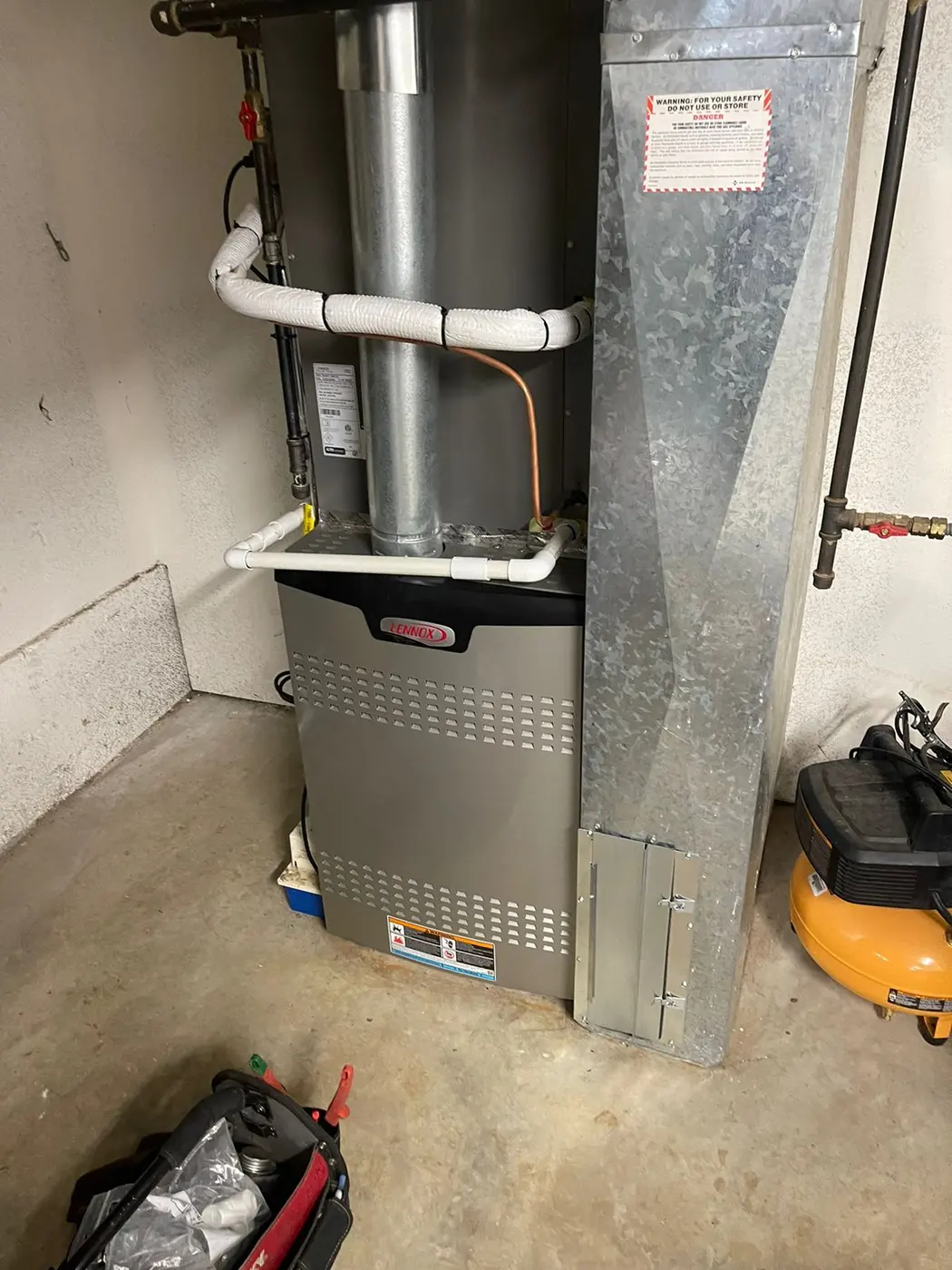
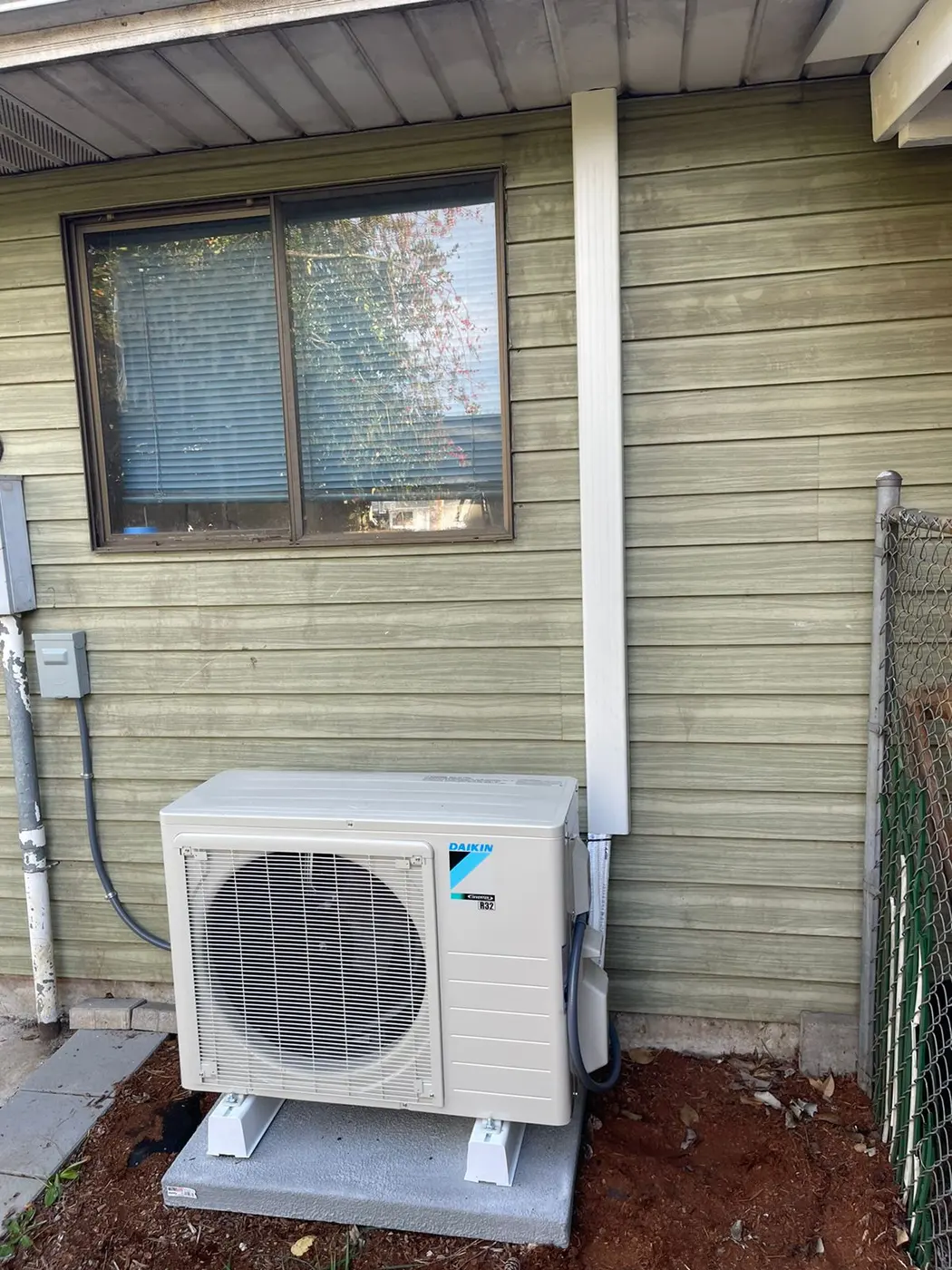
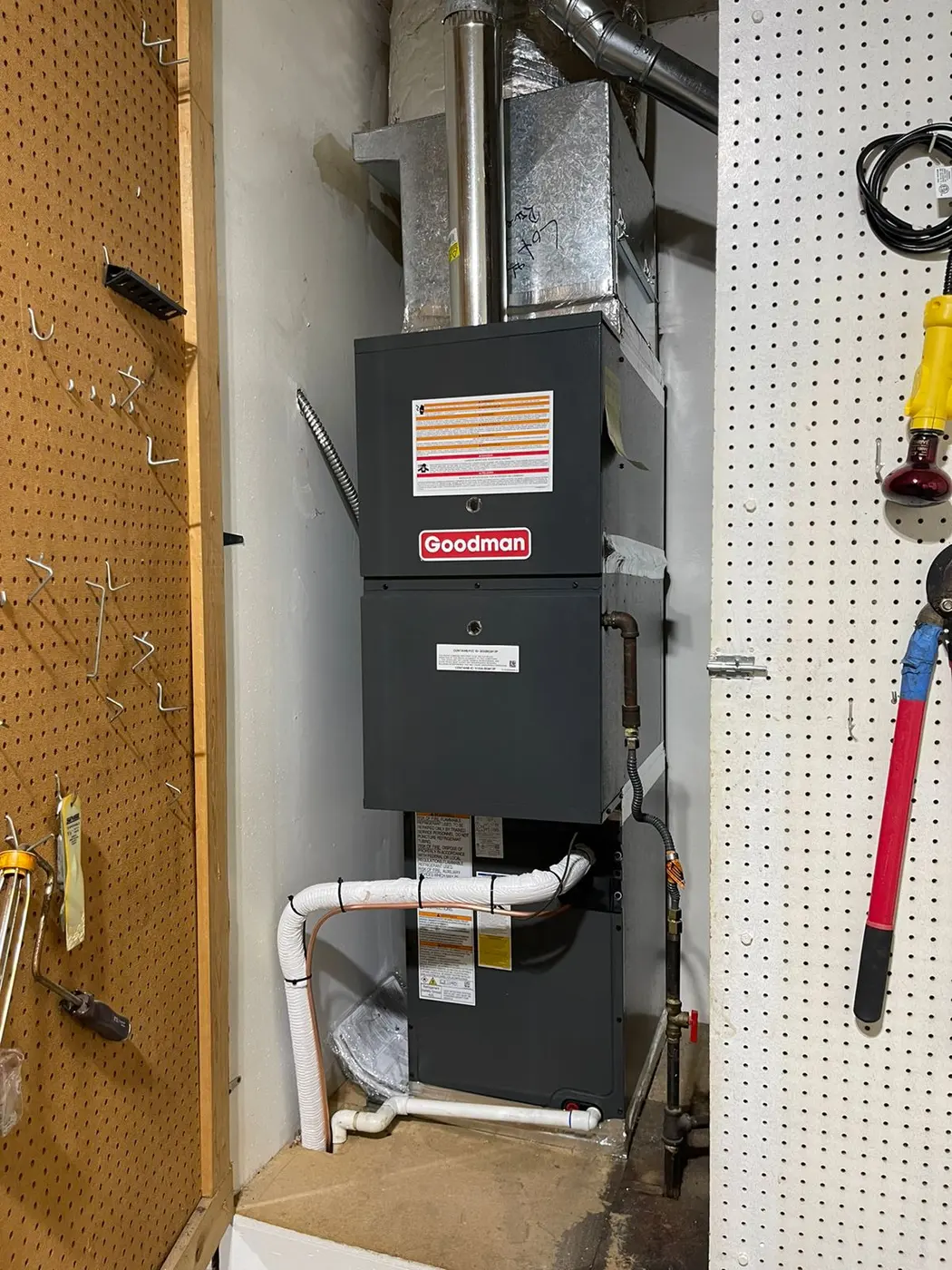
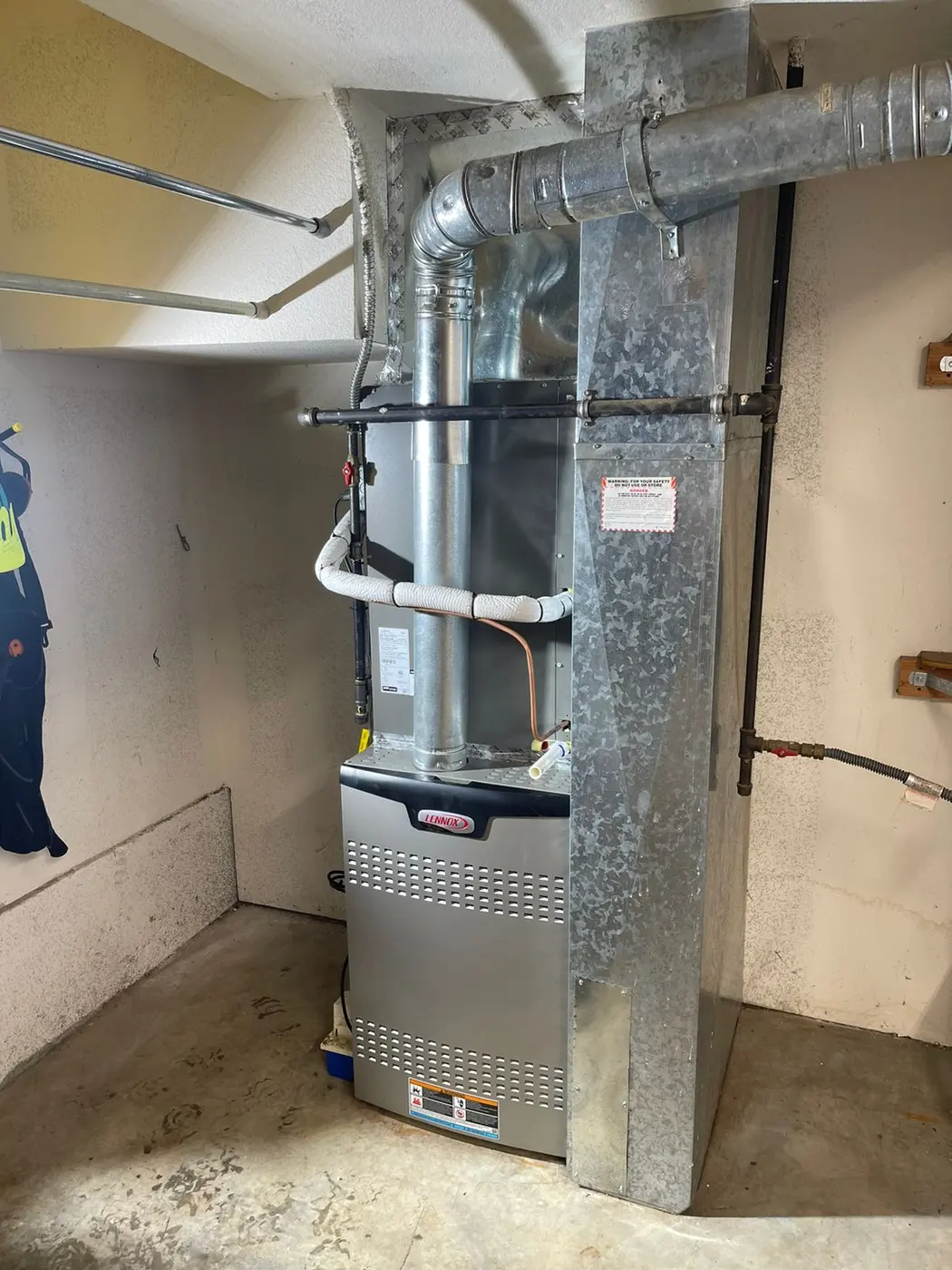
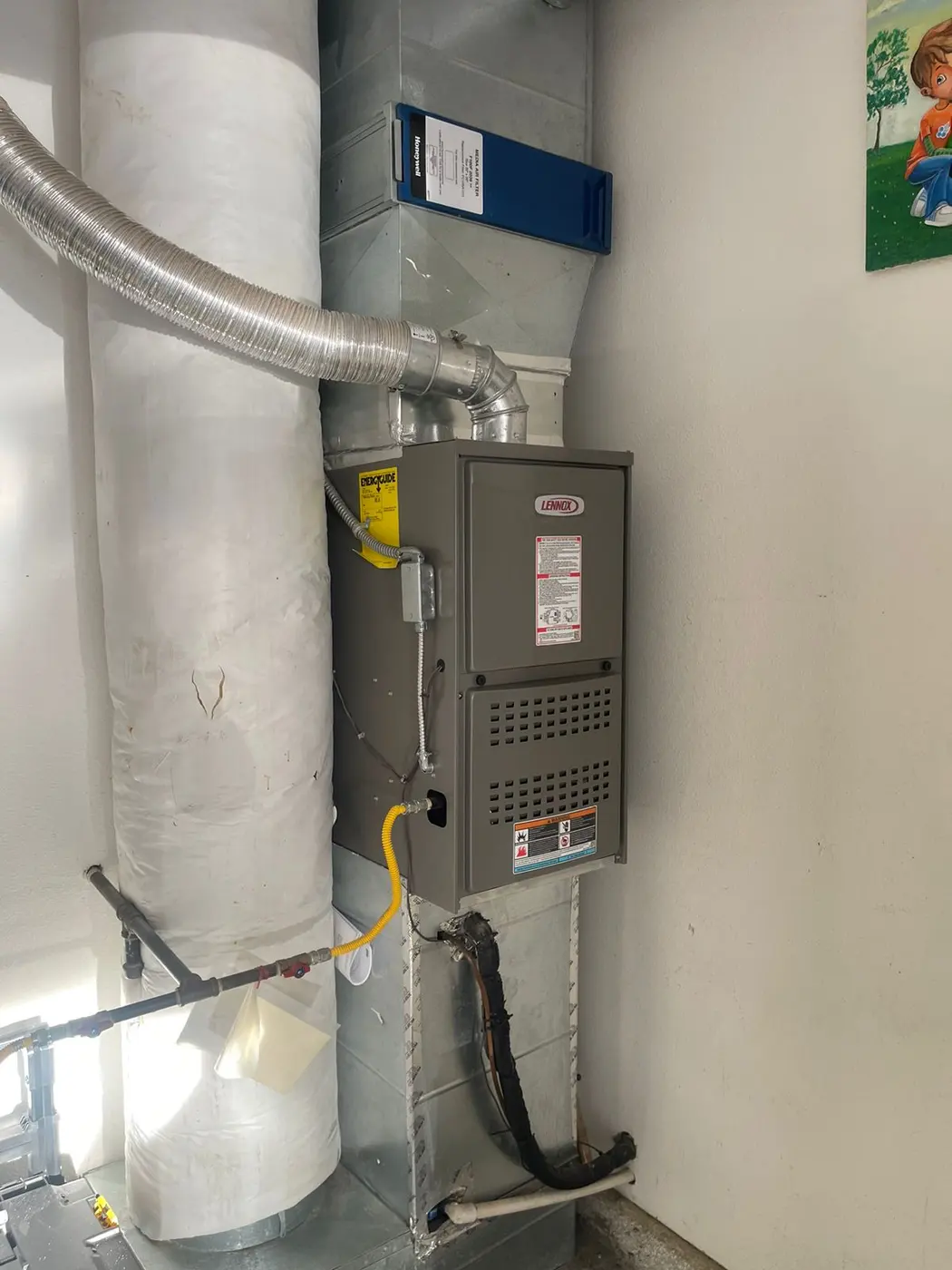
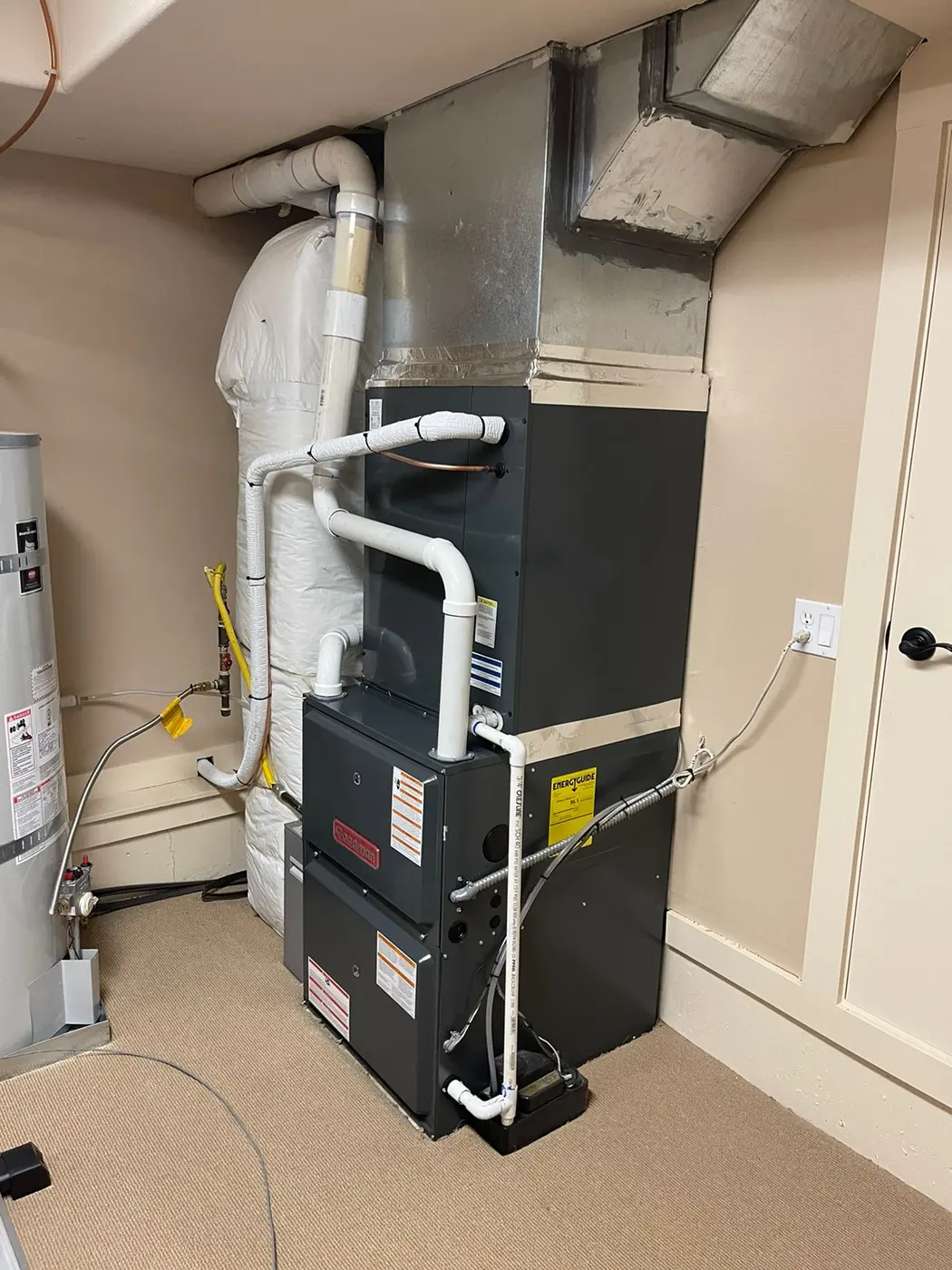
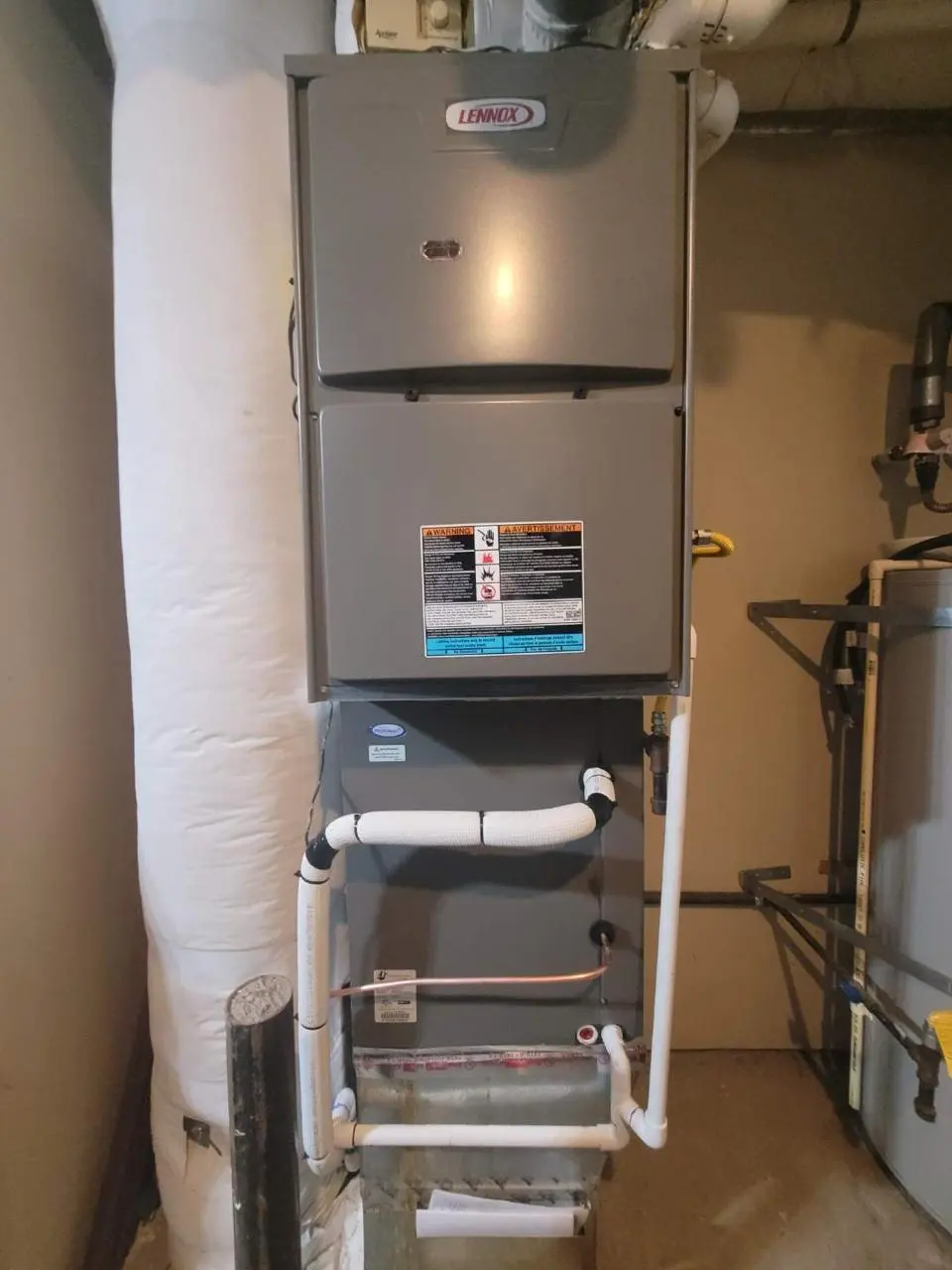
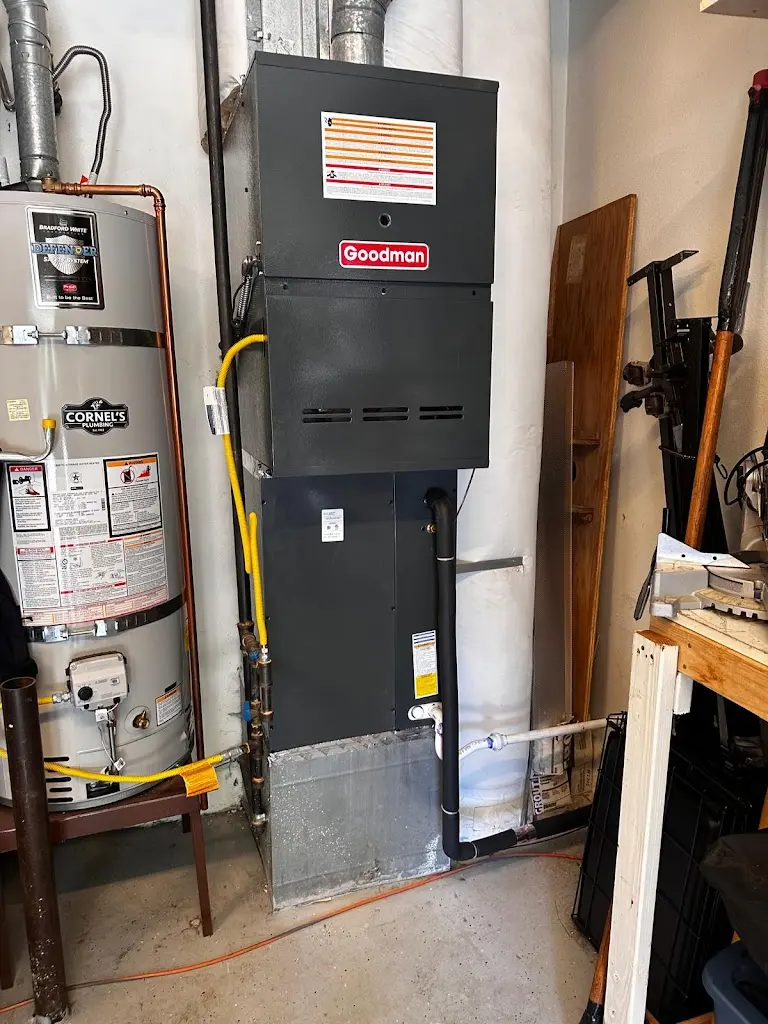
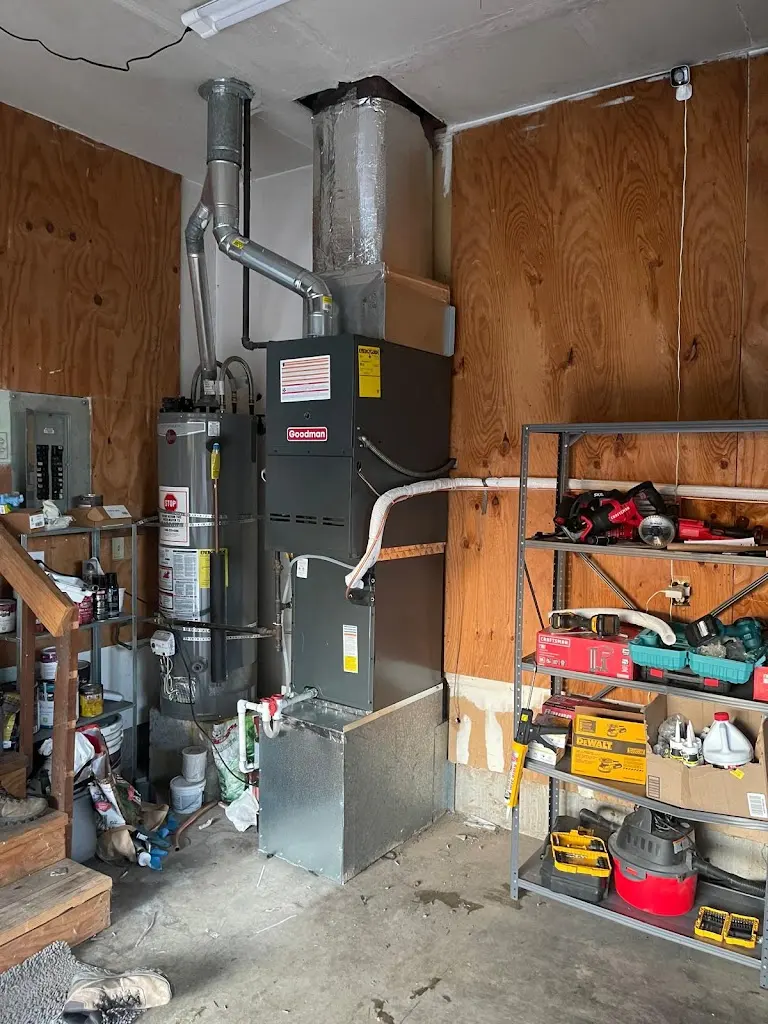
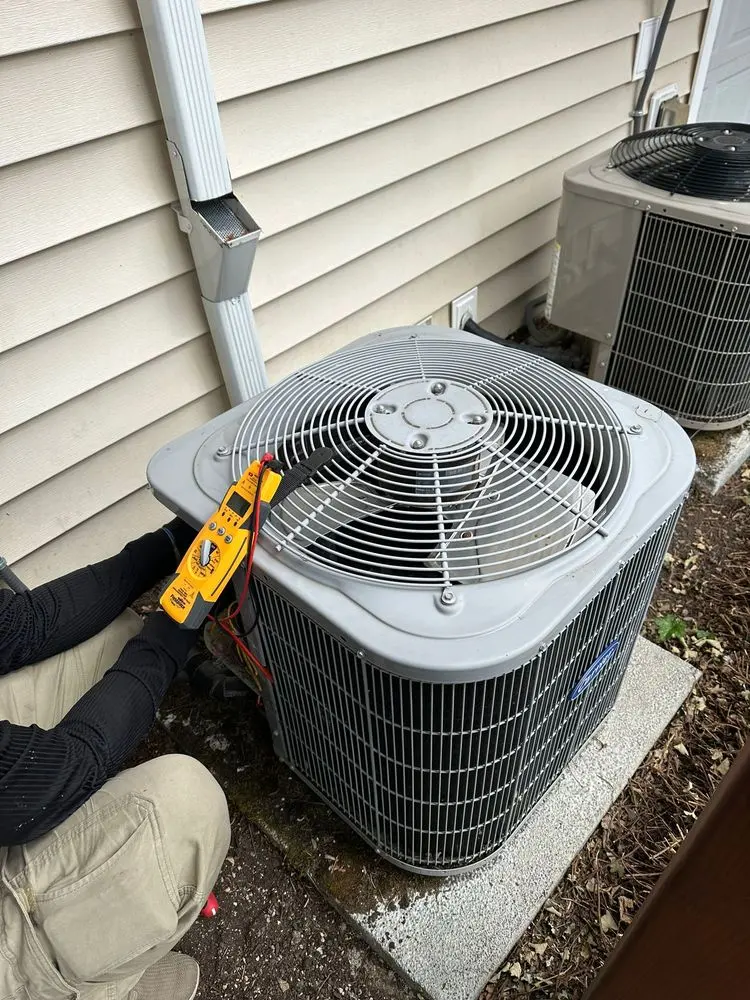
HVAC & Appliance Repair Guys provides HVAC installation in Milwaukie, OR. If a property has more than one unit or control, identify which area the new project should serve. One system may remain in place while another changes. The estimate should make that boundary clear from the start.
A free on-site estimator visit is available for installation or replacement. Describe the current setup and the comfort problem behind the project. Include any plans to change the use of a room or add cooling later. These details help define the intended result before choosing equipment.
Our HVAC installation service overview explains the wider process. For a Milwaukie visit, share the address, unit locations and access needs. Same-day service is available, subject to availability. The work schedule depends on the proposed equipment and site preparation.
The New Equipment Must Fit the Planned Combination
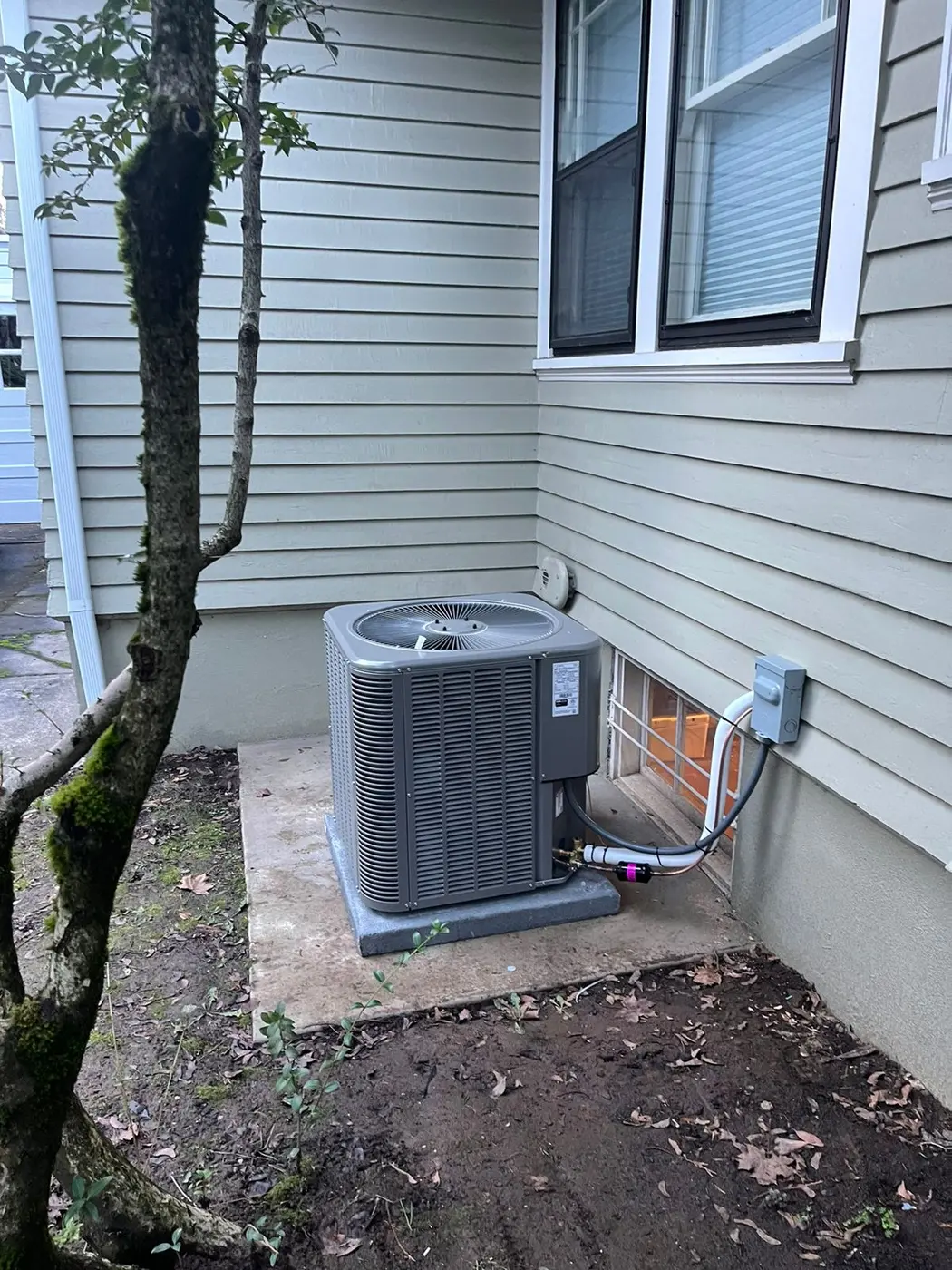
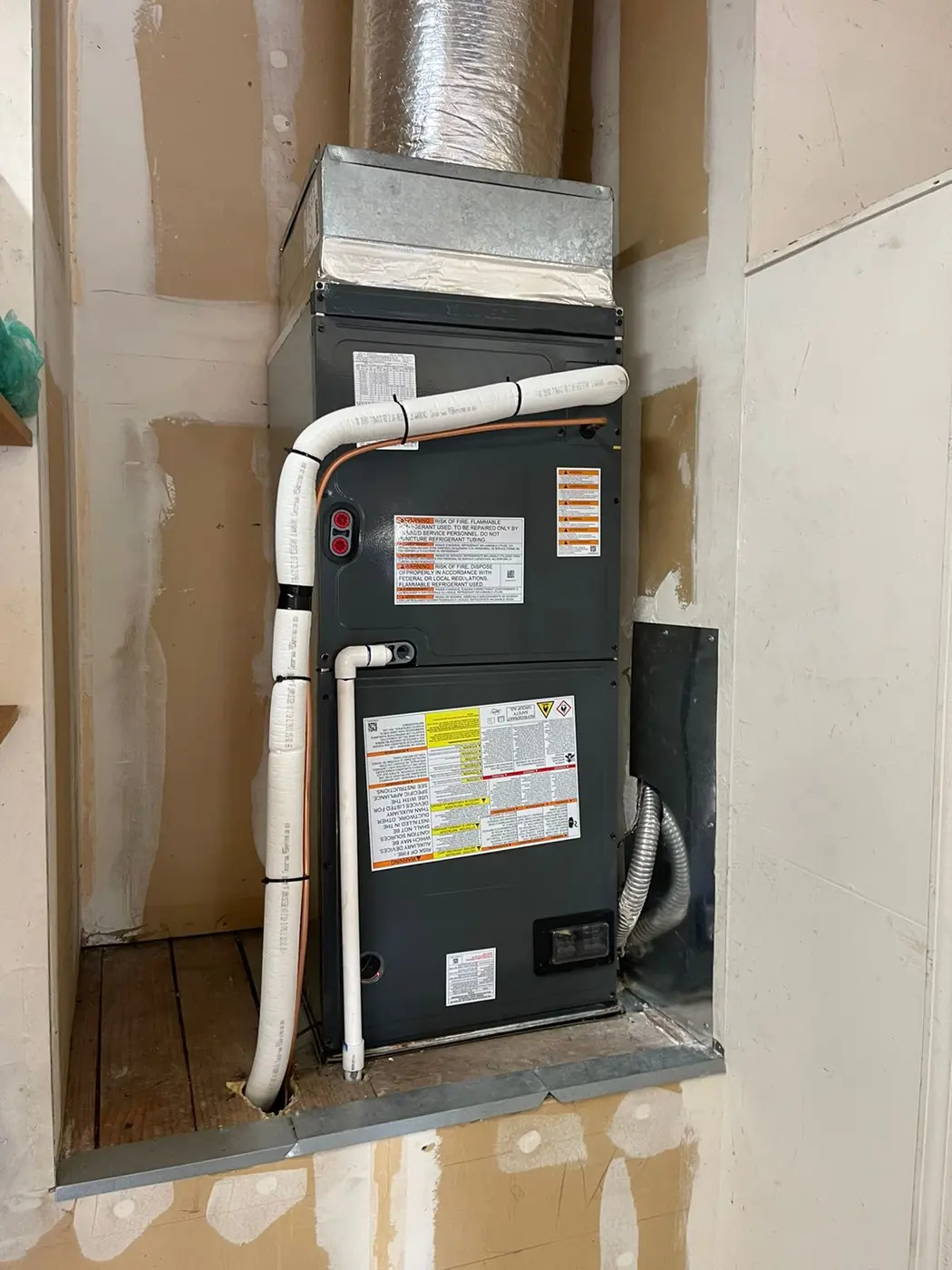
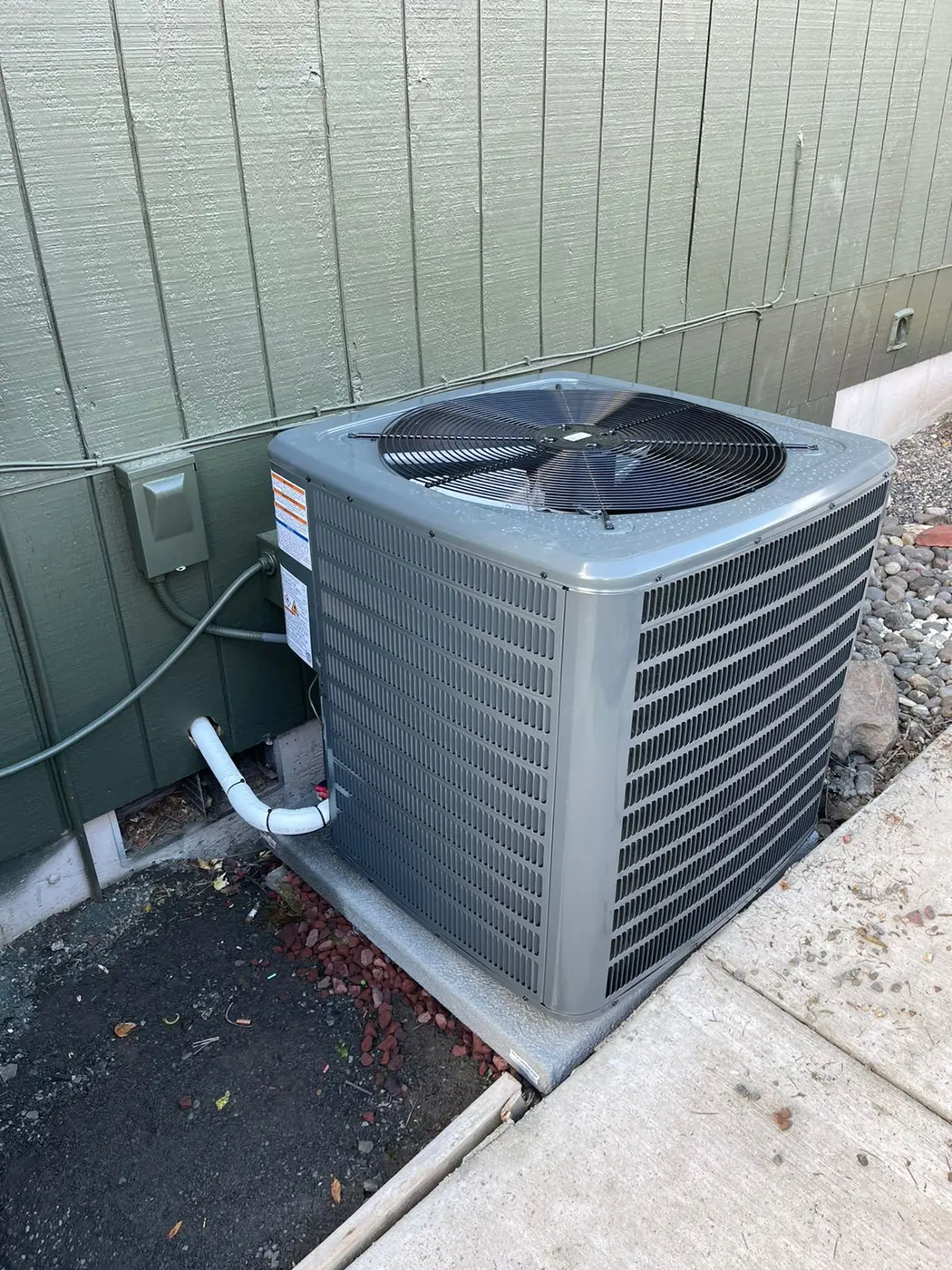
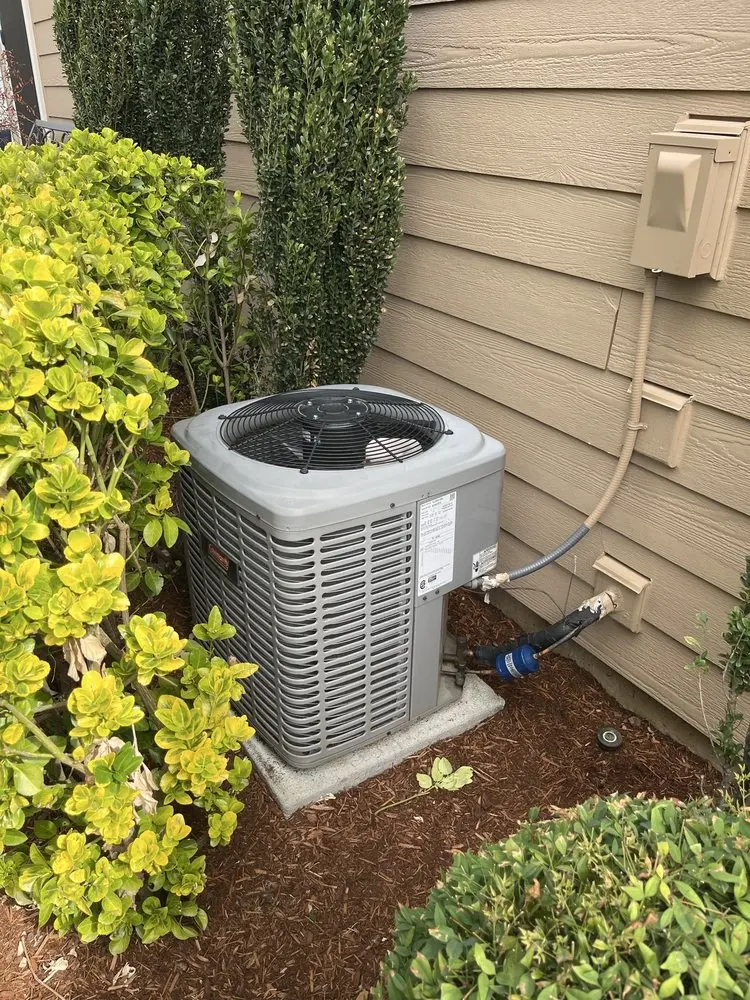
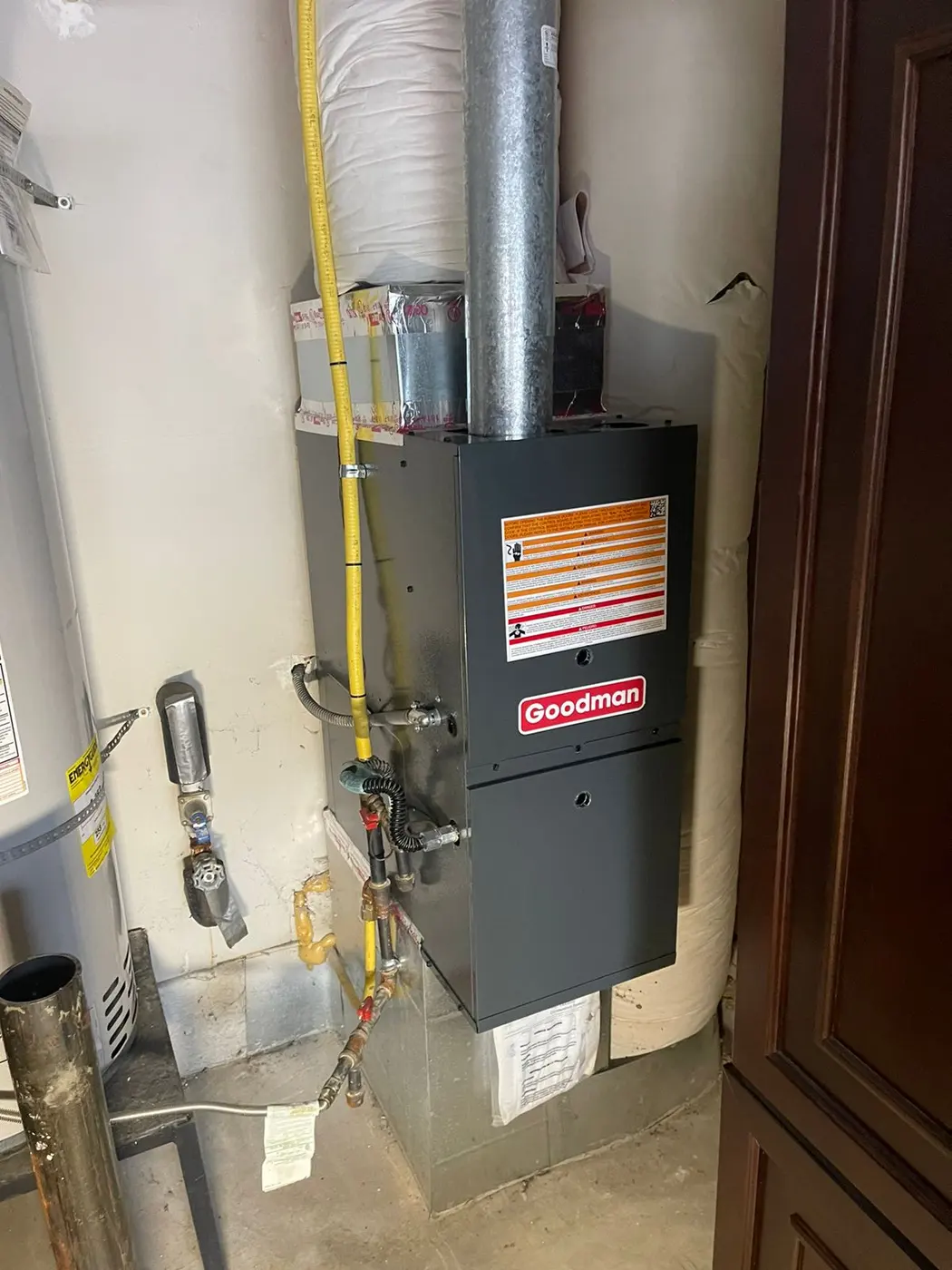
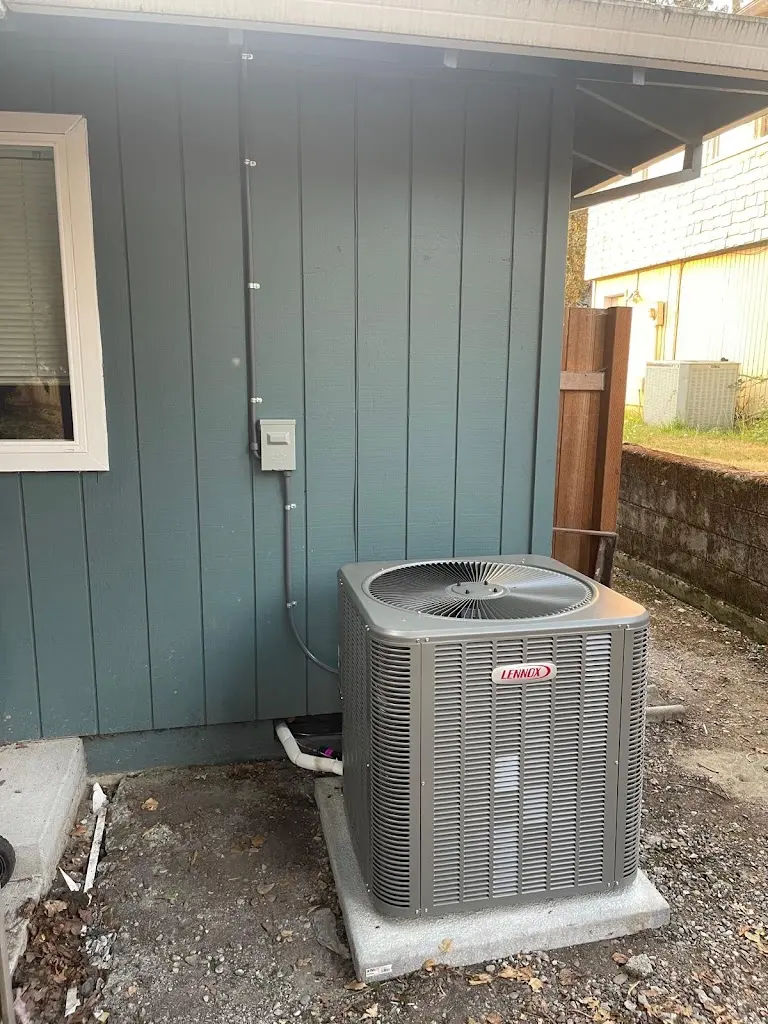
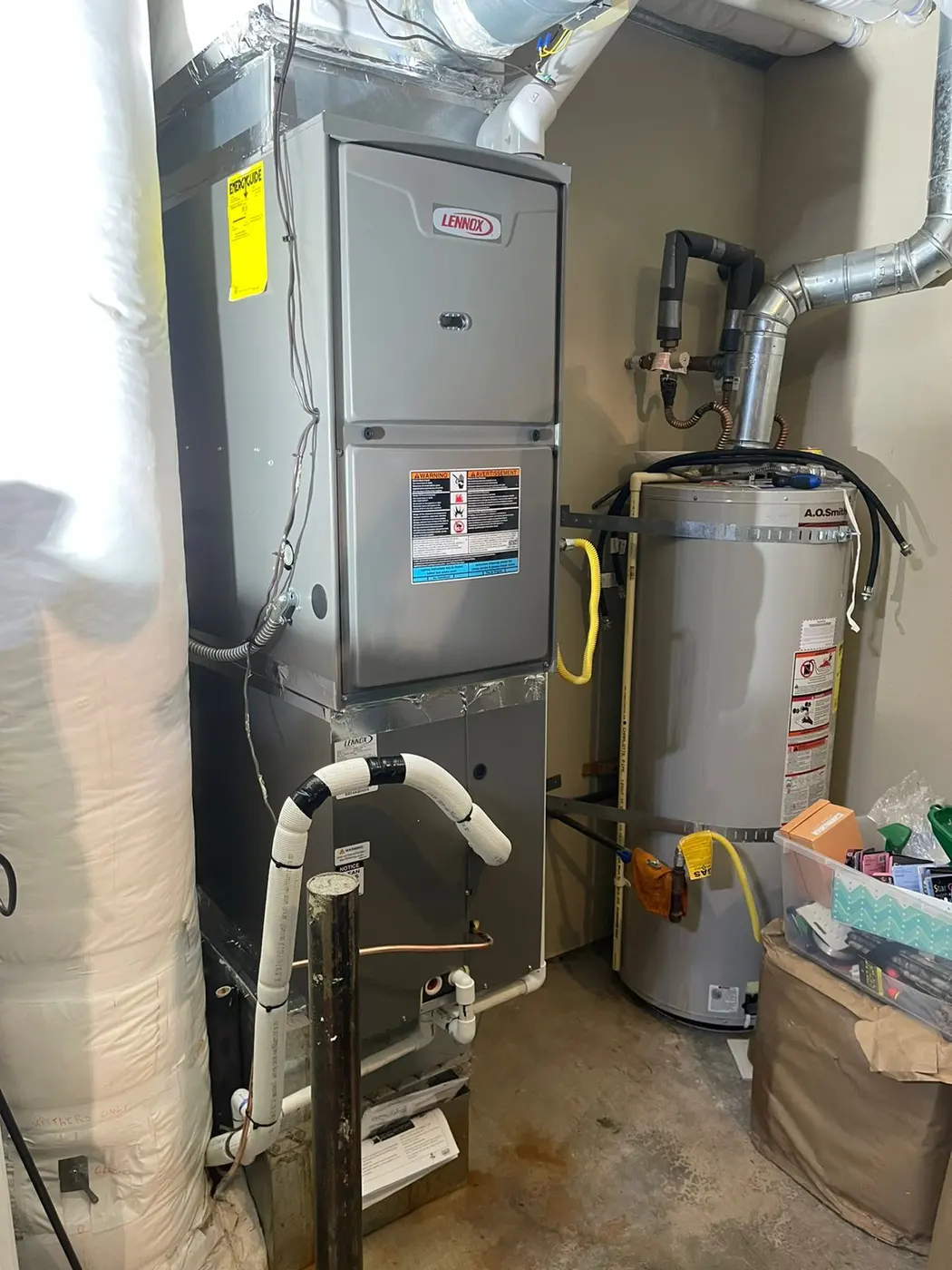
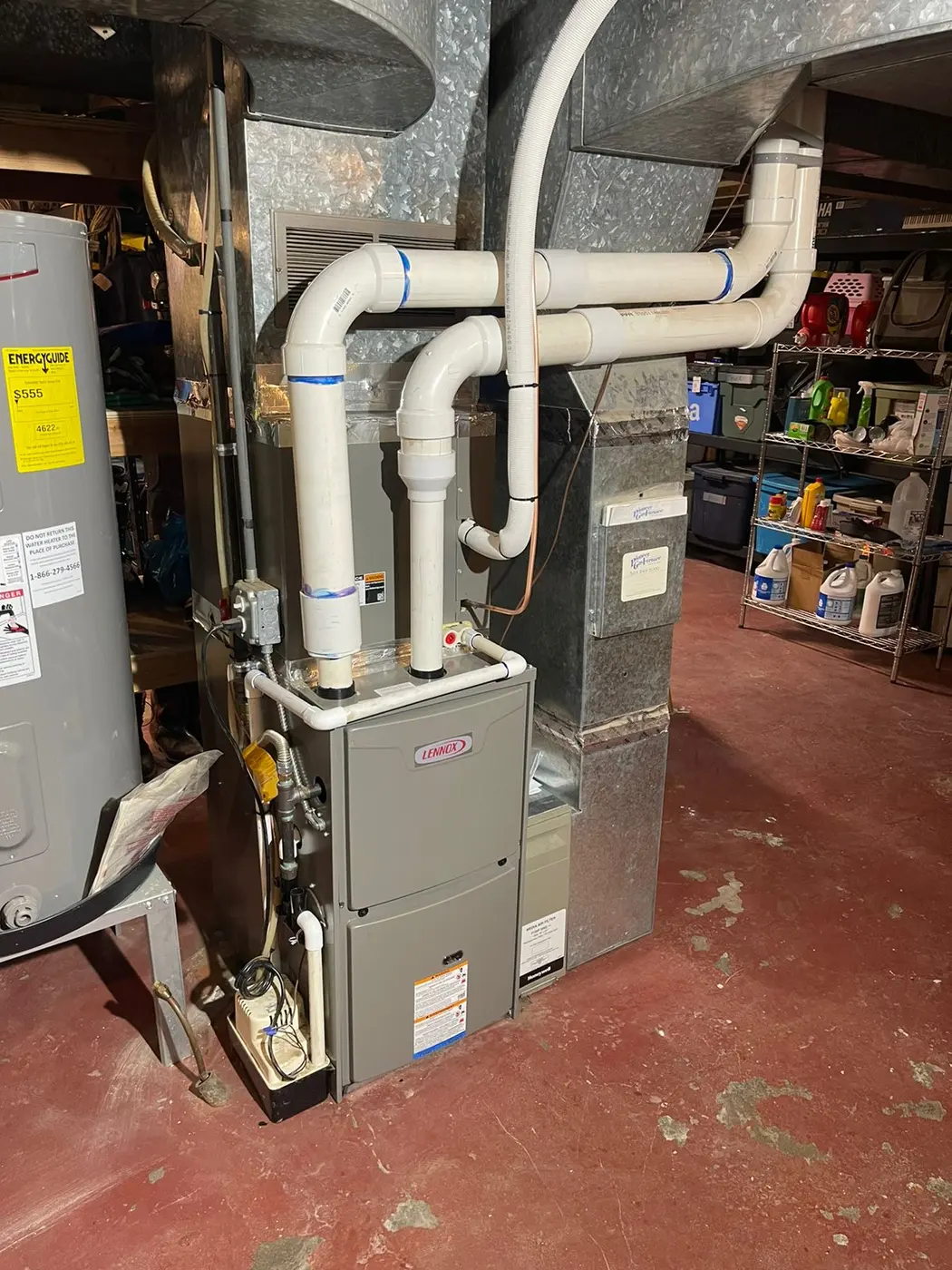
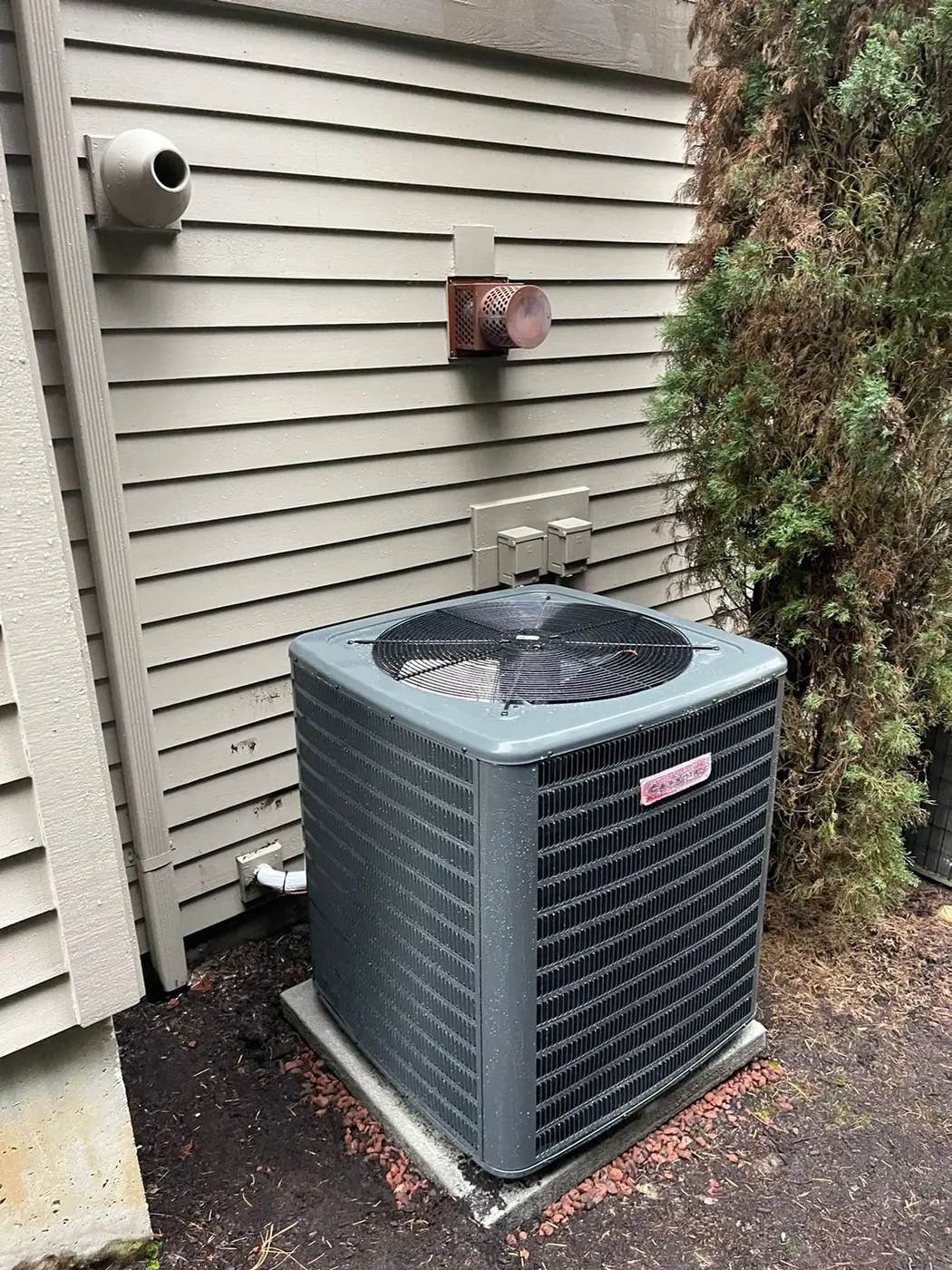
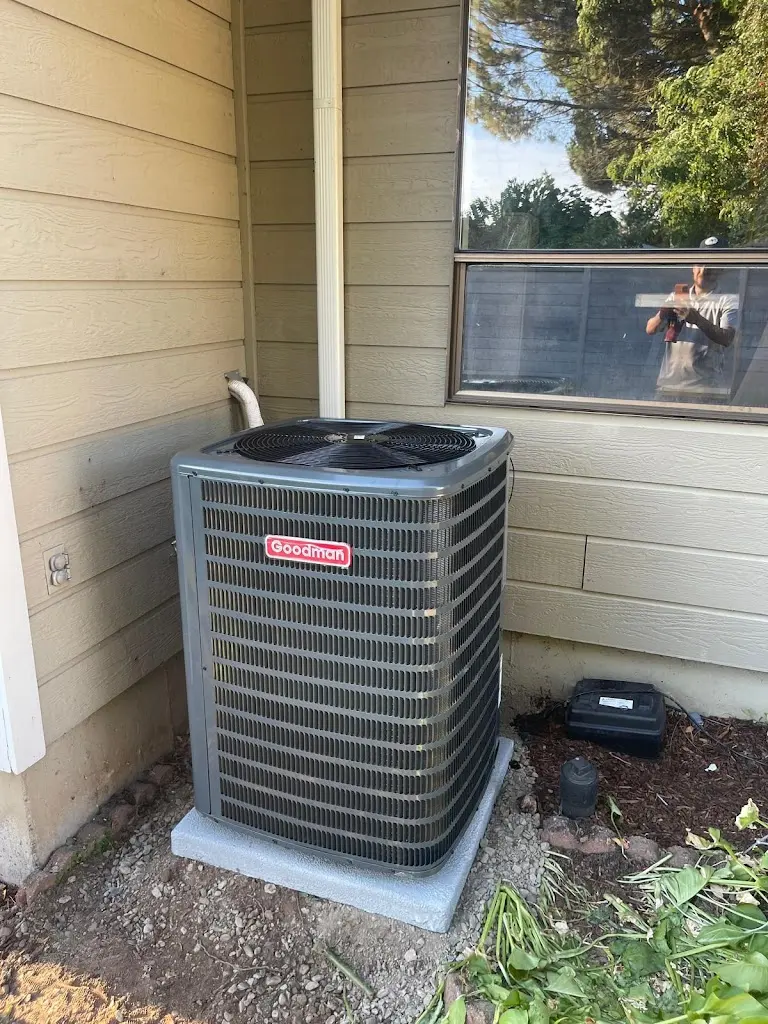
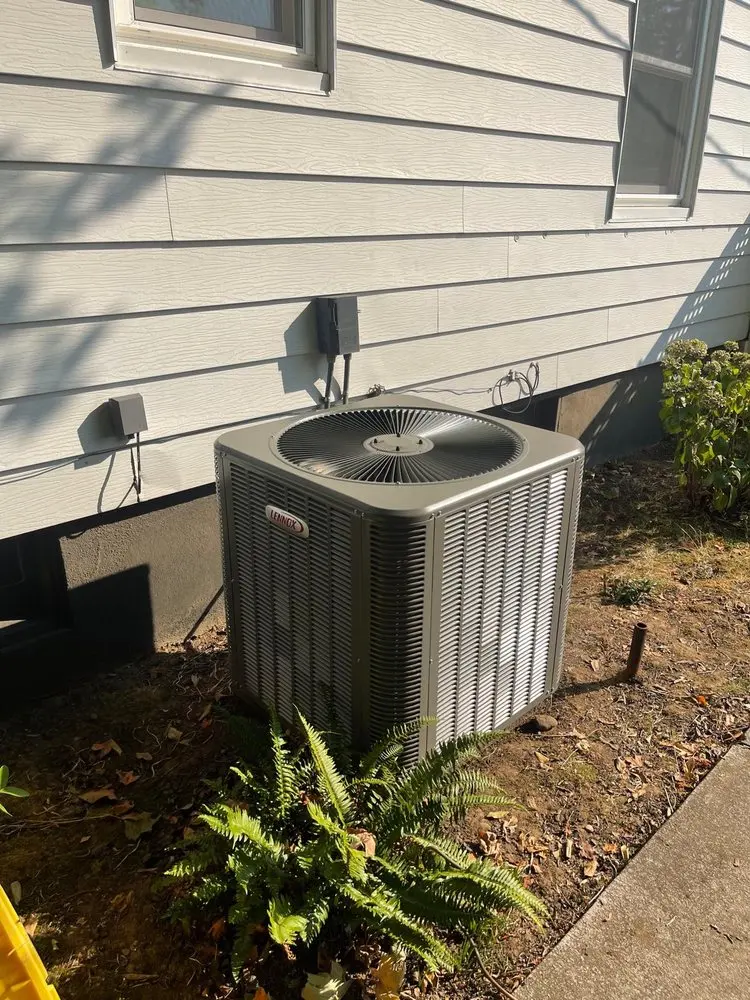
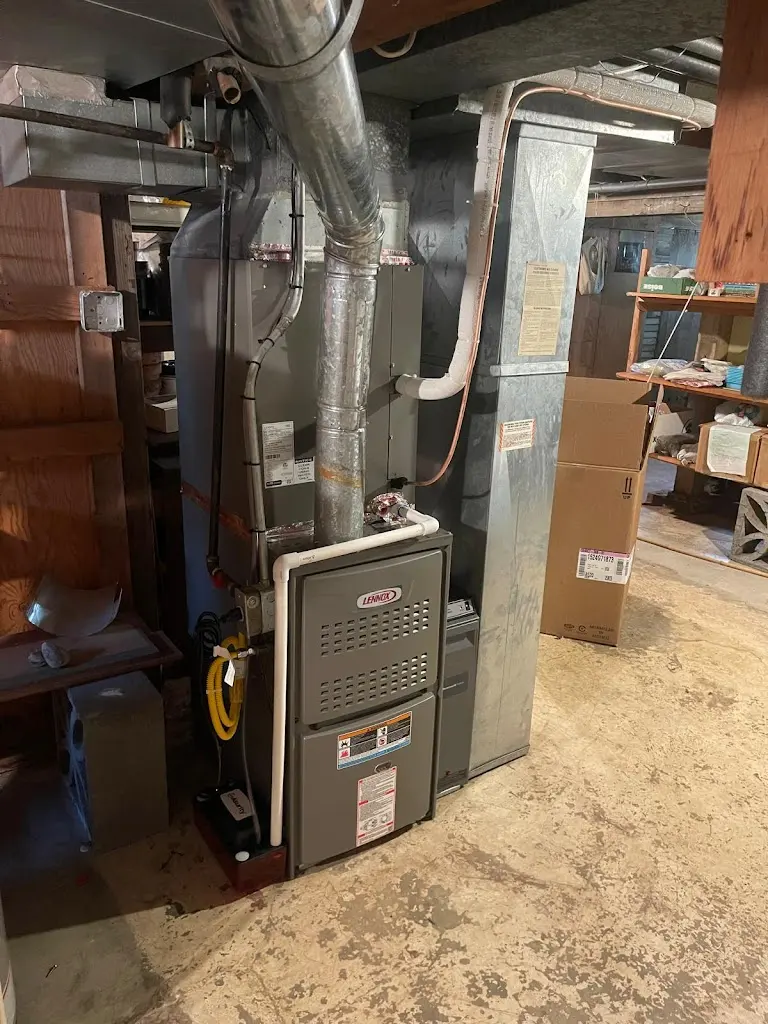
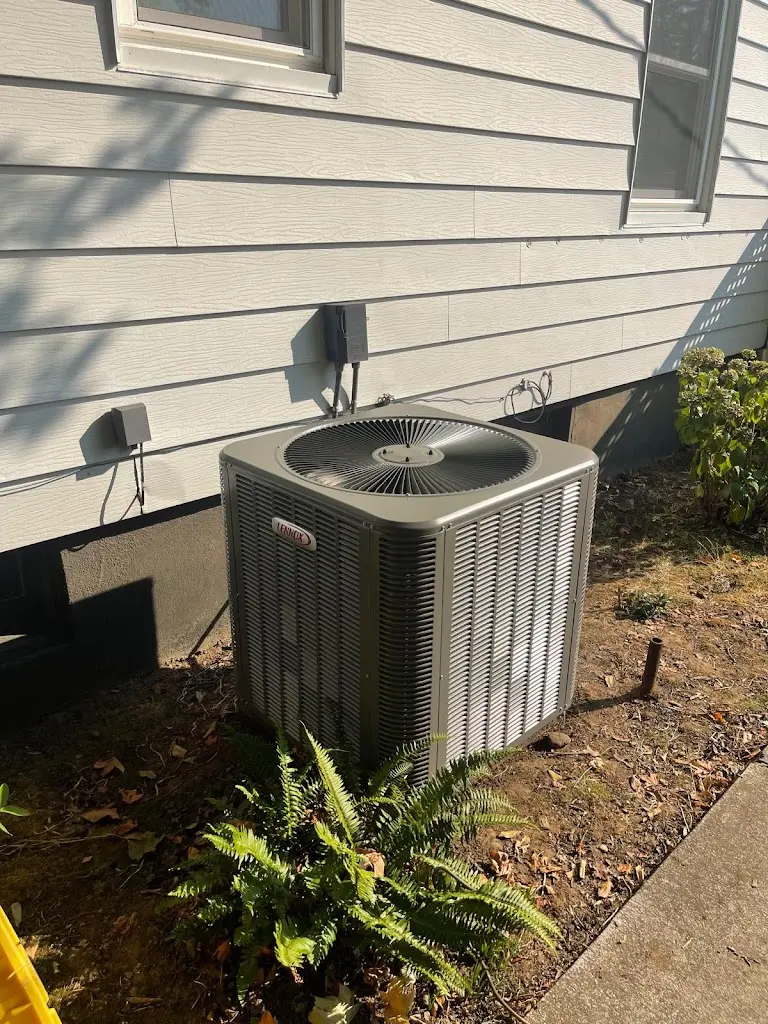
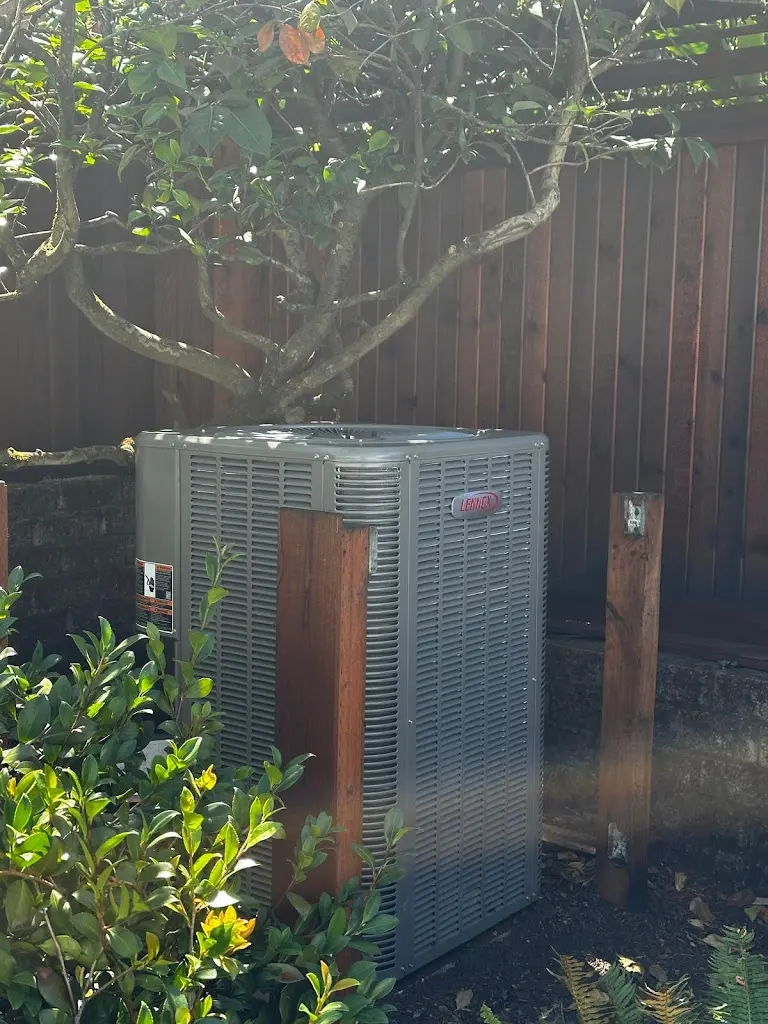
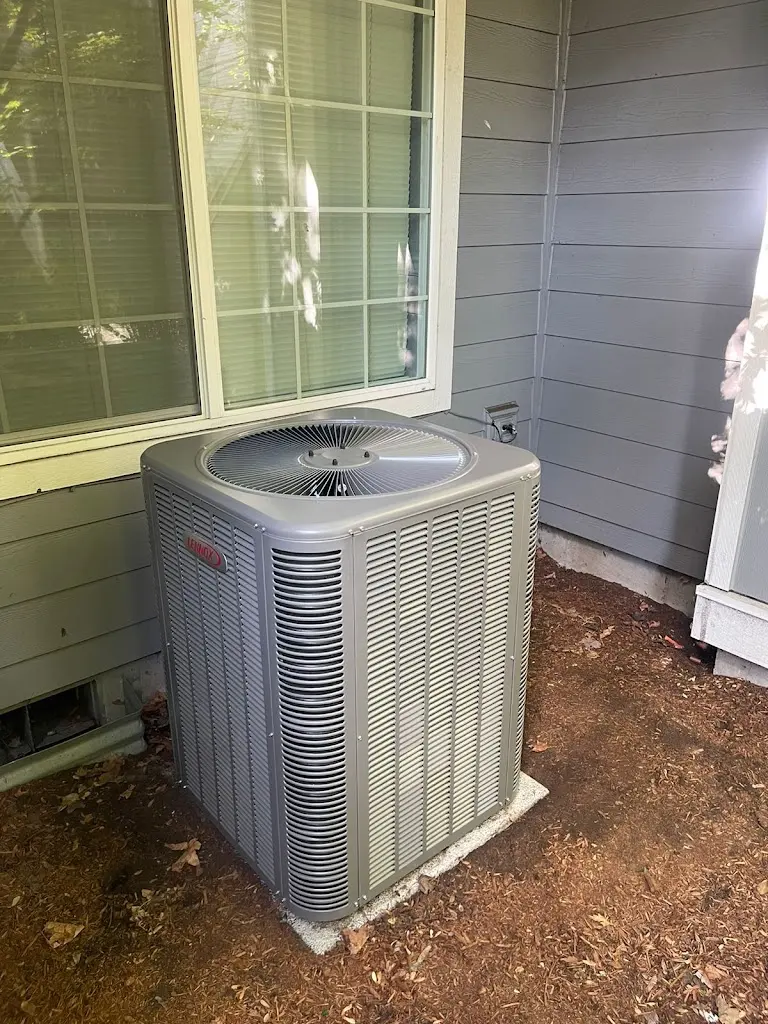
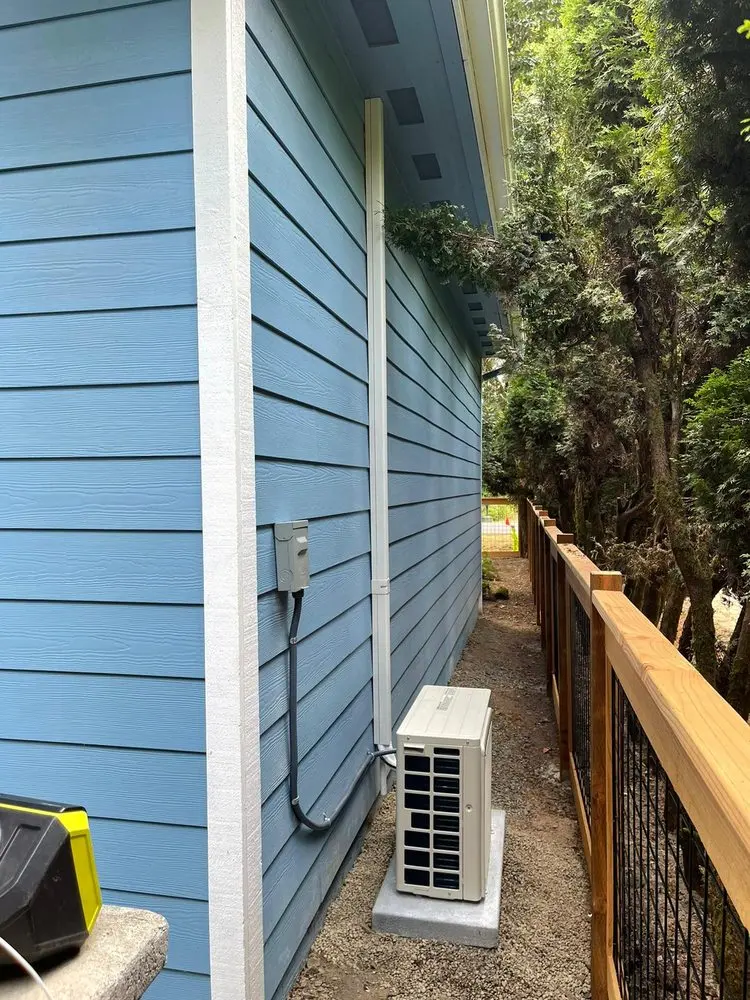
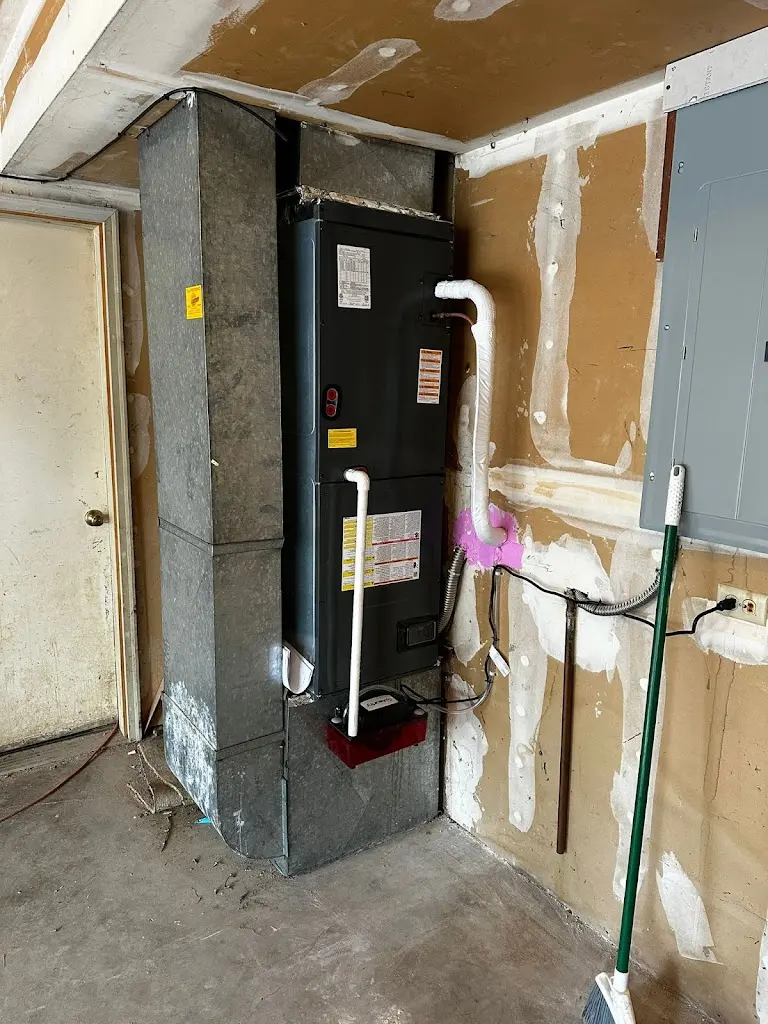
For central cooling, consider the indoor equipment, airflow and controls together with the outdoor unit. Our AC installation in Milwaukie page covers that service. Ask which current parts the proposal keeps and which it changes. A similar model size does not prove the whole combination will suit the project.
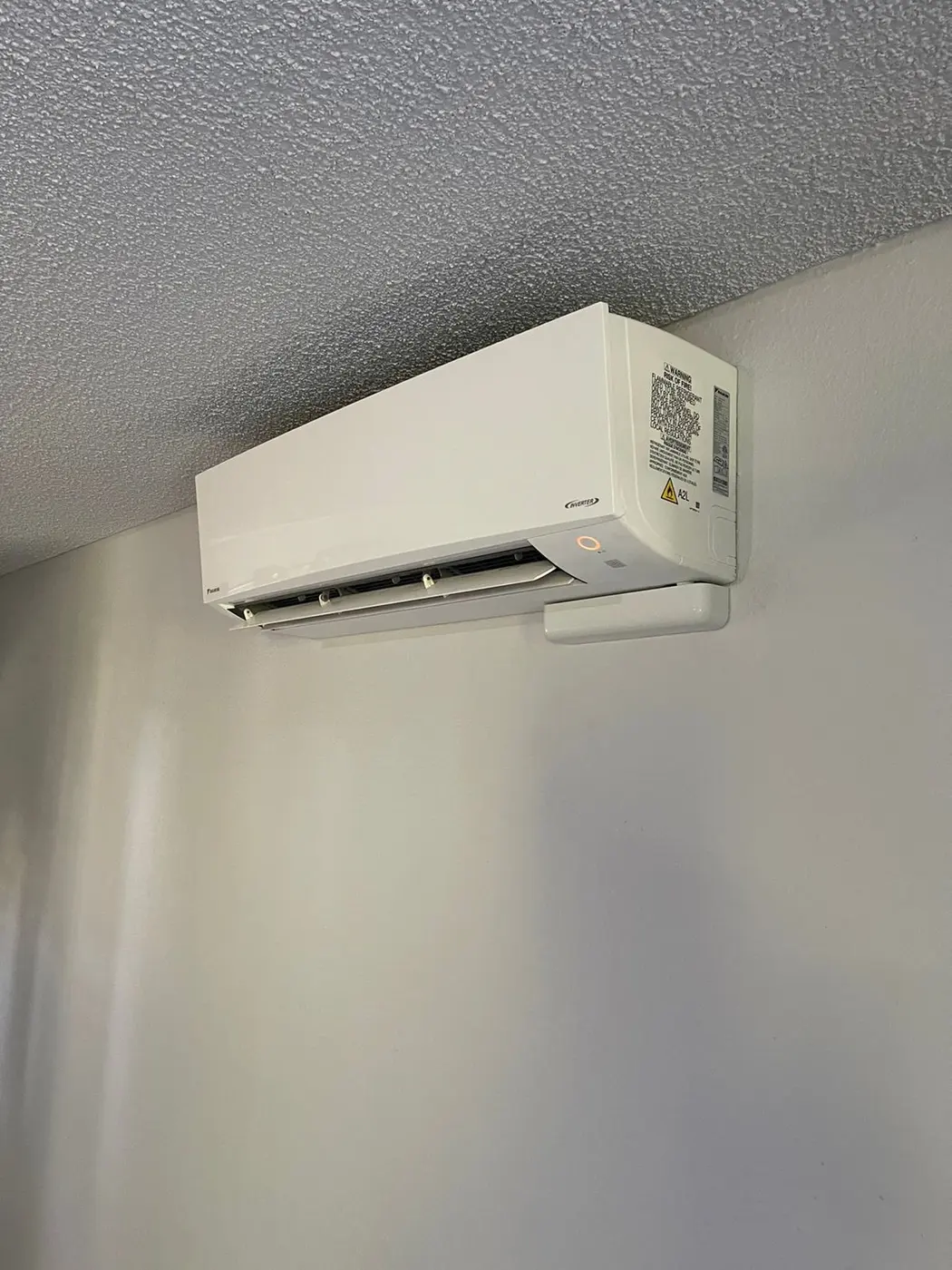
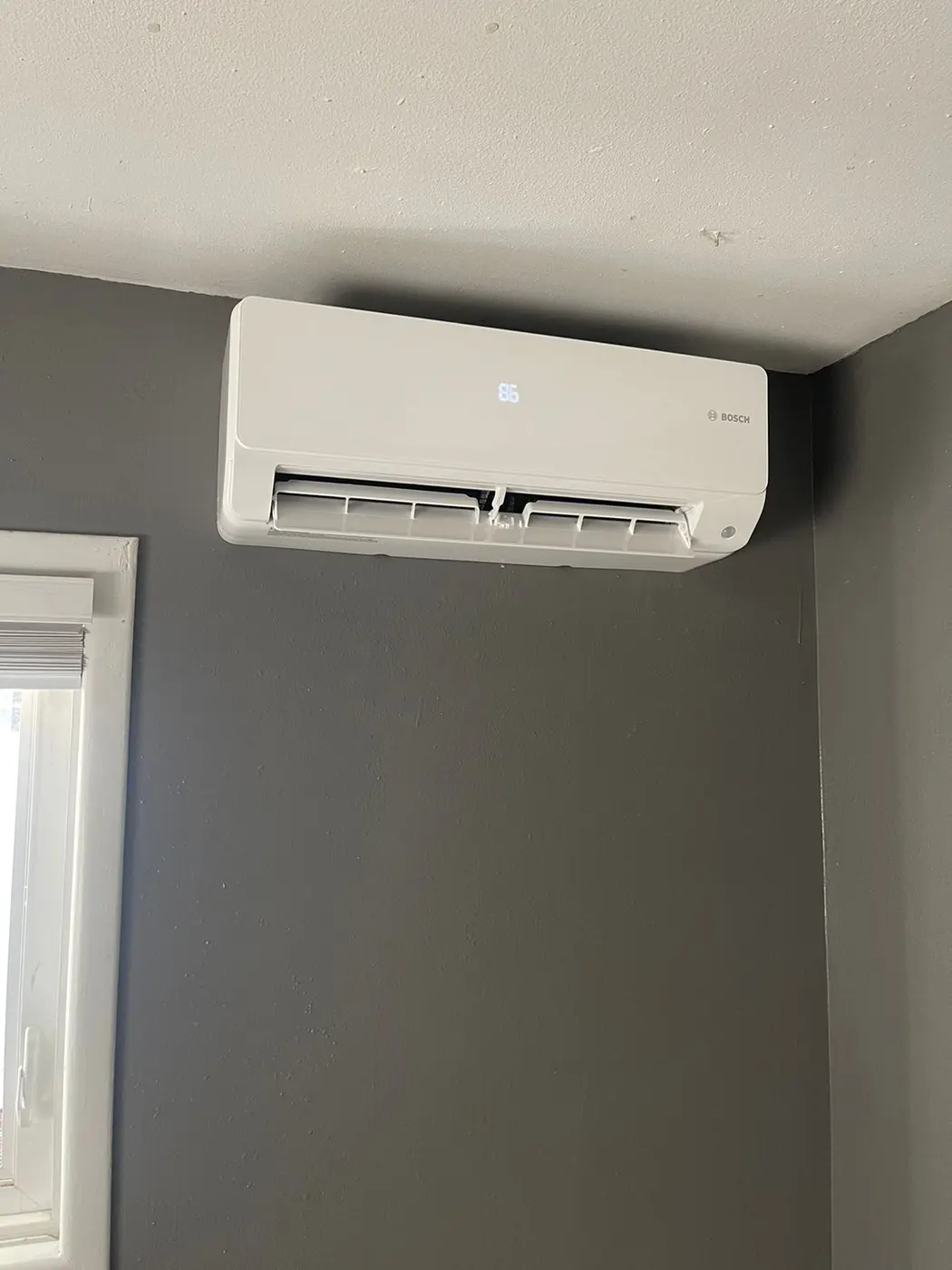
If the plan uses a heat pump, our heat pump installation service addresses both heating and cooling. Discuss how it will work with any equipment that remains. The scope should identify the controls and connections for the completed setup.
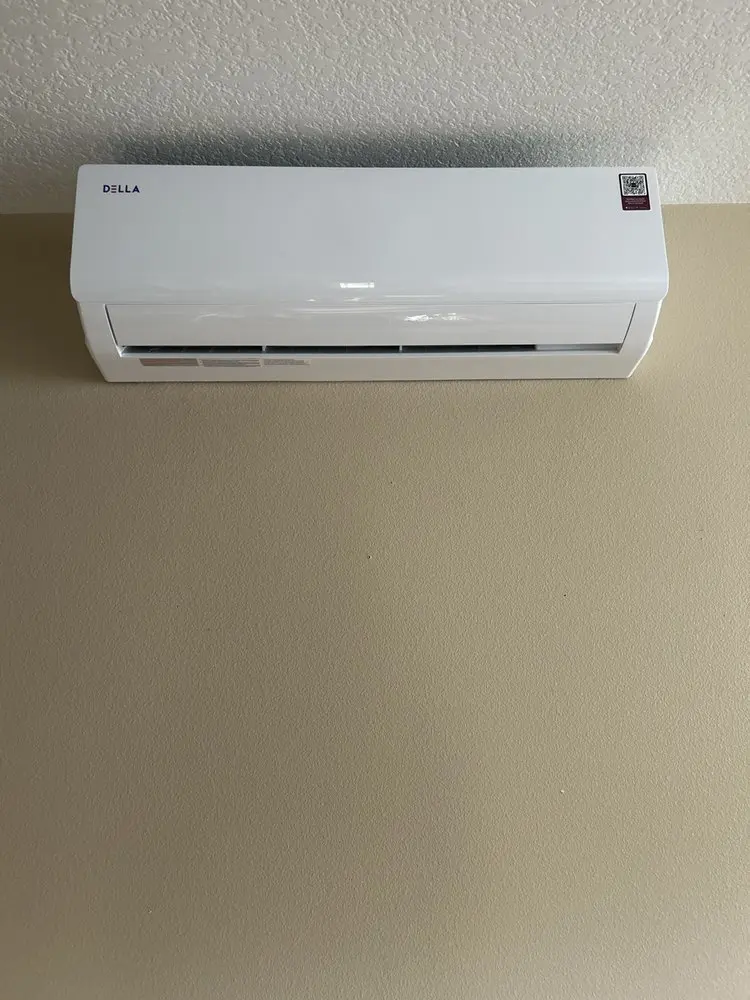
With several thermostats, make clear which rooms each one serves. Do not assume a new unit should connect to whichever control is closest. The planned controls need to match the equipment and area. That decision belongs in the estimate, alongside unit selection and placement.
Review Access, Price and the Finished Result
An installation price should relate to a defined set of work. Confirm the units, controls, connection changes and removal of old equipment where relevant. Ask whether any condition still needs inspection before the scope is final. An open question should not disappear inside a general project description.
Before work begins, arrange entry to the affected indoor and outdoor areas. Mention shared or locked mechanical spaces if the property has them. Identify who can approve decisions as well as who can let the crew in. Keep equipment and connections intact while clearing personal items from the route.
At handover, review the new controls and the checks on the system response. Keep a record of the installed models and any equipment that remains unchanged. That record can clarify a later service request, especially where more than one system serves the property. Ask what care applies to the new setup.
Frequently Asked Questions
Can an installation project cover only one part of a property?
It can, if the proposed system and scope suit that area. Explain the rooms involved and how the existing equipment serves them. The estimator needs that context before deciding which units and controls belong in the project.
Does the free estimate include diagnosing an existing fault?
The free on-site estimator visit applies to installation or replacement. Diagnosing a repair problem is a separate service. Describe what you need when requesting the visit so the scope addresses the right decision.
What if a unit or control has no clear label?
Describe the location and the area you believe it serves, while noting any uncertainty. Gather model details only where safely accessible. The project review should establish the correct equipment before planning changes to it.