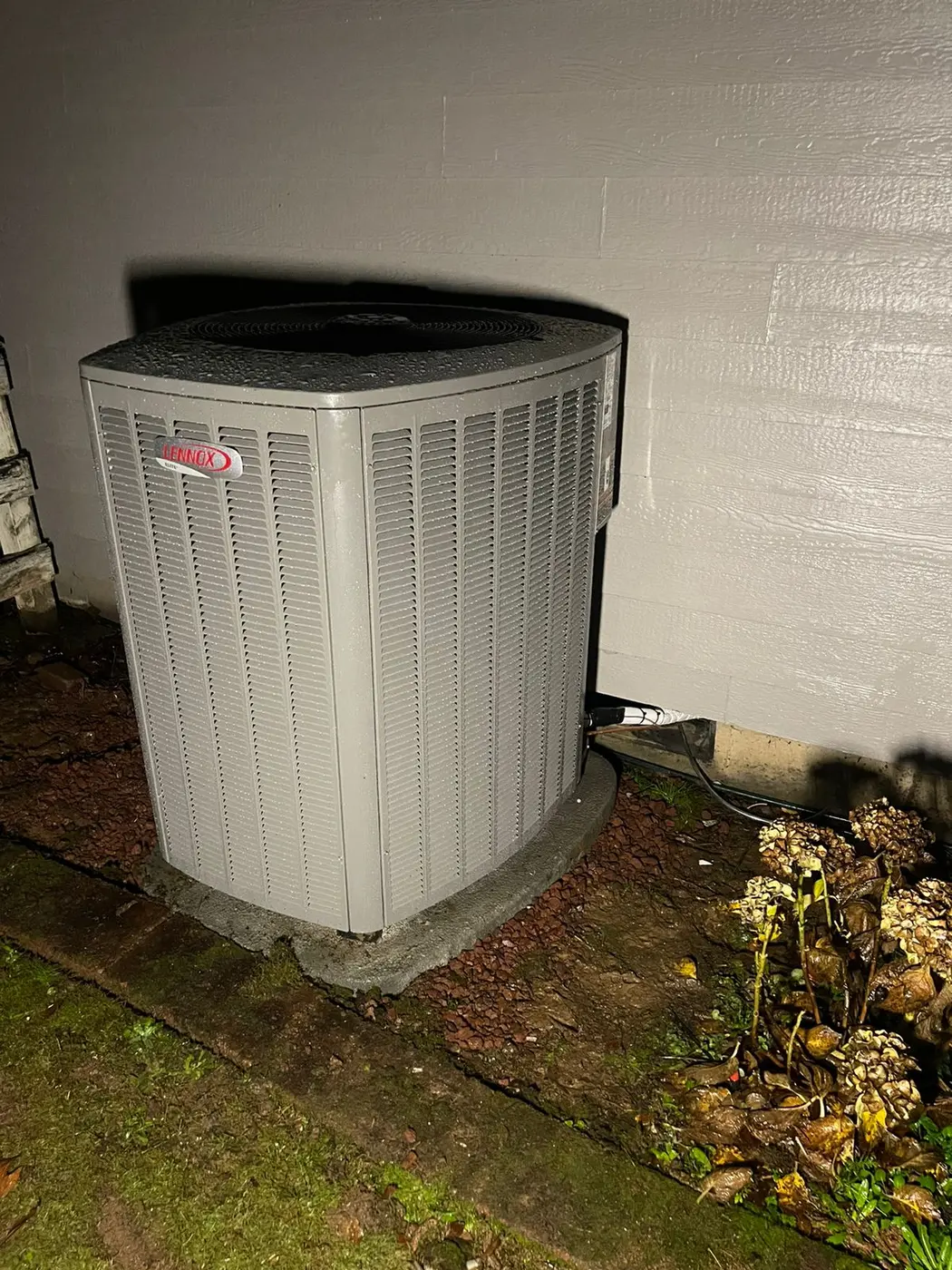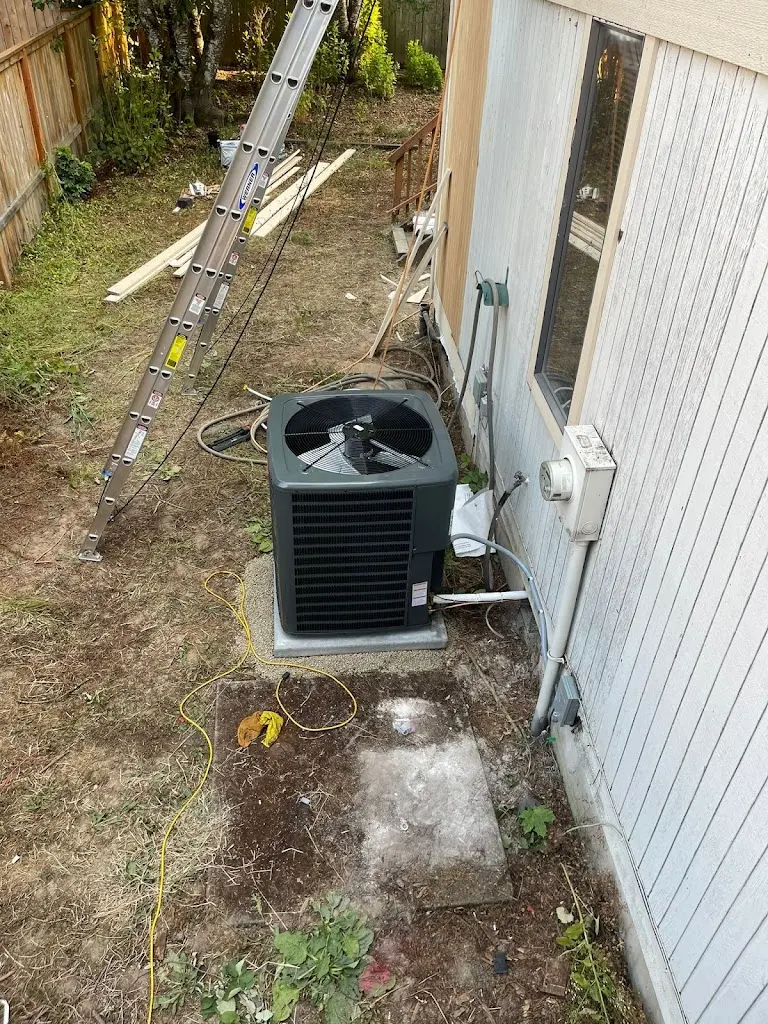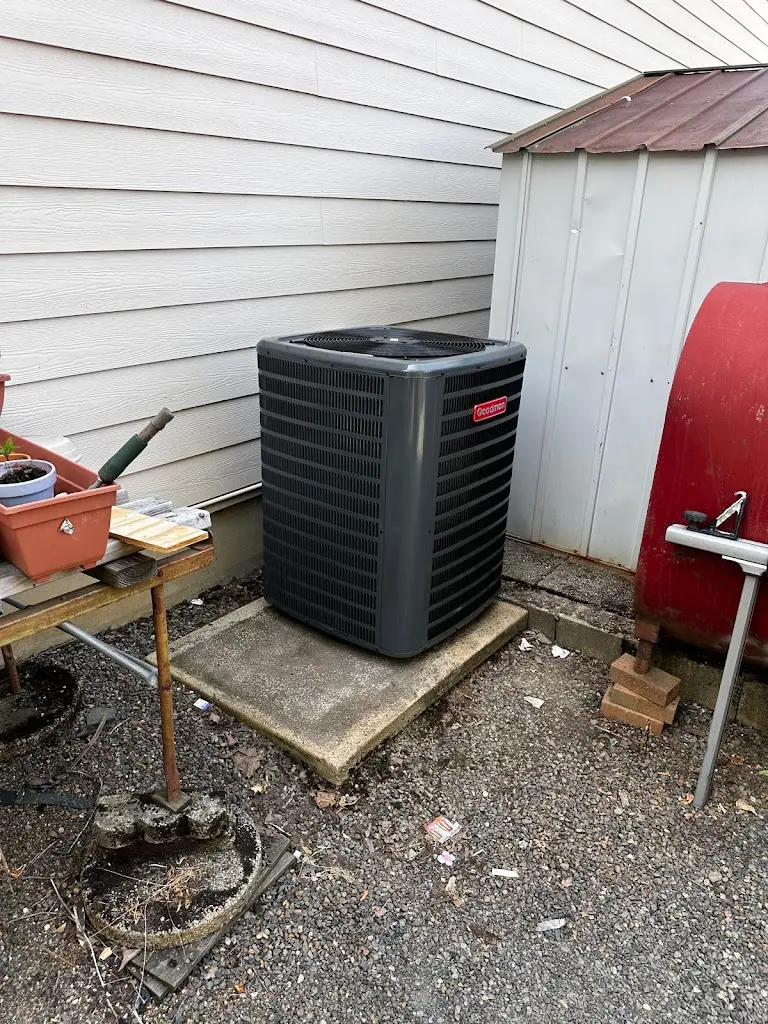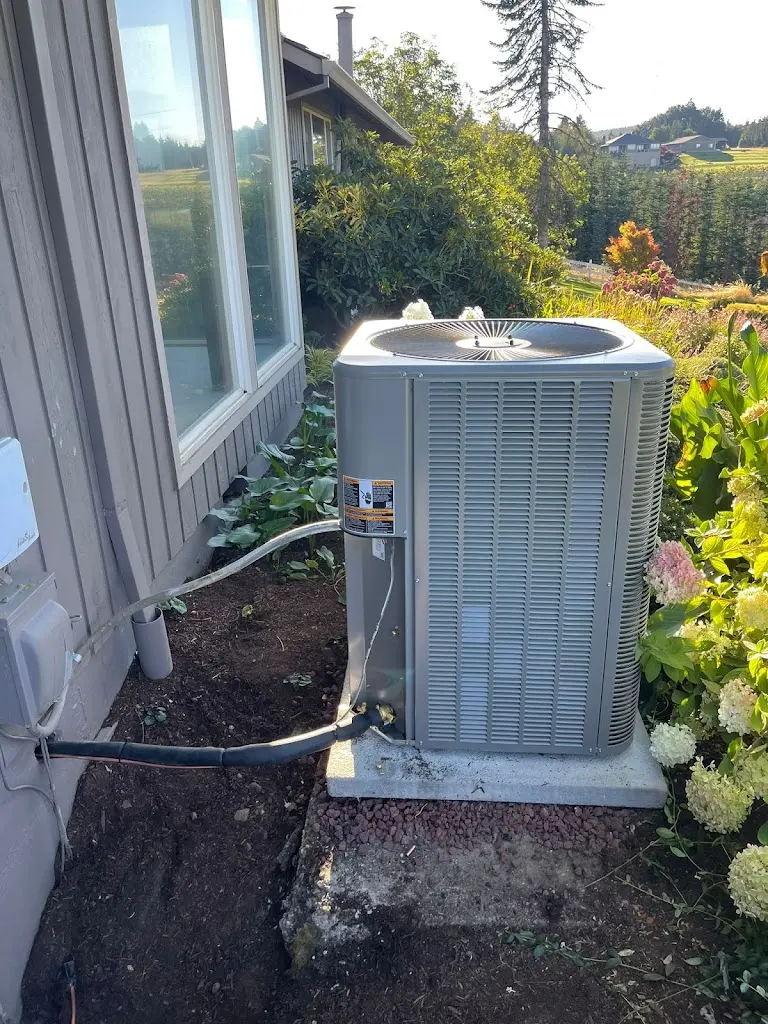
Northwest District AC replacement for condos, townhomes, roof access and building approvals
Northwest District AC replacement should start with feasibility before equipment tiers. Condos, townhomes, older multi-family buildings, roof platforms, balconies, courtyards, service elevators, tight loading zones, shared walls and HOA or management rules can decide what replacement path is actually installable.
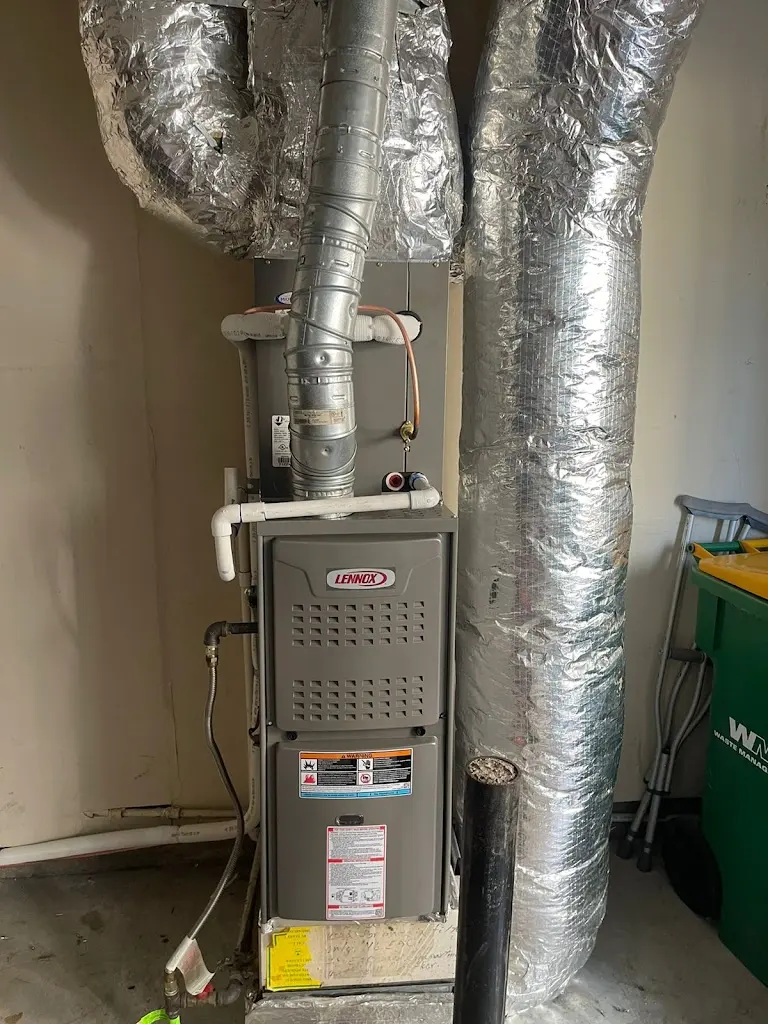
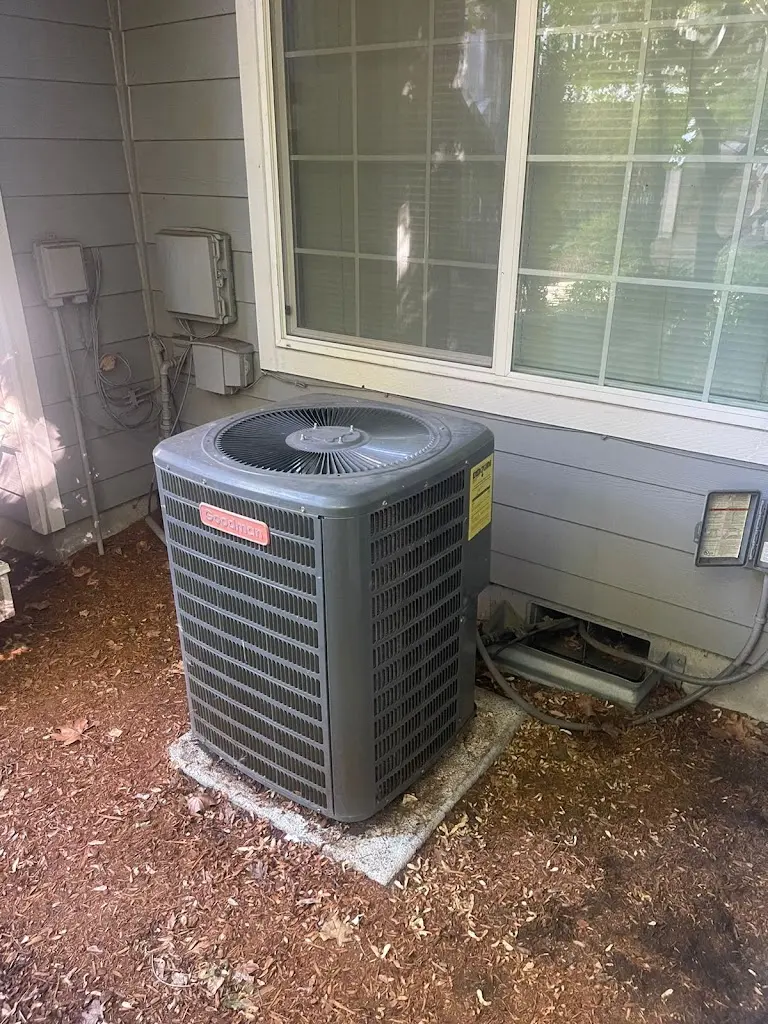
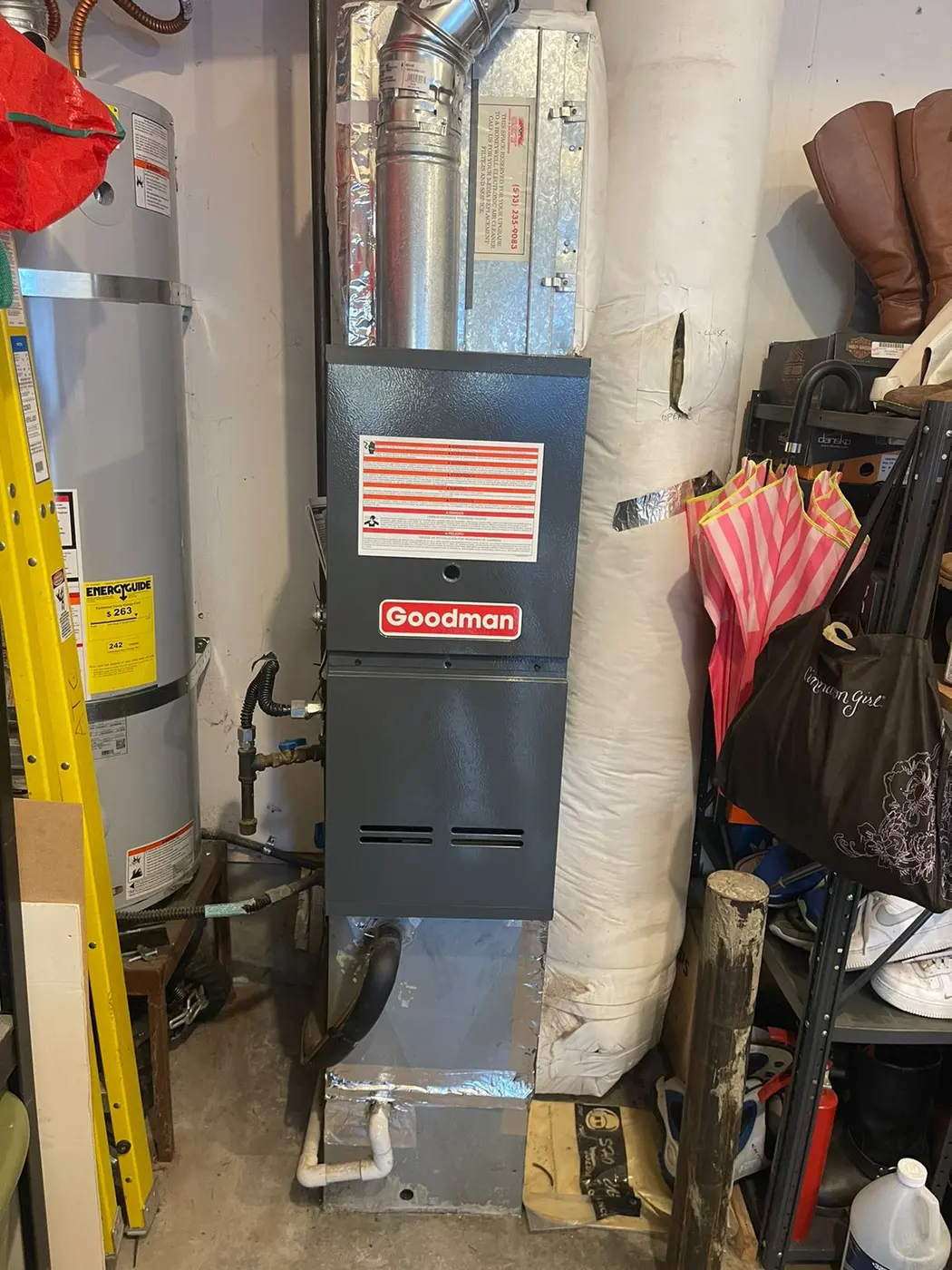
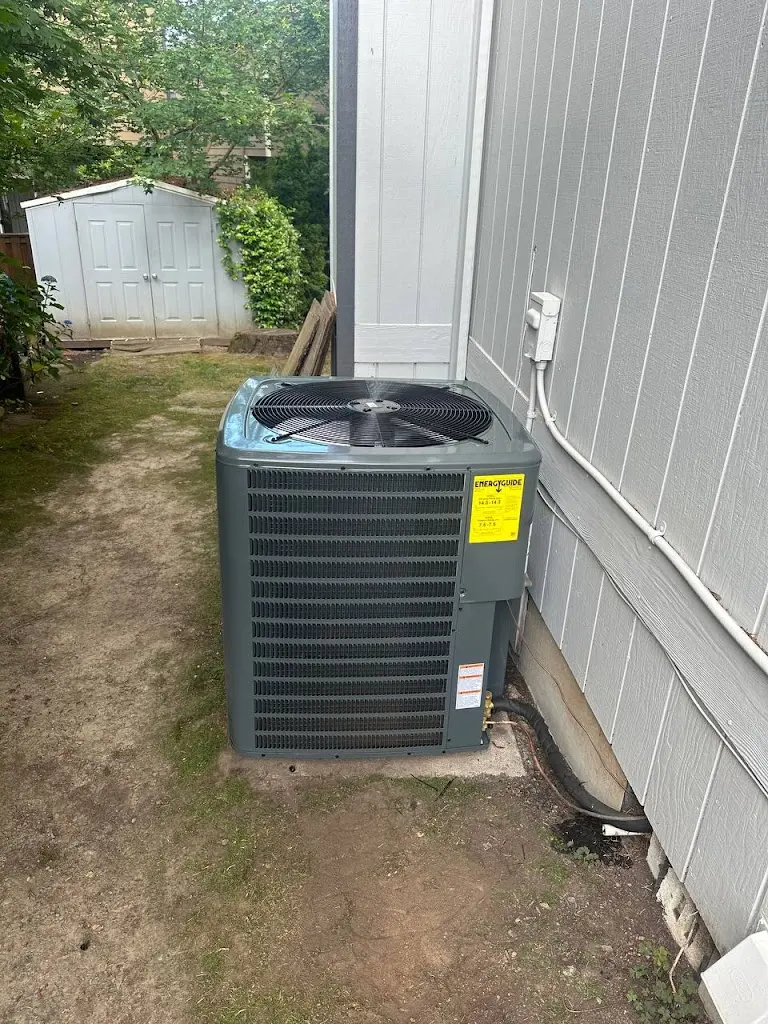
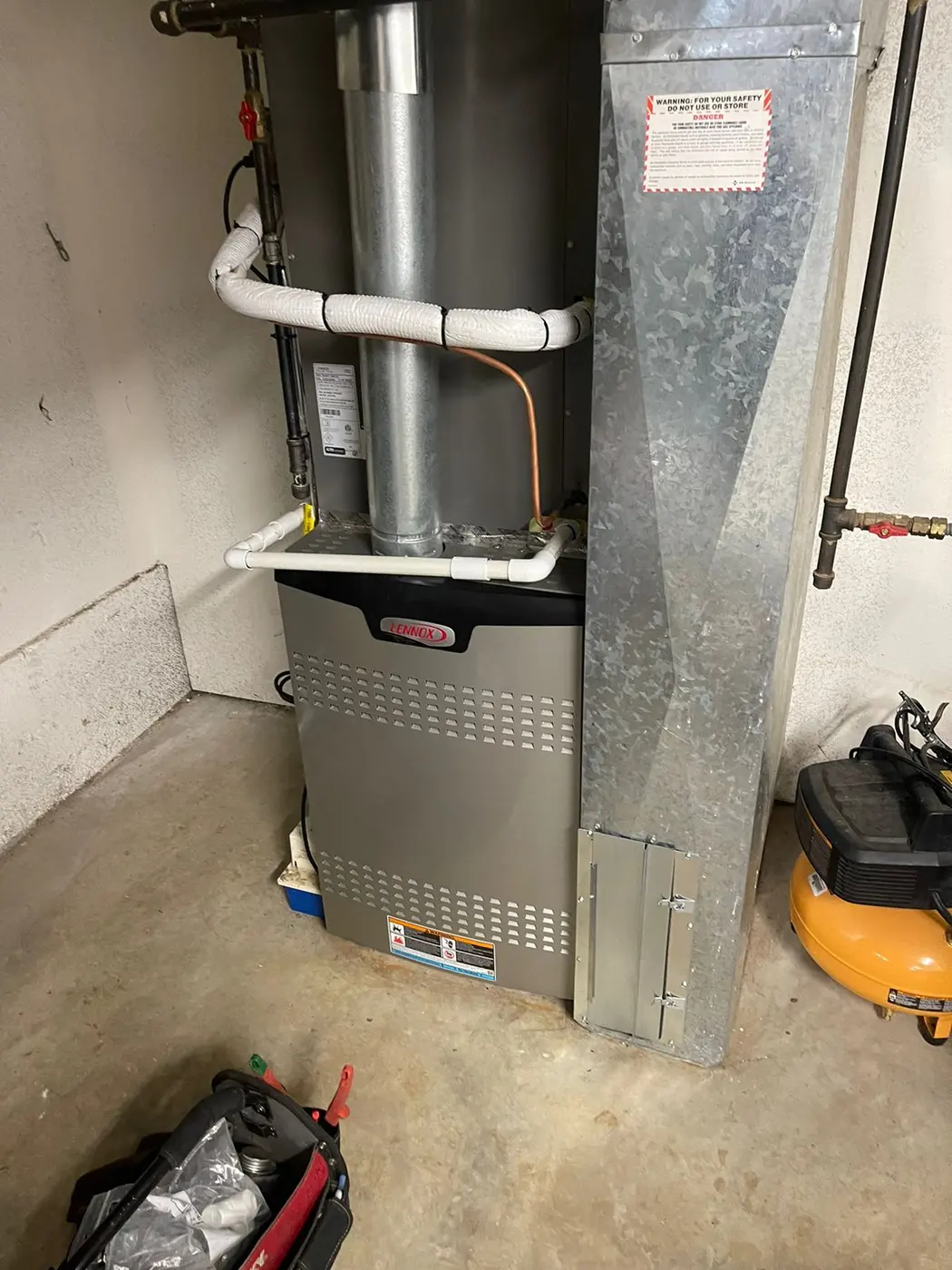
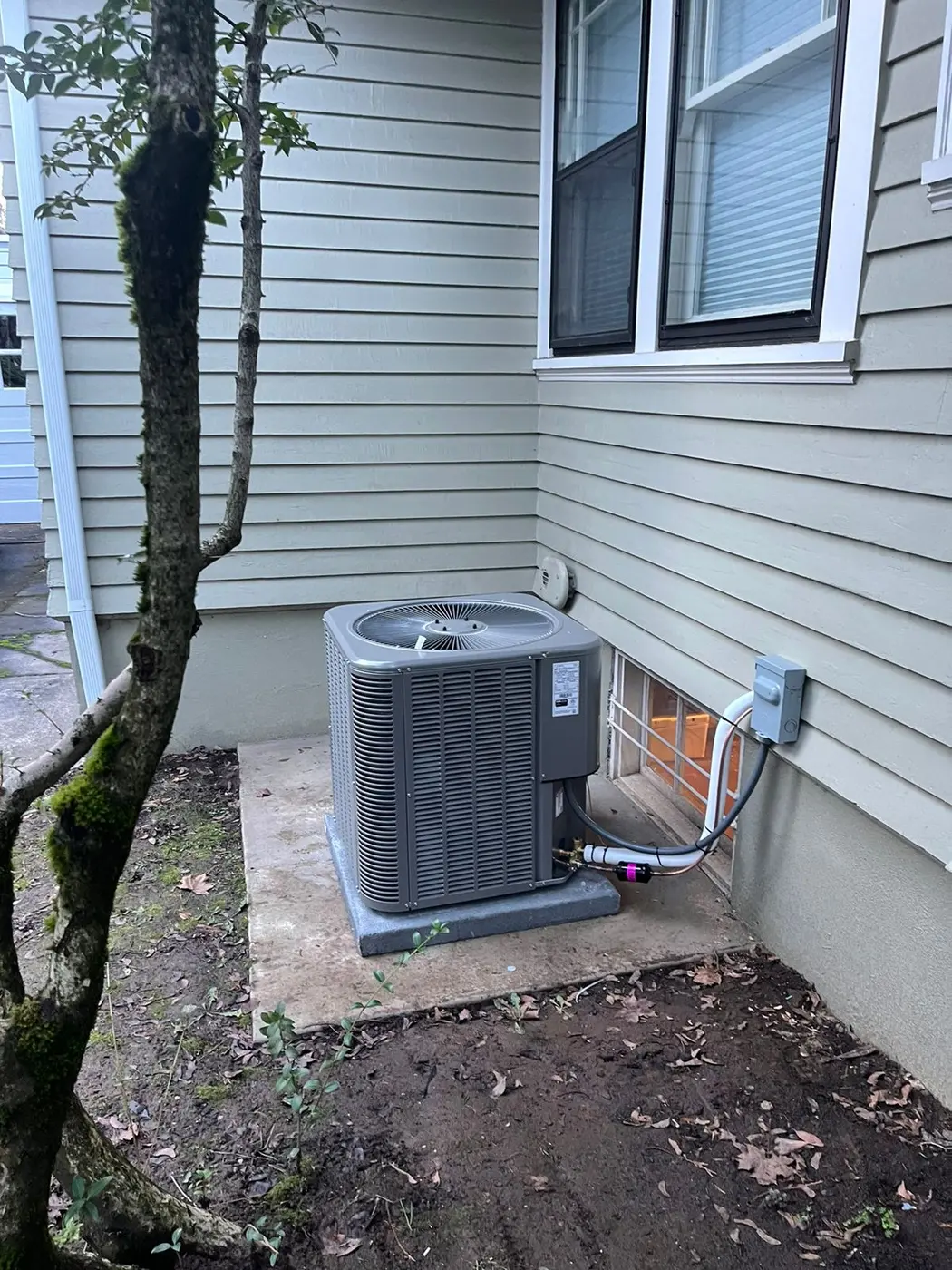
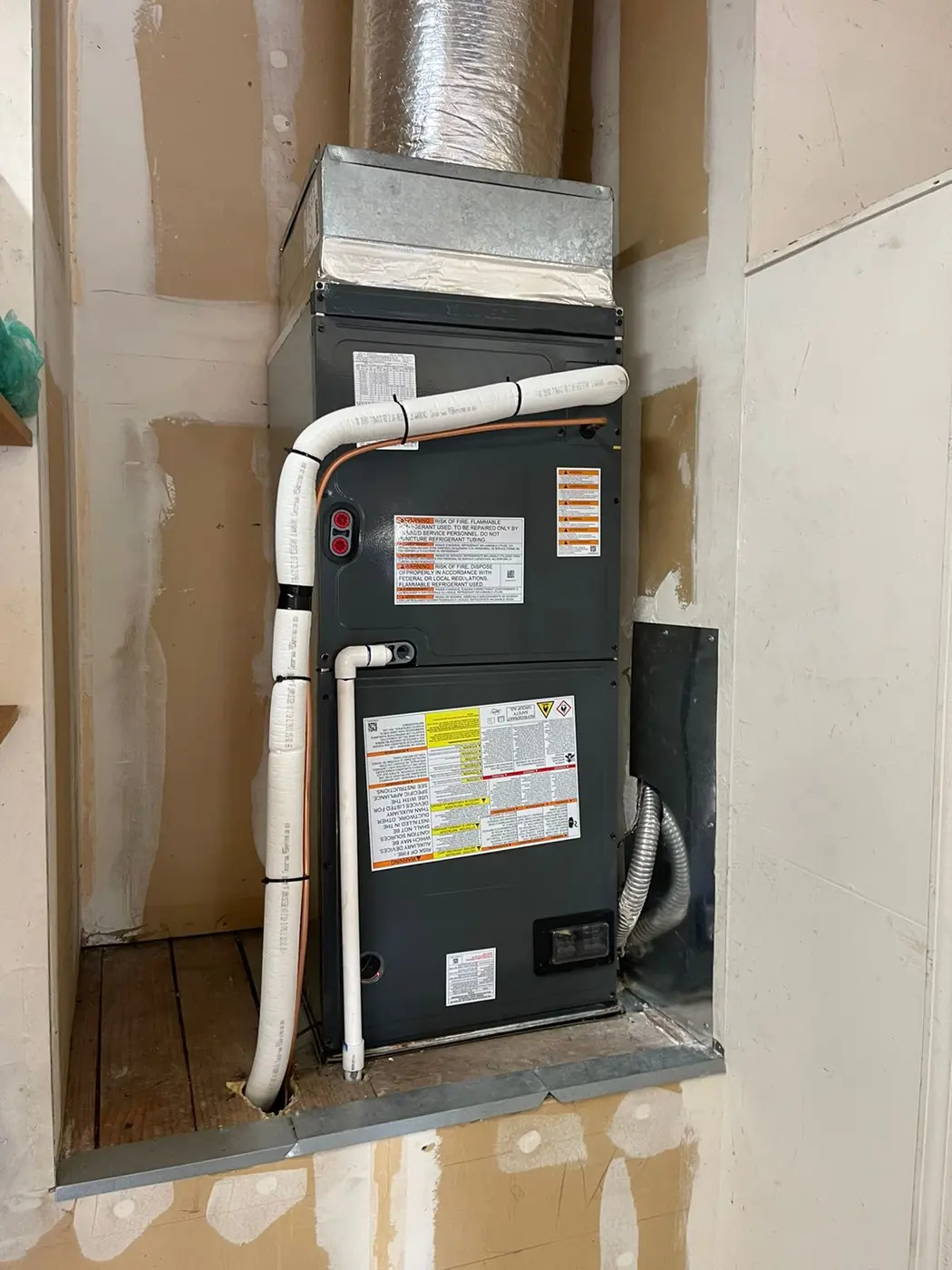
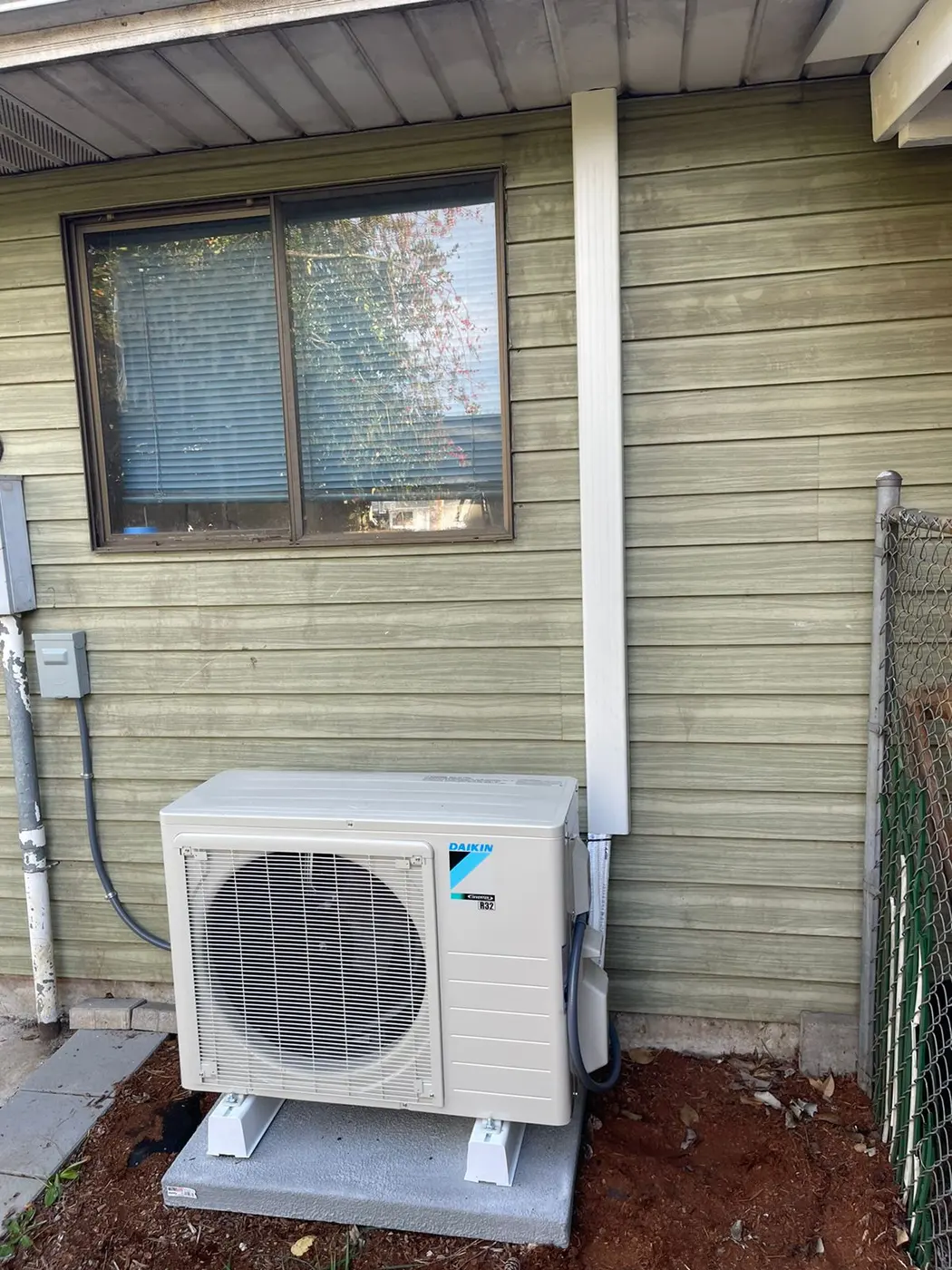
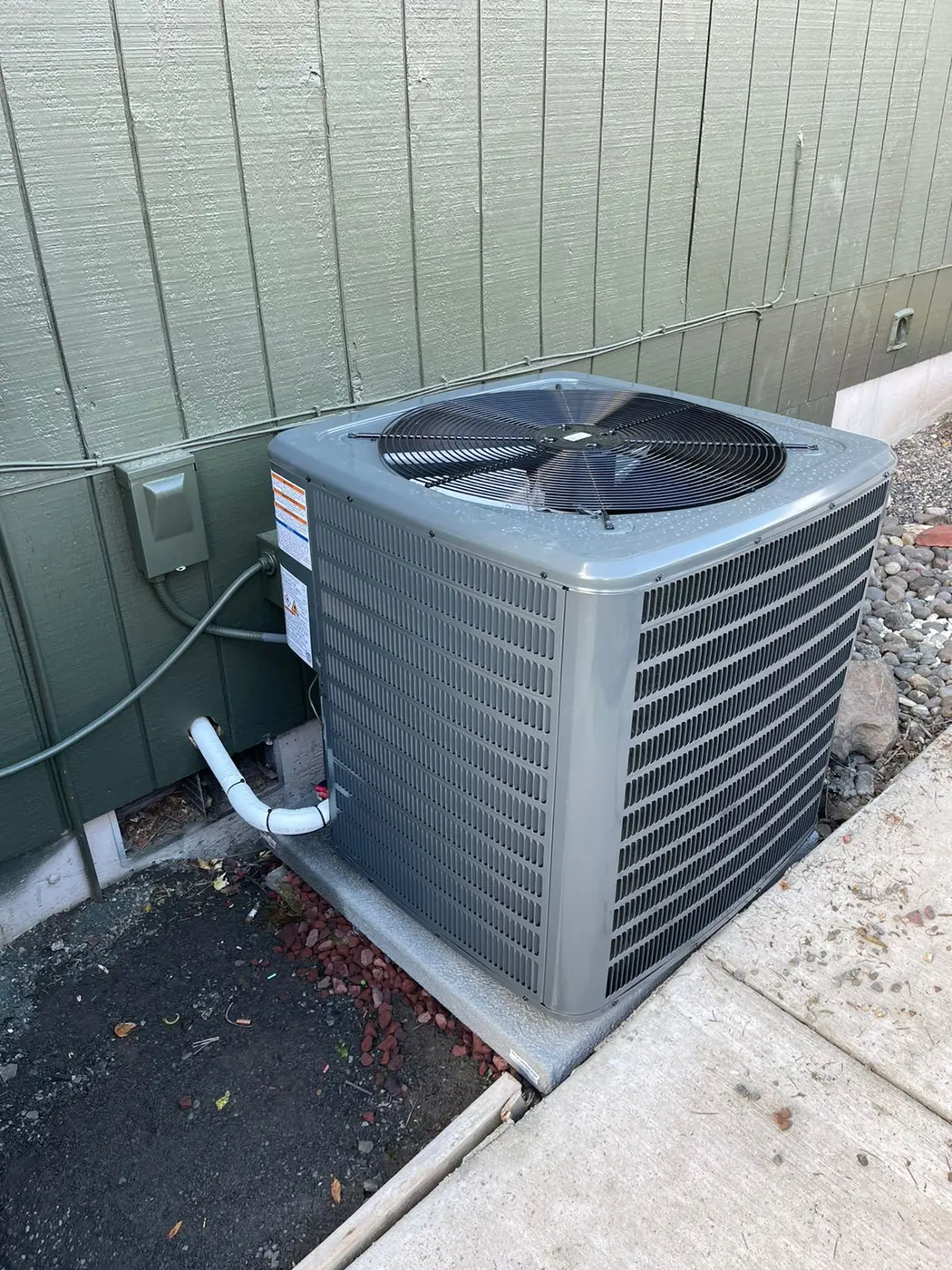
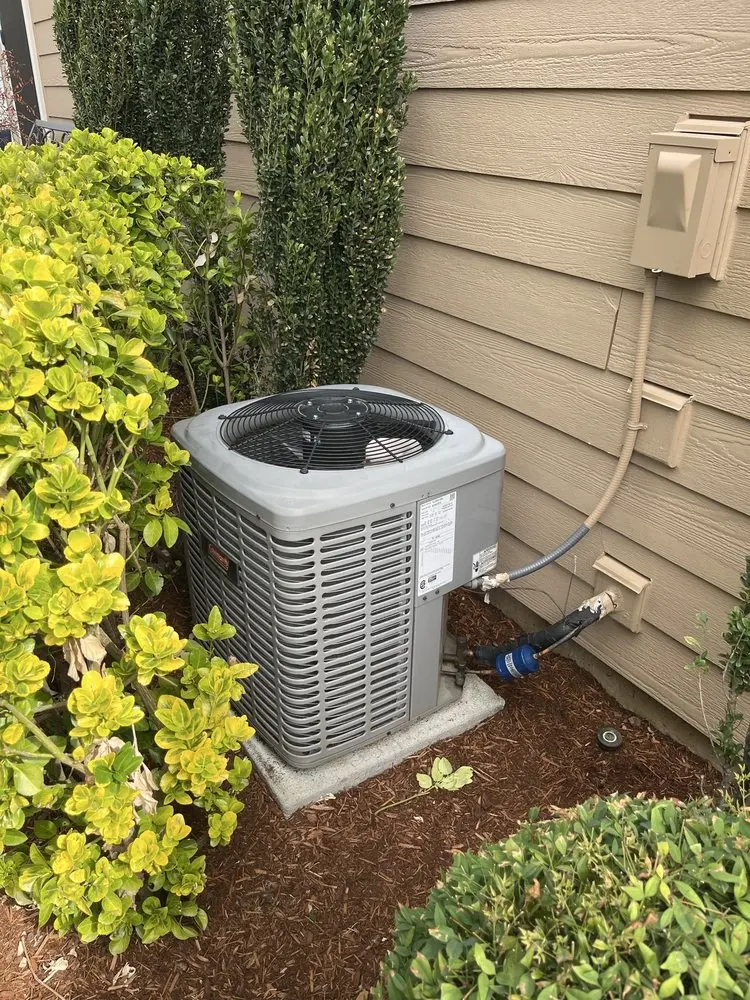
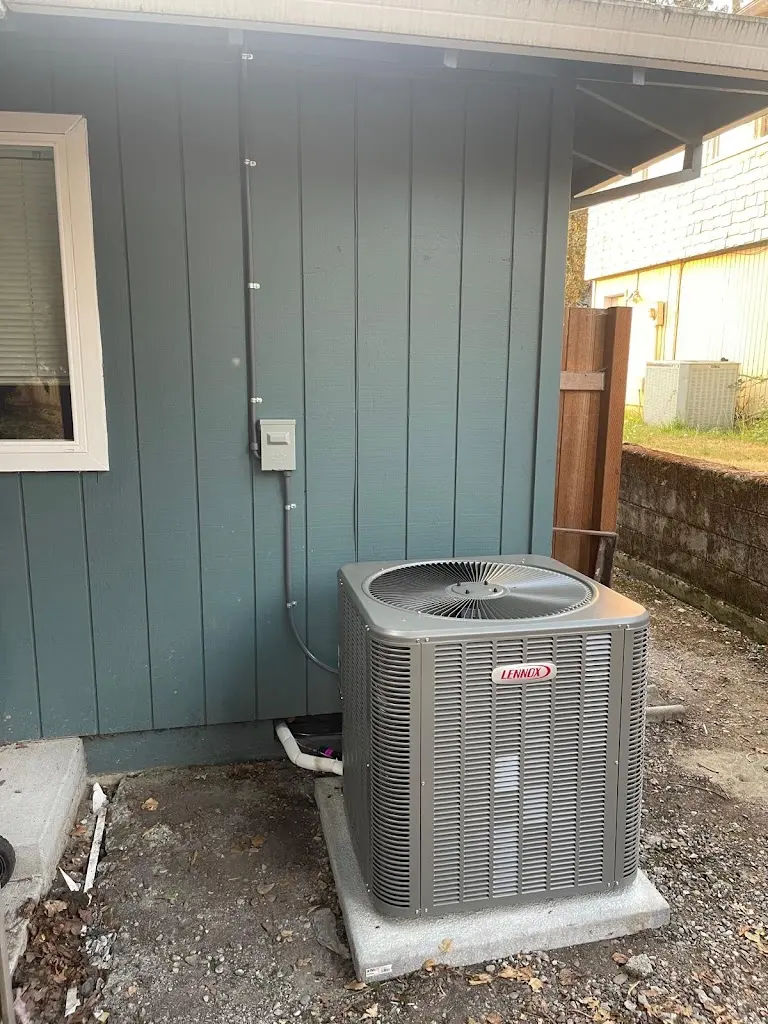
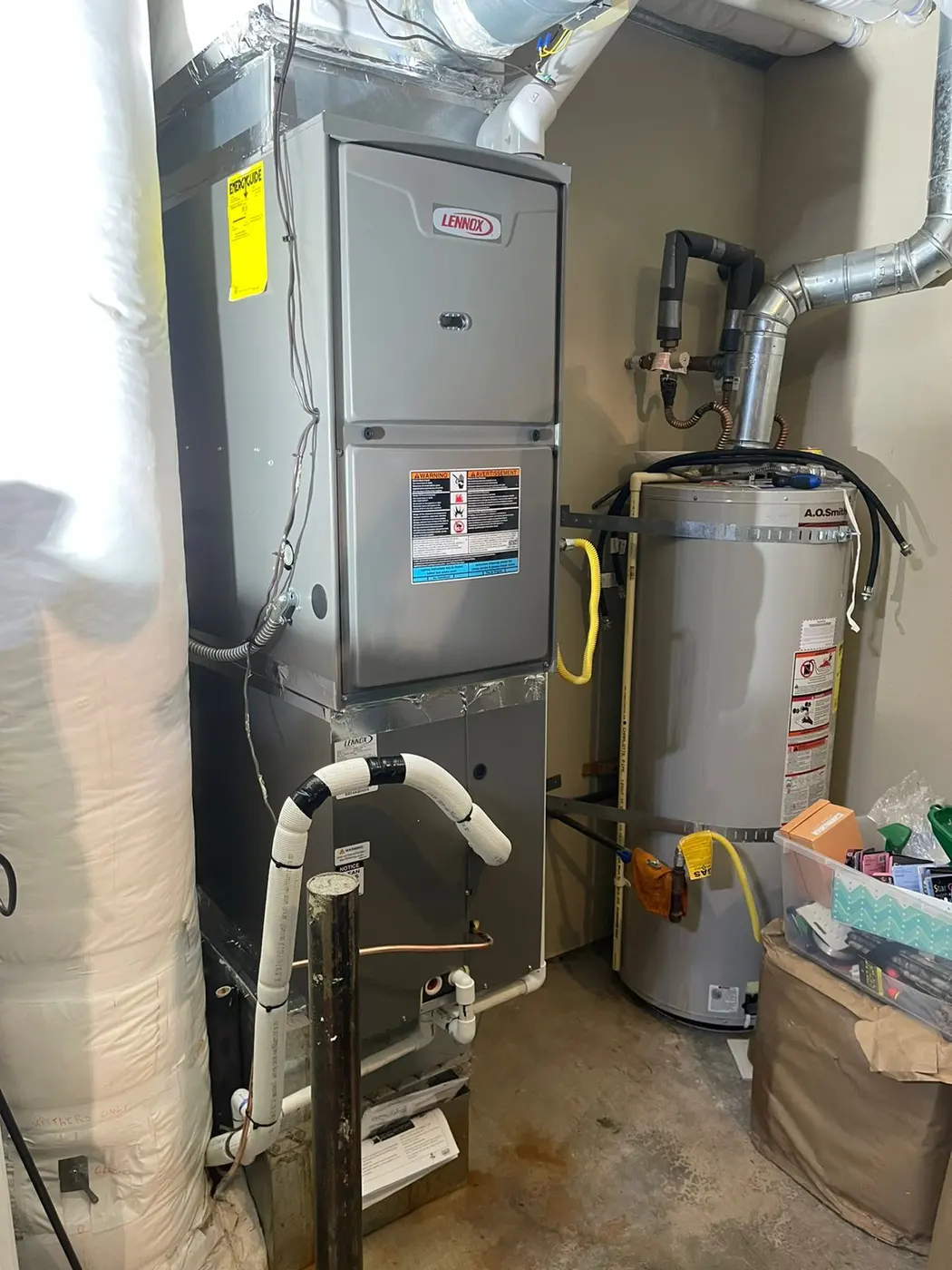
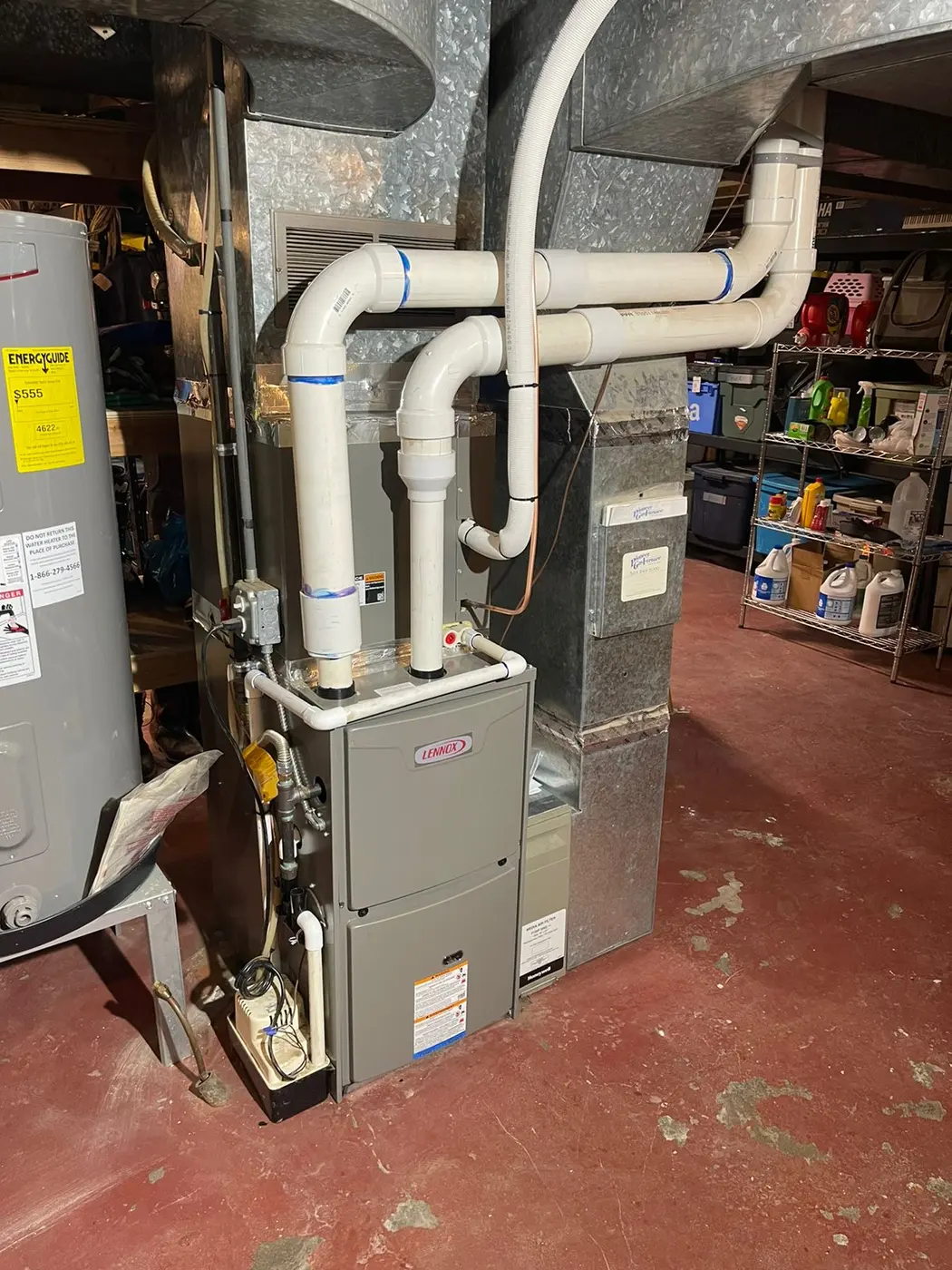
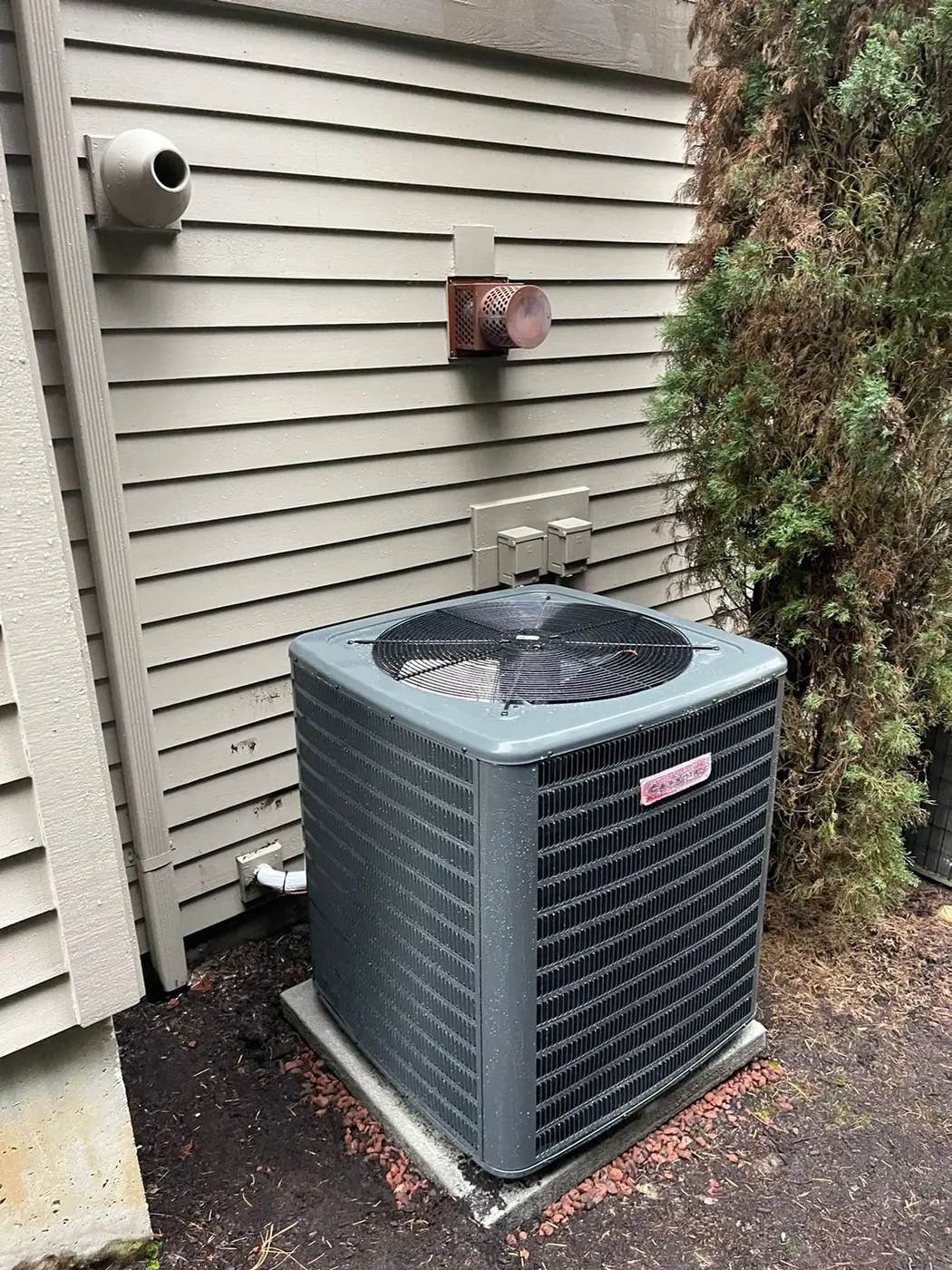
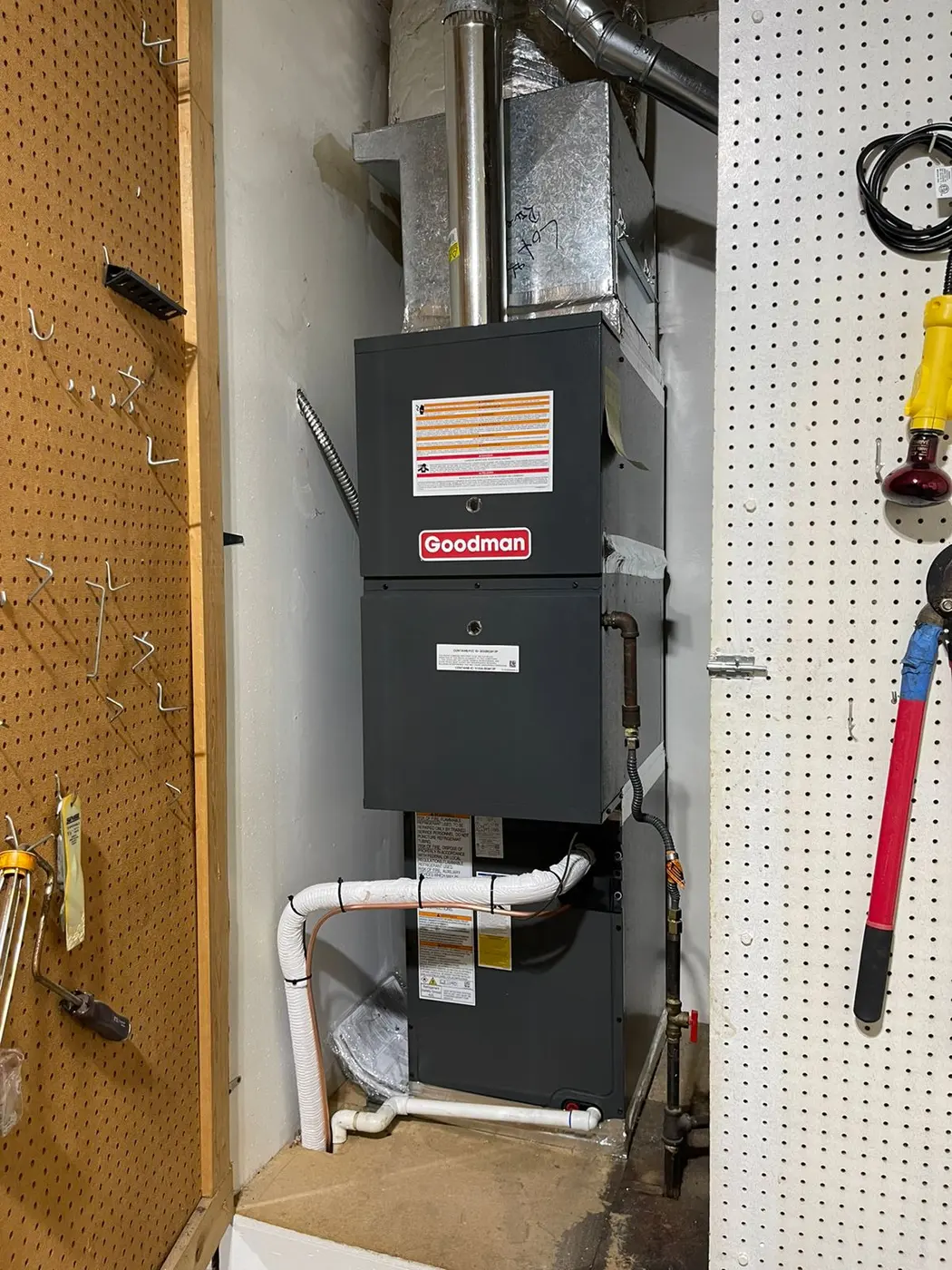
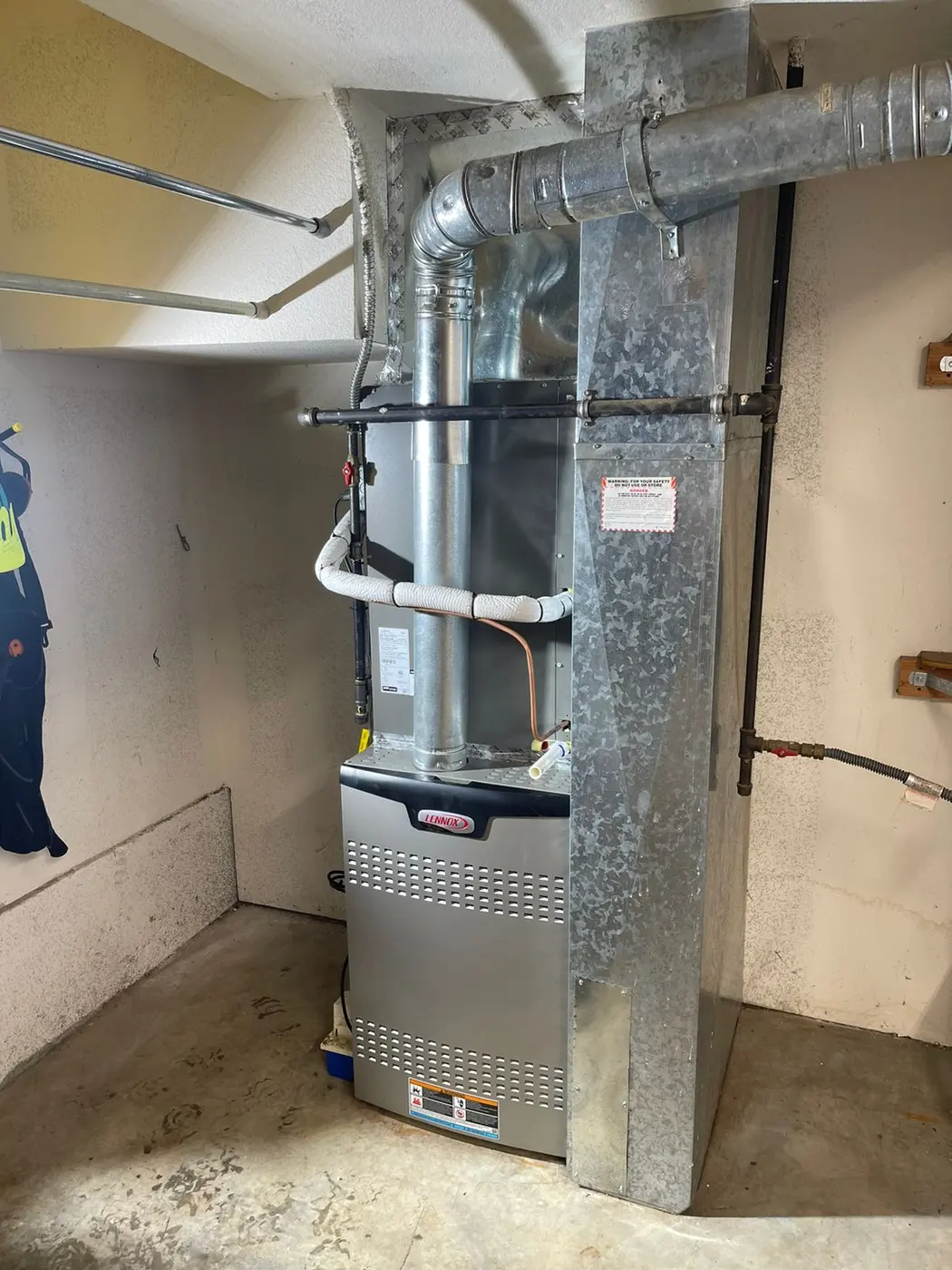
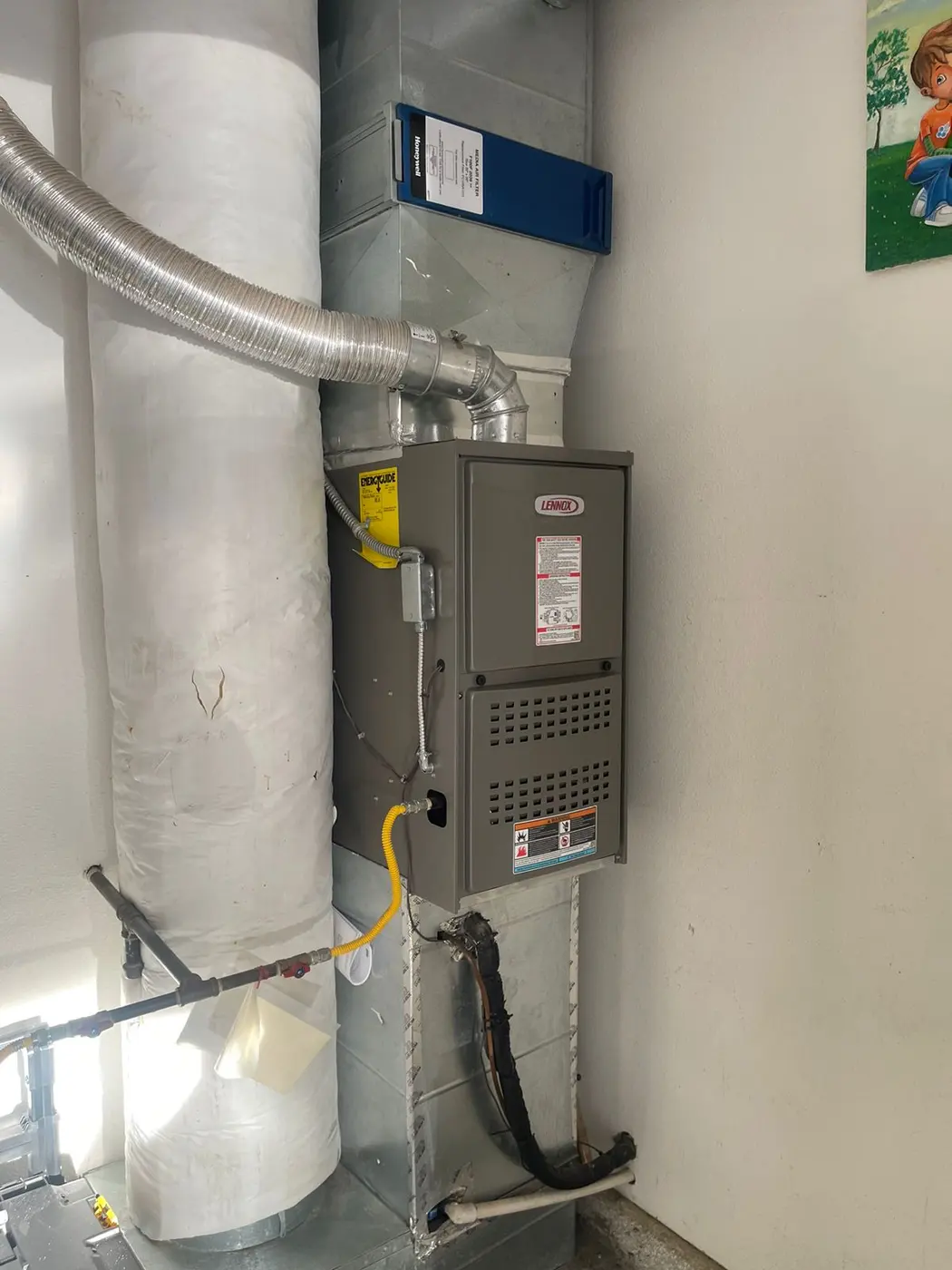
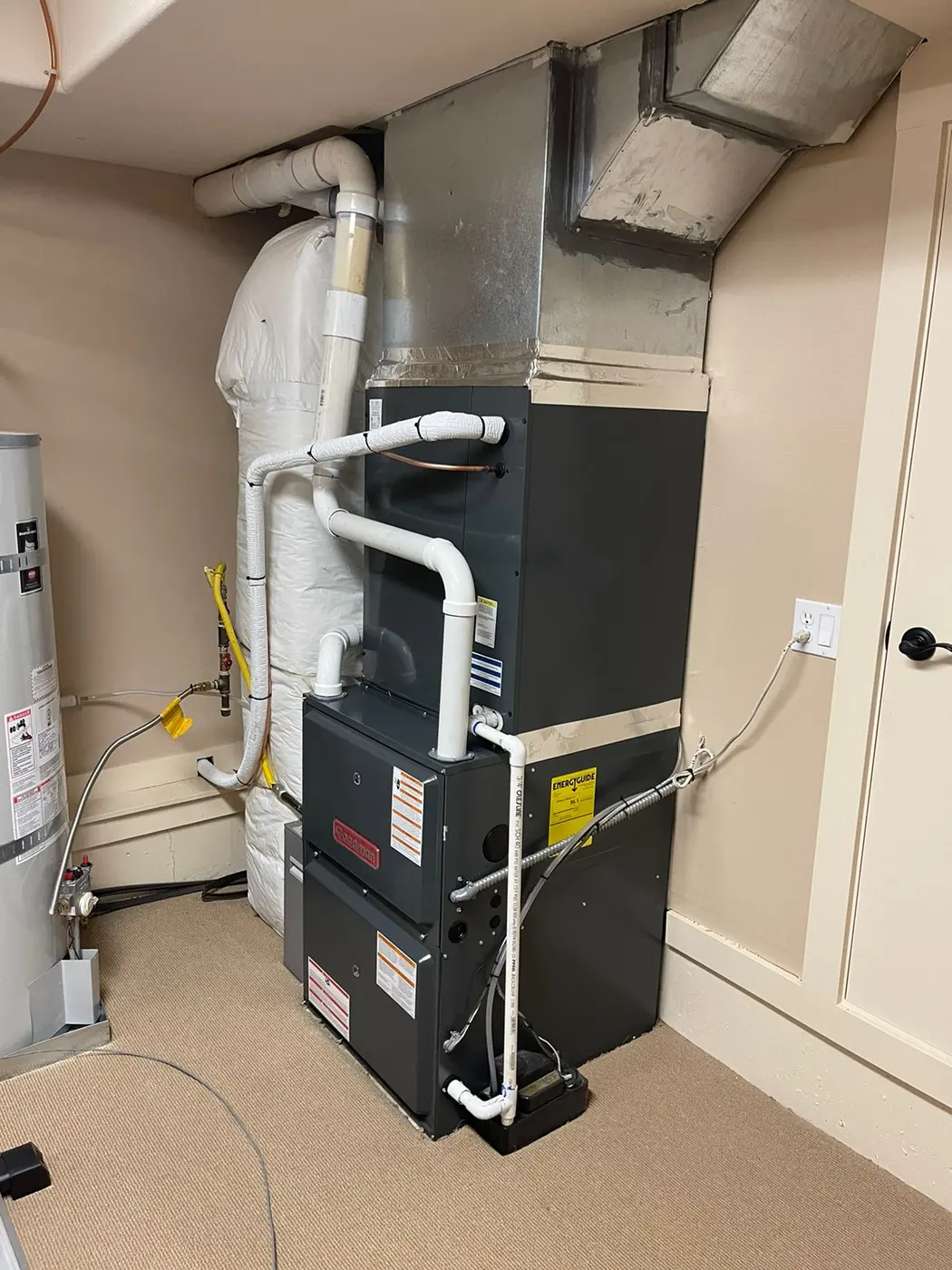
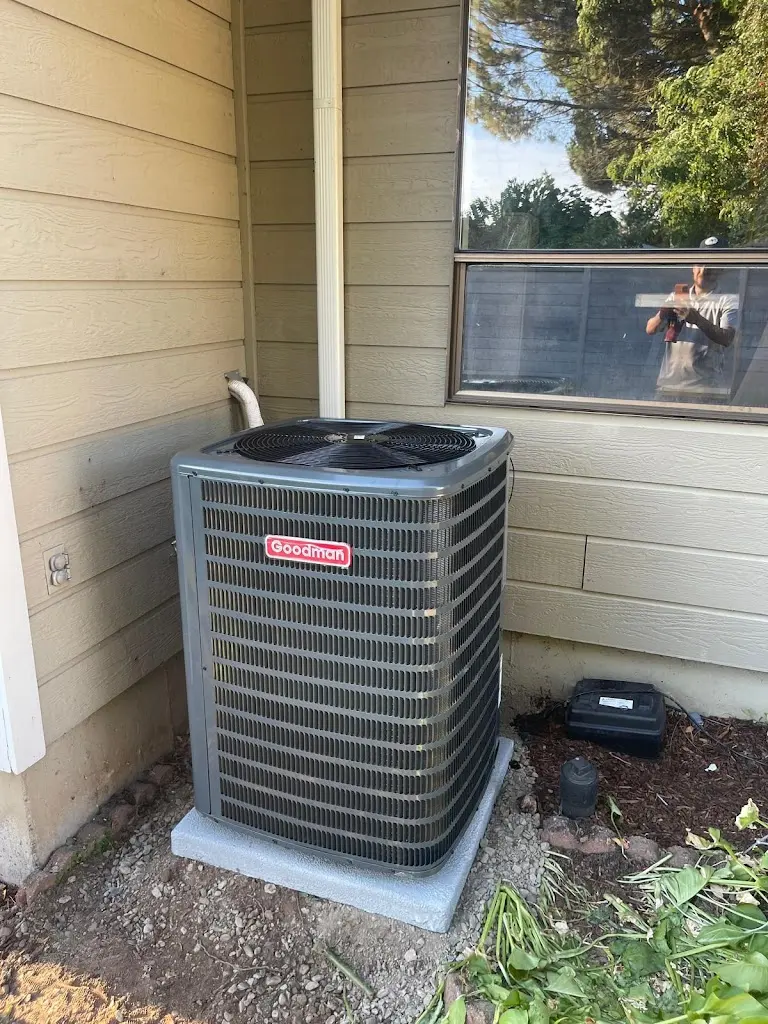
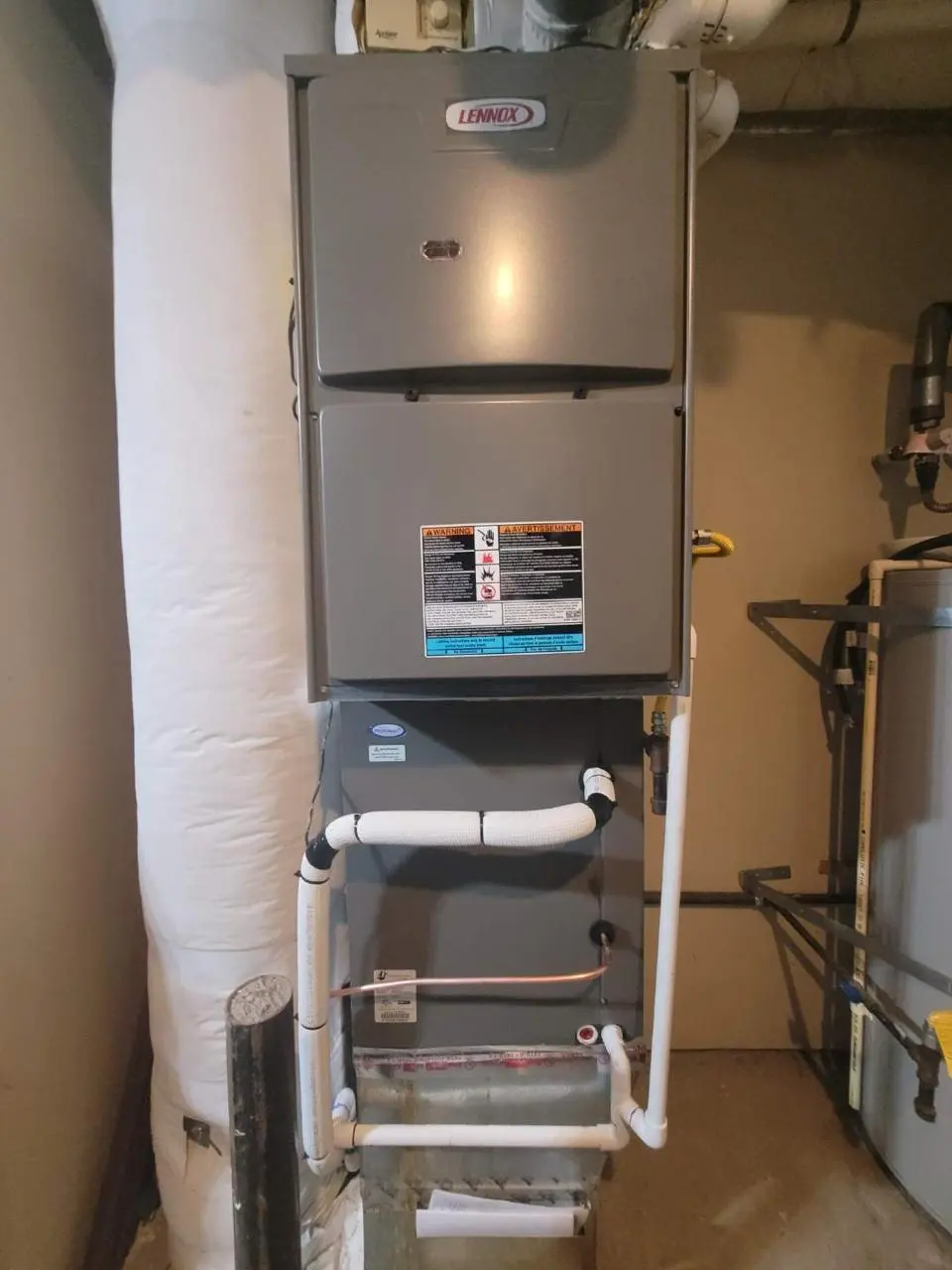
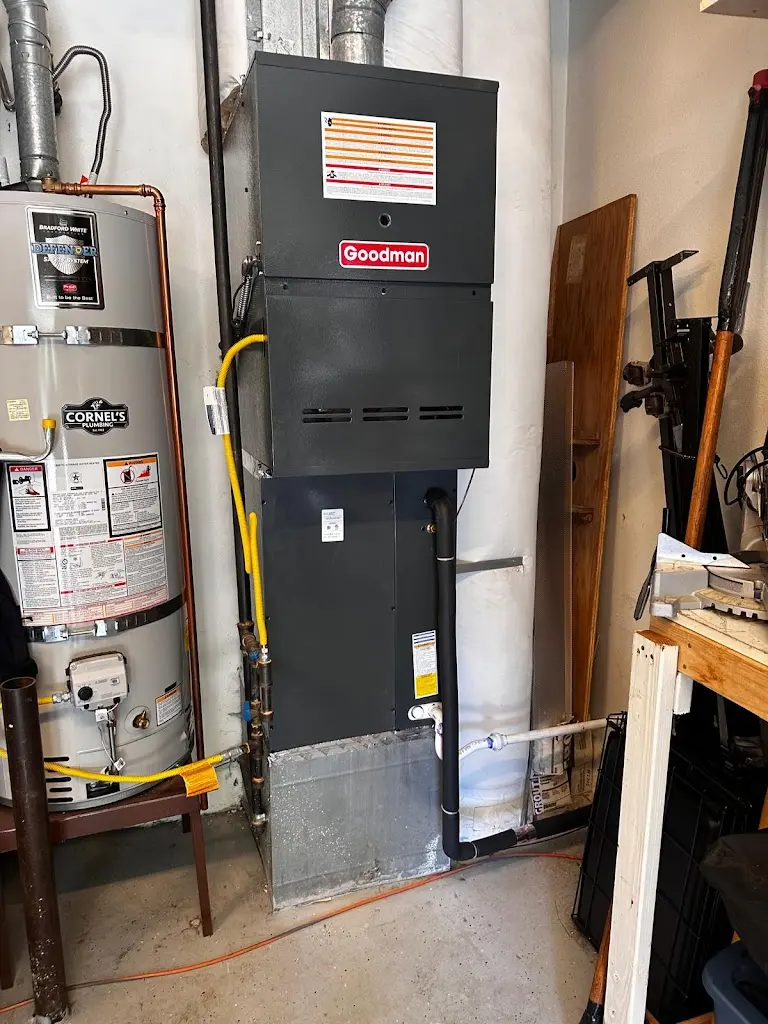
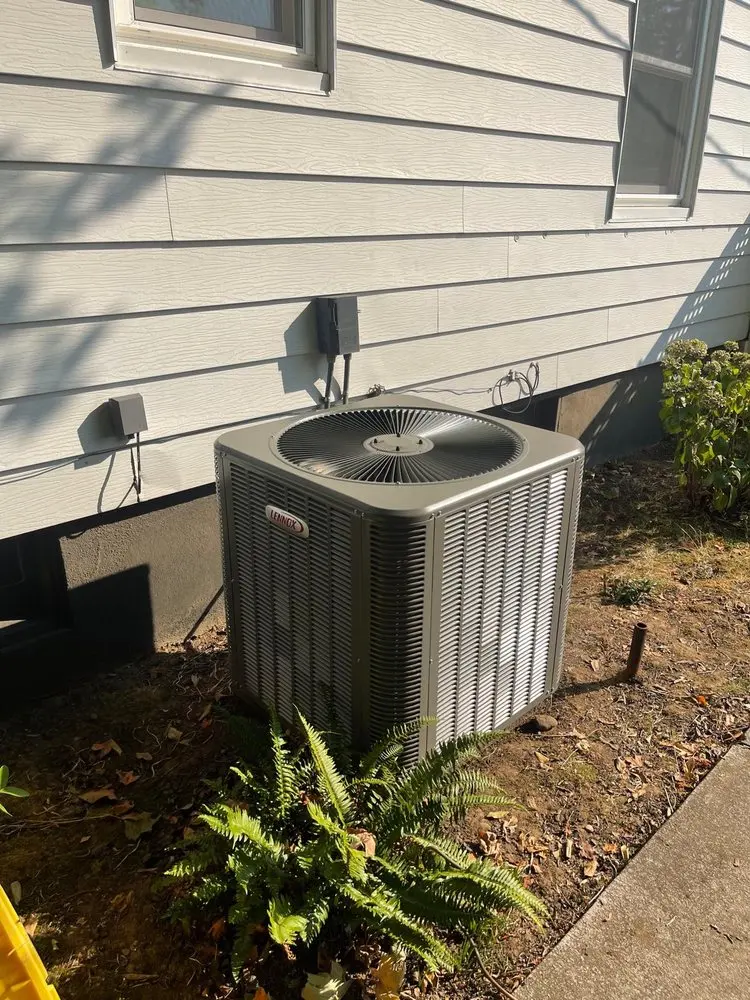
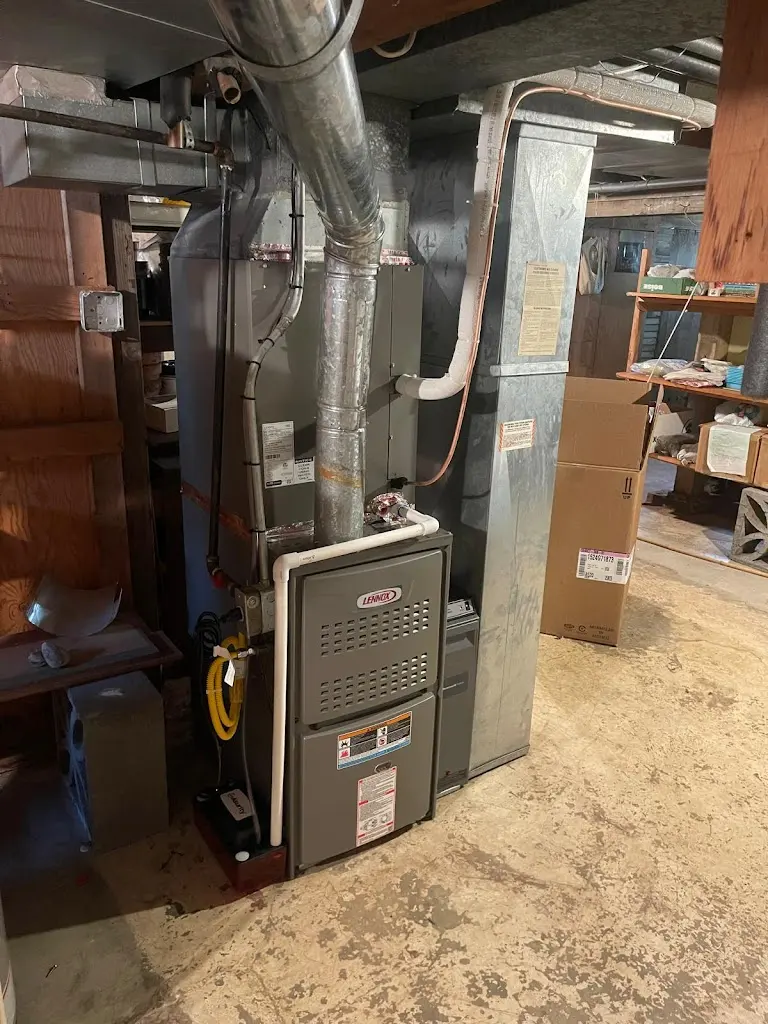
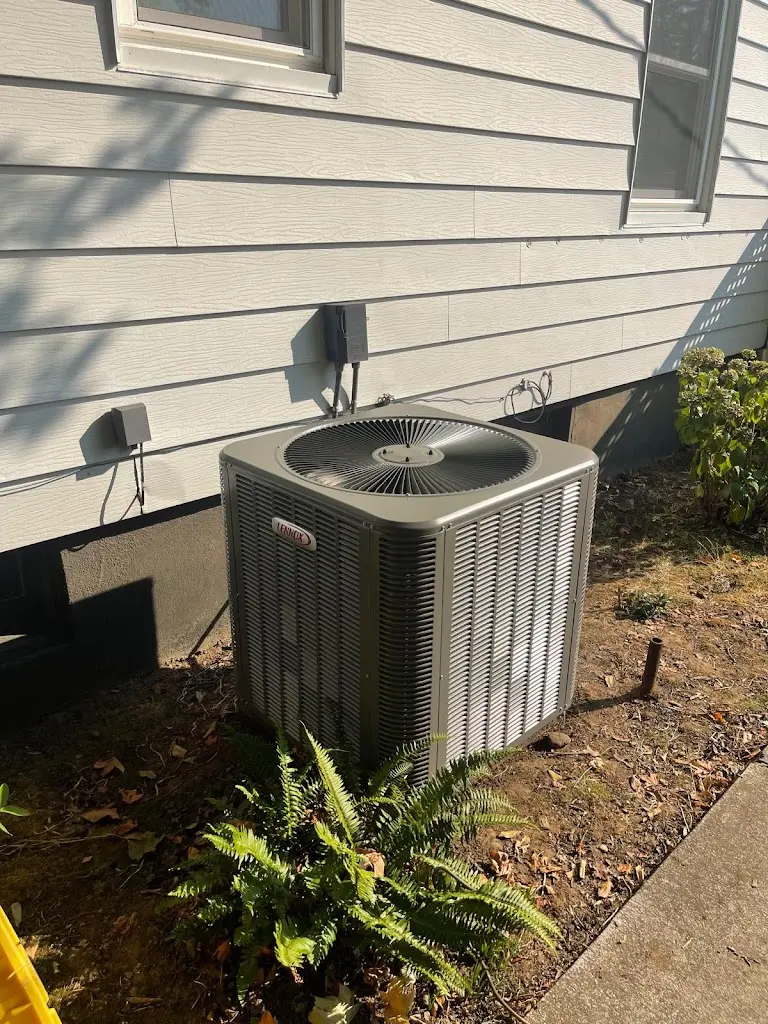
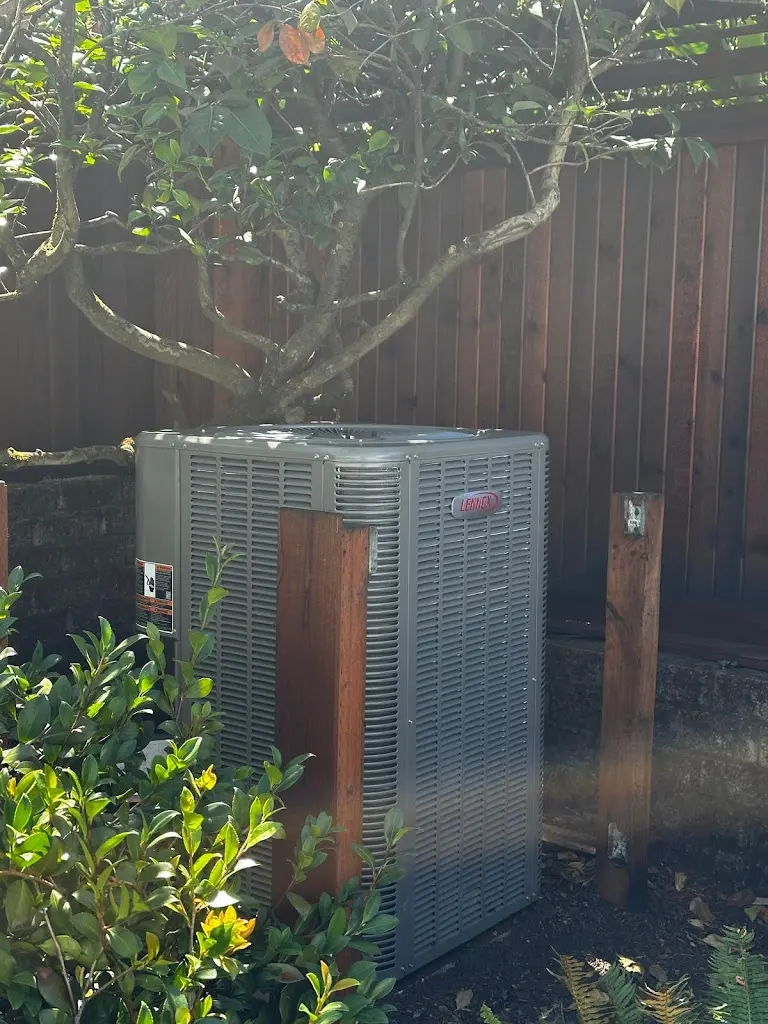
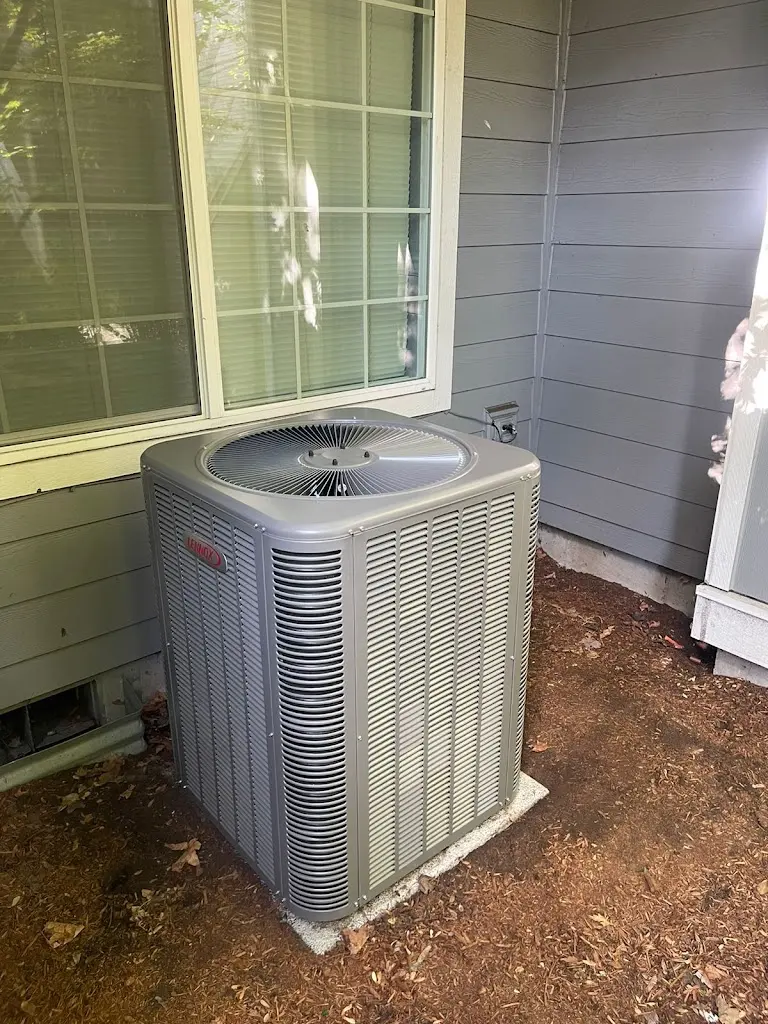
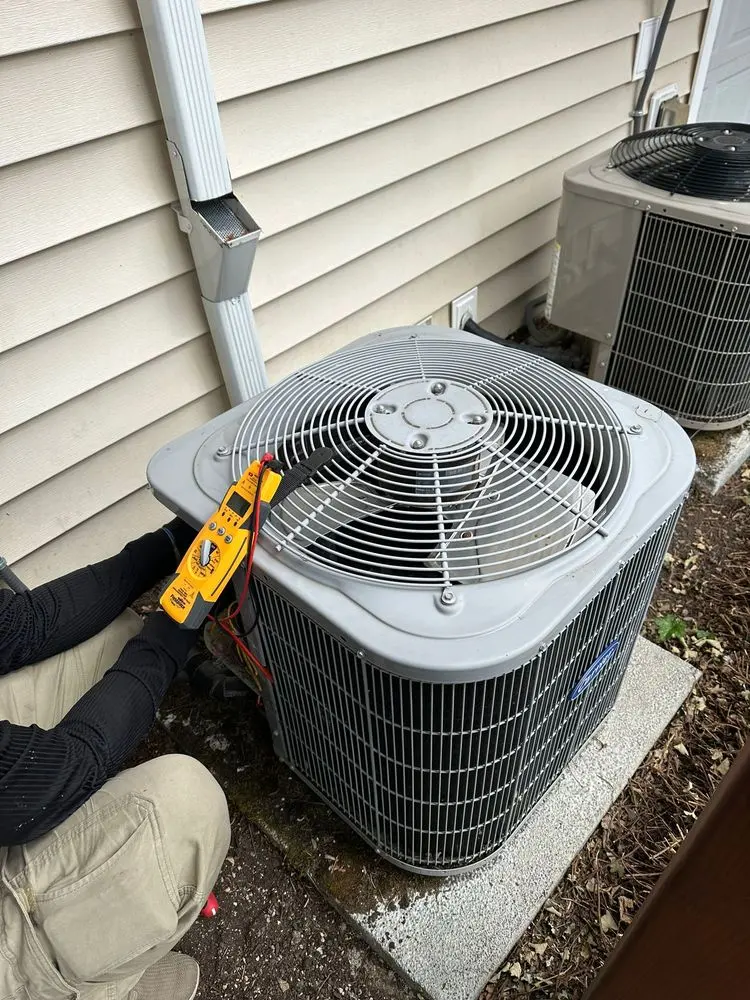
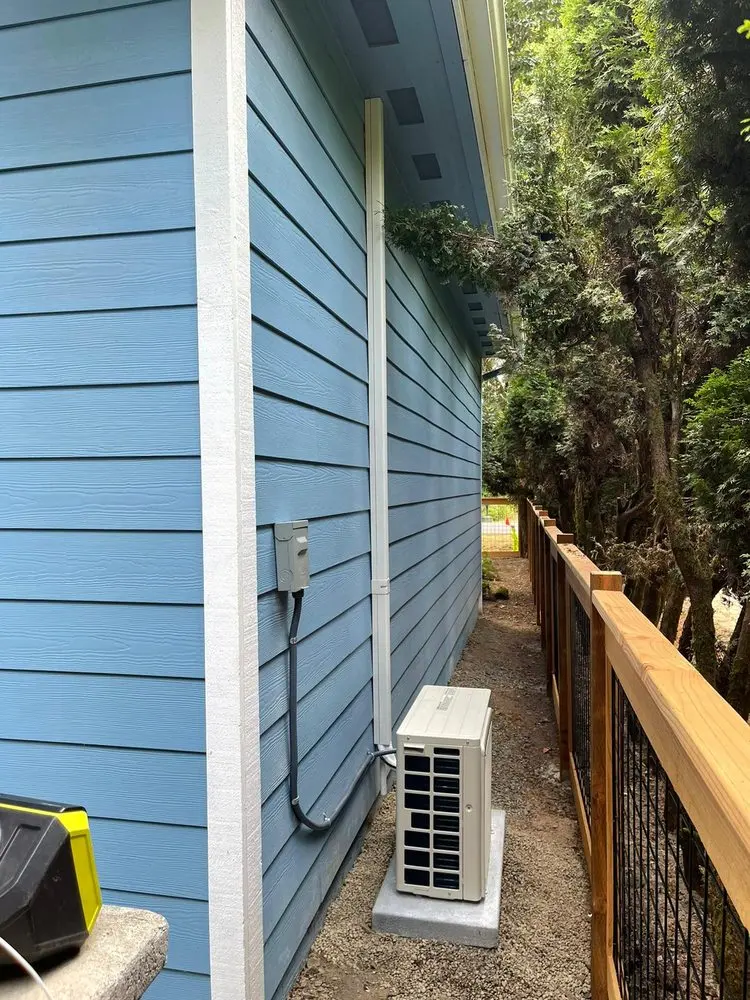
The free estimator visit reviews the old indoor and outdoor equipment, approved condenser location, roof or courtyard access, electrical route, line-set path, sound expectations, service clearance, building documentation and whether the replacement can stay in the current approved location.
Northwest District AC replacement details to send
Send equipment photos, building type, roof, balcony or courtyard access notes, HOA or property-manager guidance if available, parking or loading constraints, old-system issues and any sound or access complaints from the existing AC.
That helps prepare Northwest District AC replacement options that can be approved, carried in, installed and serviced without assuming a detached-house layout.
A Northwest District AC replacement estimate example
A Northwest District homeowner may need to replace a failing AC in a condo or townhome where the main challenge is roof access, approval, sound or tight service clearance.
The estimate should document the approved route and installable equipment choices before the homeowner selects a replacement package.
- Review condos, townhomes, roof platforms, courtyards, balconies, shared walls and management requirements.
- Confirm approved equipment location, service elevator or stair access, loading logistics and clearance.
- Check indoor coil fit, line-set route, electrical access, sound expectations and future service space.
- Compare compact, quiet and standard replacement options only after building feasibility is confirmed.
How to choose the Northwest District AC replacement path
A useful Northwest District proposal should answer the building questions first. Once access, approval, indoor compatibility, line route, electrical scope, outdoor sound and service clearance are clear, the homeowner can compare replacement equipment that realistically fits the property.
- Review condos, townhomes, roof platforms, courtyards, balconies, shared walls and management requirements.
- Confirm approved equipment location, service elevator or stair access, loading logistics and clearance.
- Check indoor coil fit, line-set route, electrical access, sound expectations and future service space.
- Compare compact, quiet and standard replacement options only after building feasibility is confirmed.
What the replacement estimator checks
- Existing condenser age, repair history, refrigerant type, noise, coil condition and whether the AC still runs.
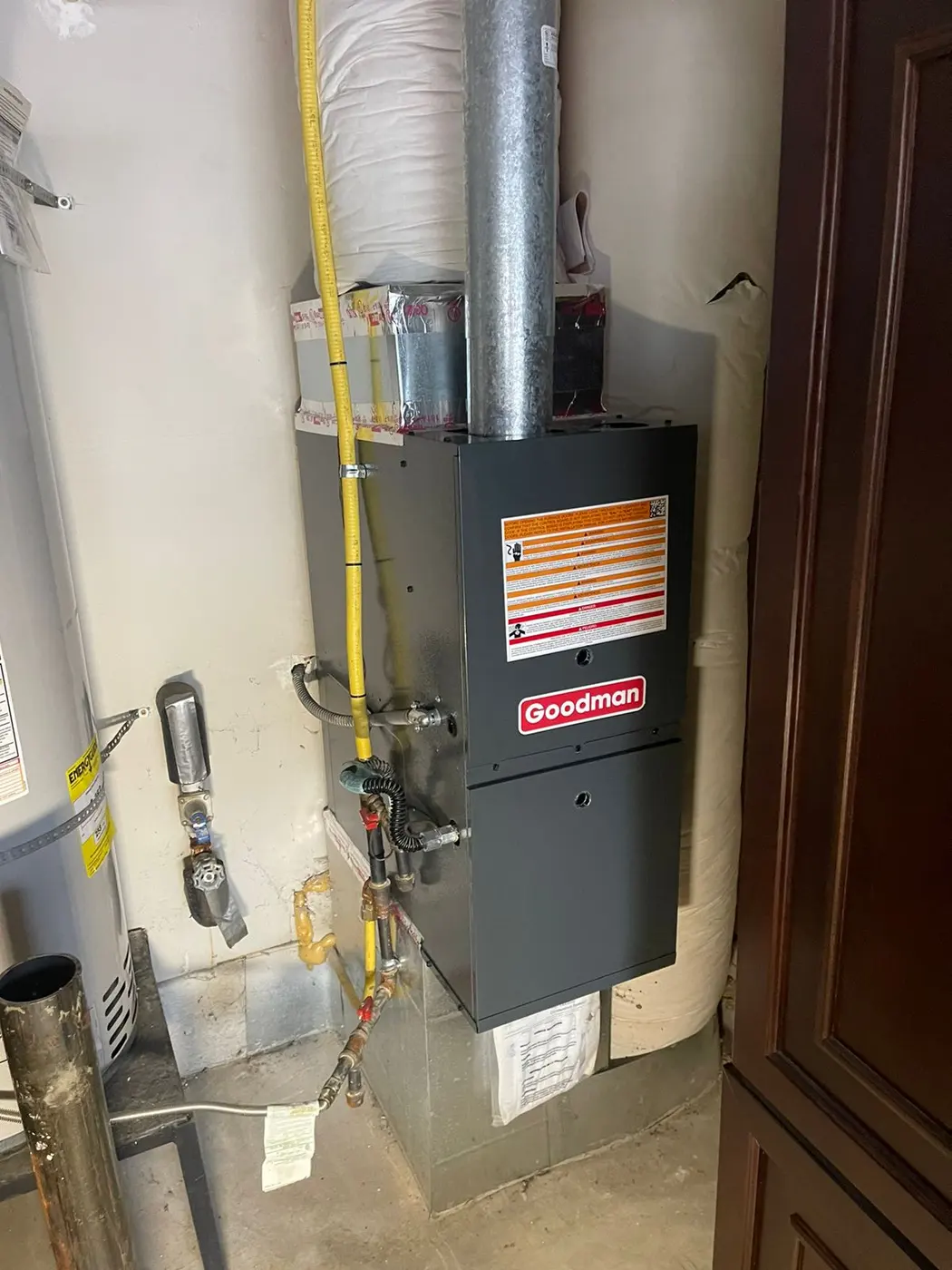
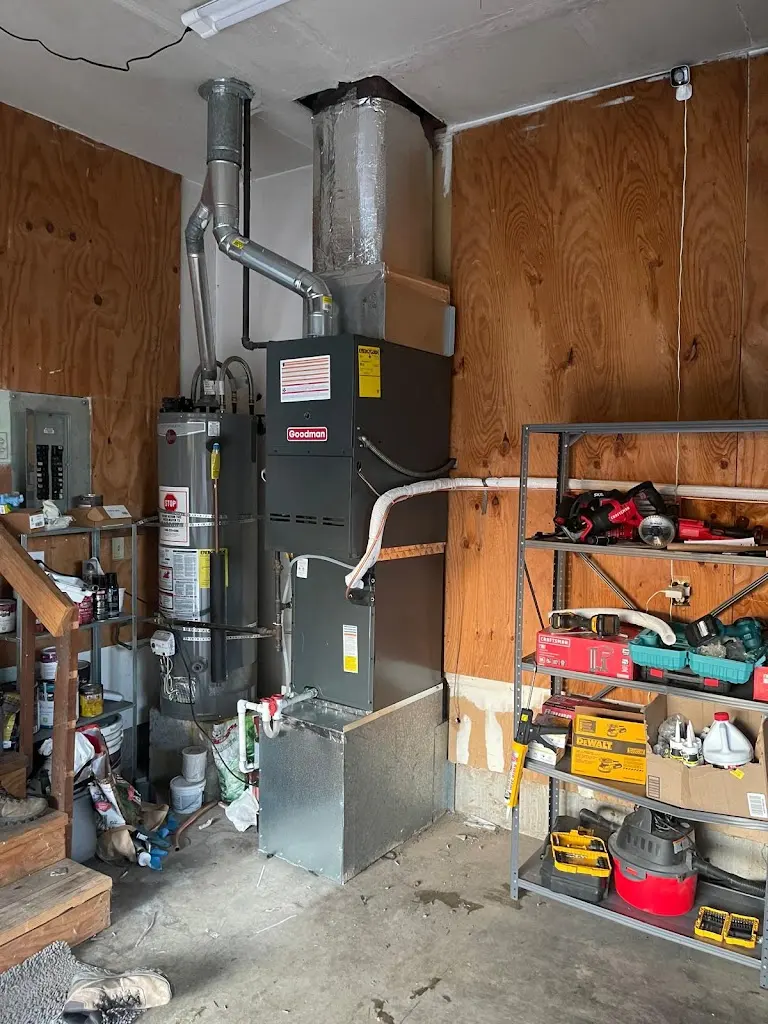
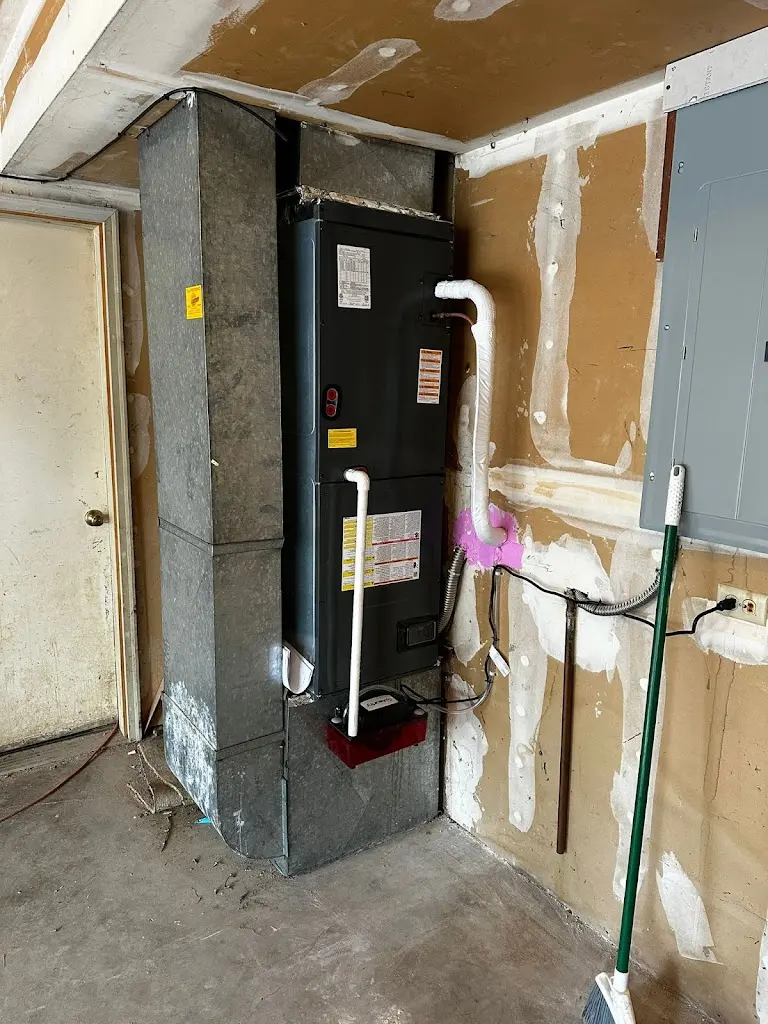
- Indoor coil, furnace or air-handler compatibility, plus whether any matched equipment should be updated with the replacement.
- Line-set condition, electrical disconnect, pad location, clearance and what can be reused safely.
- Duct delivery, return air and rooms that were still warm before the old cooling system failed.
- Replacement options, removal scope, warranty, financing and rebate details before the homeowner approves the changeout.
Replacement planning for AC replacement
A replacement page needs a different conversation than a first-time installation page. For AC replacement in Northwest District, OR, the estimator looks at why the existing system is being replaced, how it has been performing, whether repair history points to a bigger comfort issue and what should change with the new equipment.
- Compare the existing equipment condition with the homeowner’s comfort and efficiency goals.
- Check whether ducts, venting, electrical, controls or access should be updated with the replacement.
- Explain which replacement options solve the current problem and which options are mainly upgrades.
Why the free estimator visit matters in Northwest District
Northwest District estimates should confirm installability before comparing equipment tiers.
- Use the Northwest District visit to verify access, fit and comfort goals before pricing.
- Connect the AC replacement recommendation to the home details the estimator can confirm.
- Keep the Northwest District proposal practical enough to compare before scheduling.
Comparing Good / Better / Best AC replacement options for Northwest District
A useful AC replacement proposal in Northwest District should compare Good / Better / Best options against the actual home details, not against a generic package. Choose Northwest District AC replacement after access, approval and sound details are clear.
The comparison should explain how each option changes comfort, access, equipment fit, warranty and final scope. Northwest District estimates should confirm installability before comparing equipment tiers.
Why AC replacement pricing must be confirmed at the home
The final number should be based on equipment, labor and verified scope. The free estimator visit checks the details that online pricing cannot confirm, including old condenser access, line-set condition, indoor coil compatibility, electrical disconnect, permits or unresolved airflow issues.
- Replacement AC size, efficiency level, brand and whether the indoor coil should be changed at the same time.
- Old condenser removal, line-set condition, refrigerant conversion, pad location and electrical disconnect details.
- Indoor equipment compatibility, duct delivery, return air and any cooling complaints the old system did not solve.
- Outdoor sound, clearance, access, thermostat setup, permits and whether a quieter replacement is worth comparing.
- Warranty, financing, rebate questions and the installation timeline for removing and replacing the old AC.
Why Northwest District access changes the replacement estimate
Northwest District projects can involve condos, townhomes, older apartments, tight loading zones, roof locations, courtyards and building-management requirements. Those details can change the practical replacement path before equipment size is discussed.
A useful local estimate should document access, approved location, sound expectations, line route, electrical details and any HOA or property-manager requirements.
Northwest District approval-ready AC replacement planning
For Northwest District, replacement planning should read like a building-ready scope. The estimator should make the approved route and equipment location clear before the homeowner chooses an AC tier.
The finished proposal should separate building-required work from optional comfort upgrades, so the replacement can move forward without surprise access or approval issues.
- Confirm HOA, property-manager, roof, balcony, courtyard or shared-wall restrictions.
- Review service elevator, stairs, loading, parking, roof hatch and equipment staging before pricing.
- Compare installable AC replacement options around sound, clearance, warranty and future service access.
Northwest District installation planning notes
For AC replacement in Northwest District, OR, the useful estimate is the one that checks the current setup, equipment access, comfort concerns and project timing before a system is selected. That local review helps prevent a generic recommendation from turning into a surprise scope change later.
- Confirm equipment age, access, duct condition, electrical or venting needs and the comfort goal.
- Compare practical options so the homeowner can choose the right balance of cost and performance.
- Use the proposal to explain what is included, what could change and what happens next.
AC Replacement estimate focus for Northwest District
For AC replacement in Northwest District, the estimate should turn a broad service search into a specific plan for the home. The useful details are equipment age, access, room comfort, project timing and the type of proposal the homeowner wants to compare.
- Confirm the current equipment setup and what the homeowner wants the new system to solve.
- Review access, compatibility, comfort concerns and any project preparation before quoting.
- Compare options in a way that separates required scope from optional upgrades.
- The proposal should clarify efficiency, noise level, warranty and whether the furnace or coil should be addressed.
- Cooling complaints should be tied to airflow, return air, shade, room exposure and condenser placement.
AC Replacement estimate notes for Northwest District, OR
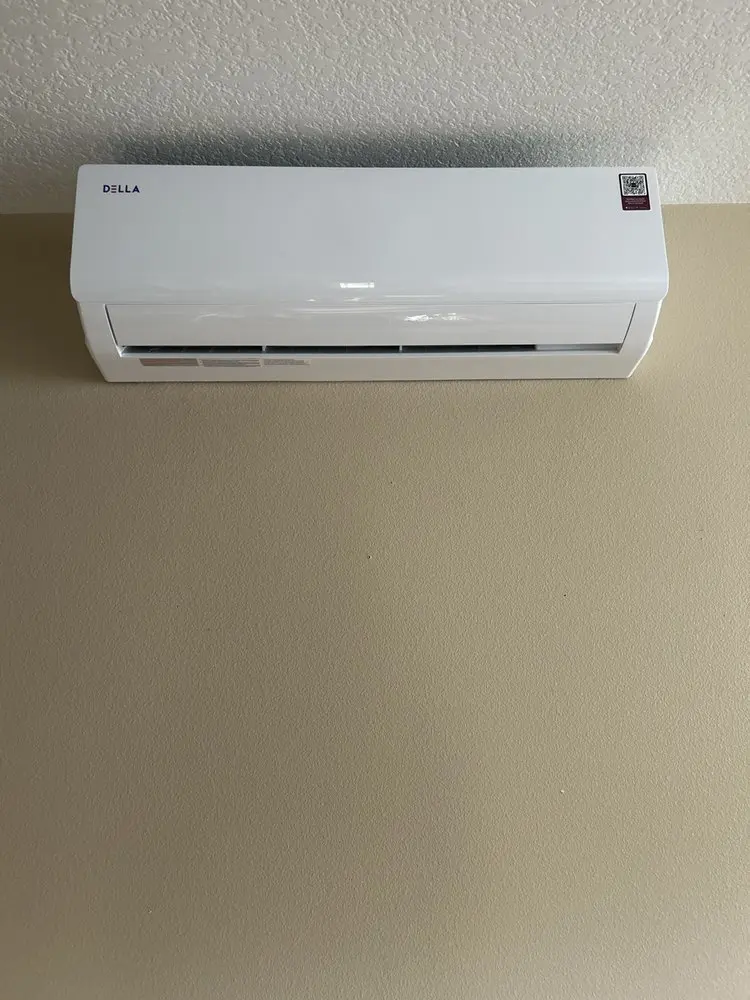
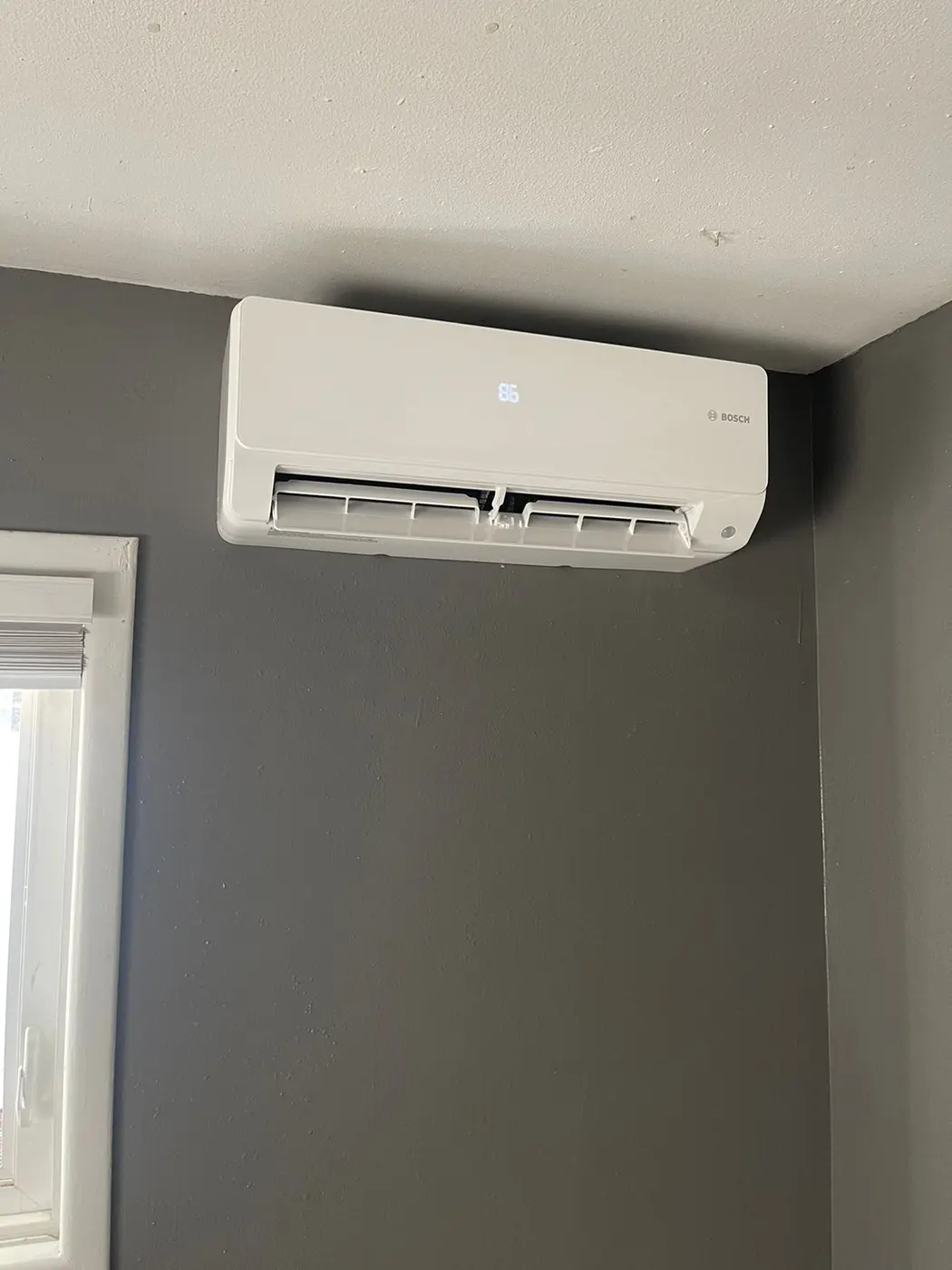
Northwest District installation planning often needs extra attention to older buildings, condo rules, tight mechanical access, roof or side-yard limits and quiet operation. For AC work, the best proposal explains condenser placement, airflow limits, equipment efficiency and whether a heat pump alternative should be compared.
- Check access permissions, equipment location and building constraints before pricing.
- Review indoor fit, controls, noise level and service clearance carefully.
- Compare options that work for the building instead of assuming a standard house layout.
- Replacement projects should compare what can stay, what should be upgraded and what will affect the final installation scope.
Related installation pages
- AC Installation – compare central AC installation options.
- HVAC Installation – review full heating and cooling installation paths.
- Heat Pump Installation – compare heat pump alternatives when they fit the home.
- Furnace Installation – plan furnace replacement with the cooling project when needed.
AC Replacement questions
Is the estimator visit free?
Yes. The estimator visit is free for AC replacement projects in the Portland Metro service area. It helps confirm equipment size, access, scope and options before a proposal is prepared.
Can I get more than one option?
Yes. We can compare practical options so you can choose the balance of price, efficiency, warranty, quiet operation and comfort that fits the home.
What can change the AC replacement price?
The final price can change with equipment size, efficiency, access, electrical or venting work, line sets, duct changes, permits and whether the central AC system is part of a larger heating and cooling upgrade.
When should I call instead of using the form?
(503) 512-5900 is best when timing is urgent. Use the form when you can send details and prefer a follow-up to schedule the free estimator visit.