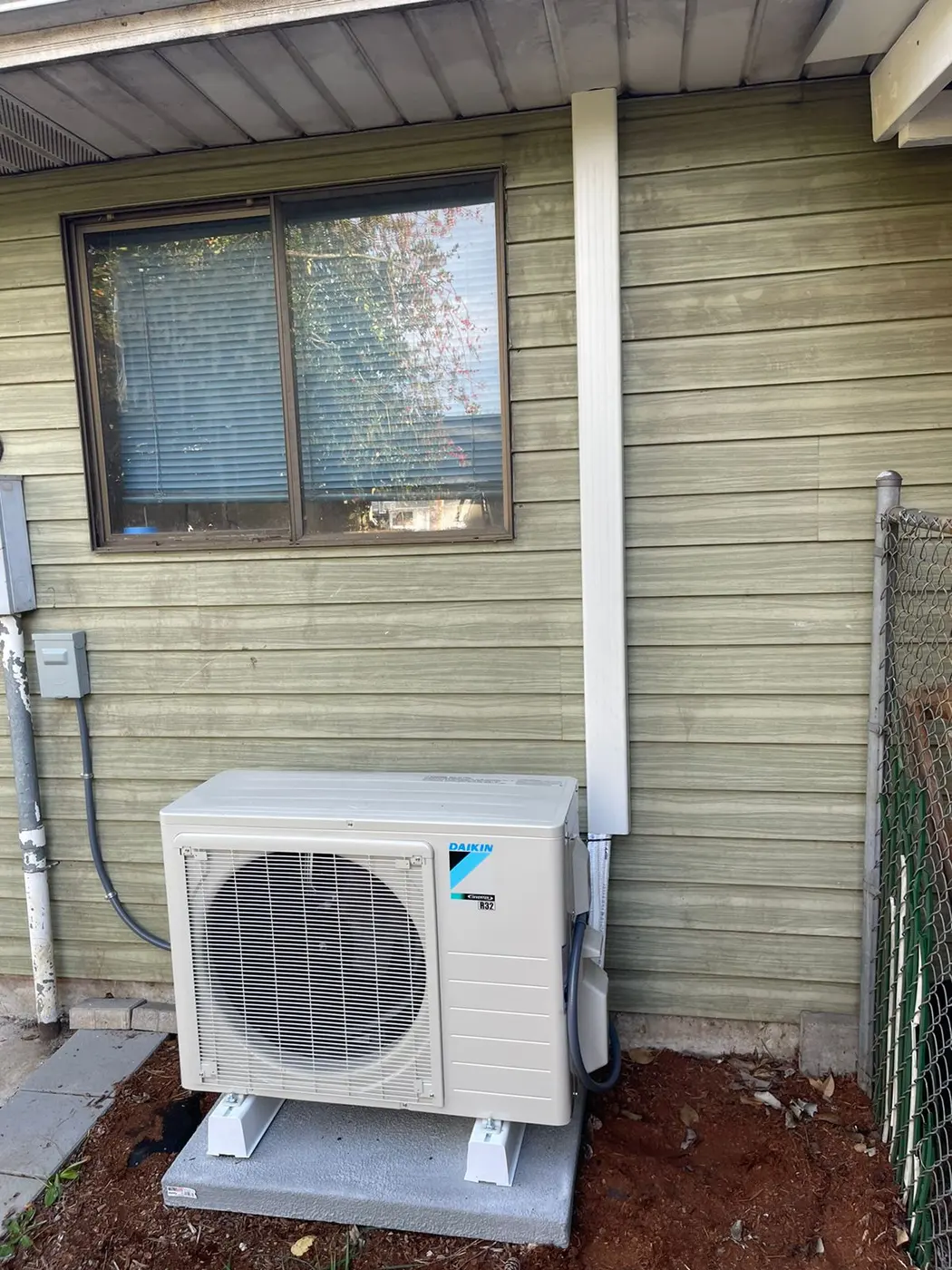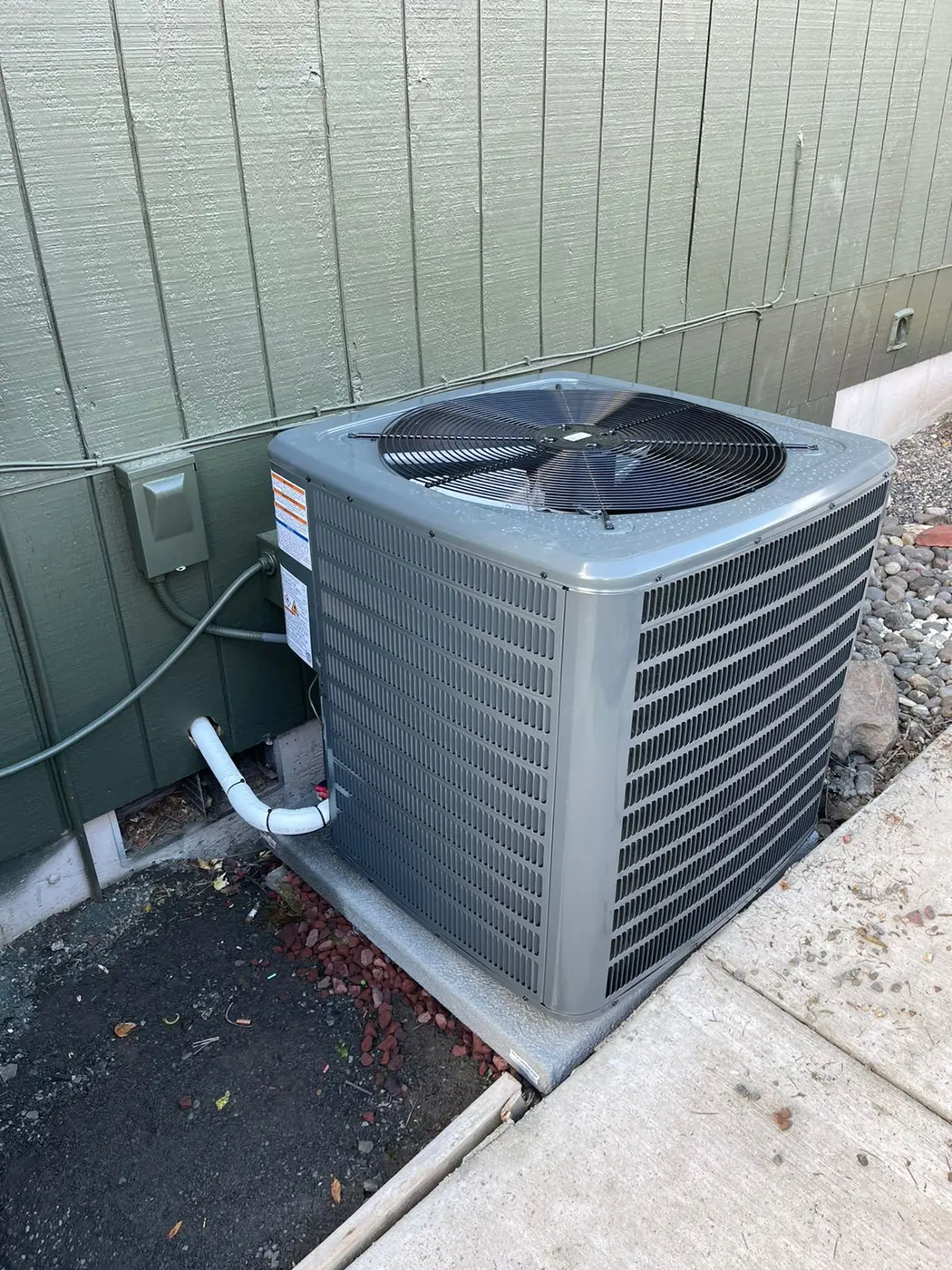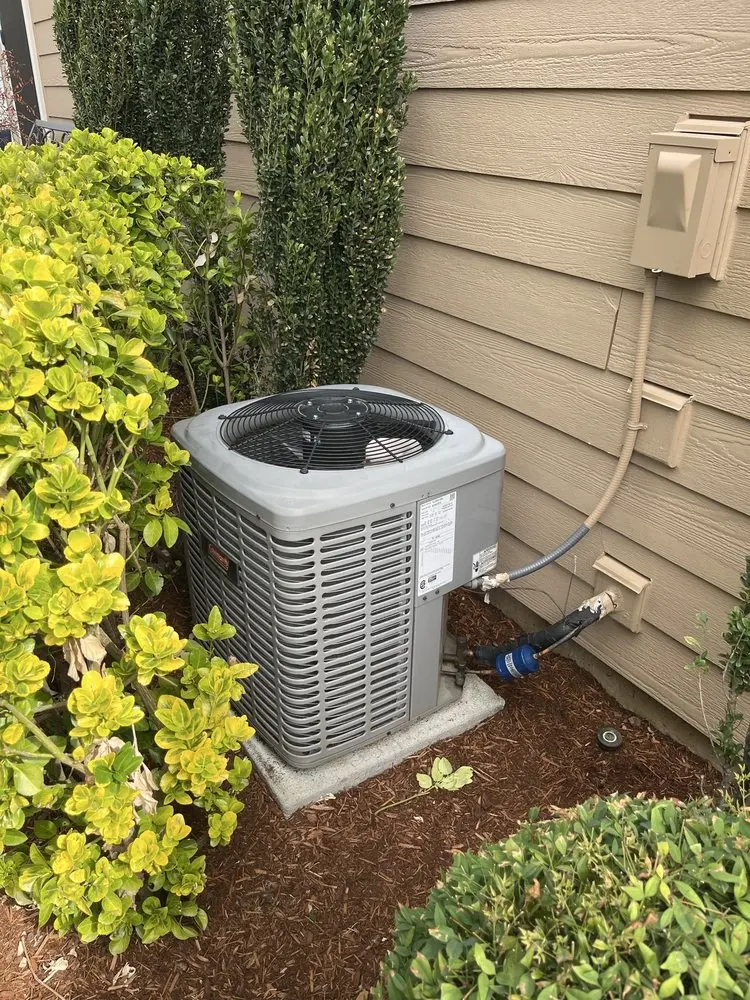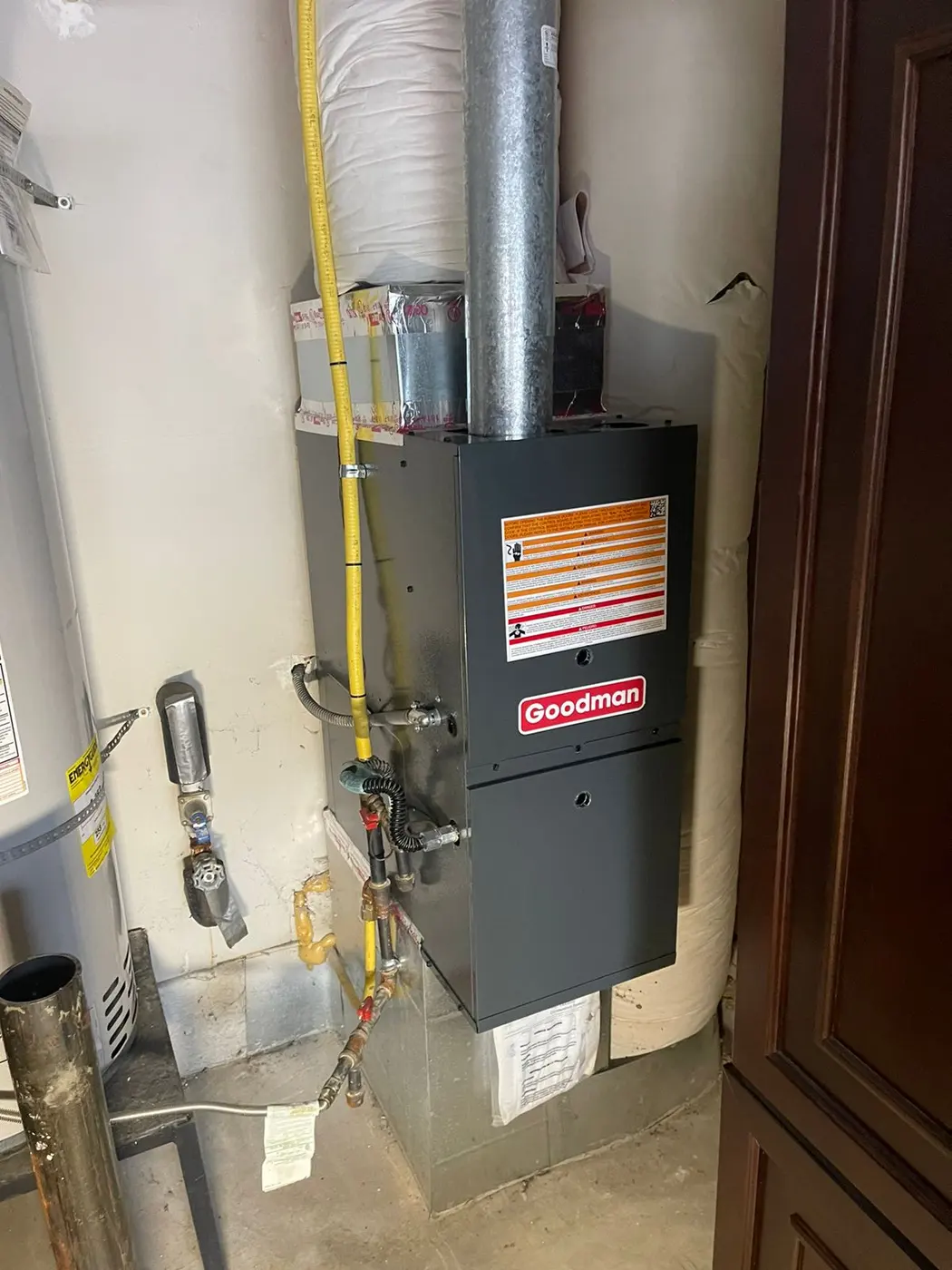
Northwest District mini split installation for condos, townhomes and tight exterior rules
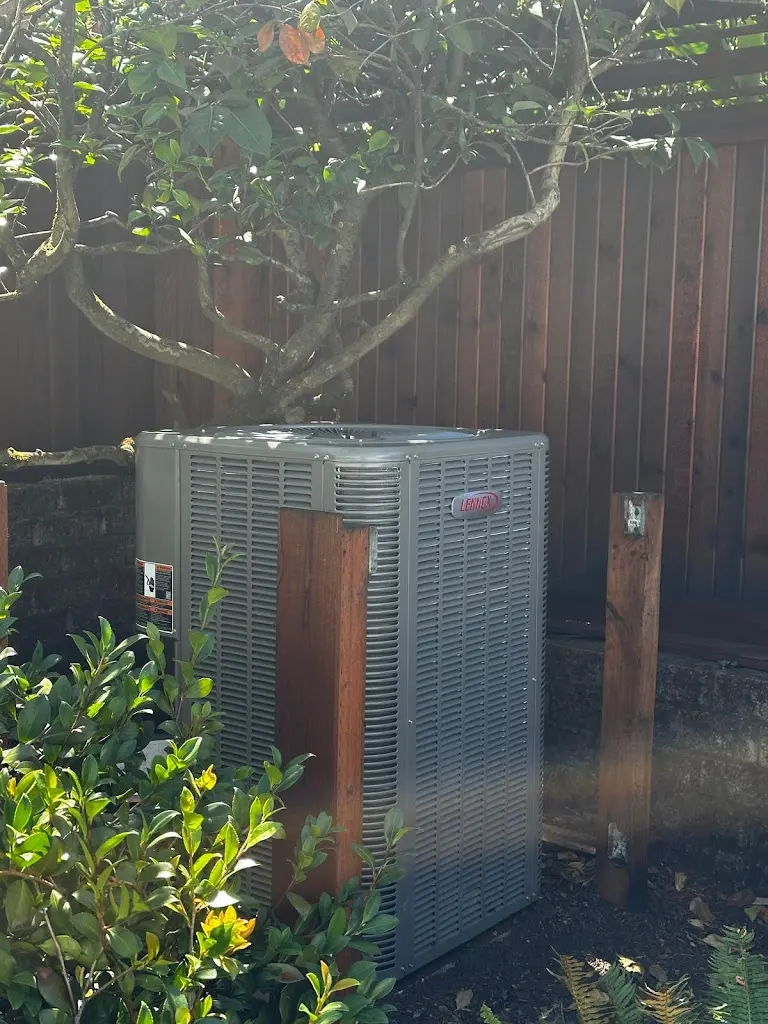
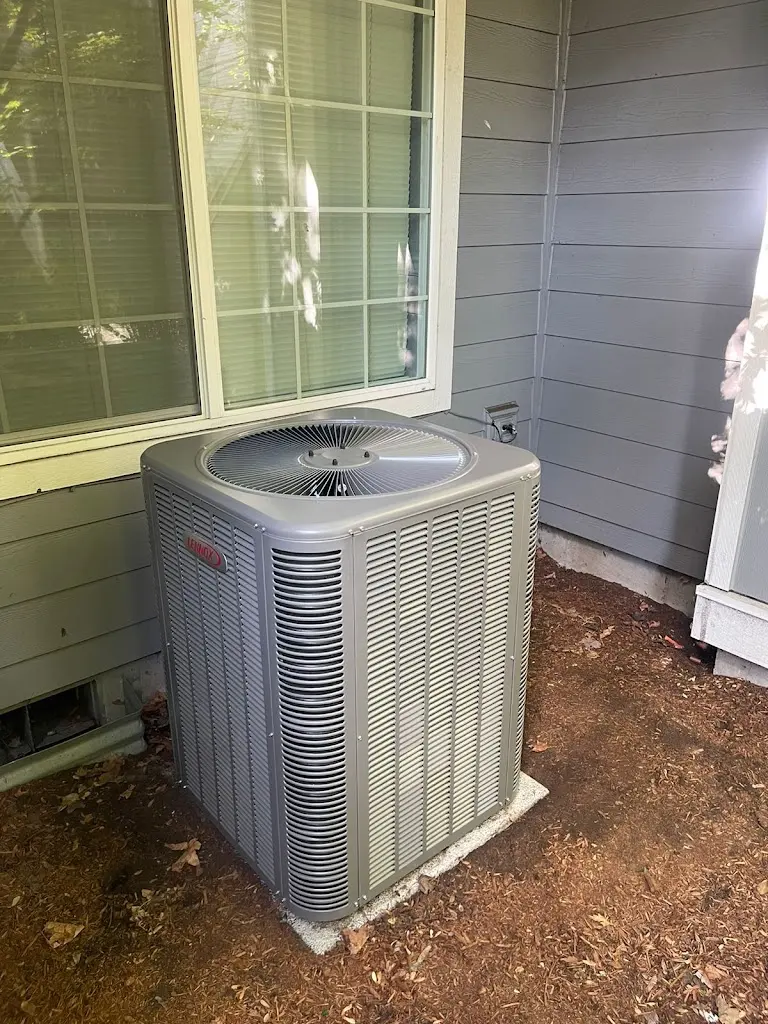
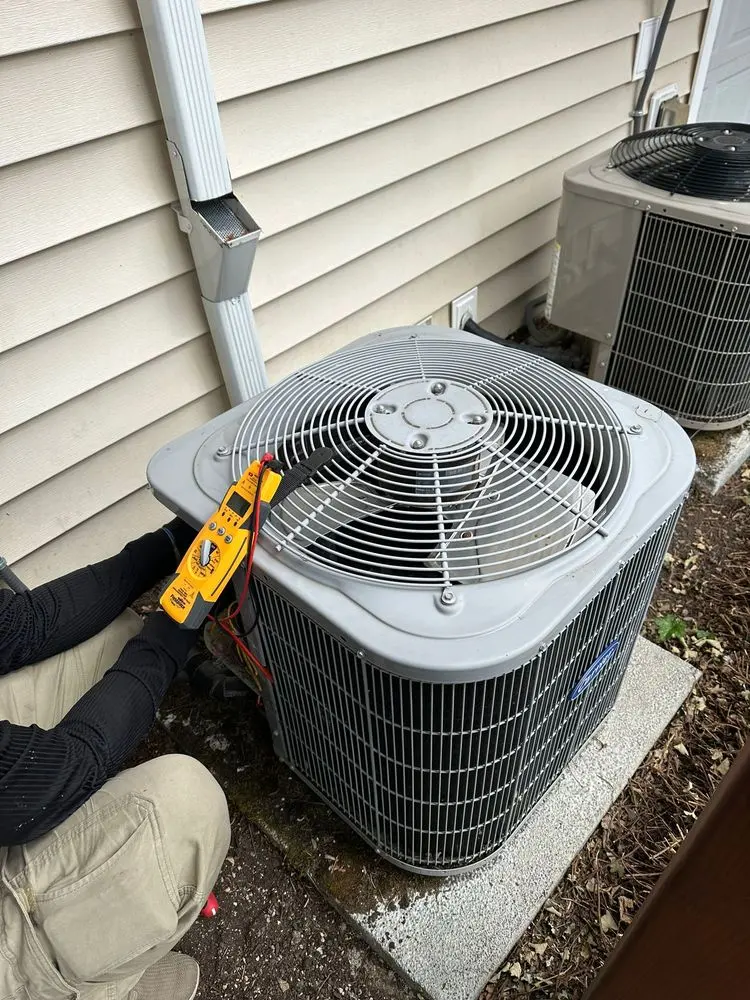
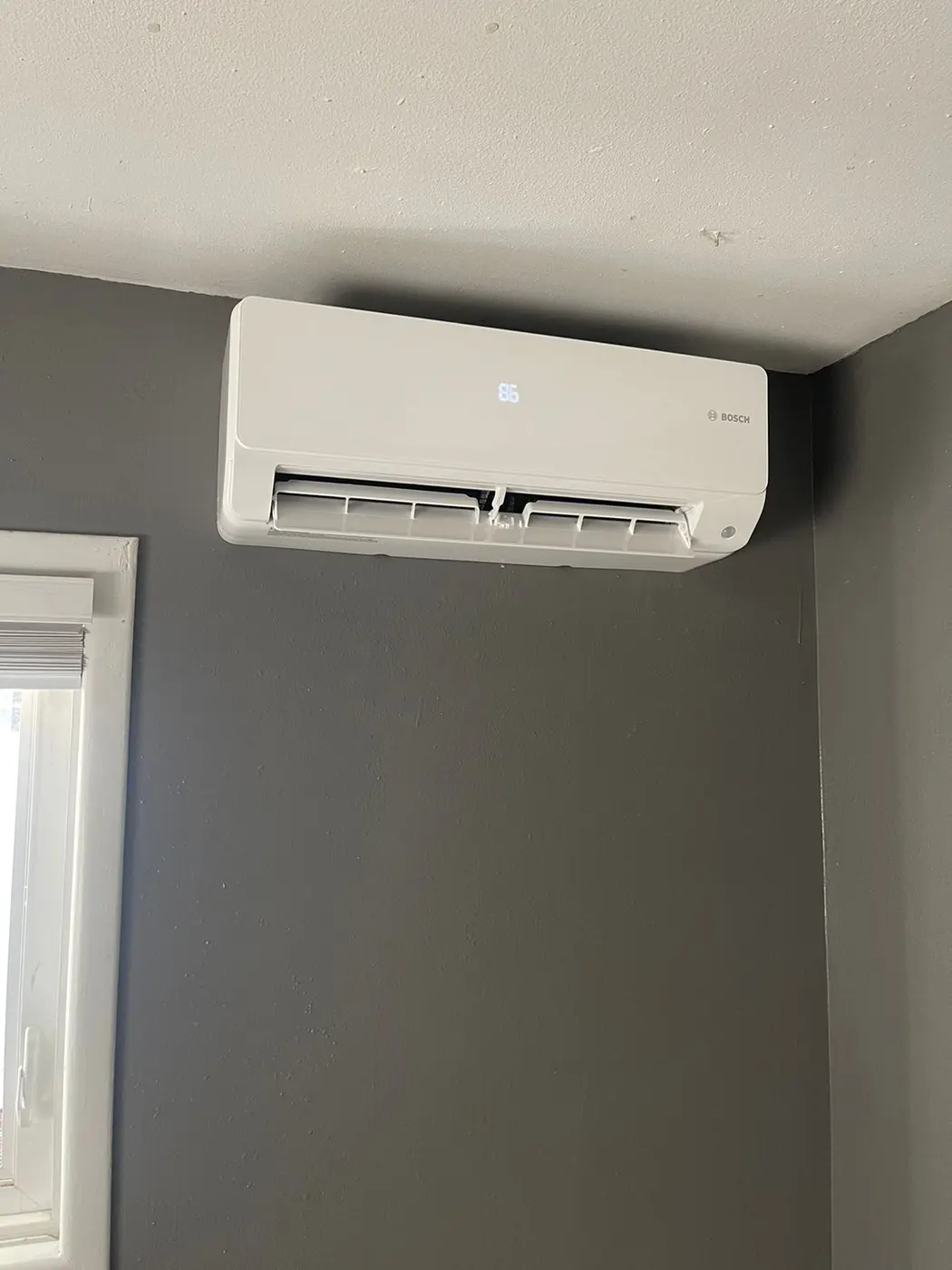
Northwest District mini split installation often depends on building constraints before equipment choice. Condos, townhomes, narrow lots, shared walls, balconies, courtyards and HOA rules can determine where indoor and outdoor equipment may go.
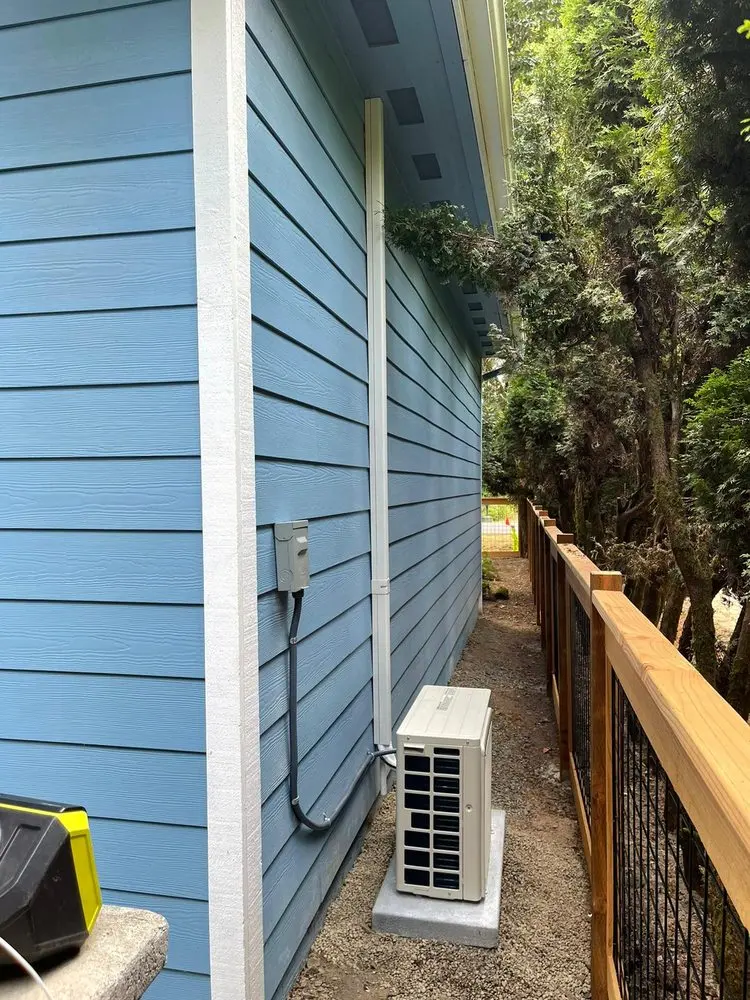
The estimator reviews allowed outdoor placement, condensate route, electrical access, sound expectations, service clearance and whether building approval is needed before pricing.
Northwest District mini split details that help
Send building type, room location, balcony or roof access notes, any HOA guidance and whether outdoor sound near neighbors is a concern.
That helps avoid a route that cannot be approved by the building.
A Northwest District mini split example
A homeowner may need one room cooled in a condo or townhouse where outdoor placement is limited.
The estimate should make the allowed route clear before installation is scheduled.
- Confirm HOA, balcony, roof or courtyard restrictions.
- Review shared-wall sound and service access.
- Plan condensate and electrical routing around building limits.
- Compare compact equipment only after the approved route is clear.
Choosing the Northwest District mini split path
The Northwest District proposal should confirm building feasibility first, then compare quiet and compact mini split options.
- Confirm HOA, balcony, roof or courtyard restrictions.
- Review shared-wall sound and service access.
- Plan condensate and electrical routing around building limits.
- Compare compact equipment only after the approved route is clear.
What the free estimator visit checks
- The exact room, zone or finished space that needs independent heating or cooling.
- Indoor head placement, wall type, outdoor unit location, line-cover route and exterior appearance.
- Electrical access, condensate path, mounting conditions, service clearance and whether future zones should be planned.
- Room use, sun exposure, insulation, doorways and whether one zone or several zones create the best value.
- Good, Better and Best ductless options with warranty, financing and rebate details before equipment is selected.
Room-by-room planning for mini split installation
Mini-split installation works best when the homeowner can see the zone plan before choosing equipment. For mini split installation in Northwest District, OR, the estimate should clarify which spaces need dedicated control and whether the layout should be built for future zones.
- Map comfort priority by room instead of assuming every space needs a head.
- Review electrical access, routing visibility and outdoor equipment placement.
- Separate one-room comfort from a multi-room ductless comfort plan.
Why Northwest District mini-splits need building-aware scope
Northwest District mini-split installation may depend on access, approved equipment location and compact mechanical conditions as much as the room size.
- Confirm building limits before zone count is chosen.
- Review sound, service clearance and exterior approval needs.
- Compare ductless options that can actually be installed cleanly.
How we compare mini-split options for Northwest District, OR
Mini-split installation should compare the room plan before equipment price. For Northwest District, OR, the useful comparison includes room priority, indoor head placement, electrical access, condensate routing, line-cover path, outdoor unit location and service access.
The proposal should make single-zone mini-split, multi-zone ductless system, targeted room comfort and staged zone planning easy to compare, then explain which layout solves the room comfort issue with clean routing and practical scope. That helps the homeowner choose the right zone plan with context.
What can affect the final mini split installation price
A real installation price depends on the actual home. The free estimator visit helps confirm the installation details before the project is approved, especially when wall access, electrical work, condensate routing, line-set covers, permits or zone layout could change the final scope.
- Number of zones, indoor head style, outdoor unit size and equipment brand.
- Wall access, line-set routing, condensate routing, electrical work and mounting conditions.
- Room size, insulation, sun exposure, doorways and how the space will be used.
- Whether the project is for an addition, garage, office, basement, attic or whole-home comfort plan.
- Warranty, financing, rebate questions, permit details and the installation timeline the homeowner needs.
Why local installation planning matters
In Northwest District, OR, room layout, finished-wall access, exterior routing, condensate routing and electrical capacity can change the mini-split installation scope. A local estimate should account for how the home is built, where equipment is located, how rooms are used and what the homeowner wants to improve. That is especially important for projects involving additions, finished spaces, older duct layouts, tight equipment access or comfort issues that only show up during heavy seasonal use.
HVAC & Appliance Repair Guys works across the Portland Metro area with installation planning focused on clear communication, practical options, clean workmanship and a written next step before the project moves forward. For mini split installation in Northwest District, OR, the estimate should make the decision easier, not more confusing.
Northwest District mini split planning around building logistics
Northwest District mini split installation should be filtered through building logistics first: exterior equipment rules, shared-wall sound, balcony or roof access, condensate routing and service clearance.
The free visit should confirm whether the target room can be served cleanly before the homeowner compares equipment tiers or multi-zone layouts.
In dense Northwest Portland settings, the best mini split proposal is often the one that is easiest to approve, quietest for neighboring units and simplest to maintain later.
That means feasibility, route and access should be documented clearly instead of hidden behind a generic ductless price.
- Confirm building rules, approved outdoor location, access path and service clearance.
- Review shared-wall sound, condensate route, wall-head placement and electrical path.
- Separate feasible layouts from options that would depend on uncertain approvals.
- Compare mini split choices by building fit, room comfort and long-term serviceability.
Northwest District installation planning notes
For mini split installation in Northwest District, OR, the useful estimate is the one that checks the current setup, equipment access, comfort concerns and project timing before a system is selected. That local review helps prevent a generic recommendation from turning into a surprise scope change later.
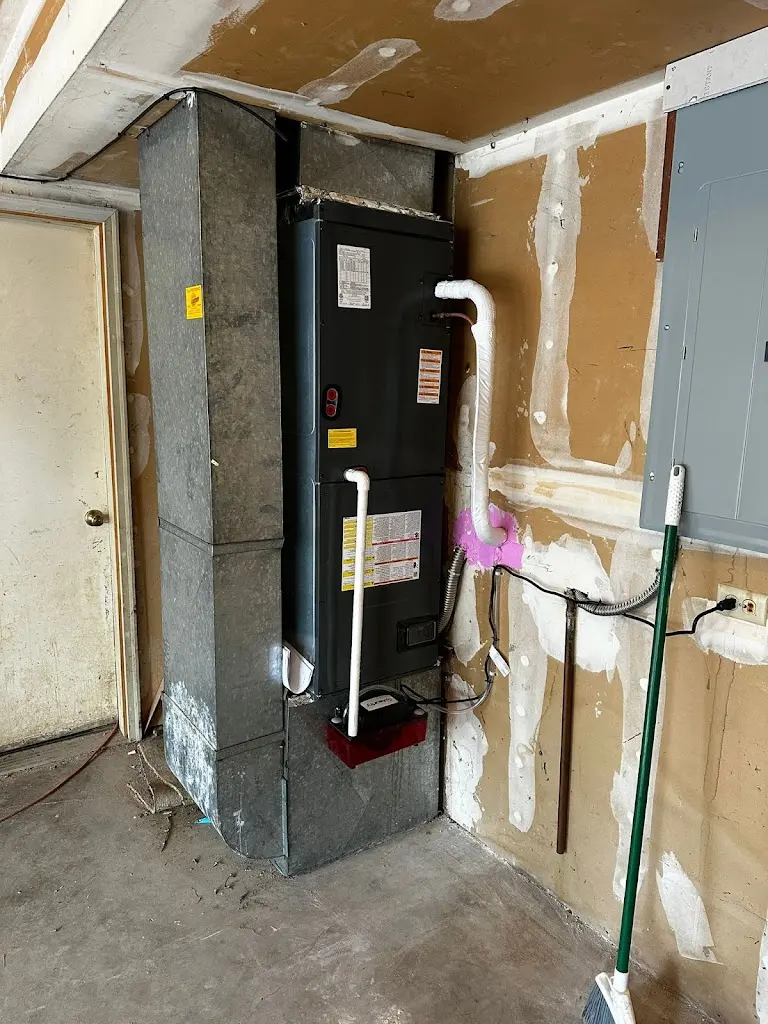
- Confirm equipment age, access, duct condition, electrical or venting needs and the comfort goal.
- Compare practical options so the homeowner can choose the right balance of cost and performance.
- Use the proposal to explain what is included, what could change and what happens next.
Mini Split Installation estimate focus for Northwest District
For mini split installation in Northwest District, the estimate should turn a broad service search into a specific plan for the home. The useful details are equipment age, access, room comfort, project timing and the type of proposal the homeowner wants to compare.
- Confirm the current equipment setup and what the homeowner wants the new system to solve.
- Review access, compatibility, comfort concerns and any project preparation before quoting.
- Compare options in a way that separates required scope from optional upgrades.
- The proposal should compare single-zone and multi-zone layouts when either could solve the comfort issue.
- Line routing, condensate routing, wall placement and exterior appearance should be reviewed before pricing.
Mini Split Installation estimate notes for Northwest District, OR
Northwest District installation planning often needs extra attention to older buildings, condo rules, tight mechanical access, roof or side-yard limits and quiet operation. For mini-split work, the layout and finished appearance can matter as much as the equipment size.
- Check access permissions, equipment location and building constraints before pricing.
- Review indoor fit, controls, noise level and service clearance carefully.
- Compare options that work for the building instead of assuming a standard house layout.
- The goal is to compare mini split installation options that fit the home, schedule and budget before the project is approved.
Related installation pages
- Mini Split Installation – compare ductless mini-split installation paths.
- Heat Pump Installation – review heat pump options for heating and cooling.
- HVAC Installation – compare larger system replacement plans.
- AC Installation – review central AC options when ductwork is available.
Mini Split Installation questions
Is the estimator visit free?
Yes. The estimator visit is free for mini split installation projects in the Portland Metro service area. It helps confirm equipment size, access, scope and options before a proposal is prepared.
Can I get more than one option?
Yes. We can compare practical options so you can choose the balance of price, efficiency, warranty, quiet operation and comfort that fits the home.
What can change the mini split installation price?
The final price can change with equipment size, efficiency, access, electrical or venting work, line sets, duct changes, permits and whether the ductless mini-split system is part of a larger heating and cooling upgrade.
When should I call instead of using the form?
(503) 512-5900 is best when timing is urgent. Use the form when you can send details and prefer a follow-up to schedule the free estimator visit.