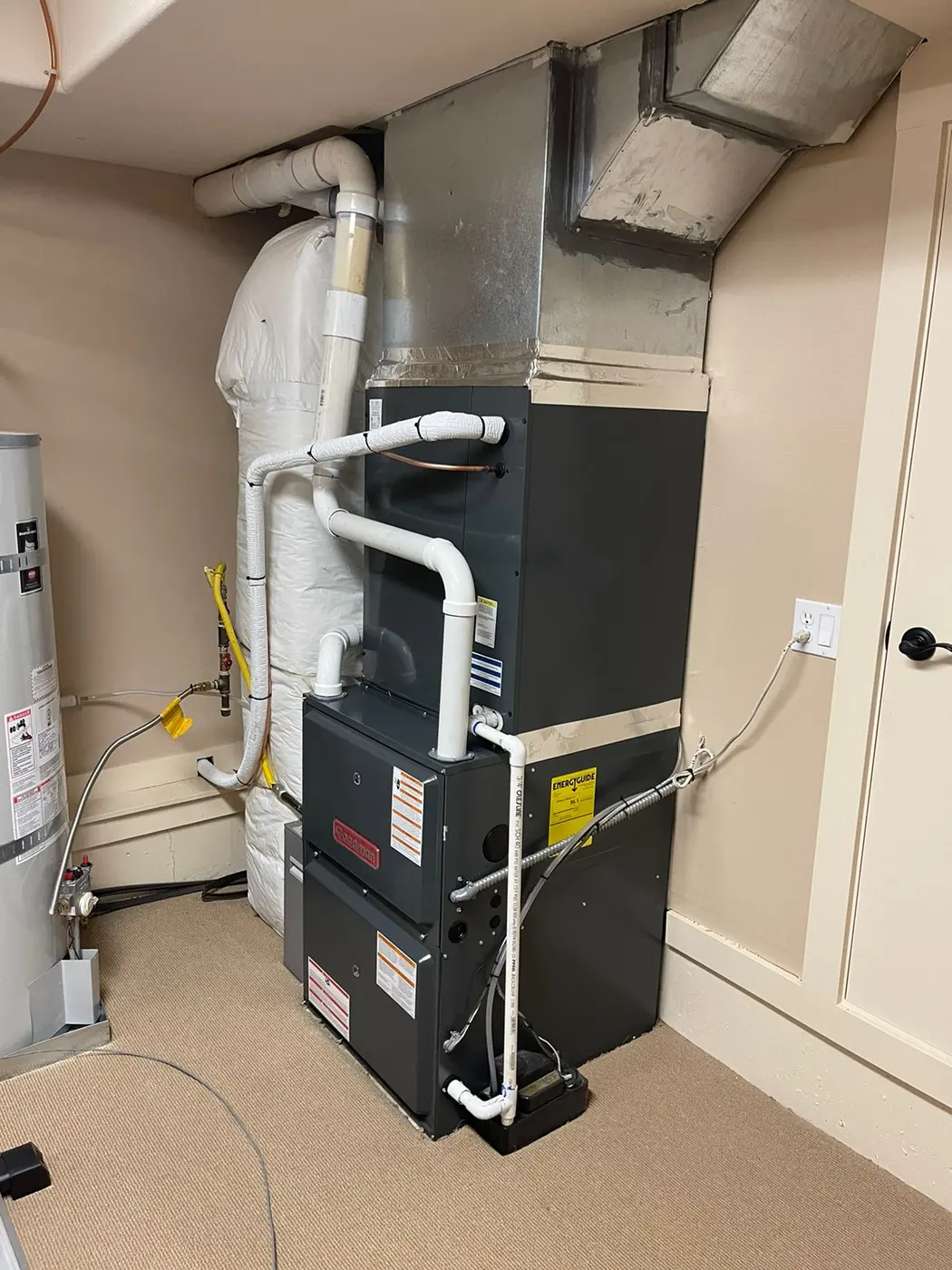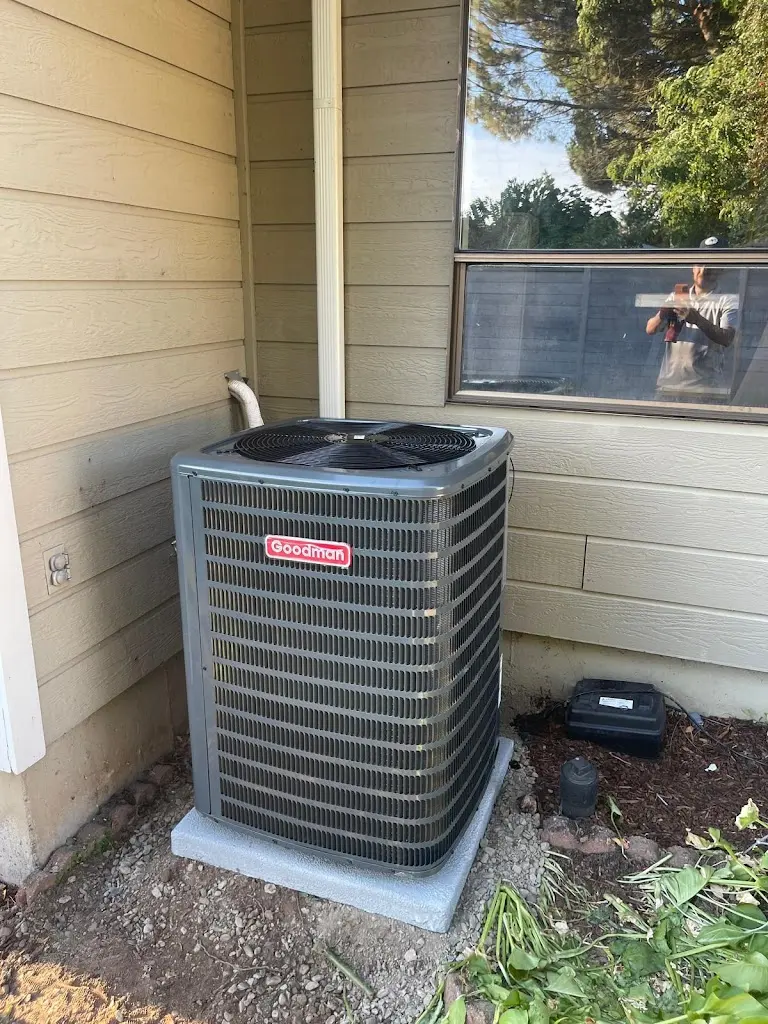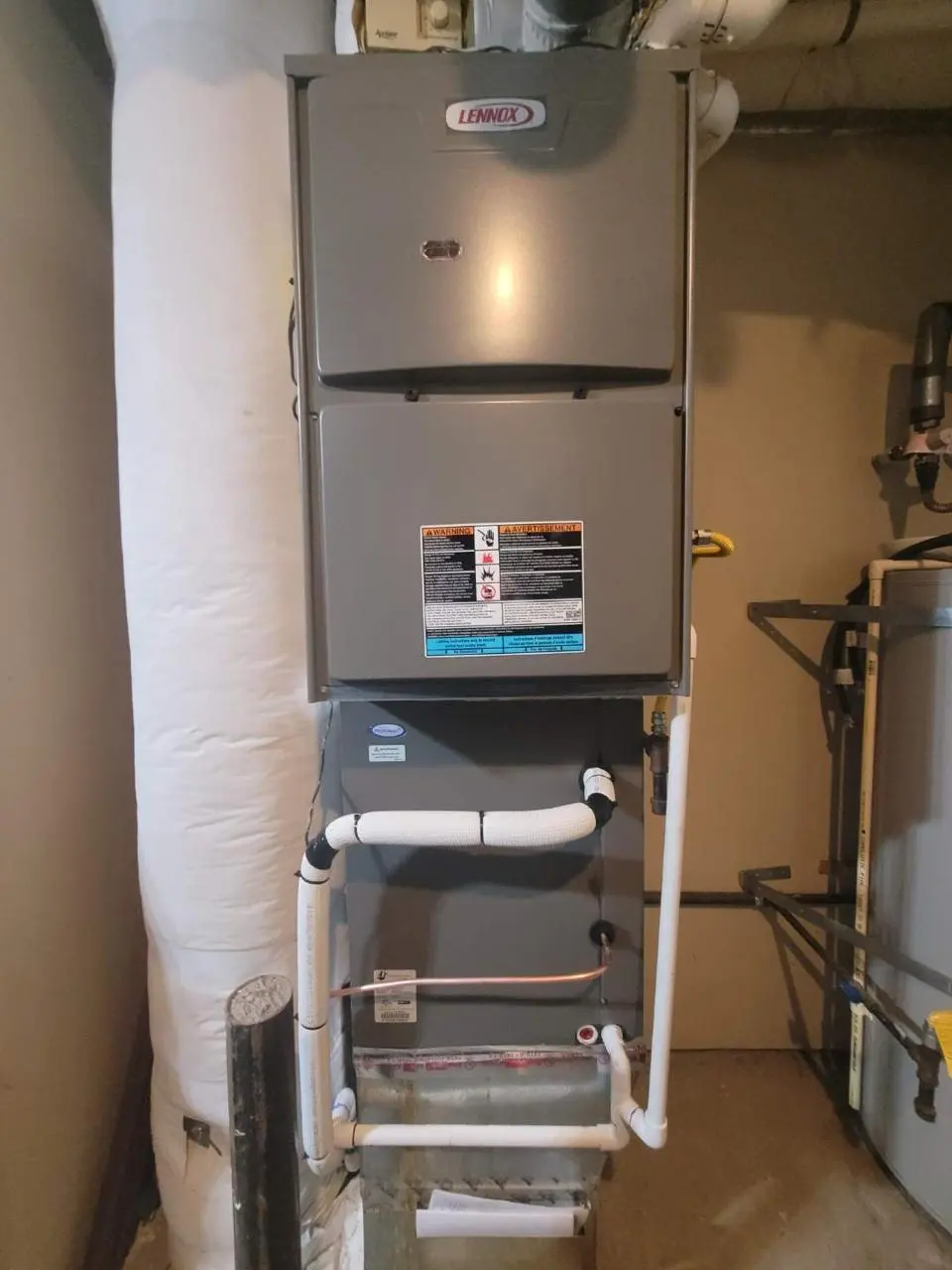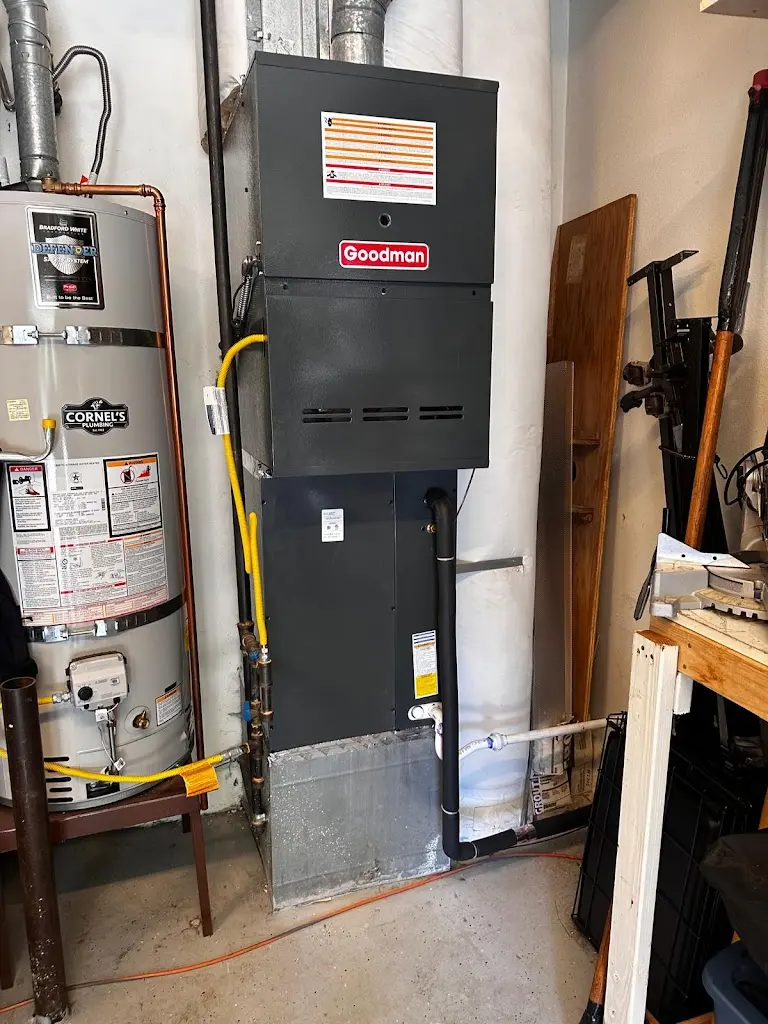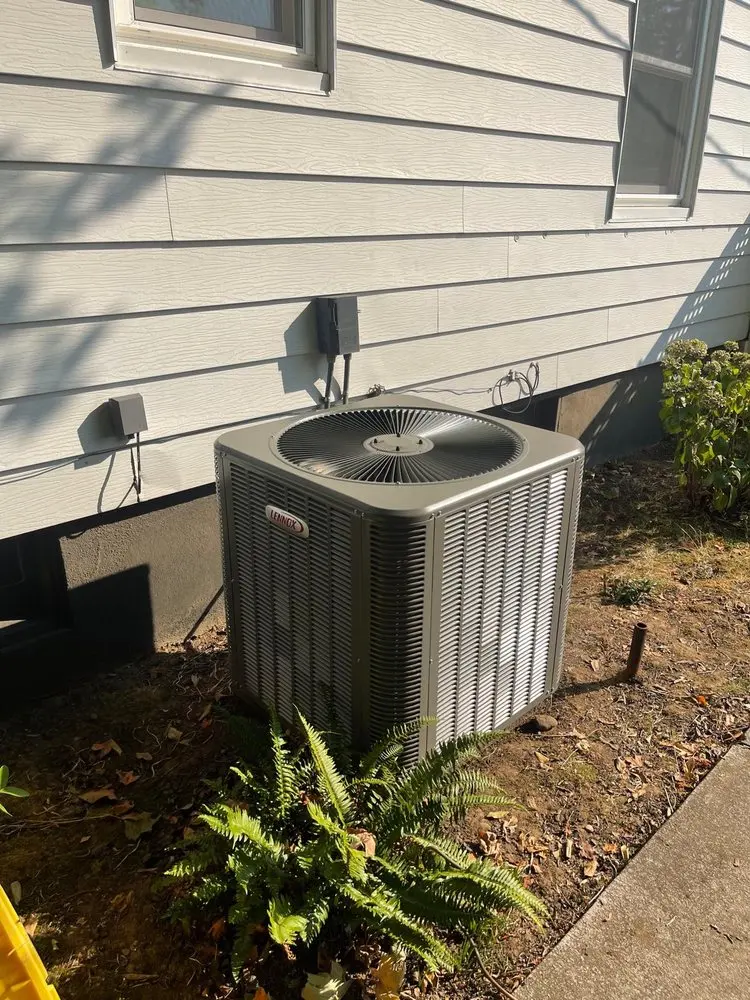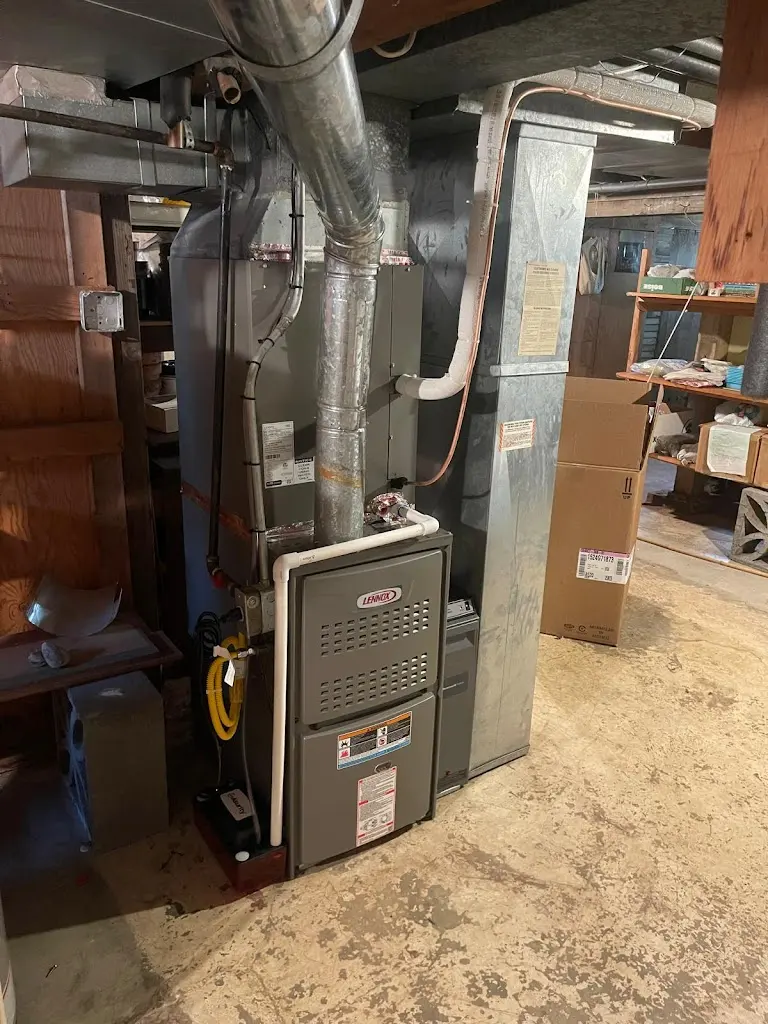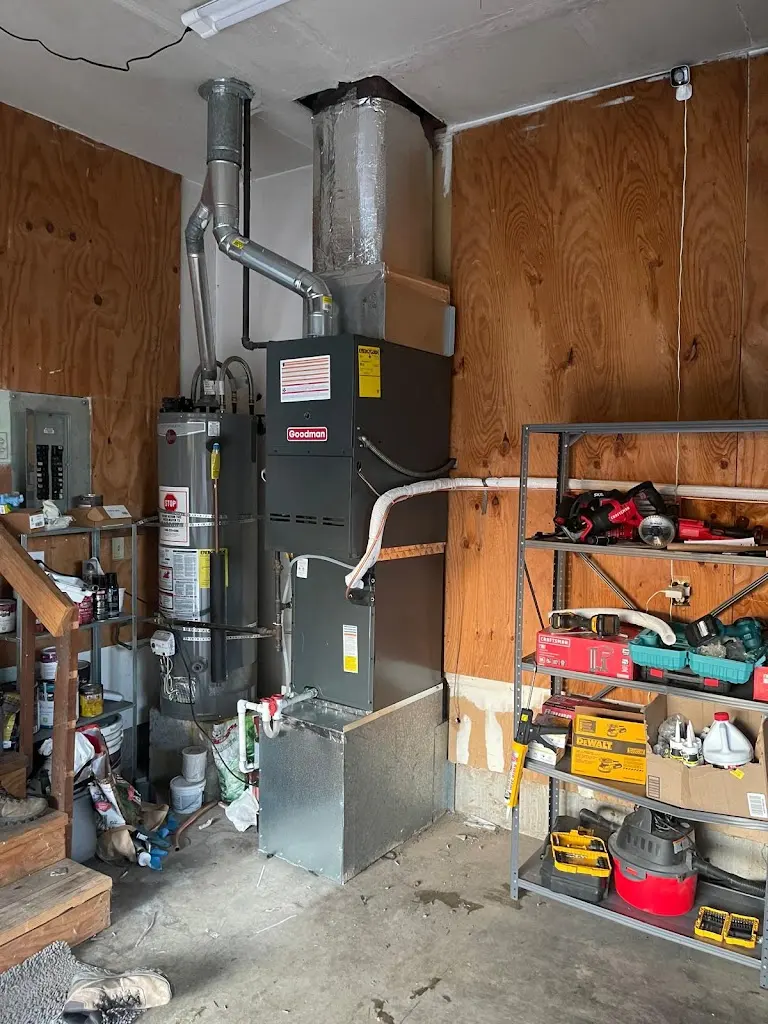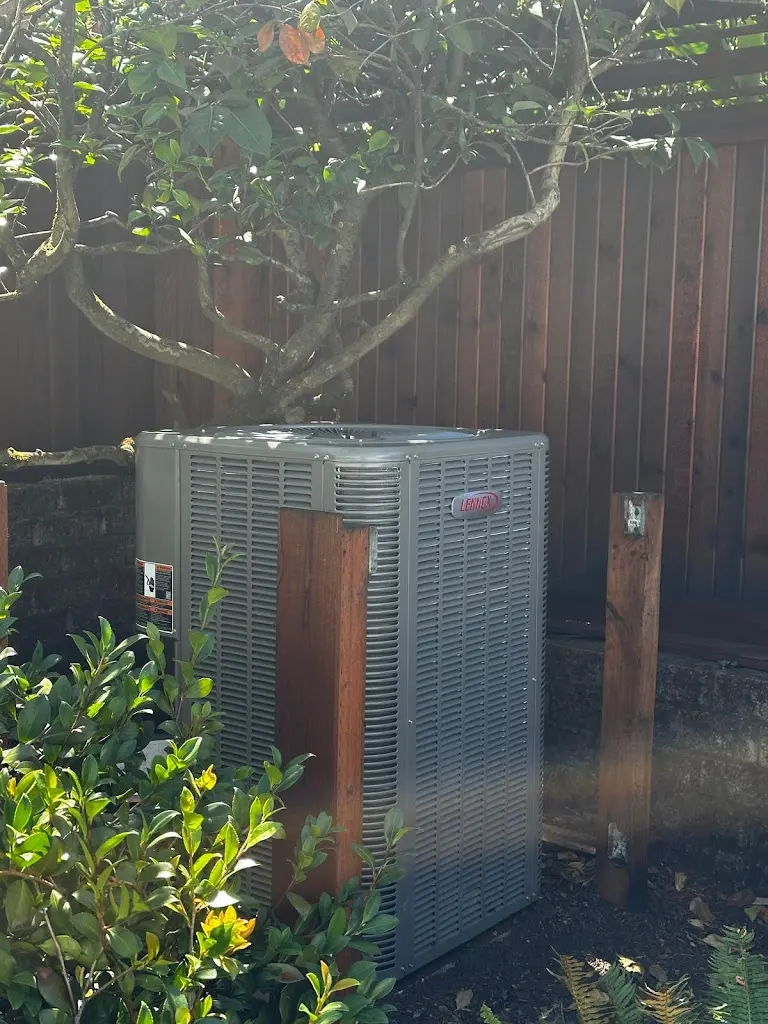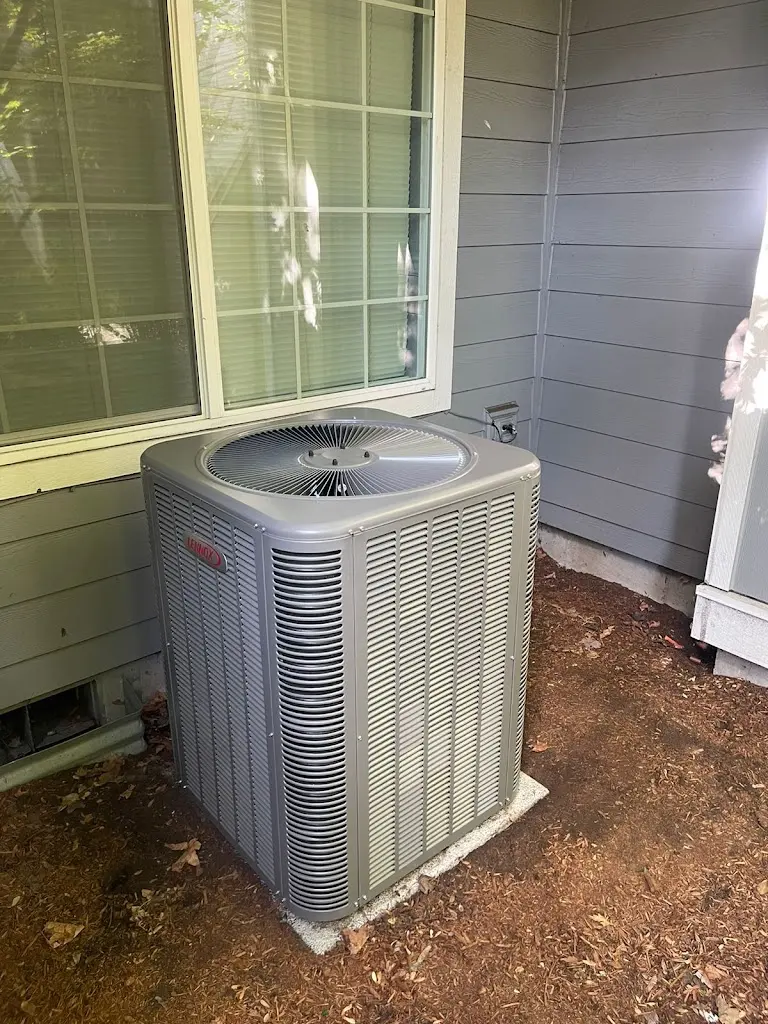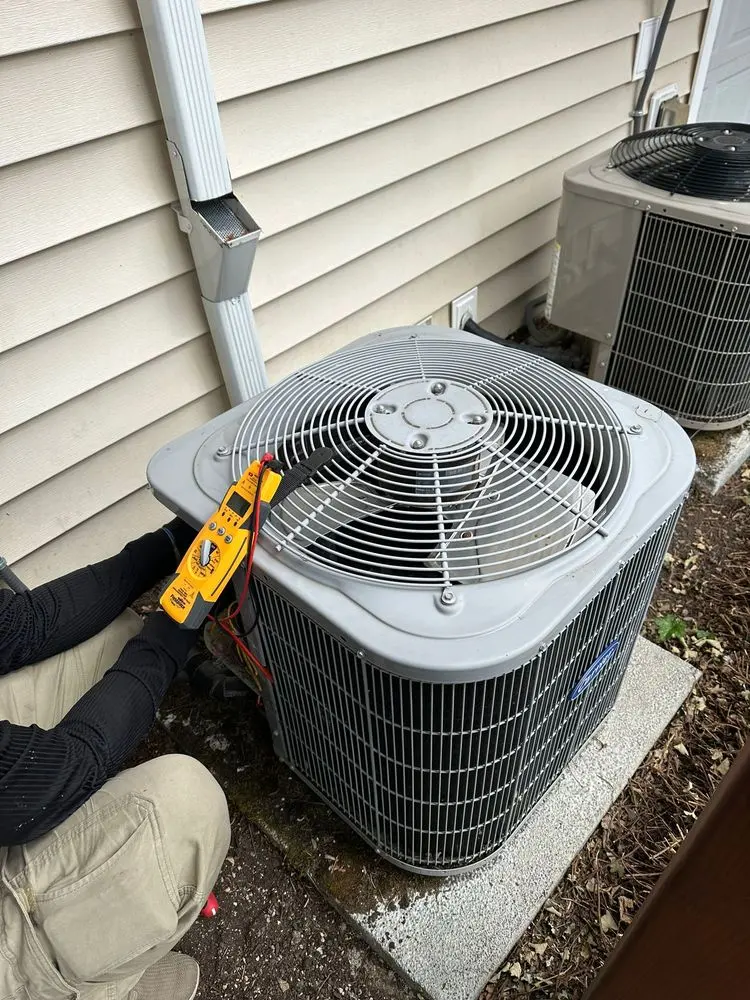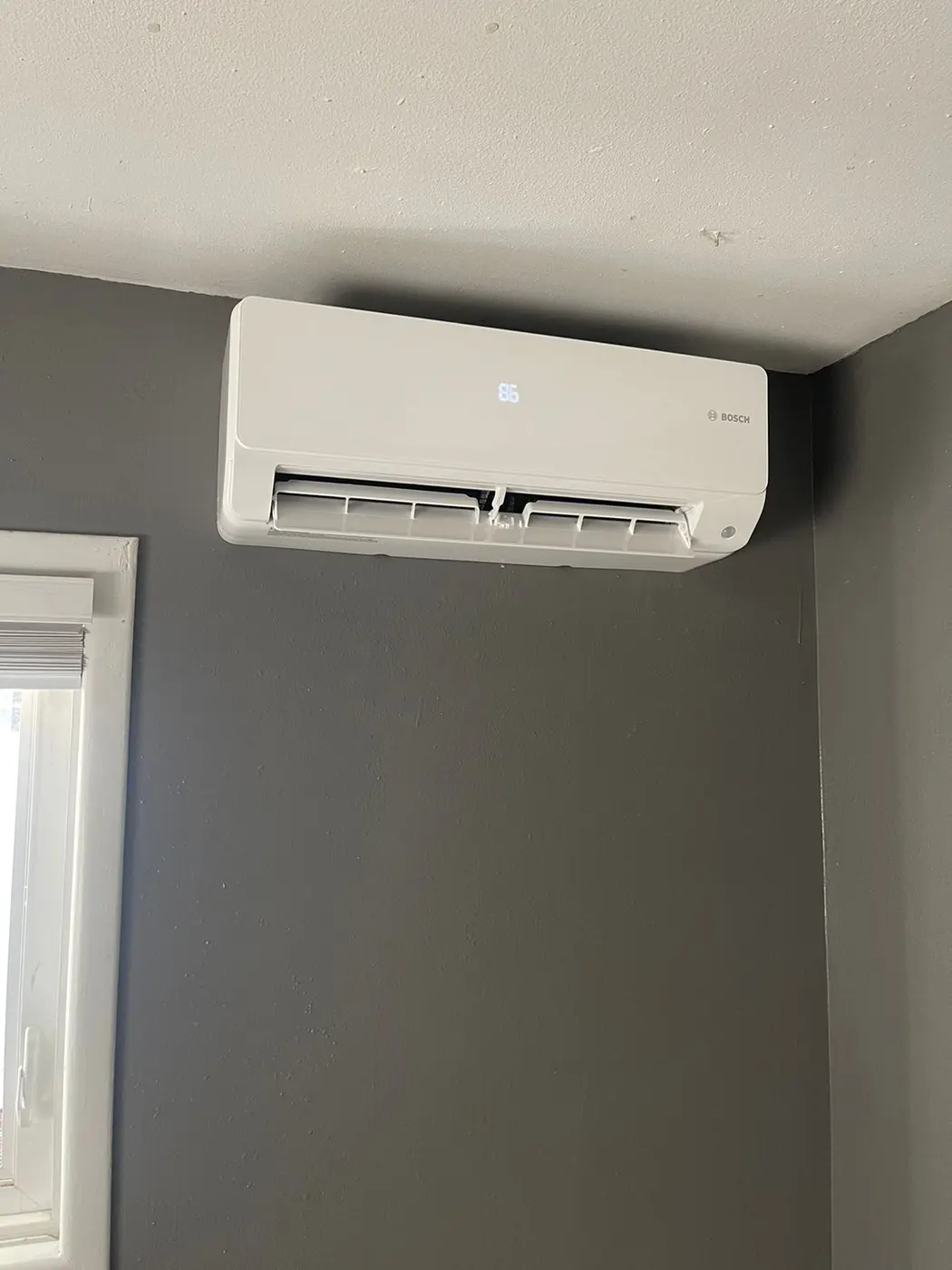
Include Power Needs in the First Equipment Discussion
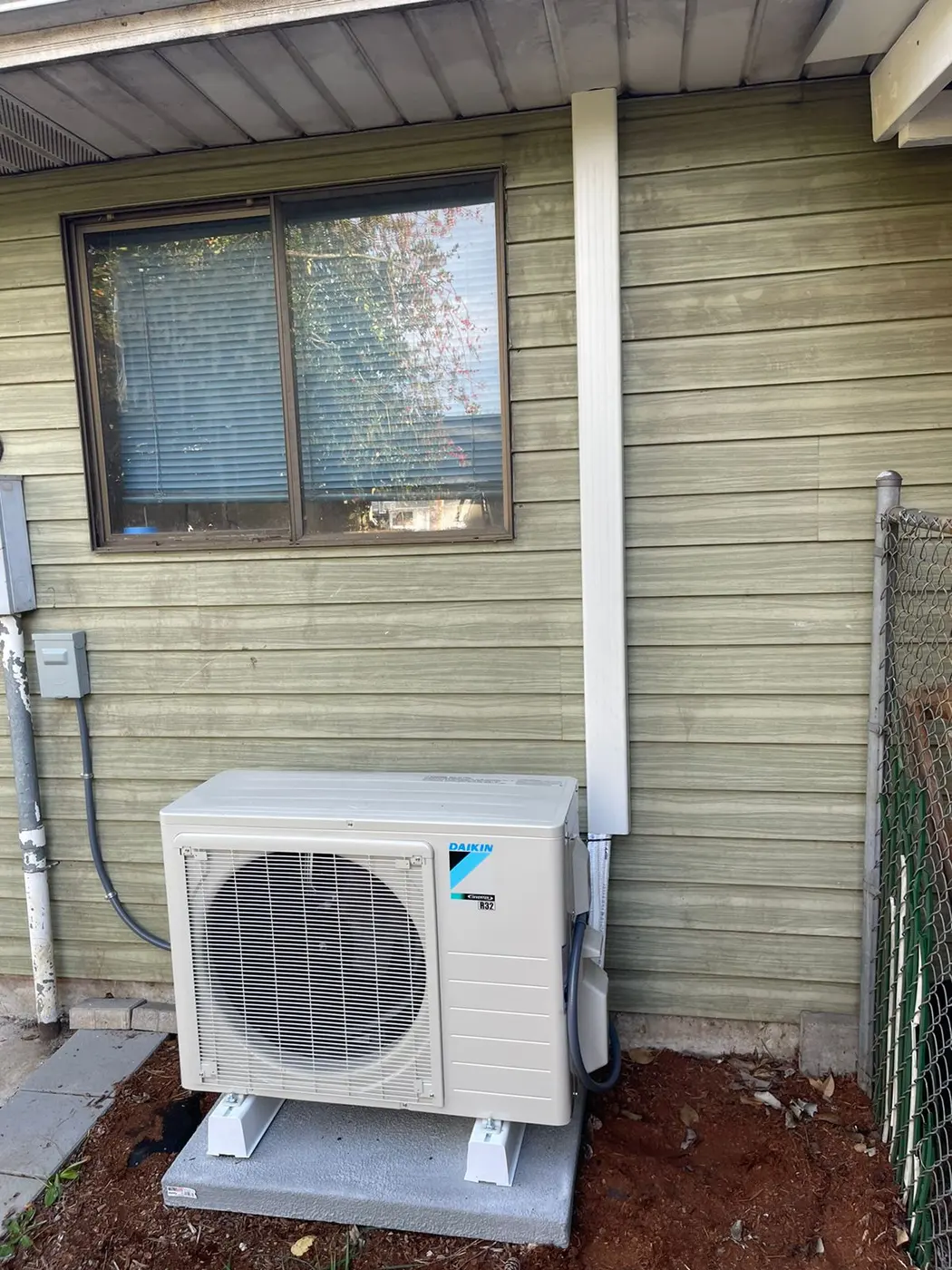
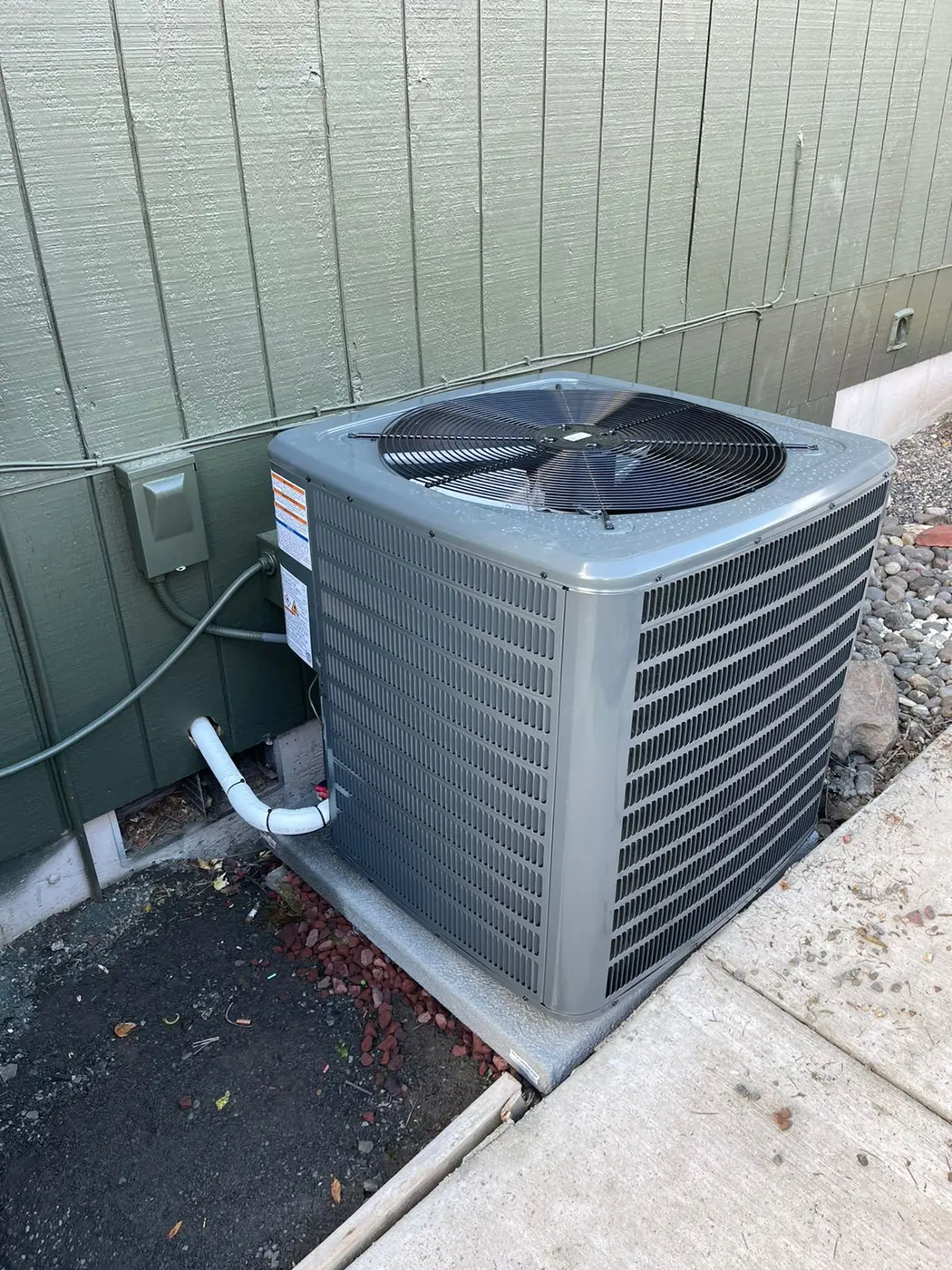
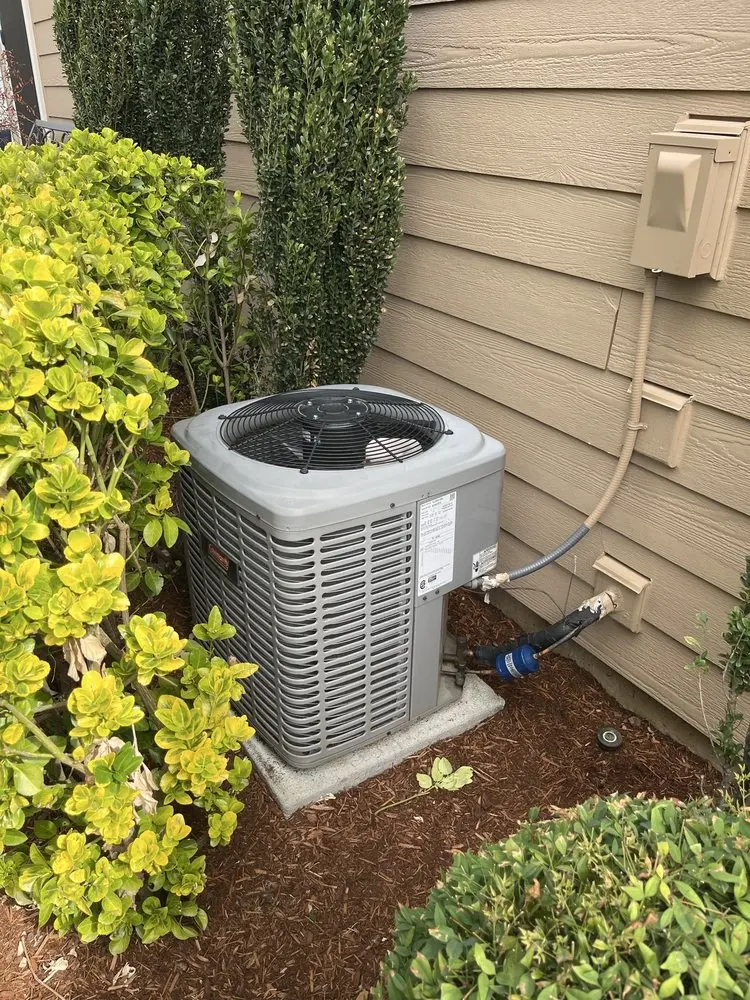
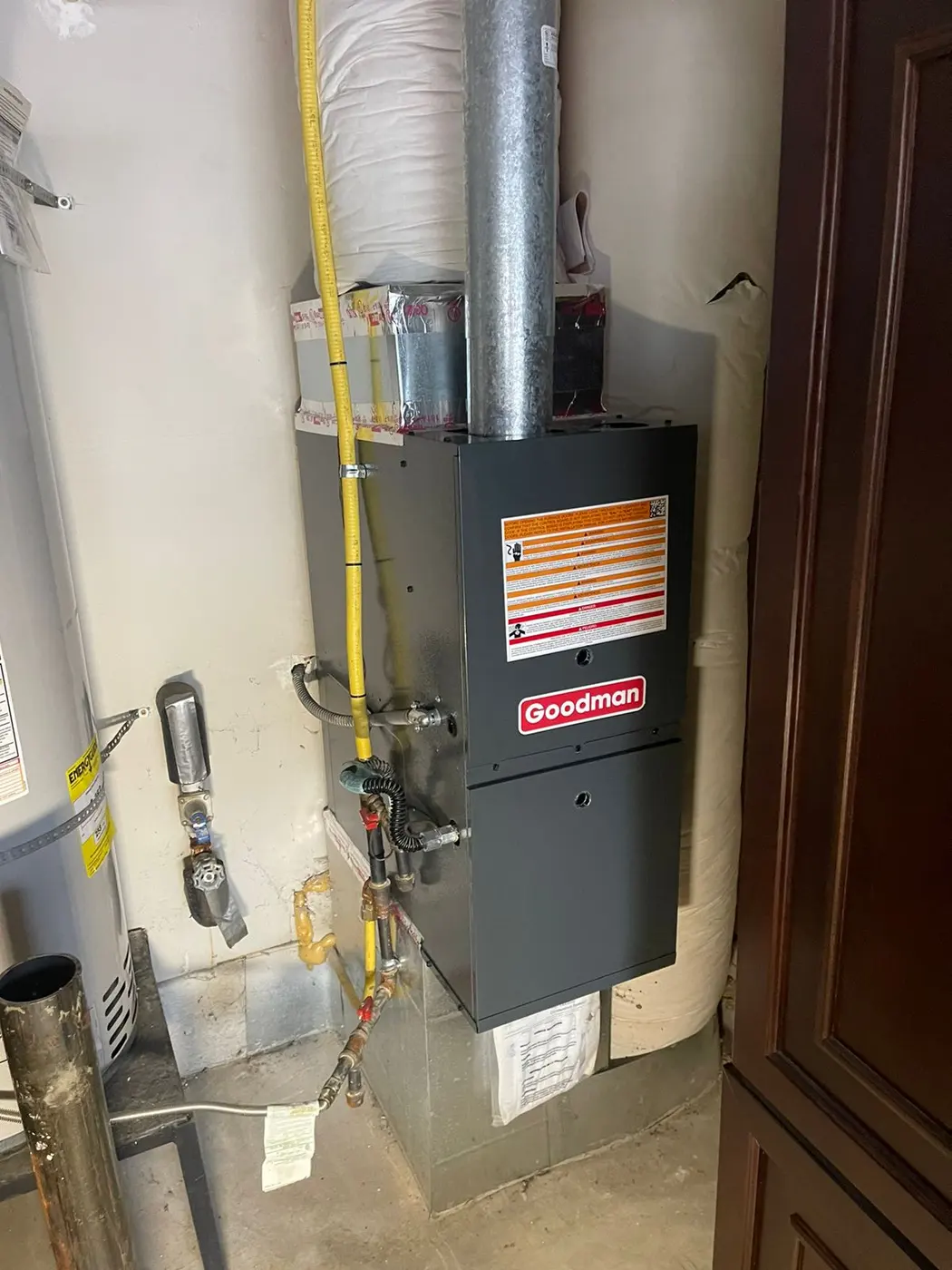
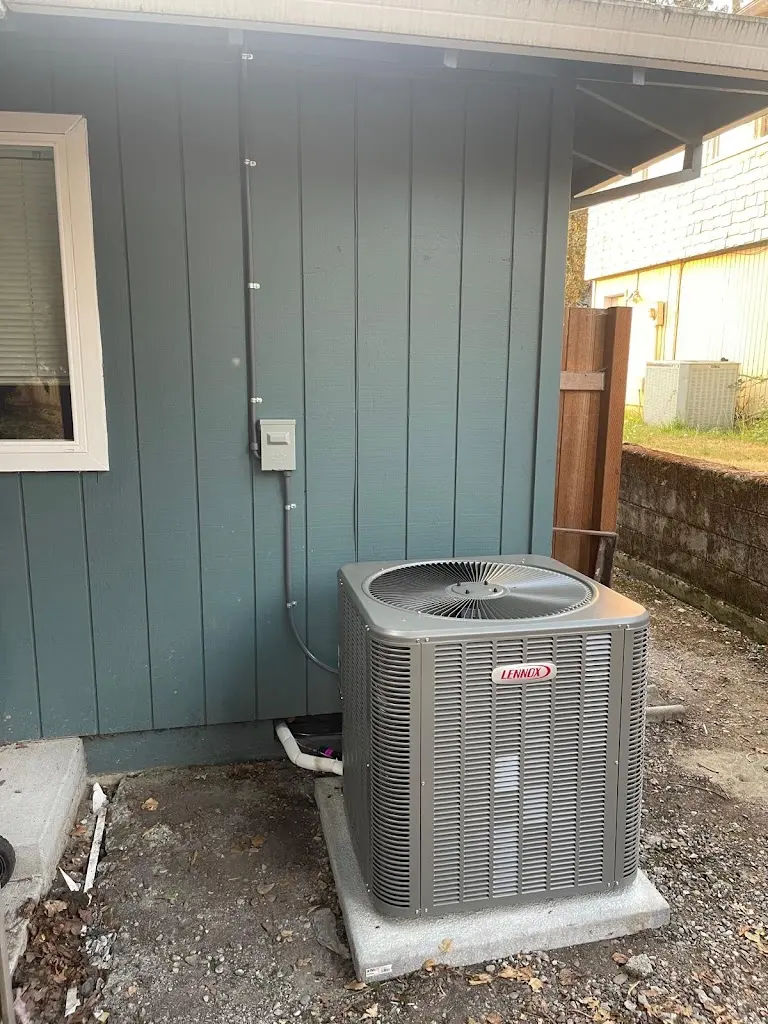
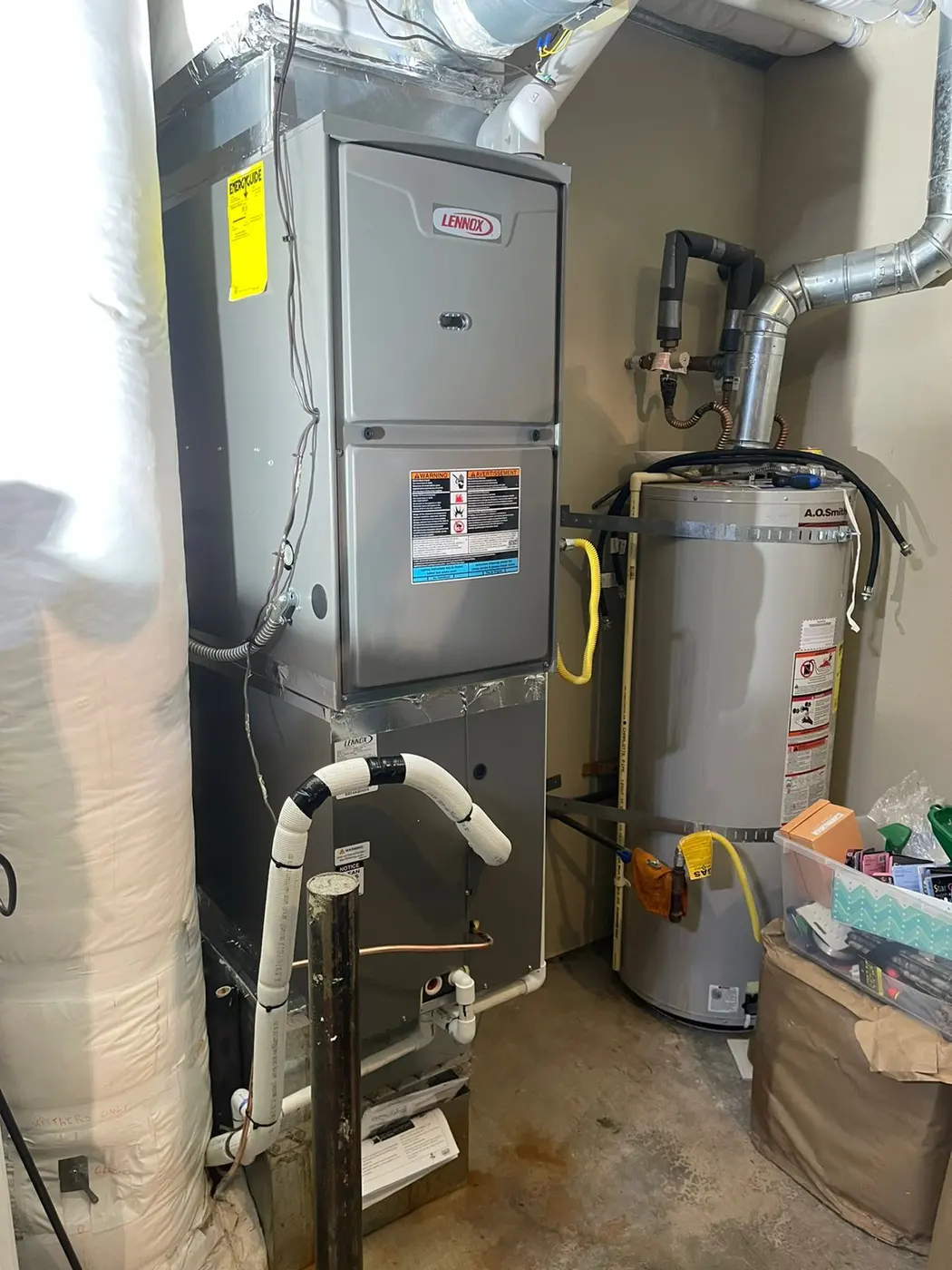
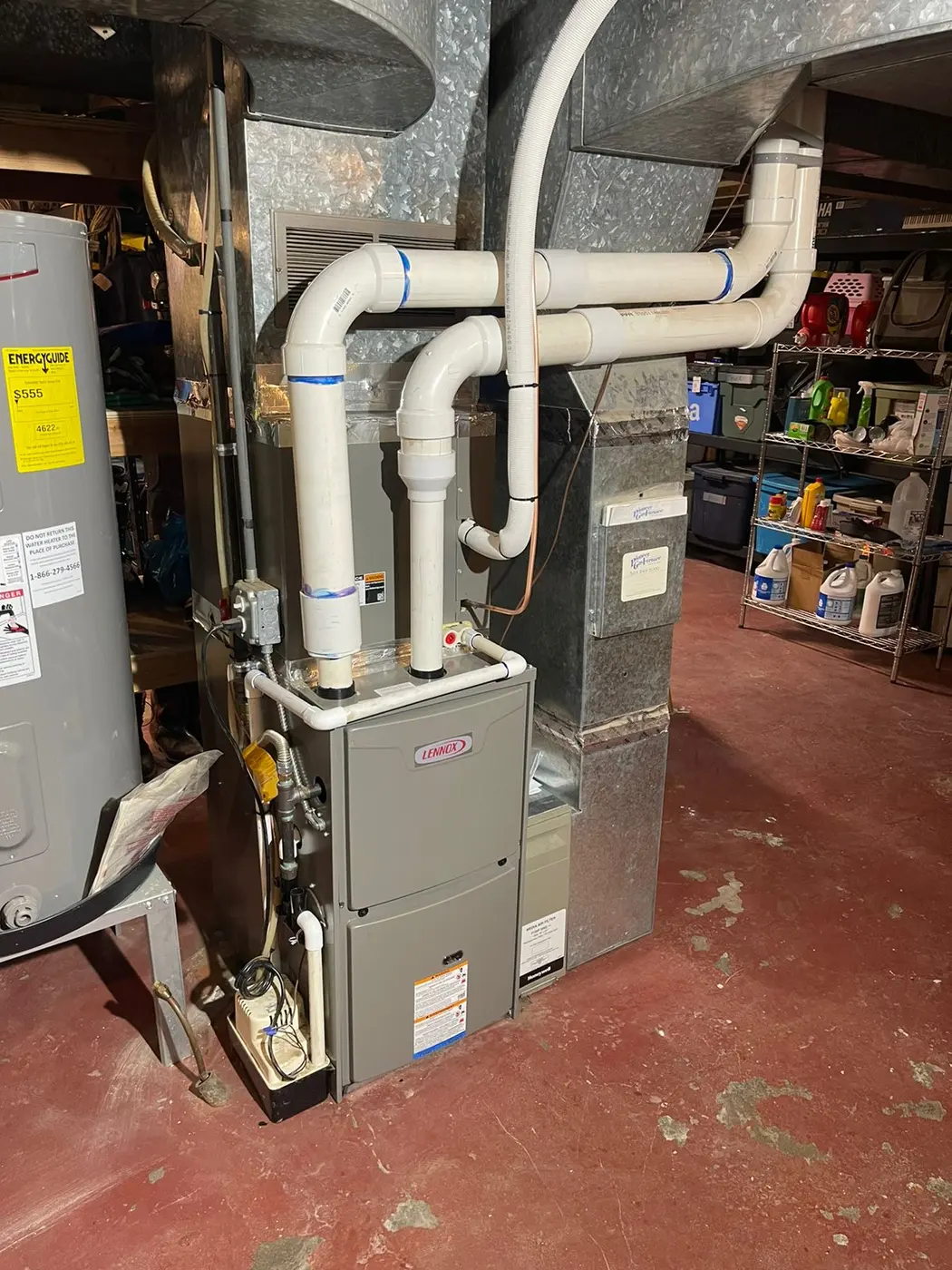
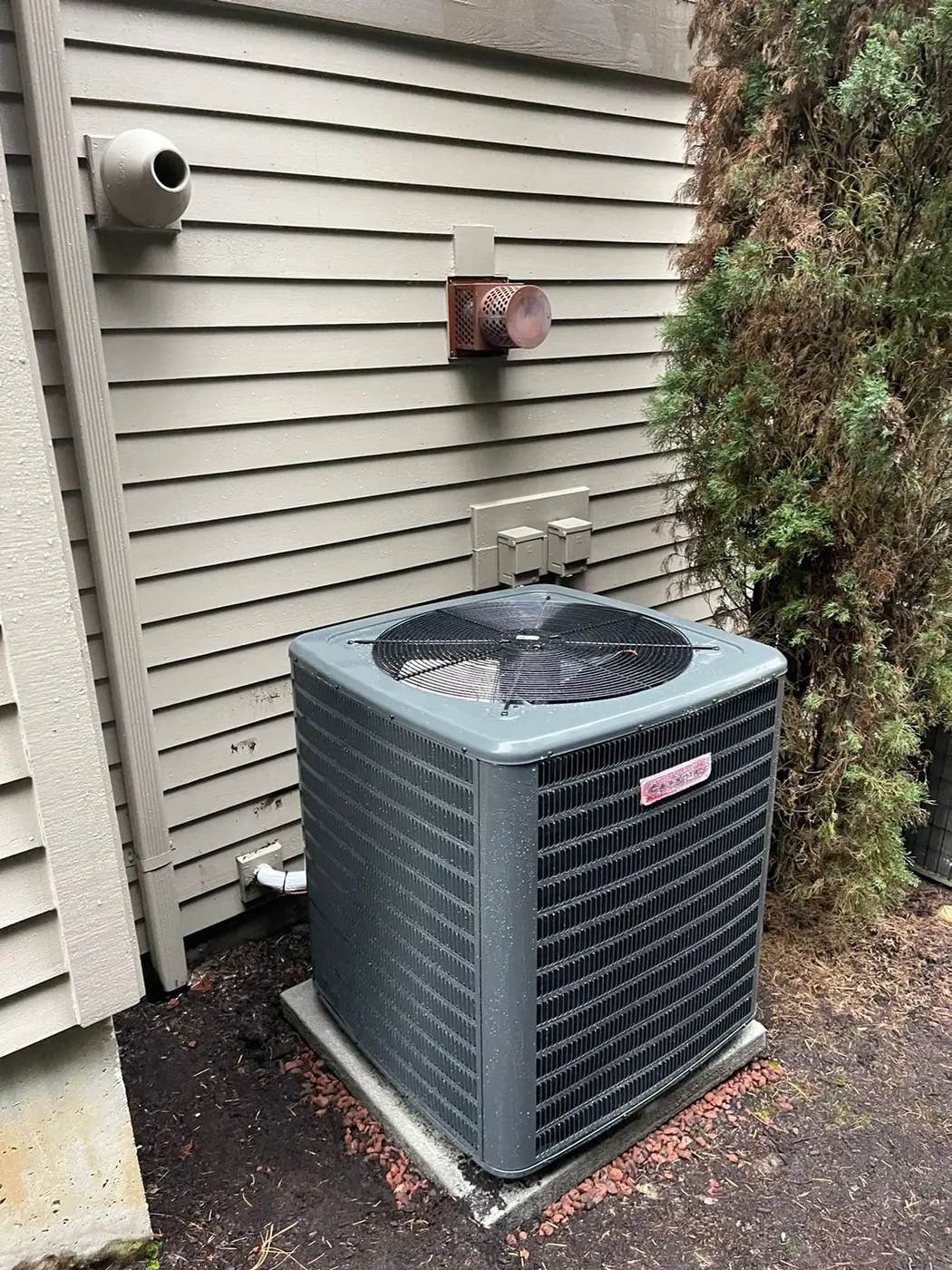
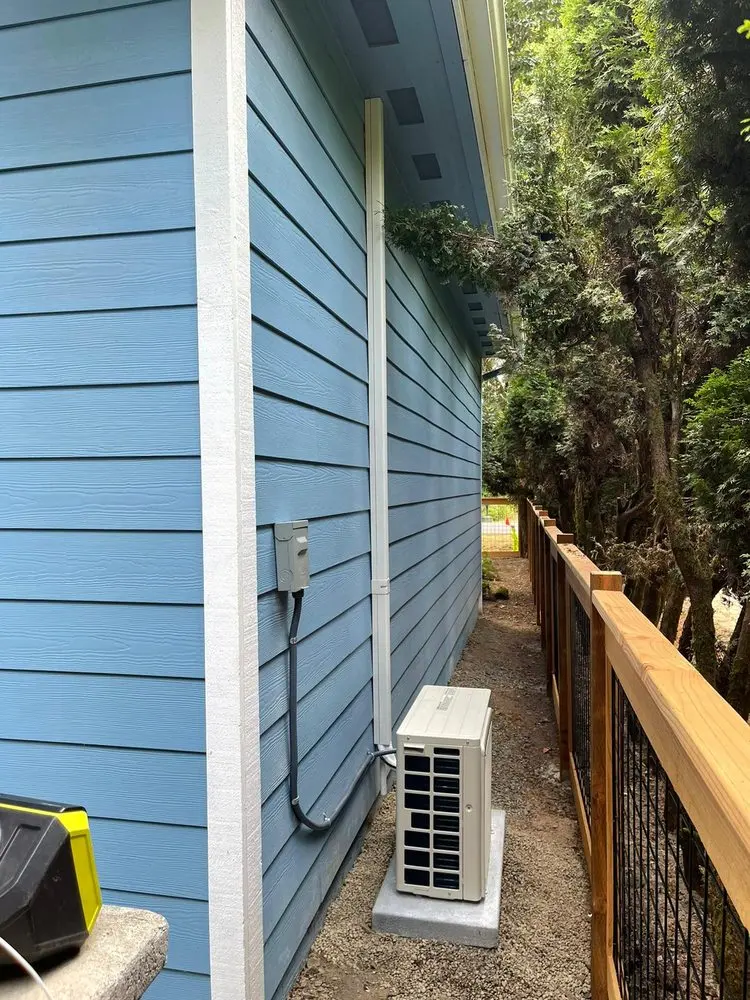
HVAC & Appliance Repair Guys provides mini-split installation in Portland, OR. The equipment choice needs a clear plan for power. Our free on-site estimator visit covers installation and replacement. Ask which electrical work the proposed setup needs before settling the work date.
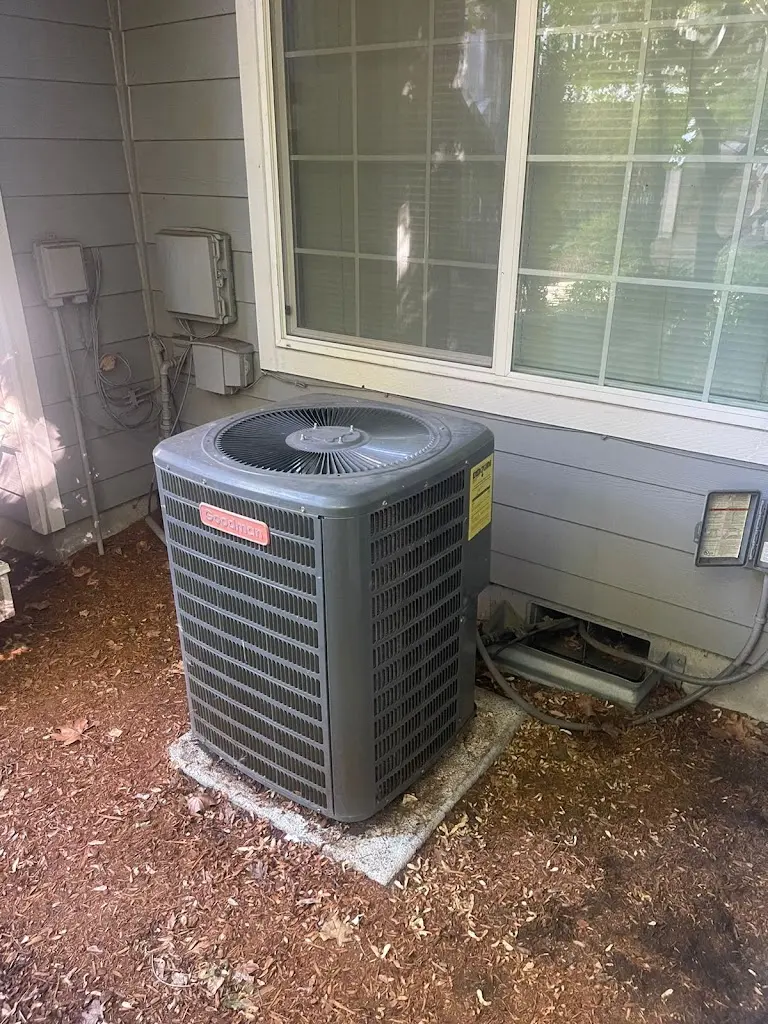
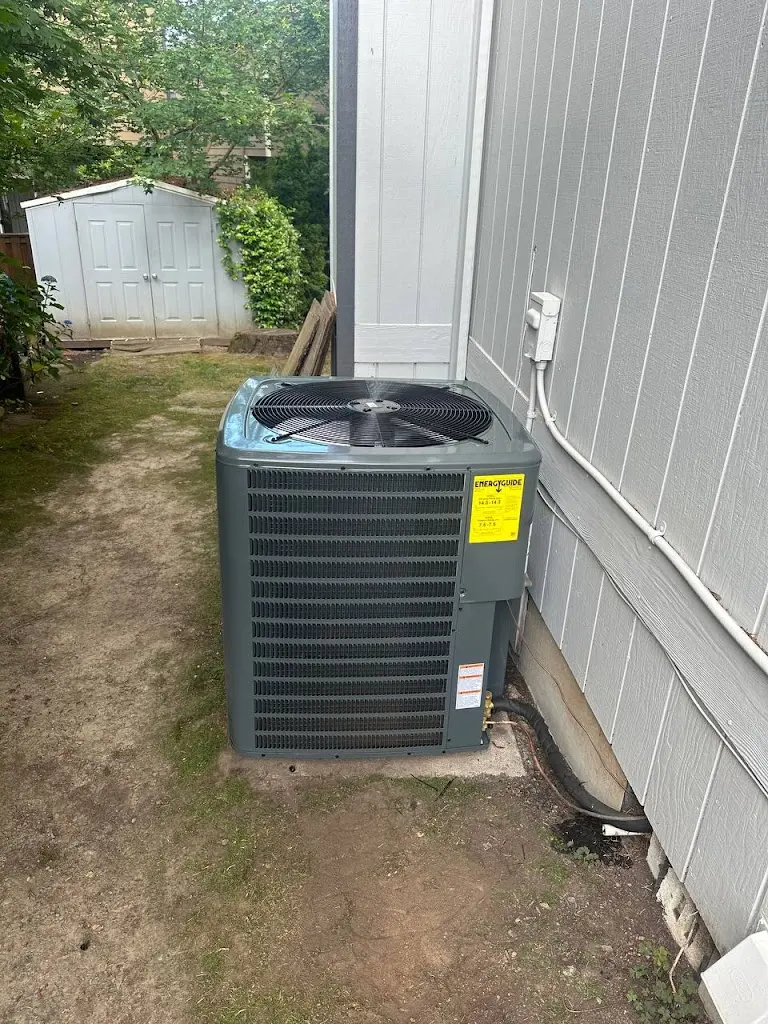
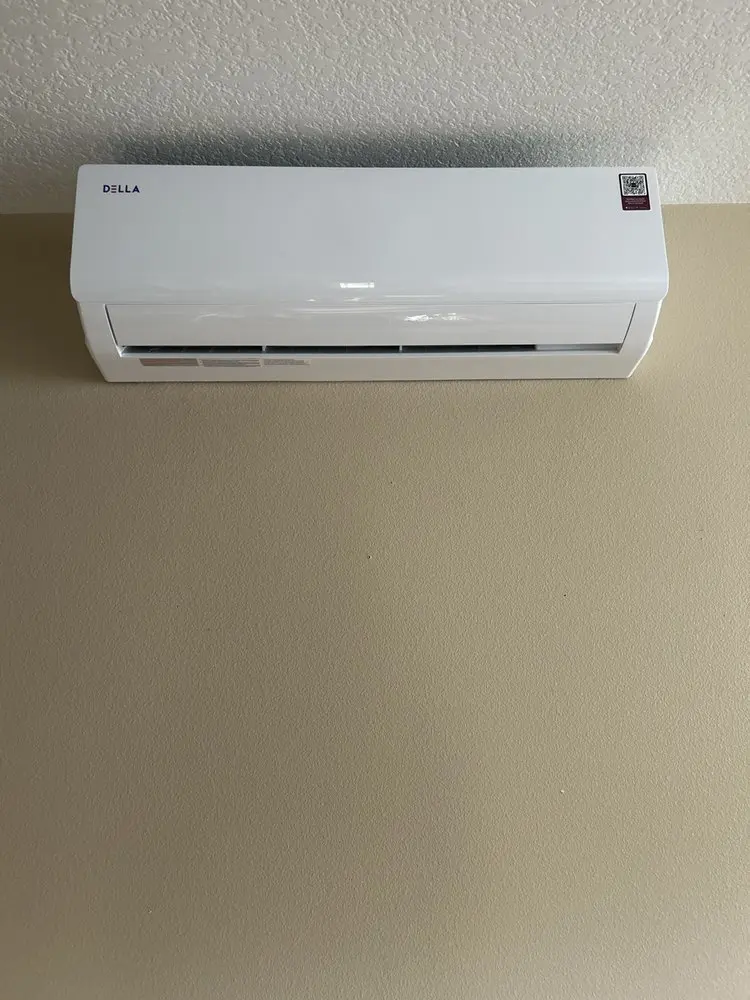
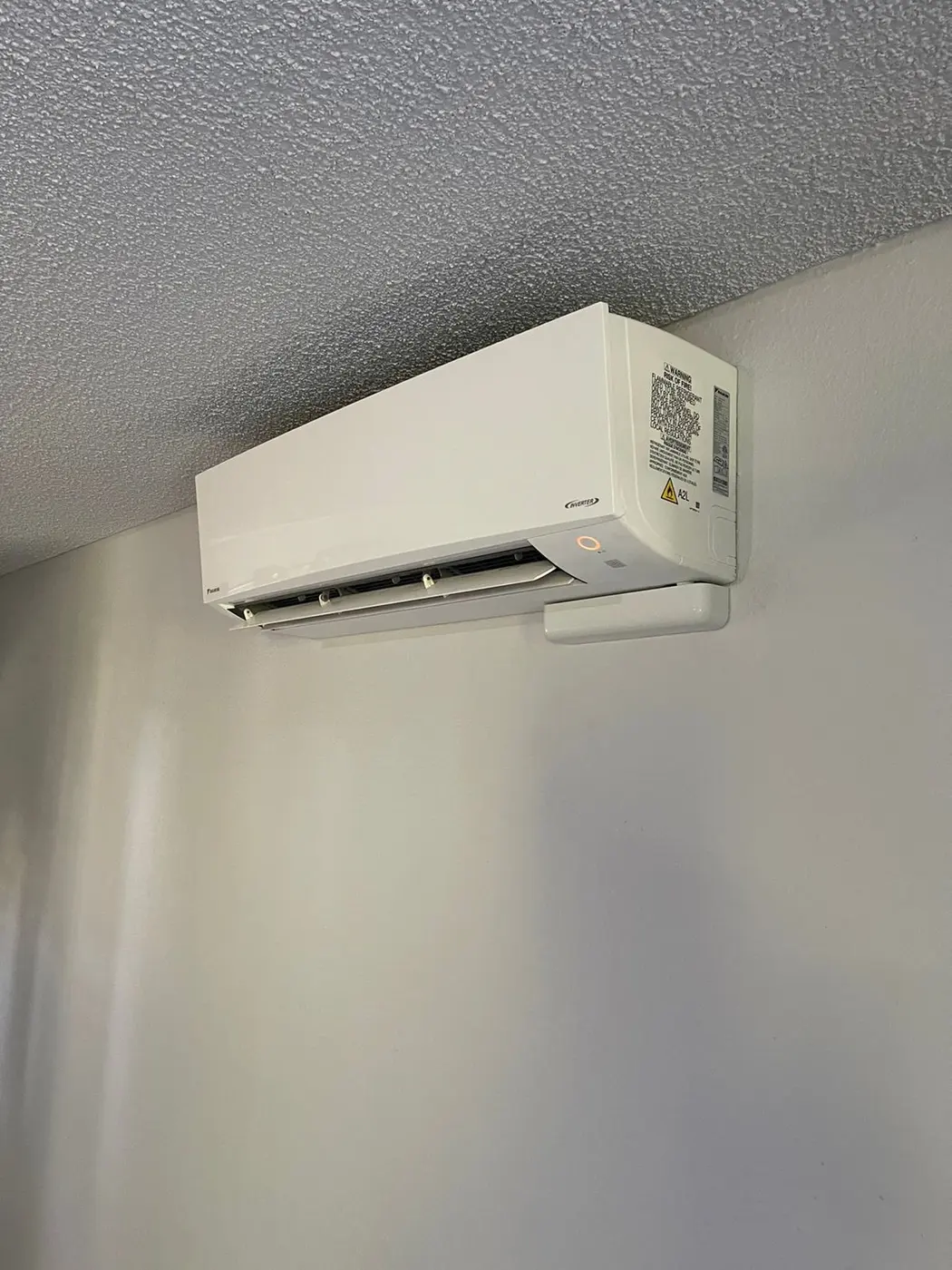
A small indoor head does not show all the power the system needs. The outdoor unit and the full plan matter too. An open wall outlet is not proof that the new setup can use it. The estimate should review the actual requirements.
Describe whether the project adds equipment or replaces a unit already there. Those are different starting points. A replacement may still need connection changes. A new room unit may need work beyond the visible indoor position.
Keep the Room Plan and Equipment List Together
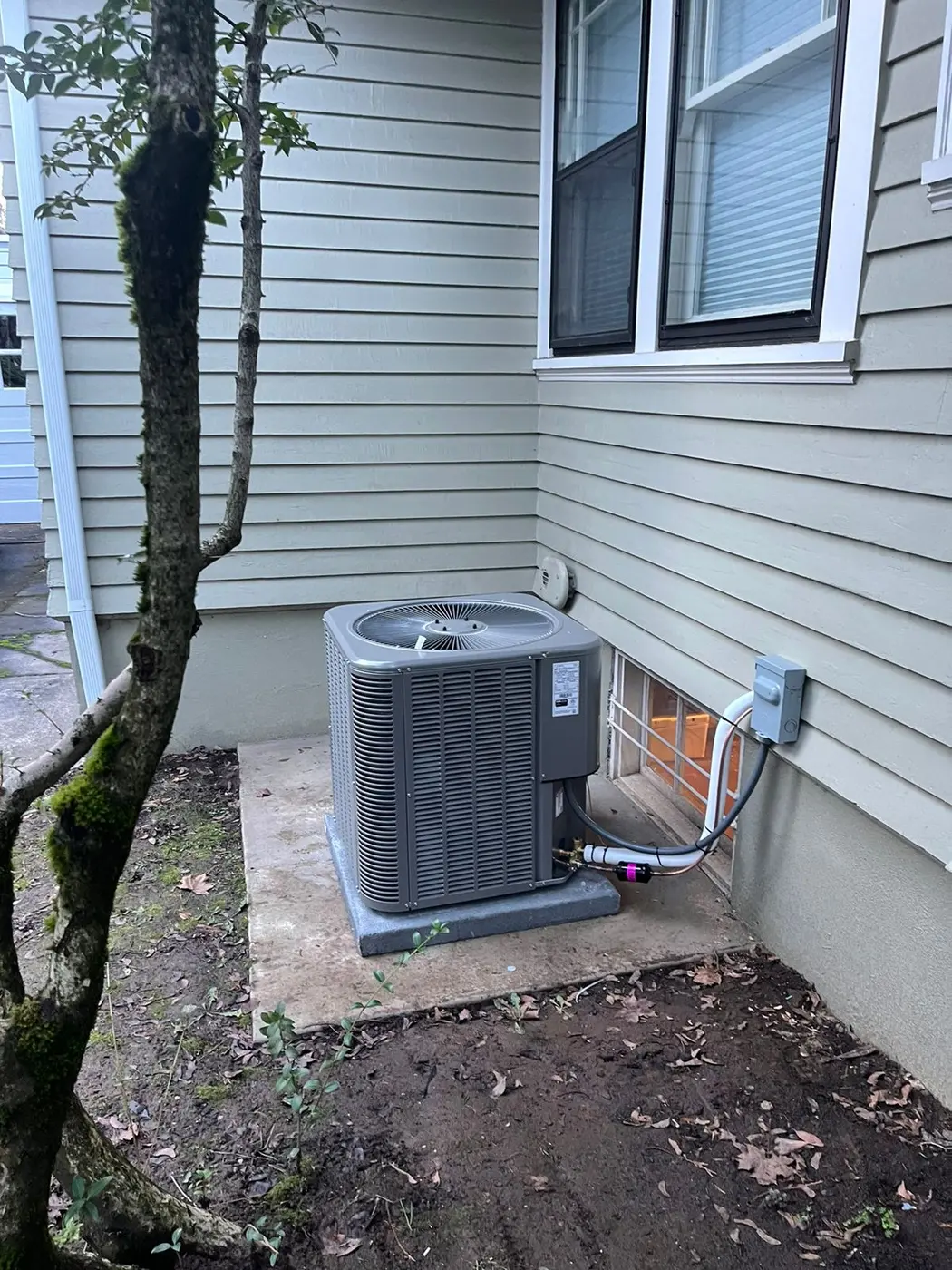
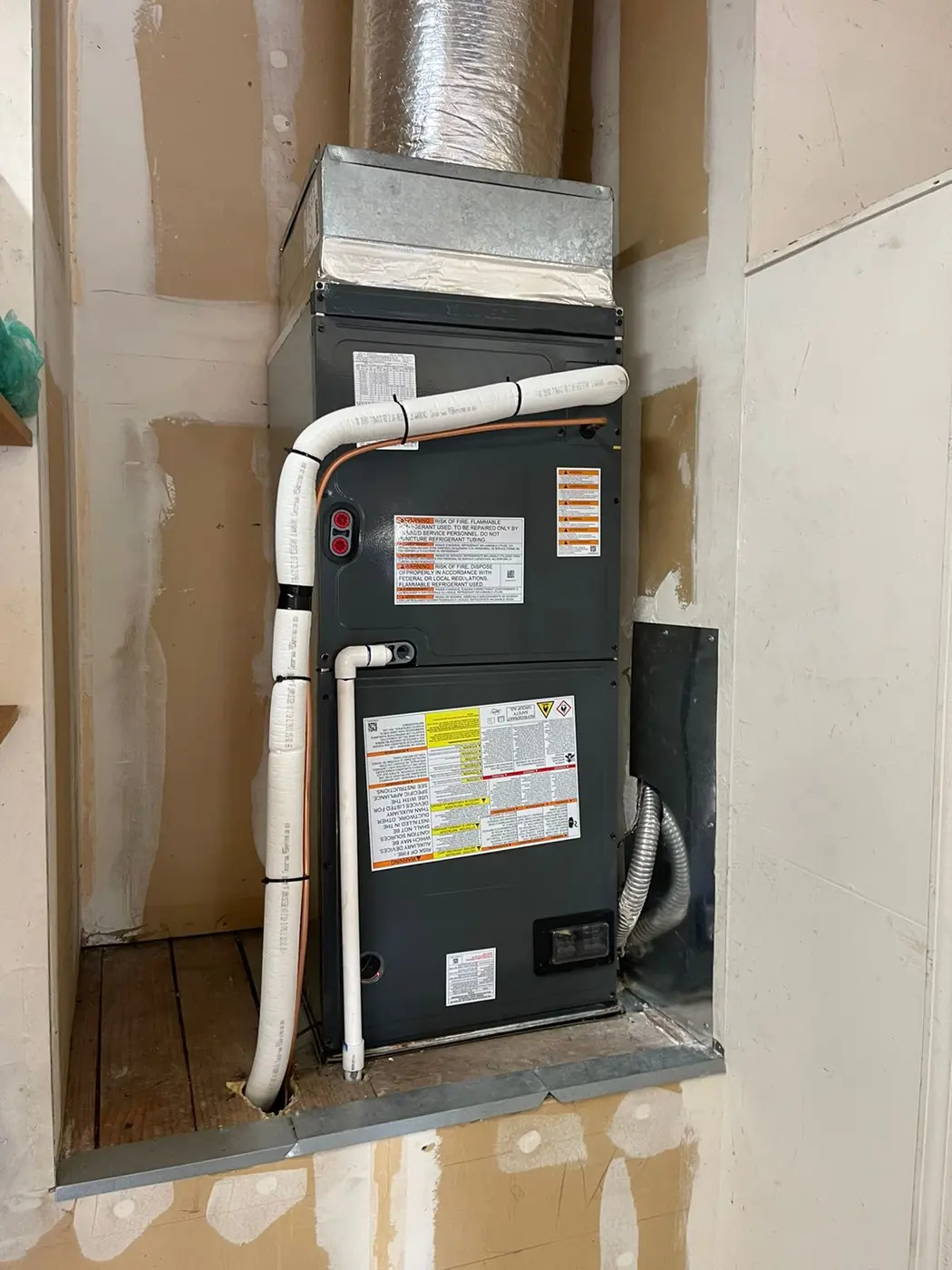
Name the rooms you want the project to serve. Ask which indoor heads and outdoor units the proposal uses. Several heads can belong to shared equipment, or a plan may use separate systems. Head count alone does not establish the power plan.
Keep the heating role clear as well as cooling. State whether other equipment will remain in use. The selected models need to support the functions in the agreement. A label such as ductless does not describe every part of that setup.
Our mini-split installation service reviews the complete room and equipment arrangement. Ask which power tasks the plan covers. A quote for one unit should also explain the other parts it needs. Compare each plan for the same set of rooms.
Describe the Existing Setup Without Opening Electrical Equipment
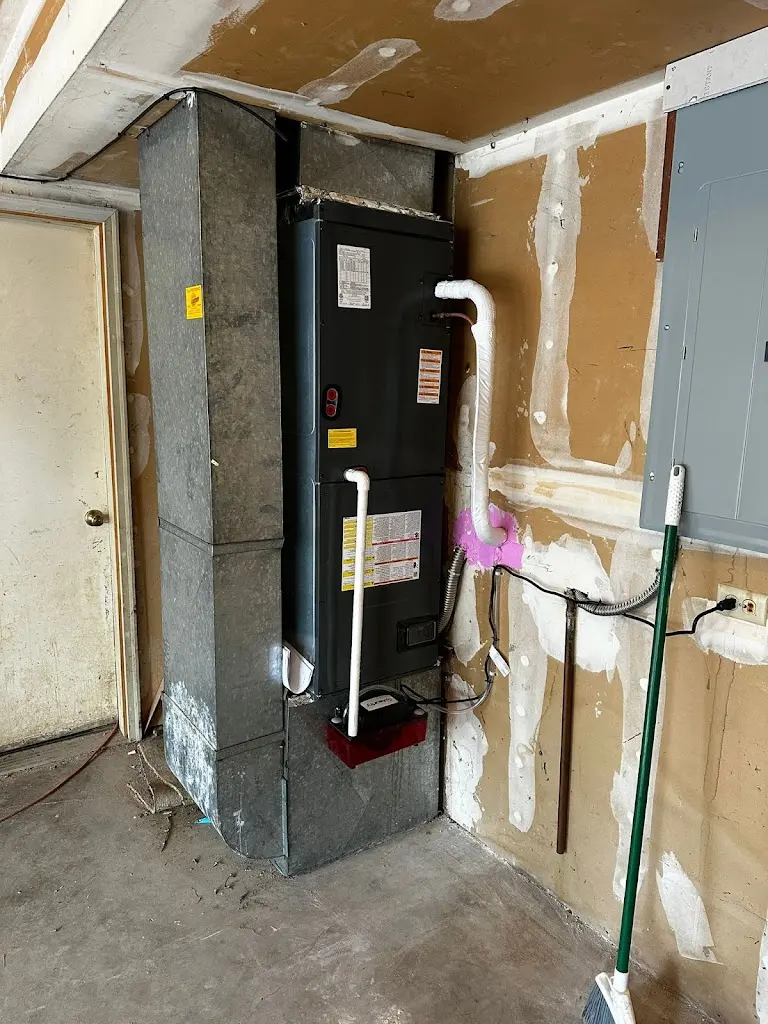
Tell us where the panel sits and how to reach it. Share reliable work records where you have them. Leave covers and wiring alone. You do not need to inspect hidden parts to request an estimate.
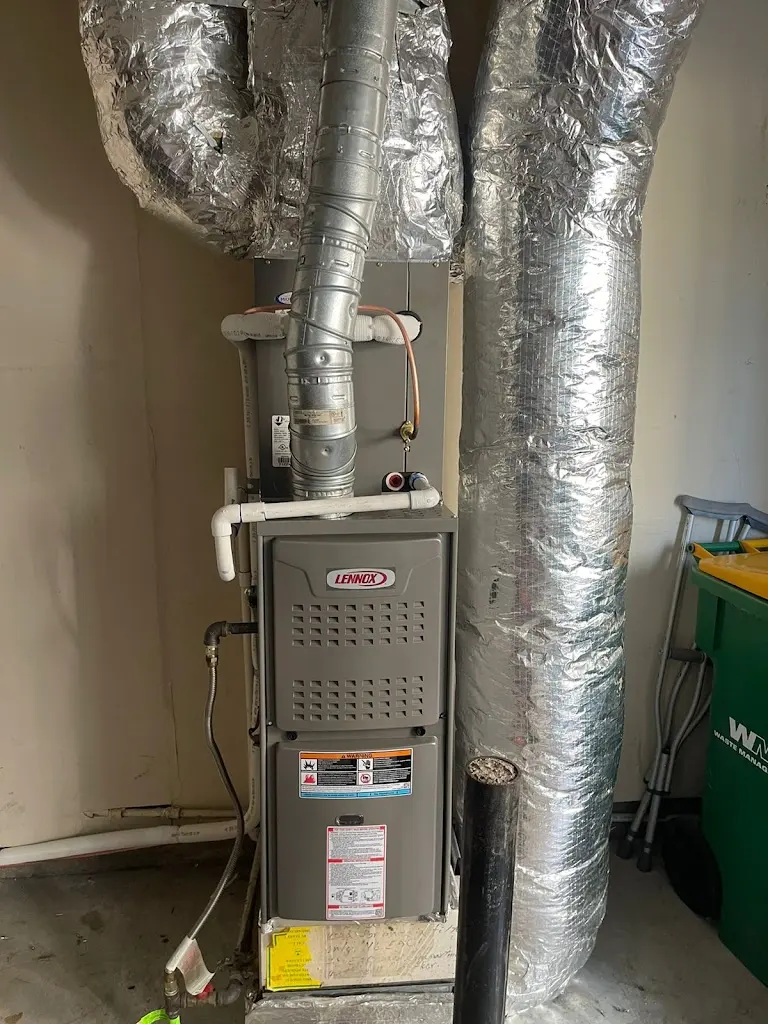
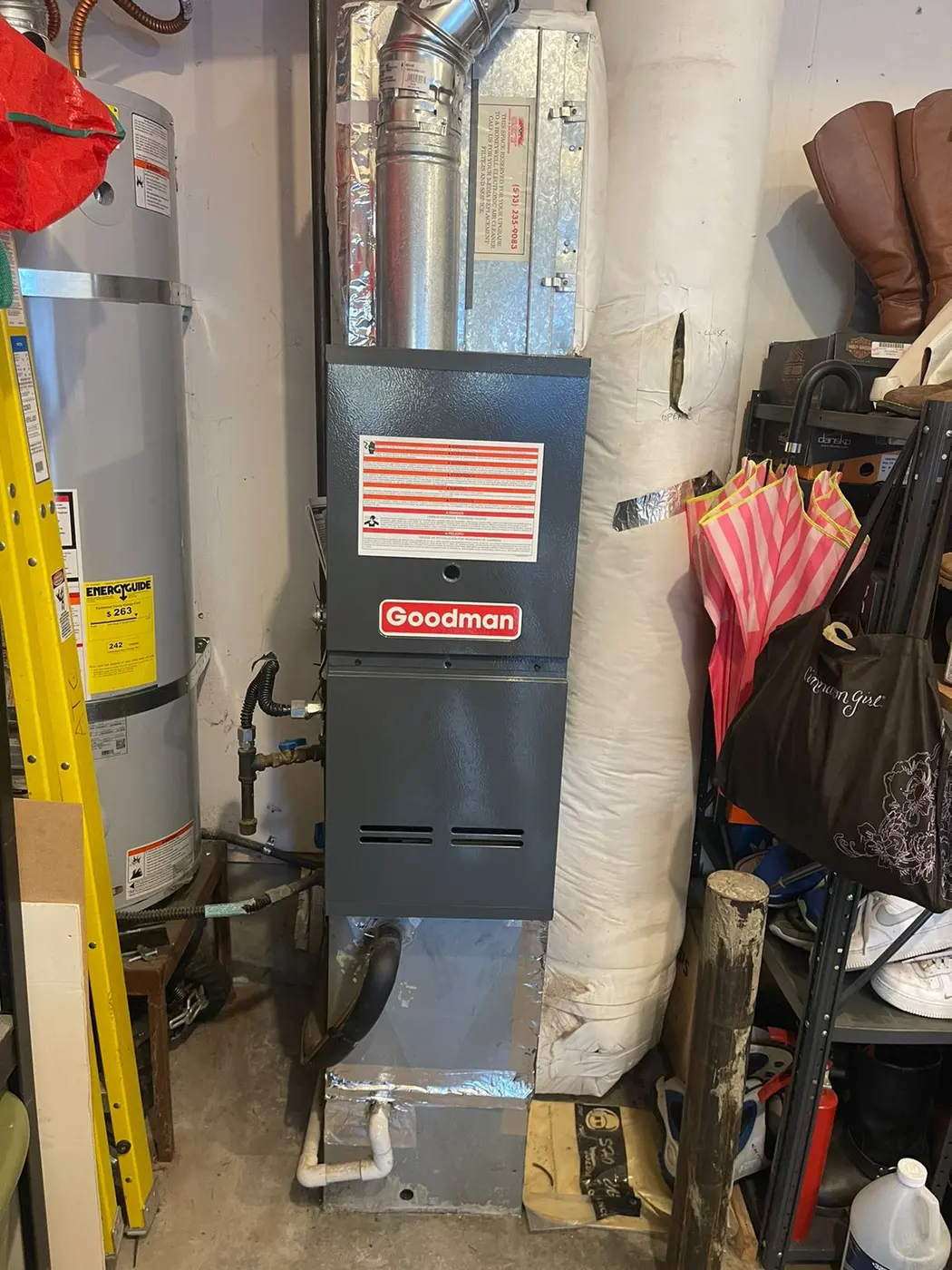
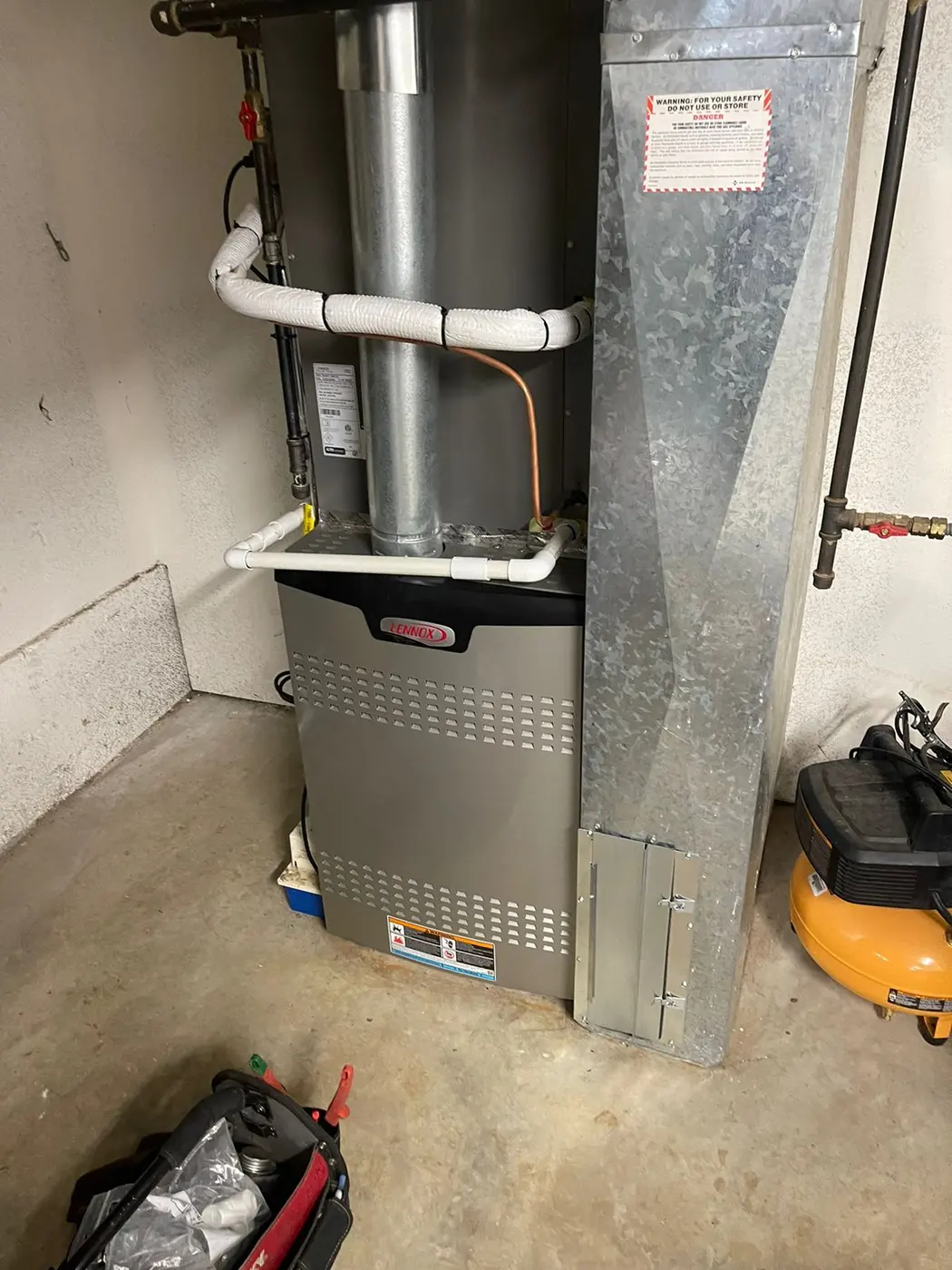
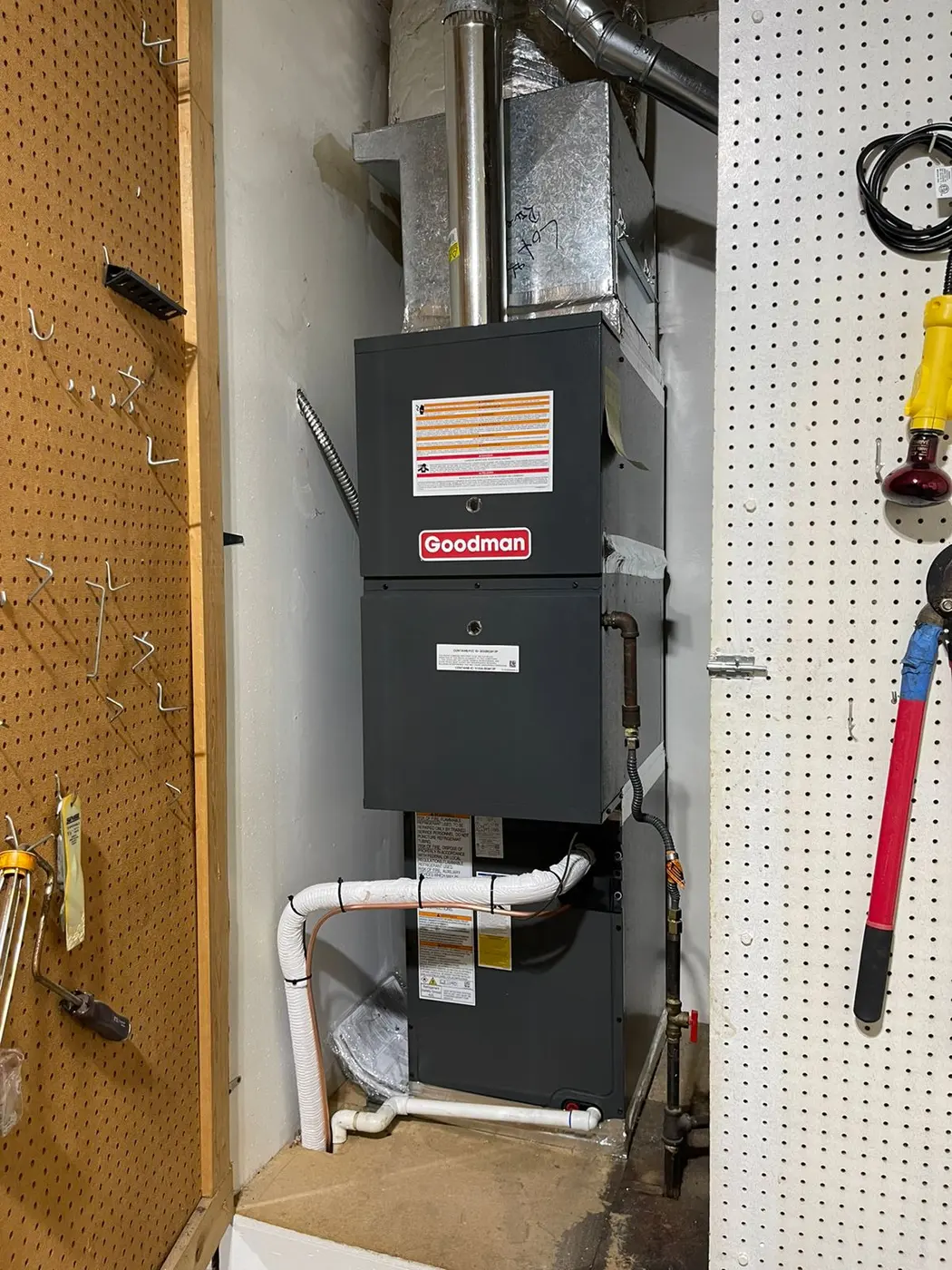
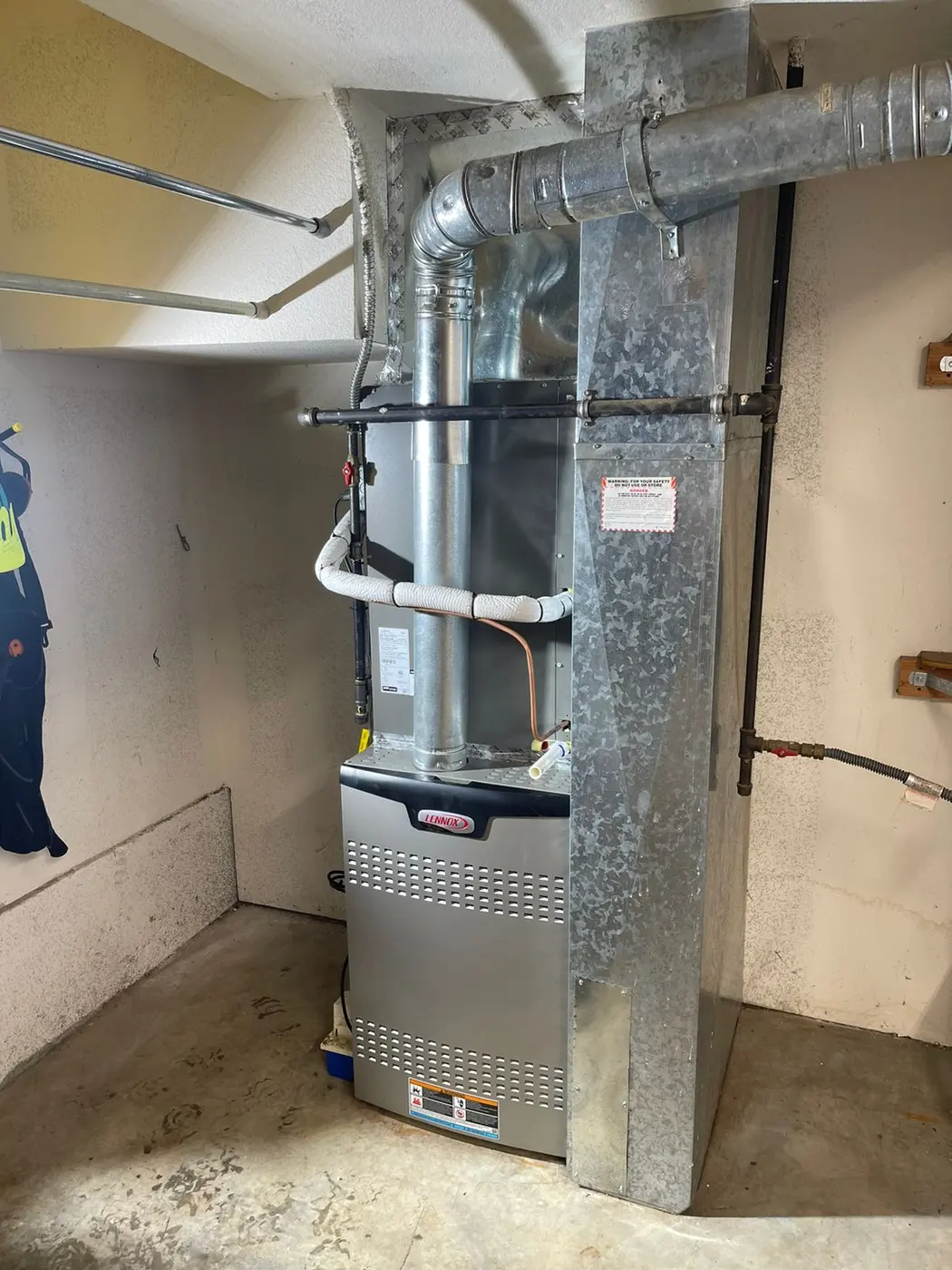
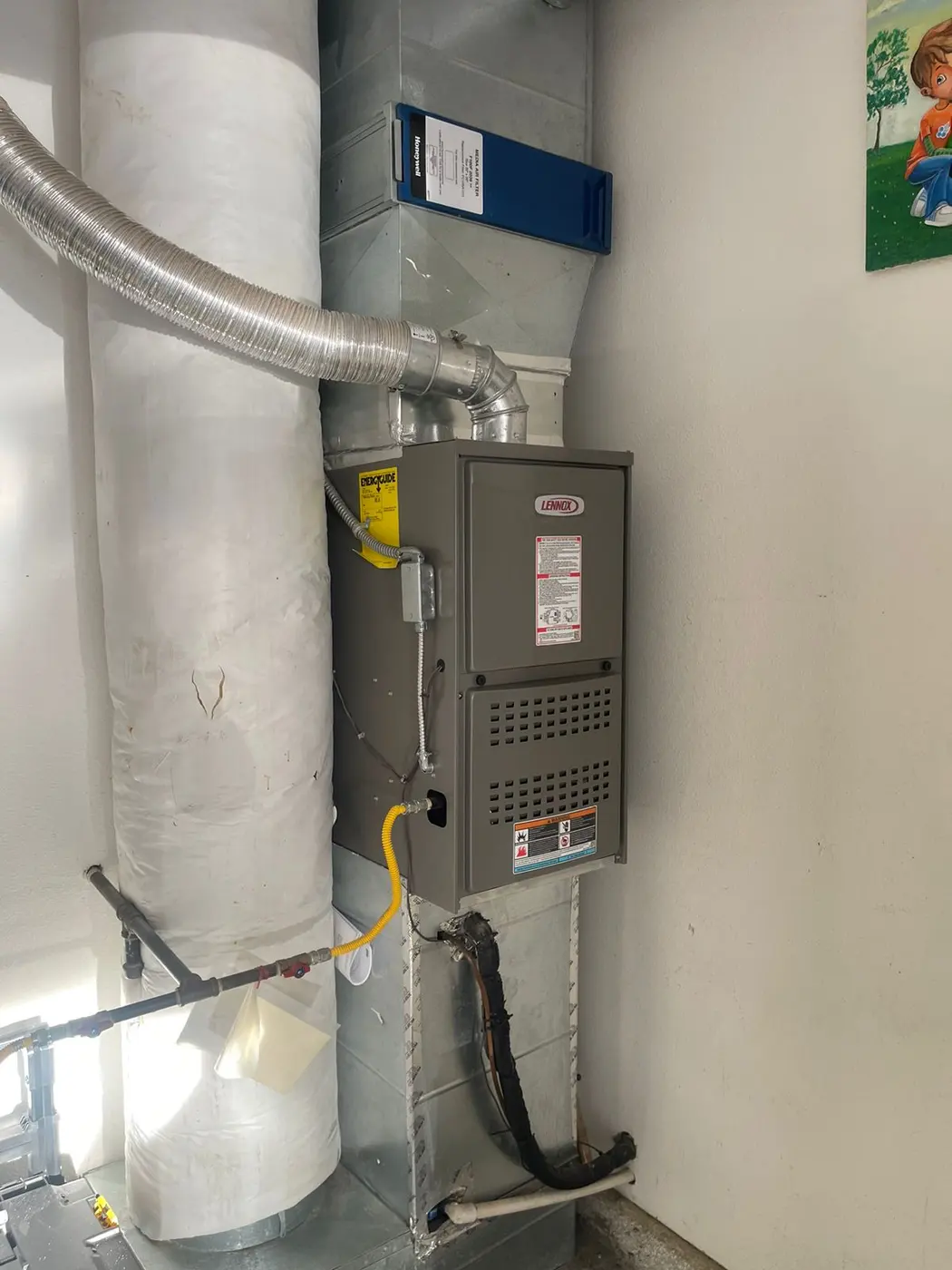
If an old mini-split already has a power connection, identify it as an existing item to review. Do not assume it fits every new model. The team needs to assess it with the proposed equipment. A working old unit does not settle that match.
An empty space in a panel does not prove that it can serve the new load. Keep that detail as an observation. Ask what the proposed work requires and which checks remain open. Avoid treating either panel reuse or a panel change as certain before review.
Make Required Preparation Visible in the Price
Ask which power and control tasks the price includes. Mark any task that still needs a check. If further work may be necessary, ask how the team will review that finding with you. The scope should explain what could change.
Compare the complete work behind each equipment option. A lower unit price may leave some site work out of the total. Ask which connections stay and which change. The two prices need clear scopes before they offer a useful comparison.
Our HVAC installation in Portland service covers a larger project involving other equipment. Include that scope if the ductless plan forms part of a broader change. Name the related tasks explicitly. Do not treat a new room head as the full plan for a wider system project.
Agree on Readiness Before Setting the Work Sequence
Ask which preparation must be complete before equipment work can proceed. Keep the task, access and timing together. A desired installation date does not prove the site is ready. The agreed sequence should reflect the actual remaining work.
Discuss any planned loss of household power as well as heat or cooling. State when people need access to the affected rooms. The scope should explain the expected interruption. It should not imply that retained equipment will keep every area in normal use throughout.
If another project changes the power setup or work route, tell us before installation. Identify what changed and when. Ask whether the approved scope still applies. The team should not rely on an earlier site condition that no longer exists.
Review Model Changes Before the Connections Are Final
A different model can need other power or control work. Ask what a proposed substitution means for the connection plan. Similar size or appearance does not answer that question. Keep the actual selected models in one current agreement.
Also report a decision to add another room or separate system. That can change the full scope even when the first head stays the same. A future room idea is useful context, but it is not approved work. Confirm its effect before treating the original plan as complete.
Keep the Completed Power Work With the System Record
At handover, review the equipment installed and connection work completed. Ask which heating and cooling functions the team checked. Keep any open task distinct from a completed result. A lit display does not prove that each mode works.
Retain the final models, normal-use guidance and approved scope together. Include any change from the first equipment choice. Leave later power and wiring work to the service team. The record should help describe the installed setup without requiring you to open it.
Frequently Asked Questions
Does every new mini-split require a panel upgrade?
No single answer fits every site and model combination. The selected equipment and current electrical setup need review together. Ask what supports the proposed work before treating an upgrade or full reuse as settled.
Can I use the same connection because the new head looks similar?
Appearance does not establish the power requirements. The complete indoor and outdoor setup matters. Ask which existing items the proposal can retain and which work the new equipment needs.
Should I change a breaker before the estimate?
No. Leave covers, wiring and electrical parts intact. Describe the present equipment and give normal access to the work area. The reviewed installation plan should guide any required change.