Plan a Cooling Replacement in Defined Stages
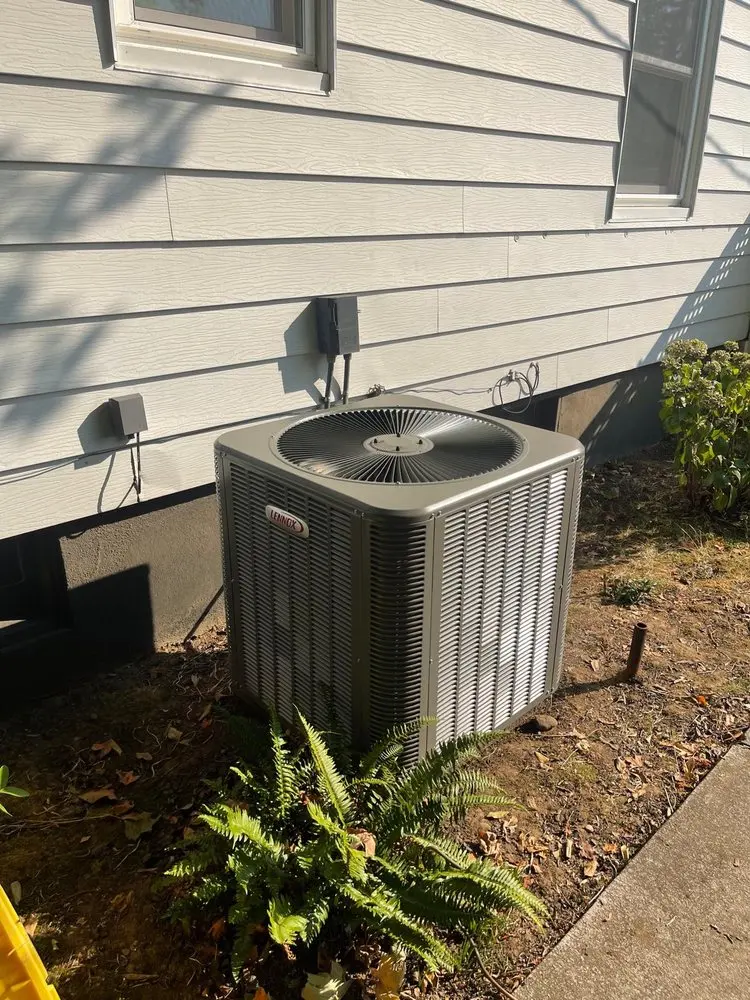
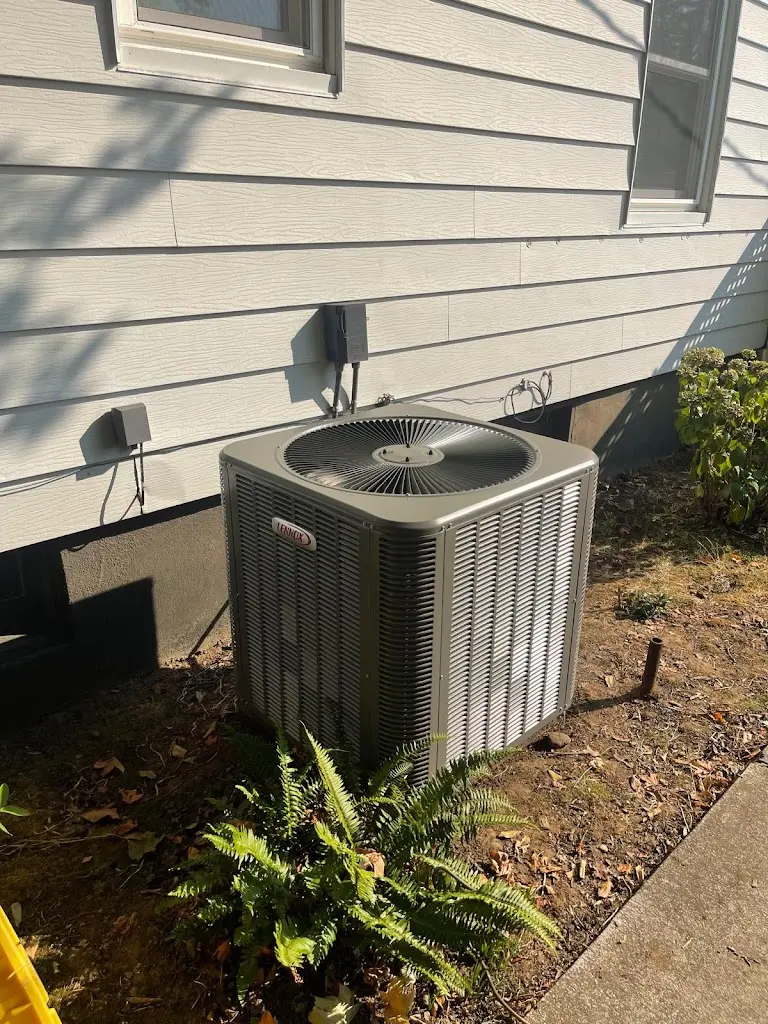
HVAC & Appliance Repair Guys provides AC installation in Ridgefield, WA. You may want to replace cooling equipment now while keeping the heat you already have. That can be a useful option to review, but the first stage still needs a complete operating plan. A possible later upgrade should not leave the current installation scope unclear.
Our on-site estimator visit for installation and replacement is free. Explain which equipment you want to change now and what you are only considering for later. Share any available model details or past work records. The estimate should distinguish a present requirement from a future preference.
If both heating and cooling need a defined change, our HVAC installation service in Ridgefield covers that broader project. Compare its complete scope with the proposed cooling stage. A smaller initial job may serve a different goal from replacing the whole setup.
Identify the Equipment the First Stage Will Use
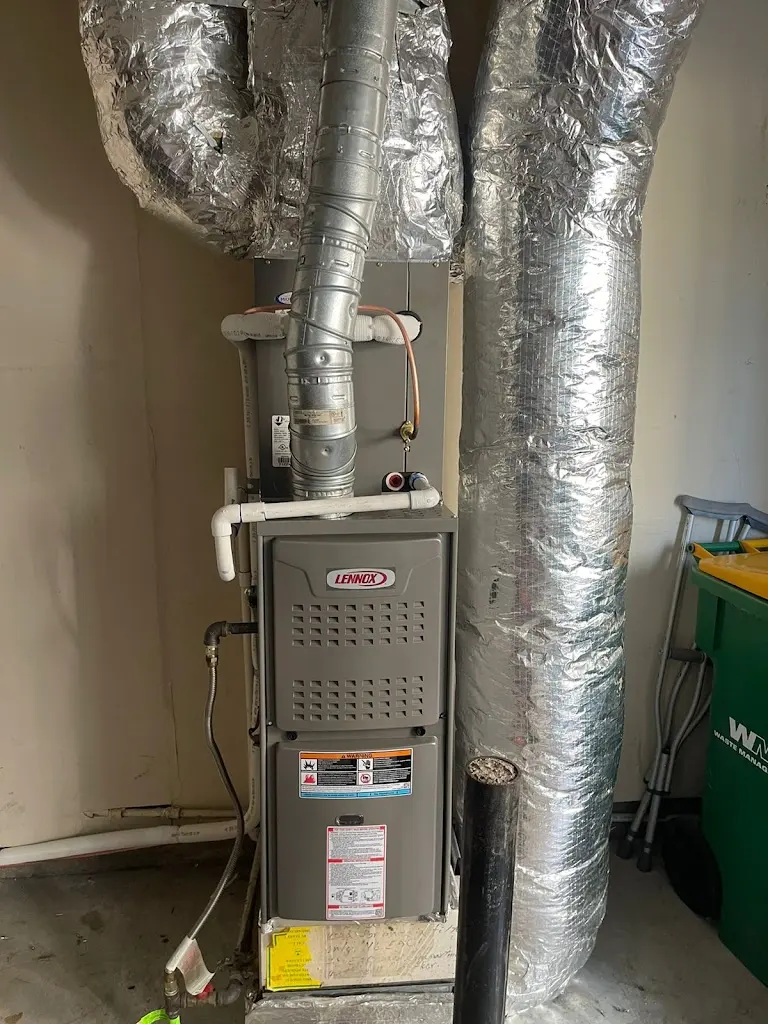
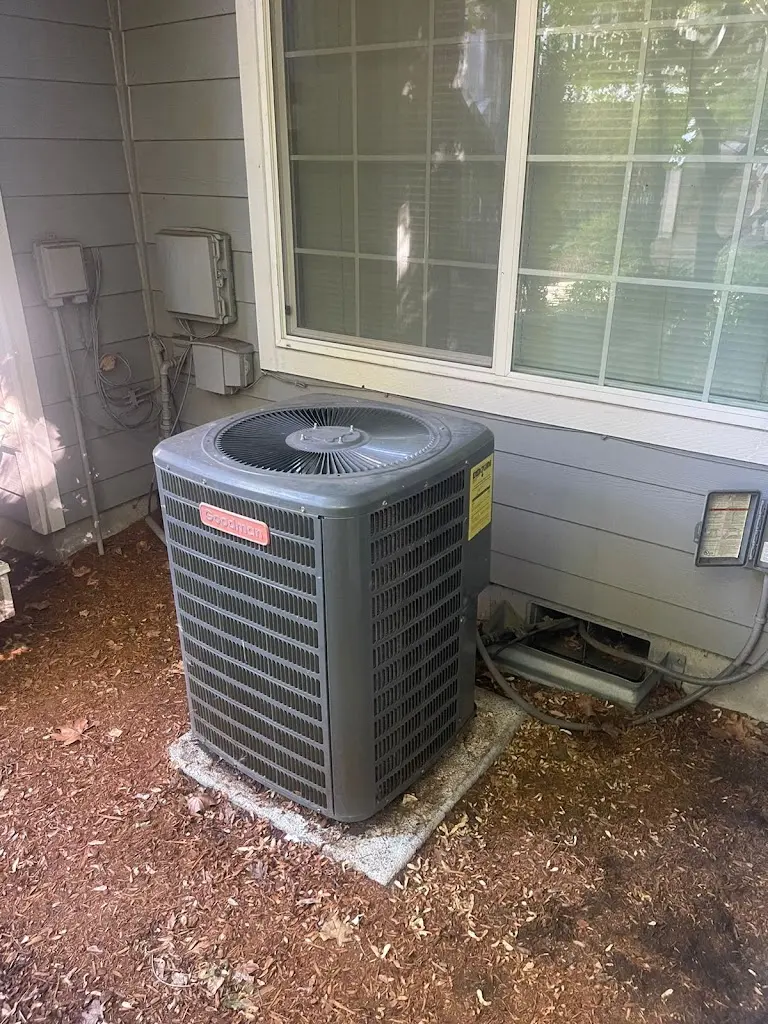
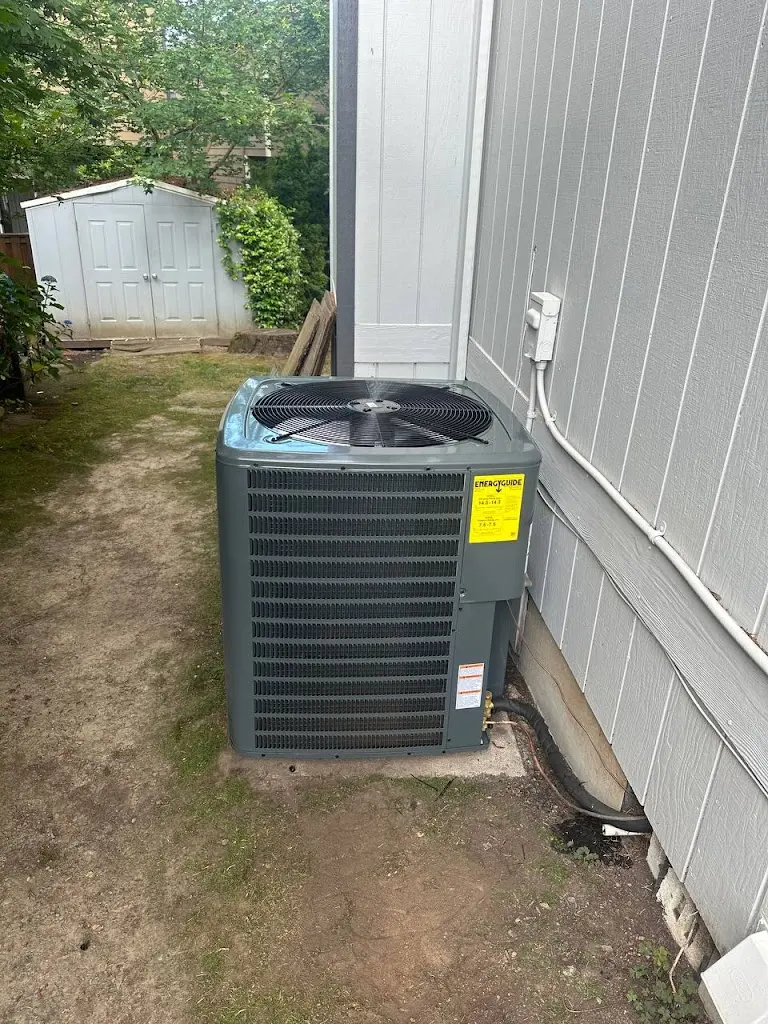
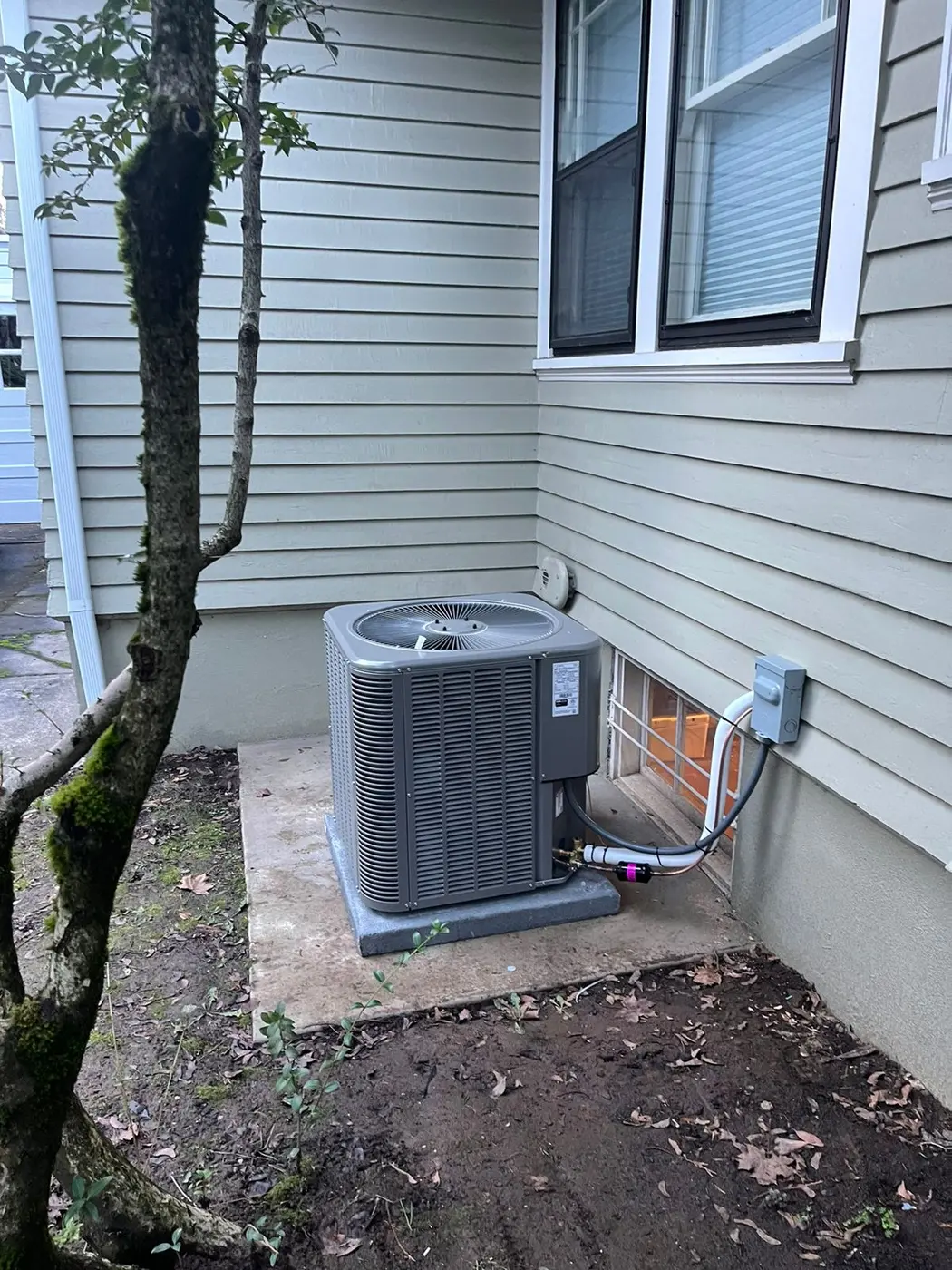
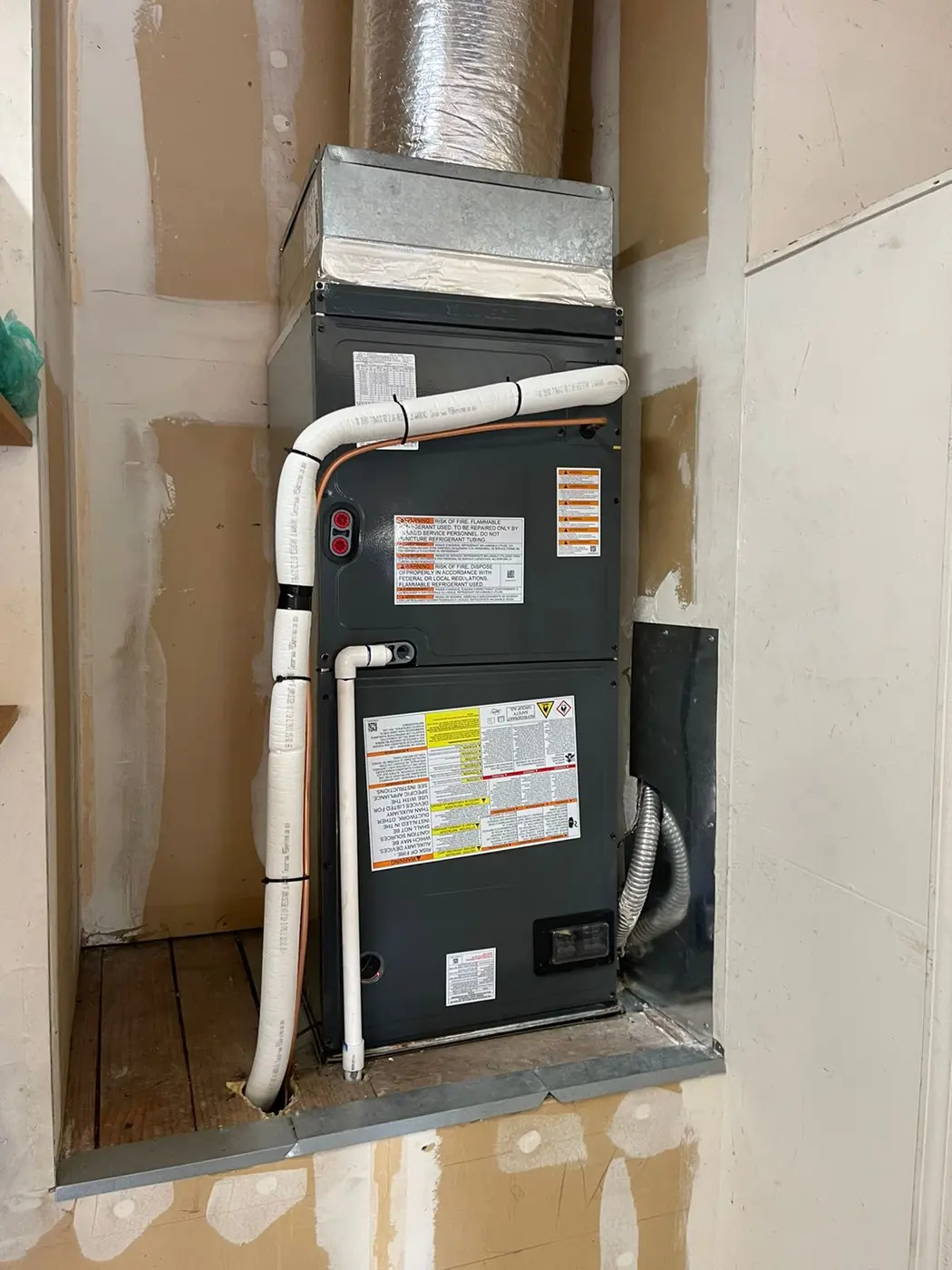
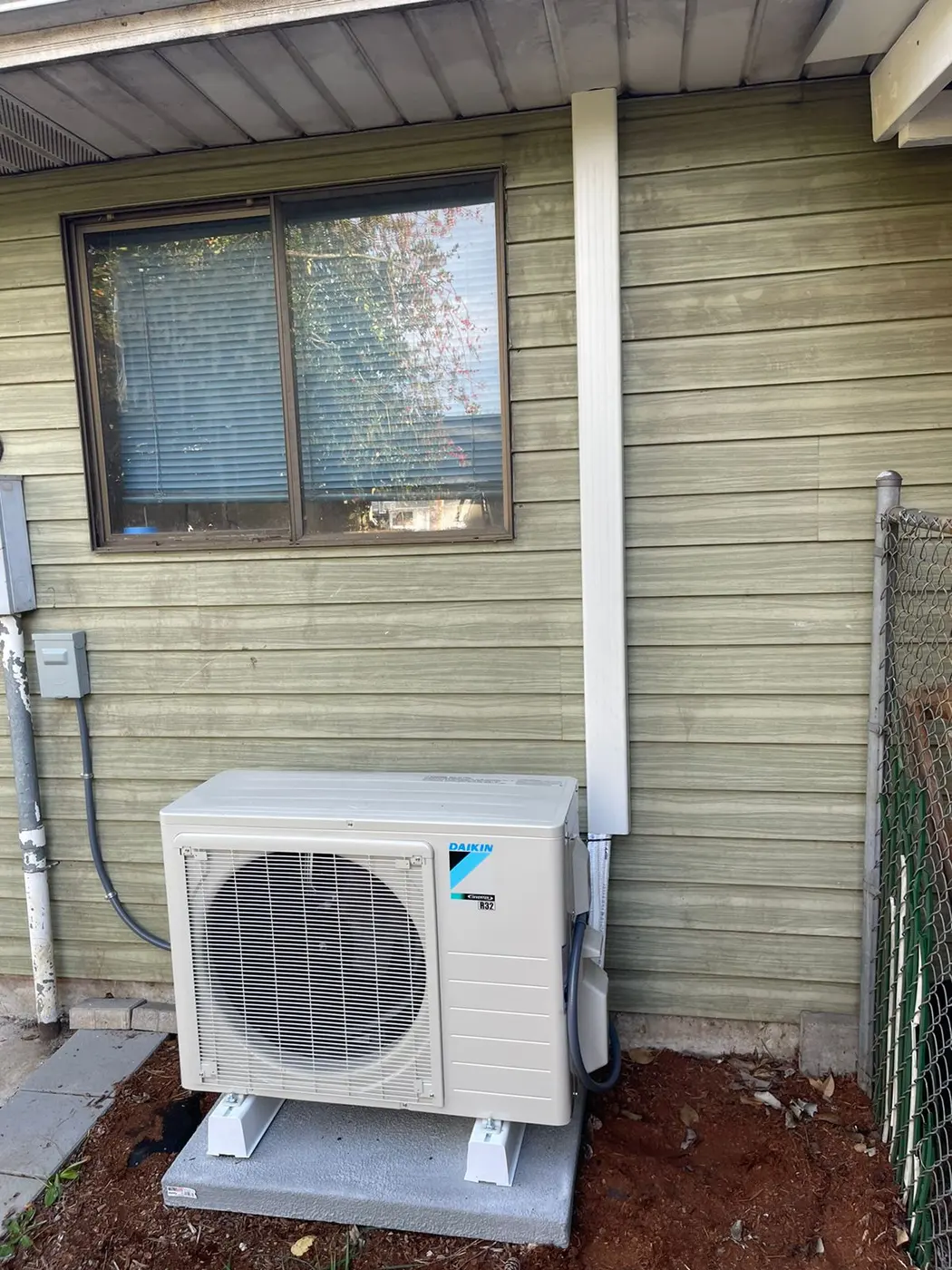
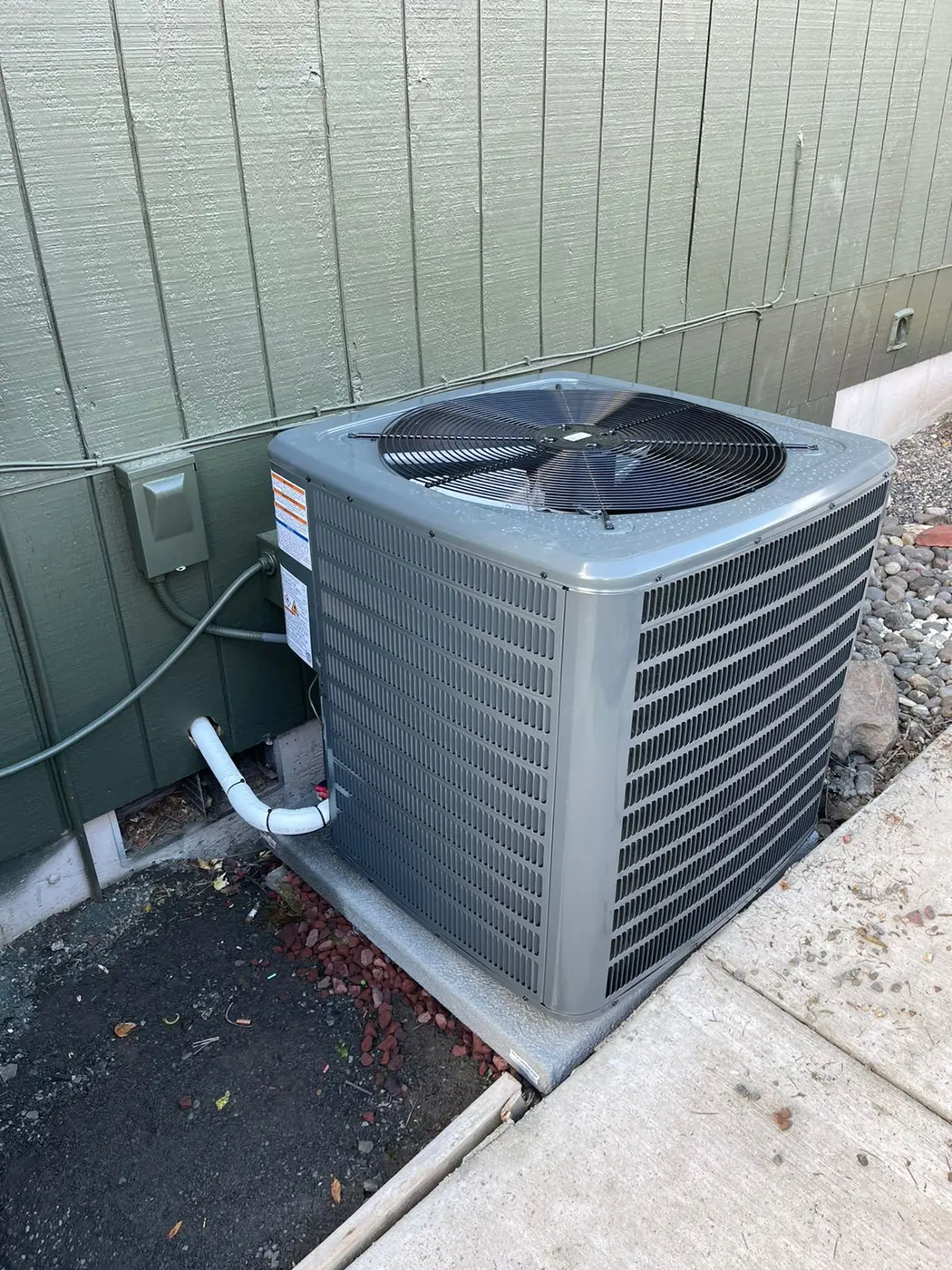
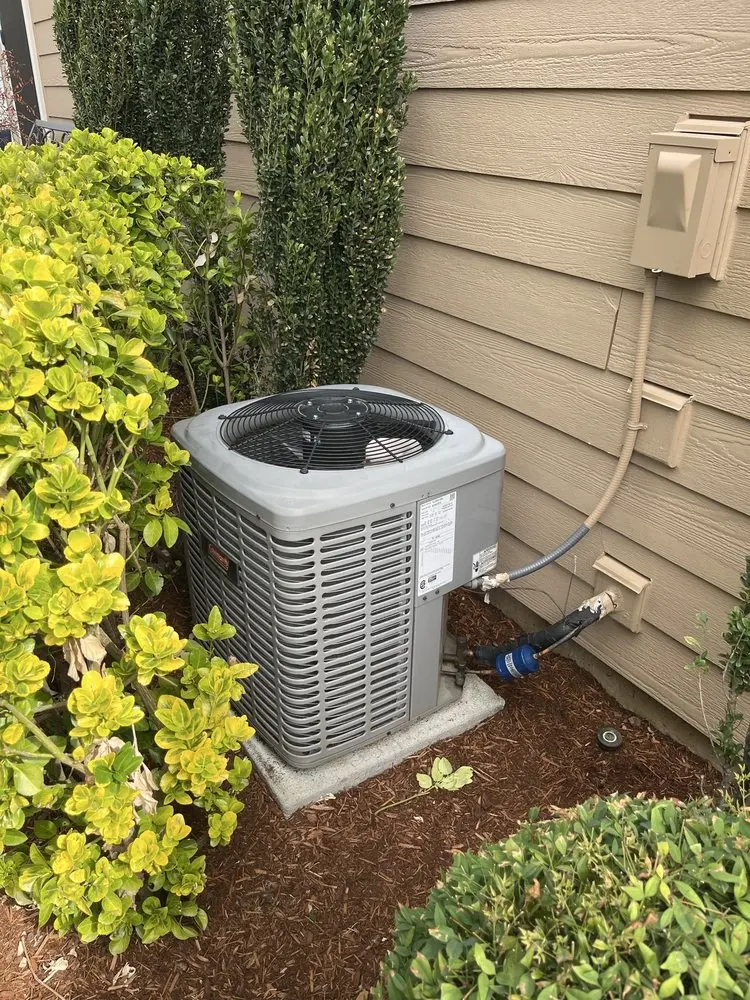
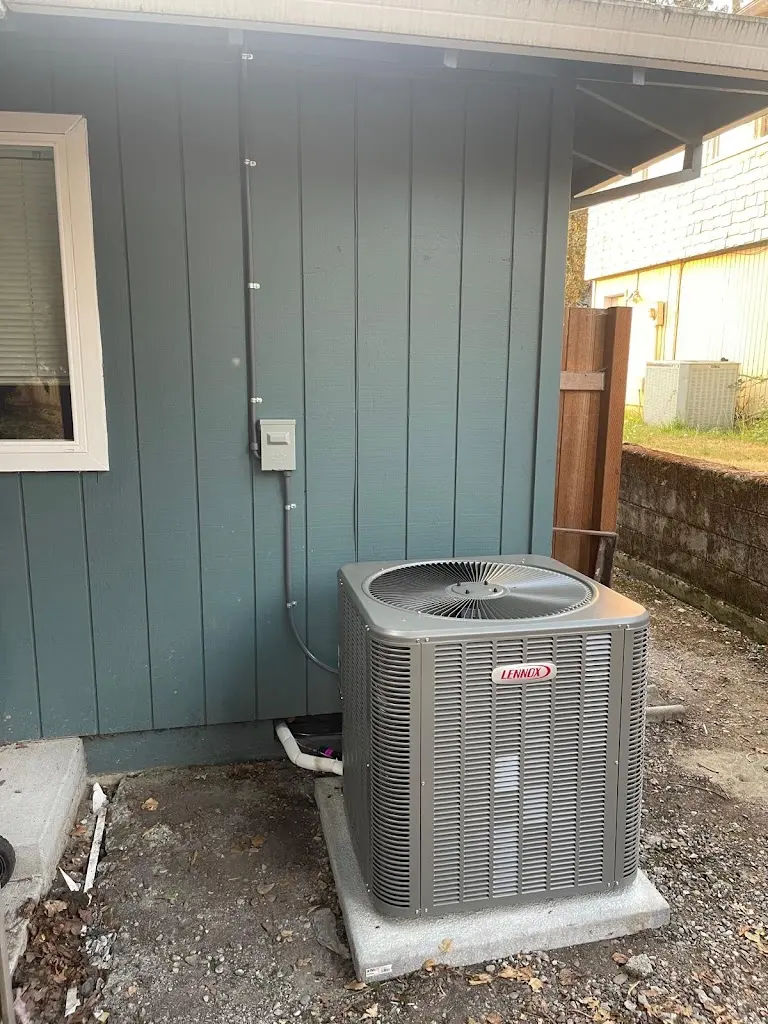
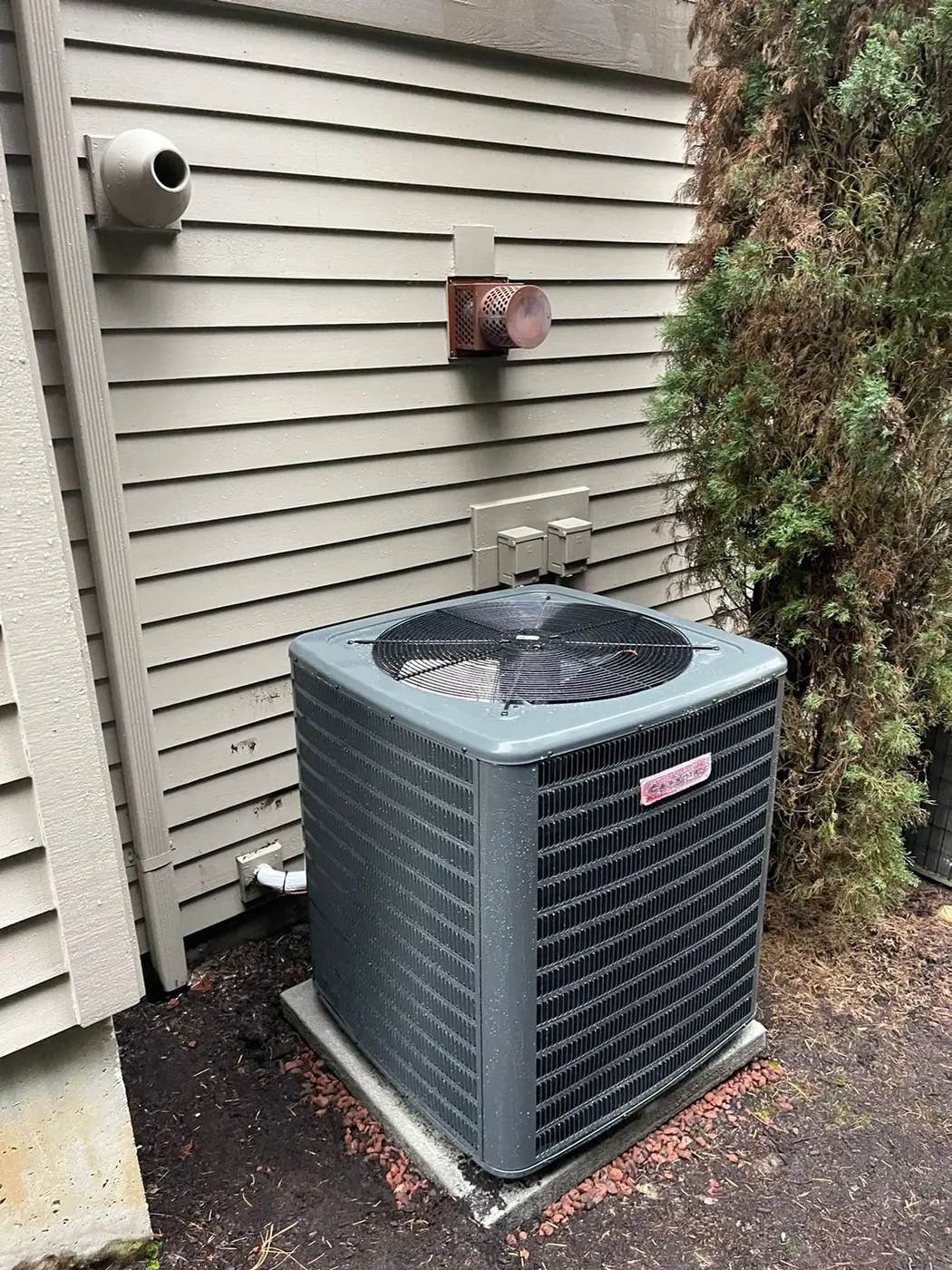
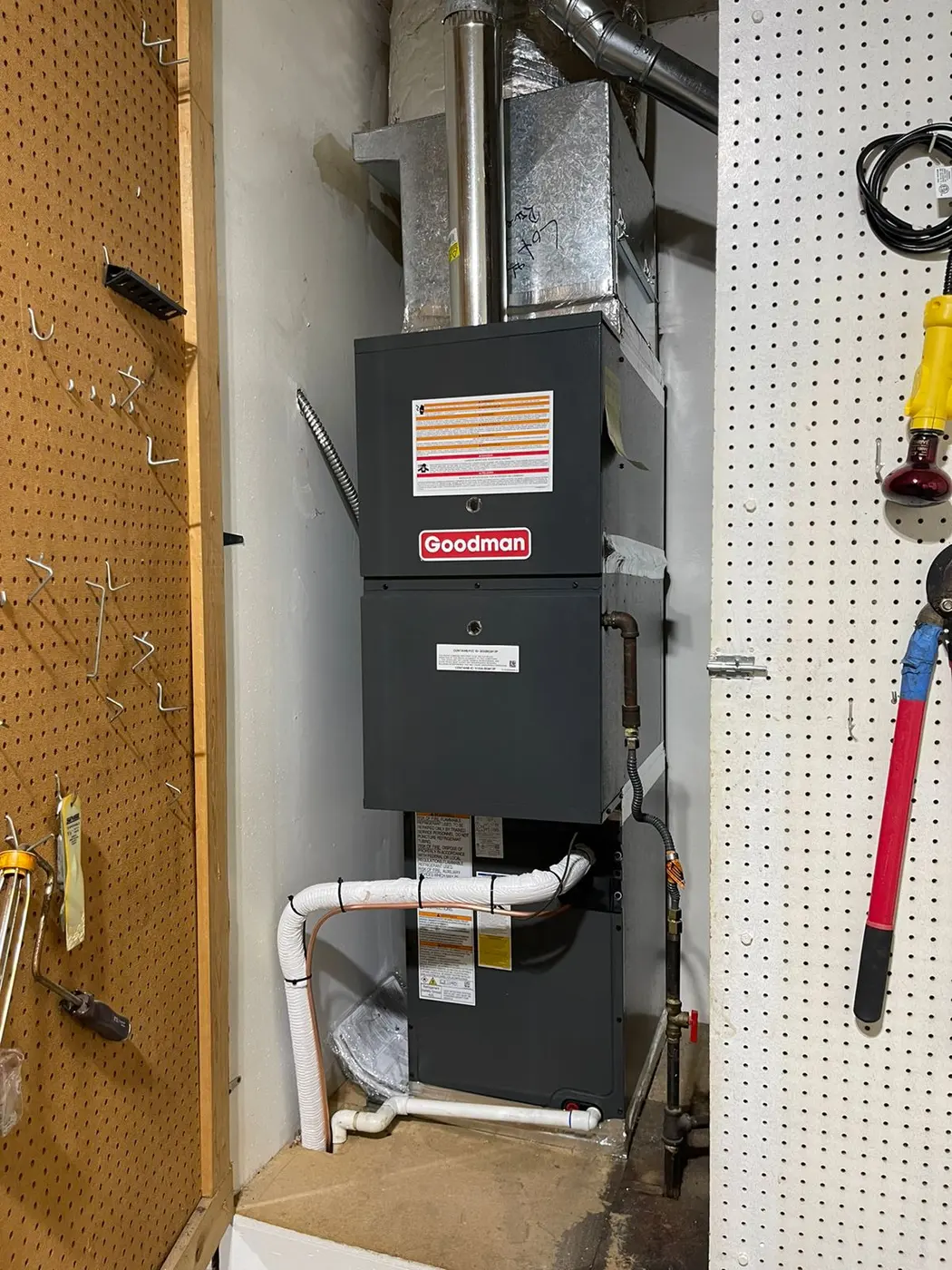
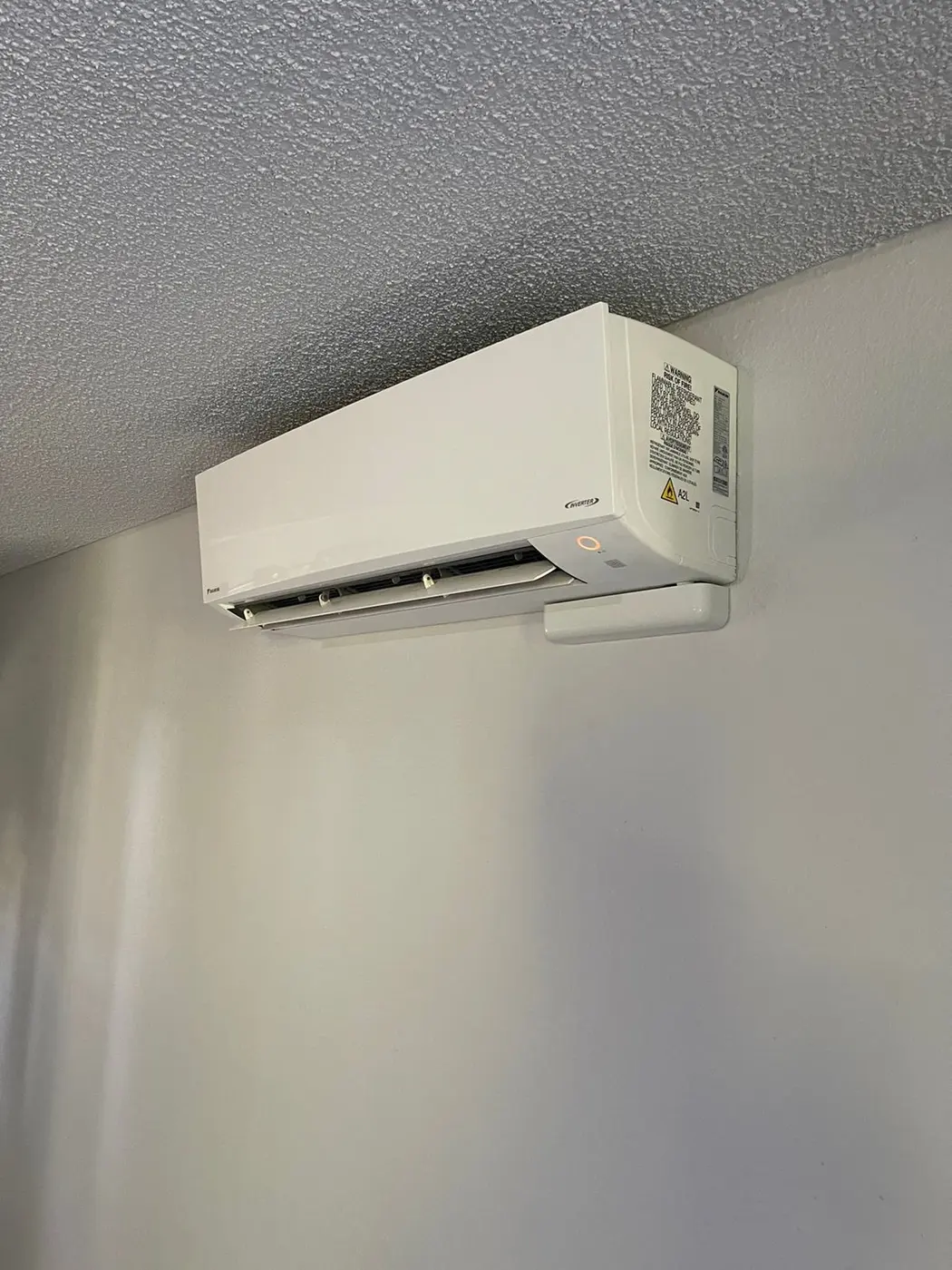
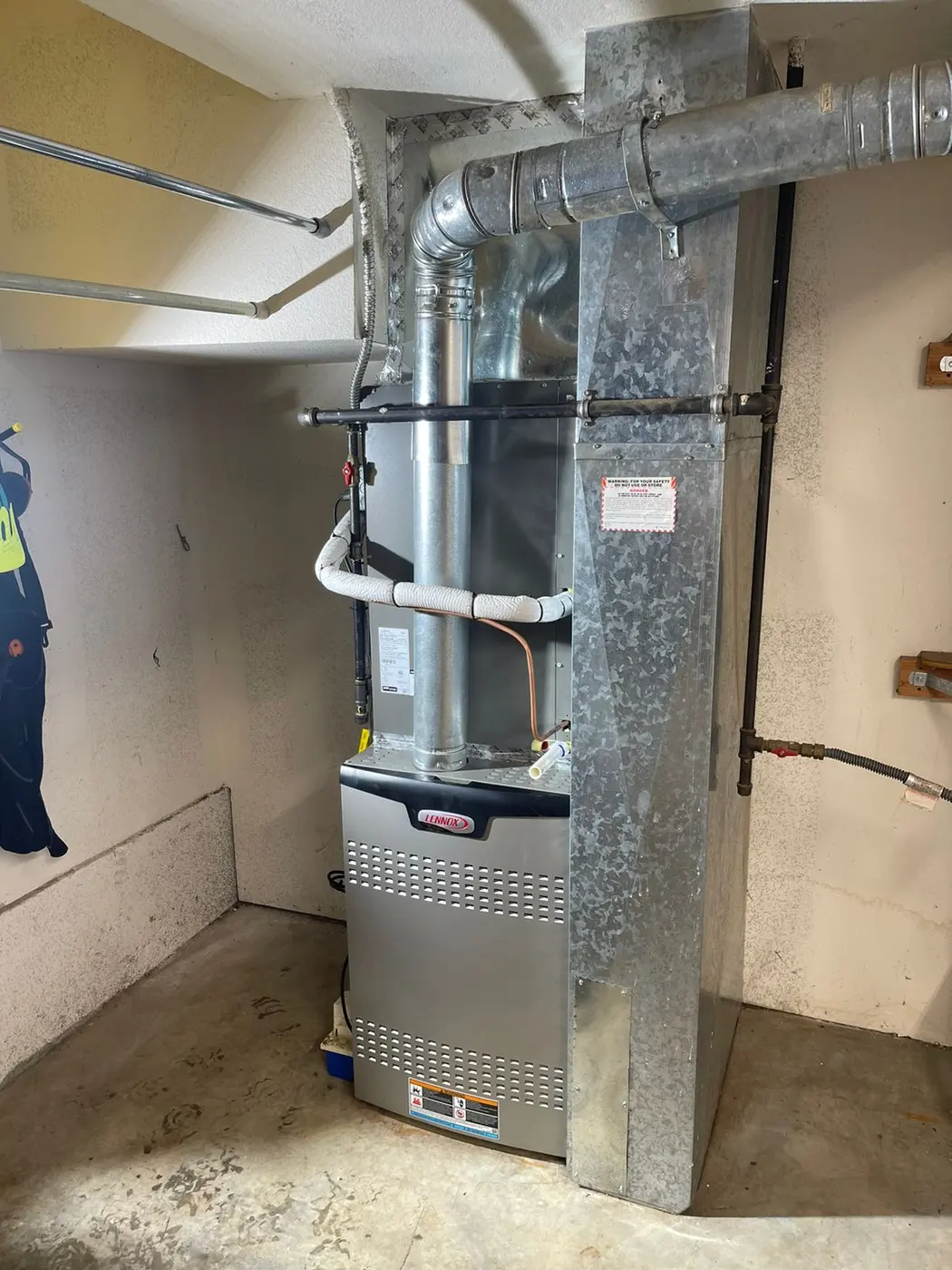
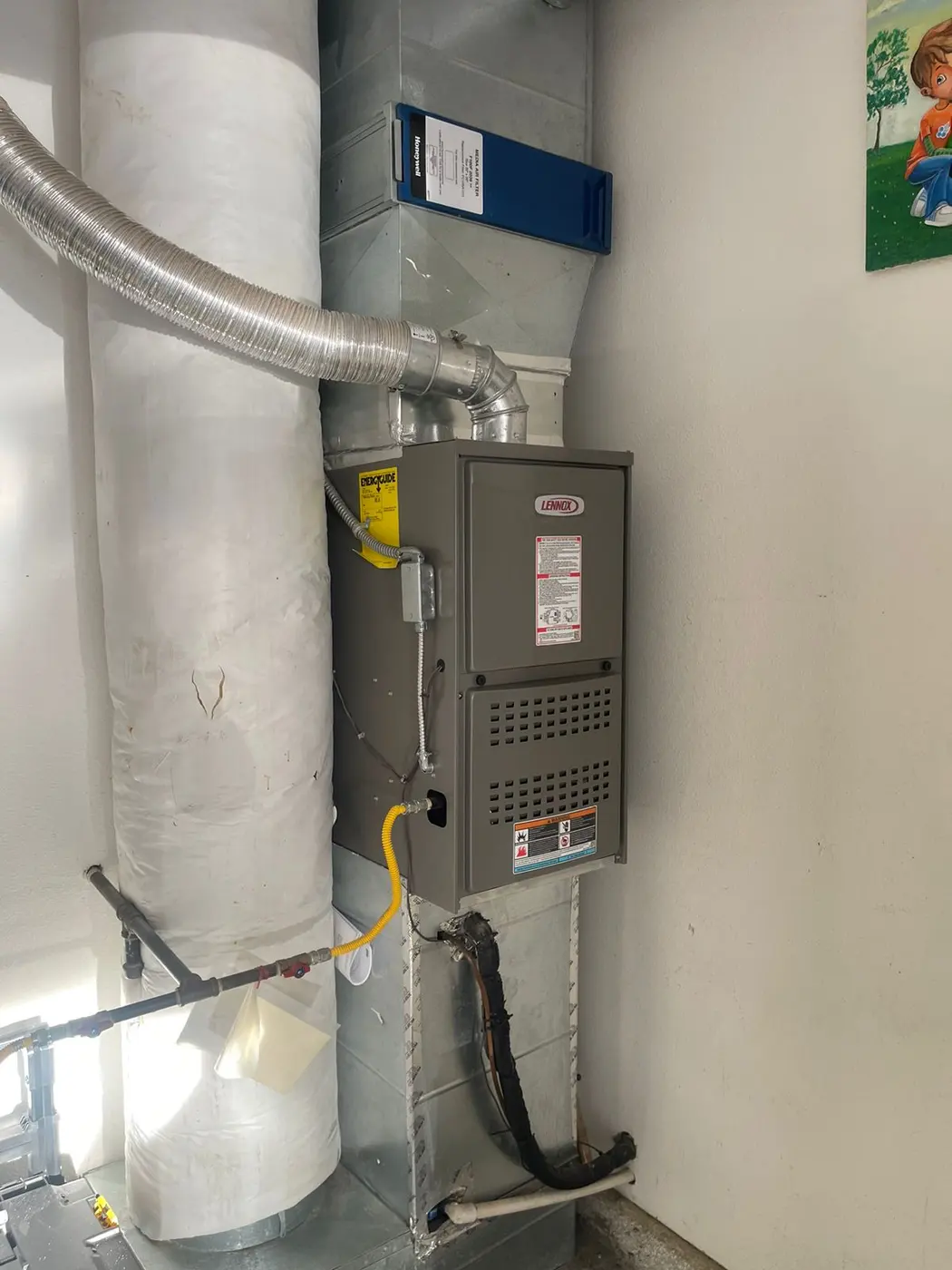
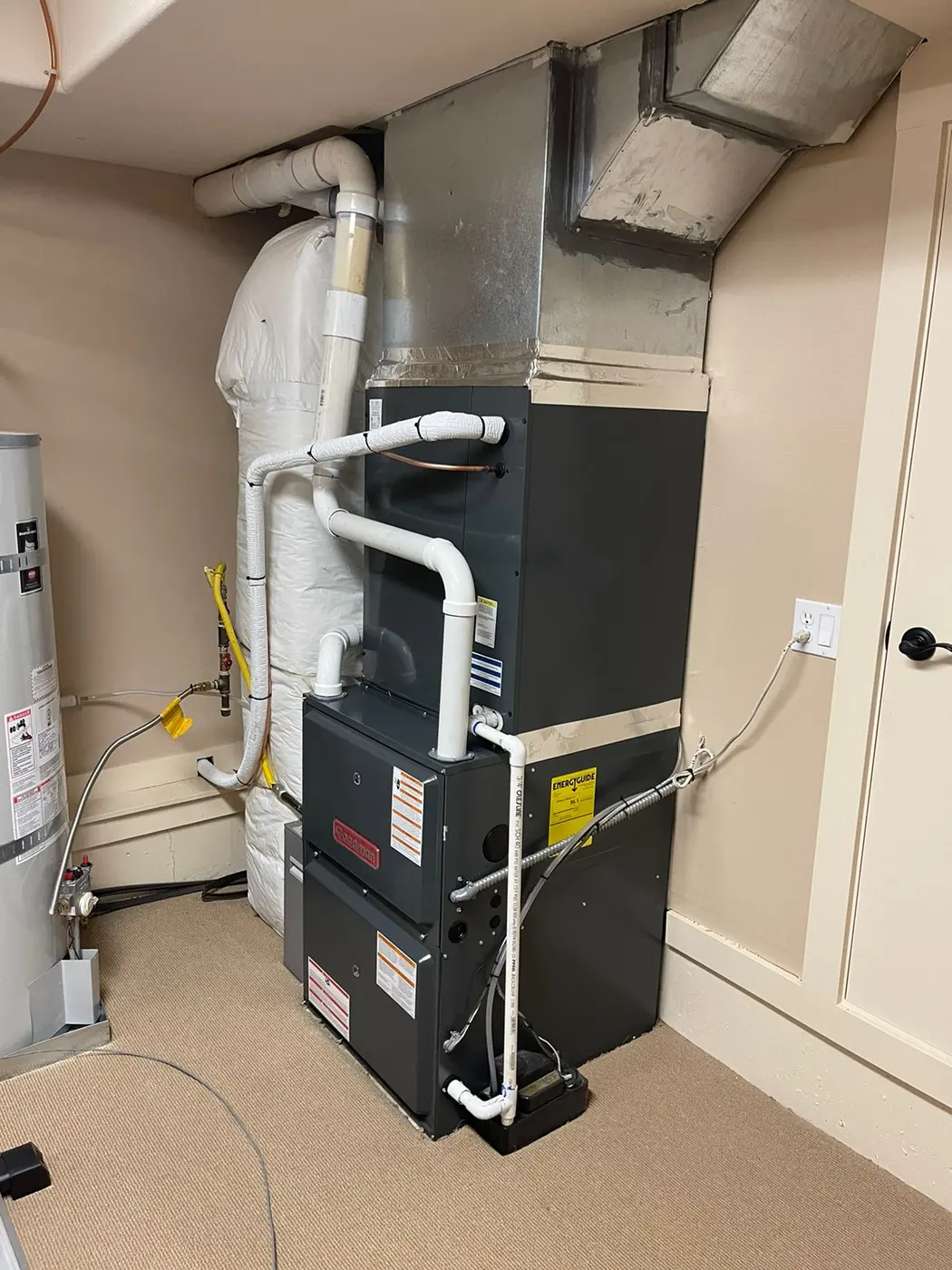
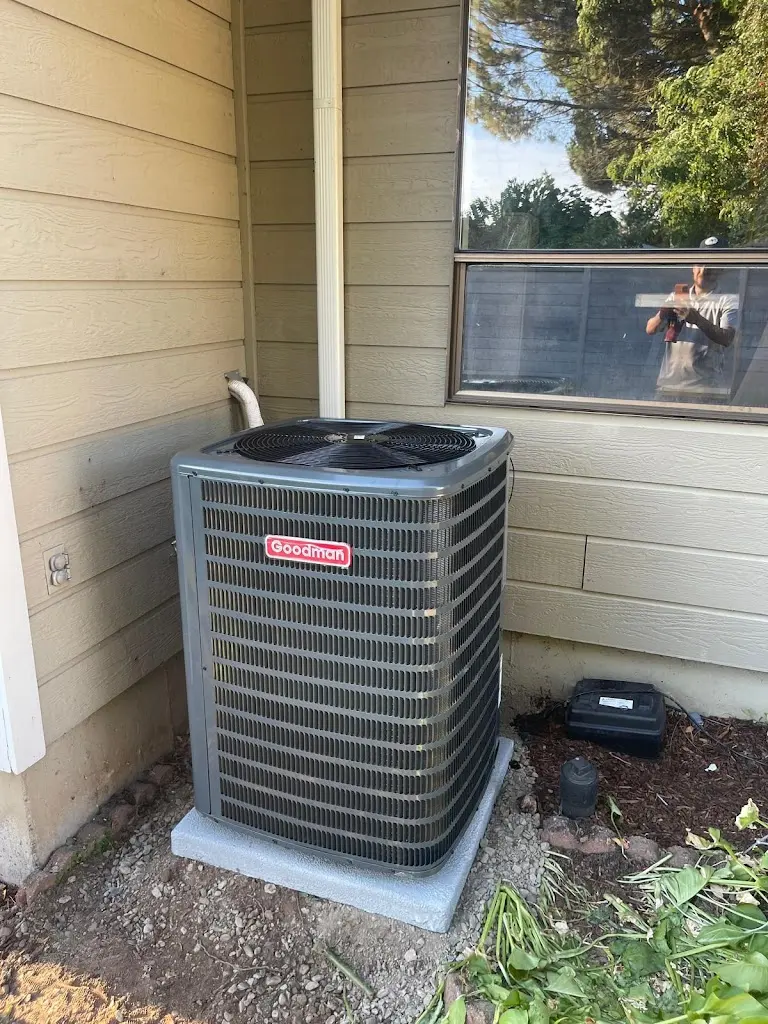
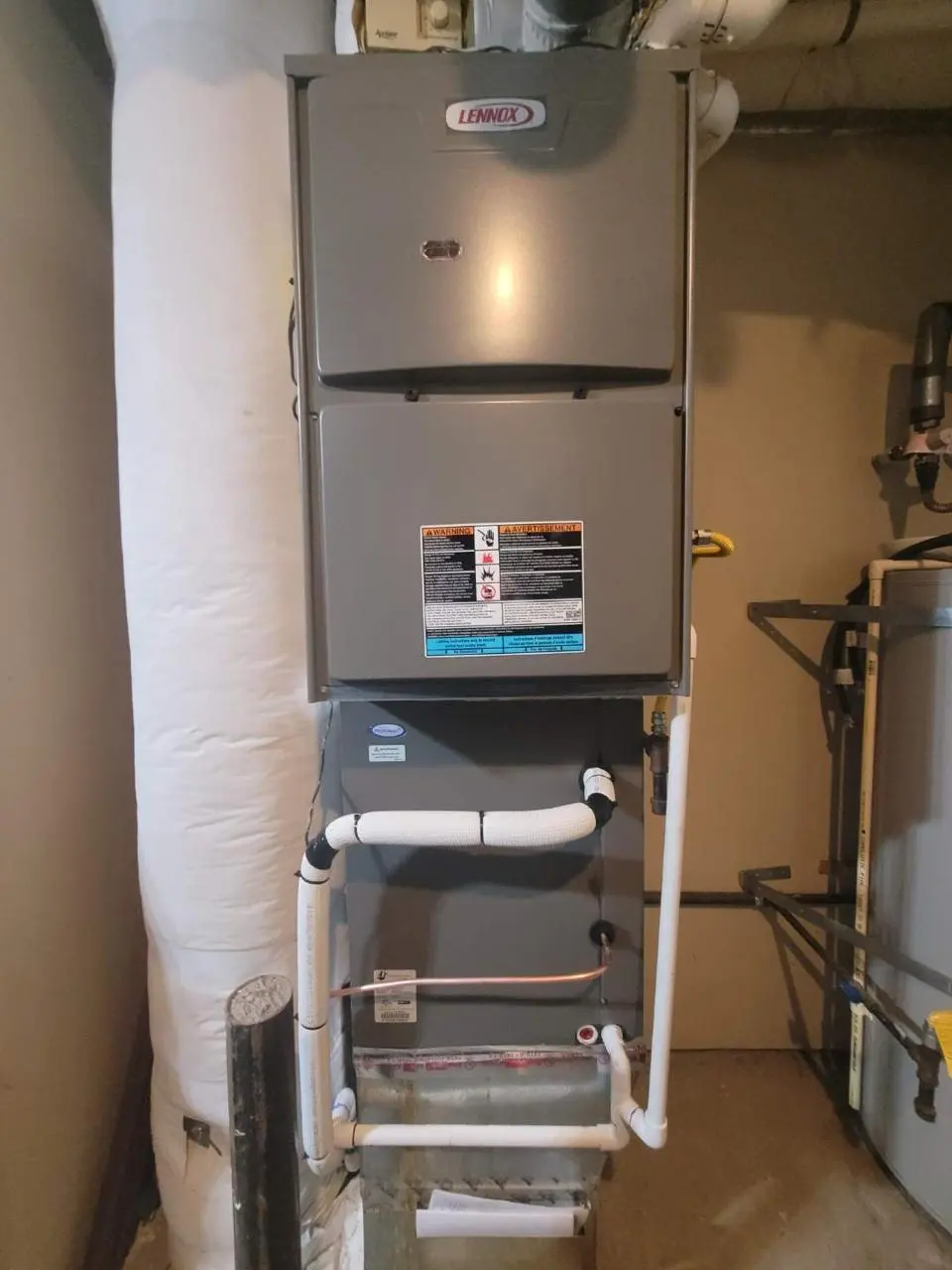
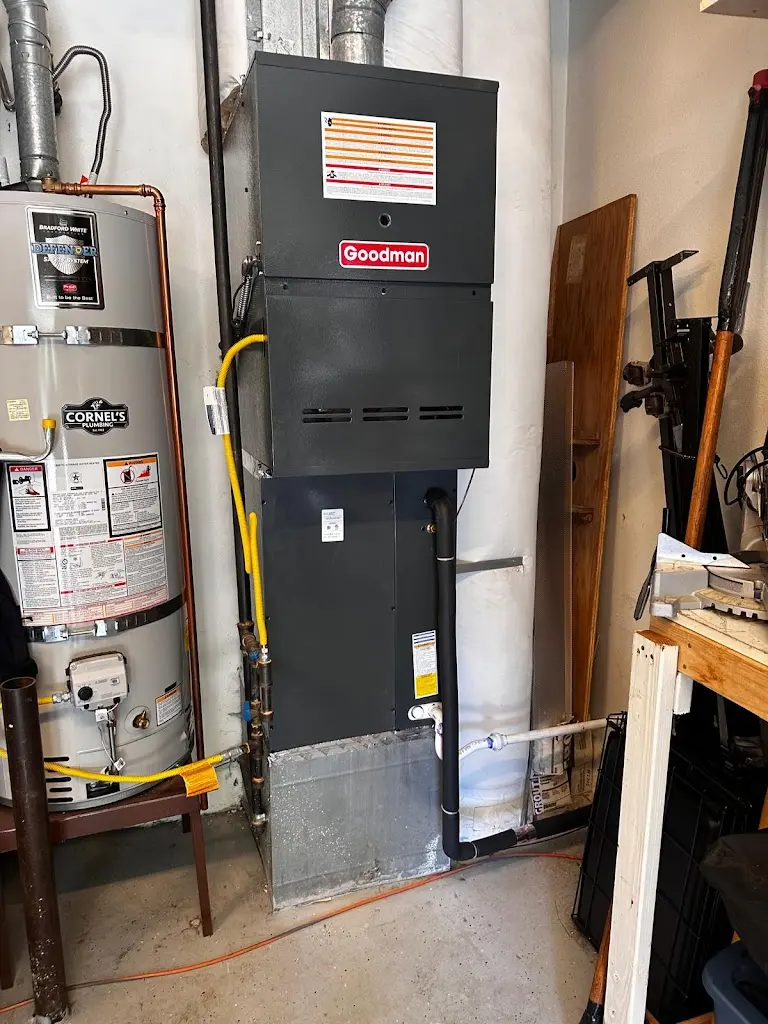
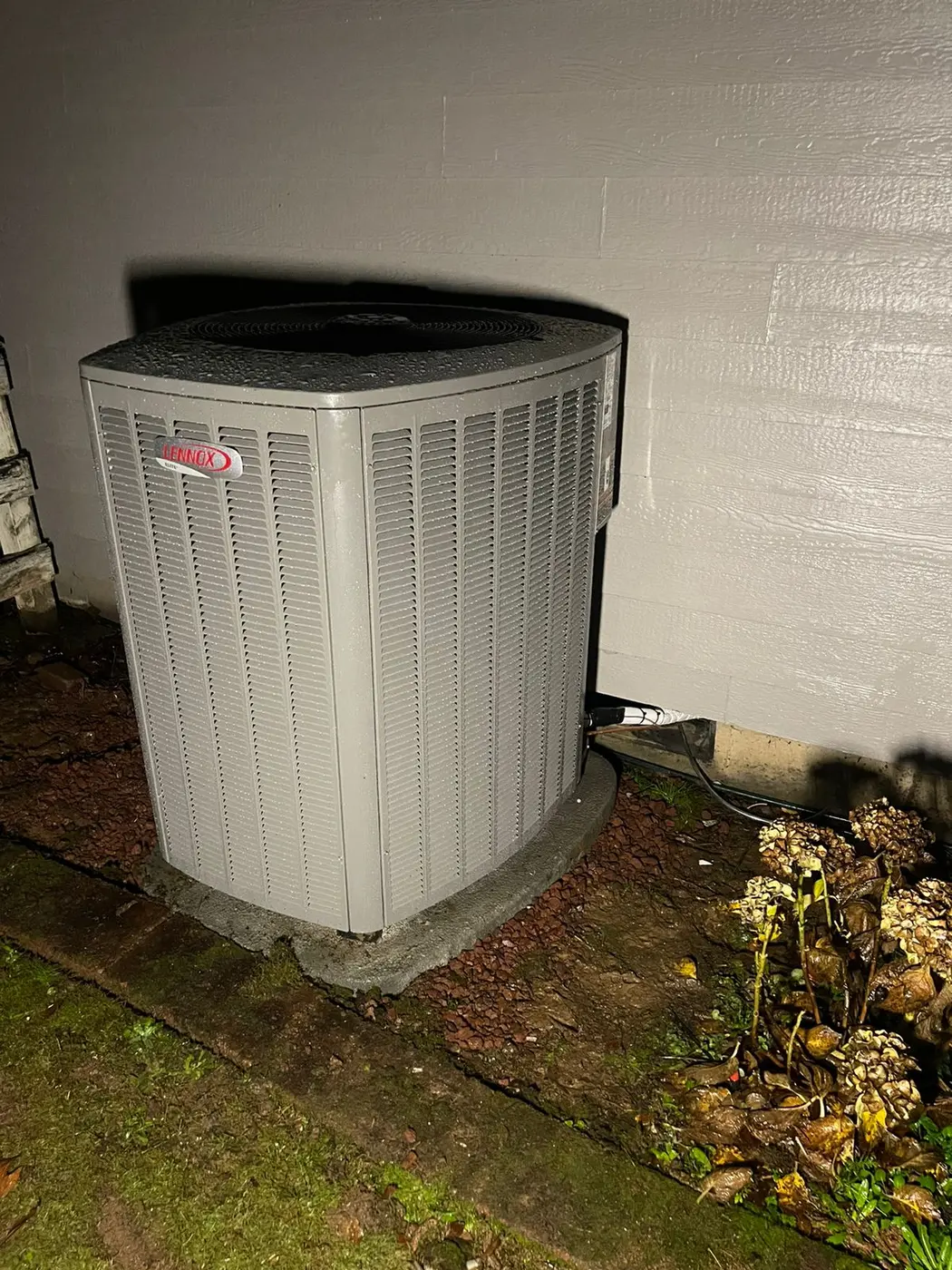
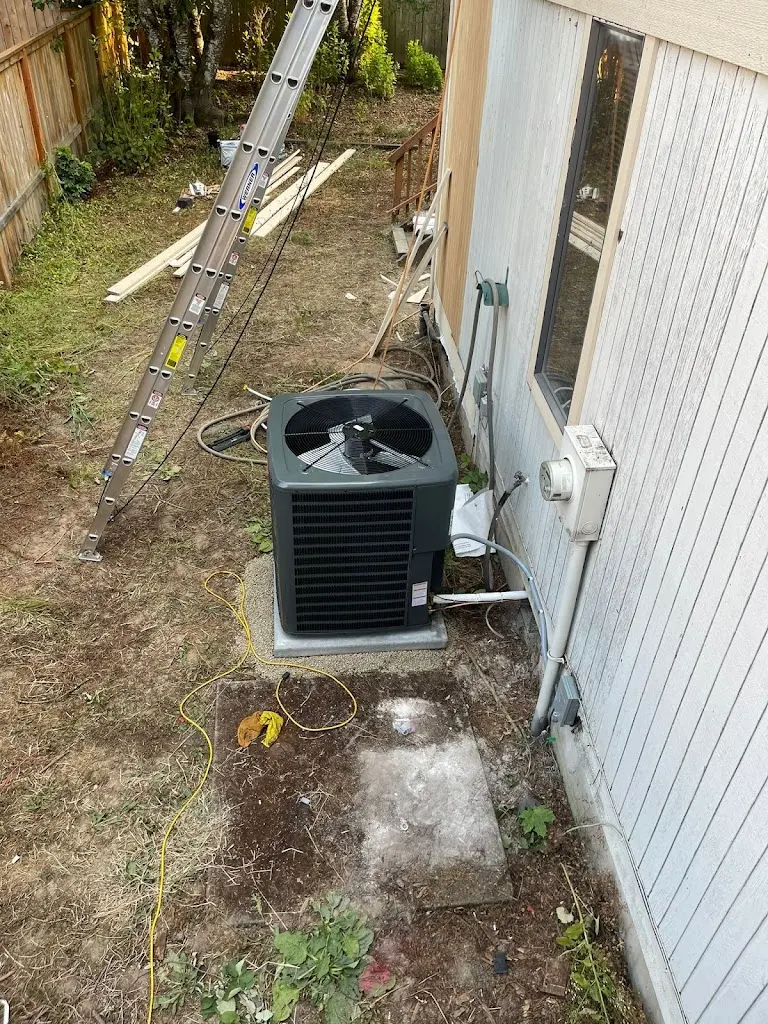
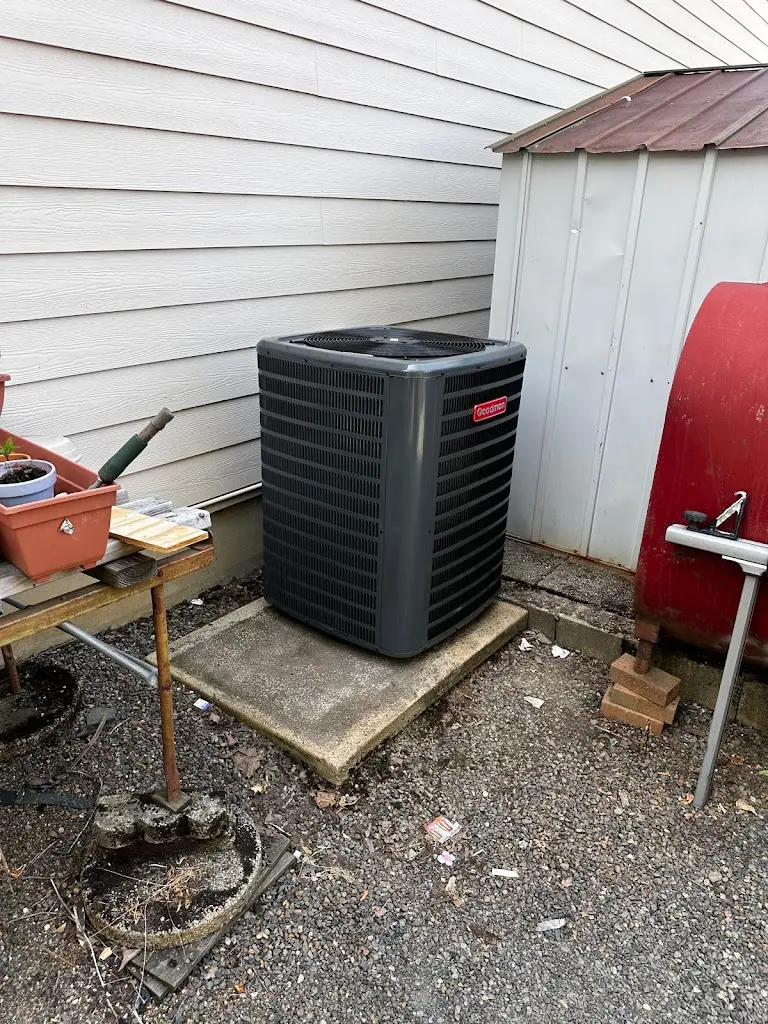
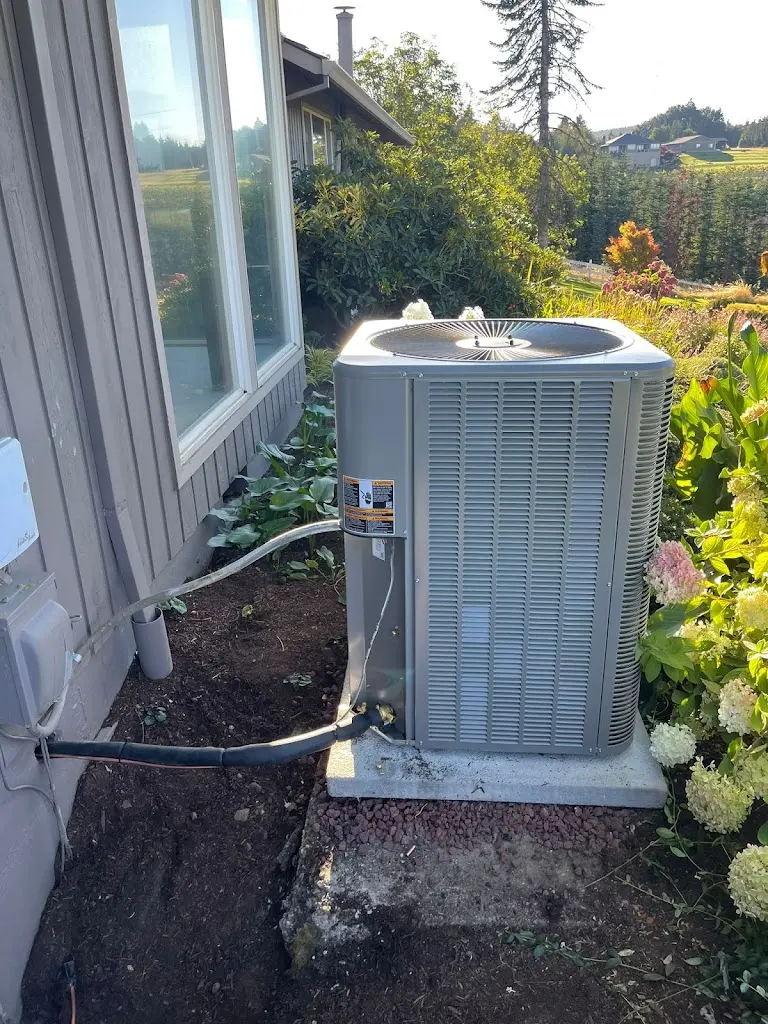
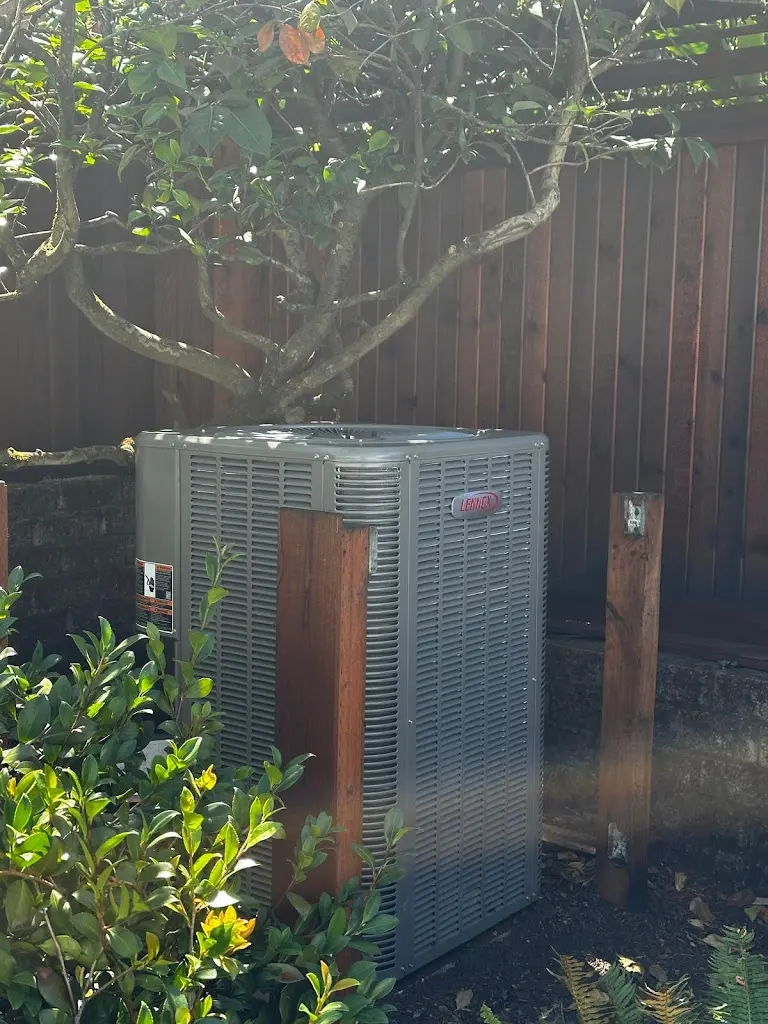
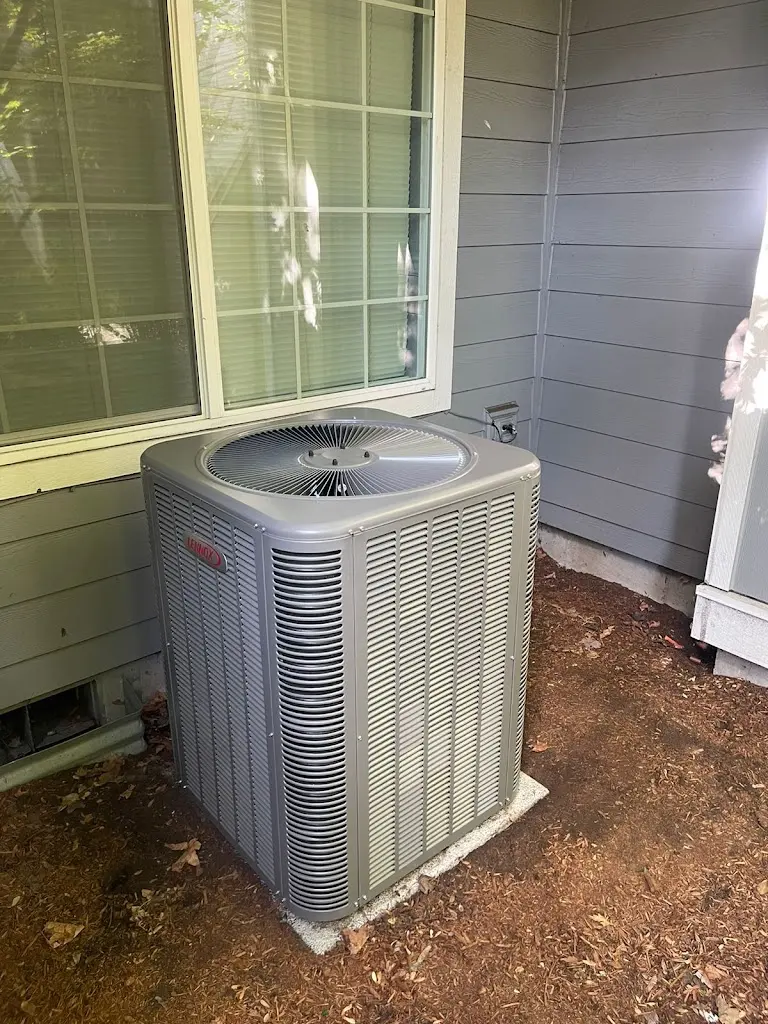
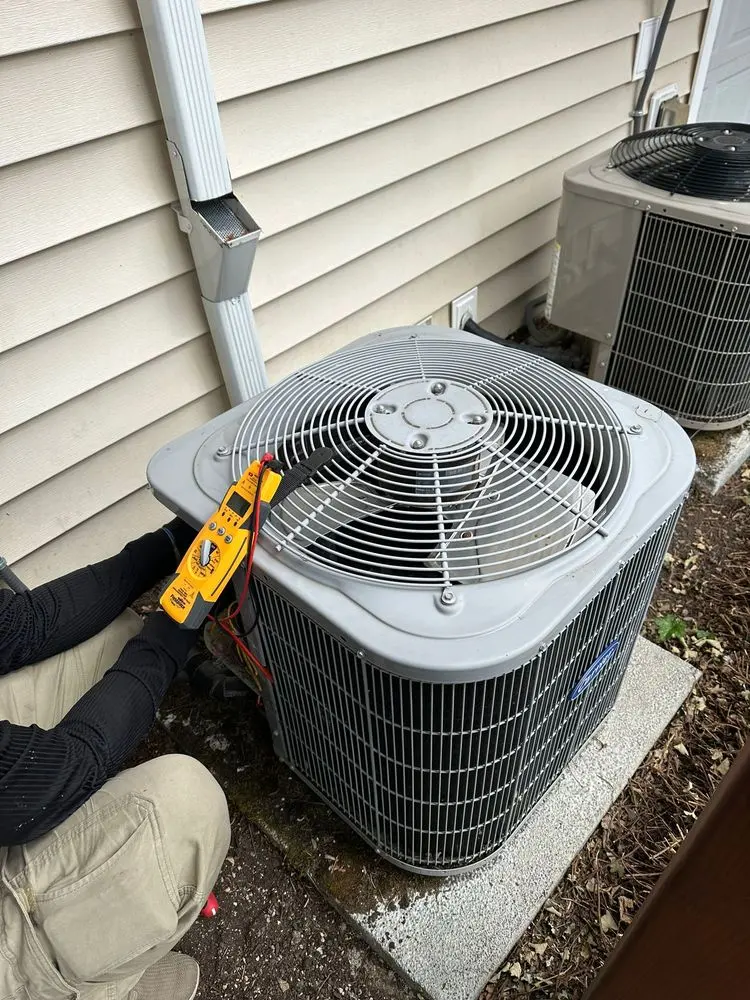
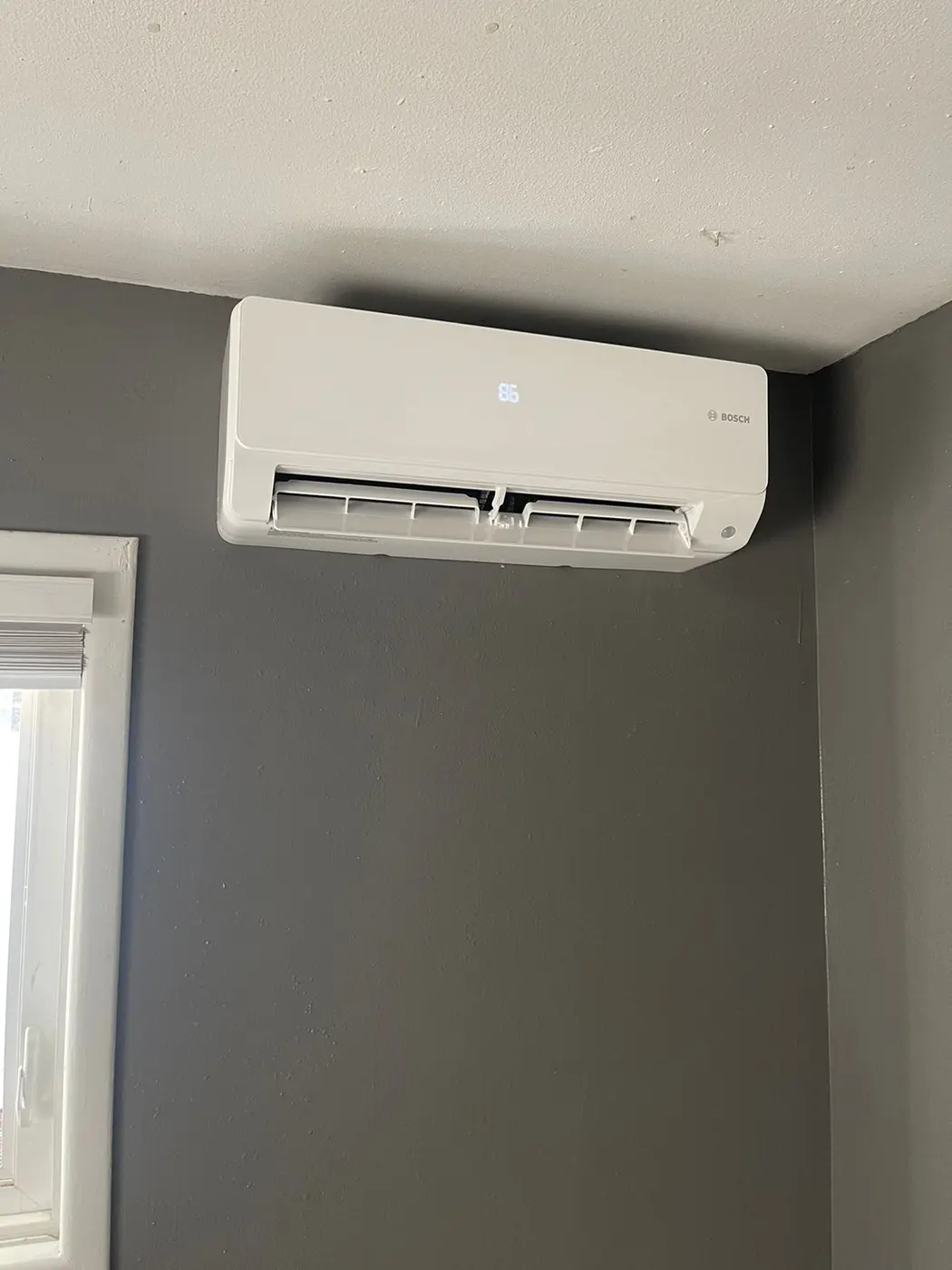
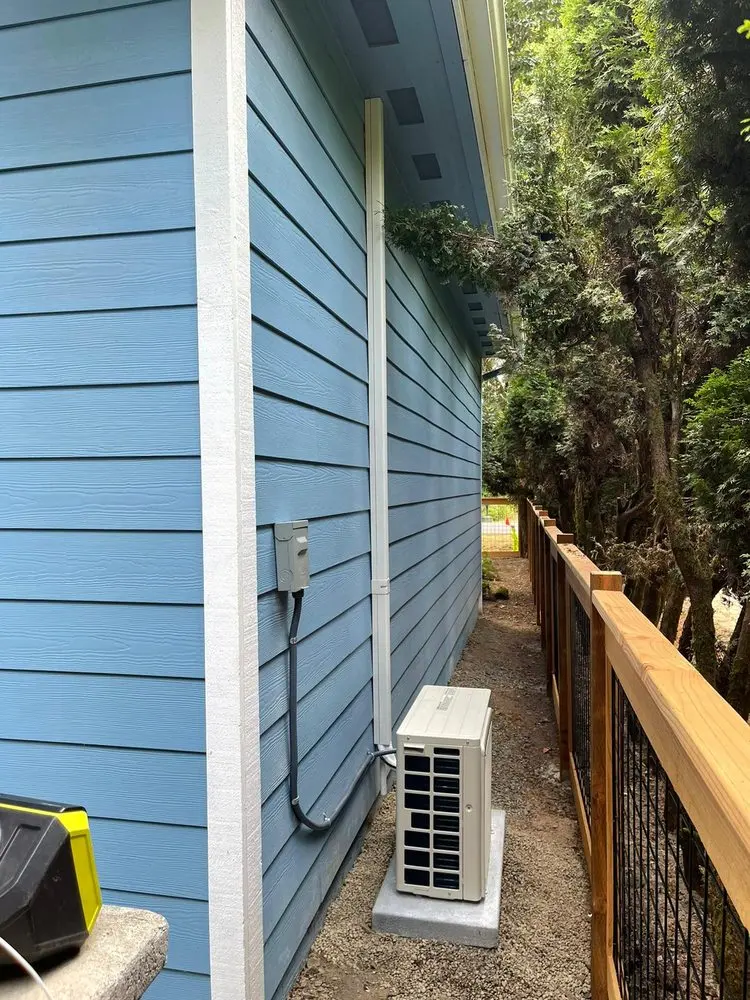
A split air conditioning system relies on indoor and outdoor components working together. Replacing the outdoor unit can also raise questions about the indoor coil, blower and control. Ask the estimator to identify the combination the first stage will use. The outdoor cabinet alone is not the full equipment plan.
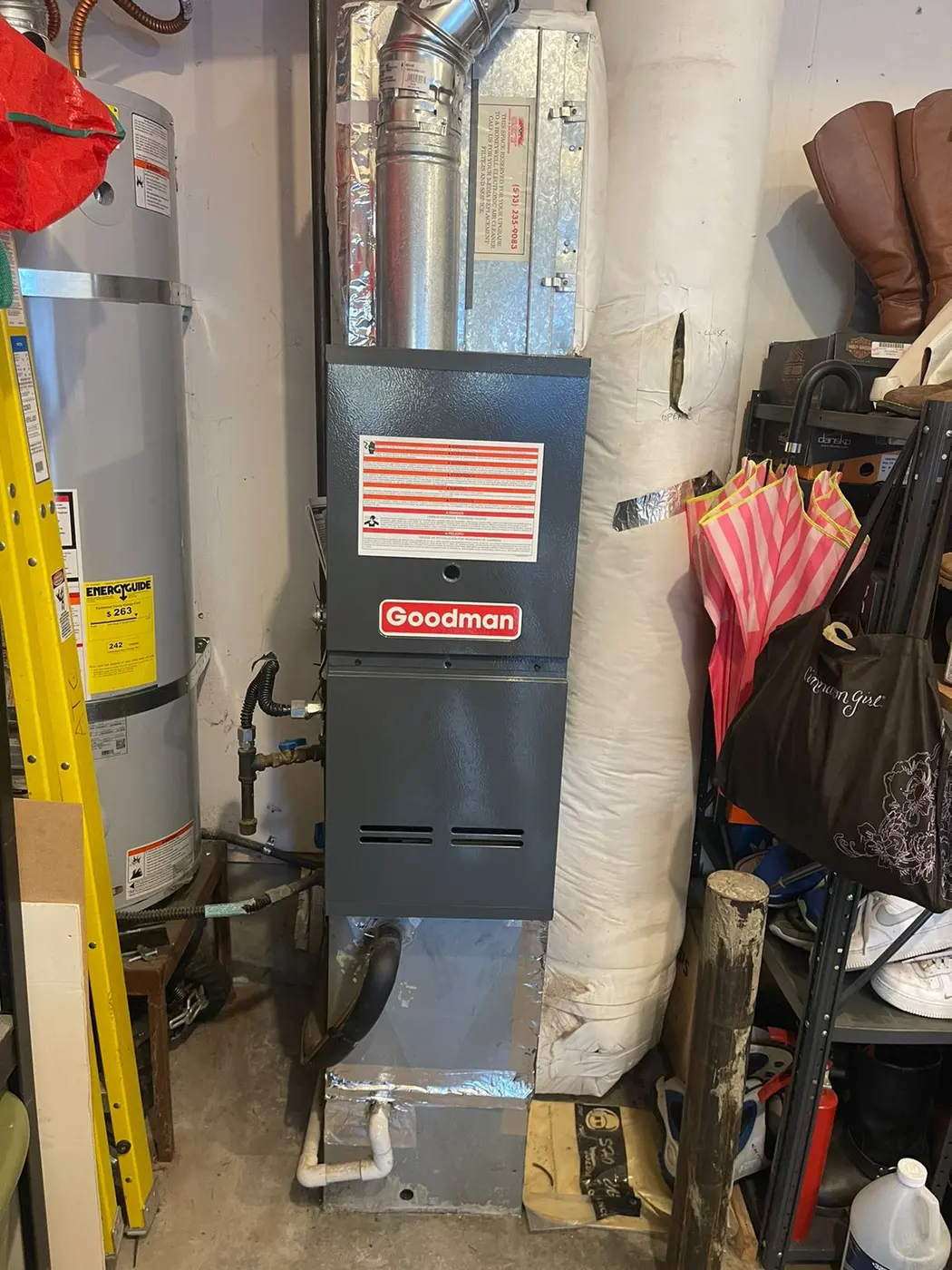
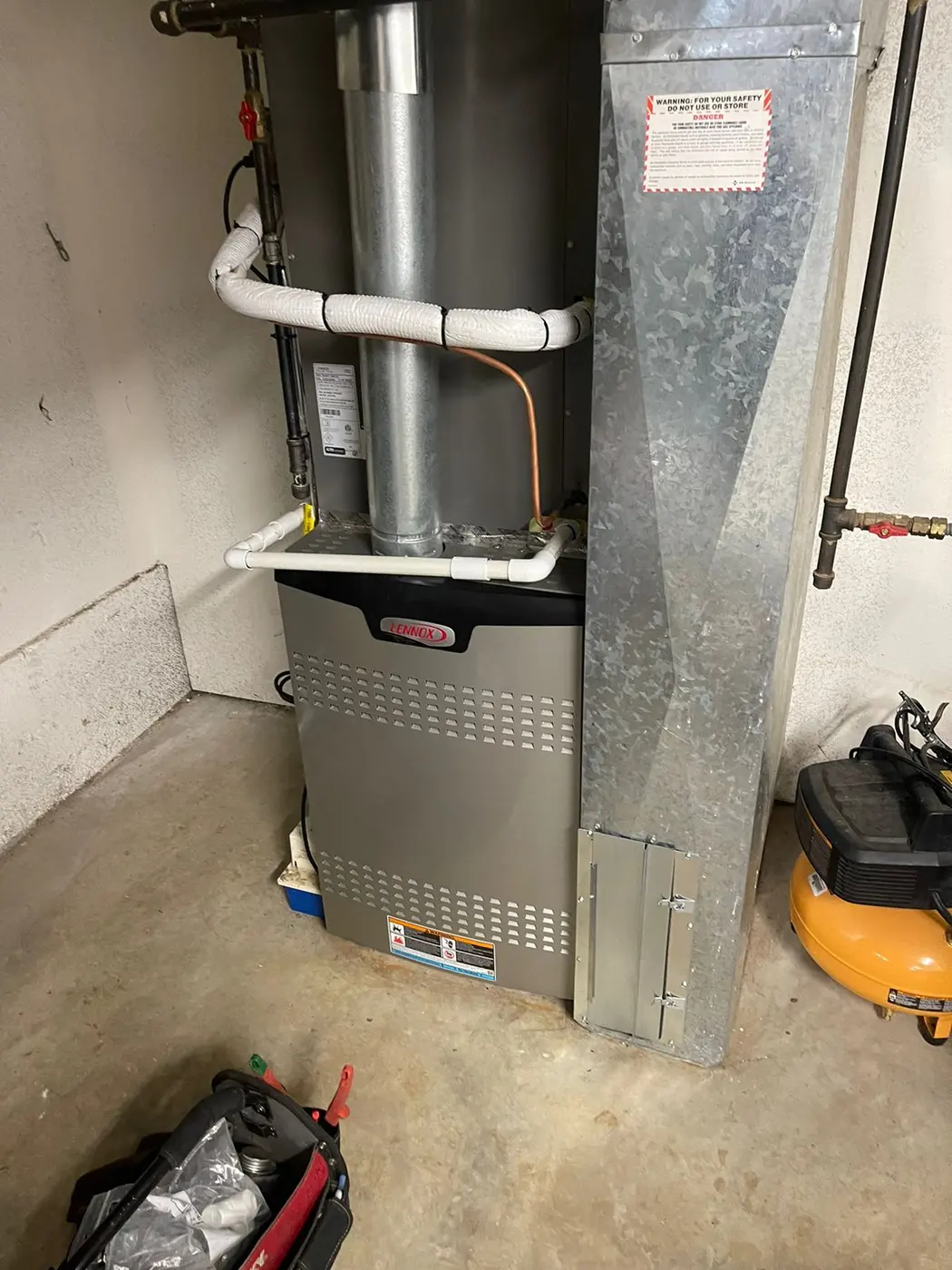
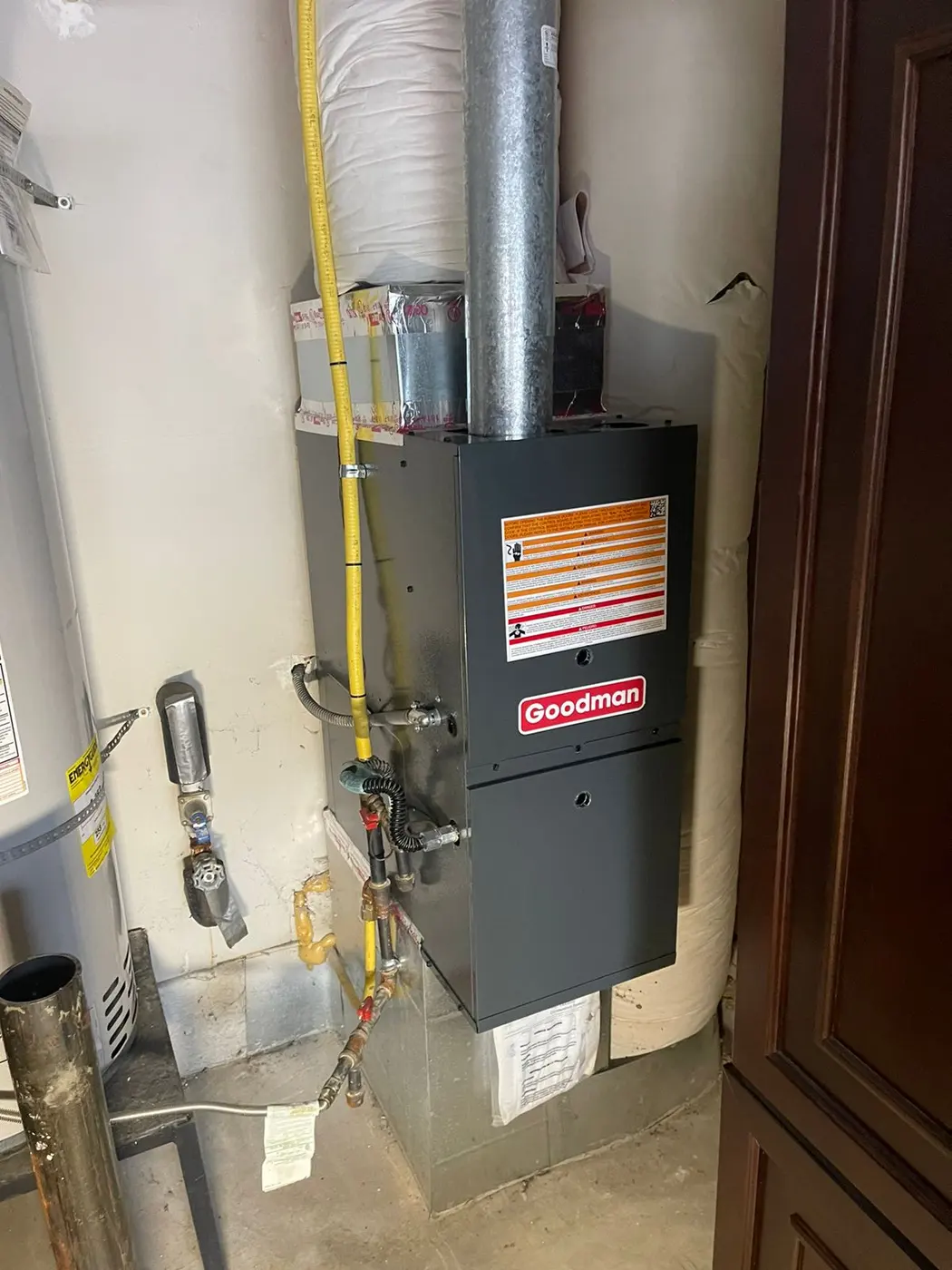
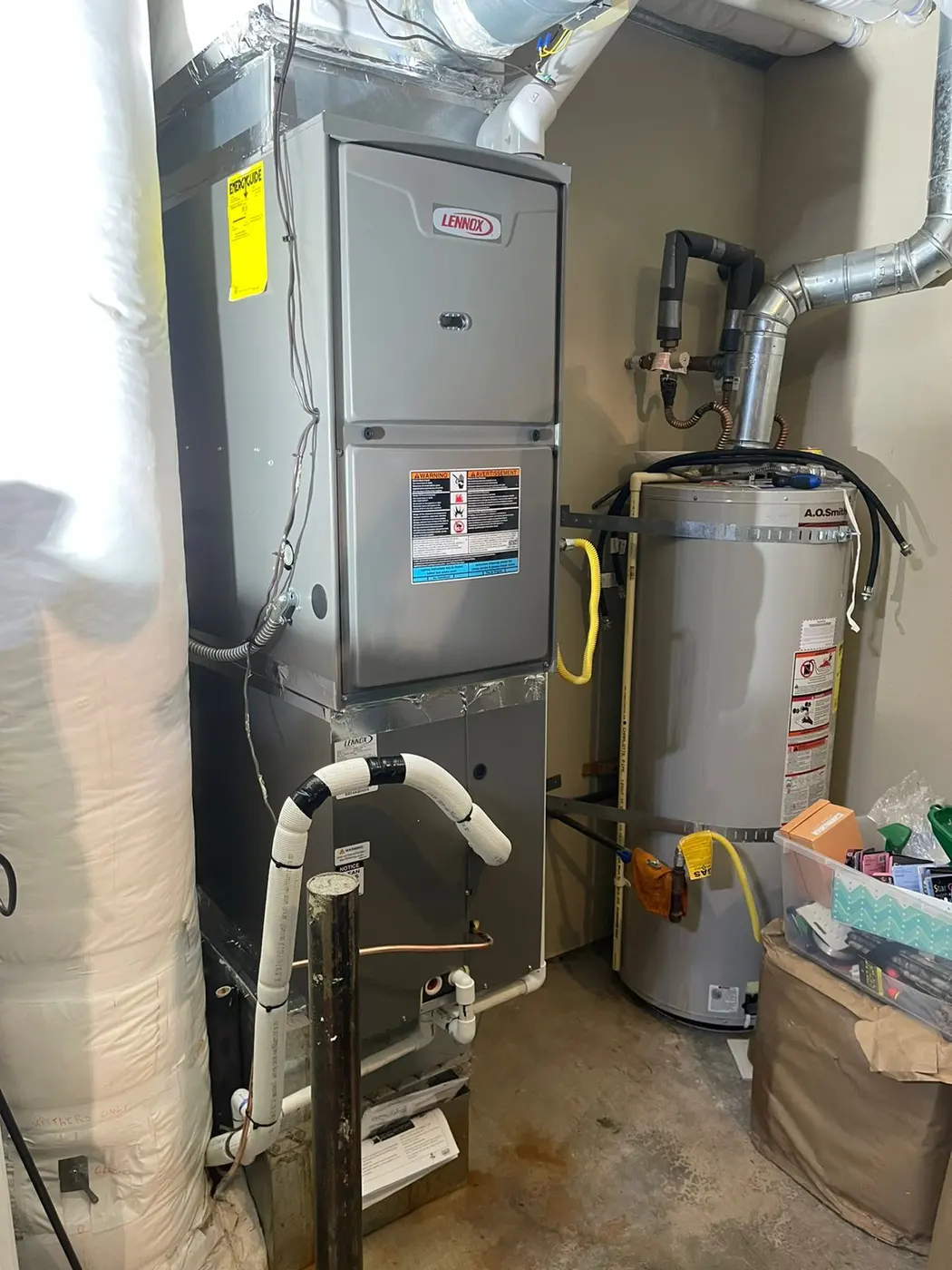
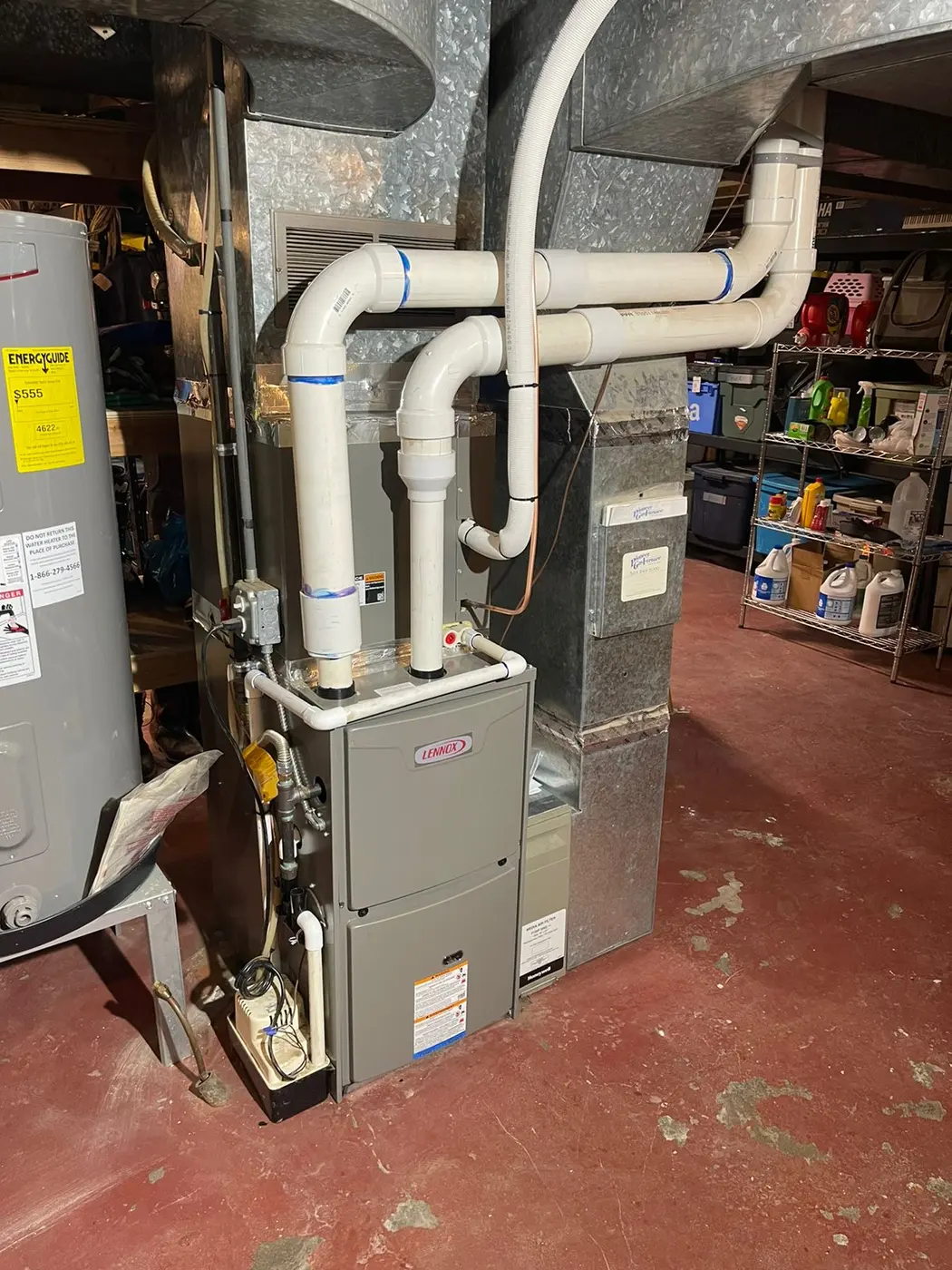
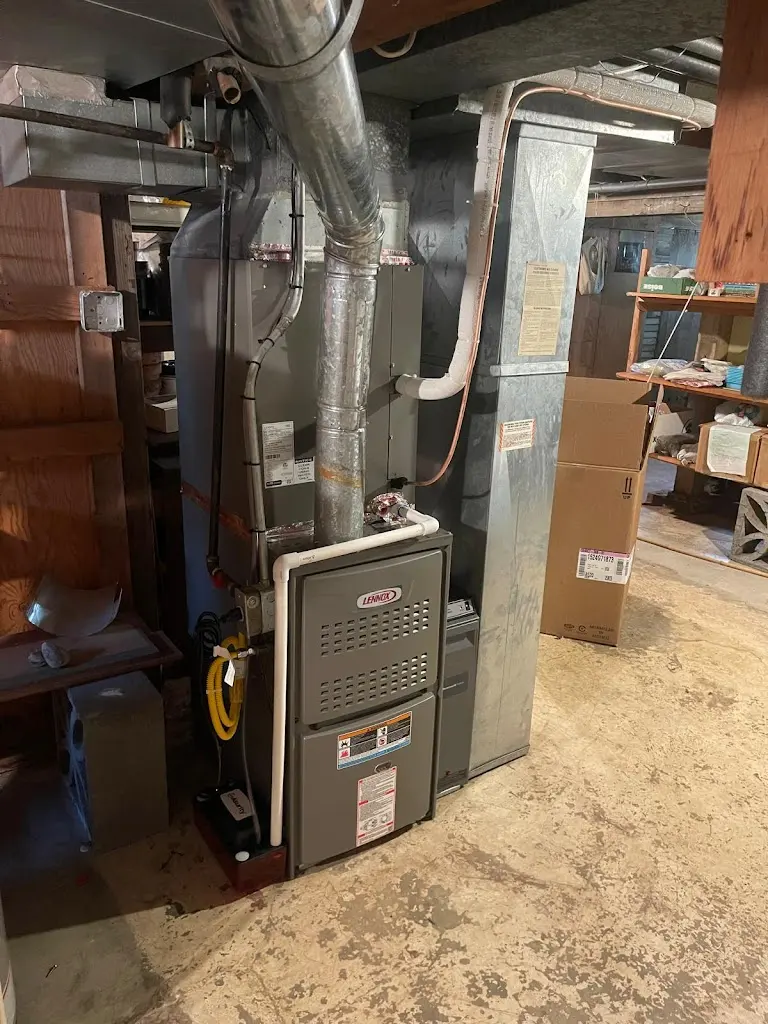
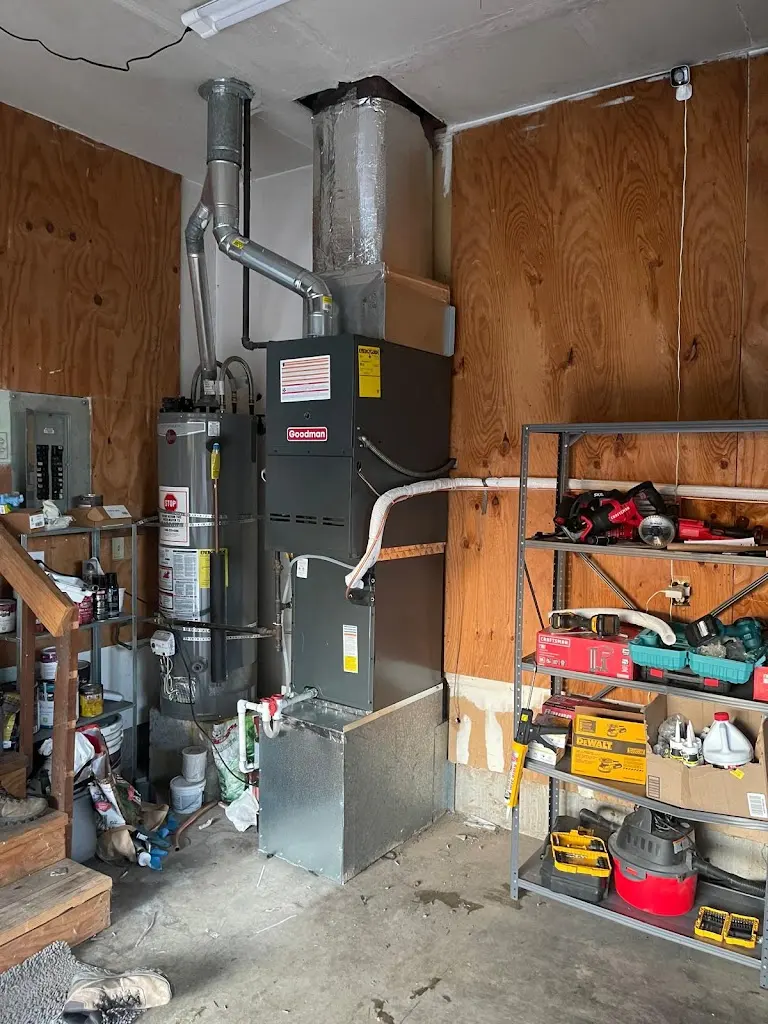
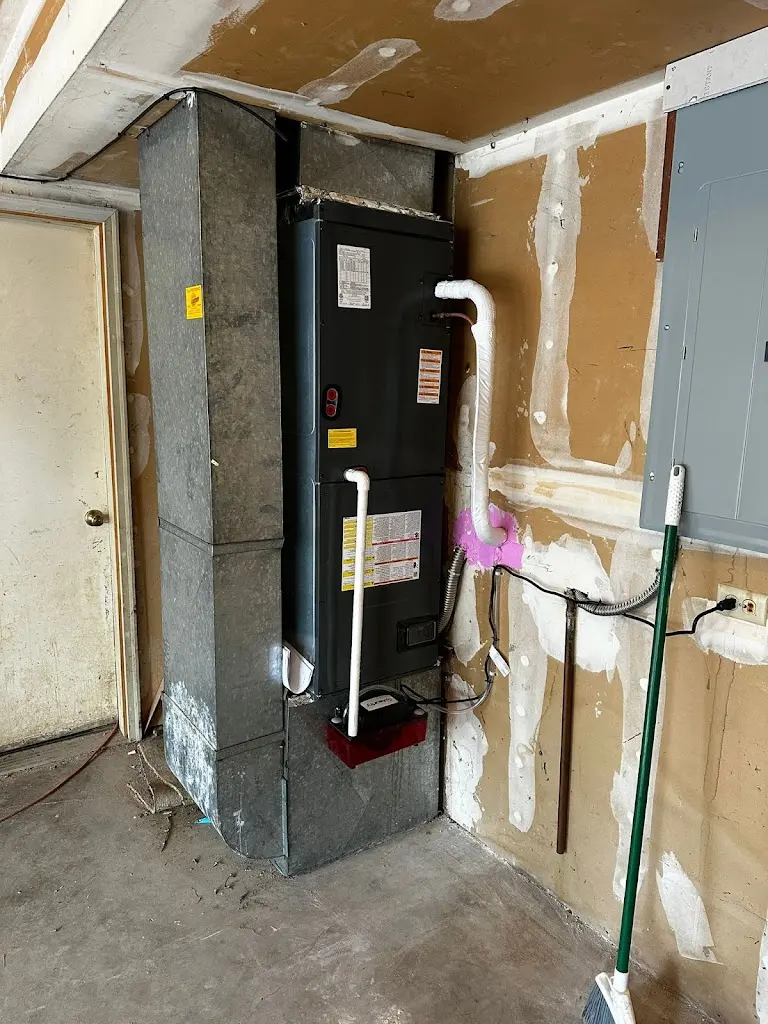
If the proposal retains a furnace, include its model and condition in the review. Working heat does not prove that every new cooling option will fit. The planned indoor components and controls still need to suit the combination. Avoid choosing a cooling unit solely because its brand matches a visible label.
Clarify what the installation must change to operate with the retained equipment. Required work belongs in the present scope, even if another upgrade may follow later. The proposal should not rely on an undefined second stage to make the first stage usable. Ask which operating functions the completed cooling job will provide.
Keep Future Options Separate From Promises
Tell the estimator why a later heating change is possible. Perhaps you have a preferred timeframe, or perhaps it is only an idea. Those are different planning conditions. The estimate can describe the current choice while leaving future models and prices open.
Ask what a later equipment change would require the team to reassess. The answer may involve retained components, controls or connections. A part that suits the present combination does not establish a fit with every future system. Record the limits of the plan alongside any option you want to preserve.
Do not count a future saving twice when comparing staged and combined proposals. Look at the work each current price actually includes. Ask which tasks could recur in a later project and which remain uncertain. A staged purchase should not imply a guaranteed lower total cost over time.
Compare Cooling Goals as Well as Purchase Timing
Describe how the old equipment cooled the home before any recent fault. Identify the rooms served and any concern that has persisted for years. Keeping the same capacity label does not settle the new sizing decision. The property, air path and intended coverage still matter to the estimate.
If the current equipment runs without useful cooling, our AC repair service in Ridgefield addresses that active problem separately. Explain whether you need diagnosis, replacement options or both. The free installation estimate does not make repair diagnosis free.
When comparing a cooling-only stage with a larger project, keep the expected result clear. Which rooms and functions does each option cover? Which current concern would remain outside the smaller scope? The answer helps you compare the proposals without assuming that every equipment change solves every comfort issue.
Record the Completed Stage Before Planning the Next
Before the Ridgefield installation, confirm access and the expected interruption to heating or cooling. Work on cooling components can involve equipment that also supports heat. Identify who can approve a change if the team finds a condition outside the estimate. A staged plan still needs a clear way to handle a revised scope.
At handover, review the new equipment, retained components and normal controls. Ask which checks support the finished setup and what remains open. Keep the final equipment details with the approved work record. A proposed future upgrade should appear as an option, separate from an unfinished installation task.
Our AC maintenance service covers later planned care. Include both new and retained equipment when discussing the setup. If a future replacement becomes a real project, use the completed-stage record as a starting point. The next estimate still needs to assess the equipment and property at that time.
Frequently Asked Questions
Can I keep a heating system that still works?
That is an option to assess with the proposed cooling equipment. The estimator needs to review the actual combination, including indoor parts and controls. State your preference to retain heat, but keep any conditions on that choice clear before approval.
Does a staged plan reserve equipment for a later project?
Do not assume it does. A current cooling proposal should identify what the present purchase includes. Discuss a specific scope or schedule for later work as a separate project. A possible future option is not a confirmed equipment reservation.
What if I decide to change heating before the AC work begins?
Review the new goal before installation. It may affect the equipment combination, controls, connections or work sequence. The approved scope and price should reflect the revised project. Keep the current version available to everyone arranging access or authorizing work.