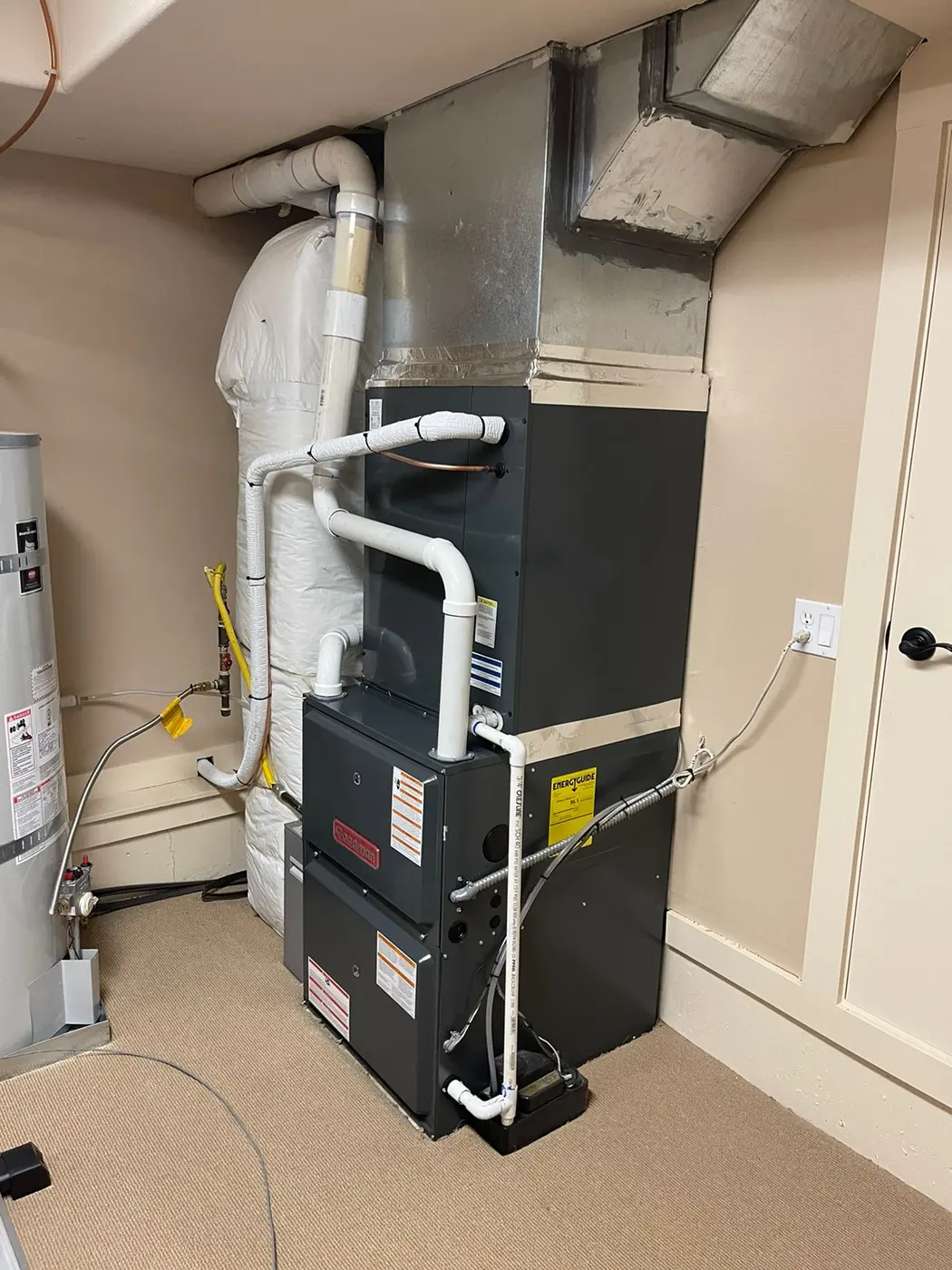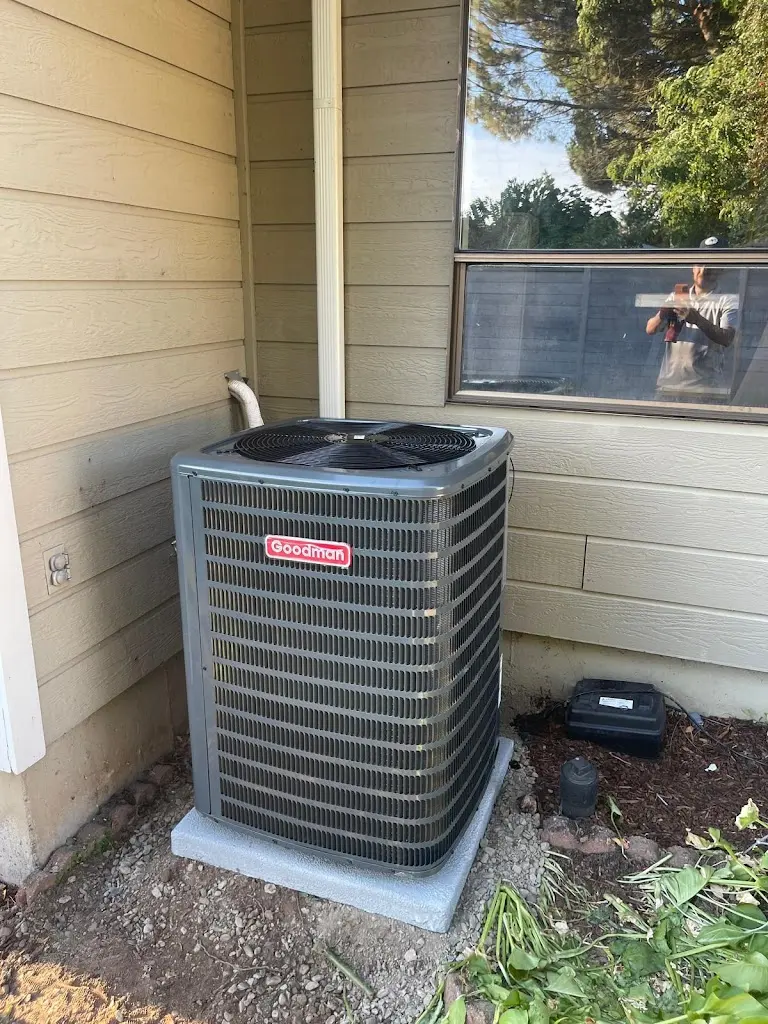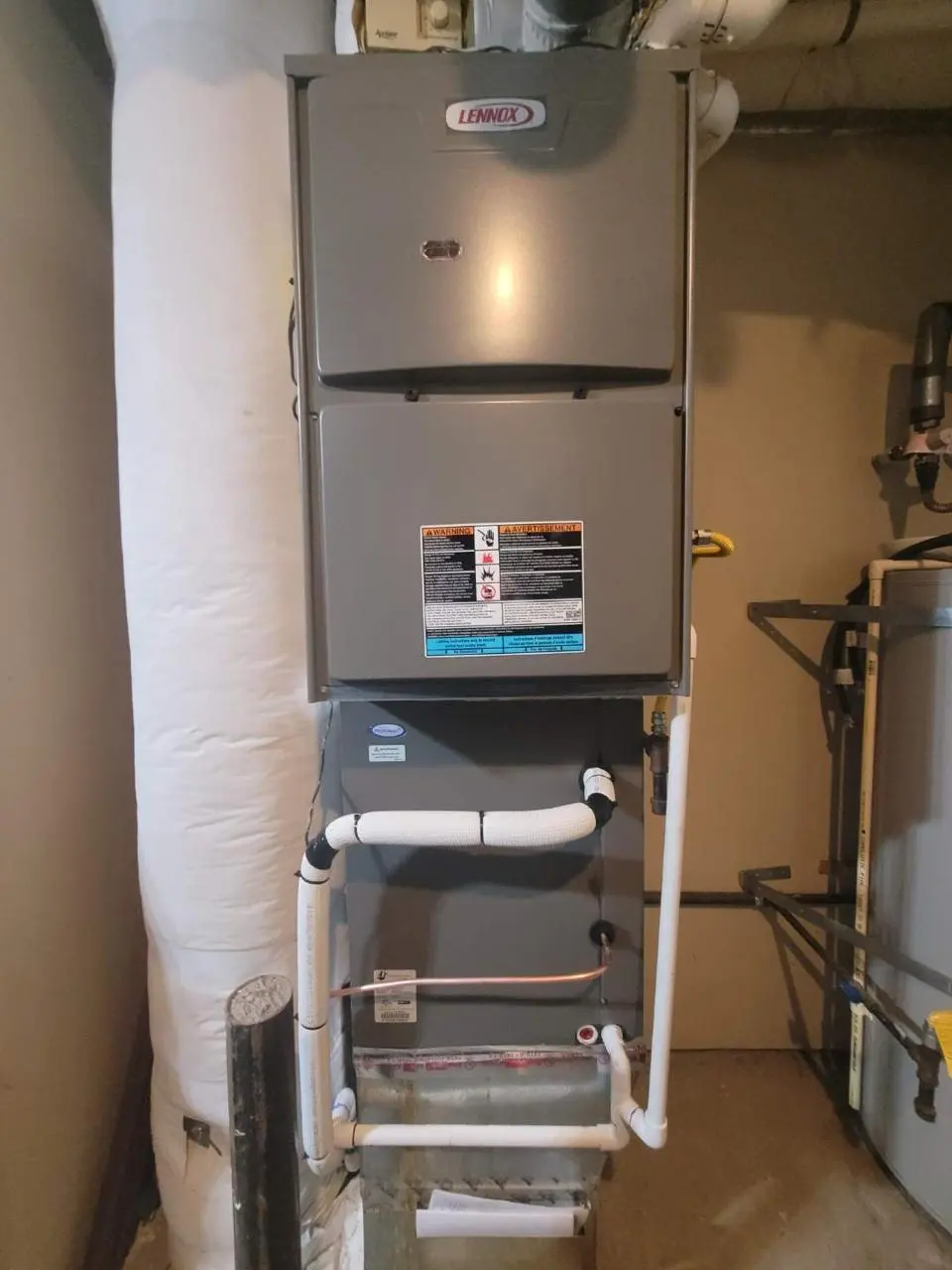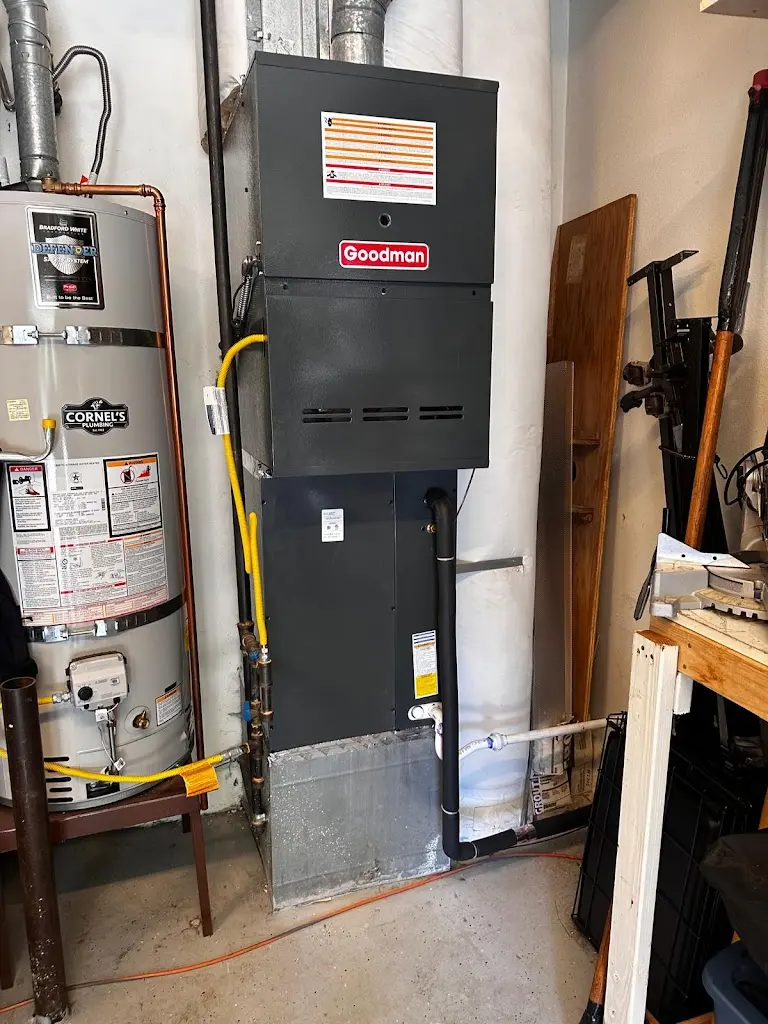
Turn Separate Room-Cooling Needs Into a Fixed Equipment Plan
HVAC & Appliance Repair Guys provides mini-split installation in Ridgefield, WA. If you use separate window or portable units, a fixed ductless project should begin with the rooms they currently serve. Our free on-site estimator visit covers installation and replacement. Explain what you want to improve about that everyday setup.
You may want to stop moving equipment between rooms, use a window differently or make controls easier to manage. Those are different goals. Keep the specific concern visible before choosing indoor heads. A fixed system needs a full room and connection plan behind the visible units.
Describe how the present devices cool each room during normal use. Include an area that still falls short and one that works well. The new plan should preserve needed coverage while addressing the change you want. It should not assume that replacing the devices automatically solves every room concern.
Map the Spaces Before Reusing the Old Device Count
Name the rooms the new project should cover. Include doors that normally stay closed for sleep, work or privacy. Several separate devices may serve spaces that need distinct air paths. One larger head does not automatically deliver the same result through those boundaries.
At the same time, the number of current devices does not establish the required number of new heads. Ask how the proposed layout serves the actual rooms. The new equipment has its own placement and capacity requirements. Review those needs rather than copying the old count.
Explain whether people use the rooms at the same time or on different schedules. Keep preferred temperatures and intended modes clear. Those daily patterns can matter to the control discussion. A simple room list should not hide conflicting heating or cooling requests.
Our mini-split installation service reviews room coverage with the selected equipment. Ask which heads share outdoor equipment and which use separate systems. Separate remotes do not prove that every mode can operate at once. The proposed combination needs to support the functions you choose.
Separate the Cooling Upgrade From Any New Heating Role
If the present devices only provide cooling, say whether the new system should also heat the rooms. That is an added function to define. The mini-split label alone does not establish the role of every proposed model. Ask the estimate to identify the supported heating and cooling modes.
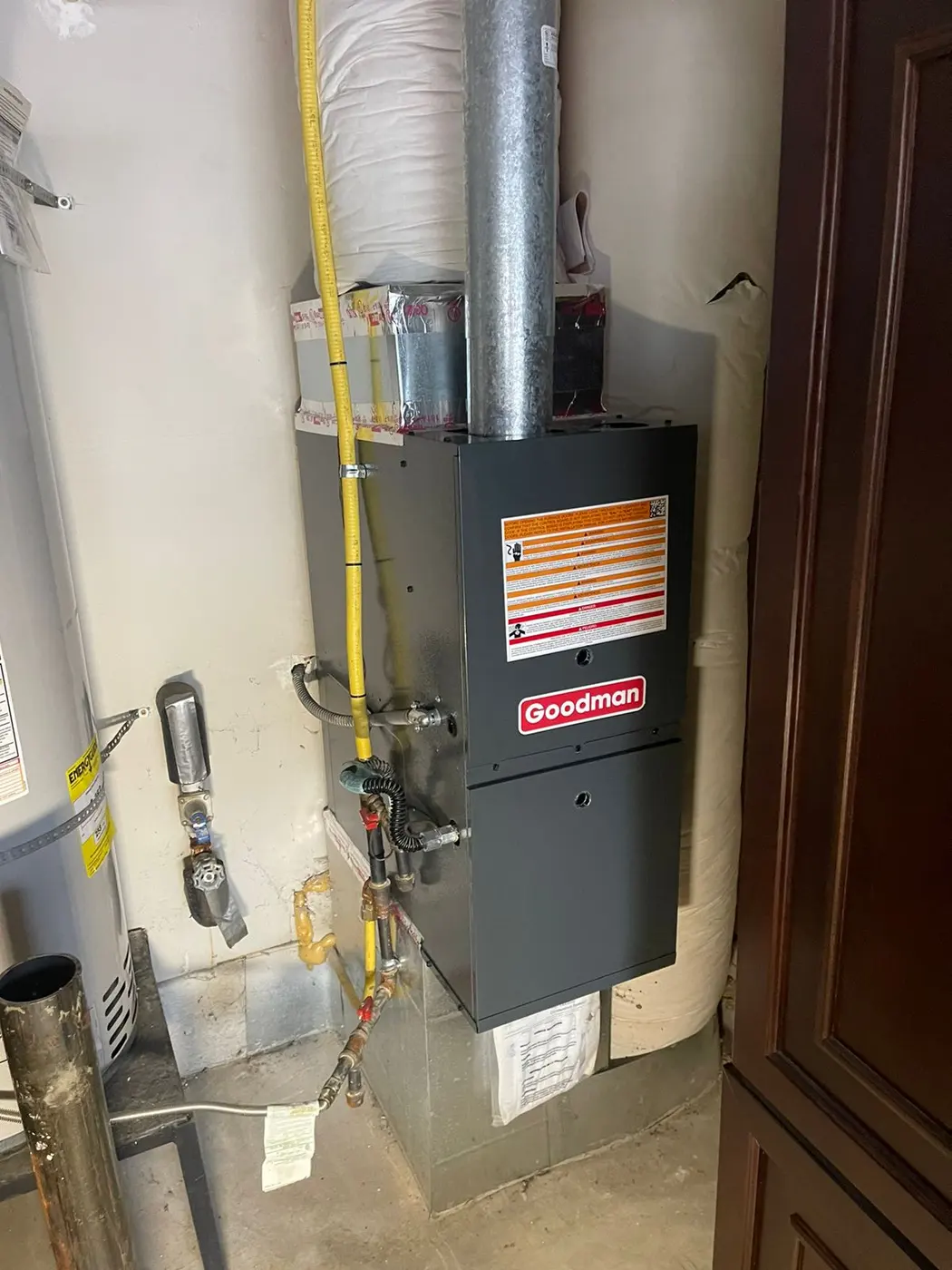
Keep existing heating equipment in the room plan if it will remain. Identify its controls and intended purpose. A new ductless remote does not automatically operate the retained heat. The household should know how the two systems fit the approved setup.
If you want old heating equipment removed as well, include that as a separate scope question. Do not infer removal from the presence of a heating feature on the new head. The complete project needs to describe what changes and what stays. Review those tasks before comparing totals.
Choose Fixed Indoor Positions for the Way You Use Each Room
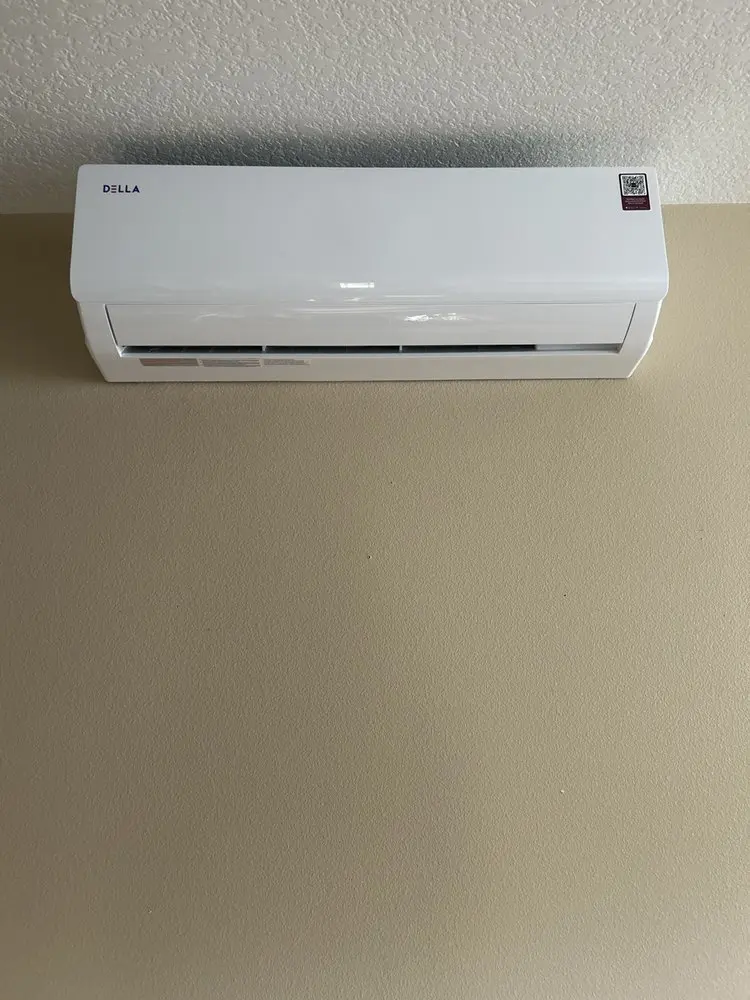
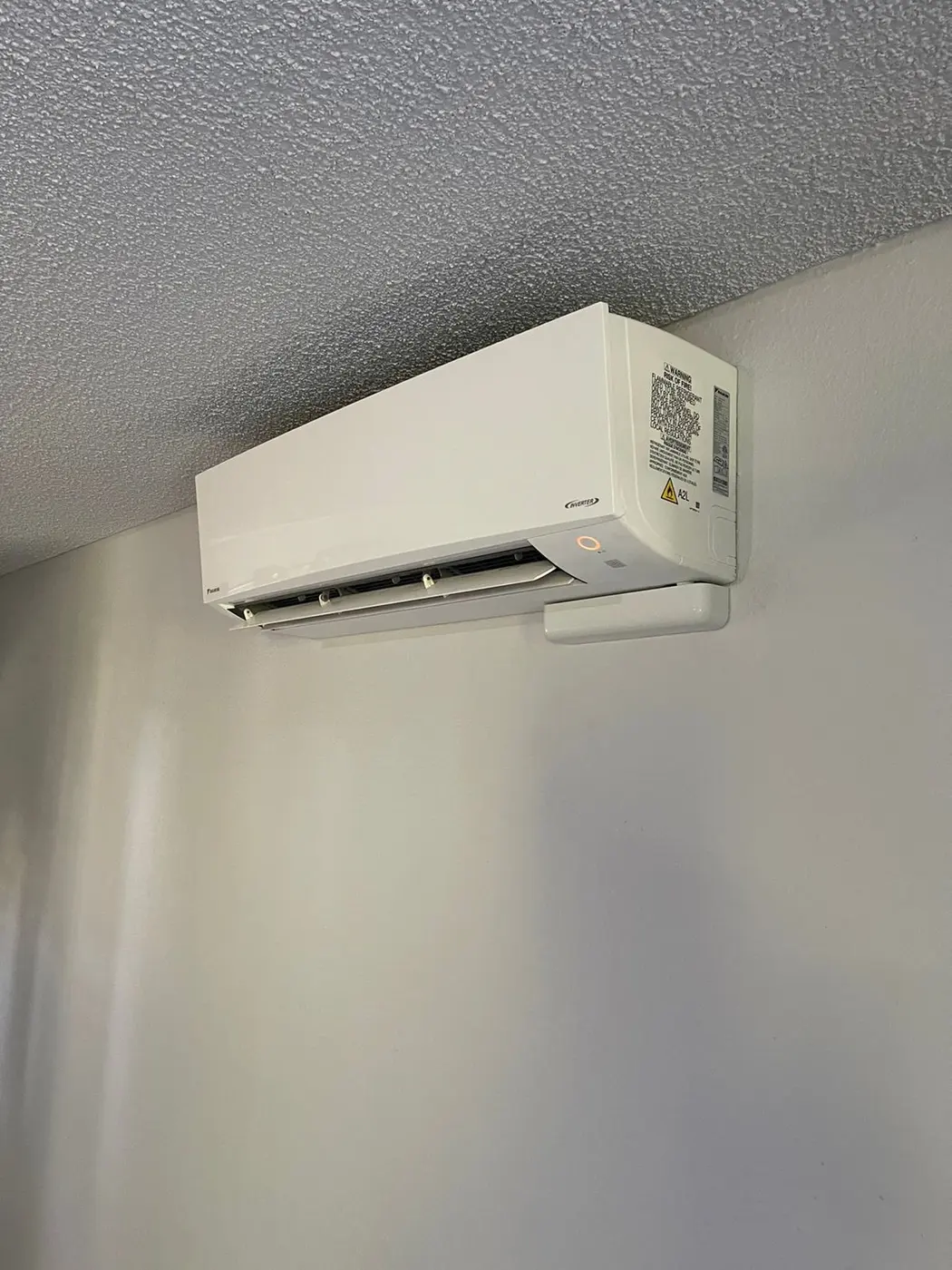
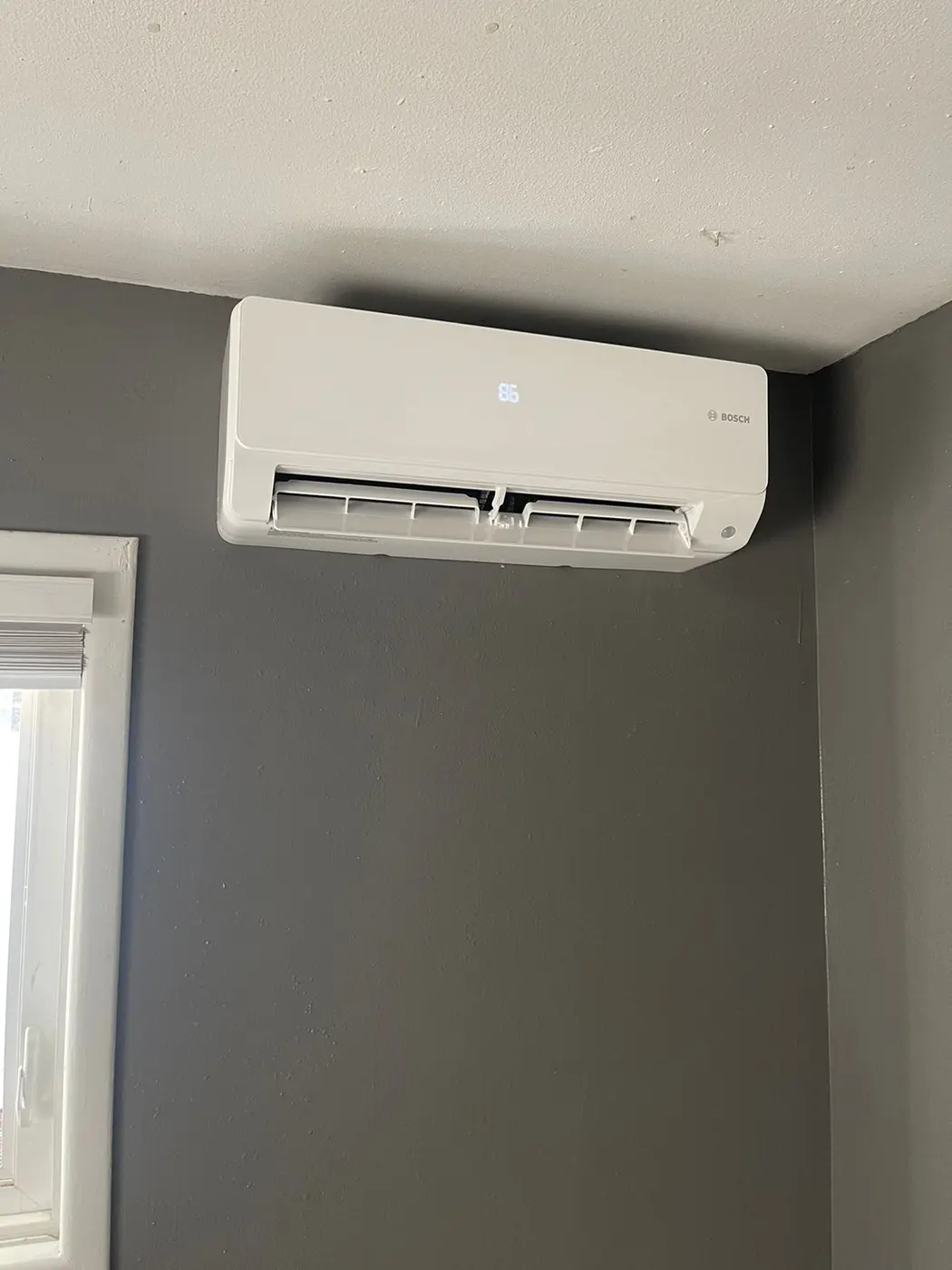
Show where people sit, sleep or work and which walls hold fixed storage. The most convenient empty wall may not provide the intended air path. Discuss air direction alongside the preferred appearance. A unit that looks discreet still needs to serve the occupied part of the room.
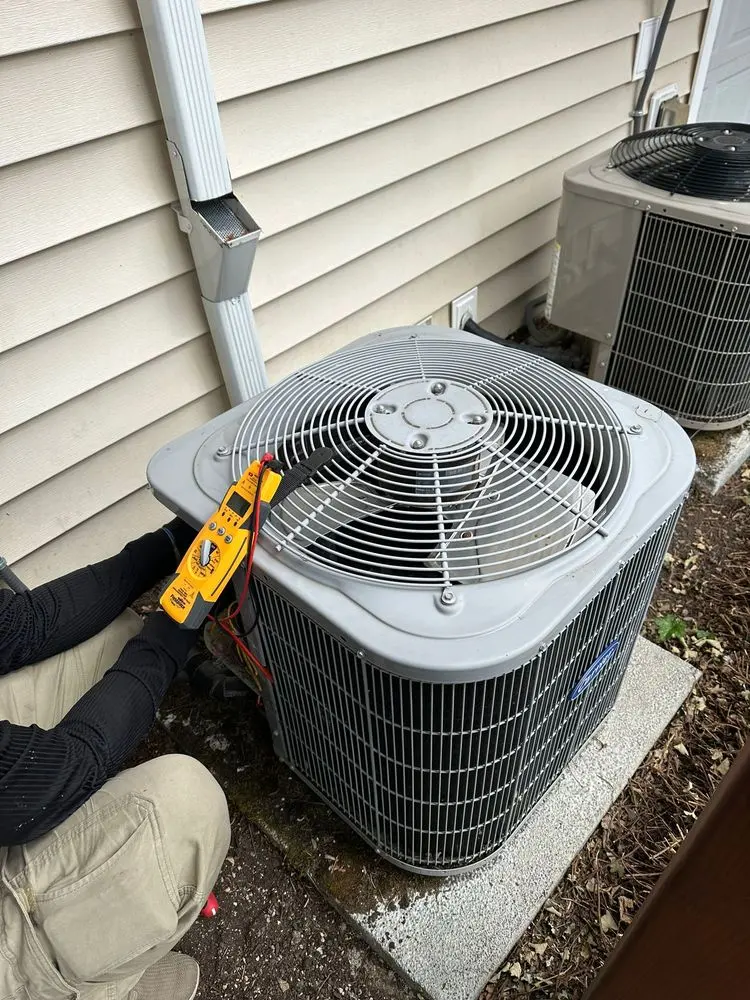
Also review access for ordinary care. A fixed head should remain reachable for the tasks its model requires. Room furniture may need to leave an agreed access area clear. Ask about that before choosing a position that will sit behind tall storage. After installation, plan mini-split maintenance around the equipment actually fitted and retain the installation details with its care record.
If appearance is a main reason for changing the setup, review the visible connections too. A photo of an indoor head does not show the whole route. Ask which covers, openings and finish tasks the quote includes. Keep any separate room work clear in the plan.
Account for the Outdoor Equipment and New Connections
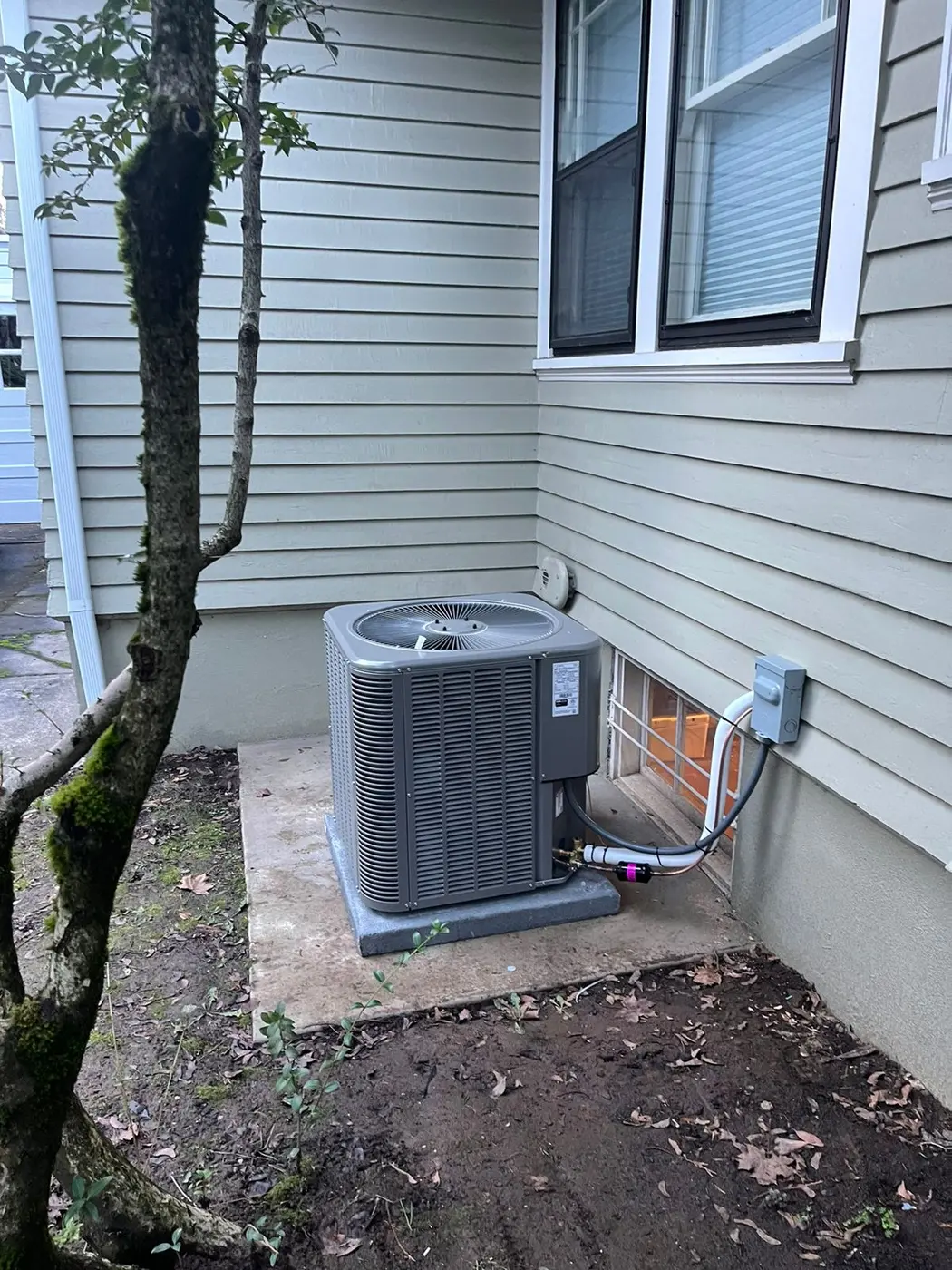
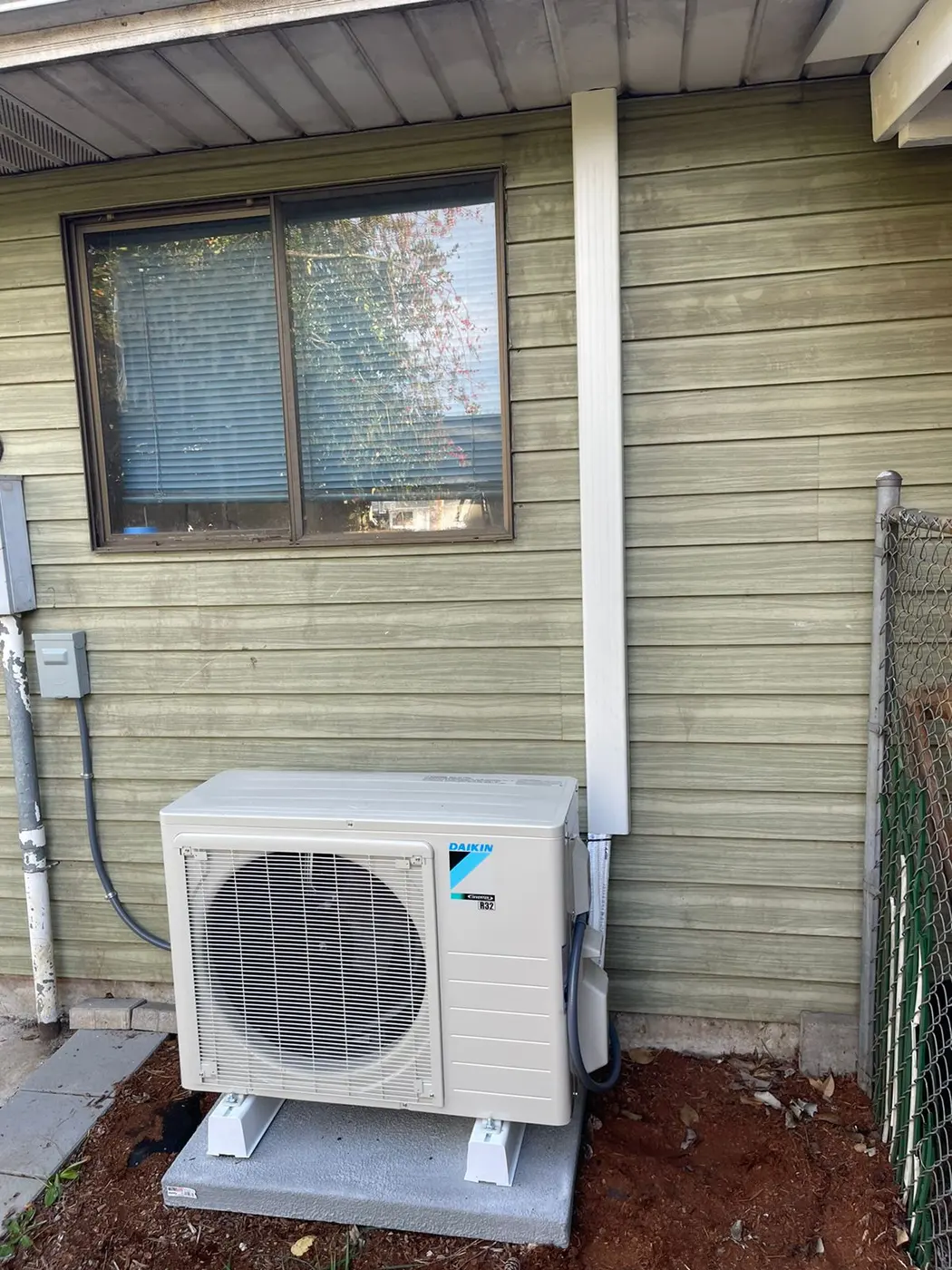
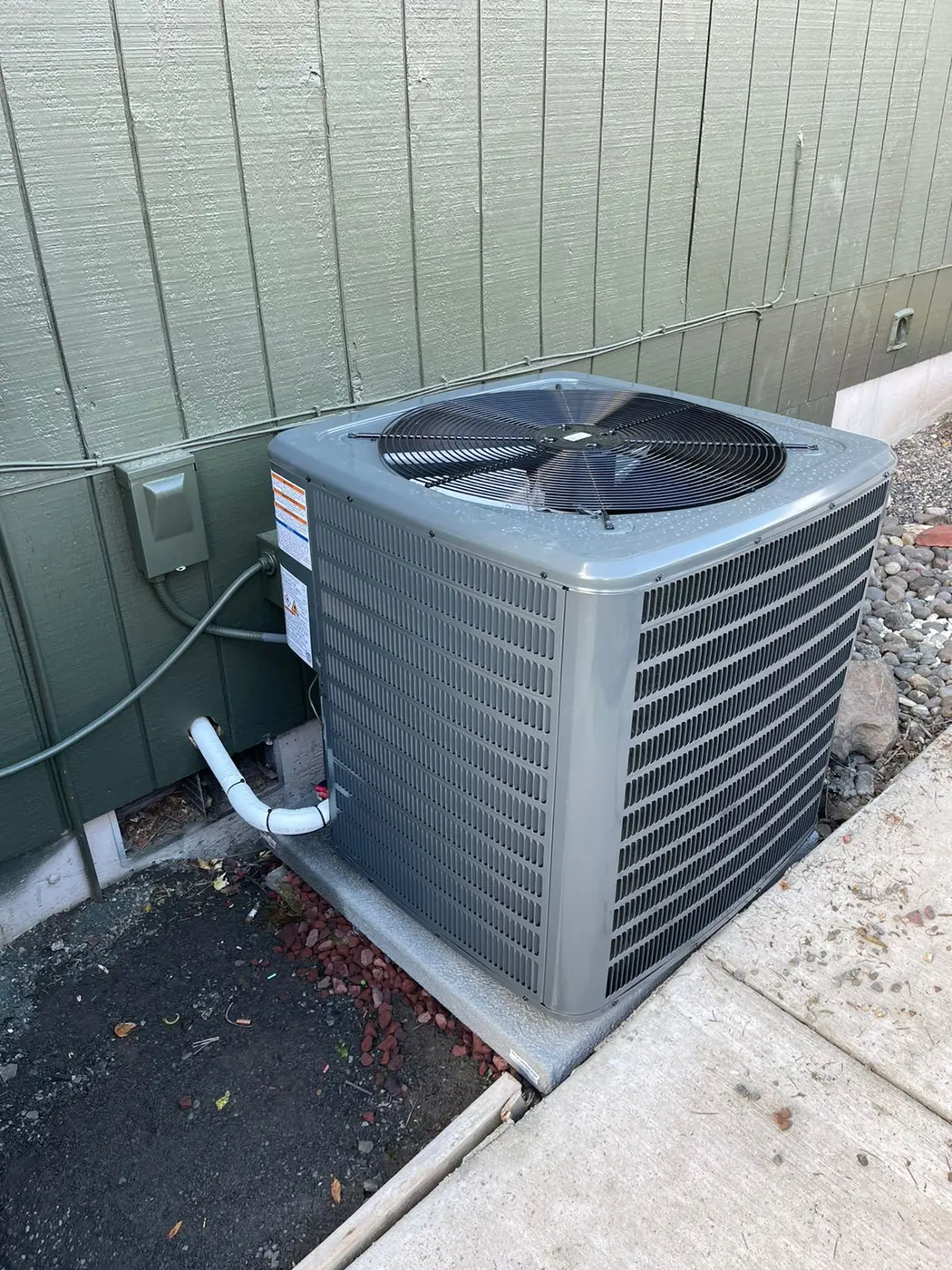
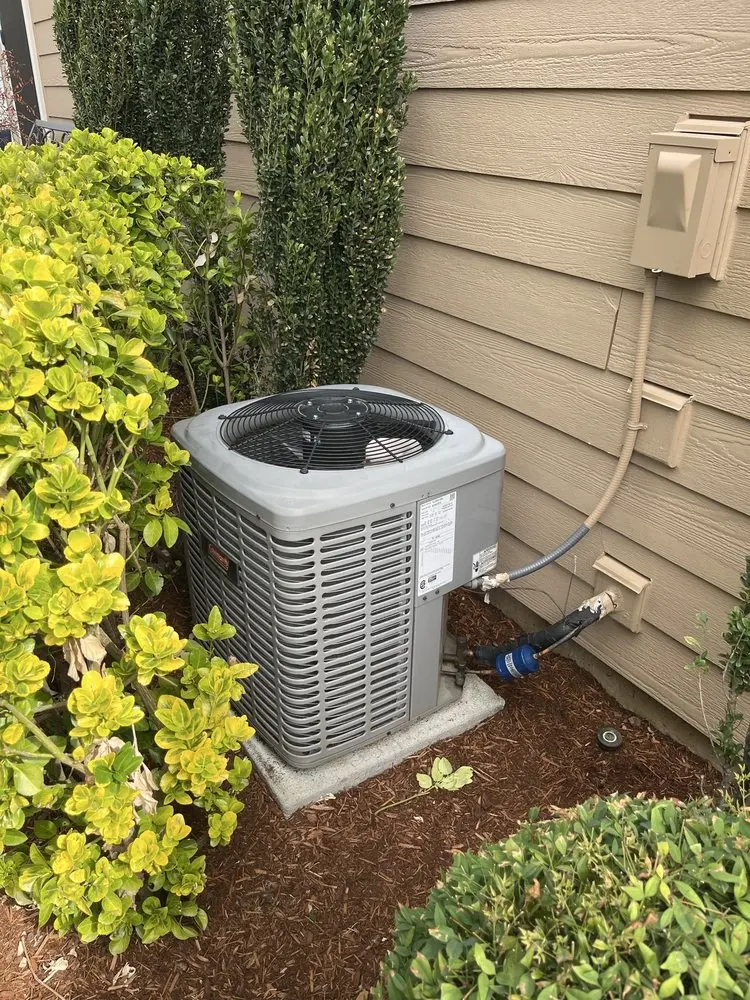
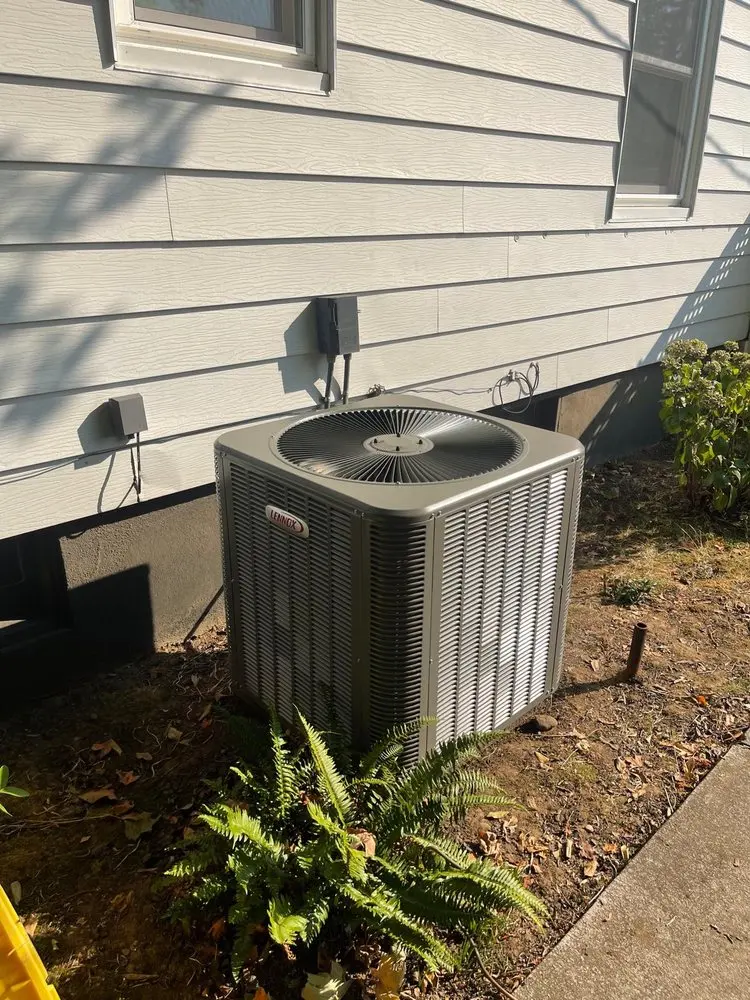
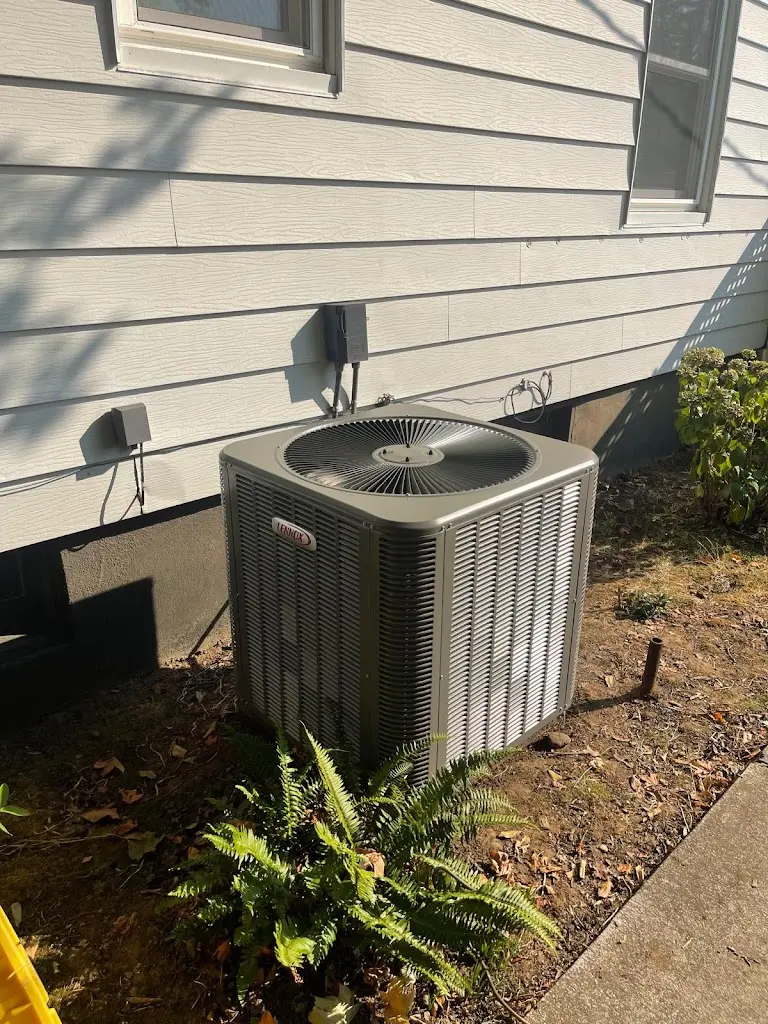
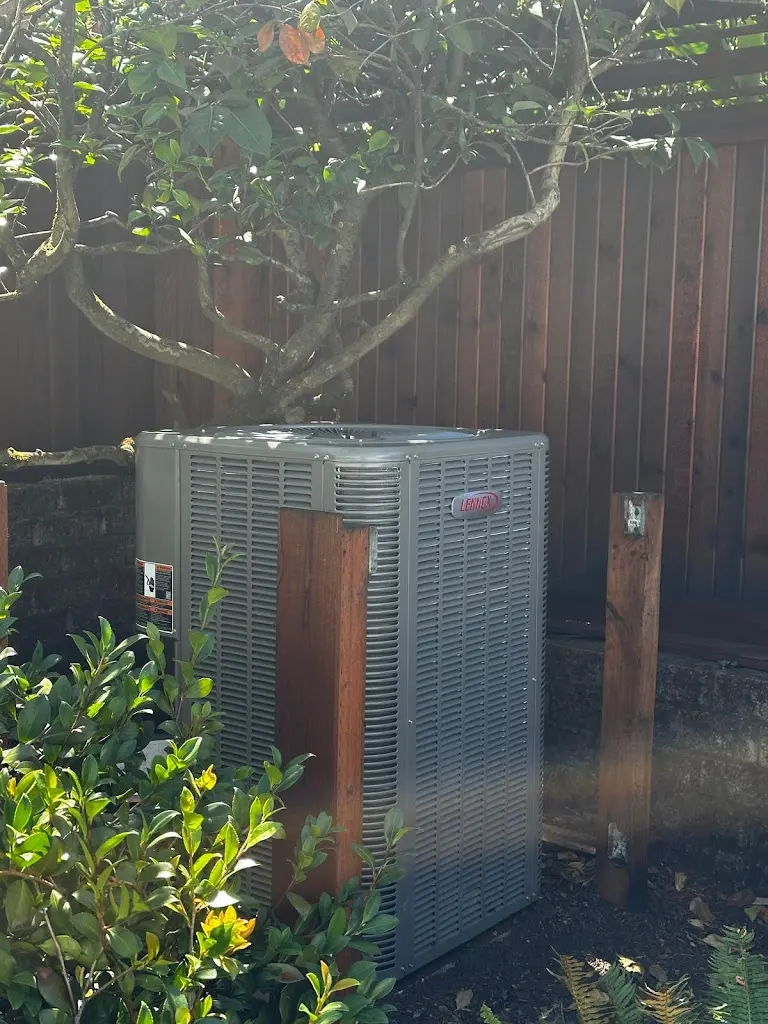
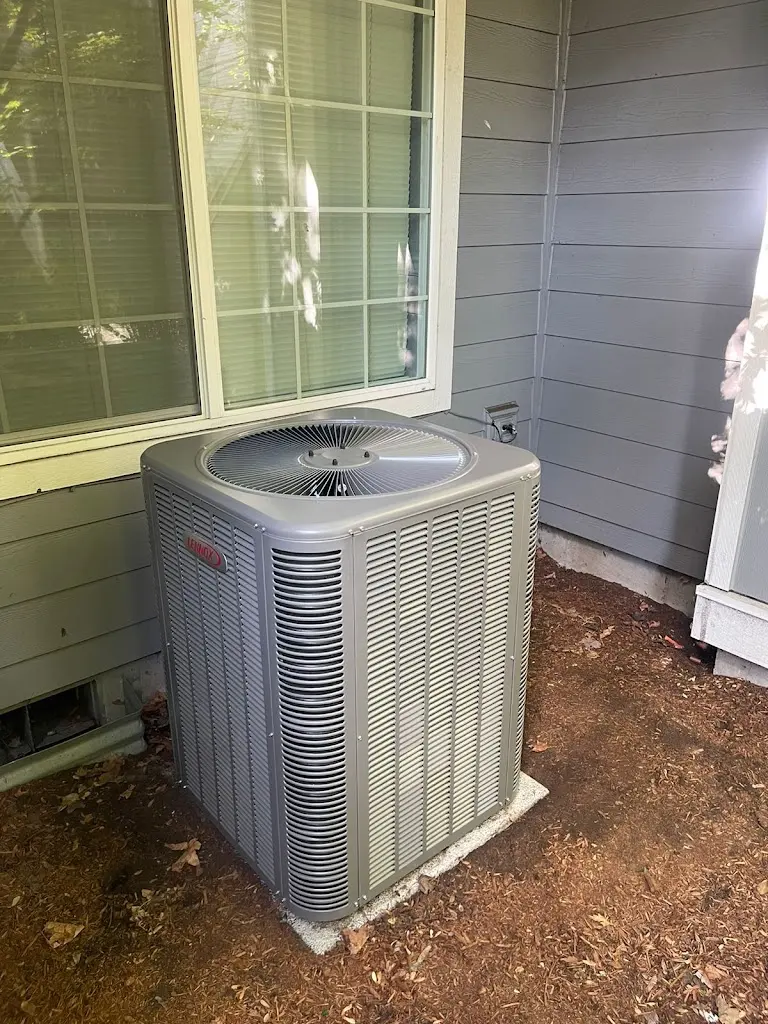
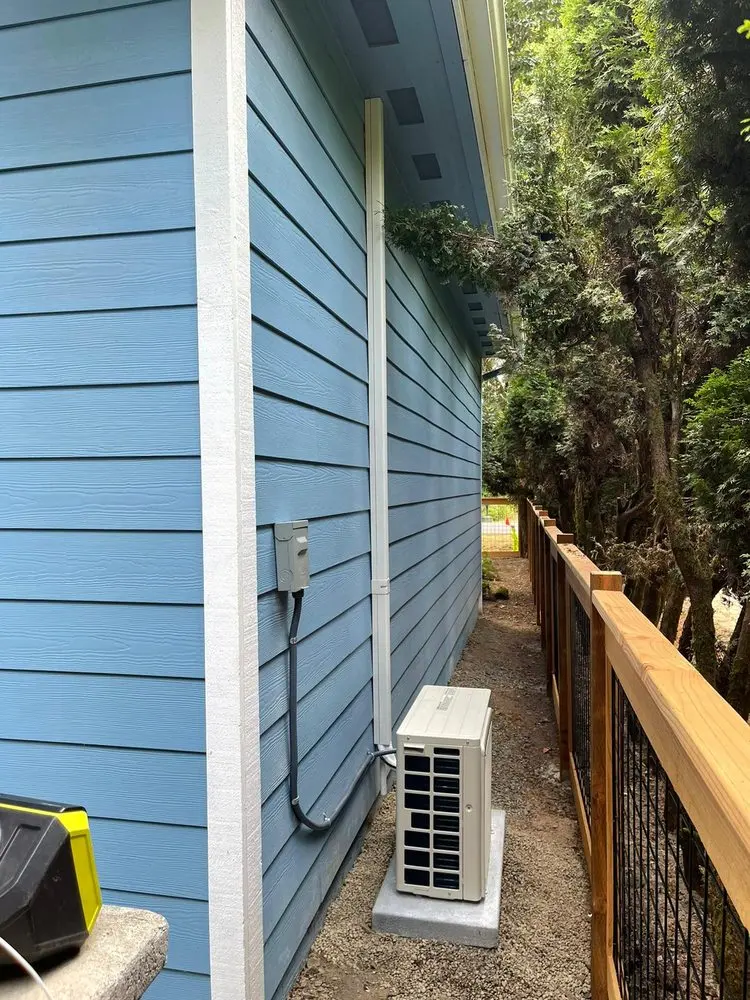
A fixed ductless project needs an appropriate outdoor position as well as indoor units. Explain how you use nearby paths, doors and seating areas. Include service access and any planned storage change. The equipment needs a position that remains workable after the installation day.
Review the routes between the selected units. Lines, wiring and cooling-water drainage belong in that scope. An opening used by a previous room device does not prove a suitable route for the new system. The estimate should identify existing items to keep and any new work.
The old devices’ power arrangement does not settle the new equipment’s needs. Ask which power tasks the full proposal includes. Leave outlets, wiring and covers intact rather than testing a connection yourself. The selected indoor and outdoor models should guide the plan.
Our HVAC installation in Ridgefield service covers a wider change involving other equipment. Use that scope if the project extends beyond replacing room cooling. Keep each system’s role visible. A collection of new heads should not imply unrelated whole-home work.
Make the Old Room Devices and Finish Work a Clear Boundary
Ask whether the agreed scope includes handling any existing room units. Identify which devices you intend to retain or remove. Do not assume the installation team will dispose of every item simply because new equipment serves the same rooms. Keep those tasks explicit before the work date.
If the change affects a window opening or another finish, ask which work remains outside the equipment proposal. Removing an old device and restoring the surrounding area are different tasks. The expected final appearance should have a clear plan. Avoid leaving that decision until the new head is already in place.
Keep the work sequence separate from how you plan to use the rooms afterward. Ask when the work will interrupt normal cooling. Do not assume the existing devices can stay in use throughout every task. Confirm the actual arrangement through the site review.
Compare the Full Result and Learn the New Routine
Compare proposals against the same rooms, modes and required tasks. A fixed system may include different equipment or work from the devices you now use. Keep any operating-cost discussion tied to the selected setup and expected use. A new system type does not guarantee a fixed reduction in the total bill.
At handover, map the normal controls to the new heads and review their supported functions. Keep retained heating controls distinct. Ask which room and operating checks the team completed. A familiar temperature number does not mean the new control routine is identical to the old devices.
Retain the model details, completed scope and any separate finish task. Record the old equipment you kept where it matters to the room plan. If a room later feels wrong, describe the current mode, setting and response. That gives service a clear account of the fixed setup you now use.
Frequently Asked Questions
Should I replace each portable or window unit with one indoor head?
Not automatically. The room layout, normal doors and proposed air paths need review. The old device count gives context, but it does not establish the new equipment arrangement. Ask how the plan covers each intended space.
Will the new installation include removing all the old room units?
Only the agreed scope establishes those tasks. Identify the devices and what you want done with them during the estimate. Keep handling, disposal and surrounding finish work explicit rather than assumed.
Can I request cooling now while keeping the existing room heat?
Yes, describe that as the intended arrangement for review. The new equipment and retained heat need clear roles and controls. A model with a heating feature does not automatically make removal of the old heat part of the project.
Does existing power for a room device prove the new system is ready to connect?
No. The new indoor and outdoor combination has its own requirements. Ask which power work the proposal includes and which conditions still need assessment. Leave electrical changes to the reviewed installation scope.