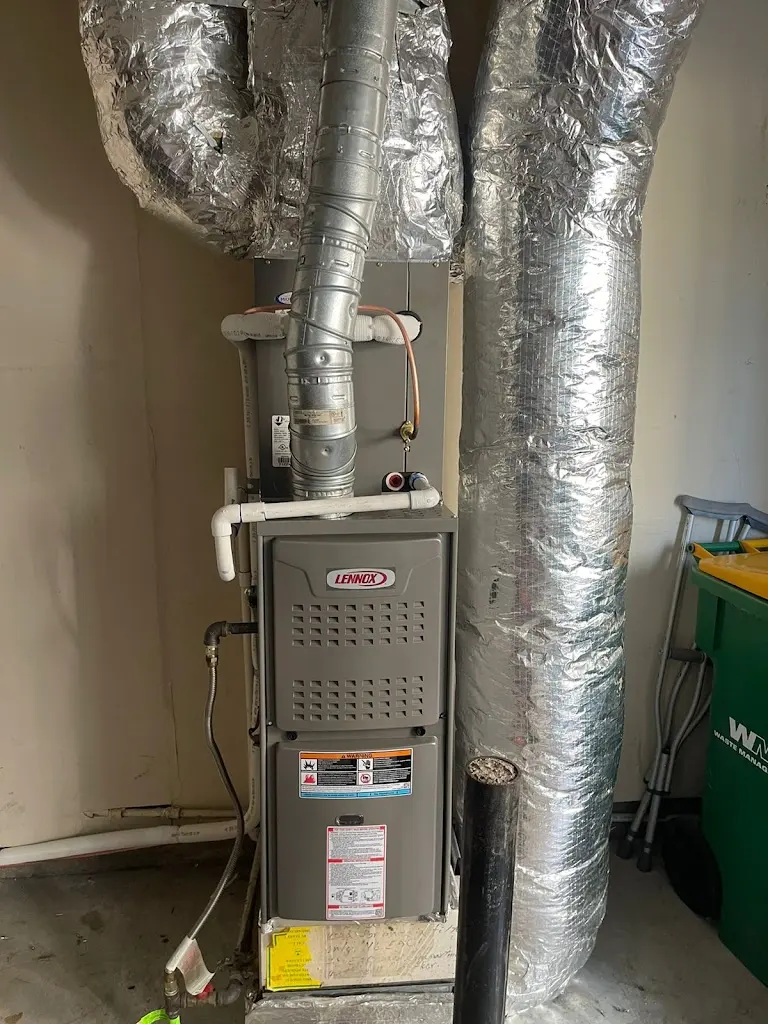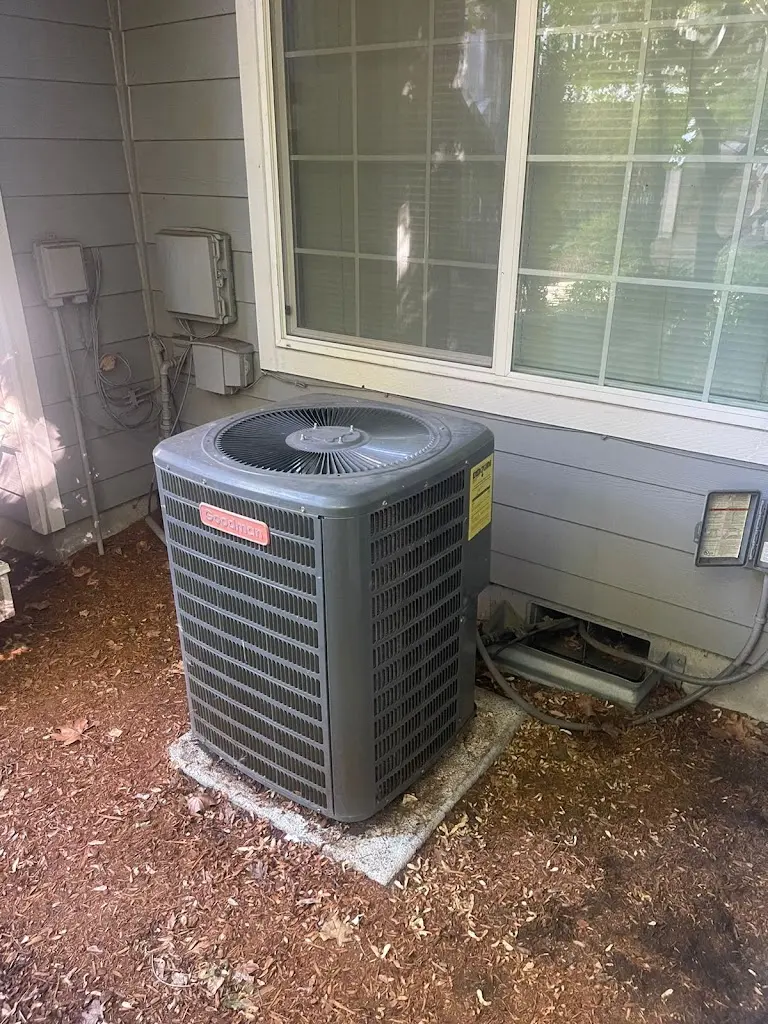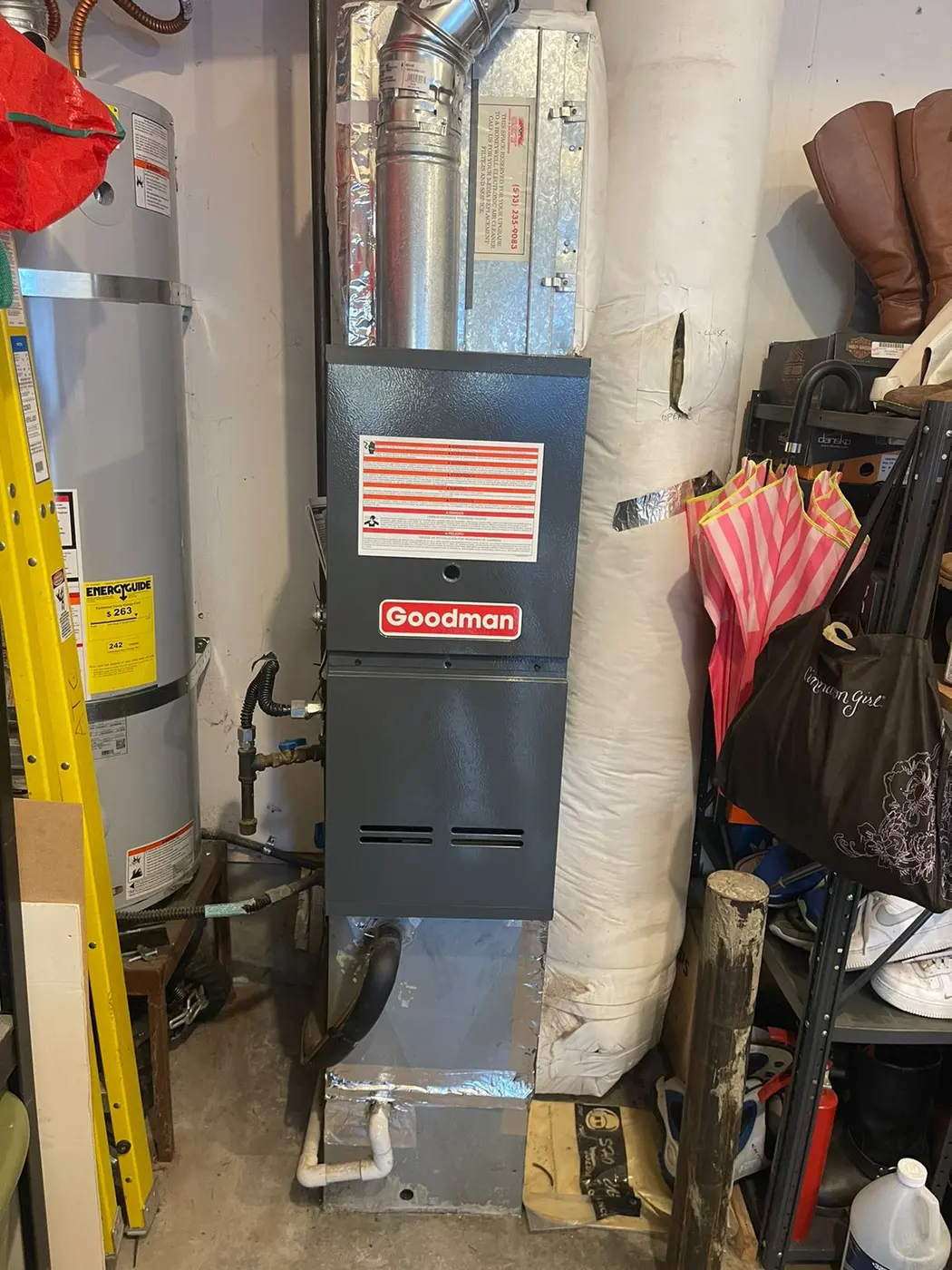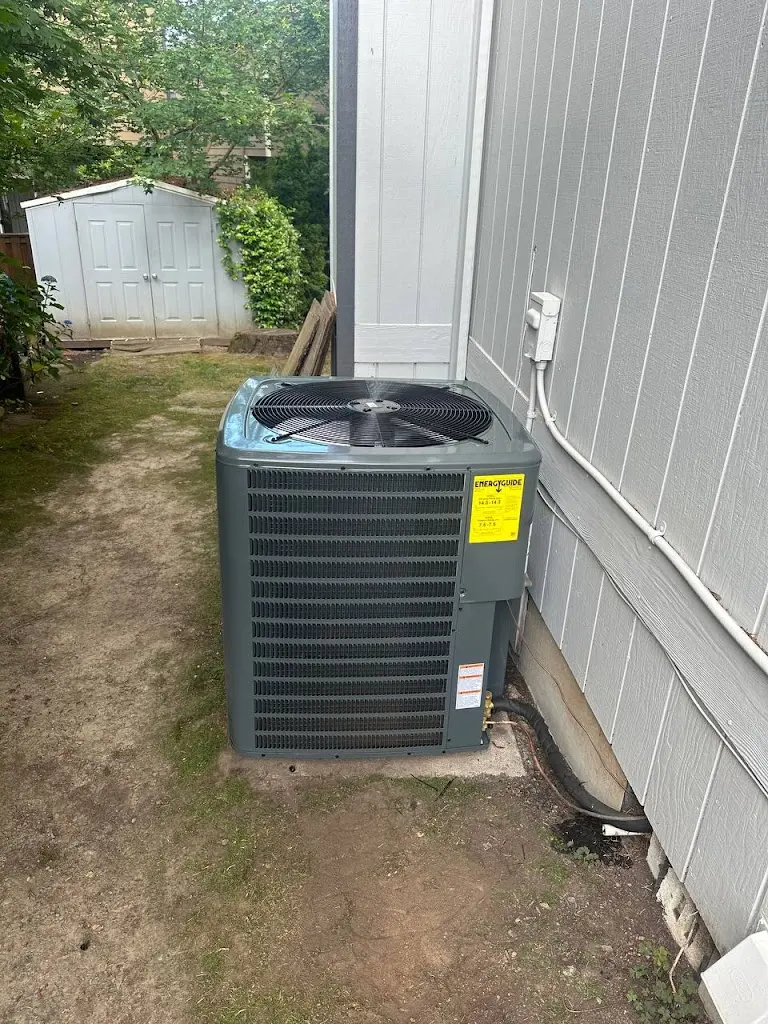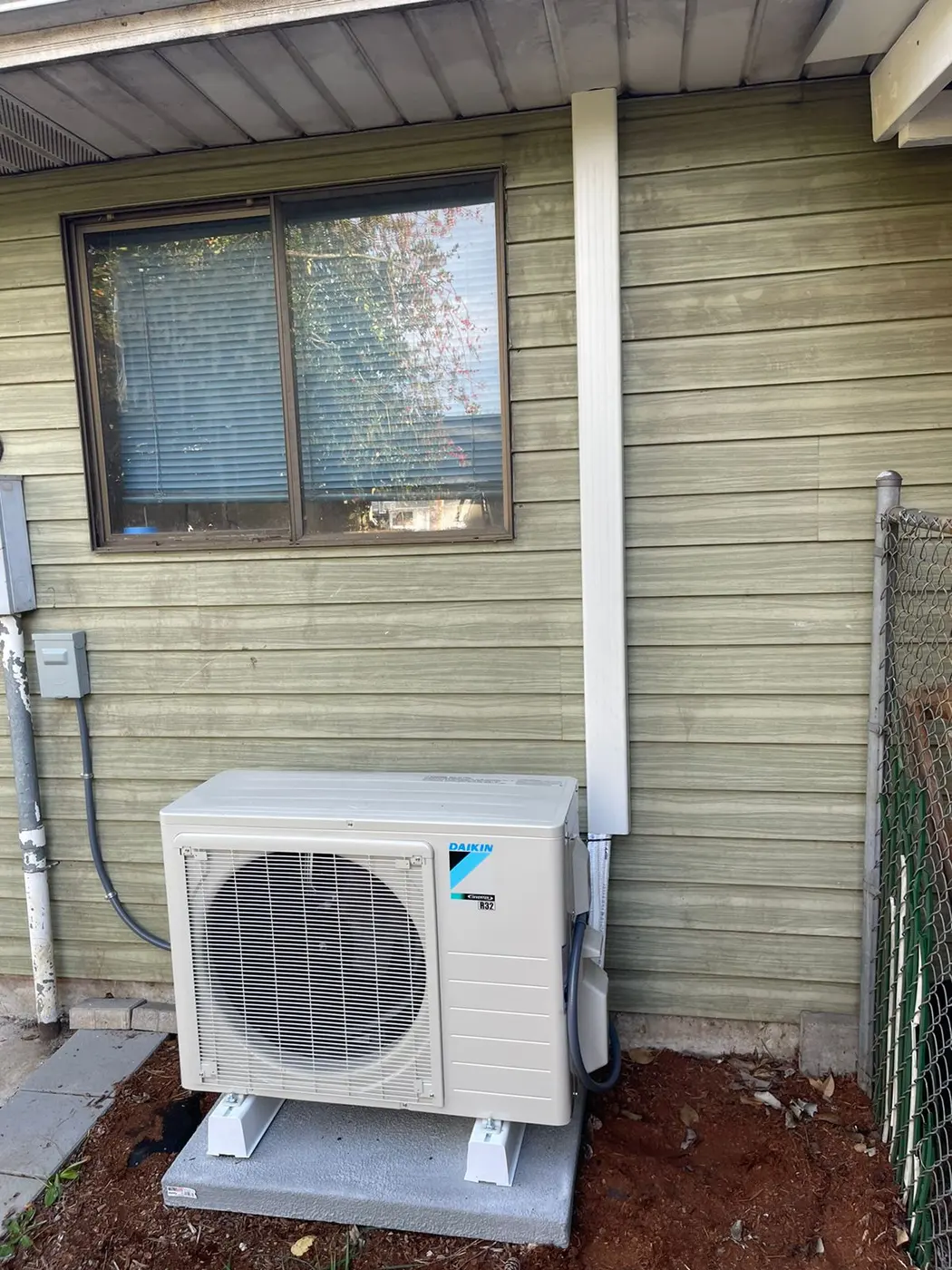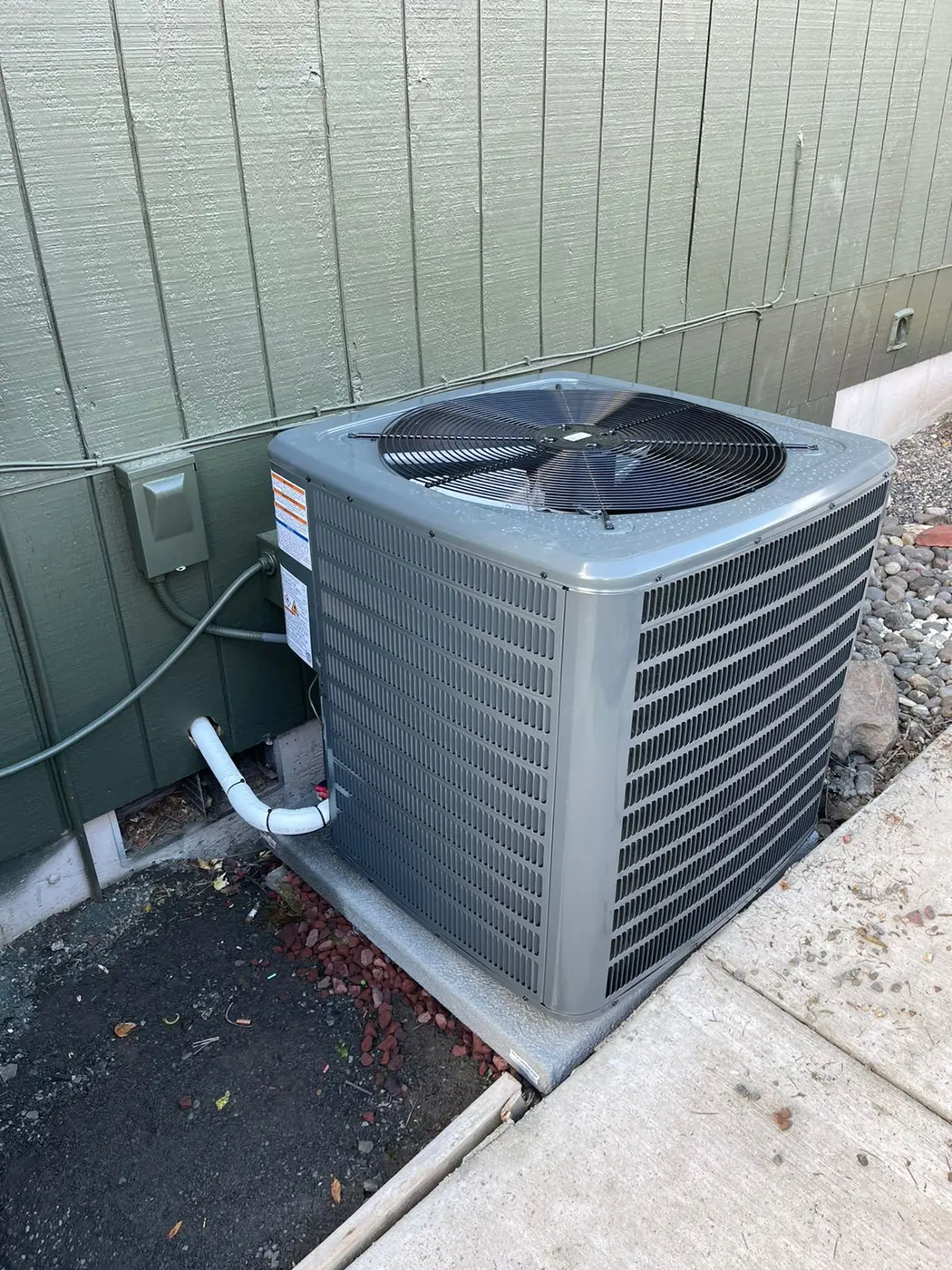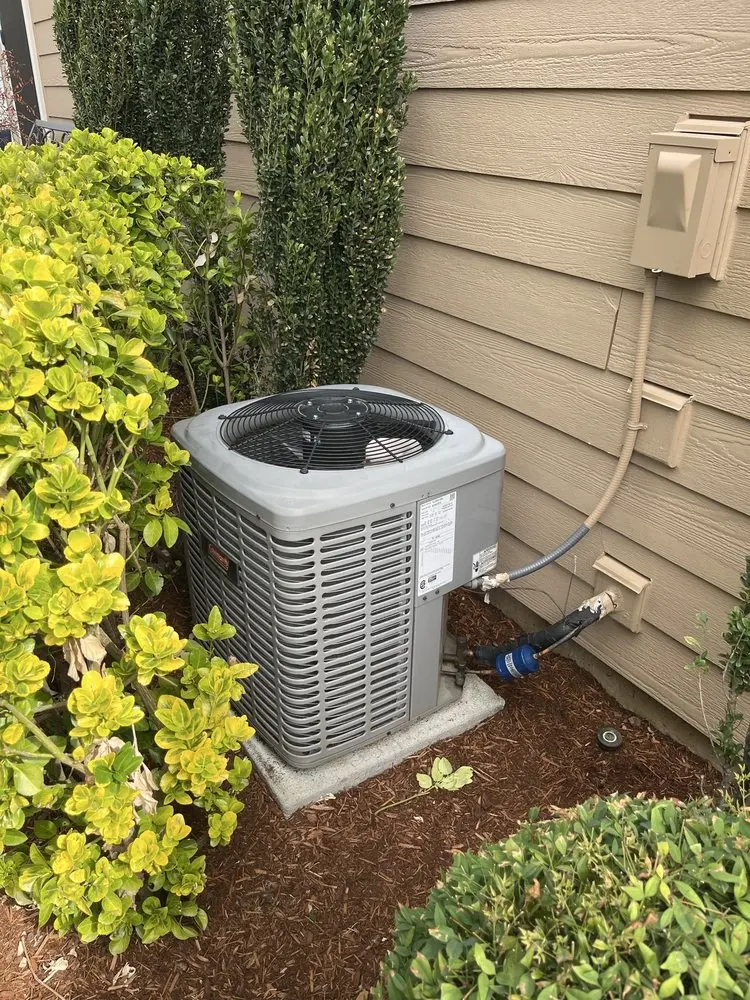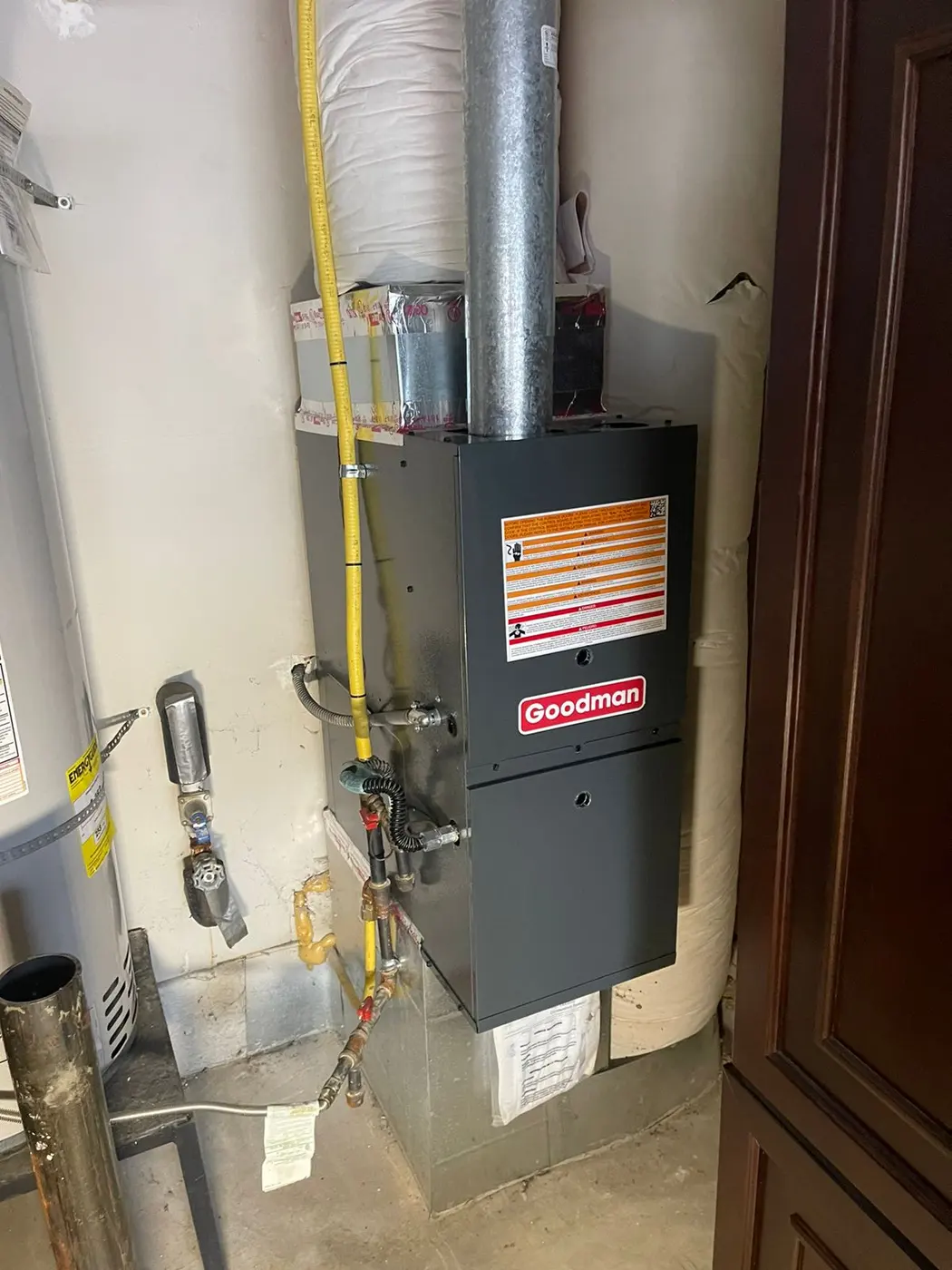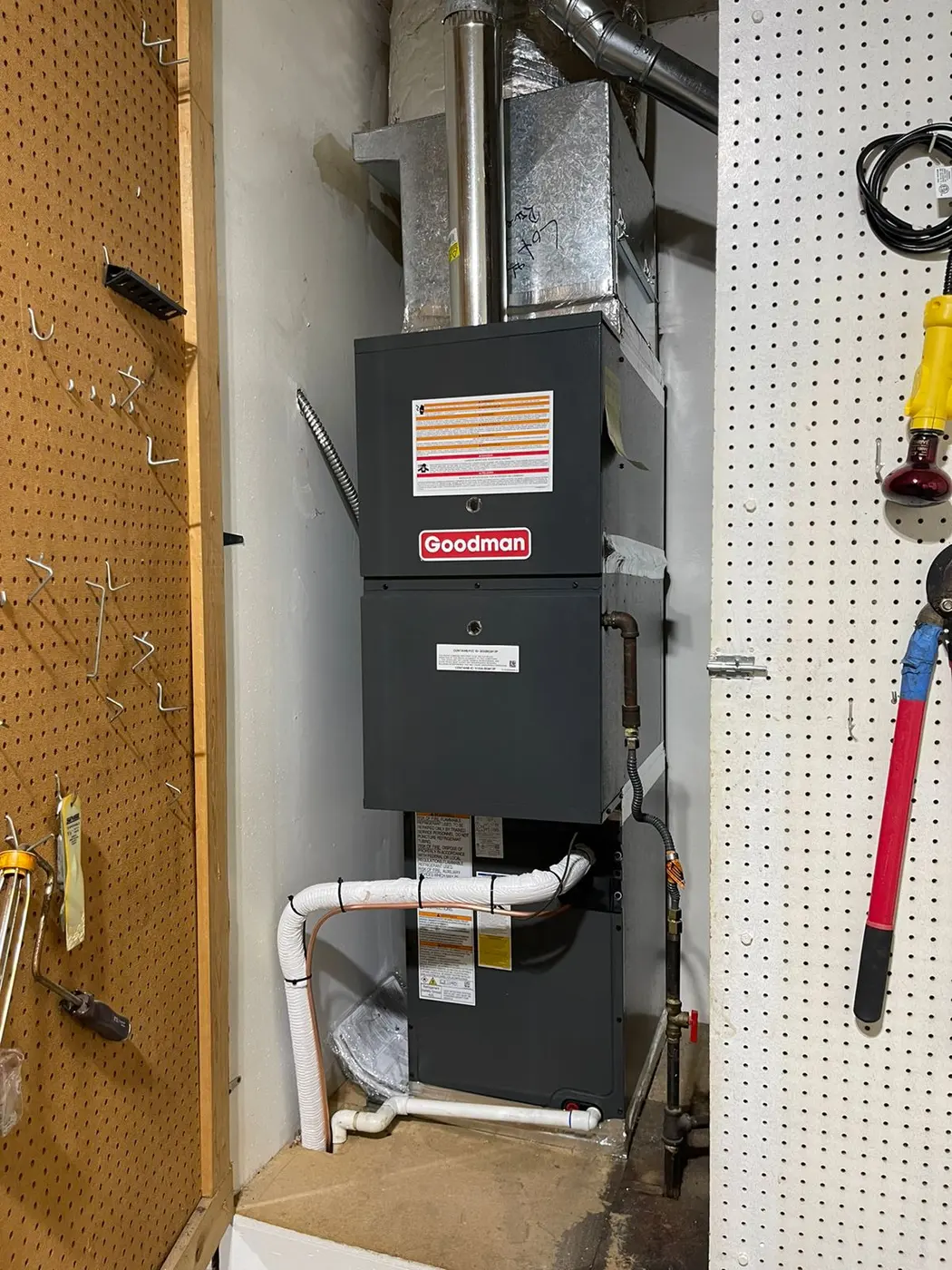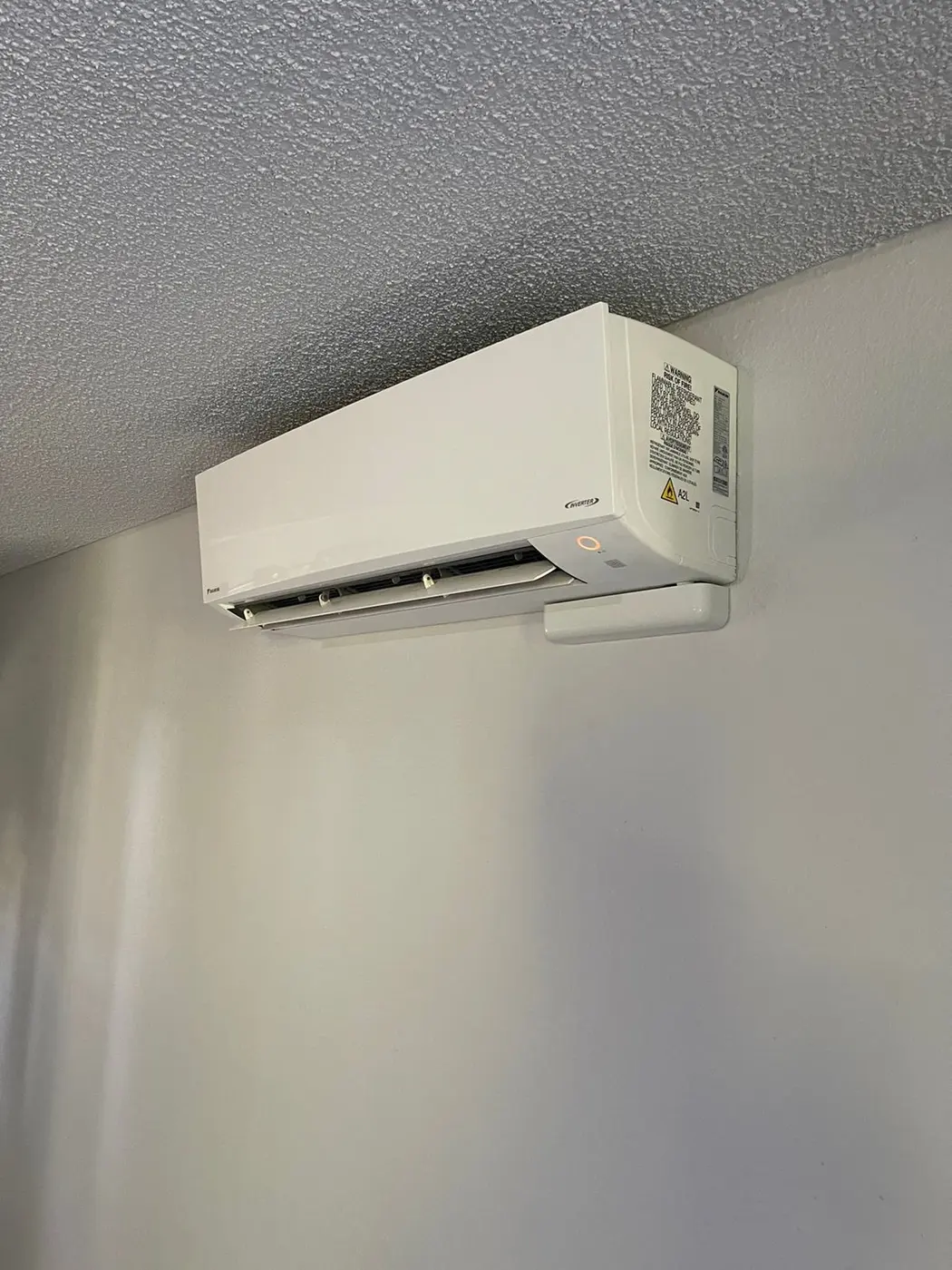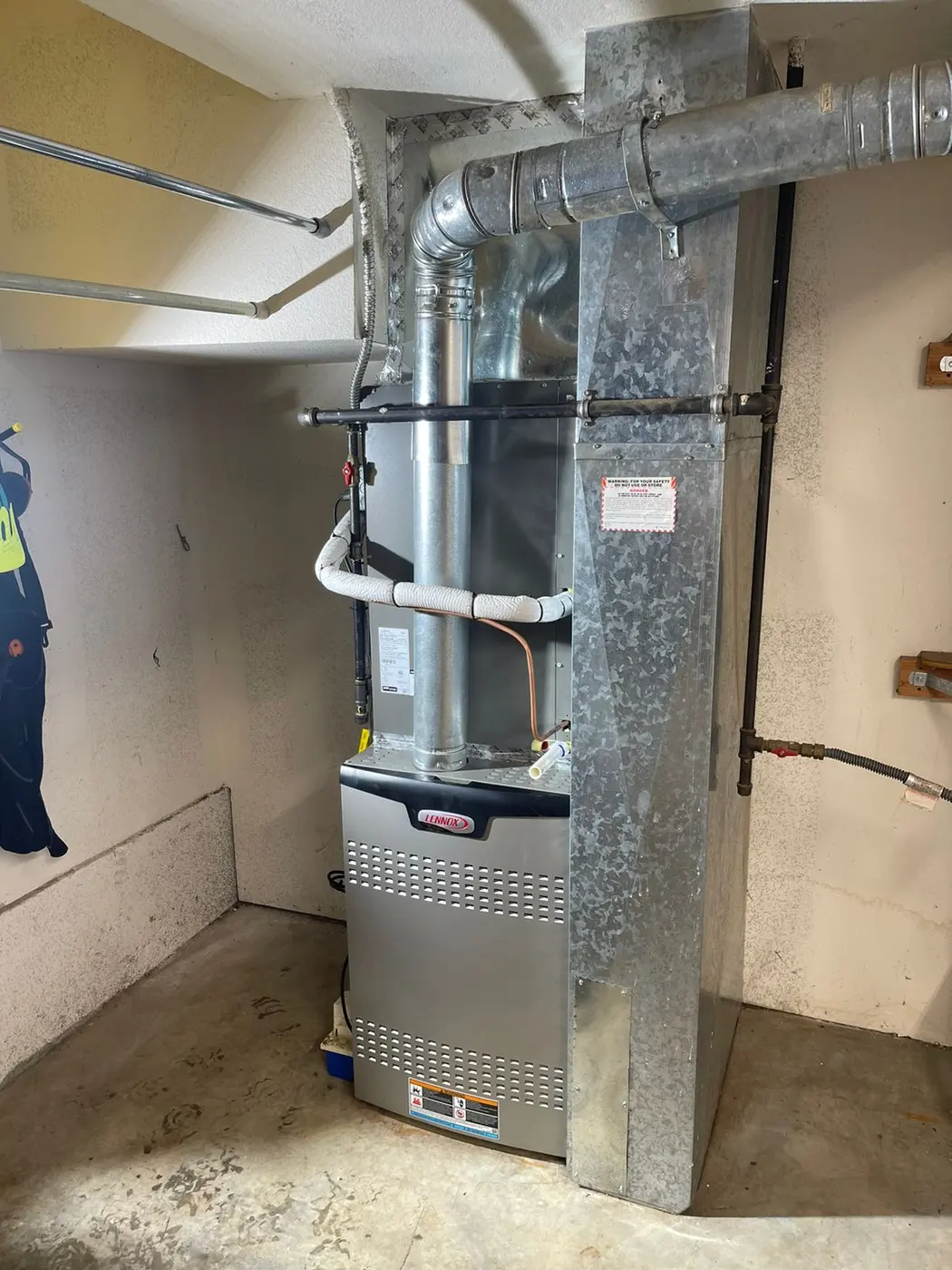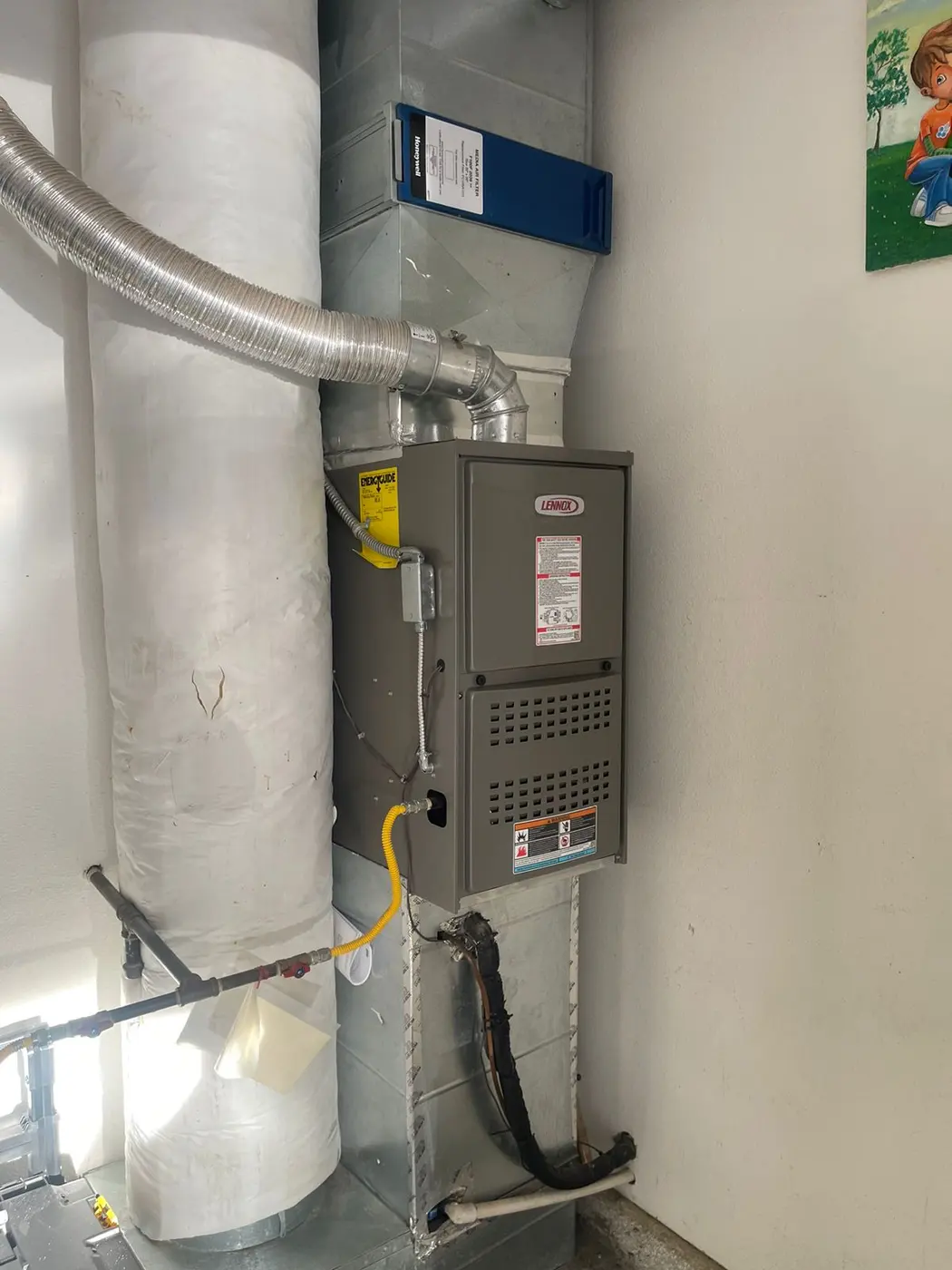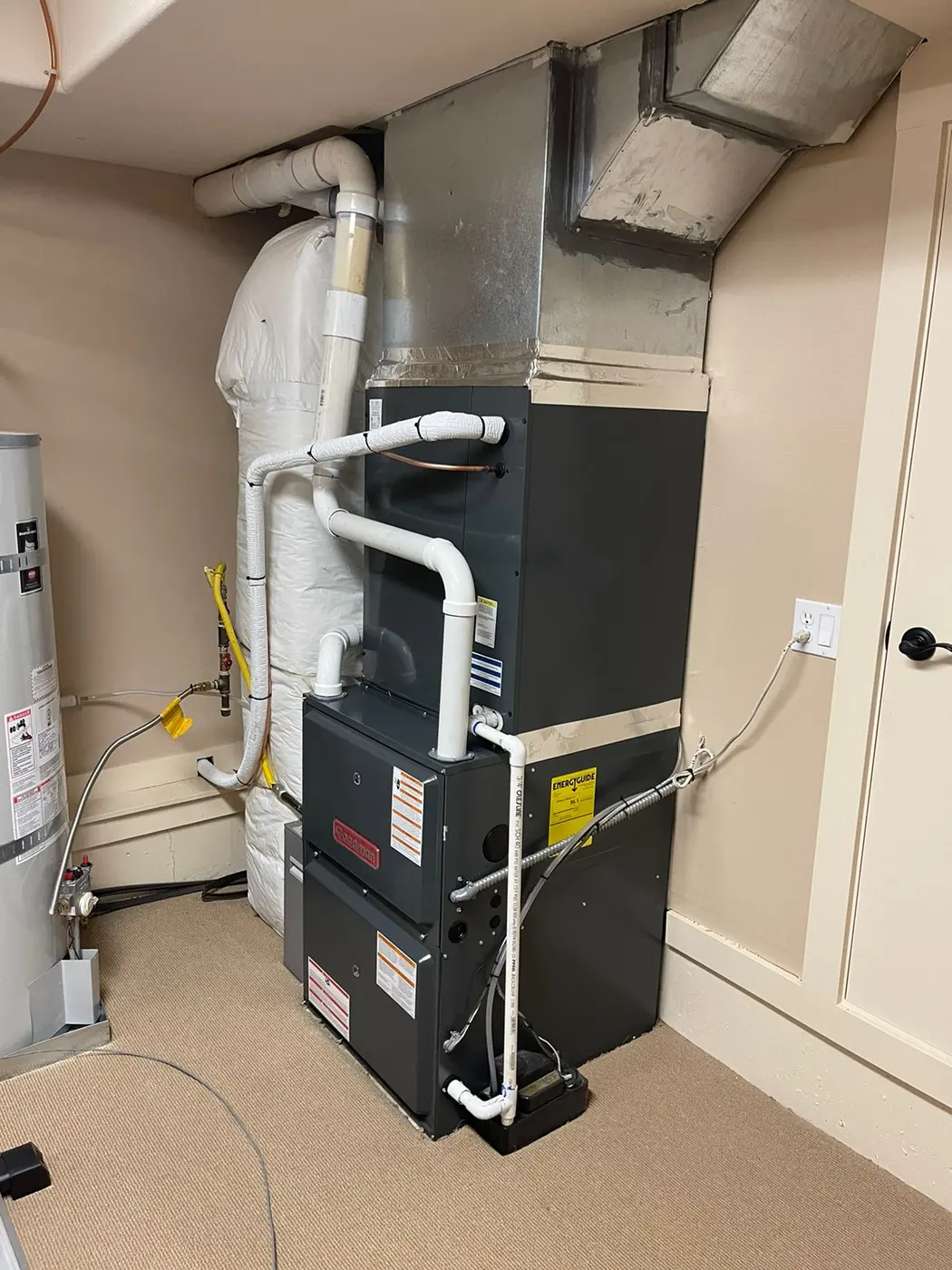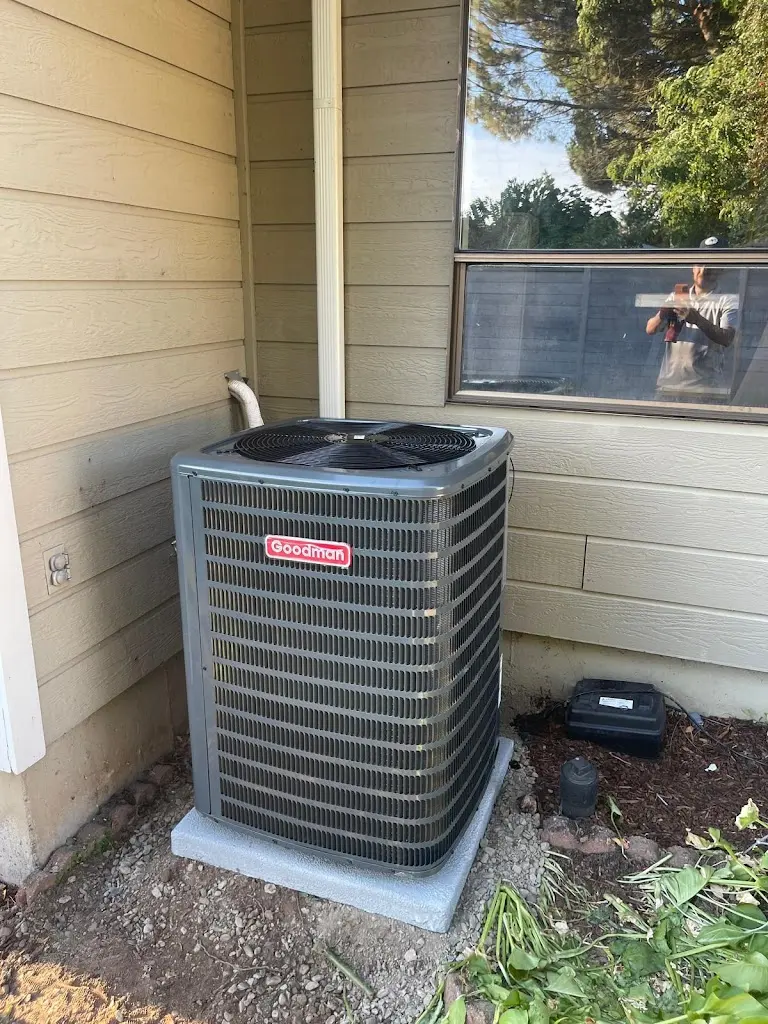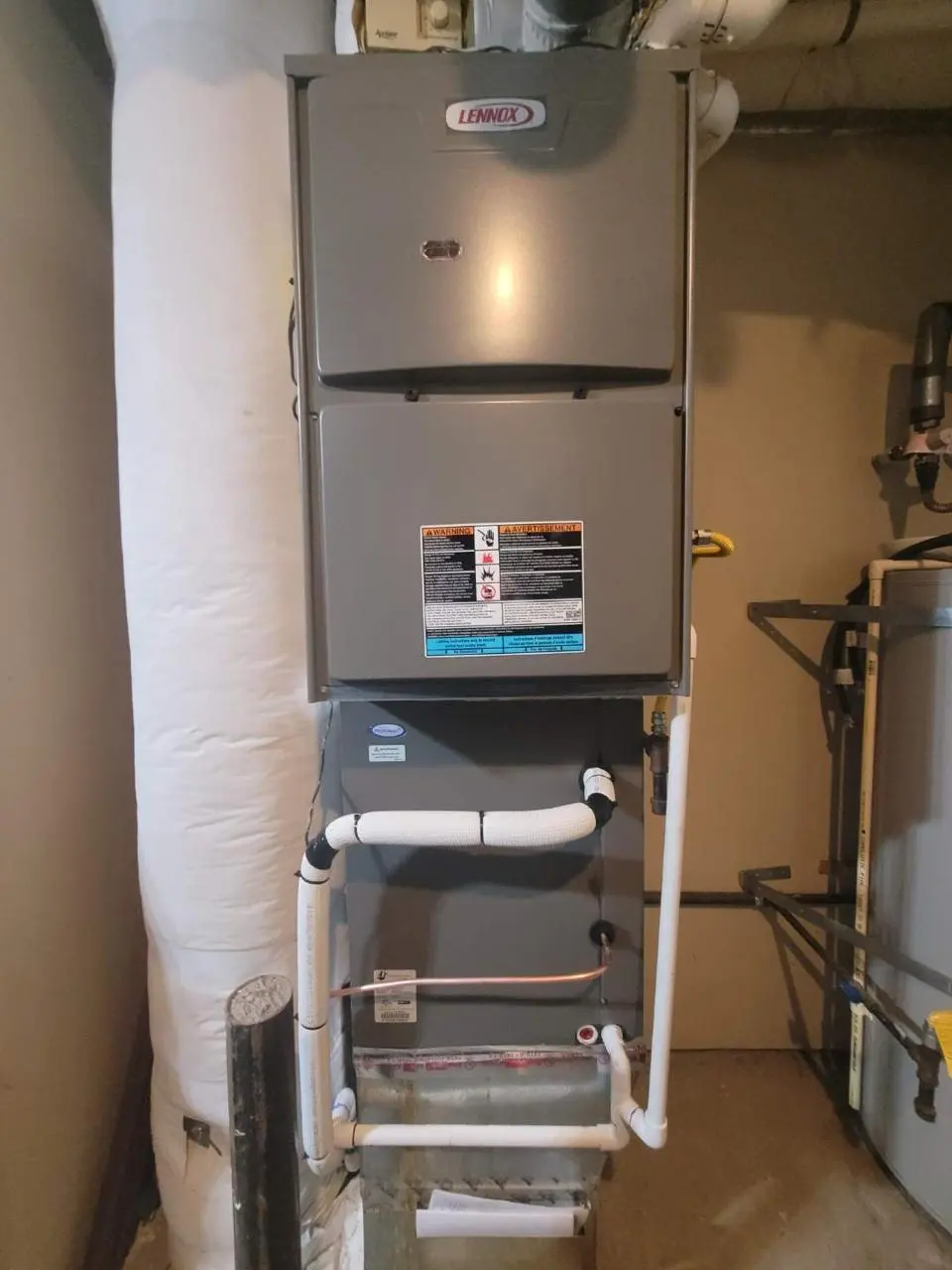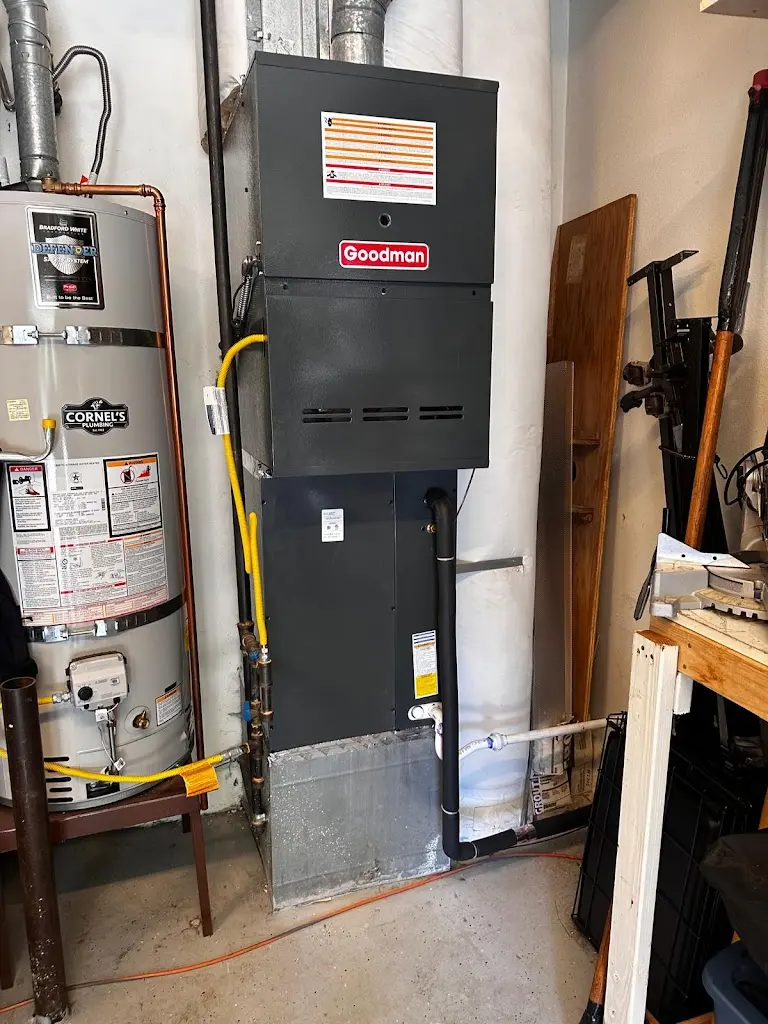
Sandy HVAC installation planning
Sandy HVAC installation should account for colder foothill conditions, property access, longer driveways, equipment staging and whether winter reliability or year-round efficiency is the main goal.
The free visit checks current equipment, fuel source, duct delivery, backup heat needs, electrical capacity, venting, outdoor placement, access for installation and timing before bad weather.
Details for the Sandy HVAC installation estimate
Share equipment ages, fuel type, access or driveway notes, rooms with winter comfort issues, current cooling needs and whether heat pump or dual-fuel options should be compared.
That helps compare Sandy HVAC options around reliability, access and the right heating-and-cooling strategy.
Sandy HVAC installation scenario
A Sandy homeowner may need HVAC installation before winter when an aging system, fuel choice or access conditions make planning more important.
The estimate should compare practical and high-efficiency paths with backup heat, scope and scheduling clear.
- Confirm the HVAC installation scope for the Sandy property first.
- Review the Sandy-specific route, access and compatibility details.
- Compare HVAC installation options with required scope and upgrades separated.
How to choose the right HVAC installation option in Sandy
Choose Sandy HVAC installation after winter comfort, access and backup heat strategy are reviewed.
- Review fuel source, backup heat, ducts and winter comfort.
- Check driveway access, staging, venting and electrical readiness.
- Compare HVAC options by reliability, efficiency and timing.
What the free estimator visit checks
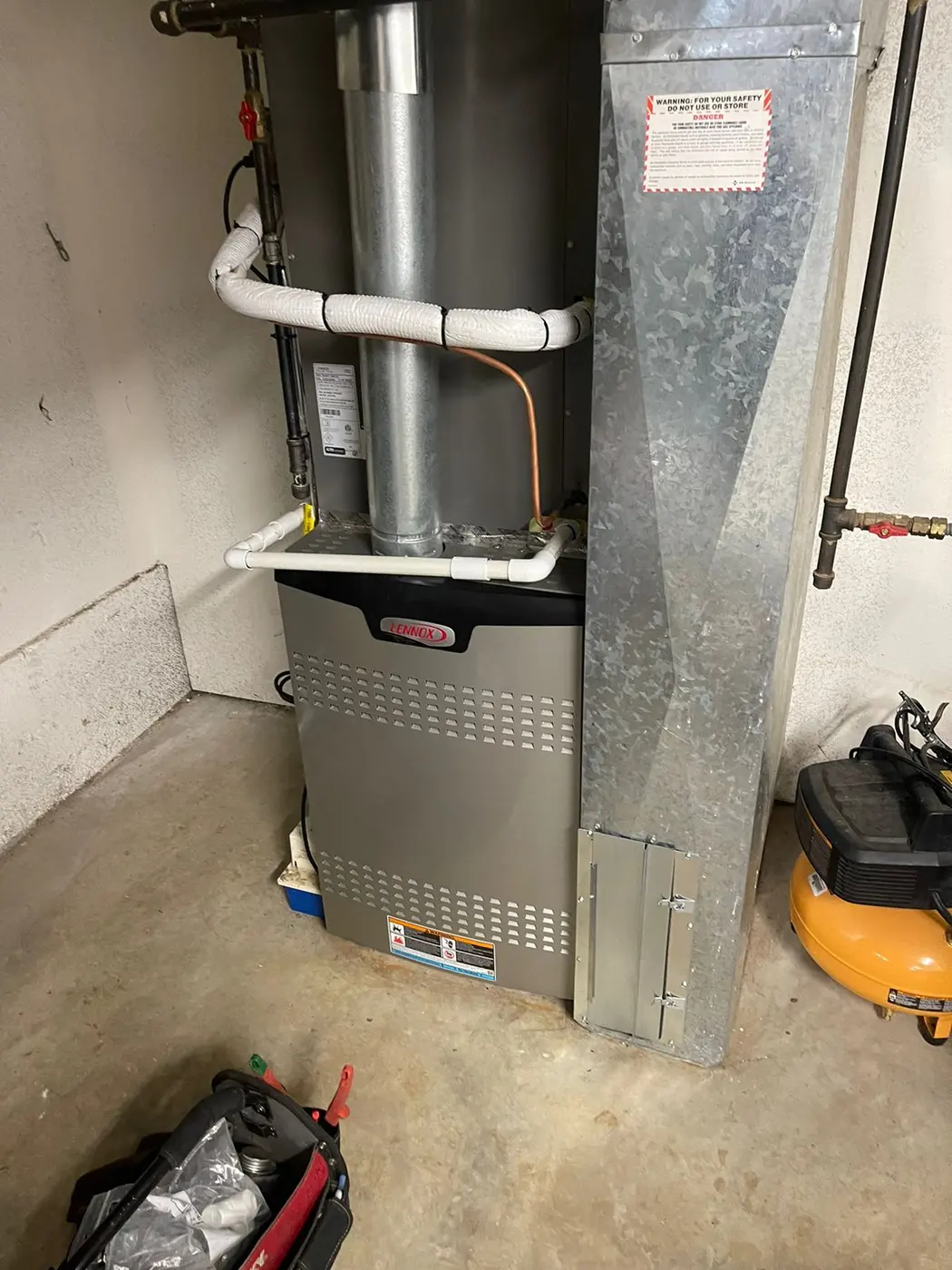
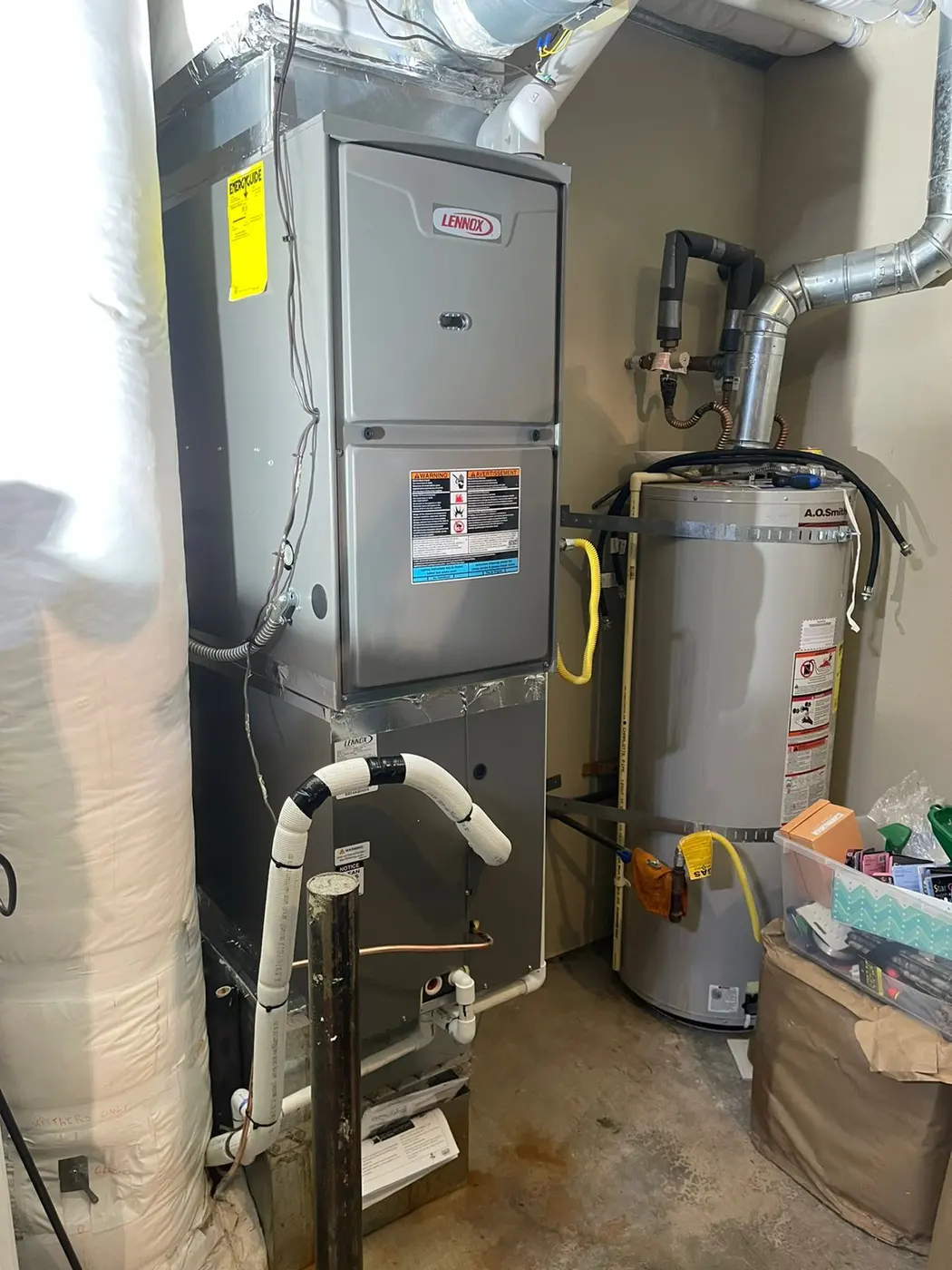
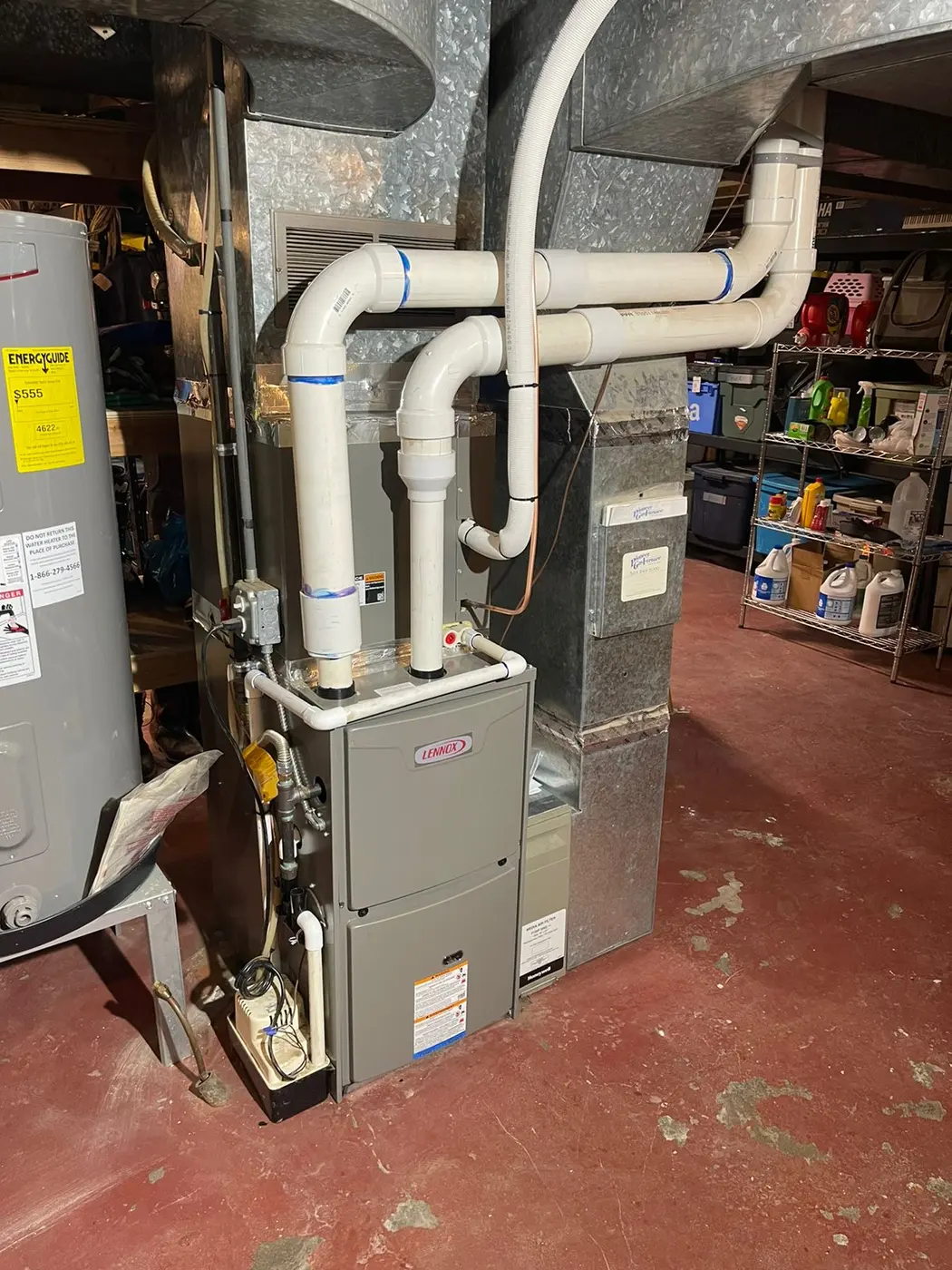
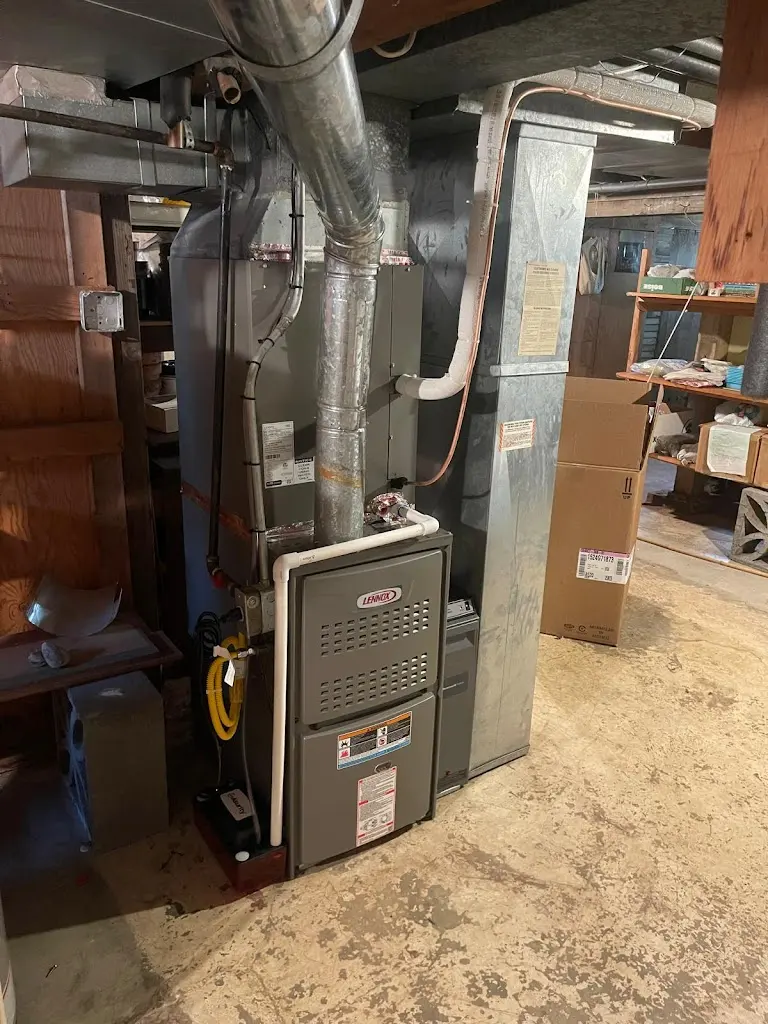
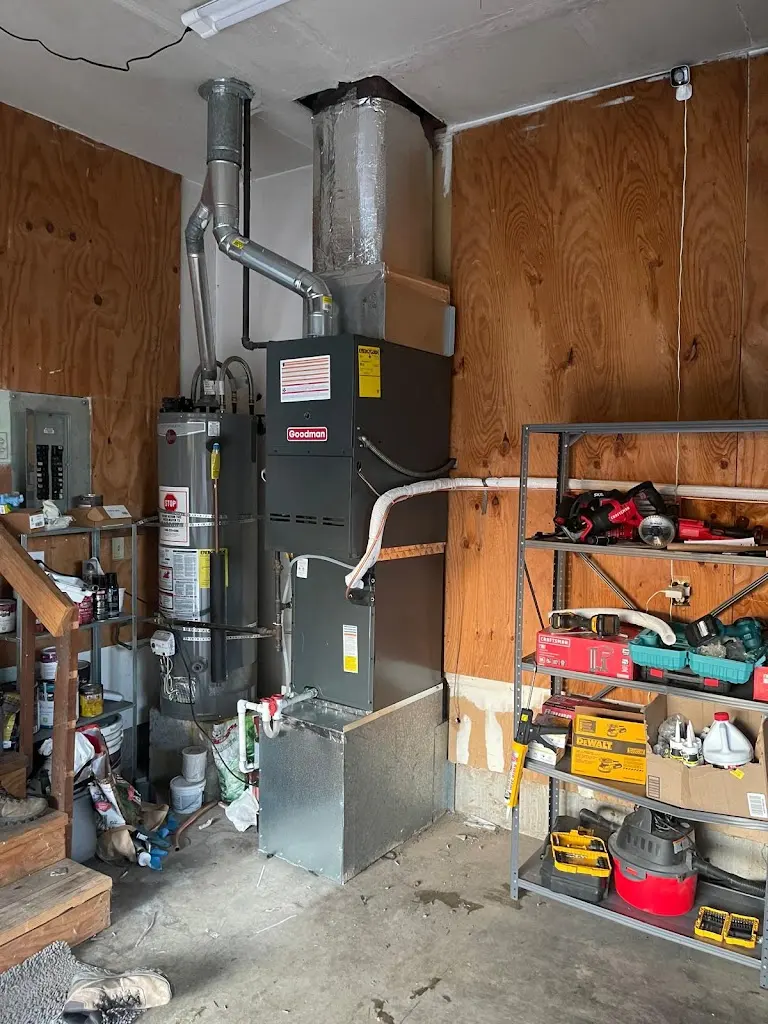
- Current heating and cooling equipment, age, brand, size and visible installation condition.
- Ductwork, airflow, return air, thermostat setup and rooms with uneven comfort.
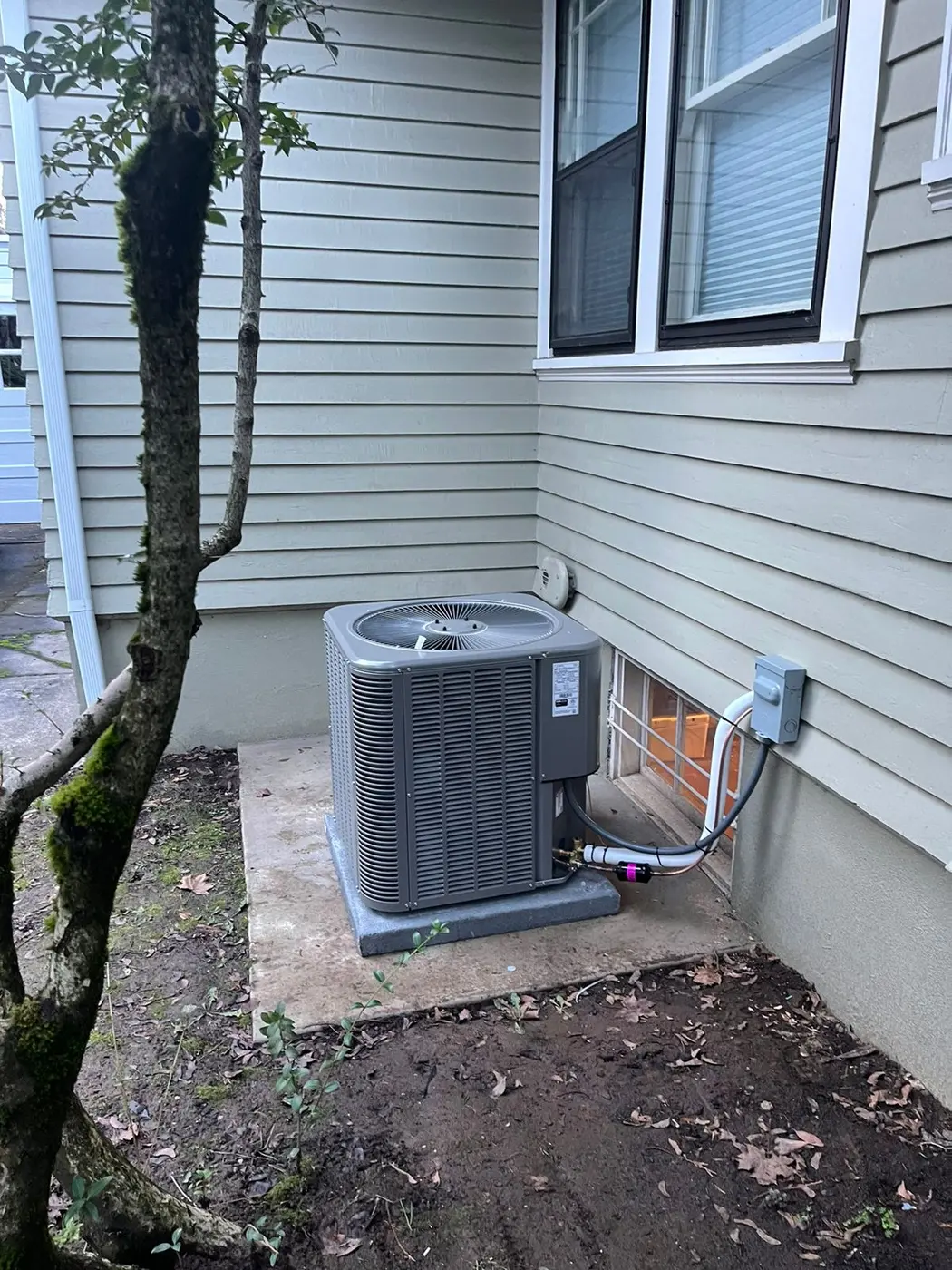
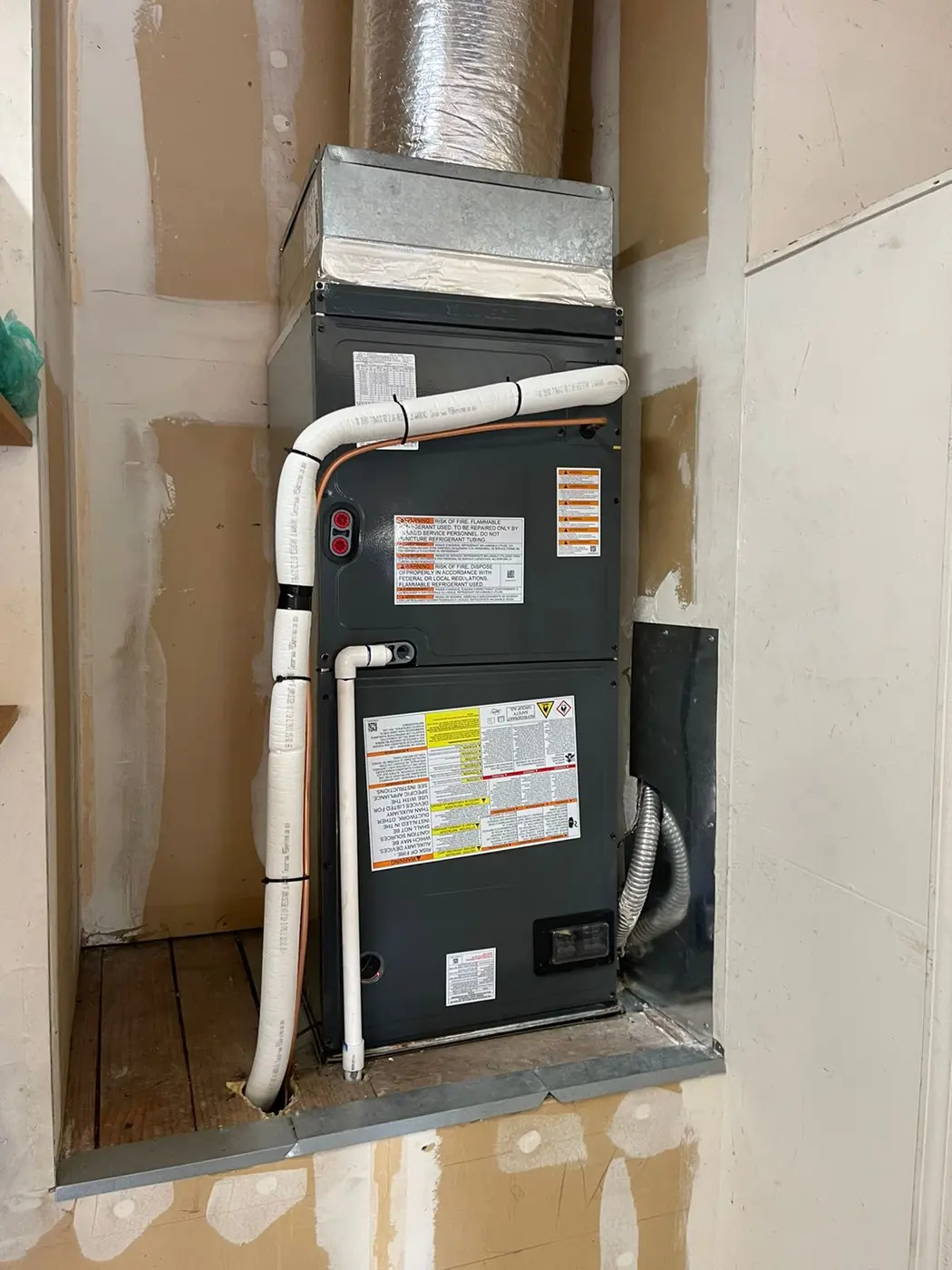
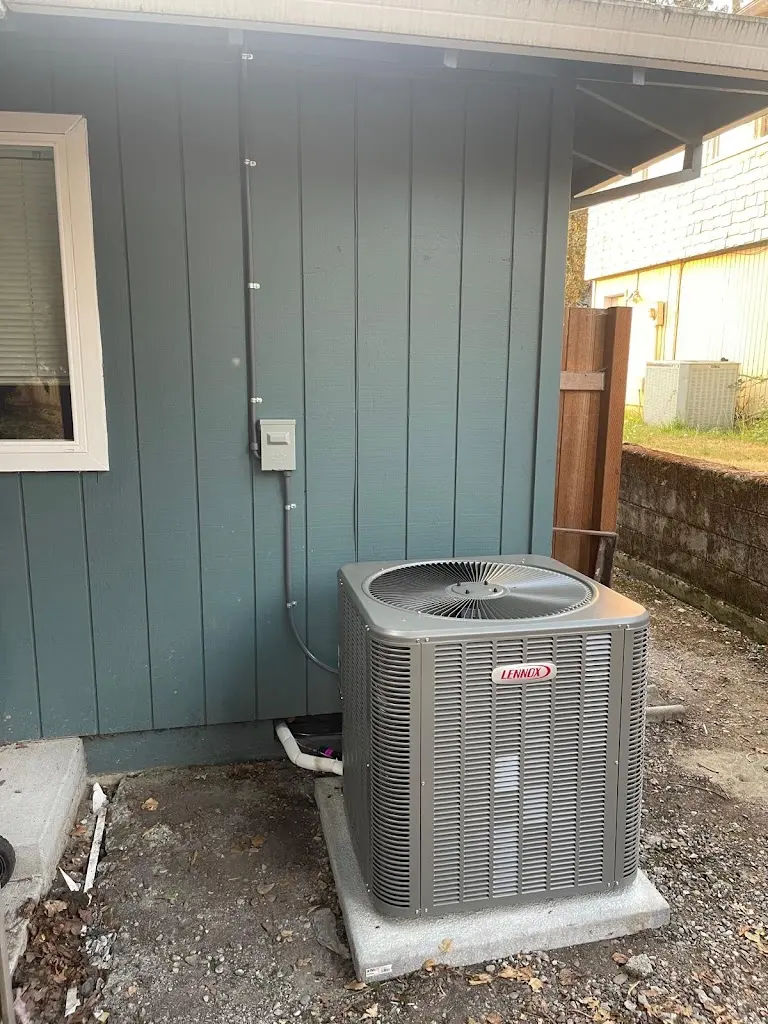
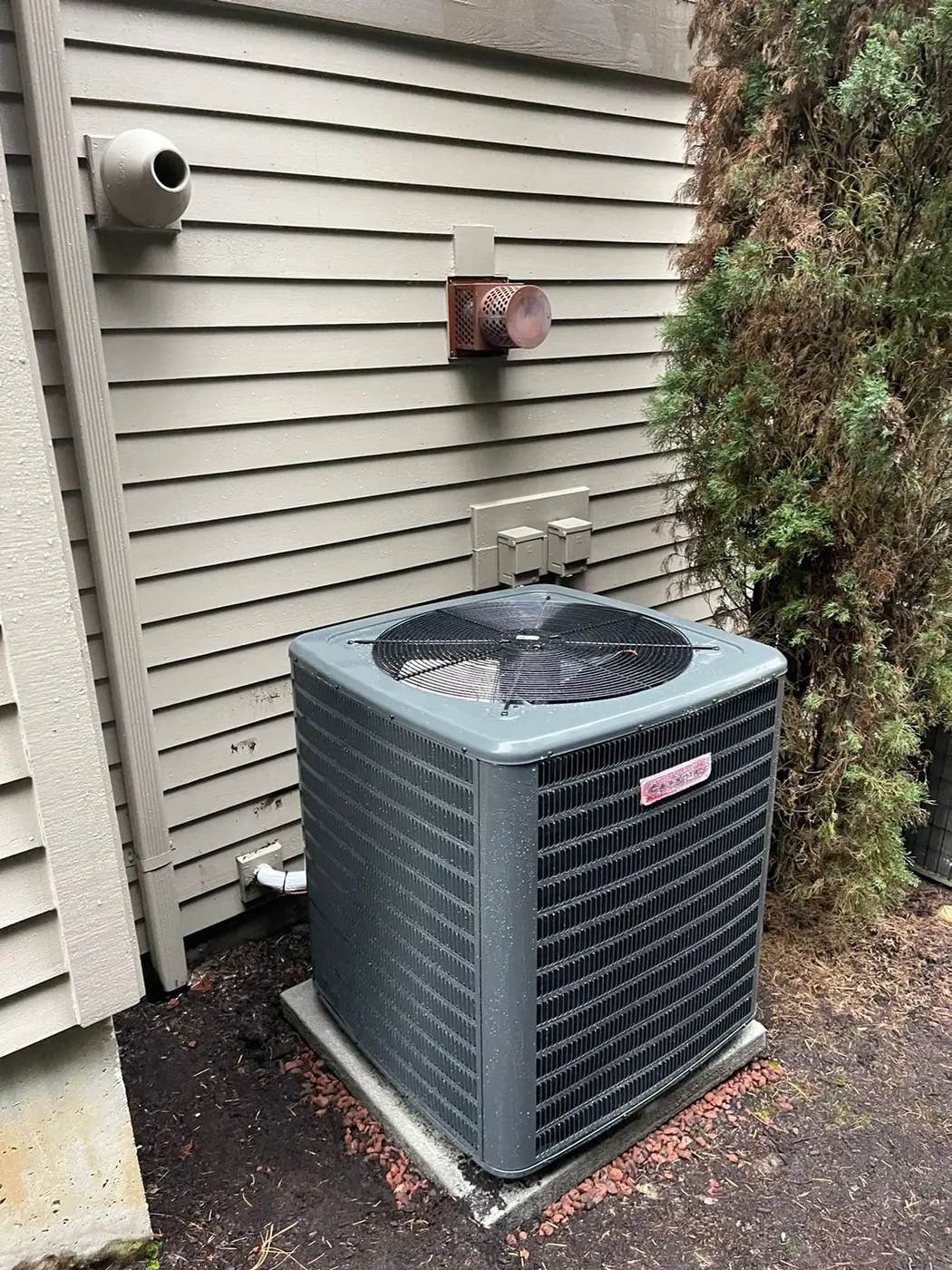
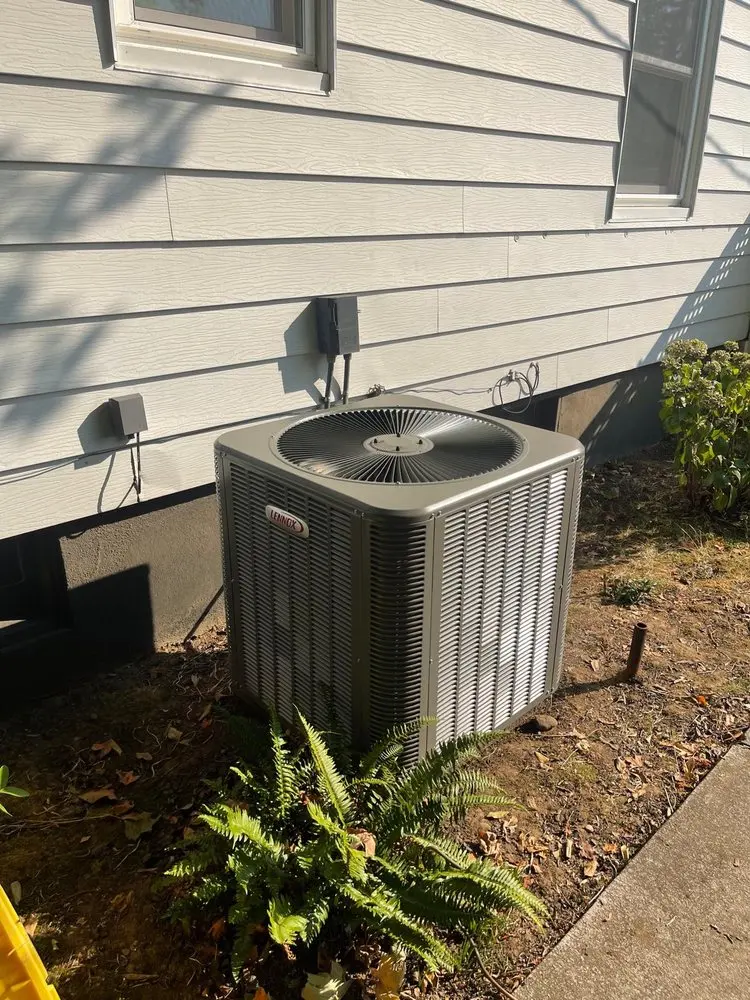
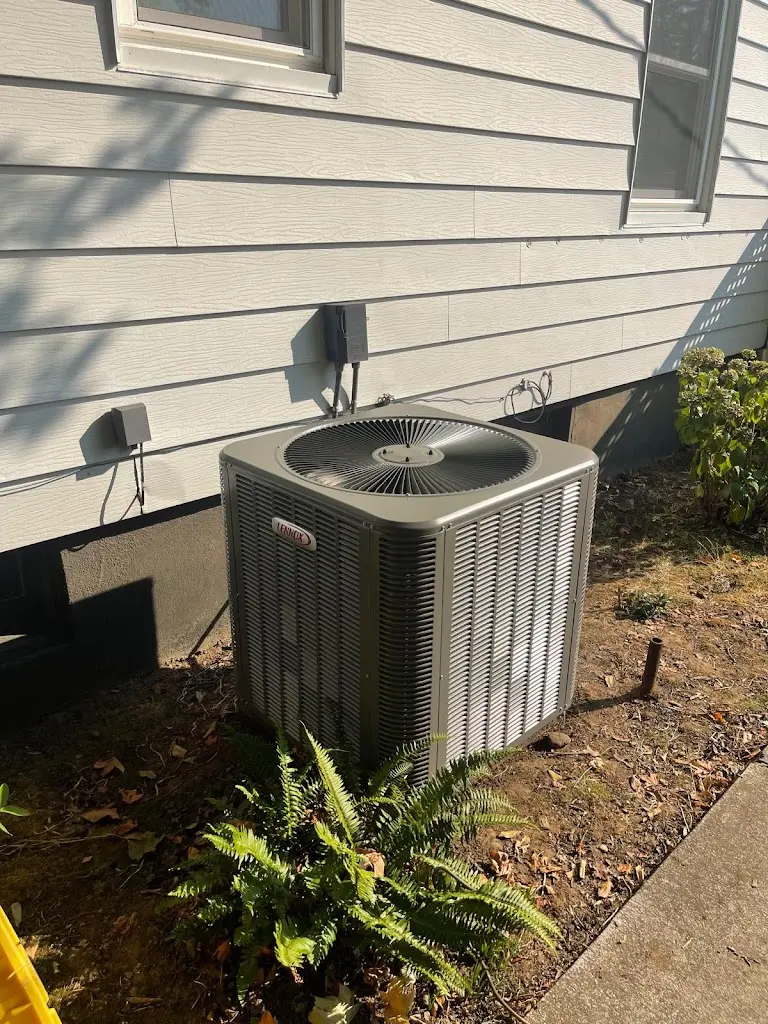
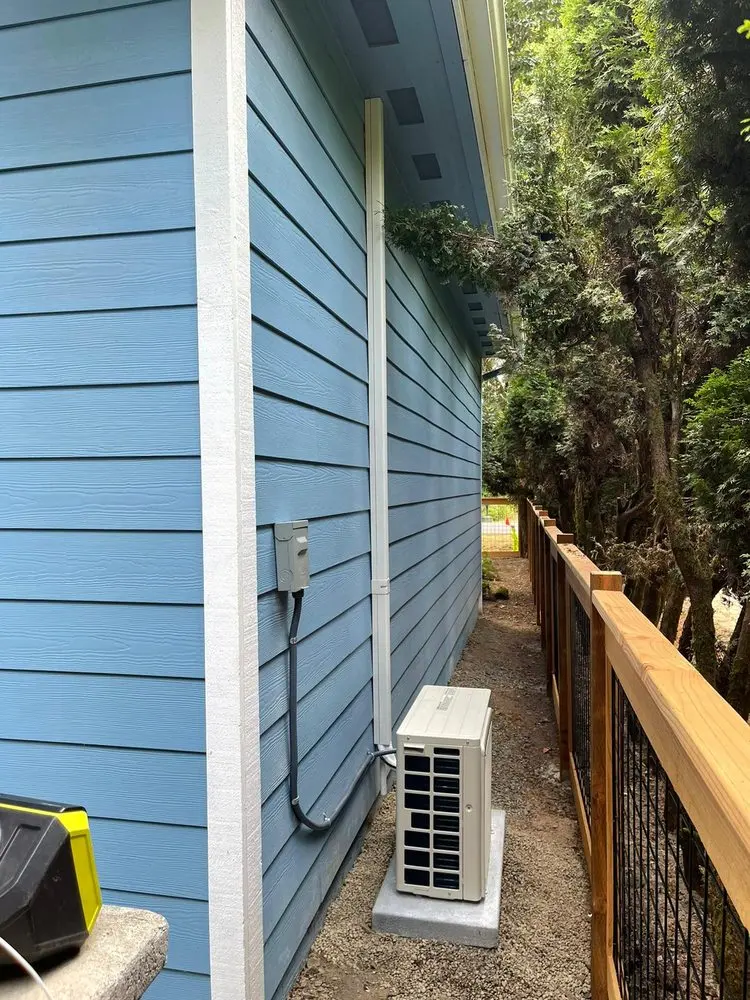
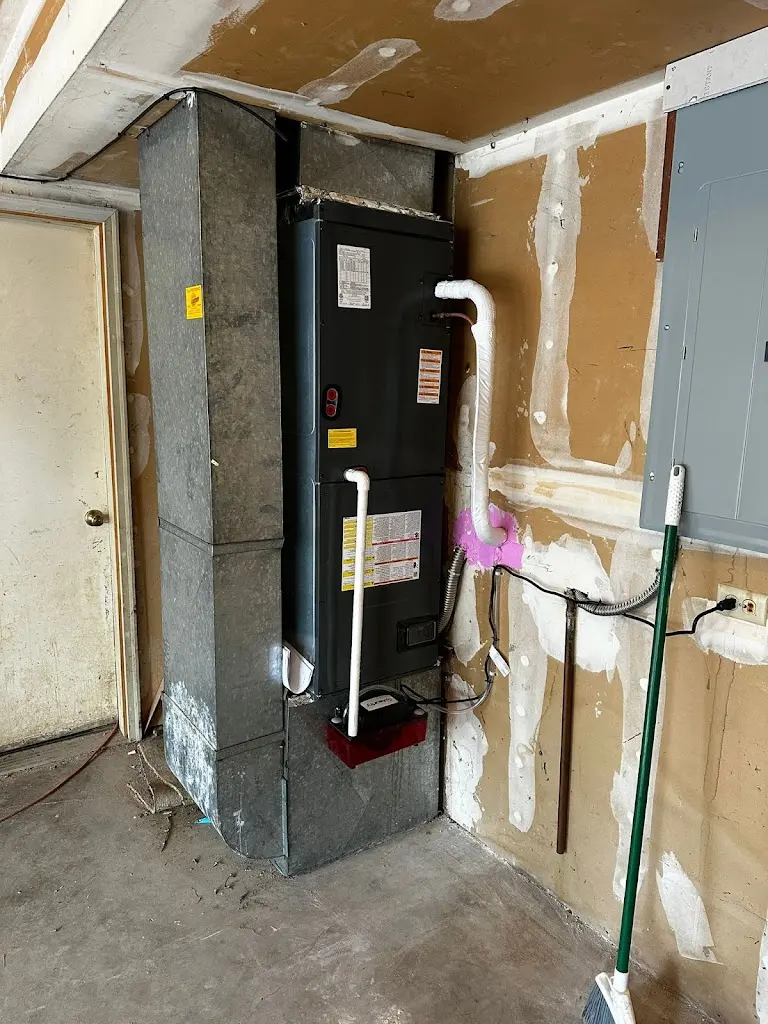
- Outdoor unit placement, indoor equipment access, electrical, venting and line-set conditions.
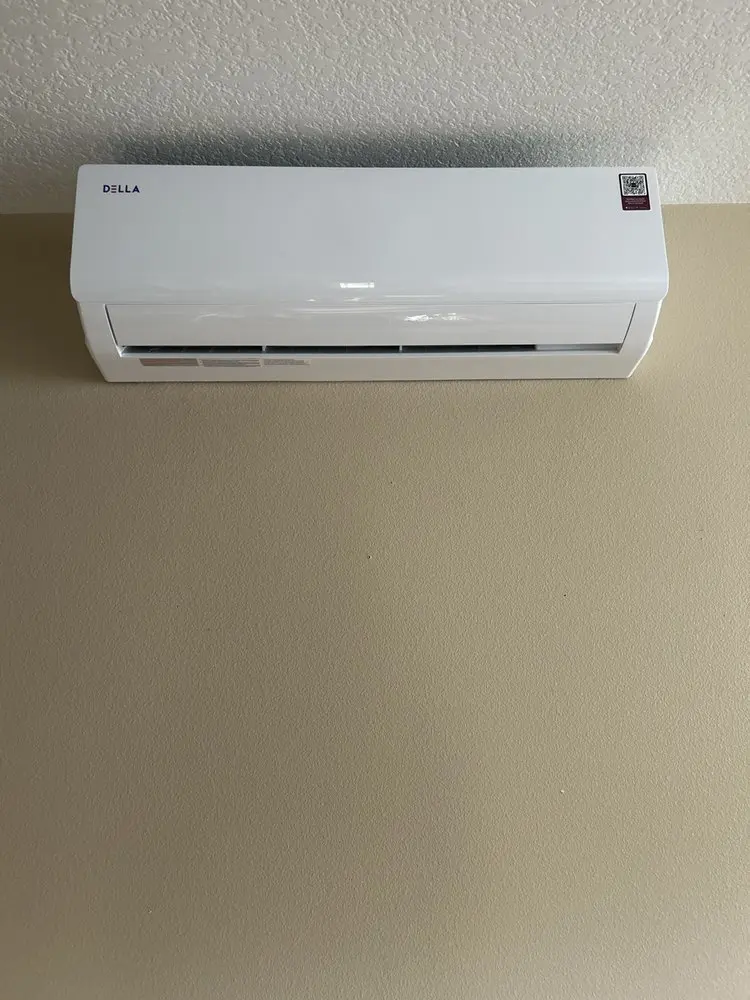
- Whether the project should include AC, furnace, heat pump, mini-split or full system replacement.
- Permit, warranty, financing and rebate details that may change the final proposal.
What the HVAC installation estimate should clarify
A useful estimate for HVAC installation in Sandy, OR should answer the questions a homeowner will have before approving work: what is included, why the equipment fits, what can change the scope and when the project can move forward.
- Confirm equipment type, capacity range, efficiency level and compatibility.
- Review access, labor scope, permit notes, controls and project preparation.
- Compare the recommended options in plain language before scheduling installation.
Why the free estimator visit matters in Sandy
Sandy estimates should treat access and winter performance as central parts of the HVAC recommendation.
- Use the Sandy visit to verify access, fit and comfort goals before pricing.
- Connect the HVAC installation recommendation to the home details the estimator can confirm.
- Keep the Sandy proposal practical enough to compare before scheduling.
Comparing Good / Better / Best HVAC installation options for Sandy
A useful HVAC installation proposal in Sandy should compare Good / Better / Best options against the actual home details, not against a generic package. Choose Sandy HVAC installation after winter comfort, access and backup heat strategy are reviewed.
The comparison should explain how each option changes comfort, access, equipment fit, warranty and final scope. Sandy estimates should treat access and winter performance as central parts of the HVAC recommendation.
Why HVAC installation pricing must be confirmed at the home
The final number should be based on equipment, labor and verified scope. The free estimator visit checks the details that online pricing cannot confirm, including access, electrical work, line-set routing, permits or equipment compatibility.
- Equipment size, efficiency level and brand.
- Indoor equipment compatibility and whether a furnace, air handler or coil should be changed at the same time.
- Outdoor placement, line sets, electrical work, venting, permits and access conditions.
- Ductwork, airflow, thermostat setup, zoning and room-by-room comfort concerns.
- Warranty, financing, rebate questions and the installation timeline the homeowner needs.
Local scope planning for HVAC installation
Sandy, OR homes can vary by insulation, duct condition, room balance, seasonal load and outdoor equipment access. The same equipment can install differently depending on access, duct layout, outdoor placement, electrical capacity, venting, controls and finished-space protection.
A local proposal for HVAC installation in Sandy, OR should explain those property details before the homeowner chooses an option. That keeps the decision focused on comfort, scope and value instead of a generic equipment quote.
Sandy HVAC planning for dependable seasonal comfort
Sandy HVAC installation should focus on dependable heating and cooling through stronger east-side seasonal swings, older equipment, longer access paths and homes that may need backup heat considered carefully.
The estimate should verify access, duct delivery, electrical or gas readiness, outdoor placement and whether a furnace, AC, heat pump or matched system is the right path.
- Review cold-weather reliability, hot-weather performance and access logistics.
- Confirm duct delivery, controls, fuel choice and outdoor placement.
- Compare HVAC options around reliability, comfort and long-term value.
Sandy installation planning notes
For HVAC installation in Sandy, OR, the useful estimate is the one that checks the current setup, equipment access, comfort concerns and project timing before a system is selected. That local review helps prevent a generic recommendation from turning into a surprise scope change later.
- Confirm equipment age, access, duct condition, electrical or venting needs and the comfort goal.
- Compare practical options so the homeowner can choose the right balance of cost and performance.
- Use the proposal to explain what is included, what could change and what happens next.
Sandy estimate focus for east-side homes
For HVAC installation in Sandy, the estimate should connect the equipment recommendation to winter comfort, summer load, duct condition and the way the home handles seasonal temperature swings.
- Check airflow, duct condition, insulation clues and rooms that fall behind during peak weather.
- Review outdoor equipment placement, service access and electrical or venting needs early.
- Compare repair history with replacement value so the homeowner can decide with better context.
- The estimate should decide whether partial replacement or full system replacement is the better value.
- Heating, cooling, ductwork and controls should be reviewed as one comfort plan.
HVAC Installation estimate notes for Sandy, OR
Sandy installation planning can involve colder winter comfort goals, larger properties, longer access paths, older equipment and project timing that should be confirmed early. HVAC estimates should also confirm whether heating and cooling should be planned together, staged separately or narrowed to one immediate system.
- Review heating reliability, backup heat strategy and whether ducts are ready for the new equipment.
- Confirm outdoor placement, electrical or gas details and material access.
- Compare practical options for comfort, warranty and budget before scheduling installation.
- The free estimate turns HVAC installation into a specific plan for the actual home instead of a generic equipment recommendation.
Related installation pages
- HVAC Installation – review full heating and cooling installation paths.
- AC Installation – compare central AC installation options.
- Furnace Installation – review furnace replacement options.
- Heat Pump Installation – compare heat pump system options.
HVAC Installation questions
Is the estimator visit free?
Yes. The estimator visit is free for HVAC installation projects in the Portland Metro service area. It helps confirm equipment size, access, scope and options before a proposal is prepared.
Can I get more than one option?
Yes. We can compare practical options so you can choose the balance of price, efficiency, warranty, quiet operation and comfort that fits the home.
What can change the HVAC installation price?
The final price can change with equipment size, efficiency, access, electrical or venting work, line sets, duct changes, permits and whether the heating and cooling system is part of a larger heating and cooling upgrade.
When should I call instead of using the form?
(503) 512-5900 is best when timing is urgent. Use the form when you can send details and prefer a follow-up to schedule the free estimator visit.