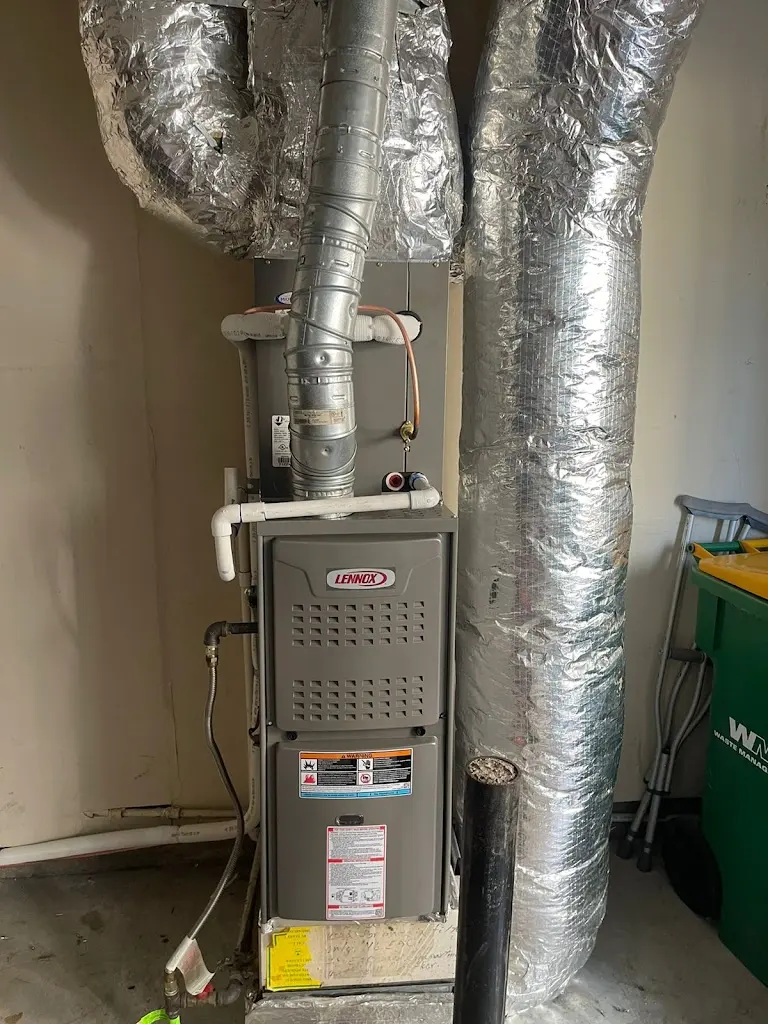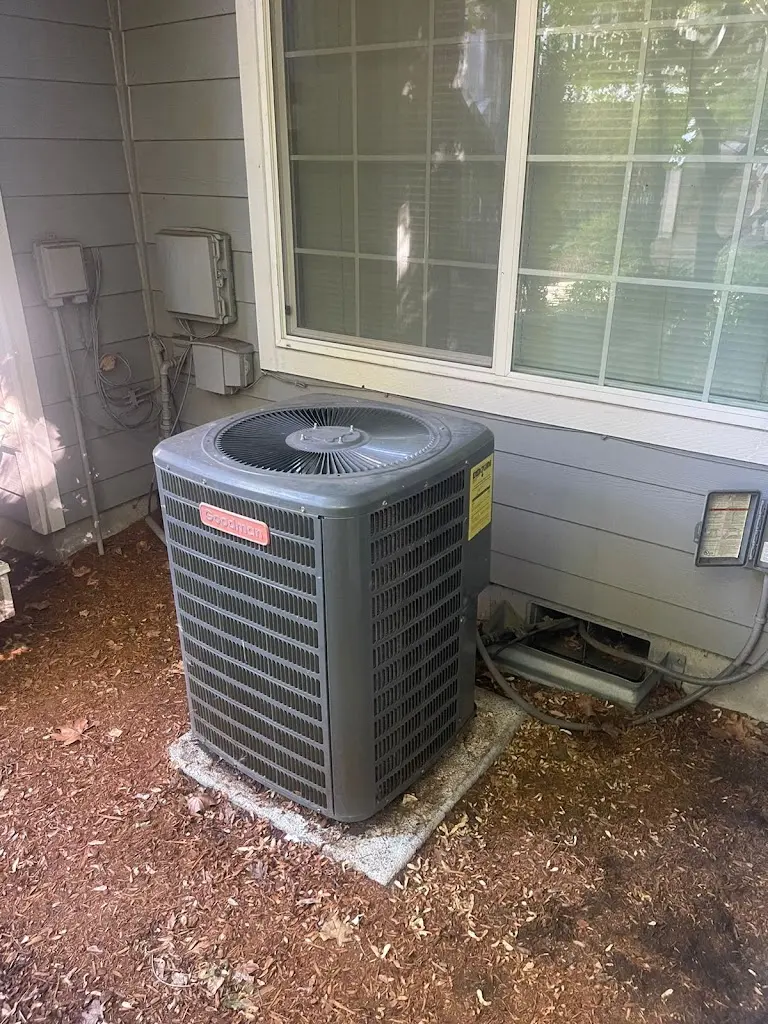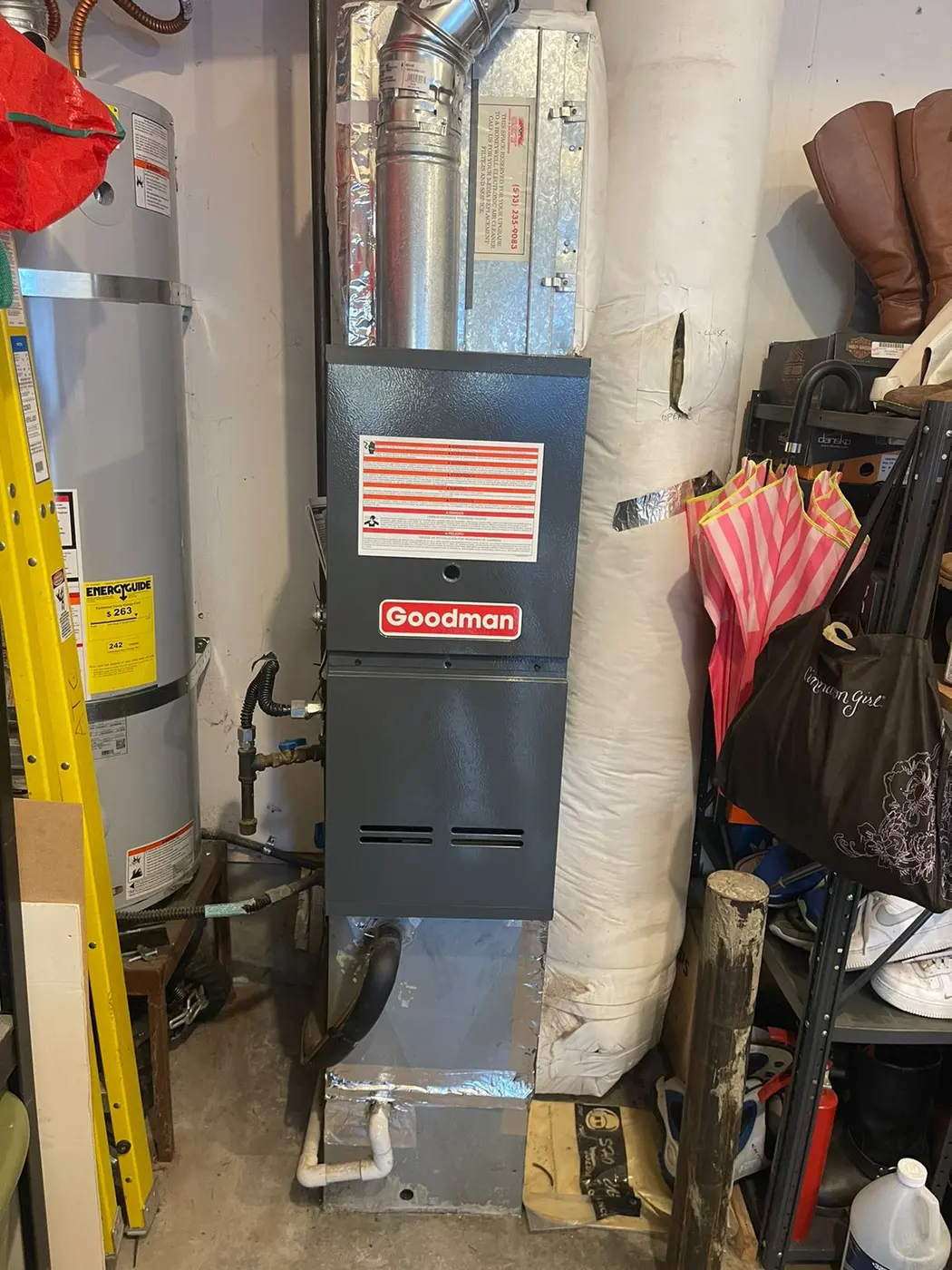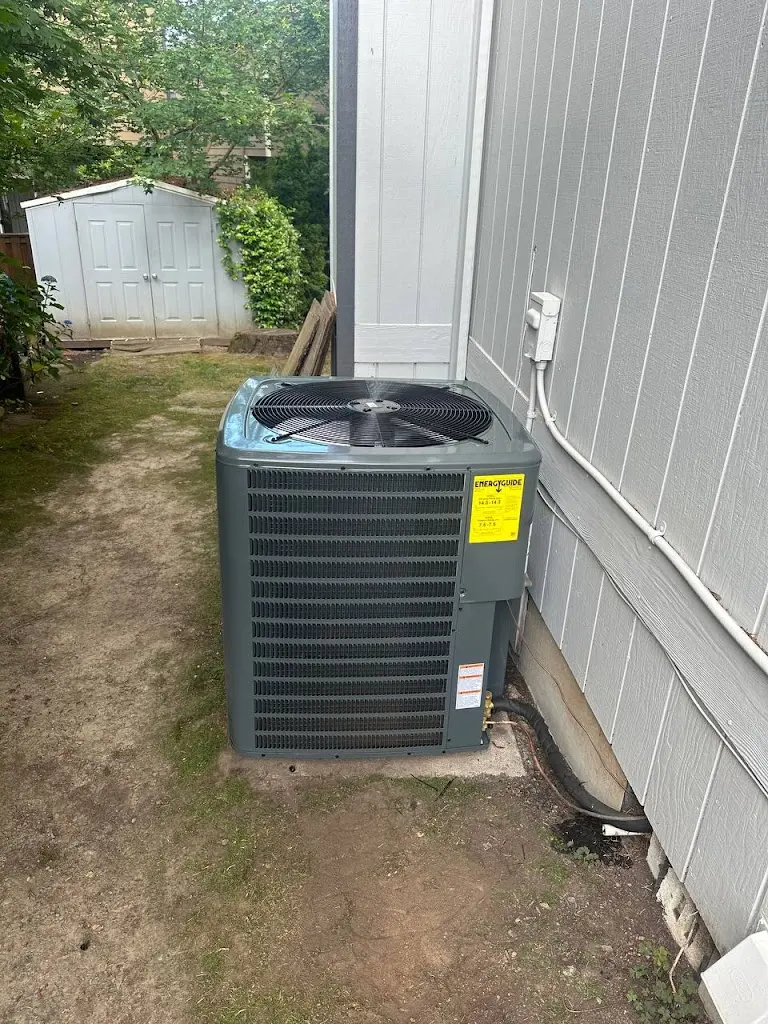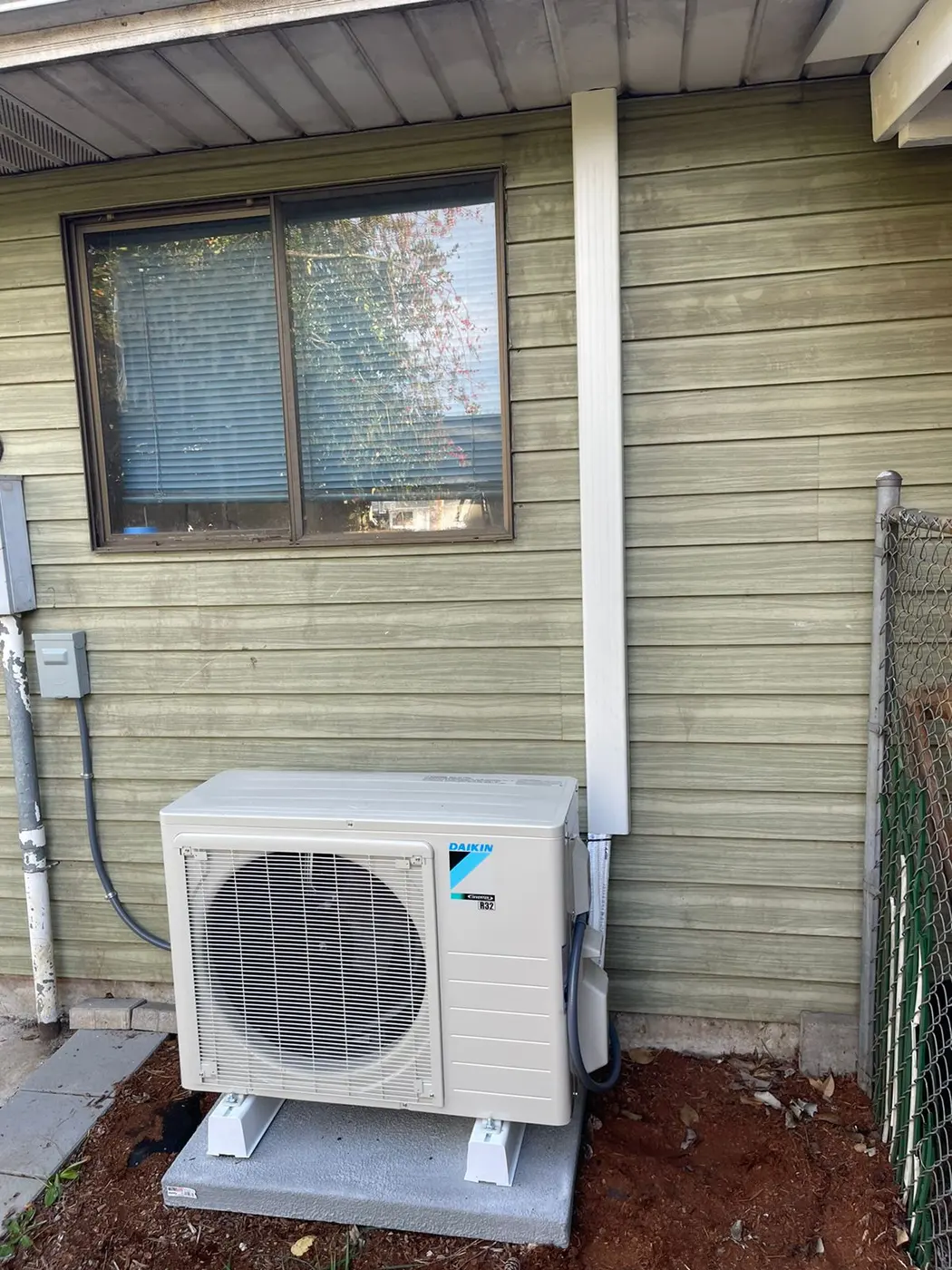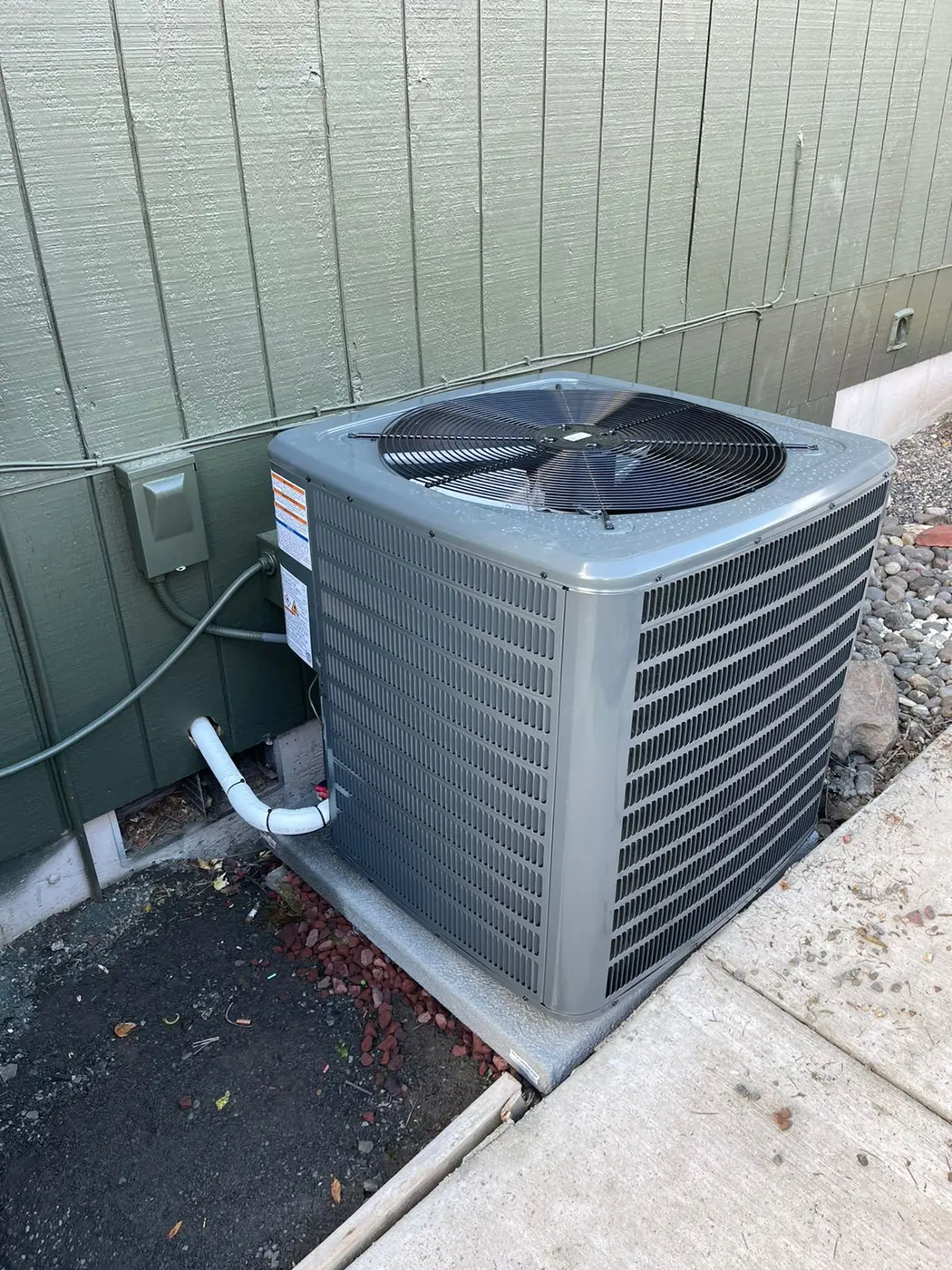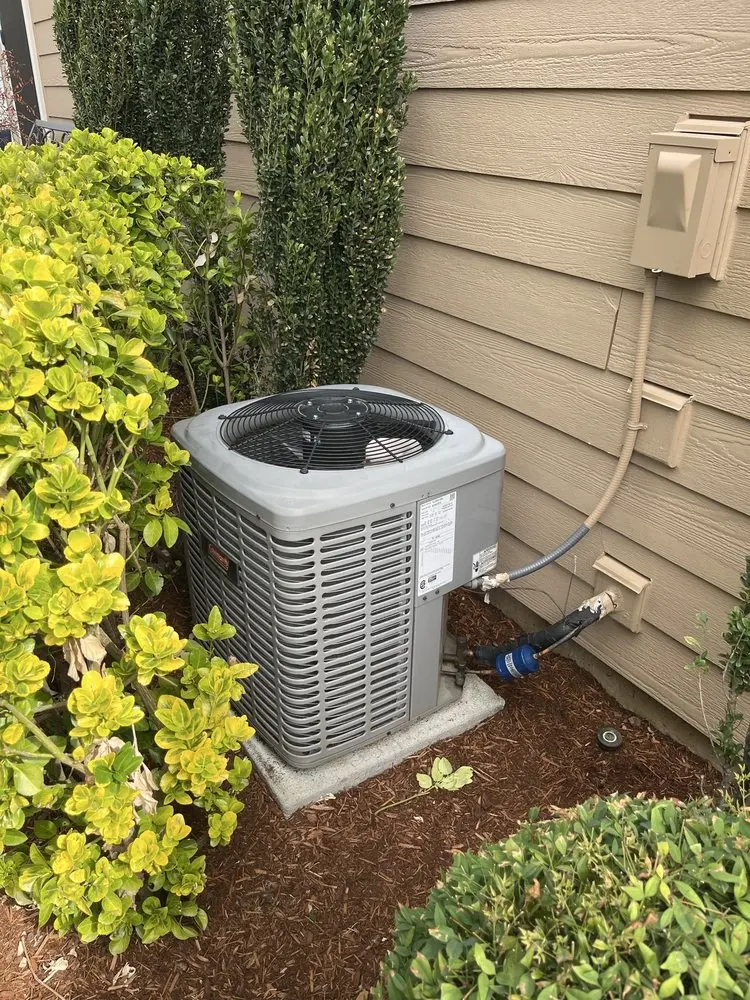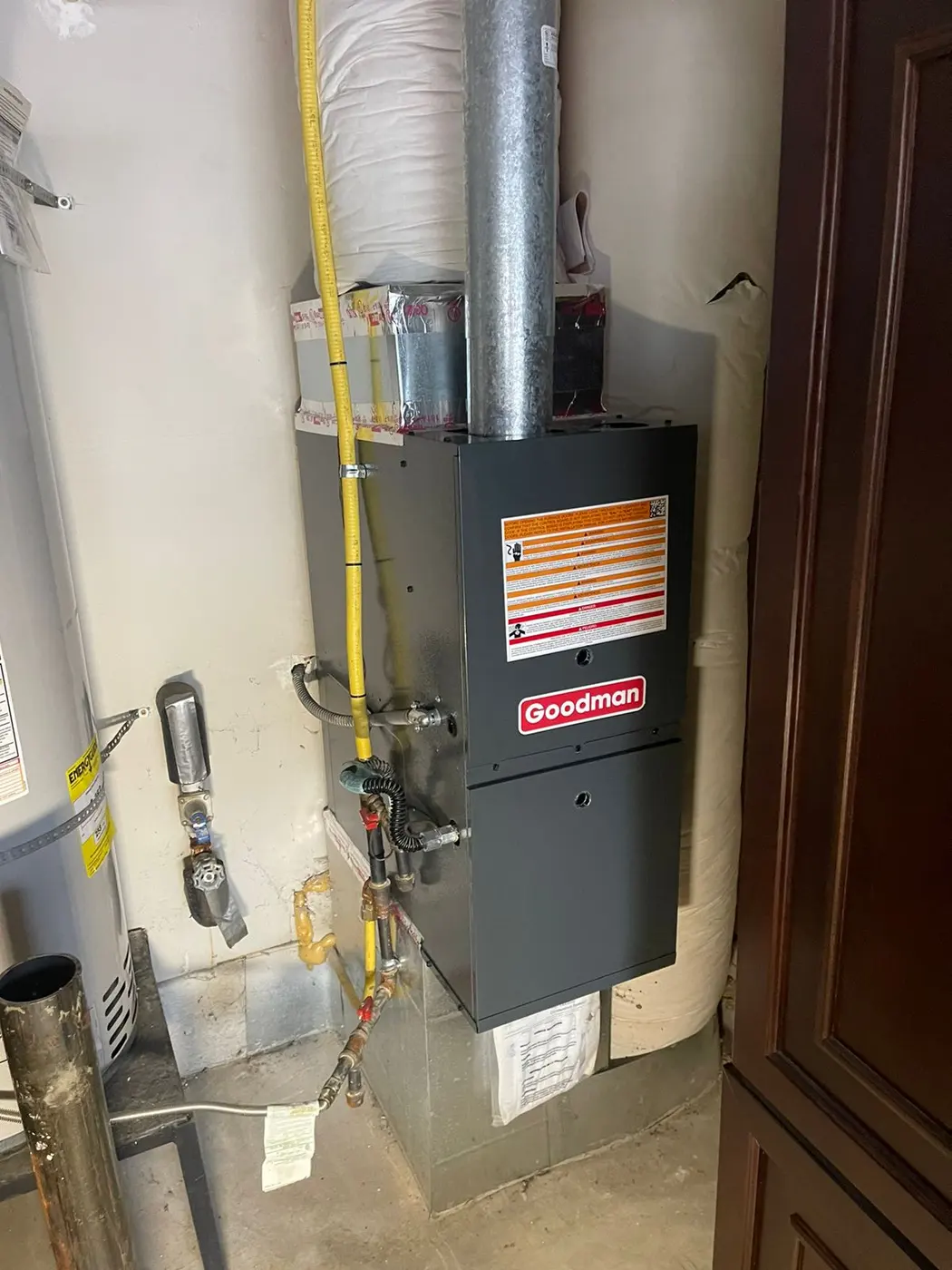
Begin With the Ductless Setup You Can Identify
HVAC & Appliance Repair Guys provides mini-split installation in Sherwood, OR. Planning replacement can feel less clear when the existing system came with the home and its records are missing. Our free on-site estimator visit covers installation and replacement. Share what you know without guessing the rest.
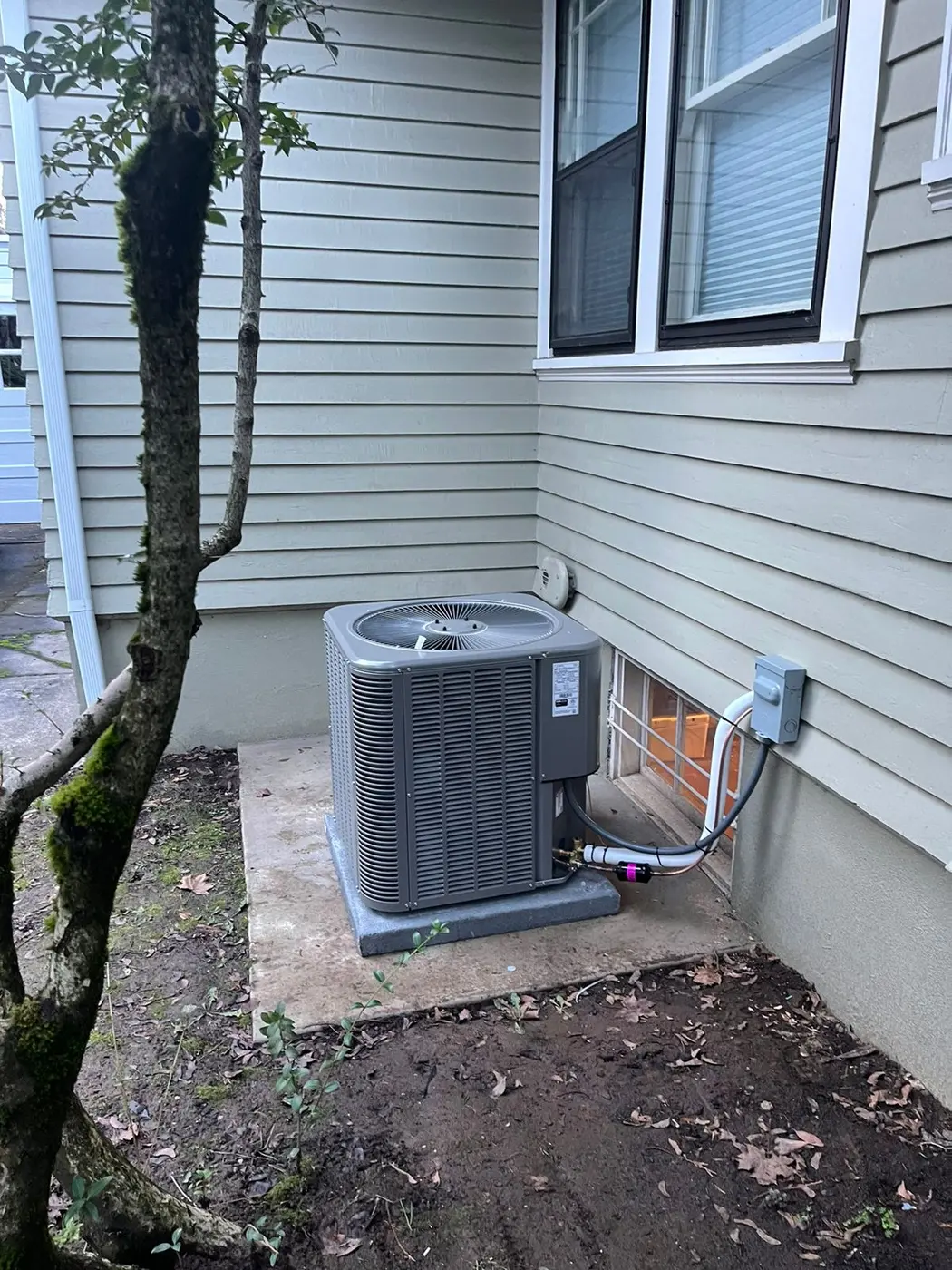
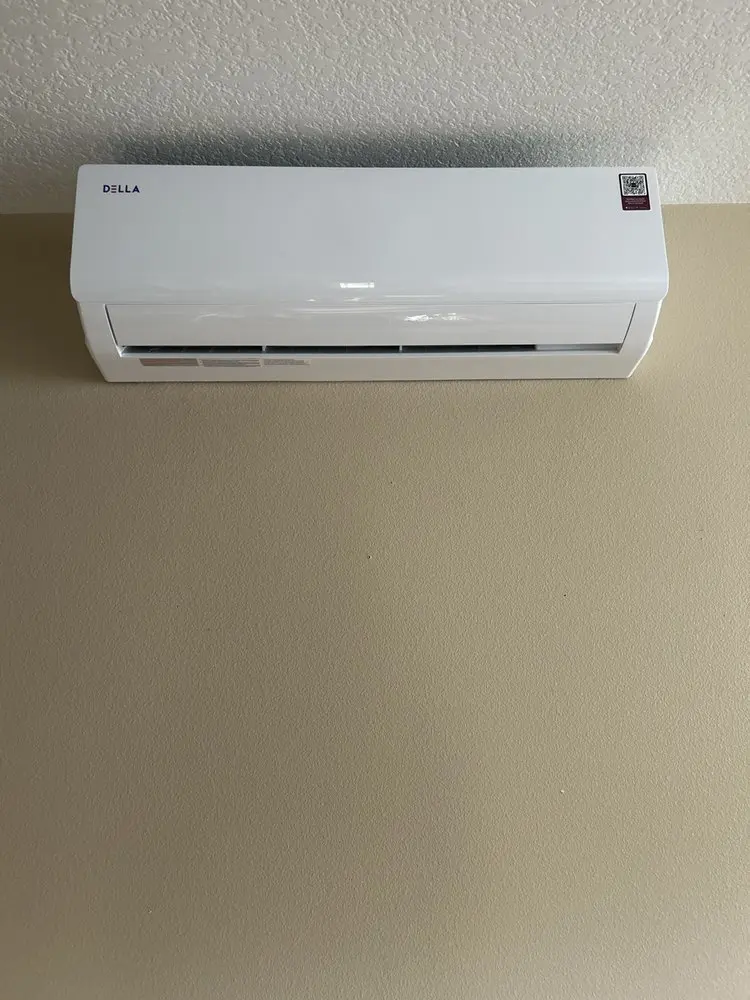
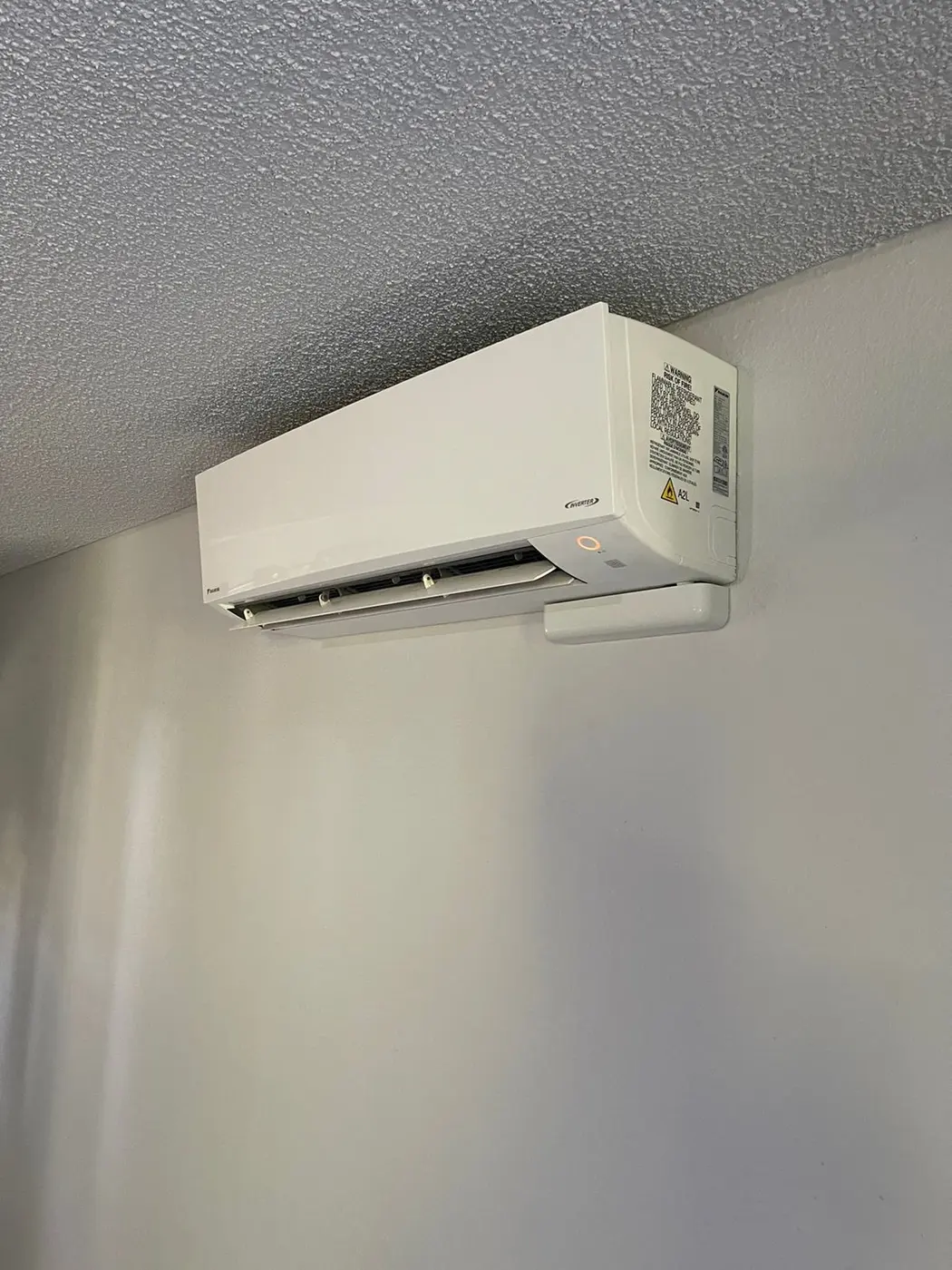
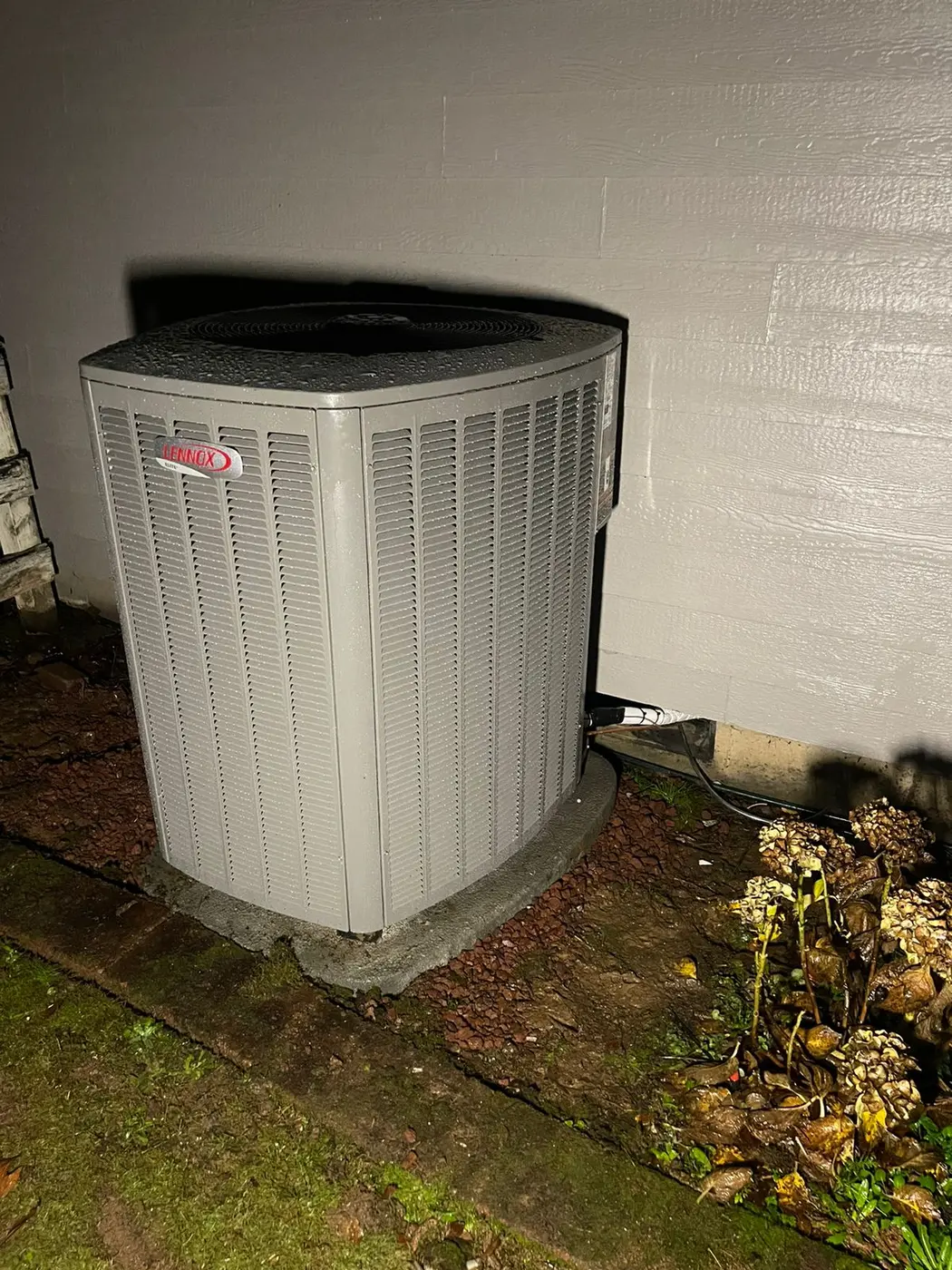
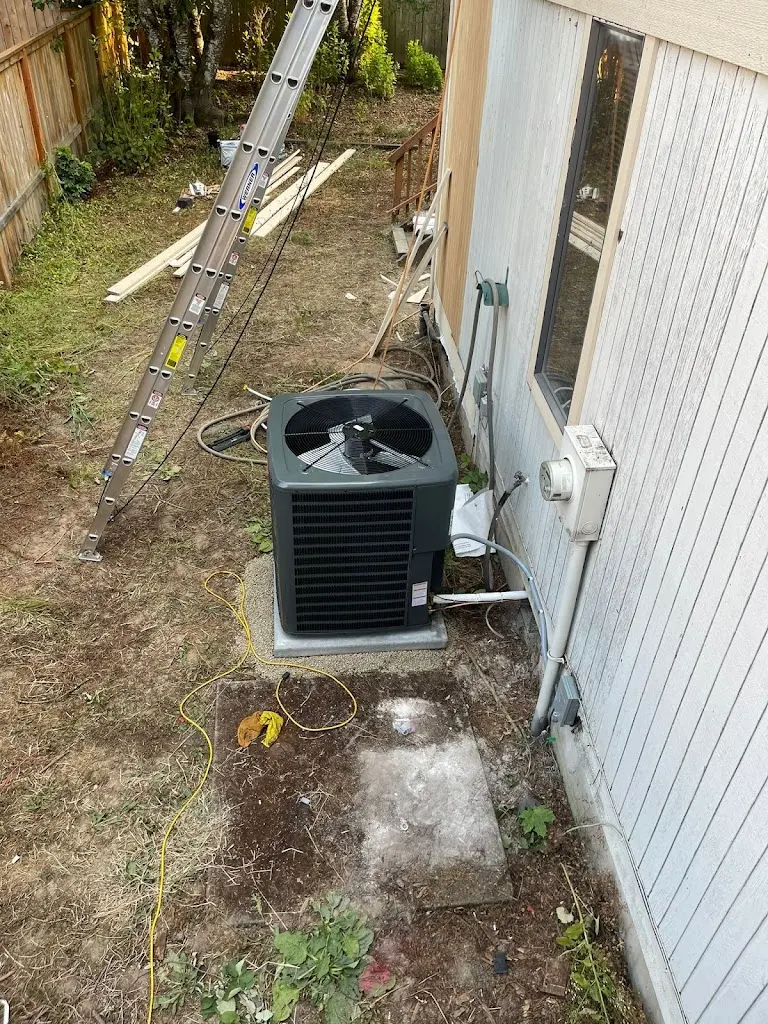
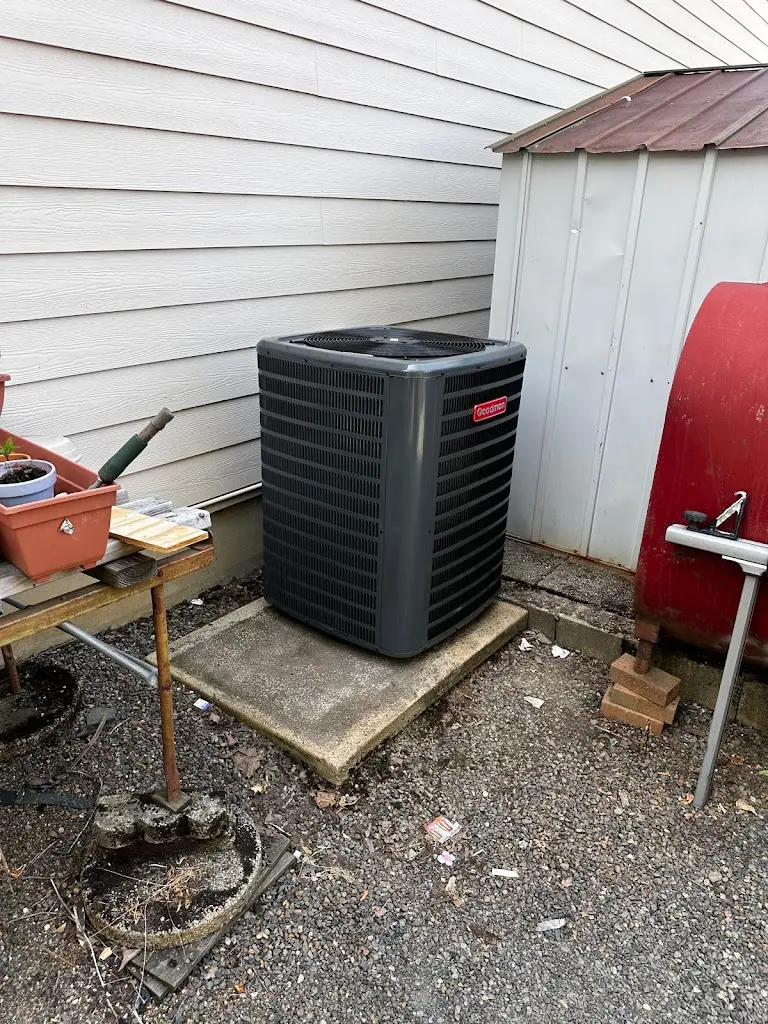
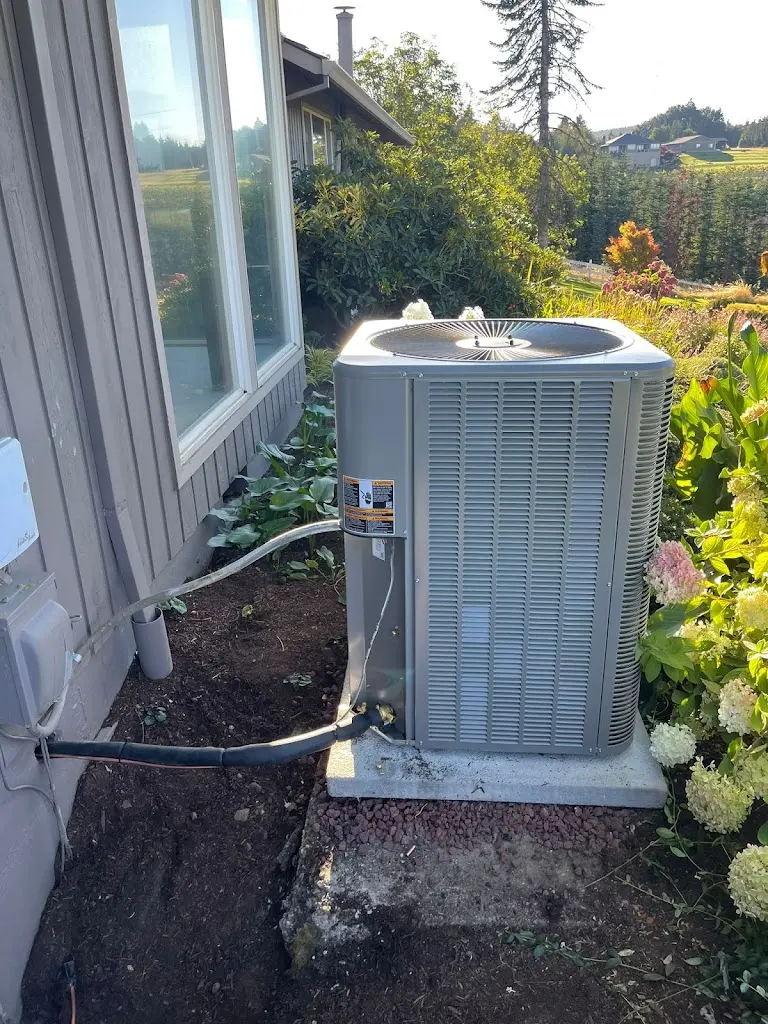
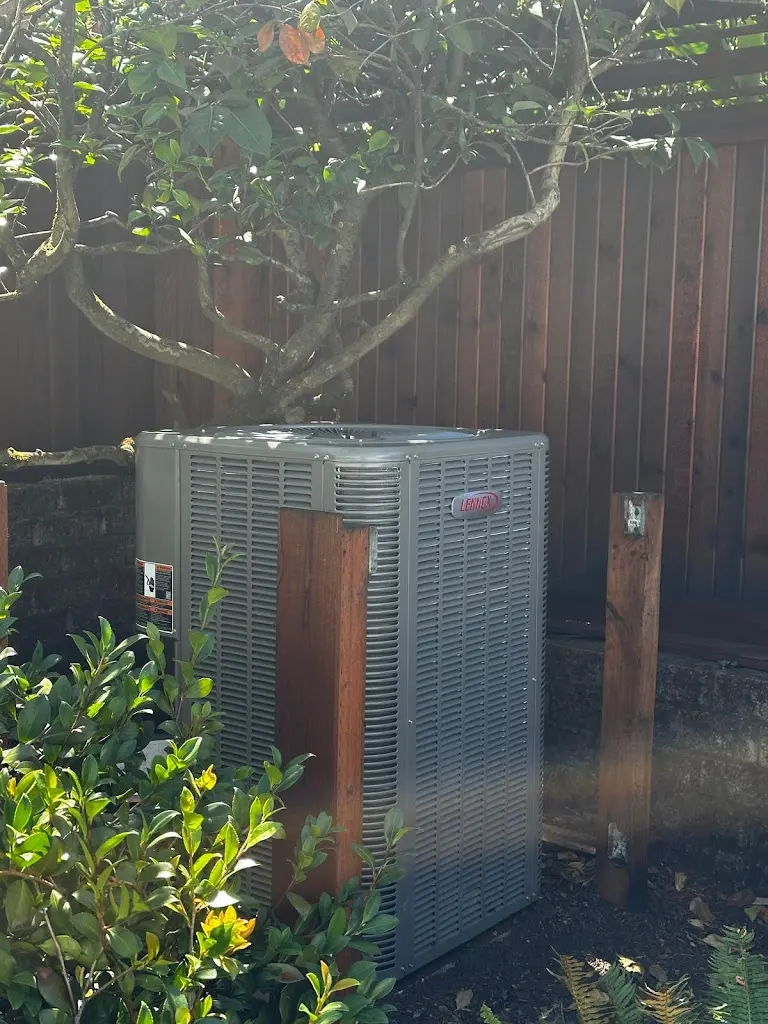
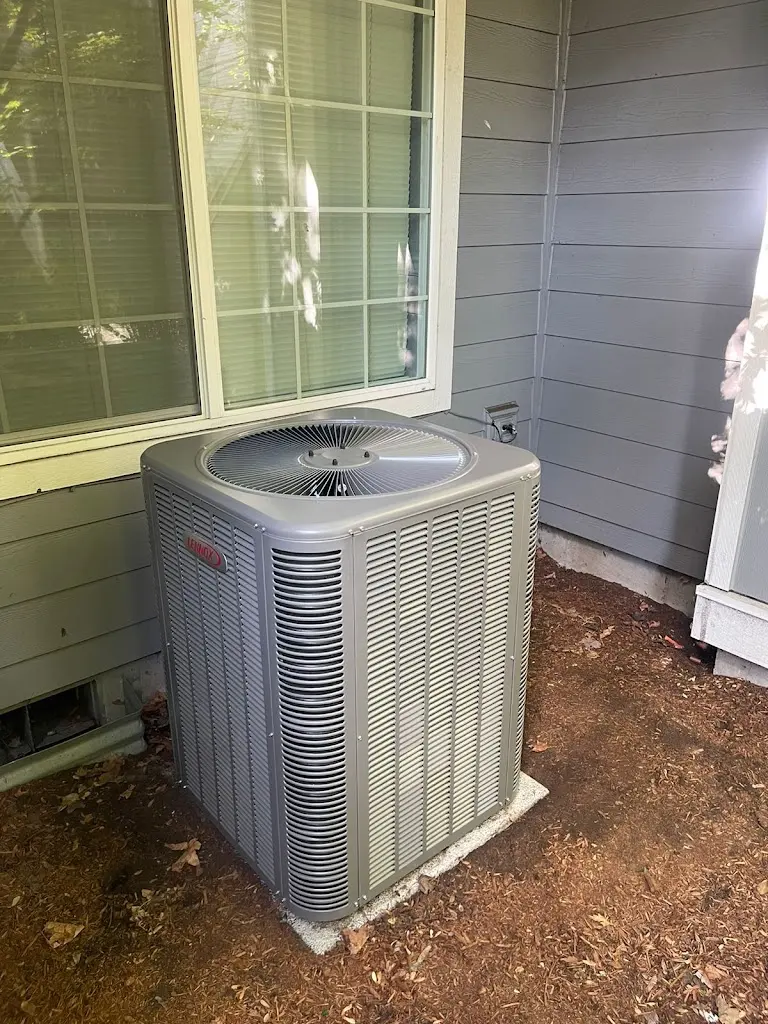
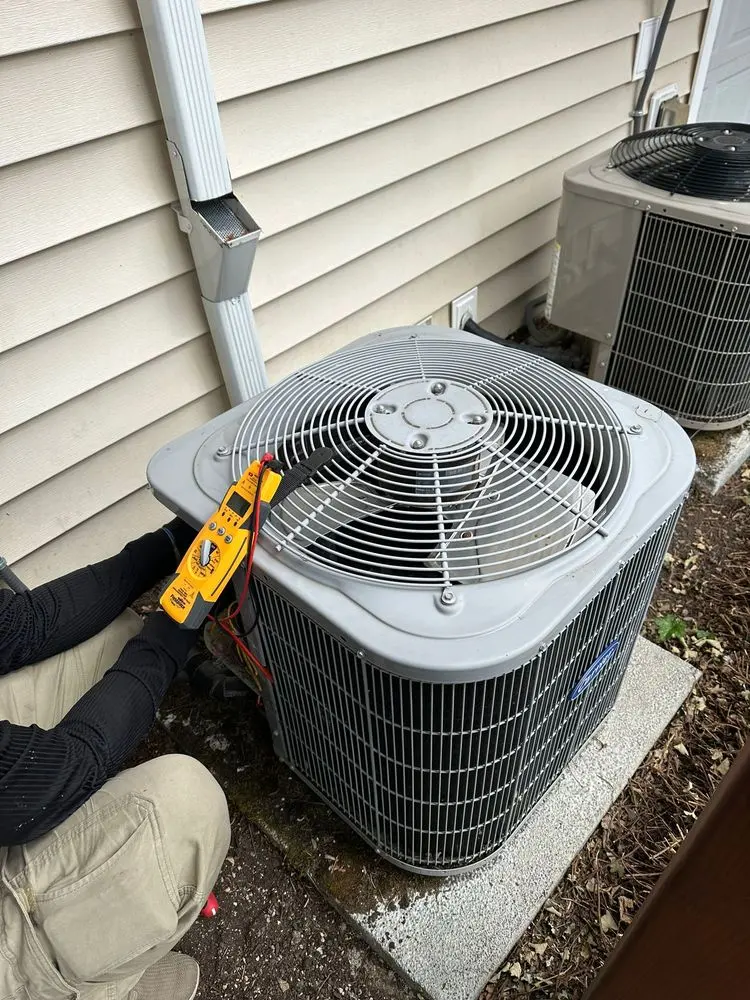
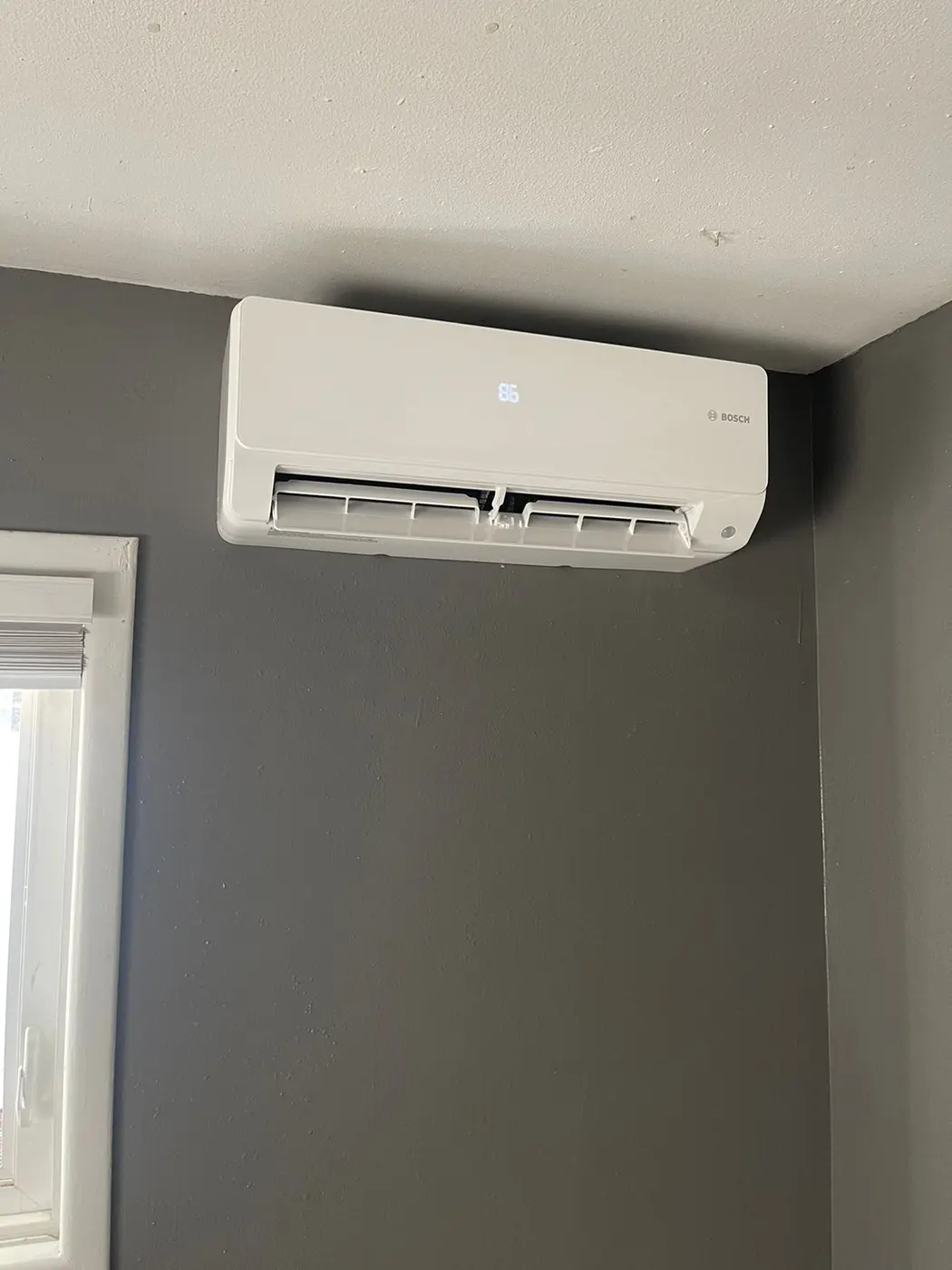
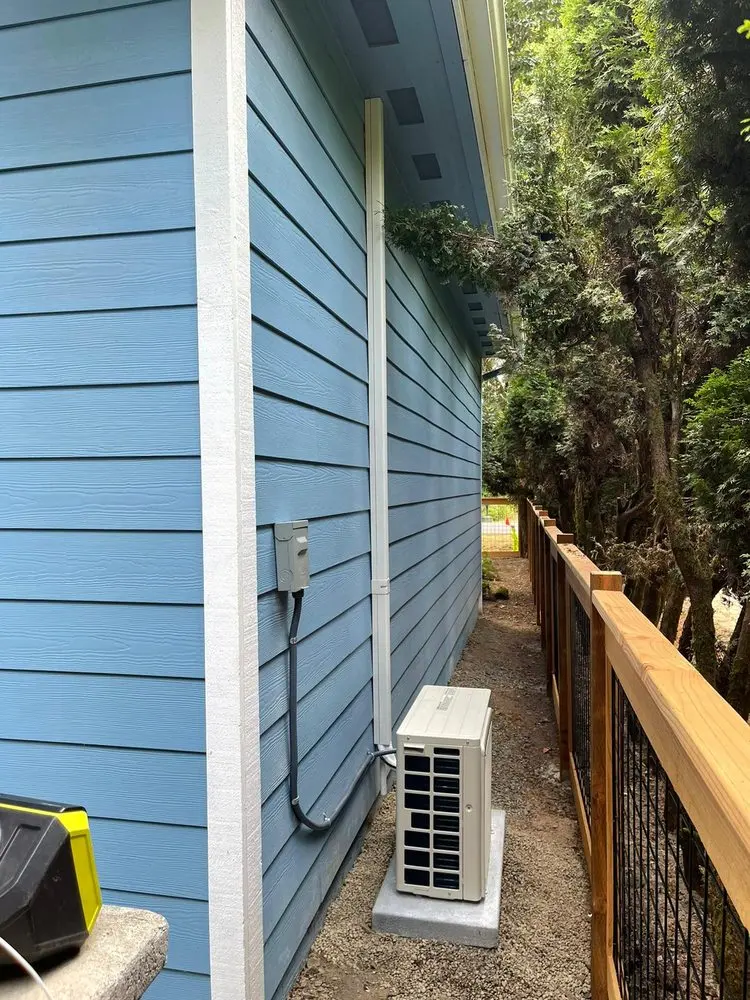
Start with the indoor units and the rooms where they sit. Note the normal controls you have and the outdoor equipment you can see safely. Those observations help define the review. They do not require you to trace every hidden connection first.
Separate Visible Units From Confirmed System Relationships
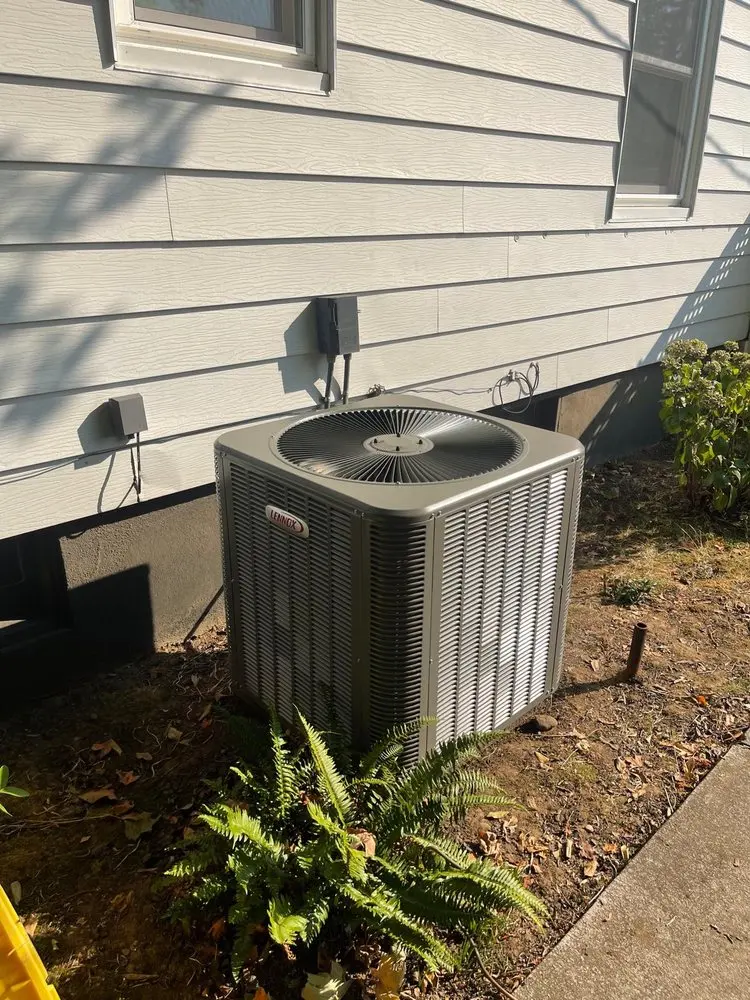
Several heads may share an outdoor unit, while another room may use separate equipment. Similar cabinet designs do not prove that connection. Ask the site review to identify the relevant groups. Keep uncertain relationships open until the equipment details establish them.
A missing remote or an unfamiliar control can also limit what you know about normal use. Describe that limit rather than declaring the head failed. A display that changes is different from a room reaching its setting. Explain the functions you have actually observed.
Our mini-split installation service reviews the room plan and equipment together. Identify the units you want to replace and those you hope to keep. A newer-looking head does not establish its age or fit. The proposal should use confirmed models instead of appearance as the basis for retention.
Use Available Records Without Filling the Gaps With Assumptions
An old invoice or model note can help identify earlier work. Keep its date and listed equipment with it. The record may not describe later changes at the property. Ask the estimator to compare it with the setup now present.
If you do not know a unit’s age, leave it unknown. Do the same for past faults or a claimed room capacity you cannot confirm. You can discuss replacement without a complete history. The estimate should state which missing facts matter to the new project.
Leave high labels, covers and concealed lines for the site visit. You do not need to climb, open a unit or test an unfamiliar remote on every head. Describe the access limit. The team can identify the information the planned work requires.
Define the Room Result You Want From the New Setup
Explain which spaces should receive heating or cooling after installation. Include normal door use and the household routine. The previous owner’s arrangement may differ from the one you want. Keep that new goal clear without assuming all existing equipment must go.
Distinguish a room that never seems comfortable from one you have not yet learned to operate. A present fault may need its own diagnosis. The free estimate concerns installation planning. It should not treat an unfamiliar button as proof that the whole system needs replacement.
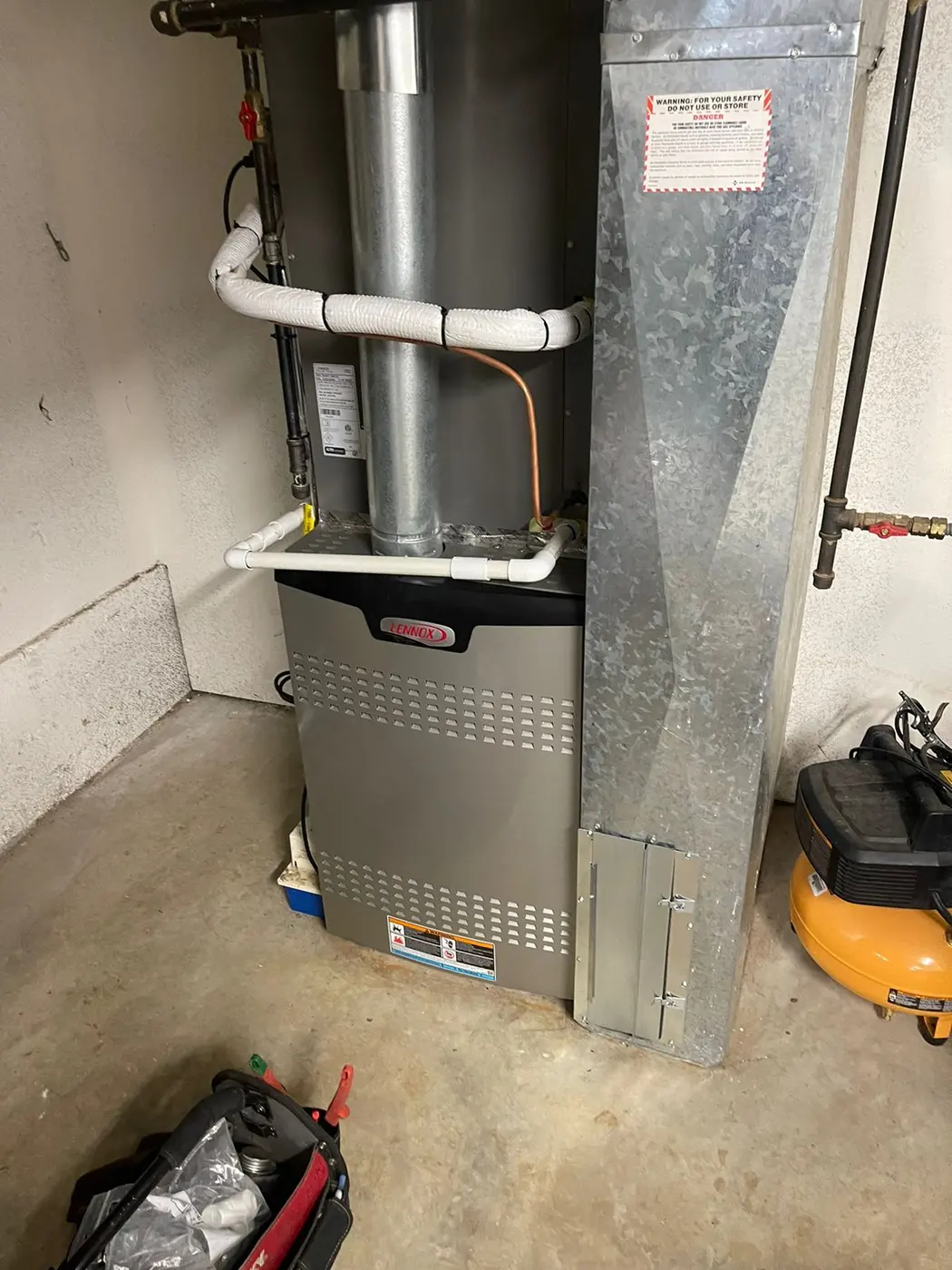
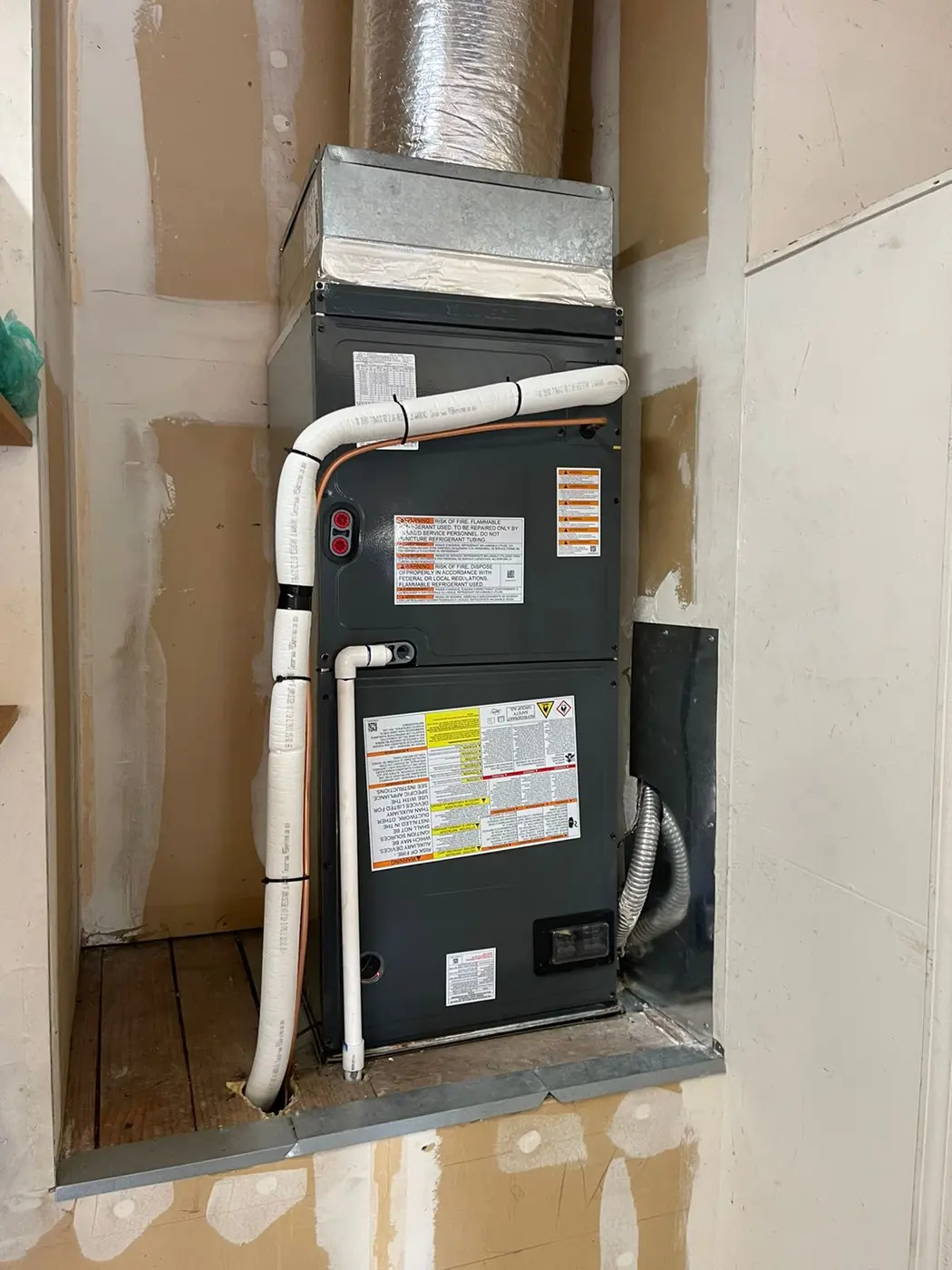
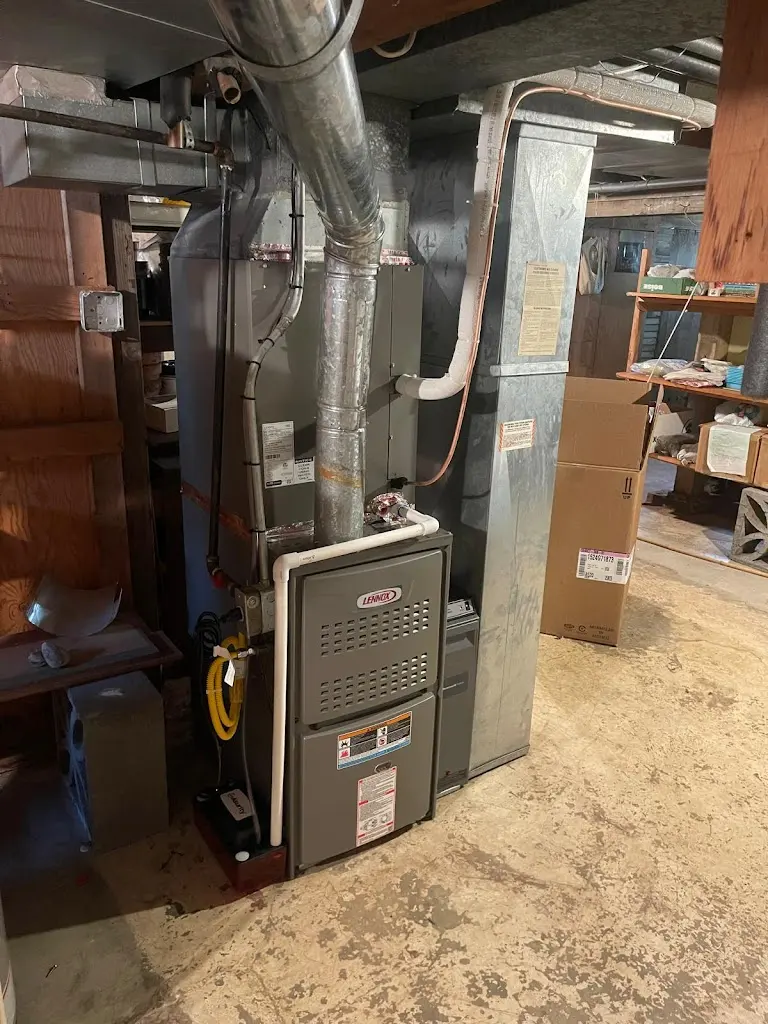
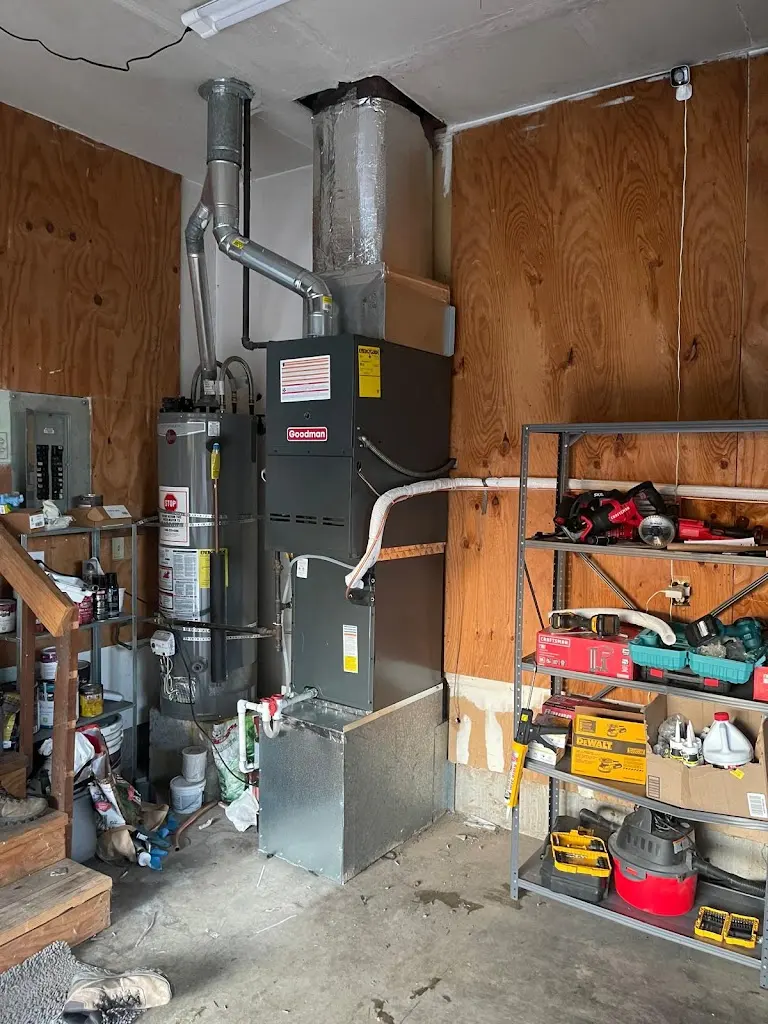
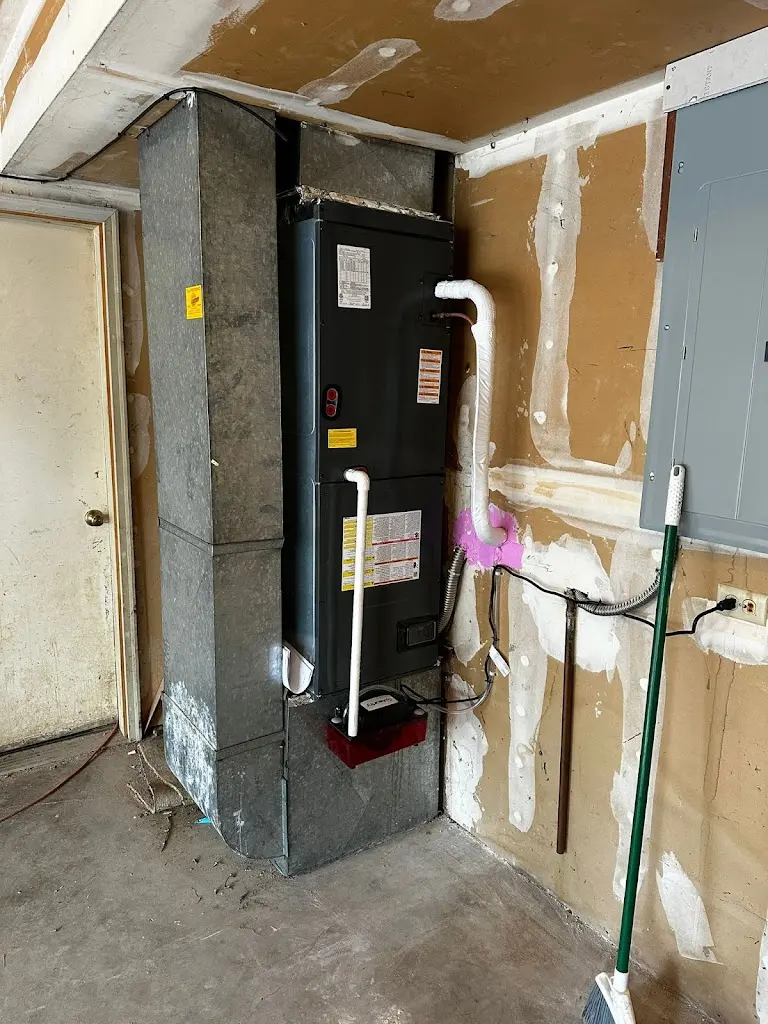
Our HVAC installation in Sherwood service covers a broader change involving other equipment. Include that scope if a separate main system also needs a defined role. Keep its controls and room coverage distinct from the ductless heads. One unclear setup should not make every nearby unit part of the same project.
Replace Missing History With a Clear Final Record
Before approval, review the proposed models, retained items and required connection work. Ask which questions remain open and how the team will settle them. Keep those conditions attached to the affected tasks. An unknown item should not become an approved retained component without review.
Confirm access to every relevant room and outdoor unit before the work date. Share the current scope with the person meeting the team. The installation should follow the agreed equipment map. A room description from an old record may no longer identify the same unit.
At handover, map each indoor unit to its normal control and outdoor equipment. Review the modes you will use and completed operating checks. Keep the final models and work record together. Later service can then start with the installed setup instead of another search for missing history.
Frequently Asked Questions
Can I request an estimate without knowing the equipment age?
Yes. Share reliable records where you have them and mark the remaining history as unknown. The current equipment and project needs guide the review. A guessed date does not make the proposal more accurate.
Do matching indoor cabinets prove that all heads share one outdoor unit?
No. The actual models and connections establish that relationship. Describe the visible units and rooms without tracing hidden lines. The site review should confirm the equipment groups relevant to the project.
Does a missing control mean the indoor unit needs replacement?
It identifies an operating or equipment-information question, not a confirmed failure. Explain which control is missing and what you know about the head. Keep any needed diagnosis separate from the replacement plan.