Attic HVAC installation planning for St. Helens, OR
St. Helens, OR attic HVAC installation should be based on the actual attic, access path, equipment condition and comfort issues inside the home. The free estimator visit is where attic conditions are checked before a system is selected.
The team reviews attic access, service clearance, drain protection, duct transitions, return air, controls, electrical work and equipment compatibility, then explains which option solves the immediate attic system issue and what should be planned for long-term comfort. The goal is a proposal that matches the home instead of treating the attic system like a simple box replacement.
Why the attic HVAC request should be specific
A vague attic HVAC request can hide the real project. St. Helens, OR attic HVAC installation should be based on the actual attic, access path, equipment condition and comfort issues inside the home. The estimate should make access, drain protection, platform needs, duct transitions and equipment compatibility visible before the homeowner chooses a system.
That context helps the proposal explain which option solves the immediate attic system issue and what should be planned for long-term comfort and compare attic equipment replacement, full HVAC replacement, heat pump planning, airflow corrections and staged comfort upgrades without pressure.
Attic HVAC installation scenario for St. Helens, OR
St. Helens, OR attic HVAC installation should be based on the actual attic, access path, equipment condition and comfort issues inside the home. That means the estimate should look beyond equipment size and ask how the attic unit will be reached, protected, drained, connected to ducts and serviced later.
Many St. Helens, OR homeowners request attic HVAC installation when the current attic unit is old, hard to service, noisy, leaking, or no longer moving air evenly. The free estimator visit turns those conditions into a practical comparison of attic equipment replacement, full HVAC replacement, heat pump planning, airflow corrections and staged comfort upgrades.
- Review attic access, service clearance, drain protection, duct transitions, return air, controls, electrical work and equipment compatibility before the proposal is written.
- Confirm whether finished ceilings, insulation or access preparation affect the installation day.
- Use the proposal to explain which option solves the immediate attic system issue and what should be planned for long-term comfort.
How the attic HVAC path is chosen in St. Helens, OR
Because each address can change the scope, the estimate should move from a broad service request to a property-specific recommendation. The estimator should connect the attic conditions with the heating and cooling decision before equipment is selected.
- Verify attic access, service clearance, drain protection, duct transitions, return air, controls, electrical work and equipment compatibility before comparing system prices.
- Compare attic equipment replacement, full HVAC replacement, heat pump planning, airflow corrections and staged comfort upgrades side by side.
- Explain which option solves the immediate attic system issue and what should be planned for long-term comfort in the final proposal.
What the free estimator visit checks
- Current heating and cooling equipment, age, brand, size and visible installation condition.
- Ductwork, airflow, return air, thermostat setup and rooms with uneven comfort.
- Outdoor unit placement, indoor equipment access, electrical, venting and line-set conditions.
- Whether the project should include AC, furnace, heat pump, mini-split or full system replacement.
- Permit, warranty, financing and rebate details that may change the final proposal.
Access, drainage and airflow for attic HVAC in St. Helens, OR
A proper attic HVAC estimate should not stop at equipment size. It should explain how the team will reach the unit, protect the ceiling area, handle drainage, connect ducts and keep the system serviceable after installation. St. Helens, OR attic HVAC installation should be based on the actual attic, access path, equipment condition and comfort issues inside the home.
- Check whether safe attic access and working clearance are available.
- Review drain pan, condensate routing, duct transitions and return air.
- Confirm whether the attic system should be replaced alone or planned with the outdoor system.
Comfort questions to answer before attic HVAC installation
Before attic HVAC installation in St. Helens, OR, the estimate should answer the comfort questions that matter after the new system is installed. A lower price is not helpful if the rooms that bothered the homeowner still feel uneven.
- Which rooms run warm, cold, noisy or uncomfortable during seasonal peaks?
- Does the current system run too long, short cycle, or leave parts of the home behind?
- Should the proposal include airflow, zoning, thermostat or duct-related recommendations?
How options are narrowed for attic HVAC installation
After the attic review, the choices should narrow into a few realistic paths. The estimator should show what is required, what is optional, and how each option affects service access and comfort in St. Helens, OR.
That comparison should include attic equipment replacement, full HVAC replacement, heat pump planning, airflow corrections and staged comfort upgrades. It should also make clear whether the project is a direct attic replacement, a staged HVAC plan or a full heating and cooling upgrade.
What can affect the final attic HVAC installation price
A real installation price depends on the actual home. The free estimator visit helps confirm the installation details before the project is approved, especially when access, electrical work, line-set routing, permits or equipment compatibility could change the final scope.
- Equipment size, efficiency level and brand.
- Indoor equipment compatibility and whether a furnace, air handler or coil should be changed at the same time.
- Outdoor placement, line sets, electrical work, venting, permits and access conditions.
- Ductwork, airflow, thermostat setup, zoning and room-by-room comfort concerns.
- Warranty, financing, rebate questions and the installation timeline the homeowner needs.
Why local installation planning matters
A good St. Helens, OR estimate should connect equipment choice to comfort goals, access and project timing. A local estimate should account for how the home is built, where equipment is located, how rooms are used and what the homeowner wants to improve. That is especially important for projects involving additions, finished spaces, older duct layouts, tight equipment access or comfort issues that only show up during heavy seasonal use.
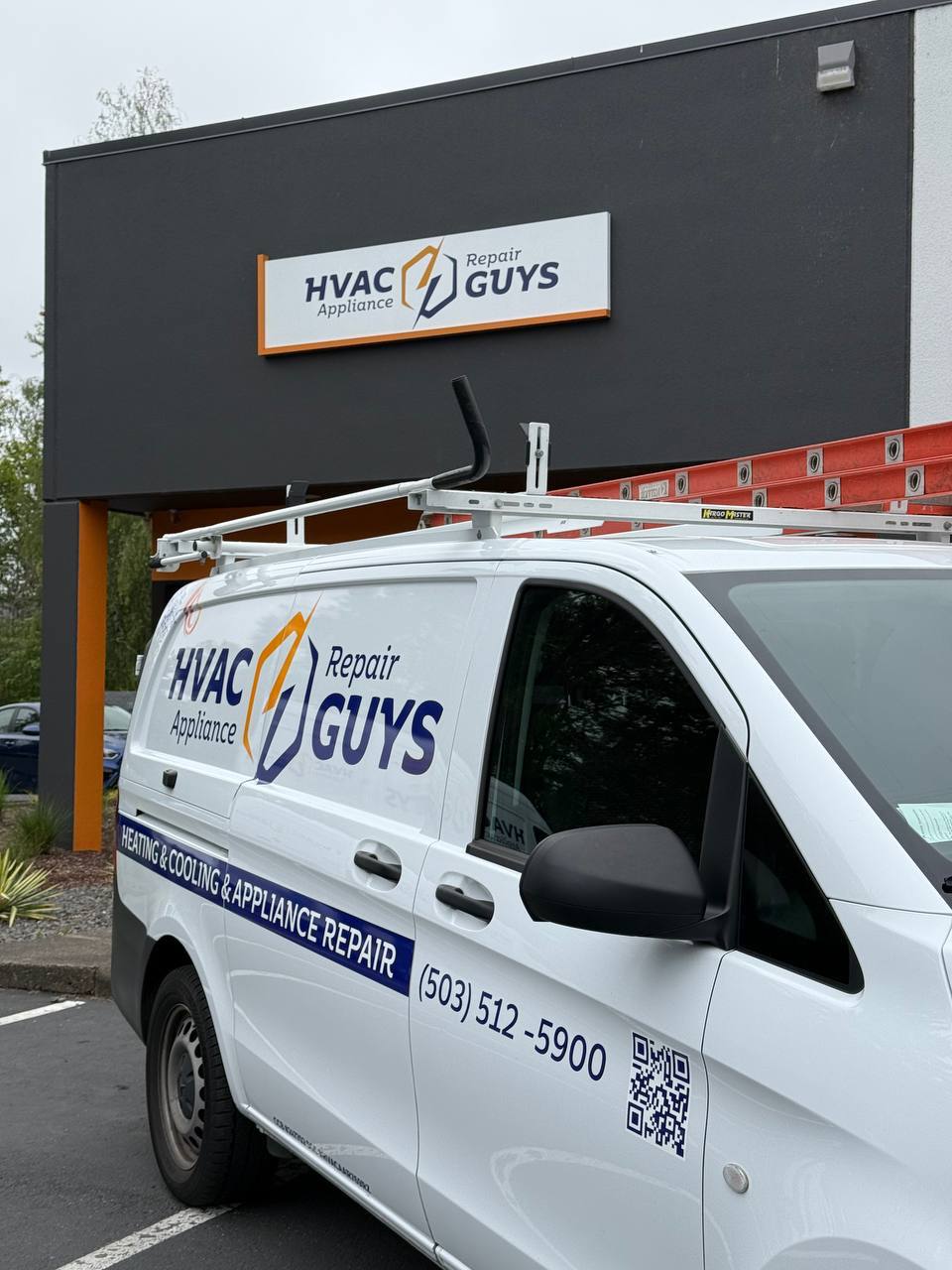
HVAC & Appliance Repair Guys works across the Portland Metro area with installation planning focused on clear communication, practical options, clean workmanship and a written next step before the project moves forward. For attic HVAC installation in St. Helens, OR, the estimate should make the decision easier, not more confusing.
St. Helens attic HVAC planning for older access and Columbia County homes
St. Helens attic HVAC installation should review attic entry, older framing, insulation, duct routing, service clearance and whether the project is a clean replacement or a larger comfort correction.
The free estimator visit should verify condensate routing, venting or electrical readiness, equipment platform needs and how the attic layout affects future maintenance.
For homes outside the Portland core, access and staging can matter as much as model selection, especially when attic work requires careful preparation.
A strong proposal should compare practical attic HVAC options with required access, serviceability and installed scope separated clearly.
- Review attic entry, framing, insulation, duct route and service clearance.
- Confirm condensate, venting or electrical path and equipment platform needs.
- Compare attic-ready HVAC options around access, comfort and maintenance.
- Keep required preparation separate from optional equipment upgrades.
St. Helens installation planning notes
For attic HVAC installation in St. Helens, OR, the useful estimate is the one that checks the current setup, equipment access, comfort concerns and project timing before a system is selected. That local review helps prevent a generic recommendation from turning into a surprise scope change later.
- Confirm equipment age, access, duct condition, electrical or venting needs and the comfort goal.
- Compare practical options so the homeowner can choose the right balance of cost and performance.
- Use the proposal to explain what is included, what could change and what happens next.
Attic HVAC Installation estimate focus for St. Helens
For attic HVAC installation in St. Helens, the estimate should turn a broad service search into a specific plan for the home. The useful details are equipment age, access, room comfort, project timing and the type of proposal the homeowner wants to compare.
- Confirm the current equipment setup and what the homeowner wants the new system to solve.
- Review access, compatibility, comfort concerns and any project preparation before quoting.
- Compare options in a way that separates required scope from optional upgrades.
- The estimate should decide whether partial replacement or full system replacement is the better value.
- Heating, cooling, ductwork and controls should be reviewed as one comfort plan.
Attic HVAC Installation estimate notes for St. Helens, OR
St. Helens projects often involve older equipment, larger properties, access planning and Columbia River corridor scheduling details that should be clear before work moves forward. HVAC estimates should also confirm whether heating and cooling should be planned together, staged separately or narrowed to one immediate system.
- Confirm equipment access, outdoor placement and whether line routing or duct changes are likely.
- Review comfort needs in additions, garages, upper rooms or larger living areas.
- Compare options that fit timing, budget and the long-term plan for the home.
- Attic work should include access, platform, drain routing, insulation impact, service clearance and summer heat exposure.
Related installation pages
- HVAC Installation – review full heating and cooling installation paths.
- AC Installation – compare central AC installation options.
- Furnace Installation – review furnace replacement options.
- Heat Pump Installation – compare heat pump system options.
Attic HVAC Installation questions
Is the estimator visit free?
Yes. The estimator visit is free for attic HVAC installation projects in the Portland Metro service area. It helps confirm equipment size, access, scope and options before a proposal is prepared.
Can I get more than one option?
Yes. We can compare practical options so you can choose the balance of price, efficiency, warranty, quiet operation and comfort that fits the home.
What can change the attic HVAC installation price?
The final price can change with equipment size, efficiency, access, electrical or venting work, line sets, duct changes, permits and whether the heating and cooling system is part of a larger heating and cooling upgrade.
When should I call instead of using the form?
(503) 512-5900 is best when timing is urgent. Use the form when you can send details and prefer a follow-up to schedule the free estimator visit.