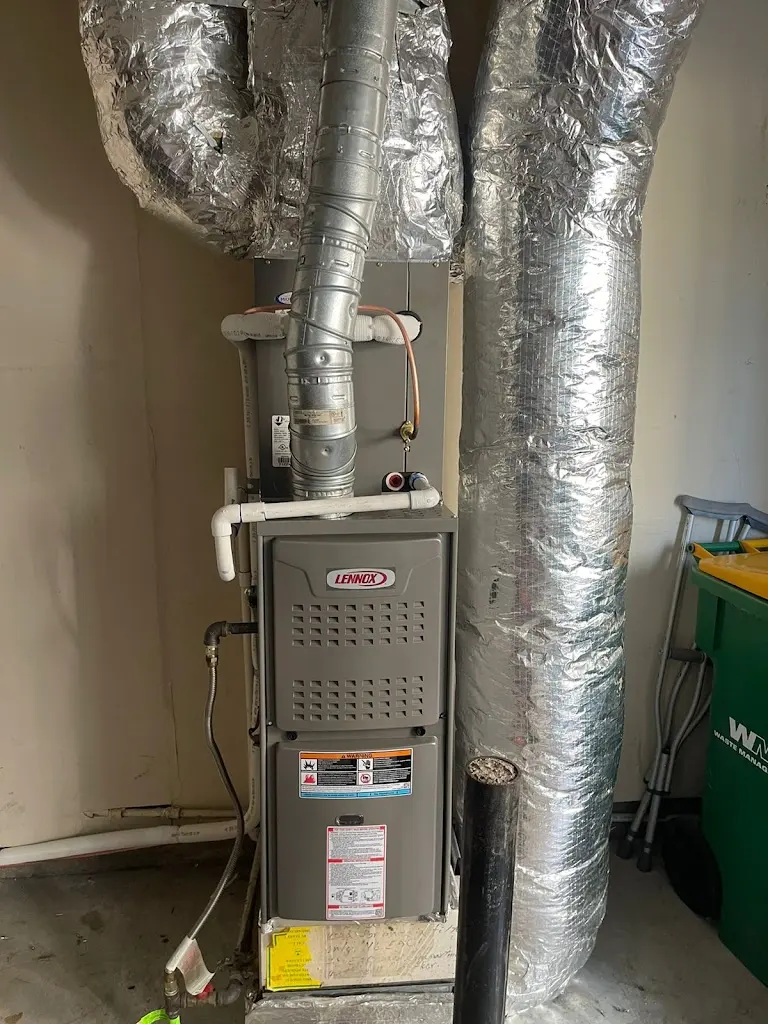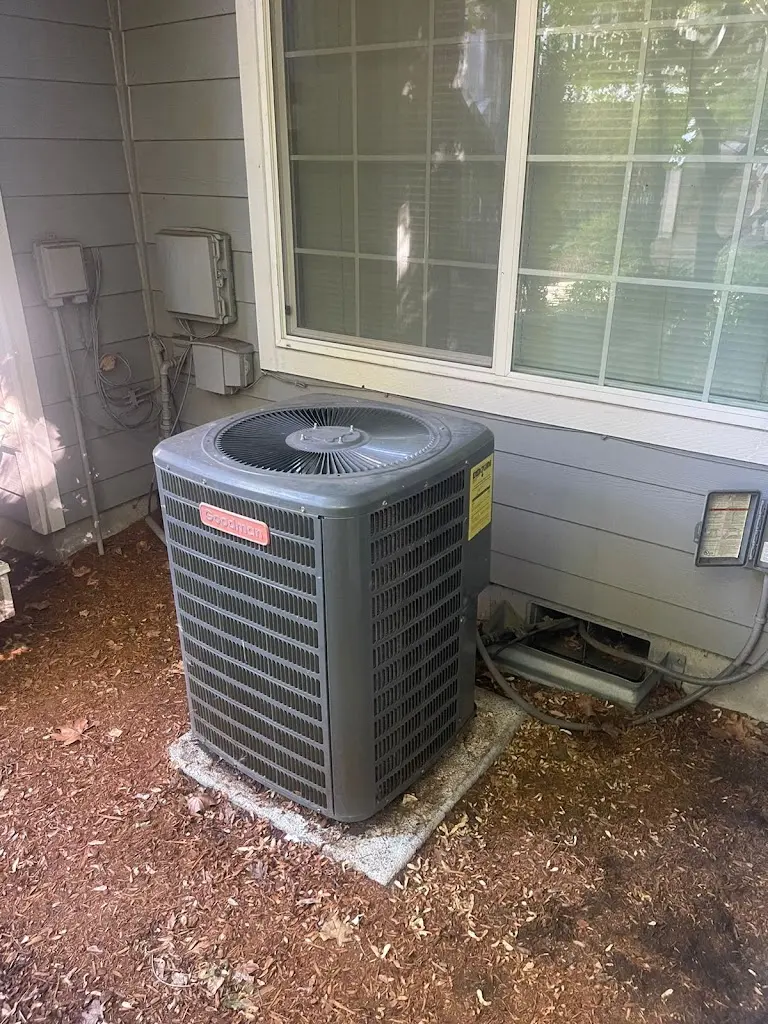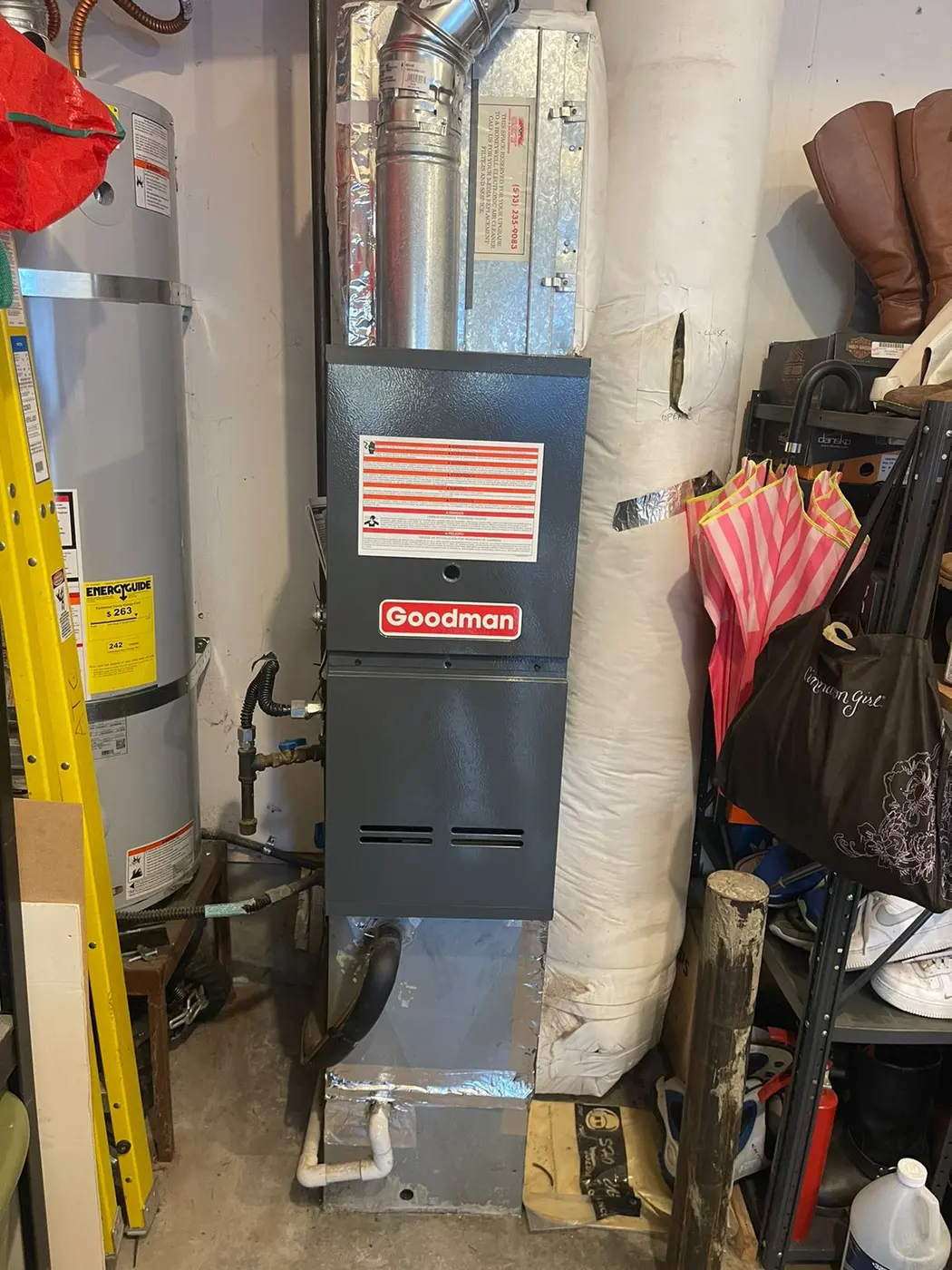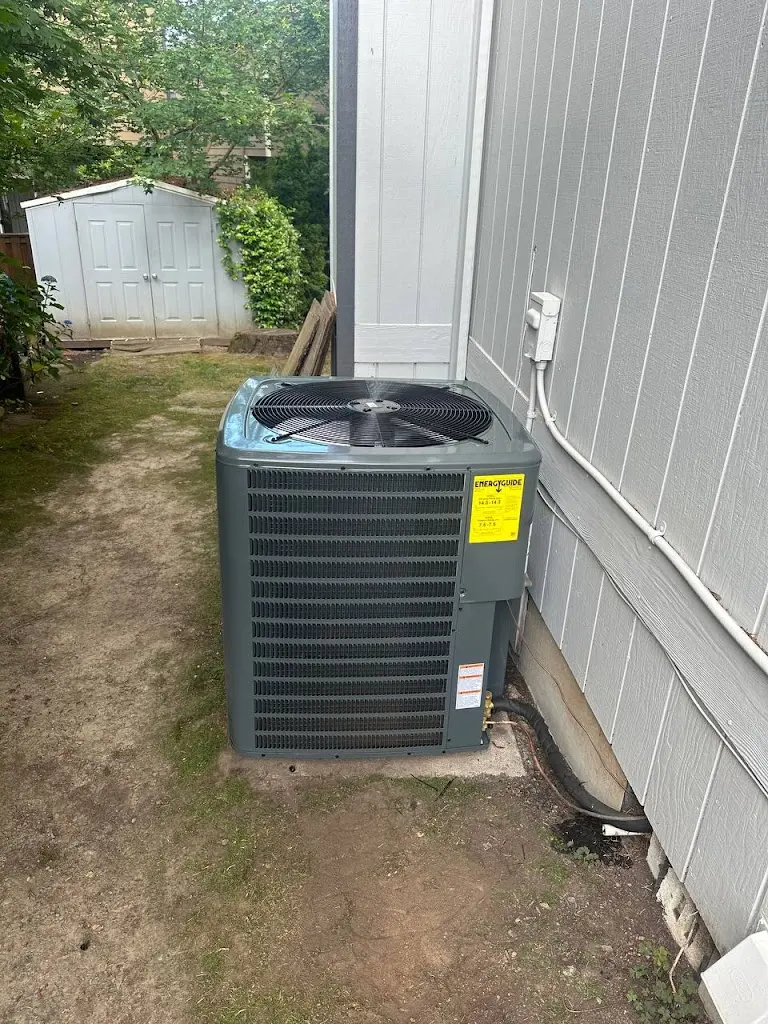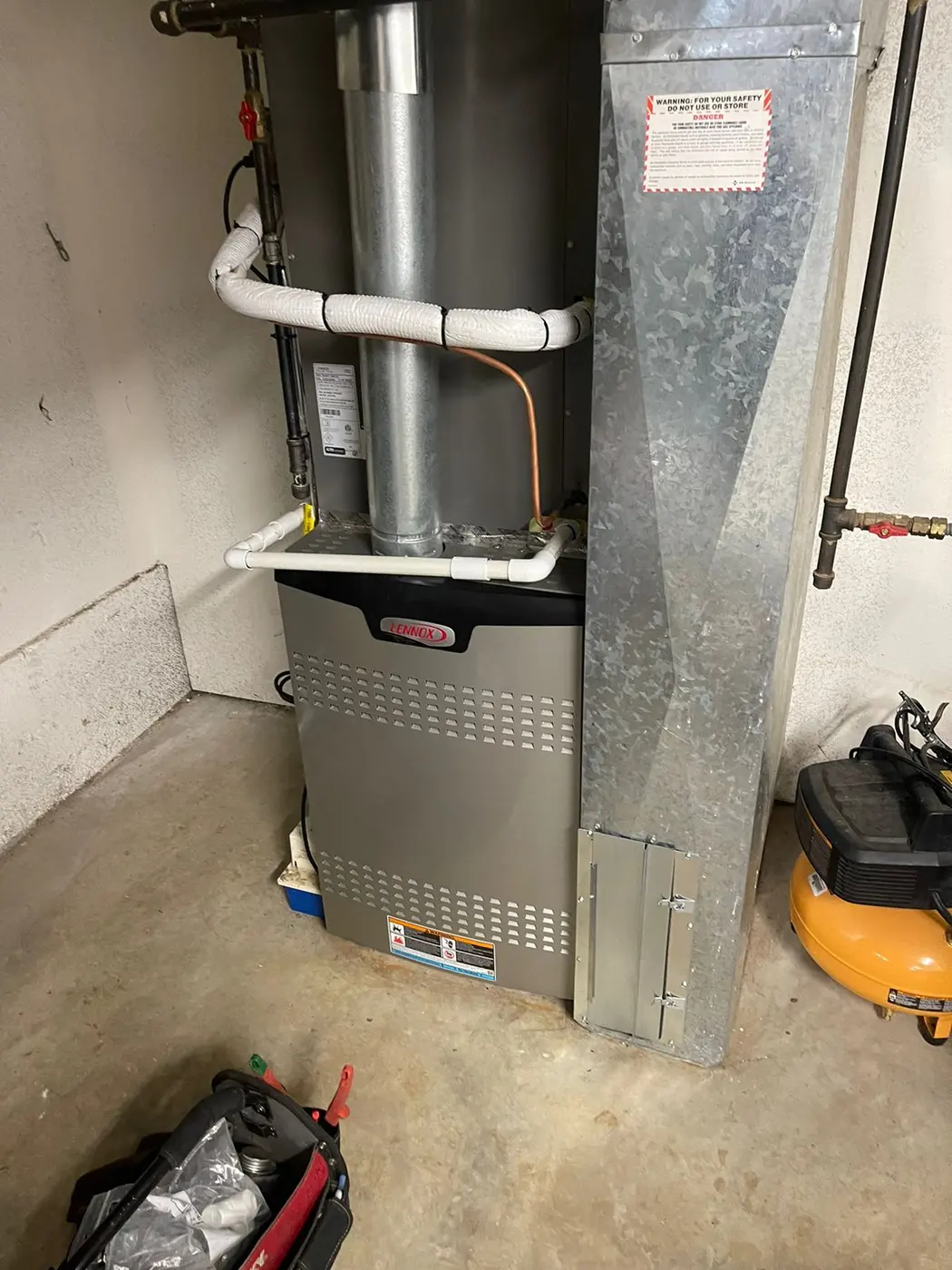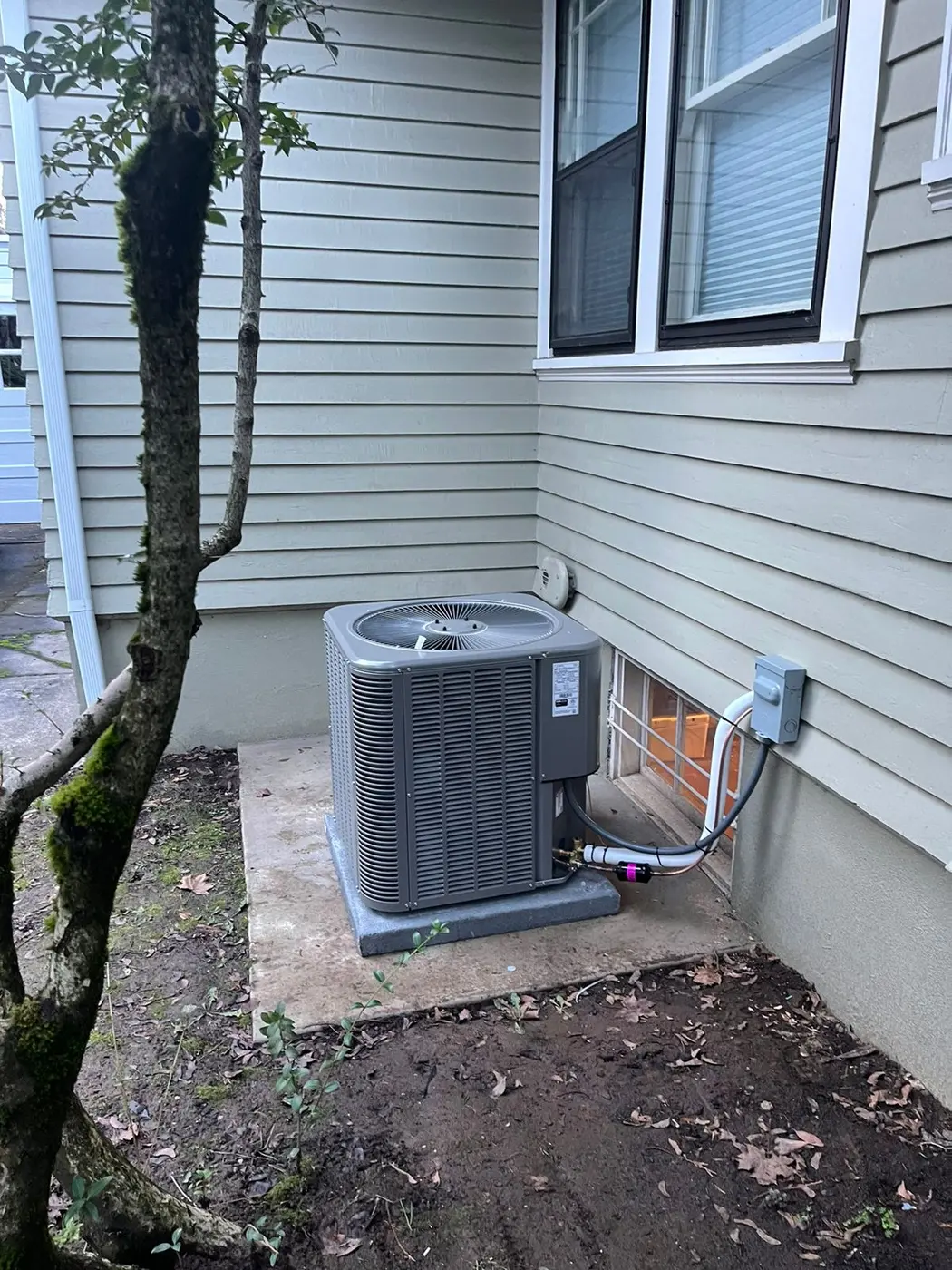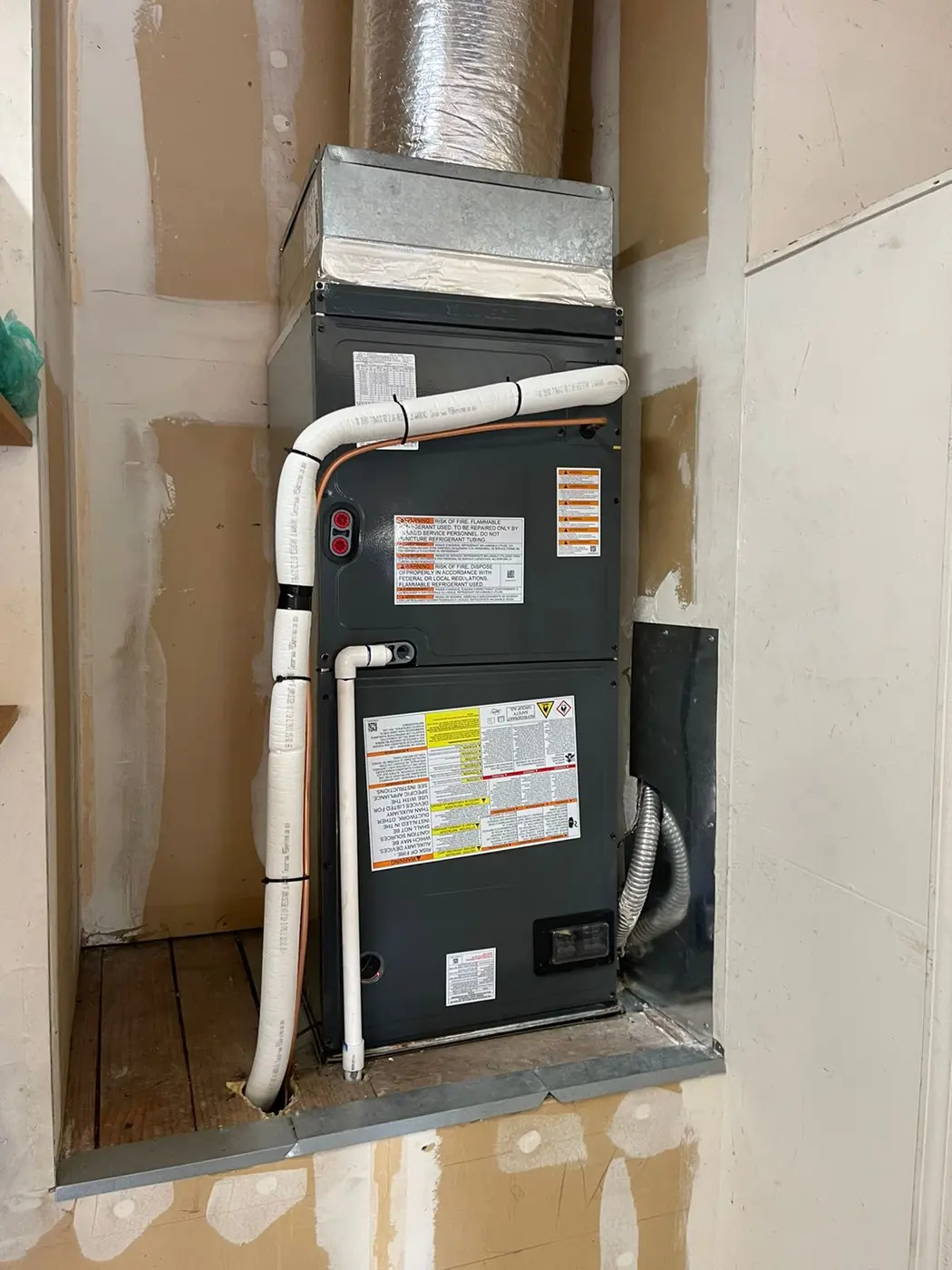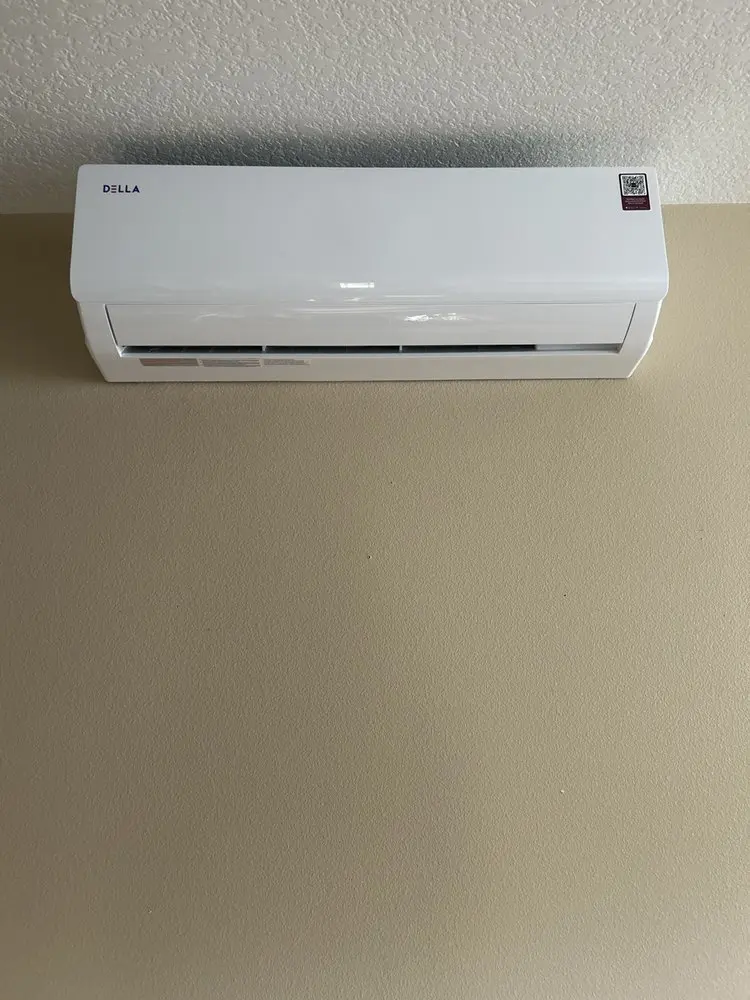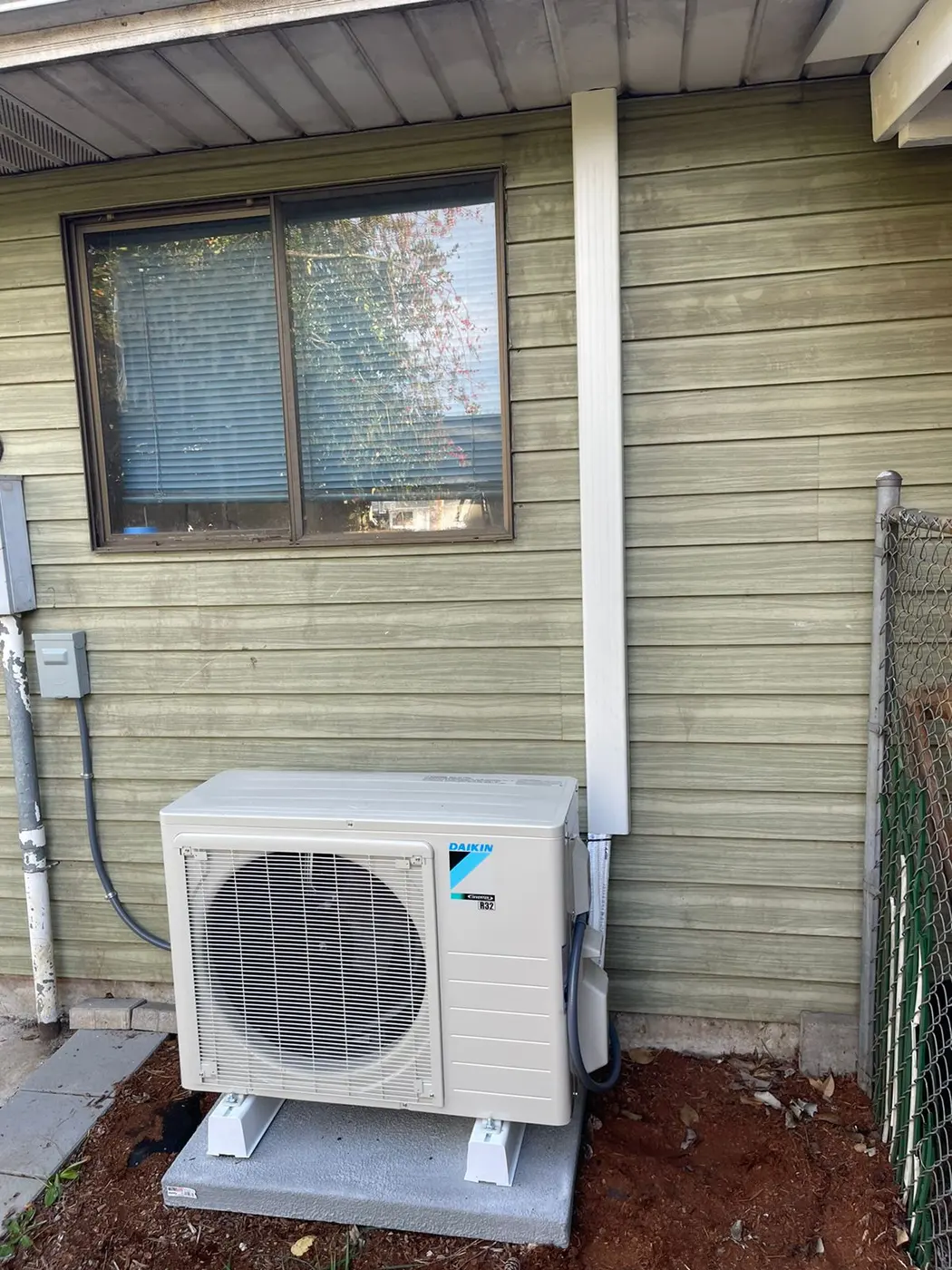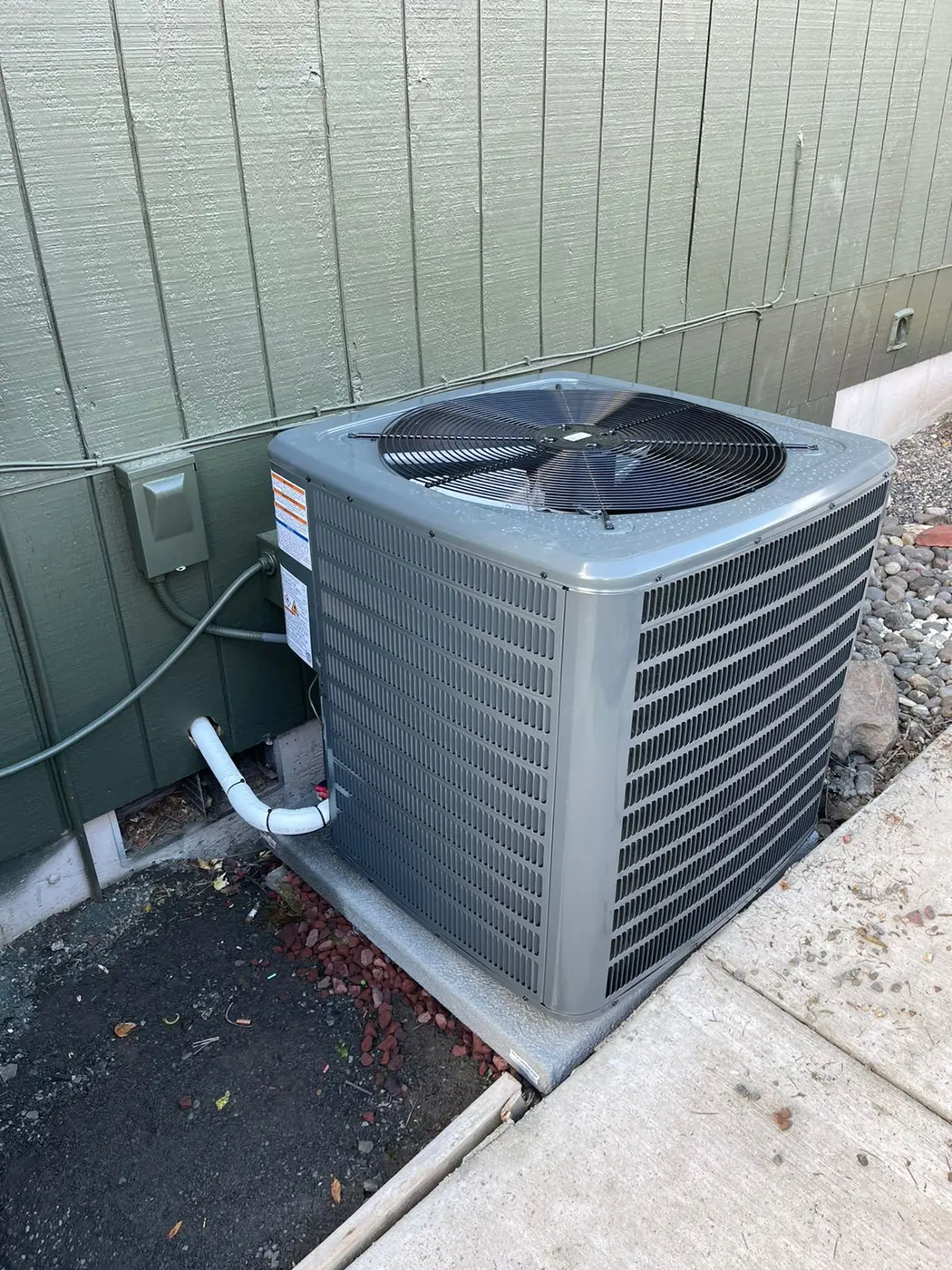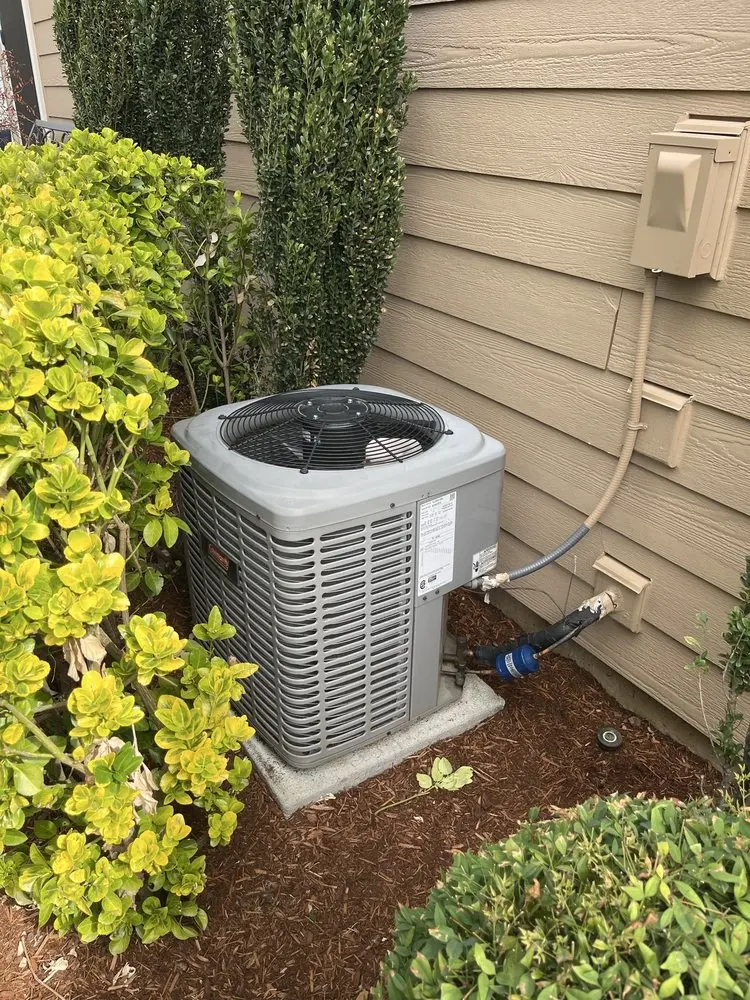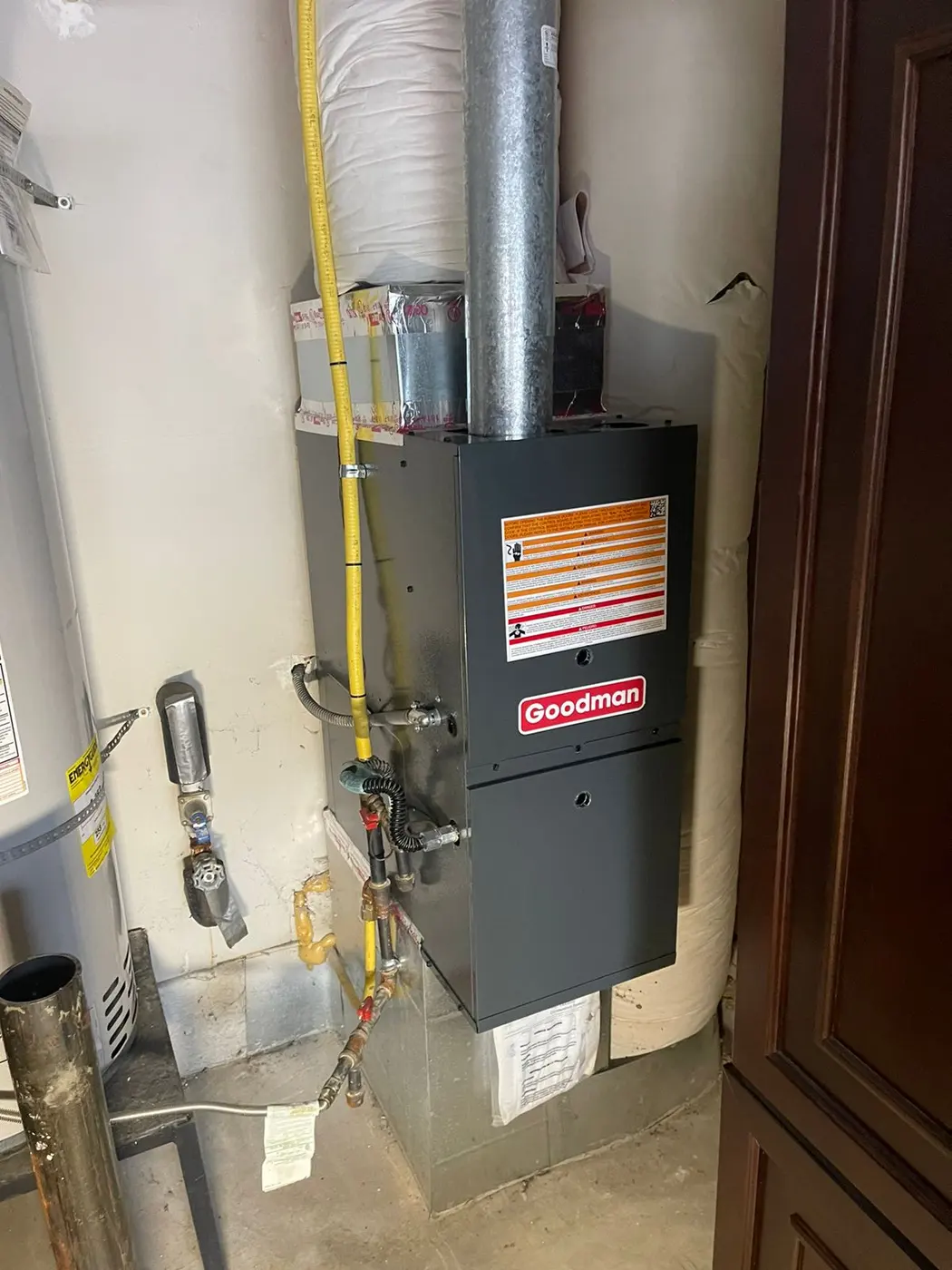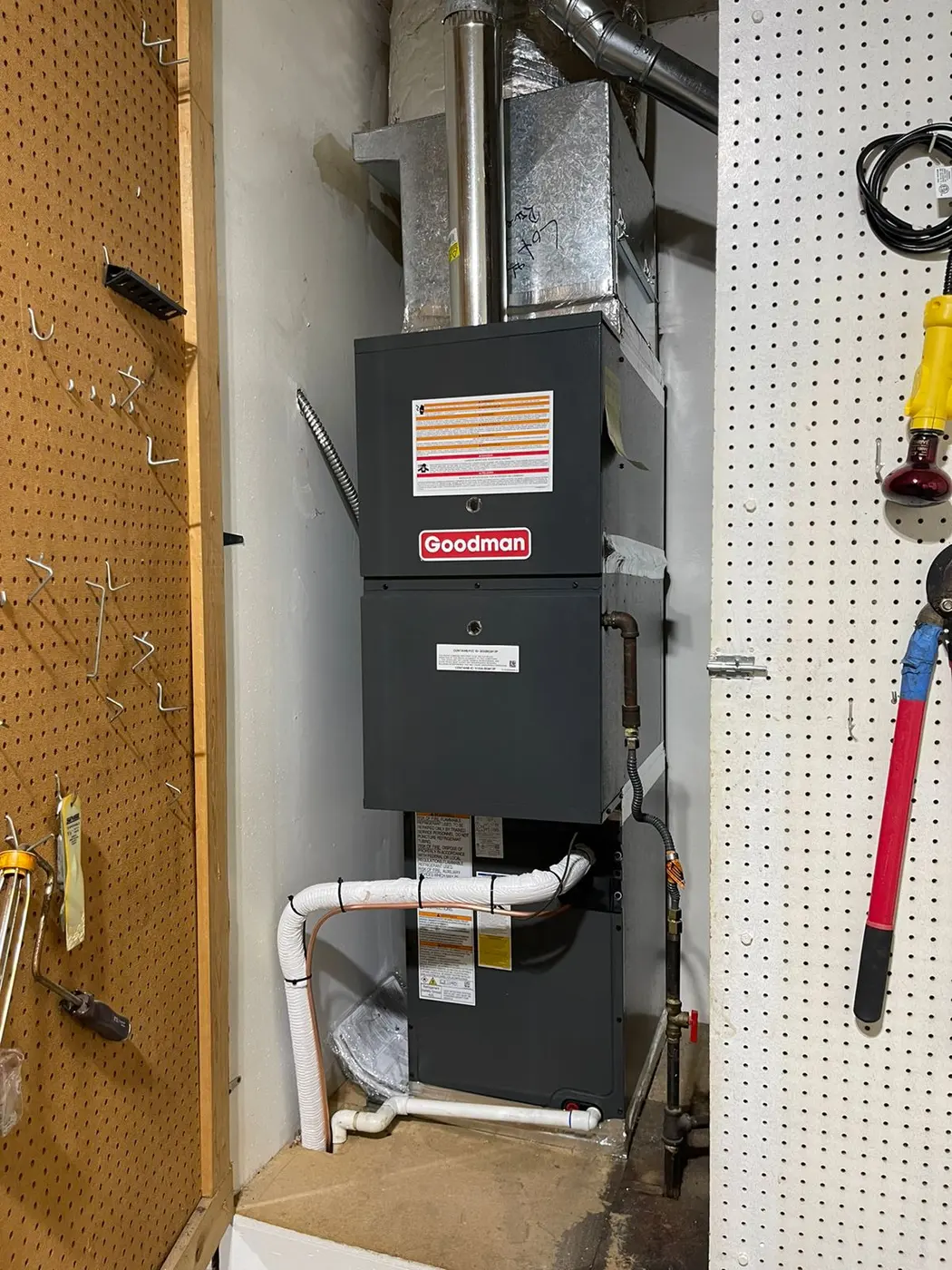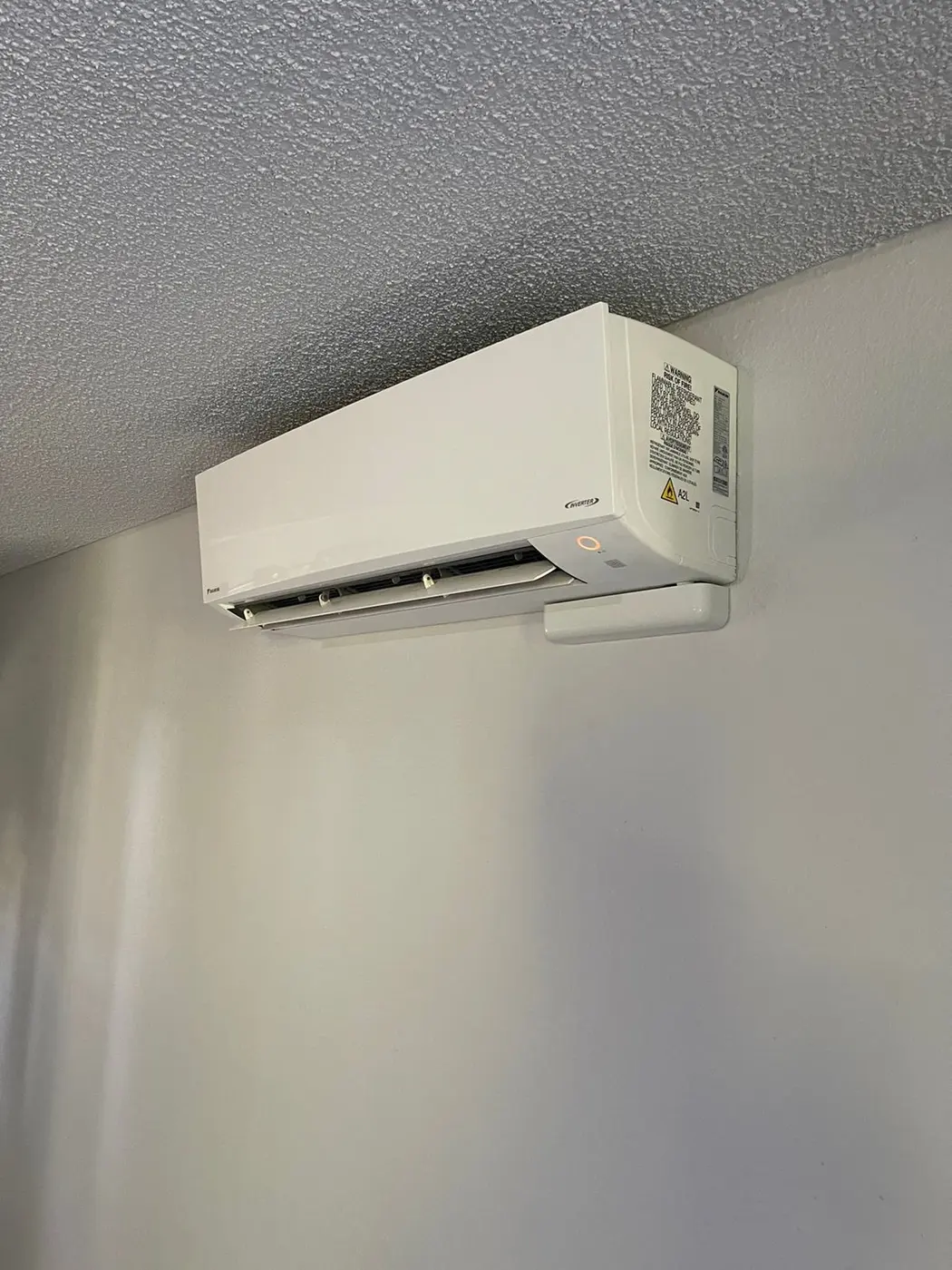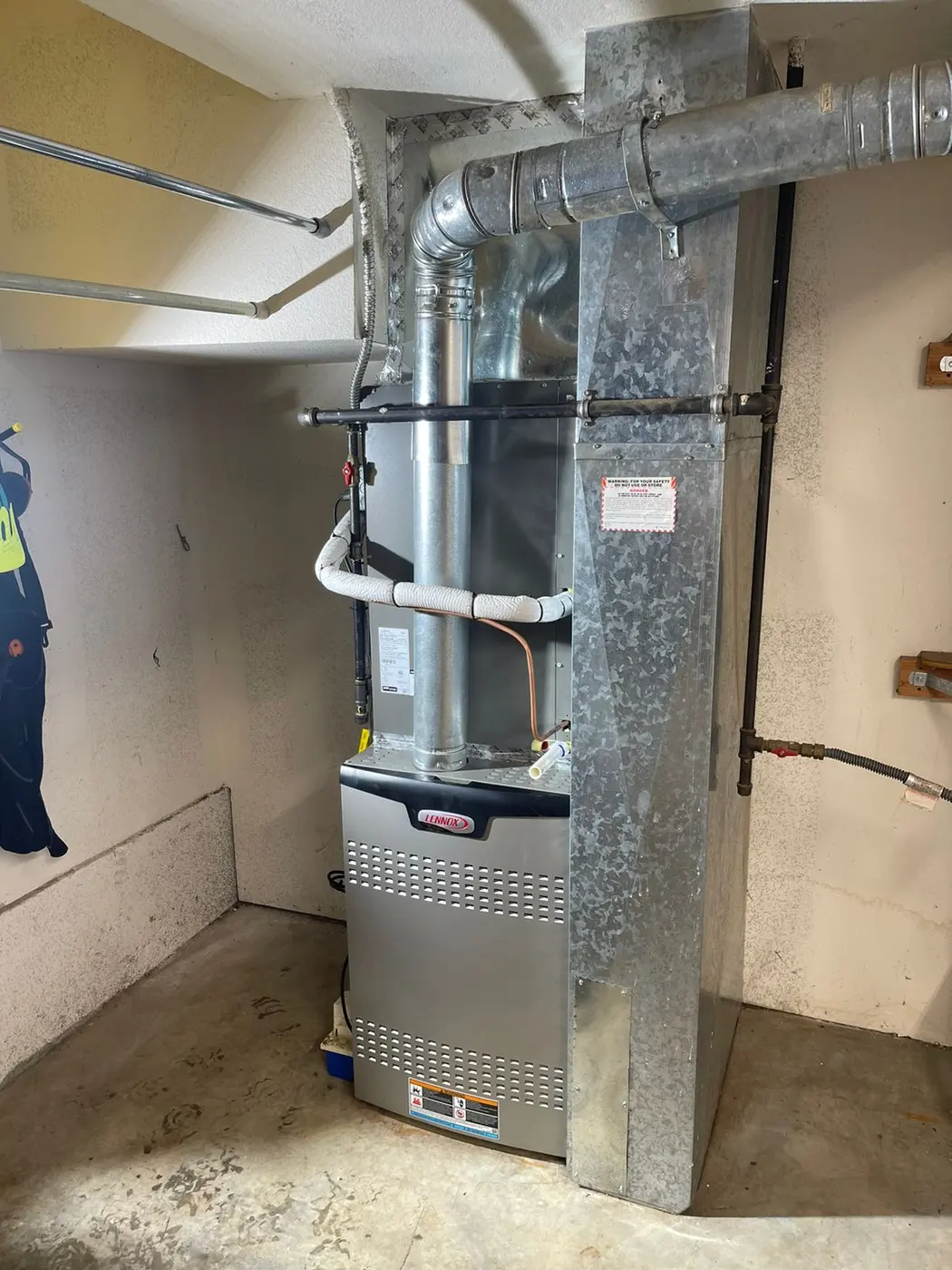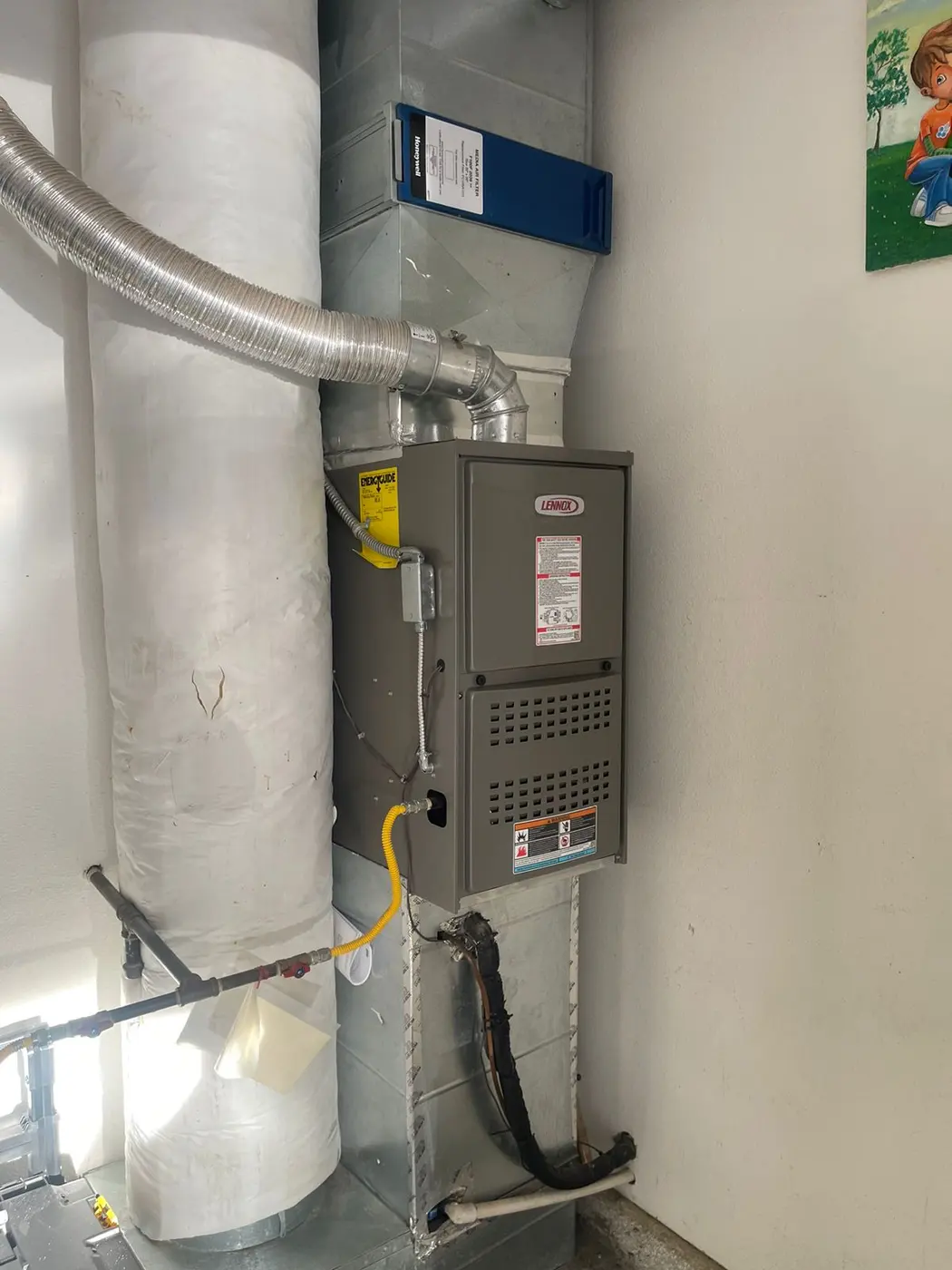
Free heating estimate for St. Helens, OR
Heating installation in St. Helens, OR should start with the system the home can actually support. St. Helens, OR heating installation should be planned around the actual home, current system, access and winter comfort concerns.
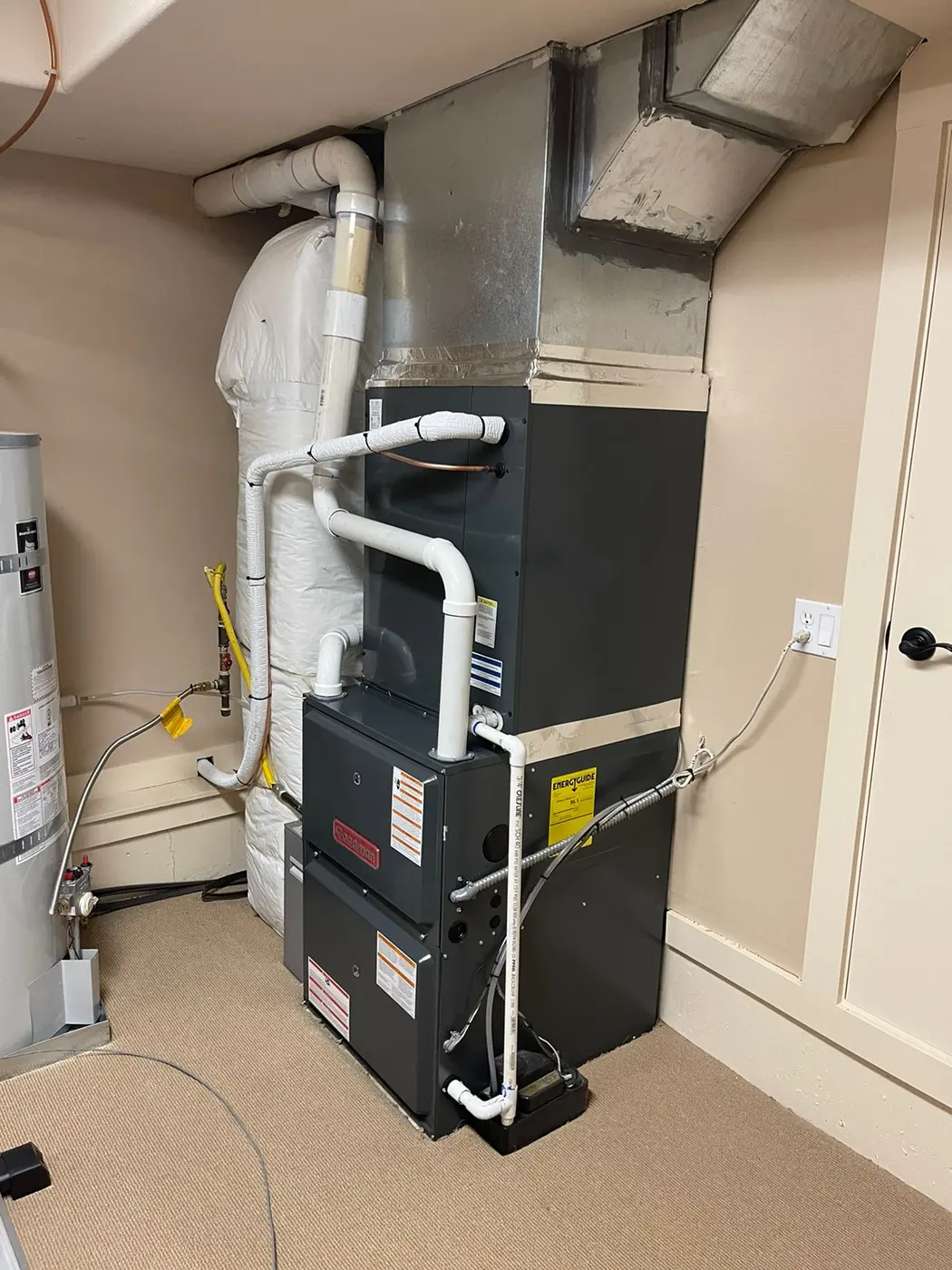
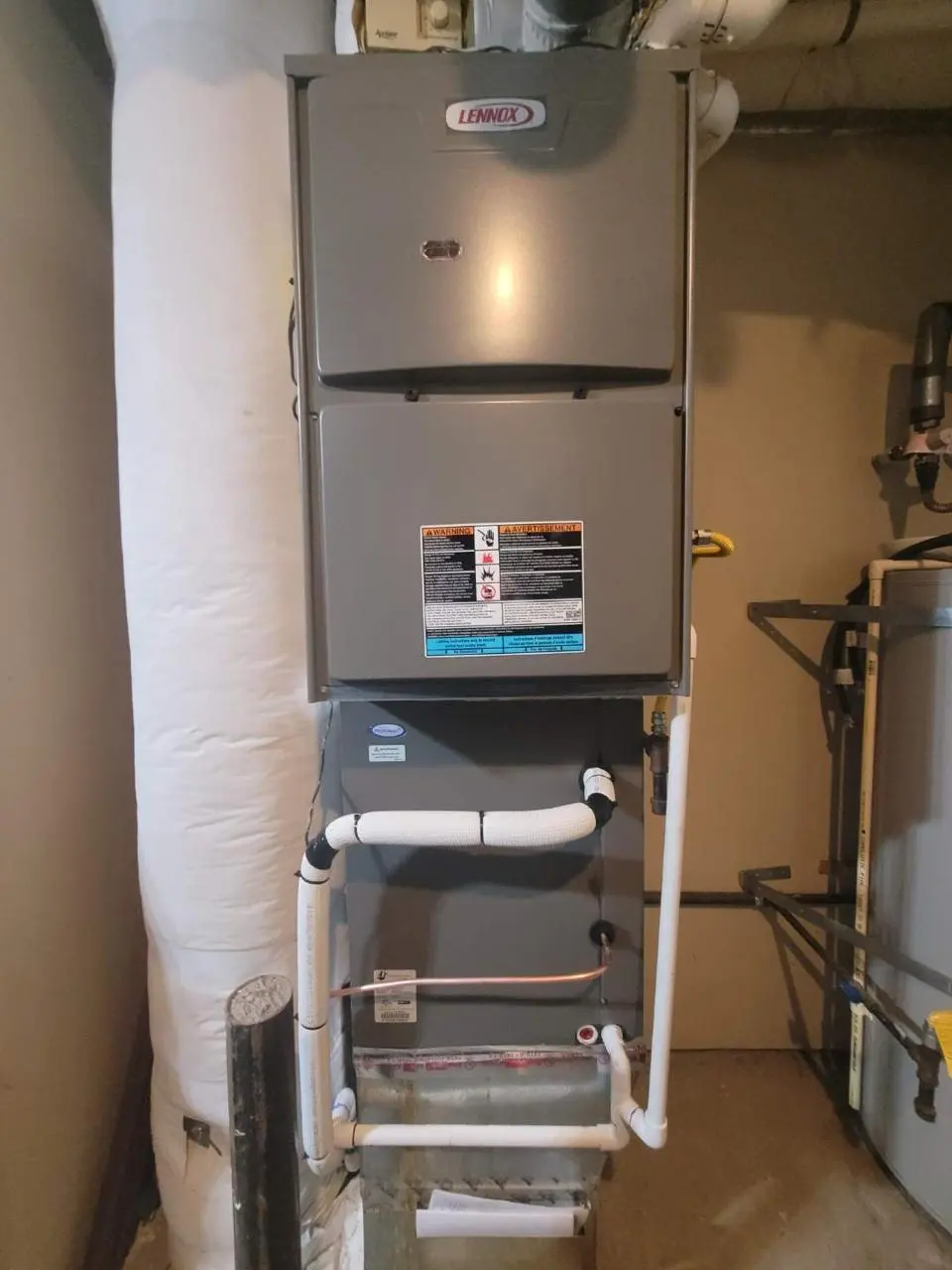
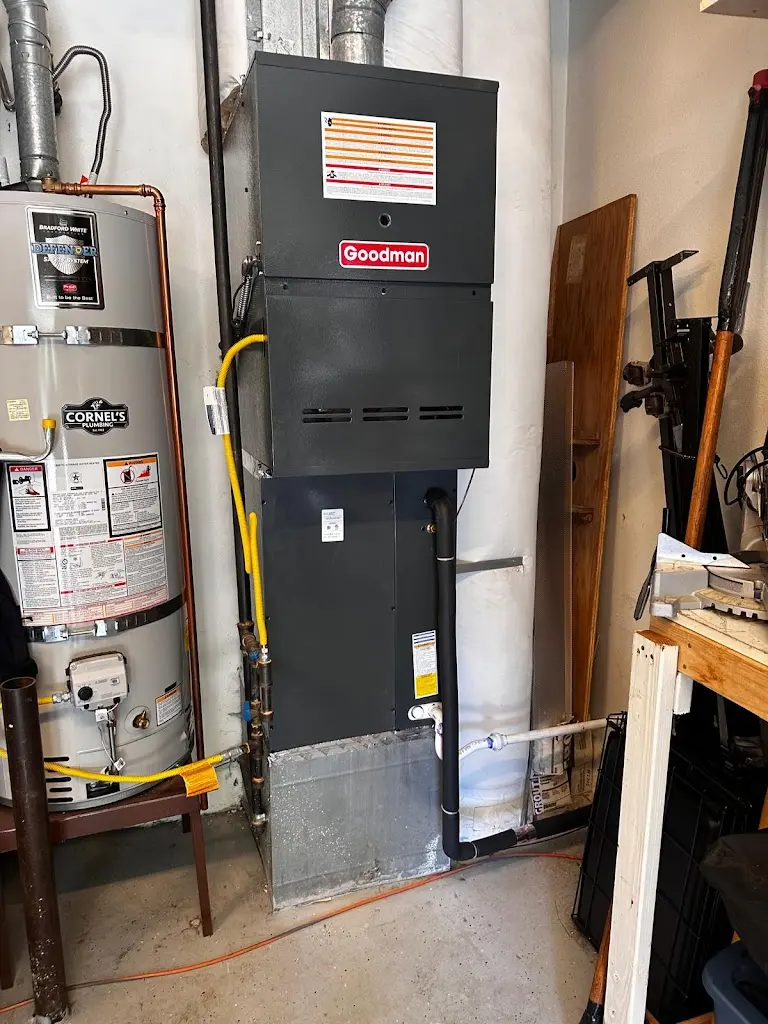
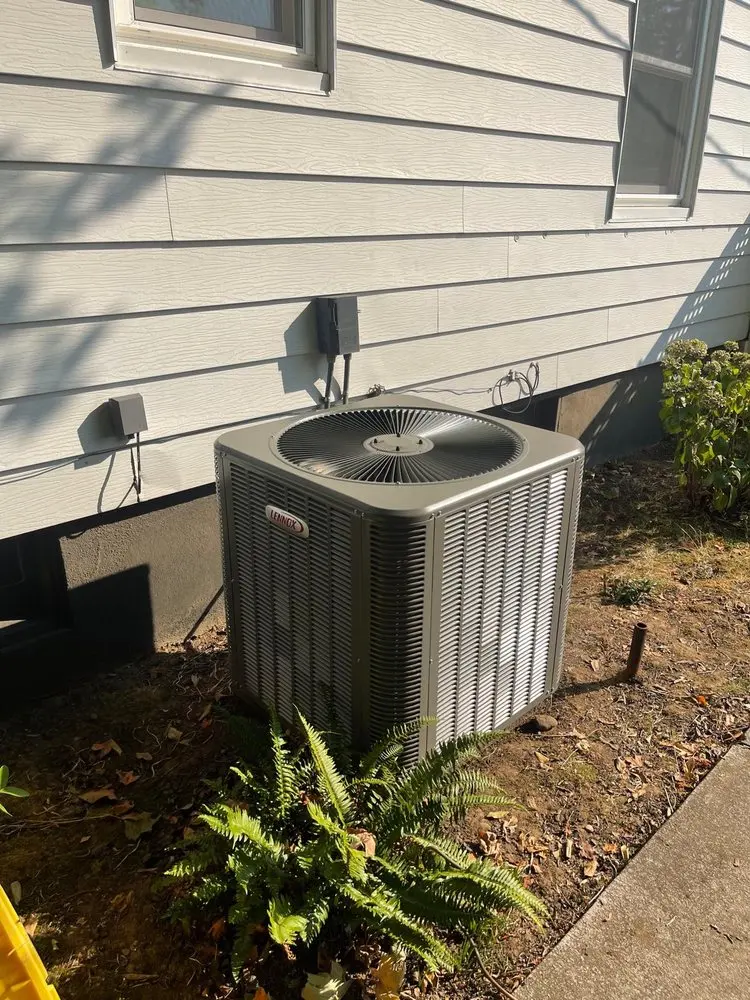
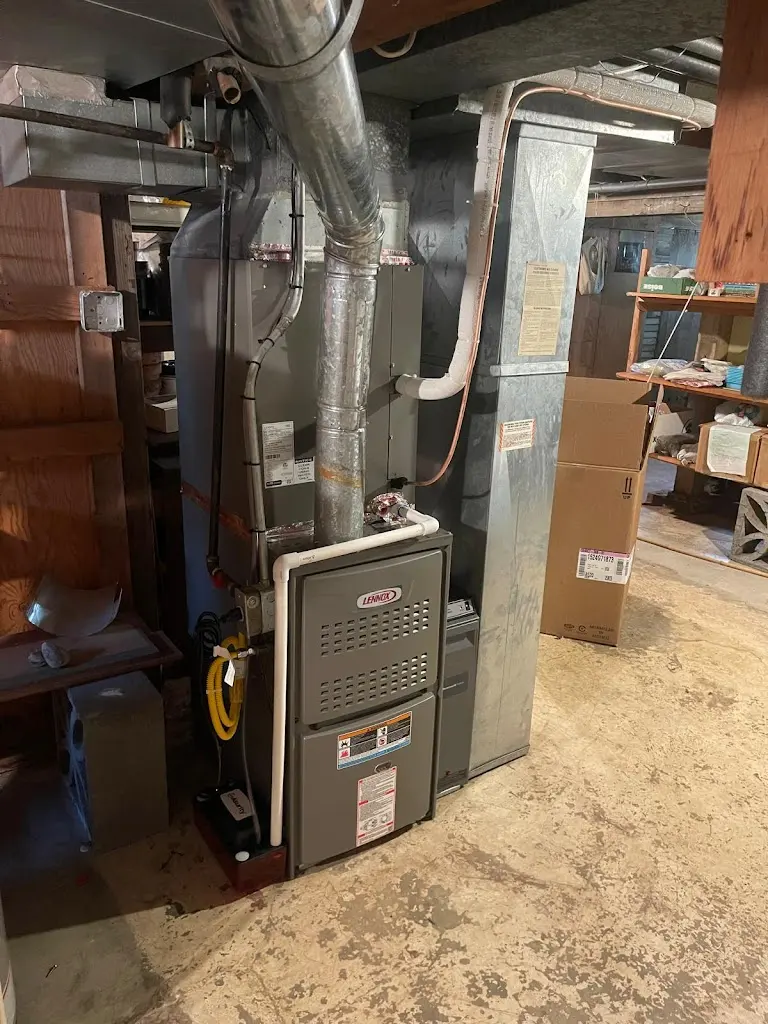
During the free estimator visit, the team checks equipment age, duct performance, fuel source, access, controls and room-by-room comfort. From there, the homeowner can compare furnace replacement, heat pump options, efficiency upgrades and staged comfort planning without pressure.
What starts a heating estimate in St. Helens, OR
Many St. Helens, OR homeowners request heating installation after repeated repairs, uneven heat, rising utility costs or concerns about reliability. The request is strongest when it explains whether the home needs a direct furnace replacement, a heat pump comparison, a dual-fuel option or a broader heating and cooling plan.
Helpful details include equipment age, duct performance, fuel source, access, controls and room-by-room comfort. Those details let the estimator prepare real options for St. Helens, OR instead of treating every heating request the same.
Furnace, heat pump or dual fuel for St. Helens, OR
Because each address can change the scope, the estimate should move from a broad service request to a property-specific recommendation. The right heating installation is the one that fits the home’s fuel source, ductwork, electrical capacity, winter comfort expectations and future cooling plan.
- Decide whether a gas furnace remains the simplest reliable path.
- Check whether a heat pump option fits the home and comfort goals.
- Compare dual fuel when backup heat and efficiency both matter.
What the free estimator visit checks
- Current heating equipment type, age, fuel source, efficiency rating and visible condition.
- Whether the best path is furnace replacement, heat pump installation or a broader heating and cooling upgrade.
- Ductwork, return air, thermostat setup, room-by-room comfort and airflow concerns.
- Venting, combustion air, electrical access, gas piping or backup heat details that may affect the scope.
- Permit, warranty, financing and rebate questions that should be reviewed before the proposal.
Heating-system choices for heating installation
Heating installation pages should compare the available paths before equipment is selected. For heating installation in St. Helens, OR, the estimator can review whether a gas furnace, electric heat pump, dual-fuel system or full heating and cooling replacement makes the most practical sense.
- Confirm fuel source, electrical capacity, duct condition and winter comfort expectations.
- Compare furnace, heat pump or dual-fuel options when the home can support more than one path.
- Explain comfort, warranty, efficiency and project scope differences before the homeowner decides.
What the proposal should make clear
For heating installation in St. Helens, OR, the proposal should be easy to compare. Homeowners should be able to see what equipment is included, what labor is included, what warranty applies and what project details could change before approval.
- Equipment type, size range, efficiency level and major included components.
- Labor scope, access assumptions, permit notes and project timeline.
- Warranty, financing, rebate review and the next scheduling step.
What a clear heating proposal should include
A clear heating proposal should show equipment, included labor, warranty, estimated timeline, financing or rebate discussion, and the verified details that affect scope in St. Helens, OR.
For this page, the key decision is which option gives the clearest heating path before work is scheduled. The homeowner should be able to compare that decision before scheduling installation.
Why heating installation pricing must be confirmed at the home
The final number should be based on equipment, labor and verified scope. The free estimator visit checks the details that online pricing cannot confirm, including access, venting, combustion air, gas piping, electrical work, backup heat setup, permits or duct compatibility.
- Heating equipment type, size, efficiency level, fuel source and equipment brand.
- Whether the project should use a furnace, heat pump, dual-fuel setup or full system replacement.
- Ductwork, return air, thermostat setup, airflow and room-by-room heating comfort.
- Venting, combustion air, gas piping, electrical work, backup heat, access and permit details.
- Warranty, financing, rebate questions and the installation timeline the homeowner needs.
Local scope planning for heating installation
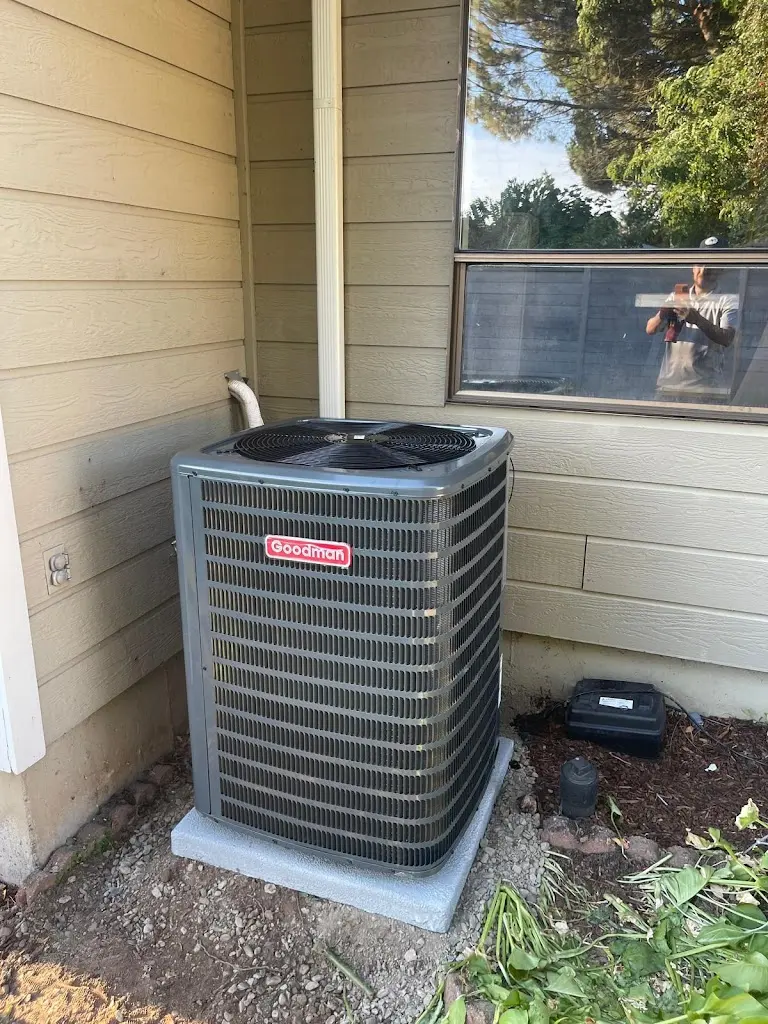
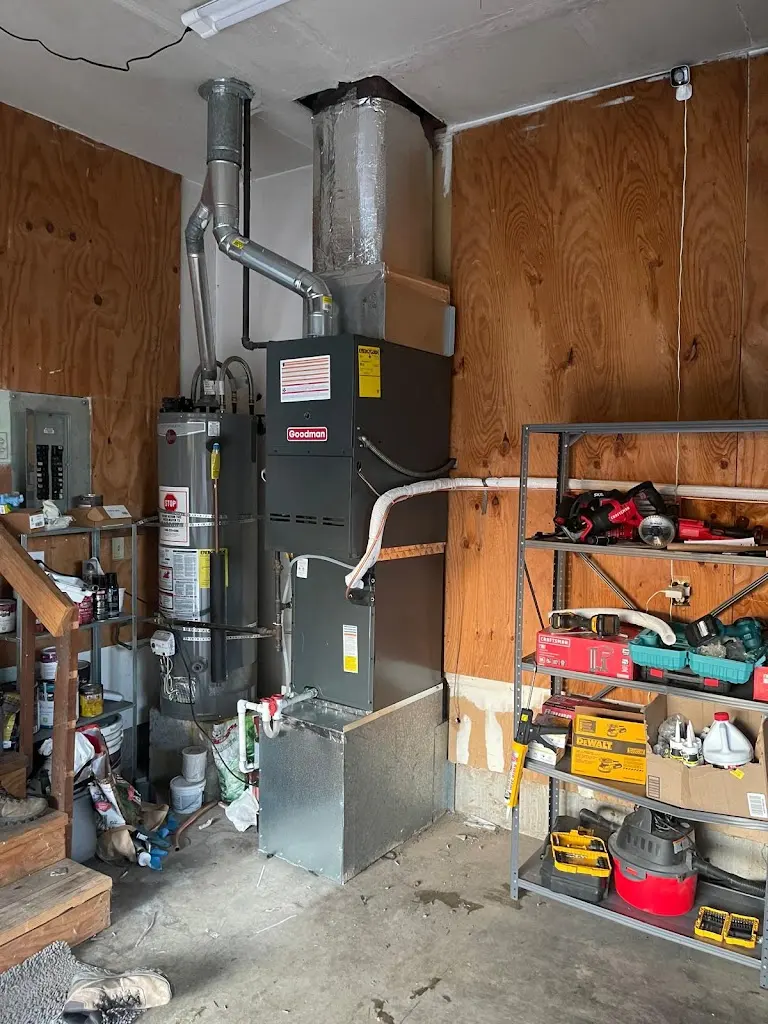
In St. Helens, OR, older heating systems, remodels, finished basements, tight mechanical spaces and changing comfort goals can all affect the installation scope. The same equipment can install differently depending on access, duct layout, outdoor placement, electrical capacity, venting, controls and finished-space protection.
A local proposal for heating installation in St. Helens, OR should explain those property details before the homeowner chooses an option. That keeps the decision focused on comfort, scope and value instead of a generic equipment quote.
The decision this heating installation page should clarify
The estimator should turn those details into a few practical options instead of forcing every request into the same equipment package.
The useful heating decision connects fuel source, backup heat, duct delivery, controls and long-term comfort expectations before equipment is chosen.
Standard installation pages should make the basic path clear while still checking access, compatibility, comfort goals and optional upgrades.
- Make the estimate specific enough that another generic heating installation quote is easy to compare against.
- Confirm which details are required for heating installation and which details are optional upgrades.
- Document the reason each option fits St. Helens, OR before equipment is selected.
St. Helens installation planning notes
For heating installation in St. Helens, OR, the useful estimate is the one that checks the current setup, equipment access, comfort concerns and project timing before a system is selected. That local review helps prevent a generic recommendation from turning into a surprise scope change later.
- Confirm equipment age, access, duct condition, electrical or venting needs and the comfort goal.
- Compare practical options so the homeowner can choose the right balance of cost and performance.
- Use the proposal to explain what is included, what could change and what happens next.
Heating Installation estimate focus for St. Helens
For heating installation in St. Helens, the estimate should turn a broad service search into a specific plan for the home. The useful details are equipment age, access, room comfort, project timing and the type of proposal the homeowner wants to compare.
- Confirm the current equipment setup and what the homeowner wants the new system to solve.
- Review access, compatibility, comfort concerns and any project preparation before quoting.
- Compare options in a way that separates required scope from optional upgrades.
- The proposal should make the heating path clear before equipment is chosen.
- Winter comfort should be tied to fuel source, duct performance, backup heat and control setup.
Heating Installation estimate notes for St. Helens, OR
St. Helens, OR heating installation planning should be based on the actual home, including equipment age, venting, fuel source, duct condition and winter comfort complaints. For heating work, the estimator should check fuel source, backup heat, duct condition, thermostat controls and winter comfort expectations.
- Confirm mechanical access, equipment fit and the rooms that need better heat delivery.
- Review ductwork, gas, electrical, venting and permit details before pricing.
- Compare heating options clearly before the homeowner approves the project.
- The goal is to compare heating installation options that fit the home, schedule and budget before the project is approved.
Related installation pages
- Furnace Installation – compare gas furnace replacement options.
- Heat Pump Installation – compare electric and dual-fuel heating options.
- HVAC Installation – review full heating and cooling replacement paths.
- AC Installation – plan cooling upgrades when needed.
Heating Installation questions
Is the estimator visit free?
Yes. The estimator visit is free for heating installation projects in the Portland Metro service area. It helps confirm equipment size, access, scope and options before a proposal is prepared.
Can I get more than one option?
Yes. We can compare practical options so you can choose the balance of price, efficiency, warranty, quiet operation and comfort that fits the home.
What can change the heating installation price?
The final price can change with equipment type, size, efficiency, access, venting, gas piping, electrical work, backup heat needs, duct compatibility, permits and whether a broader heating and cooling upgrade makes sense.
When should I call instead of using the form?
(503) 512-5900 is best when timing is urgent. Use the form when you can send details and prefer a follow-up to schedule the free estimator visit.