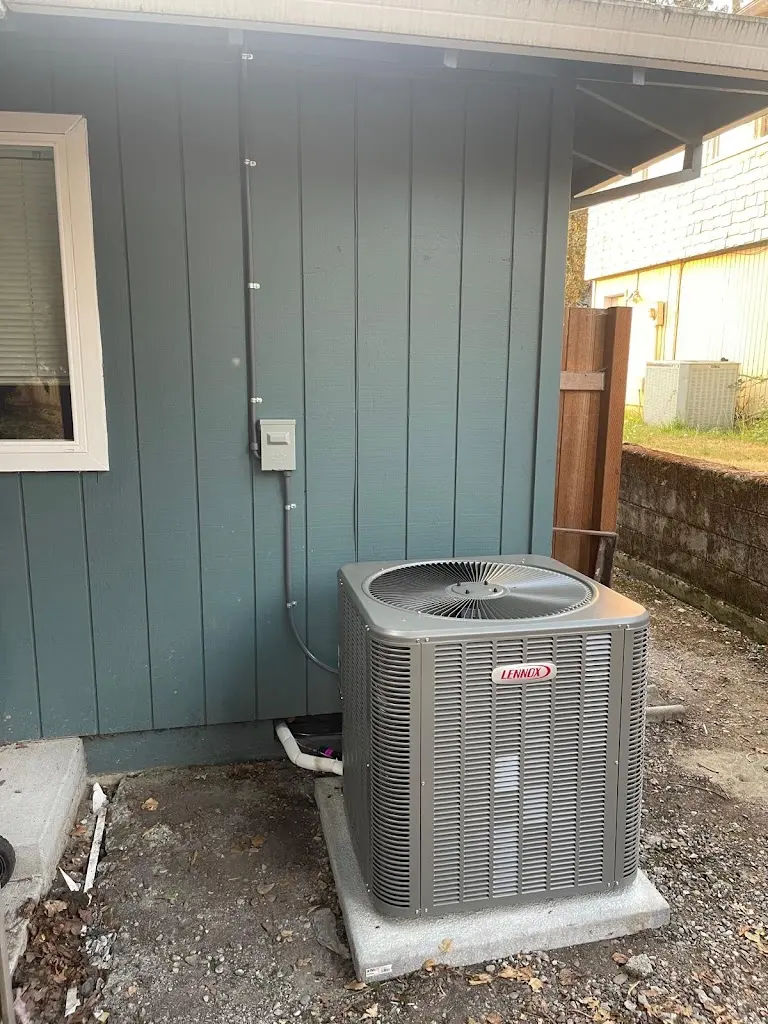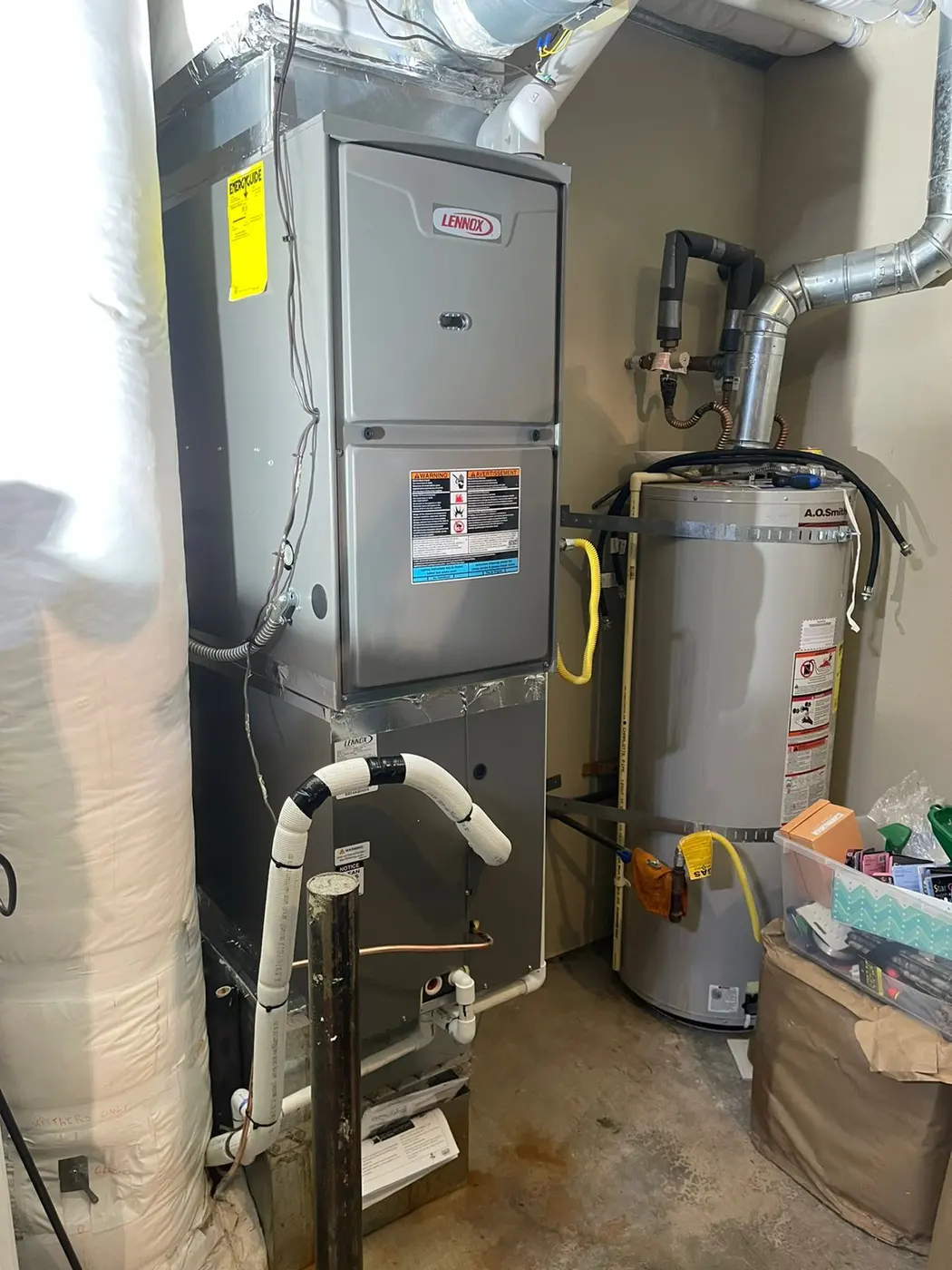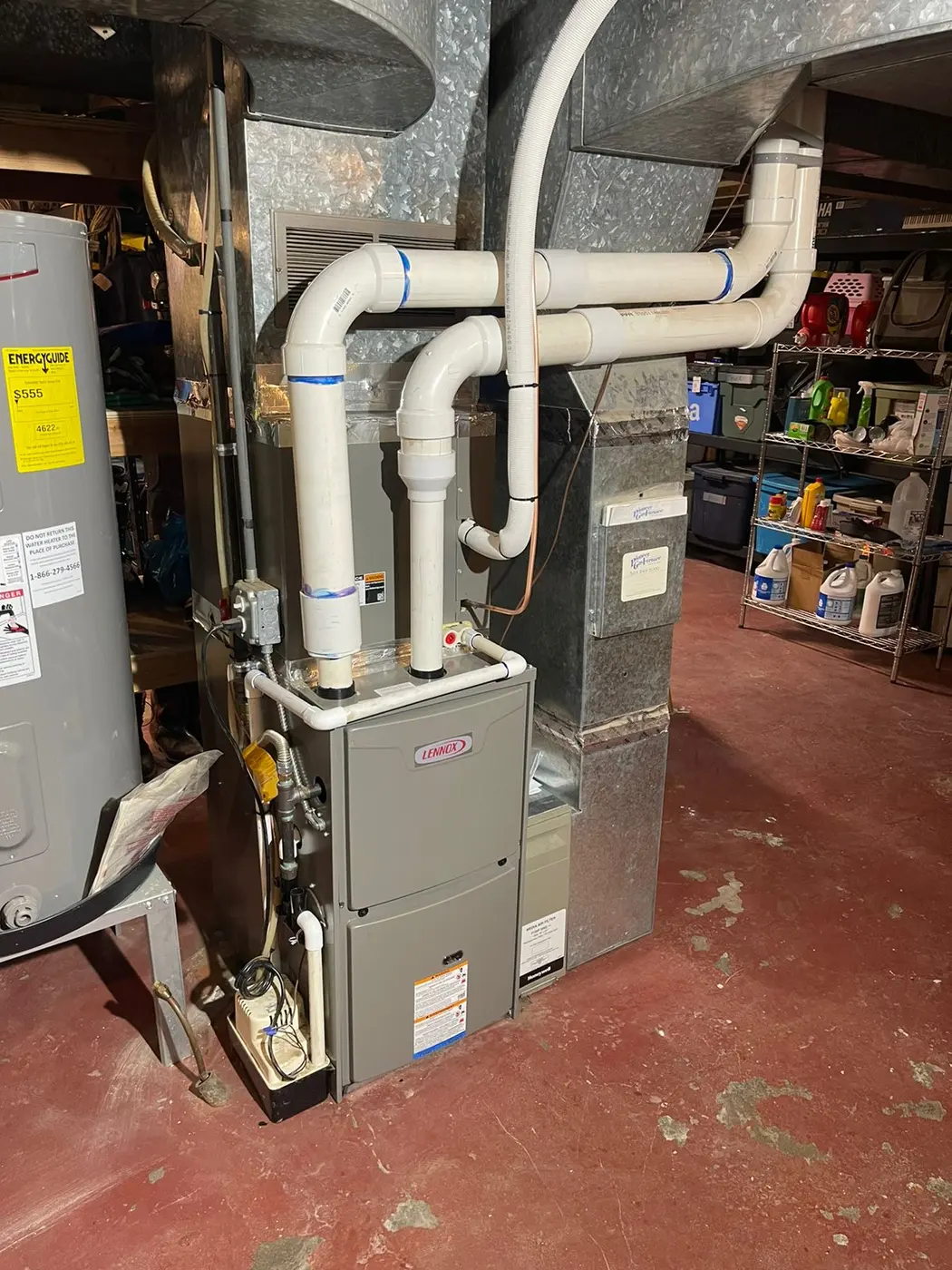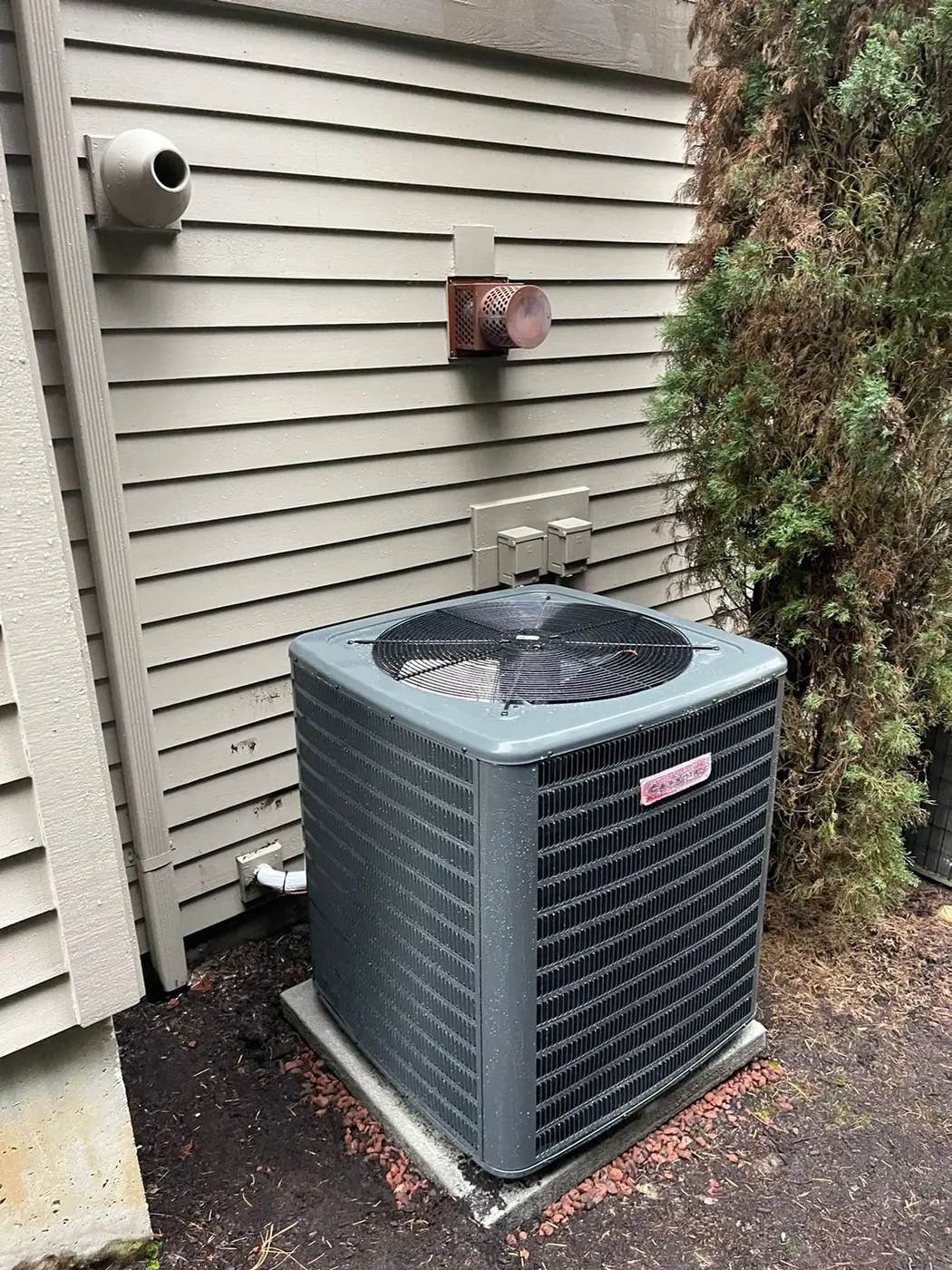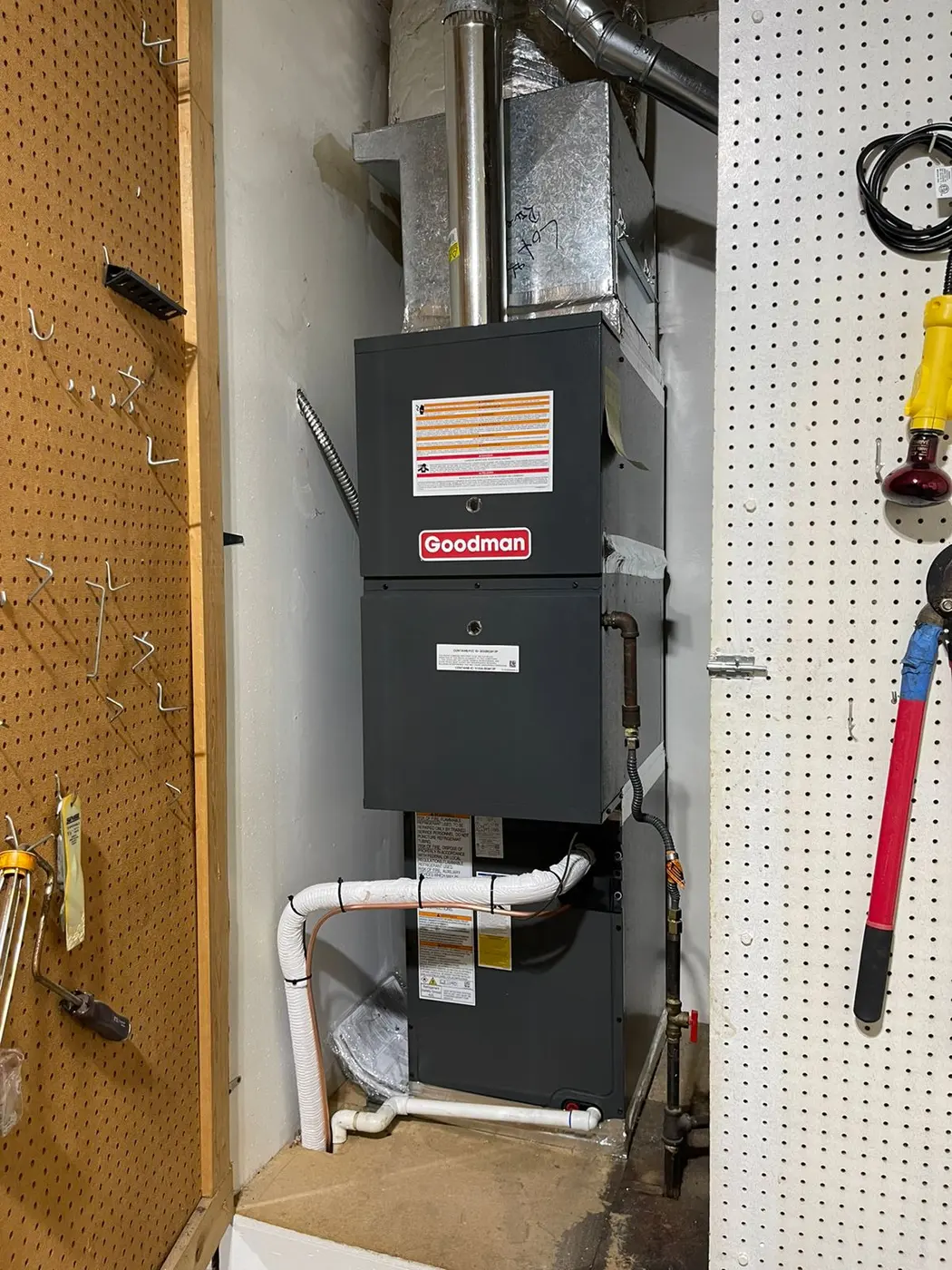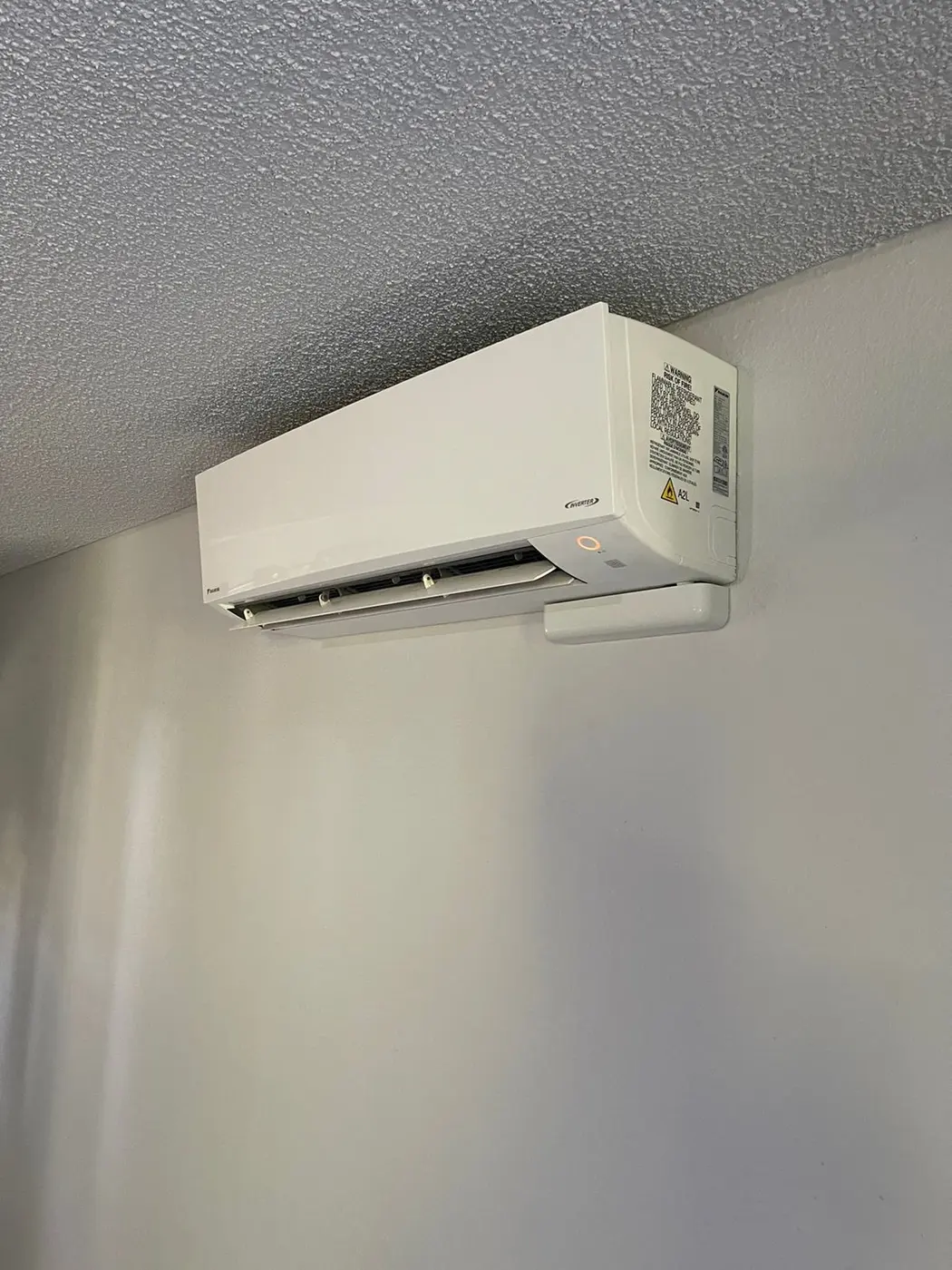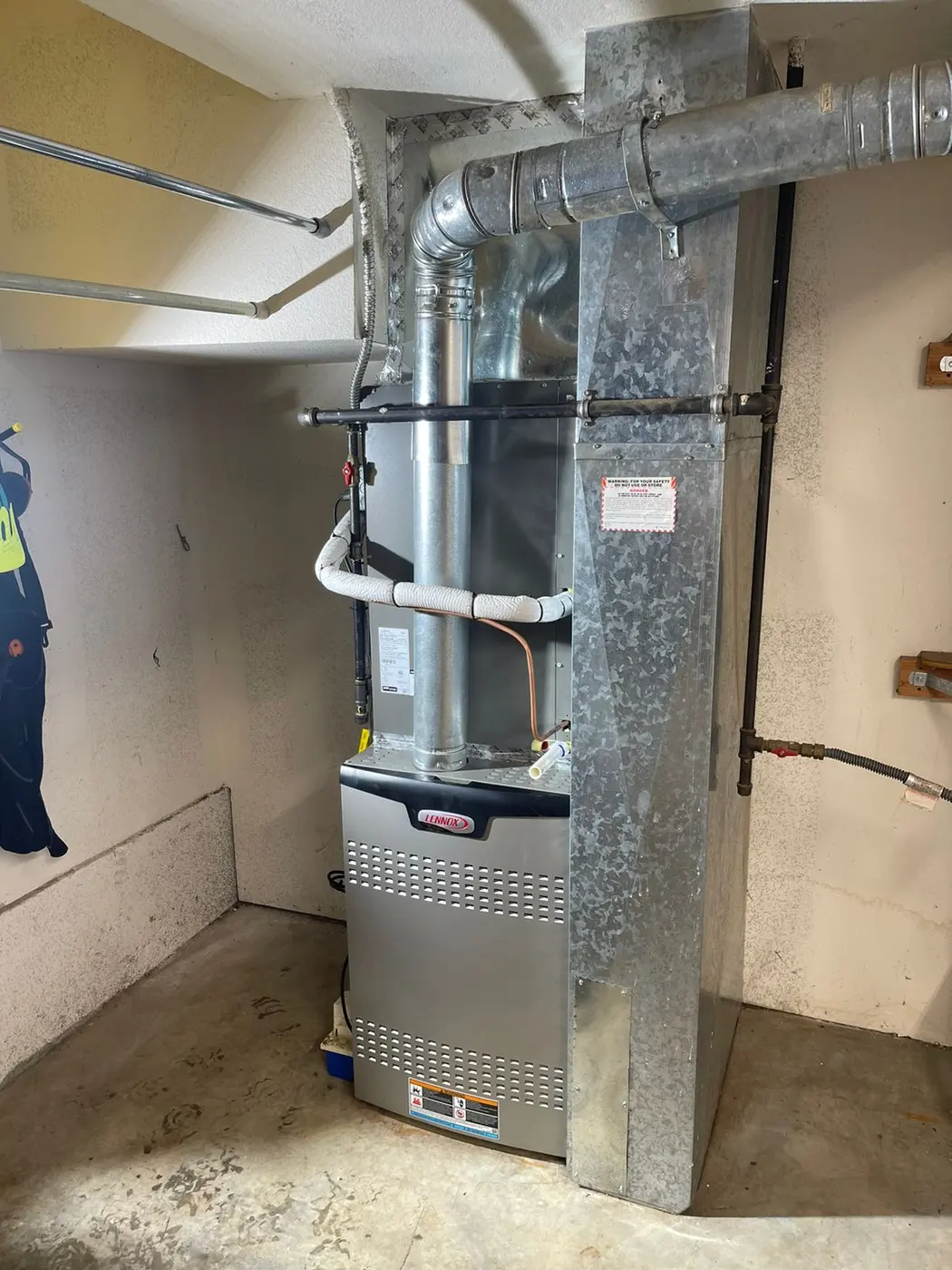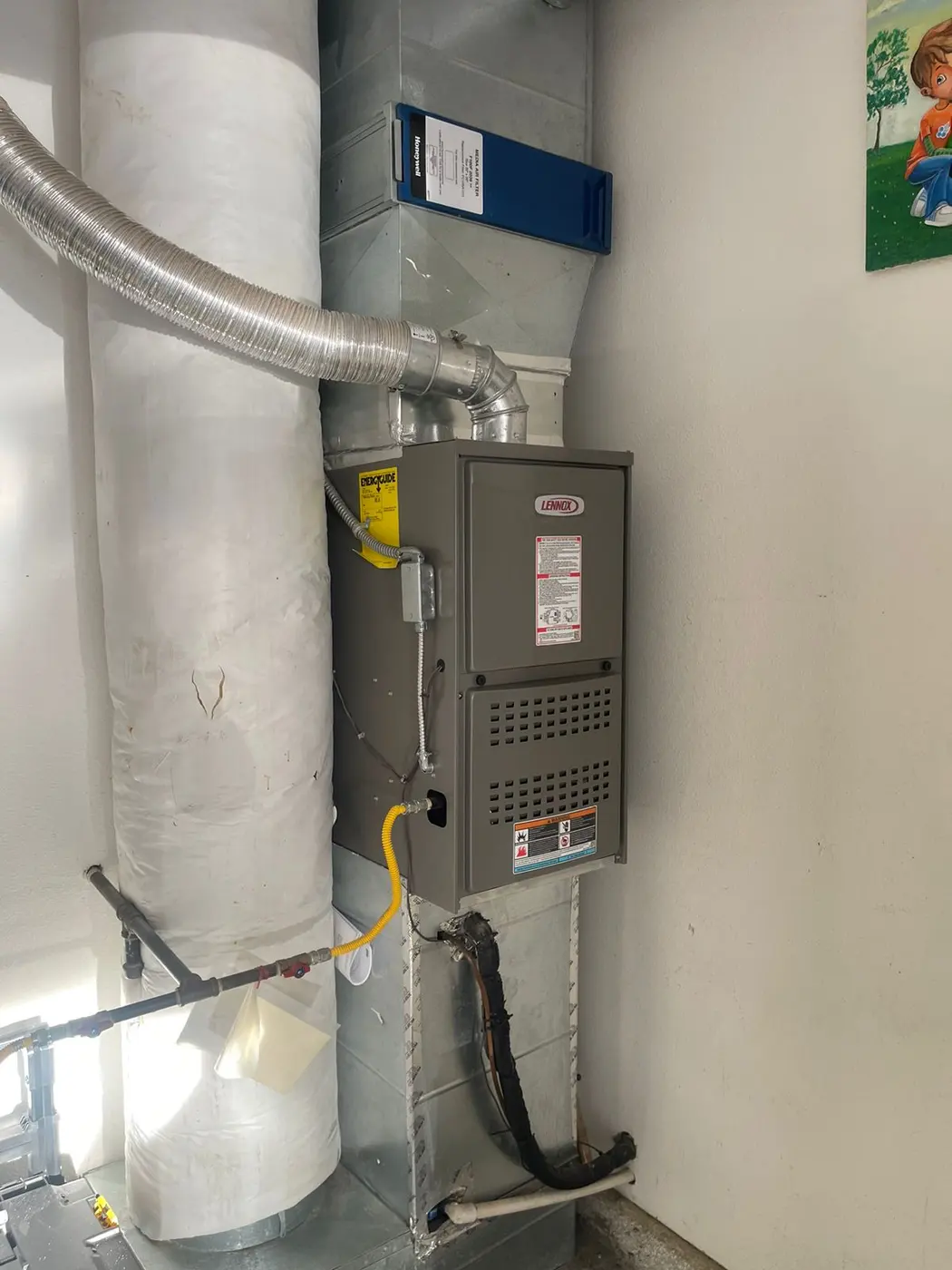
Review a Changed Proposal Before the Equipment Arrives
A different model can change more than the name on an installation estimate. HVAC & Appliance Repair Guys provides HVAC installation in Tigard, OR. If a proposed unit or task changes, review the revised plan before the work proceeds. Keep the original project goal in view so you can judge what the change means.
The free on-site estimator visit establishes the installation or replacement scope. A later device choice still needs to fit the equipment and site. Ask why the proposal changed and which details remain the same. A model described as similar does not answer those questions by itself.
Our HVAC installation overview explains the broader project scope. For a revised proposal, focus on the part that changed and its effect on the complete setup. Keep that discussion attached to the agreed heating and cooling needs.
Check the Whole Combination and Revised Work
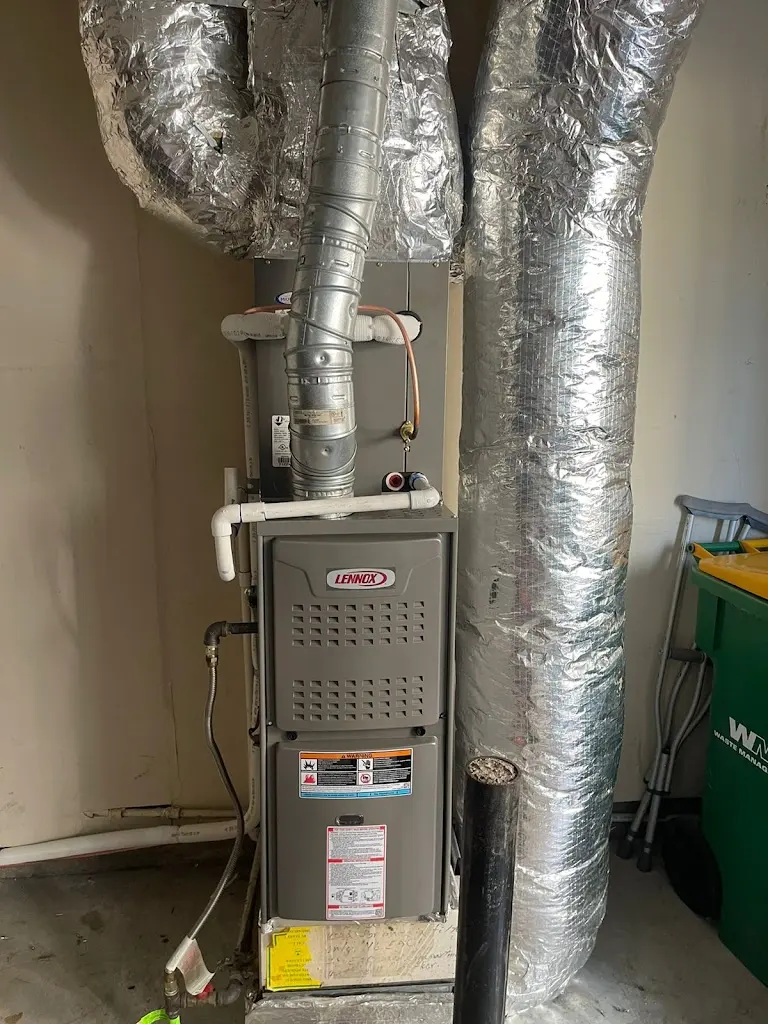
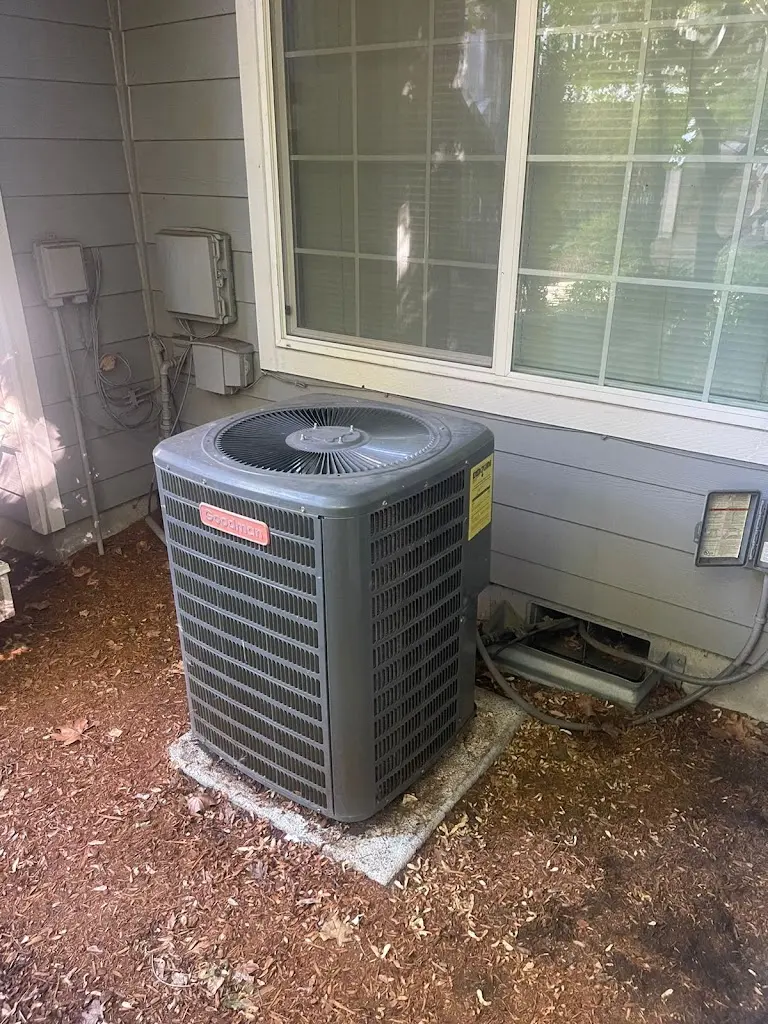
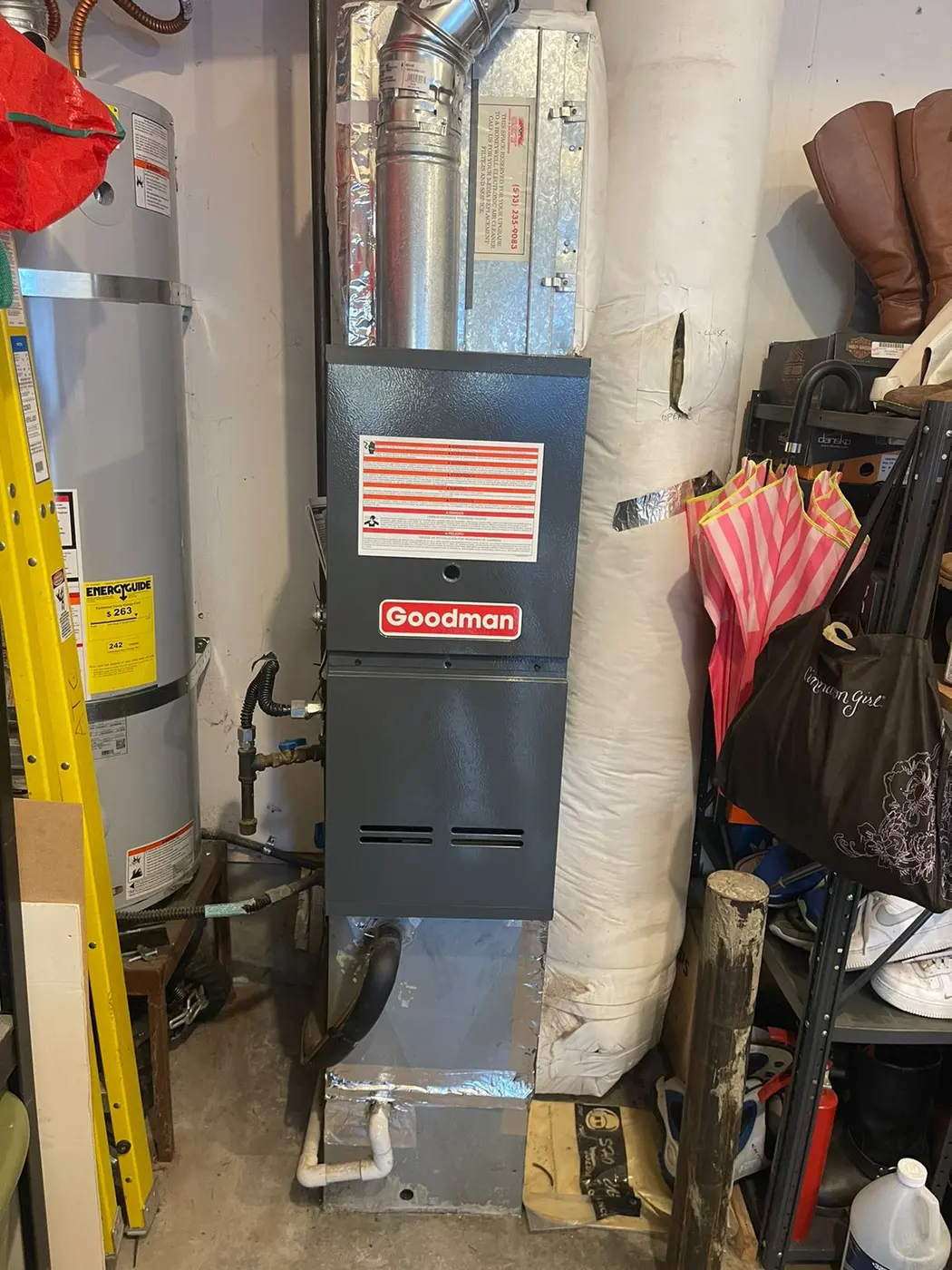
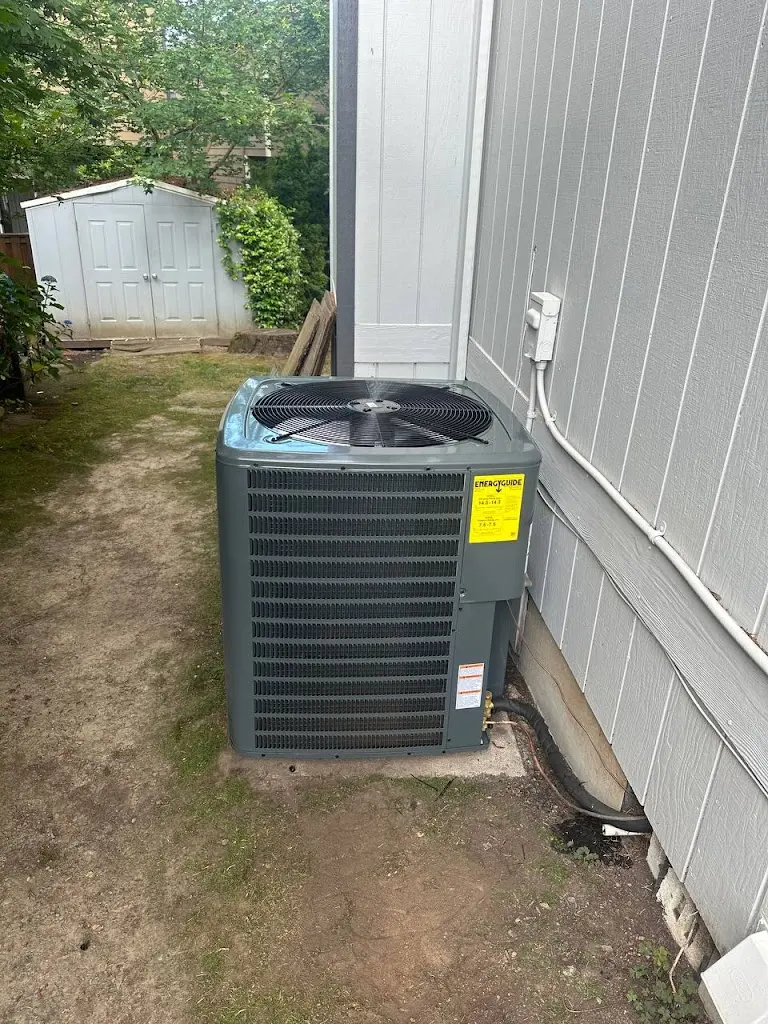
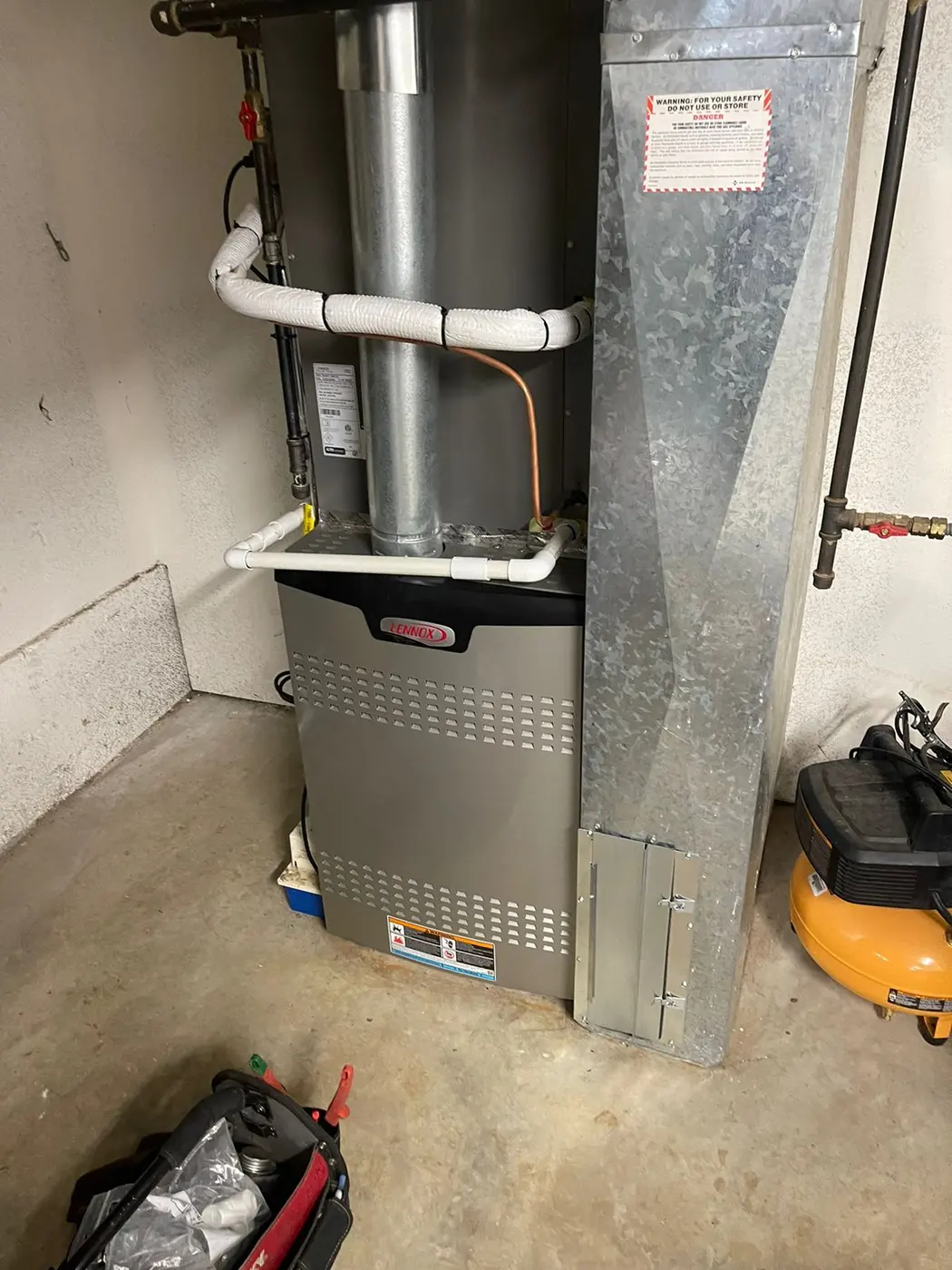
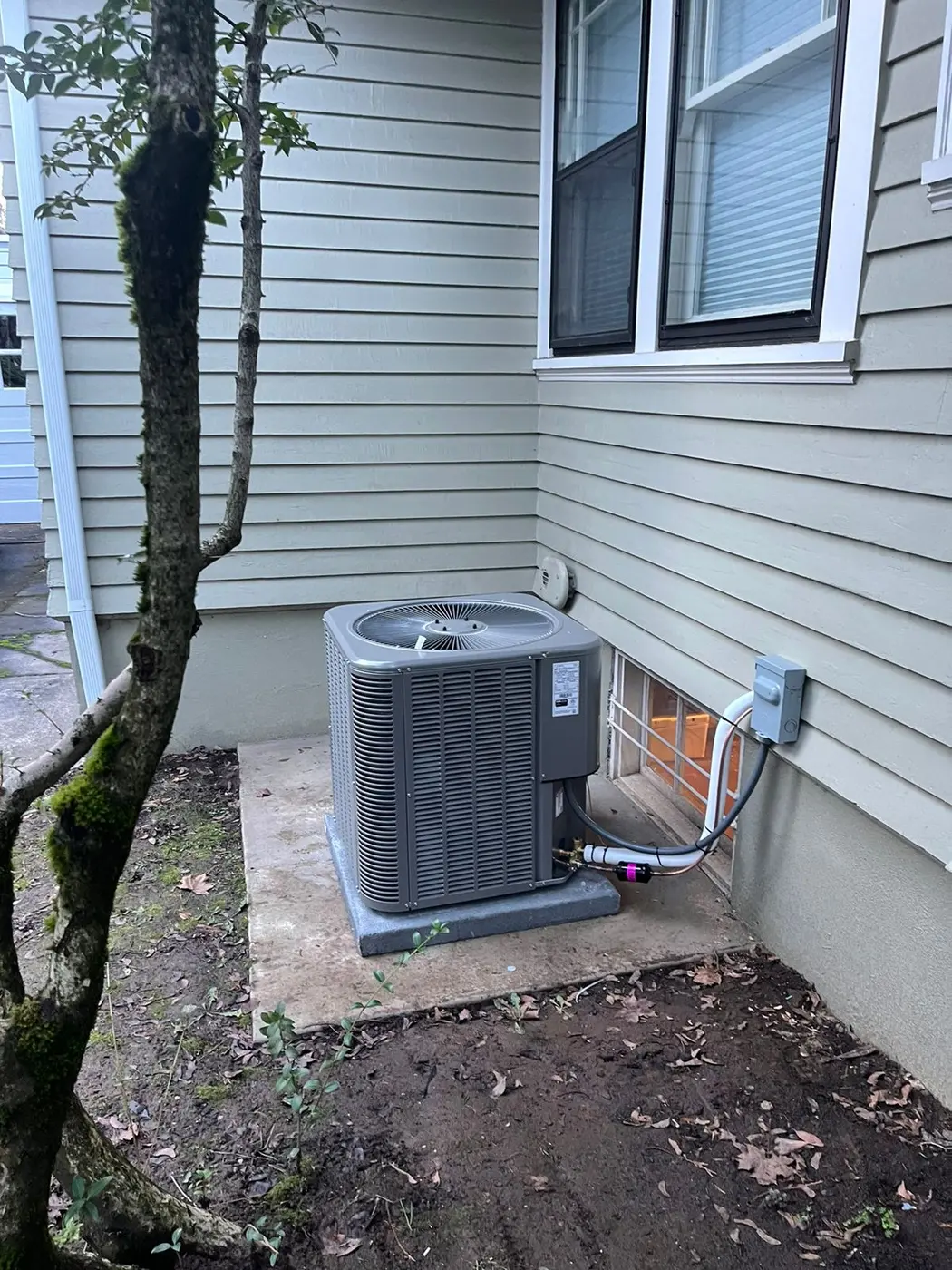
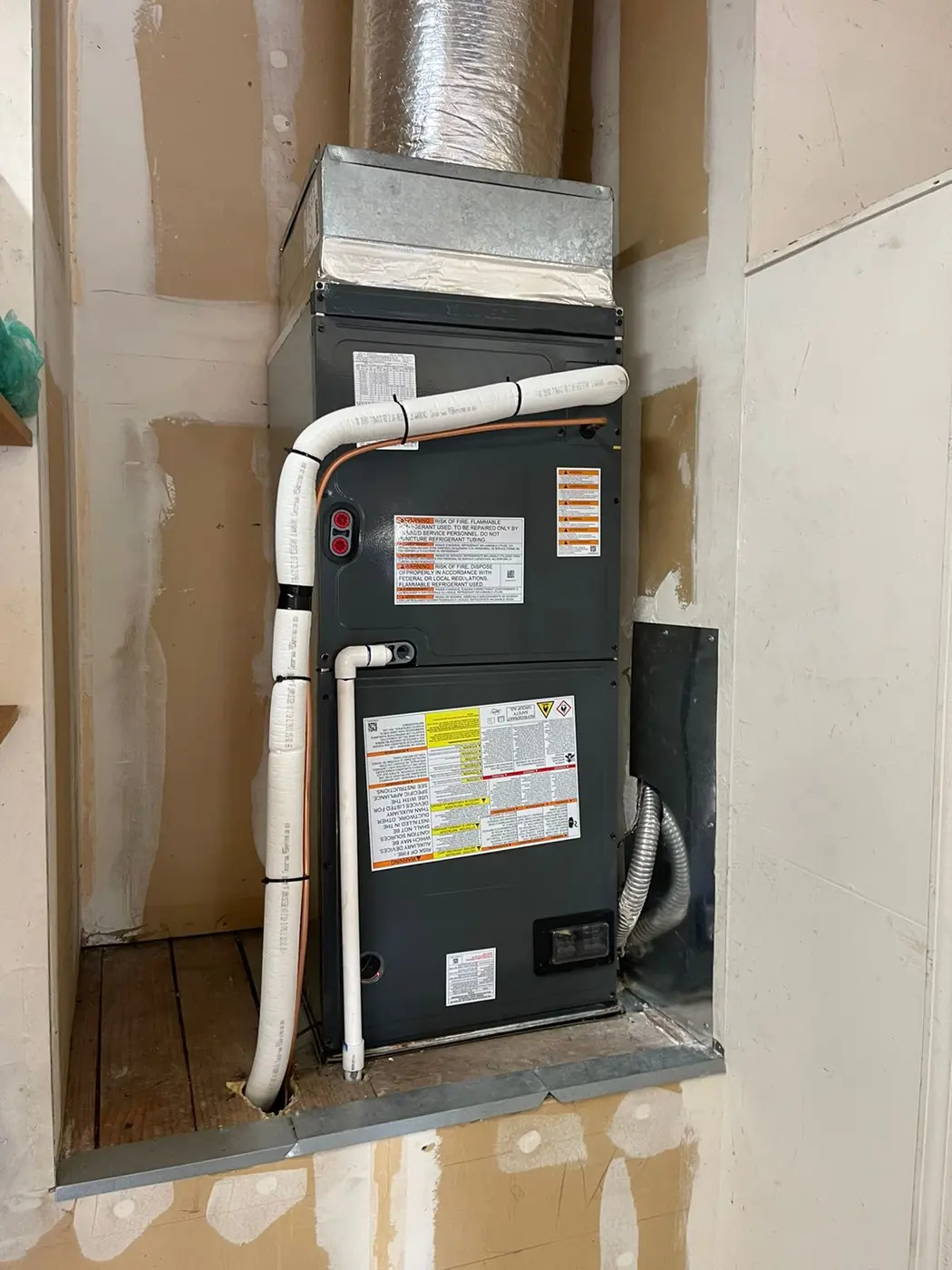
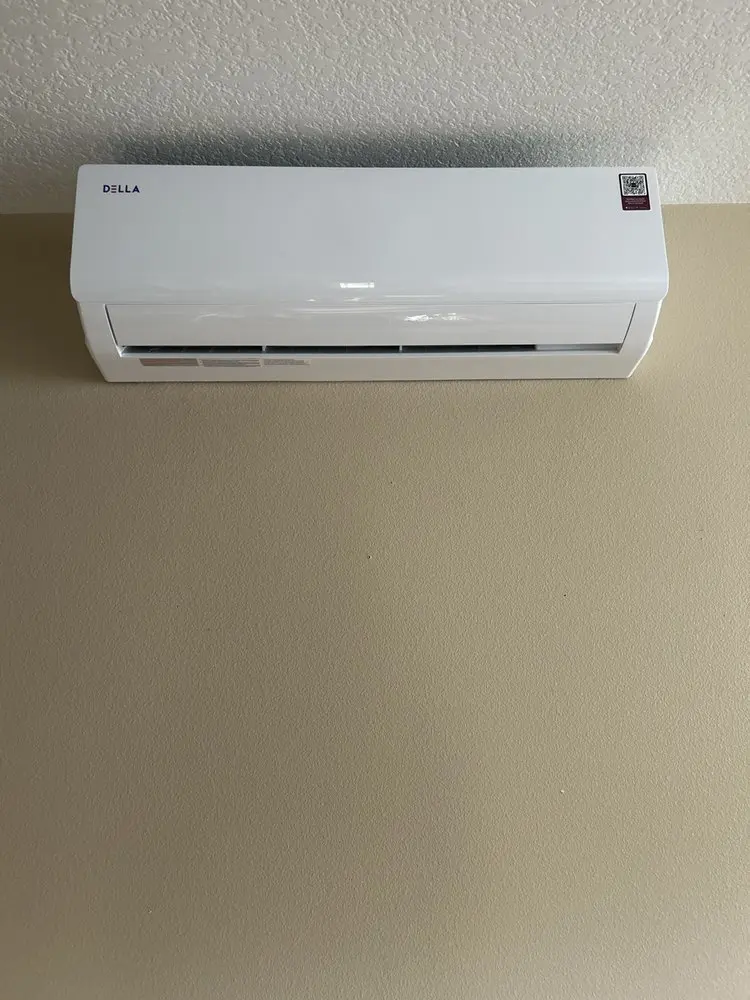
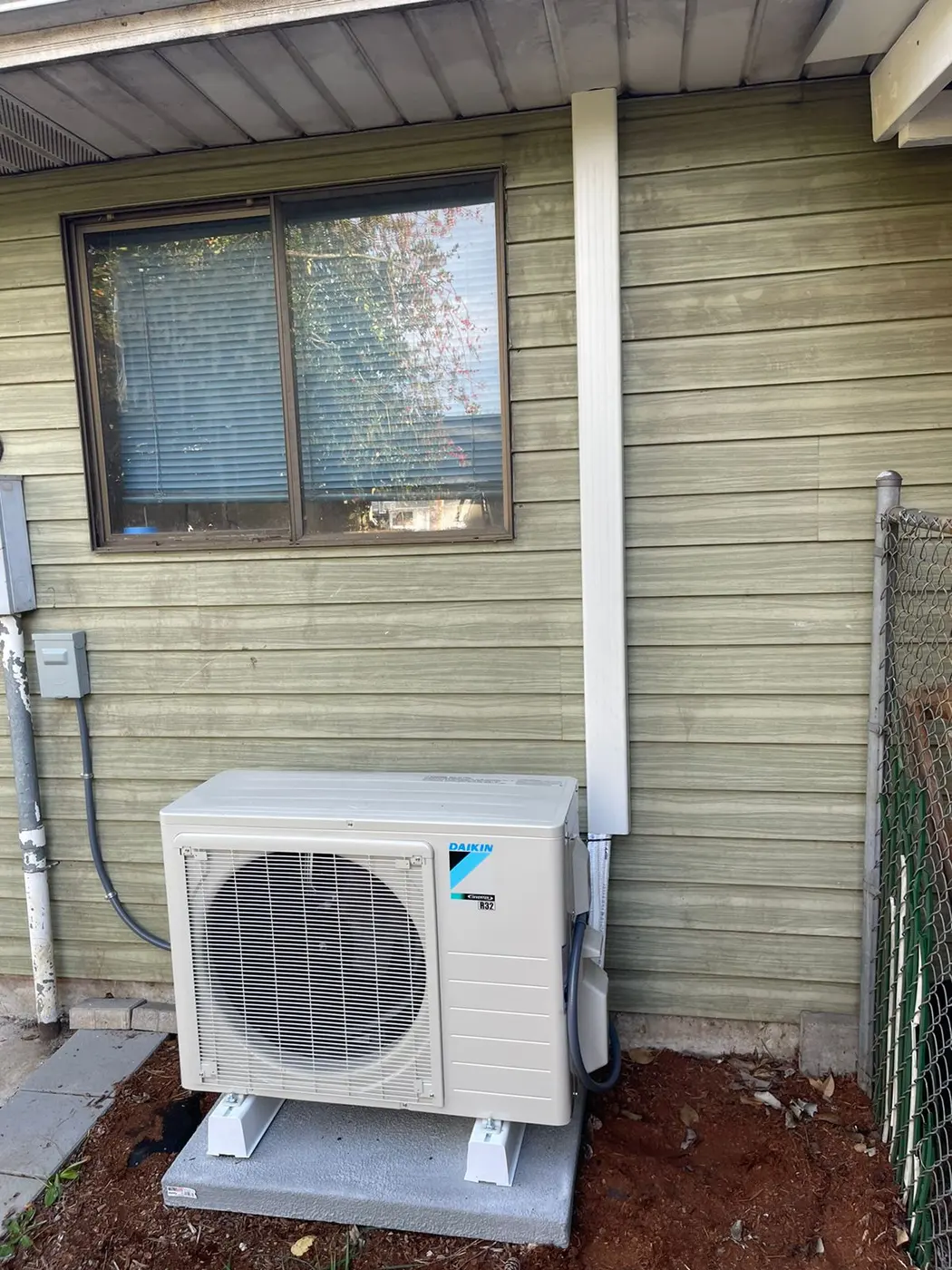
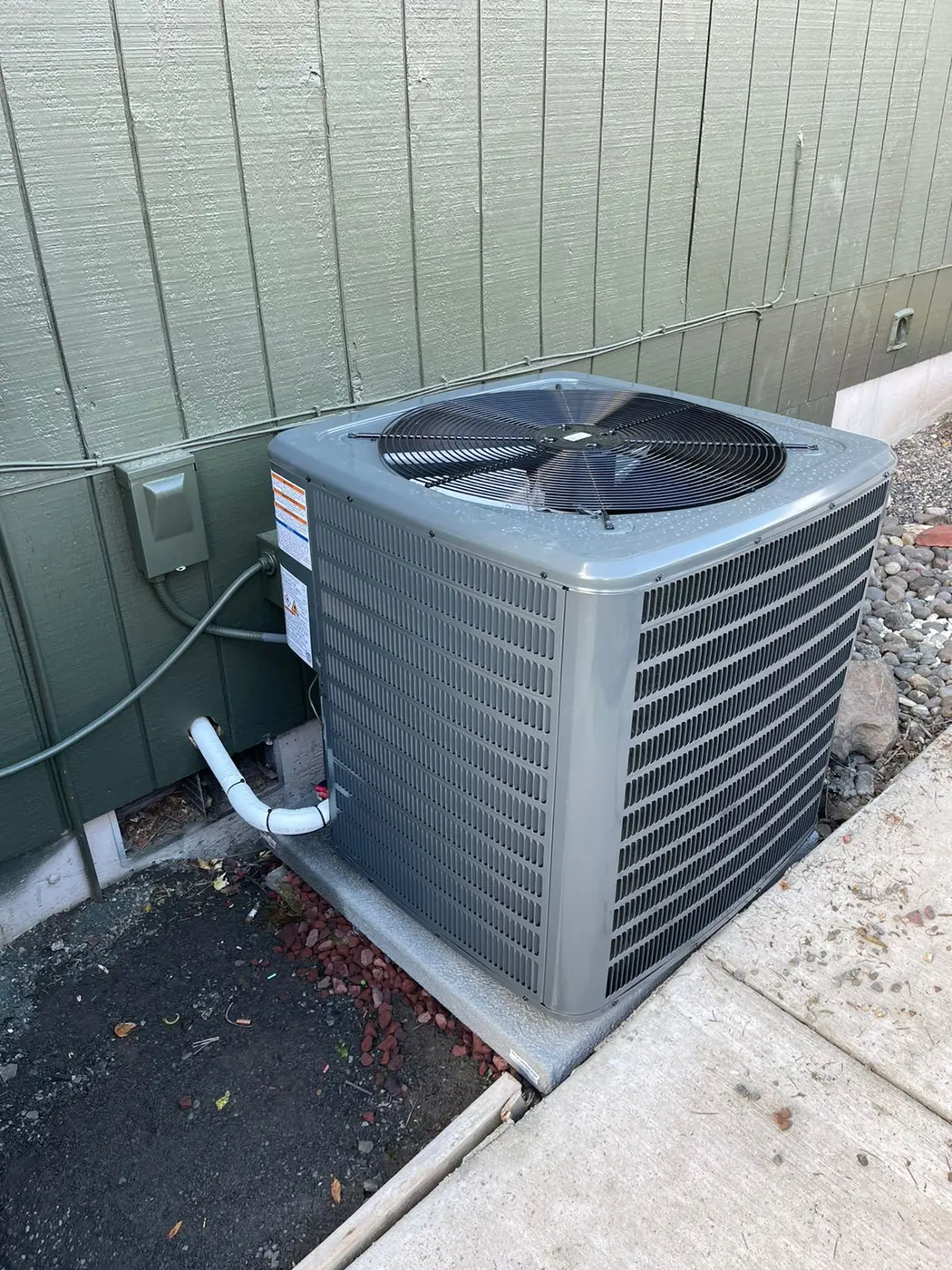
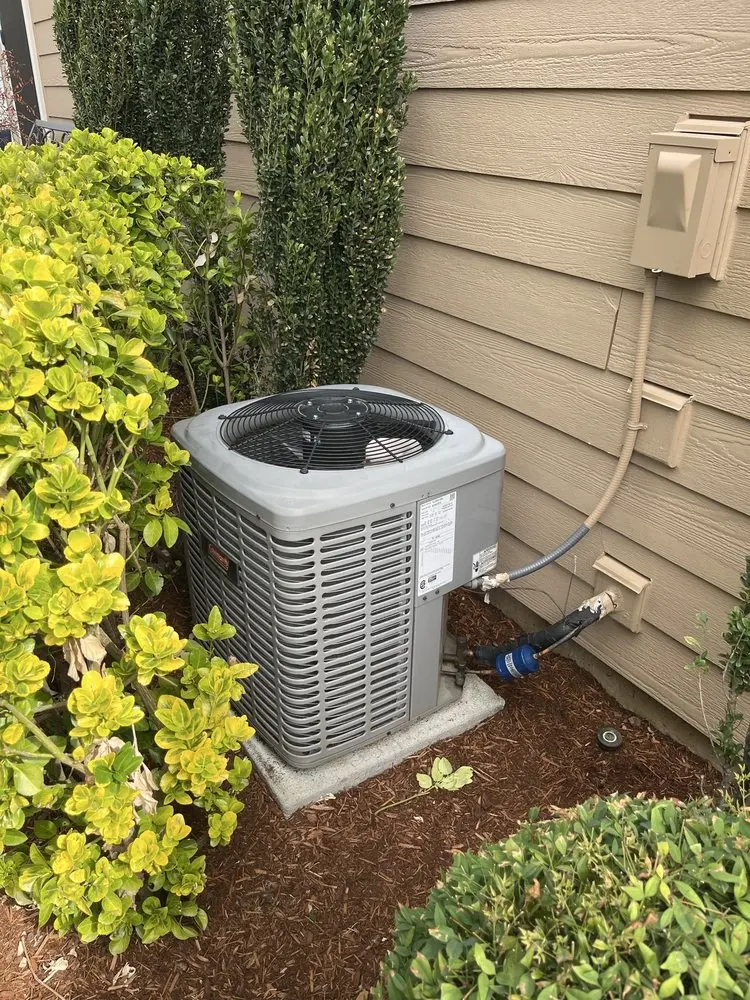
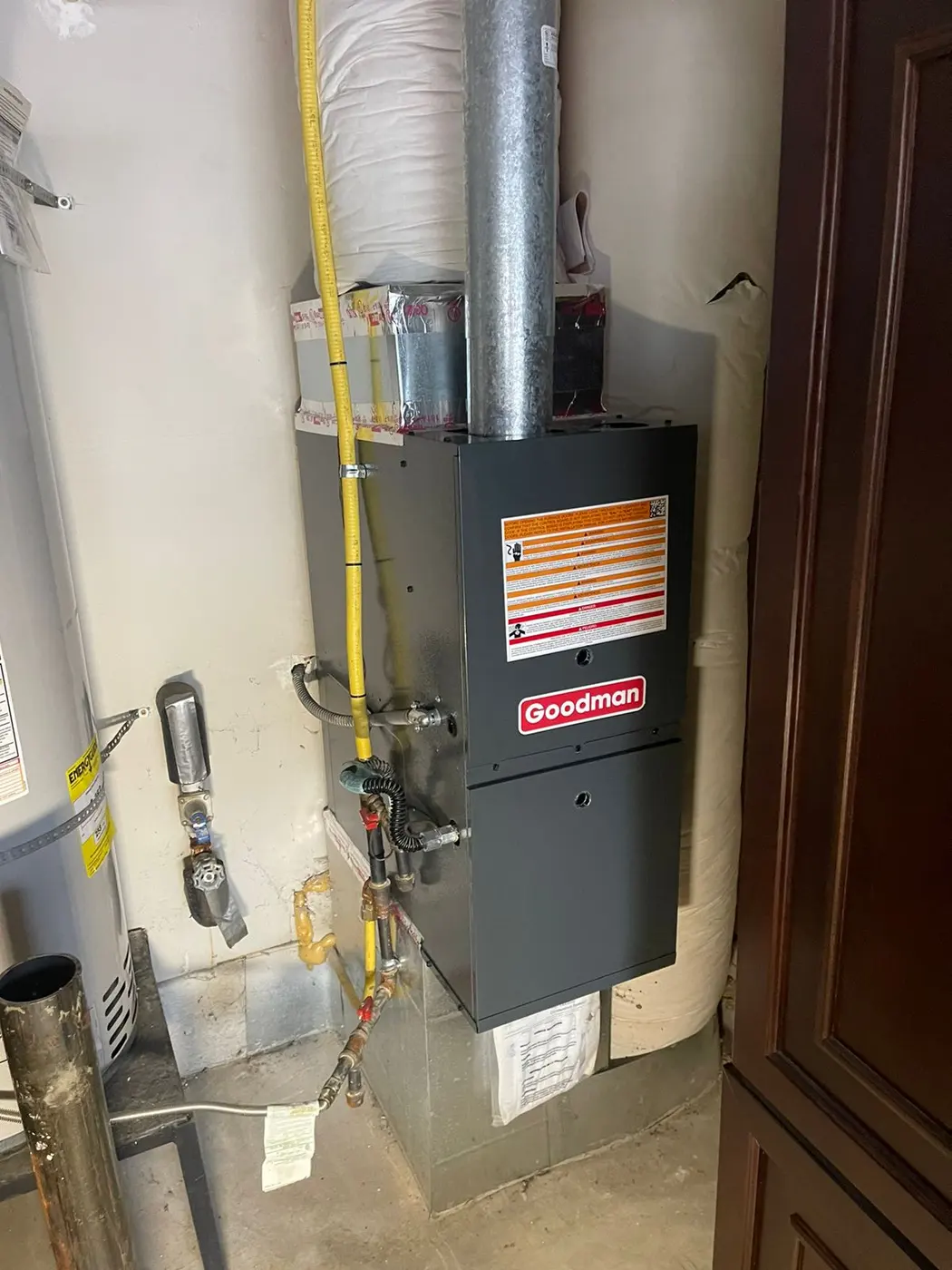
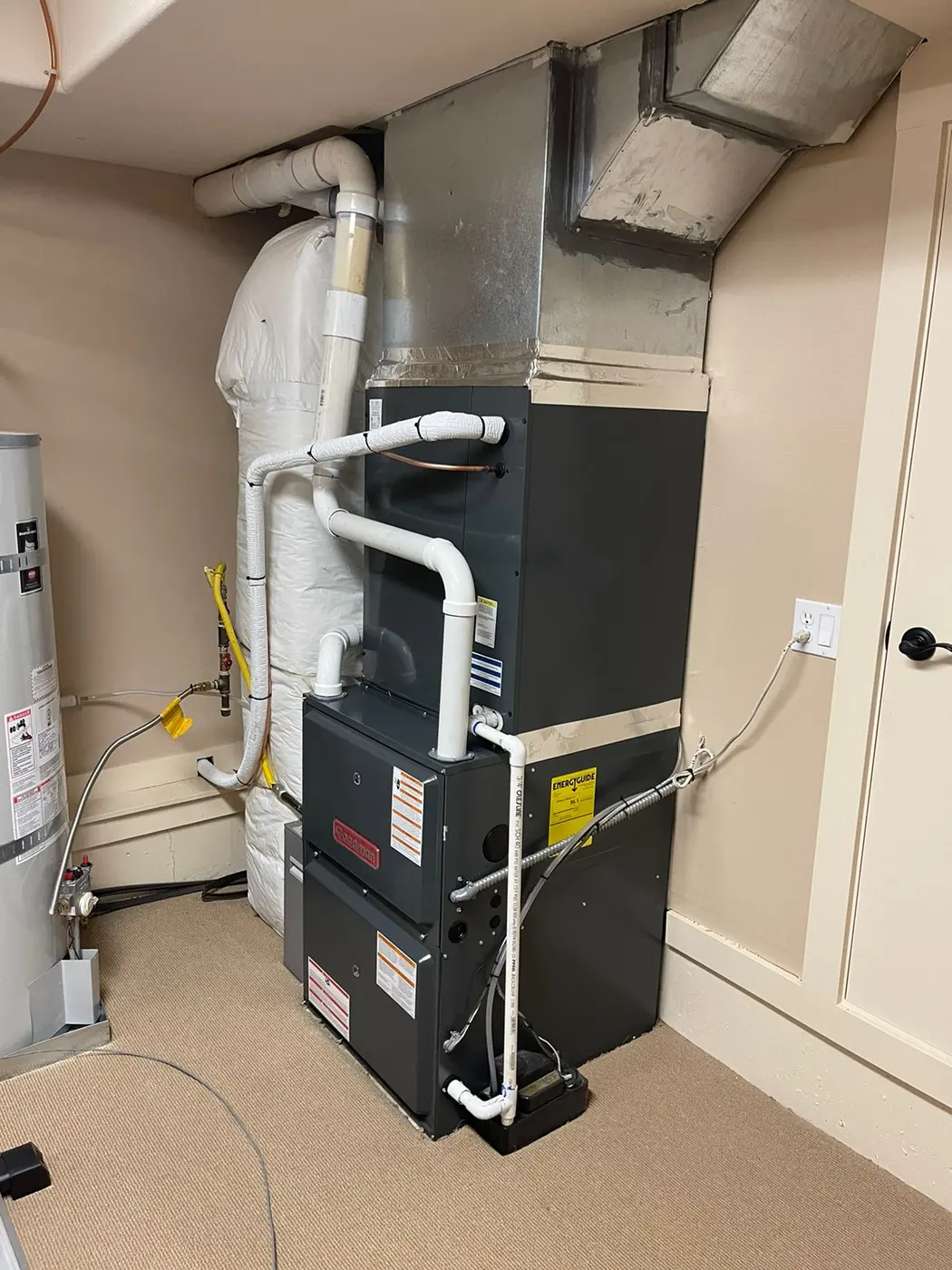
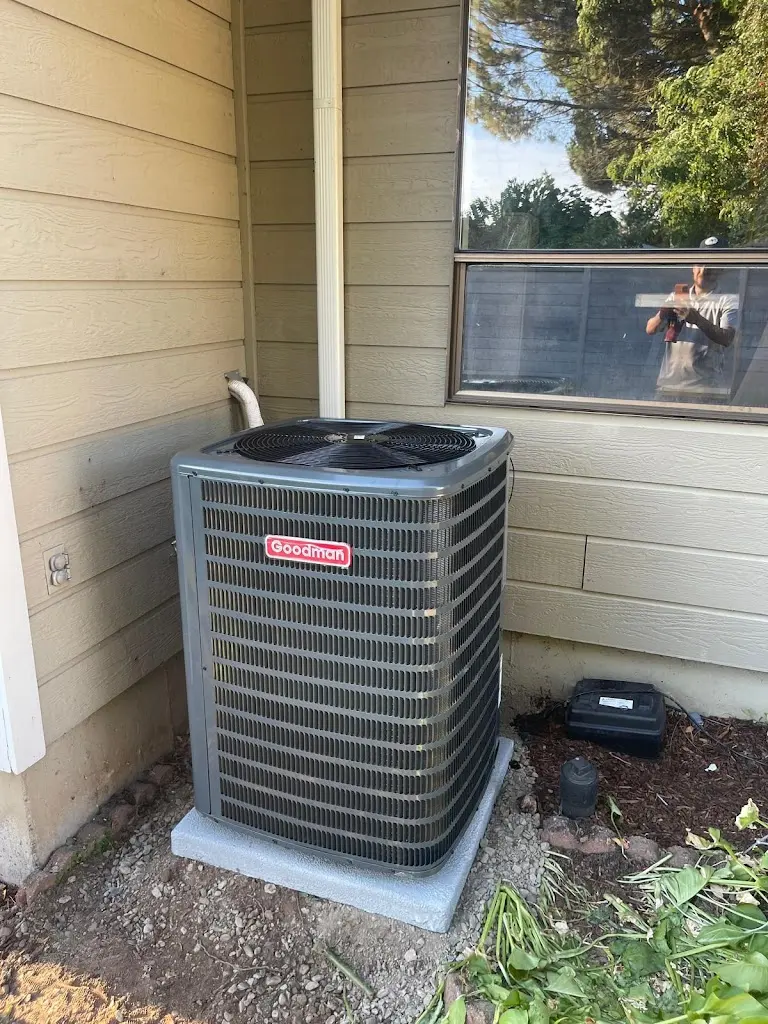
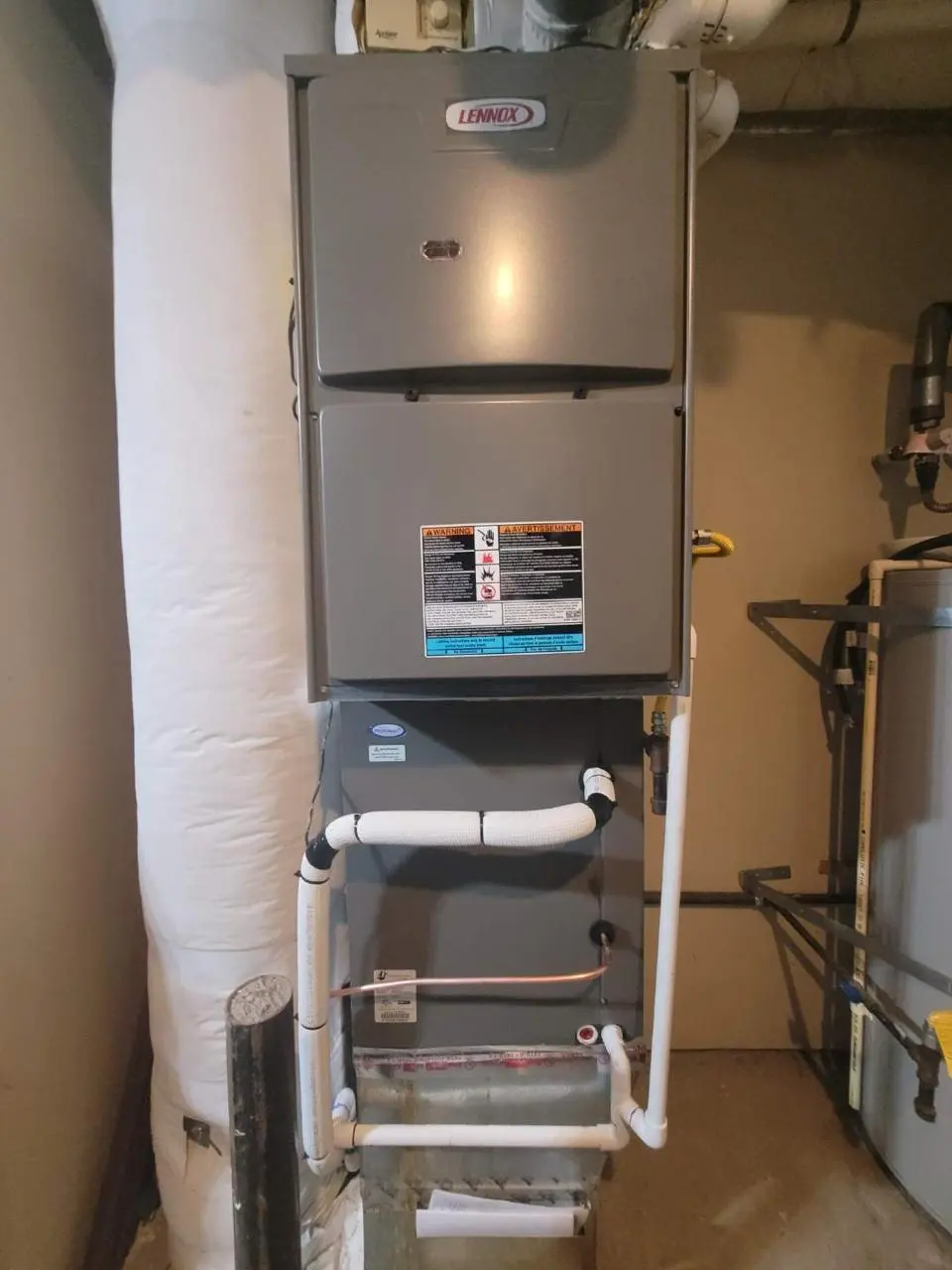
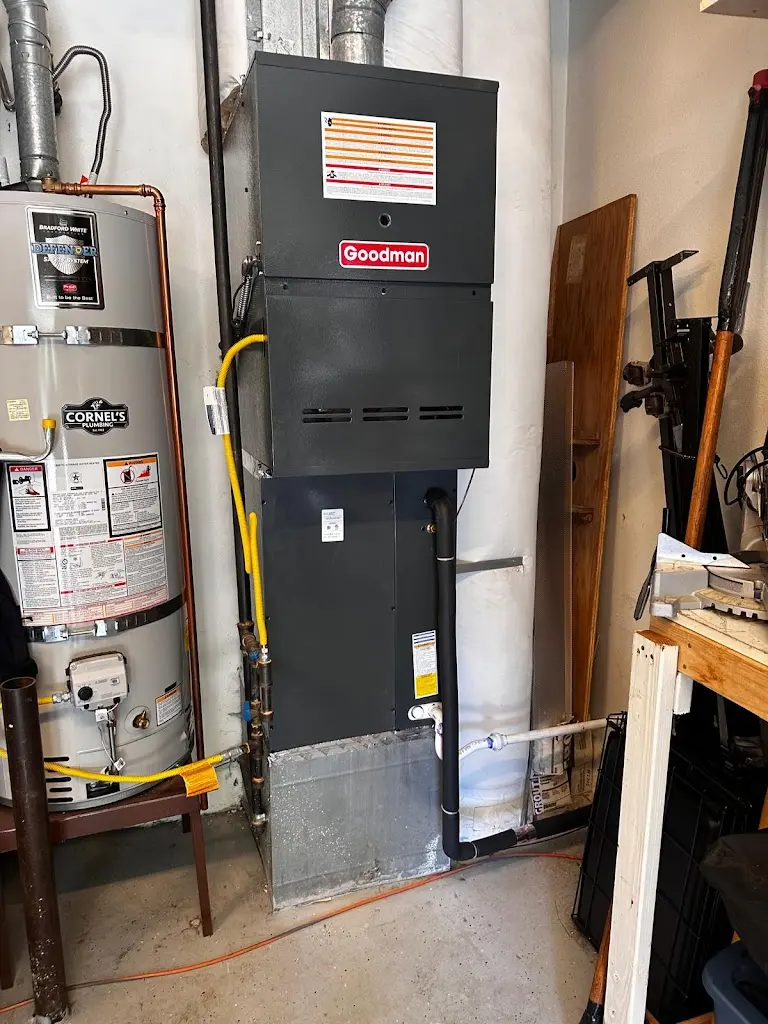
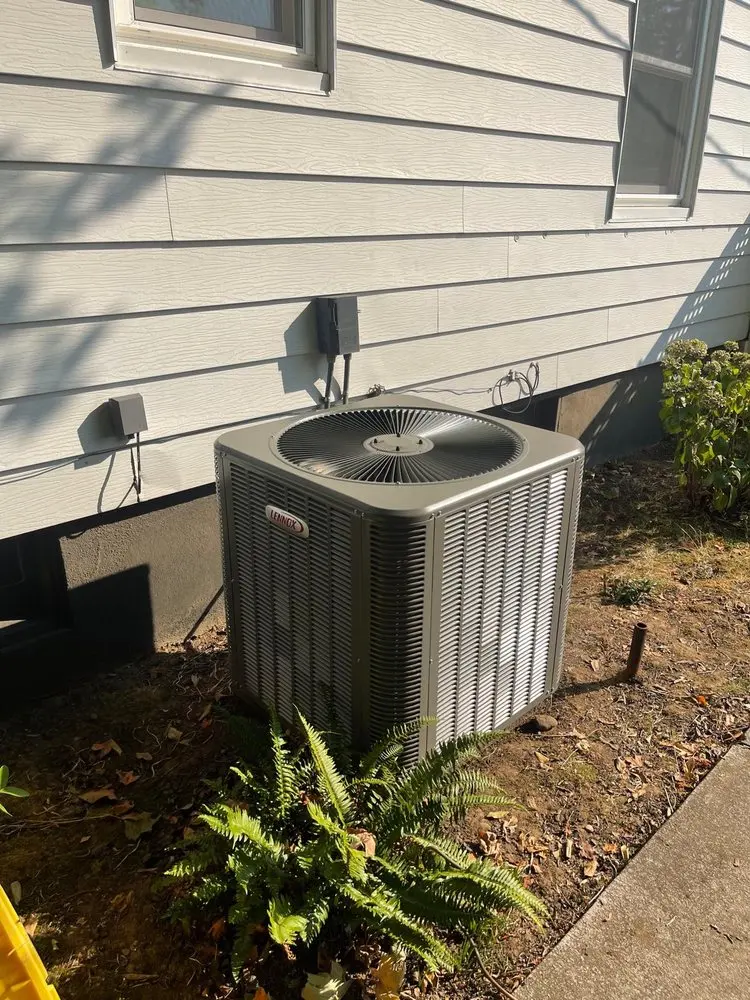
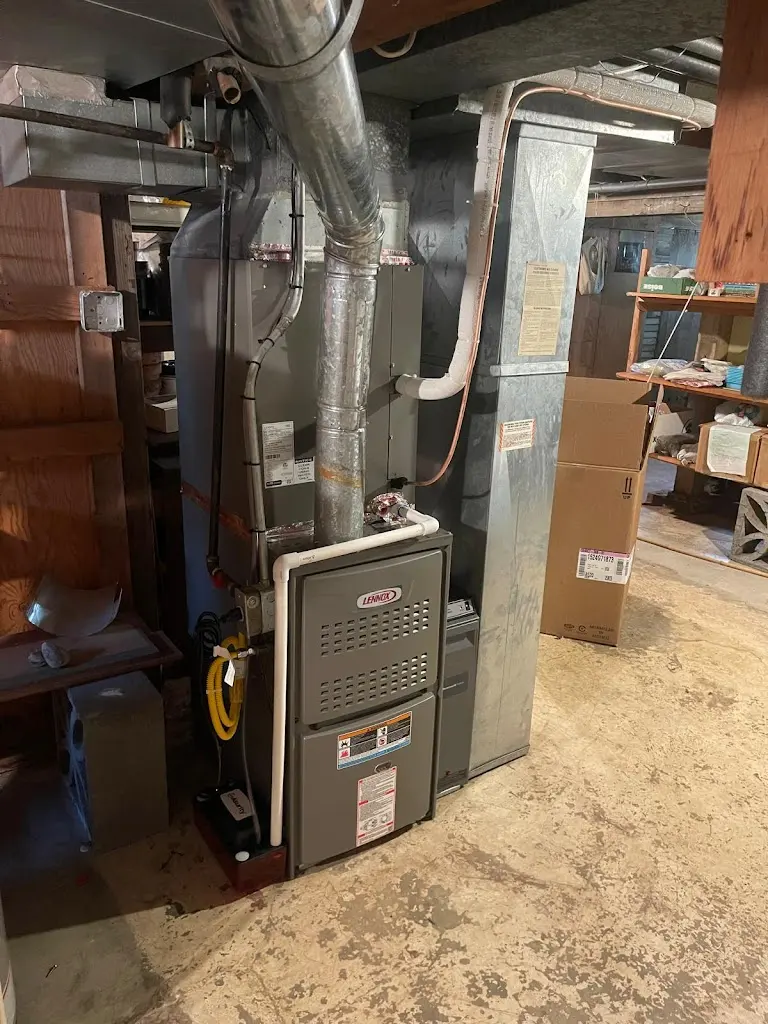
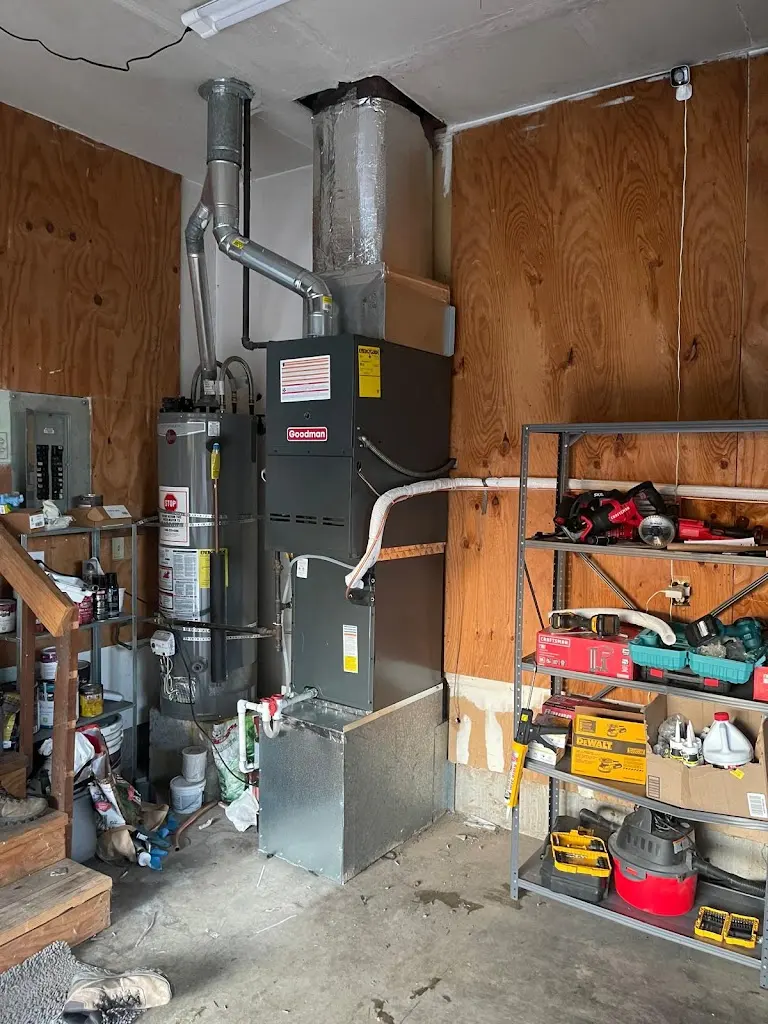
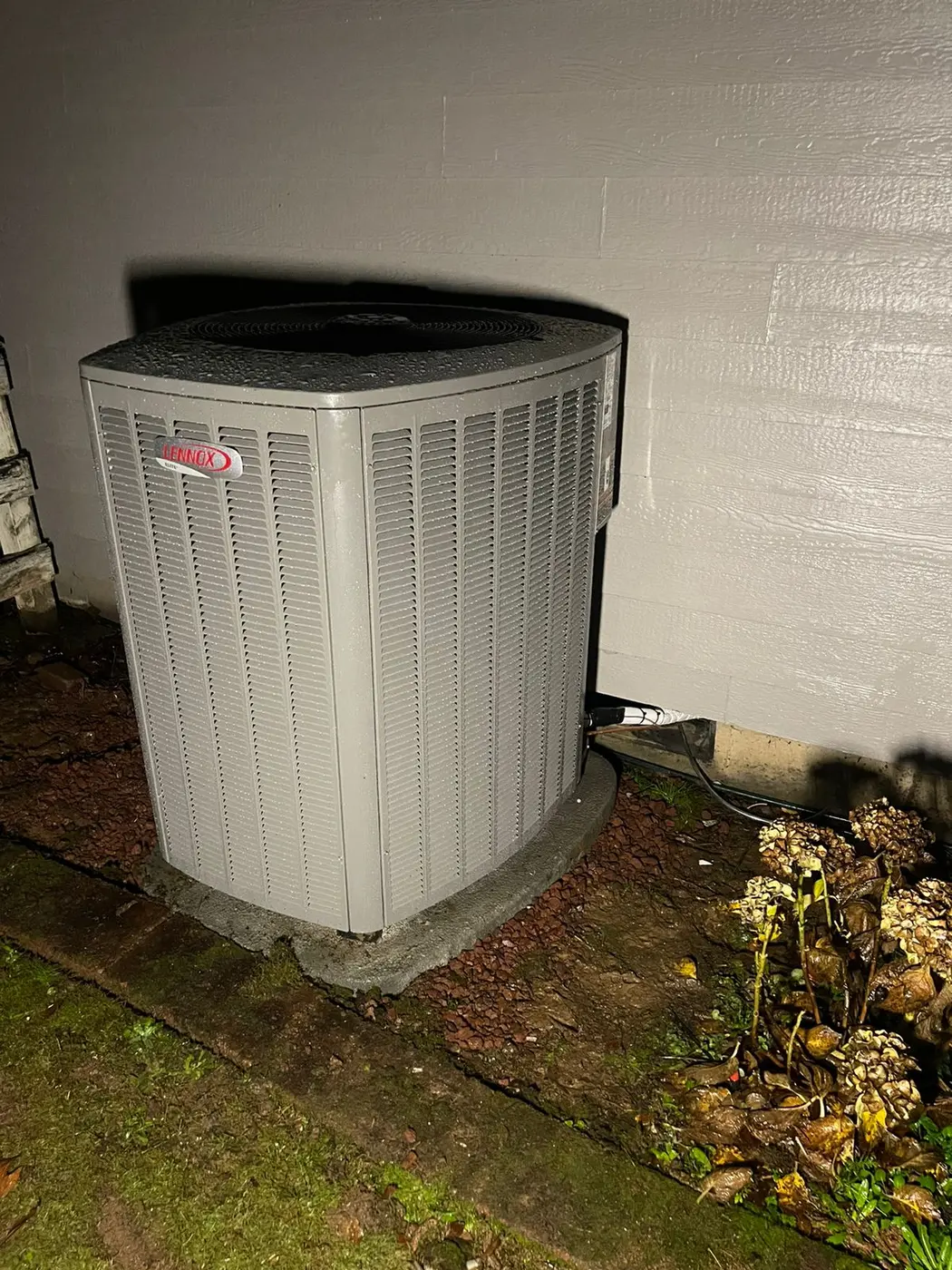
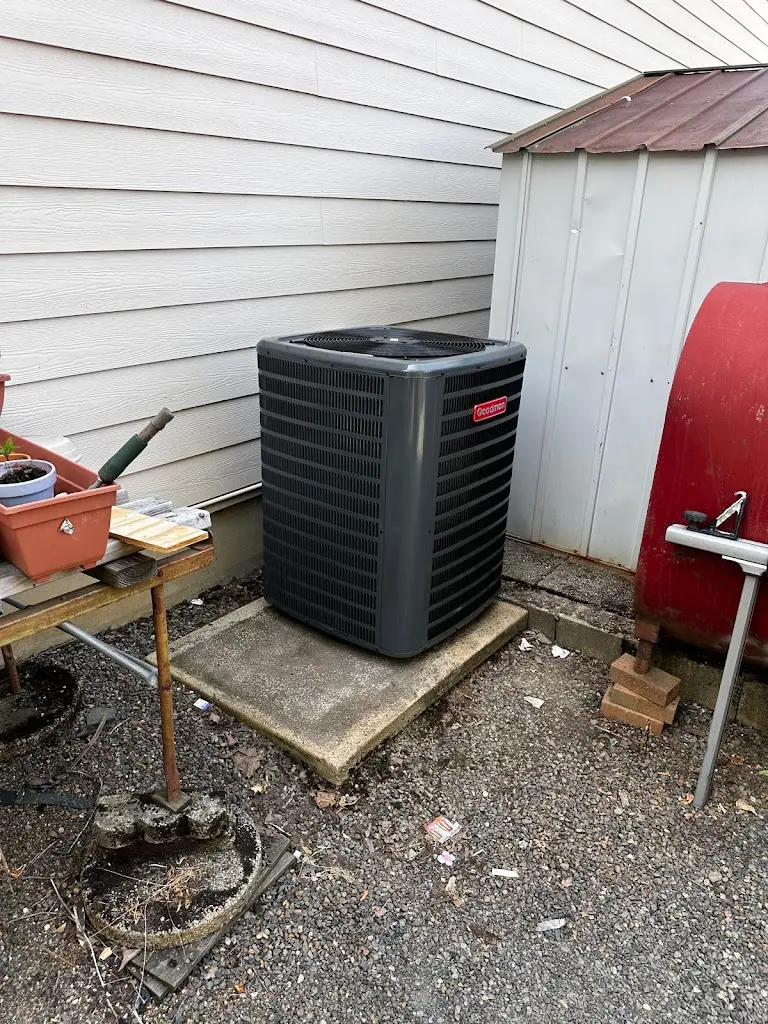
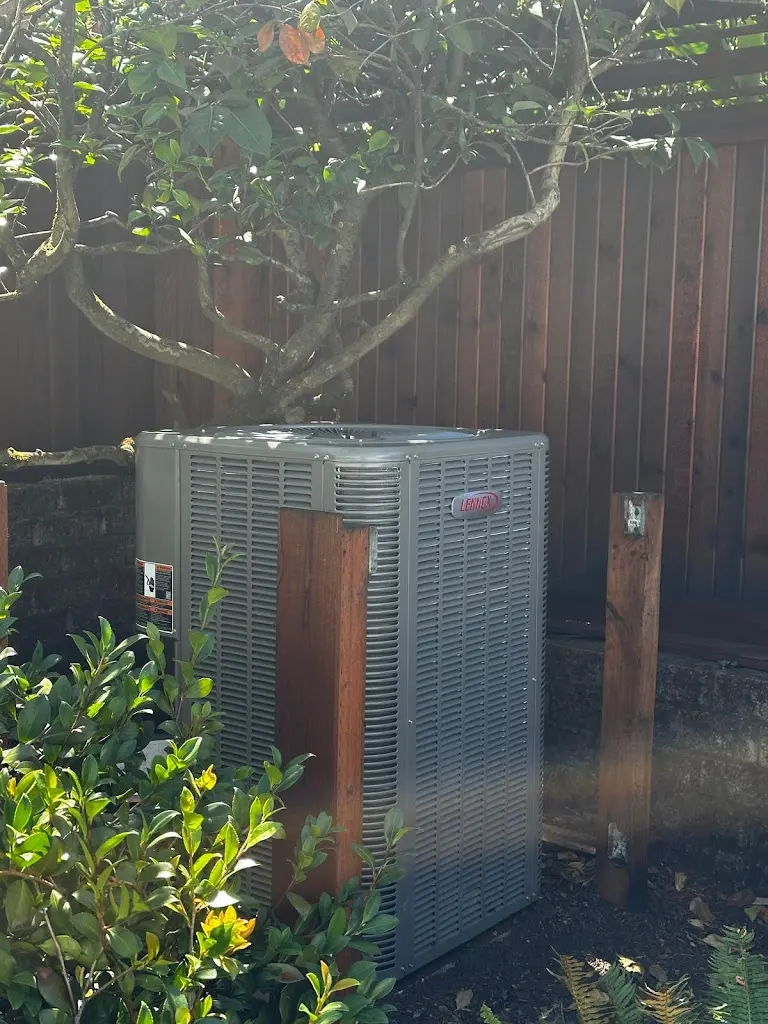
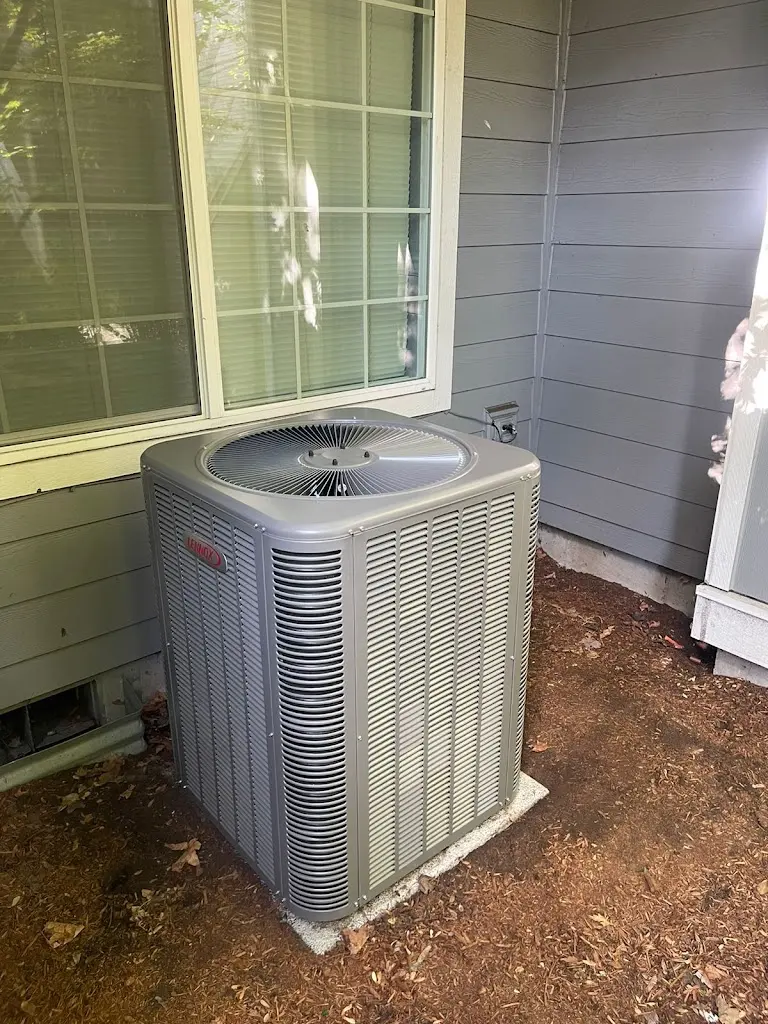
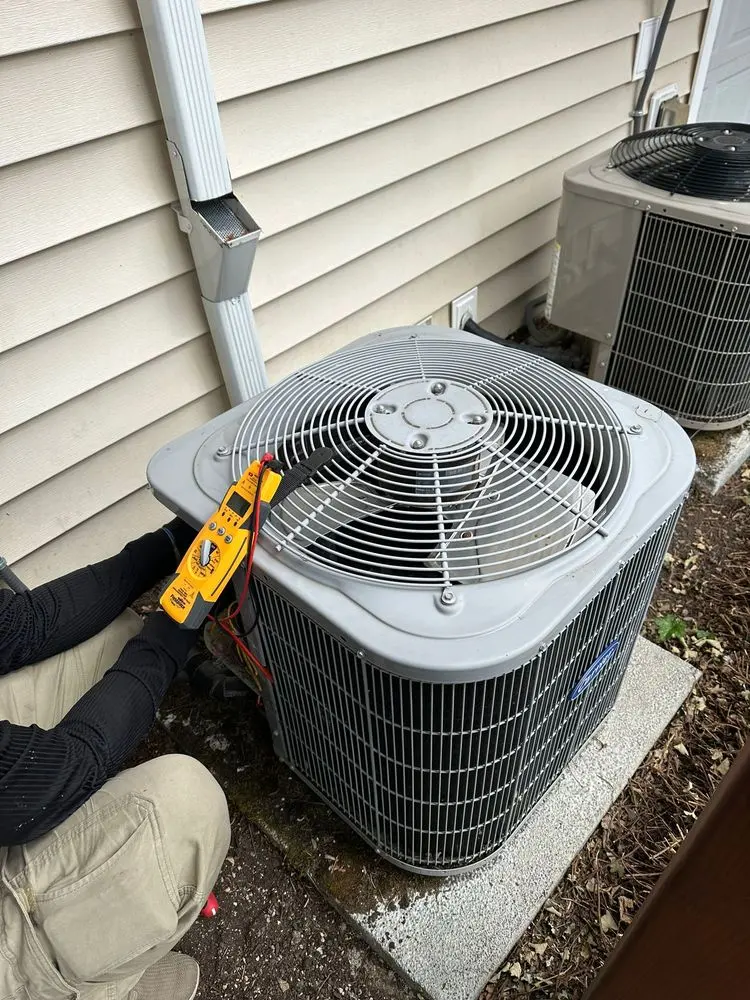
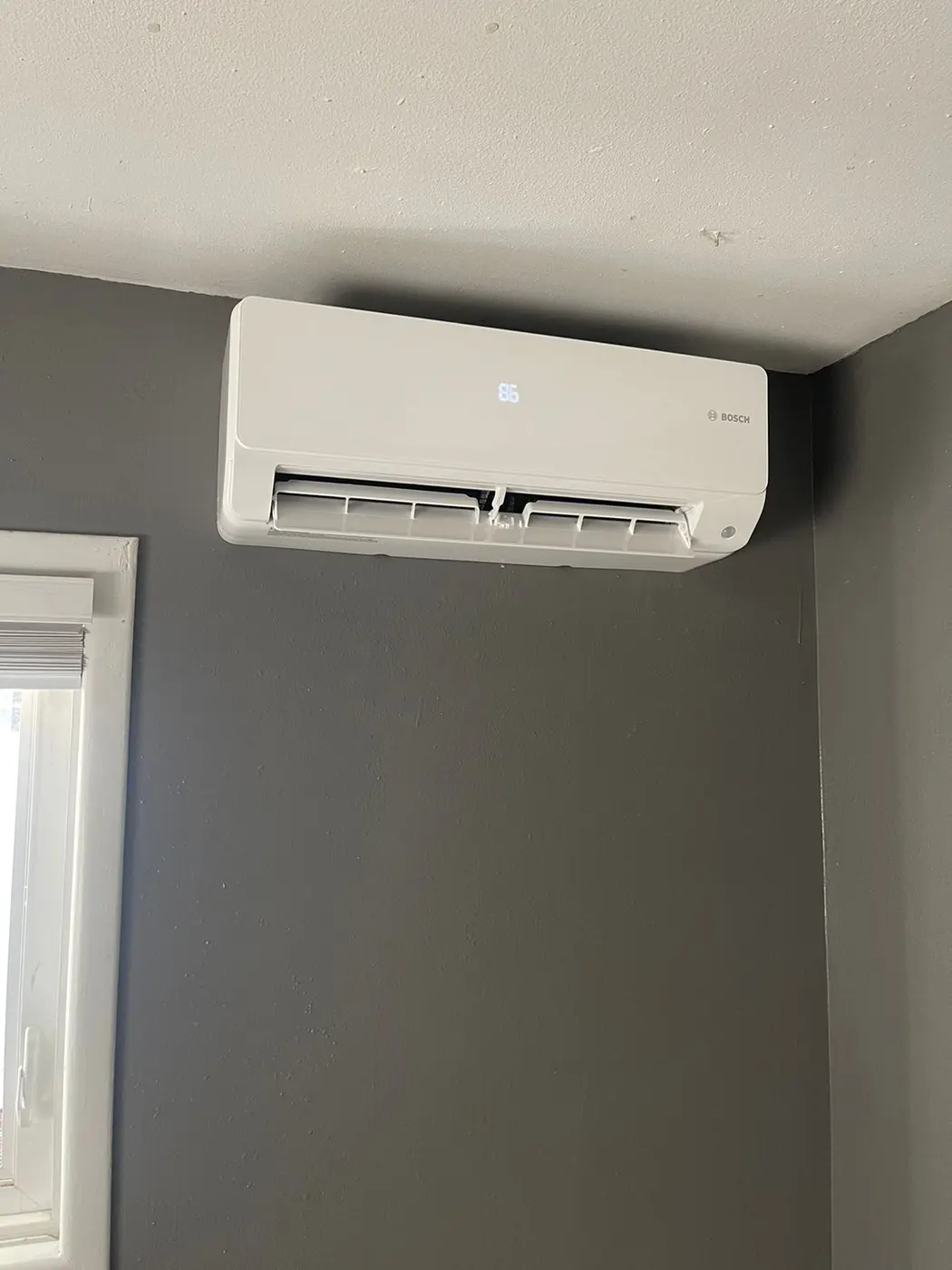
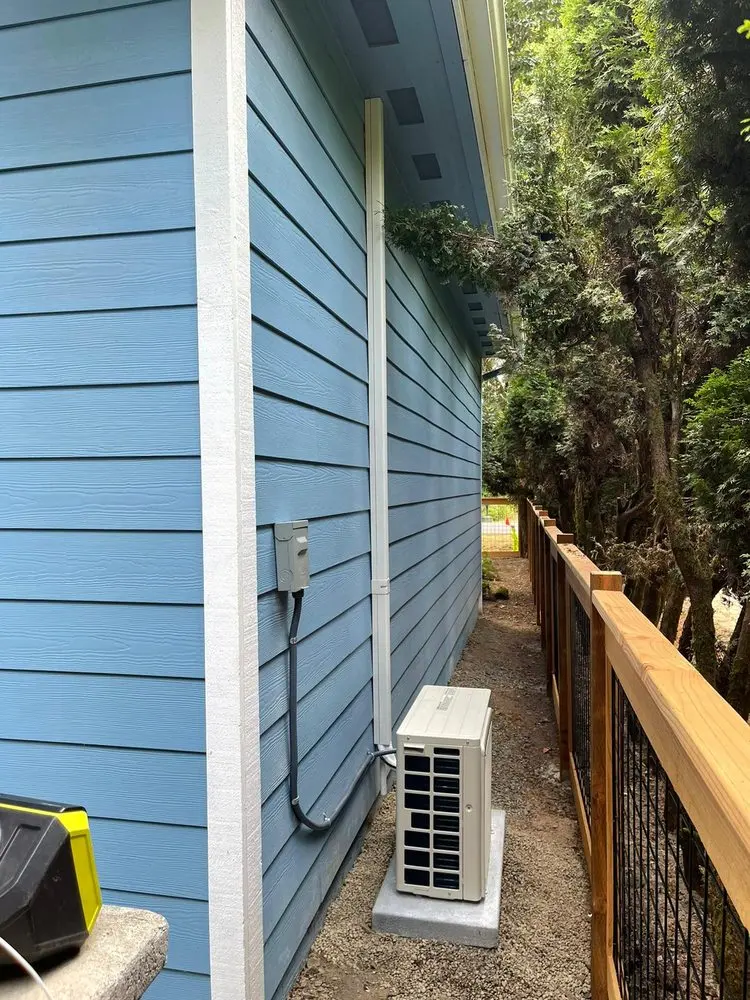
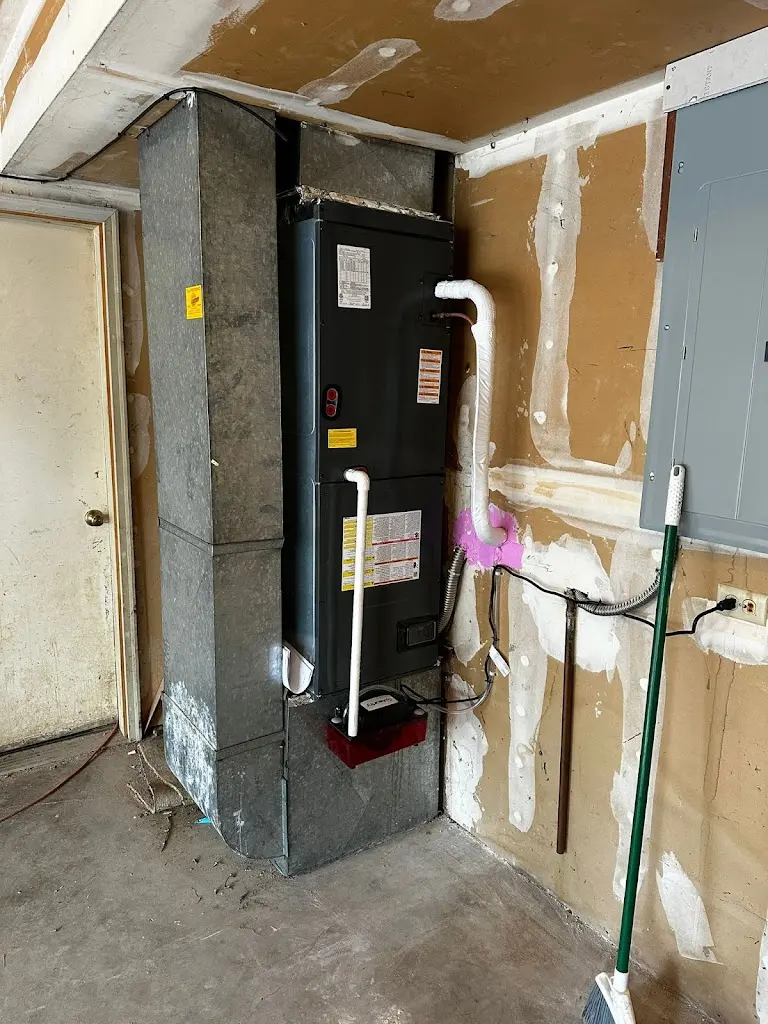
Review the indoor equipment, outdoor equipment and controls that will operate together. A changed unit may affect the match with retained components. Ask which model details and required functions support the revised choice. A familiar product name or capacity label does not establish the full combination.
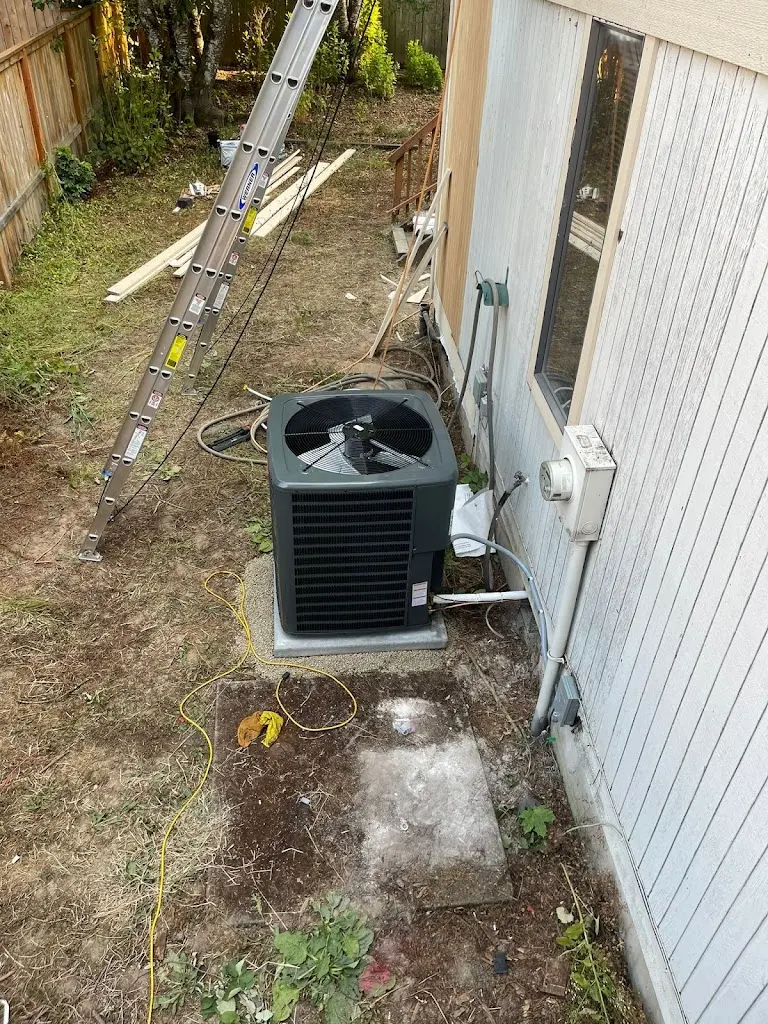
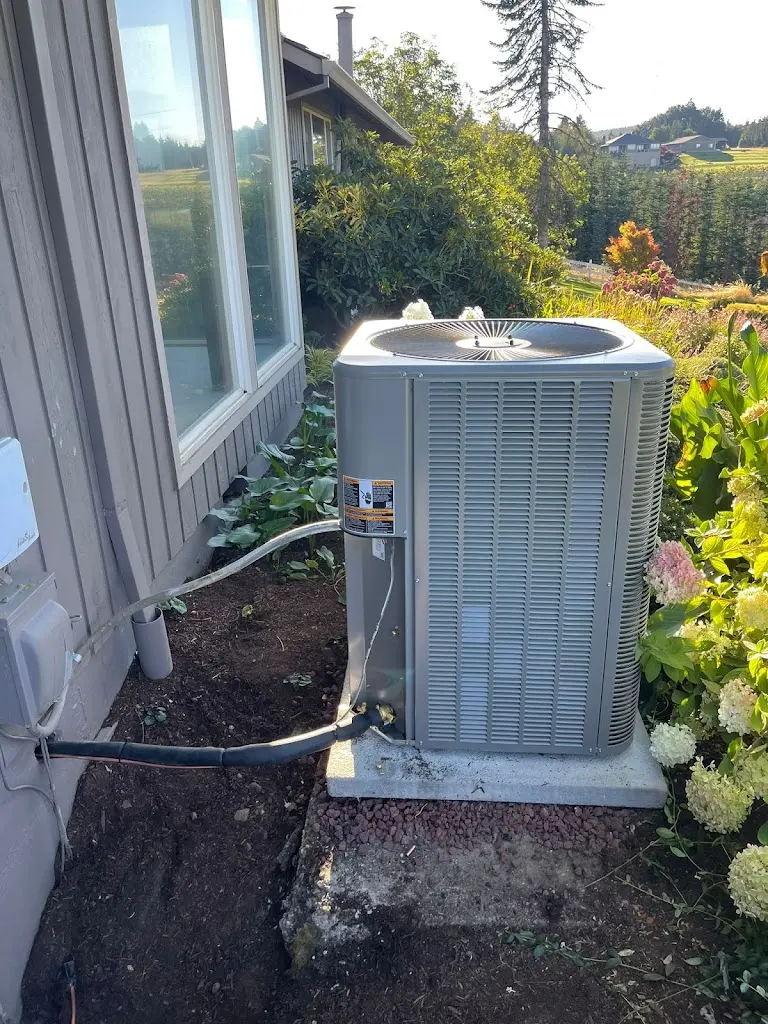
Also review placement, access and connection work. A different device may alter those tasks even when it serves the same rooms. Ask whether the proposal now includes other work or leaves a new question open. Keep the equipment substitution and any added installation task clear in the revised price. If replacement becomes the appropriate next step, AC installation gives the equipment choice and project scope their own review.
Confirm the schedule through the new scope. Device availability and required work can affect the planned date or interruption to normal service. Do not assume that an earlier timing discussion still covers a changed project. Agree on the updated plan before treating the installation date as settled.
Keep the Original Concern and Final Record Clear
If a current fault prompted the project, ask how the revised installation addresses the defined need. Our HVAC repair in Tigard service covers a separate repair diagnosis when that remains part of your decision. Changing an equipment proposal does not, by itself, explain the cause of the old problem.
Before approval, compare the revised models, tasks and price with the earlier proposal. Note what stays, what changes and why. After installation, keep the actual installed models and completed checks with that record. The final handover should describe the setup you received, including any agreed change from the first estimate.
Frequently Asked Questions
Can two models with the same capacity need different installation work?
Yes. Capacity alone does not define the connections, control needs or equipment match. Review the exact proposed models and their site requirements. The revised work scope should explain any resulting change.
Does a substituted model automatically keep the original price and date?
Do not assume that. Review the revised device and work before confirming the price and schedule. If those details stay the same, keep that agreement clear alongside the changed model.
What should the final project record show after a change?
Keep the installed models, approved scope and completed checks. Retain the reason for any agreed substitution and identify open items. A record of only the original estimate may no longer describe the finished system.