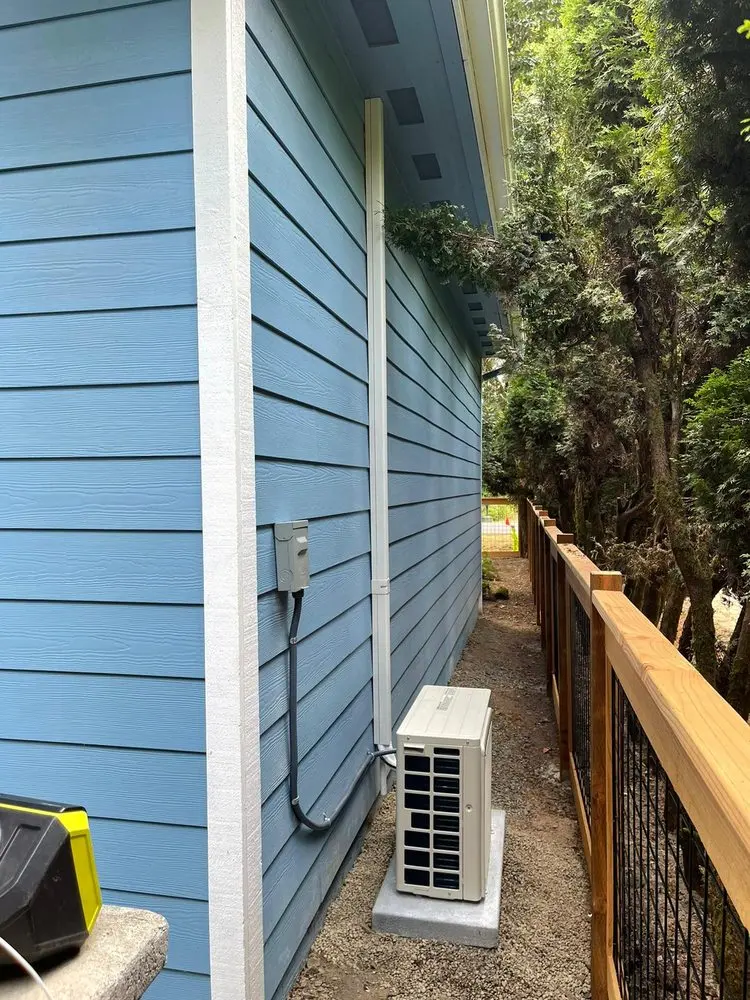
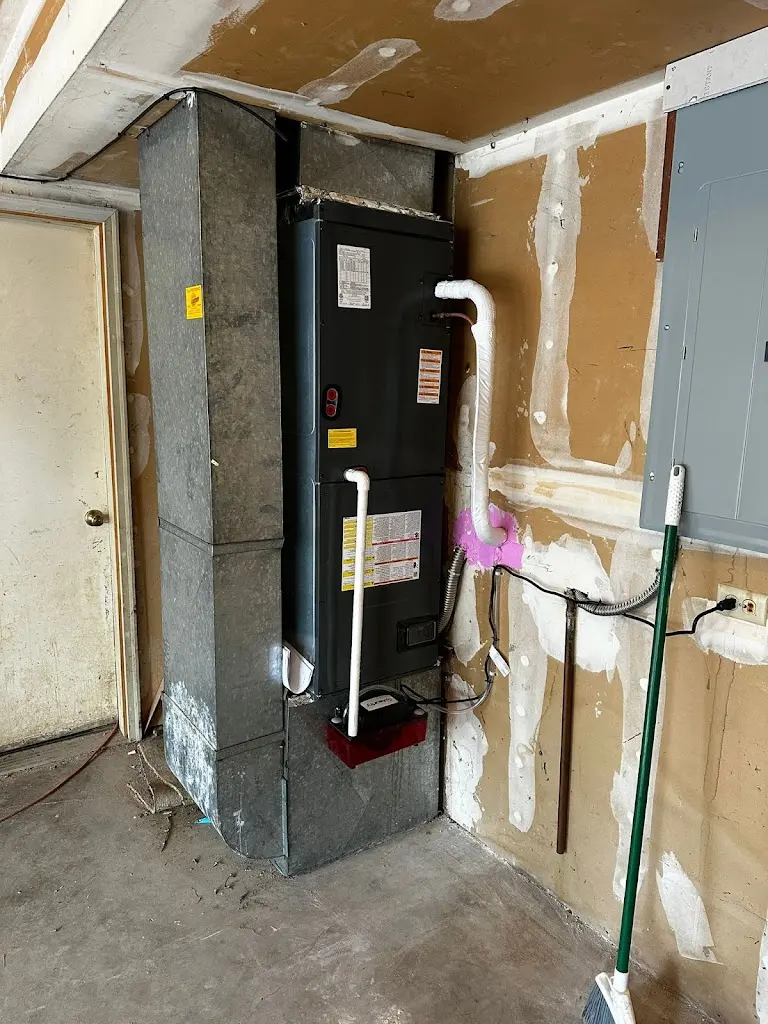
Bring the Unresolved Concern Into the Estimate
Earlier repair work may leave a comfort problem to address. HVAC & Appliance Repair Guys provides HVAC installation in Troutdale, OR. Use the free on-site estimator visit to define the new project and the result you need. Earlier work records give context, but the new scope needs its own review.
Explain which concern led to the repair and what changed afterward. The equipment may now start while a room still lacks comfort, or the original failure may have returned. Keep those outcomes separate. A problem that remains does not prove that every system part needs to change.
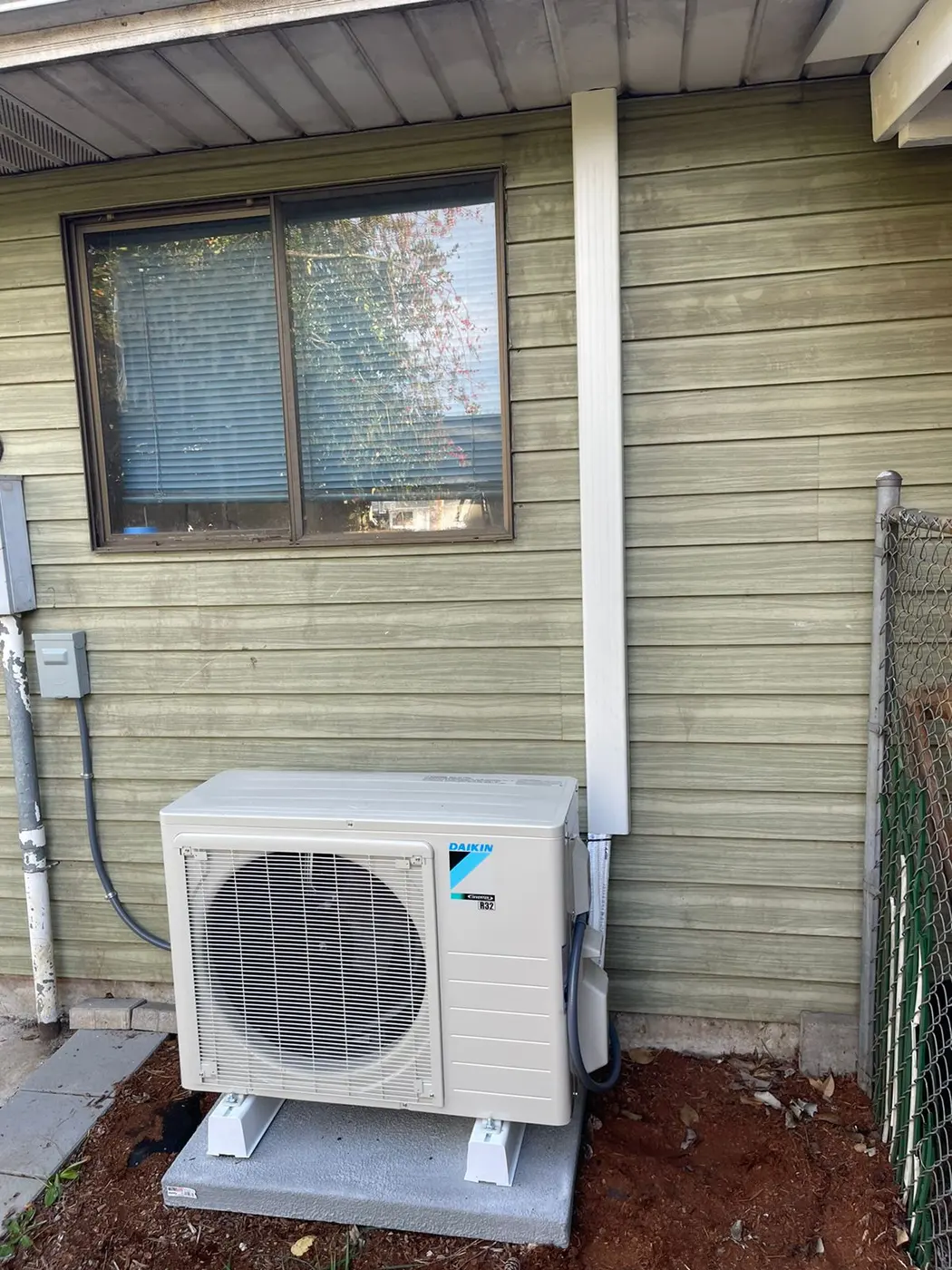
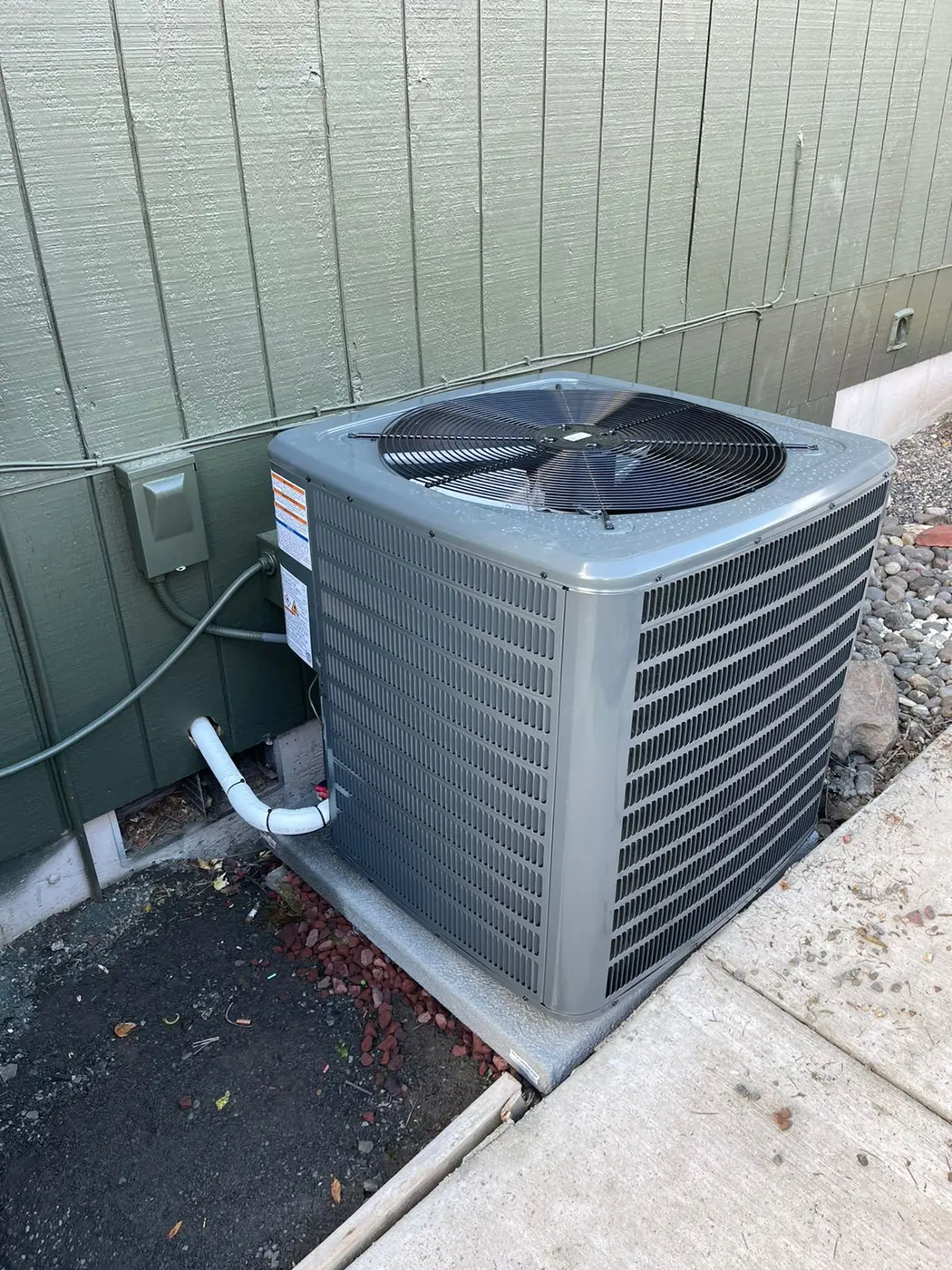
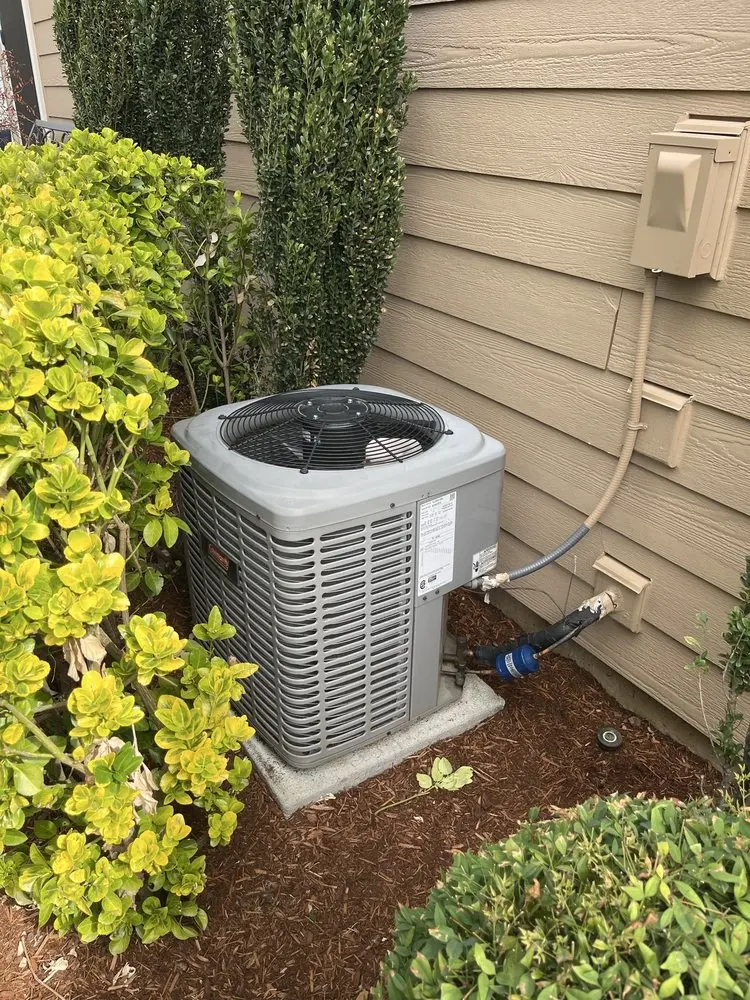
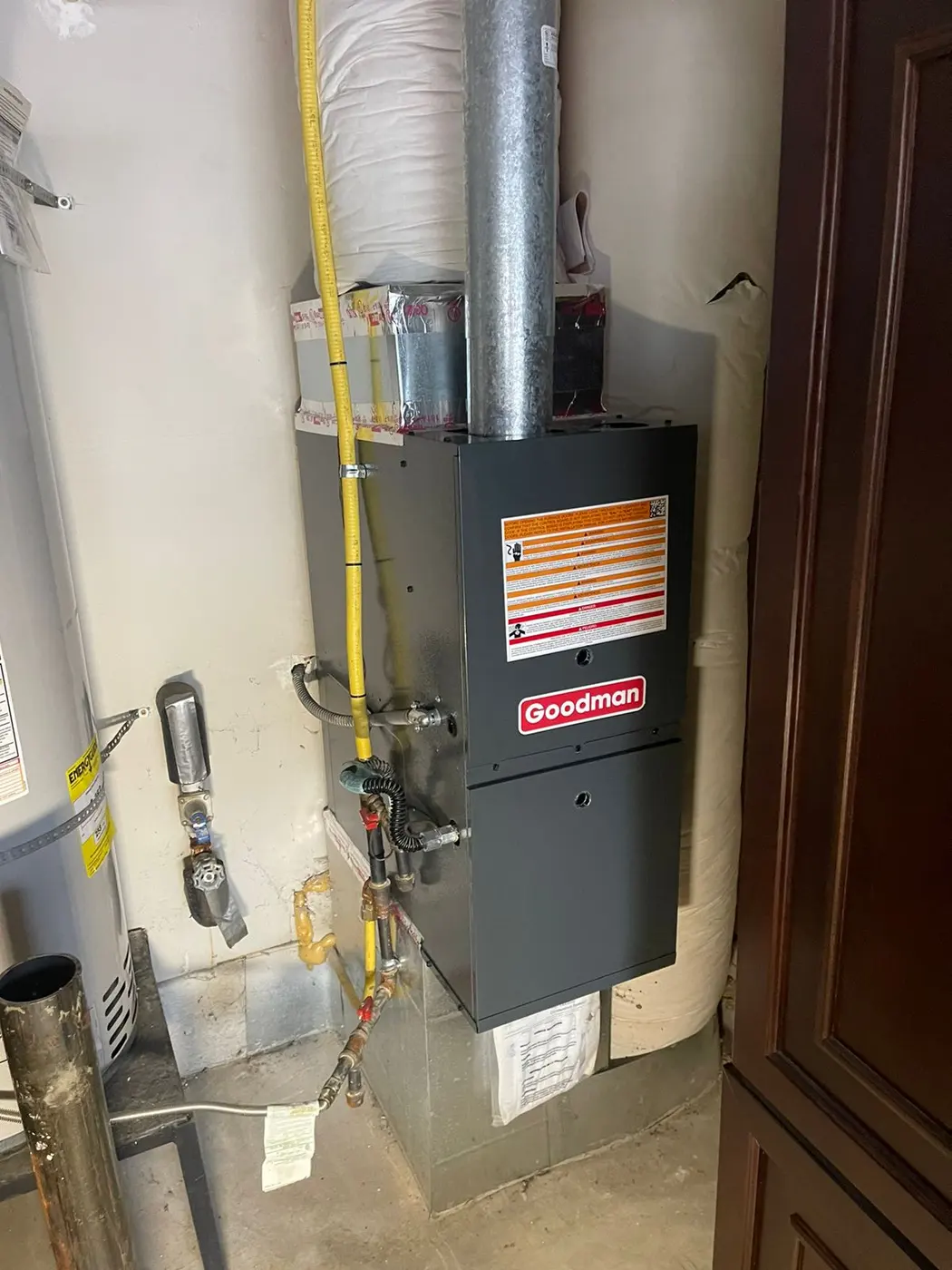
Our HVAC installation service covers planning a new equipment setup. State whether you have chosen replacement or still want to compare it with another repair. Each choice needs its own facts. The estimate should address the project you actually want to consider.
Separate a Previous Finding From an Assumption
Bring the work description and known equipment models where available. A named repair says more than a note that someone serviced the system. Explain any recommendation you received and whether that work happened. Leave uncertain details open instead of treating every suggestion as a confirmed finding.
Describe how the rooms feel now. Identify the affected spaces and whether the concern involves heating, cooling or airflow. A prior repair may have addressed one component without covering every room complaint. Keep each issue clear when discussing what the new work should achieve.
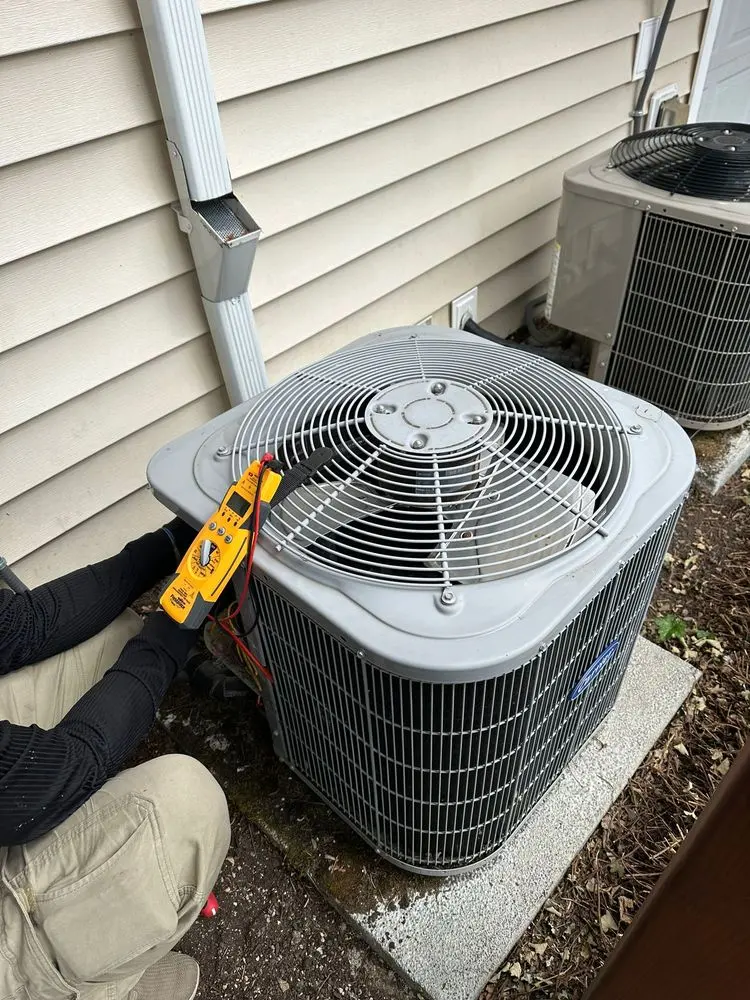
Our HVAC repair in Troutdale service can assess a current fault as a separate task. The free estimator visit applies to installation or replacement planning. It is not a general fault-finding visit. Clarify which decision the appointment needs to support.
Define What the Replacement Will Change
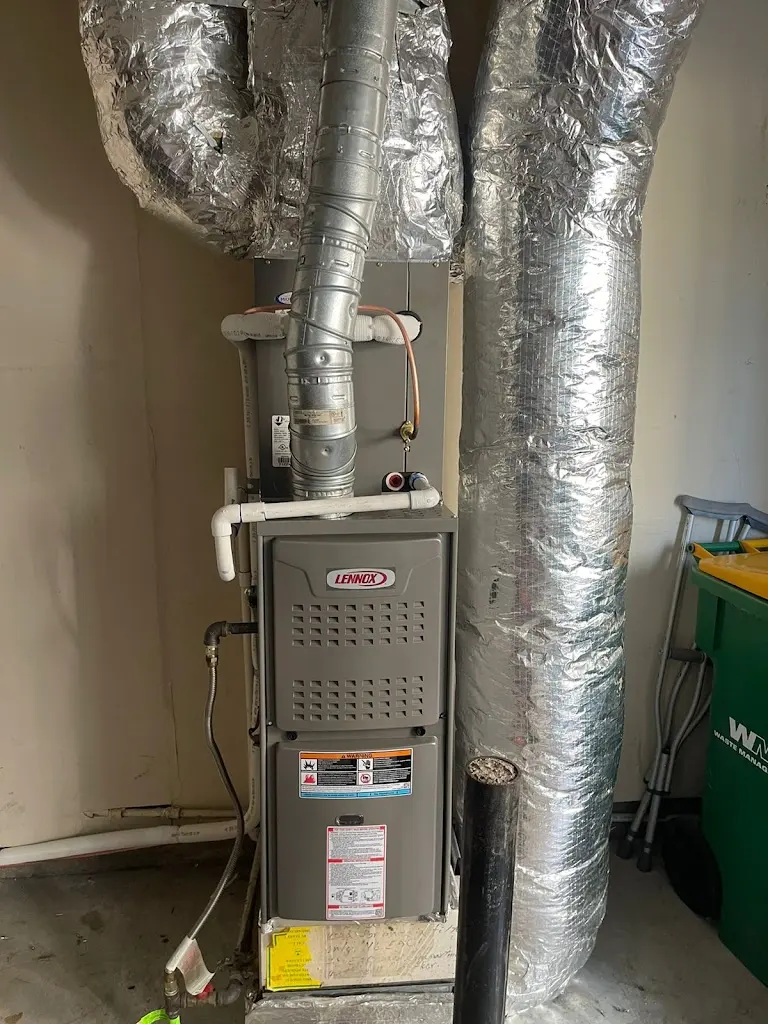
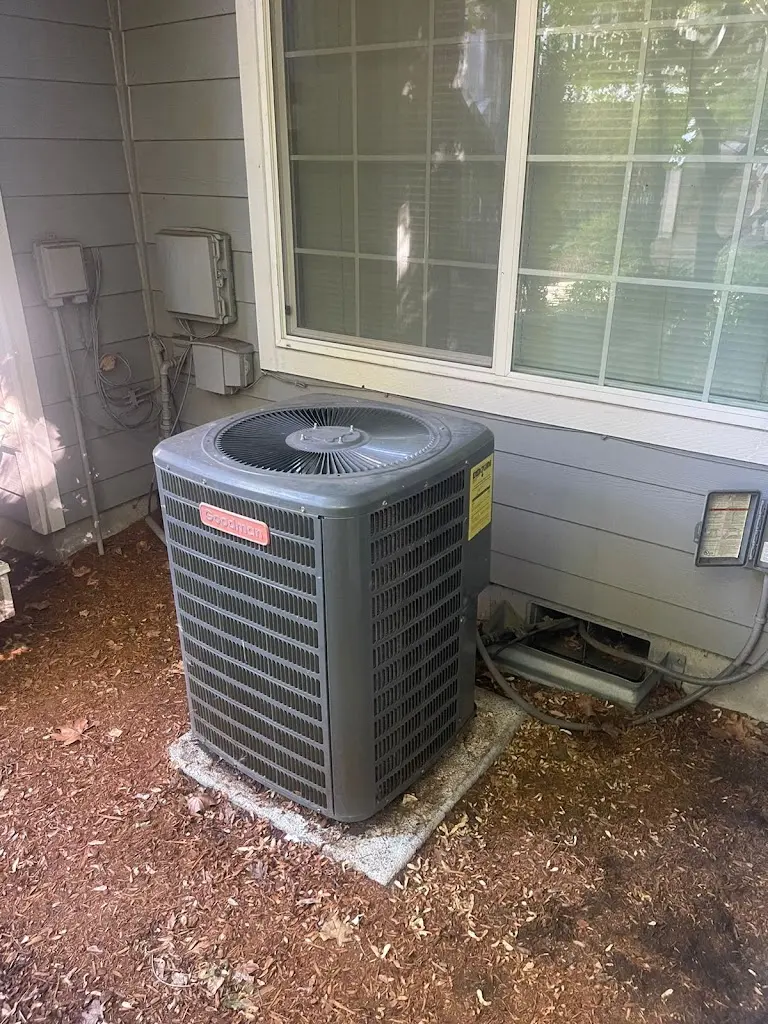
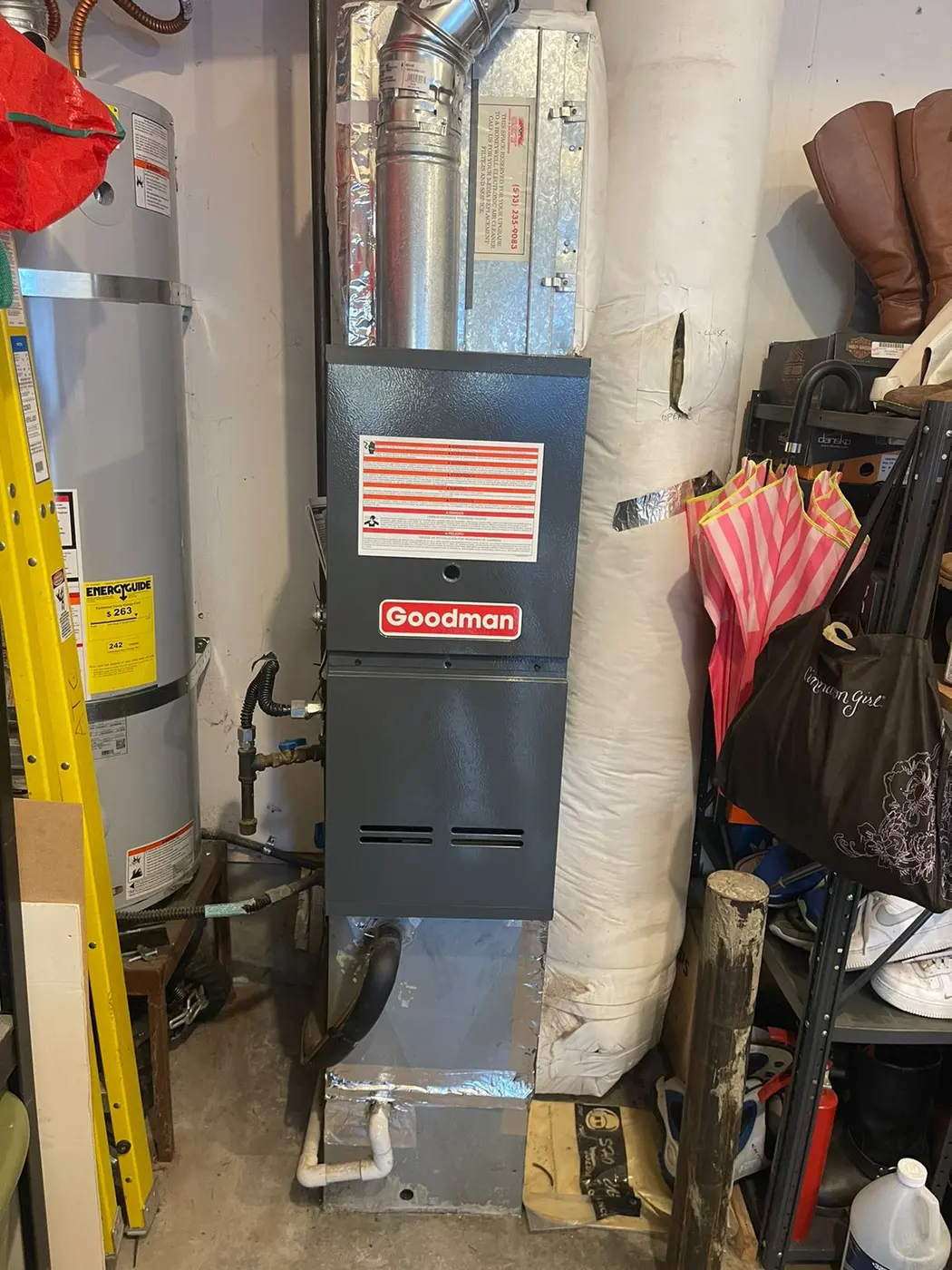
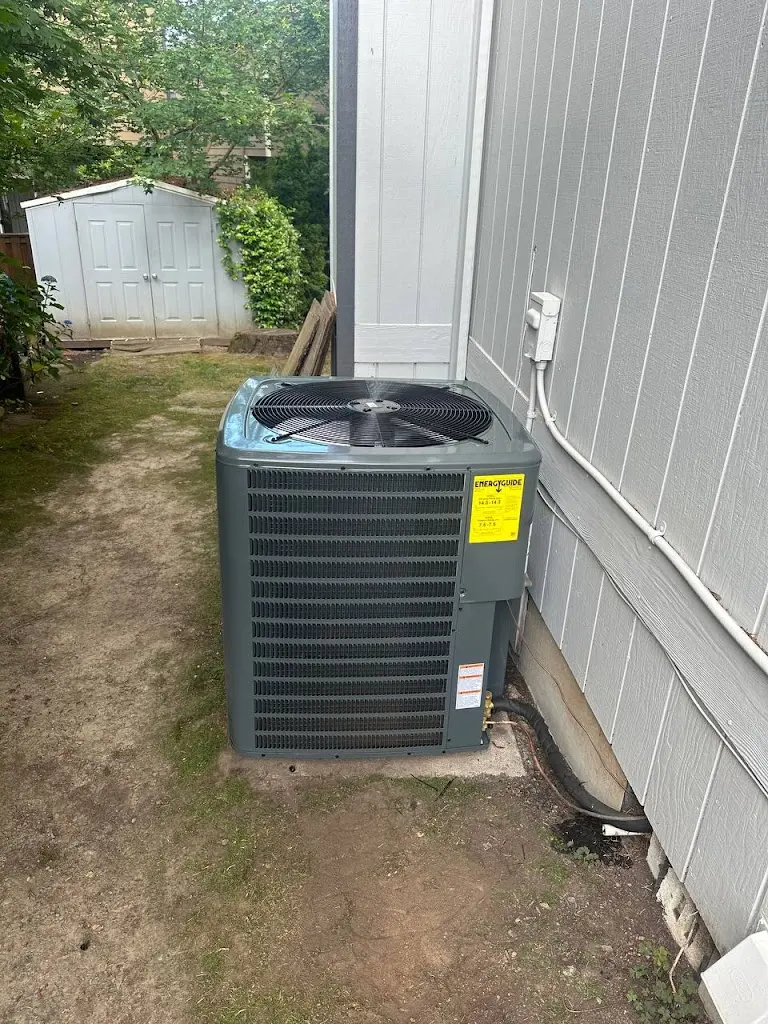
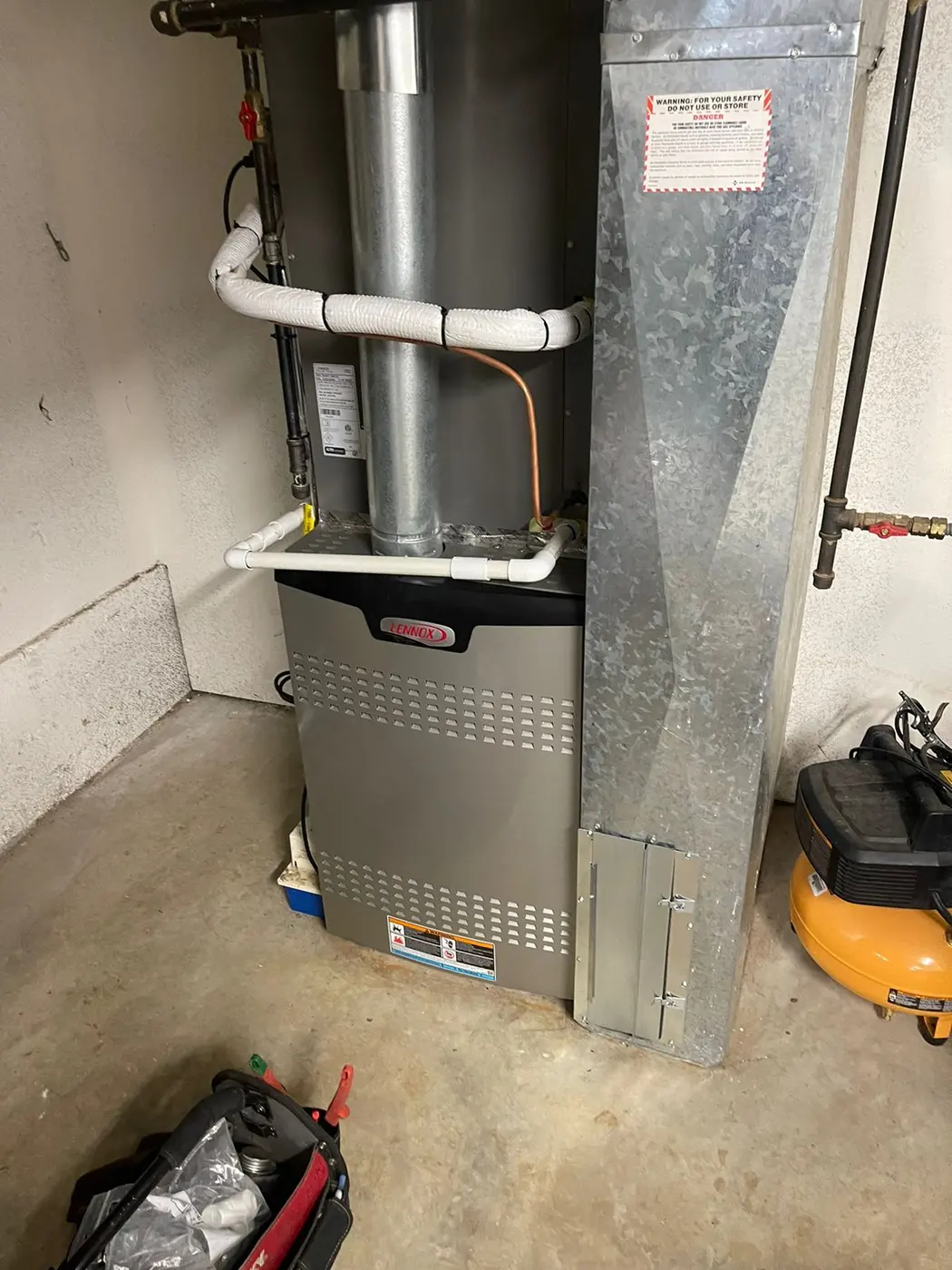
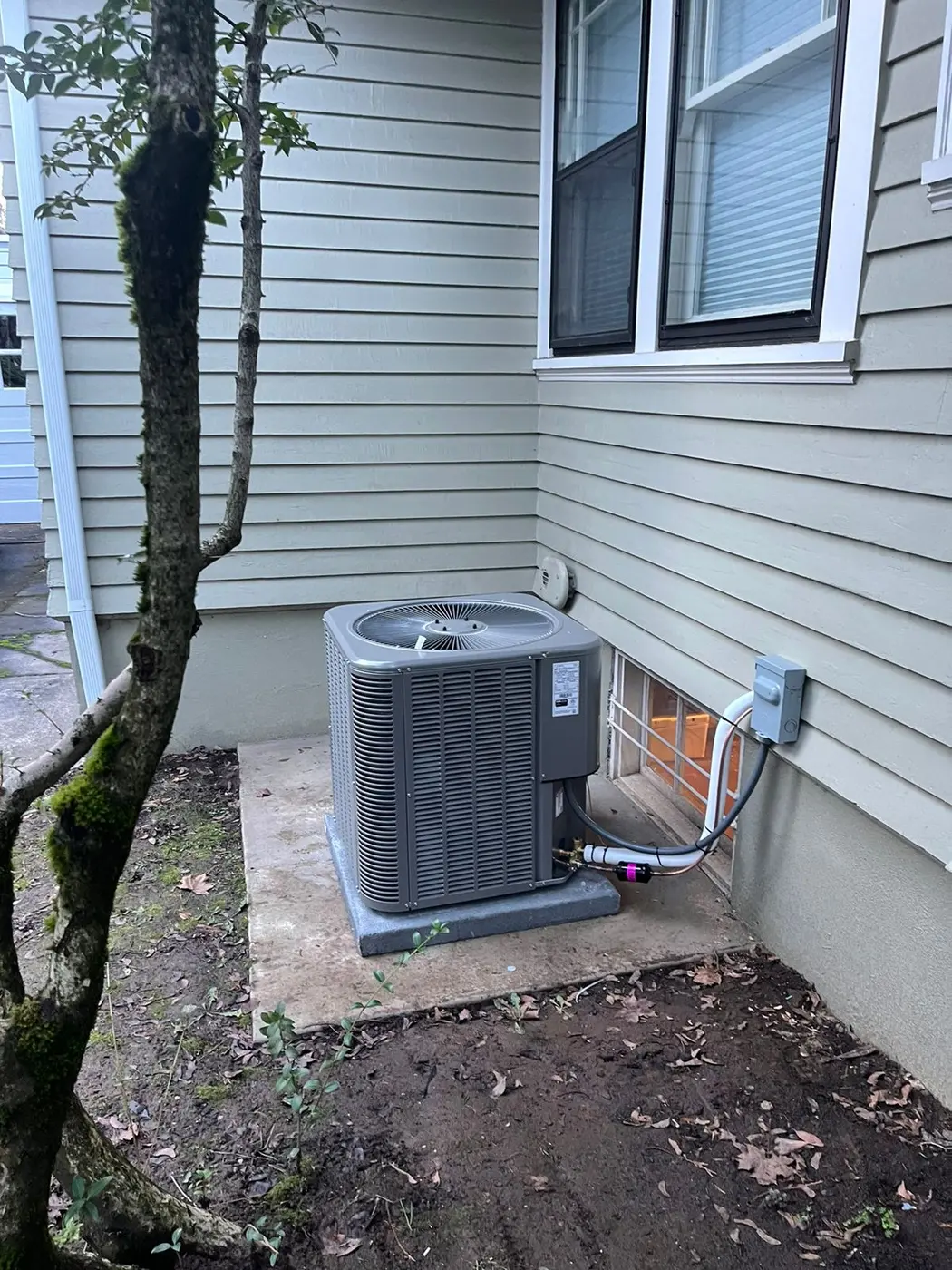
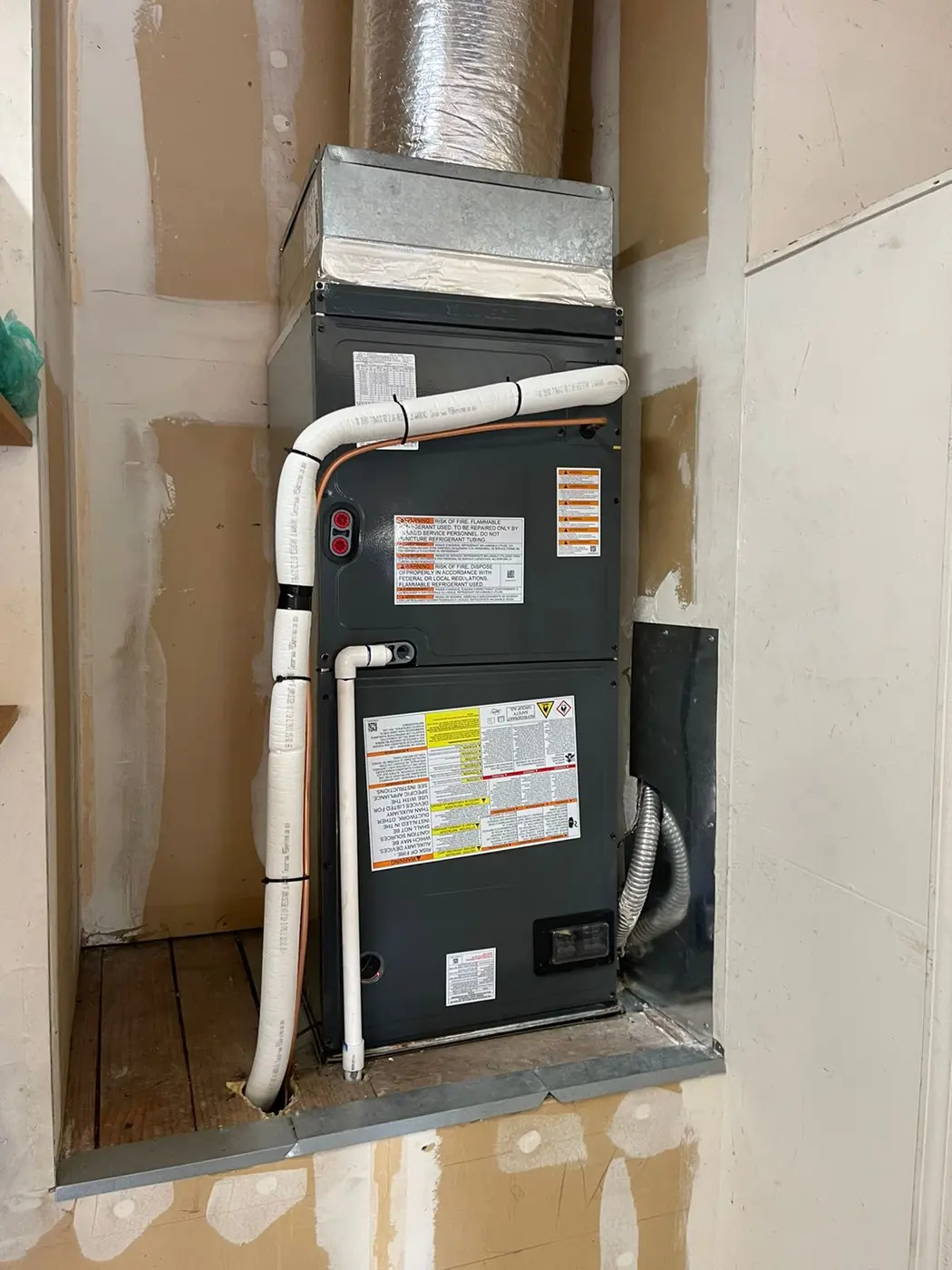
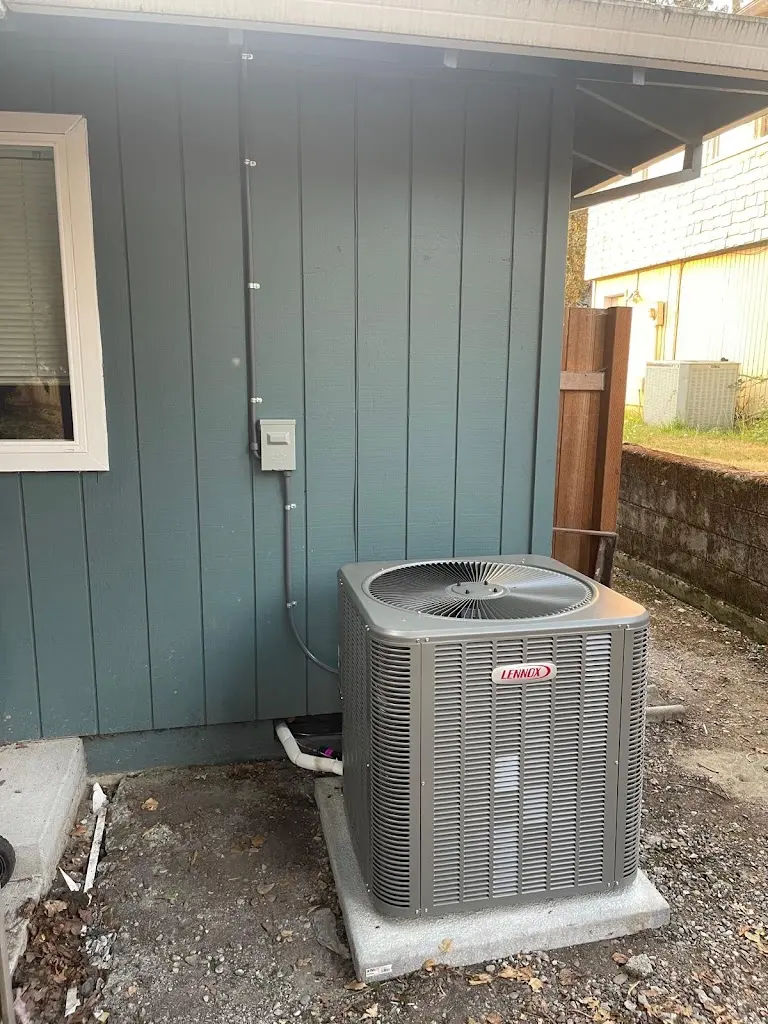
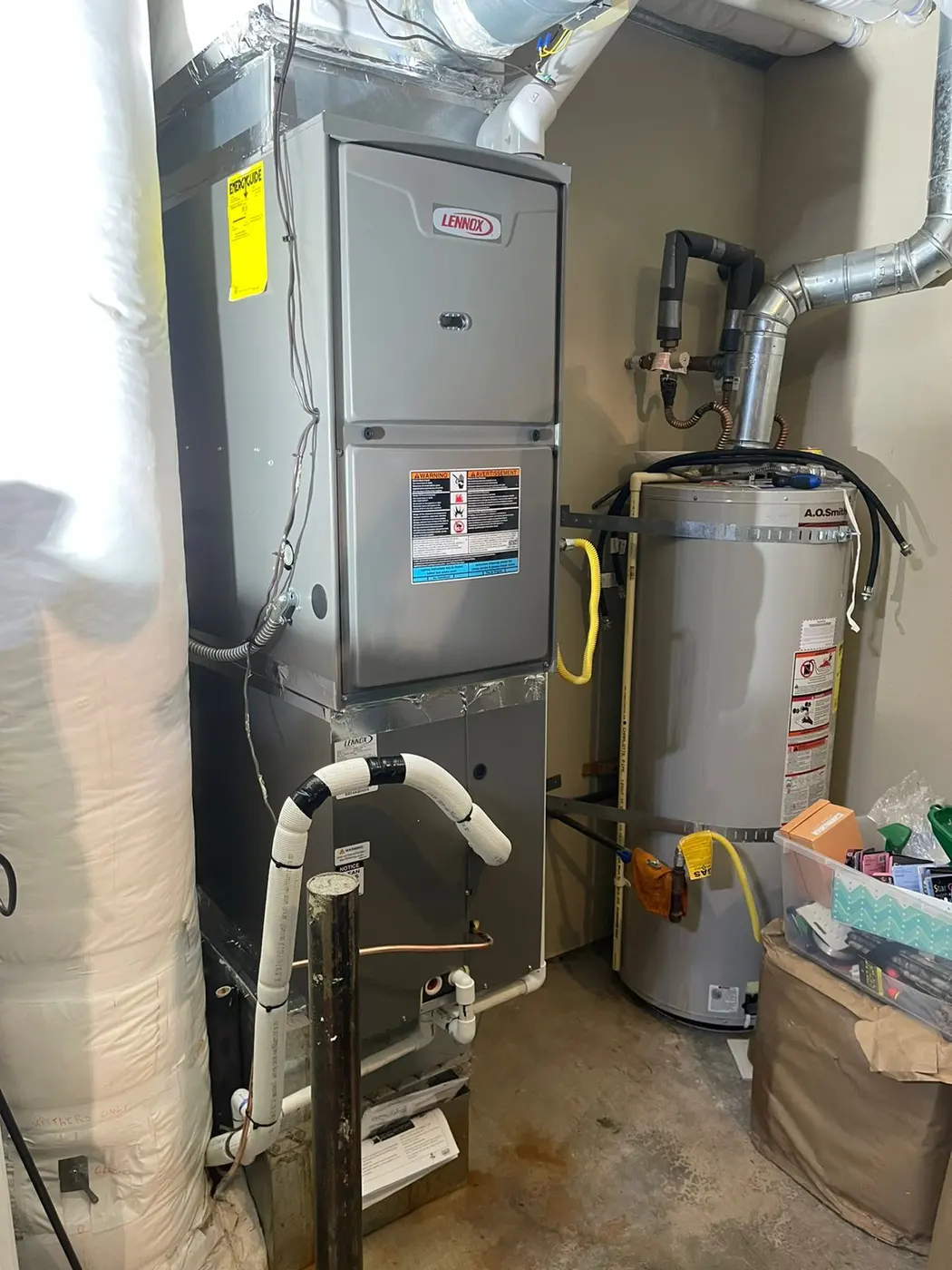
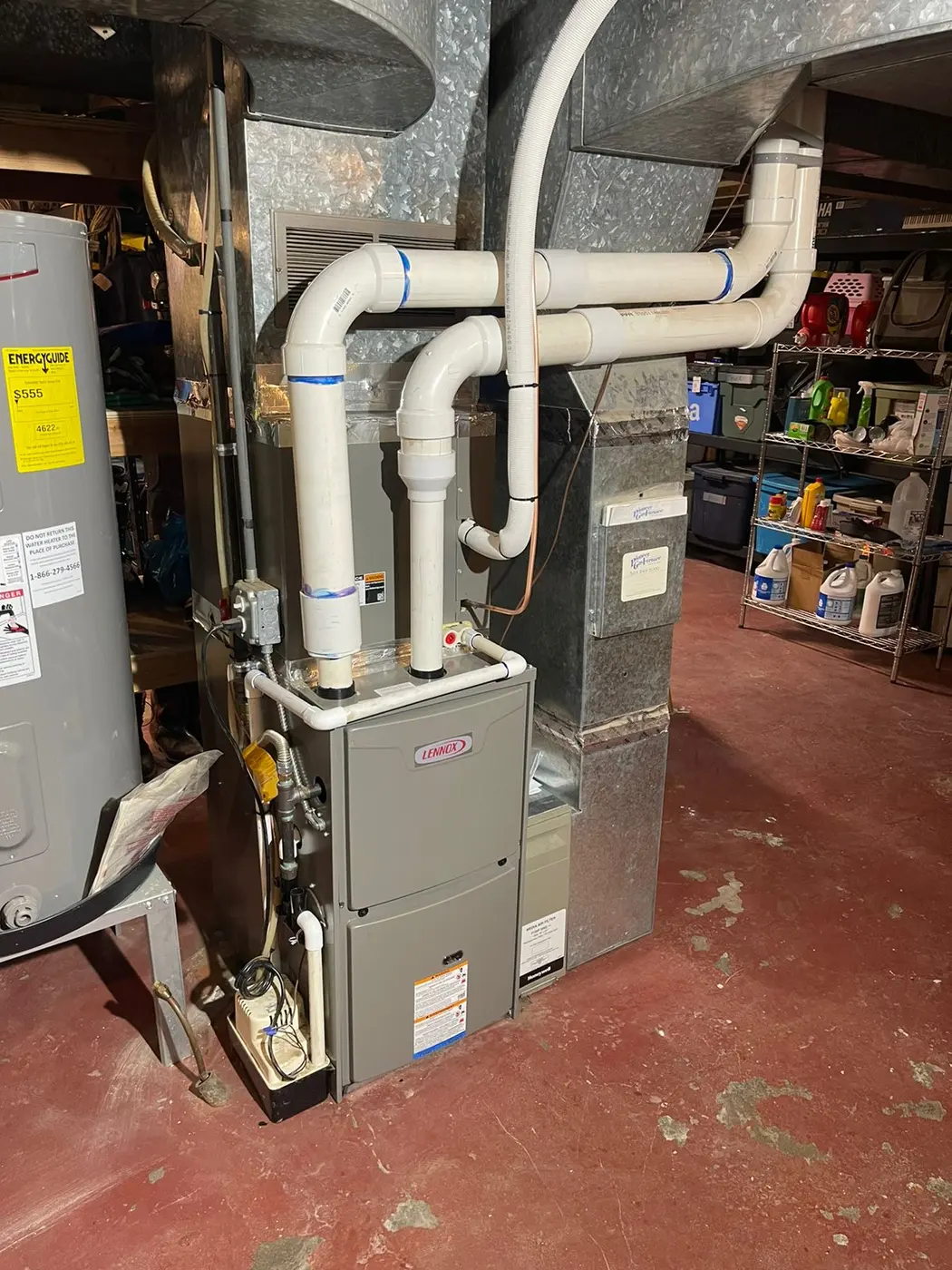
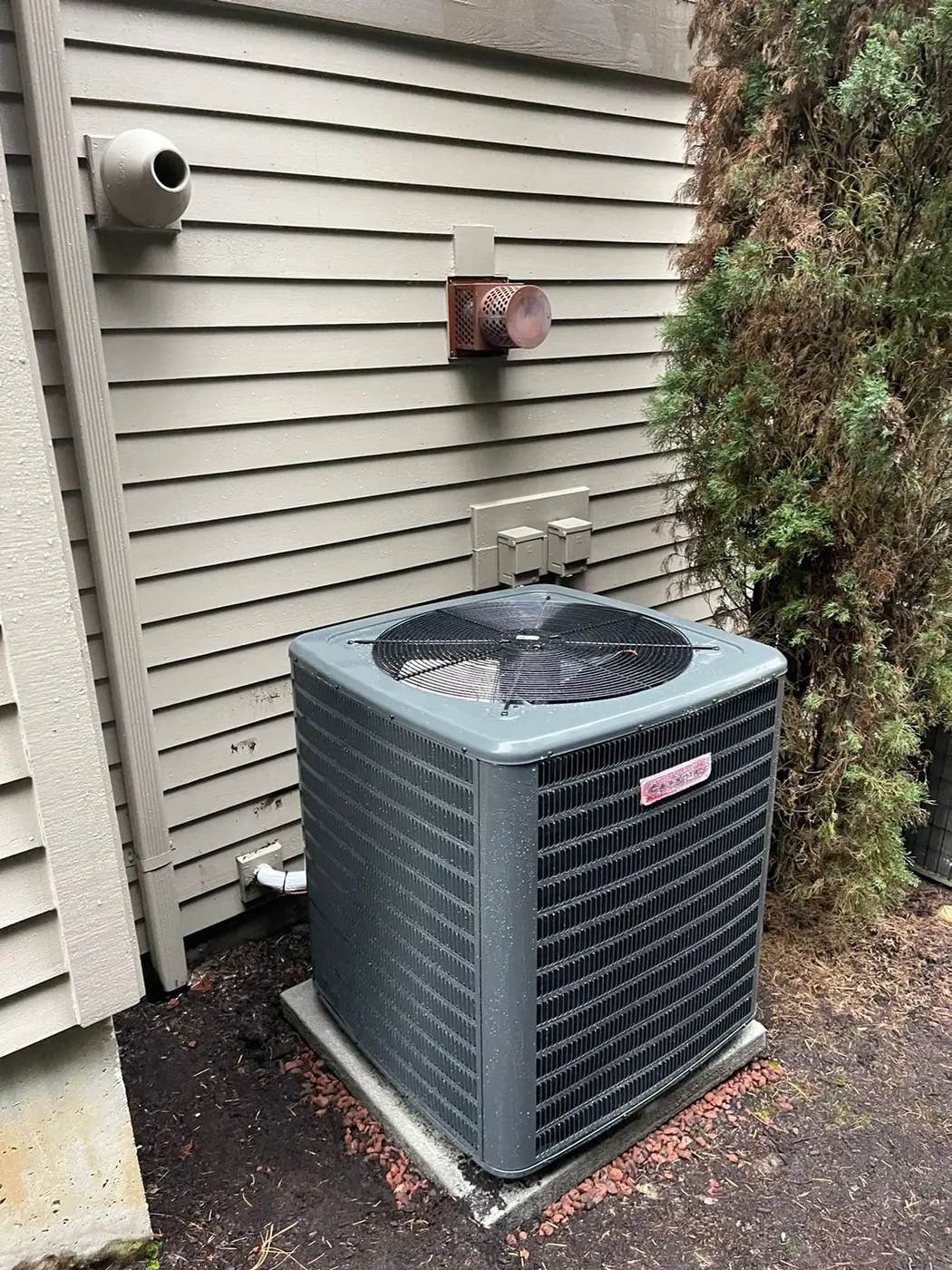
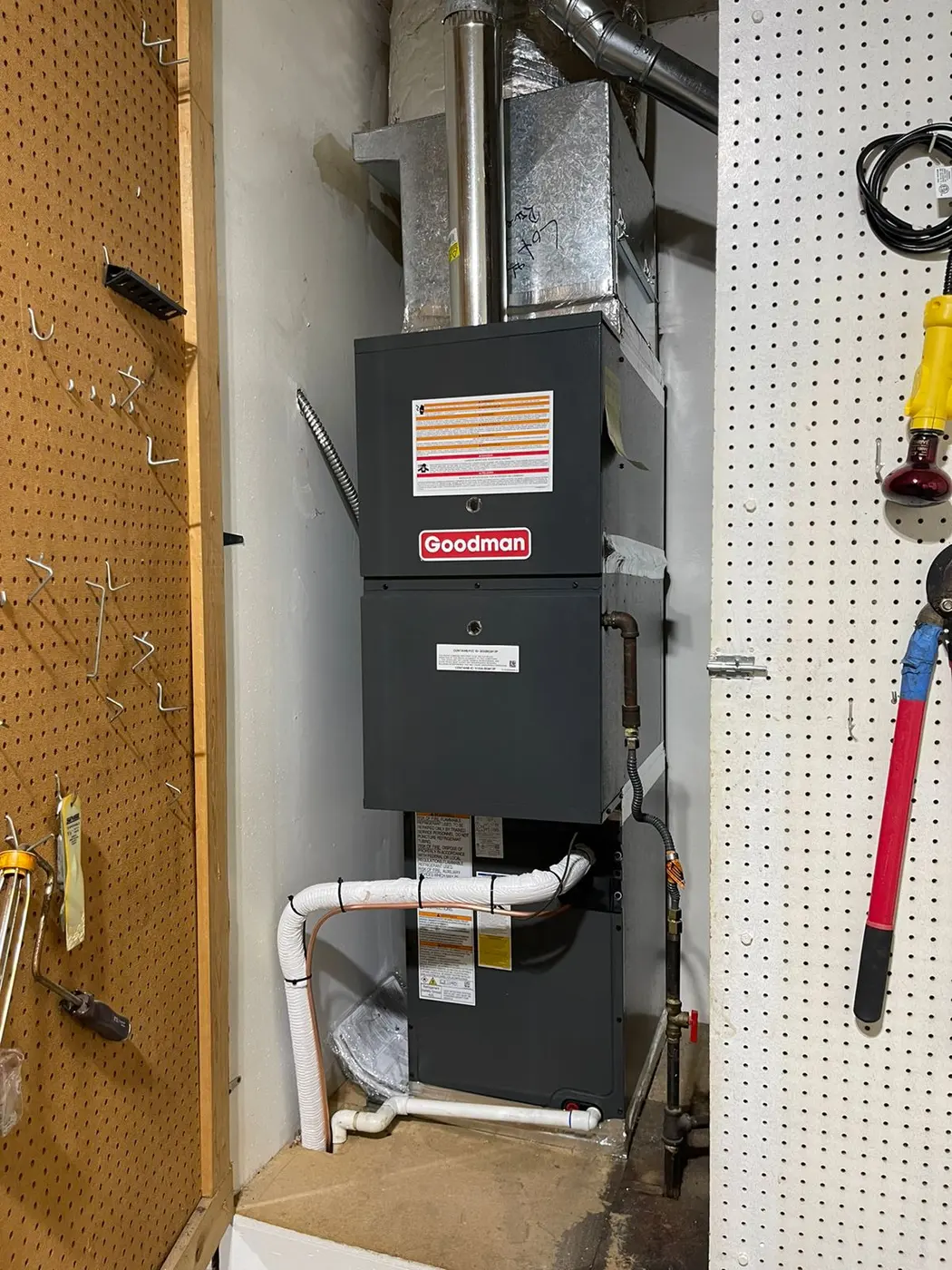
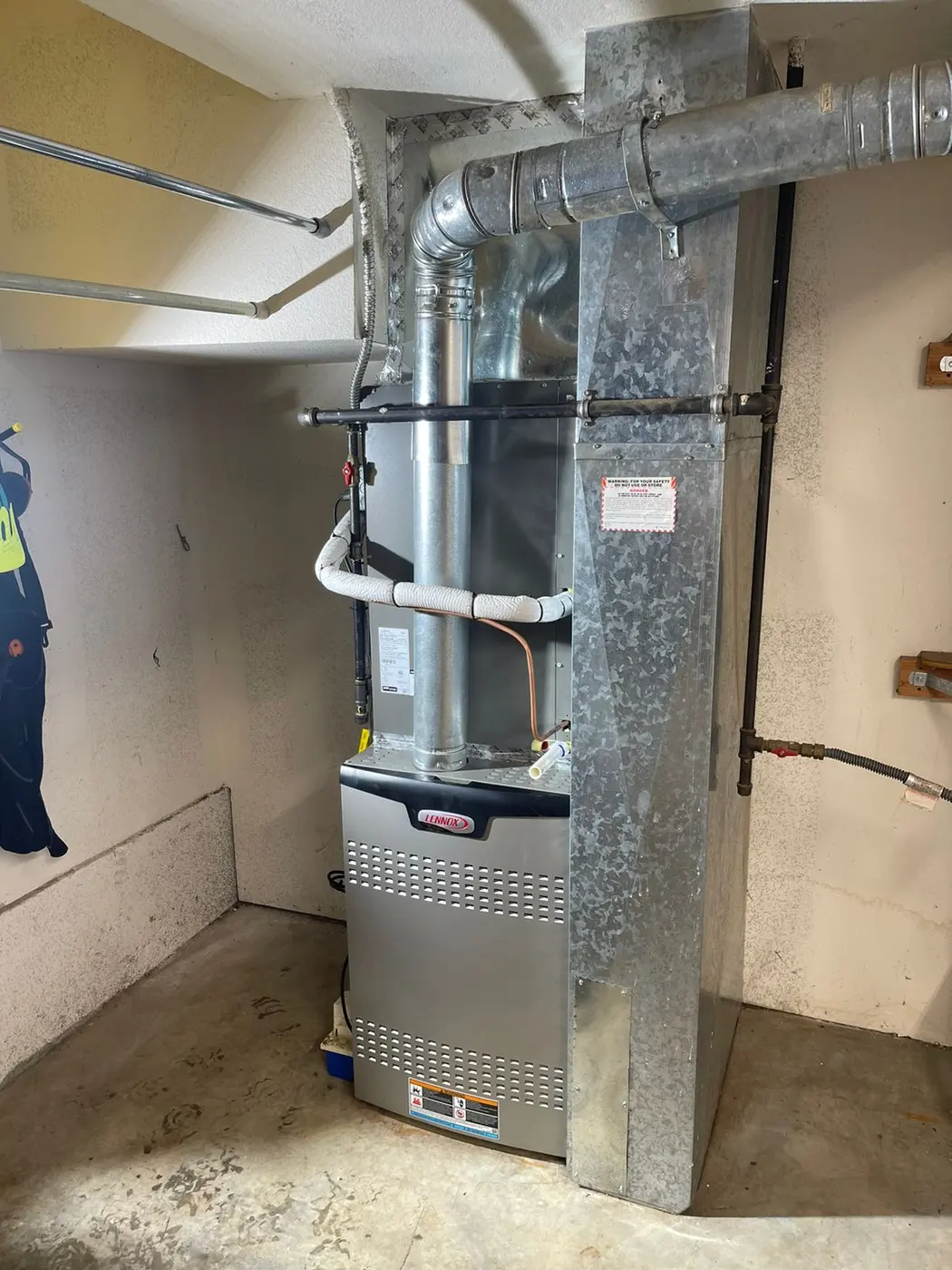
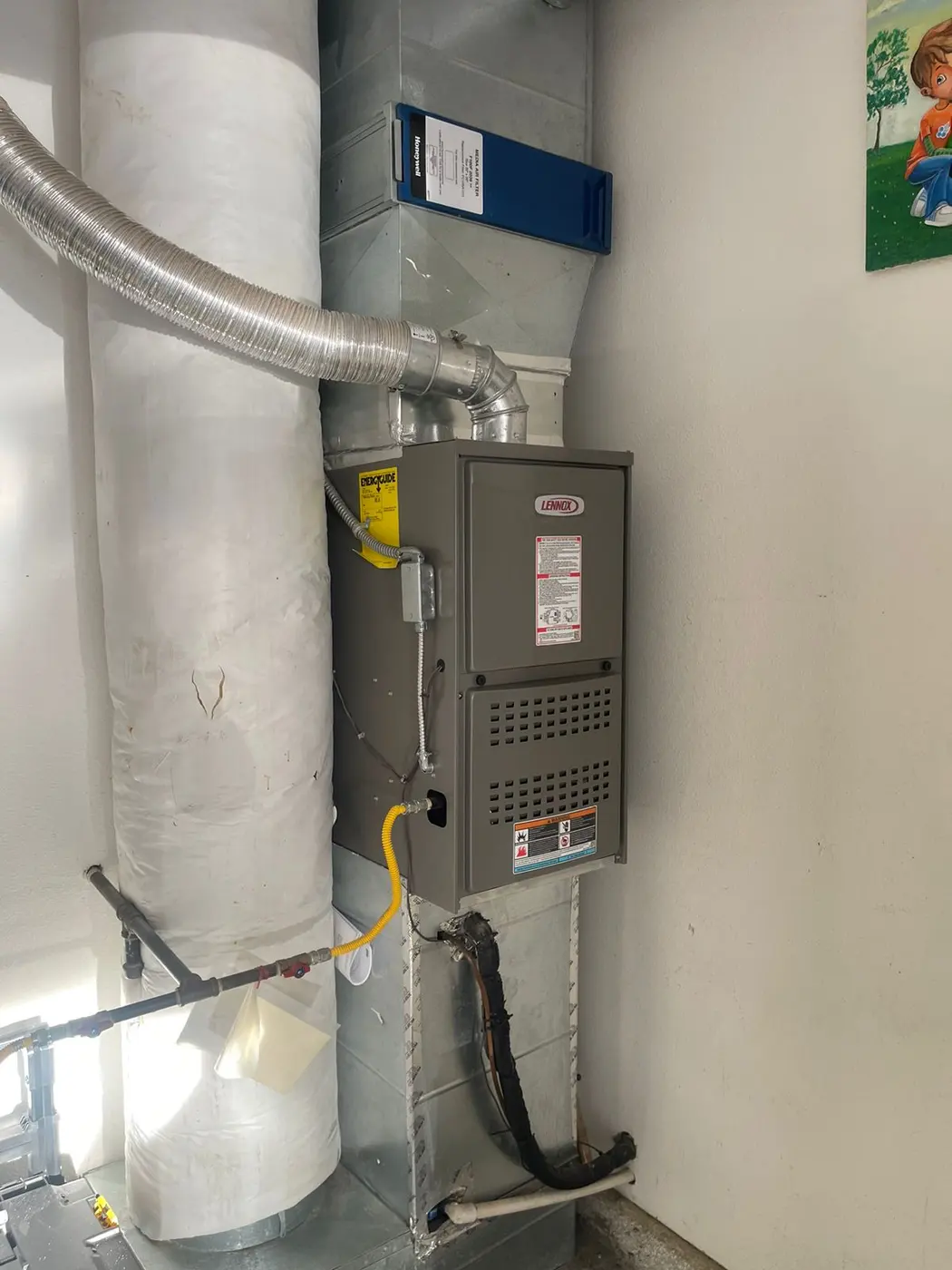
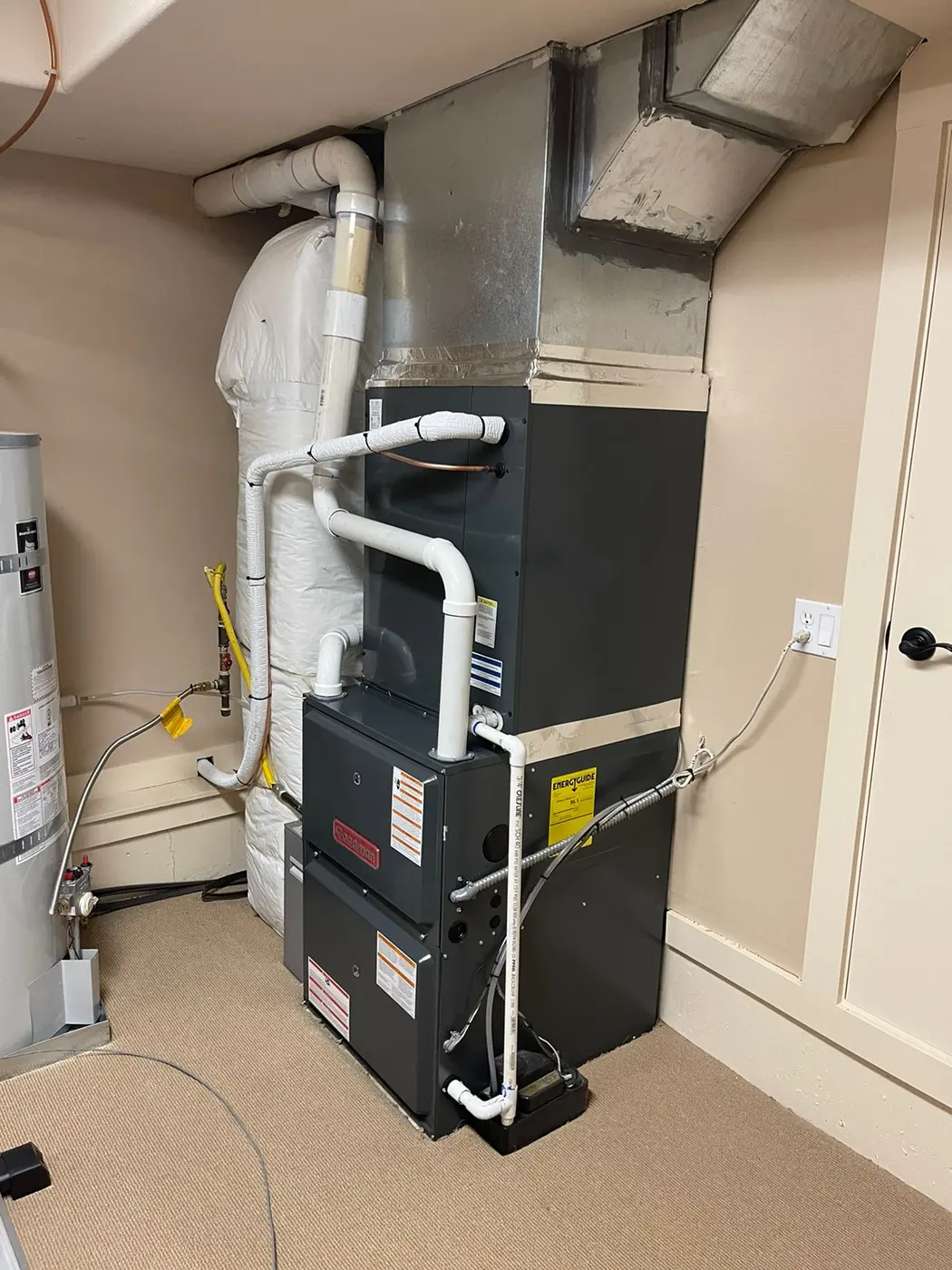
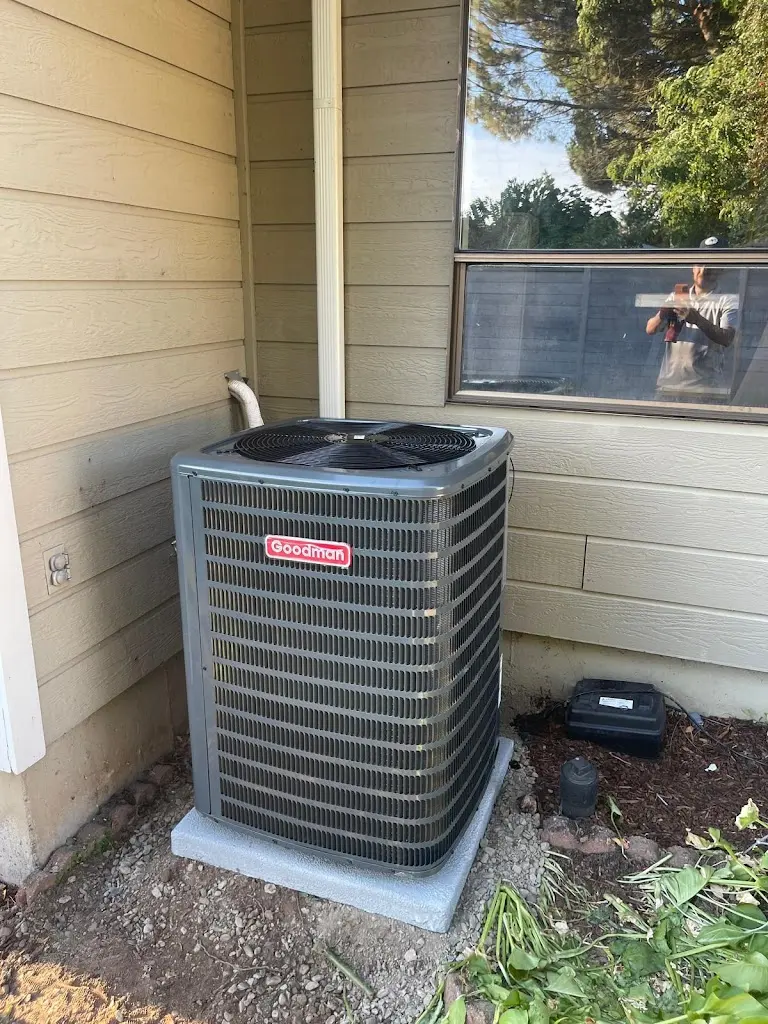
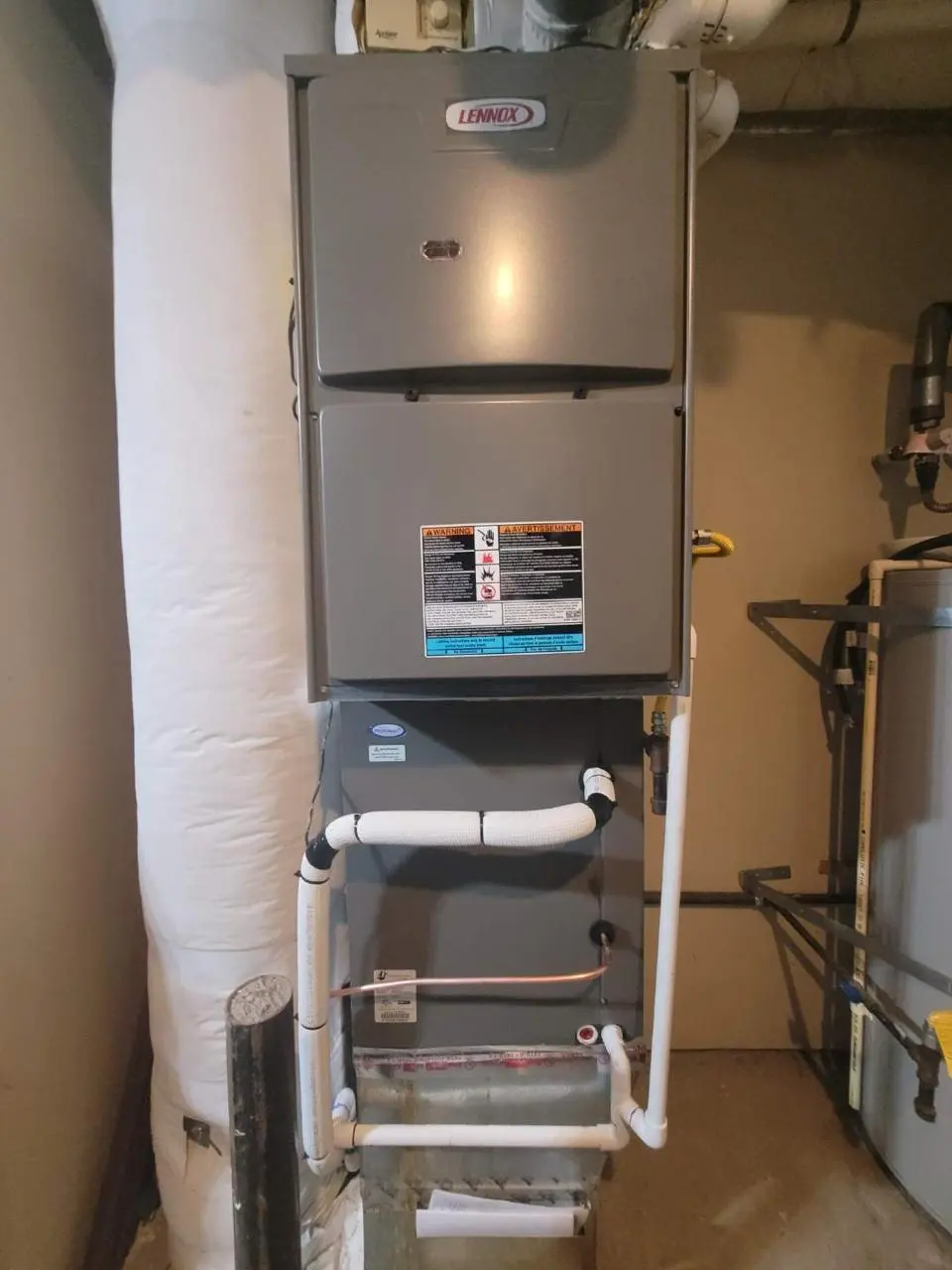
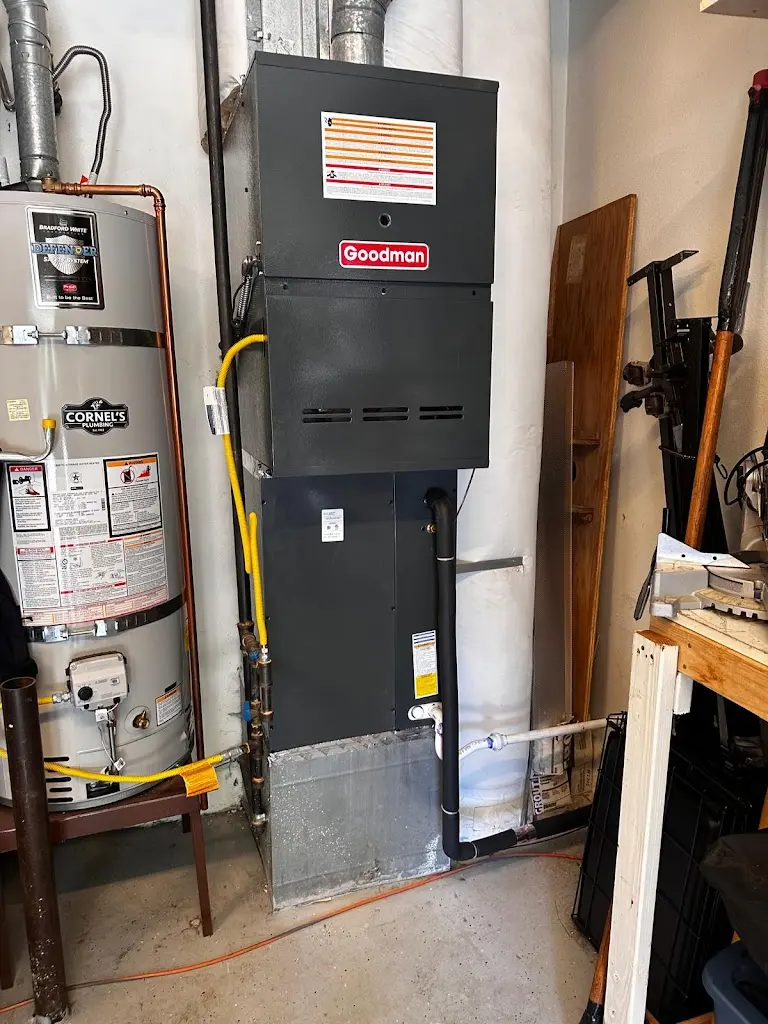
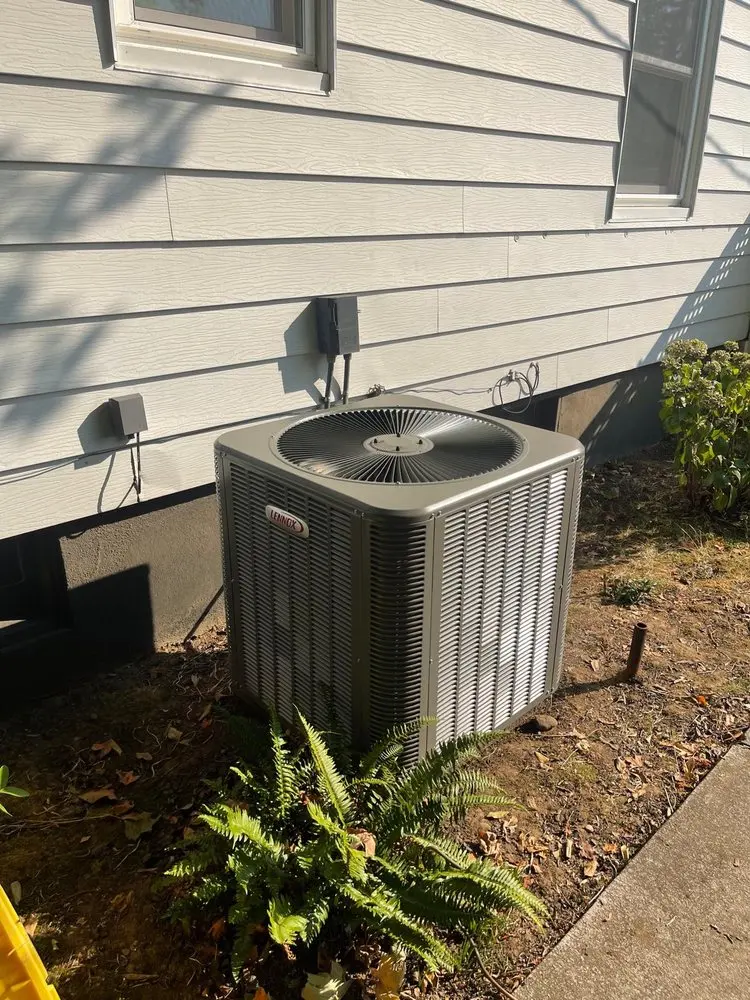
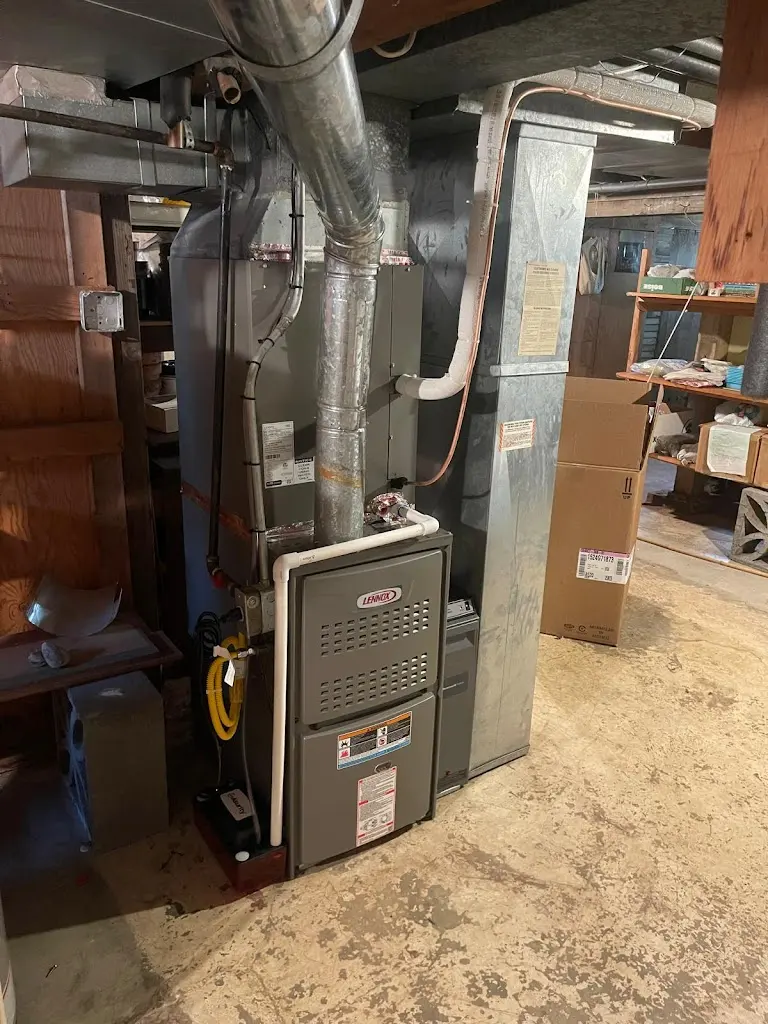
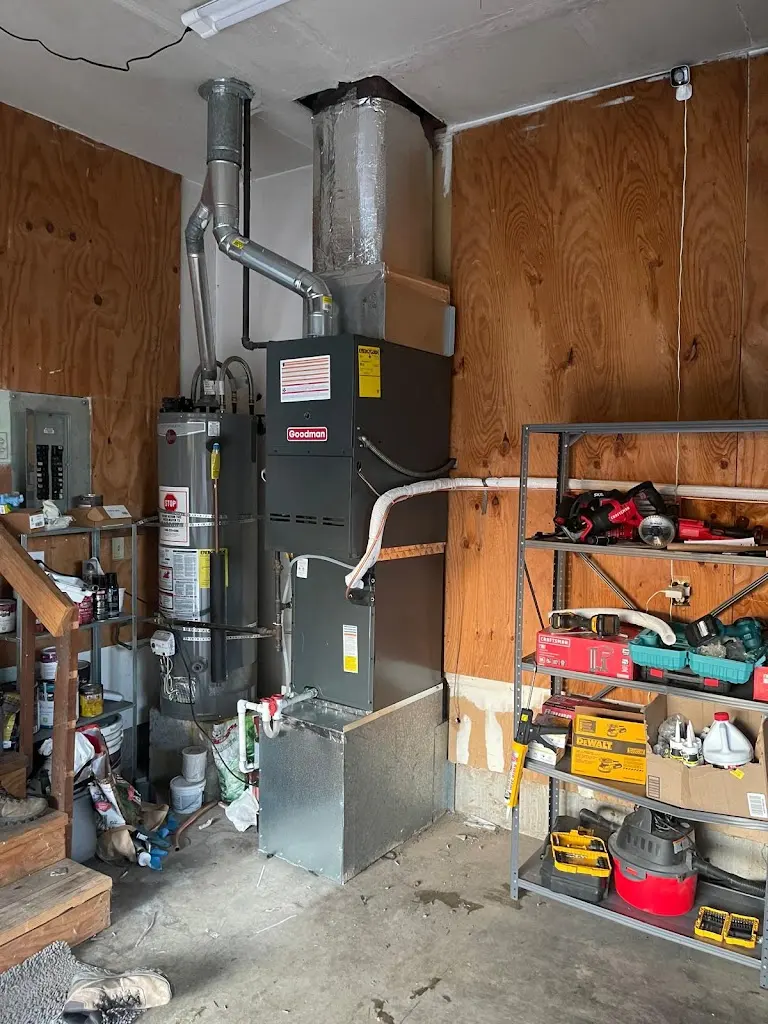
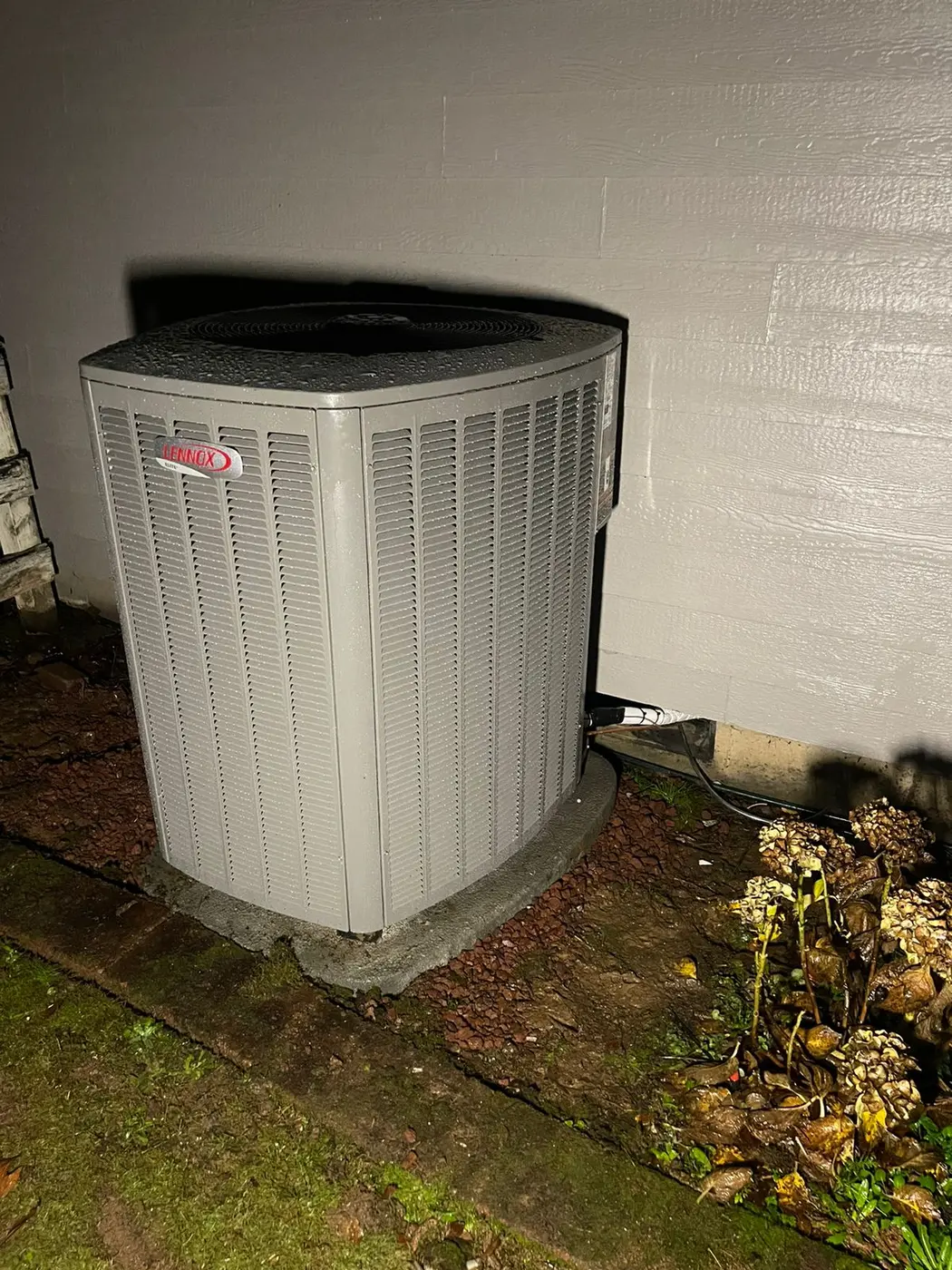
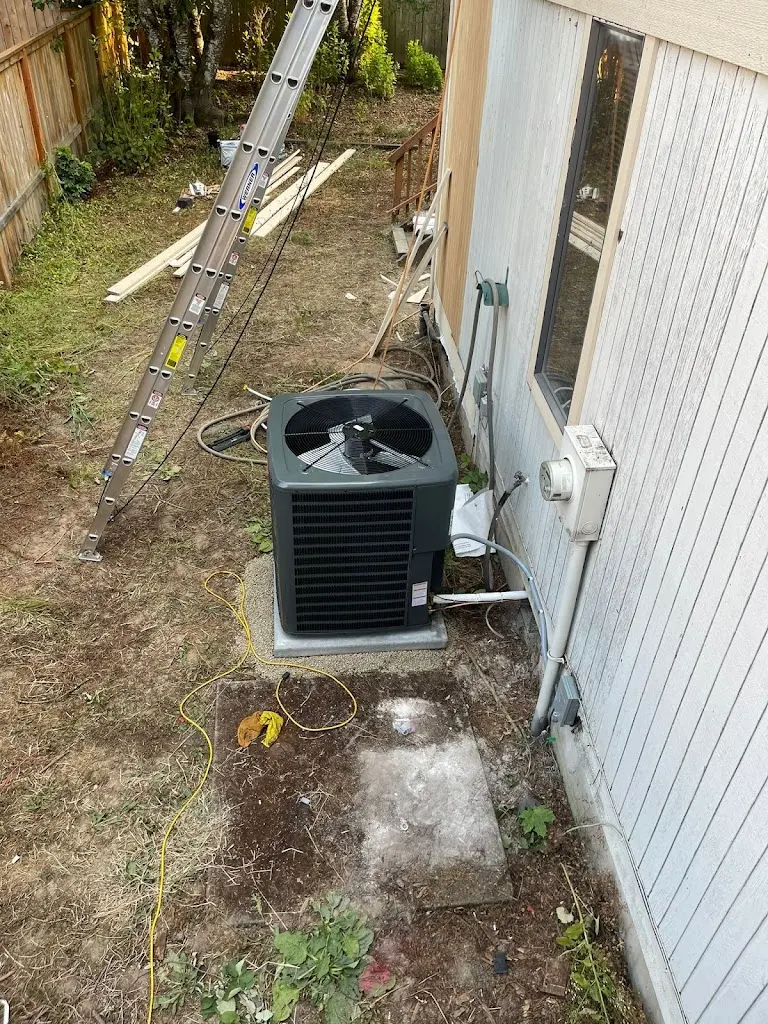
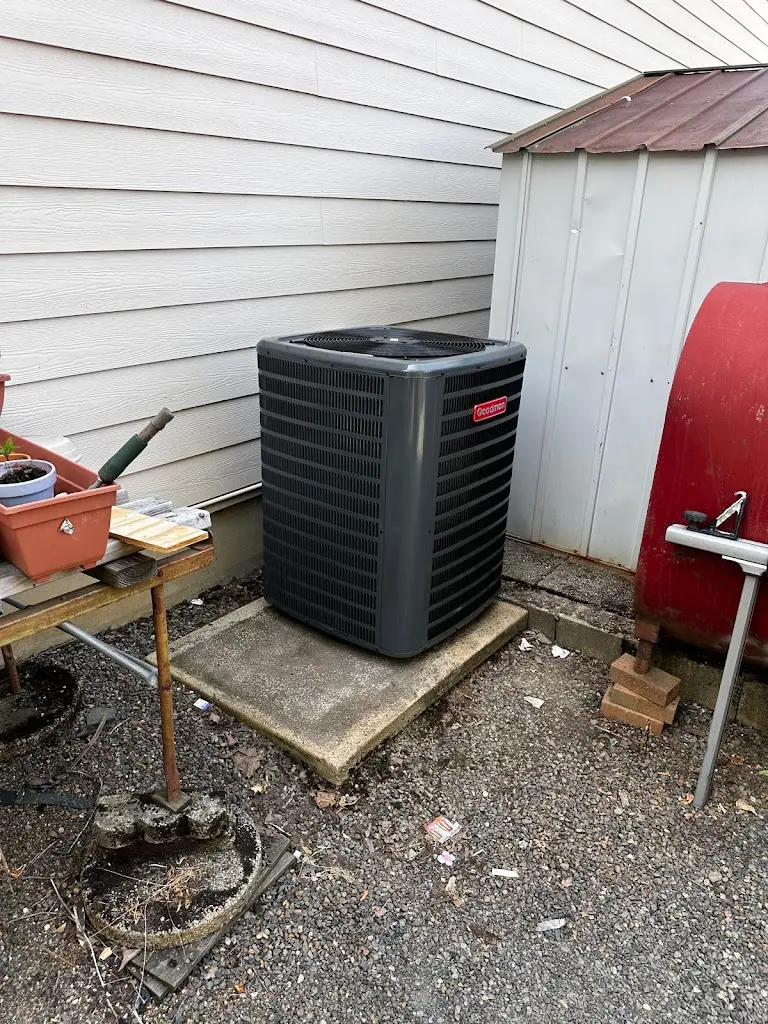
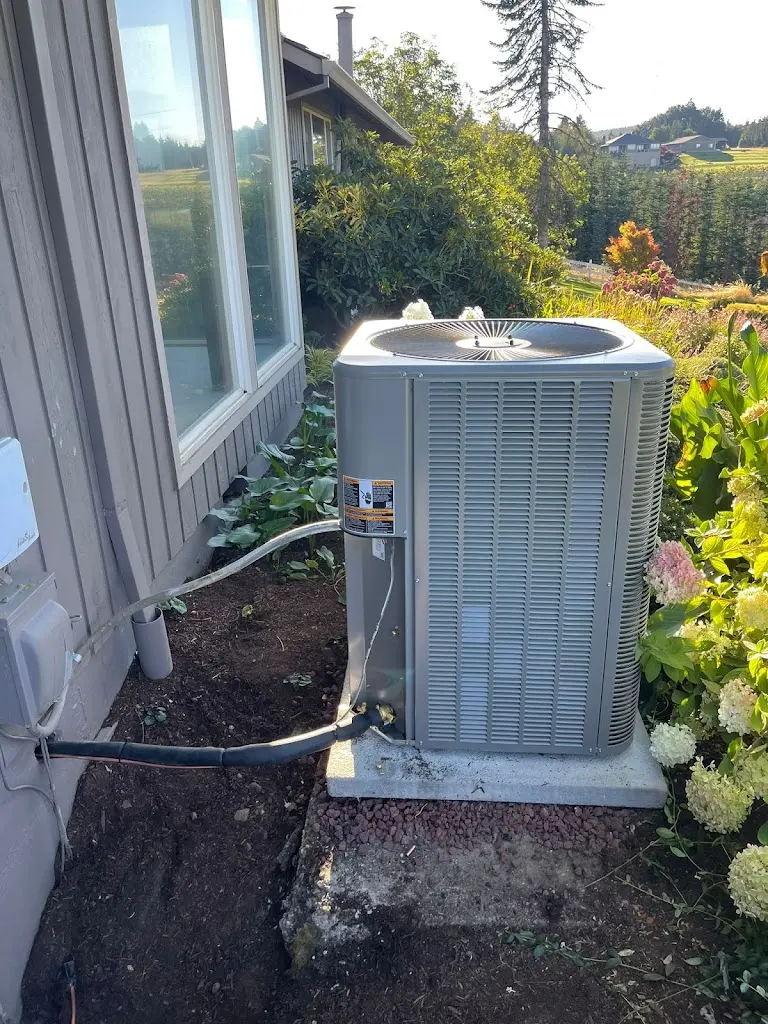
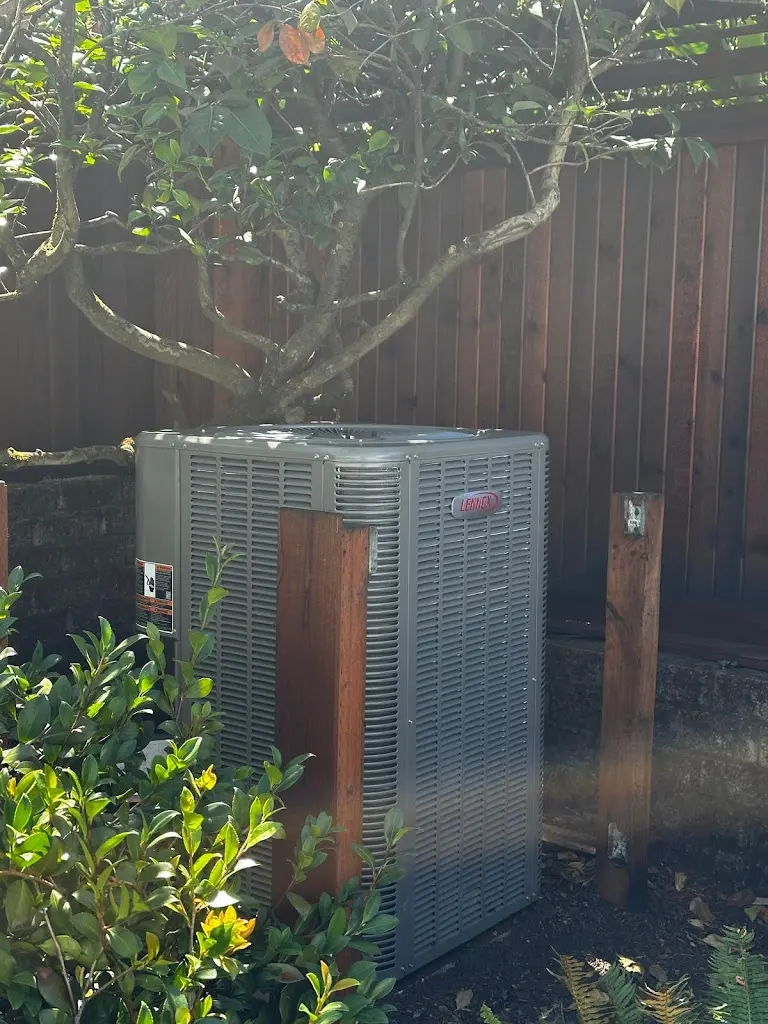
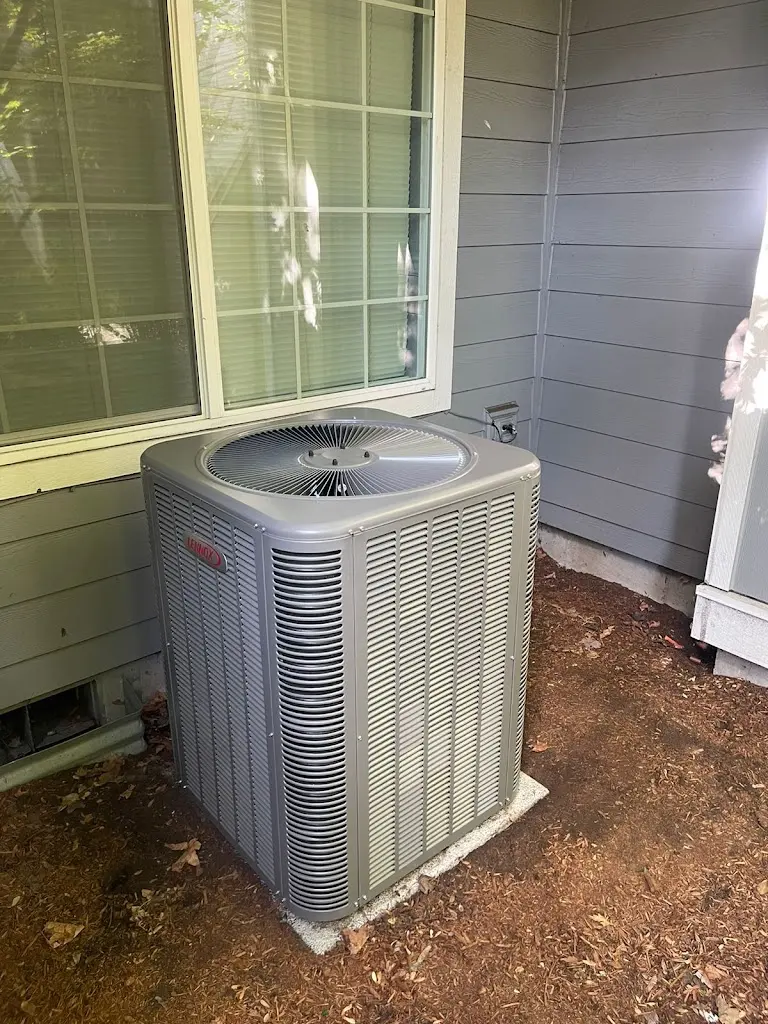
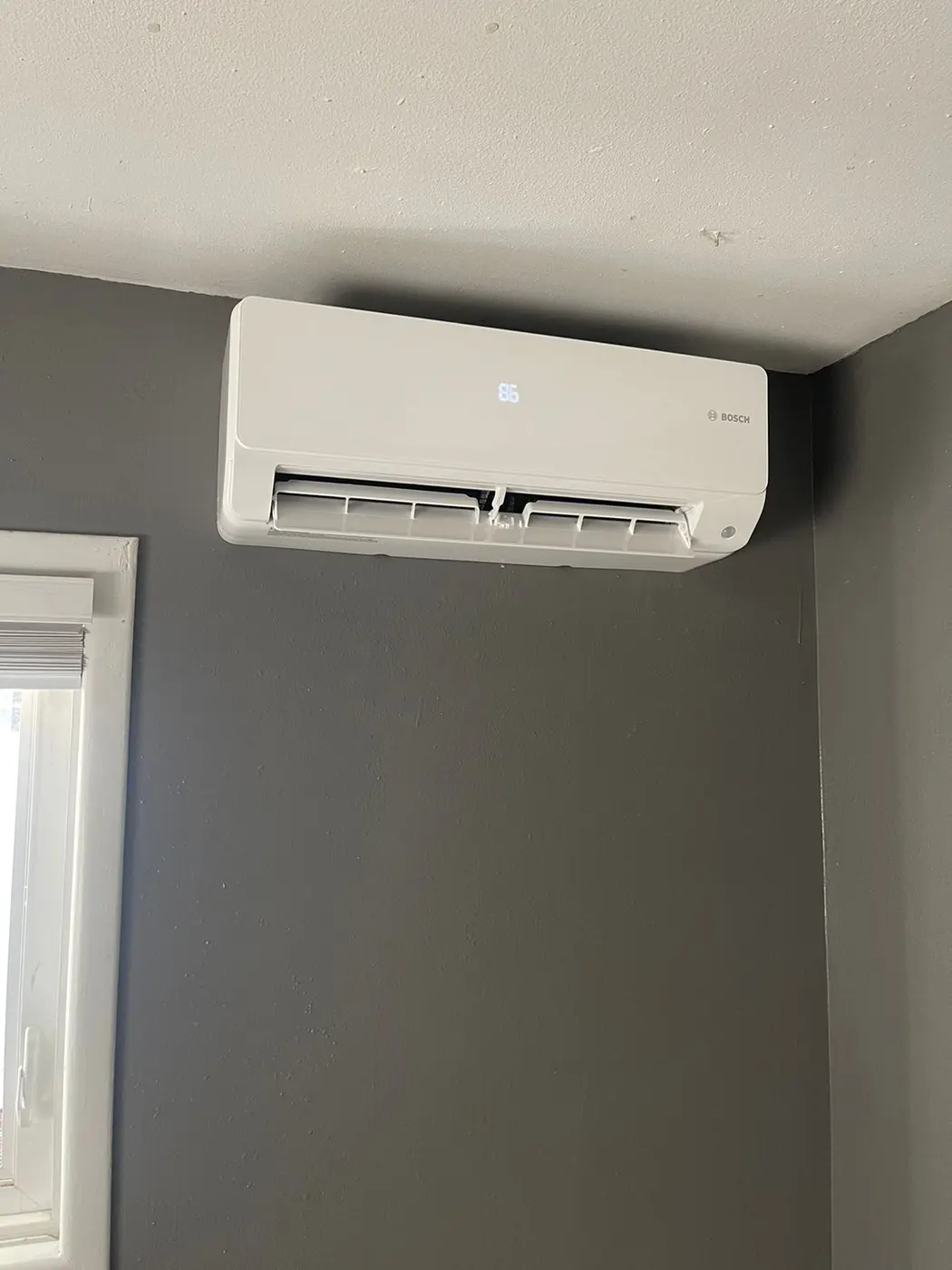
Ask which equipment the proposal replaces and which components it retains. A new unit must work with the planned indoor equipment, controls and connections. The condition of retained parts belongs in that review. A recently repaired part may not fit a different system.
Tie the proposed work to the unresolved concern. If little air reaches a room, ask how the plan addresses that. More equipment capacity alone does not establish a solution. Keep any separate airflow or control issue clear in the project discussion.
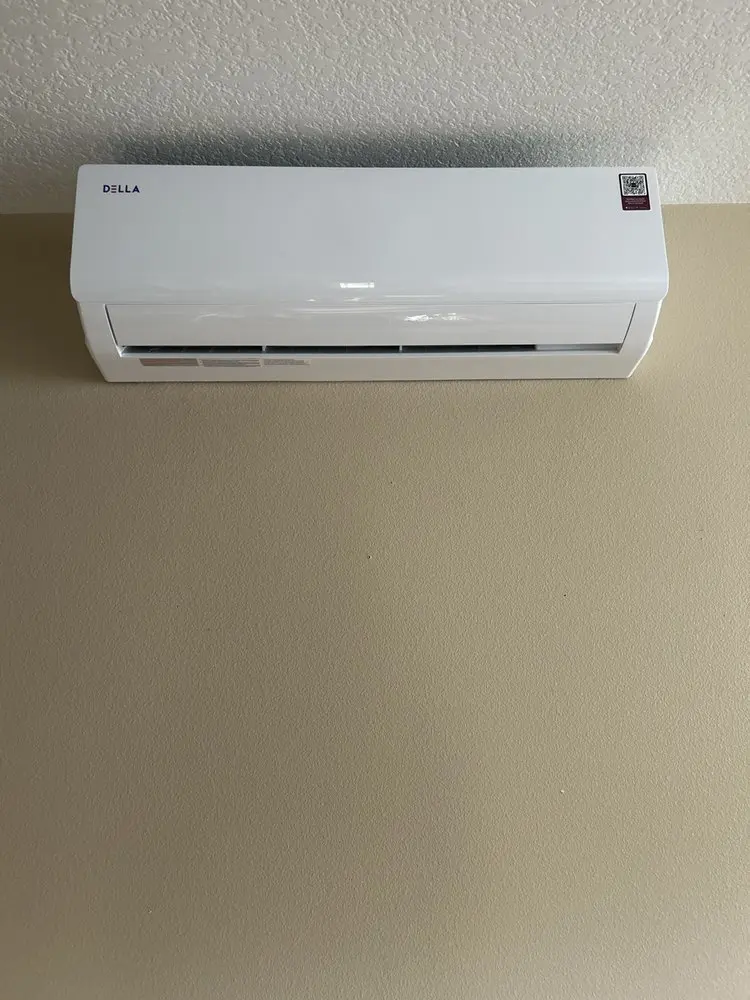
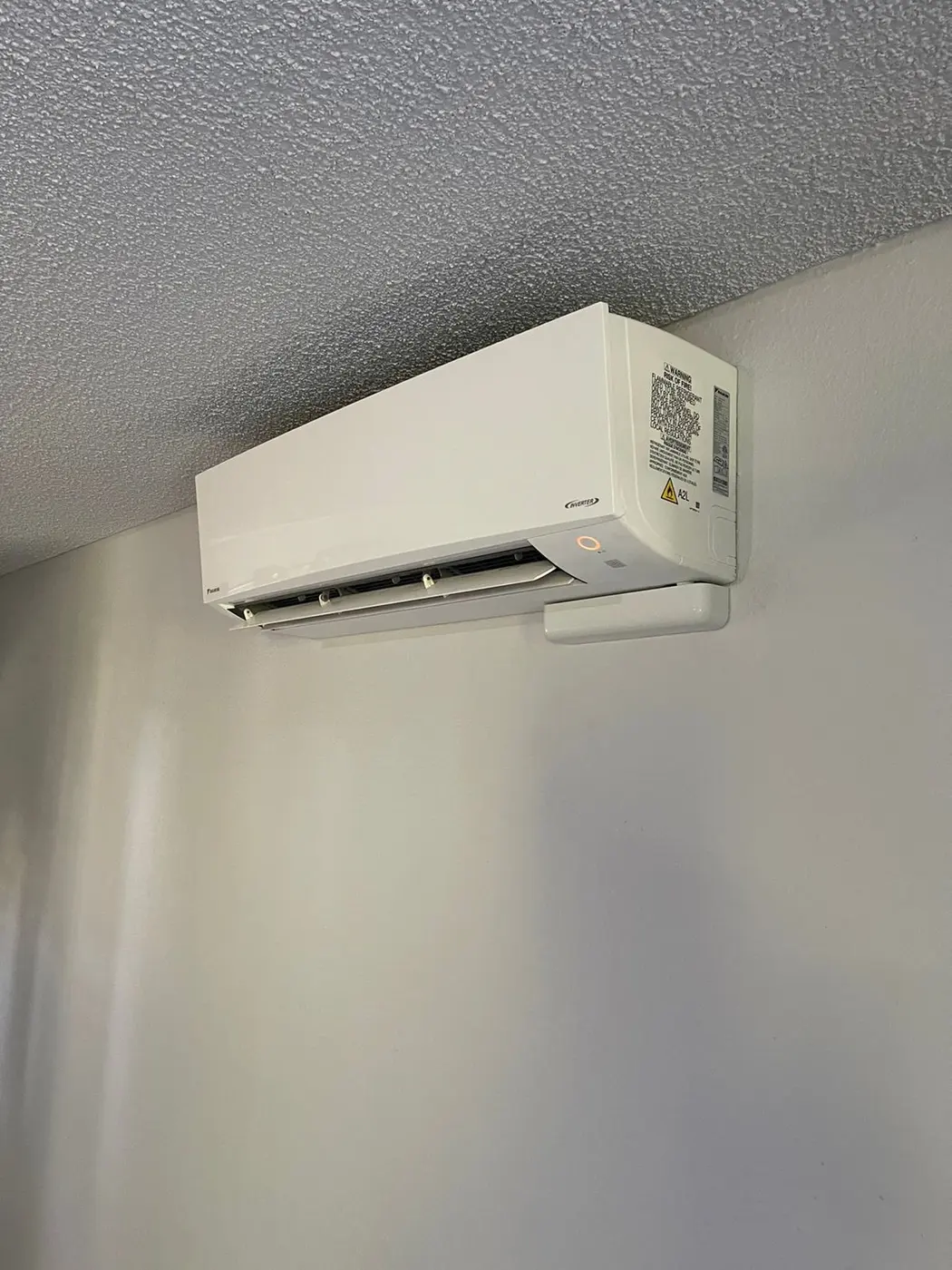
Keep required work and desired extras clear in the price. A preferred interface, a changed location or another feature may serve a useful goal. It still needs its own reason within the price. Ask which tasks meet the current need and which add a feature you want.
Also identify conditions that need another check before the plan is final. Access to equipment or an uncertain connection may leave part of the scope open. Ask how the team will resolve that question. A clear proposal distinguishes confirmed work from assumptions that could change it.
Compare the Approved Plan With the Finished Result
Before scheduling, review the models, tasks, retained components and price together. Discuss the work sequence and any period without normal service. Keep earlier repair records with the installation plan for context. The new agreement needs its own scope, even when it builds on earlier work.
At handover, ask which checks relate to the concern that prompted replacement. Review normal controls and any open issue. Keep the installed model details and completed work record. If a room concern remains, describe it separately so the next decision follows the observed result.
Frequently Asked Questions
Does a failed repair prove that the whole HVAC system needs replacement?
No single service outcome establishes the full replacement scope. Review the current finding, condition of related equipment and project goal. A defined repair option and a defined installation proposal make the comparison more useful.
Should I bring records from work that happened before this project?
Available records can explain the equipment and completed tasks. Describe the present concern too, and leave any uncertain details open. The new proposal must follow the actual project review rather than assume an earlier recommendation applies unchanged.
Can recently repaired parts remain with new equipment?
That depends on their condition and the proposed system match. Ask which components the plan retains and why they suit it. Recent work alone does not establish that a component fits every replacement option.