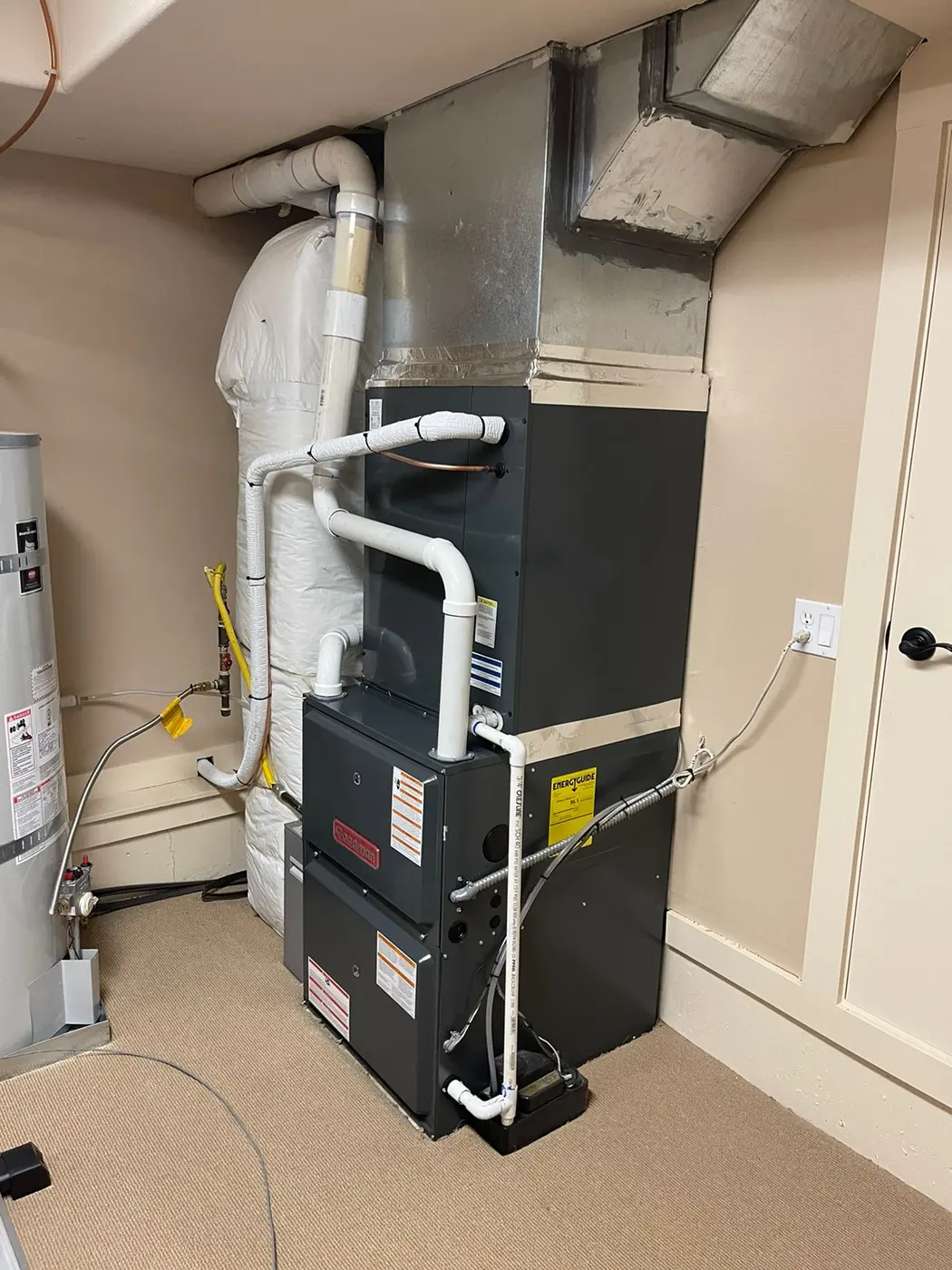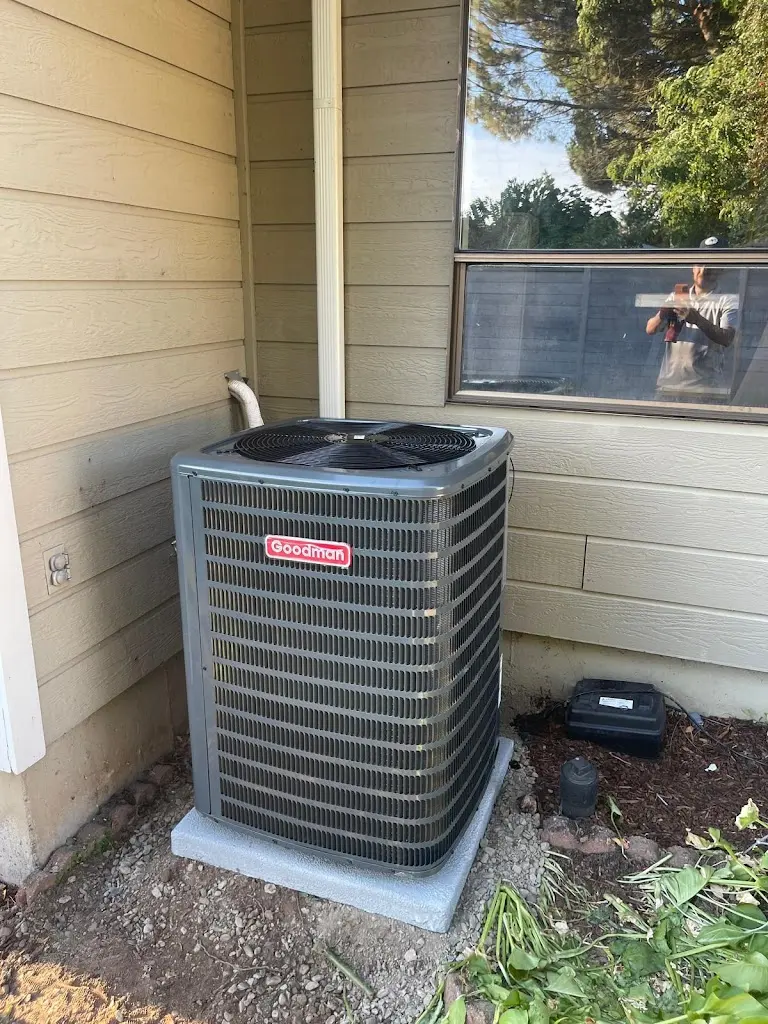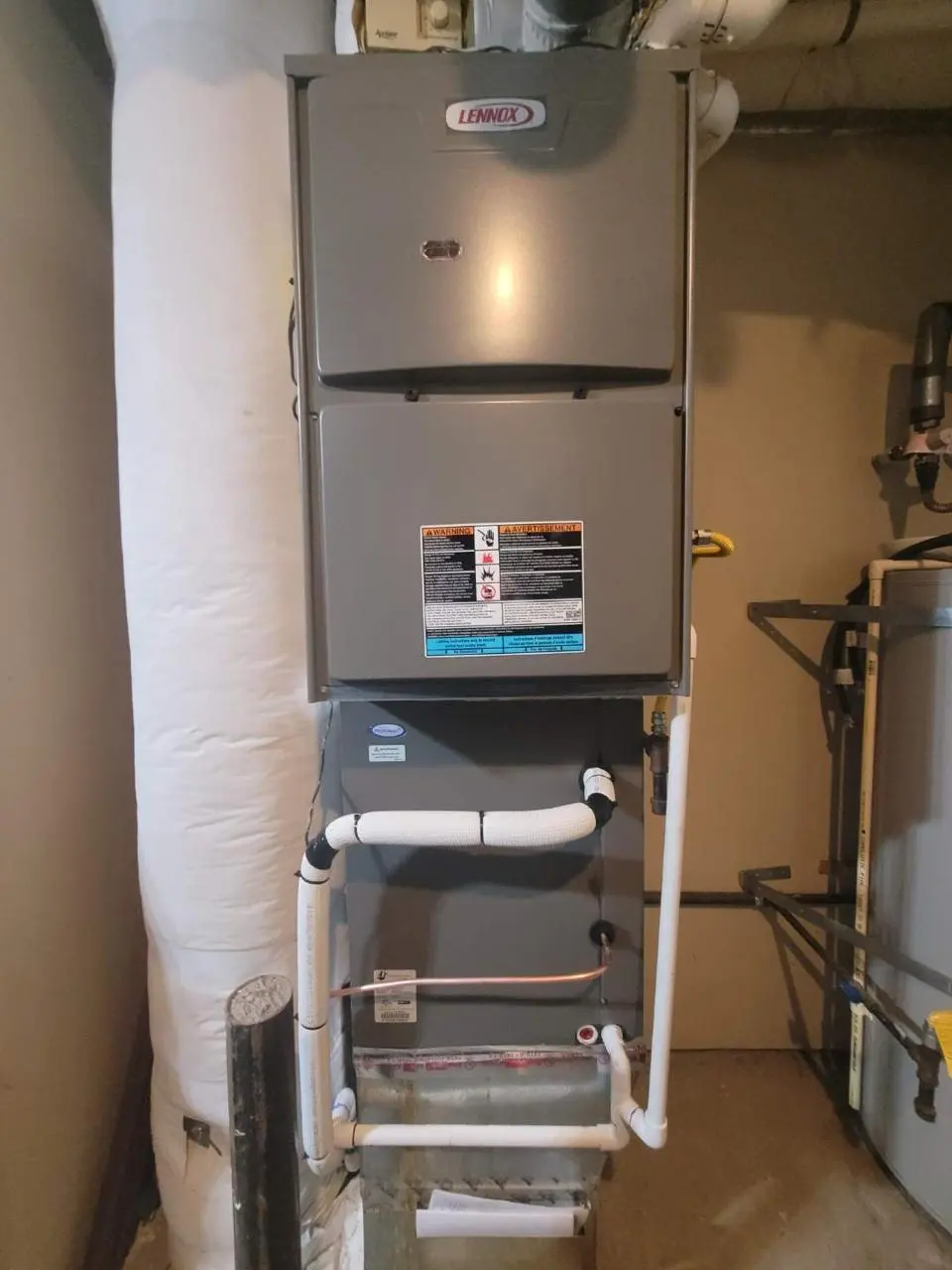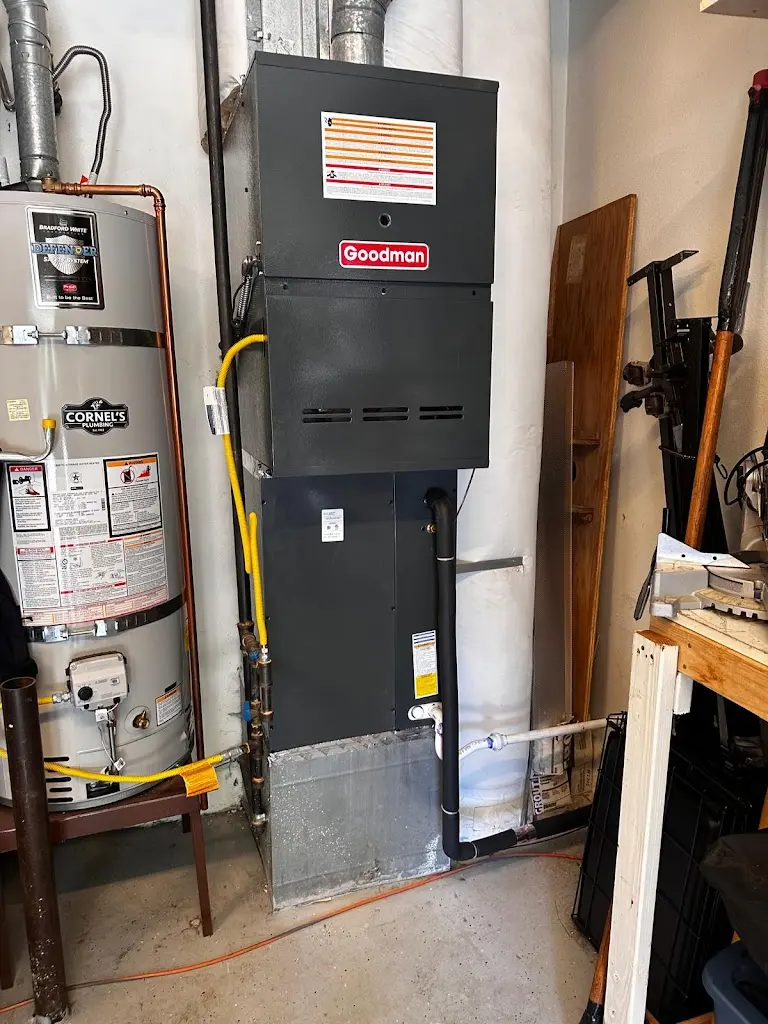
Add Cooling Without Leaving the Existing Heating Role Unclear
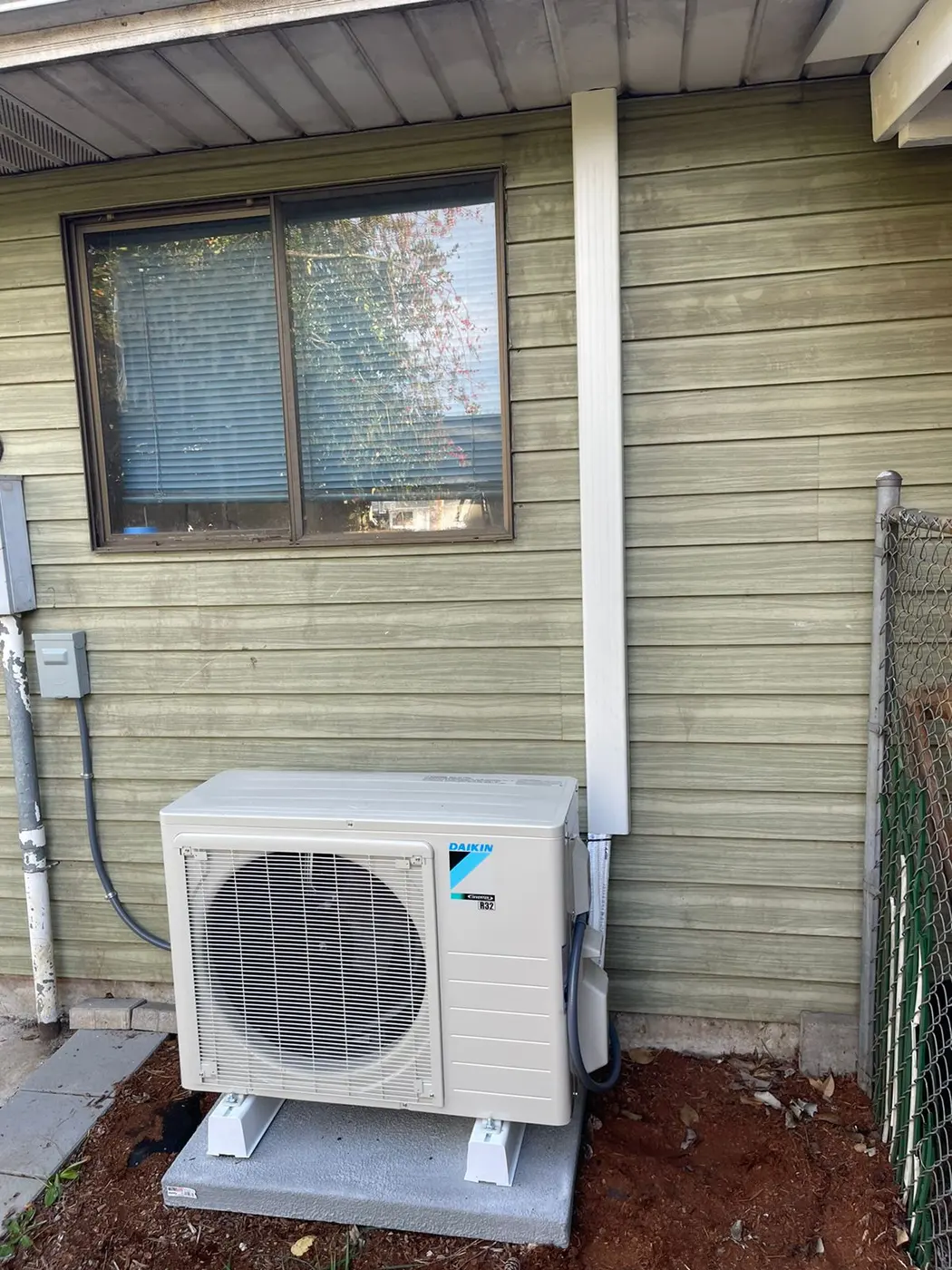
HVAC & Appliance Repair Guys provides mini-split installation in Troutdale, OR. A room that already has heat may need a separate plan for summer cooling. Our free on-site estimator visit covers installation and replacement. Explain what the new equipment should add and which existing heat you want to keep.
Start with the room and the time of day when cooling matters. Explain how you use the room and whether its door normally stays closed. A request for one head should still describe the intended area. The new setup should not depend on an assumed air path to another space.
Keep the cooling goal separate from a fault in the existing heating system. The free estimate concerns the new equipment project. A current failure may need its own diagnosis. Adding cooling does not establish why another unit has stopped working.
Describe the Summer Result You Need
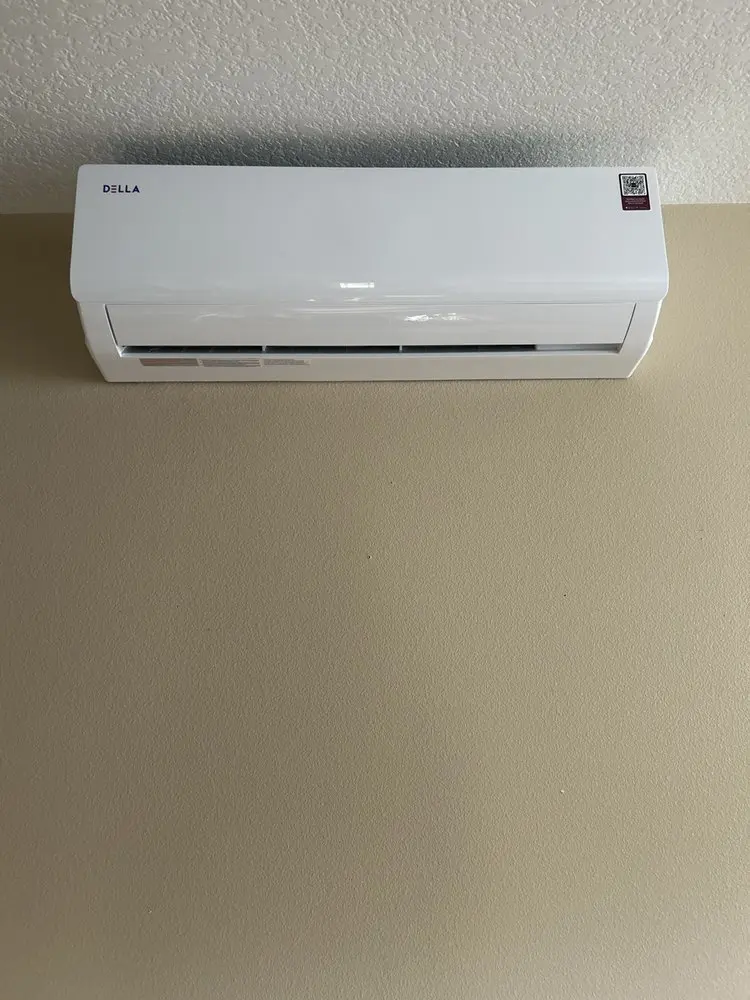
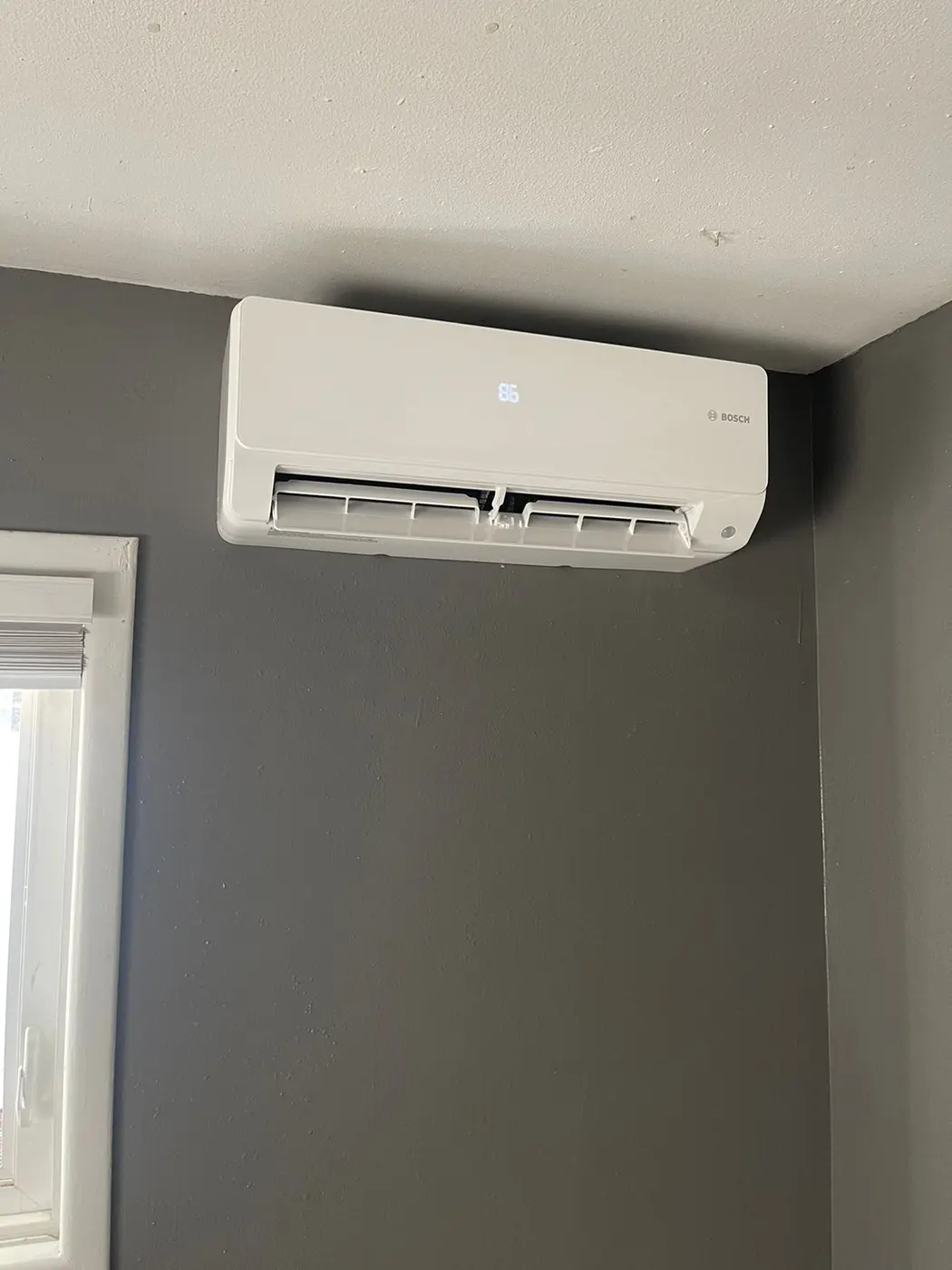
Explain whether the room needs steady cooling throughout the day or comfort for a shorter routine. Mention the places people sit, sleep or work. These details help review head placement and normal control use. An empty wall alone does not identify the right location.
State which nearby rooms belong in the project and which do not. A unit in an open living area may not provide the same result in a closed room. Do not assume that choosing a larger head resolves every doorway limit. The proposal should connect the intended areas with a clear equipment plan.
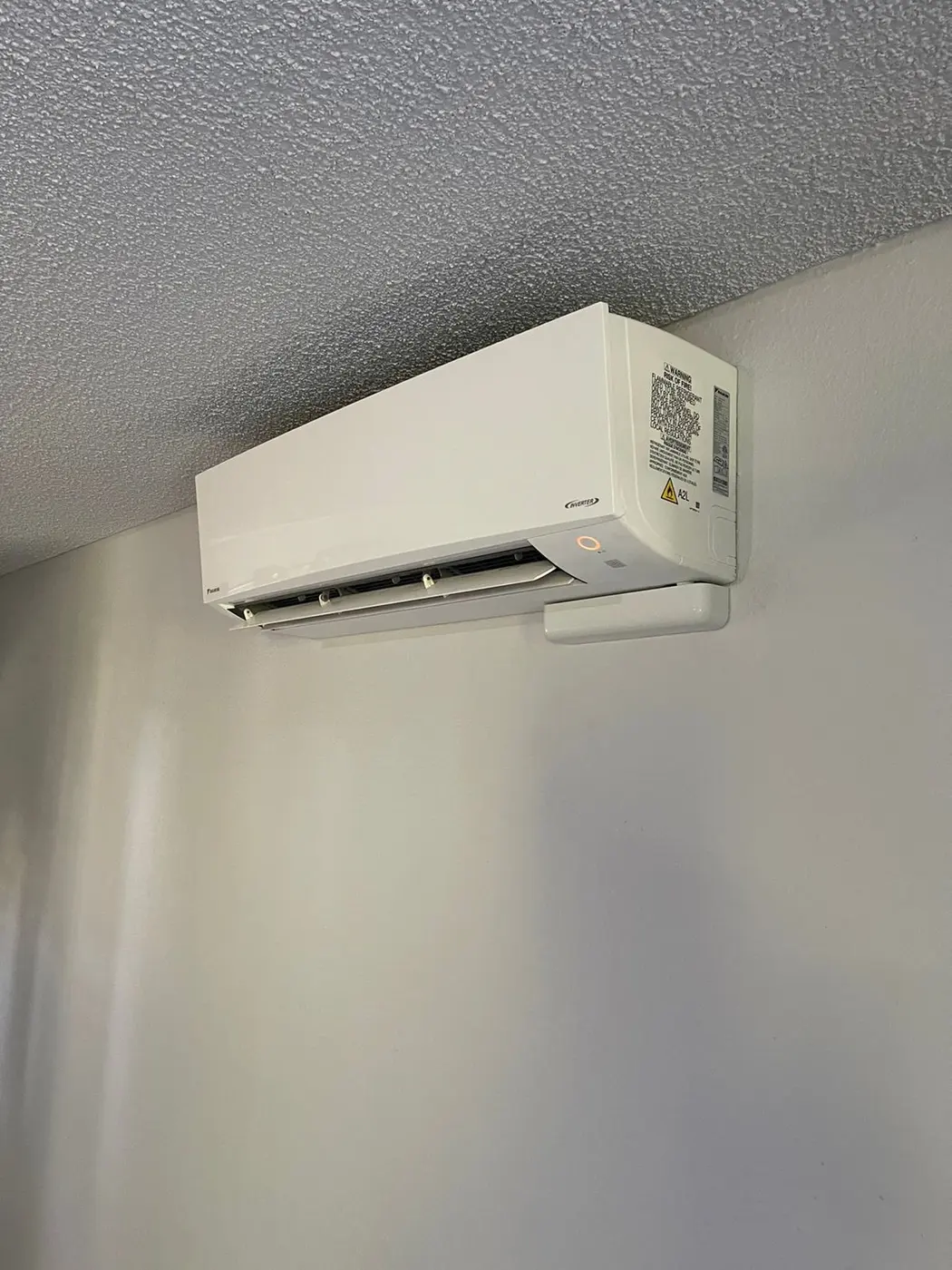
Our mini-split installation service covers room-based cooling and model-supported heating options. Ask which functions the actual proposed equipment provides. A general mini-split label does not define every mode. Keep the selected functions in the agreement.
Make Retained Heat and Controls Easy to Identify
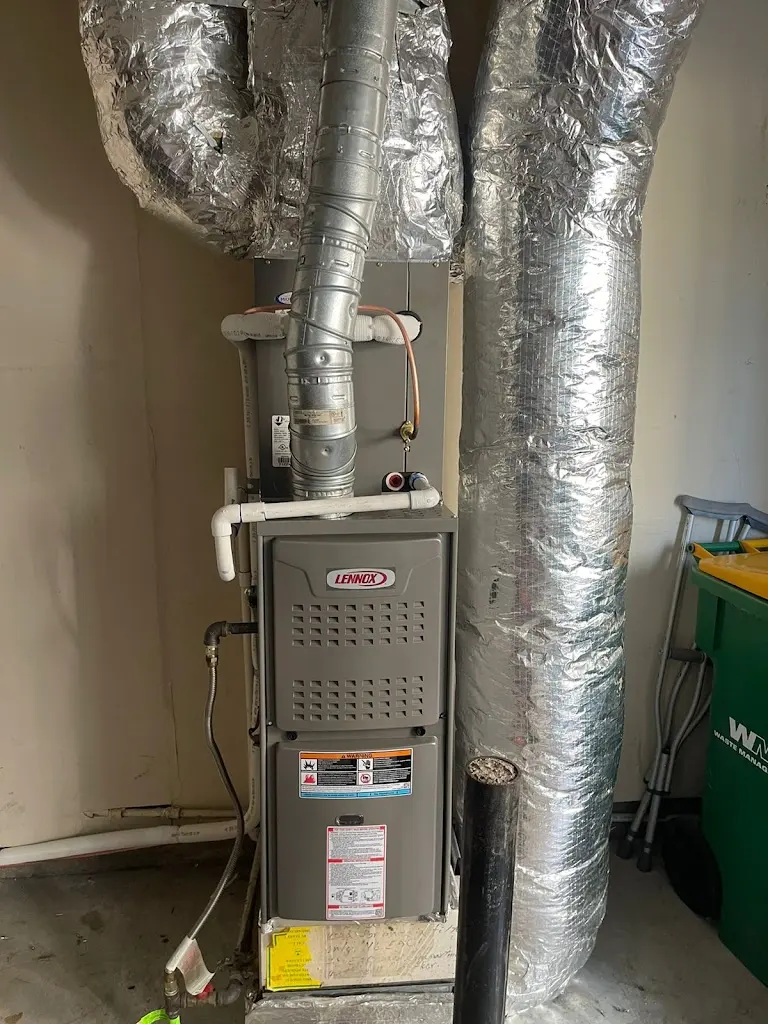
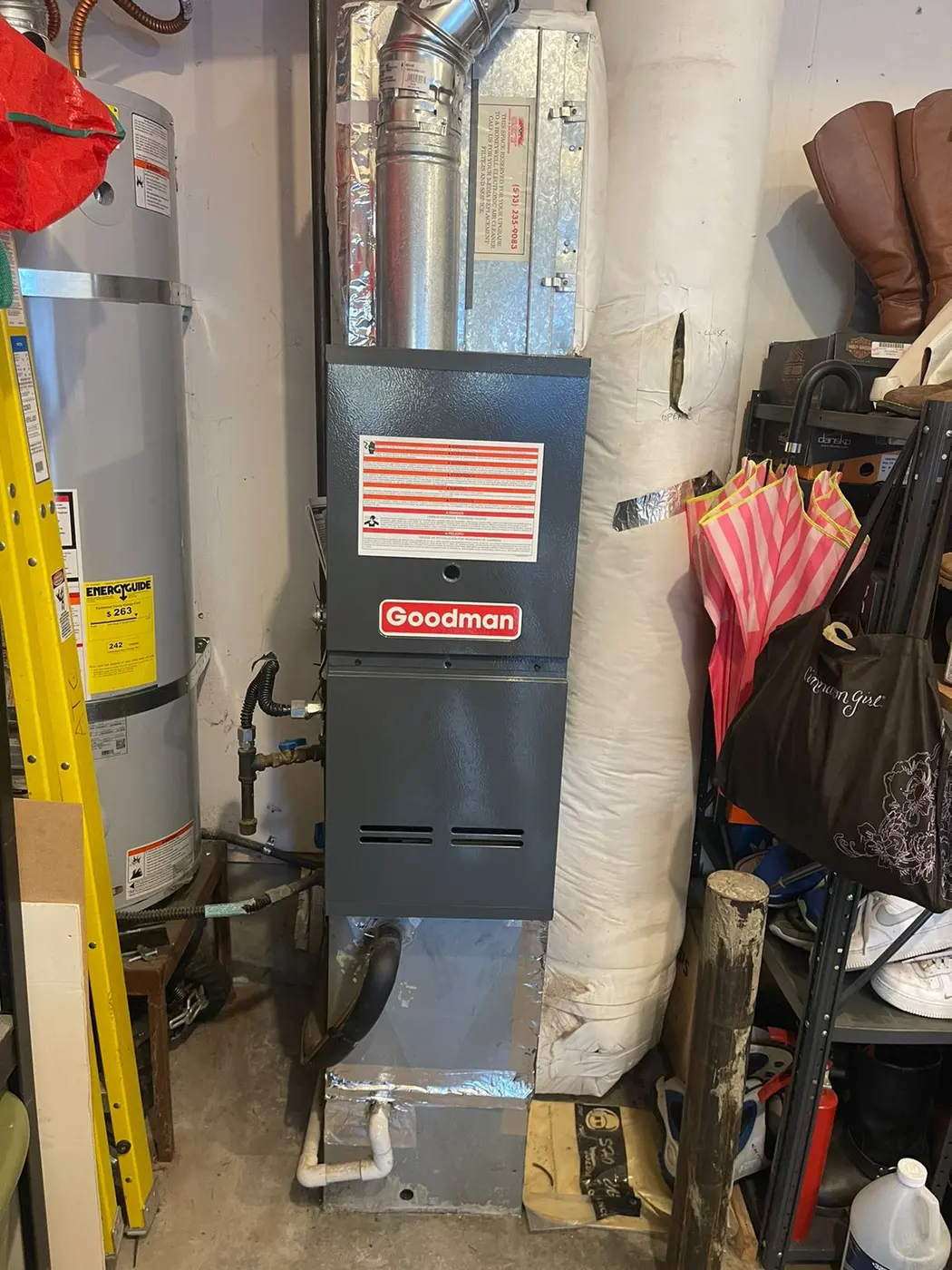
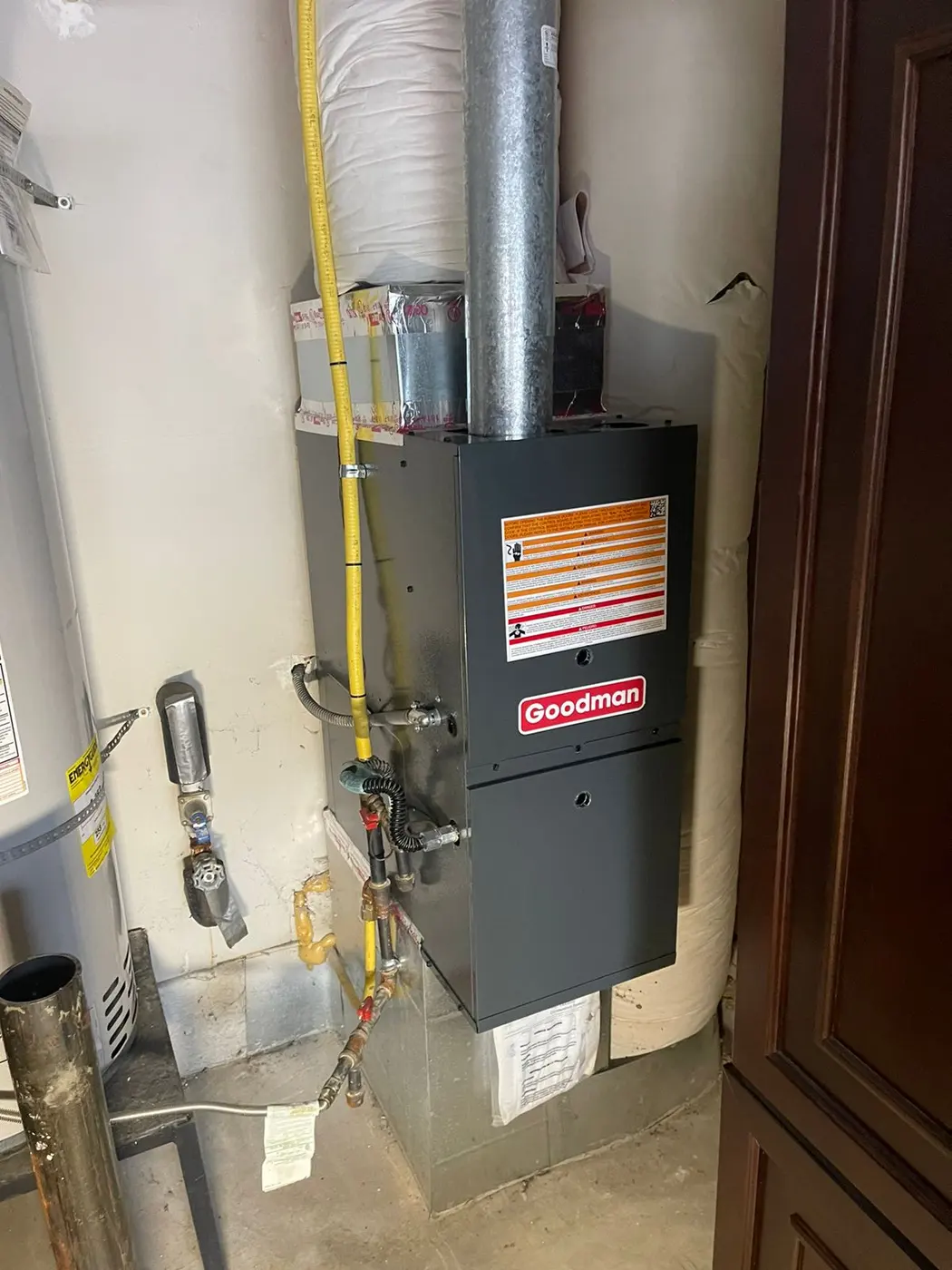
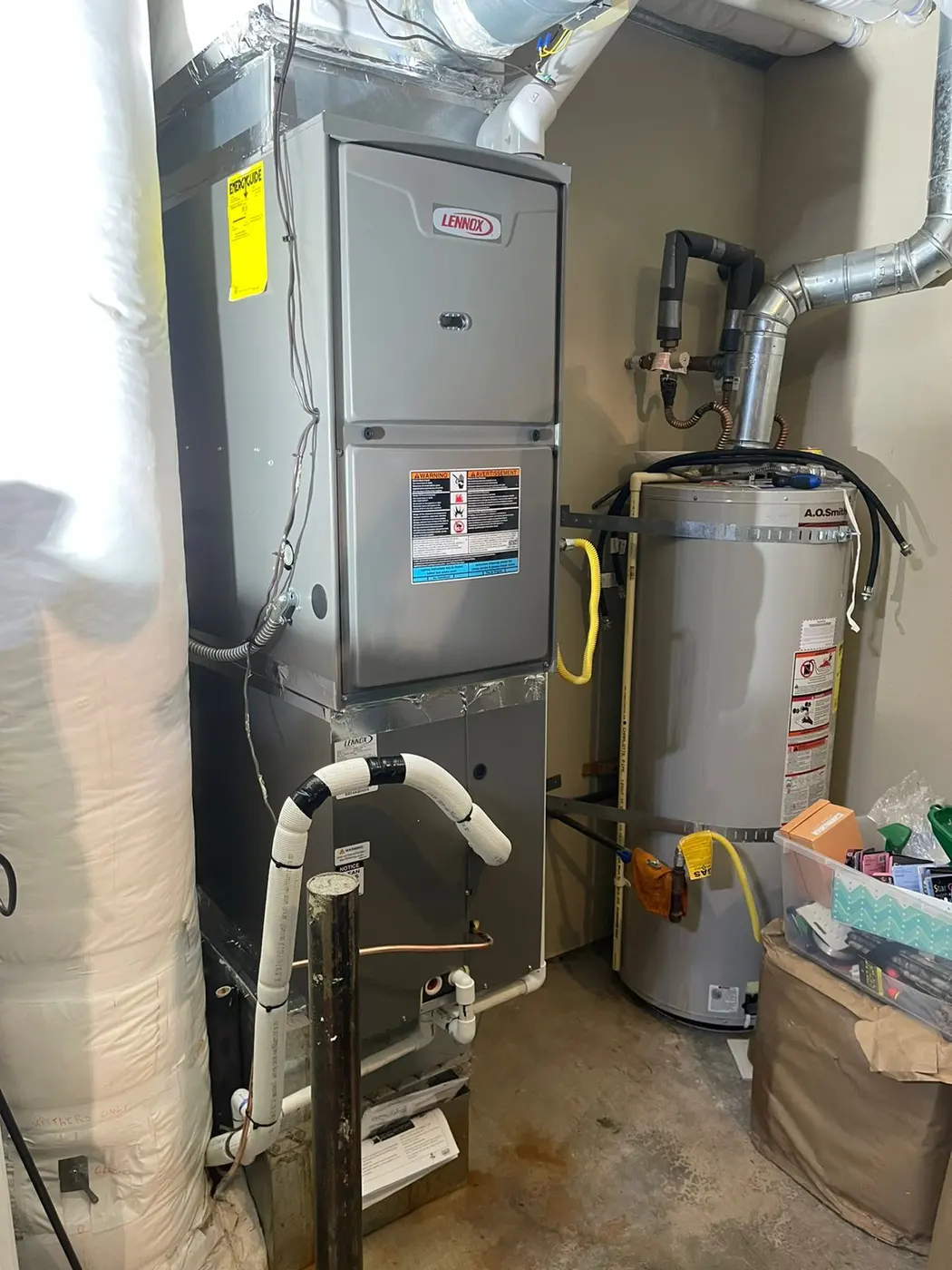
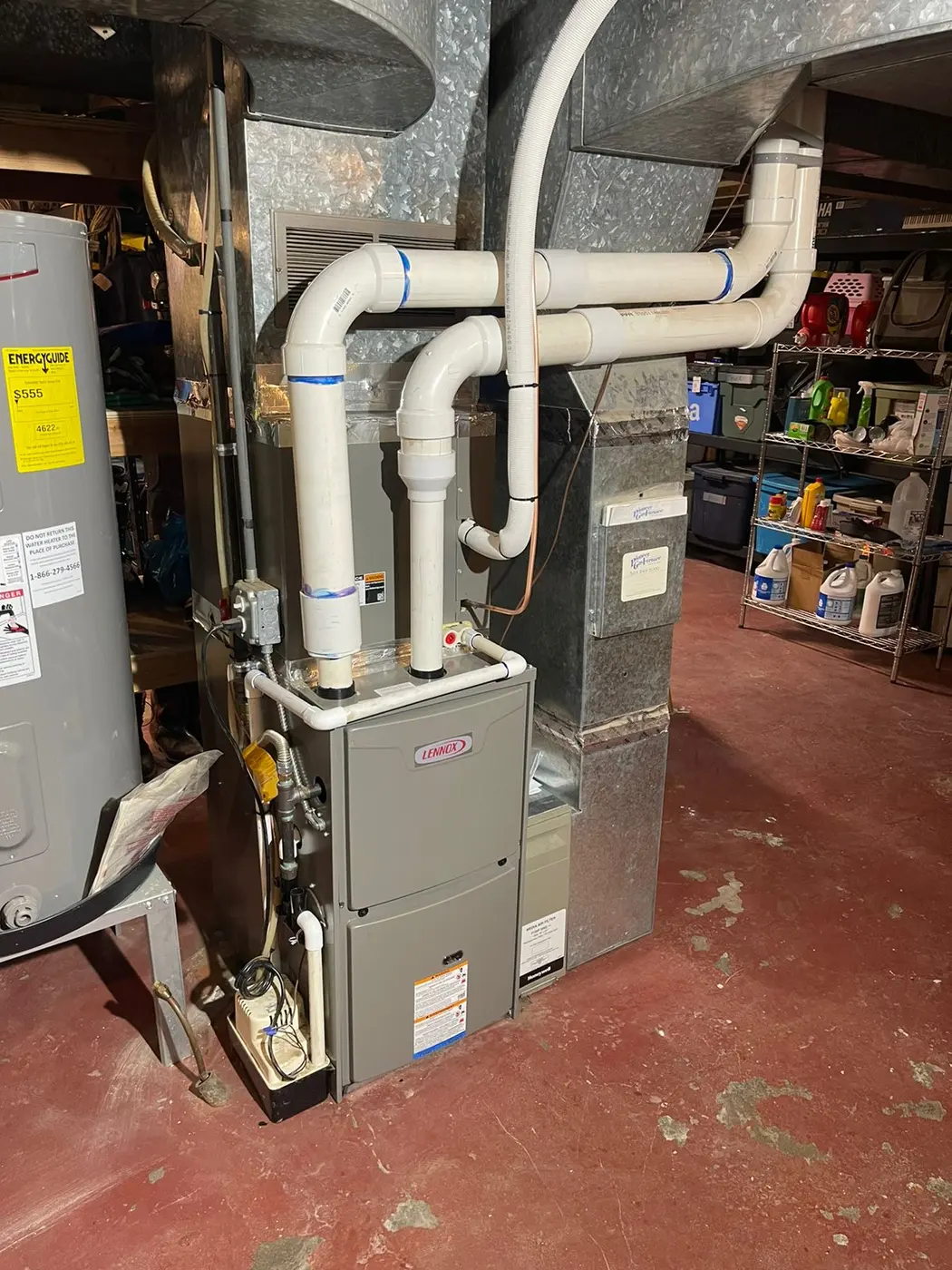
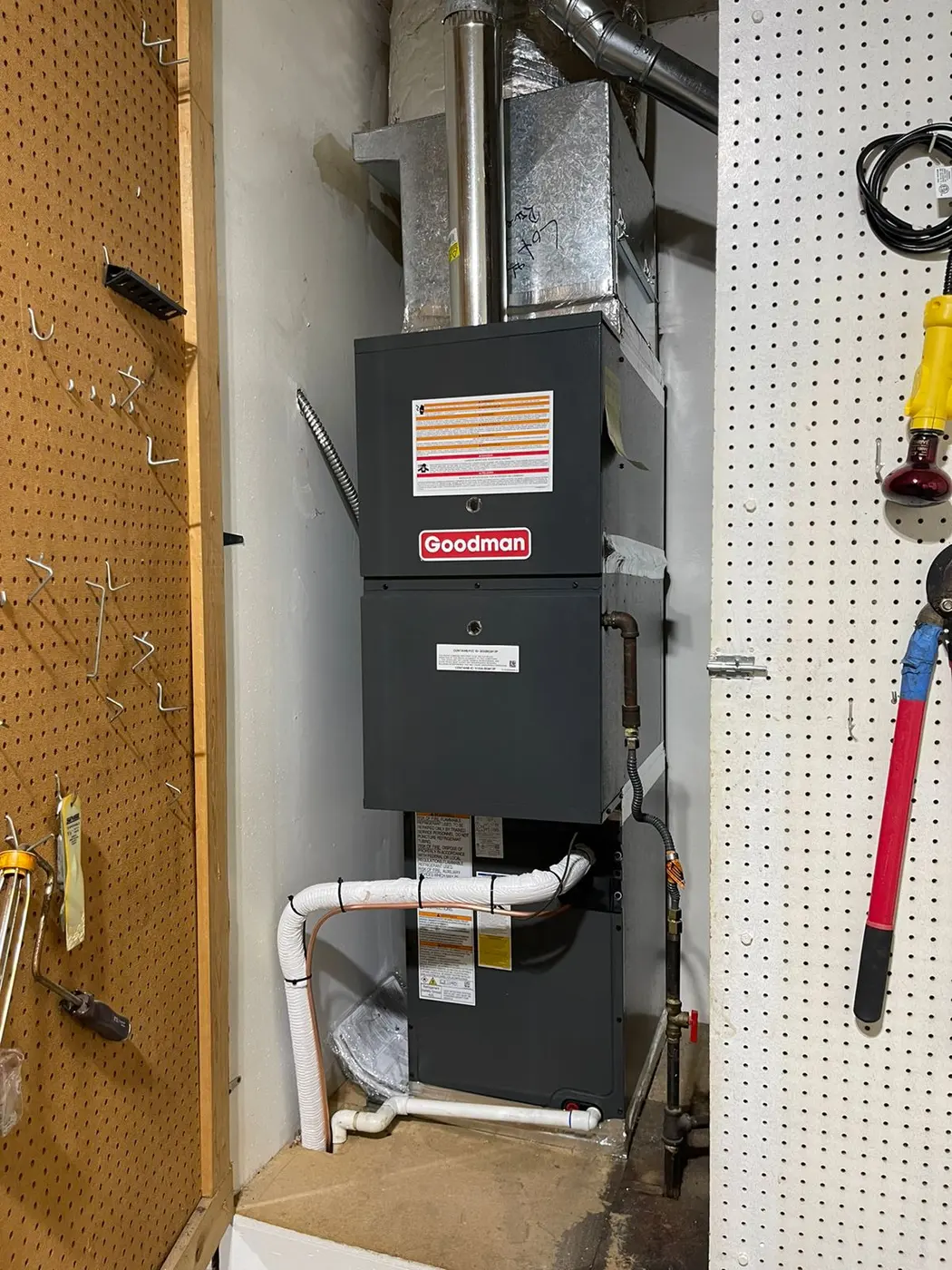
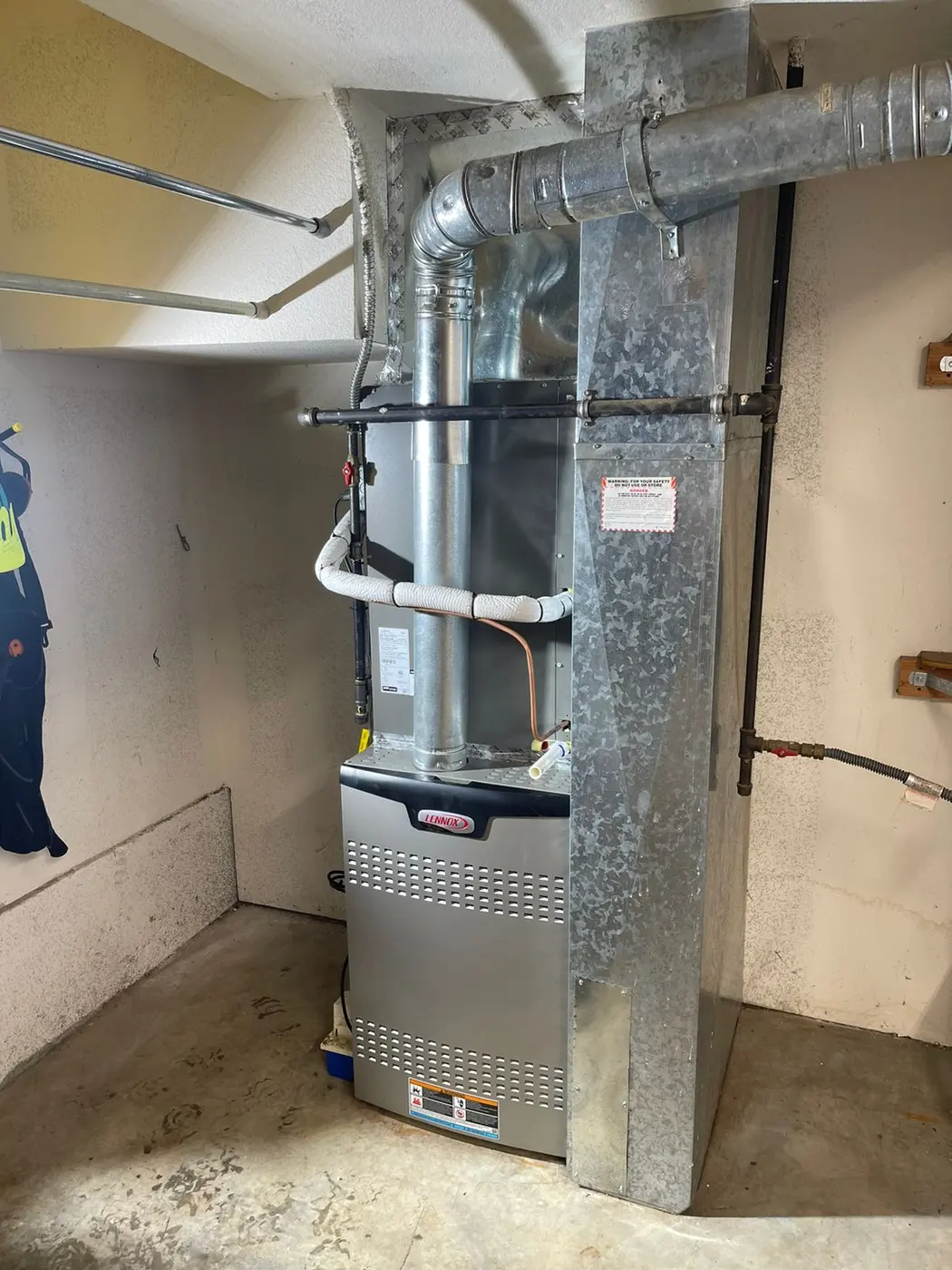
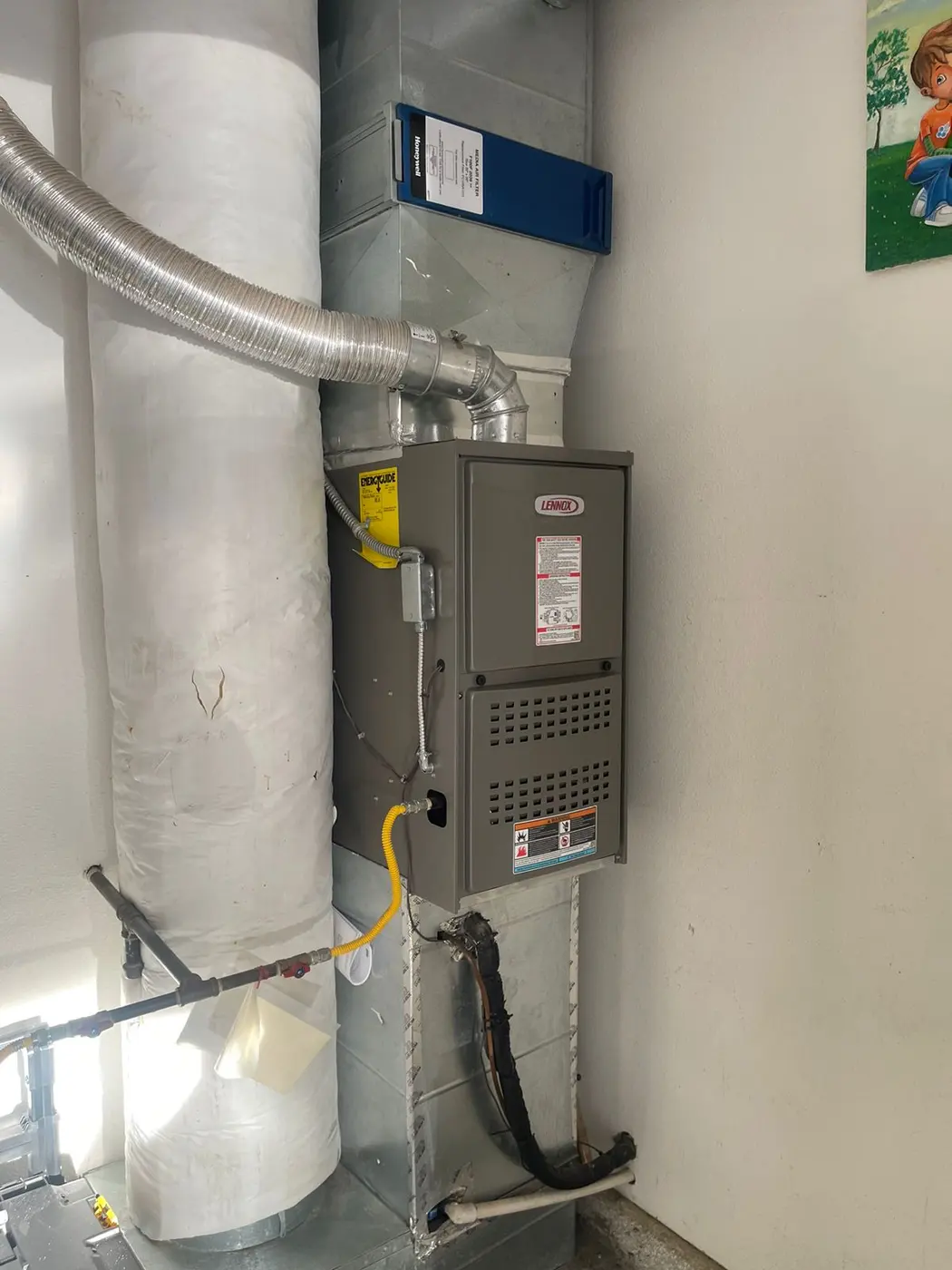
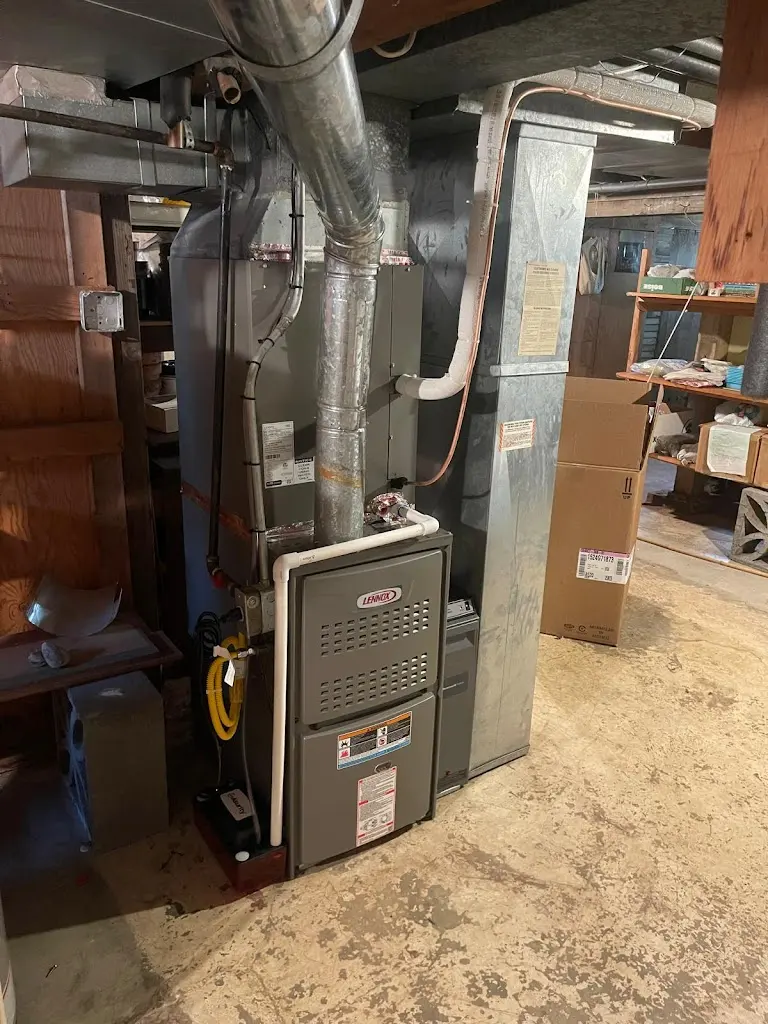
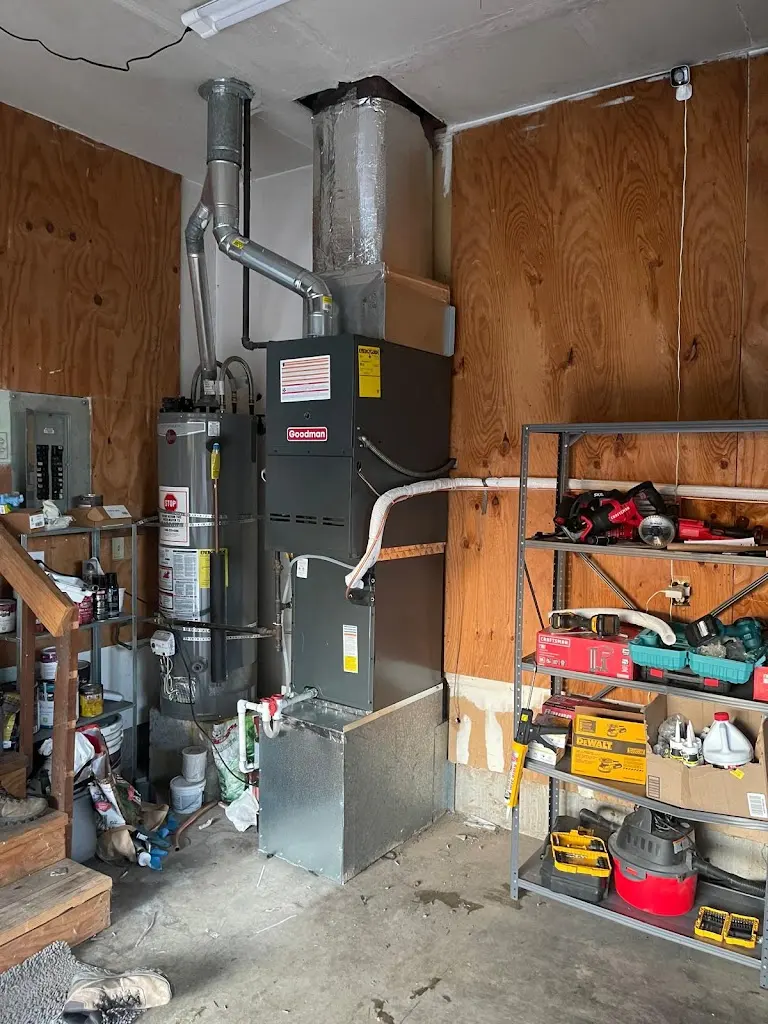
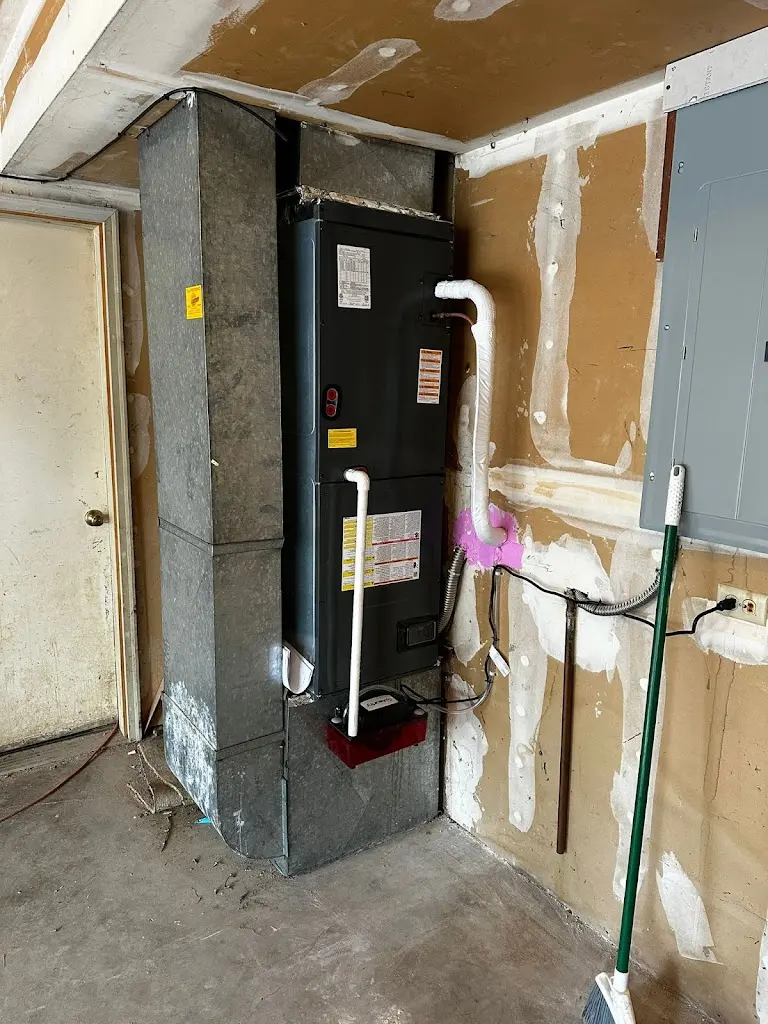
Name the existing heat source and the room it serves where you know them. Ask whether the cooling project changes any related task or control. Keeping heat does not automatically mean that new ductless controls will operate it. The household should know which device controls each system.
If you also want the new mini-split to provide heat, state that as a required function. Then discuss the role of the equipment you retain. It may have a separate planned purpose. Do not leave that role unclear simply because the initial request concerned summer.
Likewise, adding a heating feature does not make removal of the old heat part of the price. Any removal or connection change needs its own place in the scope. Ask what stays and why. The new room plan should describe the result rather than leave the old equipment as an afterthought.
Review the Work Needed for a First Cooling Setup
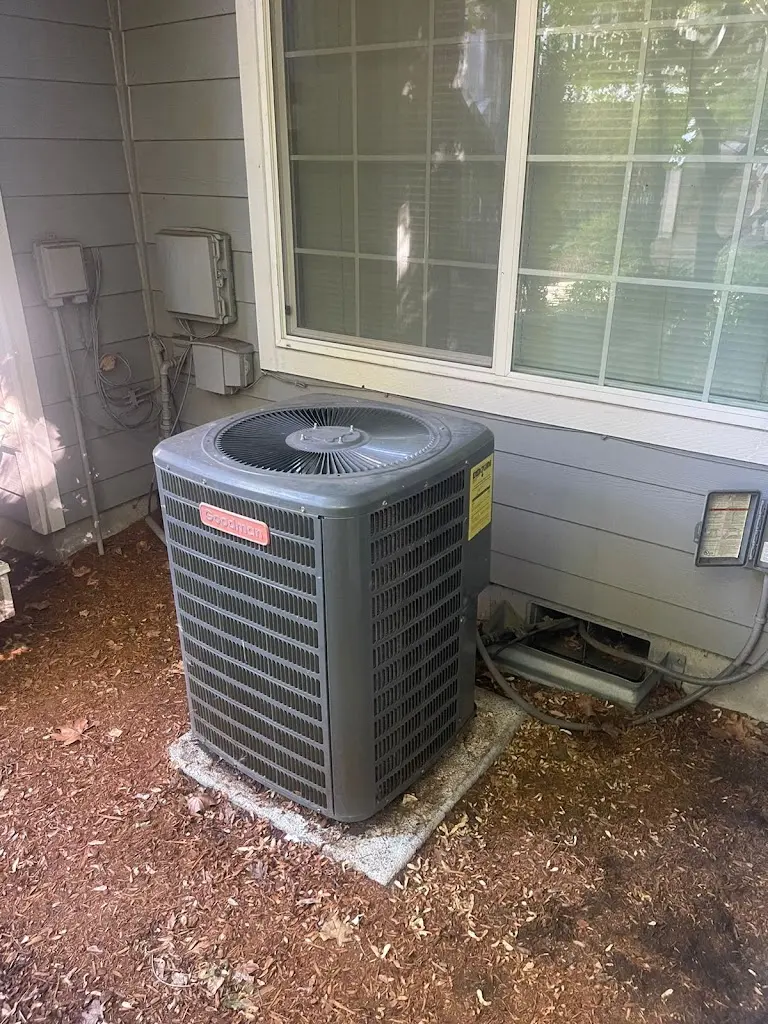
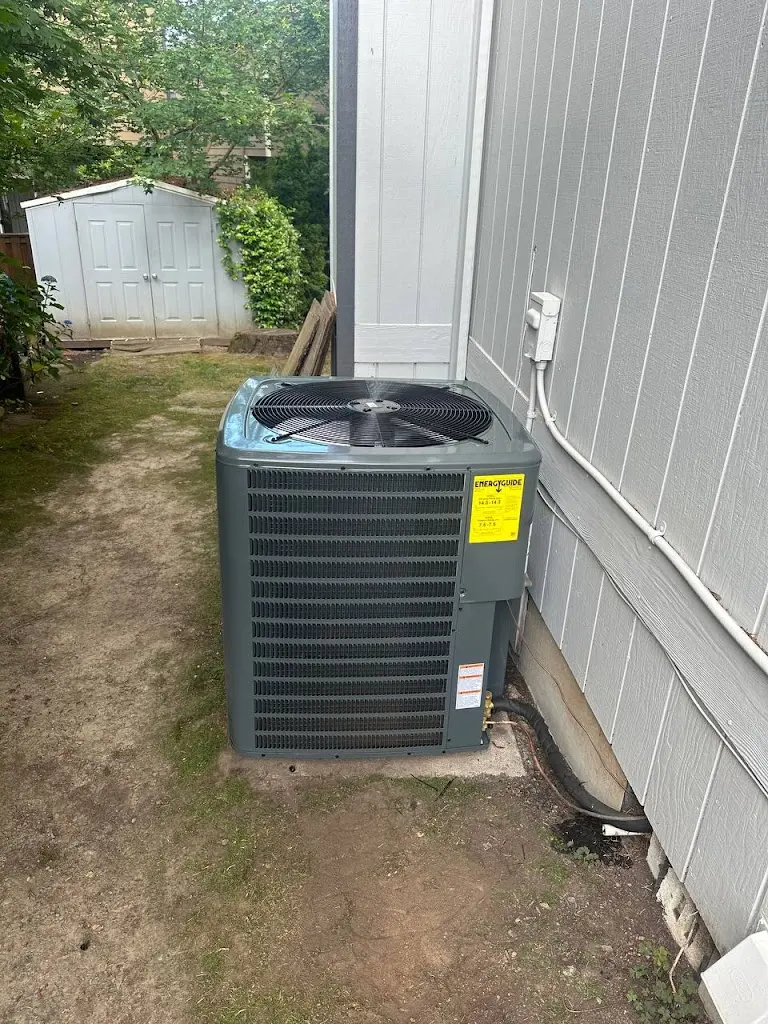
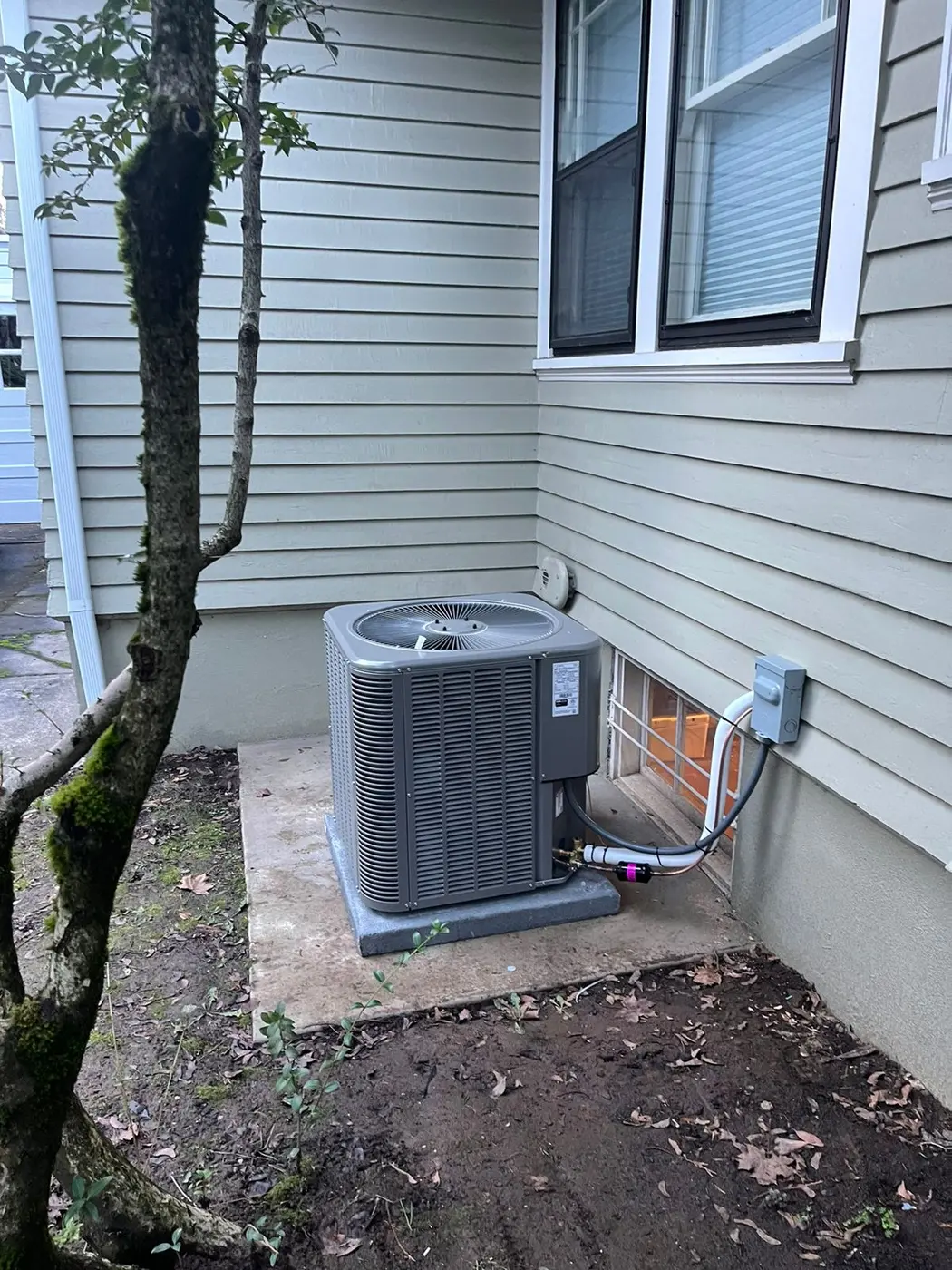
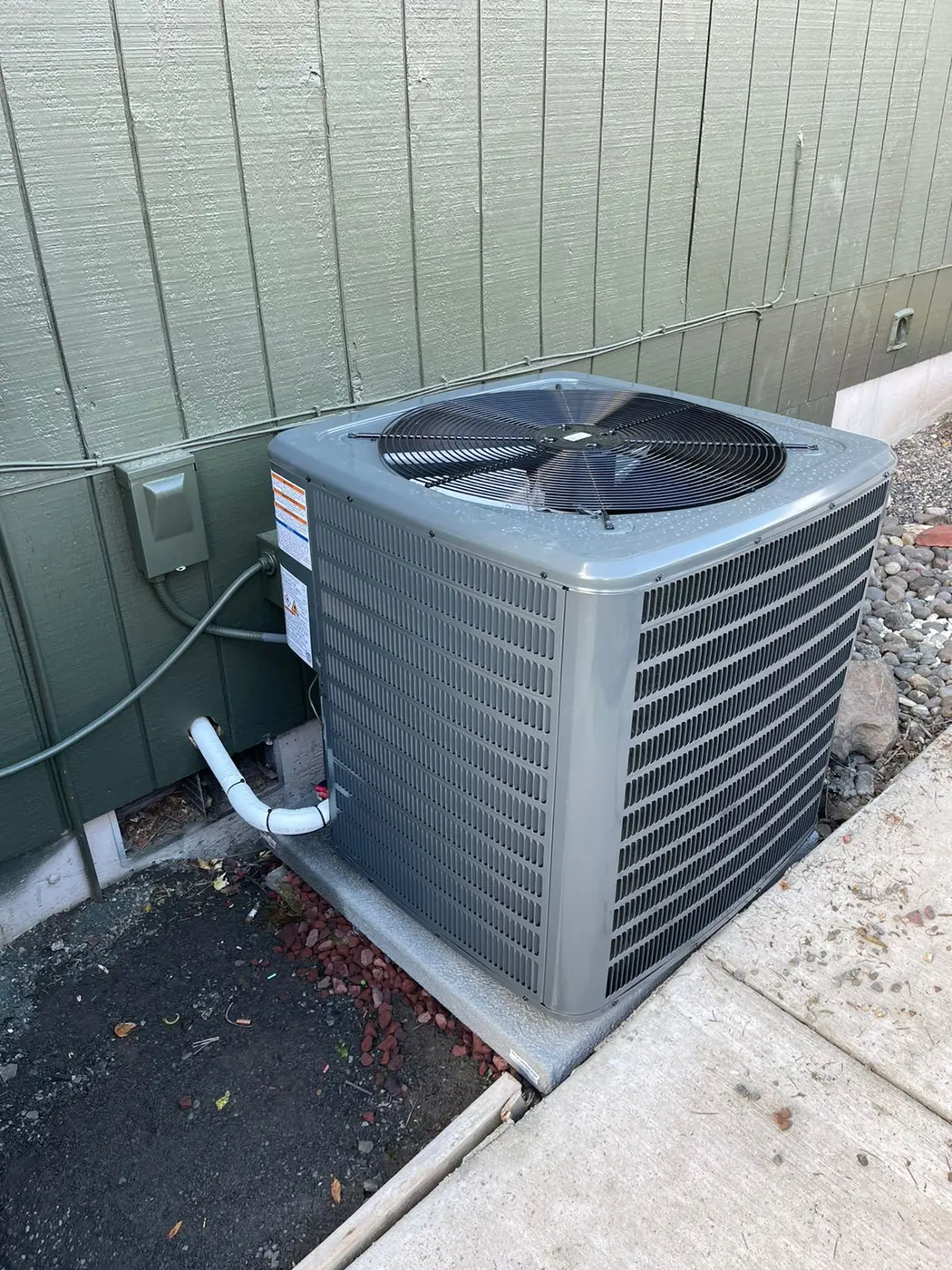
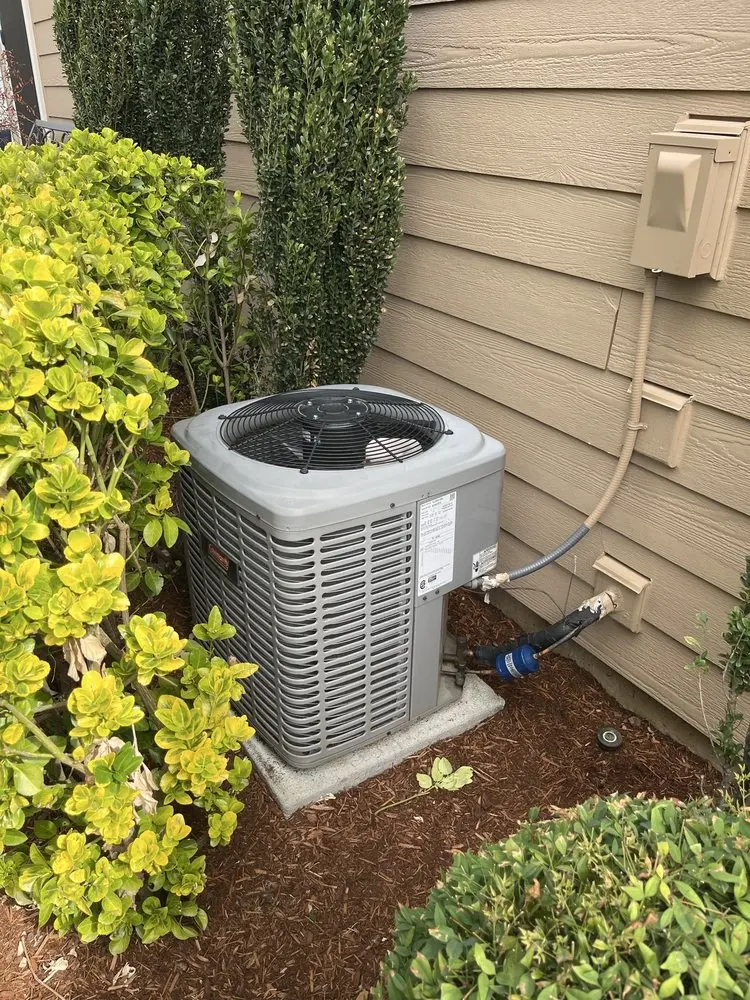
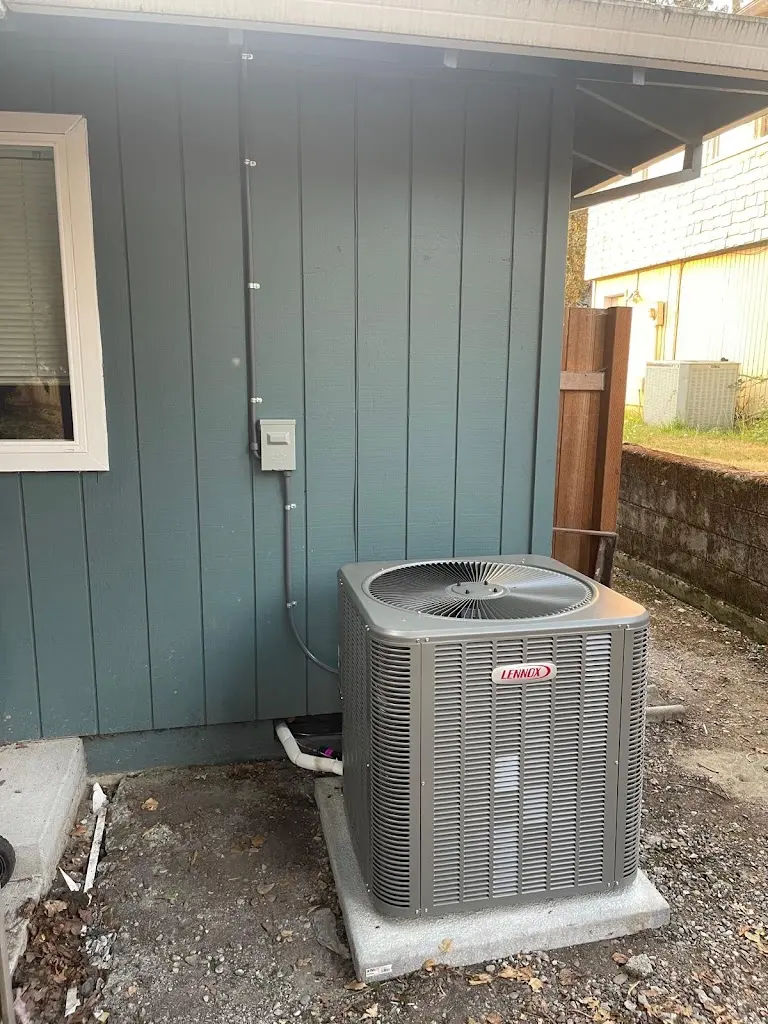
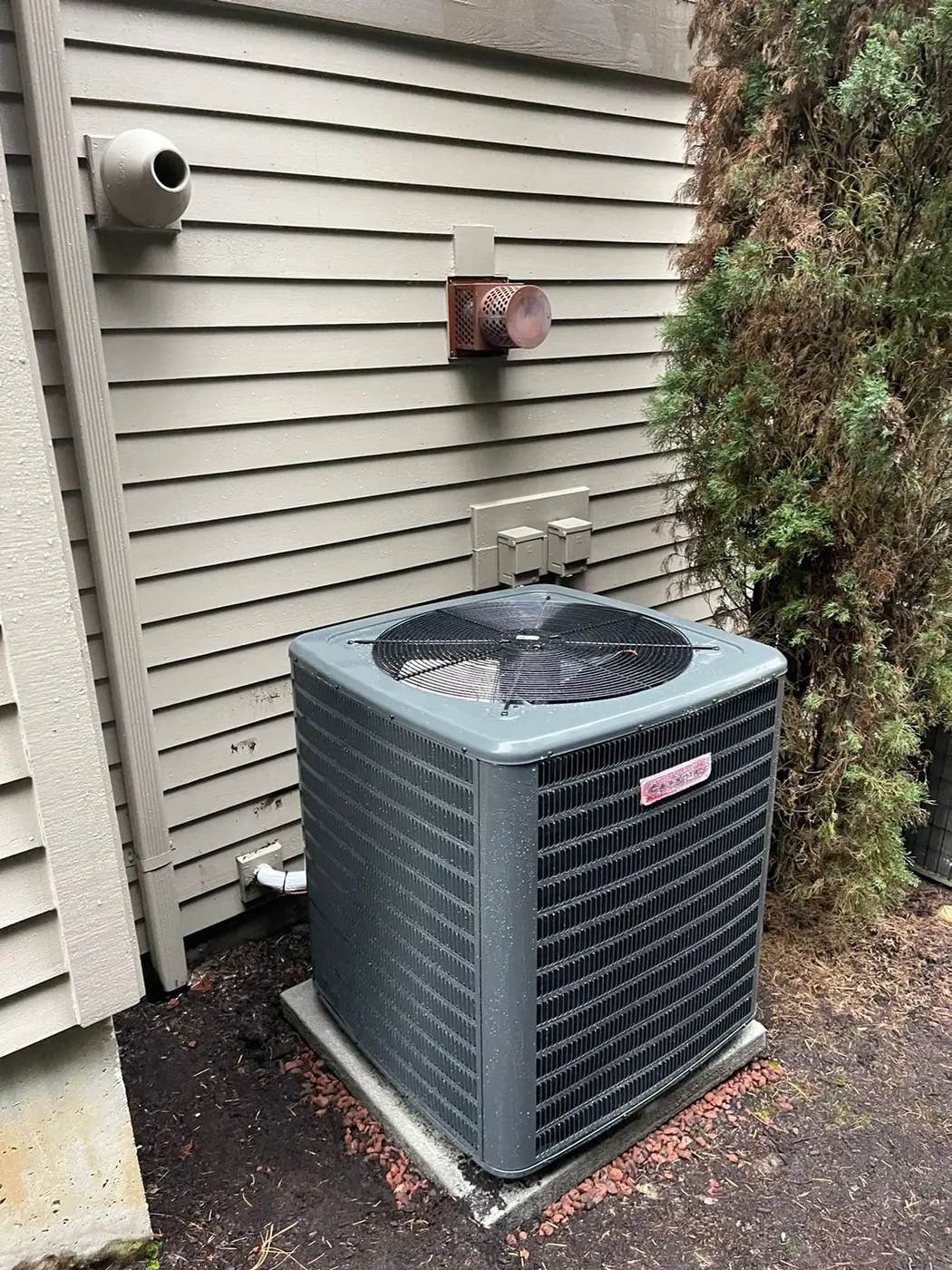
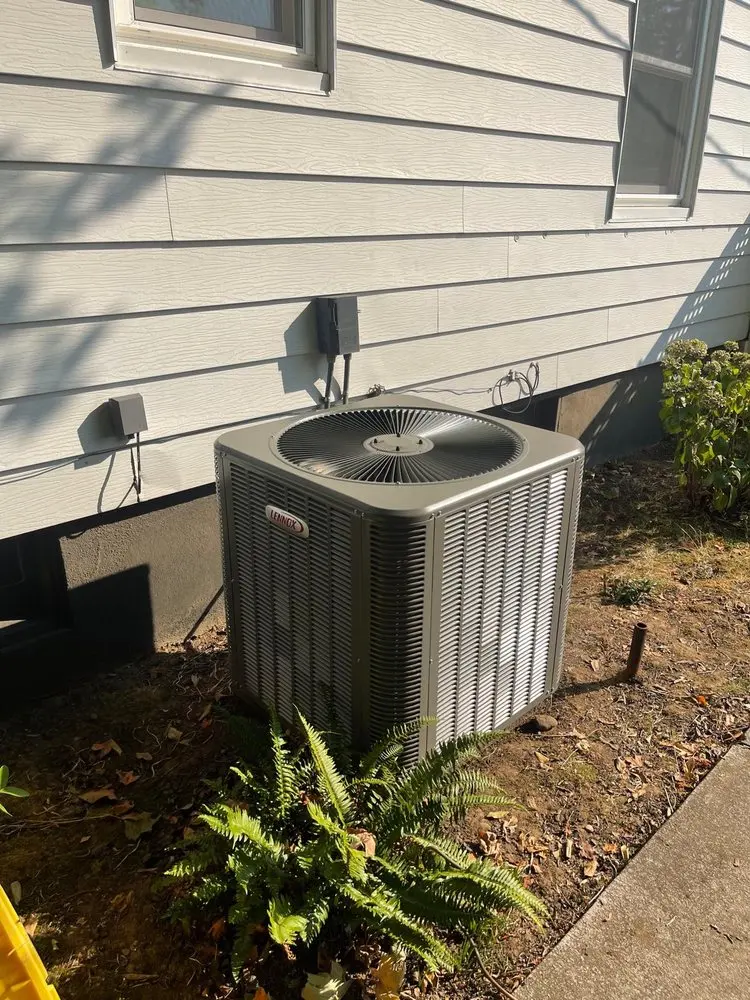
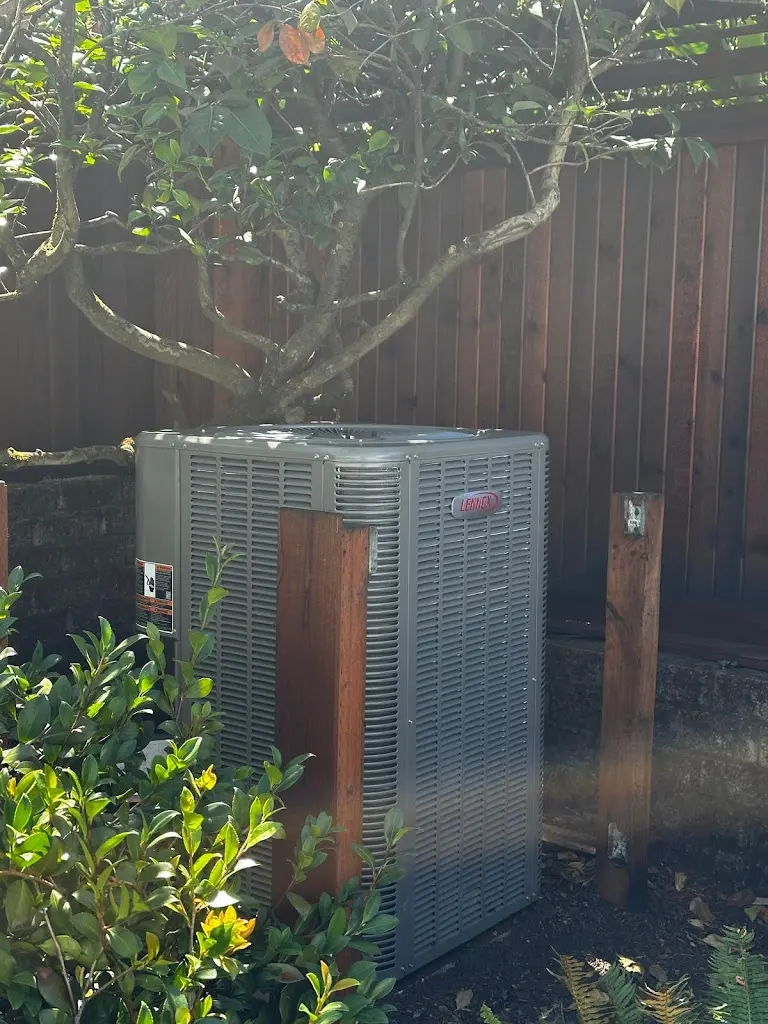
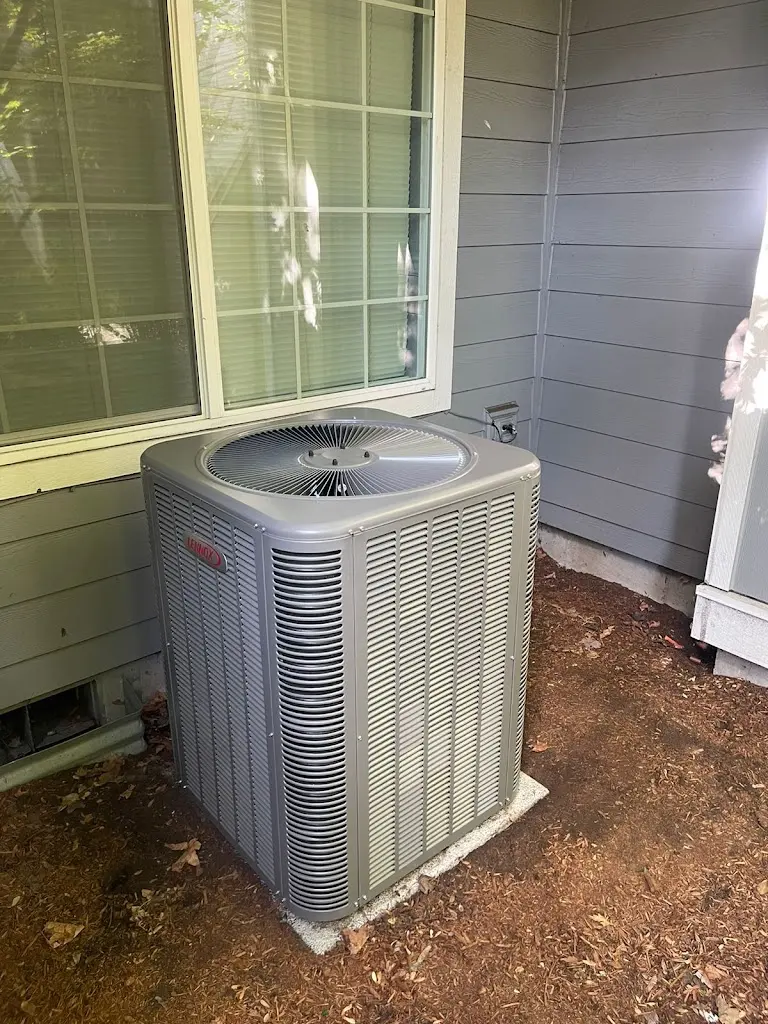
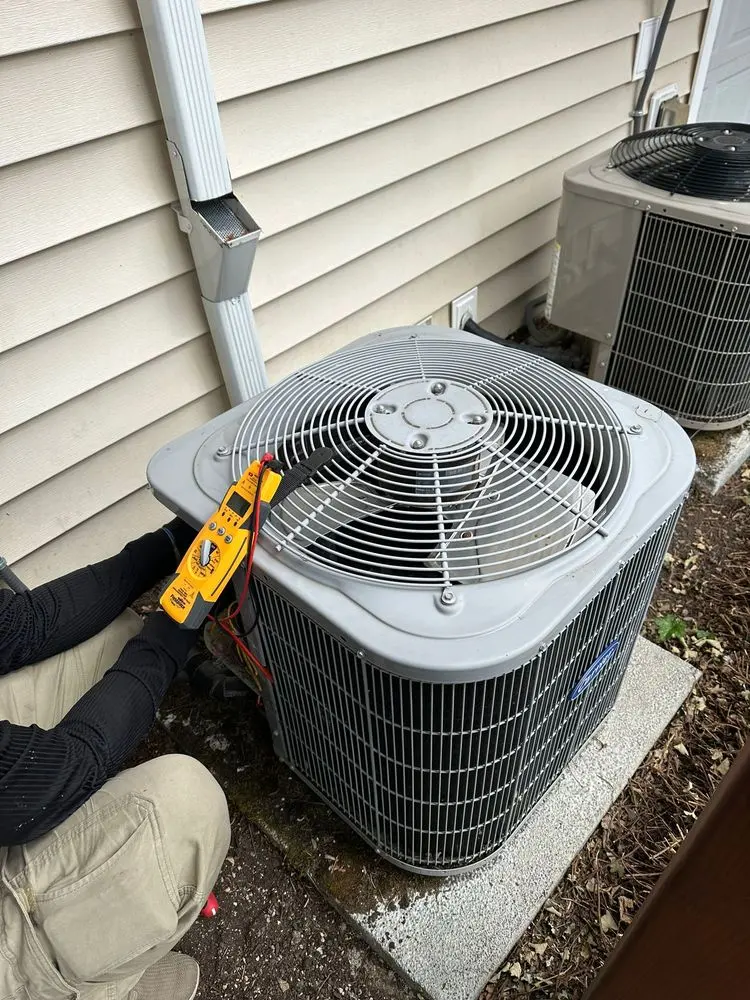
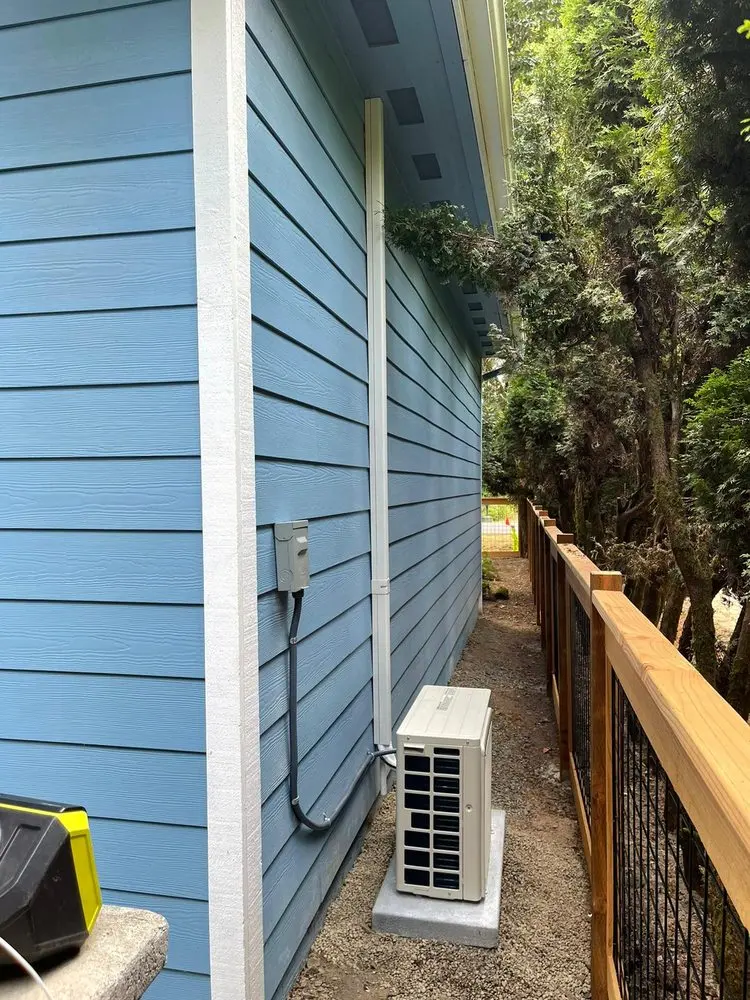
An indoor head needs a suitable outdoor position and connection route. Include cooling-water drainage and required power work in the discussion. An existing heat source does not prove that those items are ready. The estimate should identify the tasks behind the added cooling function.
Point out fixed storage, room finishes or access limits near the preferred positions. Ask which parts of the route will be visible. Keep any separate finish work clear in the proposal. A tidy indoor unit does not describe the complete appearance after installation.
Our HVAC installation in Troutdale service covers a broader project involving other equipment. Use that scope if adding cooling also changes the main heating arrangement. Name those tasks before comparing totals. A first room-cooling request should not imply a whole-home conversion.
Compare the Added Function Without a Bill-Saving Promise
Compare equipment options against the same cooling goal and room coverage. Keep required work and optional features distinct. A lower unit price can represent a different installation scope. Ask which tasks each total includes before choosing.
Adding cooling also adds a way to use energy that the room may not have had before. A high efficiency label does not guarantee that the household’s total bill will fall. Keep any cost comparison tied to the actual equipment and intended use. Do not confuse a new comfort function with a fixed saving.
If the room use or head position changes after the estimate, review the effect on the plan. A new location can change routes and preparation. Keep the current equipment list and price together. The installation should follow the layout you have actually approved.
Review Both the New Cooling and the Heat That Stays
At handover, identify the new controls and the retained heating controls separately. Review ordinary use for the agreed functions. Ask which operating checks the team completed. A new cooling setup should leave the household clear about how to use the room in each intended season.
Keep the installed models and work record with details of retained equipment. Include any open task or follow-up. If a later concern appears, identify which system and mode have the problem. That account helps service distinguish the new room unit from the heat that stayed.
Frequently Asked Questions
Does adding a mini-split always mean removing the current room heat?
No. Explain which equipment you want to retain and what the new system should add. Any removal needs a clear place in the proposal. Keeping equipment also needs a defined role and control plan.
Should I decide on heating as well as cooling before approving the equipment?
Yes, make the functions you need clear before the model choice is final. The proposed equipment must support them. A later change in seasonal use may need a new review of the setup.
Will the new remote replace the room’s existing heating control?
Do not assume that. Ask which equipment each control operates after installation. The agreed scope should identify any connection or control change. Separate retained heat may still use its own normal controls.