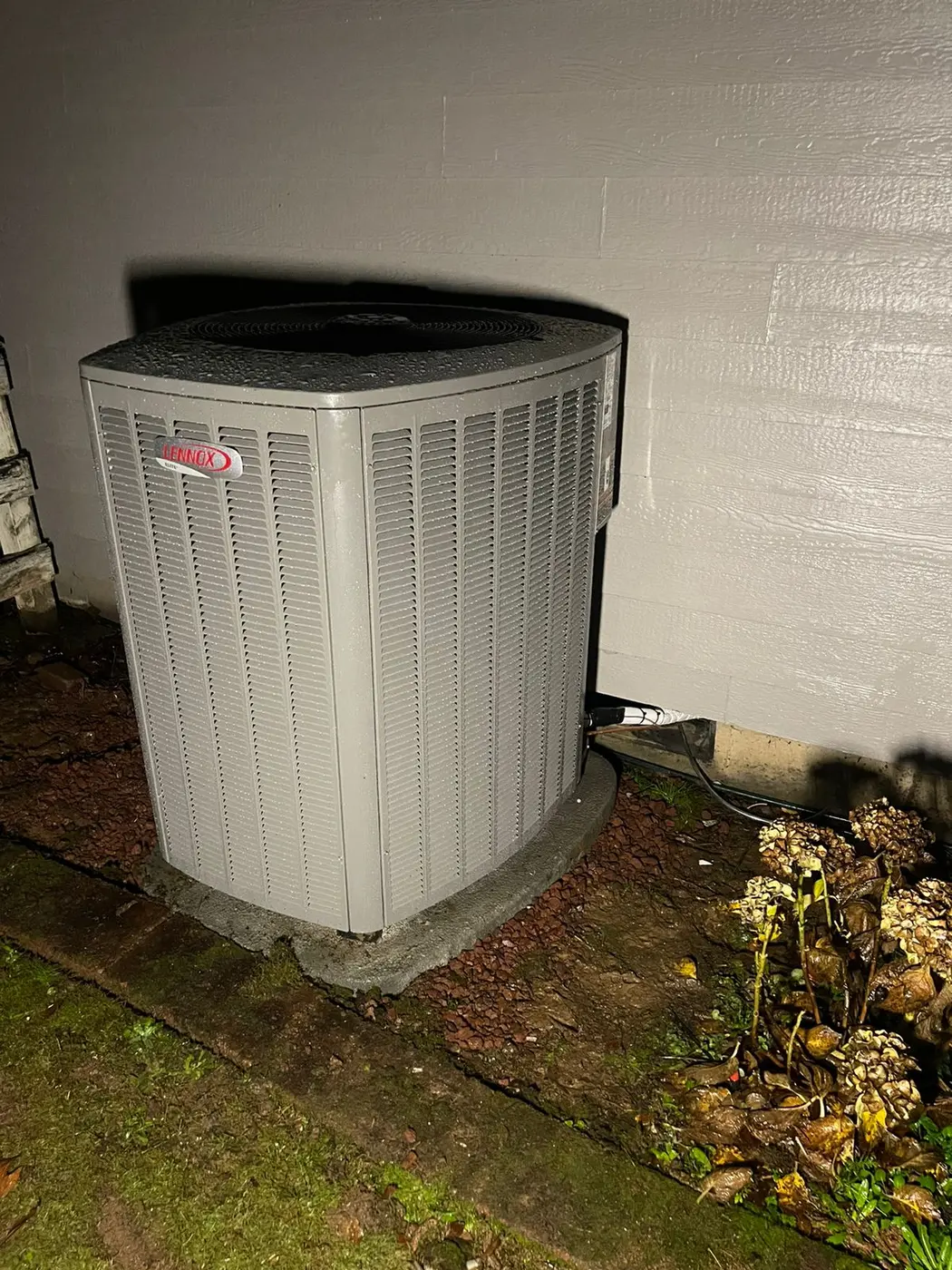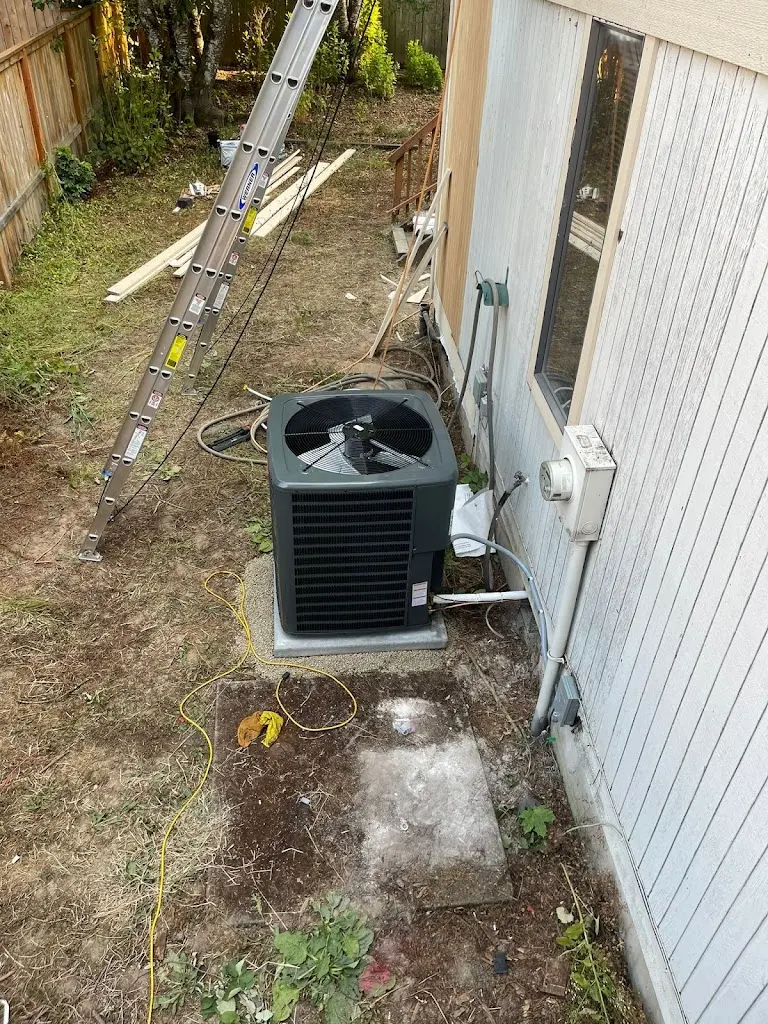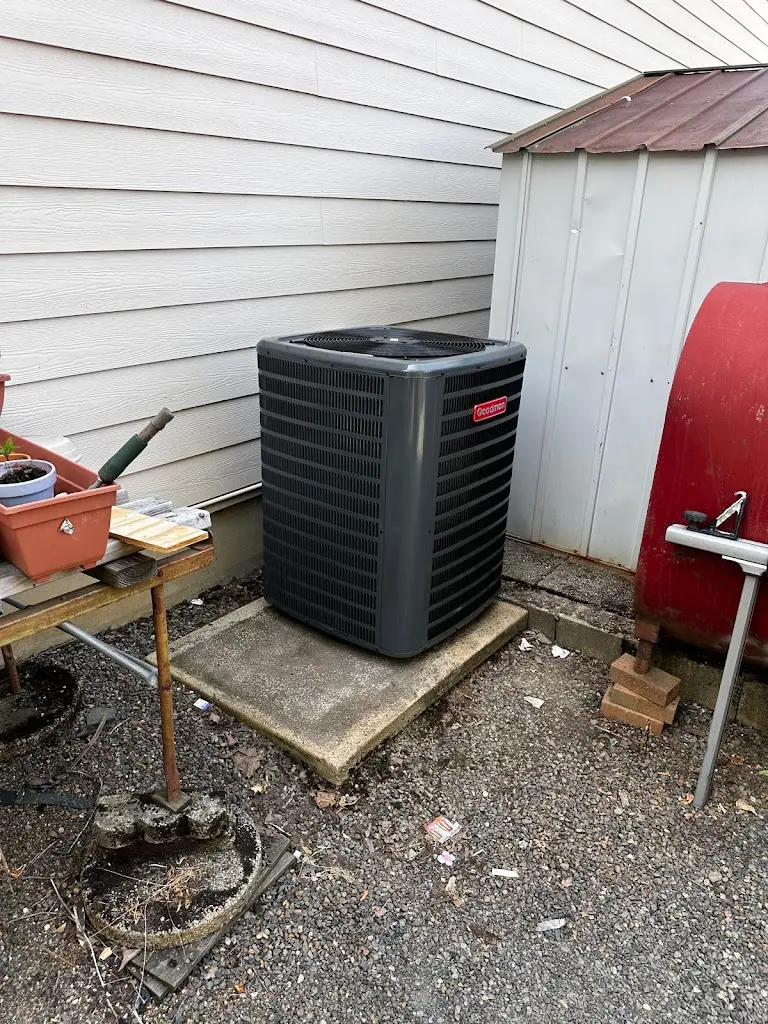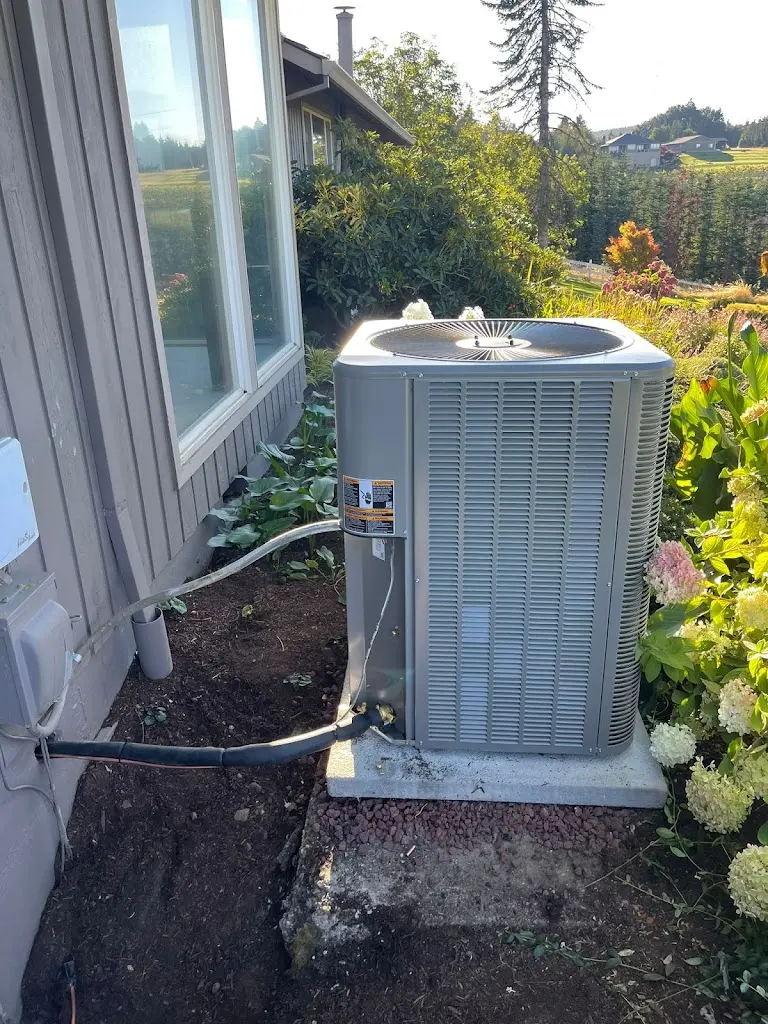
Plan Replacement While the Current Setup Still Works
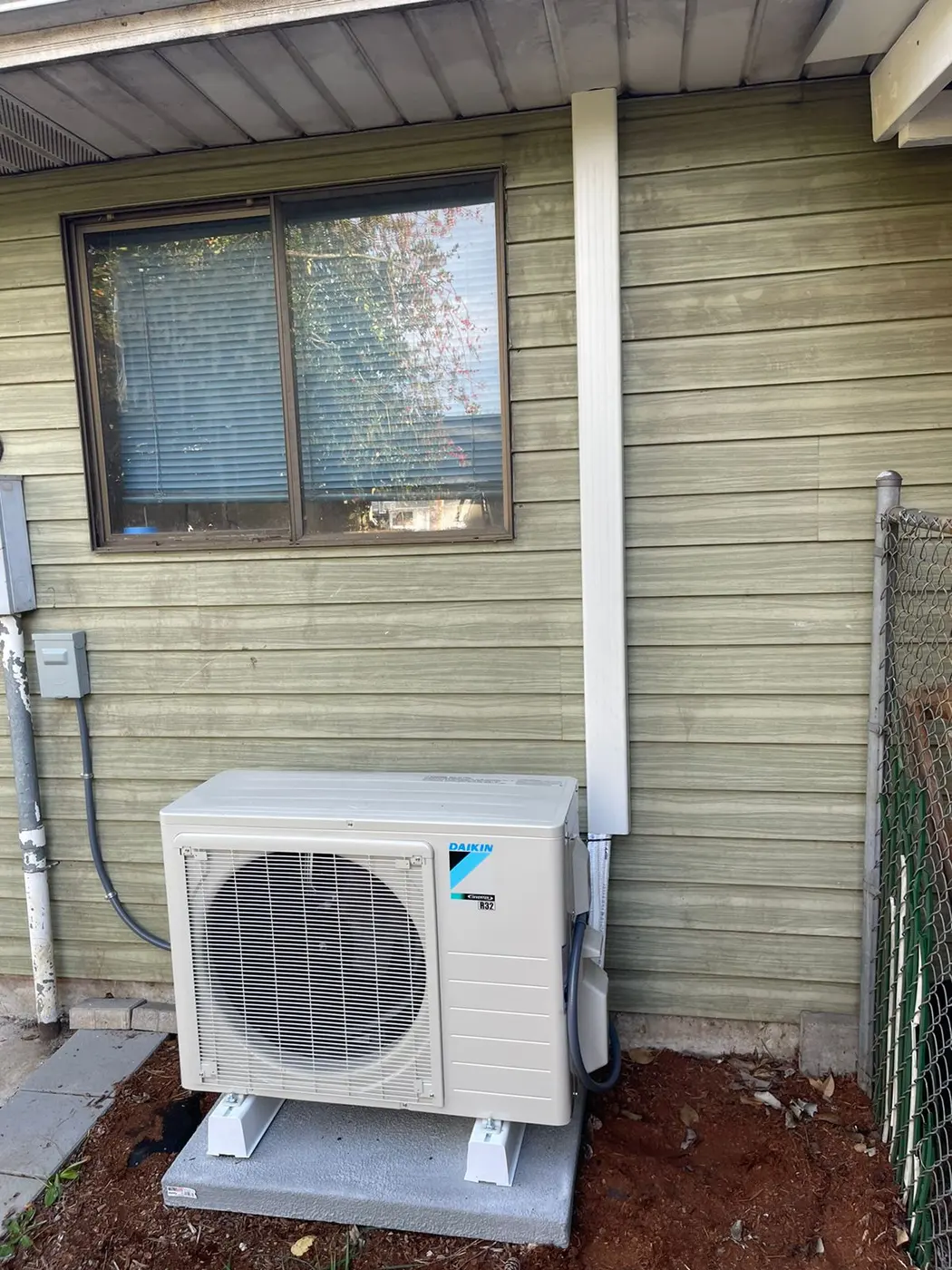
HVAC & Appliance Repair Guys provides mini-split installation in Tualatin, OR. You can discuss a planned replacement before the existing system stops working. Our free on-site estimator visit covers installation and replacement. Begin with what you want to keep about room comfort and what you want to change.
A working system gives useful context for that discussion. Describe the rooms it serves, its normal controls and the times it falls short. Keep those observations separate from a prediction of when it might fail. The plan should follow present needs rather than an invented deadline.
Record Normal Performance Before It Becomes a Memory
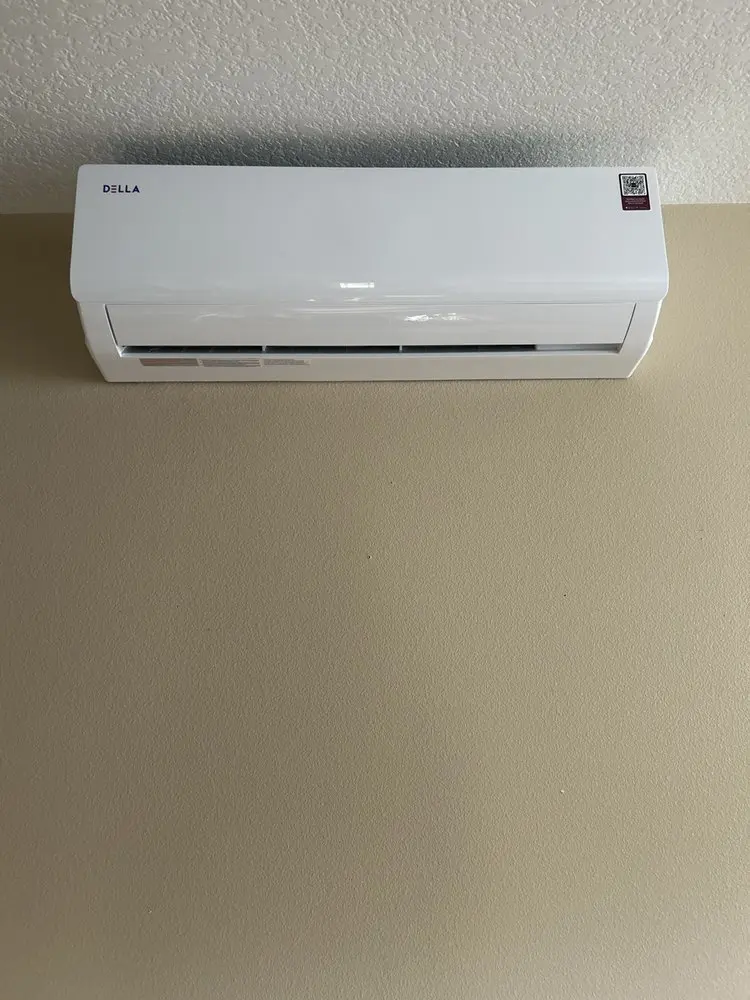
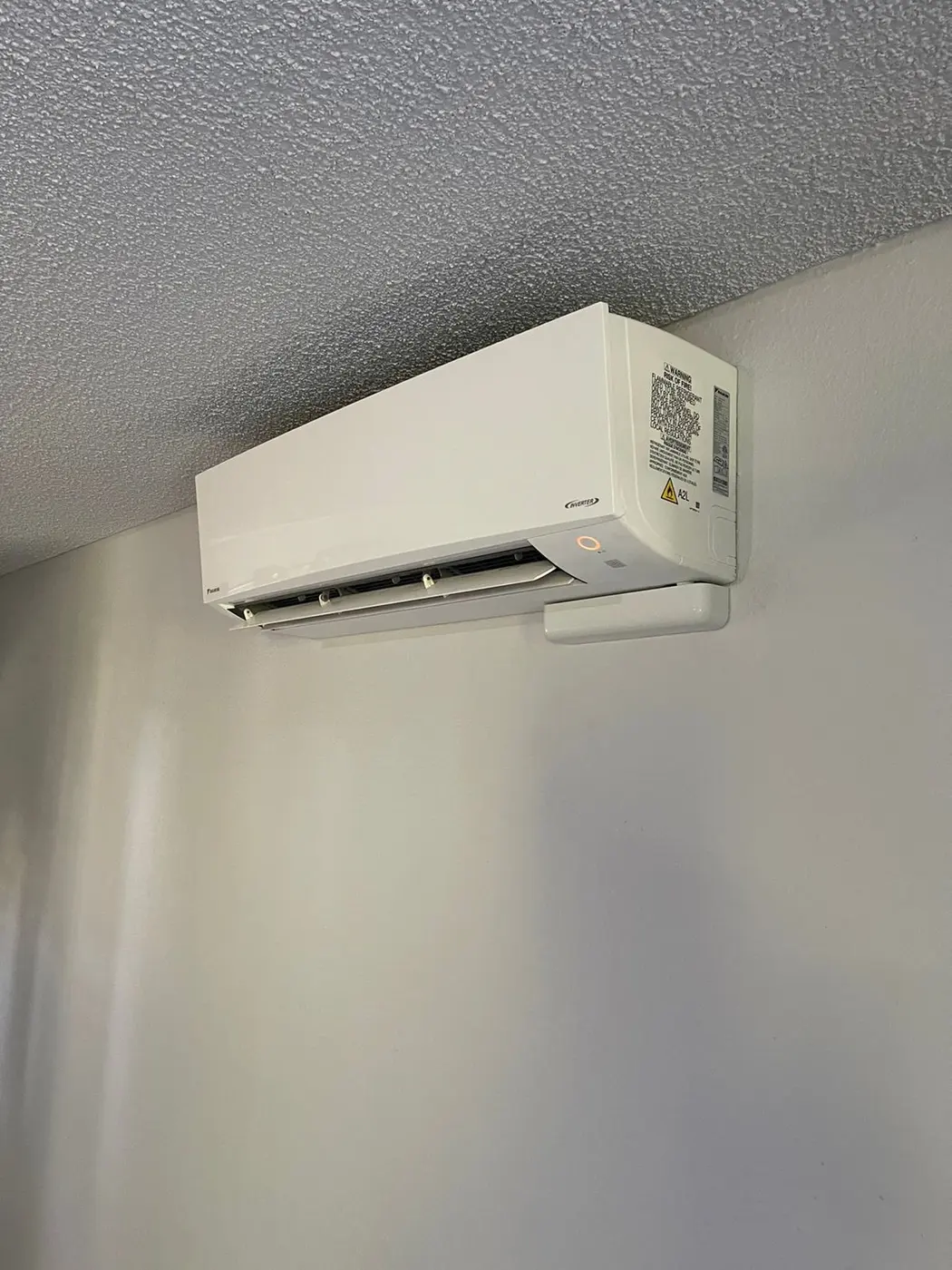
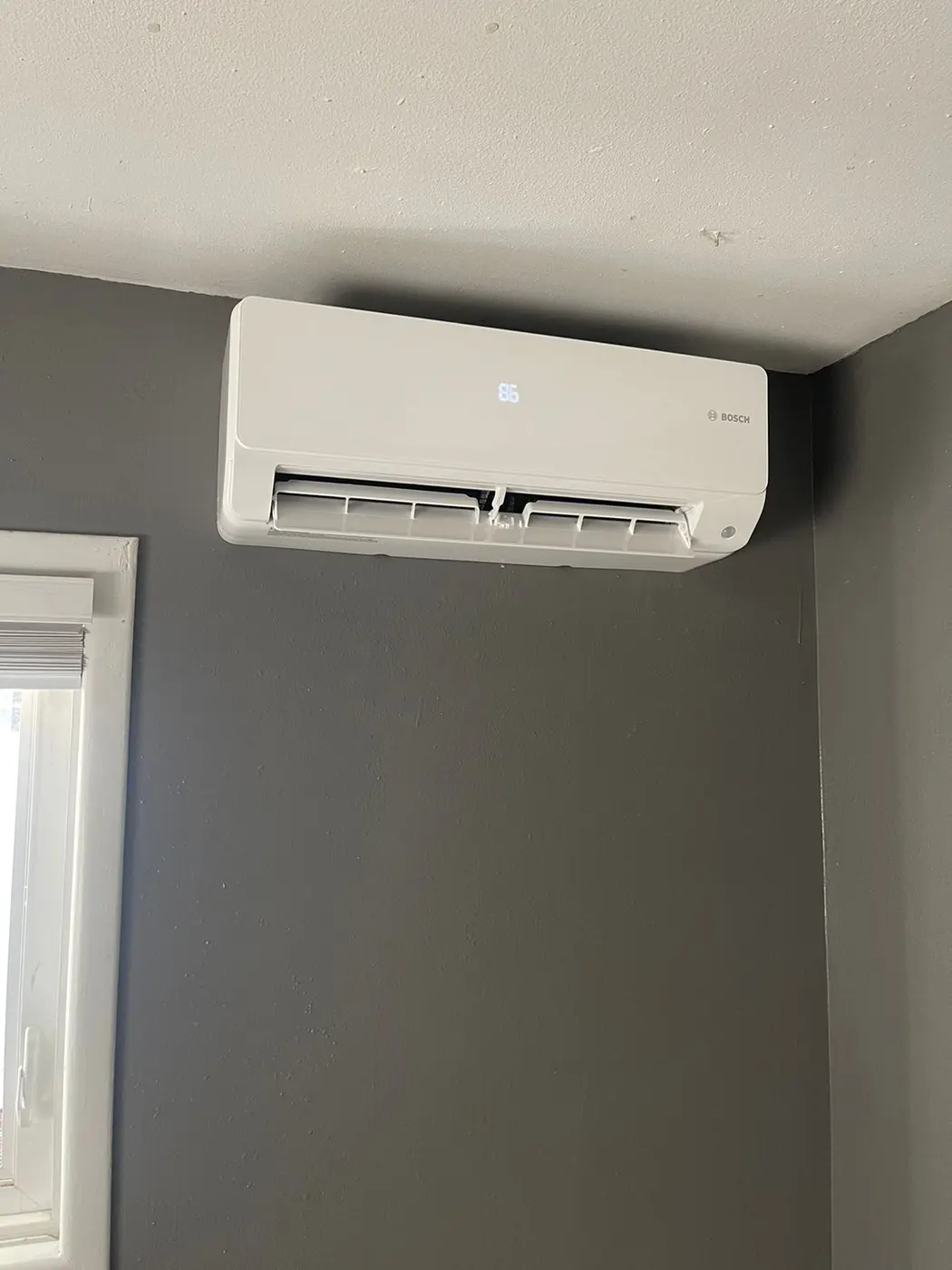
Explain how each room feels during heating or cooling that you normally use. State which doors stay closed and where the head directs air. A room that reaches the setting may still have an awkward air path. That is a specific improvement to discuss during replacement planning.
Identify any function you never use or do not understand. A control symbol does not prove that the installed model supports every feature. Keep unknown functions as questions. The new proposal should define what you will receive instead of copying an uncertain equipment description.
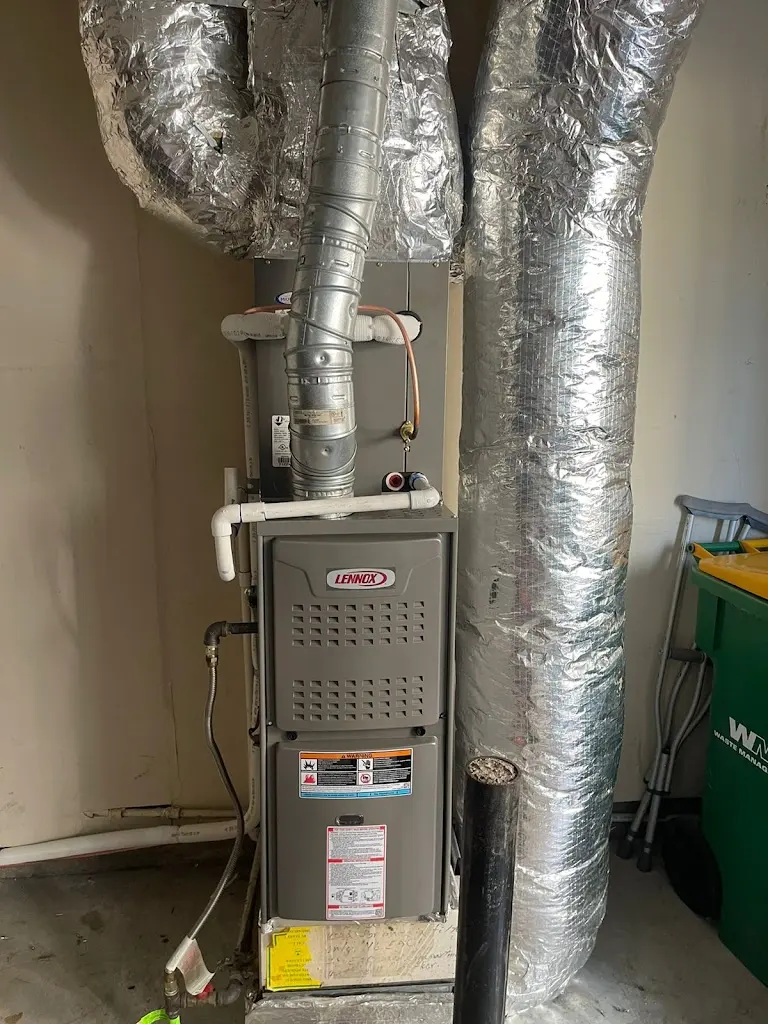
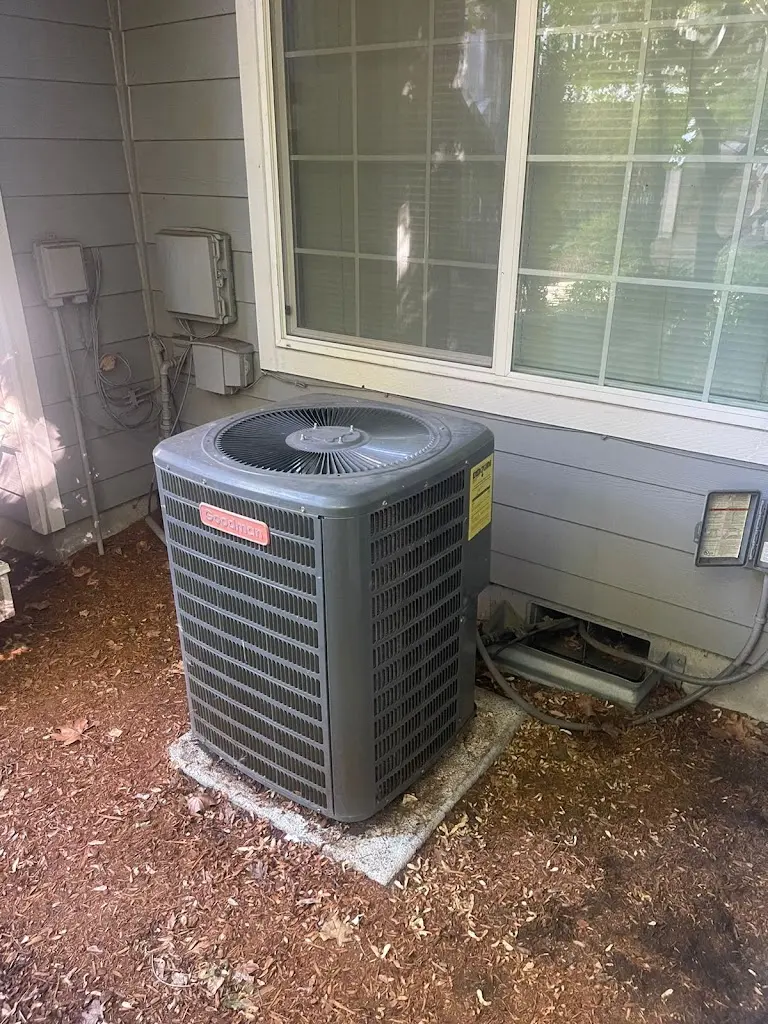
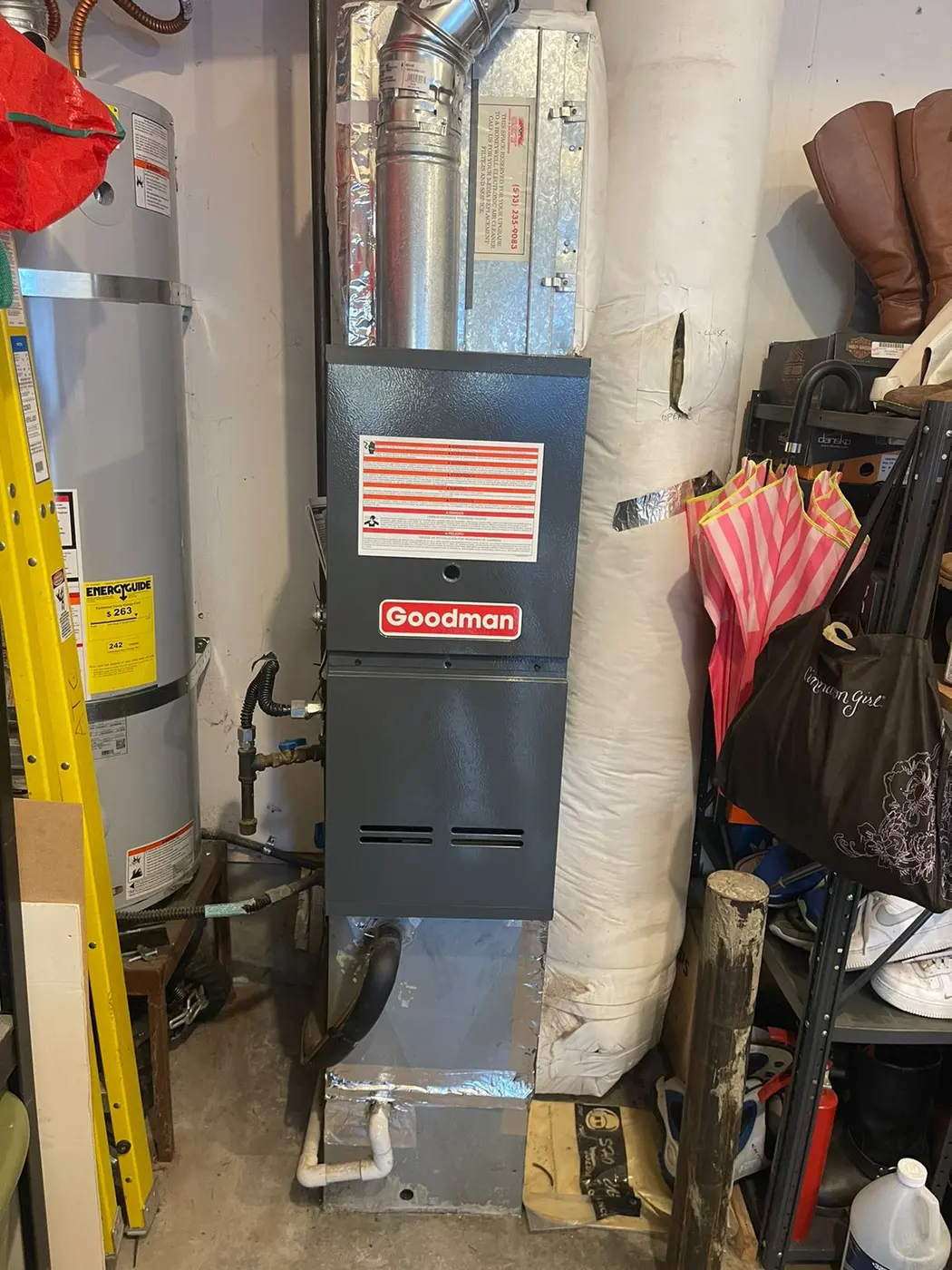
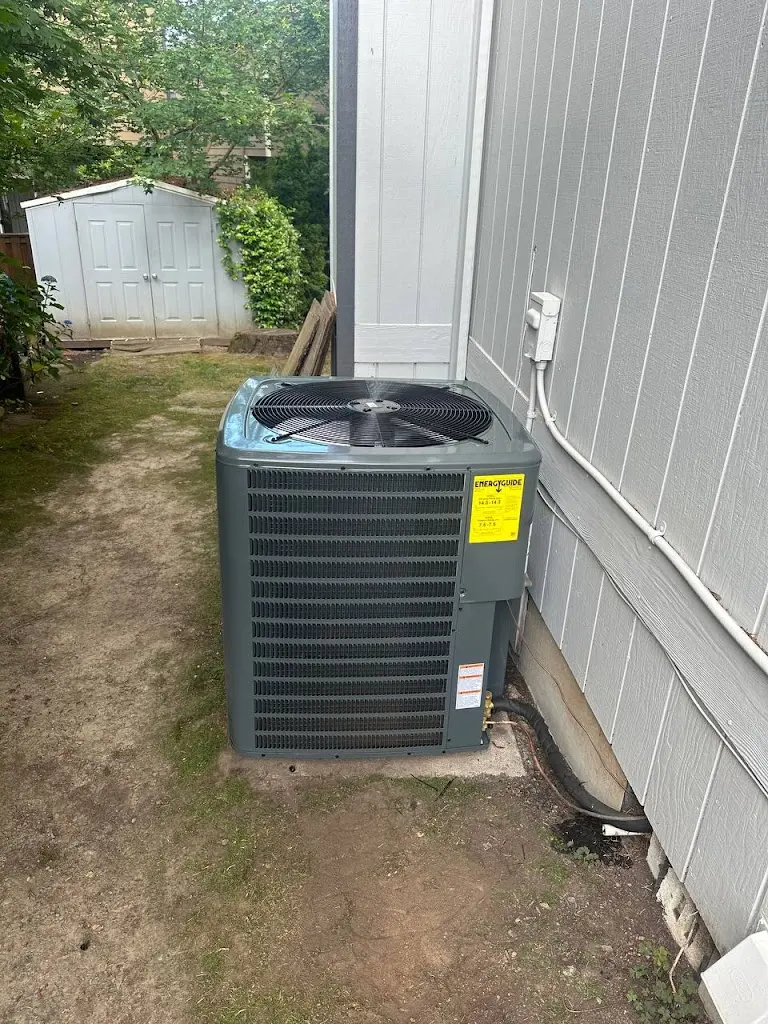
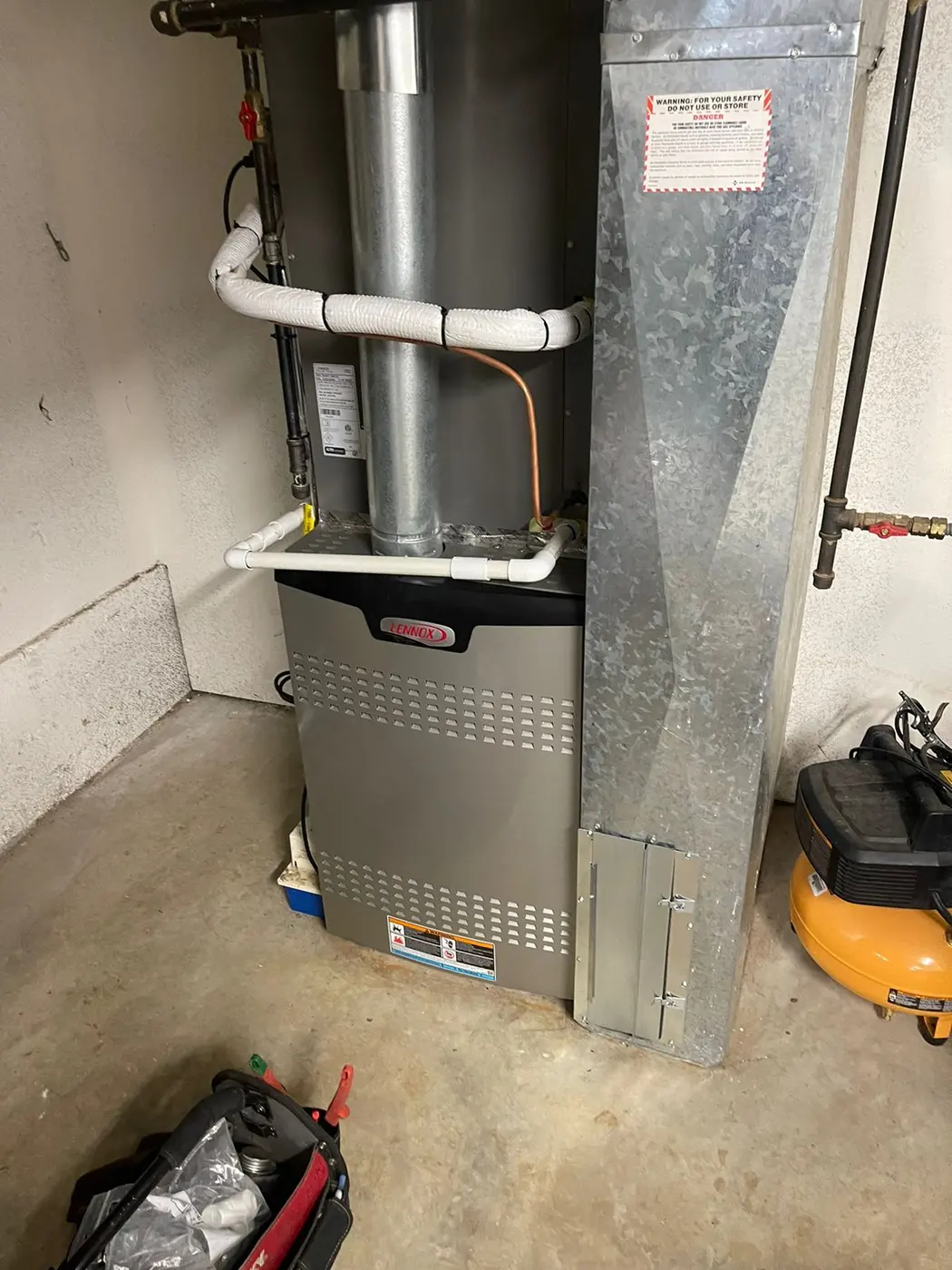
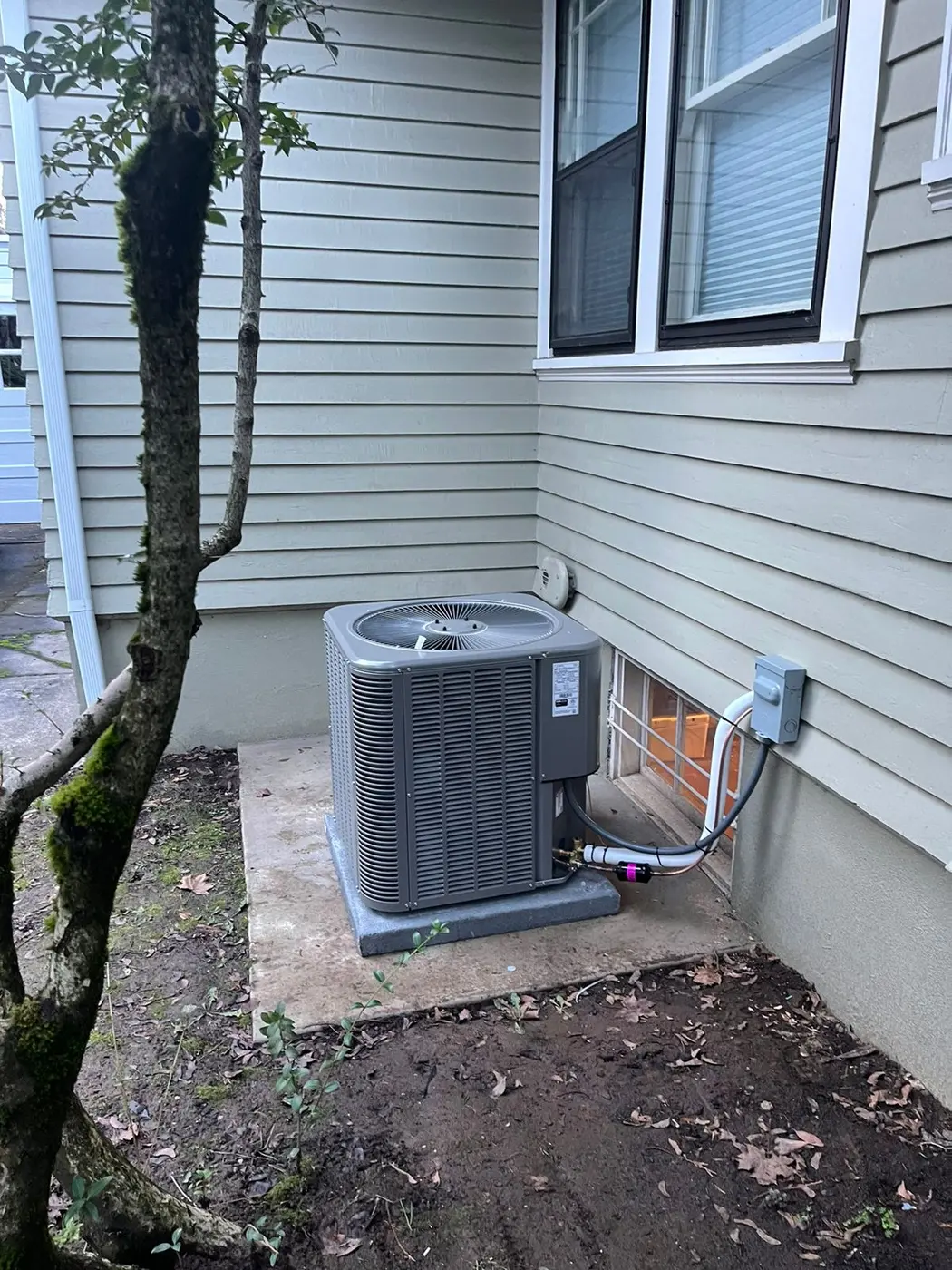
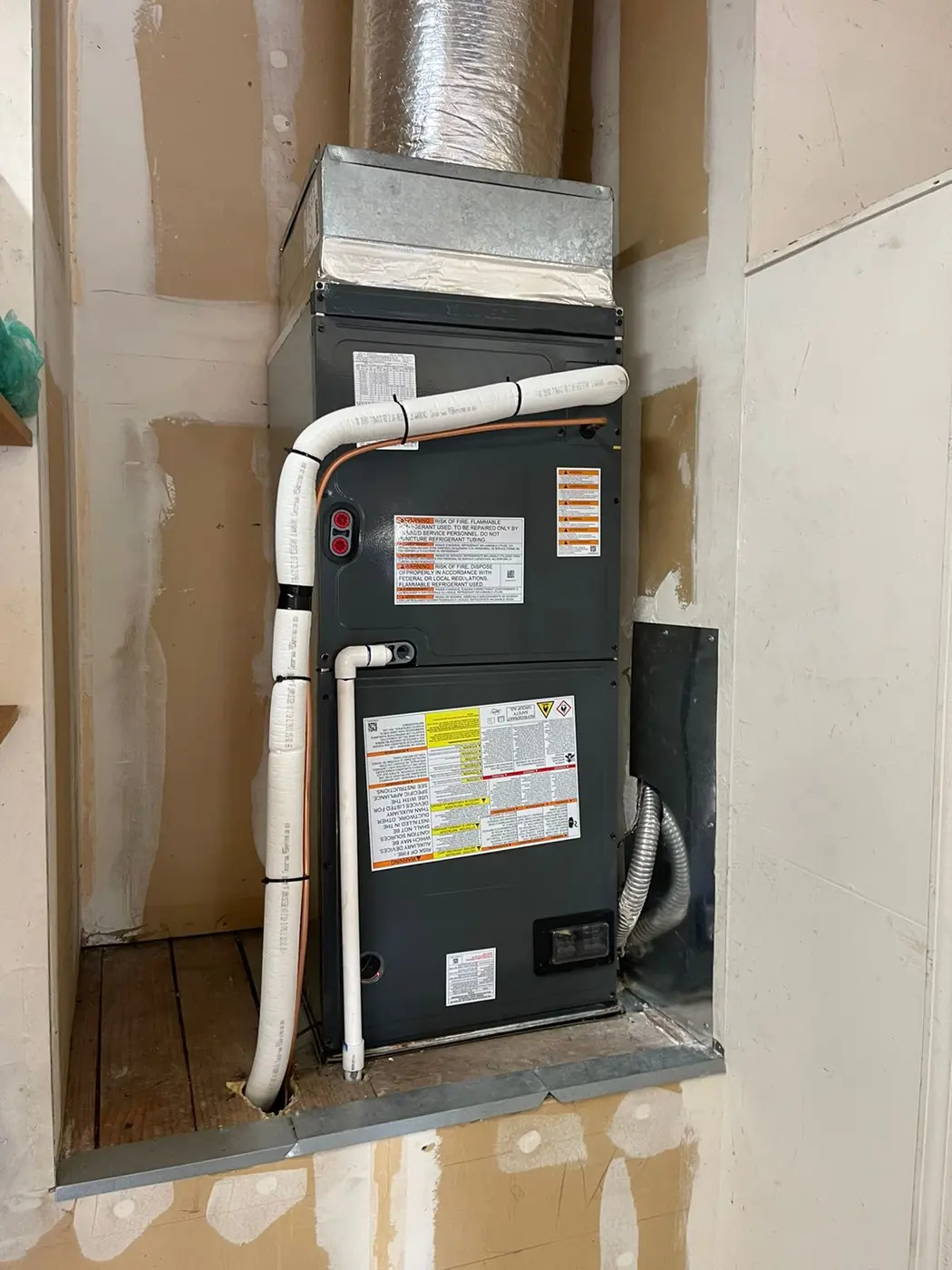
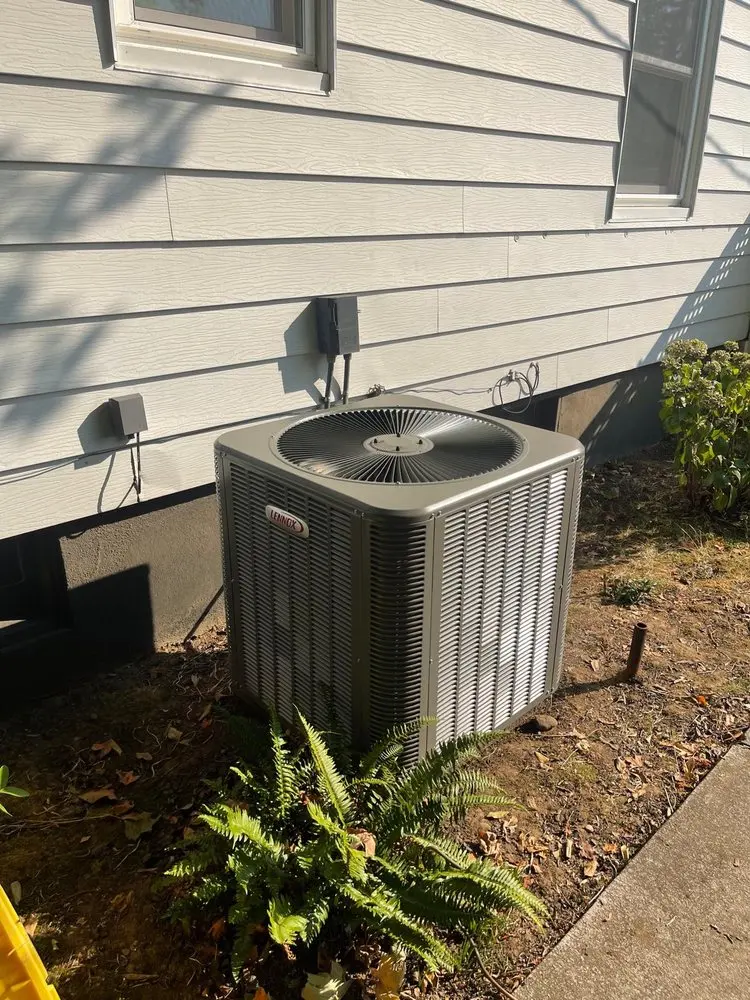
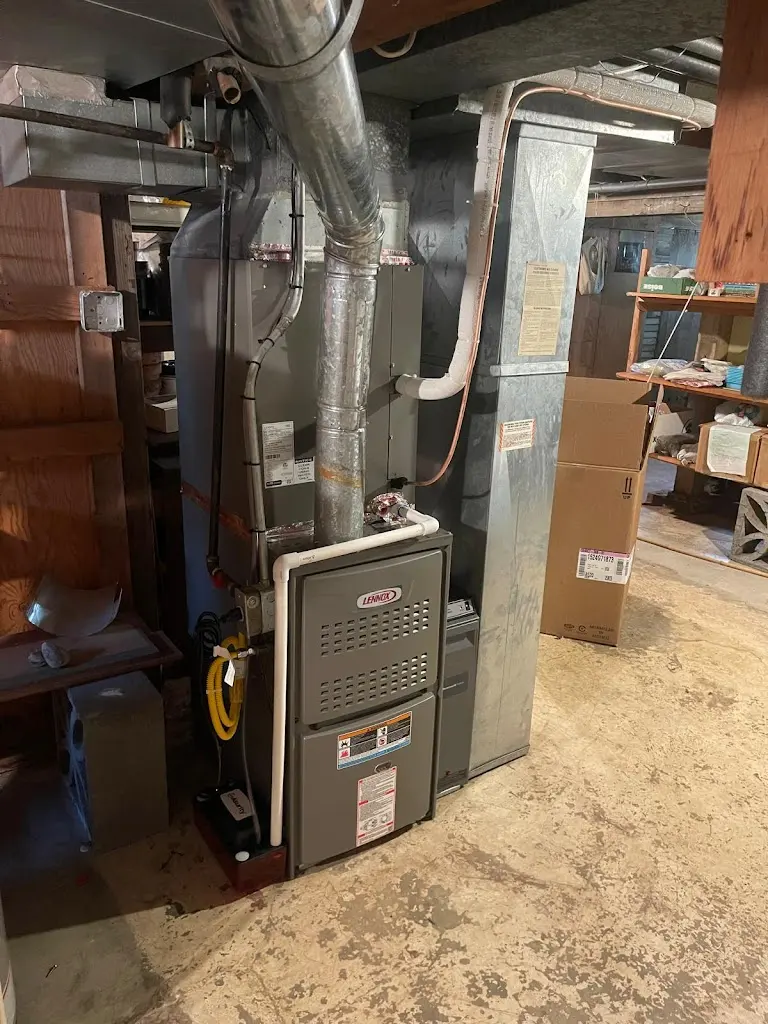
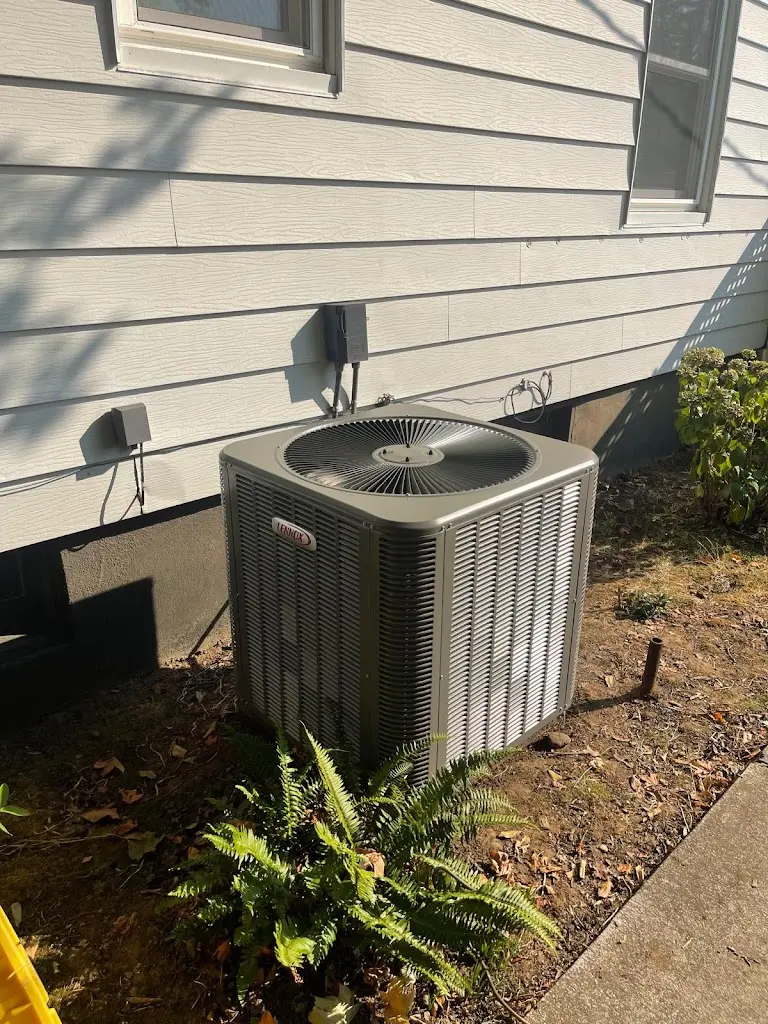
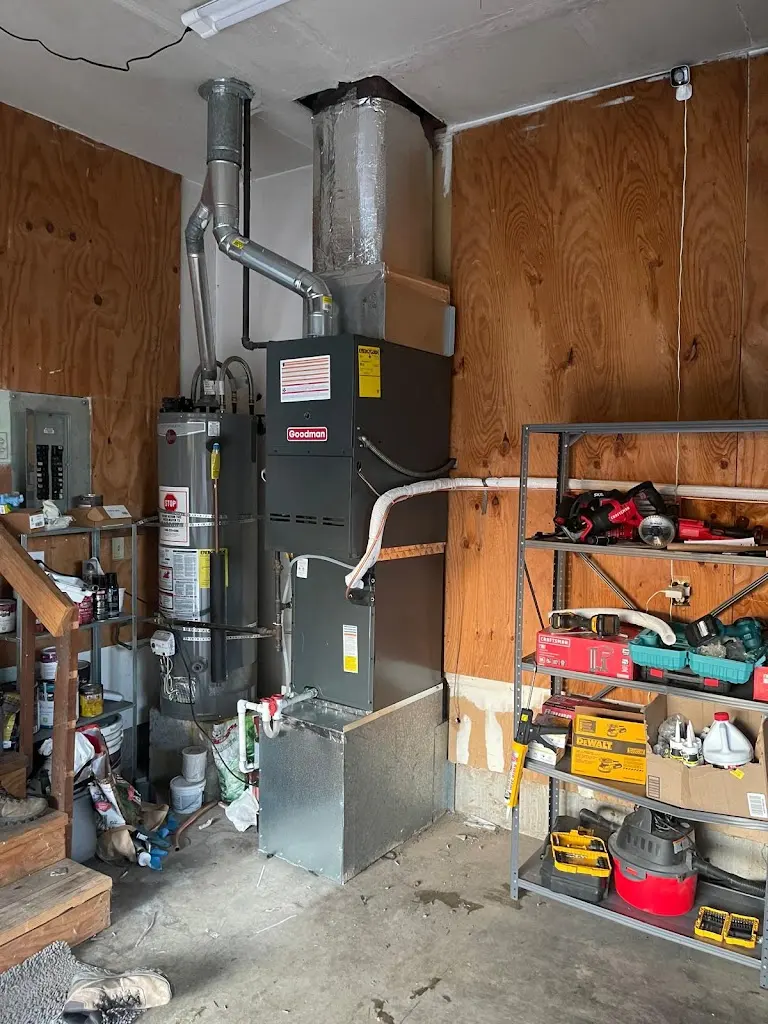
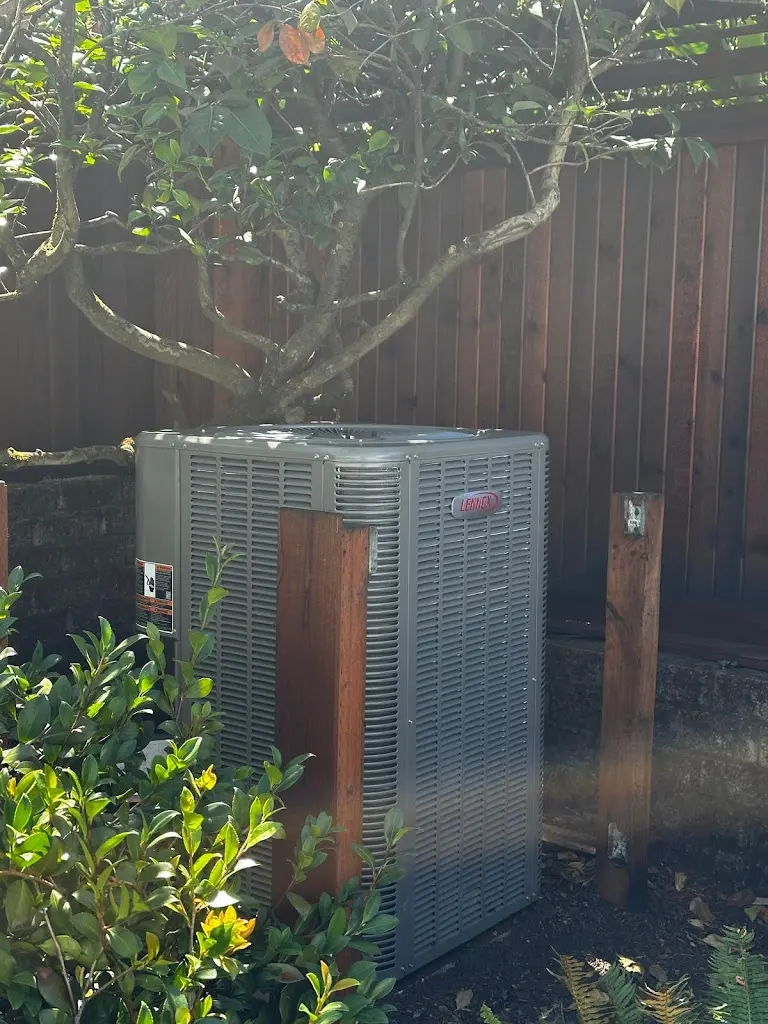
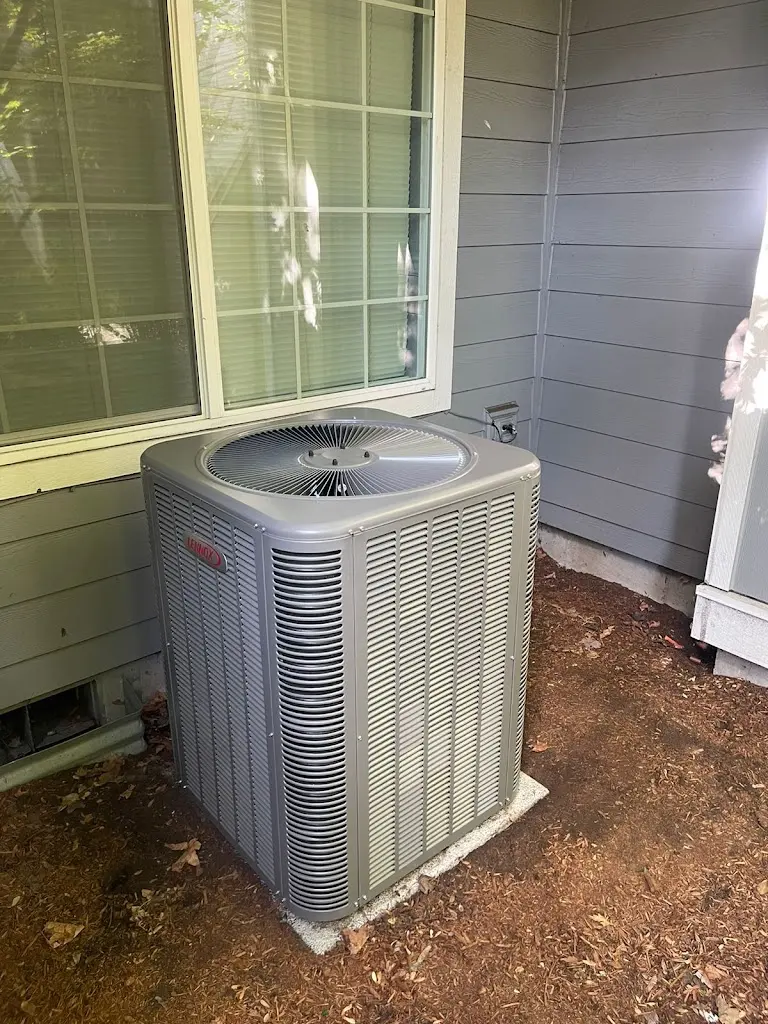
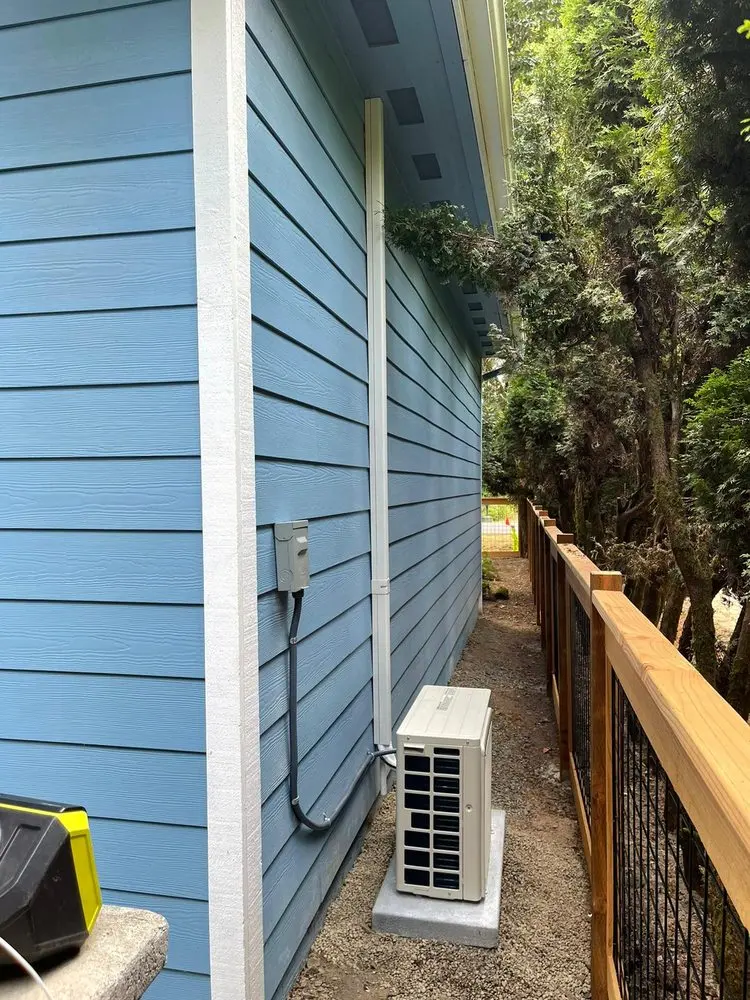
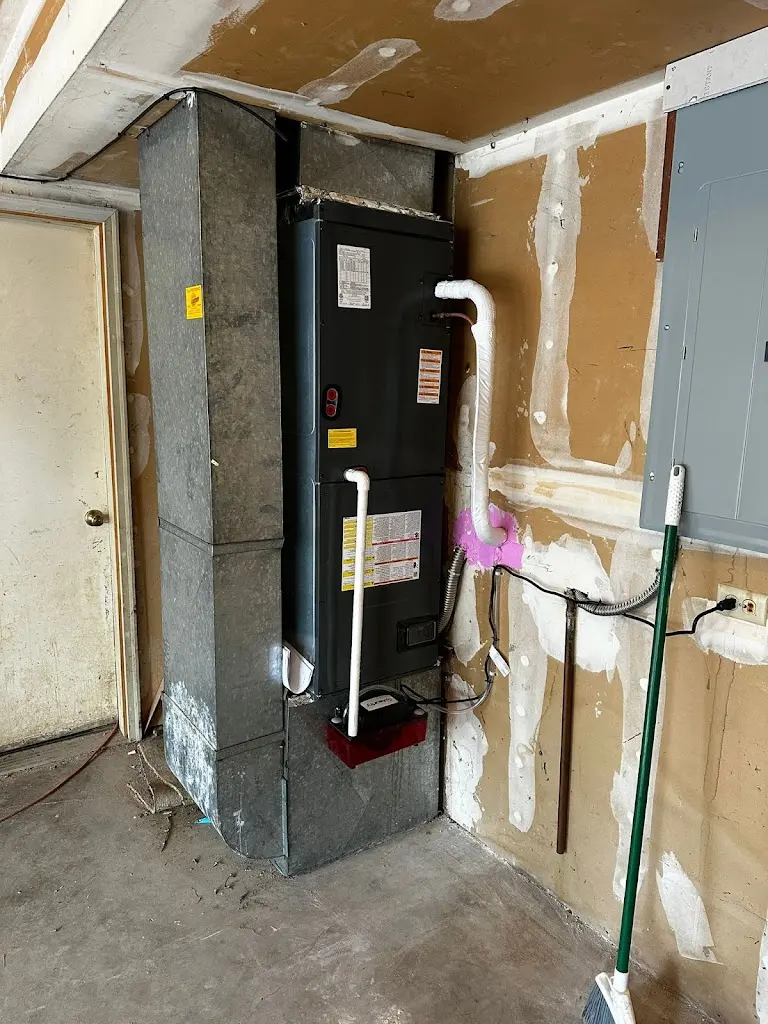
Our mini-split installation service reviews the full indoor and outdoor combination. Share model records and any earlier part replacements where known. Components may have different histories. A working unit still needs a supported plan if another part changes.
Separate Needed Work From Desired Improvements
Name the reason you are considering new equipment now. You may want simpler controls, a better head position or a changed room plan. These are different goals. Ask what work each one needs before choosing only from a model list.
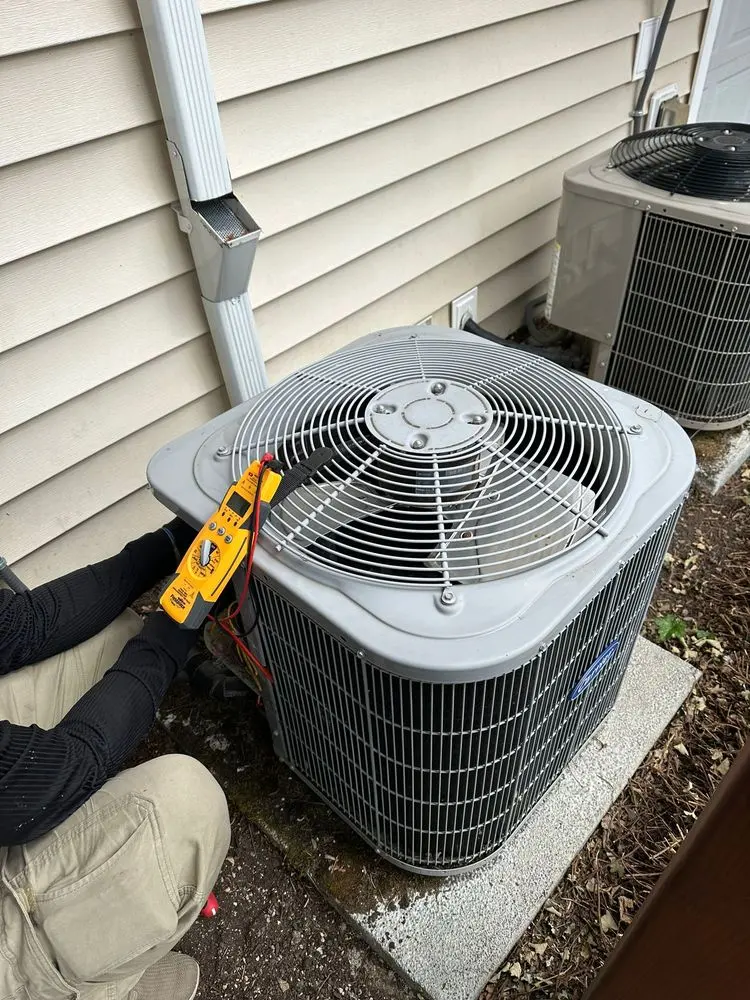
If a recent fault appears during planning, report that change separately. It may affect timing or the equipment you intended to retain. The free estimate does not include repair diagnosis. Keep any confirmed new finding with the current proposal.
Avoid using age alone to assume that every item must go. At the same time, continued operation does not prove a match with every replacement choice. Ask which parts the estimate keeps and why. Review required connections and controls with that combination.
Use the Planning Period to Set a Clear Scope
Compare the rooms served, selected models and installation tasks in each option. Include removal, access and any visible finish work. Keep an open site condition clear. A quote based on a check still to come is different from a fully defined task.
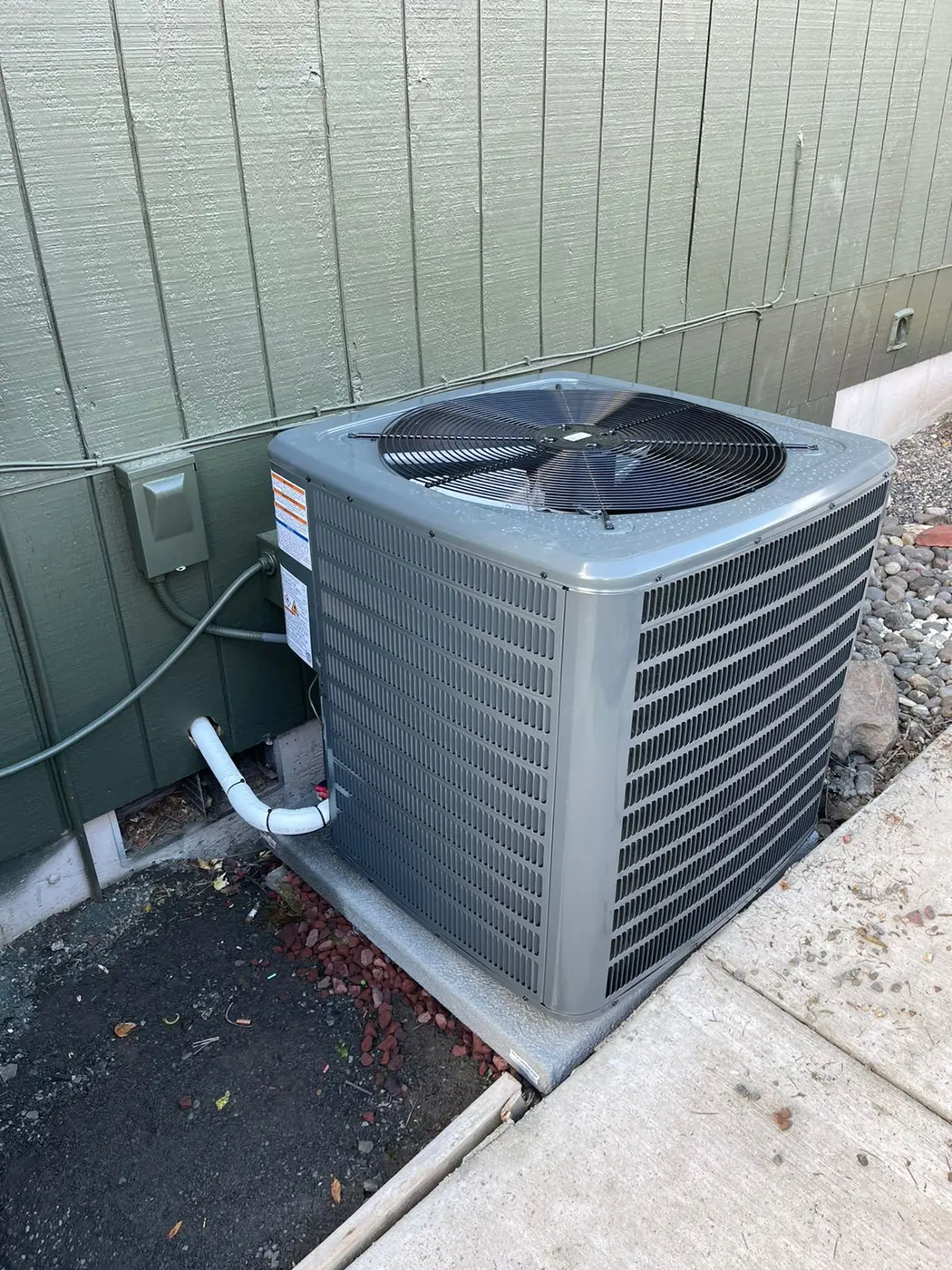
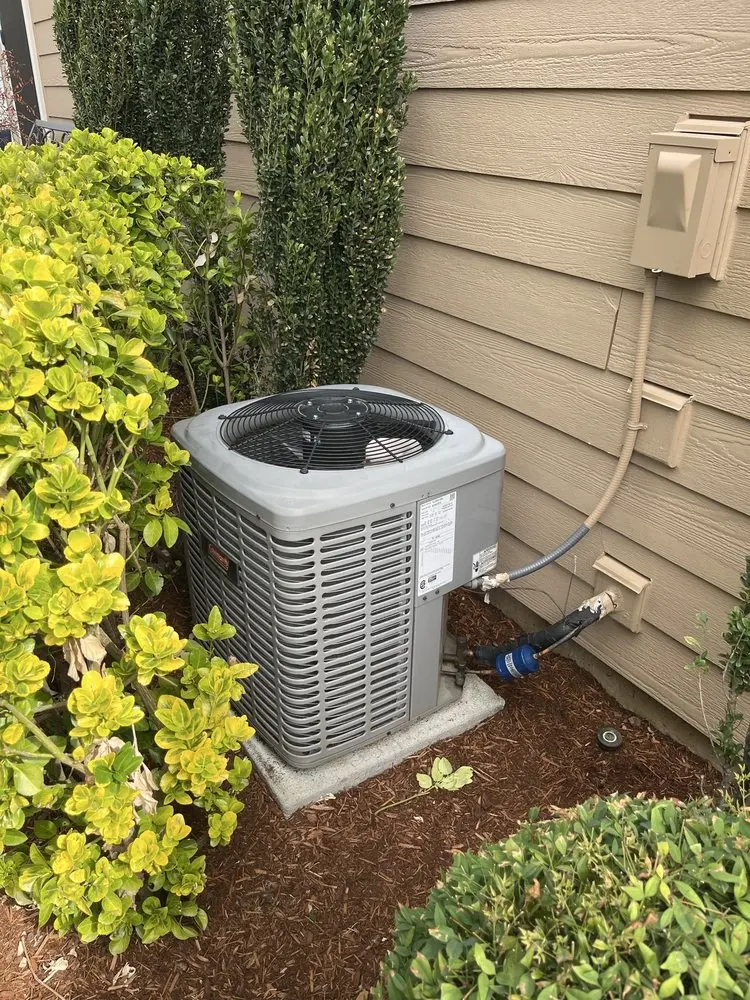
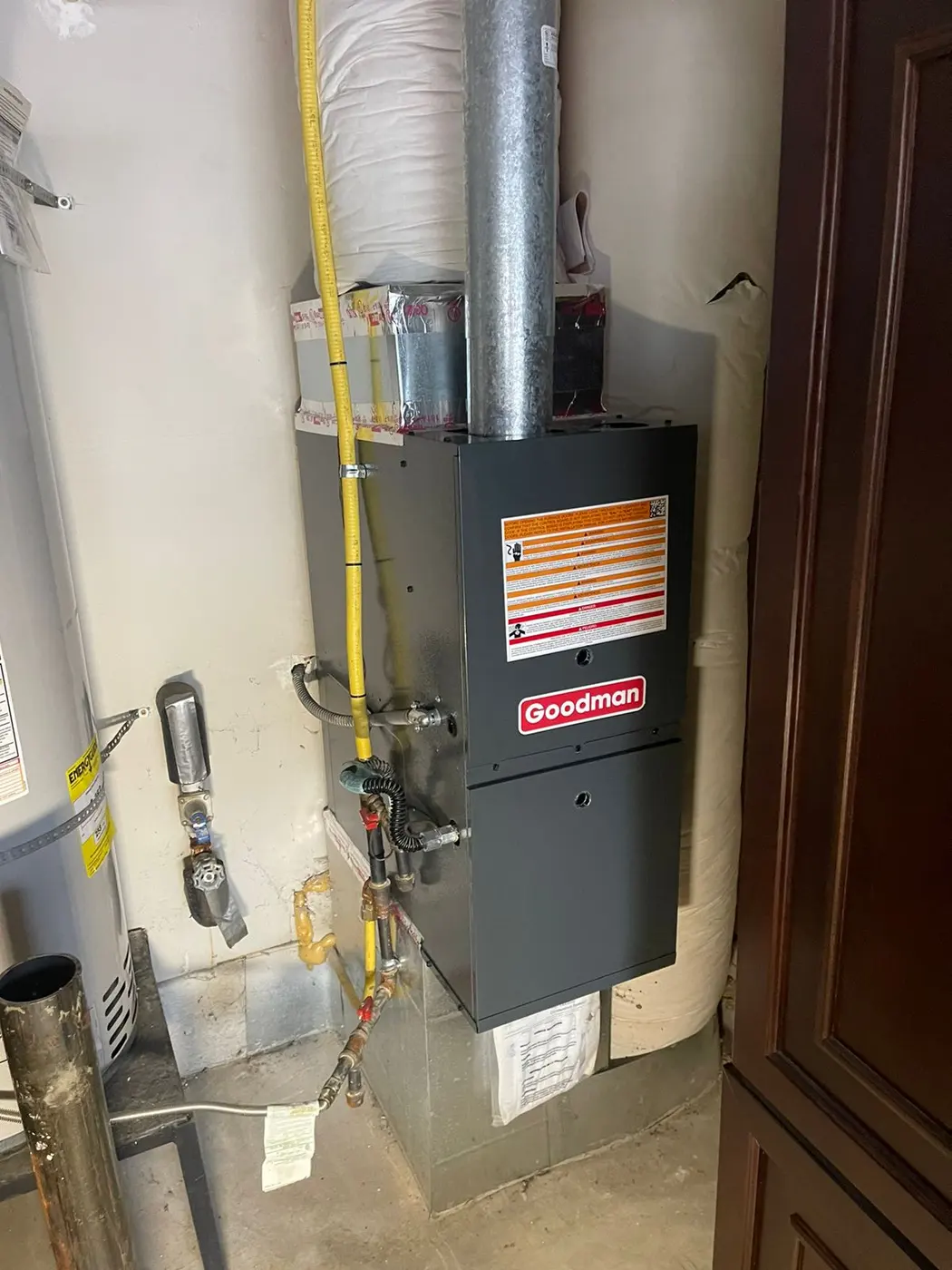
Our HVAC installation in Tualatin service covers broader equipment changes. Use that scope if the project also affects another system. A working mini-split should not hide a separate need elsewhere. Keep each system’s role in the overall plan.
If you are not ready to choose a work date, distinguish the estimate from a confirmed schedule. Ask what needs another review when you are ready. Equipment choices and site conditions can change. An early discussion should not become an assumed reservation or fixed future price.
Preserve the Setup Until the Agreed Changeover
Leave the existing equipment and connections intact before installation. Discuss practical access preparation with the team. Do not remove a head or change a line before the agreed work starts. The approved scope should guide the work sequence.
Confirm the expected interruption to the affected rooms. A system that works beforehand may still be out of use during the changeover. Retained heads can share equipment involved in the project. Ask about the actual sequence rather than assuming continuous service.
At completion, compare the new setup with the improvements you chose. Review normal controls and the checks on the agreed functions. Keep installed and retained model details together. The final record should explain what the planned replacement changed and any concern still open.
Frequently Asked Questions
Does a working mini-split mean replacement would be unnecessary?
The decision depends on your goals, equipment and proposed work. Explain why you are considering a change while keeping current performance clear. A working status alone does not settle every comfort or installation question.
Can the estimate promise how much longer the old system will last?
Do not treat an installation estimate as a fixed remaining-life prediction. It reviews a new equipment project. Keep any separate condition assessment and its limits clear when comparing your options.
What if I postpone the installation after receiving the estimate?
Confirm the current models, site conditions, price and timing before restarting the plan. Share any change since the visit. An earlier proposal provides context, but the approved work should reflect the project as it now stands.