Revisit the Furnace Plan Before Restarting the Work
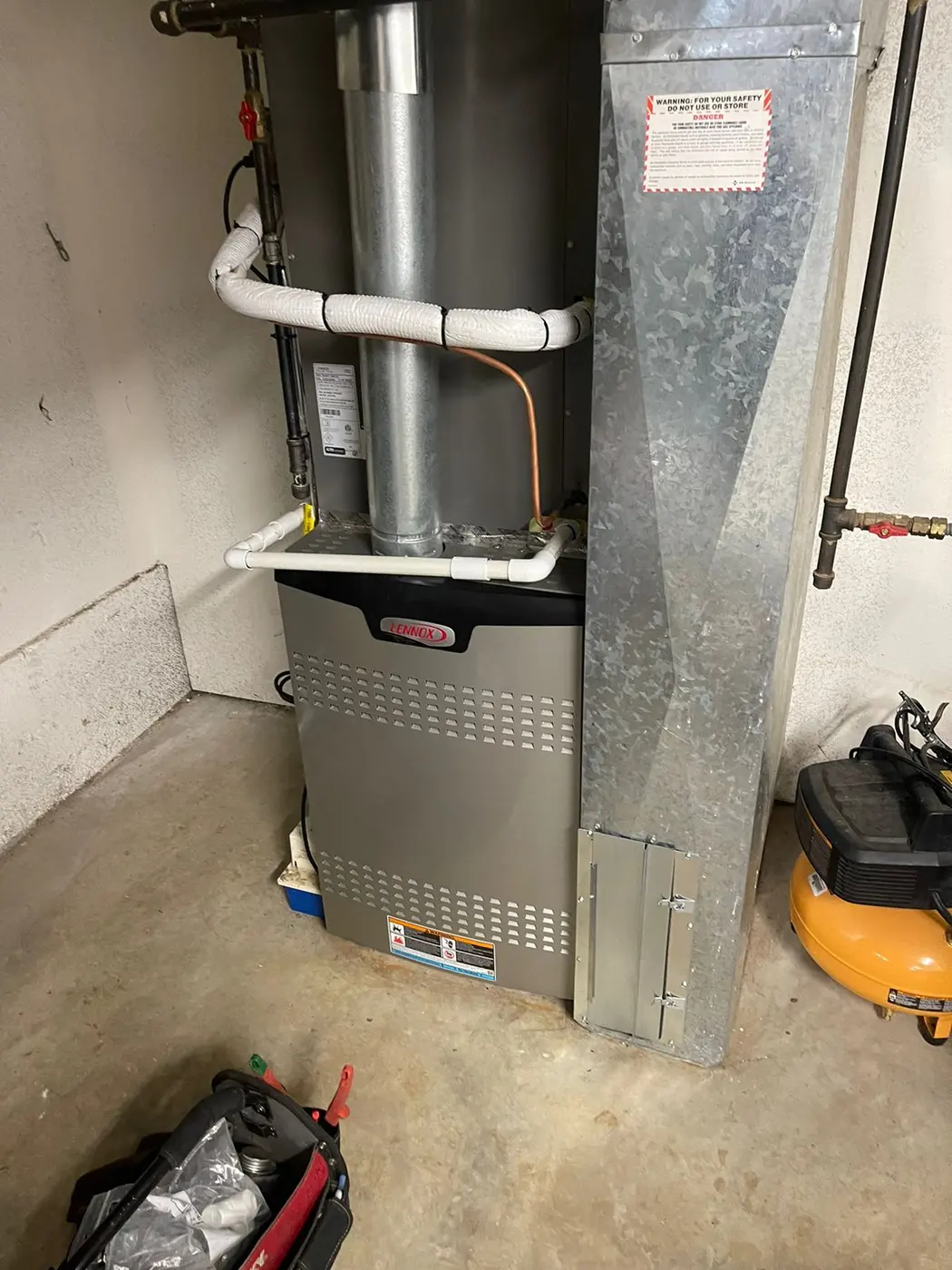
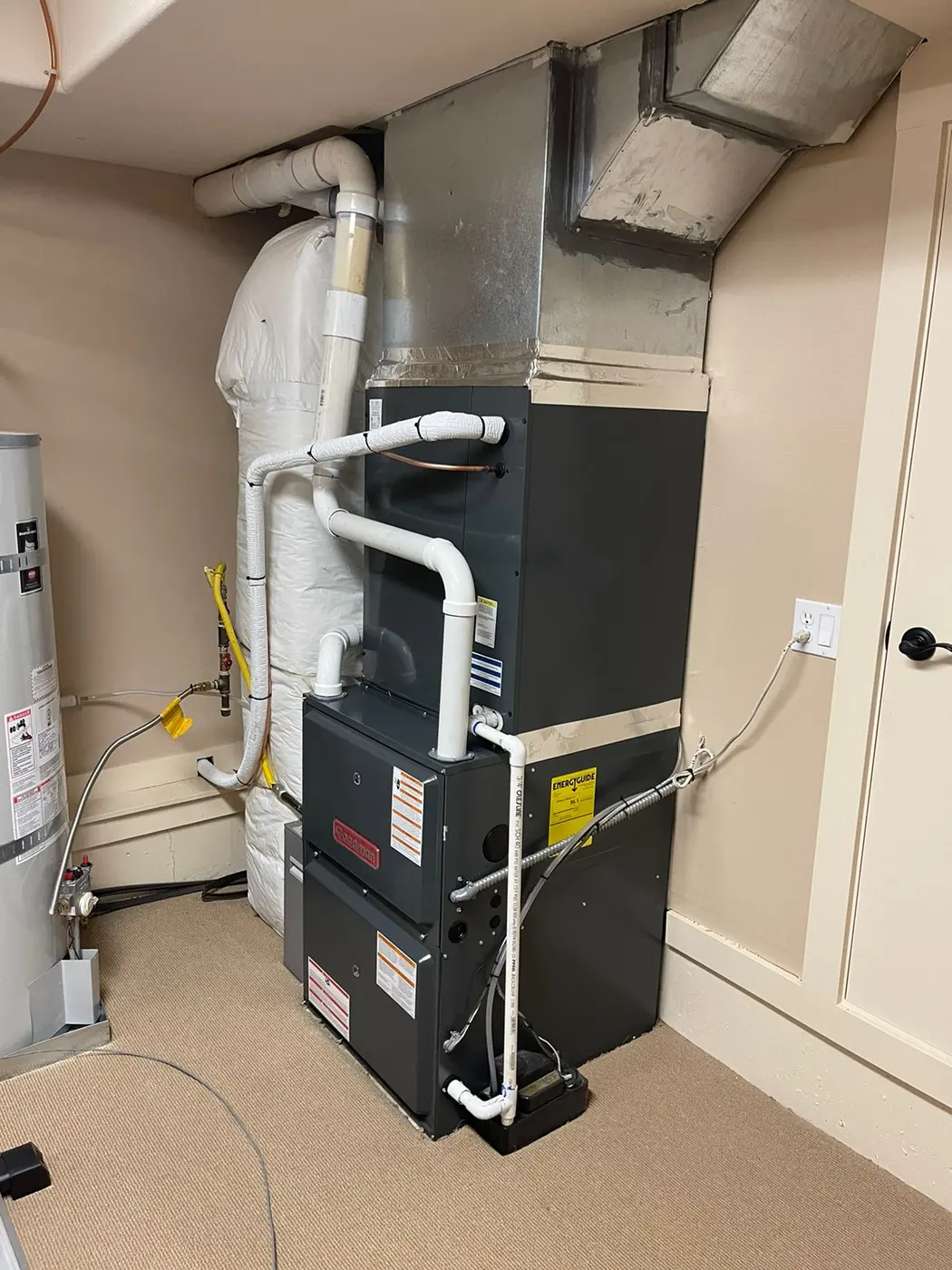
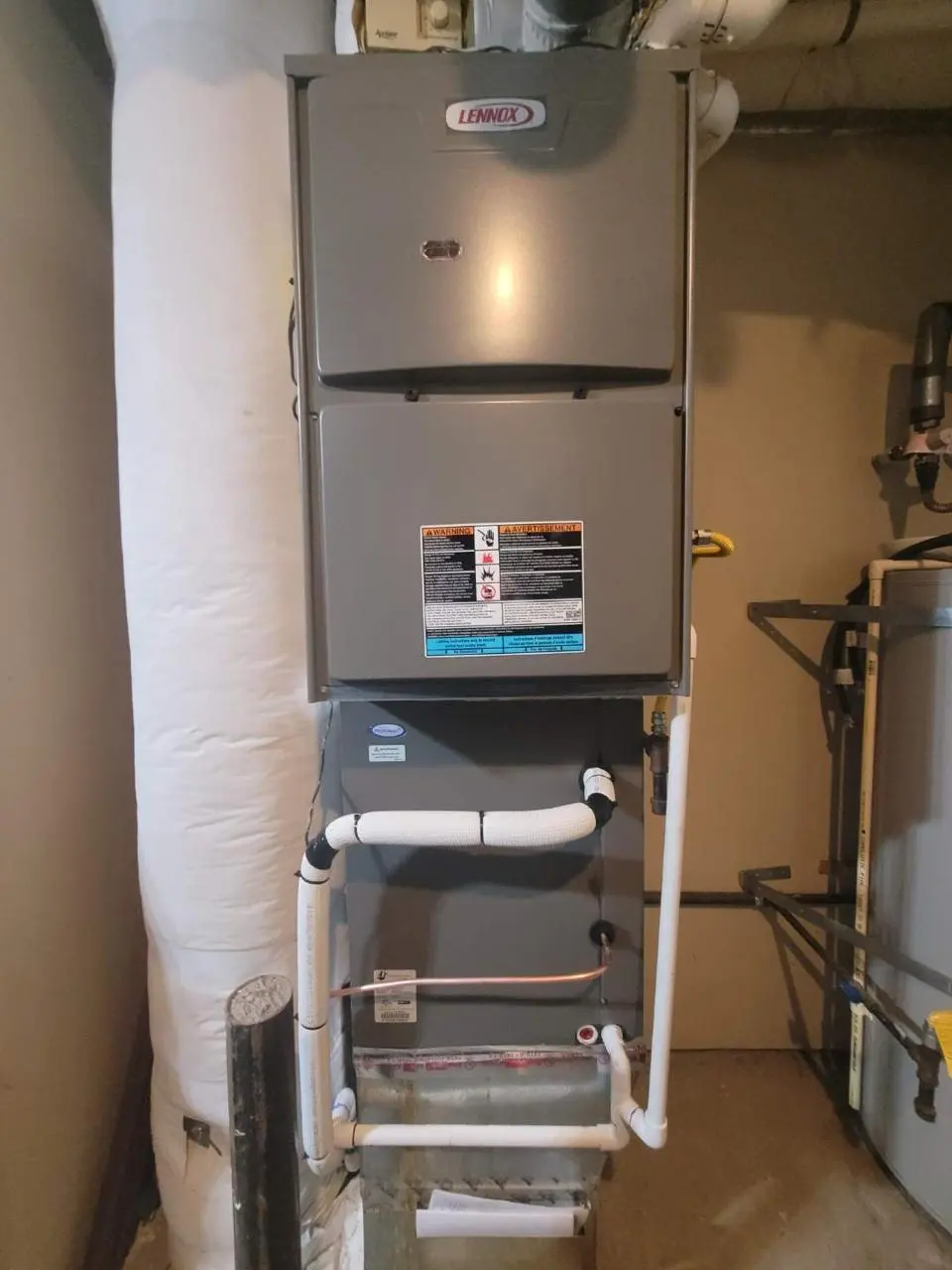
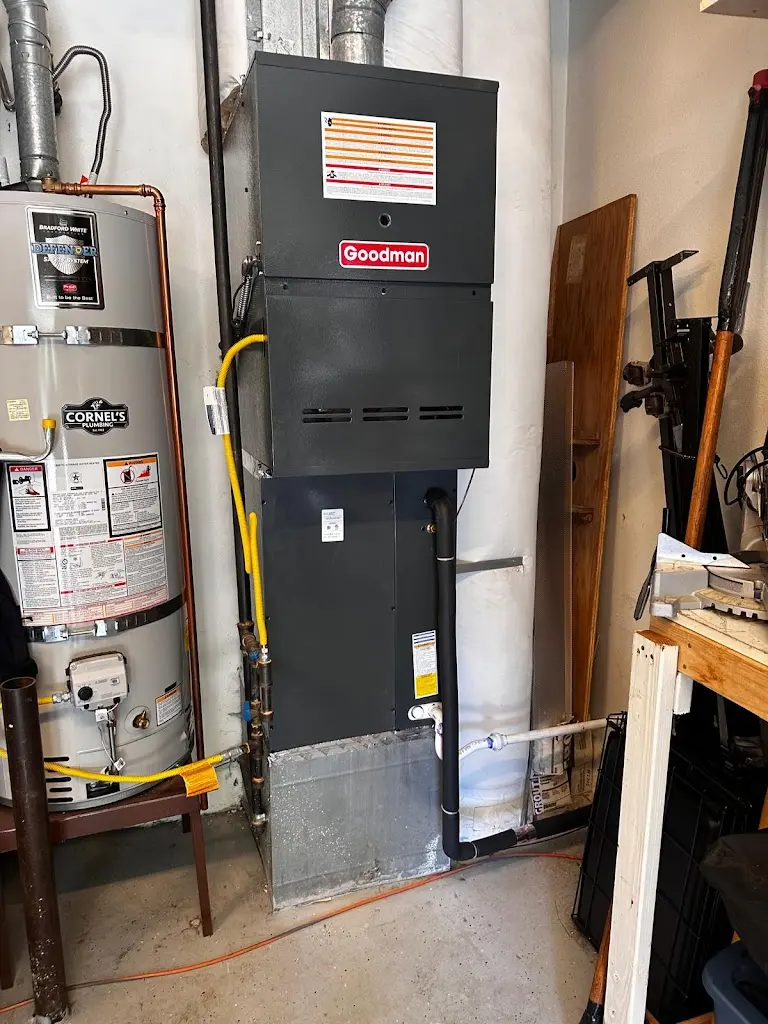
HVAC & Appliance Repair Guys provides furnace installation and replacement in Vancouver, WA. If you set an earlier estimate aside, review the project again before planning the work. The old quote describes a choice at a point in time. The home, equipment or goal may now be different.
Our free on-site estimator visit covers installation and replacement. Share the earlier plan and explain why you want to return to it. Say which parts of that plan you still want. Keep a past idea distinct from the work you are ready to choose now.
Our furnace installation service covers the full heating project. An old proposal can give useful context without settling the new scope. The next step is to confirm what still fits. Do not assume the old model, tasks and date remain a complete work plan.
Describe What Changed Since the First Estimate
Note any work on the furnace, controls or connected equipment since the earlier visit. Include a repair that changed a part you had planned to replace. Keep the task and its result together. A newer part does not decide the whole project, but it belongs in the current review.
Explain a change to the rooms or how you use them. The earlier goal may have involved a space you no longer plan to heat in the same way. State the areas you want the furnace to serve now. The equipment choice should follow that current need.
If the furnace has developed a new fault, describe it separately. The free installation estimate is not repair diagnosis. A current finding may help you compare options, but the old proposal does not prove the cause. Make clear which decision you need the new visit to support.
Confirm the Equipment and Included Work Again
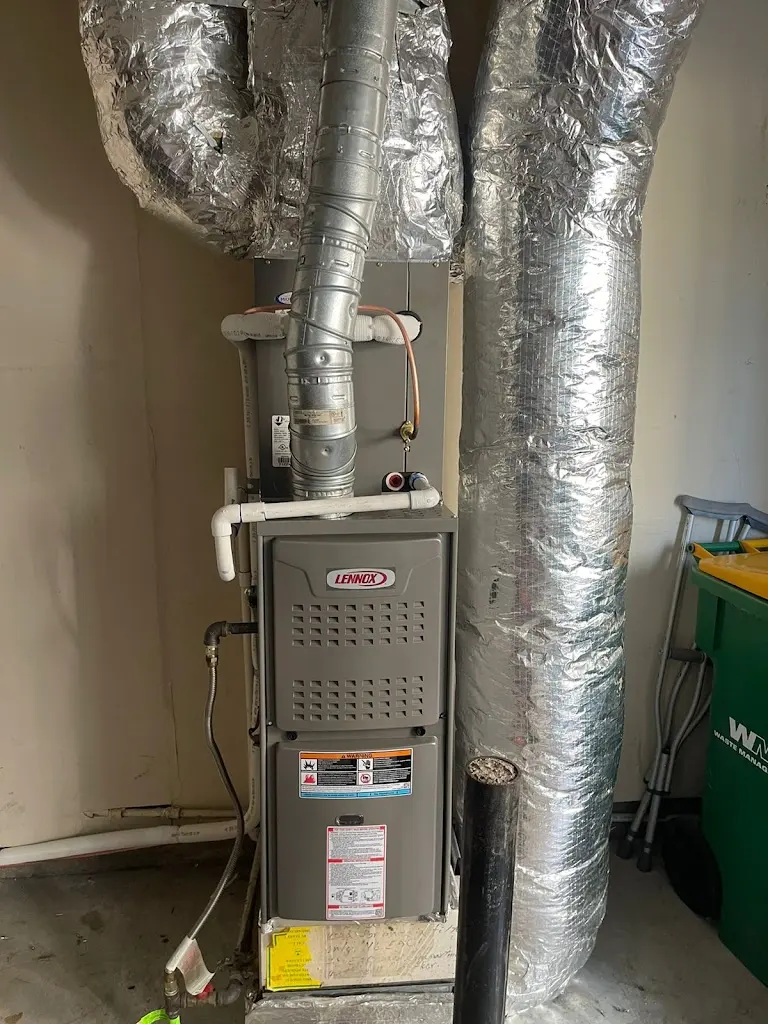
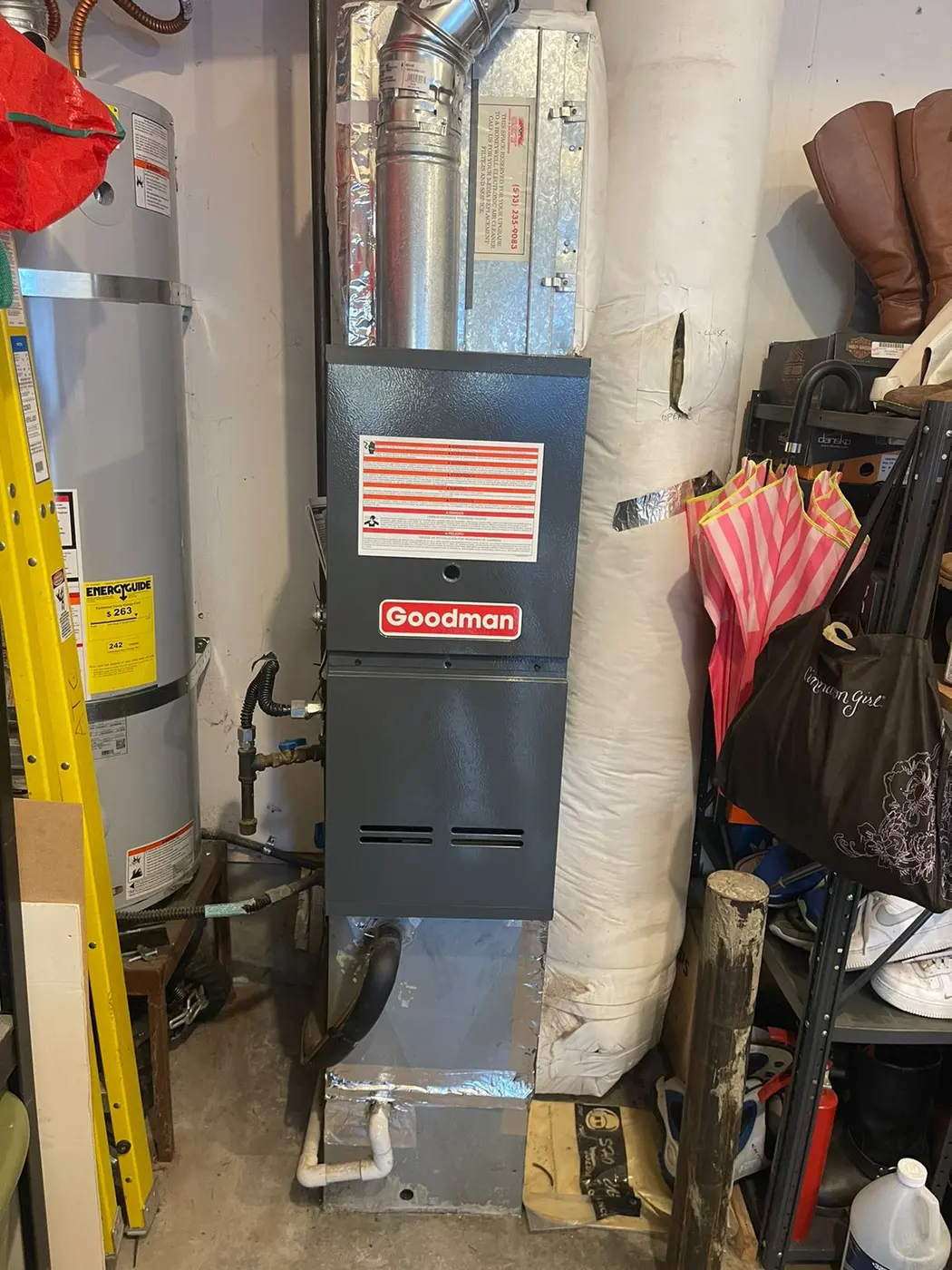
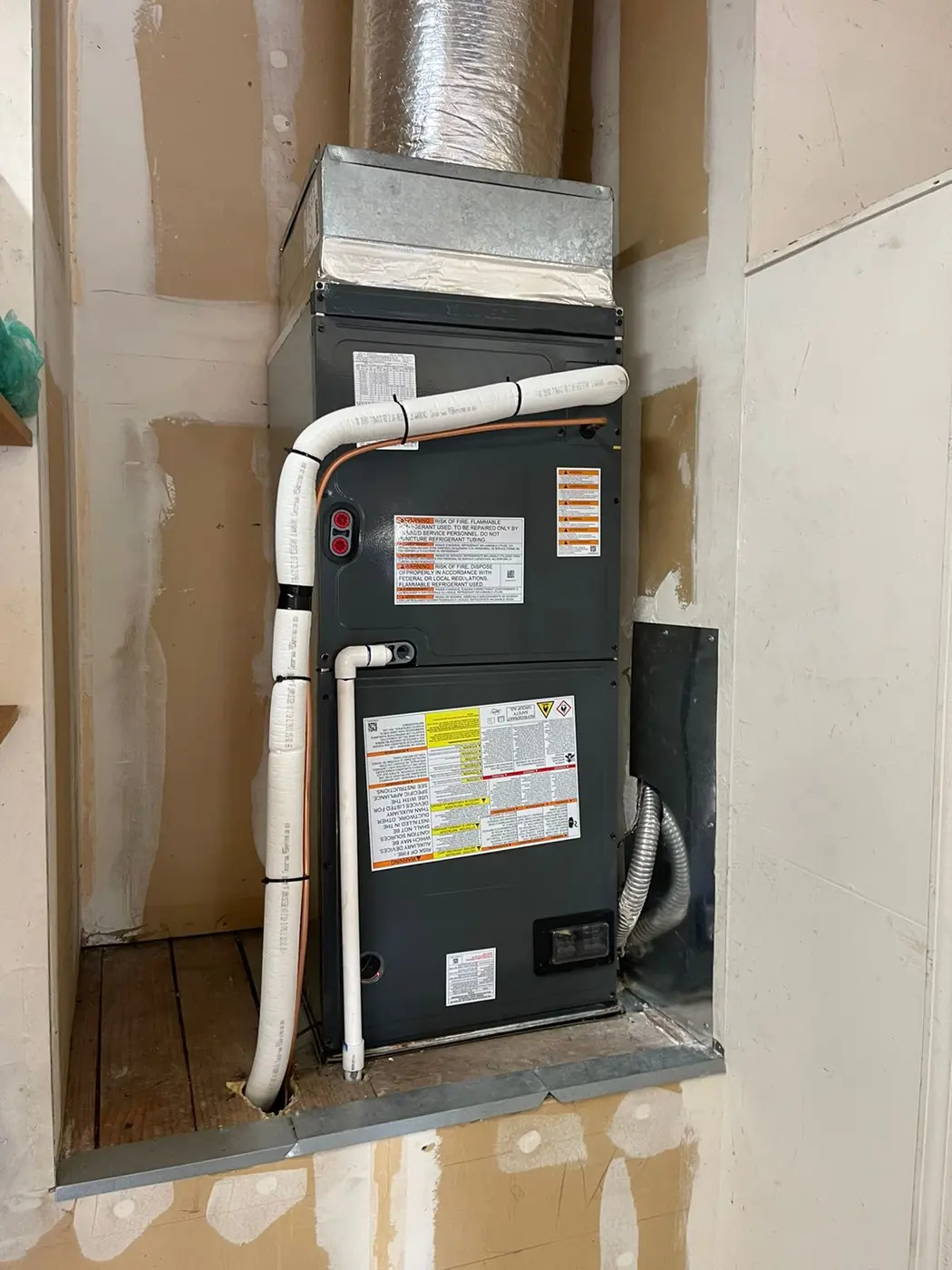
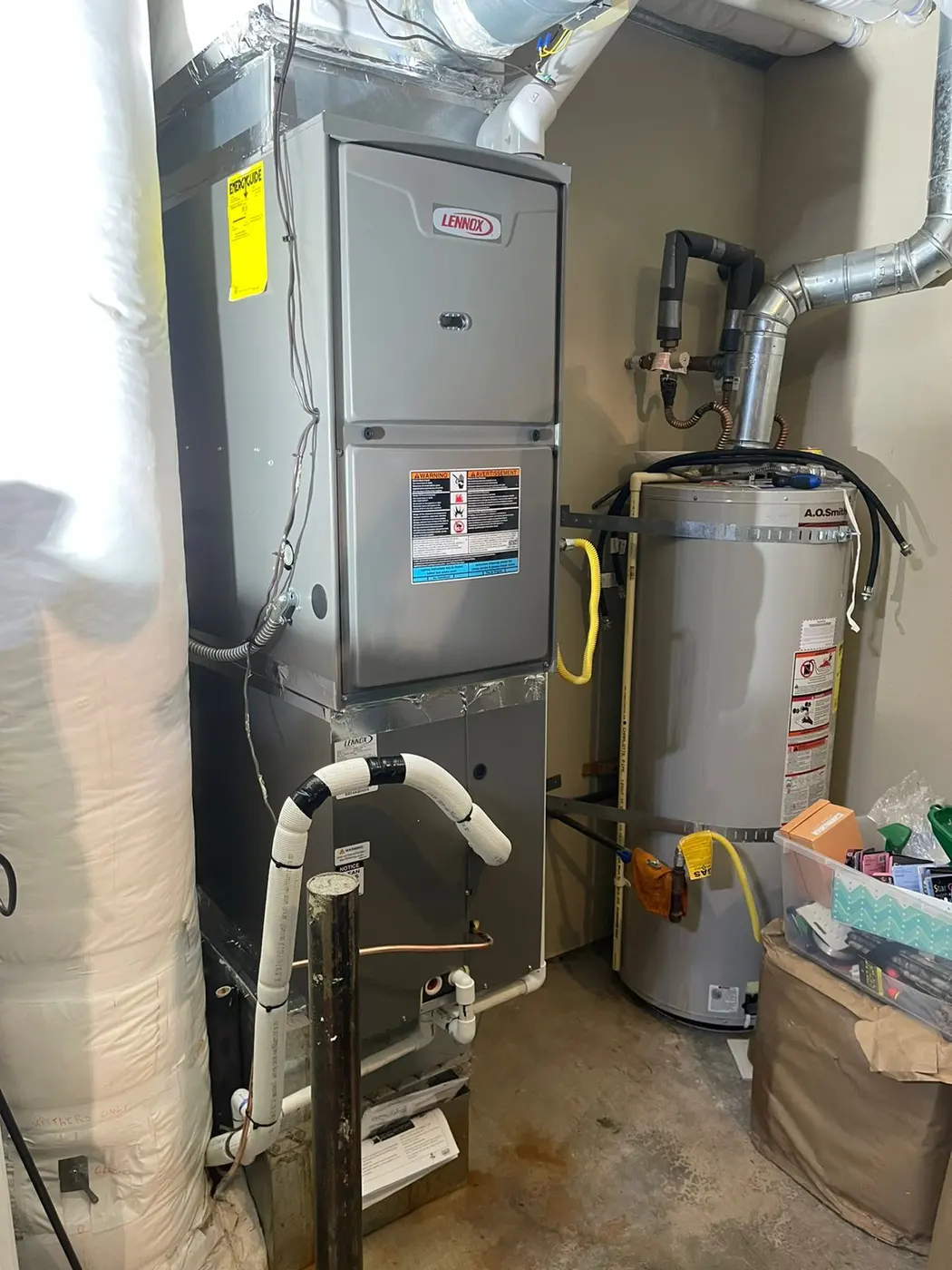
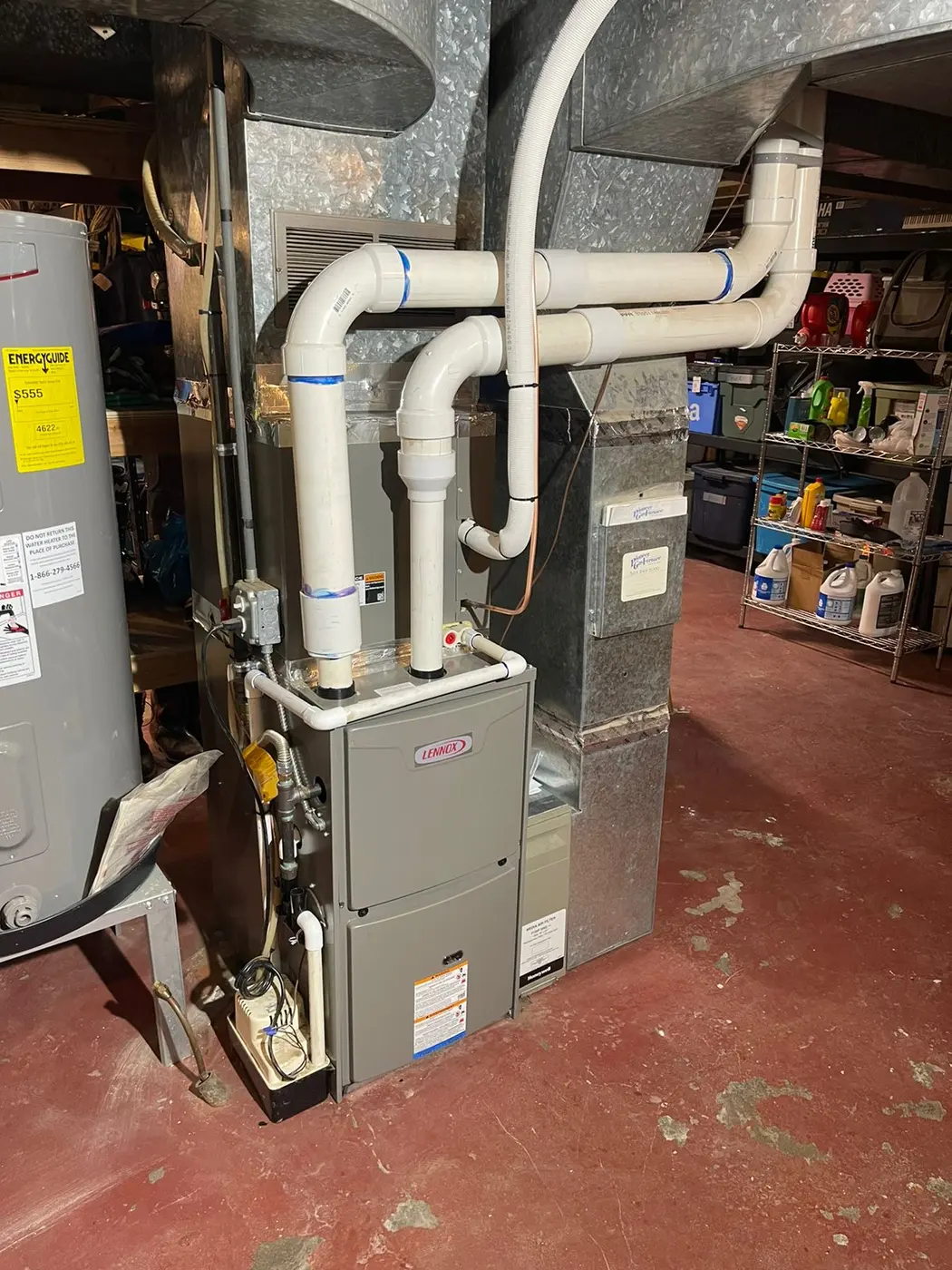
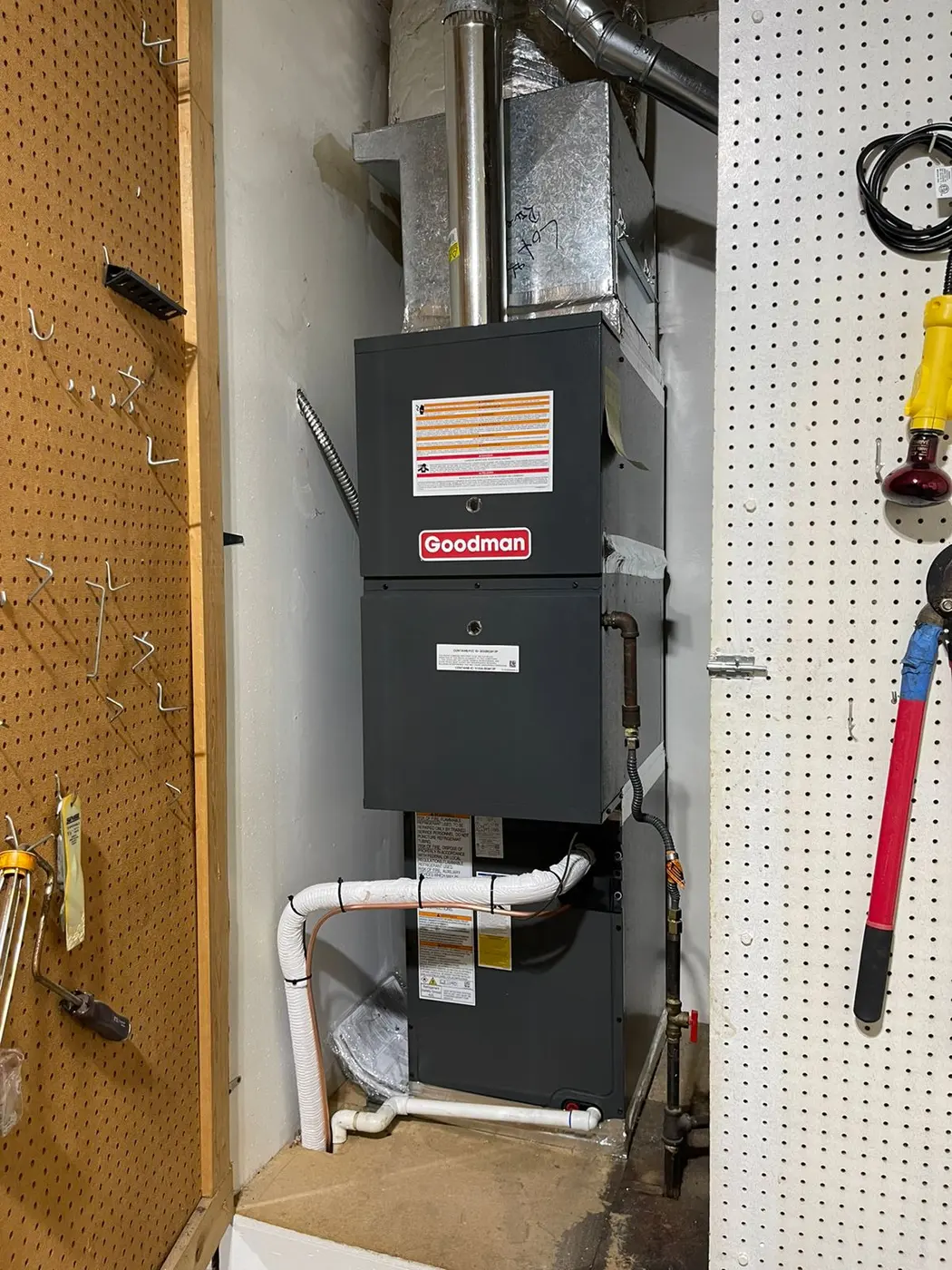
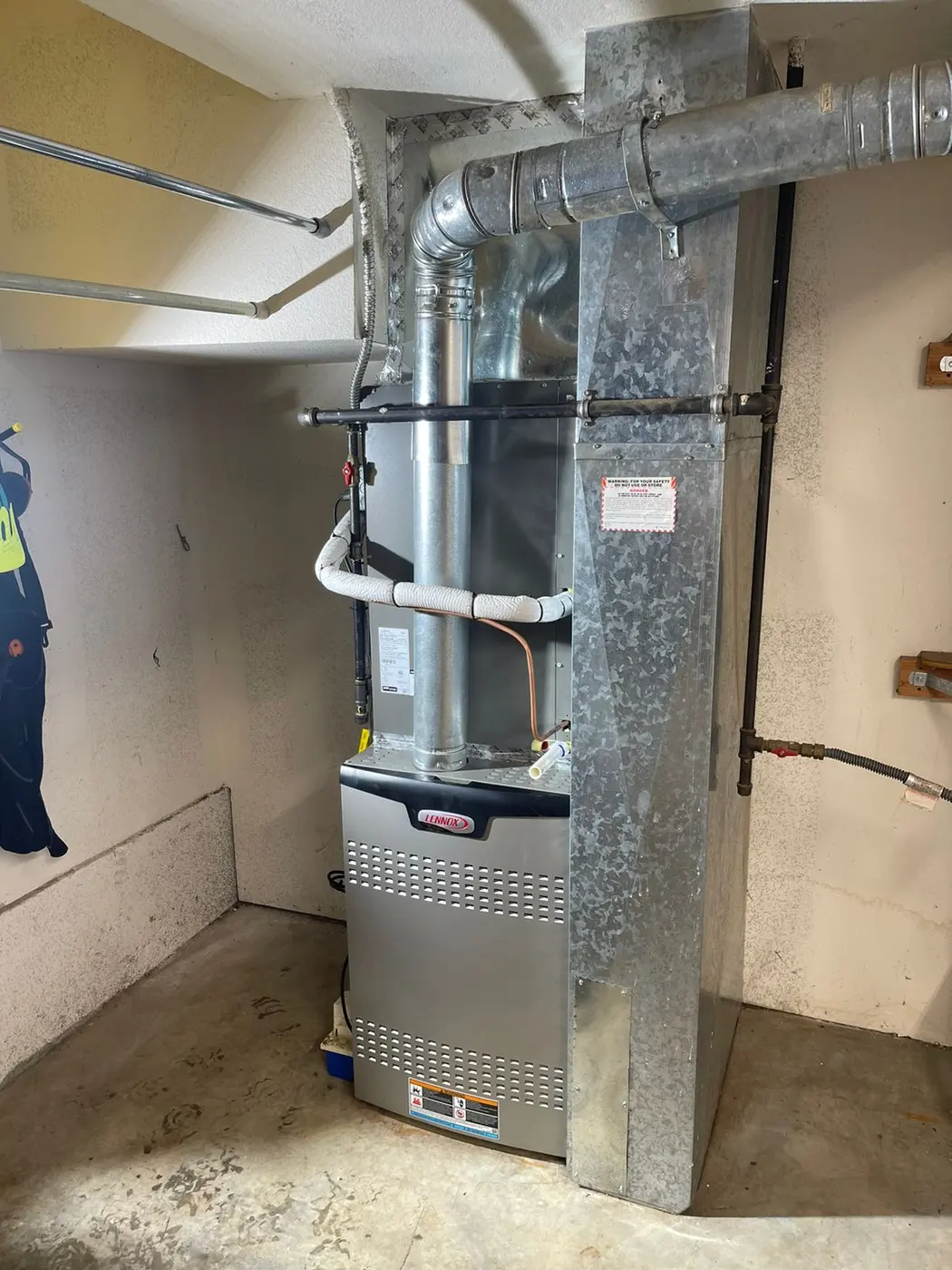
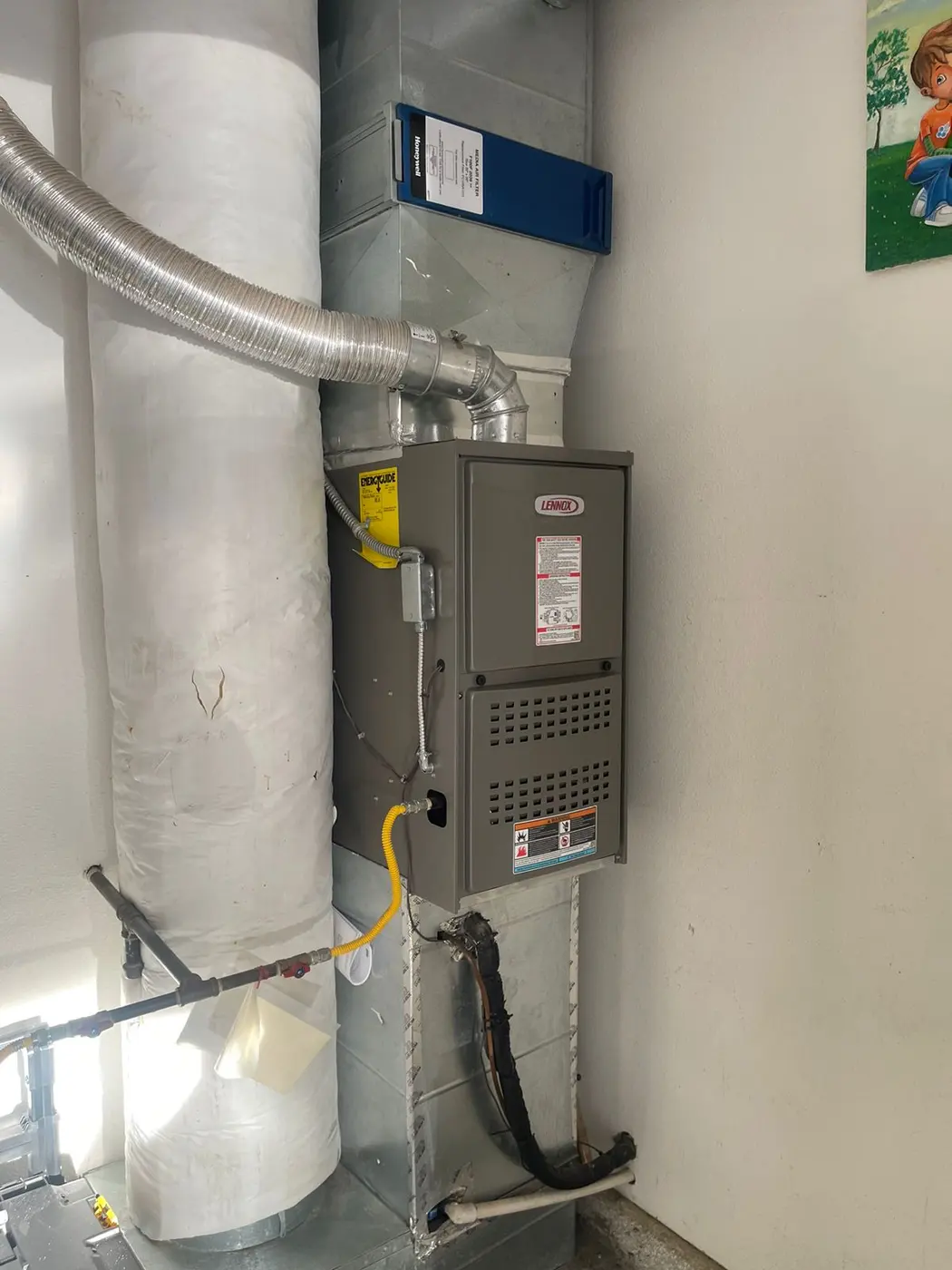
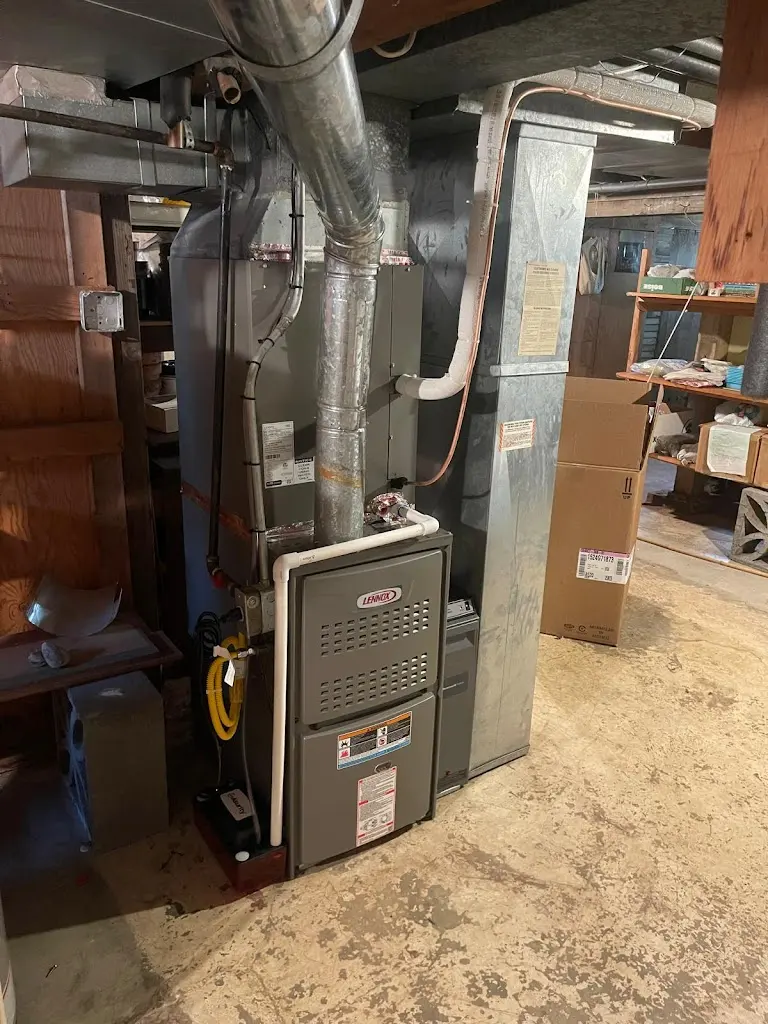
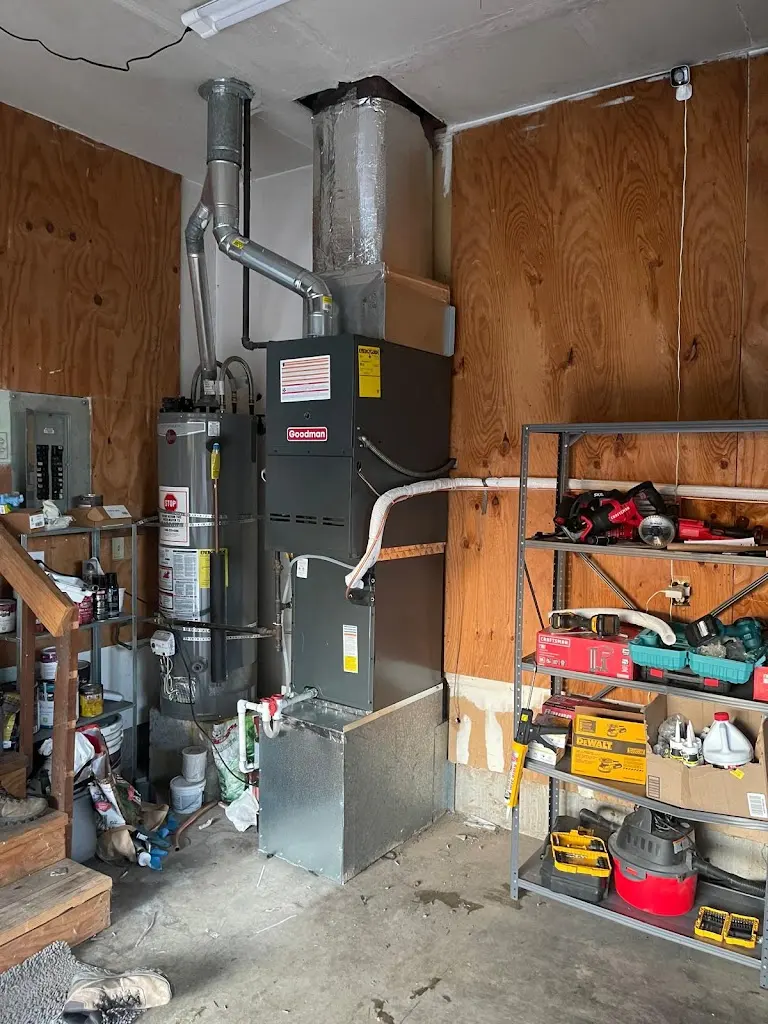
Ask whether the proposed furnace is still the option under review. Keep its exact model with the plan. If the selection changes, review the effect on controls, connections and retained parts. A similar name alone does not establish the same job.
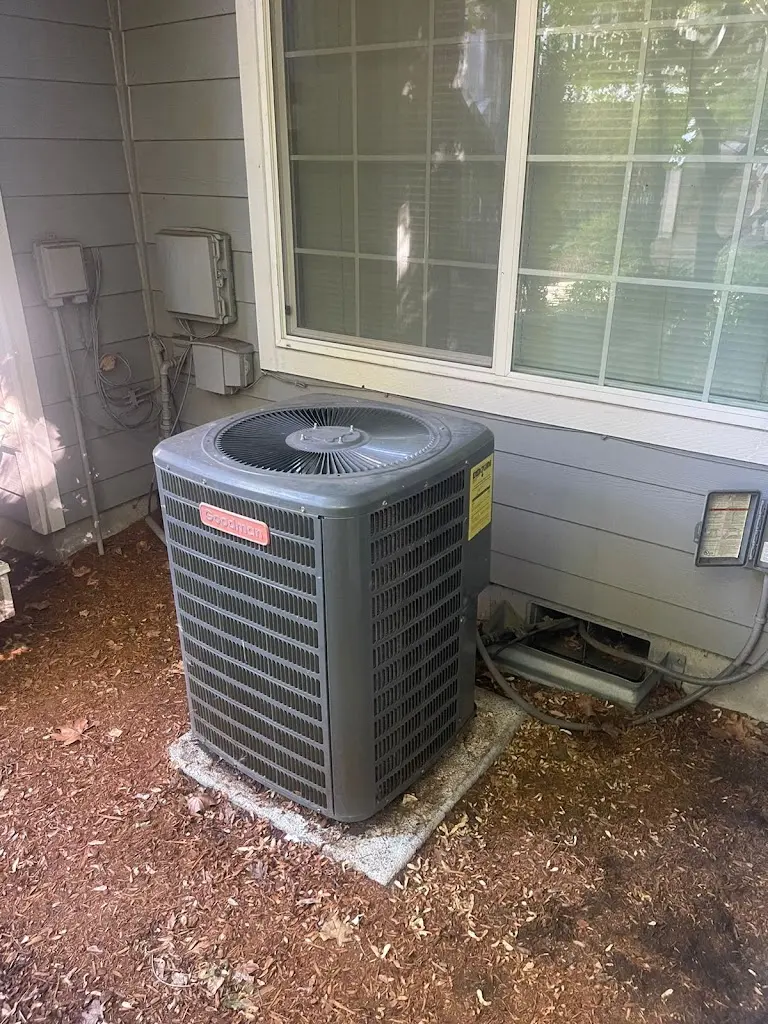
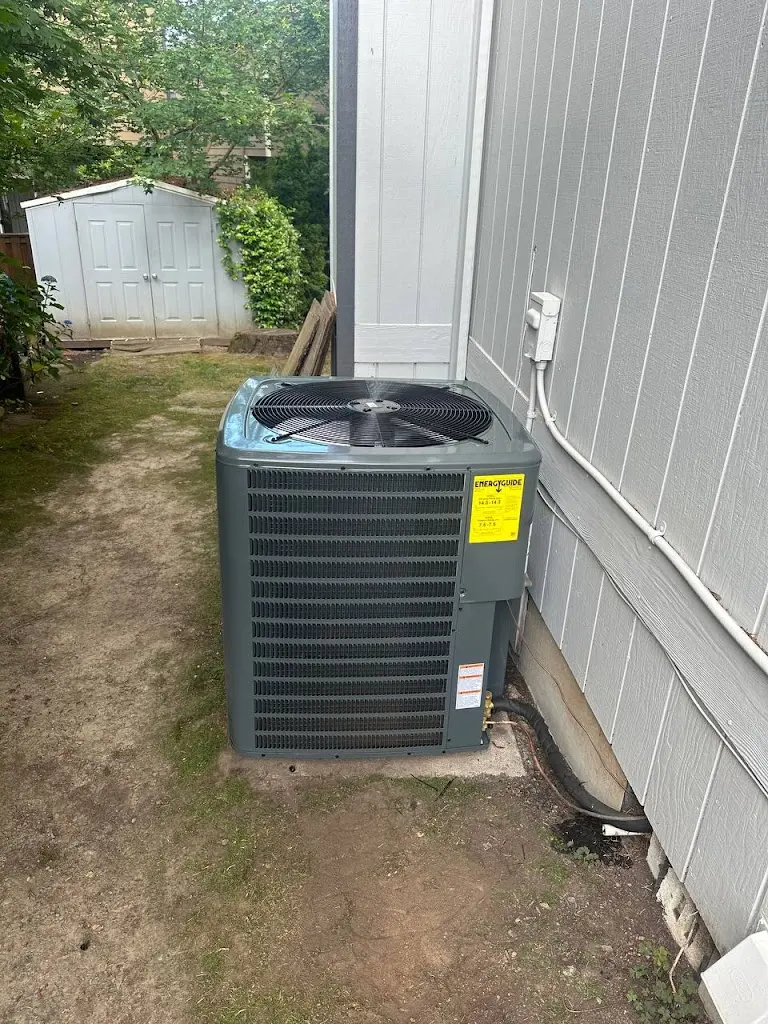
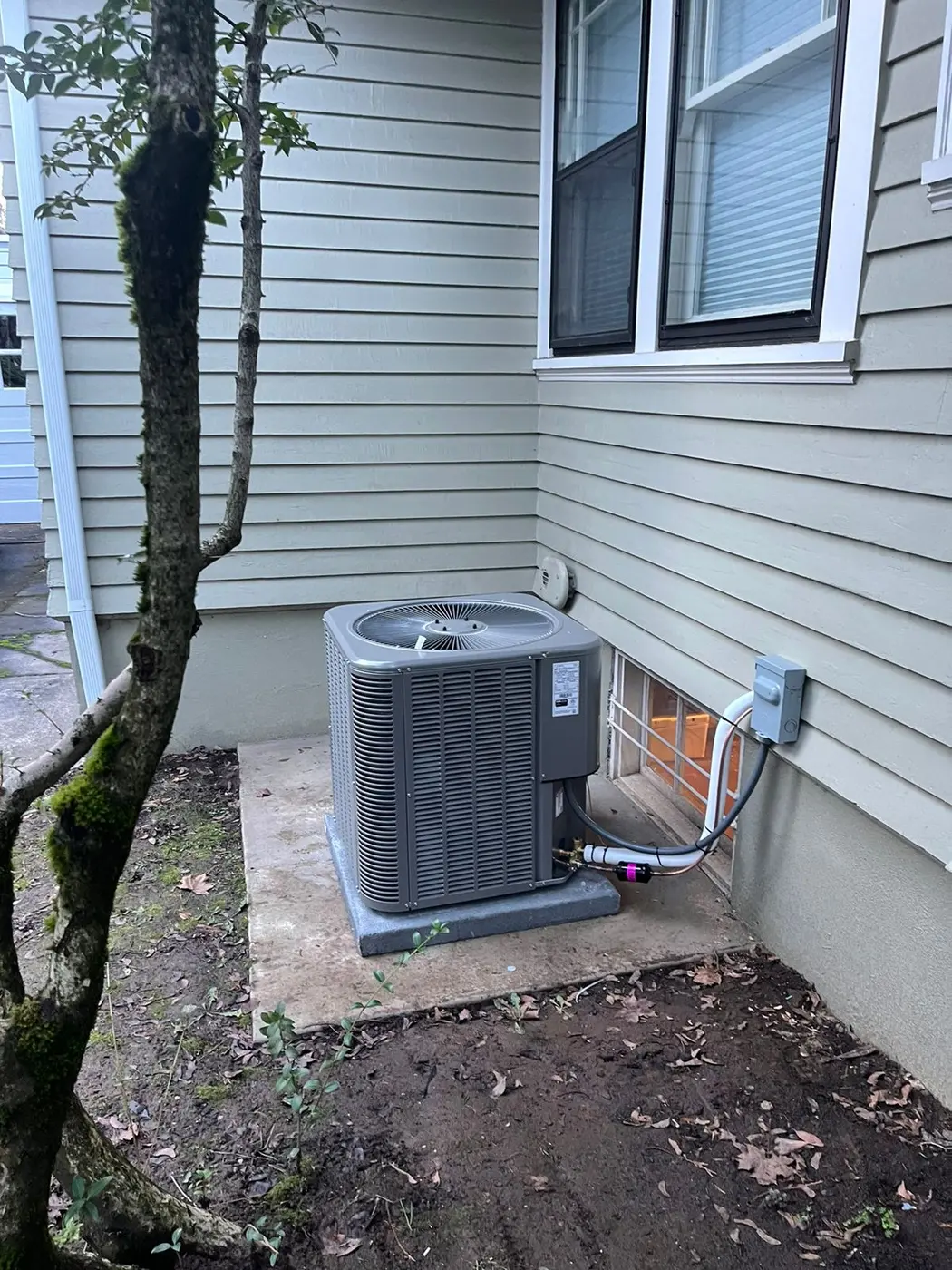
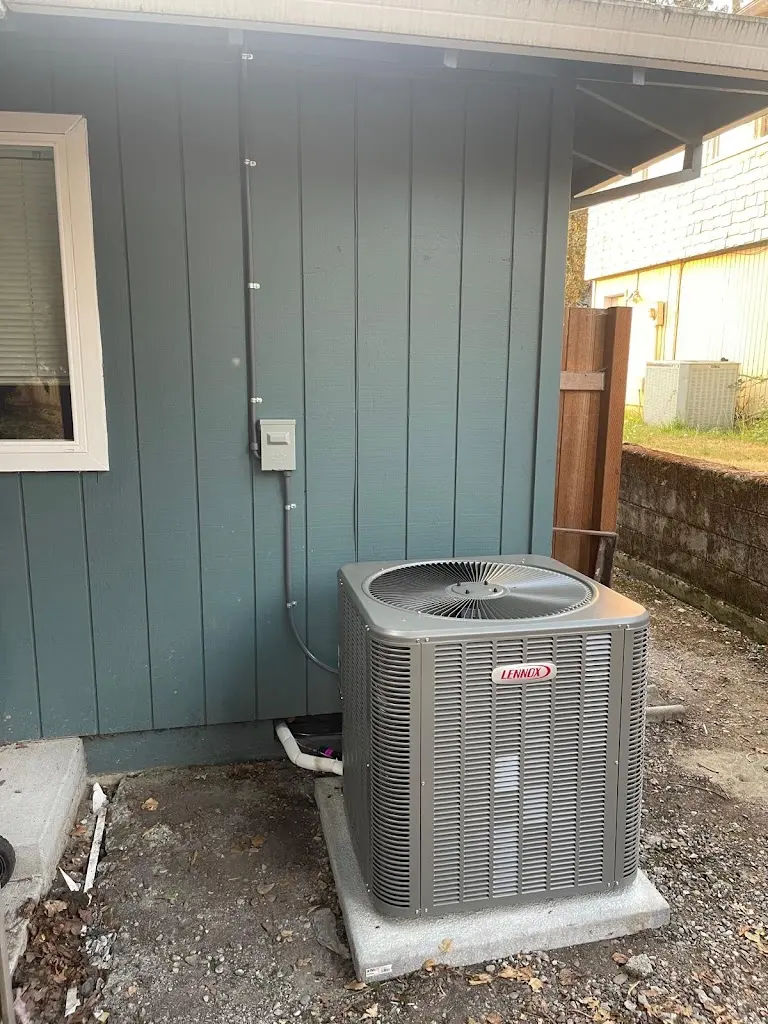
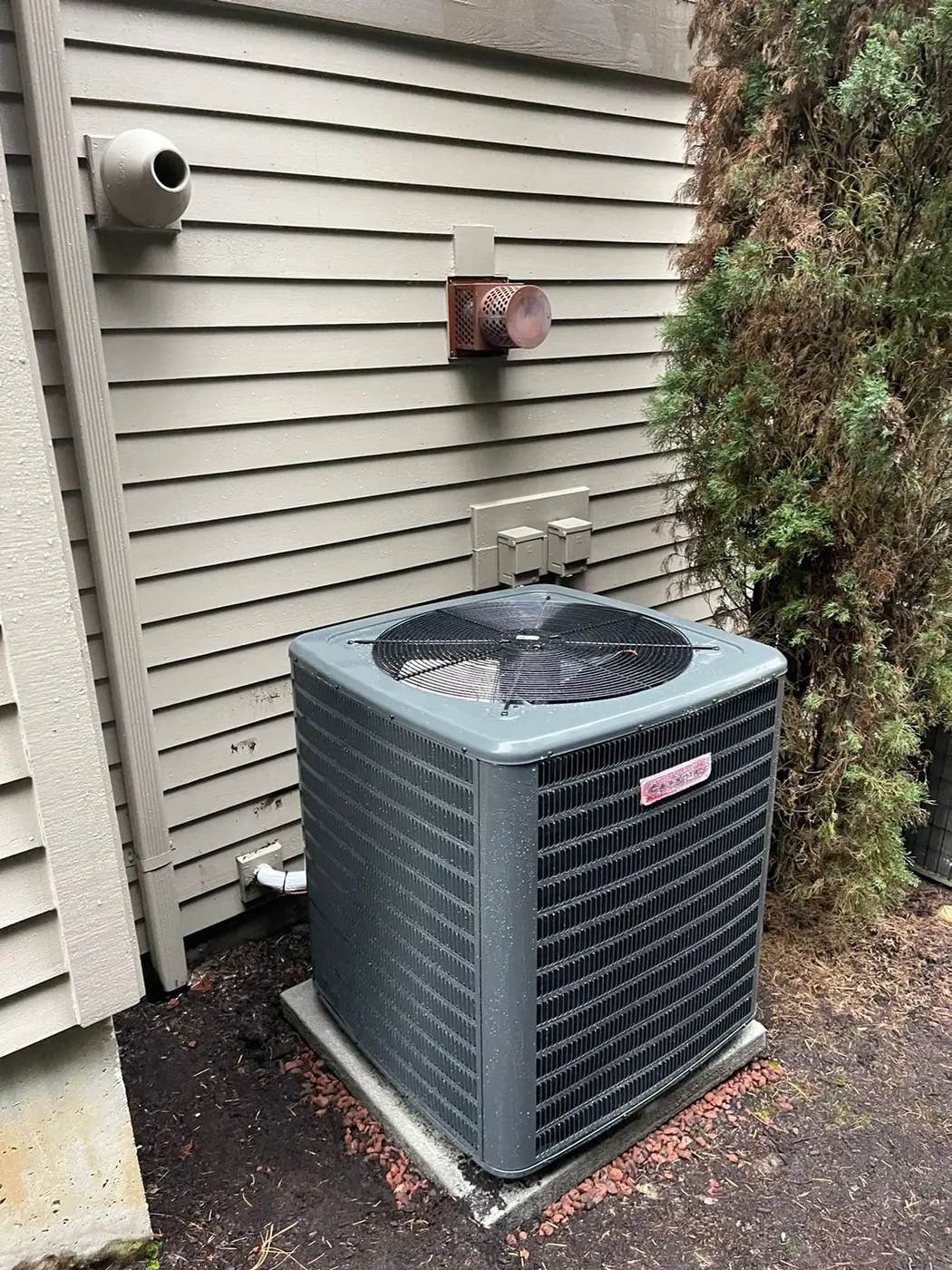
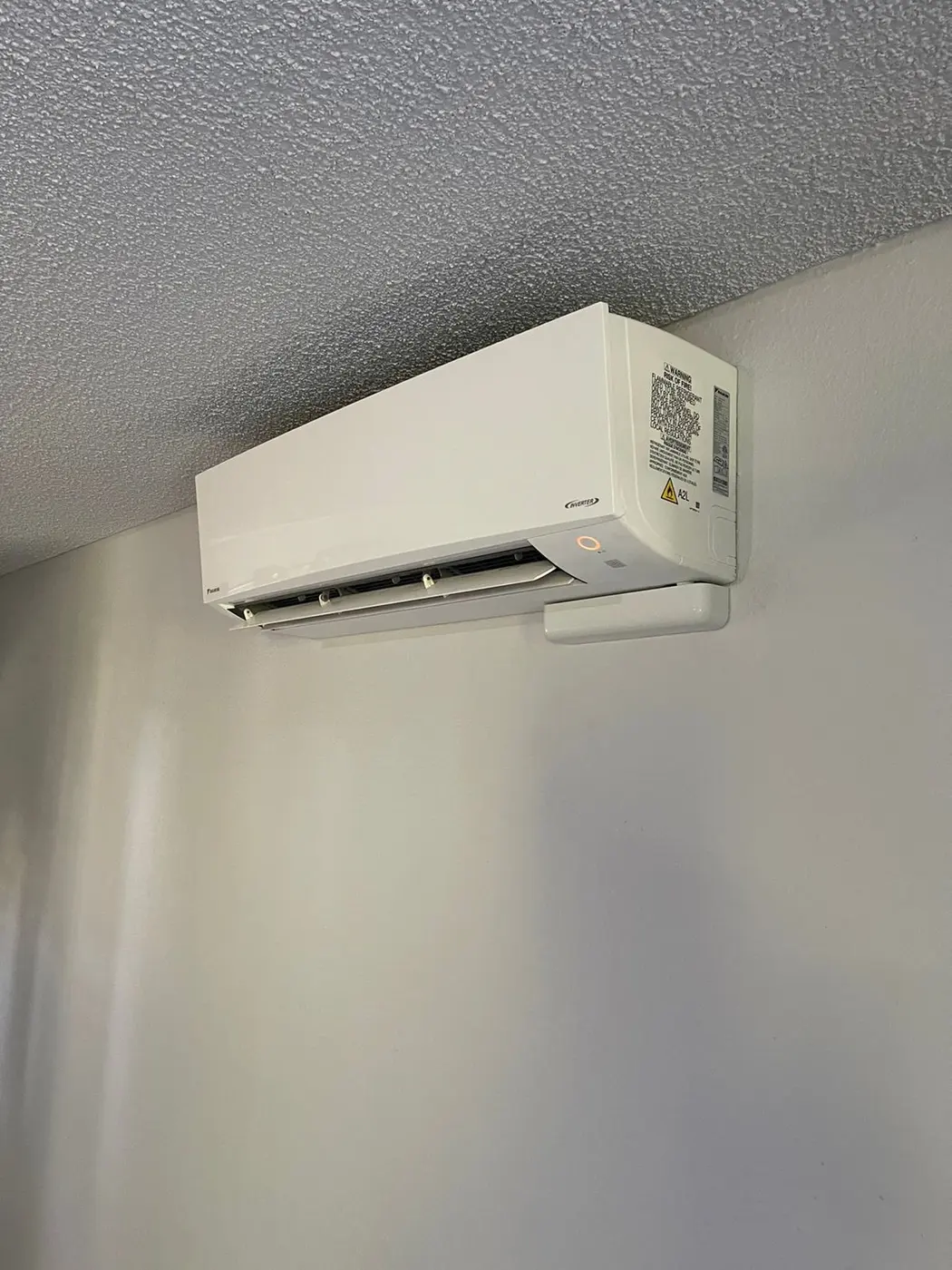
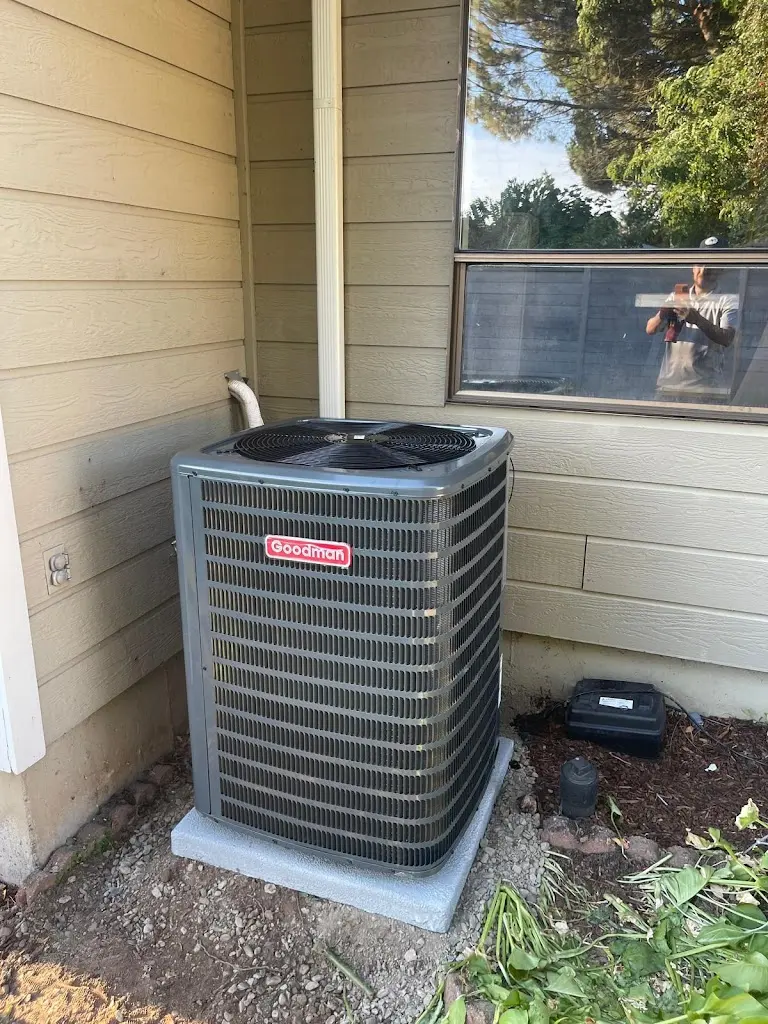
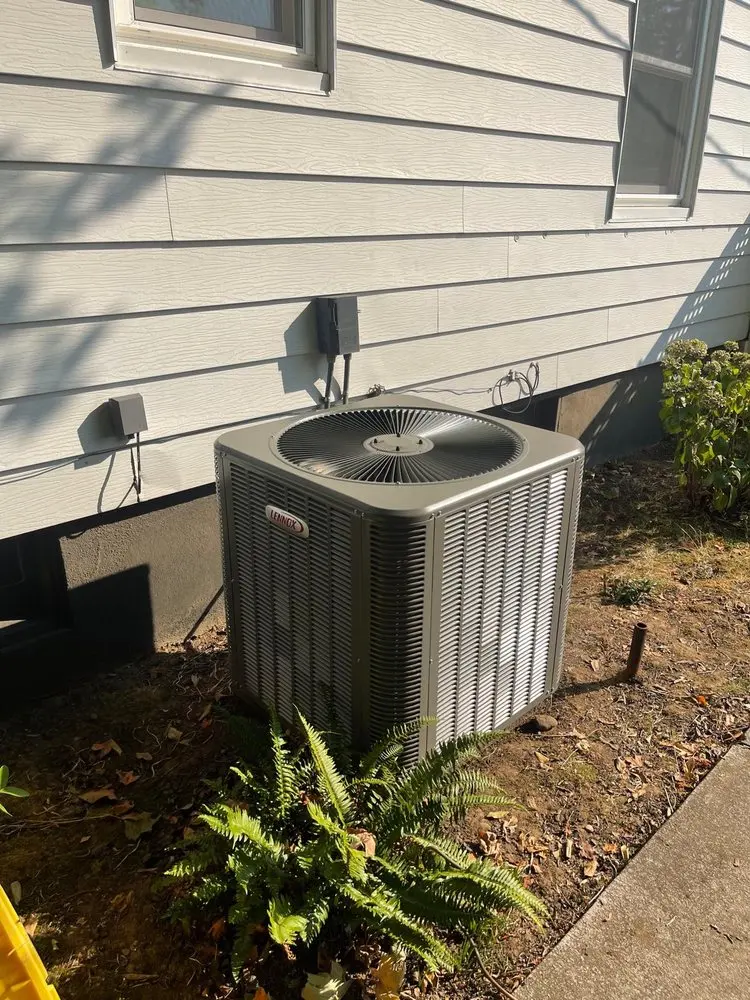
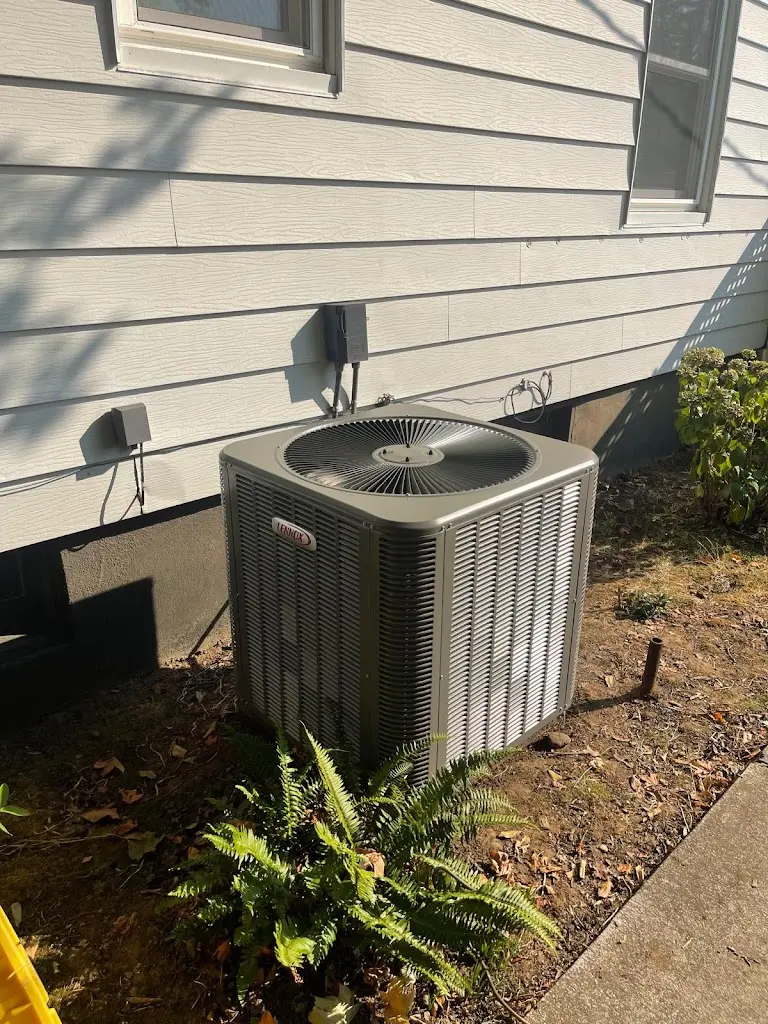
Identify any air conditioner or heat pump you still want to keep. Also name an item you now want to change. The old list may no longer reflect those choices. Ask the new scope to show what stays and what goes.
For a wider change, our HVAC installation service in Vancouver covers the combined plan. Keep each added task tied to a current goal. A return to one furnace estimate should not silently become work on every system. Review the scope you now want to approve.
Reconfirm the Price, Access and Work Date
Ask for the current price and included tasks before relying on an old total. Do not infer a price policy or quote deadline from the date on the earlier record. Confirm the actual offer for this project. Keep any condition on the work clear.
Review the route to the furnace and other areas the job needs. New storage or other work may have changed access since the first visit. Describe those conditions before setting the date. Leave installed parts and connections in place for the team.
Discuss the planned time without heat and any preparation that must finish first. An old scheduling note is not a confirmed work date. Agree on the present plan and who can provide entry. Keep those details with the final scope.
Use the Final Plan for the Handover
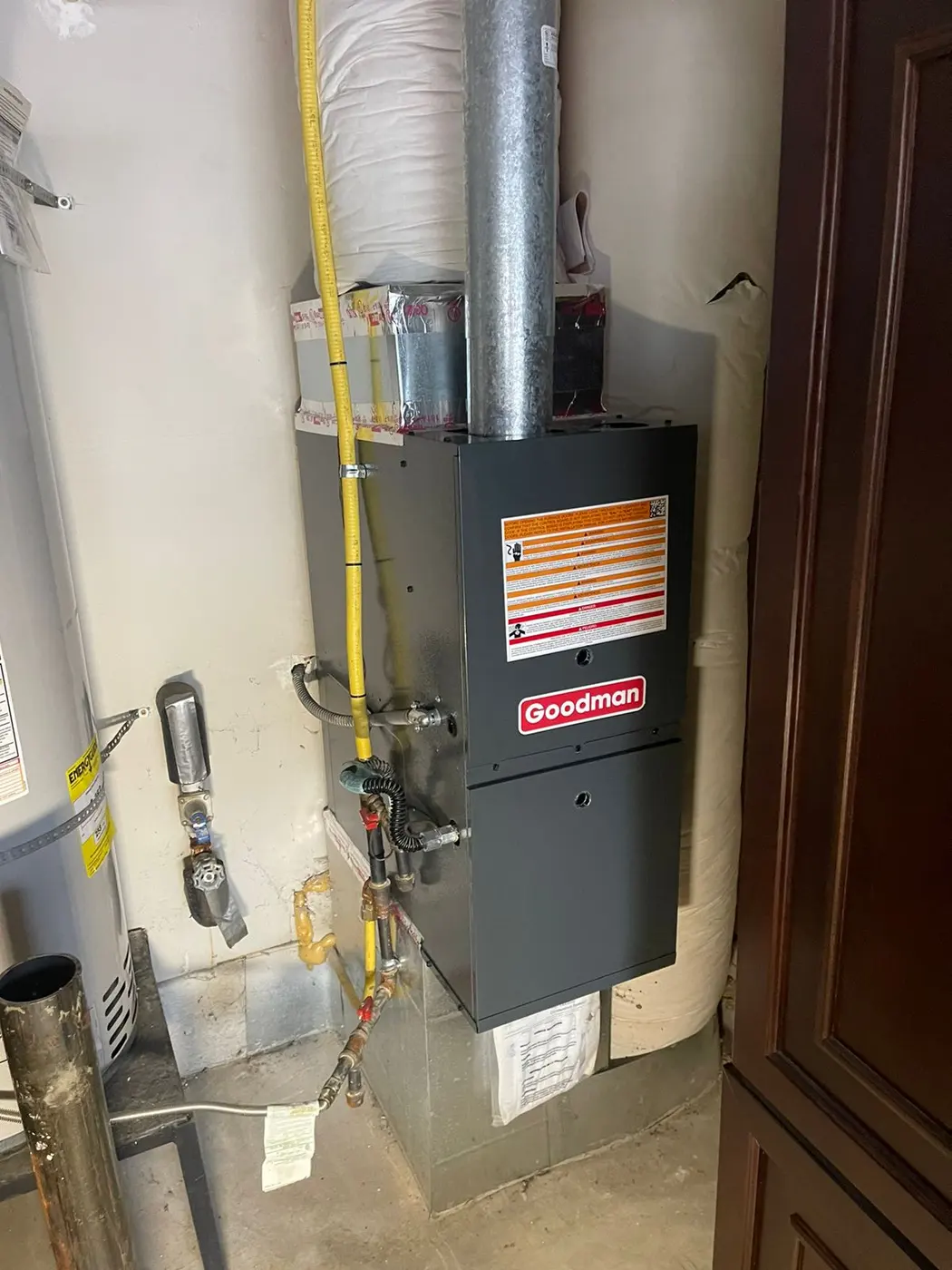
At handover, compare the installed furnace with the plan you last approved. Keep the actual model, retained parts and completed checks together. Mark earlier options as past records. The finished job should not depend on a reader guessing which quote you chose.
Review normal controls and care for the new setup. Keep any open task with its next step. The final record should explain what this project delivered. It also gives later service a clear starting point after a long gap between the first idea and the work. After installation, plan furnace maintenance around the equipment actually fitted and retain the installation details with its care record.
Frequently Asked Questions
Can I send an earlier furnace quote when asking for a new estimate?
Yes. Share it as background and explain what you still want from that plan. Include changes to the home or equipment. The current review should confirm the work you now need.
Does an old estimate guarantee the same price or model today?
Do not assume that result. Ask for the current equipment choice, work scope and price. Confirm the actual terms before setting the work date.
Must I start with no records if the first plan is old?
No. Keep useful earlier details and identify what has changed. Old records can provide context without replacing a current site review. There is no need to guess missing history.