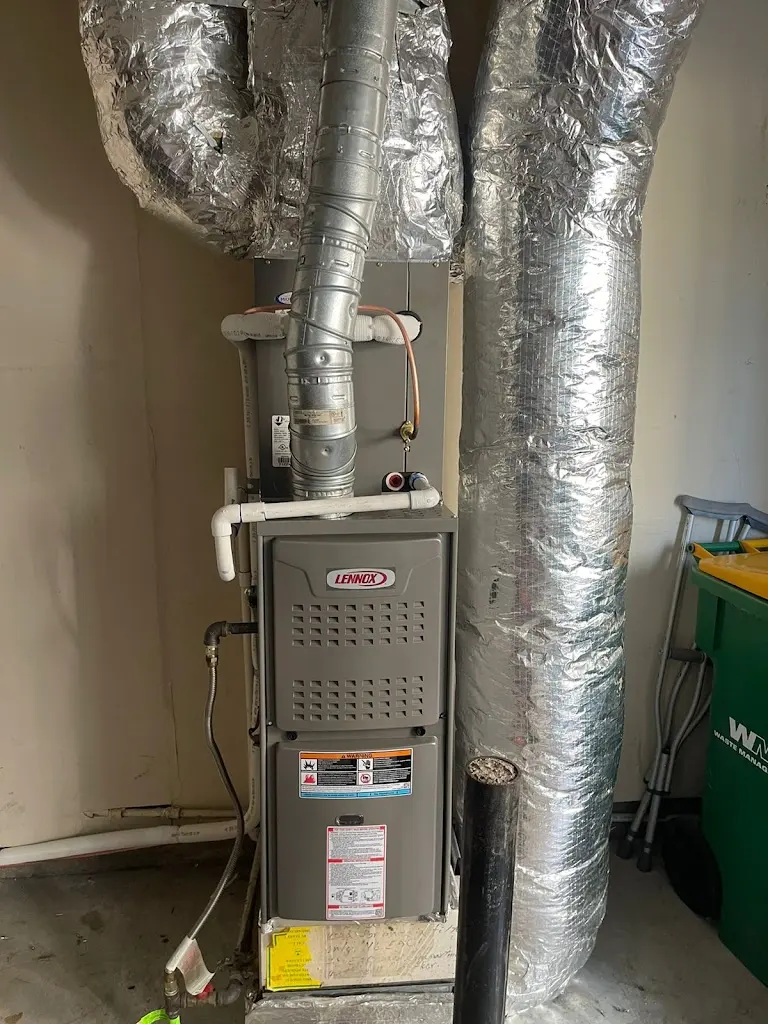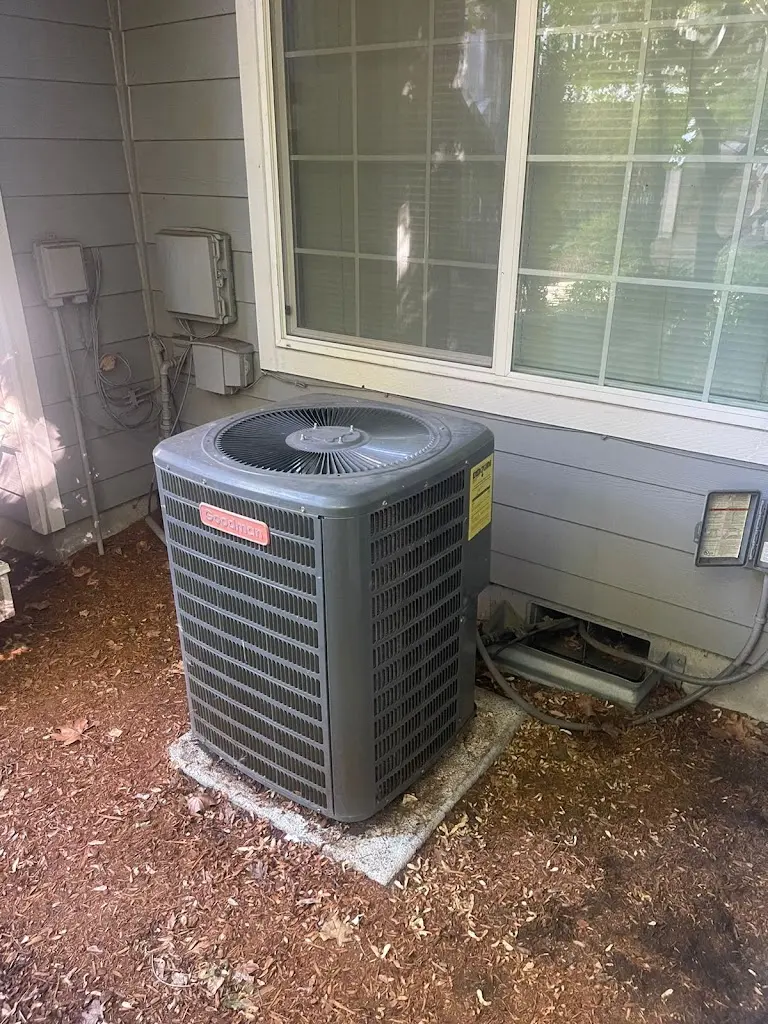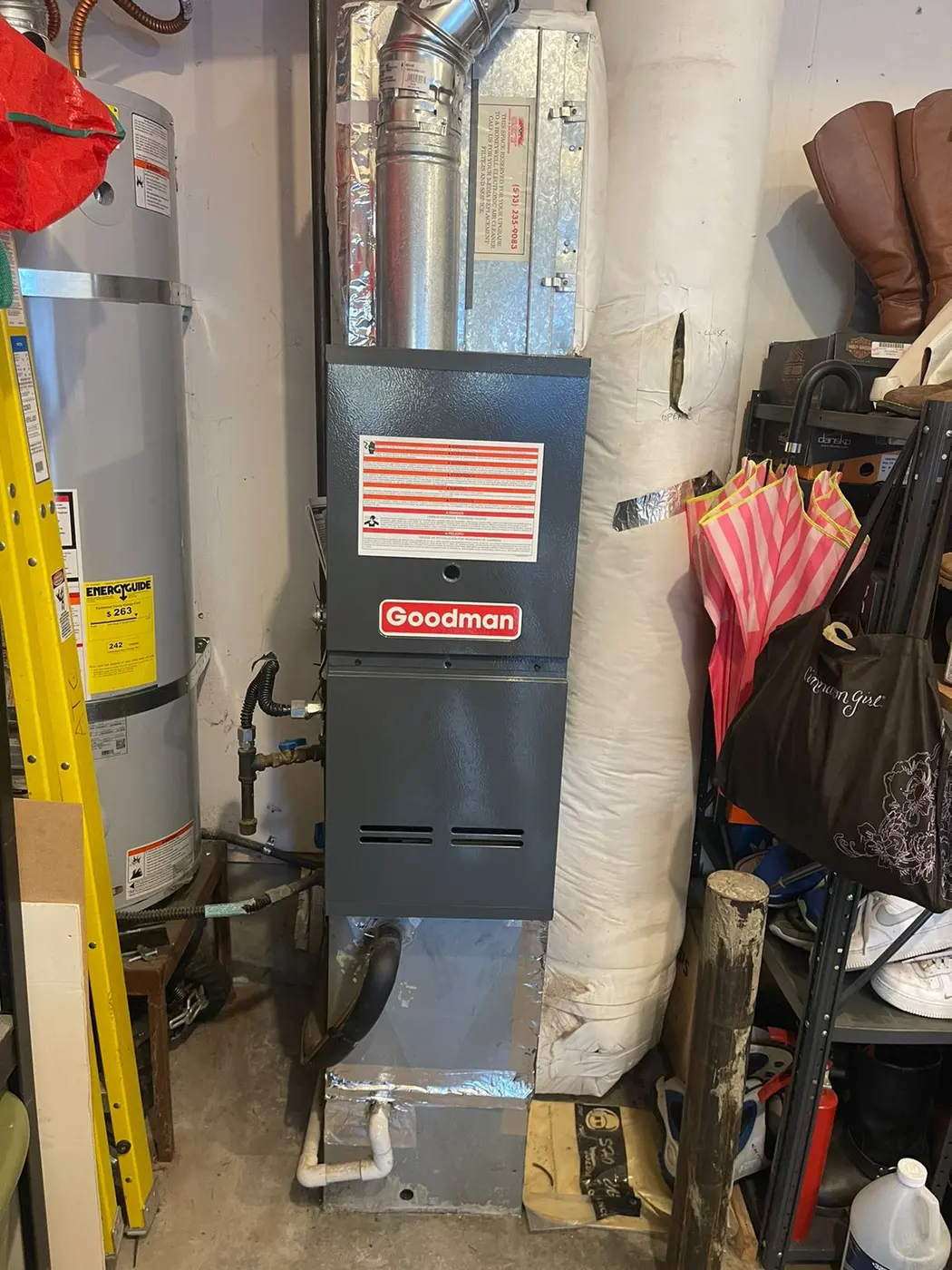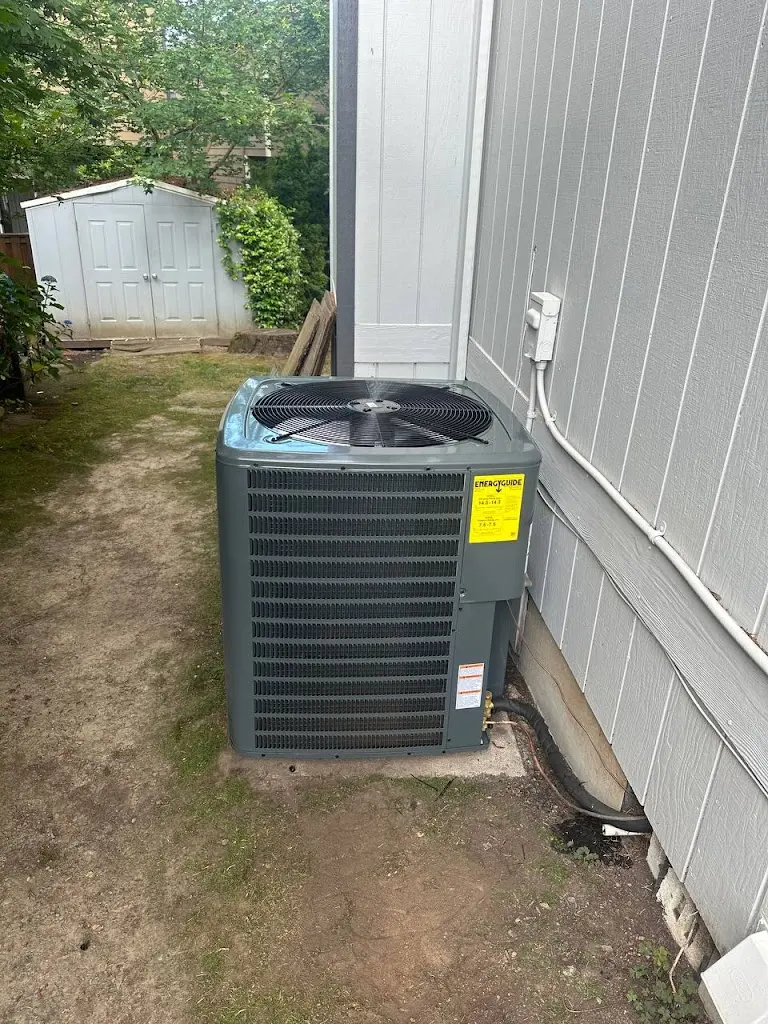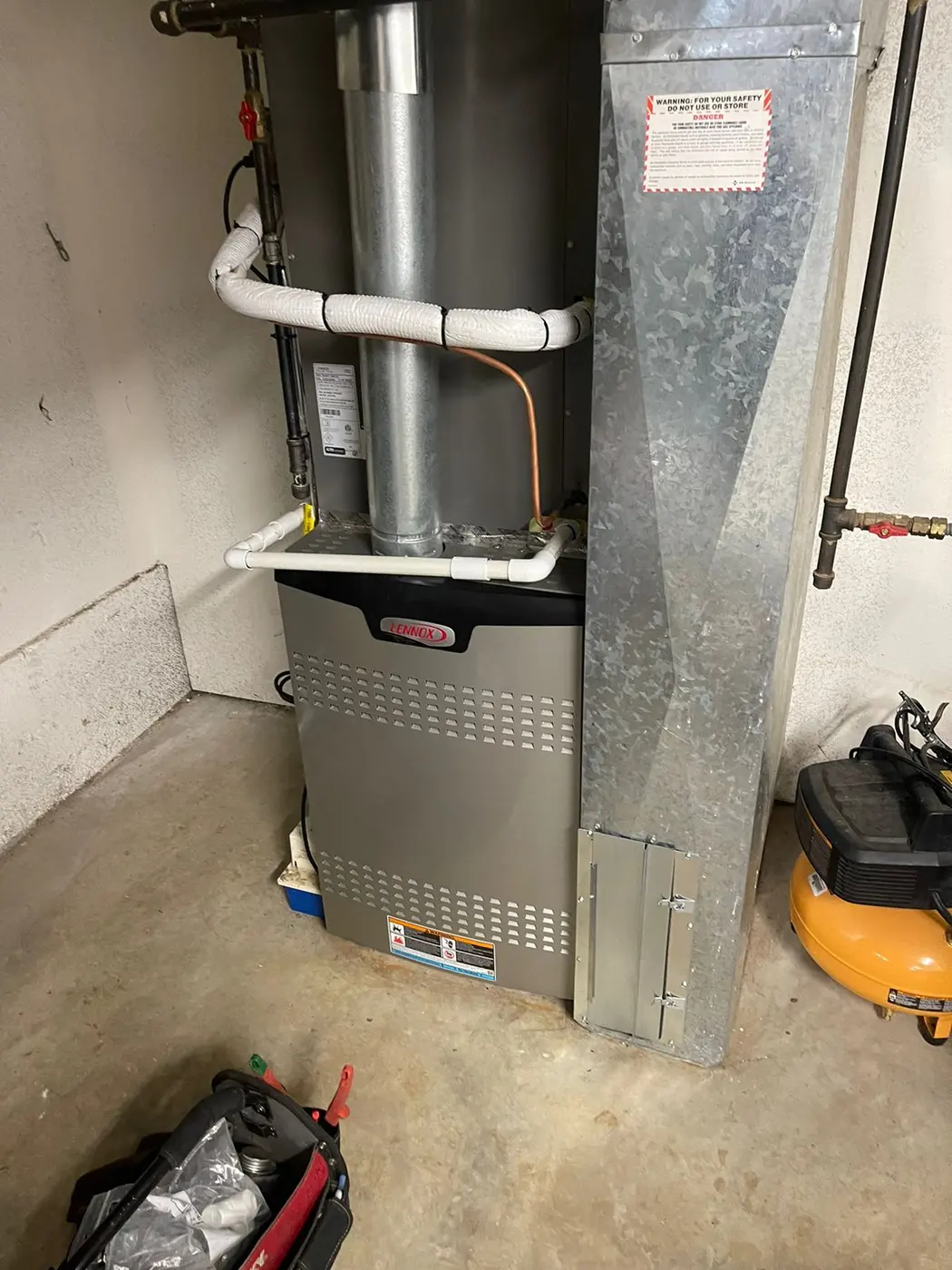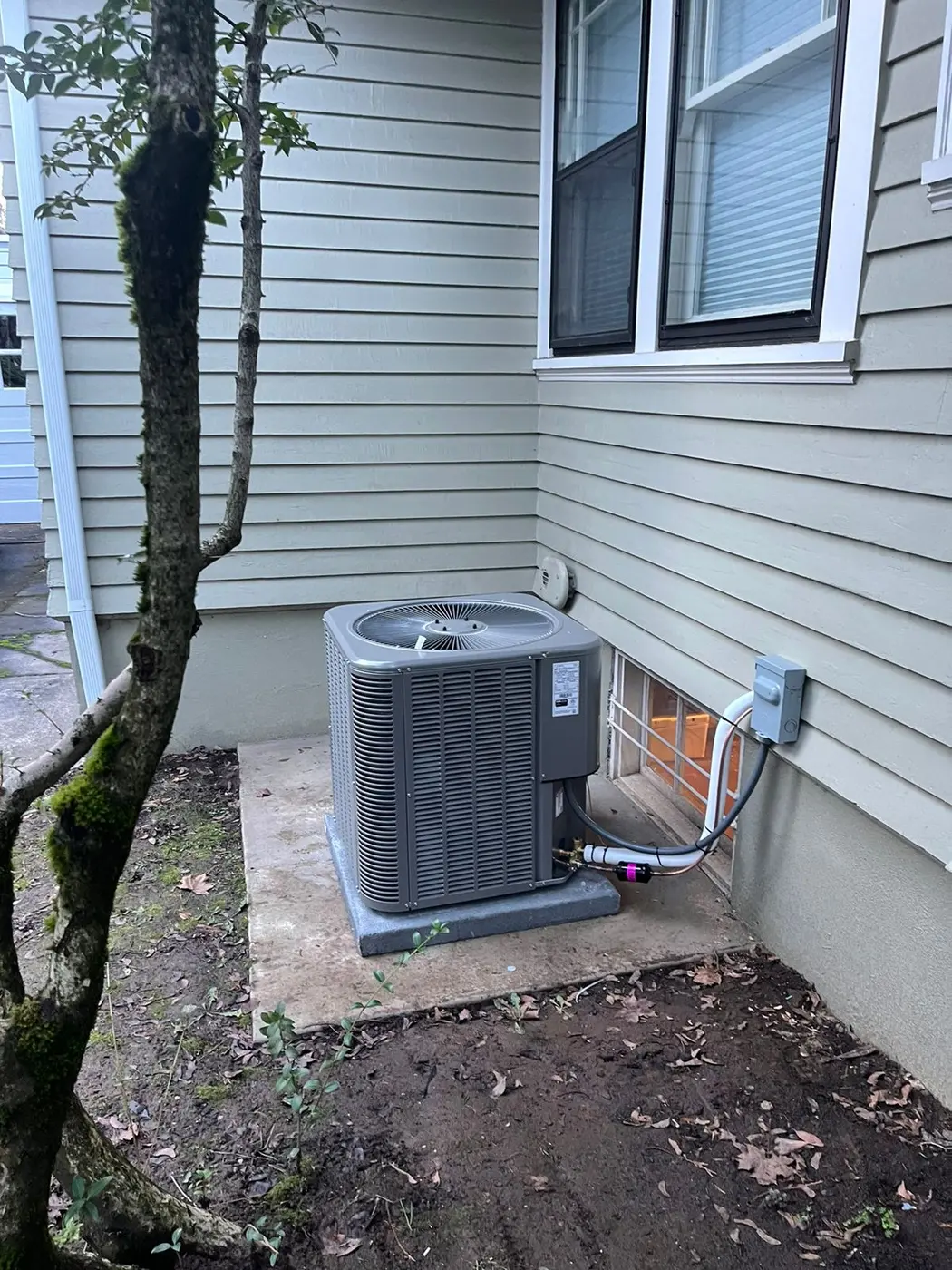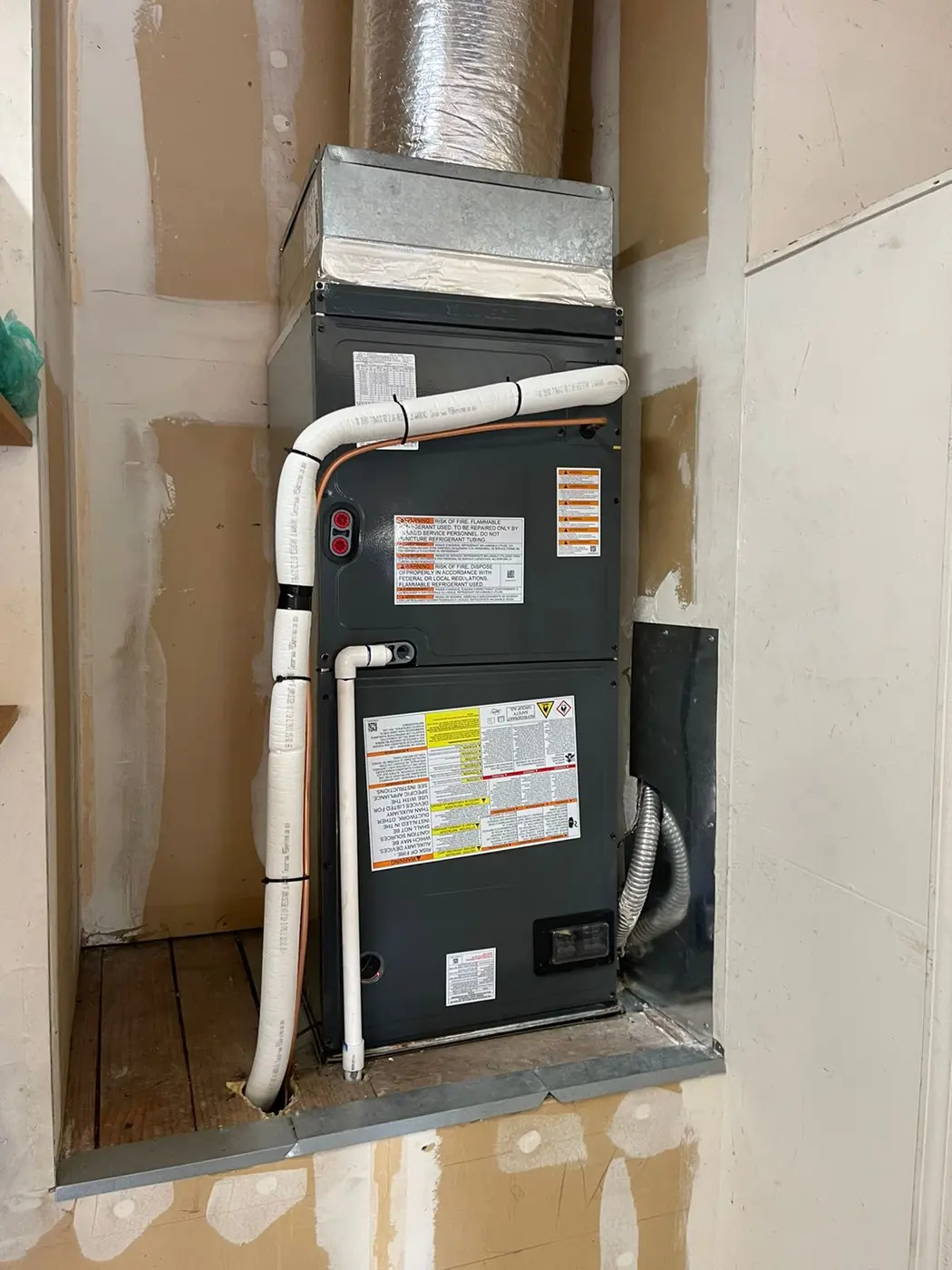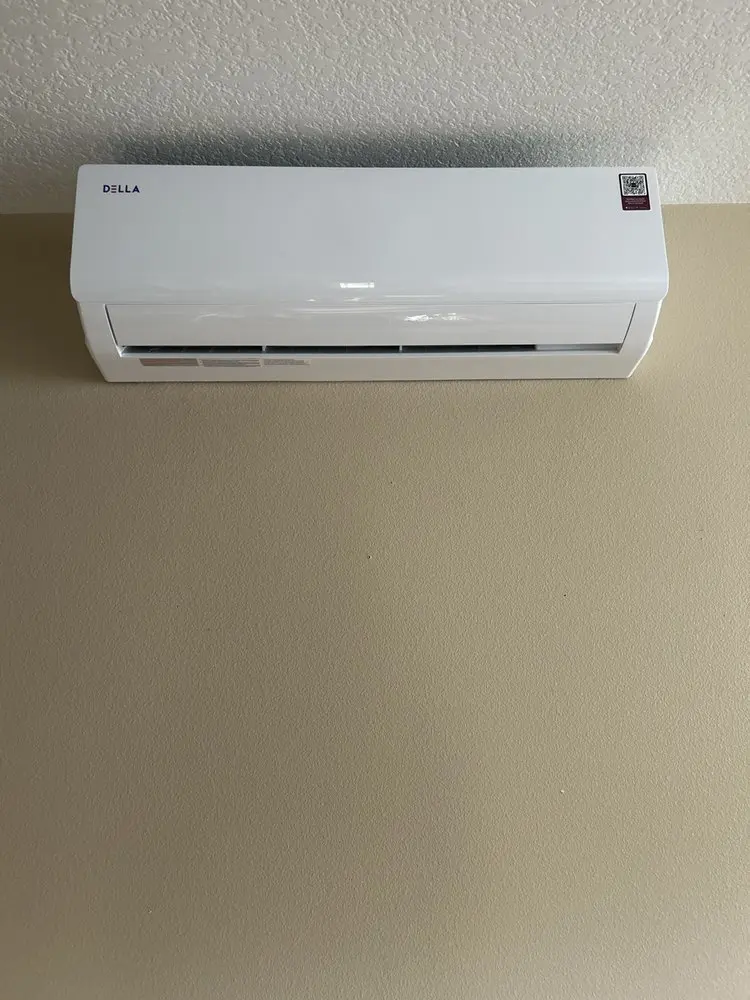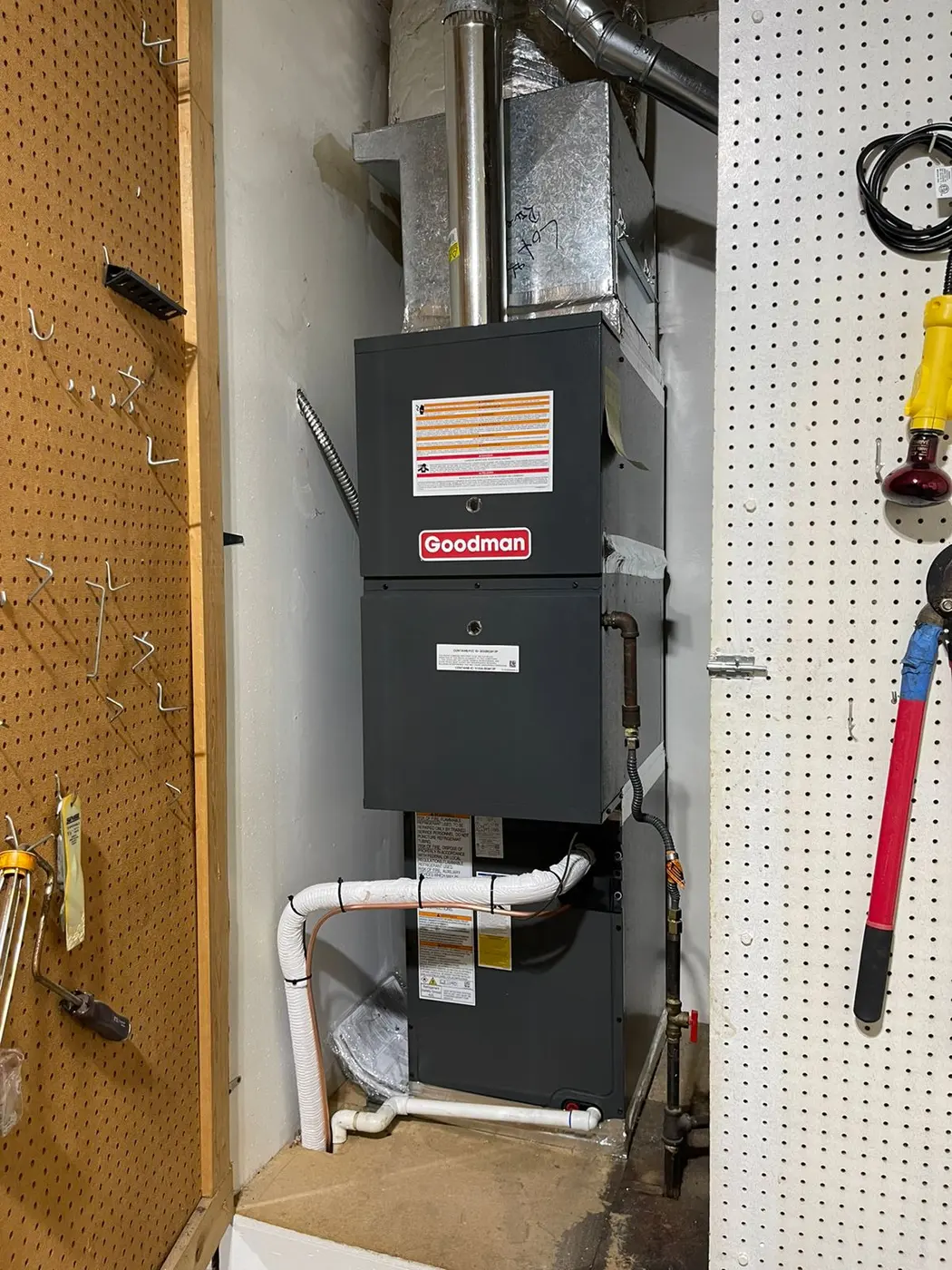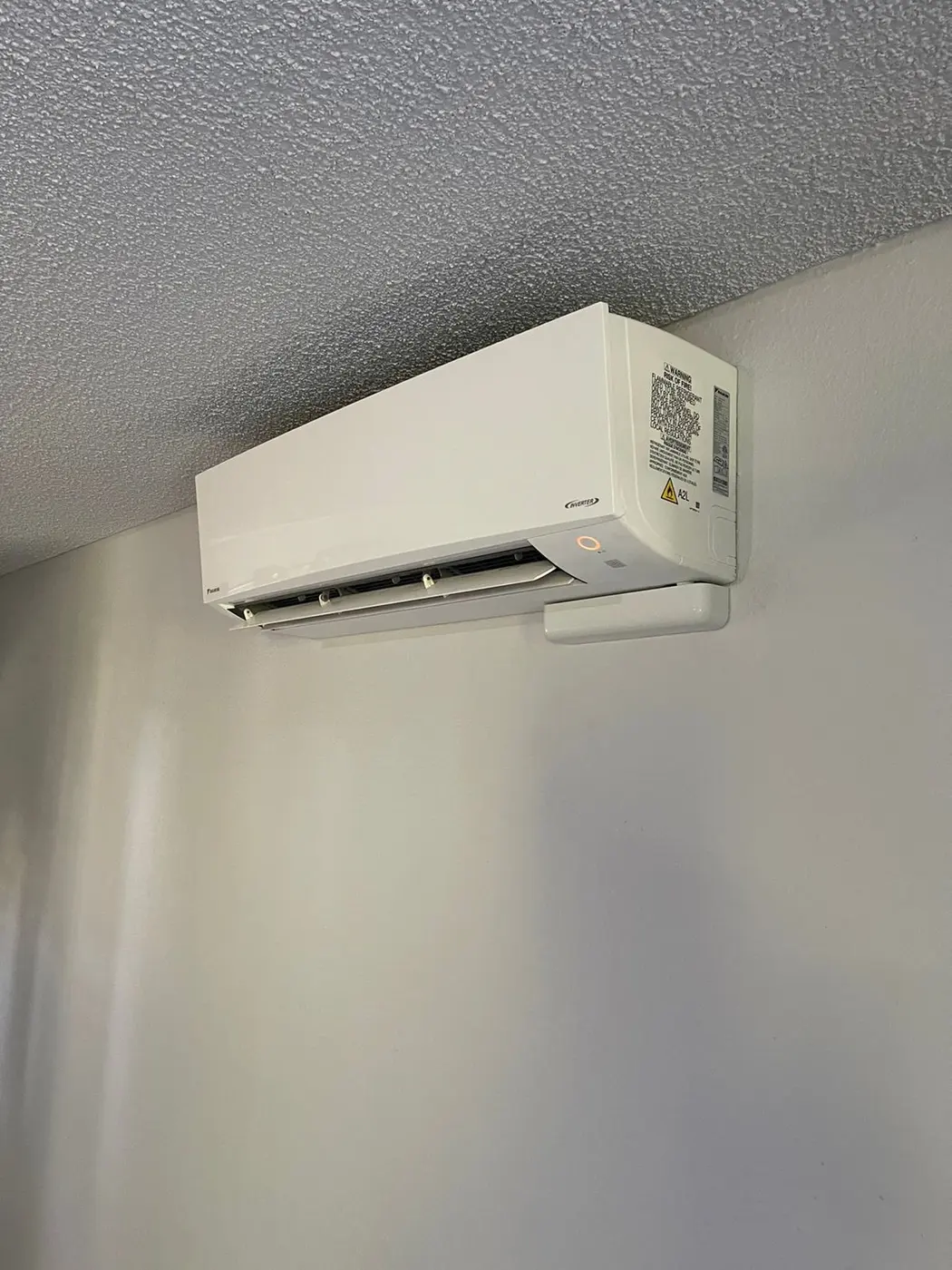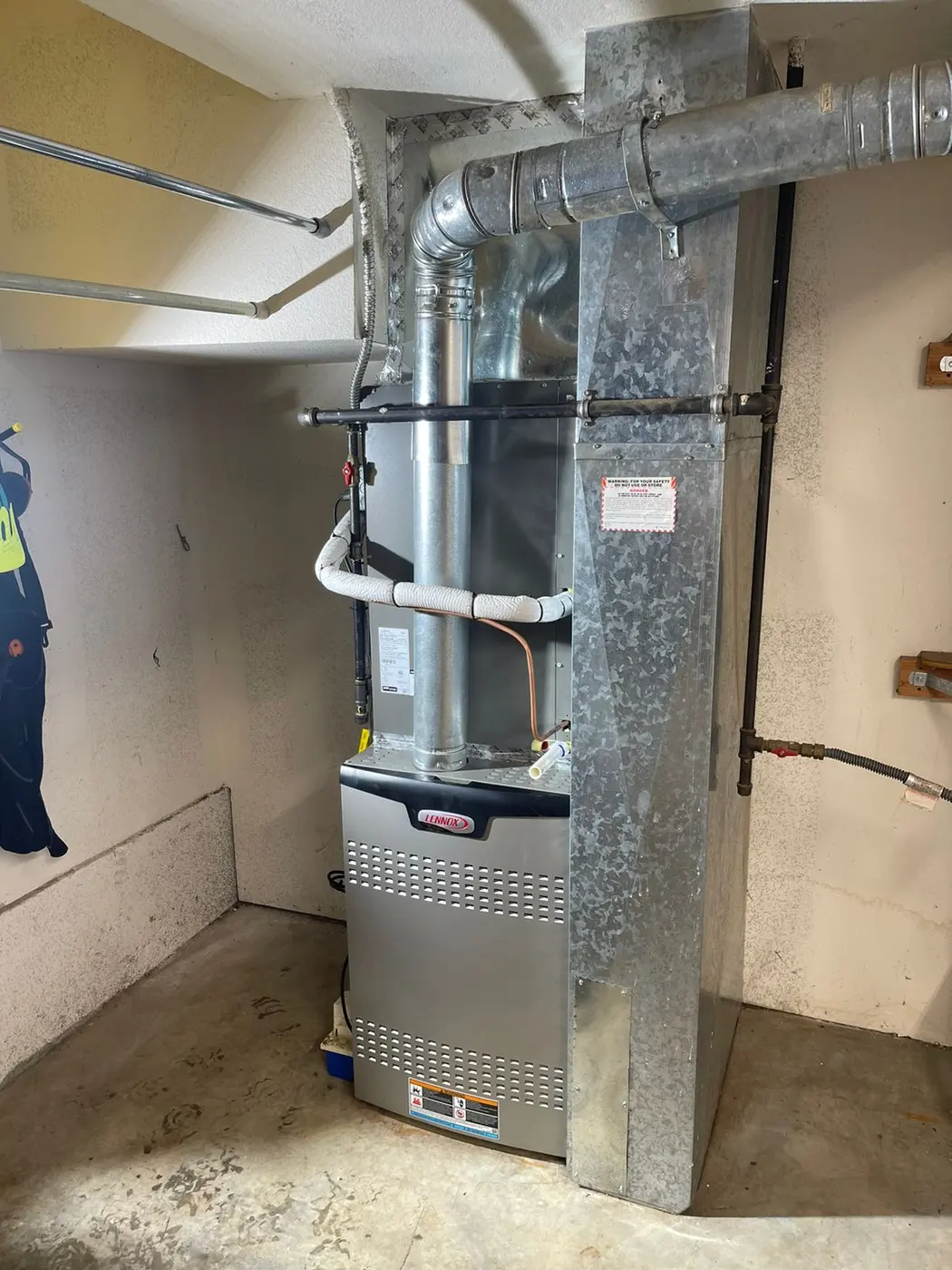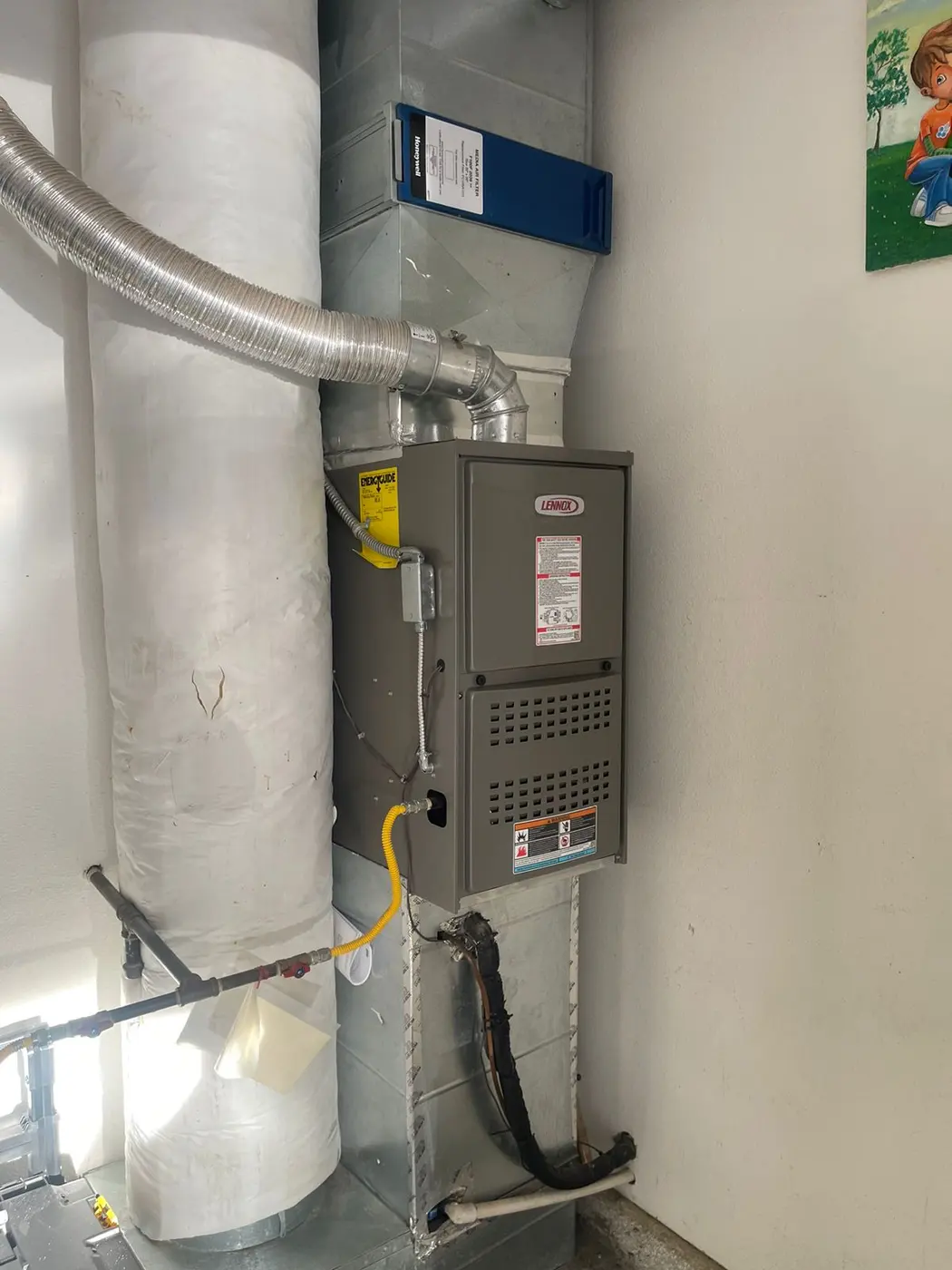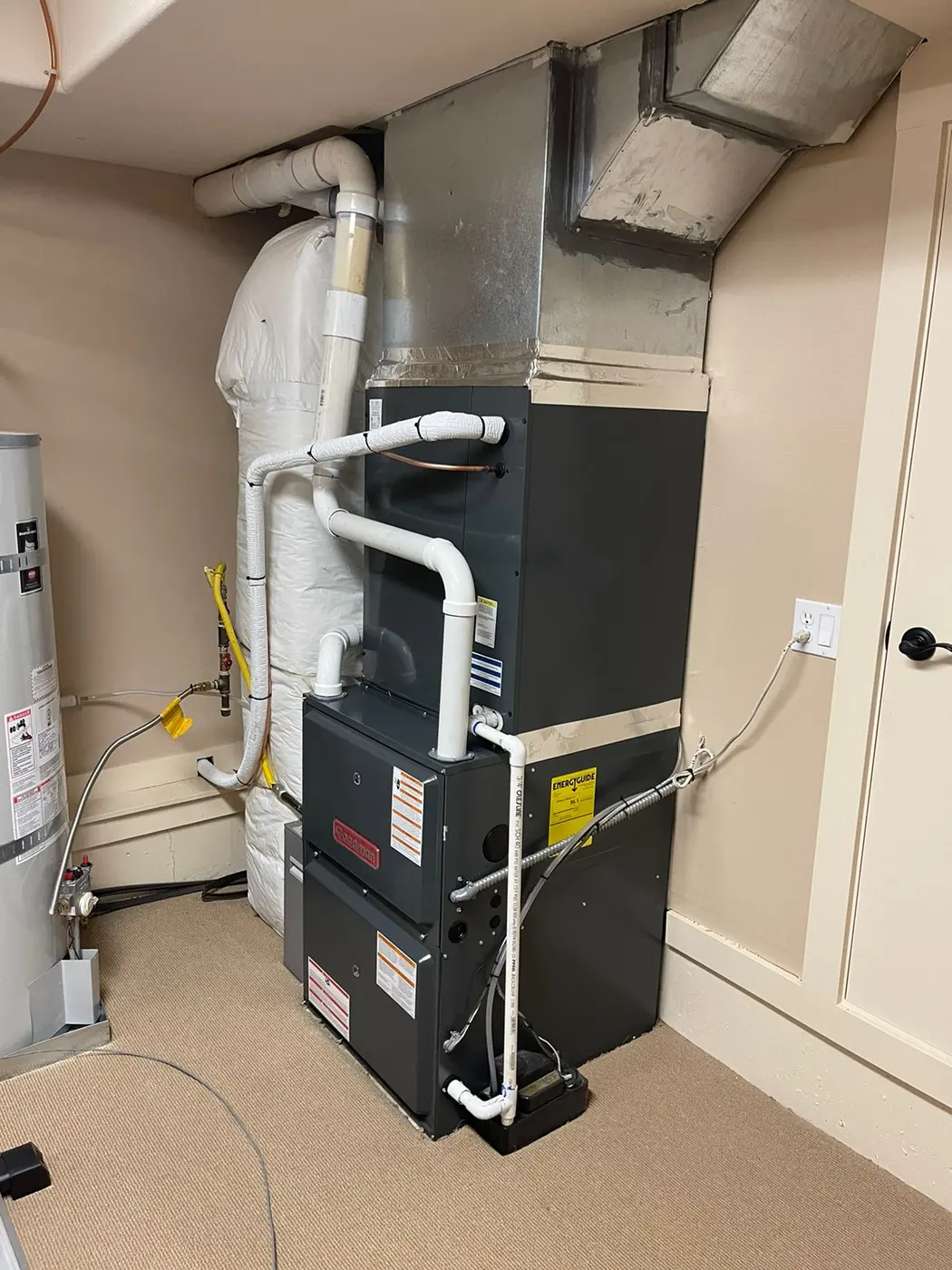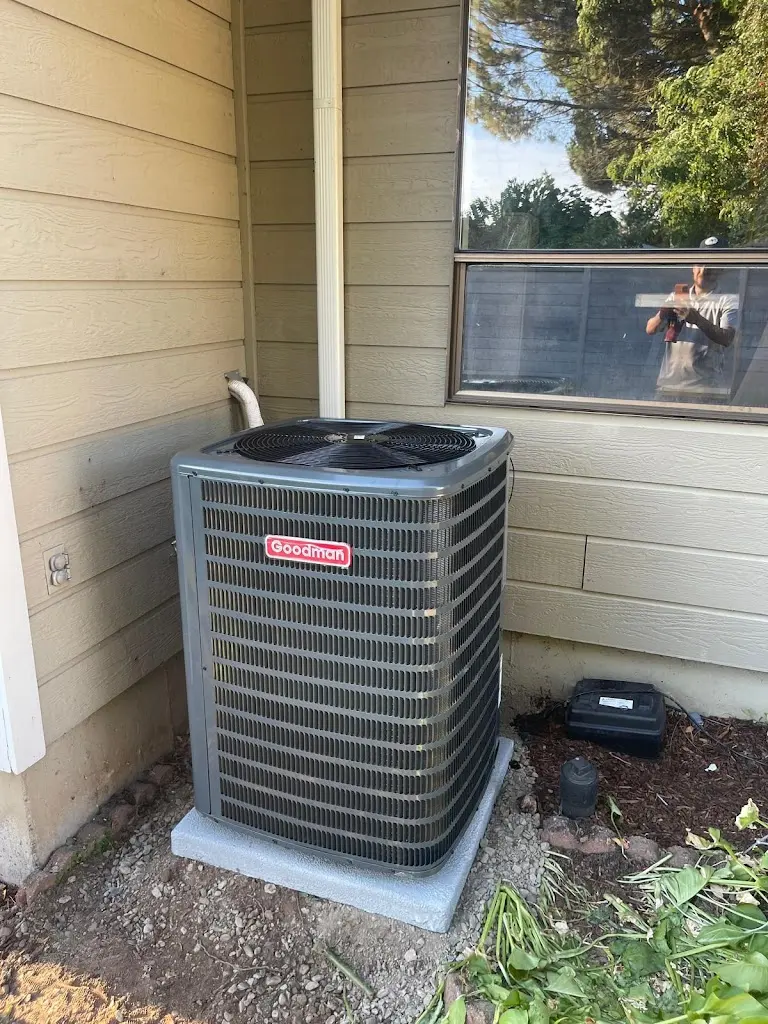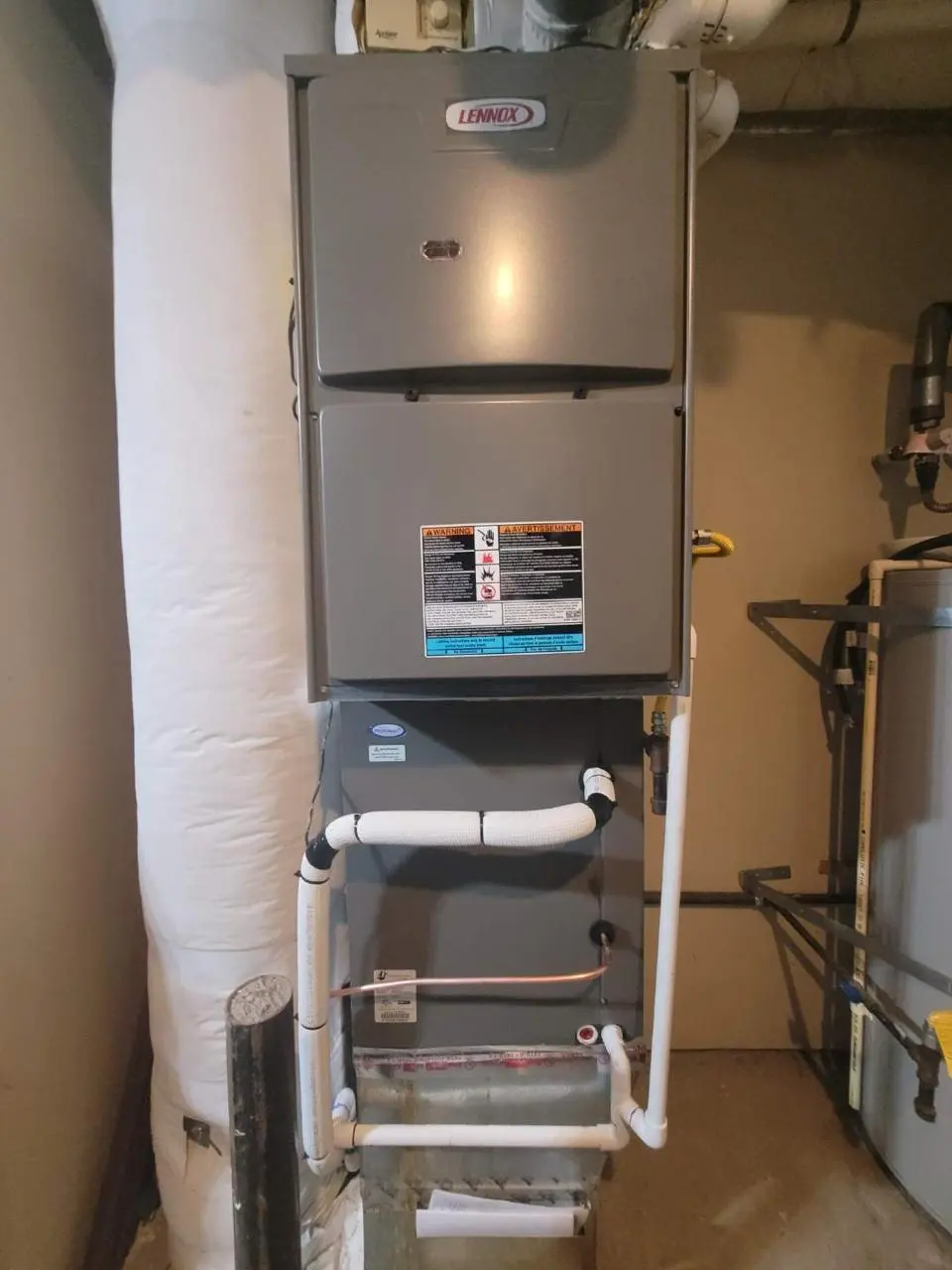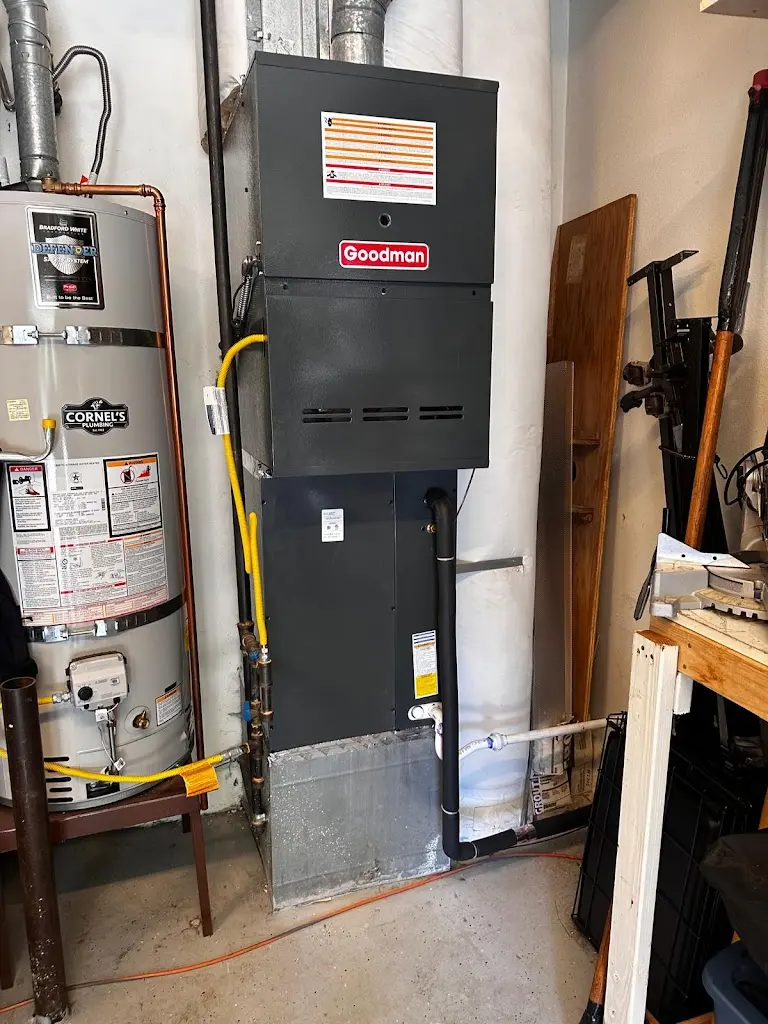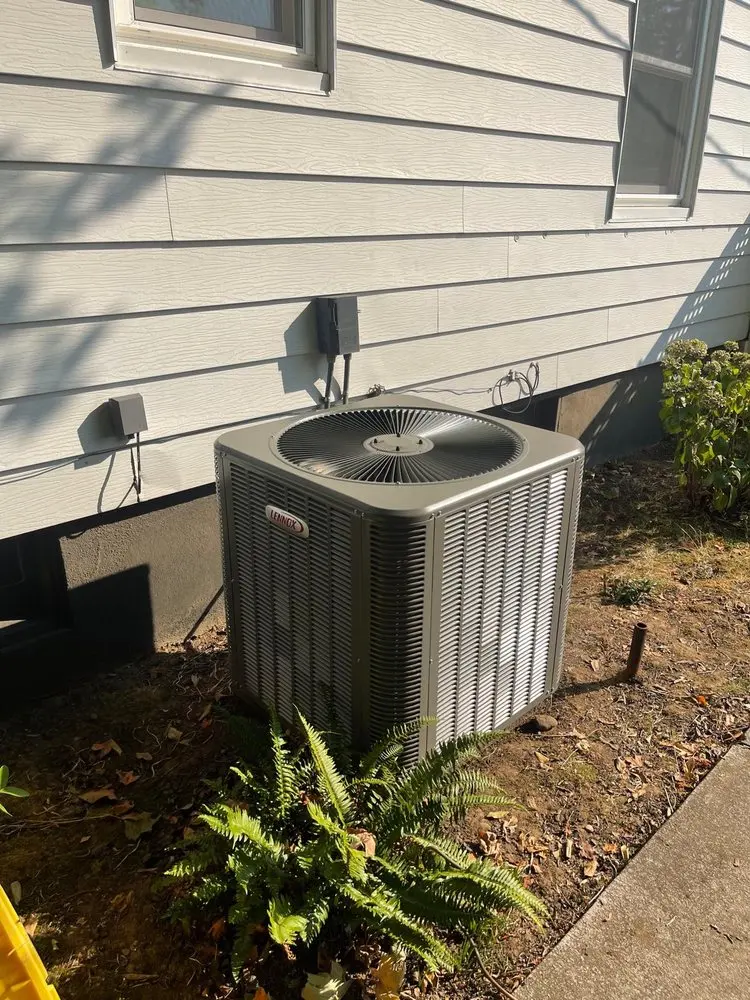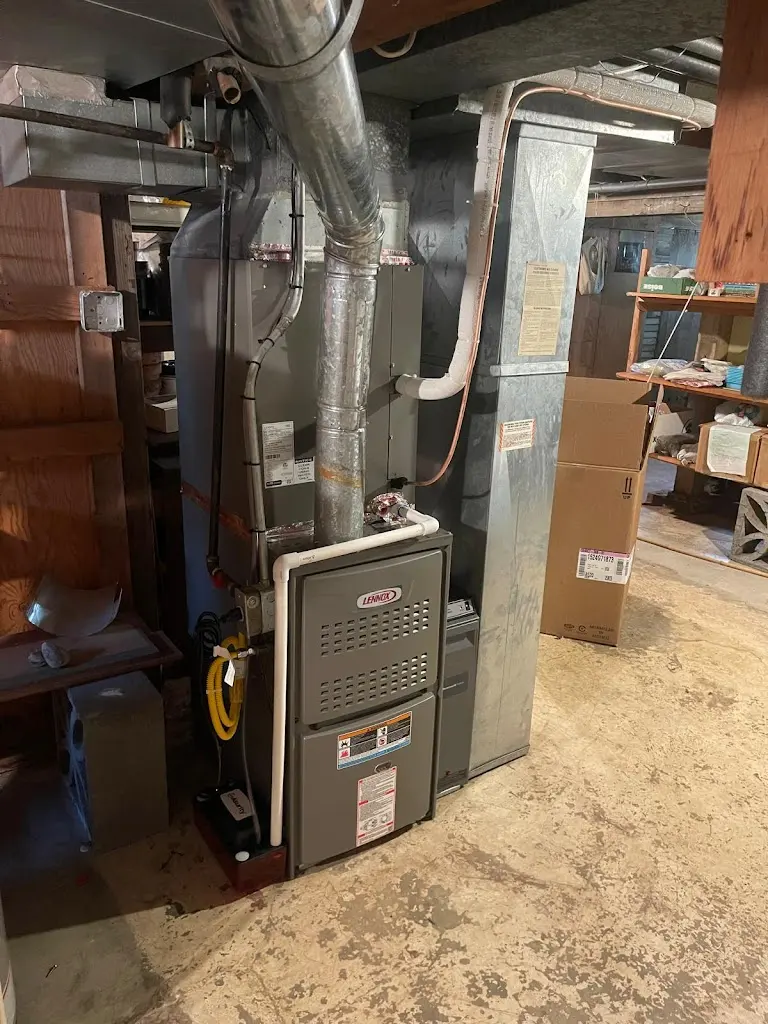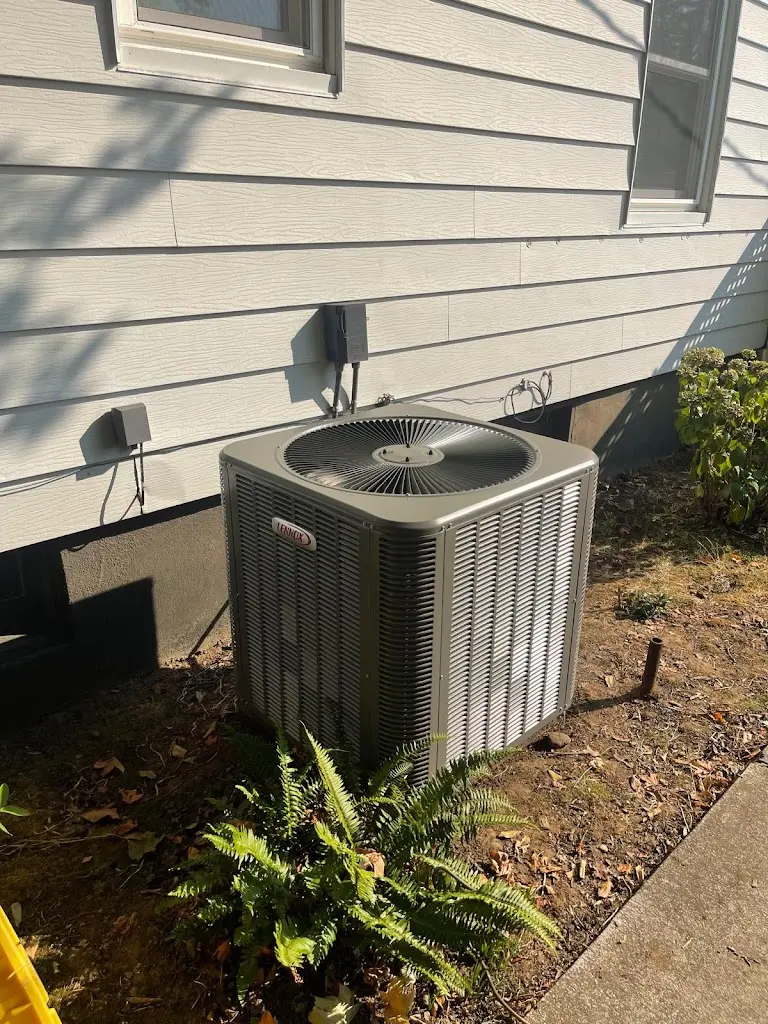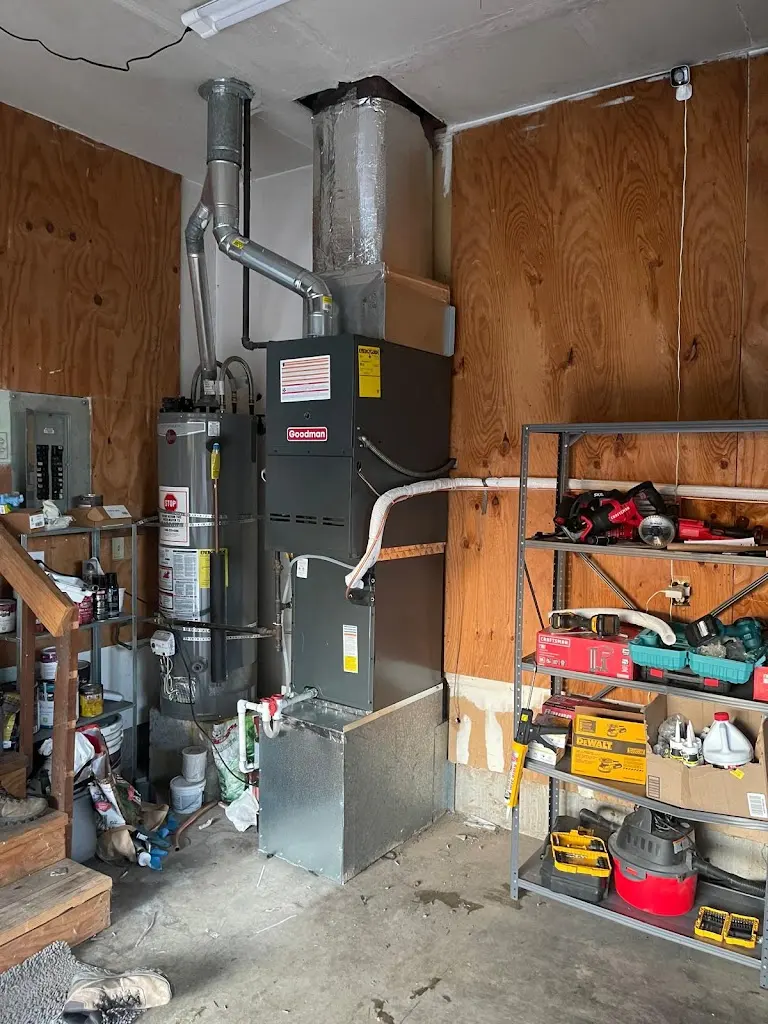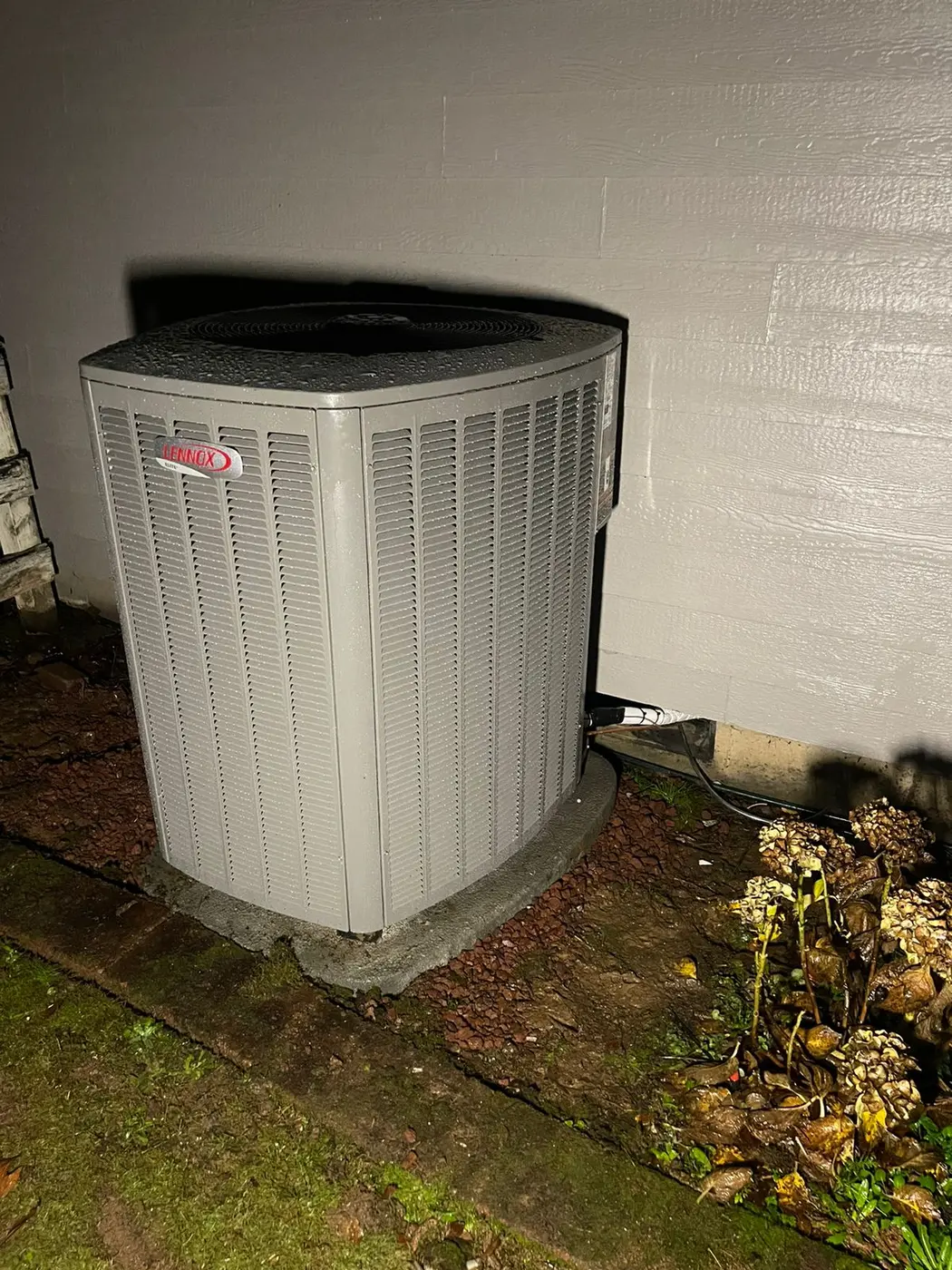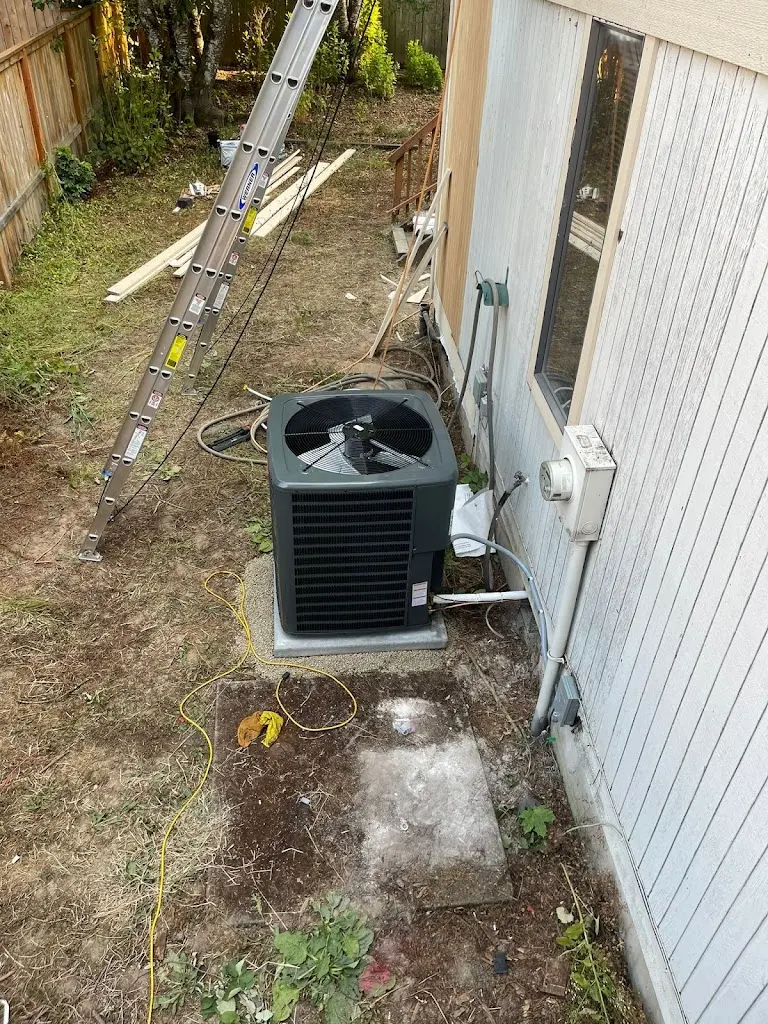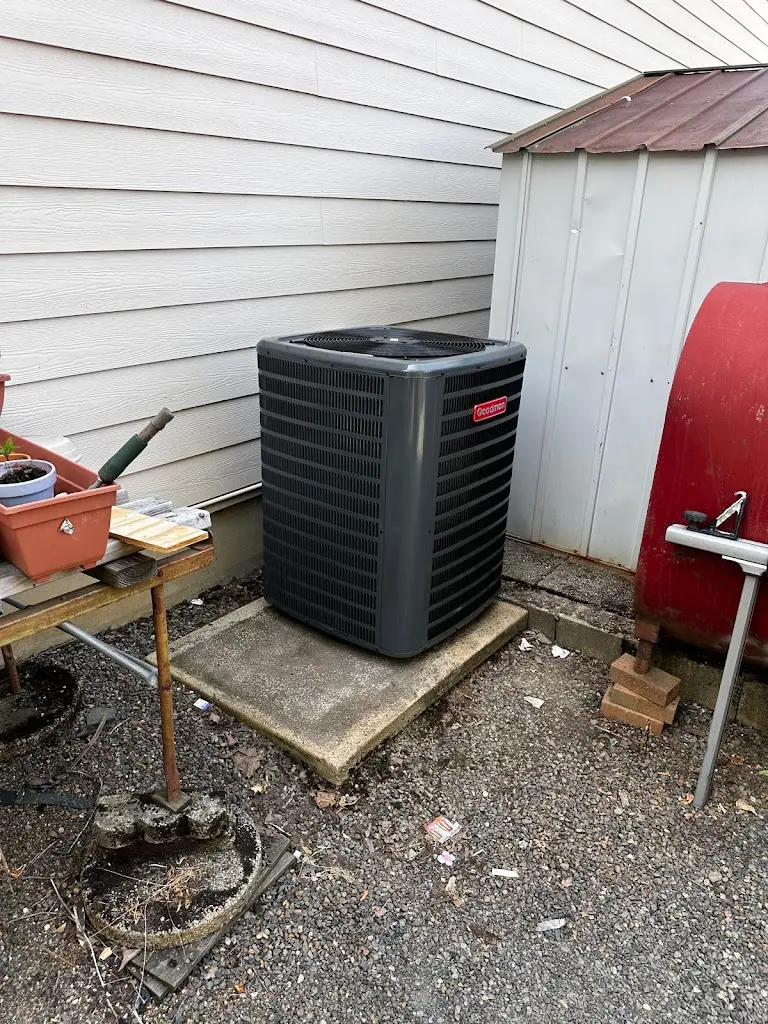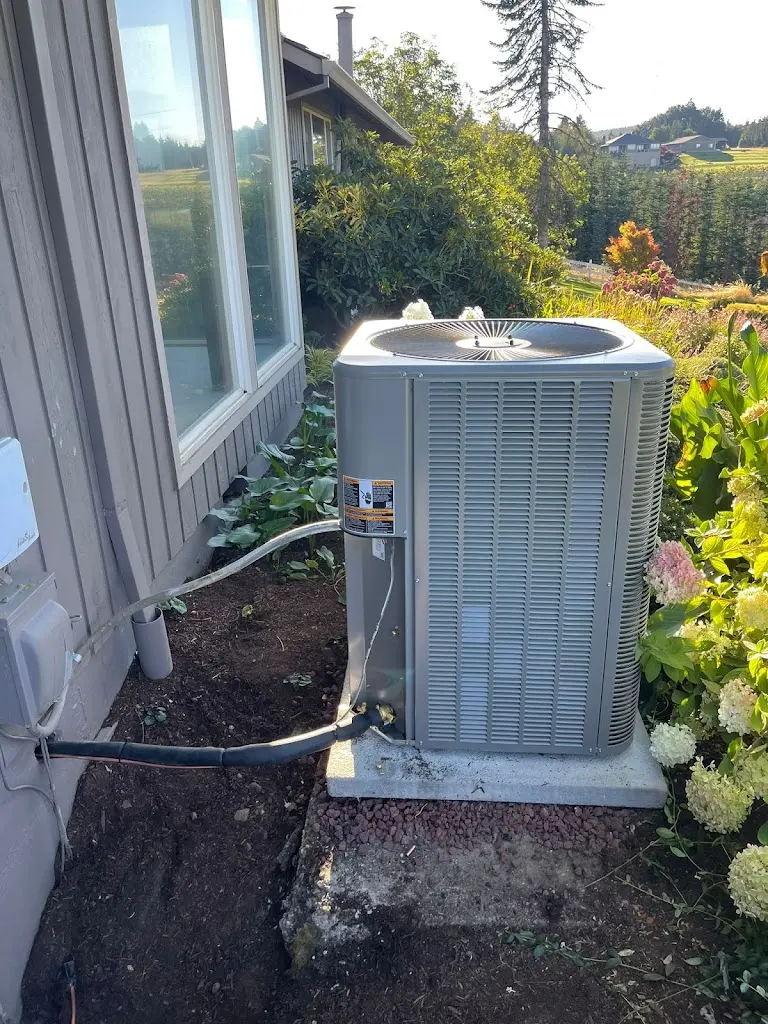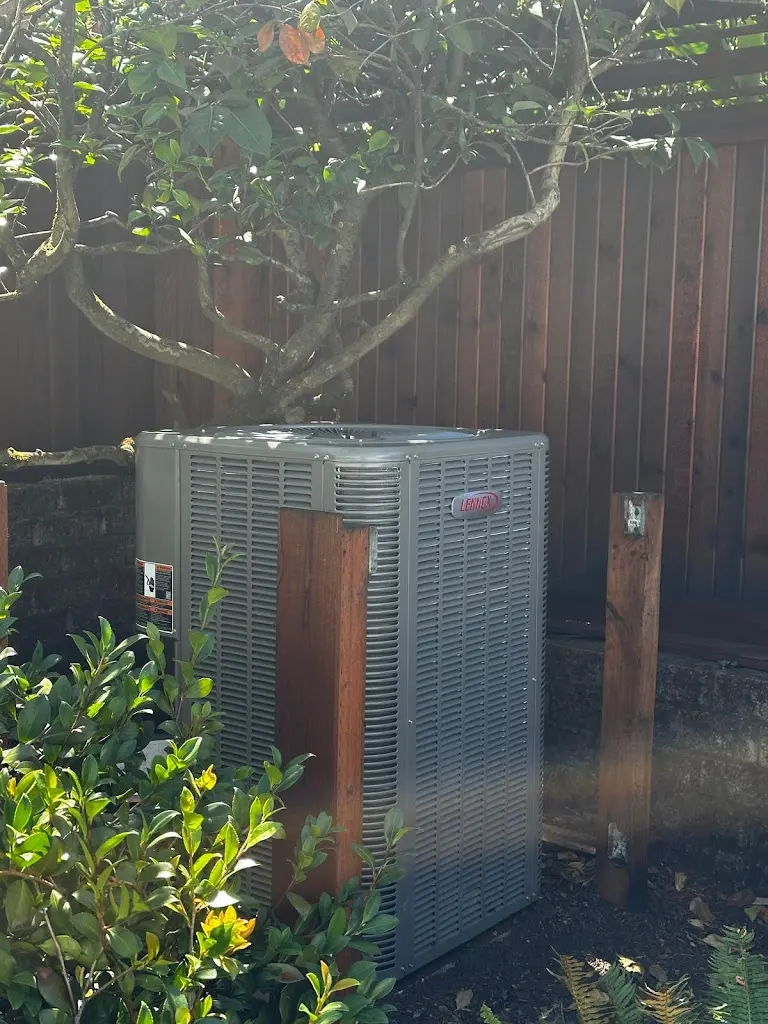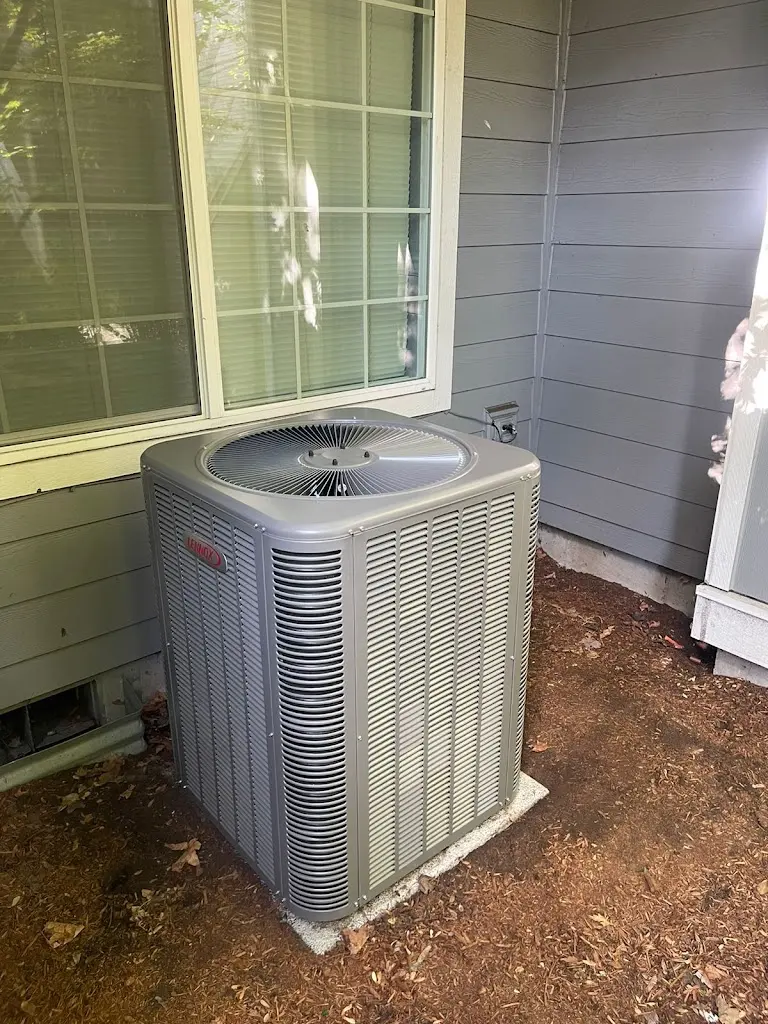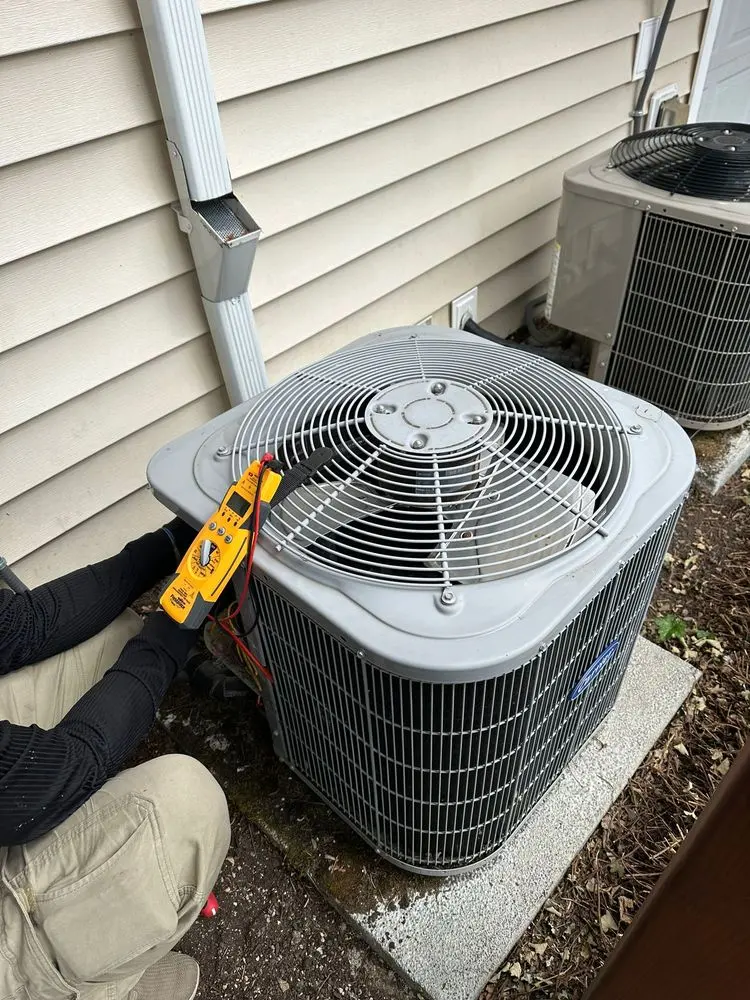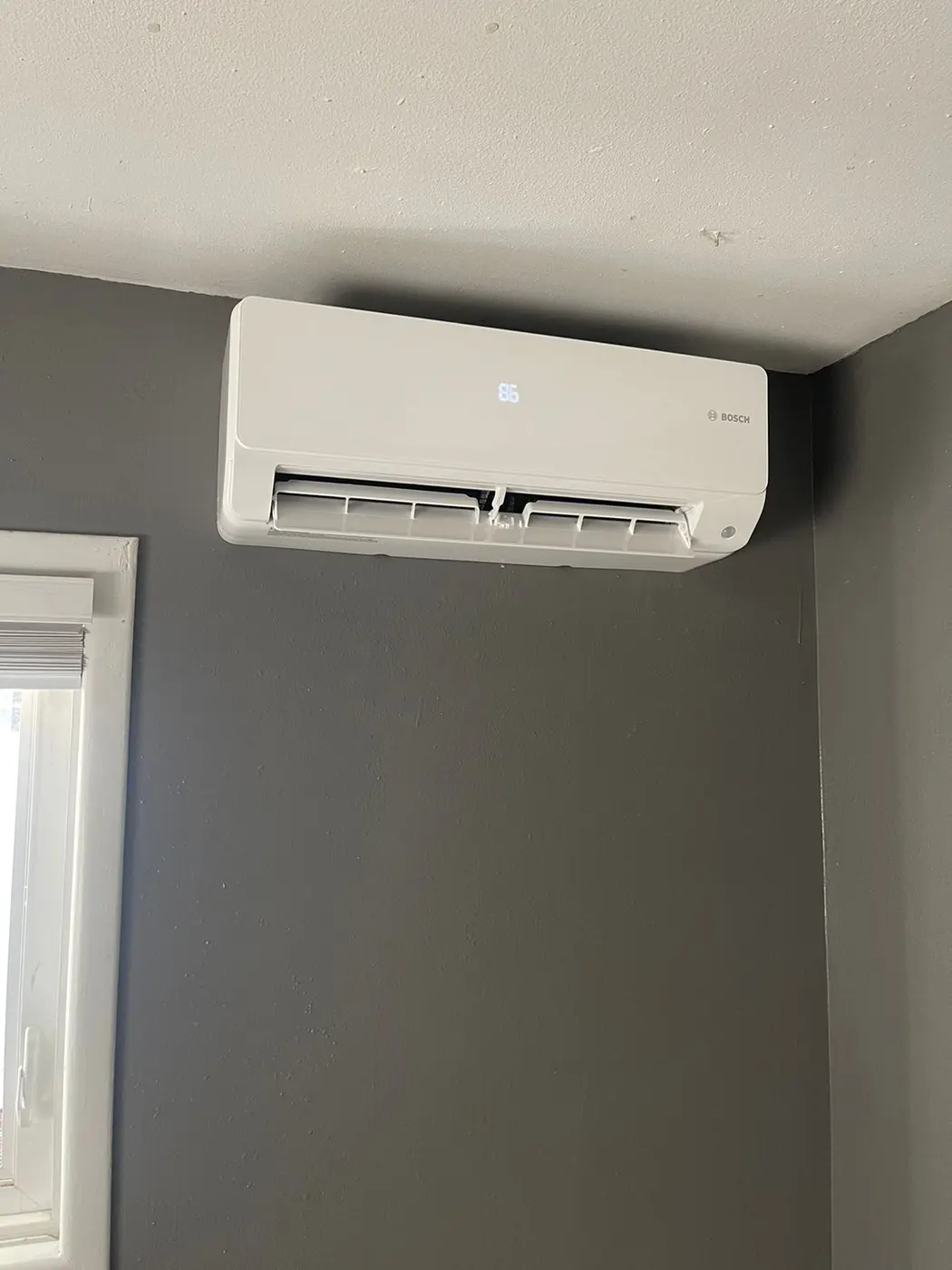
Define the Project Across the Systems That Serve the Property
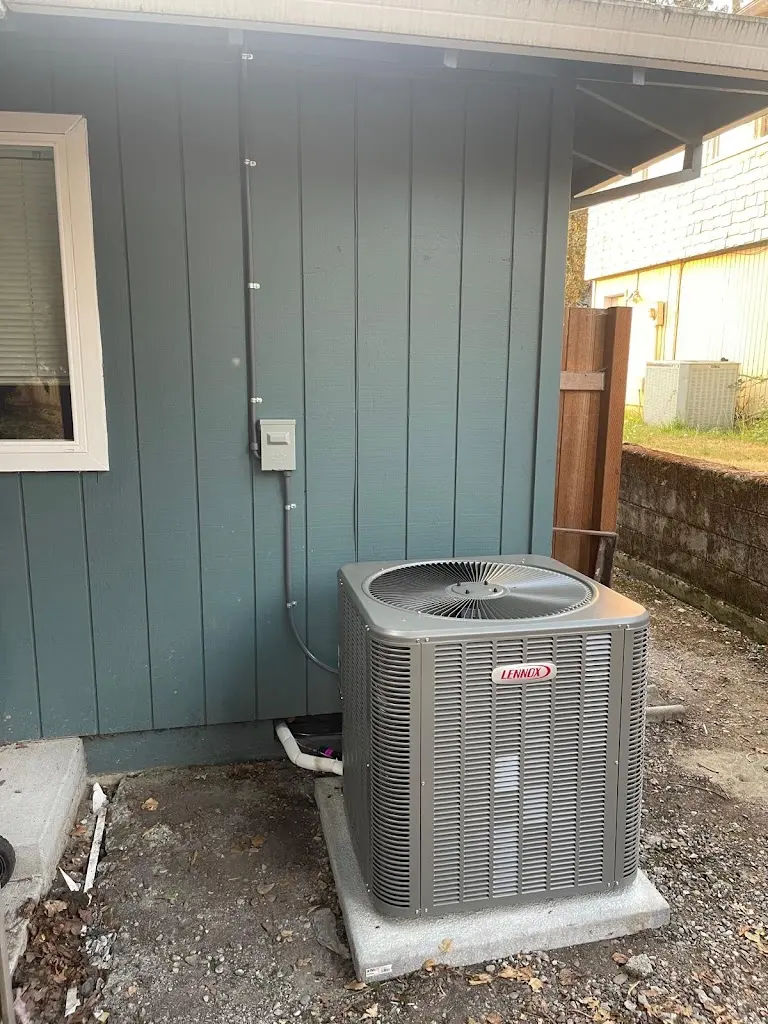
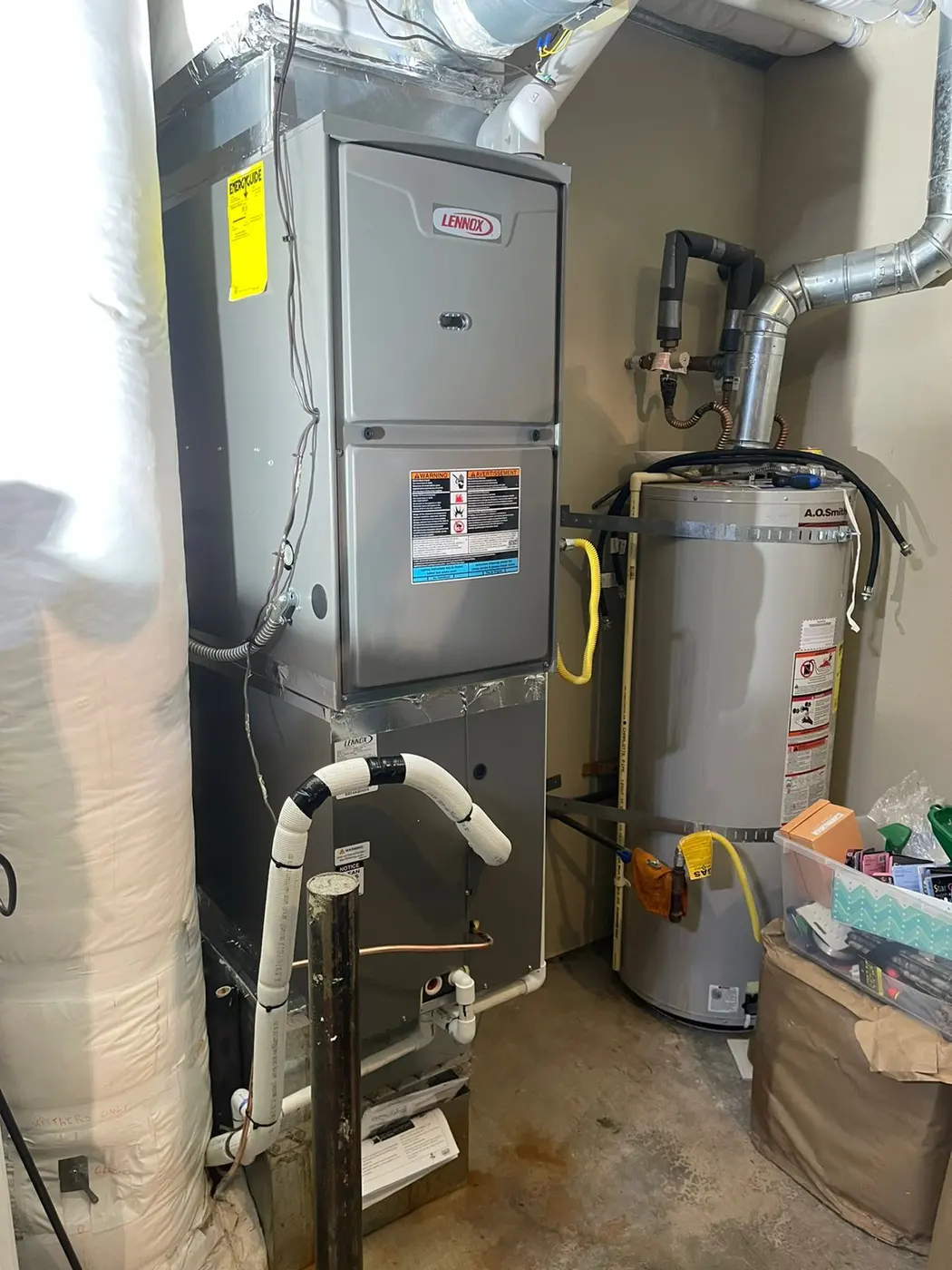
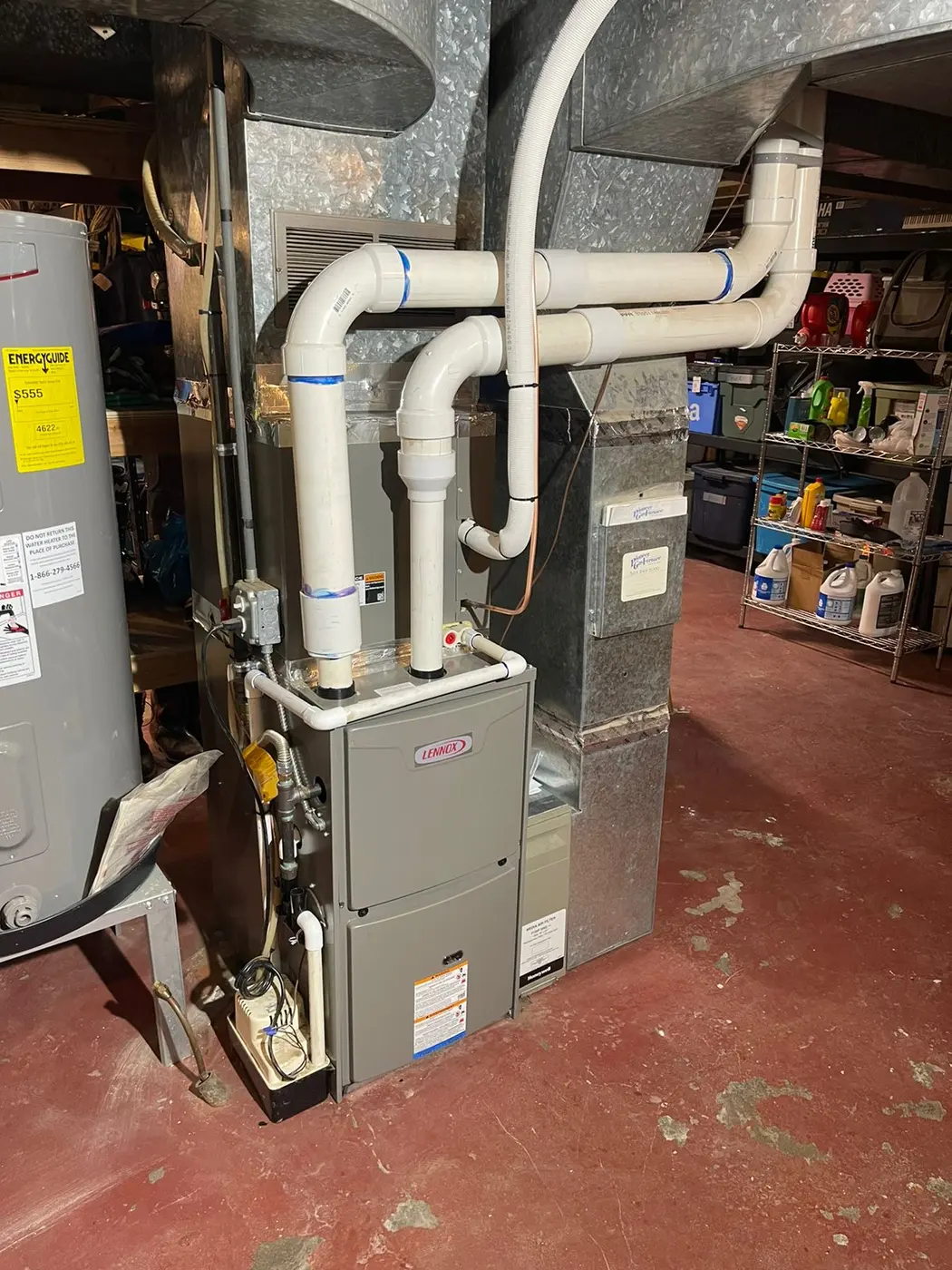
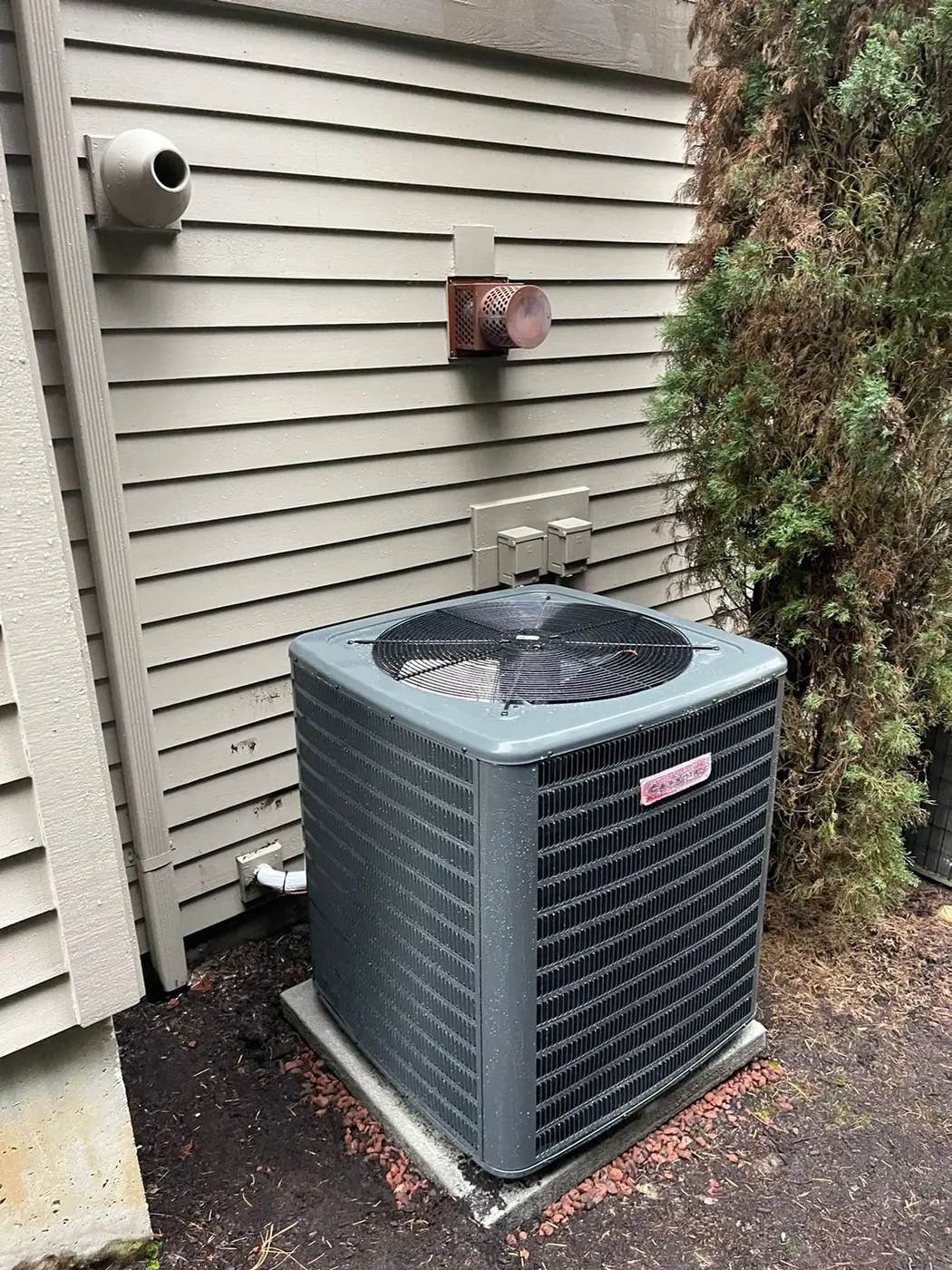
Several systems at one property can need different work. HVAC & Appliance Repair Guys provides HVAC installation in Vancouver, WA. If the project involves separate systems or room units, identify the work for each one. The free on-site estimator visit can help turn those needs into a clear overall scope.
Start with the areas you want the project to address. Explain which equipment serves them where you know it. State whether the goal is to replace one setup, change several or add a defined area to the plan. Leave uncertain equipment relationships open for the site review.
Our HVAC installation service covers planned changes to heating and cooling equipment. A project with several units still needs clear boundaries. A count of visible devices does not show which rooms each system serves.
Keep Coverage and Control Roles Clear
Give each known system a simple location or area description. You might identify a central setup and separate equipment serving another room, if that is what the property has. Use the actual arrangement rather than an assumed floor plan. These labels help keep proposed tasks attached to the right equipment.
Describe the controls as well as the units. Several displays do not always mean several independent systems. Ask which equipment responds to each control and whether the proposed change affects that relationship. A useful plan makes normal operation clear for the people who use each area.
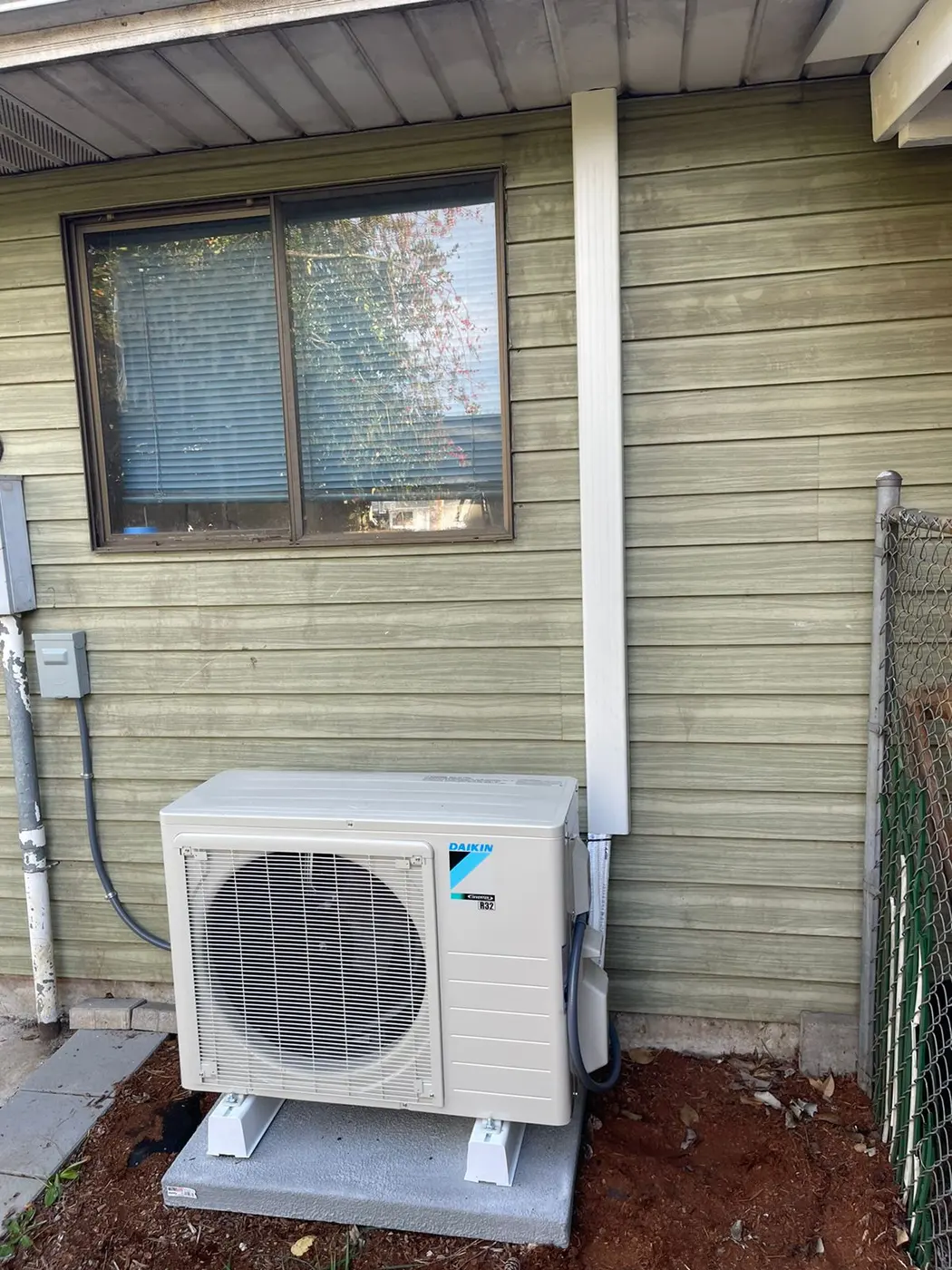
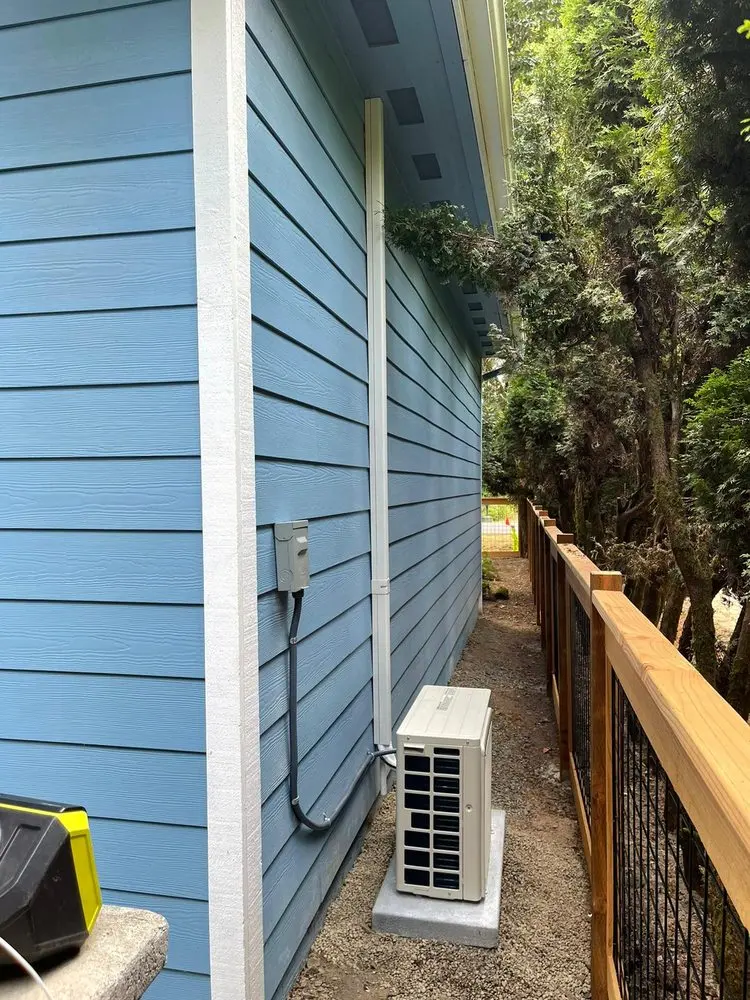
If a room-based approach is part of the project, our mini-split installation service explains that scope. Review indoor locations, the outdoor arrangement and required connection work. A room count alone does not determine the number or type of units the installation needs.
Keep the desired comfort result attached to each area. One space may need cooling while another needs both heating and cooling. Explain those differences before comparing a total project price. A proposal that addresses different functions or rooms represents a different scope, even when the equipment names look similar.
Review Equipment That Stays Beside Equipment That Changes
Some existing equipment may remain outside the project. Identify it and ask whether the proposed work affects shared connections, controls or access. Do not assume every nearby unit forms part of the same system. Also do not assume that work on one setup can never affect another.
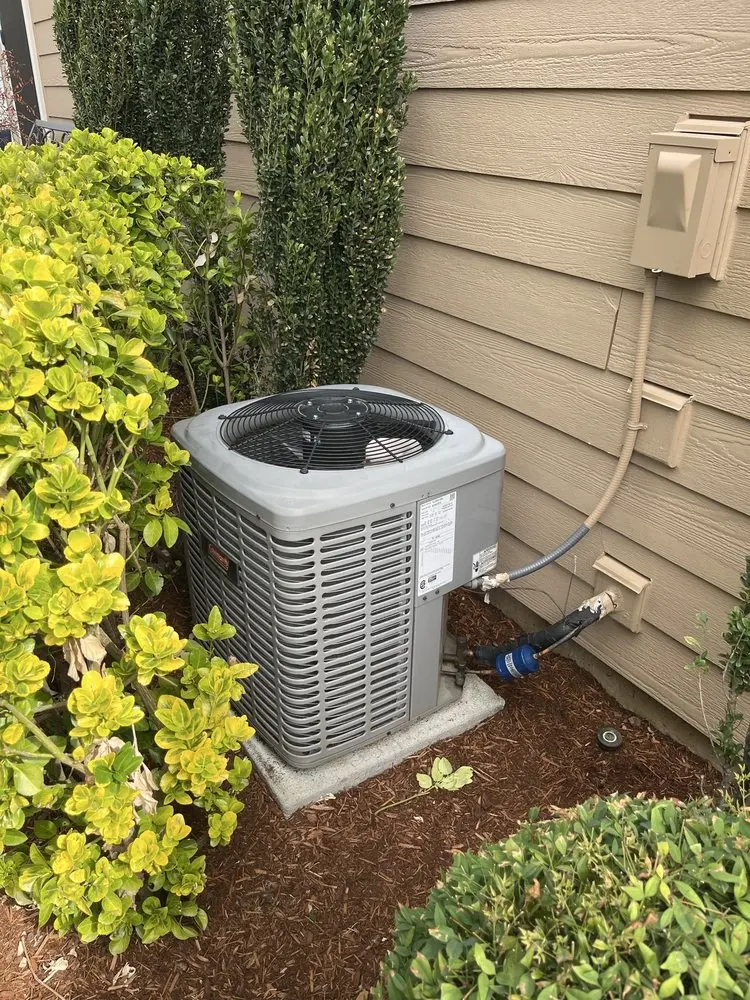
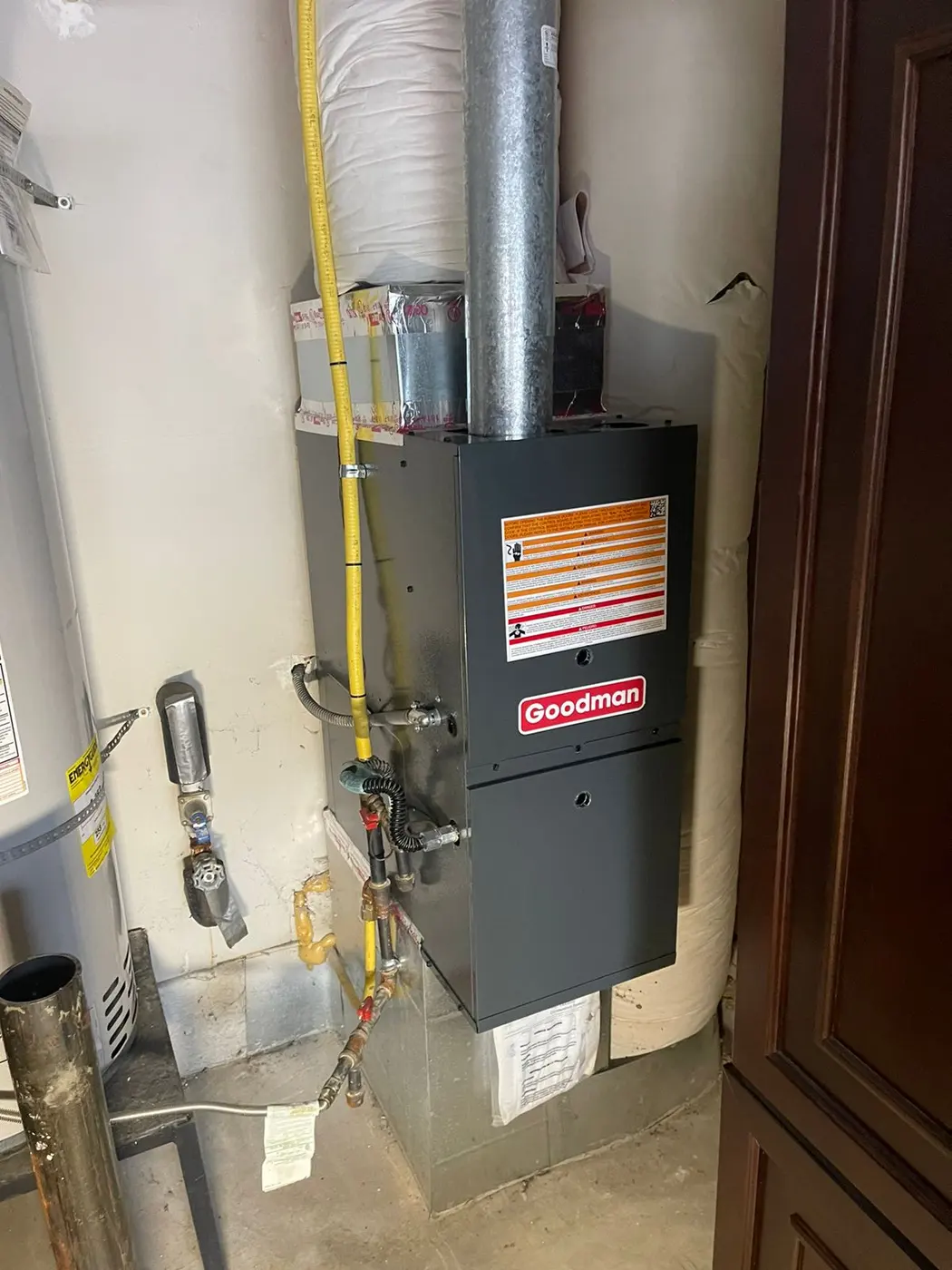
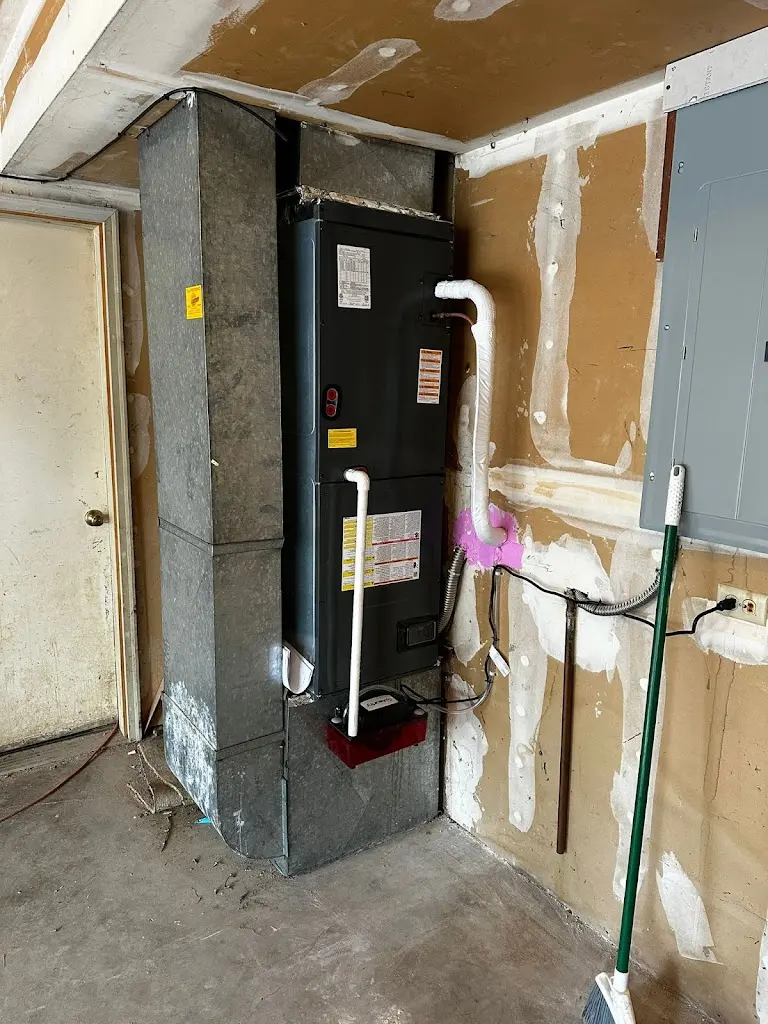
For each changed system, review the required combination of parts. Indoor equipment, outdoor equipment and controls must suit their role. A device that fits one arrangement may not fit another at the same property. The estimate should establish each match rather than repeat one model choice across every location.
If you plan the work in stages, clarify the intended state between visits. Ask which areas will have normal service and which tasks remain open. The proposed sequence should reflect the actual connections and access. Separate room names do not prove that each setup can change on its own schedule.
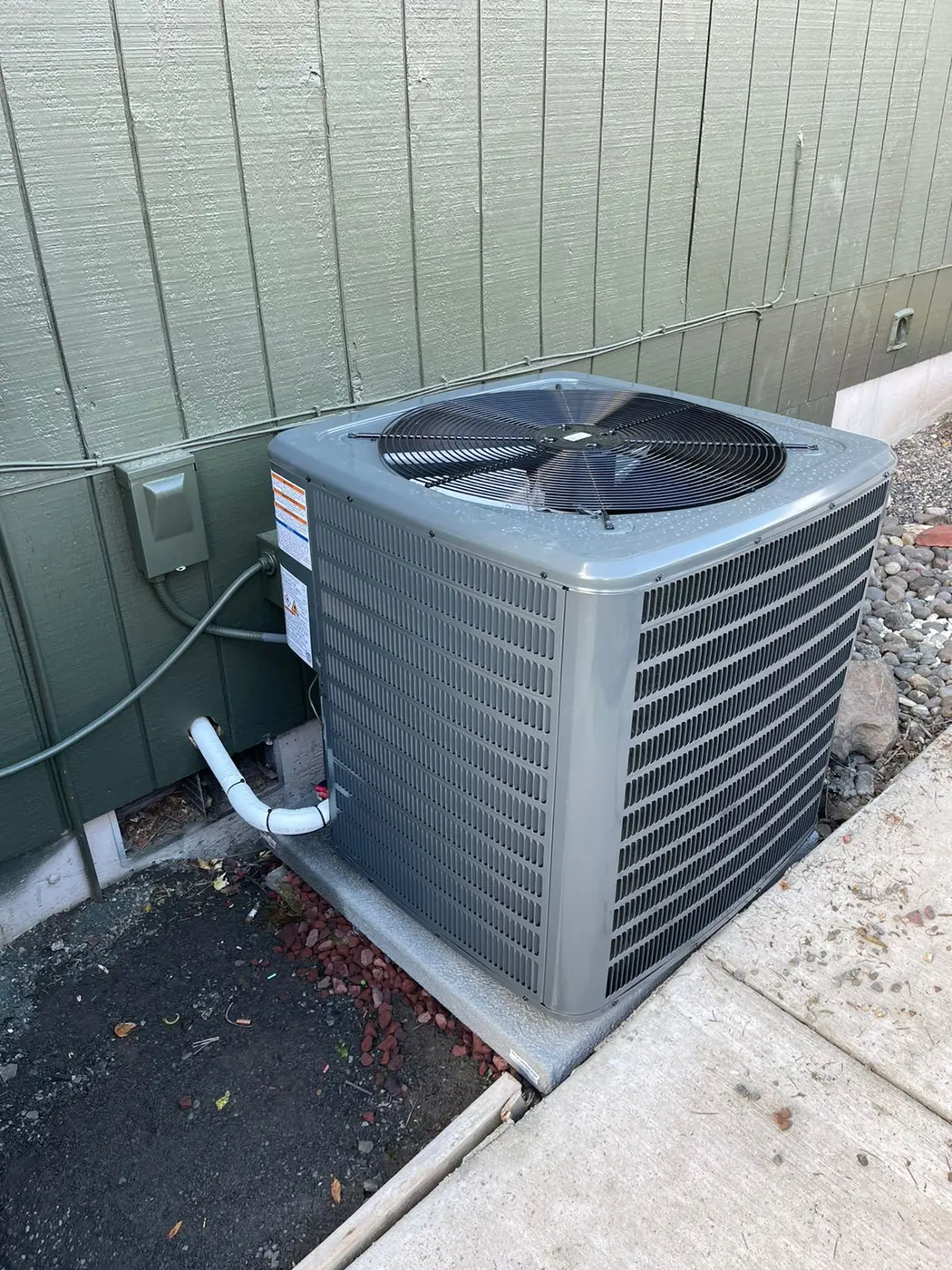
A present fault also needs a clear description. State which area and system have the problem, and which still work normally. Keep the diagnosis request separate from optional installation changes. The free estimator visit is for new equipment planning, rather than repairs. For a project using this equipment type, heat pump installation provides the more specific planning scope; confirm which rooms and functions the proposed system will serve.
Compare the Total Price Through Defined Tasks
Review the equipment and work for each included setup. Ask which devices remain and which ones change. Keep removal, connection work, setup and operating checks clear within the price. A single total should not make it hard to see what the project actually covers.
Also review shared project needs, such as access through one area to reach another. Explain locked spaces, work already planned nearby and any timing constraint. Agree on the scope before setting the installation sequence. Do not disconnect equipment or move attached units to prepare a route.
If the plan changes for one system, ask whether it changes anything elsewhere. A new model, location or connection task can affect the overall project. Keep the reason and revised price with the original agreement. That gives the final review a clear account of the work you approved.
Review Each Finished Setup on Its Own Terms
At handover, review the normal controls and completed checks for each affected system. Ask which rooms and functions those checks covered. One working area does not prove the result elsewhere. Keep any remaining concern attached to the correct equipment and task.
Retain the installed models, area descriptions and completed work details. Include unchanged equipment where it matters to the project record. If a later concern appears, identify the affected setup and explain its response. This avoids starting a service request with a general claim that the whole property has the same problem.
Frequently Asked Questions
Does a proposal for one unit cover every system at the property?
Only the defined scope establishes the included work. Identify each system or area you want addressed. Ask which equipment remains outside the agreement and whether shared tasks affect it.
Can different systems use different controls?
That depends on the equipment and required functions. A common interface can be a preference, but each setup still needs a suitable match. Review normal use and the control role for every included system.
Can one area stay in use while another system changes?
Discuss that goal during the site review. The work sequence, connections and access determine what the plan can support. Do not assume continuous service solely because the areas have separate names or controls.