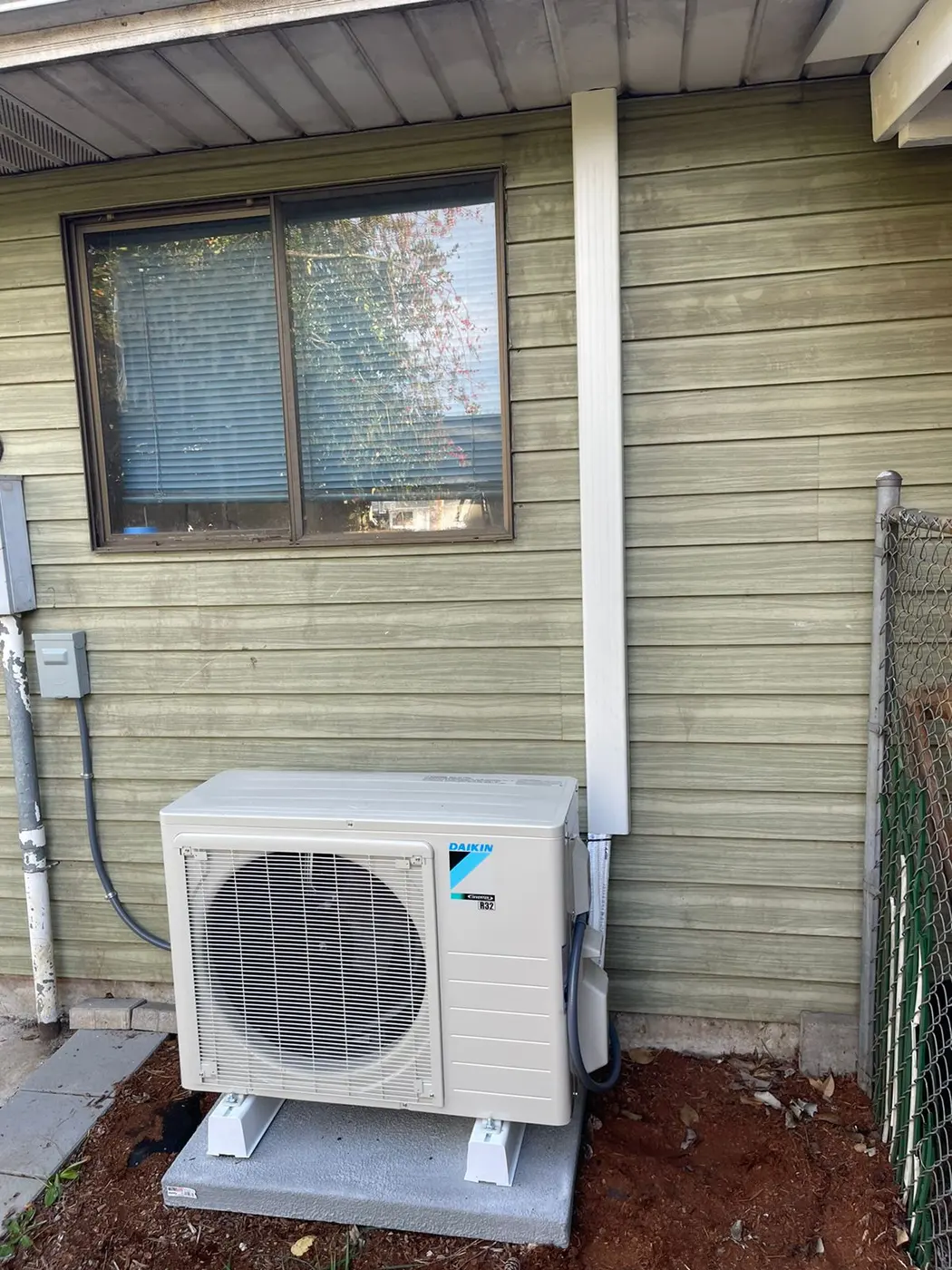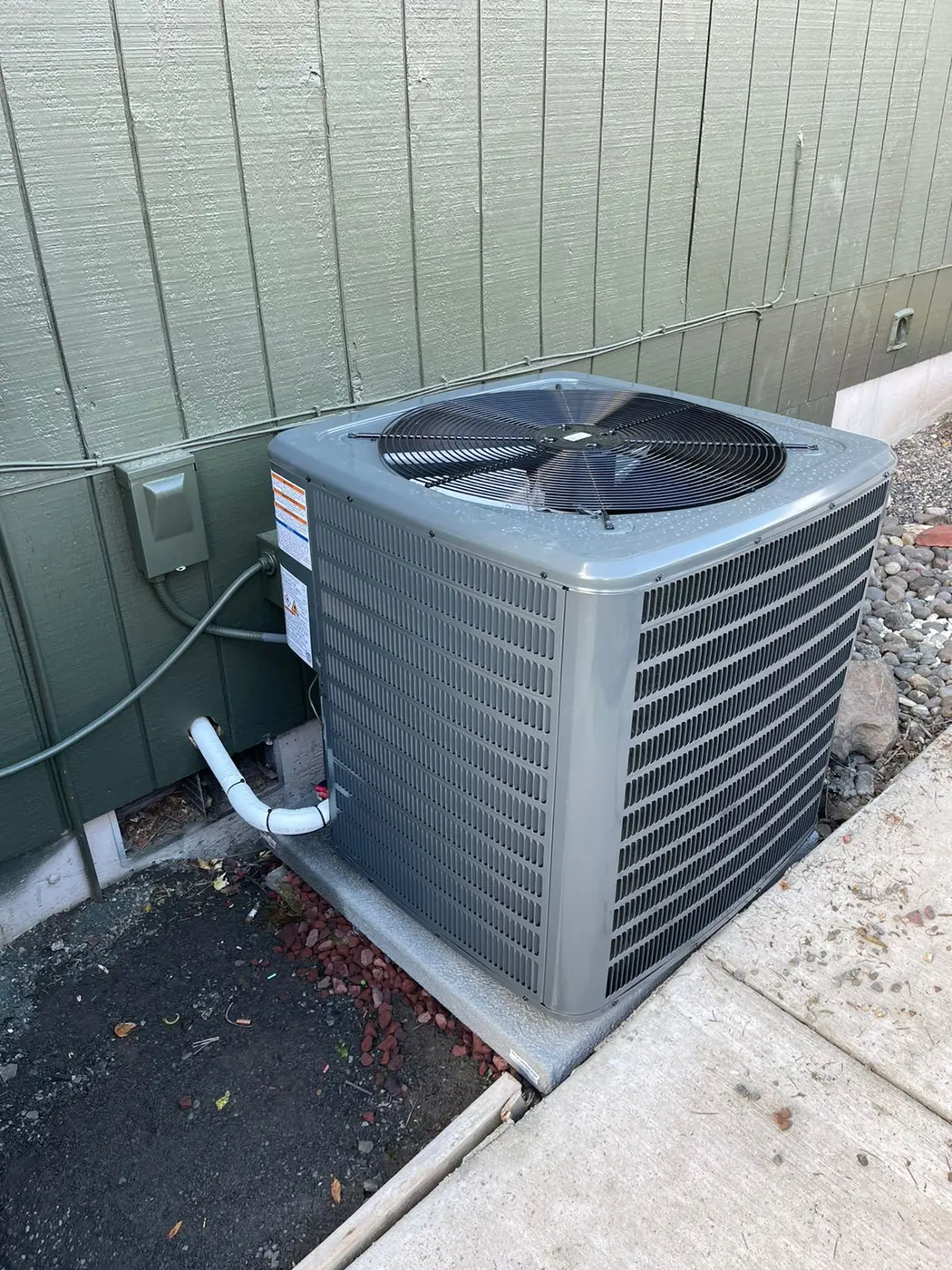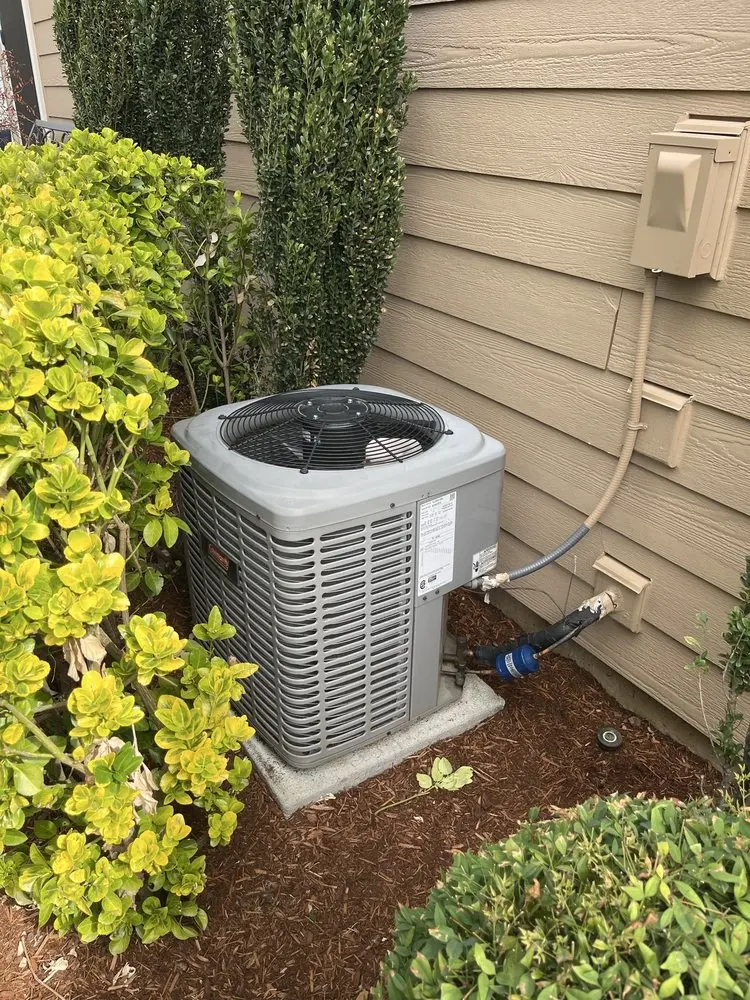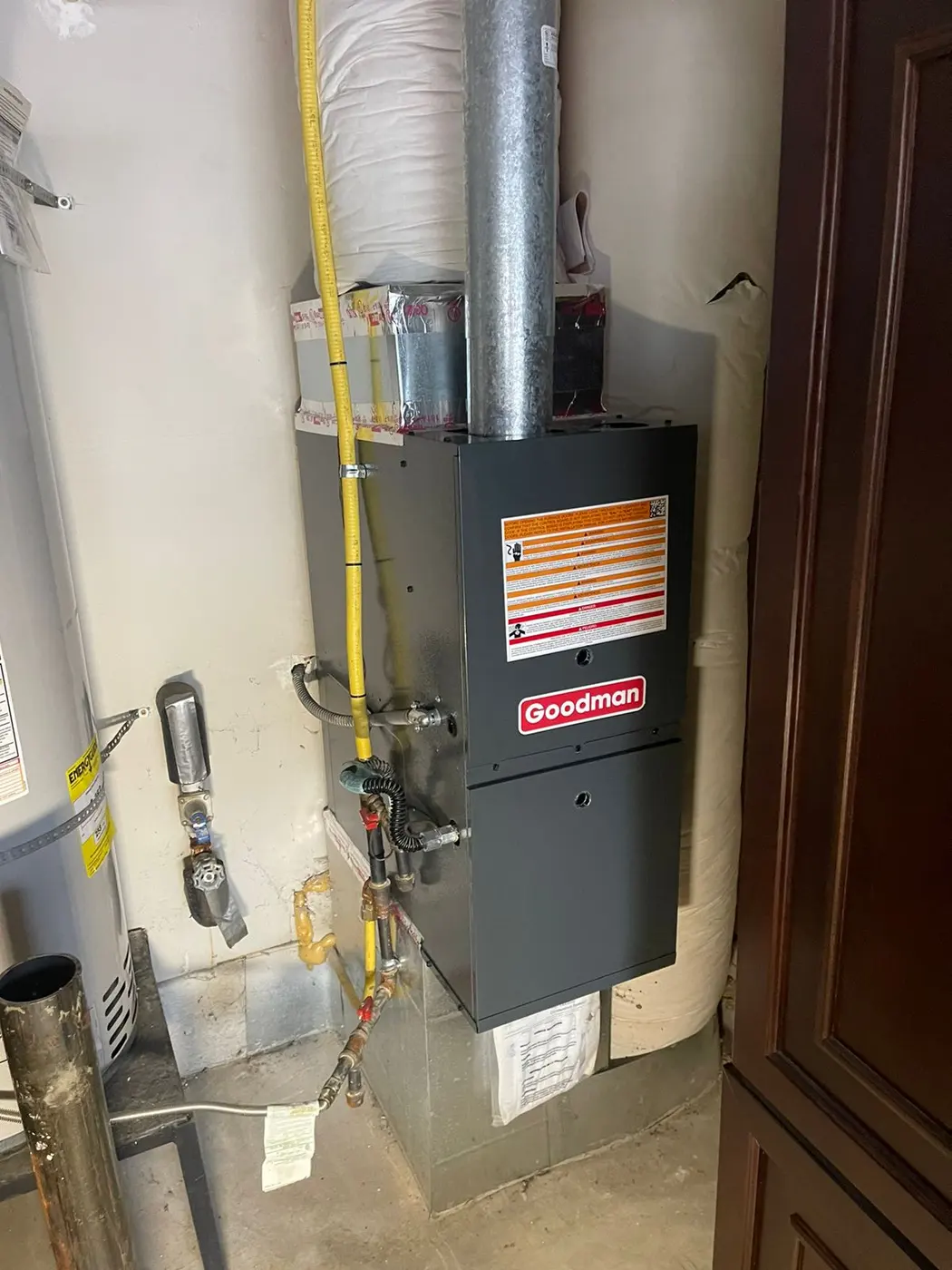
Give Everyone Involved the Same Installation Plan
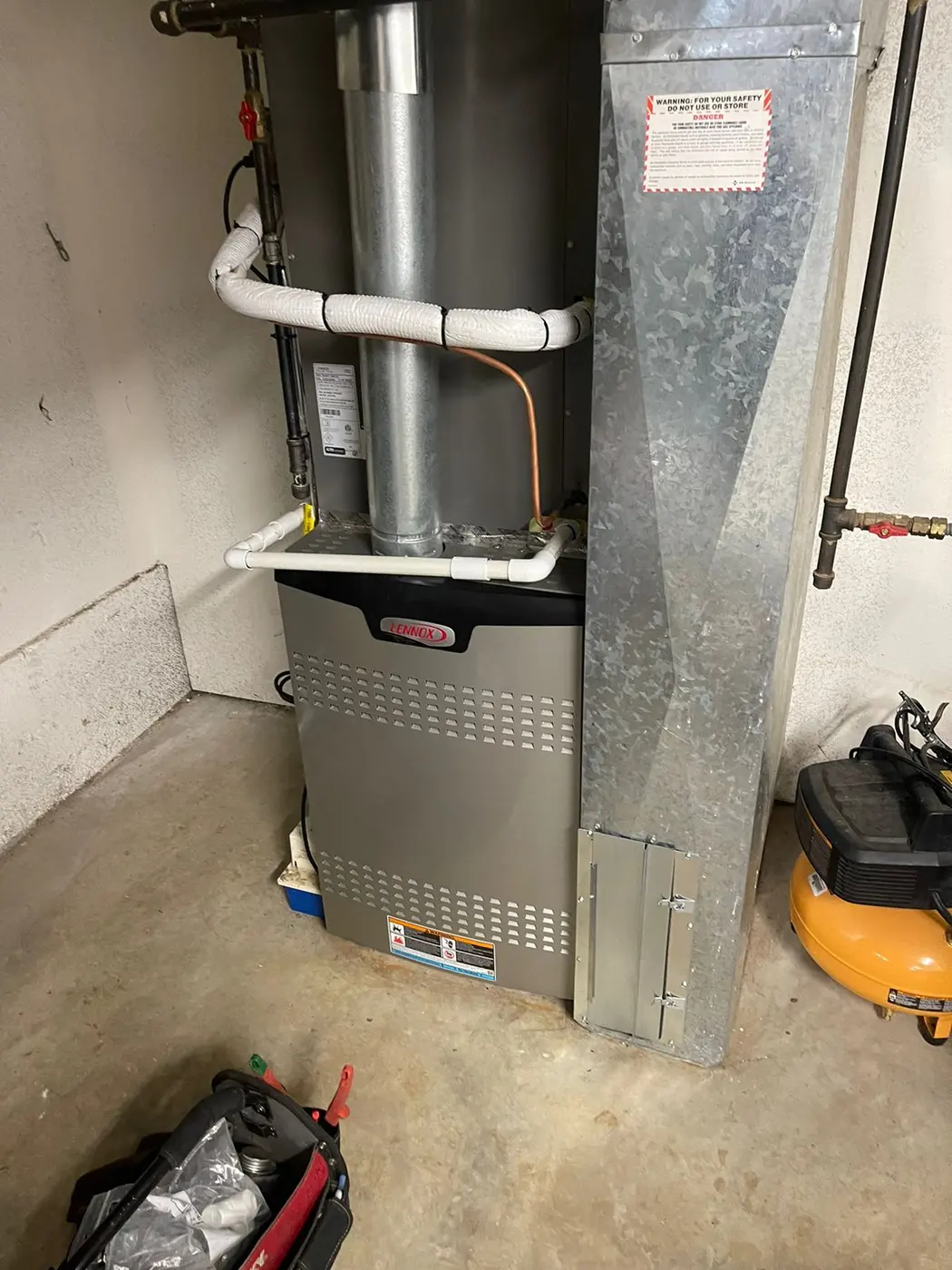
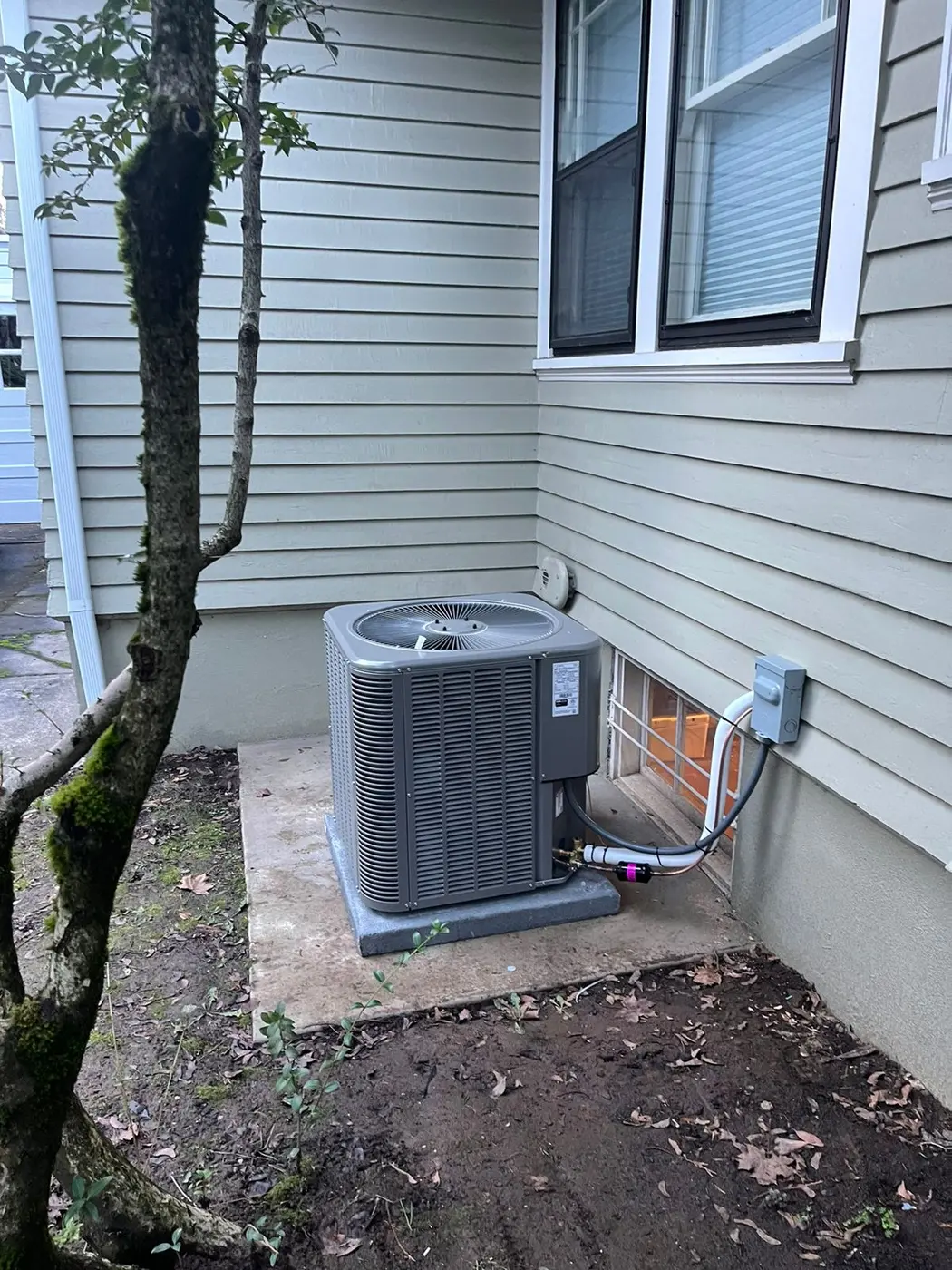
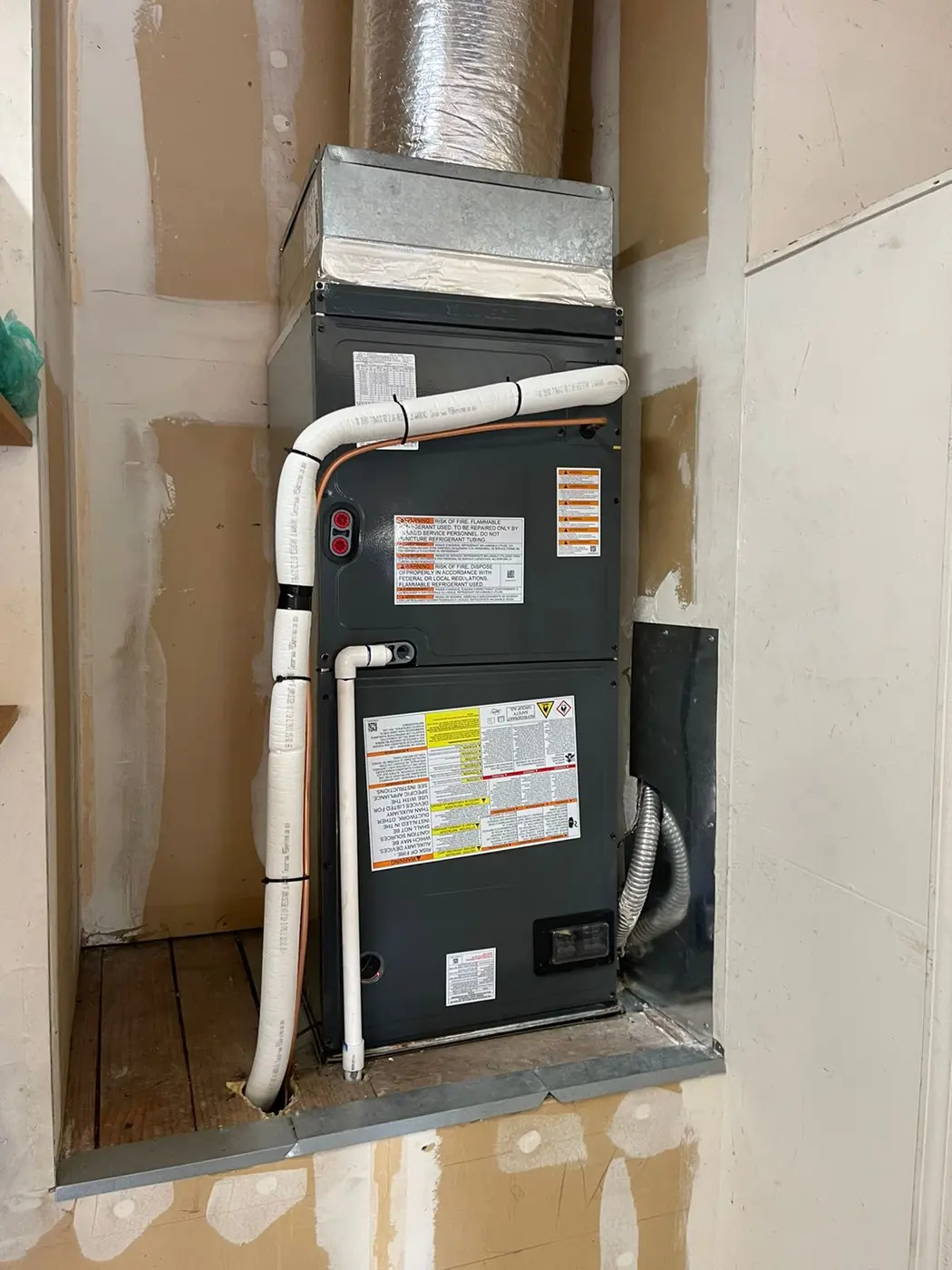
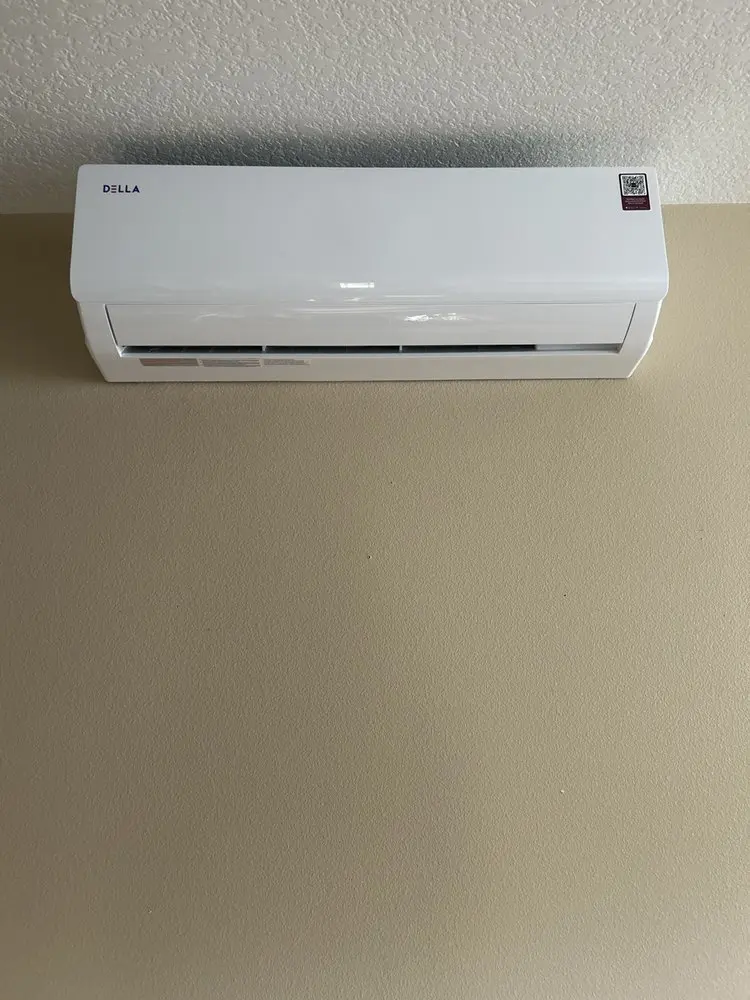
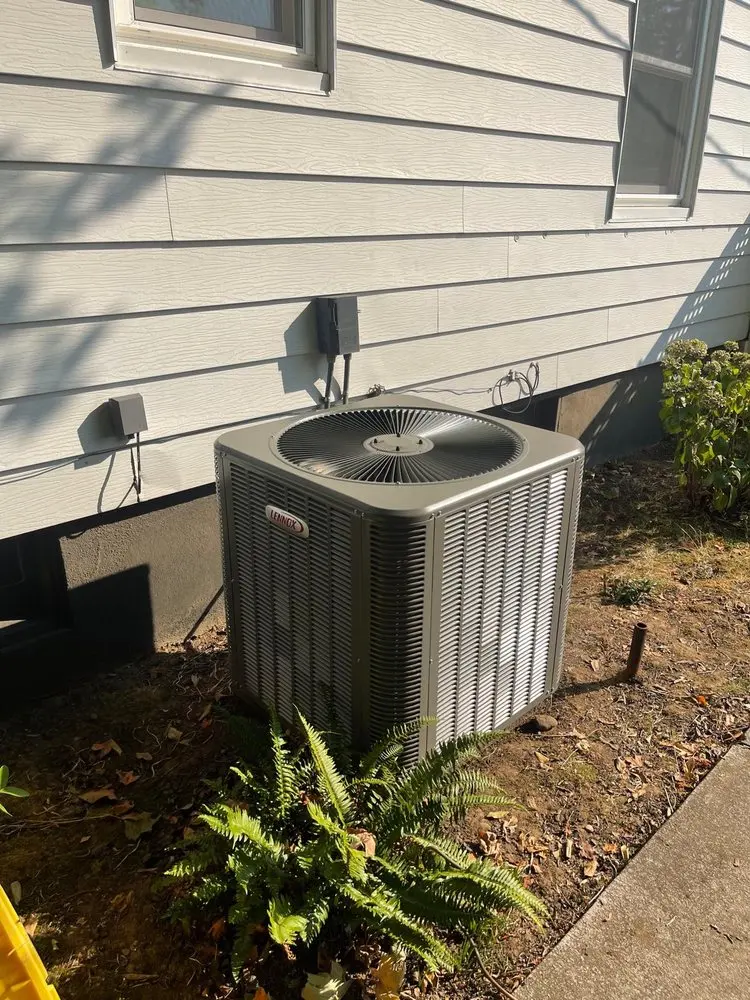
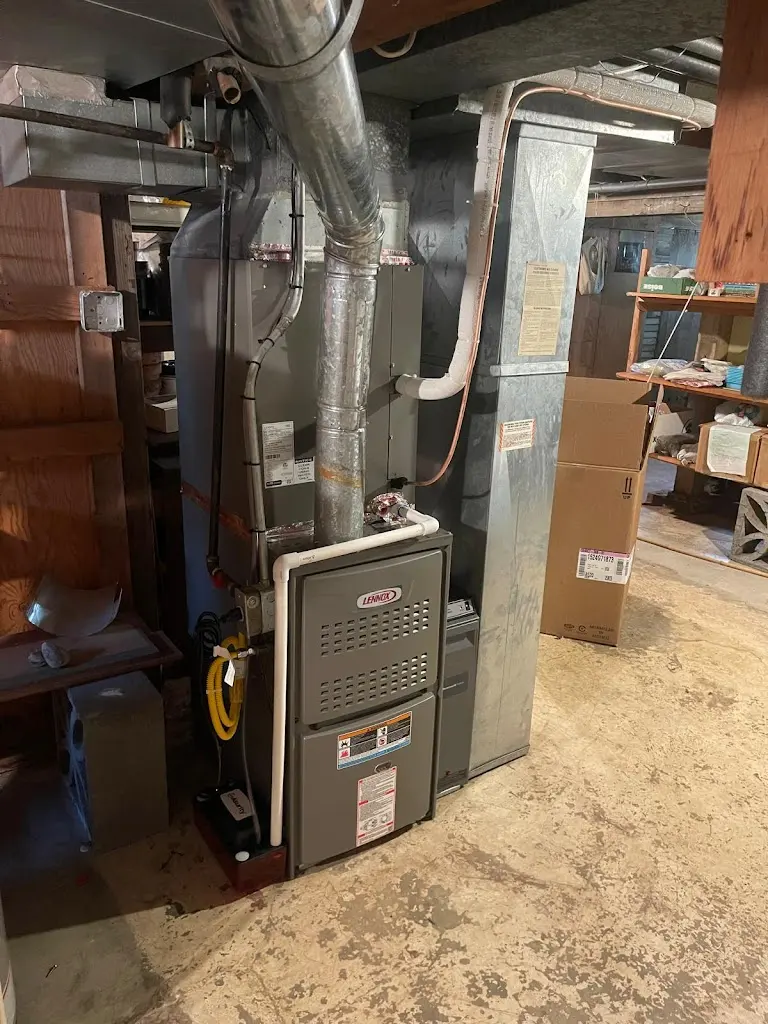
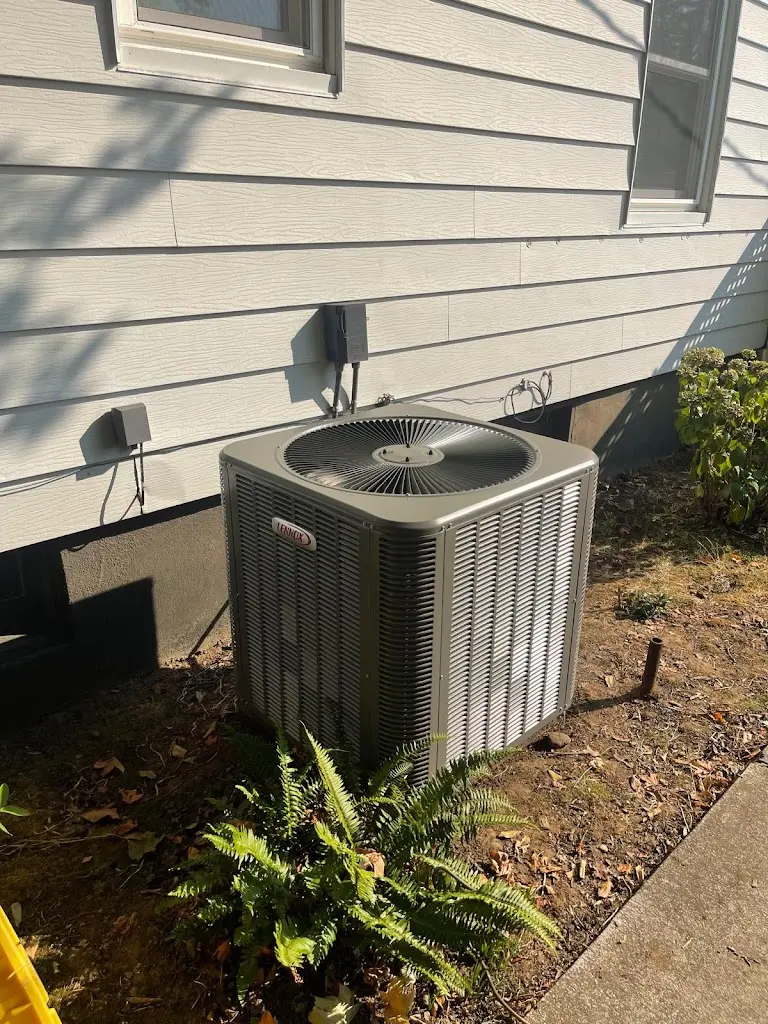
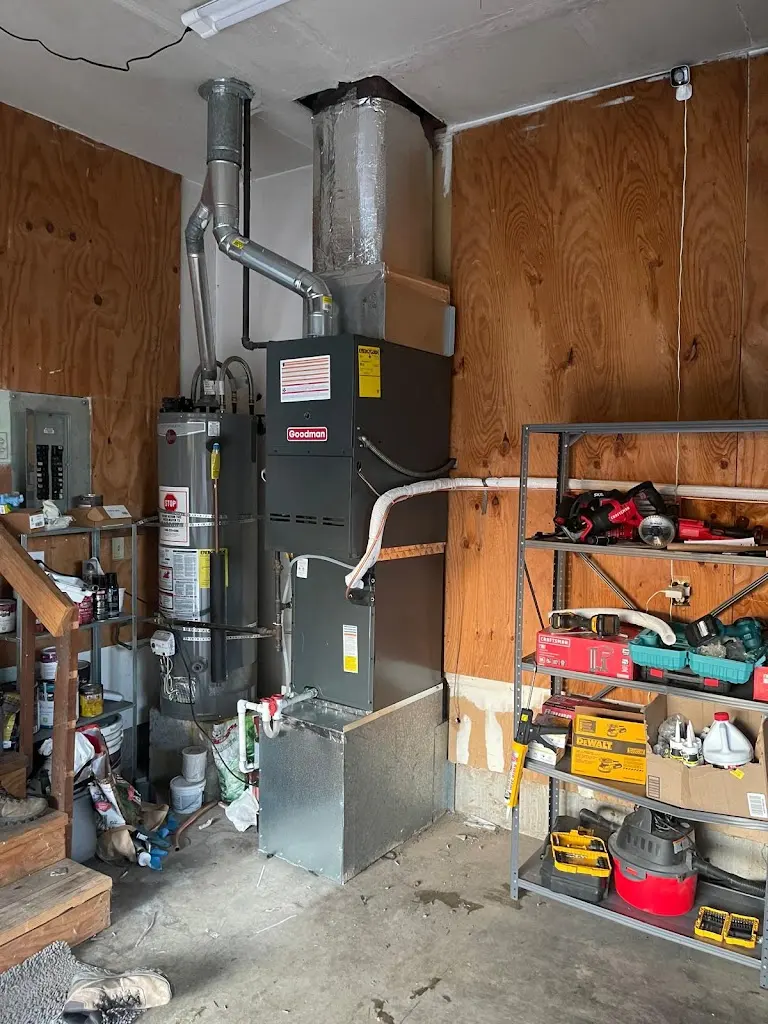
HVAC & Appliance Repair Guys provides mini-split installation in Vancouver, WA. The person choosing the project may not be the person opening the home or using each room afterward. Our free on-site estimator visit covers installation and replacement. Keep access, decisions and normal-use handover clear for that arrangement.
Start with the agreed rooms and equipment locations. Share the current scope with the person who will meet the team. A broad instruction to let the crew in may leave an important room or gate out of the plan. Everyone involved should identify the same work areas.
Separate Entry Arrangements From Approval of Changes
Identify who can provide entry and who can approve a proposed change. One person can handle both roles, but do not leave that as an assumption. Keep a way to reach the decision contact available. The installation should not depend on a guess about who can choose a different route or model.
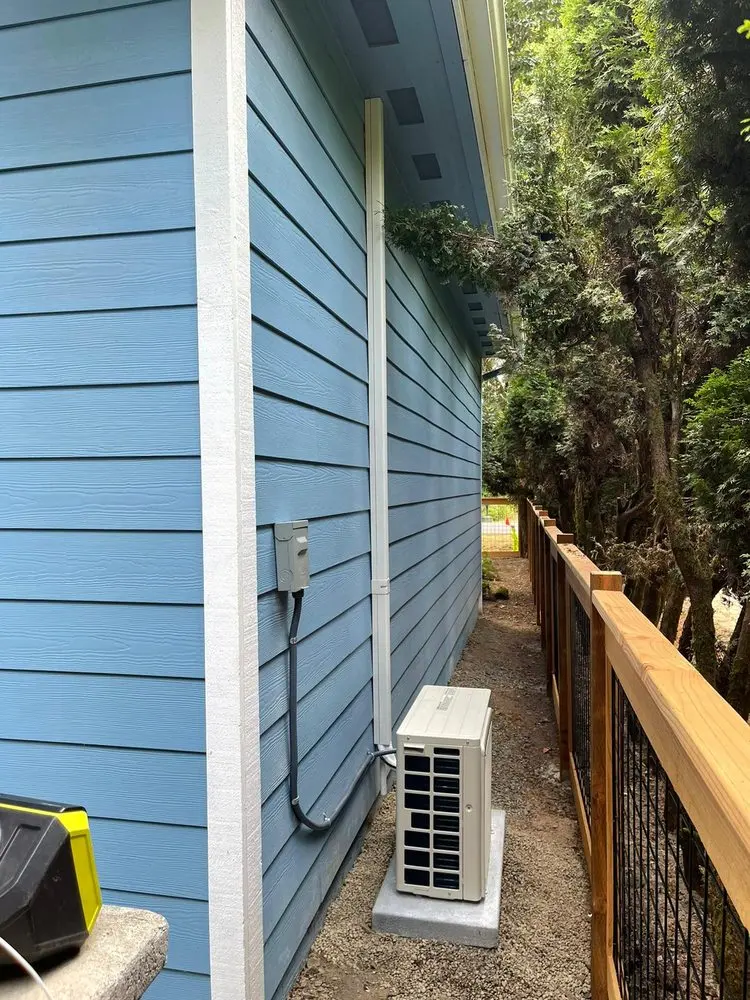
If a room needs a specific person present, explain that before scheduling. Include access to outdoor equipment and routes between the units. A locked room without a new head may still matter to connection work. Review the full approach with the current layout.
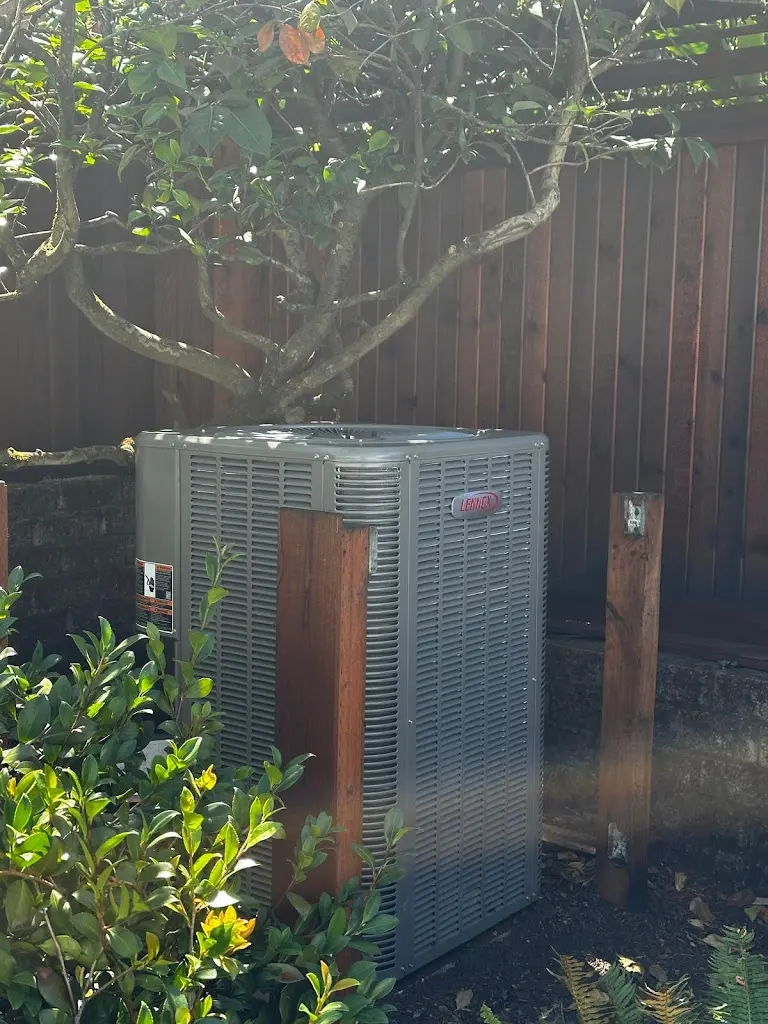
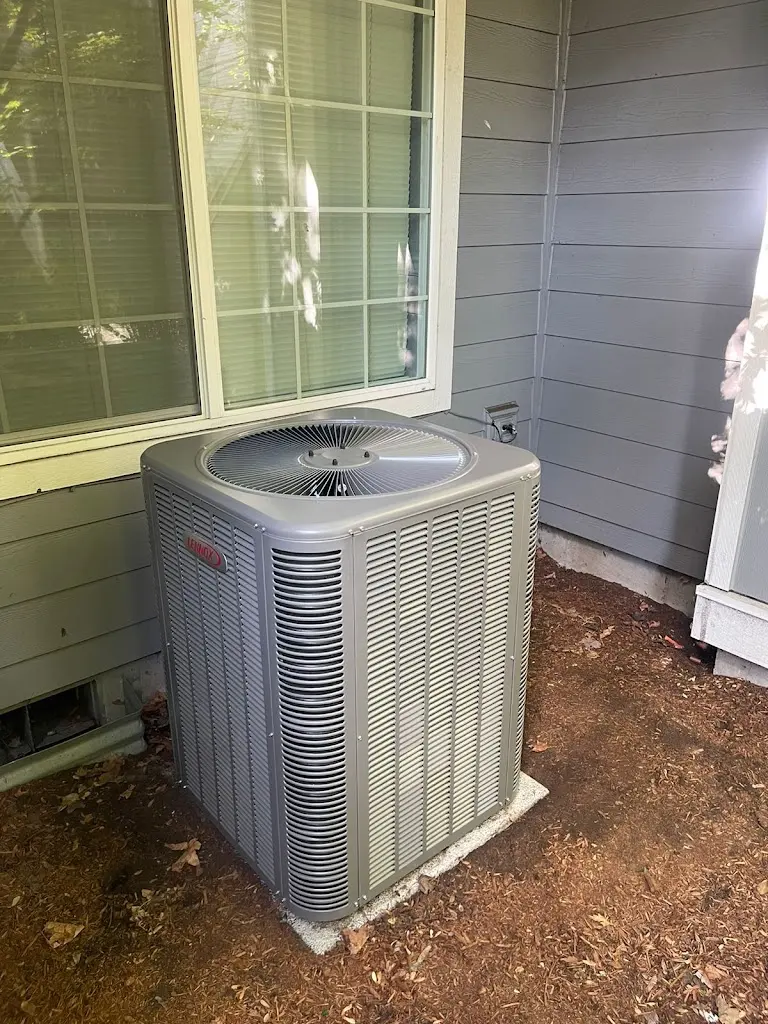
Our mini-split installation service plans the equipment and room coverage together. Keep model choices, retained units and open questions in the same record. An earlier option should not guide the visit after you have approved a different one. Mark the current plan clearly.
Make Preparation and Service Interruptions Clear
Ask which ordinary belongings need to move and which work areas must stay available. Tell the person providing entry about those tasks. Leave connected equipment, wall openings and wiring intact. The crew should carry out the agreed equipment work.
Discuss the expected interruption to heating or cooling in the affected rooms. A head that stays may share outdoor equipment involved in the project. Its retained status does not promise normal service during every task. Pass that expectation to the people using those spaces.
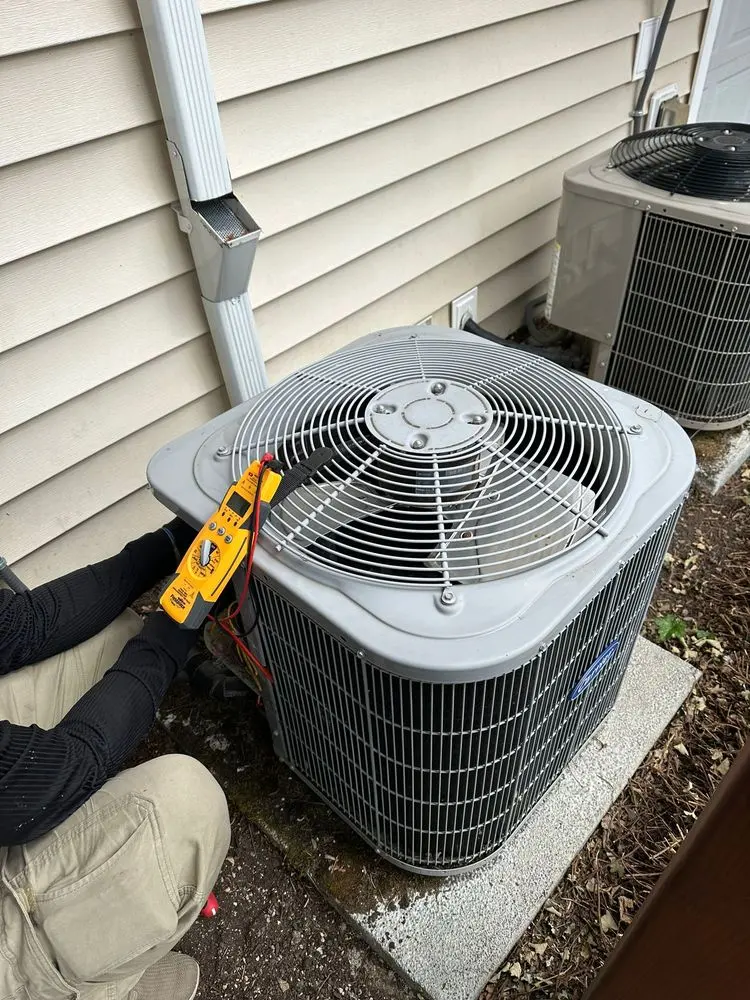
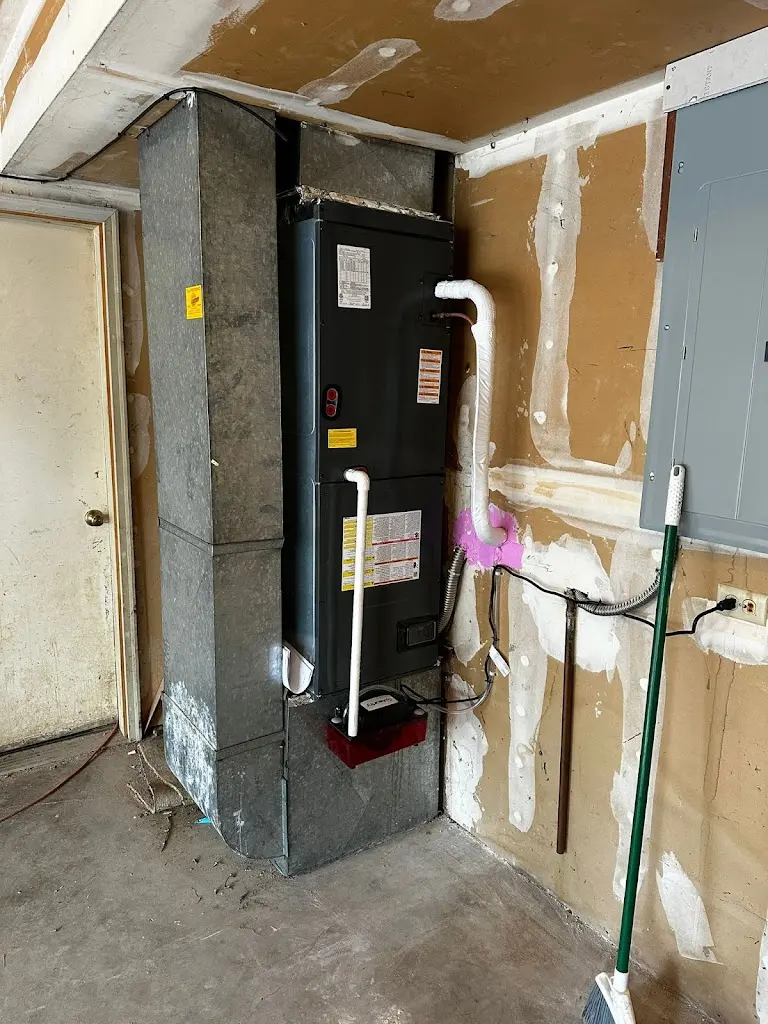
Our HVAC installation in Vancouver service covers a larger project involving other systems. Include that scope if access or work affects more equipment. Keep each system’s role explicit. The entry plan should match the work actually approved.
Pass the Operating Details to the People Using the Rooms
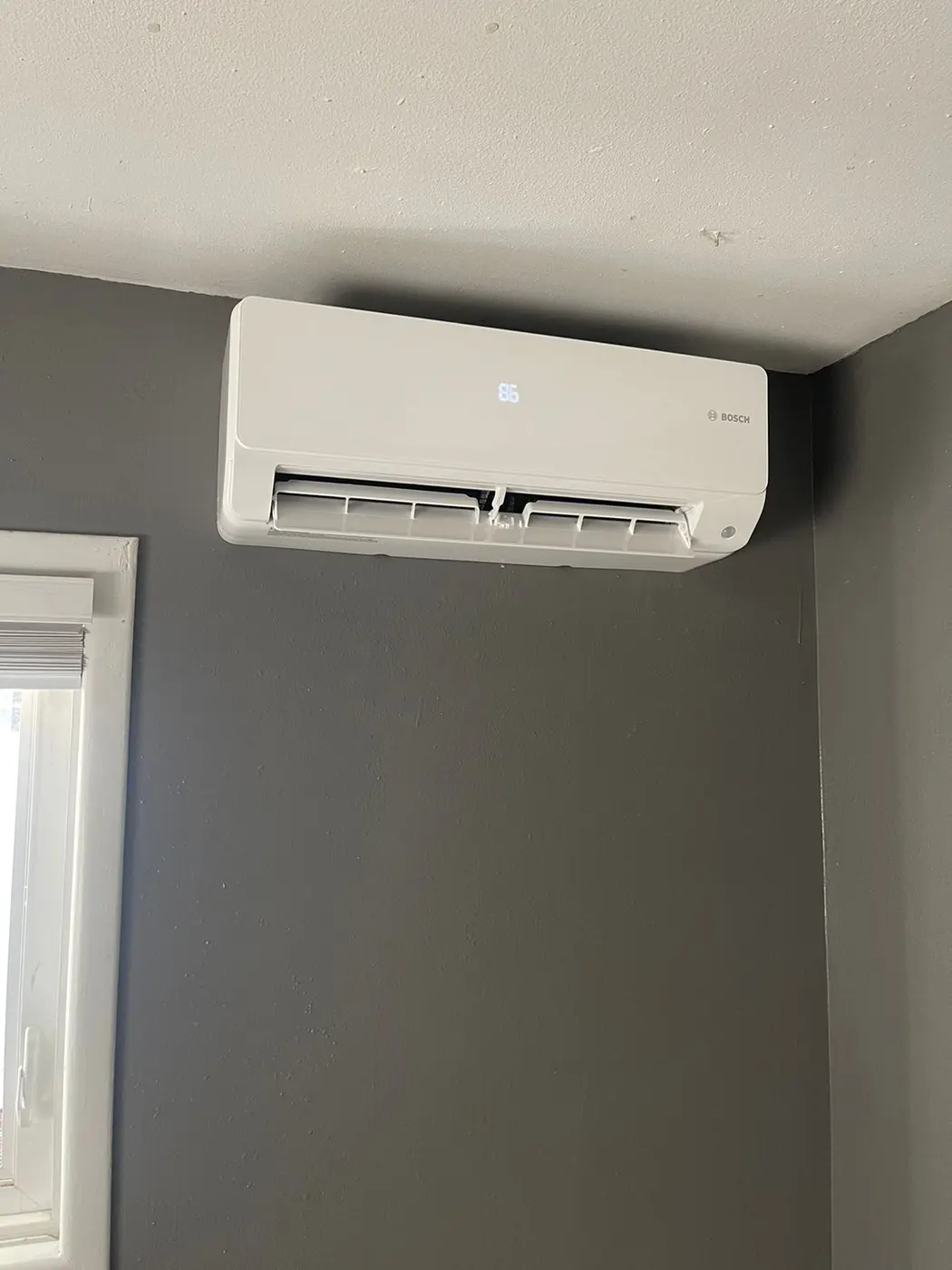
At handover, identify which normal control operates each head. If the usual user cannot attend, keep those details with the room map. Ask which heating or cooling functions the team checked. Leave advanced setup to the service team.
Retain the installed models, completed scope and any open task together. Include approved changes made during work. Share the normal-use guidance with the people who need it. They should not have to reconstruct the system from different accounts of the installation visit.
Give Each Room User the Right Control Information
At handoff, identify which indoor units share an outdoor system. Some shared setups cannot heat one room while cooling another at the same time. The available modes depend on the selected equipment. Room users should understand that limit before treating a conflicting setting as a fault.
Keep the unit names and controller details in one clear record. A visitor or later occupant can then identify the equipment serving a room. The same record helps a future service request identify the correct unit. You do not need to change settings across the whole installation.
Frequently Asked Questions
Can someone provide access without choosing equipment changes?
Yes, make the roles clear during planning. Identify the person who can review a proposed change and how to reach them. Entry alone should not stand in for approval of different work.
What if the room user cannot attend the handover?
Keep the model details, room-to-control map and normal-use guidance available for that person. Record any remaining question clearly. The instructions should describe the actual installed setup rather than an earlier proposal.
Should the access person explain every technical detail?
No. They need the current scope, relevant rooms and agreed contact arrangement. Equipment checks and setup belong to the installation team. Clear project information matters more than guessing at technical settings.