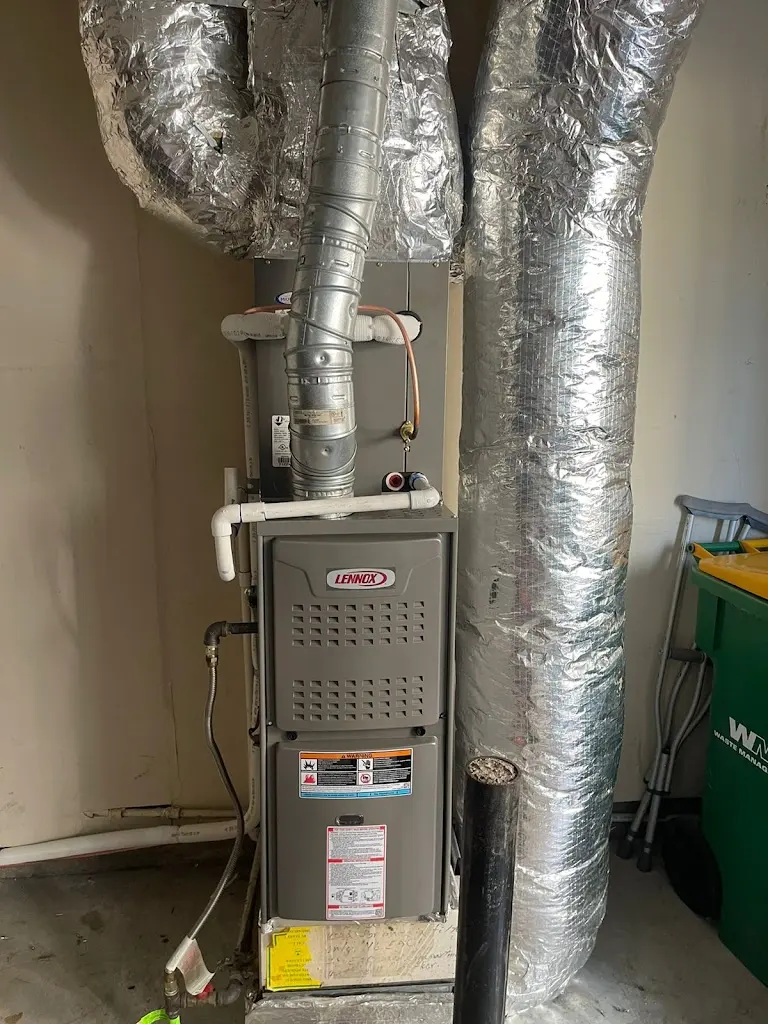
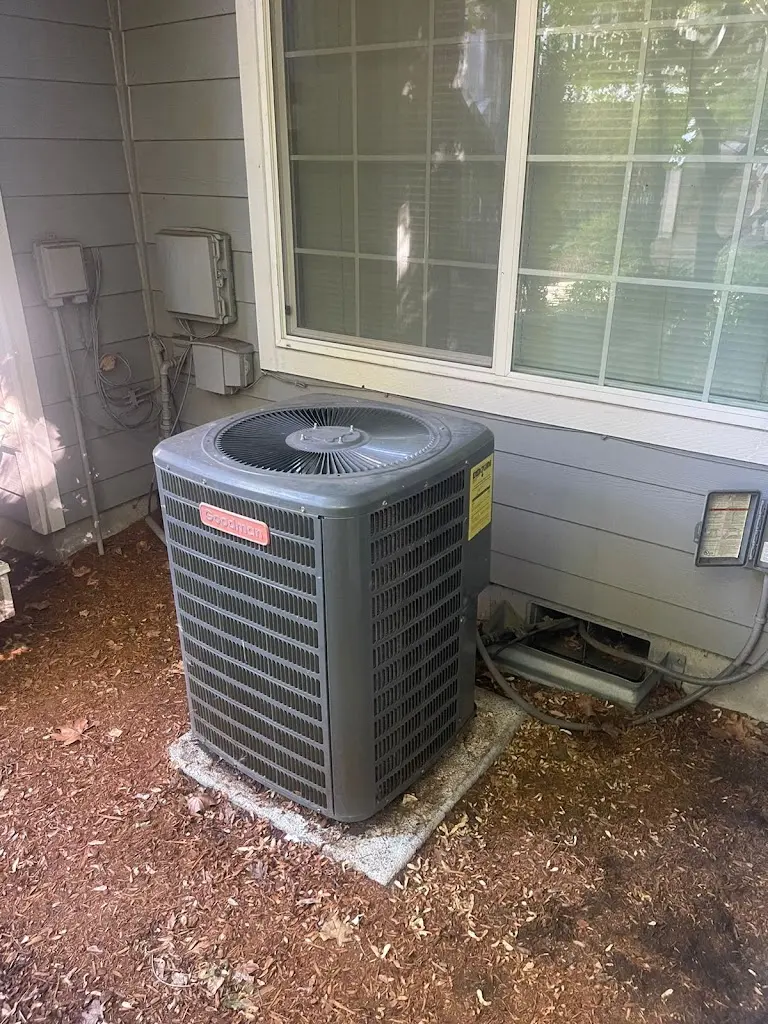
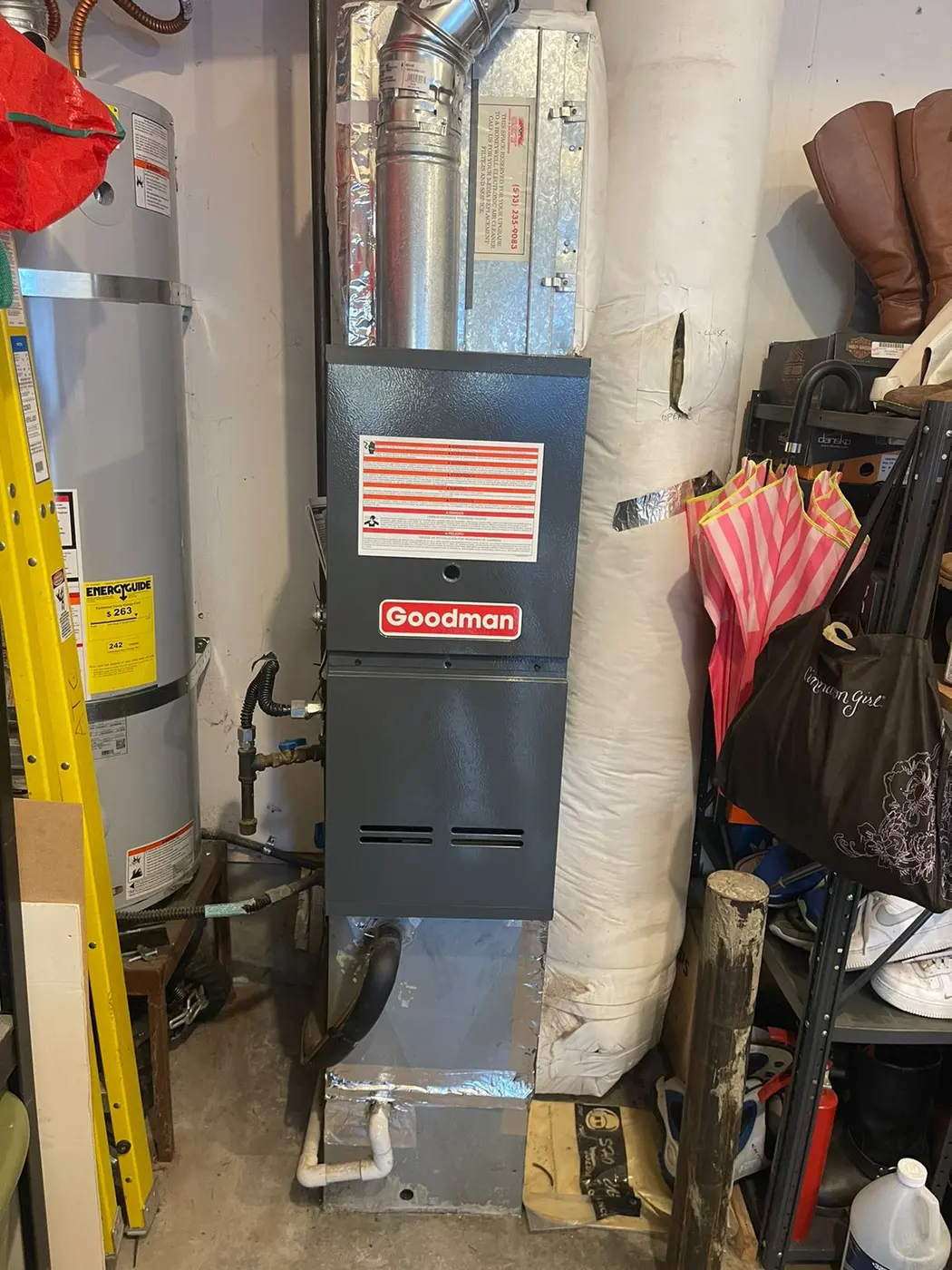
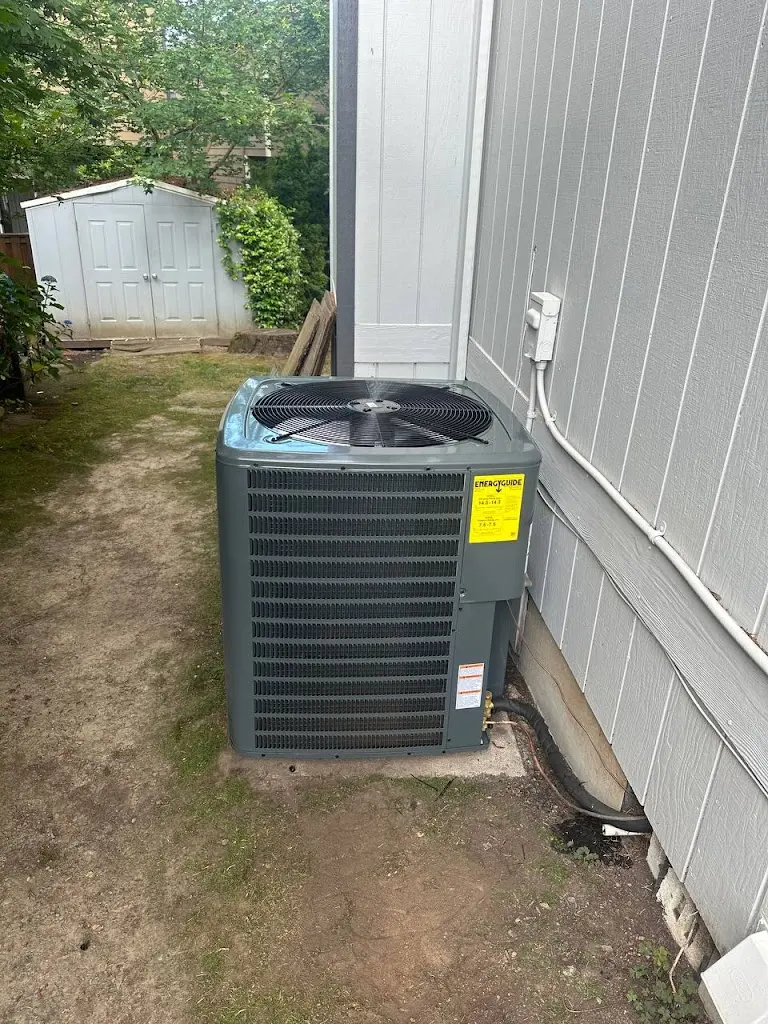
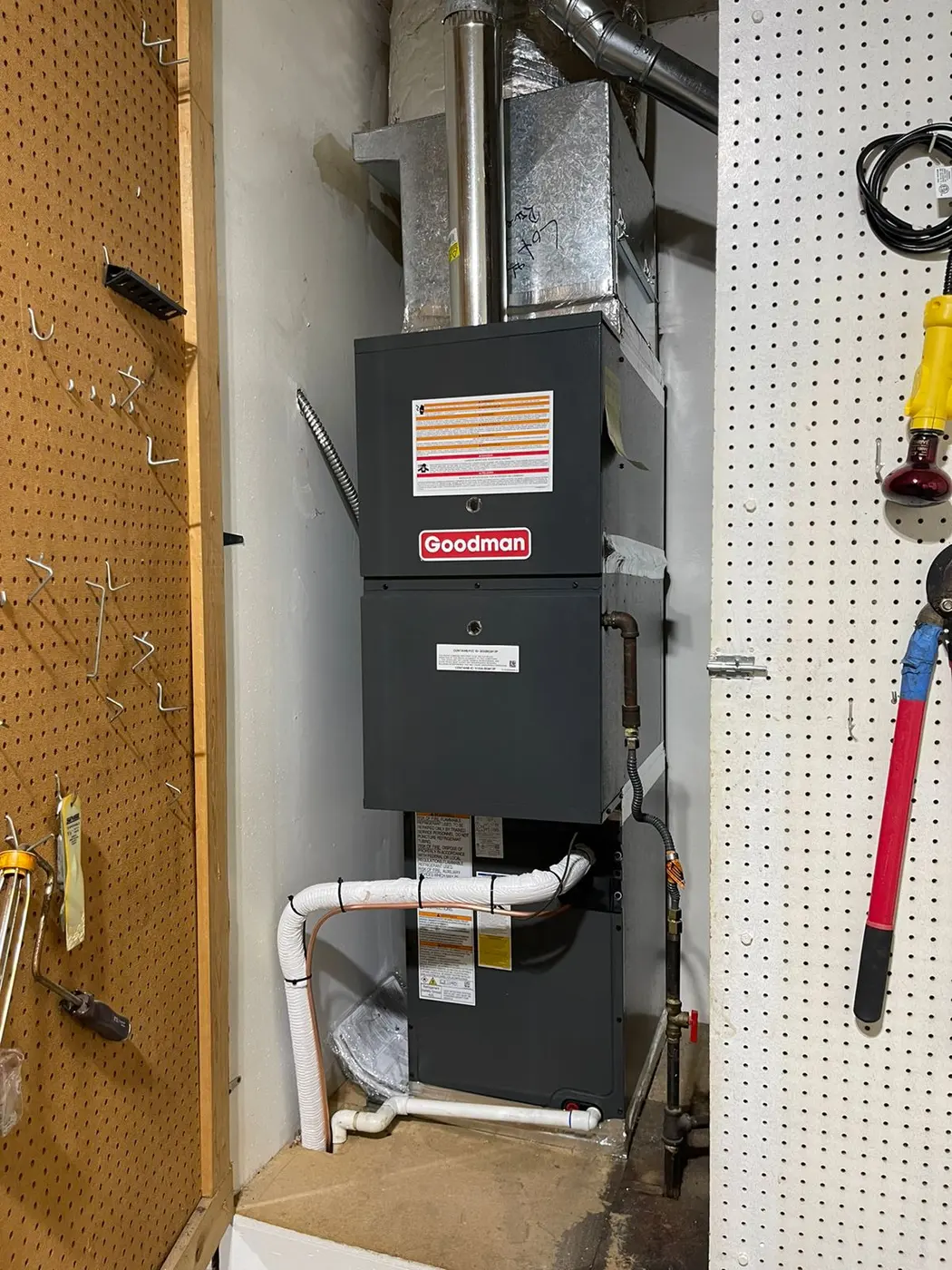
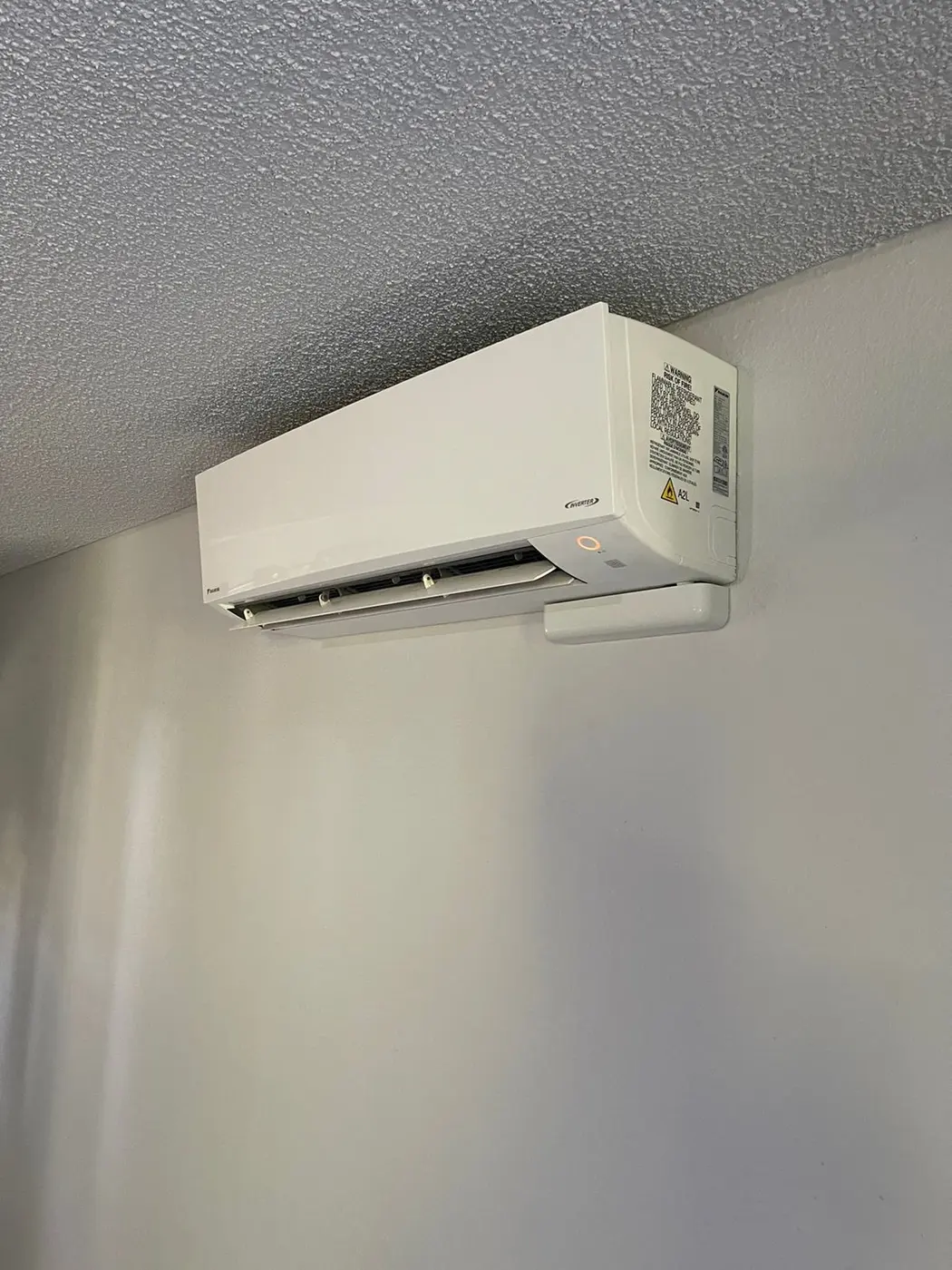
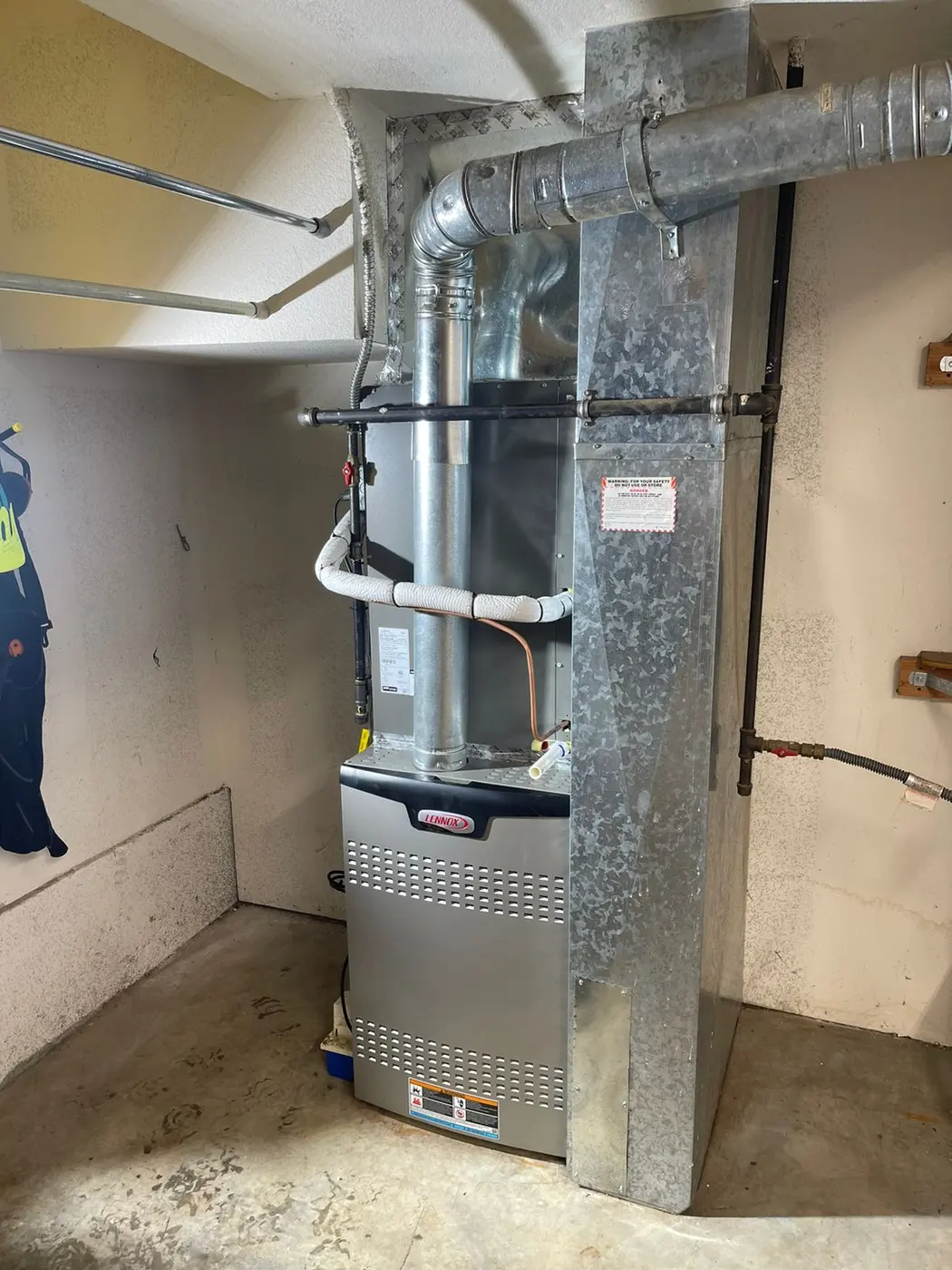
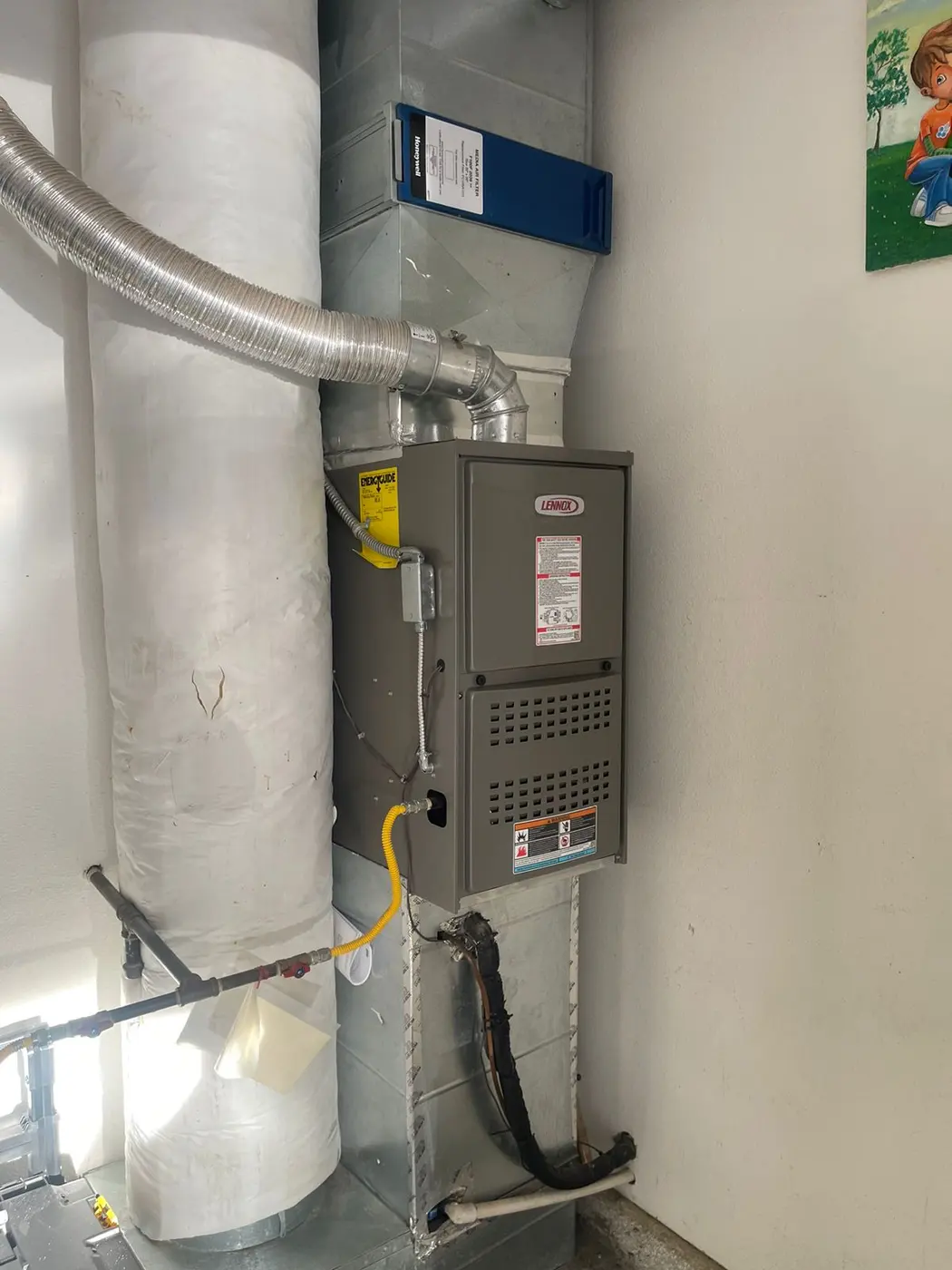
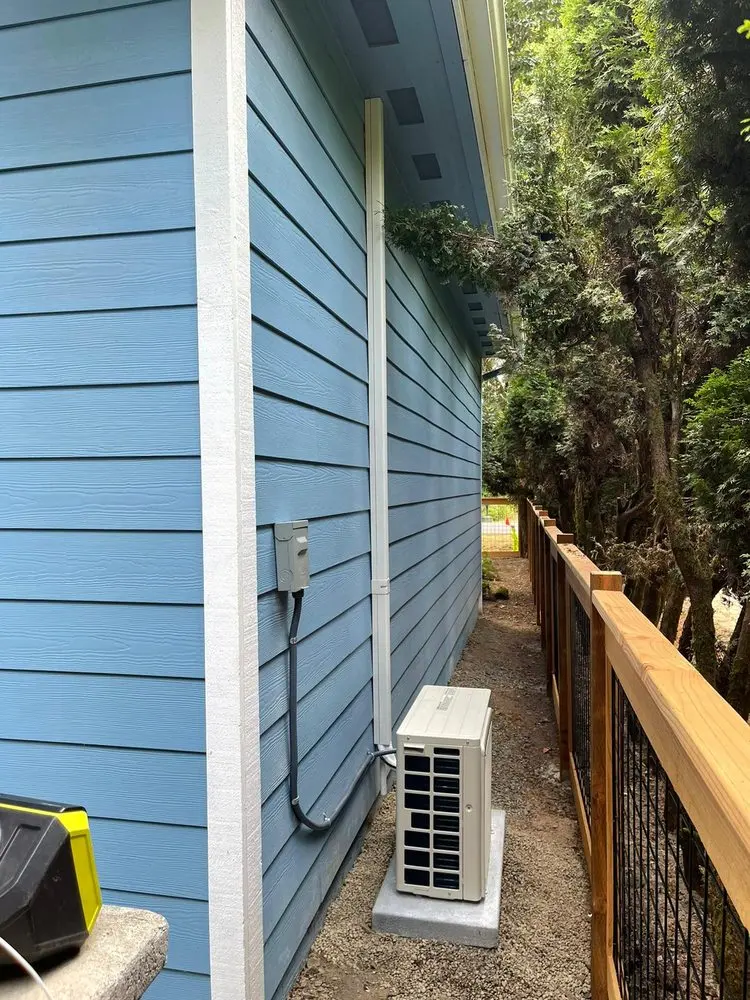
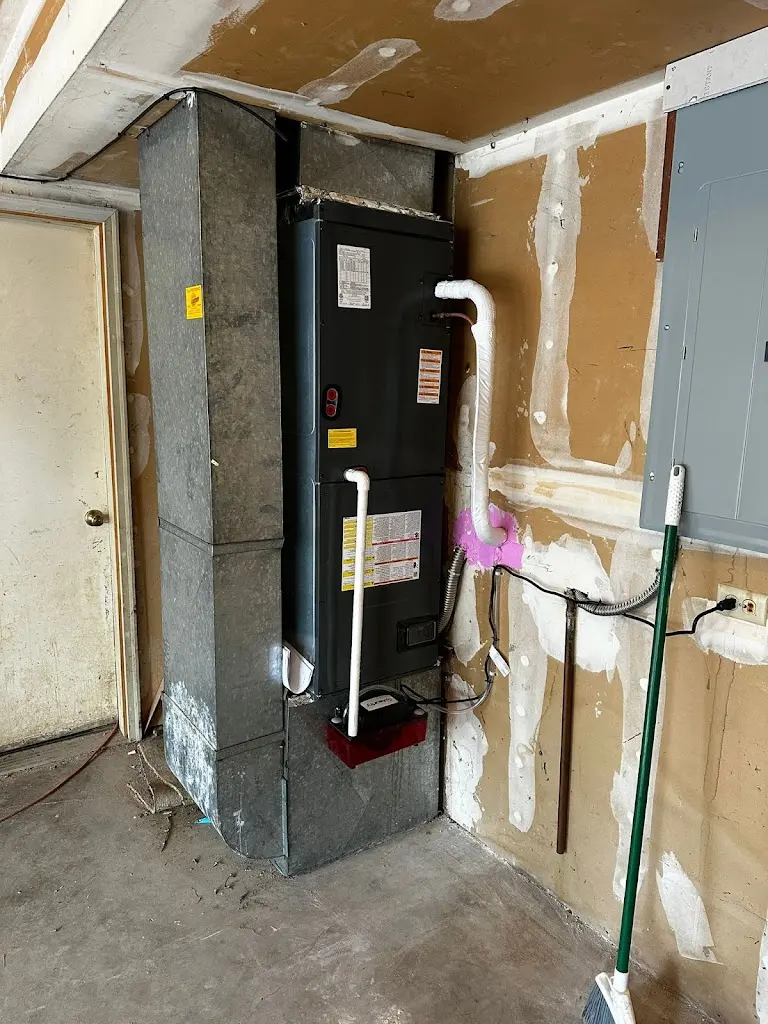
Set Clear Priorities for the New Furnace
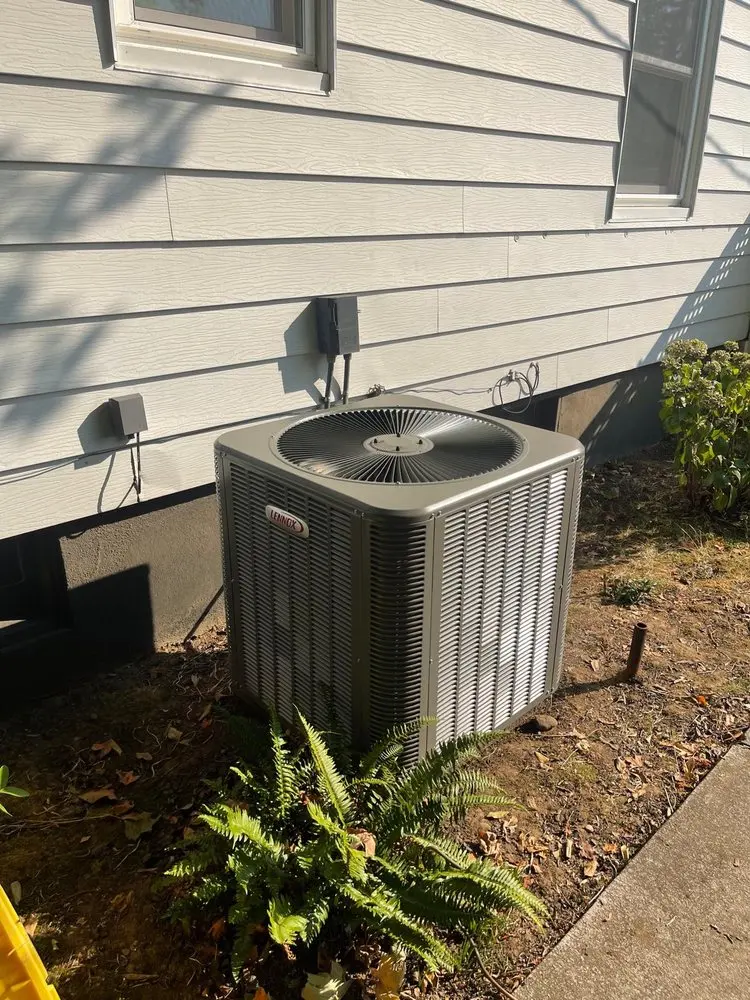
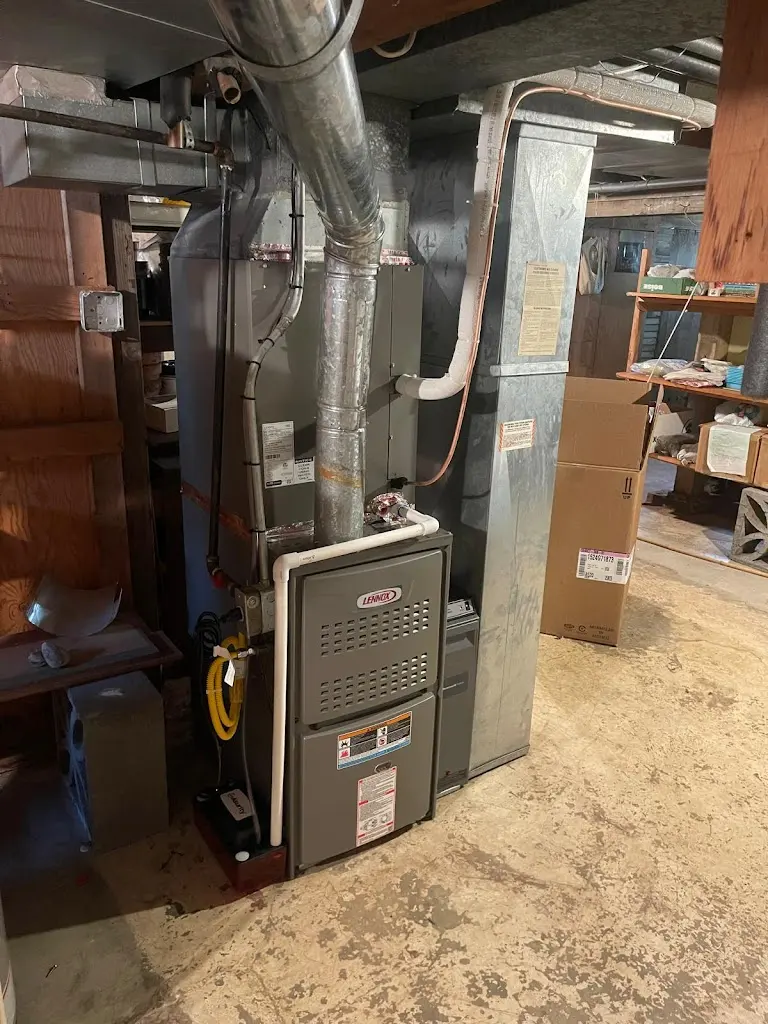
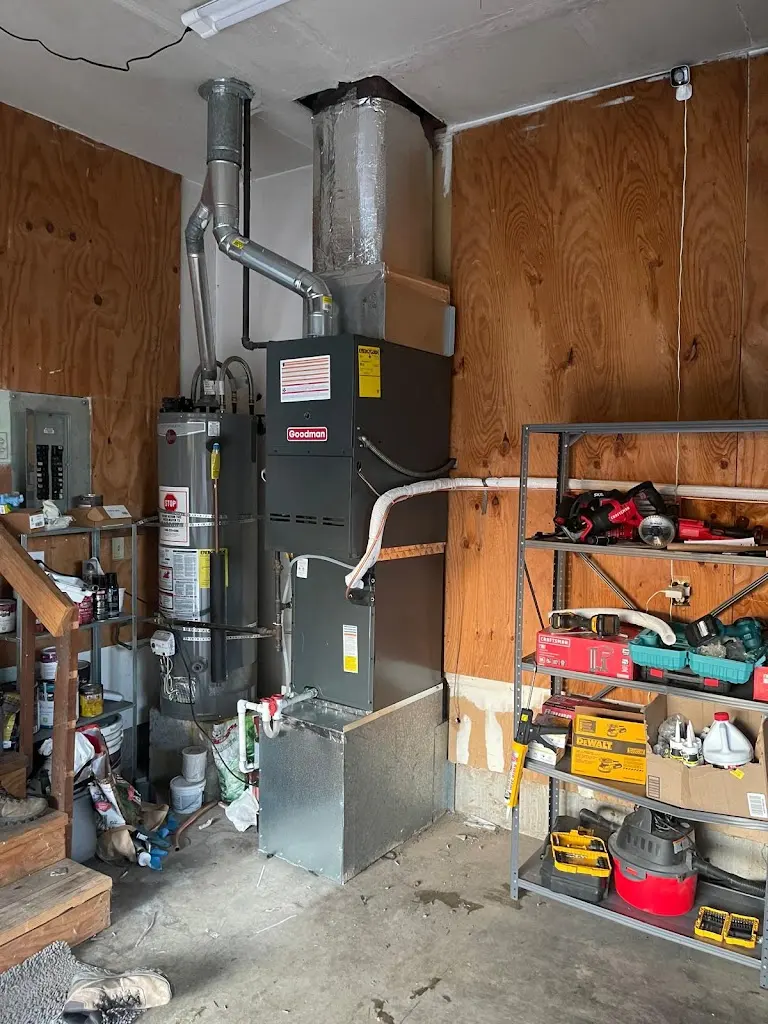
HVAC & Appliance Repair Guys provides furnace installation and replacement in Washougal, WA. You may want more from the project than a new unit that starts. Better room heat, a simple control and less sound can all matter. Put those goals in order before comparing equipment.
We offer a free on-site estimator visit for installation and replacement. Start with the heating need the project must meet. Then describe the extra features you would like. Keeping those two groups clear helps the estimate address the work you value most.
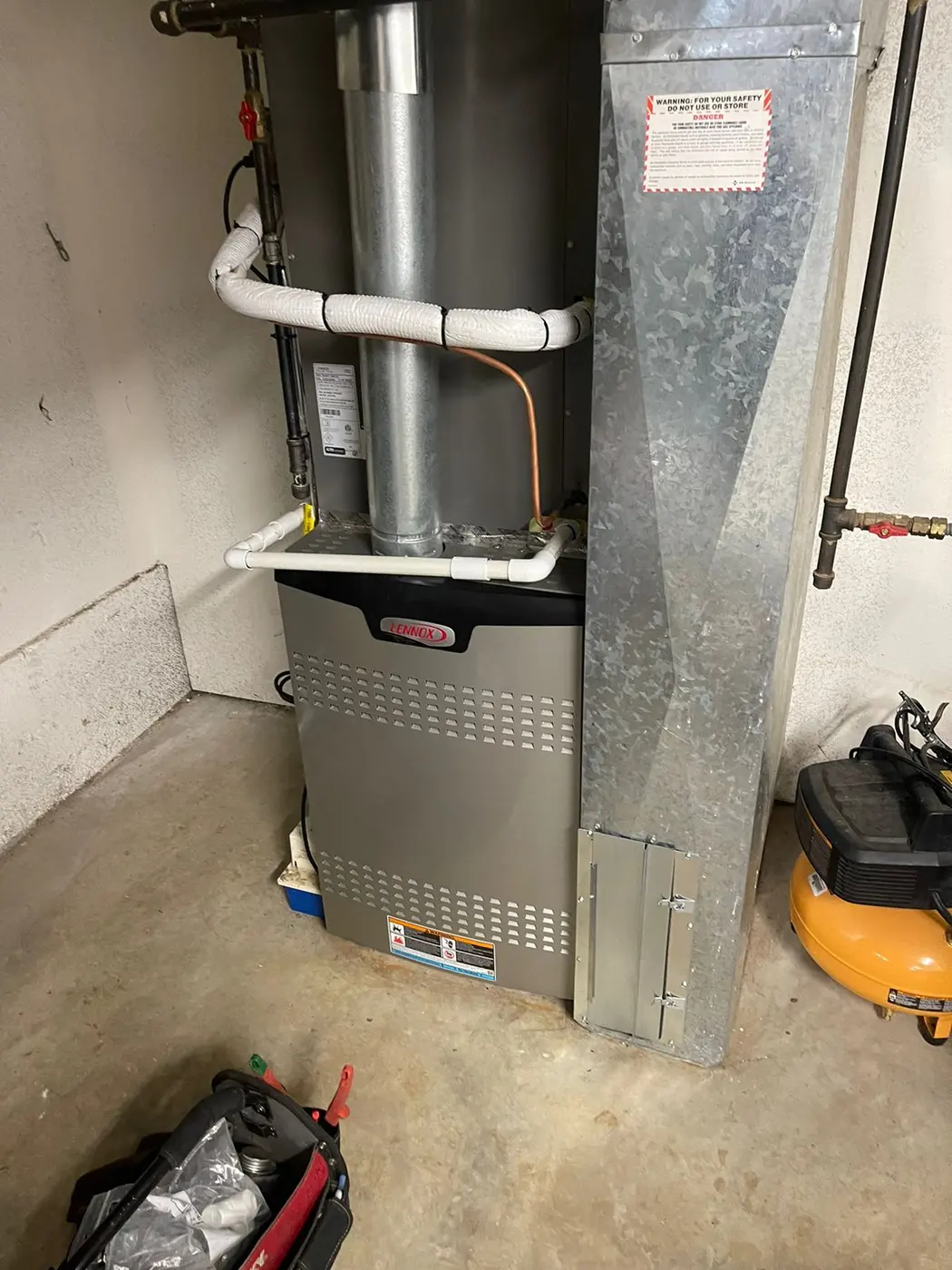
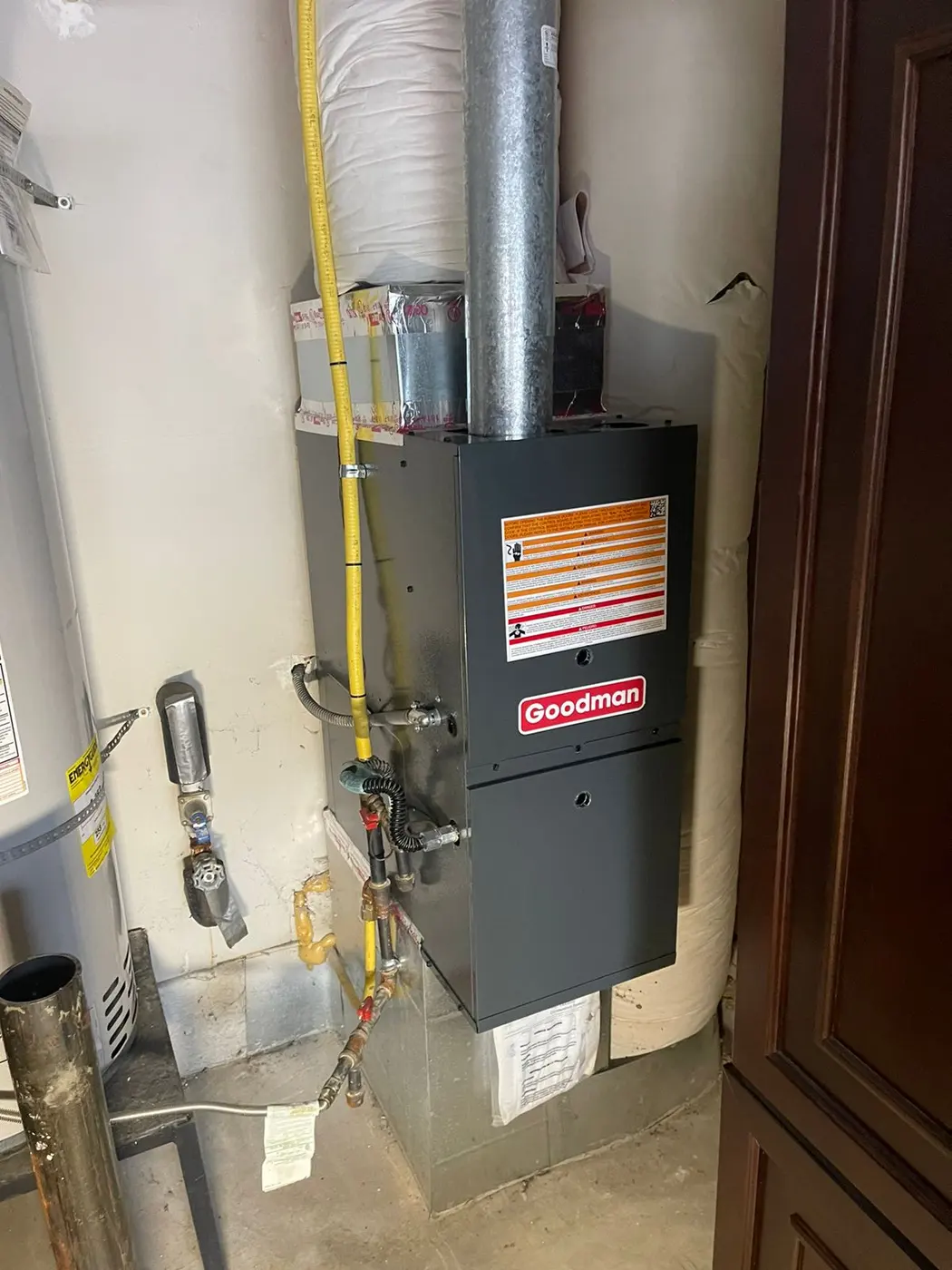
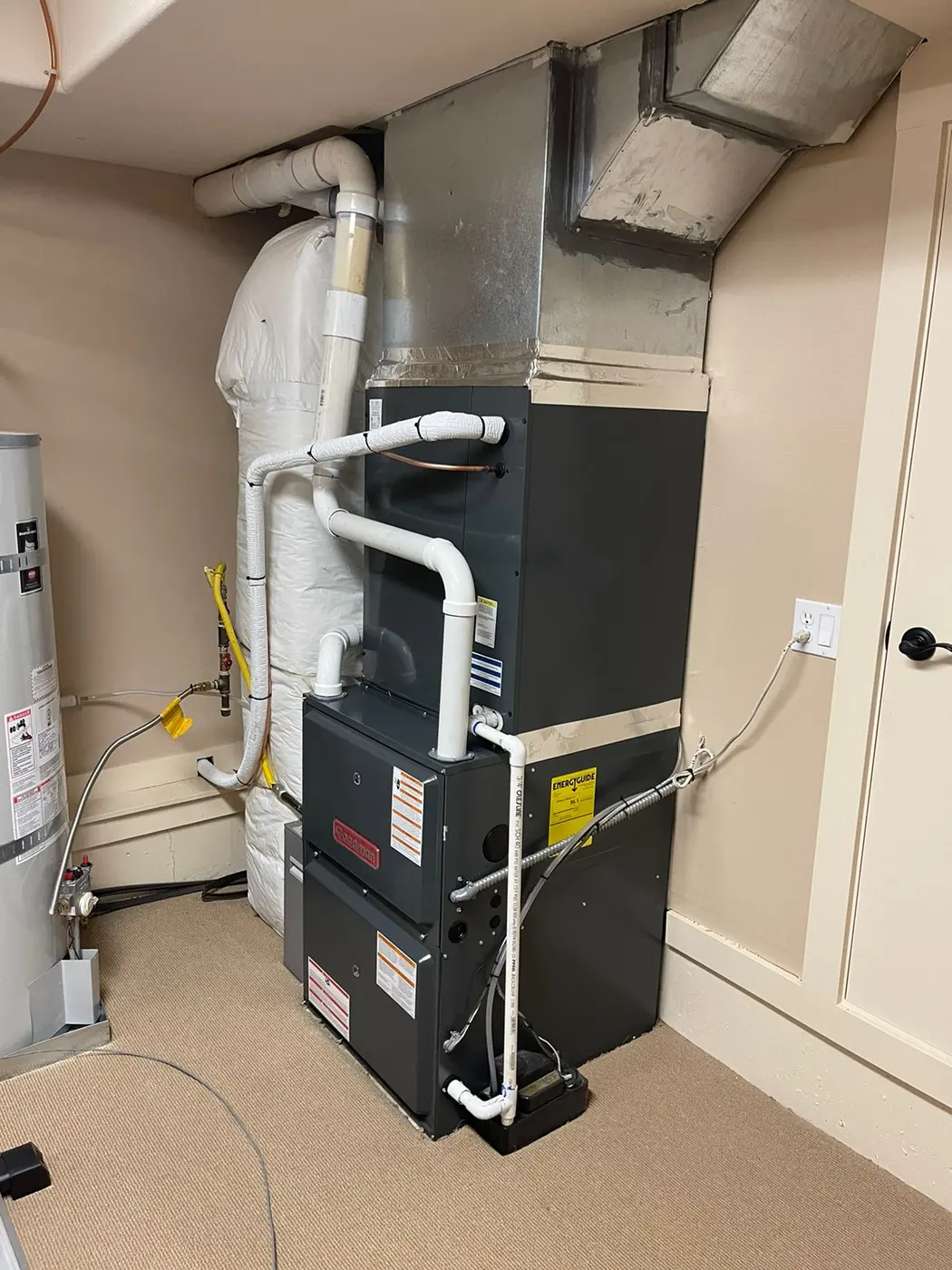
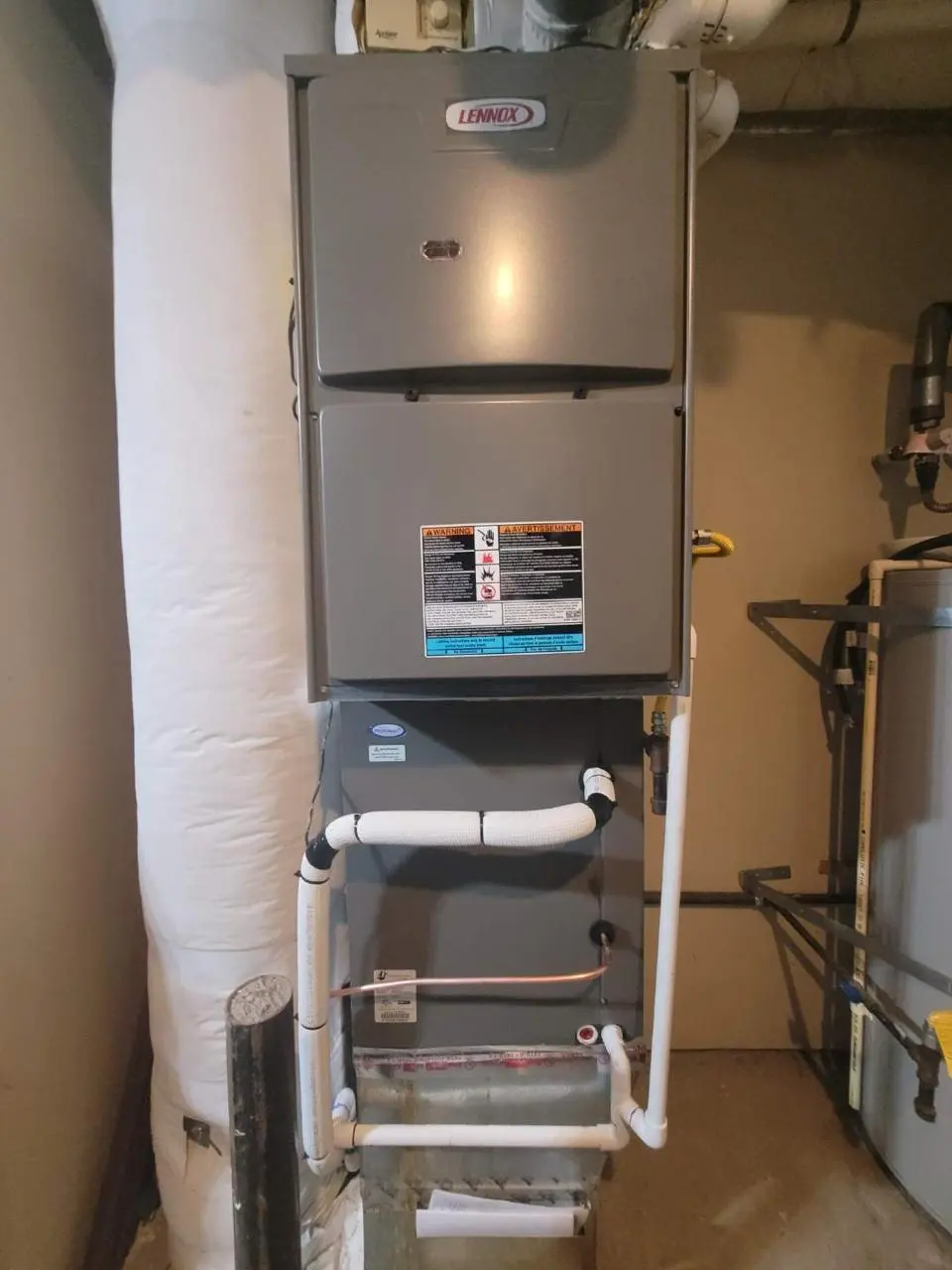
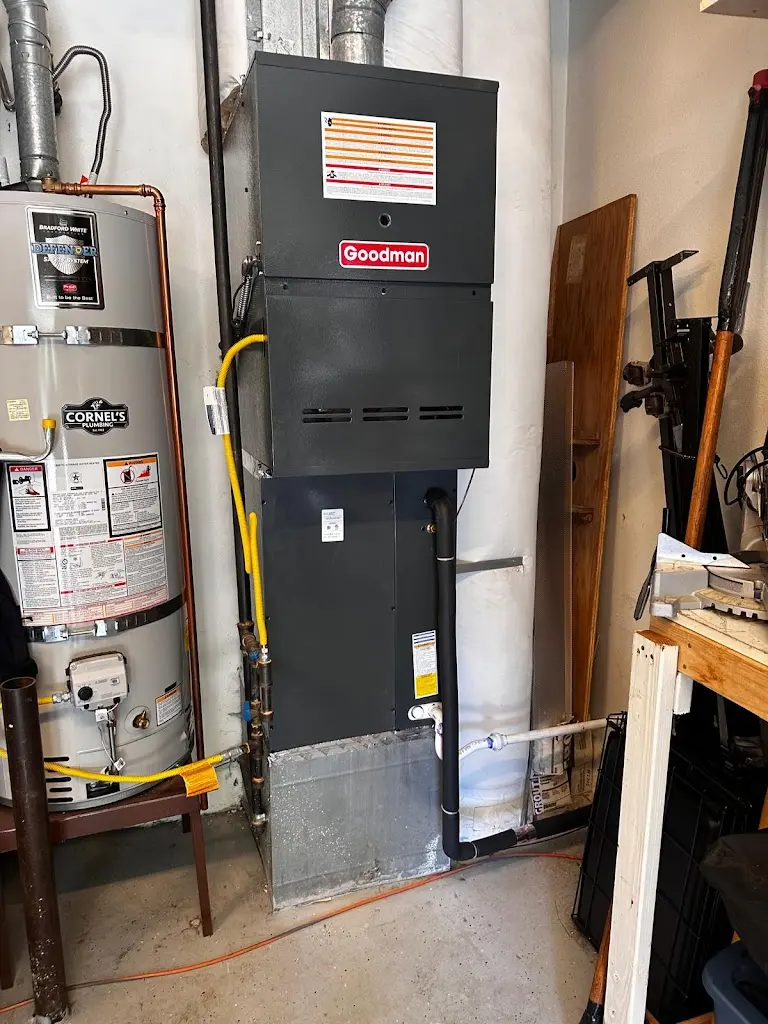
Our furnace installation service covers the complete heating project. A useful choice connects the furnace, the site and your stated goals. It does not rest on the longest feature list. The plan should make each part of the work easy to relate to a need.
Separate a Heating Need From a Feature Preference
Name a room that does not warm as expected or a current loss of heat. Keep that concern separate from a wish for a different display or quieter daily use. Both can matter without needing the same work. The estimate should not blur an active problem and an optional change.
Describe each goal in terms of what you observe or want to do. A control that is easy to adjust has a clearer purpose than a general request for the best model. A sound that disrupts a nearby room also gives the review a specific question. Avoid turning either concern into a guessed equipment fault.
If several people use the system, bring their main needs into the same account. Identify a shared goal and any preference that differs. The equipment still needs one clear work plan. A short set of priorities is more useful than separate requests that describe different projects.
Keep the Site and Retained Equipment in the Choice
The new furnace must fit the home’s heating needs and planned setup. A preferred feature does not settle capacity, connections or service access. Ask how the proposed model suits those conditions. The basic installation needs should stay visible while you compare added functions.
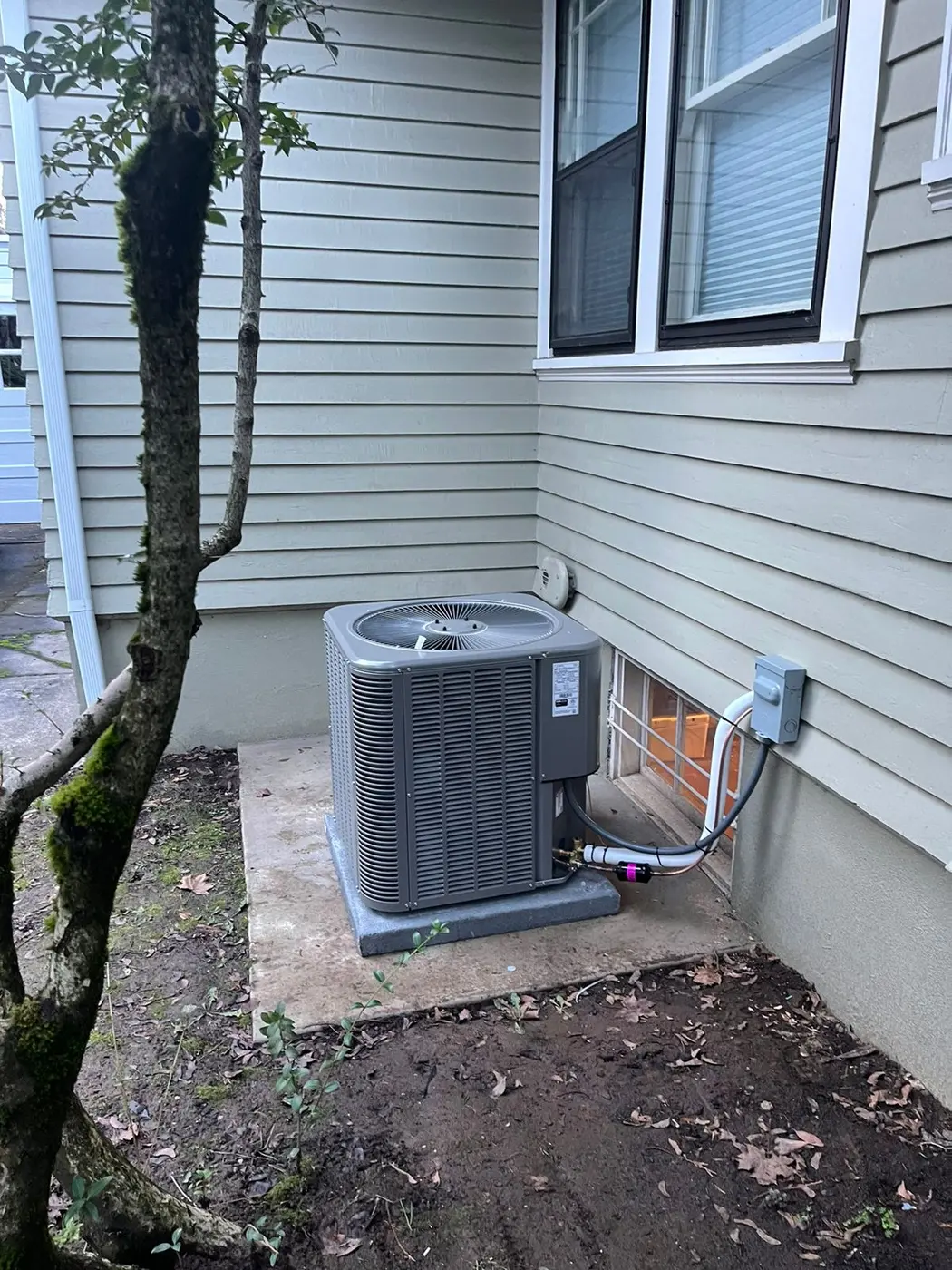
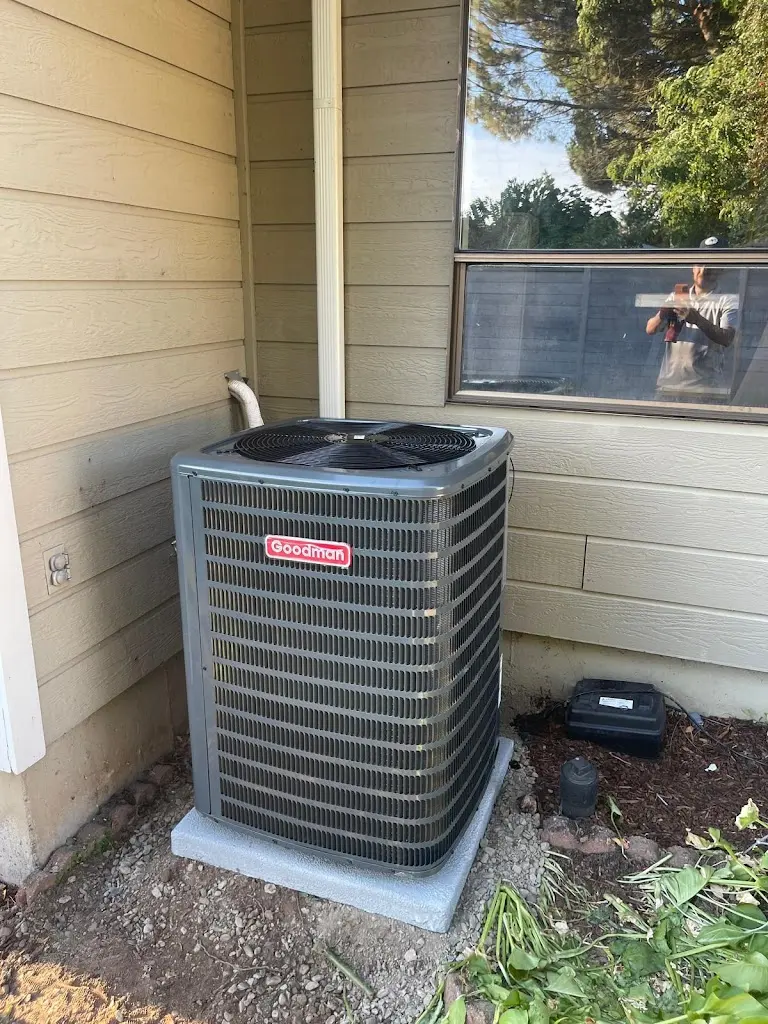
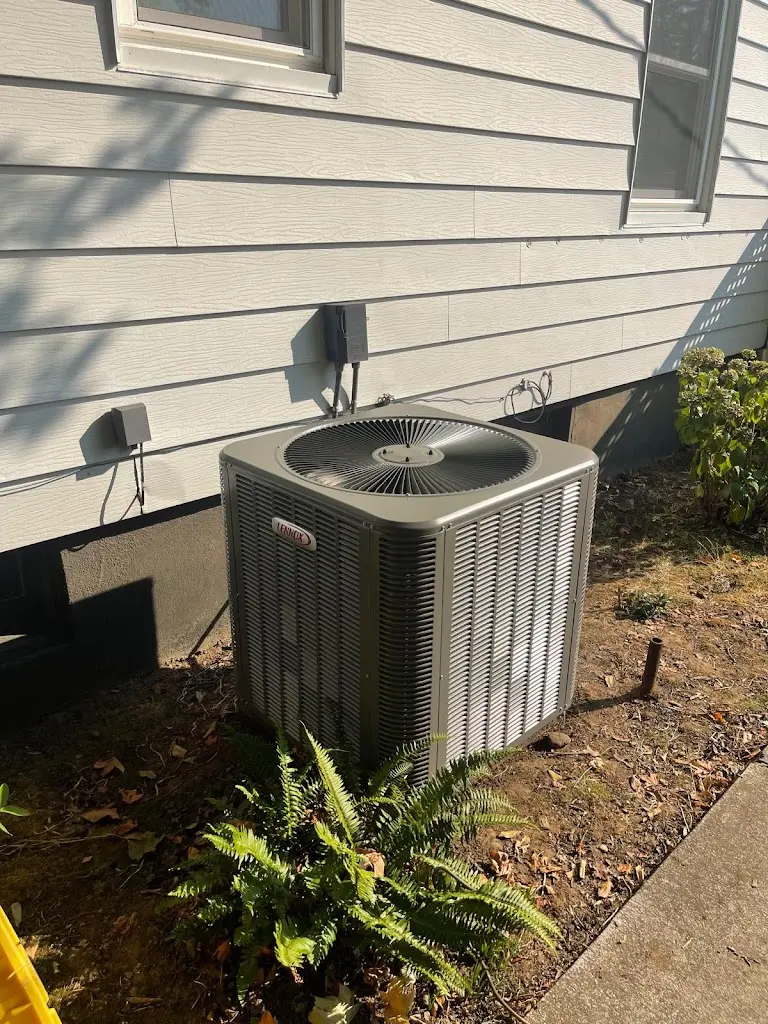
Identify any air conditioner or other equipment you want to keep. Ask how it fits the proposed furnace and controls. A choice that meets one feature goal may still need review as part of the whole system. The estimate should explain what stays and which tasks support that choice.
Keep current room concerns in the discussion of air paths. A new unit does not promise to solve every cold-room problem by itself. Ask what the work addresses and what it leaves open. A feature you like should not hide a separate task the room may need.
Compare Each Option Against the Same Main Goals
Ask each proposed option to address the same heating need. If one plan serves more rooms or changes more equipment, make that difference clear. The totals then describe different work. Compare the scope alongside the price rather than treat the two amounts as the whole decision.
For a preferred control feature, ask how you would use it on a normal day. Keep that answer tied to the actual equipment in the proposal. A feature listed for one model may not describe every planned setup. Choose from the functions the agreed combination can provide.
For a sound or energy-use goal, avoid a promise based on the model name alone. The home and installed arrangement also matter. Ask how the proposed work relates to that goal. Keep any limit or open question beside the expected benefit.
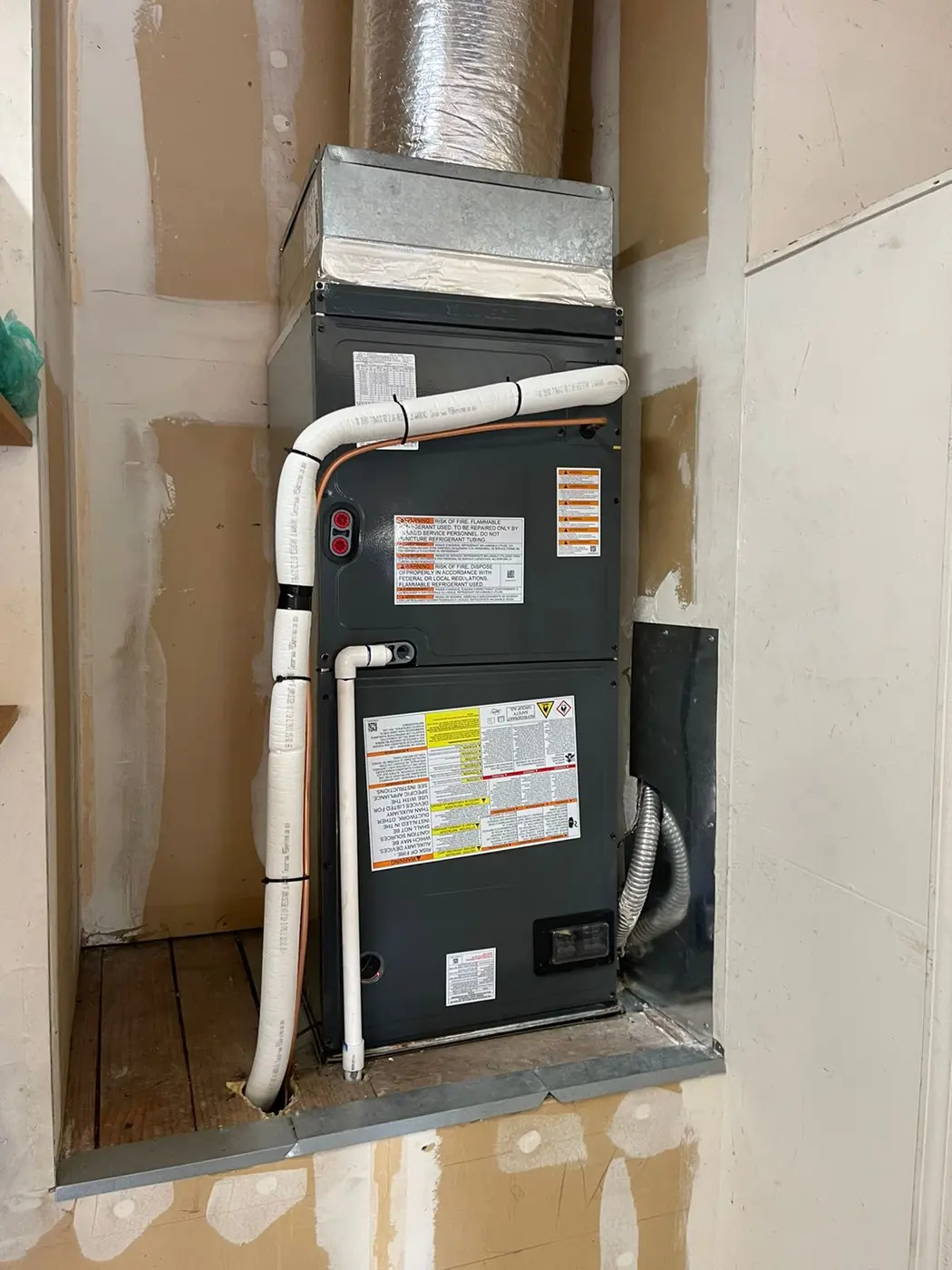
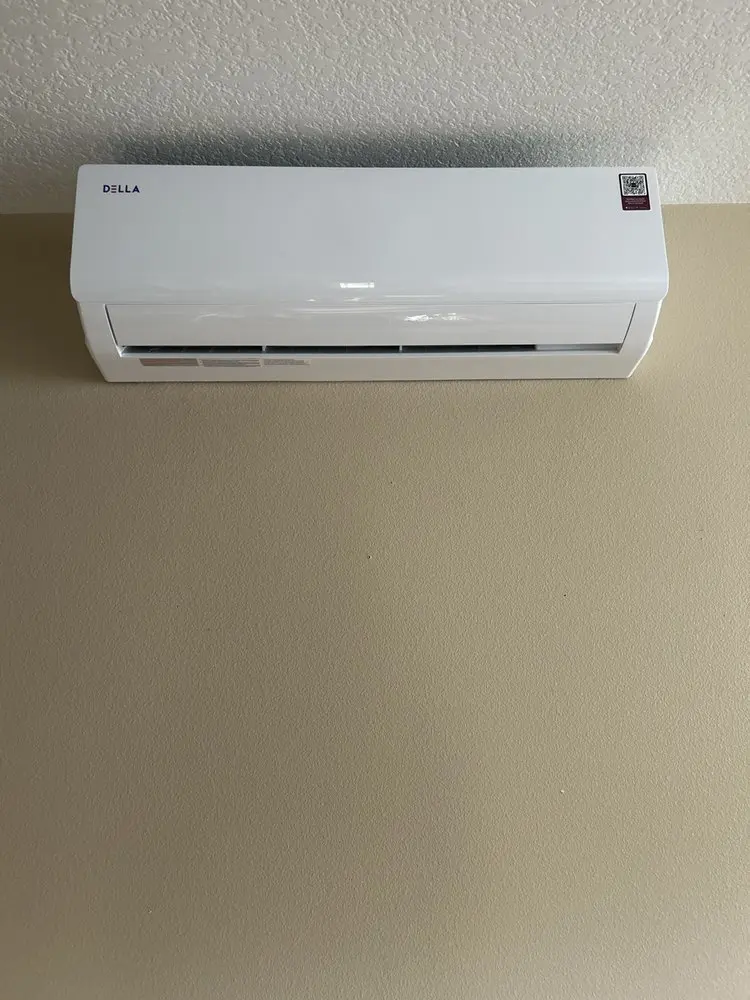
Our HVAC installation service in Washougal covers a wider heating and cooling change. Use that scope when several systems belong in the plan. Keep each added unit or task tied to a priority. A larger project should not lose the original reason for replacing the furnace.
Choose Required Work Before Optional Additions
Ask which tasks the selected installation needs in order to work as planned. Review those tasks before deciding on extras. Keep an optional feature clearly separate in the proposal. The equipment and price should show the choices you actually make.
If you decide to defer an option, ask what effect that has on the current plan. Some future ideas need their own later review. Adding a feature later may require other changes to the furnace setup. The present project still needs a complete heating result.
If a current fault remains part of the decision, keep its diagnosis separate. The free estimator visit concerns installation or replacement. A repair finding and a new furnace proposal answer different questions. Compare defined work for each rather than let a feature preference decide the cause of the fault.
Keep the Priorities in the Final Review
Before scheduling, read the final equipment and work list against the goals you chose. Confirm access and the planned time without heat. If a model changes, review whether it still supports those goals. Keep the revised scope clear before the work proceeds.
At handover, ask which checks relate to the original heating need. Review the normal controls and the features included in the installation. Keep an open room concern separate from completed work. The finished record should explain the result the project actually delivered.
Retain the model details, final scope and care guidance together. If a later concern develops, describe the current pattern and how it differs from the handover. The old priority list provides context without proving a new fault. It can help the next service request start with a clear question.
Frequently Asked Questions
Is the furnace with the most features always the best choice?
No single feature count defines the right project. Review the home’s heating need, the full work scope and the functions you will use. Ask how each option serves the priorities you named.
Can I remove an optional feature from the plan?
Discuss that preference before approval. Ask whether the change affects the equipment or other required work. The final scope should reflect the option you choose and any limits it creates.
What if two household priorities conflict?
Explain both and identify the need the project must meet first. Ask how each equipment option addresses the remaining preference. Keep any trade-off clear before approving the work rather than assume one model guarantees every result.