Use the Agreed Scope to Define a Finished Installation
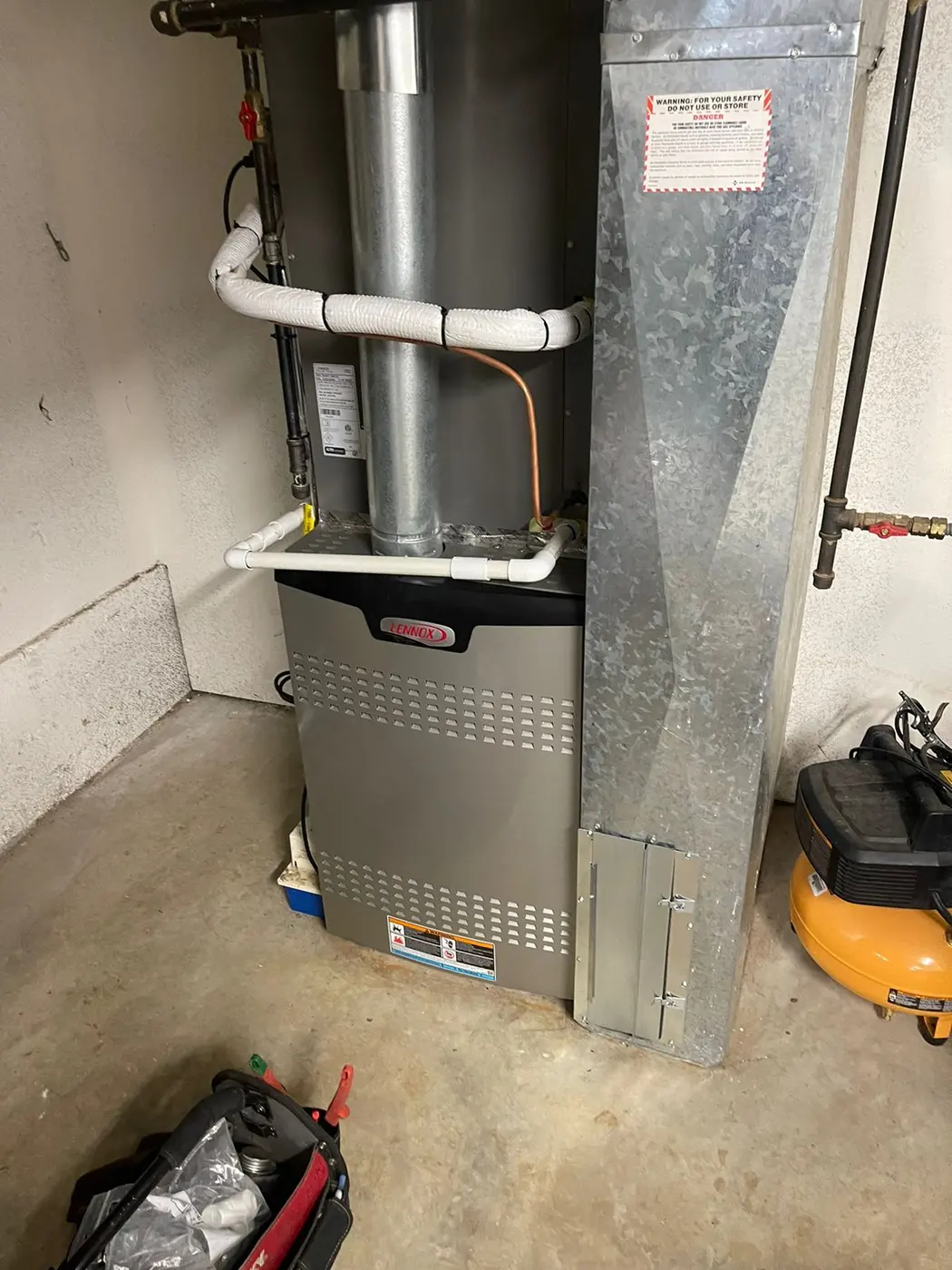
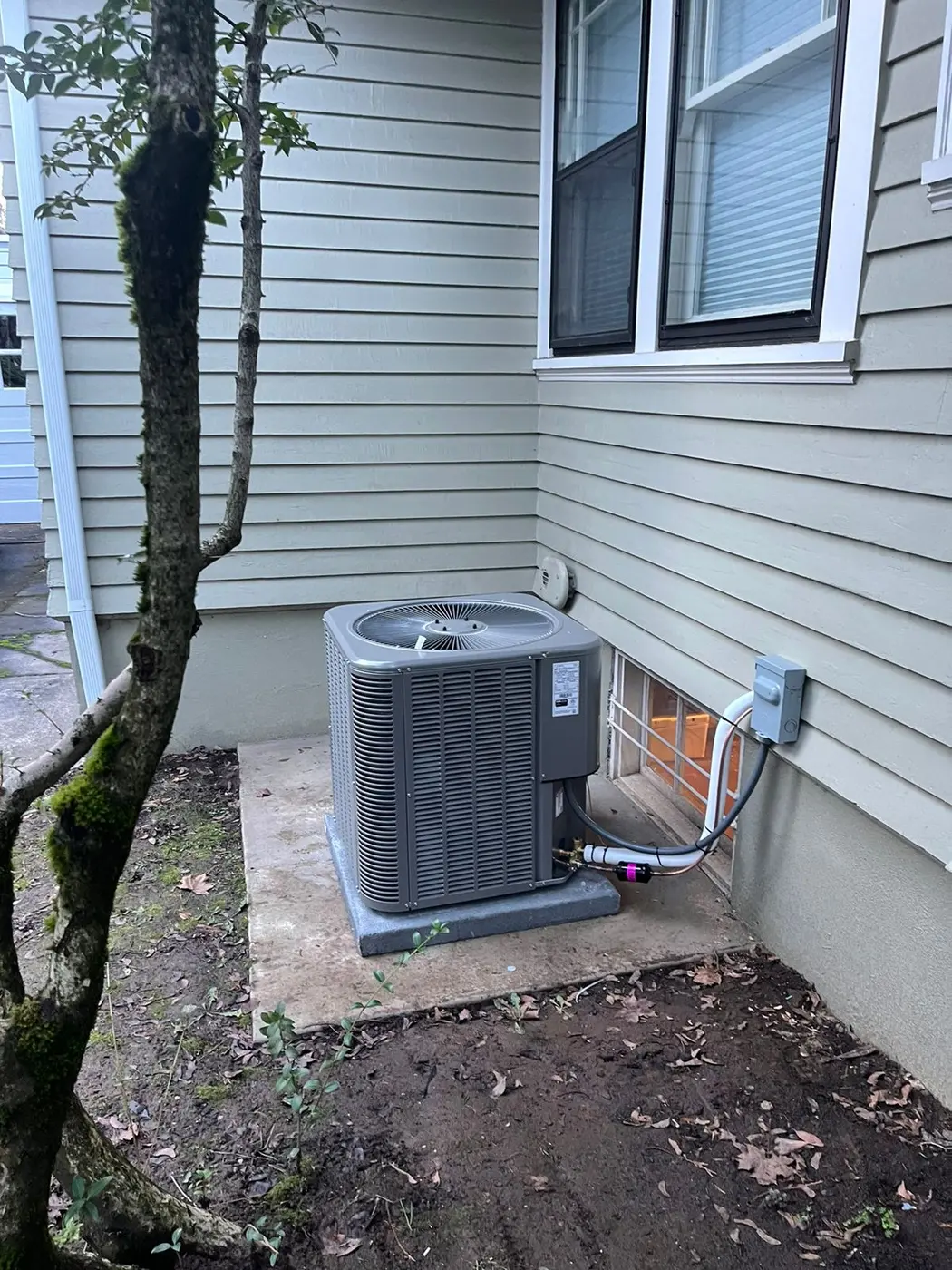
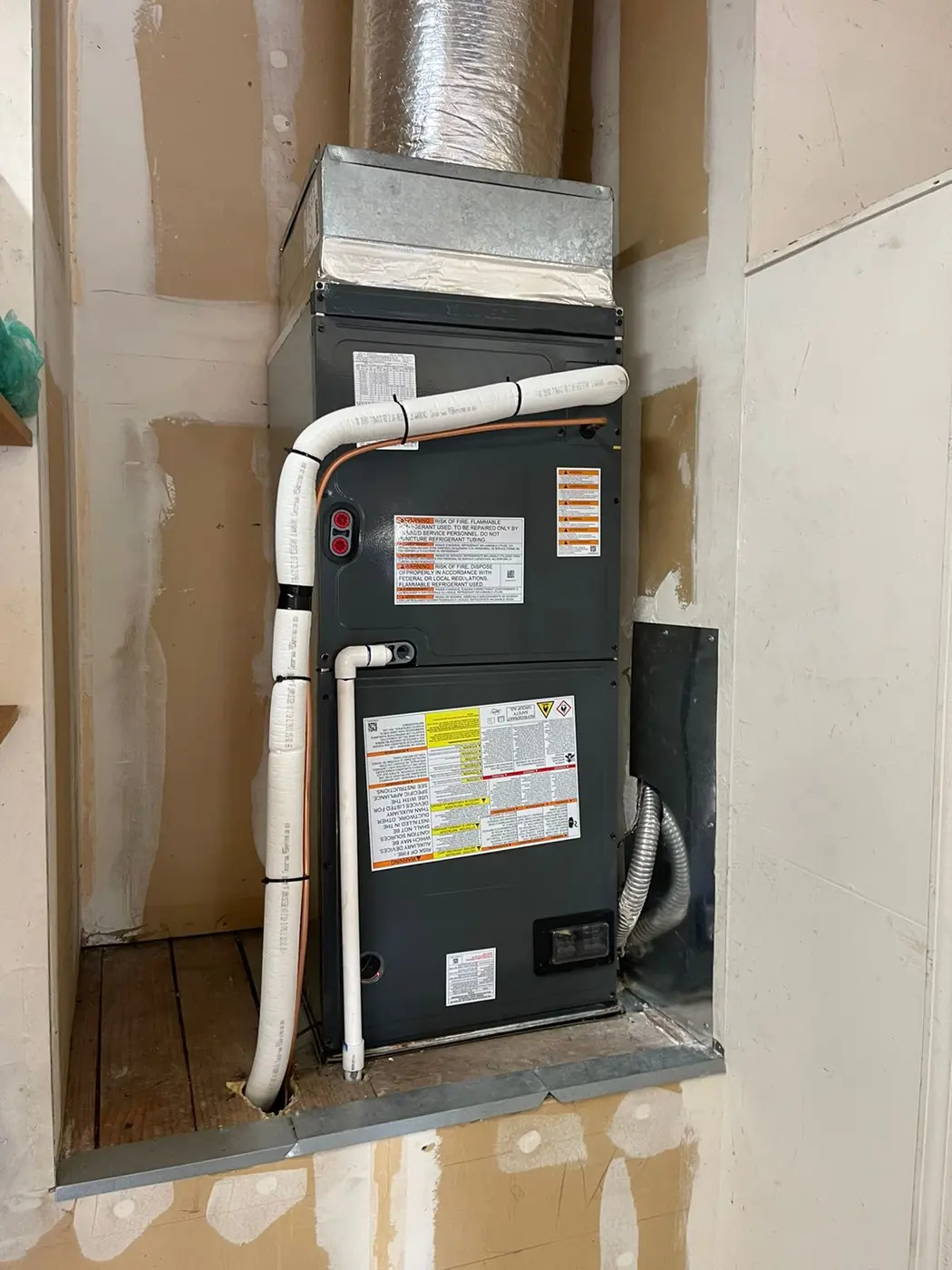
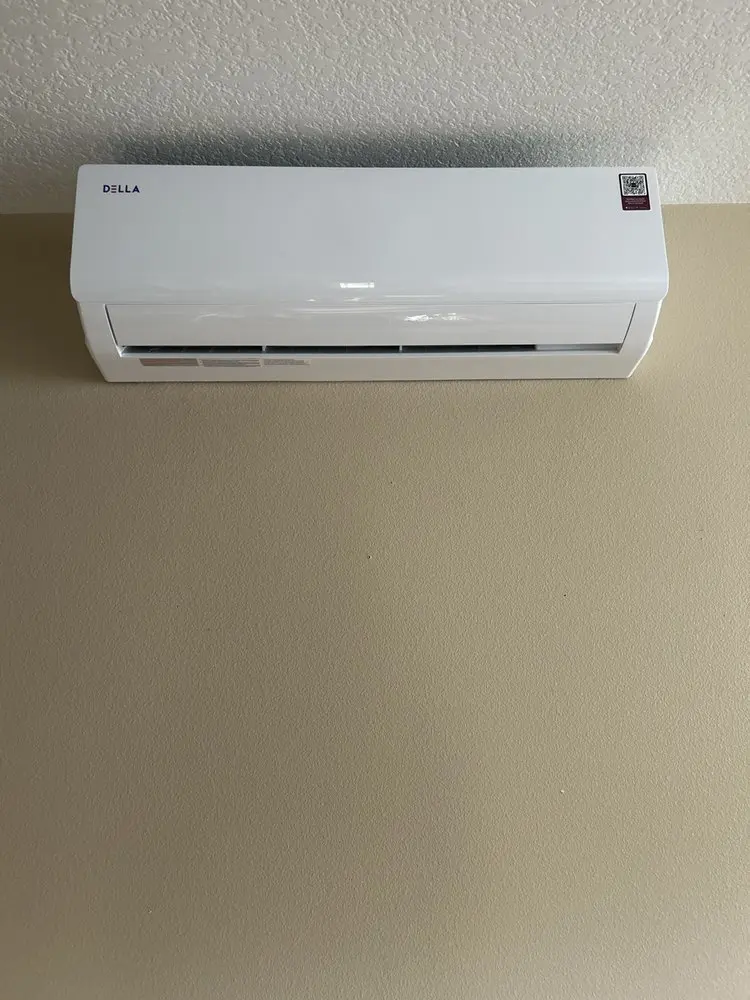
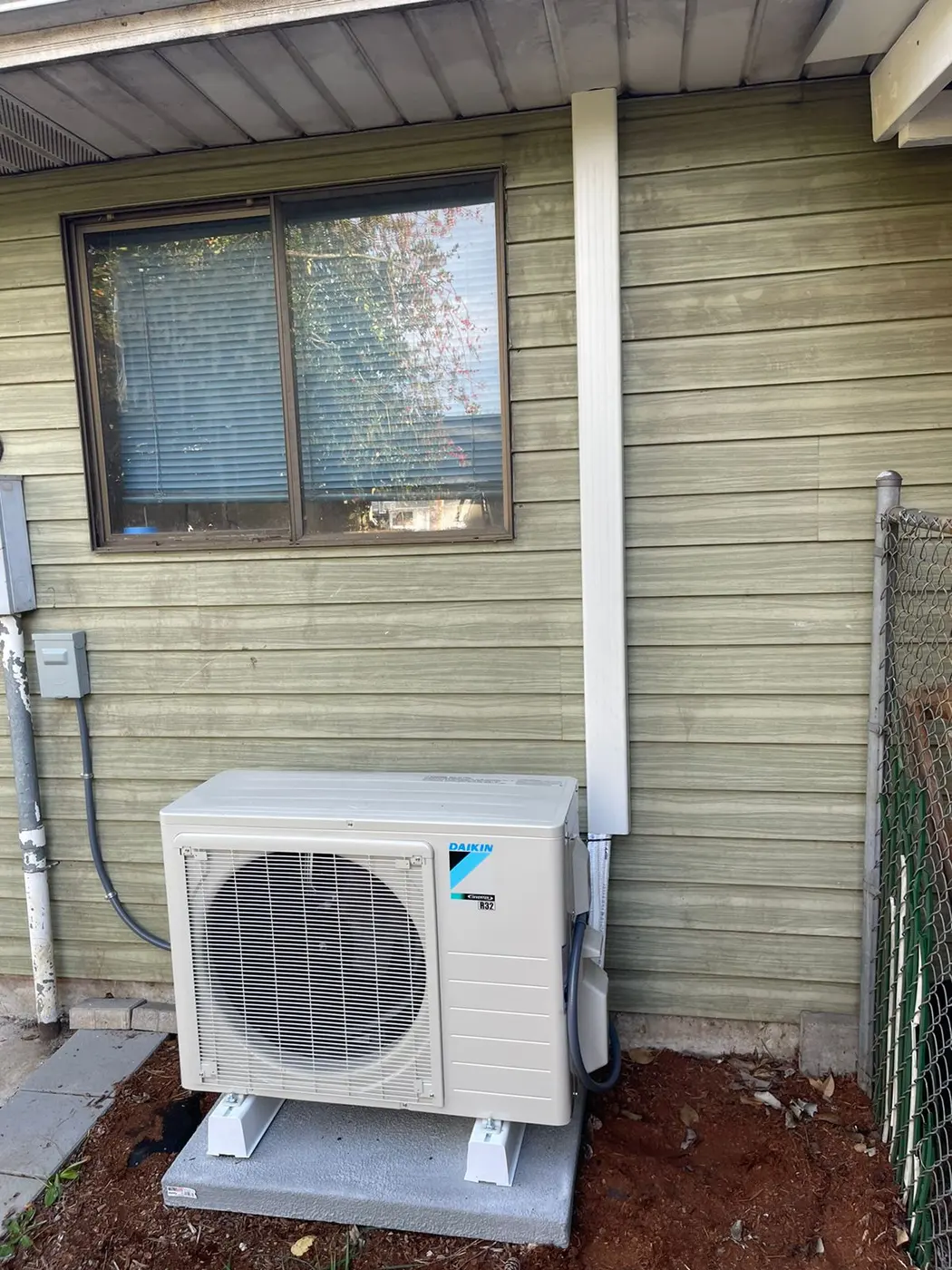
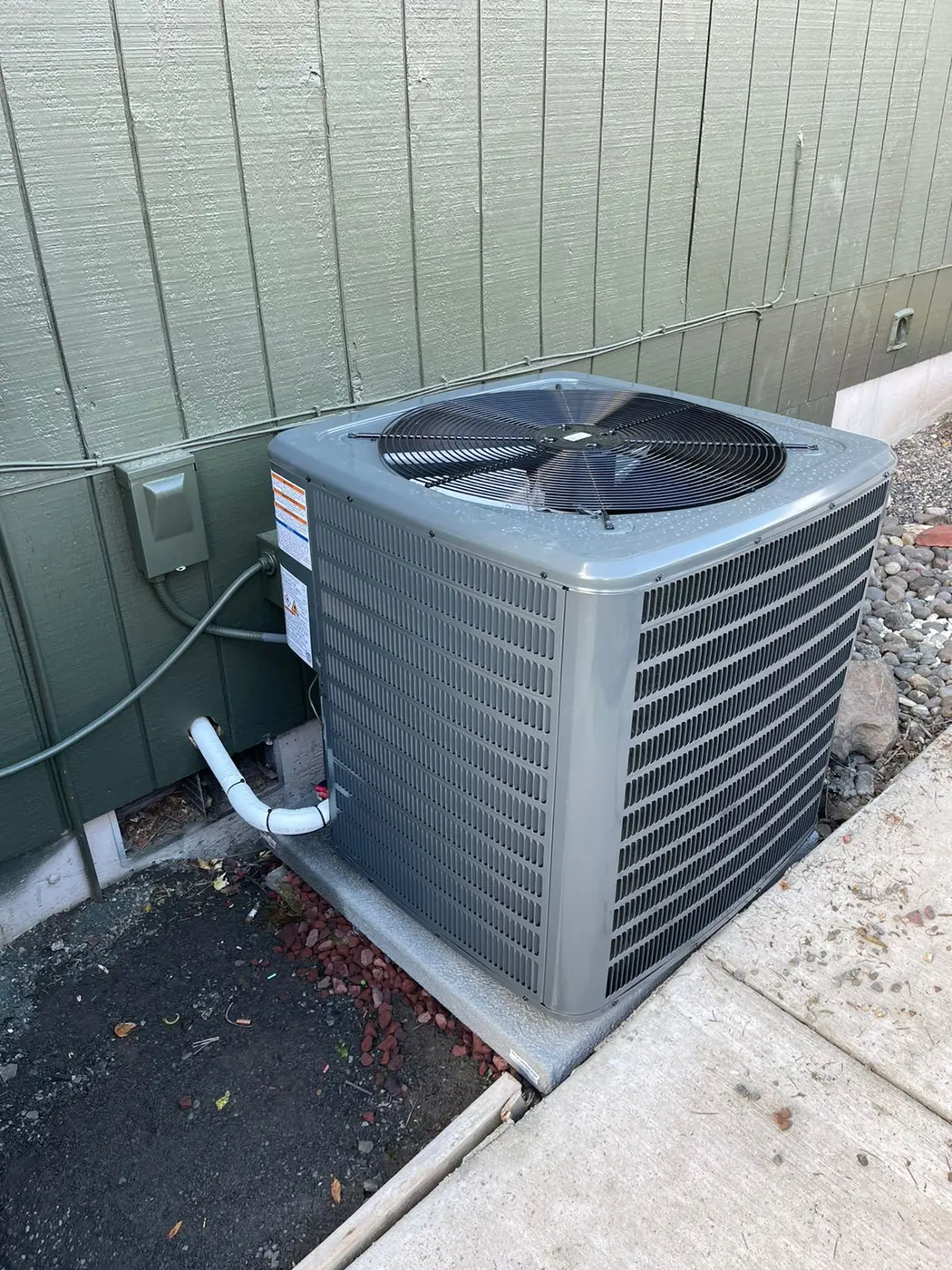
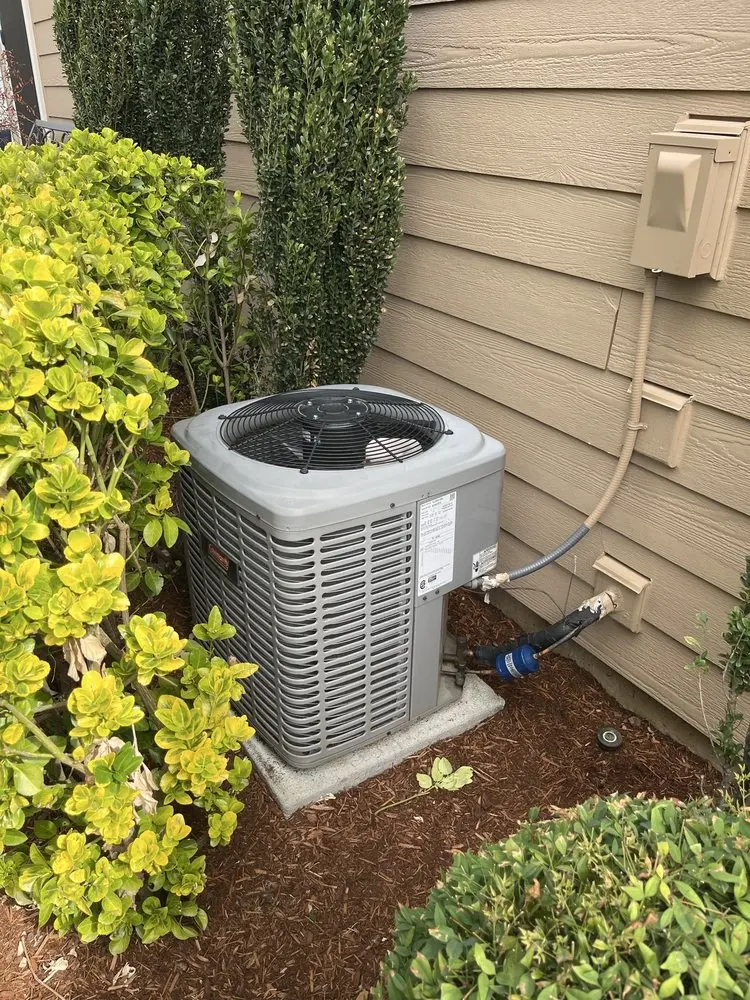
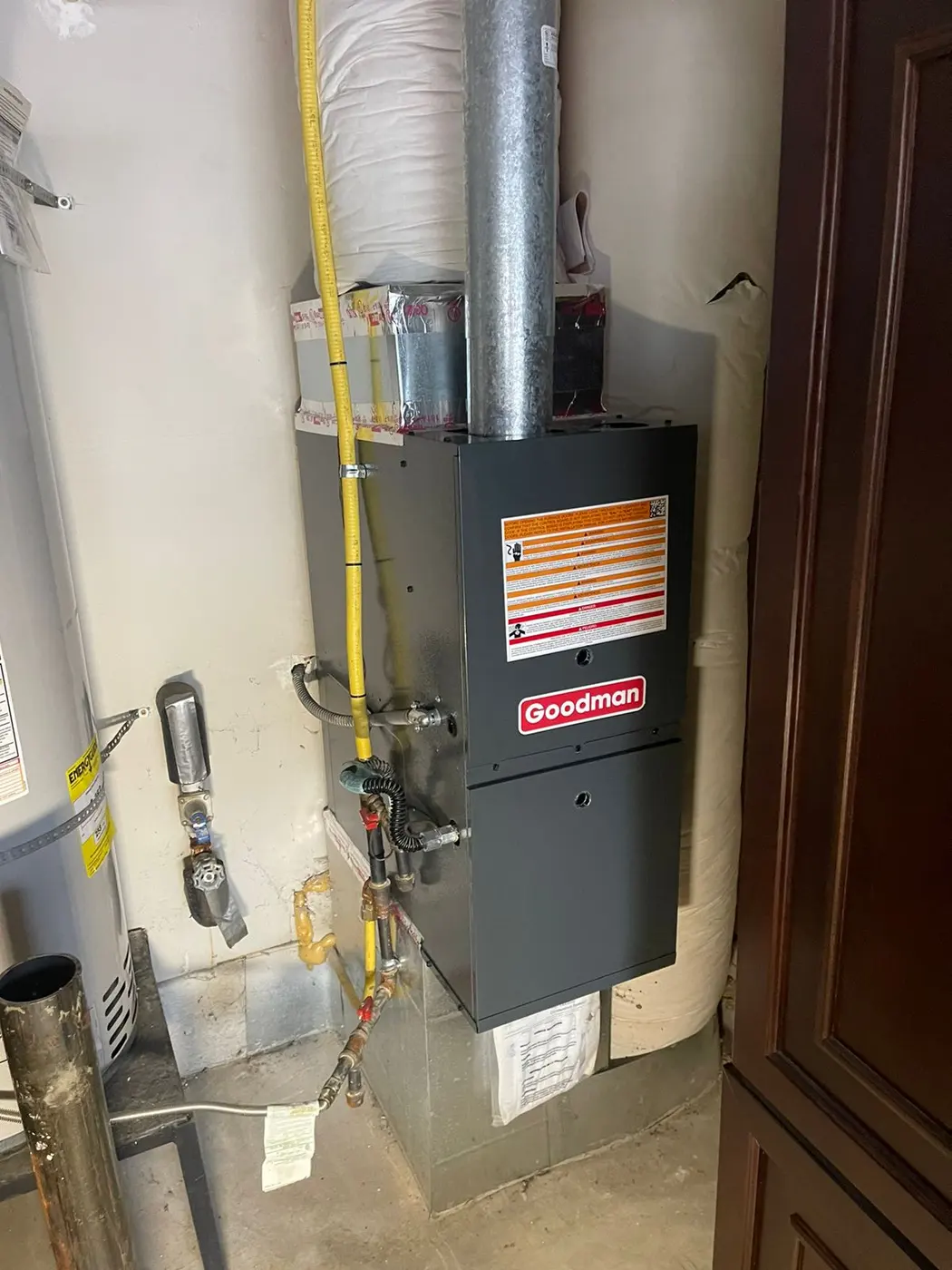
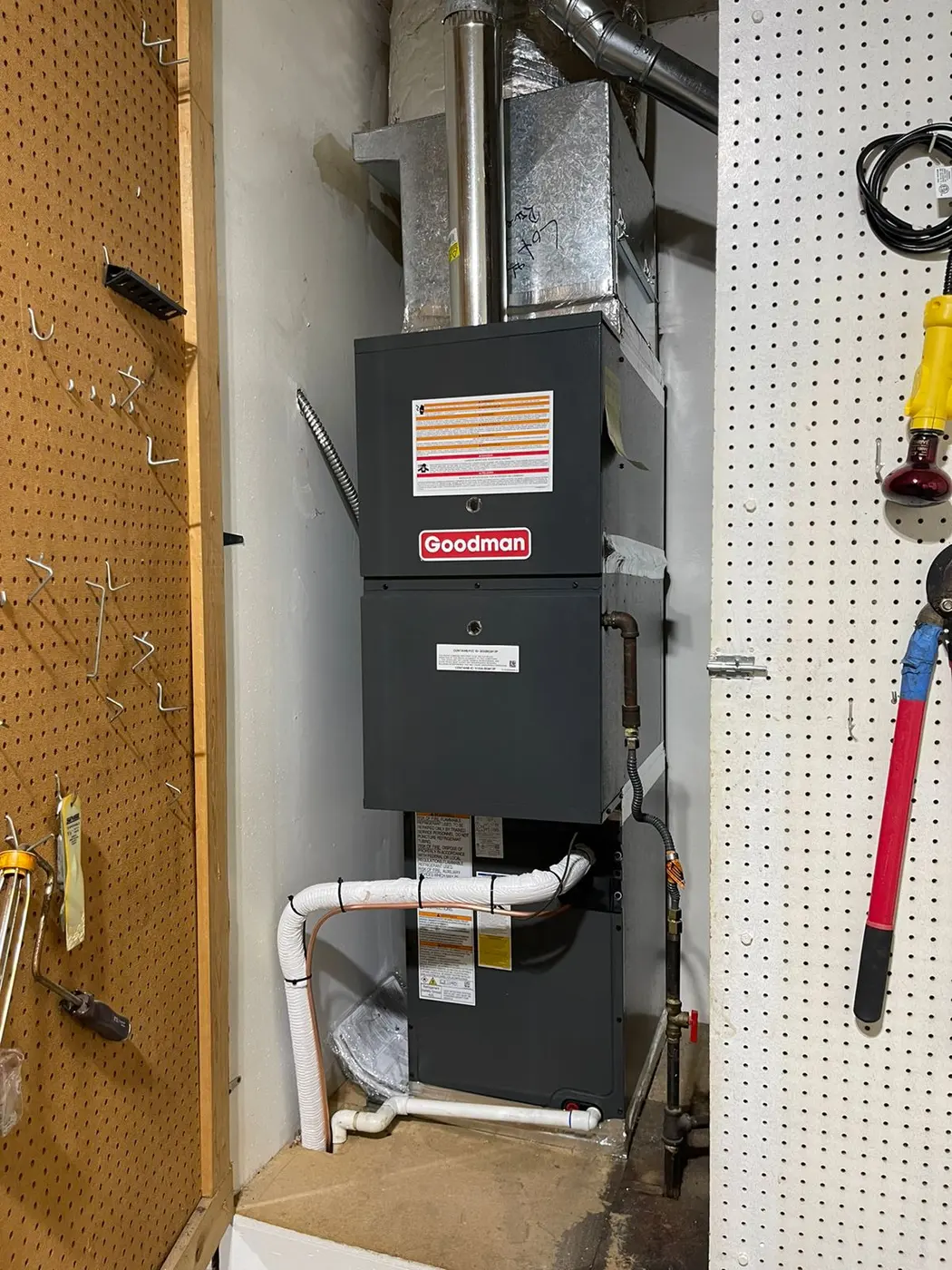
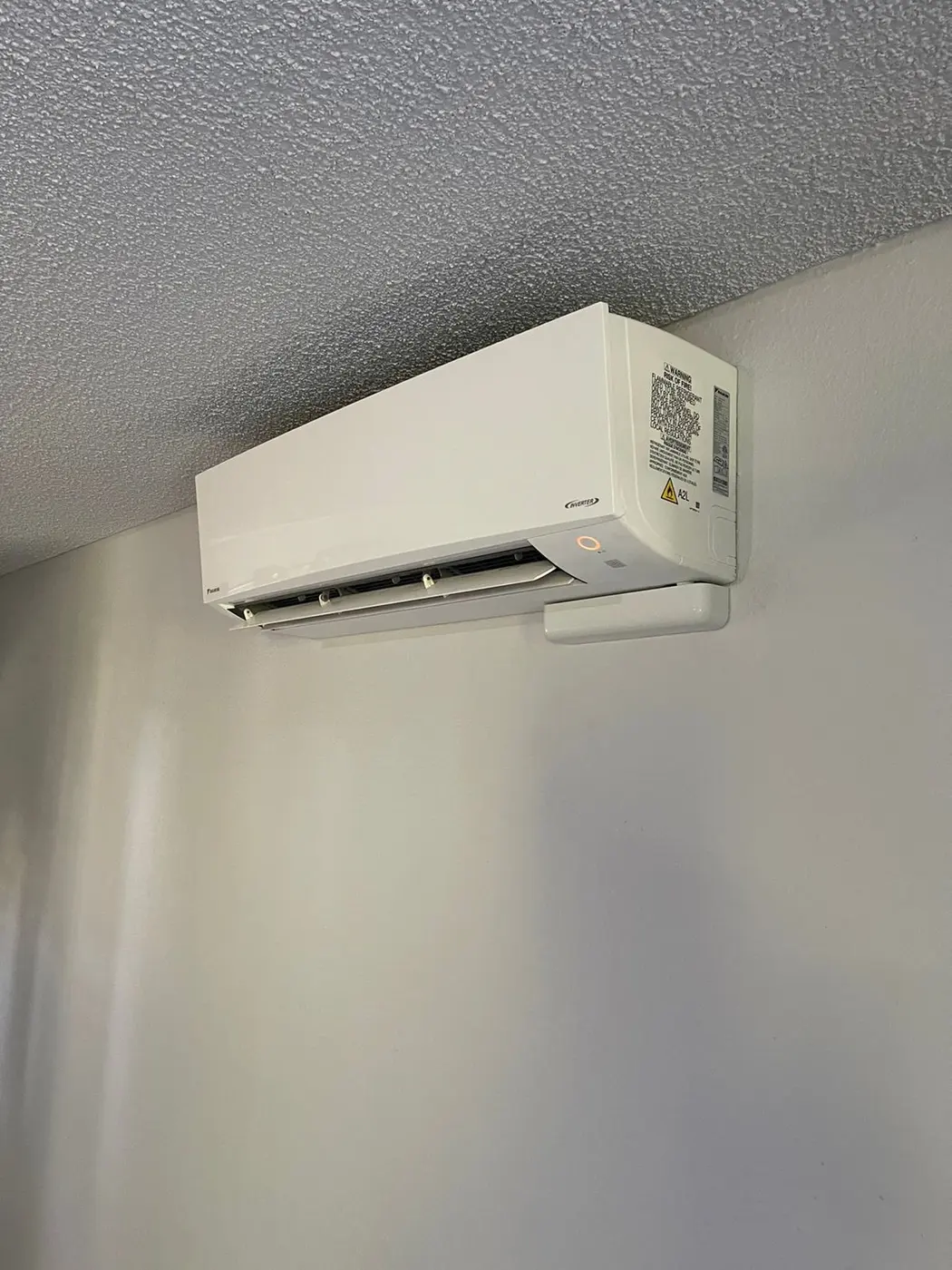
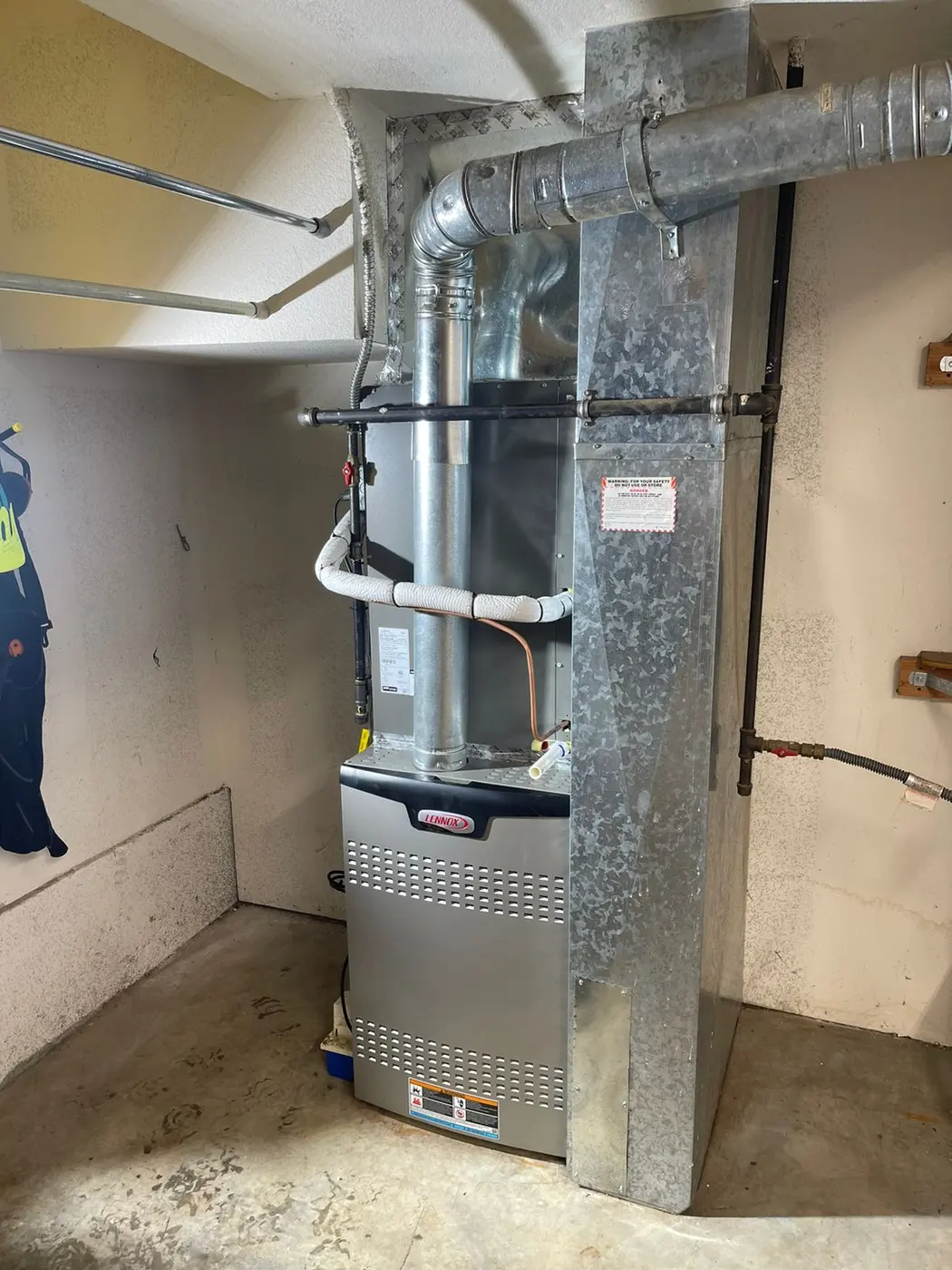
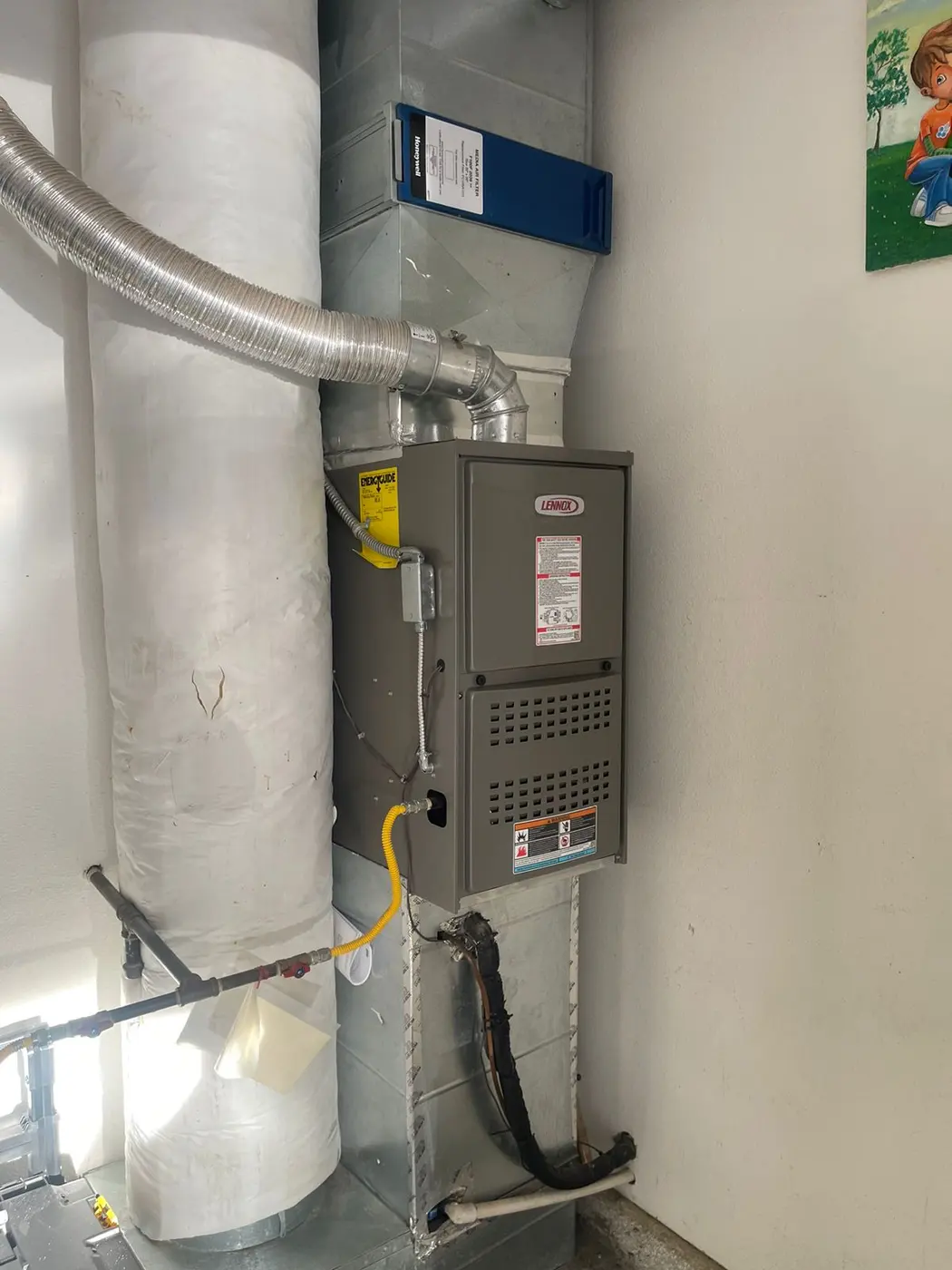
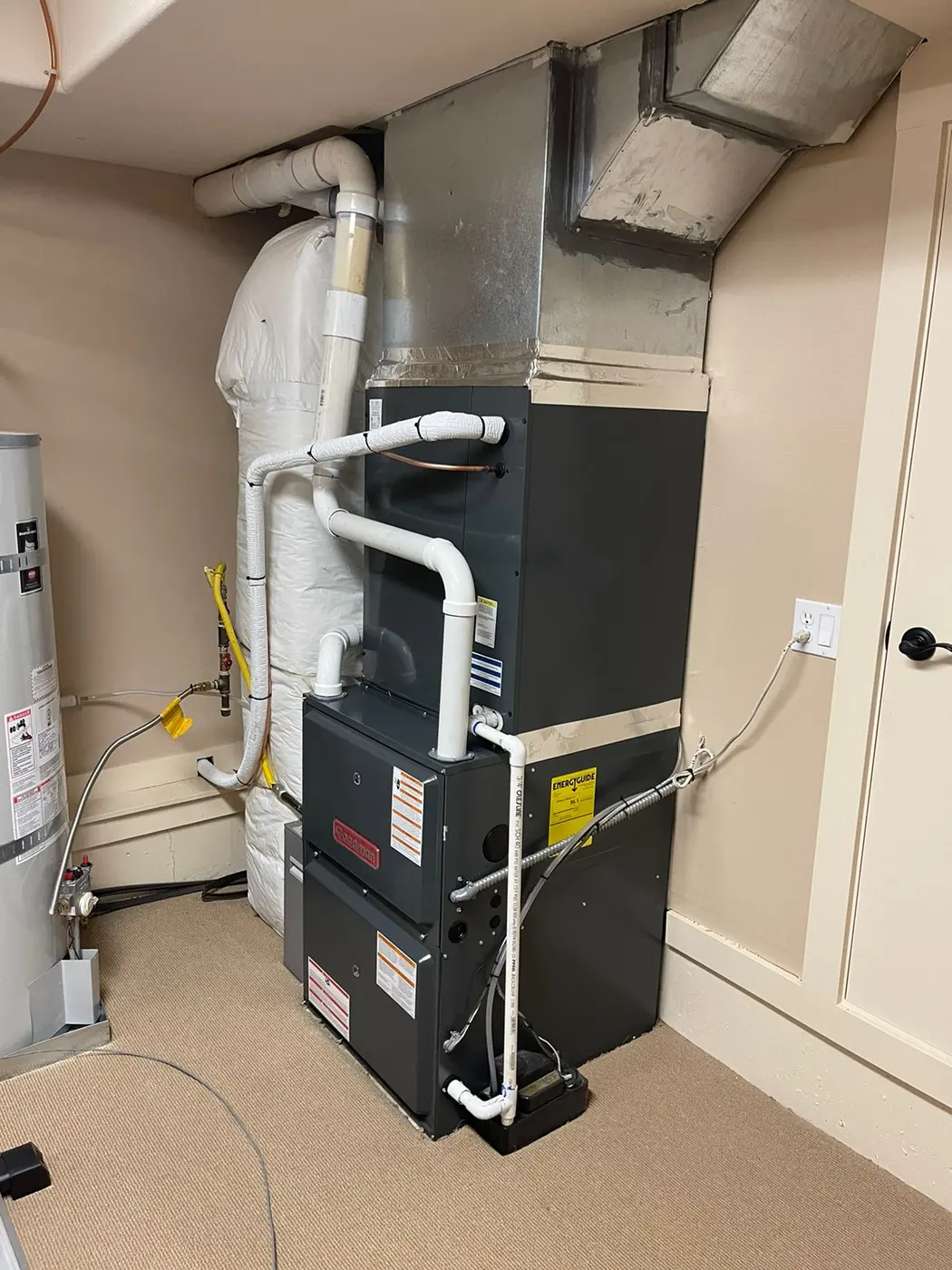
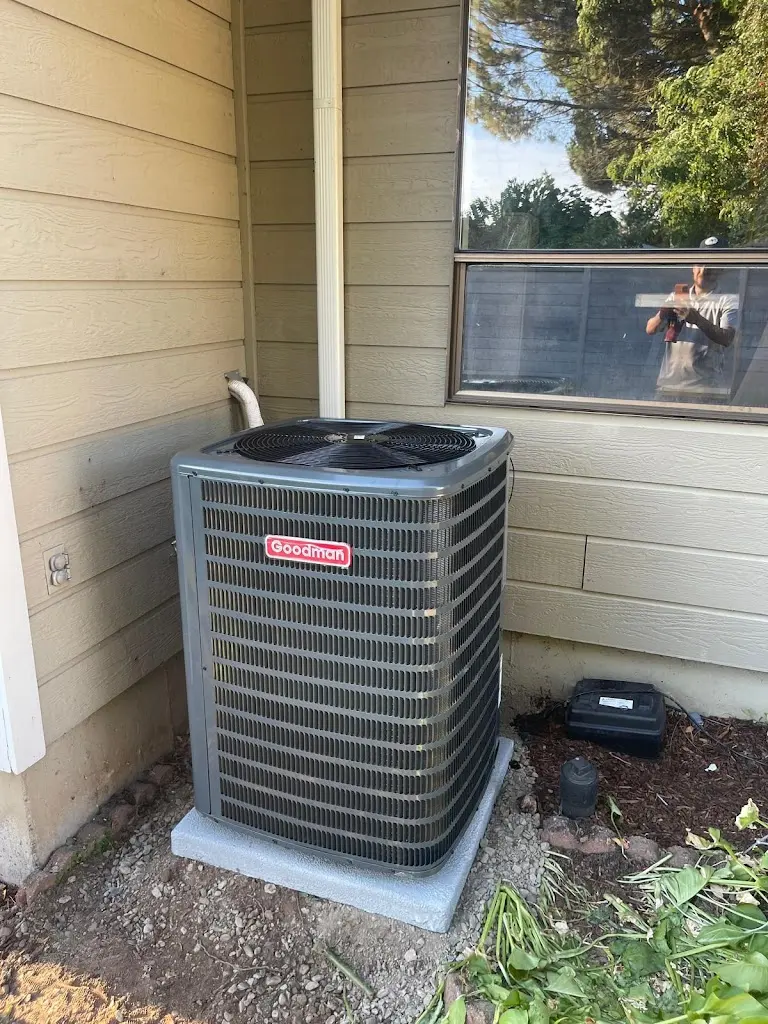
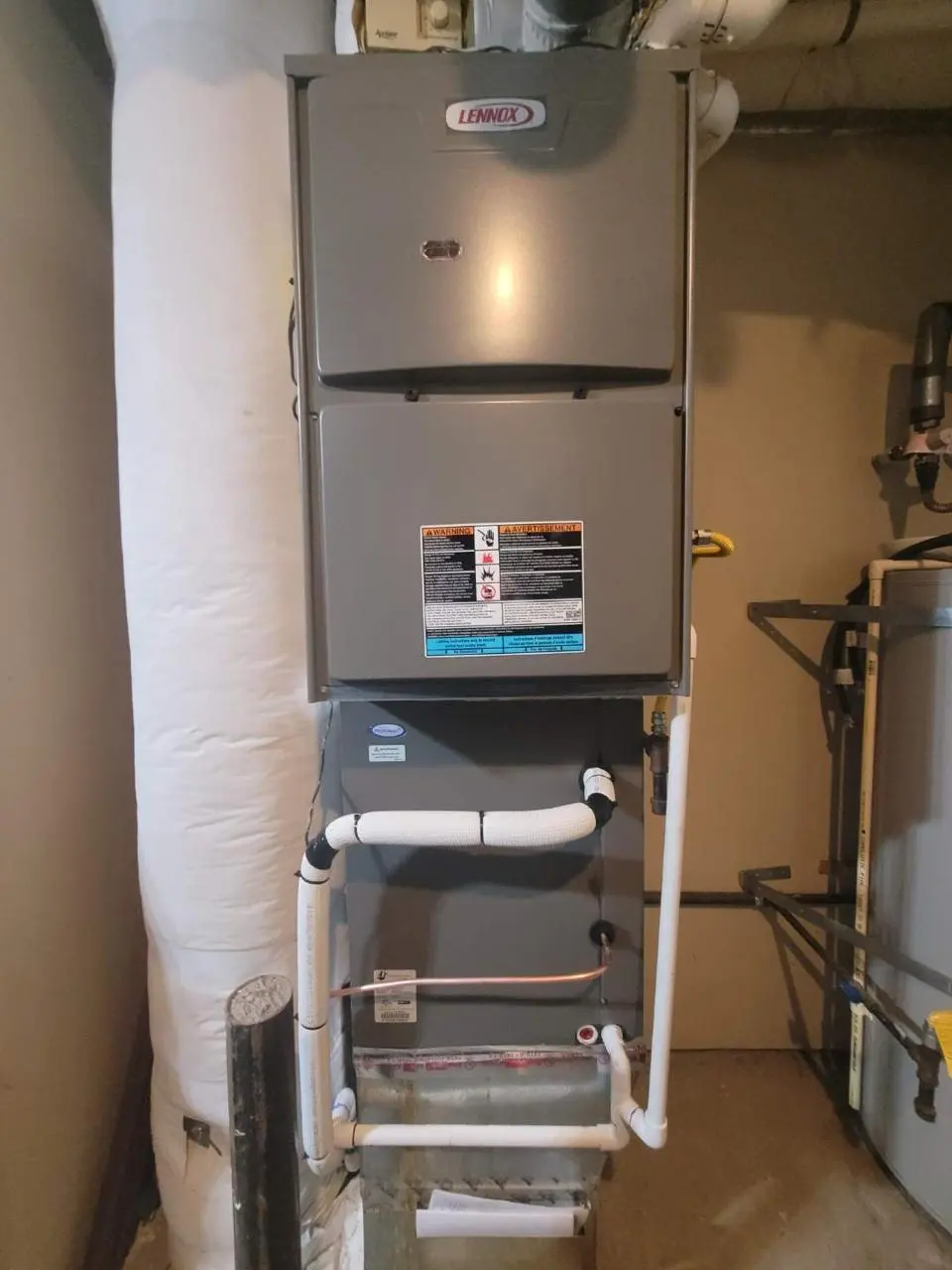
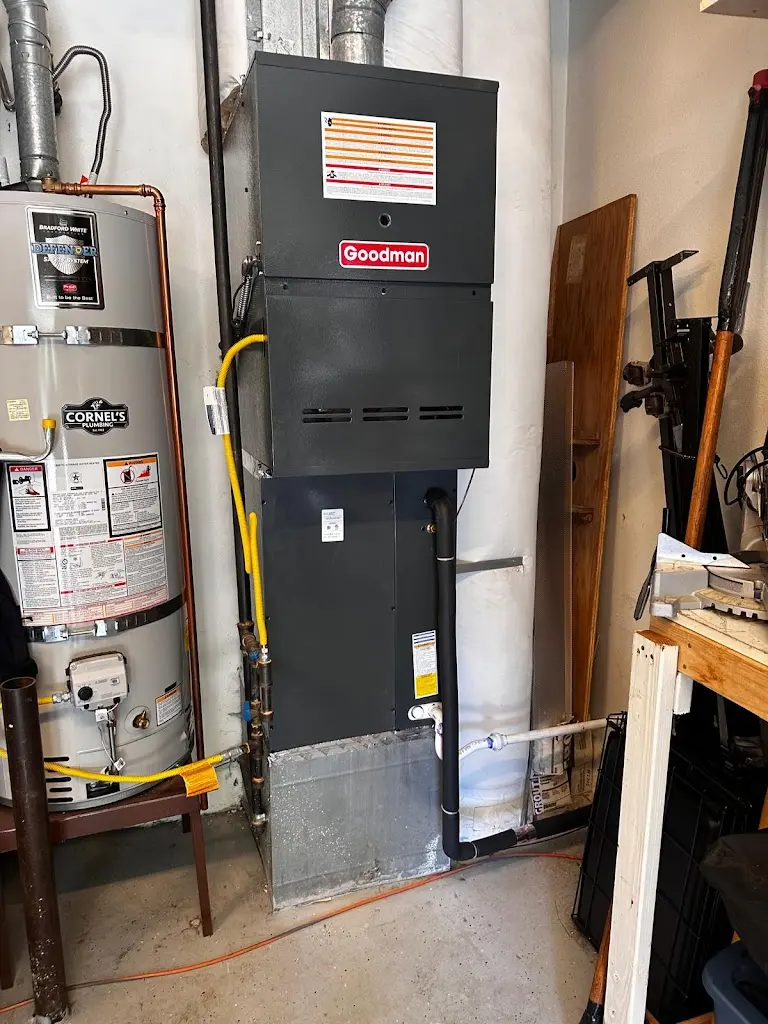
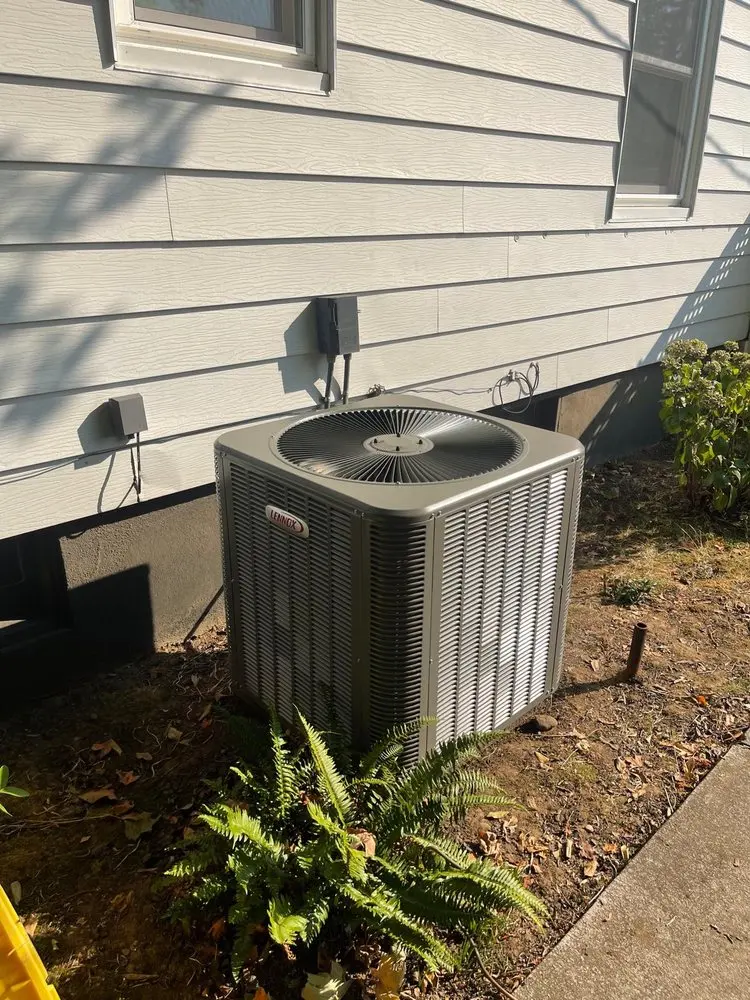
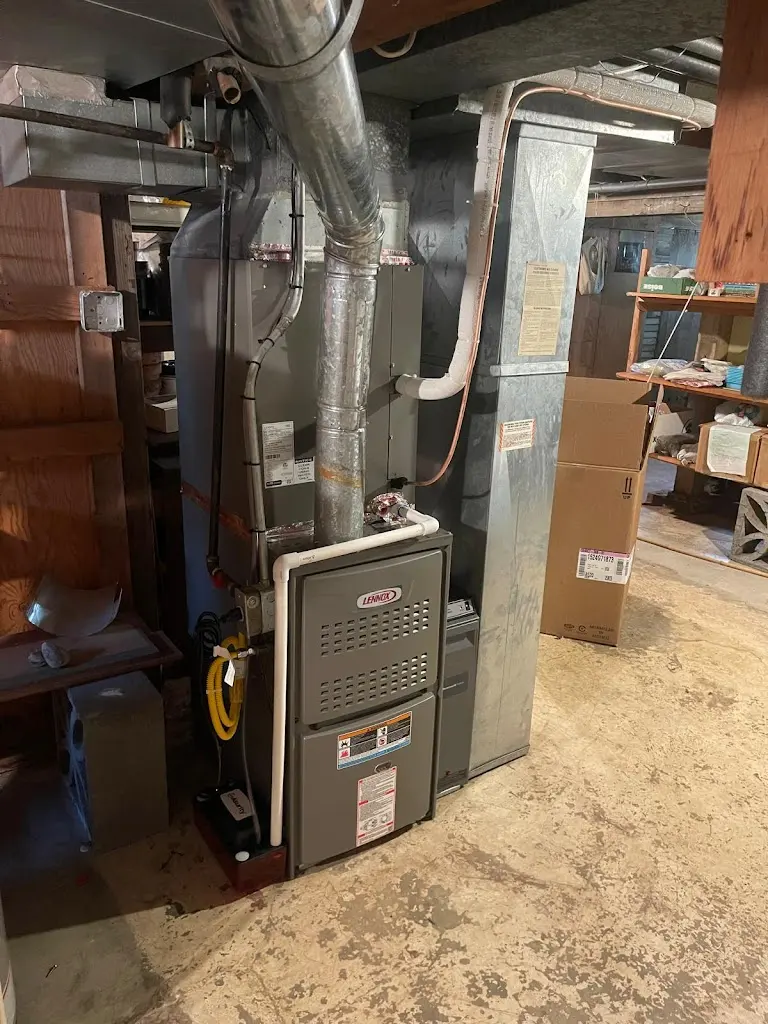
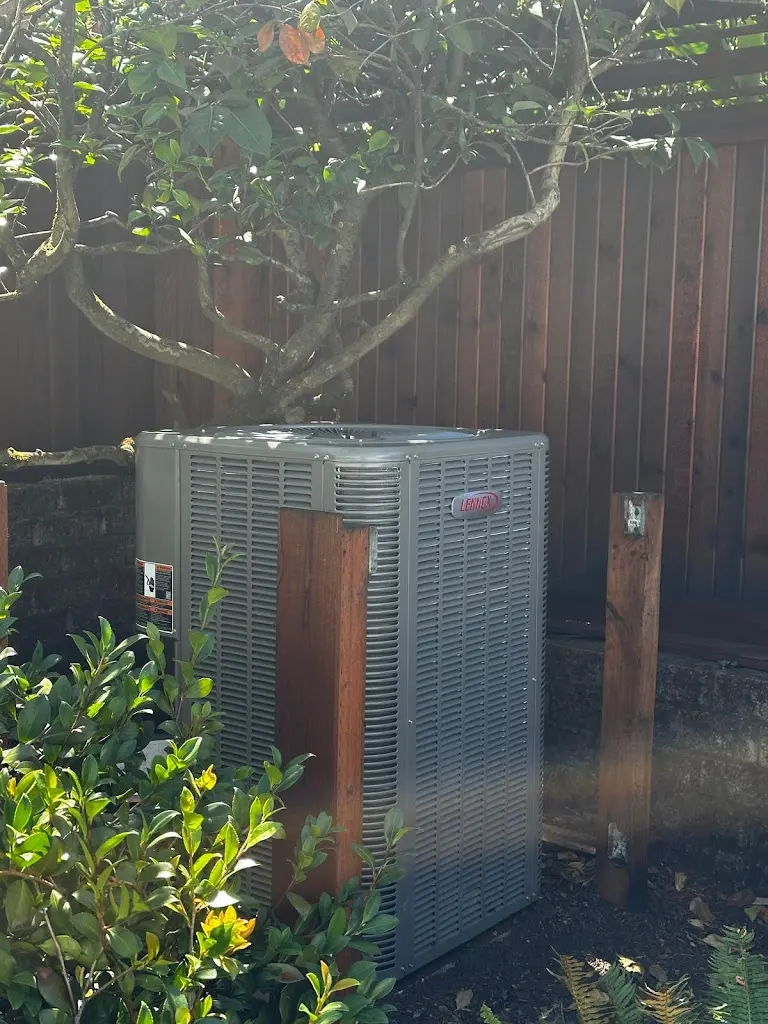
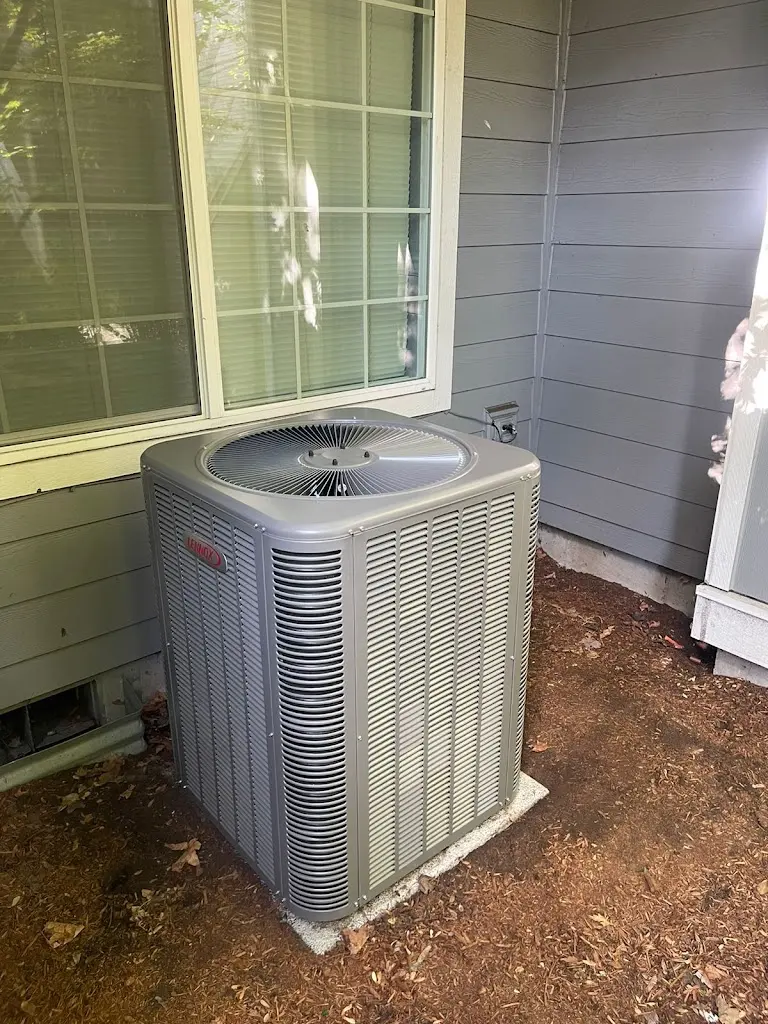
A useful handover makes completed work and open items easy to tell apart. HVAC & Appliance Repair Guys provides HVAC installation in Washougal, WA. The free on-site estimator visit starts that process by defining the project. Keep the agreed scope available when you review the finished setup.
The goal is a clear account of what the visit achieved. A new unit in place is one part of that account. Setup, normal controls and the checks on system response also matter. Any remaining task should have its own description.
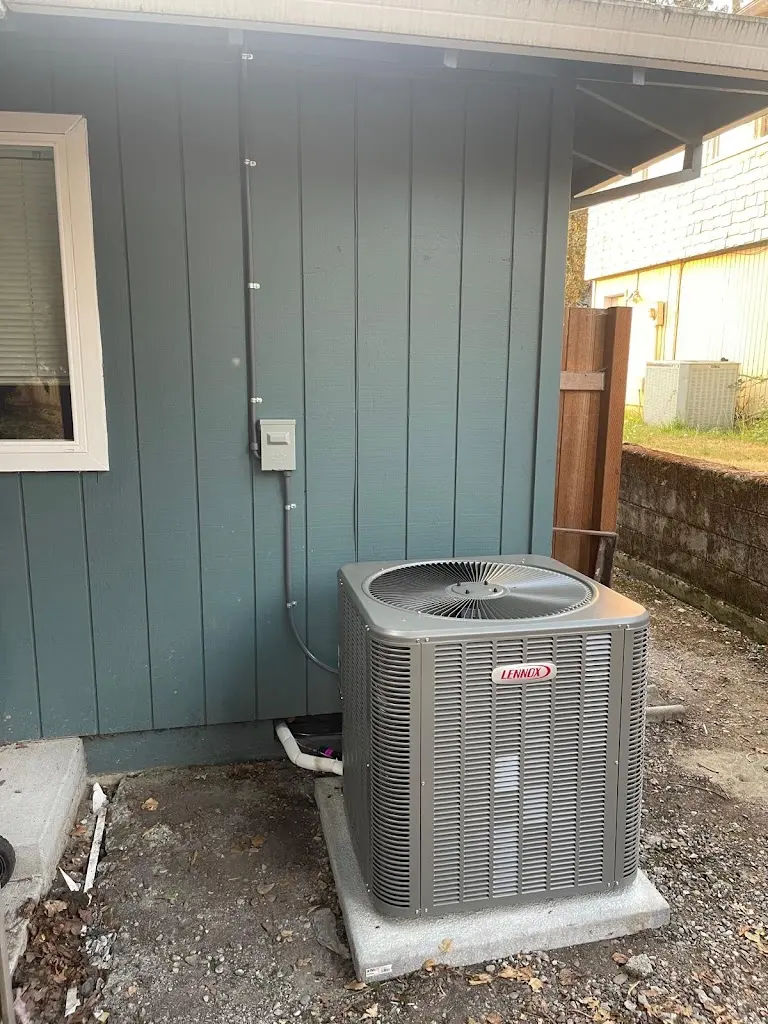
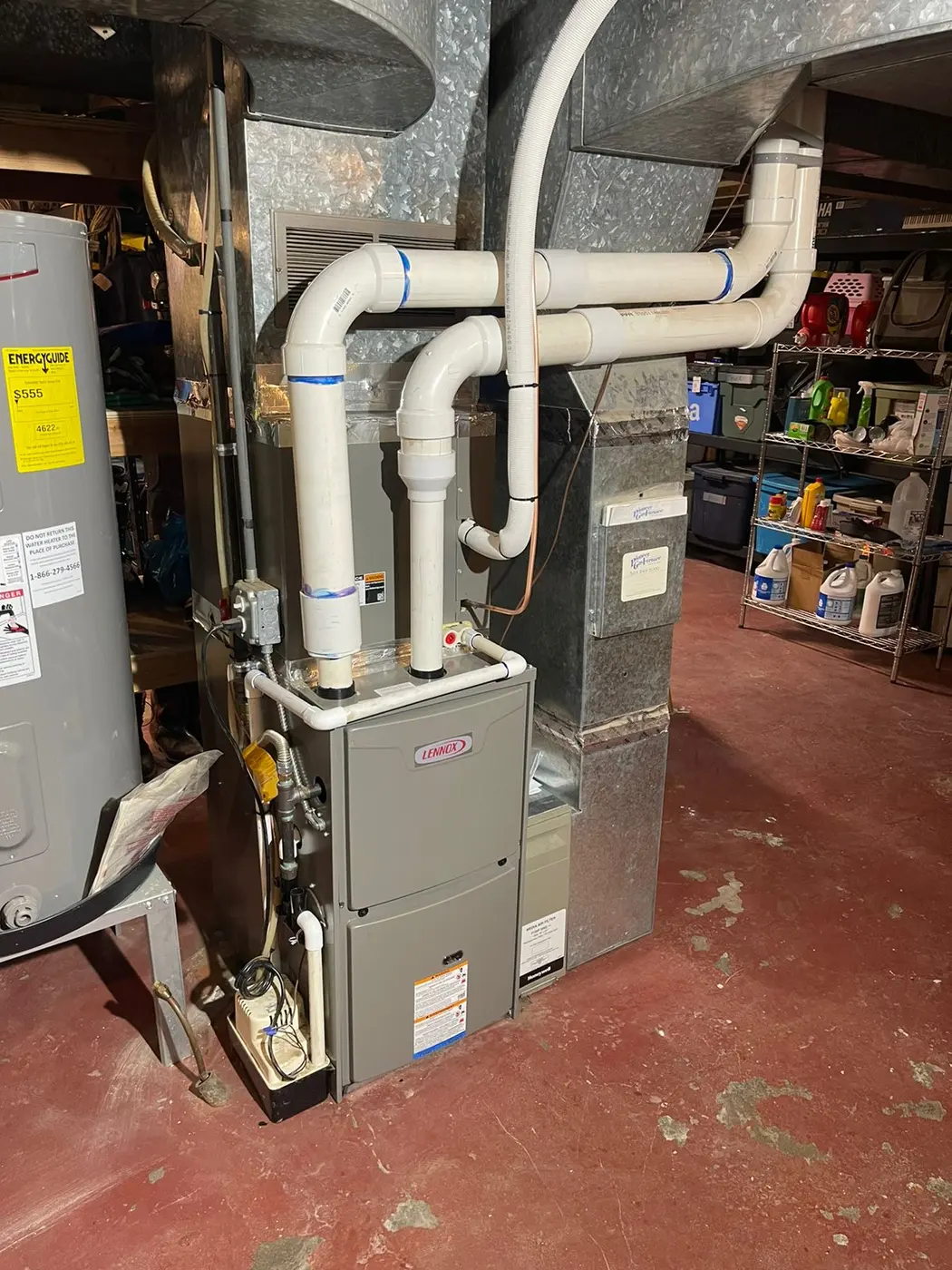
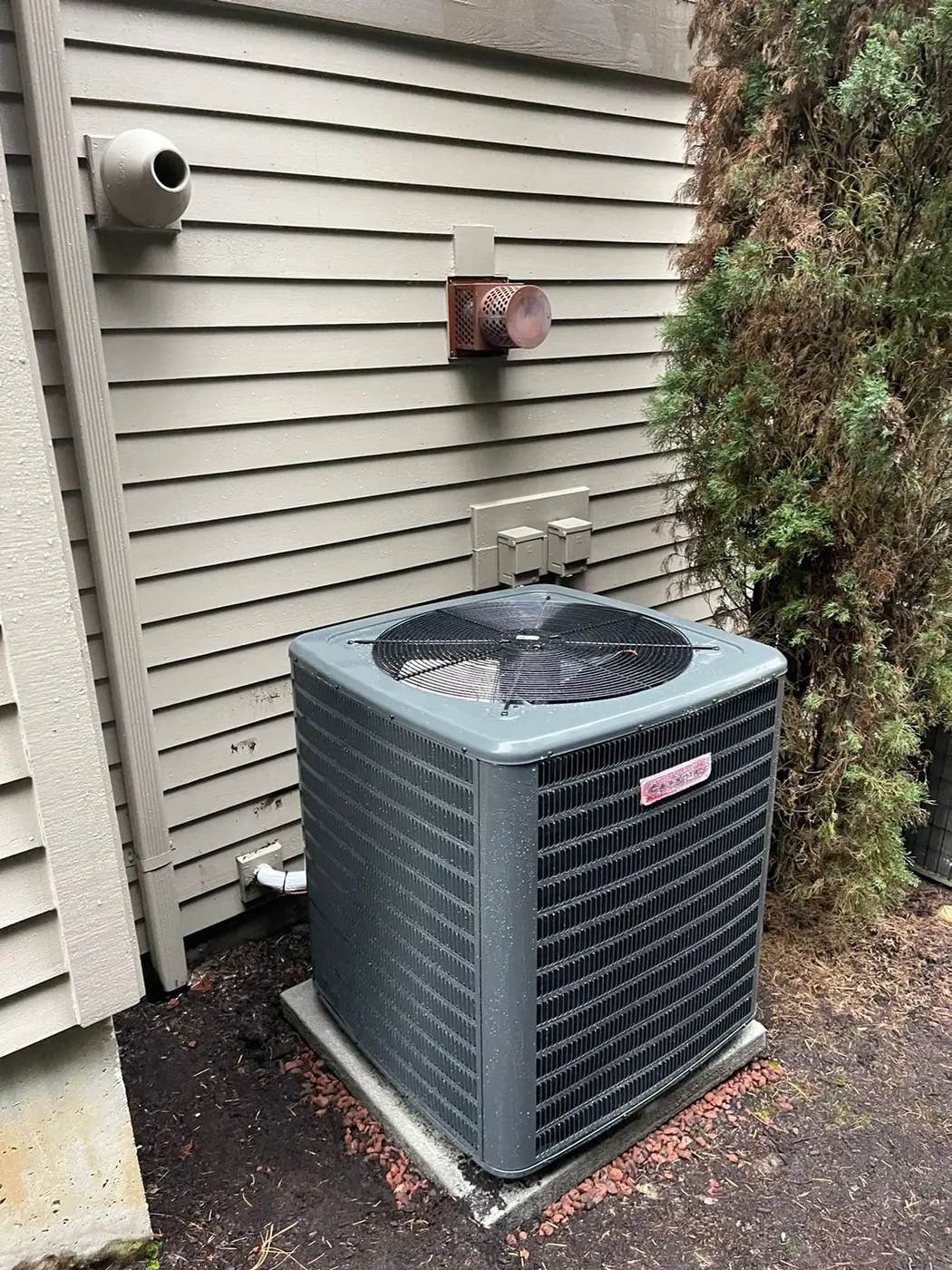
Our HVAC installation service covers the planned equipment and required work. Ask which parts of that plan are complete. If the scope changed along the way, review the final agreement. The handover should describe the work you approved and the equipment actually in place.
Connect Completed Tasks With the Result You Requested
Start with the reason for the project. You may have wanted new heating, added air conditioning or a defined equipment change. Ask which checks relate to that goal. The result should be clear in terms of the agreed function, not only the model name.
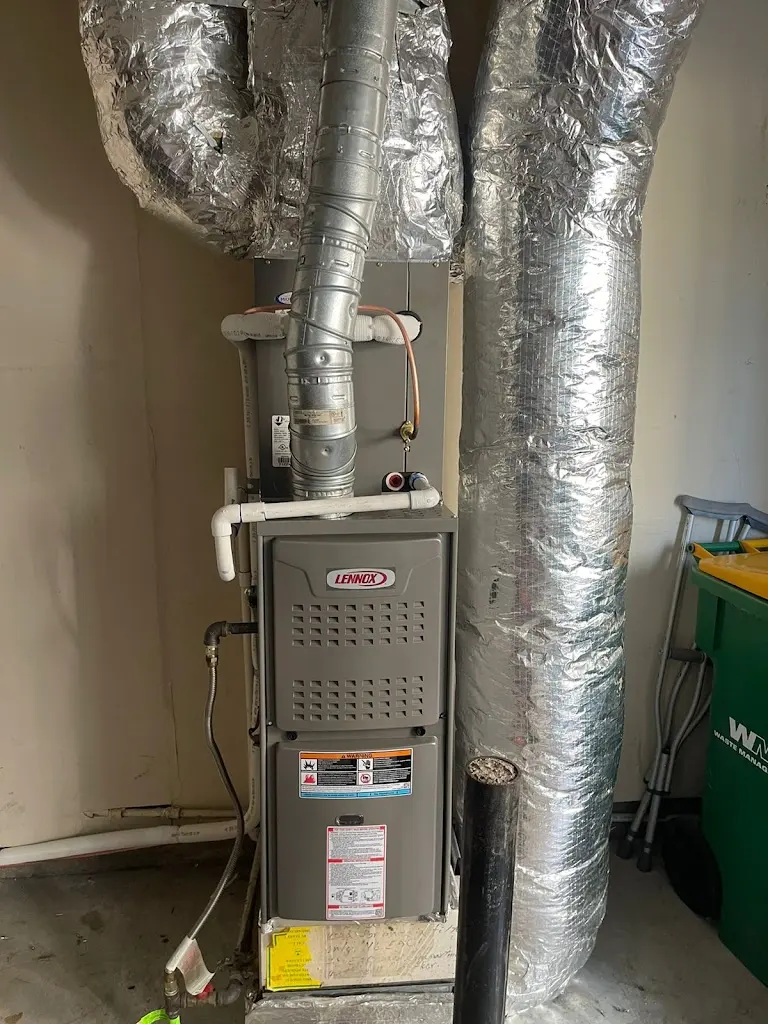
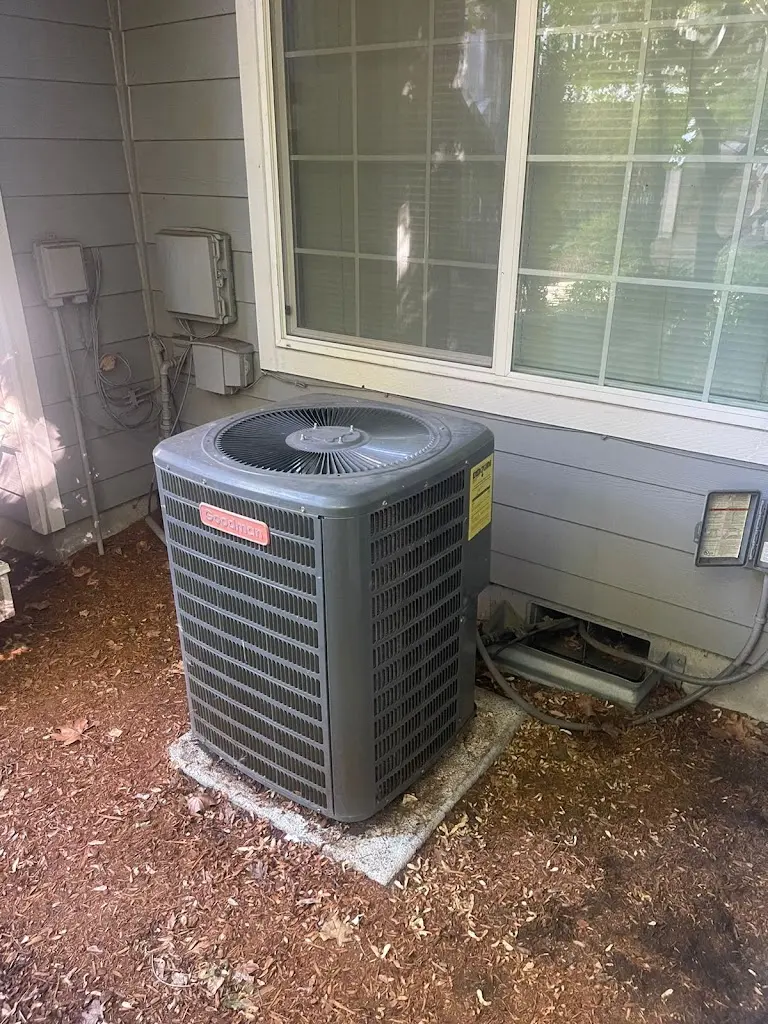
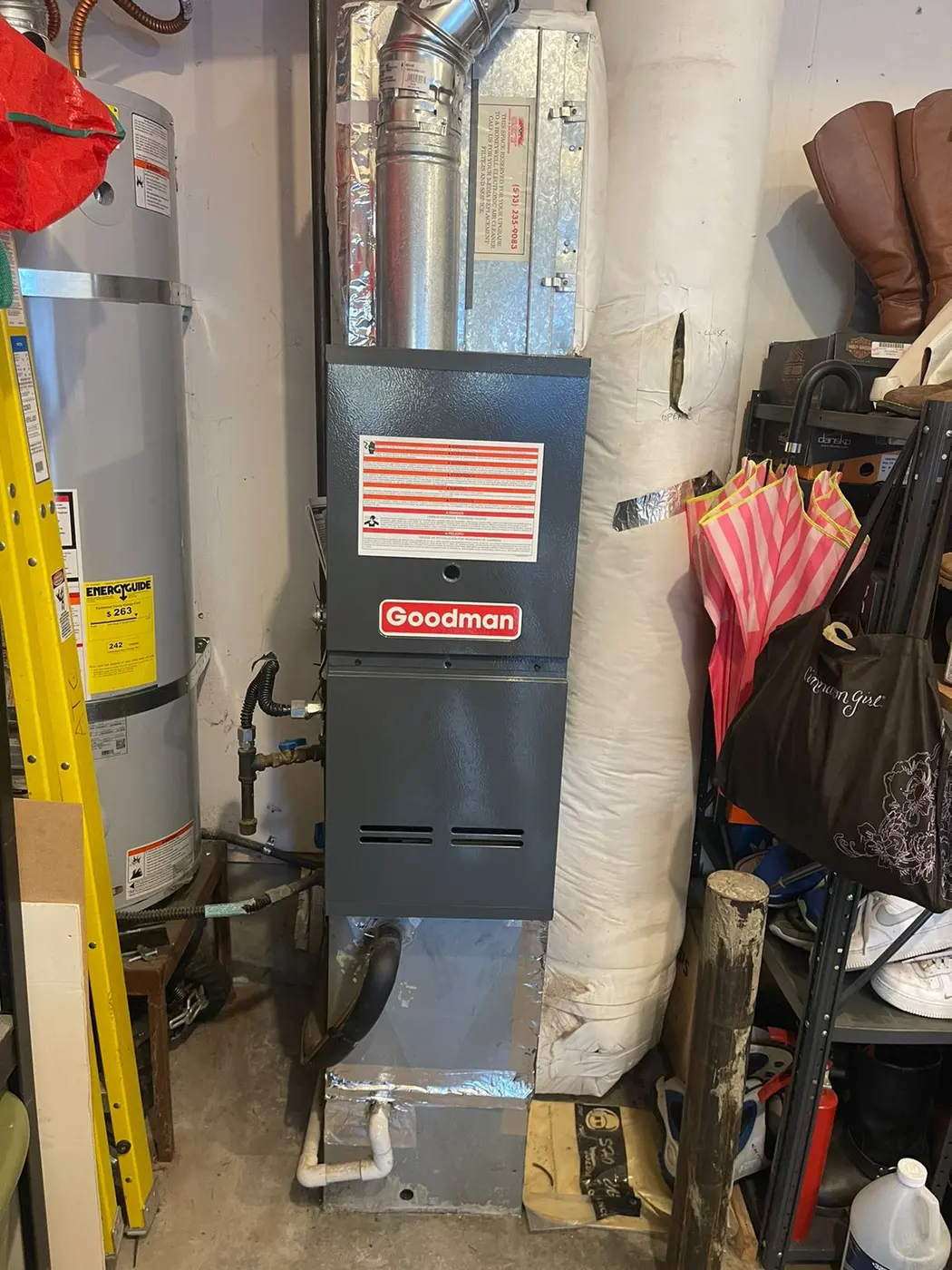
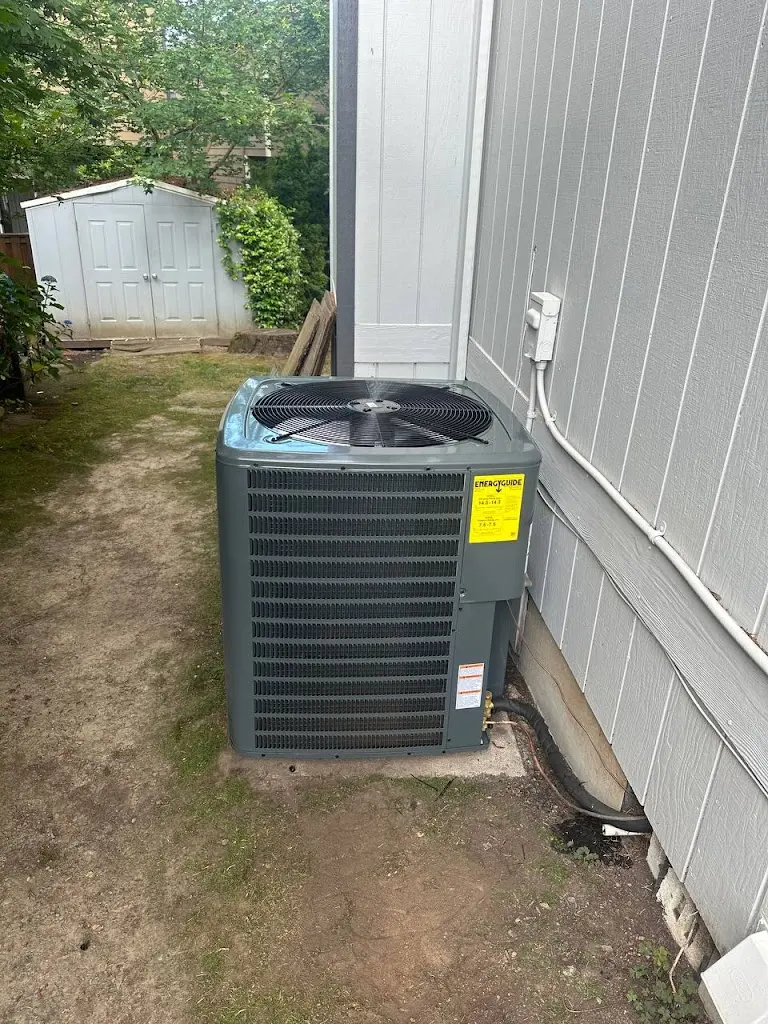
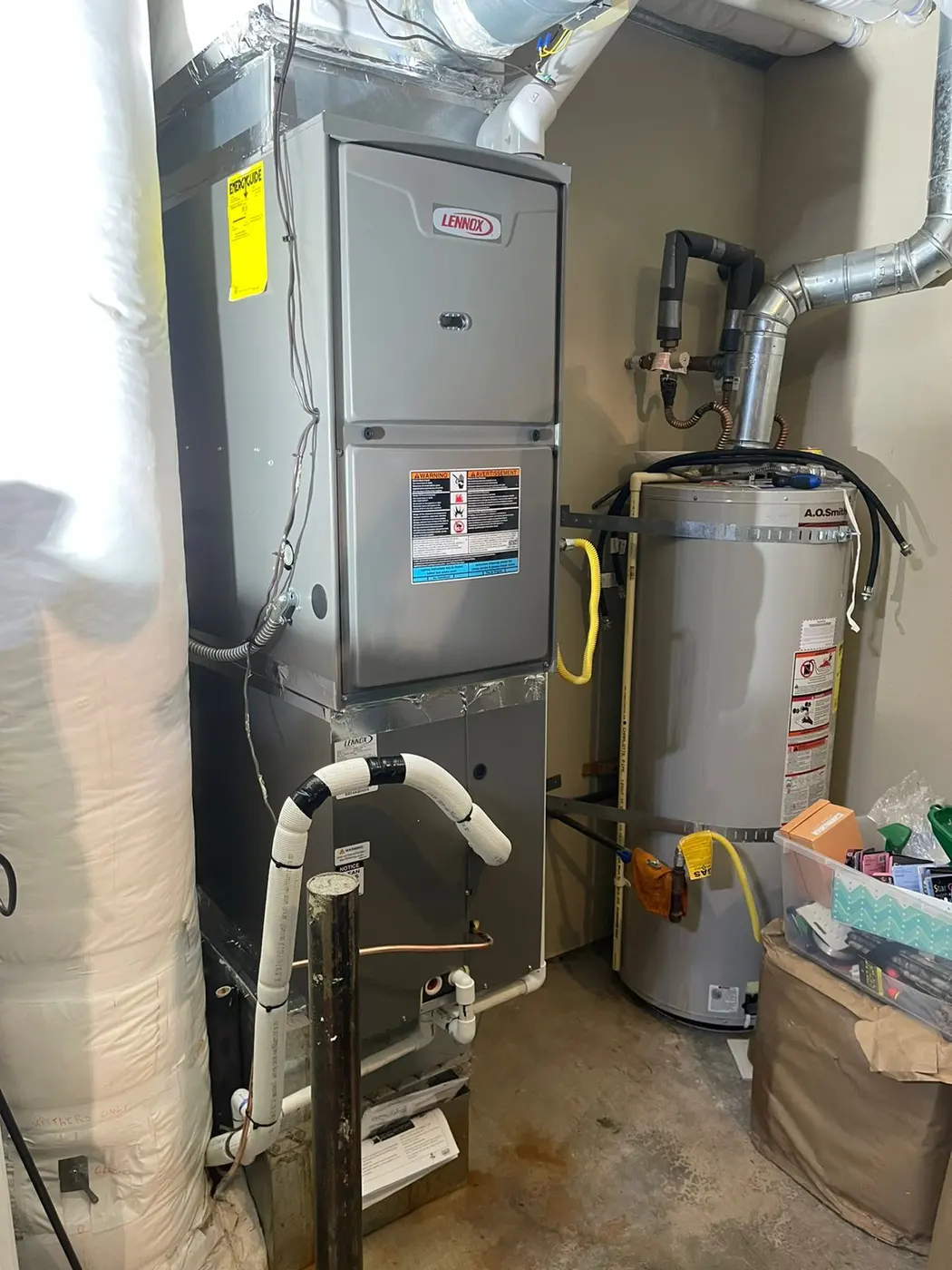
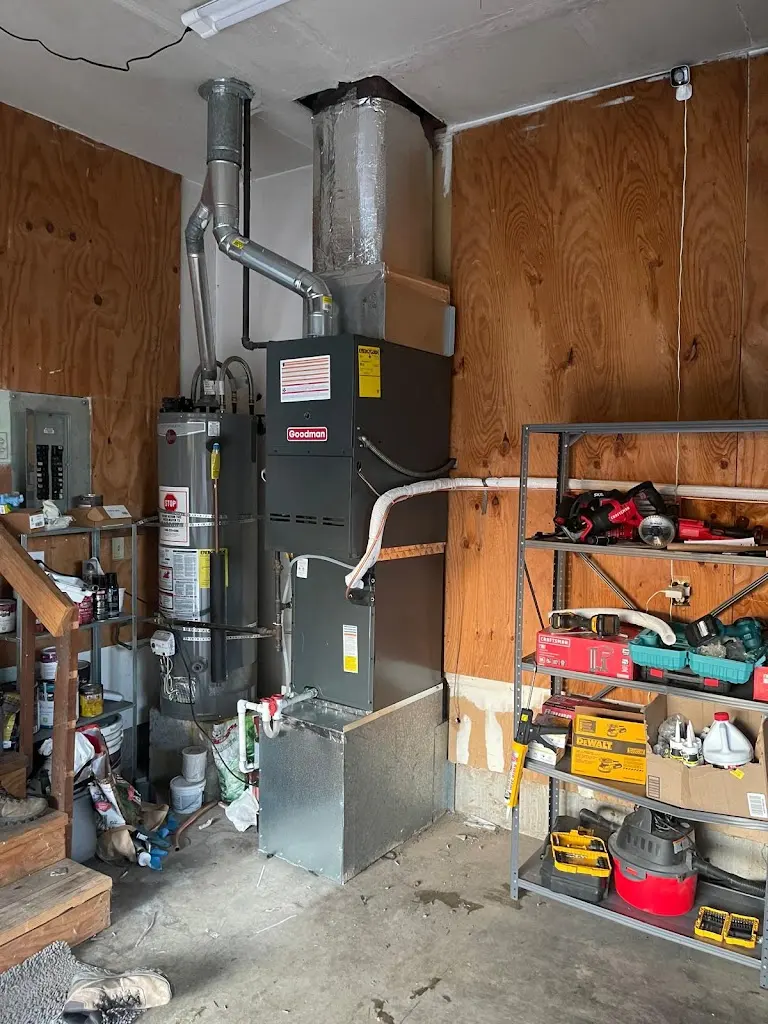
Review retained equipment as well as new parts. Ask how those items fit the final setup and which work the project included. An older unit can remain part of the plan. Its presence should be clear in the record so a later visit does not mistake it for new work.
Keep the original room concern in view. Ask what the finished checks showed about that concern and what remains open. A completed equipment task may not answer every comfort question. The review should make that limit clear without treating an unknown result as a confirmed one.
If the project covered only part of the property, keep that boundary visible too. A check in one area does not establish the result in another system. Name the equipment and rooms involved in the completed scope. That keeps the review within the actual project scope.
Record an Open Item as a Specific Next Step
An open item needs more than a note to check later. Ask what still needs attention and why. Identify the task or decision that would address it. Keep that detail with the completed work rather than blending the two into a vague final status.
A function may need a further check, or another equipment concern may sit outside the agreement. Those are different situations. Ask which one applies to the open item. Do not assume that every remaining concern means the new unit itself has failed.
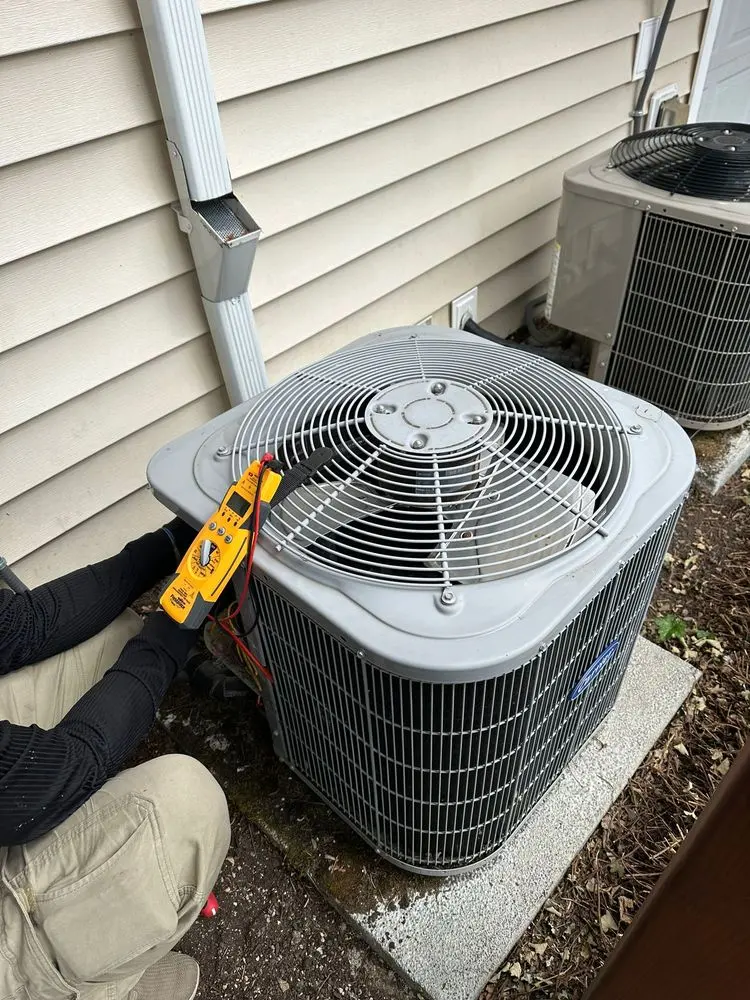
For a separate equipment fault, our HVAC repair in Washougal service addresses that diagnosis. Keep its scope clear alongside the installation record. The free estimator visit applies to planning installation or replacement. It does not make every later repair task part of the original work.
Before extra work starts, review its purpose, tasks and price. Confirm who can approve it and how it relates to the open item. A follow-up date is useful, but it is not a record of completed work. Retain both the planned next step and the result when that step occurs.
Review Normal Use With the People Who Need It
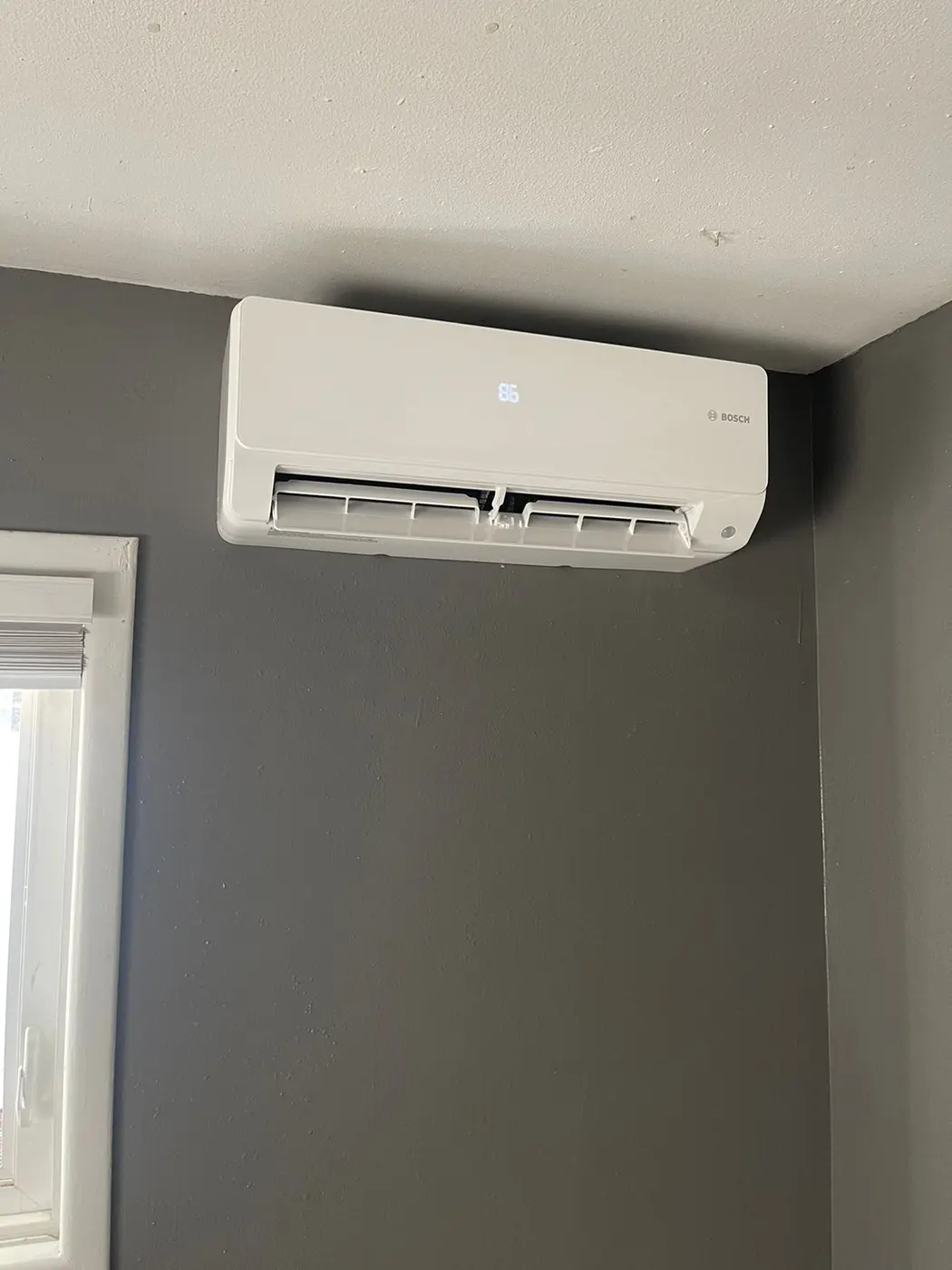
Ask how to choose the modes and settings you will use each day. Review the display and any schedule included in the setup. Keep ordinary use separate from advanced equipment settings. You should not need to alter hidden controls to understand the handover.
If another person usually uses the system, make the normal-use details available to them. Note any difference from the old control that matters to the routine. A new interface can raise a question even when the equipment works. The record should help separate that question from an operating fault.
Ask what care information applies to the installed setup. Keep it tied to the actual equipment and included work. A general habit from the old system may not describe the new one. Missing care details can remain a clear question for follow-up instead of an assumption about what to do.
Keep a Record That Supports the Next Service Request
Retain the installed model details, retained parts and completed tasks together. Include approved changes from the first proposal. A model substitution or different connection task should appear in the final record. That way, the paperwork describes the system you received rather than an earlier plan.
Keep any open concern attached to the relevant equipment or function. Note what the visit checked and what it did not confirm. If the concern returns, describe the current setting and room result. Those facts give the next review a useful starting point.
A later symptom may match the earlier concern or involve something new. Explain the difference without assuming the same cause. The completed work record provides context, but it does not replace a new finding. A clear handover makes that next conversation easier to follow.
Frequently Asked Questions
Does one successful operating check prove that every mode works?
No. Ask which modes and functions the checks covered. Keep any untested item clear in the record. A result for one function should not stand in for a result the visit did not confirm.
What if a final record lists the model first proposed, not the one installed?
Ask for the record to reflect the actual equipment and approved change. The final model details matter to later service. Keep the revised scope and completed tasks with them.
Does an open item always mean the whole installation is incomplete?
It depends on the item and agreed scope. Ask what work is complete and which task remains. A separate fault, an open check and an unfinished installation task need clear descriptions of their own.