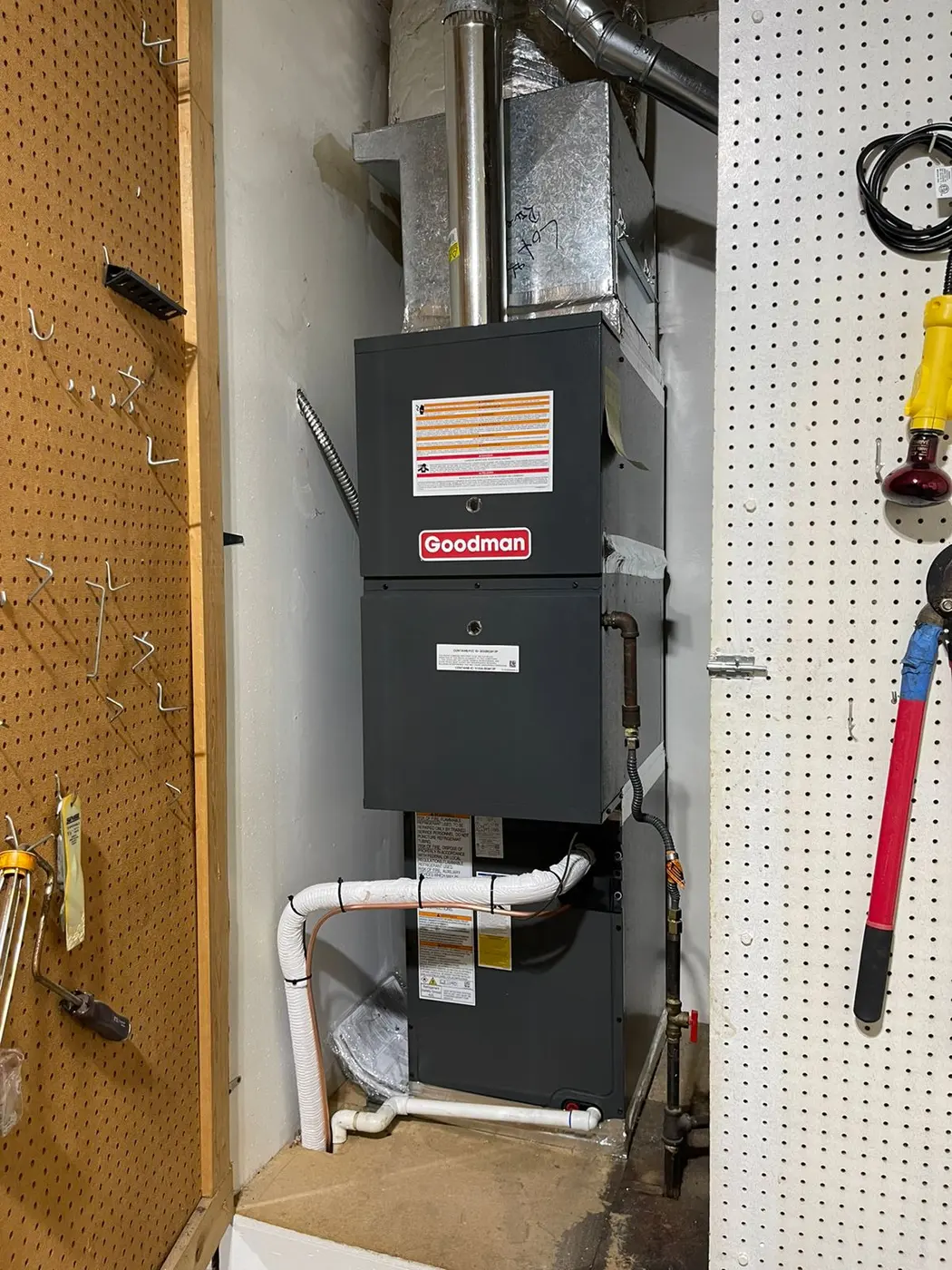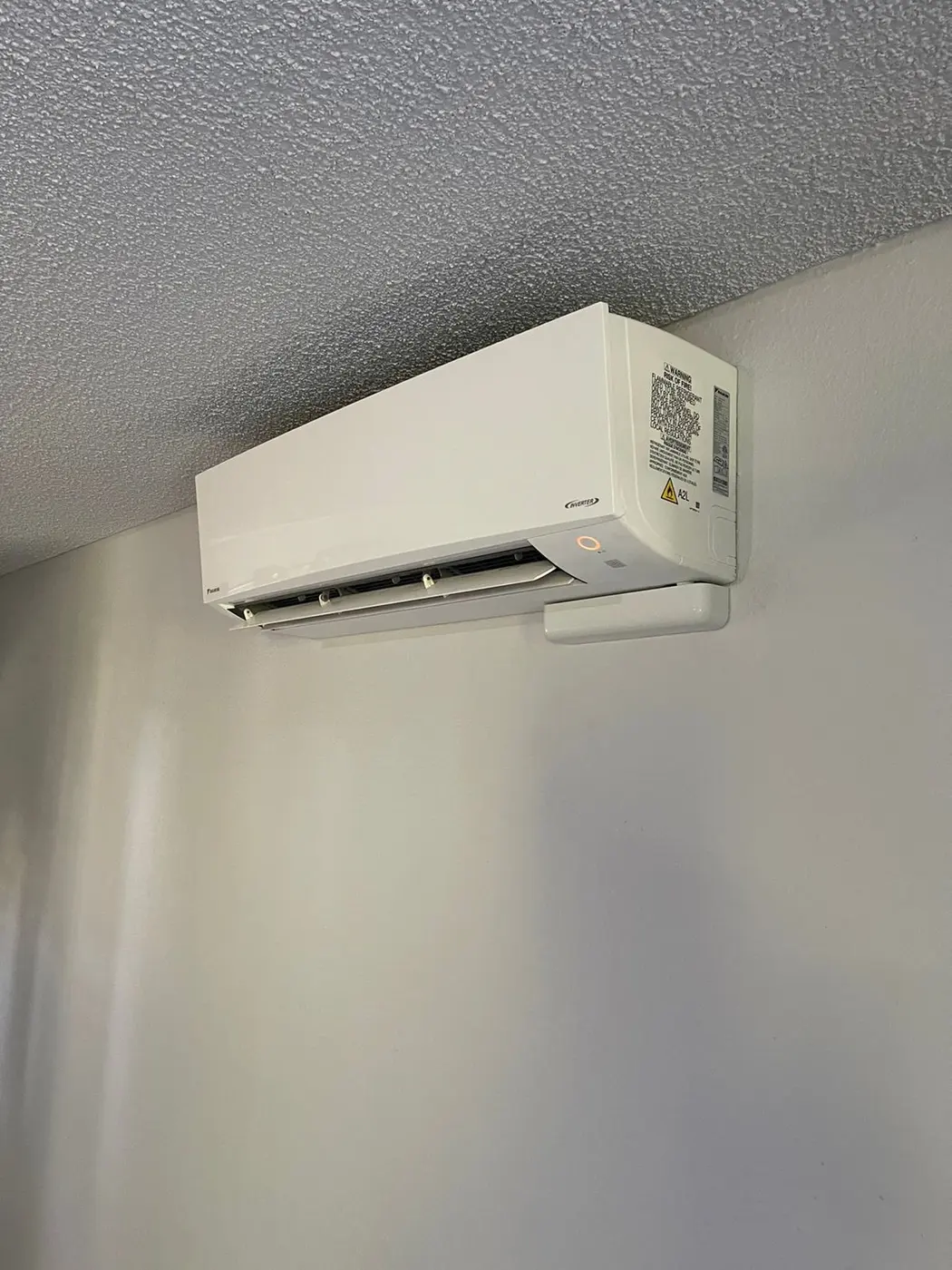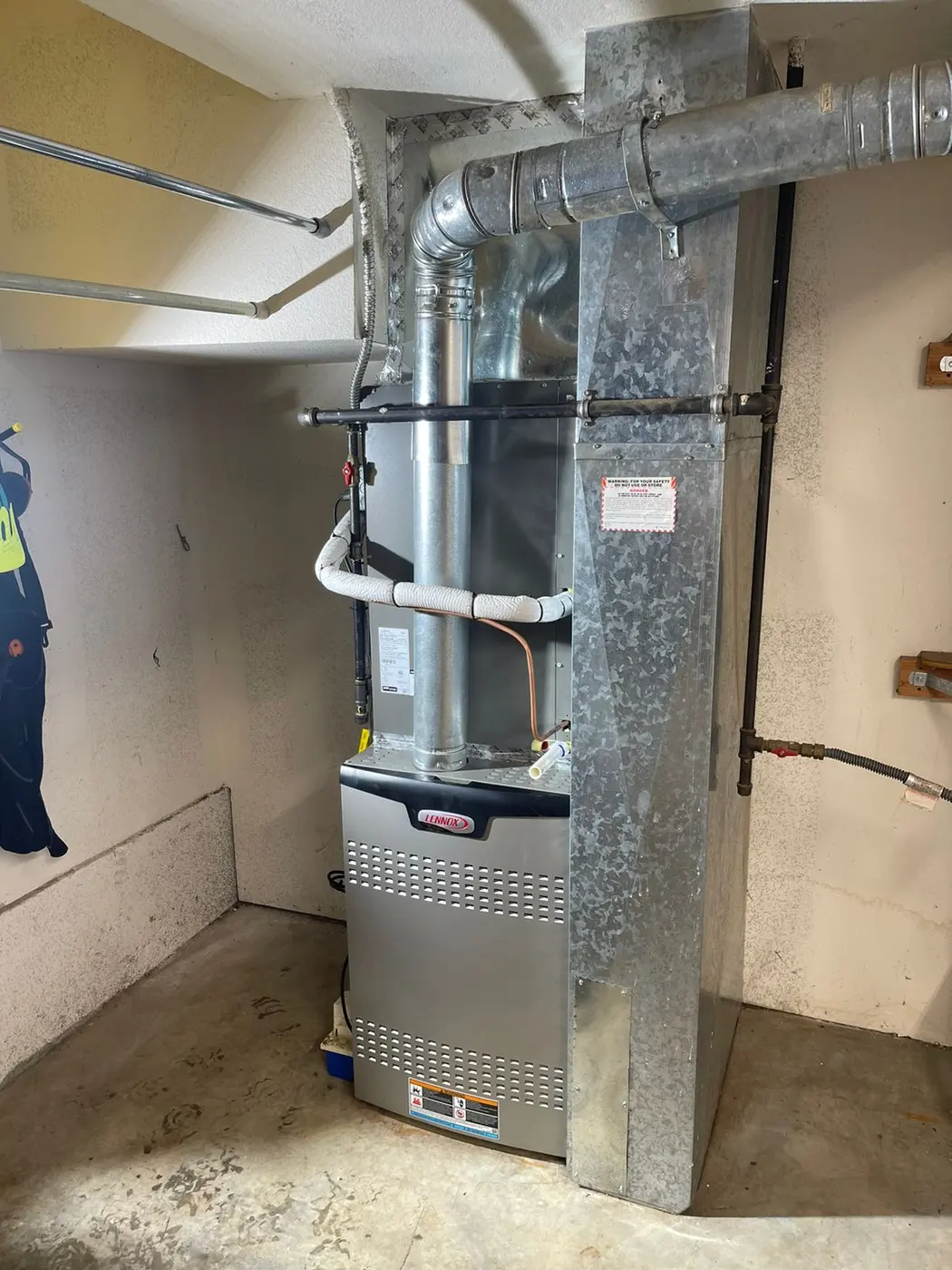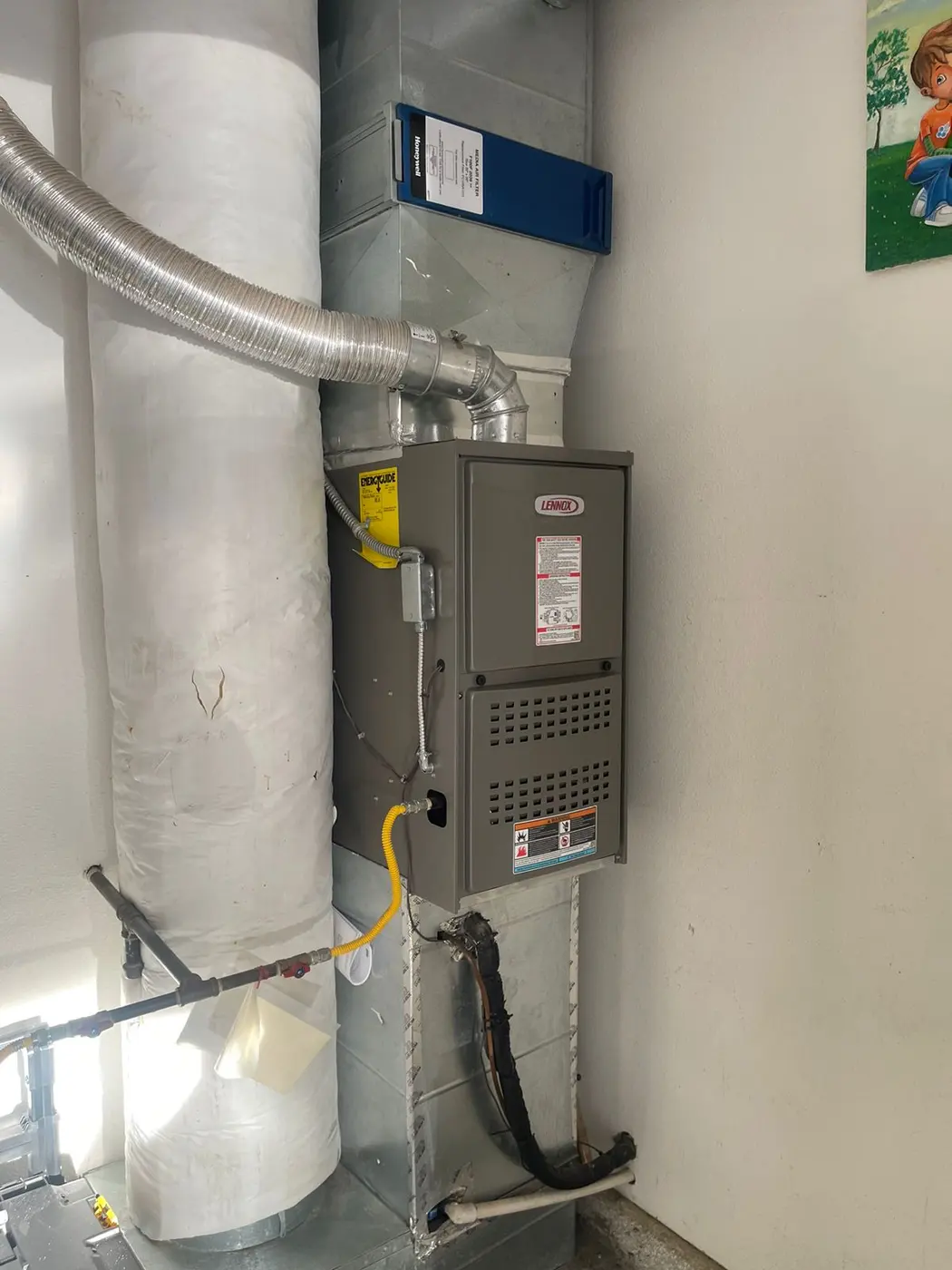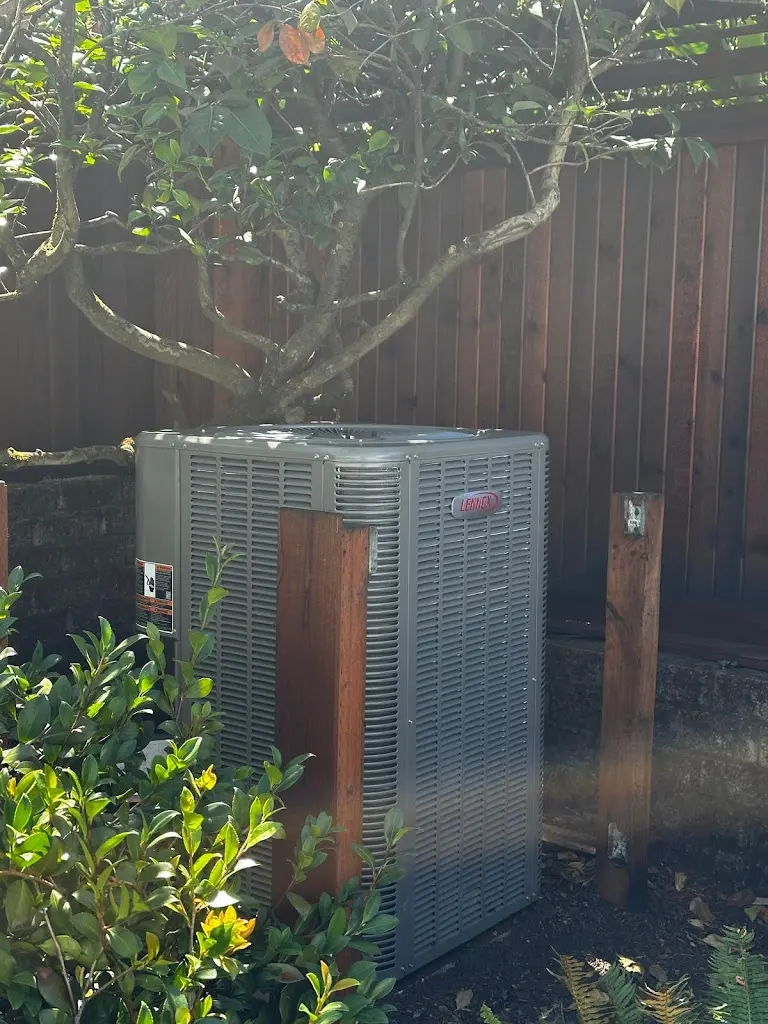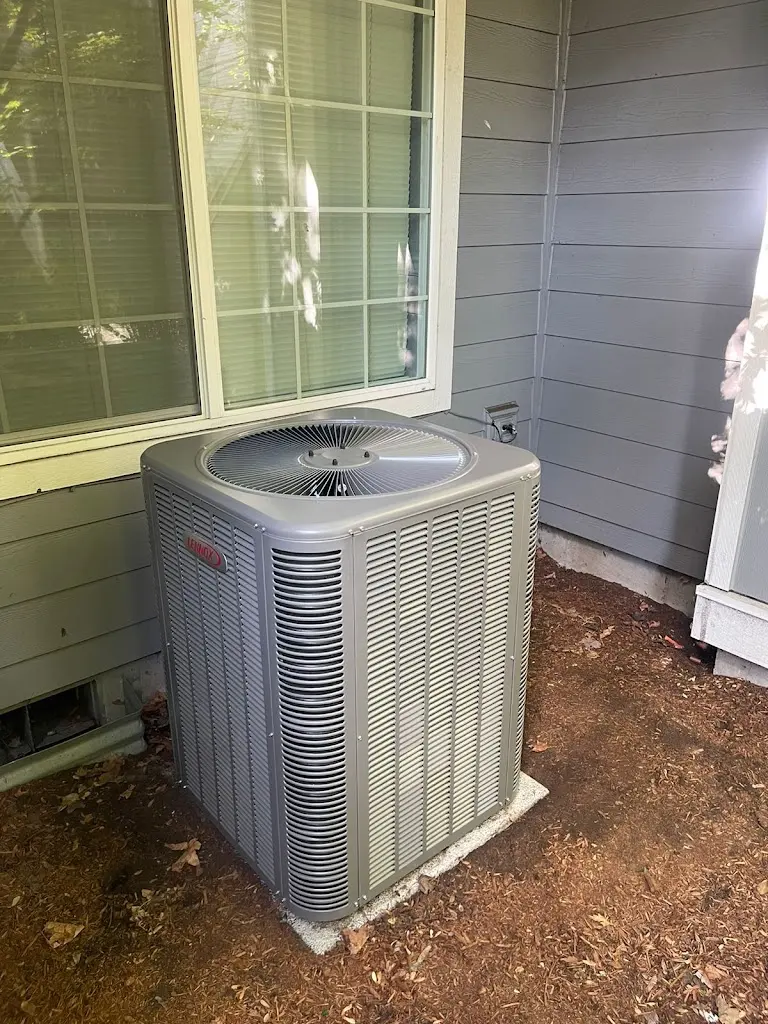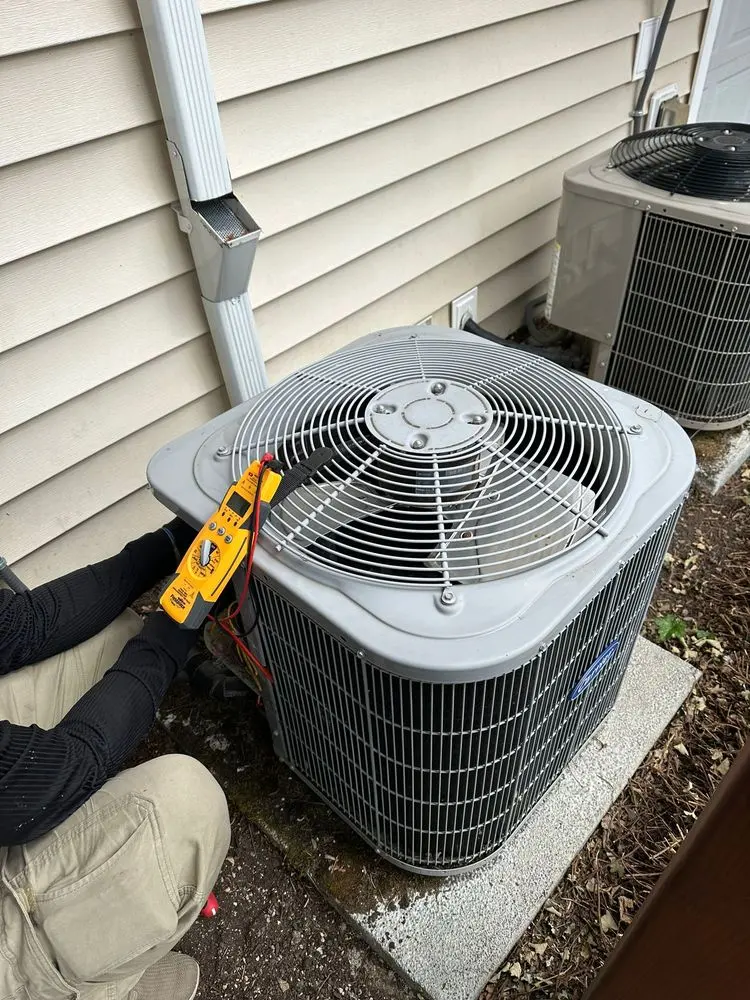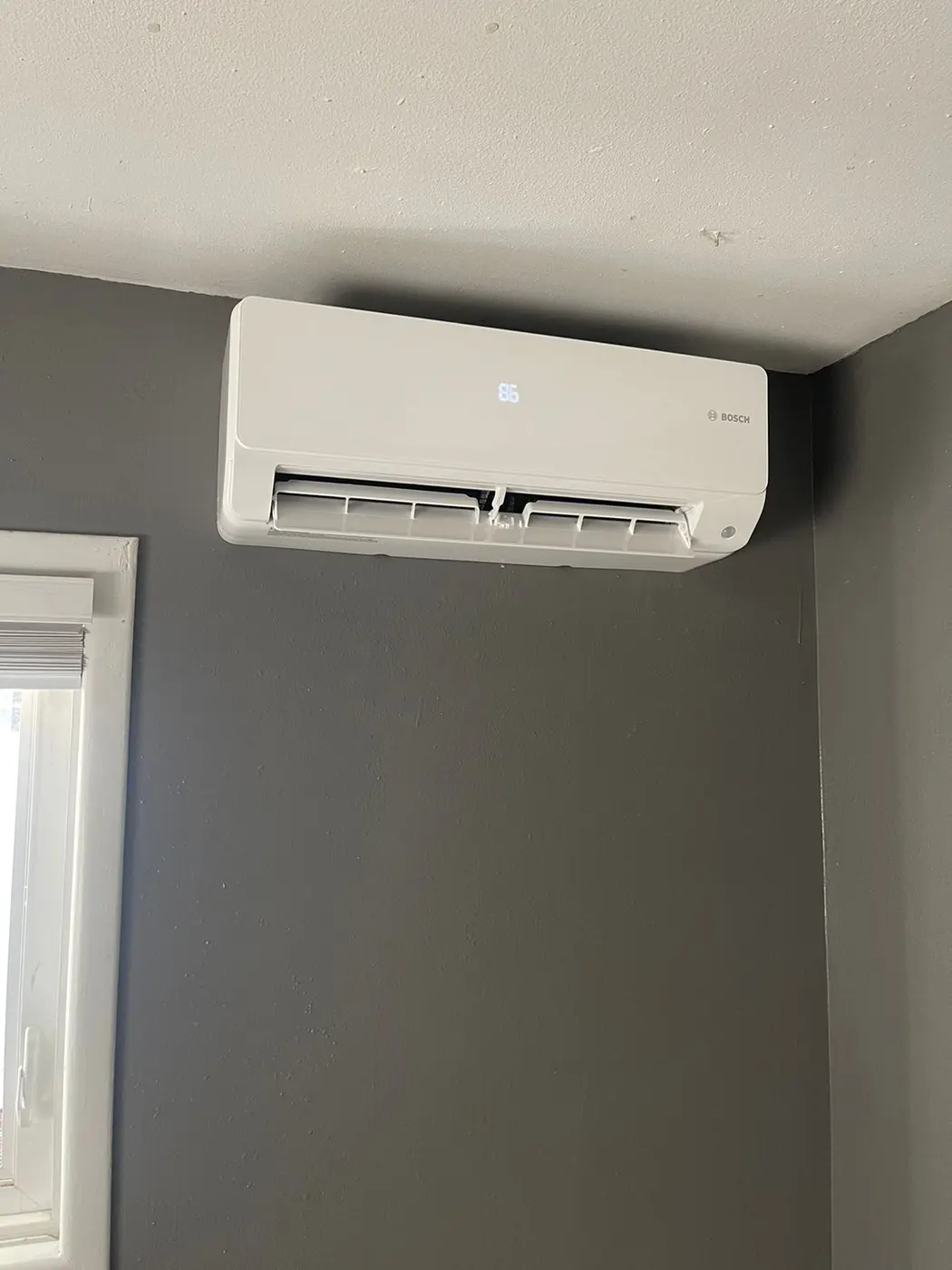
Include the Existing Air Paths in the Equipment Plan
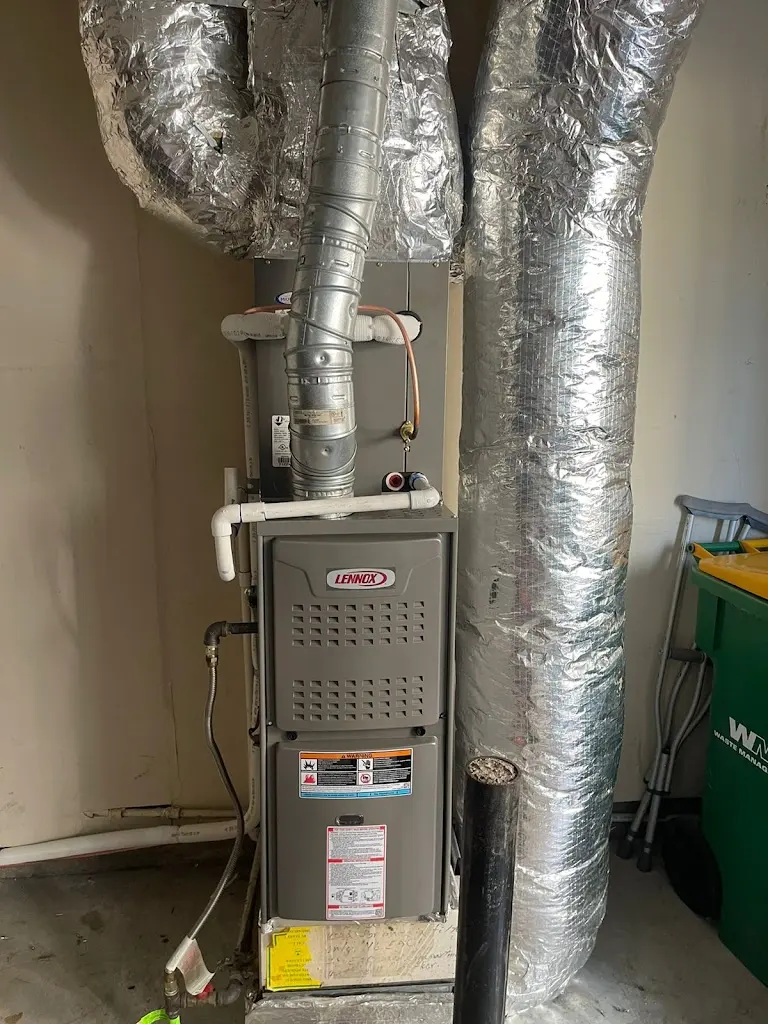
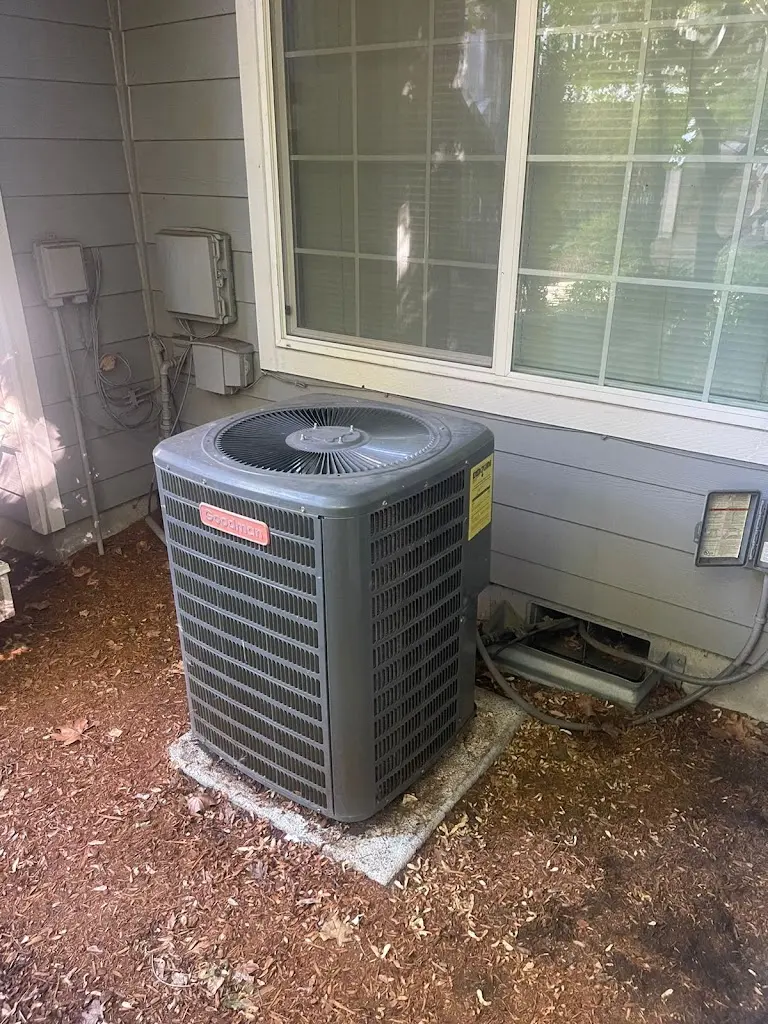
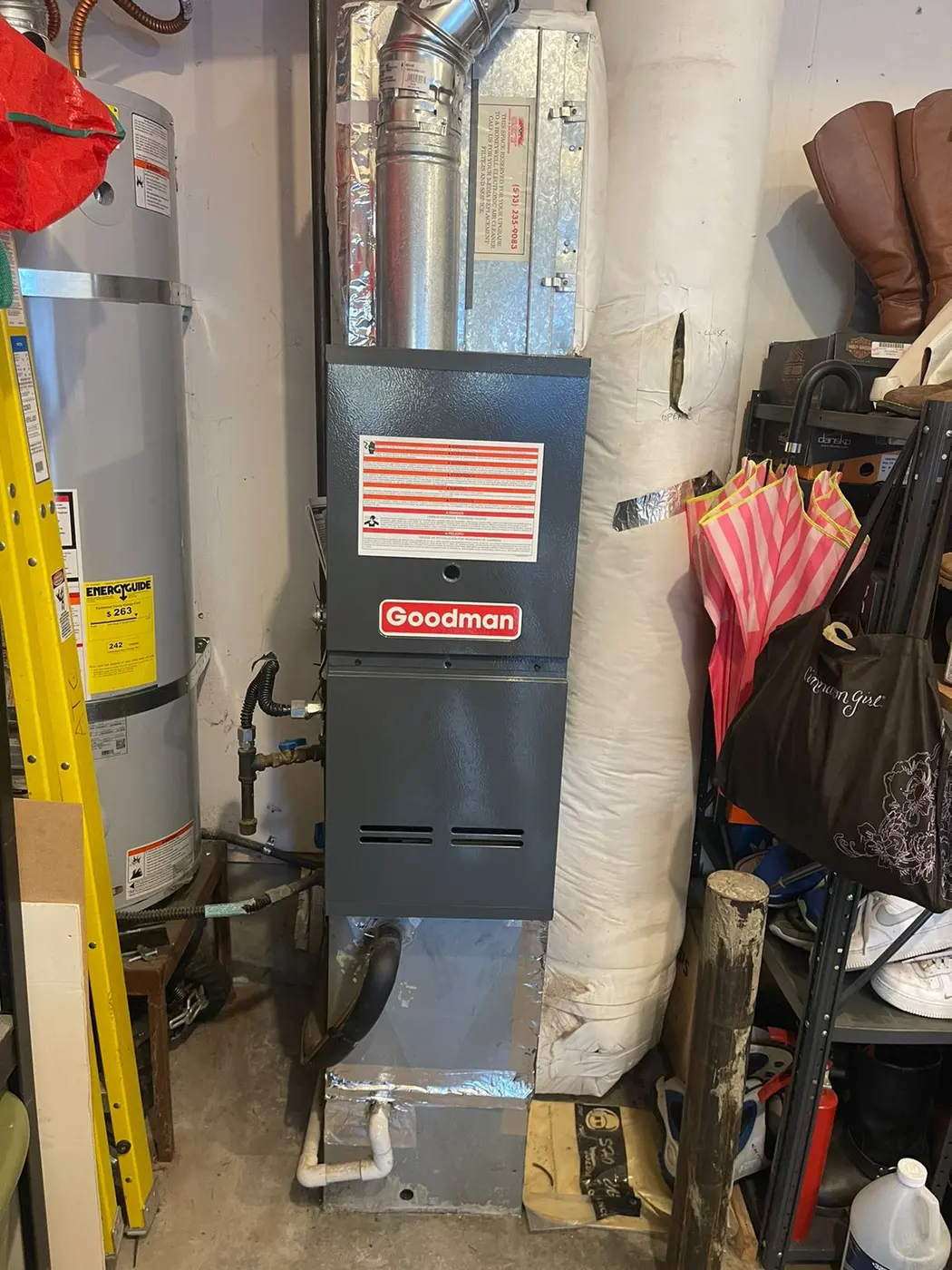
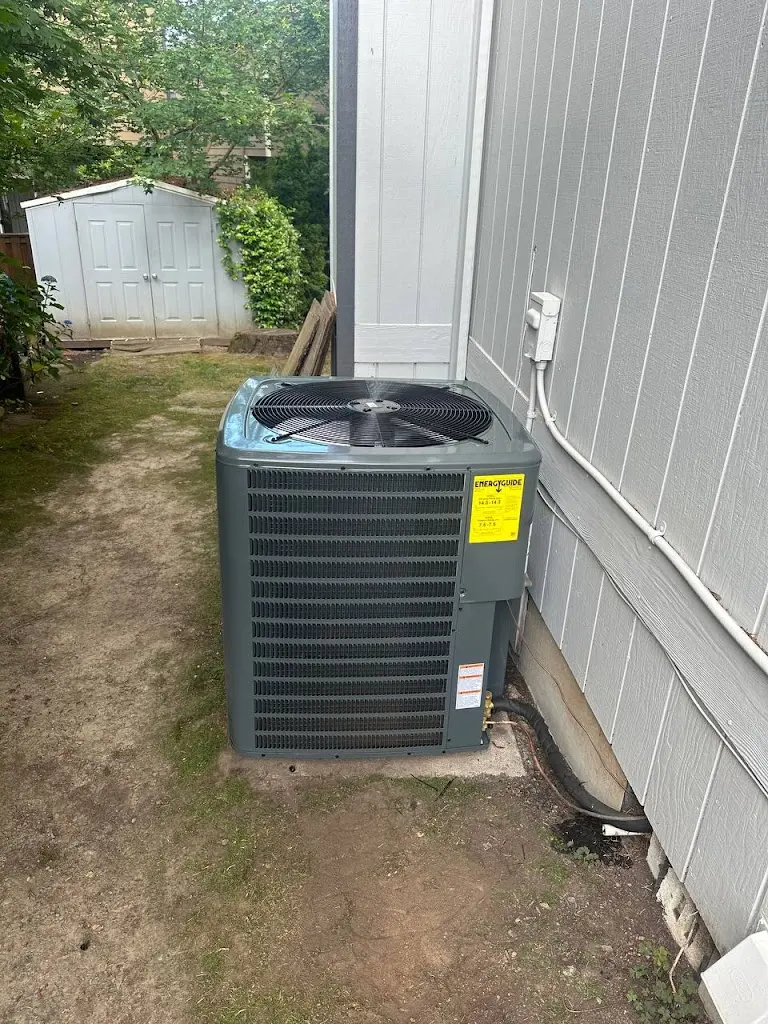
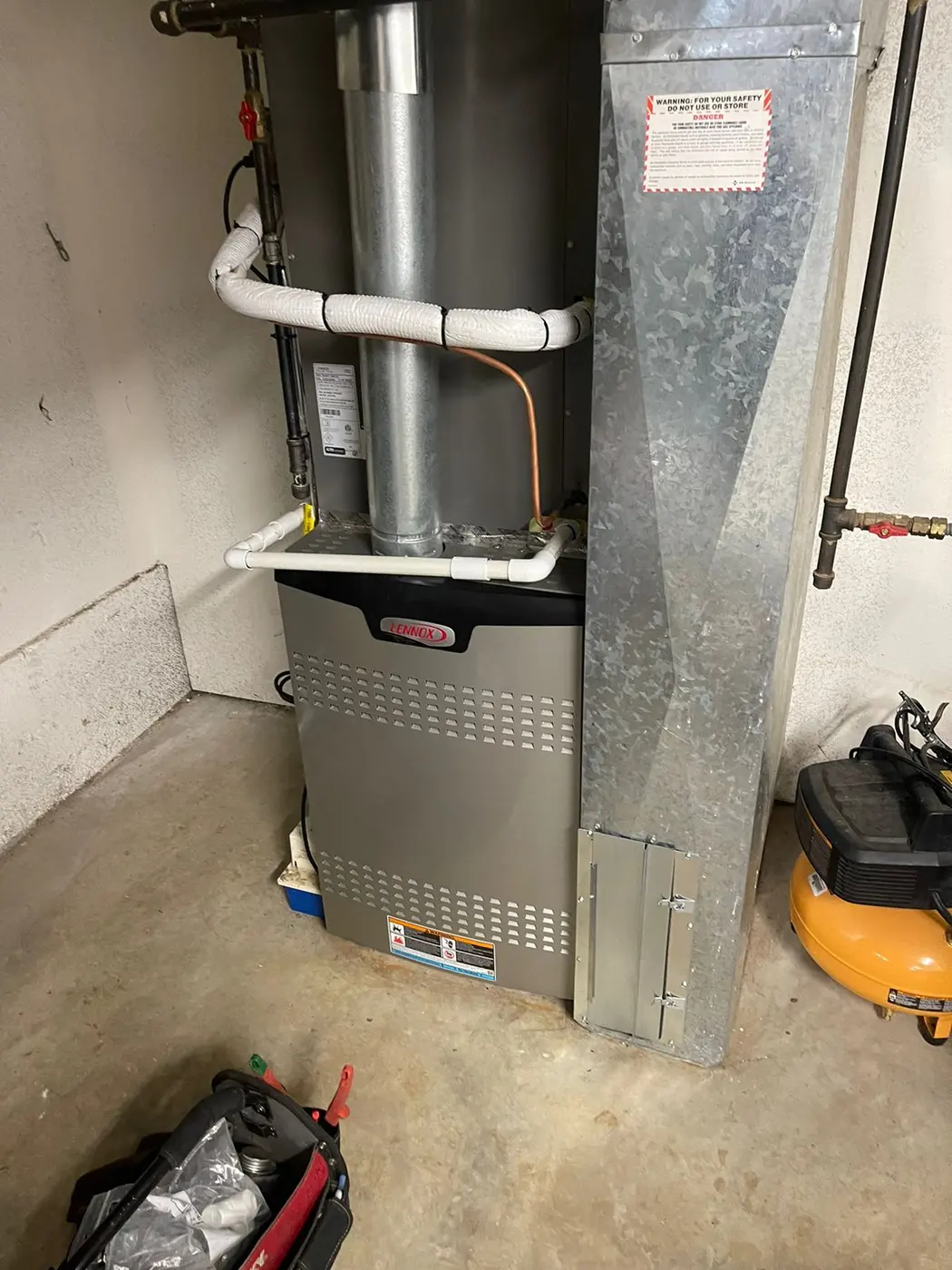
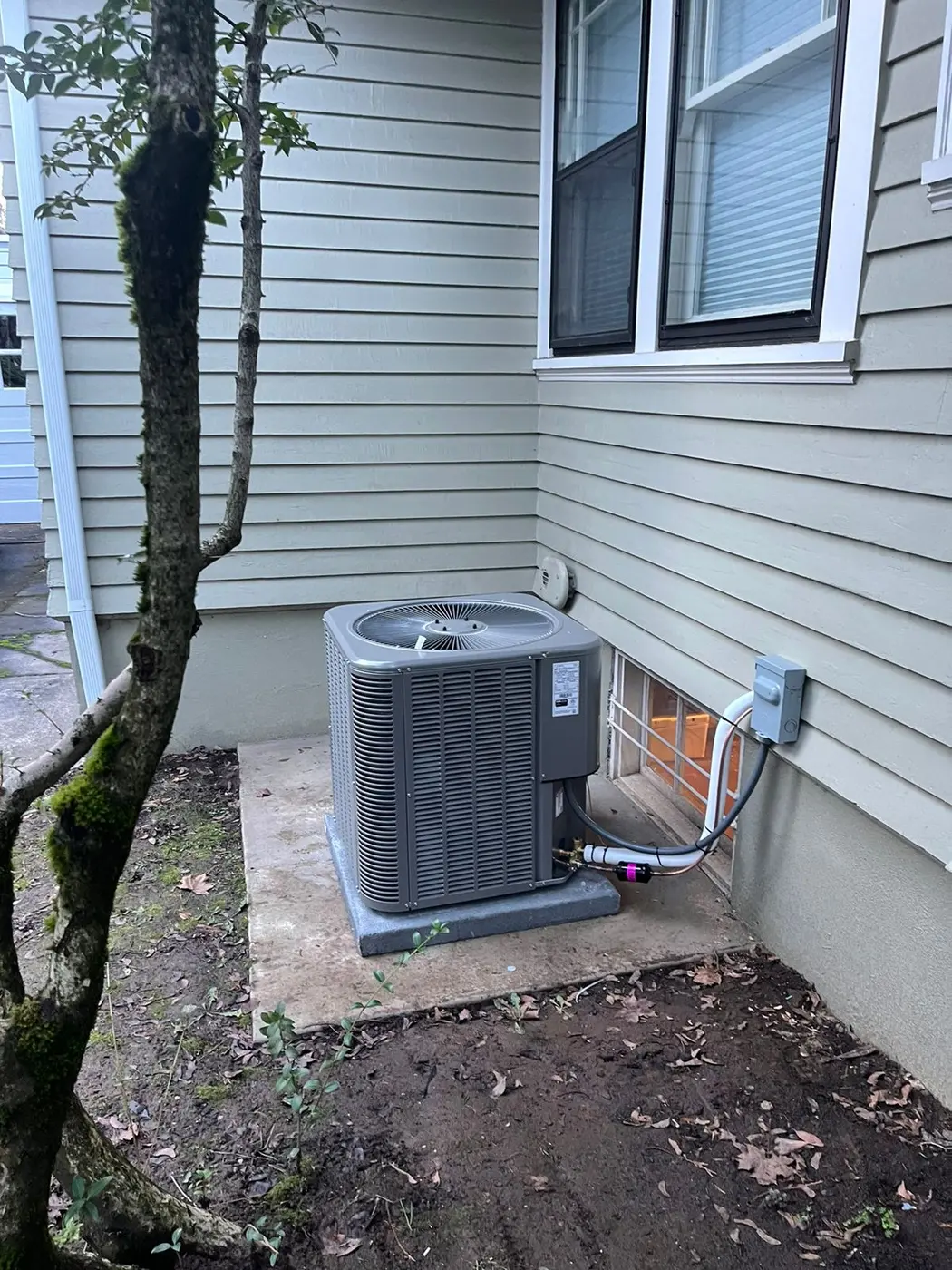
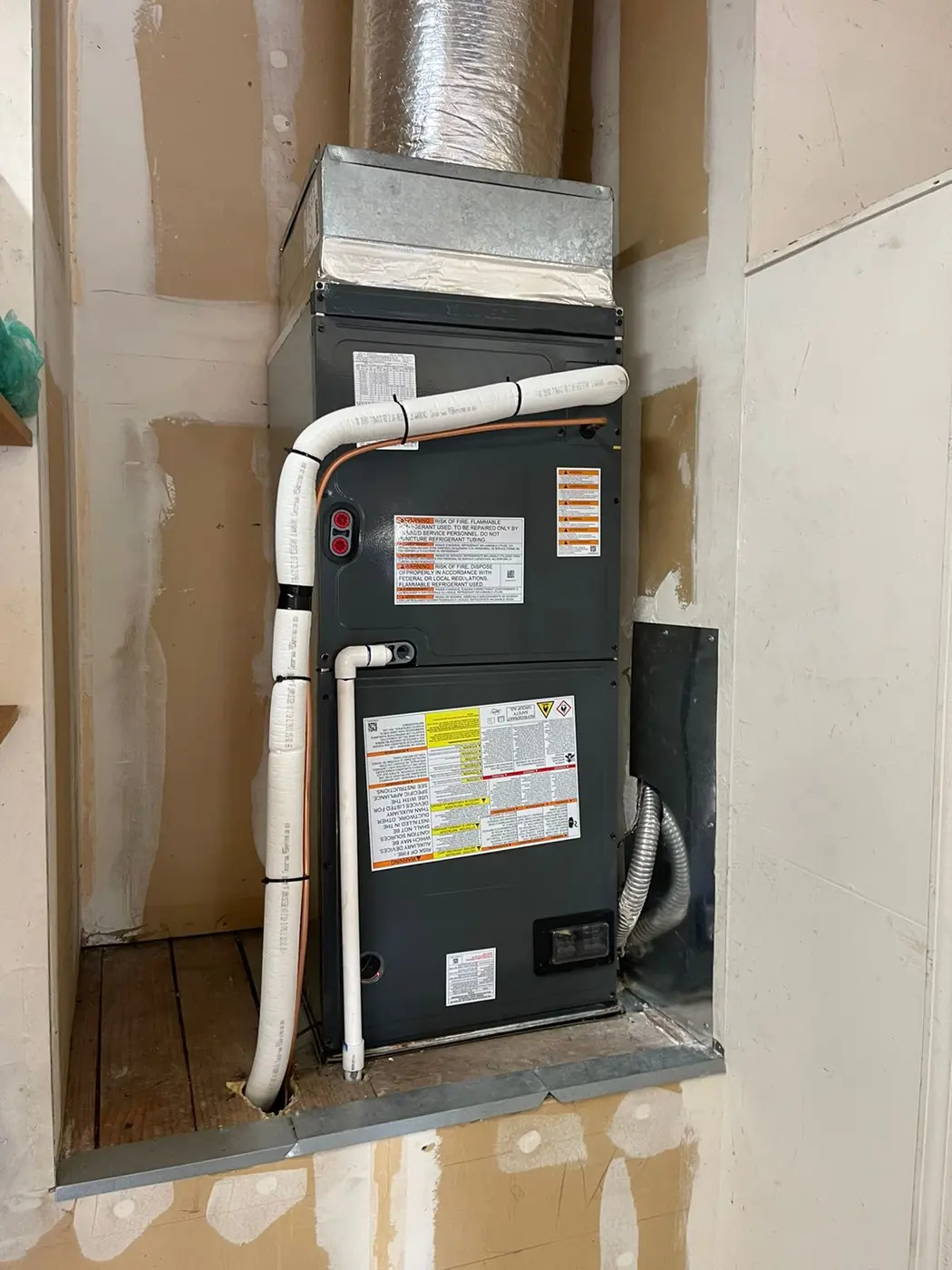
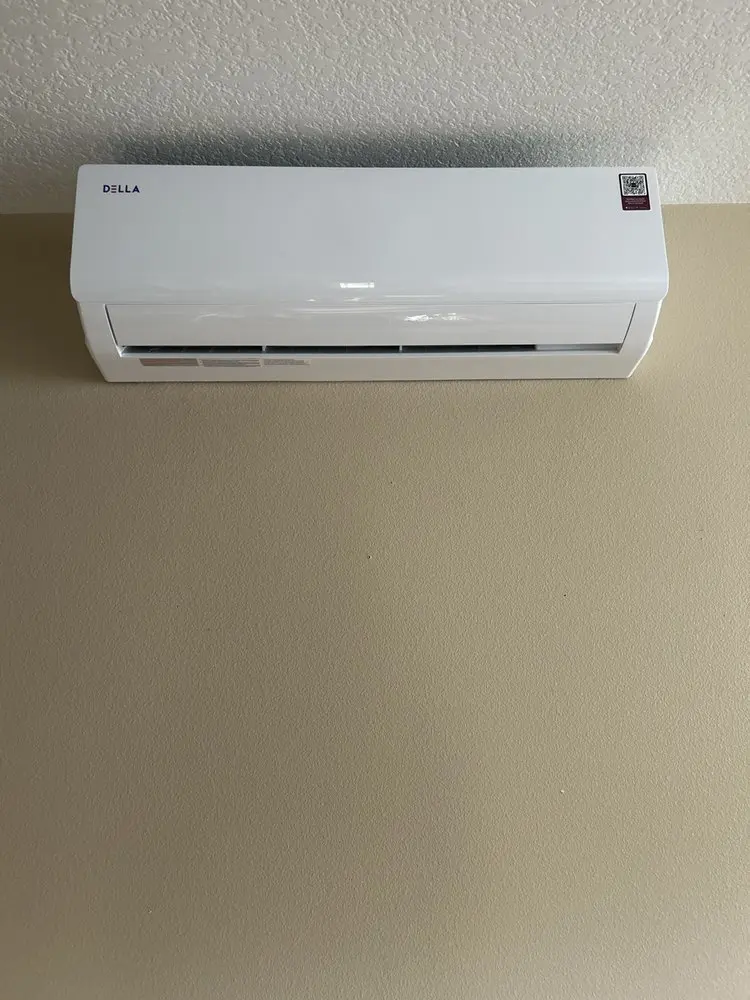
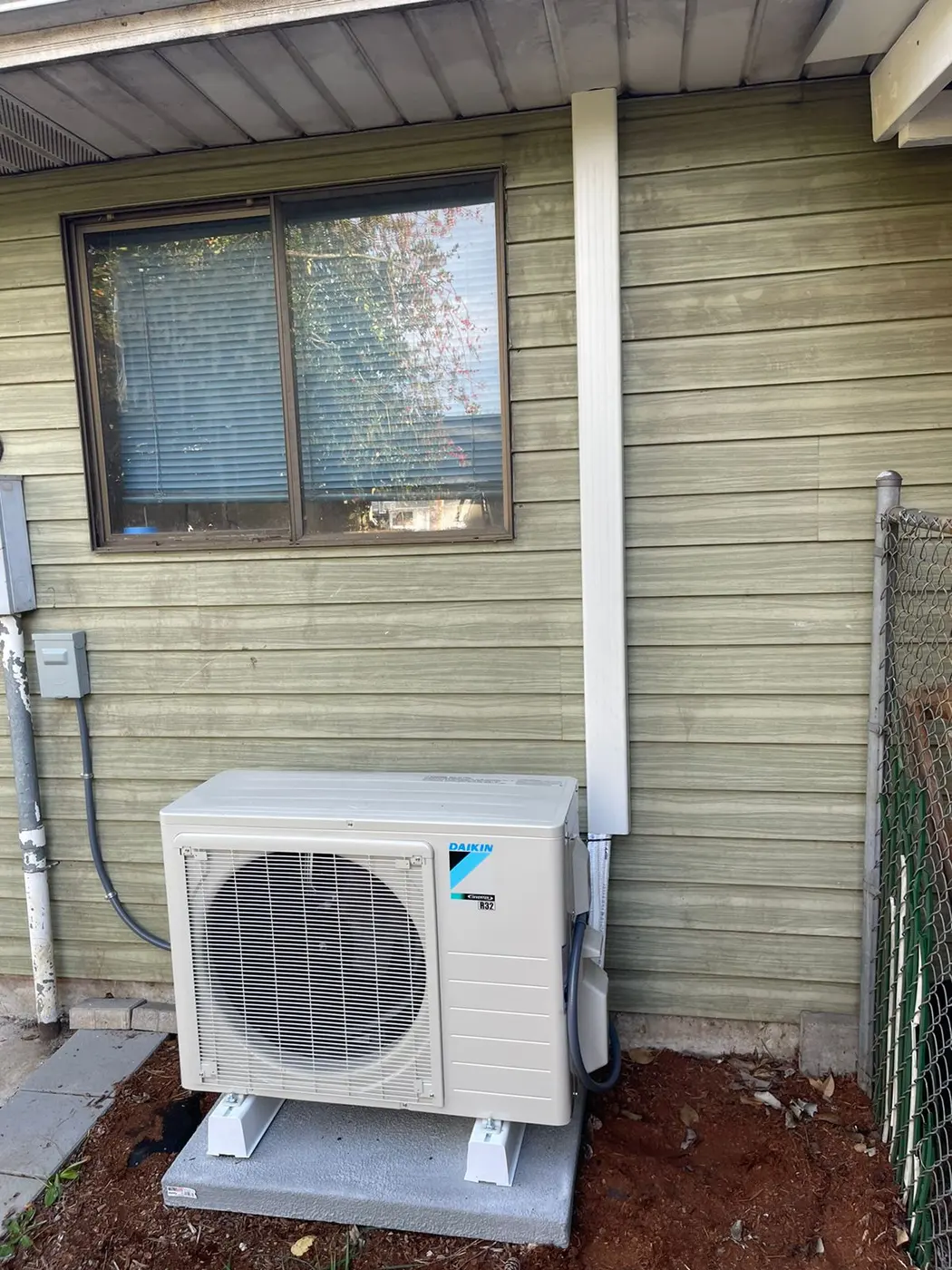
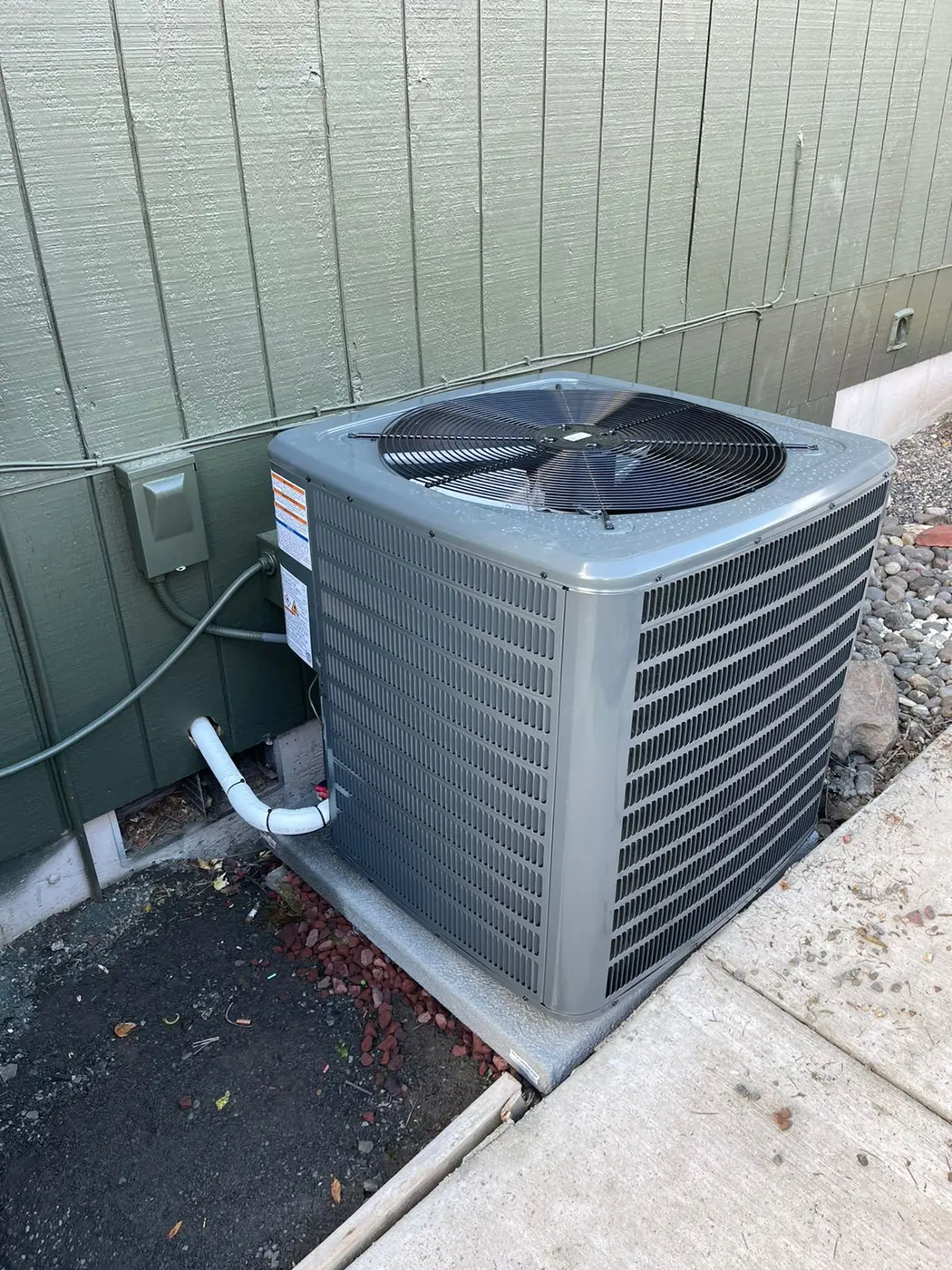
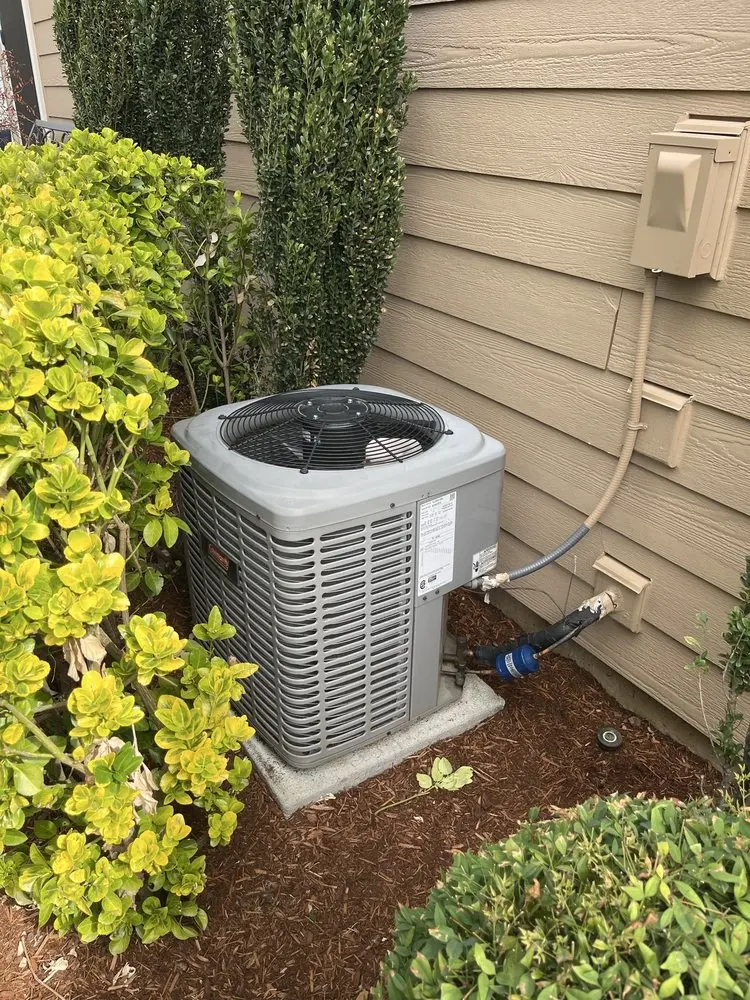
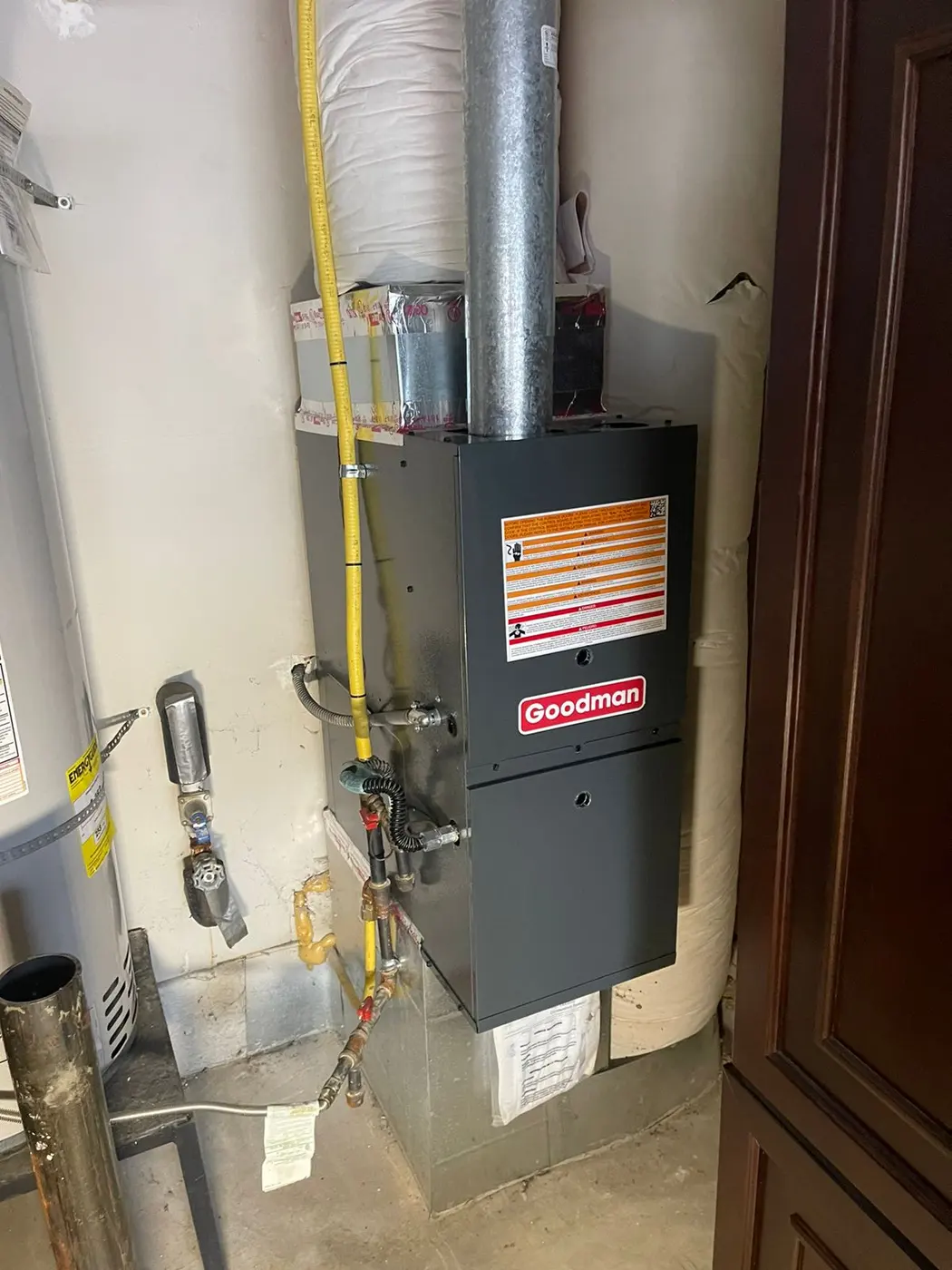
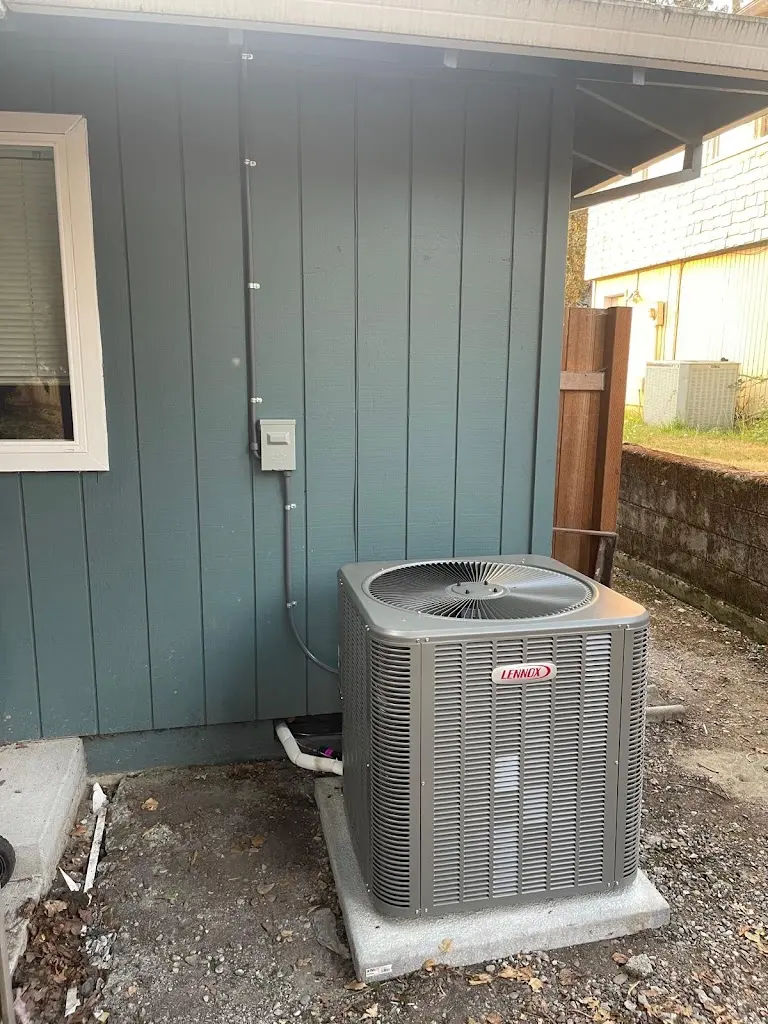
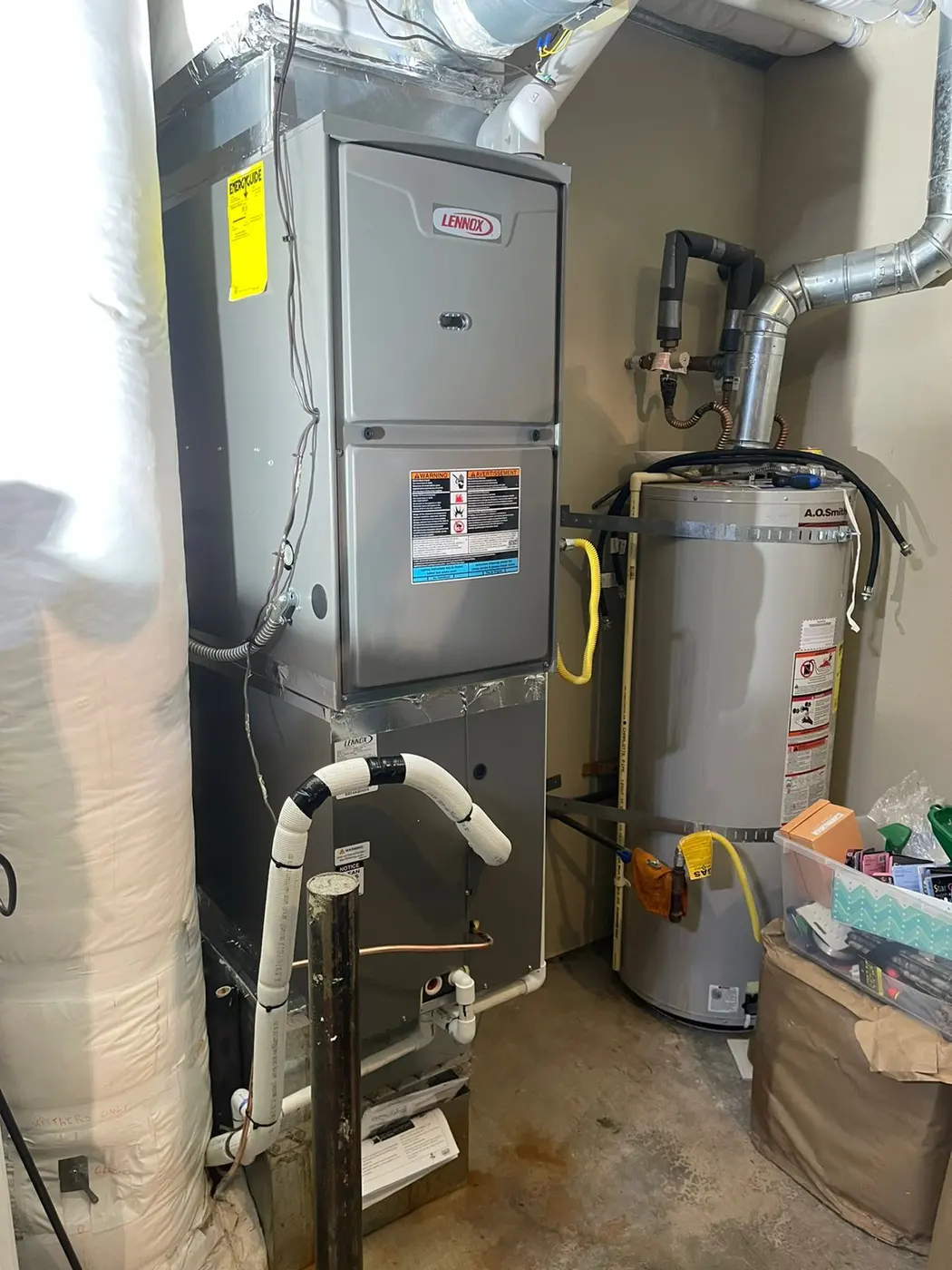
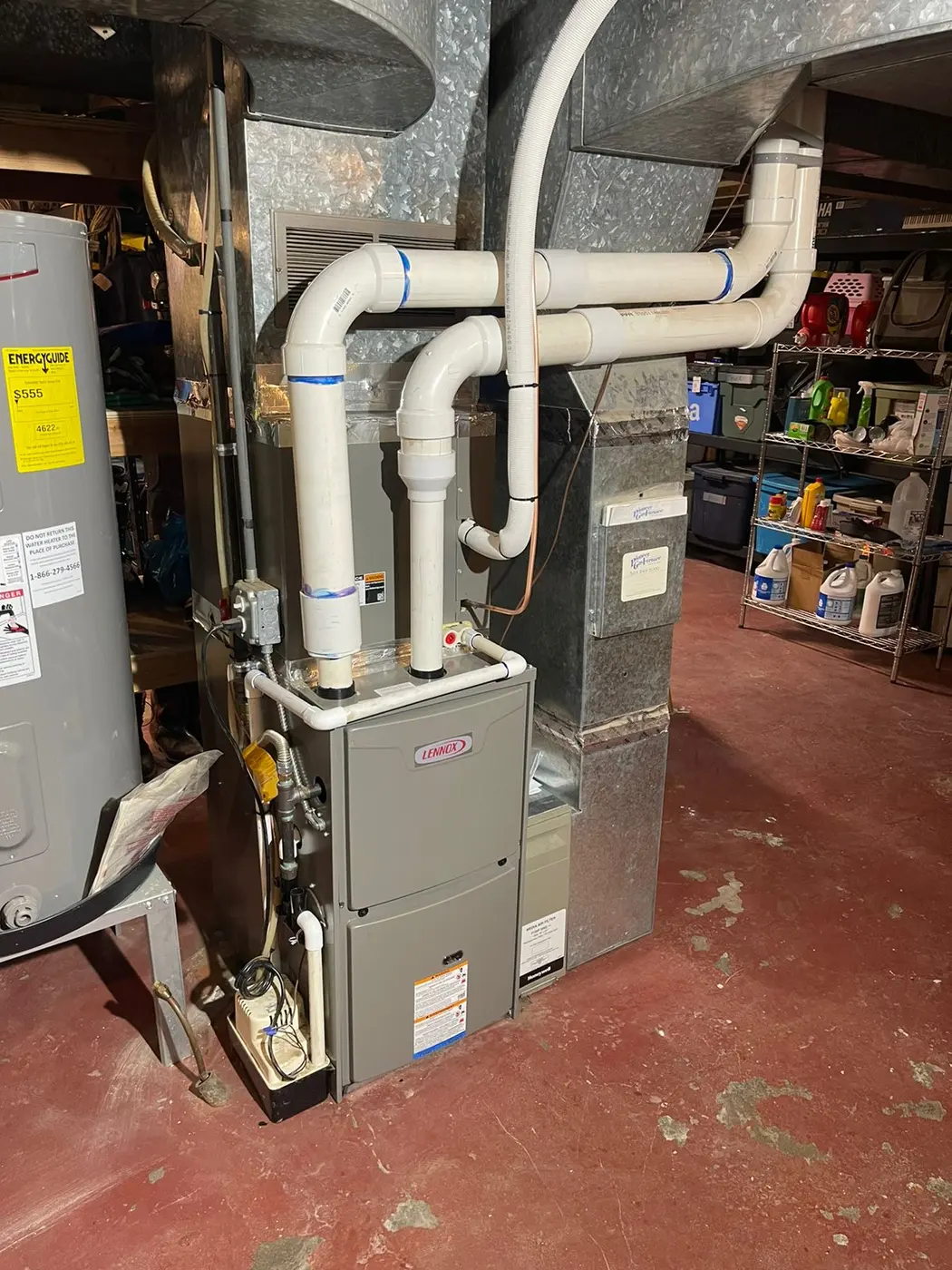
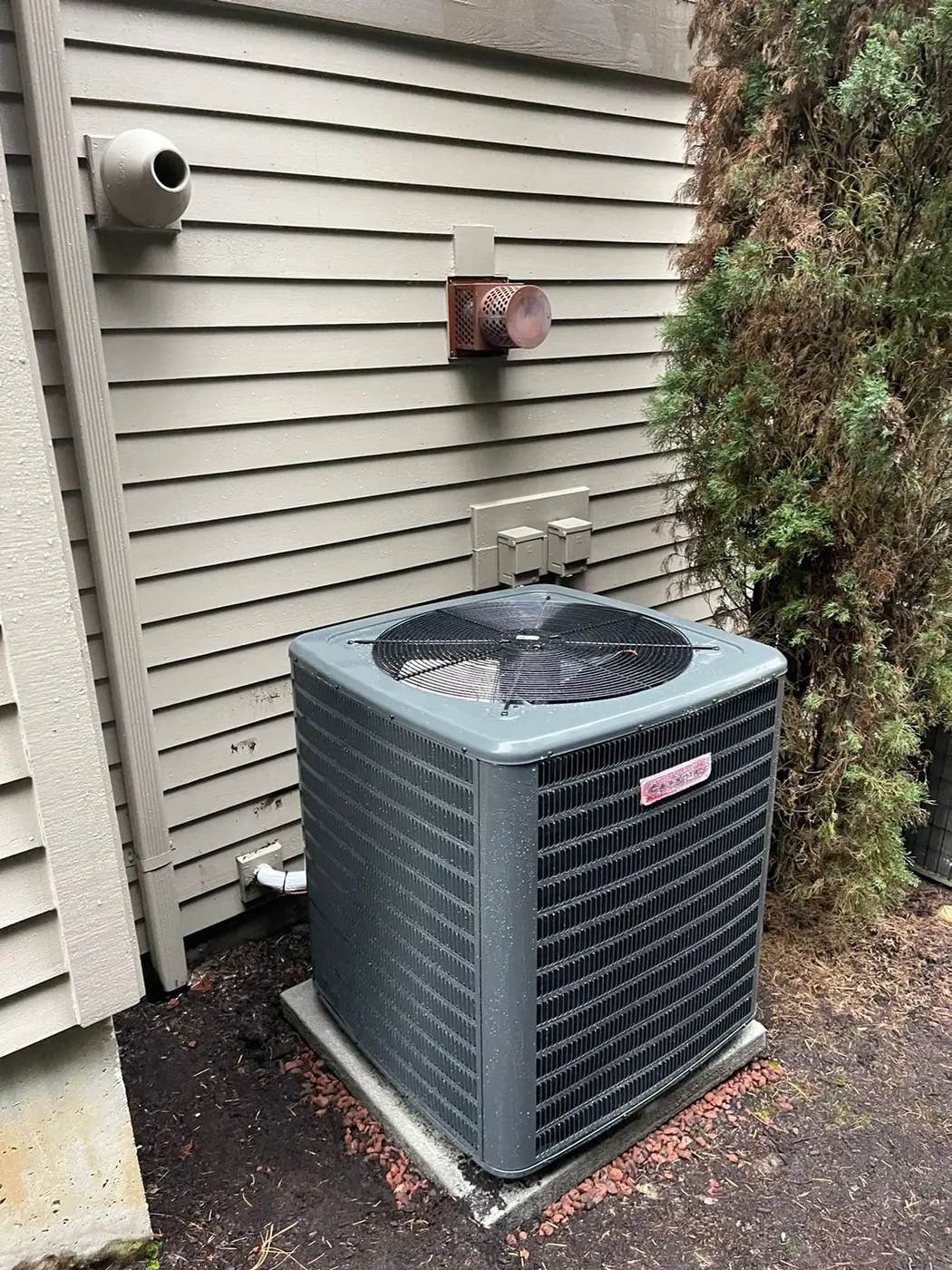
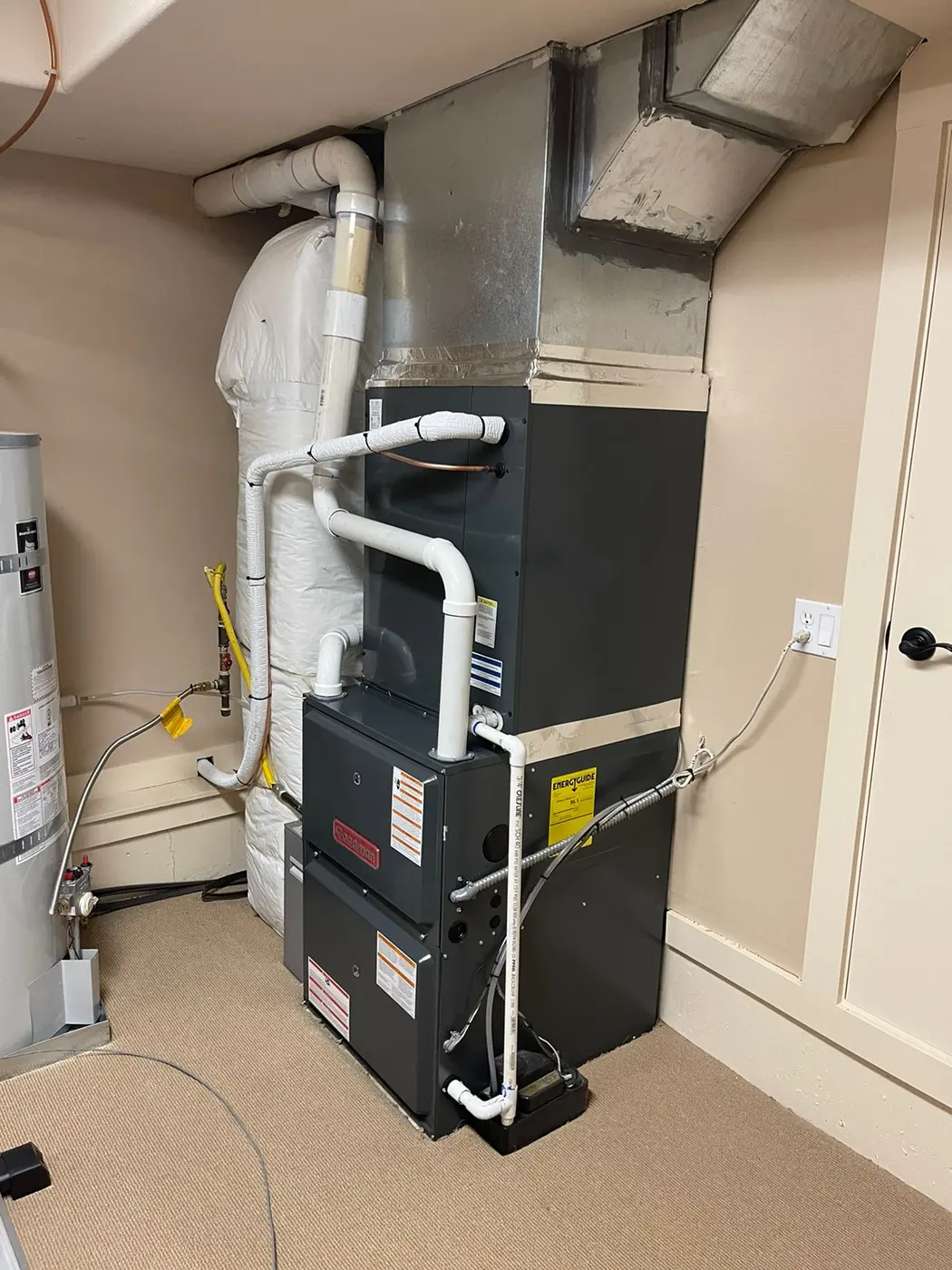
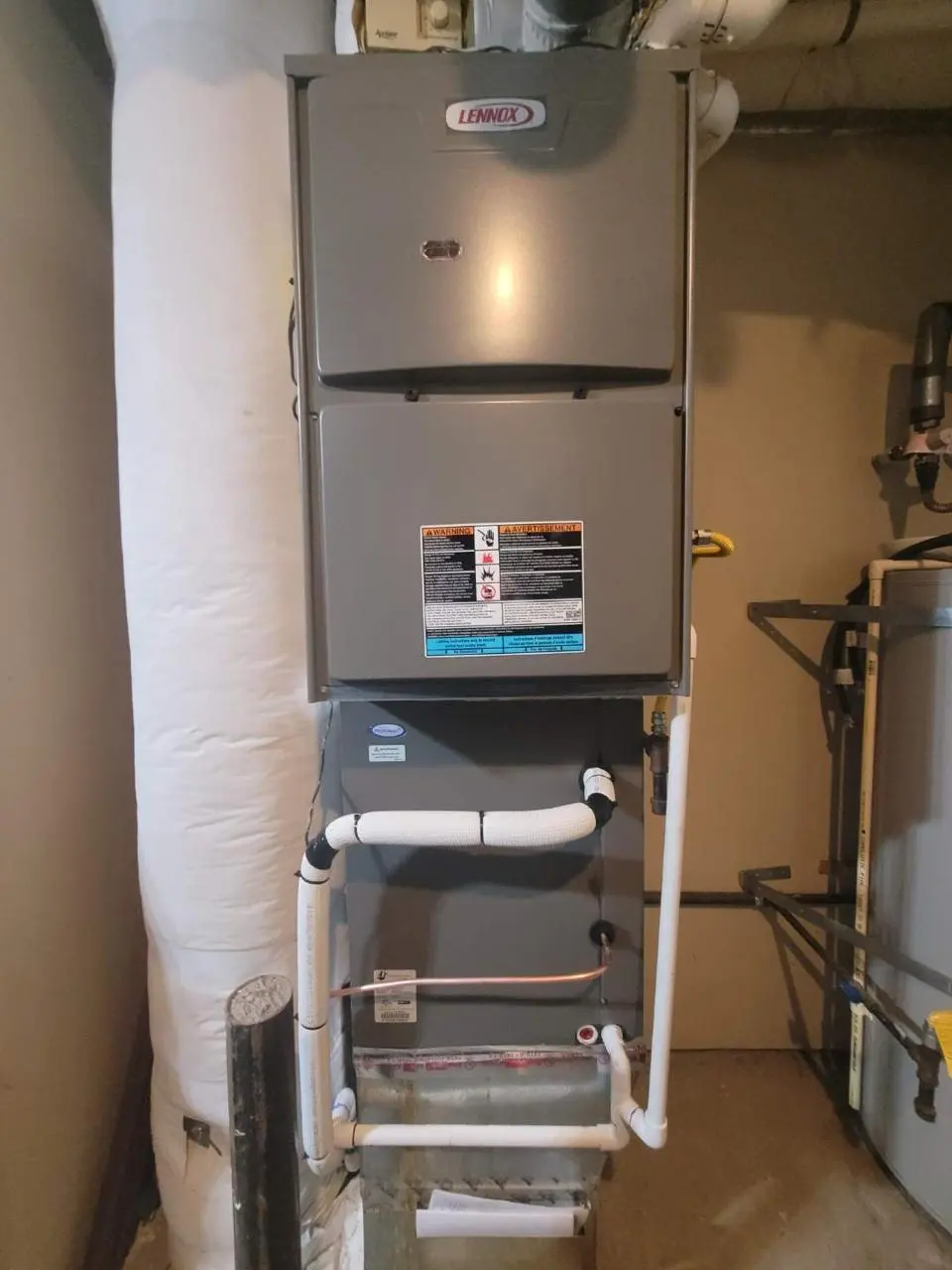
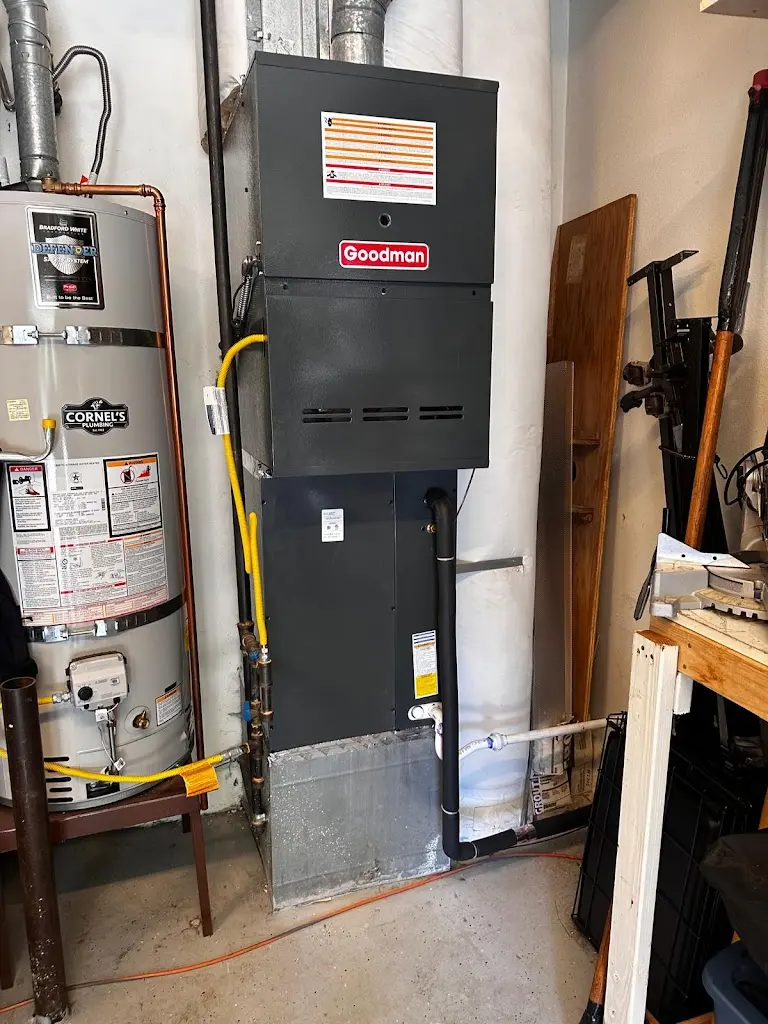
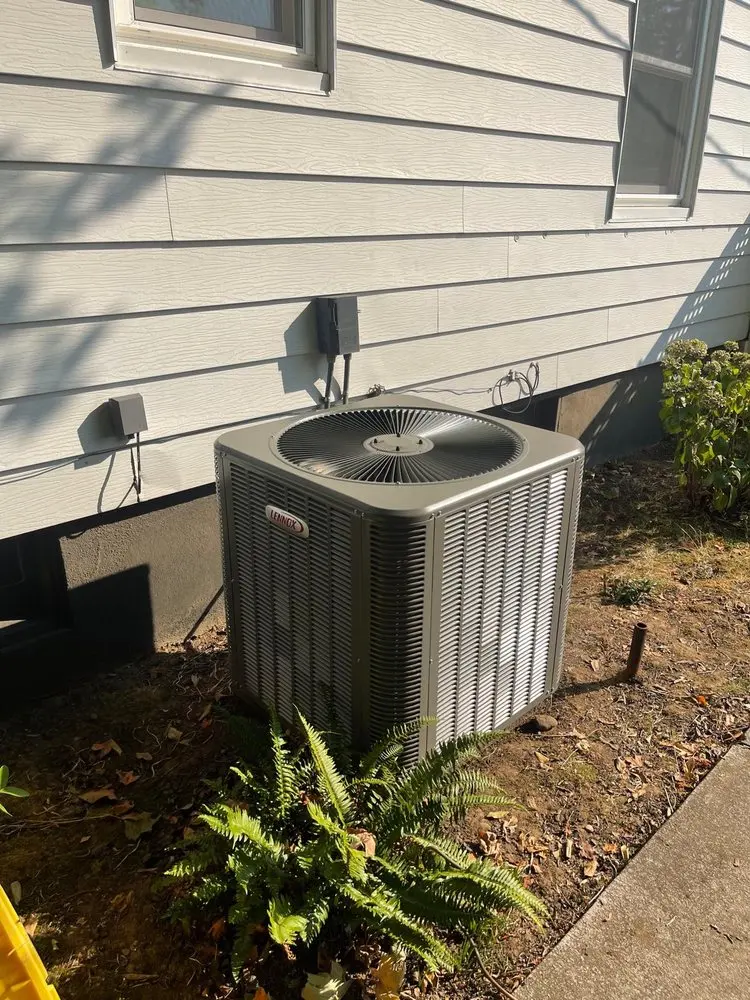
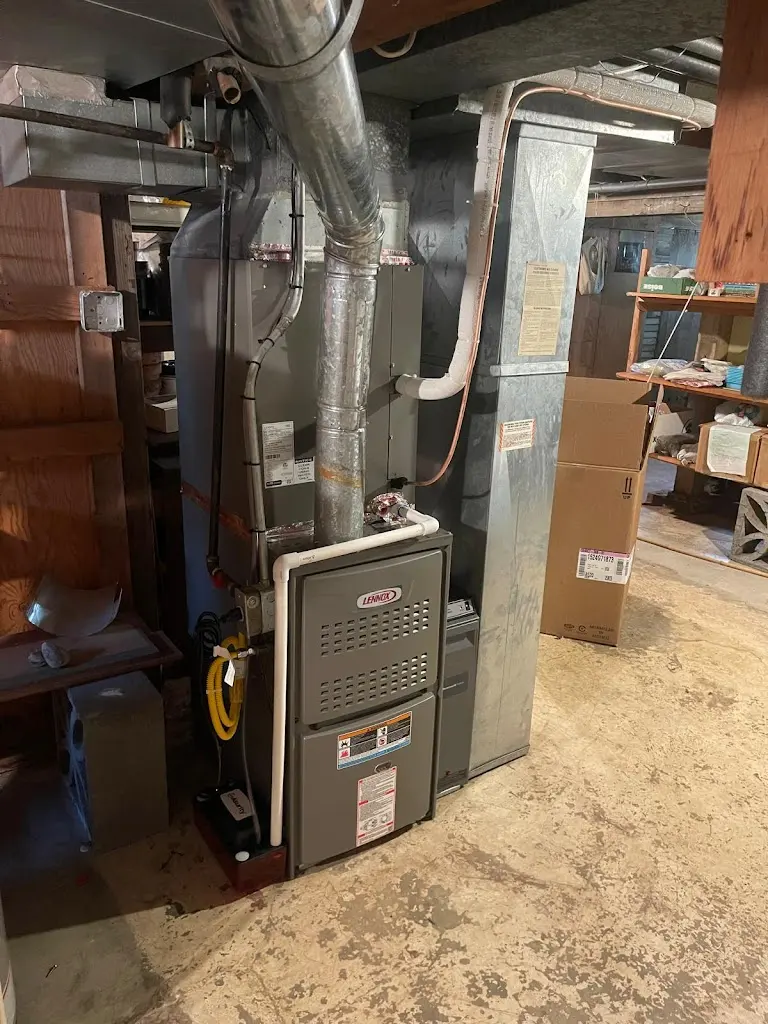
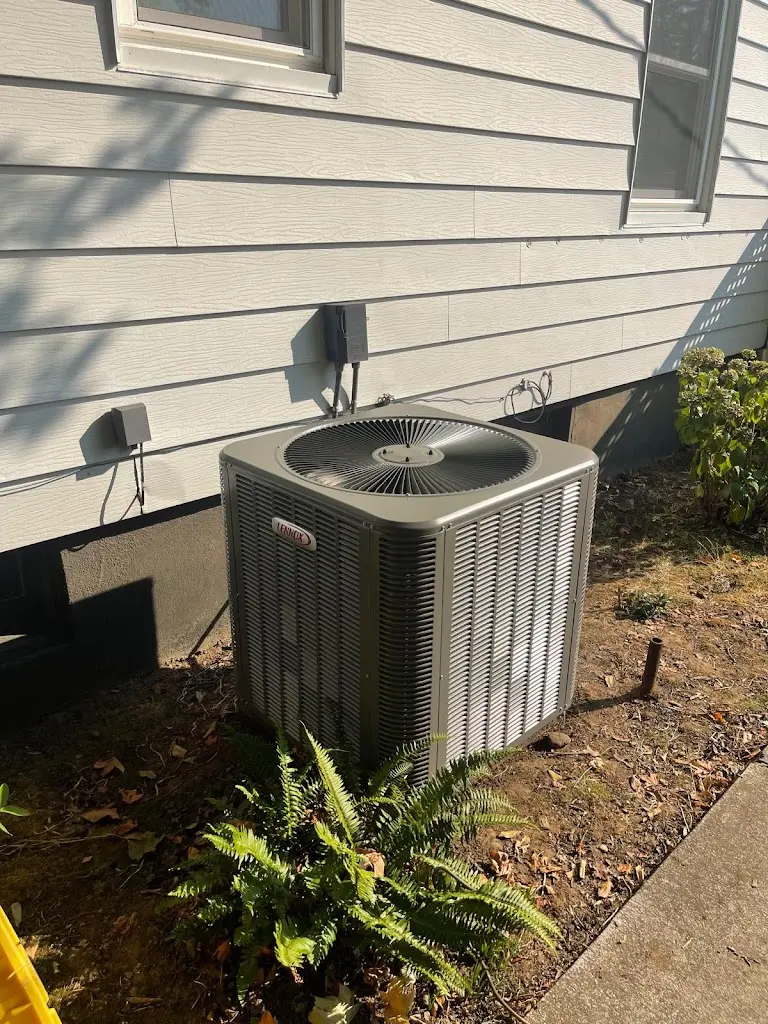
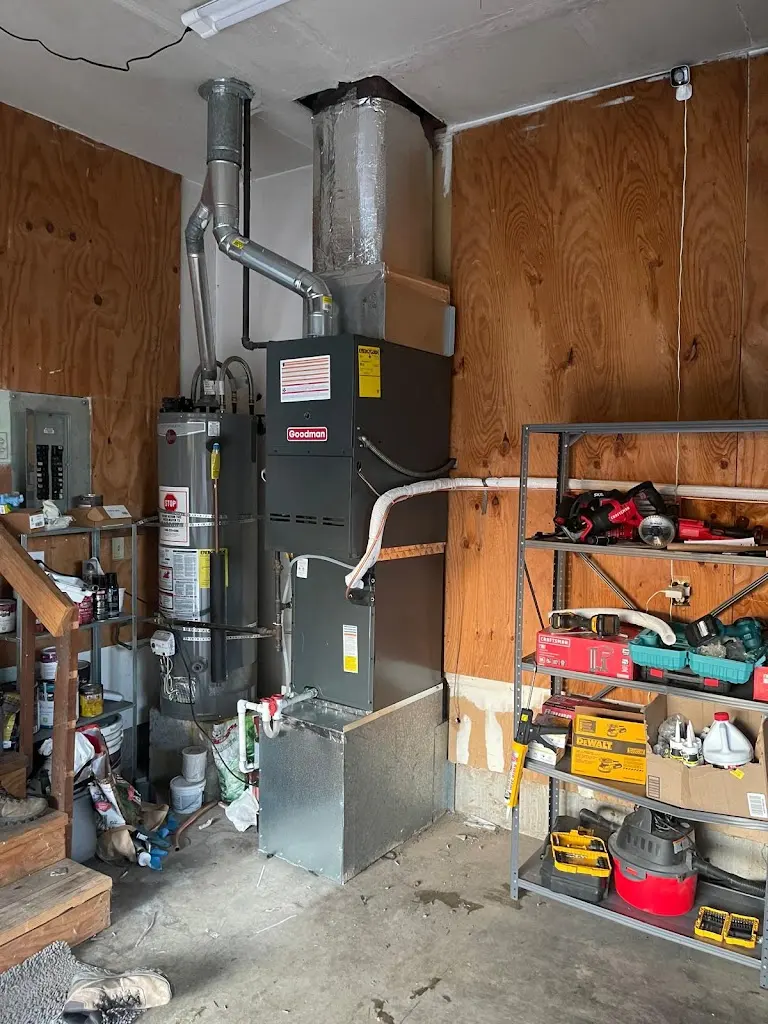
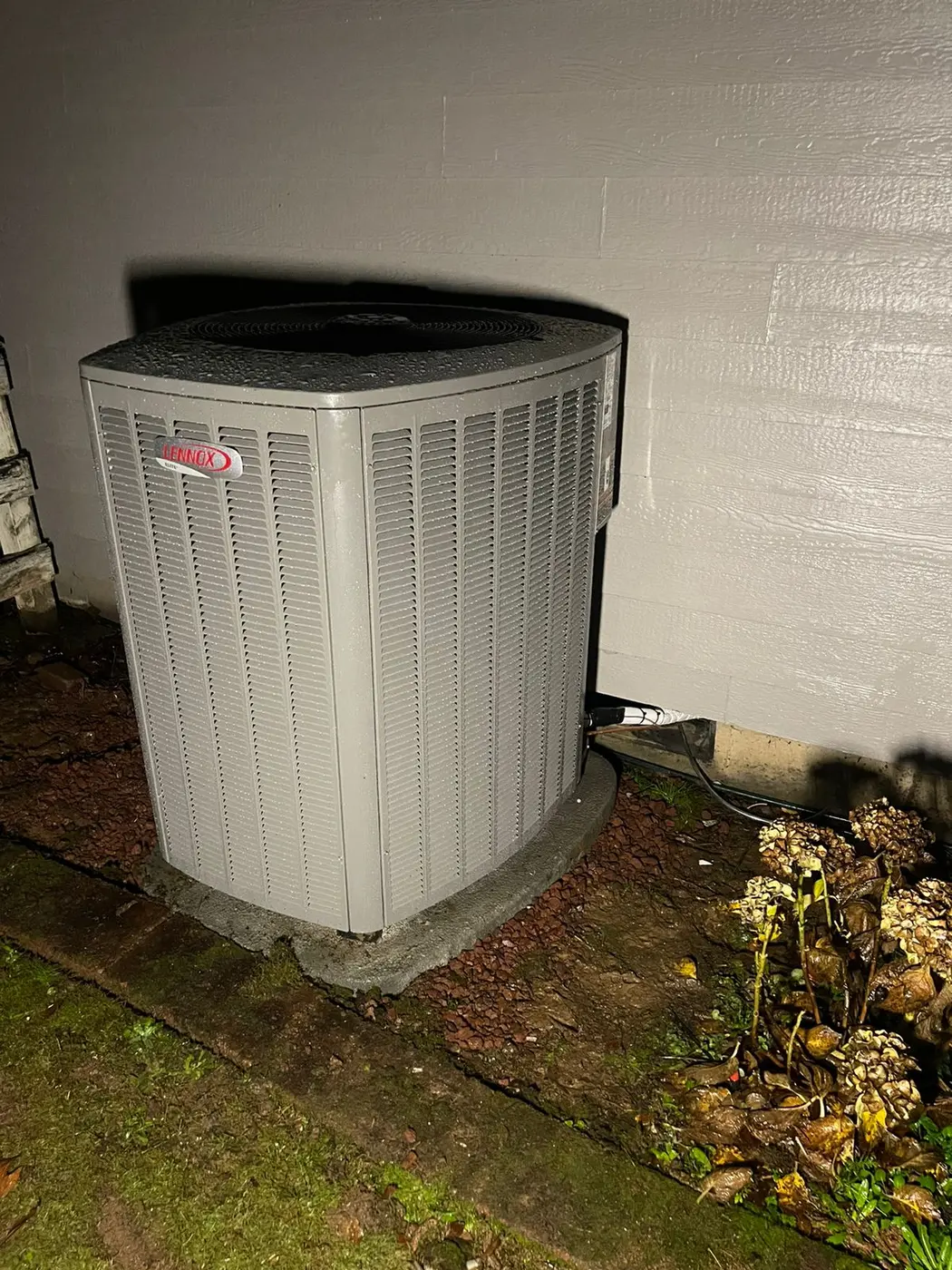
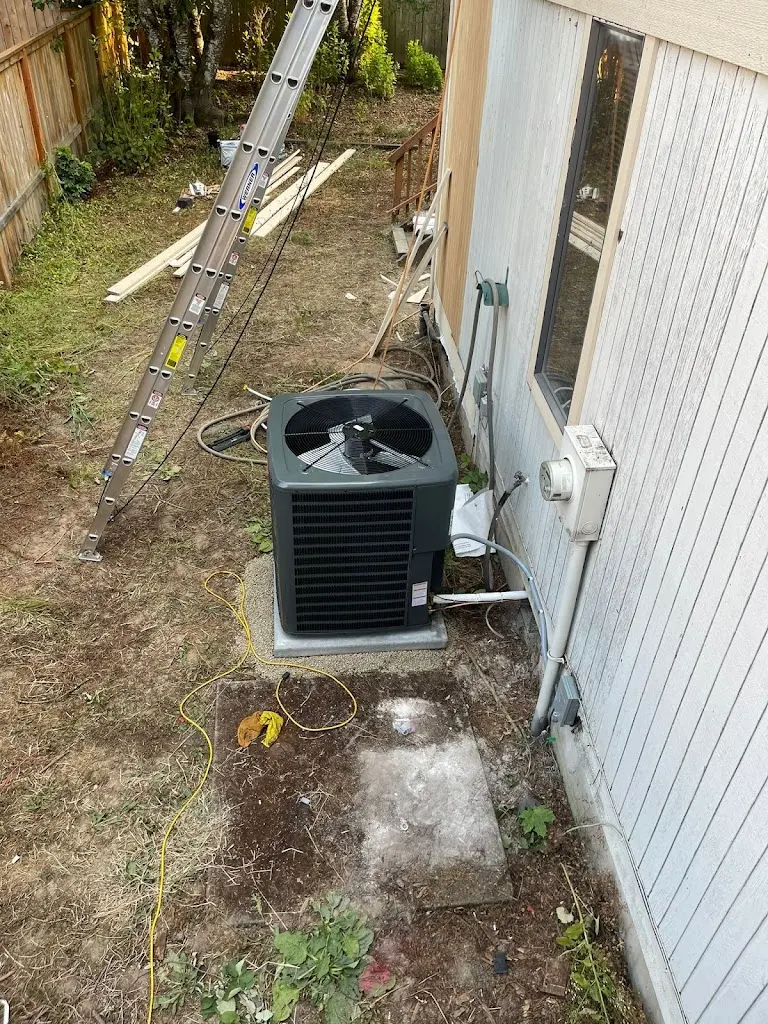
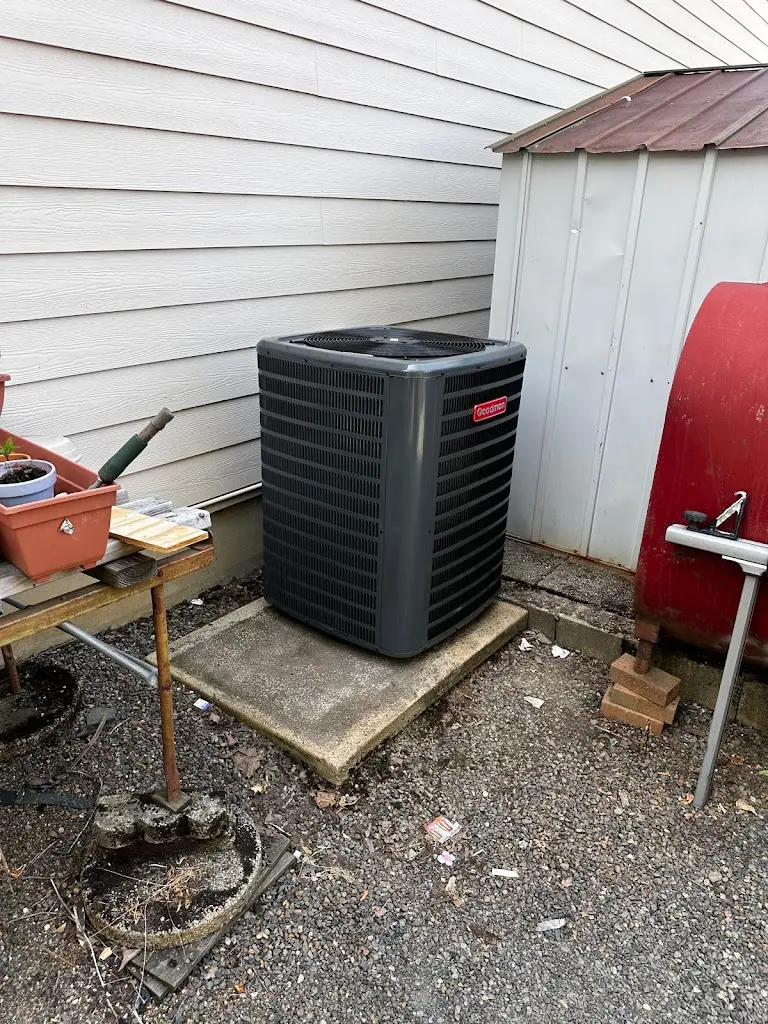
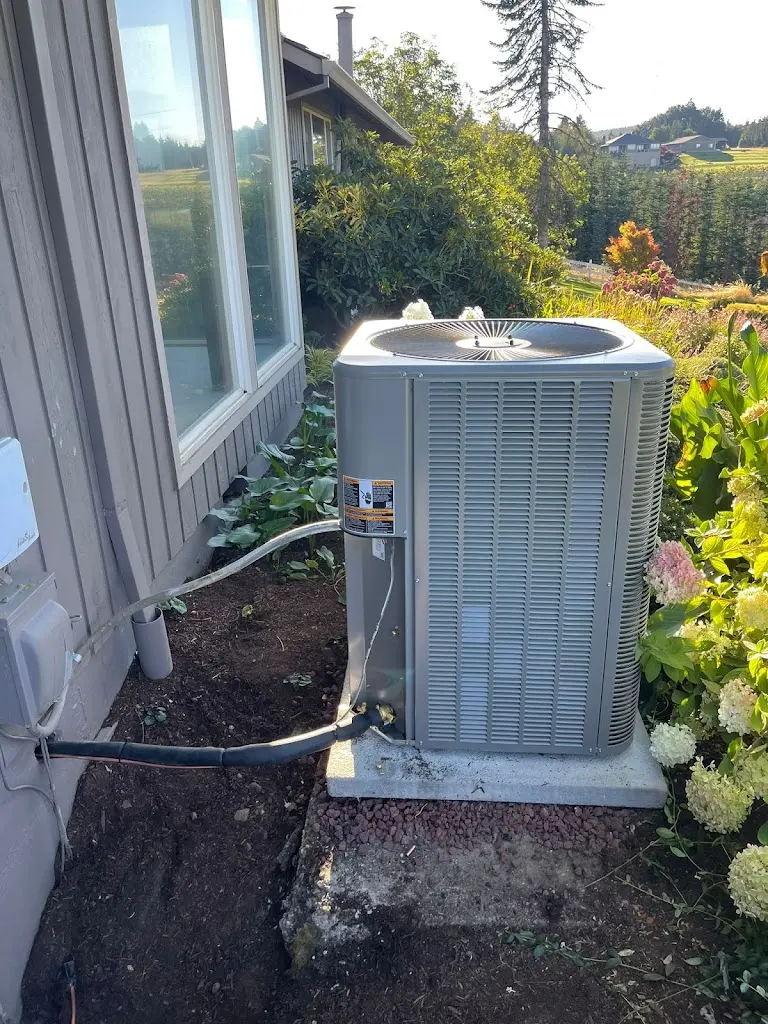
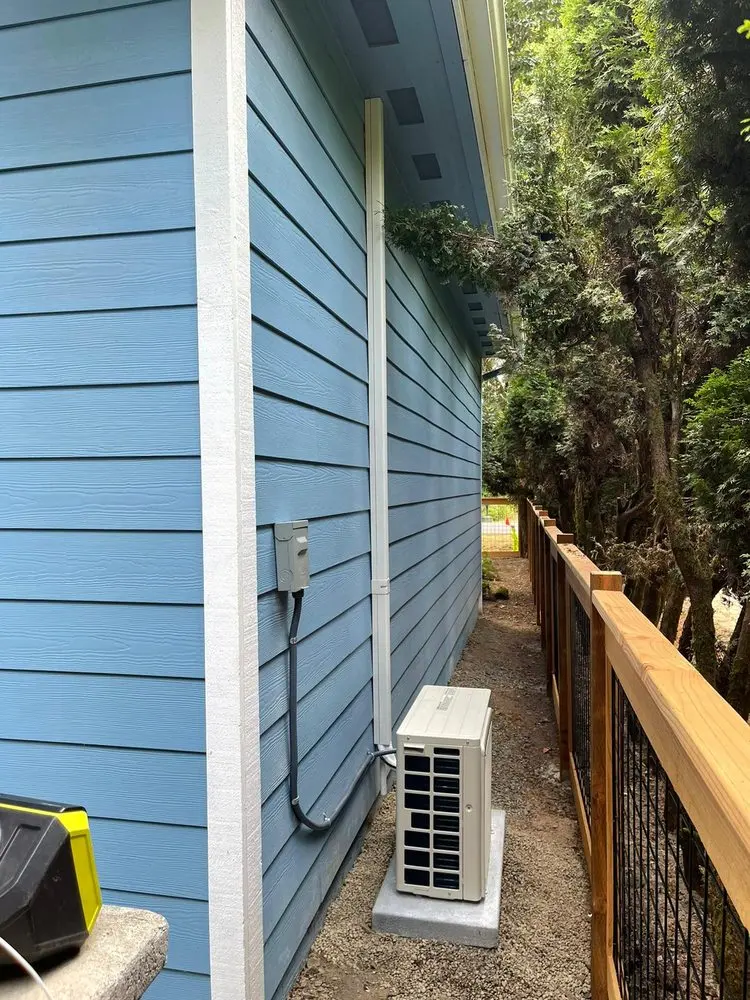
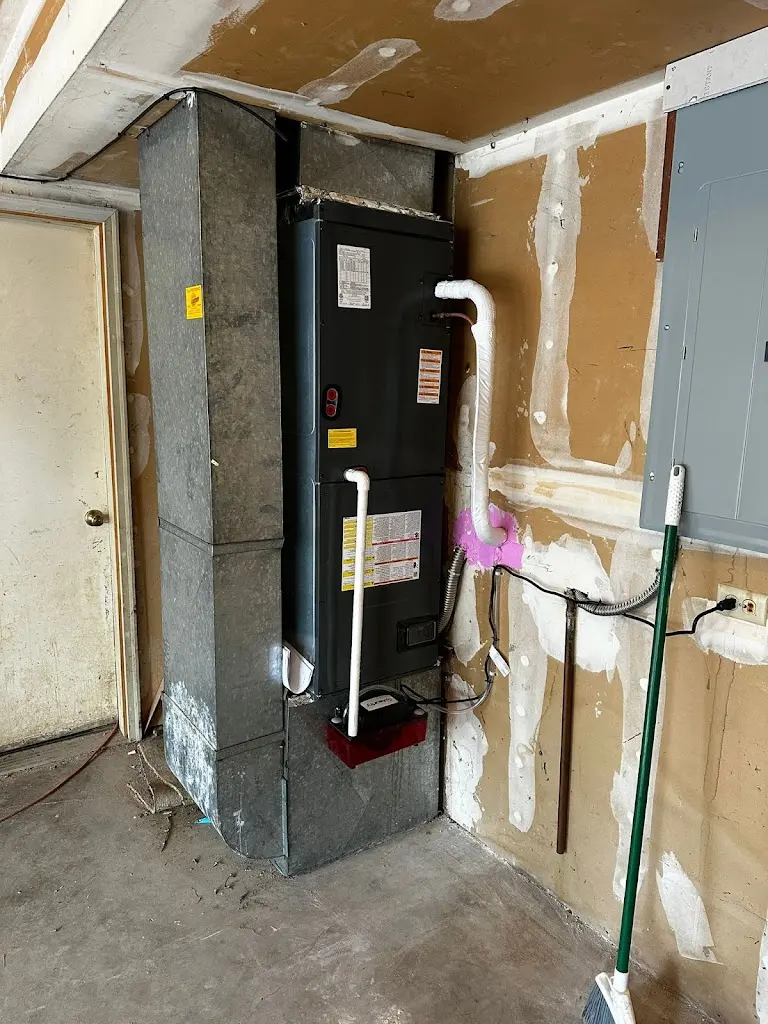
New equipment and existing ducts need a shared installation plan. HVAC & Appliance Repair Guys provides HVAC installation in West Linn, OR. If you hope to keep the current ductwork, raise that goal during the free on-site estimator visit. The proposal should explain what remains and how it fits the new heating and cooling setup.
Ducts that served the old unit do not automatically settle the scope for a different one. At the same time, a replacement project does not always require new ducts throughout the home. The actual equipment, air paths and room needs guide the review. Avoid treating either outcome as decided before the visit.
Our HVAC installation service covers the planned equipment change and its required connections. Describe the areas the system will serve and any known duct changes. The estimate needs that context before a simple unit price becomes a complete project proposal.
Describe Room Concerns Without Choosing the Cause
Tell us where little air reaches a room or where comfort differs from the rest of the home. Include whether the concern occurs in heating, cooling or both. A room complaint can guide the review without proving that a duct is the cause. Equipment, controls and the way air moves all need context.
If the home layout or use of a room changed, describe the actual change. Do not assume the old system’s capacity or duct arrangement still defines the right new setup. The project should relate to current needs. Leave hidden conditions as open questions rather than guessing what lies behind a finished surface.
For a current equipment fault, our HVAC repair in West Linn service provides a separate diagnosis. A free installation estimate and a repair visit support different decisions. Make clear whether you want a replacement plan, an assessment of the fault or both as separate scopes.
Make Retained and Changed Work Visible in the Price
Ask which duct sections or related connections the plan keeps and which work it adds. Review how that scope supports the proposed equipment and rooms. A statement that existing ducts will remain should not leave a known airflow concern unanswered. Ask what the proposal addresses and what stays outside it.
Also review access to any area where work may be necessary. Finished walls, stored items or a difficult route can affect the project plan. Describe those conditions before scheduling. You do not need to open a duct or remove a panel to prepare for the estimate.
If some condition needs further review, identify it in the proposed scope. Ask how the team will settle it before related work proceeds. Keep any revised task and price clear. An assumption about hidden conditions should not quietly become an approved installation detail.
Review the Result Against the Original Room Goal
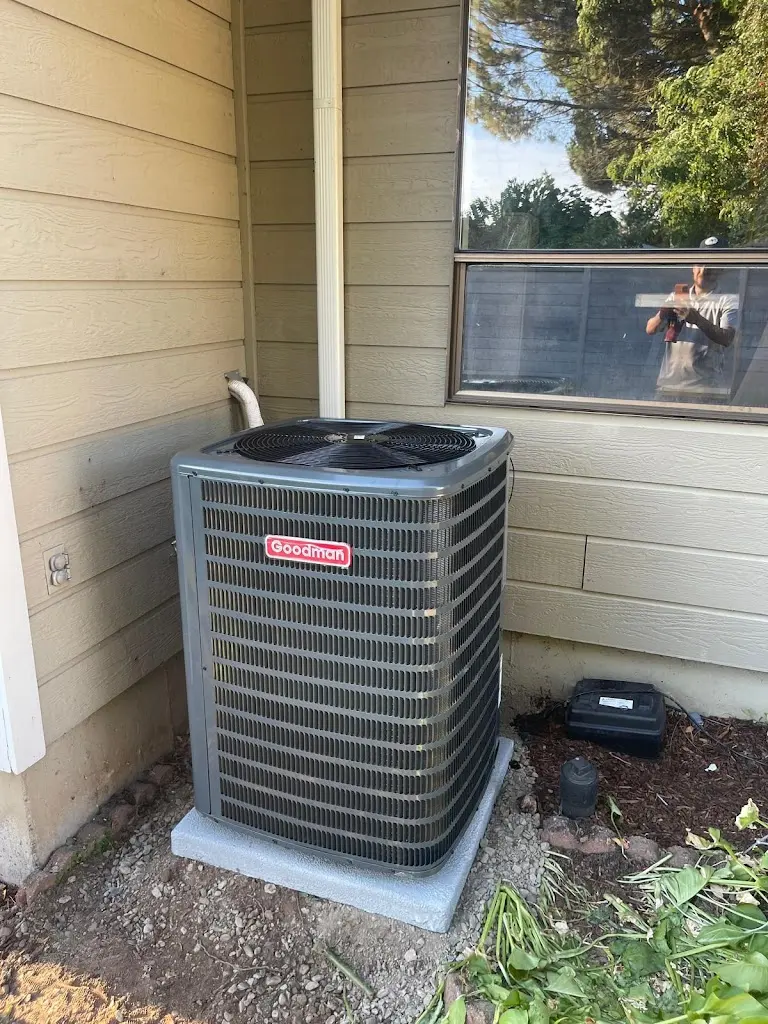
At handover, ask what the completed checks showed about normal operation and the concern you raised. Review the new controls and retained parts. A new outdoor unit does not, by itself, answer every question about room airflow. The finished work should relate to the agreed scope.
Keep the equipment models and description of duct-related work with the project record. Identify any issue that still needs another step. If a room concern remains, describe its current pattern. That gives future work a defined starting point without assuming that every air path changed during the installation.
Frequently Asked Questions
Must all ducts change when I replace the HVAC equipment?
No. The project review should establish what can remain and what work the new setup needs. Ask for that scope in the proposal. Neither full replacement nor full reuse should rest on an assumption.
Does weak airflow in one room prove that its duct needs replacement?
It identifies a concern to review, not a confirmed cause. Describe the room, operating mode and change you noticed. The findings should guide the required work.
What if part of the ductwork is hard to reach?
Explain the access limit during the estimate. The proposal should show which condition remains open and how the team will review it. Do not open finished areas or disturb equipment to answer that question yourself.