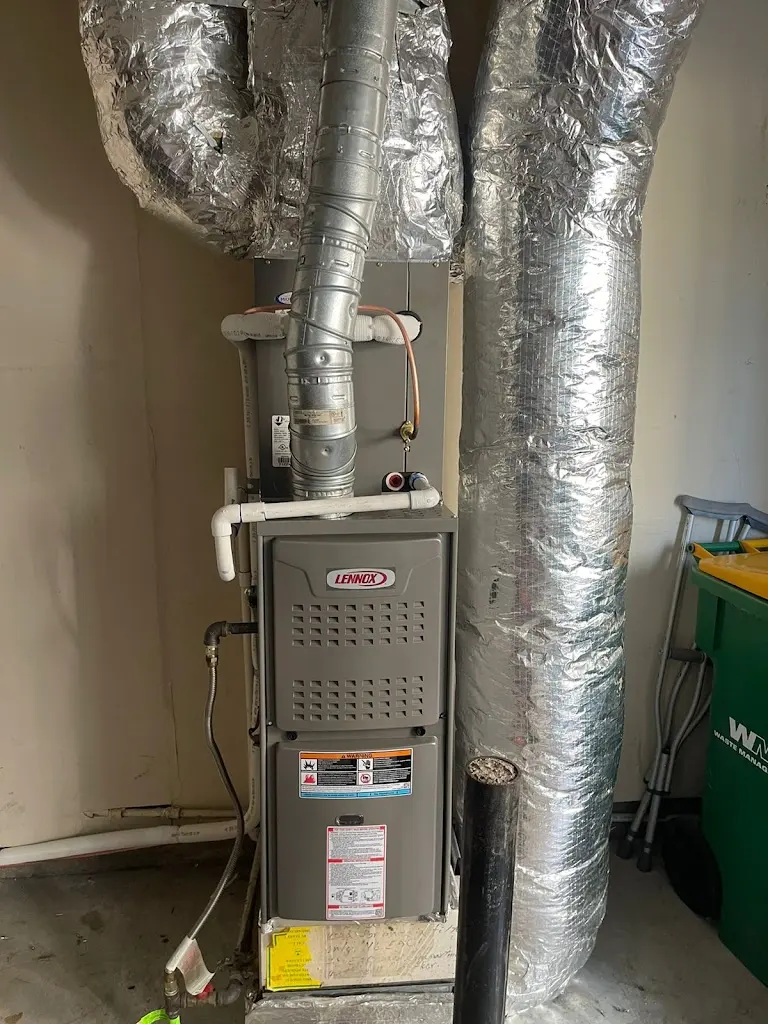
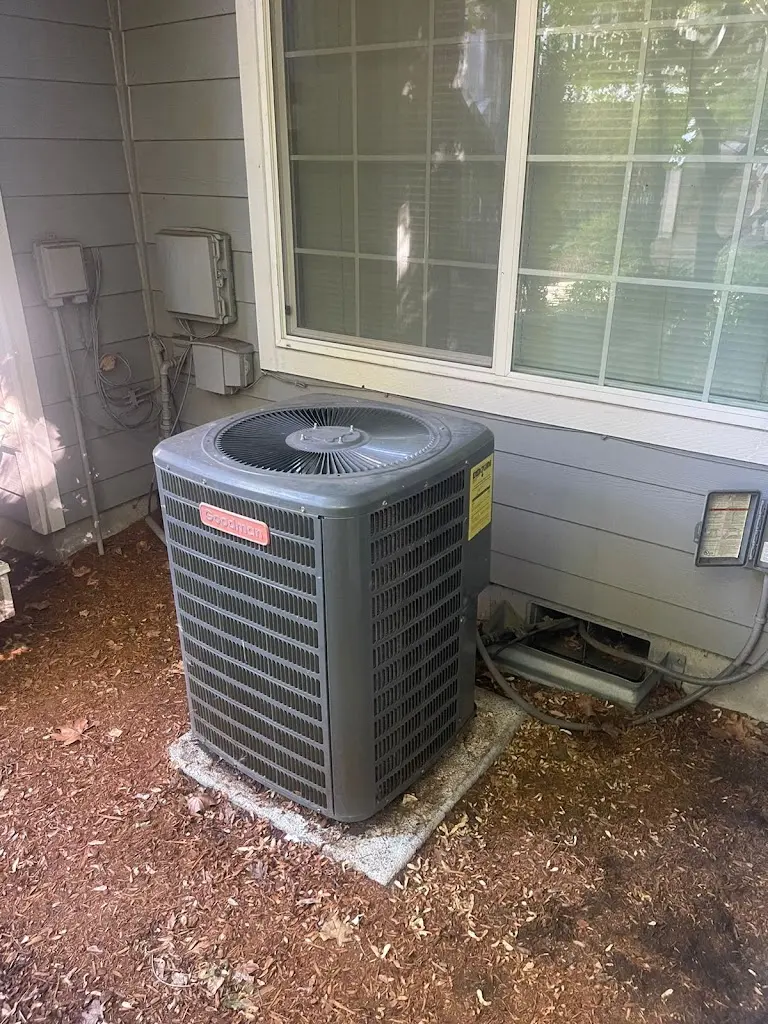
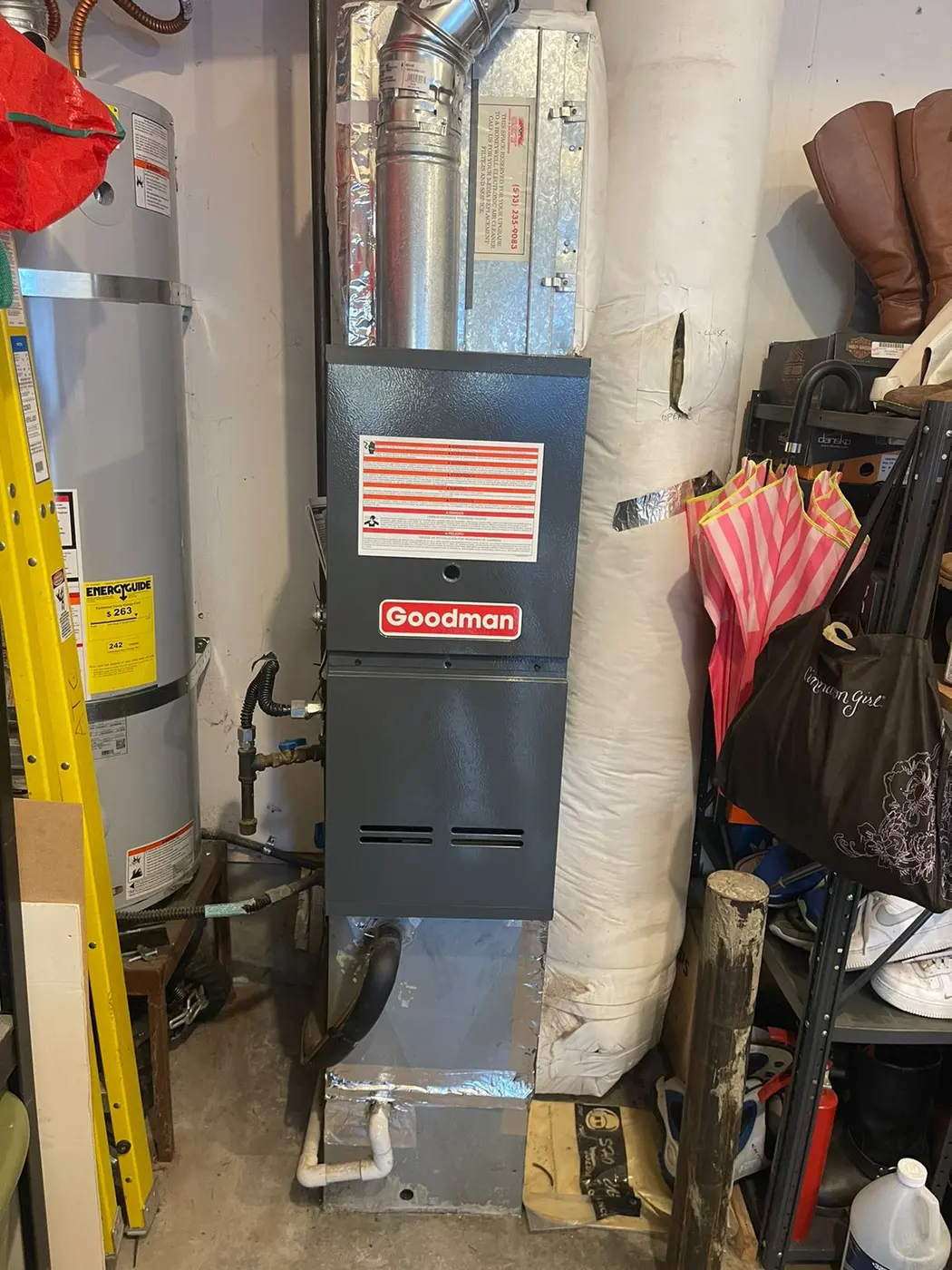
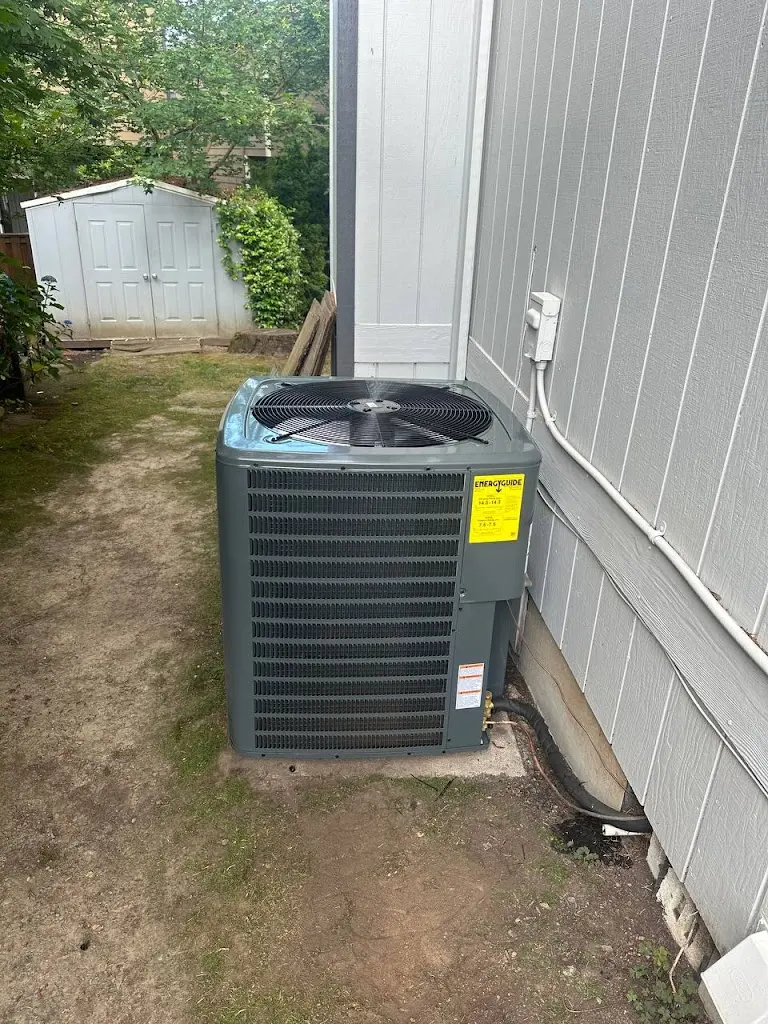
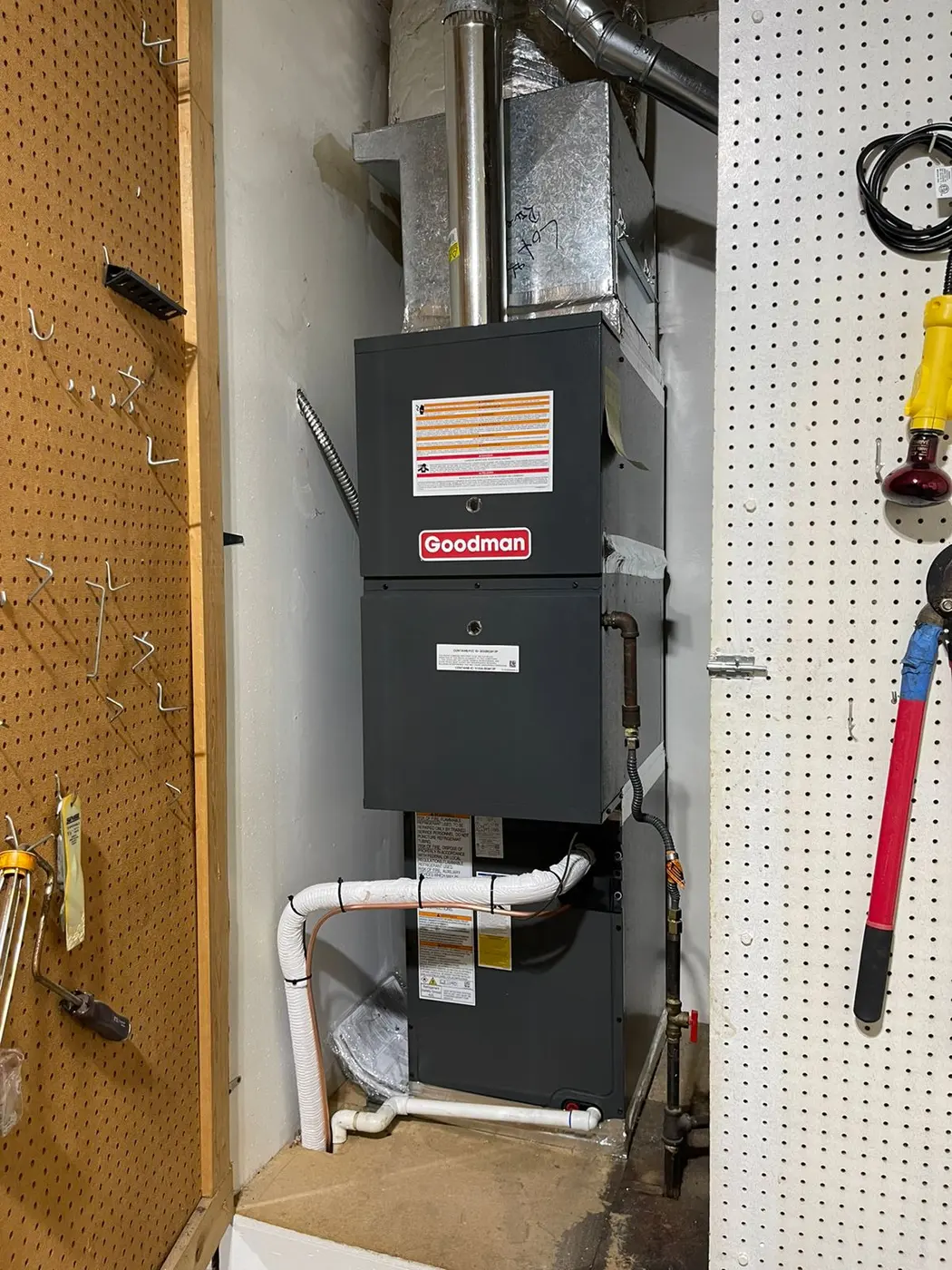
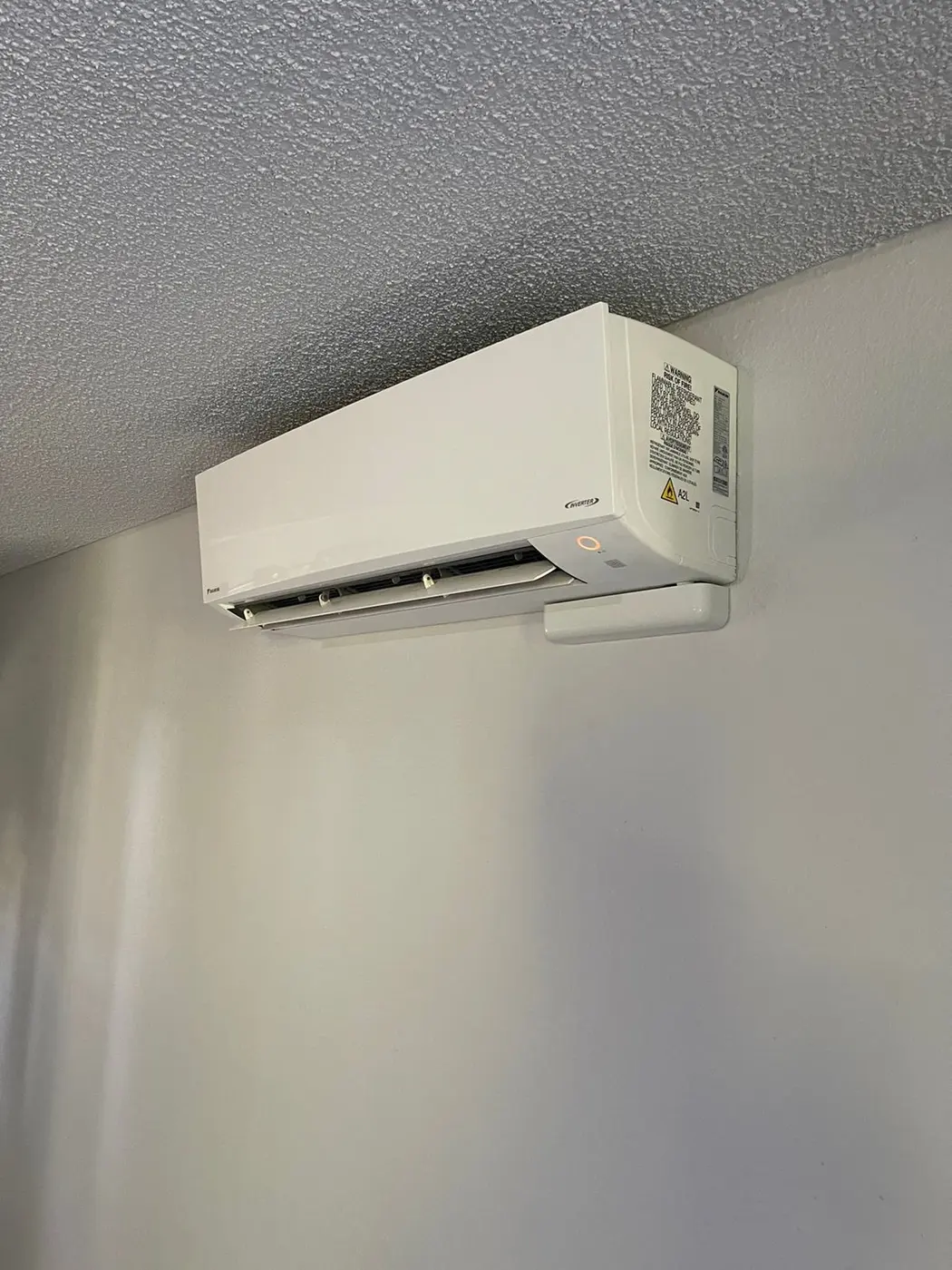
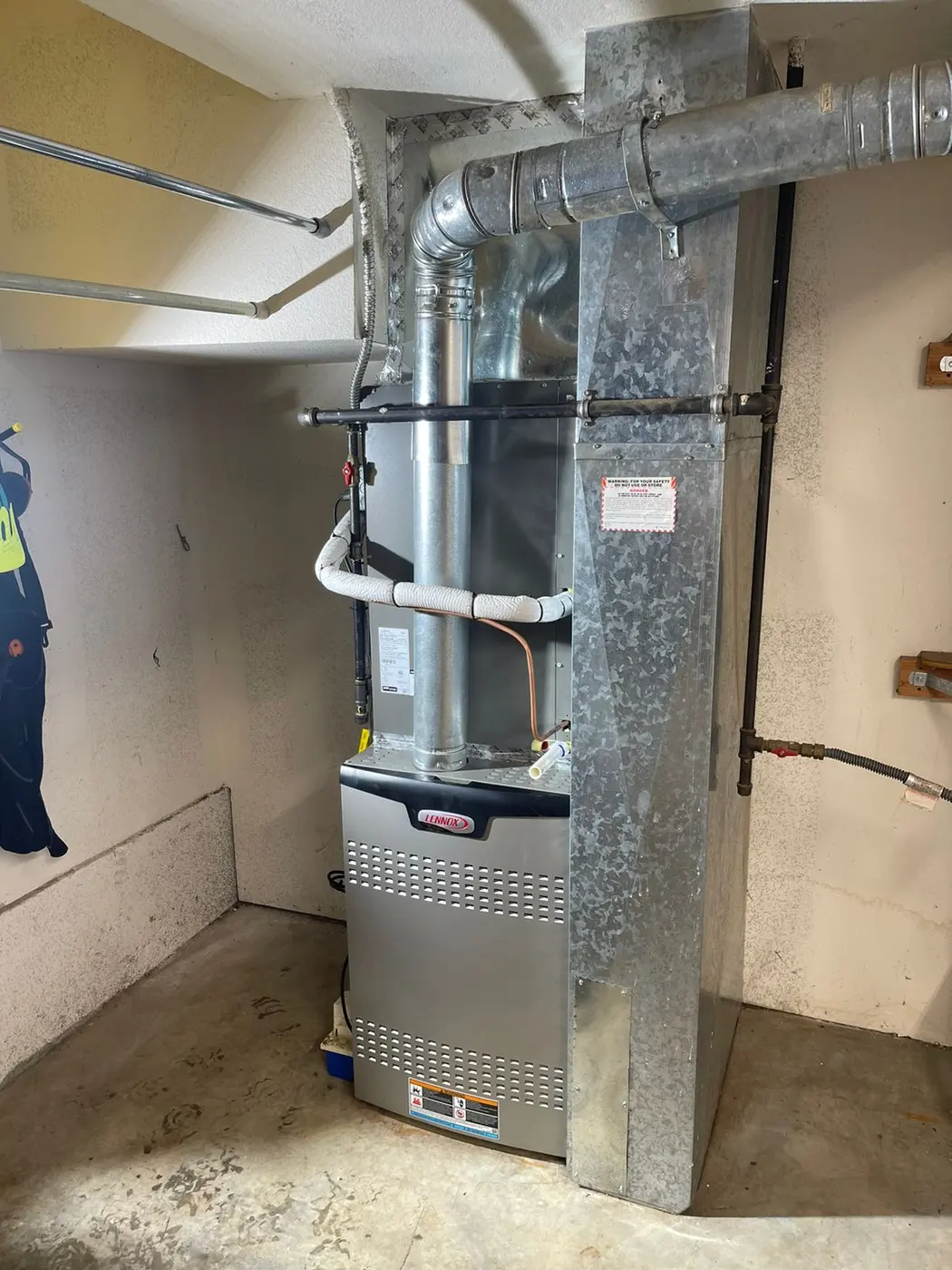
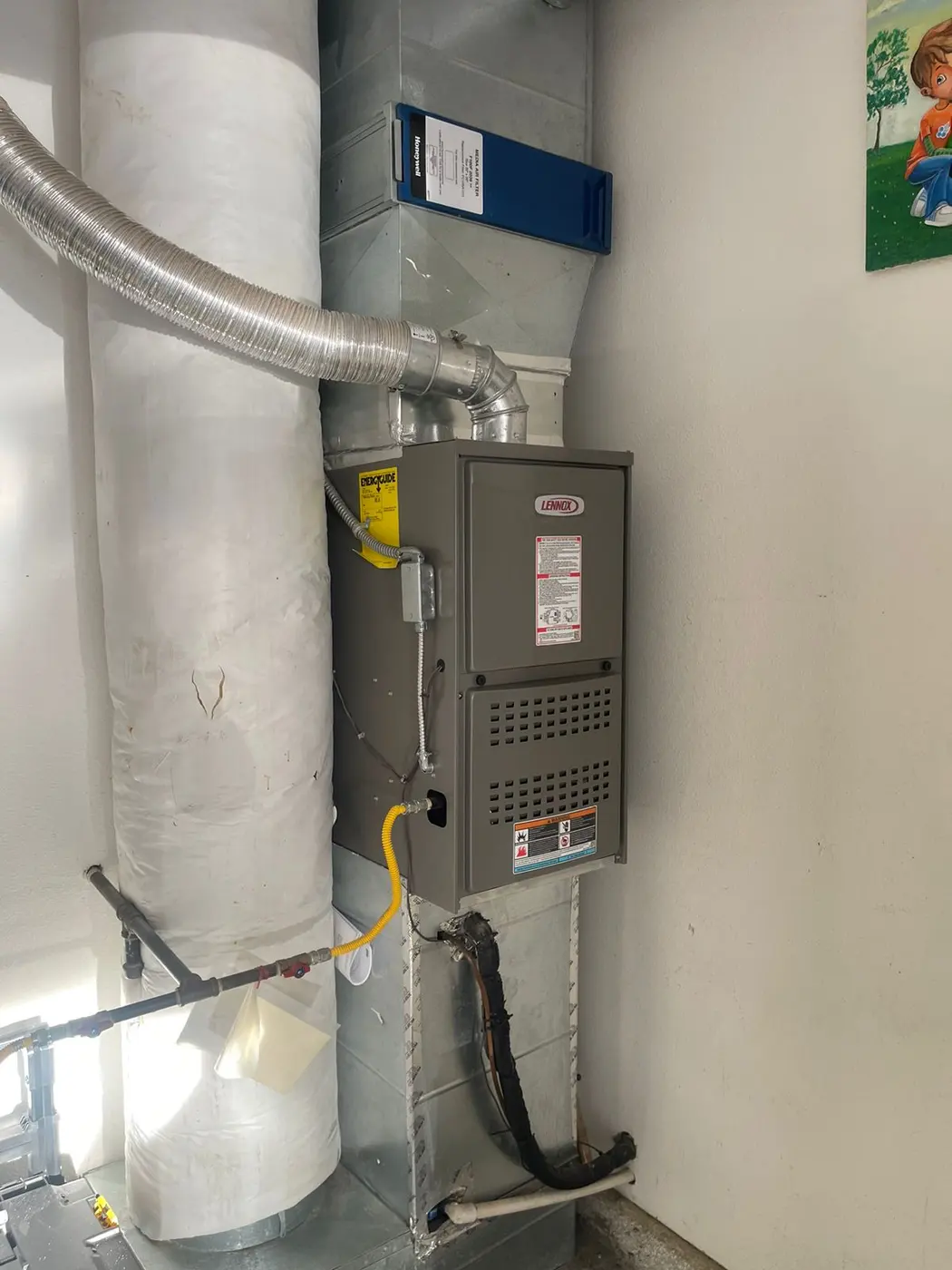
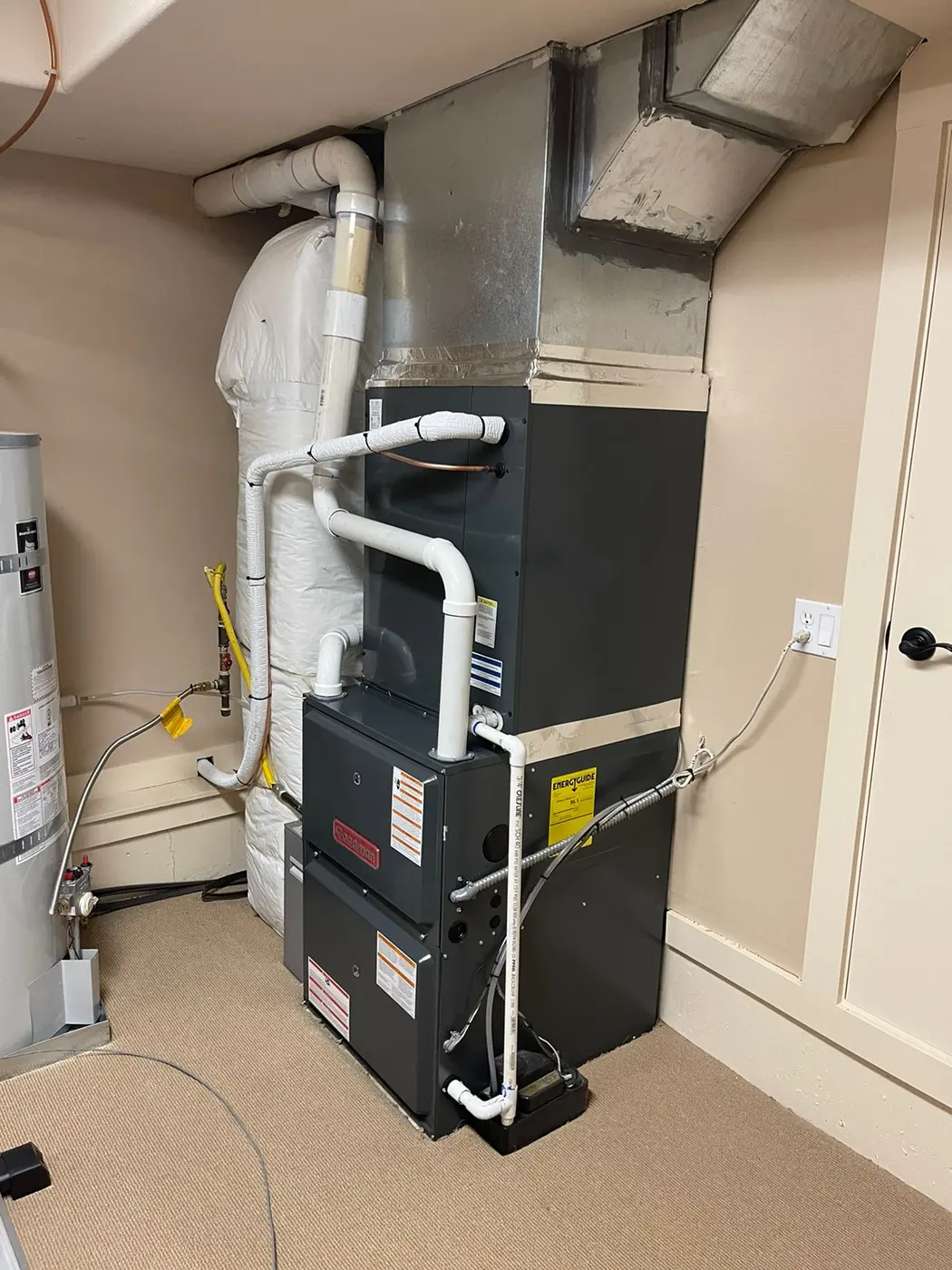
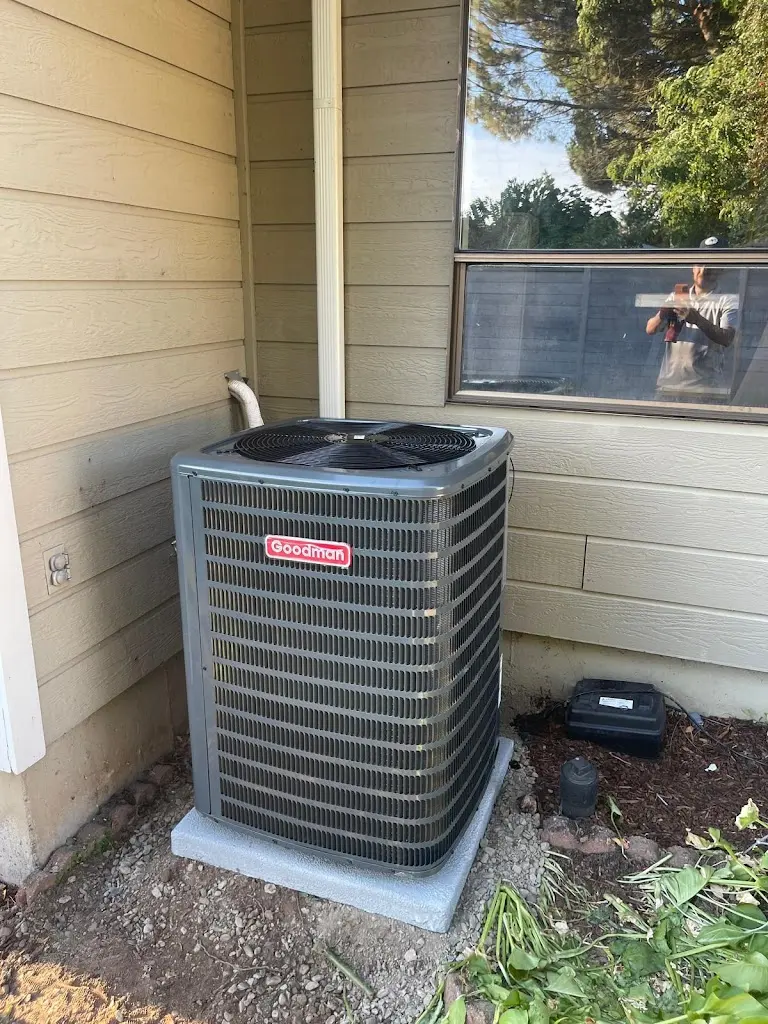
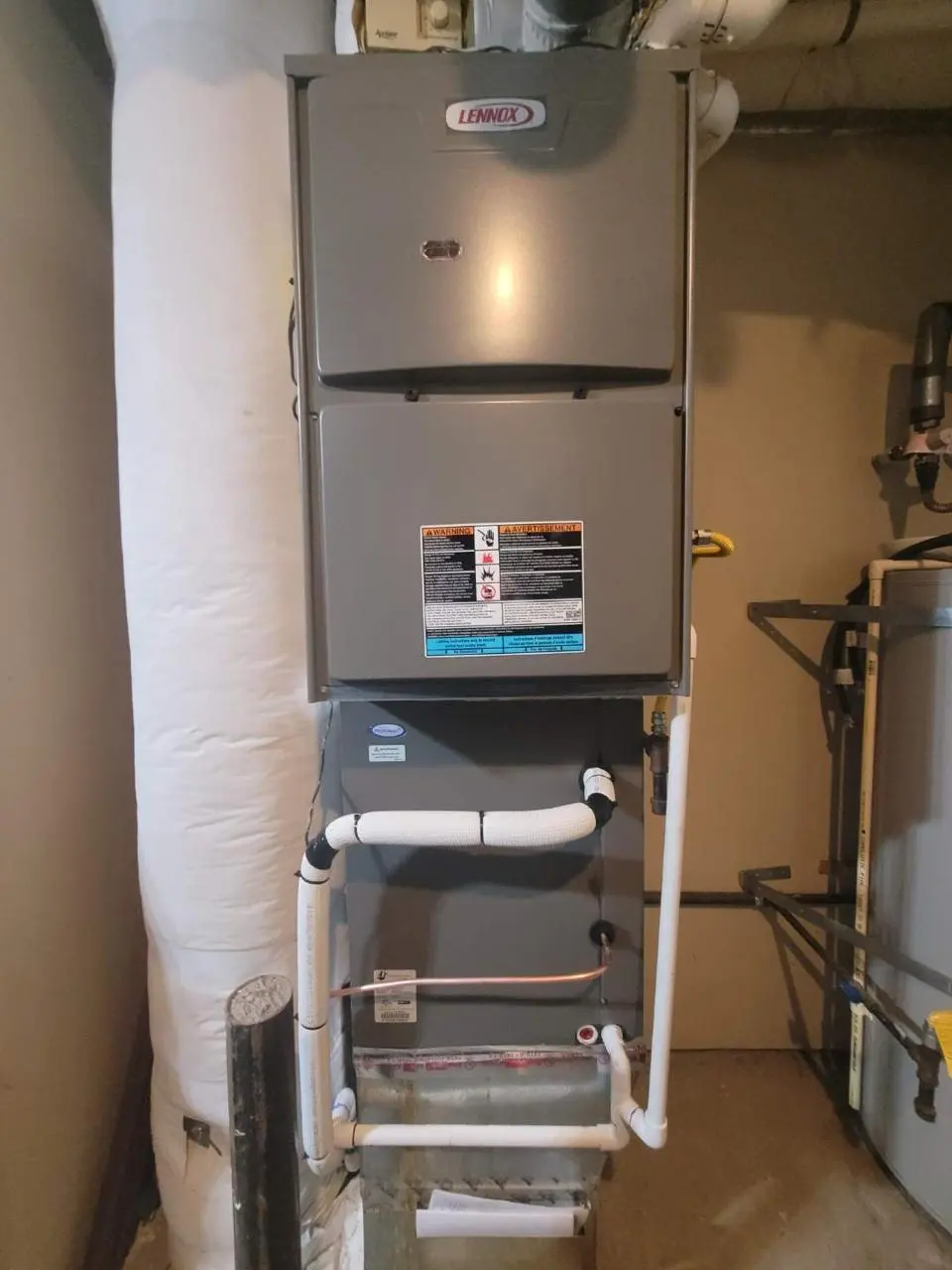
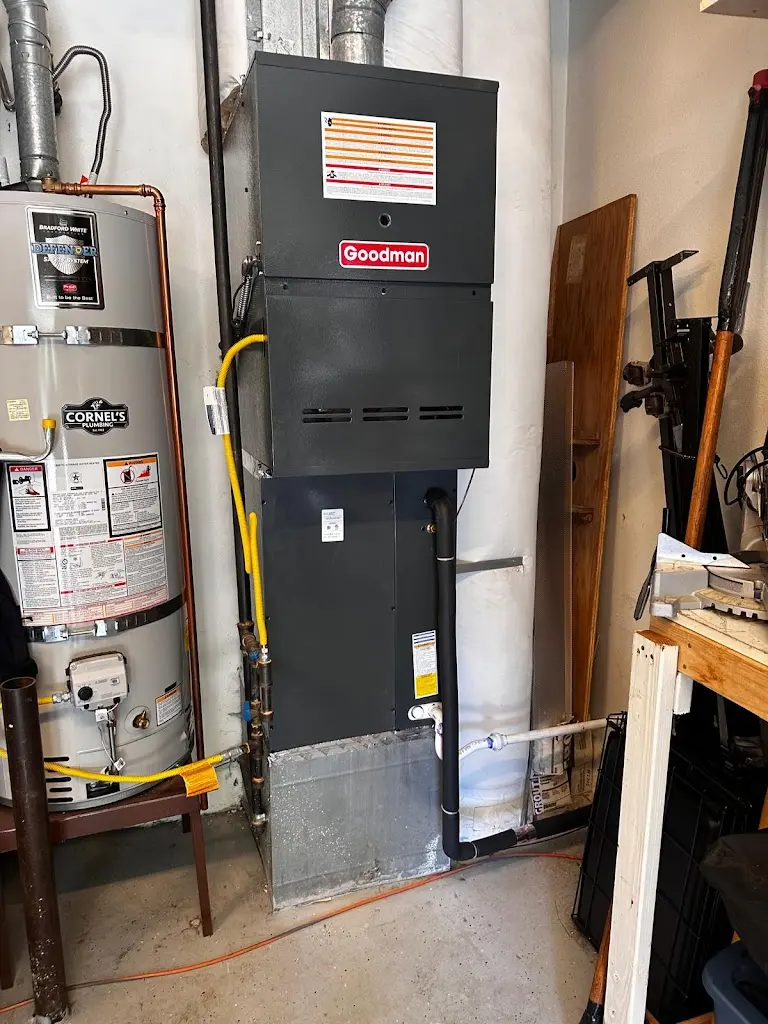
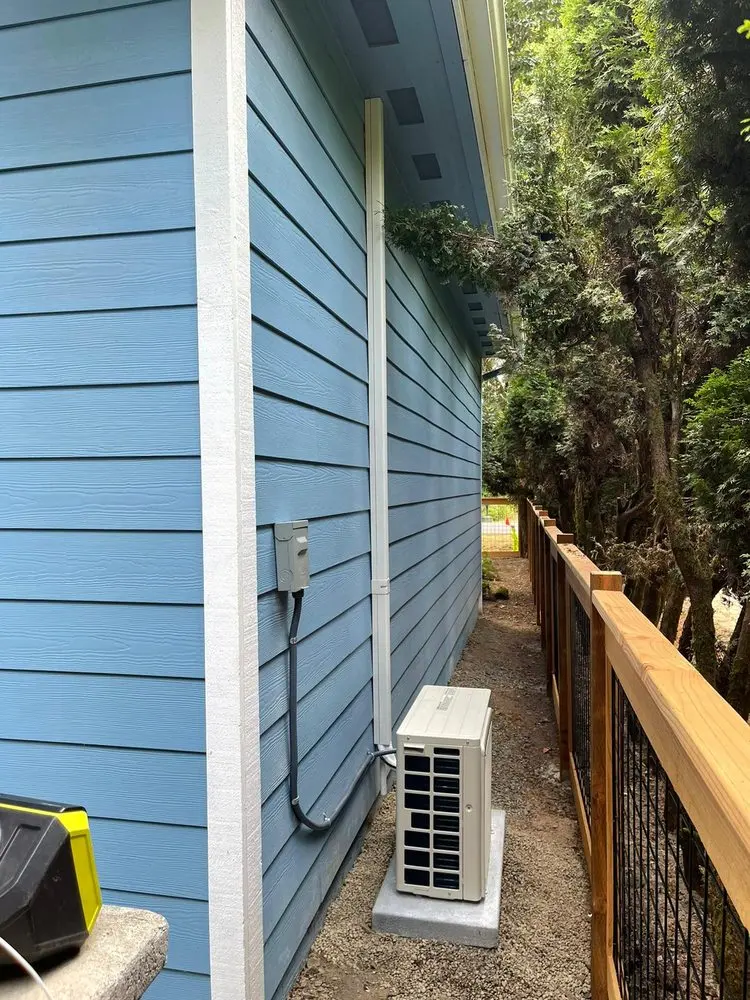
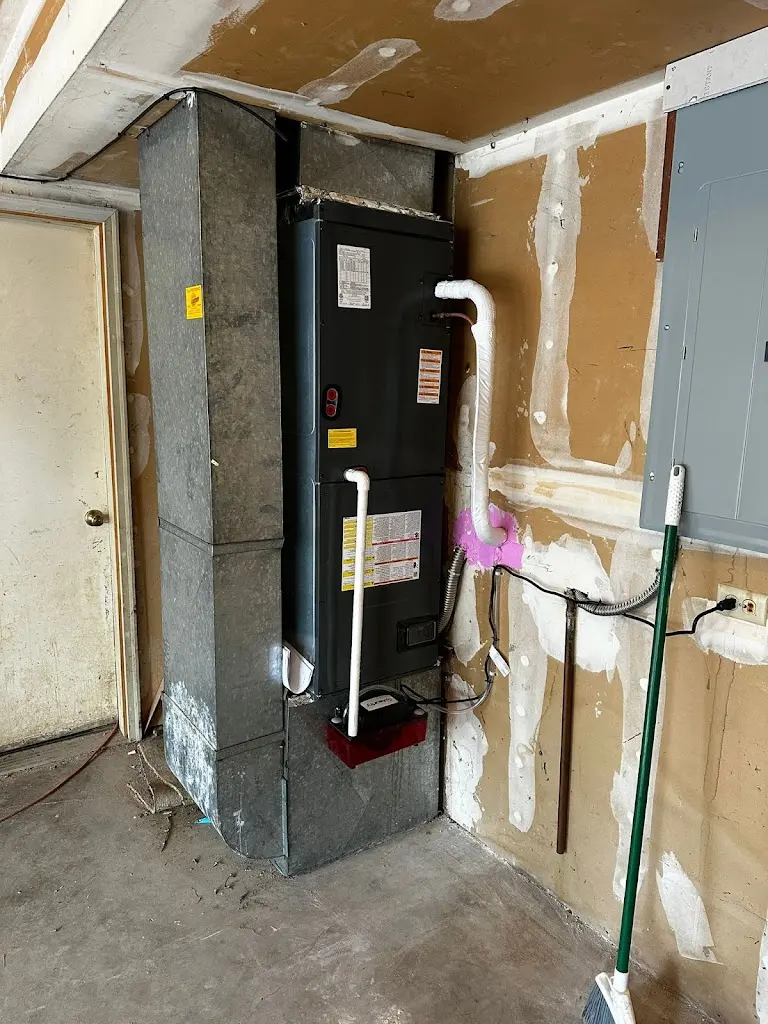
Plan the Shared Furnace With the Zones It Will Serve
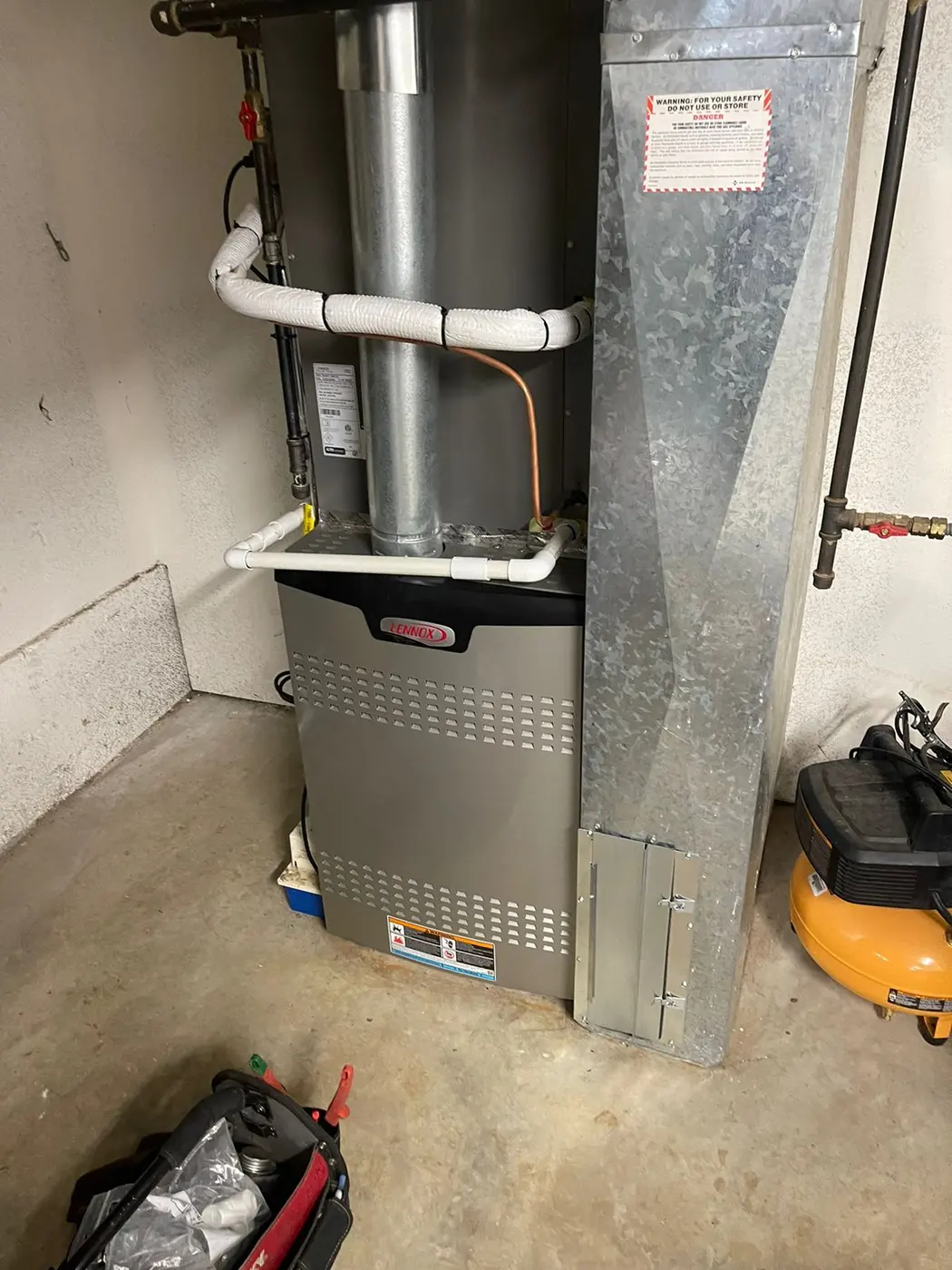
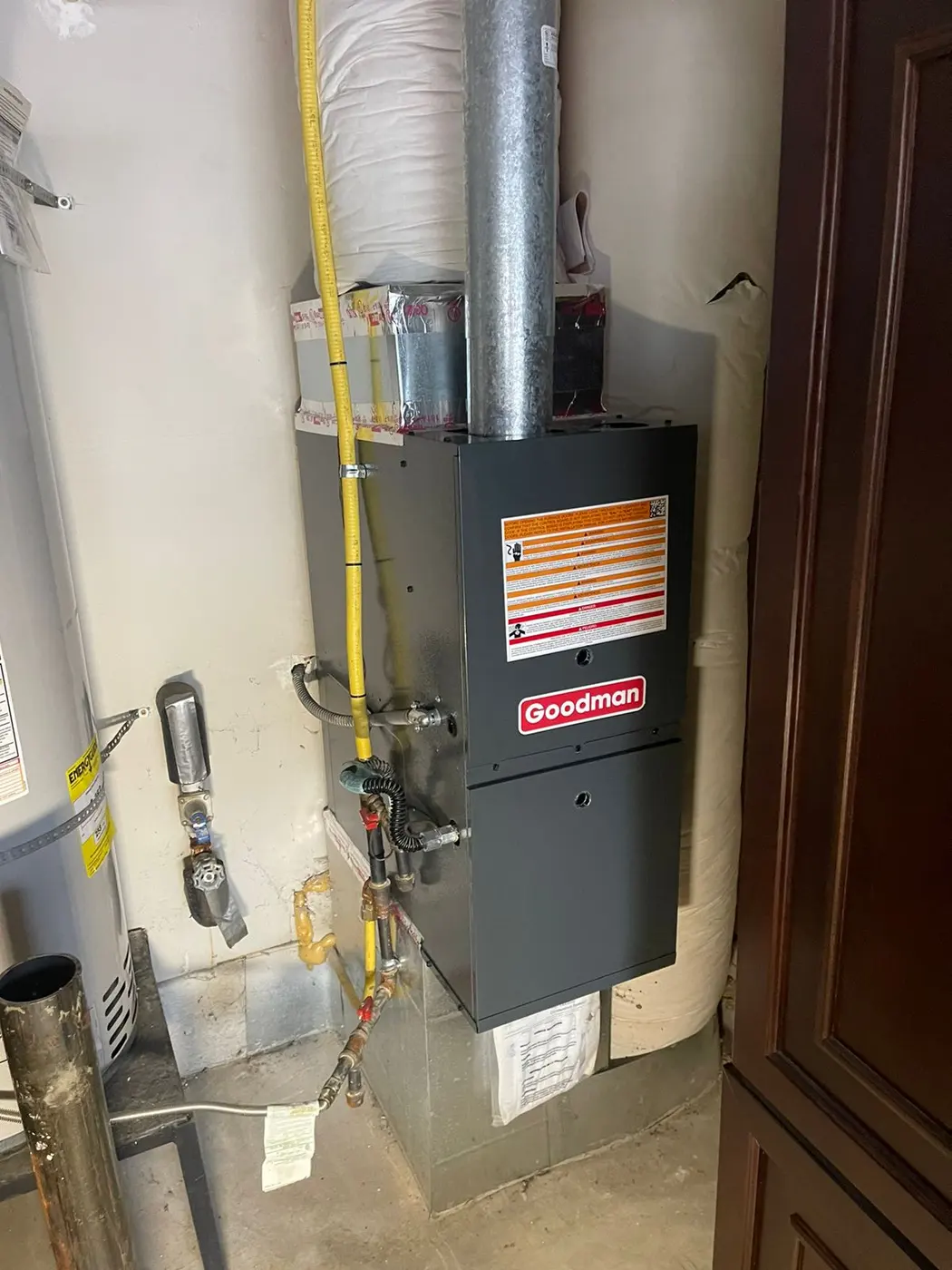
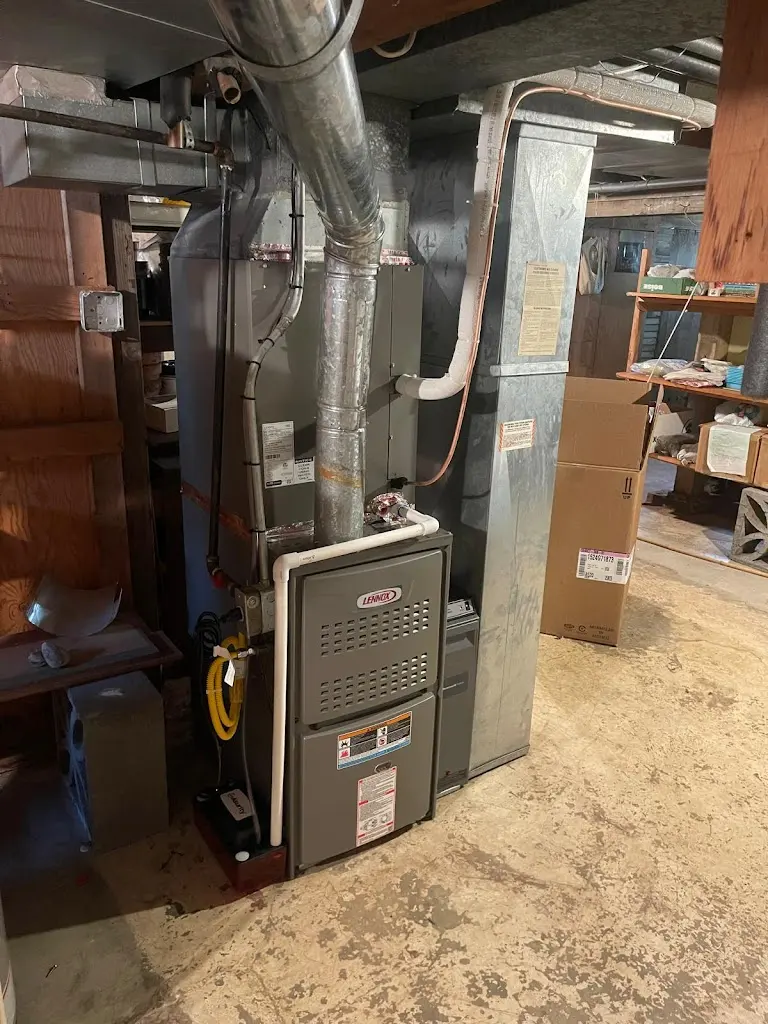
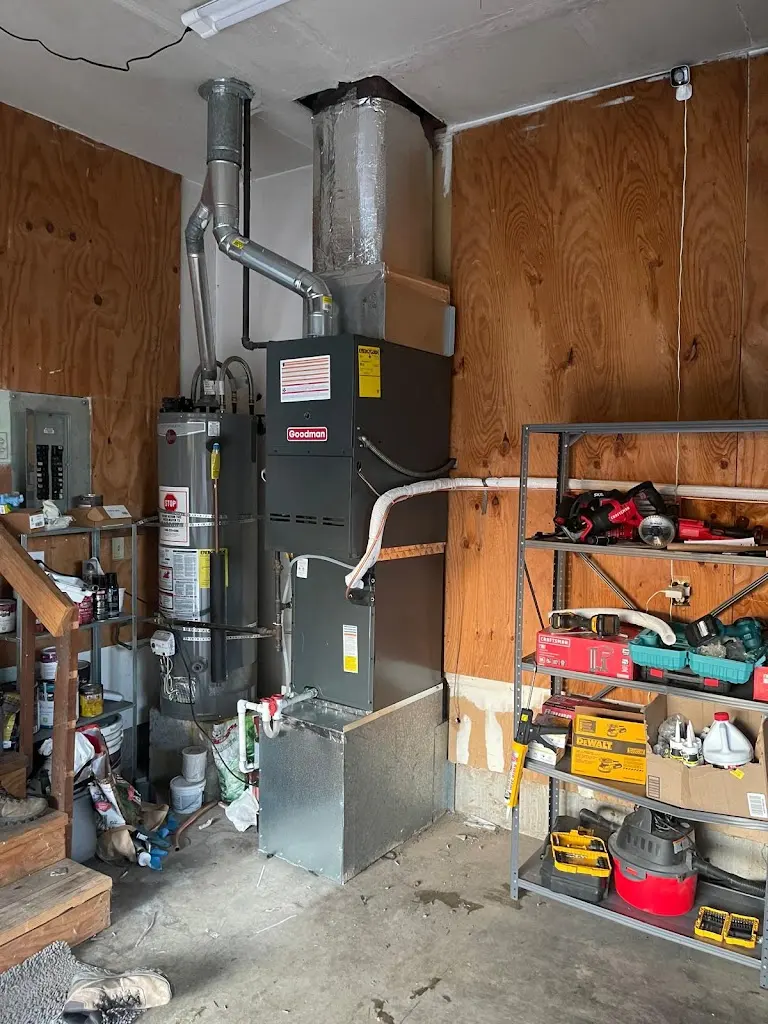
HVAC & Appliance Repair Guys provides furnace installation and replacement in Wilsonville, OR. If several zones share the furnace, identify that arrangement during the estimate. The new unit needs a plan for the shared equipment and room controls together. Replacing the furnace should not leave the zone roles unclear.
Our free on-site estimator visit covers installation and replacement. Describe which areas each normal control serves, where you know it. Keep a shared furnace distinct from several separate heating systems. The site review can resolve an equipment relationship that the existing room labels do not explain.
Our furnace installation service covers the complete heating project. For a zoned setup, the proposal should state which equipment changes and which controls remain. The number of wall displays alone does not define the replacement. The actual system and served rooms need a clear review.
Keep Each Room Concern With the Correct Zone
Name any area that has not heated as you expected. Describe whether it receives heat when another area calls or stays uncomfortable throughout normal use. Keep the observation separate from a guessed cause. The replacement plan should not assume that one new furnace solves every zone concern.
Include a room-use change if it affects your goal for the system. A newly used area may raise a different heating expectation. State whether the zone already serves that room. Do not let a future coverage idea become an implied part of the current equipment choice.
If a present fault also needs diagnosis, request that separately. The free installation estimate addresses the proposed new setup. A known repair finding can help define the decision, but it does not replace a full installation plan. Keep unresolved operating questions visible before choosing the work.
Review the Controls and Air Paths the Plan Retains
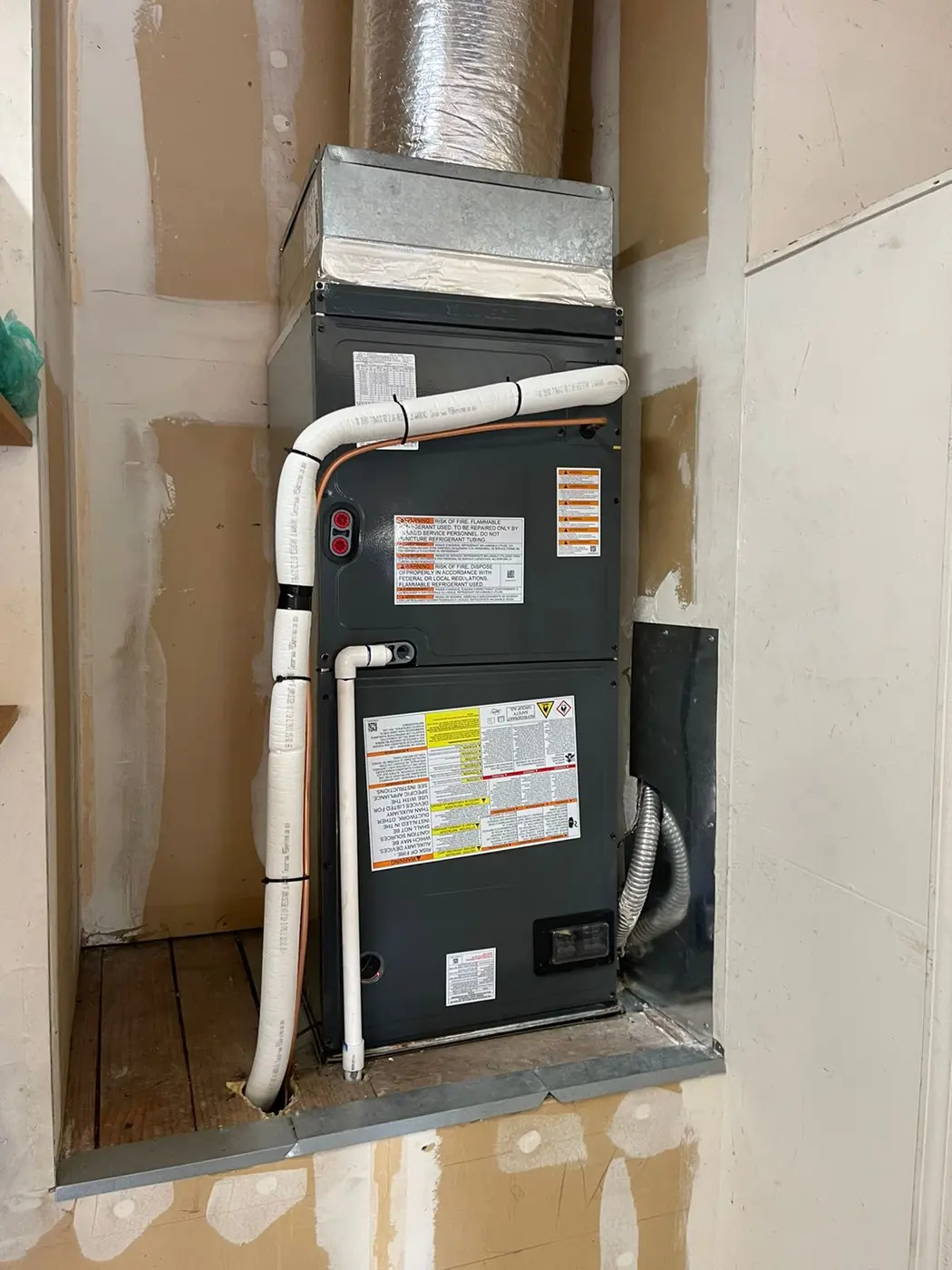
Ask how the selected furnace fits the existing zone arrangement. Identify any control or related component the proposal would keep. A working response from the old furnace does not automatically confirm the new combination. Reuse should have a clear basis in the actual project review.
Keep a proposed control change explicit in the work and price. Ask what normal functions it provides and which area it will serve. The installation should not leave a familiar room label attached to a different role without explanation. The final control plan needs to match the equipment in place.
Leave dampers, vents and internal control settings alone before the visit. Describe the current arrangement instead of adjusting it to test a theory. The team needs the setup and observations that prompted the project. Equipment and control work belong within the agreed installation scope.
Define the Finished Coverage Before Scheduling
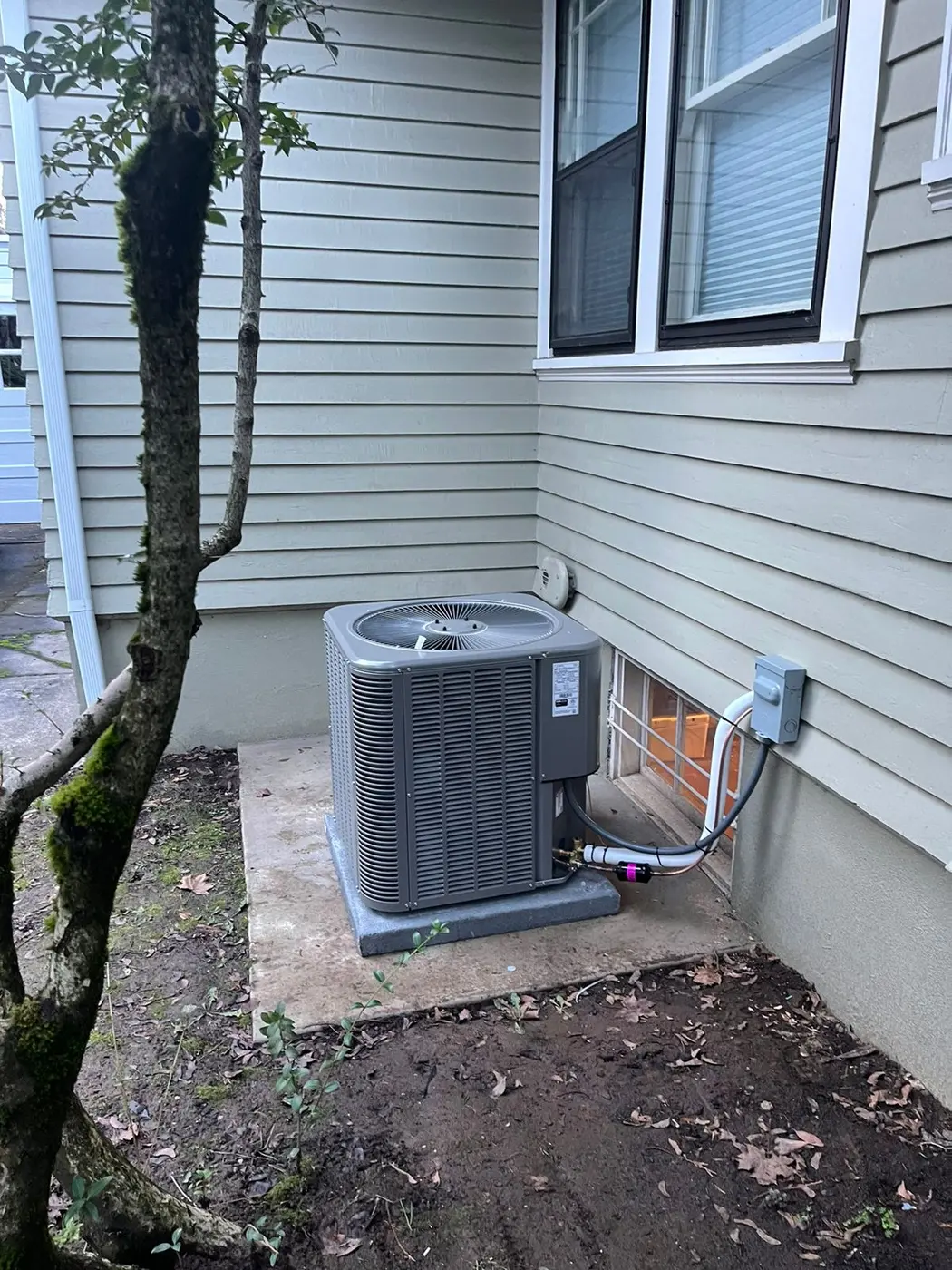
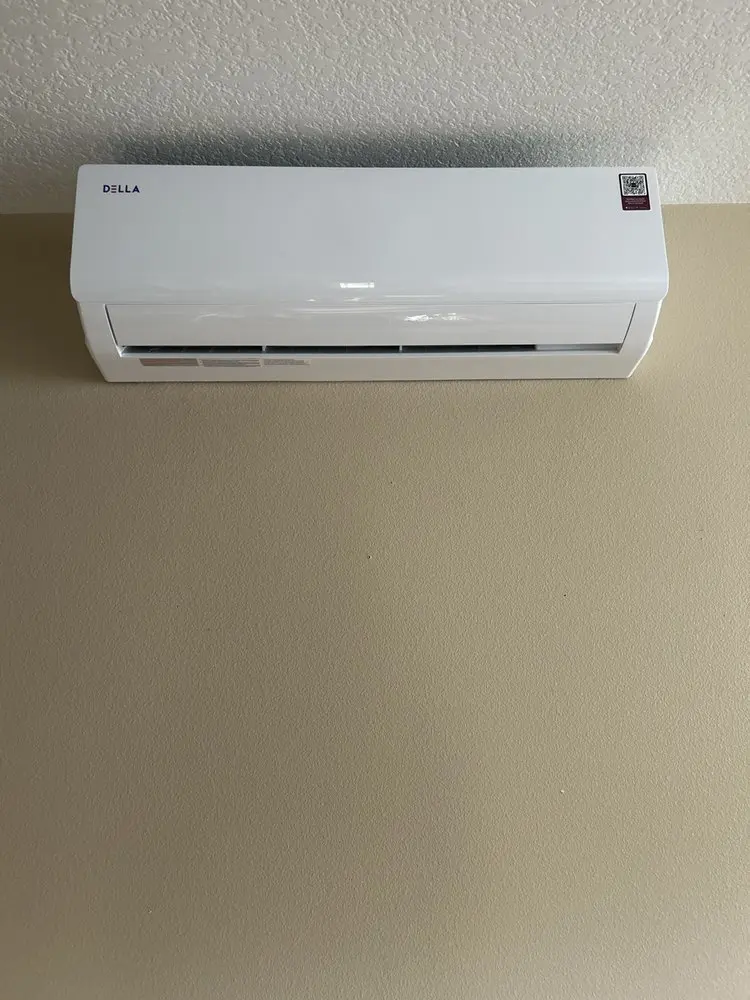
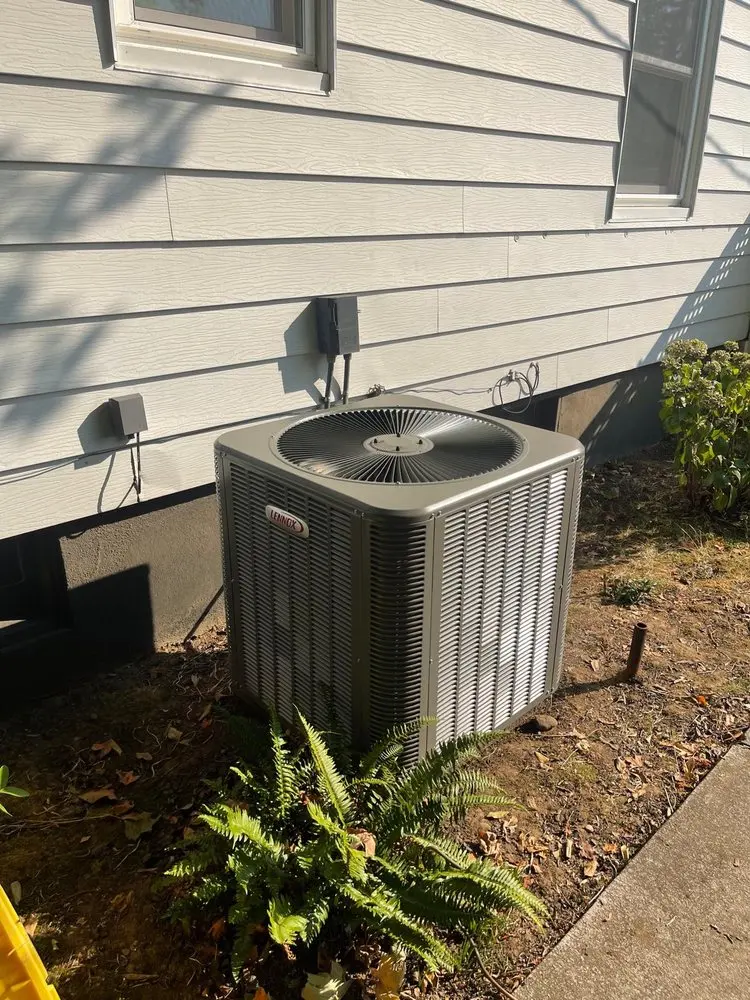
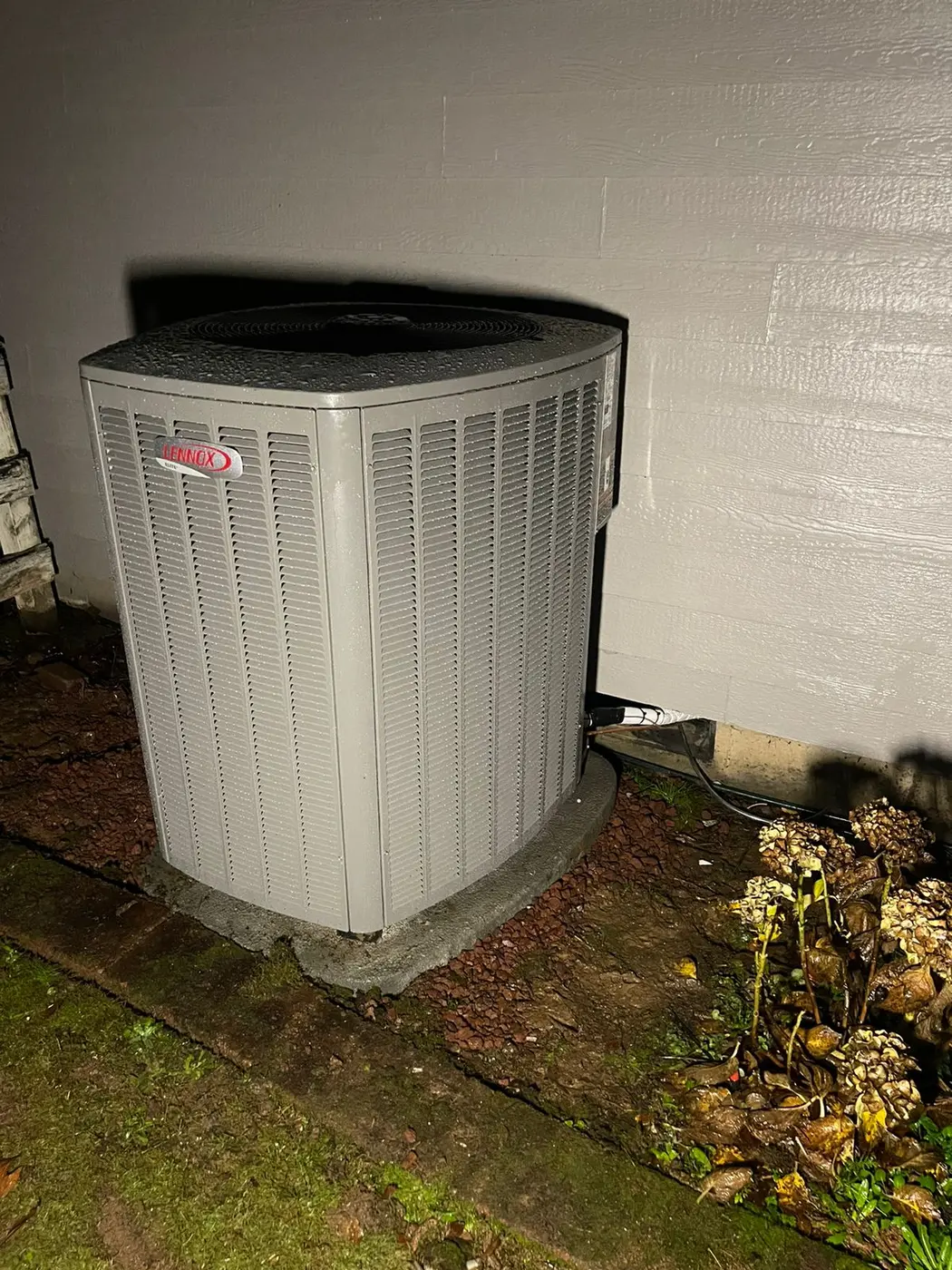
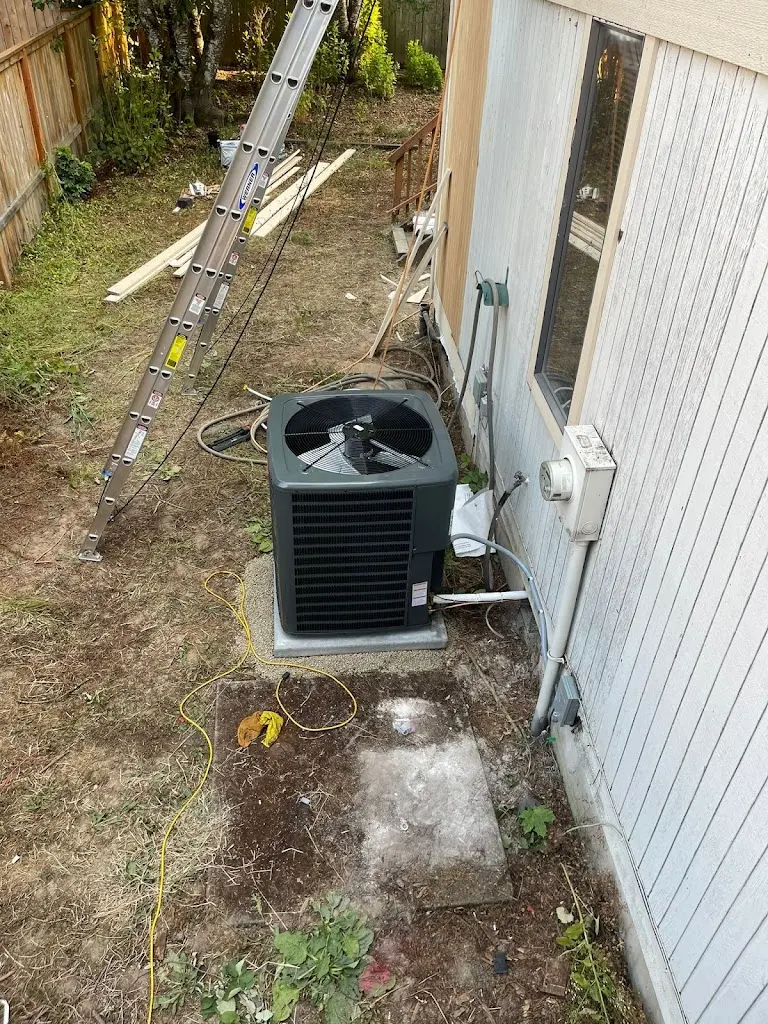
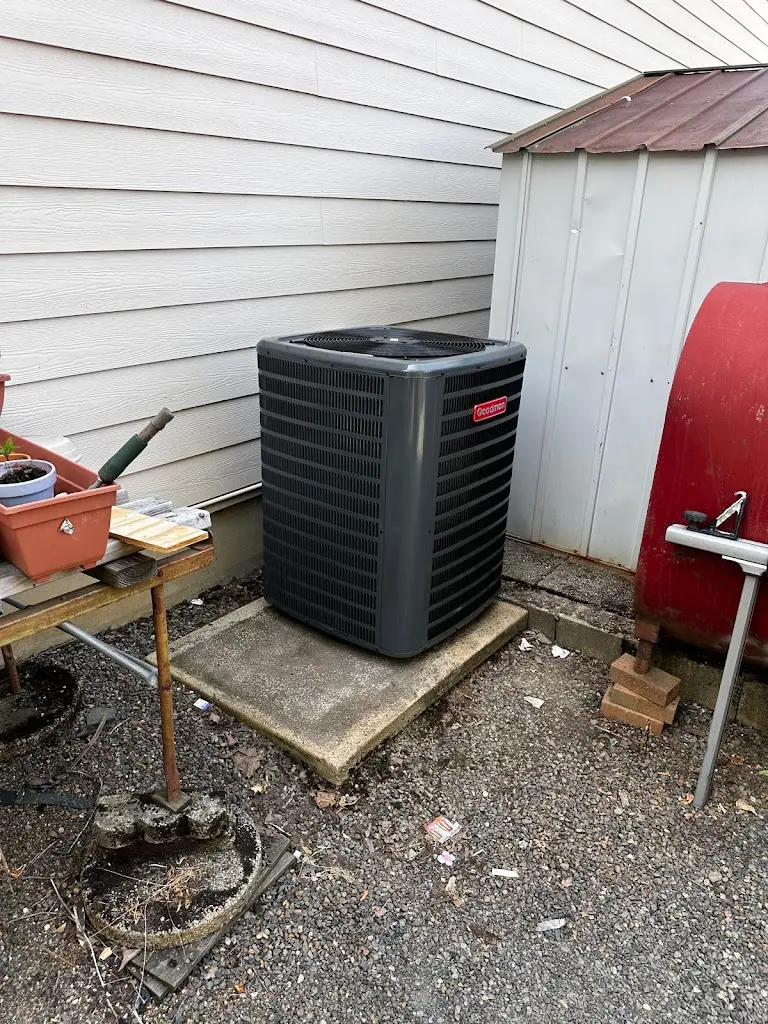
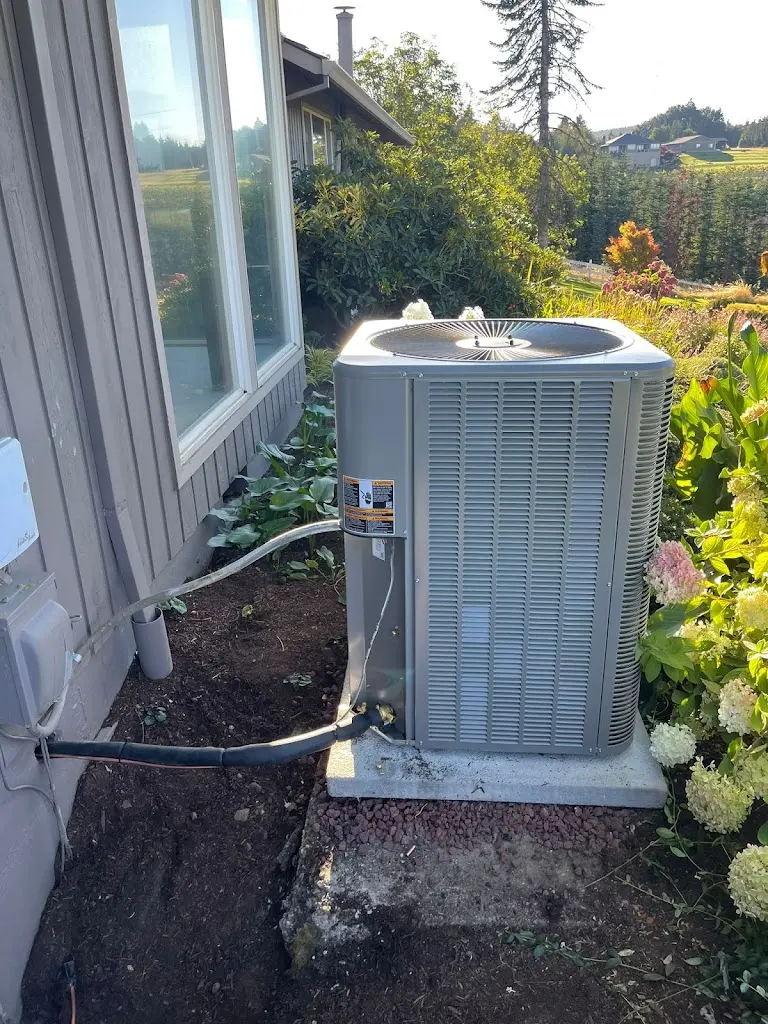
Our HVAC installation service in Wilsonville covers a wider heating and cooling change. Identify any retained air conditioner or other system in the plan. A shared furnace can sit within a broader equipment combination. Keep each component’s purpose clear before approving work.
Review the furnace, zone-related tasks, connections and controls together. Ask which room concerns the price addresses and what remains outside it. If a check requires access to a locked area, arrange that access. An unresolved zone should not become an assumed completed part of the project.
Discuss the work sequence and time without normal heating. A room with its own wall control may still depend on the shared furnace. Do not assume that one zone can stay in use throughout the replacement. Confirm the operating plan from the actual work.
Review the Result Across the Agreed Zones
At handover, ask which areas and control functions the team checked. Keep a result for one zone distinct from a check elsewhere. Review the normal settings for the completed setup. Any limit on the checks should stay with the final work record.
Retain the new furnace model and the zone information together. Include changed controls and any open room concern. Later service should be able to identify the shared equipment and the affected area. The record should make those roles clearer than a general note that the furnace is new.
Frequently Asked Questions
Do several thermostats mean I need several new furnaces?
No. The controls may serve zones of one system or separate units. The site review should establish that relationship. Choose the equipment from the actual setup rather than the number of displays.
Can the project keep existing zone controls?
Ask which controls suit the selected furnace and intended operation. The proposal should identify retained items and any related work. Do not assume either full reuse or full replacement before the review.
Will all zones have identical temperatures after replacement?
That is not an automatic result of a new furnace. Describe the room goals during the estimate and review what the work addresses. Keep any separate comfort question clear in the final scope.