Kerns central AC installation for close-in homes, compact routes and dependable room cooling
Kerns central AC installation should be planned around the forced-air system and the compact property at the same time. Older ducts, finished upper rooms, home offices, small additions, narrow side yards, shared property lines and nearby windows can all affect whether central cooling installs cleanly and performs well.
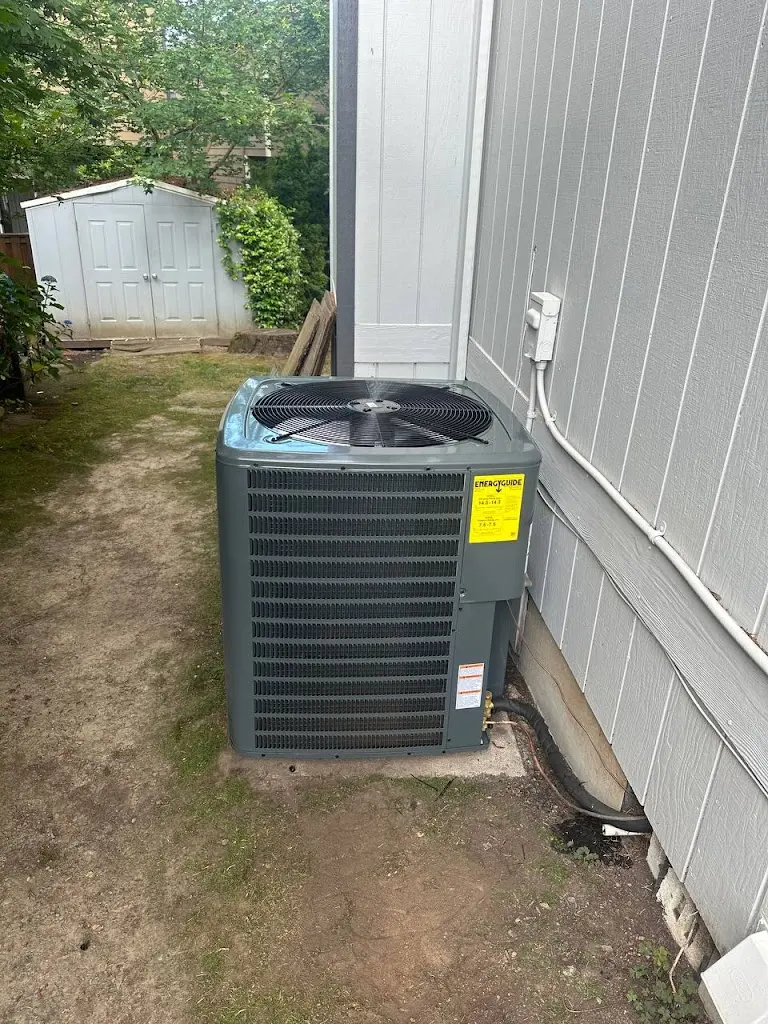
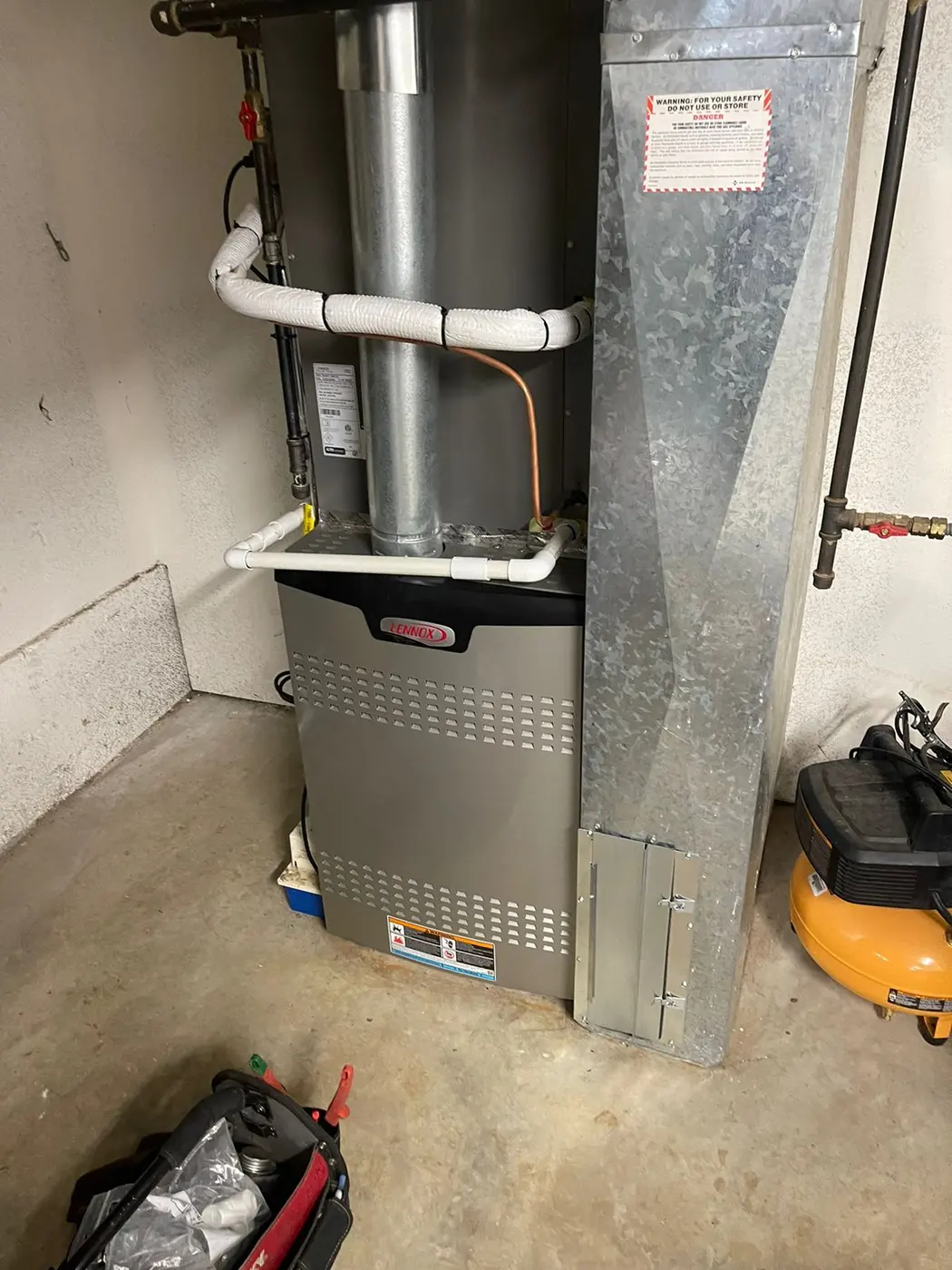
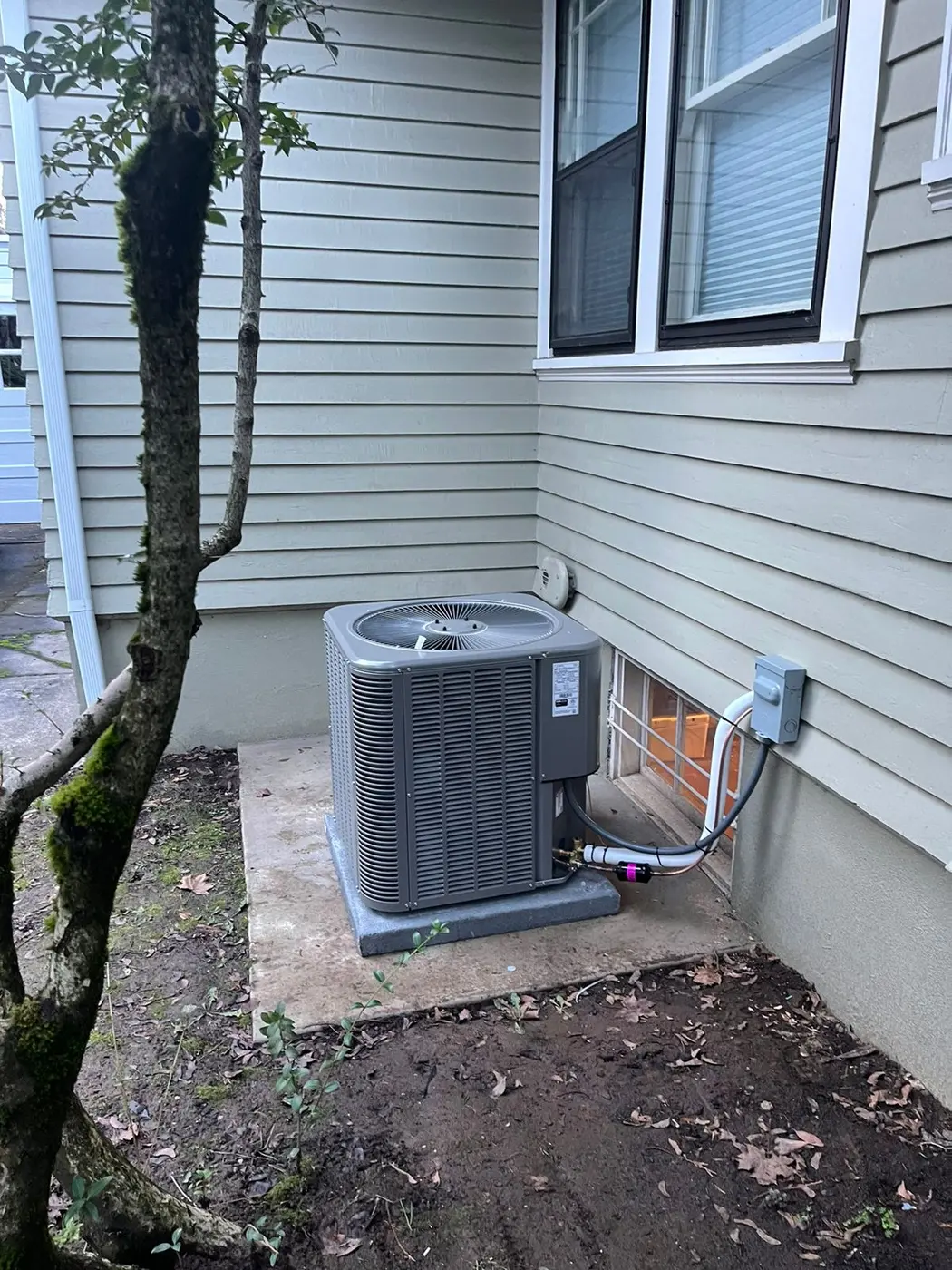
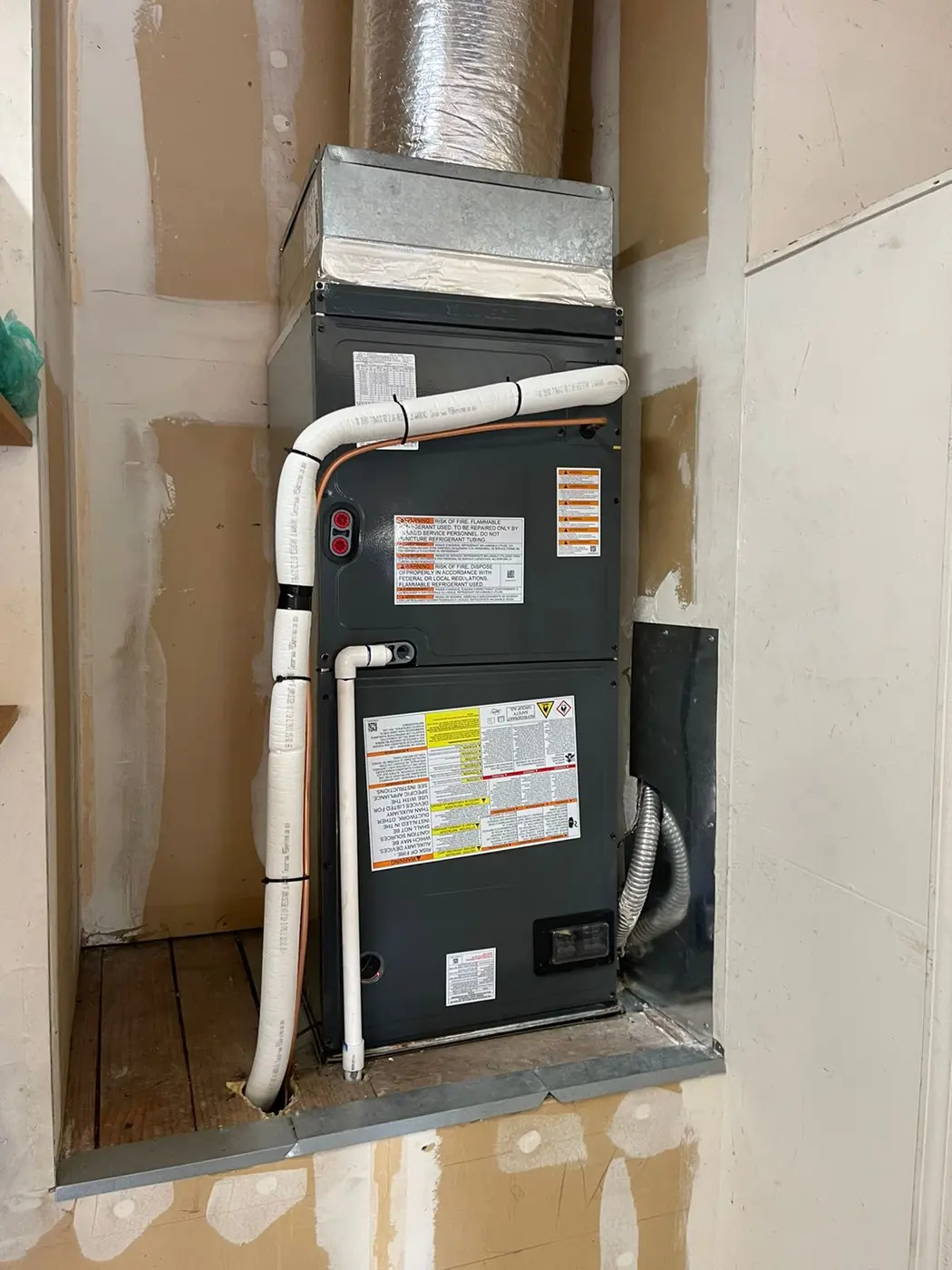
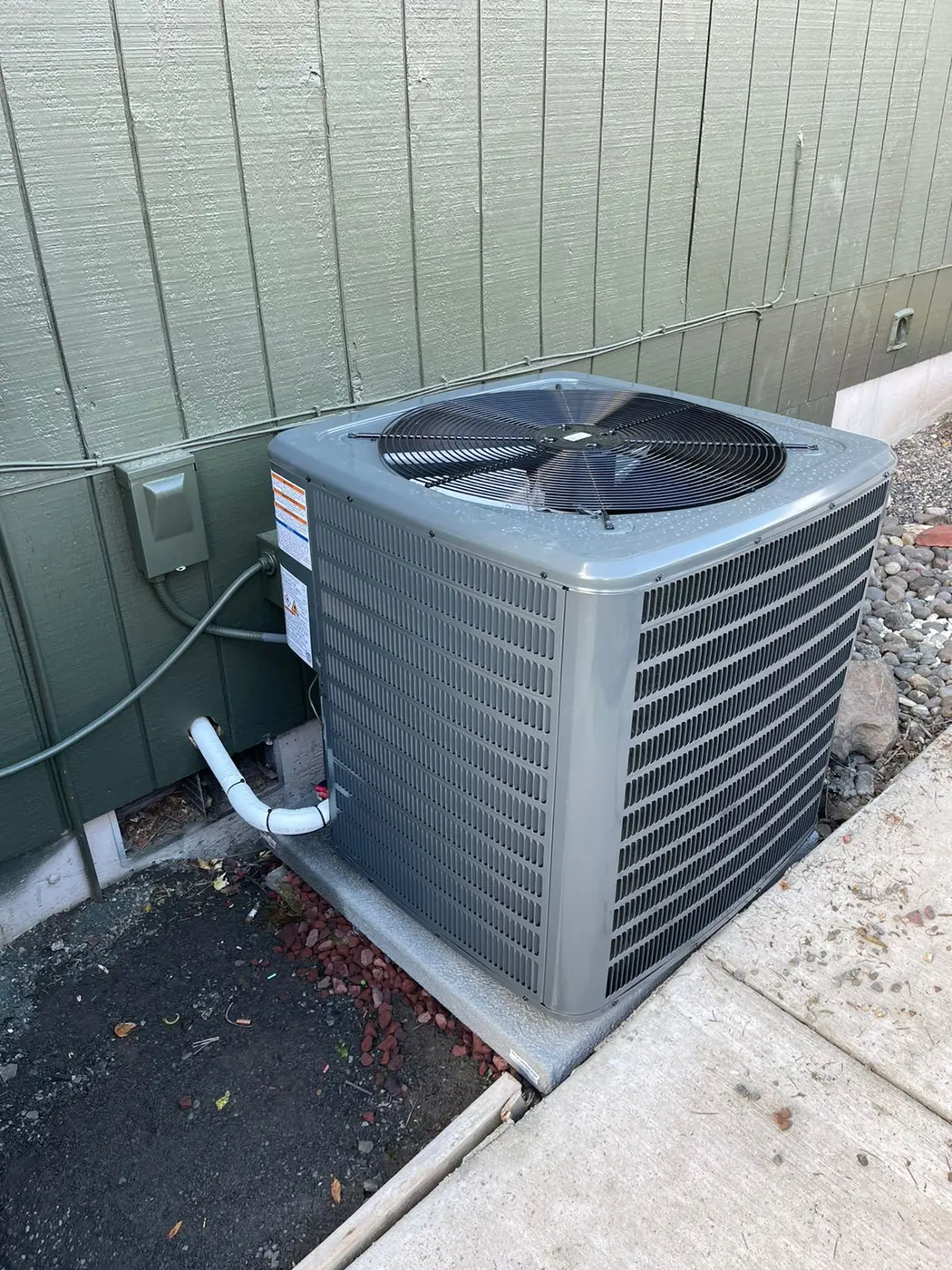
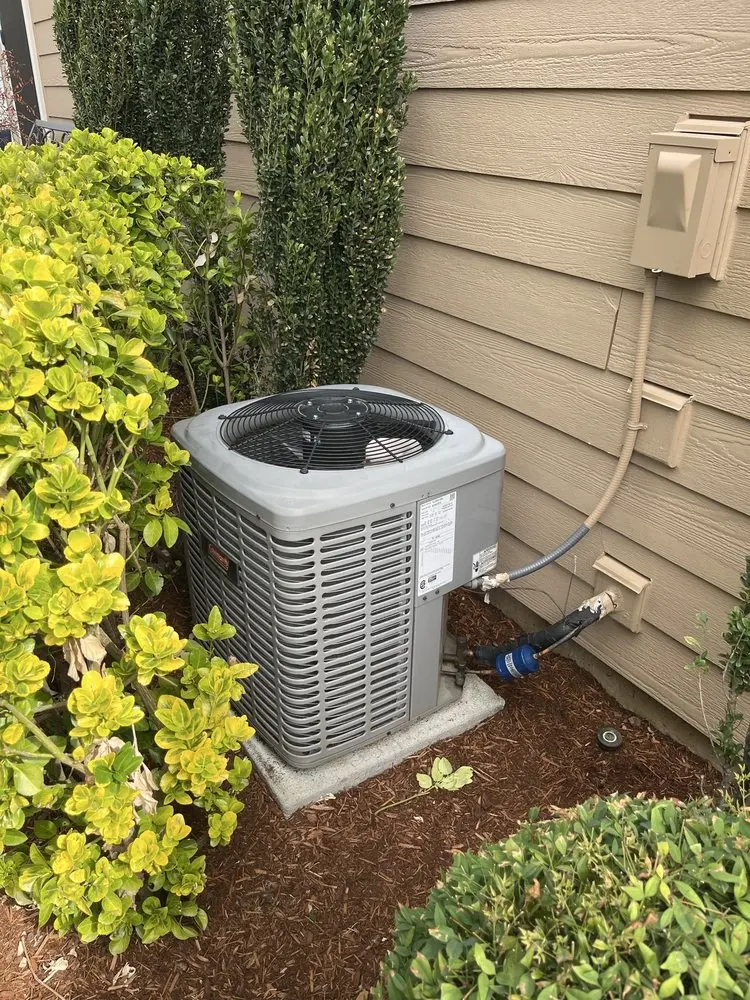
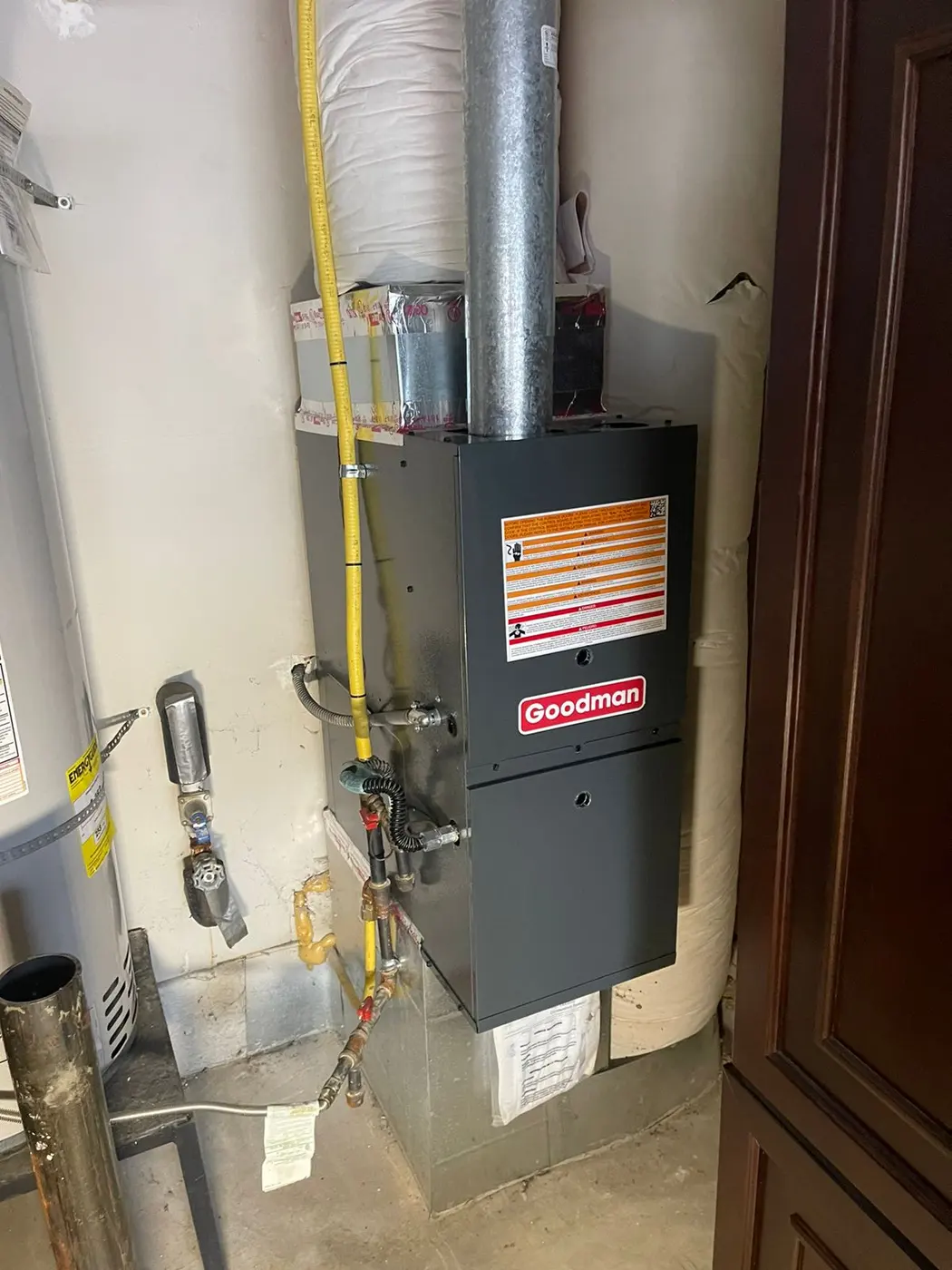
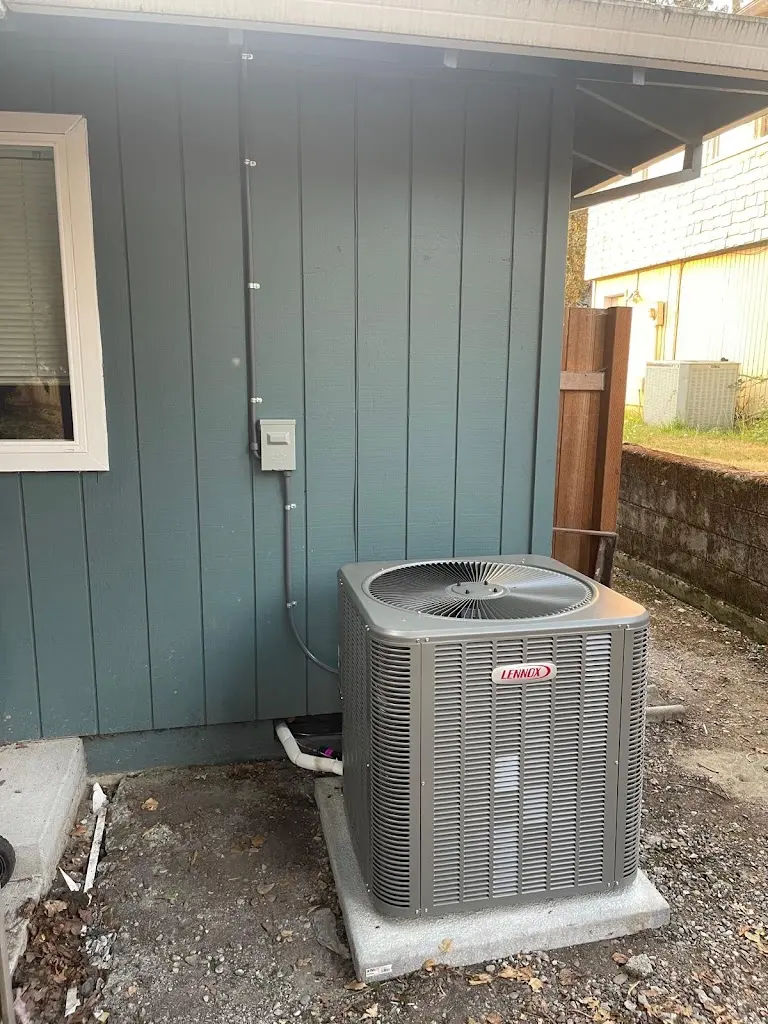
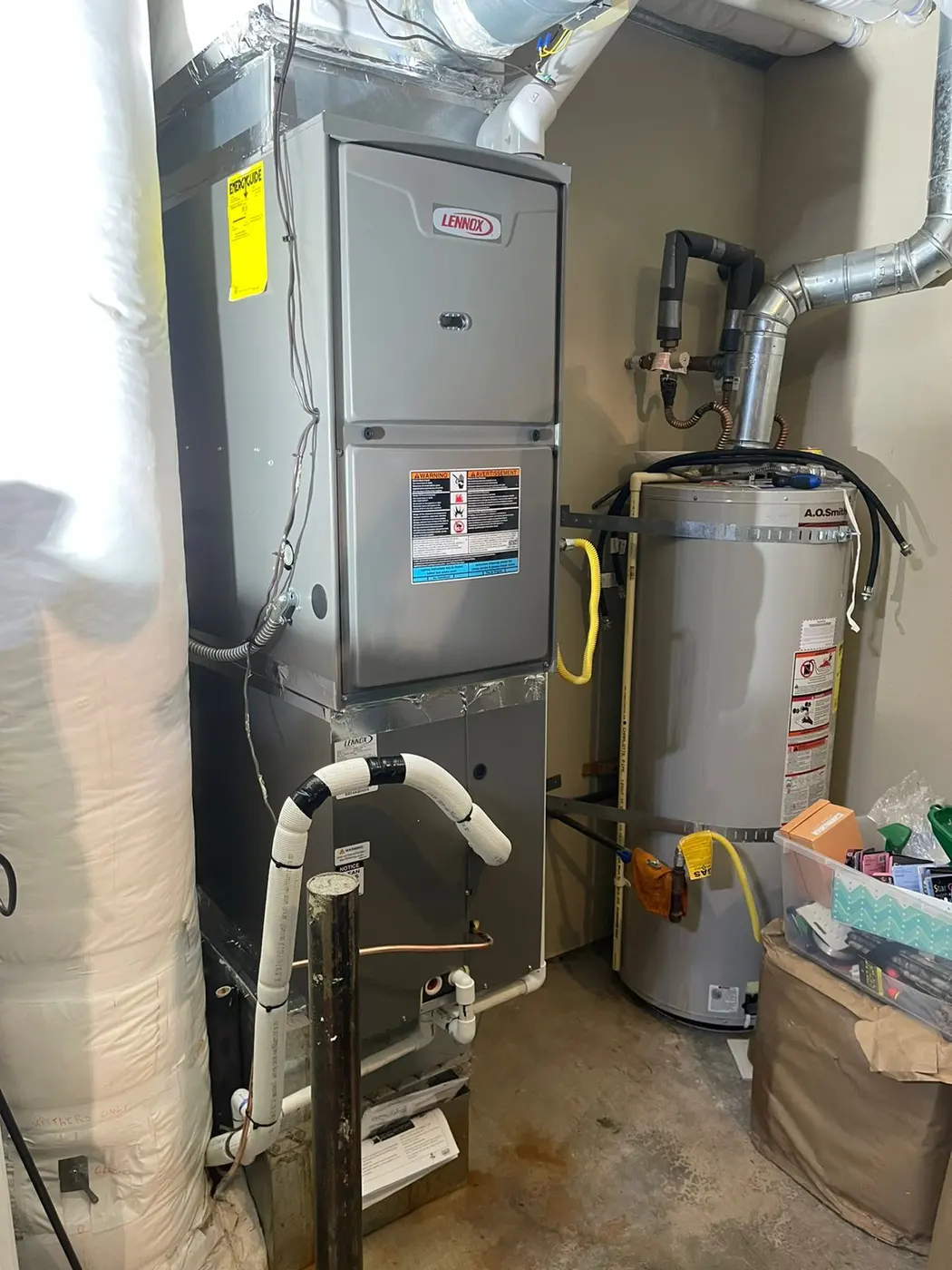
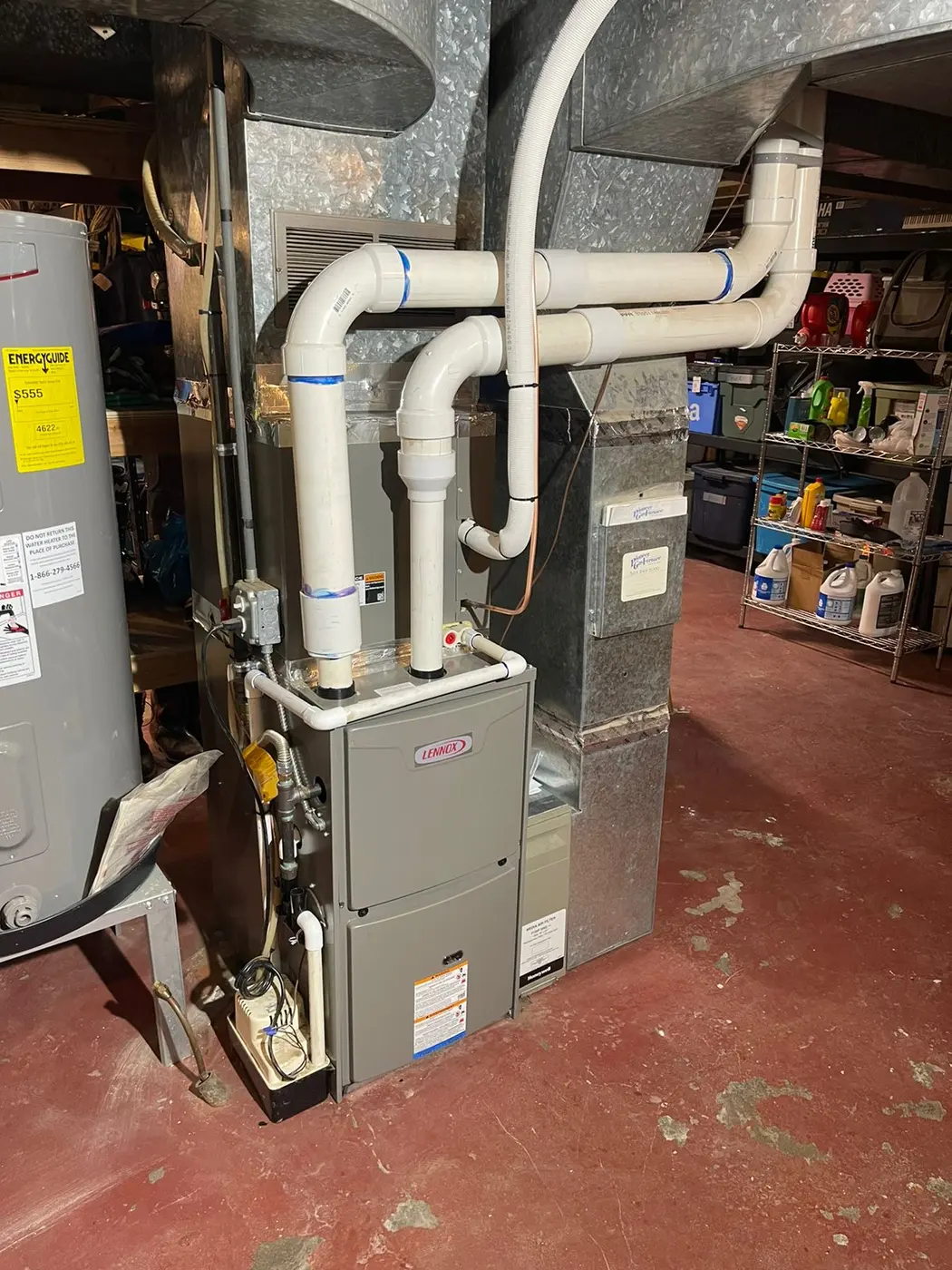
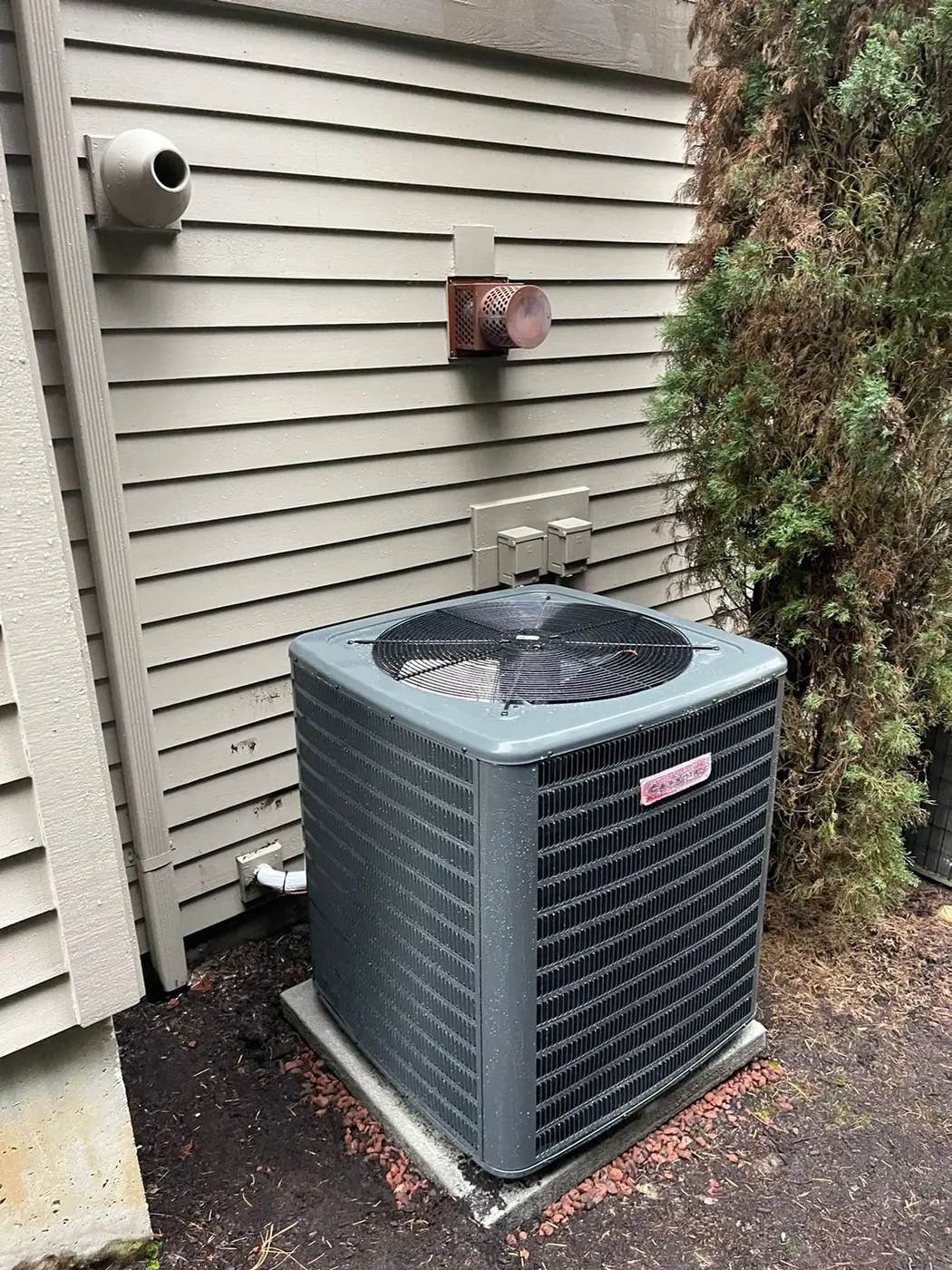
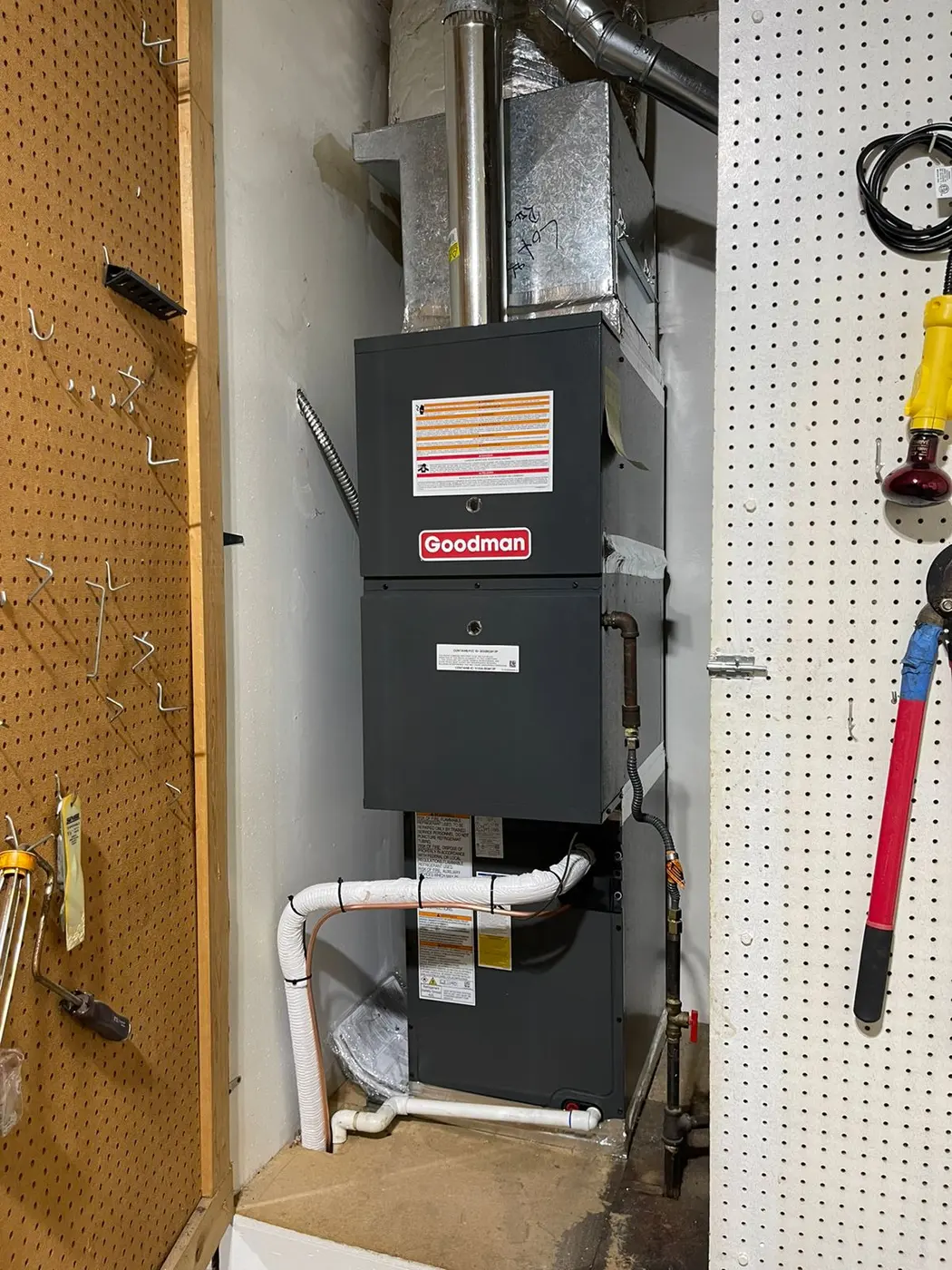
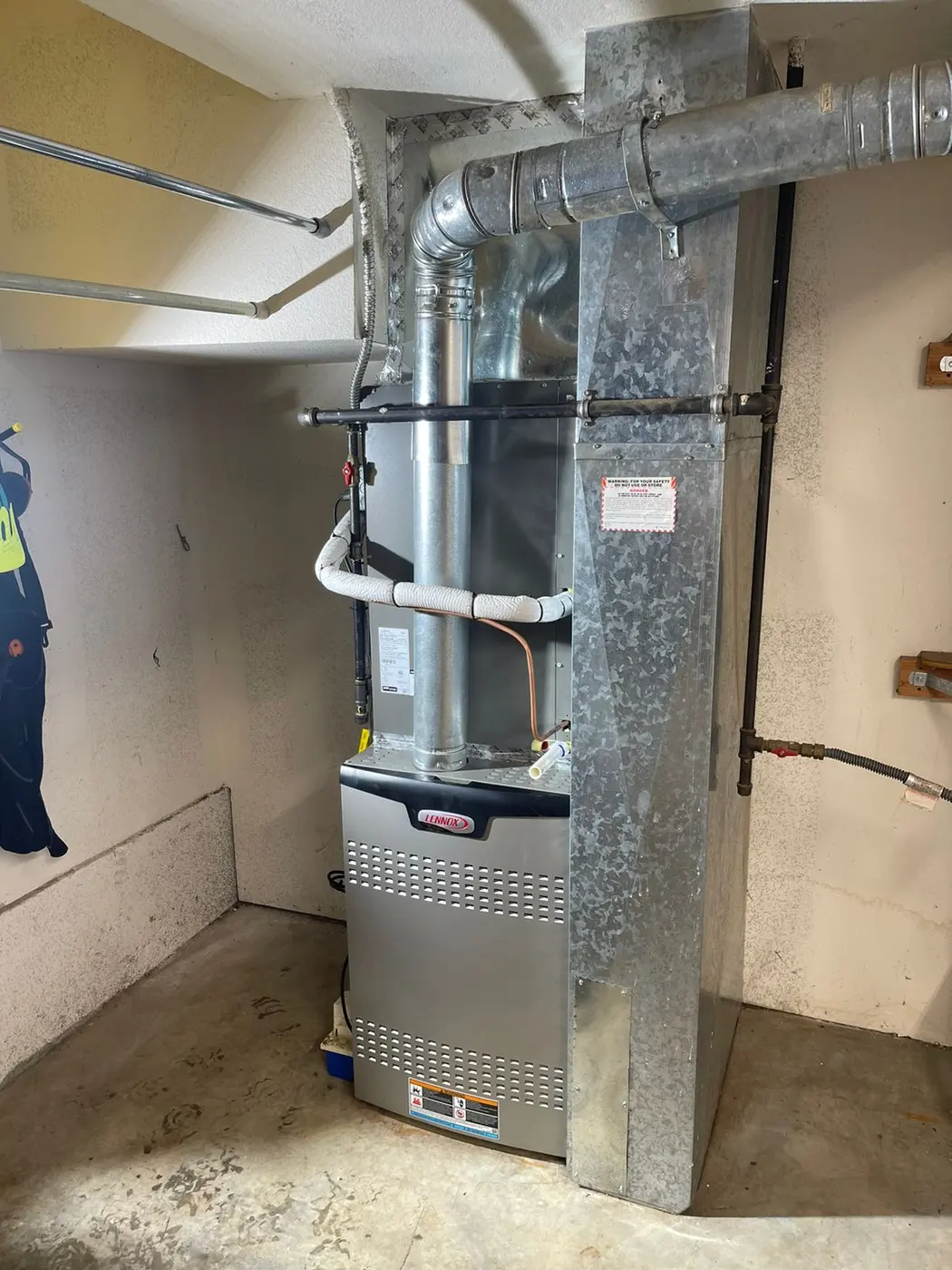
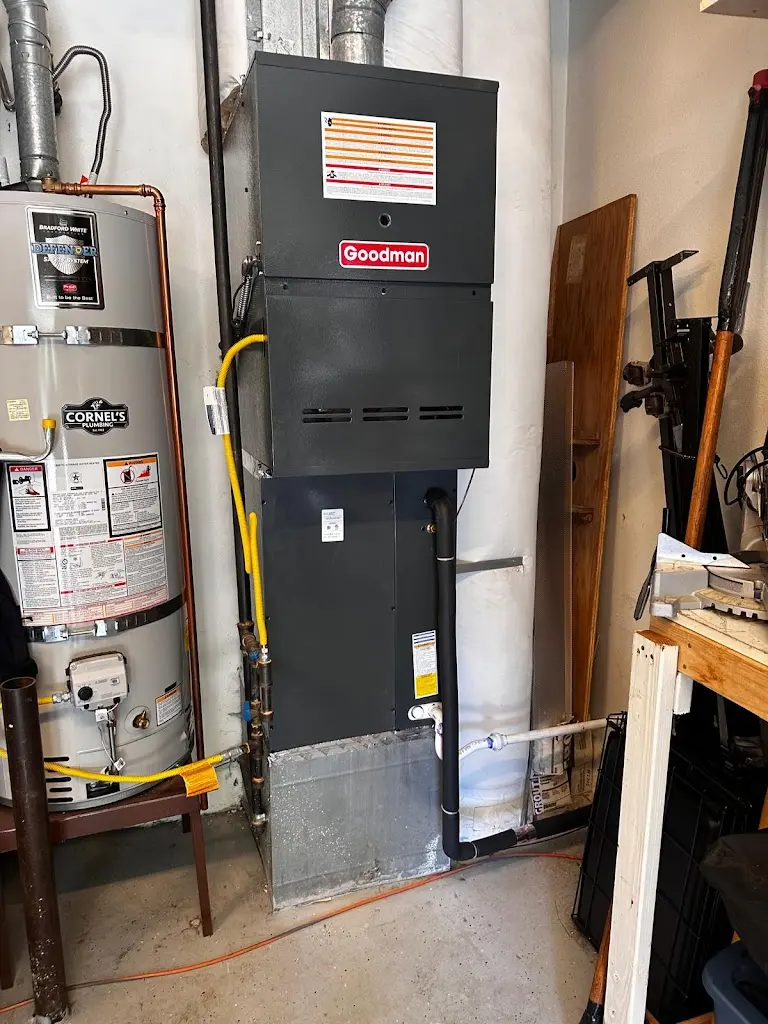
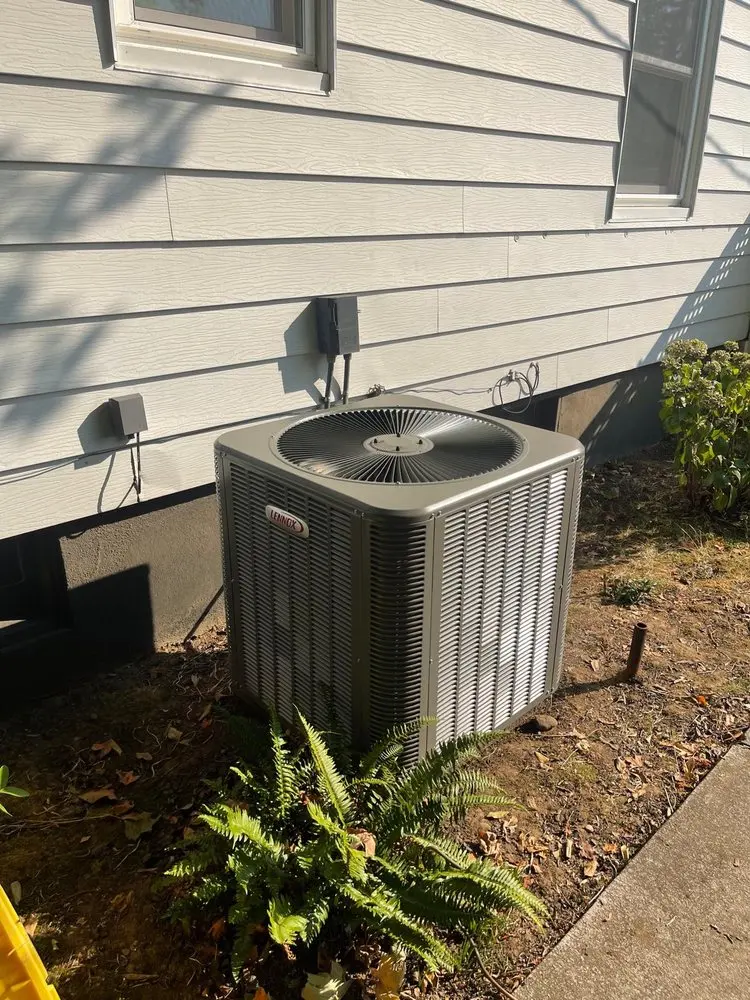
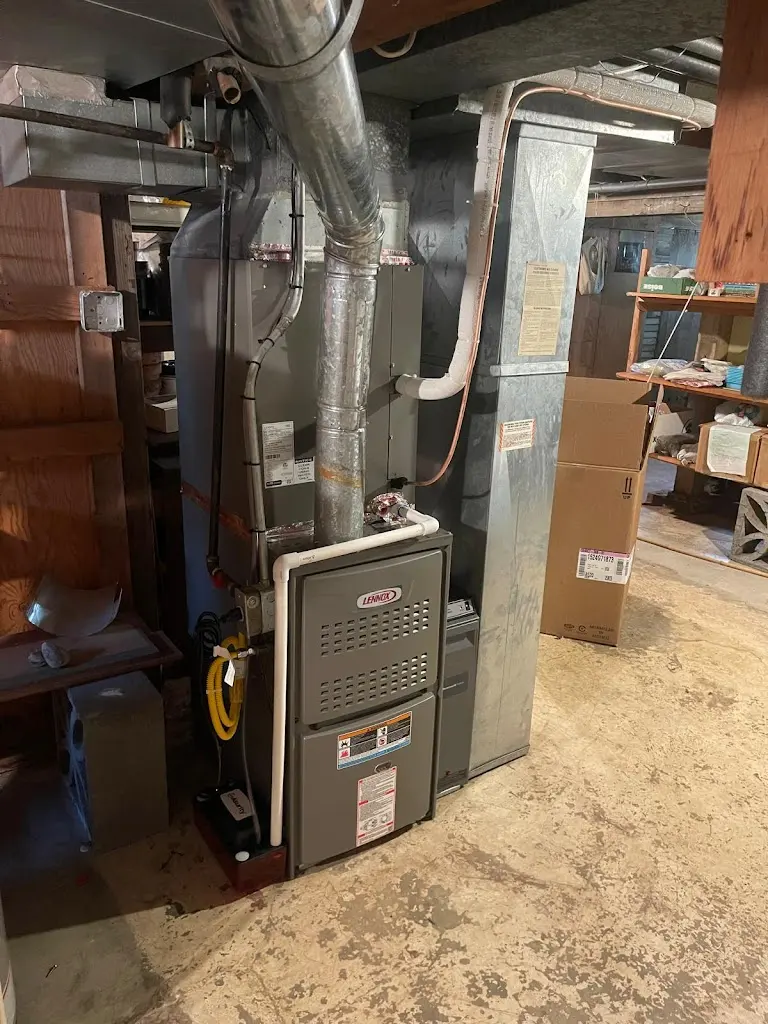
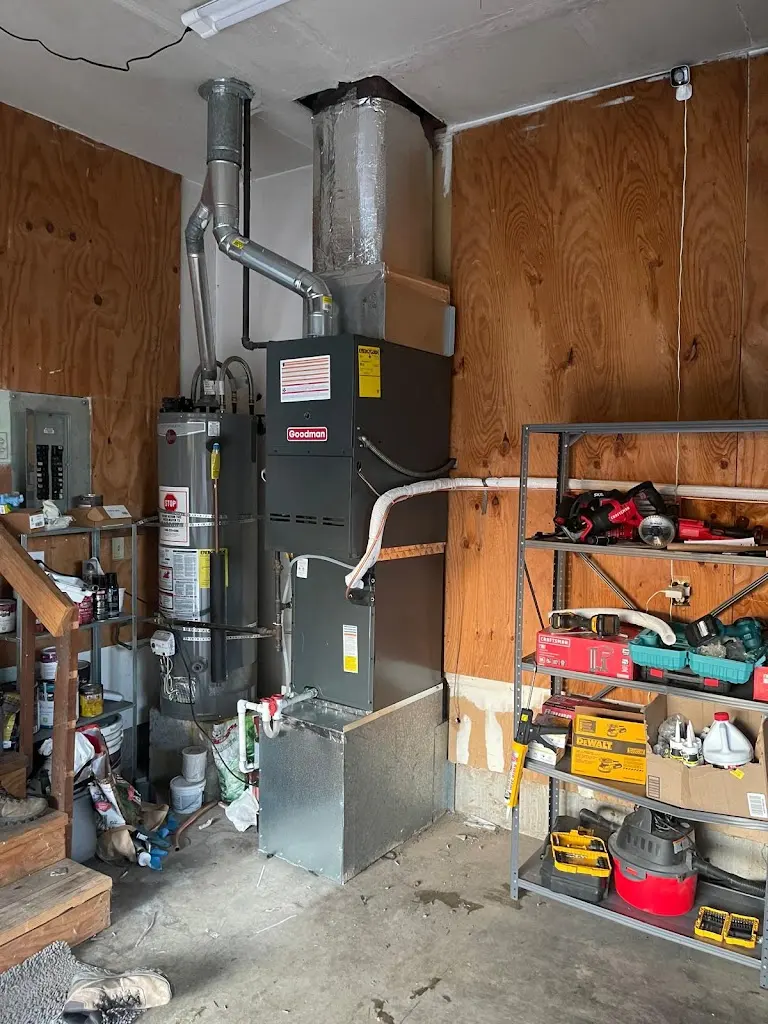
The free estimator visit reviews furnace or air-handler compatibility, indoor coil space, return-air strength, duct delivery, electrical readiness, line-set route, condenser placement, sound near bedrooms or patios, service clearance and whether a quieter or higher-efficiency AC option should be compared.
Kerns central AC details to send
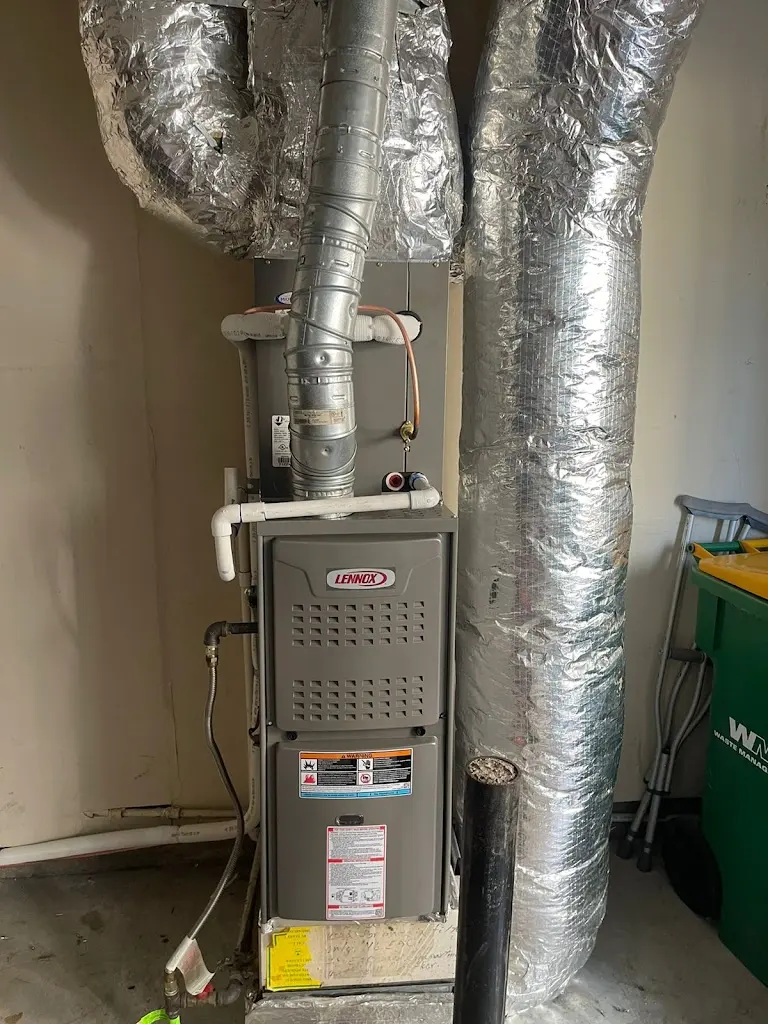
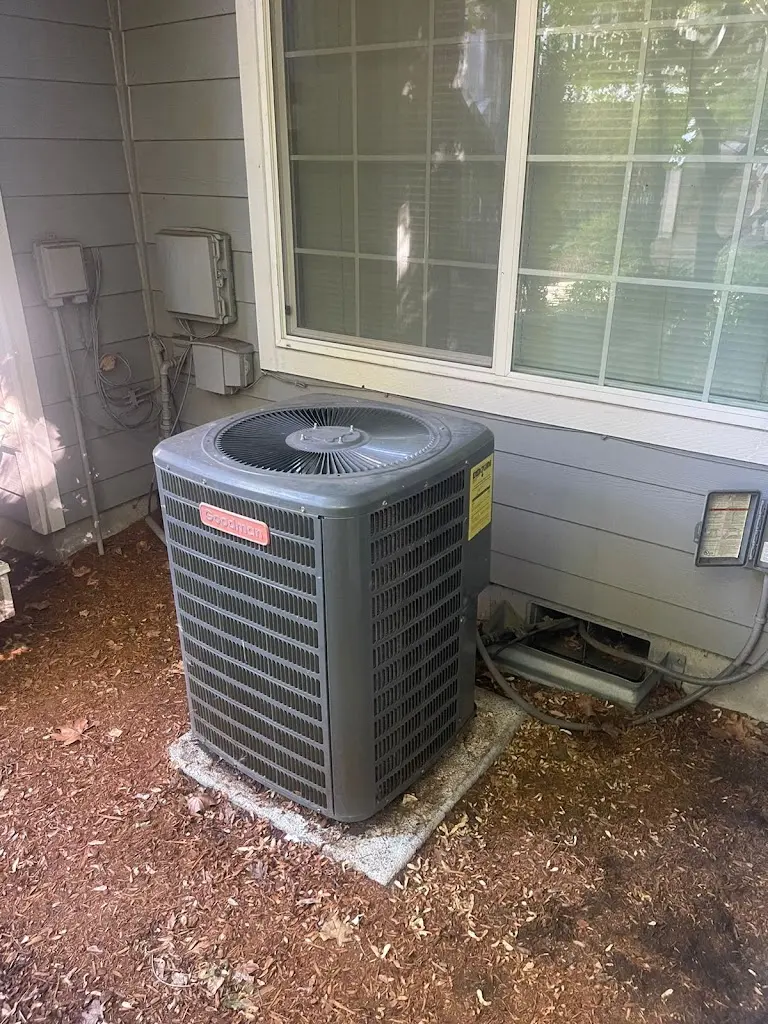
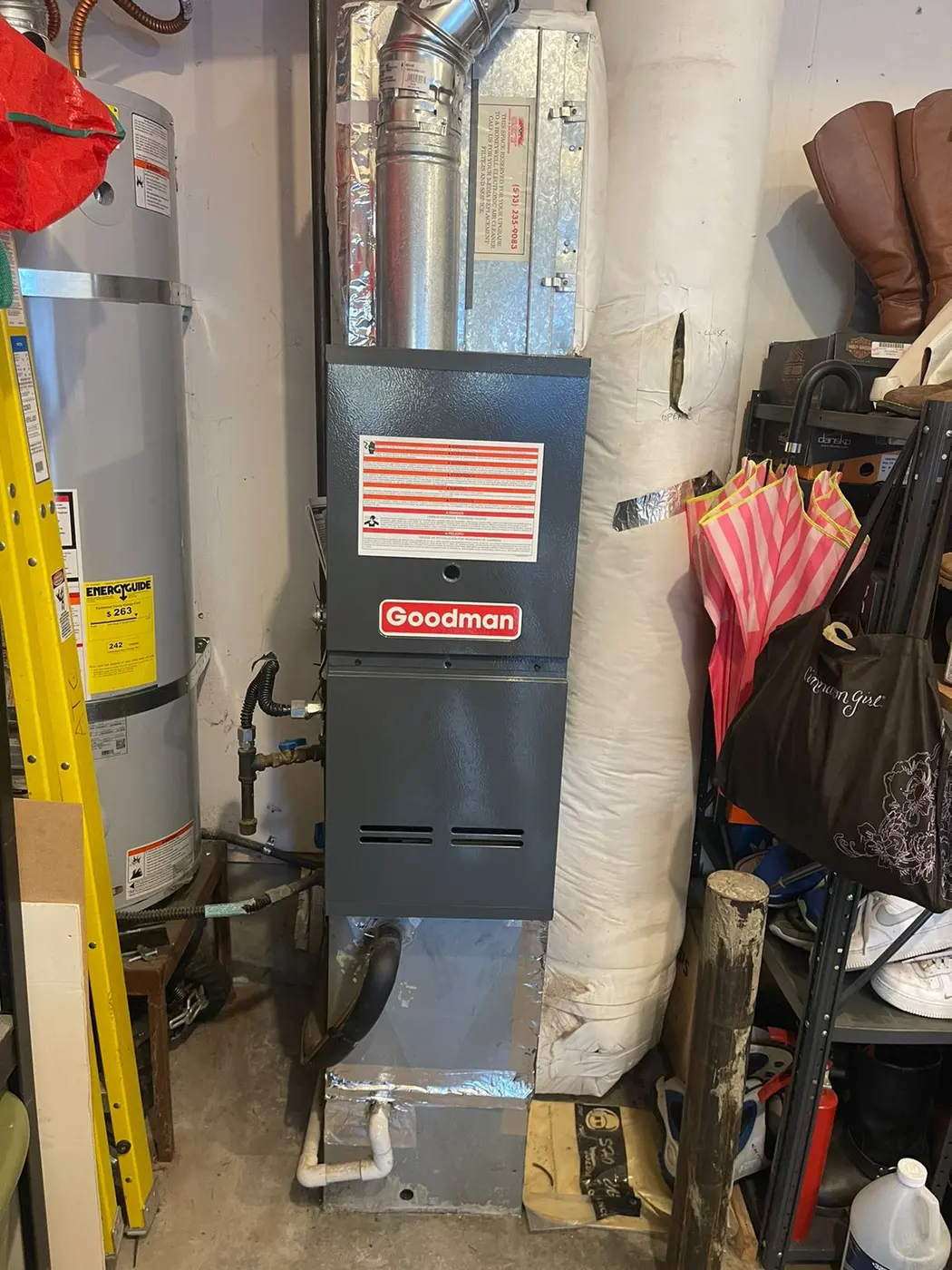
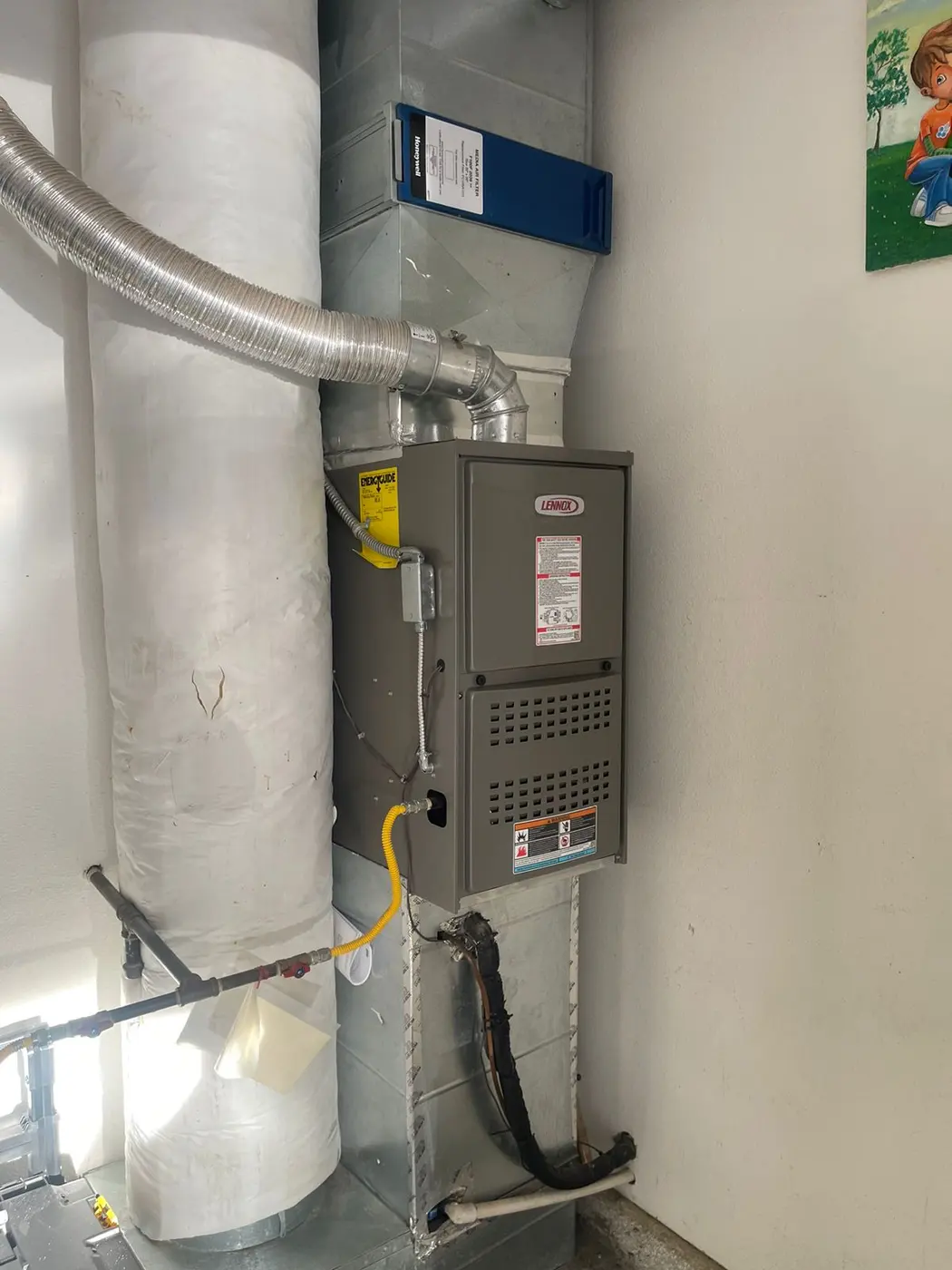
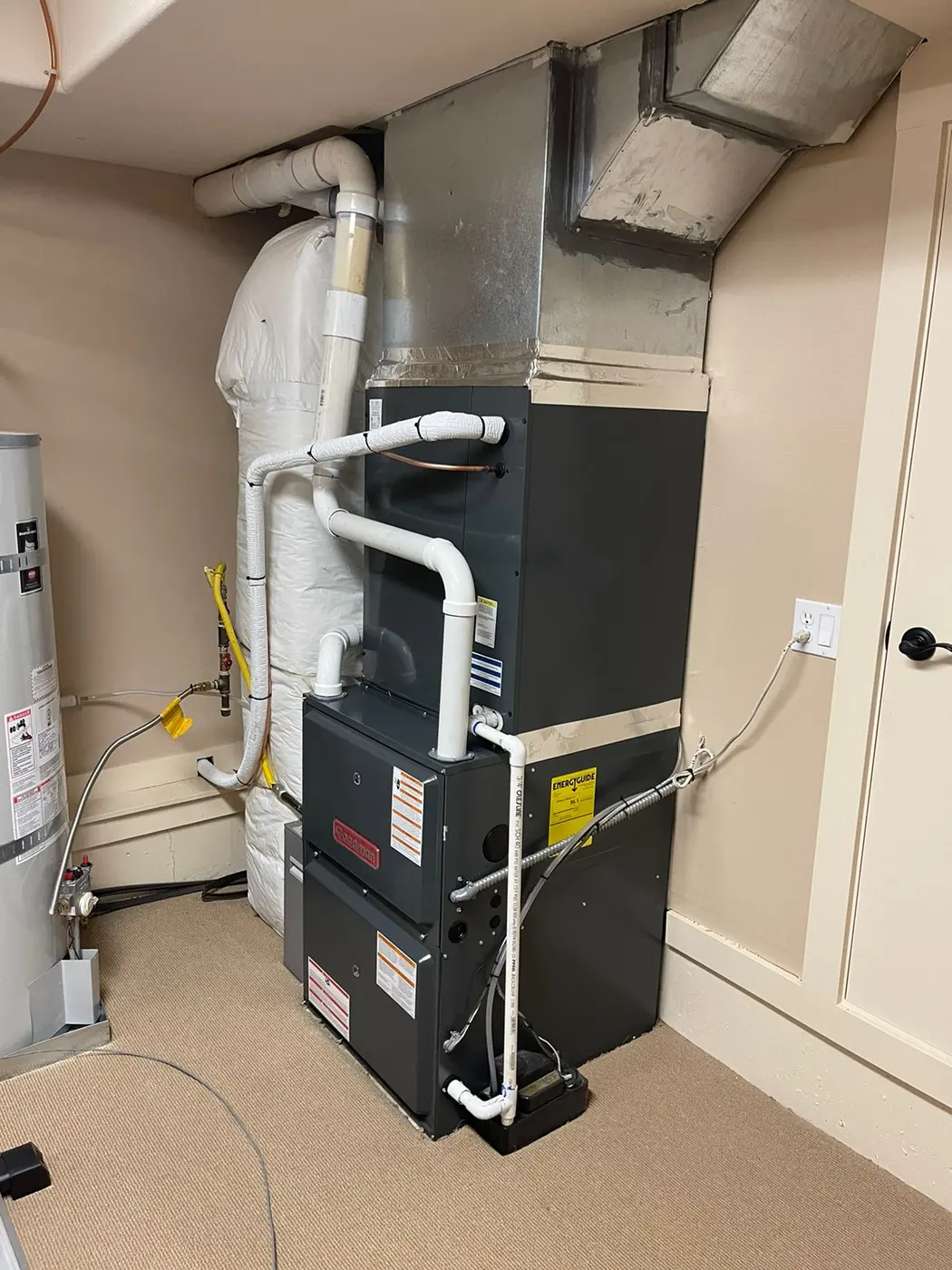
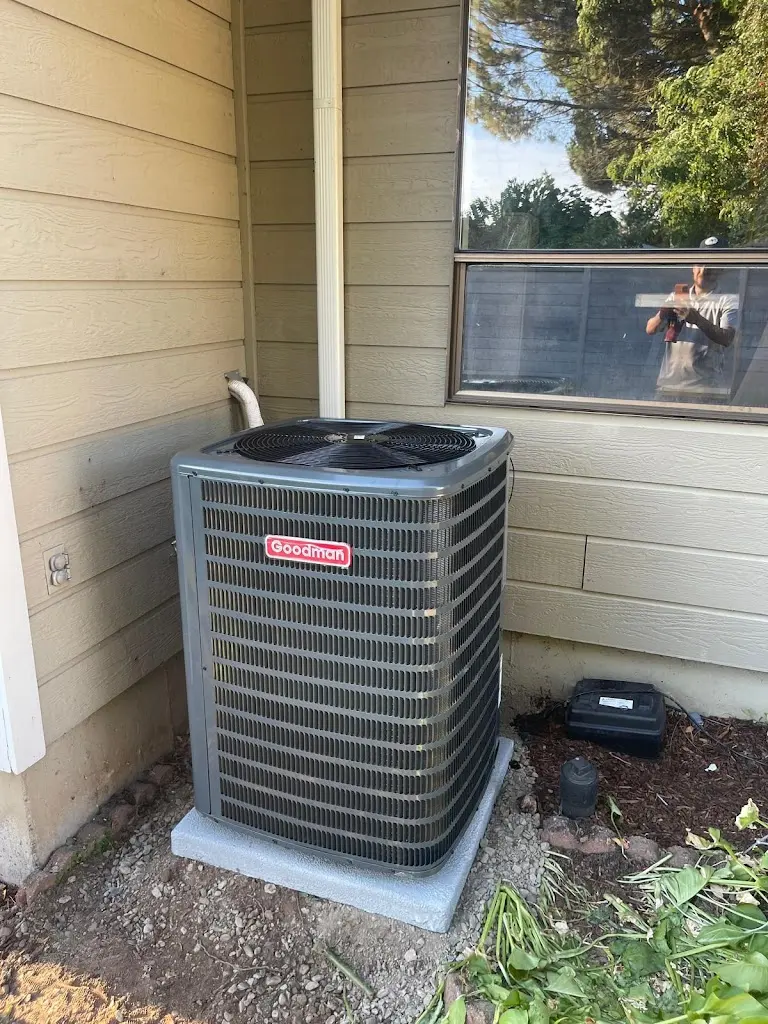
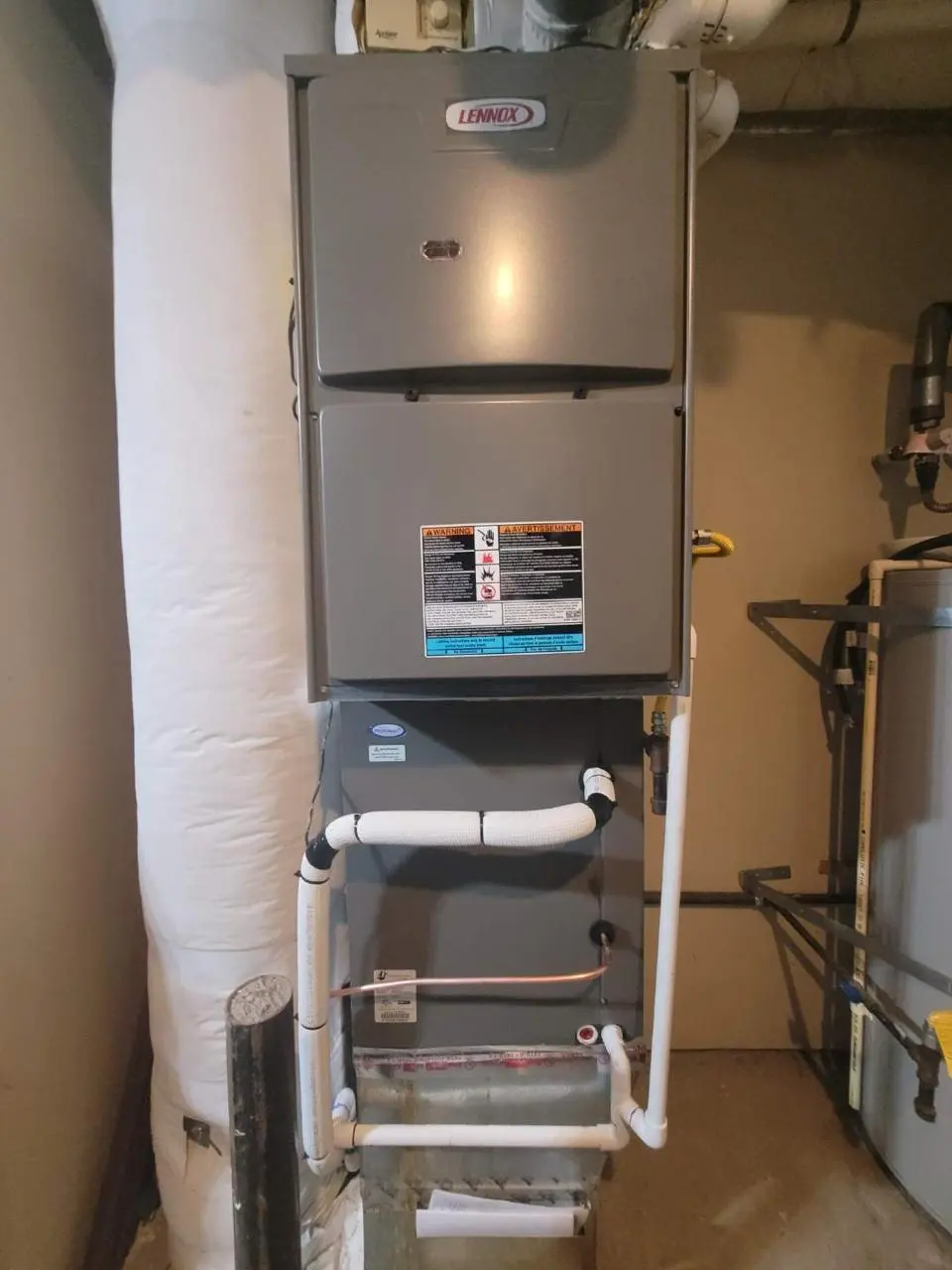
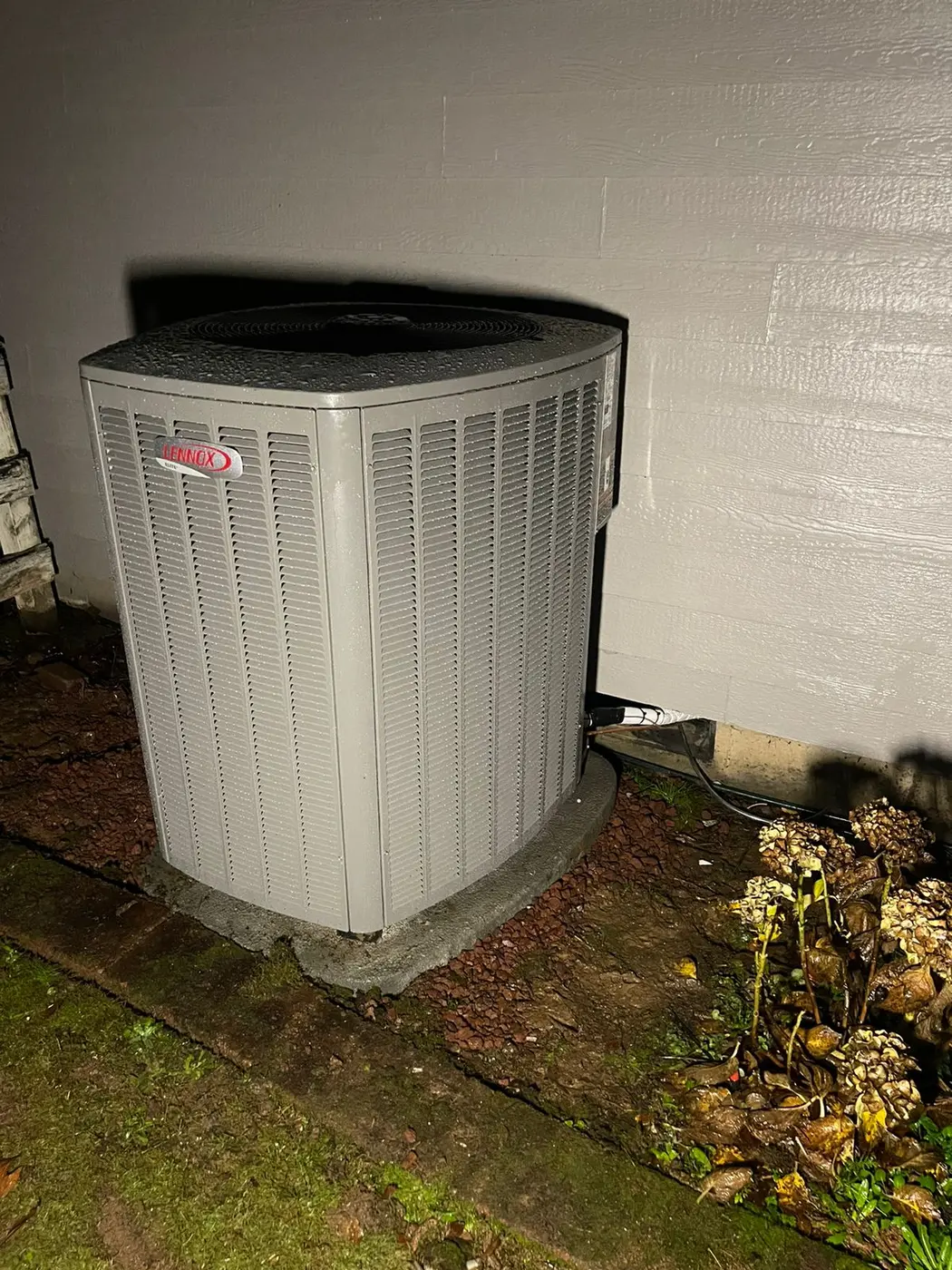
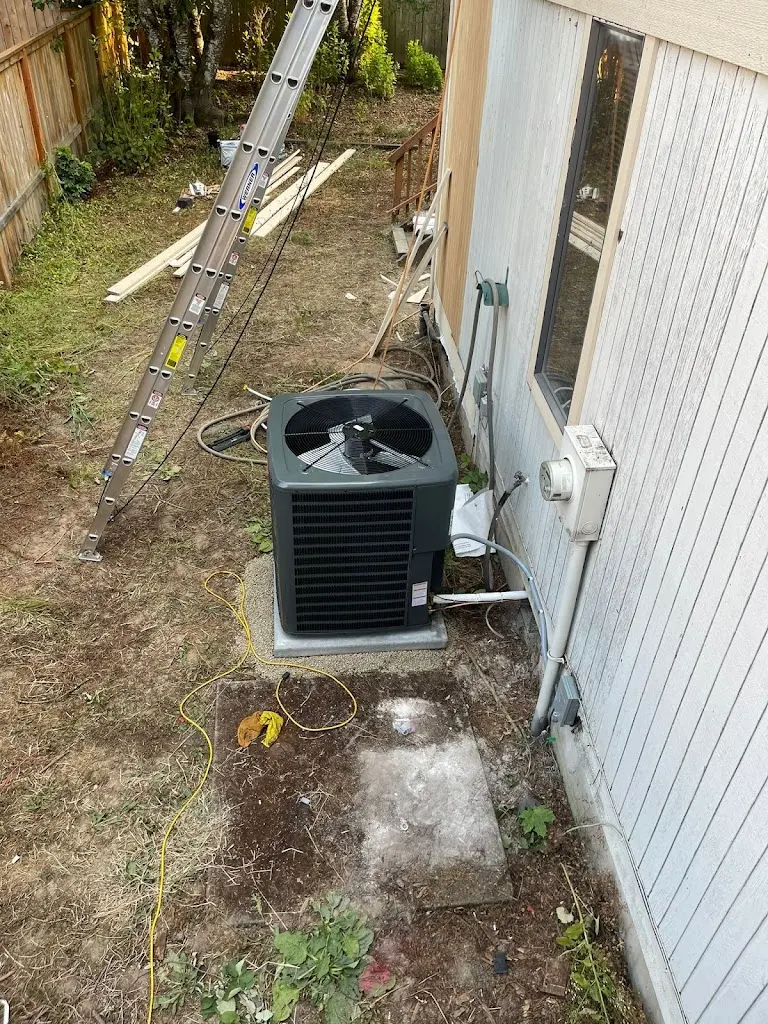
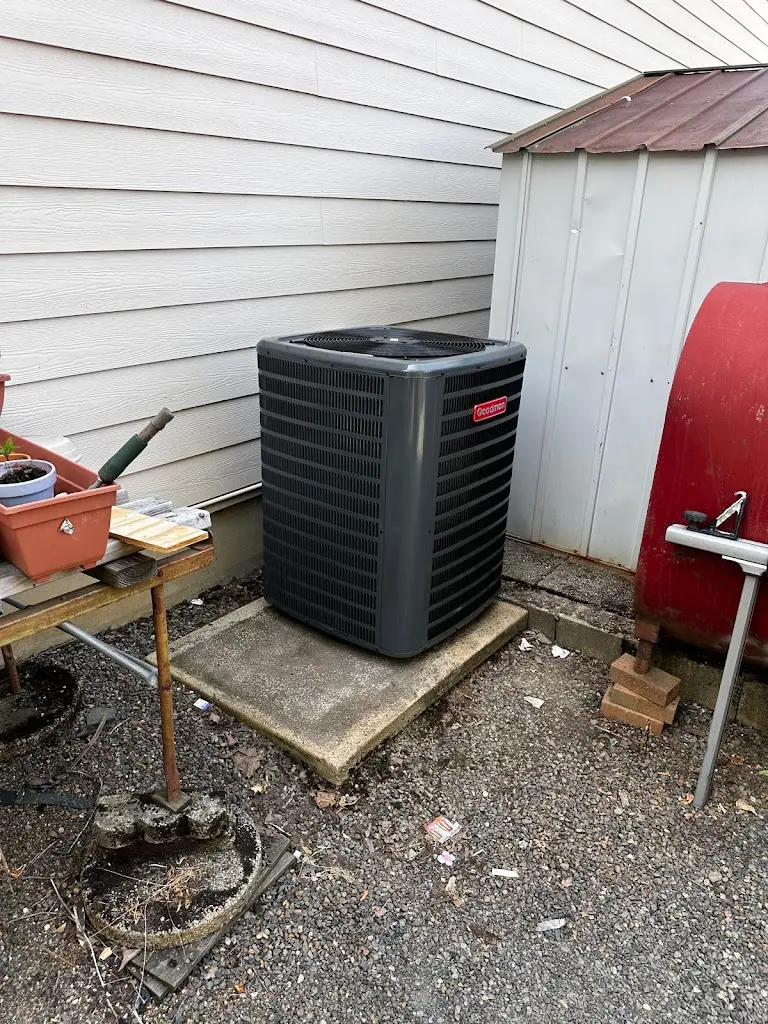
Send photos of the indoor equipment, plenum or coil area if visible, warm rooms, likely outdoor condenser location, side-yard or alley access, electrical panel if available and any concerns about sound near windows or outdoor seating.
That helps prepare Kerns central AC options around indoor fit, short clean routing, compact outdoor placement and the rooms that need steady summer comfort.
A Kerns central AC estimate example
A Kerns homeowner may want whole-home central cooling, but the real decision can be whether the existing ducts serve the upper rooms and where the condenser can sit without creating sound or access problems.
The estimate should show indoor compatibility, the clean line route and the practical equipment choices before installation is scheduled.
- Review older ducts, upper bedrooms, offices, additions and rooms that heat up first.
- Confirm furnace or air-handler compatibility, coil space, return air and electrical readiness.
- Plan line routing and condenser placement around side yards, alleys, patios, bedroom windows and sound.
- Compare standard, quieter and higher-efficiency central AC options after fit and placement are verified.
How to choose the Kerns central AC path
The strongest Kerns proposal should prove both parts of the project: the ducted system can carry cooling, and the outdoor equipment can be placed cleanly. After coil fit, return air, duct delivery, line routing, electrical readiness, condenser sound and service clearance are checked, the homeowner can compare central AC options with scope clear.
- Review older ducts, upper bedrooms, offices, additions and rooms that heat up first.
- Confirm furnace or air-handler compatibility, coil space, return air and electrical readiness.
- Plan line routing and condenser placement around side yards, alleys, patios, bedroom windows and sound.
- Compare standard, quieter and higher-efficiency central AC options after fit and placement are verified.
What the free estimator visit checks
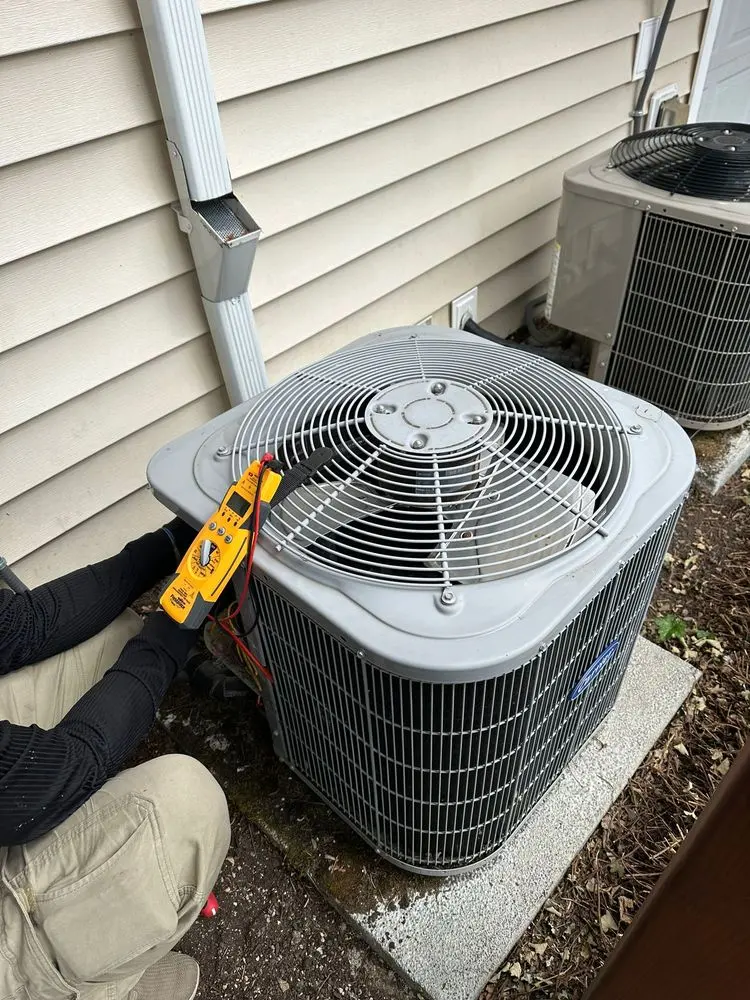
- Current condenser size, age, brand, refrigerant type and visible equipment condition.
- Indoor coil, furnace or air-handler compatibility with the new cooling system.
- Ductwork condition, return air, airflow concerns and rooms that stay too warm.
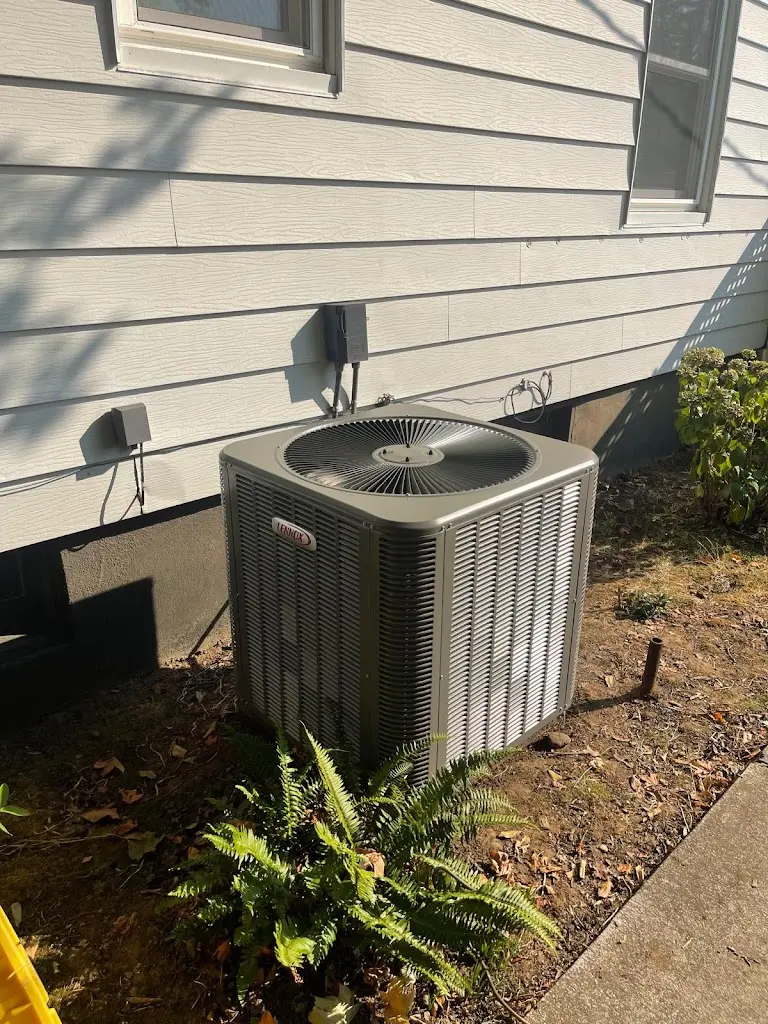
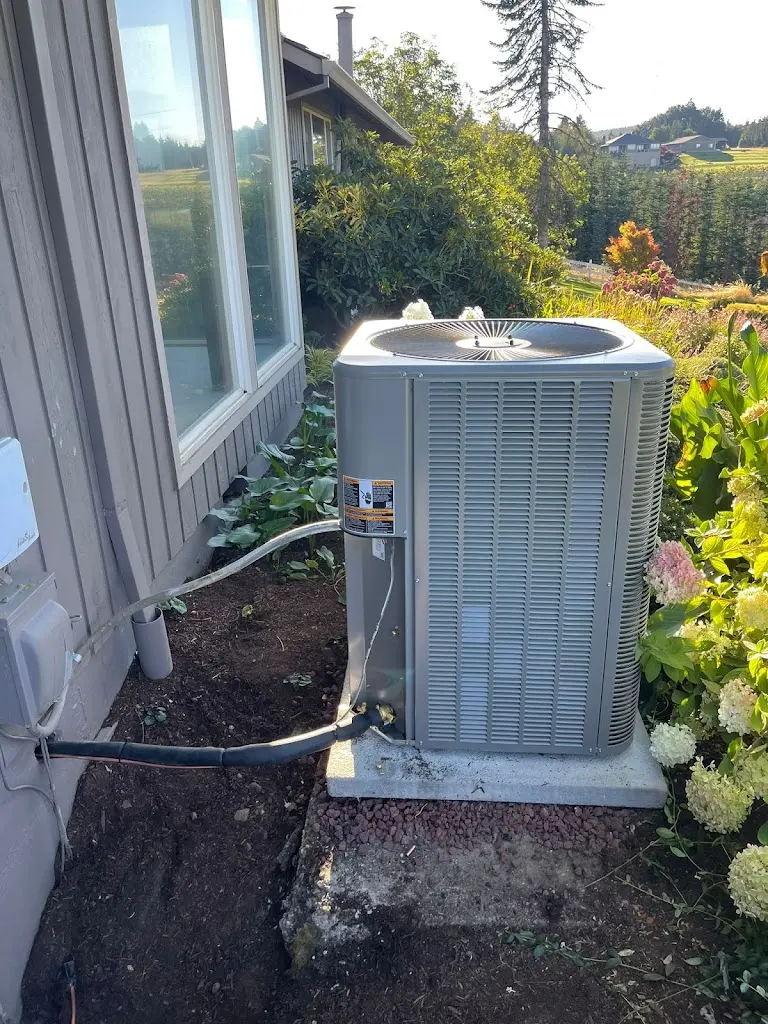
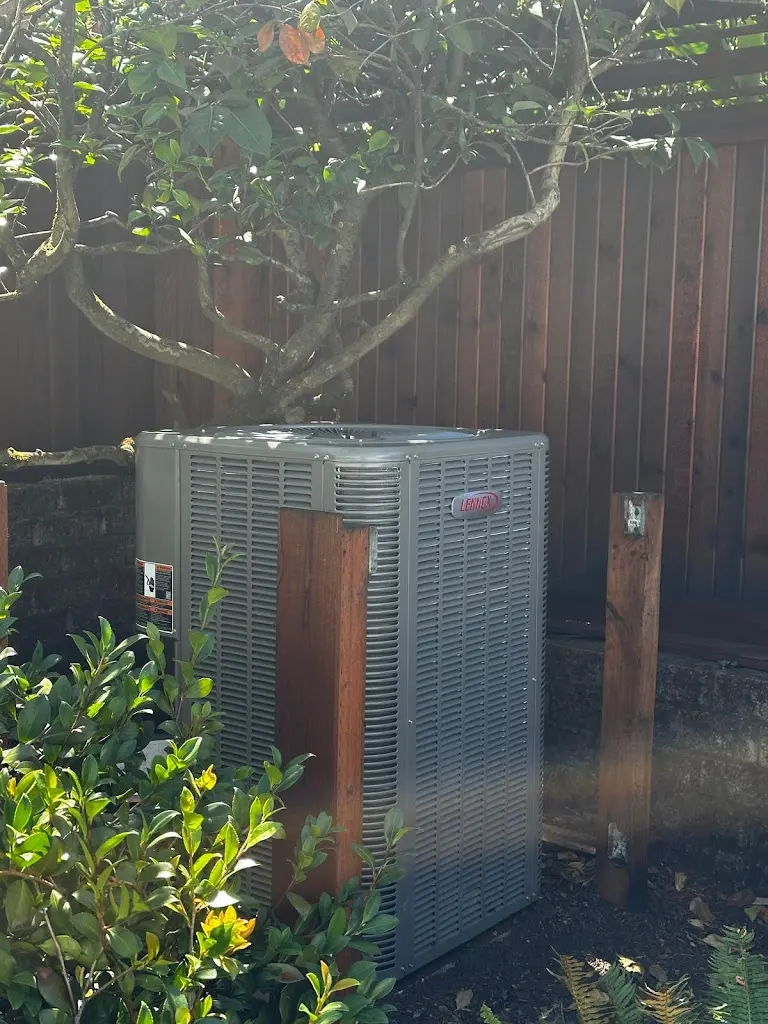
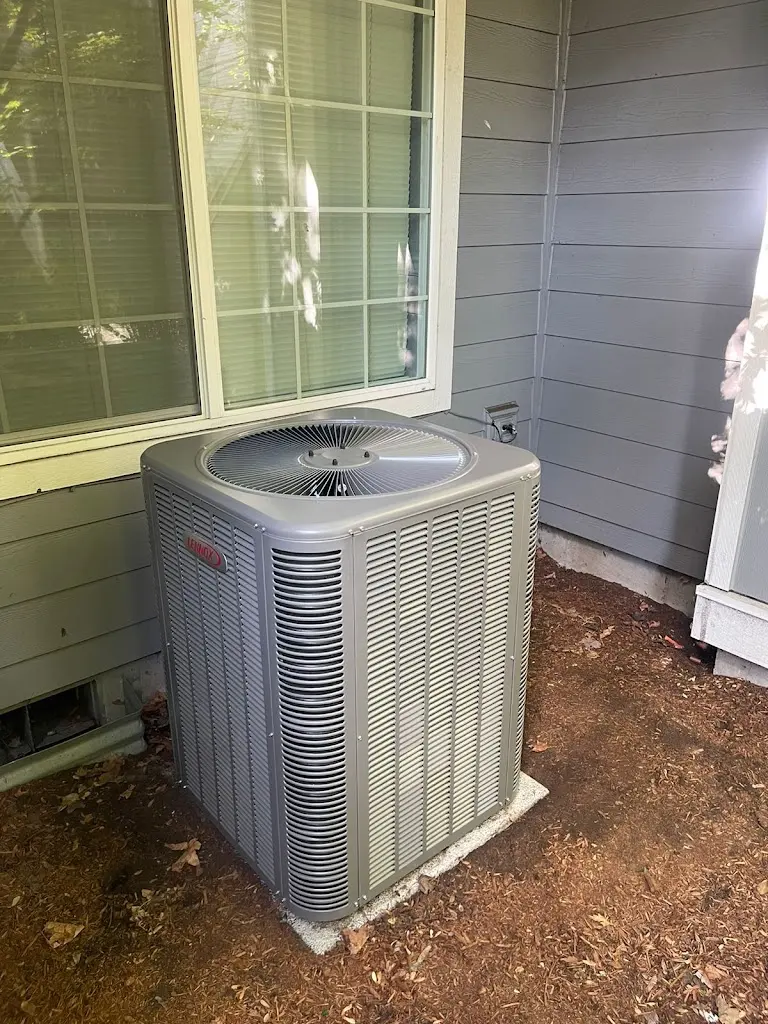
- Outdoor condenser placement, clearance, noise concerns, line-set path and service access.
- Electrical, thermostat, permit, warranty, financing and rebate details that may affect the proposal.
Central air planning for central AC installation
Central AC installation depends on more than condenser size. For central AC installation in Kerns, OR, the estimate should verify the indoor coil, furnace or air handler, ductwork, refrigerant line path, electrical work and rooms that are hardest to cool.
- Confirm indoor and outdoor equipment compatibility before recommending the condenser.
- Review airflow, return air and room balance so cooling performance matches expectations.
- Compare standard and higher-efficiency options with warranty and financing details.
Why Kerns central AC should verify older ducts first
Kerns central AC installation should confirm duct delivery, return air, indoor coil fit and condenser placement before treating the project as a standard AC addition.
- Review basement, attic or compact mechanical access.
- Check the rooms that overheat before selecting equipment.
- Compare central AC choices around ducted performance.
How we compare central AC installation options
A useful installation proposal should explain more than a model number. For central AC installation, homeowners should understand the difference between a basic replacement, a higher-efficiency option, a quieter comfort upgrade and a premium system with stronger features. The estimator visit gives the team enough information to compare Good / Better / Best options in a way that fits the property.
That comparison matters when the existing system is undersized, noisy, short cycling, paired with older ducts or connected to equipment that may need replacement soon. In those cases, the lowest equipment price is not always the best project path. A clean proposal should show what is included, what may change the scope and what the homeowner can expect before installation starts.
How the estimate turns central AC installation cost into a proposal
Cost becomes useful when it is tied to the property. For central AC installation, the estimator reviews the conditions that affect labor, compatibility and schedule, especially access, electrical work, line-set routing, permits or equipment compatibility.
- Equipment size, efficiency level and brand.
- Indoor equipment compatibility and whether a furnace, air handler or coil should be changed at the same time.
- Outdoor placement, line sets, electrical work, venting, permits and access conditions.
- Ductwork, airflow, thermostat setup, zoning and room-by-room comfort concerns.
- Warranty, financing, rebate questions and the installation timeline the homeowner needs.
Why the Kerns, OR address matters
In Kerns, compact access, older ductwork, finished spaces and visible exterior paths can change the AC installation scope. Address-level details can change scheduling, equipment access, staging, permit questions and what the team should verify during the free estimator visit.
For central AC installation, the goal is to match the recommendation to the property. The homeowner should know what is included, what can change, and which option is the most practical next step.
Kerns central AC planning for compact close-in access and warm upper rooms
Kerns central AC installation should review compact access, older ducts, upper bedrooms, finished rooms and condenser placement that may sit close to patios, walkways or shared exterior spaces.
The estimator should verify coil fit, return air, electrical readiness, line route, condenser sound and whether airflow improvements are needed before selecting equipment.
A useful Kerns proposal should keep central cooling practical: confirmed ducted fit, clear route details and options that match the rooms that overheat first.
- Review close-in access, older ducts, patios, shared exterior areas and warm upper rooms.
- Confirm coil compatibility, return air, electrical path, line route and condenser sound.
- Compare central AC choices around airflow, sound and installed scope.
- Separate required route or airflow work from optional upgrades.
Kerns neighborhood installation planning notes
In Kerns, installation planning can be shaped by older duct runs, finished basements, compact mechanical spaces, remodel history and limited exterior access. The free estimator visit helps connect central AC installation with those property details before the proposal is written.
- Check equipment location, access path, duct condition and any finished-space constraints.
- Review noise, comfort and airflow issues that may not show up from square footage alone.
- Build a recommendation that fits the home instead of treating every Portland neighborhood the same.
Kerns property details that can affect the estimate
For central AC installation in Kerns, the estimate often needs a closer look at older mechanical spaces, remodel history, side-yard clearance, finished basements and how much disruption the homeowner wants to avoid during installation.
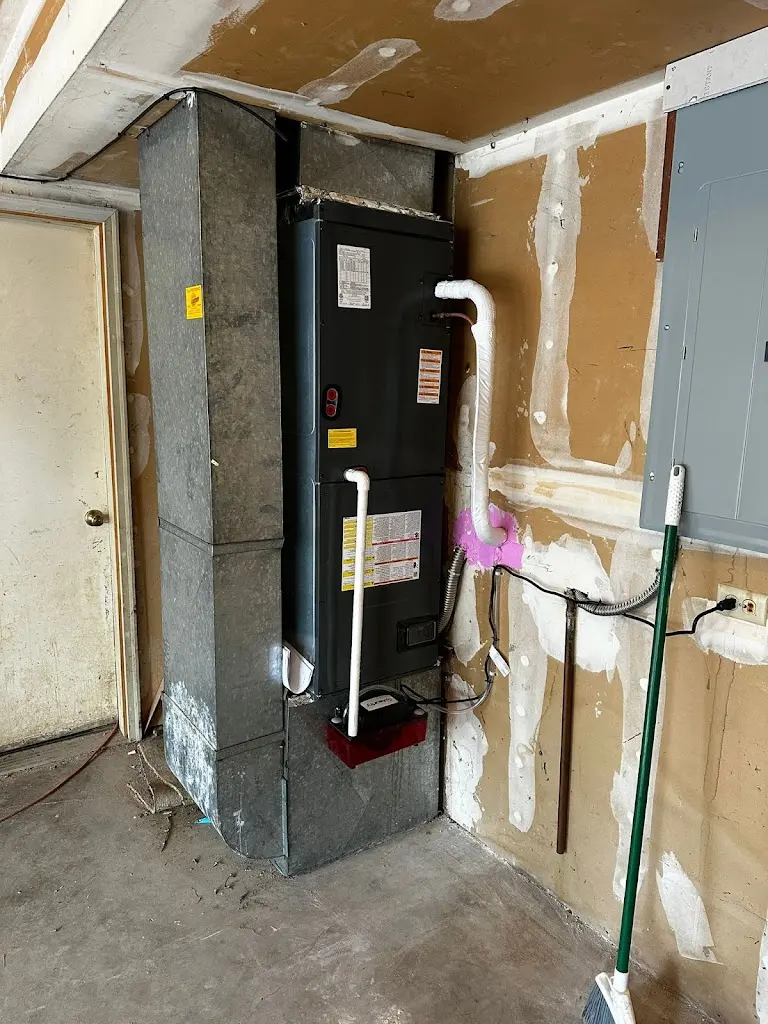
- Review older duct runs, compact equipment closets and finished-space access before selecting equipment.
- Check noise, outdoor placement and service clearance when the home sits close to neighboring properties.
- Confirm whether comfort issues are caused by equipment age, airflow limits or past retrofit choices.
- Indoor coil and outdoor condenser compatibility should be checked before the AC option is selected.
- The proposal should clarify efficiency, noise level, warranty and whether the furnace or coil should be addressed.
Central AC Installation estimate notes for Kerns, OR
Kerns, OR installation planning often starts with older Portland home layouts, tight exterior clearances, finished spaces and rooms that may not match the original duct design. Cooling projects need the estimator to check both the outdoor unit location and the indoor system that has to move air through the home.
- Review older duct paths, return air and indoor equipment fit before selecting equipment.
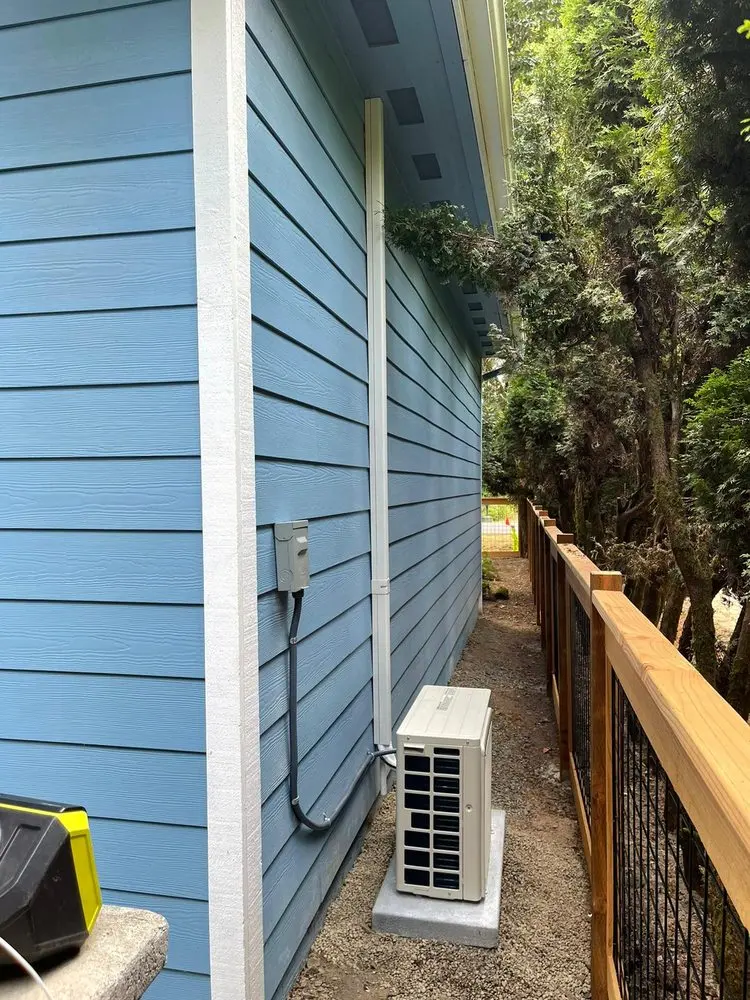
- Confirm outdoor placement, line routing and noise considerations on a compact lot.
- Compare options for upper rooms, finished spaces and daily comfort.
- The estimator visit helps make the proposal specific enough to act on without guessing from a broad request.
Related installation pages
- AC Installation – compare central AC installation options.
- HVAC Installation – review full heating and cooling installation paths.
- Heat Pump Installation – compare heat pump alternatives when they fit the home.
- Furnace Installation – plan furnace replacement with the cooling project when needed.
Central AC Installation questions
Is the estimator visit free?
Yes. The estimator visit is free for central AC installation projects in the Portland Metro service area. It helps confirm equipment size, access, scope and options before a proposal is prepared.
Can I get more than one option?
Yes. We can compare practical options so you can choose the balance of price, efficiency, warranty, quiet operation and comfort that fits the home.
What can change the central AC installation price?
The final price can change with equipment size, efficiency, access, electrical or venting work, line sets, duct changes, permits and whether the central AC system is part of a larger heating and cooling upgrade.
When should I call instead of using the form?
(503) 512-5900 is best when timing is urgent. Use the form when you can send details and prefer a follow-up to schedule the free estimator visit.