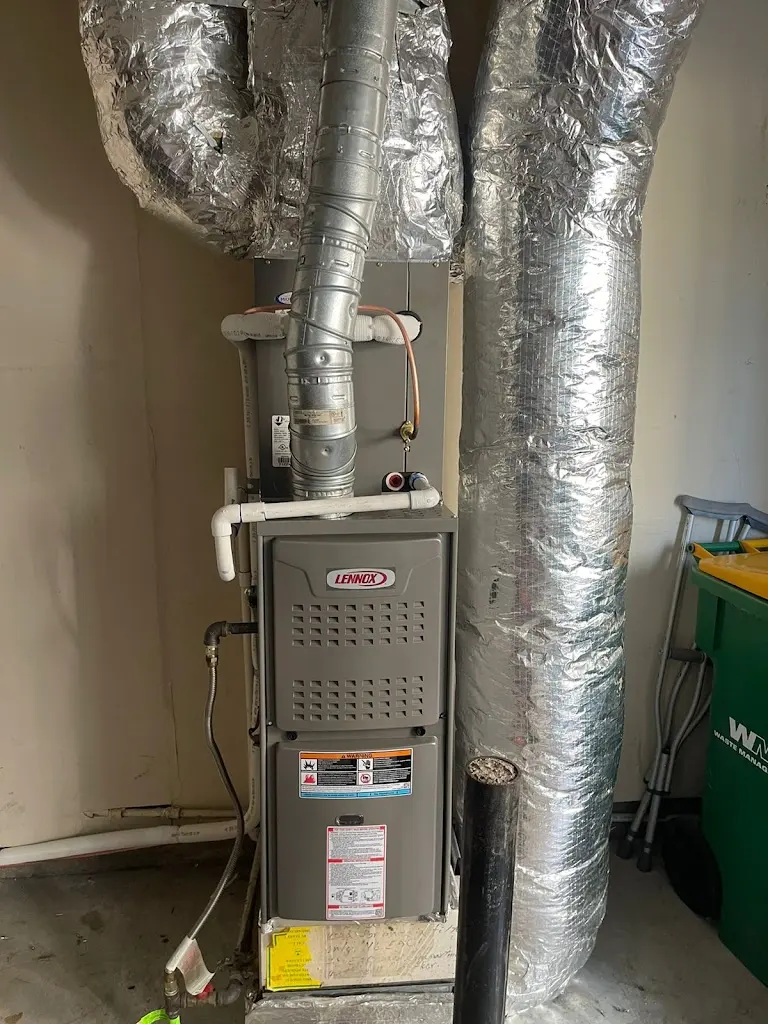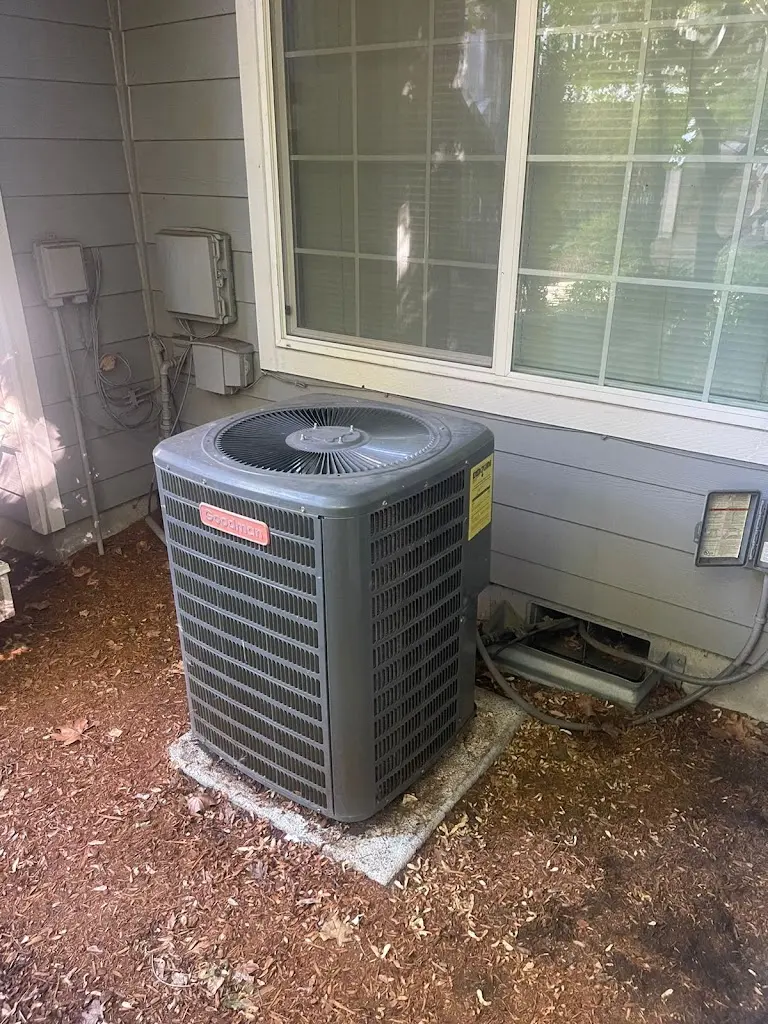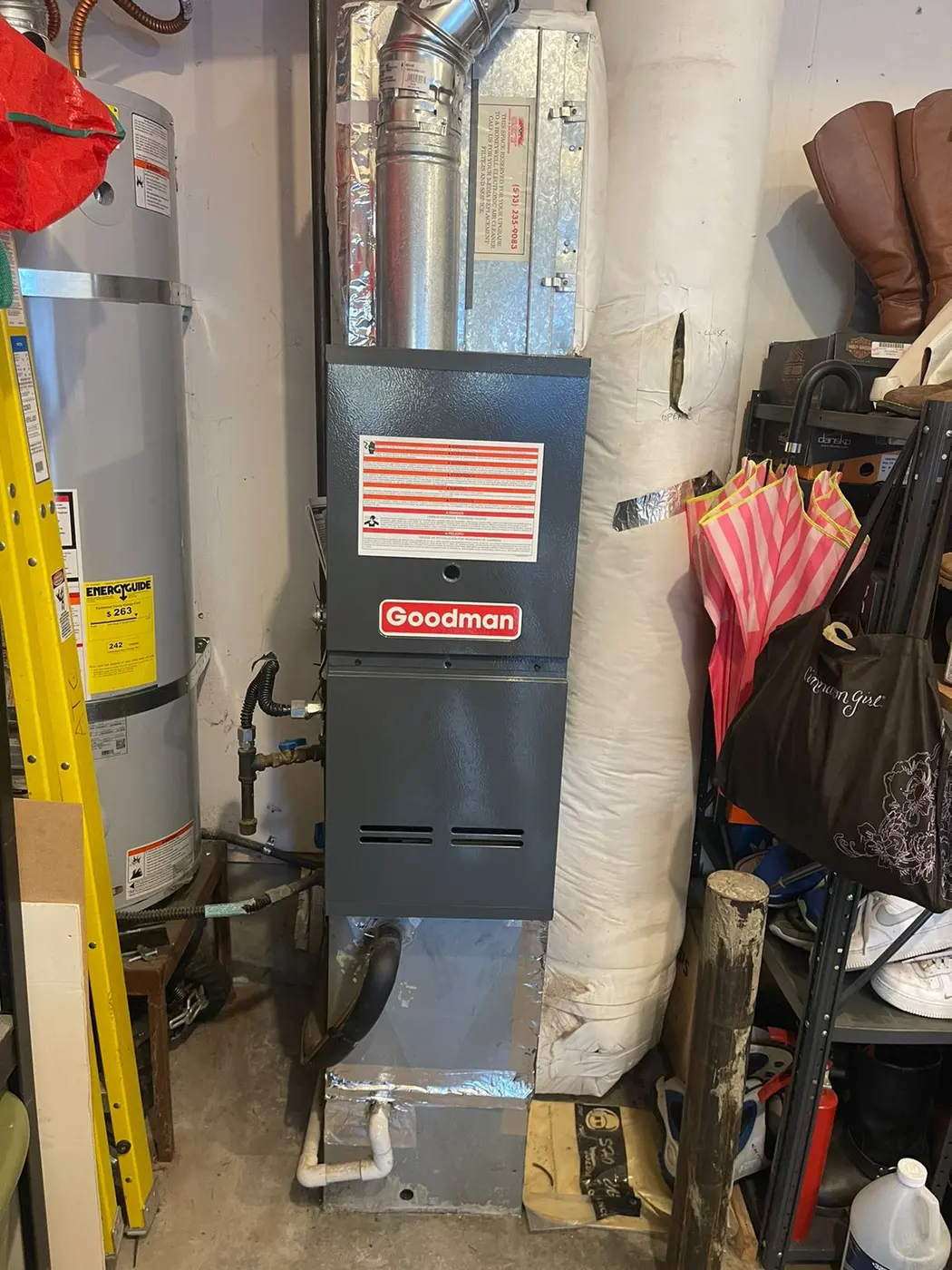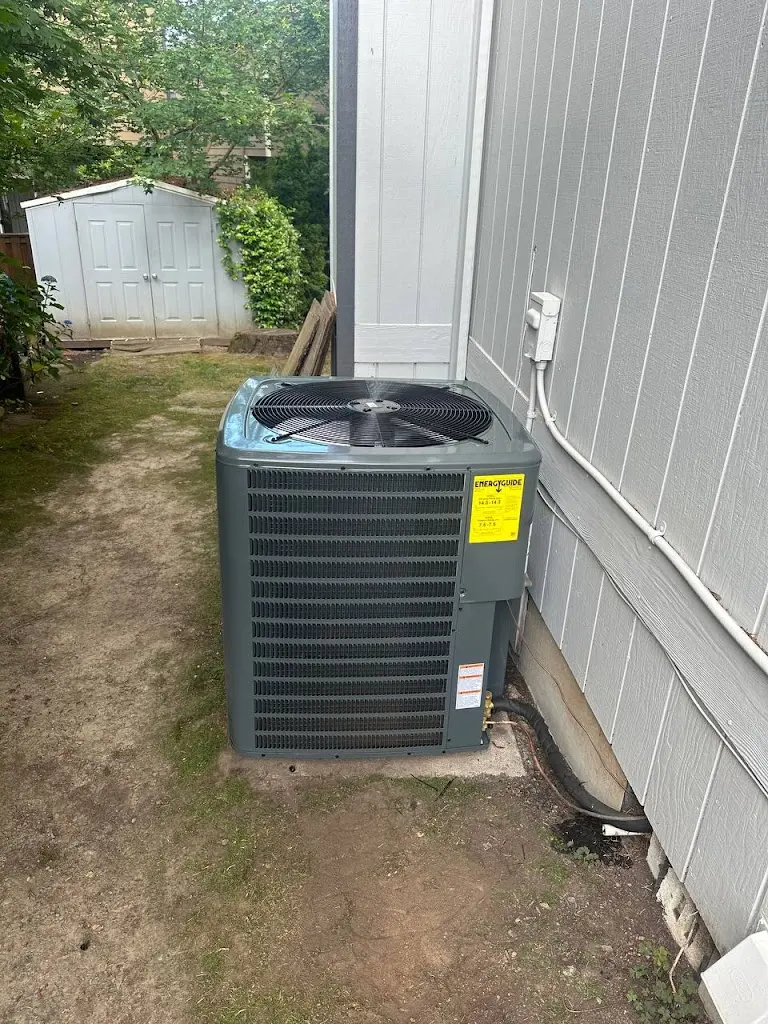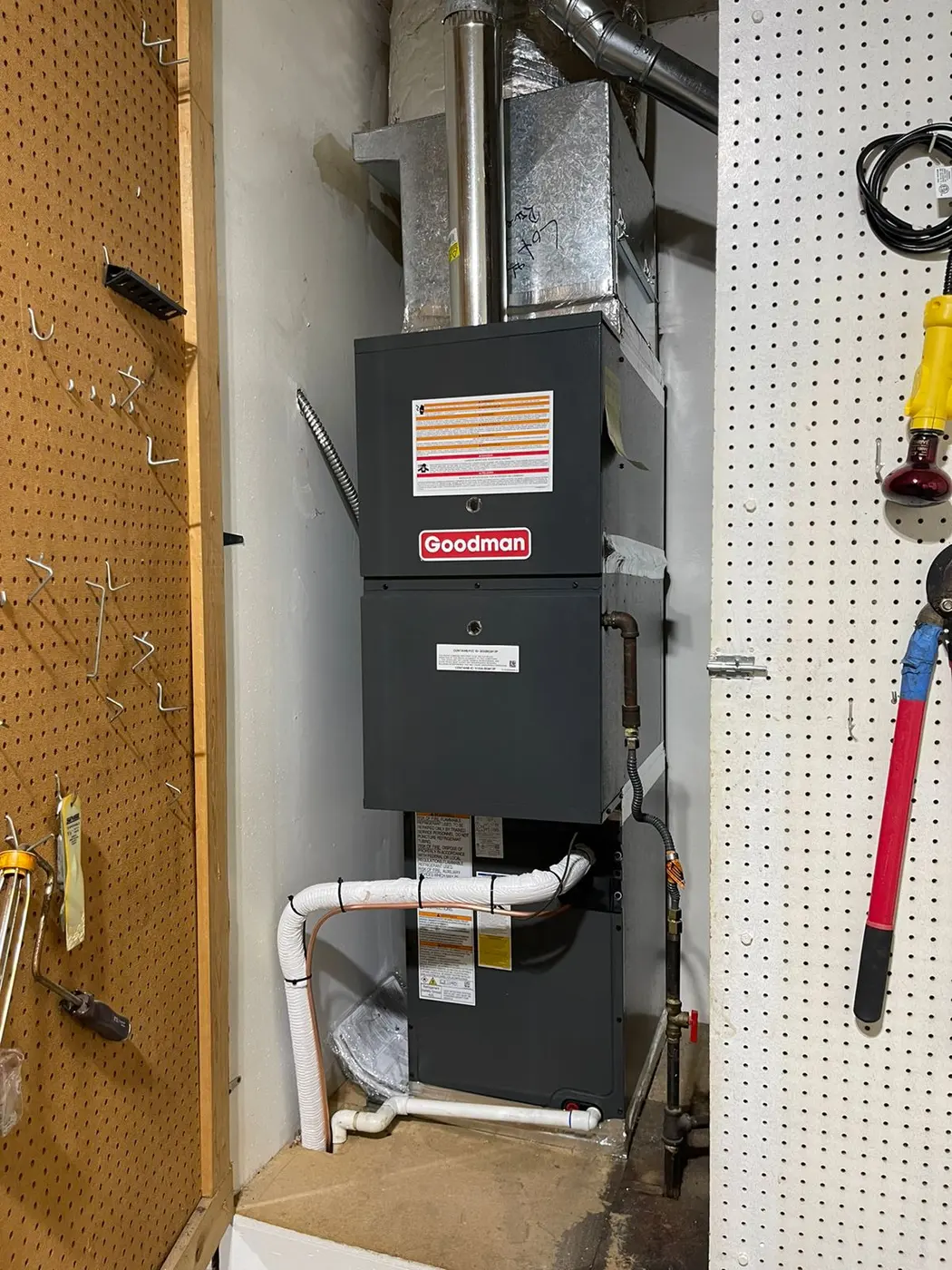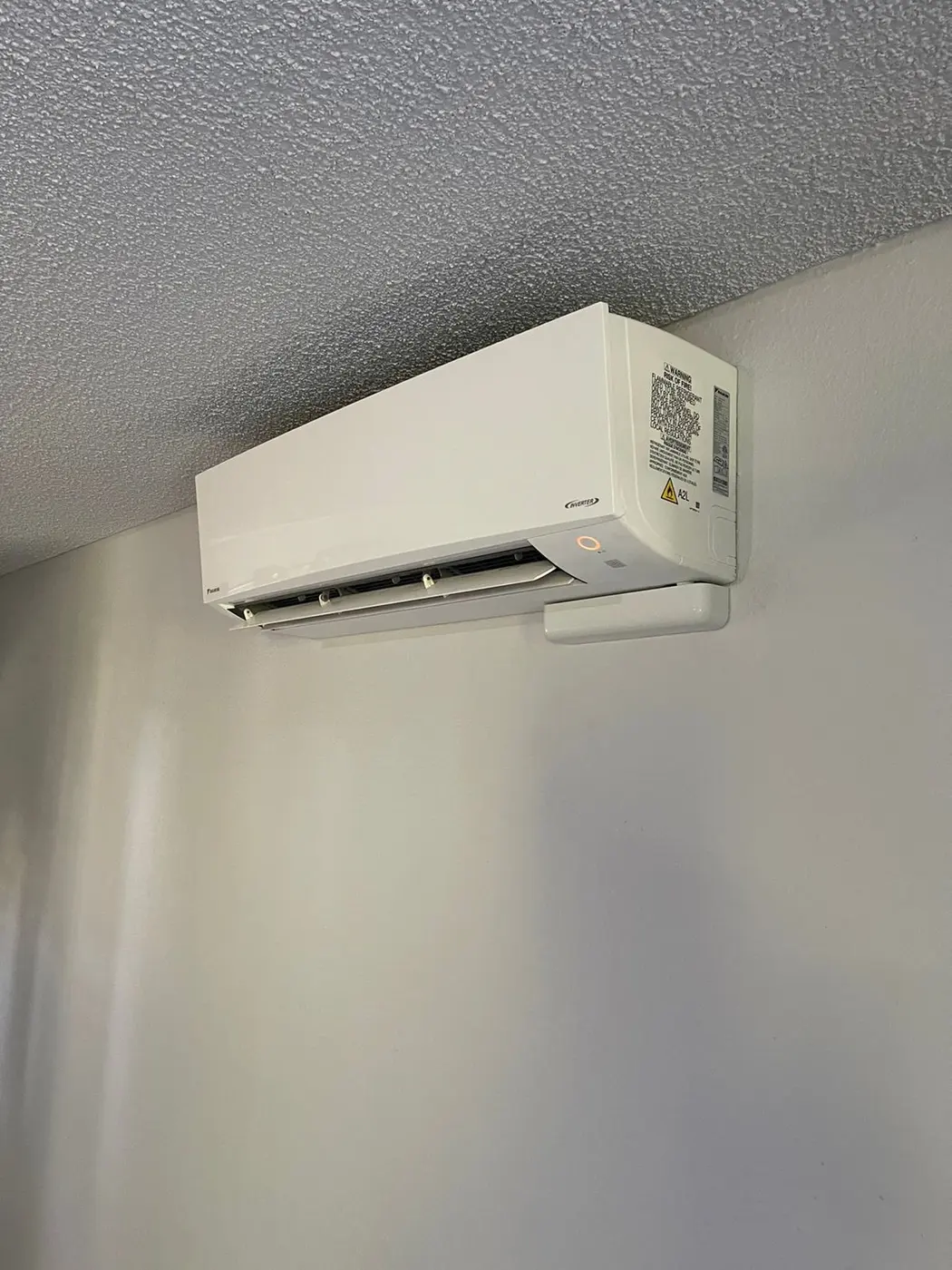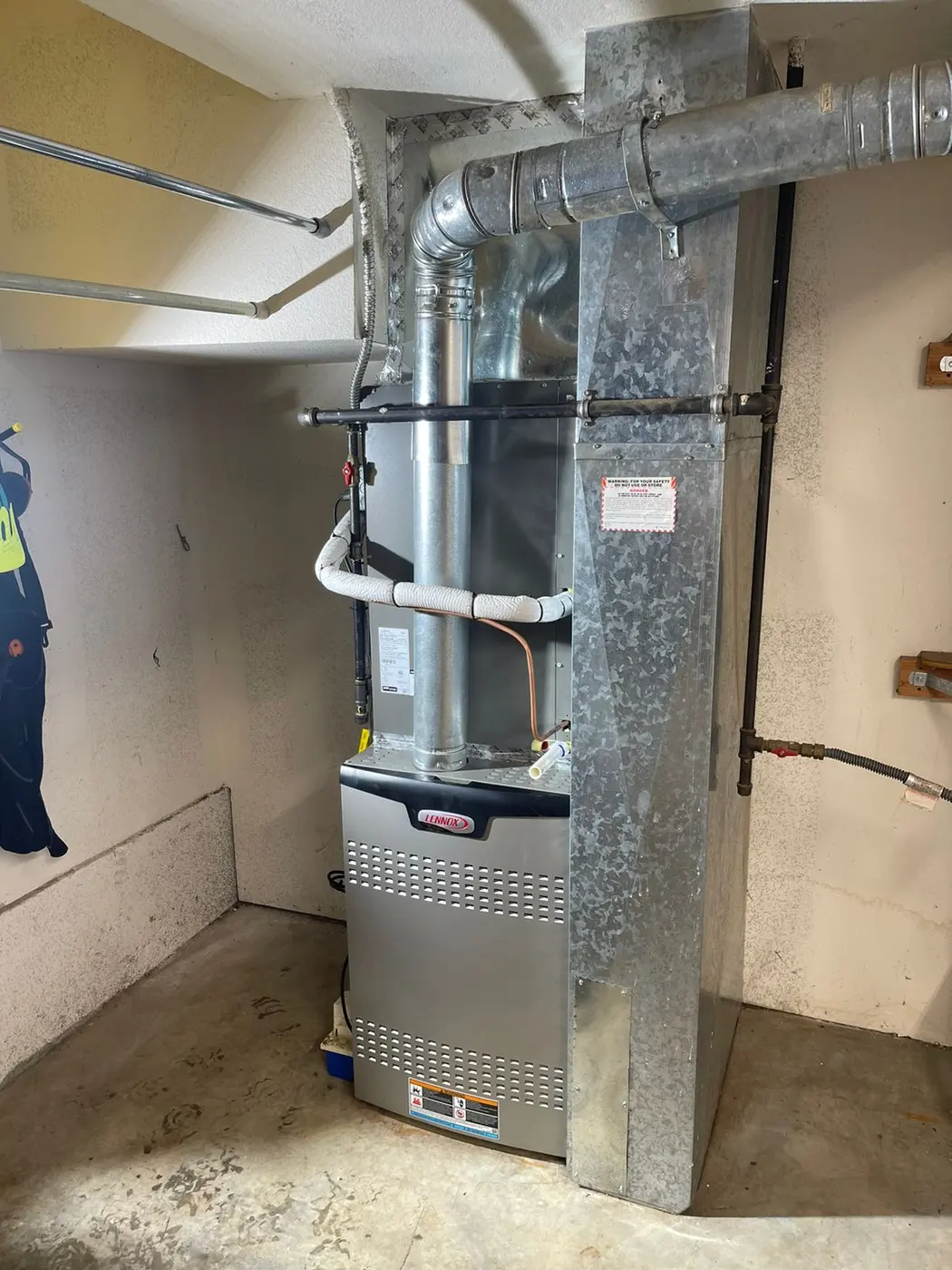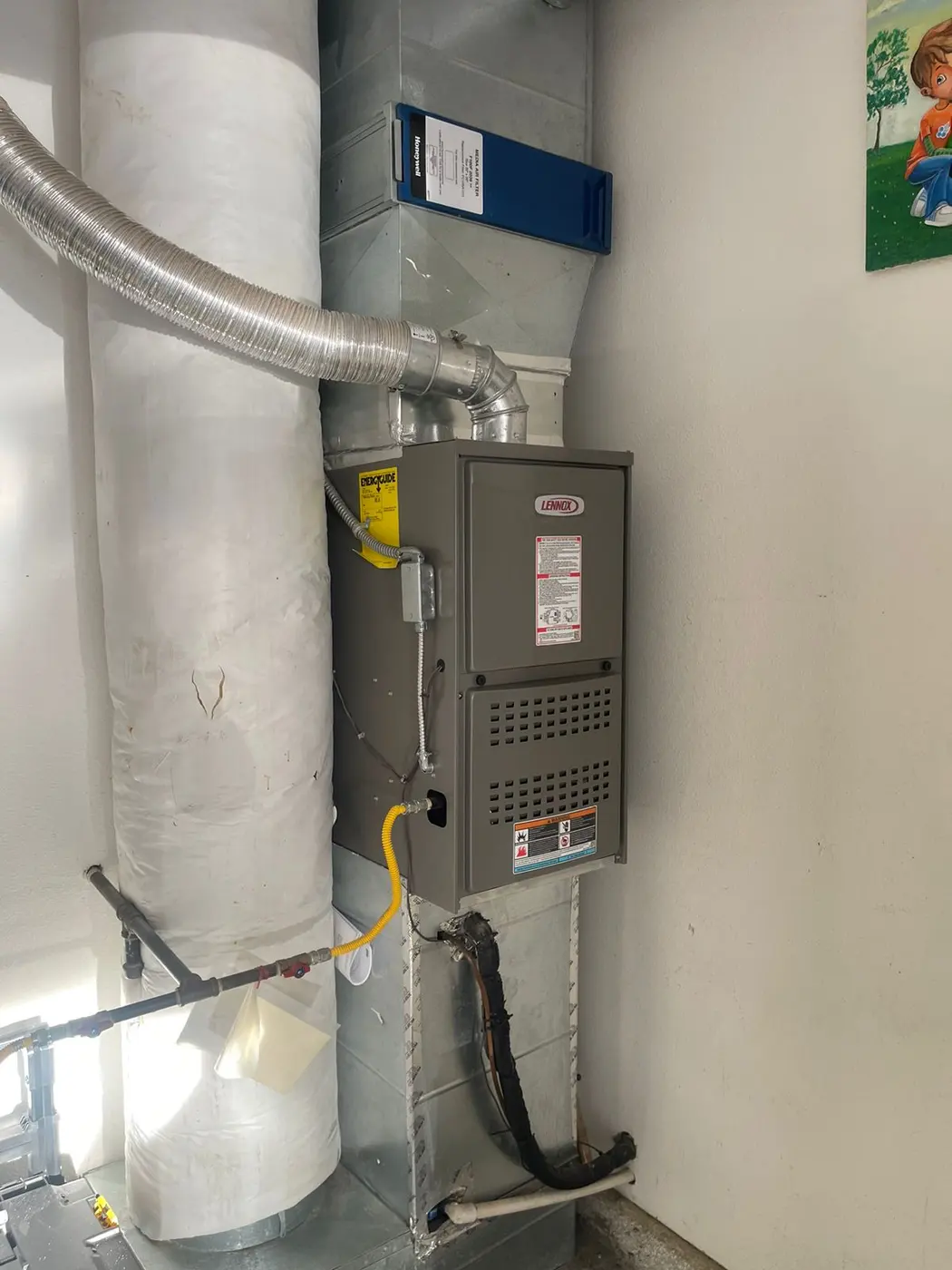
We provide AC installation estimates throughout Woodstock, OR, including homes in the 97206 area. Service coverage includes Woodstock and nearby Southeast Portland neighborhoods. These neighborhoods and local areas are part of Southeast Portland and Multnomah County. During the in-home estimate, a technician confirms the existing equipment and installation route before a system is selected.
How Woodstock home details affect the plan
Woodstock homes often include older bungalows, basement furnaces, rear additions and finished attic or lower-level rooms. Those spaces may not receive air as evenly as the original main floor, especially when the ductwork has changed over time.
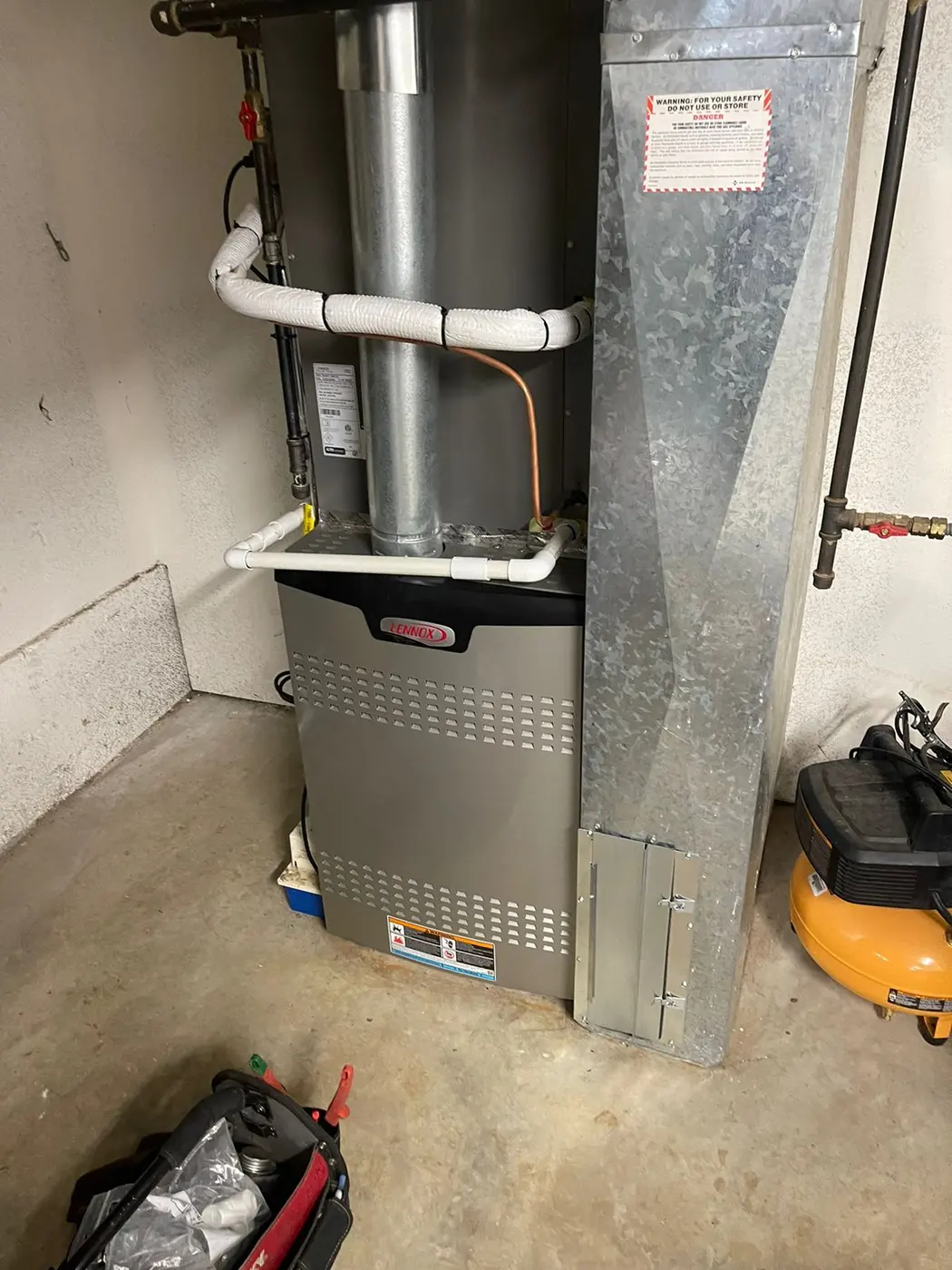
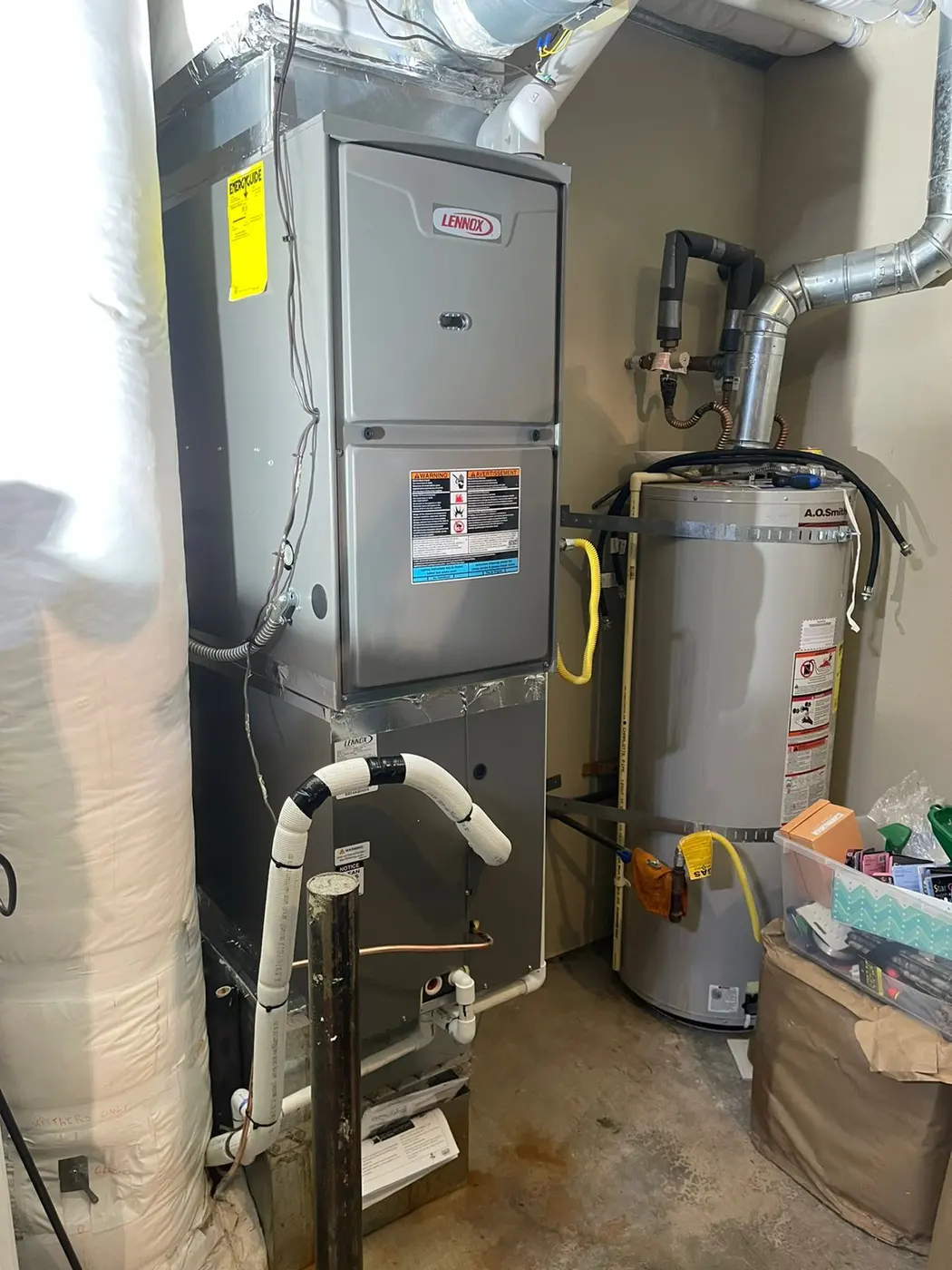
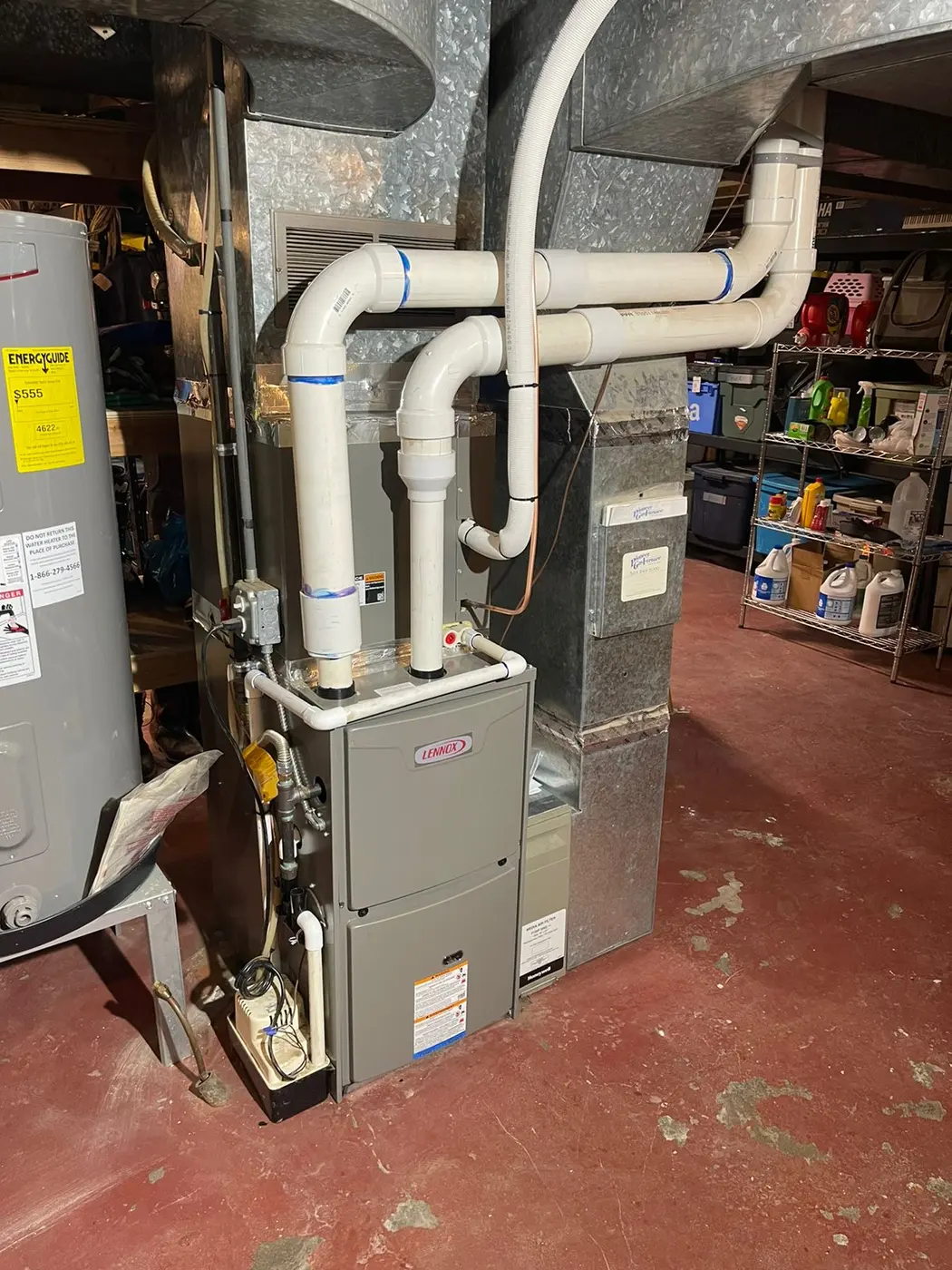
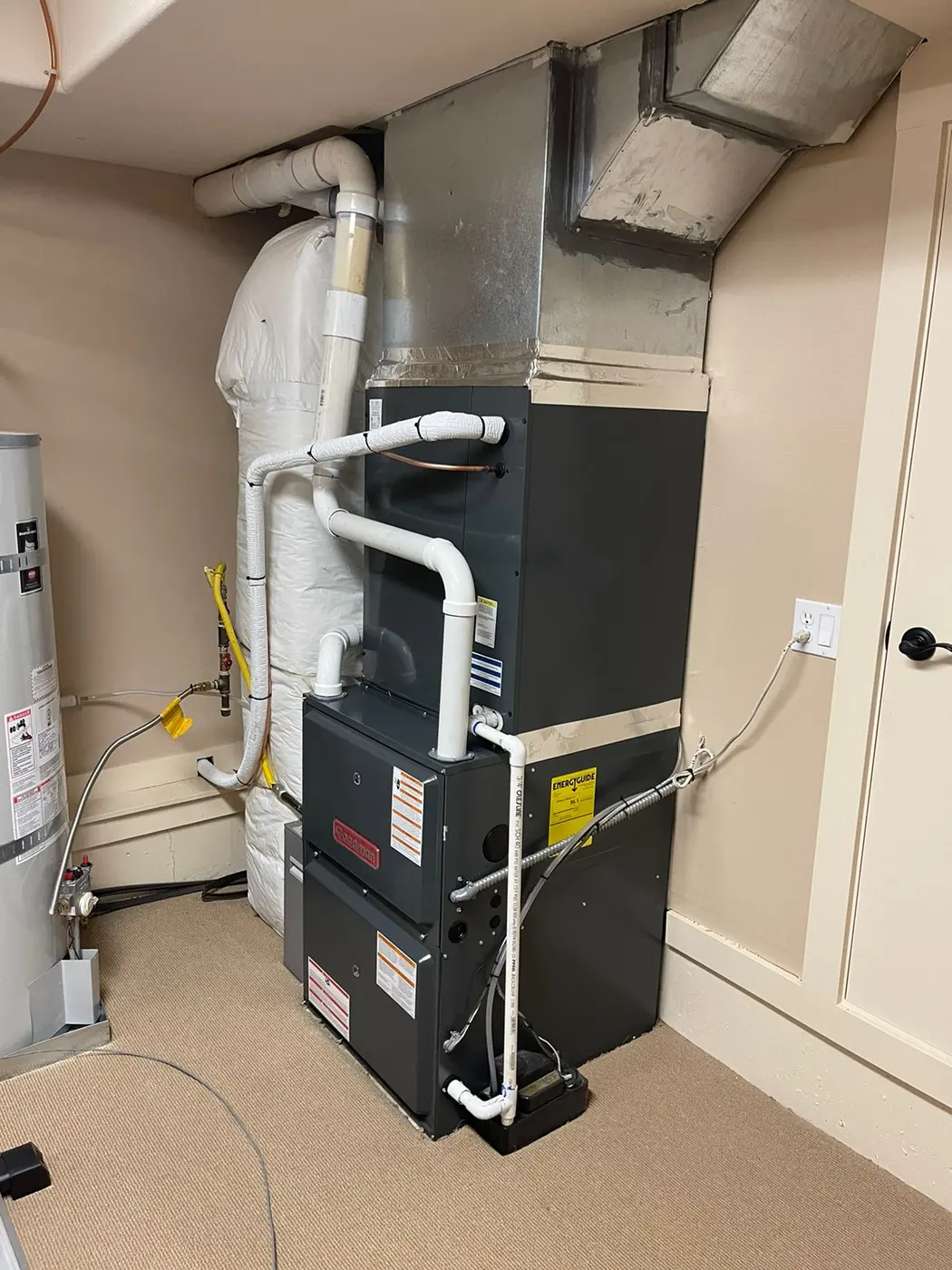
A Woodstock bungalow may have a basement furnace, an attic bedroom and a family-room addition connected by separate duct branches. The main thermostat can look satisfied while one of those spaces remains warm. Tracing the return grille, branch dampers and available coil cabinet space gives the estimate a more reliable starting point.
Woodstock projects may also need care around plaster, built-in storage, basement shelving and older exterior siding. The estimate should identify where protective covering, drilling or finish repair could be needed so the homeowner can distinguish equipment work from restoration work. Alley parking, detached garages, garden beds and porch access can also influence material staging on installation day.
In Southeast Portland and Multnomah County, access and housing layout can change the work even when two homes use similar equipment. The estimate should document the actual conditions instead of applying a city-wide package.
Sizing and airflow review
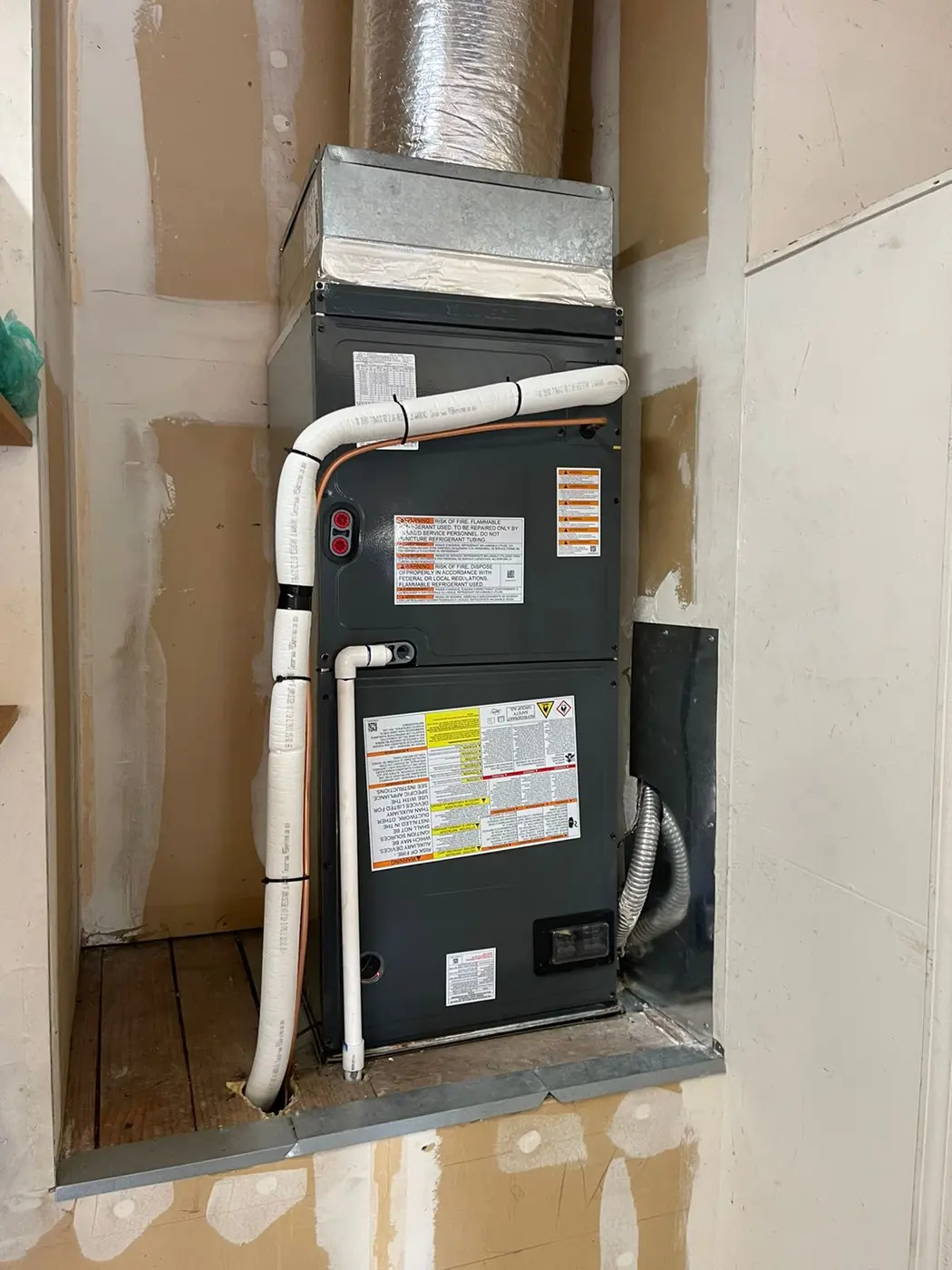
Square footage is only one input. The estimator should check duct condition, return air, blower support, indoor coil fit, room exposure and the route for refrigerant, power and condensate. These details turn a general request into a usable scope. The estimate should trace the branches serving additions, attic bedrooms and family rooms. Blower capacity, coil space and return-air strength need to be checked before a new outdoor unit is selected. Written options can list the relevant SEER2 efficiency ratings while avoiding a blanket promise about utility savings.
- Trace ducts to rear additions, attic bedrooms and finished lower levels.
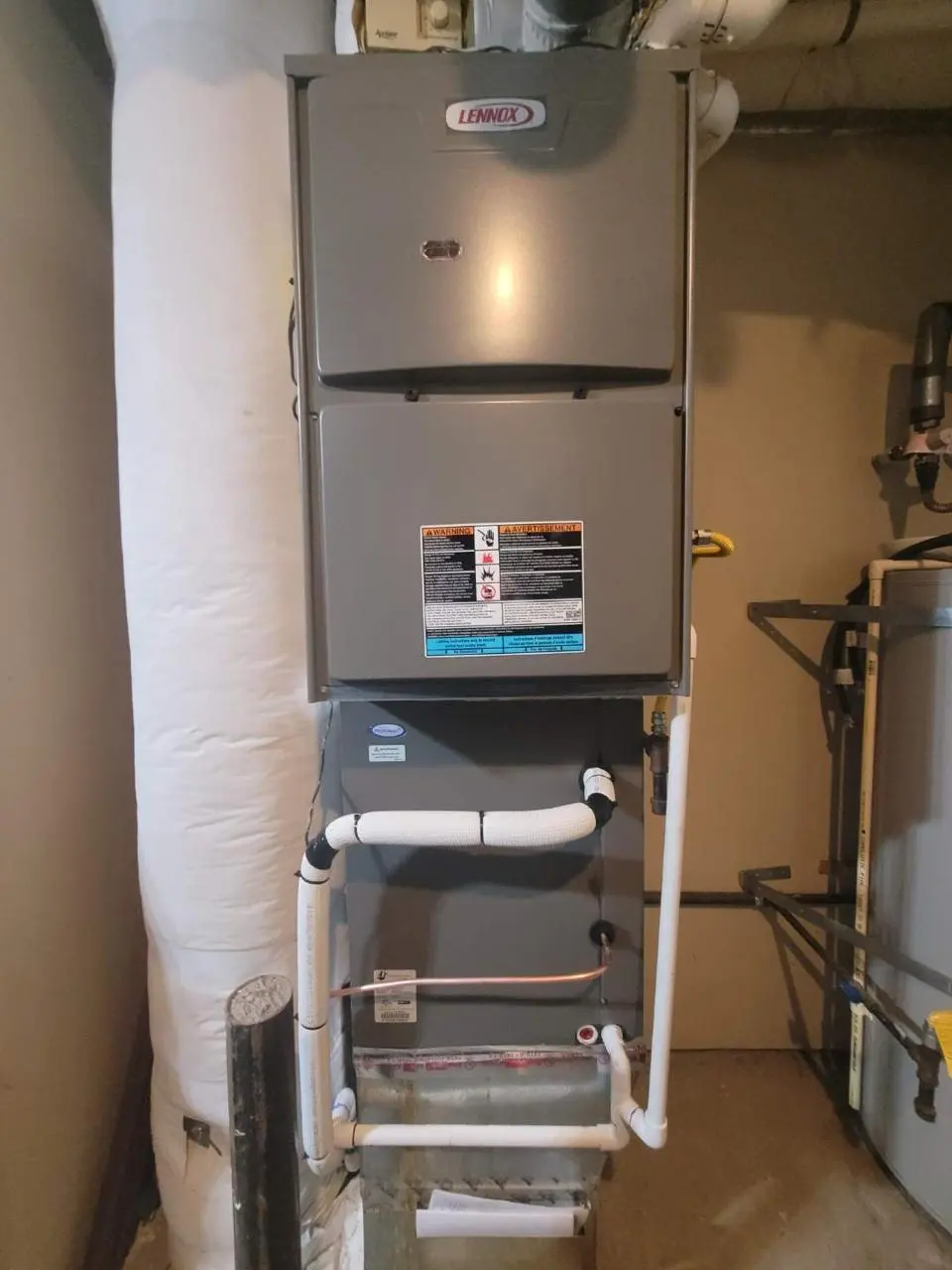
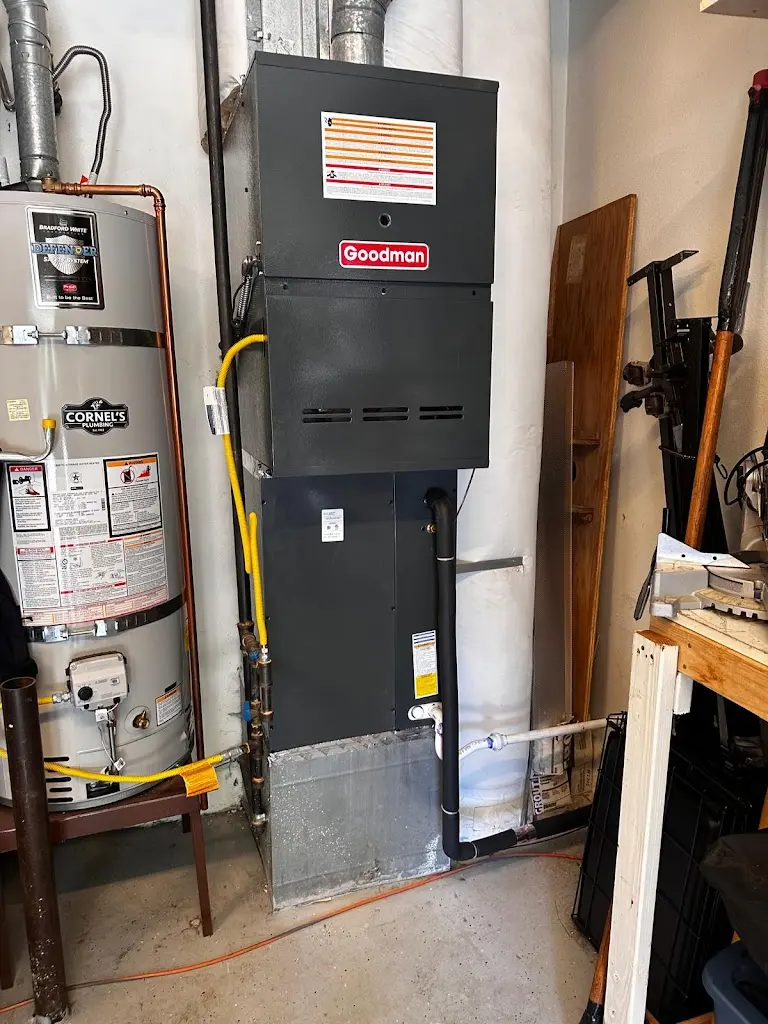
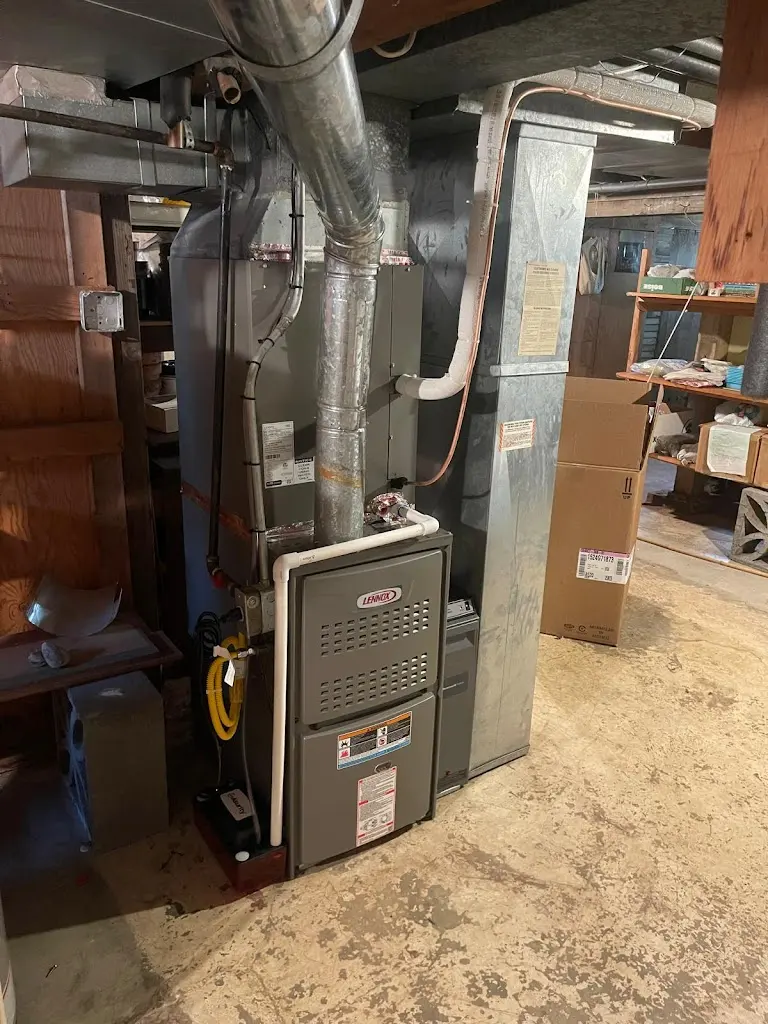
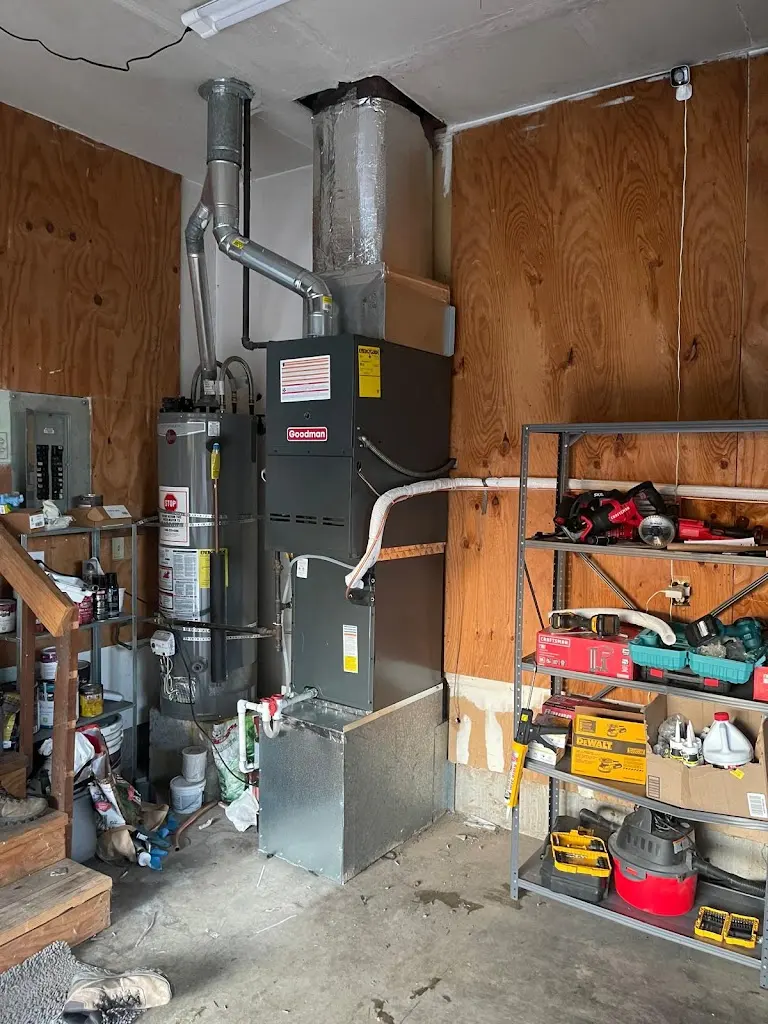
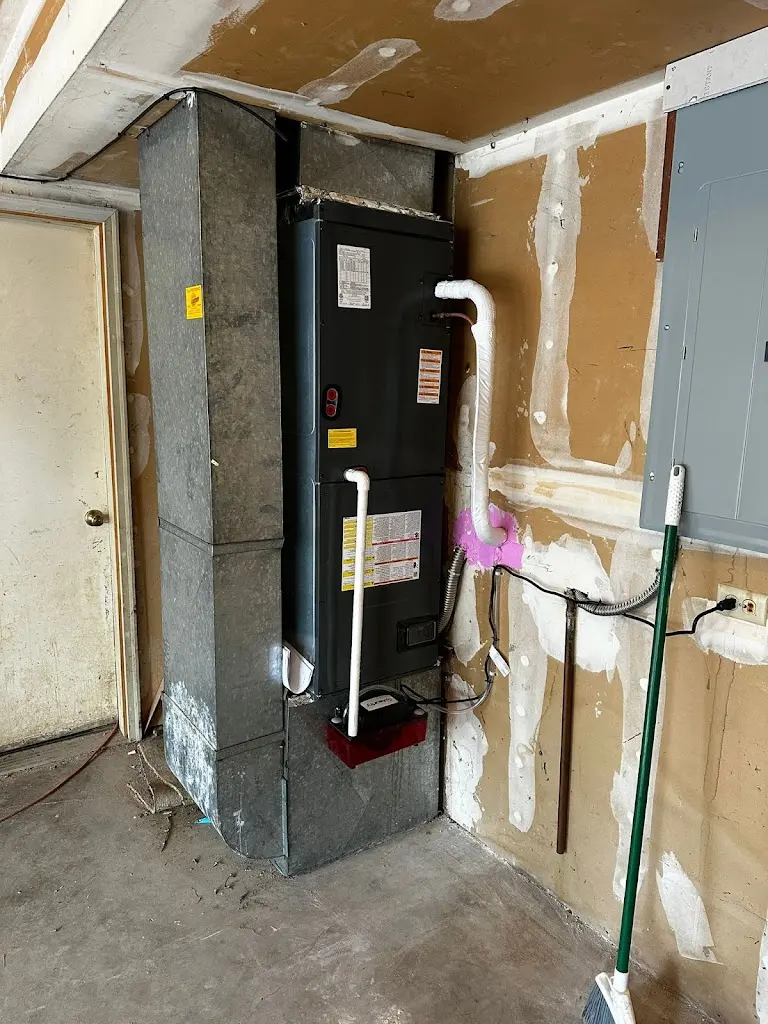
- Please confirm basement equipment space, blower capability and return-air strength.
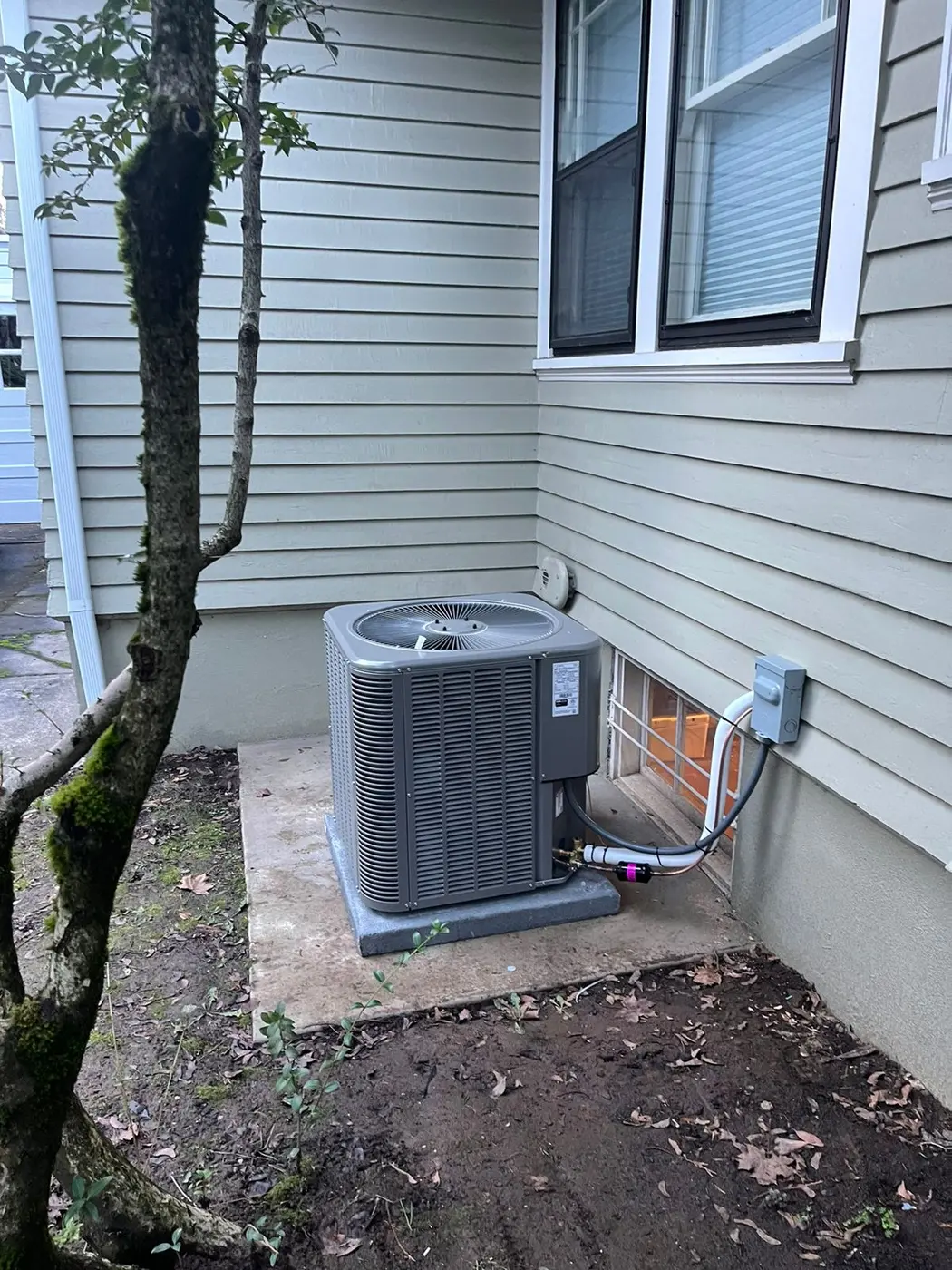
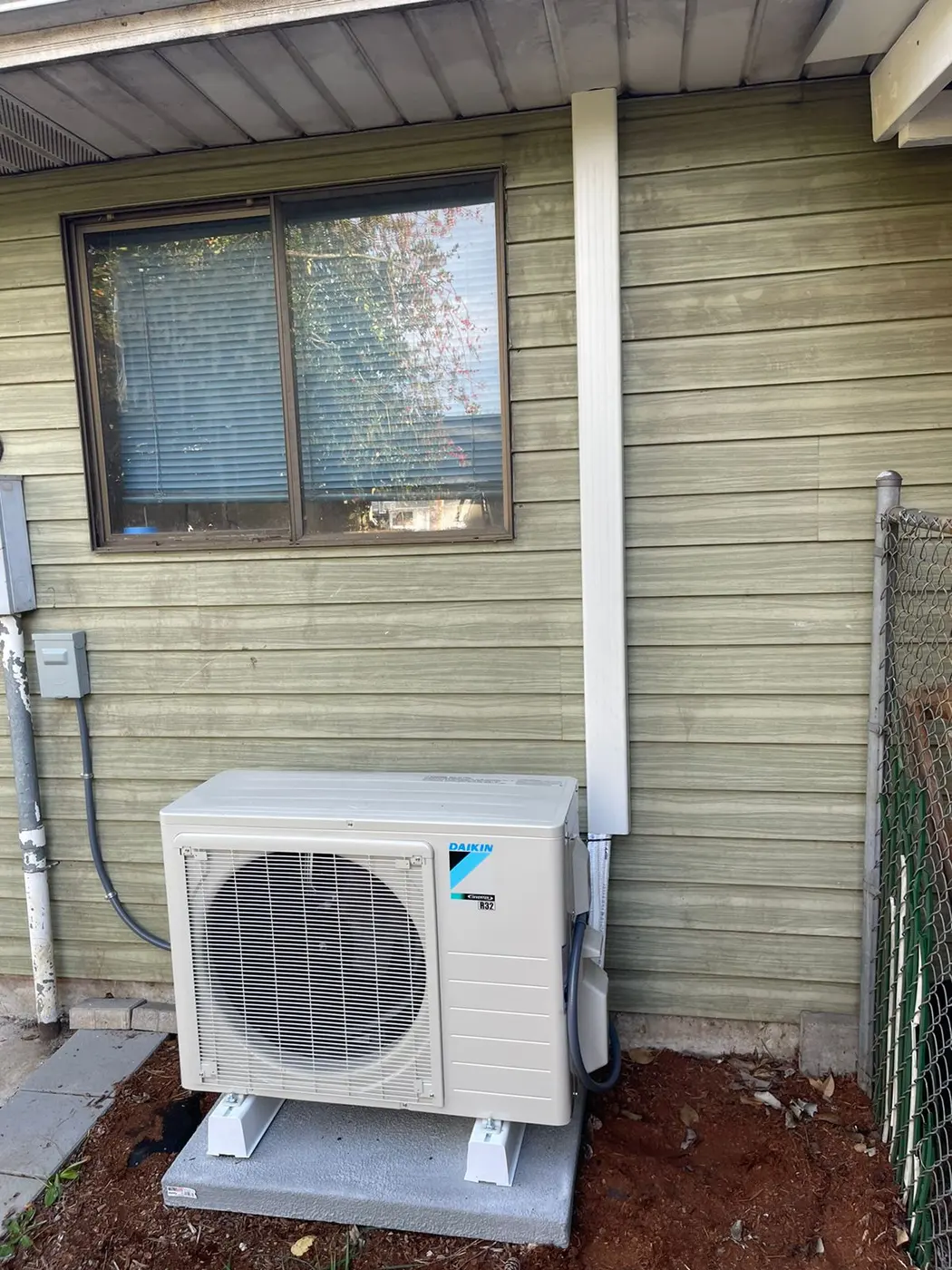
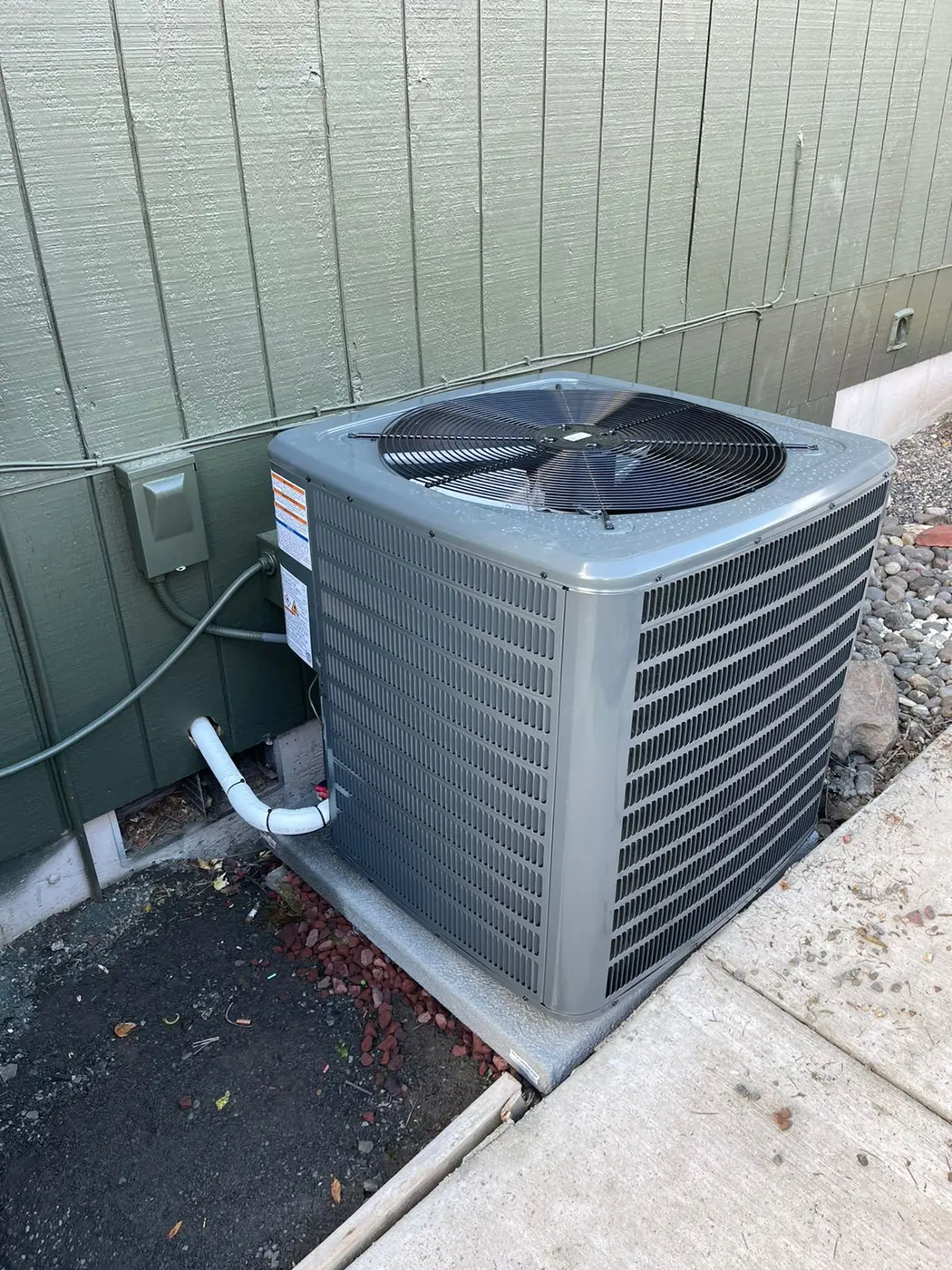
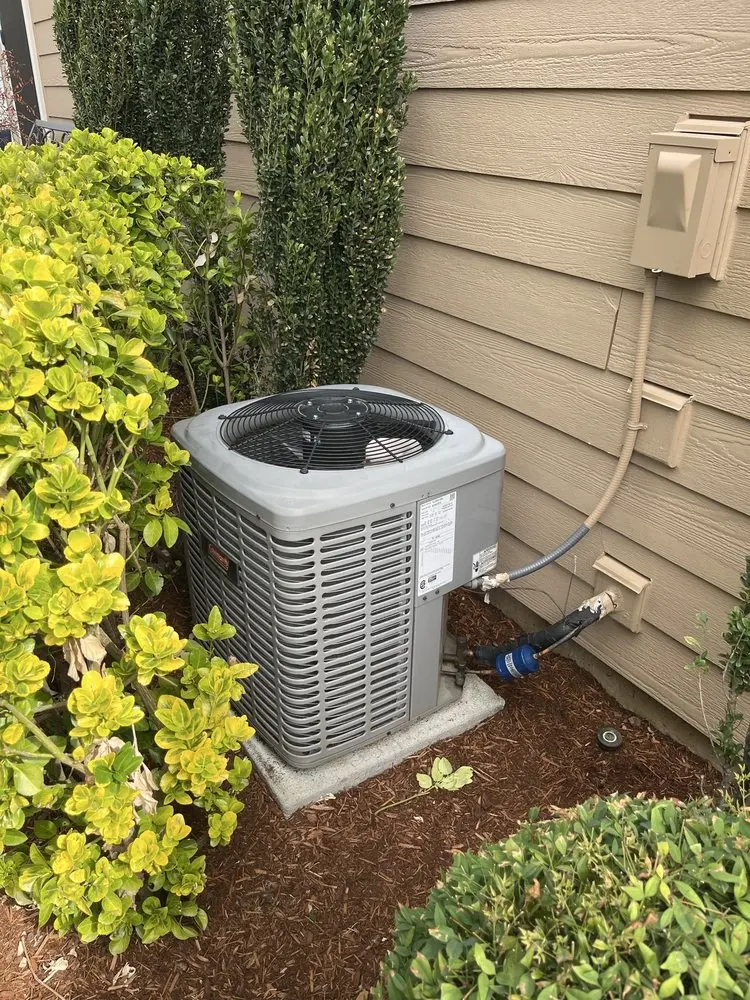
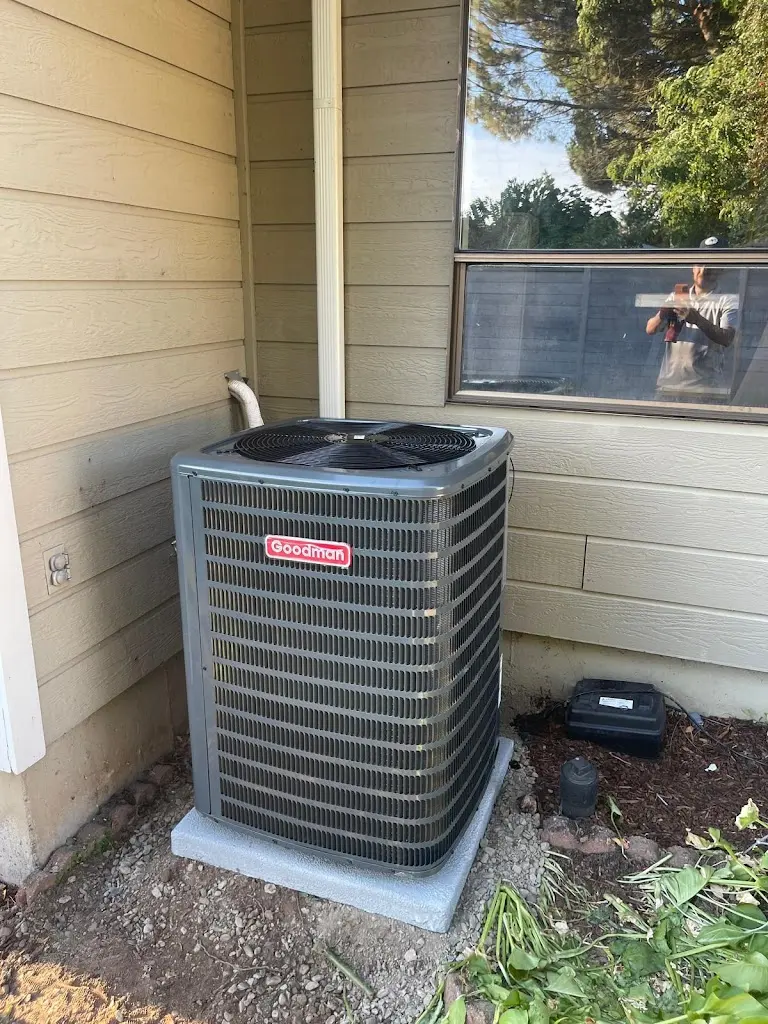
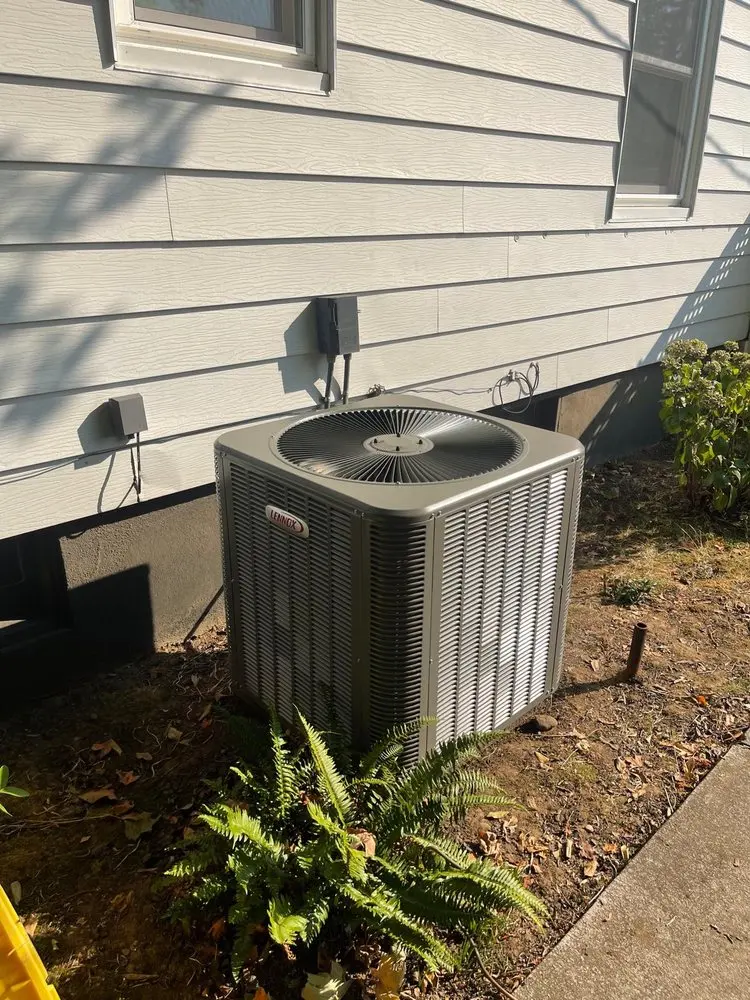
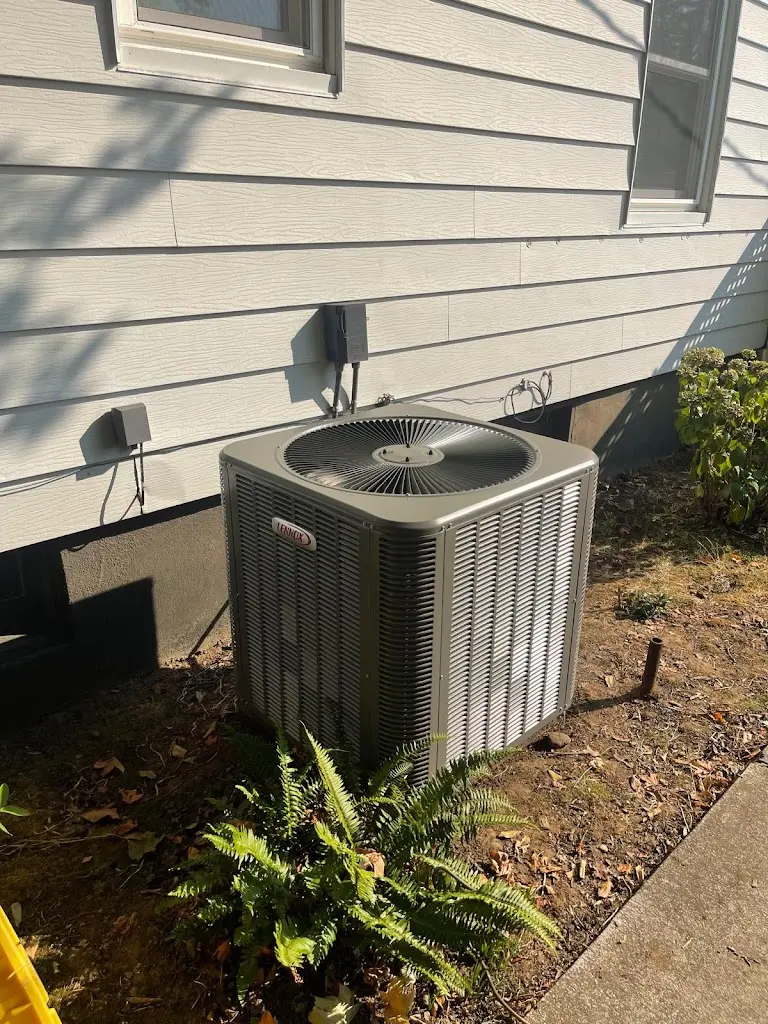
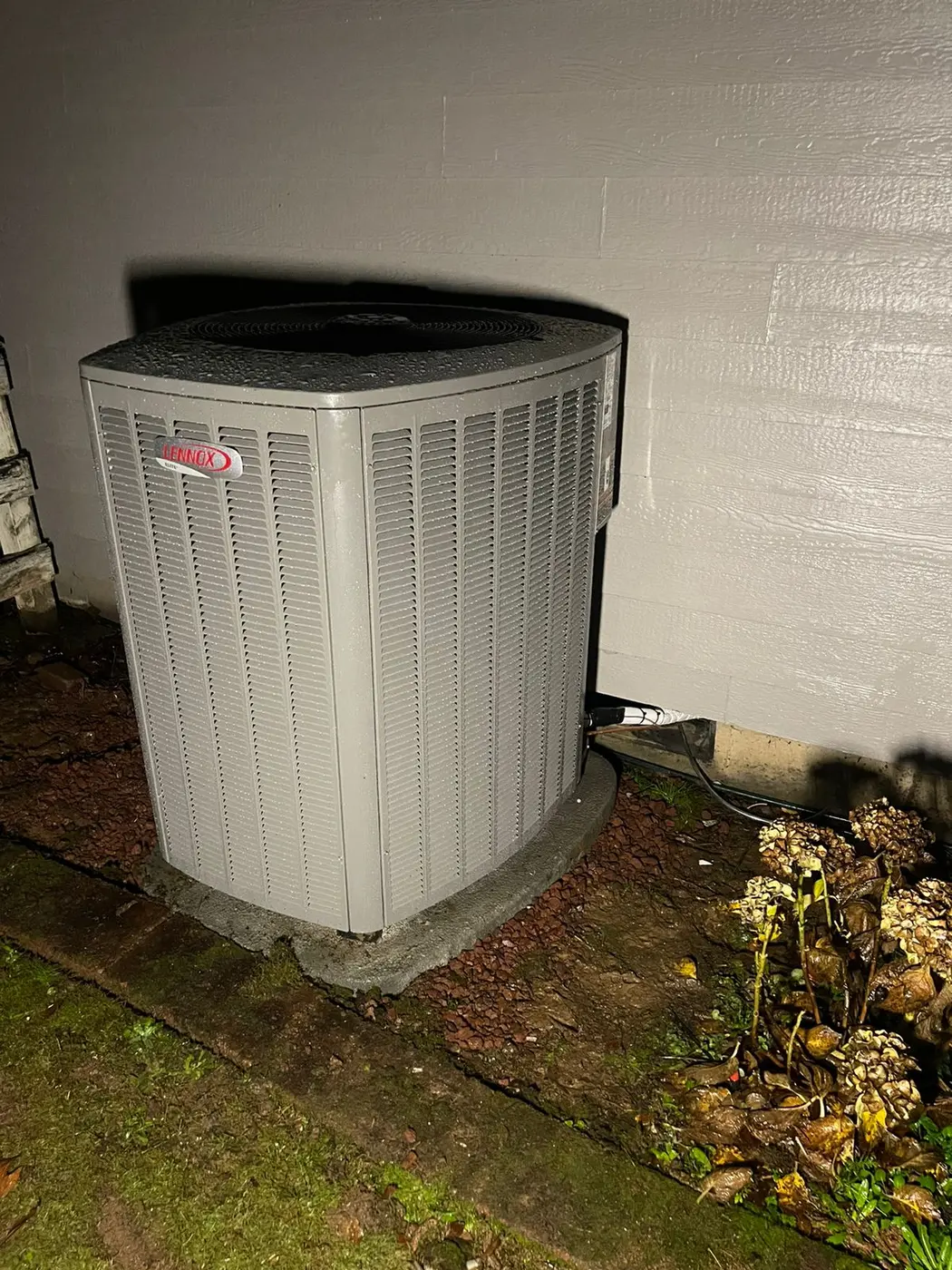
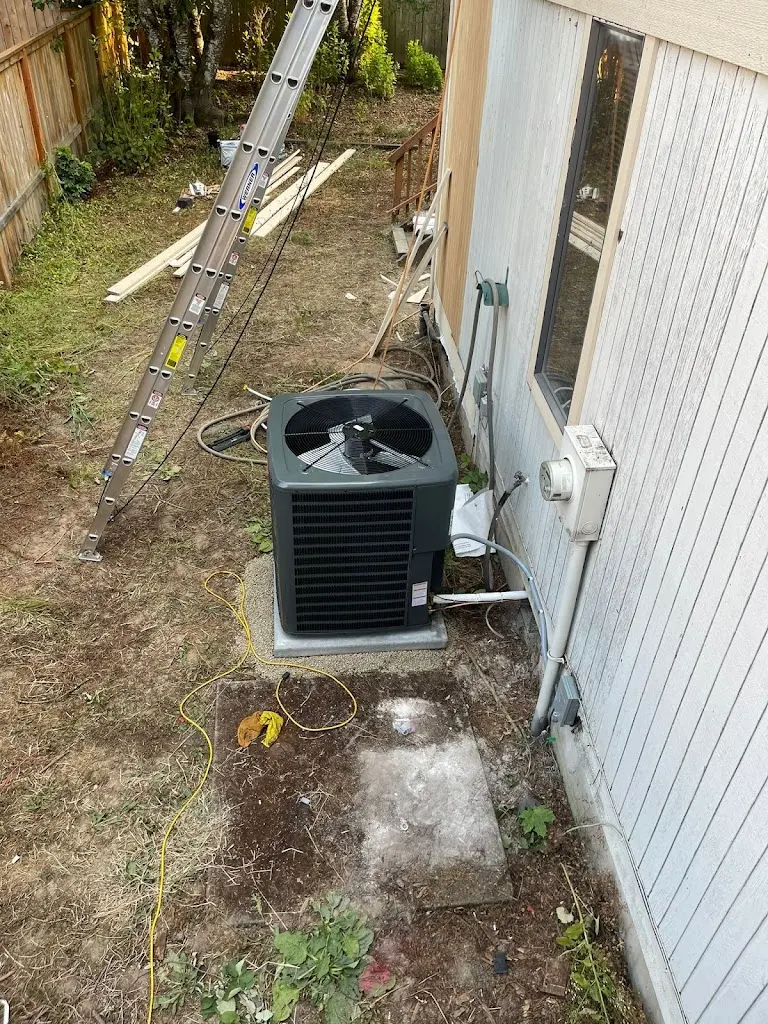
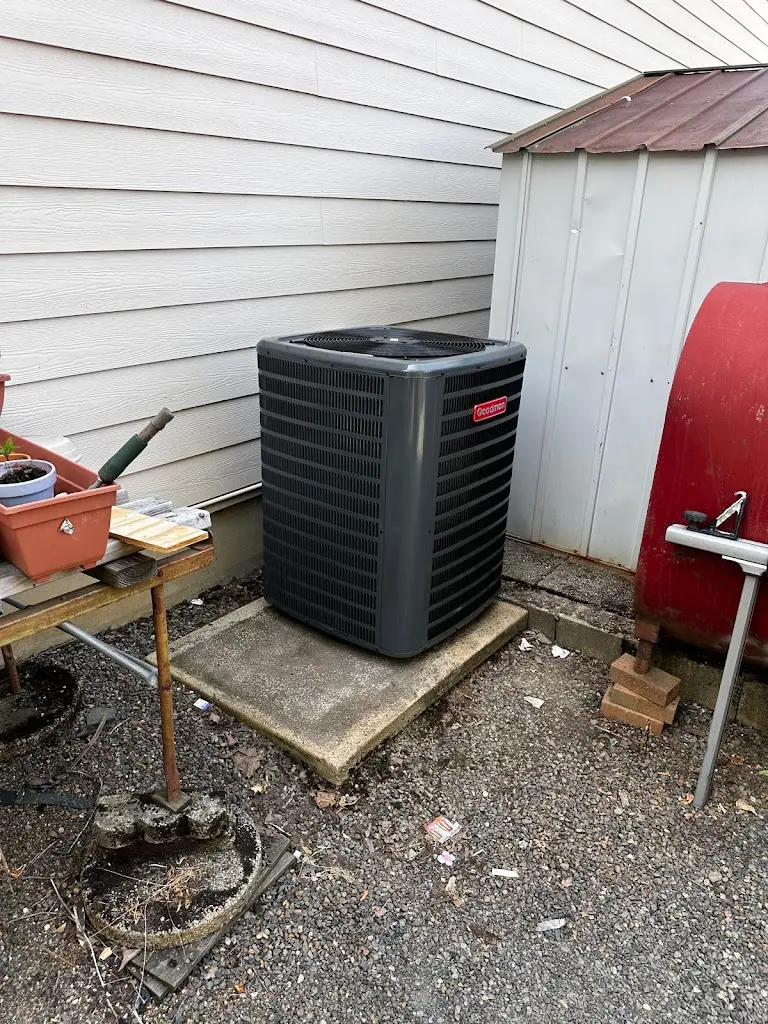
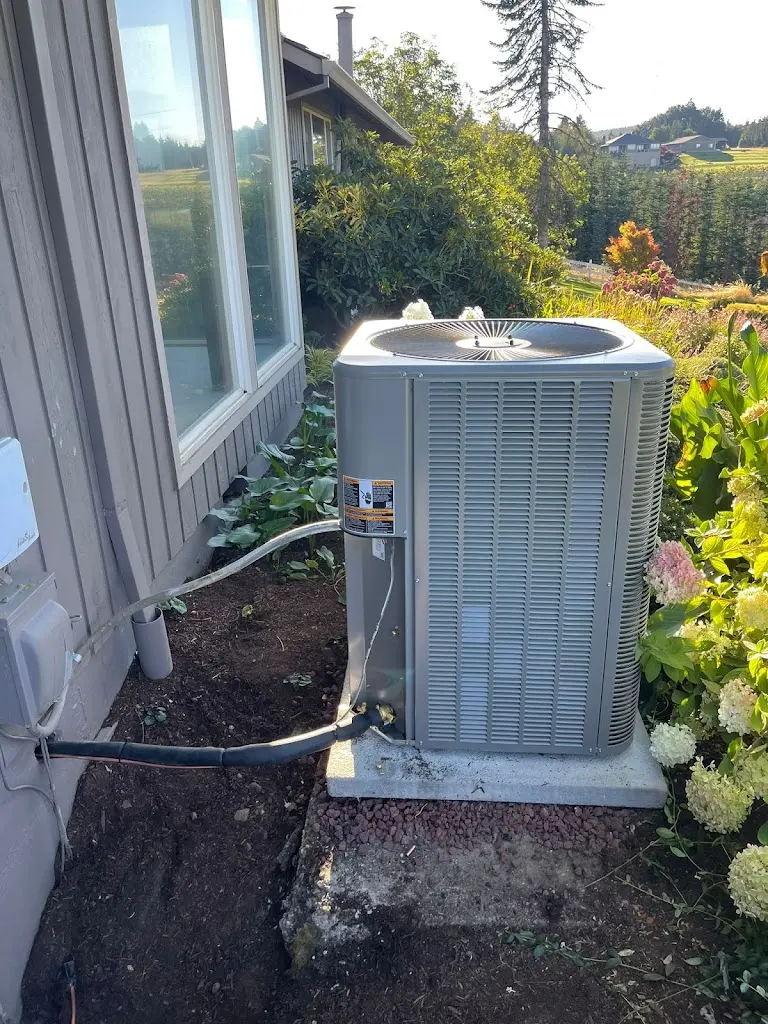
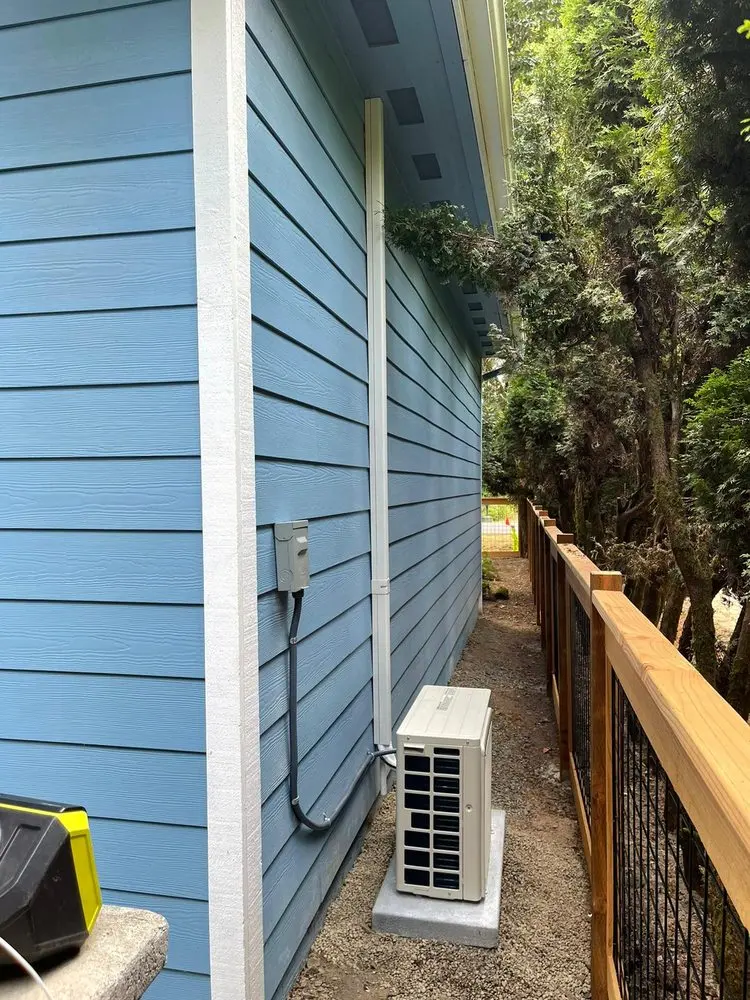
- Review yard use, landscaping and side access for the condenser.
- Keep optional duct corrections separate from the base installation scope.
Property details worth showing during a Woodstock estimate
- A rear addition supplied by a branch added after the original bungalow was built.
- An attic bedroom or finished lower level that lacks a strong return path.
- A basement coil cabinet below a tight rim-joist or exterior-wall route.
- A mature yard with pets, shrubs, patio use and limited side clearance.
When repair is enough and when replacement helps
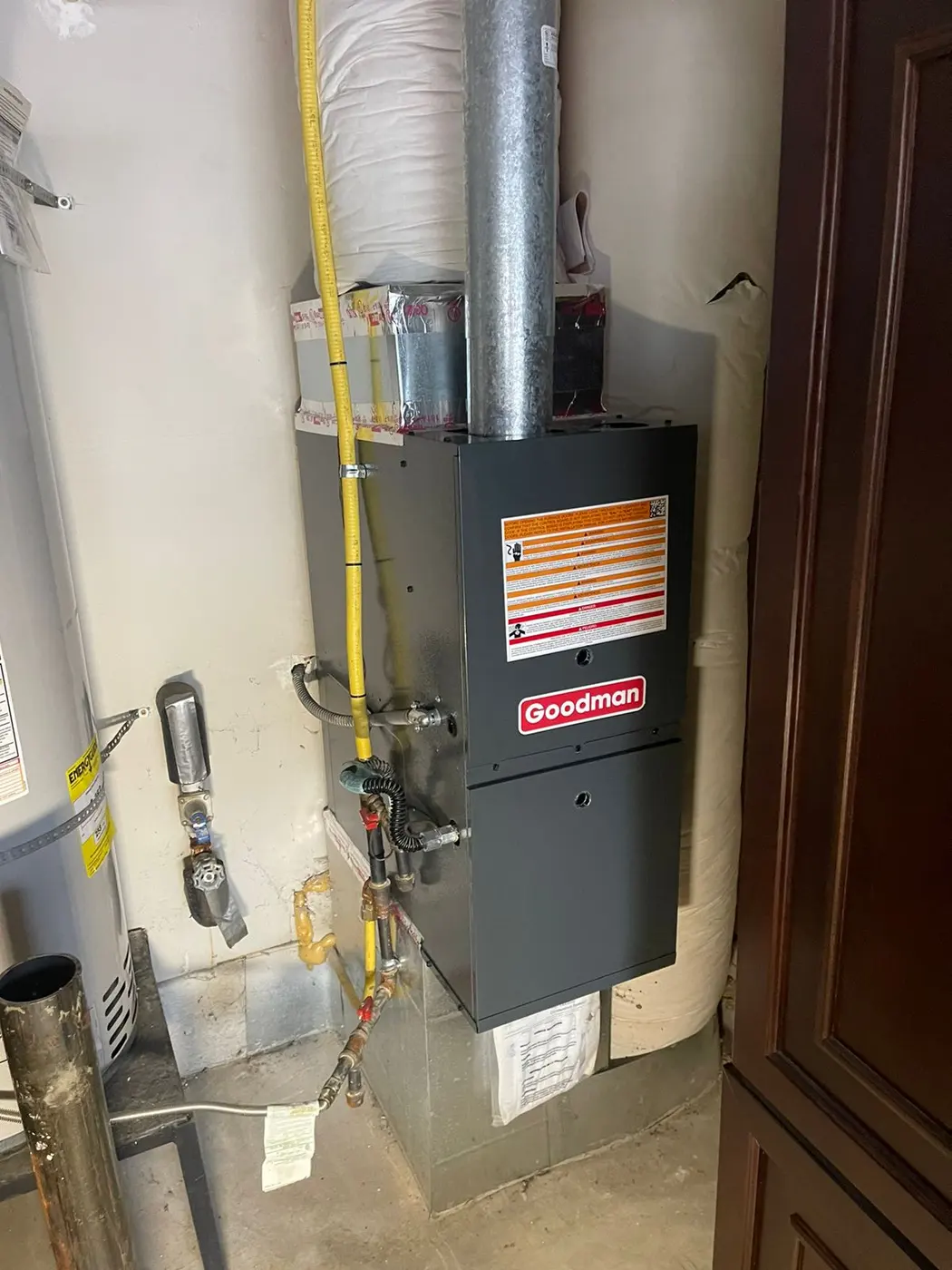
Many Woodstock projects add cooling to an existing furnace. If that furnace or the duct system cannot support the goal, the proposal should separate the base AC project from optional indoor or airflow work. Repair can make sense when an existing system is newer and the failure is limited. Replacement or first-time installation should solve a condition that another repair cannot reasonably address. The repair versus replacement comparison should include recent reliability, indoor compatibility and whether the current system can meet the comfort goal.
Equipment compatibility and service access
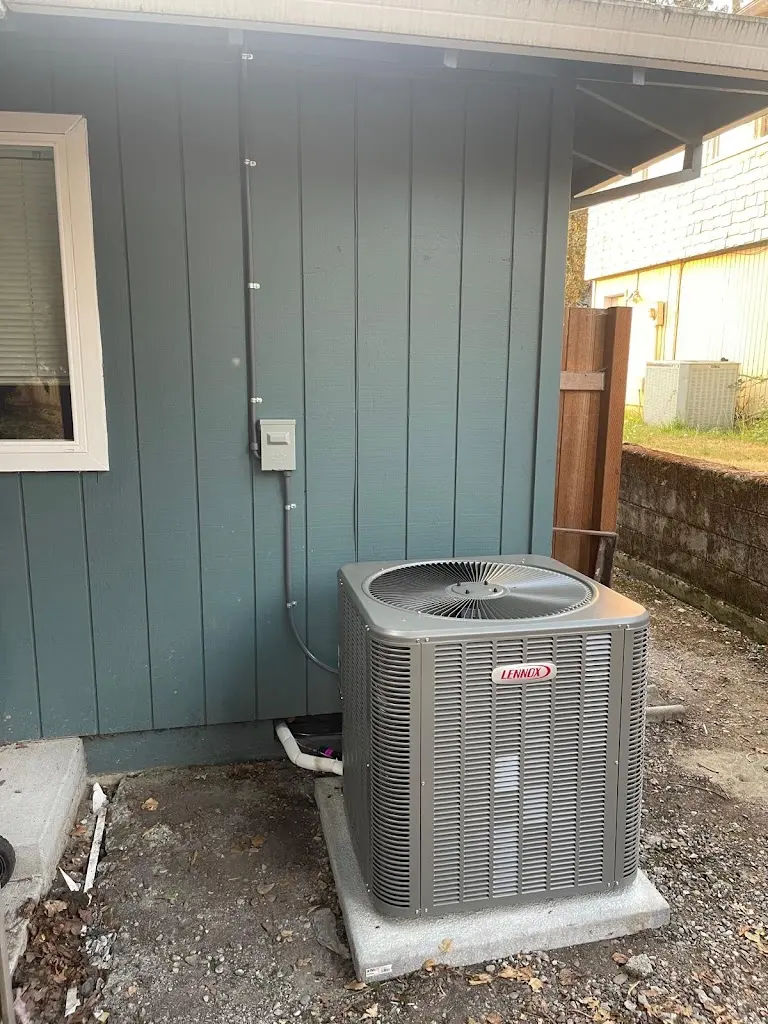
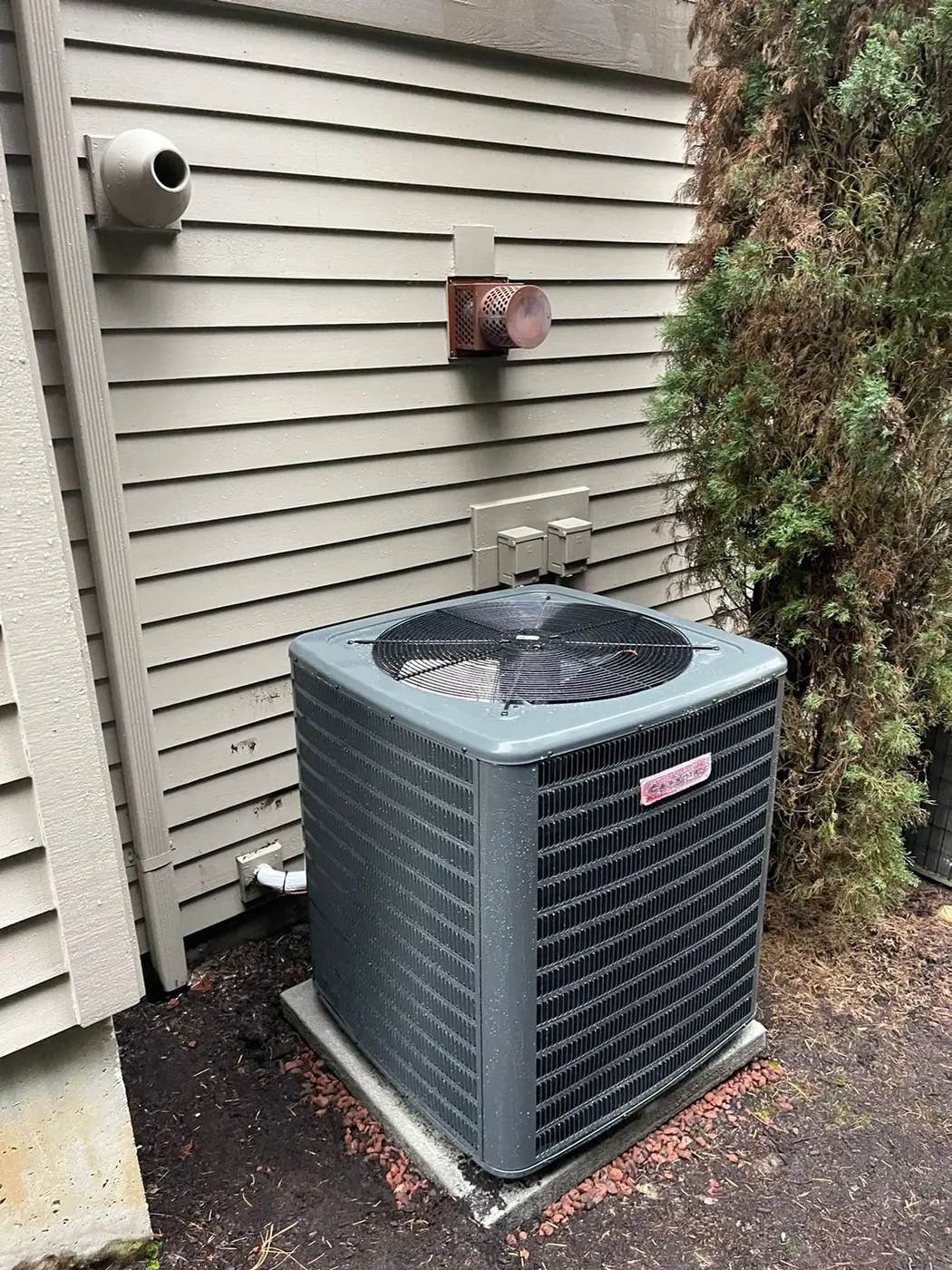
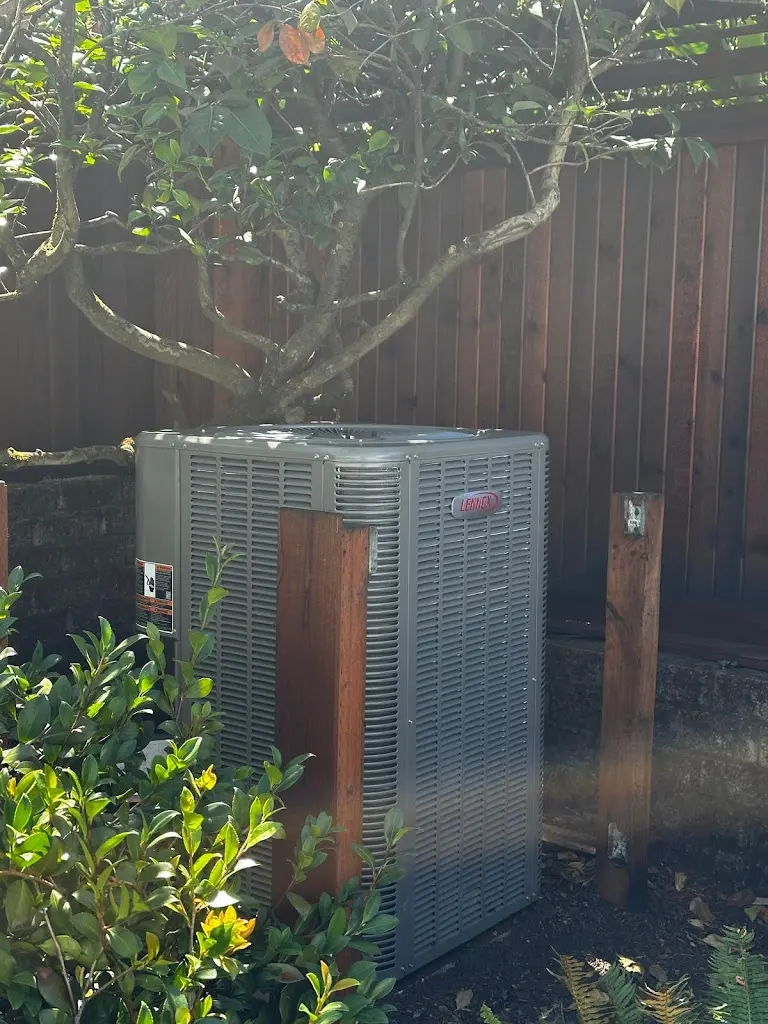
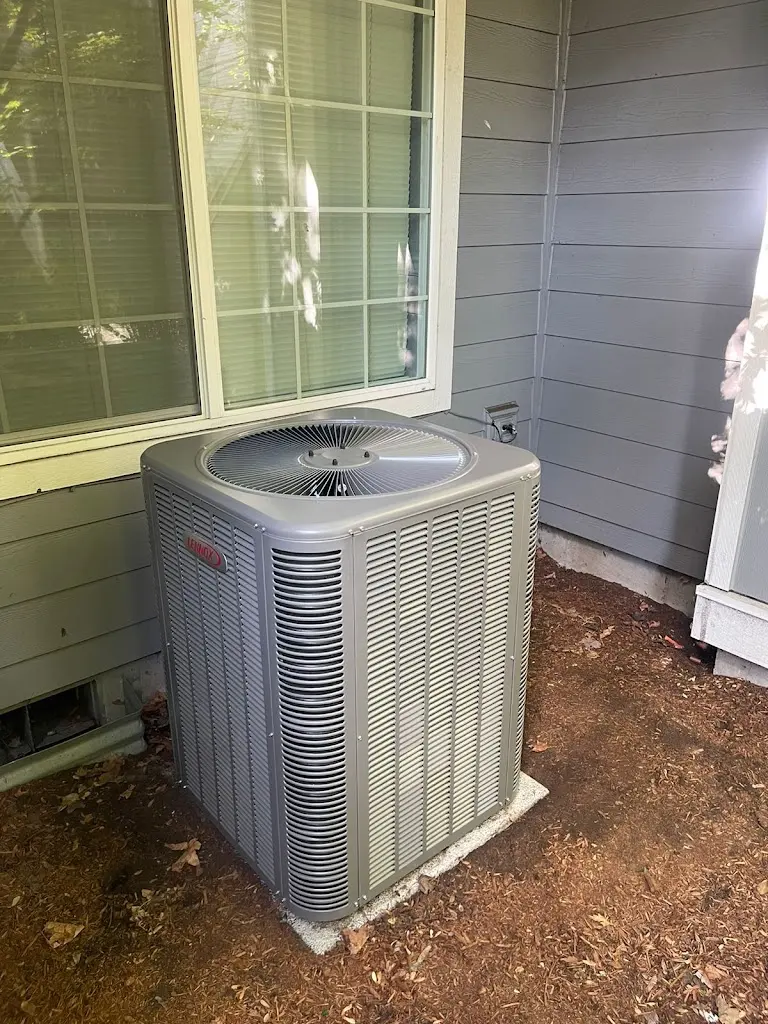
Mature landscaping, patios, pets and close side yards can affect the condenser location. The unit should remain clear of regular yard use and accessible for future maintenance. The indoor evaporator coil must also fit the furnace or air handler and allow proper drainage, airflow and future access.
A useful estimate should be specific
The estimate should name the indoor and outdoor equipment, installation route, startup work and any scope item that could change price. It should also explain which financing options may be available for a qualifying project and which warranty terms apply to the selected equipment. A clear installation process covers equipment removal, coil and condenser work, controls, startup and owner orientation. Permit, inspection and code requirements should be named when they apply.
Project details that affect cost
Equipment choice matters, but so do the conditions around it. Tight access, a long line route, panel work, indoor transitions, permit requirements where applicable and duct limitations may change the project. The estimate should connect each cost factor to a real condition in the home. Installation cost depends on the equipment choice together with access, materials and any supporting work shown in the proposal.
Related AC installation pages near Woodstock
Frequently asked questions
Does every Woodstock home need the same size AC?
No. Capacity should reflect the home’s layout, exposure, insulation and airflow. The estimator also needs to know which rooms are uncomfortable and whether the current ducts can deliver the proposed cooling.
Can the new AC use the existing furnace?
Often it can, but blower capacity, controls, indoor coil space and duct condition need to be checked first. The written scope should identify any indoor work needed for compatibility.
What outdoor-placement details matter in Woodstock?
Mature landscaping, patios, pets and close side yards can affect the condenser location. The unit should remain clear of regular yard use and accessible for future maintenance.
Should I repair the current system or replace it?
That depends on the diagnosed problem, equipment age, repair history, comfort performance and compatibility with the rest of the system. The estimate should explain both options when either one is reasonable.
What should I have ready for the estimate?
It helps to know which rooms are hardest to cool, how the current system behaves, where the indoor equipment is located and whether there are access, parking, gate, pet or finished-space concerns.
Request an AC installation estimate in Woodstock, OR when you want equipment options tied to the actual home and a written scope before work is approved.