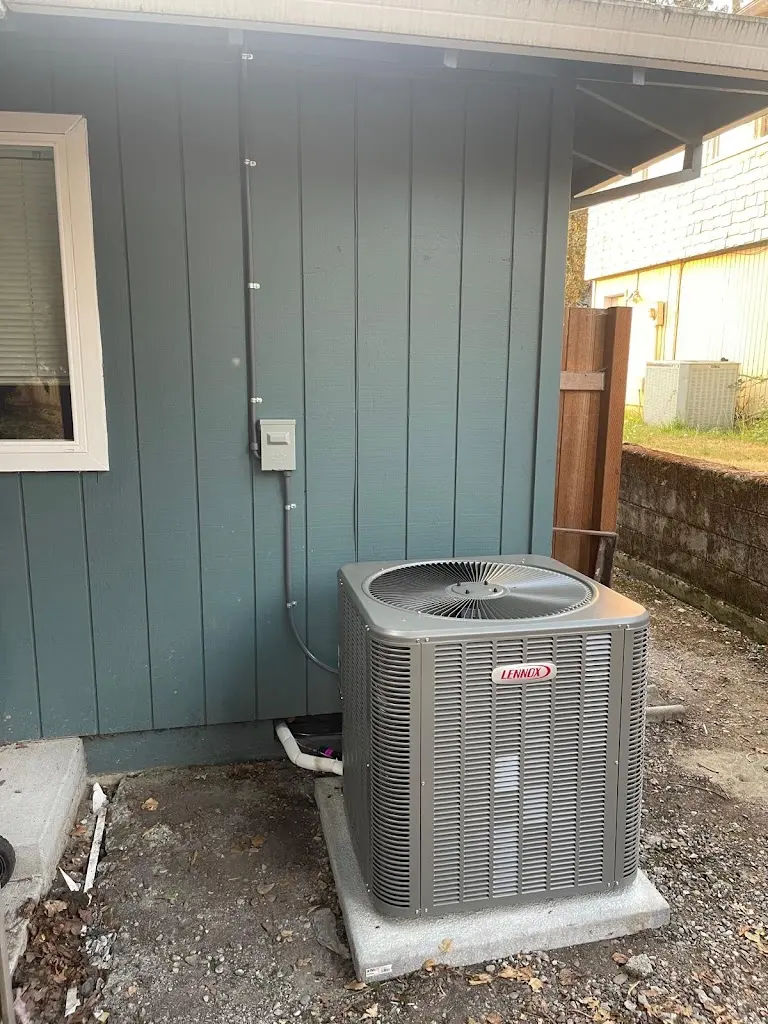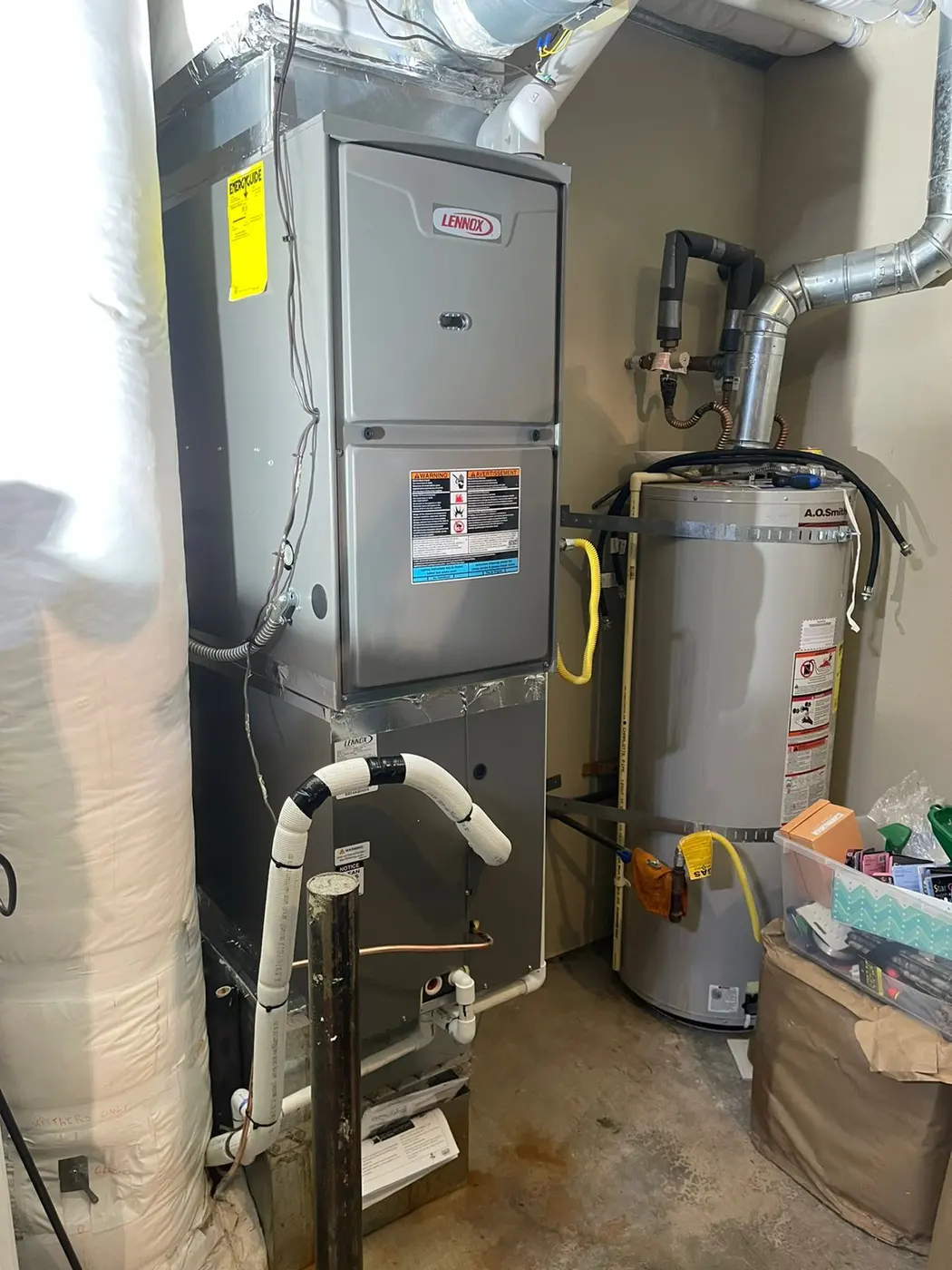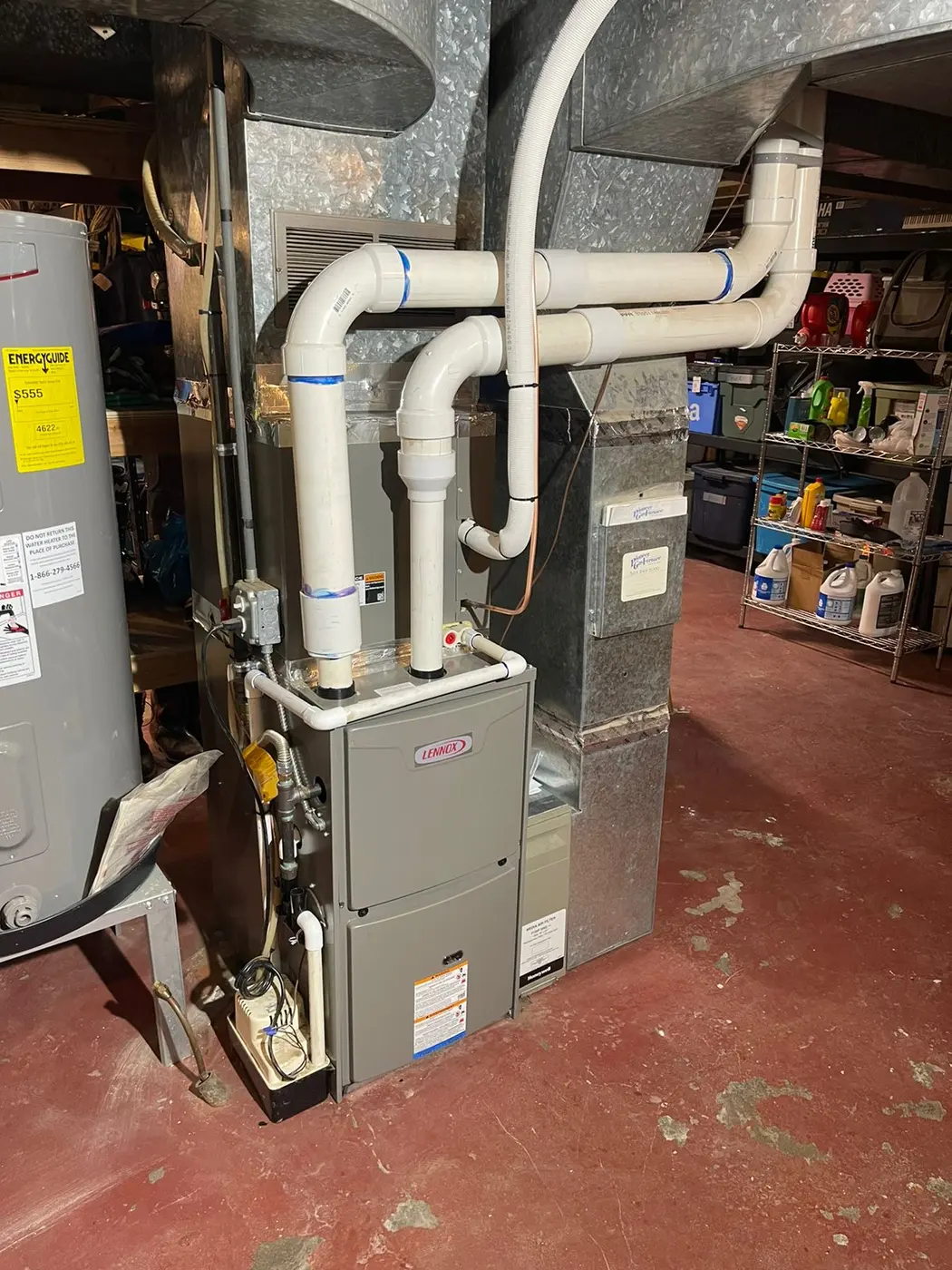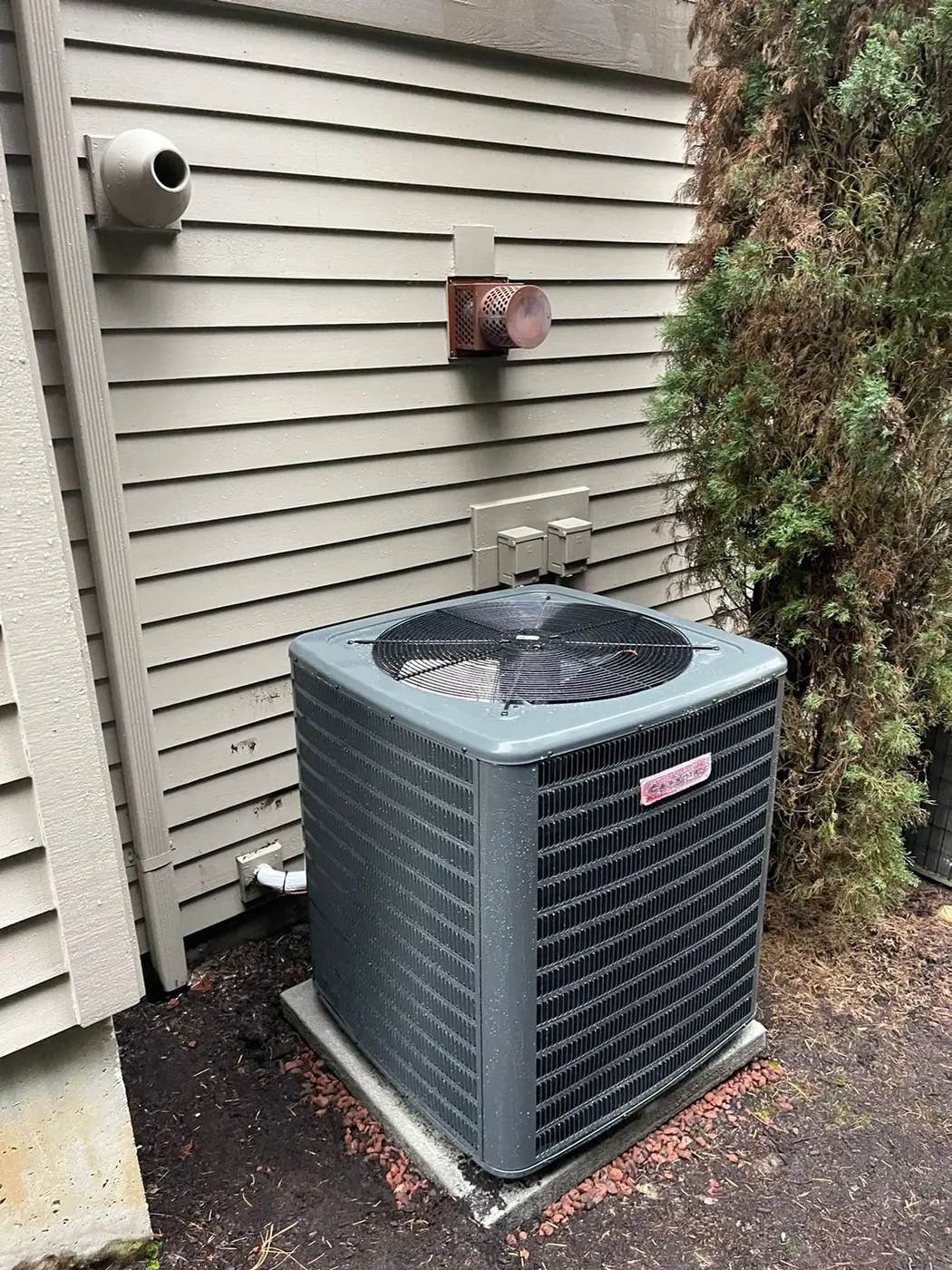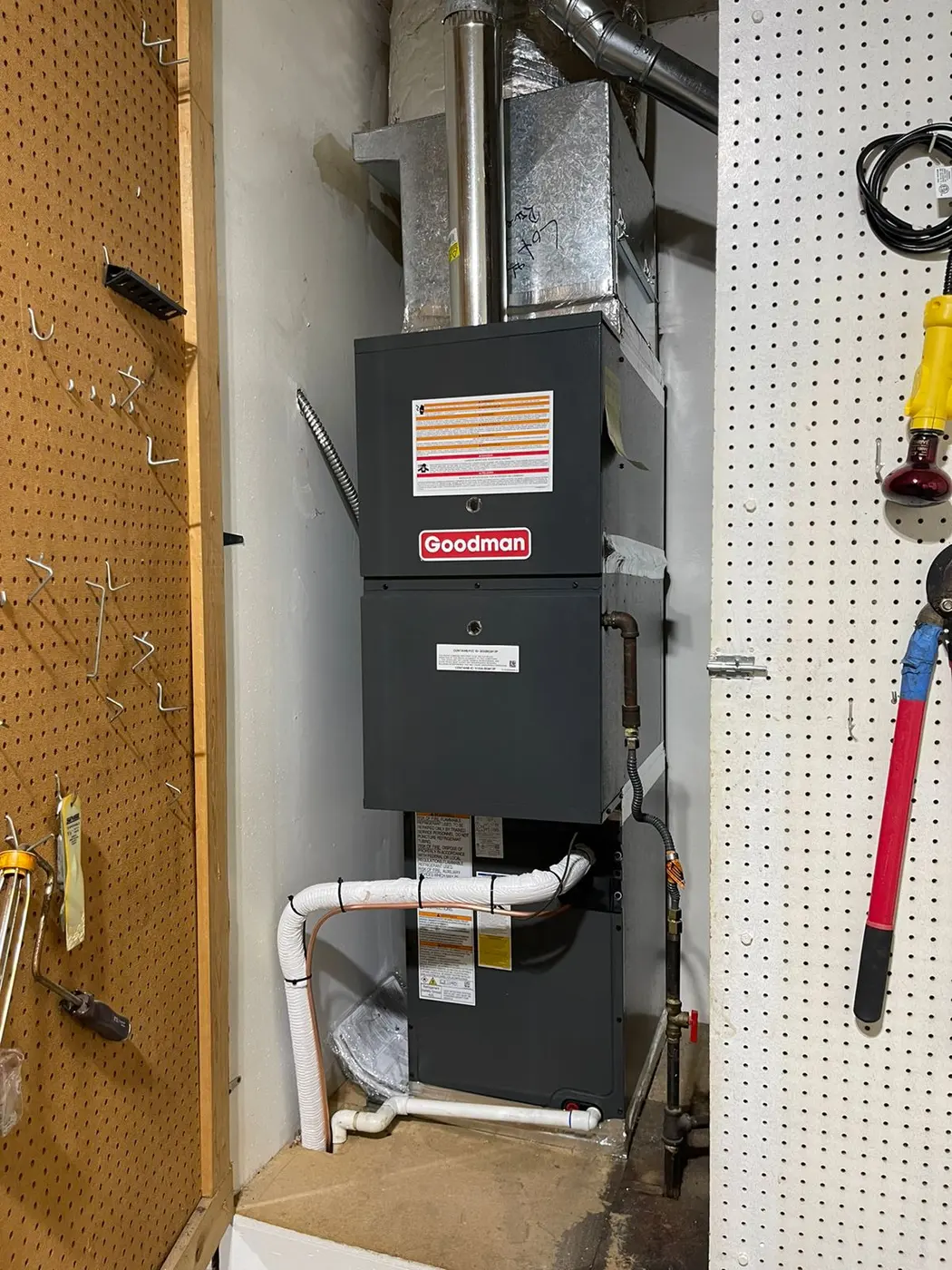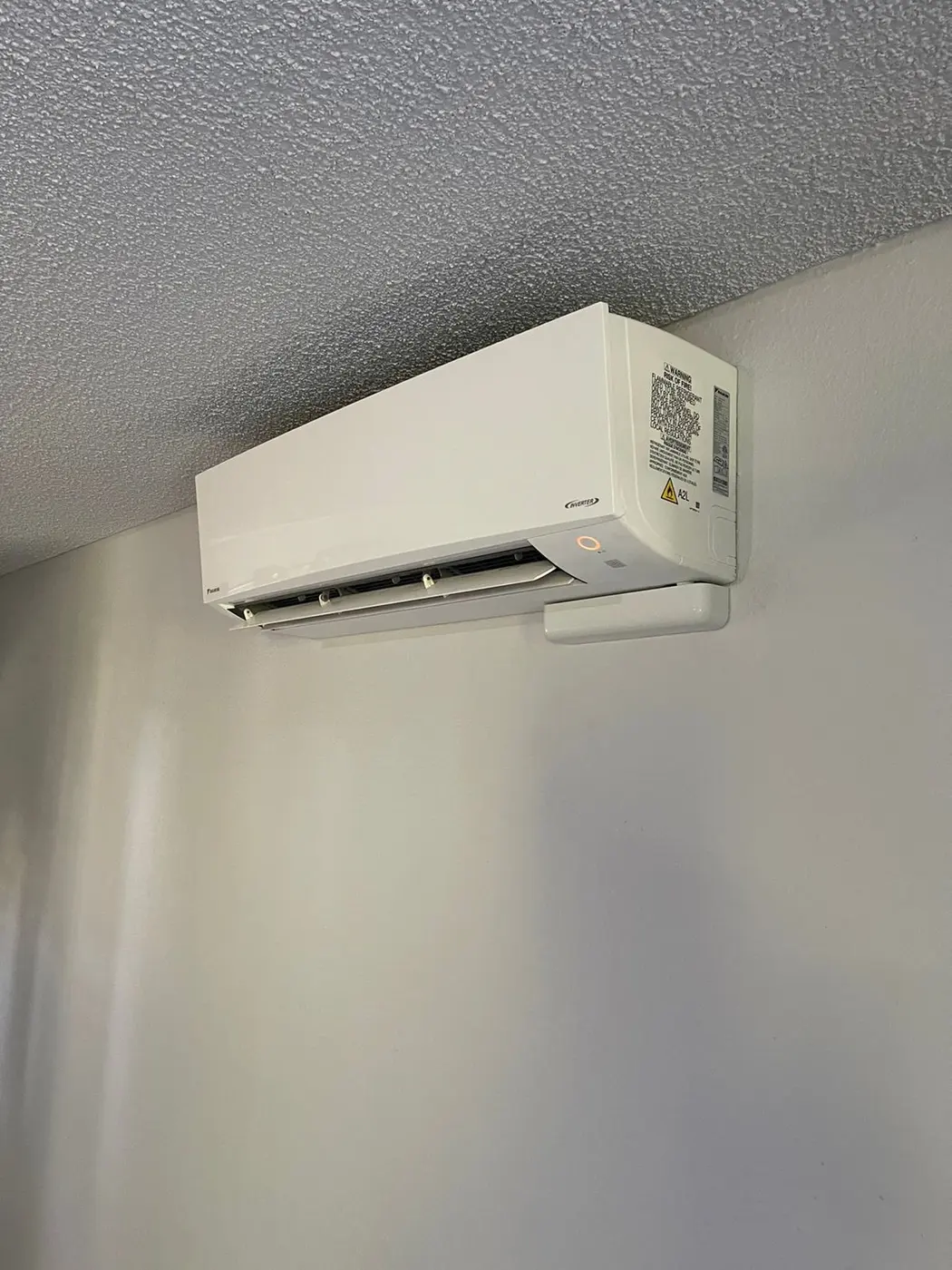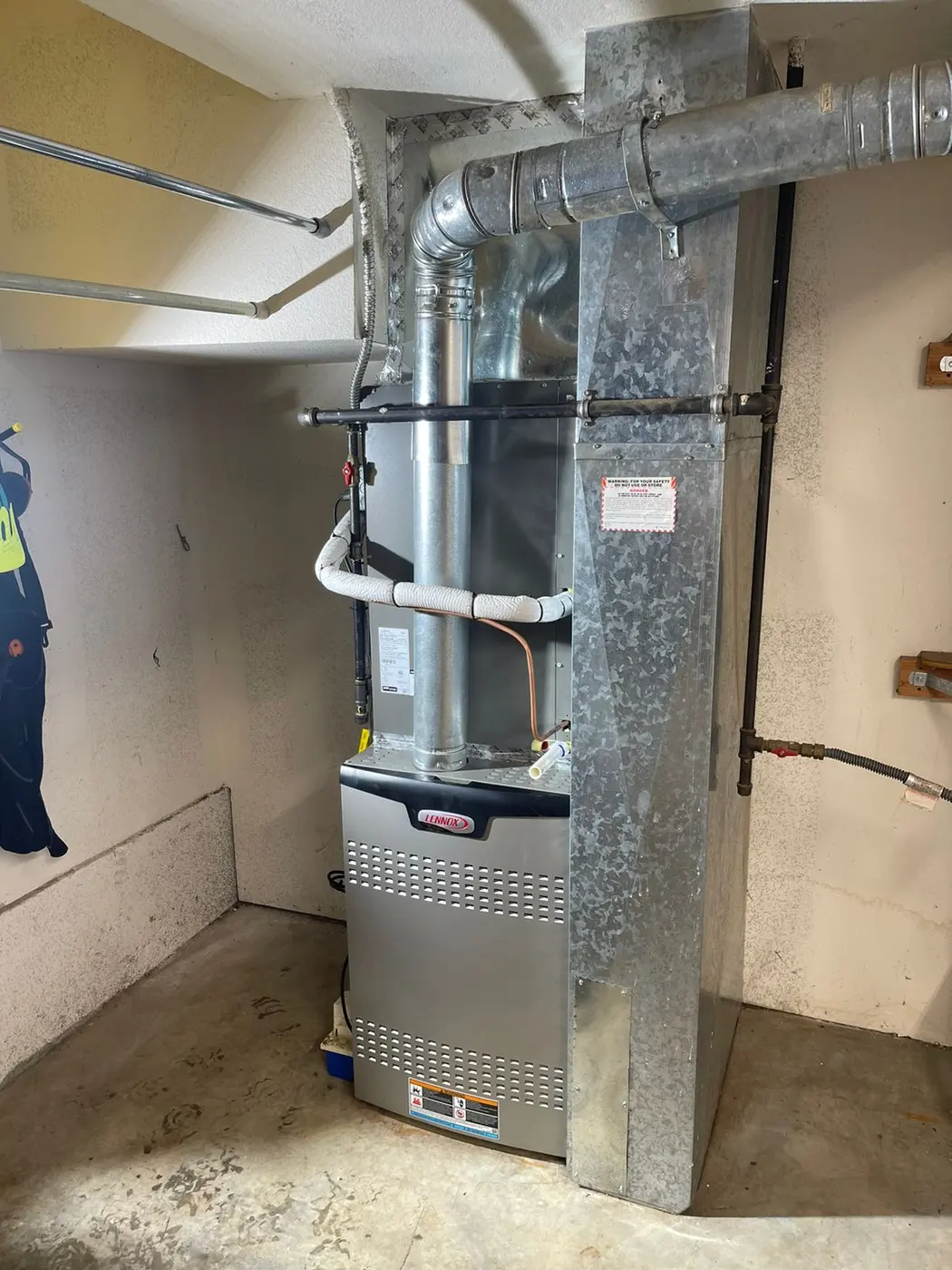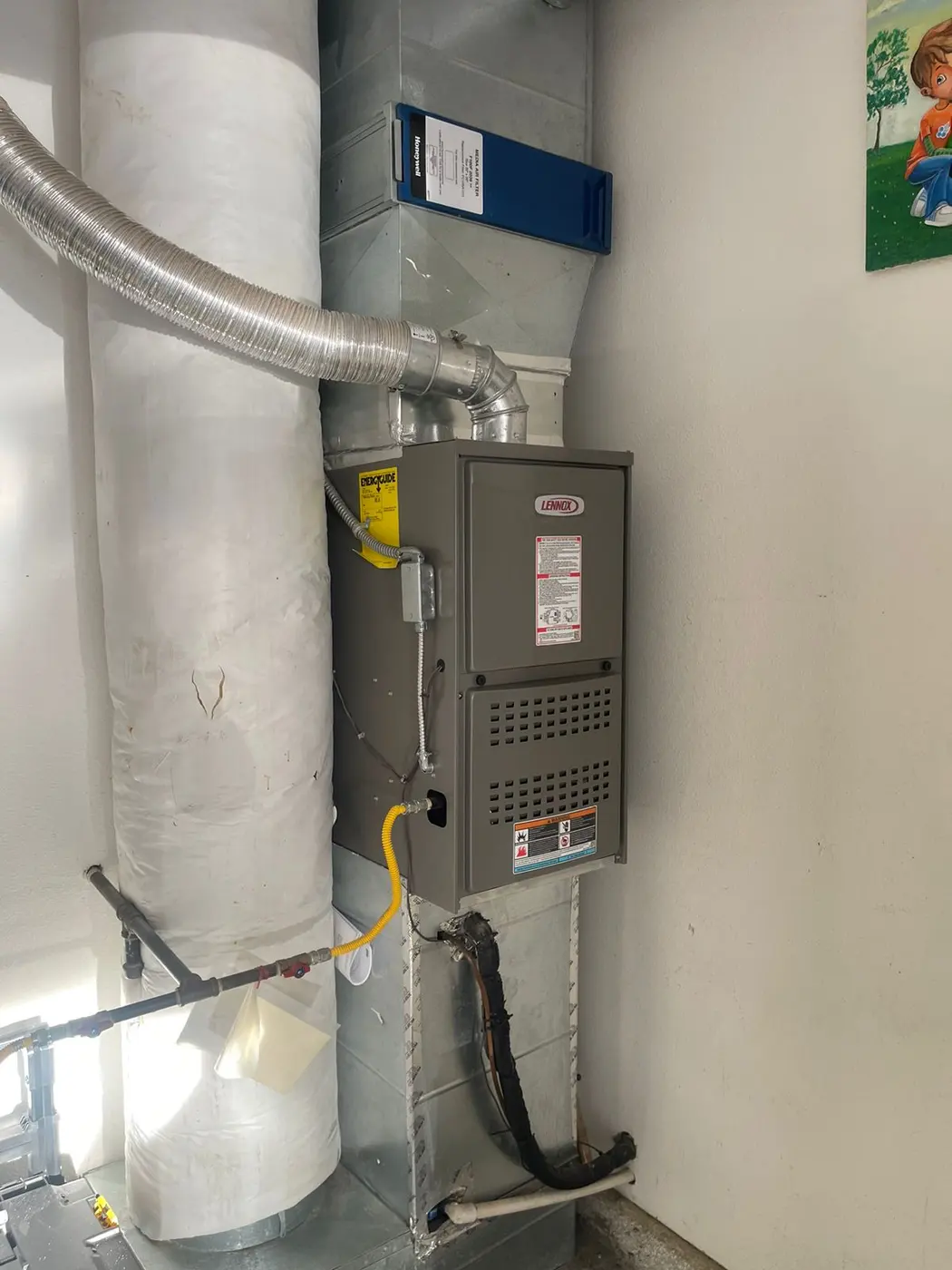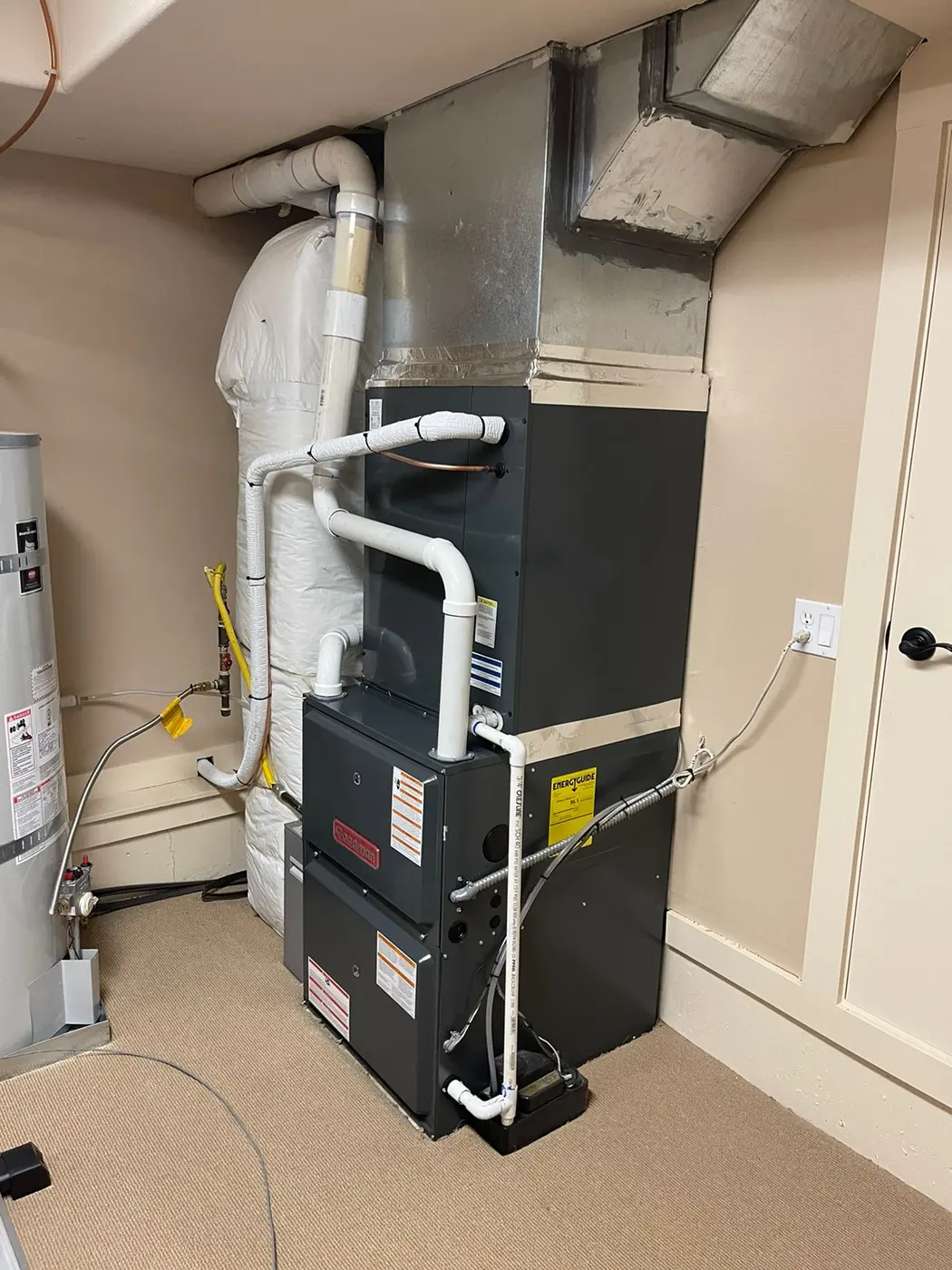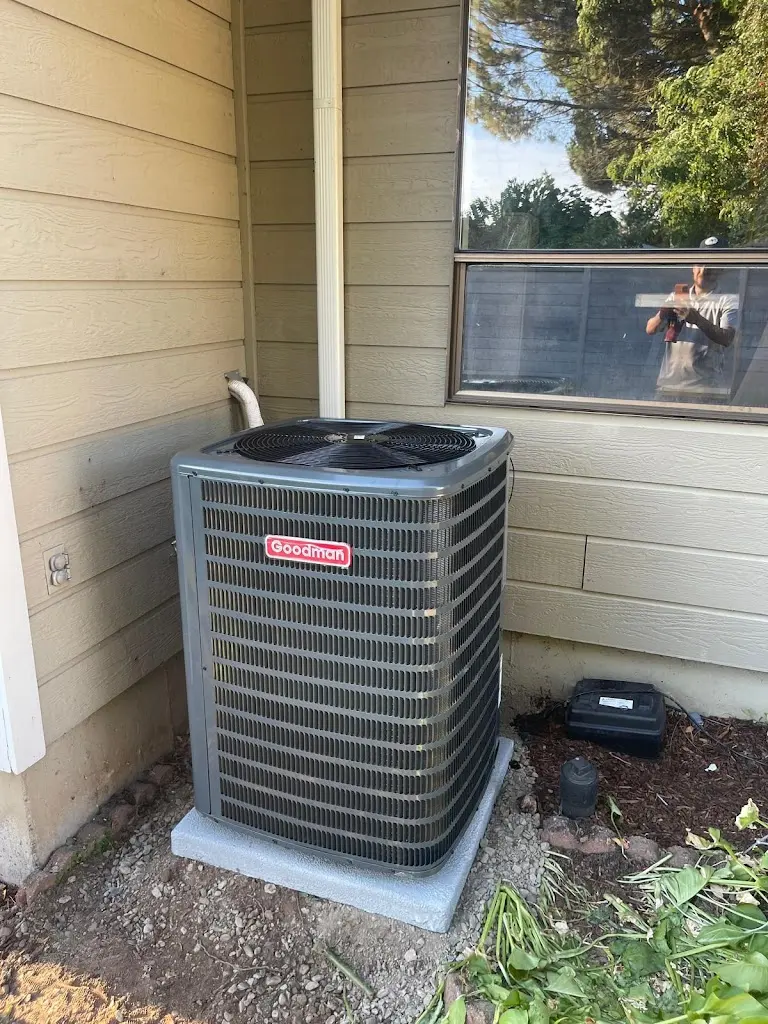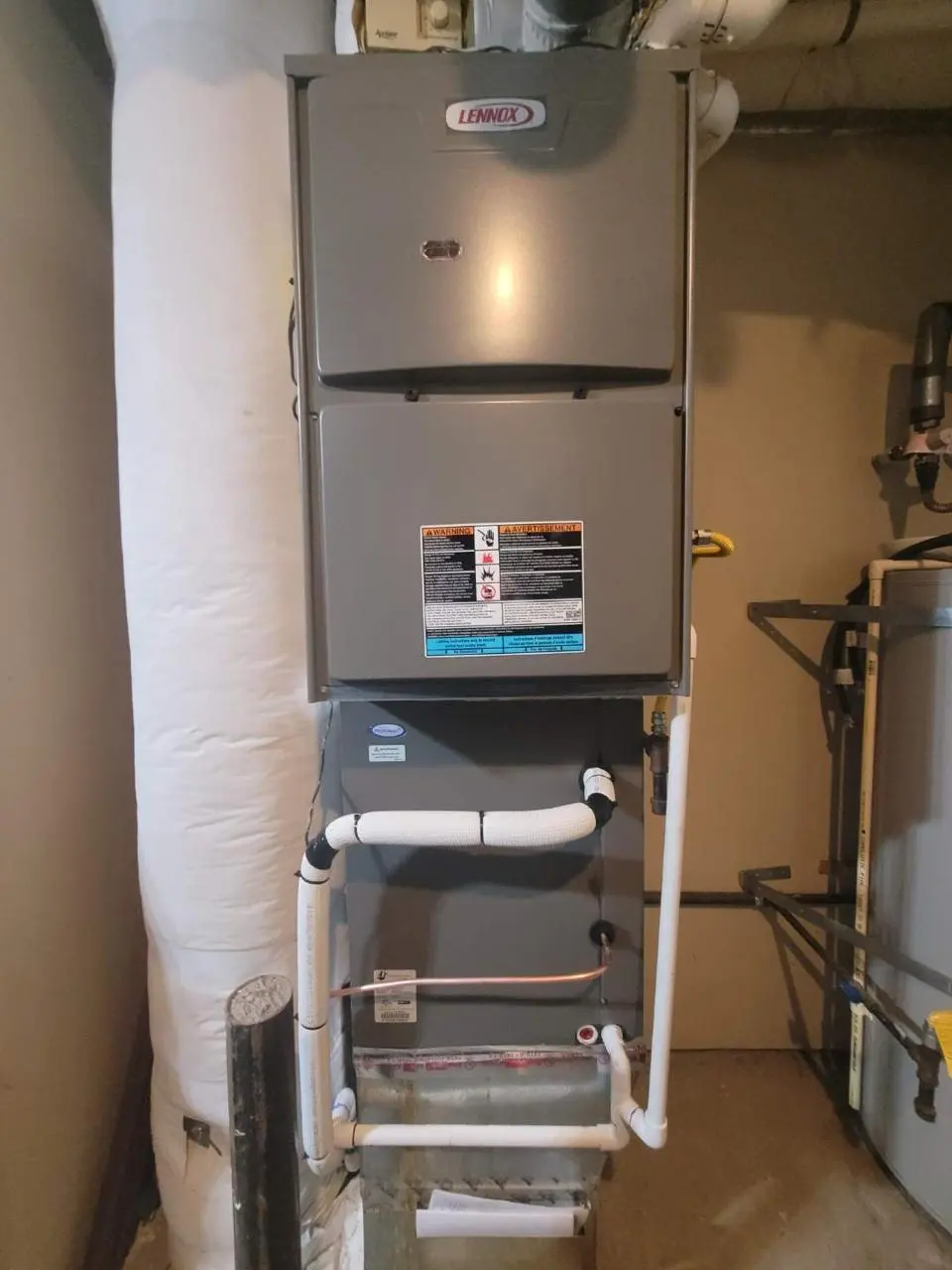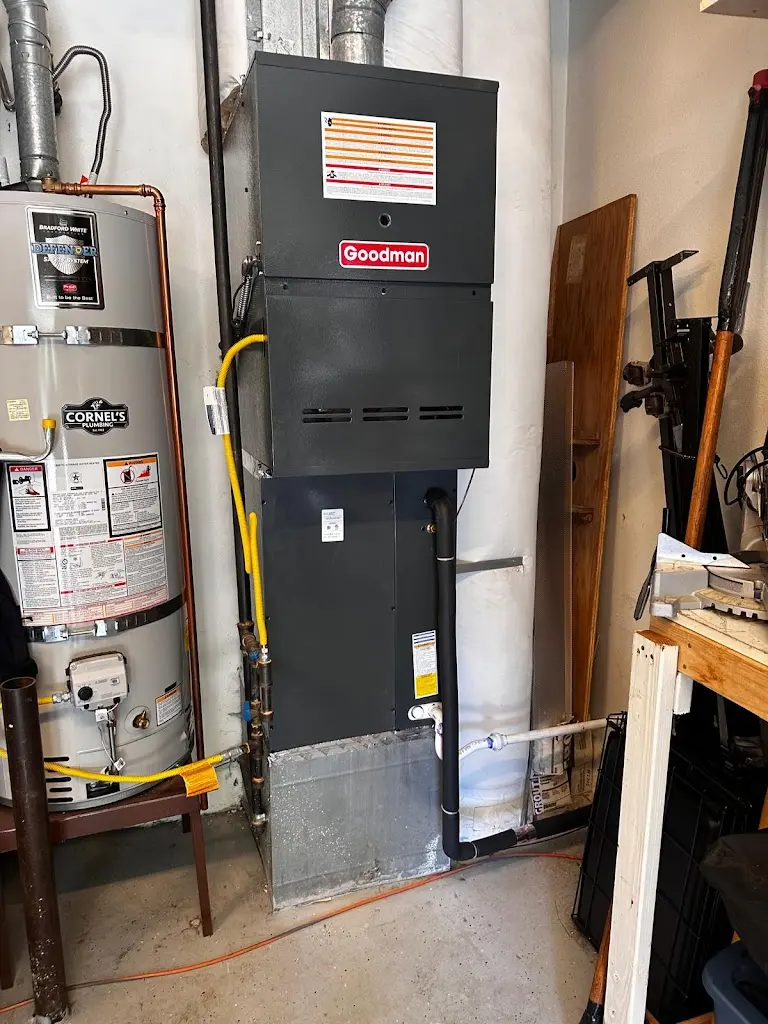
Reed HVAC installation for quiet rooms, compact routes and staged comfort planning
Reed HVAC installation should start with how the home is used day to day. Quiet study rooms, upstairs bedrooms, older duct runs, compact exterior routes, finished spaces near the campus area and homes that need heating and cooling planned in stages can all change the best HVAC path.
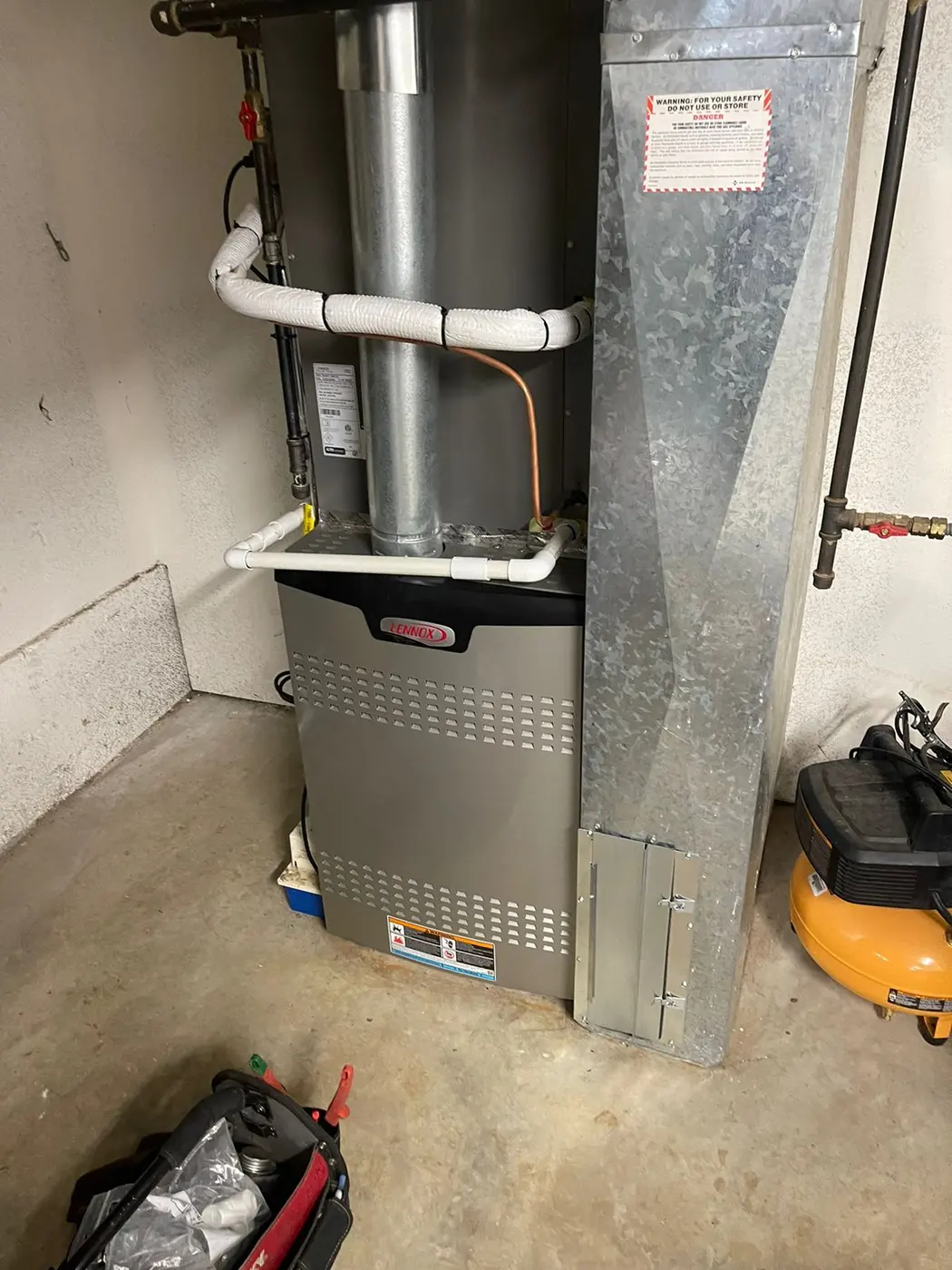
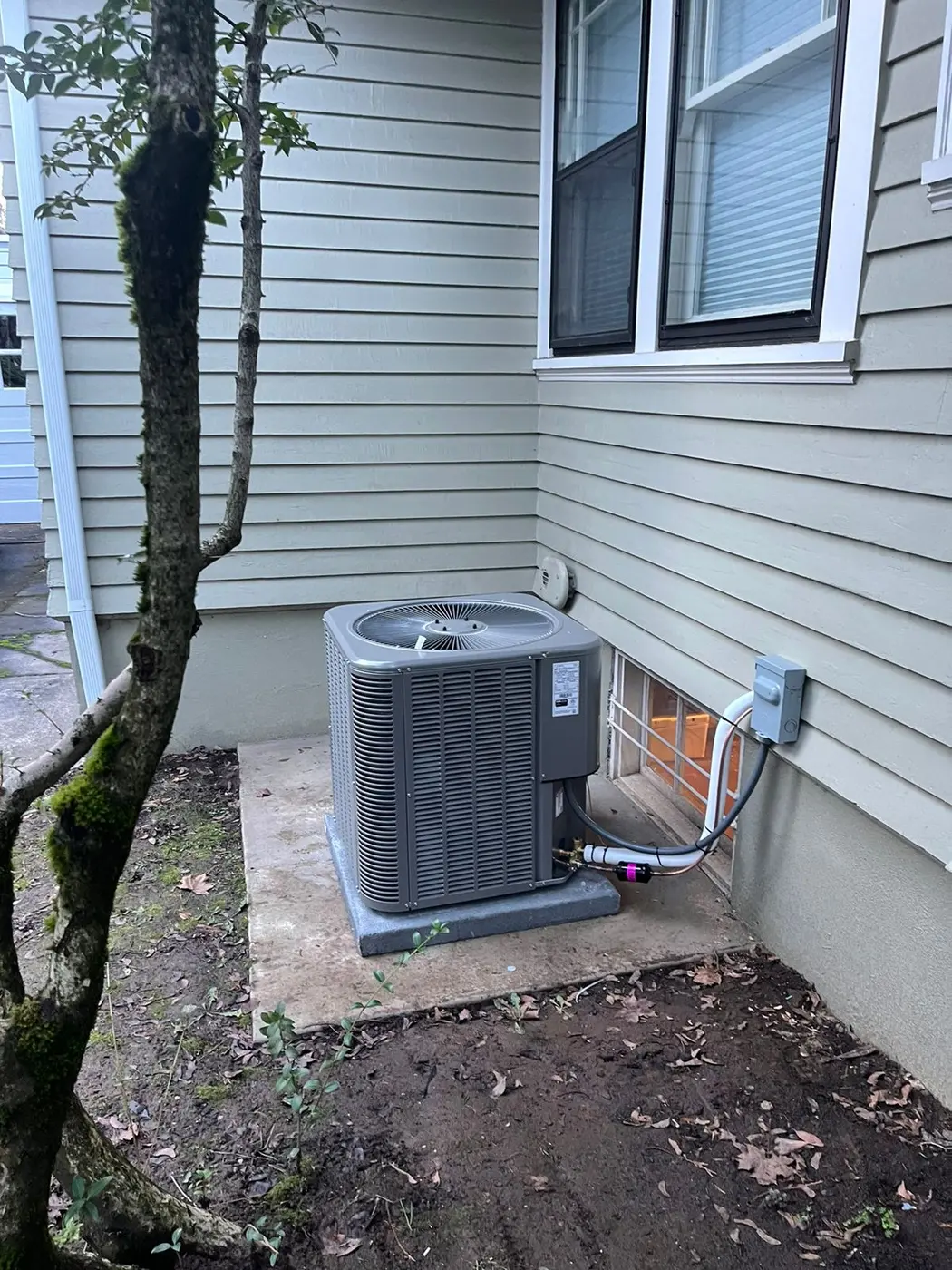
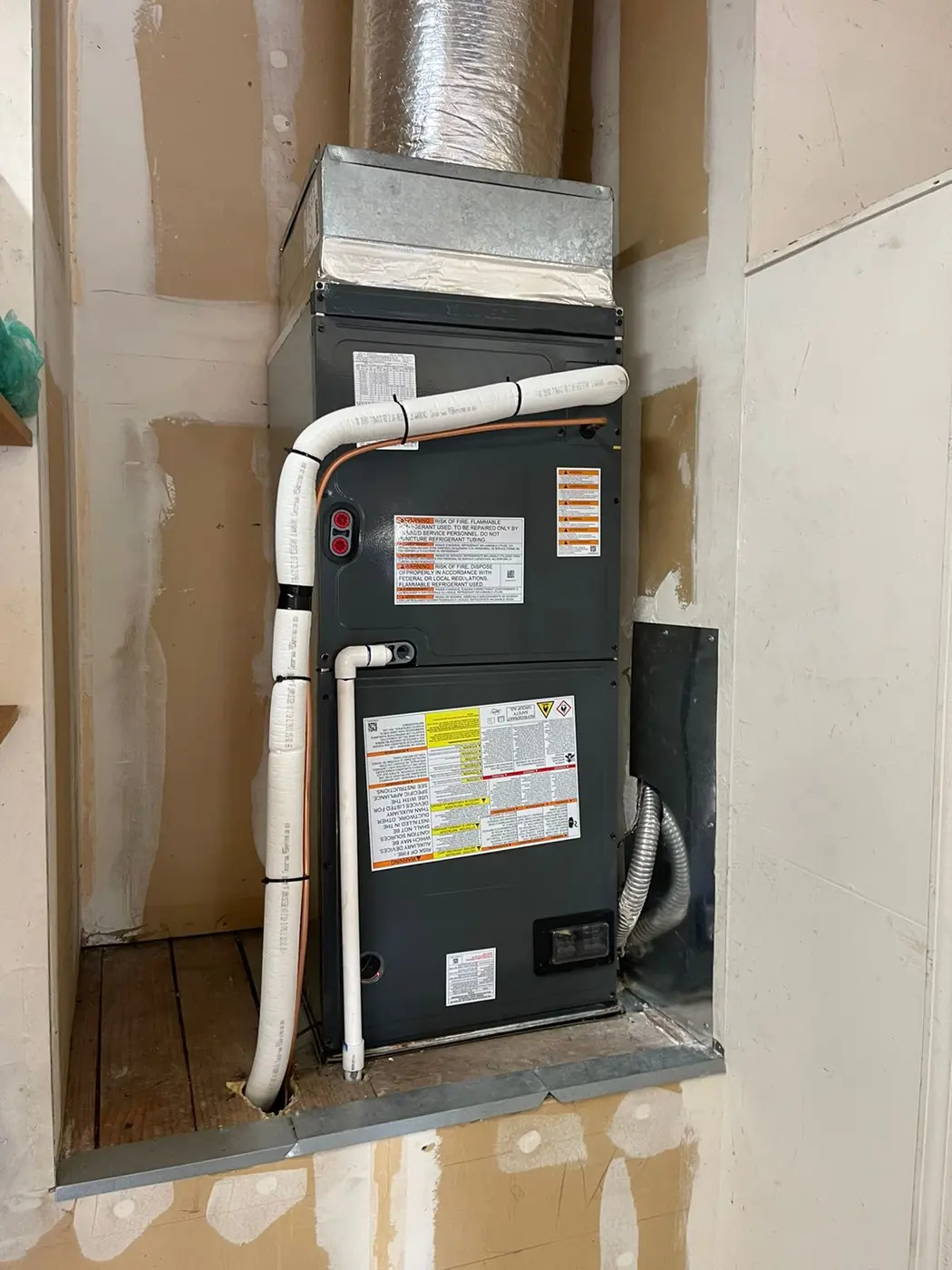
The free estimator visit checks current equipment, return air, duct delivery, venting or electrical readiness, outdoor equipment sound, line routing, service clearance, thermostat controls and whether the home should compare AC, furnace, heat pump, mini split support or a matched system.
Reed HVAC details to send
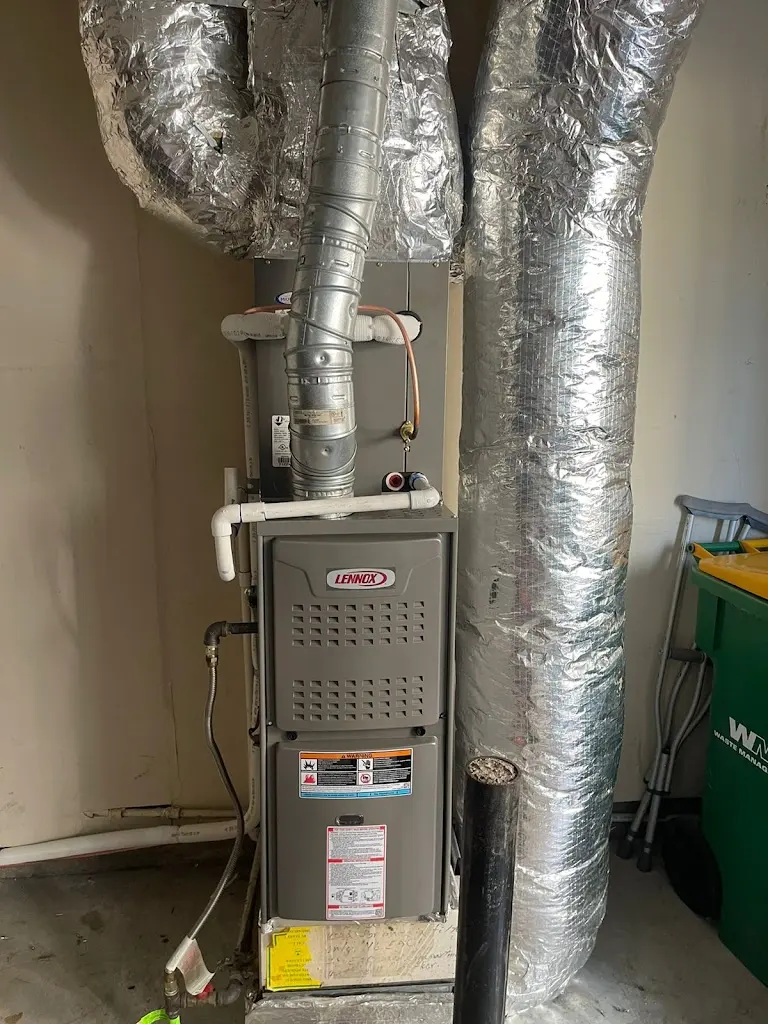
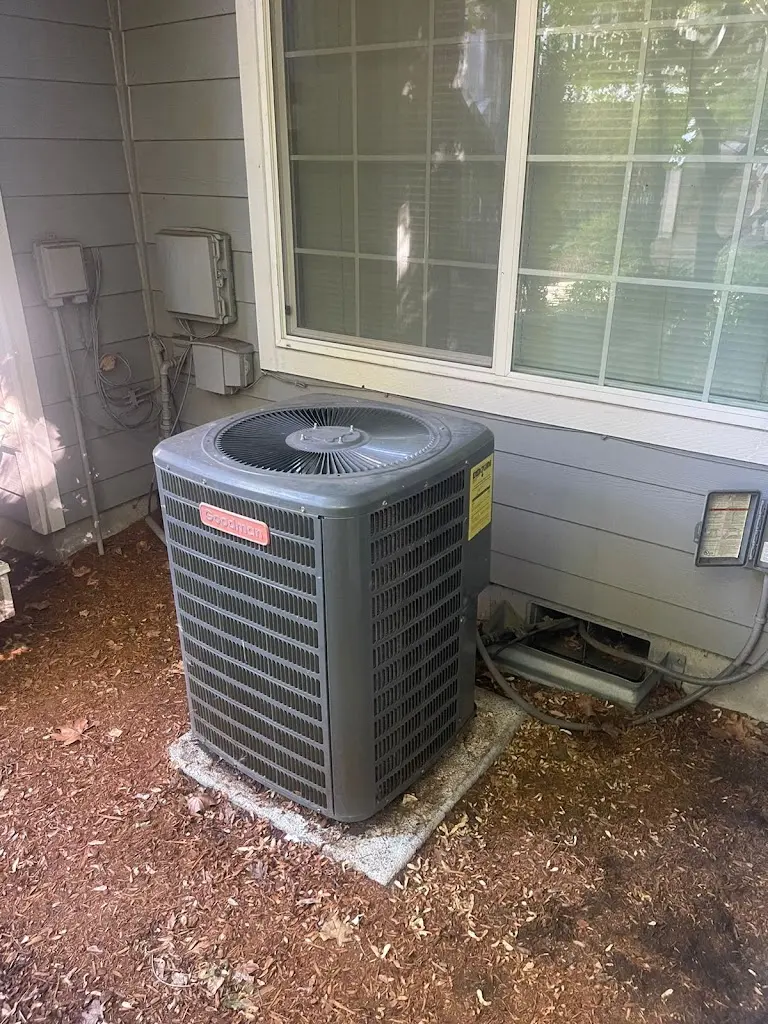
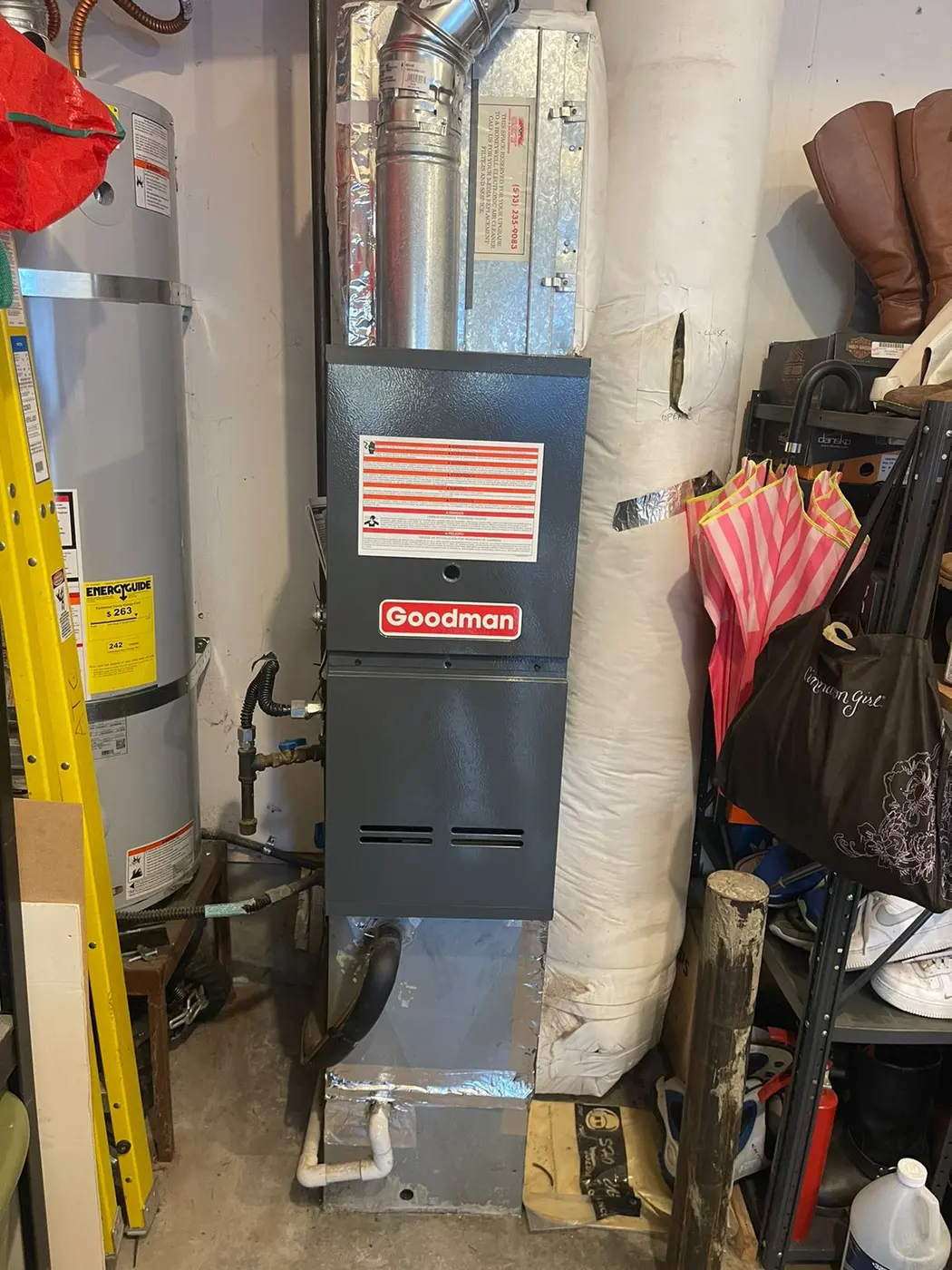
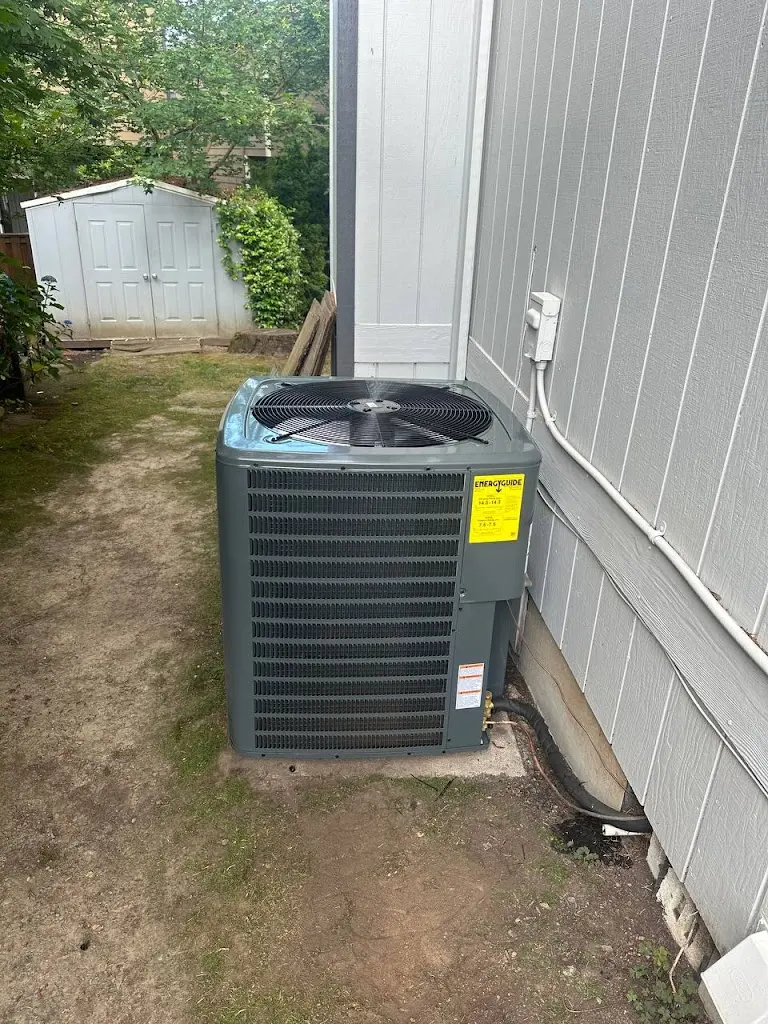
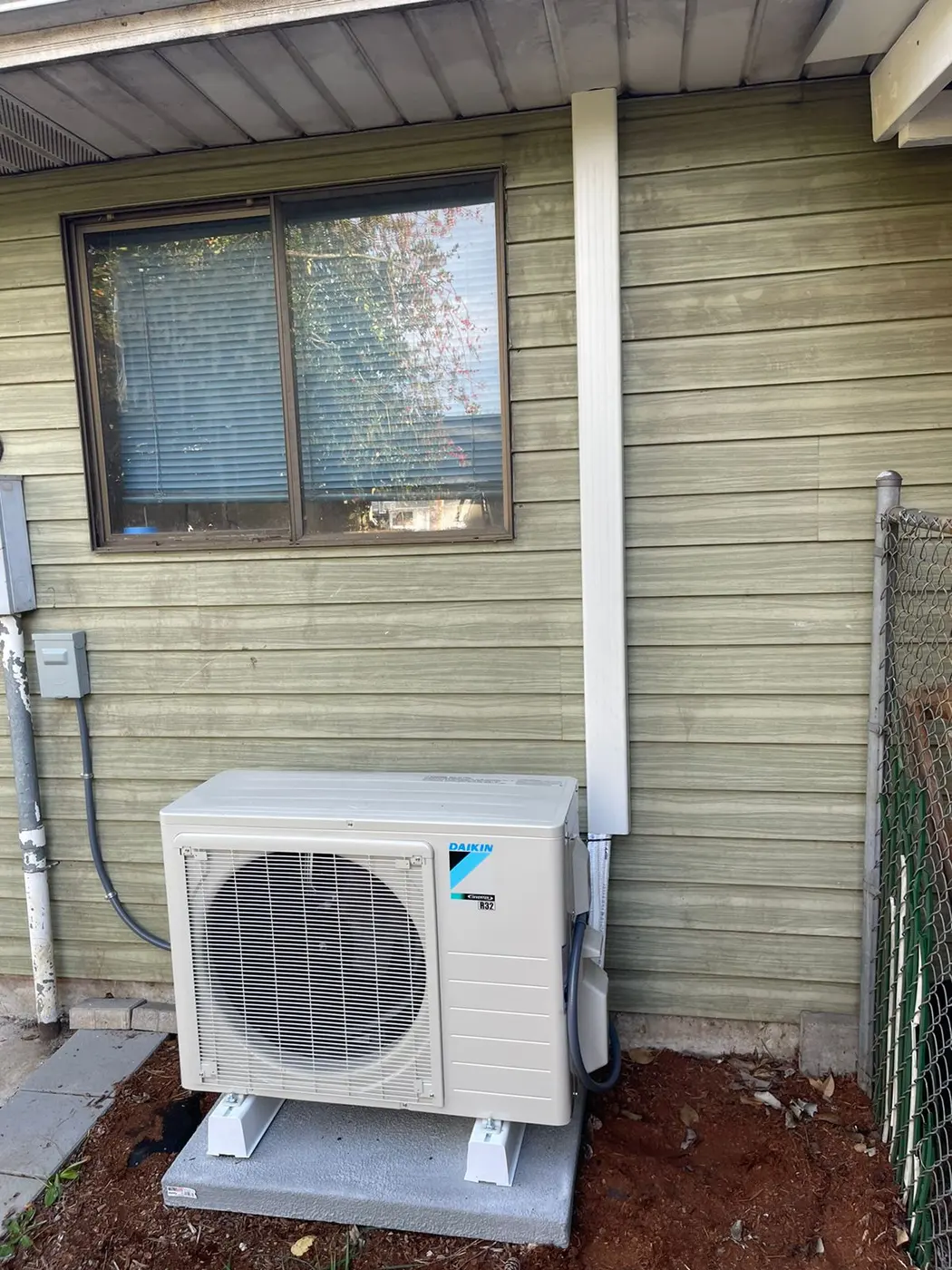
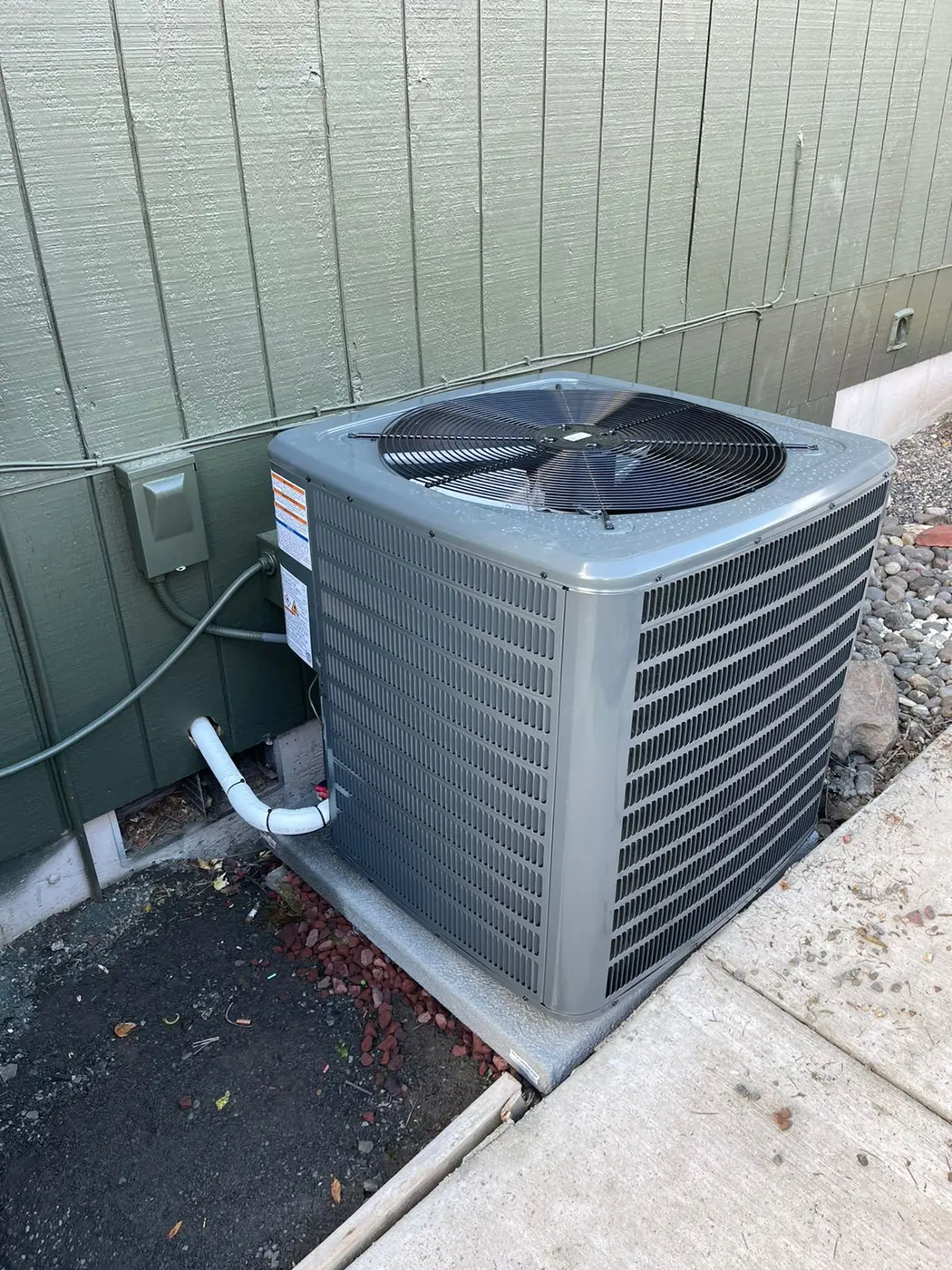
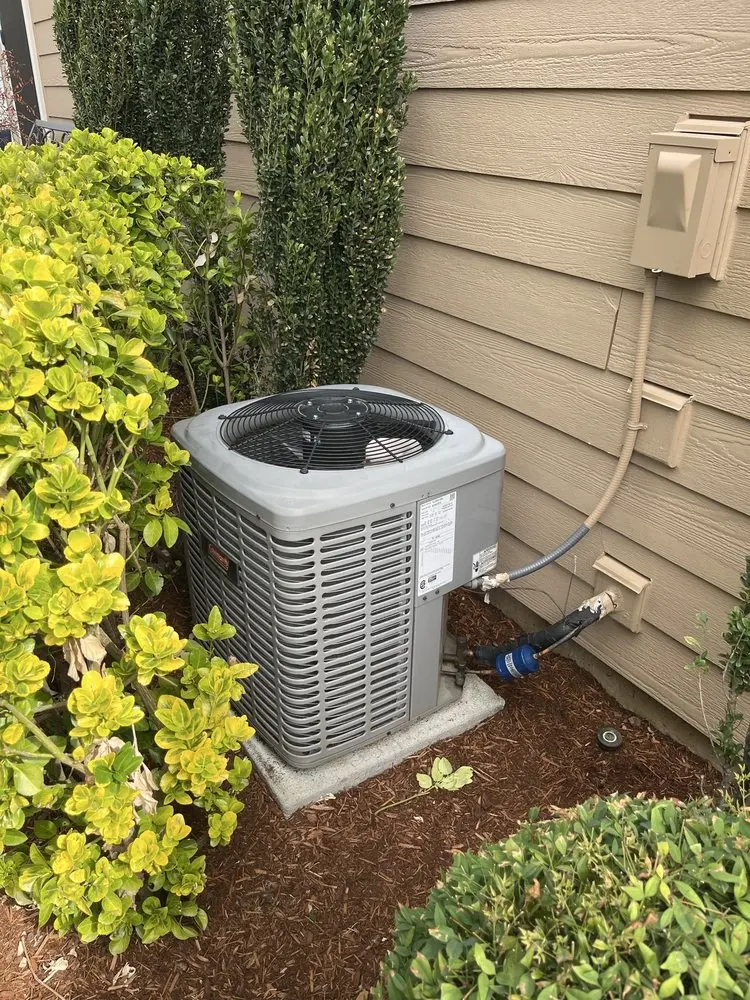
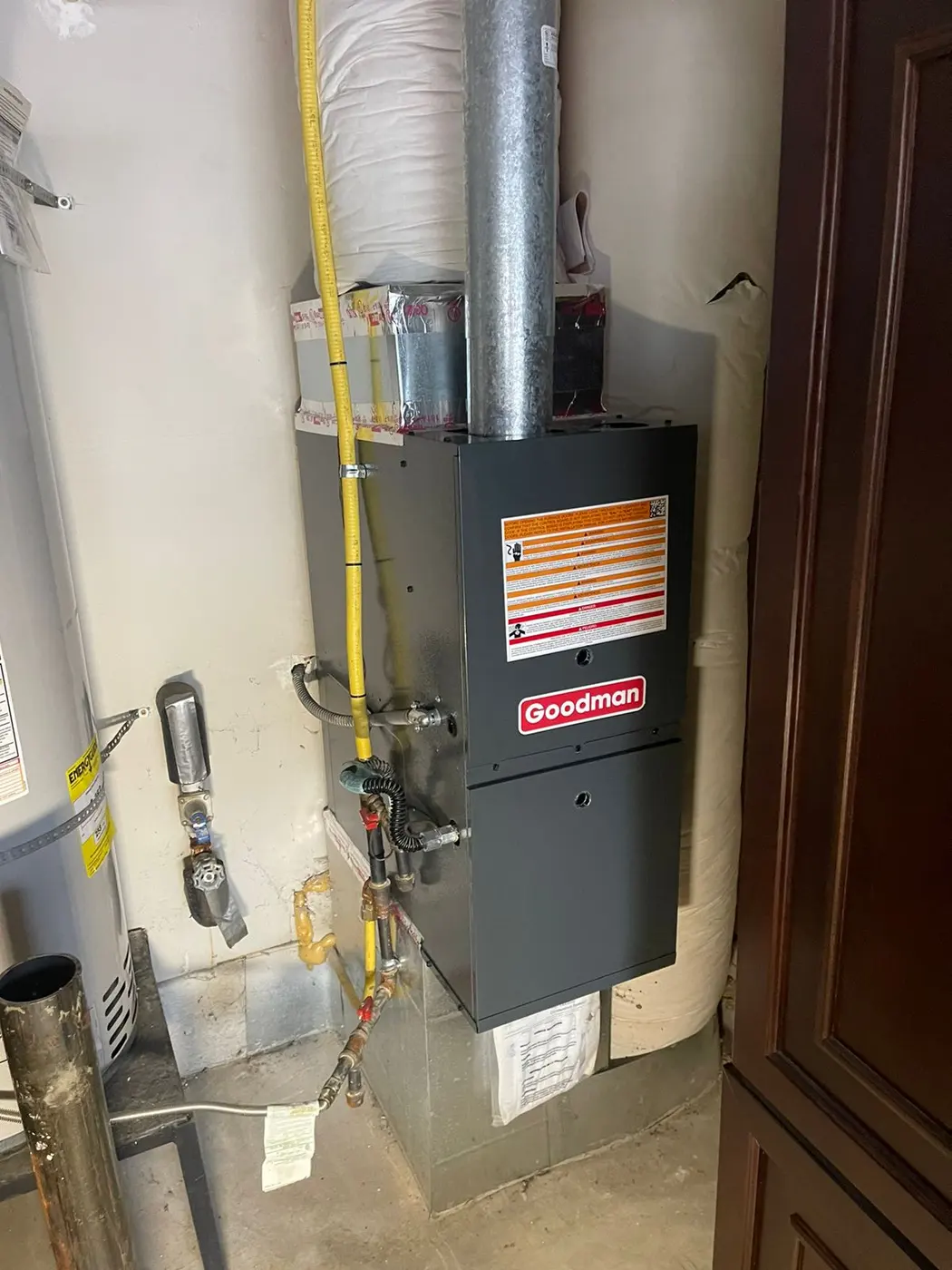
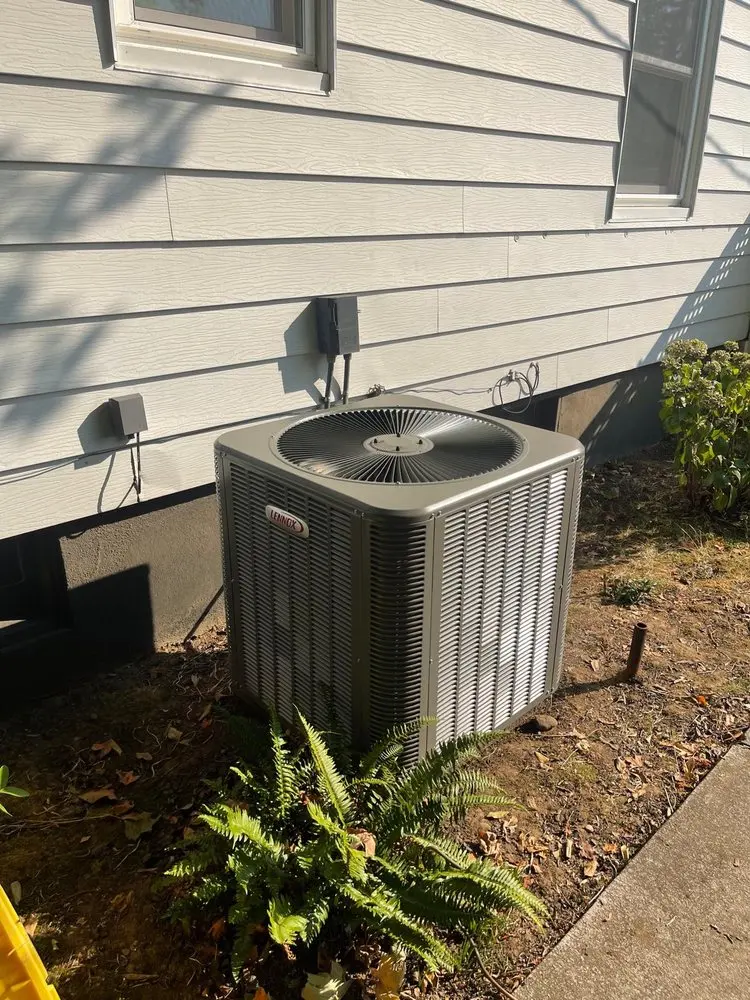
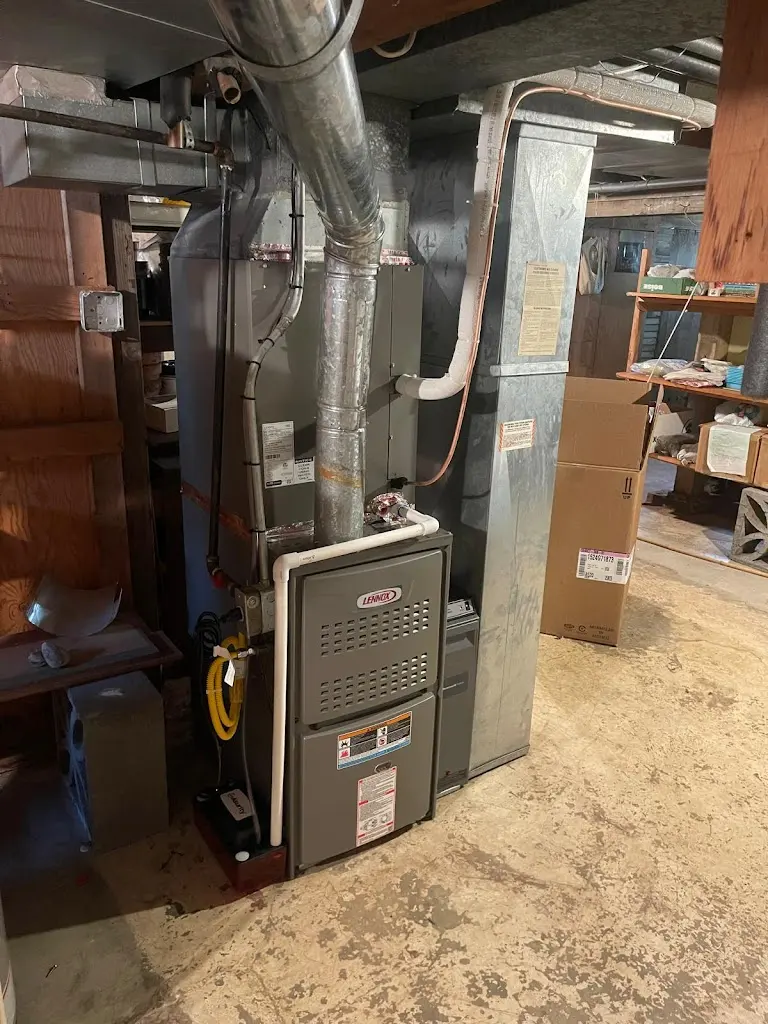
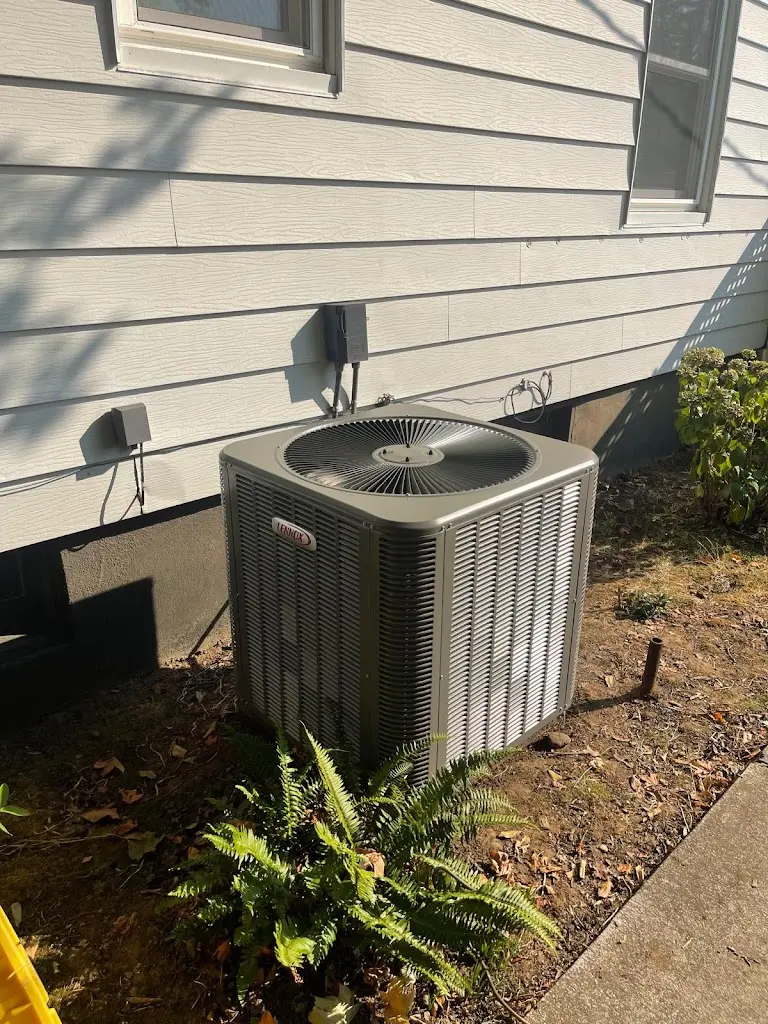
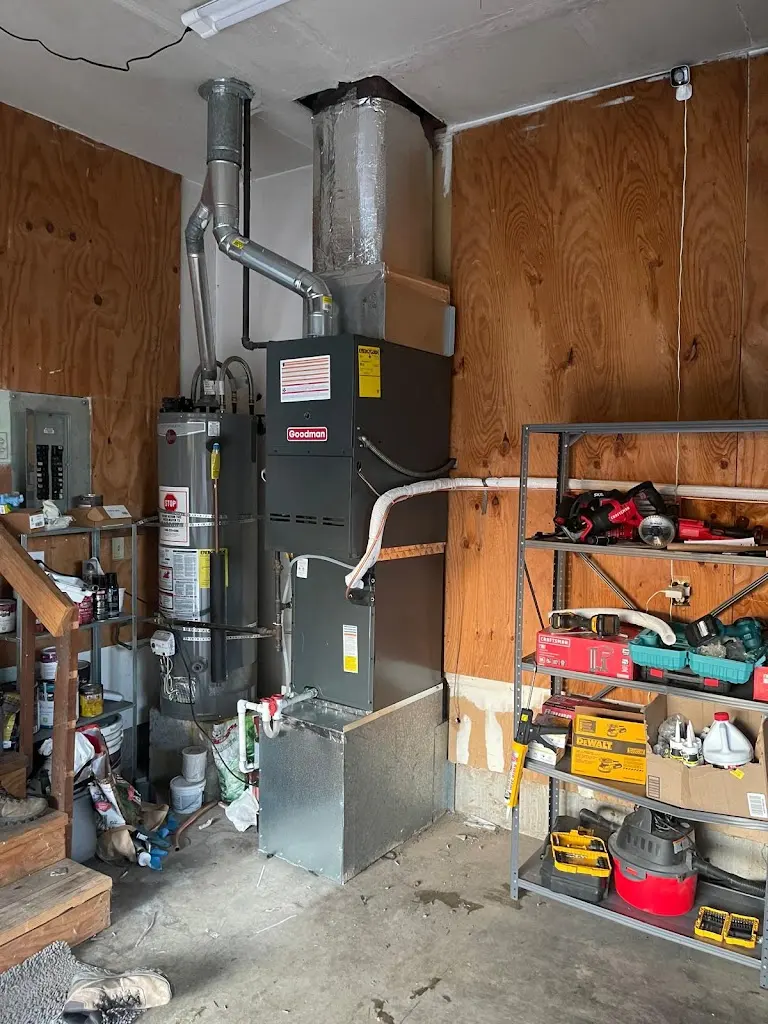
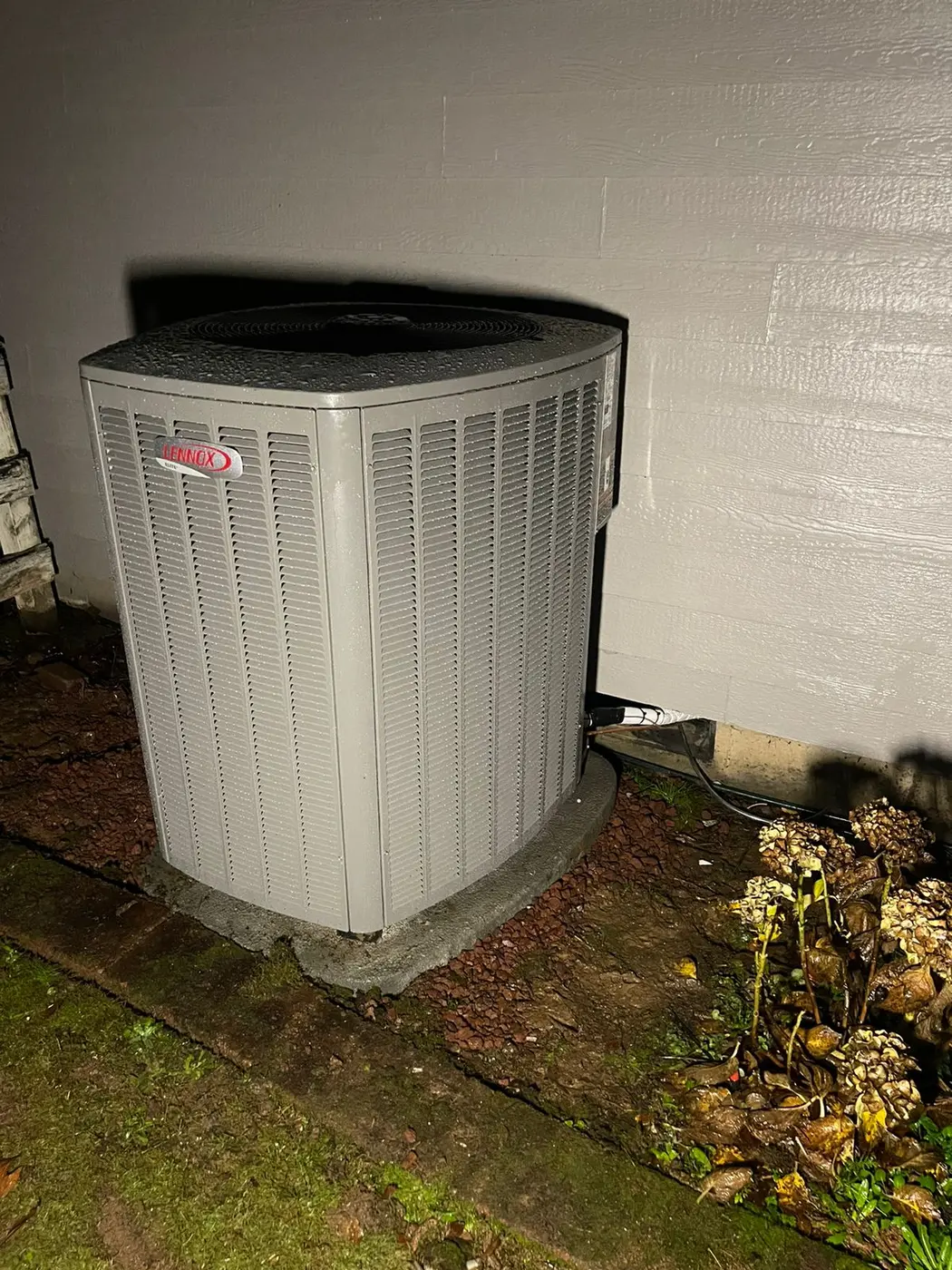
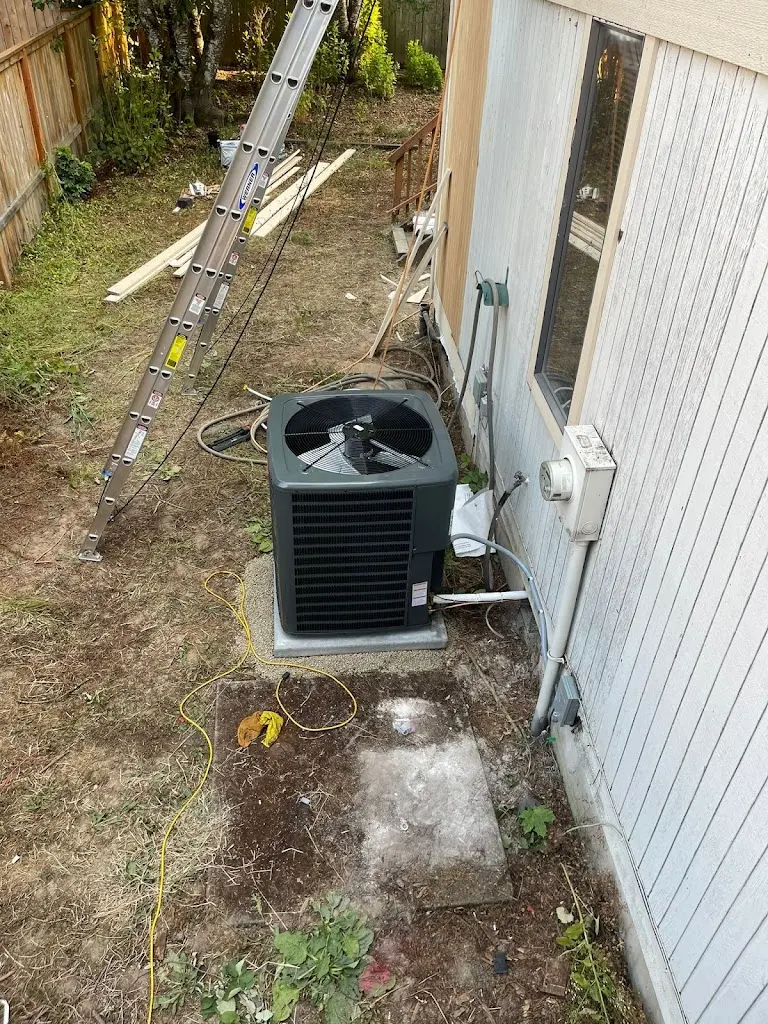
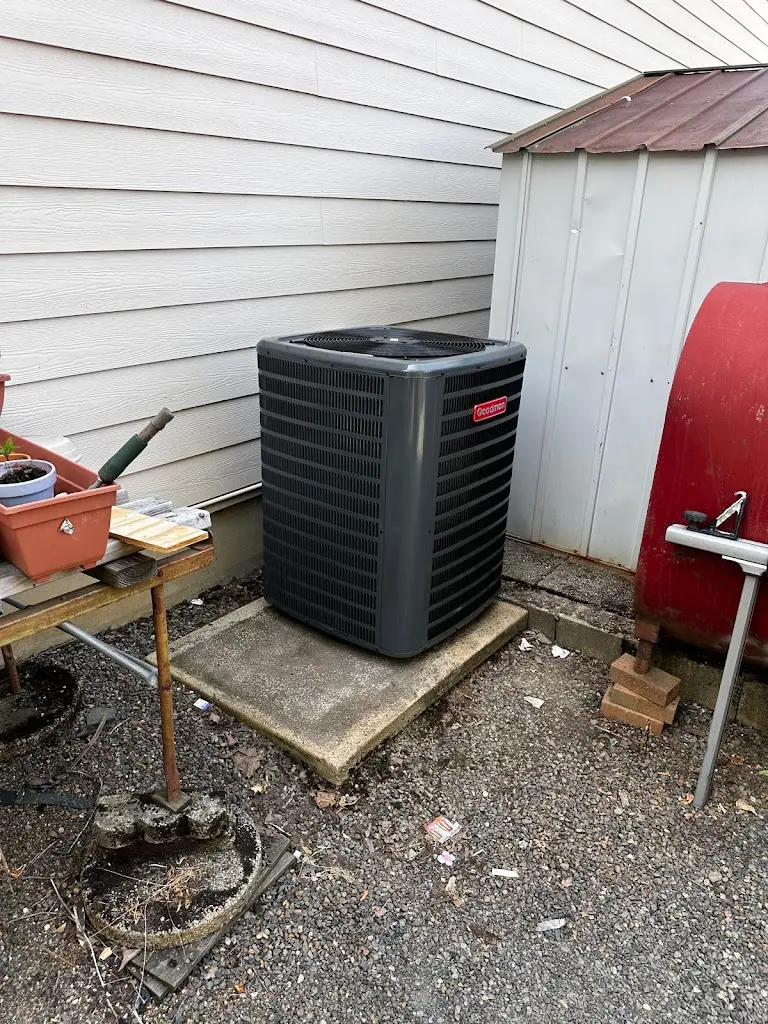
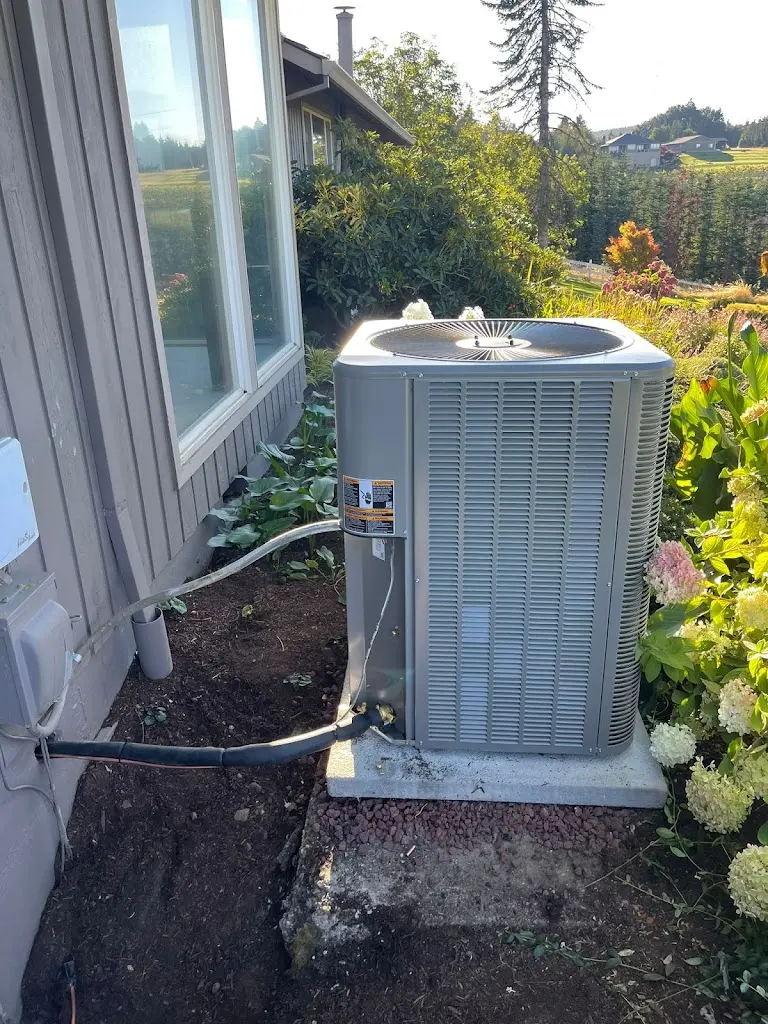
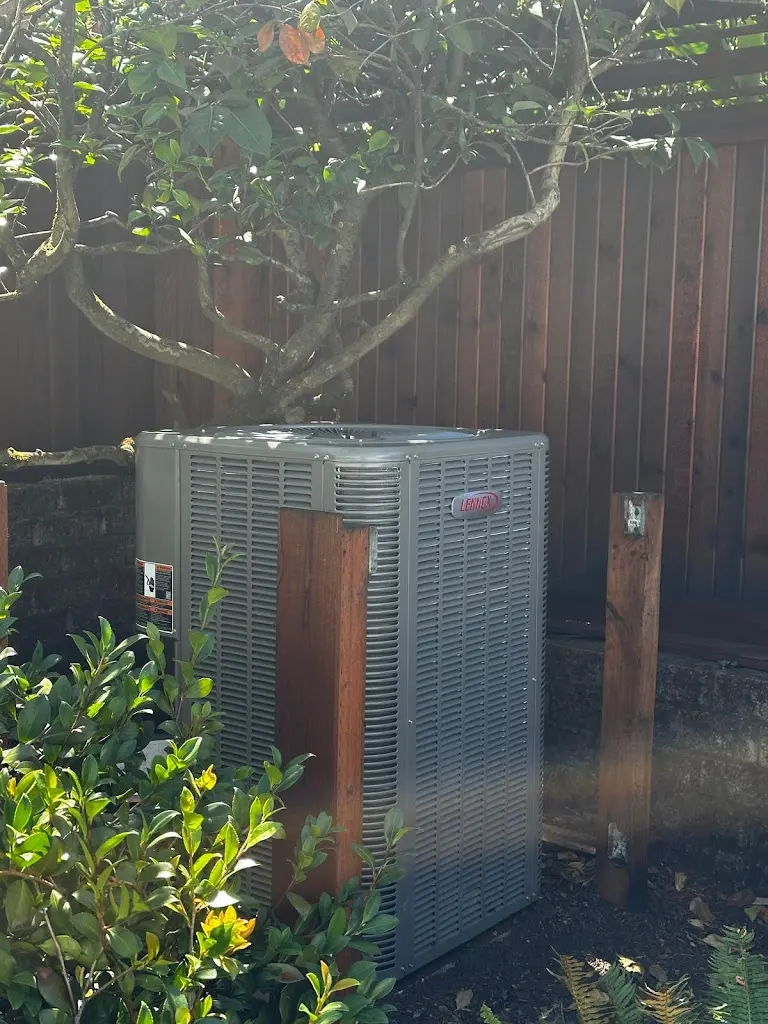
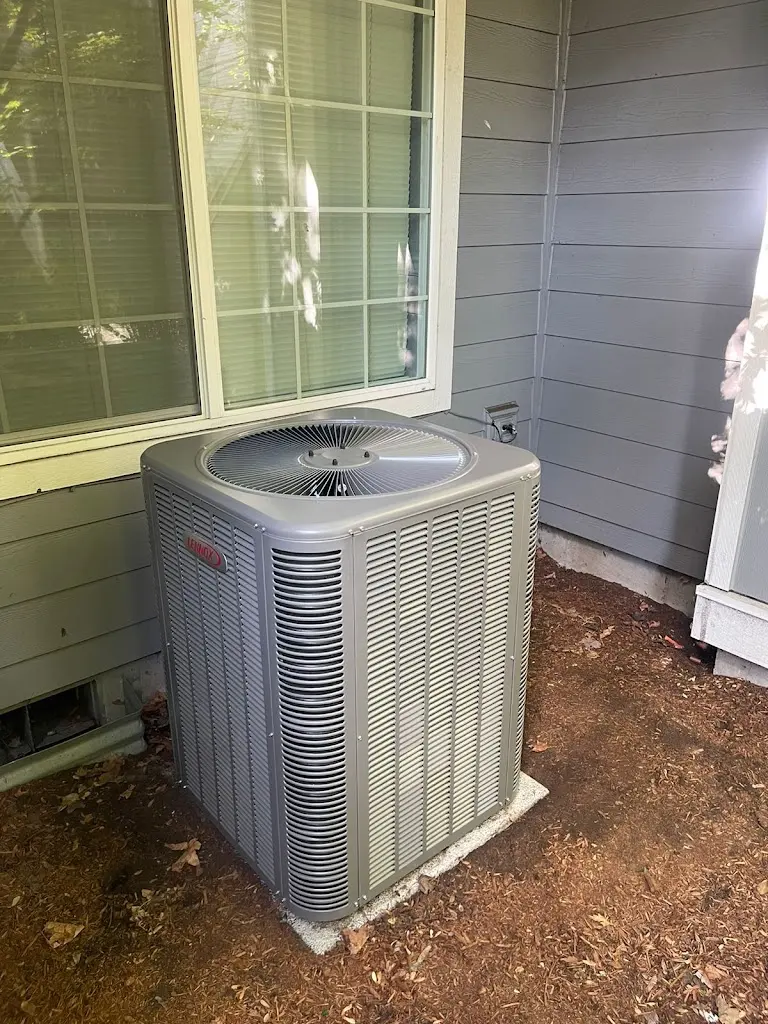
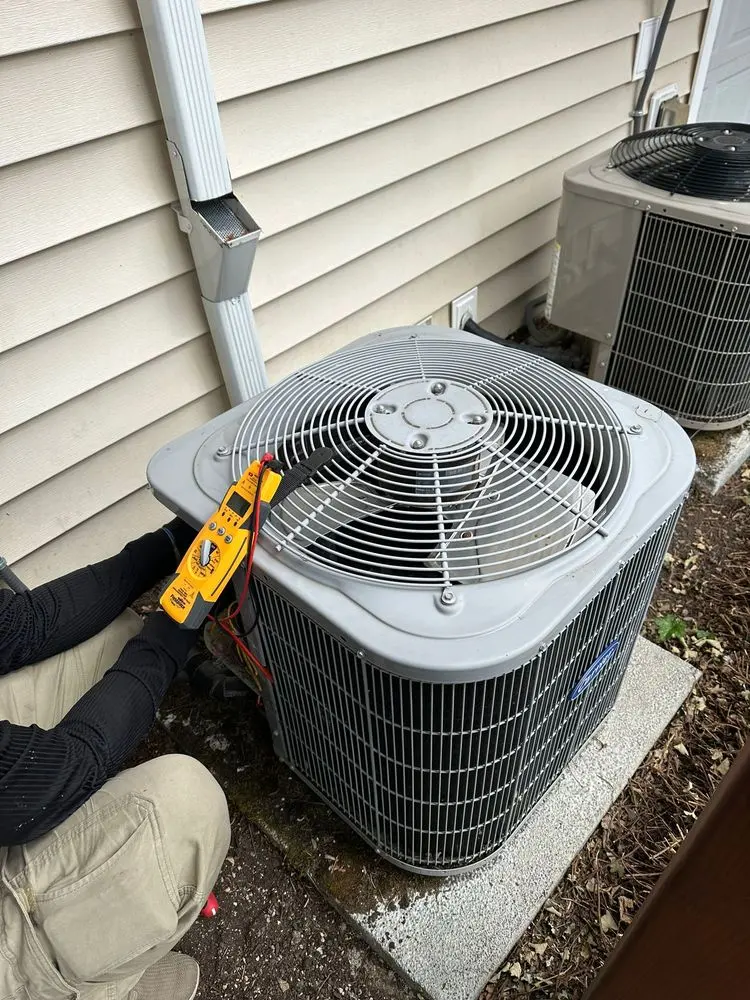
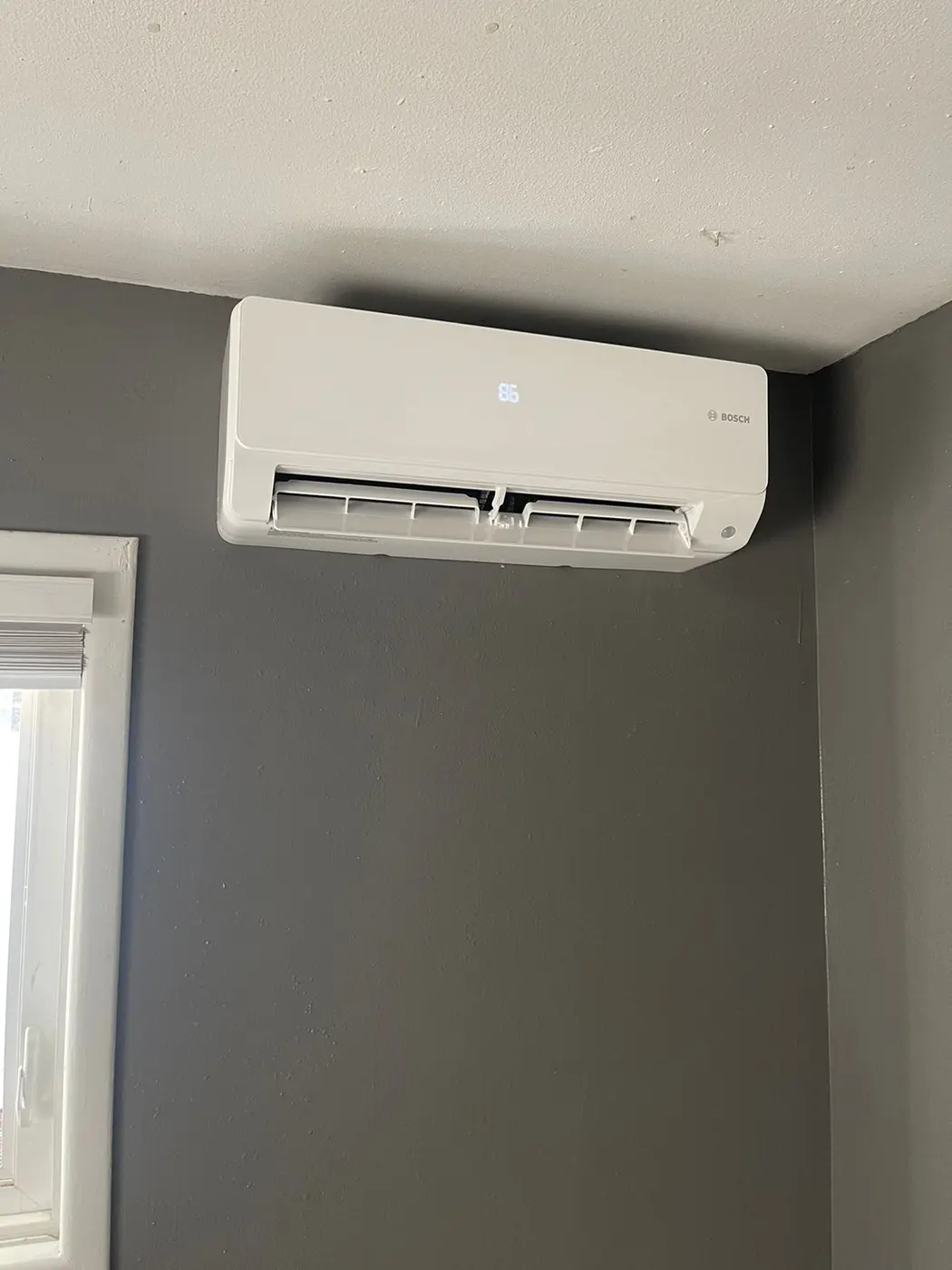
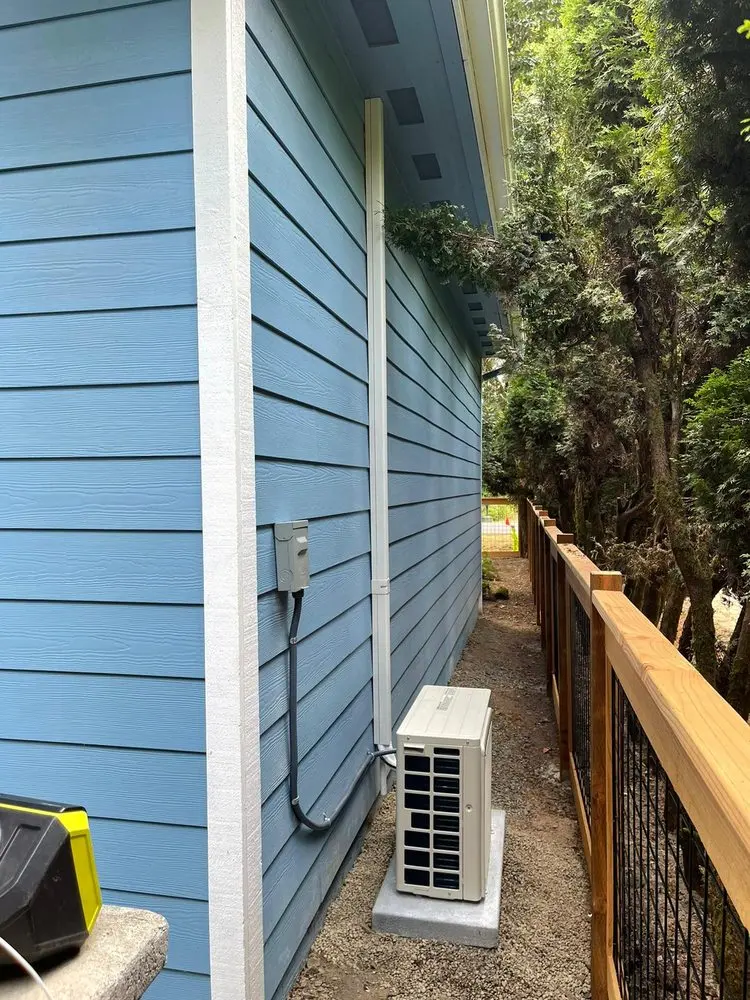
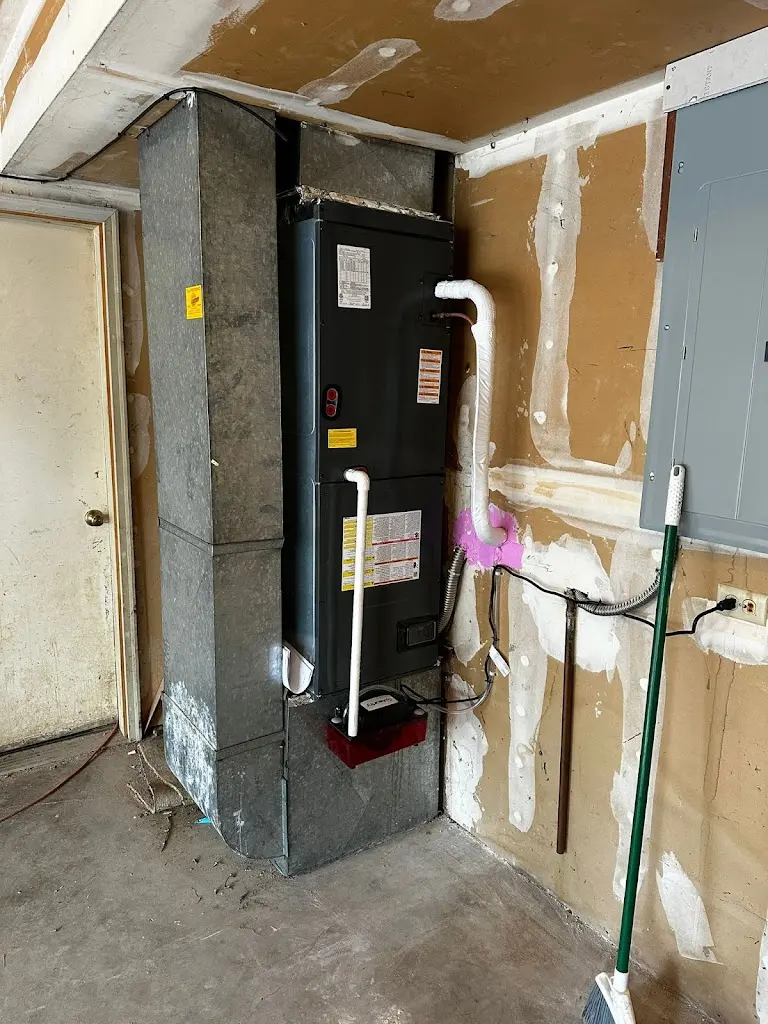
Send photos of the current furnace, air handler, outdoor equipment, thermostat, tight exterior routes, rooms that need quiet comfort and any remodel, office or finished-space details that changed how the home is used.
Those details help prepare Reed HVAC installation options around quiet operation, compact access, staged work, airflow and whether one component or a broader comfort plan makes better sense.
A Reed HVAC installation estimate example
A Reed homeowner may need a quiet comfort plan for an upper bedroom, office or finished room while also deciding whether older HVAC equipment should be replaced in stages.
The estimate should show which equipment path solves the current comfort issue and which upgrades can wait.
- Review quiet rooms, upstairs spaces, older ducts, compact exterior routes and staged comfort goals.
- Confirm return air, duct delivery, venting or electrical readiness, line routing and outdoor sound.
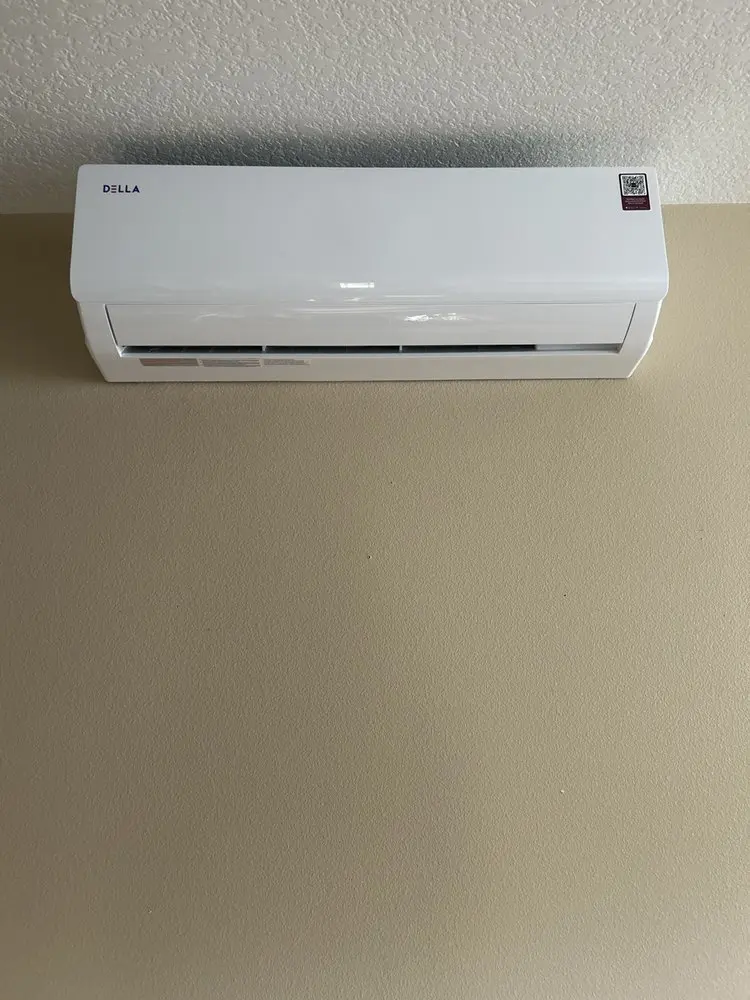
- Compare AC, furnace, heat pump, mini split support or matched-system options only when they fit the home.
- Separate required access and compatibility work from optional quiet-comfort or efficiency upgrades.
How to choose the Reed HVAC installation path
A strong Reed proposal should keep the HVAC decision tied to the property. After ducts, return air, access, sound, venting or electrical scope and current equipment are reviewed, the homeowner can compare a focused replacement, staged upgrade or matched-system plan without guessing from a broad HVAC keyword.
- Review quiet rooms, upstairs spaces, older ducts, compact exterior routes and staged comfort goals.
- Confirm return air, duct delivery, venting or electrical readiness, line routing and outdoor sound.
- Compare AC, furnace, heat pump, mini split support or matched-system options only when they fit the home.
- Separate required access and compatibility work from optional quiet-comfort or efficiency upgrades.
What the free estimator visit checks
- Current heating and cooling equipment, age, brand, size and visible installation condition.
- Ductwork, airflow, return air, thermostat setup and rooms with uneven comfort.
- Outdoor unit placement, indoor equipment access, electrical, venting and line-set conditions.
- Whether the project should include AC, furnace, heat pump, mini-split or full system replacement.
- Permit, warranty, financing and rebate details that may change the final proposal.
Proposal details for HVAC installation
A strong HVAC installation proposal in Reed, OR should connect the equipment recommendation to the home details the estimator actually verifies. That includes comfort complaints, access, compatibility, efficiency goals, warranty expectations and any scope items that could affect installation day.
- Confirm the existing setup before selecting equipment.
- Compare practical options instead of treating the first quote as the only path.
- Explain the final scope, schedule and warranty clearly before the homeowner decides.
What makes this HVAC installation request stronger
The strongest HVAC installation request in Reed, OR includes the reason for the project, what the current system is doing poorly, how soon the homeowner wants the work completed and whether comfort, efficiency, noise or reliability is the main goal.
- Name the rooms that are uncomfortable and when the problem shows up.
- Share equipment age, brand, recent repairs and whether the system still runs.
- Mention access notes such as attic, crawlspace, garage, side yard, roof or tight closet placement.
How we compare HVAC installation options
A useful installation proposal should explain more than a model number. For HVAC installation, homeowners should understand the difference between a basic replacement, a higher-efficiency option, a quieter comfort upgrade and a premium system with stronger features. The estimator visit gives the team enough information to compare Good / Better / Best options in a way that fits the property.
That comparison matters when the existing system is undersized, noisy, short cycling, paired with older ducts or connected to equipment that may need replacement soon. In those cases, the lowest equipment price is not always the best project path. A clean proposal should show what is included, what may change the scope and what the homeowner can expect before installation starts.
How the estimate turns HVAC installation cost into a proposal
Cost becomes useful when it is tied to the property. For HVAC installation, the estimator reviews the conditions that affect labor, compatibility and schedule, especially access, electrical work, line-set routing, permits or equipment compatibility.
- Equipment size, efficiency level and brand.
- Indoor equipment compatibility and whether a furnace, air handler or coil should be changed at the same time.
- Outdoor placement, line sets, electrical work, venting, permits and access conditions.
- Ductwork, airflow, thermostat setup, zoning and room-by-room comfort concerns.
- Warranty, financing, rebate questions and the installation timeline the homeowner needs.
Why the Reed, OR address matters
In Reed, OR, older homes, finished spaces, side-yard limits and retrofit history can change the HVAC installation scope. Address-level details can change scheduling, equipment access, staging, permit questions and what the team should verify during the free estimator visit.
For HVAC installation, the goal is to match the recommendation to the property. The homeowner should know what is included, what can change, and which option is the most practical next step.
Reed HVAC installation for quiet rooms, compact access and future comfort planning
Reed HVAC installation should review quiet study rooms, upper bedrooms, compact exterior routes, older ducts and whether heating, cooling or a matched system should be planned together.
The estimator should verify access, return air, electrical or venting readiness, outdoor sound and whether the project should be staged around the most important comfort problem.
A useful Reed proposal should compare practical HVAC paths around daily room use, not just equipment category.
- Review quiet rooms, upper bedrooms, compact access, ducts and comfort priority.
- Confirm return air, electrical or venting readiness, outdoor placement and service clearance.
- Compare staged HVAC, single-component and matched-system paths when relevant.
- Keep required scope separate from optional comfort upgrades.
Reed neighborhood installation planning notes
In Reed, installation planning can be shaped by older duct runs, finished basements, compact mechanical spaces, remodel history and limited exterior access. The free estimator visit helps connect HVAC installation with those property details before the proposal is written.
- Check equipment location, access path, duct condition and any finished-space constraints.
- Review noise, comfort and airflow issues that may not show up from square footage alone.
- Build a recommendation that fits the home instead of treating every Portland neighborhood the same.
Reed property details that can affect the estimate
For HVAC installation in Reed, the estimate often needs a closer look at older mechanical spaces, remodel history, side-yard clearance, finished basements and how much disruption the homeowner wants to avoid during installation.
- Review older duct runs, compact equipment closets and finished-space access before selecting equipment.
- Check noise, outdoor placement and service clearance when the home sits close to neighboring properties.
- Confirm whether comfort issues are caused by equipment age, airflow limits or past retrofit choices.
- The proposal should make equipment compatibility, scope and scheduling clear before approval.
- The estimate should decide whether partial replacement or full system replacement is the better value.
HVAC Installation estimate notes for Reed, OR
Reed-area homes often need planning around older ductwork, compact exterior spaces, finished rooms and comfort needs that vary between shaded and sun-exposed areas. For full HVAC planning, duct condition, access, controls, equipment compatibility and project timing should be checked before options are compared.
- Confirm indoor coil fit, return air and older duct performance before pricing.
- Review outdoor placement and line routing so the finished work stays clean.
- Compare comfort upgrades when bedrooms, offices or upper rooms are the main concern.
- The goal is to compare HVAC installation options that fit the home, schedule and budget before the project is approved.
Related installation pages
- HVAC Installation – review full heating and cooling installation paths.
- AC Installation – compare central AC installation options.
- Furnace Installation – review furnace replacement options.
- Heat Pump Installation – compare heat pump system options.
HVAC Installation questions
Is the estimator visit free?
Yes. The estimator visit is free for HVAC installation projects in the Portland Metro service area. It helps confirm equipment size, access, scope and options before a proposal is prepared.
Can I get more than one option?
Yes. We can compare practical options so you can choose the balance of price, efficiency, warranty, quiet operation and comfort that fits the home.
What can change the HVAC installation price?
The final price can change with equipment size, efficiency, access, electrical or venting work, line sets, duct changes, permits and whether the heating and cooling system is part of a larger heating and cooling upgrade.
When should I call instead of using the form?
(503) 512-5900 is best when timing is urgent. Use the form when you can send details and prefer a follow-up to schedule the free estimator visit.