
HVAC Repair in Vancouver, WA with local diagnostic context
HVAC Repair in Vancouver, WA is for homes, offices, restaurants, retail spaces and light commercial buildings across Vancouver when the issue needs a focused local page rather than a broad service directory. The goal is to restore heating, cooling, airflow and control before comfort problems become larger equipment failures.
Local routing can be affected by bridge traffic, parking, roof access, tenant rules and Washington service routing. A useful request includes the equipment type, brand or model when visible, symptom history, access notes and how urgent the decision is.
Equipment and conditions we evaluate
The service visit starts with the actual behavior onsite. Similar symptoms can come from controls, airflow, heat, cooling, water, drains, seals, installation access or age-related wear.
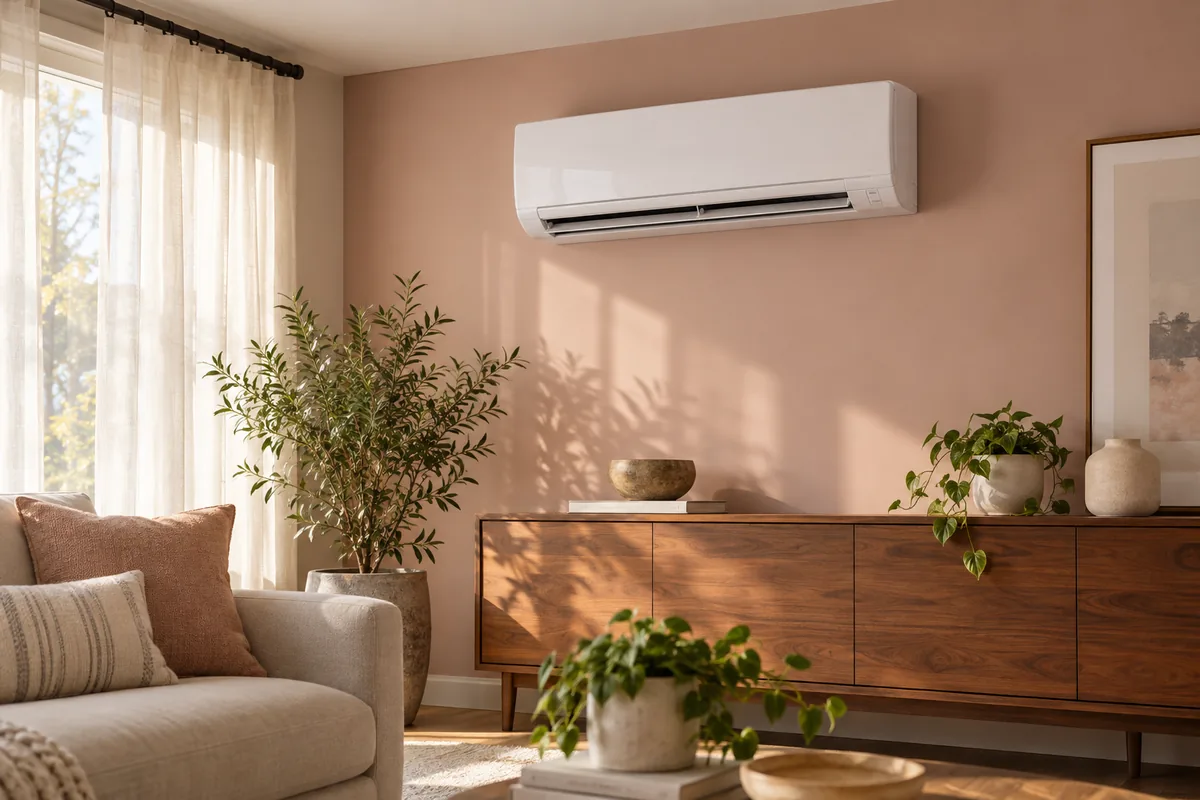
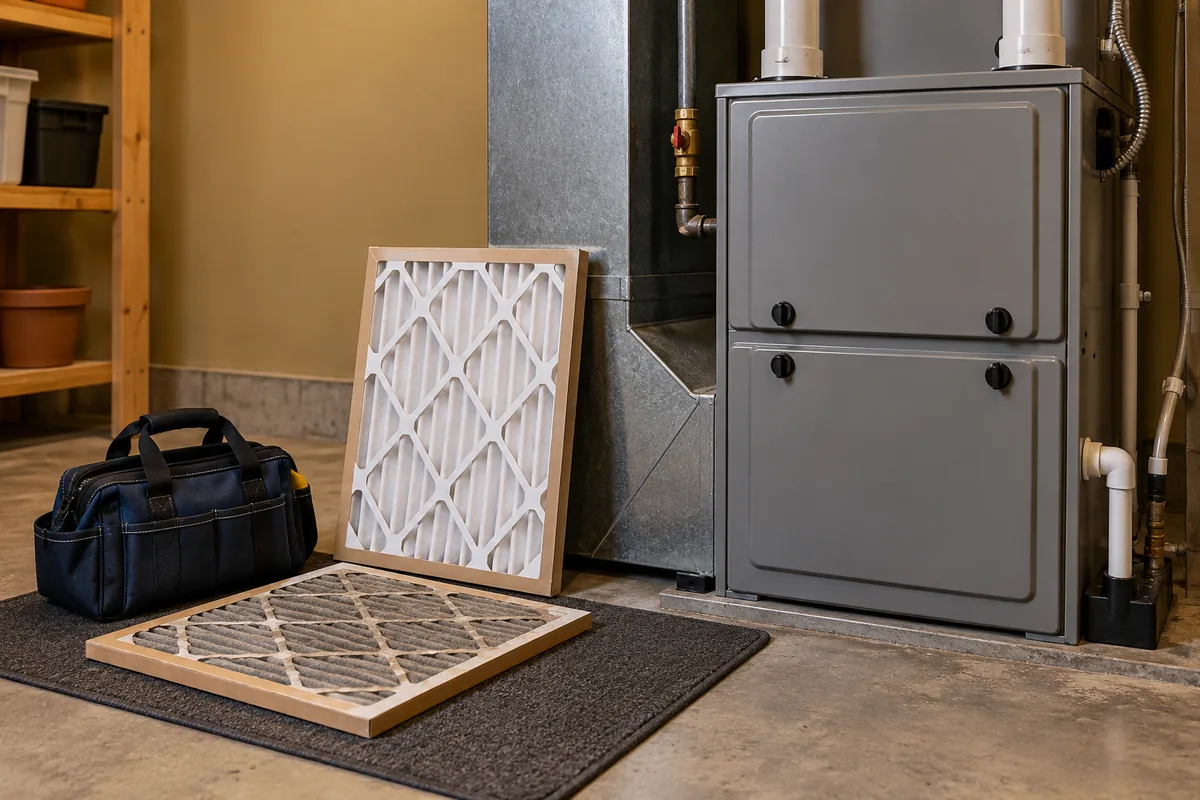
- air conditioners, furnaces and heat pumps
- thermostats, sensors, controls and low-voltage wiring
- blower motors, capacitors, contactors and relays
- coils, drains, filters and airflow paths
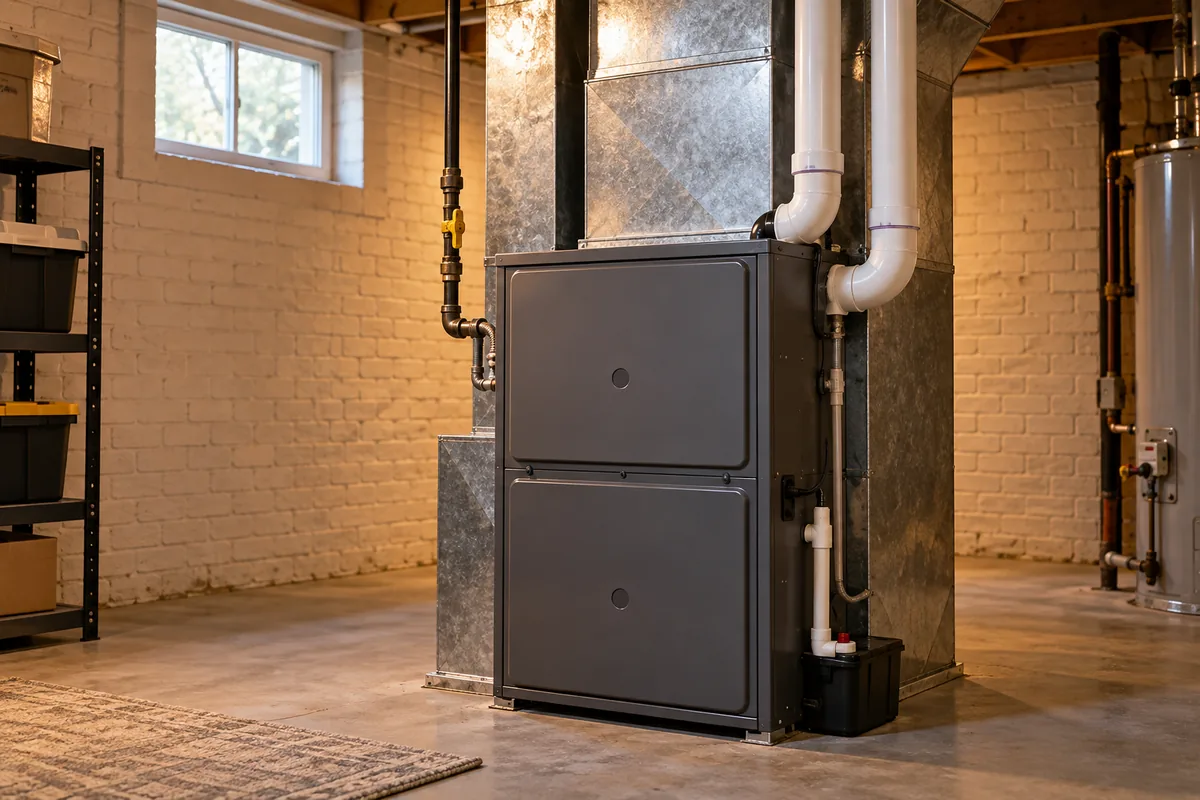
- ignition, burners, safeties and furnace components
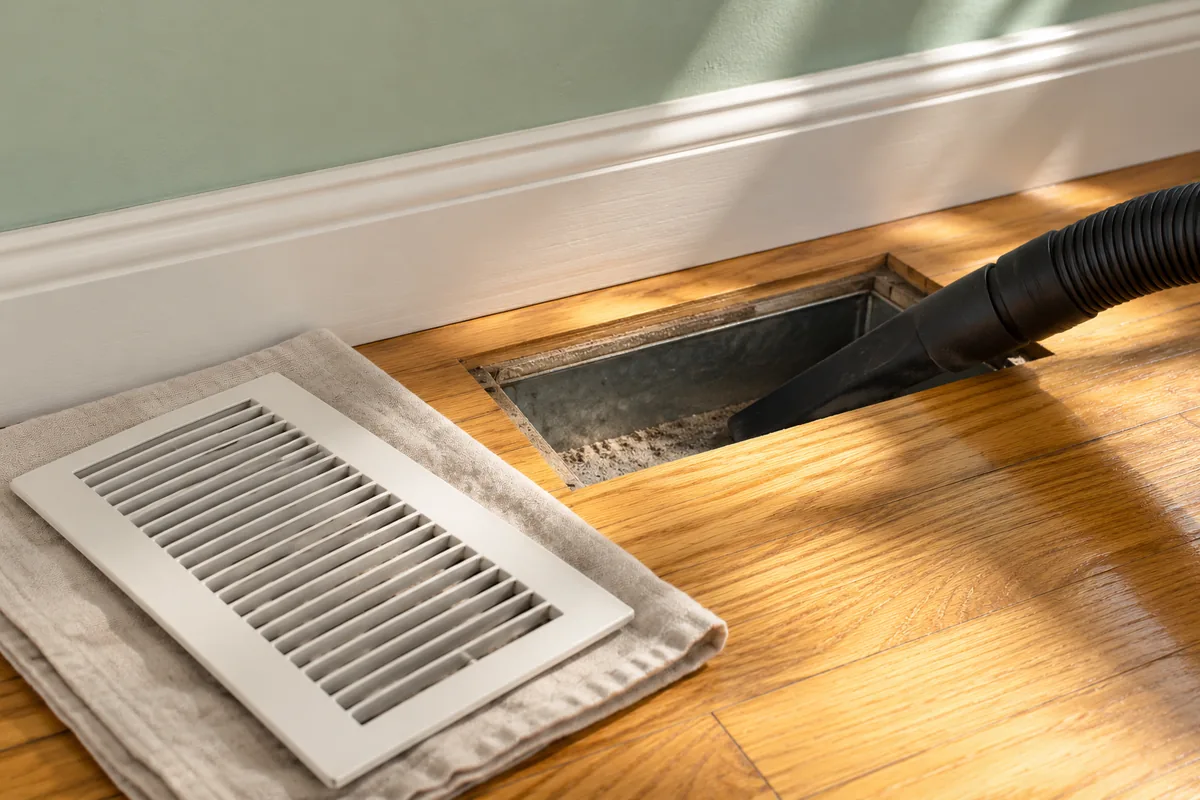
- duct connections, returns, registers and visible access issues
Common reasons to request this service
These symptoms help separate a repairable failure from a maintenance issue, installation concern or replacement decision. Clear symptom details help avoid a vague service request.
- no heat, no cooling or weak airflow
- short cycling, breaker trips or repeated resets
- uneven room temperatures or thermostat mismatch
- noise, vibration, odors or water near the system
- ice on coils or poor heat pump defrost
- system age makes repair-versus-replacement unclear
How the visit is approached
For Vancouver, WA, routing commonly includes Downtown Vancouver, Uptown Village, Cascade Park, Hazel Dell and Fisher's Landing. The technician checks visible condition, operating behavior and the most likely component groups before explaining next steps.
- Confirm equipment type, symptom timing, access and urgency.
- Inspect visible condition, safety concerns and operating behavior.
- Explain whether repair, maintenance, replacement planning or further parts review is most practical.
- Give clear next steps before approved work begins.
What can change the recommendation
The same request can lead to different next steps depending on age, access, condition and how often the issue has returned. A newer unit with one clear failed part may be a straightforward repair, while older equipment with repeat symptoms, poor installation access or multiple weak components may deserve a broader conversation.
- Age, service history and whether the problem has happened before.
- Parts availability, access difficulty and how much disassembly is needed.
- Safety, water, temperature, airflow, food storage or comfort risk.
- Whether maintenance can correct the issue or only delay a larger failure.
- Whether replacement planning is more practical than repeated short-term repairs.
Local service intent in Vancouver, WA
This page is written for a local searcher who already knows the category of help they need. For Vancouver, WA, the practical details often include arrival window, parking, property access, tenant or manager coordination, equipment location and how urgent the issue is. These details help make the request more specific than a broad “repair near me” search.
For appliance pages, useful context includes the brand, model, water or temperature risk, leak history and whether the appliance is still usable. For HVAC pages, useful context includes system type, thermostat behavior, airflow, fault codes, outdoor unit condition and whether heating or cooling is still partially working.
Before approving work
The purpose of the visit is not only to find a failed part. It is also to explain the practical path: what can be corrected now, what may return, what depends on parts, and when a replacement or installation conversation is more realistic. That keeps the decision tied to the actual equipment instead of a generic service label.
Related local pages
These pages connect this intent to the closest service categories in the same city.
- AC Repair in Vancouver, WA
- Furnace Repair in Vancouver, WA
- Heat Pump Repair in Vancouver, WA
- AC Maintenance in Vancouver, WA
- Furnace Maintenance in Vancouver, WA
Nearby city pages
These city pages keep the service organized under the service-first URL structure.
- HVAC Repair in Portland, OR
- HVAC Repair in Beaverton, OR
- HVAC Repair in Lake Oswego, OR
- HVAC Repair in Tigard, OR
- HVAC Repair in Hillsboro, OR
- HVAC Repair in West Linn, OR
- HVAC Repair in Happy Valley, OR
- HVAC Repair in Gresham, OR
- HVAC Repair in Oregon City, OR
- HVAC Repair in Milwaukie, OR
- HVAC Repair in Tualatin, OR
- HVAC Repair in Wilsonville, OR
- HVAC Repair in Sherwood, OR
- HVAC Repair in Camas, WA
- HVAC Repair in Washougal, WA
HVAC Repair FAQ
What details help before scheduling?
Share the equipment type, model if visible, the exact symptom, when it started, and whether the system or appliance is still usable.
Is this always a repair visit?
Not always. Some calls become maintenance, adjustment, replacement planning or parts-review decisions after diagnosis.
Can urgent issues be prioritized?
Urgency depends on schedule, access, safety, temperature risk, water risk and whether the equipment is still usable. Clear details help triage the request.
Will I get options before work begins?
Yes. The technician explains the practical repair path, concerns and replacement signals before approved work begins.
Local hvac repair priorities in Vancouver, WA
Vancouver service requests can involve older neighborhoods, newer subdivisions, rentals and light commercial spaces, with cross-river routing and access details affecting the schedule. For hvac repair, that local context matters because the same customer complaint can come from equipment failure, airflow limits, controls, access conditions or a system that is reaching the end of its useful life.
A broad HVAC repair call should connect the symptom to the right side of the system instead of treating heating, cooling, airflow and controls as separate guesses. In Vancouver WA, useful scheduling details include the age of the system, whether the issue is constant or intermittent, what rooms or zones are affected and whether heating or cooling is still partially available.
What we look at first on a Vancouver visit
systems may show different symptoms during wet shoulder seasons, cold snaps or warm Columbia River corridor afternoons, especially when airflow or auxiliary heat is involved. The visit should document the symptom under real operating conditions, then connect it to the component groups that can actually explain it.
- thermostat programming, control wiring, zone operation and equipment response
- airflow at returns and supplies, filter condition, blower operation and duct restrictions
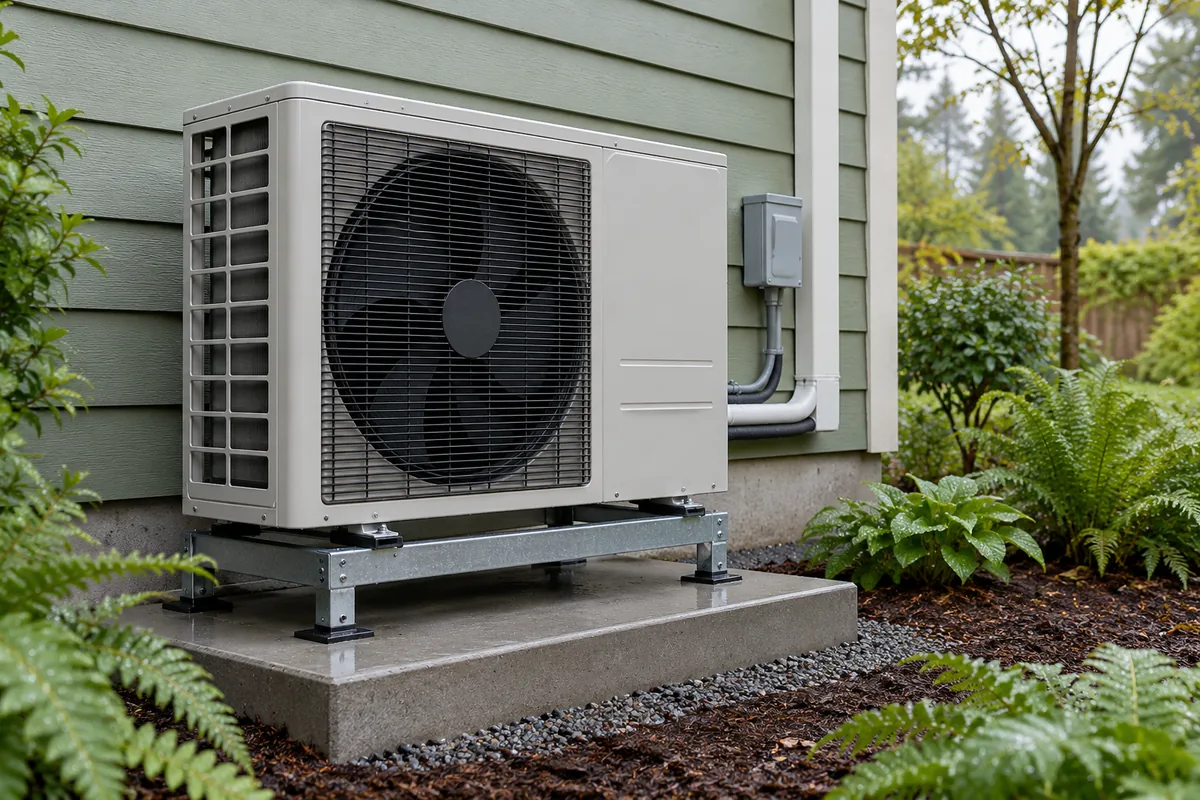
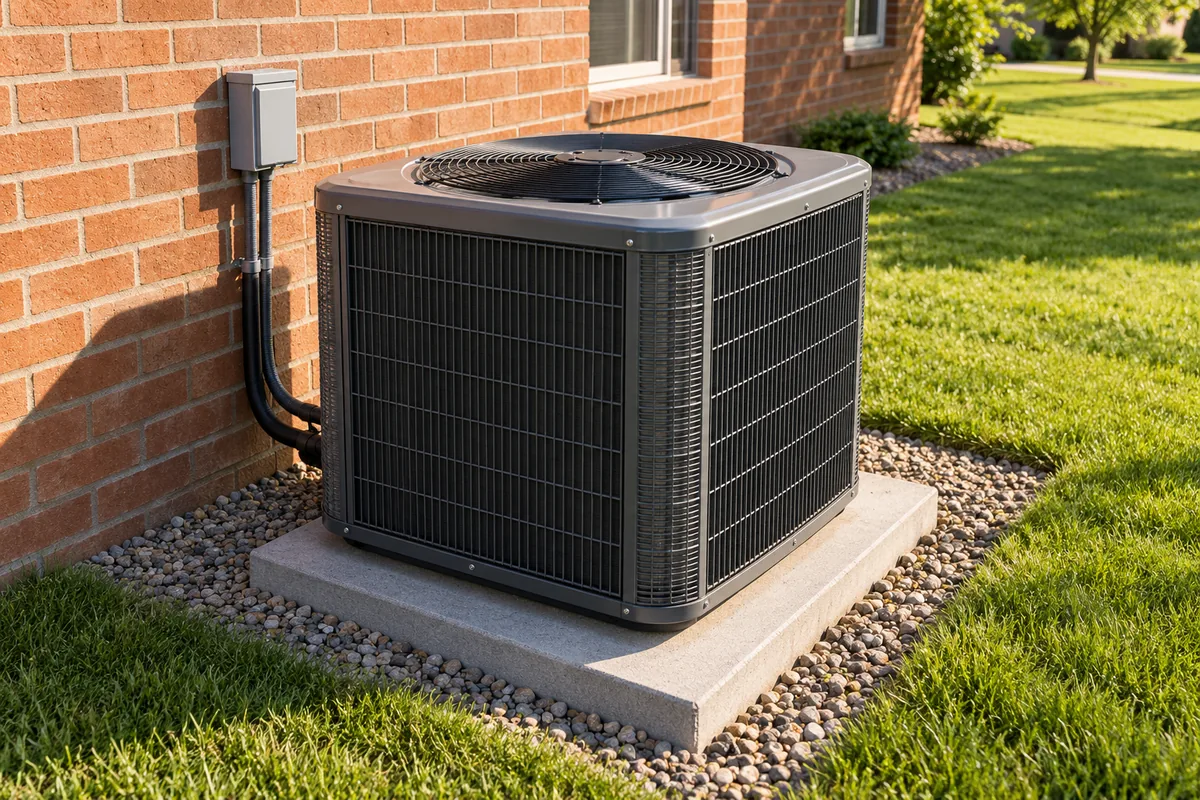
- outdoor unit operation, indoor coil behavior, refrigerant-side symptoms and condensate drainage
- furnace or air handler startup sequence, safeties, burners or auxiliary heat where applicable
- system age, repair history, comfort complaints and whether the issue affects one room, one level or the whole property
Access and planning notes for Vancouver, WA
Share whether the equipment is in a garage, attic, crawl space, roof area or side yard, and mention bridge timing or business-hour restrictions when relevant. These details help the technician arrive prepared and reduce the chance that the appointment has to be rescheduled because equipment, parking or building access was unclear.
Service planning commonly includes Downtown Vancouver, Hazel Dell, Salmon Creek, Cascade Park, Fisher's Landing and nearby Clark County neighborhoods. Exact timing still depends on route availability, part needs, property access and whether the call is urgent or preventive.
Repair, maintenance or replacement decision points
Repair is strongest when the failure is a defined part, control or airflow issue. Replacement planning becomes more important when heating and cooling both struggle, major components are aging, or the duct and equipment combination no longer supports the building. The recommendation should be based on measured findings, age, condition, safety, comfort impact and expected reliability rather than a generic answer.
Vancouver HVAC repair for cross-season system problems
Vancouver HVAC repair often starts when a customer is unsure whether to call for the furnace, AC, heat pump or thermostat. That uncertainty is normal when the same blower, ducts, controls and safeties affect both heating and cooling.
The visit should identify the equipment combination first, then test the mode that is failing. In Clark County homes and businesses, cross-river routing, garage equipment and tenant or business access can make preparation especially useful.
- The thermostat display looks normal but neither heating nor cooling responds reliably.
- Airflow is weak in both modes, suggesting blower, filter, duct or control issues.
- A heat pump and furnace combination needs staging or backup heat checked.
- The property has business-hour access limits or equipment in a locked area.
For Vancouver HVAC repair, the page should answer broad system-failure searches and guide the user toward the right diagnostic visit.
HVAC Repair in Vancouver, WA FAQ
What information helps an HVAC repair visit?
Share the system type, what mode fails, thermostat behavior, noises, error codes, rooms affected, equipment age and any recent filter, remodel or electrical work.
Can one HVAC issue affect both heating and cooling?
Yes. Airflow, thermostat, control wiring, blower and duct problems can affect both modes, so the visit should test the system as a connected setup.
When should repair turn into replacement planning?
Start comparing replacement when repairs repeat, major components are failing, efficiency is poor, comfort remains uneven or parts availability makes the next repair risky.