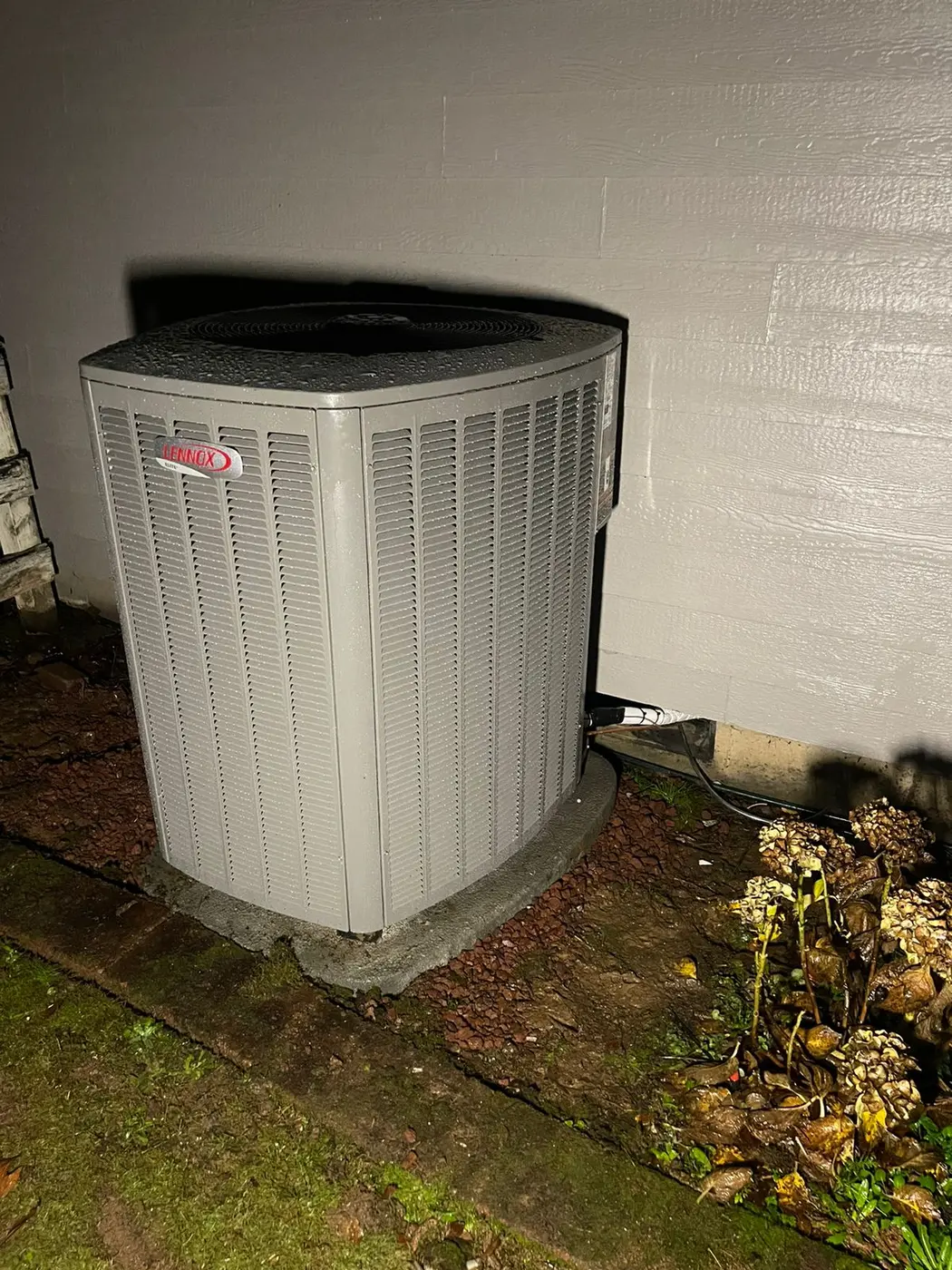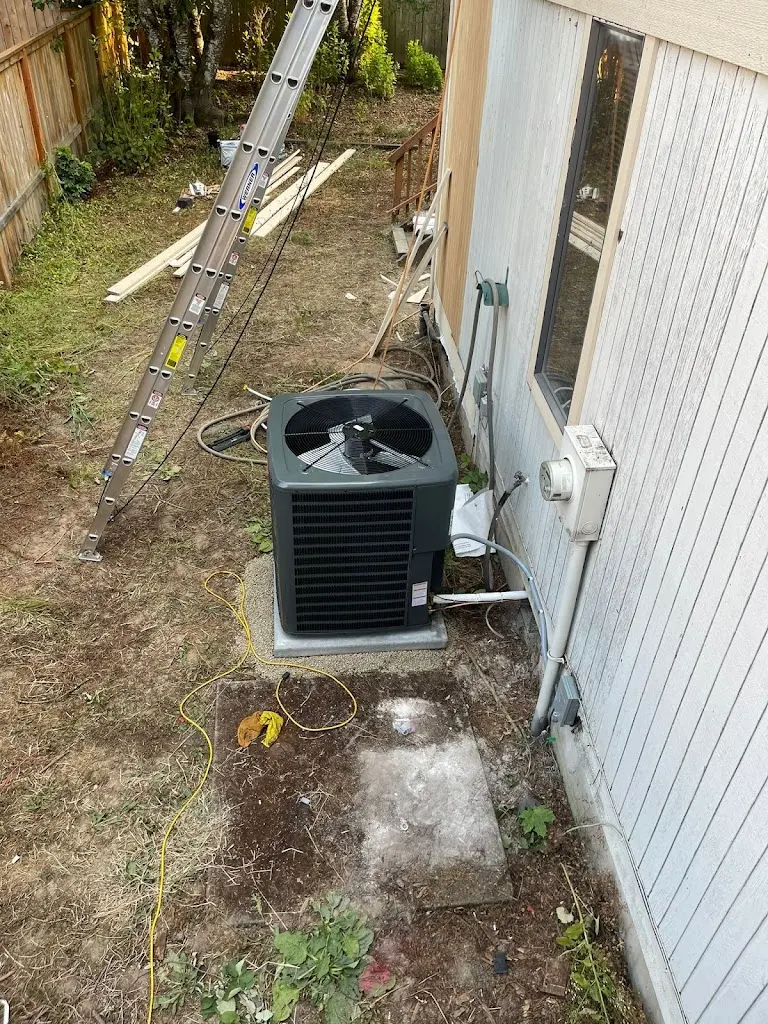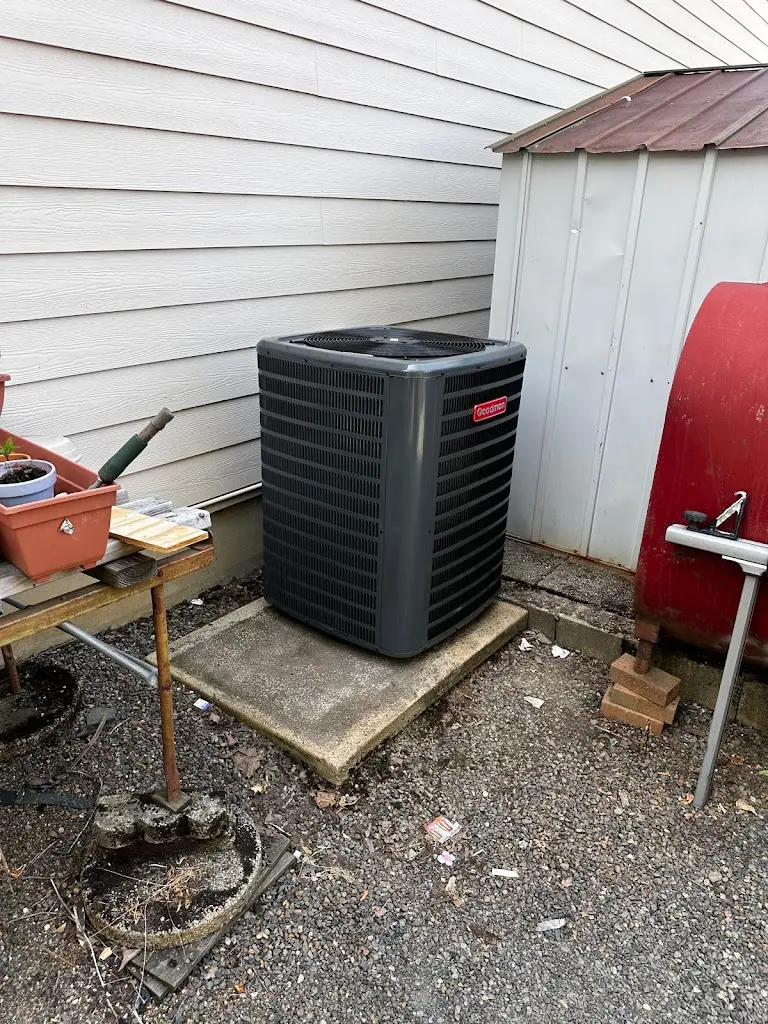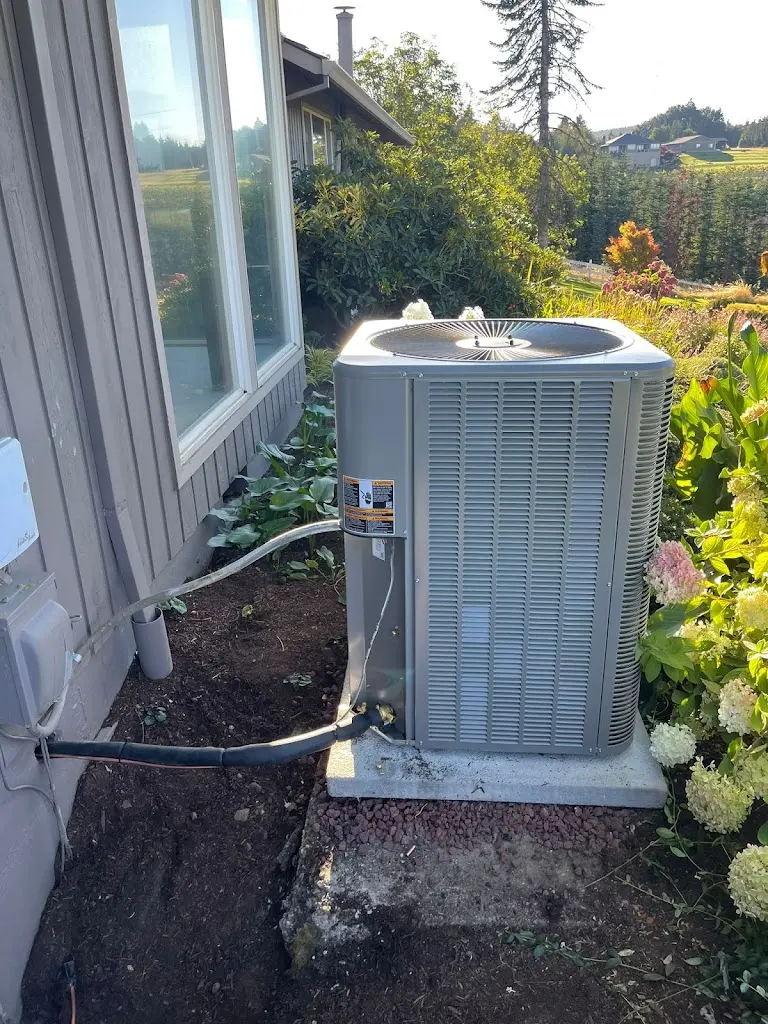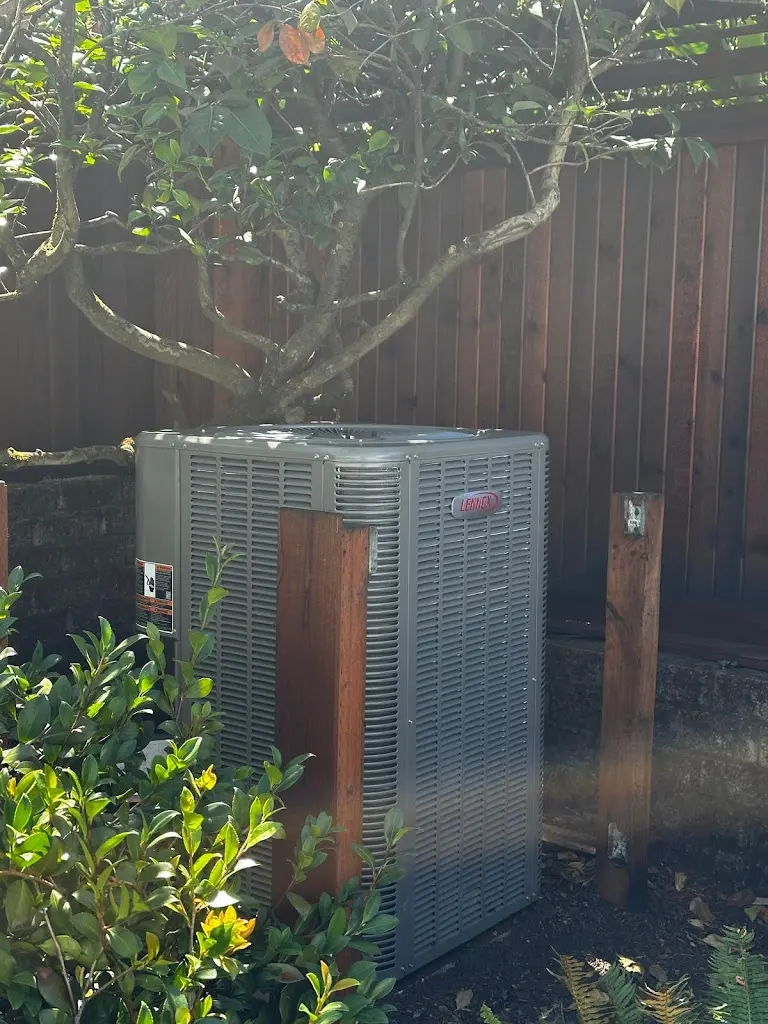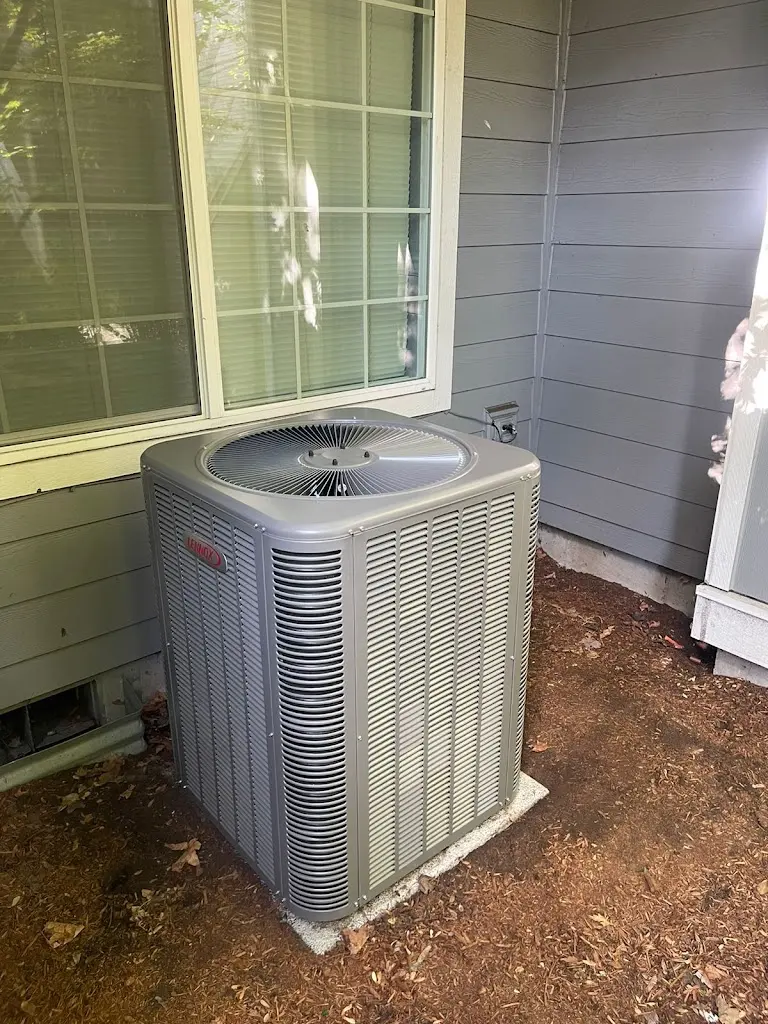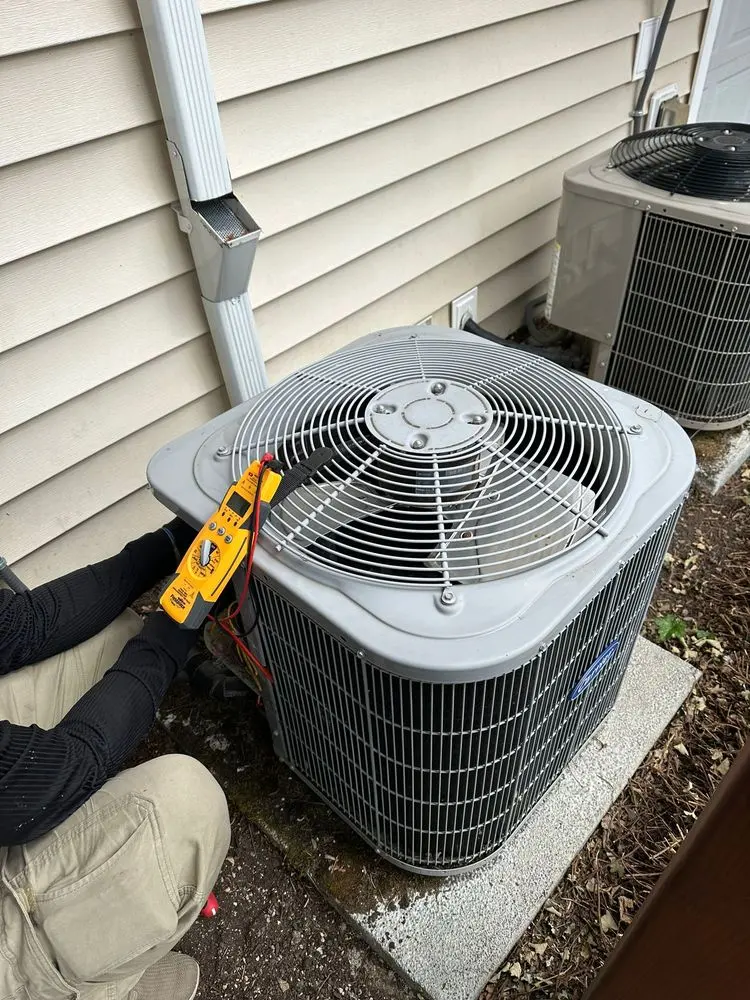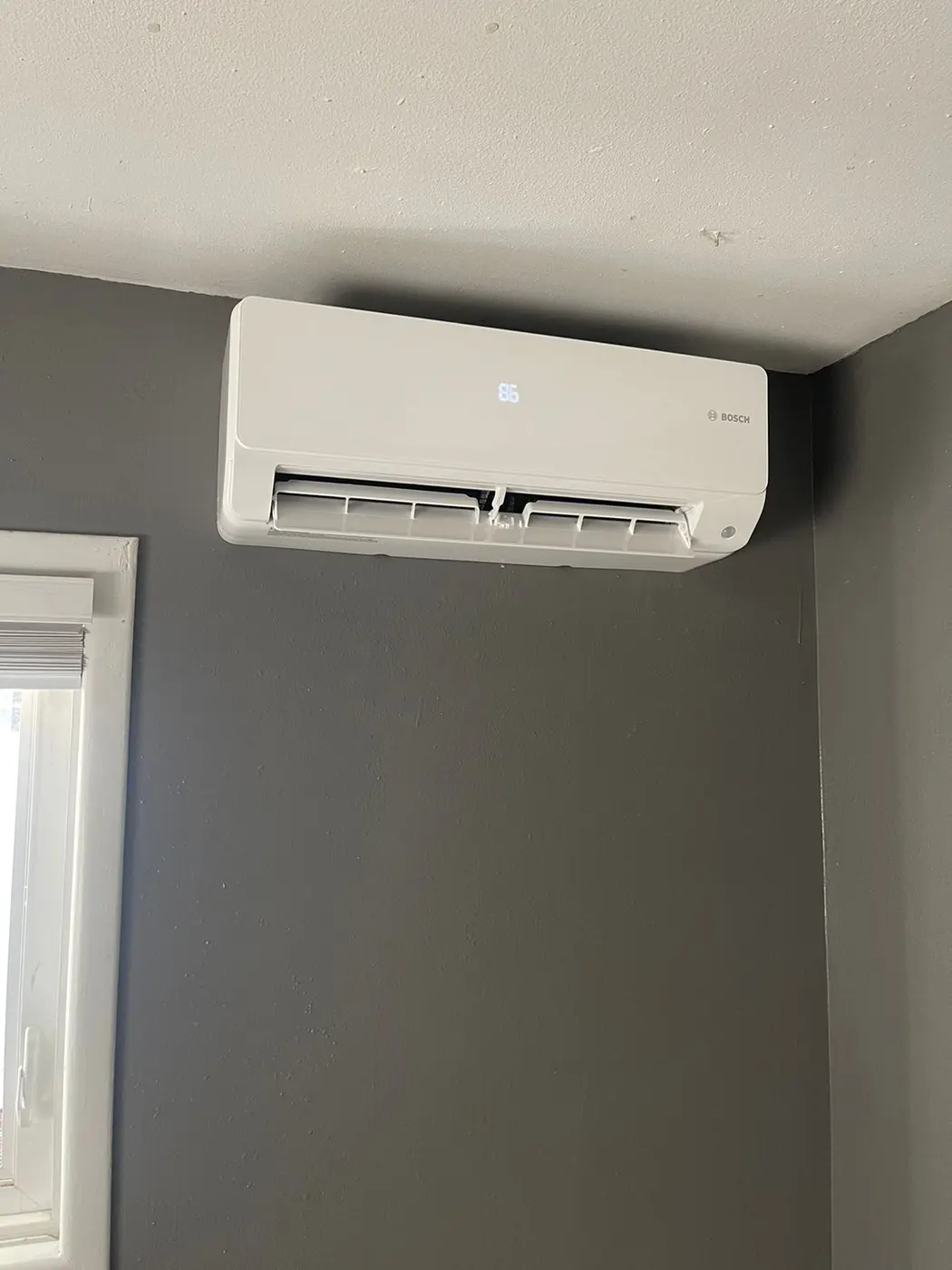
Compare the Work Behind the Installation Price
Two cooling proposals may describe different projects even when both name a new air conditioner. HVAC & Appliance Repair Guys provides AC installation in Tualatin, OR. Start with the result you want and compare what each plan includes. A price alone cannot show which equipment or tasks differ.
Our AC installation service offers a free on-site estimator visit for installation or replacement. Use the visit to define the current setup and intended cooling coverage. Keep that starting point consistent when reviewing options. A changed project goal can make an earlier price less useful for comparison.
Identify the New Parts and the Parts That Stay
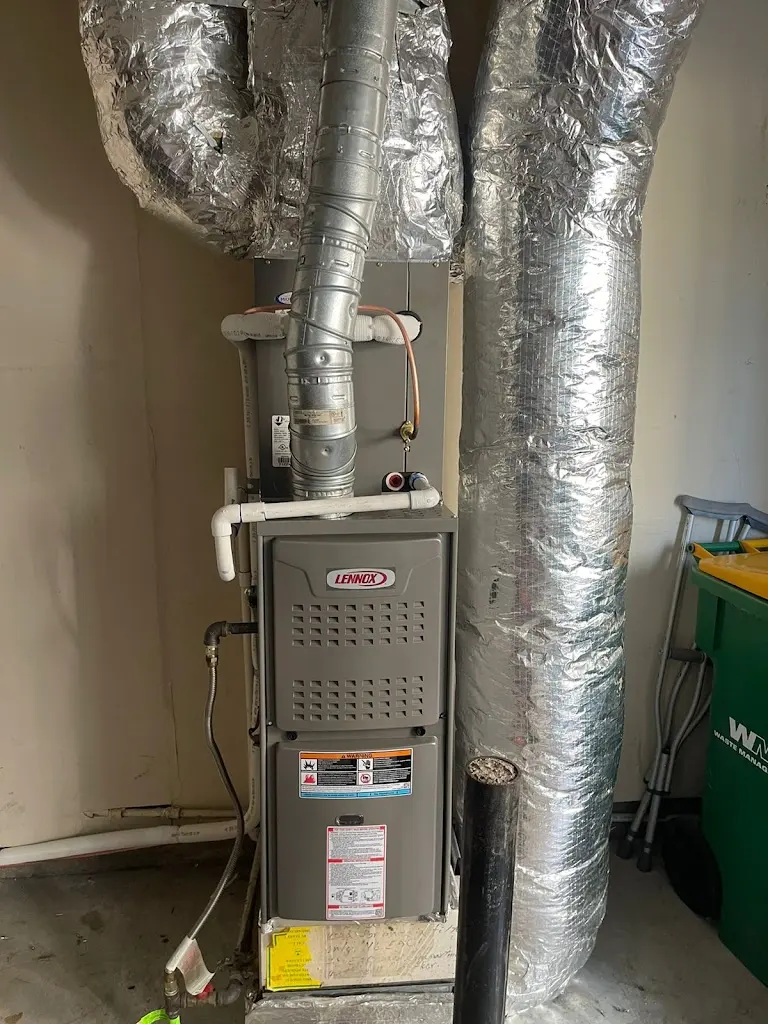
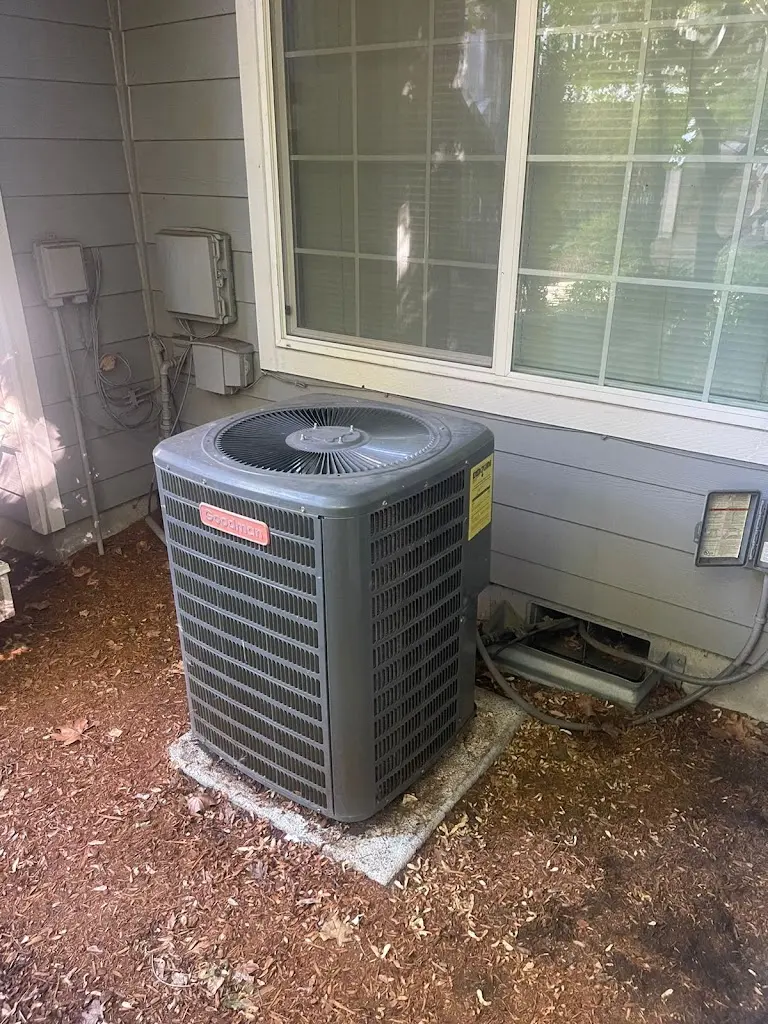
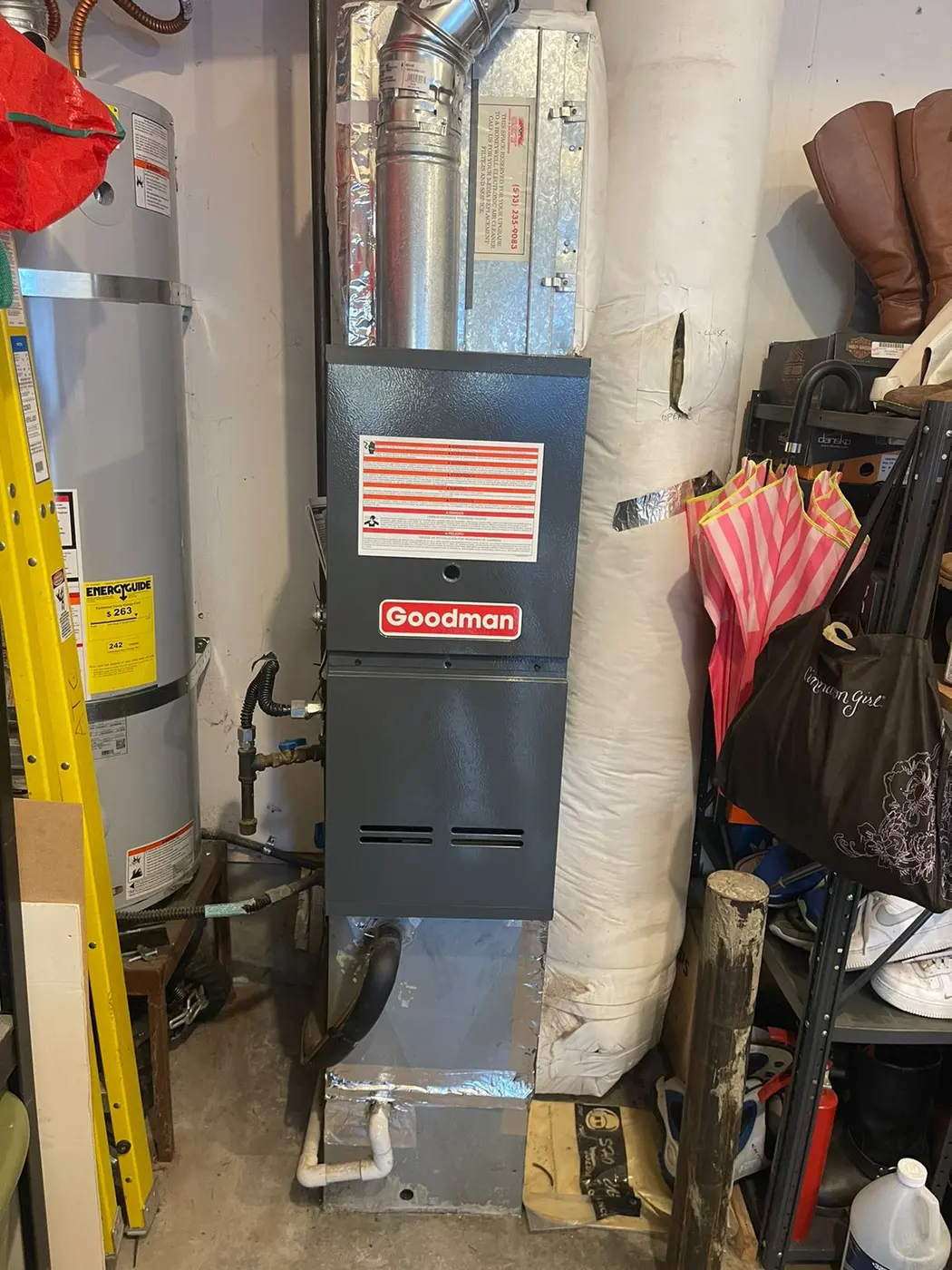
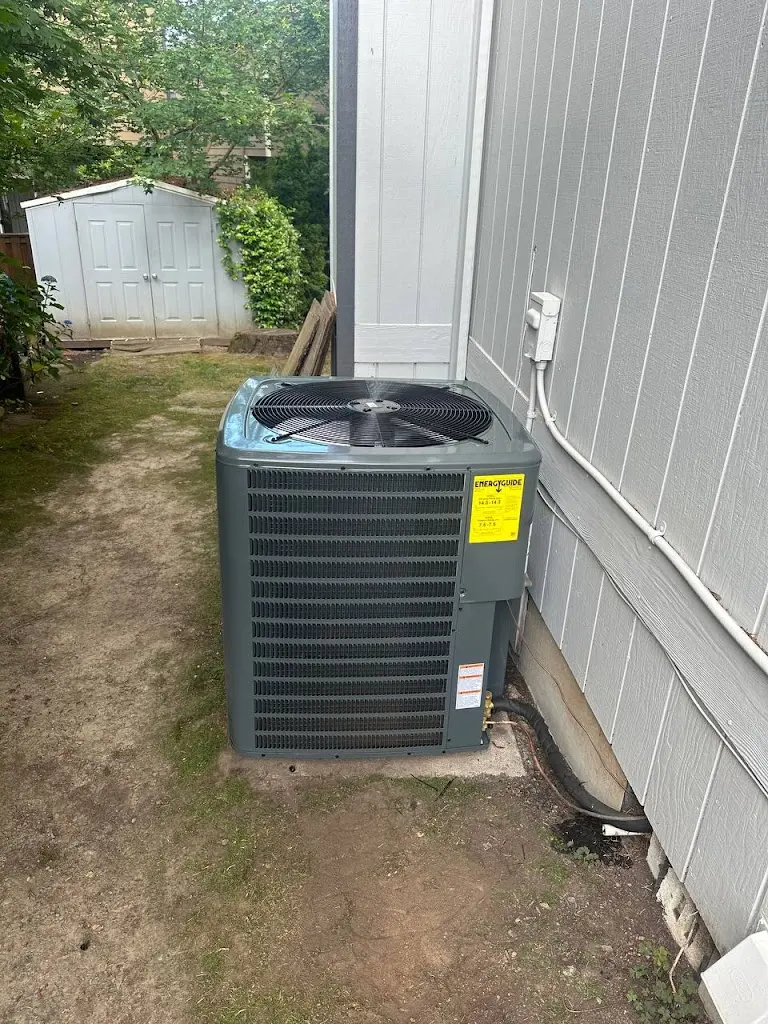
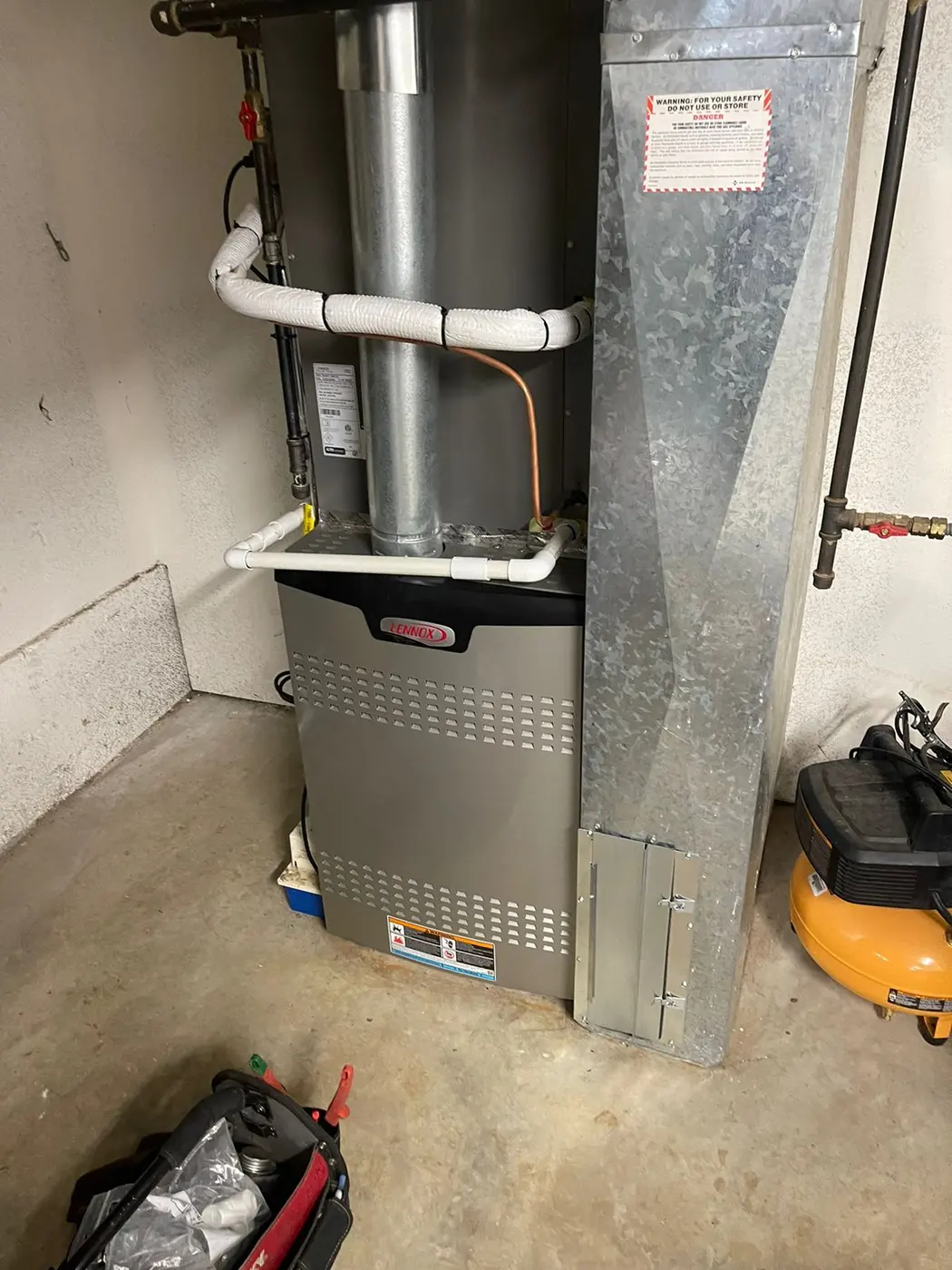
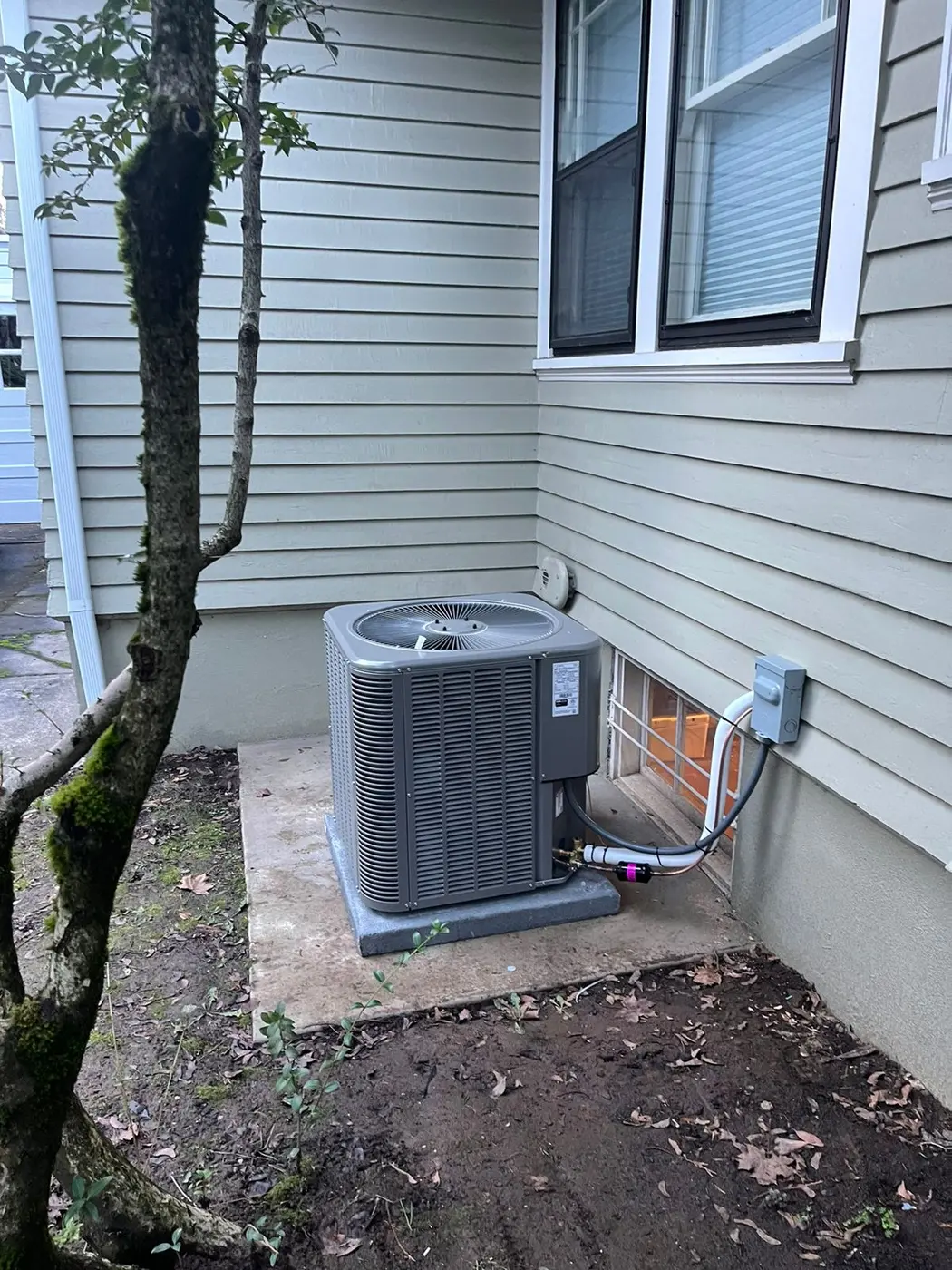
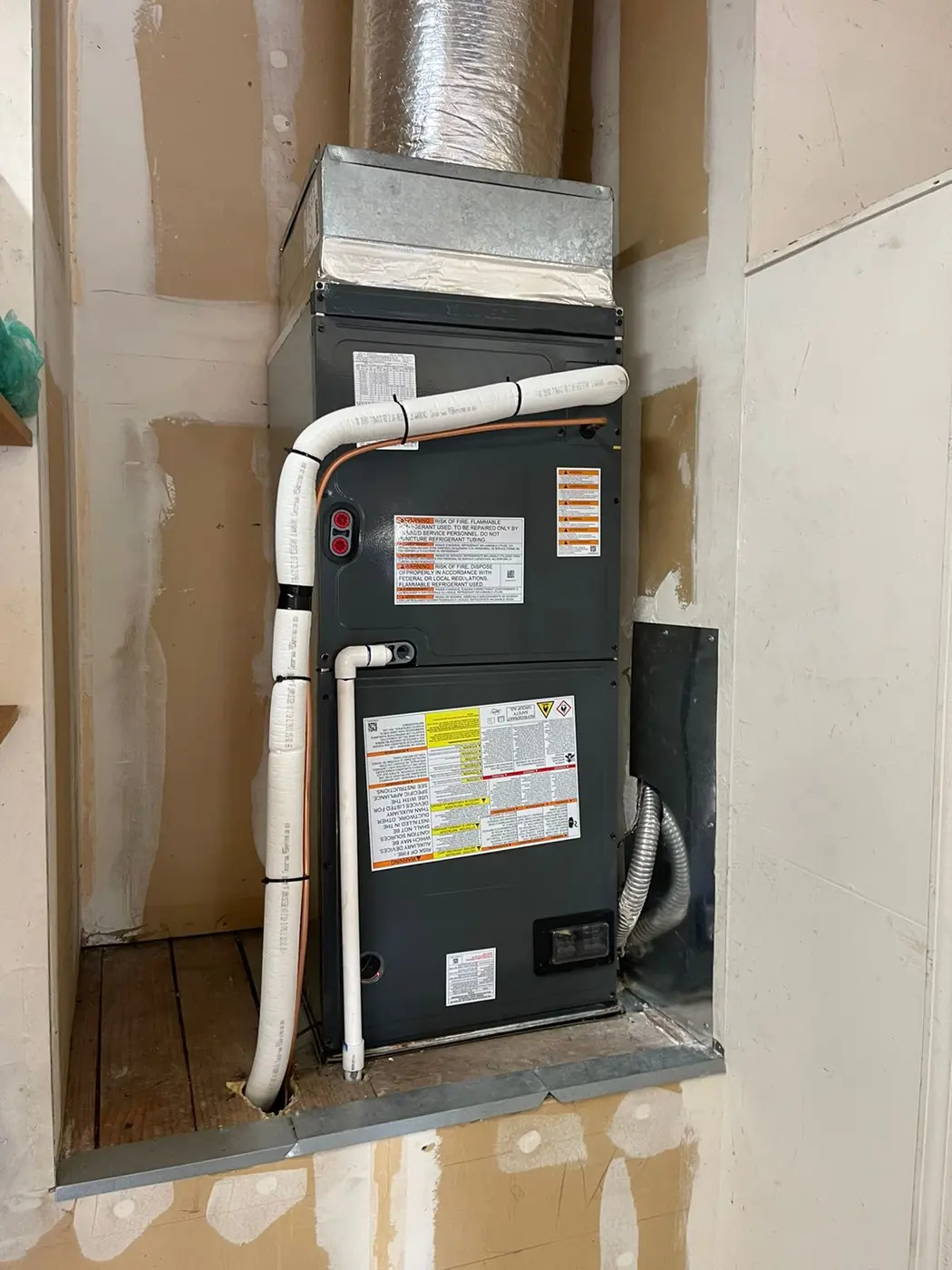
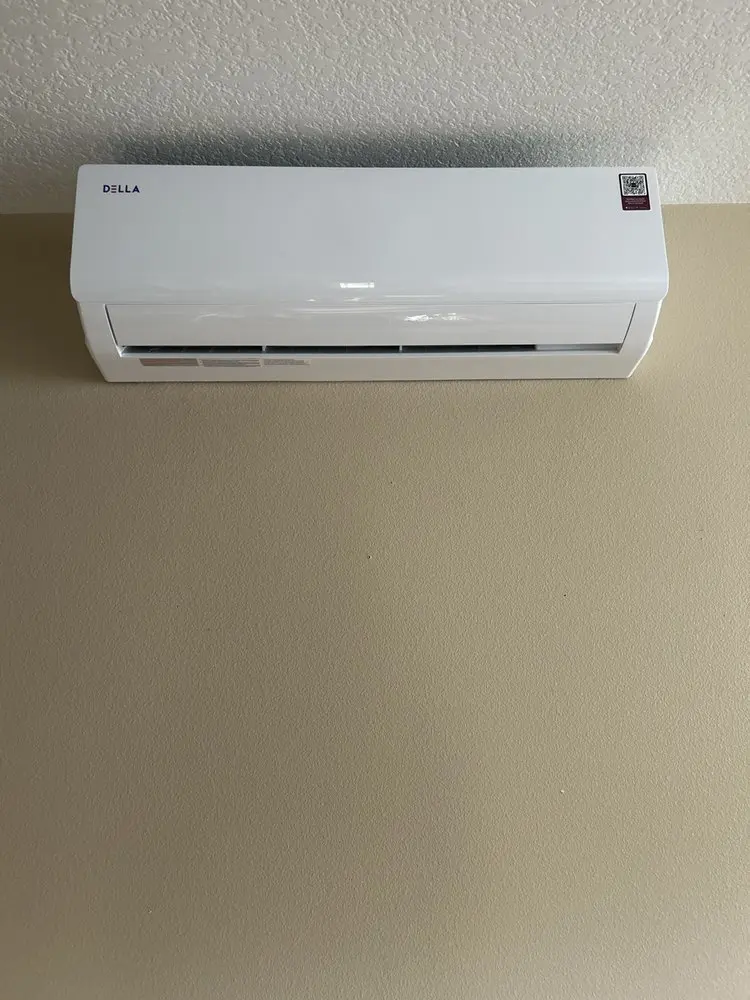
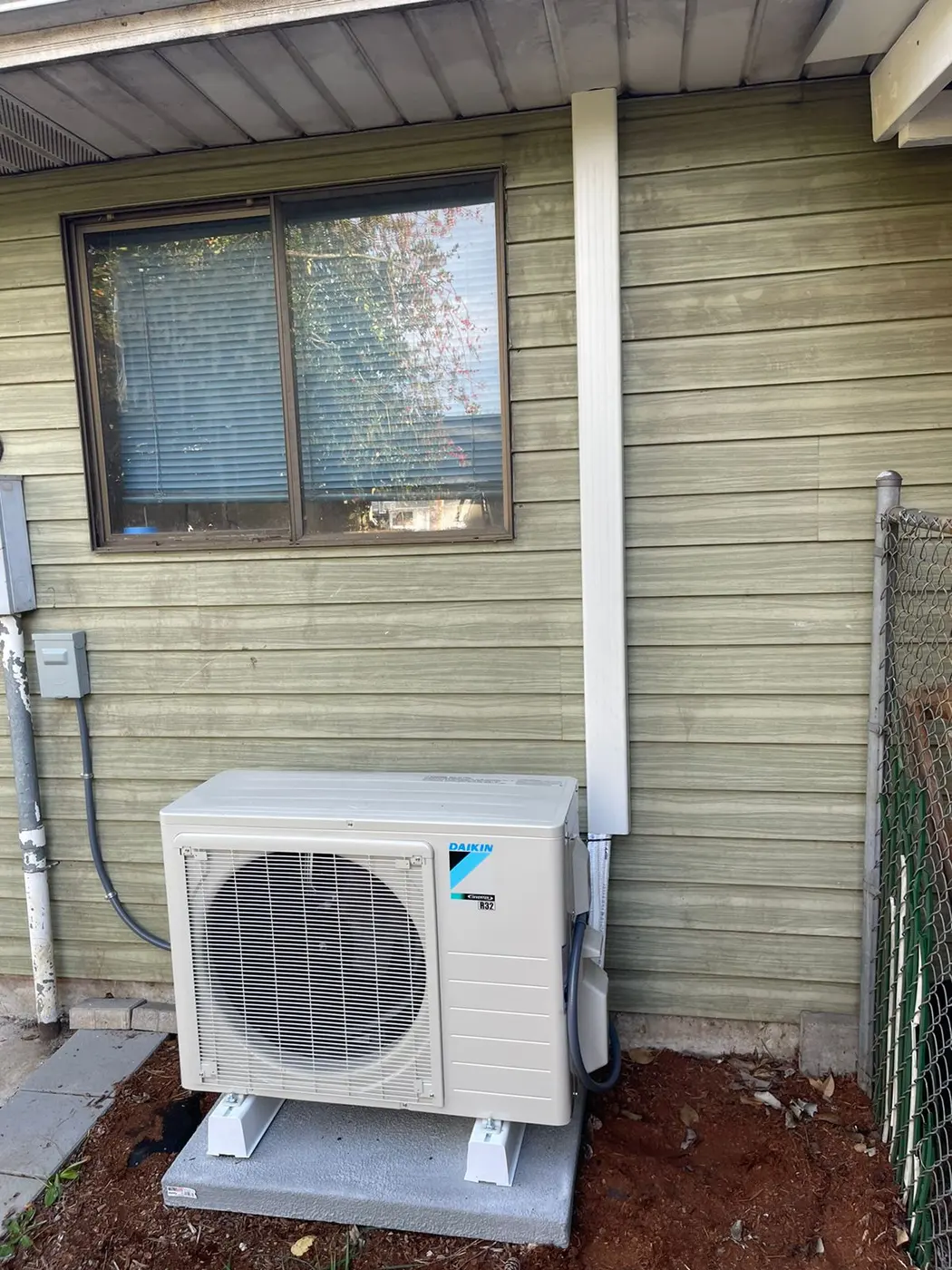
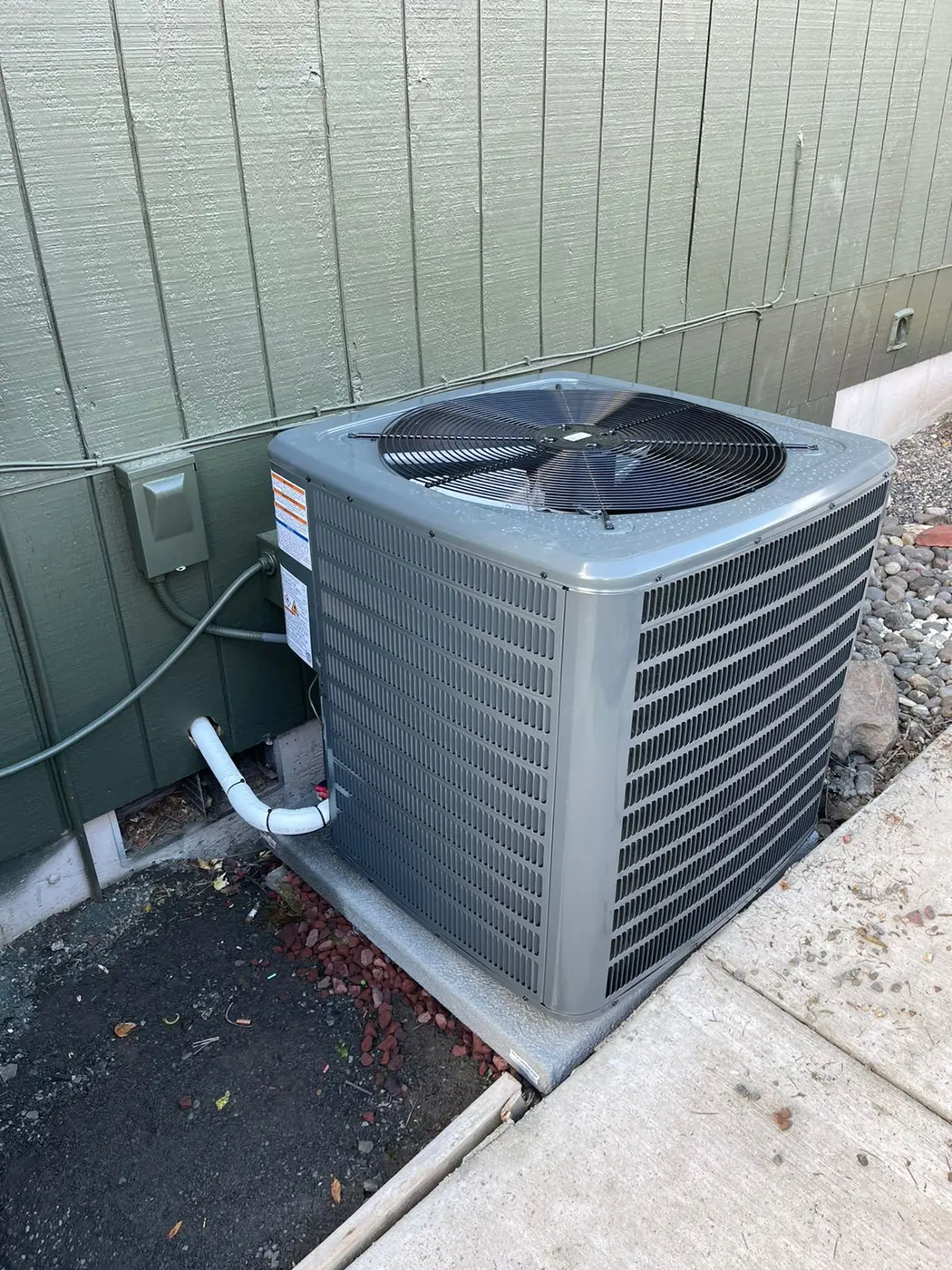
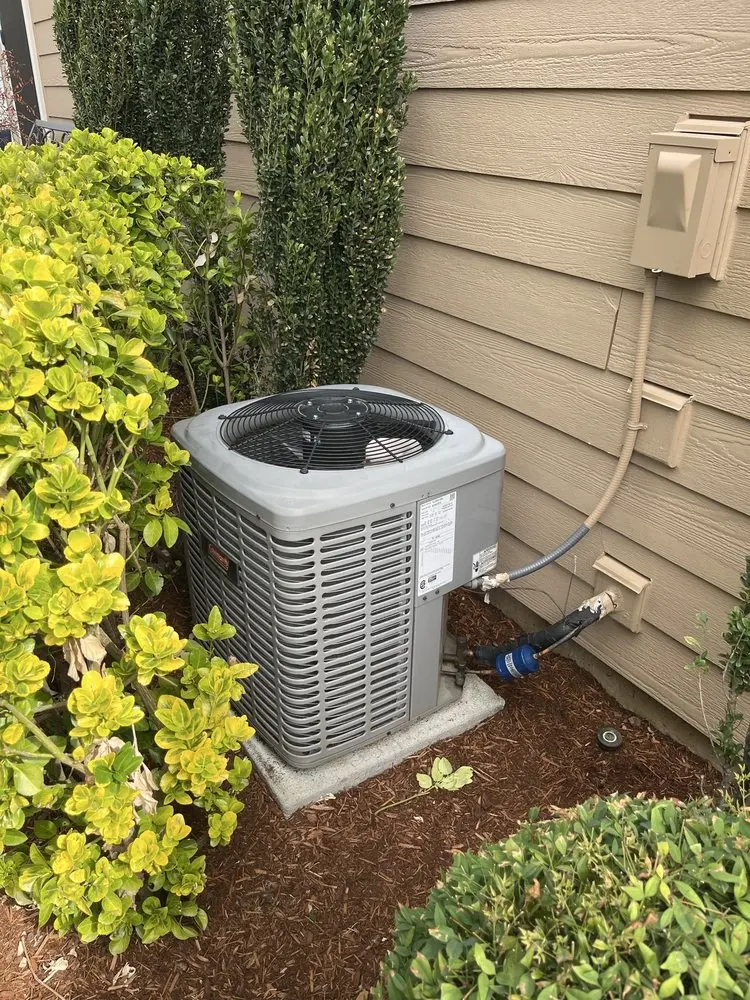
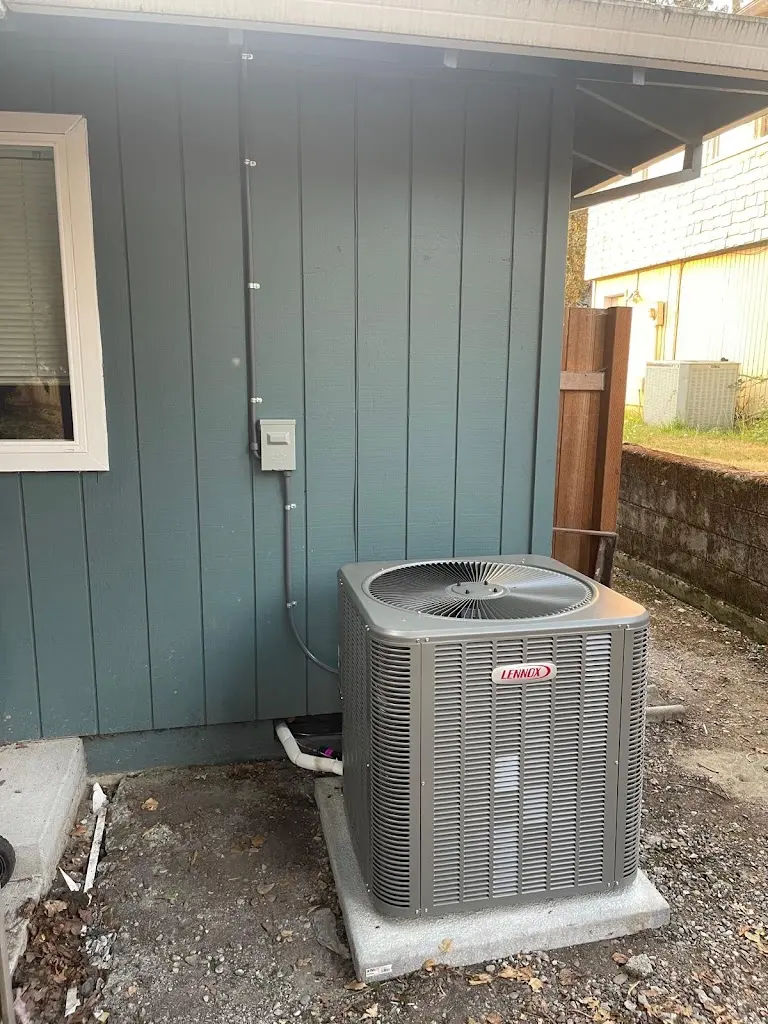
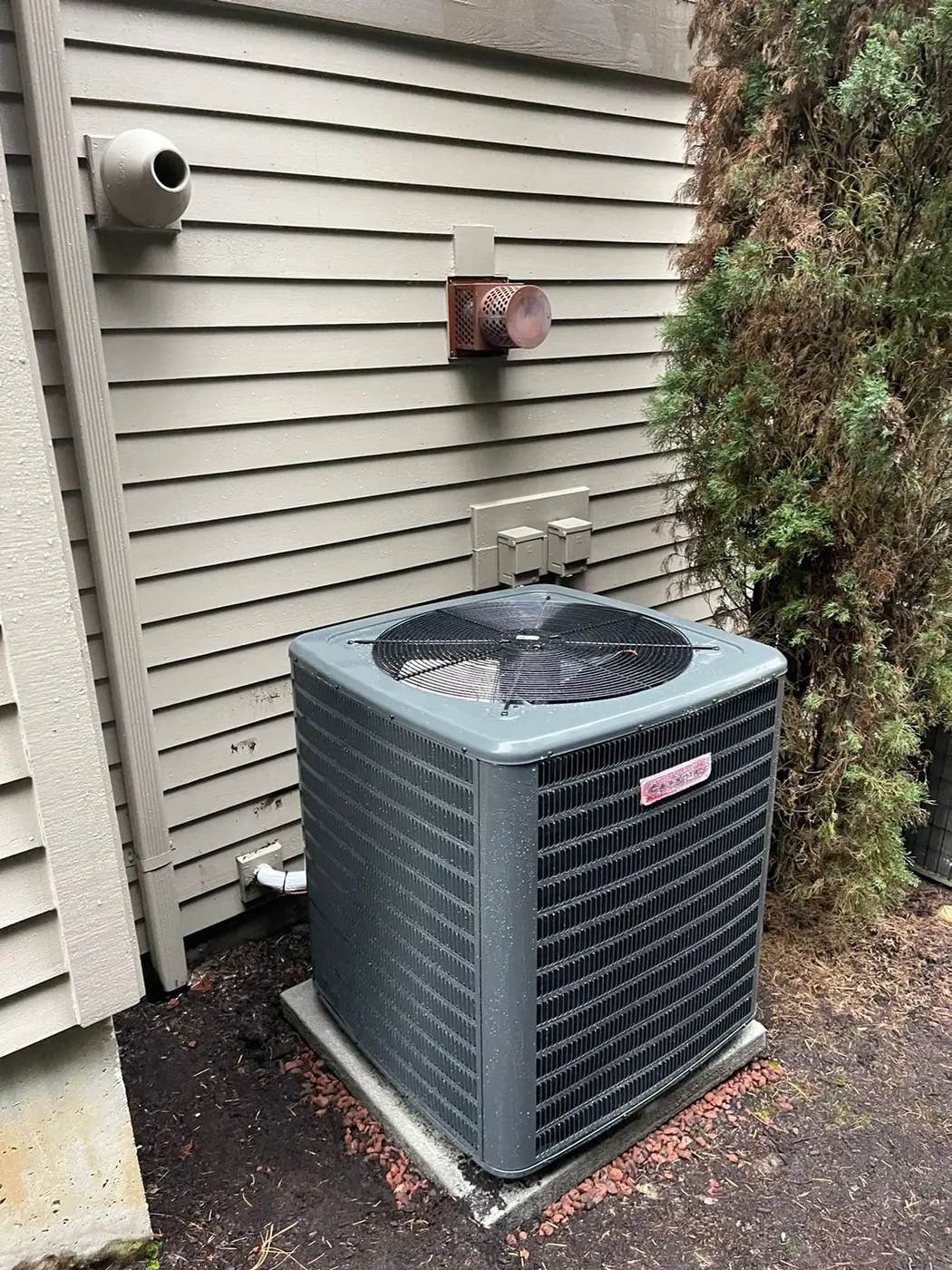
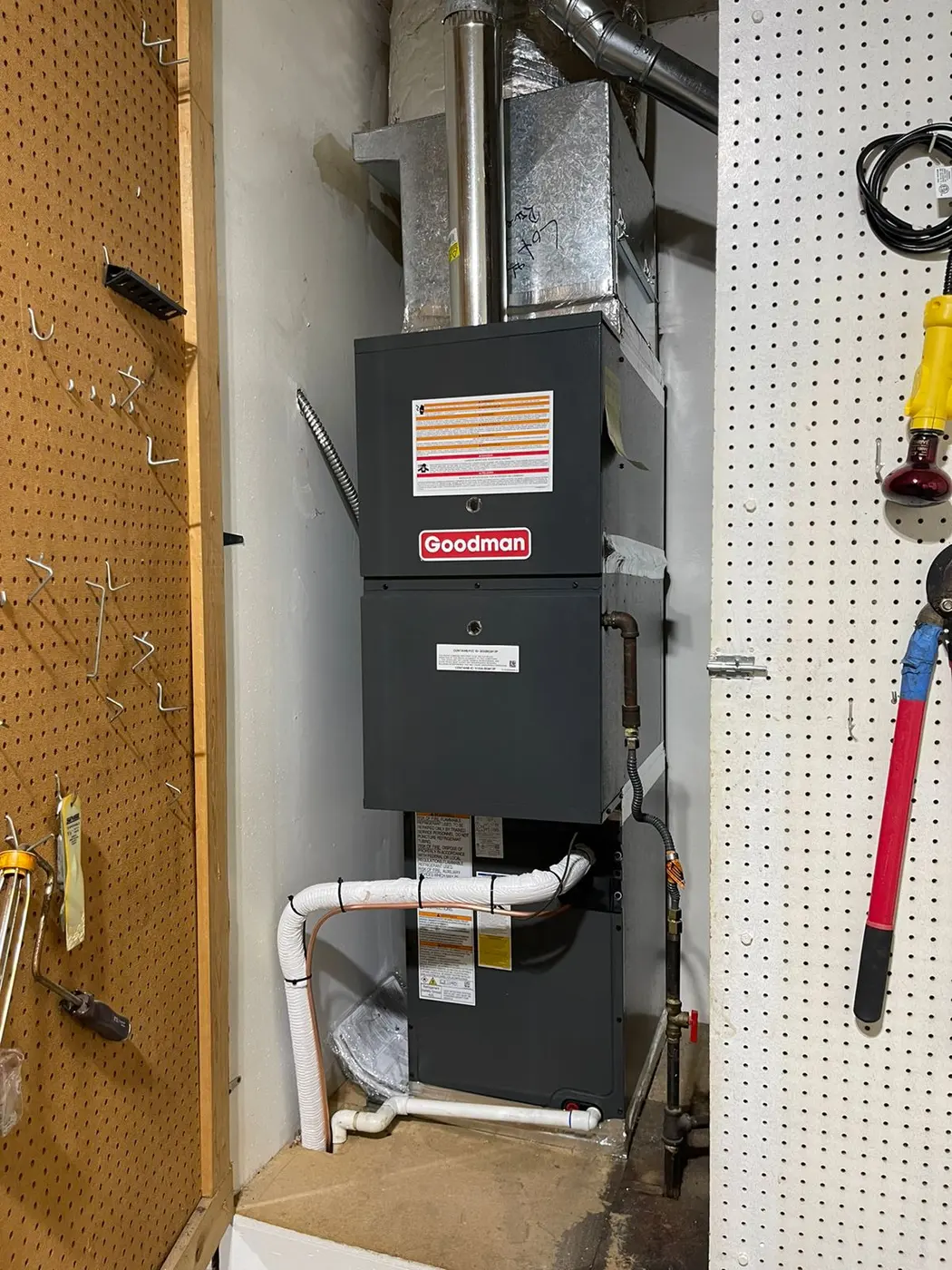
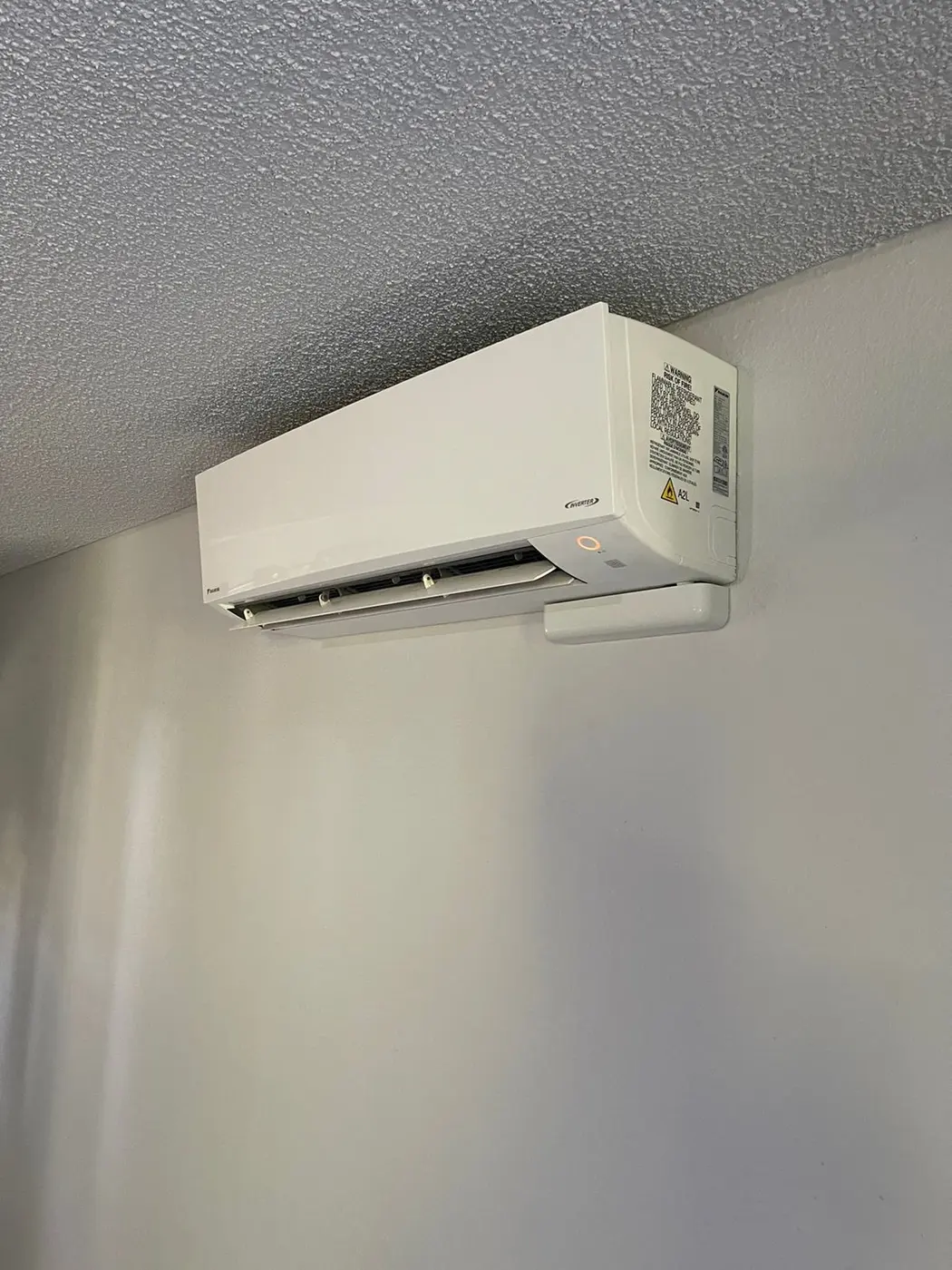
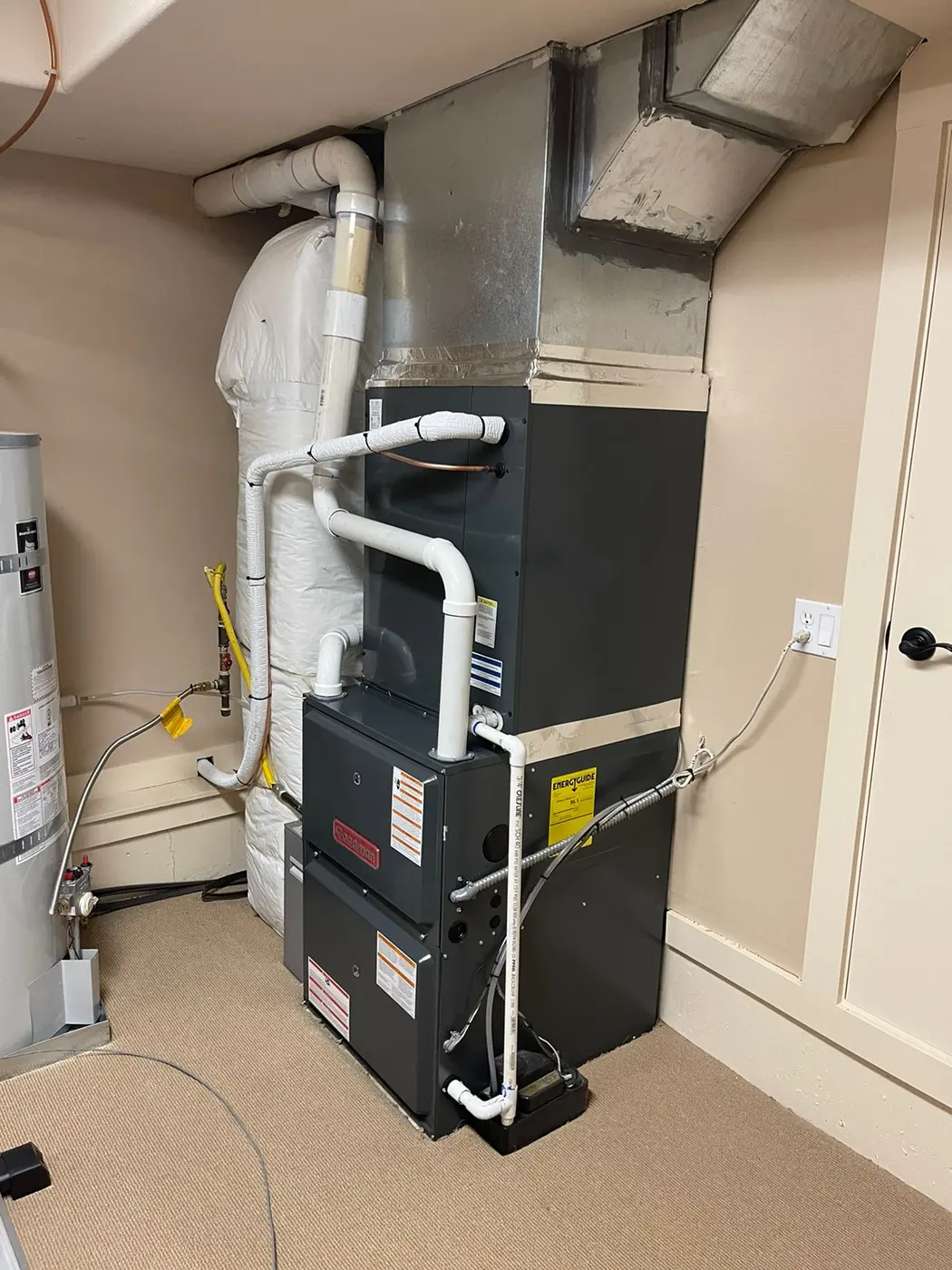
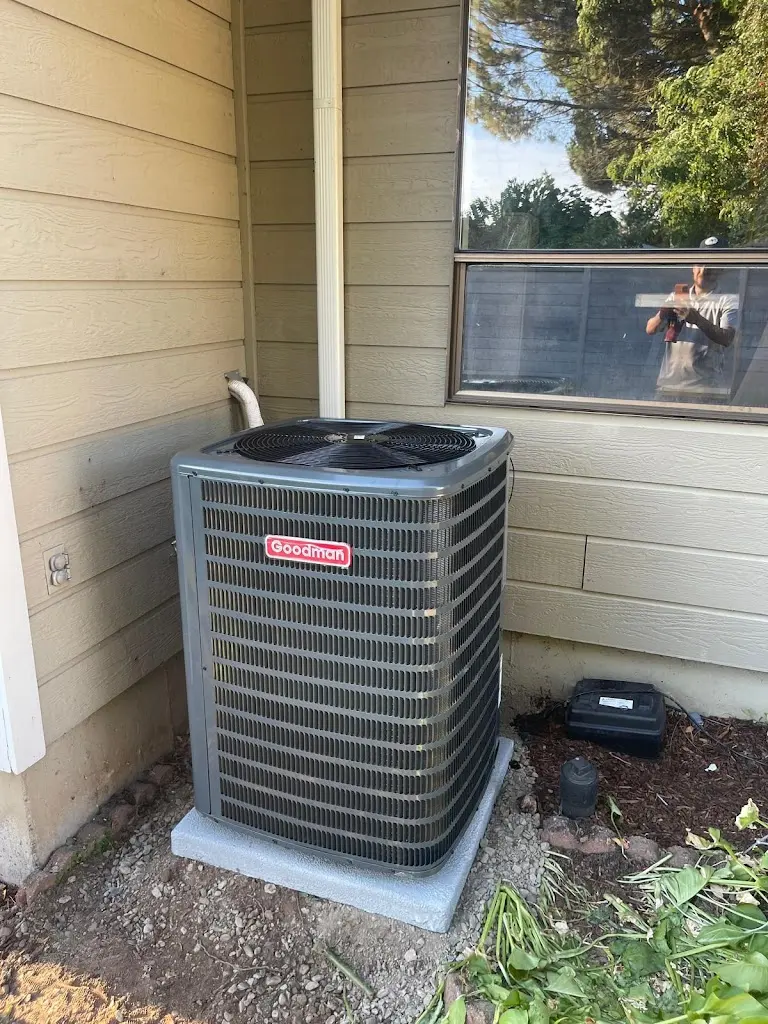
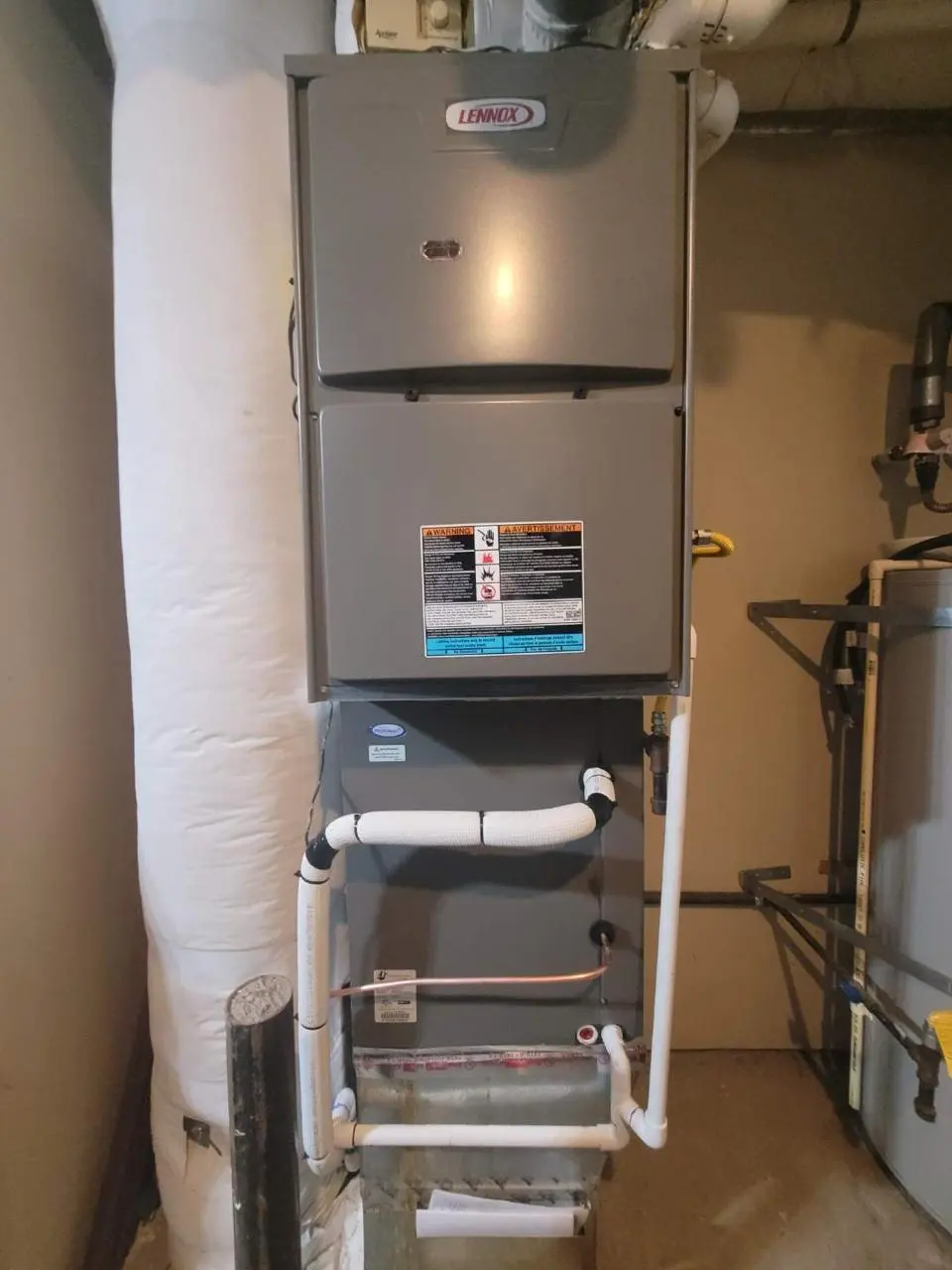
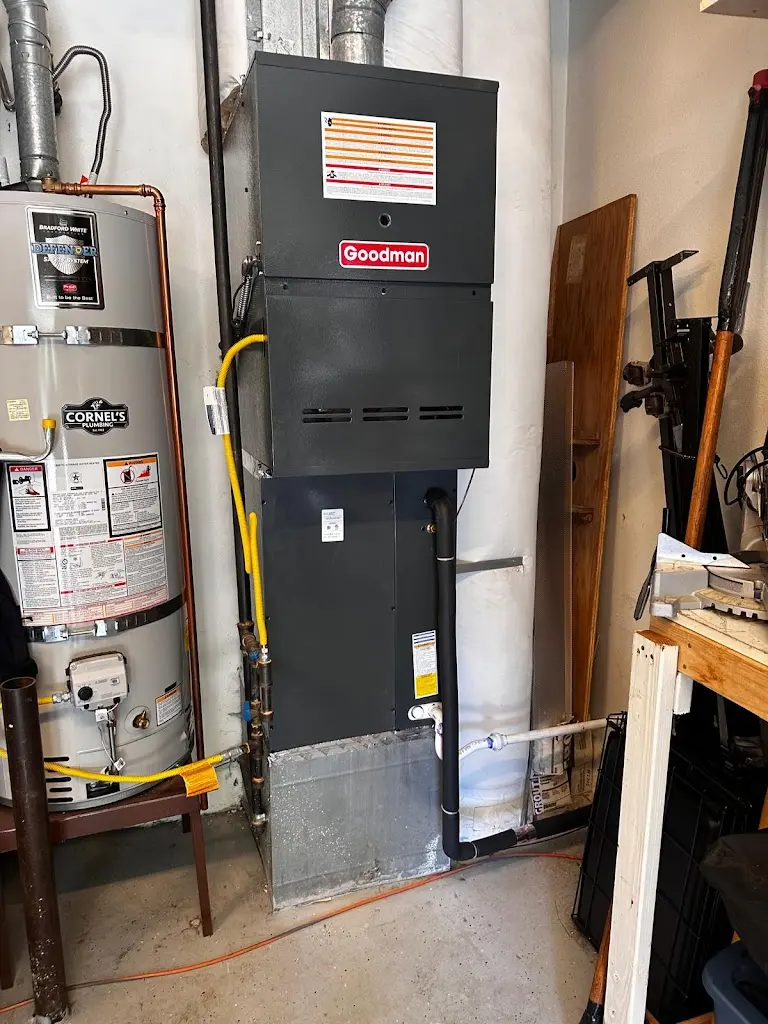
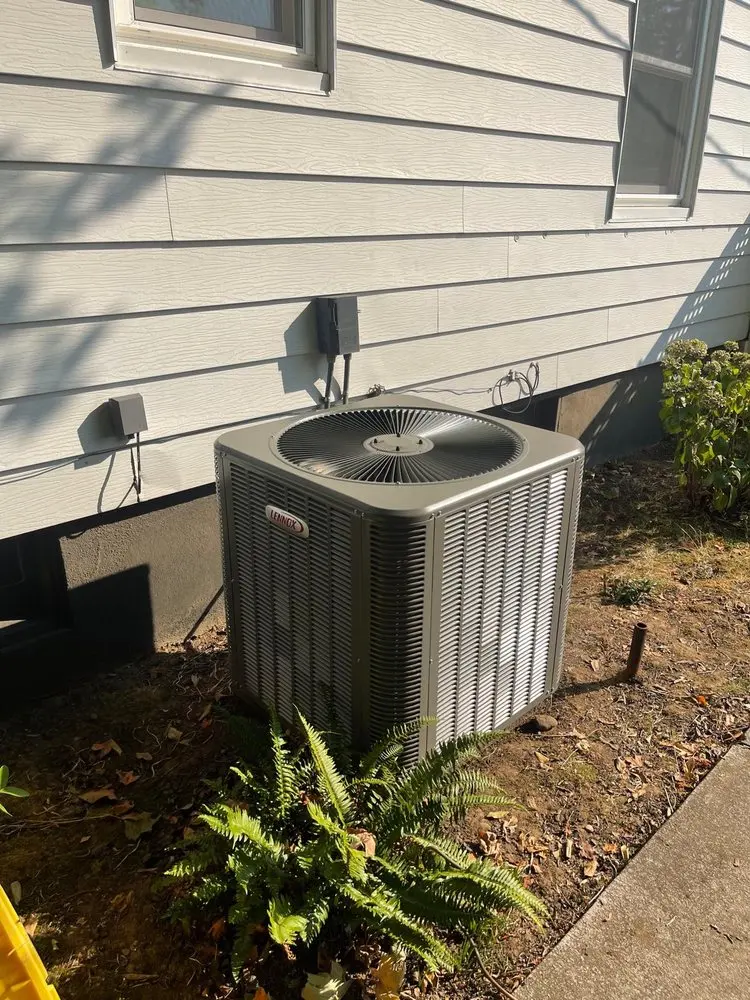
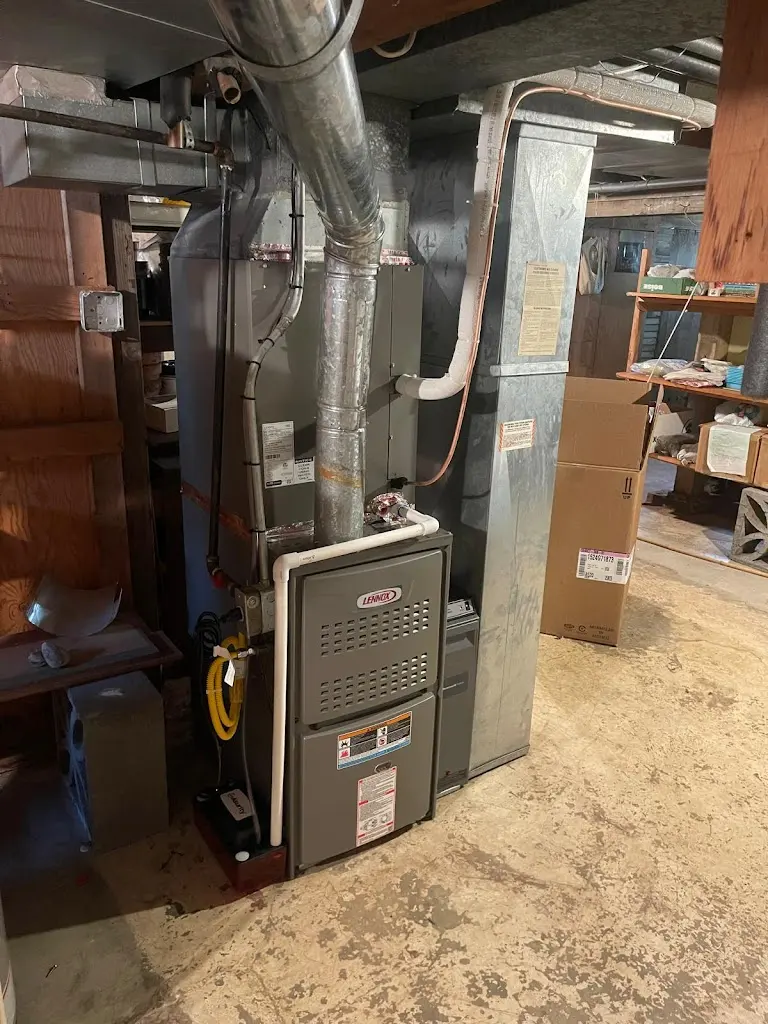
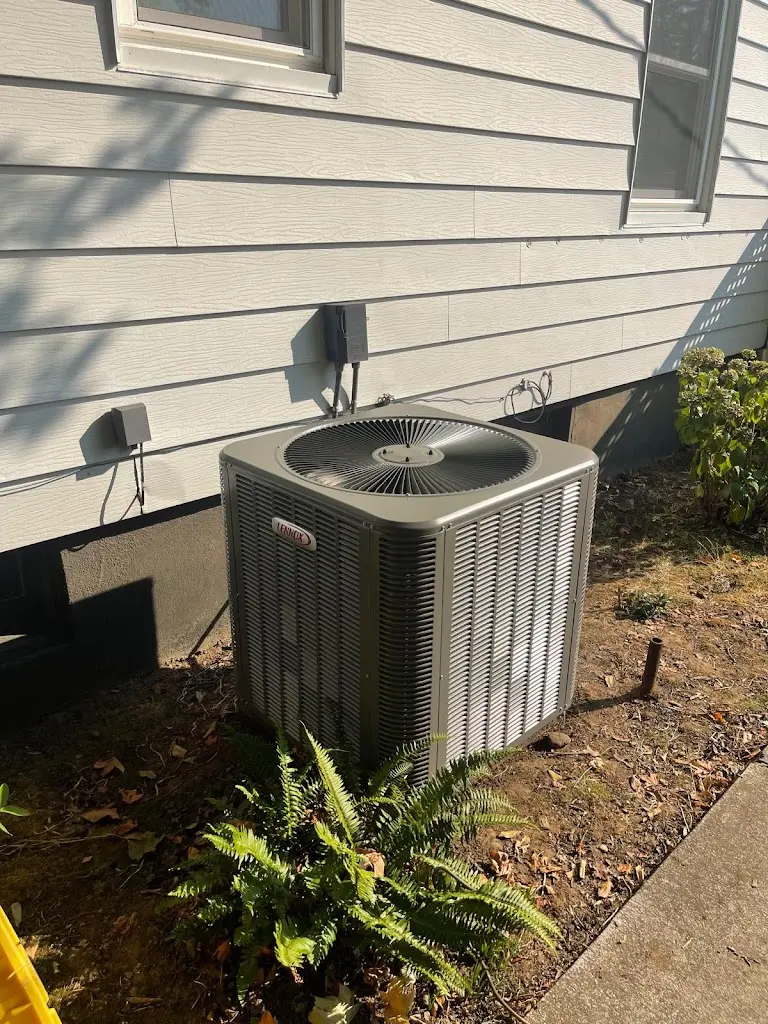
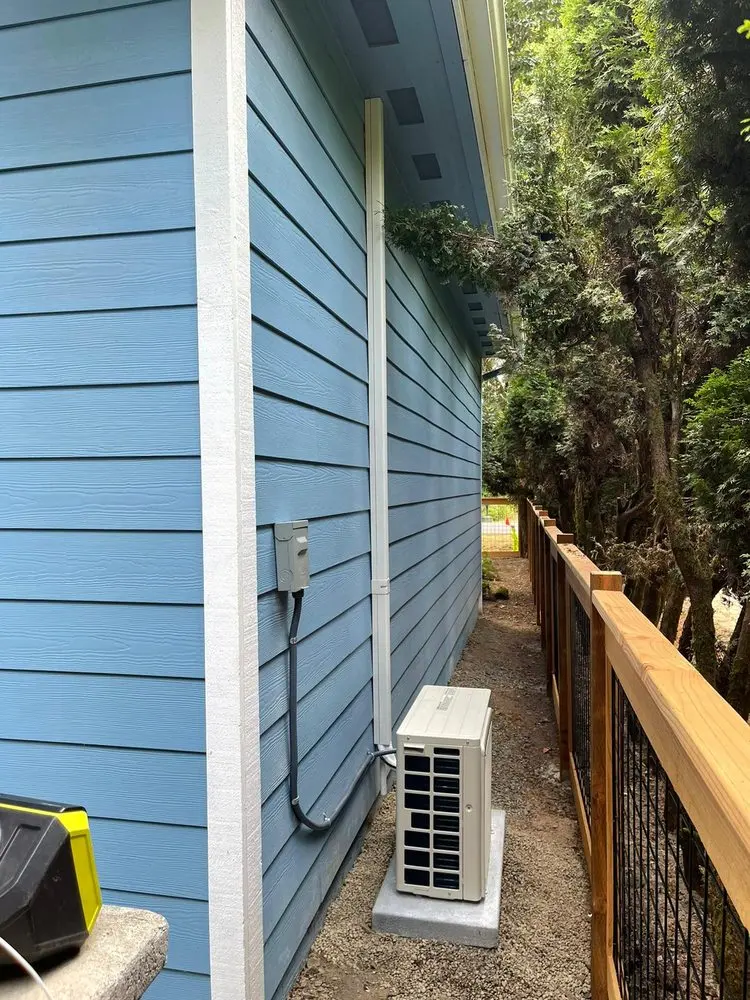
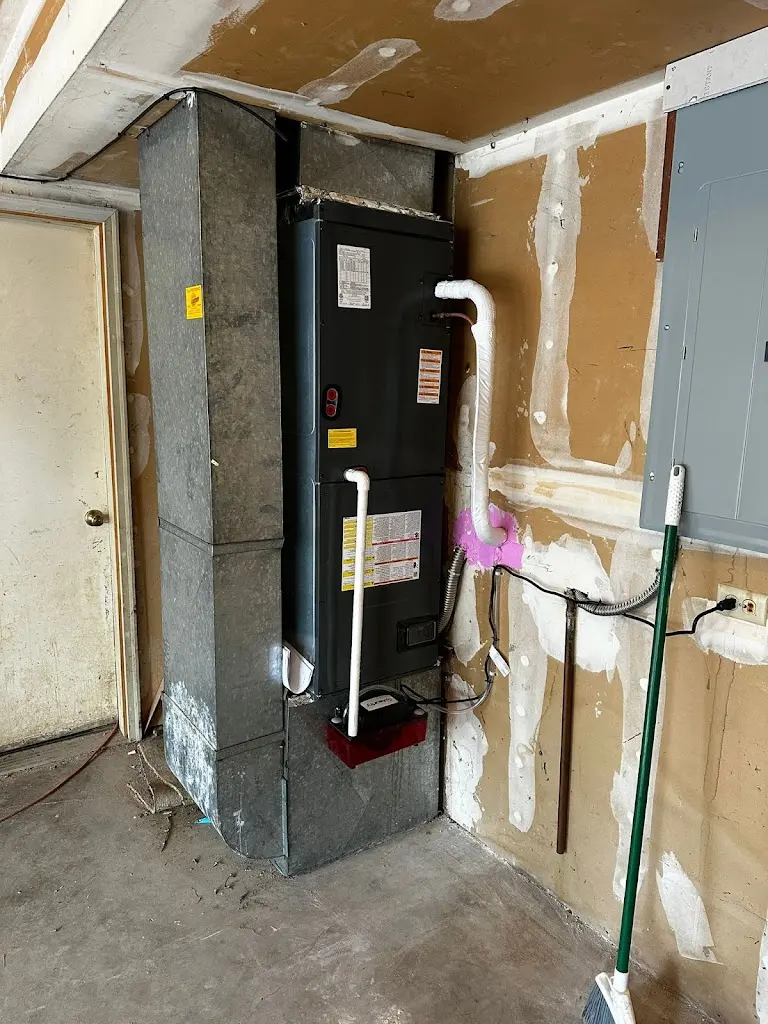
Check which indoor and outdoor equipment each proposal names. Ask whether the scope keeps or changes the thermostat and shared indoor parts. A quotation for one unit may differ from a complete equipment combination. The plan should make those choices visible.
Compare connection and site work as well as the equipment list. Identify included access tasks and any work outside the scope. An estimate that assumes reuse may differ from one that includes new connections. Ask what findings support each proposed approach.
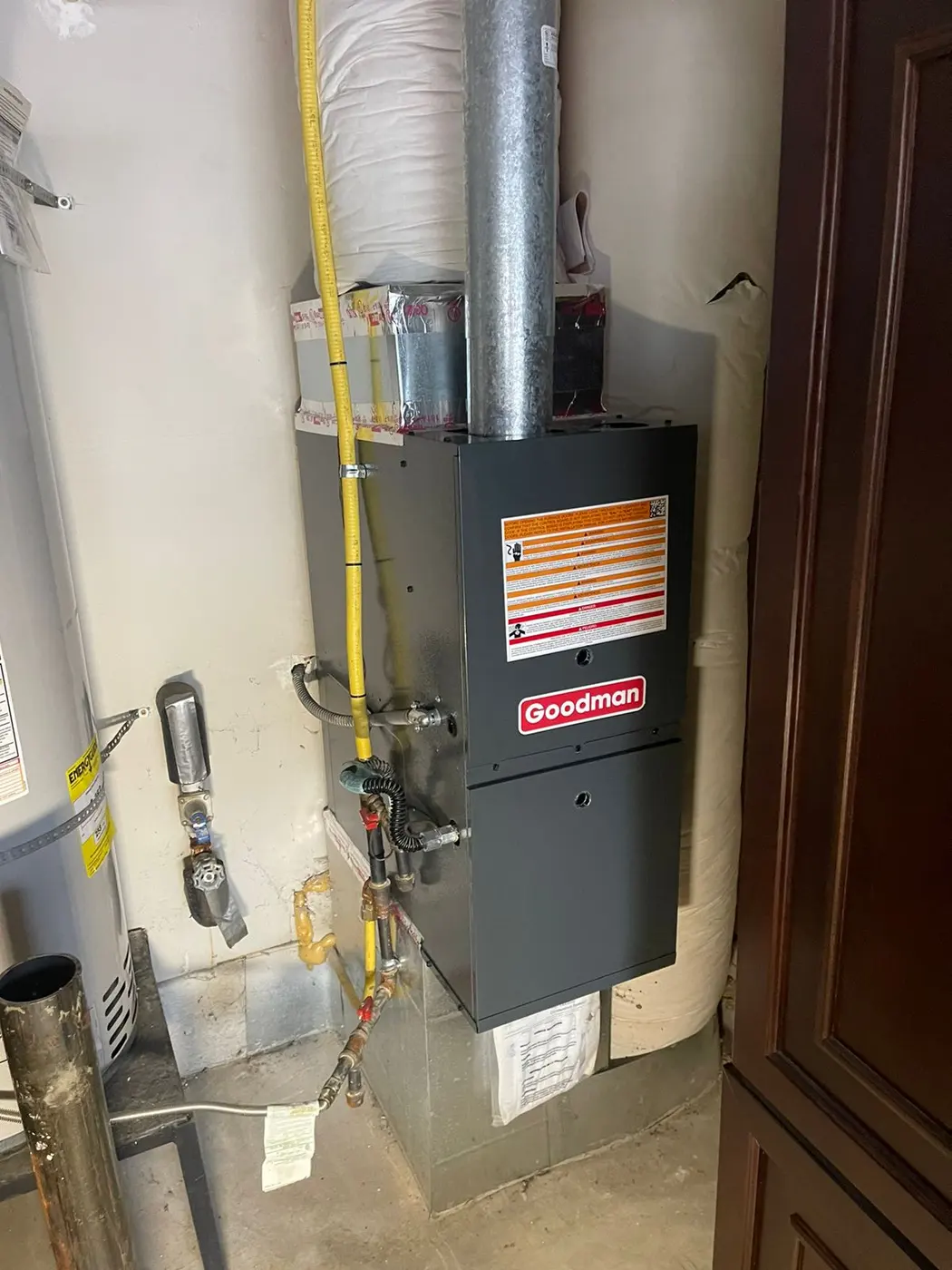
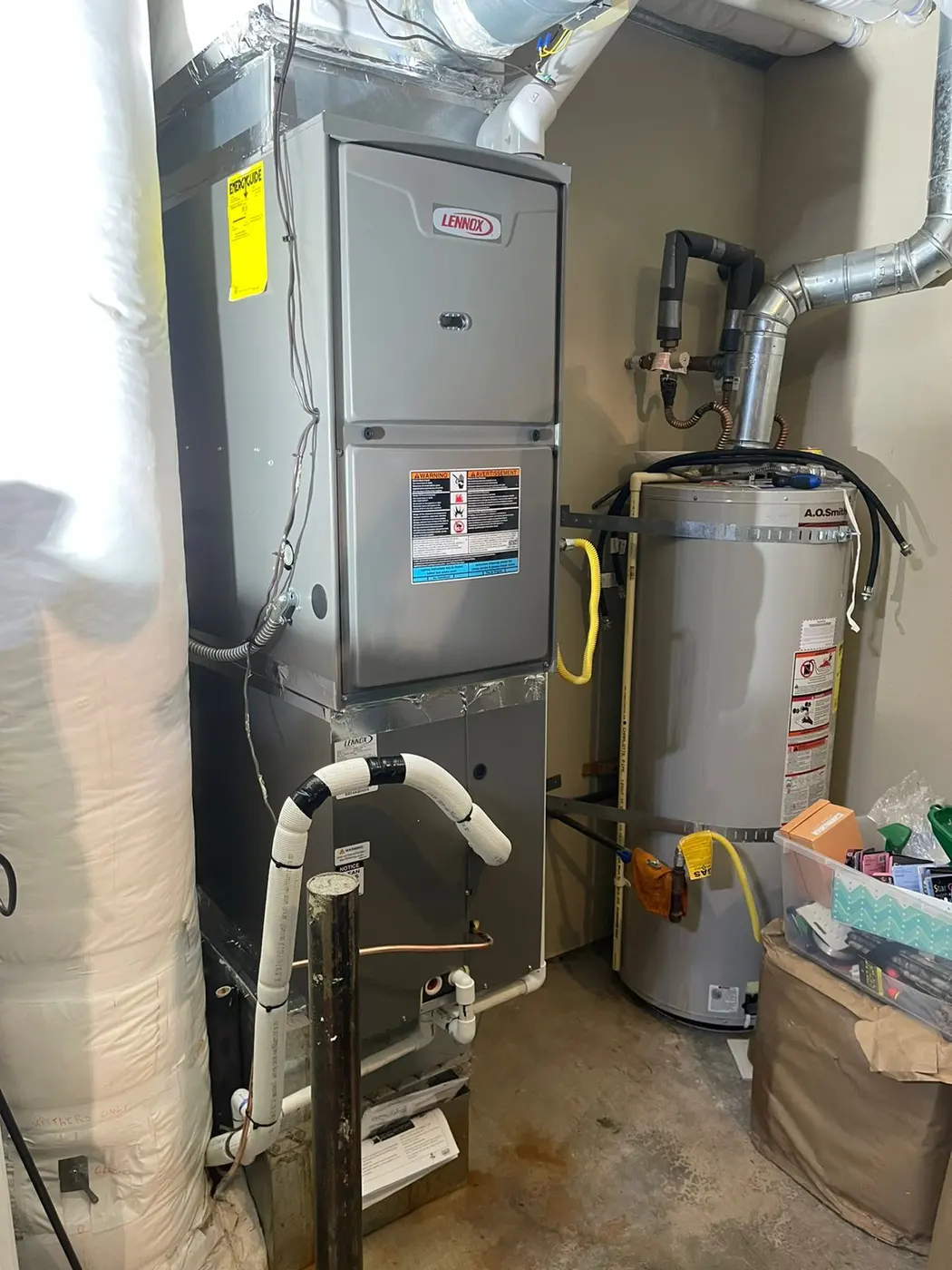
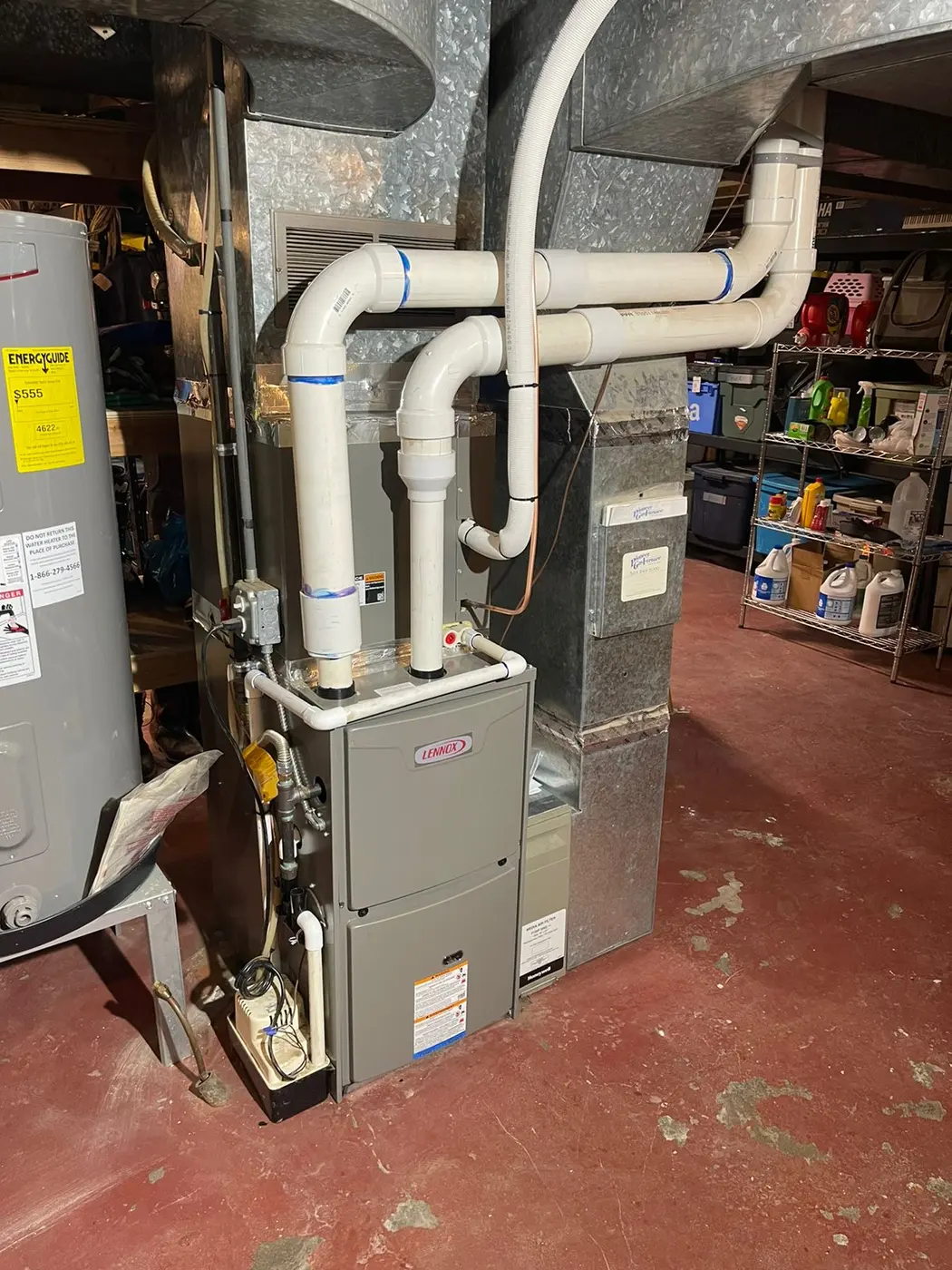
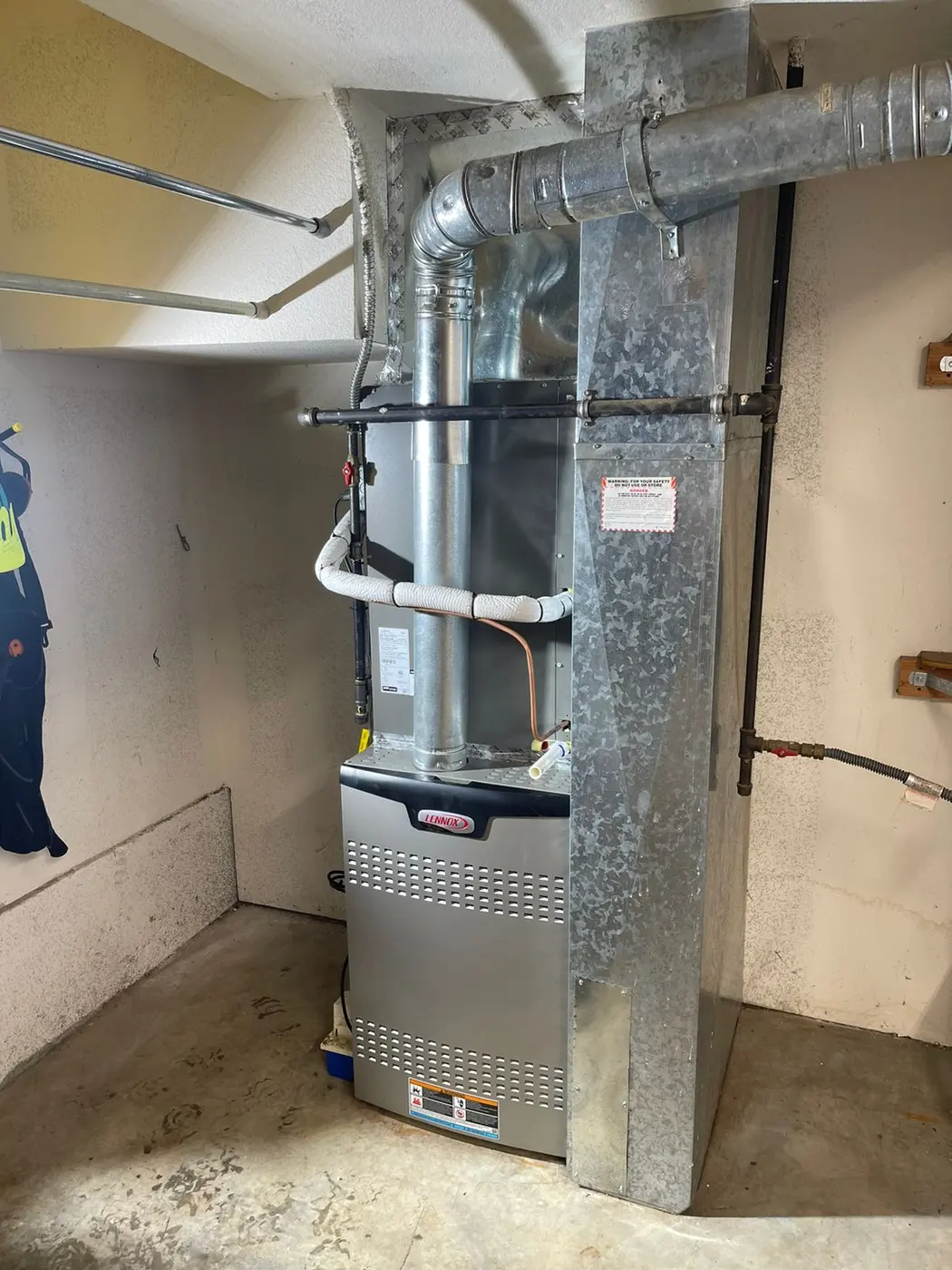
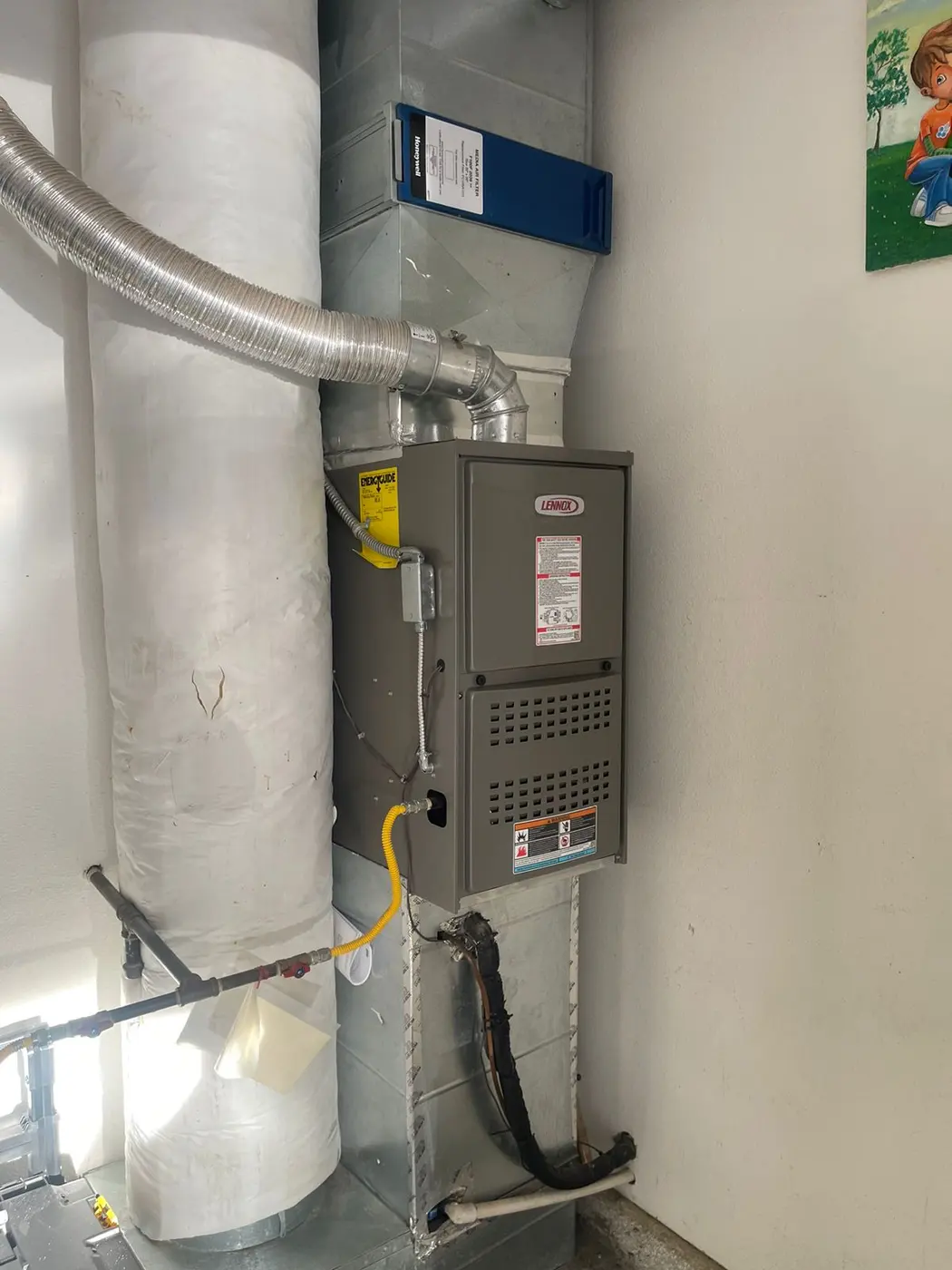
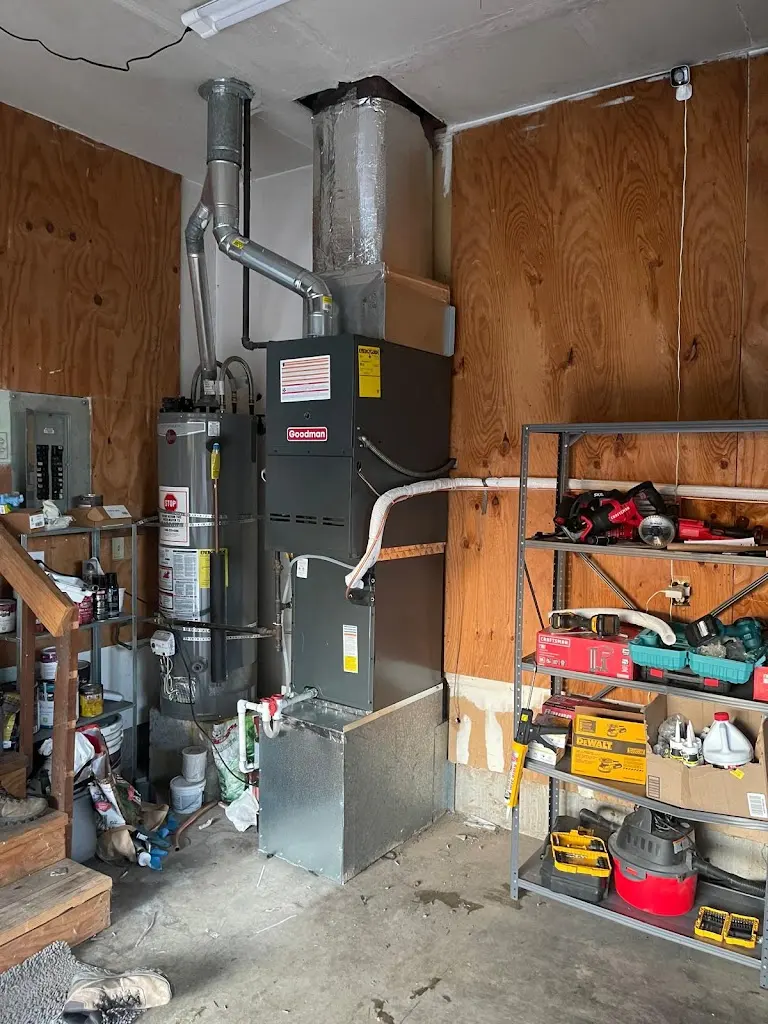
If one option also changes the heating setup, treat that as a broader project. Our HVAC installation in Tualatin service covers the combined scope. A cooling-only price and a heating-and-cooling price do not describe the same work. Keep the different goals clear before deciding which option fits.
Resolve Open Items Before Treating the Price as Complete
Ask which details the estimate confirms and which depend on further site review. Keep an unresolved access or equipment question with the proposal. A shorter scope may leave a task open rather than remove the need for it. Clarify that difference before choosing by price.
Review the current equipment, work, timing and stated terms together. If a proposed model or task changes, ask for the updated scope and price. Do not assume that every earlier term carries over unchanged. Keep the current approval tied to the current plan.
At handover, retain the final proposal and installed equipment details. Record any approved change made during the project. This gives later service a clear account of what the installation included. It also keeps an unused option from becoming confused with the work that actually took place.
Frequently Asked Questions
Does the proposal with more equipment always offer more value?
More listed equipment may reflect a different scope rather than a better fit for the same need. Ask what each item contributes to the agreed project. Keep the choice tied to the home and intended use instead of the length of the list.
Can an old estimate still help me plan a new project?
Use it as background and explain any change to the equipment or home since that visit. Confirm the current scope, price and availability. The old document does not establish today’s project details by itself.
Should I expect the same room result from different equipment choices?
Ask what each proposed setup aims to address and what limits remain. A similar description of cooling capacity does not explain the full installed result. Compare the site work and intended coverage alongside the equipment choice.