


Furnace Repair in Vancouver, WA for equipment that needs a clear diagnostic path
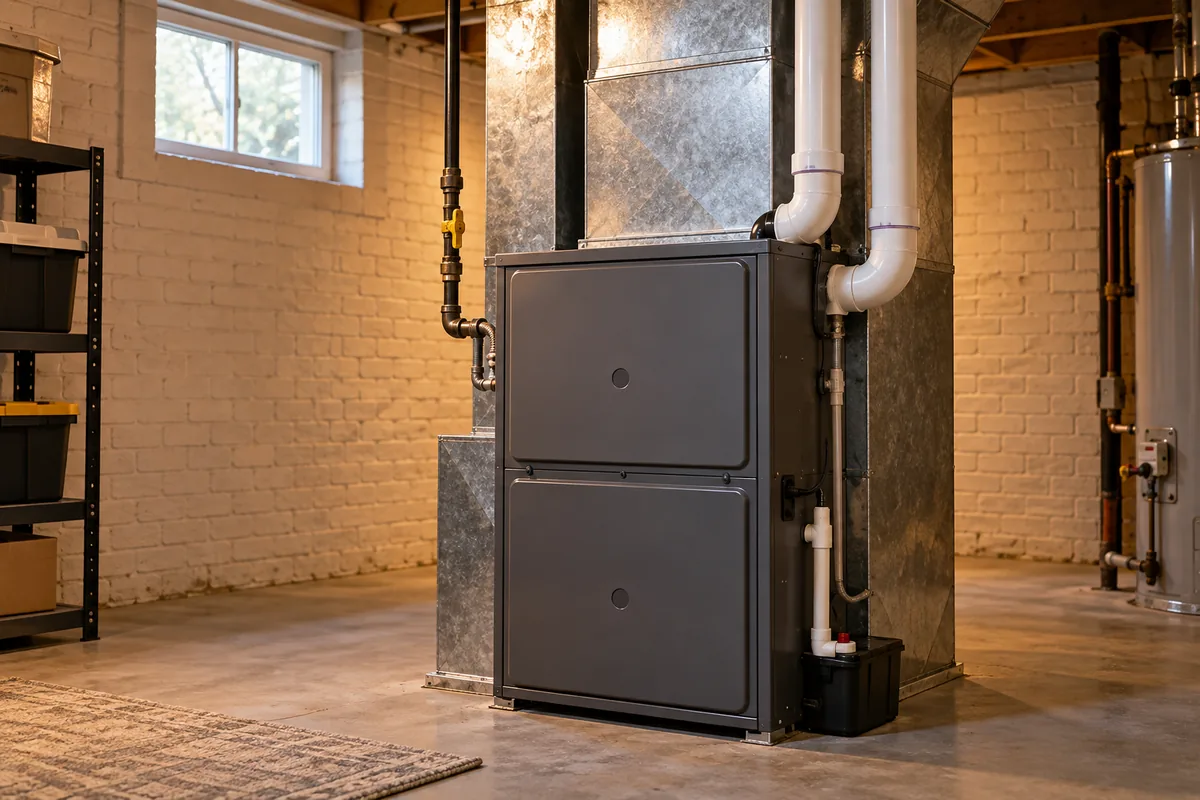
Furnace Repair in Vancouver, WA is for homeowners, landlords, offices and light commercial spaces that need a practical answer when gas furnaces, forced-air heating systems and related controls stops performing. The goal is to restore safe heat, ignition, airflow and control before a cold-weather failure becomes a replacement emergency.
This page is written for homes, offices, restaurants, retail spaces and light commercial buildings across Vancouver. Local appointment planning can be affected by bridge traffic, parking, roof access, tenant rules and Washington service routing, so the most useful request includes the symptom, equipment type, access notes and how urgent the problem is.
Equipment and components we check
A useful service visit starts with the system behavior, not a guess. The technician narrows the issue by checking the component groups most likely to explain the failure under real operating conditions in Vancouver.
- igniters, flame sensors, burners, gas valves and safety switches
- inducer motors, pressure switches, venting and condensate components
- blower motors, capacitors, control boards and low-voltage wiring
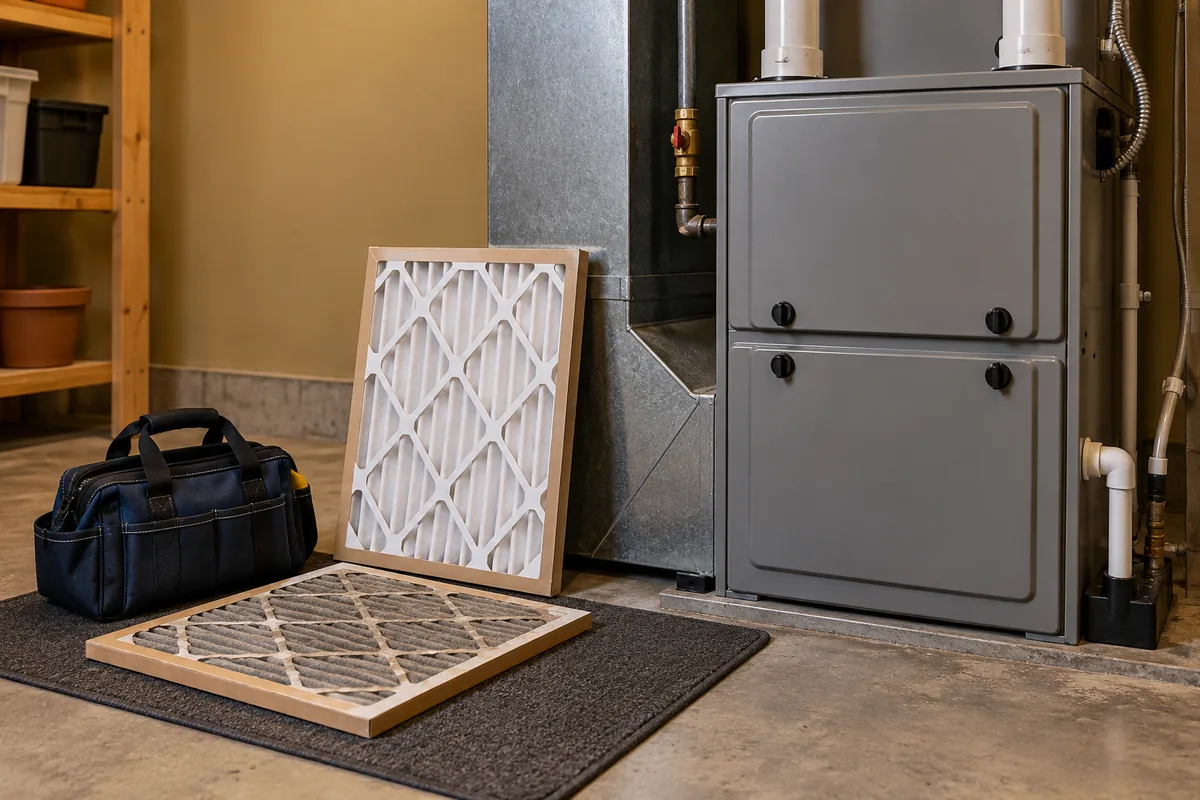
- filters, returns, supply ducts and airflow restrictions
- thermostats, zoning controls and temperature sensors
- older furnaces, high-efficiency condensing furnaces and repair-versus-replacement cases
Common problems that point to repair
Many calls start after a reset stops helping, the system works only part of the day, or comfort problems return under load. These symptoms help separate a small component issue from a larger equipment or airflow problem.
- furnace will not start, starts then shuts off, or blows cold air
- heat is uneven, weak or delayed after the thermostat calls
- the unit clicks, hums, rattles, squeals or smells unusual
- the flame drops out or the system locks out after reset
- water appears near a high-efficiency furnace or drain line
- the breaker trips, the control board flashes a code or the blower will not run correctly
How the diagnostic visit works
The visit is focused on finding the failure and explaining practical next steps before approved work begins. That matters because similar symptoms can come from controls, airflow, electrical parts, drains, ignition, motors, coils or site conditions.
- Confirm the equipment type, current symptom, access, urgency and any recent reset or maintenance history.
- Inspect operating behavior, visible condition, safety concerns and the component groups tied to the symptom.
- Explain what was found, what can be repaired, what should be monitored and when replacement should be considered.
- Give clear next steps so the decision is based on downtime risk, age, condition and expected reliability.
Repair versus replacement
Repair can make sense when the equipment is structurally sound, parts are available and the failure is isolated. Replacement should be discussed when the same system has repeated failures, poor efficiency, obsolete parts, unsafe operation or capacity problems that no repair will solve.
For Vancouver, WA, service planning commonly includes areas such as Downtown Vancouver, Uptown Village, Cascade Park, Hazel Dell and Fisher's Landing. Exact coverage and timing still depend on the schedule, access and the condition of the equipment onsite.
Related HVAC services
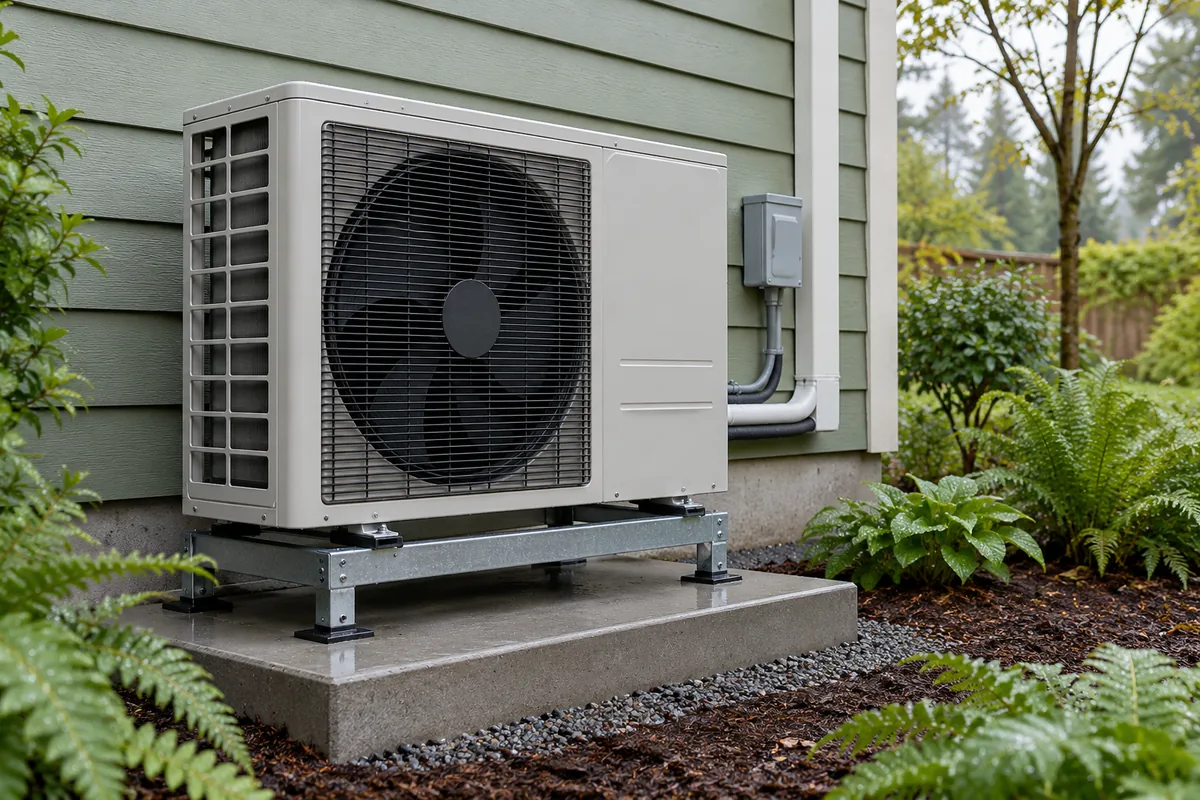
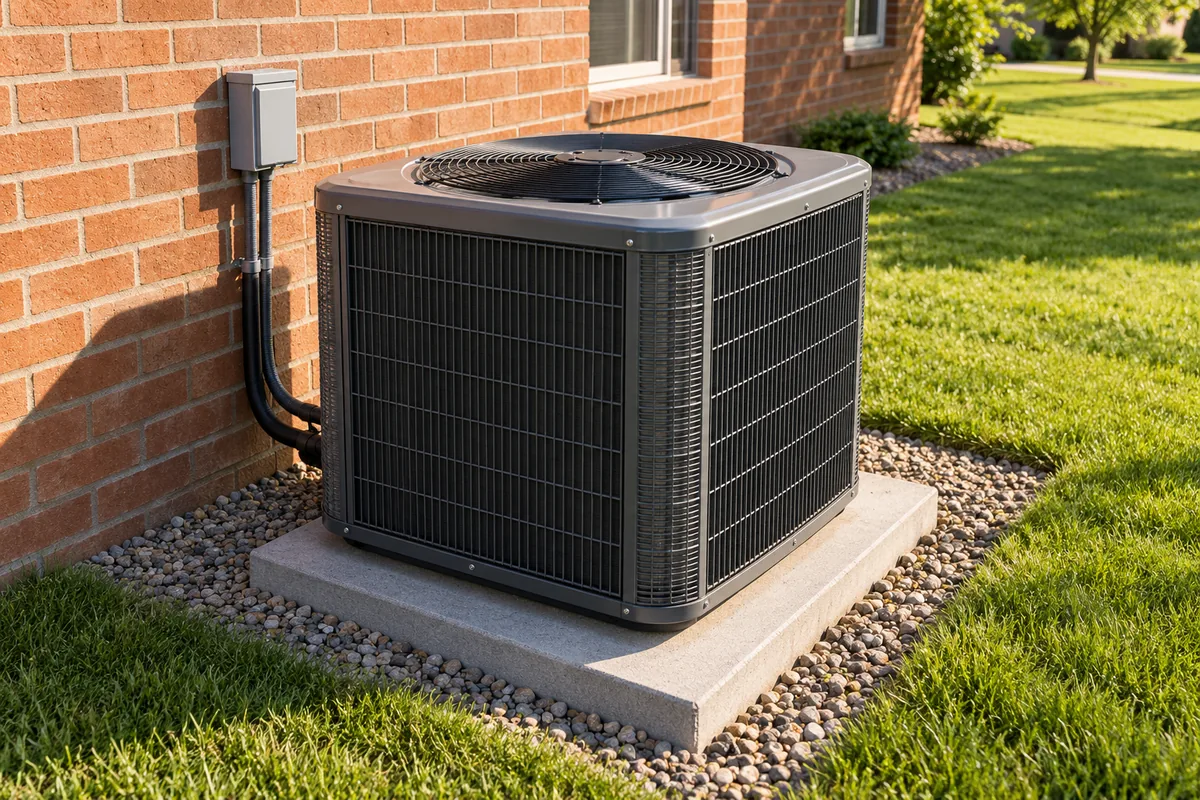
Heating and cooling problems often overlap. A cooling call can reveal airflow issues, a furnace call can involve controls, and a heat pump call can involve both heating and cooling components.
- Furnace Maintenance
- Furnace Installation
- Heat Pump Repair in Vancouver, WA
- AC Repair in Vancouver, WA
Nearby local pages
These nearby pages keep the same service organized by city so internal links match the site architecture.
- Furnace Repair in Happy Valley, OR
- Furnace Repair in Gresham, OR
- Furnace Repair in Oregon City, OR
- Furnace Repair in Milwaukie, OR
- Furnace Repair in Tualatin, OR
- Furnace Repair in Wilsonville, OR
- Furnace Repair in Sherwood, OR
- Furnace Repair in Camas, WA
- Furnace Repair in Washougal, WA
Furnace Repair FAQ
What details should I include before scheduling?
Include the equipment type, brand and model if available, the exact symptom, when it happens, and whether the system is still usable. Photos of the unit or data plate can help.
Can you diagnose intermittent problems?
Yes. Intermittent failures are easier to narrow down when you can describe the timing, thermostat behavior, noises, error codes, resets and whether the issue happens under heavy use.
Do you give repair options before work begins?
Yes. The technician explains the findings, likely repair path, parts considerations and replacement concerns before approved work begins.
Can access conditions affect the visit?
Yes. Roof access, crawl spaces, attic equipment, parking, tenant rules and business-hour restrictions can affect how the visit is routed and how quickly the equipment can be inspected.
Local furnace repair priorities in Vancouver, WA
Vancouver service requests can involve older neighborhoods, newer subdivisions, rentals and light commercial spaces, with cross-river routing and access details affecting the schedule. For furnace repair, that local context matters because the same customer complaint can come from equipment failure, airflow limits, controls, access conditions or a system that is reaching the end of its useful life.
Furnace repair should confirm safe operation first, then narrow whether the issue is ignition, flame sensing, airflow, venting, controls or a failing motor. In Vancouver WA, useful scheduling details include the age of the system, whether the issue is constant or intermittent, what rooms or zones are affected and whether heating or cooling is still partially available.
What we look at first on a Vancouver visit
systems may show different symptoms during wet shoulder seasons, cold snaps or warm Columbia River corridor afternoons, especially when airflow or auxiliary heat is involved. The visit should document the symptom under real operating conditions, then connect it to the component groups that can actually explain it.
- thermostat call, control board response, safeties and diagnostic code history
- igniter, flame sensor, burners, gas valve sequence and startup reliability
- inducer motor, pressure switch, venting path and condensate handling on high-efficiency units
- blower motor, wheel condition, filter restriction, limit switch behavior and duct airflow
- short cycling, delayed ignition, unusual odor, noise and whether heat stops before the home reaches temperature
Access and planning notes for Vancouver, WA
Share whether the equipment is in a garage, attic, crawl space, roof area or side yard, and mention bridge timing or business-hour restrictions when relevant. These details help the technician arrive prepared and reduce the chance that the appointment has to be rescheduled because equipment, parking or building access was unclear.
Service planning commonly includes Downtown Vancouver, Hazel Dell, Salmon Creek, Cascade Park, Fisher's Landing and nearby Clark County neighborhoods. Exact timing still depends on route availability, part needs, property access and whether the call is urgent or preventive.
Repair, maintenance or replacement decision points
Repair is typically practical for a clean, isolated ignition, sensor, switch or motor issue. Replacement should be discussed when the heat exchanger, control system, repeated safety trips or age-related failures make the furnace unreliable. The recommendation should be based on measured findings, age, condition, safety, comfort impact and expected reliability rather than a generic answer.
Vancouver furnace repair planning for intermittent no-heat calls
In Vancouver, a furnace that works after a reset but locks out again overnight is a different service call than a furnace that never starts. Intermittent ignition, pressure switch, flame sensing and airflow problems need symptom history because the unit may behave normally by the time the technician arrives.
Cross-river scheduling also makes preparation important. Photos of the furnace label, error light, filter location and venting area can help the technician prepare for common gas furnace parts and access before the visit.
- The furnace starts, lights briefly and then shuts down before the blower cycle is complete.
- Heat works during the day but fails after a cold night or after the thermostat recovers from setback.
- A diagnostic light flashes after lockout, but the code disappears when power is reset.
- The furnace shares a garage, attic or closet with storage that may restrict service access.
For Vancouver furnace repair, the page should emphasize safe sequence testing and error-code history so the repair is based on evidence rather than a one-visit guess.
Furnace Repair in Vancouver, WA FAQ
What furnace symptoms should be treated as urgent?
Call promptly for no heat, burning smells, repeated safety lockouts, unusual gas odor, loud startup noise or a furnace that trips the breaker. Stop using the system if there is a safety concern.
Why does a furnace start and then shut off?
Short cycling can come from a dirty flame sensor, pressure switch issue, blocked venting, overheating from restricted airflow, thermostat problems or control board faults.
Can an older furnace still be repaired?
Yes, if the failure is isolated and the furnace is otherwise safe. Replacement becomes the better conversation when major parts fail, safety issues appear or repairs repeat each season.