


Commercial Kitchen Equipment Repair in Tualatin
HVAC & Appliance Repair Guys provides commercial kitchen equipment repair in Tualatin, OR, for cooking, cooling, frozen storage, ice and washing equipment. Provide each affected model and symptom so we can confirm support and plan diagnosis.
Describe the machine’s changed function and its business priority. A lit display or running motor does not establish usable heat, cooling or output. We explain the findings, proposed work and price before approval; parts, access and condition can affect whether a return visit is needed.
Equipment Models and Separate Components
Use a stable equipment name, asset number or location and the complete model from a safely accessible label. Preserve suffixes and mark unreadable characters instead of guessing. Keep close label photos with a wider view of the machine.
Some setups contain separate pieces, such as an ice-producing unit and storage bin. Identify which label belongs to each piece and which function changed. Do not move connected equipment, remove covers or enter restricted areas to obtain information.
Startup, Output and Intermittent Faults
Give the last known normal use, first observed problem, exact warning and any changed sound, water or output. Say whether the machine stays off, stops after starting or keeps running with poor results. Leave unknown times explicit.
Include later normal periods and any reset or setting change already tried, with its result. A display returning without fresh output differs from restored operation. Do not repeat actions or stage a test to improve the report.
Chilled Cabinets and Temperature Readings
Identify the cabinet’s purpose and whether the concern affects one area or the whole space. Record the source, location and time of each reading; a display and a separate check may describe different conditions. Do not average unrelated readings into one diagnosis.
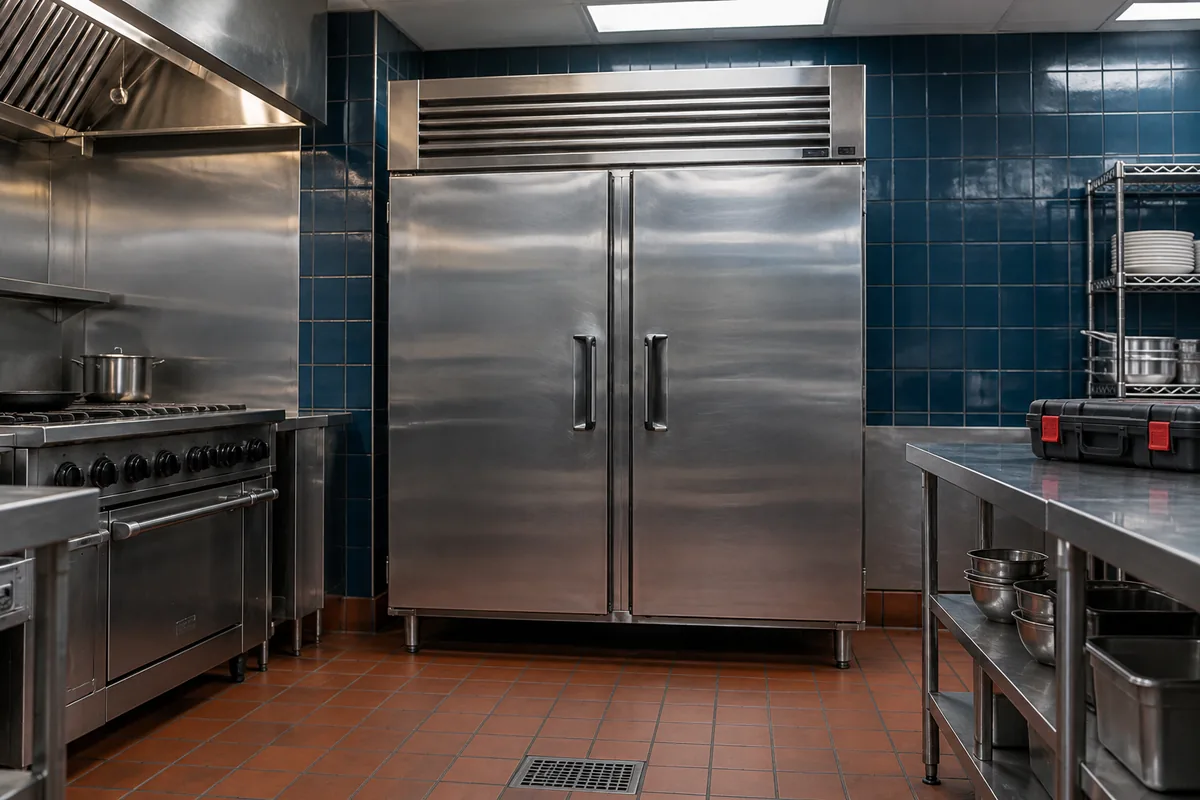
Our commercial refrigeration repair in Tualatin covers chilled equipment. Include warnings, frost or new sounds, and known changes in door use or stock layout. Do not stage loading tests or keep changing controls.
Follow the business’s product-handling procedures. A later cold reading or repair booking does not establish what happened earlier or whether stored goods are fit for use.
Frozen-Storage Equipment
Give the freezer’s own model, layout and symptoms rather than borrowing the history of a nearby refrigerator. Describe continuous running, long stops, changed displays or a problem affecting one area. Do not open panels or probe hidden spaces to map temperatures.
Mention a move or prior repair and the behavior before and afterward. Explain whether frozen stock affects access and discuss preparation; do not empty or reload equipment based on a guessed repair. Product decisions remain with the responsible site contact.
Doors, Frost and Water
Identify a door that catches, leaves a gap or no longer closes normally. A visible seal problem may not explain every cooling symptom, so keep the performance history with the door report. Use a safe photo without holding heavy parts or removing fittings.
For frost, describe its location and whether it returns. Do not chip ice, apply heat or remove covers. For water, note where it first appears and when; a puddle does not identify a blocked drain or failed connection. Do not disconnect lines or reach into wet hidden spaces.
If the wet area extends across several machines, report each unit’s symptoms. The assessment determines what belongs to appliance repair and whether a separate site issue needs attention.
Cooking Performance and Control Response
A cooking appliance may turn on but fail to deliver its usual heat or result. Describe whether it never heats, stops after starting, changes during a cycle or affects only one section. Give the exact machine, selected mode and any warning.
Include workload changes and later adjustments as history without replacing the original conditions. Do not inspect hidden components or run special tests. Follow the site’s cooking and equipment procedures while the fault remains open; a normal display or booking does not approve the cooking process.
Fryer Heating and Other Functions
For a fryer, identify the model, vat and changed function, including no start, heat loss, warnings or another concern. Our commercial fryer repair in Tualatin provides the focused service route.
Do not work around hot oil, bypass controls or open internal areas to identify a part. Share earlier completed work and whether it restored normal use. Discuss the work window and ask which concerns the repair covers; equipment findings remain distinct from oil-handling and cooking decisions.
One Appliance or the Whole Cooking Line
List each affected machine, model and fault. Shared business impact or timing does not establish one technical cause. Business priority can guide planning without guaranteeing repair order or duration.
If a unit has both damaged hardware and poor performance, report both and ask which findings the proposal addresses. Mention extra equipment before booking; one oven or fryer visit does not automatically cover every station.
Fresh Ice Output and Stored Supply
Describe when staff last saw new ice and what the machine does now. Stored ice may come from an earlier batch, while low supply can coincide with higher demand. Neither bin level alone establishes the current fault.
Our commercial ice machine repair in Tualatin covers that request. Identify the production unit and any separate bin label, then record warnings, new sounds or visible water with their timing. Do not open the machine, approach moving parts or force extra cycles.
Describe dispensing or point-of-use problems separately from production. Support for the ice maker does not automatically include every connected accessory.
Commercial Dishwashing Symptoms
Give the model and last working cycle stage. Failure to start, a mid-cycle stop, retained water and a poor result after completion are different complaints. Preserve the exact message and relevant use or service changes.
Do not bypass door controls, remove covers or force a cycle. We confirm support for the unit and diagnose the actual fault. A completed equipment repair does not replace the business’s wash-process checks or establish every operating result.
Fault Repair and Routine Care
Tell us whether you need a fault assessed, routine care or both. Include the last known cleaning or maintenance date, the products used and any change in results. Do not add treatments, mix products or dismantle equipment to prepare for a repair visit.
Equipment diagnosis does not determine whether stored products, ice or washed items may be used. Keep those decisions with the person responsible for the business’s handling and sanitation procedures.
Ask which repair or maintenance tasks the appointment includes, along with materials, access needs and later steps. A completed repair or replacement part does not establish an ongoing care plan.
Earlier Repairs and Warranty Questions
Share dated records for the correct machine: prior findings, estimates, completed repairs and parts installed. Explain whether normal operation returned, returned briefly or never resumed. If details are missing, say which ones are unknown.
A repeated warning does not by itself establish that a previous repair failed. Keep any written warranty terms with the service record and clarify their application before approving new costs.
Repair Priorities and Shift Contacts
Rank affected machines by their impact on the next service period and any usable alternatives. State which equipment is in normal use or out of use. Priority helps plan the request; it does not establish the cause or repair duration.
Identify the person who observed the fault, the site contact for the visit and the person authorized to approve work. Pass on the equipment notes across shifts. Keep approval tied to each machine and report added units or changed conditions before expanding the appointment scope.
Equipment Access and Fixed Fittings
Describe the service route, available work window and access around counters, shelves and nearby equipment. Normal operating access may not provide enough room for service.
State which sides are accessible and whether a label or symptom is out of safe reach. Leave connected equipment and covers in place; describe the limit so we can plan access.
Explain who controls any fixed counters or fittings that restrict access. Confirm responsibility and approval for separate removal work, and ask how to prepare nearby utensils or stock. Product handling remains subject to the business’s procedures.
Repair Approval, Parts and Return Work
Before approving work, ask which finding the proposed repair addresses and whether another concern remains. Identify the correct unit in the approval or purchase order, including any parts and return visit required.
The first appointment may establish the repair needed without completing it. Keep proposed, approved and finished work distinct, particularly while parts or a return visit are pending. A repaired door does not establish that a separate cooling complaint has been resolved.
Repair Options and Future Business Needs
Compare repair options using the current condition, available service history and the business’s needs. Age or previous bills alone do not settle the decision or guarantee future reliability. Tell us which history details are unknown.
If demand or the kitchen layout has changed, explain the new requirement. Repairing the existing fault does not increase the machine’s rated capacity. Relocation, layout changes and installation are separate tasks to clarify before approving a wider project.
Equipment Status for the Next Shift
Leave the next shift a dated record of what is complete, what awaits approval or parts, who is responsible for the next step and any access arrangements for a return visit. Add later changes to that record.
Our commercial appliance repair overview explains the broader service coverage. Request commercial kitchen equipment repair in Tualatin from HVAC & Appliance Repair Guys using the form below with the affected models, symptoms and current priorities. We review support and the proposed appointment scope before confirming the next step.
Frequently Asked Questions
Do staff need to prove which component failed?
No. Provide the current behavior, exact warning and known history from safe observations. The technician assesses the fault before proposing a repair. Do not remove guards or run unusual tests simply to make a service request more detailed.
What if the machine works normally when the visit takes place?
Keep the earlier times, symptoms and any later recovery in the same record. A normal moment does not erase the reported concern. The technician can assess the available evidence and explain what the finding supports or still leaves uncertain.
Request Commercial Kitchen Equipment Repair in Tualatin, OR
For commercial kitchen equipment repair in Tualatin, OR, call HVAC & Appliance Repair Guys or submit a service request through the form on this page.