



Furnace Repair in Wilsonville, OR
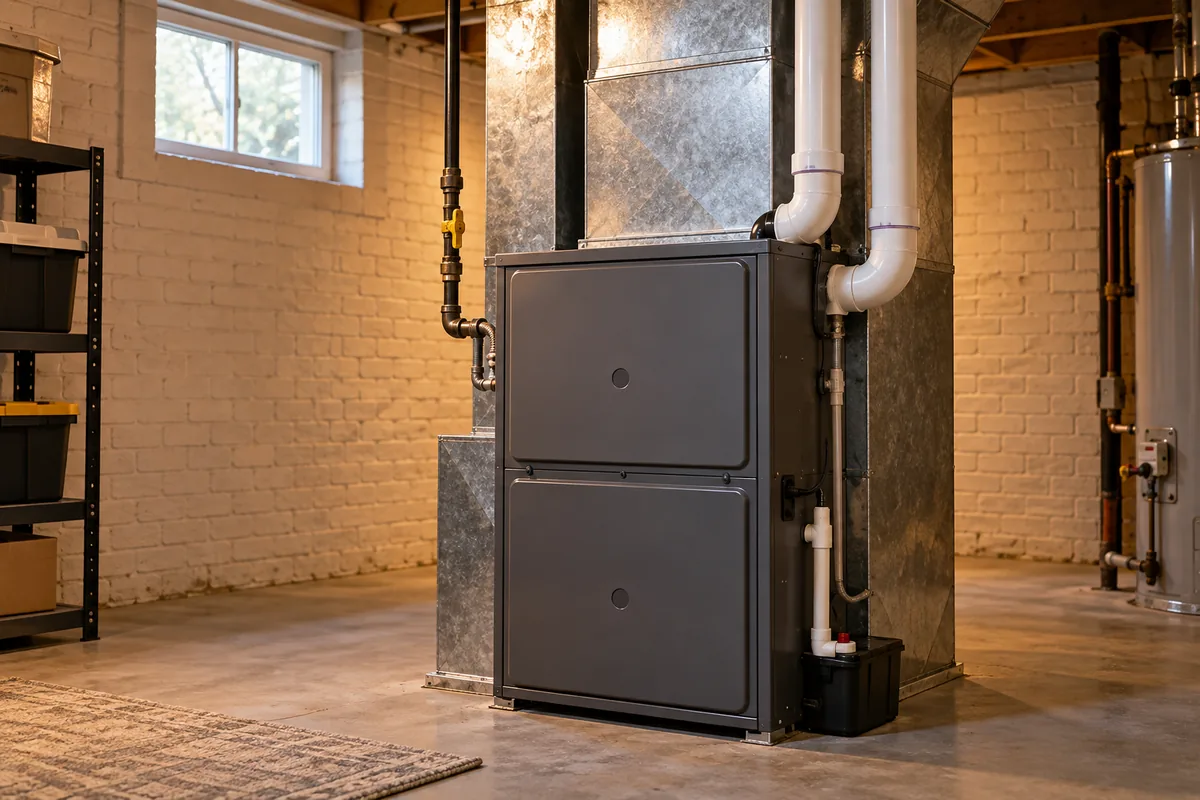
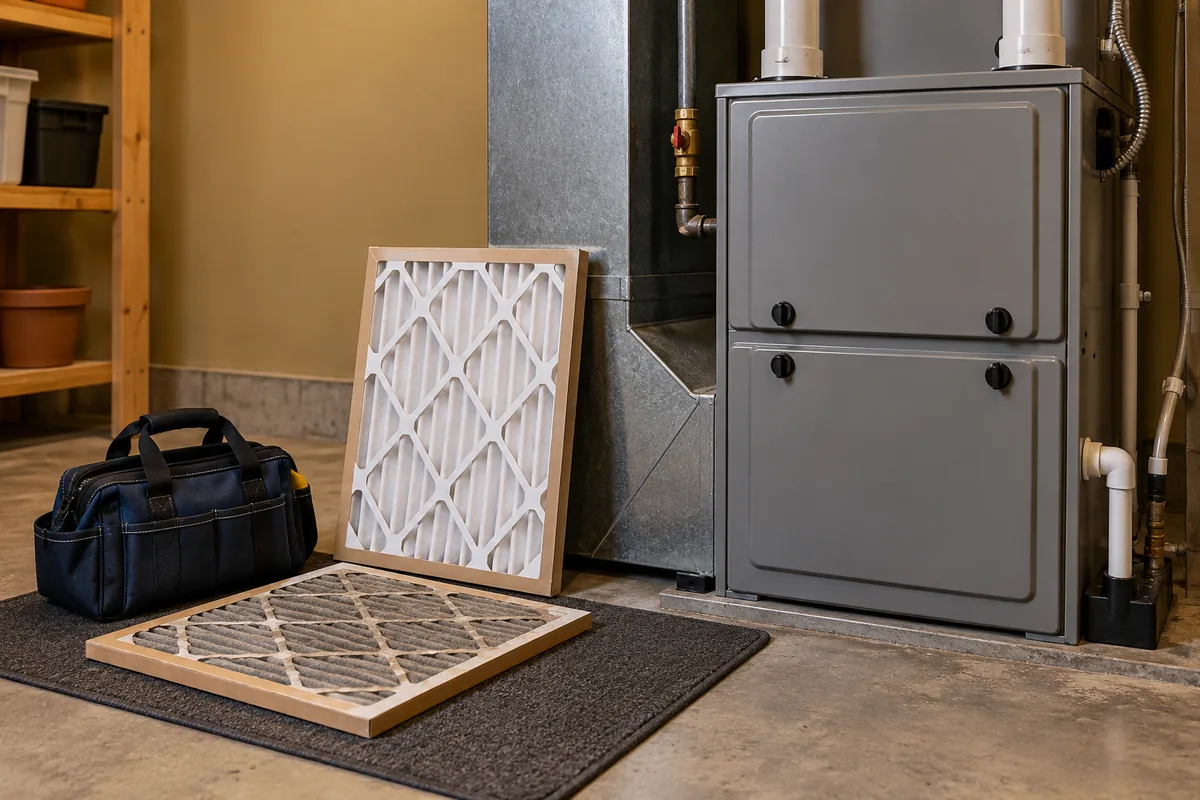
HVAC & Appliance Repair Guys provides furnace repair in Wilsonville, OR for no heat, weak airflow and repeated stops. We assess the installed system and explain repair options. In a zoned home, identify which area loses warmth and whether other zones still heat.
Our furnace repair service checks heat production and delivery. A running blower can move cool air, while weak airflow to one area may involve a different concern from whole-home heating loss. Include any pattern that changes when another zone requests heat.
Shared Furnaces and Separate Heating Systems
Identify the normal controls and the rooms you associate with each one. State whether you know they use a shared furnace or separate heating units. Several wall controls do not settle that question by themselves. Keep an uncertain equipment connection open for the technician.
Use existing records or familiar equipment locations to describe the setup. You do not need to follow hidden ducts, remove panels or trace wiring. If a previous project changed the zone arrangement, mention it. The assessment needs the current configuration rather than an old room label alone.
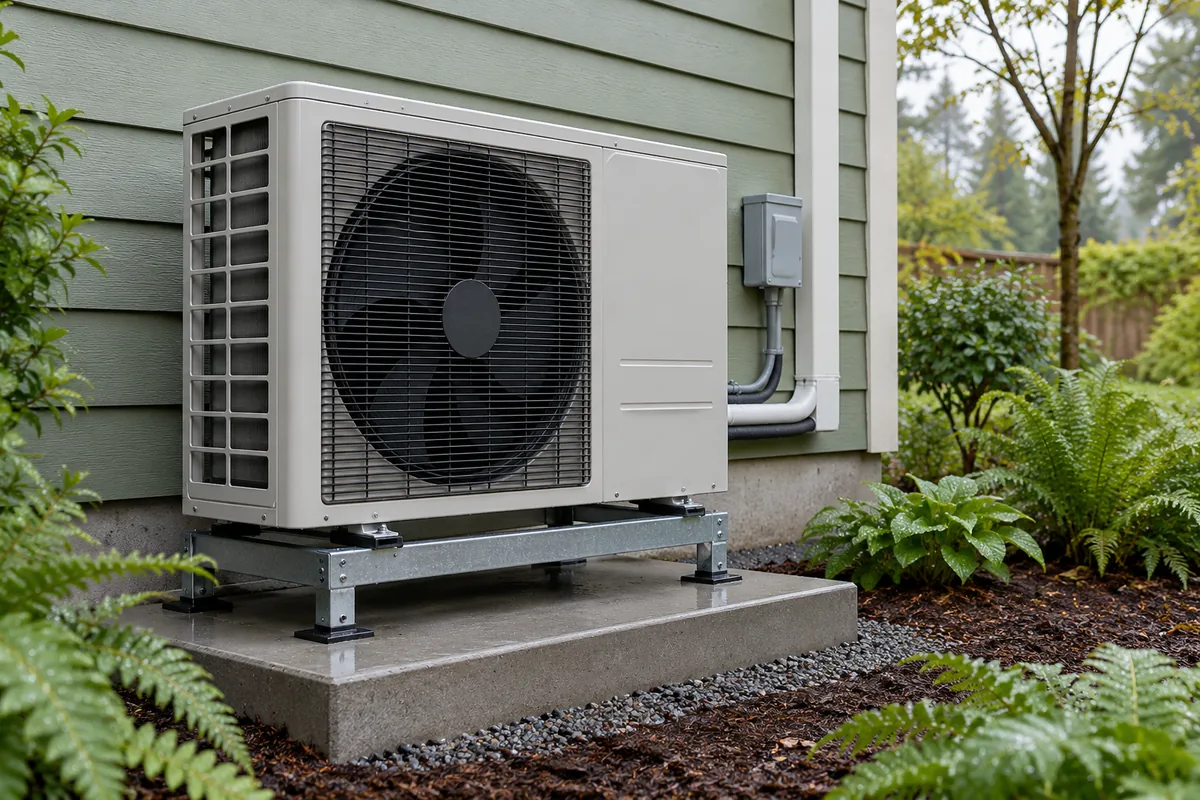
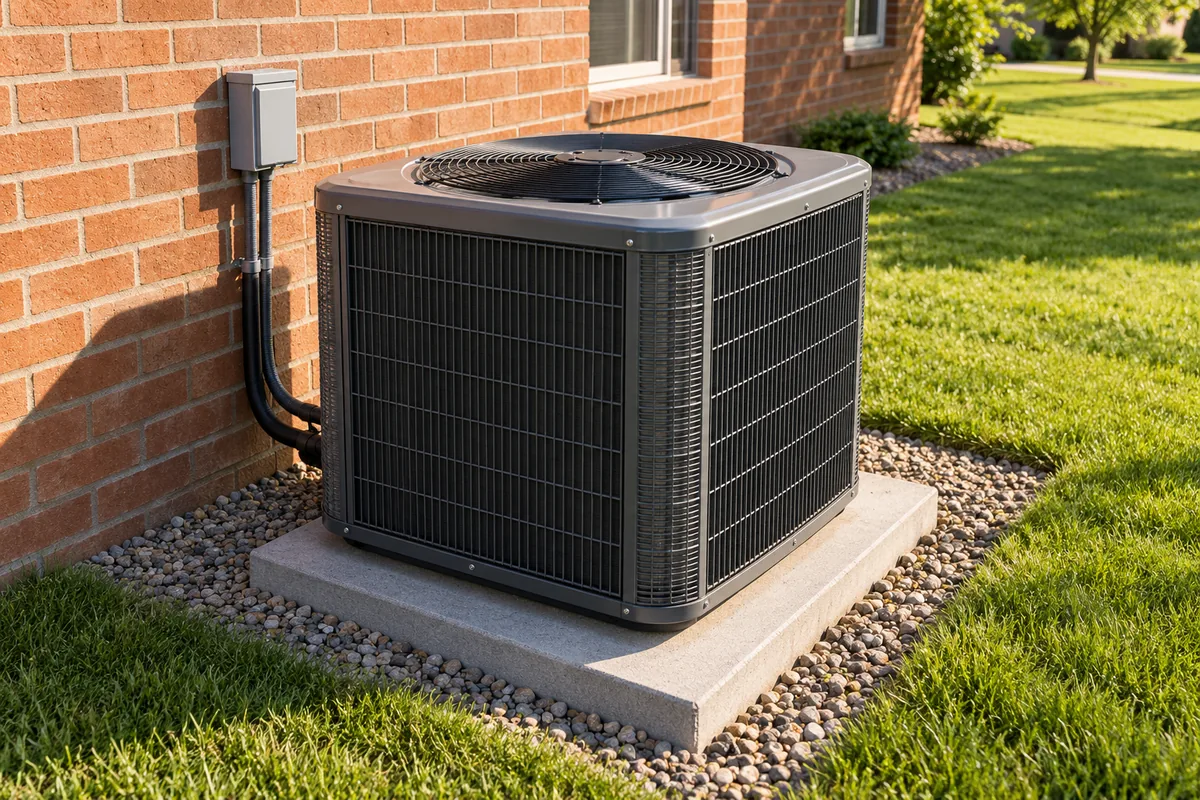
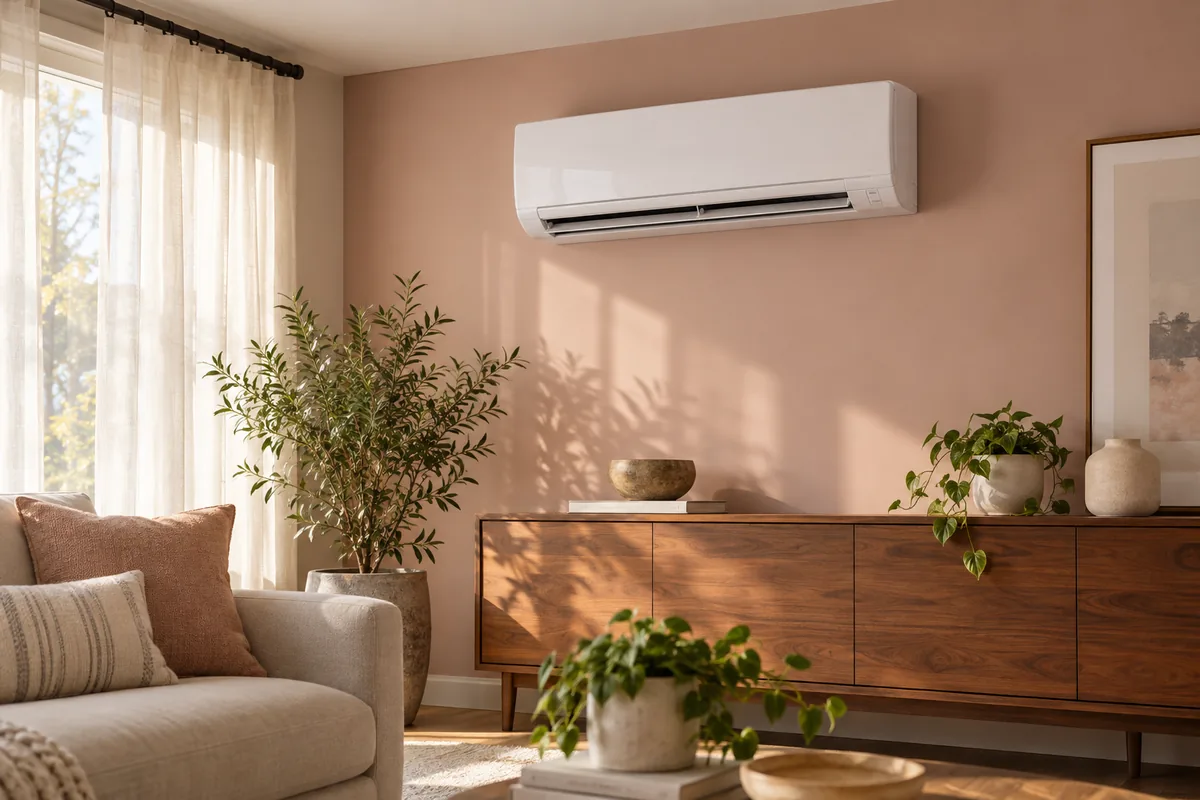
Identify any separate air conditioner or heat pump needing attention, with its symptoms. Shared controls do not necessarily mean shared equipment; confirm which systems the appointment will assess.
Zone Settings, Airflow and Room Temperatures
Note the usual mode, selected temperature and room reading for the affected zone, plus any other control readings you already know. A requested setting differs from the actual room result.
Describe whether warm air arrives, how strong the flow is and whether the room temperature changes. Moving air alone does not establish that a room receives enough useful heat.
If the response changes when another area calls for heat during normal use, explain that sequence. Do not force combinations of calls before the visit; extra tests may not reproduce the original conditions. Say when you did not observe a detail.
Zone Controls and Air Paths During Diagnosis
Do not close vents, move dampers or enter installer menus to direct more heat into a room. Those changes can alter the setup the technician needs to assess. Describe any normal setting change already made and what happened afterward. Leave internal controls and wiring untouched.
Our HVAC repair service in Wilsonville covers wider heating and cooling concerns. Describe any separate AC fault and its room pattern, then confirm which equipment and functions the visit can address.
Zone Repair Findings and Further Checks
Ask whether the findings concern the shared furnace, a room control, the air path or another part of the setup. These are possibilities to assess, not a list of parts to replace. Review the confirmed fault, proposed work and price before approval. If replacement is being considered, furnace installation covers that separate project.
If further testing must follow a repair, ask what it will check and which zones are involved.
Mention access limits before the visit and ask whether another step is needed to assess an affected room.
Furnace and Zone Checks After Repair
After the work, ask which furnace and zone responses were checked and whether any concern needs follow-up.
If the issue returns, report the affected area and what the other zones do at the same time.
Frequently Asked Questions
Does one cold zone mean the shared furnace needs replacement?
No. The room pattern alone does not identify the fault or decide a larger project. Review the confirmed finding and proposed repair. A replacement option needs its own reason and scope.
Can I request repair if the controls use room names I do not recognize?
Yes. Describe each control’s location and the area you normally associate with it. Mark any uncertain label as a question. You do not need to rename zones through setup menus to make the initial request.
Does a repaired zone guarantee the same temperature in every room?
A repair does not automatically provide identical temperatures throughout the home. Ask which confirmed fault the work addresses and whether any separate room-comfort concern remains.
Request Furnace Repair in Wilsonville, OR
Contact HVAC & Appliance Repair Guys to request furnace repair in Wilsonville and describe the affected zone and how the other areas heat.
For furnace repair in Wilsonville, OR, call HVAC & Appliance Repair Guys or submit a service request through the form on this page.