


Rheem Furnace Repair for Interrupted Heating
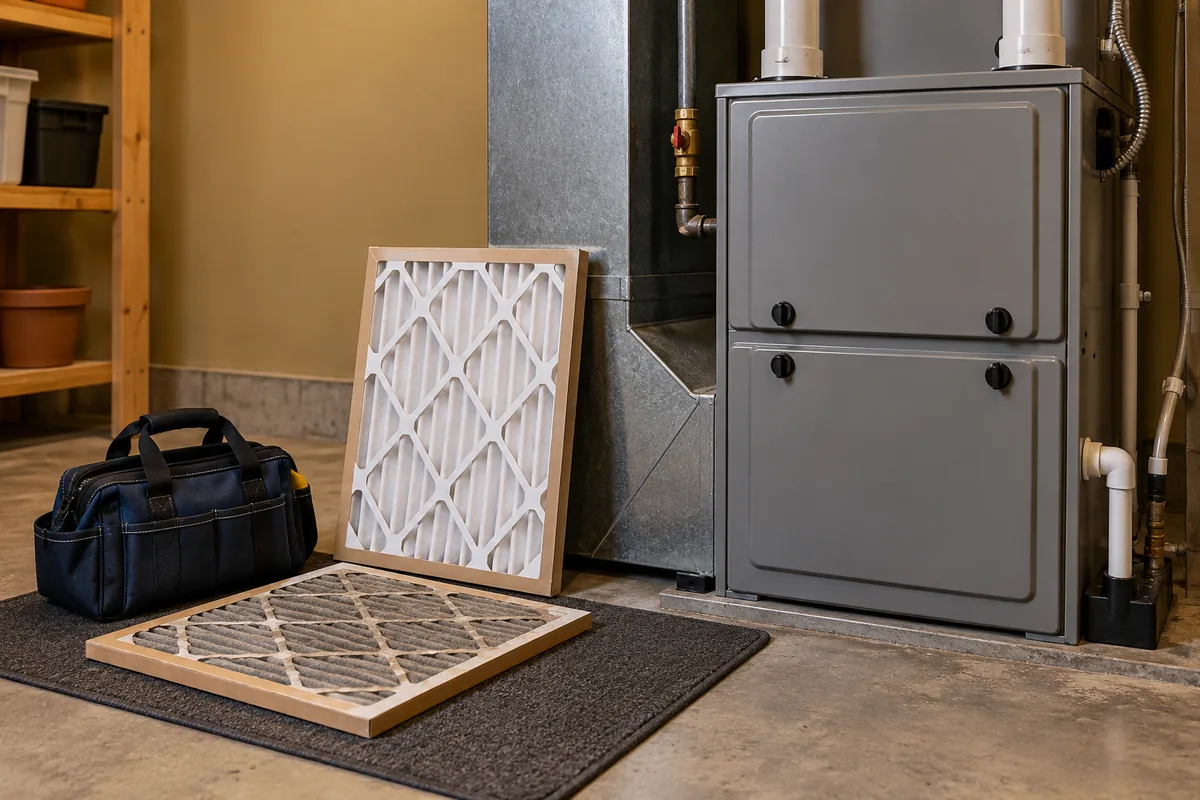
HVAC & Appliance Repair Guys provides Rheem furnace repair in Portland Metro. We assess interrupted heating, weak airflow and visible control alerts, using findings from the actual furnace before proposing work.
Our furnace repair service covers the wider service. Rheem models vary in heating stages, controls and indoor arrangements. A series name helps describe equipment, but it does not explain which condition caused a shutdown.
EcoNet and the Installed Model
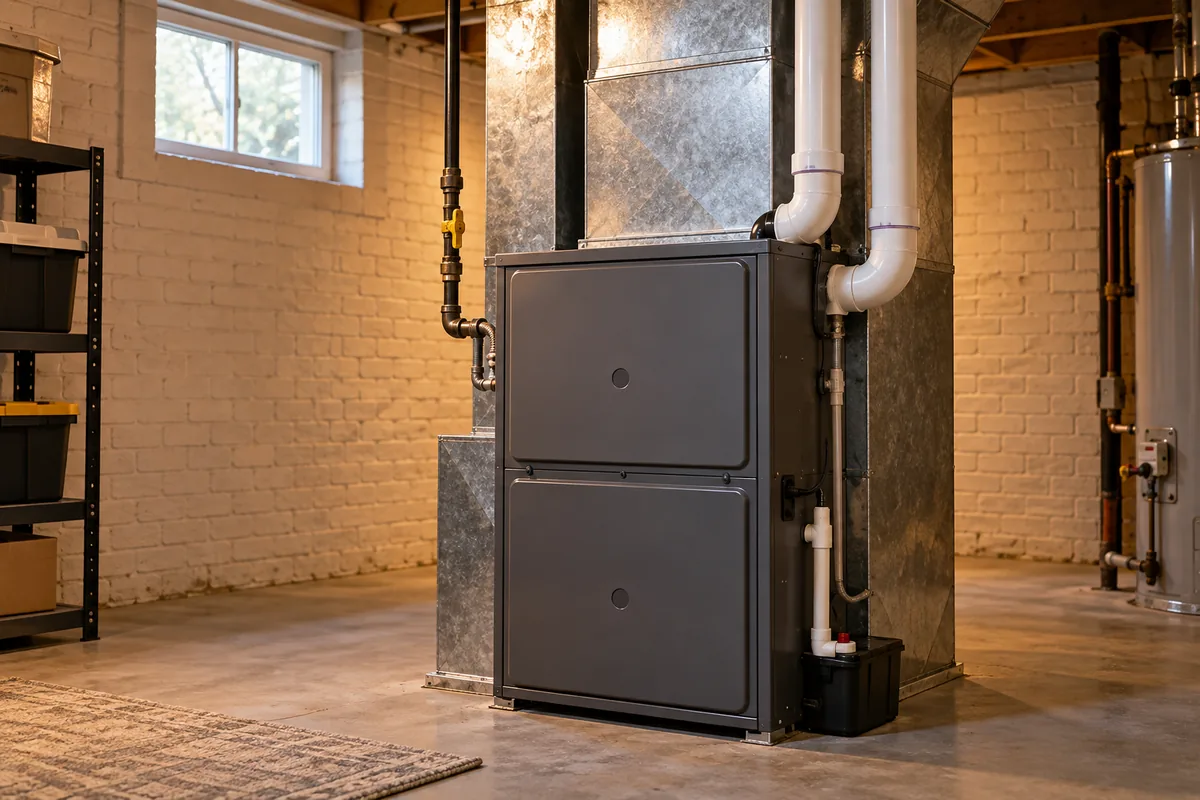
The Rheem R98MV is one example of an EcoNet-enabled furnace with modulating heat. That does not describe every Rheem unit. We identify the installed model and controls before applying expectations that belong to a particular setup.
Tell us what the normal wall-control screen shows and whether heat continued when the alert appeared. A message is useful evidence, not an automatic parts recommendation. Keep the current settings unchanged; there is no need to erase the alert before the visit.
A Furnace That Starts but Does Not Keep Heating
Describe whether the unit stays idle, starts briefly or warms the home before stopping. These patterns need different attention. Use observations from normal operation rather than opening panels or trying to identify internal components yourself.
If the problem returns after a temporary recovery, include that history. We review it with the equipment’s response. A reset that once brought heat back does not establish the cause or prove that the underlying issue has gone away.
Changes Around the Indoor Equipment
Mention water near the unit, a new sound or another visible change that appeared with the heating problem. These are details for assessment. They do not prove that a drain, control or other part caused the failure.
Leave connected parts in place and do not open the cabinet to trace the source. The actual model and findings determine the repair; a visible observation alone does not confirm the cause.
Blower Operation and Room Airflow
Air from the vents can change even while the furnace continues running. Tell us whether flow weakened across the home or in one area. It also helps to know if the blower keeps moving air after useful heat stops.
We review the heating complaint and airflow together. Some models vary their operation, so a different fan sound alone does not identify a failure. A new loss of room warmth still deserves attention, even if a control message is absent.
Rheem Furnace Repair, Maintenance and Replacement
A current shutdown needs fault assessment. Our furnace maintenance service covers planned care as a separate request. Describe the active symptom so the proposed visit addresses the heating problem.
Our Rheem furnace installation covers a new-equipment project if you want to compare replacement. We explain the repair findings and scope first. A model name, age or single alert should not be the whole basis for choosing a new furnace.
Model Details, Parts and Repair Findings
Share the model if it is already known or visible without opening equipment. Include the normal-display message and a short account of the heating pattern. Mention recent work as background, without assuming it caused the change.
We explain the finding and proposed work, including anything that still needs assessment. Parts support and timing depend on the exact model and fault. After the agreed repair, we check the relevant operation and identify any separate concern that remains.
Frequently Asked Questions
Does an EcoNet alert identify the part to replace?
Not by itself. We assess the installed equipment and the condition behind the message. A useful alert still needs a model-specific review before it becomes a repair recommendation.
Should I open the furnace if I see water nearby?
No. Leave equipment and connections in place and describe the visible change when arranging service. The source and its relationship to the heating problem need assessment.
Can the furnace need repair even without an alert?
Yes. Describe the loss of heat, repeated stopping or changed airflow you notice. A visible message is helpful when present, but it is not a requirement for reporting a heating problem.
Request Rheem Furnace Repair in Portland Metro
Contact HVAC & Appliance Repair Guys to request Rheem furnace repair and discuss the heating pattern, model and any visible control alert.
For Rheem furnace repair in Portland Metro, call HVAC & Appliance Repair Guys or submit a service request through the form on this page.