


Ruud Furnace Repair for Recurring Heating Problems
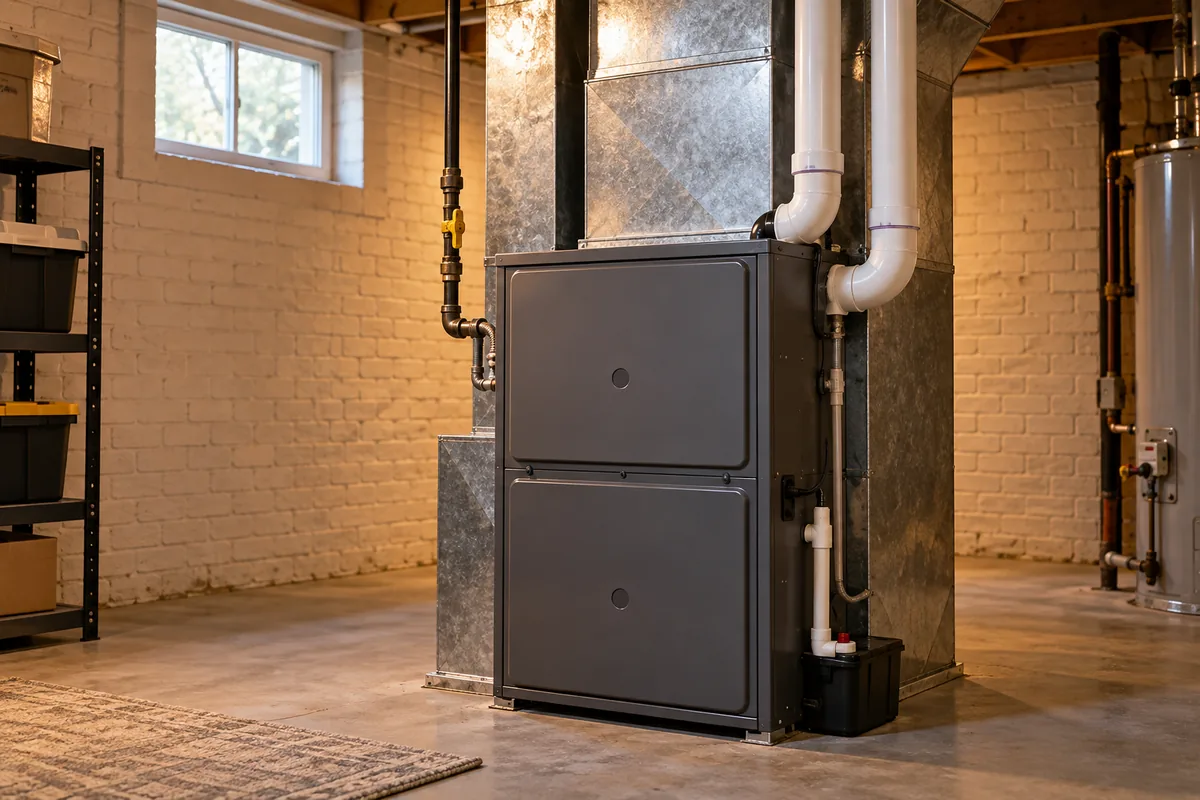
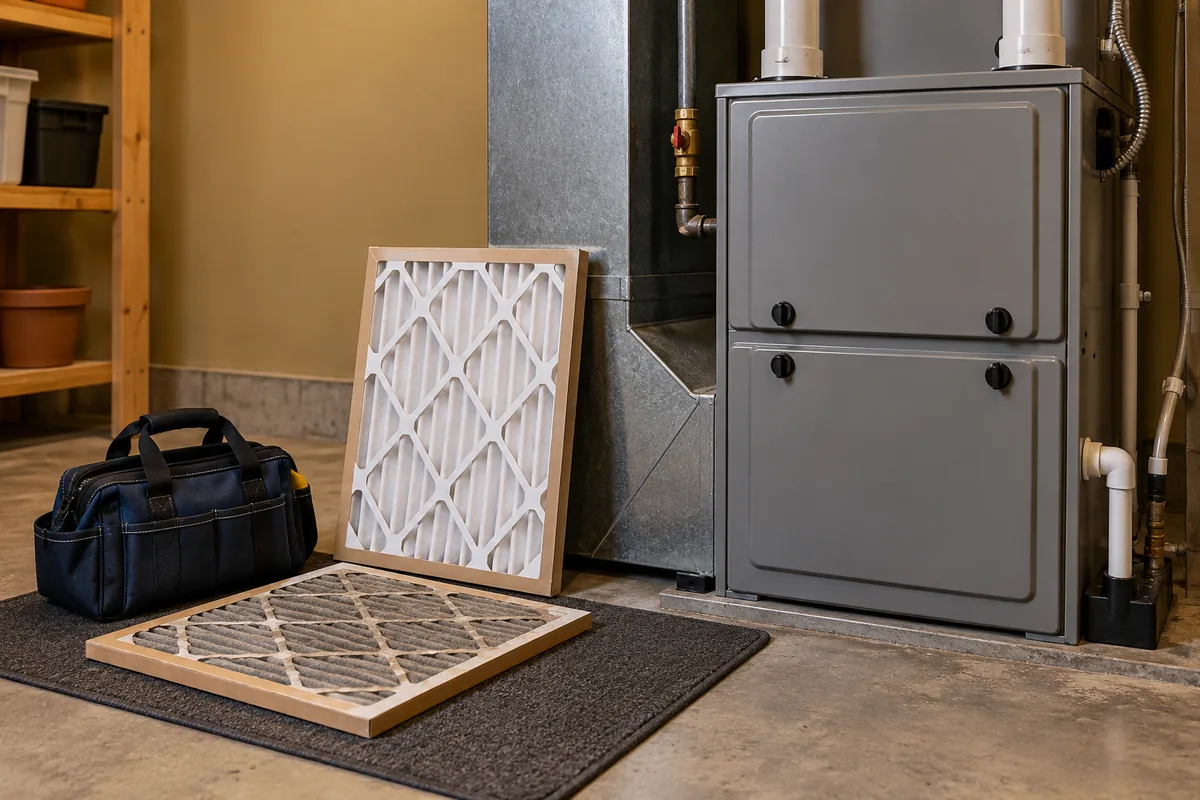
HVAC & Appliance Repair Guys provides Ruud furnace repair in Portland Metro. We assess no heat, brief runs and problems that disappear and return. The installed furnace and the conditions you notice guide the review, rather than a generic assumption about the brand.
Our furnace repair overview explains the general service. A Ruud request also needs the actual model and control arrangement. Similar-looking units can differ, so a familiar symptom does not establish the same repair for every furnace.
When the Problem Comes and Goes
Tell us whether heat stopped entirely, returned later or failed only during some runs. A short account of what happened is useful. You do not need to keep an elaborate log or force the furnace to repeat the problem.
Mention recent service or a control change as context. The timing may guide the assessment, but it does not prove the cause. We explain which findings support the proposed work and what still needs review if the fault is intermittent.
EcoNet Alerts and the Exact Equipment
The Ruud U98MV is an example of an EcoNet-enabled furnace with modulating heat. Other Ruud models can use different controls or heating stages. We establish the actual setup before interpreting an alert or applying an expected run pattern.
Share the message already visible on the normal wall-control screen. Leave wiring and service settings unchanged. An alert can identify a condition for review. It does not automatically mean a particular board or component has failed.
Heating Response and Blower Changes
A furnace that remains idle differs from one that starts but stops before the rooms warm up. Describe what you have noticed during normal use. You do not need to open panels or identify the internal step where heating stops.
Tell us whether air feels weaker across the home or if one room has always stayed cool. We review that distinction with the heating complaint. A blower symptom may be part of the current problem, while an older room concern may need a separate assessment.
Furnace Access and Model Details
Let us know about narrow access or fixed objects around the furnace. Leave the equipment and connected parts in place. Do not remove a door, hold a switch or reset the unit repeatedly to demonstrate a change in behavior.
The model is useful if you already know it or can read it without opening equipment. The normal-display alert and a simple description of the fault help too. These details support the visit without requiring you to diagnose the furnace yourself.
Ruud Furnace Repair, Maintenance and Replacement
We explain the findings, proposed work and any need for further assessment. Our Ruud furnace maintenance covers planned care separately from a current breakdown. Describe the active loss of heat when arranging help.
If replacement becomes an option to compare, our Ruud furnace installation covers that equipment project. We keep it distinct from the repair findings. Parts and timing depend on the actual model and fault. After the agreed repair, we check the relevant operation.
Frequently Asked Questions
Can a code from a similar-looking furnace explain my Ruud fault?
Do not assume that. The installed model and controls determine how the condition needs assessment. We use the actual equipment and findings before recommending a repair.
Should I repeat a reset if the fault is intermittent?
No. Describe the earlier result and any visible message instead. Temporary recovery does not identify the cause, and you do not need to force another cycle for the visit.
What if the furnace works again before the appointment?
Share the pattern you observed and any message that appeared. We distinguish that history from findings we can confirm. We explain any further assessment needed before recommending work.
Request Ruud Furnace Repair in Portland Metro
Contact HVAC & Appliance Repair Guys to request Ruud furnace repair for lost heat, brief runs or a problem that disappears and returns.
For Ruud furnace repair in Portland Metro, call HVAC & Appliance Repair Guys or submit a service request through the form on this page.