


Heat Pump Maintenance in Portland Metro
HVAC & Appliance Repair Guys provides heat pump maintenance in Portland Metro. Care should reflect both heating and cooling use: a system that runs in both seasons has a different service history from one used only to cool a room.
Explain when each mode last worked as expected. You may have booked before cooling season but still have a concern from the last period of heating. Include that detail in the request. Routine care should follow that full history of use.
Have the type of heat pump and accessible model details ready if you know them. Describe whether it uses ducts or indoor room units and whether another heat source supports it. Those details help define the visit; the words heat pump alone do not identify every part of the setup.
Filters and Airflow in Heating and Cooling
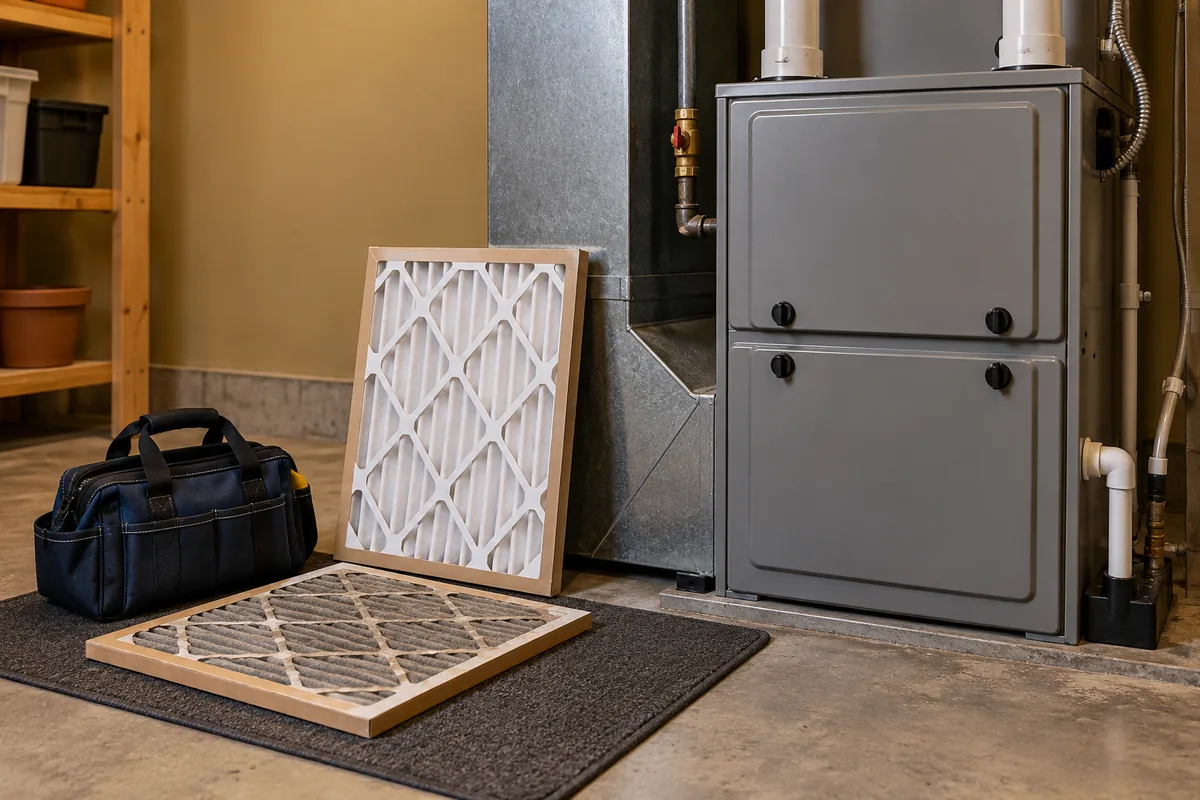
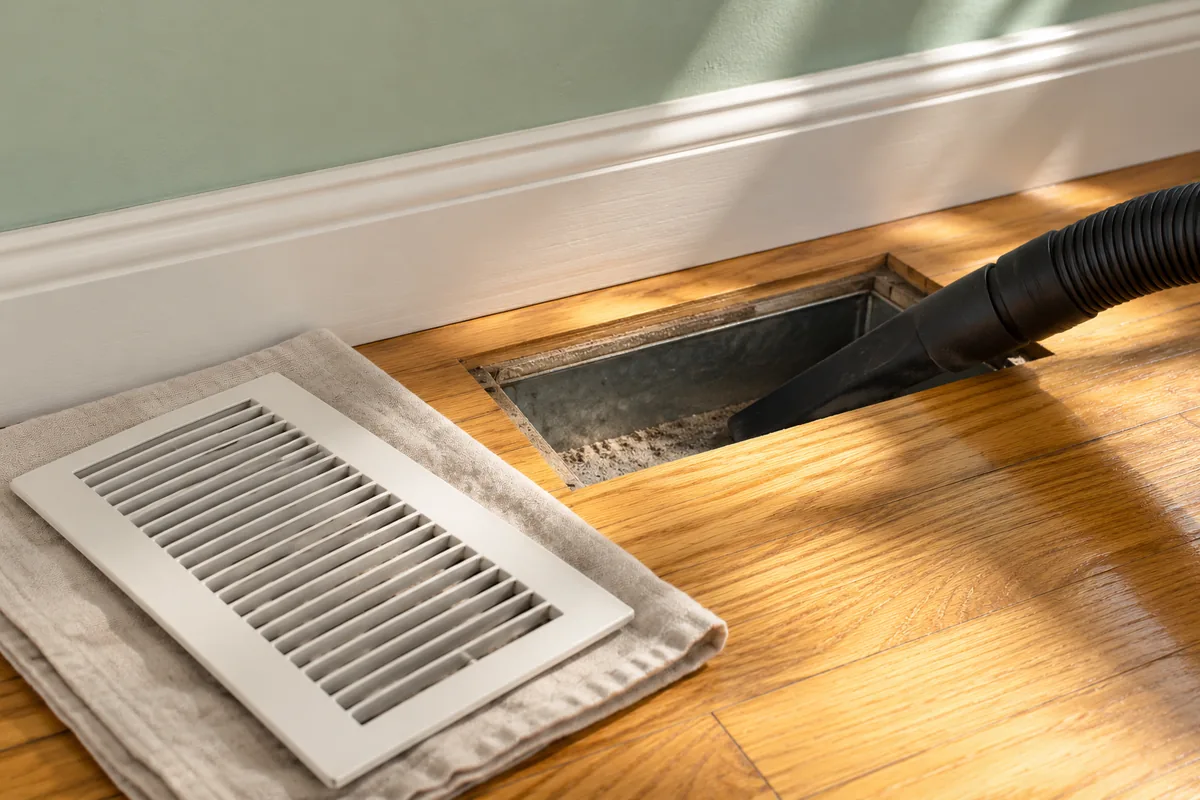
A filter or air path concern can affect comfort in more than one mode. Record the filter type and recent care, along with any change in airflow. For a ducted system, mention whether the problem affects all rooms or only one area. That difference helps the technician review the complaint.
Use the filter type and fit that suit the equipment. A filter with greater resistance can restrict airflow, even if its label seems appealing. If you want to change it, discuss the match first. Cleaning or replacing air filters should follow the needs of the installed setup.
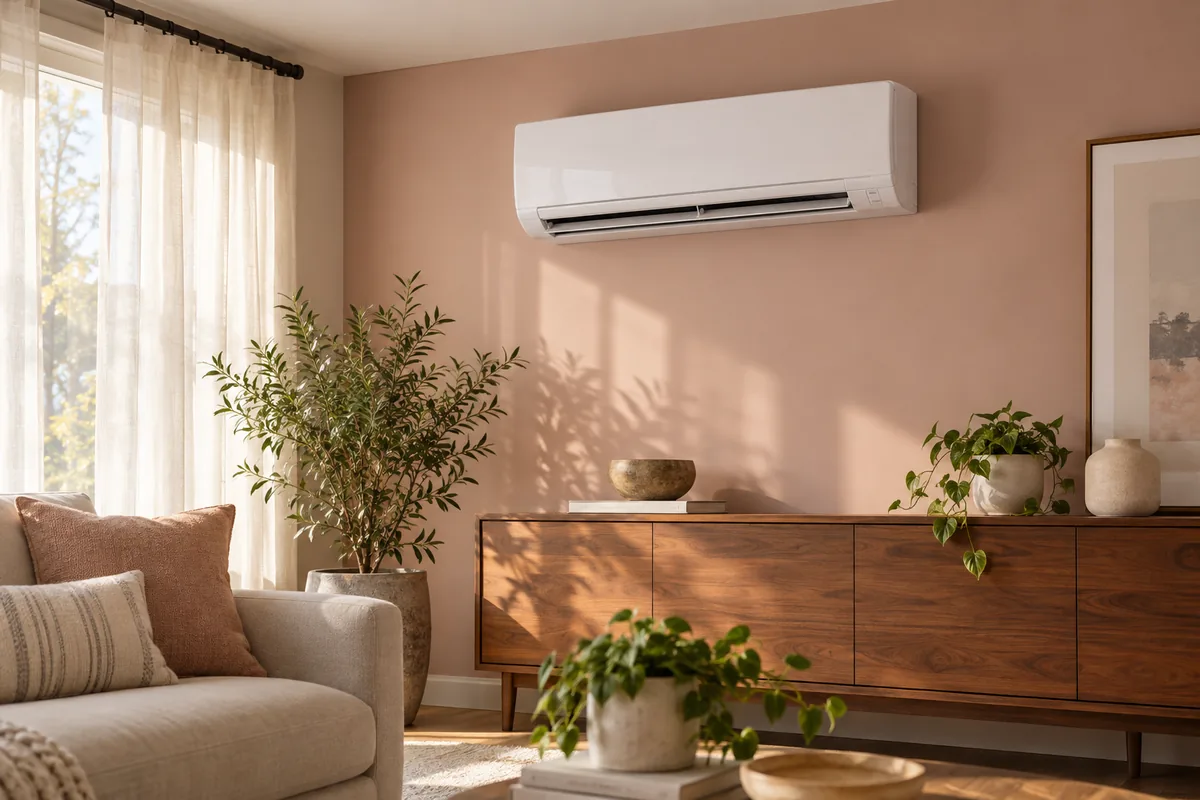
For room units, include each indoor head and note differences in use or output. Mini-split maintenance addresses that zone-based care. The shared outdoor unit still matters. Each indoor head also needs its own review.
Outdoor Unit Condition and Mode Changes
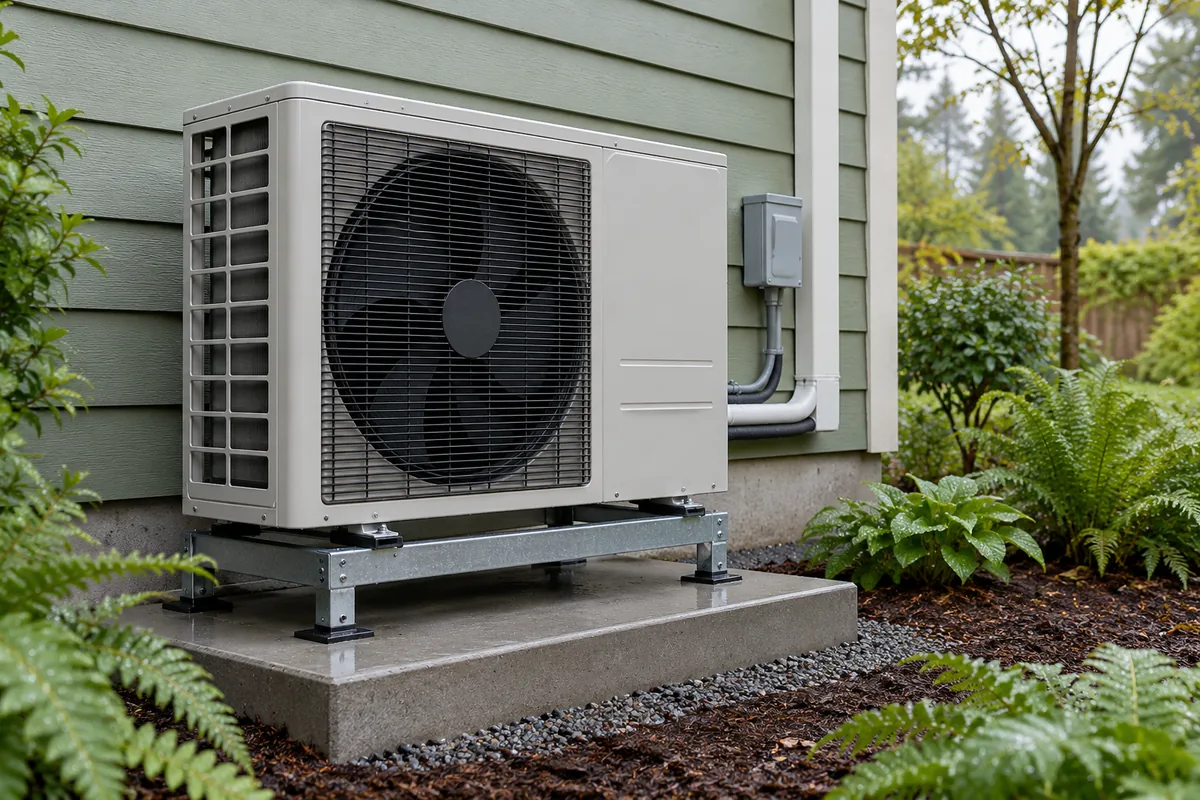
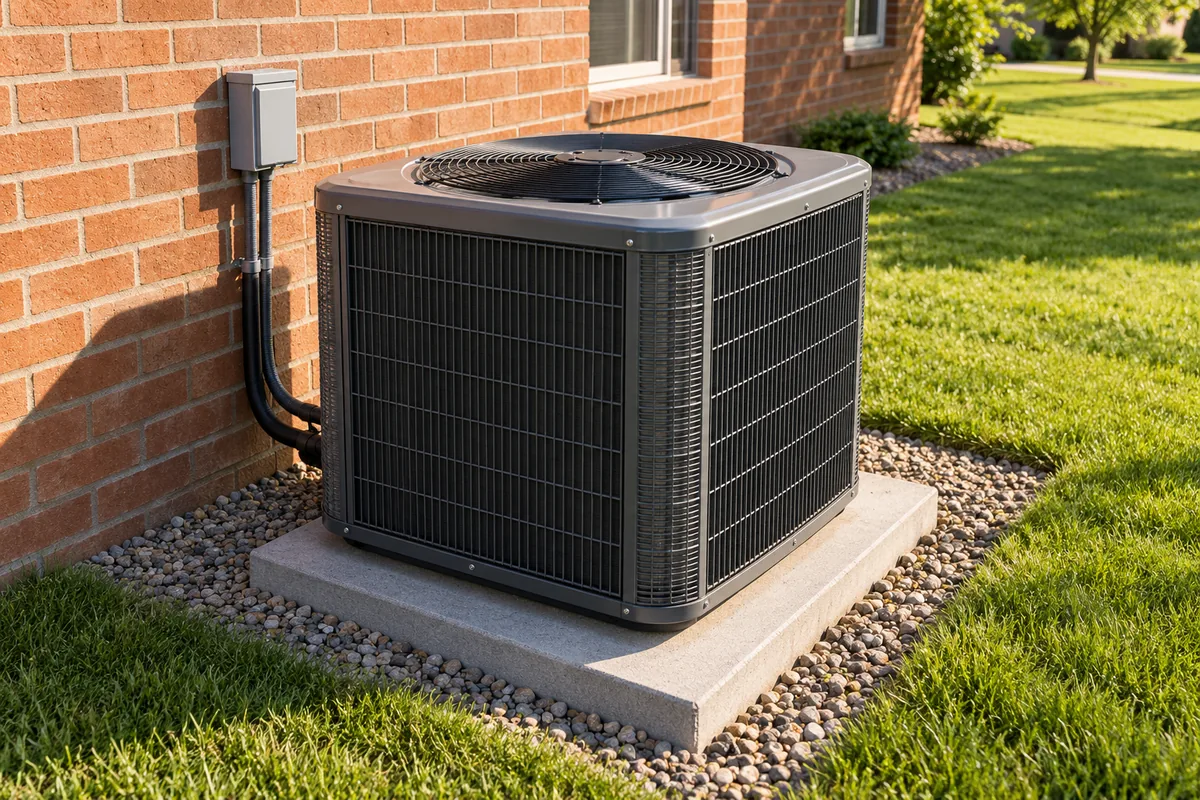
For an air-source system, the outdoor unit needs a clear air path and safe service access. Tell us about leaves, plants or stored items around it. Do not remove covers or reach into the fan to prepare for the visit. Work inside the cabinet belongs with the technician’s review of the equipment.
Some outdoor frost can occur during heating and clear through defrost. Describe any change that lasts, returns often or comes with poor heat. Those observations matter more than calling every brief cycle a fault. Thick ice that remains or interferes with the unit needs attention beyond a routine care request.
Mention display messages, unusual sounds or a change when the system switches modes. If it has already stopped, heat pump repair addresses that active problem. Maintenance can identify a concern, but it should not stand in for the diagnosis needed to explain a failure.
Maintenance Findings and Further Work
Ask what the visit found and what follow-up, if any, the equipment needs. A suspected leak or worn part may require tests or a repair decision. Discuss that work before approval. Regular maintenance does not mean adding refrigerant by default or replacing a part without a clear reason.
Keep the completed care, findings and any further work with your equipment details. That history helps explain a concern that returns after a mode change.
We offer a free on-site estimator visit for heat pump installation. It is a separate project review. A maintenance finding can inform that discussion without making replacement the automatic answer.
Heat Pump Maintenance & Tune-Up by City and Brand
Choose your city or equipment brand for the relevant service information.
Oregon: Aloha, Aurora, Beaverton, Canby, Clackamas, Donald, Forest Grove, Gervais, Gresham, Happy Valley, Hillsboro, Hubbard, Keizer, Lake Oswego, Milwaukie, Newberg, Oregon City, Portland, Salem, Scappoose, Sherwood, Tigard, Troutdale, Tualatin, West Linn, Wilsonville, Woodburn.
Washington: Battle Ground, Brush Prairie, Camas, La Center, Ridgefield, Vancouver, Washougal, Woodland.
Brands: American Standard, Amana, Bosch, Bryant, Carrier, Daikin, Fujitsu, Goodman, Gree, Lennox, LG, Midea, Mitsubishi Electric, Rheem, Ruud, Samsung, Trane, York.
Frequently Asked Questions
Does regular care guarantee the unit will not break down?
No. Maintenance helps review condition and care needs, but it cannot prevent every component failure. Keep any new symptom in your service notes and report a change rather than assume an earlier visit rules out a later fault.
How can I prepare without opening equipment?
Provide a clear route to the controls and indoor and outdoor units. Have accessible model details and service notes ready. Mention locked areas or height limits in advance, and leave covers, wiring and moving parts in place.
Request Heat Pump Maintenance in Portland Metro
Contact HVAC & Appliance Repair Guys to request heat pump maintenance and discuss the care your heating and cooling setup needs.
For heat pump maintenance in Portland Metro, call HVAC & Appliance Repair Guys or submit a service request through the form on this page.