



Electrical Service Upgrades in Portland Metro
HVAC & Appliance Repair Guys provides electrical service upgrades in Portland Metro. Start with the power the property needs and the equipment you plan to use. An amp rating alone does not define the whole job. We review the current supply, loads and site before proposing work for more power.
The estimator visit for a planned upgrade is free. Identify the goal—new heating equipment, a charger, a remodel or another load—and share selected models. More incoming power and space for extra circuits are different needs.
If a current circuit keeps tripping, report that as a fault as well as describing future plans. Do not assume the trip proves that the property needs a larger service. The present cause requires assessment. A repair and a project for more power can fit together while remaining separate tasks.
Meters, Incoming Conductors and Service Equipment
A service upgrade concerns the connection and equipment bringing power into the property. It may involve the meter, incoming conductors, main disconnect and panel. The estimate should identify which parts change and how they work together.
Describe the equipment locations and any clearly visible overhead or underground route from normal safe access. Do not open a meter compartment or panel, or trace or expose conductors to gather details.
A proposed rating does not establish that every existing component supports the change. The plan should identify equipment that needs work and conditions that remain concealed.
Present and Planned Electrical Loads
List major heating, cooling, cooking, water-heating and charging equipment already in use or planned. Distinguish selected models from possible future purchases so the load review reflects the intended use.
Current equipment matters as well as new purchases. Provide model information or specifications you already have without opening electrical parts. We can then review the loads together. Room names alone do not show what the supply must power.
Update the plan if an equipment choice or its intended use changes. The earlier load assessment may need revision before work proceeds.
Service Upgrades Versus Panel Replacement
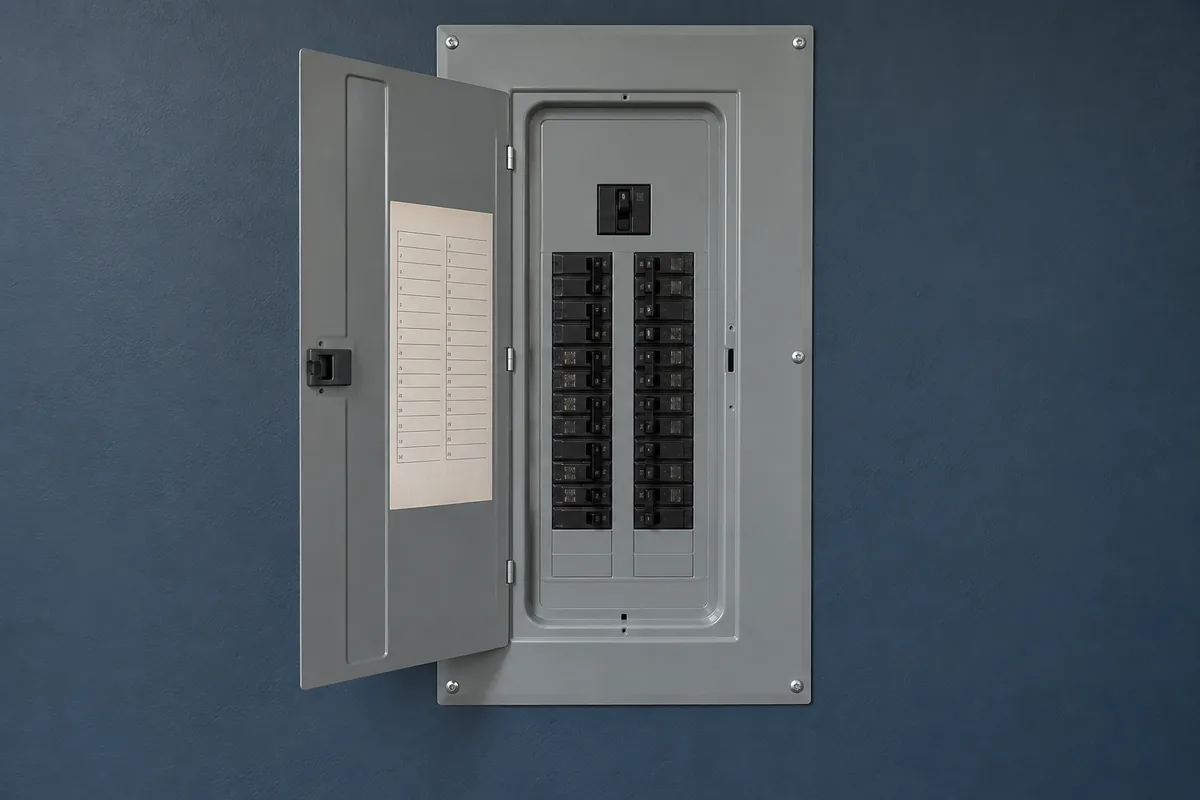
Our electrical panel replacement service addresses distribution equipment. It may resolve panel damage or circuit-space needs without increasing incoming power. The estimate should identify panel replacement and a service upgrade separately if both are needed.
A different circuit arrangement or suitable load management may meet the goal in some properties. These options also need assessment against the equipment and design; they are not universal substitutes for an upgrade.
Do not buy equipment simply because a larger rating looks more flexible. The connection, current supply and planned loads all matter. A larger box does not prove that the incoming power has increased. We define the project before pricing the work as a service change.
Charger Installation and Rewiring Scope
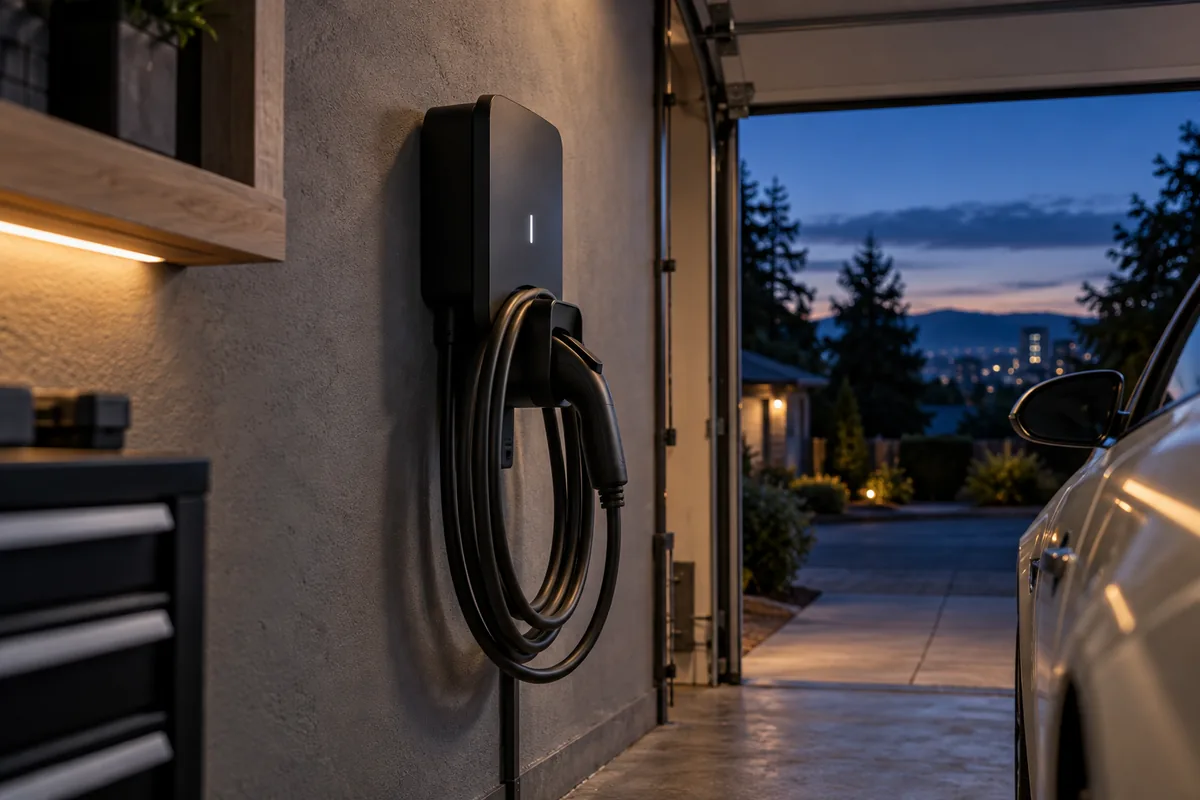
For charging, EV charger installation includes the selected charger and the circuit to its location. A service upgrade may be one part of that plan if the load assessment supports it. The charger still needs its own work plan. More incoming power alone does not complete the work at the parking area.
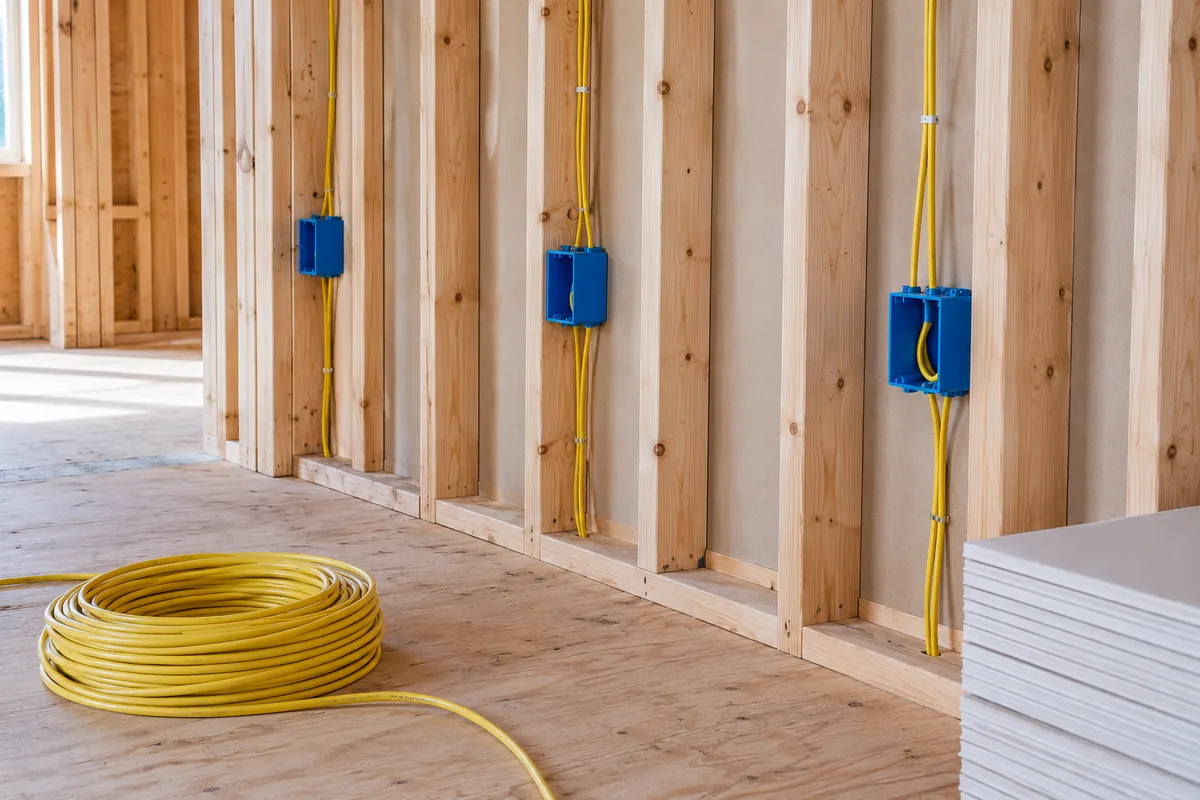
For a wider remodel, whole-home rewiring concerns branch circuits across the property. It can fit with service planning but remains separate work. Compare the tasks that change the incoming supply with those serving rooms and devices.
If another equipment installation will follow later, state which connections or capacity the current project prepares and which installation tasks remain for that later stage.
Equipment Routes and Site Access
Describe the meter, main equipment and panel positions from safe access. Mention gates, fixed walls, finished areas and other limits on the work. A route that looks simple from outside may still need a closer check. The estimate should show the route and any area we cannot yet confirm.
If the work involves a trench, wall opening or change to fixed equipment, discuss it before approval. Electrical installation and surface restoration can be separate tasks; confirm which finishes and restoration work the electrical price includes.
Do not dig, open equipment or expose conductors before the service plan is clear. A preferred equipment position does not prove the route is safe. We review the actual site needs; any preparation should follow the agreed work.
Utility Connections, Permits and Power Interruptions
Review the utility connection, permit and inspection steps before scheduling the upgrade. Confirm who coordinates each step, the expected power interruption and which approvals must be complete before reconnection. Keep any pending requirement visible in the project schedule.
Discuss power interruptions, equipment that depends on a planned power schedule and how the property will be used during work. The actual upgrade determines the sequence and outage window; not every area can remain in normal use throughout.
Provide the site-access contact and change approver. Keep them informed if utility, inspection or installation steps alter the schedule.
Active Electrical Faults and Capacity Upgrades
An estimate does not repair a damaged connection. Report power loss, repeated trips or visible damage separately through our electrical repair service. A current fault needs its own assessment alongside any plan for more power.
Keep clear of damaged service equipment and leave covers in place. Switching a branch breaker off does not make service compartments a homeowner work area. Do not touch exposed conductors or open metering equipment. We need safe access for both the review and the electrical work.
If assessment changes the project direction, we explain why. A localized fault may need a repair, while a confirmed capacity need can extend beyond panel work. The findings and intended loads determine the scope.
Upgrade Scope, Price and Future Loads
Review the proposed rating, equipment, route and related tasks as one work description. Keep added panel work, finish restoration and open access questions explicit. We explain the plan and price before approval. An amp rating should not leave the work steps unclear.
Retain completed work, inspection status and pending tasks for later equipment planning. A finished upgrade supports a defined load plan; future additions still need review against their actual requirements.
Contact HVAC & Appliance Repair Guys to request the free estimator visit for an electrical service upgrade in Portland Metro.
Electrical Service Upgrade by City
Choose your city for local service information.
Oregon: Aloha, Aurora, Beaverton, Canby, Clackamas, Donald, Forest Grove, Gervais, Gresham, Happy Valley, Hillsboro, Hubbard, Keizer, Lake Oswego, Milwaukie, Newberg, Oregon City, Portland, Salem, Scappoose, Sherwood, Tigard, Troutdale, Tualatin, West Linn, Wilsonville, Woodburn.
Frequently Asked Questions
Does a full panel prove I need more incoming capacity?
No. Circuit space and service capacity are different questions. We review the equipment and load plan before choosing a panel project, service upgrade or another suitable scope.
Can I plan an upgrade before choosing the exact new appliance or charger?
Share the goal and identify which choices remain open. A firm equipment selection may affect the final design. We keep provisional details clear rather than treat an early assumption as the finished load plan.
Does the free estimator visit include installing the new service?
No. The visit helps define the project and estimate. Installation follows a separate scope and approval decision. The plan should state the equipment, access and order of work before it proceeds.
Request Electrical Service Upgrade in Portland Metro
For electrical service upgrade in Portland Metro, call HVAC & Appliance Repair Guys or submit a service request through the form on this page.