



Home EV Charger Installation in Portland Metro
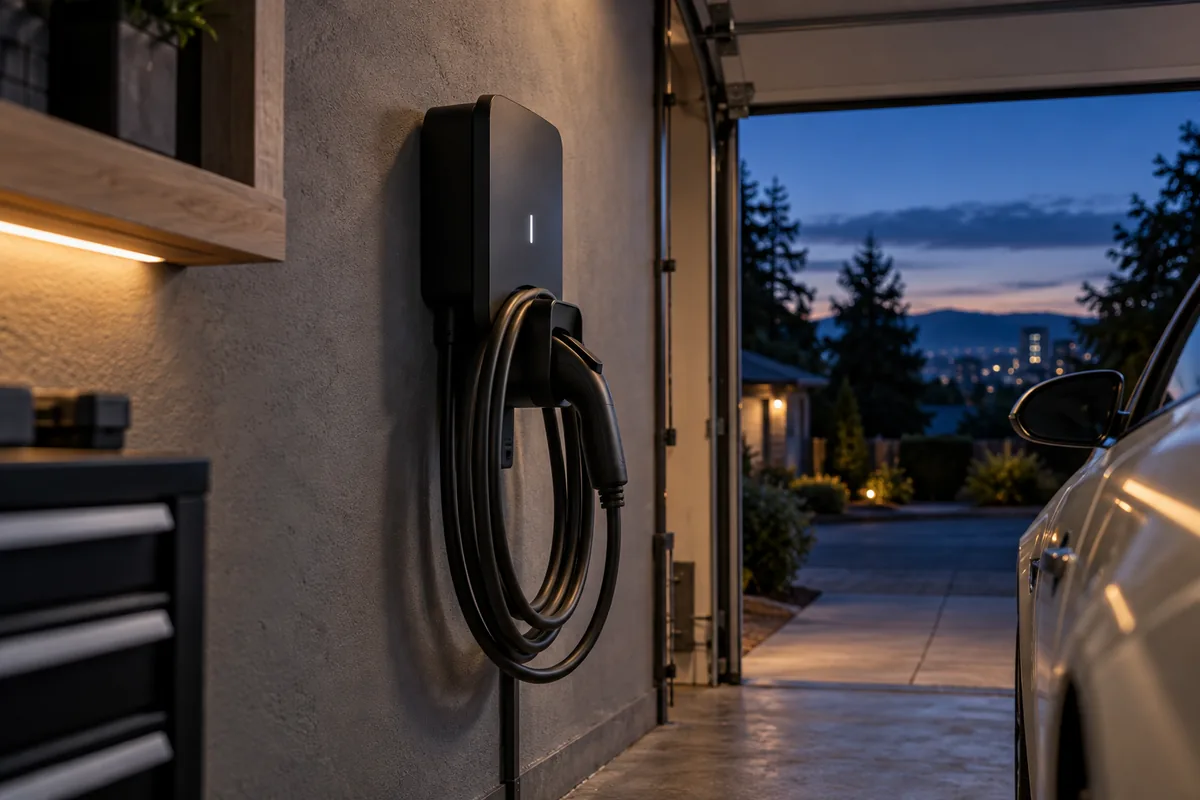
HVAC & Appliance Repair Guys provides EV charger installation in Portland Metro. The plan starts with your vehicle, normal driving needs, parking location and available charging time. Those details help select a practical setup rather than assume the highest charging rate is necessary.
The estimator visit for a planned installation is free. Share the vehicle and any charger you have selected, along with the parking location. We review the electrical setup and the tasks in the plan before you approve work. Buying a charger alone does not show what the property needs to install it.
If you expect another vehicle later, identify that as a future goal alongside the current vehicle and charger choice. The installation should reflect the equipment and use actually under review.
Vehicle and Charger Compatibility
Both the vehicle and charger affect charging performance. Provide their exact models where known; a charger rating or connector name alone does not establish the result for every vehicle.
If you have not chosen a charger, explain the features and use you need. Keep the choice open until the unit, circuit and location have been reviewed together.
For equipment you already own, share its model and installation information. Note whether it is complete and which connection method it supports. Do not assume that an item from another property fits this site without review. We check the instructions, condition and design to see if it fits the proposed work.
Plug-In and Hardwired Charger Connections
Plug-in and hardwired arrangements have different installation requirements. The selected charger, location and circuit determine which fits the project; wanting a movable unit does not decide that question on its own.
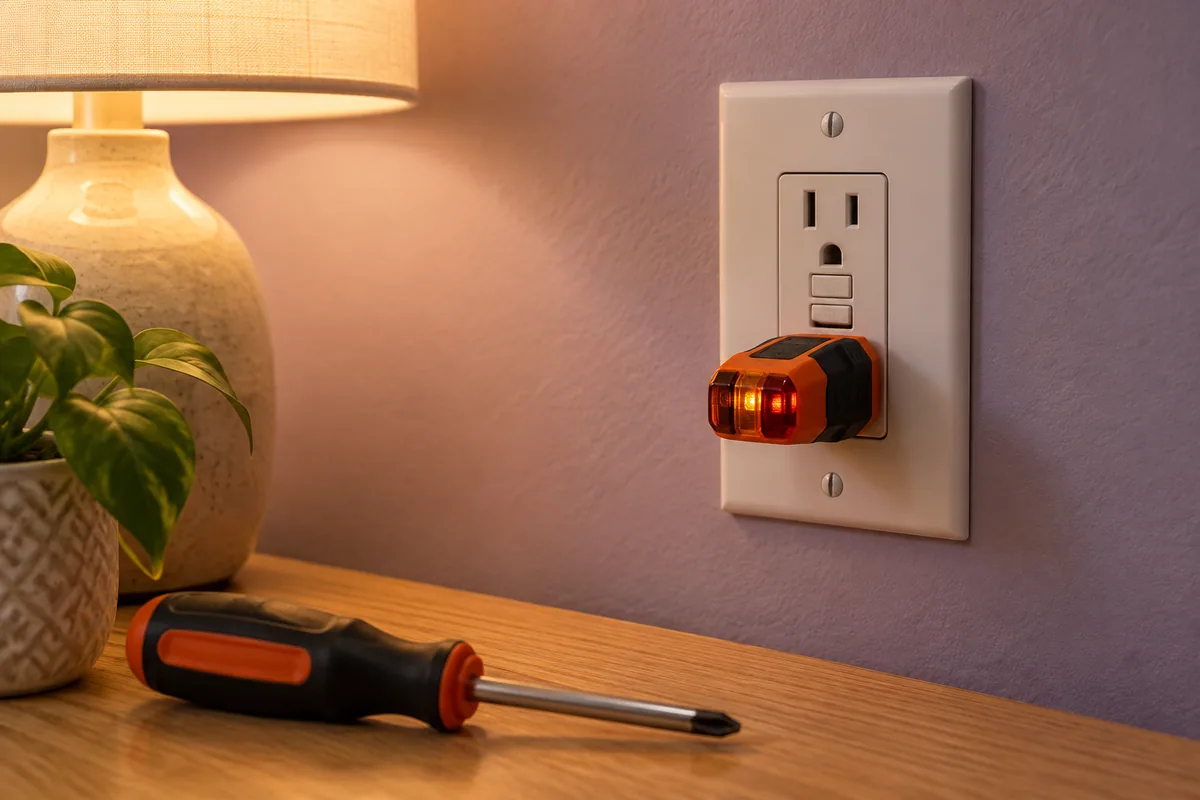
An outlet near the parking space does not establish a suitable charging connection. Share what you know from normal access, but leave the outlet and panel closed so the electrical conditions can be assessed.
Do not use an improvised adapter, extension cord or damaged connection to make a purchased charger work. If a current setup shows heat, odor or repeated trips, stop using it and report that fault separately. A future installation estimate does not resolve an active concern. The technician can check the current fault as a separate task.
Electrical Capacity and Possible Upgrades
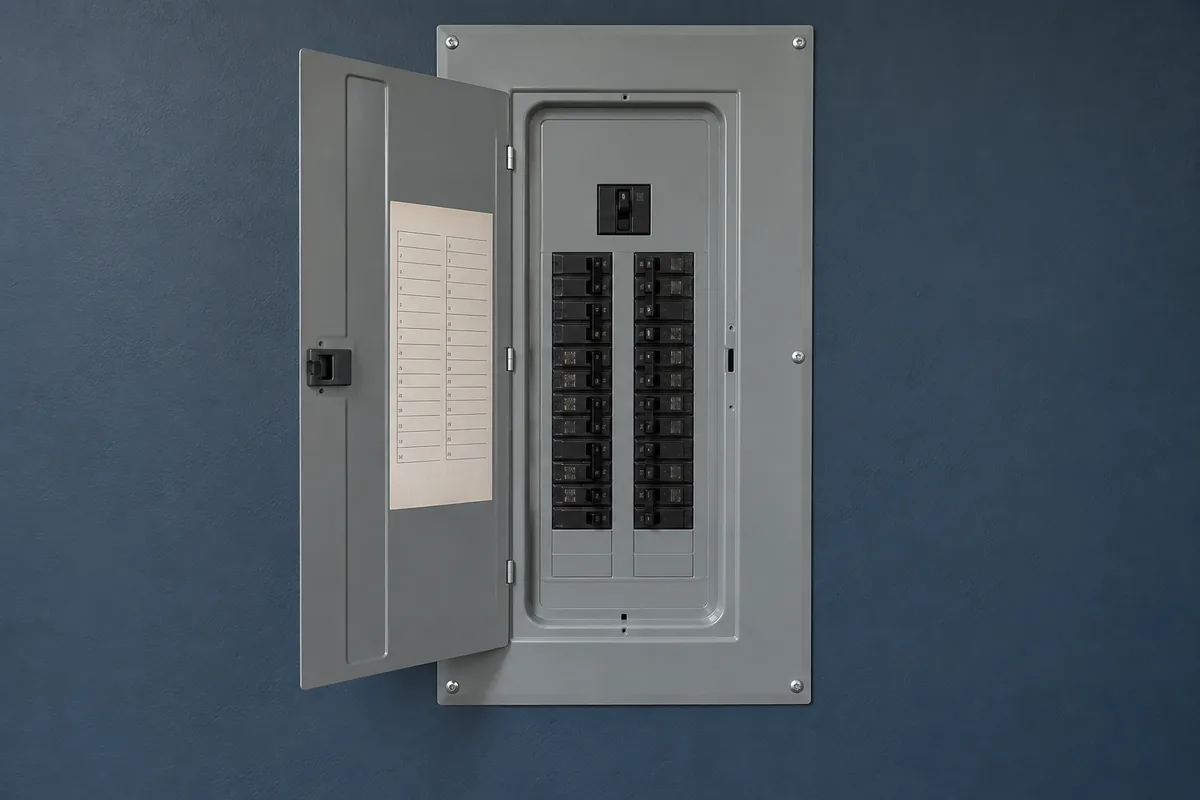
We review current and planned loads along with the panel and incoming power. Empty breaker space alone does not prove enough power is available. A panel that looks full does not settle the whole decision either. The load review and charger needs guide the proposed electrical work.
Our electrical service upgrade planning covers a broader capacity project if the assessed needs call for it. Not every charger installation requires that scope. A suitable charging rate or a supported load-management option may be relevant to some projects. We assess the actual design rather than assume one solution fits every home.
Electrical panel replacement may be relevant if the panel has damage or needs a different layout. Keep it distinct from an increase in service capacity, and state each required task in the charger estimate.
Parking Position, Cable Reach and Mounting
Explain where the vehicle normally parks and where its charging port sits in that position. Include any likely change in parking direction or shared use of the space. The cable needs a practical route during normal charging. A convenient wall for mounting the unit may not provide the most useful connection to the parked vehicle.
Describe doors, walking routes, fixed storage and nearby equipment. Keep those everyday conditions part of the location review. The driver should not need to improvise a cable path each time. We discuss where to place the charger based on how the parking area works.
For an exterior position, identify the exposure and mounting surface from safe access. The charger’s rating and installation instructions need to suit that location.
Charger Circuit Route and Finish Work
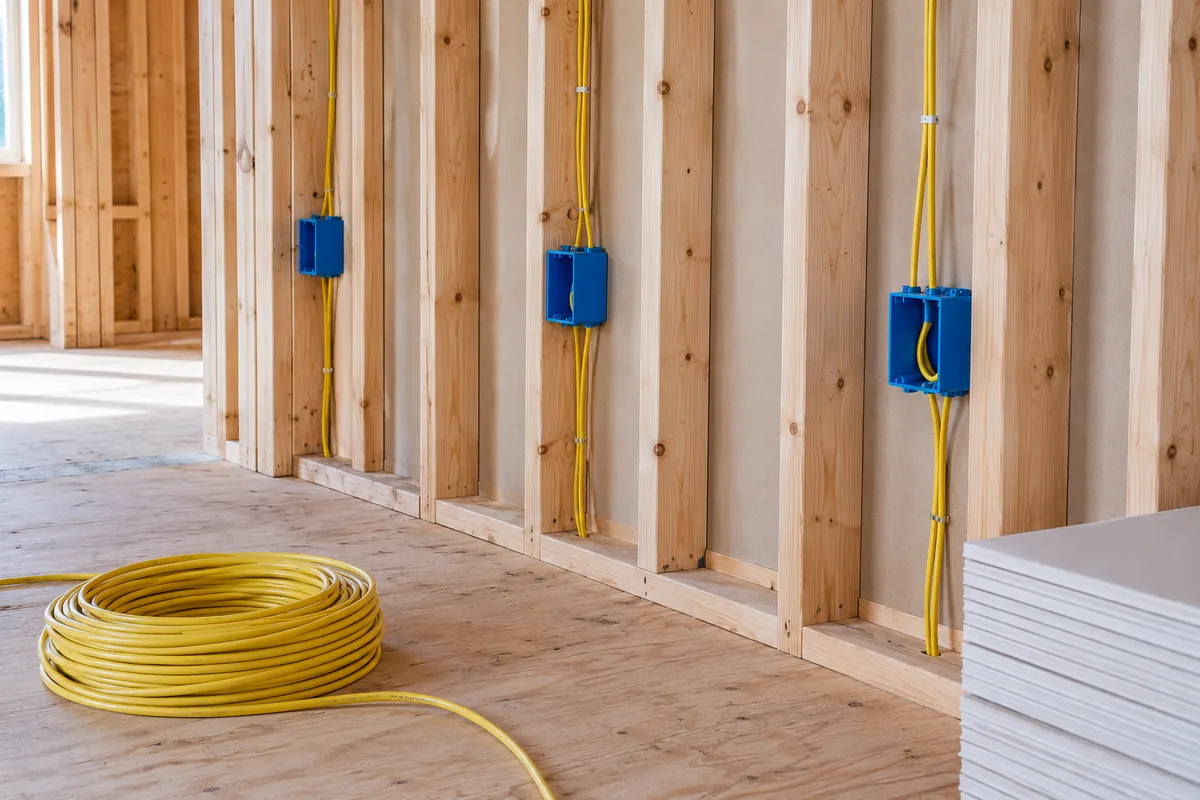
The distance between the panel and parking area is only one part of the route. Finished walls, ceilings, fixed cabinets or below-ground sections may affect access. Describe the spaces that the route may pass through. Do not cut openings or expose wiring to prove that a preferred route is clear.
We review the circuit and protection the charger and design need. The estimate should state how the work connects the charger to the electrical system. A quote to mount a device does not mean it includes the whole circuit. Keep those tasks visible when comparing the actual scope.
If the circuit route requires a trench or work through finished surfaces, confirm which electrical and restoration tasks the quote includes. Painting, trim or other finish work may have a separate scope.
Property Access and Installation Approval
Identify who controls the parking space, provides access and approves property changes. The driver and property decision-maker may have different roles; the scope needs agreement for the charger and the full circuit route.
Mention shared or restricted access to the parking area, panel and any rooms along the proposed route. All parts of the installation need safe access.
Tell the estimator about other planned work, such as new cabinets or a changed parking layout, before installation. It may alter the mounting position or circuit route.
Permits, Work Sequence and Installation Timing
We review the permit, inspection and equipment needs for the actual job. These steps form part of the installation sequence. We identify those needs before settling on a date. The charger choice, site readiness and required steps can all affect when the job finishes.
Discuss expected power interruptions, access and household scheduling needs. The approved electrical work and site conditions determine the sequence; installation duration cannot be fixed from the charger choice alone.
If a hidden condition changes the work, we explain the finding, revised scope and price before added work proceeds.
Existing Charging Faults and New Installation
If a charger already stops, trips protection or loses power, describe its current behavior before planning replacement. Our electrical repair service covers fault assessment. The circuit or connection may cause the fault, not just the charger. Buying a new charger should not replace diagnosis of that condition.
Record the vehicle, charger, warning and timing of an existing fault, including earlier repairs or setting changes. Do not repeatedly run a failing setup to gather evidence; safe observations are enough to begin assessment.
A plan combining repair and installation should identify both tasks and any unresolved fault. Either may affect the sequence or equipment choice. We explain what the work addresses before approval.
Installed Charger Settings and Remaining Tasks
Keep the charger model, connection type, circuit details and approved settings with the project record. Consult the installer before changing settings that affect the electrical load.
After installation, we check the charger and connection within the agreed scope. Retain the completed work and any remaining inspection, setup or finish task so the project’s status is clear.
Report a later charging concern with the current vehicle, setup and event details. The original installation record provides context, but a new symptom still needs its own assessment.
Request an EV charger installation estimate from HVAC & Appliance Repair Guys through the service form below. Share your vehicle, charger if selected and parking location; the estimator visit for a planned installation is free.
EV Charger Installation by City and Brand
Choose your city or equipment brand for the relevant service information.
Oregon: Aloha, Aurora, Beaverton, Canby, Clackamas, Donald, Forest Grove, Gervais, Gresham, Happy Valley, Hillsboro, Hubbard, Keizer, Lake Oswego, Milwaukie, Newberg, Oregon City, Portland, Salem, Scappoose, Sherwood, Tigard, Troutdale, Tualatin, West Linn, Wilsonville, Woodburn.
Brands: ChargePoint, Emporia, Tesla, Wallbox.
Frequently Asked Questions
Do I always need a service upgrade for an EV charger?
No. The equipment, planned charging use and property’s electrical loads need review first. We explain whether the project requires added capacity or another suitable scope. Panel appearance alone does not settle that decision.
Can I use a charger I already purchased?
Share the exact model and installation details for review. The equipment must fit the location, circuit and agreed plan. Owning the unit does not mean every connection method or site will suit it.
Should the charger location follow the nearest outlet?
Consider the parked vehicle, cable reach, walking routes and actual electrical conditions together. A nearby outlet may not fit the proposed load. We assess the complete installation instead of assuming the closest connection is suitable.
What does the free estimator visit cover?
The visit reviews equipment, charging goals, capacity, route and project boundaries. It helps define the installation estimate before approval. The estimator visit is separate from carrying out the electrical installation itself.
Request EV Charger Installation in Portland Metro
For EV charger installation in Portland Metro, call HVAC & Appliance Repair Guys or submit a service request through the form on this page.