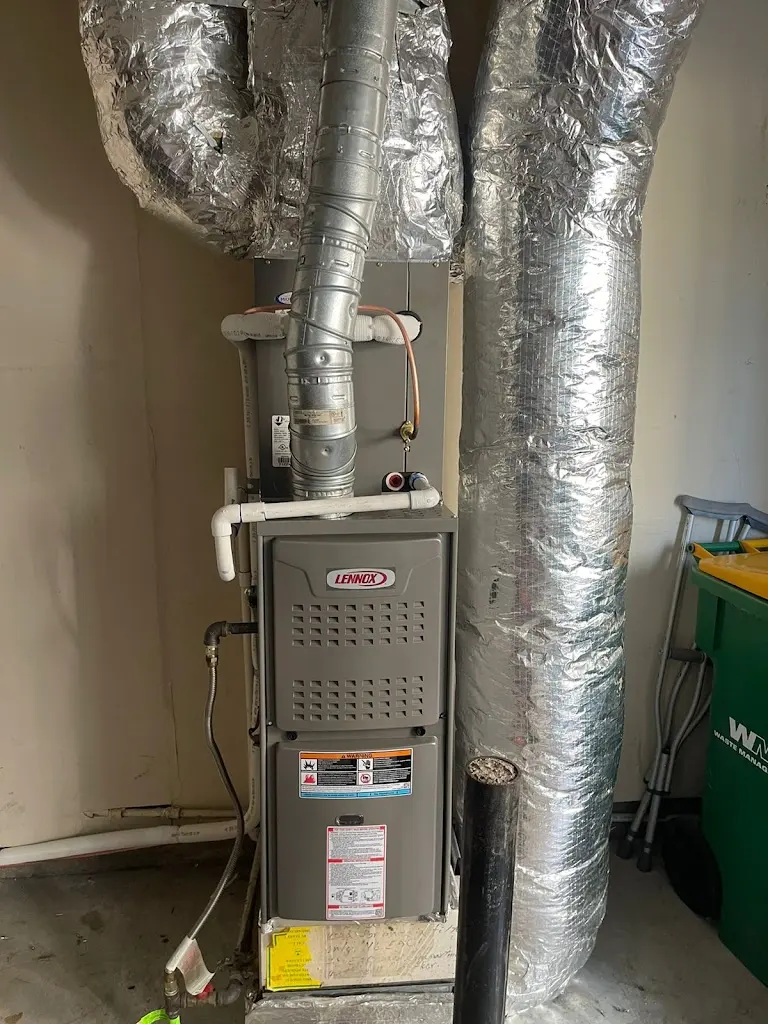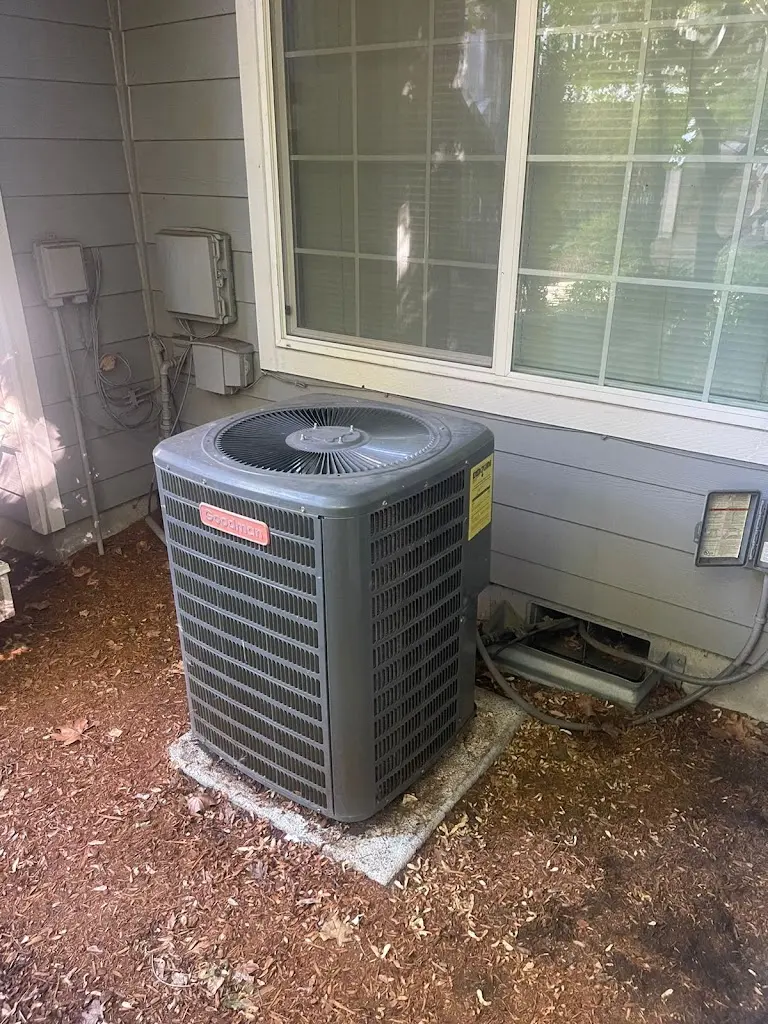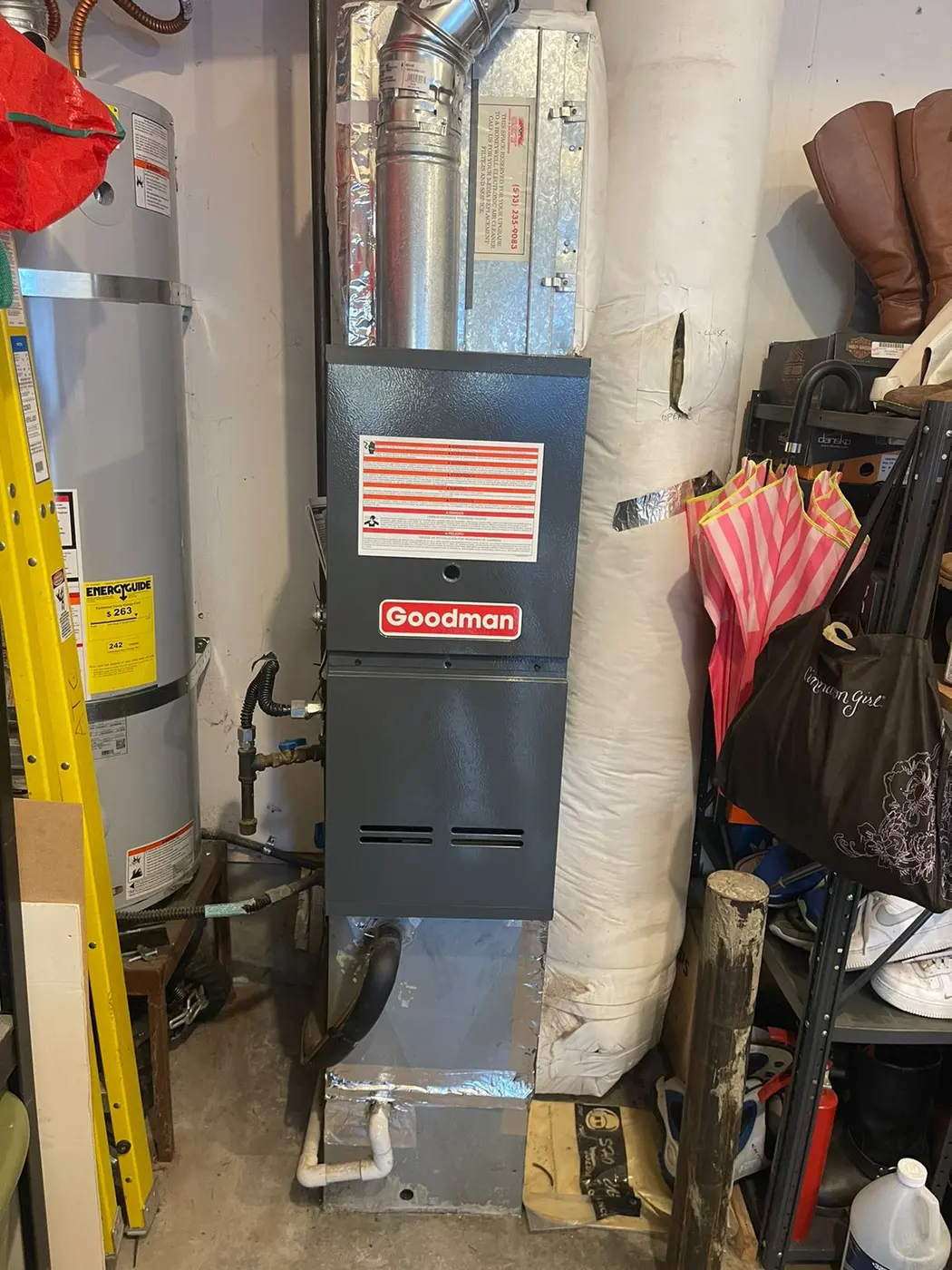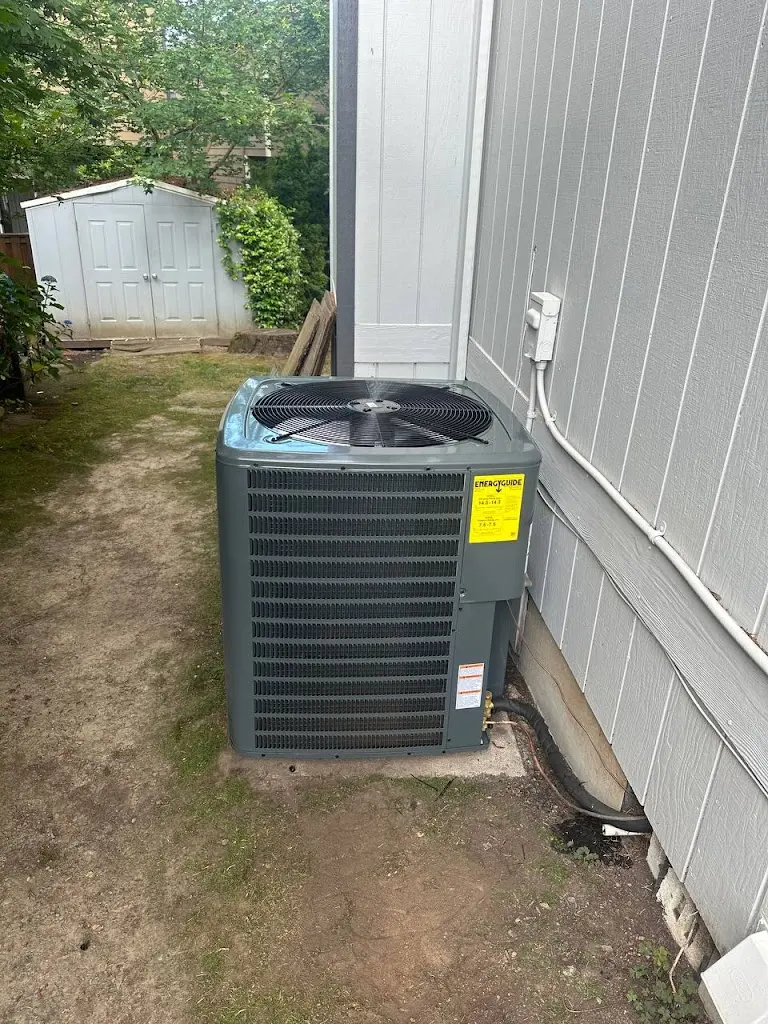
Turn an Efficiency Goal Into a Cooling Plan
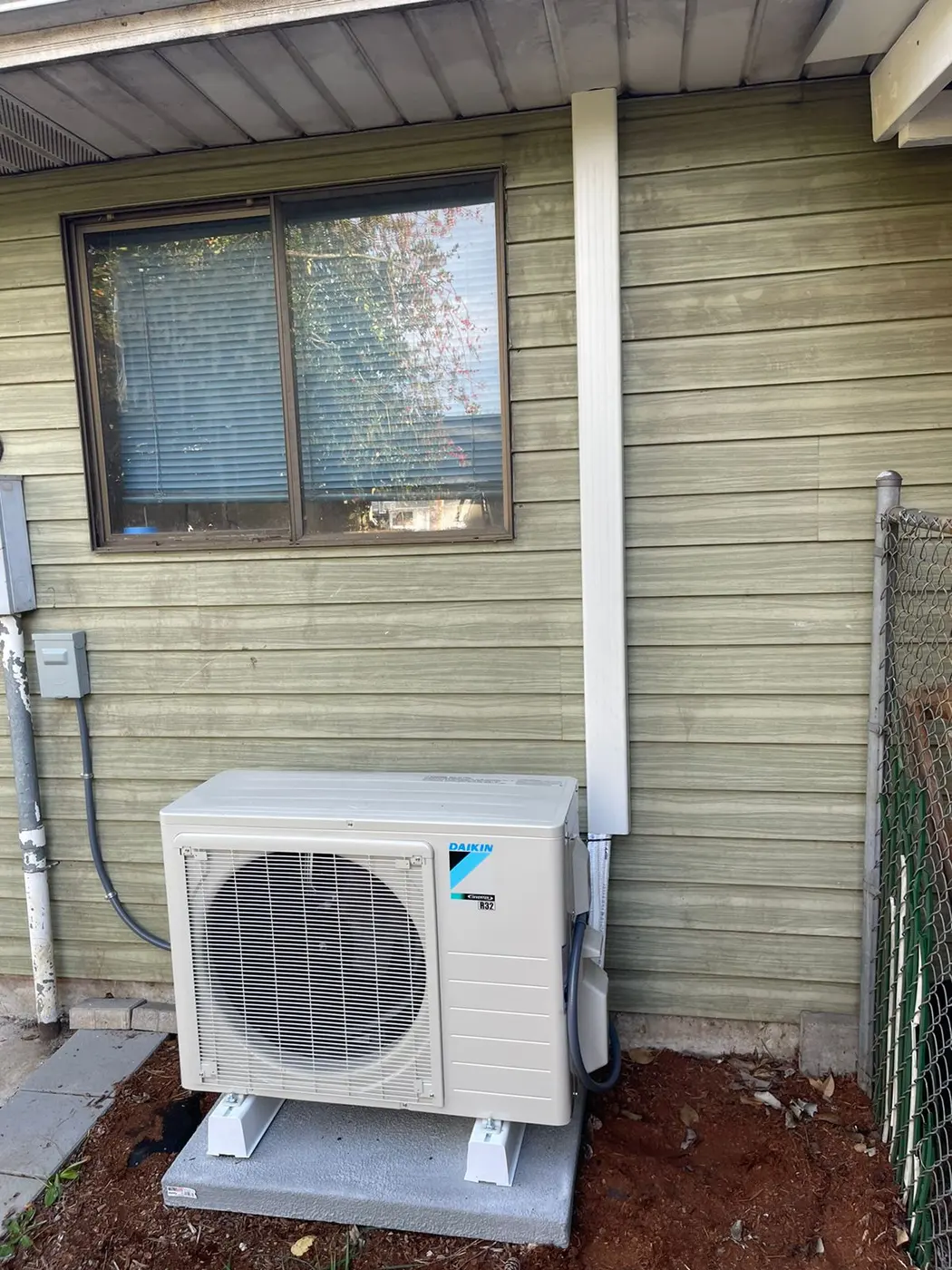
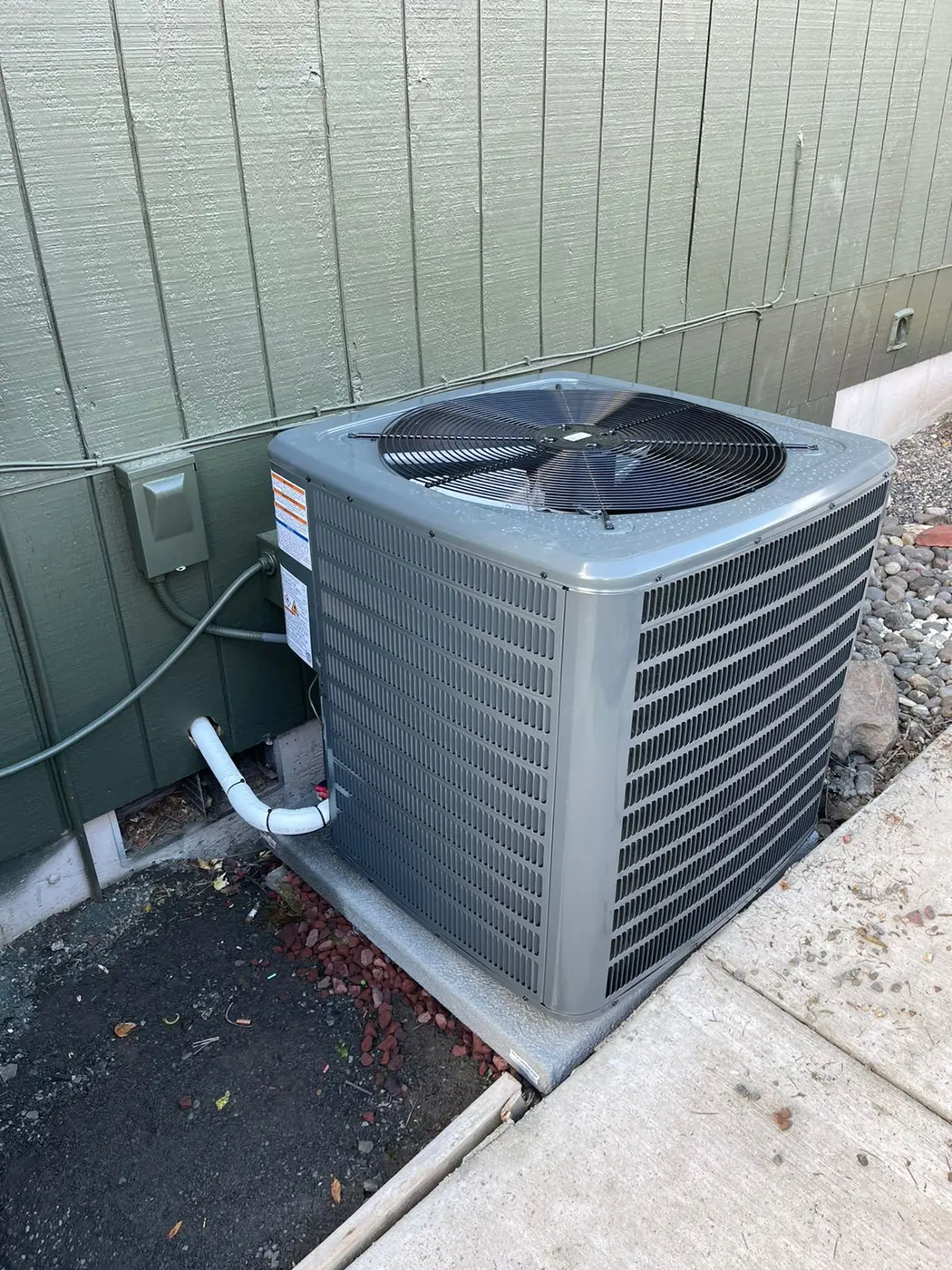
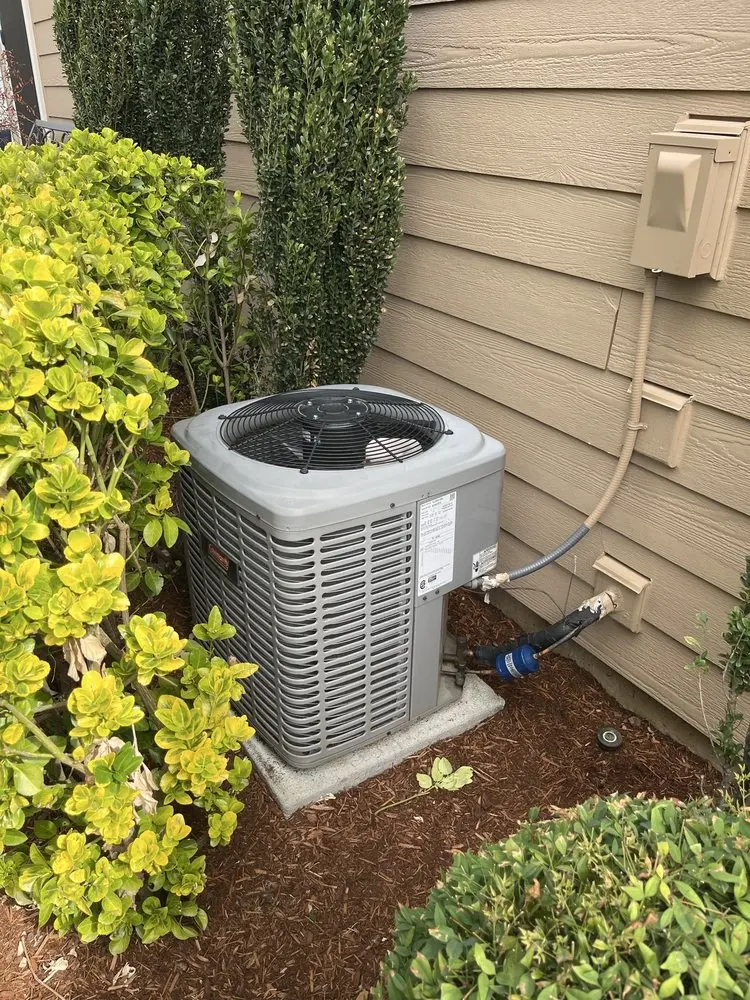
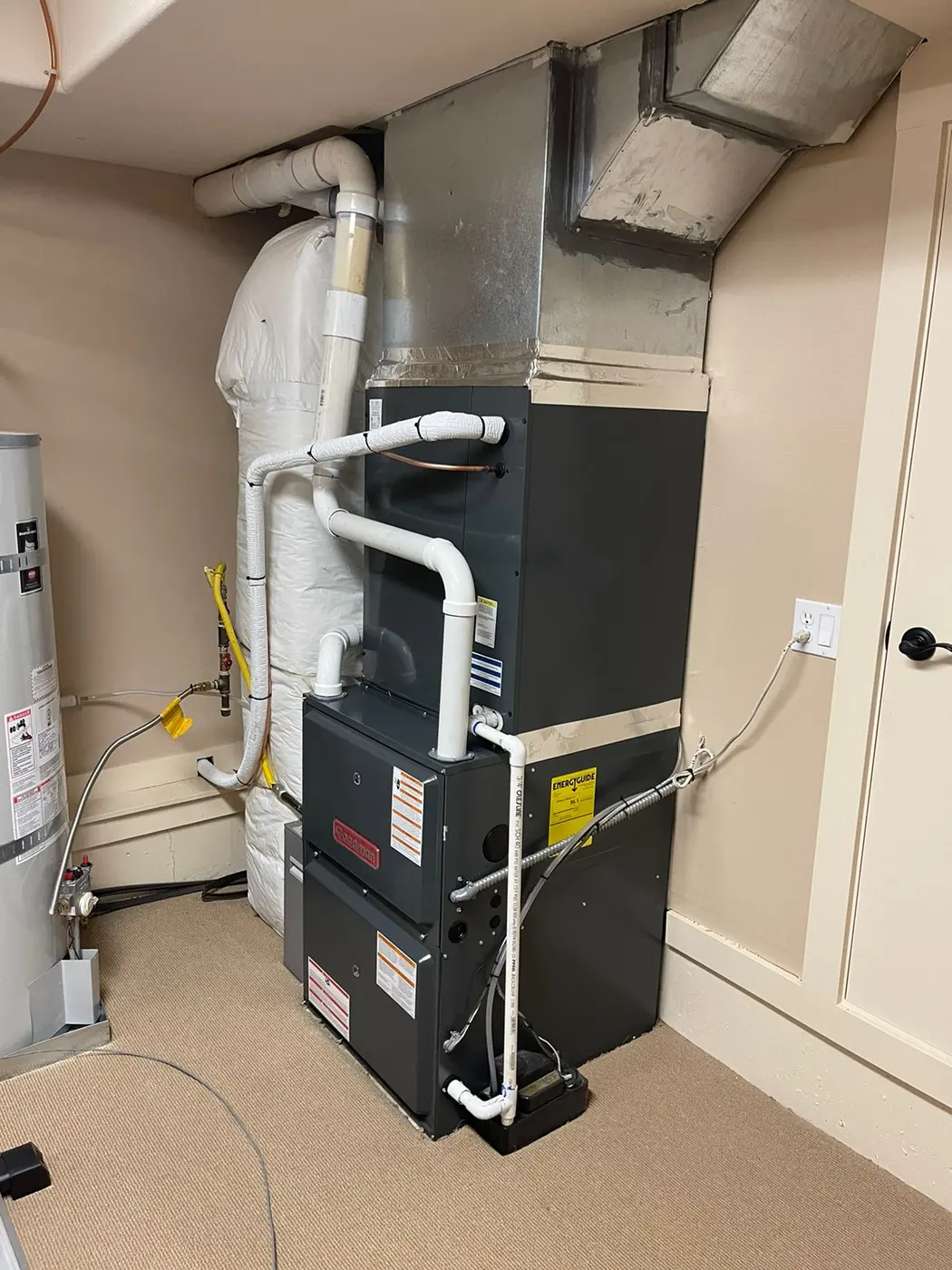
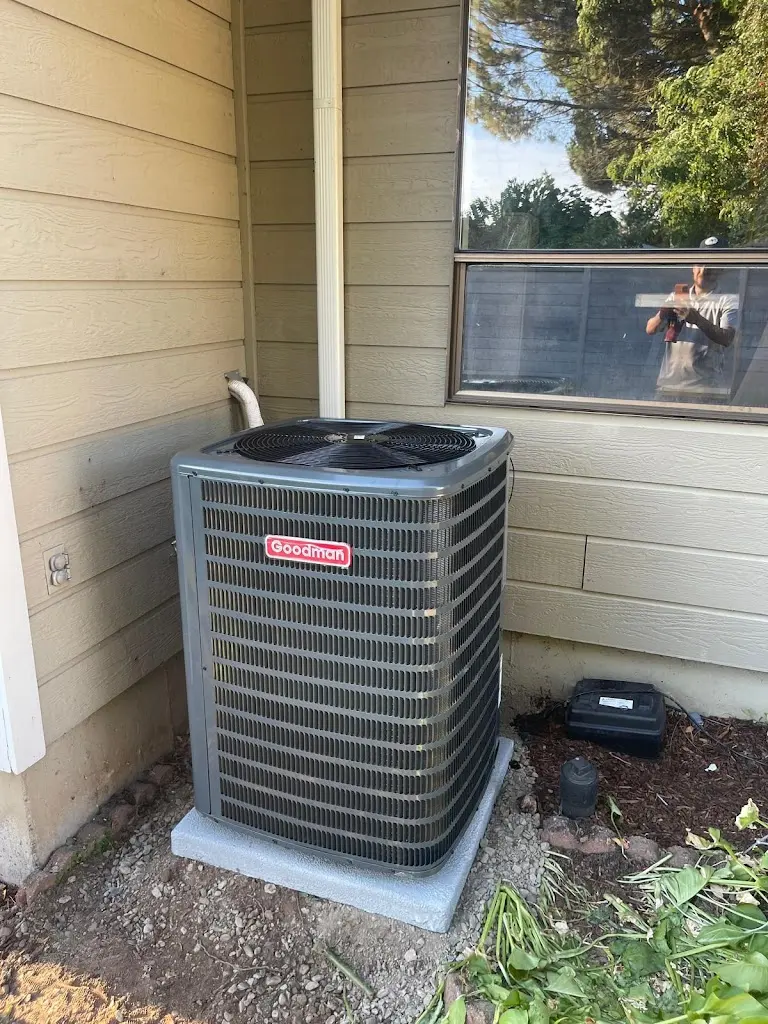
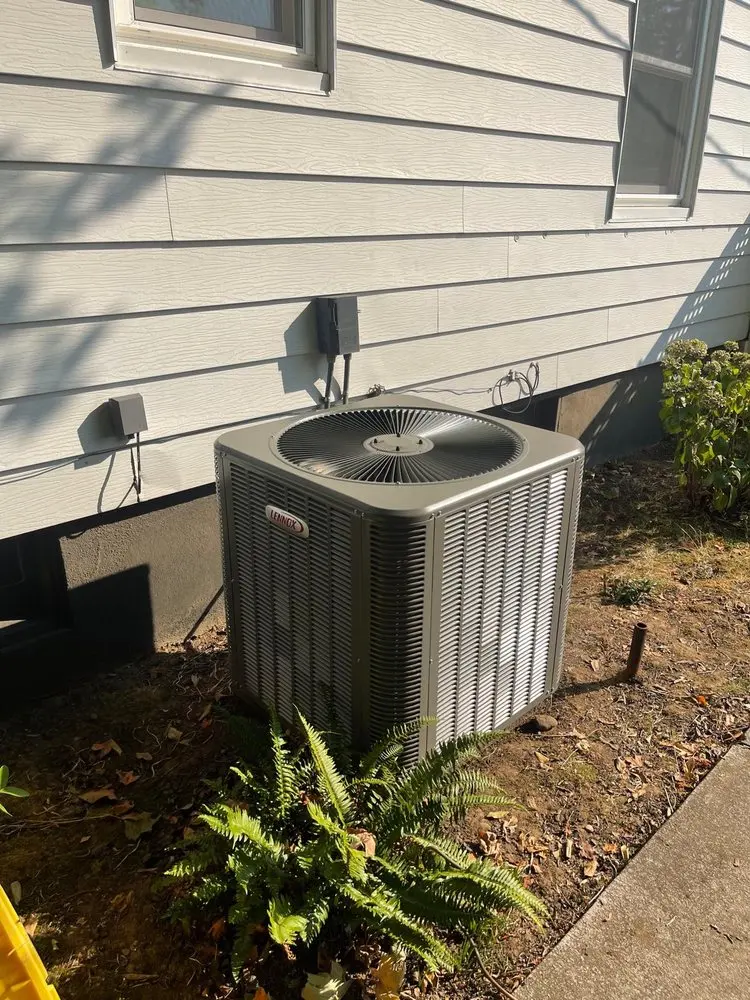
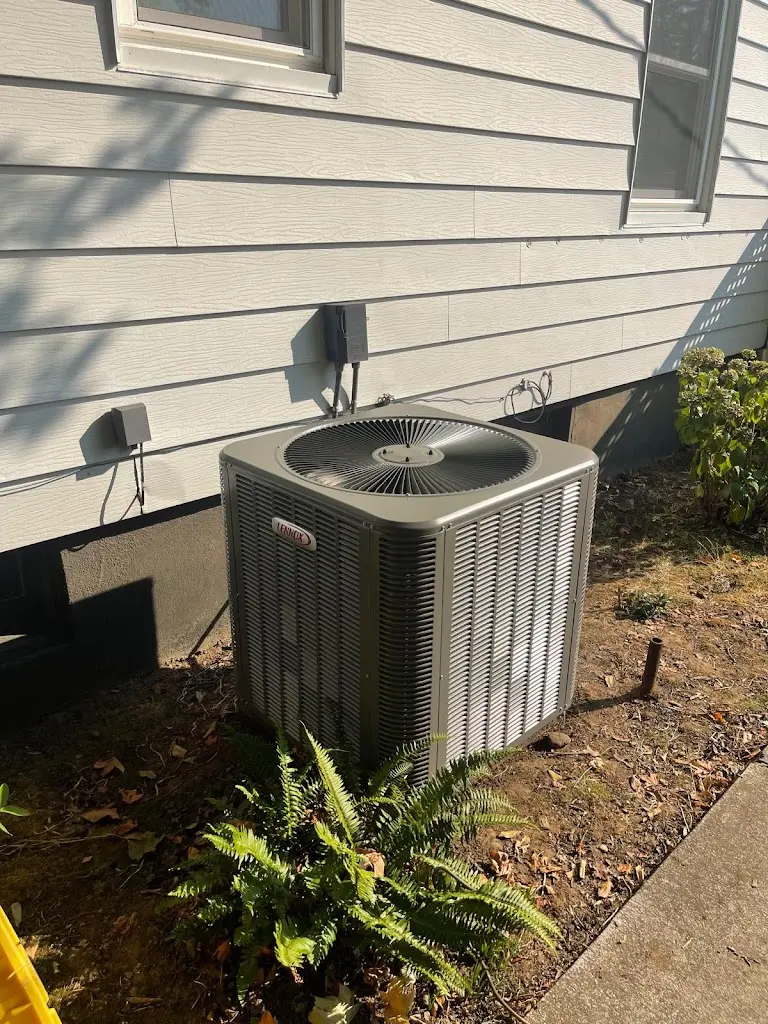
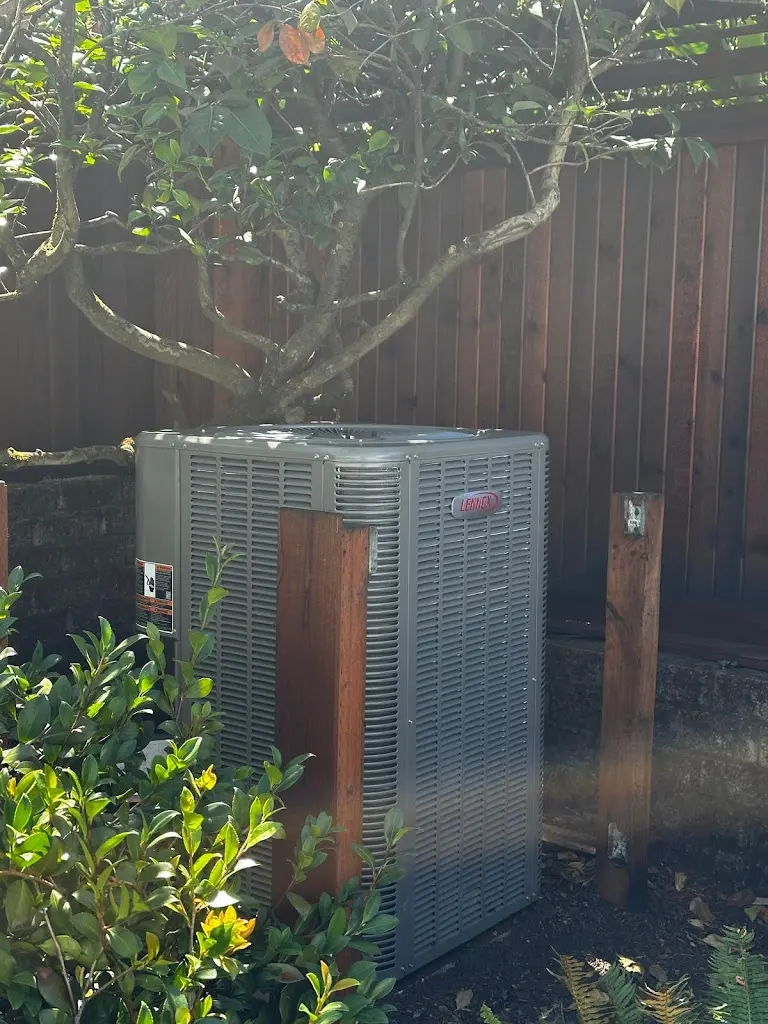
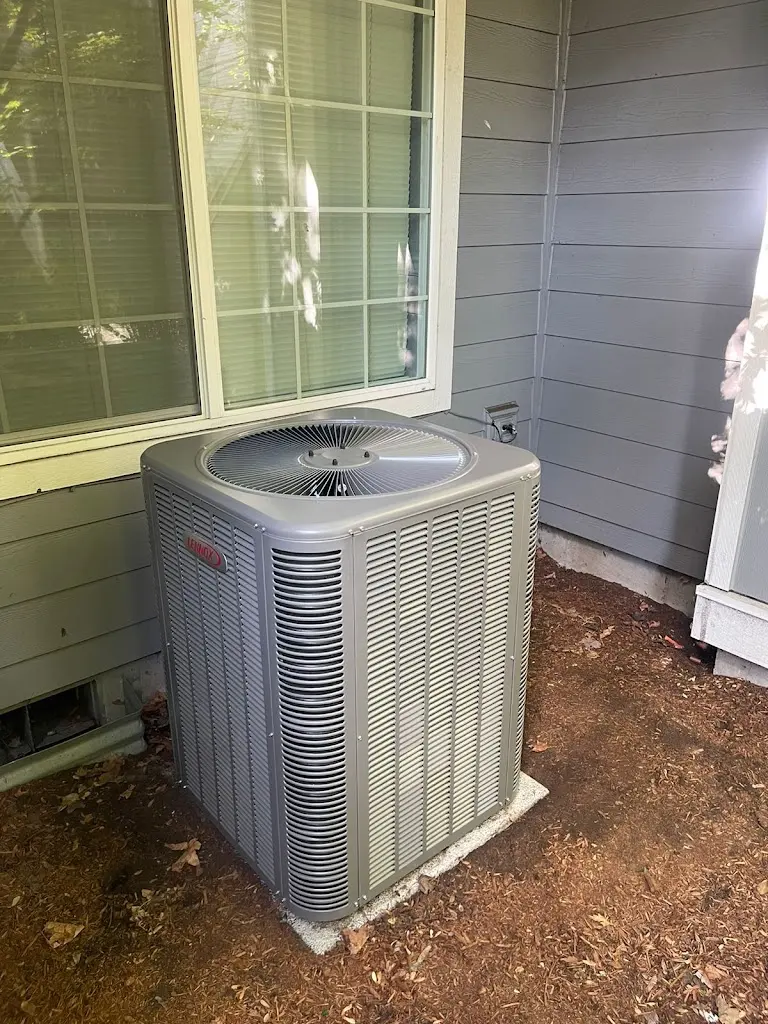
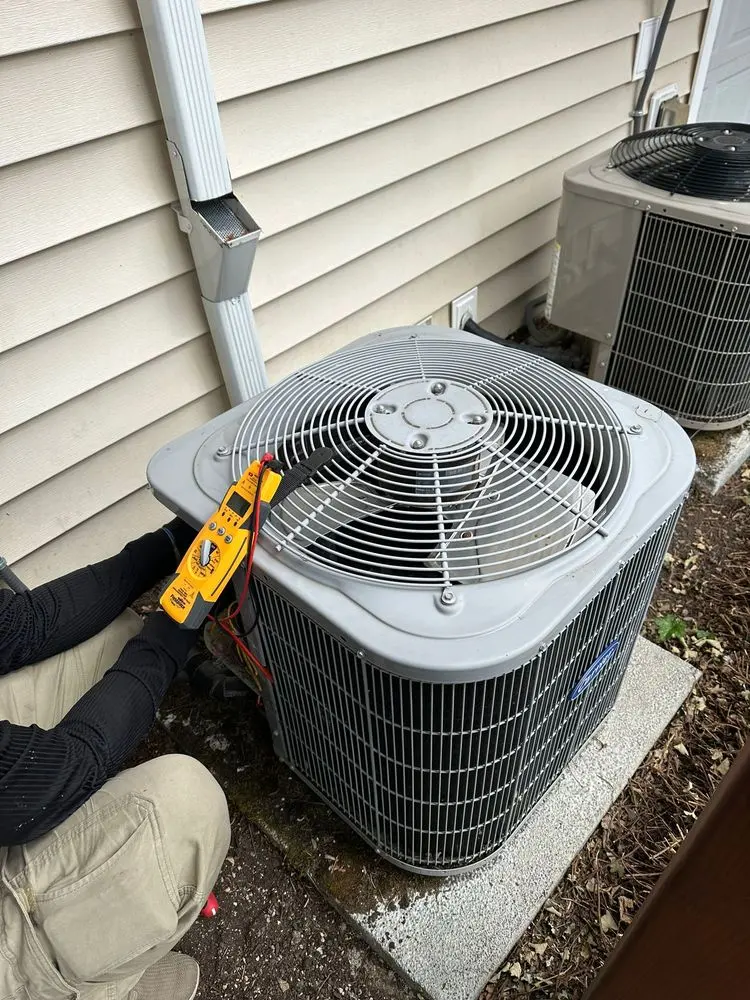
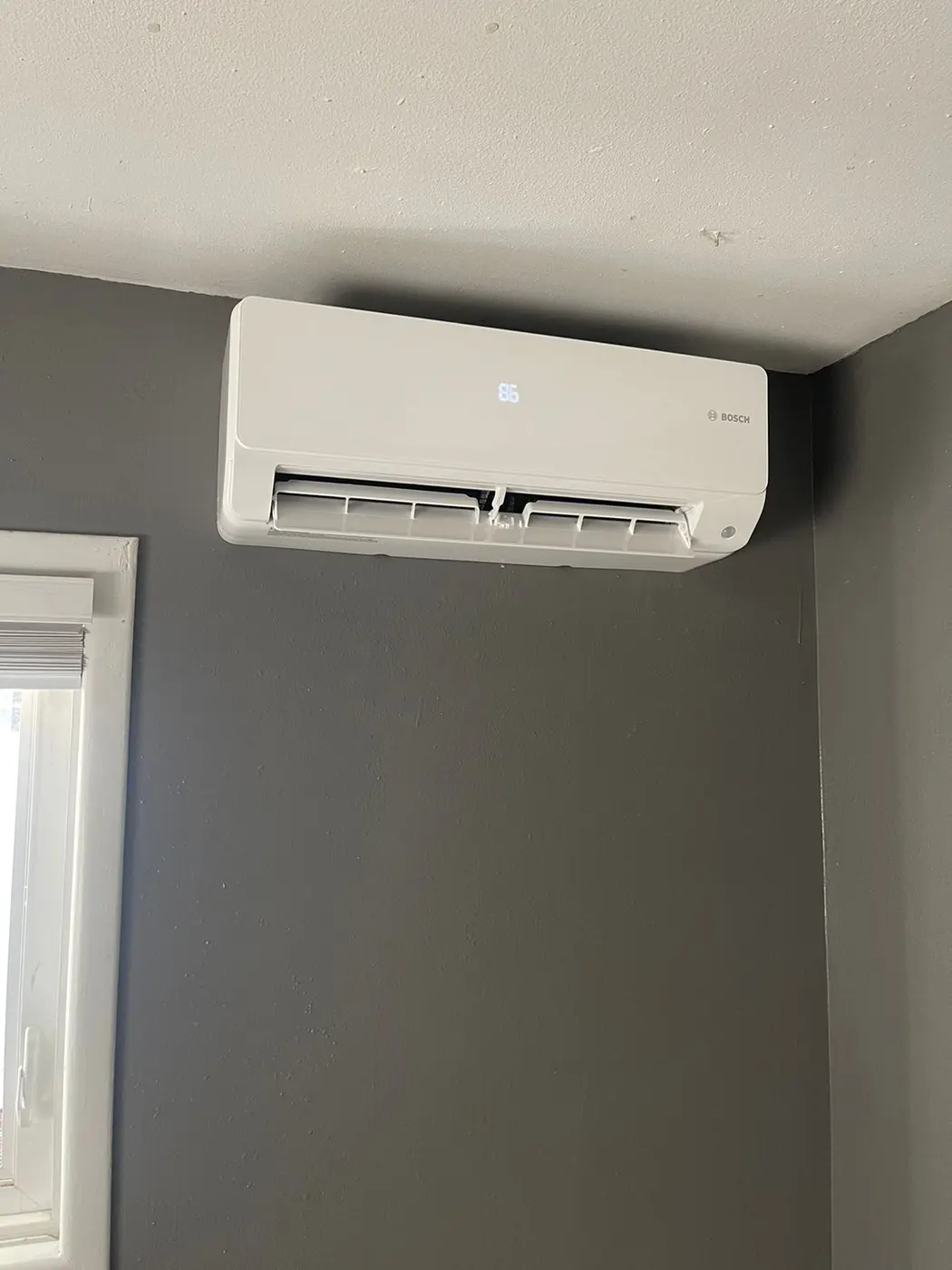
HVAC & Appliance Repair Guys provides AC installation in Gervais, OR. Better energy efficiency may be a reason to replace your air conditioner. Explain what you want the upgrade to achieve. Explain whether you want to address high use, uneven comfort or equipment that no longer cools reliably.
We offer a free on-site estimator visit for installation and replacement. The visit can connect those concerns with the current setup and proposed equipment. Bring the model information you have and describe how you normally use cooling. You do not need to choose capacity or controls before the review.
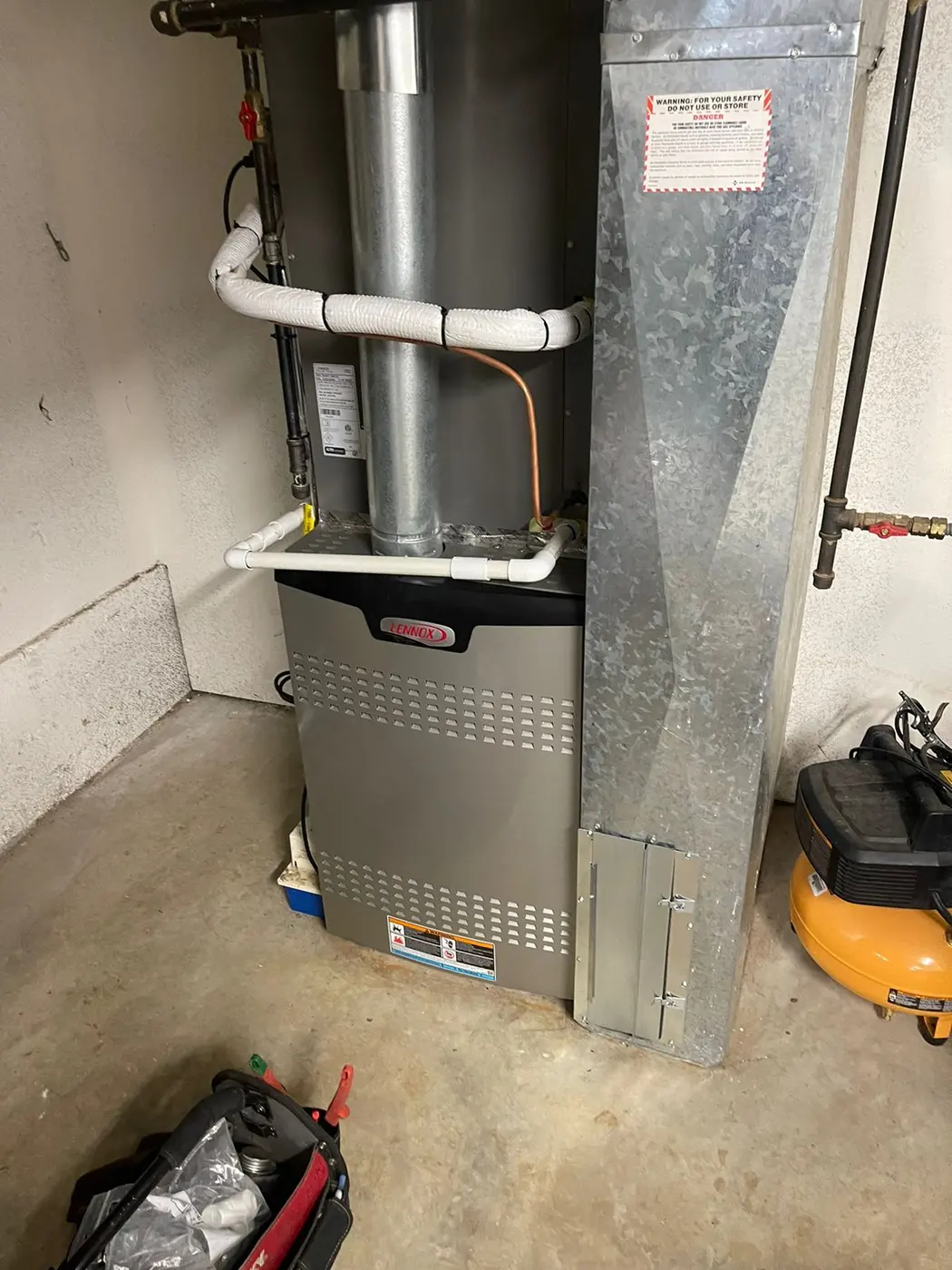
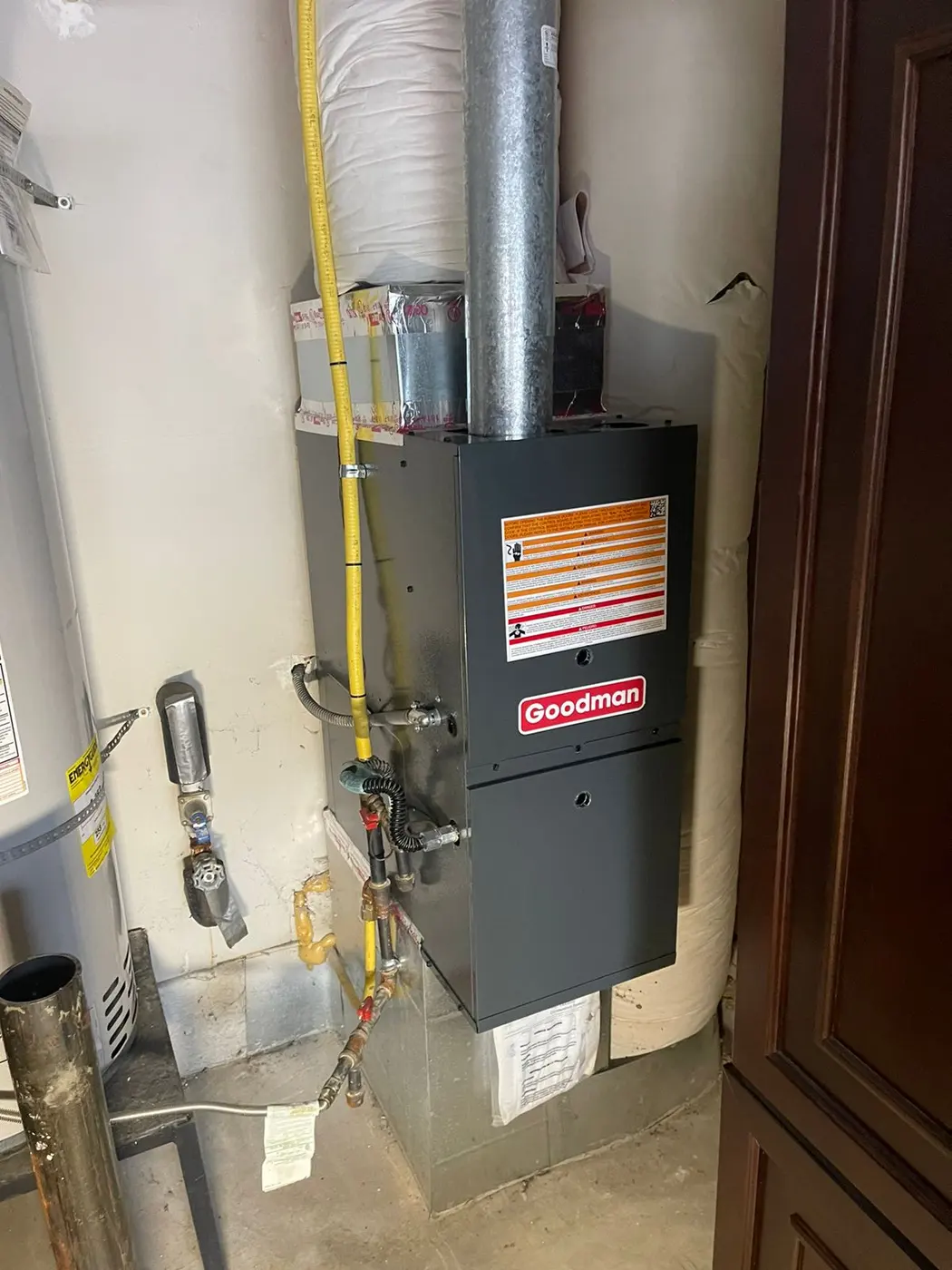
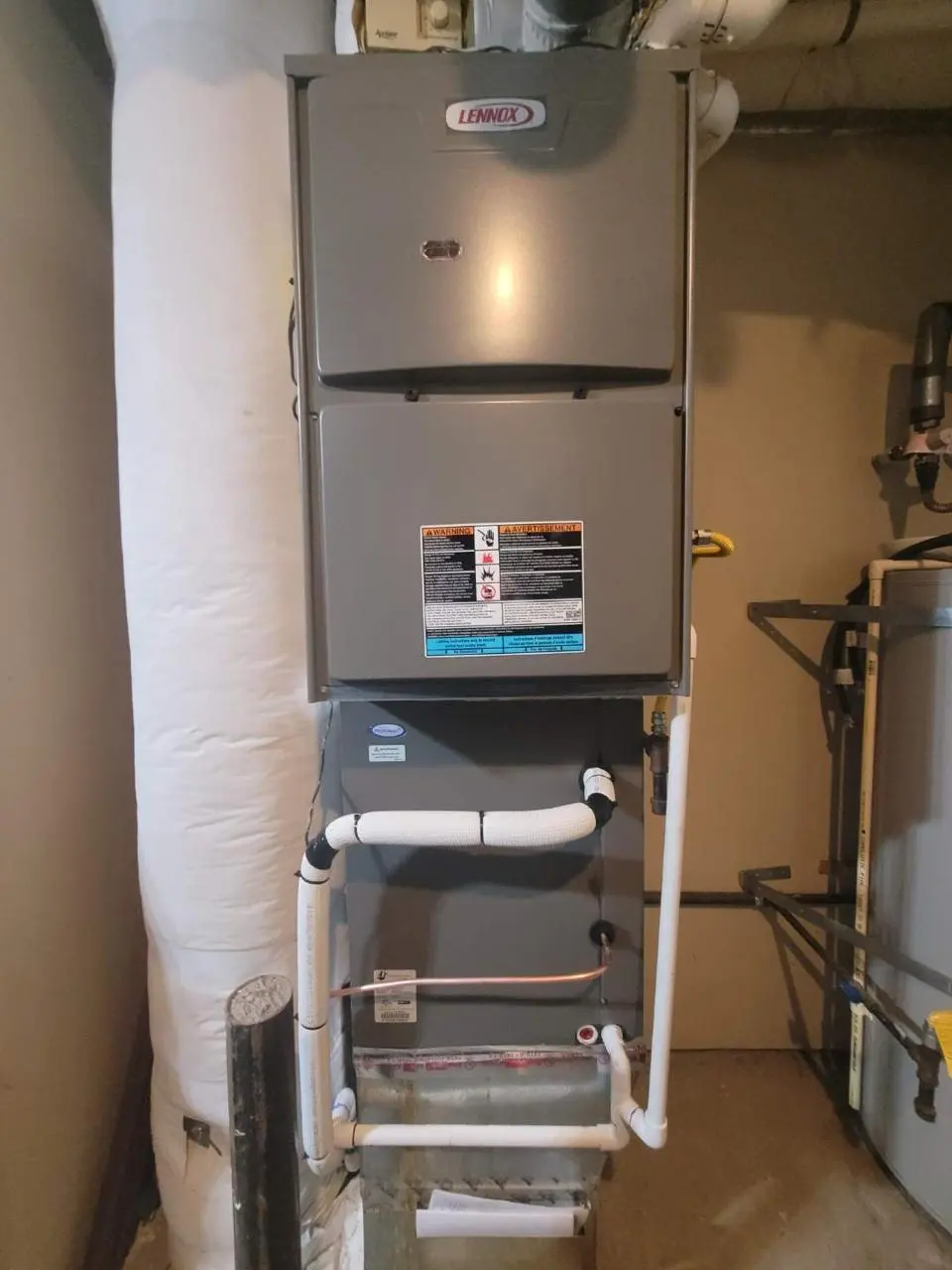
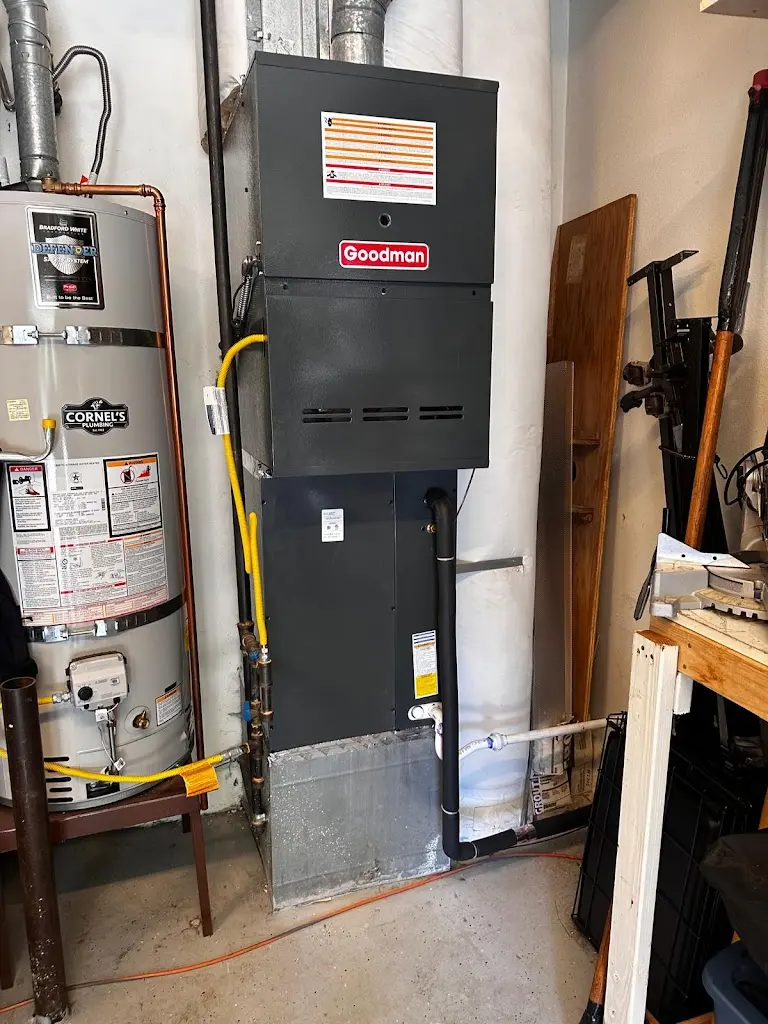
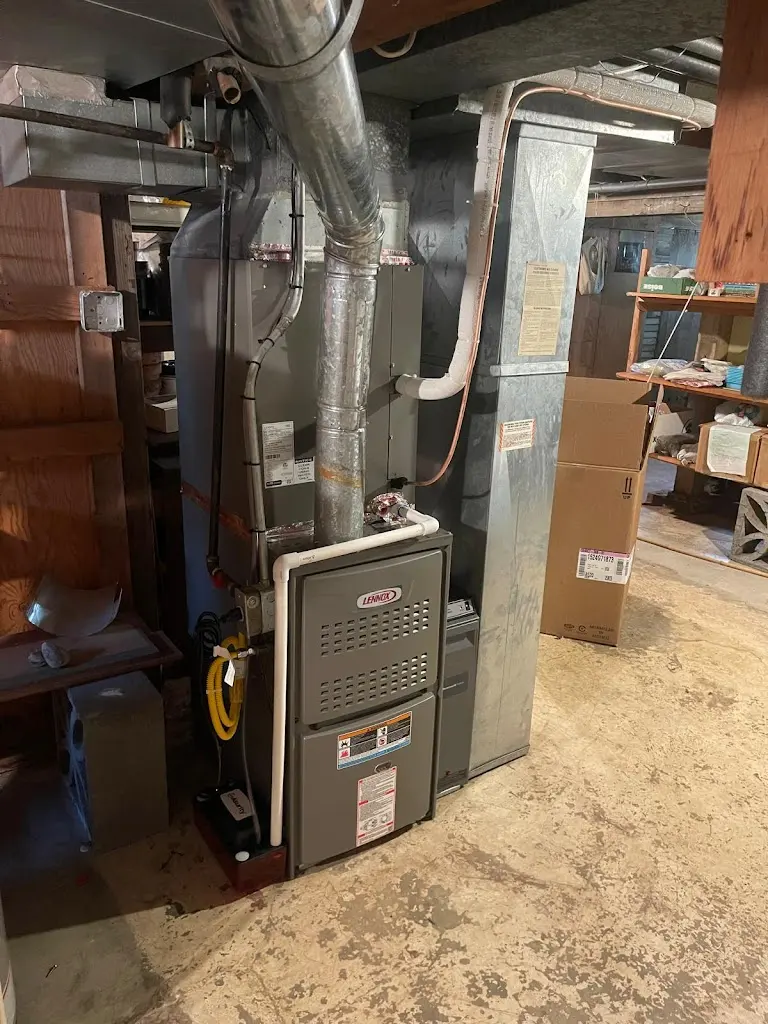
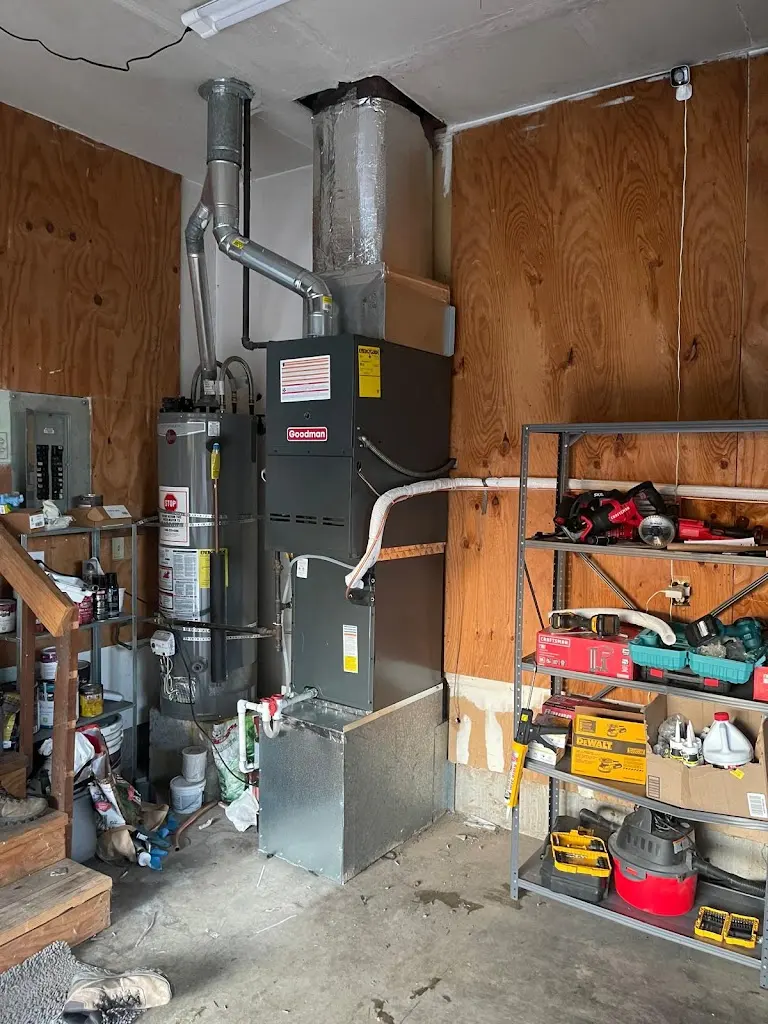
Our HVAC installation service in Gervais covers a wider change. That review includes heating as well as cooling. Keep the cooling goal clear when comparing options. A proposal that changes more equipment may provide different functions as well as carry a different price.
Compare Equipment Ratings With the Same Work in Mind
A cooling capacity rating and an efficiency rating describe different things. Capacity describes how much heat the equipment can remove. Efficiency relates that cooling to the energy it uses under defined test conditions. Neither number alone tells you how the finished system will perform in every room of your home.
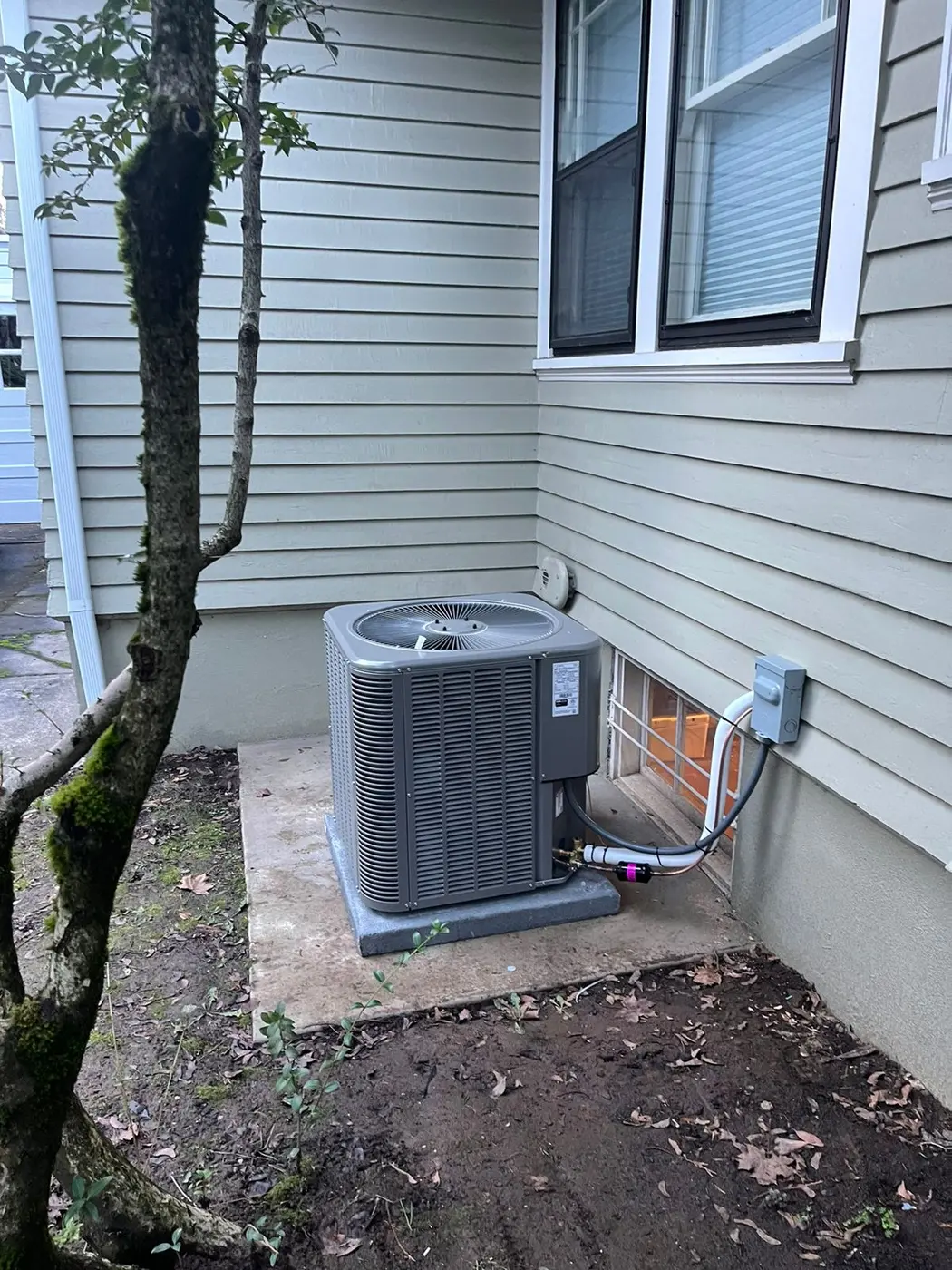
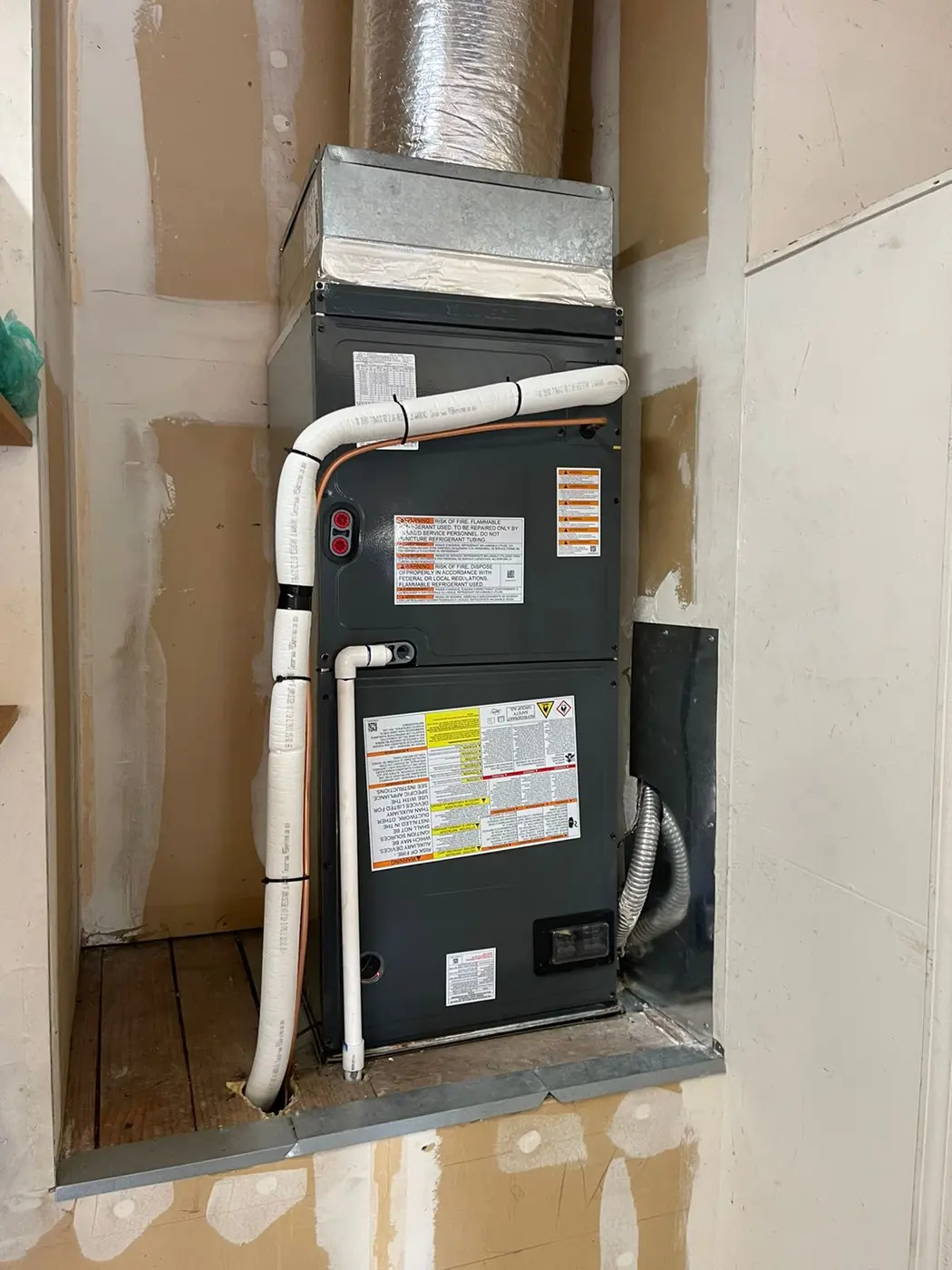
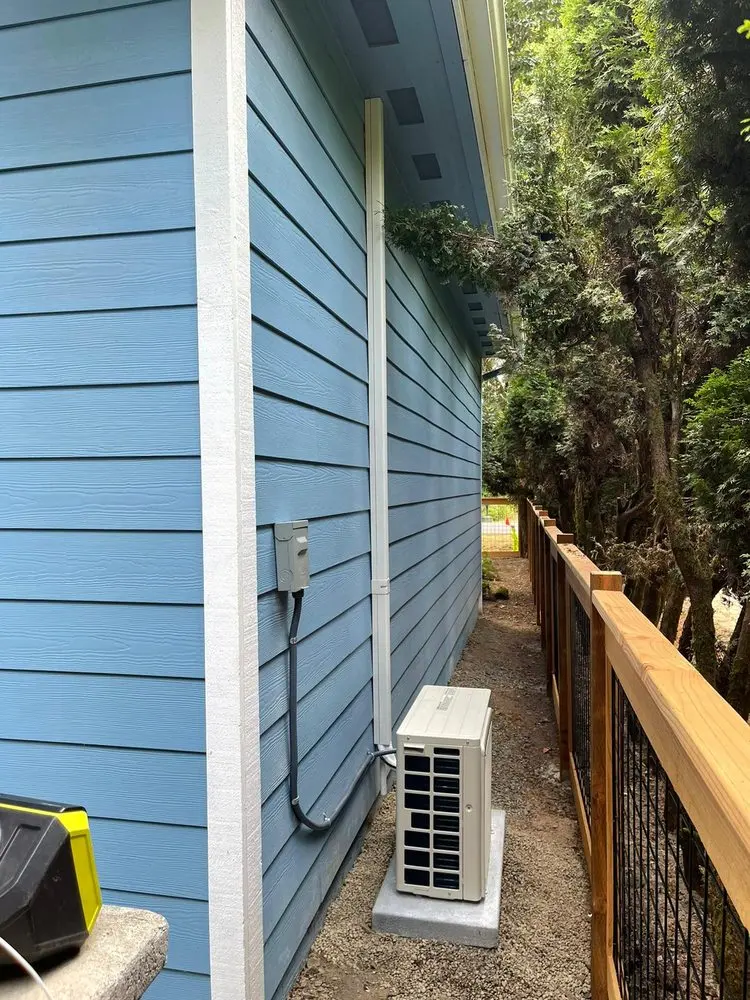
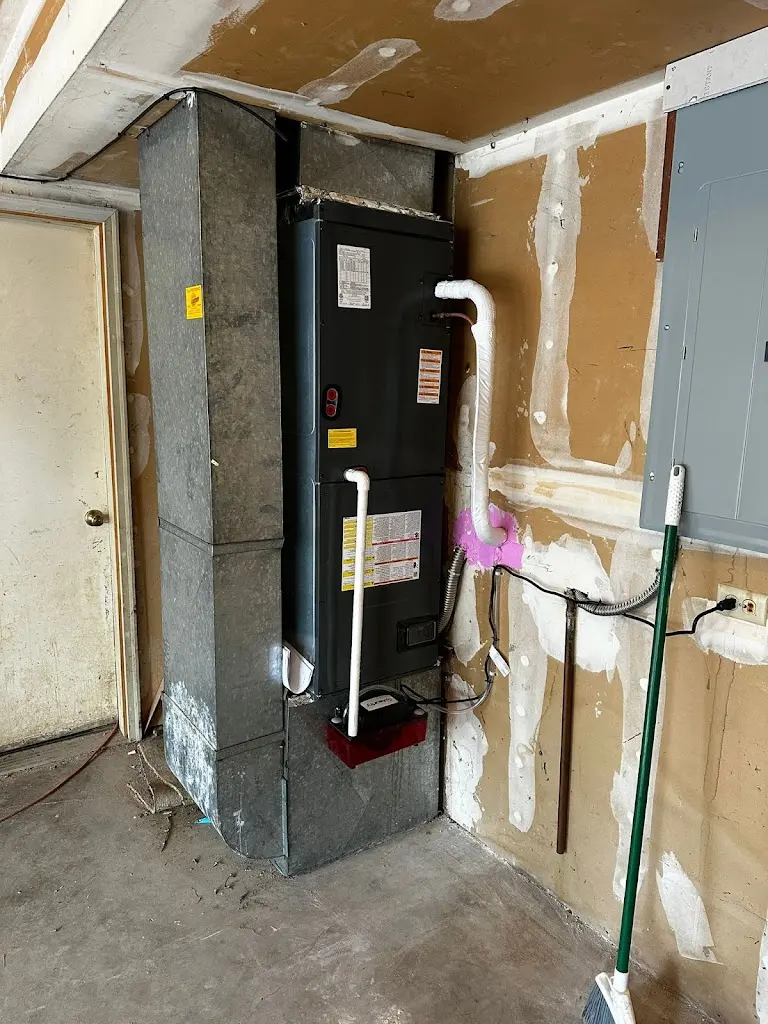
Ask which indoor and outdoor equipment combination supports the proposed rating. The quote should identify the equipment it assumes, including any retained part. Comparing the outdoor units alone may leave out an indoor change that one option needs. That missing detail can affect both the work and the price.
Review the installation scope alongside the rating. Air delivery, controls and the connections between components remain part of the project. A higher-rated model does not automatically remove those needs.
Ask how the proposal addresses your comfort concerns. The rating alone does not settle the choice.
Choose Controls for How You Actually Use Cooling
A smart thermostat may offer useful scheduling or control features when it suits the equipment. Some installations do not need that type of control. Explain whether you prefer one steady setting or change the schedule often. The available options should support that routine without adding functions you do not expect to use.
Ask which control features require a particular equipment combination. A new display does not establish that every advertised function works with retained components. The proposal should distinguish a required control change from an optional feature. At handover, you should know how to use the functions included in your own setup.
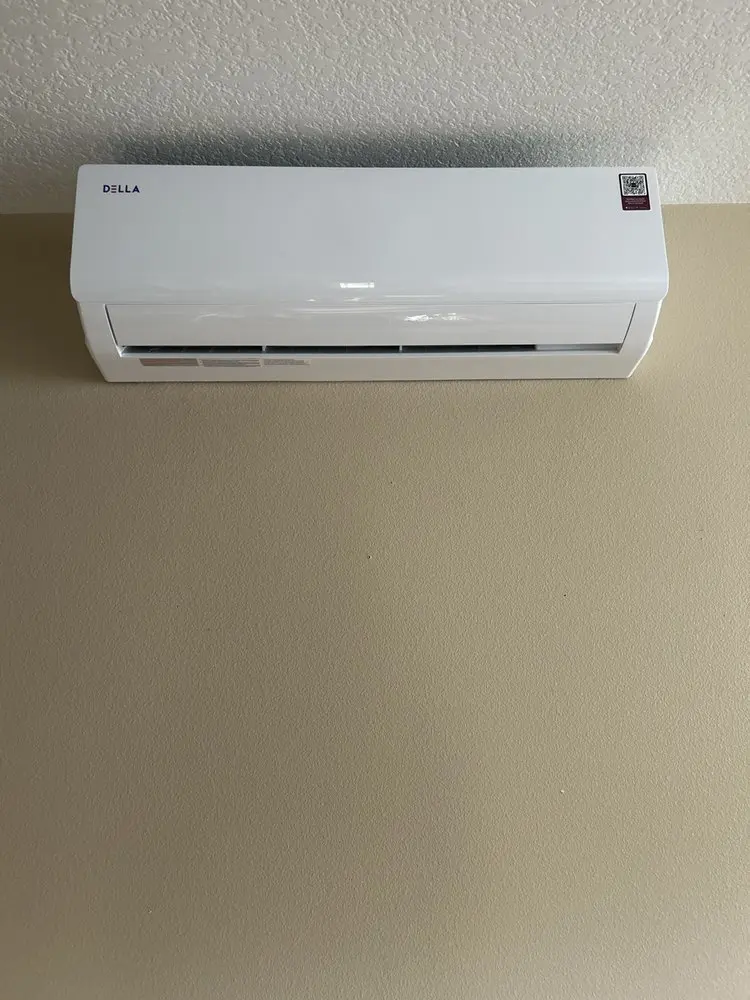
If you are considering heat pumps as an alternative, our heat pump installation service covers that scope. A heat pump can provide heating as well as cooling. Include that added function in the comparison. The two proposals serve different needs.
Set Realistic Expectations for Energy Use
Energy-saving goals do not support a guaranteed reduction in your bill. Weather, settings, room use and other equipment can change the total you pay. If you share past use as context, explain any changes in how the home operates. A single bill cannot isolate the performance of the air conditioner.
An active fault can also complicate the comparison. Tell us whether the present unit runs normally or has recently lost cooling. Repair diagnosis is separate from the free installation estimate. A failed unit and a working unit used differently do not provide the same starting point for an upgrade discussion.
Do not choose extra capacity solely because the current system runs for long periods. The cooling need and air delivery require review. A larger label is not an energy-saving plan.
The proposed model should fit the job. Ask which parts of the project address comfort and which add operating features.
Keep the Approved Scope and Care Plan Together
Before scheduling, review the selected equipment, included work and price. Confirm access to the Gervais property and the expected time without cooling. If the proposal depends on an existing part or connection remaining, make that condition clear. Changes to those assumptions need a review of the work, not just a different model name.
At completion, ask which checks support the finished setup and review the normal controls. Keep the model details and final work record so later service refers to the actual equipment combination. If a room remains uncomfortable, report that result separately from any question about energy use.
Ongoing AC maintenance can address care appropriate to the installed system. Ask which owner tasks apply and which need a service visit. A higher efficiency rating does not eliminate care needs. Keep an unexpected operating problem separate from routine maintenance when arranging help.
Frequently Asked Questions
Will the highest efficiency option always have the lowest total cost?
Not necessarily. Compare the full installation price and the functions each option provides. Future operating costs depend on the equipment, its use and conditions at the property. The estimate should explain each choice without promising a fixed payback date.
Can I keep my current thermostat?
That depends on the proposed equipment and the functions you want. Show us the current control during the estimate. The review can establish whether it remains suitable or needs to change. Keeping it should be a supported part of the scope rather than an assumption based on its age.
What should I track after the new system starts running?
Note the normal setting, how the rooms feel and any unexpected behavior. If you compare energy use, keep changes in weather and household use in mind. Report an unresolved comfort concern directly; a bill by itself does not show which part of the system needs attention.