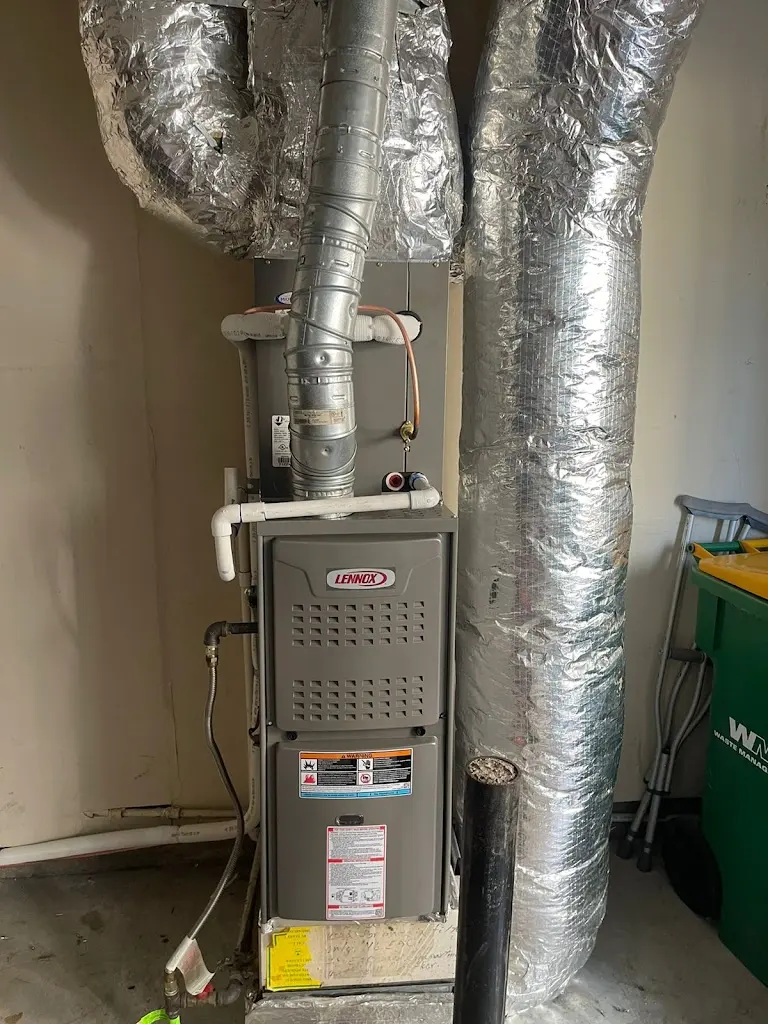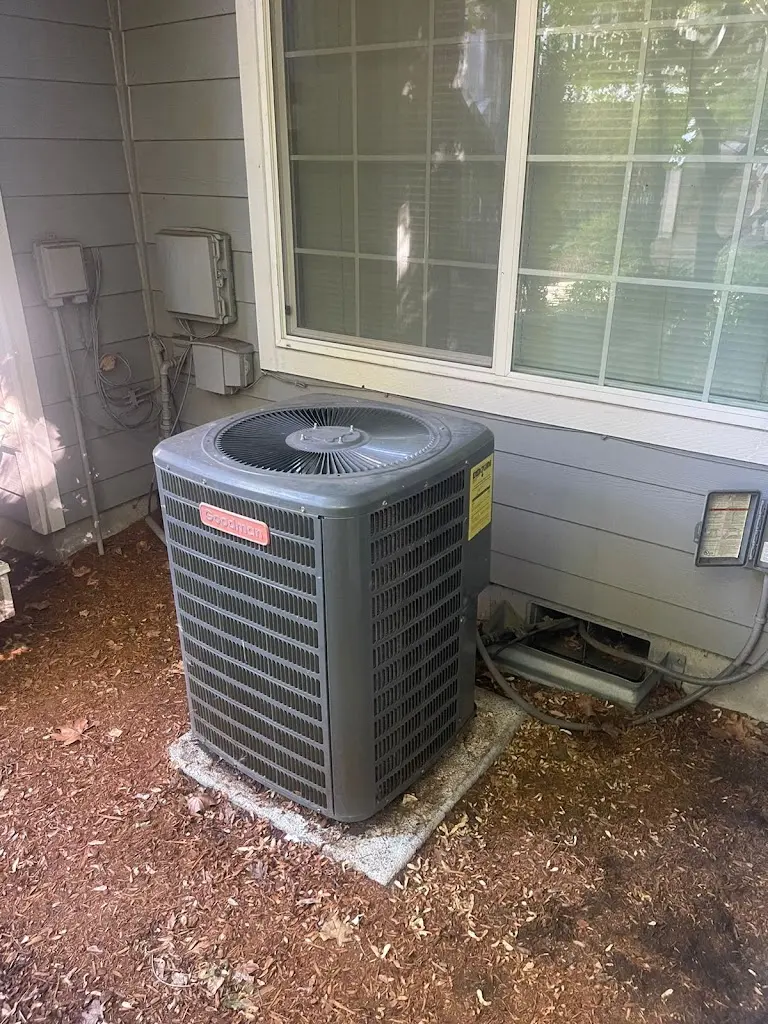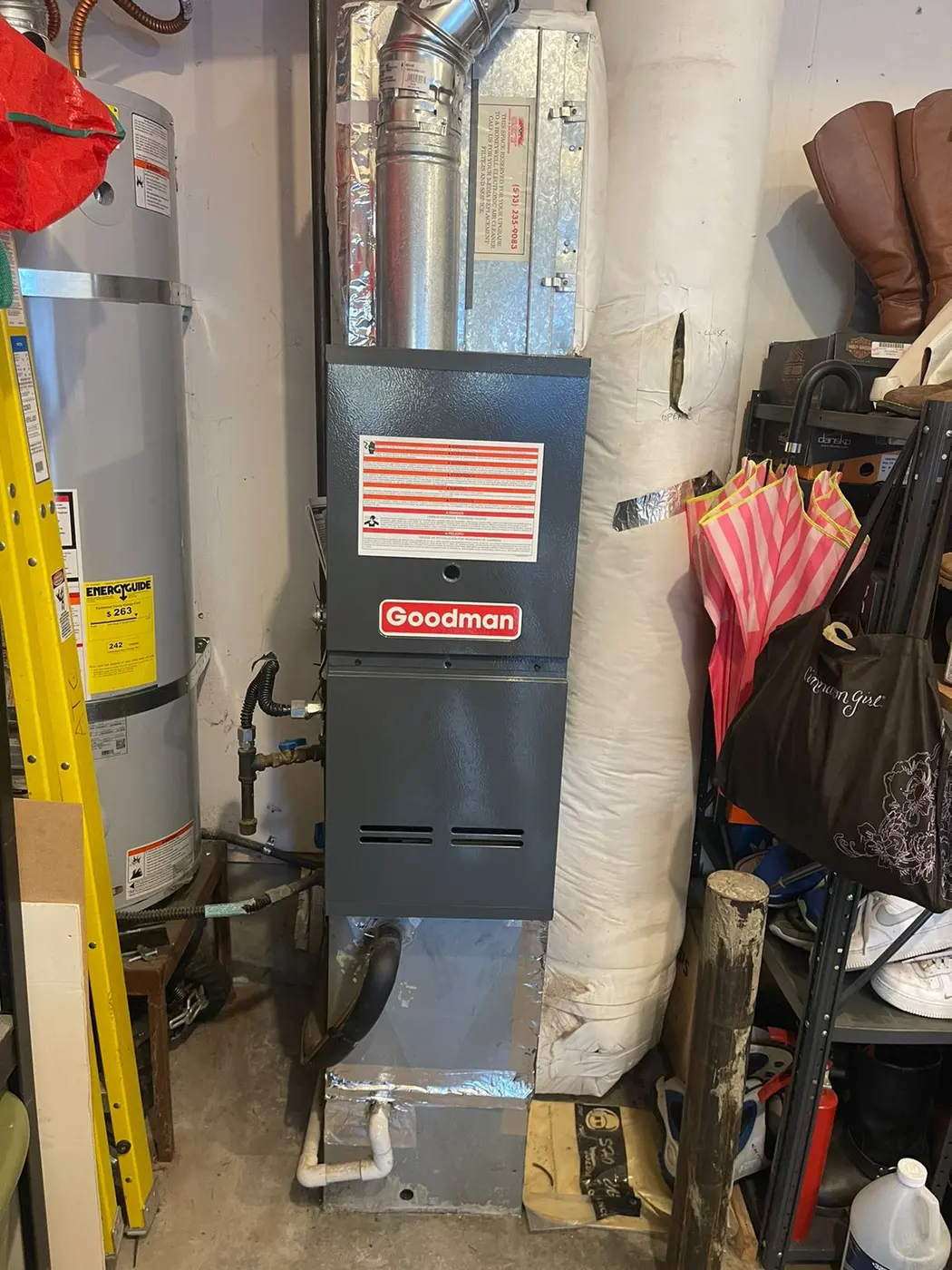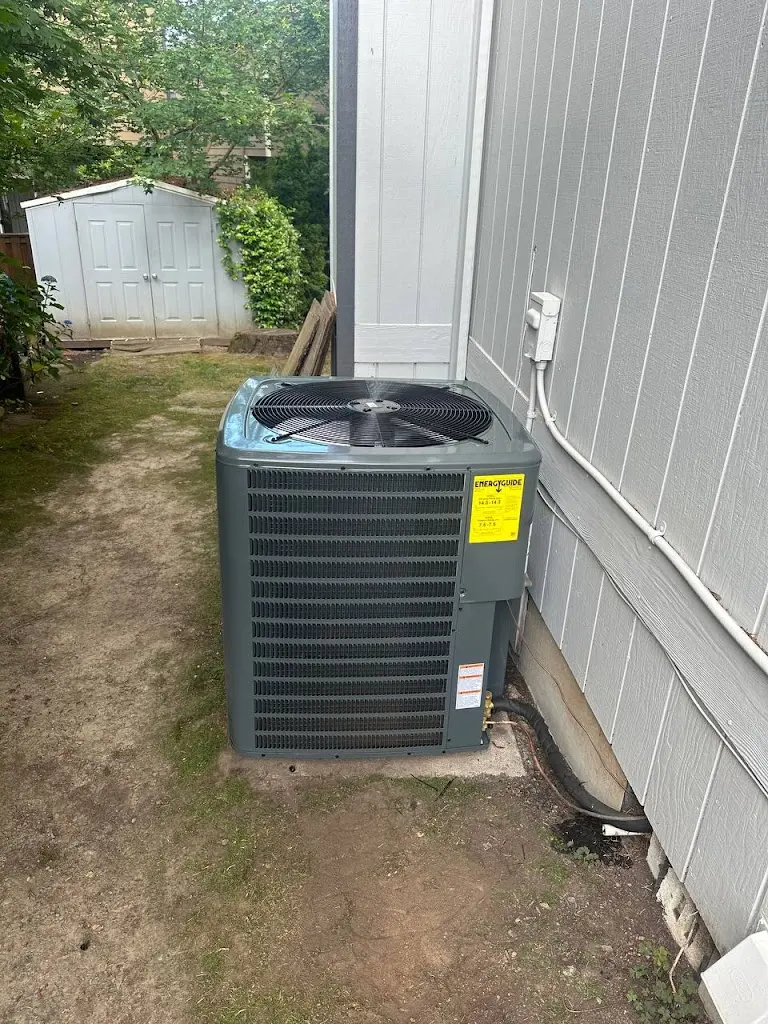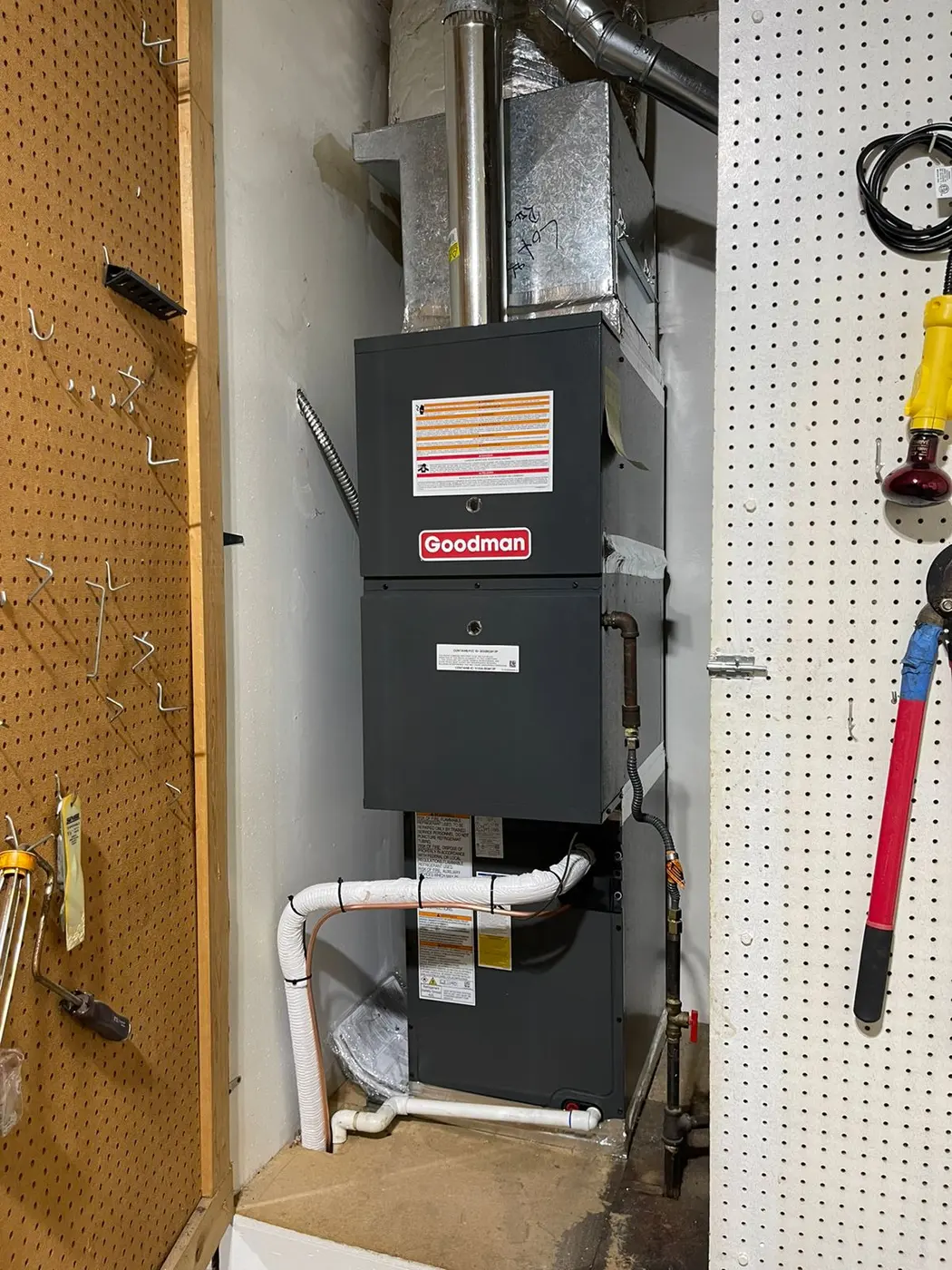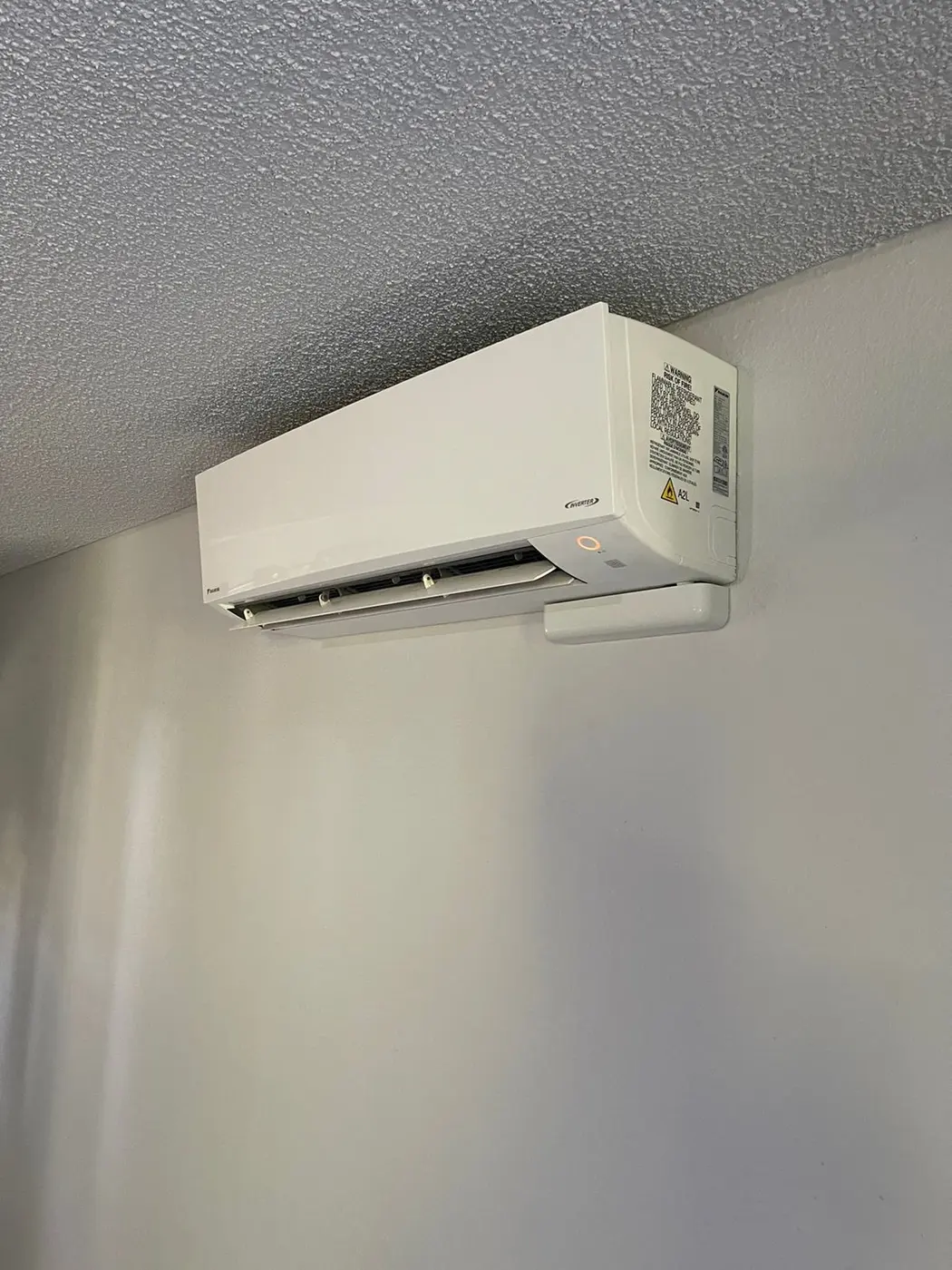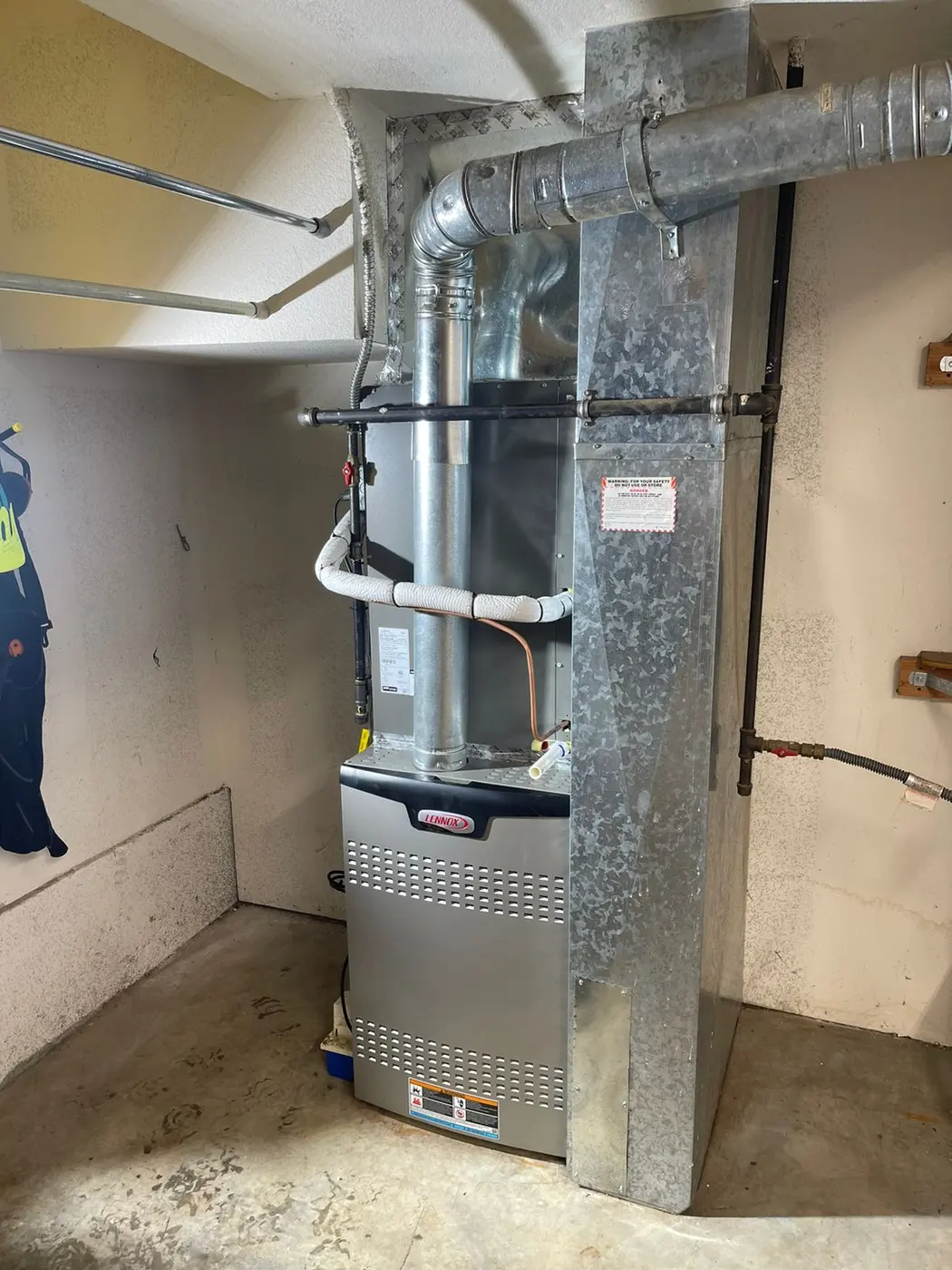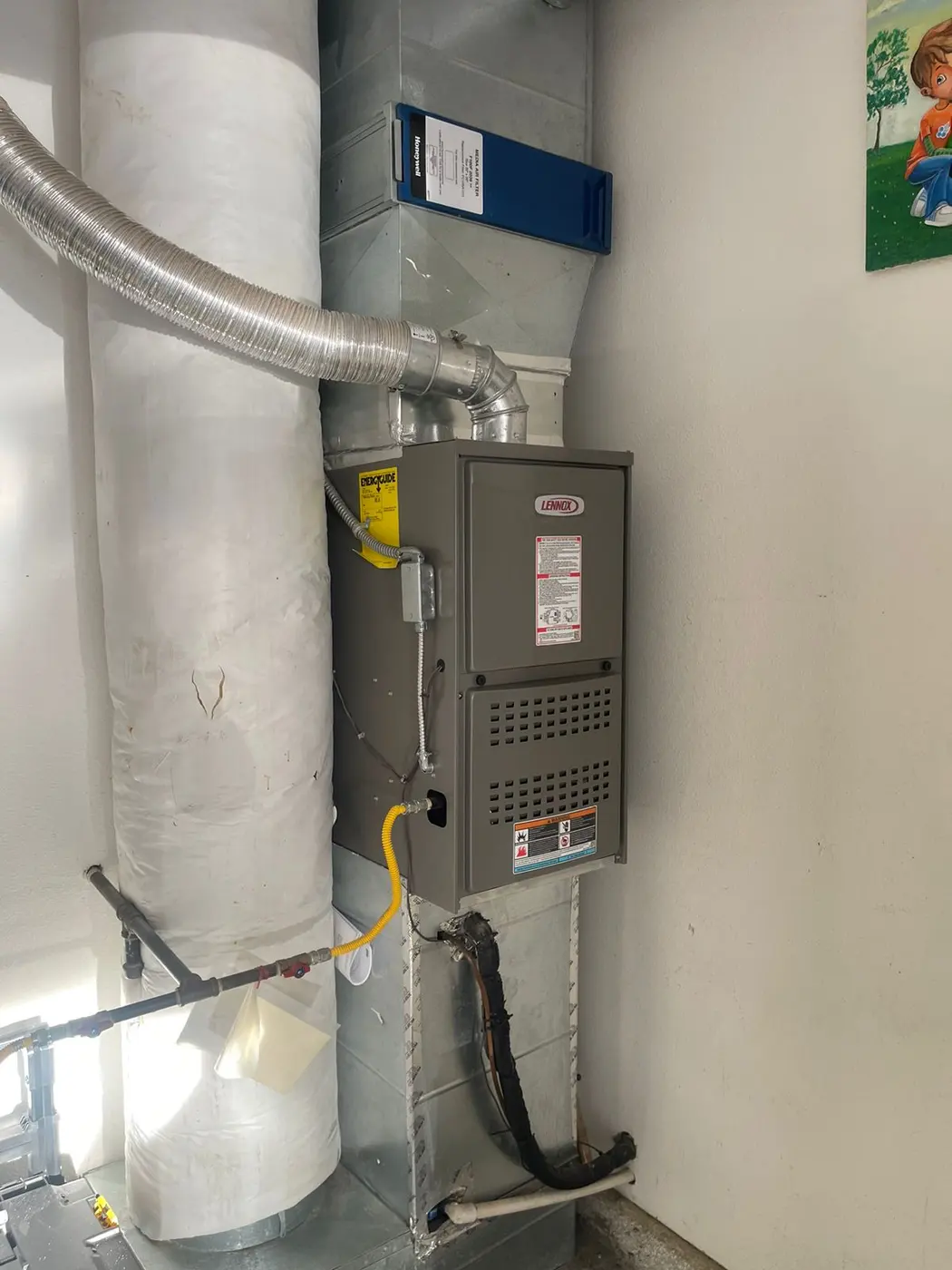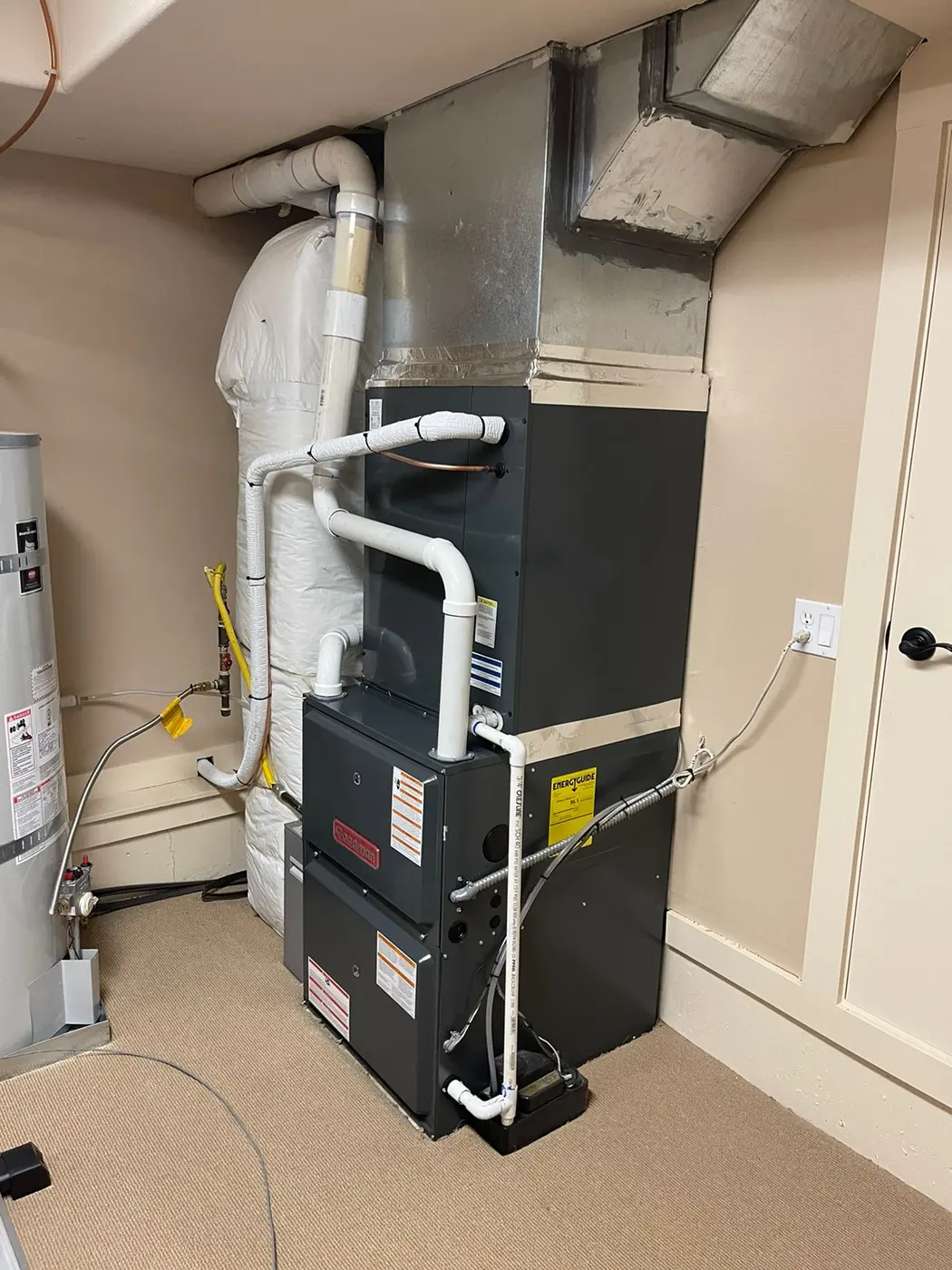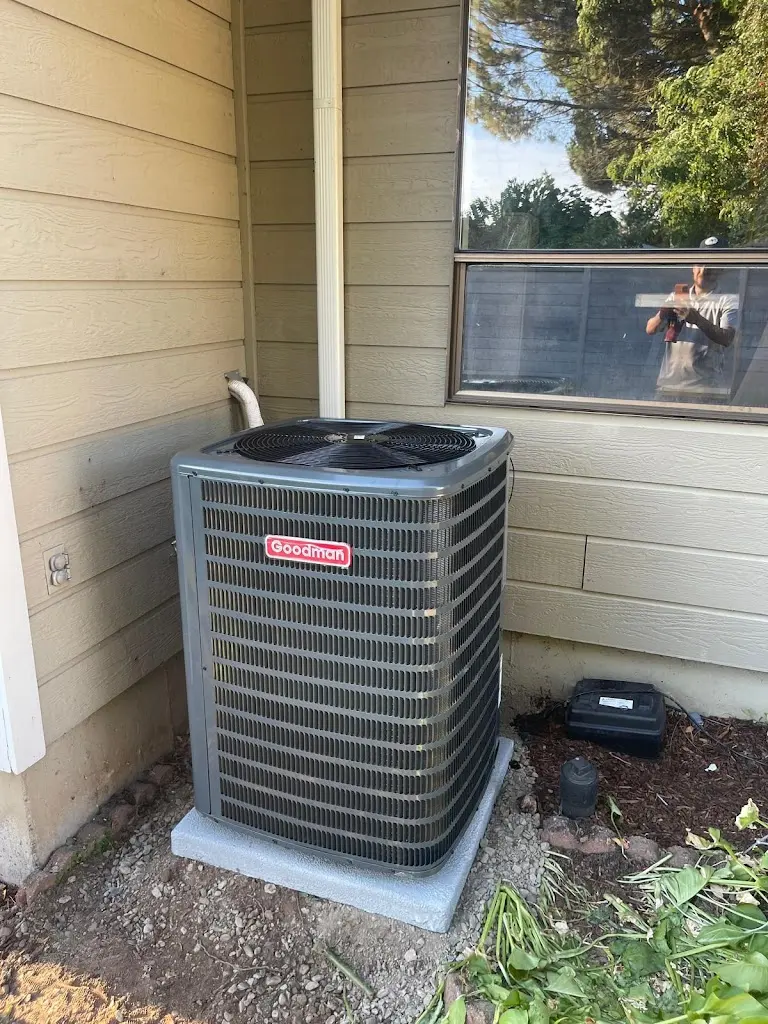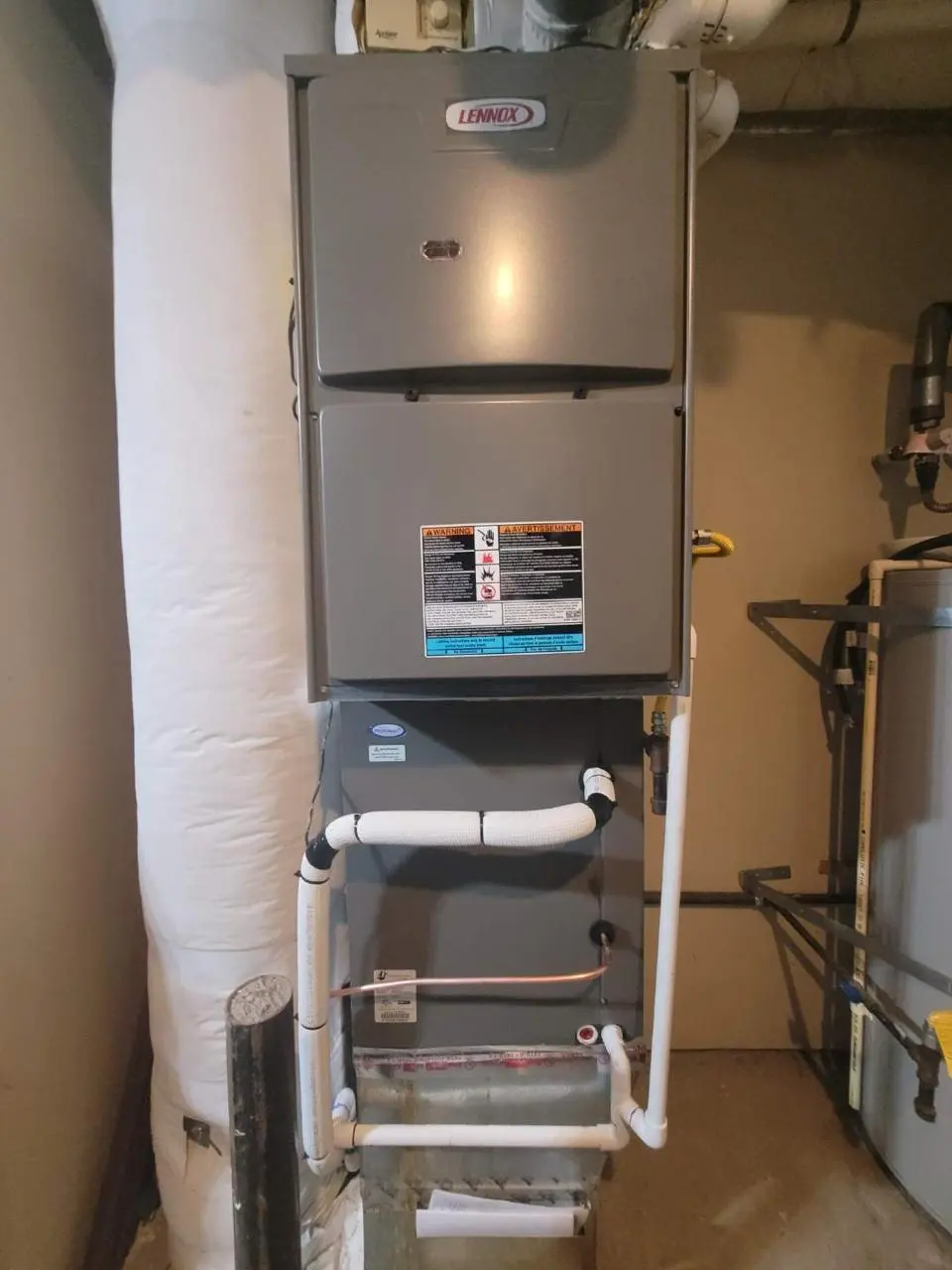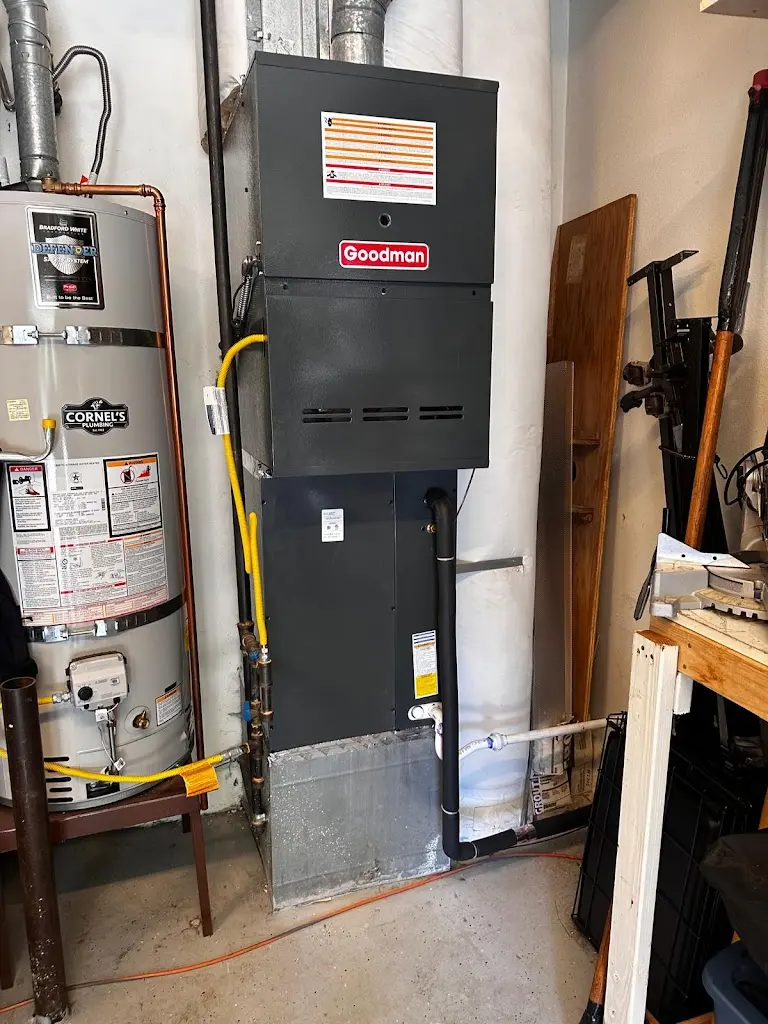
Decide What Happens to the Existing Furnace
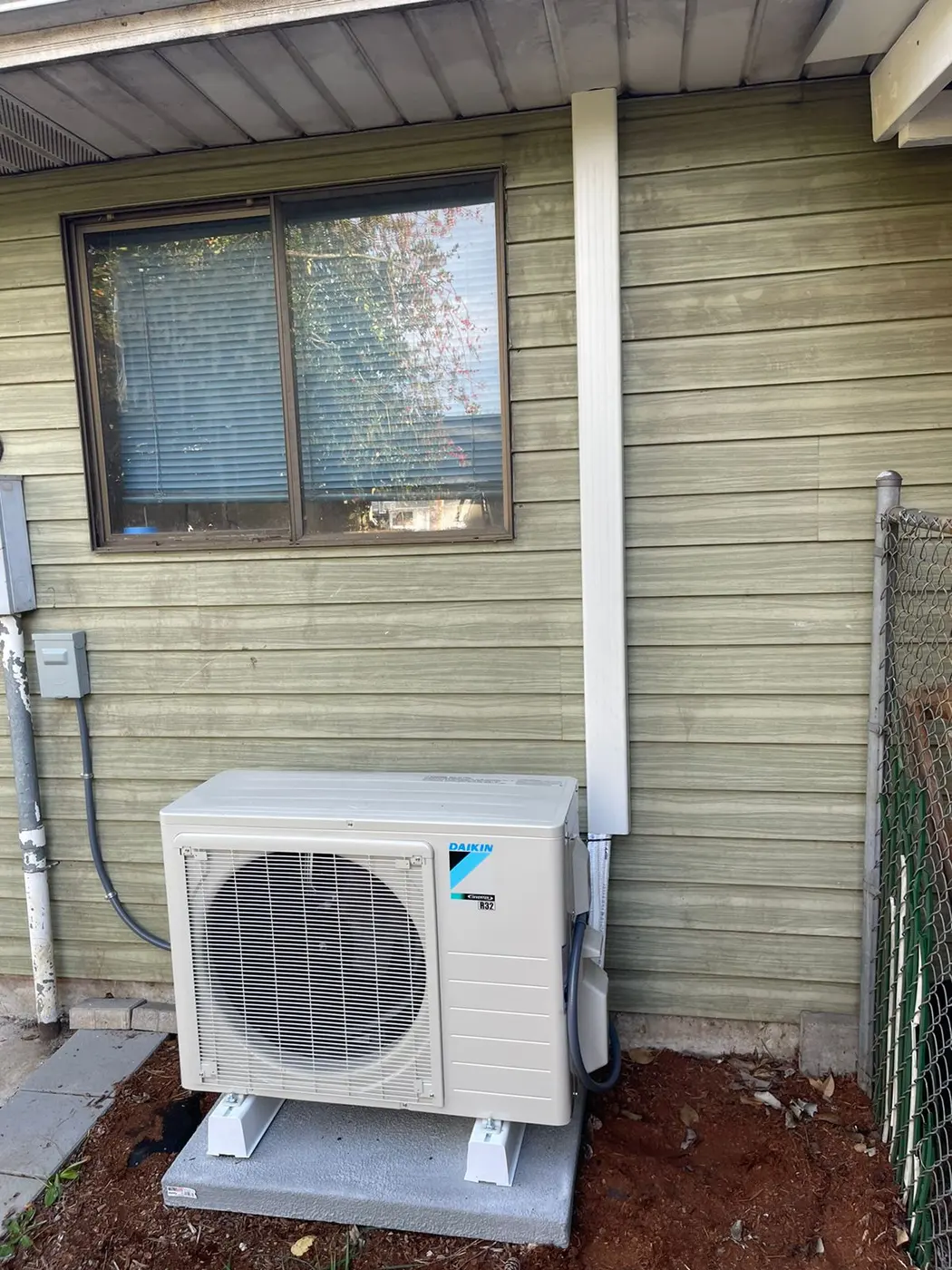
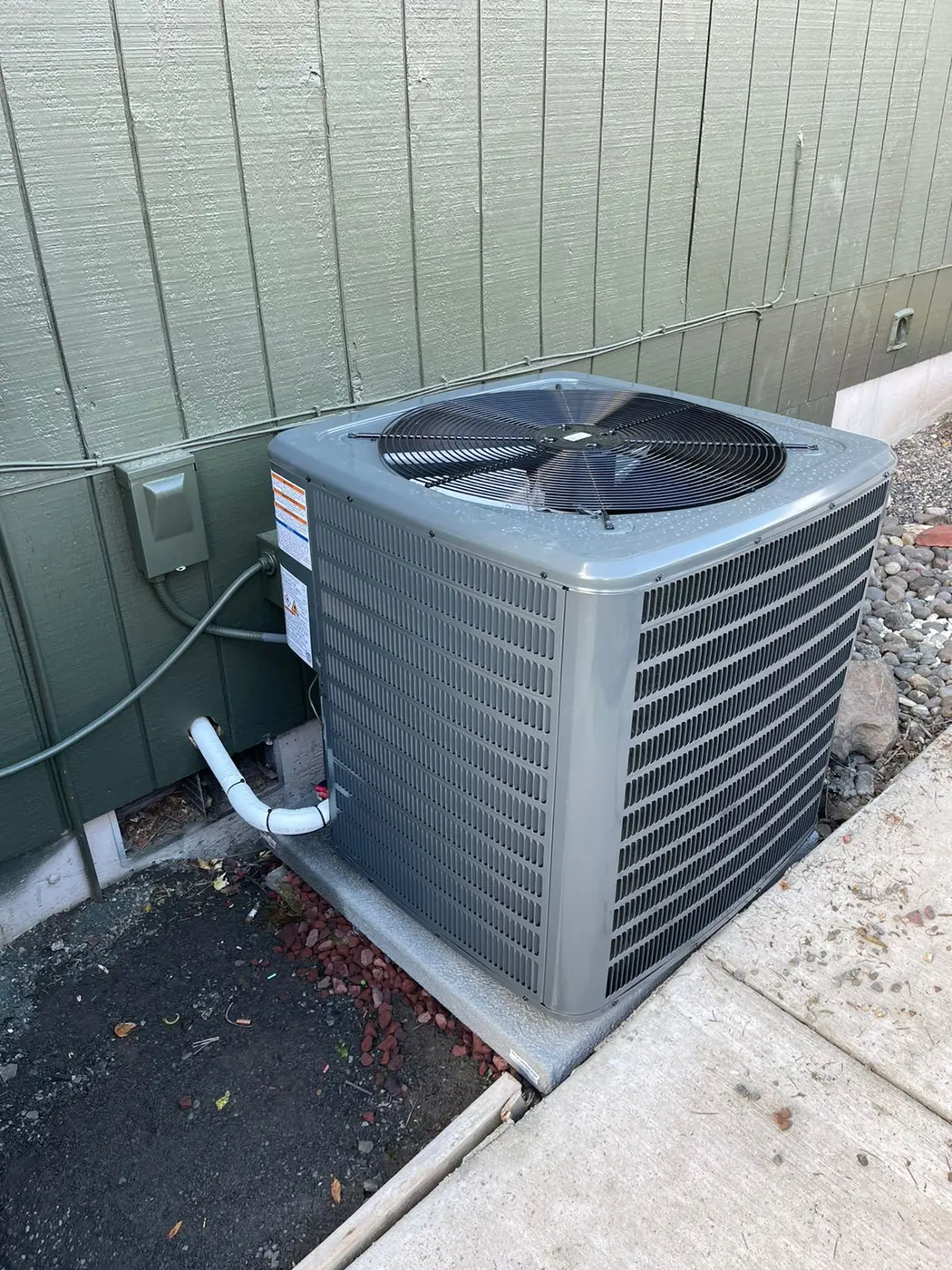
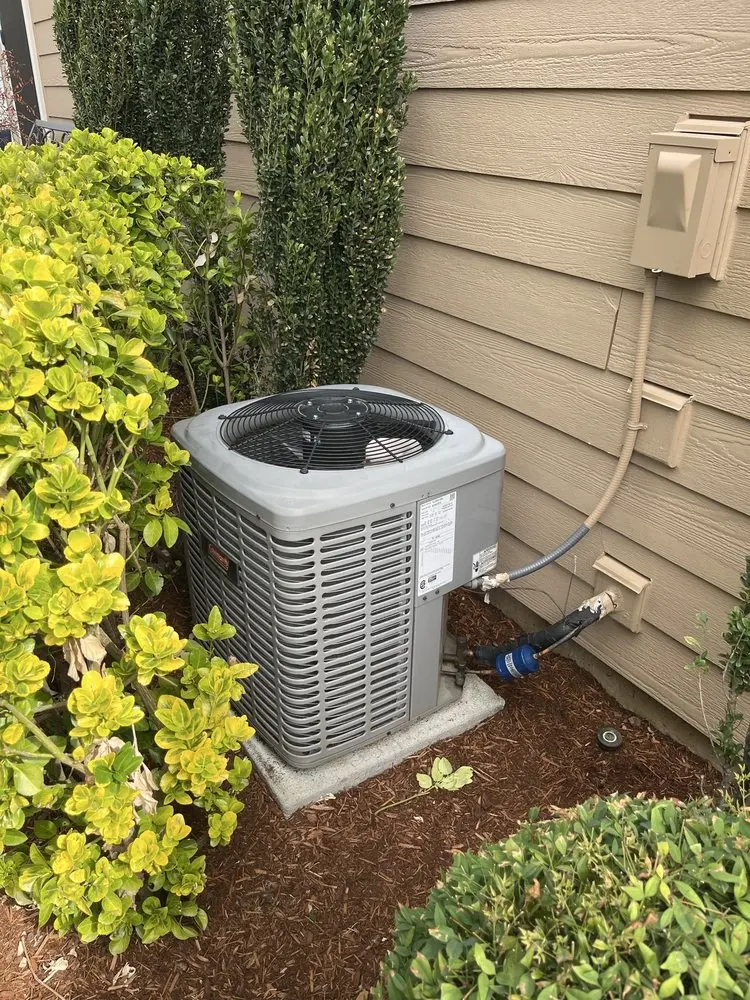
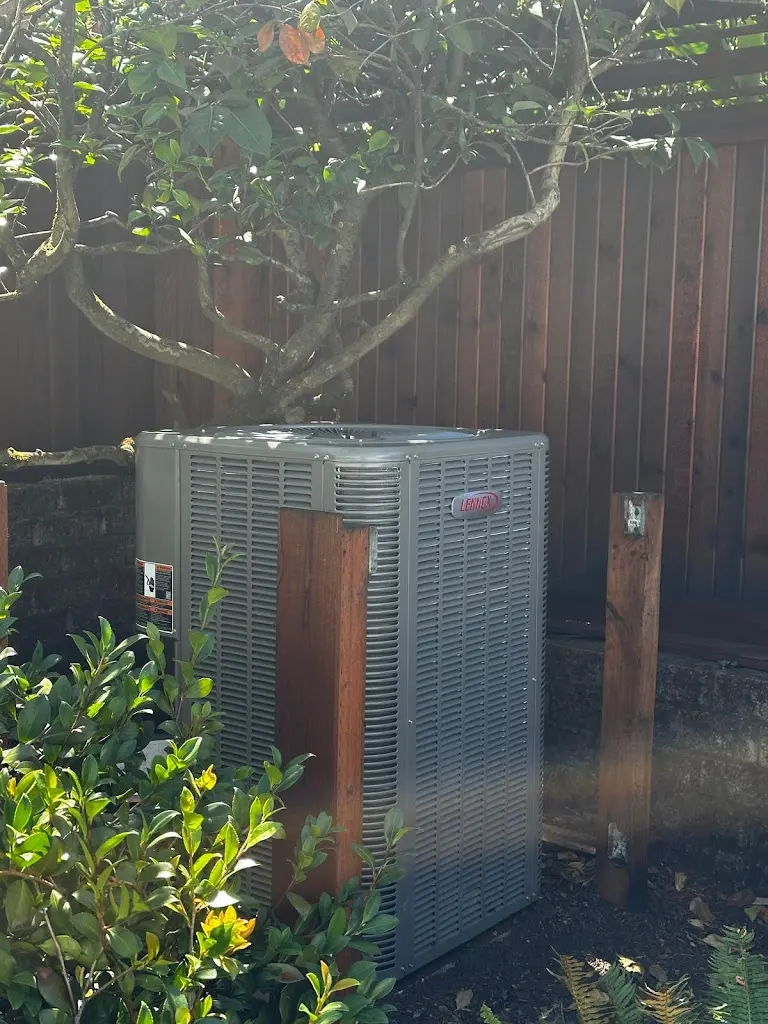
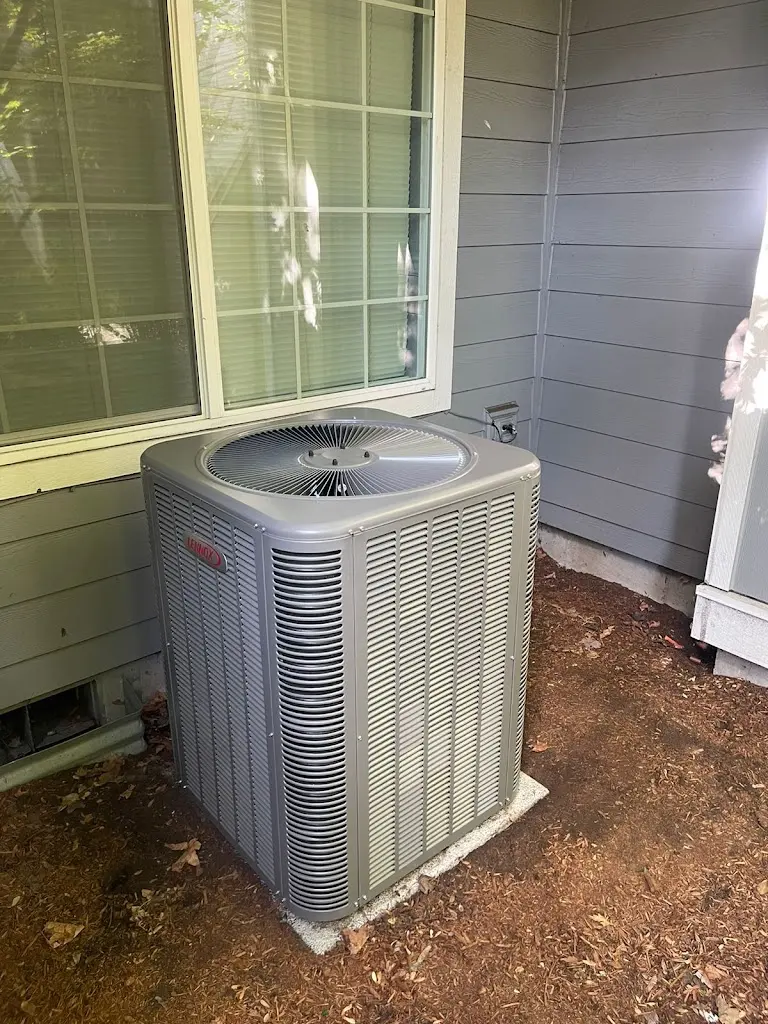
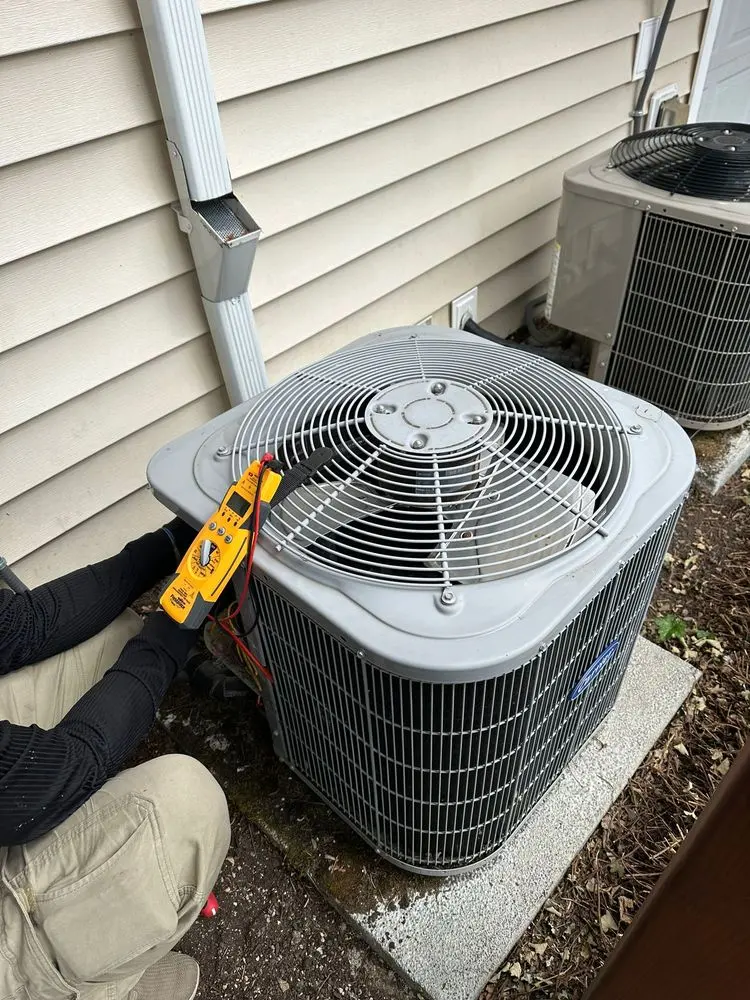
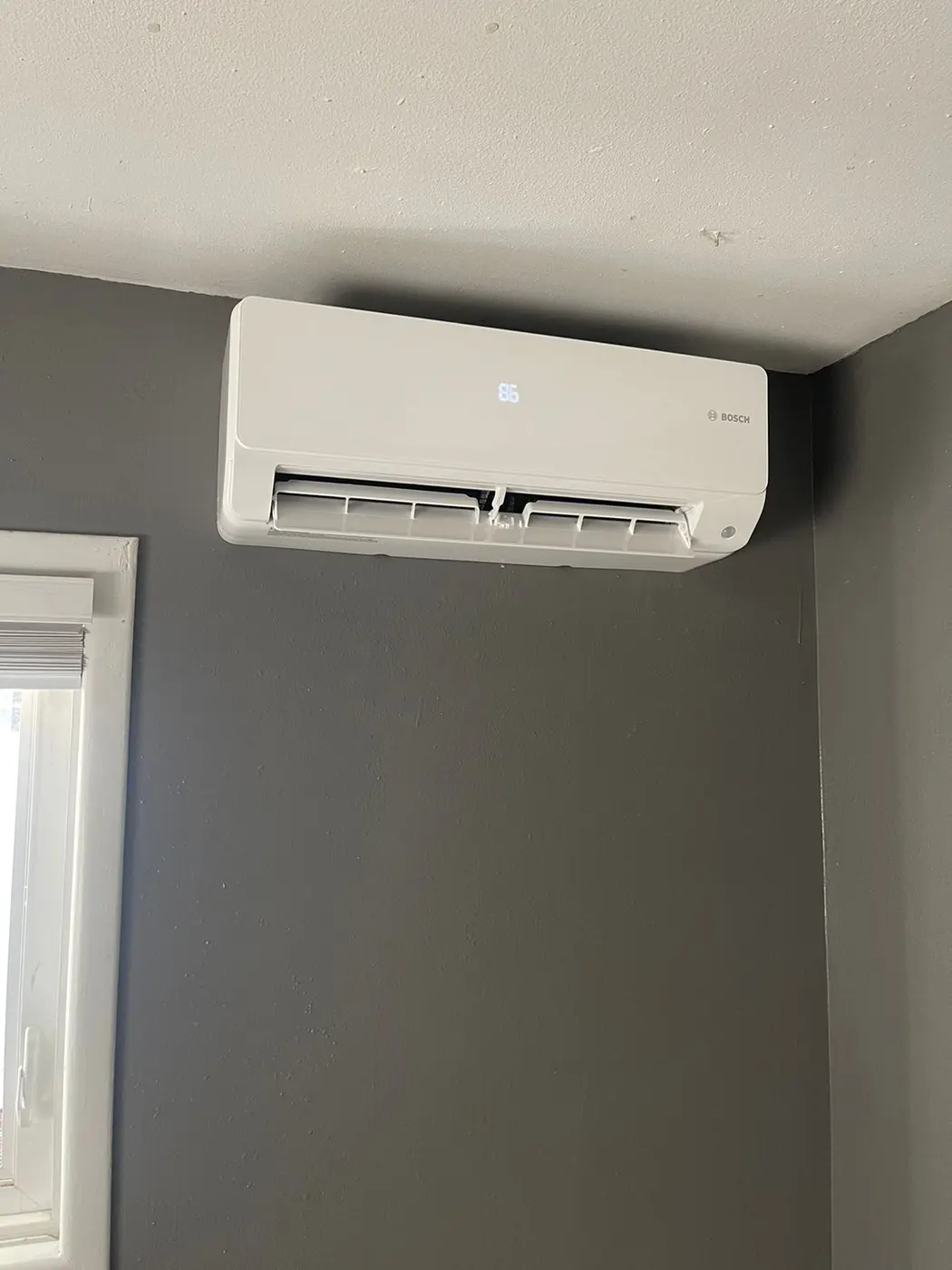
HVAC & Appliance Repair Guys provides heat pump installation in Donald, OR. Adding a heat pump can lead to different finished systems. You may want to retain a suitable furnace or replace the heating arrangement with an electric setup. We offer a free on-site estimator visit to review installation and replacement options.
Start with the outcome you want. Tell us whether keeping the current furnace is a preference, a firm requirement or still an open question. Mention any present fault separately. The proposal should make the furnace’s future role clear before you compare equipment prices.
Our heat pump installation service includes planning for both heating and cooling. An existing gas furnace does not automatically have to stay or go. The equipment combination and work at the property determine the practical choices. A useful estimate explains those choices in terms of the completed system.
Compare Heat Sources and Their Connections
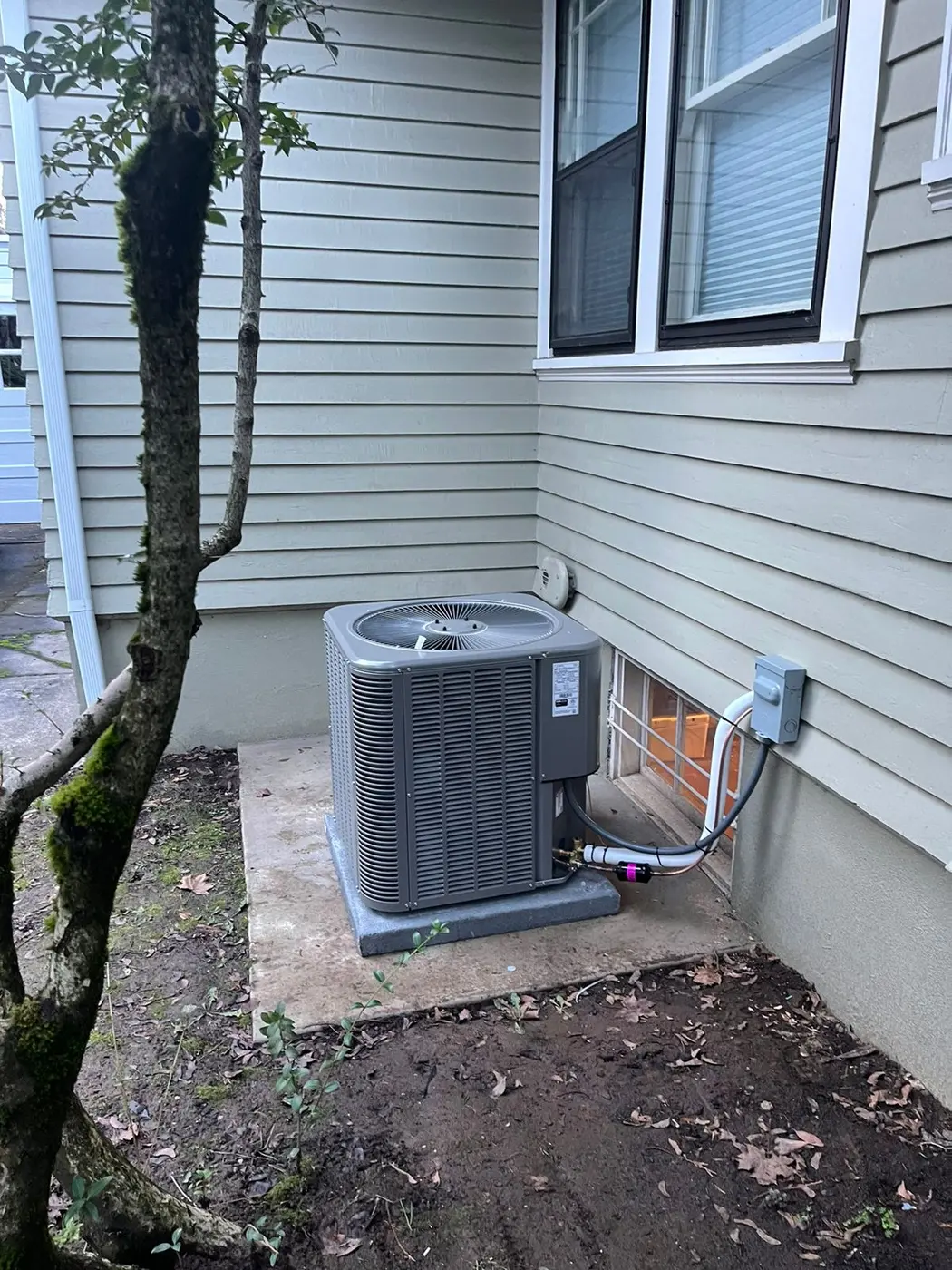
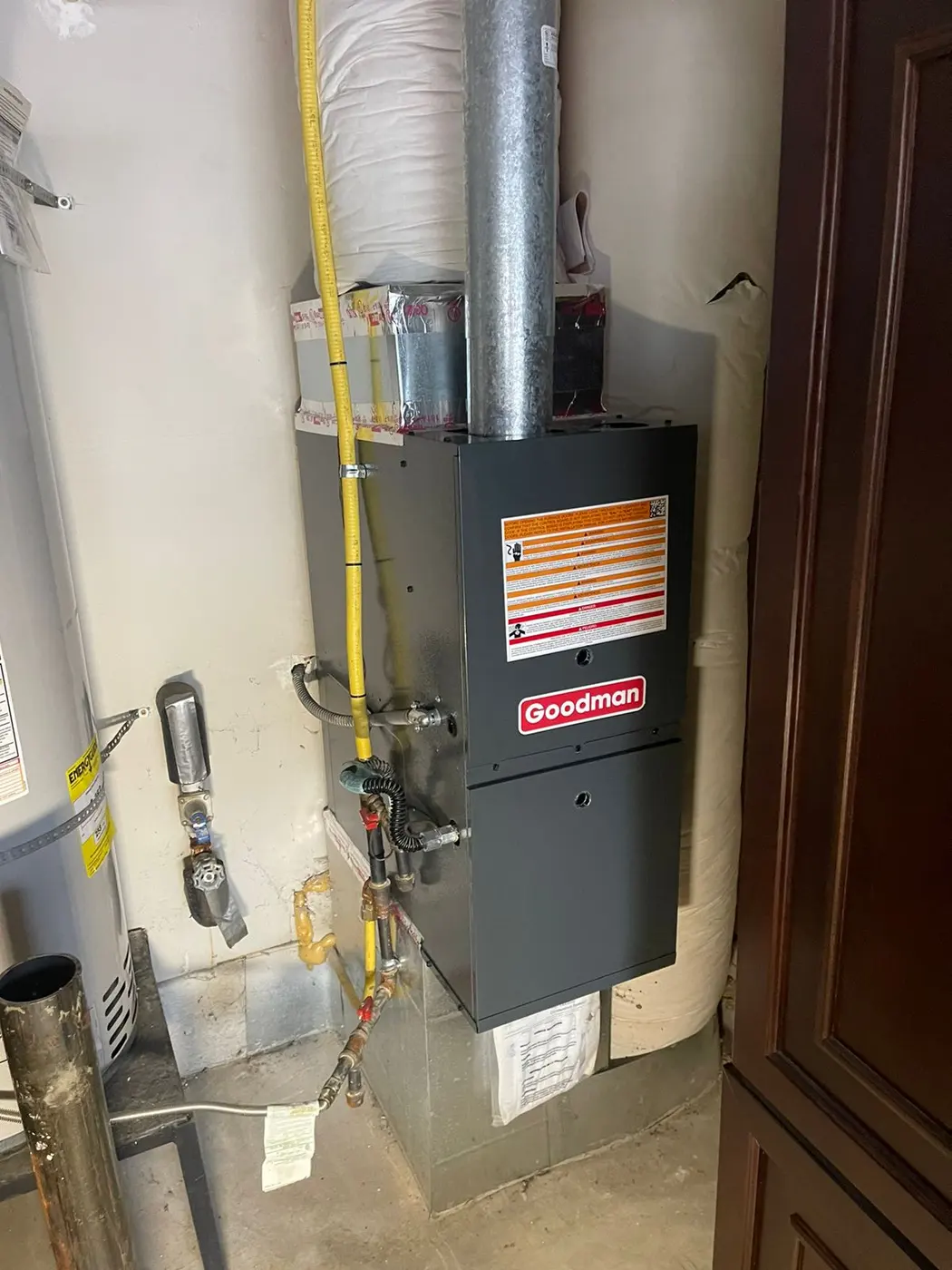
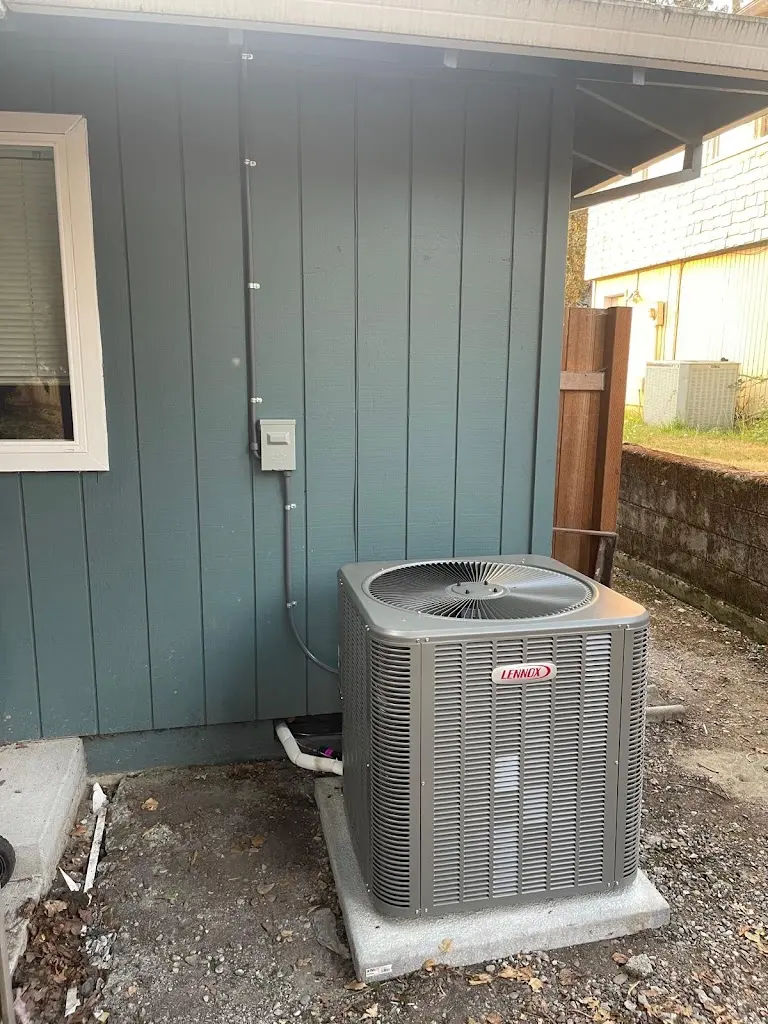
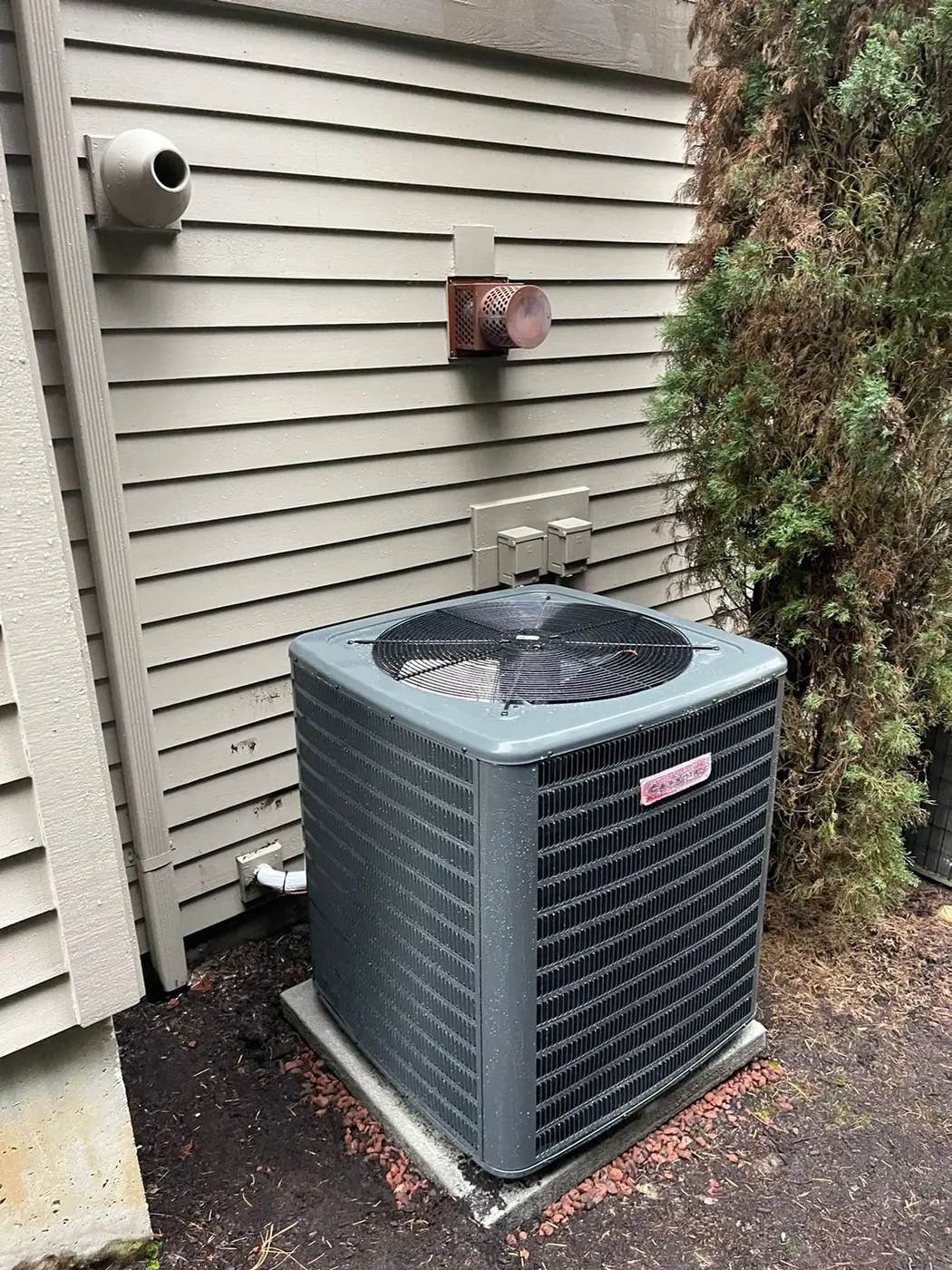
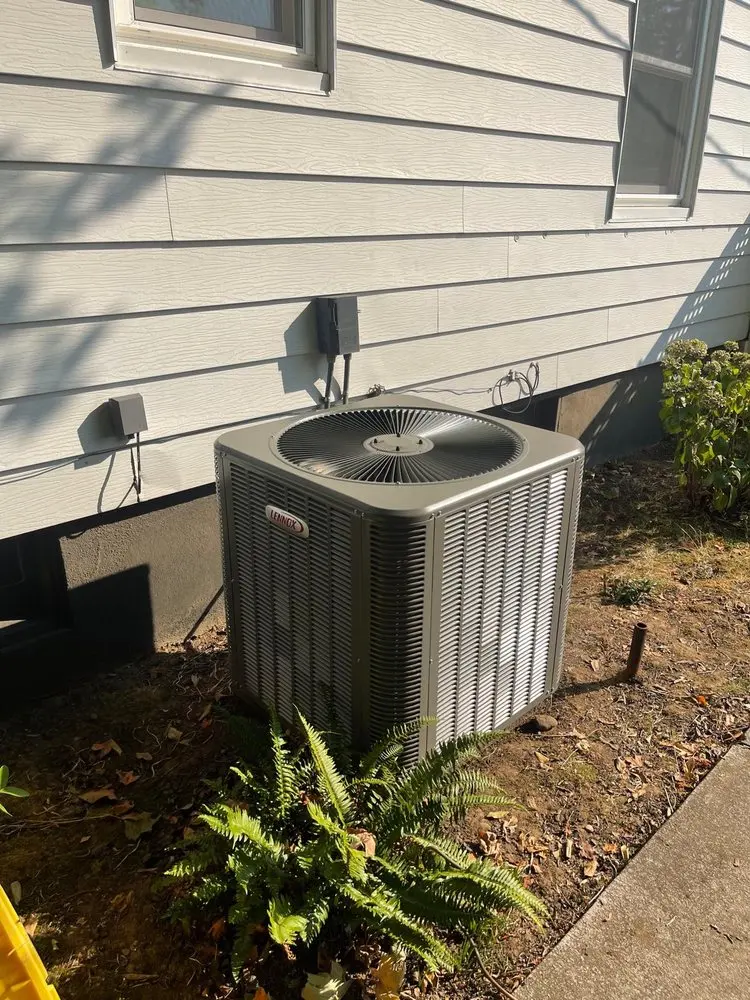
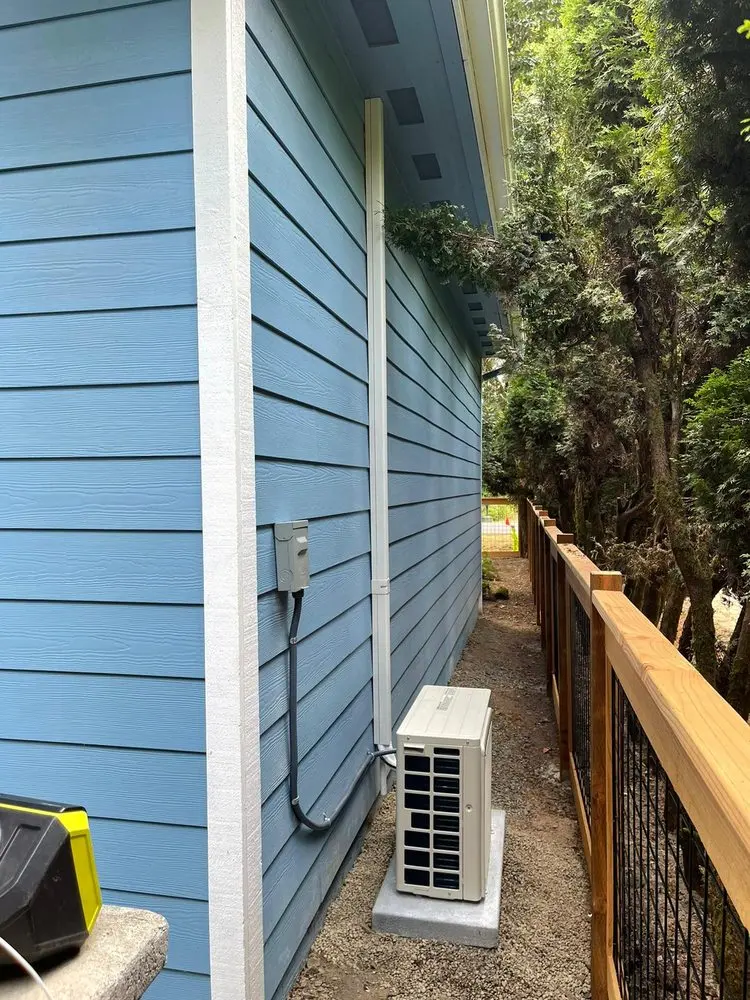
A dual-fuel arrangement pairs an electric heat pump with a gas furnace. The controls manage which heat source operates under the intended conditions. An all-electric plan does not use that gas furnace for heat. These are different scopes, even if the proposed outdoor equipment looks similar.
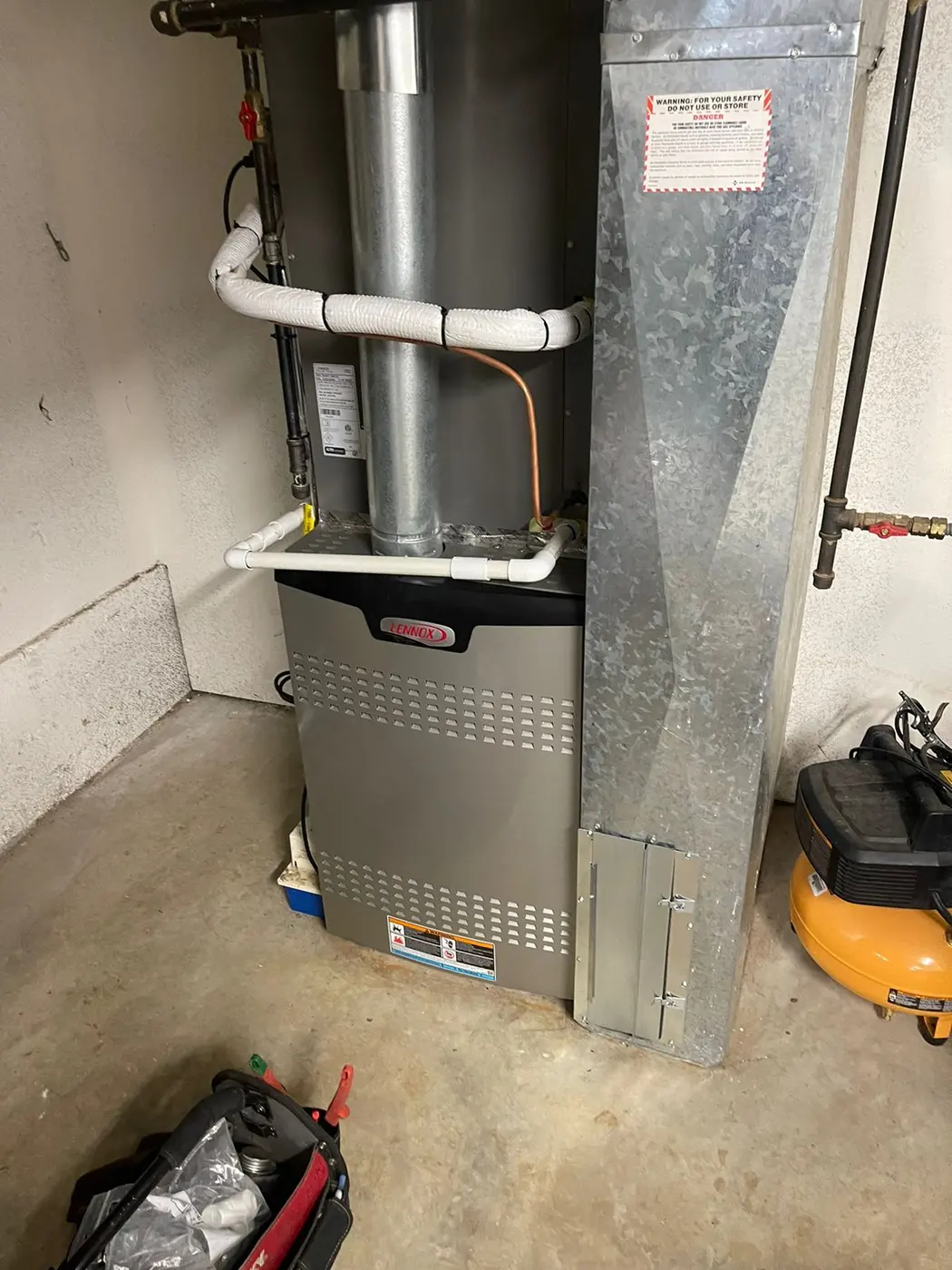
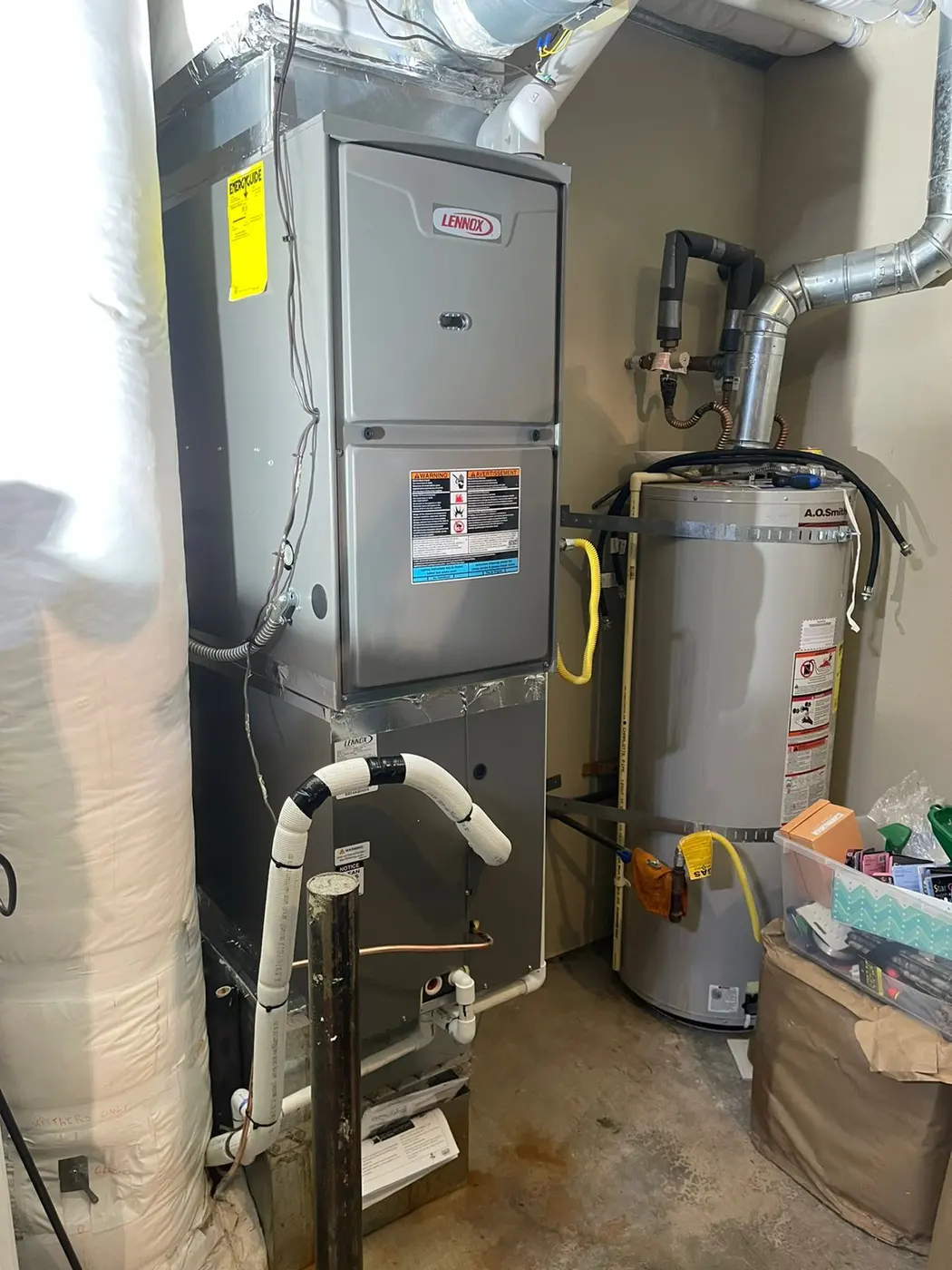
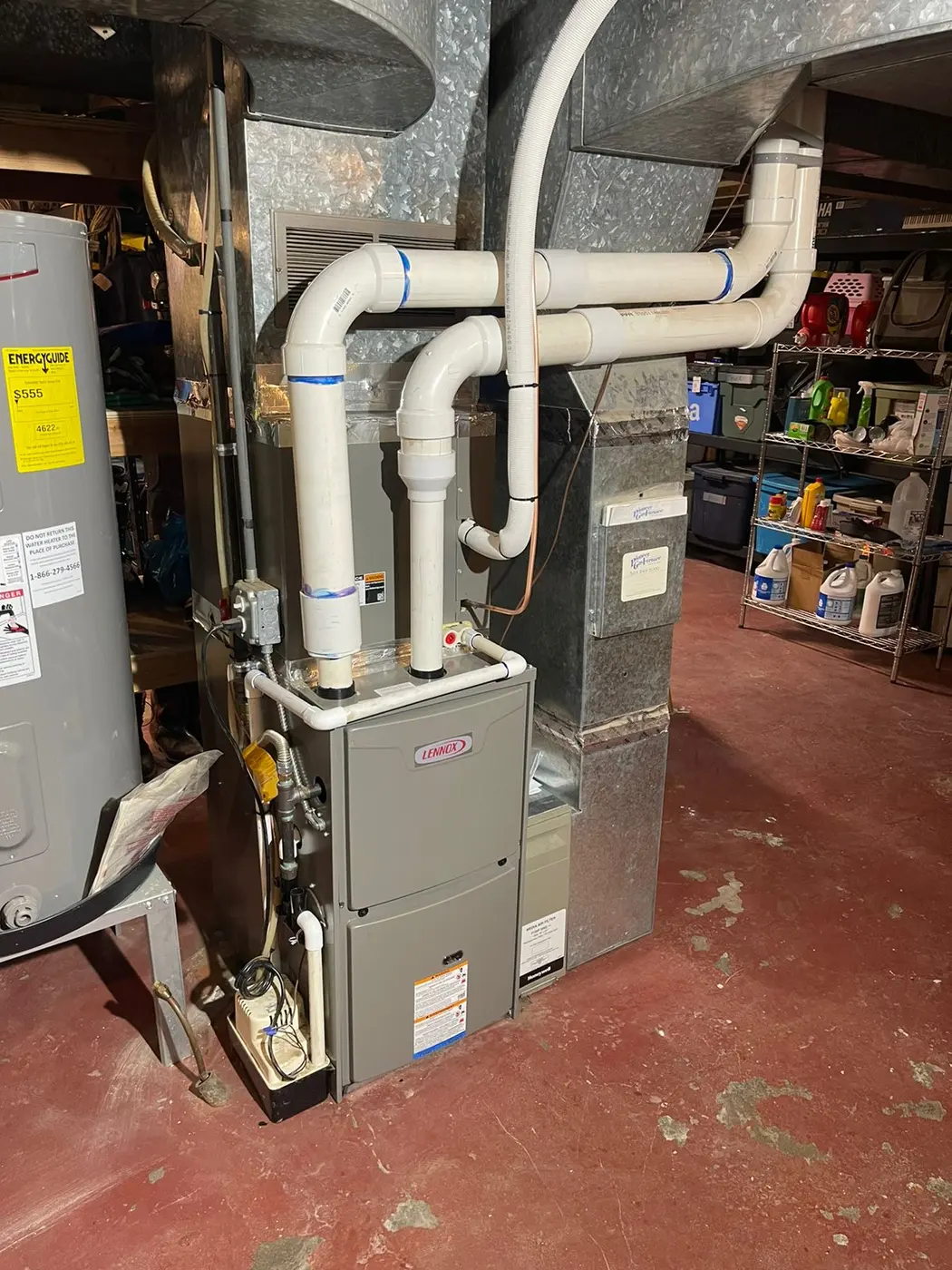
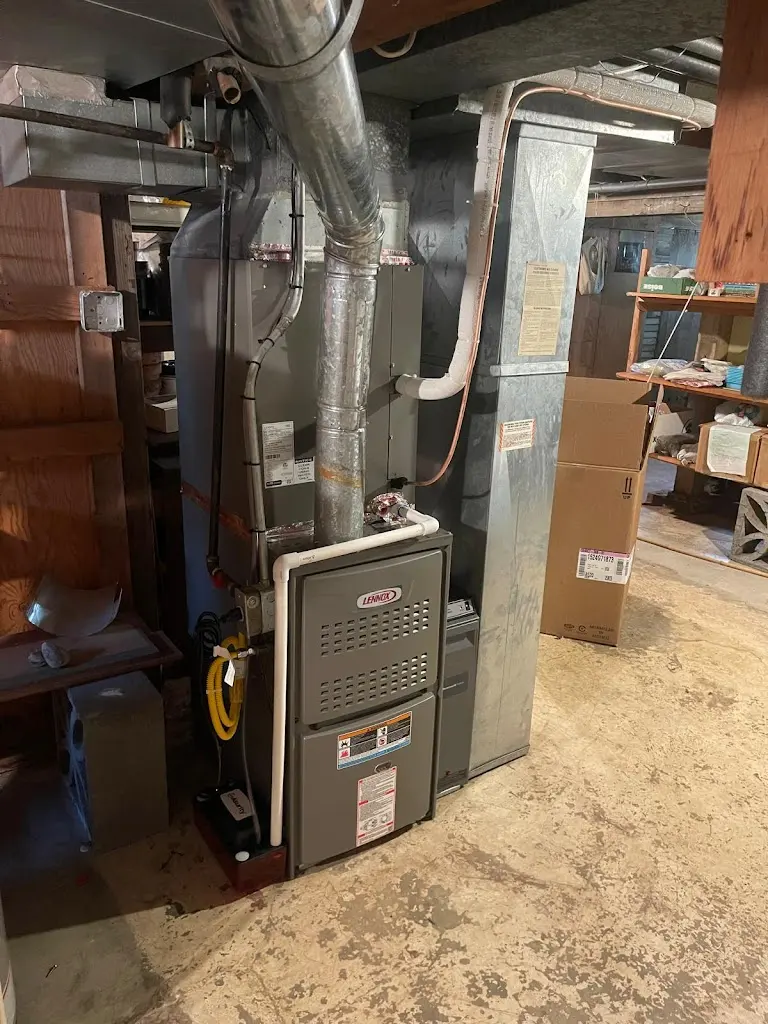
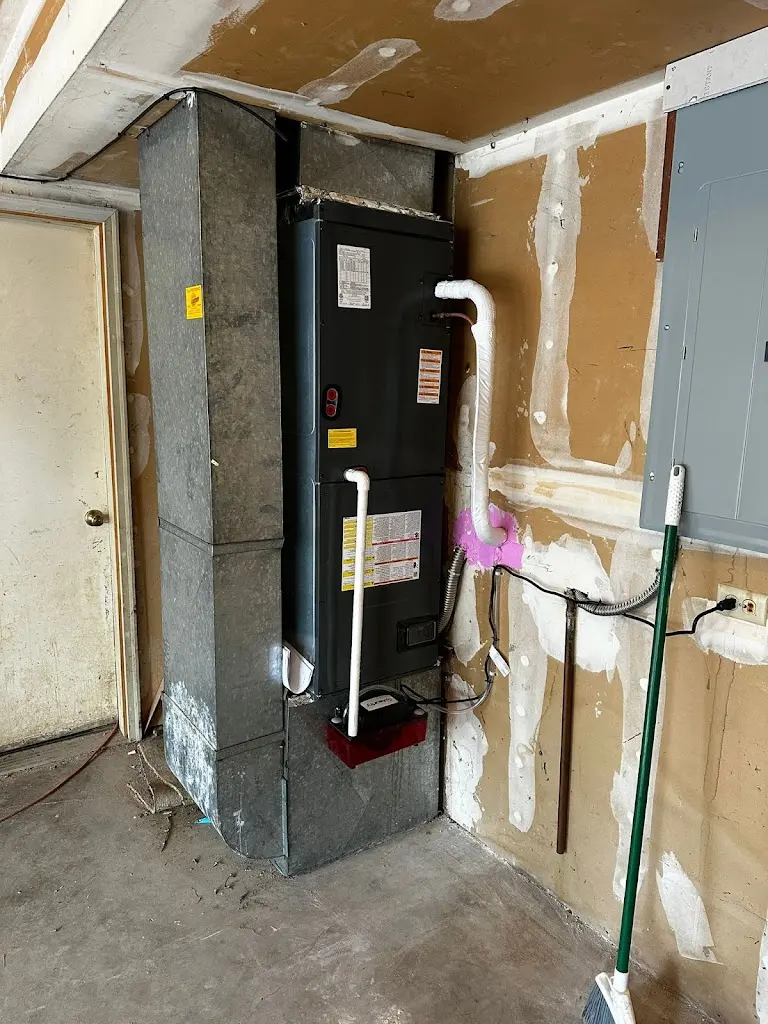
For a retained furnace, ask which indoor components and controls can work with the proposed heat pump. A unit that still produces heat may not suit every new combination. If the furnace also needs replacement, our furnace installation service in Donald addresses that part of the project. Compare the whole setup rather than the outdoor unit alone.
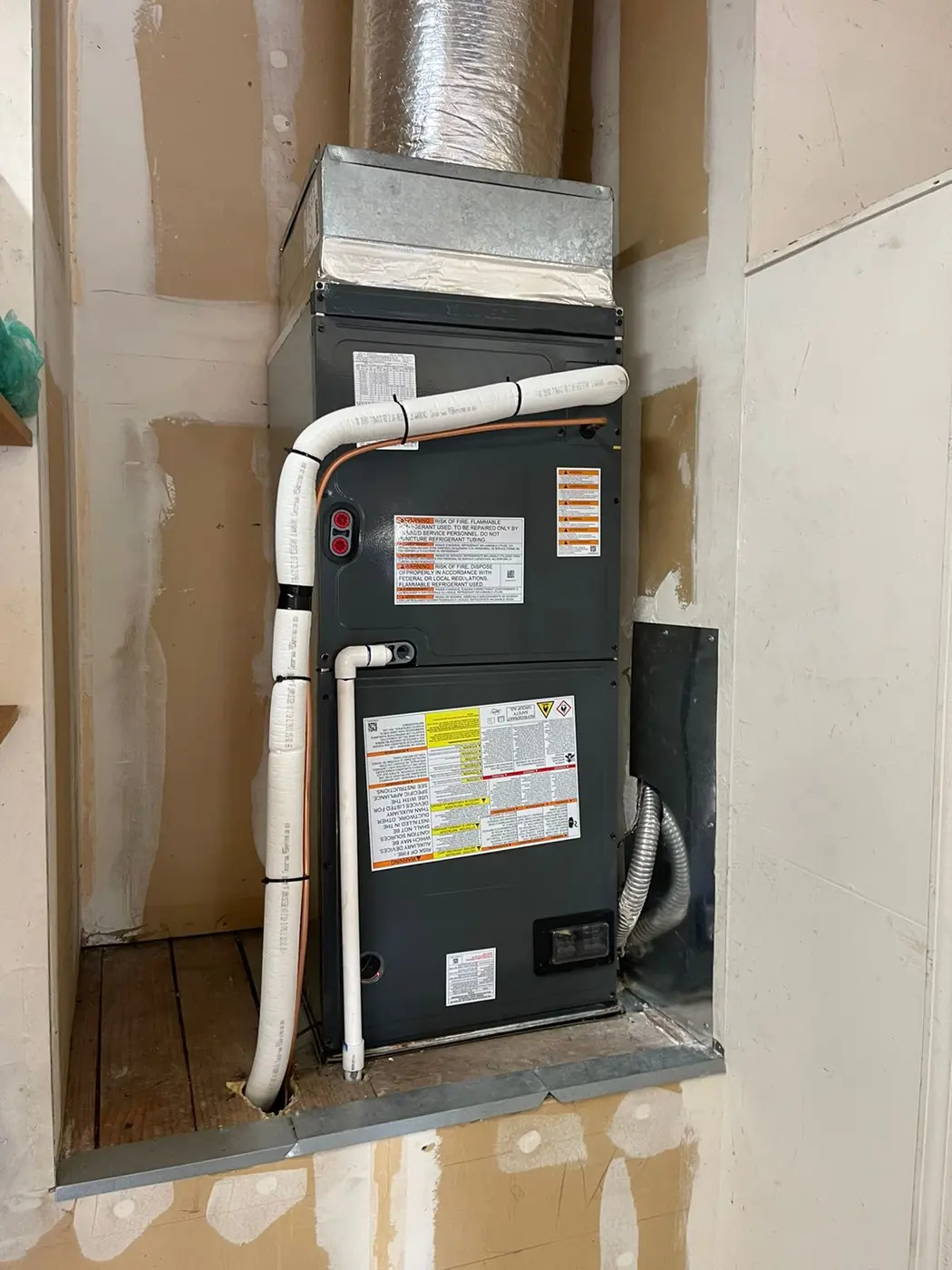
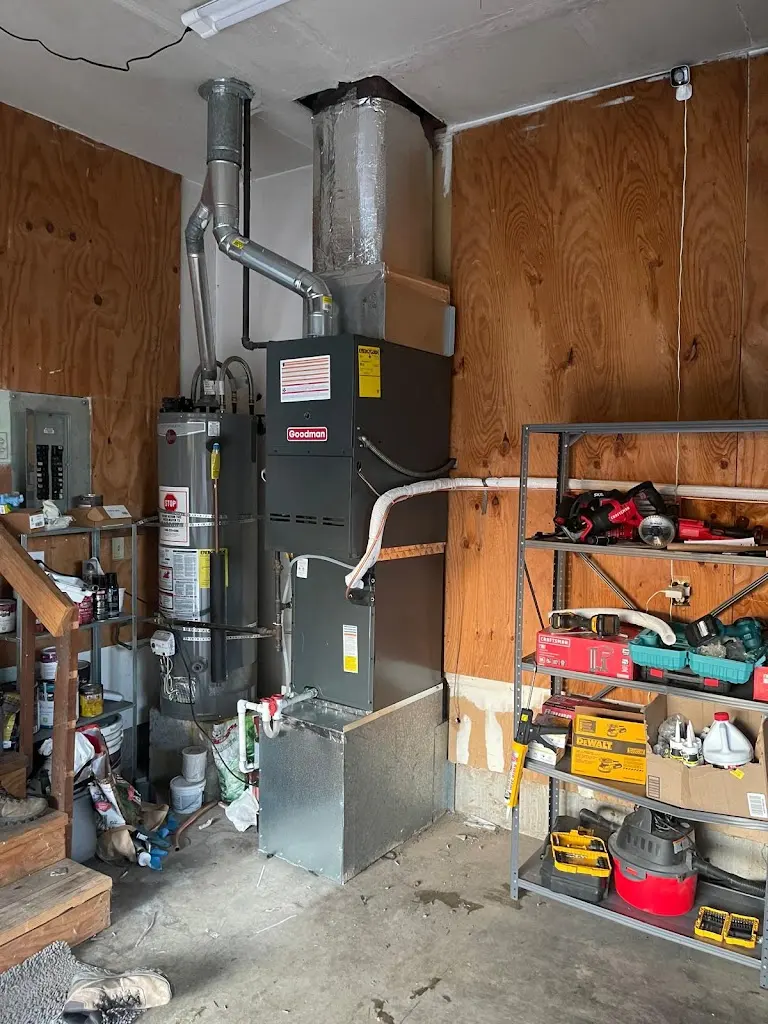
If the plan removes the furnace, review what takes its place indoors and what connection work the price covers. Ask whether the selected setup includes any added source of electric heat. Do not assume that removing gas heat defines every remaining task. The estimate needs to account for the chosen equipment and its controls.
Approve a Complete Changeover
Our HVAC installation service in Donald covers changes to other equipment. Make retained items, removal work and required preparation clear in the final scope. If an option depends on further checks, identify that condition. Different assumptions can explain a price difference that model names alone do not.
Agree on the work sequence and the period without heat or cooling. Leave disconnection, gas work and electrical changes to the installation team. At handover, review which equipment now supplies heat and how the normal controls select each function. Keep the completed equipment list with the final work record.
Match the Plan to the Heat Your Home Needs
A heat pump moves heat into the home in heating mode and out of it in cooling mode. Its size should suit the home and the work it needs to do. The size of the old furnace alone is not enough to choose the new unit. Heating and cooling output use different measures and depend on the full setup.
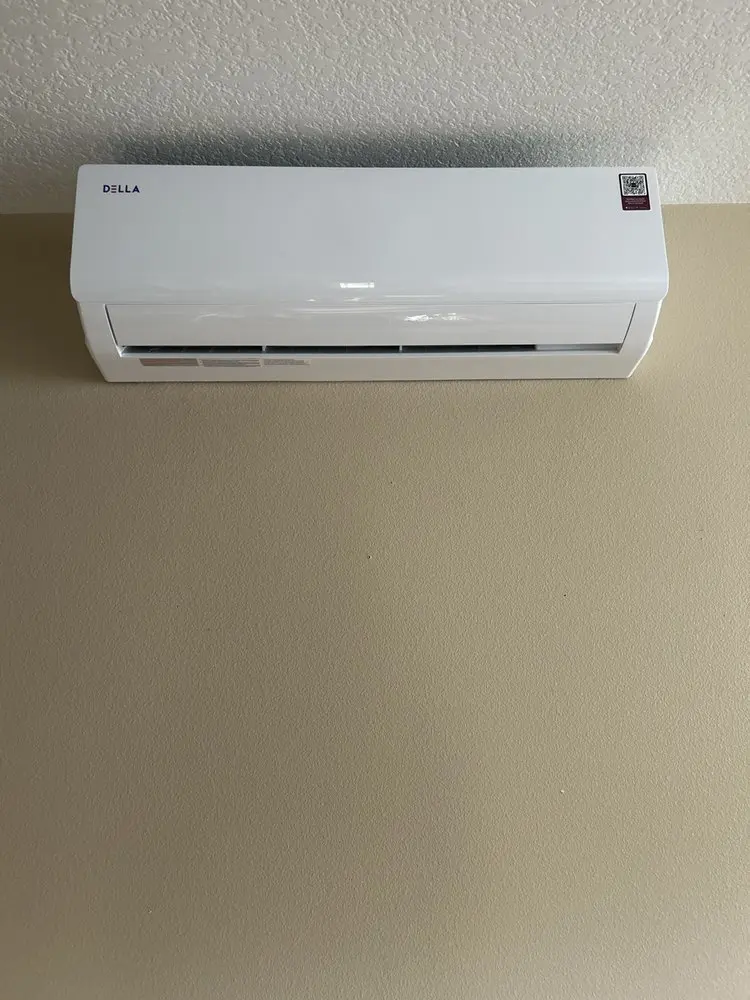
Tell us which rooms are hard to heat and how the current system serves them. A room that stays cold may have an airflow issue or another cause. New outdoor equipment alone may not solve that problem. We review those concerns while planning the system so the expected result stays clear.
Think about the way you use the rooms as well. A space used all day may have different comfort needs from one used for short periods. Share those needs before choosing equipment. The plan can then address the rooms you want it to serve without assuming that every space needs the same changes.
Check the Indoor Equipment and Ducts
A central heat pump works with indoor equipment to deliver warm or cool air through the home. The indoor and outdoor parts need to form a suitable system. A furnace that still runs is not proof that every proposed heat pump can work with it. Ask which parts will stay and which the plan will replace.
The air path matters too. Supply ducts bring conditioned air to rooms, while return paths bring air back to the system. A blocked or limited path can affect the result. Tell us about past airflow concerns so the estimate can identify any related work it needs to include.
Keep duct changes clear in the price. A quote for equipment replacement may not cover a new route to an added room. It may also leave a separate duct repair outside the task. The scope should name those boundaries so you can compare proposals that provide the same finished service.
Understand Backup Heat and the Controls
A heat pump plan may include another source of heat for certain conditions. In a dual-fuel setup, that source can be a gas furnace. Some all-electric setups use electric resistance heat as backup. Ask which source the proposed system includes and when the controls will call for it.
The thermostat needs to suit the chosen equipment and its functions. A control that works with the old furnace may not support the new plan. Review the normal heating and cooling settings at handoff. Leave equipment setup and service settings to the installation team rather than copy them from another model.
Backup heat and backup power are different things. A gas furnace still needs electrical power for key parts of normal operation. Two heat sources do not make an outage plan by themselves. If continued use during an outage is a goal, state that as a separate need during the estimate.
Plan the First Days of Use
After the change, the system may run in a way that feels different from the old furnace. Ask what normal operation looks like for the selected setup. Review fan settings and how to choose the intended mode. Knowing the normal pattern can help you describe a real fault later.
Keep the model list and the completed scope together. That record should show the heat source, indoor equipment and controls that now serve the home. If an item remains for later work, keep it on the record as well. A clear handoff makes the system easier to use and future service easier to plan.
Frequently Asked Questions
Does keeping a furnace guarantee heat during a power outage?
Do not treat a dual-fuel proposal as an outage-power plan. Ask what the actual equipment requires and keep backup power as a separate question. Two heat sources alone do not establish that the finished system will operate without electrical power. The term dual fuel does not promise operation during an outage.
Can I compare both approaches during one estimate?
Explain that you want to compare retaining a furnace with changing the heat source. Ask each option to show what stays, what changes and which functions it provides. The on-site review can establish whether both approaches fit the property. Neither option should rest on an unverified equipment assumption.
Will I choose the furnace changeover temperature myself?
The setup should follow the selected equipment and approved operating plan. Review normal owner controls at handover and ask which settings belong to the installation team. There is no single temperature that applies to every system. Avoid copying service settings from a different home or model.