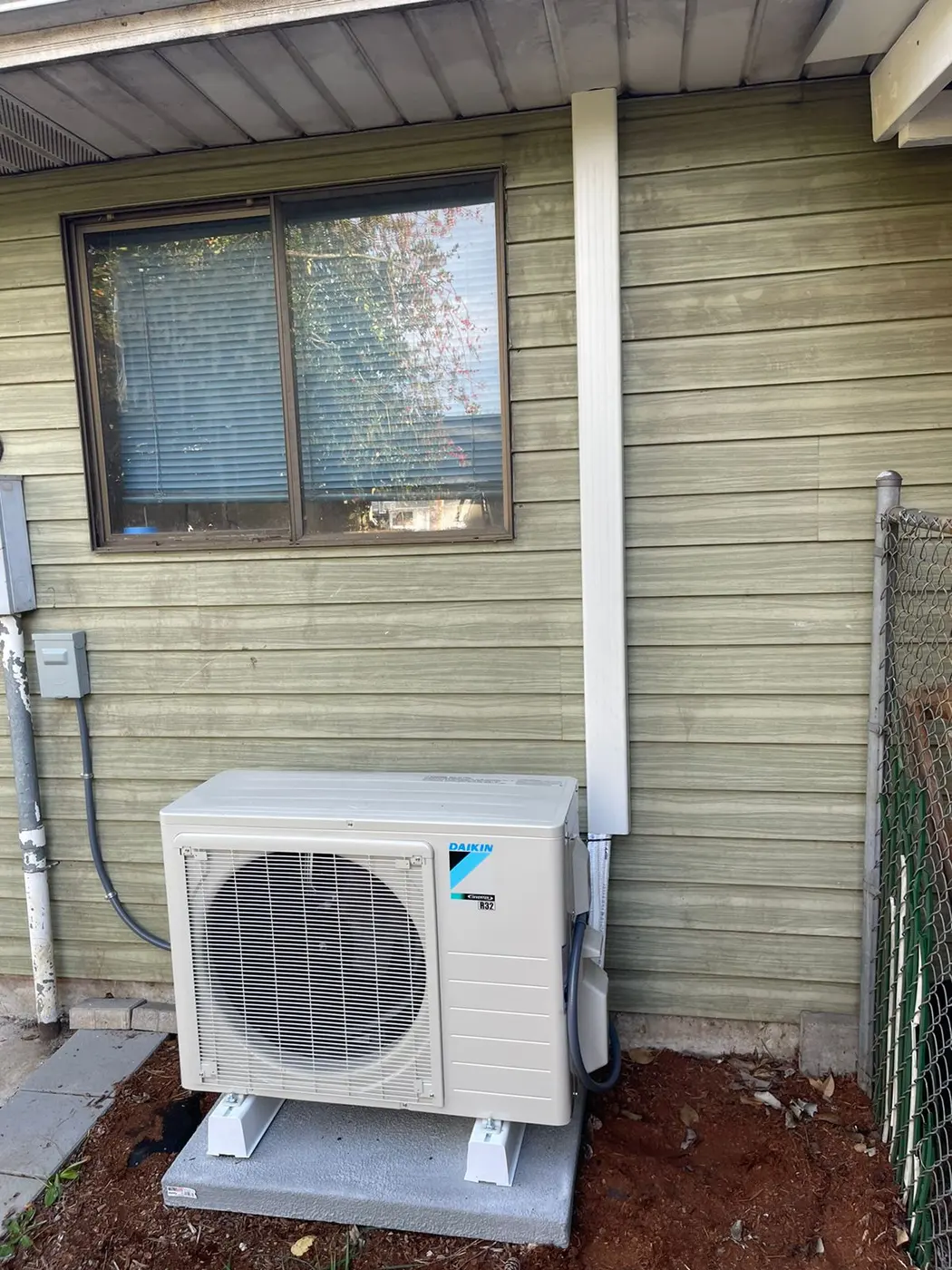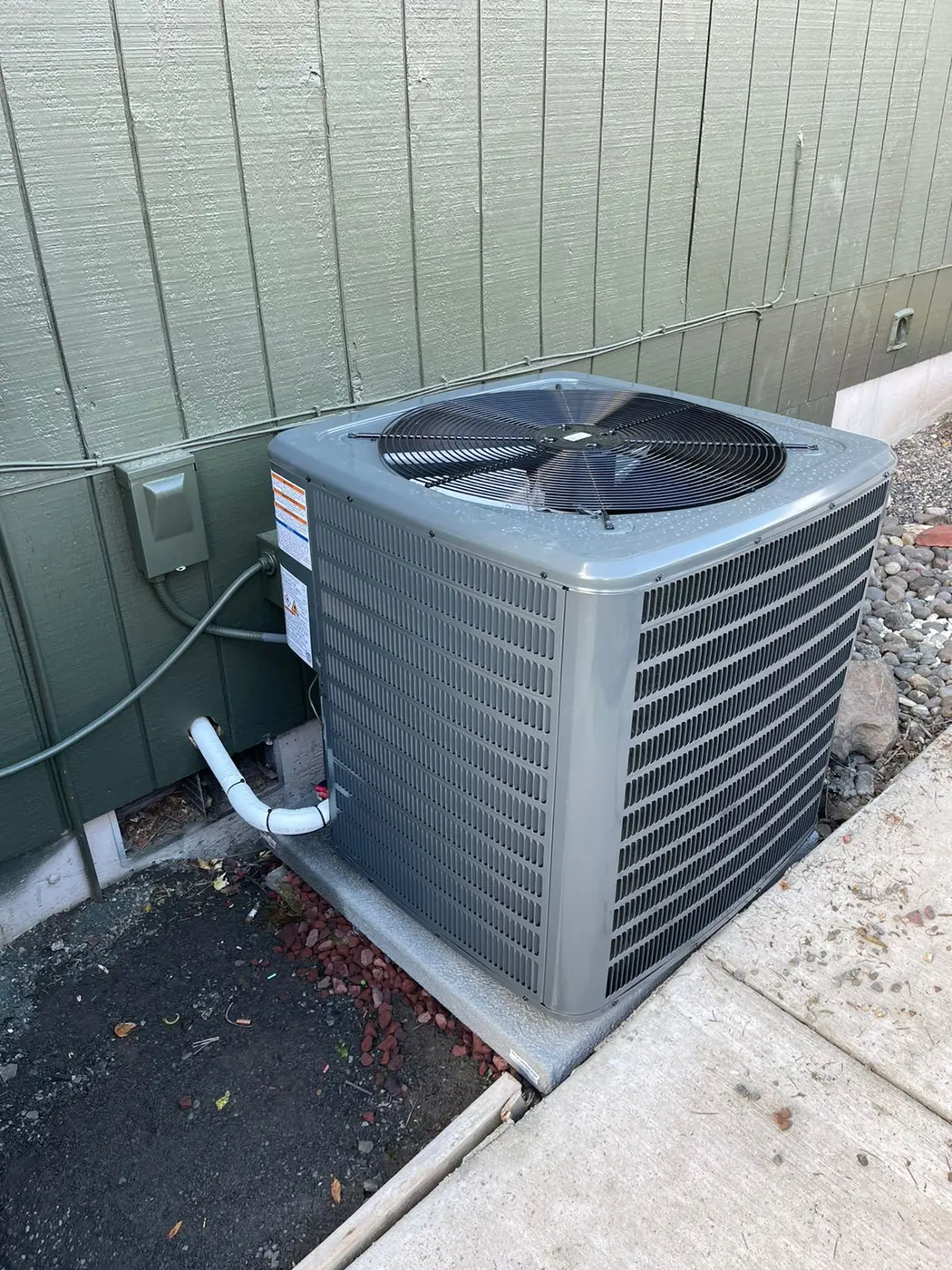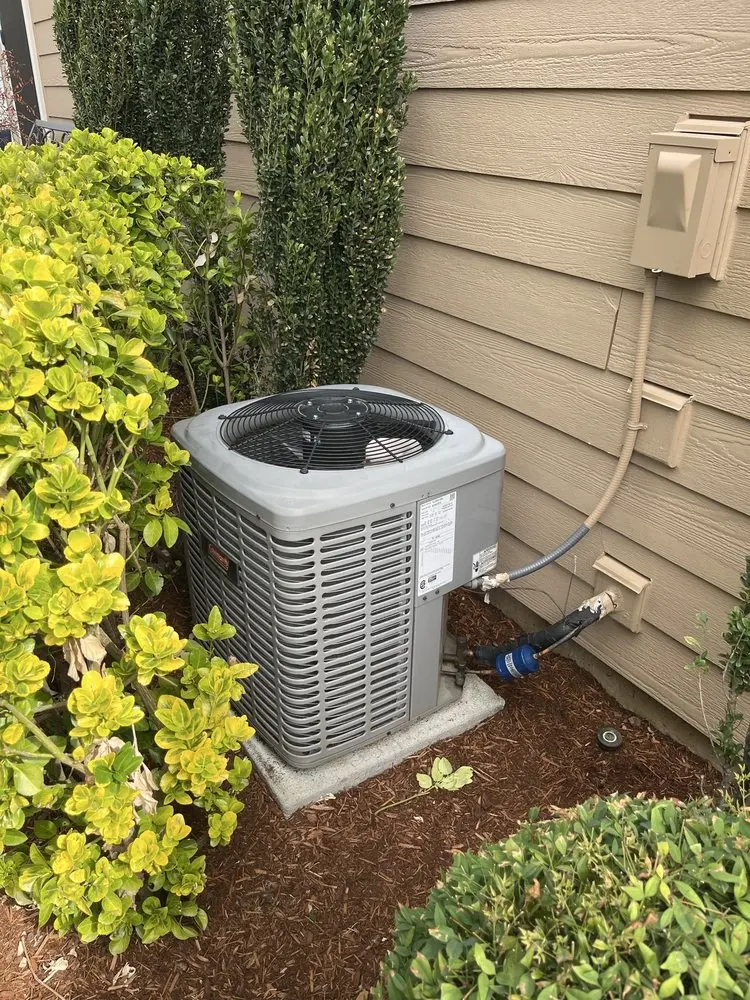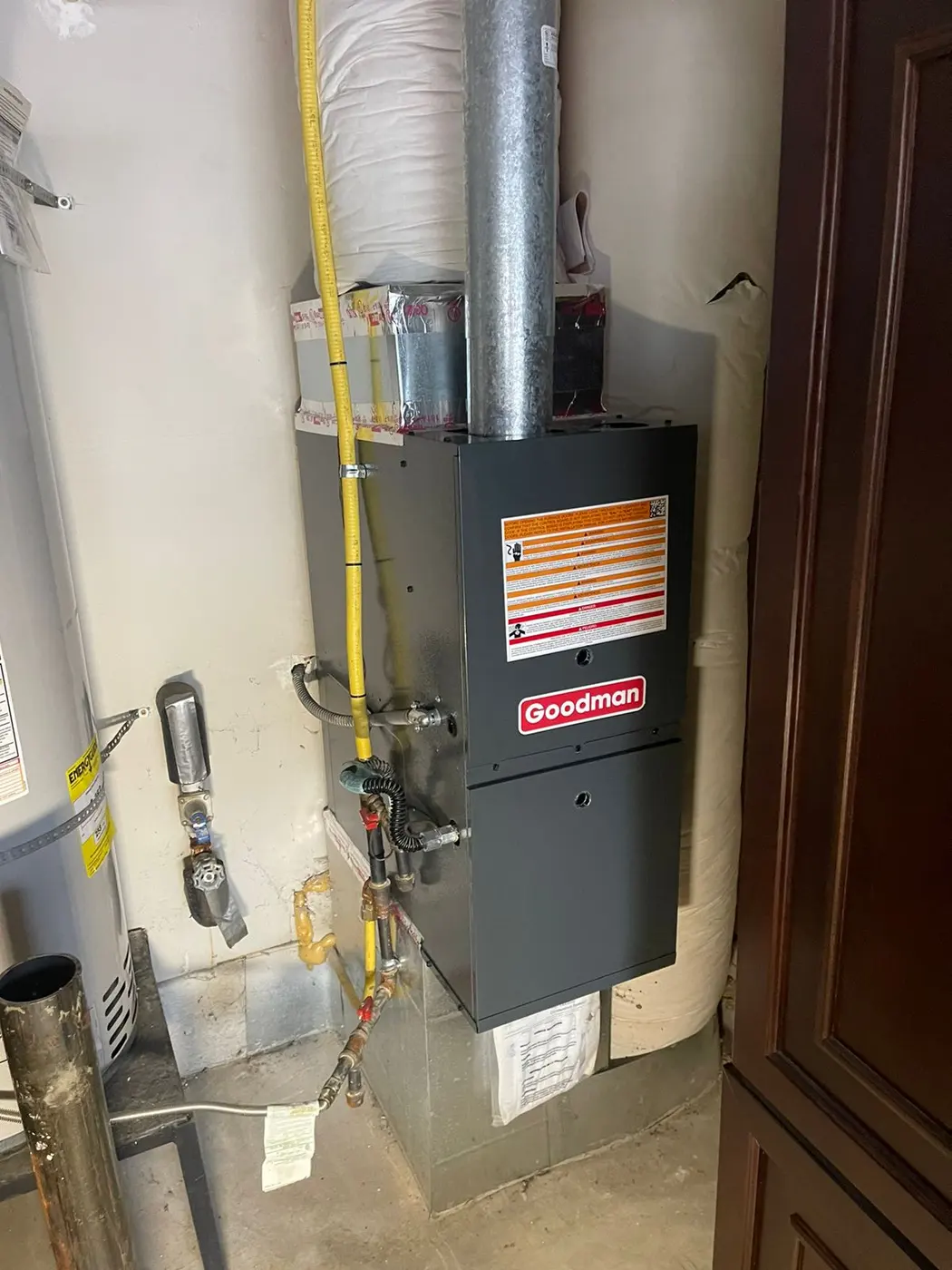
Know Which Equipment Will Supply the Heat
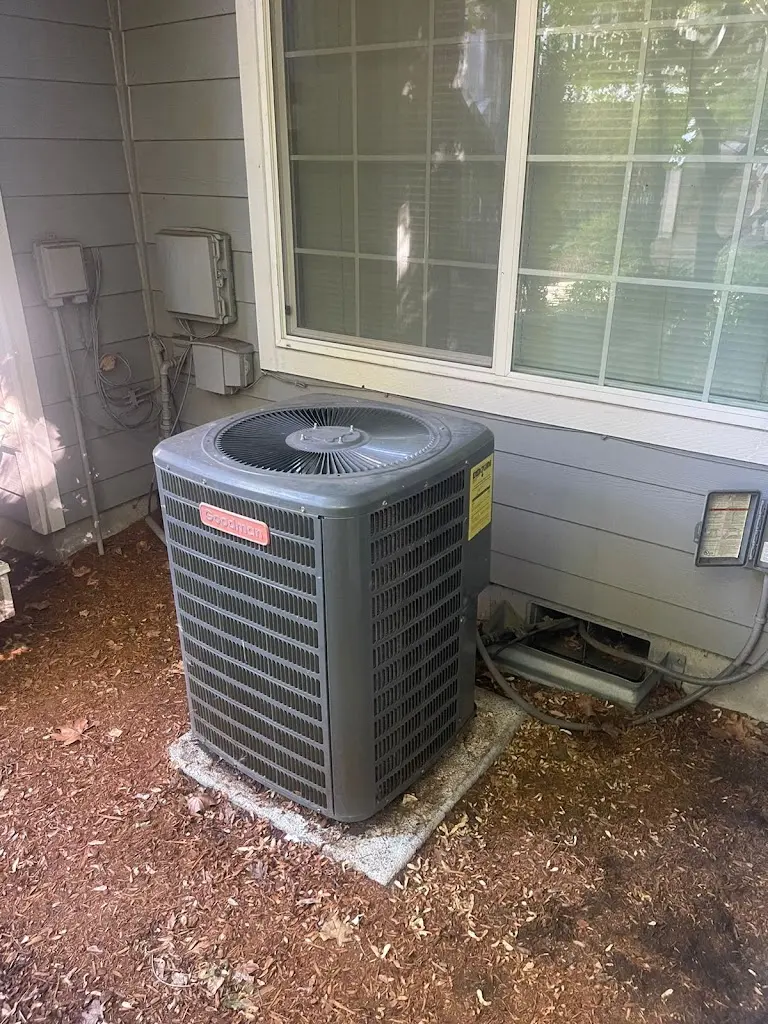
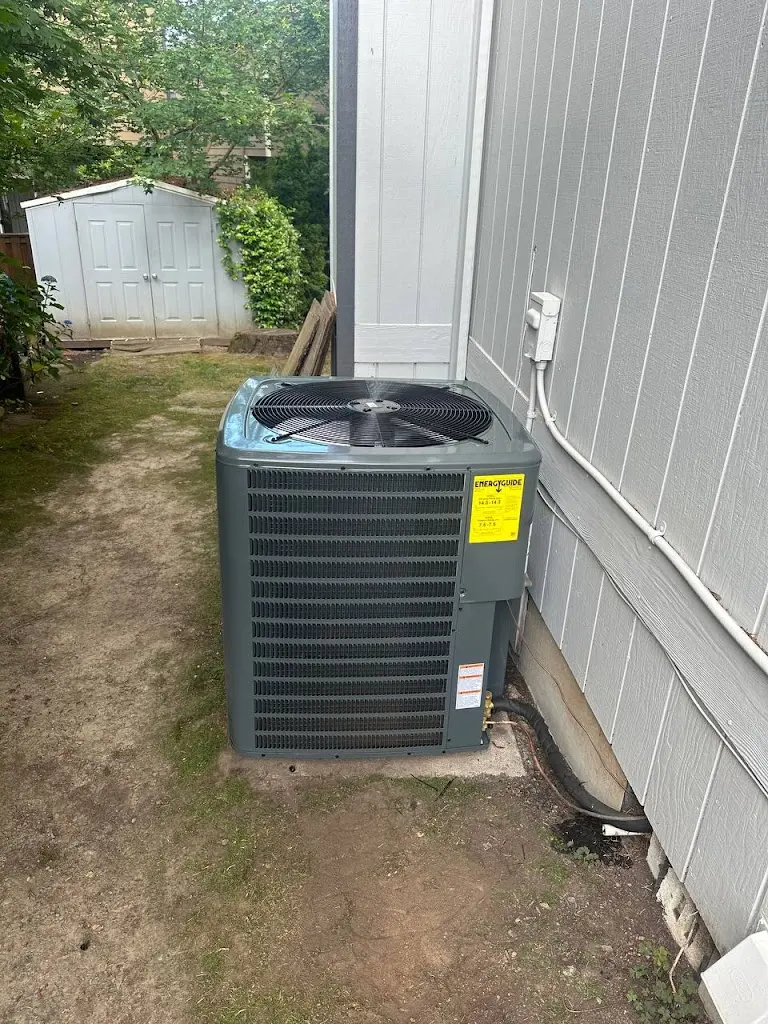
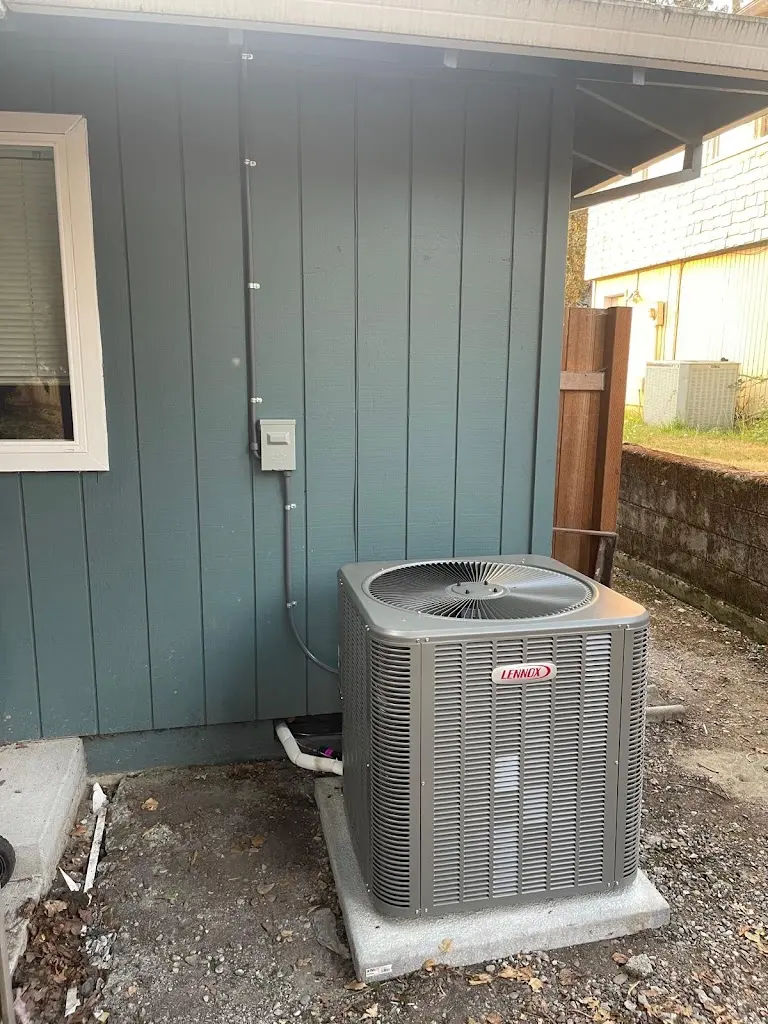
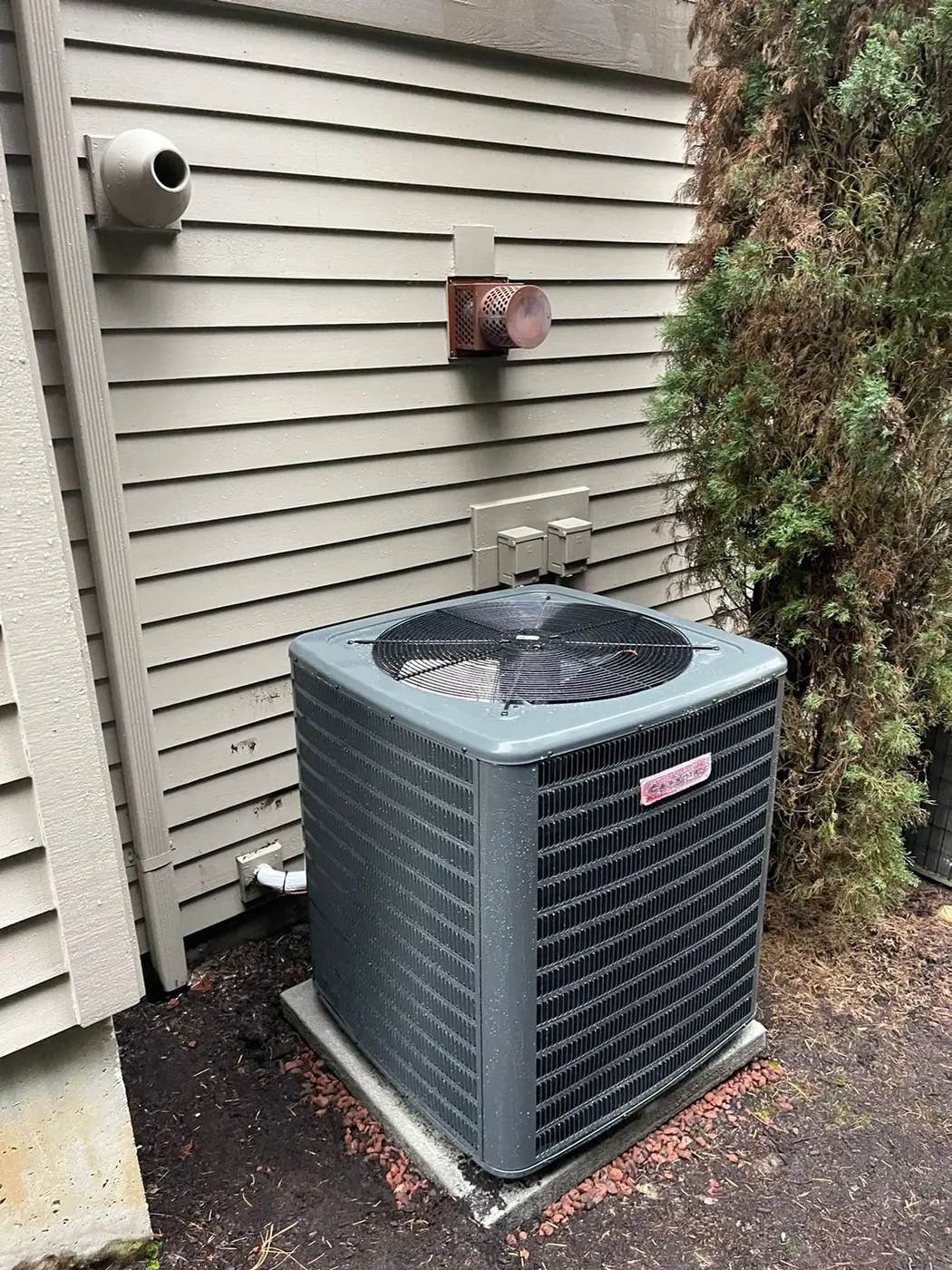
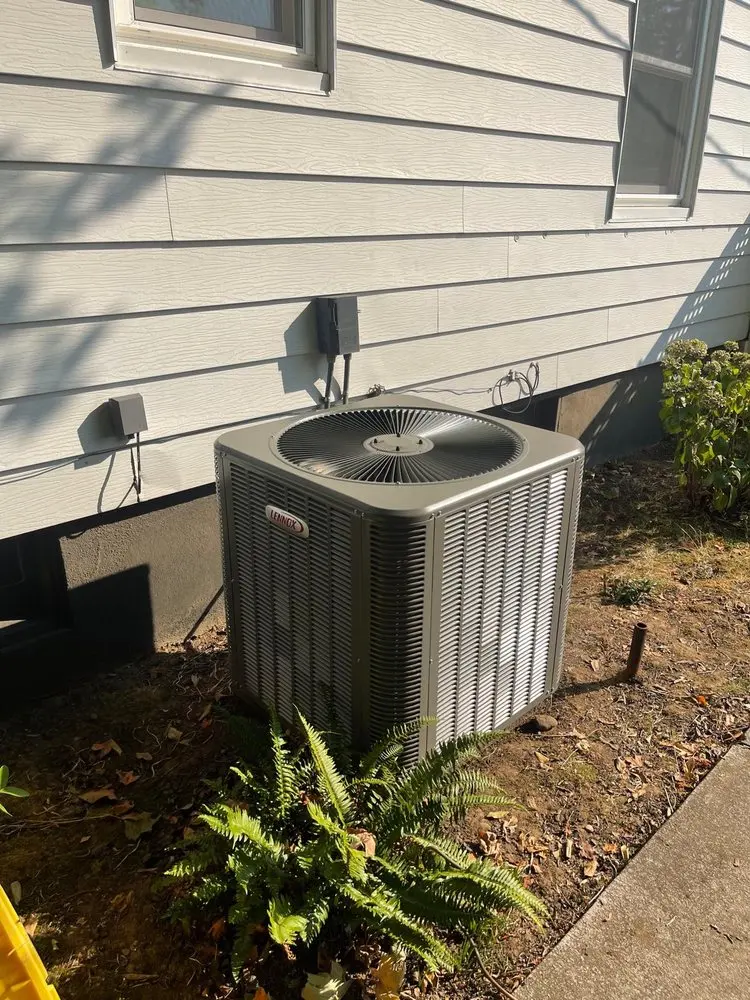
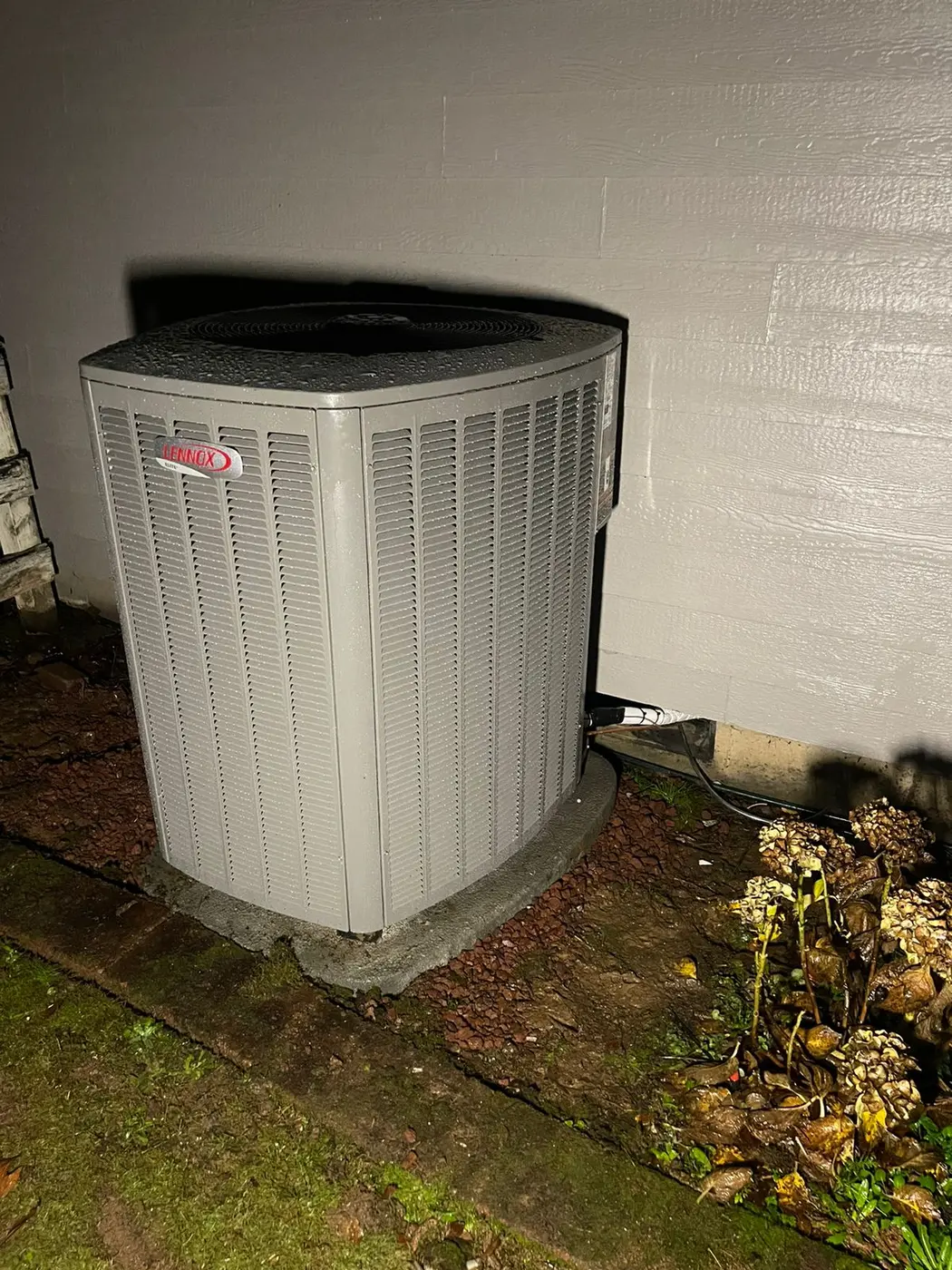
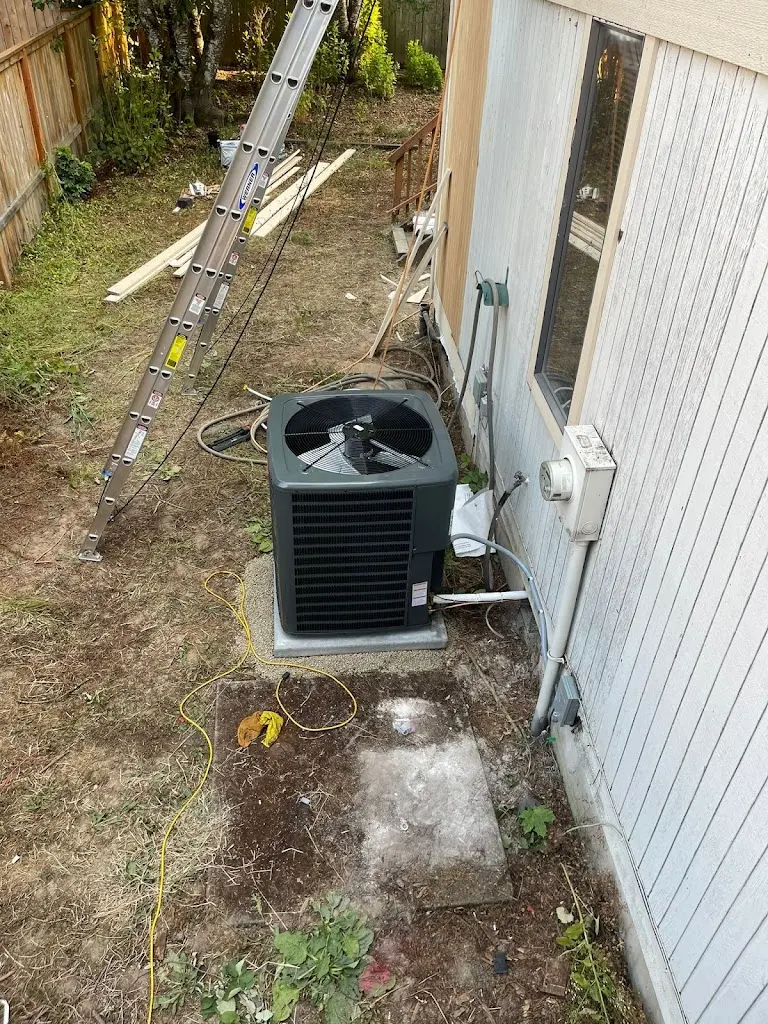
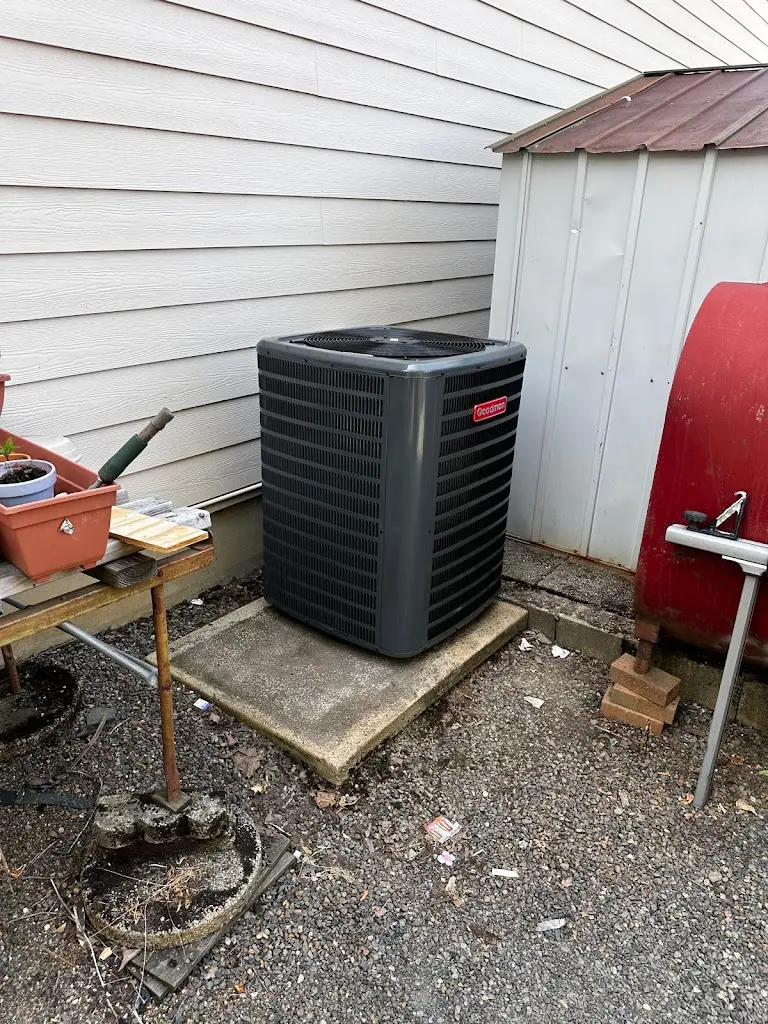
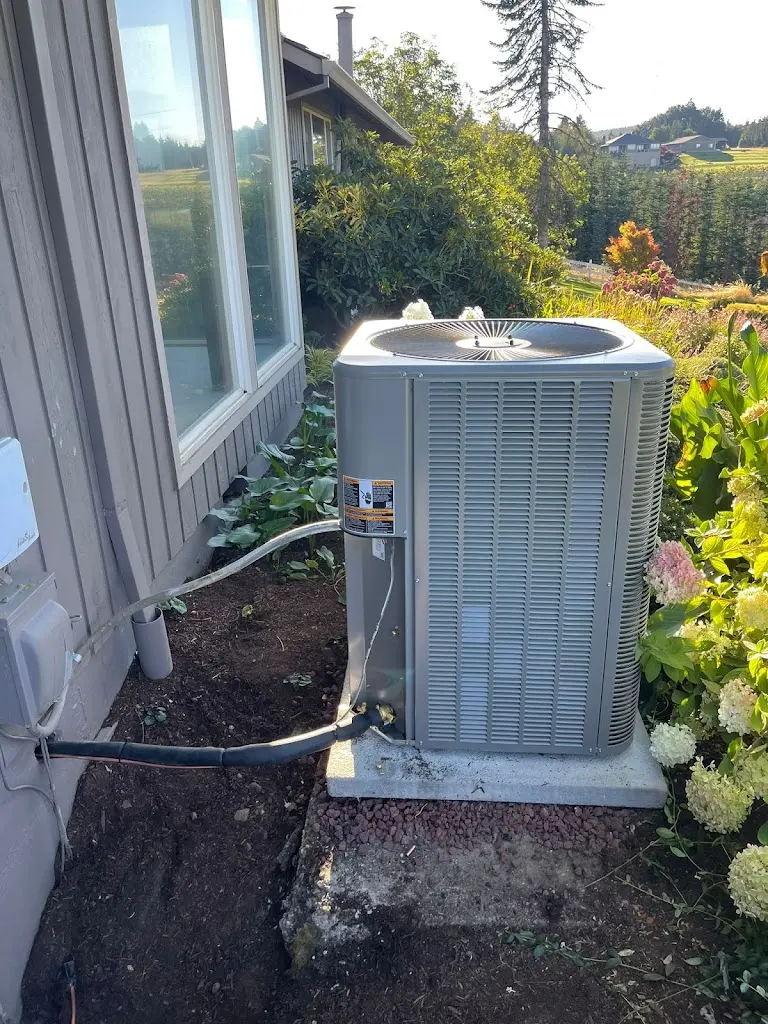
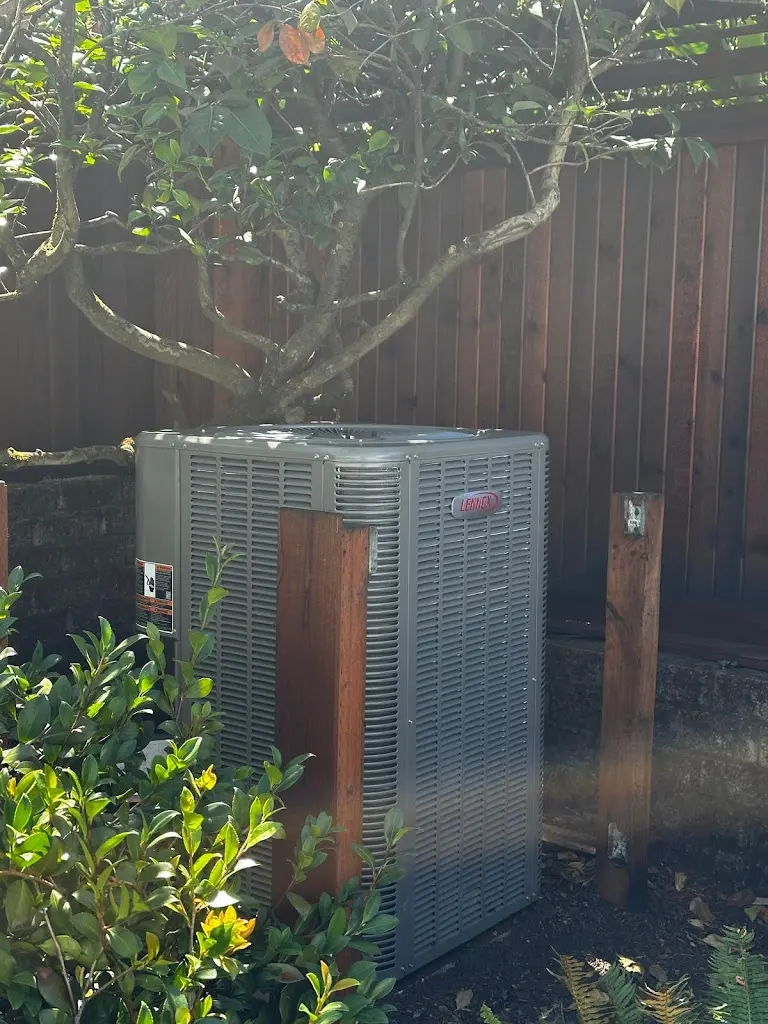
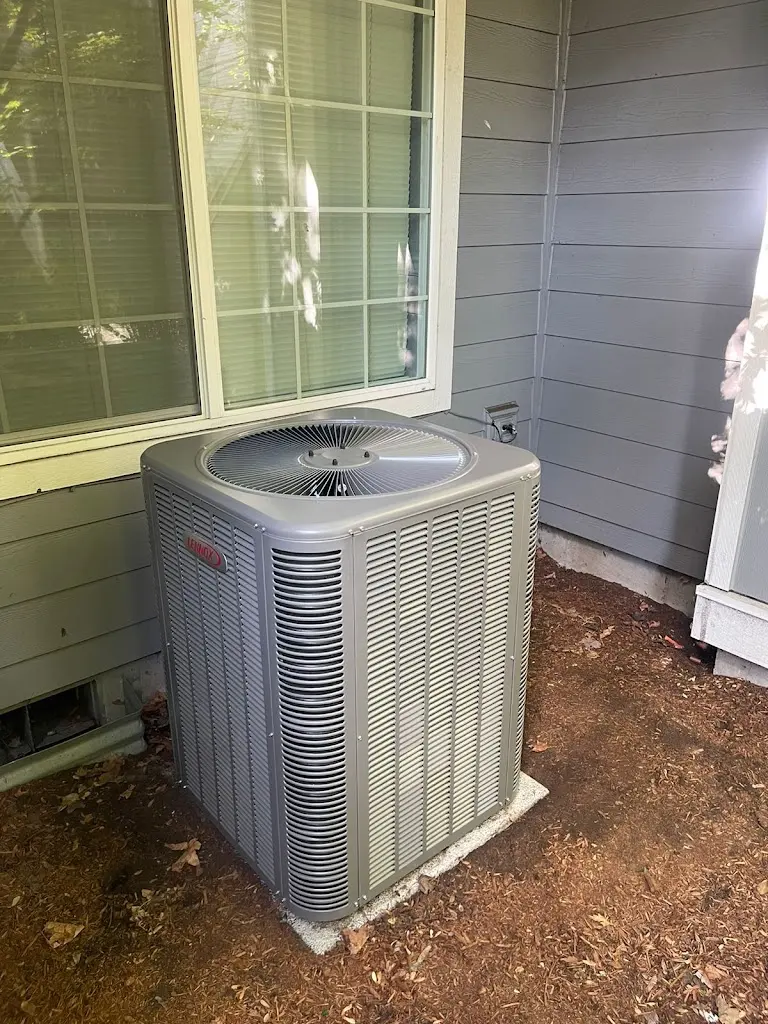
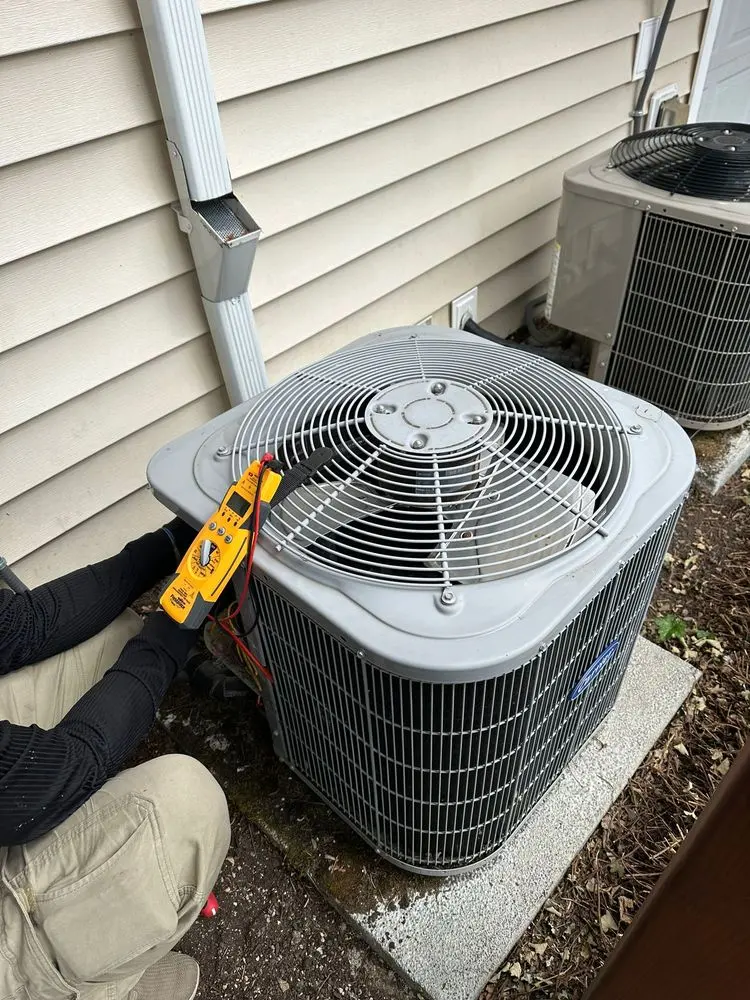
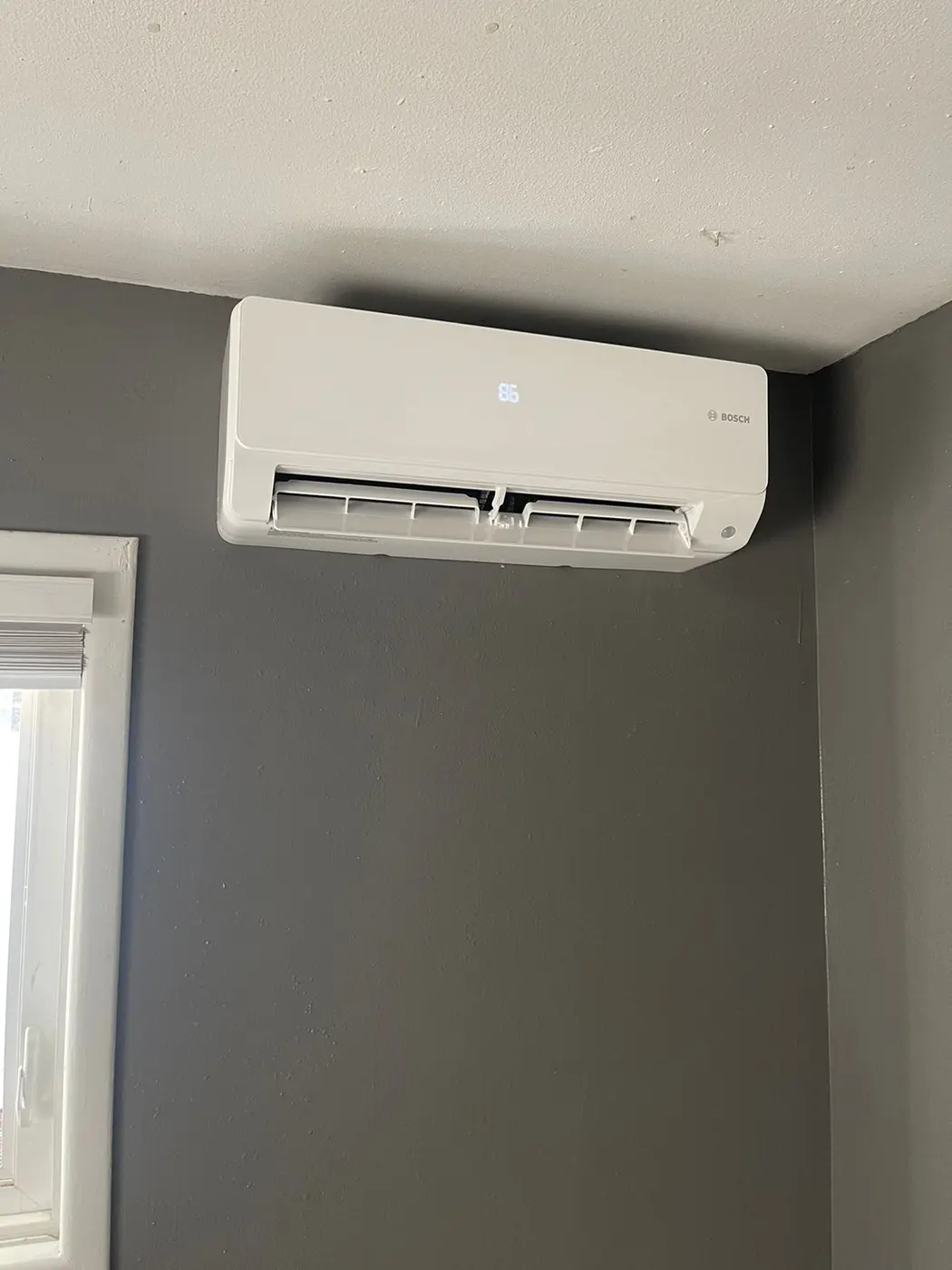
HVAC & Appliance Repair Guys provides heat pump installation in Keizer, OR. A replacement proposal should explain the main source of heat and the role of any backup equipment. Those details affect the indoor setup as well as the outdoor unit. We offer a free on-site estimator visit for installation and replacement.
Start by describing how the home heats now. You may know that another heat source runs at times without knowing which part supplies it. Share any equipment records and the messages you normally see on the control. The estimate can establish the current arrangement before deciding what the new project should keep.
Our heat pump installation service covers planning the complete setup. Ask the proposal to name any supplemental heat it includes. A general reference to backup does not identify its source, required connections or controls. Those items should be clear before you compare the price with another equipment option.
Define Backup Heat for the Selected System
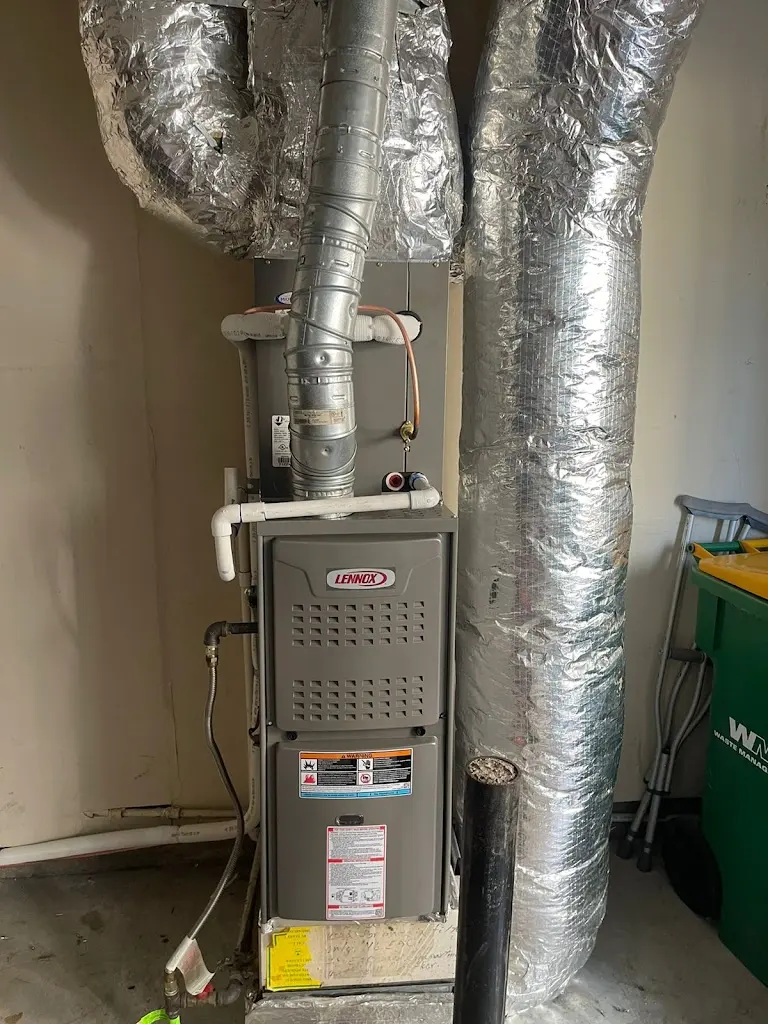
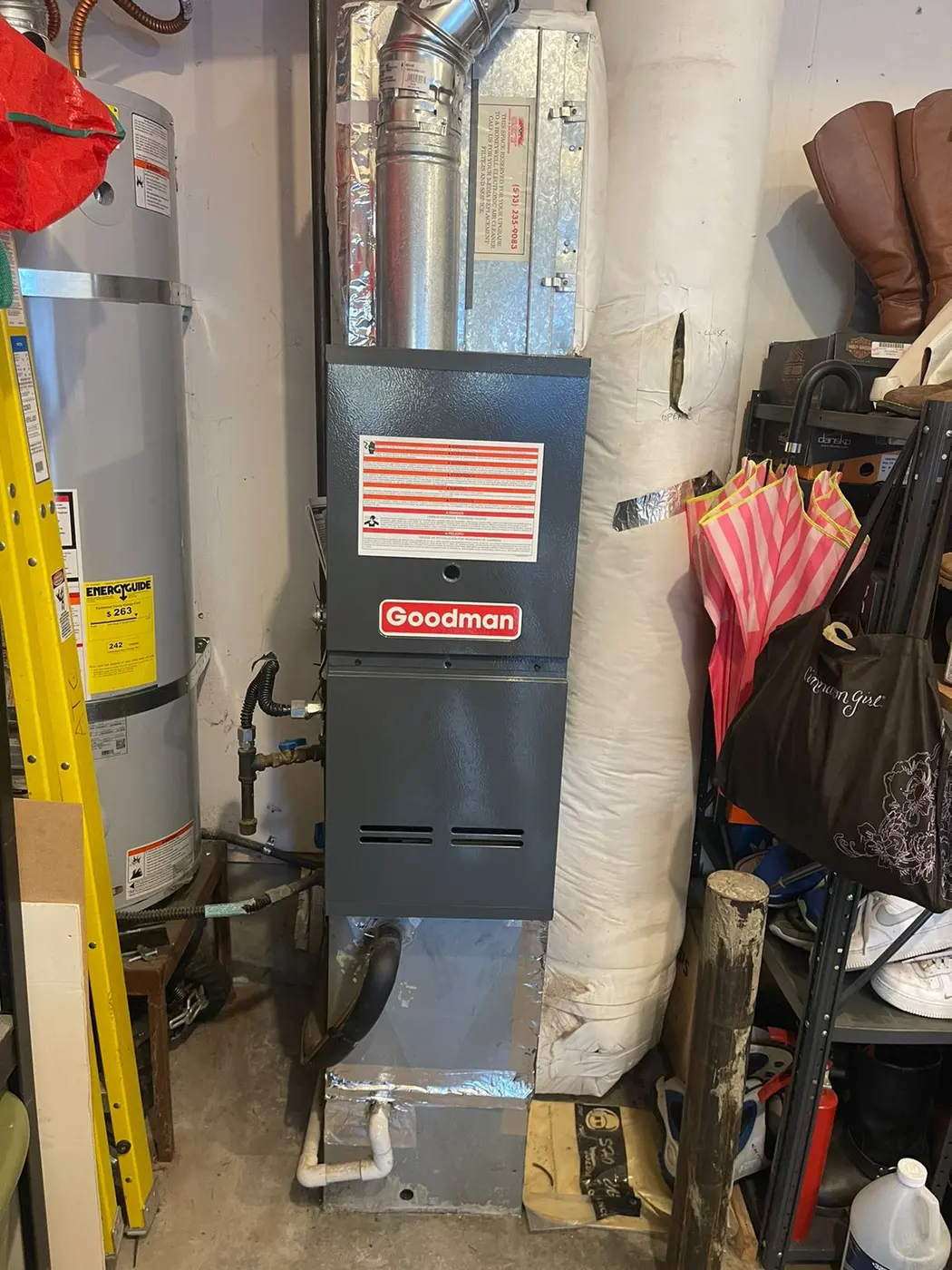
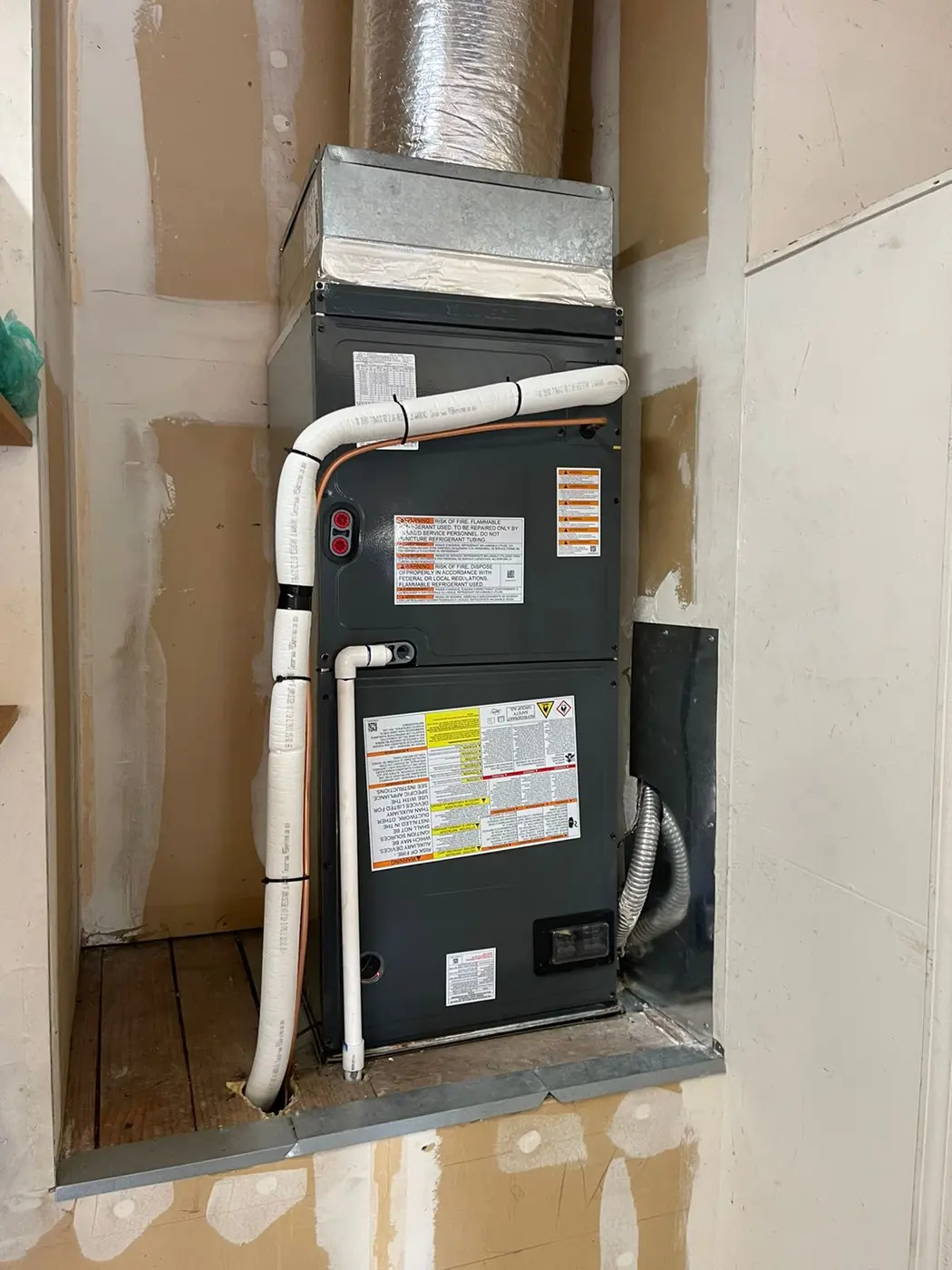
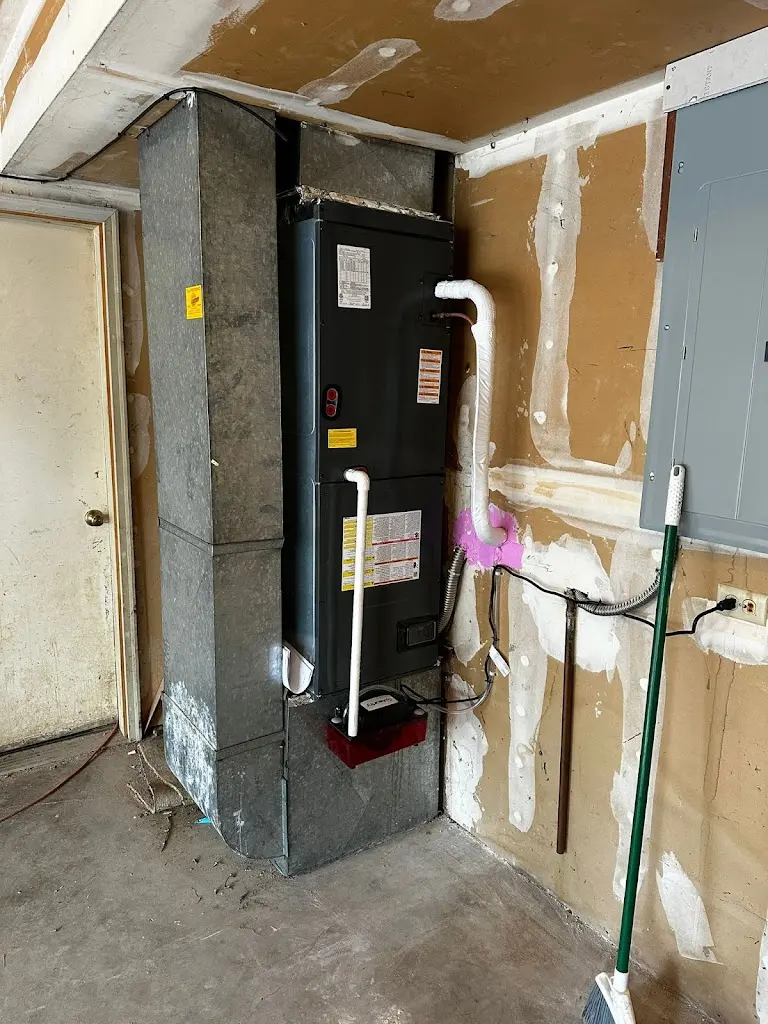
Supplemental heat adds another source of warmth when the installed control strategy calls for it. Some heat pump systems use electric heating elements in the indoor air handler. A dual-fuel setup instead combines a heat pump with a gas furnace. The suitable arrangement depends on the equipment and heating plan, not the words on a thermostat alone.
Ask what the proposed heat pump can provide for the assessed heating need and when the other source has a role. There is no single changeover temperature that describes every model and home. The estimator should explain the intended combination. Do not assume every heat pump proposal includes the same backup equipment.
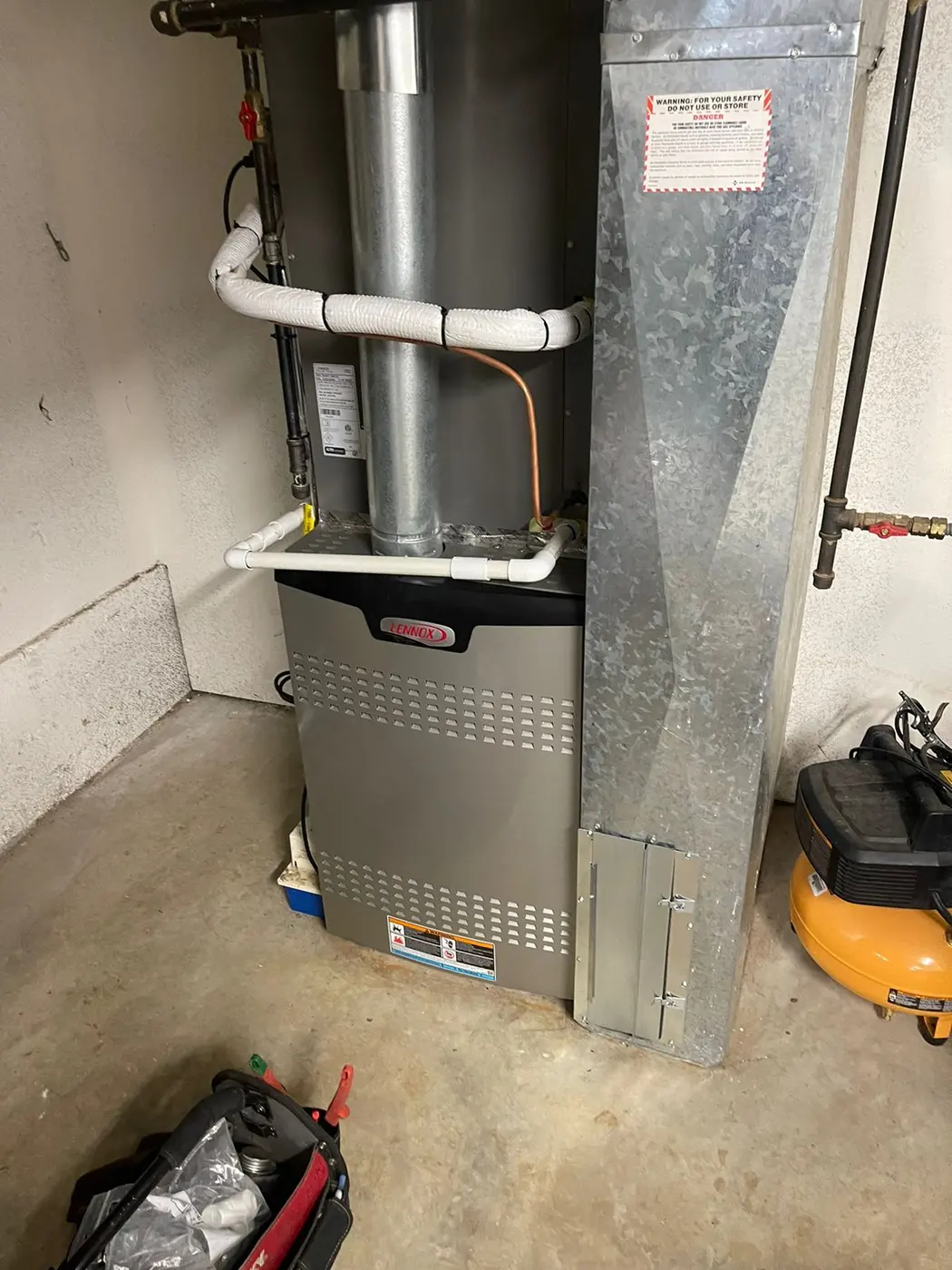
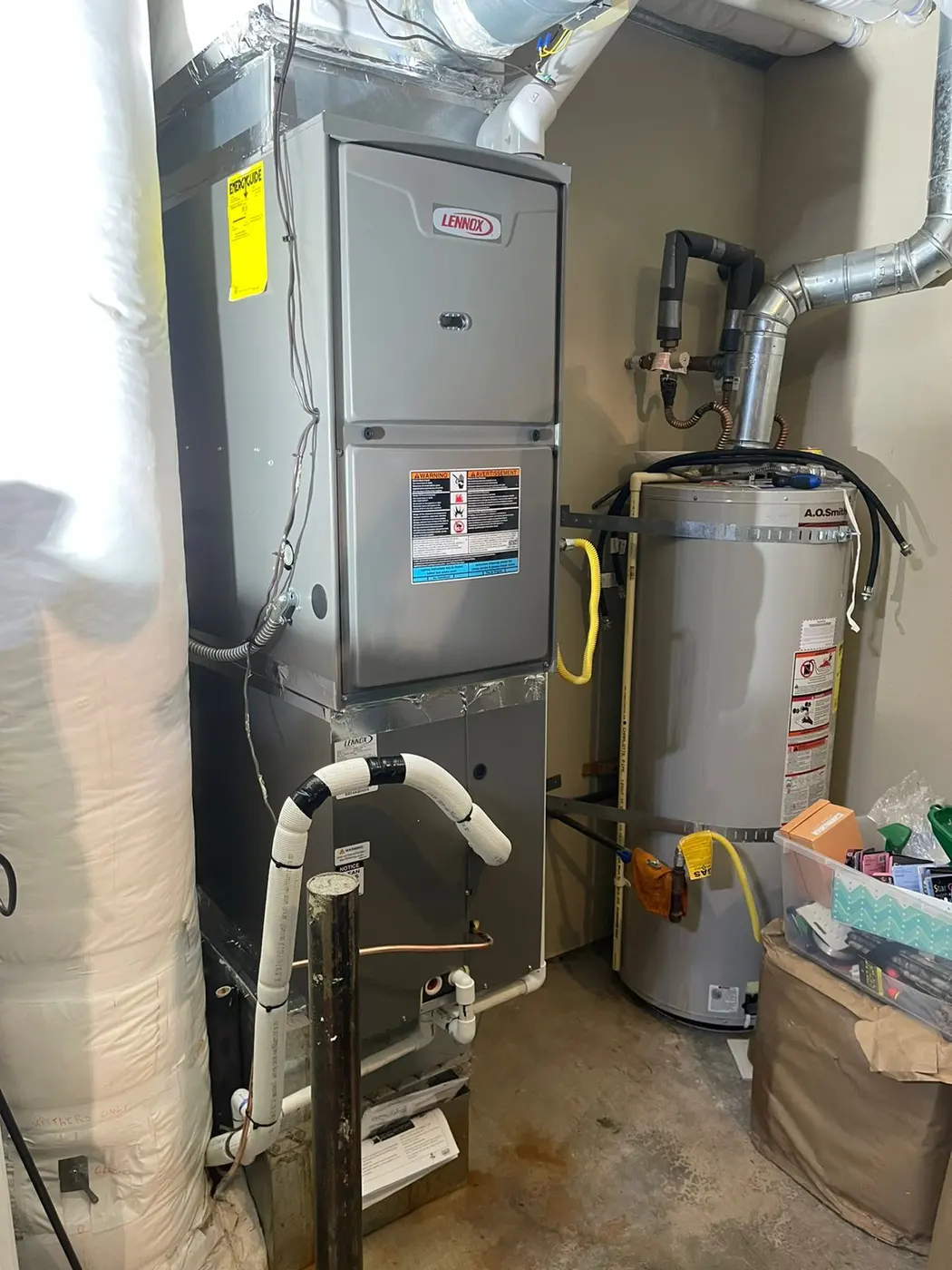
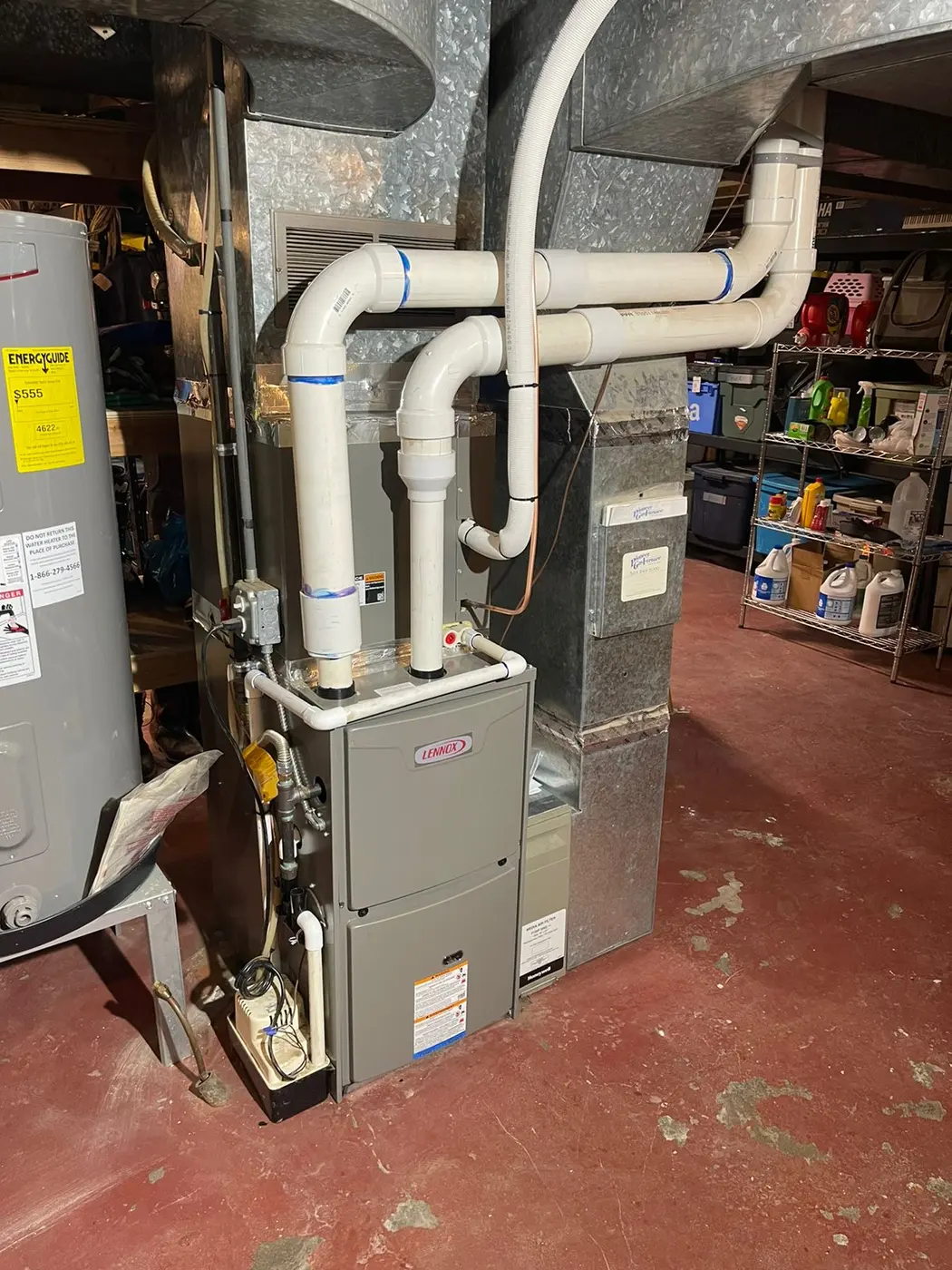
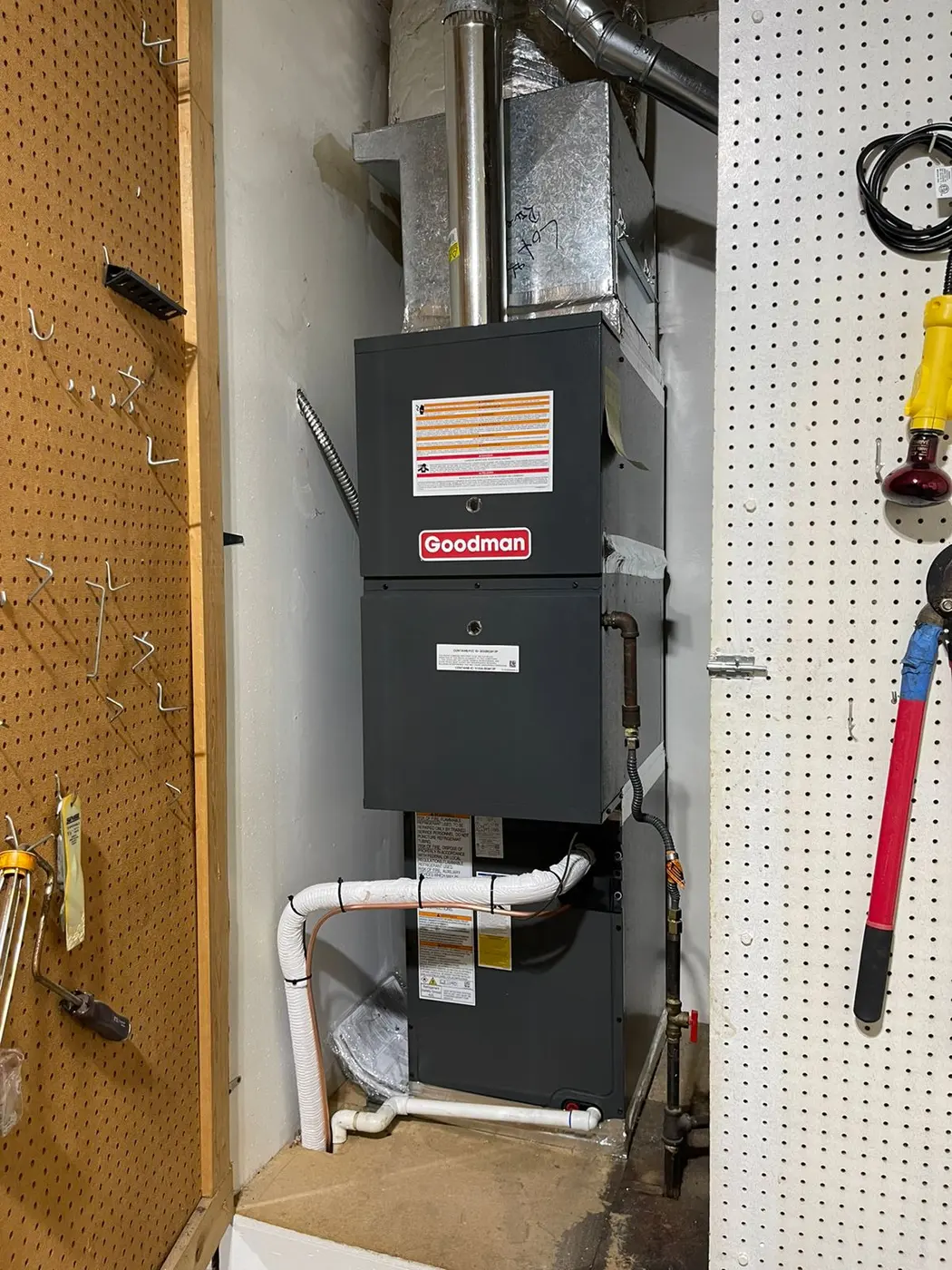
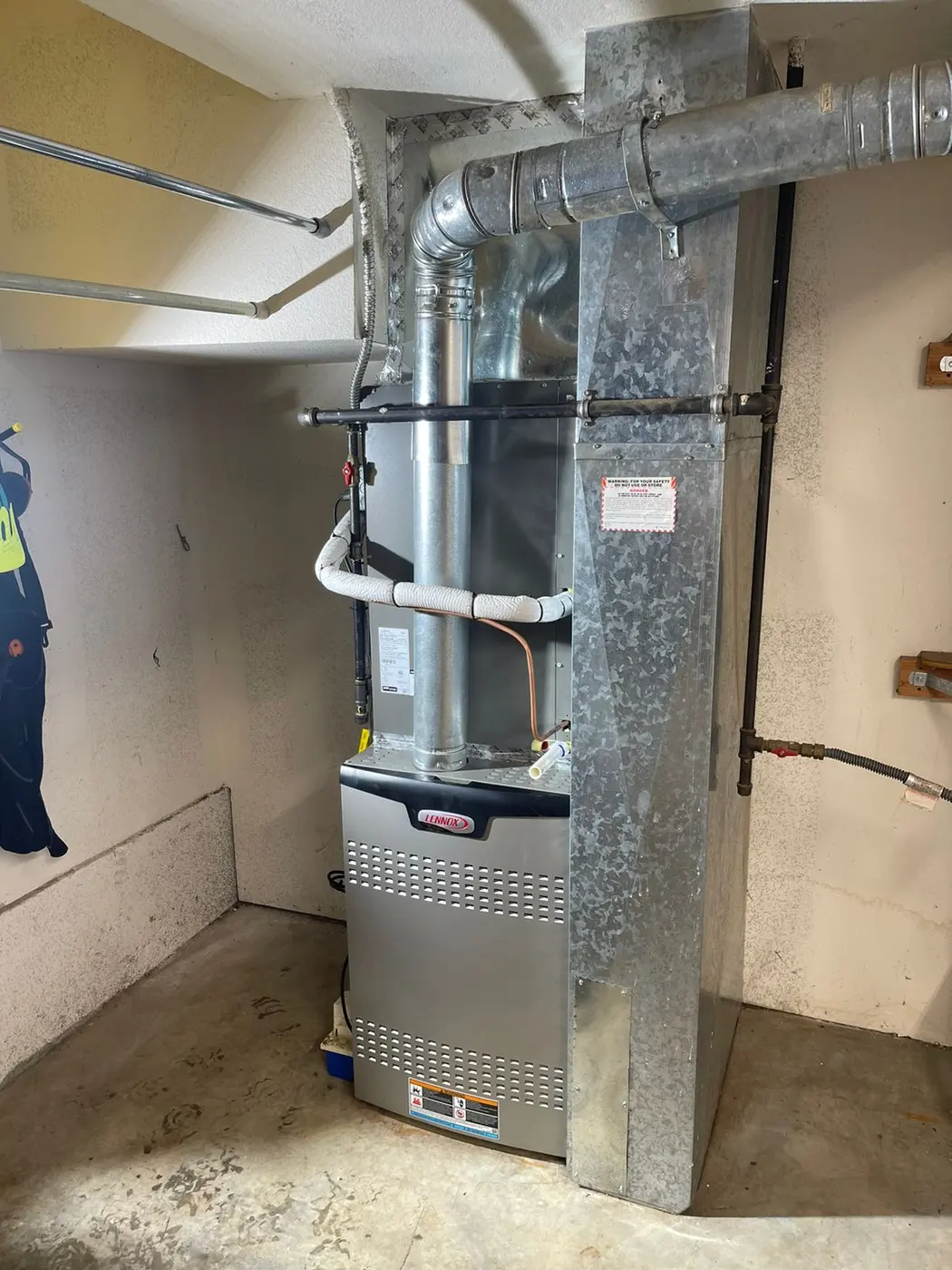
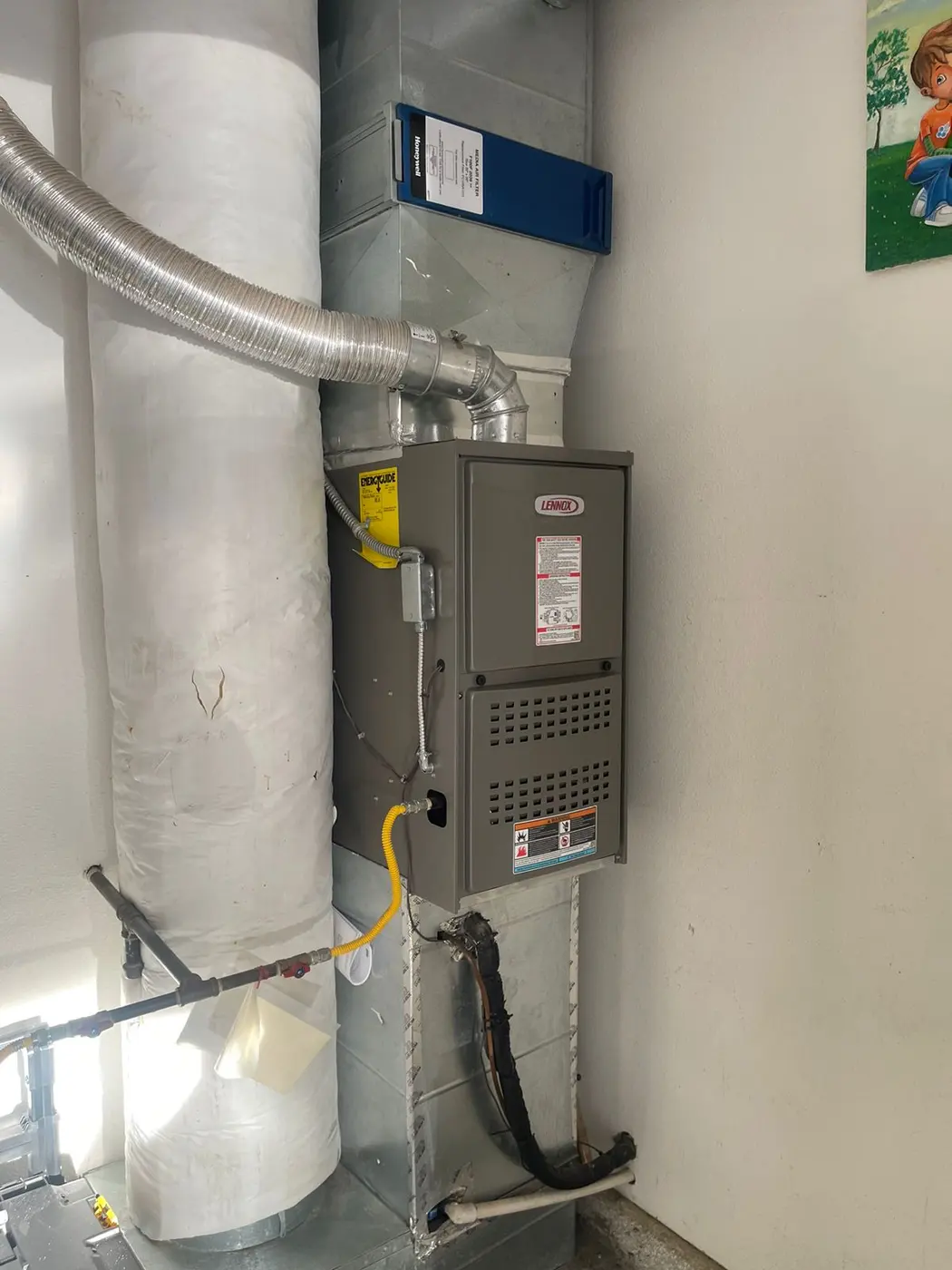
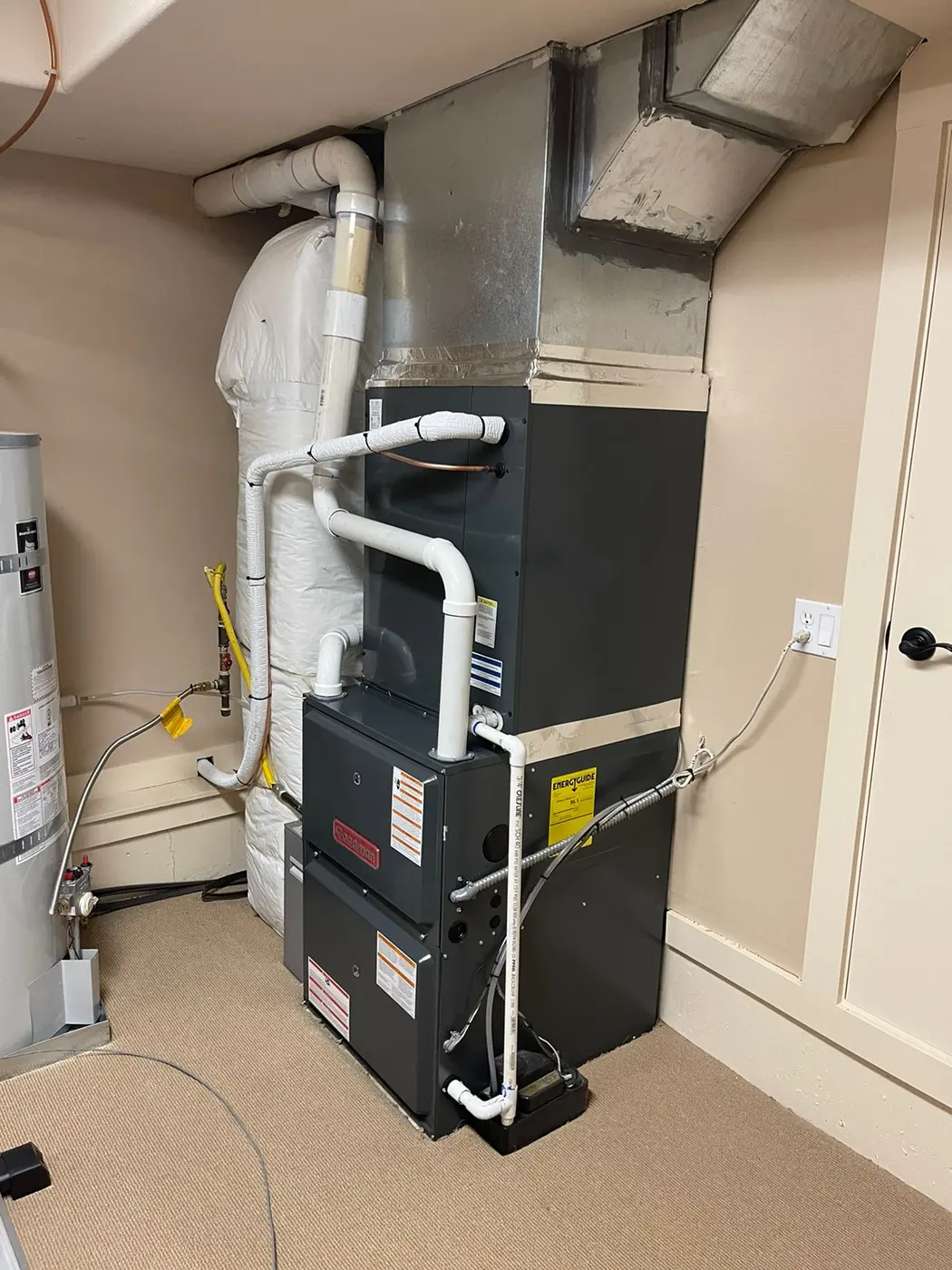
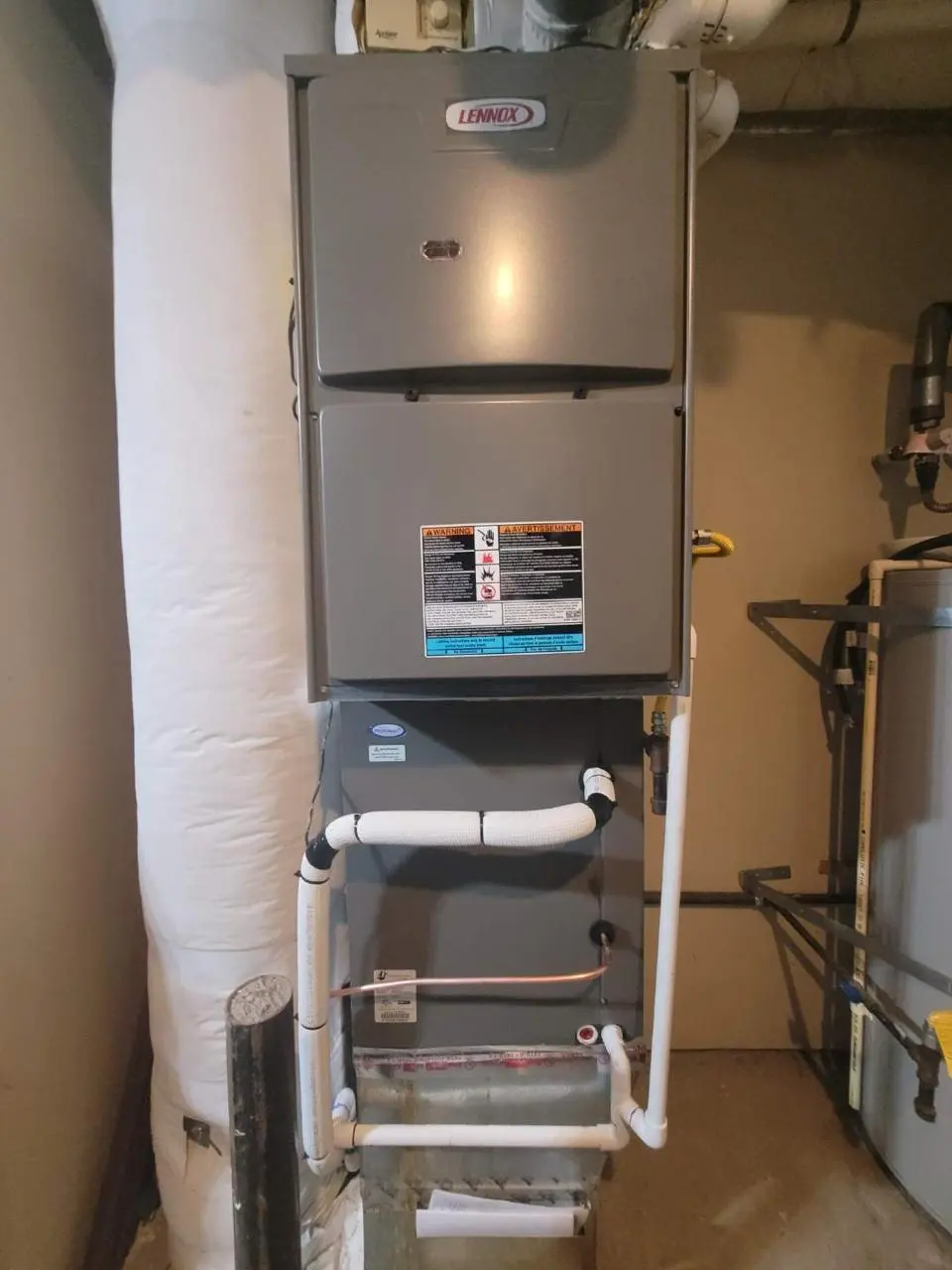
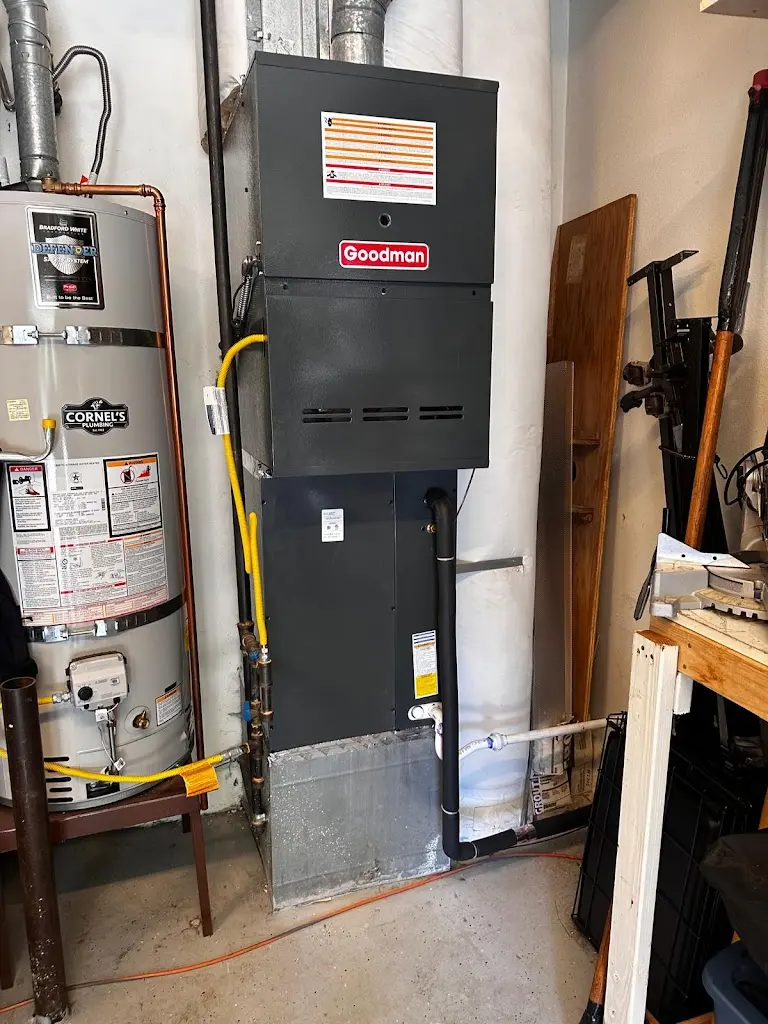
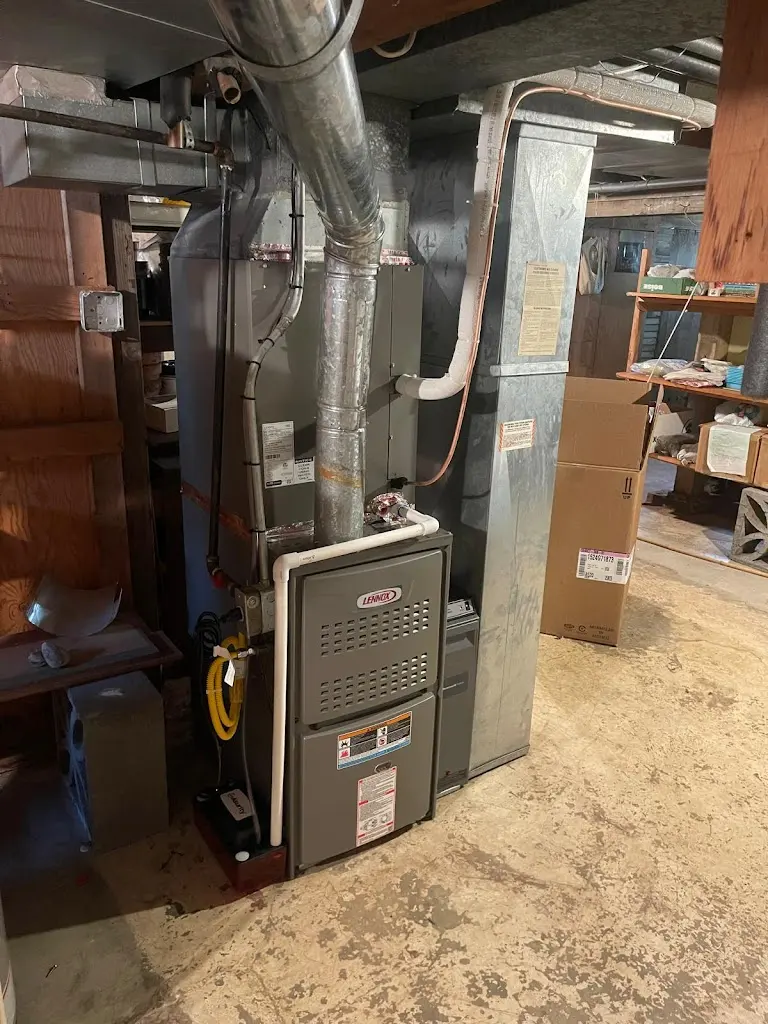
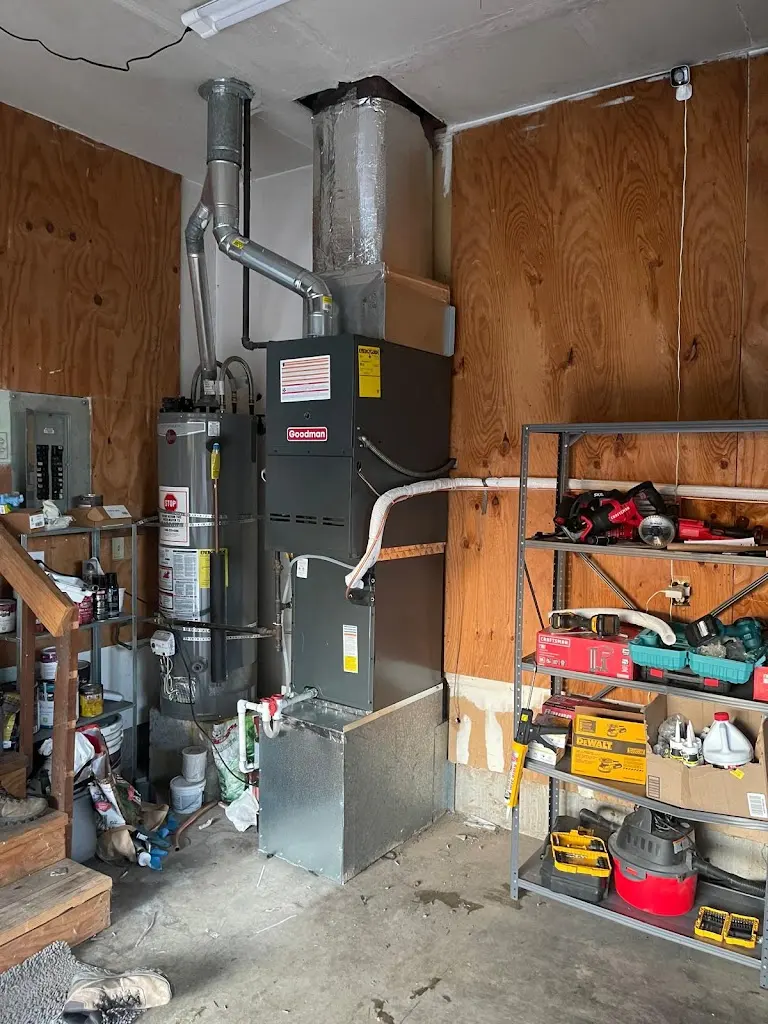
If a furnace will remain, identify the actual unit and its condition. If the plan includes electric heat, clarify where it fits in the indoor setup and what related work the quote covers. A retained item and a newly supplied item have different scopes. Make that distinction visible in the equipment list.
Use the Old System History Without Copying Its Faults
An AUX message on the old control is useful context, but it is not a diagnosis by itself. Describe when it appears and whether the rooms reach the selected temperature. Explain whether that pattern has changed. A new loss of heat and a familiar operating message may call for different discussions.
Our heat pump repair service in Keizer can assess an active problem before or alongside replacement planning. The free installation estimate does not include repair diagnosis. Share any confirmed finding with the estimator. Avoid turning a guess about backup heat into a requirement for the new equipment.
Likewise, an energy-use concern needs context. A backup source may operate for different reasons in different systems. Ask how the proposed setup addresses the concern you have described. The project should not promise that supplemental heat will never run or that one display message will always mean a fault.
Keep Control Choices Within the Equipment Plan
The new controls need to support the selected heat sources. Review which control stays, which changes and what the installation includes. A recently purchased thermostat may still need assessment. Its age or familiar screen does not show that it can manage every function of the proposed system.
Tell us how you use temperature schedules and which changes matter to your household. Ask how the installed system should handle those normal owner settings. Keep equipment setup separate from daily operation. You should not need to choose service settings or force a backup stage to make the project plan clear.
If the control offers both auxiliary and emergency heat indications, ask for an explanation tied to the actual installation. Review the difference during handover. Keep any guidance for a loss of heat separate from normal daily use. The operating notes should match the equipment you have approved.
Review the Finished Heating Arrangement
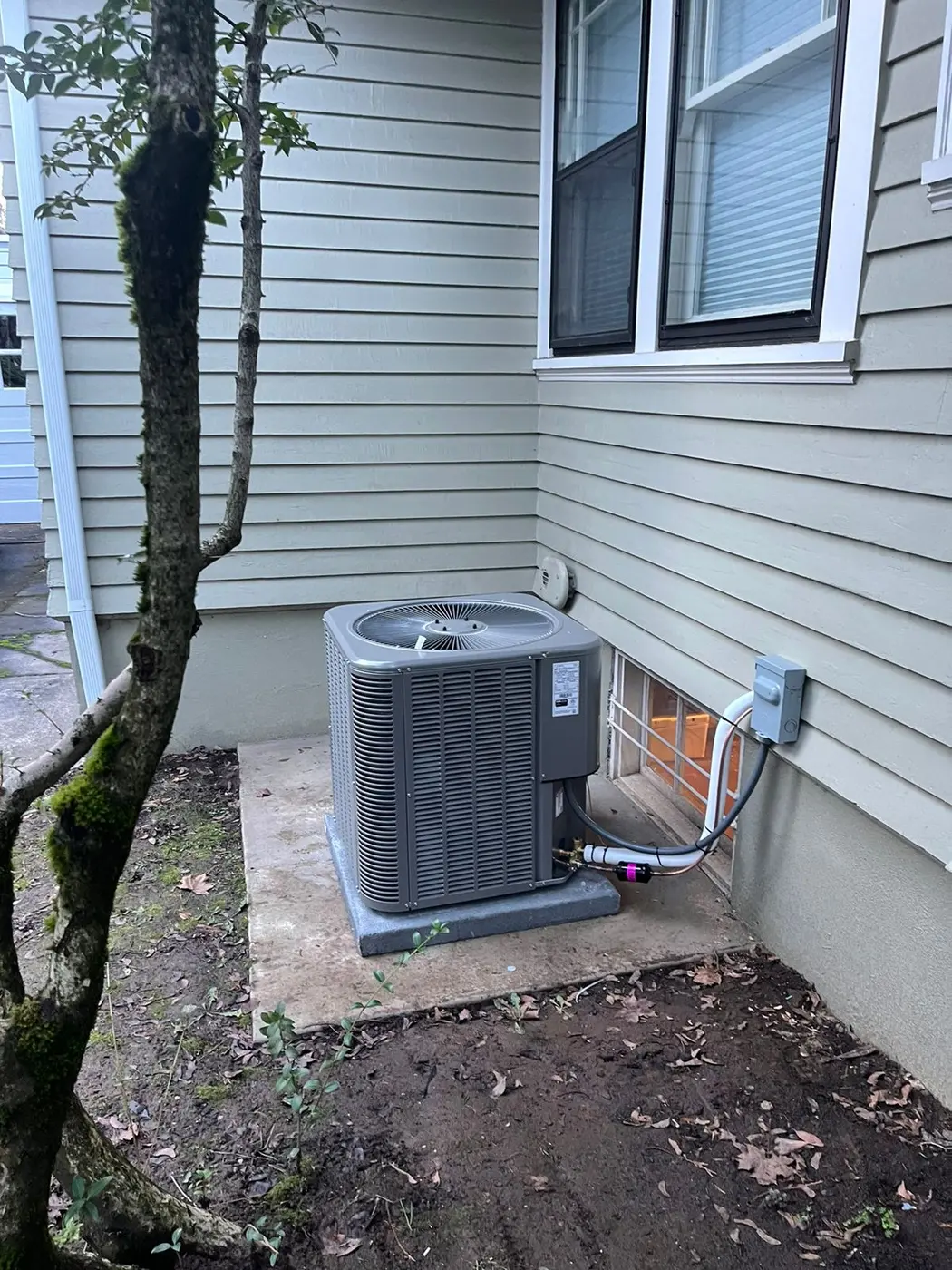
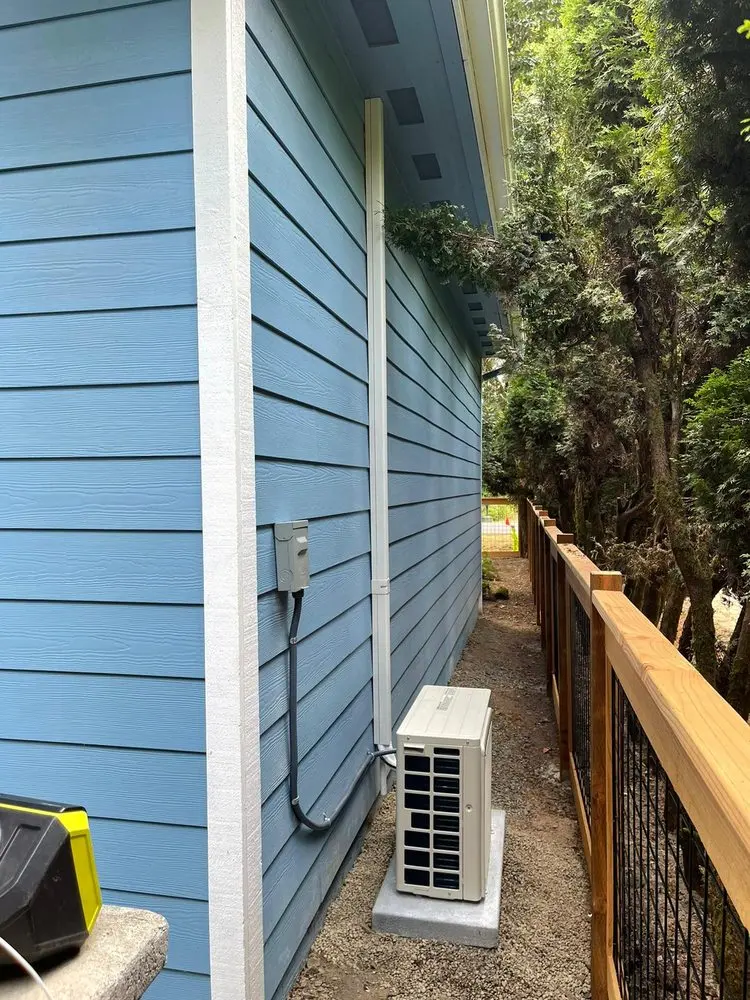
Before the work date, agree on the equipment, connections, removal work and price. Confirm access to the indoor components as well as the outdoor unit. Ask how the changeover affects heating and cooling while work is underway. Any unresolved equipment or power question belongs in the scope before installation starts.
At completion, review which checks support the main and supplemental heat functions. Ask whether a condition limits any check and what follow-up remains. Keep the equipment list with the operating instructions. The record should identify the finished combination rather than preserve an earlier option you did not select.
Later heat pump maintenance should account for the setup actually installed. Ask which care applies to each retained or new component. If heat output changes during normal use, report the mode, message and room result. A planned backup feature should not make an unexplained loss of comfort easy to overlook.
Frequently Asked Questions
Can I keep the old backup heat with a new outdoor unit?
It needs review with the proposed indoor equipment and controls. Identify what the old backup source is and which parts you want to retain. Ask the estimate to explain a supported combination. The fact that a component still turns on does not settle whether it suits the new system.
Does AUX on the display mean the installation is wrong?
Not by itself. The meaning depends on the installed equipment, control strategy and conditions. Ask what the message indicates on your setup and describe any loss of room comfort. A familiar label should have an explanation, but it should not replace a check of an unexpected result.
Should I choose a system that never uses supplemental heat?
State that preference, then ask what the property and selected equipment can support. The proposal should explain its heating assumptions and any backup role. A promise that supplemental heat will never operate is not a substitute for a complete design. Compare the actual work and intended functions.
Can I use the old thermostat instructions after replacement?
Use the instructions for the controls and equipment actually installed. Some normal settings may look familiar while the heating arrangement has changed. Review the owner functions during handover. Keep the new guidance with the equipment record and leave installer settings to the team.