Plan Today’s Zones and Tomorrow’s Questions
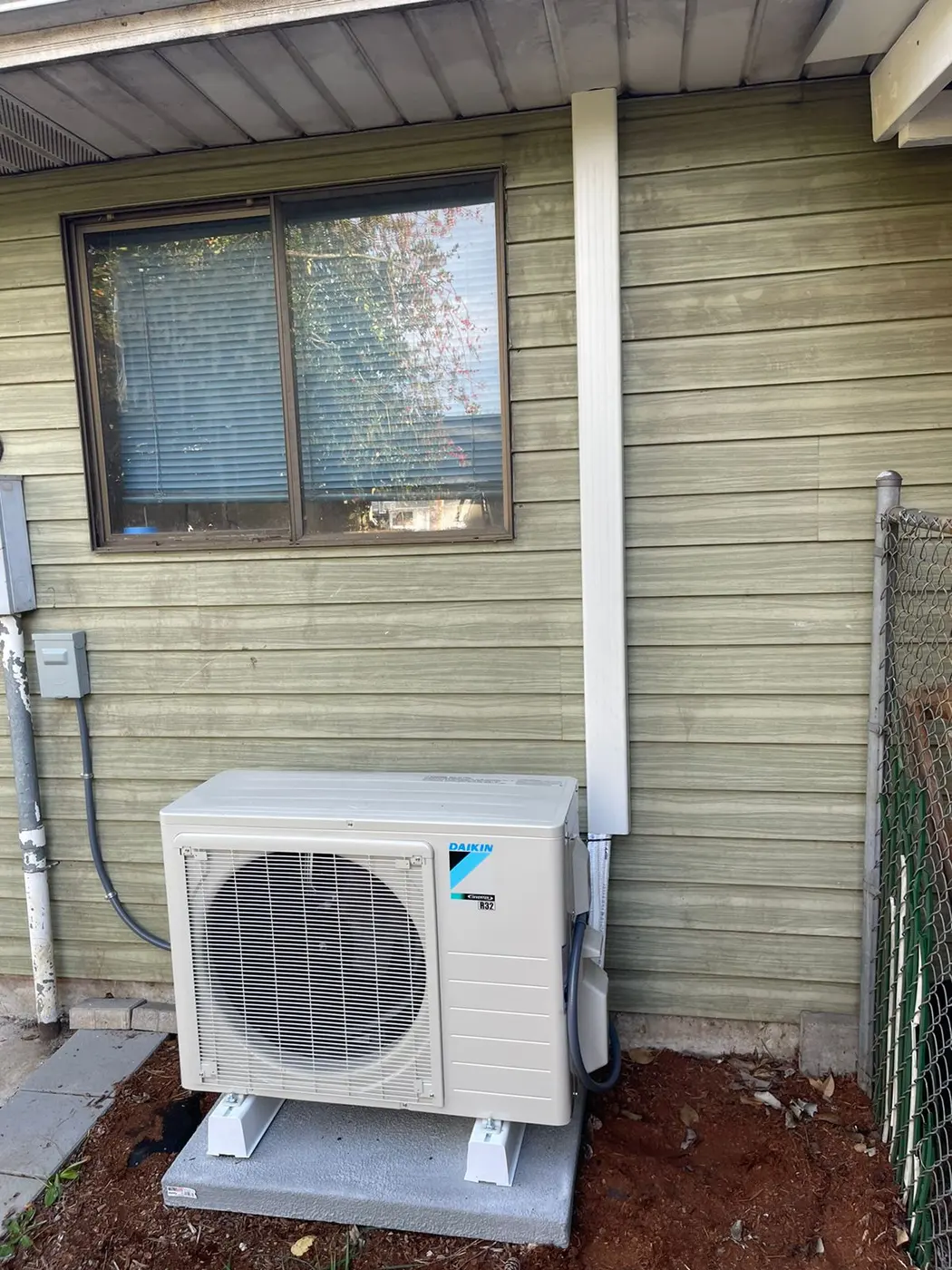
You may need comfort in one room now while considering another room for later. That is a useful planning question, but it does not make every ductless system ready for expansion. HVAC & Appliance Repair Guys provides mini-split installation and replacement in Gervais, OR. Our free on-site estimator visit can separate the current project from a possible future addition.
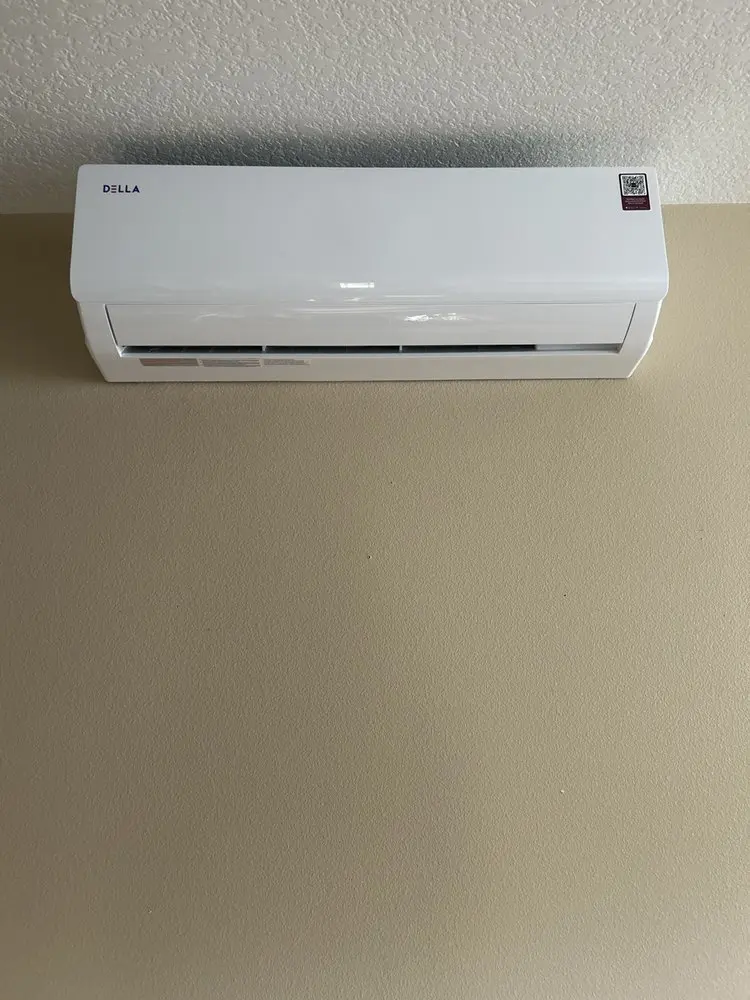
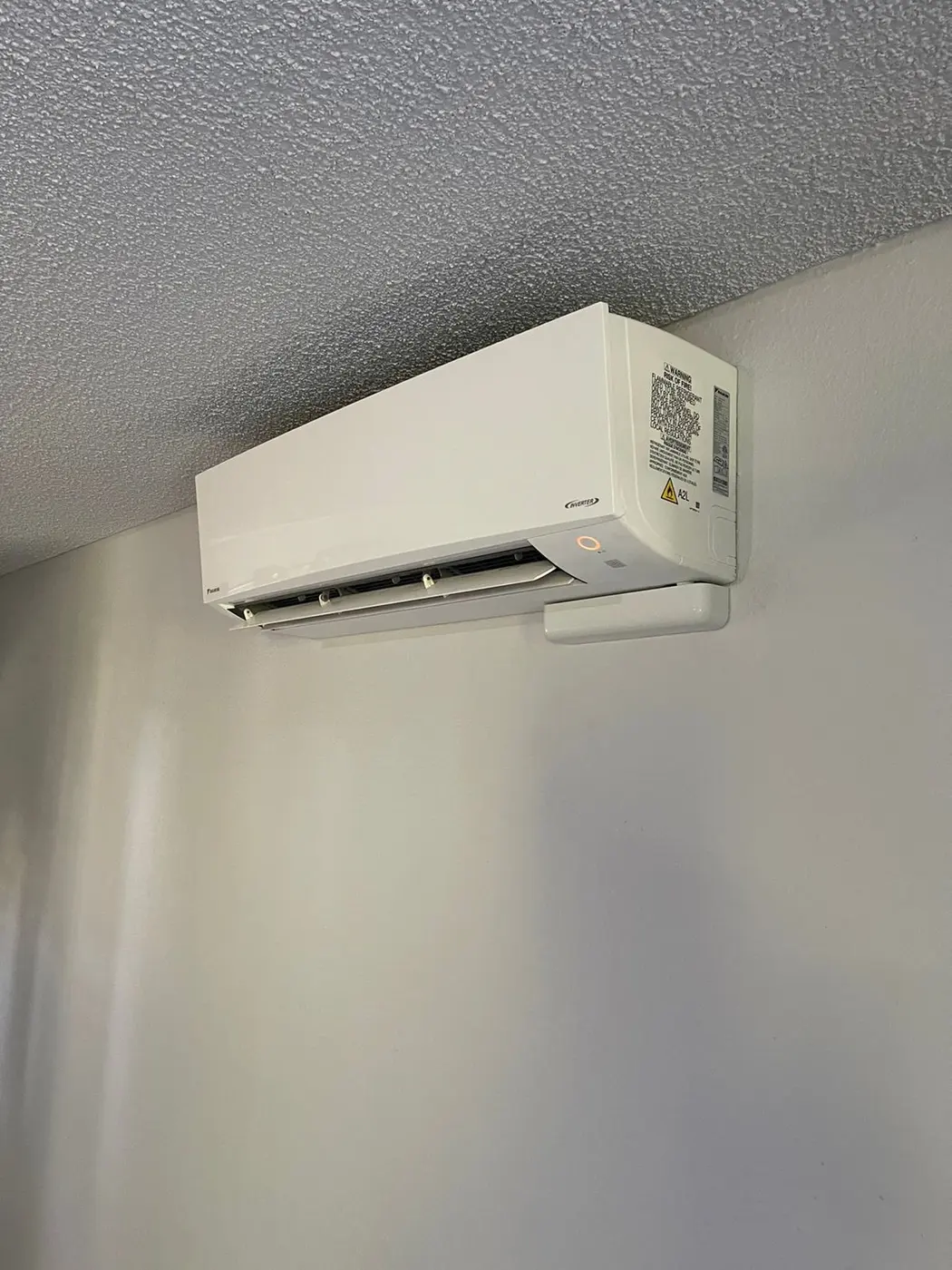
Our mini-split installation service covers single-zone and multi-zone plans. Explain which rooms belong in the work you want to approve now. Then identify the spaces you may add later. The estimate should show the difference instead of treating every future idea as a confirmed equipment requirement.
Give Each Future Room a Clear Status
Describe whether the later room is an existing space, a planned change or only an idea. A room with a defined use gives the discussion different information from an undecided area. Share the timing if you know it. You do not need to invent a completion date to ask how a later project might relate to this one.
Keep the present comfort goal specific. State which room needs heating or cooling now and how you use it. A possible future addition should not hide the immediate job of the first installation. The selected equipment must make sense for the approved scope, with future options clearly identified as conditional.
Also explain what may change before the later project. The room layout, intended use or preferred equipment position could still be open. Those uncertainties belong in the discussion. They should not disappear behind a general phrase such as “ready for more zones.”
Check the Supported Equipment Combination
A shared outdoor unit can form part of a multi-zone plan, but it does not accept any indoor head in any arrangement. The proposed models and supported combinations need review. Ask what the current setup would allow and which conditions a later addition would need to meet. A brand name alone does not answer those questions.
Distinguish an available connection from a complete expansion plan. Capacity, equipment selection and the rooms served all matter to the proposal. The estimate should explain the basis for any future option it describes. Do not treat a visible unused position as proof that another room can join the system without further work.
A later room might also need a separate system rather than an addition to shared equipment. Keep that possibility open until the actual project has enough detail. Compare the practical scope of each approach. There is no need to promise one route before the room requirements and supported equipment are clear.
Choose Capacity for a Defined Need
A possible future zone is a reason to discuss the plan, not an automatic instruction to choose larger equipment. Ask how the proposed capacity relates to the rooms in the current scope. Then ask what assumptions support any allowance for later work. Keep those two parts of the reasoning visible.
The room’s needs depend on more than its name or a rough floor-area guess. Share reliable plans and the use you expect for the space. The on-site review can identify what remains unknown. Avoid approving a capacity solely because it sounds large enough for every option you might consider.
If the future layout changes, the earlier expansion idea may need review. The new room should not inherit an equipment promise based on an old description. Keep the planning conditions with your records. They explain why a later quote may differ without implying that the original installation had the wrong scope.
Consider Routes Before Promising an Easy Addition
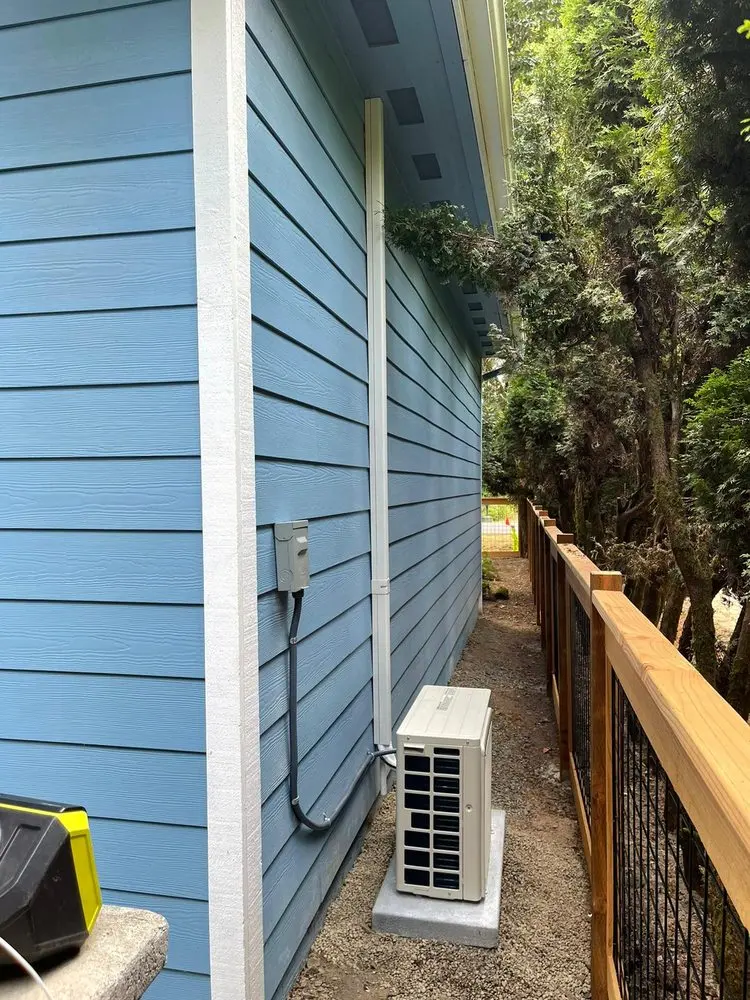
Indoor heads need connections to the outdoor equipment. The selected system also needs suitable drainage and power.
A later room may present a different route from the first one. Discuss any known obstacle or finished area between those locations. The future project can involve work beyond the equipment itself.
Ask whether the current proposal includes any preparation for a later phase. If it does, the scope should identify the task and its purpose. A general statement about future readiness is harder to assess than a defined piece of work. The price should distinguish that preparation from the installation you need now.
Do not make openings or install guessed routes in advance. The plan needs the actual equipment and intended layout before it can define suitable preparation. A route that looks convenient may still leave drainage, access or connection questions. The estimate should bring those questions into the scope while changes remain easy to discuss.
Compare Current Work with Conditional Options
A useful proposal states the equipment and rooms included now, then describes any future option separately. Read both parts with their assumptions. The later option may require another site review, a different head or other work. It should not appear as a complete installation already covered by the current price unless the scope says so.
A planning discussion cannot reserve every future equipment choice. Ask which parts of a later addition depend on the models available when you proceed. Keep those conditions in the record alongside the proposed routes and rooms. The present estimate should distinguish an option from a guarantee of future stock.
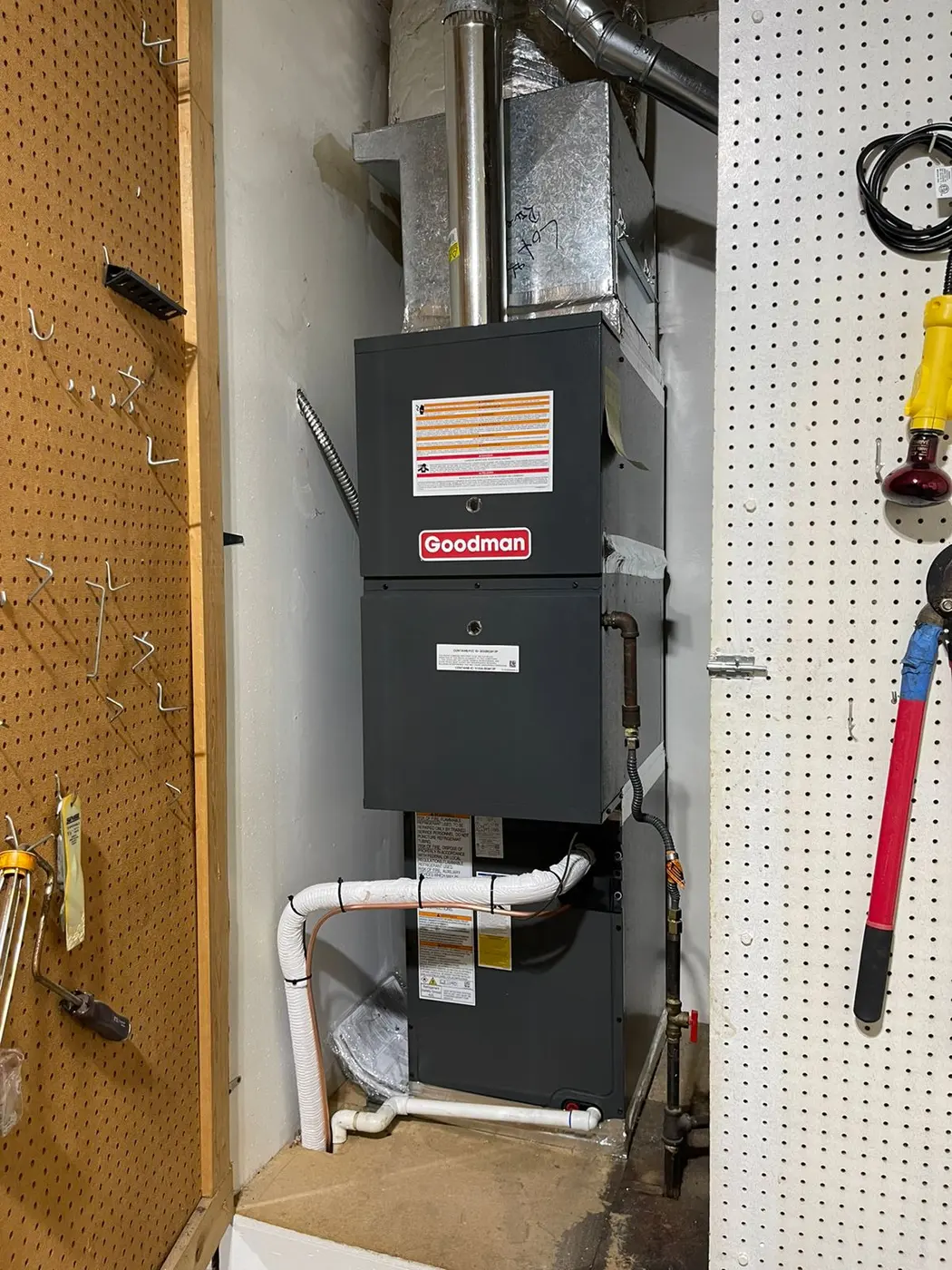
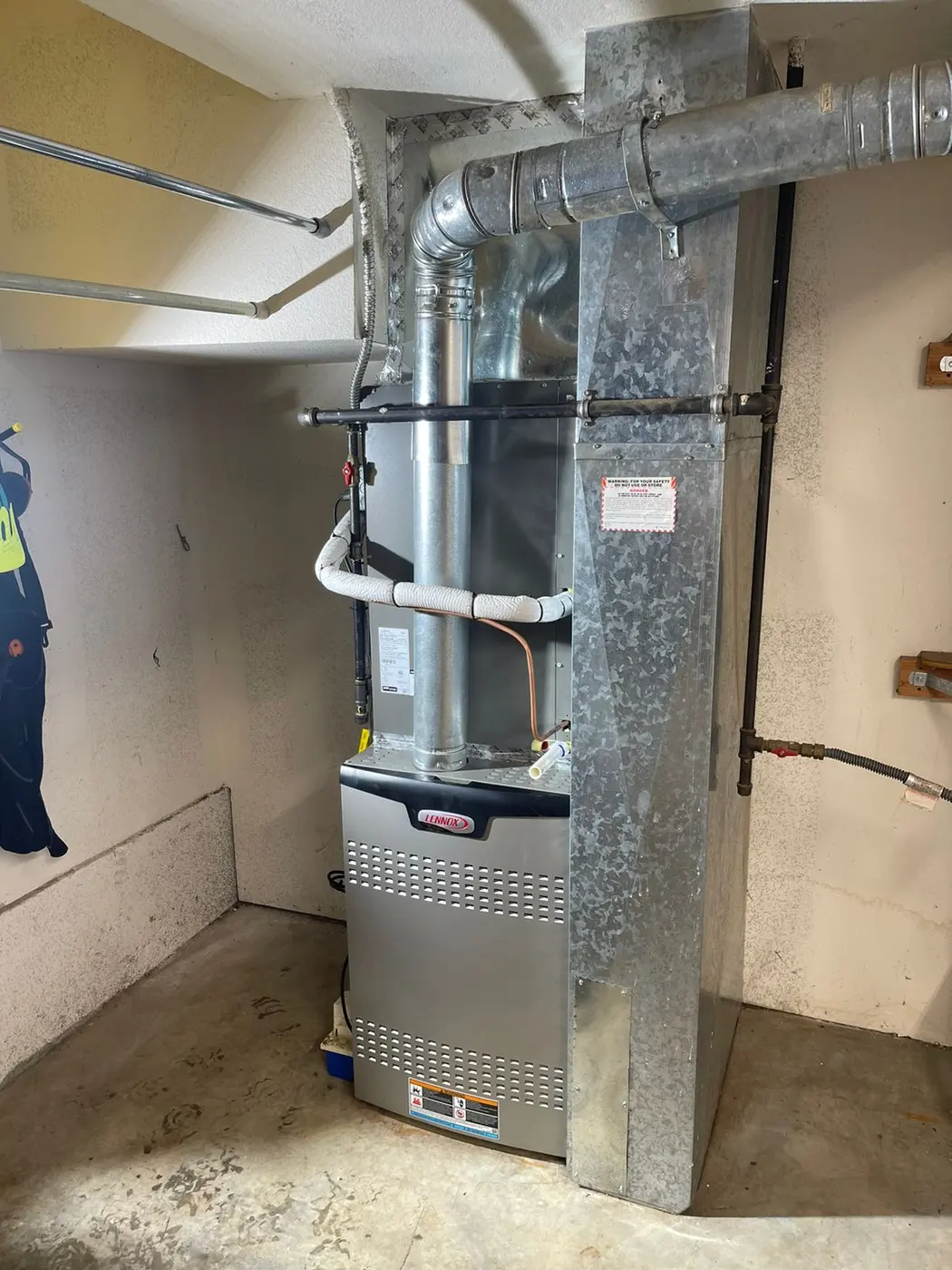
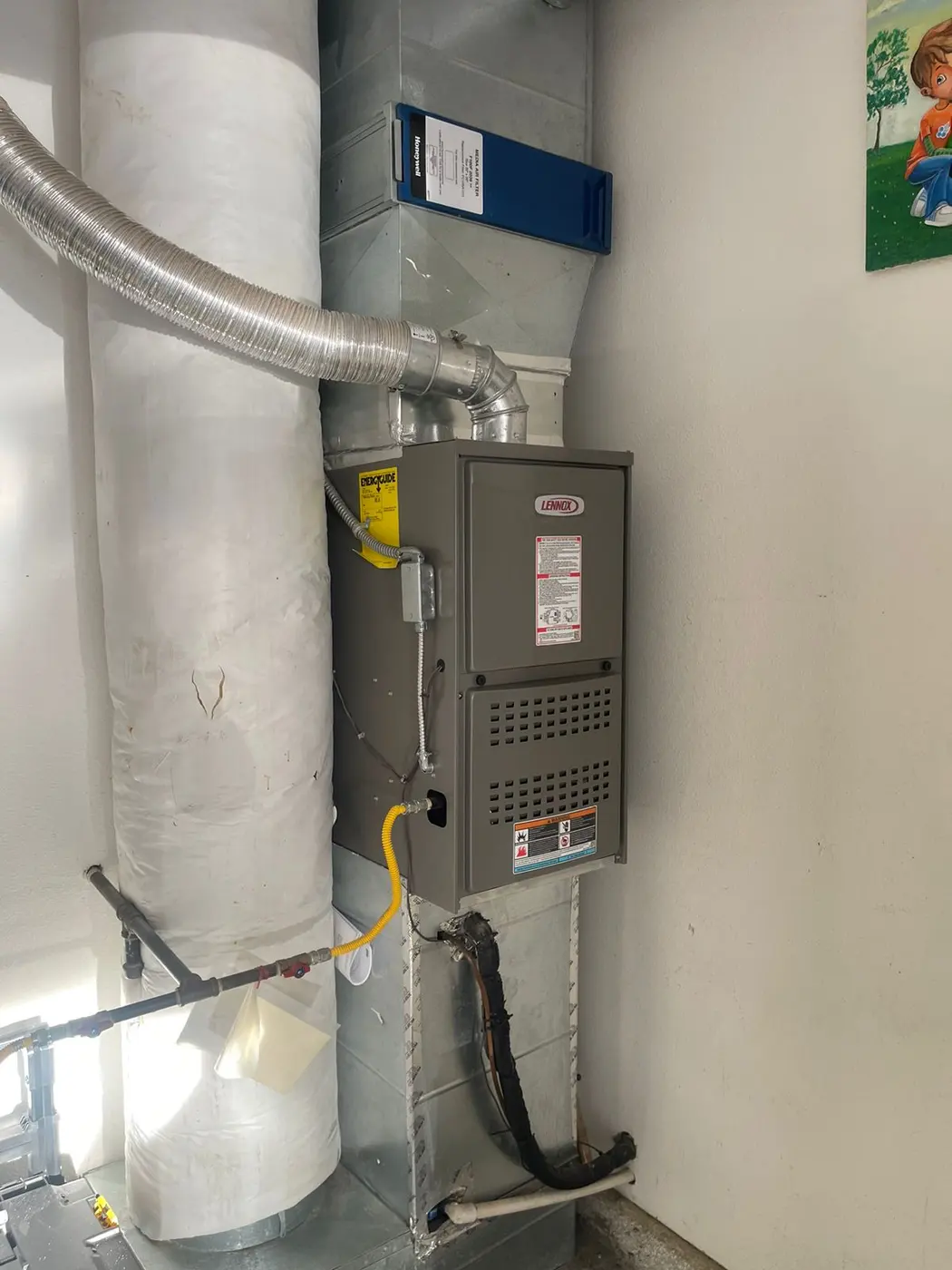
Our HVAC installation service in Gervais covers wider heating and cooling changes. Use that scope if the future plan also changes another system or expands the project beyond the ductless rooms. Keep the role of retained equipment clear so each option describes the actual finished arrangement.
Review which decisions must be firm before ordering equipment. A possible later room may influence a choice, but the current installation still needs an approved plan. Ask what would change if you never proceed with the addition. This helps you assess the present project on its own purpose rather than on an uncertain later benefit.
Keep optional preparation distinct from an active repair. If the existing equipment has a fault, explain that separately when arranging service. The free estimator visit concerns installation or replacement planning. It does not turn a future-zone discussion into a diagnosis of the current system.
Keep the Installed Record Useful for Later Planning
At handover, retain the exact indoor and outdoor model details and identify the rooms included in the completed work. Mark any difference from the first proposal. That record gives a later project specific facts. A general claim that the system can expand does not provide those details.
Review the normal controls for the zones installed now. Ask how the shared equipment responds to the supported room requests. Keep that operating explanation separate from features that would apply only after another project. A future option does not change which functions you have at handover.
When you are ready to revisit the later room, bring the installed record and the updated room plan. Explain any changes in use, layout or equipment since the first estimate.
The new proposal should build on current facts. Confirm what the room needs now. Do not rely on a promise that predates the room plan.
Frequently Asked Questions
Should I choose a multi-zone outdoor unit just in case?
Discuss the actual current need and the possible later room first. A multi-zone choice should have a supported purpose within the plan. It is not automatically the best answer to an undefined future idea. Ask what each option requires now and later.
Does an unused connection guarantee room for another head?
No. The proposed combination, capacity and actual room requirements still need review. A connection alone does not define a complete addition. Keep any expansion conditions with the equipment record so the later project can verify them.
Can the free estimate cover both the current project and a future idea?
Yes. Explain which work you want now and which possibility you want to discuss. Our free on-site estimator visit applies to installation and replacement planning. The proposal should separate included work from a later option that needs more information.
What if I decide against the extra room after installation?
The approved current scope should make clear what the installed system serves without that addition. Raise this possibility during the estimate. Keep optional preparation and future assumptions visible so you understand the project you are choosing today.