Plan the System Before Choosing the Unit
HVAC & Appliance Repair Guys provides HVAC installation in Clackamas, OR. The project may replace a complete heating and cooling setup or focus on one part of an existing system. Define that boundary first. It affects the equipment selection, connections, controls and work you should expect in the proposal.
We offer a free on-site estimator visit for installation or replacement. Explain why you want to change the system and which comfort problems matter most. Include any area that receives poor airflow or struggles to reach its setting. The estimate should consider those concerns rather than simply repeat the old equipment selection.
The HVAC installation service overview covers our regional planning process. For the Clackamas visit, provide the address and equipment access details. Same-day service is available, subject to availability. A full installation schedule depends on the equipment, preparation and agreed project scope.
What Stays and What Changes?
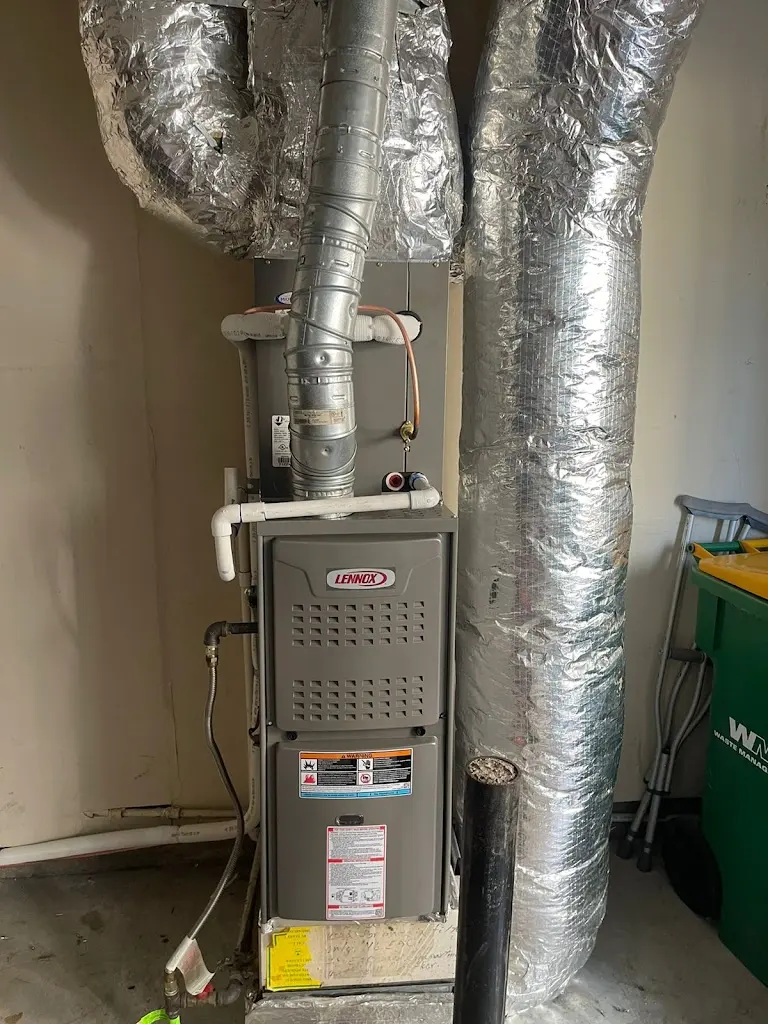
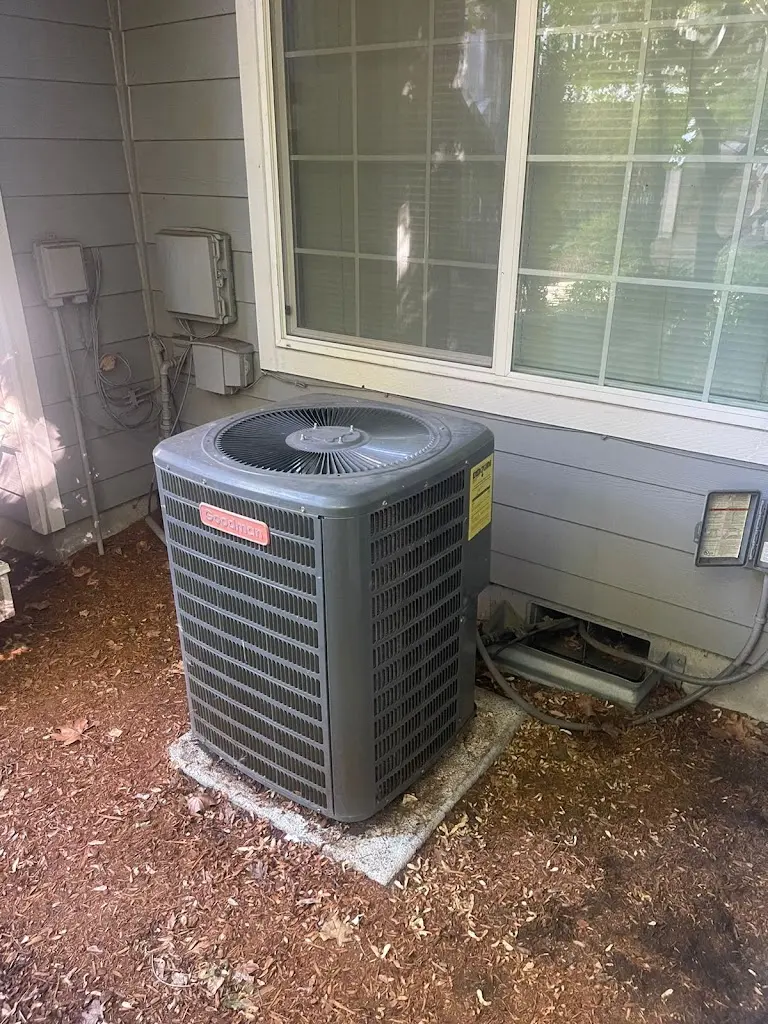
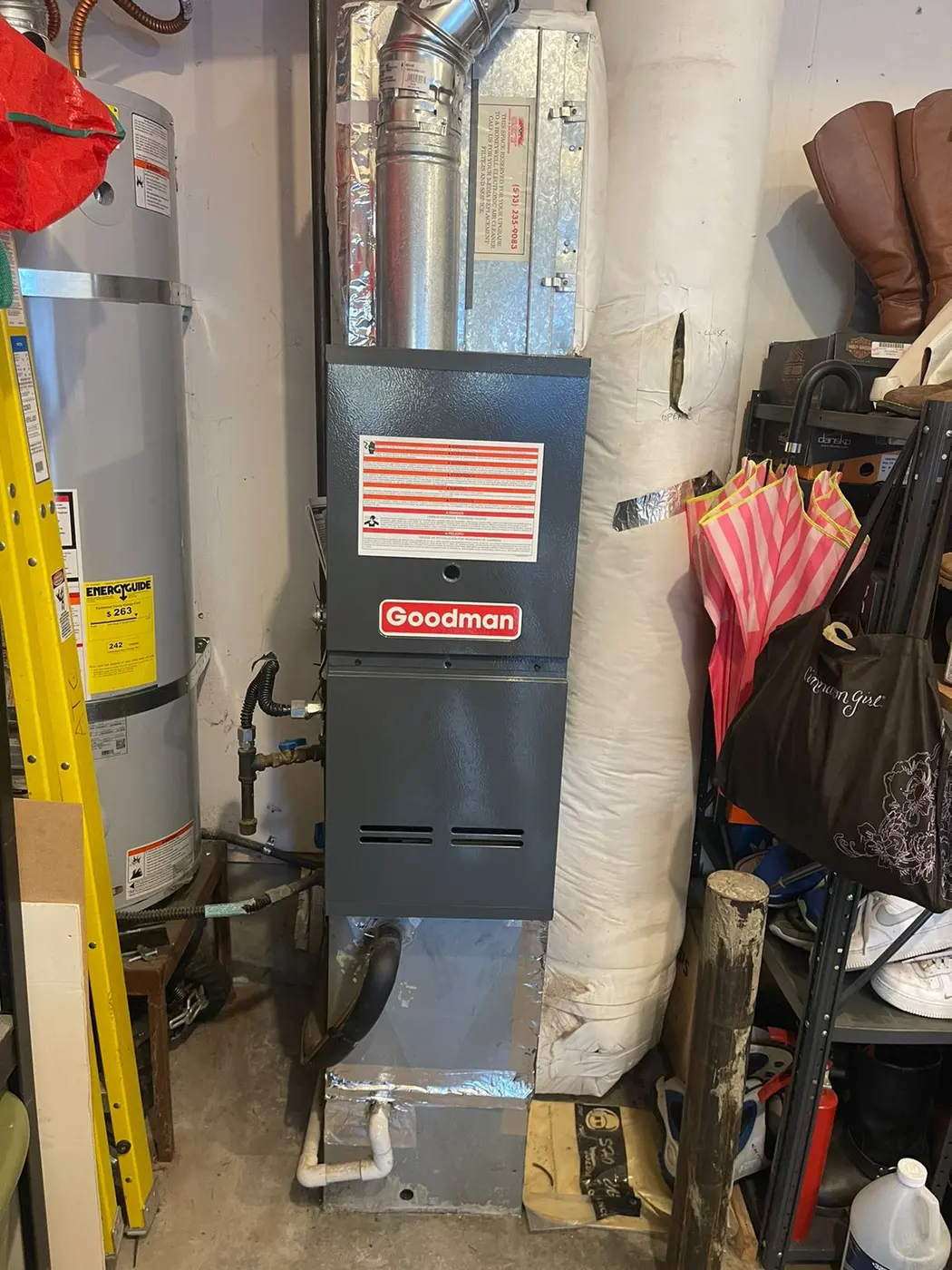
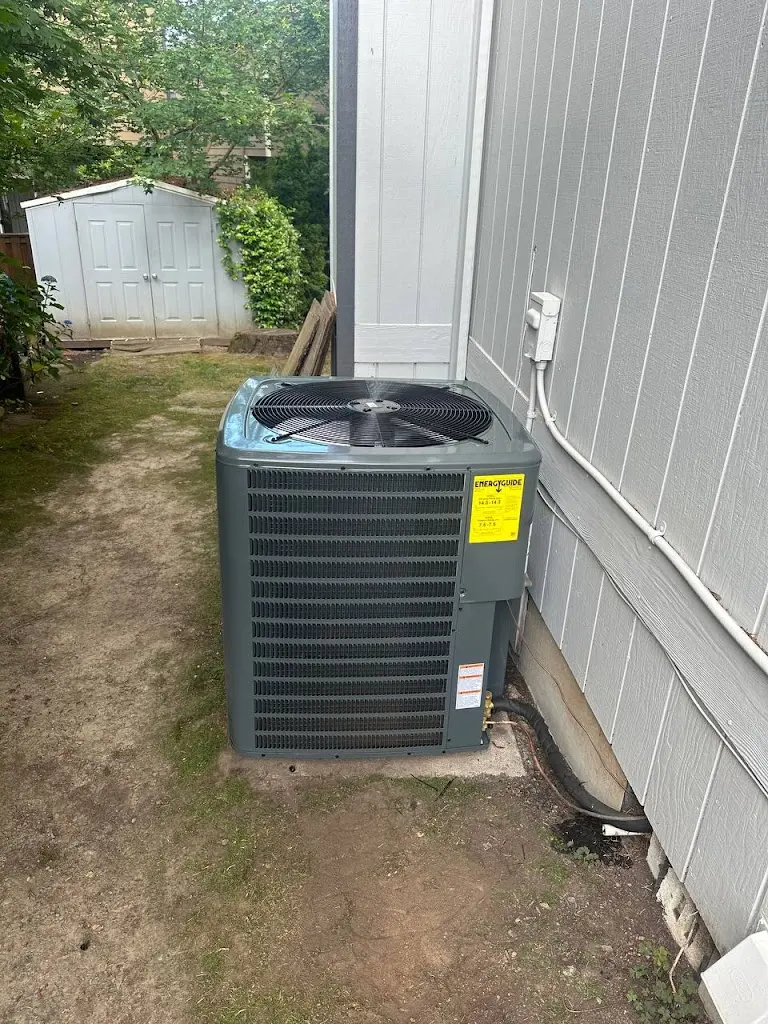
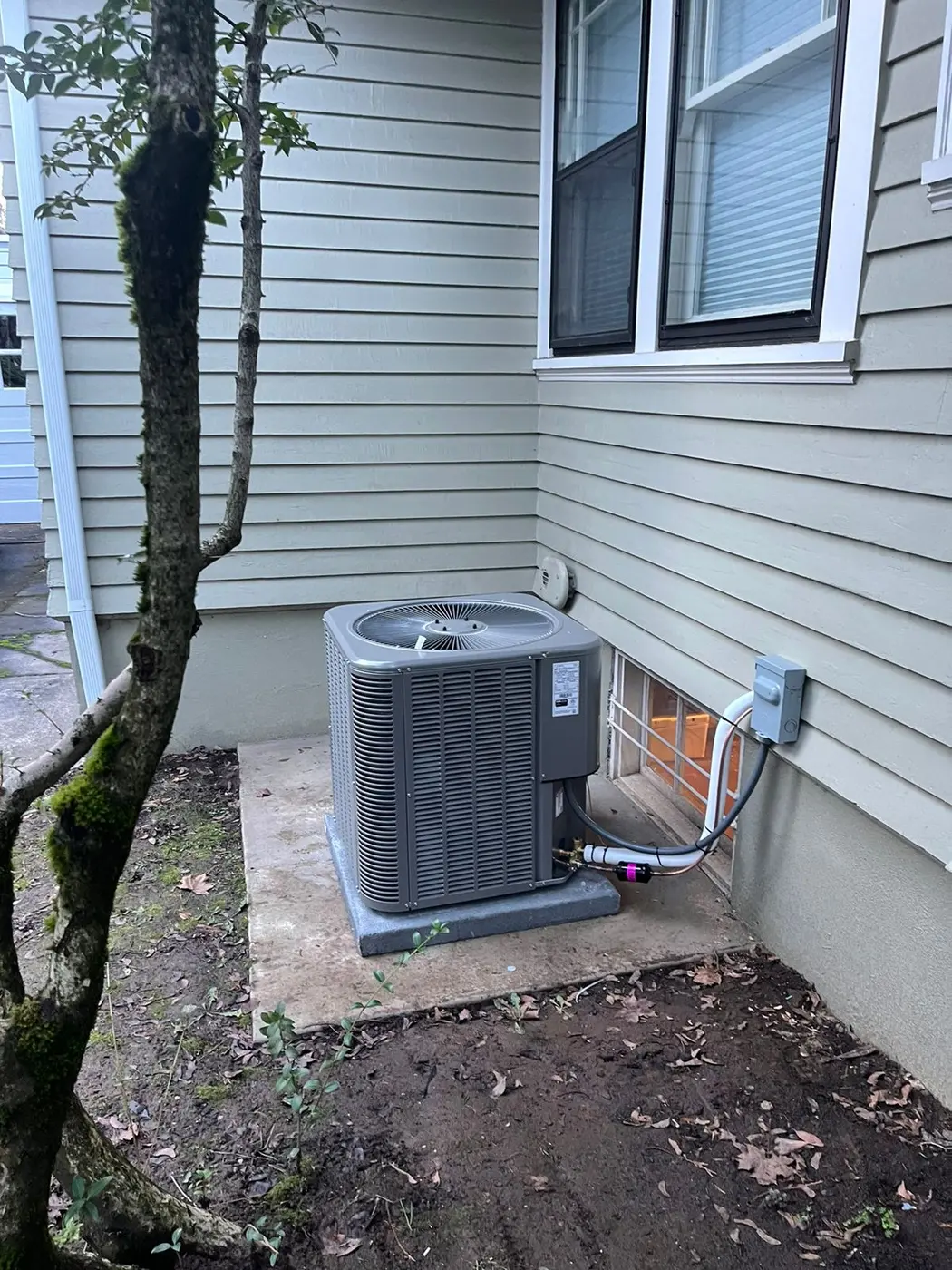
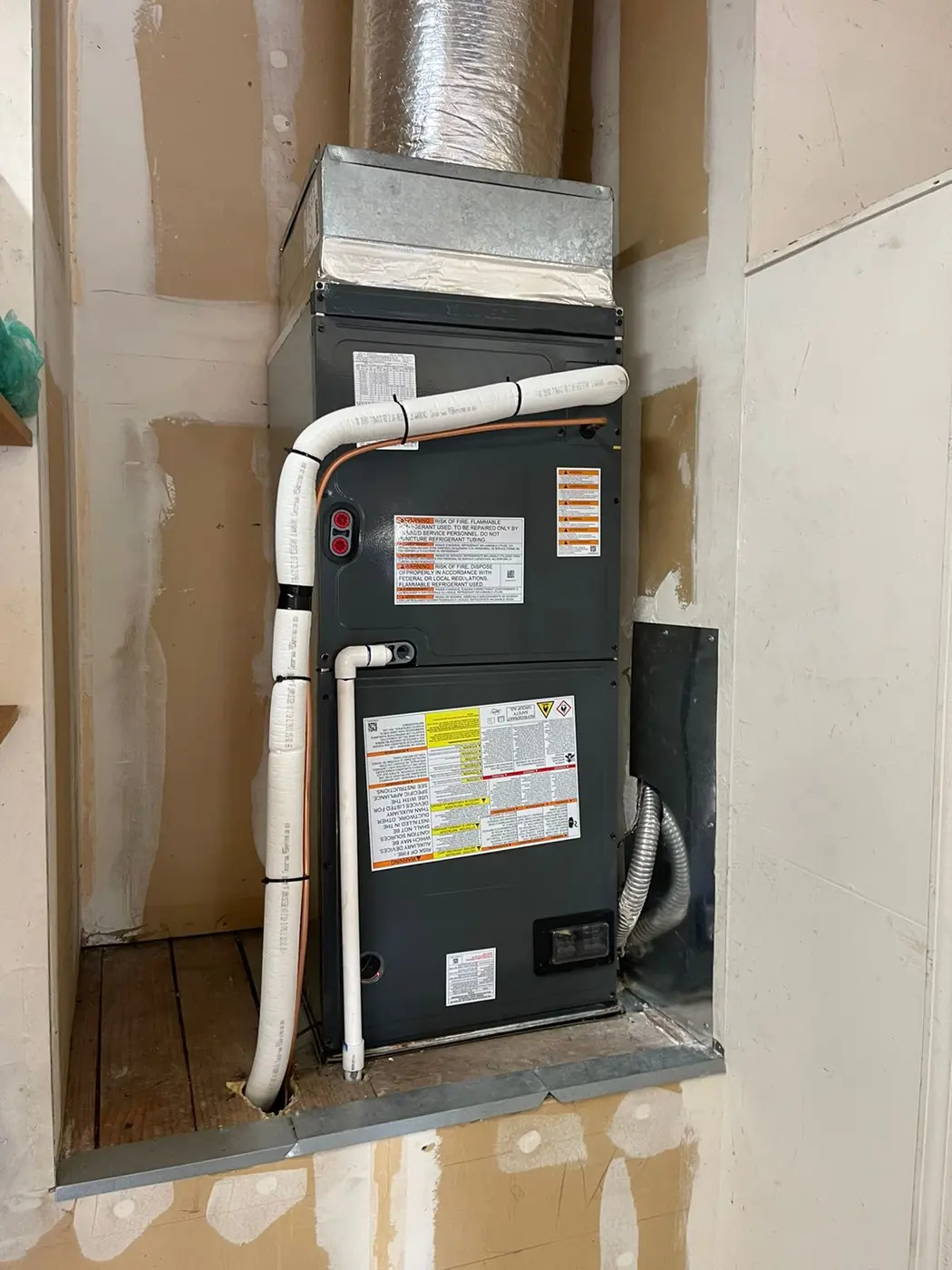
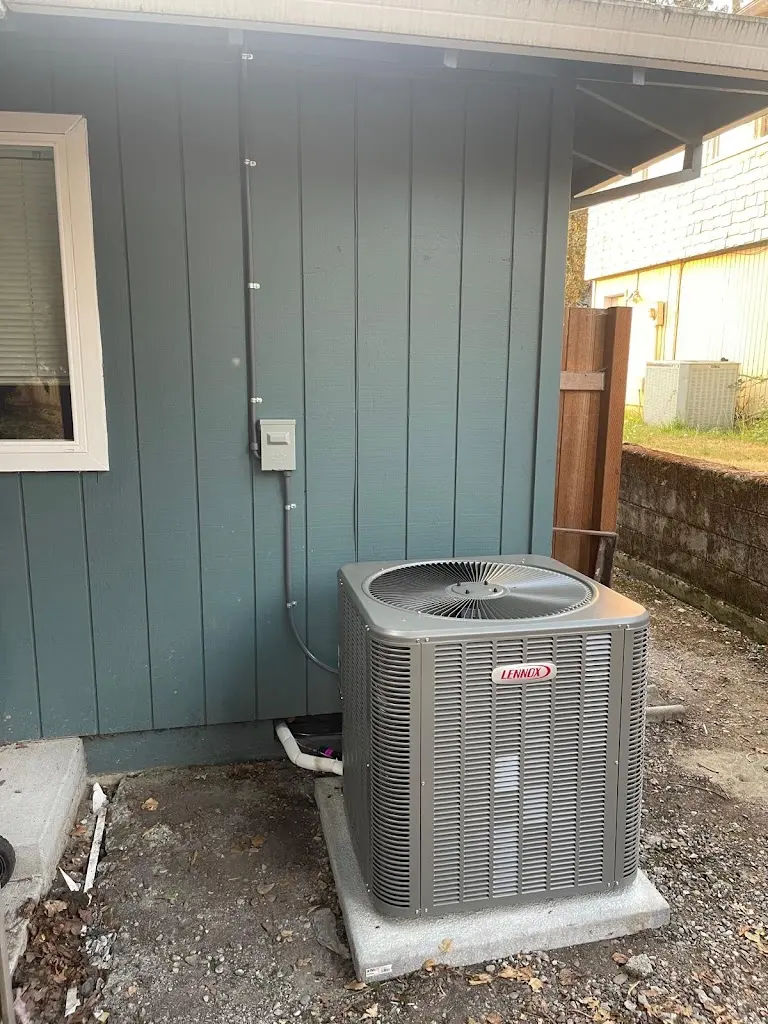
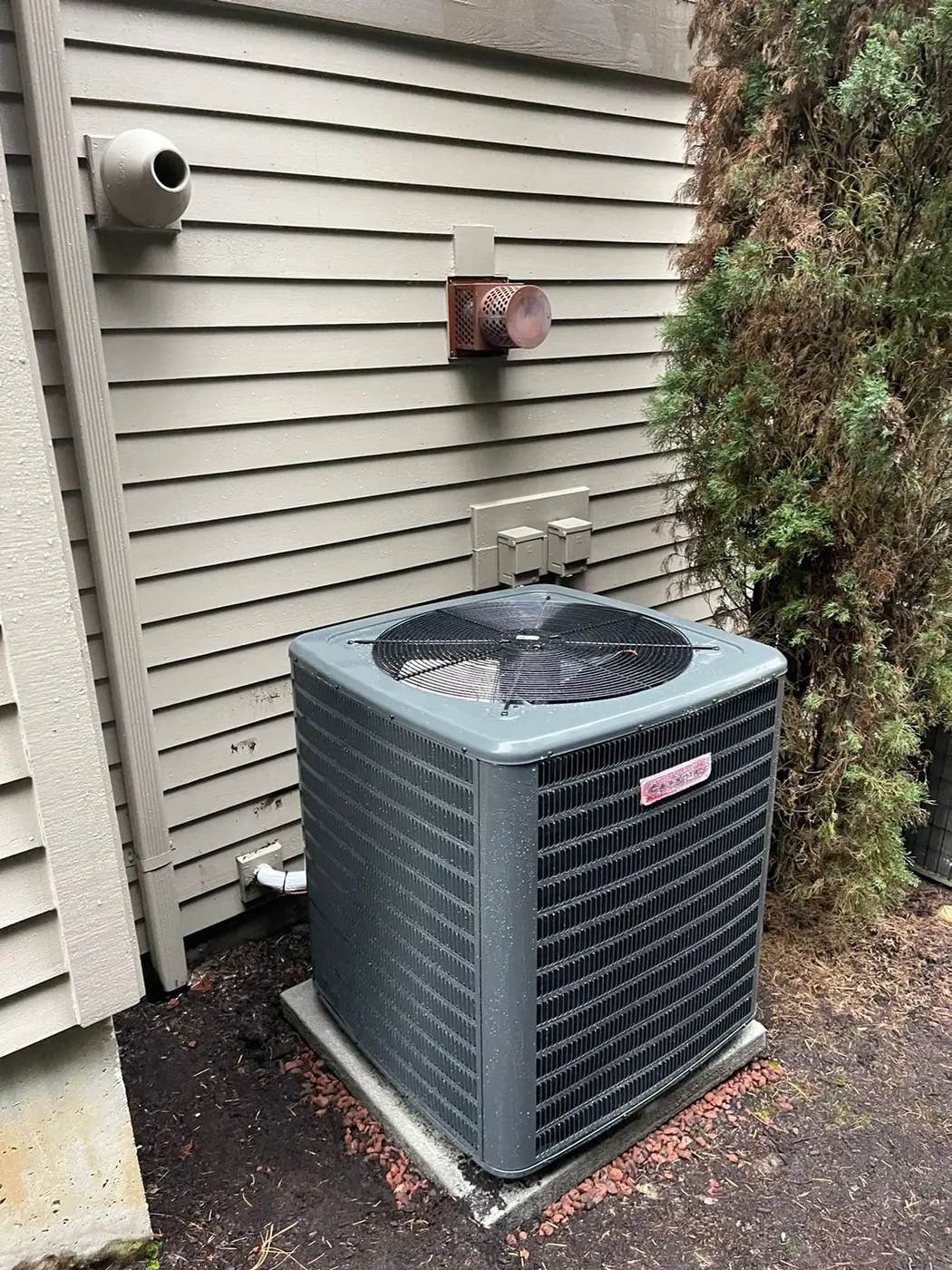
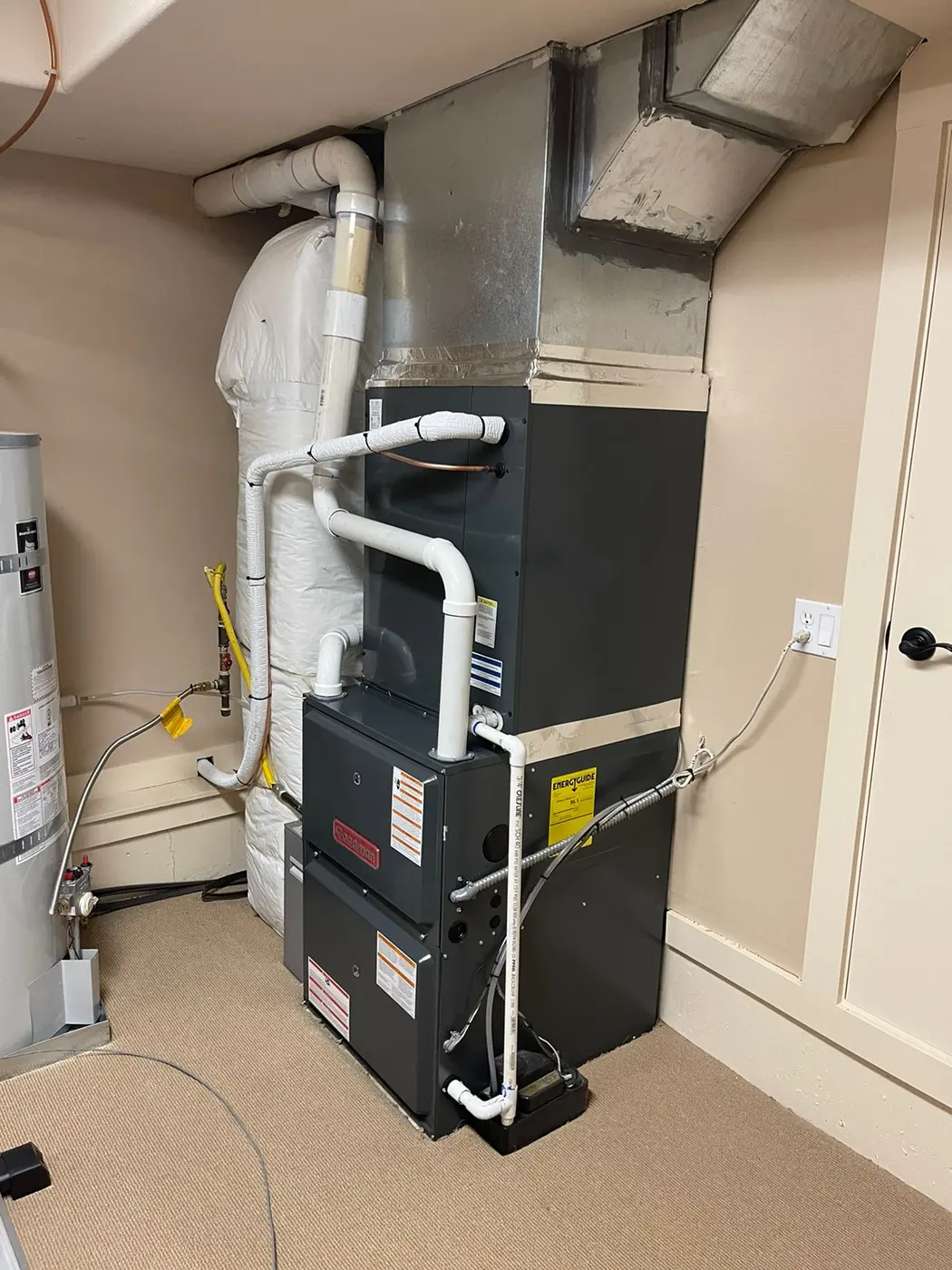
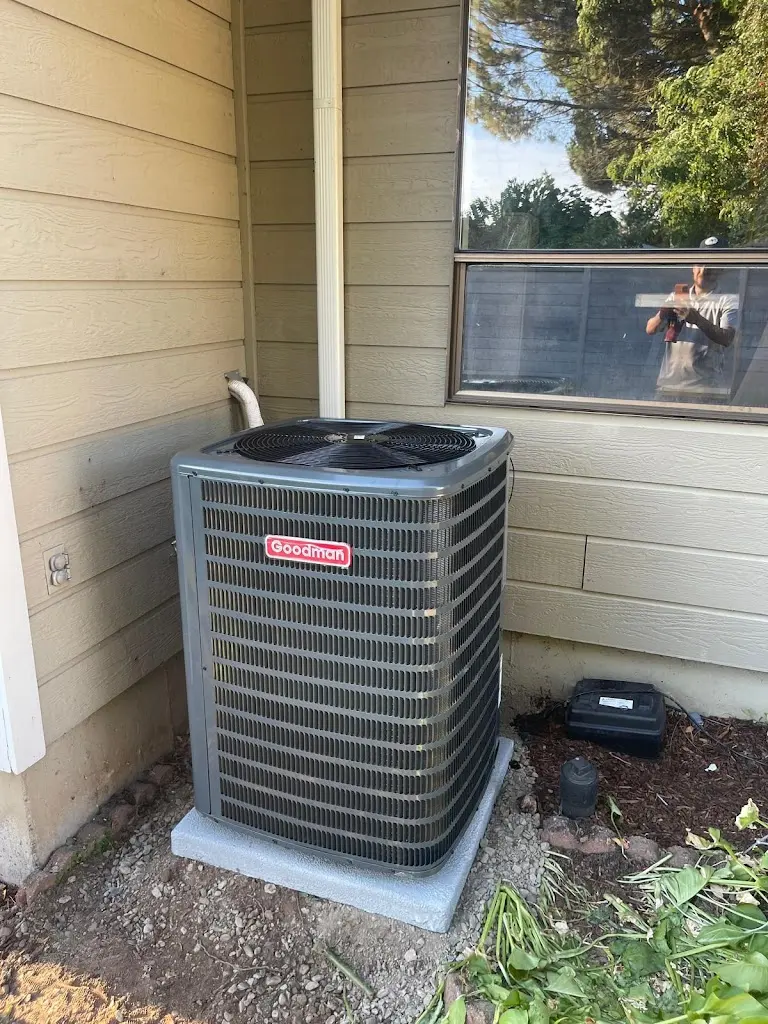
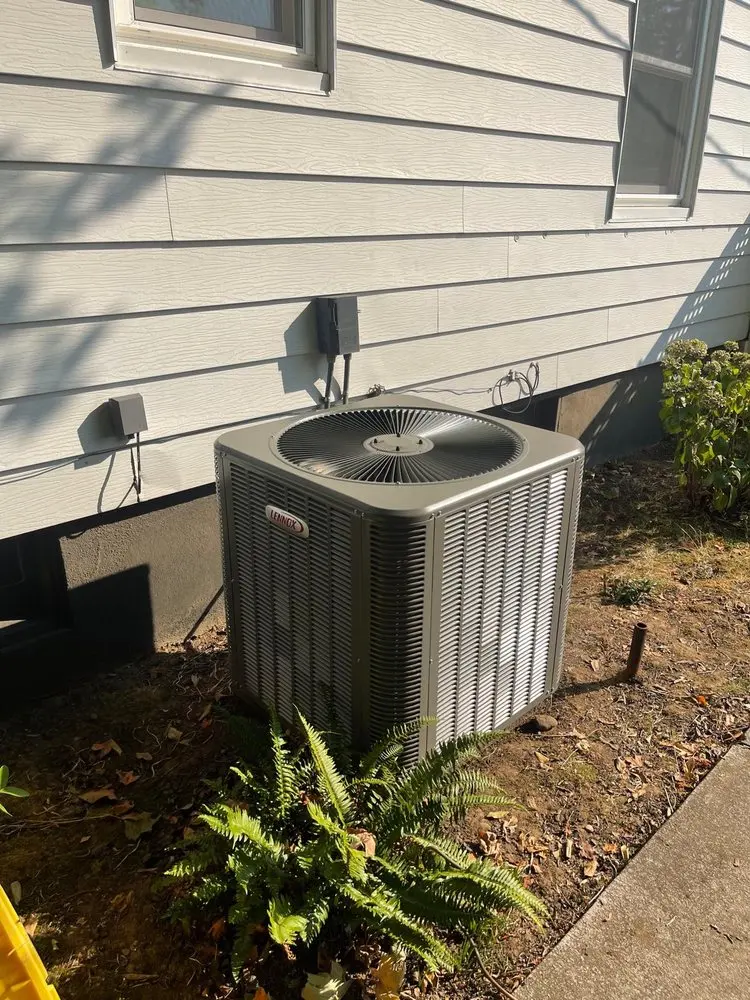
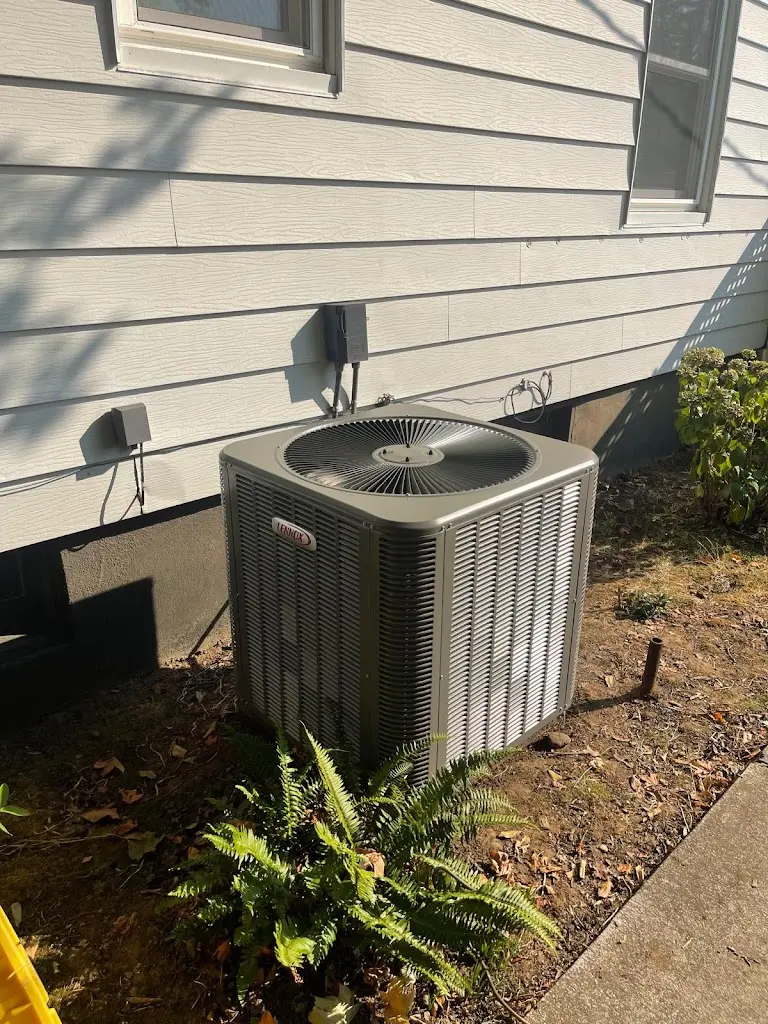
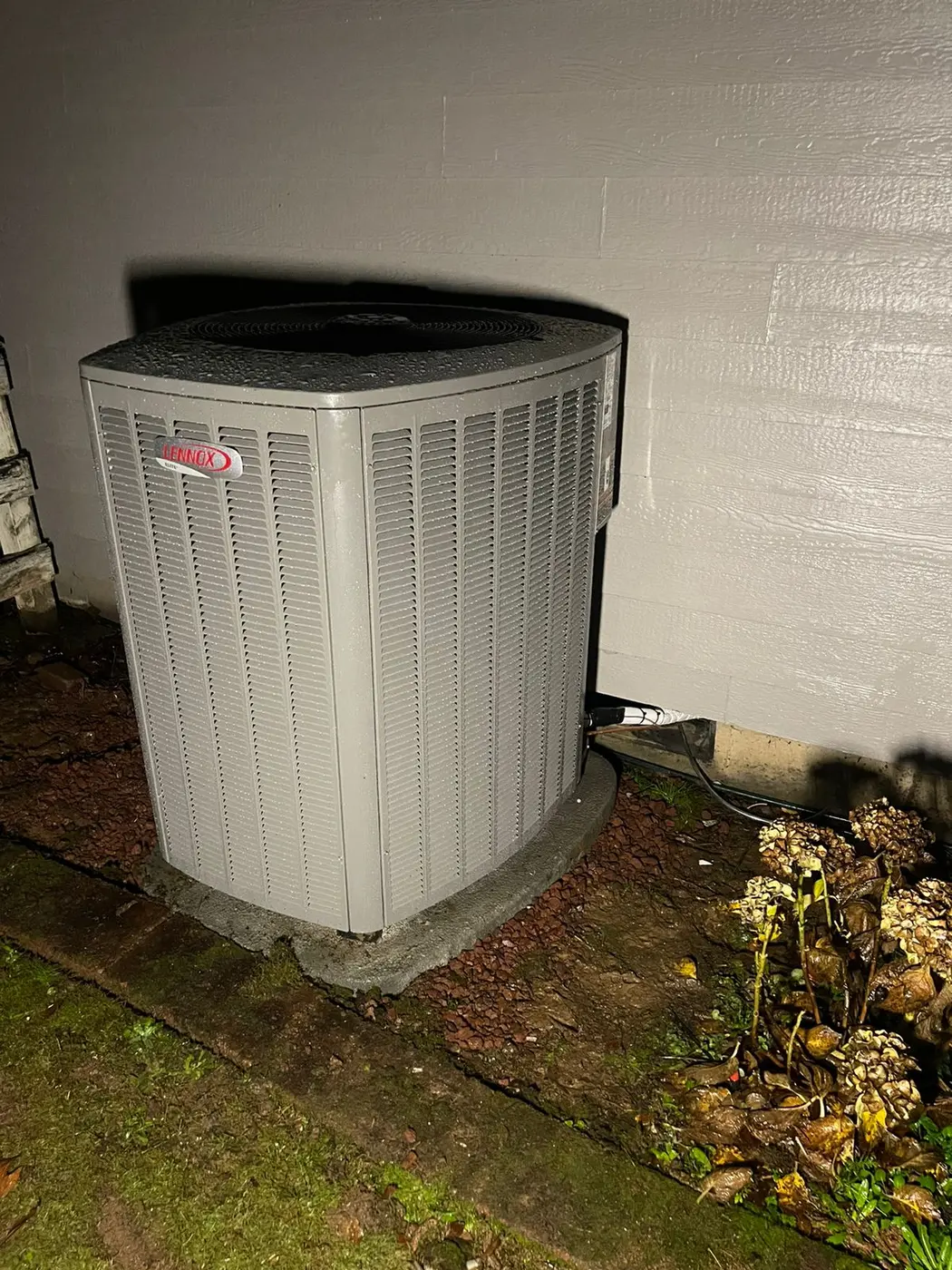
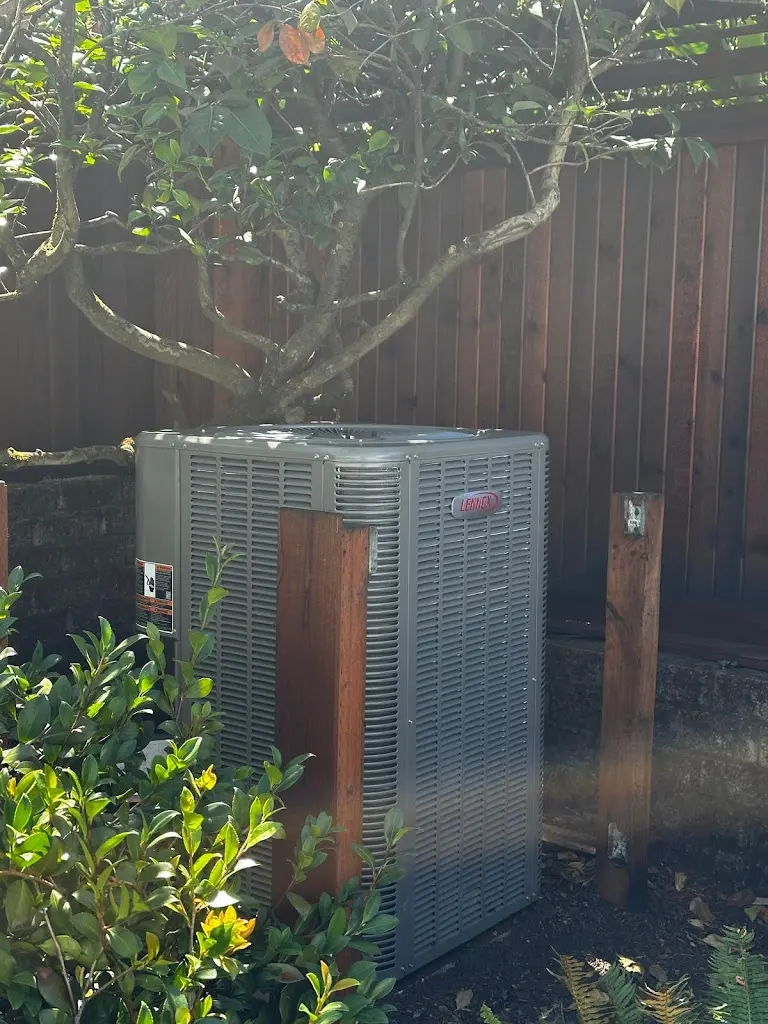
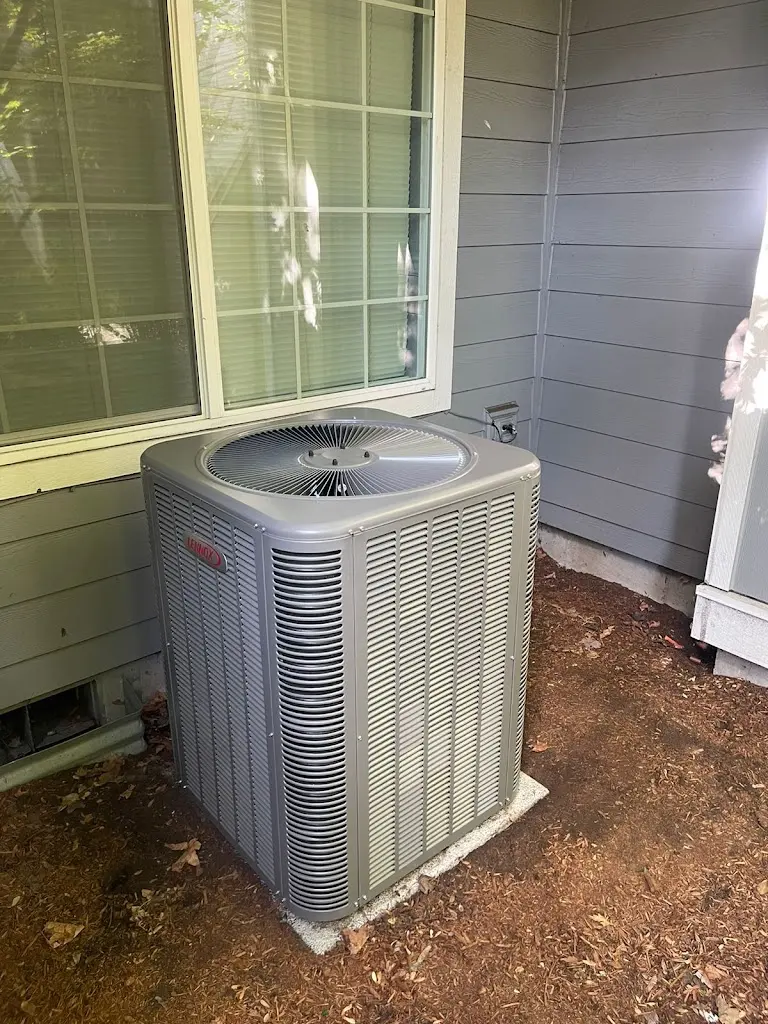
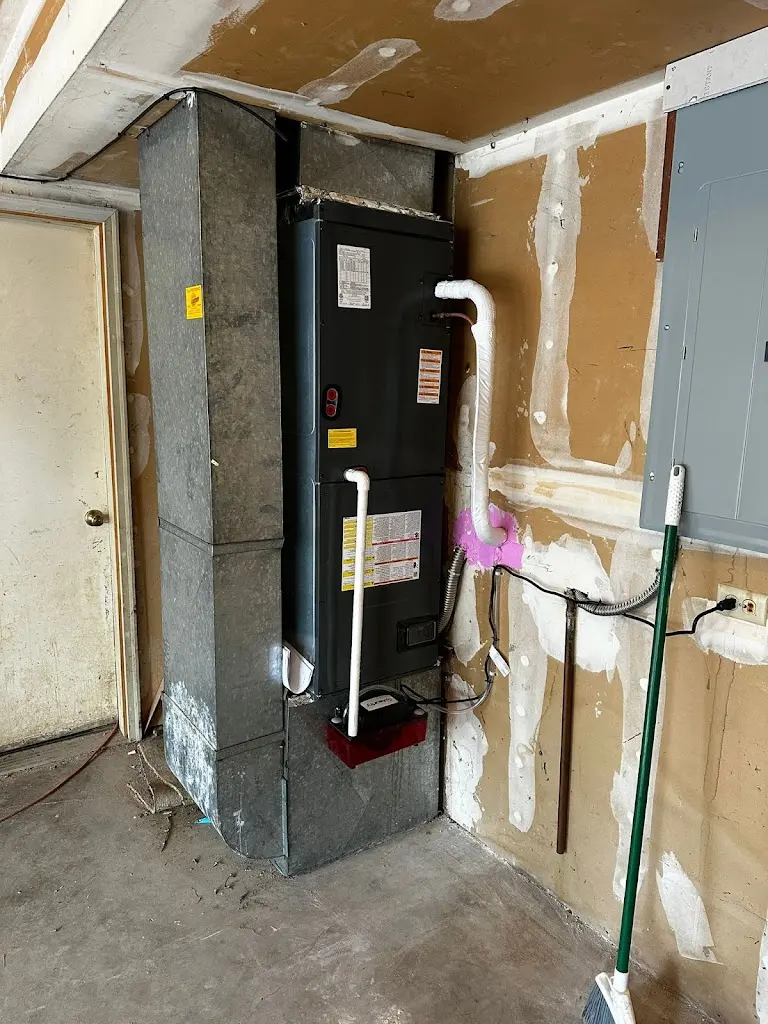
An outdoor unit is only one part of a central cooling setup. Indoor equipment, airflow, controls and connections affect the planned combination. Ask which existing components the new system would retain. The plan should explain why the retained parts suit the new equipment.
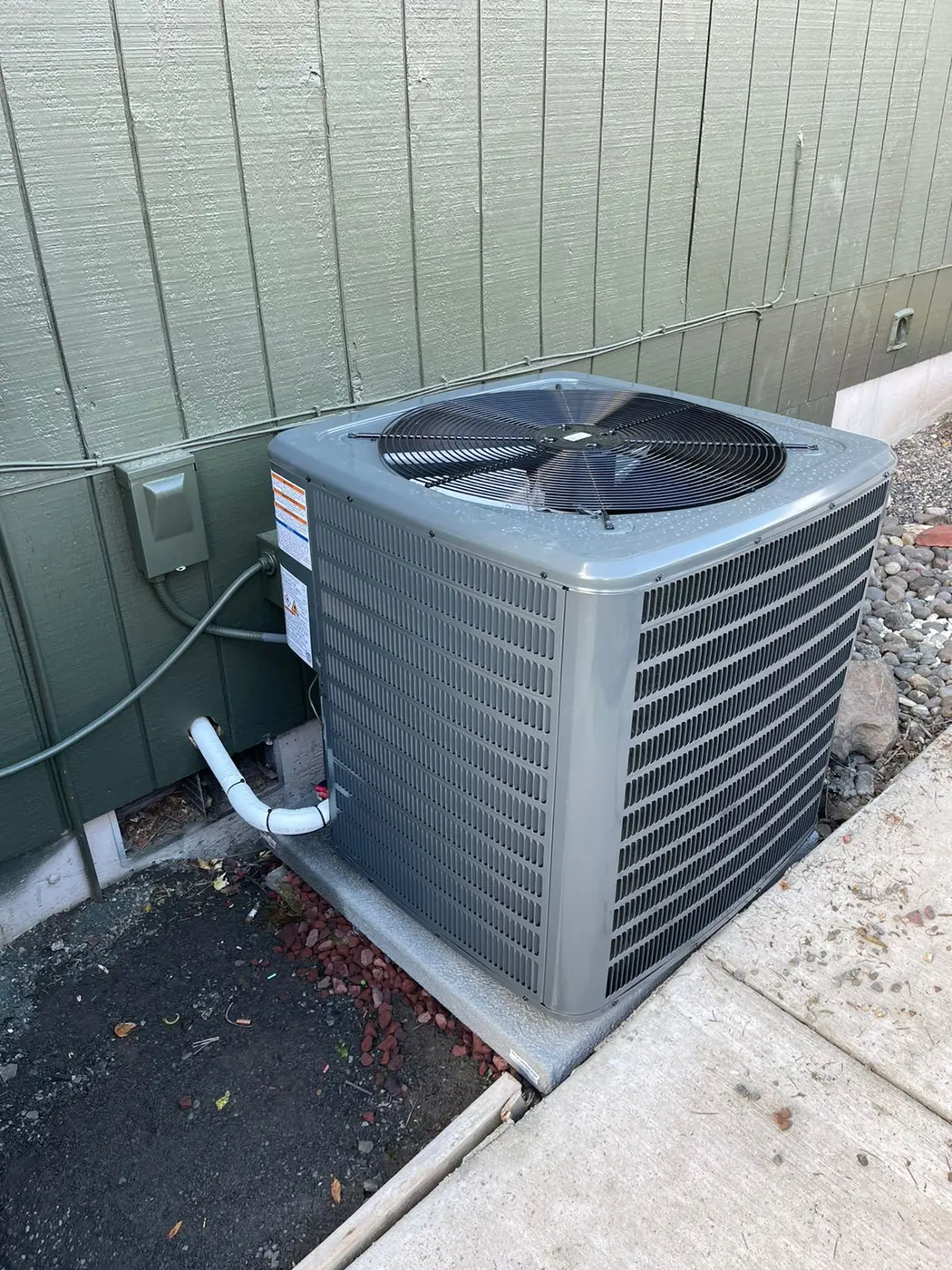
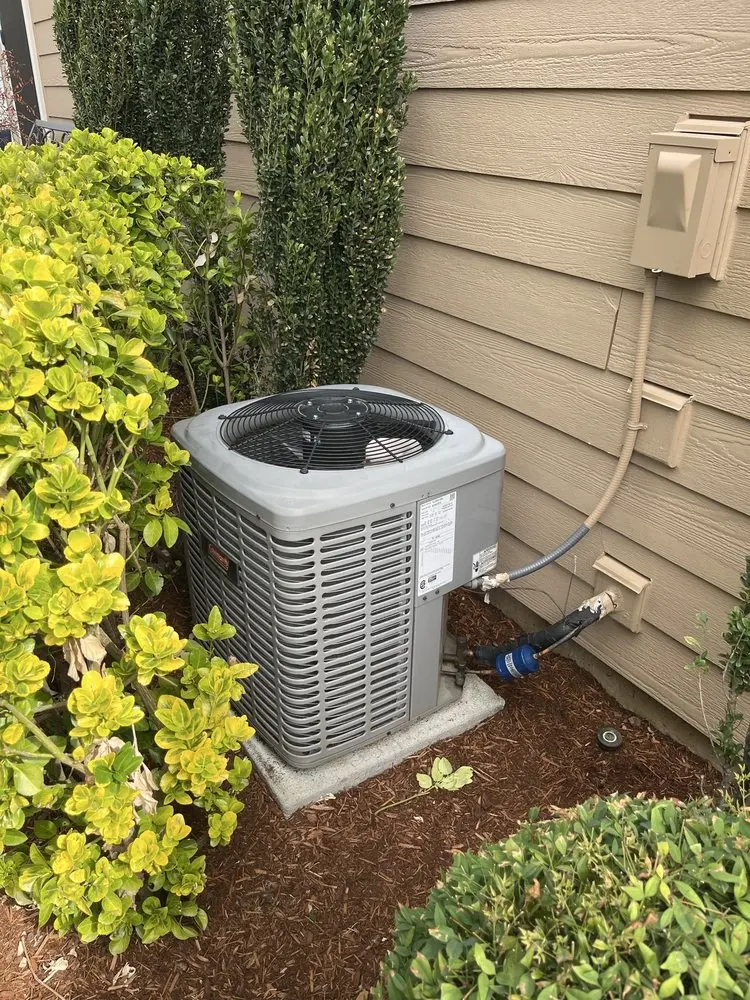
For a cooling-focused project, our AC installation in Clackamas page covers that scope. Discuss how the air conditioner will work with the indoor equipment. Clarify whether the proposal changes a coil, control or other connection as part of the project. The full AC system matters when reviewing the work.
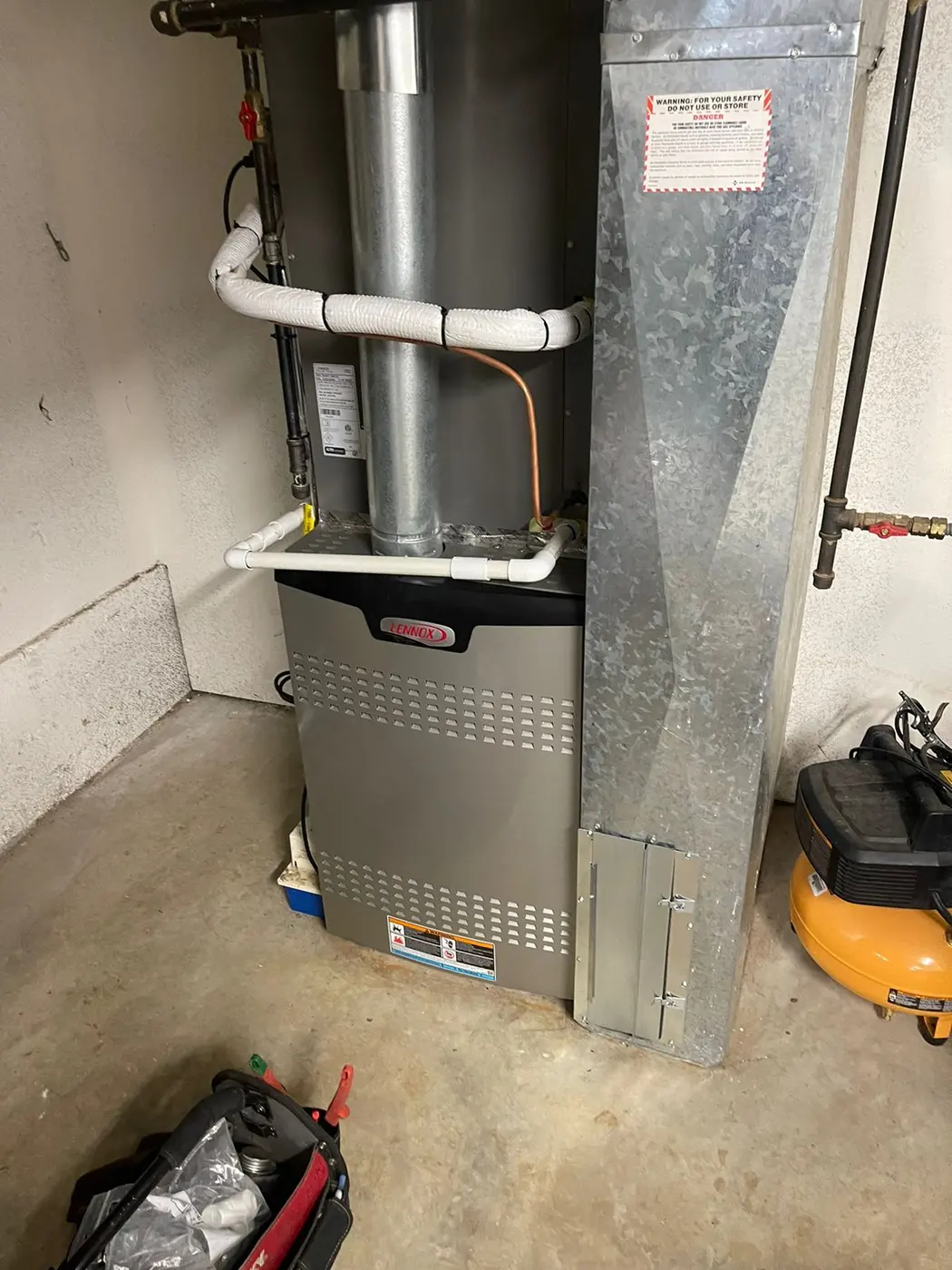
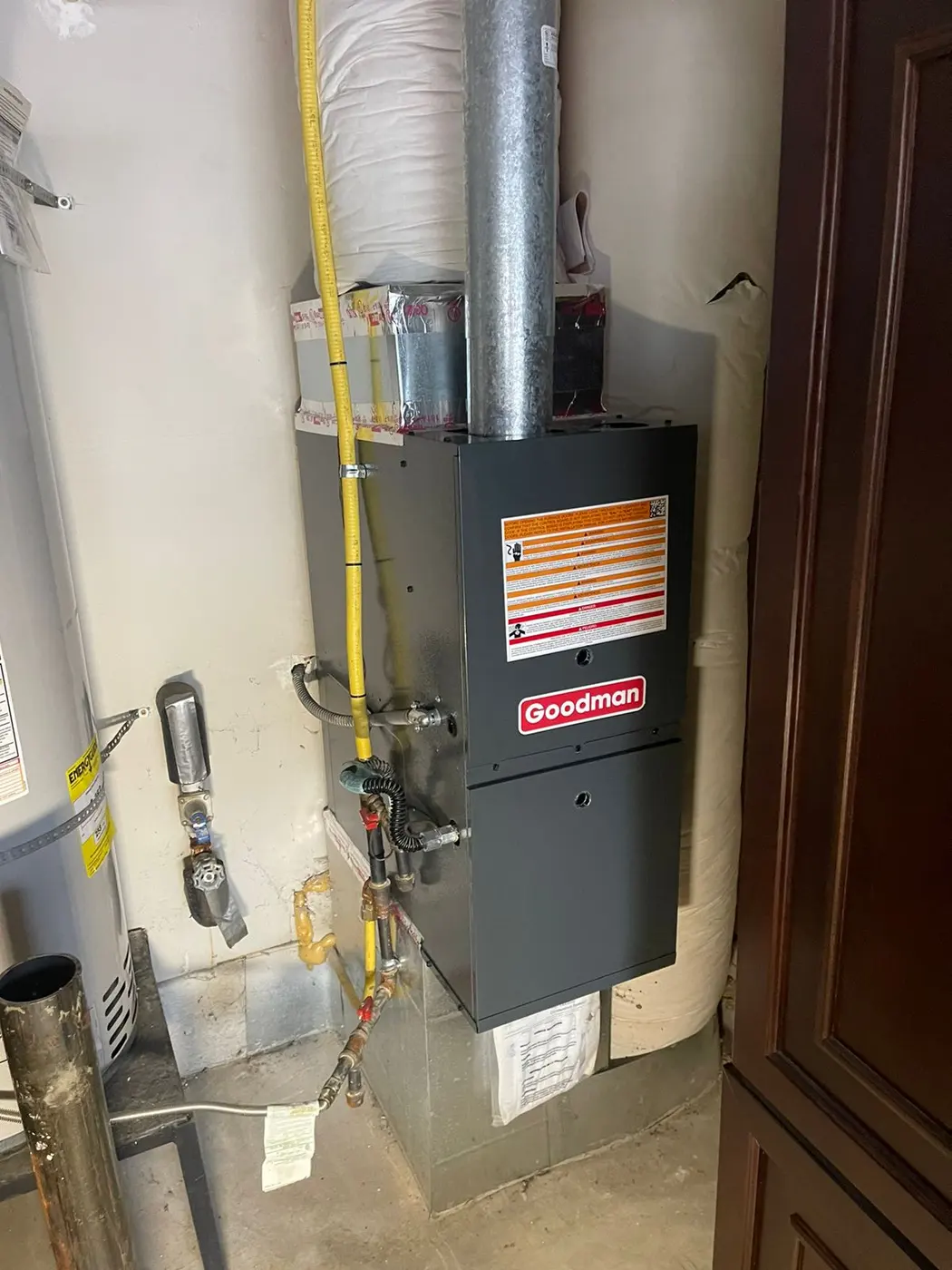
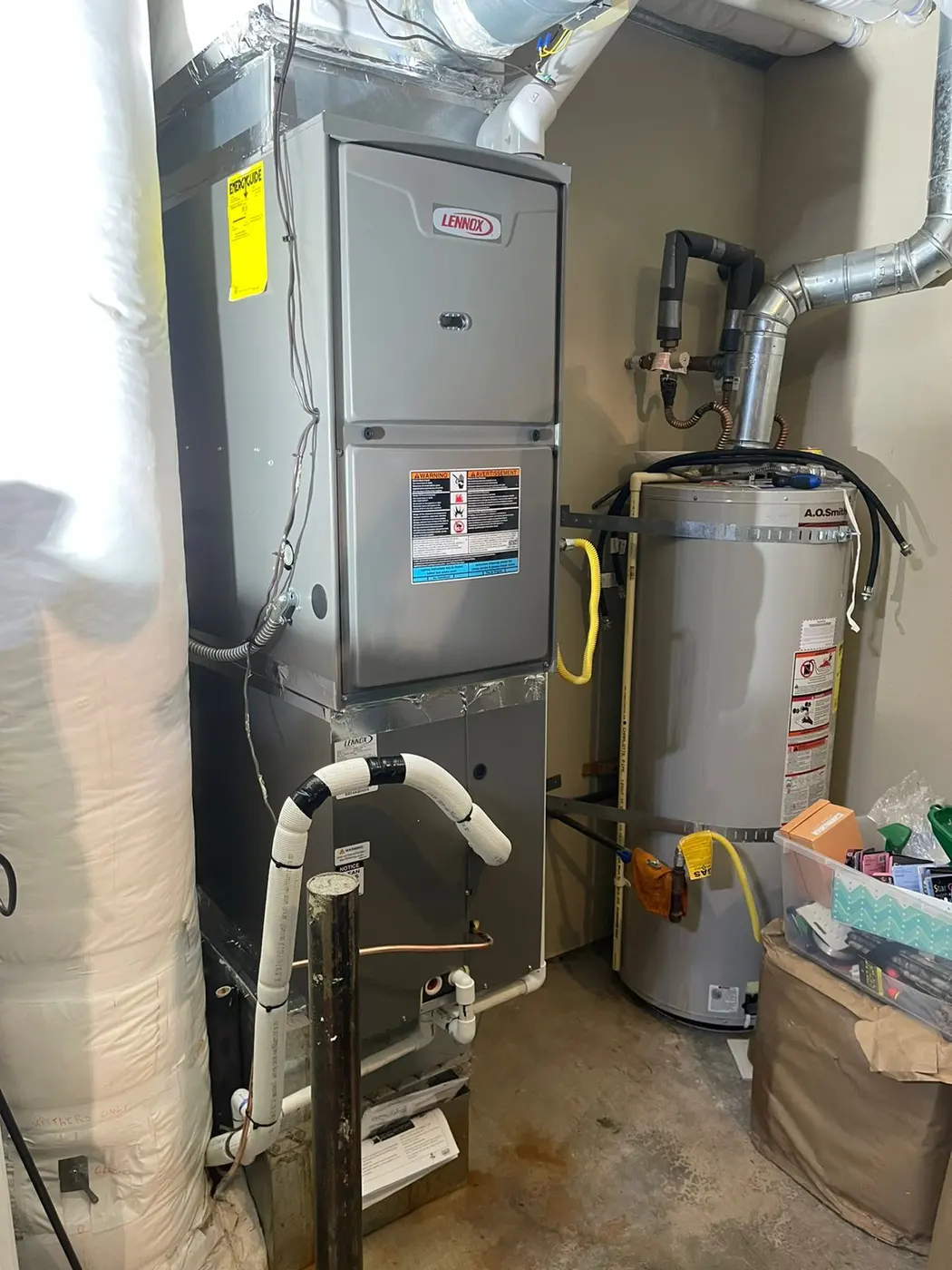
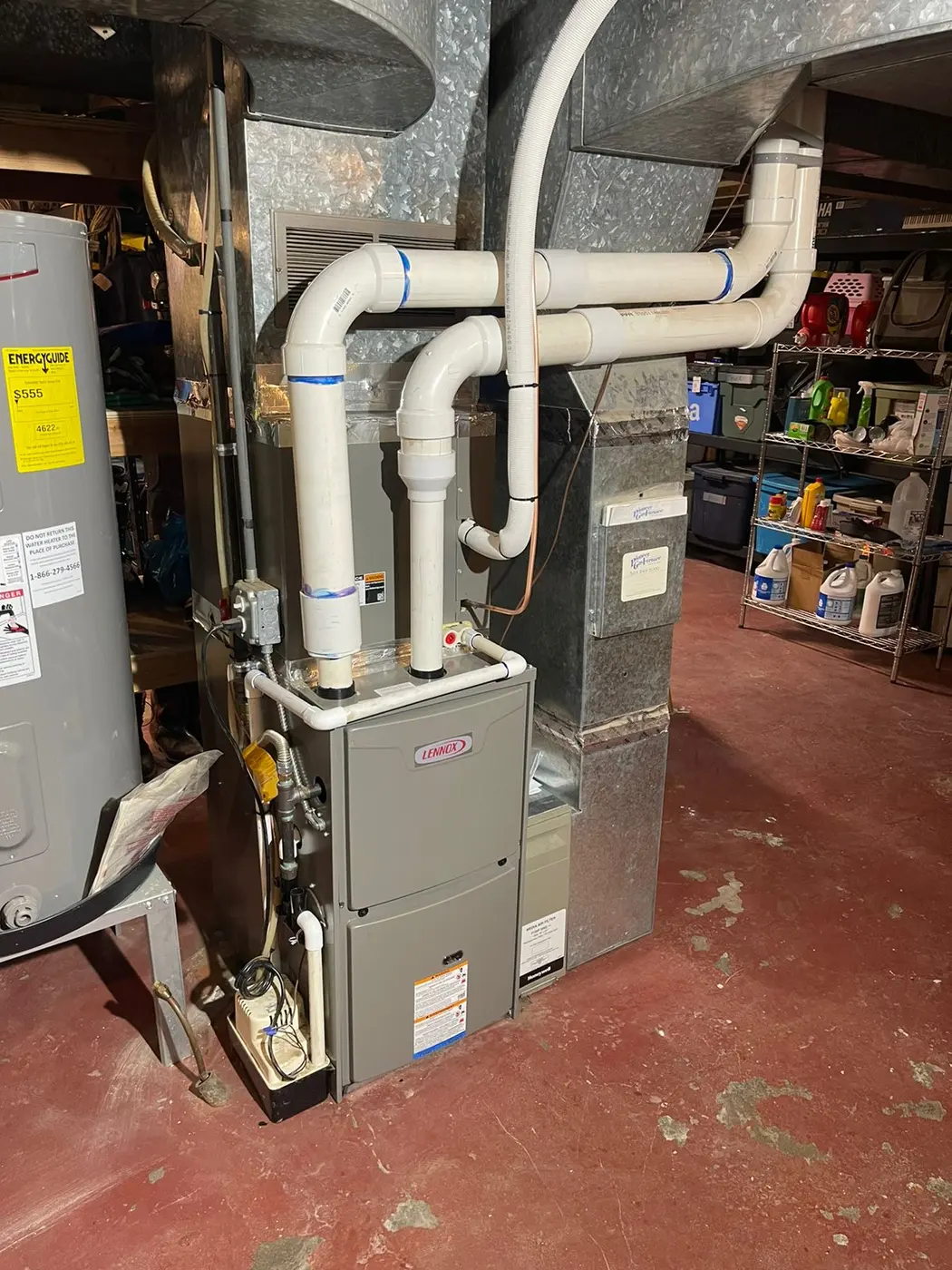
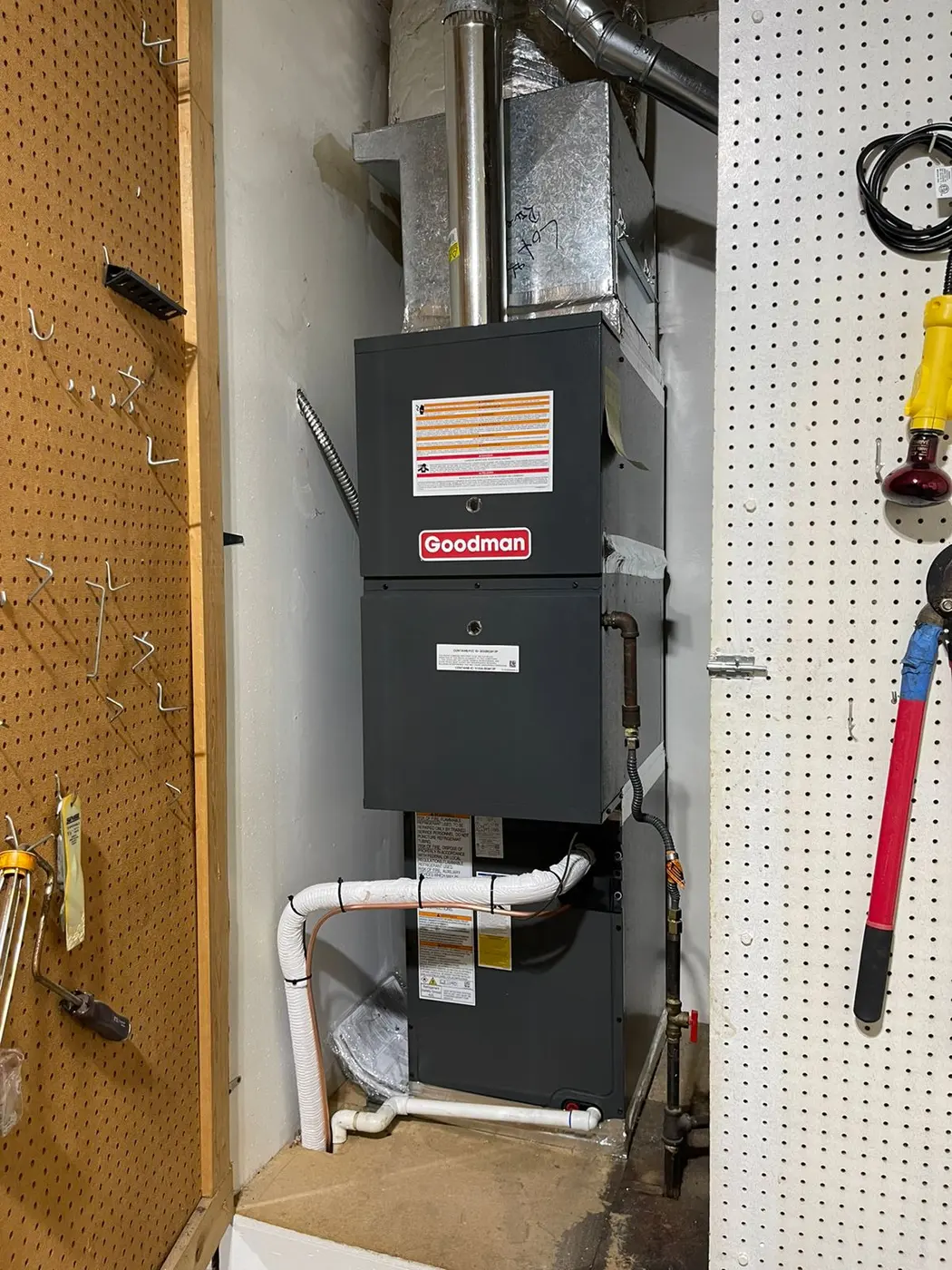
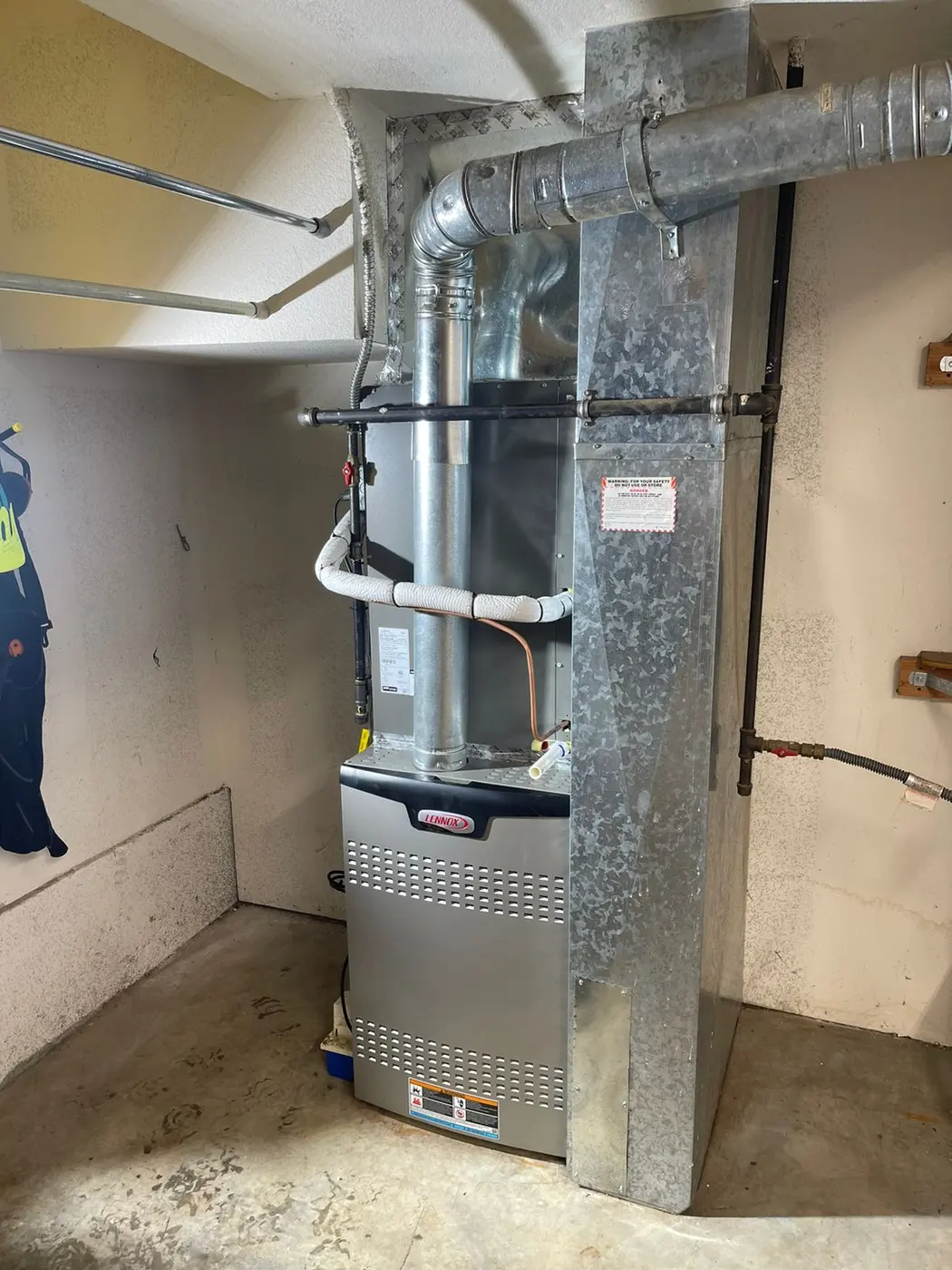
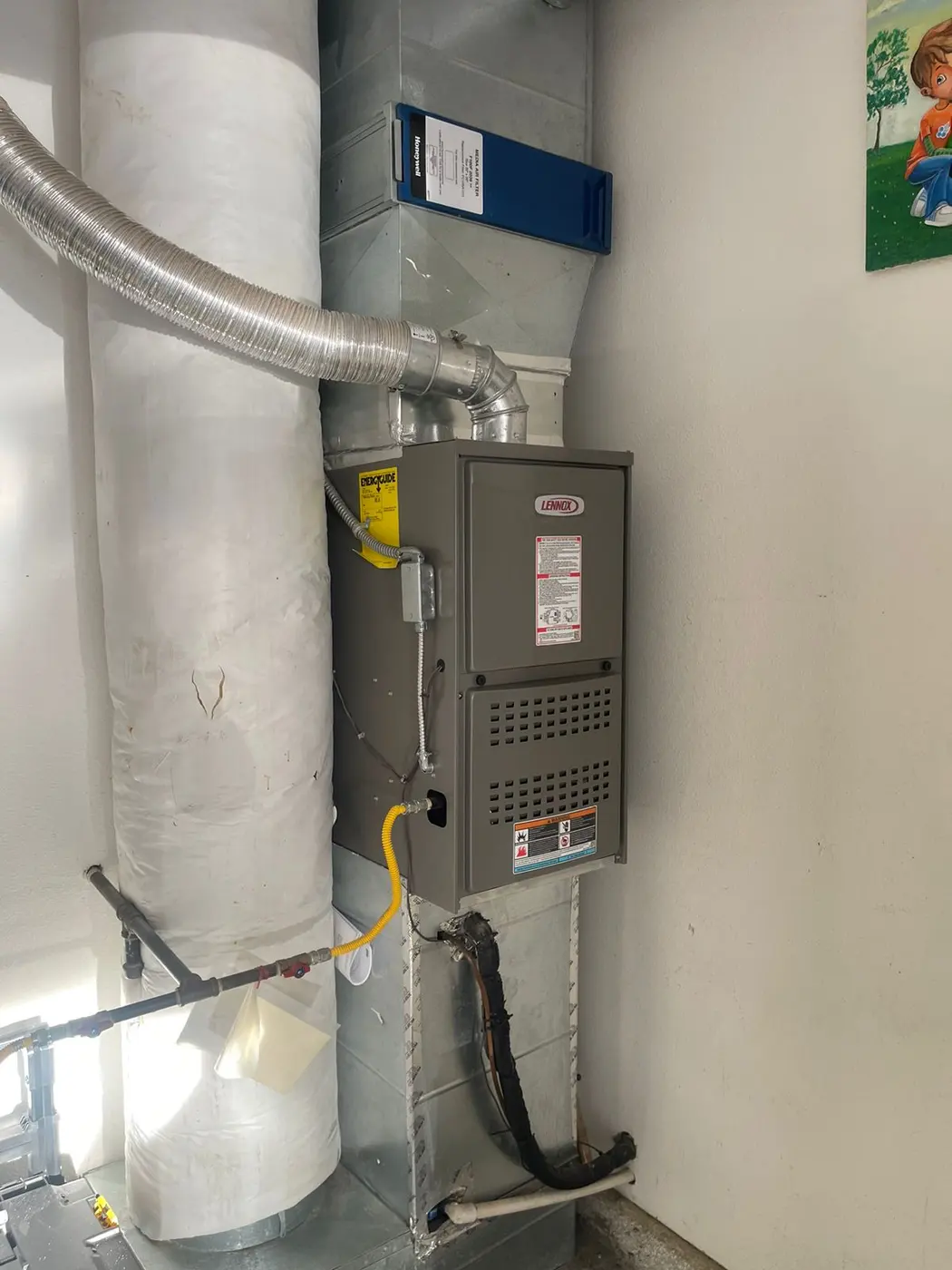
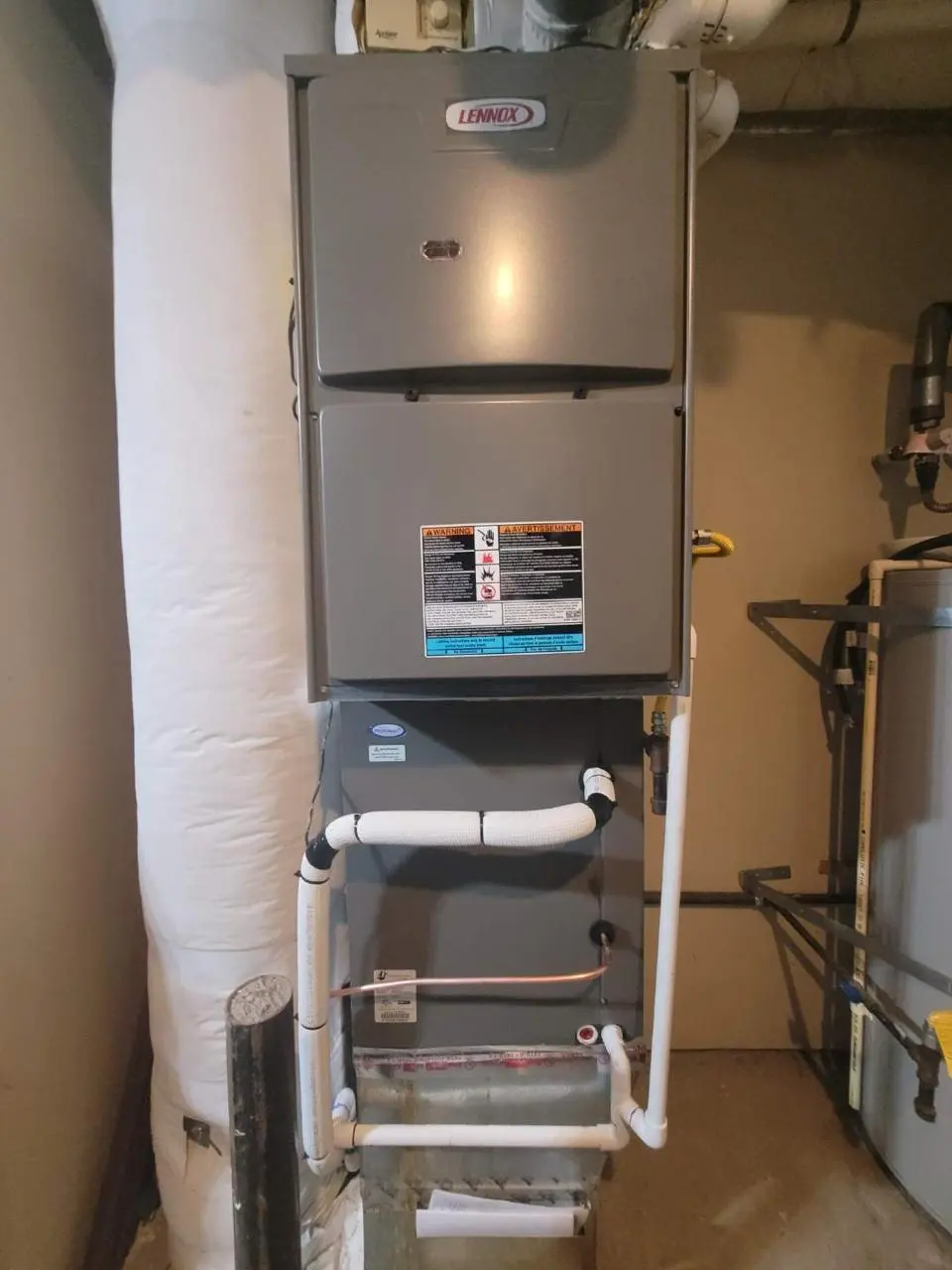
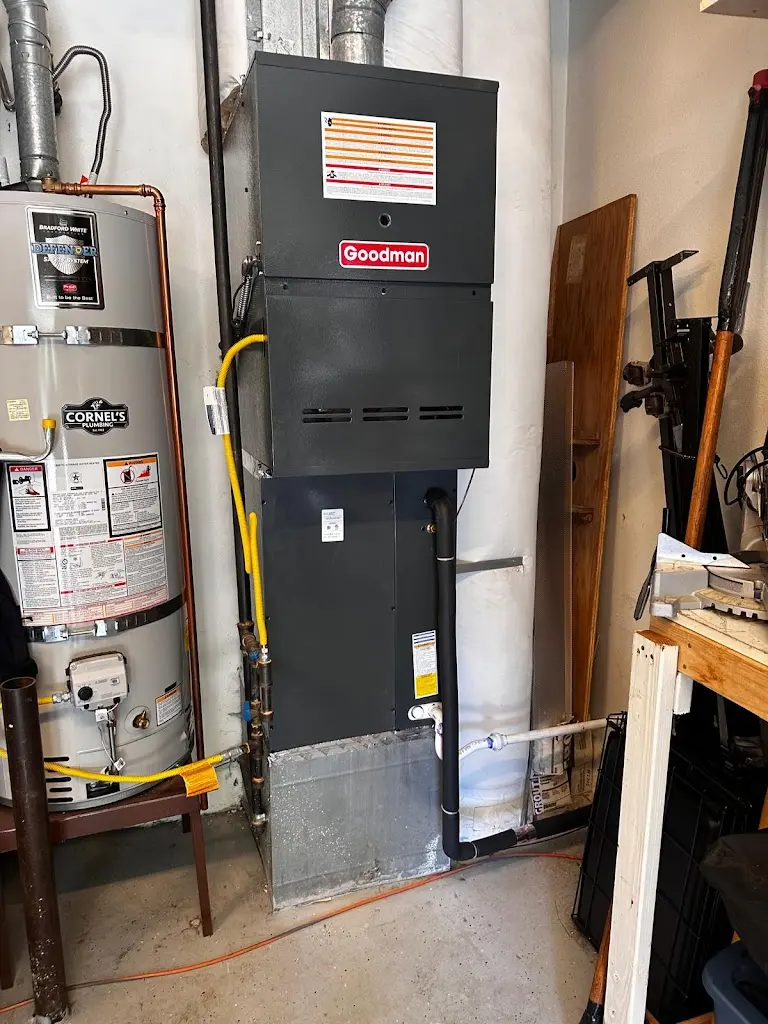
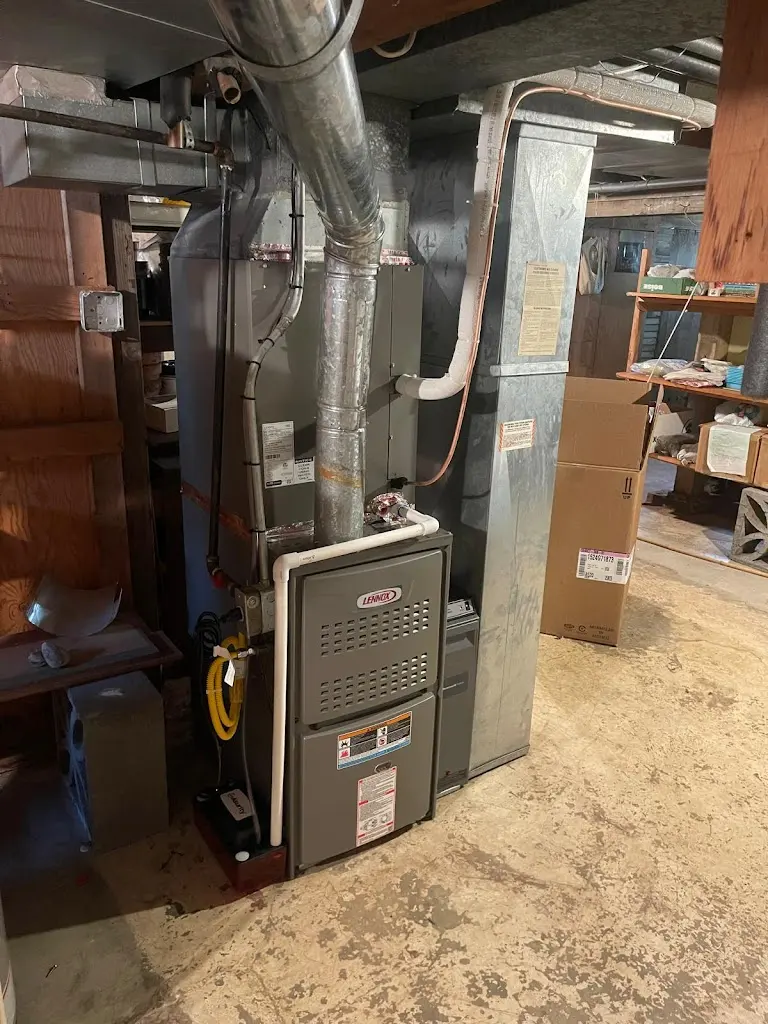
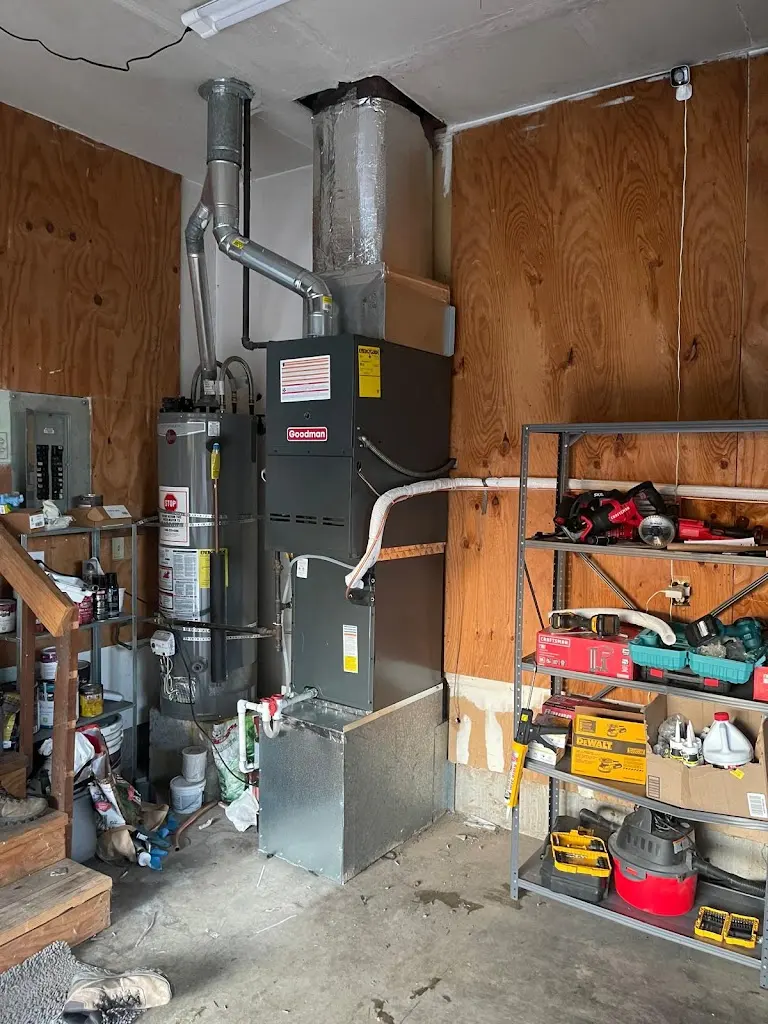
If heating is the priority, our furnace installation service in Clackamas addresses that option. Describe the current heating setup and any cooling equipment that shares it. Keeping one part of the system may place requirements on the new equipment. The estimate should make those requirements clear.
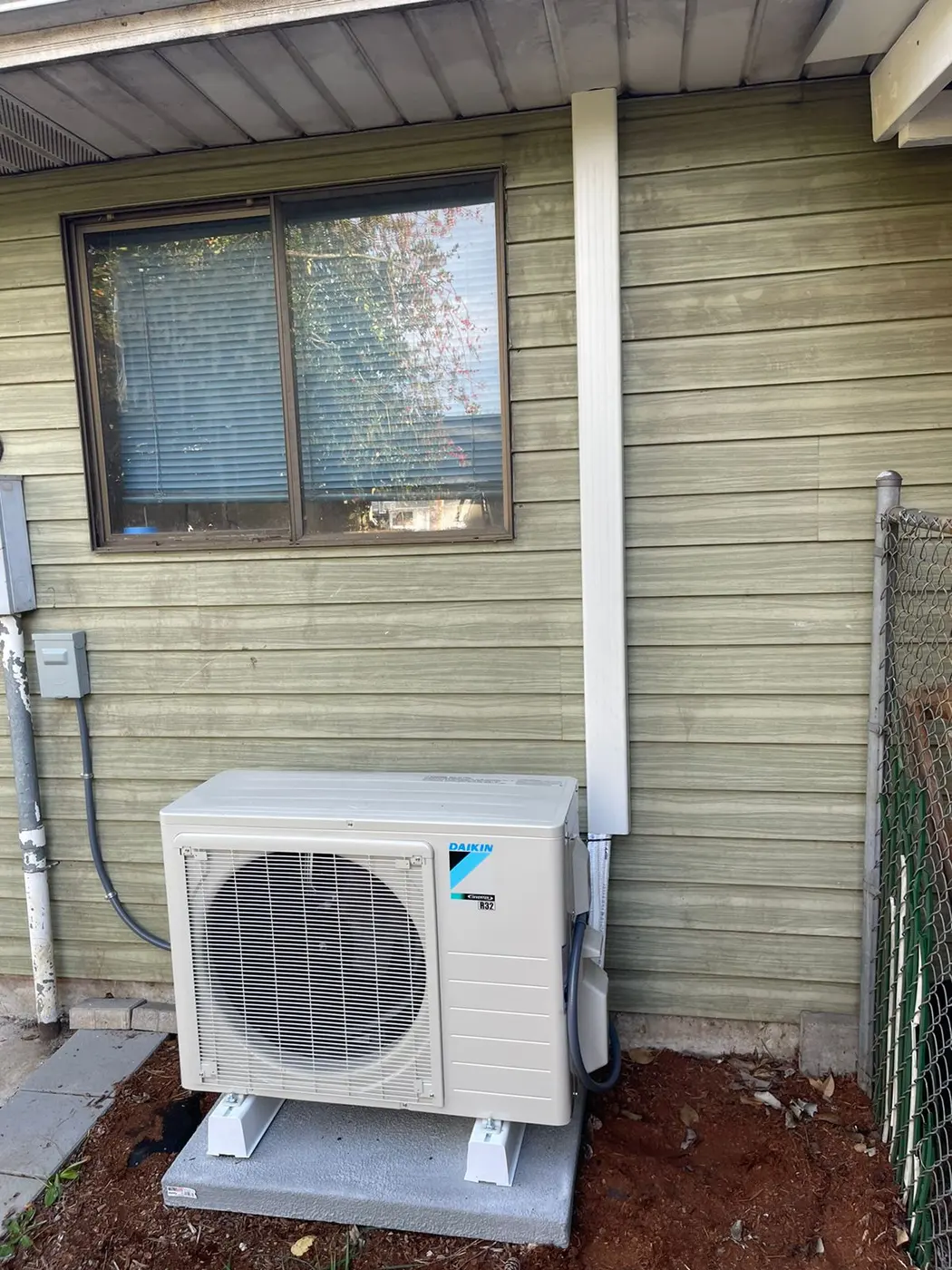
If you want both heating and cooling from a heat pump, the heat pump installation service covers that plan. Ask how the proposed setup addresses the property and any retained equipment. A different system type can change more than the name on the outdoor unit.
Sizing and Placement Need Property Context
The old capacity label is useful background, but it should not settle the new selection. Describe the rooms, comfort complaints and planned changes to the property. Equipment needs to suit the space and the system around it. A larger unit is not automatically a better answer to an uncomfortable room.
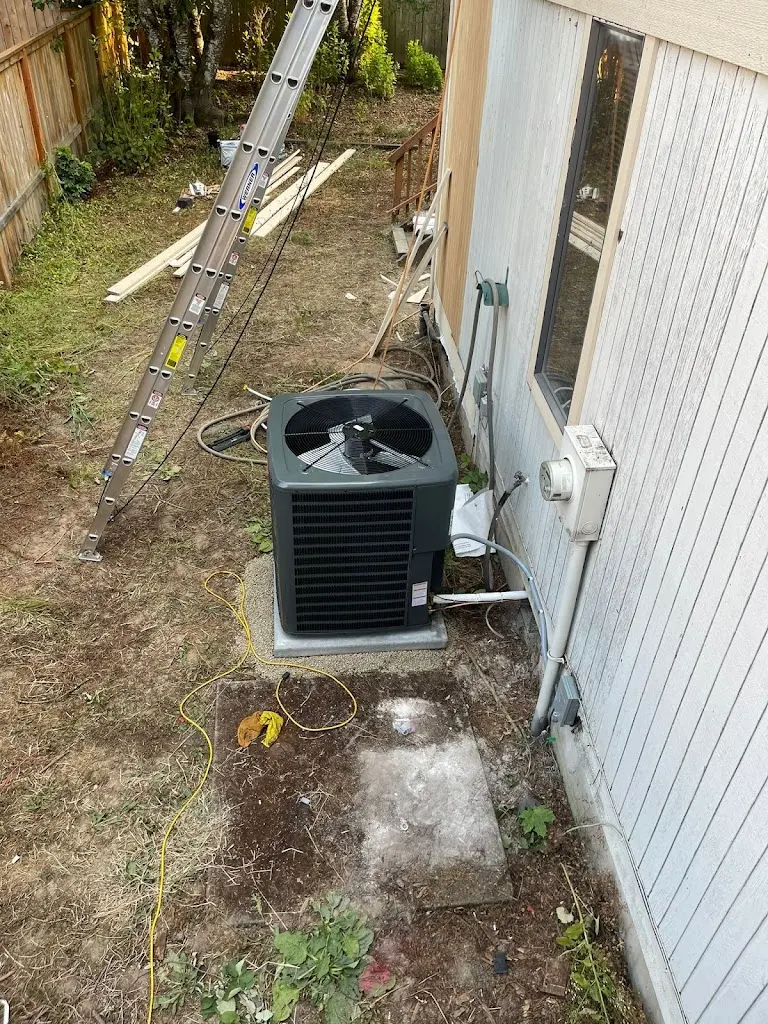
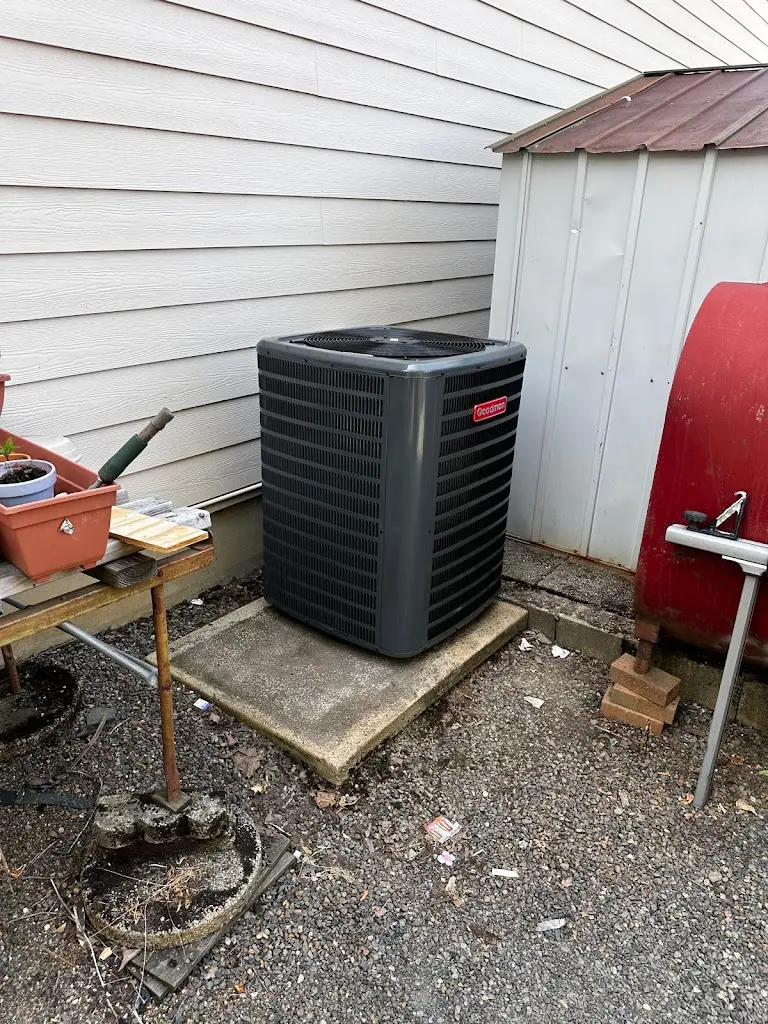
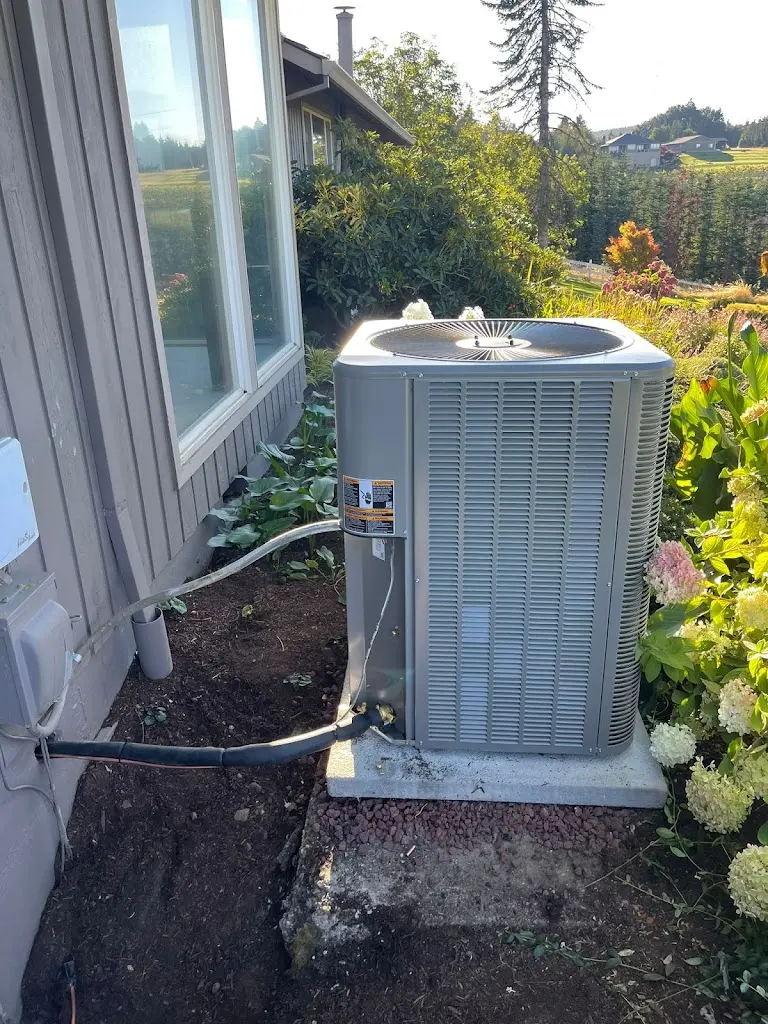
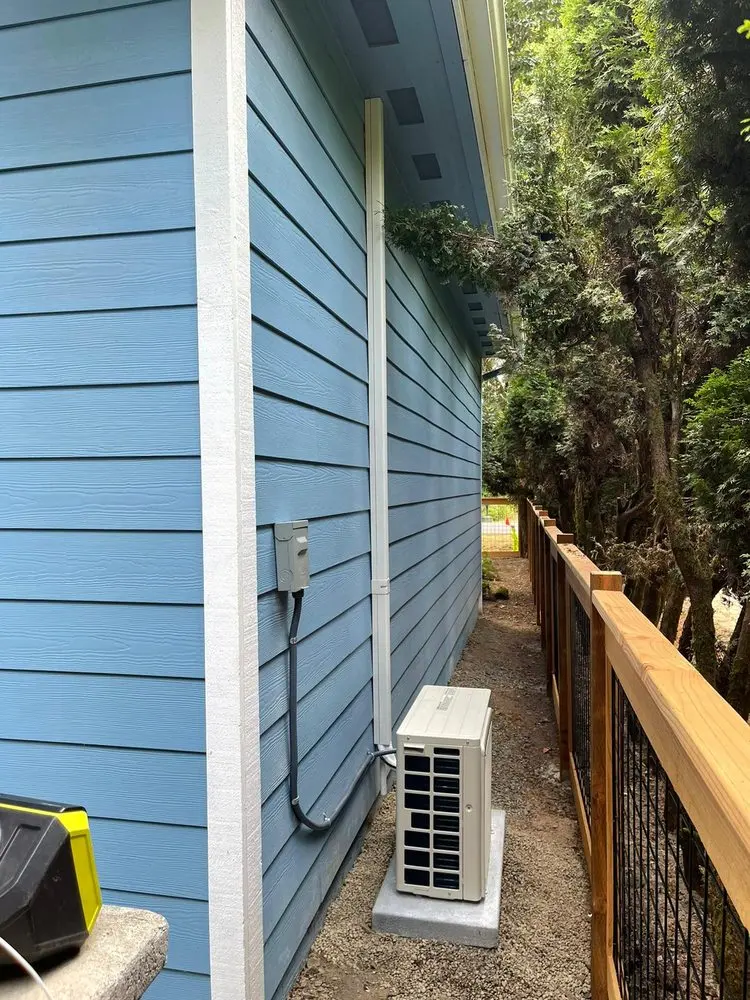
Placement also affects the project. The estimator needs to review space for equipment, a working access route and the connections between components. Mention any planned use of the area that could conflict with the new unit. The proposal should identify the intended locations before work begins.
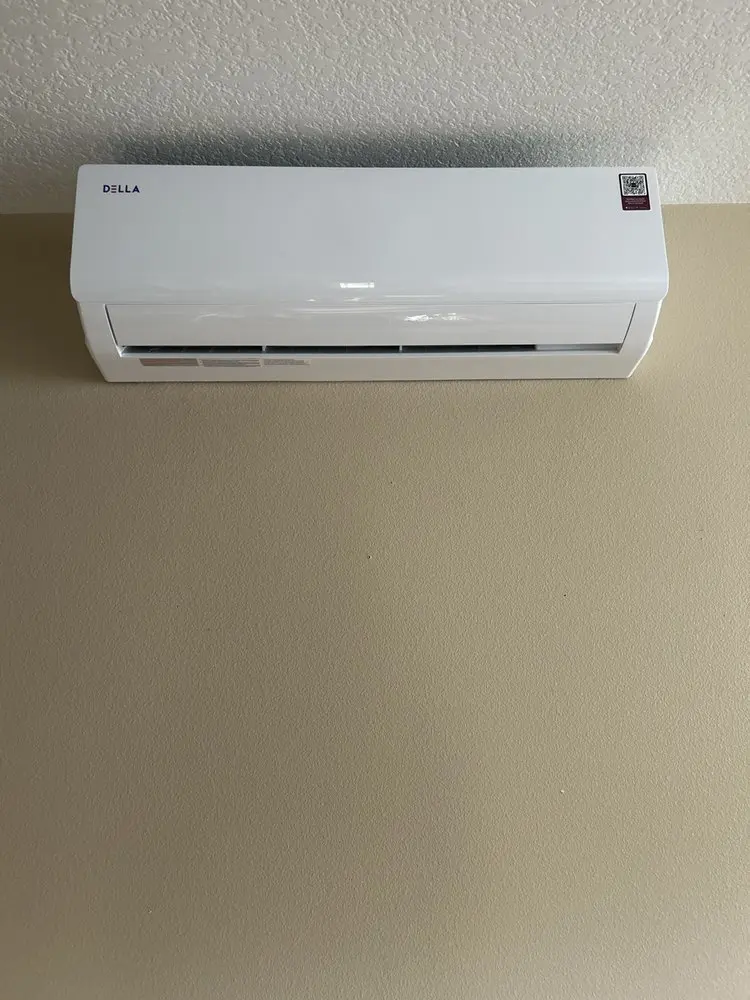
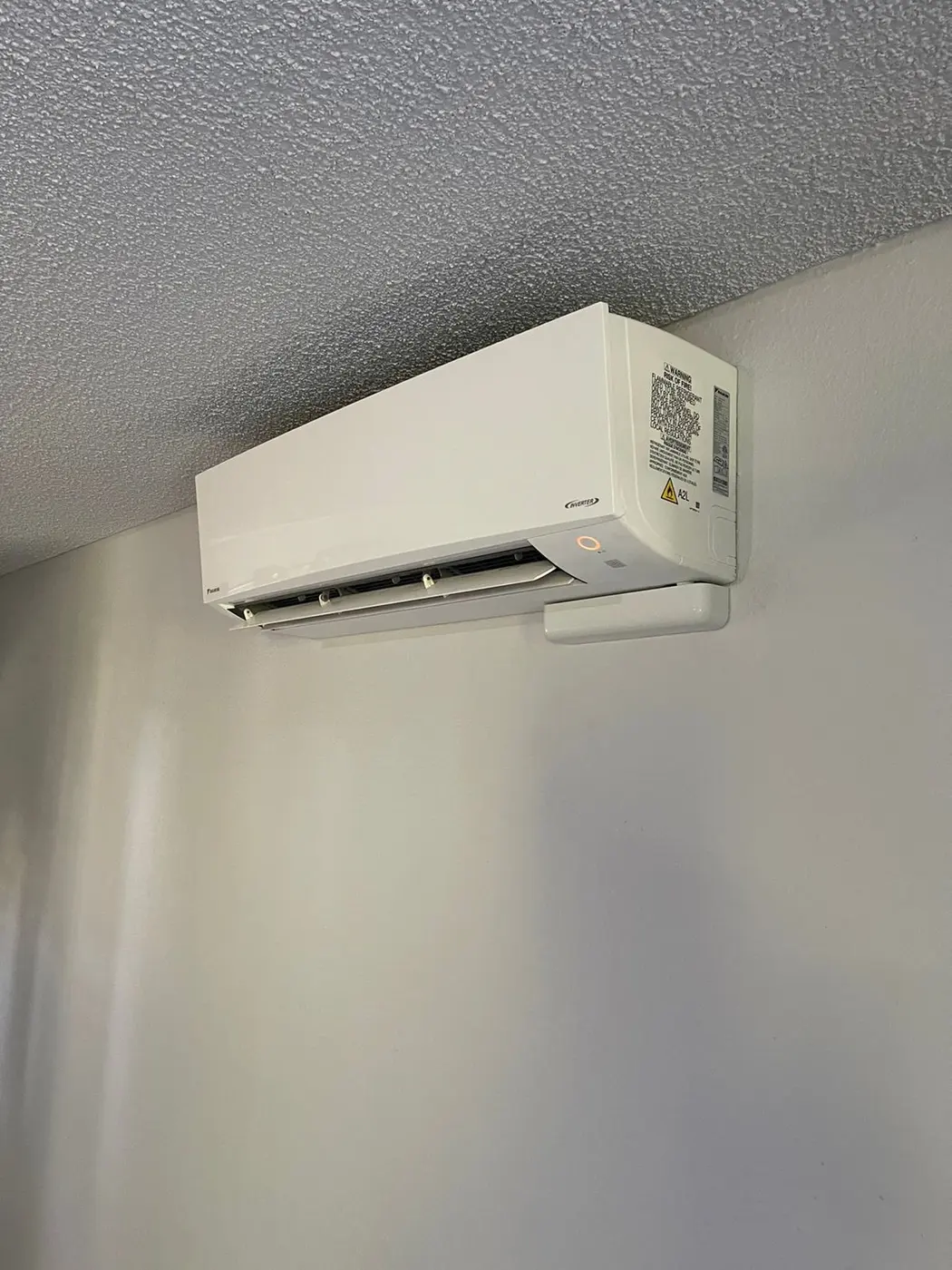
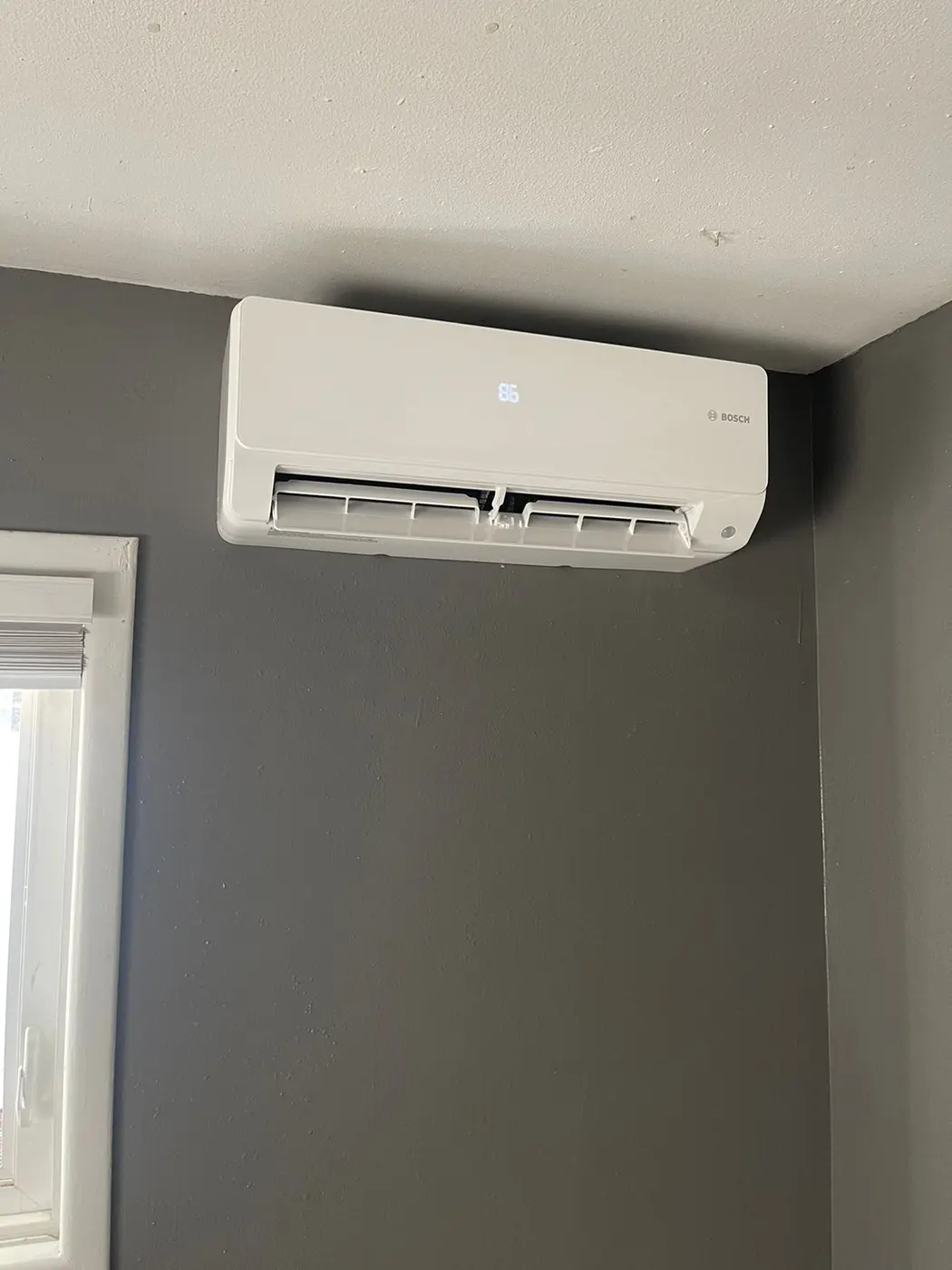
For a project built around room-based indoor units, our mini-split installation in Clackamas page explains that approach. Indoor locations and routes for connections need a project review. A blank wall does not by itself establish the right installation position.
An energy efficient product rating does not describe every result the installed system will achieve. Equipment selection, setup and the retained components all matter. Ask how the proposed system addresses the problems you raised. A useful estimate explains the work without promising a fixed reduction in bills from a model name alone.
Read the Proposal as a Work Plan
Review the equipment and the installation tasks together. Confirm which units, controls and connection work the price includes. Ask whether the plan covers removal of the old equipment and any preparation before installation. A clear scope makes it easier to understand what you are approving.
If a proposal depends on a condition the estimator could not inspect, identify that assumption. Ask how the team will resolve it before the affected work proceeds. The project should not treat an unknown connection or access issue as a confirmed fit. Any needed change deserves a clear explanation.
Discuss work phases and timing before the start date. A project may involve equipment preparation, removal, installation and checks on the finished setup. Ask when the existing heating or cooling will be out of service. A timing plan should reflect the agreed work rather than a general same-day service statement.
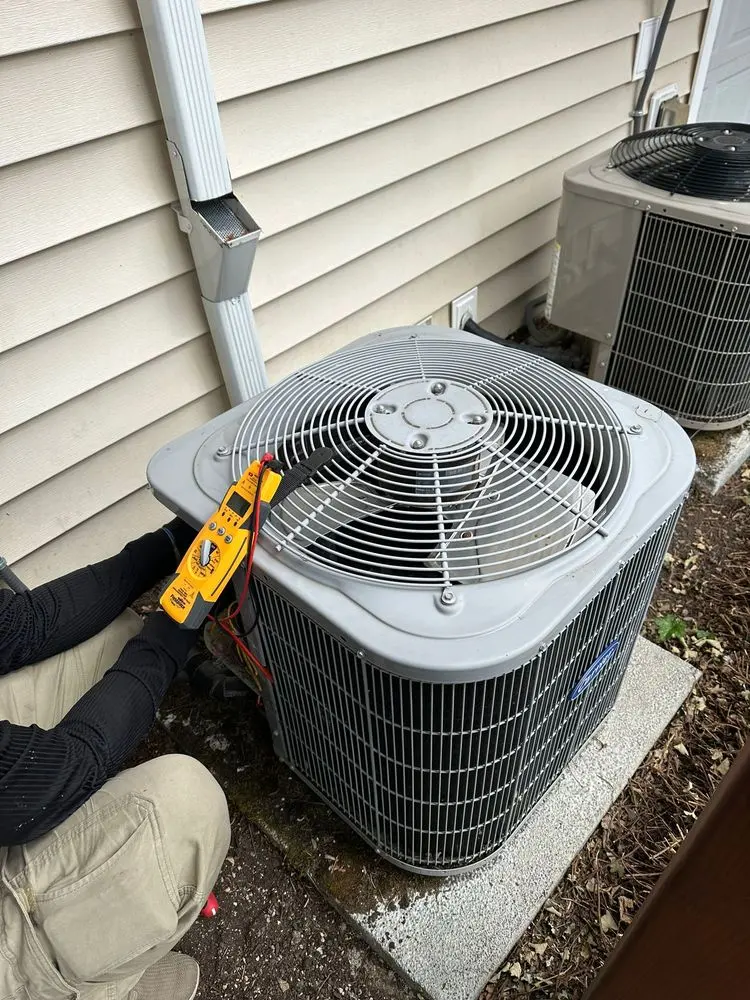
If you are also weighing a repair, keep the two scopes separate. Diagnosing an active fault is different from the free installation estimator visit. Compare a defined repair with a defined new-system project. That lets you see which problem each option addresses and which equipment would remain.
Access and the Finished-System Review
Before the crew arrives, arrange access to the proposed indoor and outdoor locations. Mention gates, locked rooms and any route through an attic or crawlspace. Keep stored items clear where safe. Leave equipment, wiring and connections intact rather than dismantling the old system to prepare.
Confirm who can approve the work and discuss any project changes if they arise. The person providing entry may be different from the person responsible for that decision. Make the arrangement clear in advance. It helps keep the visit aligned with the agreed scope.
At the end of the installation, review the controls for the equipment you now have. Ask how to choose the normal heating and cooling settings and what care the setup needs. Also review the checks used to confirm the installed system responds as intended. Keep the equipment details and work record together for future service.
Frequently Asked Questions
Can the estimate cover a project planned for later?
Yes. Explain the intended timing and any work at the property that needs to happen first. The estimator can discuss the installation scope in that context. Confirm equipment and scheduling details again before committing to the work date.
Should I choose a new thermostat before the equipment?
Discuss the control with the proposed equipment combination. A control that works with one setup may not suit another. Ask whether the proposal includes a new control or retains the existing one and why that choice fits the system.
Does a whole-system proposal mean every duct needs replacement?
No. The scope should identify which existing components can remain and which need work. Ask for the reason behind each proposed change. The phrase whole system should not replace a specific description of the installation.
What if I want to add another conditioned room later?
Raise that plan during the estimate so the current project can account for the intended use. Future expansion depends on the equipment and installation design. Do not assume that every system can accept another room or indoor unit without further work.