Review the Heating Output Behind the Model Choice
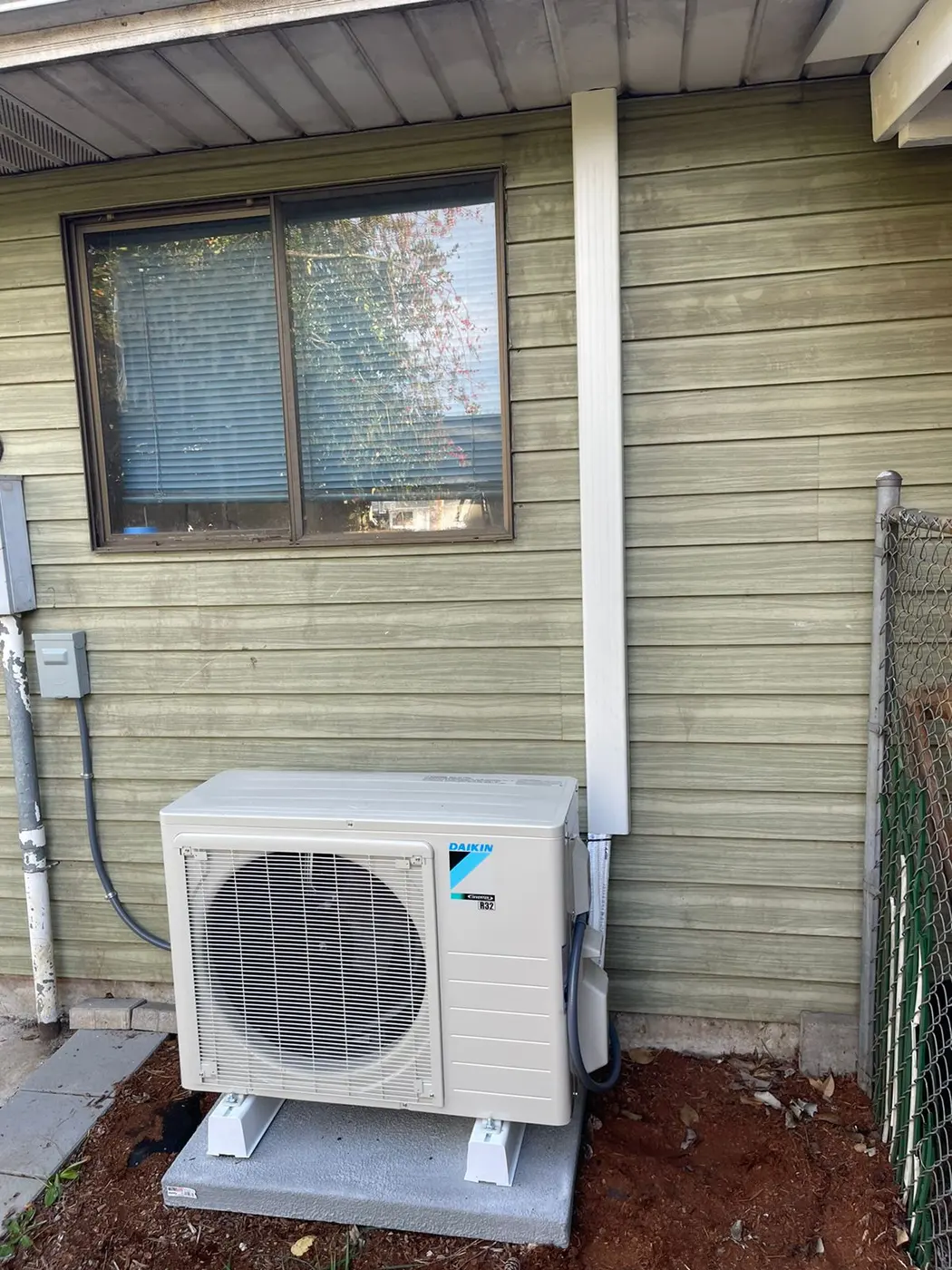
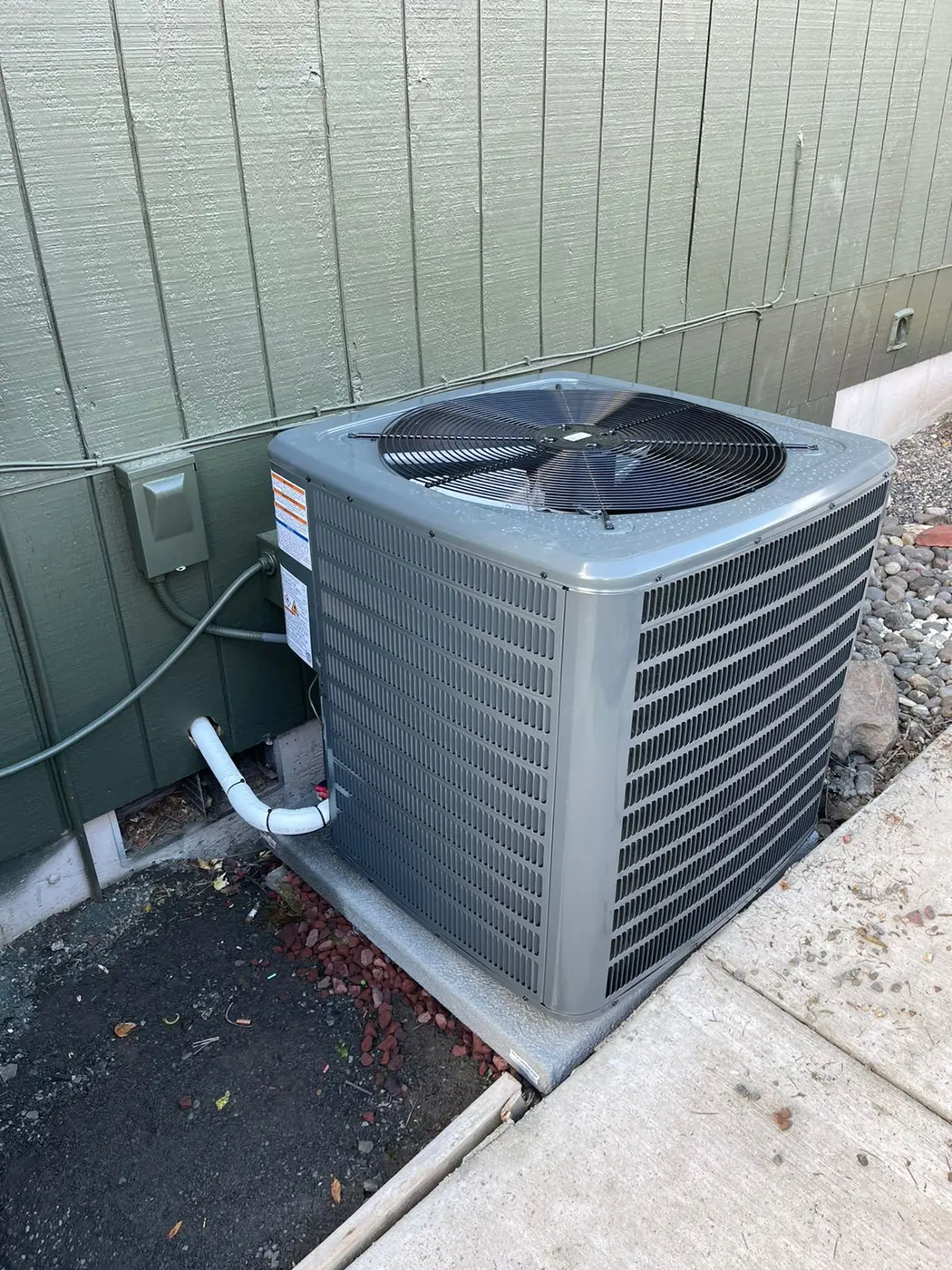
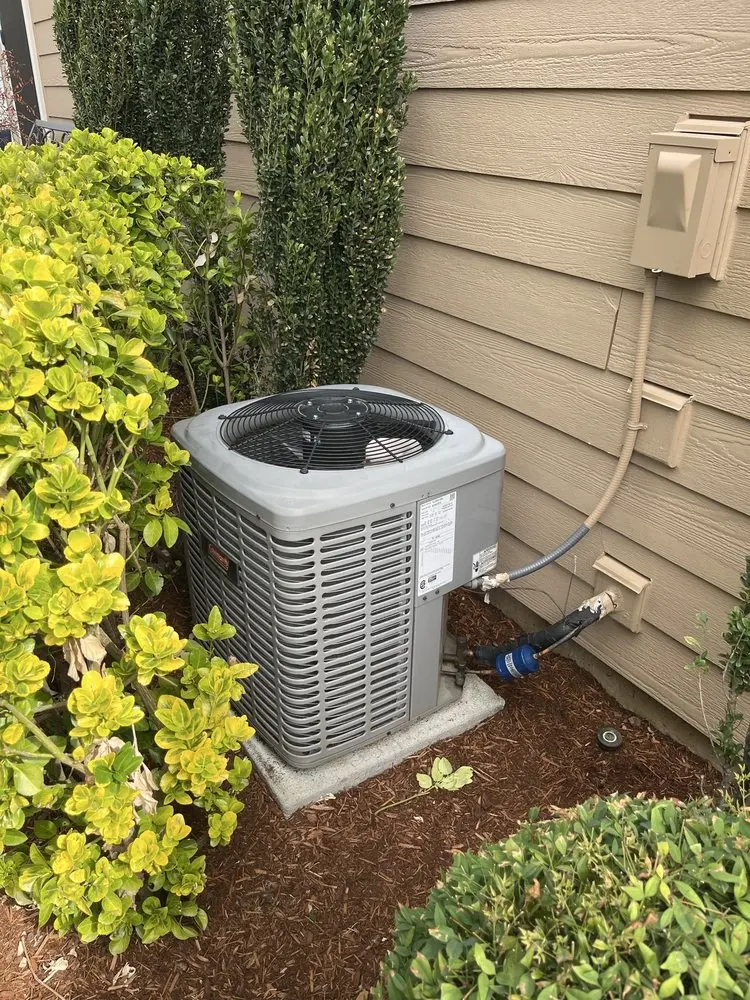
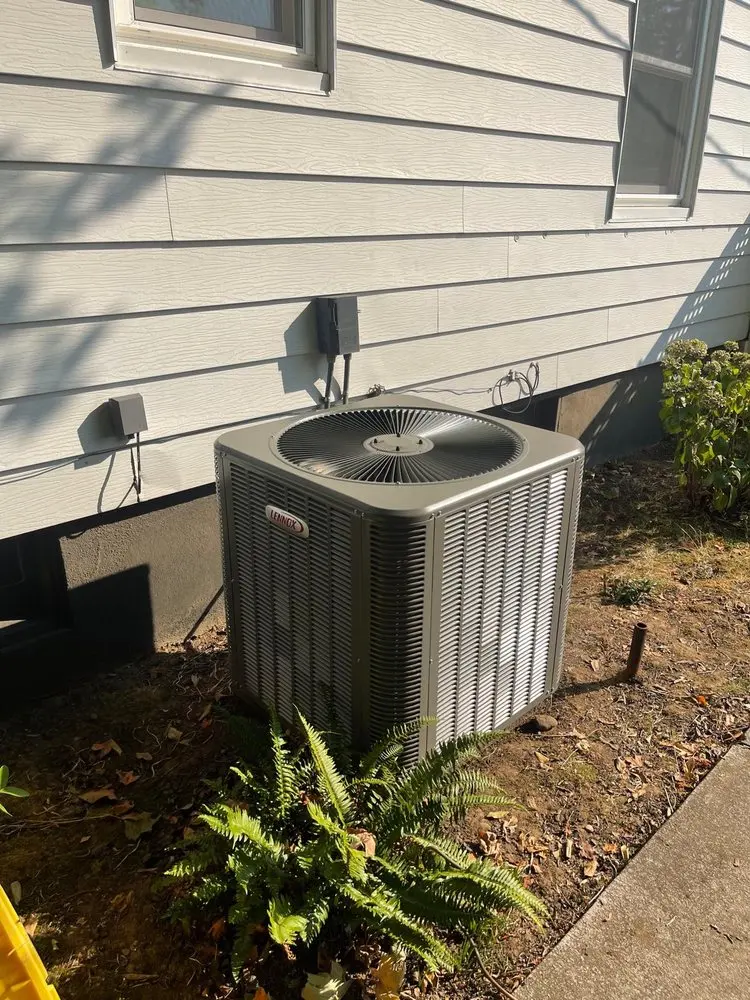
HVAC & Appliance Repair Guys provides heat pump installation in Portland, OR. For a colder-weather heating concern, ask how the proposed model fits the home’s needs. We offer a free on-site estimator visit for installation and replacement. The review should connect the model choice to the rooms it will serve.
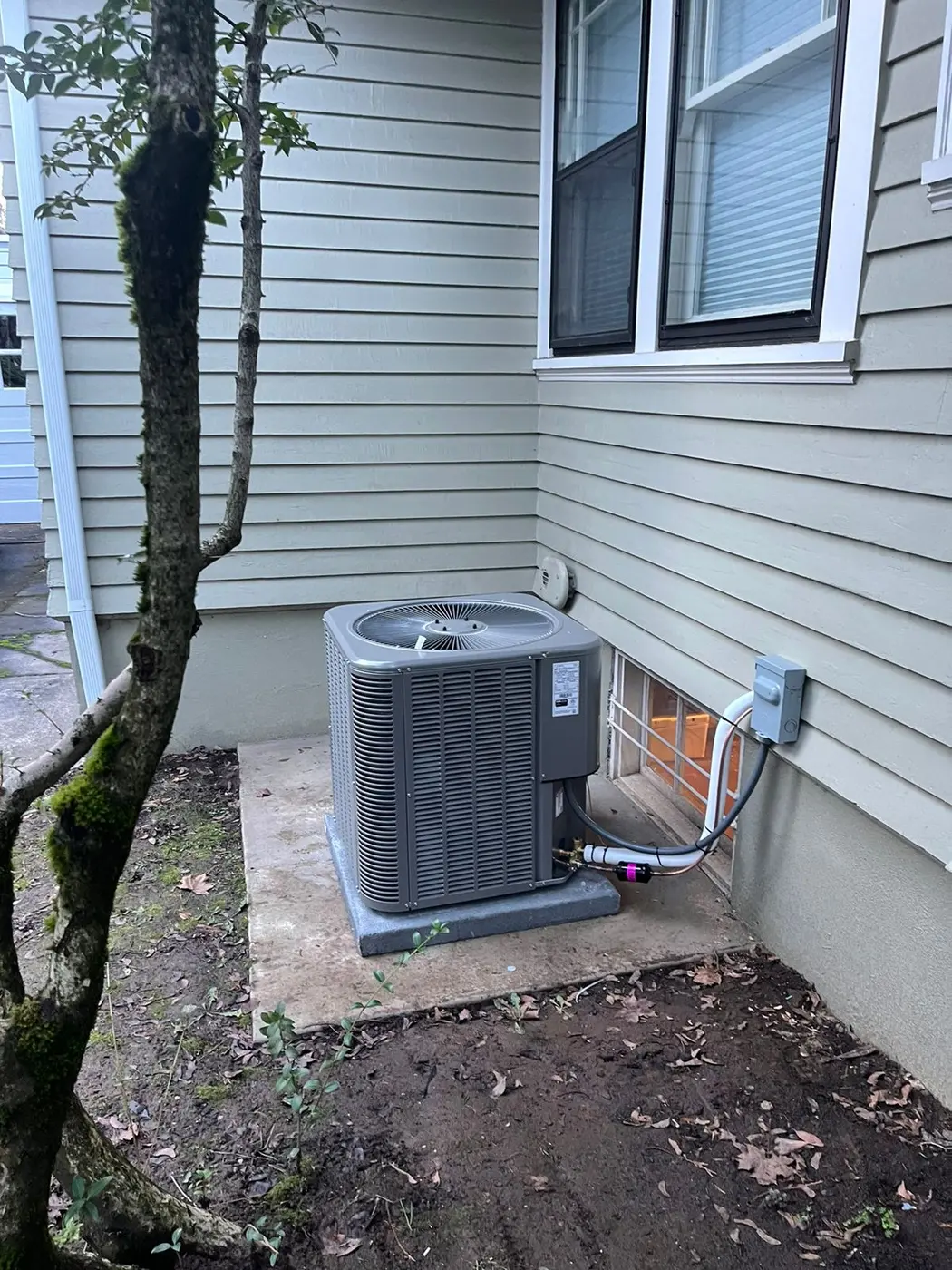
A unit’s nominal size does not describe its heat output at every outdoor temperature. Model-specific information for colder conditions adds useful detail. Keep that information with the actual proposed indoor and outdoor combination. A broad claim about cold-weather use is not a complete heating plan for the property.
Keep Heat Output, Efficiency and Room Need Distinct
Heating output describes how much heat the system can provide under stated conditions. An efficiency rating answers a different question about energy use. Neither number alone identifies the home’s full heating need. Ask which property and room details support the equipment selection.
Describe the way the current home heats, including rooms that fall behind. If the layout or use has changed, include that too. Do not choose the new capacity only from an old label or floor-area rule. A larger model should have a clear reason tied to the assessed need.
Our heat pump installation service plans heating and cooling together. Keep the cooling goal in the review even when winter comfort drives the project. The selected equipment needs a complete scope. A strong heating claim should not hide an unresolved indoor or air-path question.
Ask How the Complete Setup Meets the Heating Plan
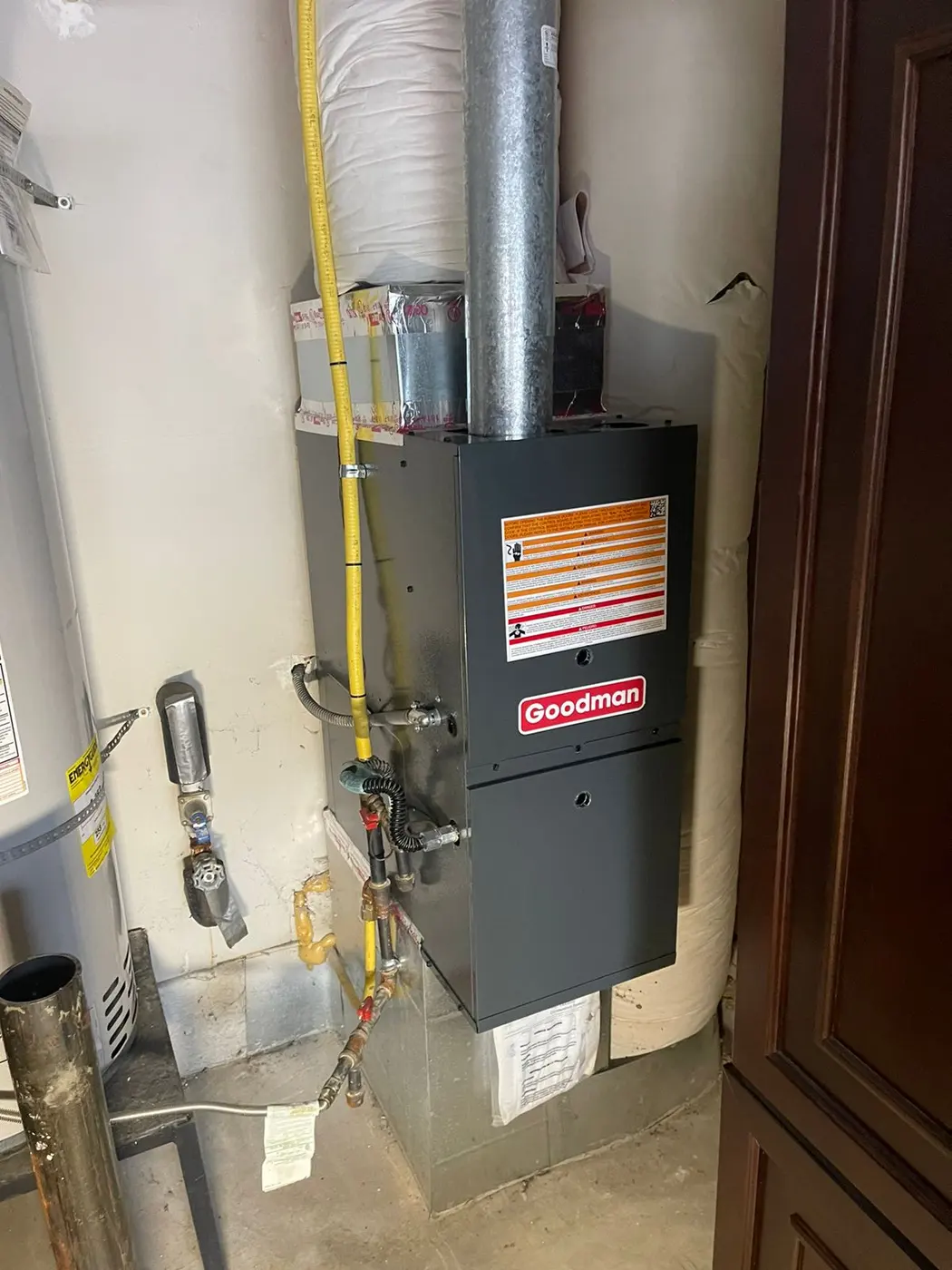
If the proposal includes another heat source, ask what it is and when it has a role. Keep a retained item distinct from new equipment. Do not assume every heat pump needs the same backup setup. The planned combination and controls should define those functions.
Avoid applying one outdoor temperature as the point where every model stops working or needs another heat source. Ask for the operating plan that fits the chosen equipment. Keep its assumptions visible in the estimate. Normal control guidance should follow the finished setup rather than a rule copied from a different system.
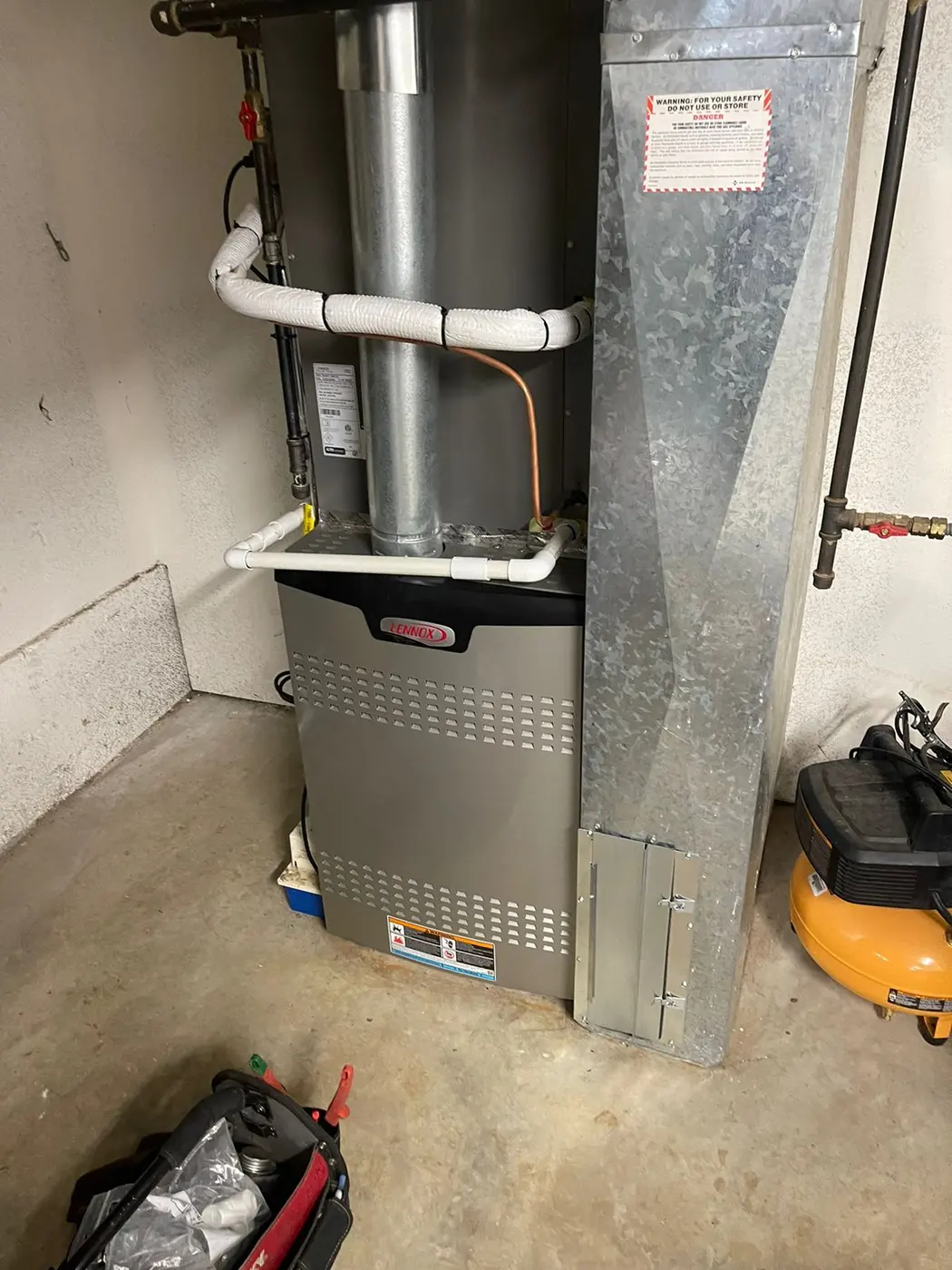
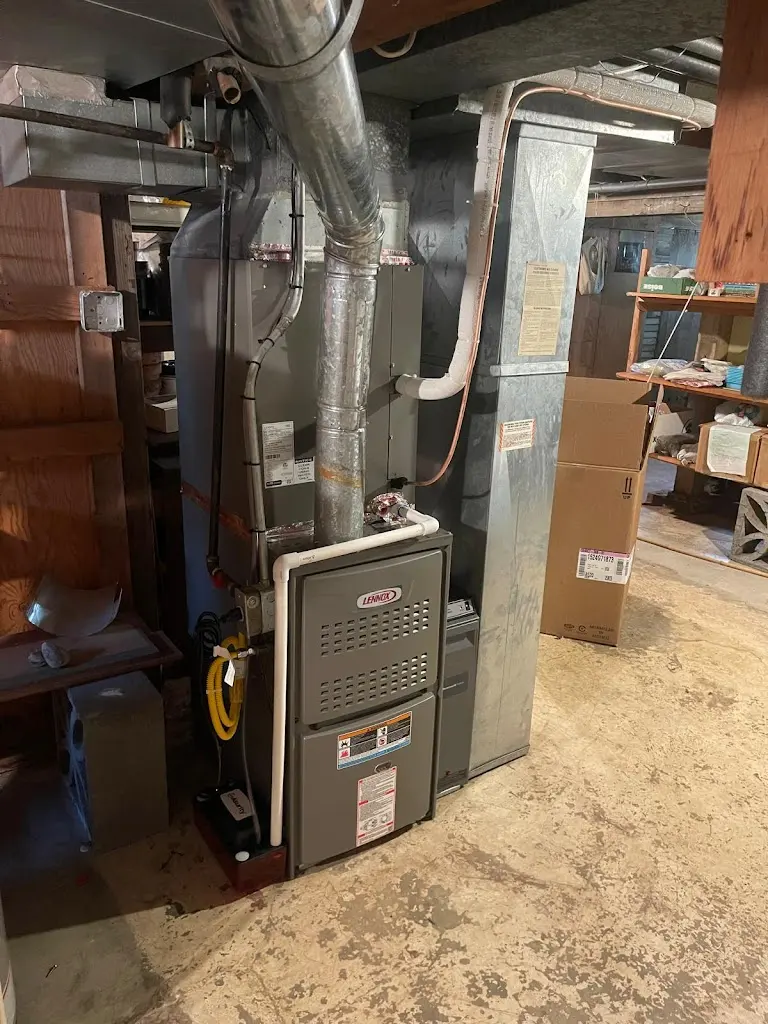
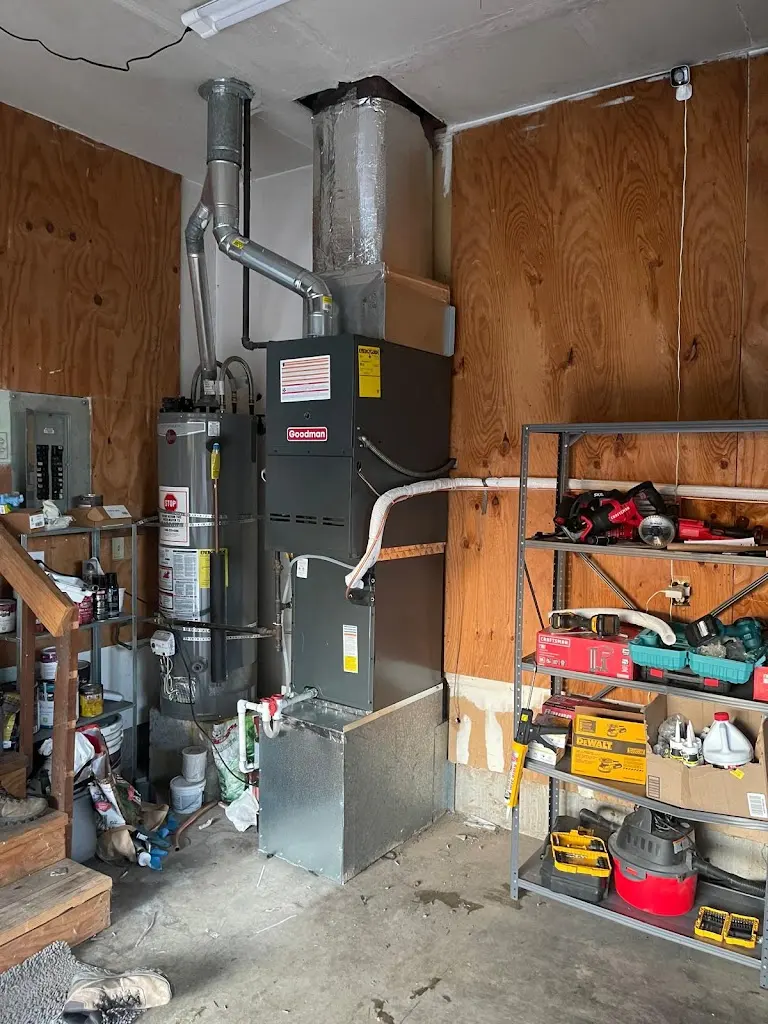
Our HVAC installation in Portland service covers a wider change involving other heating or cooling equipment. Use that scope if the plan also alters a retained furnace or room coverage. Compare the complete work and price. A heat-pump label alone does not state which related tasks the project includes.
Match the Approved Equipment to the Finished Record
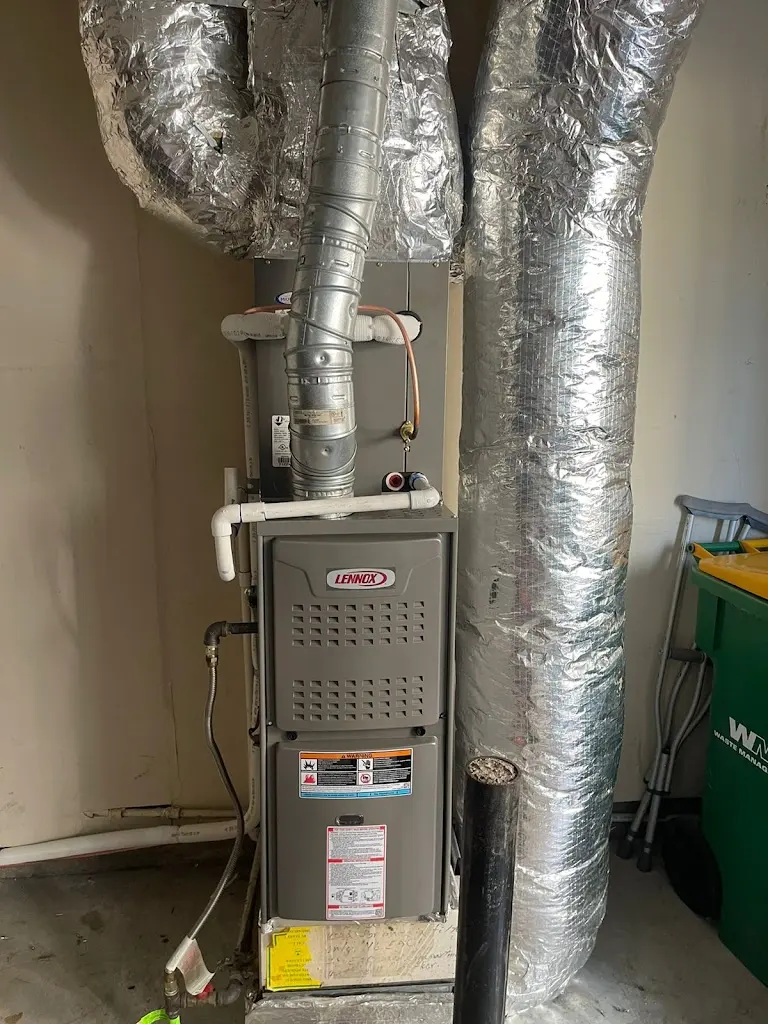
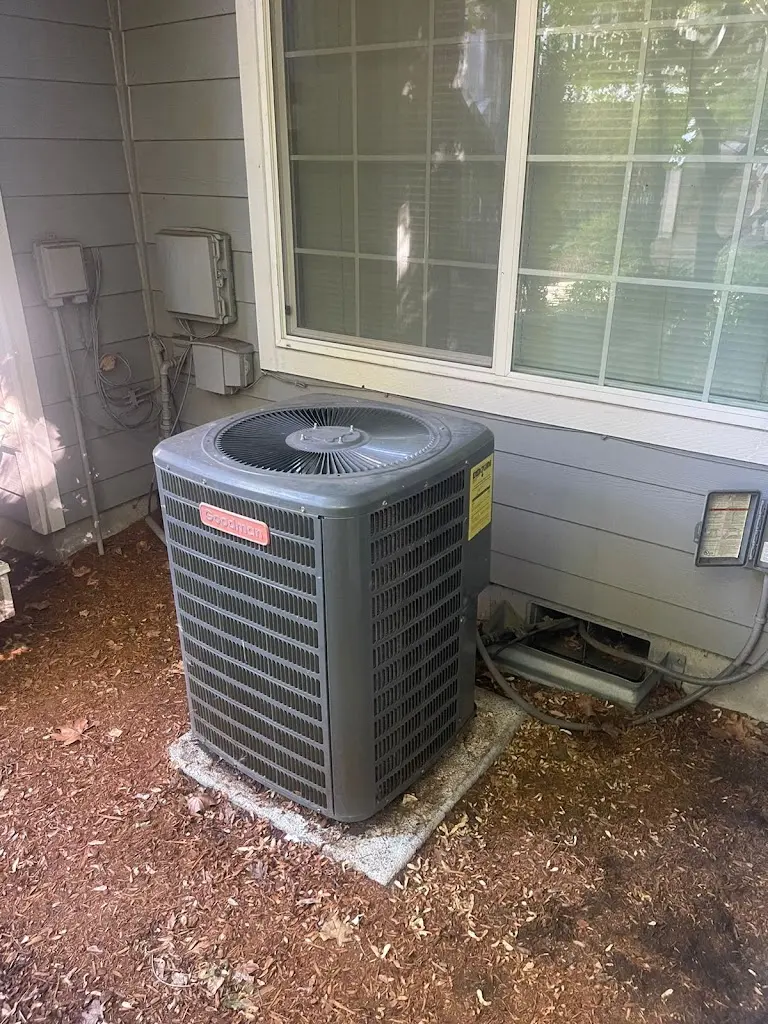
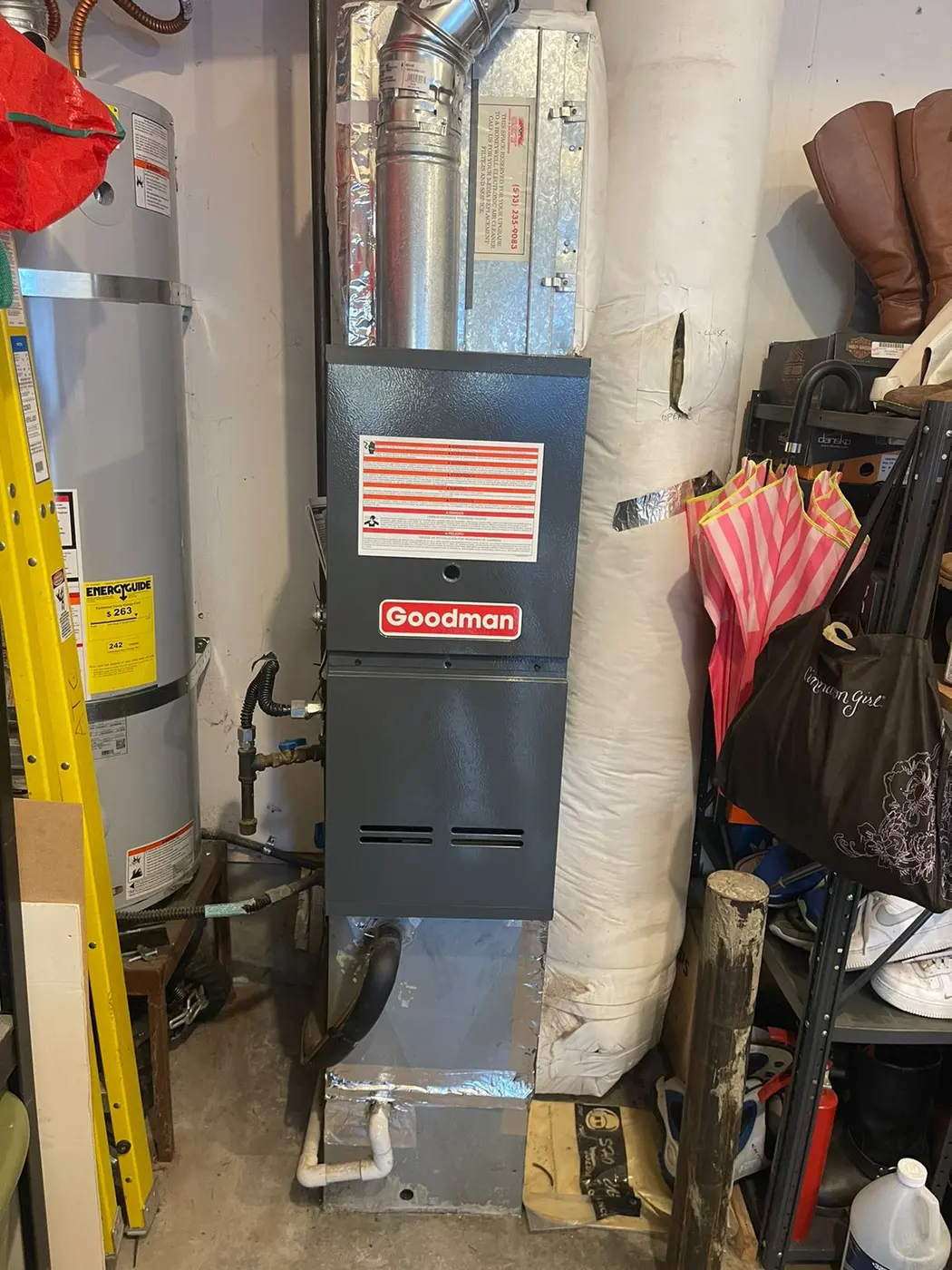
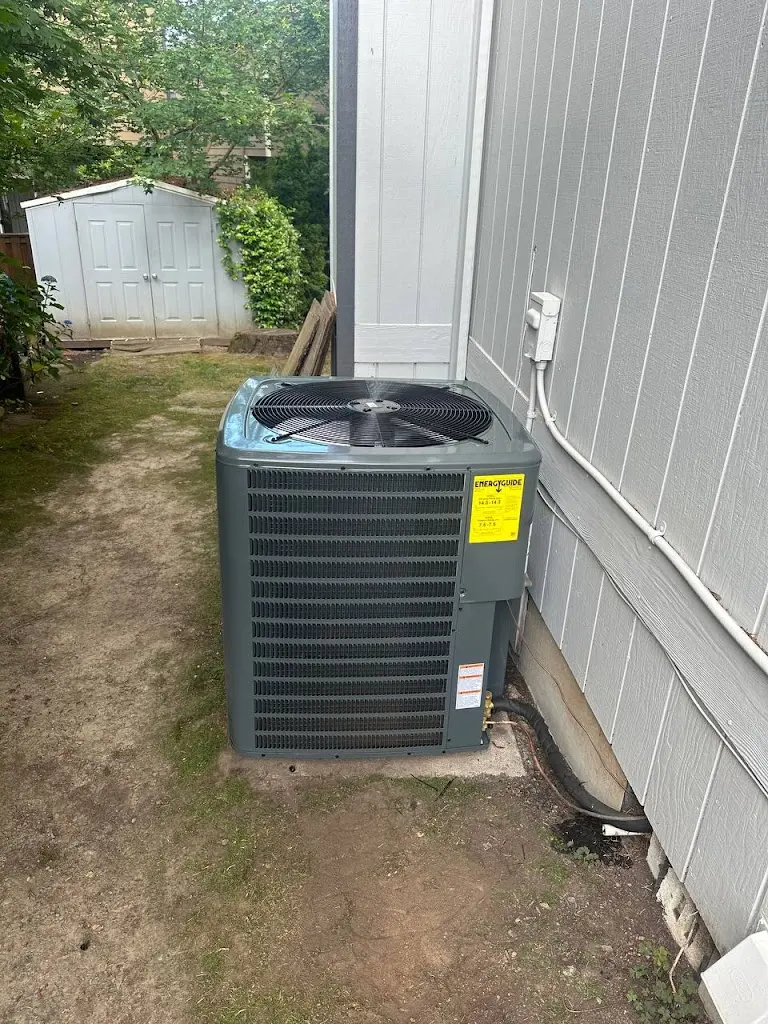
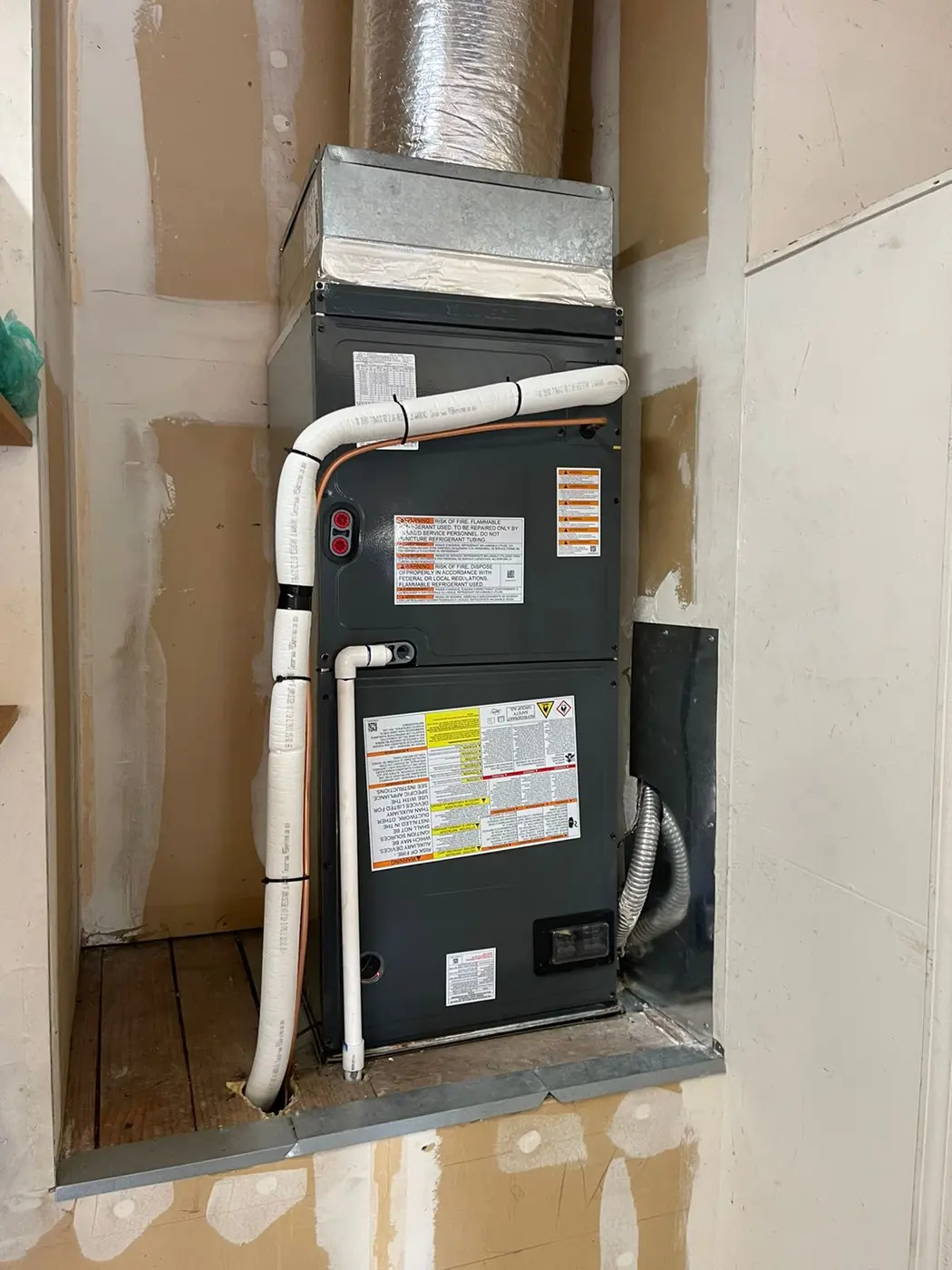
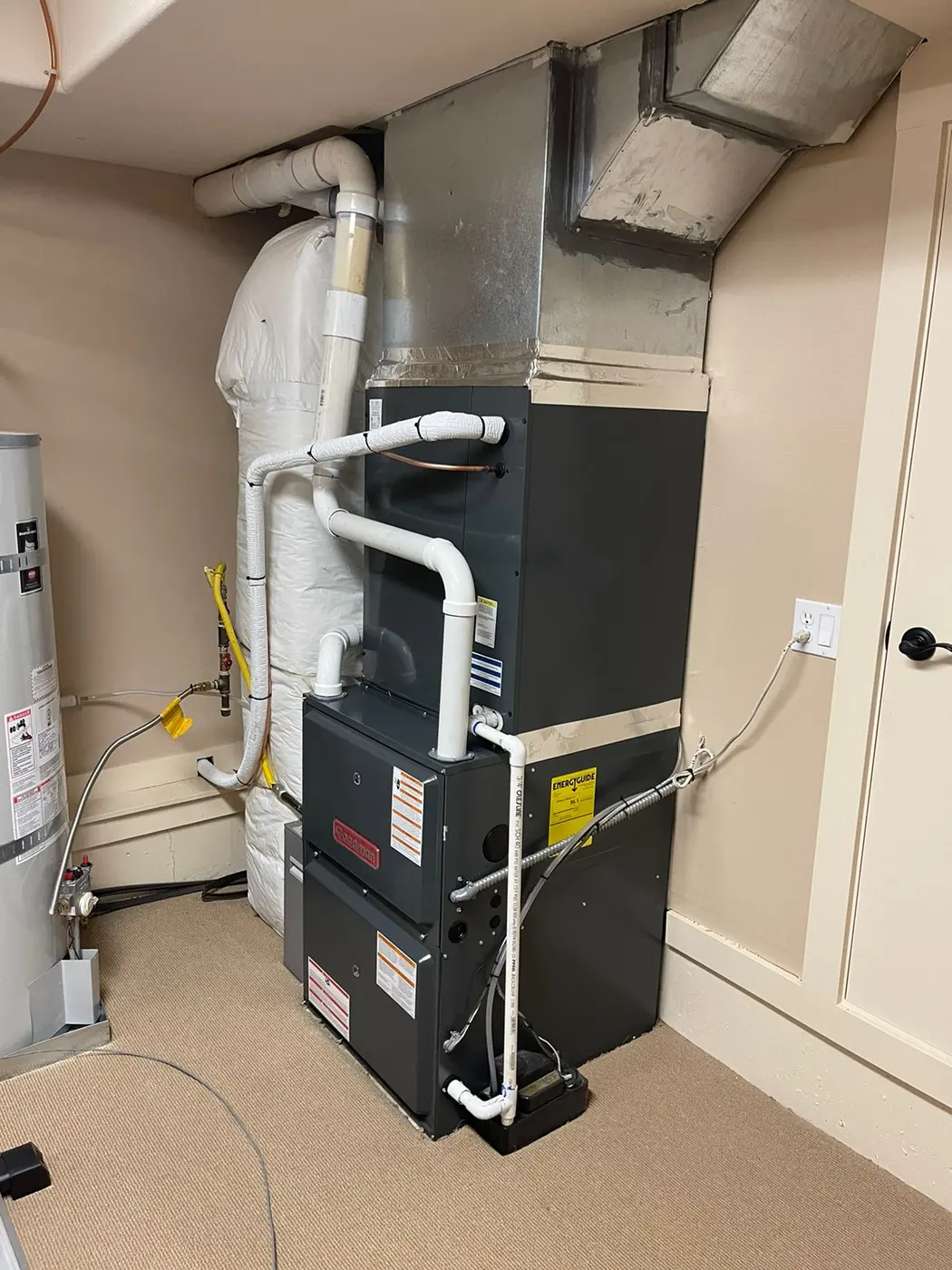
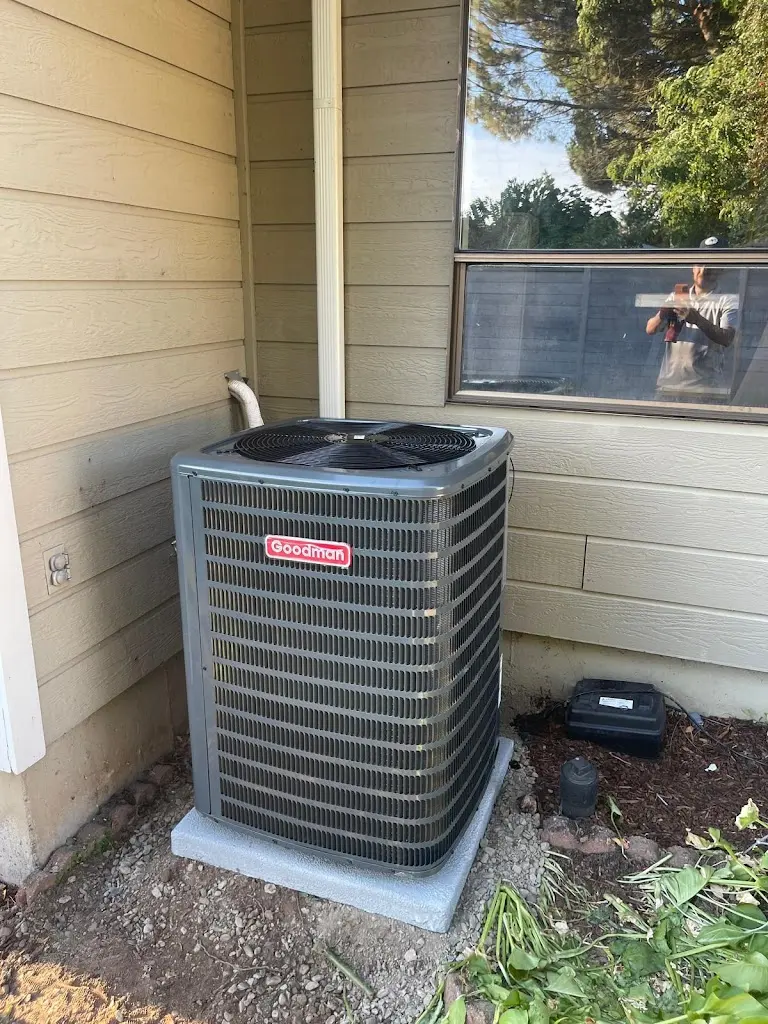
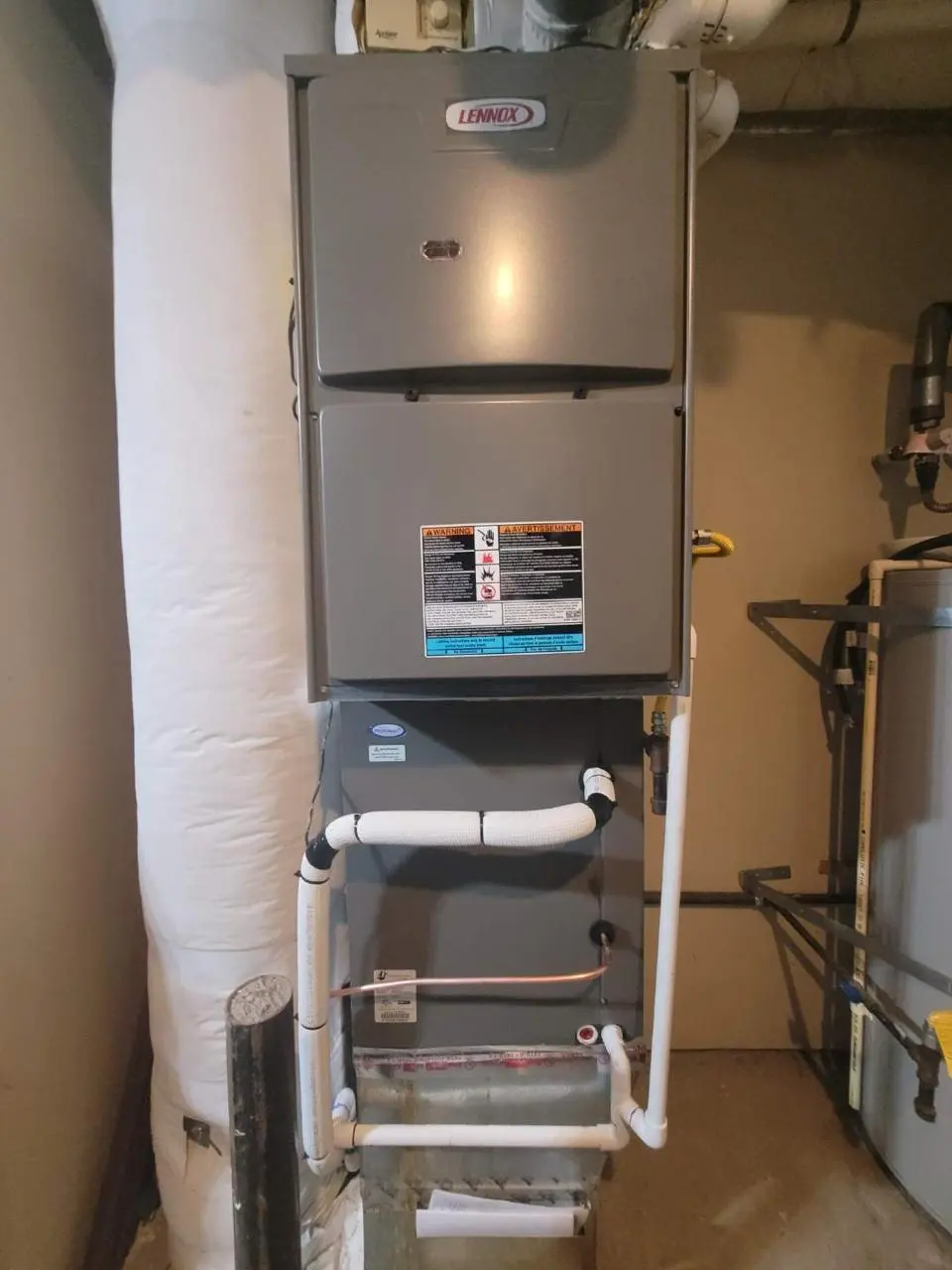
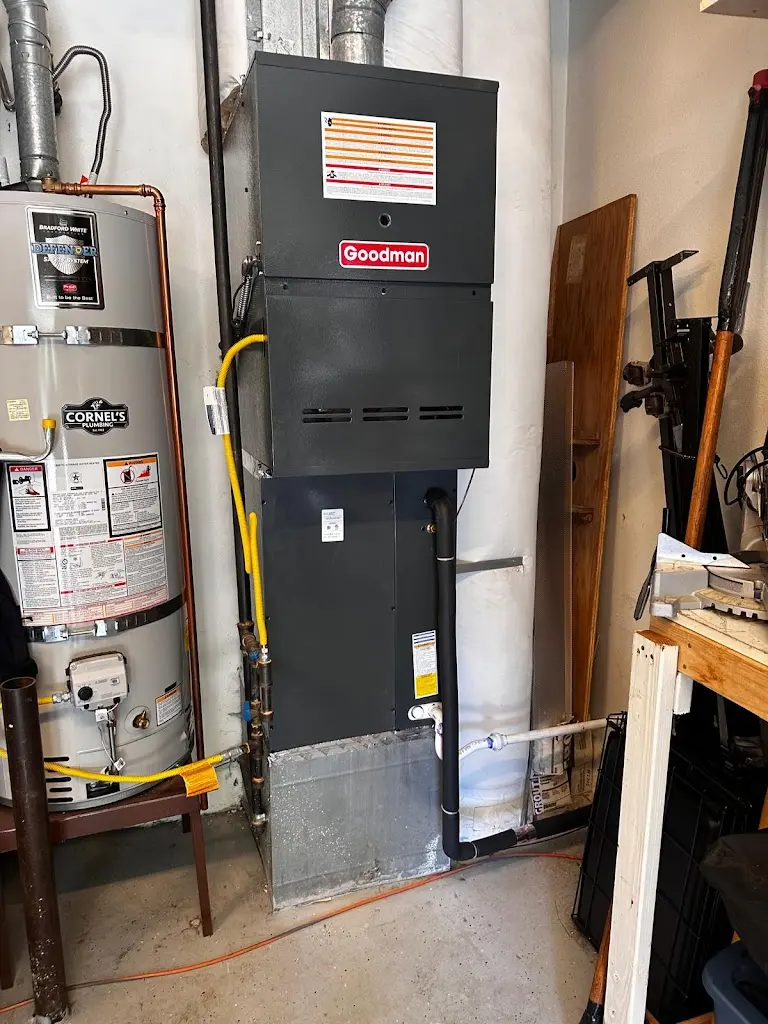
Before approval, confirm the actual models and the work needed to connect them. If a model changes, ask how that affects the original heating plan. Review the revised scope and price before proceeding. Similar nominal sizes do not prove identical performance under the conditions that mattered to your choice.
At handover, review the normal heating and cooling controls and the checks the team completed. An installation-day test cannot reproduce every future cold day. Keep any stated testing limit in the record. The final model list should show which equipment supports the plan you approved.
Frequently Asked Questions
Does a cold-weather label guarantee the same result in every home?
No. The selected model, installed combination and home’s heating need still require review. Ask how the actual proposal addresses those facts. A general label cannot promise every room result under all conditions.
Should I select a larger unit just because I want reliable winter heat?
Size needs a basis in the property and the proposed system. Explain the winter concern during the estimate and ask how the chosen output meets the assessed need. More nominal capacity is not a substitute for that review.
Will the free estimate diagnose why the old unit lost heat?
The free on-site estimate covers installation or replacement. Diagnosis of a current fault is a separate service. Share any confirmed finding with the estimator so the new project can use the known history without guessing at the old cause.