Rheem HVAC Installation With New and Retained Equipment Defined
HVAC & Appliance Repair Guys provides Rheem HVAC installation in Portland Metro. We review the parts of the heating and cooling system you want to change and the parts that may remain. The aim is a complete project scope that shows how the proposed equipment will serve the home.
Our HVAC installation page covers the overall assessment. A Rheem proposal also needs exact equipment and control selections. The brand name alone does not show whether an older indoor unit can support a new outdoor model.
Identify the Main Equipment Change
A new HVAC project may center on gas heat, cooling or a heat pump system. Explain what currently serves the home and what prompted the request. We then review the equipment need with any wider comfort concerns you want to address.
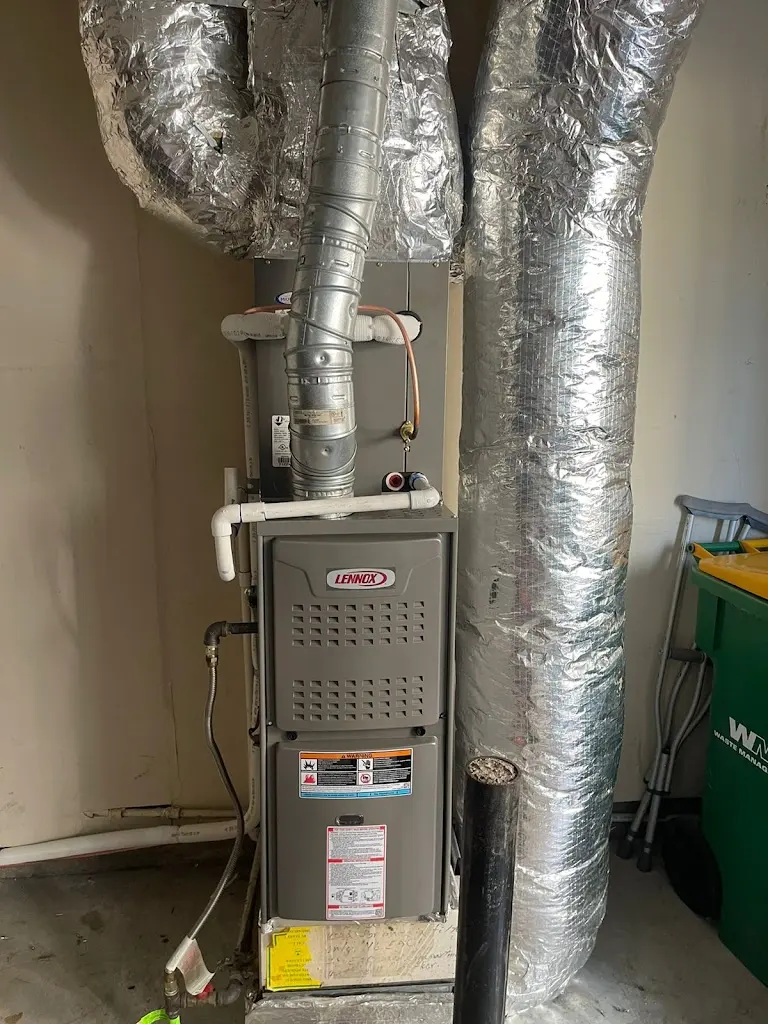
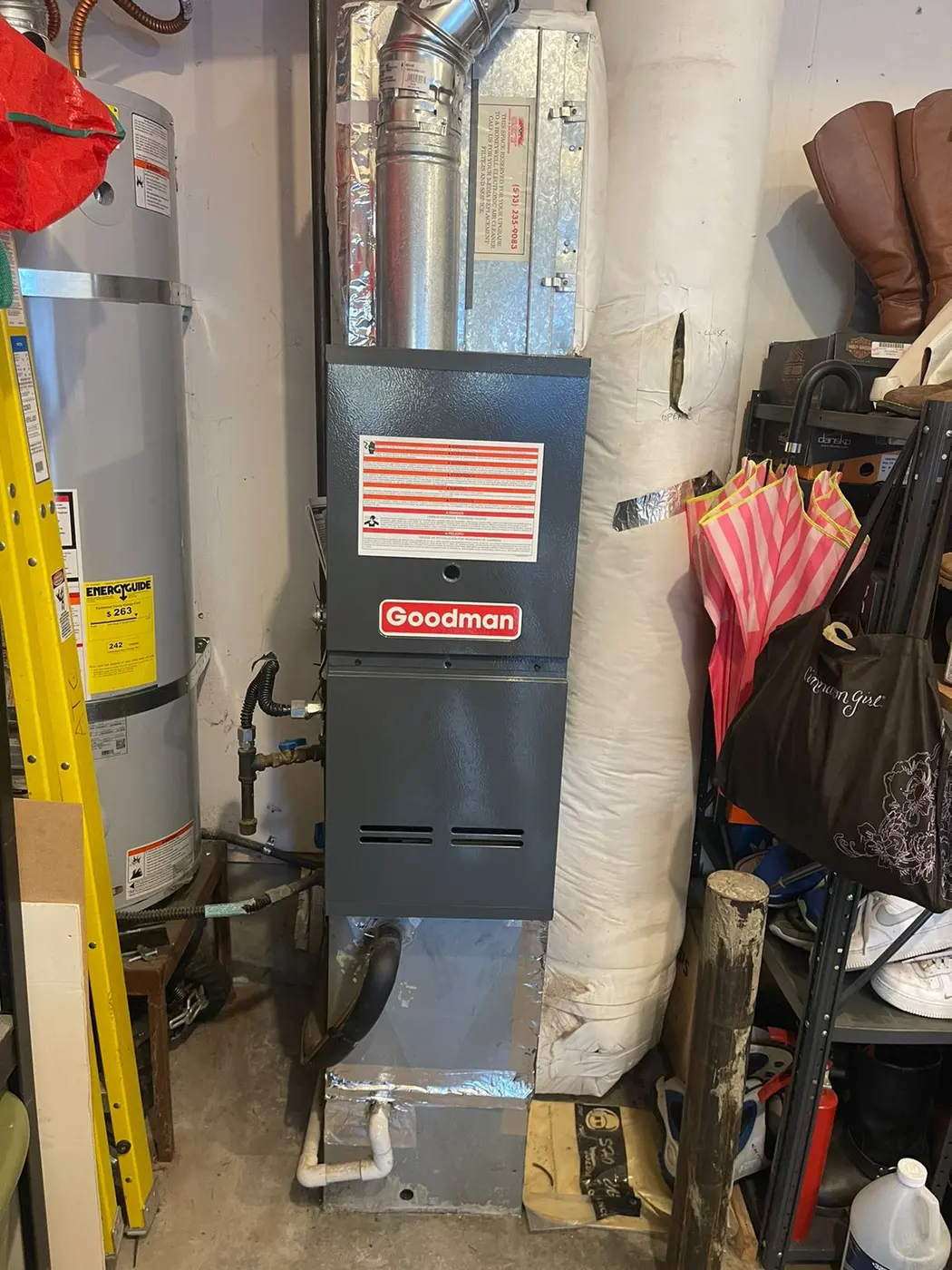
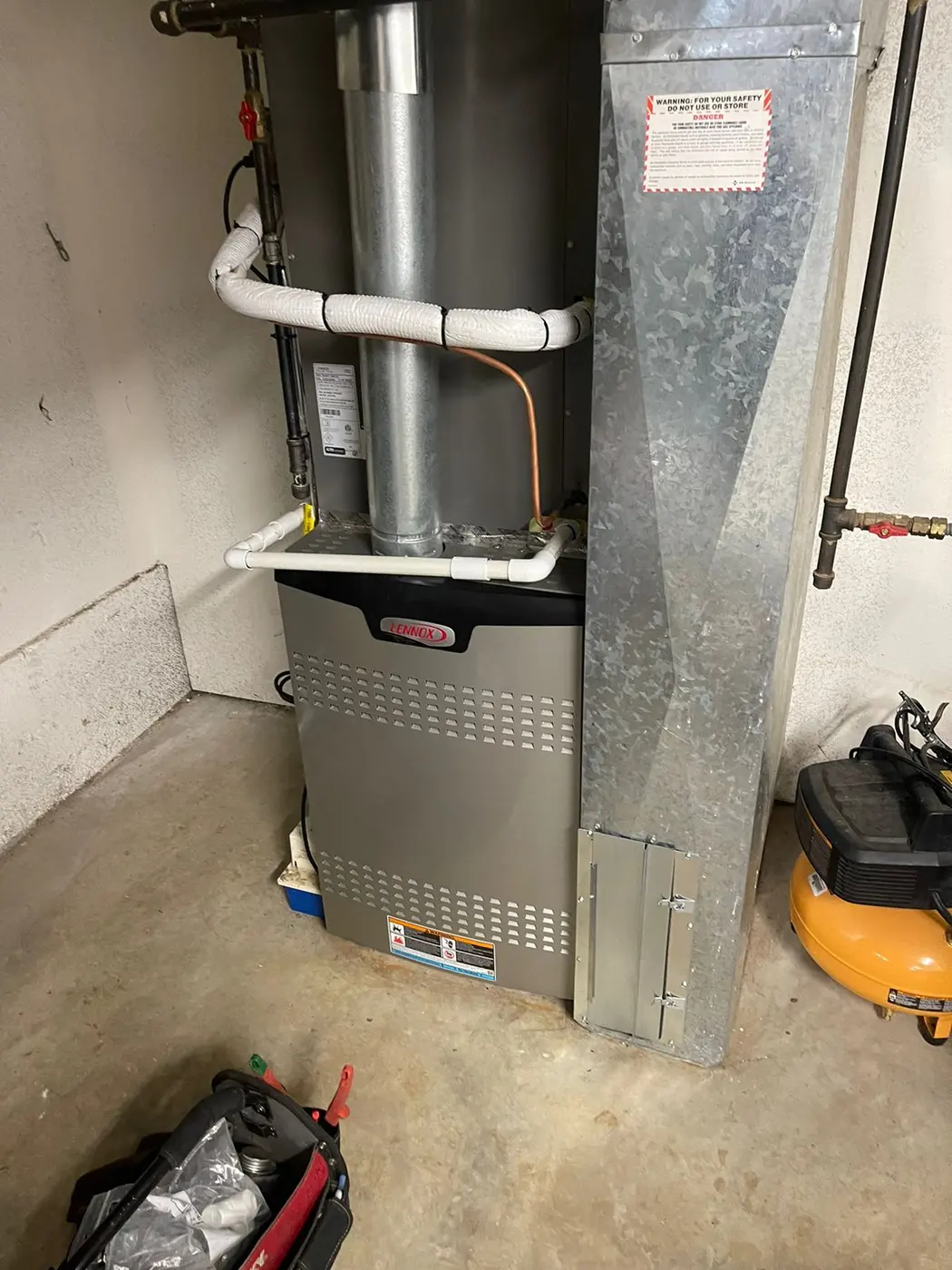
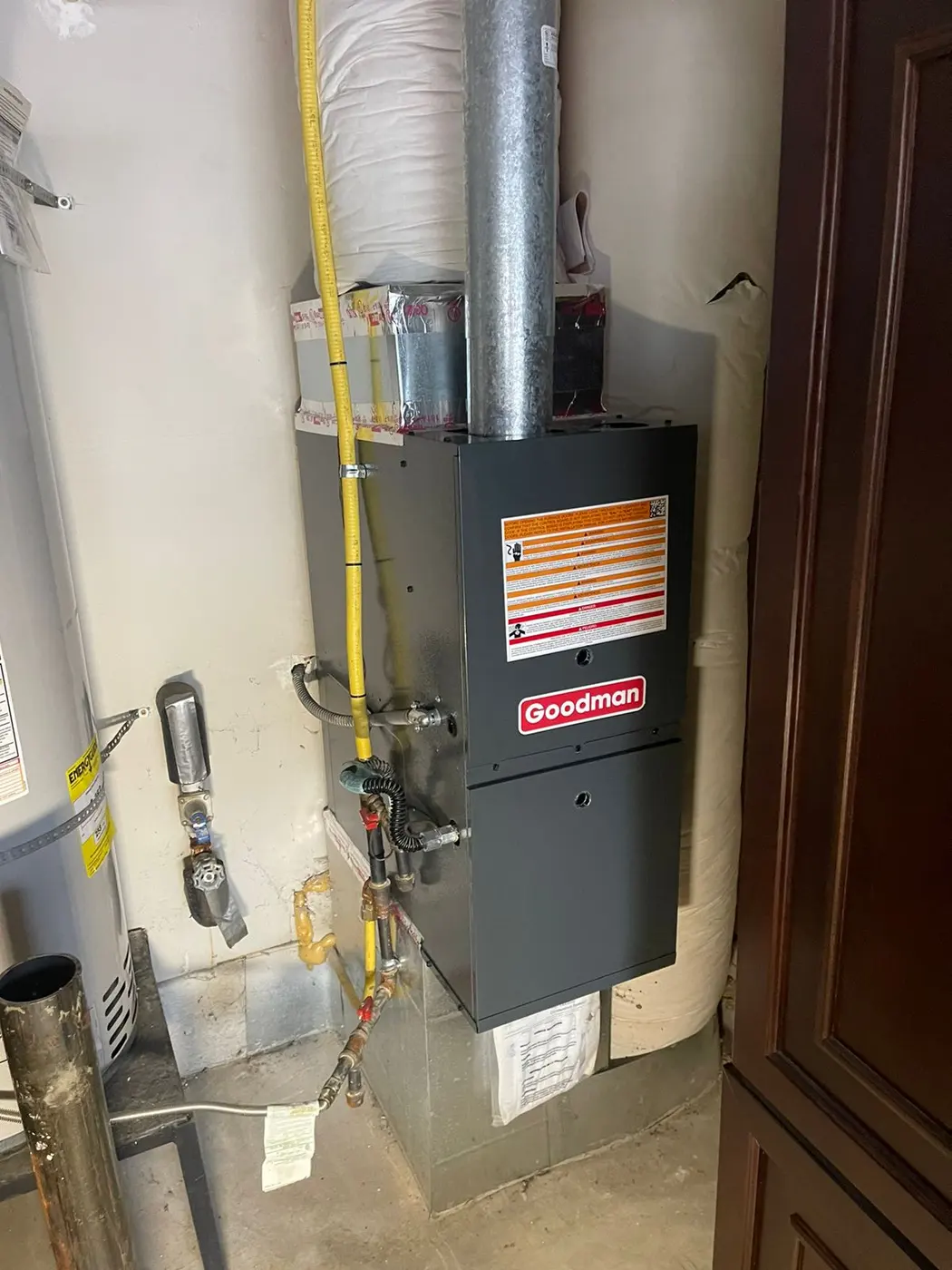
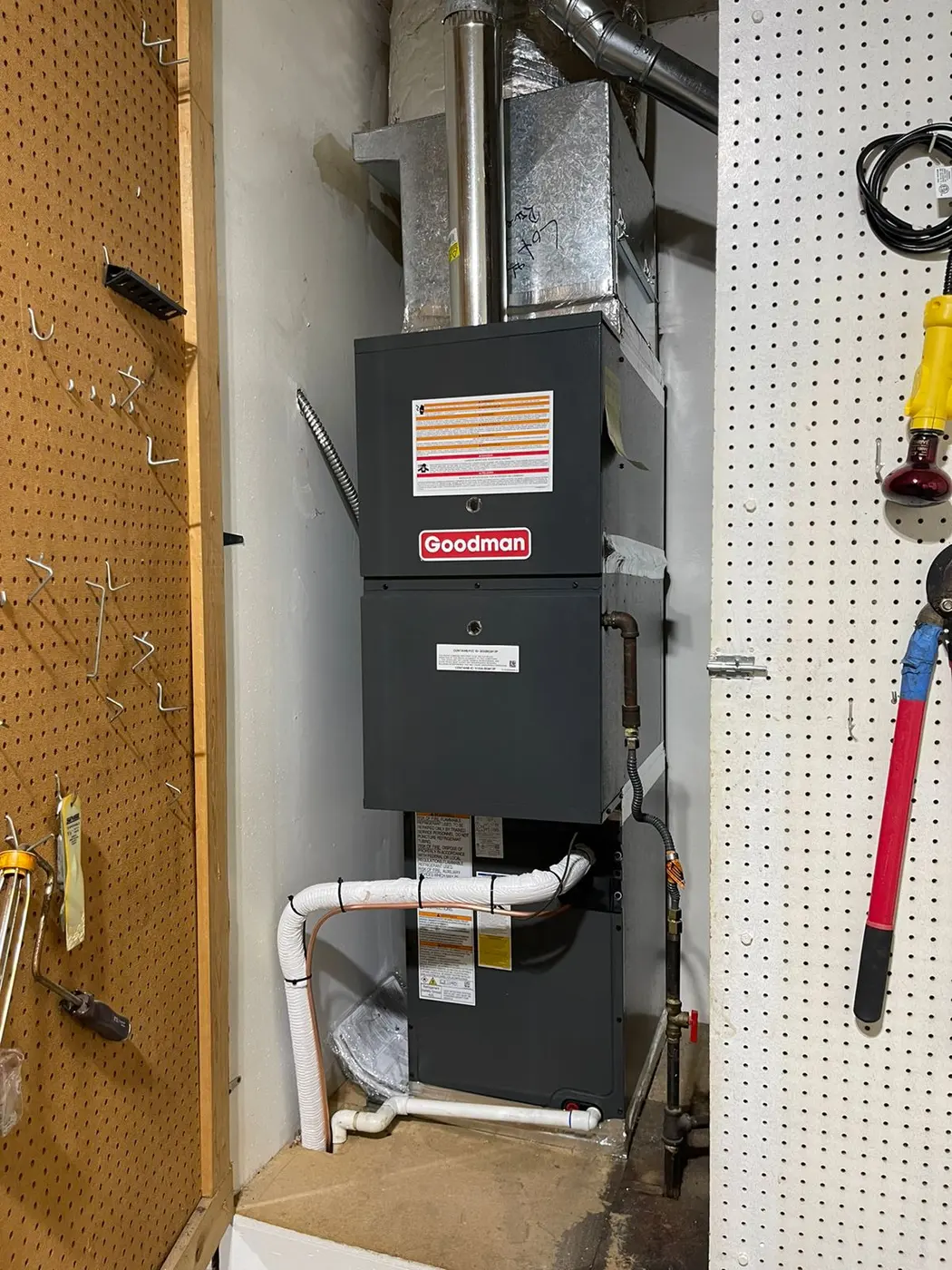
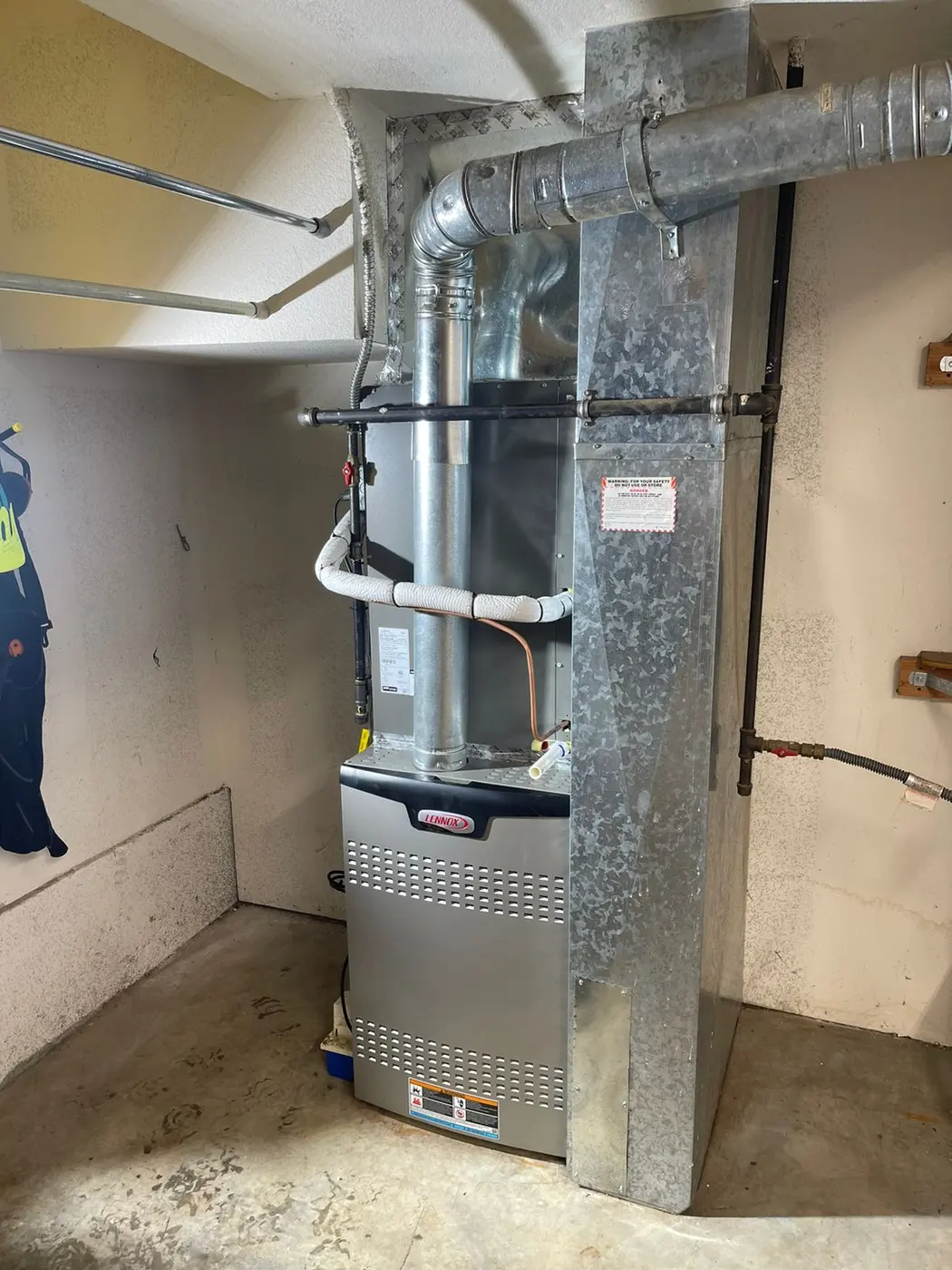
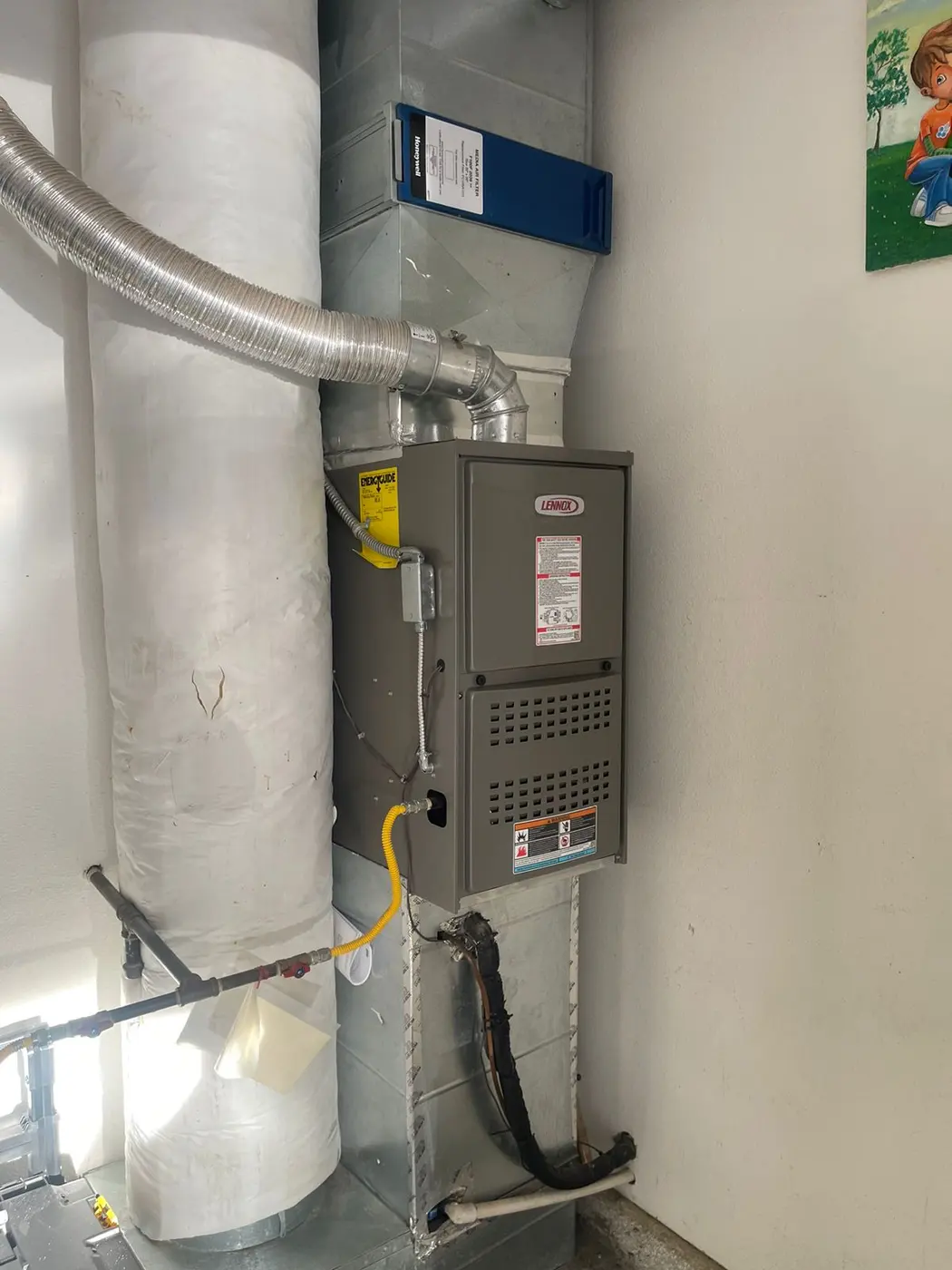
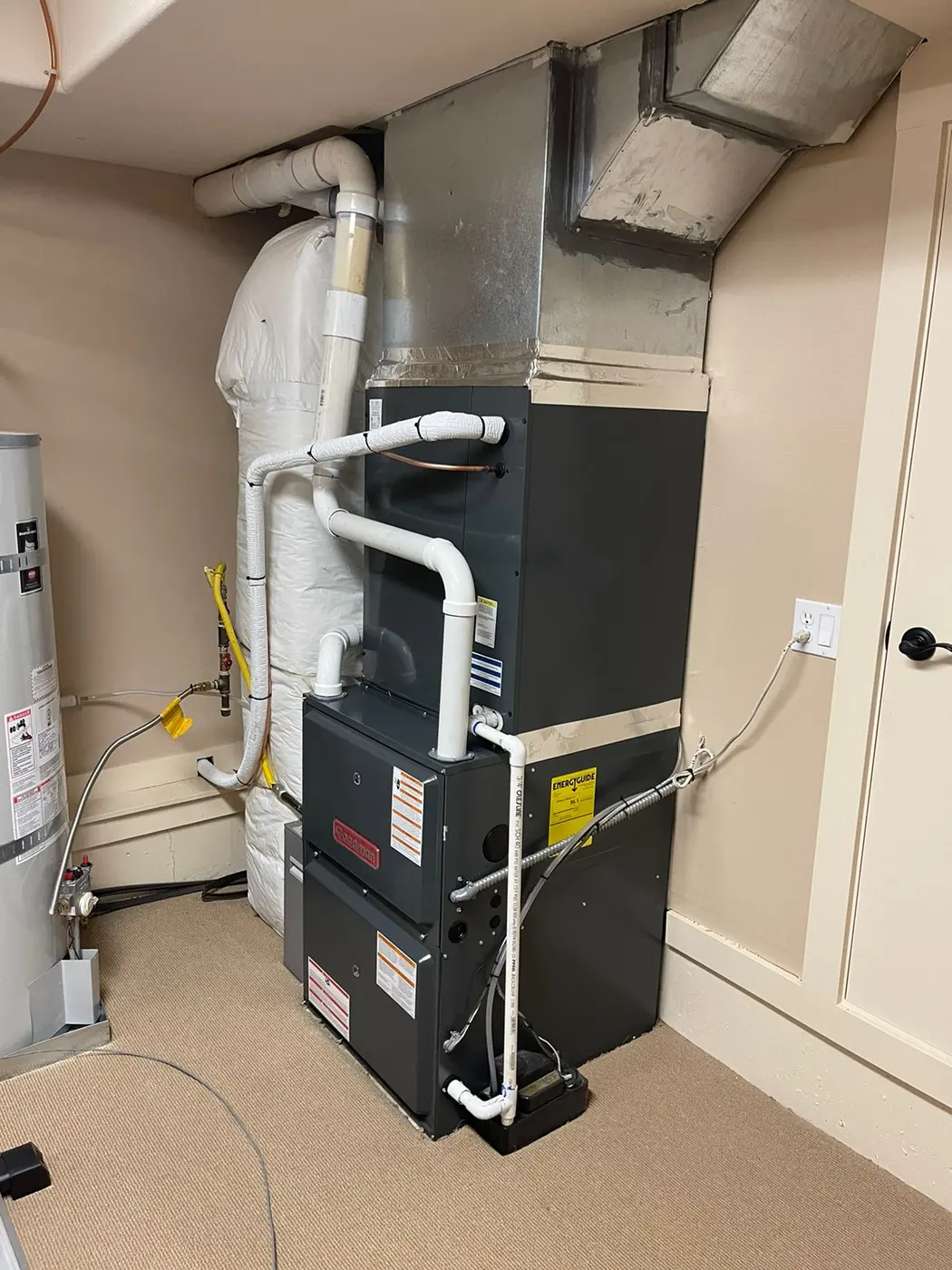
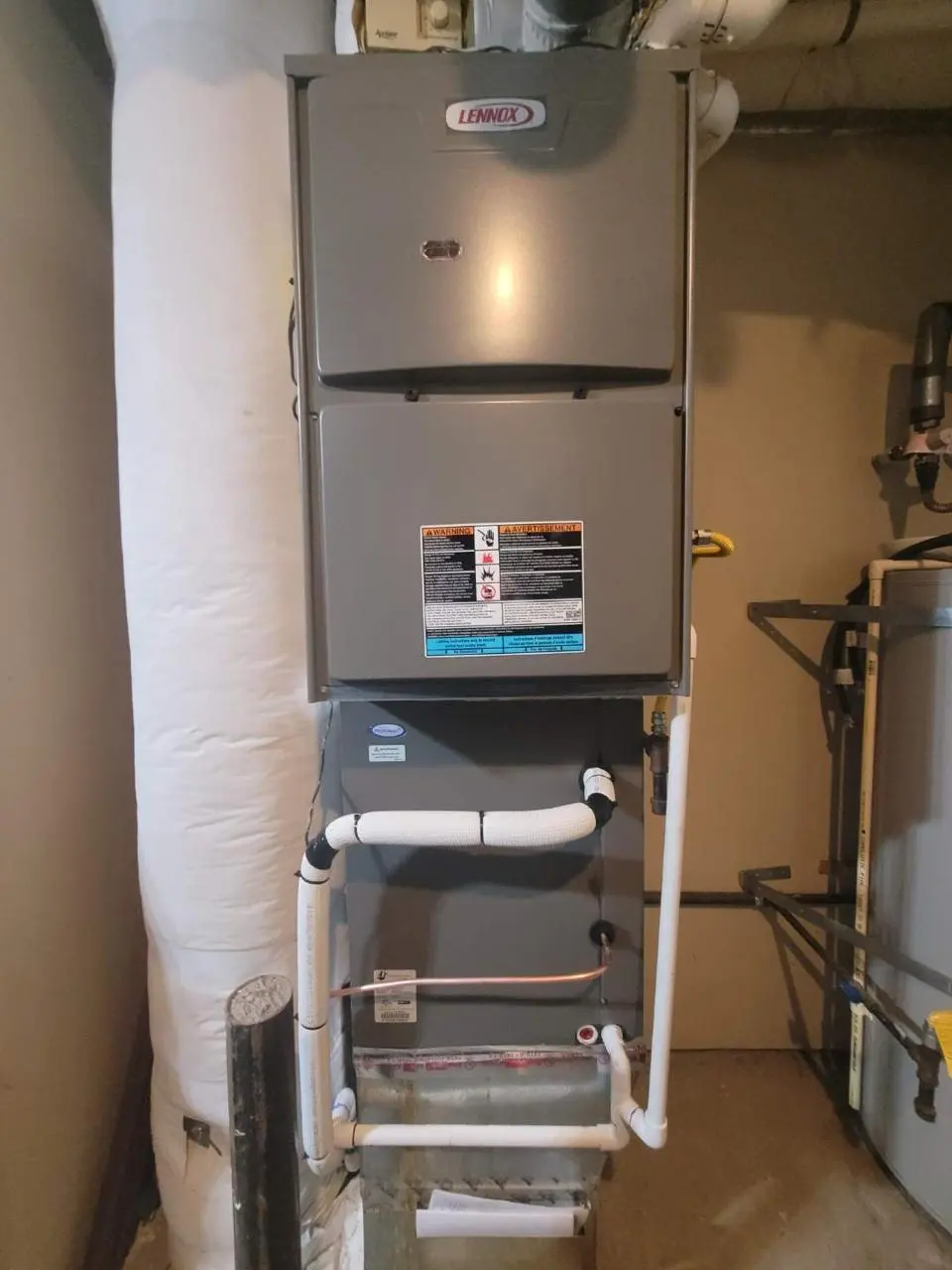
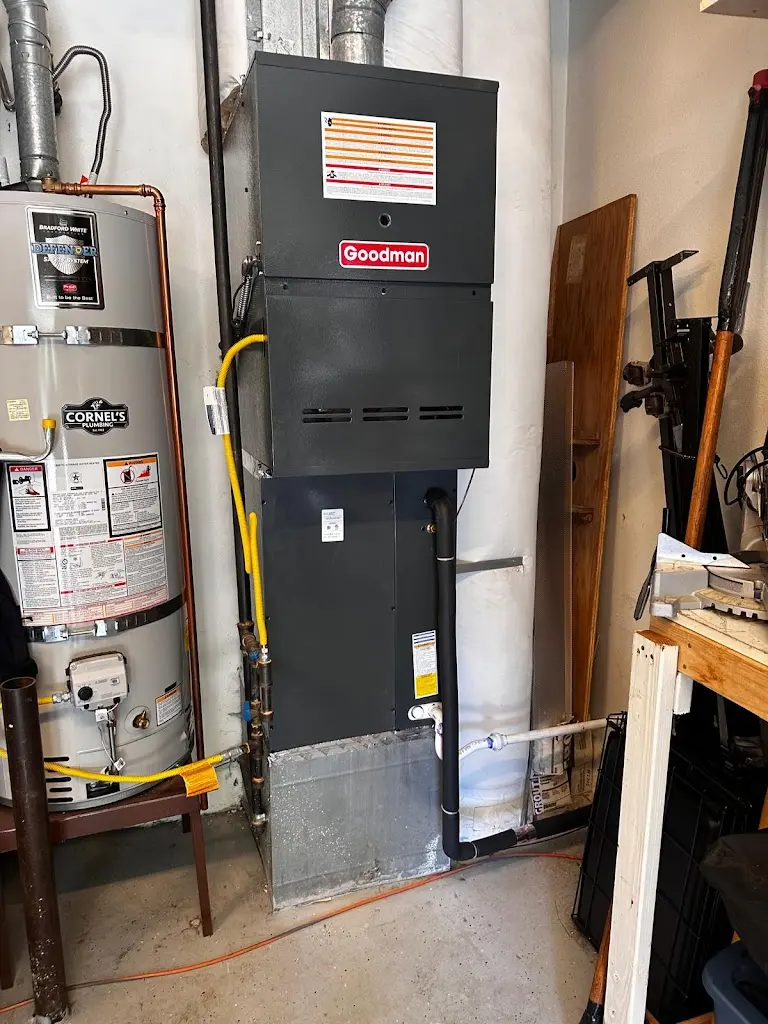
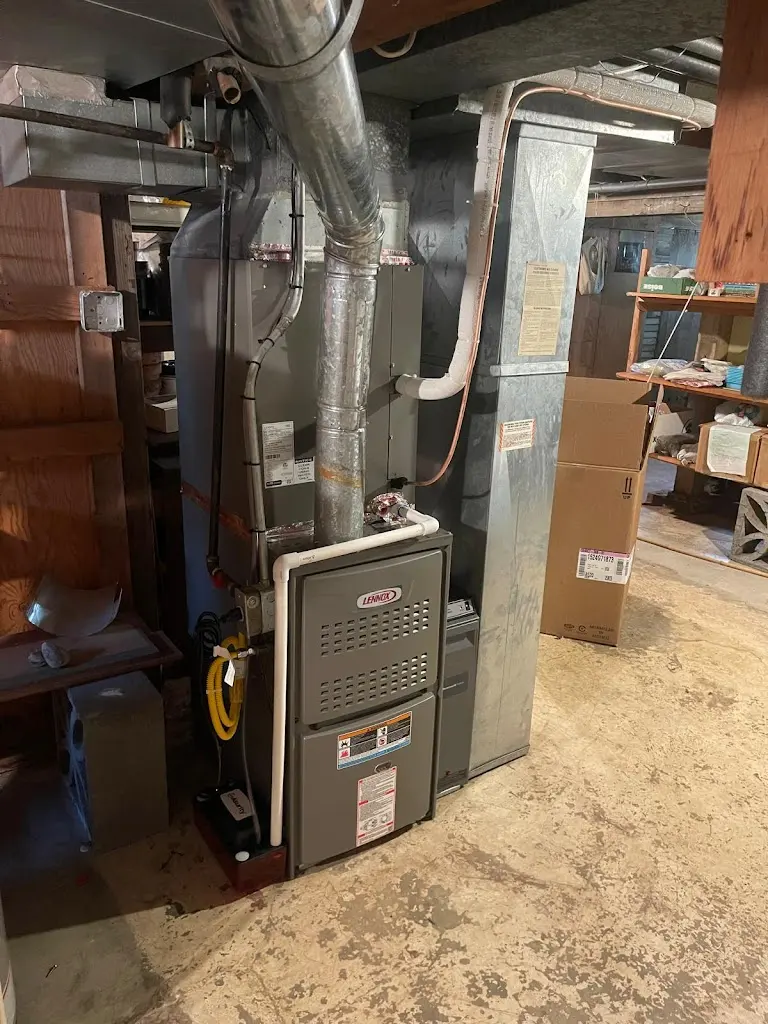
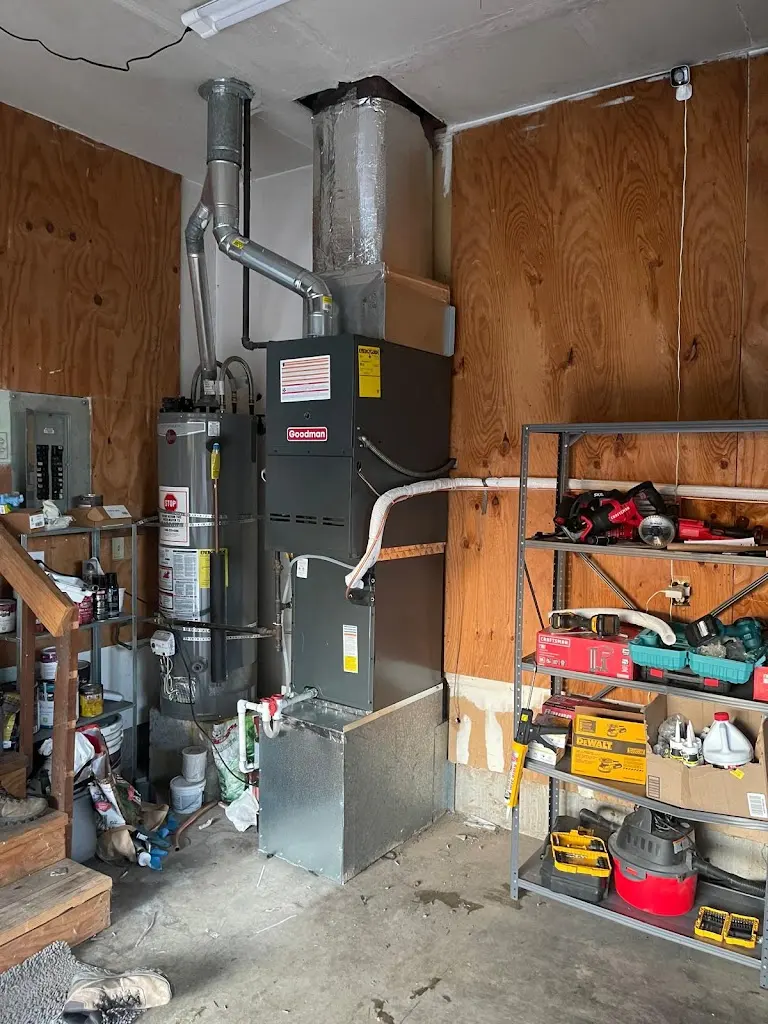
Our Rheem furnace installation service covers new gas heating equipment. The scope should state whether that is the full project or part of a combined heating and cooling change. Any related indoor work belongs in the same discussion.
Review Cooling and Heat Pump Alternatives
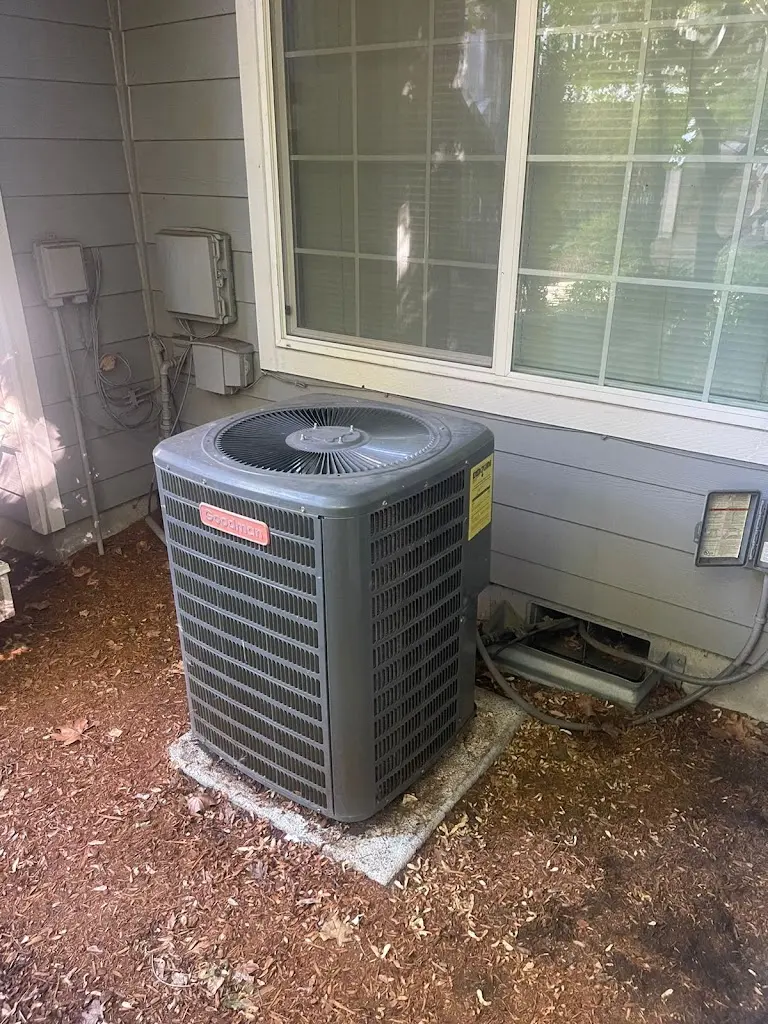
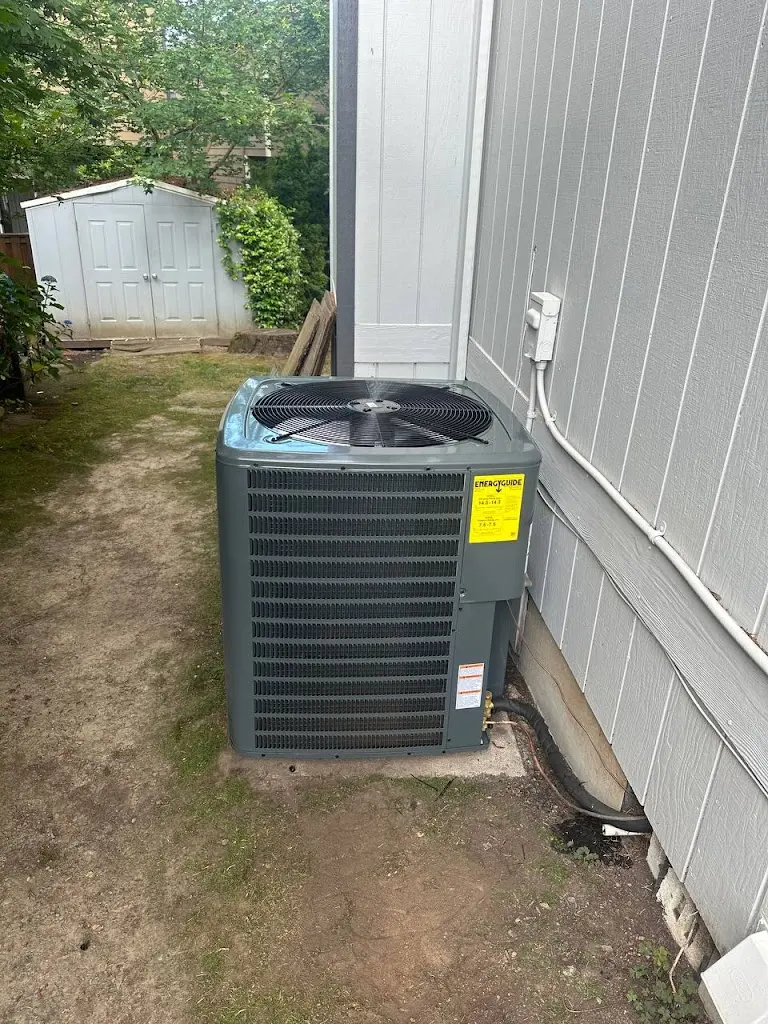
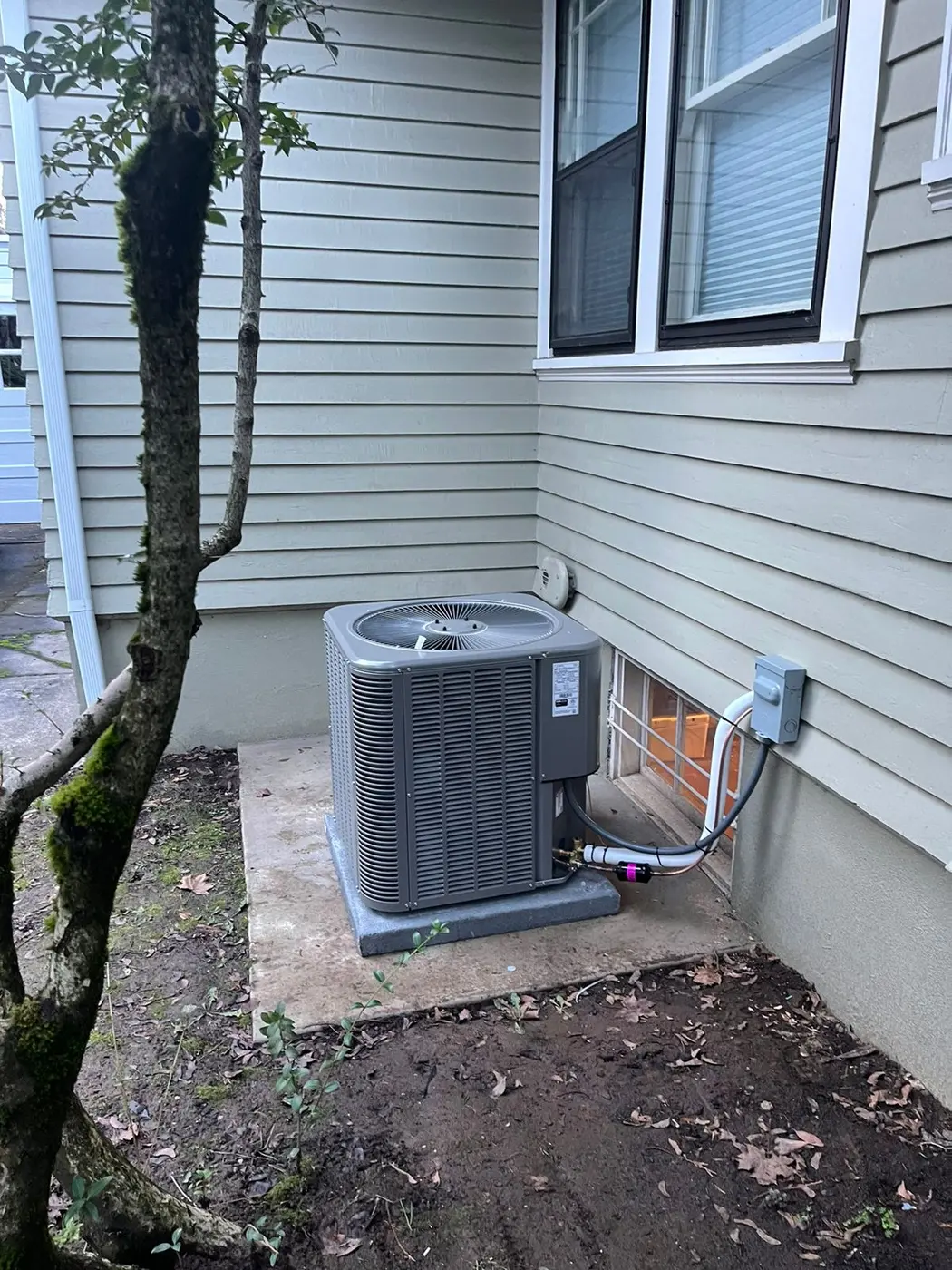
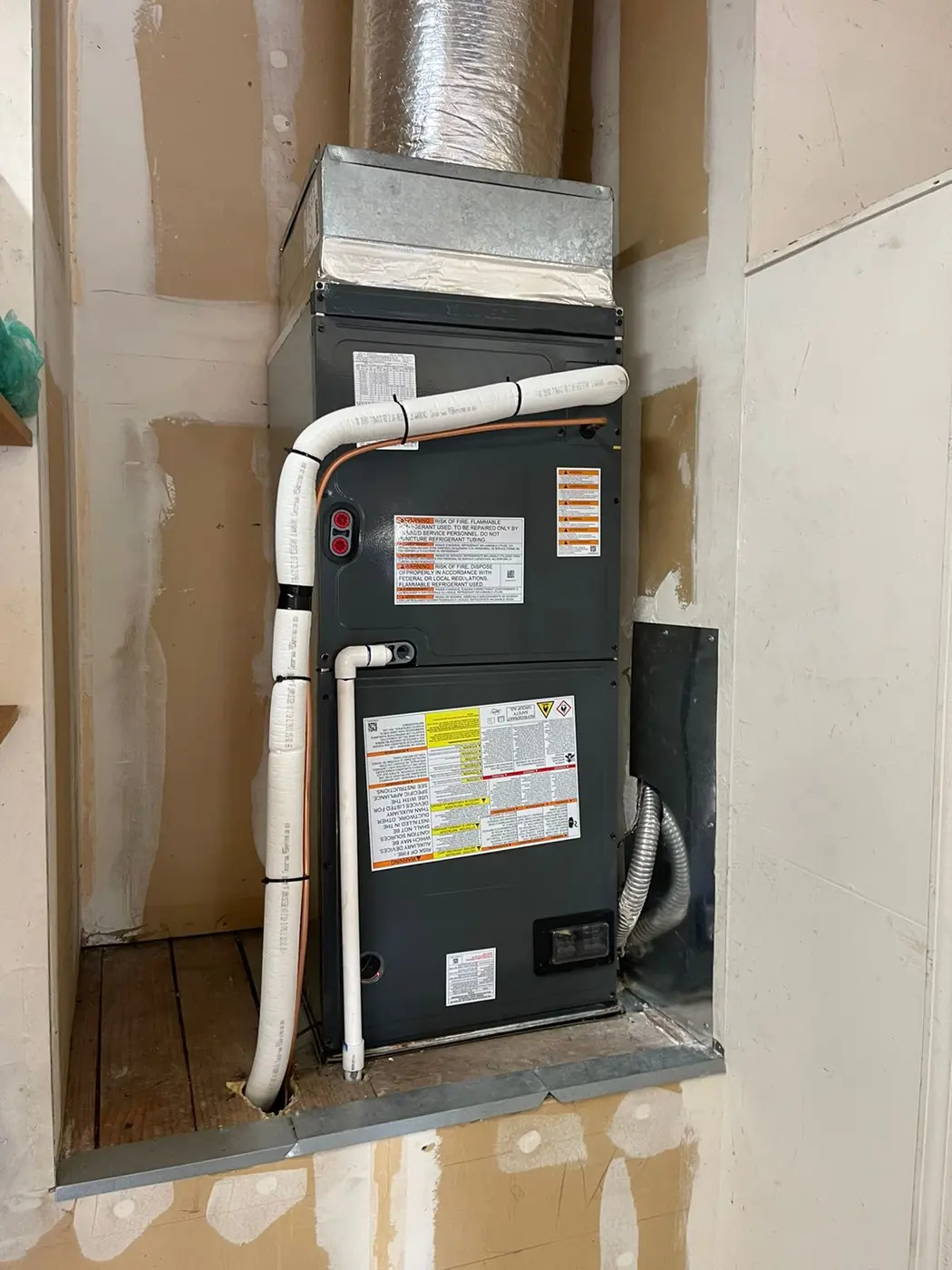
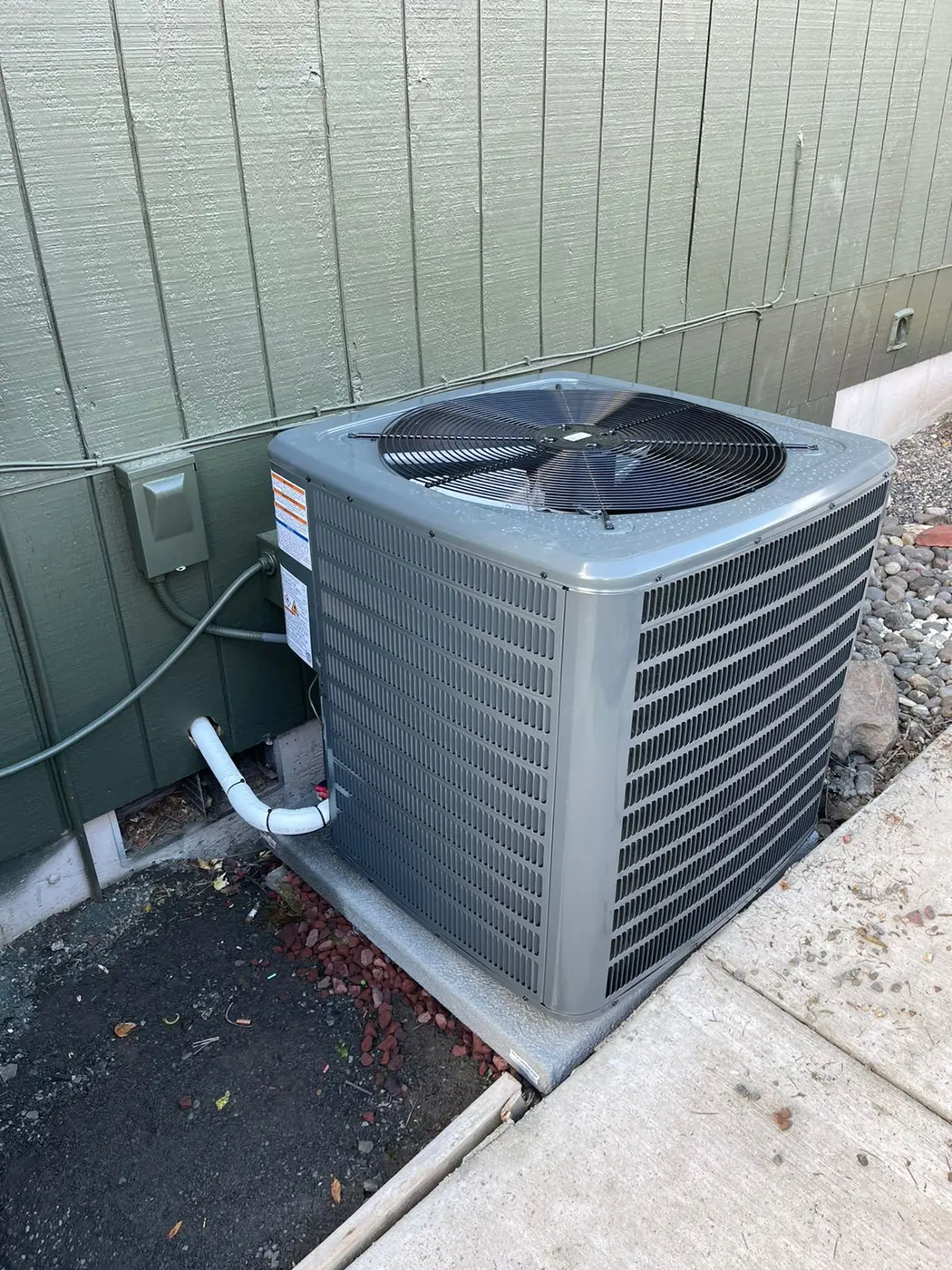
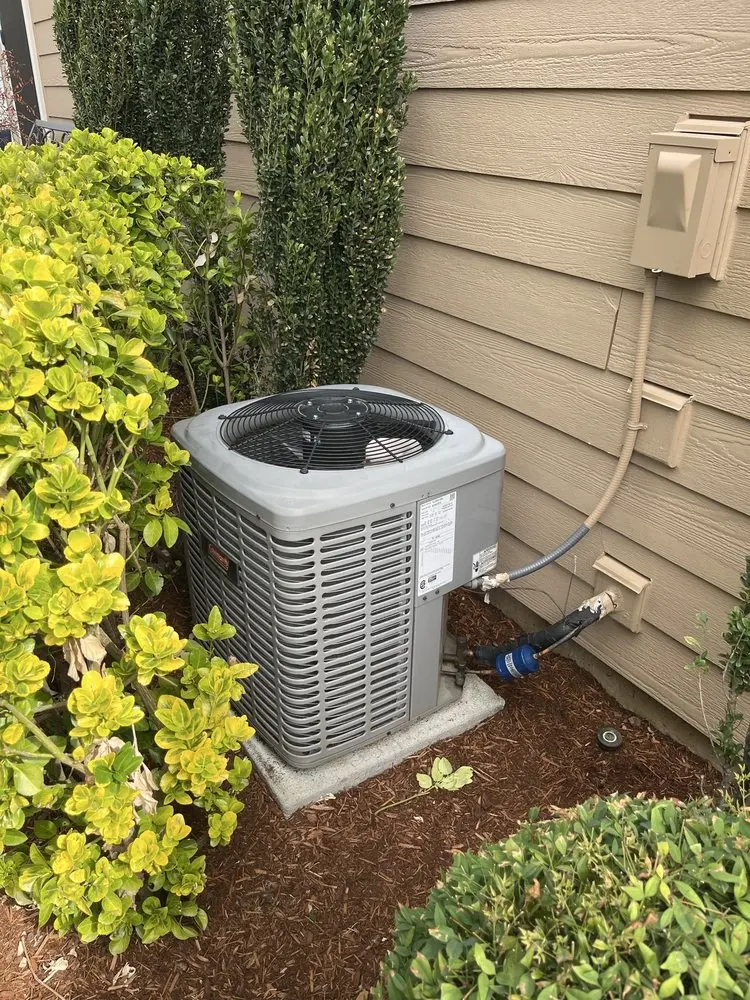
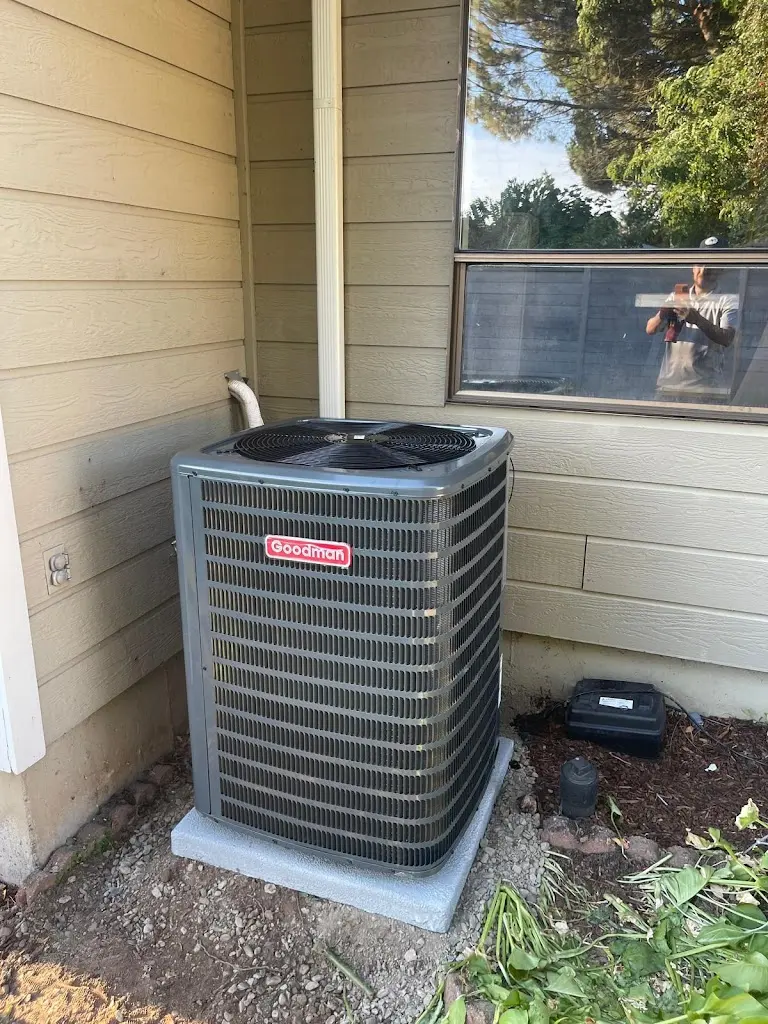
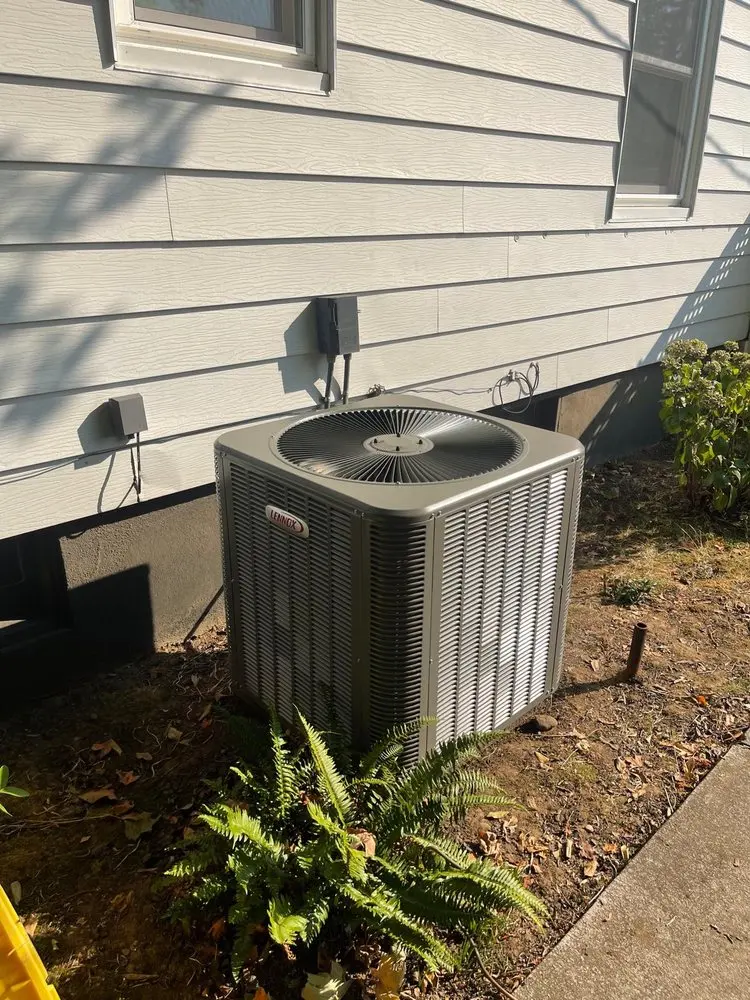
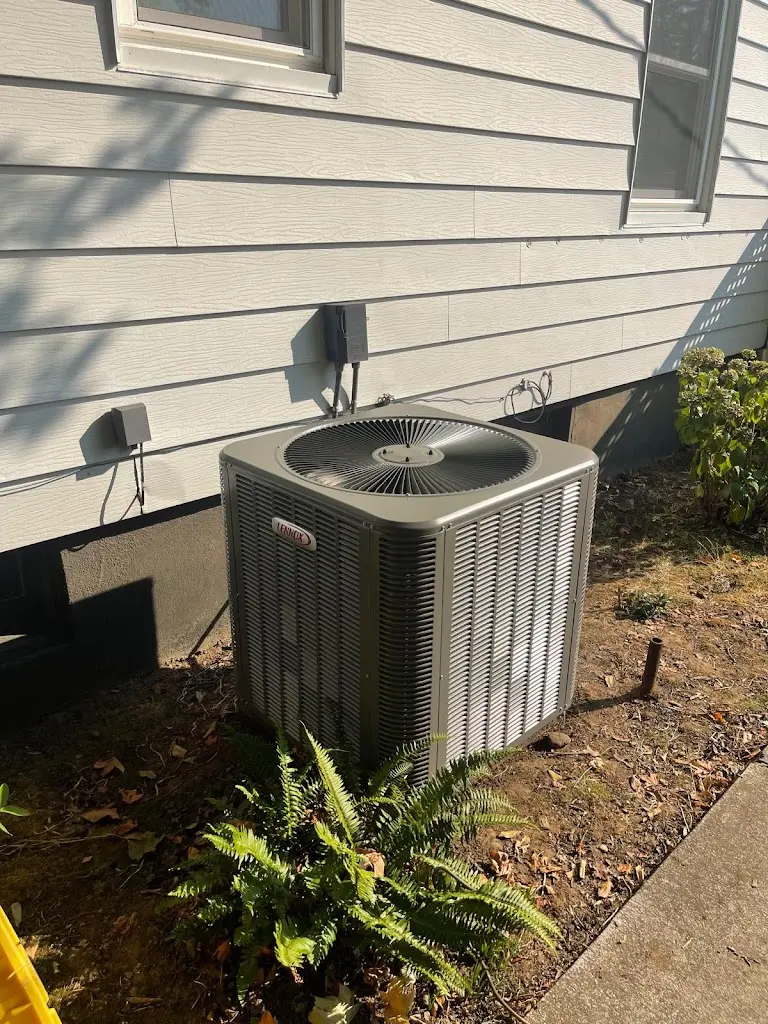
Our Rheem AC installation page covers a cooling-system replacement. That project needs a suitable indoor coil, airflow and controls as well as an outdoor unit. Keeping a furnace still requires a review of its fit with the new cooling setup.
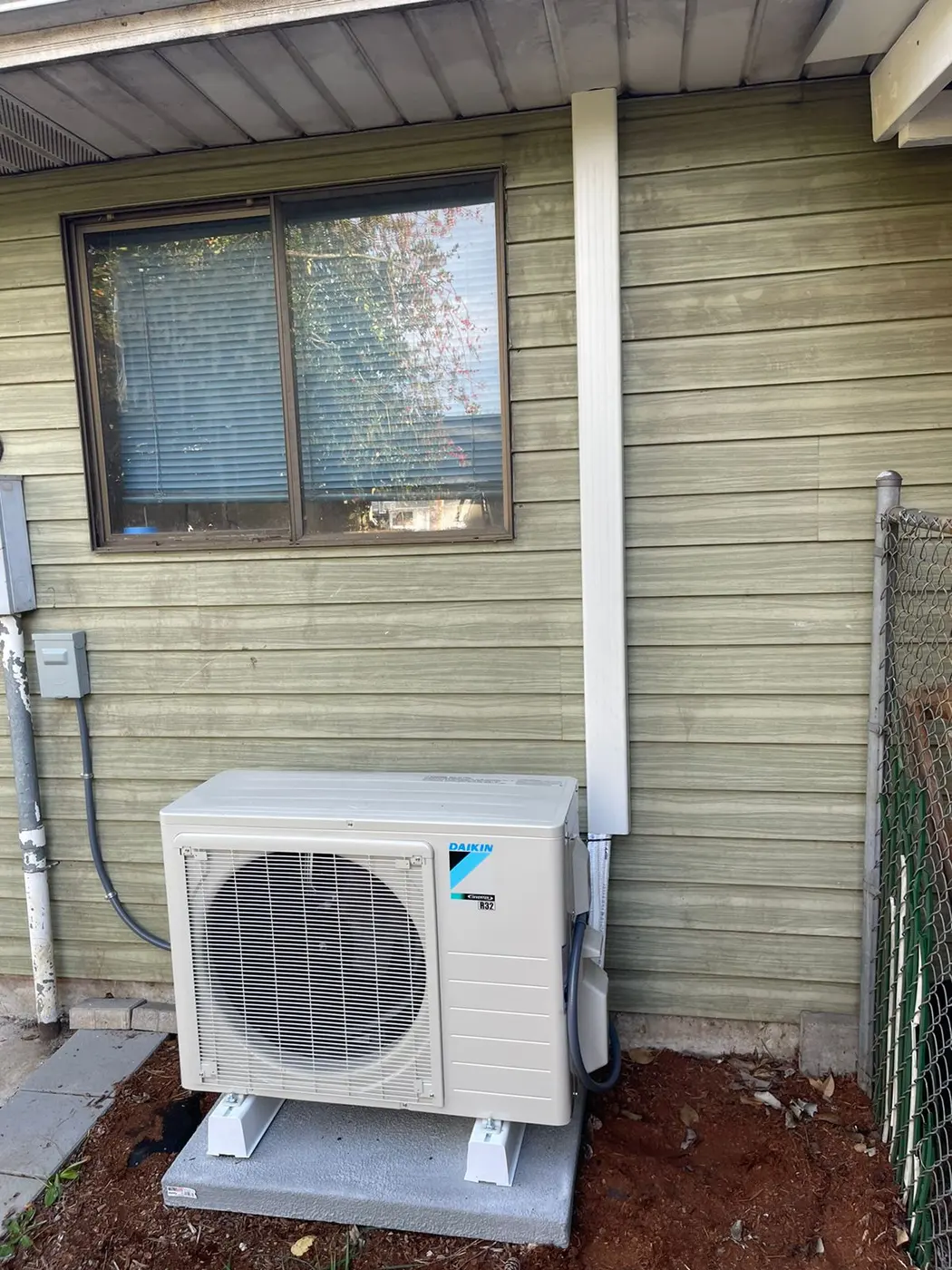
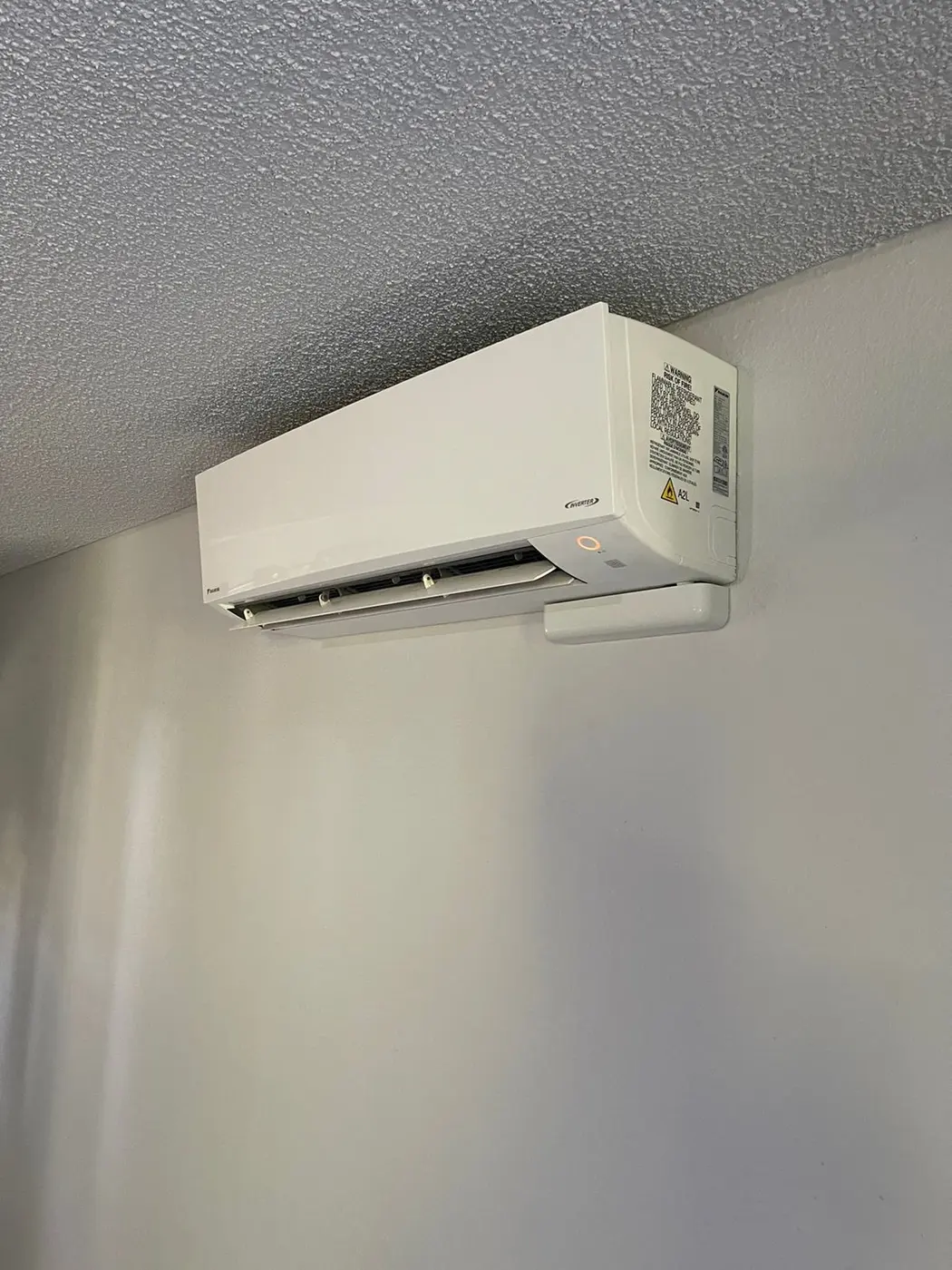
Our Rheem heat pump installation service addresses heating and cooling through a heat pump. We also define the role of any backup heat. Compare the full arrangements to see what each project changes. The scope may include indoor equipment, controls or other parts of the home system.
Put EcoNet Requirements in Context
The Rheem RP18AZ is an example of an EcoNet-enabled heat pump with variable-speed operation. This feature set applies to selected equipment. It does not establish the requirements of every Rheem product or confirm a match with every existing thermostat.
We review the proposed indoor and outdoor combination before settling the controls. If the project needs a wall-control change, we name it in the scope. The final arrangement should support ordinary use without leaving an unresolved equipment match after installation.
Review Comfort Concerns and the Air System
Tell us about rooms that remain too warm or too cold, including problems that predate the current breakdown. The home’s demand and air paths guide equipment planning. Copying the old size does not automatically address those concerns.
If the assessment supports duct work, the estimate should explain its purpose. A new unit and an airflow improvement are separate parts of the scope. We keep that distinction clear so you understand which work aims to change each comfort problem.
Make Site Work and Exclusions Visible
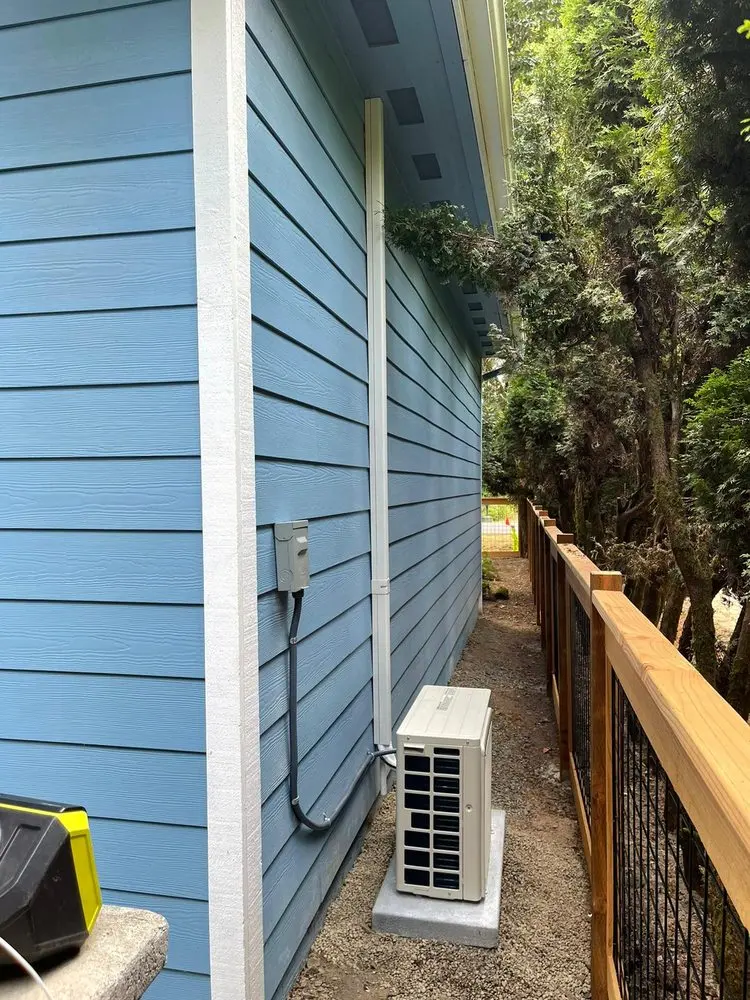
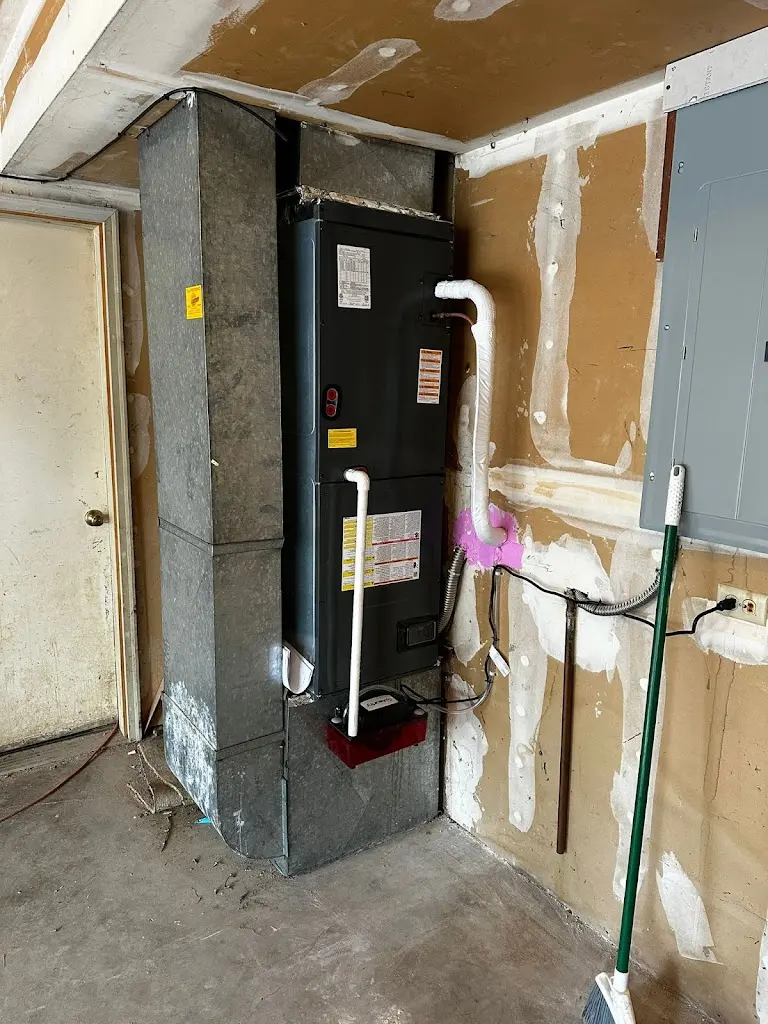
The installation review includes access, equipment space and routes for the required connections. Power or other site changes can affect the job. We discuss these needs before the work rather than treat the equipment list as a complete plan by itself.
The estimate should also state what remains outside the project. Retained equipment can continue to have its own condition and service needs. Identifying those boundaries helps you assess the current proposal without assuming every part of the home system becomes new.
Startup and Handover
We check the relevant heating, cooling and control functions after the installation. The review includes the arrangement described in the agreed scope. Any separate concern stays clear for discussion instead of disappearing behind a general claim that the system is complete.
At handover, we explain normal settings and identify the equipment that changed. You should know which parts remain and how the new setup serves the home. Technical menus and internal tests are not part of the everyday operation you need to manage.
Frequently Asked Questions
Can a working indoor unit stay with new outdoor equipment?
Possibly. We assess its condition and supported pairing with the proposed model. The scope should state that decision rather than rely on matching brand names.
Does an EcoNet-ready product mean all existing controls can remain?
No. Control requirements depend on the actual system. We review them before finalizing the equipment and include any needed change in the proposal.
Should I mention a room problem even if it has existed for years?
Yes. That context helps separate an older airflow concern from a current equipment failure. The proposal should explain whether the project includes work for that room.
Before your visit
HVAC Installation & Replacement details for Rheem
A useful Rheem installation request describes the current system and the desired result. The on-site estimator visit is free and covers a review of sizing inputs, compatibility, access, and project conditions before a proposal is prepared.
Identify the exact product configuration
For Rheem hvac installation & replacement, describe how the existing equipment is installed and powered. Include the exact model number when it is safely visible; models from the same brand can use different configurations.
List earlier repairs and parts
Share prior Rheem service dates, replaced components, recurring failures, and any part already supplied or ordered for the existing system. This history helps describe what is installed; the estimator still reviews the equipment on site.
Estimate age and current condition
Share the approximate age, condition, and repair history of the existing Rheem equipment when discussing replacement options. These details are considered along with the on-site assessment and your needs.
Separate existing-system labels
For Rheem heating or cooling work, record the indoor equipment, outdoor equipment, thermostat or wall control, and any accessory labels separately when they are safely visible. This helps the estimator or technician distinguish the existing system pieces without assuming they share one model, age, or service history.