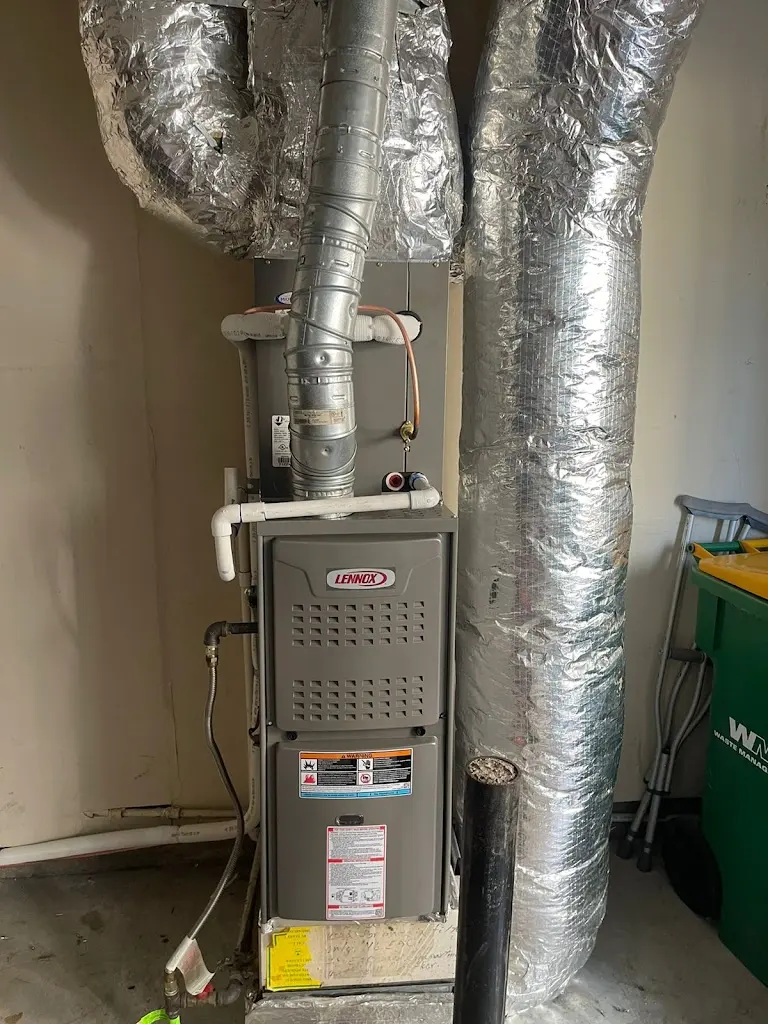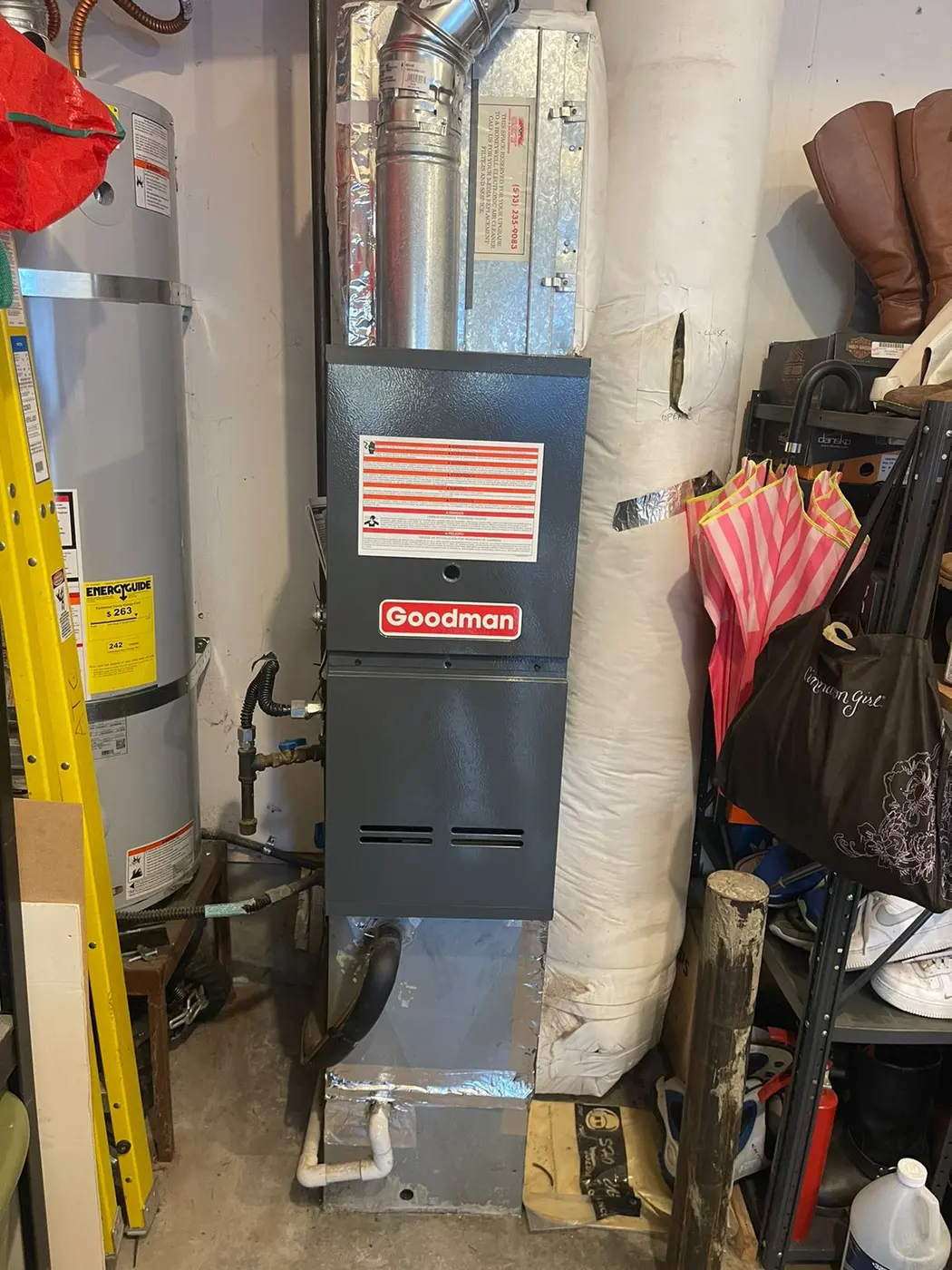
Use the Home’s Current Condition to Plan the New Furnace
HVAC & Appliance Repair Guys provides furnace installation and replacement in Scappoose, OR. If the home has changed since the old furnace went in, include that work in the estimate discussion. New windows, insulation work or a change to the served rooms can matter to heating needs. The equipment choice should reflect the home as it is now.
We offer a free on-site estimator visit for installation and replacement. Explain which changes are complete and why you want to replace the furnace. Keep those facts separate from work you may do later. A useful proposal needs a clear starting point, without treating an old equipment label as the whole heating plan.
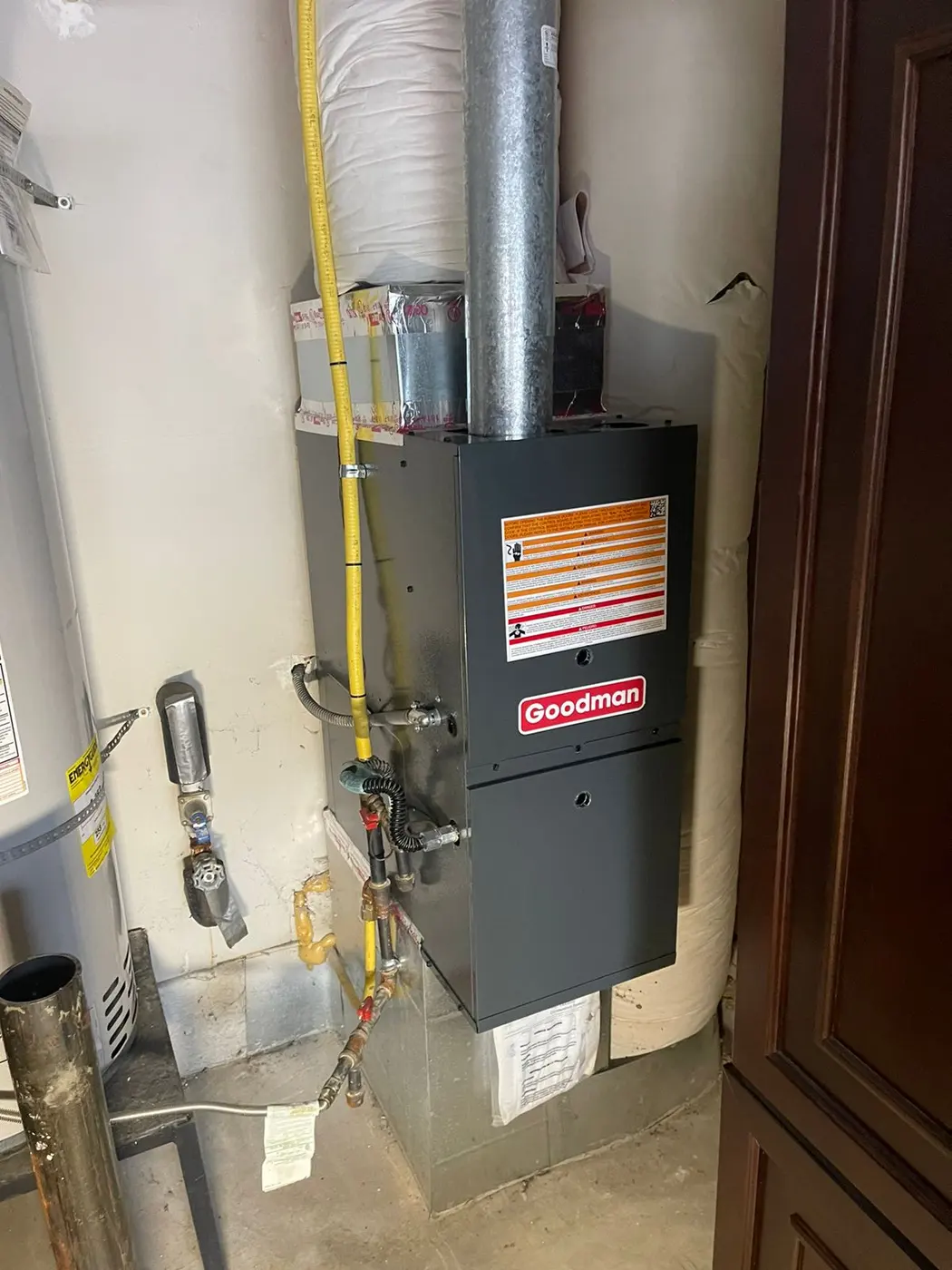
Our furnace installation service covers the broader project. Completed building work provides context for that review. It does not automatically establish a smaller furnace, a larger furnace or a fixed saving. The site and intended heating result still need assessment.
Bring a Clear Before-and-After Account
Identify what changed and when the work finished. A whole-home change and work in one room are different facts for the estimate. Share records already available if they help explain the scope. You do not need to open finished areas to prove the work before the visit.
Describe any room that now has a different use or enclosure. State whether the existing furnace currently serves that space. A newly enclosed area should not silently become part of the new heating coverage. The estimate needs an explicit decision about which rooms the project will serve.
Keep a future idea marked as a future idea. If another window or insulation project remains undecided, explain that limit. The furnace plan should not assume every possible improvement will happen. Ask which selection depends on work that has not yet taken place.
Describe the Heating Result After the Changes
Explain how the current furnace behaves under ordinary use now. Include whether rooms reach their usual setting and whether a concern affects one space or the whole served area. Keep what you observe separate from what you think caused it. The completed home work is context rather than a diagnosis.
If the room response improved, mention that as well as any problem that remains. A replacement estimate should not rely only on complaints from before the changes. The current result can give the project a more accurate goal. It also helps distinguish an old issue from a new one.
Note whether the furnace has a separate confirmed fault. Repair findings can inform the discussion without deciding every aspect of the new installation. A current problem and the home’s present heating need are related but distinct questions. Keep each one clear when comparing your next step.
Review Capacity and the Existing Air Paths Together
Ask how the proposed furnace size relates to the current property and rooms. The old unit’s capacity may describe an earlier set of conditions. It should not automatically settle the new selection. A larger or smaller model needs a reason tied to the heating plan.
Completed building work does not by itself establish the condition of the ducts or returns. Explain any air-delivery concern that remains. Ask whether the proposed installation retains those paths or includes related work. The equipment size and the way heat reaches the rooms need a coordinated review.
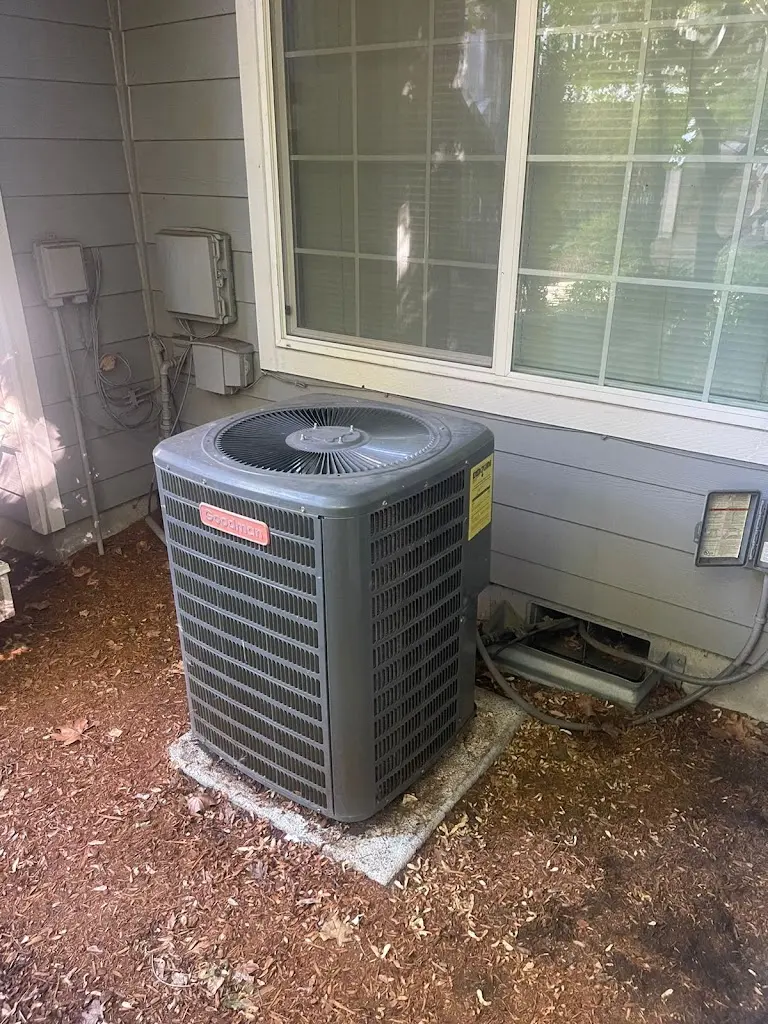
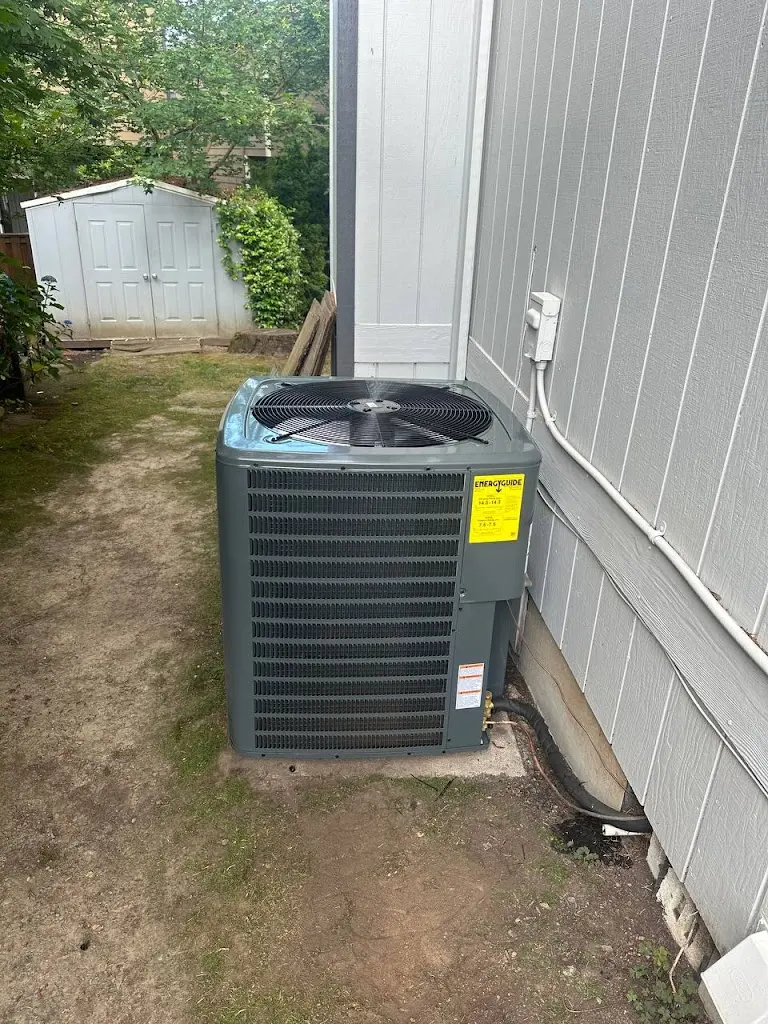
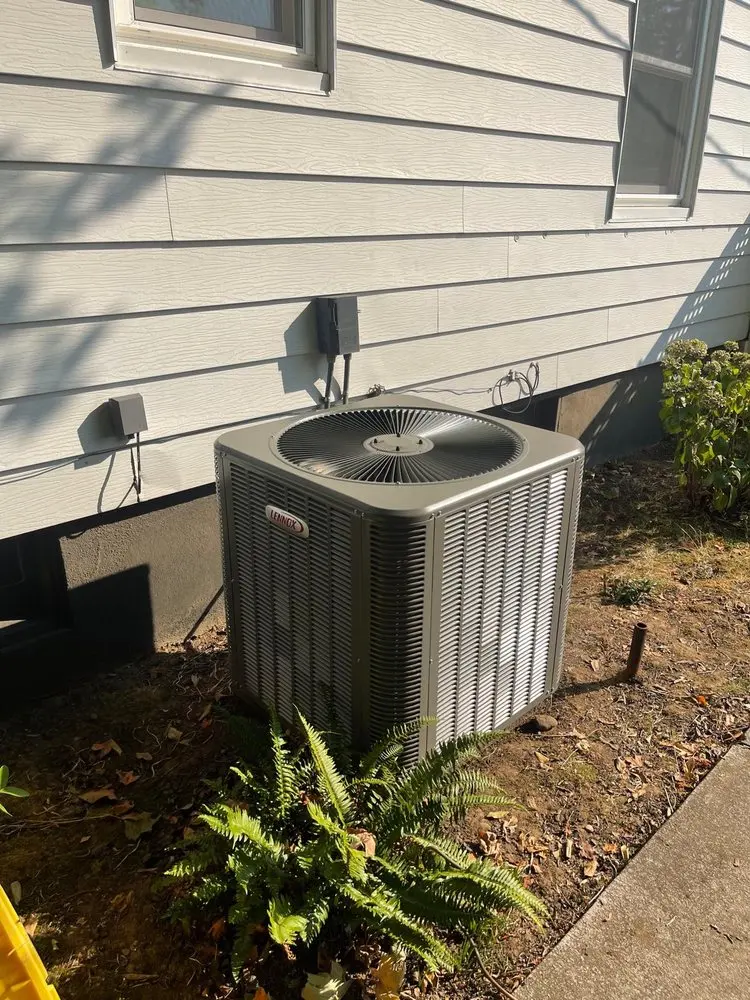
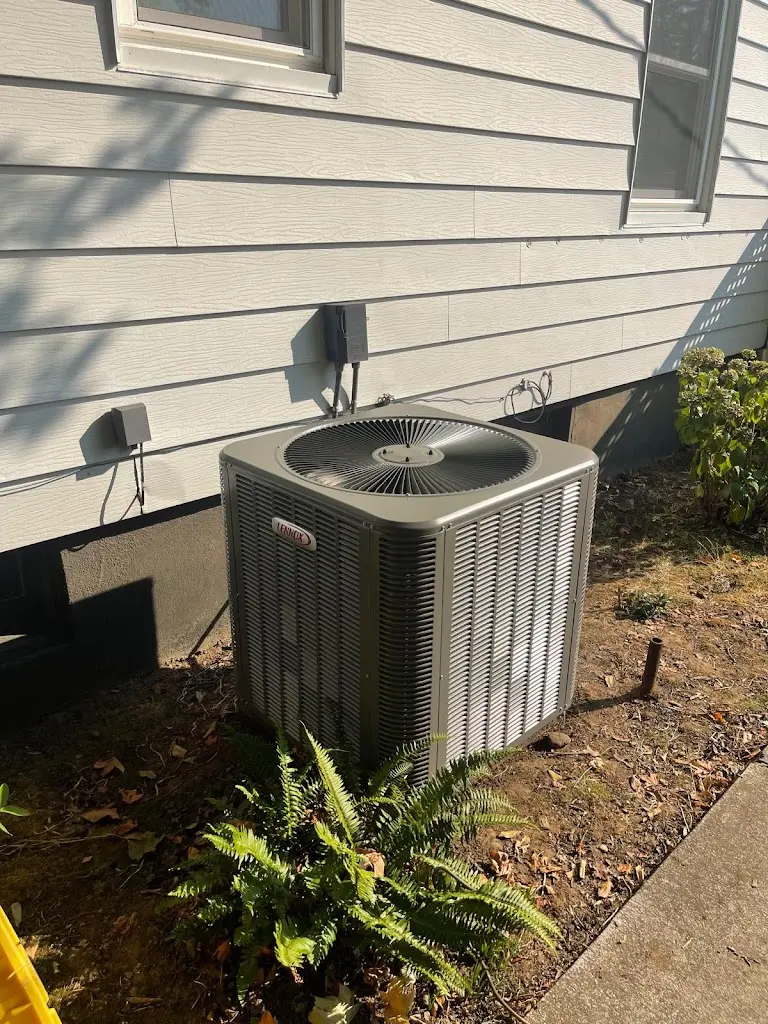
Keep any retained cooling equipment identified in the estimate. A changed heating need does not automatically mean every other component must change. Ask what the new furnace requires from the planned combination. The proposal should make reuse and any conditional task clear.
Agree on the Scope That Matches the Finished Home
Our HVAC installation service in Scappoose covers a wider heating and cooling change. Use that broader plan if several systems are part of the project. Keep the completed home work and new equipment tasks distinct. The furnace estimate should state what it adds to the property now.
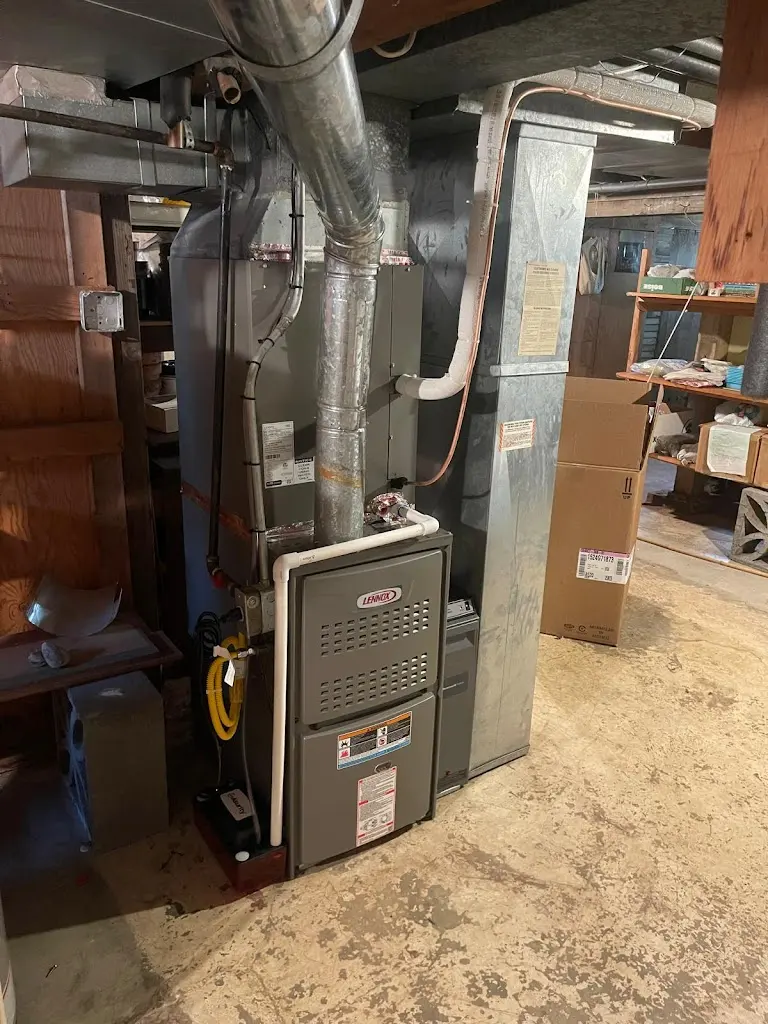
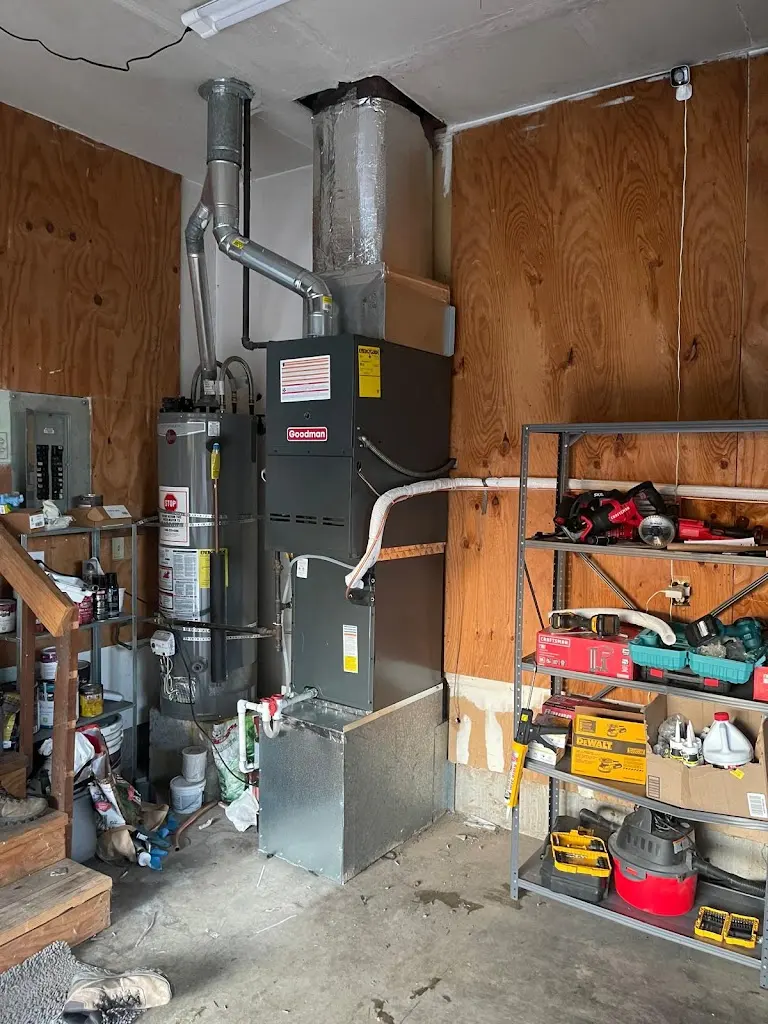
Review the selected furnace, controls and connection work with the price. Include removal and any preparation the installation needs. Ask which assumptions remain open and how the team will settle them. A completed home improvement should not conceal an unconfirmed equipment connection.
If the room plan changes again before installation, report it. Ask whether the equipment choice or work scope needs review. Keep the final plan with the revised details. The team should not install from a version based on rooms you no longer intend to use in the same way.
Keep the Project Record With the Home-Change History
Before scheduling, confirm access to the equipment and relevant rooms. Explain any finished area that limits the route for installation or service. Leave equipment and connections intact for the team. Discuss the planned time without heat using the actual work sequence.
At handover, review normal control use and the heating checks on the new furnace. Keep the installed model and final scope with the record of relevant home changes. That history should explain the basis of the completed project. Retain any open room concern and its next step for later service.
Frequently Asked Questions
Do new windows mean I should buy a smaller furnace?
Not automatically. The full home and its heating needs require review. Tell the estimator what changed and ask how the proposed capacity follows from the current property. One improvement alone does not set the model size.
Can the estimate account for insulation work I still plan to do?
Yes, as an identified future condition. Explain which work is definite and which remains uncertain. Ask what decisions depend on it. Do not treat a planned improvement as a completed site fact.
Does a free replacement estimate diagnose an old furnace fault?
The free on-site estimator visit concerns installation or replacement. Diagnosis of a present fault is a separate service. Explain both needs when comparing the options so each has a clear scope.