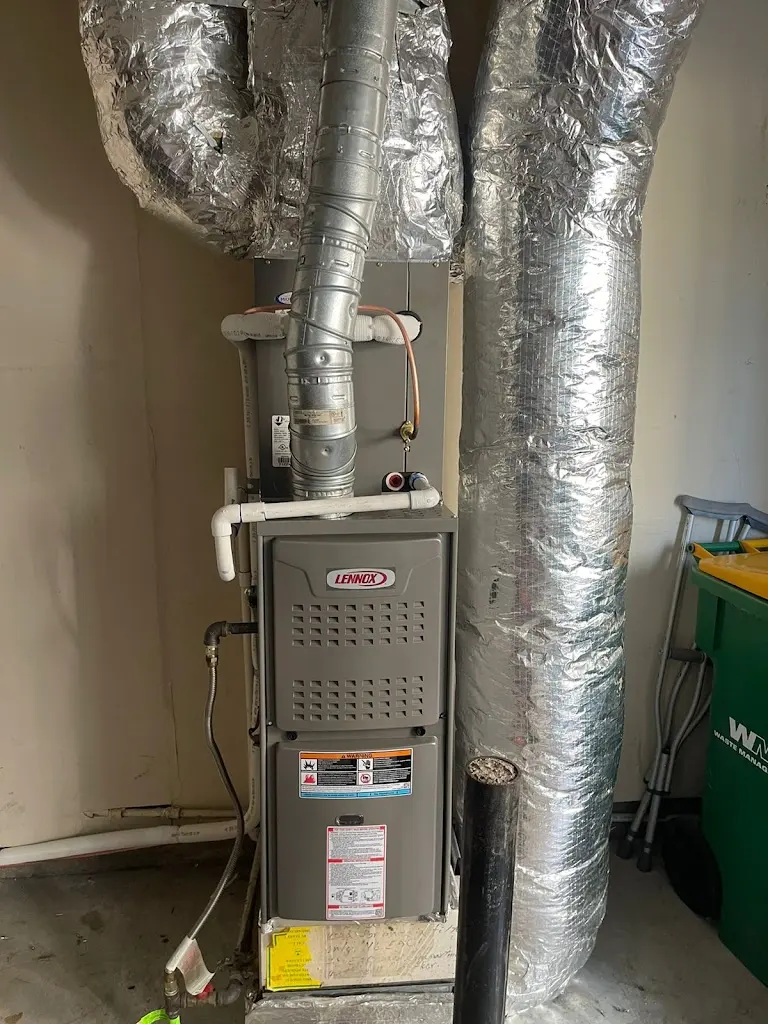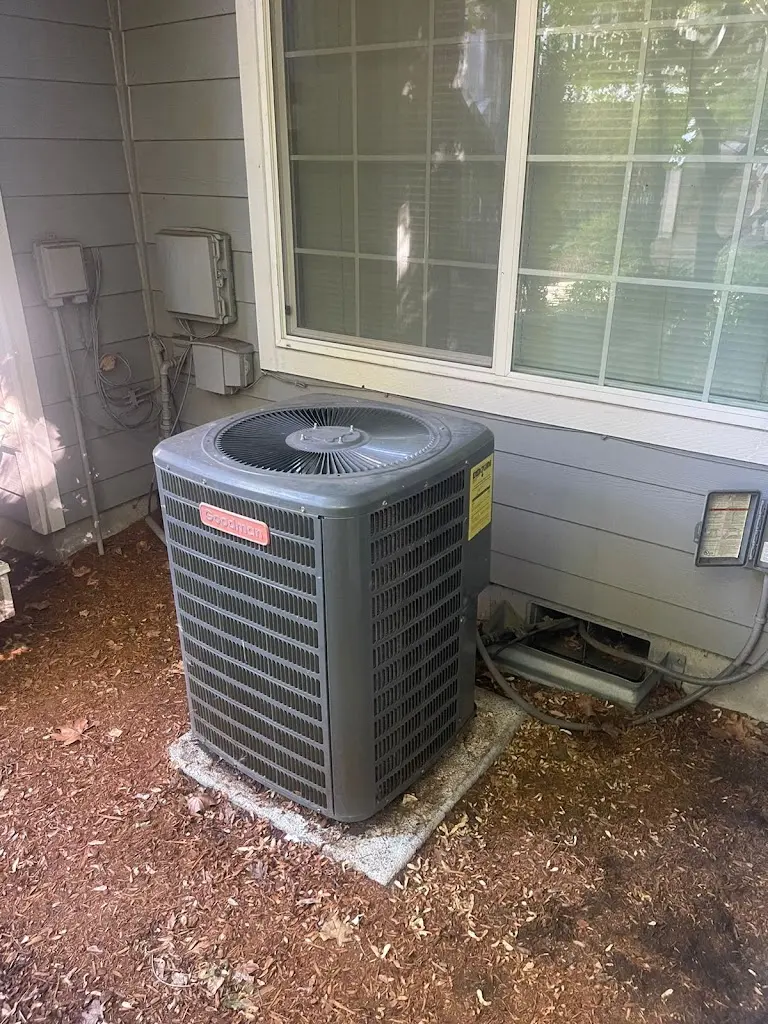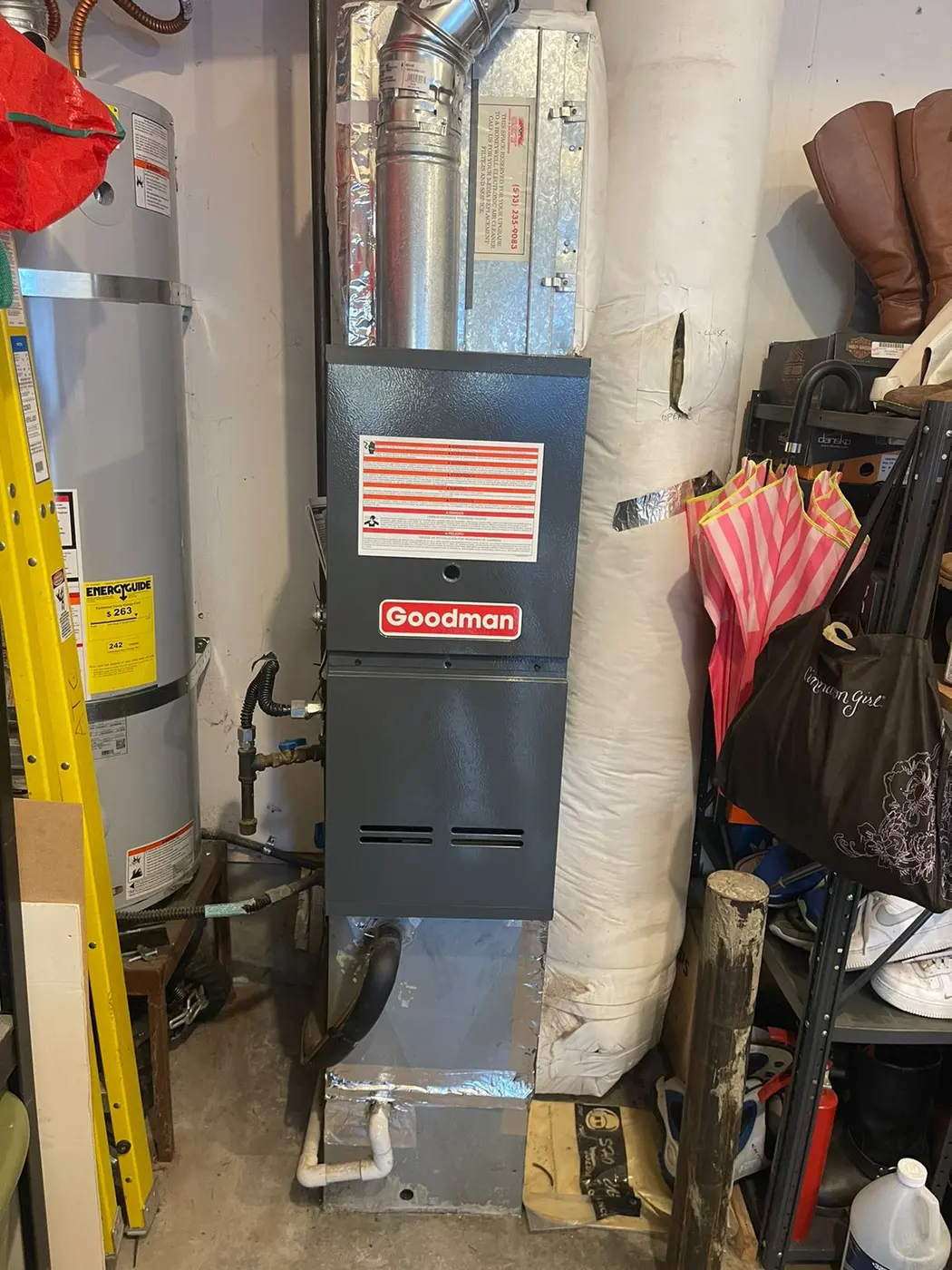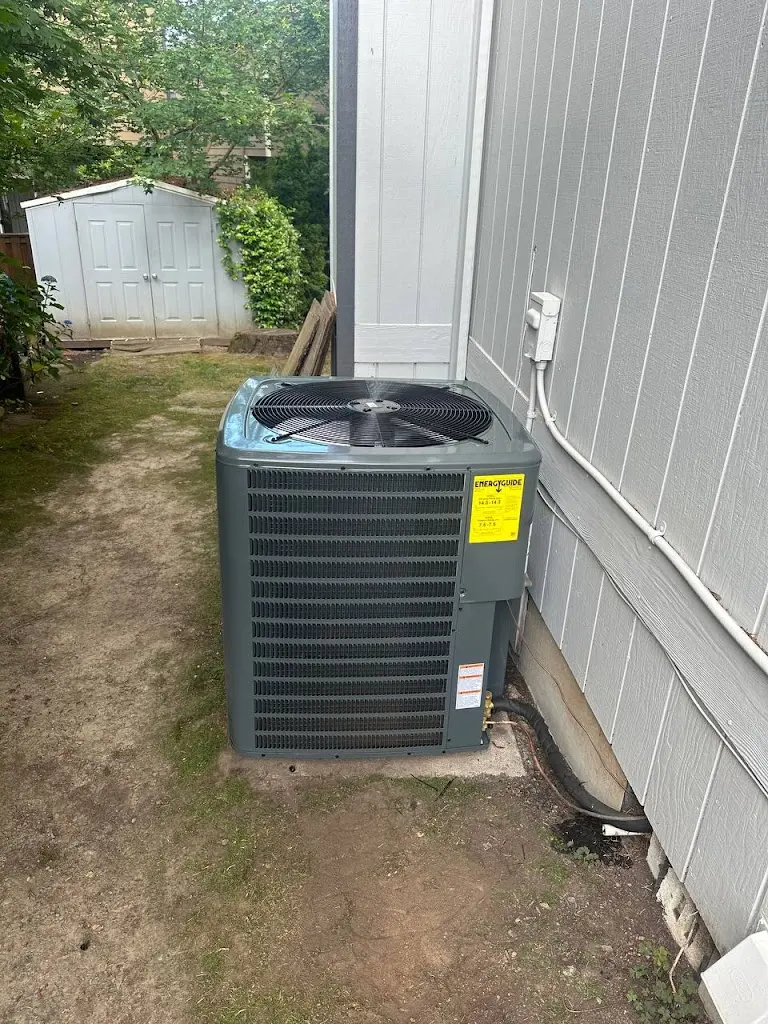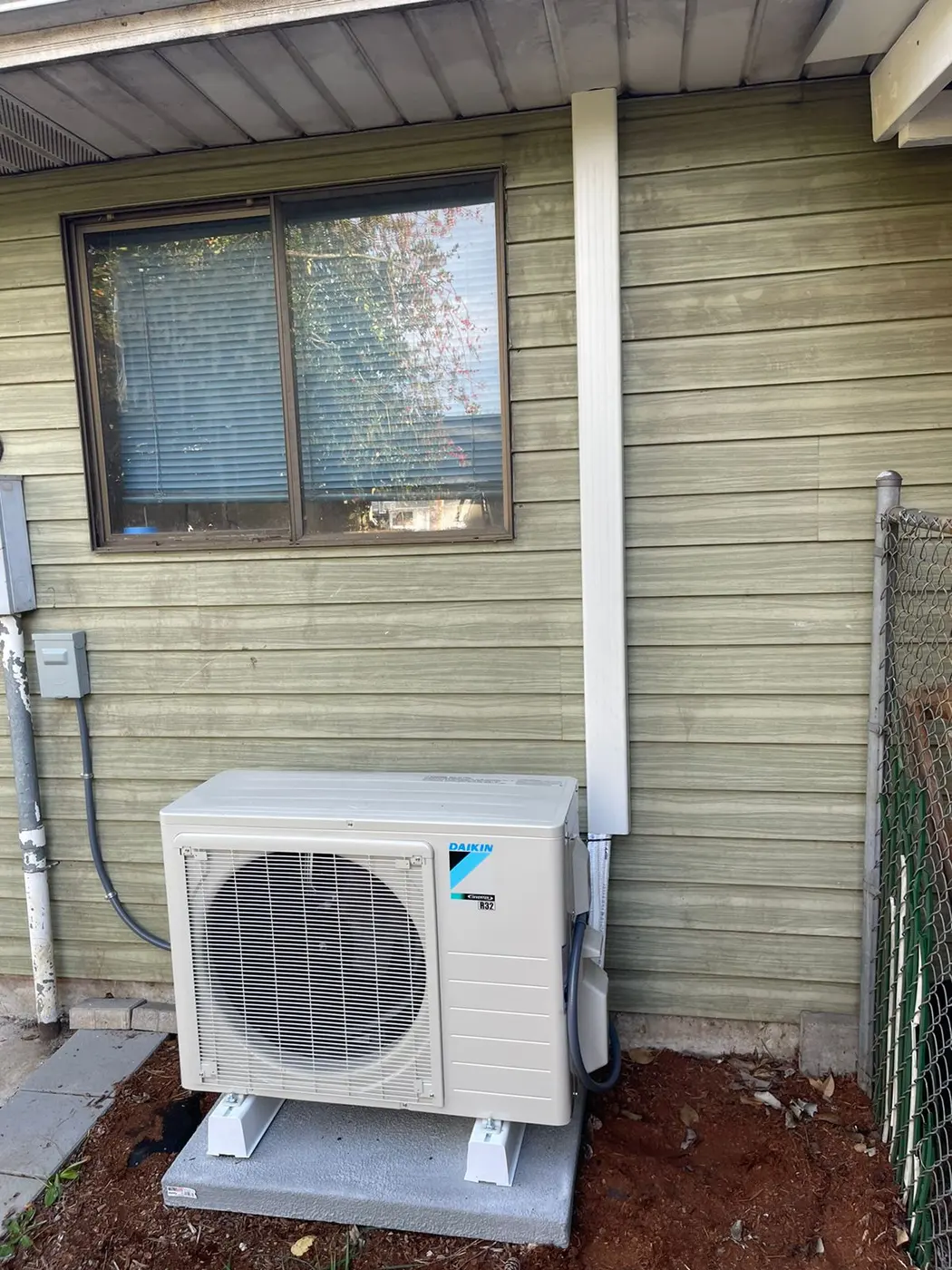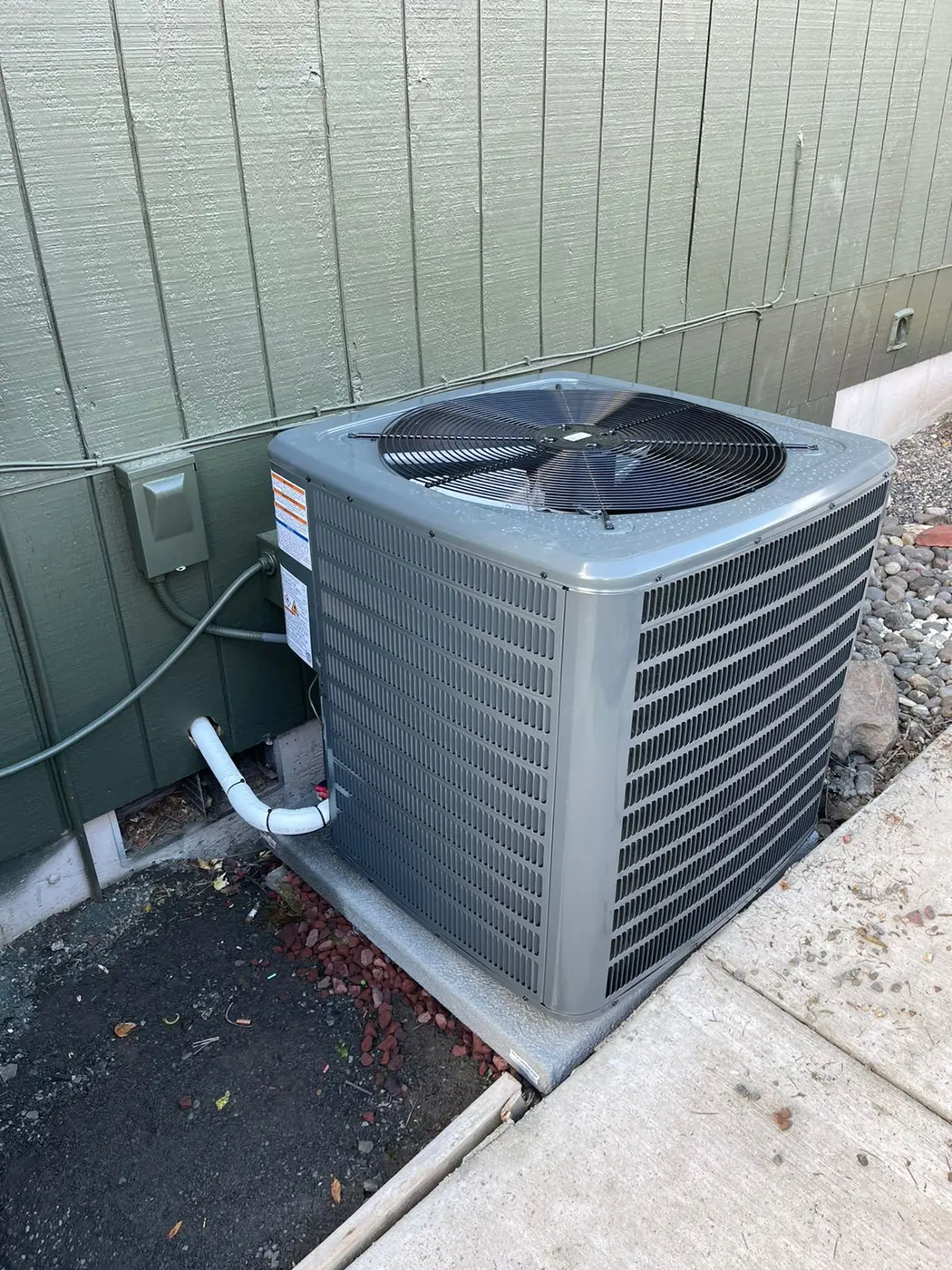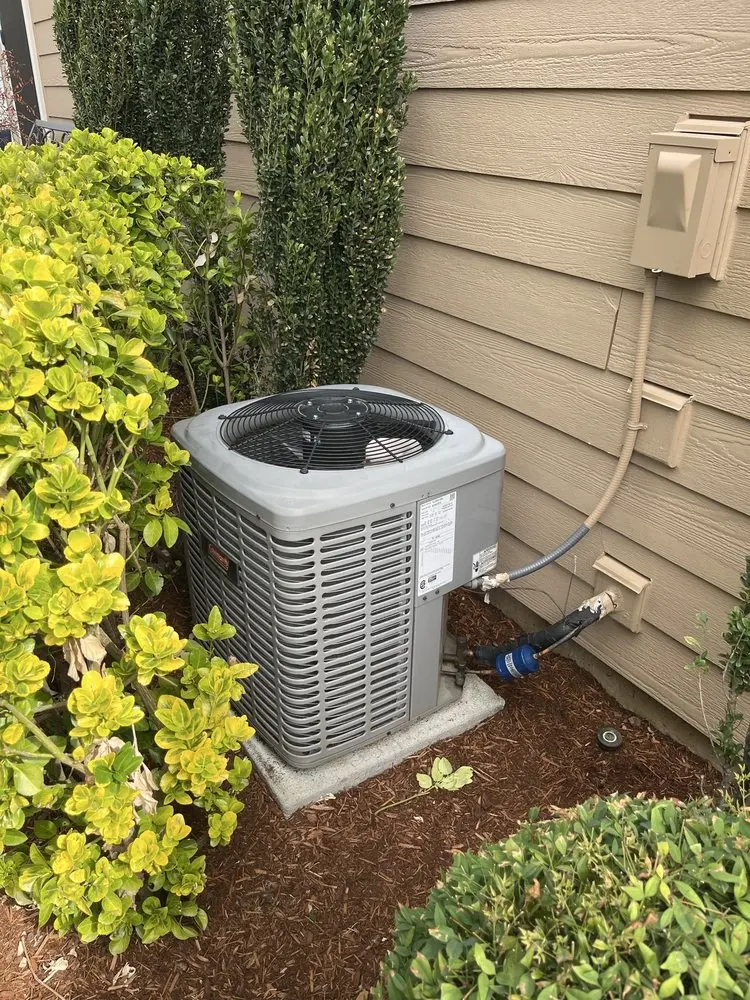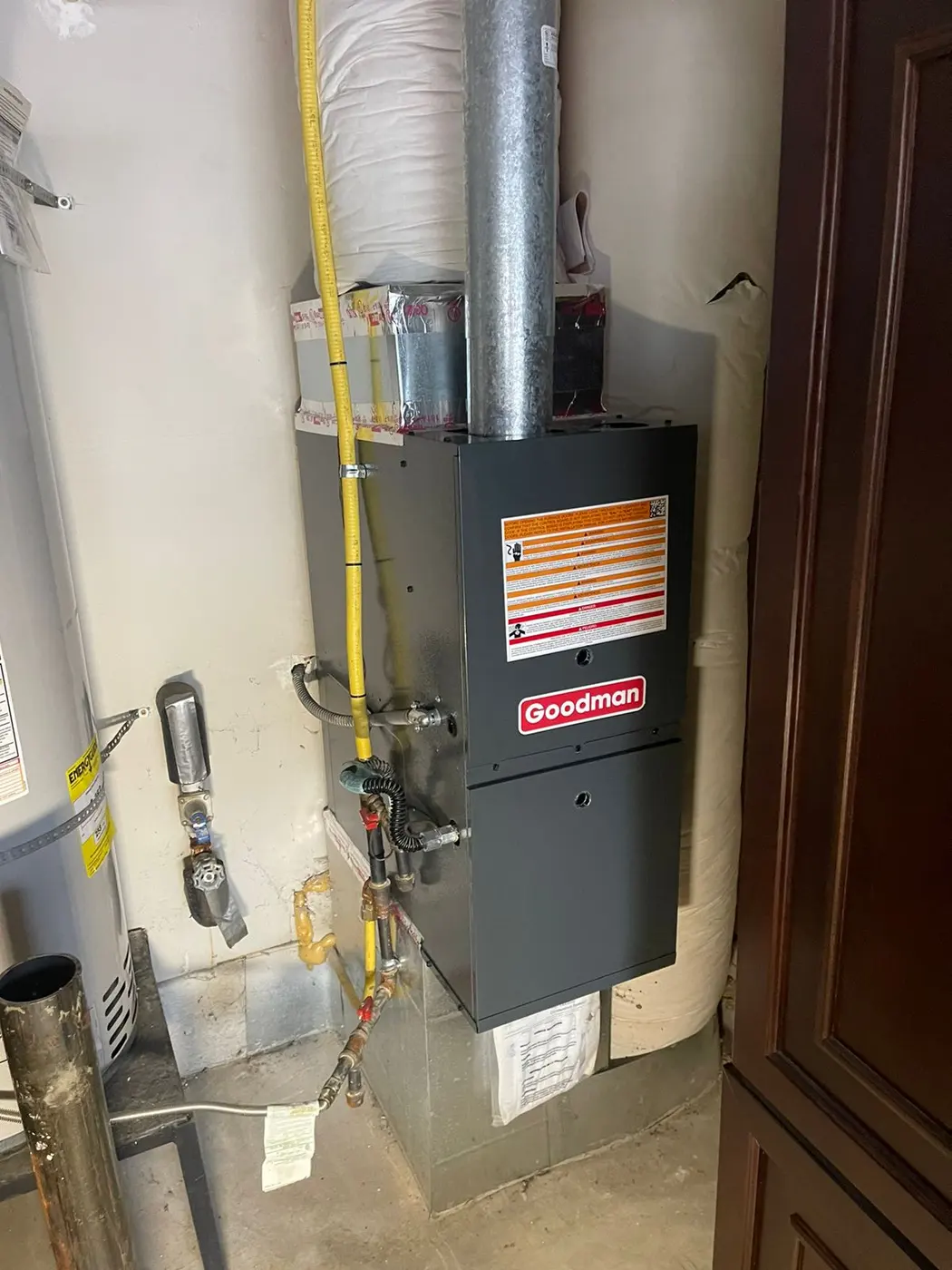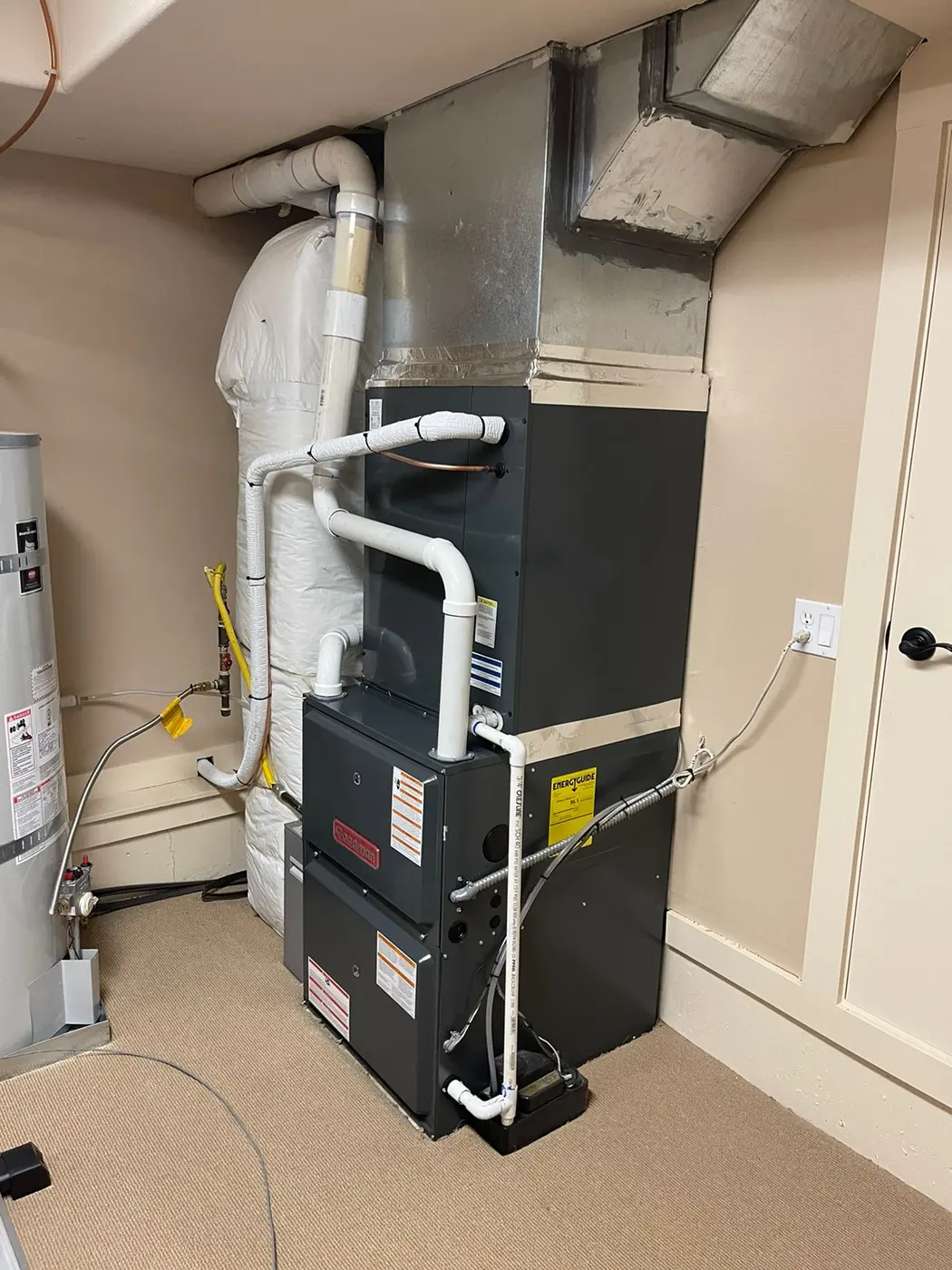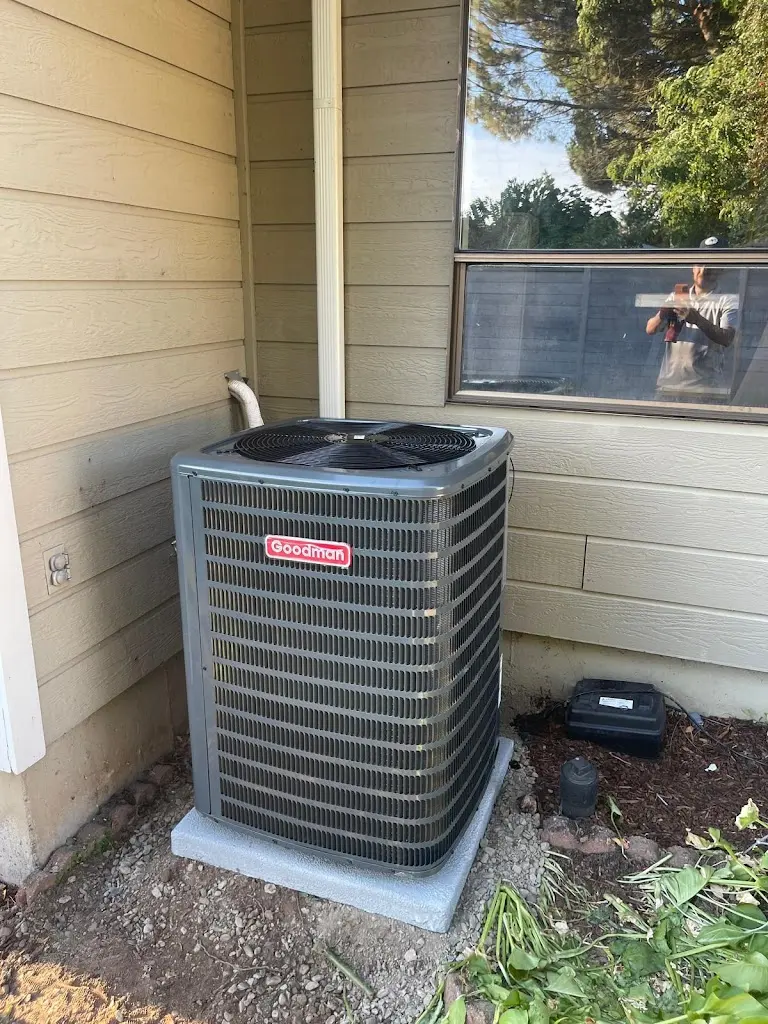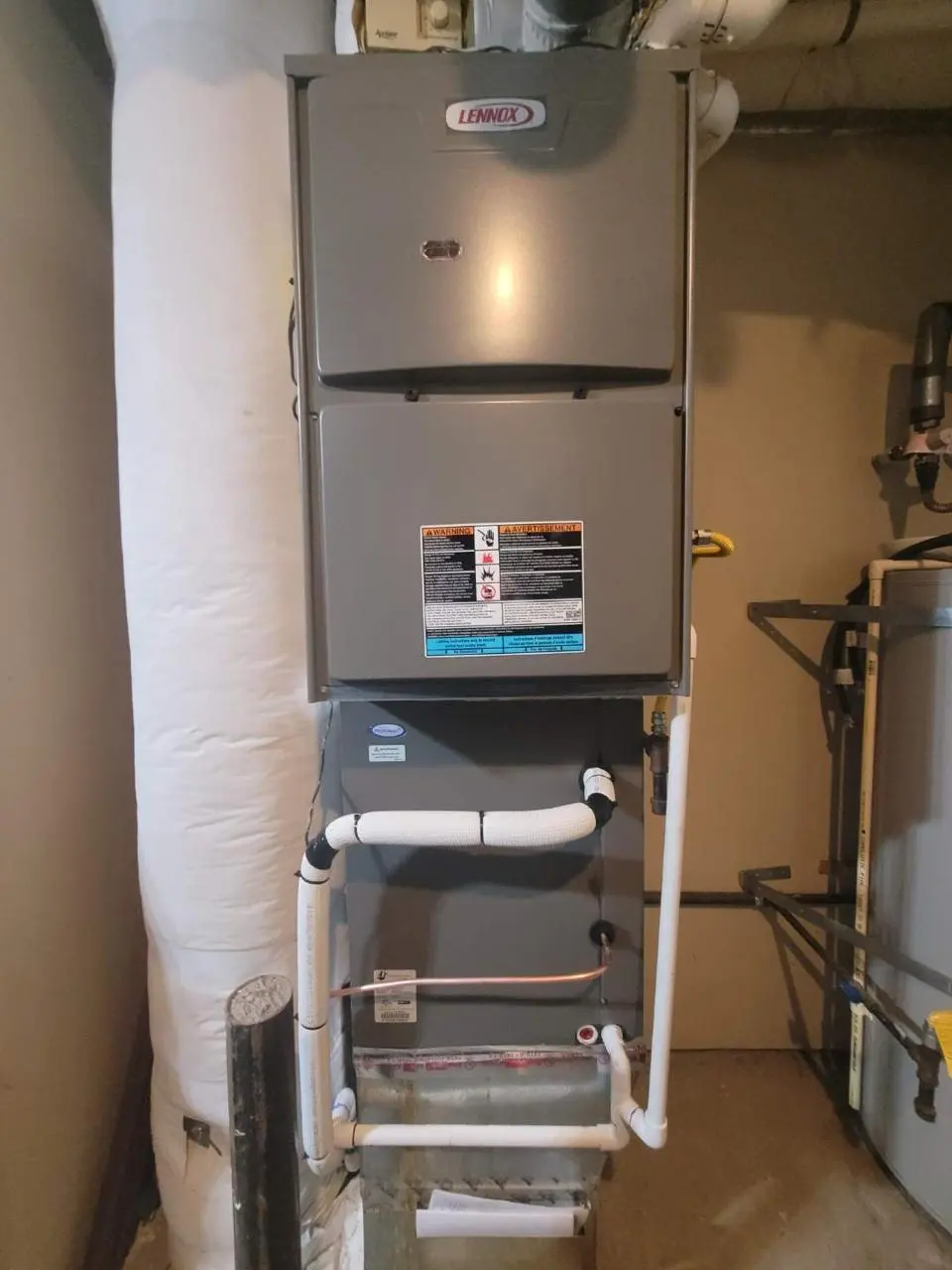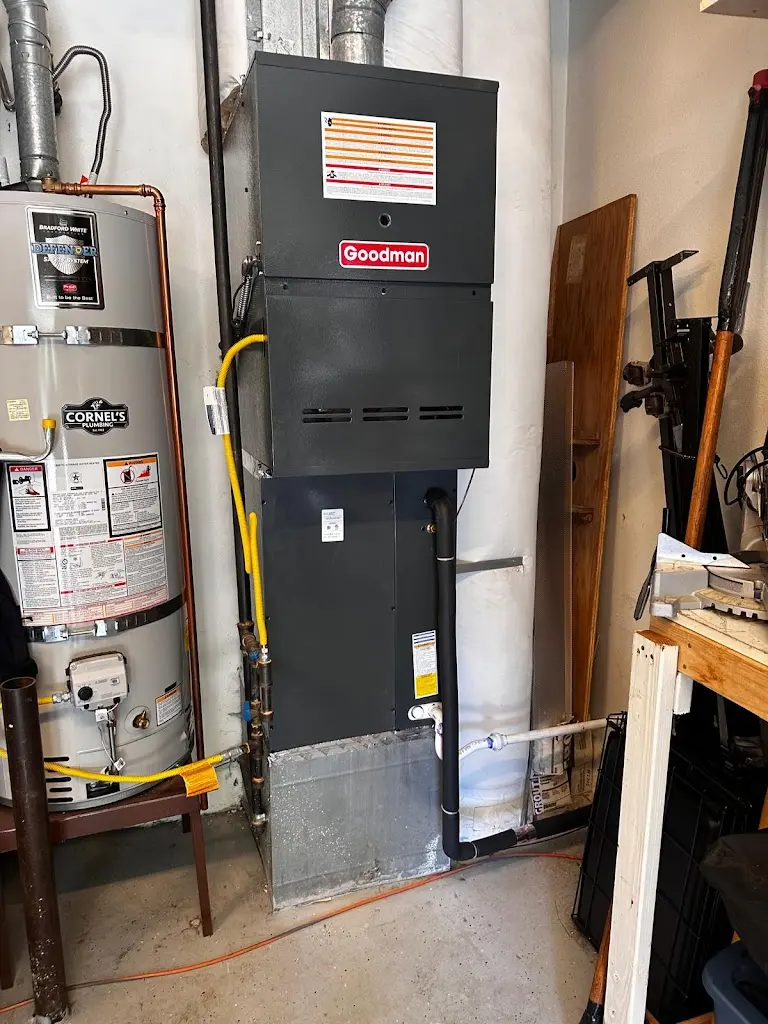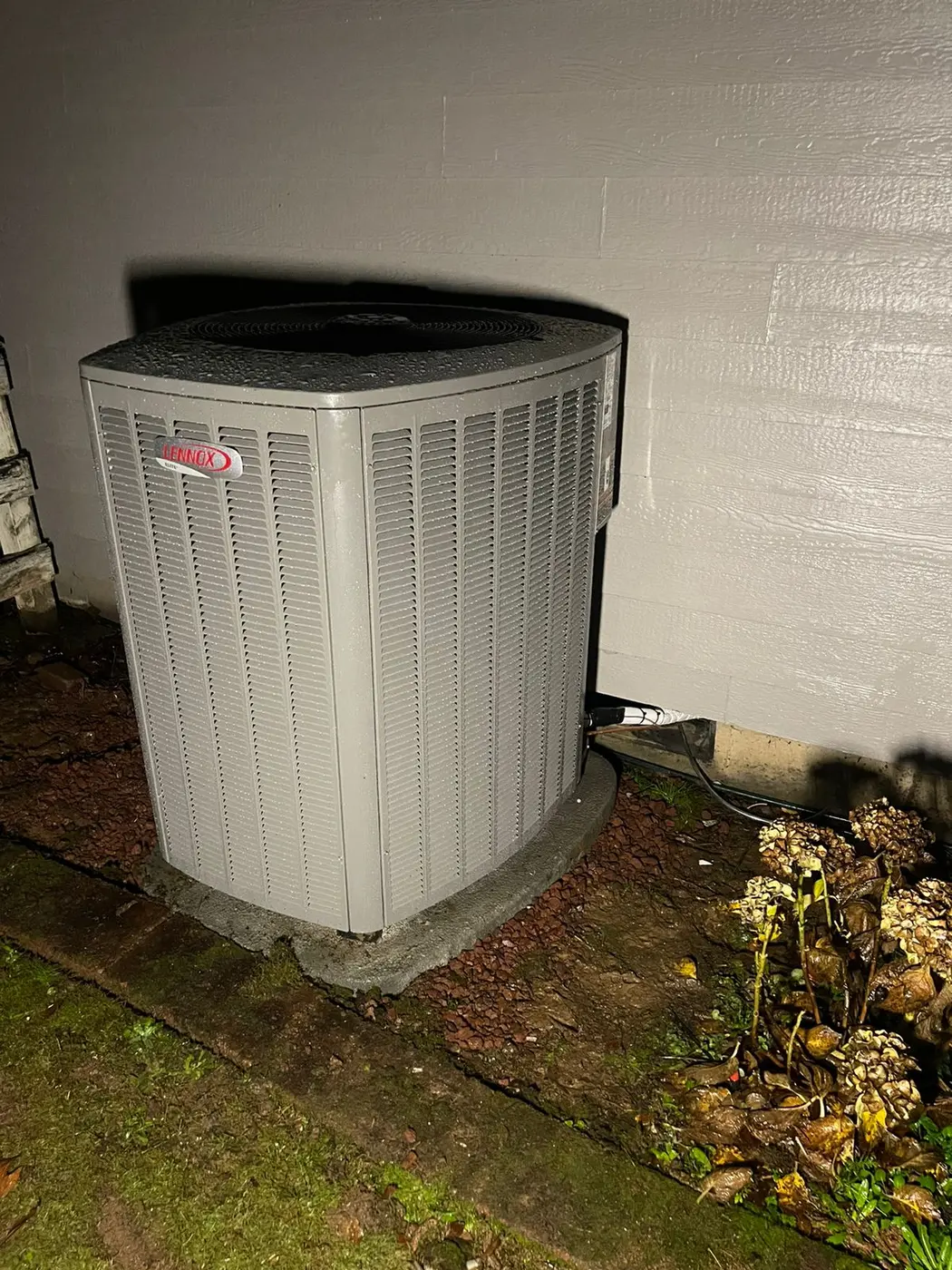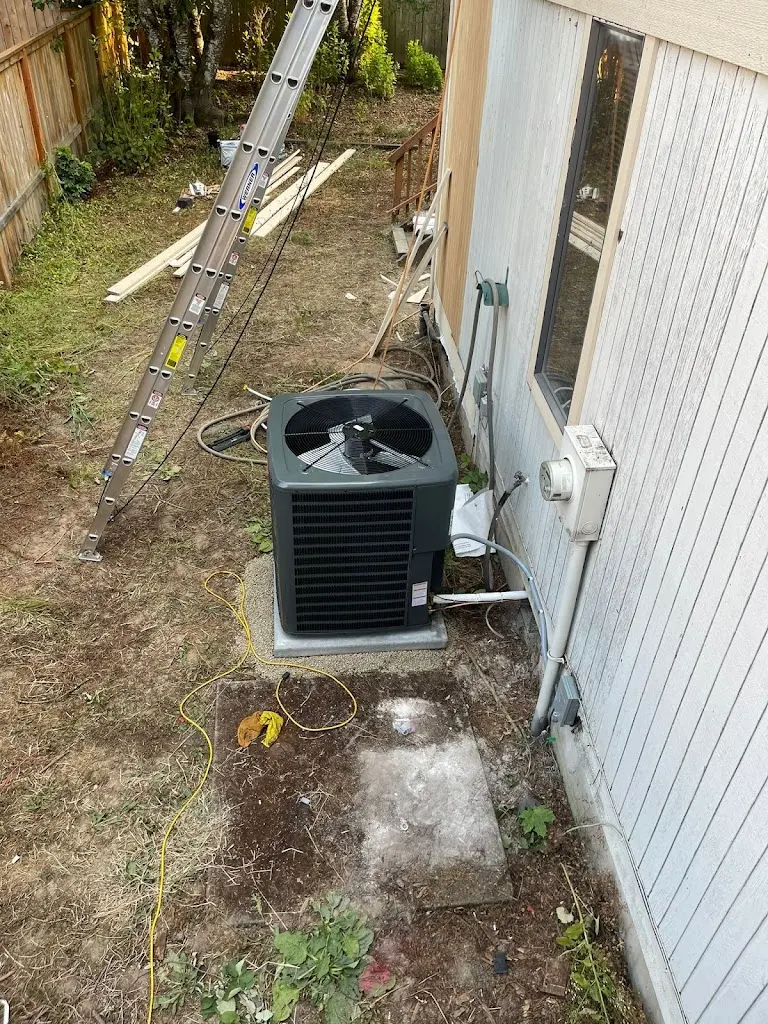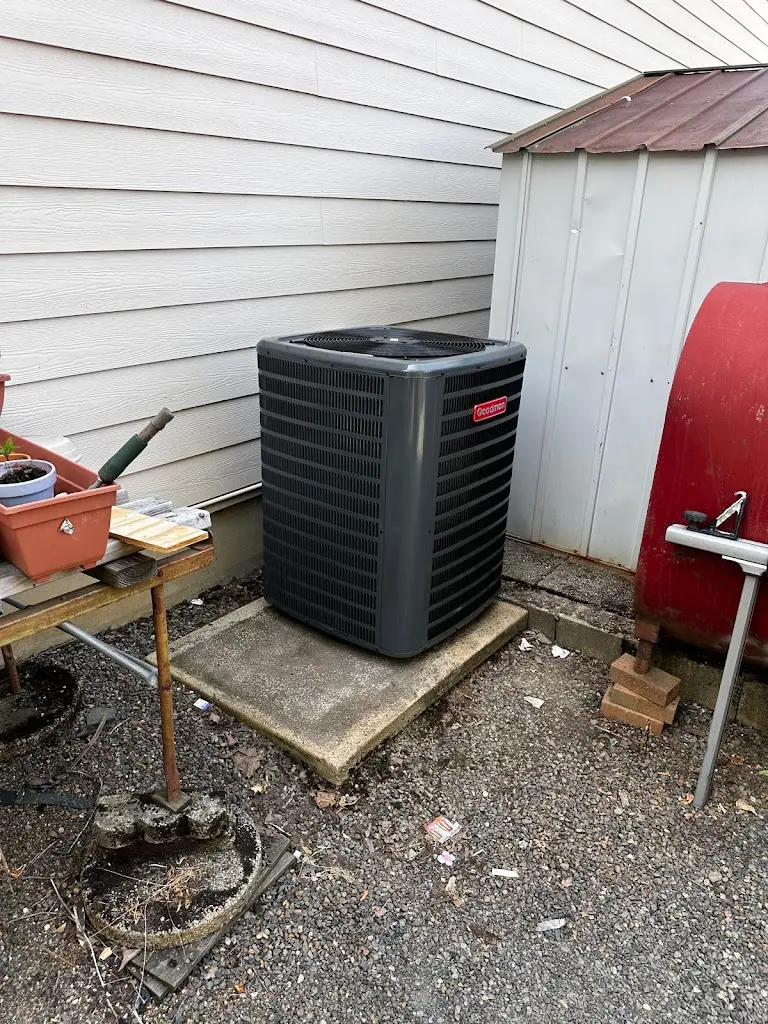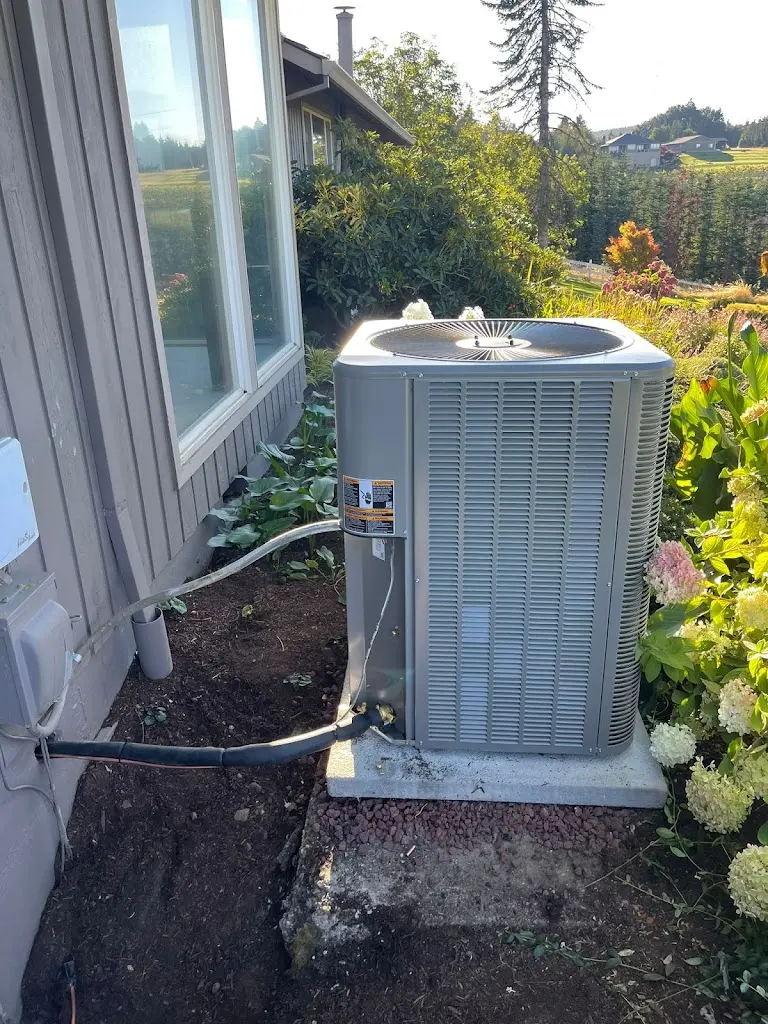
Explain What the Outdoor Move Should Improve
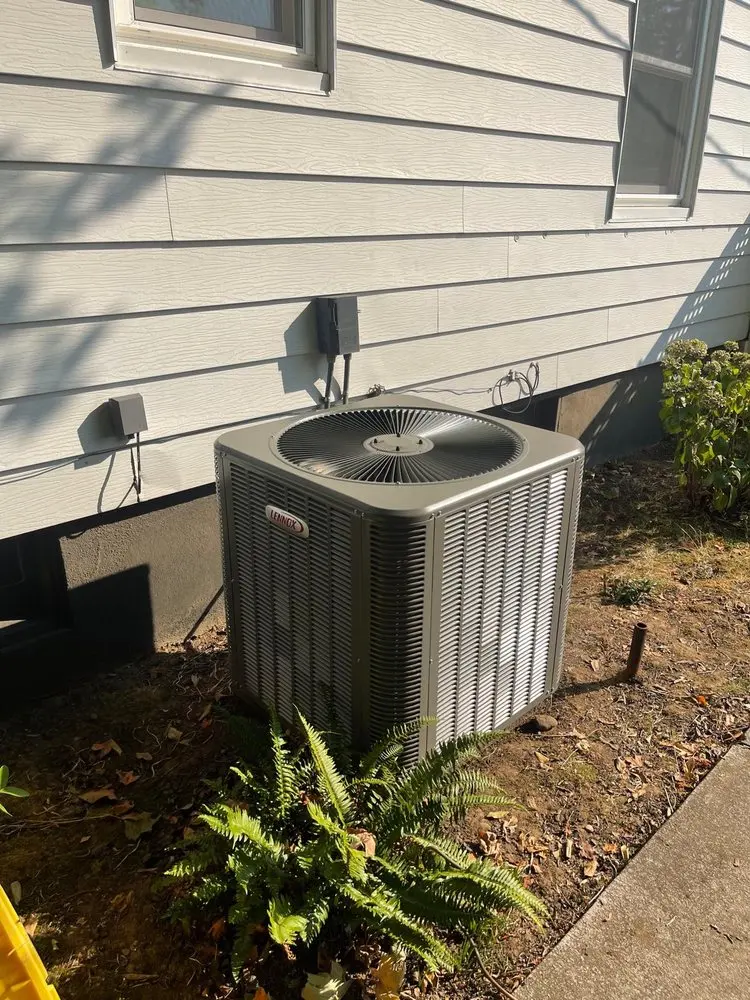
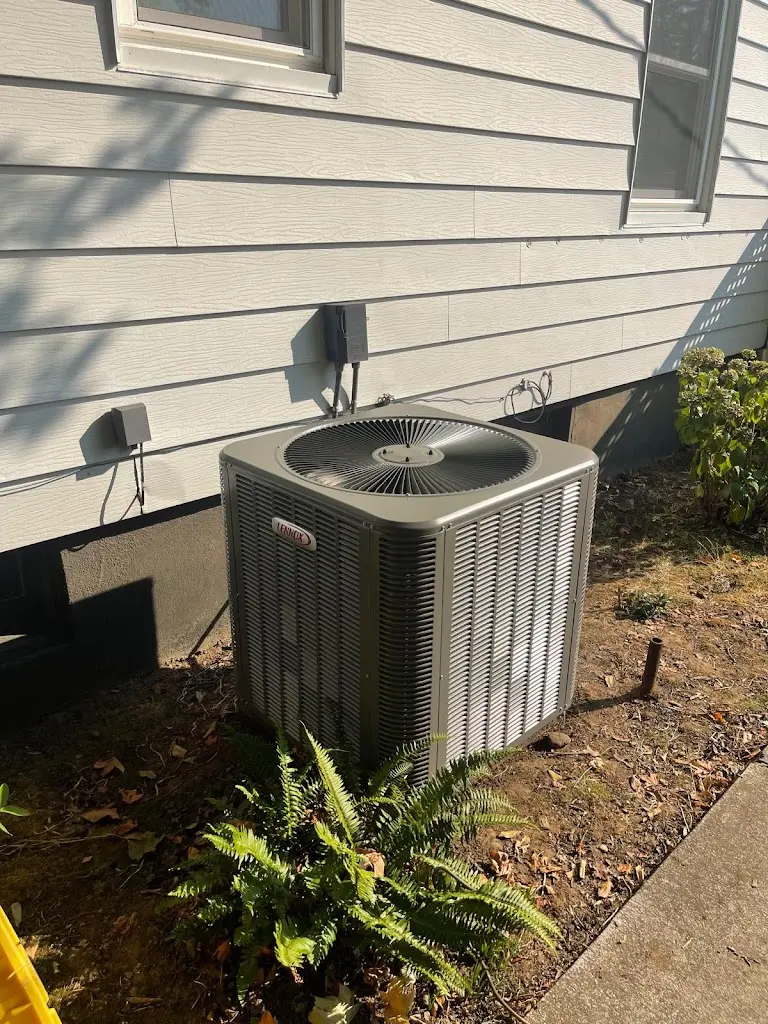
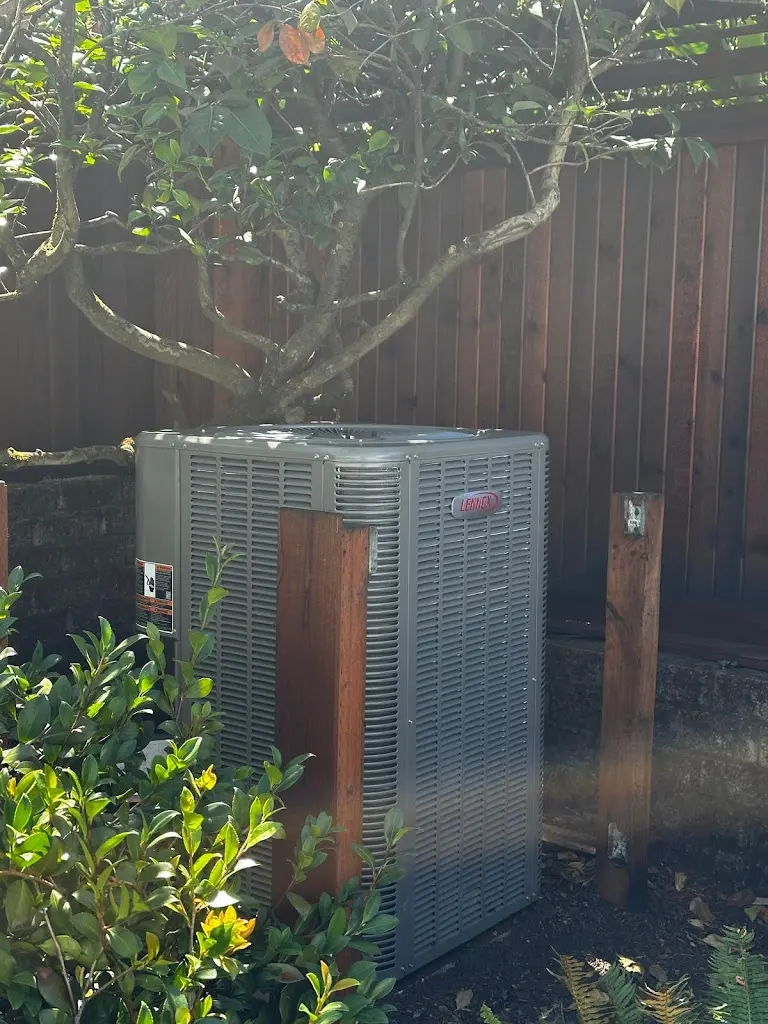
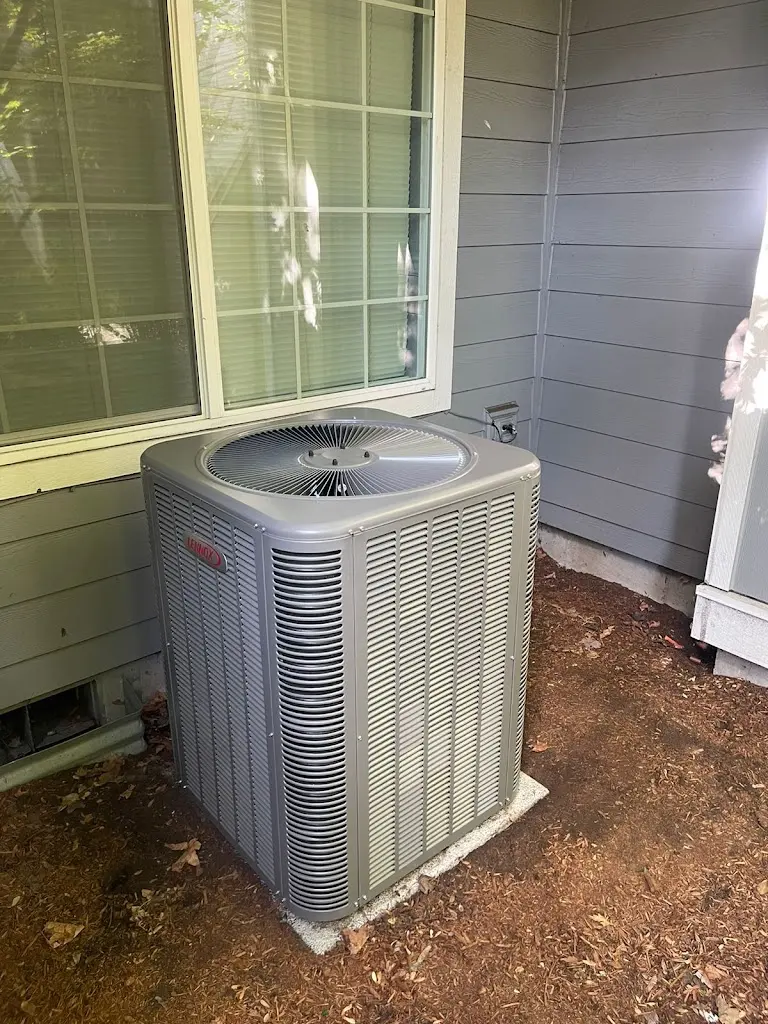
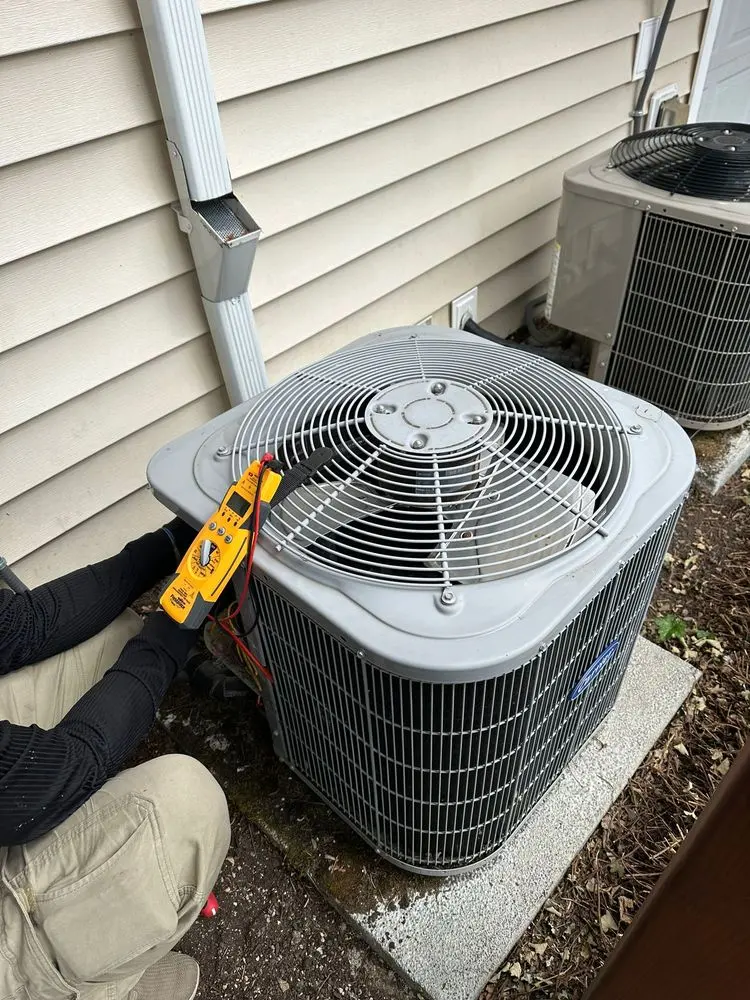
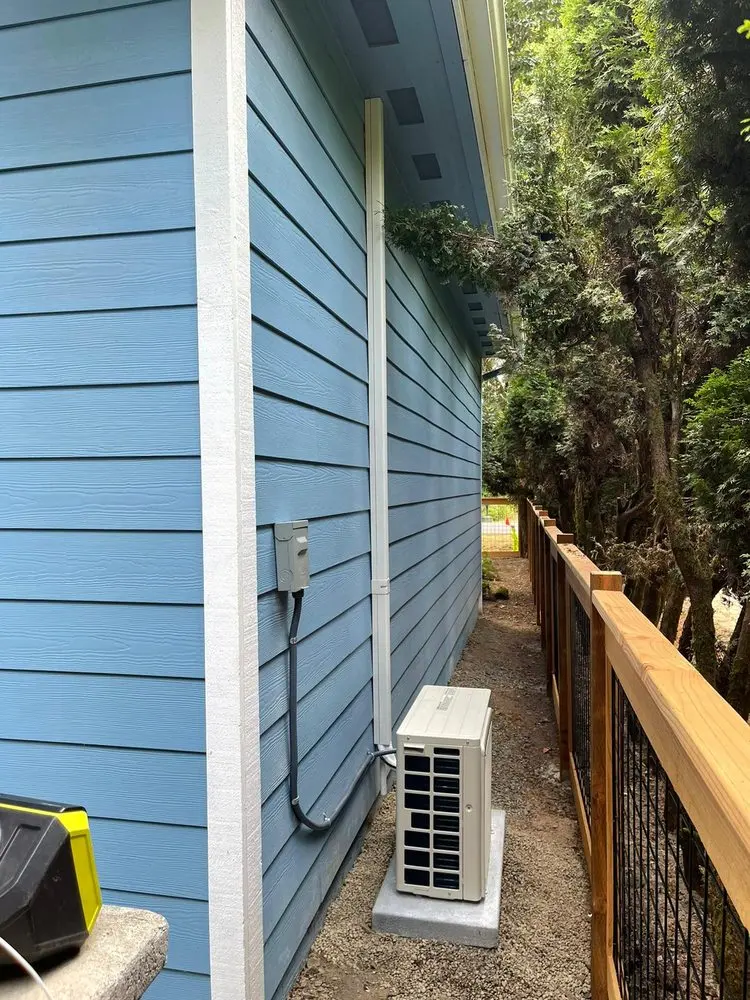
HVAC & Appliance Repair Guys provides mini-split installation in Washougal, WA. A replacement can be a time to review an outdoor position that no longer suits the space. Our free on-site estimator visit covers installation and replacement. Tell us what you want the move to change.
You may want to free a path, change a storage area or improve access to the unit. Keep the goal specific. A new spot should fit the whole system as well as the way you use the property. Moving the cabinet alone does not define the work.
Show the current location and the area you prefer where you can do so safely. Include fixed fences, gates and nearby openings. Mention a known future change to that space. The plan should use the layout you intend to keep after installation.
Identify the Room Units Connected to the Outdoor Equipment
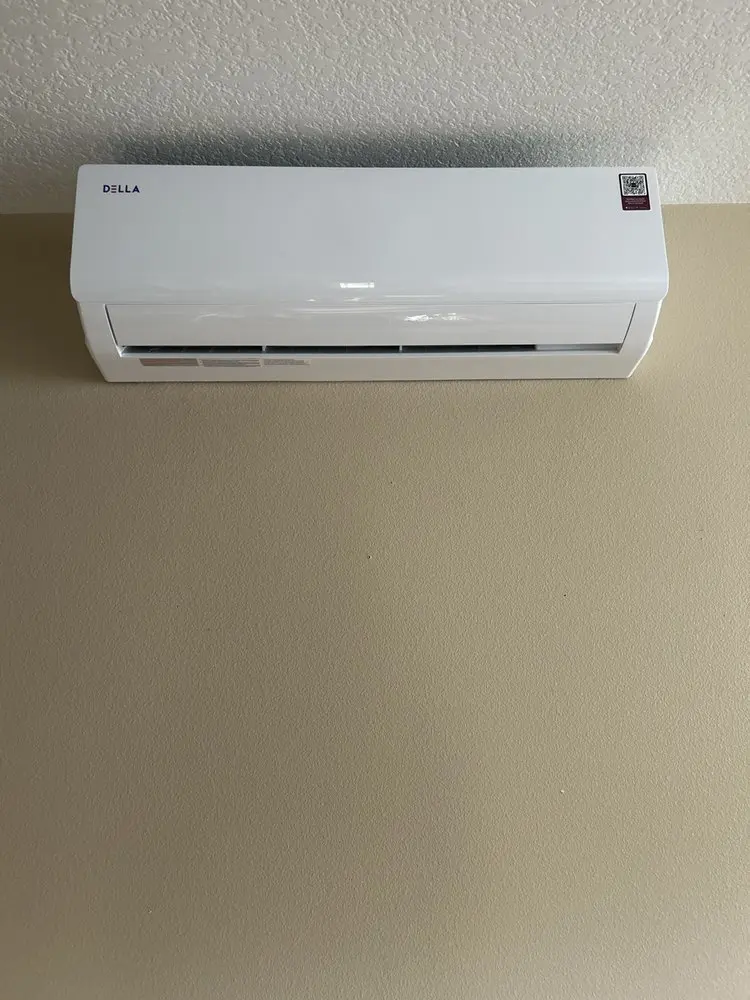
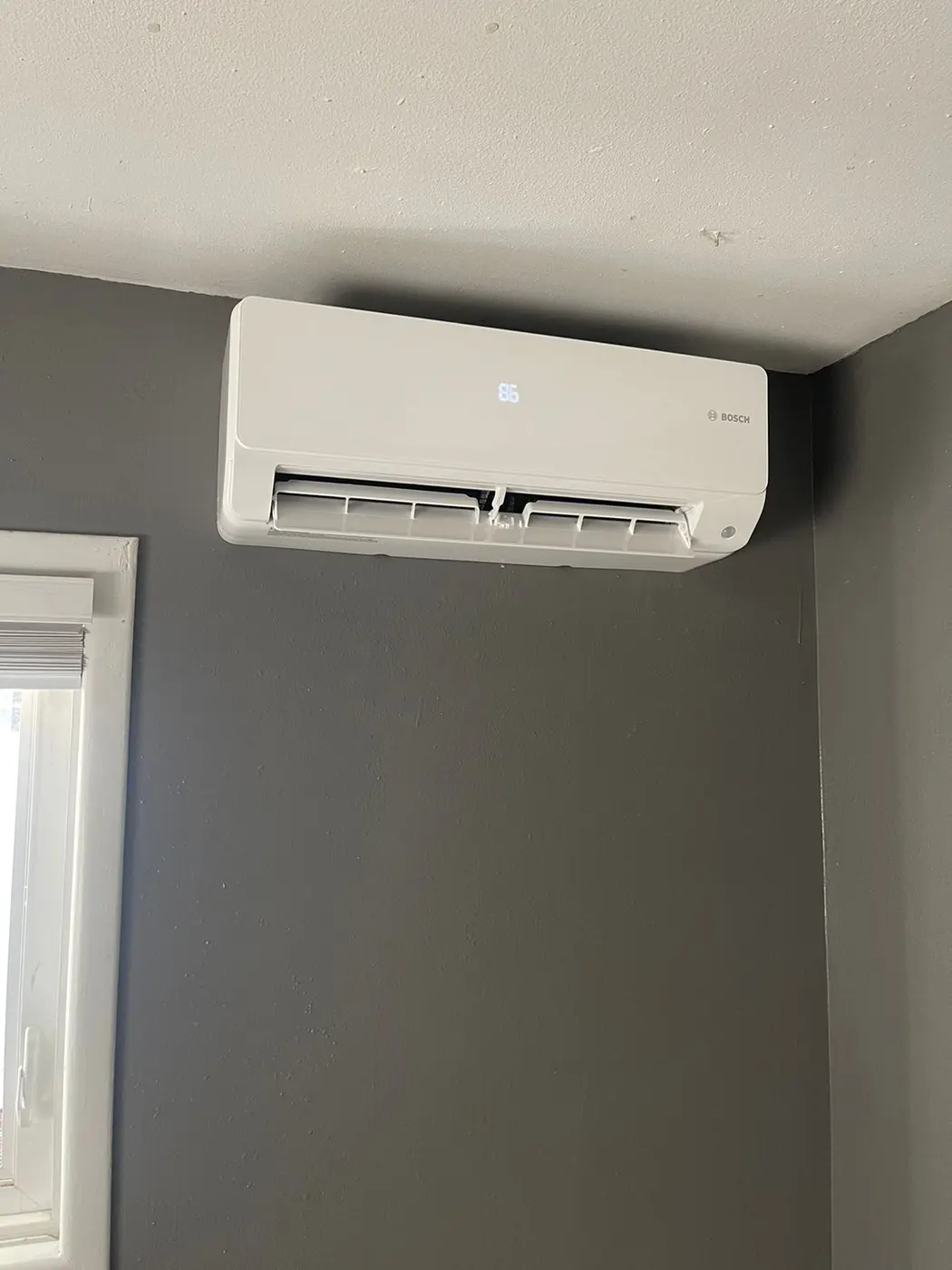
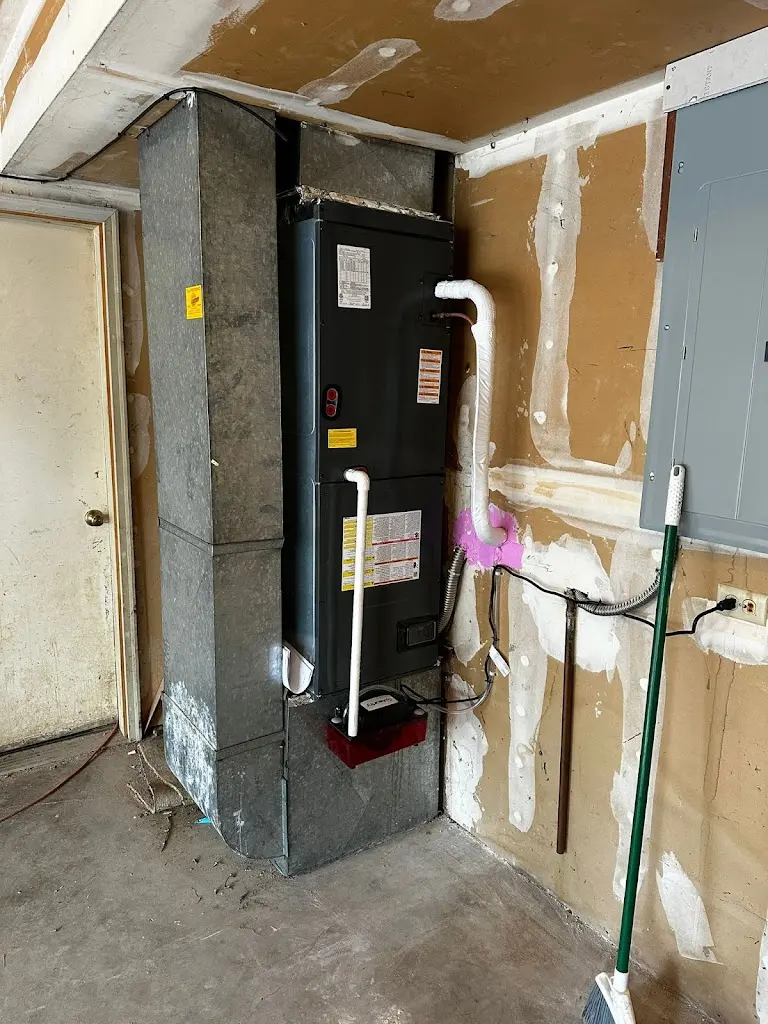
Name the indoor heads that belong to the affected system where you know them. Leave an uncertain connection open for the site review. Several nearby heads do not always share one outdoor unit. The move needs a clear equipment map.
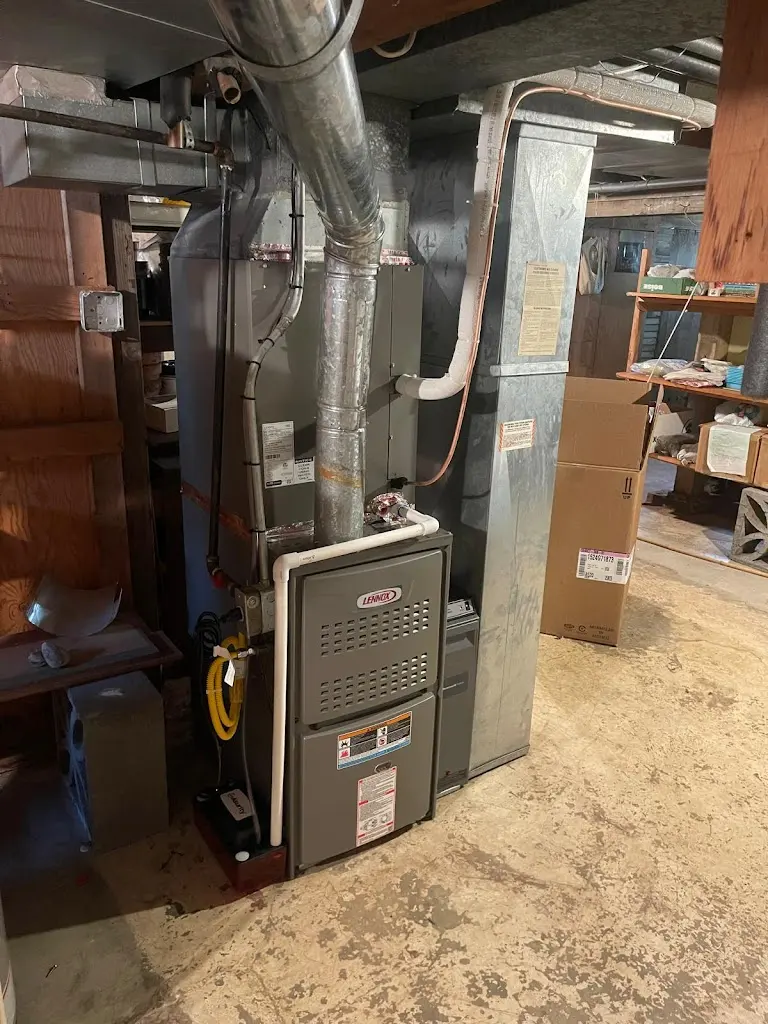
Ask which indoor positions the proposal keeps and which parts change. Retaining a wall position does not prove that every connection can stay. A new outdoor model also needs a suitable indoor match. Keep the actual selected units in the same plan.
Our mini-split installation service reviews the full room and equipment setup. Confirm that the move keeps the intended heating and cooling roles clear. A new outdoor spot should not silently change the areas served. Any wider room change needs its own place in the scope.
Compare the New Route With the Existing One
Ask how each retained indoor location connects to the new outdoor position. The route may change even when the heads stay on the same walls. A shorter visible distance does not establish every task. Review the full path through the actual site.
Keep line work, power and control connections in that discussion. Ask which items the price retains and which it changes. A current route can provide context without proving that it suits the new setup. Any concealed condition should remain an open question until the review settles it.
Also ask what the move means for water handling in the installed arrangement. Indoor cooling drainage and water around the outdoor unit have different roles. A new cabinet location does not answer both by itself. Keep the planned paths clear rather than treating every wet area as one issue.
Review the New Support and Space Around the Unit
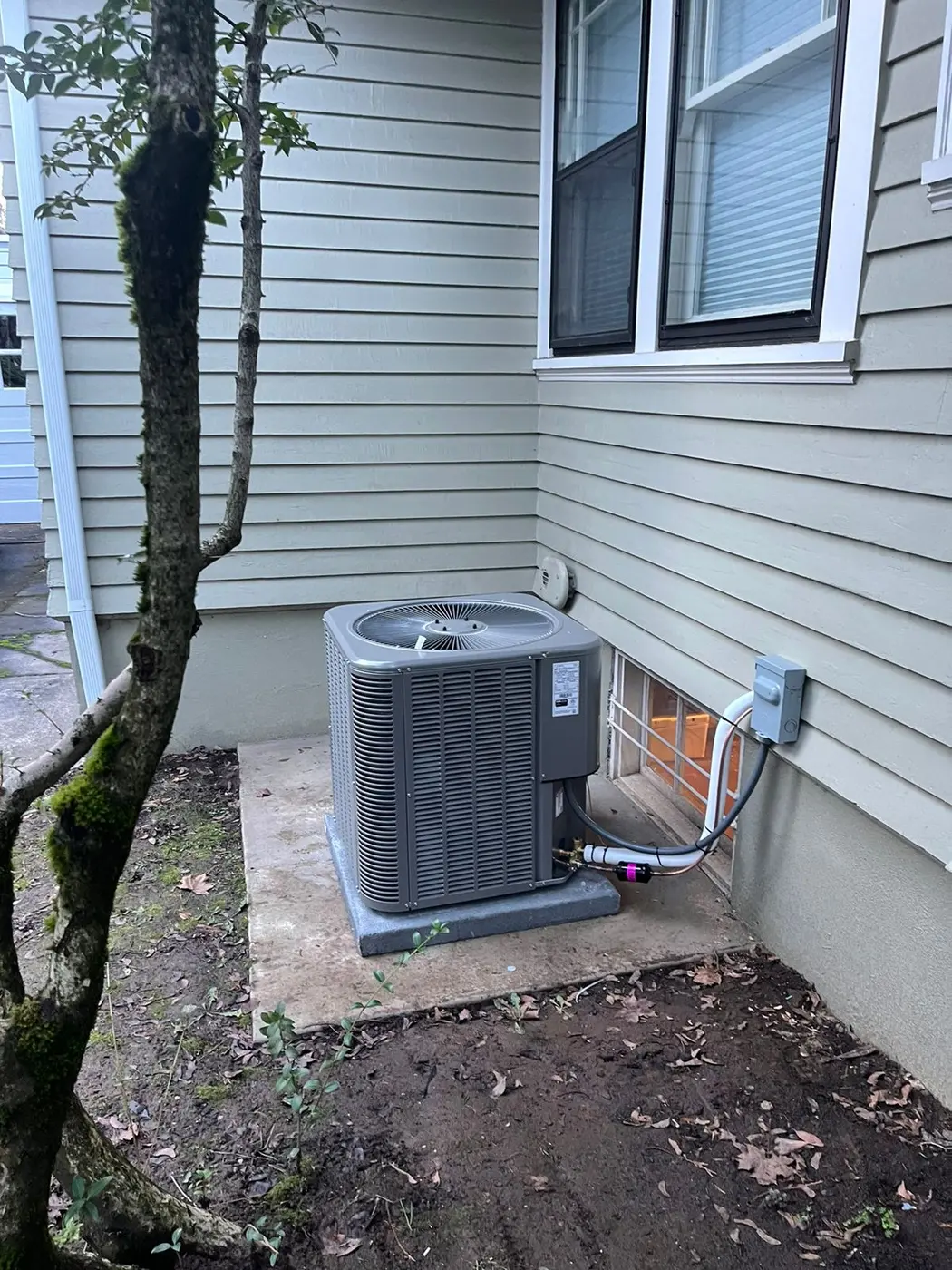
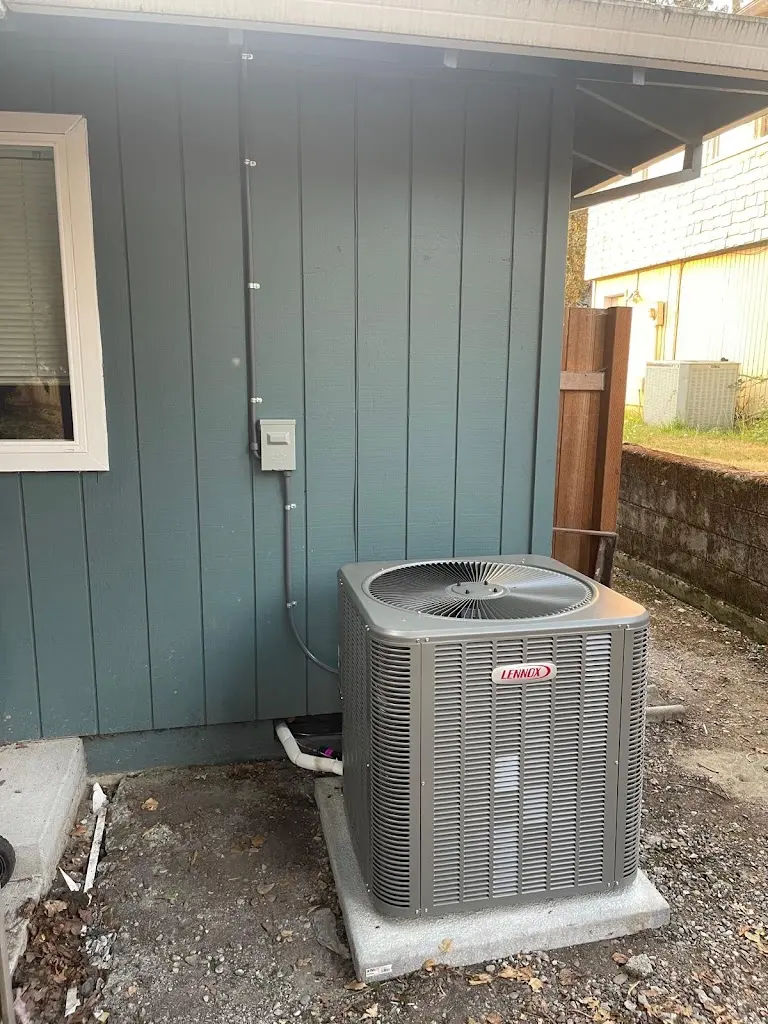
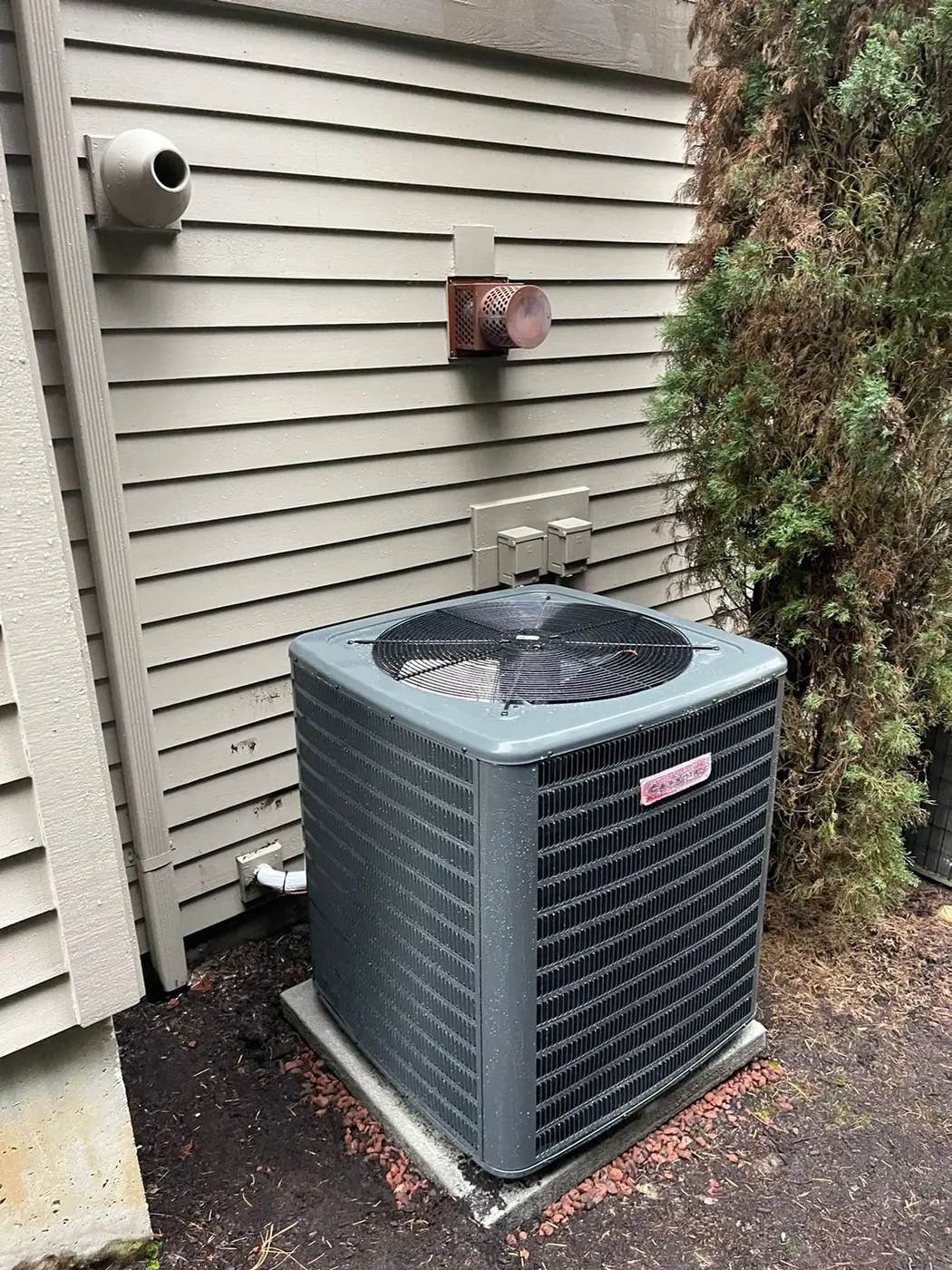
The chosen position needs support suited to the selected equipment. Ask which related work belongs in the estimate. A spare pad or empty corner is a place to assess, not automatic proof of readiness. Avoid applying the old unit’s footprint to every new model.
Include normal operating space and later service access. Describe where people walk, sit or move stored items. The unit may fit a space while leaving the approach awkward. The layout should work beyond the day the crew brings it in.
If sound is part of the reason for the move, identify where you notice it. Ask how the proposed model and position address that concern. Do not treat relocation as a promise of silence. The site and the place where people hear the unit matter too.
Define Work at the Old Position as Well as the New One
Ask what happens to the old support, route covers and unused openings. Keep required removal and separate finish work clear. A new location can leave tasks at the old spot. Those tasks need a scope rather than an assumption that every trace will disappear.
Compare a move with replacement in the current position if both remain practical options. Review the equipment and complete work in each price. The difference may involve more than a longer route. Ask what the added tasks achieve for your space goal.
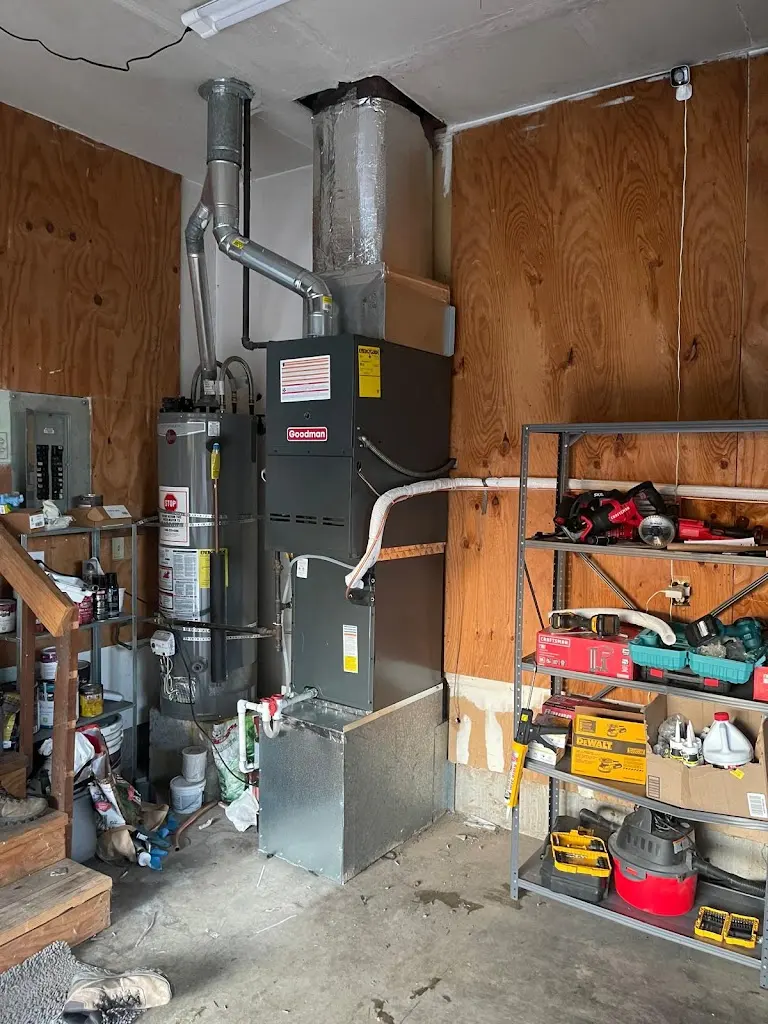
Our HVAC installation in Washougal service covers a broader equipment change. Include that scope if the move affects another system or a wider room plan. Keep those tasks explicit before approval. An outdoor location preference should not become an undefined whole-home project.
Keep Preparation and the Changeover Within the Agreed Plan
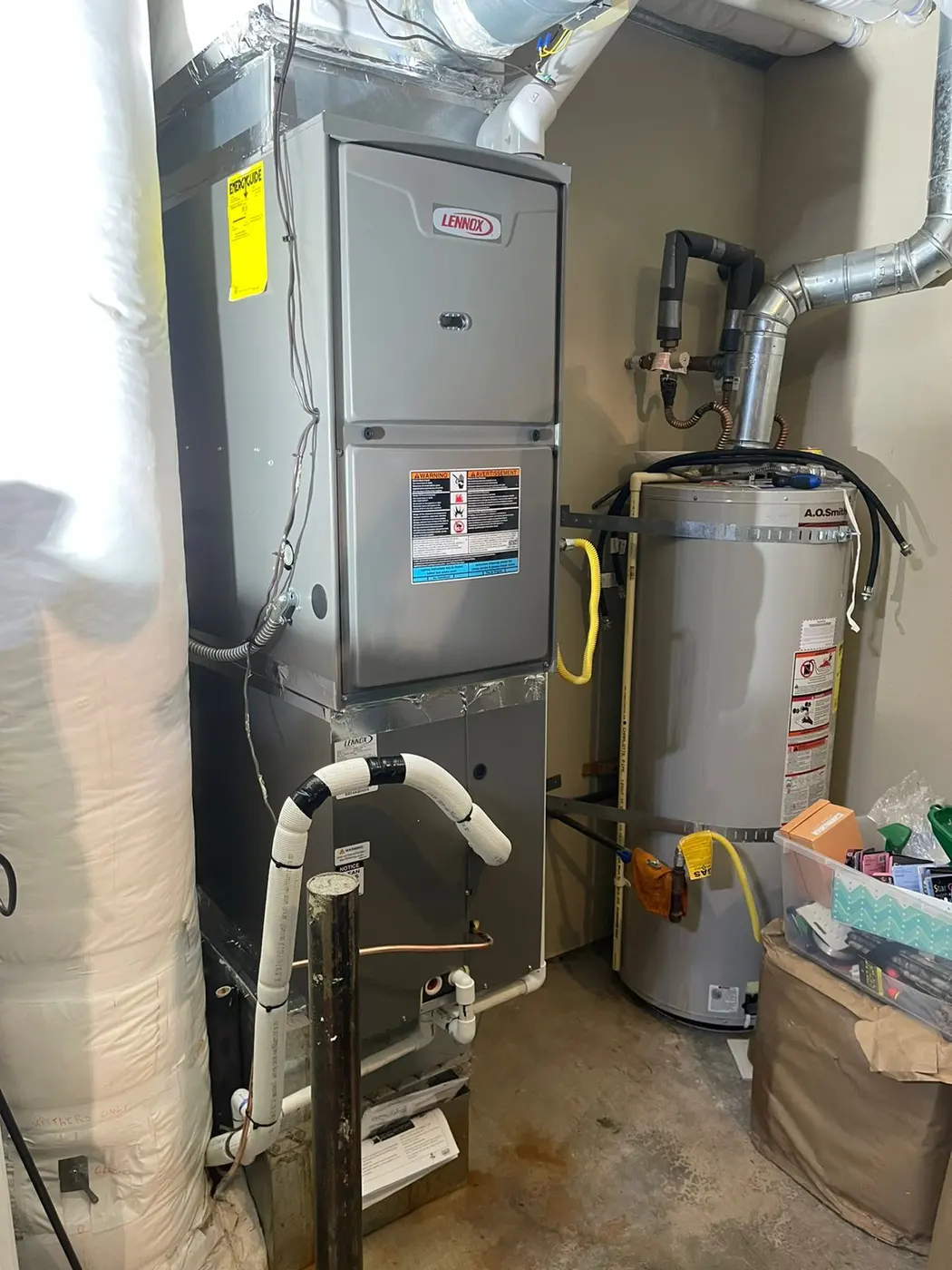
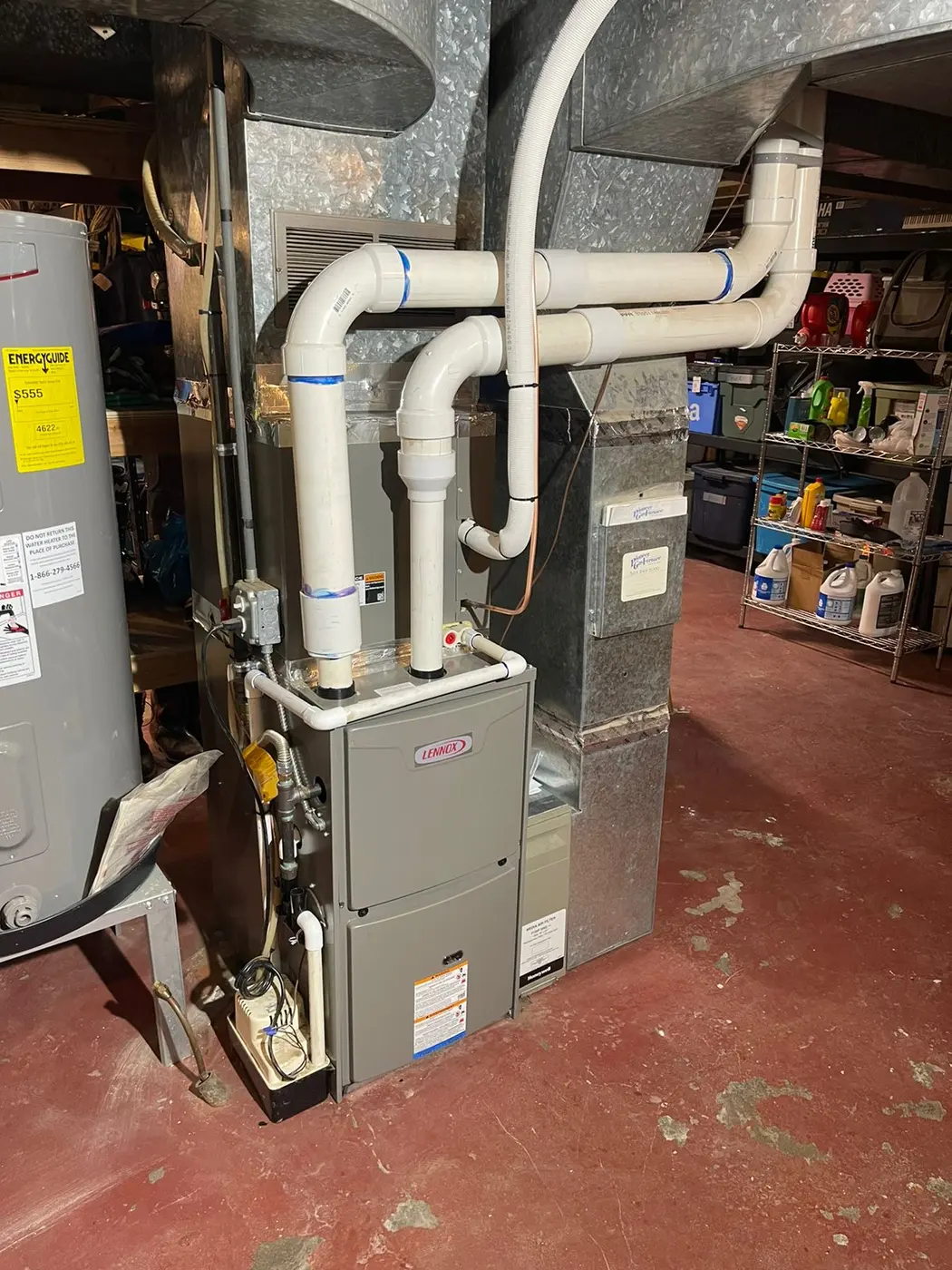
Before work, confirm the chosen position and the route needed to reach it. Arrange entry to each affected indoor room too. A head that remains may still need checks as part of the completed setup. Outdoor-only access may not cover the full job.
Leave units, lines and wiring intact before the agreed work. Do not shift a connected cabinet or alter its support to test a position. Clear ordinary belongings only where safe and useful. The installation plan should guide any further preparation.
Ask about the expected loss of normal service to connected rooms. Keeping indoor heads in place does not guarantee they can run during the move. The actual work sequence matters. Share that plan with the people who use the rooms.
Record the New Location and the Finished System
At handover, review the installed outdoor position and the routes that changed. Ask which operating checks the team completed. Confirm ordinary controls for the retained or new room units. Keep any open task at either outdoor position clearly identified.
Retain the final indoor and outdoor models with the completed scope. Include the approved reason for the move and any separate finish work. Keep the new approach clear when stored items return. Future service should be able to follow the current layout rather than an old location note.
Frequently Asked Questions
Can I move the outdoor unit myself before replacement?
No. Leave the connected equipment in place for the installation team. Explain the preferred spot and the reason for the move. The estimate should define the route, support and connection work before it begins.
Does keeping the indoor heads mean their connections remain untouched?
Not necessarily. The new outdoor position can change the required paths and related work. Ask which items the proposal retains. The completed combination still needs the agreed checks.
Should the old outdoor position appear in the final work record?
Yes, include what the project removed or left there. Keep any separate finish task clear. The record should describe both the new equipment layout and remaining work at the old spot.