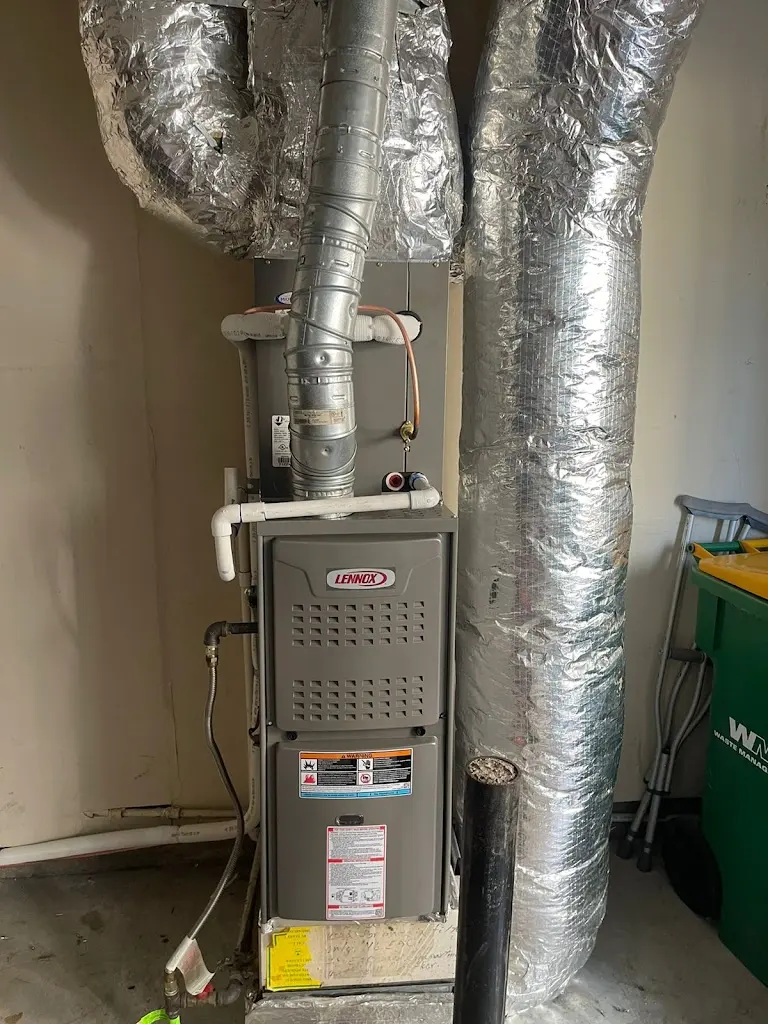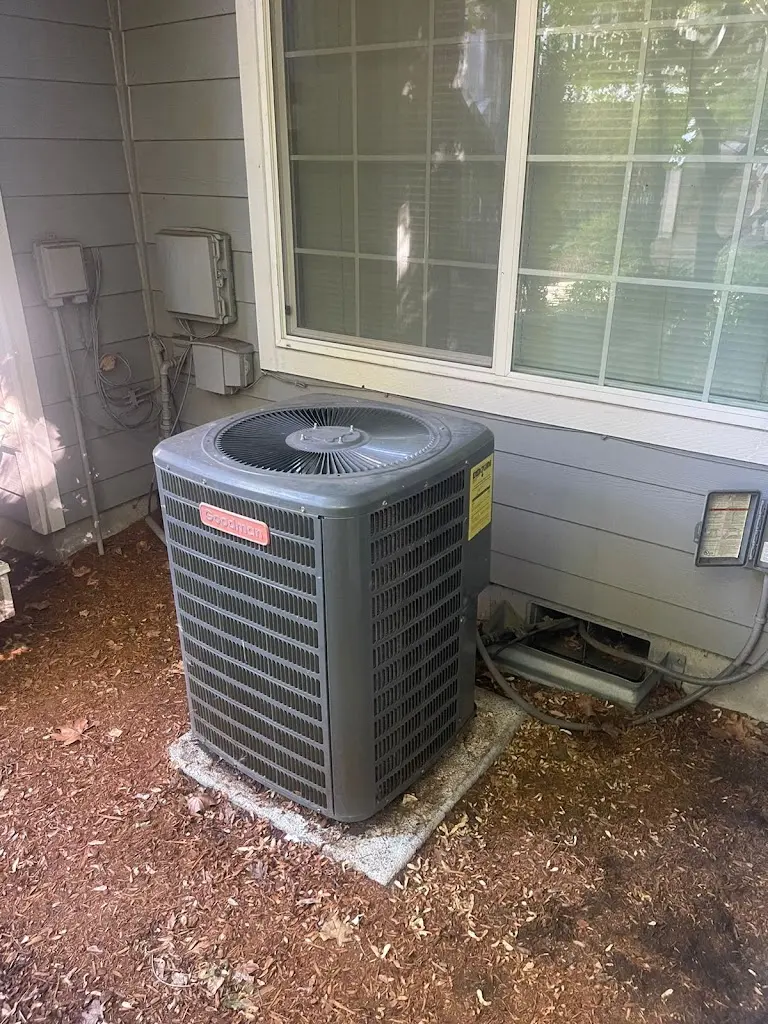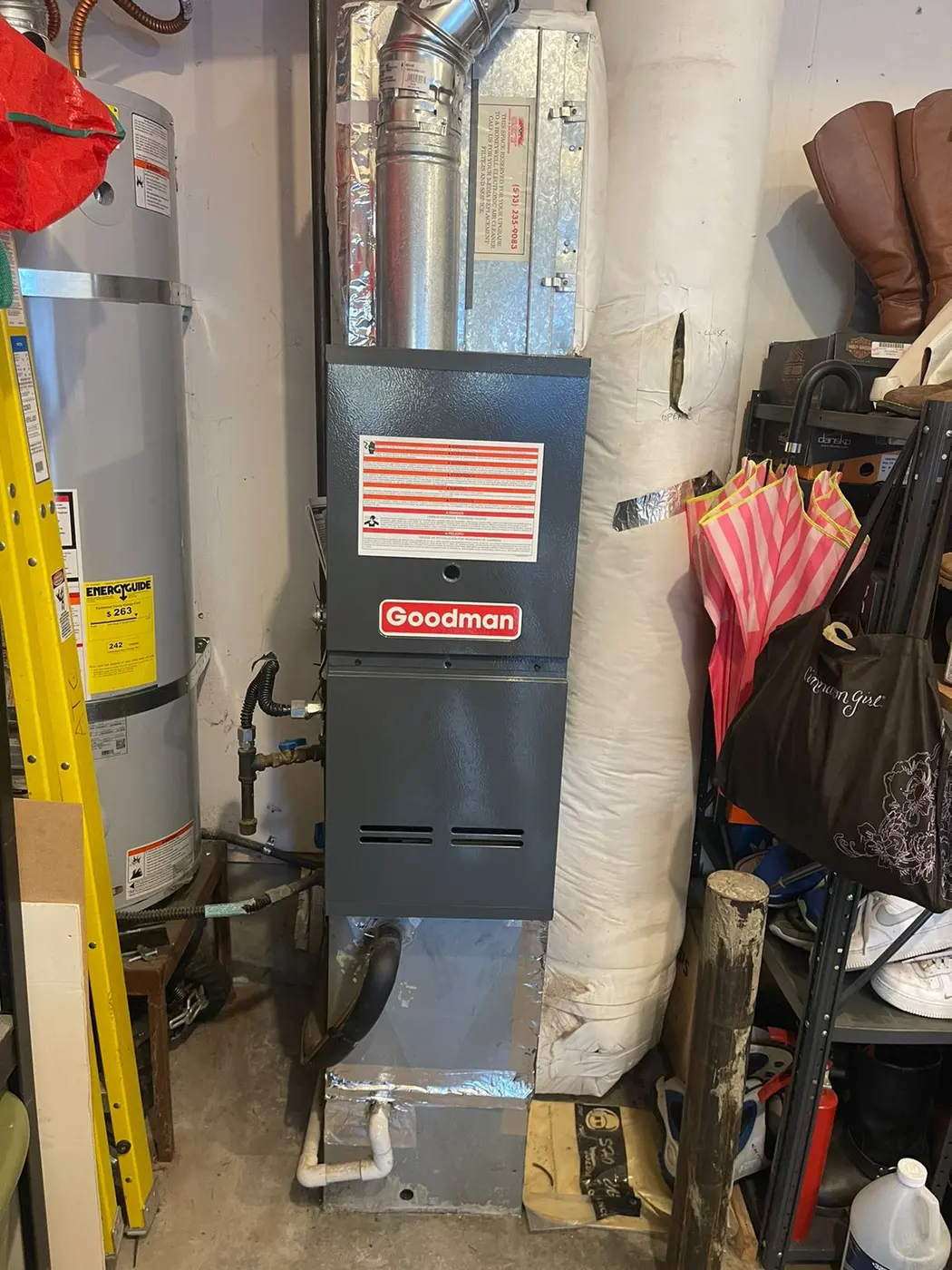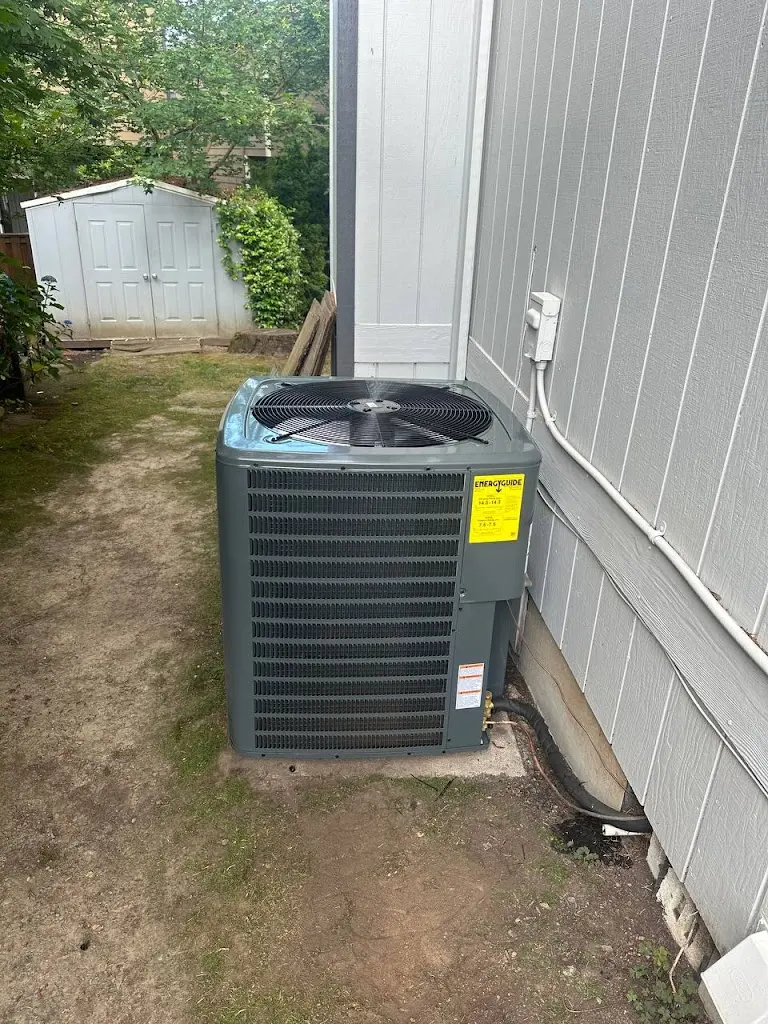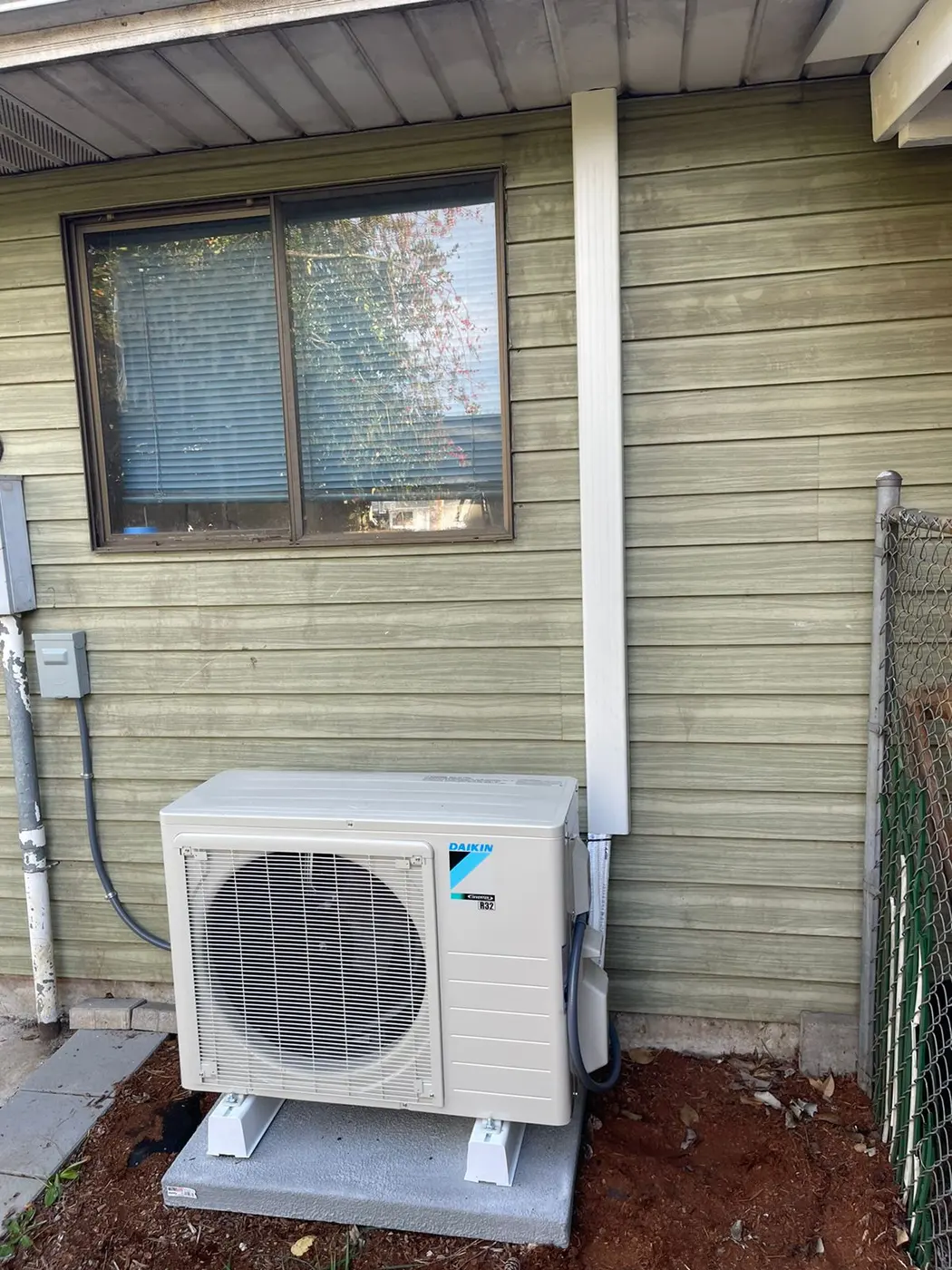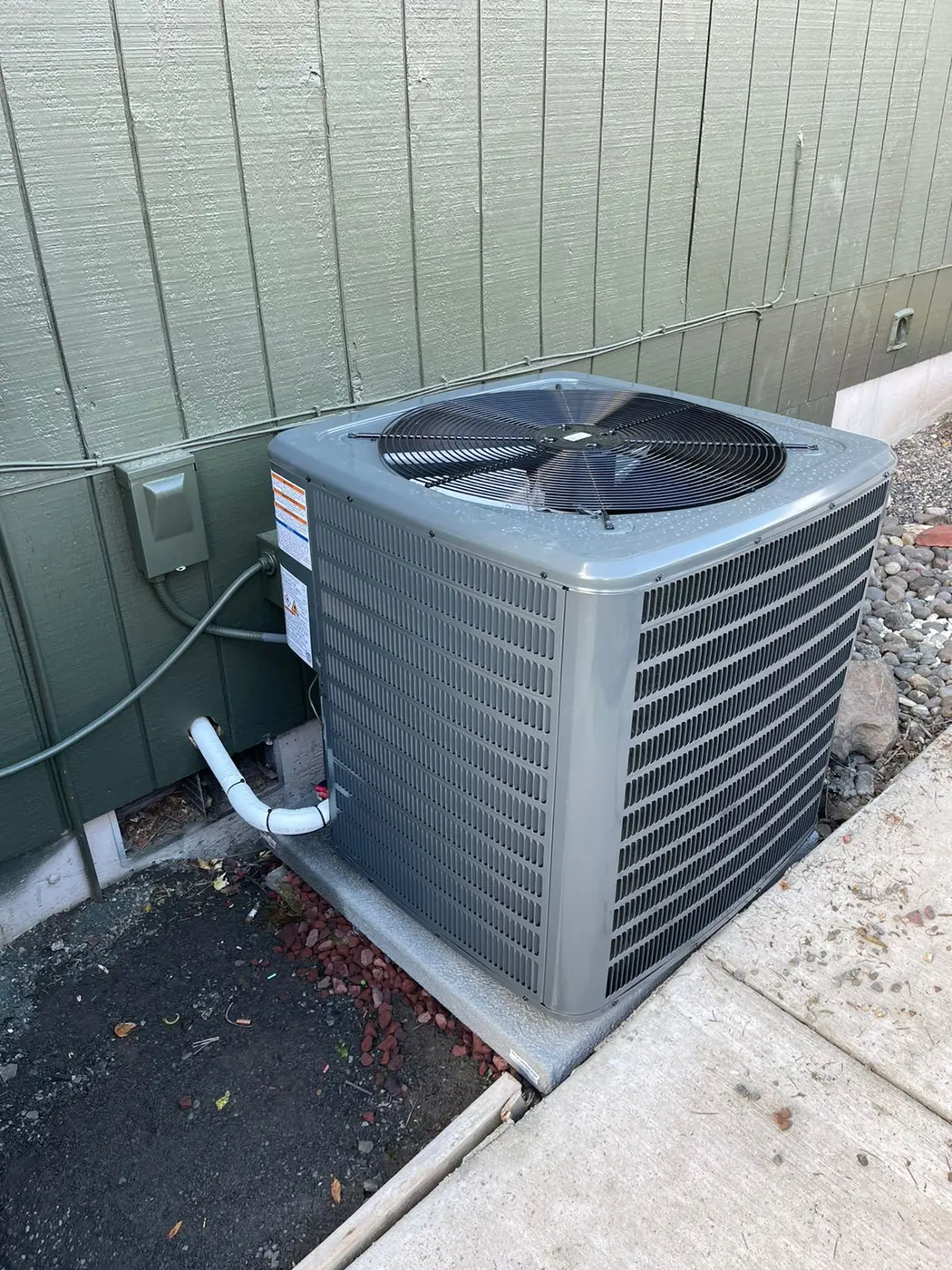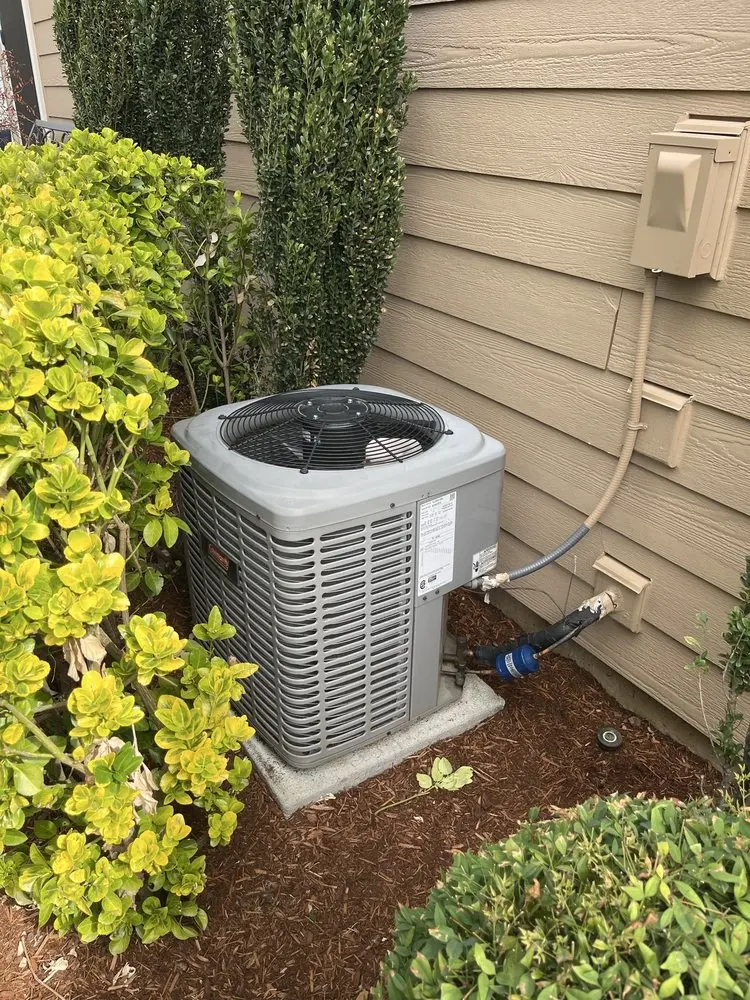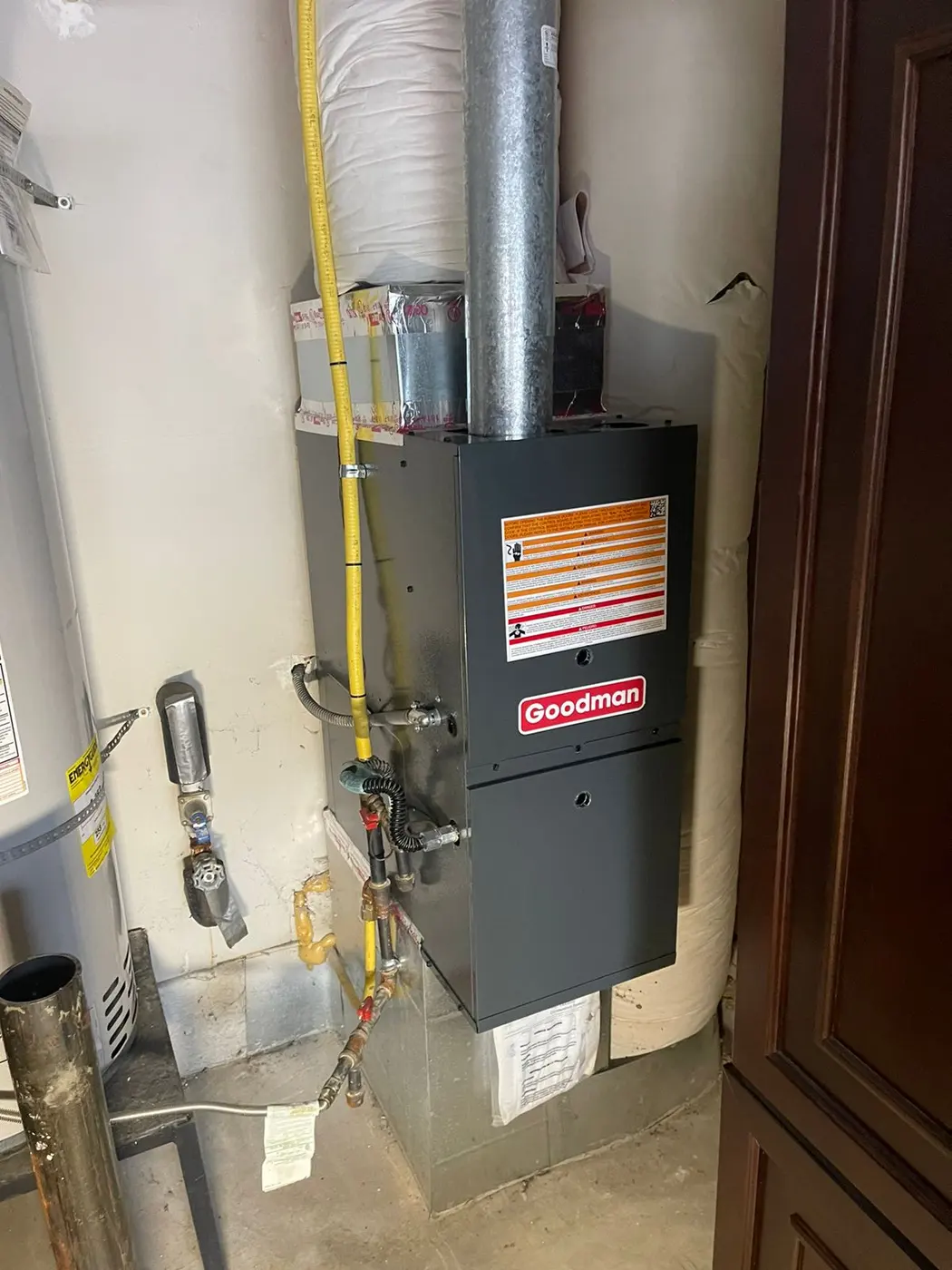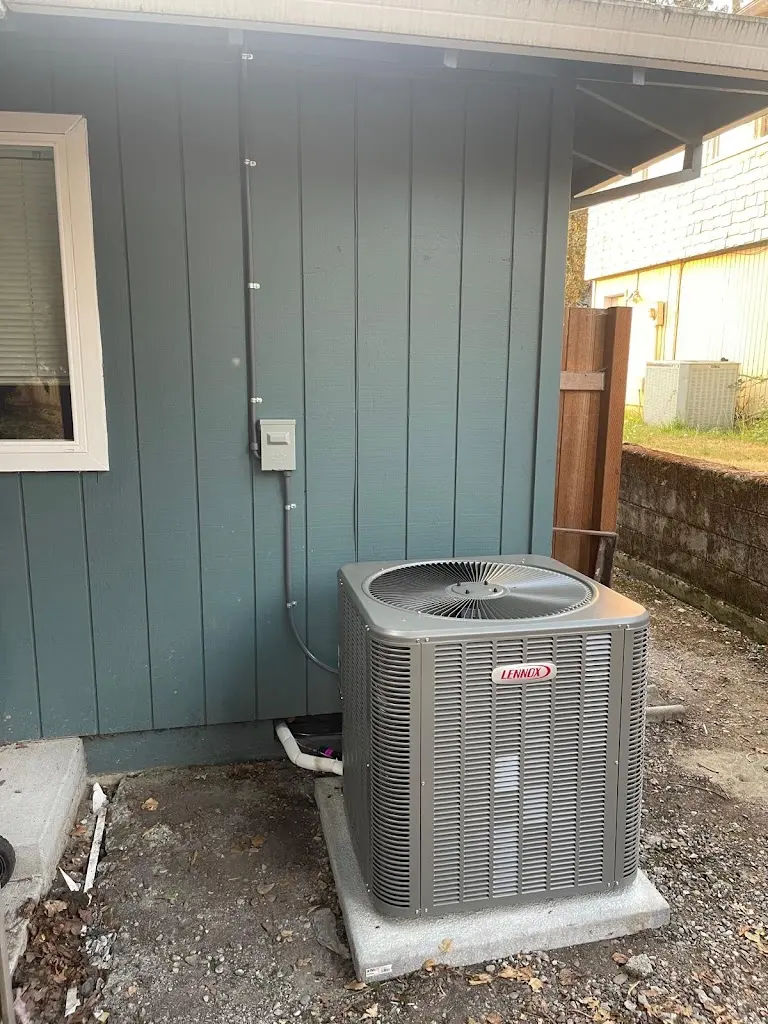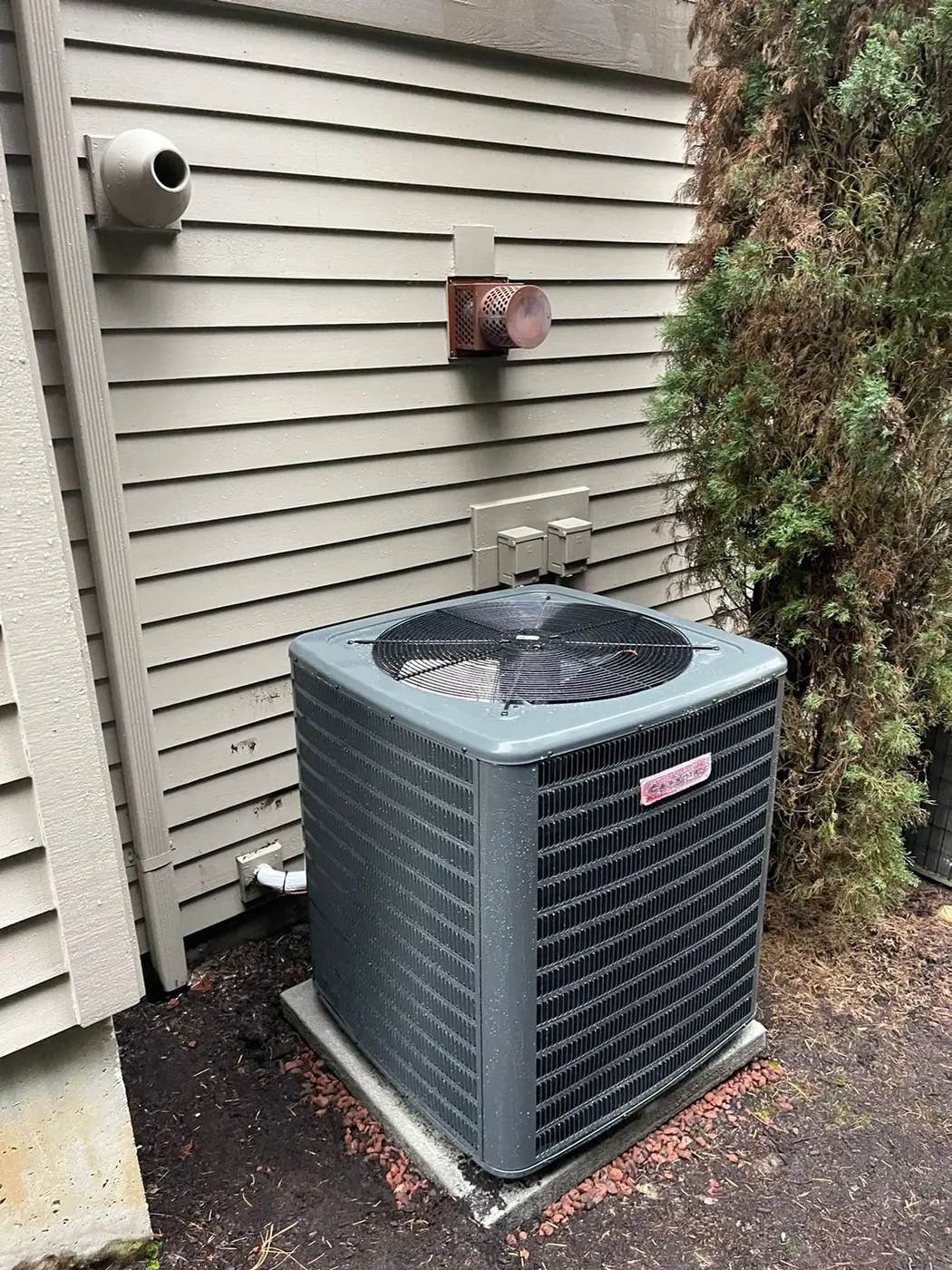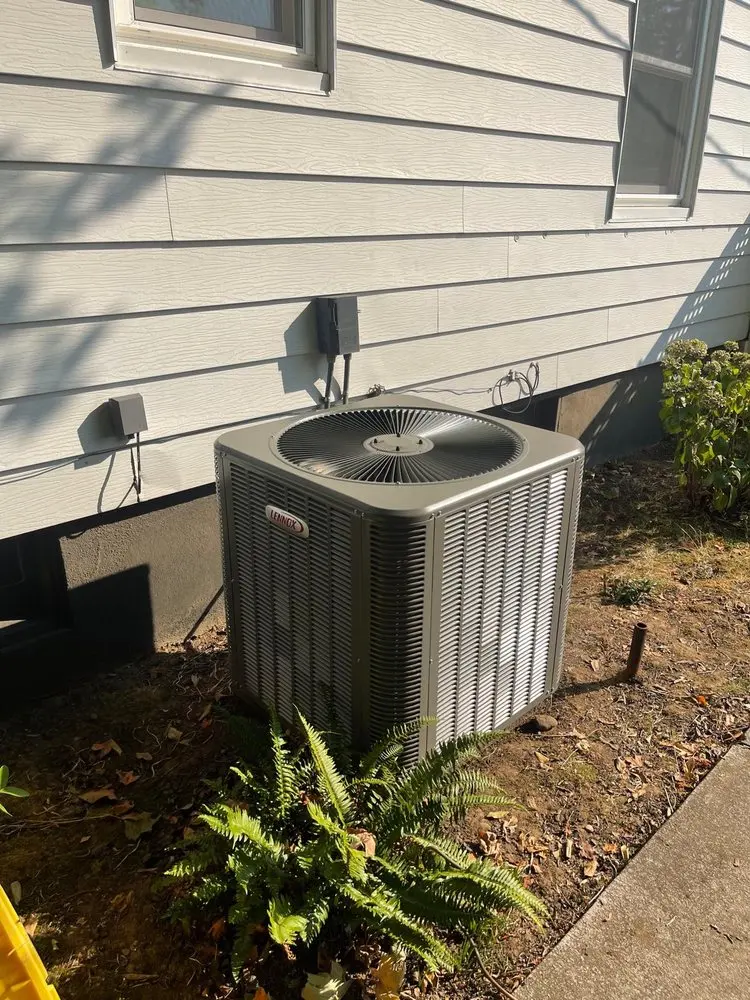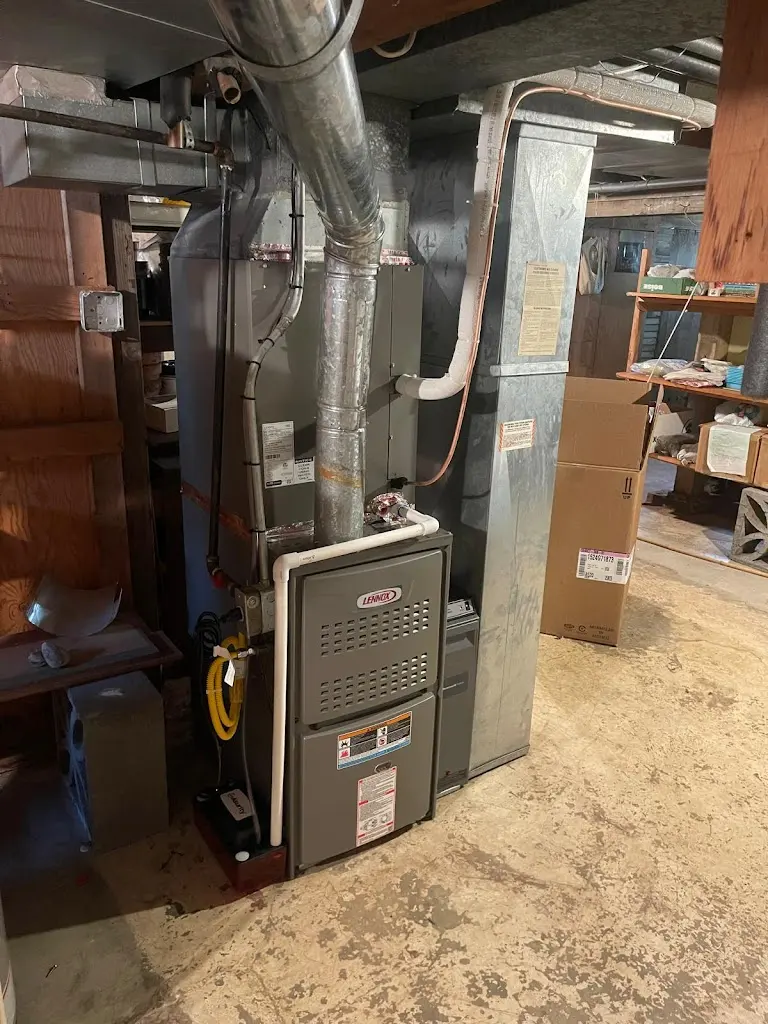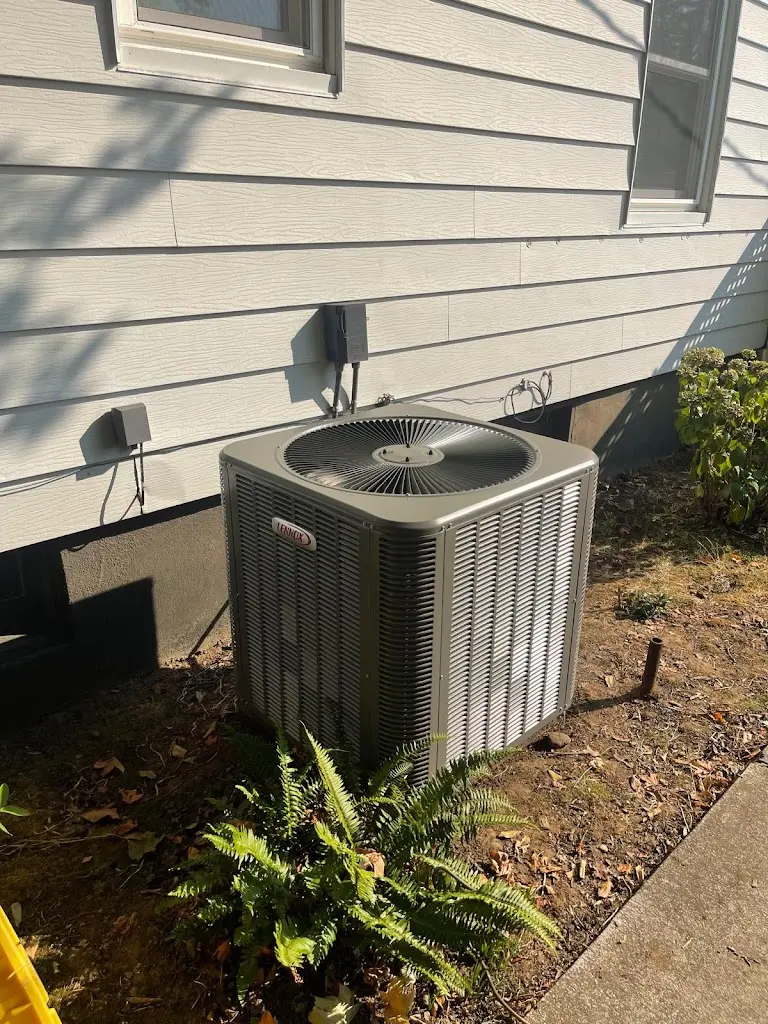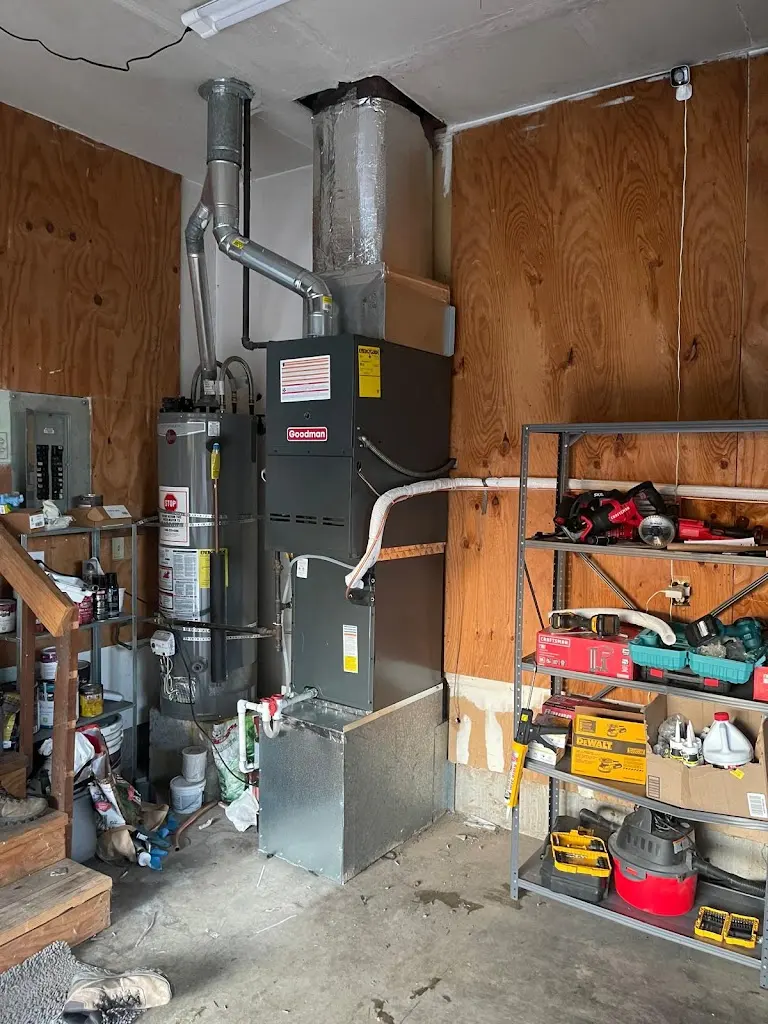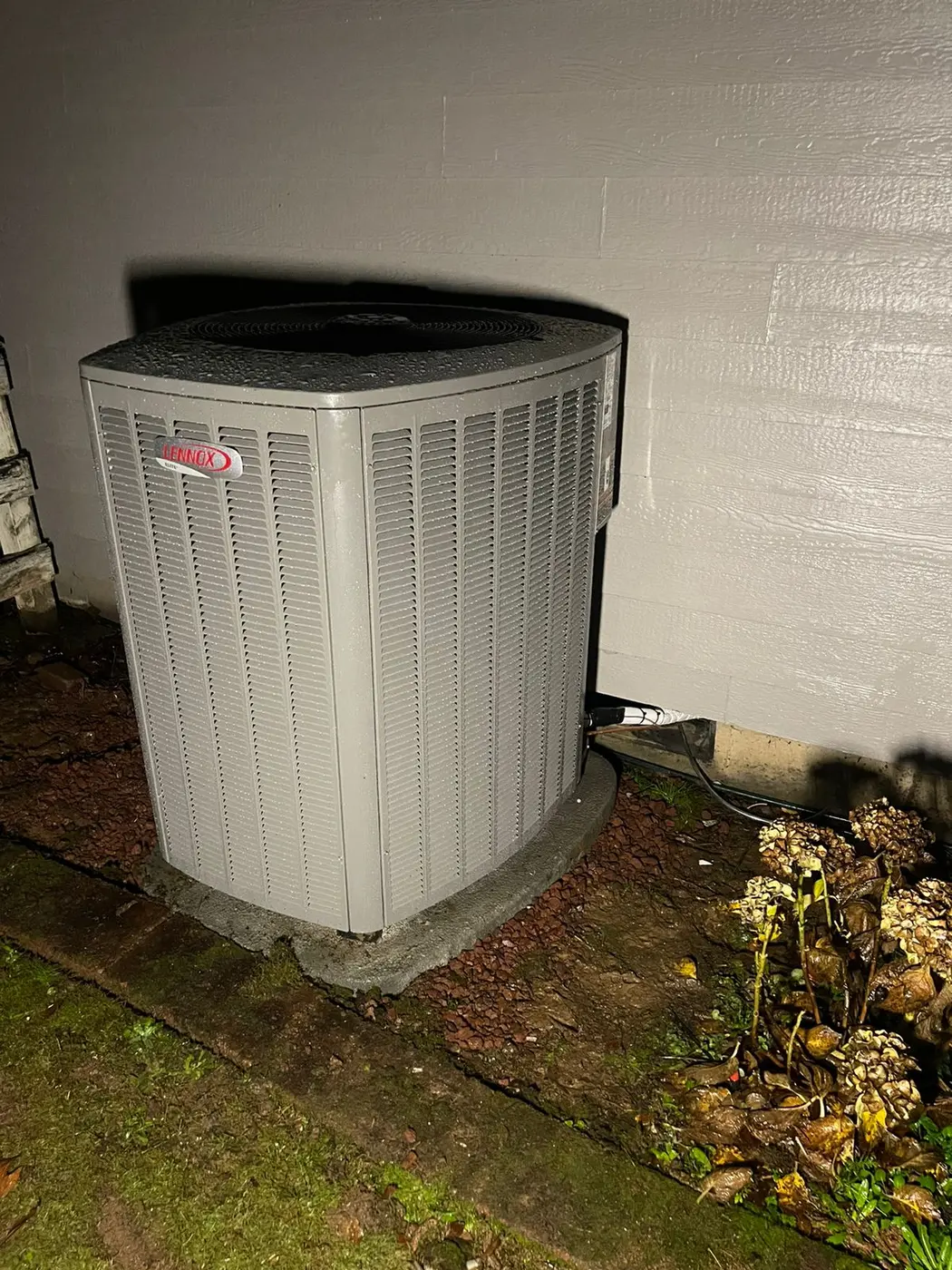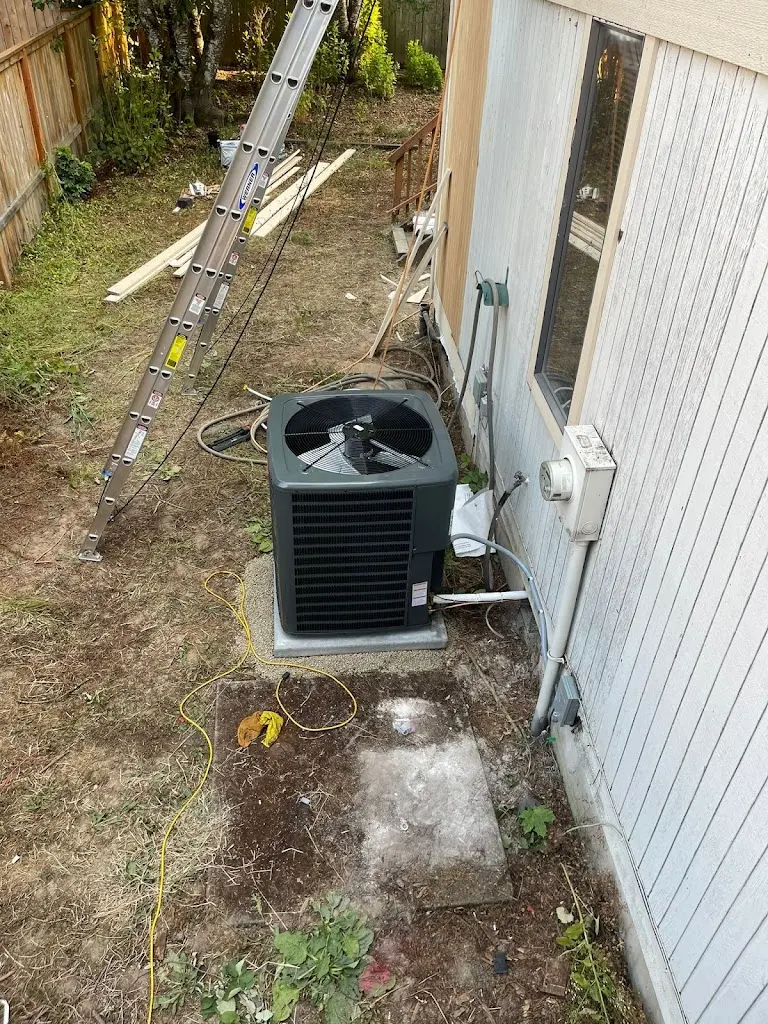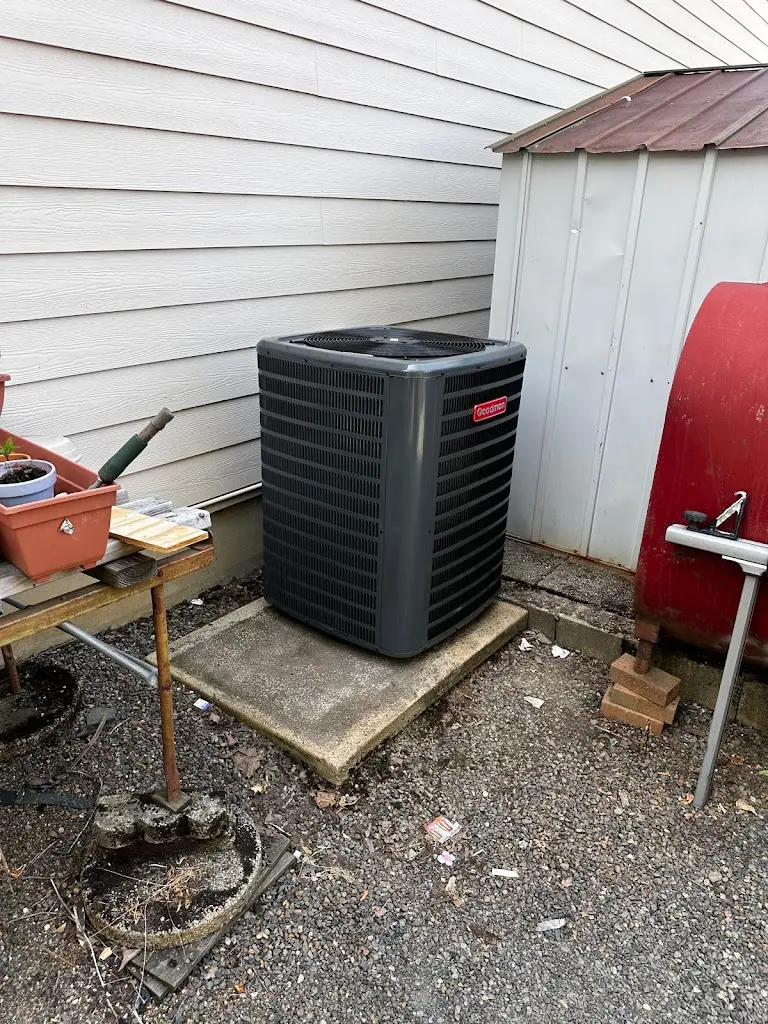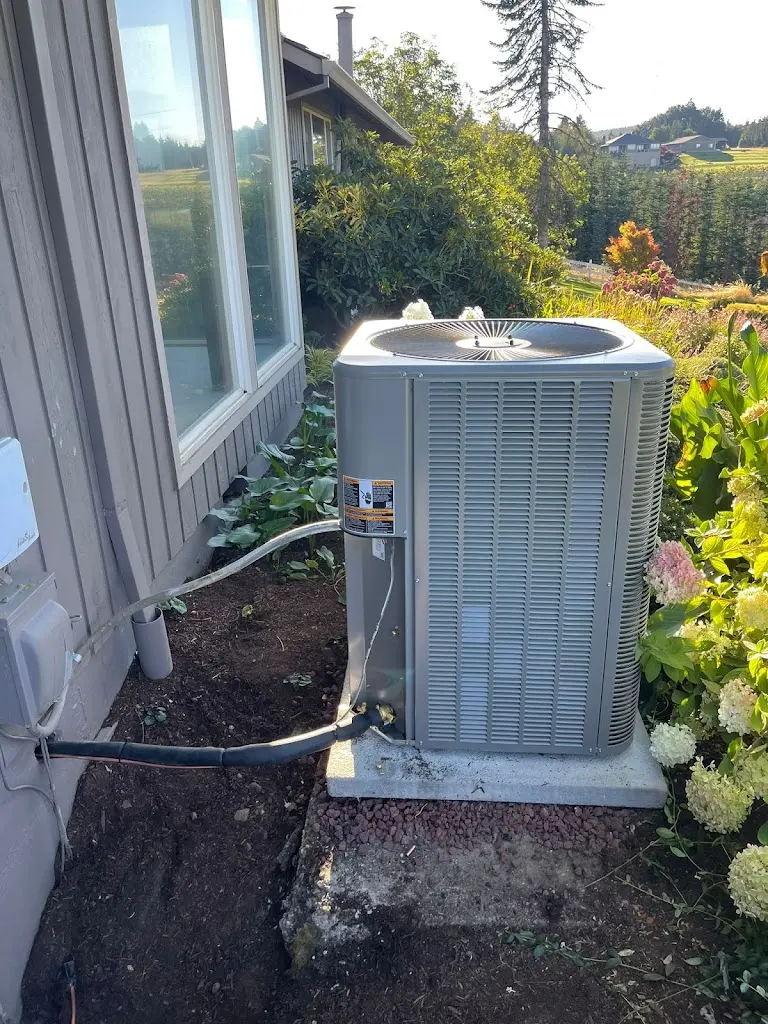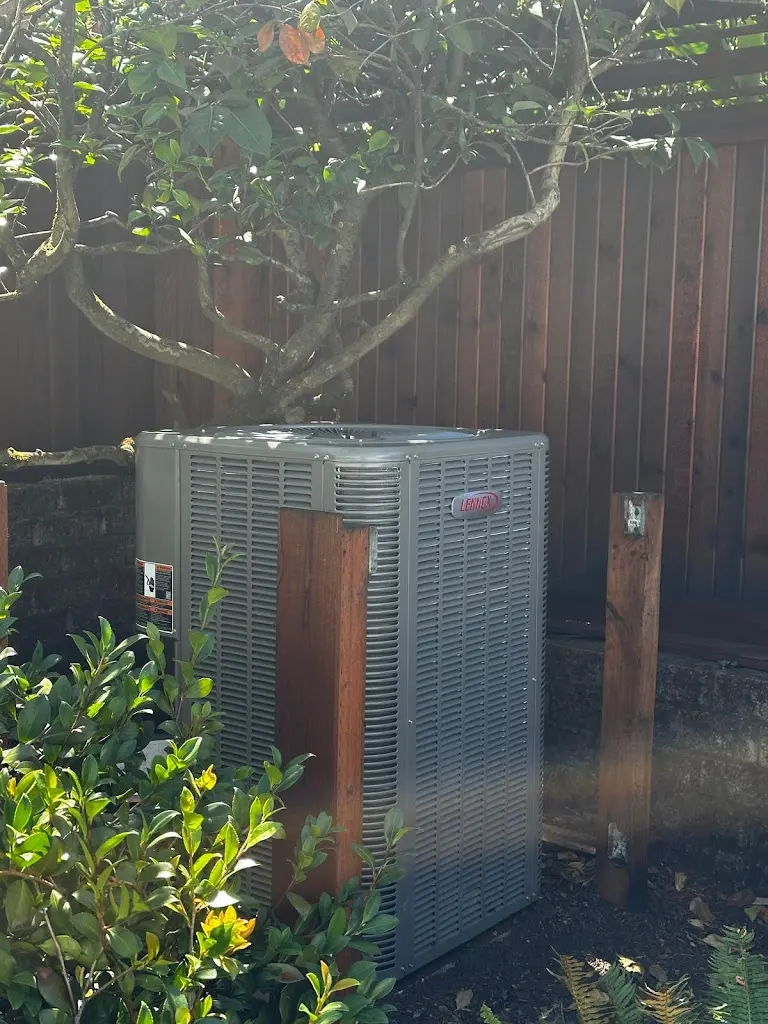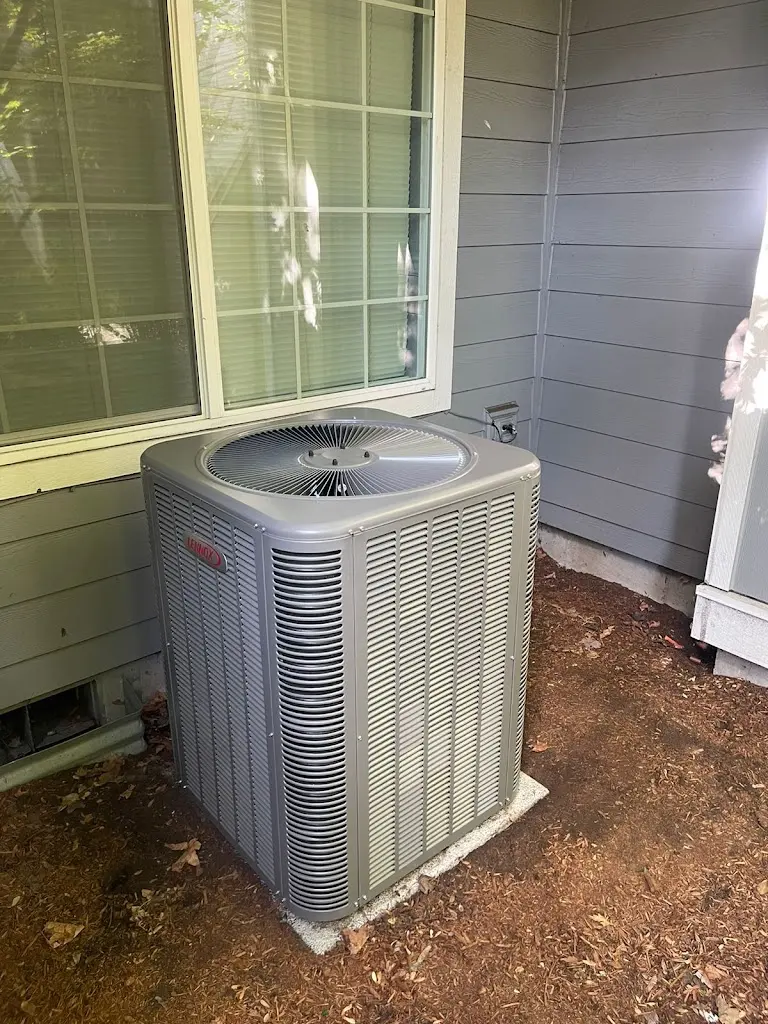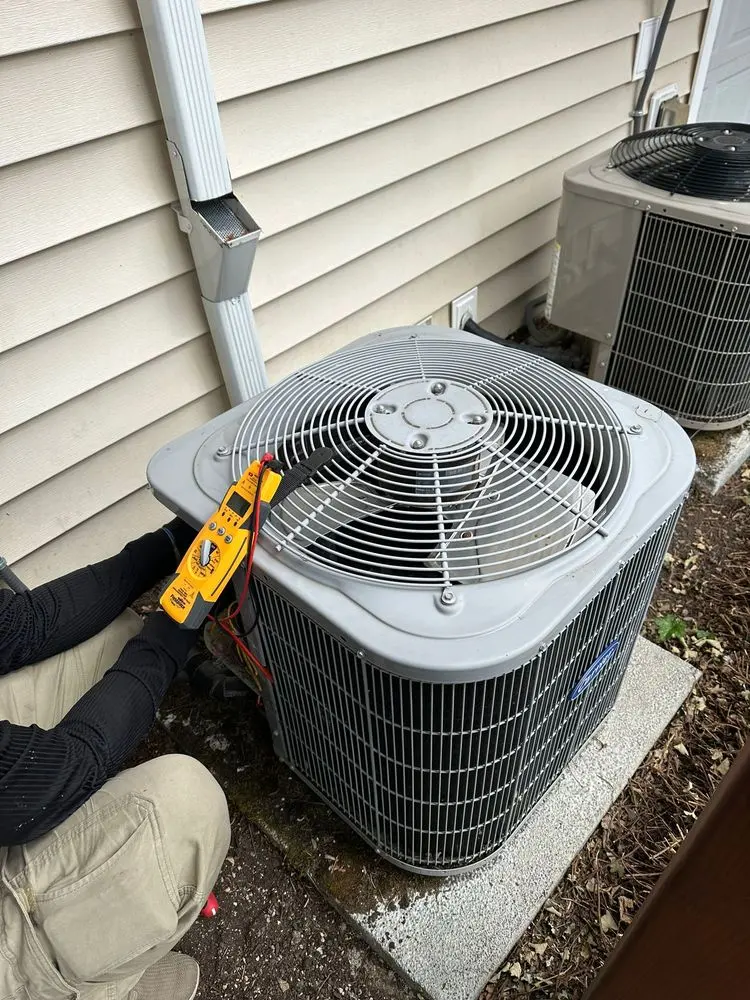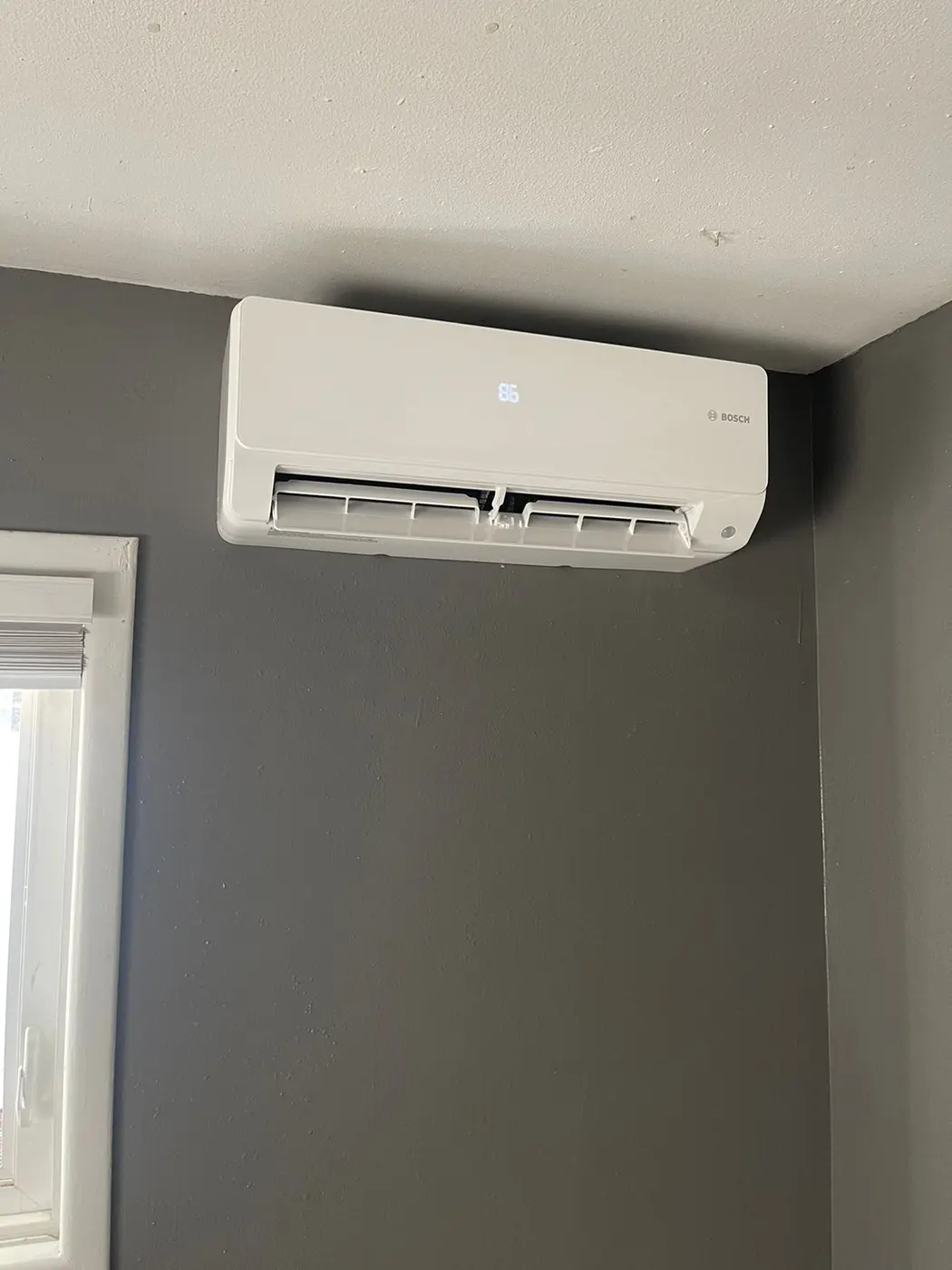




AC Installation and Replacement in Battle Ground
HVAC & Appliance Repair Guys provides AC installation in Battle Ground, WA. Tell us whether you are adding cooling or replacing an existing system. If a breakdown prompted the request, share any diagnosis; the installation estimate will review which equipment and work the replacement needs.
We offer a free on-site estimator visit for installation and replacement. Bring any repair findings and describe how the system cooled before the failure, including rooms that were already uncomfortable. You can request replacement options even if you have not yet chosen between repair and replacement.
Our AC repair service in Battle Ground covers assessment of the active fault. Repair diagnosis and a free installation estimate are separate requests. Clarify which visit you need, particularly if the system currently provides no cooling.
Cooling Needs and Equipment Compatibility
Describe how the air conditioning worked before it stopped. A recent failure differs from a system that never cooled the intended rooms well. Note the rooms affected, the usual settings and any long-standing comfort concern. That history helps frame the replacement goal without deciding the cause of the current fault.
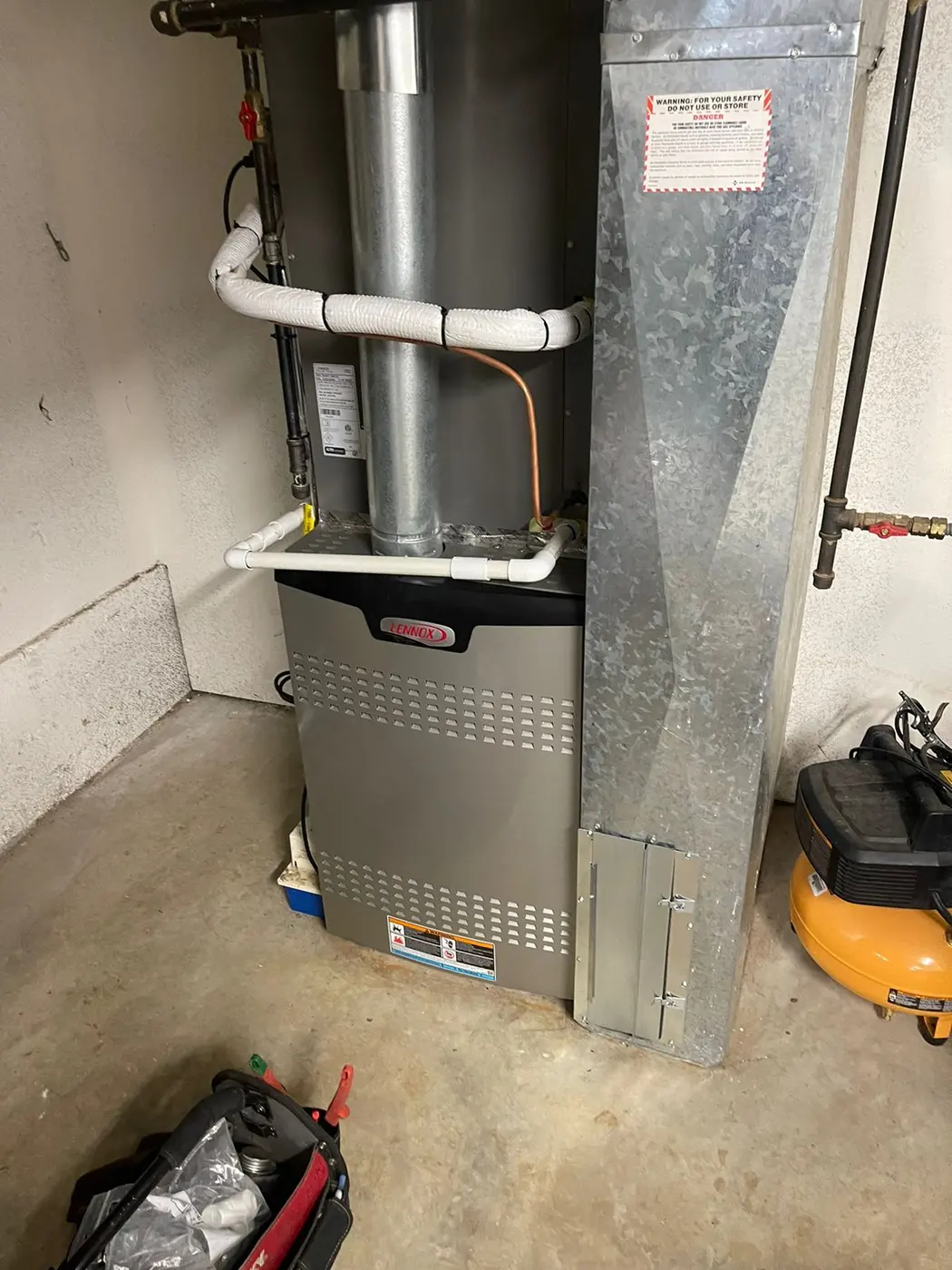
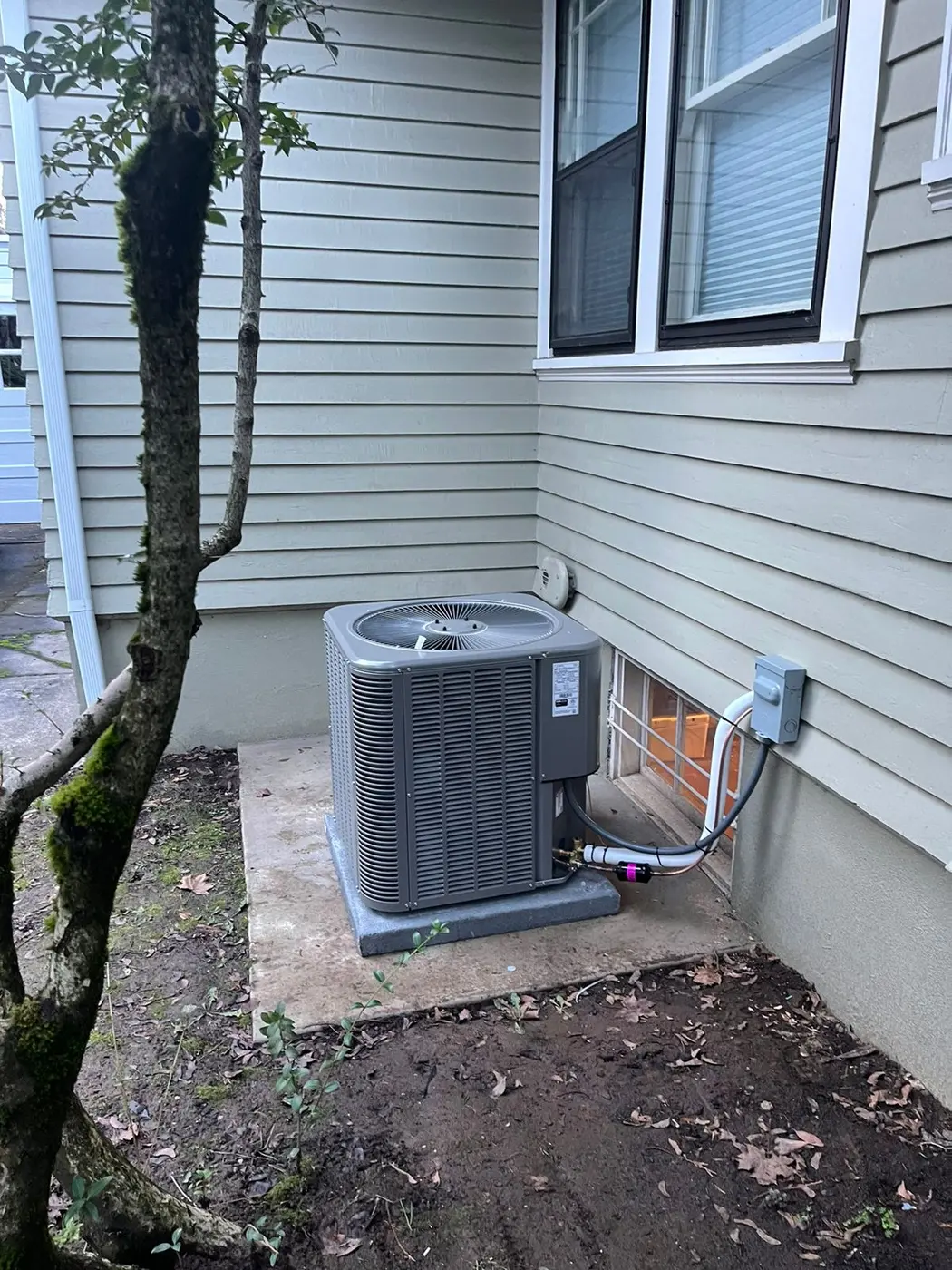
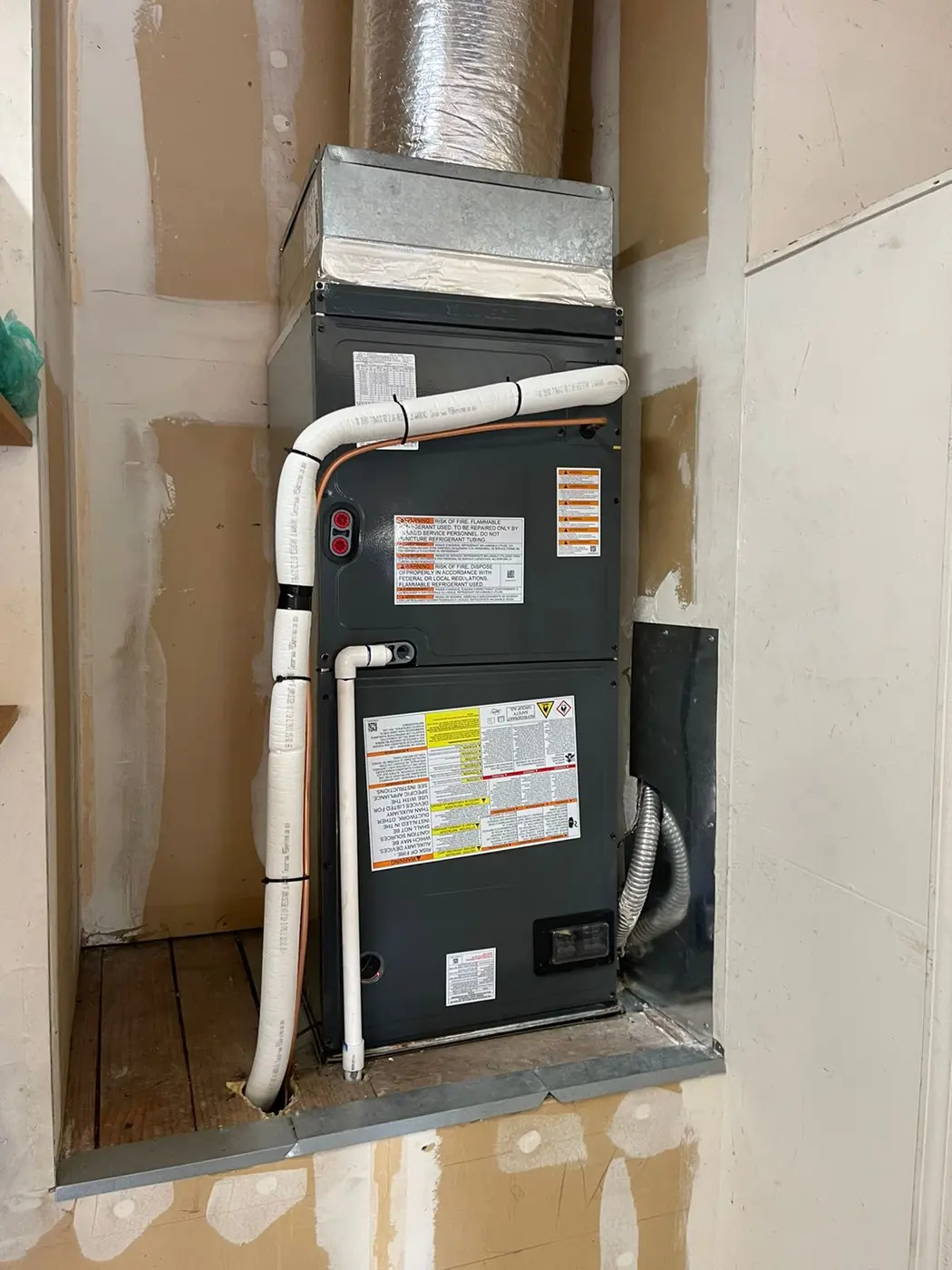
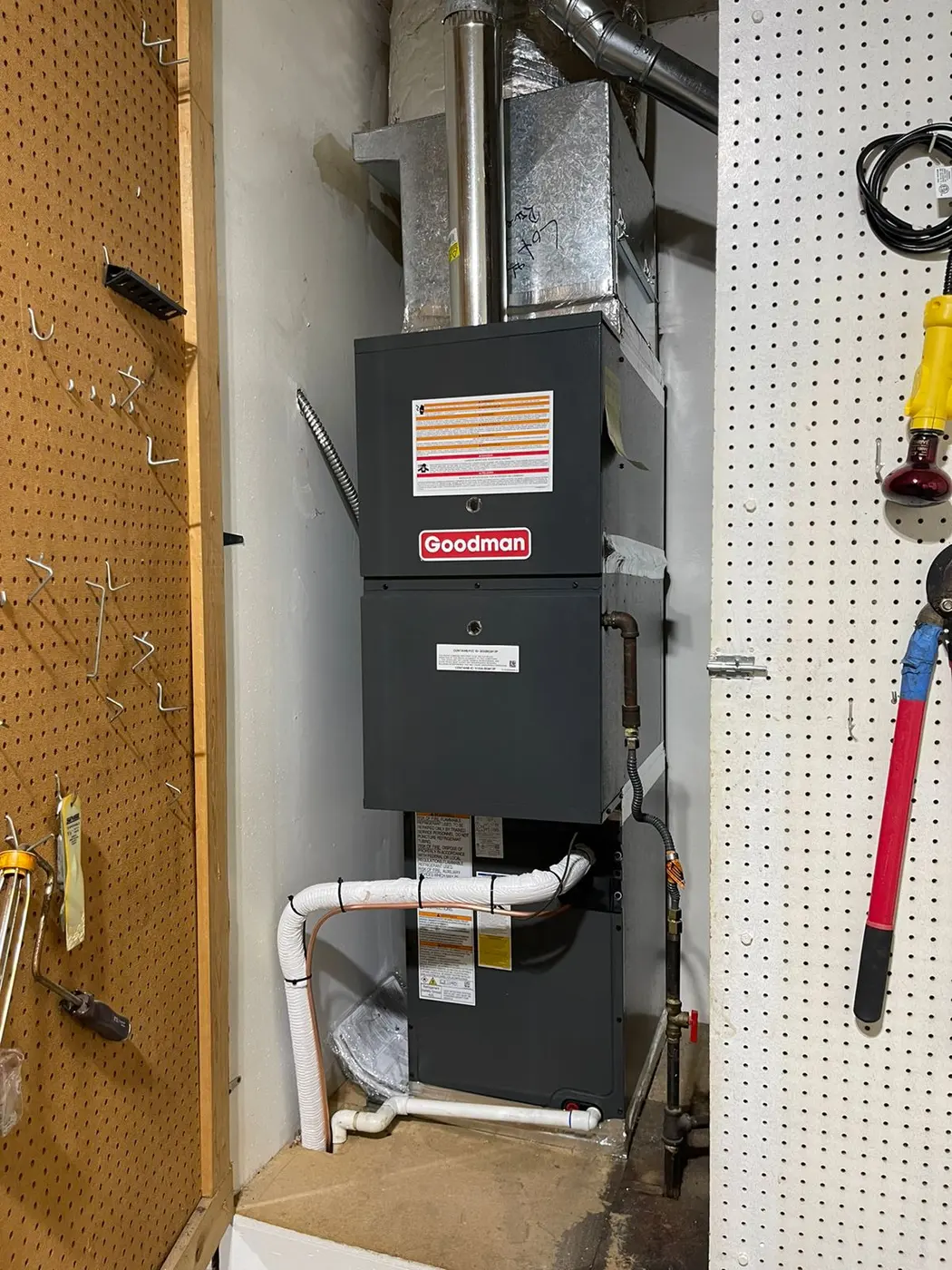
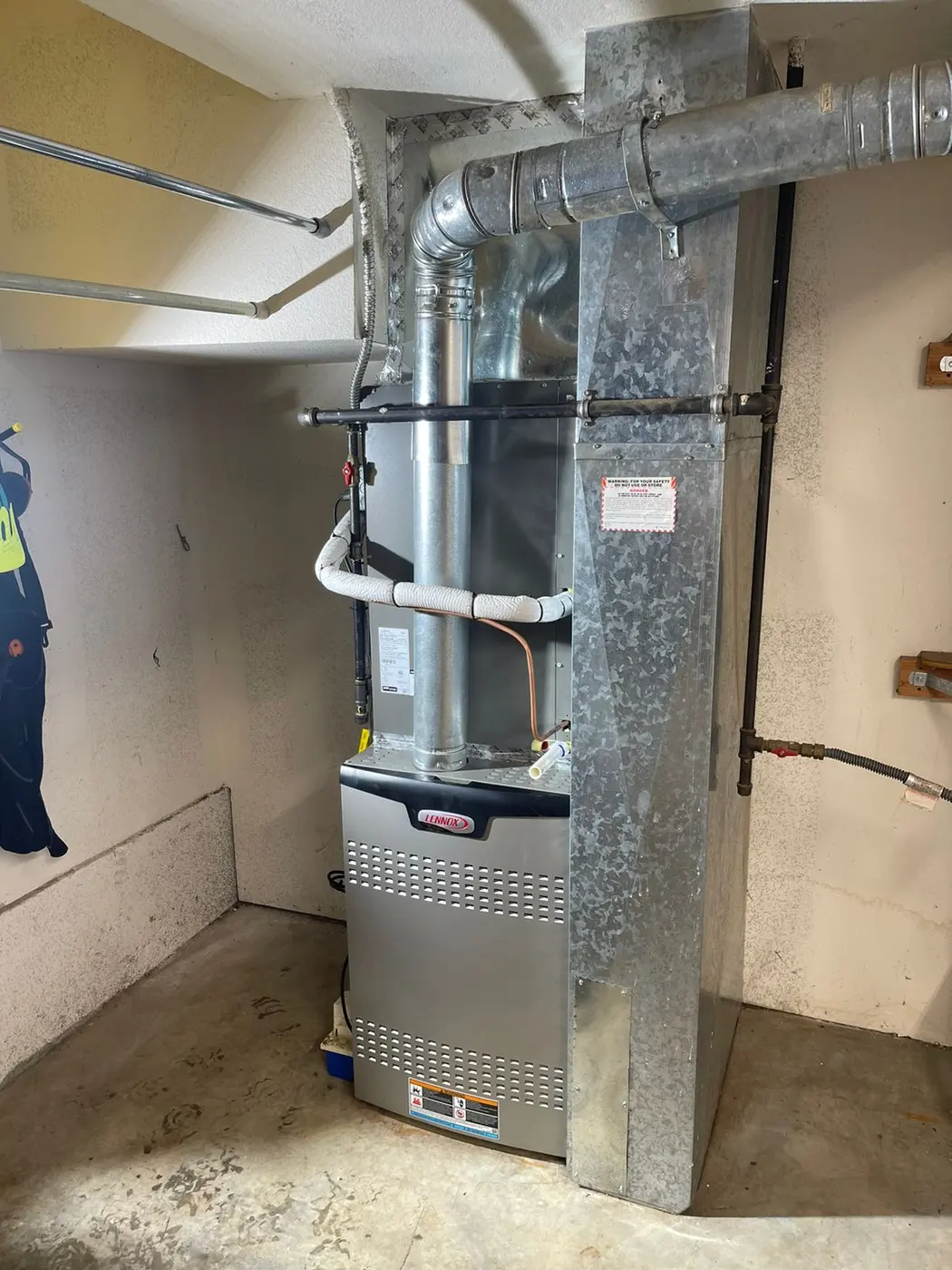
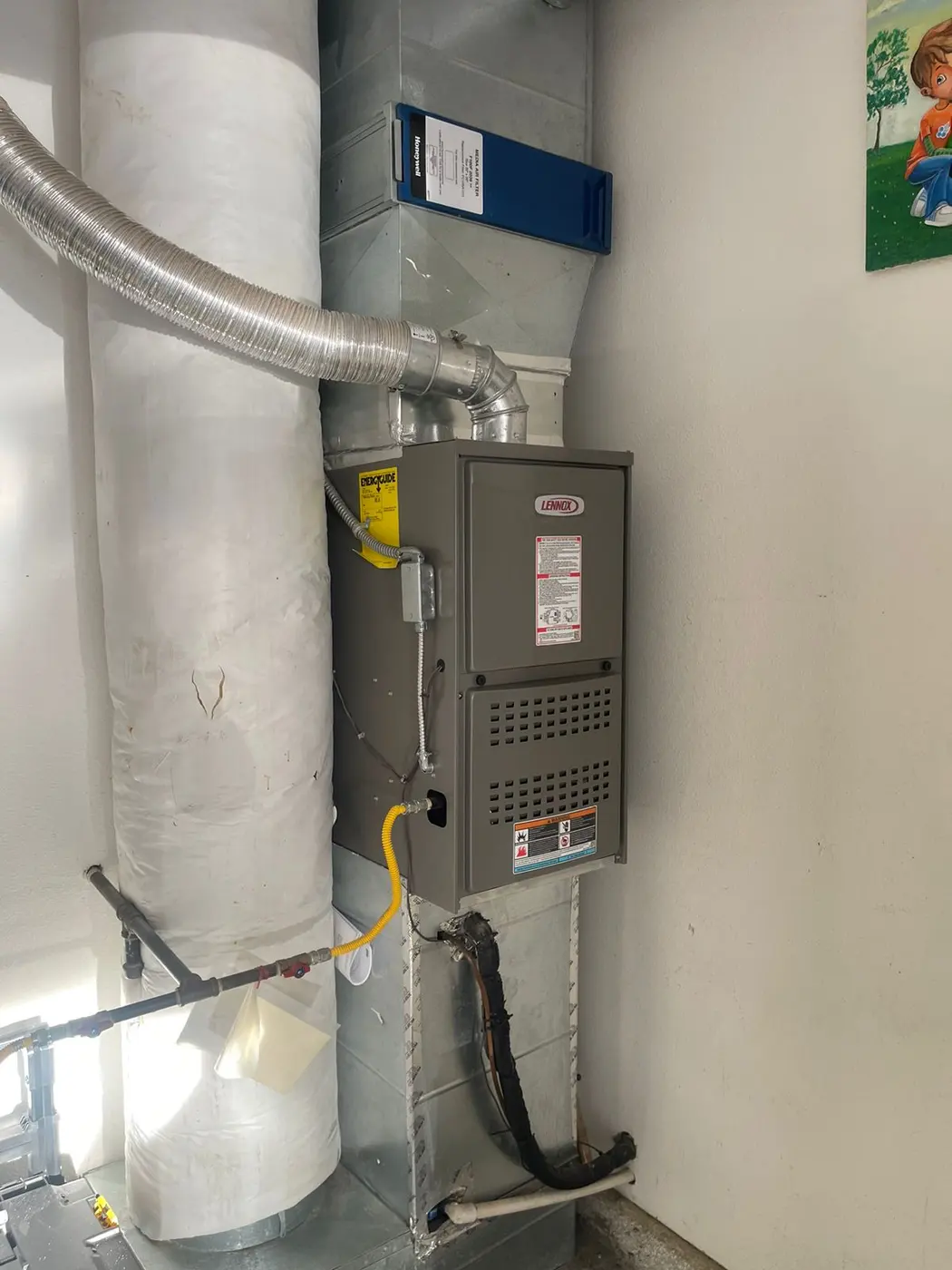
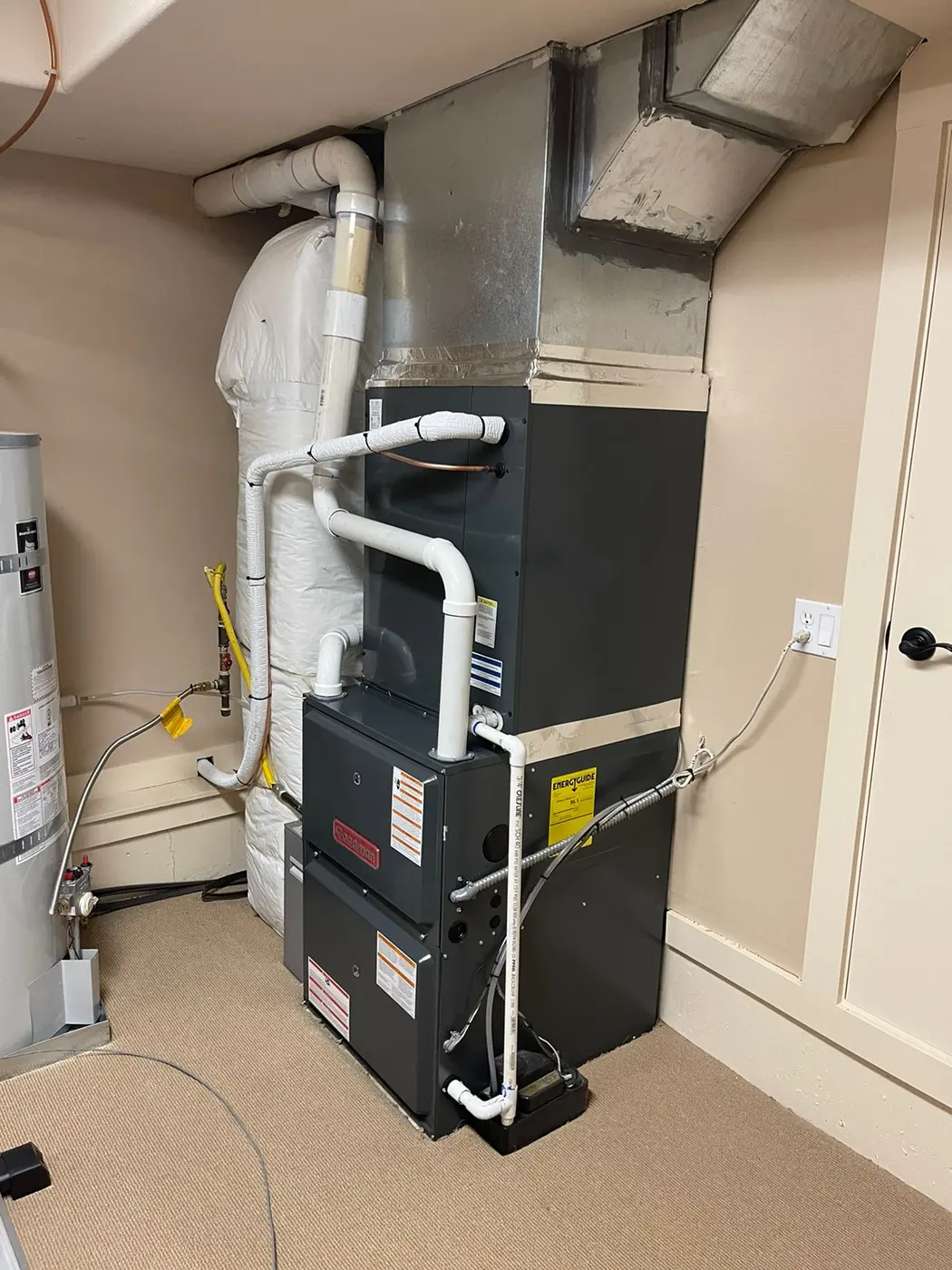
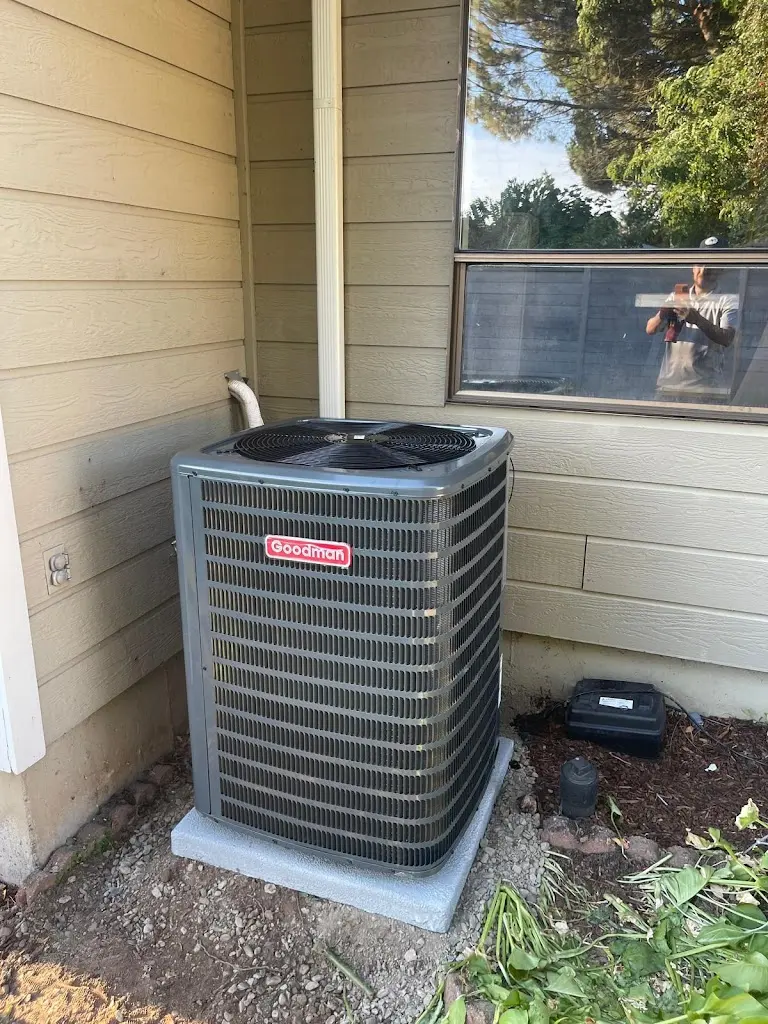
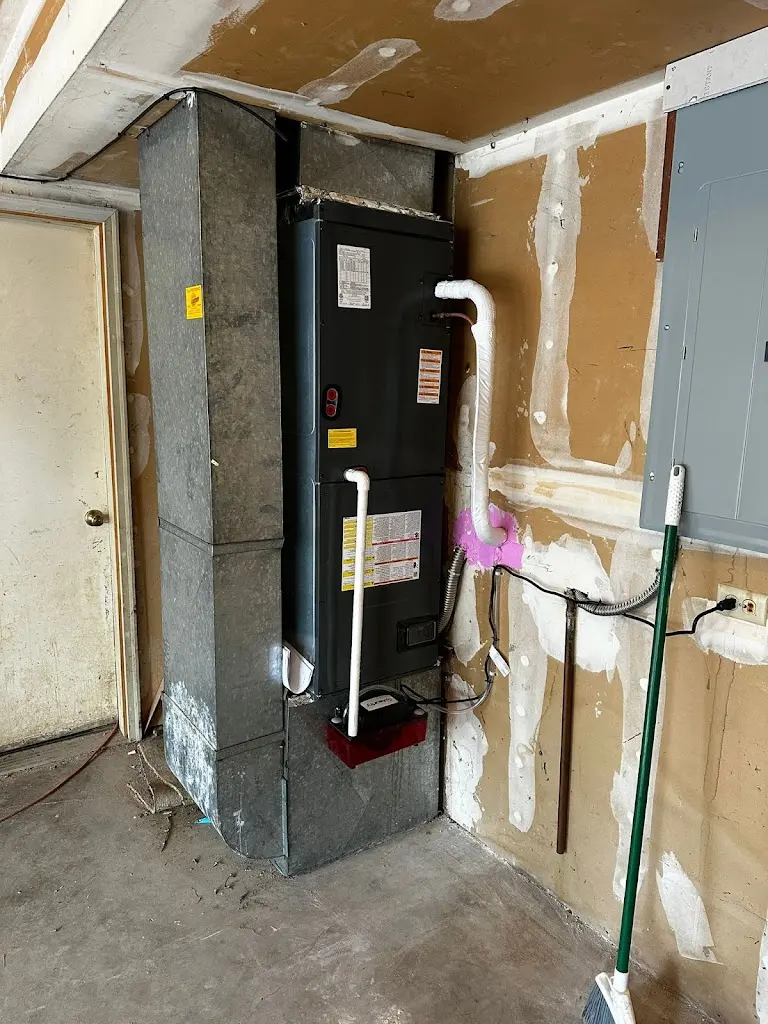
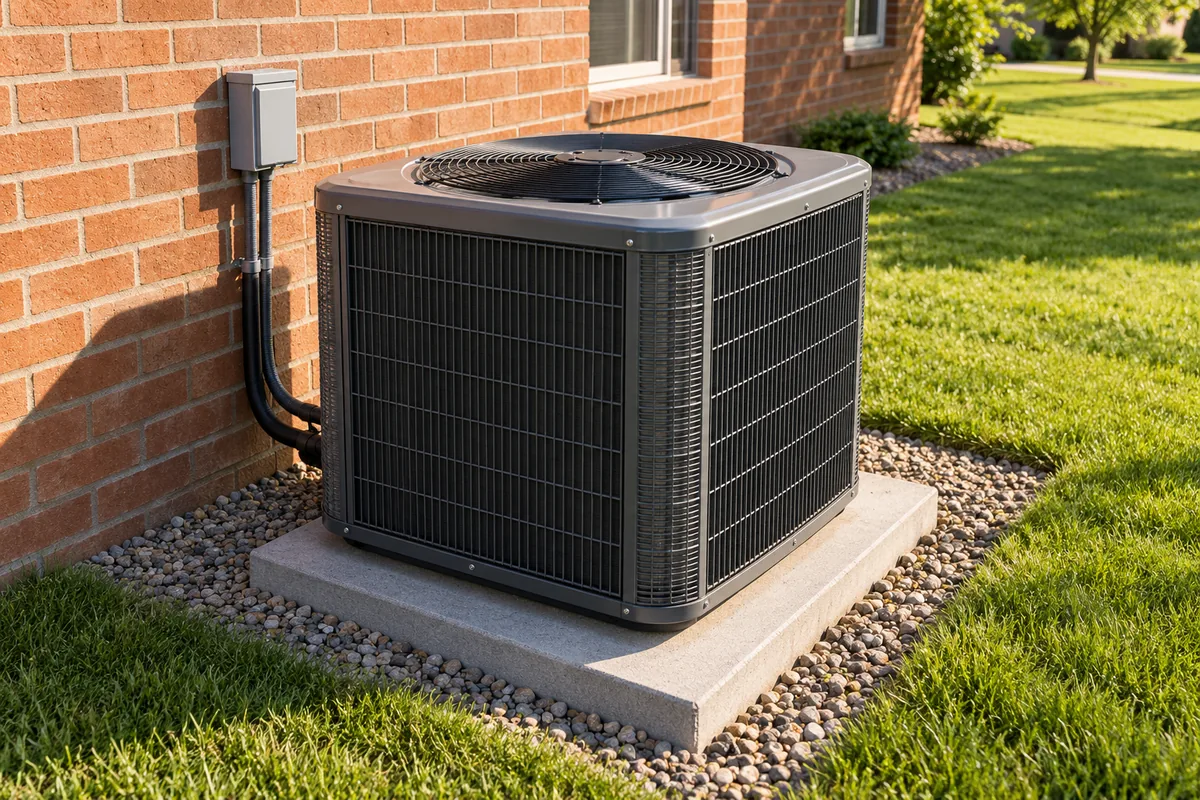
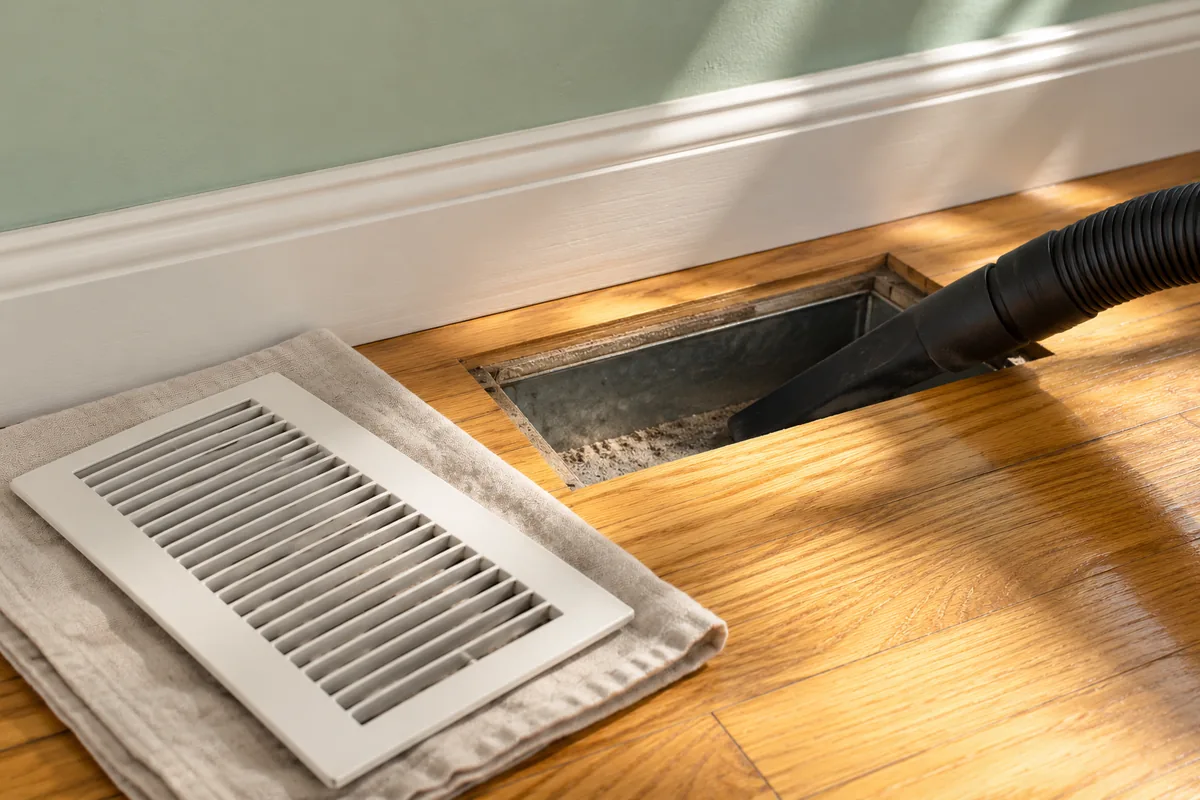
The proposed outdoor unit must work with the indoor equipment and controls. For first-time cooling or replacement, capacity should follow the home’s cooling load and intended rooms. Mention weak airflow or persistent warm rooms so duct air delivery is considered alongside equipment selection; a larger unit alone may not resolve a room-comfort problem. Confirm which components the estimate retains or replaces. A working furnace may remain, but its heating operation alone does not establish compatibility with the new AC.
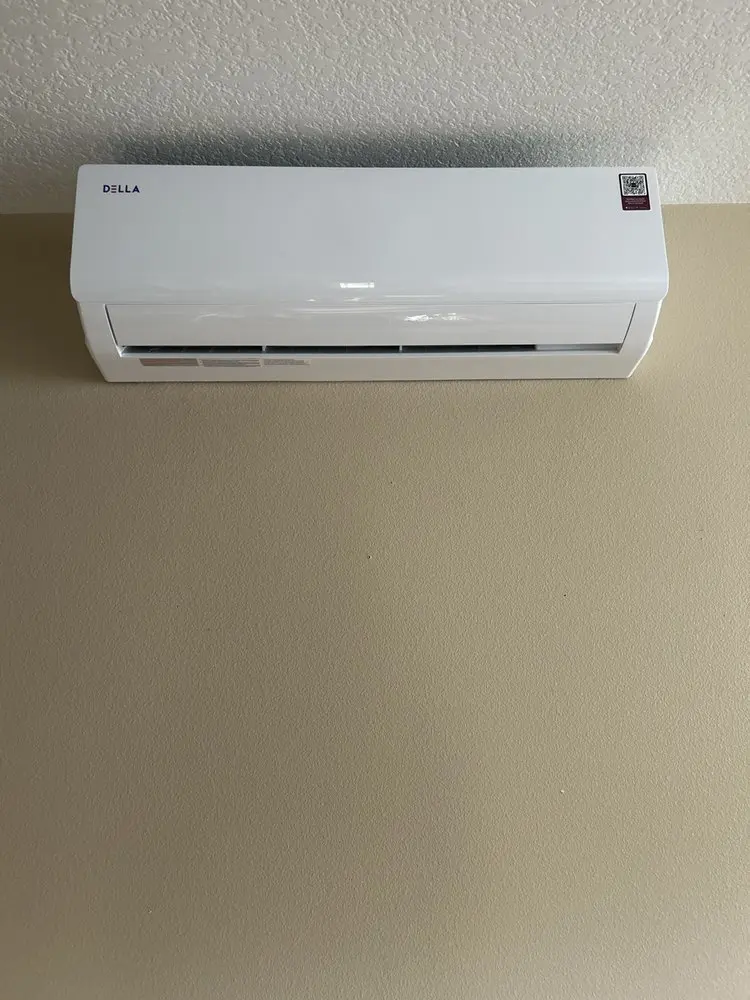
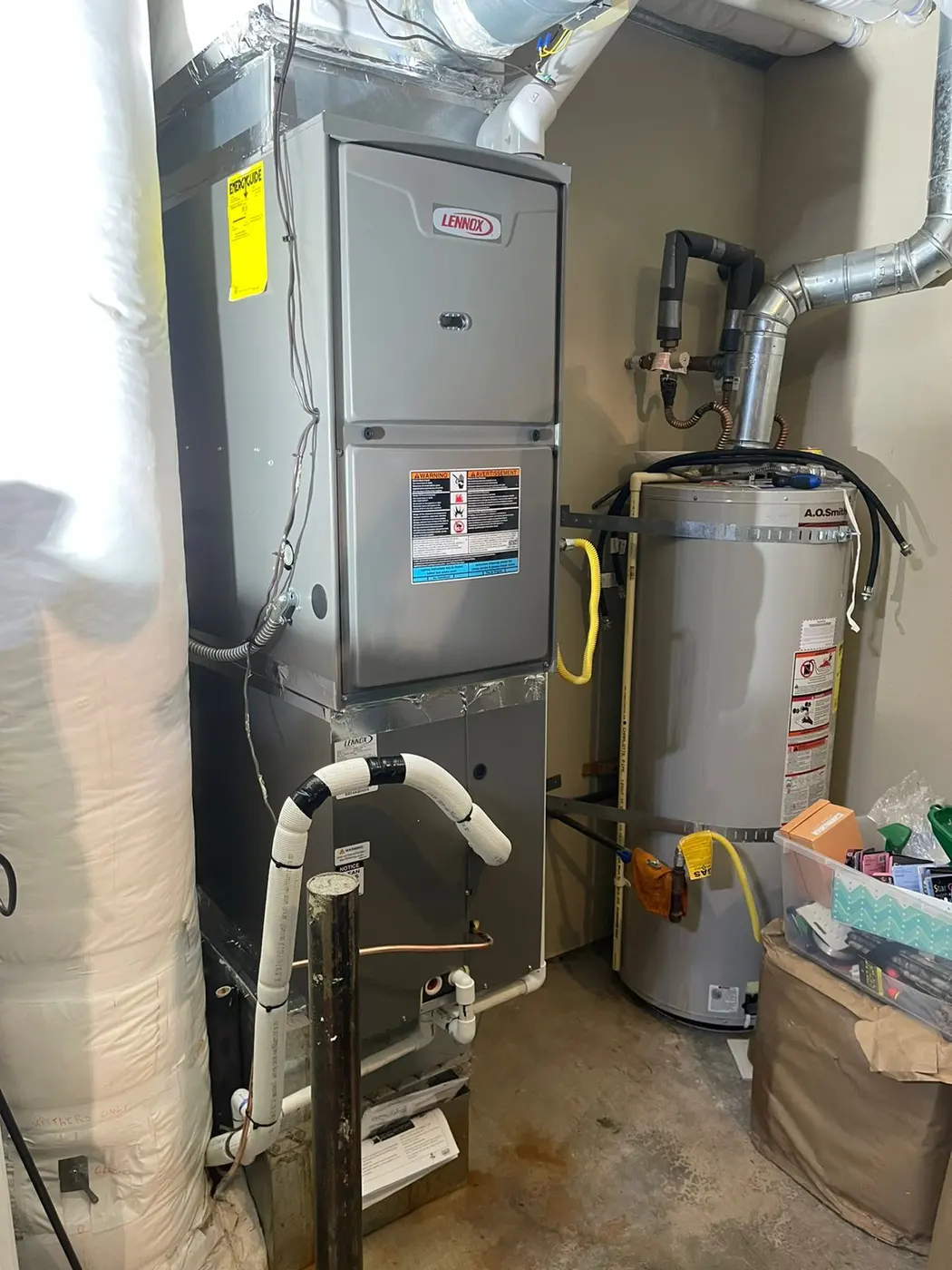
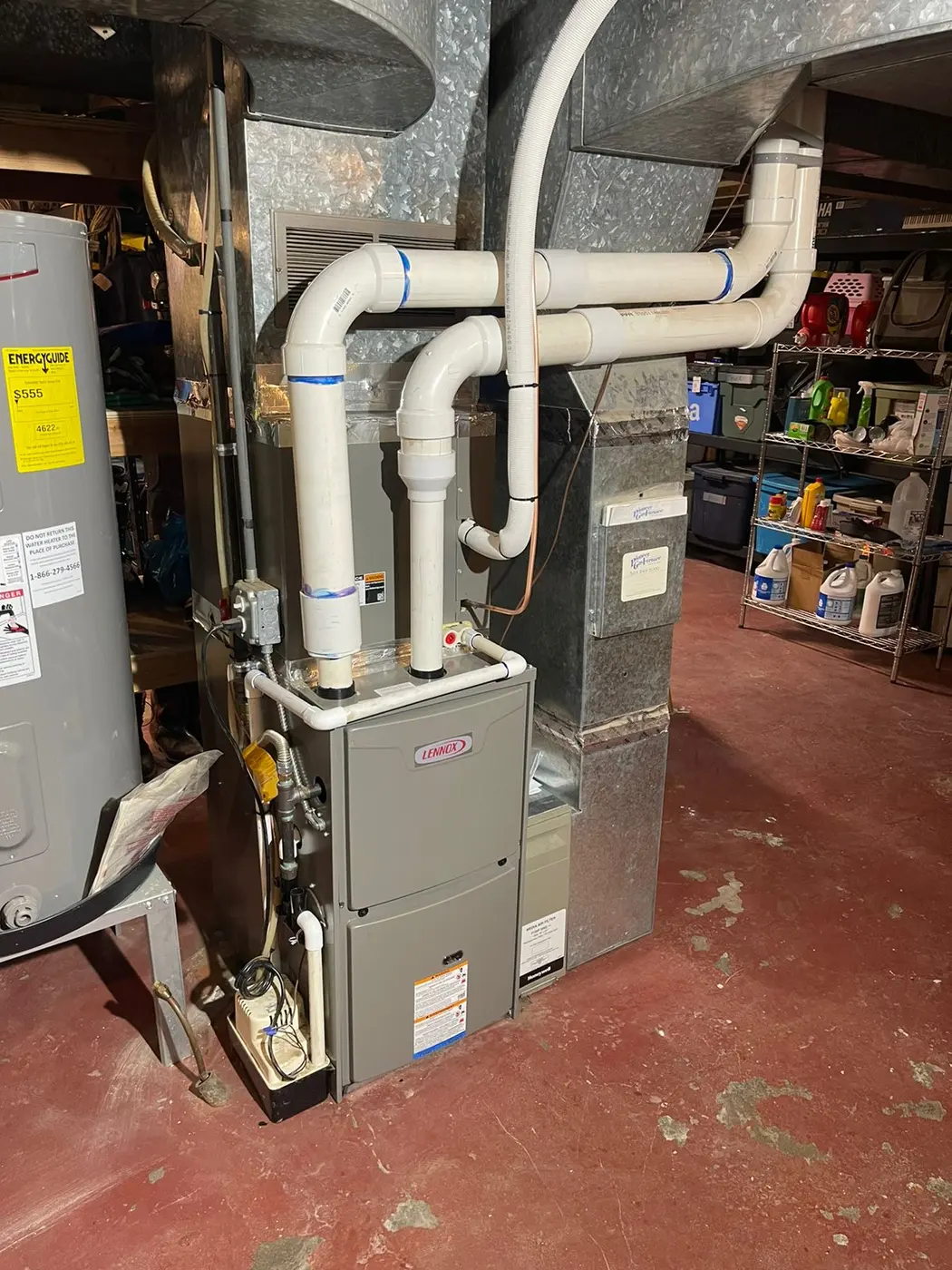
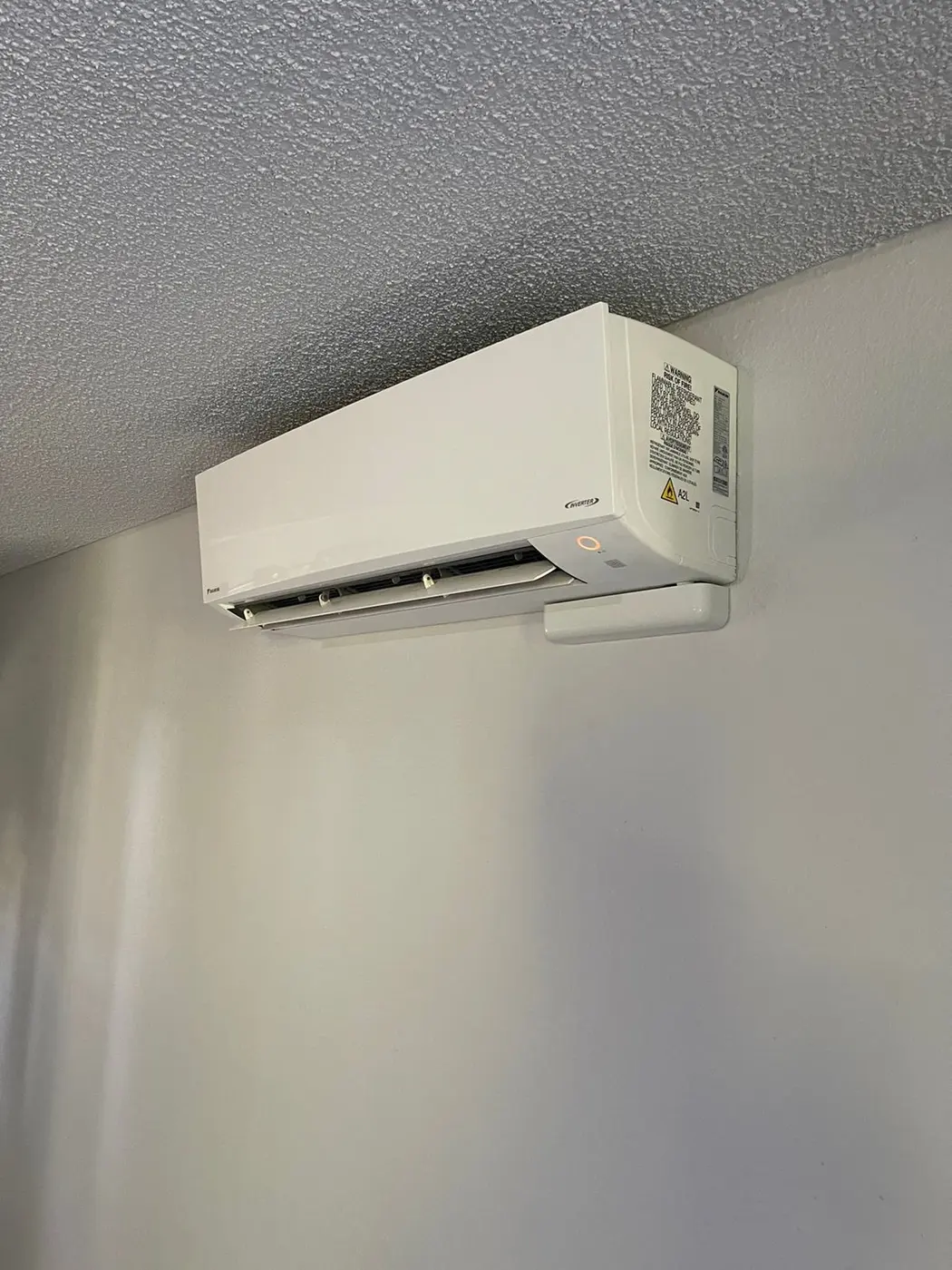
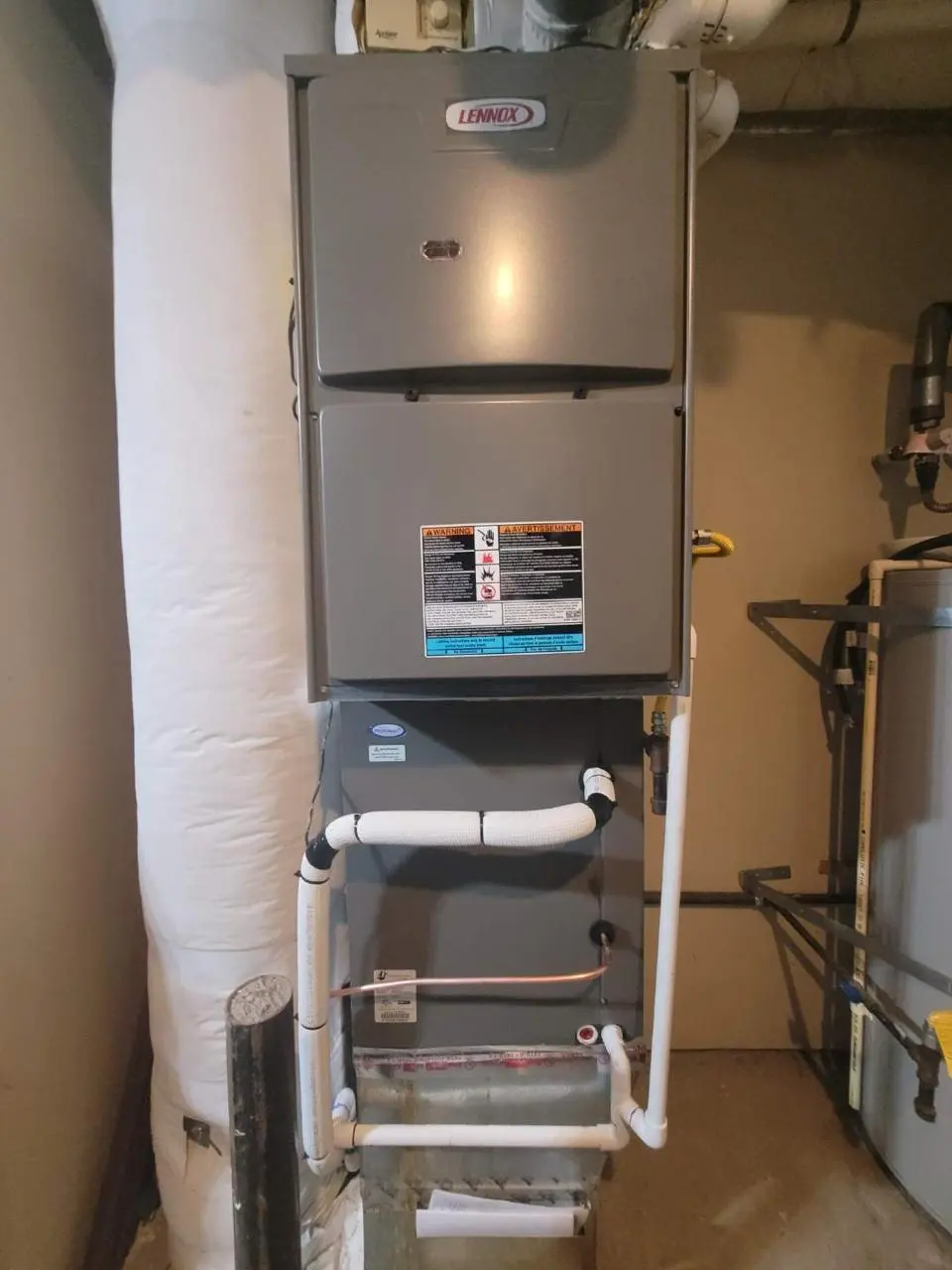
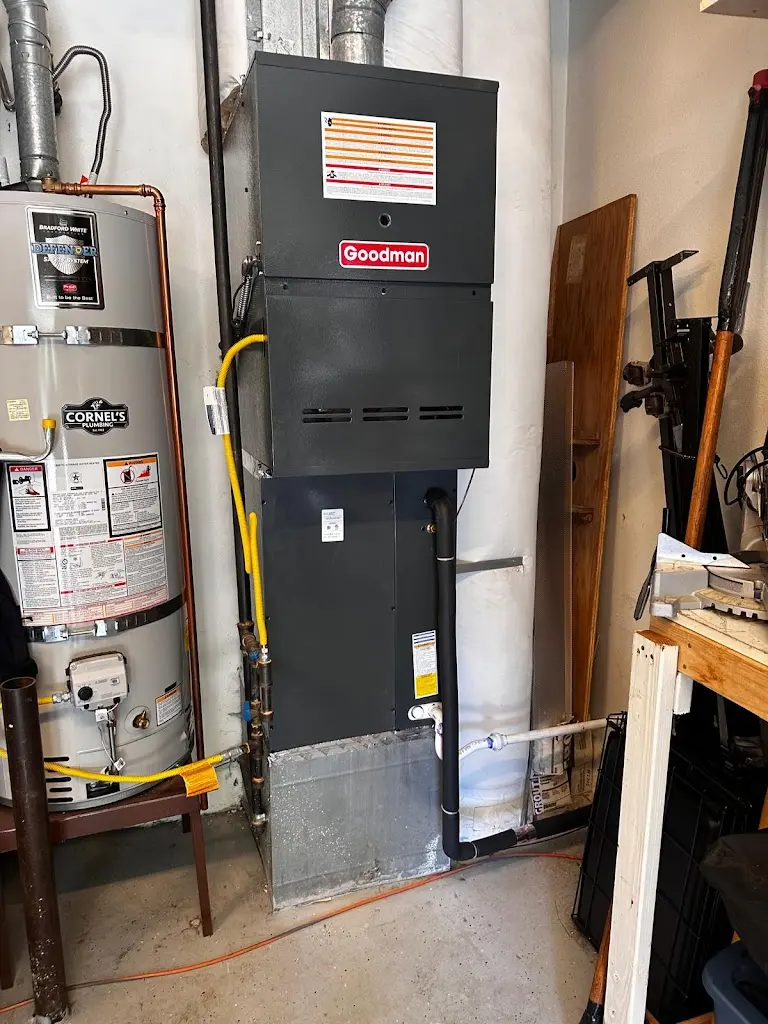
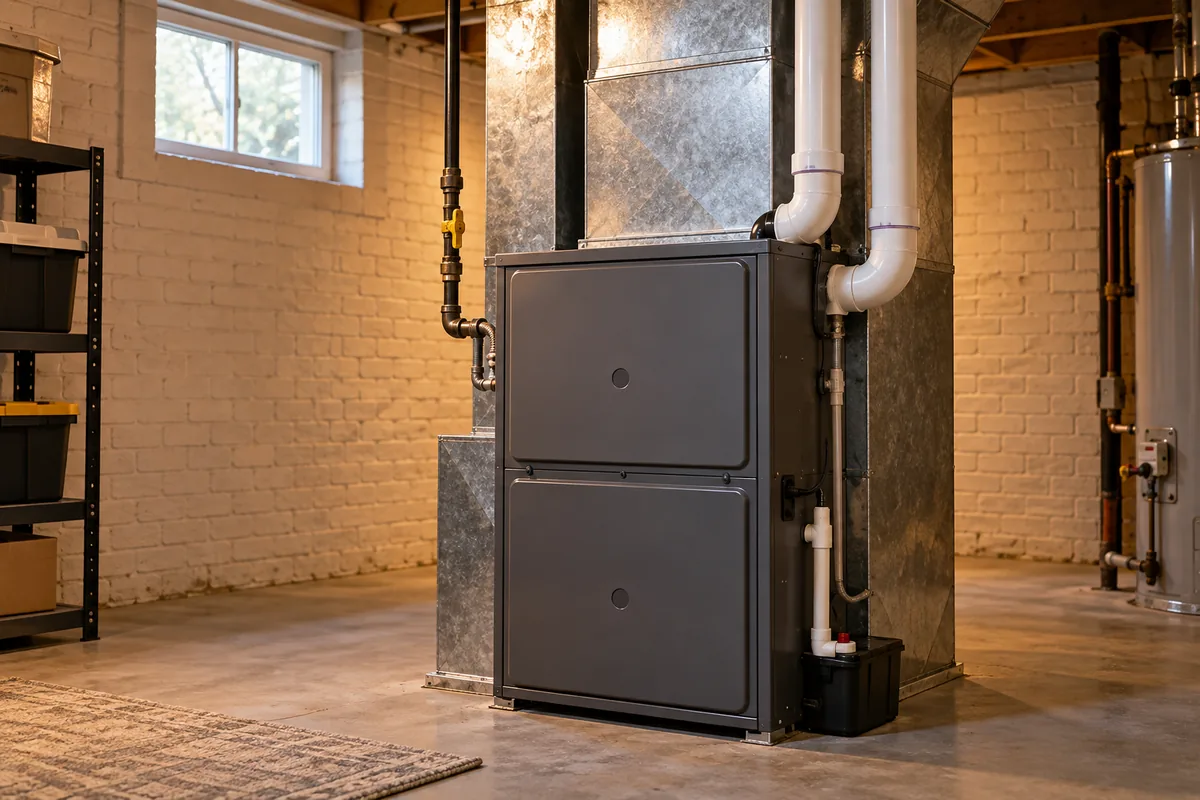
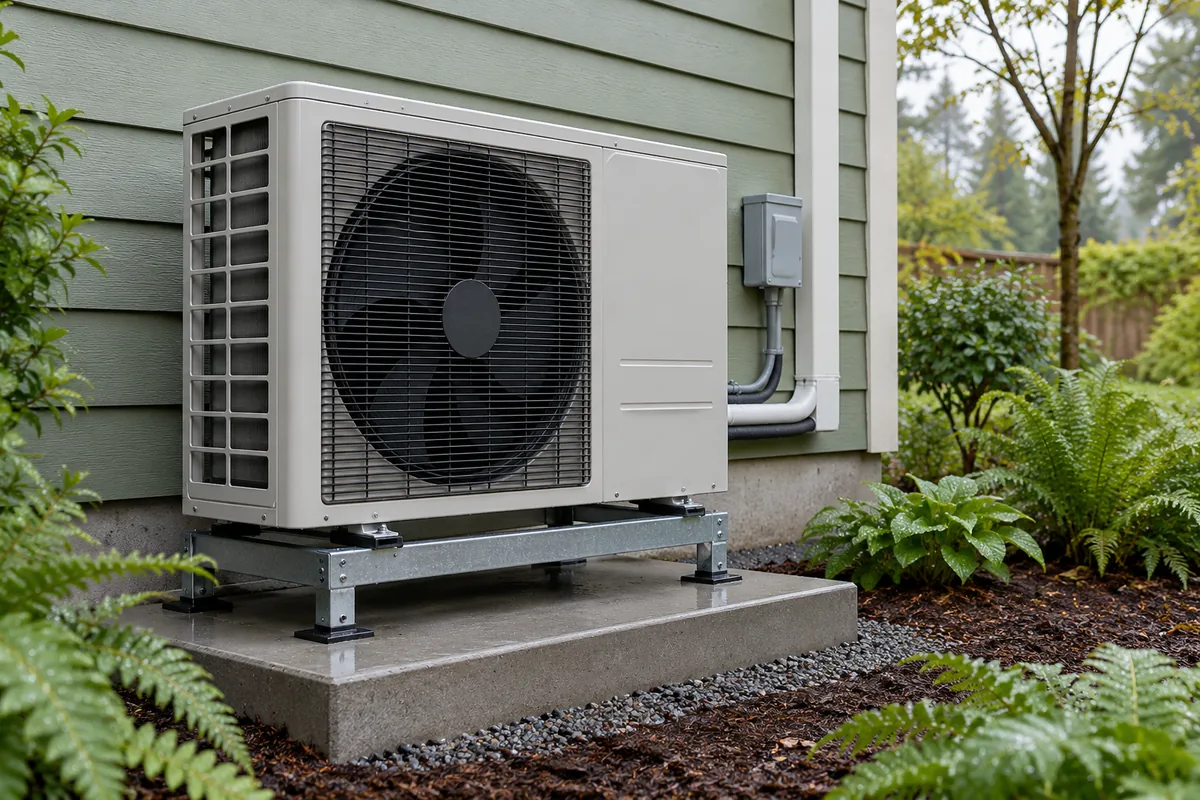
If the project also changes heating, our HVAC installation service in Battle Ground covers the wider plan. Heat pumps can provide heating and cooling. Comparing that option with AC requires a clear account of the finished system and any heat source that will stay.
Installation Price and Scheduling
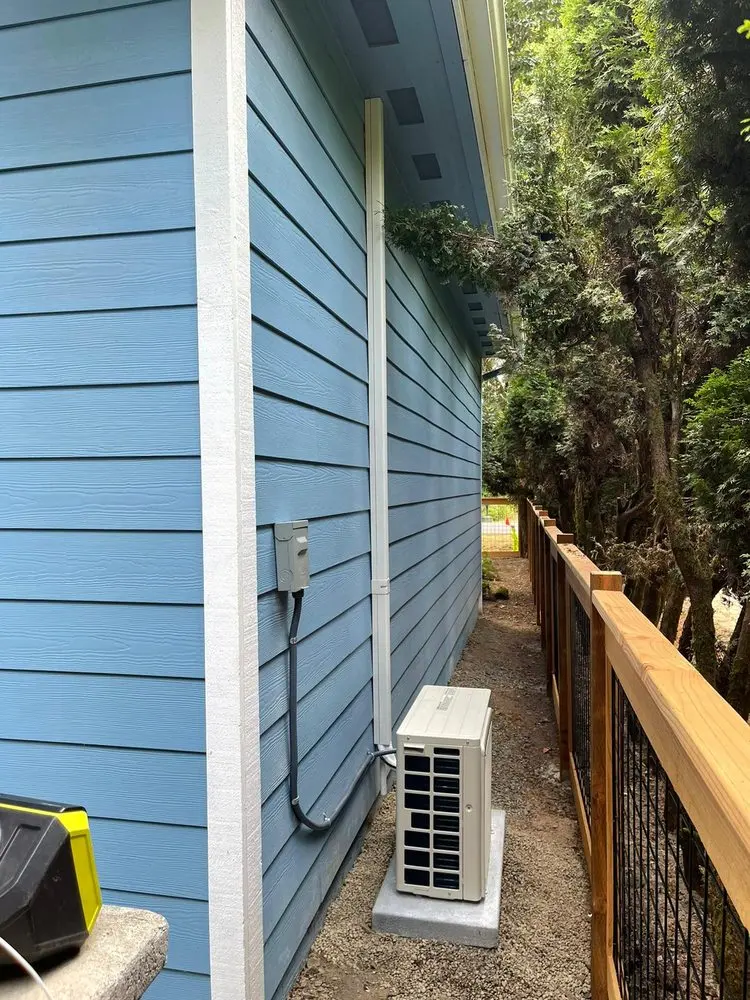
The replacement proposal should list the equipment, indoor work, outdoor placement, connections and control changes. It should state which existing routes can remain and which still need review before approval.
When cooling has stopped, timing matters alongside the proposed result. Ask about the expected sequence and any item that affects the installation date. Separate an estimator appointment from the equipment installation schedule. A quick estimate does not promise a completed replacement the same day.
Compare required work and optional features against the rooms and functions you need. A more energy efficient model may be an option, but its rating does not guarantee a fixed bill reduction. Even after a shutdown, compare the complete work included in each proposal.
Installation Day and Normal Operation
For the Battle Ground visit, identify the controls and accessible equipment areas. Mention locks or access limits when arranging the appointment. Leave failed equipment and connections intact unless a technician has given specific guidance. Removing parts early can make the current setup harder to assess.
Before work starts, confirm who can approve a scope change and provide access. Ask how the sequence affects any retained heating equipment. At completion, review normal controls, the checks performed and any remaining task. Keep the final equipment record with the approved scope for later AC maintenance.
Contact HVAC & Appliance Repair Guys for a free on-site AC installation or replacement estimate in Battle Ground.
Frequently Asked Questions
Do I have to approve a repair before requesting replacement options?
No. Explain that you want to compare installation options and share any diagnosis already available. The estimator needs to review the proposed replacement at the property. A repair quote can provide context without requiring you to authorize that repair first.
Does the age of the failed unit decide the replacement scope?
Age is useful background, but it does not identify every component that should change. The condition and fit of retained equipment also matter. Ask what supports each proposed replacement item and which part of the setup it affects.
Can the new system use the old thermostat schedule?
That depends on the control and equipment in the final plan. Tell us which daily settings you want to keep. At handover, review how the installed control handles that routine instead of assuming every old setting transfers unchanged.
Request AC Installation in Battle Ground, WA
For AC installation in Battle Ground, WA, call HVAC & Appliance Repair Guys or submit a service request through the form on this page.