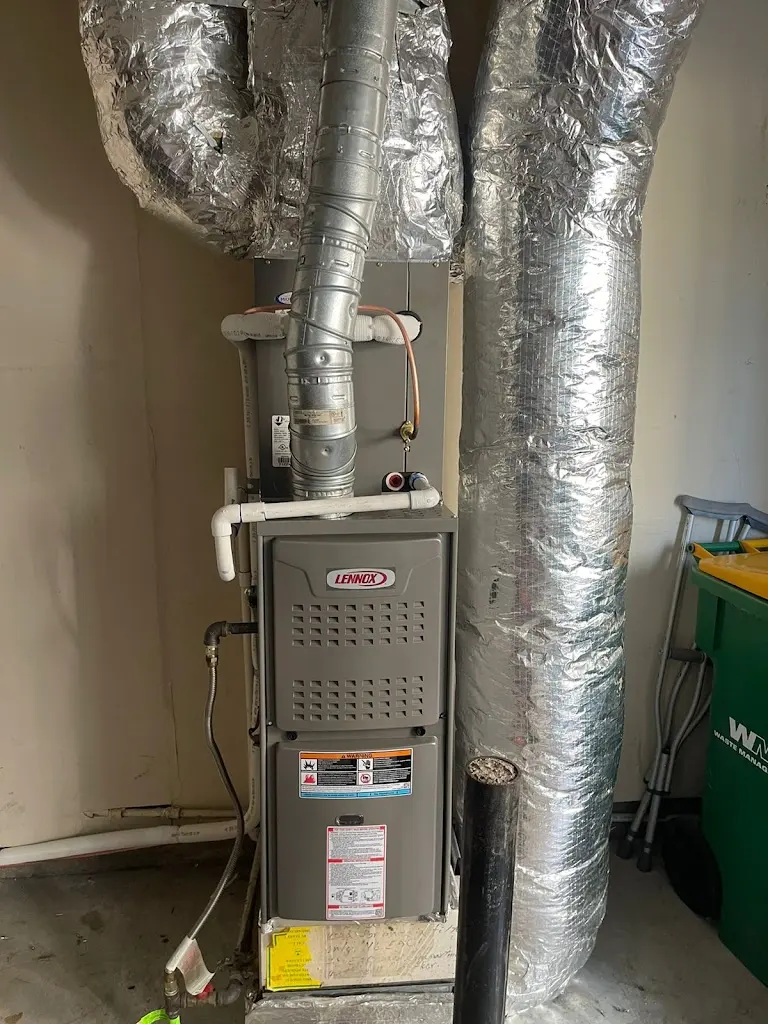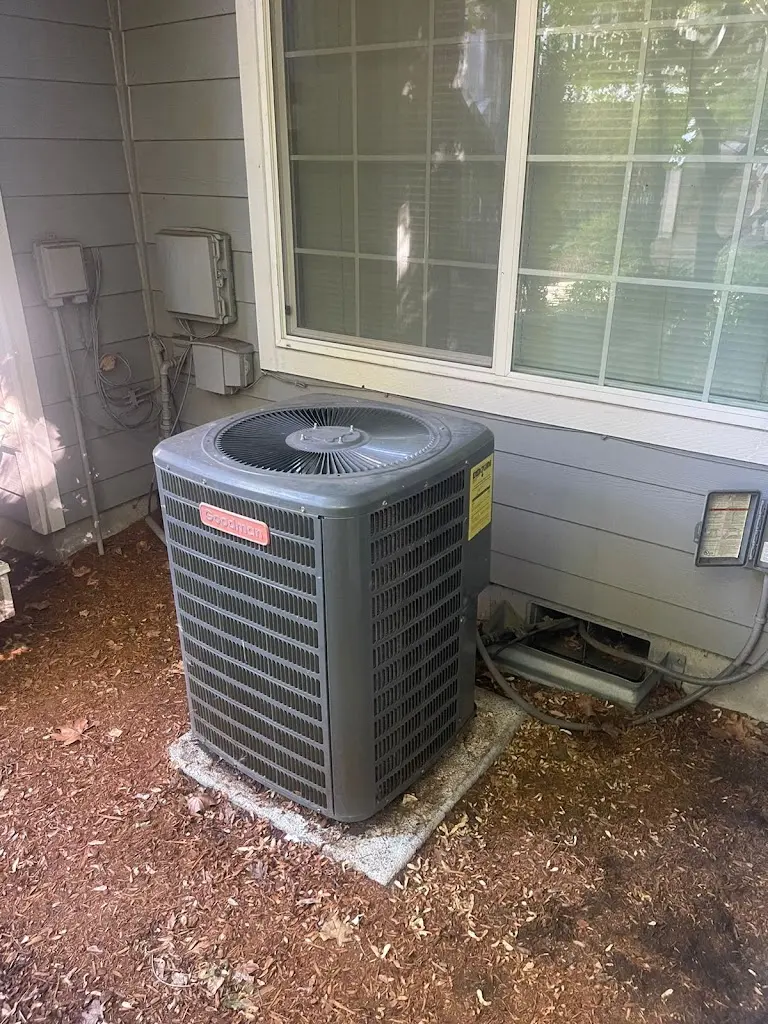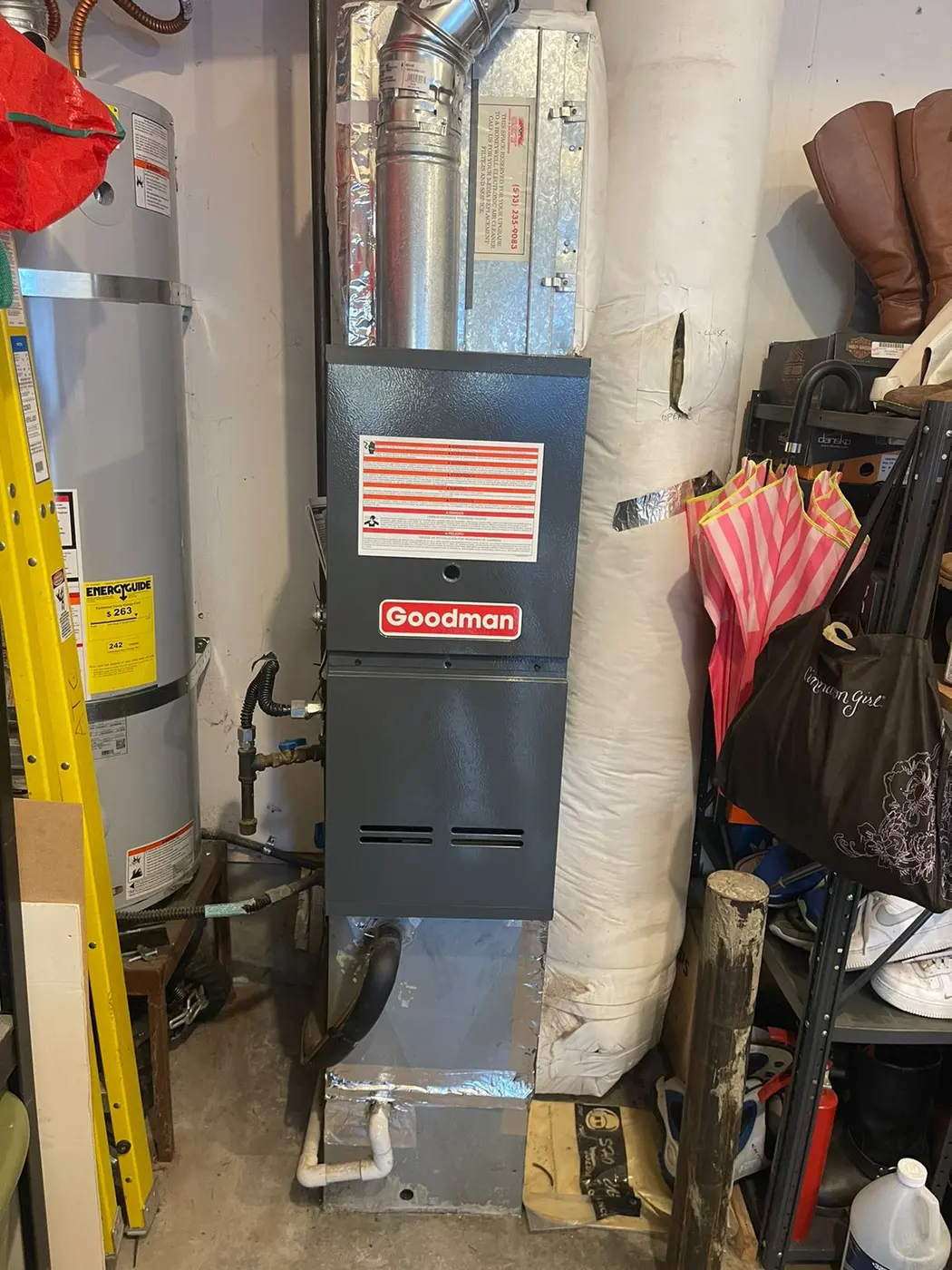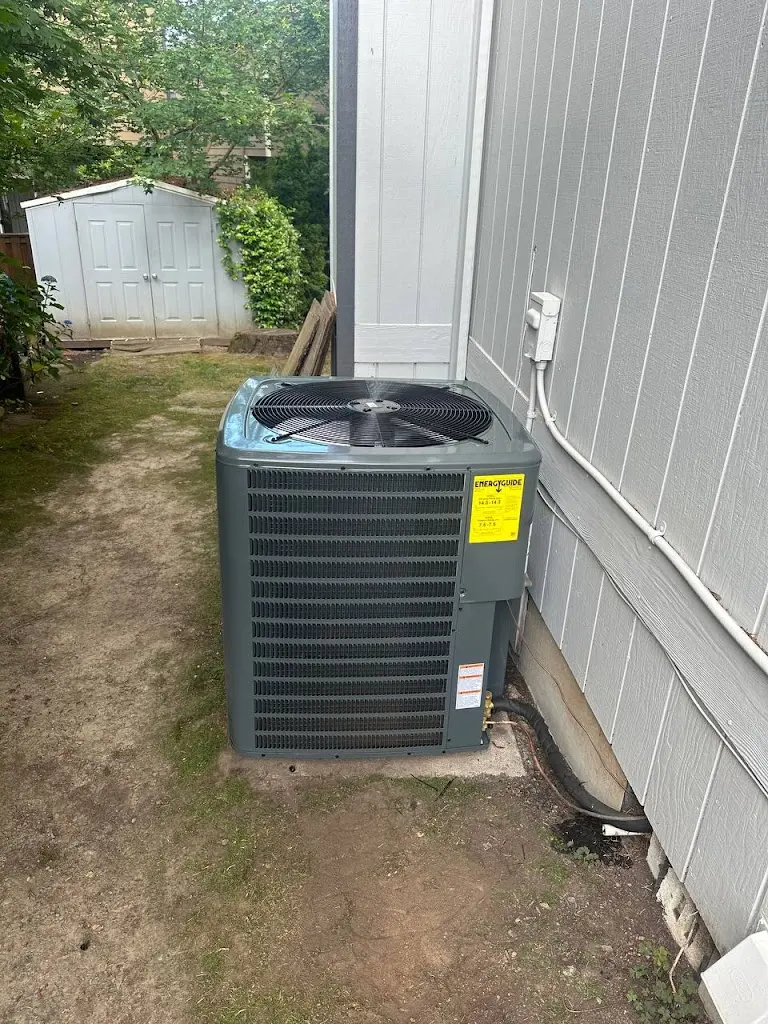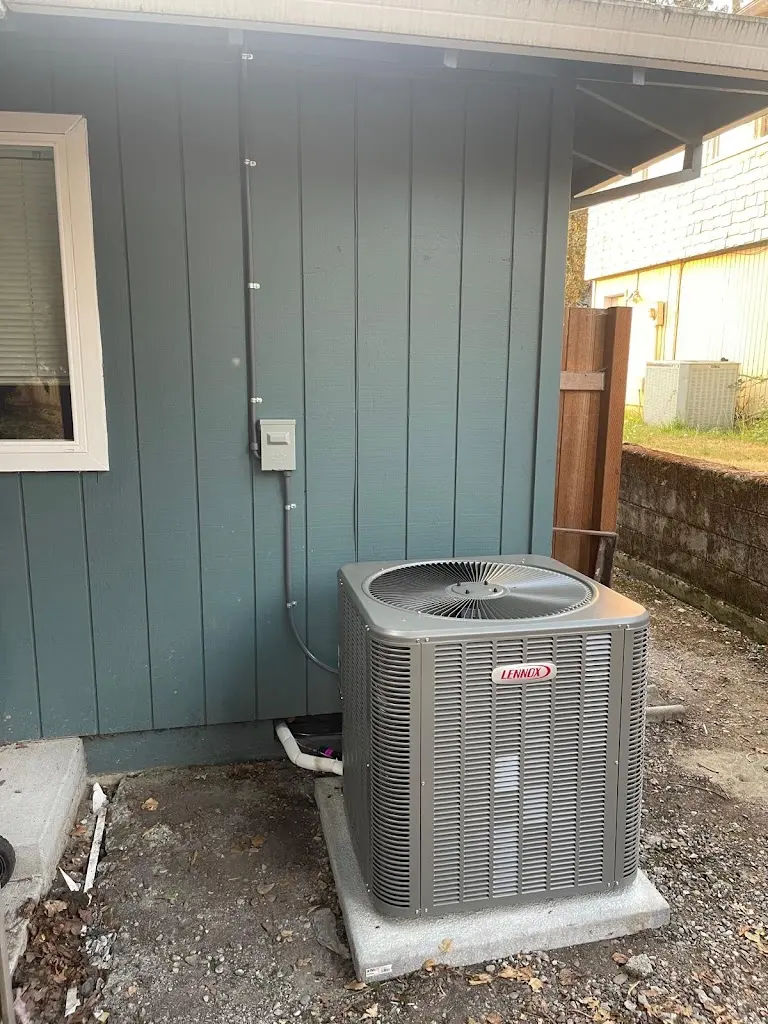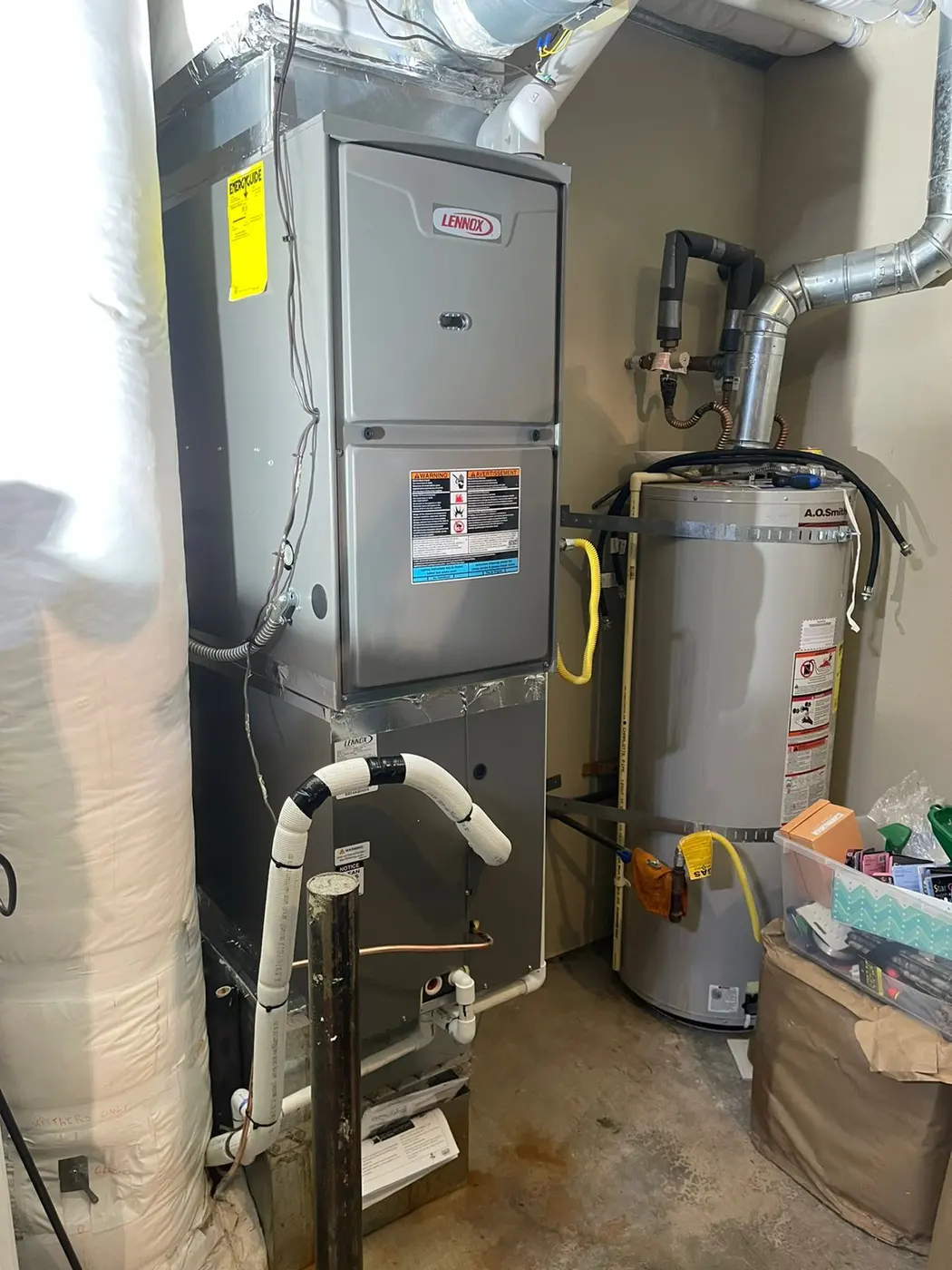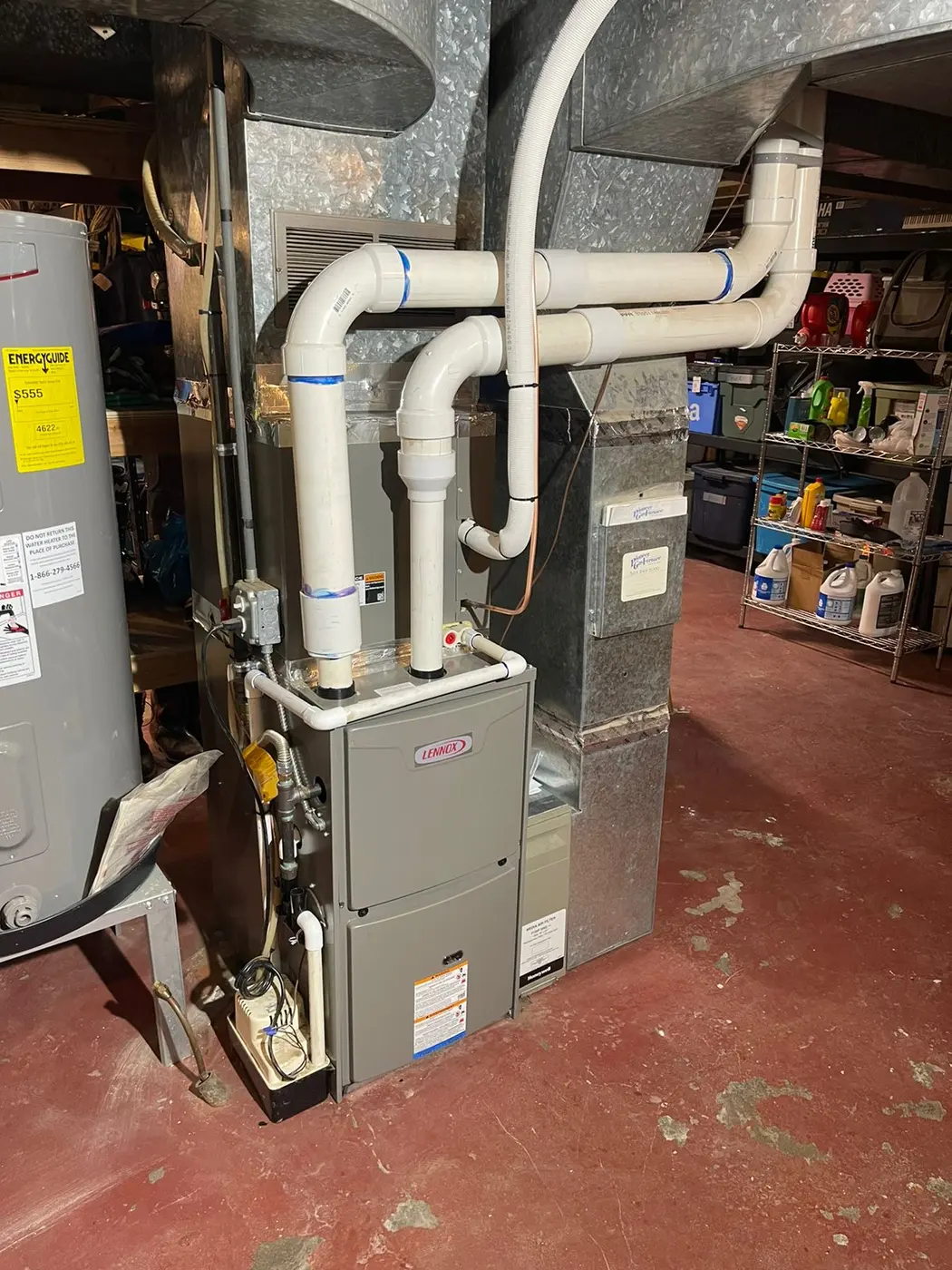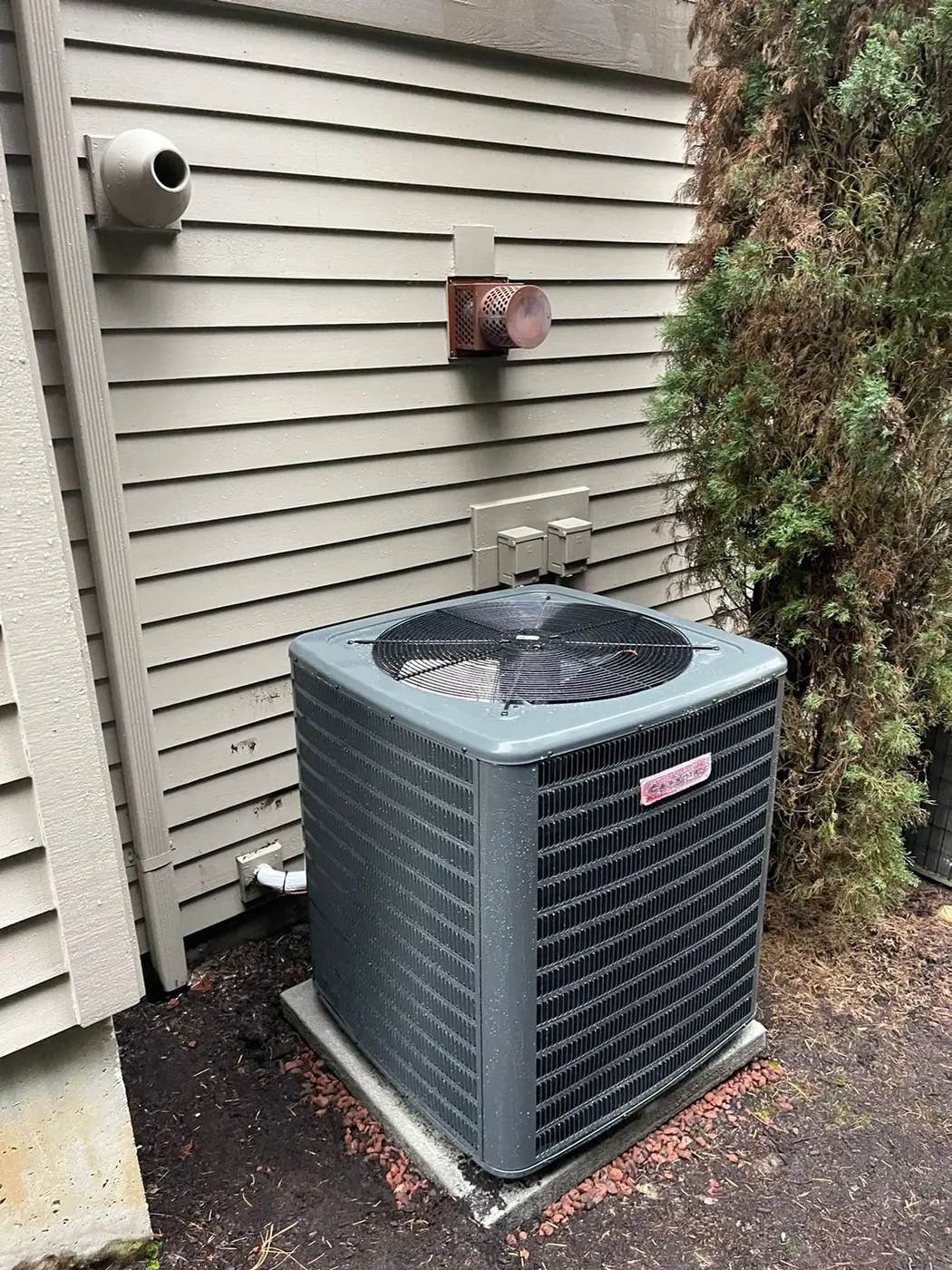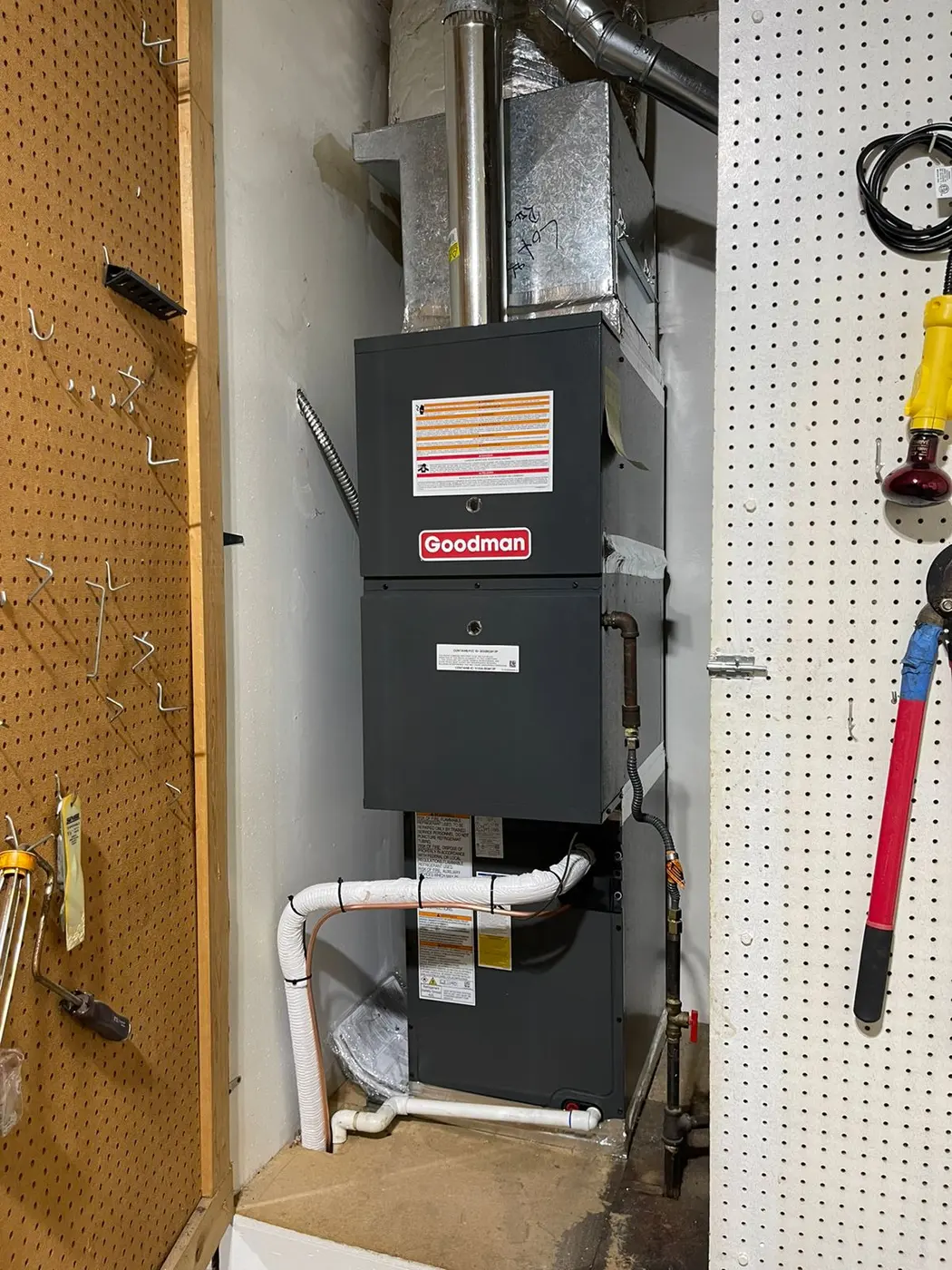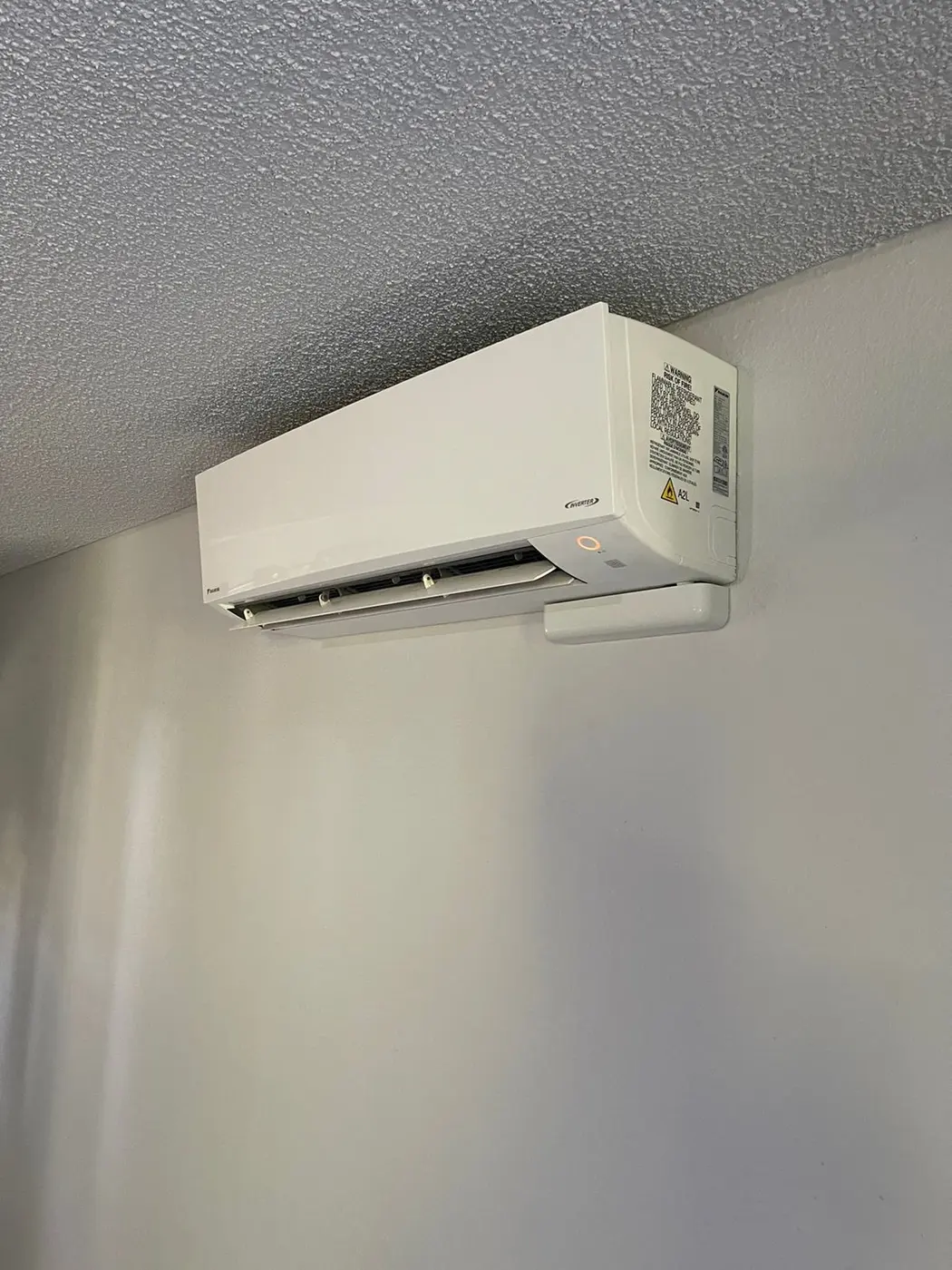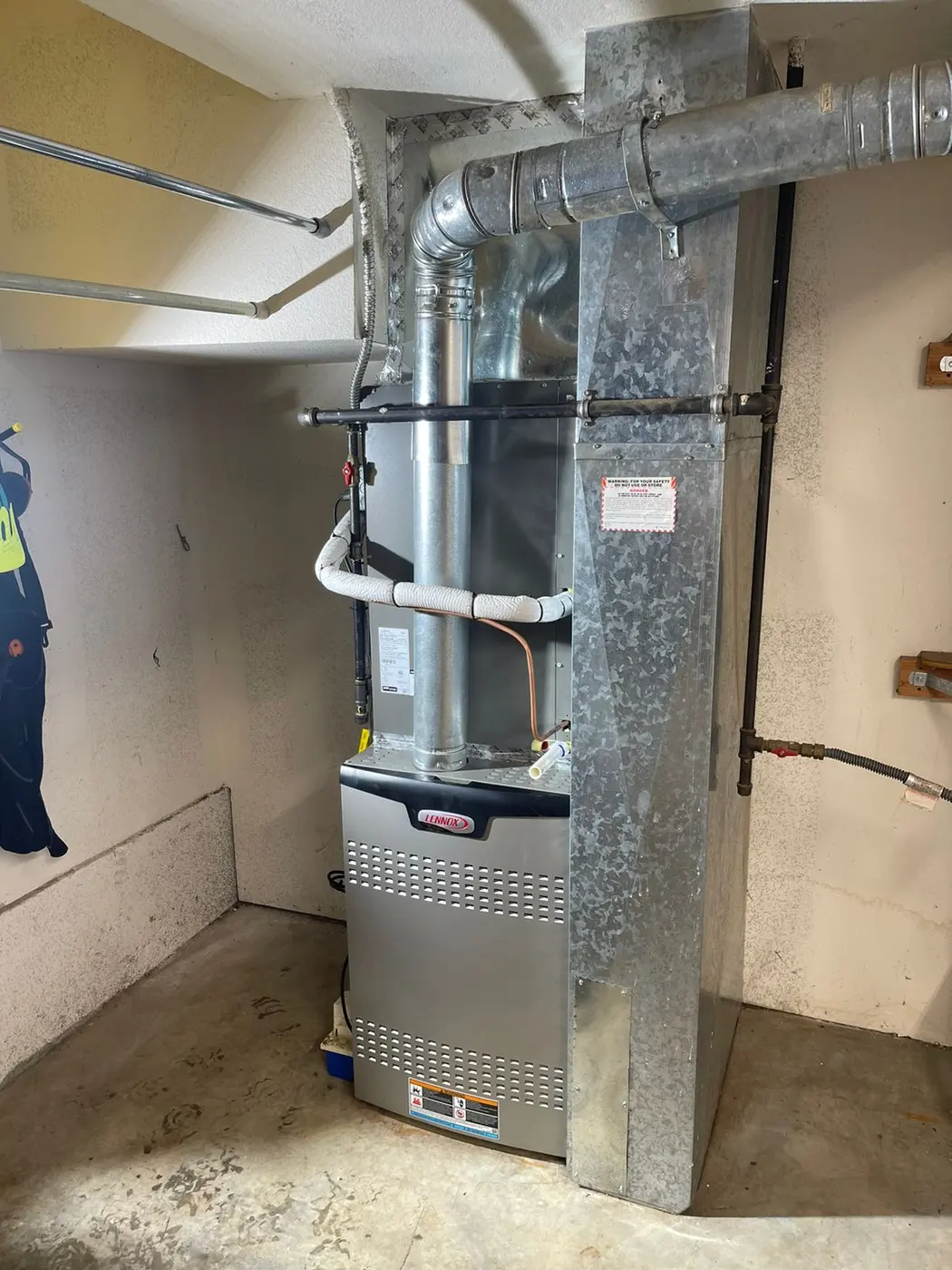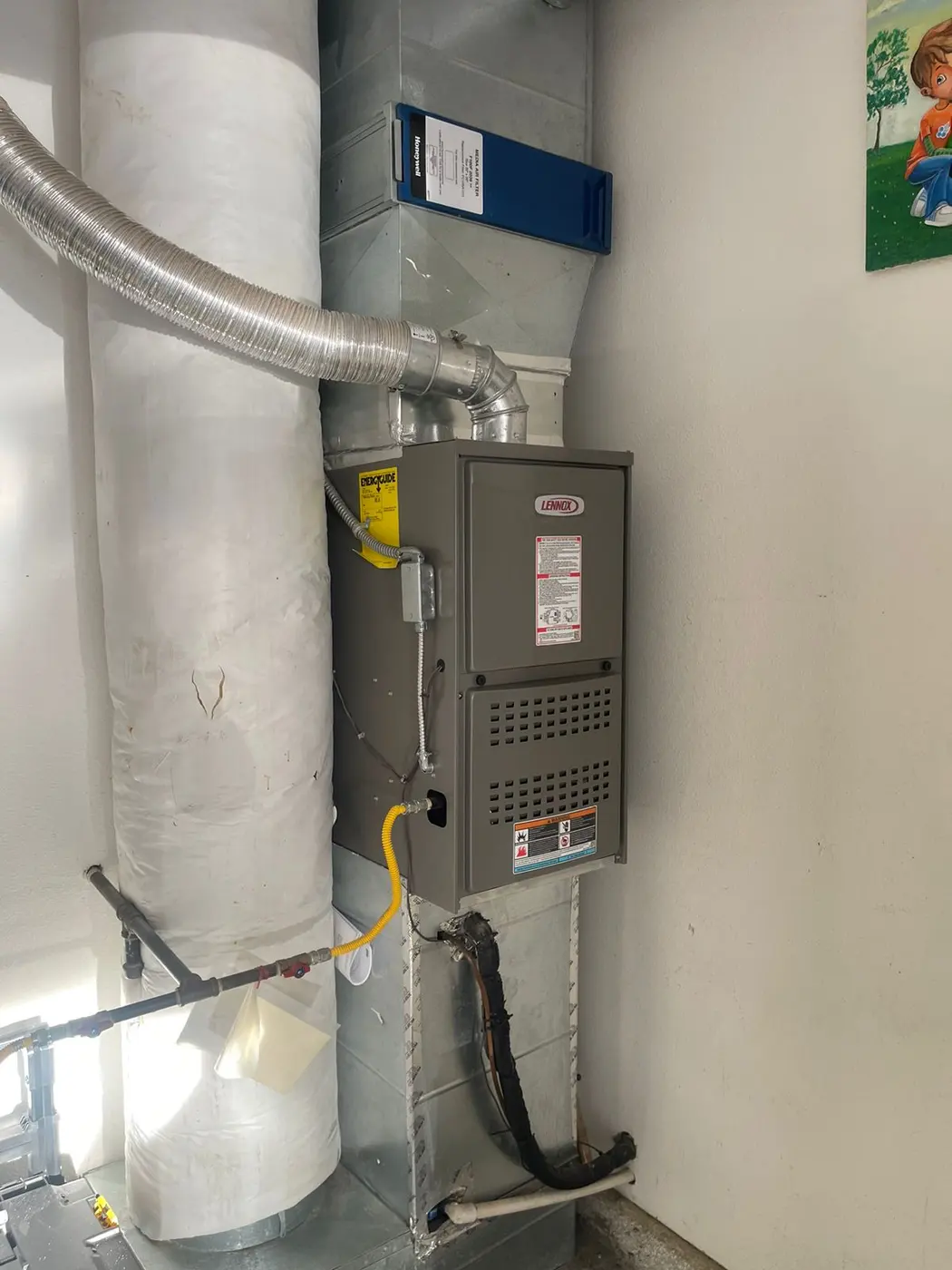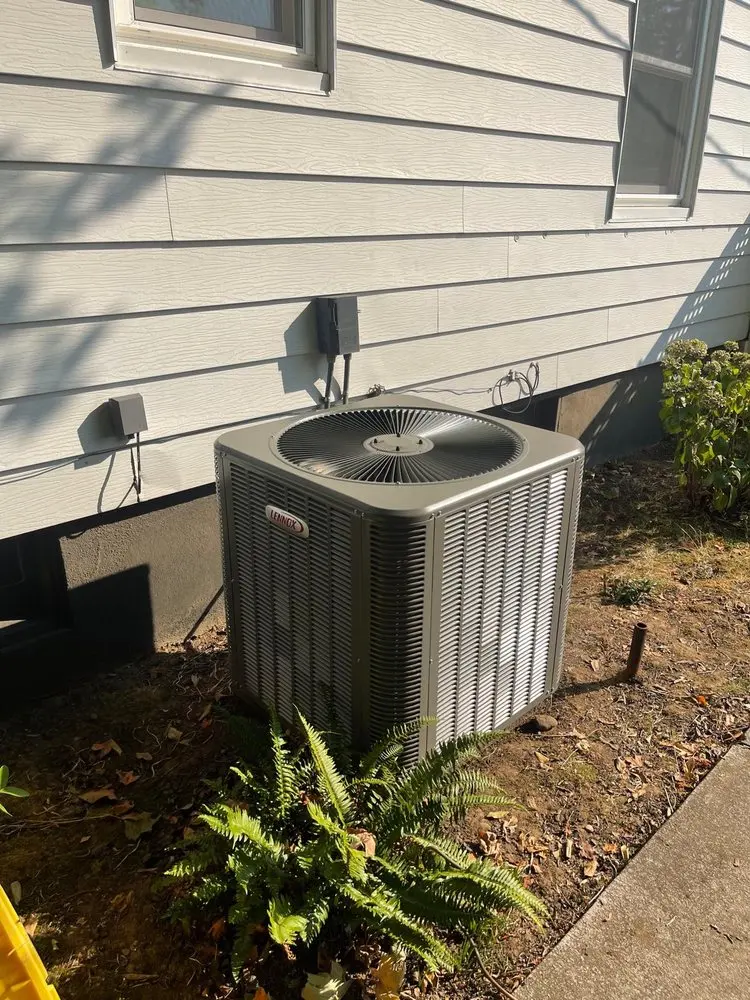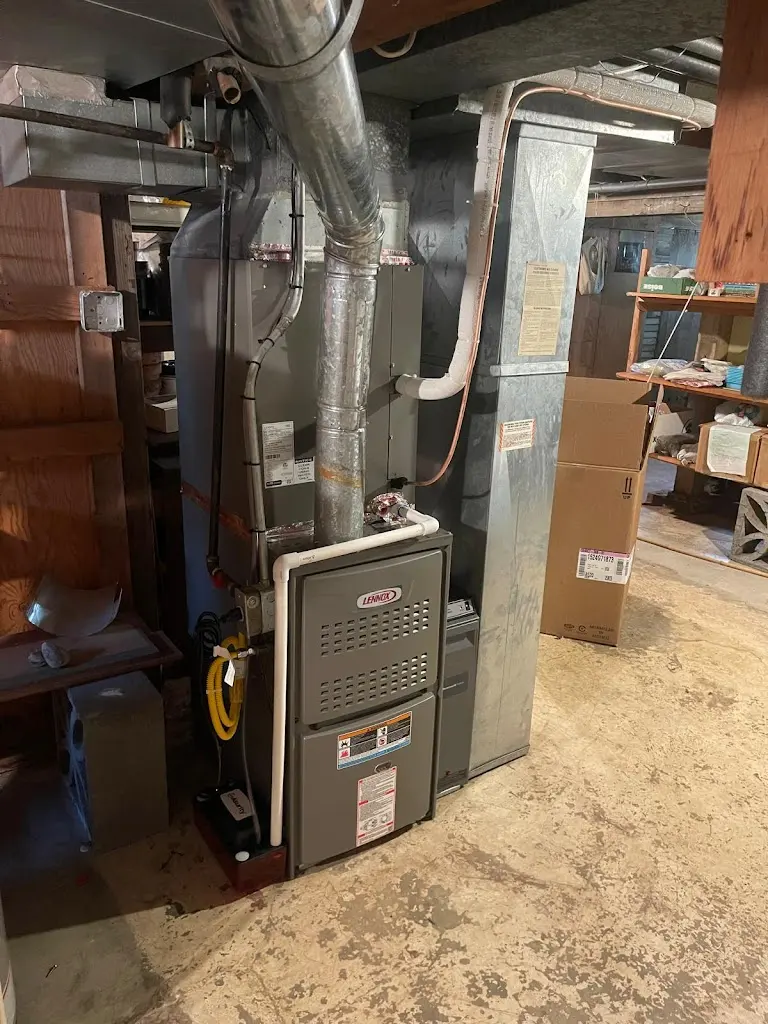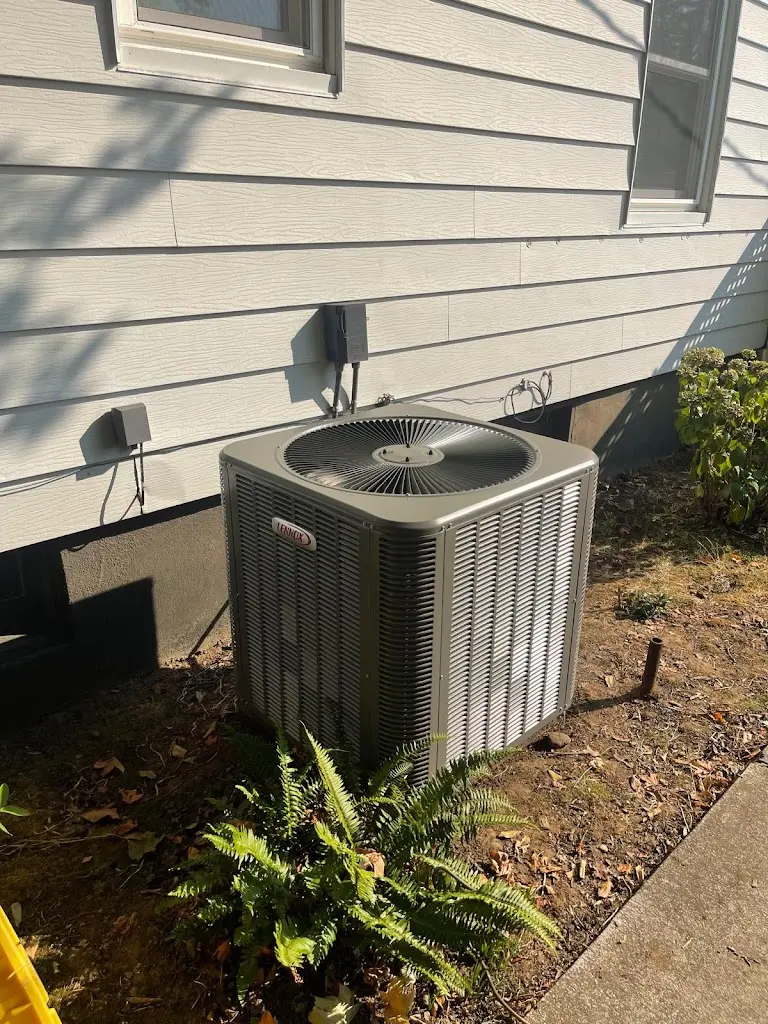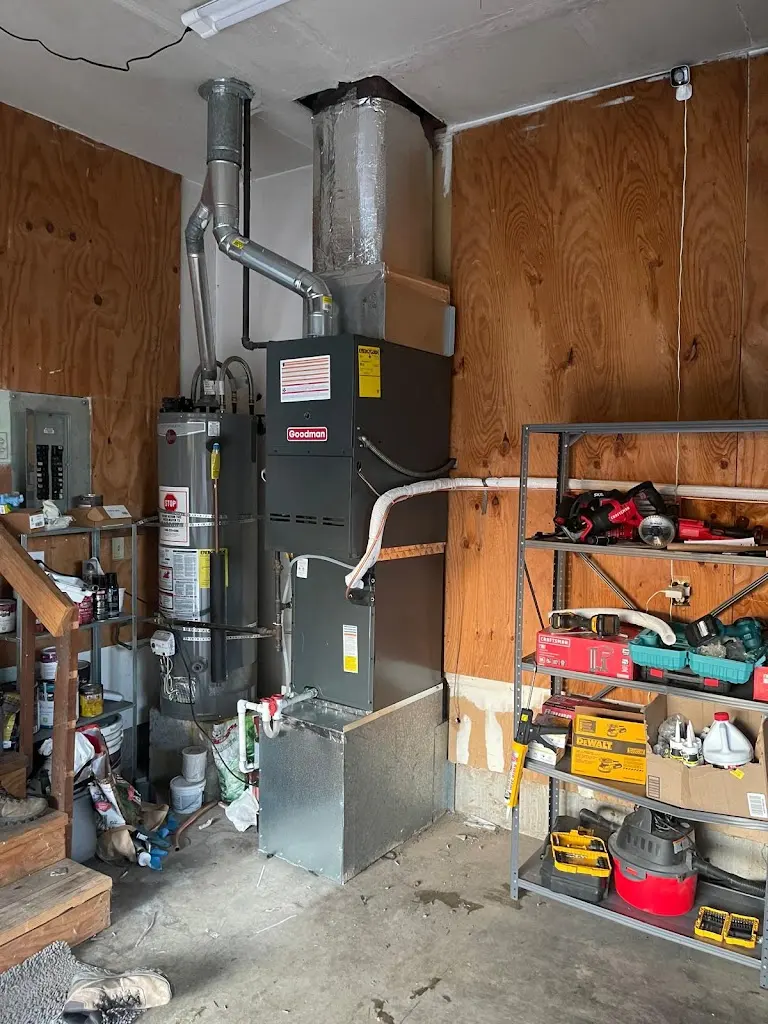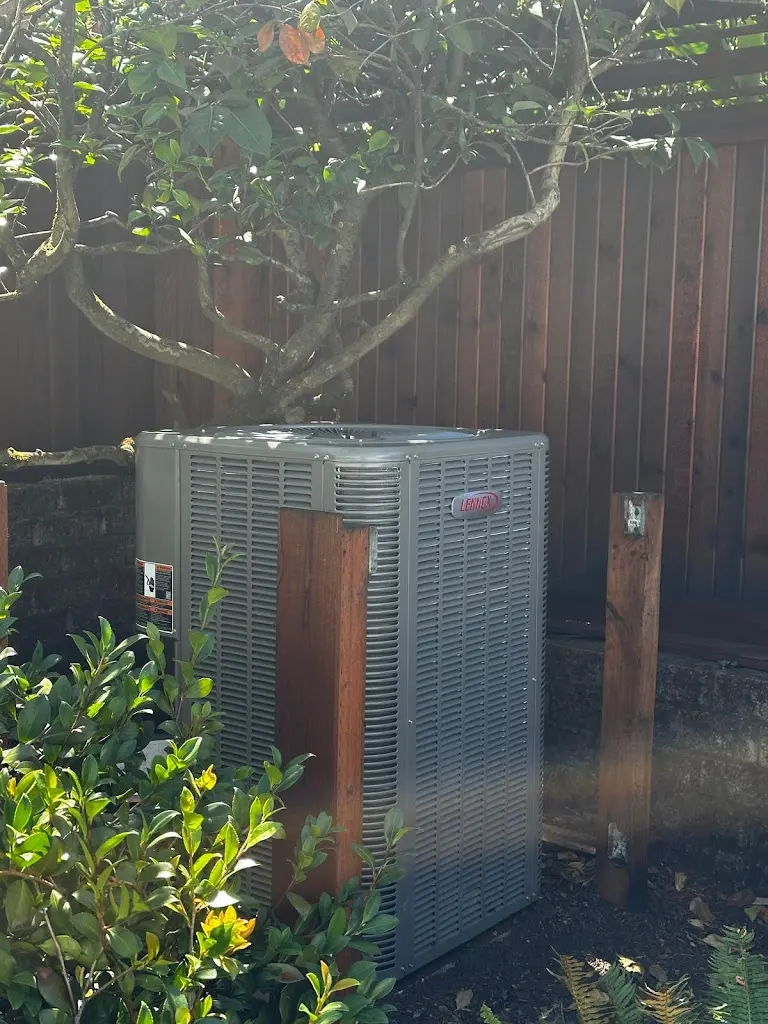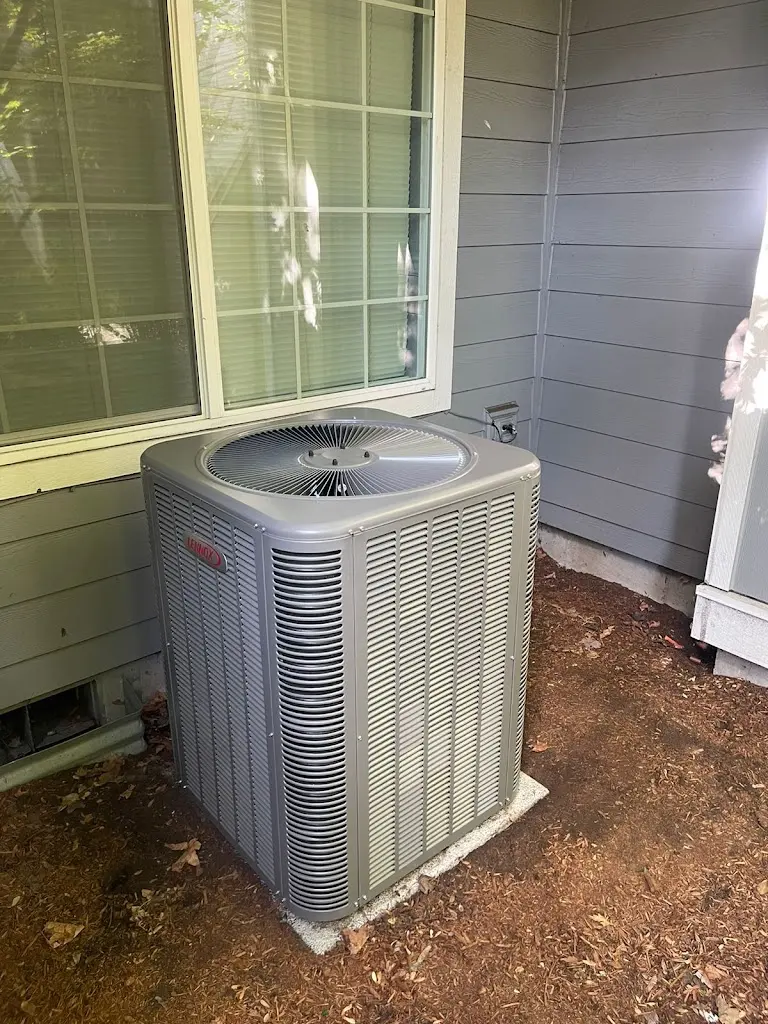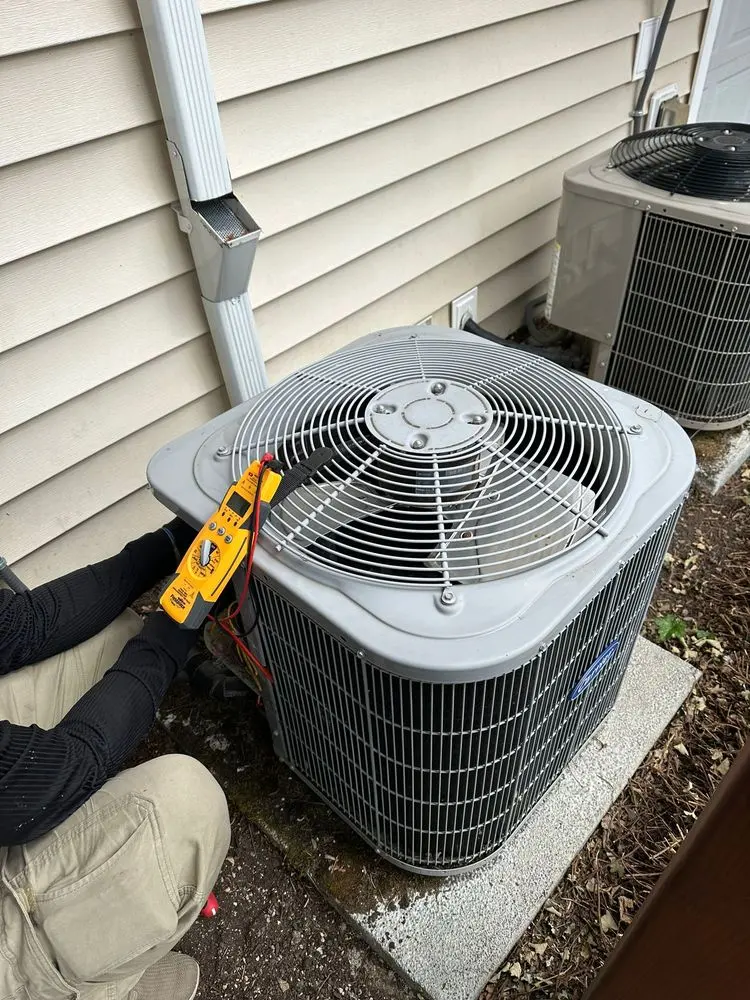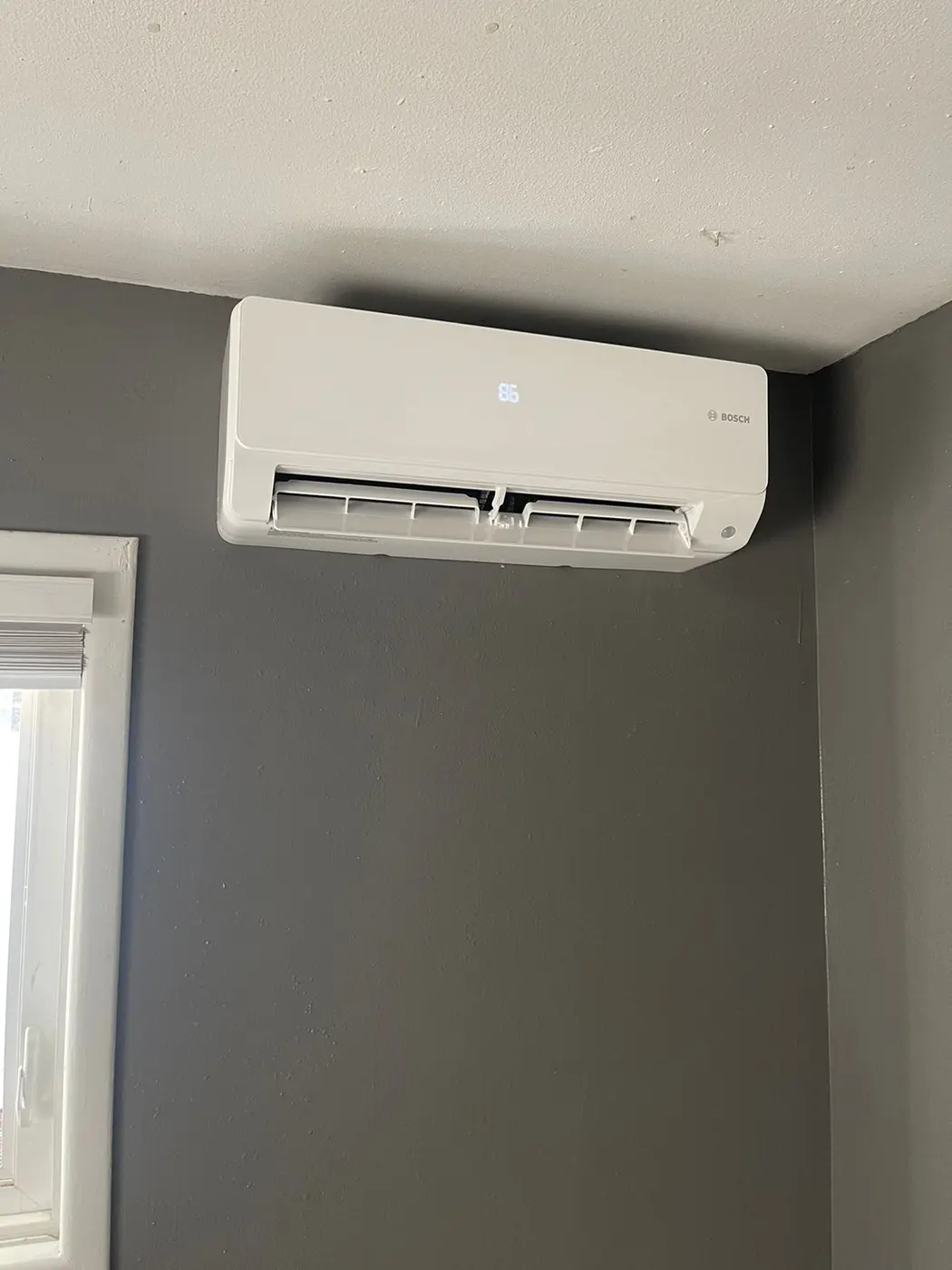




AC Installation After Repeated Cooling Problems
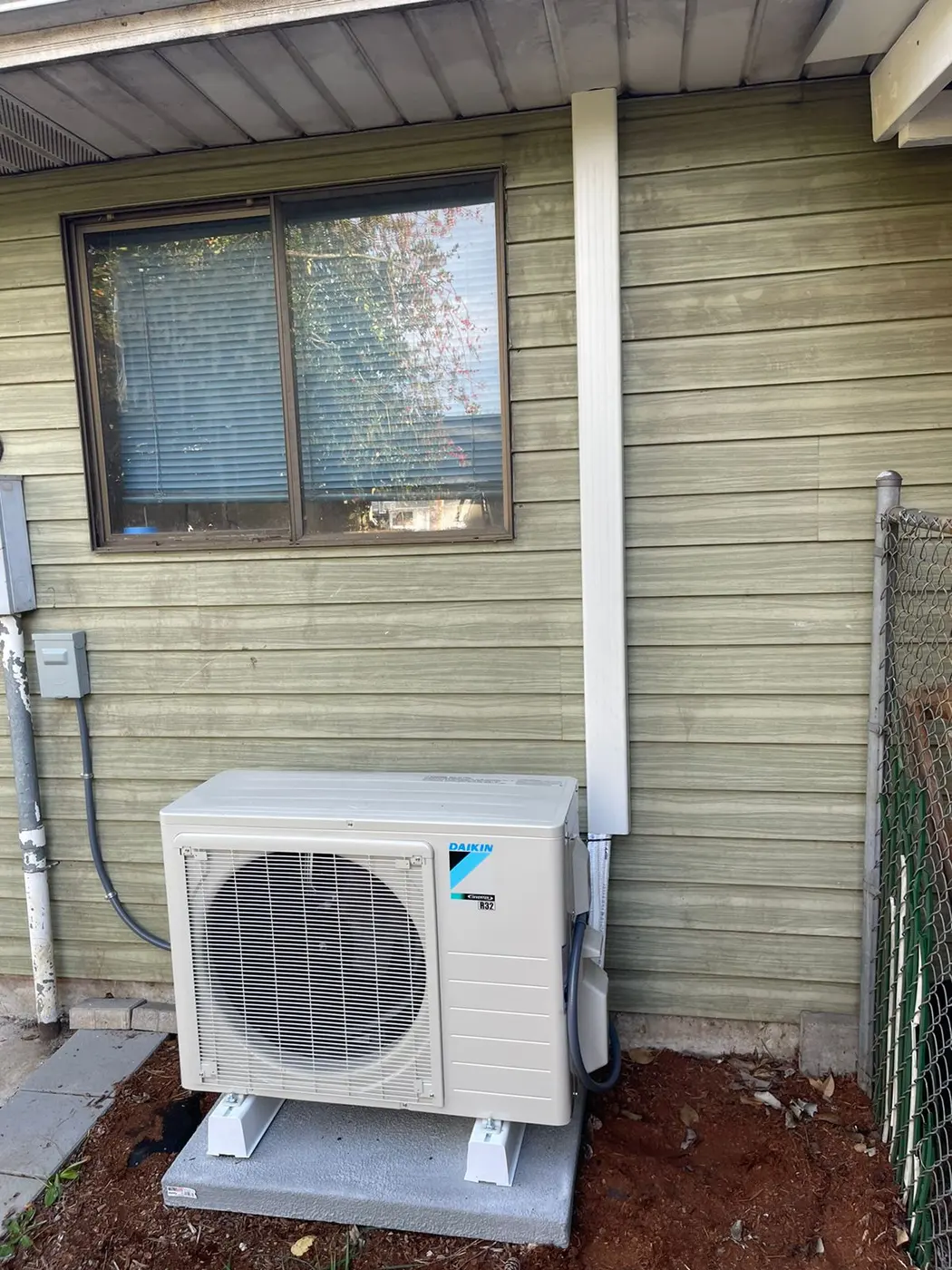
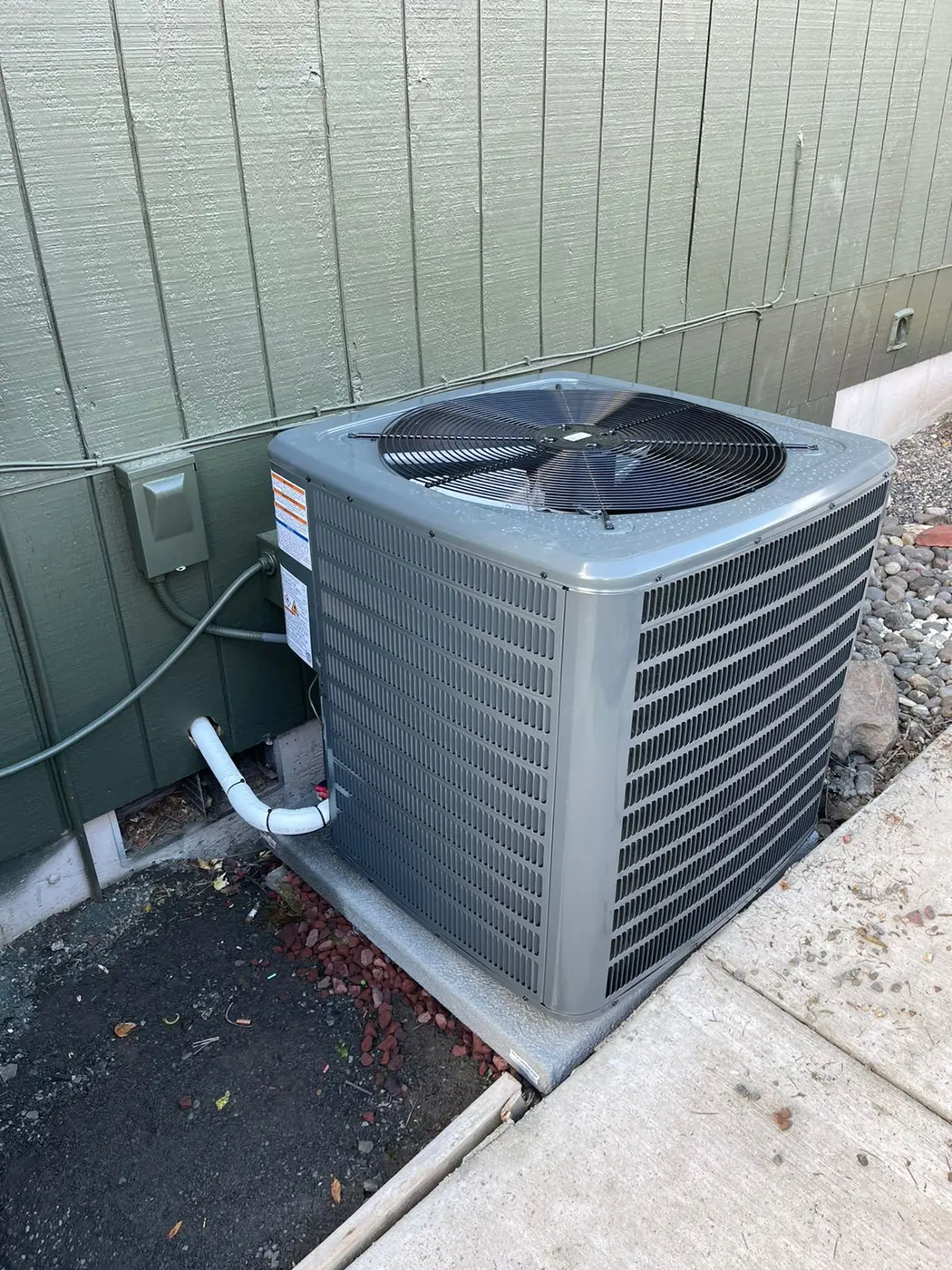
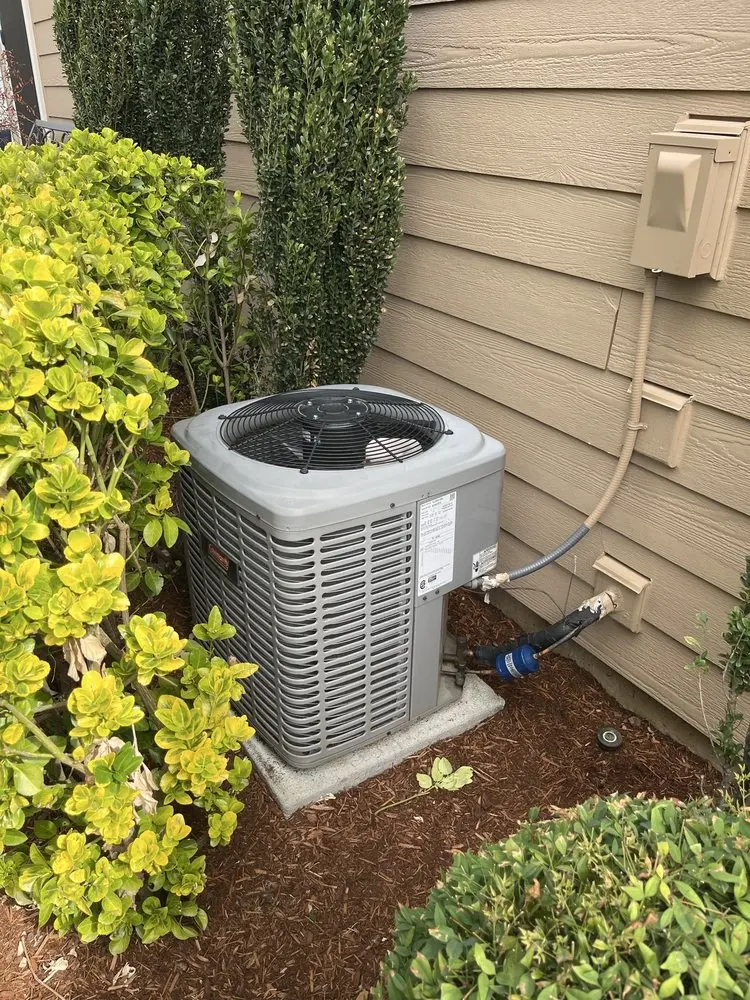
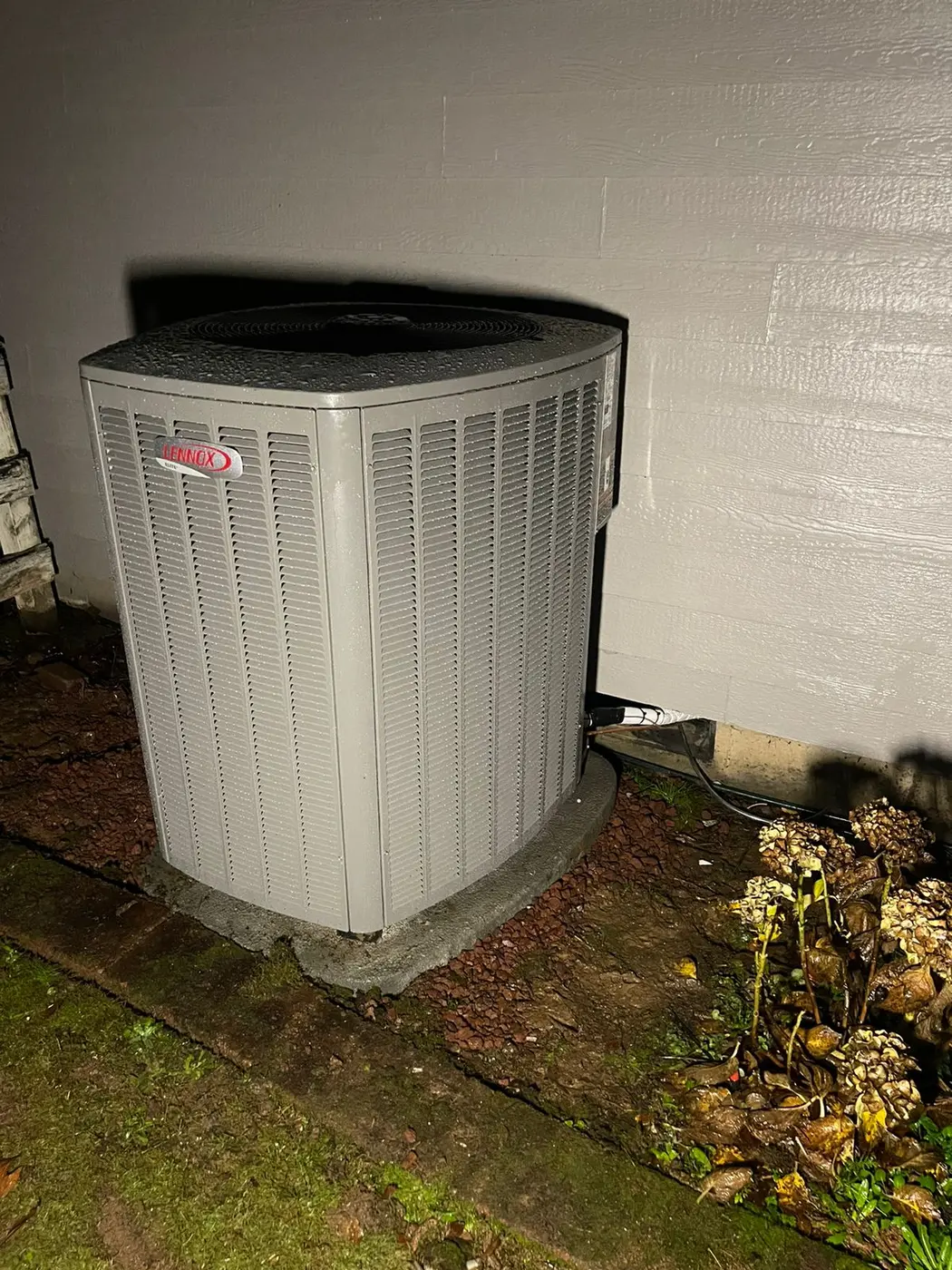
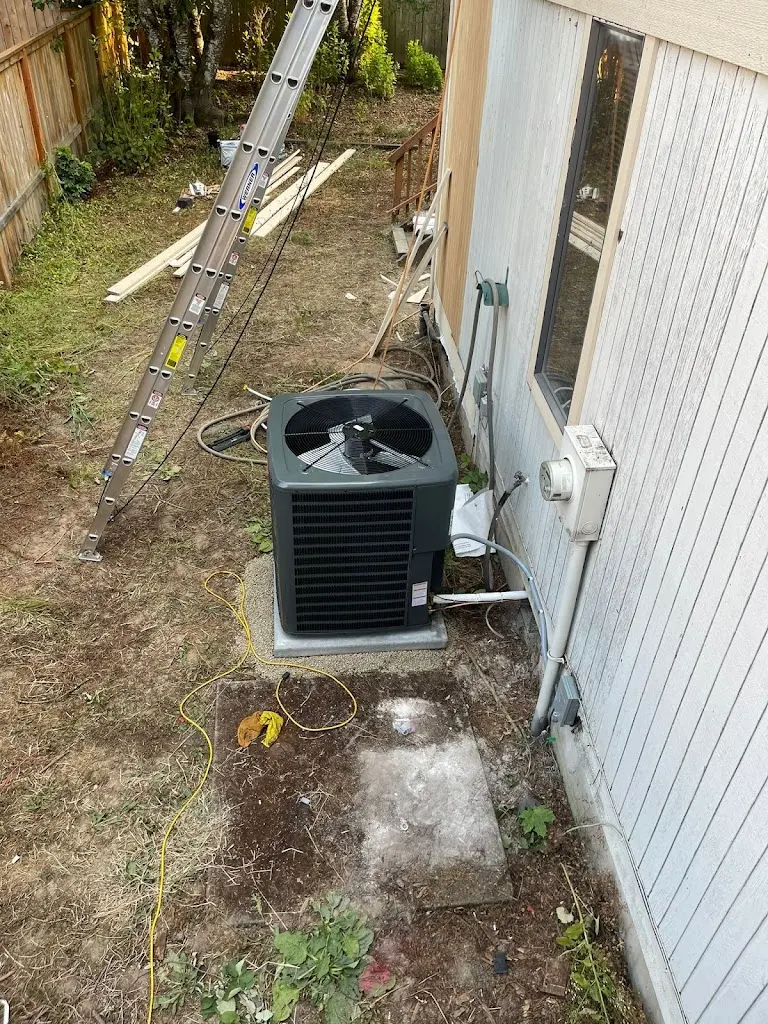
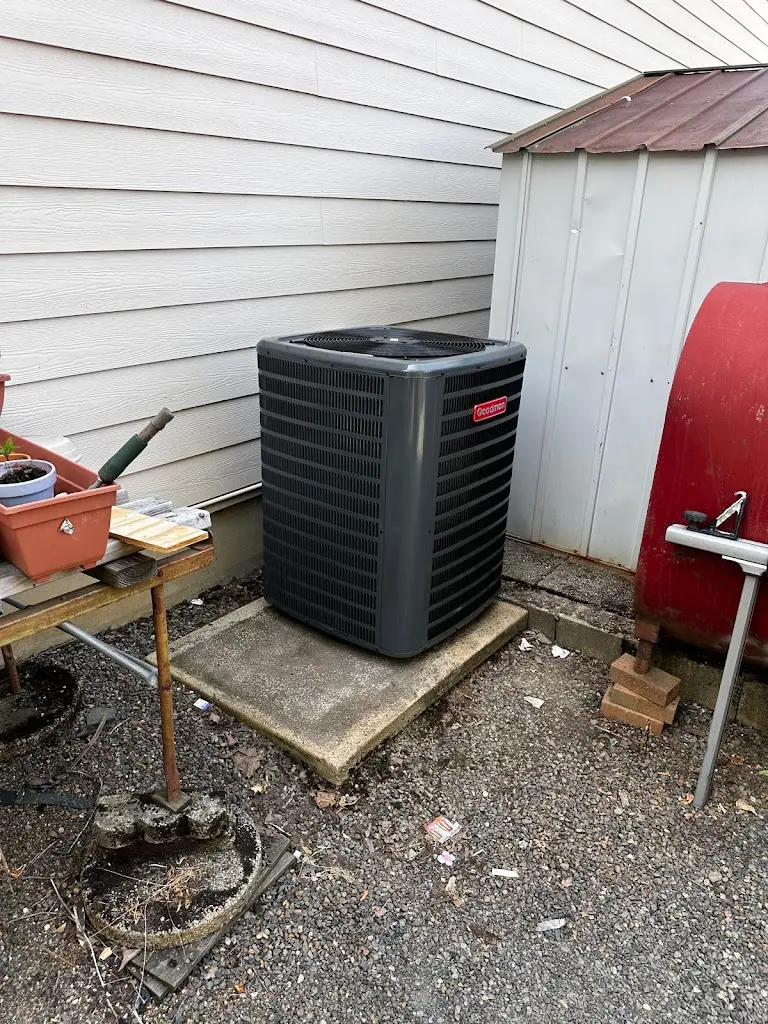
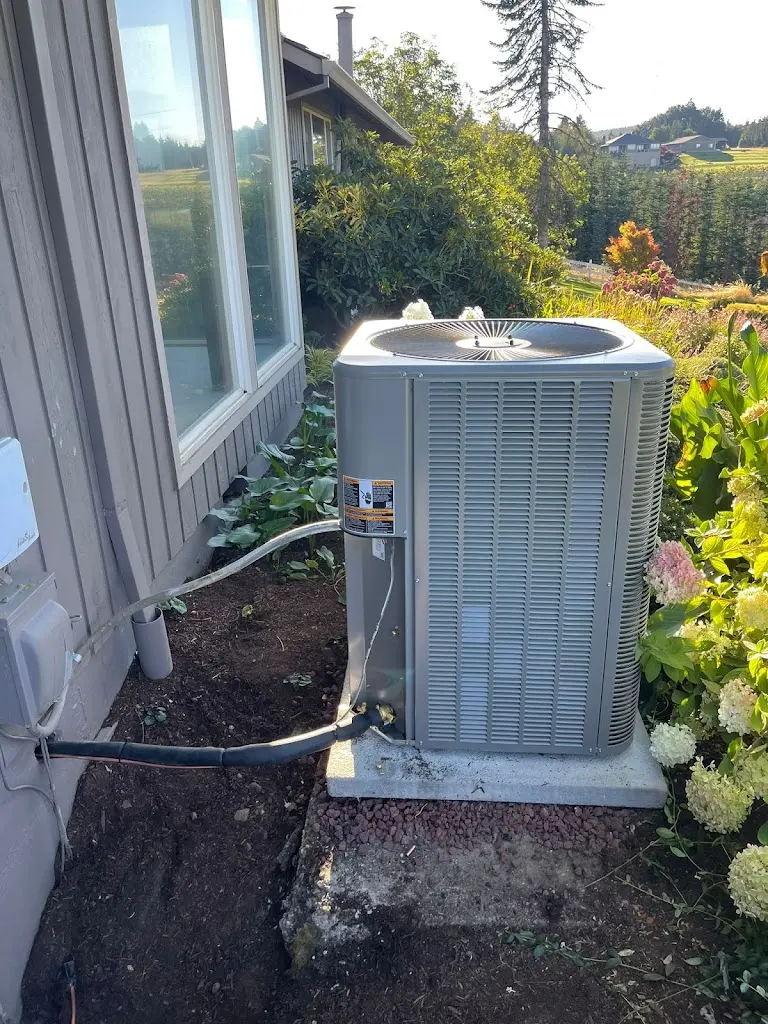
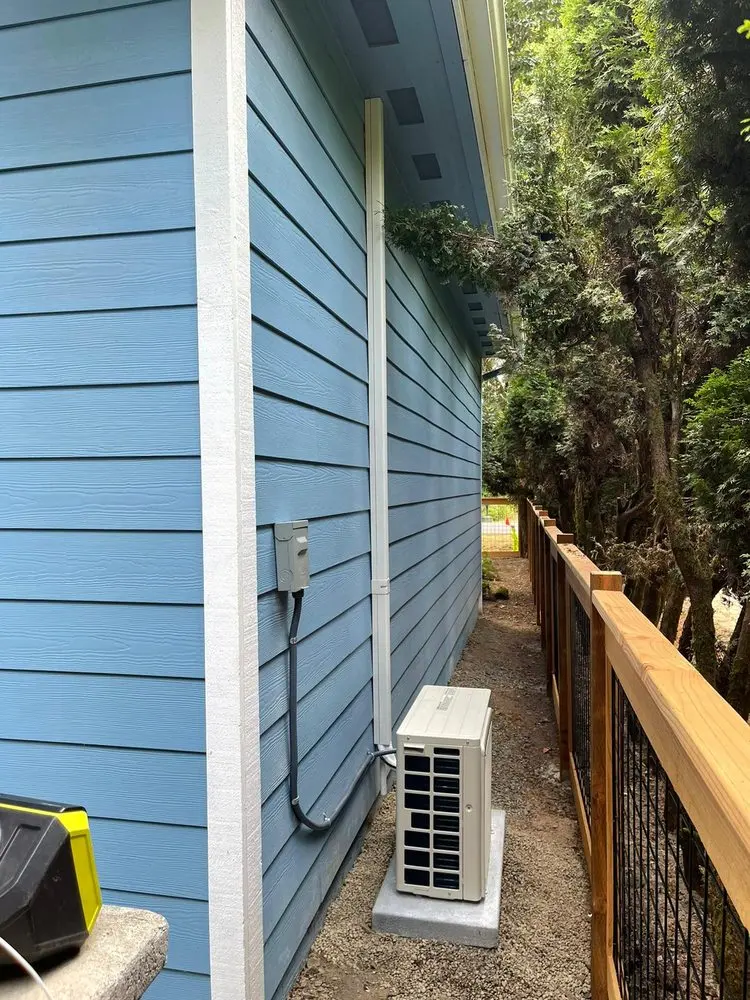
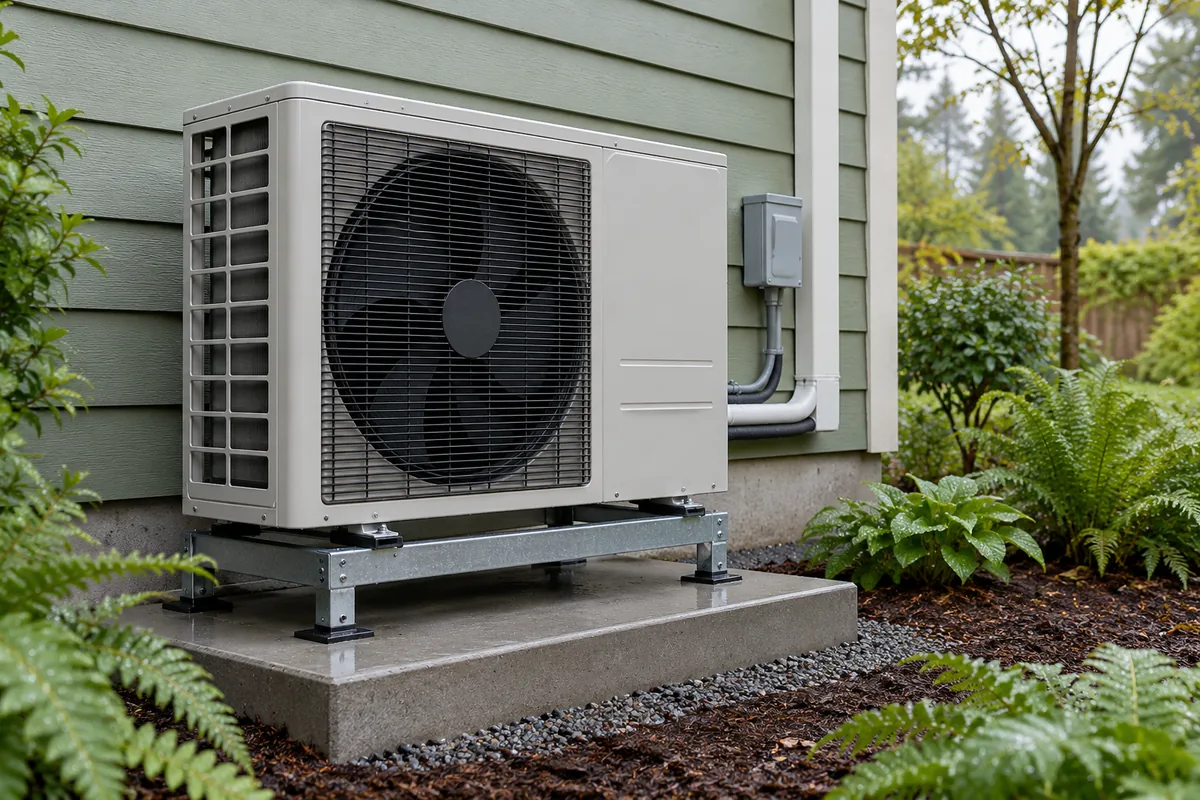
HVAC & Appliance Repair Guys provides AC installation in Donald, OR. Tell us whether you are adding cooling, planning an upgrade or considering replacement after repeated problems. We can review the project alongside any confirmed repair findings.
Our on-site estimator visit for installation and replacement is free. Bring any recent findings and explain what led you to consider a new system.
You may want to avoid repeated failures or plan a change before the next cooling season. You may also want to compare a proposed repair with replacement. The estimate should address that specific goal.
If the current fault is still unknown, our AC repair service in Donald can assess it separately. Repair diagnosis and replacement planning answer different questions. A silent unit or dark control does not establish that the whole cooling system needs replacement. Make clear which decision you need help with.
Confirmed Faults and Unresolved Cooling Concerns
A repair record can name a failed part, completed work or further testing still needed. Ask what the latest visit confirmed and whether it explains the original complaint; a brief return of cooling may leave questions unresolved.
Describe the period after each recent repair in ordinary terms. Did cooling return throughout the home, or did one area stay uncomfortable? Did the same symptom return, or did a different problem appear? These details give the replacement discussion a useful starting point without requiring you to diagnose the equipment.
List the comfort concerns you want replacement to address, including problems that predate the breakdown. Capacity should follow the home’s cooling load, and existing ducts need to support the required airflow. A new unit alone may not solve a warm room caused by air delivery.
Repair and Replacement Work and Prices
Read a proposed repair beside the full installation proposal. One may replace a component while the other changes several connected items. The different totals therefore describe different work. Ask which equipment the replacement price includes, what remains in use and which connection or control changes the project needs.
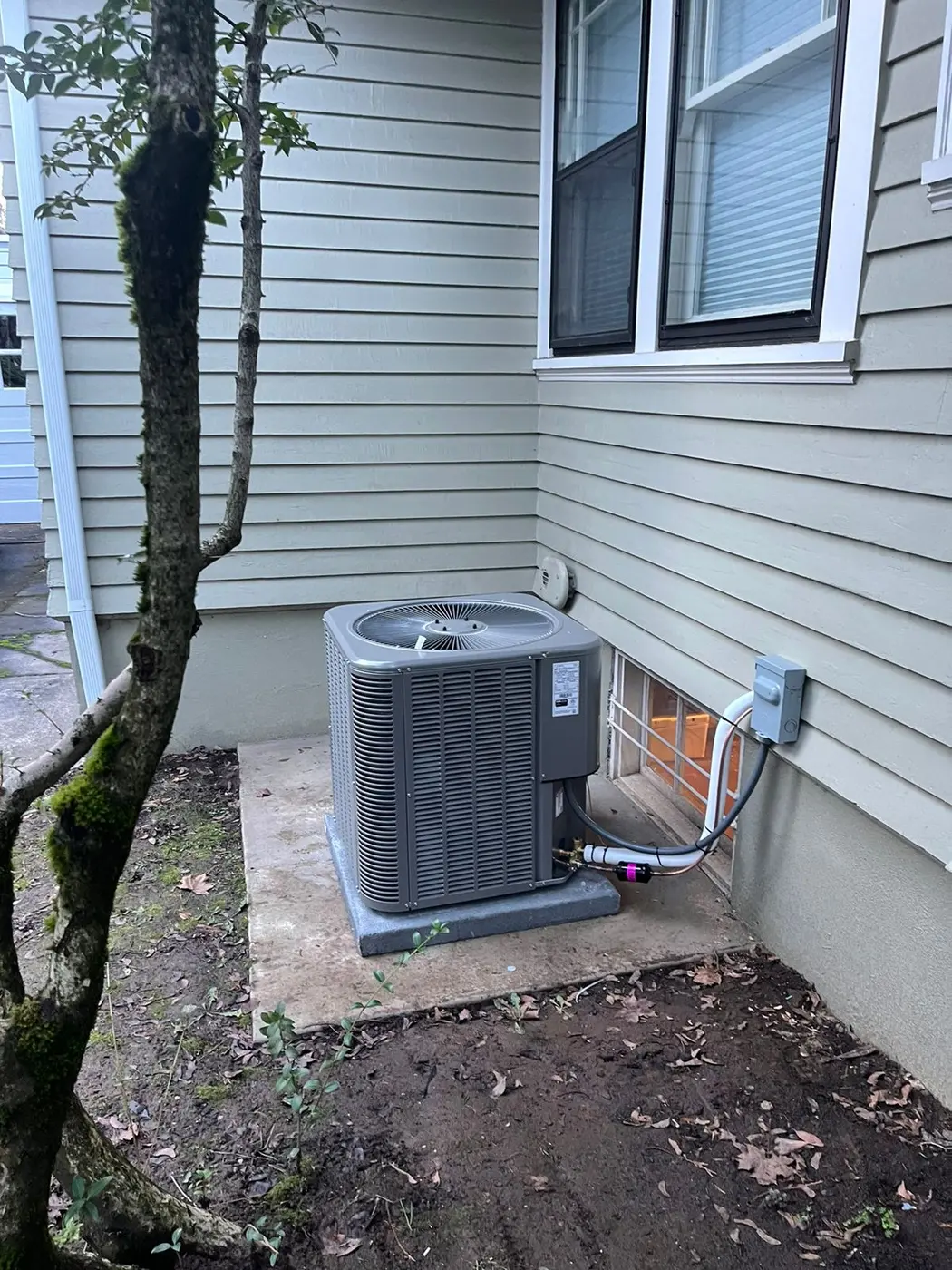
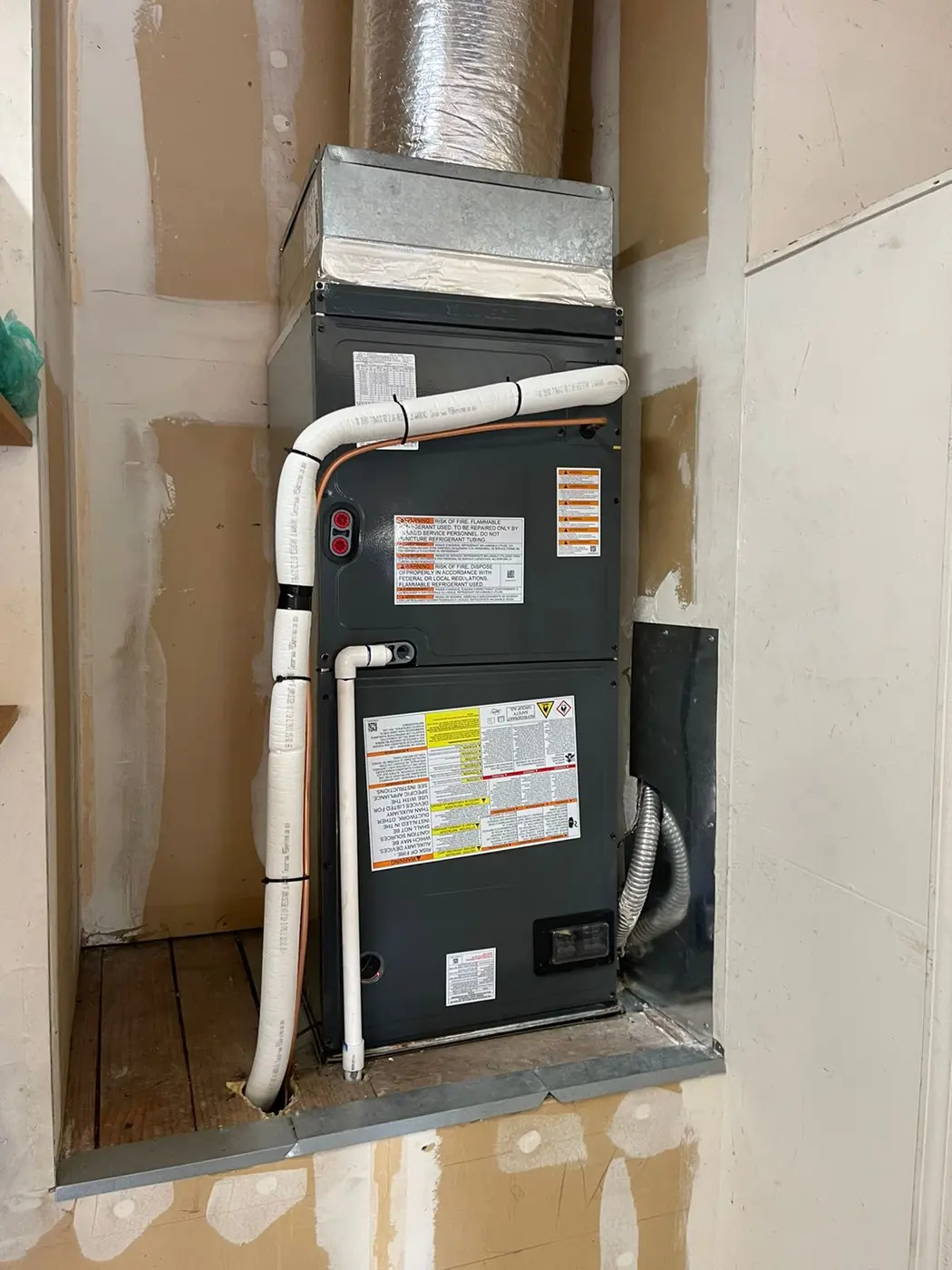
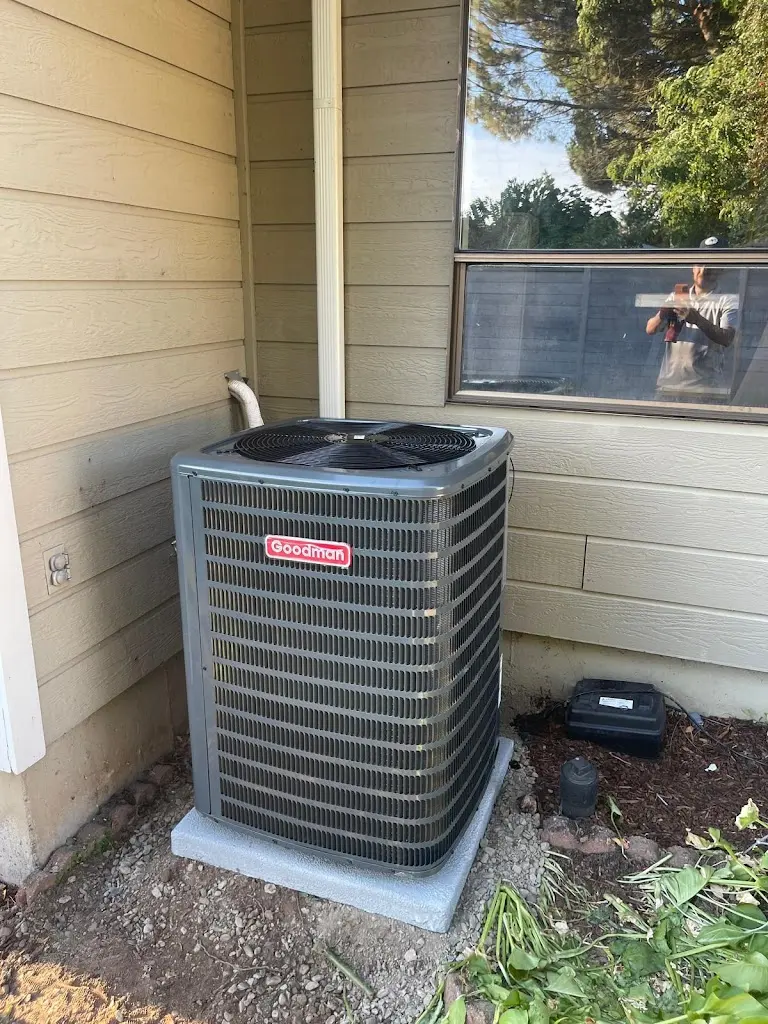
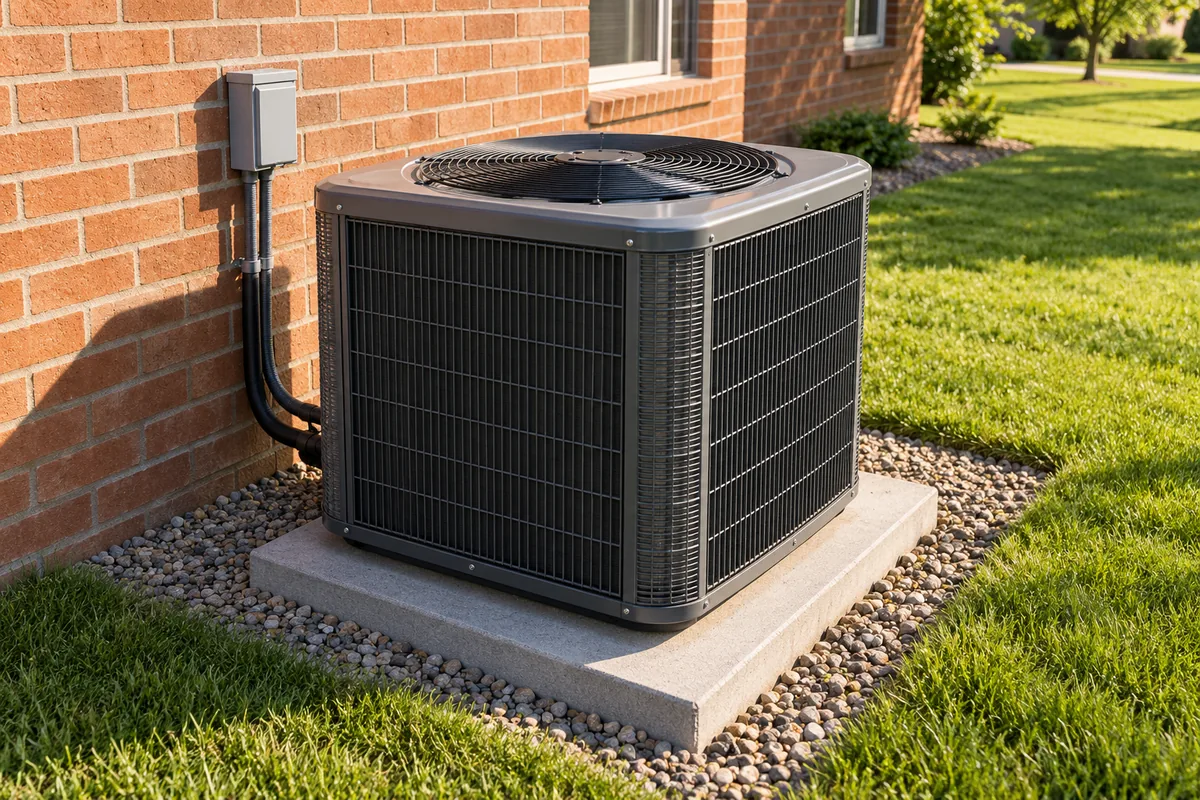
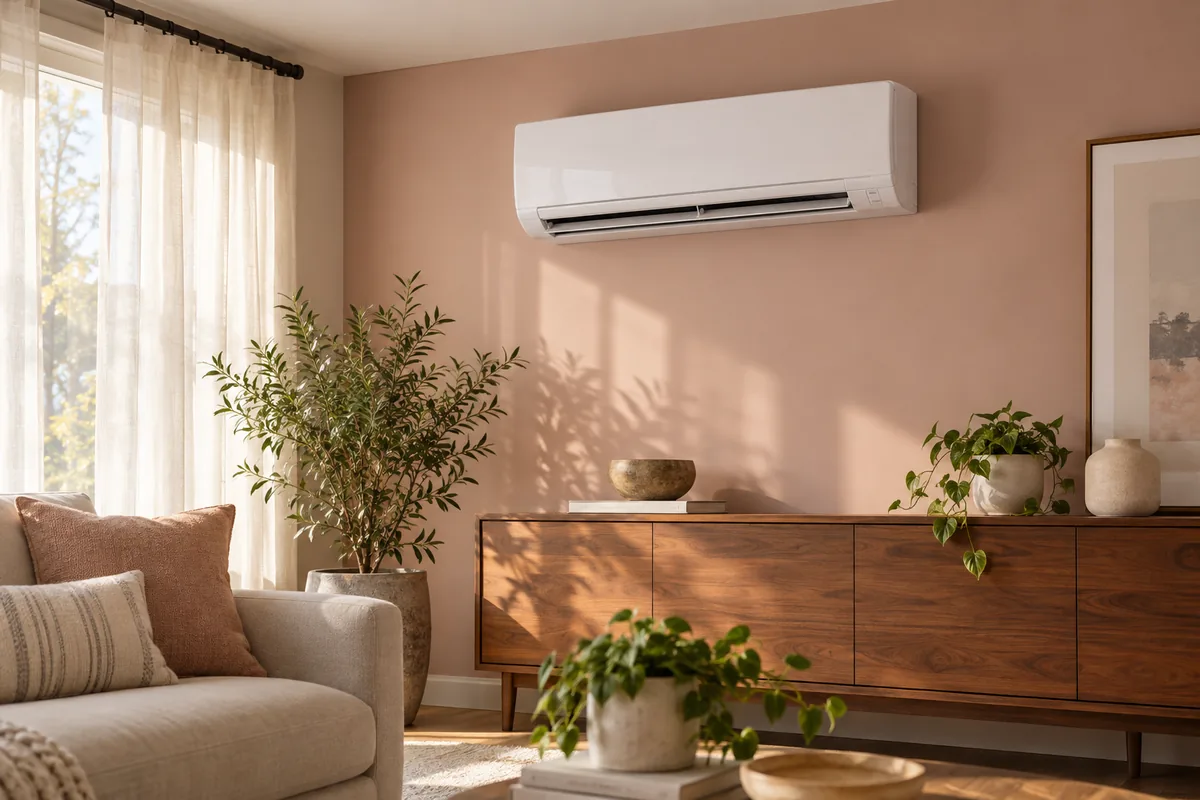
For a split AC system, the indoor coil, blower and outdoor unit must form a suitable combination. Keeping a newer indoor component may be an option, but it needs review. A model label or recent purchase date alone does not establish that it suits the new cooling equipment.
Ask how either proposal handles work that still needs confirmation. A repair may depend on further testing, while an installation may depend on a retained connection passing review. Those conditions belong in the comparison. Confirm what the quoted scope covers now and what could require a separate decision before work continues.
Cooling-Only or Combined HVAC Replacement
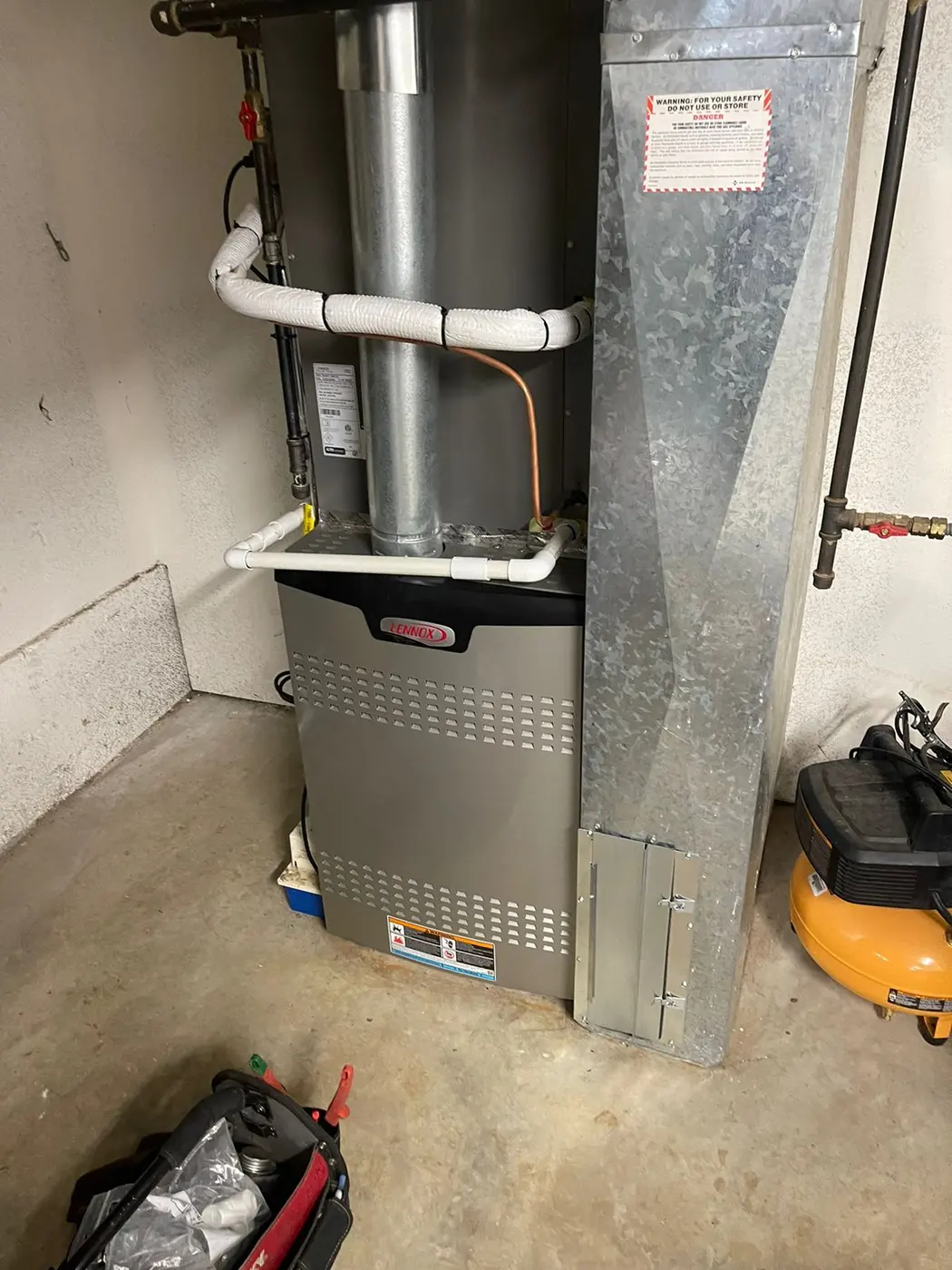
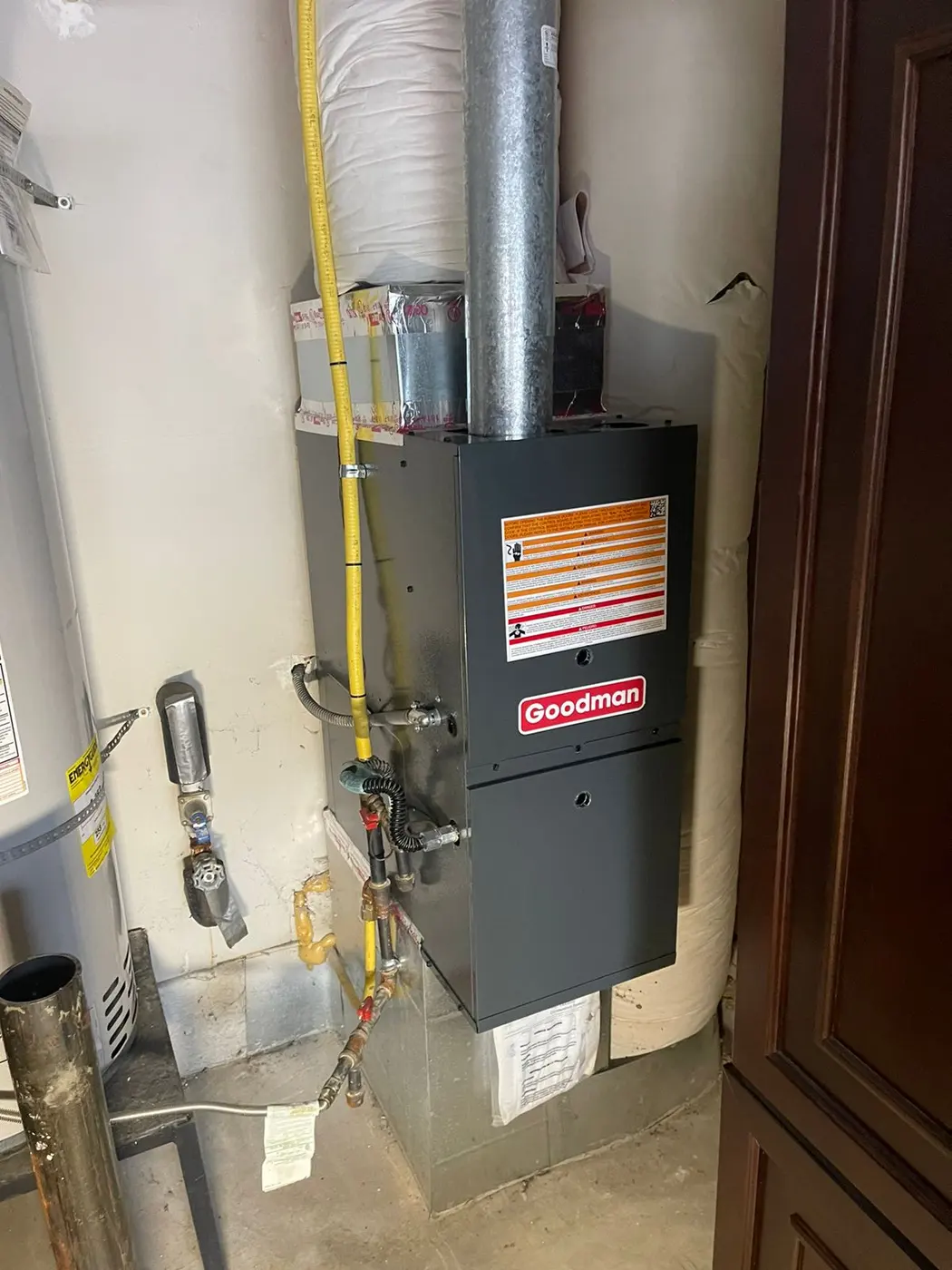
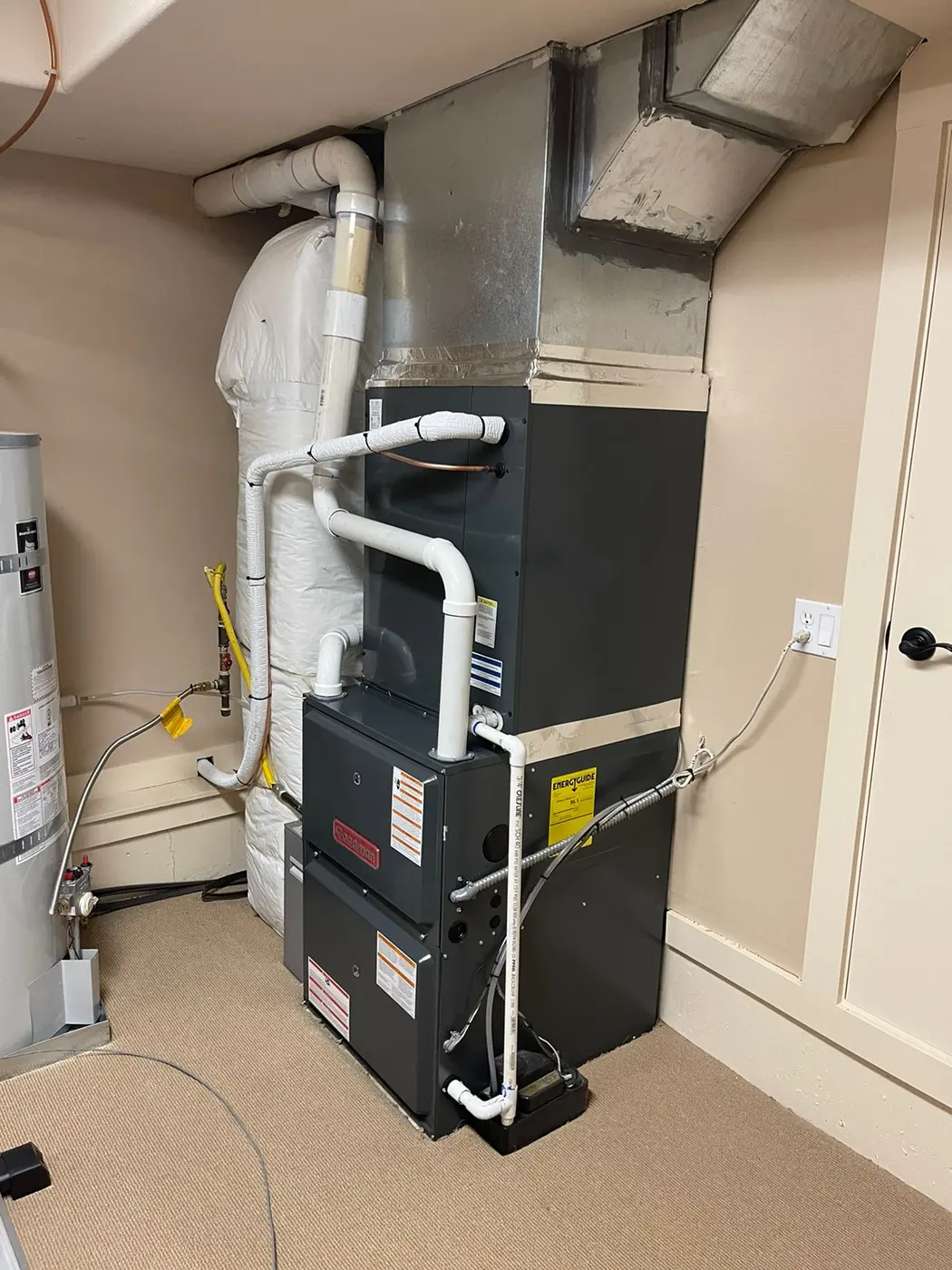
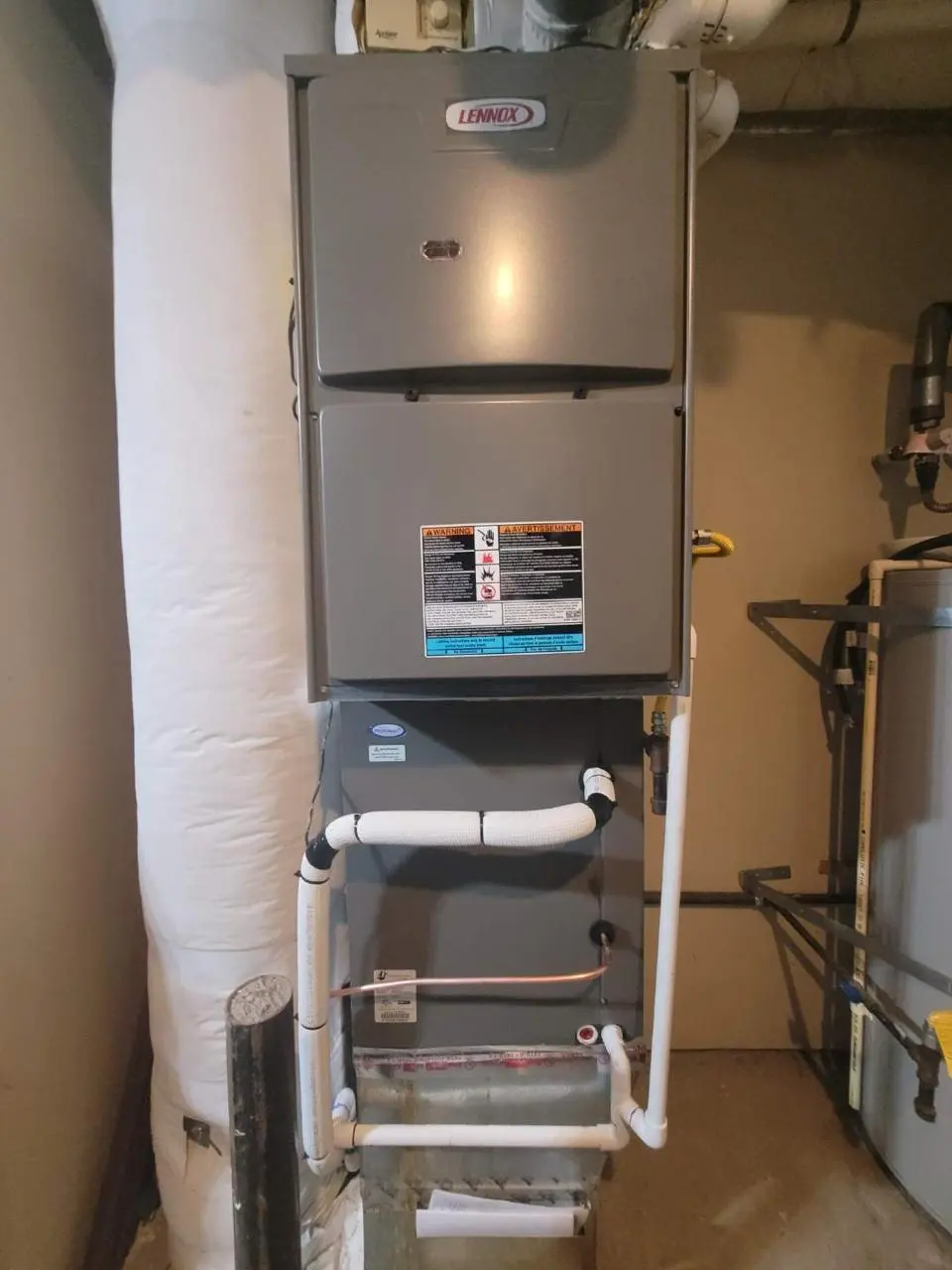
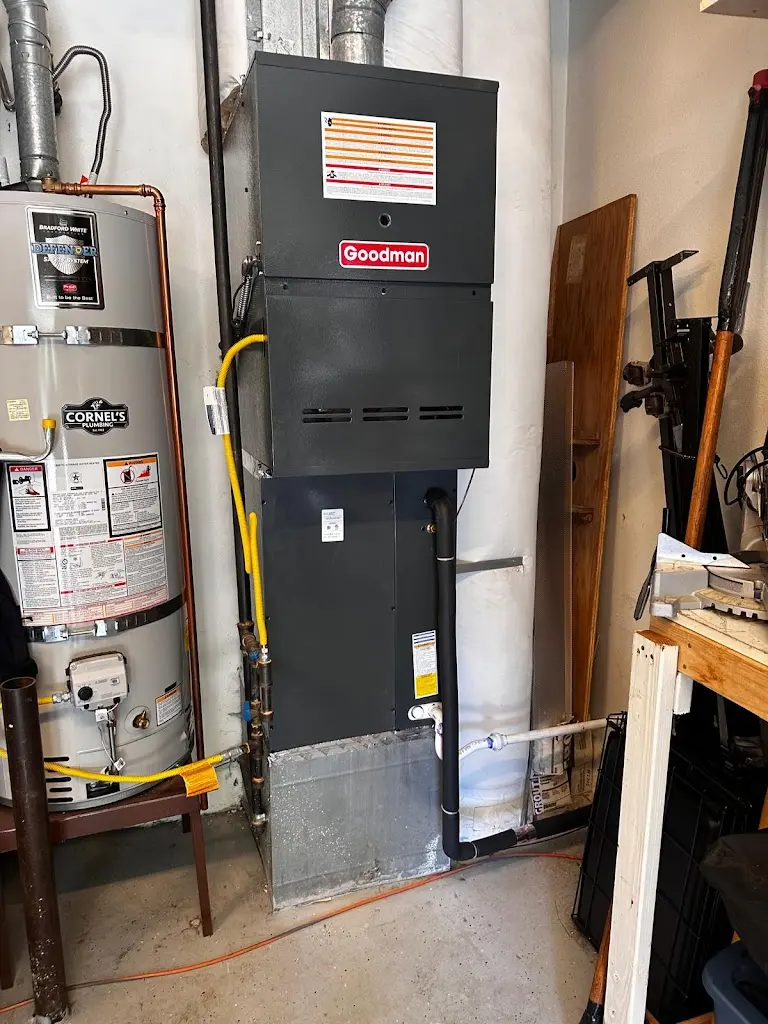
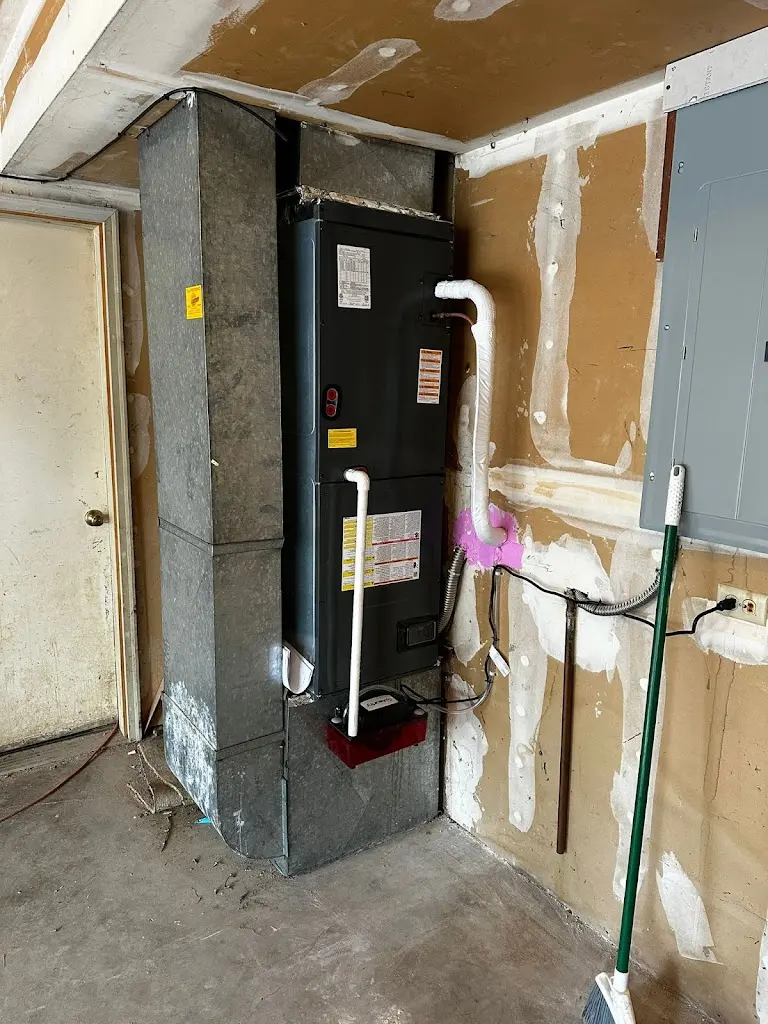
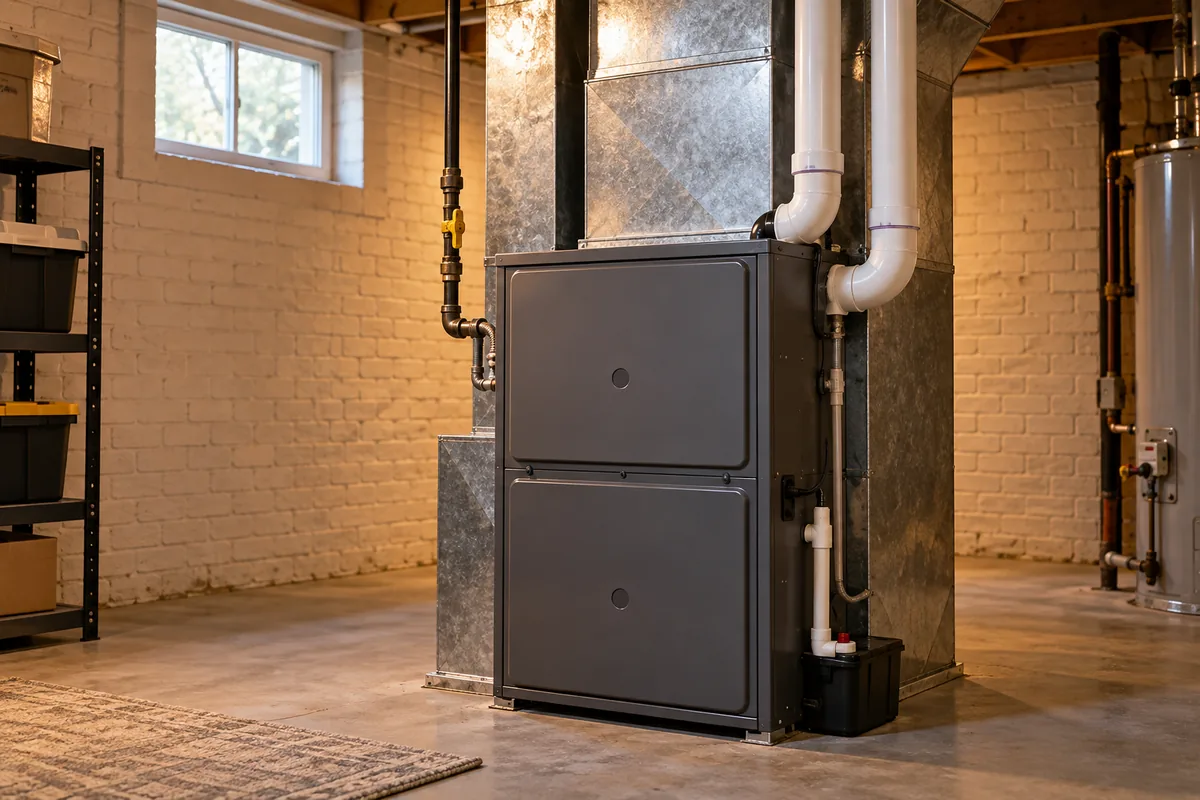
Replacement can address cooling alone or form part of a larger equipment change. Our HVAC installation service in Donald covers the broader project. If the heating equipment still serves you well, say so. The estimate should explain why any proposed heating-side change belongs in the cooling plan.
Discuss access to both the indoor and outdoor equipment during the visit. A retained component does not eliminate the need to reach the area around it. Explain any locked space or route that you cannot clear yourself. The proposal should identify the preparation and removal work before the installation date.
A replacement decision does not establish how long every retained part will last. Discuss its present condition and remaining uncertainty before approval.
Installation Changeover and Cooling Checks
Once you select a proposal, confirm the equipment, included work, price and installation schedule. Arrange access and discuss the expected period without cooling, including how any retained heating equipment is affected.
Leave disconnection, wiring and removal to the installation team. Tell us if the old system stops working or access changes before the visit. At completion, review the cooling response, normal controls and any unfinished task, then keep the model details with the final work record.
Care for the Newly Installed System
Future AC maintenance should relate to the setup actually installed. Keep care instructions with the equipment details and ask which tasks you can safely perform. A past problem does not define the care needs of every replacement model.
If a concern returns during normal use, report the present symptom and its timing. Explain whether it resembles the earlier complaint without assuming the cause is the same. The old record provides context, while the new equipment and observed result guide the next assessment.
To compare AC replacement options in Donald, request a free on-site installation estimate from HVAC & Appliance Repair Guys.
Frequently Asked Questions
Does a recent repair make an installation estimate unnecessary?
No. You can request a replacement estimate after a repair. Share the findings and explain why you want to compare options; the estimate can define the replacement project without requiring you to authorize further repair work.
Is there a fixed number of repairs after which I should replace the AC?
No single count describes the condition of every system. The type of failure, results of earlier work and complete replacement scope all matter. Repeated visits for one unresolved concern need a different discussion from unrelated repairs spread across the equipment history.
What if I want to keep a recently replaced component?
Point it out and share the model details or work record if available. The estimator can review whether it fits the proposed combination. Ask whether that component can stay. A newer part still needs to suit the selected replacement system.
Request AC Installation in Donald, OR
For AC installation in Donald, OR, call HVAC & Appliance Repair Guys or submit a service request through the form on this page.